
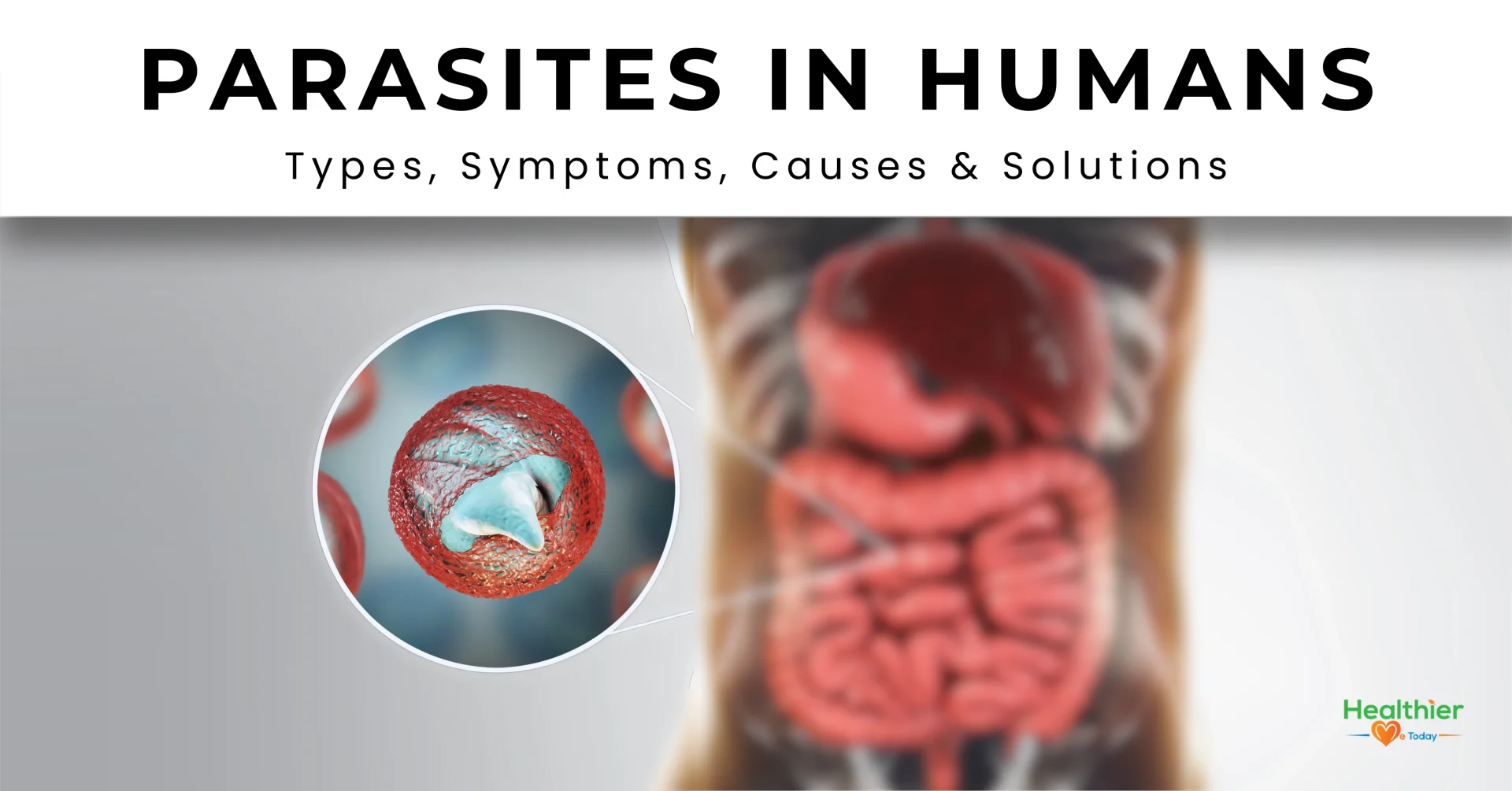
Have you been experiencing a nagging gut issue or feeling off for no apparent reason? Parasites in humans may be the reason, quietly causing symptoms such as bloating, itching, fatigue, or mood swings. These tiny invaders can reside in your body for years, often unnoticed, and affect one in five people at some point in life.
Whether you’re looking for answers to your symptoms or simply curious about parasites in humans, you’re in the right place. This piece explores what they are, their symptoms, types, causes, and practical ways to spot and tackle them naturally.
So, let’s take a microscopic look at these puny pests!
What Are Parasites?
Parasites are organisms that hitch a ride on or inside the body, stealing nutrients to thrive. They range from microscopic bugs like Giardia to worm-like, such as tapeworms, and unfortunately, they’re more common than you might think. People contract these pathogens from contaminated food, water, or soil, particularly in areas with poor sanitation.

Parasites in humans affect about 3.5 billion people worldwide, with higher rates in tropical regions like sub-Saharan Africa or Southeast Asia, but even developed areas have plenty of cases. A strong immune system, fueled by foods that are rich in zinc, vitamin C, and probiotics, helps your body fight back.
Symptoms of Parasites in Humans
Symptoms of parasitic infections can sometimes be tricky, often mimicking other issues such as irritable bowel syndrome, food intolerances, or even stress. Parasite symptoms vary by type but can drag on for weeks, months, or even years if they’re ignored. Studies suggest that up to 50% of chronic gut problems may be linked to parasites, but testing is vital to confirm the actual cause.
Here are eight common signs to watch for:
- Bloating
- Gas
- Cramps
- Diarrhea
- Fatigue
- Weight Loss
- Itchy Skin
- Brain Fog
- Irritability
- Nausea
- Vomiting
- Joint and muscle pain
Types of Human Parasites
Parasites in humans come in a few different types, and knowing them helps you understand how they sneak into or onto your body and cause trouble.

Here are five common kinds of human parasites:
Protozoa
Protozoa, such as Giardia or Cryptosporidium, are single-celled parasites often found in contaminated water sources, rivers, and unfiltered tap water. They wreak havoc on your gut, causing symptoms such as diarrhea, bloating, or cramps, as we previously discussed. Scarily, over 1 billion people are affected by these annually, especially in areas with poor water quality, such as rural and tropical regions.
Helminths
Helminths are worms, like roundworms, pinworms, or hookworms, that can grow to several inches in length. They can slip in through undercooked meat, unwashed vegetables, or by walking barefoot on contaminated soil. Pinworms cause itchy nights, especially in kids, while hookworms can lead to anemia. Approximately 1.5 billion people worldwide are infected with these worms [who.int].
Ectoparasites
Ectoparasites, like head lice, scabies mites, or bedbugs, hang out on your skin. They spread through close contact, shared bedding, or infested furniture, causing itchy rashes or sores. While they don’t mess with your gut, they can make daily life a scratchy, uncomfortable hassle.
Flukes
Flukes, or flatworms such as liver flukes or schistosomes, can enter the body through the consumption of raw fish, contact with water plants, or by swimming in infected rivers. They can settle in your liver or intestines, causing pain, fatigue, or jaundice. They’re common in regions where raw fish, like sushi or ceviche, is a dietary staple.
Amoebas
Amoebas, such as Entamoeba histolytica, spread through contaminated food or water, often from street vendors or individuals with unwashed hands. They trigger severe diarrhea, abdominal pain, or fever, especially in tropical areas. Millions face these in developing regions, particularly after eating contaminated produce. Now that we know the culprits, let’s look at how they enter your body.
Causes of Parasites in Humans
How do parasites in humans make their way to us? Well, they sneak through everyday habits or environments, often catching you off guard.
Here are six common ways they make their move:
Contaminated Food
Eating undercooked pork, fish, or beef can introduce tapeworms, common parasites in humans (which can measure a whopping 80 feet in length), or flukes [mayoclinic.org]. So, be cautious when eating raw sushi, undercooked pork chops, or rare steak; ensure your meat is always properly cooked and high quality.
Dirty Water
Drinking untreated water from streams, wells, or lakes can carry Giardia or amoebas. Unfiltered water, especially in rural areas or while camping, is a significant pathway for infection; therefore, bottled or boiled water is a much safer option.
Unwashed Produce
Fruits or vegetables that are not rinsed well can contain parasite eggs, such as those of roundworms like Ascaris lumbricoides. Even pre-packaged greens can carry risks if not washed under running water. Take this as a reminder: Always rinse your produce thoroughly!
Poor Hygiene
When you decide not to wash your hands after touching soil, pets, or raw meat, you welcome parasites with open arms. For example, petting a dog that’s rolled in contaminated dirt can transfer pinworm eggs if you don’t scrub your hands for at least 20 seconds with warm water and soap.
Travel to High-Risk Areas
Visiting tropical or poorly sanitized regions increases your risk of contracting parasites. Studies have shown that people who travel to these places have a 30-50% chance of getting “travelers’ diarrhea”, in which parasites are a significant contributor [mayoclinic.org]. Eating street food, drinking local water, or swimming in infected rivers in these areas can introduce parasites, so extra caution is needed during travel.
Weak Immune System
Stress, a poor diet, or illness can weaken your body’s natural defenses, making it easier for parasites to latch on. Low nutrient intake, like not getting enough vitamin C or zinc, or chronic stress from lack of sleep, leaves you more vulnerable. Knowing these causes helps you stay vigilant, but how do you confirm if parasites are behind your symptoms? Let’s find out.
Diagnosing Parasites in Humans
Testing can clear up the mystery and get you back to feeling great. If you’re dealing with ongoing bloating, fatigue, or other parasite symptoms, a gut health test is a smart move, especially if symptoms persist for over a month. Testing helps distinguish parasites from other issues, such as food intolerances, stress, or digestive disorders.
Here are six ways to diagnose parasites:
- Stool Tests: The go-to method, checking for parasite eggs or organisms in your stool. They’re non-invasive, catch most gut-based parasites, and are about 90% accurate with proper sample collection.
- Blood Tests: These tests detect parasites that affect the blood or organs, such as those causing fever or anemia. They’re ideal for systemic infections and can detect antibodies specific to certain parasites.
- Scans: Ultrasounds or X-rays can detect parasites in organs such as the liver or lungs. They’re used for severe cases where parasites spread beyond the gut, such as with flukes.
- At-Home Tests: Stool kits allow you to test at home, but lab tests are more accurate, especially for challenging parasites like amoebas. Follow instructions carefully for reliable results.
- Symptom Tracking: Logging symptoms like weight loss, itching, or diarrhea for over a month helps pinpoint when to test. Consistent patterns, especially those involving multiple symptoms, raise a flag.
- Travel History Check: Recent trips to high-risk areas, such as tropical regions, may prompt testing. Pairing travel history with symptoms helps narrow down which parasites to check for.
Testing works best when you prepare, like avoiding certain foods or medications before a stool test to ensure accuracy. Got a diagnosis or suspect parasites? Let’s talk about kicking them out and keeping them gone.
Managing and Treating Parasites
Dealing with parasites in humans and ready to send them packing? Doctors use targeted medications to clear infections, typically in one to three weeks, depending on the parasite.

Here are three common medical treatments for parasites in humans:
- Metronidazole for Protozoa: Doctors often prescribe metronidazole (500 mg twice daily for 5 to 7 days) to treat protozoa, such as Giardia, effectively clearing gut-based infections.
- Albendazole for Worms: Albendazole (400 mg, administered as one or two doses) targets worms such as pinworms or hookworms, killing them and relieving symptoms like itching or anemia.
- Praziquantel for Flukes: Praziquantel (25 mg/kg for 1 to 2 days) is used for flukes, such as liver flukes, and works quickly to eliminate these parasites.
Supporting professional treatment for parasites in humans is essential to recovery. Boosting your fiber intake, taking probiotics, and staying hydrated can enhance the effectiveness of the medication prescribed by professionals. These steps, when paired with thorough hygiene, help clear parasites more quickly, reduce symptoms, and restore gut health.
Here is how to get rid of parasites alongside meds:
- Monitor Symptoms: Track symptoms such as bloating or fatigue daily to monitor treatment progress, ensuring medications are effective and alerting you to any lingering issues.
- Boost Fiber Intake: Eat fiber-rich foods like apples, carrots, or oatmeal (25-30 grams daily) to help flush parasites from your gut, supporting the effectiveness of medication.
- Take Probiotics: Yogurt, kefir, or probiotic supplements (containing at least 10 billion CFU daily) help restore healthy gut bacteria, aiding recovery from parasite damage.
- Use Ginger or Turmeric: These spices have anti-inflammatory properties that soothe gut irritation caused by parasites. Try adding one teaspoon of grated ginger or turmeric to your tea daily.
- Maintain Hygiene to Prevent Reinfection: Wash bedding, towels, and clothes in hot water weekly to kill parasite eggs, especially those of pinworms, as a complement to medical treatment.
- Stay Hydrated: Drink 8 to 10 cups of water daily to support your body’s detoxification process, which helps clear parasites and reduces symptoms like fatigue.
These steps work in conjunction with medical treatment to accelerate recovery and promote overall health. Let’s wrap up with how to stay on top of your health.
Conclusion: Can You Avoid Human Parasites?
You don’t have to let parasites in humans run the show! By understanding their types, causes, and symptoms of parasites in humans, you’re ready to take control. Doctors can eliminate infections with targeted medications, such as albendazole or praziquantel, often in just a few weeks.
Meanwhile, habits such as cooking meat thoroughly, washing produce, and consuming foods that kill parasites in humans, like garlic or pumpkin seeds, can support efforts to eliminate parasites from your body. If parasite symptoms like bloating, fatigue, or itching linger, a gut health test can give you clear answers.
You’re on the path to feeling your best, so keep these tips in your toolkit, stay vigilant, and enjoy a healthier, happier you!
FAQ’s:
What are the warning signs that your body may be infected by something foreign?
Bloating, diarrhea, fatigue, or unexplained weight loss may suggest the presence of parasites in humans. A gut health test can help confirm if these symptoms are due to parasites.
Can digestive issues indicate a hidden health problem?
Yes, chronic bloating or cramps may indicate the presence of parasites in humans. Testing helps uncover the cause of ongoing gut issues.
Is it possible to catch a bug from food or water without knowing it?
Absolutely. Contaminated food or water can carry parasites, such as Giardia, leading to parasite symptoms that may not be immediately apparent.
Why do some people feel constantly bloated or fatigued after eating?
Persistent bloating or fatigue might stem from parasites in humans disrupting gut health. A test can pinpoint the cause.
Appeals to readers experiencing vague, chronic symptoms.
Unexplained symptoms, such as bloating, fatigue, or weight loss, may indicate the presence of parasites in humans. A gut health test can confirm the cause and guide next steps.
How can natural remedies improve gut health over time?
Eating foods that kill parasites in humans, such as garlic or pumpkin seeds, and taking probiotics can help boost gut health in just weeks.
What should you do if over-the-counter medications don’t relieve stomach problems?
If stomach issues persist, consider a gut health test to check for parasites. Testing guides better solutions.
Can frequent stomach cramps or unexplained weight loss signal a deeper problem?
Yes, cramps or weight loss might indicate parasites in humans. A test can confirm the cause and point to solutions.
Designed for awareness-focused traffic, targeting health-conscious readers.
Unexplained symptoms, such as fatigue or bloating, may suggest the presence of parasites in humans. A gut health test can confirm the cause and guide next steps.
Are there home checks or tests for unusual digestive symptoms?
At-home stool tests can detect parasites in humans; however, lab tests are more accurate for confirming the presence of parasites.
Is poor sleep or mood related to issues in the gut?
Yes, parasites in humans can disrupt sleep or mood by affecting gut health. Addressing parasites may improve both.
How long do untreated internal health issues typically last?
Untreated parasites in humans can persist for months or years, resulting in ongoing symptoms.
