
Does Medicare Cover Ambulance?

Medicare does cover Ambulance services; however, only Medicare Part B, which belongs under the Original Medicare program, covers ambulance services. There are certain situations where Medicare won’t cover the services, and certain criteria have to be met before they will provide an ambulance. 

It is important to know under which specific circumstances Medicare will pay for ambulance services. This will save you from spending a hefty cost if used for a situation not related to the criteria. Medicare part B will help pay the costs of services from doctors, home health care, durable medical equipment, outpatient care, preventive services, and services from other health care providers. So if you want to ensure that you have the option to be able to call an ambulance and have help with paying the cost, then Part B is definitely recommended for you.

What Makes Medicare Different?

Doctor arms crossed - Does Medicare Cover Ambulance | Healthier Me Today

Medicare services are abundant, and they follow through with the rights and protections that have been put in place for their customers. You can rely on their customer service as well as ensure equal treatment.

There are many wonderful attributes that Medicare provides in terms of customer care. Some of these are treating their clients with dignity and respect at all times, not to mention they are very courteous. They implement strongly that no one will be discriminated against whether it is about age, race, gender, national origin, color, religion, or disability. 

They also make sure that they pass on information in a clear language that you can understand, and with this, they also make sure you learn about your treatment choices and can participate in treatment decisions. 

They take their consideration a step further by supplying accessible formats in whatever way will be easiest for you, such as large print and even braille. To do this, simply contact your plan and inform them of what you need. 

Several insurance plans and health care coverage companies have certain criteria of who is eligible to apply for their services. This is the same for Medicare as they aid in primarily covering people 65 years of age and older, but they do, however, also offer plans to those with disabilities and who have end-stage renal disease. 

Medicare provides and offers a surplus of services, more than the majority of most private health insurance.

Why does an Ambulance have Extra Costs?

With the Medicare-approved amount of 20%, ambulance companies can’t make you pay more than this. You will pay this Medicare-approved amount after you have met the yearly deductible of Part B. 

All ambulance companies must accept the Medicare-approved amount as payment in full. Medicare would cover 80% of the cost for the ambulance service; however, their payment might be different if you were transported via a CAH or an entity that is owned and operated by a CAH.

If you want to know if Medicare did or didn’t pay for your ambulance service, you can take a look at the Medicare Summary Notice (MSN) that you will receive in the mail every three months. 

Reasons behind Medicare not paying will be found on this notice. For example, it will be stated as “Payment for transportation is allowed only to the closest facility that can provide the necessary care.” If you used an ambulance to move from one facility to another one closer to home, it might say on your notice, “Transportation to a facility to be closer to a home or family is not covered.” 

Do Medicare Cover Ambulance Costs – How does it Work?

Person in ambulance - does medicare cover ambulance | Healthier Me Today

Medicare does cover ambulance costs. Although there are a few circumstances where it will be covered, and somewhere it won’t be

Not all Medicare covers this service. Primarily Part B offers this benefit as it is designated to medical insurance. It will only cover the cost if it is deemed medically necessary and when an alternative means of transportation could be hazardous to your health.

Some of the medical circumstances deemed necessary for an ambulance would be if you are in shock, unresponsive, or bleeding heavily. However, if you are dealing with a broken leg or injured, it is not enough reason to warrant an ambulance. 

For those with end-stage renal disease and similar conditions, Medicare will cover the cost of an ambulance to transport these individuals to and from a dialysis center. They will also cover transportation to a hospital or skilled nursing facility. 

Medicare will only pay for an ambulance to take you to the nearest medical facility that’s able to provide whatever care you need. If you ask to be taken to a facility that is further away, then Medicare will only cover the distance between your pickup point and the closest facility available.

There are options for non-medical ambulance services. If your health needs monitoring, traveling via a normal vehicle could prove to be hazardous to your condition. Another need for ambulance service is if you need to be confined to a bed and can’t sit or be in a wheelchair and need medical services during the trip that are only available in an ambulance, such as IV medication or monitoring. If your physician writes an order stating an appropriate reason, then you can also receive a non-emergency ambulance service. 

Whether your ambulance trip is a non-emergency or emergency service, you are still responsible for a portion of the costs unless you have supplement coverage which will pay your portion. 

Medicare’s Ridefare

Medicare does indeed cover ambulance services but under certain circumstances. Regardless of whether you have a plan that includes ambulance coverage, there is still a small price. This cost can be covered, leaving you with no need to spend a penny if you have Medicare Supplement Coverage. Out of the Medicare programs, if you premeditated that you want ambulance coverage, your best choice would be to enroll in Part B. After paying the deductible on this plan, you will no longer have to pay the 20% and full cost coverage. 

Does Medicare Cover the Flu Shot?

Influenza, commonly known as the flu, is a virus that causes coughing, fever, sore throat, fatigue, and headaches. Death can become part of the equation if you are an elder, primarily because of the weaker immune system. This is why flu shots are essential, as they protect and help prevent the spread and contracting of the possibly fatal virus.

The flu can lead to other illnesses such as bronchitis and pneumonia, which are extremely dangerous if left too long. Thankfully there is a simple way to prevent the flu virus from turning into a fatal disease. If eligible, medical programs, such as Medicare even offer this potentially life-saving shot for free.

What is Medicare?

It began in 1965 in the United States by the Social Security Administration and is now administered by the Centers for Medicare and Medicaid Services.
Medicare is a health insurance program tailored to people at the age of 65 and older,  younger individuals with disabilities, and those with end-stage renal disease such as ESRD (permanent kidney failure that requires a transplant or dialysis).

Medicare offers four parts ranging in what the customer needs. These are labeled Part A, B, C, and D.
This health insurance company program is funded through the Hospital Insurance Trust Fund and the Supplementary Medical Insurance Trust Fund. It aims to provide medical procedures and care coverage, focusing mainly on the elderly. What will be covered depends solely on which part of the program is chosen.  

Will Medicare Cover My Flu Shot?

Does Medicare Cover the Flu Shot - doctor at the office | Healthier Me Today

Many places accept Medicare Advantage Plans. Elderly people who have Medicare Part B, C, or D can receive their yearly flu shot for free.

If you meet the criteria of Medicare and depending on which plan you choose or are recommended, then yes, Medicare will cover your flu shot. Those covered are citizens 65 and over, the disabled, those with end-stage renal diseases amyotrophic lateral sclerosis. 

How Can I Get Medicare Flu Shot Coverage?

To get Medicare flu shot coverage, you will need to see if you qualify for the B and C program plans. If you do, these parts will cover the entire cost of the flu shot. From here, you will need to phone your healthcare provider ahead of time to ensure that they accept Medicare coverage and payments. If they do, simply go to your pharmacy or healthcare provider, and they will provide you with your flu shot. 

Medicare Part A-D

The Medicare program offers four options for whatever type of services are needed. Most beneficiaries opt for Parts A and B benefits through Original Medicare, which is provided directly through the federal government, the traditional fee-to-services program.

Using Traditional or Original Medicare will result in the government paying for the medical services you receive. With this, you are responsible for paying for a monthly premium for plan B, and some choose to do this as well for plan A.

If you choose to use the Medicare Advantage plan instead, this will offer the same benefits as Original Medicare but can do so with different rules, costs, and coverage restrictions, as well as typically receiving Part D, which covers prescription medication.
There are many different kinds of Medicare Advantage Plans, also known as Part C. Here is a list explaining what each of the various Parts covers.

Medicare A Coverage:

  • Hospital stays
  • Skilled nursing facilities 
  • Home health care
  • Hospitalizations
  • Hospice 
  • It does not include flu shot

Medicare B Coverage:

  • Quadrivalent cell-based influenza, including Flucelvax Quadrivalent
  • Standard dose quadrivalent shots Afluria Quadrivalent, Fluarix Quadrivalent, 

FluLaval Quadrivalent, and Fluzone Quadrivalent  

  • Recombinant quadrivalent influenza shot including Flublok Quadrivalent   
  • Covid-19 vaccines 
  • Seasonal H1N1 swine flu vaccines 
  • Pneumococcal vaccine
  • Hepatitis B shots for individuals at high-risk 
  • Fluzone High-Dose for those older than 65 years of age 
  • FLUAD
  • Certain shots are related to illness or injury. Example tetanus shots 
  • Helps cover durable medical equipment (wheelchairs, walkers, hospital bed, as well as other equipment)
  • Outpatient care

Medicare C Coverage:

  • Quadrivalent cell-based influenza, including Flucelvax Quadrivalent
  • Standard dose quadrivalent shots Afluria Quadrivalent, Fluarix Quadrivalent, 

FluLaval Quadrivalent, and Fluzone Quadrivalent  

  • Recombinant quadrivalent influenza shot including Flublok Quadrivalent   
  • Covid-19 vaccines 
  • Seasonal H1N1 swine flu vaccines 
  • Pneumococcal vaccine
  • Hepatitis B shots for individuals at high-risk 
  • Fluzone High-Dose for those older than 65 years of age 
  • FLUAD
  • Certain shots are related to illness or injury. Example tetanus shots 
  • Hospital stays
  • Skilled nursing facilities 
  • Home health care
  • Hospitalizations
  • Hospice 
  • Does not include flu shot
  • Specific Part C plans include prescription drug coverage

Medicare D Coverage:

  • Shingles Vaccine, Shingrix
  • Tdap vaccine for tetanus, diphtheria, and pertussis (whooping cough)
  • MMR vaccine (measles, mumps, and rubella)
  • BCG vaccine for tuberculosis 
  • Meningococcal vaccines
  • Hepatitis A and B vaccines for individuals considered high-risk 
  • Generic Tamiflu
  • Relenza 
  • Xofluza
  • Flu medication

Will I be covered if I am a Senior?

Does Medicare Cover the Flu Shot - Elder reading | Healthier Me Today

Senior citizens who are 65 and older will receive the flu shot for free once a year. If deemed medically necessary, it will be given again in the same year, also free of charge. This will only be possible if the patient has Medicare Parts B, C, or D, as Part A does not include the influenza vaccine. If the senior citizen does not have any of these Medicare plans, they will be charged for the shot. The Fluzone High-Dosage is recommended for anyone over 65, as they are at greater risk when contracting the virus.

All about the Flu Shot

Medicare can be an easy option for seniors. It takes the stress out of wondering how, where, and when they will be able to get in contact with healthcare providers. Additionally, it takes the uncertainty of finances away! 

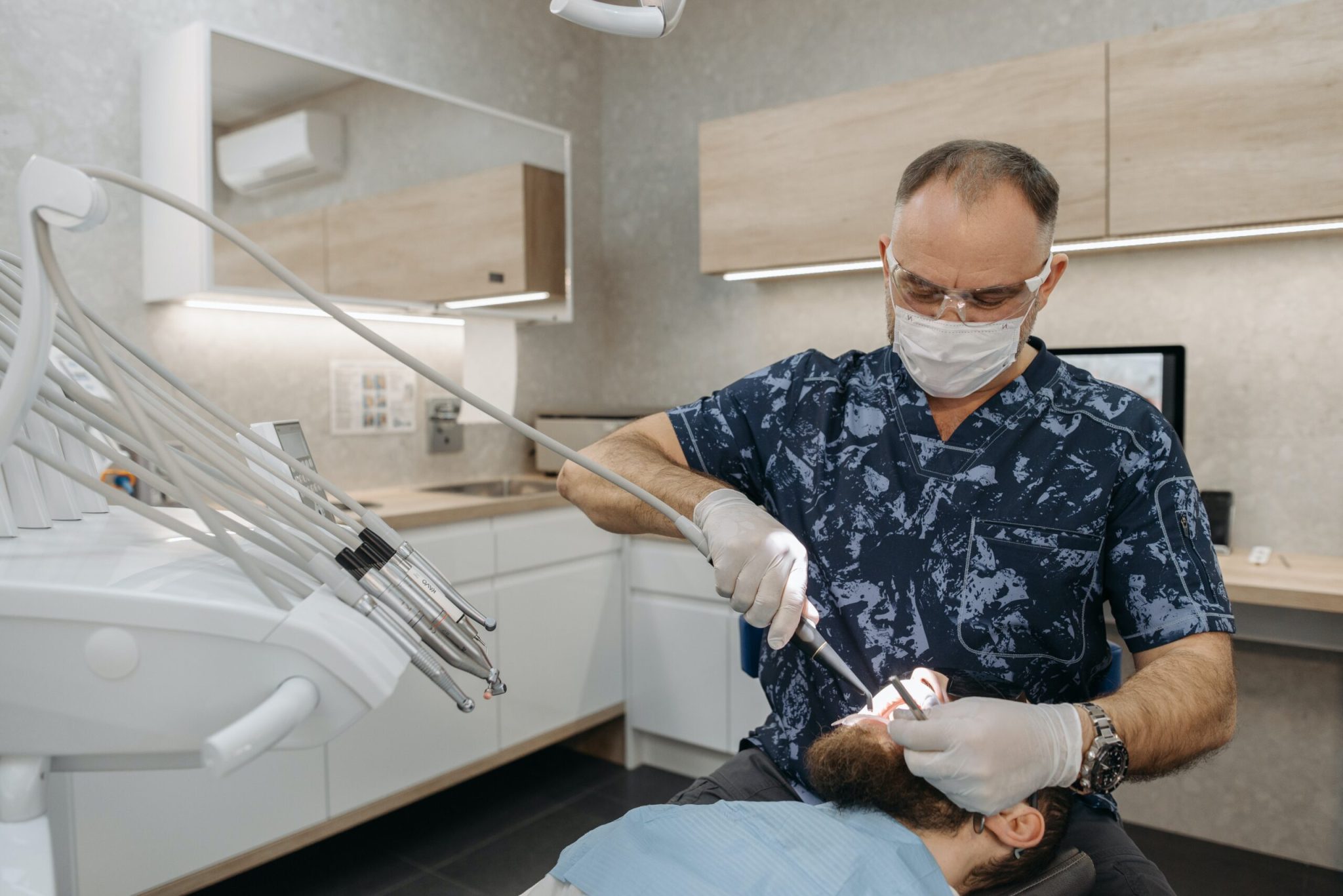
Does Medicare Cover Dental Implants?

Does Medicare Cover Dental Implants? Medicare is a Health Insurance Program prioritizing senior citizens aged 65 and older. They have a broad category of services and coverage. Depending on which Part of Medicare you sign up for will give you access and coverage for specific situations and medical care. 

Choosing between Original Medicare and Medicare Advantage will give you different medical coverage plans. Parts A and B are also called Original Medicare, and Part C is referred to as Medicare Advantage. Dental implants require surgery that does not fall under the benefits offered by Part A and B as it does not cover the majority of dental care. Nevertheless, Medicare does plan to provide coverage for dental implants. Part C provides a broader range of dental care and procedures.  

What Services Do Medicare Cover – Does Medicare Cover Dental Implants?

will insurance cover dental implants - person at dentist | Healthier Me Today

Under certain circumstances, such as part of surgery and in an emergency setting, Original Medicare will provide some dental coverage. It does not, however, cover routine dental care. Original Medicare Part A will cover specific services administered in a hospital with some coverage for complicated dental procedures. Medicare Advantage offers more dental coverage, including dental implants and more. 

Medicare covers many services, but it all depends on which two main options are chosen. Each one comes with different plans and benefits, so it’s essential to apply for the one best suited to your needs or future endeavors. Let’s take a look at the services covered by the whole of Medicare; 

Medicare Advantage (Part C and D):

  • Hepatitis B, pneumococcal disease, and influenza vaccinations
  • Doctor and specialist appointments 
  • Mental health counseling
  • Emergency ambulance transportation 
  • MRI’s and X-rays 
  • Medical equipment such as home oxygen tanks and wheelchairs
  • Speech, occupational and physical therapy
  • Dental
  • Vision 
  • Hearing
  • Prescription drug coverage
  • Emergency room care
  • Laboratory testing

Original Medicare (Part A and B):

  • Inpatient hospital care
  • Skilled nursing facility (SNF) care
  • Hospice care 
  • Home health care
  • Preventive services
  • Therapy services
  • Mental health services
  • X-rays and lab tests
  • Select prescription drugs
  • Chiropractic care
  • Ambulance services
  • Home health services
  • Medical equipment (DME) 
  • Provider services

Part D:

  • Anticancer drugs
  • Immunosuppressant drugs
  • Anticonvulsive treatments (seizure medication)
  • HIV/AIDS treatments
  • Antipsychotic medications
  • Antidepressants 
  • Vaccines that are not covered by Part B

How Do I Go About Dental Implant Application?

Are Dental Implants Covered By Insurance - man at dentist | Healthier Me Today

Enquiring about dental implants is simple. You can contact to find out if you are eligible for Medicare coverage by phoning in and talking to an assistant or asking via the contact options on their website, such as through emailing or clicking the “Talk to Someone” icon provided on the webpage. Once you are informed of the viable information of your options and accessibility, you can follow these steps to get your dental implant application;

Step 1– Find out about Medicare Advantage enrollment through their online resources or call in to speak to one of their consultants.

Step 2– To apply for the Medicare Advantage, you must make sure you fit into one or more of the following categories, 65 or older, qualifying disability, qualifying life events such as loss of income. The yearly enrollment period starts on October the 15th and ends on December the 7th. At this time, if you are already enrolled in the Original Medicare program, you may swap to the Medicare Advantage program.

Step 3– Create a medicare account but keep in mind you may still search on the website without one.

Step 4– Click on the “Find a Medicare Plan” tool 

Step 5– Choose the Medicare Advantage Plan 

Step 6– Type in your zip code and then follow the instructions to get a list of available plans. 

Step 7– Review the plans that are available in your area. 

Step 8– You will see that under “Plan Benefits,” a green checkmark next to “Dental” will indicate the plans with dental coverage.

Step 9– There will be other information like monthly premiums, type of plans, yearly maximum.

Step 10– Find the right plan or plans that fit your needs.

Step 11– Look at the company’s websites that offer these plans. Many company websites will allow you to see if your dentist accepts the chosen plan.

Step 12– If not all of your questions have been answered in the research process, consider calling a consult or broker to inquire about any other questions you may have.

Step 13– Then, simply sign up by following the enrollment steps given by Medicare resources.

Step 14– Make sure that if the plan you enroll in does not offer dental care as a benefit, you talk to a beneficiary about plans that can have dental care add-ons. 

Dental Implants with Medicare – Can I apply For Dental Implants if I am Under 65?

As stated, Medicare aims to aid people 65 and older, but other criteria are also accepted. This includes younger people with disabilities, End-Stage Renal Disease, and kidney dialysis or kidney transplant patients. Those younger than 65 years with specific disabilities who have received Social Security Disability benefits for 24 months can apply for Medicare coverage. Those who have Amyotrophic Lateral Sclerosis (ALS), although these individuals do not have to collect gifts for 24 months. 

Those with ESRD will generally have three months after a course of regular dialysis begins before they can meet the requirements for Medicare. Individuals that meet all the needed requirements for Social Security Disability are often enrolled in Parts A and B, also known as Original Medicare. If the criteria are met but do not qualify for Social Security benefits, they can pay a monthly Part A premium and monthly Part B premium. 

The beneficiaries are given entitlement to individualized assessment deciding if the coverage criteria are met. There isn’t any illness or underlying condition that will disqualify Medicare coverage. Such as long-term care or because their underlying condition will not show improvement. People with long-term conditions like Parkinson’s Disease, Mental Illness, Alzheimer’s Disease, or Multiple Sclerosis that have care orders from their doctor who meets the criteria for Medicare can obtain coverage.      

Does Medicare cover braces or Cover any Other Dental Related Queries?

Medicare Advantage plans containing dental coverage offer many benefits relating to dental health. These include dental X-rays, routine teeth cleanings, fillings, root canals, gum disease treatment, dentures, bridges, crowns, routine dental exams, tooth extractions, and dental implants. 

The coverage of your chosen plan may not include all these benefits, so it is advised to consult with your plan carrier to learn about what your Medicare plan covers dental-wise. Dental care can be added to your existing Medicare Advantage plan.

When signing up for a new Medicare Advantage plan, there will be an option for dental care services during this selection process. If already enrolled in the plan, you can talk to your provider about the available dental coverages. If there is no add-on dental coverage, you can enroll in a stand-alone dental policy.

Something to Sink Your Teeth Into – Medicare Advantage Cover Dental Care?

Dental implants are covered by Medicare but only in the Medicare Advantage plan unless you can have it as an add-on option to your current plan. Part C includes all the benefits of Part A and B, but it has extra services which include a wide variety of dental care options.

 If adding these extra dental services to your current coverage plan, it’s more than likely that an additional monthly cost will be included. If people younger than 65 apply to enroll in the Medicare coverage plans, they first have to meet the criteria and be individually assessed by beneficiaries. Once approved, these will be available benefits, including dental care, but the conditions and accessibility may differ from those of senior citizens 65 and above.

Medicare Part B Special Enrollment – Complete Guide

Medicare offers many plans, and each has a role to play. There is a program suited for whatever benefits you need. Whether it be coverage on medical conditions such as end-stage renal disease to eye examinations. Of course, the benefits you receive rely on the program you enroll in. 

There are four parts to Medicare, Part A, Part B, Part C, and Part D. Parts A and B are covered under Original Medicare, and Parts C is also known as Medicare Advantage. Part C includes both the benefits of A and B and extra services. Part D can stand alone or be included in your current plan.

Special enrollment for Part B covers different situations than the previous ones offer. It is more so related to job-based insurance. 

What is Medicare B Special Enrollment?

For short, special Enrollment Periods, SEPs are periods outside the normal enrollment periods when you can enroll in health insurance. These periods are usually based on certain circumstances.

Special Enrollment Periods for Part B begins when you have coverage from your current work (job-based insurance), and you are in your first month of eligibility for Part B. It will end eight months after losing coverage from your current place of employment due to either the coverage ending or the employment.

You can use the Part B Special Enrollment Period with job-based insurance. You can use it for eight months after no longer having job-based insurance as well. 

When it comes to the difference between open enrollment and special enrollment, open enrollment has an annual window where you can enroll. Special enrollment is when you can enroll for coverage outside of the yearly window depending on if the circumstance is acceptable. 

Do I Qualify for Medicare Special B Enrollment?

Medicare Part B Special Enrollment - Person at doctor office | Healthier Me Today


To qualify for Part B Special Enrollment Period, you would have had to be continuously covered by insurance from your current work or by Medicare Part B. Therefore, when you become eligible for Medi, care includes the first month you became Medicare-eligible. 

If you have more than eight ongoing months without any coverage from either current work or Part B, you are not eligible for the Part B Special Enrollment Period. 

The qualifications needed for Part B Special Enrollment Period are if there have been certain life events such as moving, getting married, loss of health coverage, having a baby, or adopting a child. Depending on your Special Enrollment Period type, you will be given 60 days before or 60 days after the live event has happened to enroll in the plan.

The main basic types of life events that will qualify you for the Special Enrollment Period are the following four circumstances:

  • Loss of health coverage includes losing existing health care coverage, including job-based, student plans, or individual coverage, turning 26 and losing coverage through a parent’s plan or losing eligibility for Medicaid, Medicare, or CHIP.
  • Changes in residence. Moving to a different ZIP code or country, moving to or from a shelter and other transitional housing, a seasonal worker moving to or from the place they both live and work, and being a student moving to or from their school.
  • Changes in your household include having or adopting a child, death in the family, getting married, or getting divorced. 
  • Other qualifying events can include; becoming a U.S. citizen, leaving incarceration, AmeriCorps members starting or finishing their service. Also, changes in your income will affect the coverage you qualify for and gain membership in a federally recognized tribe or status. 

What Makes Special B different from Other Medicare Enrolments?

Medicare Part B Special Enrollment - female nurse | Healthier Me Today

Medicare works on an open enrollment basis, which means that people can enroll at a certain time during the year. The general enrollment period starts from January the first and ends March the 31st every year. The initial enrollment period is seven months when someone is first eligible for medicare. This period will begin three months before you turn 65, including the month you turn 65 and ends three months after turning 65. 

Open enrollment is based on fixed dates and periods that a person can enroll. Although these periods are fixed, there isn’t only a one-time frame, but a few cater to certain eligibility. Special Enrollment Period is an opportunity to enroll in Medicare outside the Initial and the General Enrollment Periods. Those who are eligible based on their disability could meet the criteria for the Special Enrollment Period based on their spouse’s current employment. 

People who didn’t enroll in Medicare when first eligible due to their spouse or themselves still working and having employer-sponsored Group Health Plan coverage based on the employment. They can enroll in the Special Enrollment Period.

Medicare Part B Special Enrollment Period Pro’s

Medicare Part B Special Enrollment Period is a grace period given to those who undergo life-changing events and have missed the Initial Enrollment and the General Enrollment period or need to enroll suddenly for an unplanned event.

  • You do not have to wait to enroll during the initial and general enrollment periods.
  • It gives you the chance to change your current Medicare coverage plan if certain life events happen.
  • You may have found another program you would like to enroll in 
  • If you lose the State Pharmaceutical Assistance Program, you can use SEP to enroll in another program to maintain the coverage.

A Second Chance

The Medicare Part B Special Enrollment Period is almost like a saving grace to those with unforeseen circumstances. It allows for a second chance. While having no annual enrollment period can provide a safety net for those who qualify. For example, making it possible for people who recently found a specific program they didn’t have the chance to enroll in during the General Enrollment Period or the Initial Enrollment Period.

The 3 Best Beneficial Facts About The 8 Minute Rule From Medicare!

8 minute rule – Learn more with Healthier Me Today! is put in place to govern the process by which rehab therapists determine how many units they should bill to Medicare. This is for the outpatient therapy services they provide on specific service dates. A therapist has to offer direct one-on-one time therapy for a minimum of 8 minutes to receive reimbursement for one unit of a time-based treatment code.

Time-based codes allow for variable billing in 15-minute increments. Time codes would be used for performing one-on-one services such as ultrasound, manual therapy, therapeutic activities, electrical stimulation, neuromuscular re-education, therapeutic exercise, and gait training. 

What is the Medicare 8 Minute Rule?

8-minute Medicare rule

The medicare 8 minute rule is for time-based codes. There must be a direct treatment for at least eight minutes before receiving reimbursement from Medicare

When calculating the number of billable units for a particular service date, Medicare will add up the total minutes of one-on-one therapy and divide that by 15. If eight or more minutes are left over after a session, this can allow for one more unit to be billed, whereas if there are only seven or fewer minutes left, then an additional unit cannot be billed. 

A chart can be used to reference how many units can be charged for some time. For example, it will start at eight to twenty-two minutes, resulting in 1 unit. The full-time reference is 83 minutes which will rack up to 6 units. 

Example of the 8 minute Rule:

8-Minute Medicare Rule - Clock | Healthier Me Today

As an example of how the 8 minute rule will apply in a single date of service. Let’s say that there were 30 minutes of manual therapy, 15 minutes of therapeutic exercise, 15 minutes of electrical stimulation unattended, and 8 minutes of ultrasound. The constant attendance procedures and modalities will be added to correctly calculate the charge using the 8 minute rule.

Resulting in a sum that will look like this:

30+15+15+8= 53 minutes which supports the amount of four billing units.

The 15 minutes of electrical stimulation unattended will support one added service-based unit. That will be a total of 5 units for the date of service used above.

Often when the total timed minutes are divided by 15, there will be a reminder that will include minutes from more than one service. For example, when these minutes are combined, you have 5 minutes leftover from therapeutic exercise and then 3 minutes leftover from manual therapy.

Separately these do not meet the 8-minute requirement but once added, they then fit into the 8-minute threshold. However, as per Medicare guidelines, this means that you can bill one unit of the service with the larger amount of time total, so regarding the situation we discussed, the therapeutic exercise will be the one that can be billed for.

What does the Rule of 8 Stand for?

8-minute Medicare rule

The 8 minute rule stipulates that you can bill Medicare Insurance carriers for one full unit if the service provided is between 8 and 22 minutes. It can only apply to time-based CPT codes. Keep in mind that the 8-Minute Medicare Rule does not apply to every time-based CPT code or in every situation that might occur. 

The billing for physical medical services is based on what is referred to as the Current Procedural Terminology (CPT) coding system. This system is composed of 5 digit codes used for third-party billing payers. 

Often Medicare is the primary third-party payer that will foot the bill for outpatient physical medicine services. These payments will typically be based on a fee schedule based on the time codes and the 8-Minute Medicare Rule. 

The first procedure has to be at the least 8 minutes, and then each one after that will be billed in 15-minute increments. Only direct one-on-one and face-to-face time with a patient will be considered for timed codes.

The rule of eights still counts billable units in 15-minute increments; however, instead of combining the time from multiple units, the rule is applied apart from the unique timed services.  

Is Assessment and Management Part of the 8 Minute Rule?

8-Minute Medicare Rule - Man Standing with arms folded | Healthier Me Today

On some occasions, therapists will mistake adding assessment and management time when counting the billable minutes. Not in every case, the assessment and management time can be omitted. There are some instances where there are allowances.

Some examples of this are:

  1. Documenting in the presence of a patient. 
  2. Assessing the patient prior to performing a hands-on intervention.
  3.  Answering patients and if there is a caregiver present, then their questions as well.
  4. Assessing the patient’s response to the intervention.
  5. Instructing, counseling, and giving advice about home self-care.

If your documentation is accurate, describes the treatment, is easily understood by another provider. This will be enough to justify the reason behind billing for assessment and management. If the time that wasn’t used by performing the medical practice is still in the scope and will aid in the condition or problem that the patient is facing, then it is allowed and justified for the therapist to bill for this information or insight. 

Medicare 8 Minute Rule…

The medicare 8 minute rule is put in place to keep order and understanding when billing patients. It ensures the correct amount is being charged and helps the patient understand how the Medicare time is billed.

The charges made based on the added time and then divided by 15 will be sent to Medicare. If time is left over from any medical situation, they can be added together. If they reach a total of 8 minutes, then whichever has the most extra time will be given one unit.

Follow us here for more: Facebook, and YouTube


Interested in reading more from Healthier Me Today? 

  1. Can You Laminate Your Medicare Card?
  2. Shailene Woodley Health Condition!

Will Medicare Pay for a Lift Chair?

Will Medicare Pay for a Lift Chair? Medicare covers quite a lot of services. There are two types of Medicare, Medicare Advantage and Original Medicare. Each has different Parts to them. For example, original Medicare has Part A and Part B. In contrast, Medicare Advantage has Part C. There is also Part D that stands alone, and this covers prescription medication but can also be added to an existing plan.

Medicare Part A deals in Hospital Insurance, inpatient care in a hospital, hospice care, home health care, nursing home care, and skilled nursing facility care. Whereas Part B deals in Medical Insurance consisting of outpatient care, home health care, durable medical equipment (DME), services from doctors and other healthcare providers, and some preventive services.

Durable Medical Equipment can be from blood sugar test strips to wheelchairs and scooters. This is where you will find lift chairs and have Medicare cover them.

What is a Lift Chair?

A lift chair, sometimes also known as a riser armchair, is a recliner-style chair with a powered lifting mechanism that can push the entire chair up from its base. This is to assist the user in getting to a standing position. 

These chairs possess an internal lifting system powered by a standard electrical wall outlet. They have 2 to 3 position chairs and, like normal recliners, come in different styles and different sizes.

Lift chairs are mainly used by those with arthritis, difficulty standing up usually due to age, recovery from lower-body injuries or upper body injuries, and cardiovascular and open-heart surgeries.

Where can I Find a Lift Chair and What are The Costs?

Will Medicare Pay for a Lift Chair - doctor | Healthier Me Today

Lift chairs are considered to be a piece of durable medical equipment. Therefore they will be provided or covered by Medicare and Insurance if ordered by a doctor. You can find lift chairs in most HME showrooms and many furniture stores as well as online.  

The cost of a lift chair depends on the make, model, and features that you desire. A relatively low-end lift chair will typically cost around $300, and for a deluxe high-end chair, it could be about $2000. On average, the cost for a quality lift chair can be around $600 to $800.  

Will Medicare Cover All Lift Chair Costs?

Medicare Part B, although stating that it has lift chair coverage, does not cover the cost of the entire chair more so it covers the cost of the lift mechanism that enables the chair to rise.

Medicare will first need patients to have a visit with their physician to discuss the need of this particular DME before they can consider the coverage. The Lift Chair provider will then request a certificate of medical necessity (CMN) and a prescription. The certificate of a medical condition will usually have five questions that the physician will need to answer before the DME is provided. These questions typically are; 

  1. Does the patient have severe arthritis?
  2. Does the patient have a neuromuscular disease?
  3. Is the patient incapable of getting up a regular chair in their home?
  4. Can the patient walk once standing?
  5. Have all other therapeutic measures been taken?

If any of the above questions have been answered with a no, then it is highly likely that they will deny the request for the lift chair as they see it unnecessary.

If accepted, you will have to pay 20% of the Medicare-Approved Amount, and the Part B deductible will apply. Depending on the Durable Medical Equipment needed, Medicare will pay in different ways depending on the type of equipment. 

Medicare will only cover your DME if your doctors and DME suppliers are enrolled in Medicare. So be sure to find out if they are registered before getting the DME. 

How do I enroll in Medicare Lift Chair Coverage?

Will Medicare Pay for a Lift Chair - woman chatting at doctor | Healthier Me Today

Firstly you will need to be evaluated by a doctor who will prescribe a lift chair. They must state that the chair is medically necessary, and if you don’t have one, you will most likely be confined to a non-lift chair or bed. 

The doctor must then fill out a certificate of medical necessity for a seat lift mechanism. This form is referred to as CMS-849. This will be needed to qualify for Medicare reimbursement. 

To qualify for partial reimbursement from Medicare, some requirements must be met, and these are what needs to be elaborated on the CMS-849 form. Some of the conditions that will qualify you are;

  • Severe arthritis of the hip or knee.
  • Severe neuromuscular disease.
  • Can’t stand up on your own from a regular chair.
  • Without the lift chair, you will be stuck to a bed or chair.
  • Once standing, you are able to walk independently, even with the assistance of a walker or cane.
  • You do not stay in a skilled nursing facility, nursing home, or hospice.

If you decide to buy a lift chair from a Medicare supplier, then you will have to pay out-of-pocket and seek partial reimbursement from Medicare for the motor. If, however, the supplier participates in Medicare, they will usually file a claim on your behalf. If they do not file a claim, you can download and print a request for payment online. 

Lift Me Up

Medicare does not fully cover the expense of a lift chair but will pay the cost of the mechanism or motor. Specific requirements need to be met before the request for one will be accepted, and coverage is supplied. Medicare does aid in partial coverage, which can help quite a bit. There are many different types sizes and even supply different upholstery so you can choose which one will suit your home the best.

You don’t have to go specifically to a place that sells DME because regular furniture stores also supply these chairs. It is good to know that if or when you need assistance in getting up off a chair, there is a mechanism that can help you.

What is the Deductibles for Medicare?

Health insurance Policies implicate Medicare deductibles to eliminate small claims, therefore, helping keep premiums affordable. For the insured person, paying a high deductible will result in the insurance company saving money, whereas a lower monthly premium will be most beneficial for the customer. In addition, high deductible plans are more applicable for relatively healthy people with no small children. 

It is important to maintain the negotiated payments to your health care provider because if you don’t, it is inevitable that the relationship you have with them will be seriously damaged. In addition, you are very likely not to get another opportunity to set up a payment plan for future medical bills.

What is a Deductible?

A health insurance deductible is your pay for health care services before the enrolled insurance plan. Simply put, it is a set amount of money that the insured person must pay out of their pocket every year for eligible services before their insurance plan starts to cover any benefits. 

Depending on what insurance plan you pick, the deductible amount will vary. Some health insurance deductibles are high, resulting in them saving money instead of you. A good thing to remember is that the higher the monthly premium cost is, the less the deductible. 

Despite paying off your deductible for the year, there’s a possibility that you will still have to pay some of your healthcare costs. This is because many insurance plans require you to pay a set amount as their share of the cost of some services. These are known as copayments. 

Coinsurance payments are when the insured is responsible for a set percentage of the total cost of some of the services.  

Is Medicare Similar to Insurance?

Sadness - medicare deductable | Healthier Me Today

Original Medicare is a fee-for-service health plan that consists of two parts. These are Part A: which is Hospital Insurance, and then Part B: Medical Insurance. However, Medicare is not part of the Health Insurance Marketplace. It is a federal health insurance program for people 65 and older and for those with disabilities who are younger. 

If you enroll in Medicare, you don’t have to make any changes as you are considered covered under the health care law. You will not need a marketplace plan if you are covered by Medicare. 

Both Medicare and private insurance companies offer healthcare coverage options; however, there are many differences between these two types. Medicare is a government-funded health insurance plan that can help you save money but does not limit how much you may have to pay out of pocket. 

When looking for coverage, people either choose between private companies and Medicare, making them two separate entities. 

Medicare and the Deductible – Everything you Need to Know

medicare deductable - sad woman | Healthier Me Today

Medicare’s deductible cost is a set amount. You need to pay this cost for prescription medication or healthcare until the plan you’ve chosen starts to cover the costs. Medicare Parts A and B have specific deductibles set for each benefit period.

If you want to get rid of some of these costs, you might want to think about signing up for a Medicare Supplement plan, Part D, which is prescription coverage, or perhaps for Medicare Advantage. 

The deductible cost for Medicare in 2022 Part A is $1,556 for each benefit period. For days 1-60, it is $0, $389 coinsurance per day 61-90, and $778 per each “lifetime reserve day” after 91 days. 

Medicare Part B has a deductible cost of $233. Once this is settled, you pay 20 percent of the Medicare-Approved amount for most outpatient therapy, doctor services, and durable medical equipment (DME). 

These deductibles are reset every year, and the amount may be subject to change. In addition, there are deductibles for Part A and Part B that must be met before Medicare starts paying. 

Medigap, Part D plans, and Medicare Advantage are all sold by private insurance companies and have their set deductibles. Medicare Advantage, also known as Part C and Medicare Part D, prescription medication coverage will vary based on the plan you choose. These two plans are provided and sold by private insurance companies that have contracts with the Medicare program.

Medicare Advantage plans can sometimes offer coverage that will diminish a portion of your out-of-pocket costs. Medicare Advantage deductibles can vary, but all plans must set a limit on your maximum out-of-pocket, also known as MOOP, expenses.

In 2022, the maximum out-of-pocket expense for Medicare Advantage (Part C) plans is $7550 for in-network care. However, out-of-network care or services can have higher costs. Once you have reached your out-of-pocket expense for the year, the plan will have to cover 100 percent of all further costs of care and services. Medicare Part D has some plans that do not have a deductible. For those with a deductible, it is not more than $480 in 2022. In addition, Medicare Supplement plans, also known as Medigap, can aid in helping to pay for some of your out-of-pocket expenses. This can also include your Medicare Part A deductibles.

Example:

An example of how Medicare deductibles work is if you have received outpatient care or any services covered by Part B, you will have to pay the first $233 to meet your deductible before Medicare starts covering the cost that remains.

Suppose the Medicare deductibles worry or concern you, especially when planning for future costs. In that case, it is recommended that you might want to consider all these options, including Medicare Supplement insurance plans. As aforementioned, this insurance plan helps pay for your medicare deductibles.

Concluded Deduction 

Medicare deductibles will vary depending on the plans that you choose to have. Medicare Advantage deductibles will vary on the plans that were chosen. You will also be sent a notice every year for any changes made to your plans. Which include deductible costs if they are still being paid and have not been met. All in all, deductible costs are put in place to keep premiums affordable and cover small claims

Does Medicare Cover Eye Exams?

The Medicare Advantage plan covers Medicare eye exams and other benefits relating to vision coverage. However, Original Medicare does not offer vision exams, frames, lenses, or contact lenses. These will have to be paid out of pocket if this is the plan you currently have. In some instances, some diagnostic and prevention vision screenings are covered.

It is best to enroll in Medicare Advantage, also known as Part C if vision coverage is the main priority you’d like coverage on. Depending on what is needed, it is best to read through Medicare’s plans to choose the correct one with the desired visual coverage. 

Vision is extremely important and needs to be well taken care of, especially as we age. That is why it is a good idea to have health coverage that will aid in helping preserve your eyesight and take care of existing conditions. 

How is Medicare Beneficial To Me?

Medicare has an extraordinarily high number of those who are covered by its variety of plans. There are many benefits that are offered. The availability to choose a plan that tailors to an individual’s specific needs is why so many flock to this Health Insurance Coverage provider. 

The monthly cost of Medicare is highly minimal compared to the cost of operations, prescriptions, and other associated expenses that would not be covered and paid out of pocket instead. The amount of money you save by using Medicare is undoubtedly very beneficial. If enrolled in the Original Medicare option, you will receive Part A hospital insurance and Part B medical insurance program benefits. When enrolling in Medicare Advantage, you receive Part A and Part B’s benefits. Still, this plan has much more to offer, also known as Part C. Many of the procedures and medical care that aren’t covered in these two Parts are covered by Medicare Advantage. 

There is also a Part D that can stand on its own. This option covers medications prescriptions primarily. However, if deciding to choose the Medicare Advantage, you may look for a plan to include Part D if ongoing or post-procedure medication is needed.

This is why it is recommended to speak to a consultant or inquire online about which of these plans will be best for you. They cater to many situations and future coverage in case of accidents or unforeseen illnesses. 

Will Medicare Cover My Eye Examination?

Does Medicare Cover Eye Exams - Eye Exam | Healthier Me Today

Routine eye examinations are essential for maintaining and looking after your eyesight; therefore, it is suggested to go for an eye exam roughly once every year. The reasoning behind these tests and examinations is to identify potential visual problems such as glaucoma, diabetic retinopathy, macular degeneration, or cataracts. As previously discussed, there are different parts to Medicare, A, B, C, and D. Original Medicare (Parts A and B) does not generally cover routine eye examinations; however, Medicare Part B will cover eye exams every 12 months if you meet specific criteria.

Medicare Advantage (Part C) includes Part A and B and offers a range of different coverage on other aspects and procedures. Depending on what condition or impairment you have, it is wise to read through all of Medicare plans to find one that best suits the needed eye care you are looking for or in the hopes of preventing a hereditary condition. 

There is a criterion that needs to be met by an individual! Medicare beneficiaries will accept enrollment into a program that contains the eye care benefits they need. This will include:

  • Those with diabetes are at risk of developing a condition called diabetic retinopathy. This can cause vision loss due to the blood vessels in the retina not receiving a proper blood supply. This happens when blood sugar levels become elevated, damaging blood vessels and restricting the supply amount. People who have diabetes will be covered by Medicare for diabetic retinopathy detection exams once per year. 
  • People who have a high risk of developing glaucoma, such as those with a family history of the condition, African Americans aged 50 or older, who have diabetes, or are Hispanic and aged 65 or older. This grouping and others at risk will be able to go for glaucoma tests once every 12 months covered by Medicare.
  • Macular degeneration is a condition that causes loss of vision and the ability to see objects in front of you, making it very dangerous to drive and lessening the ability to read. Medicare may cover some diagnostic treatments and testing if the condition is related to age.
  • There are some aspects of cataract surgery that Medicare covers. When the lens of your eye becomes cloudy, it proves challenging to focus on images and surroundings, causing blurred vision and also faded eyesight are some of the effects cataracts cause. What Medicare covers for this condition are the placement of an intraocular lens, a small clear disc that will replace the lens that has become clouded. Following each IOL insertion surgery as aforementioned, Medicare will provide contact lenses or a pair of glasses.  
  • Once meeting a yearly deductible, you are then responsible for 20% of the approved costs of Medicare Part B. this Part covers the previously mentioned eye exams. 

What if I have had Previous Eye Issues?

Medicare Advantage also referred to as Part C, has coverage for eyeglass frames, lenses, and contact. With this being said, visual aids such as glasses and contacts will be provided for pre-existing eye issues. Most of these plans include Part D, which covers prescription medication. You can have any treatment and prescriptions covered that are used or related to eye conditions. Including medication for recurrent eye infections and dry eyes. 

Who is More Likely to be Eligible Medicare Eye Care?

Does Medicare Cover Eye Exams - eye equipment | Healthier Me Today

Medicare is catered to aid those 65 years of age or older. Those younger need to first fit into a certain category before being accepted. This category is whether an individual has a disability or permanent kidney failure. 

There are, however, exceptions if the person is mainly looking into plans with eye care support. Yet again, a certain criterion has to be met. 

Those who have eye conditions stemming from age or diabetes and hereditary issues. These are more likely to have easy enrollment than others who don’t have these problems. 

Let’s Take a Closer Look

Medicare does cover eye exams, but it will solely rely on which plan you choose. For example, original Medicare does not cover routine eye examinations; however, they cover some other types of eye exams. Medicare Advantage, in other words, provides many benefits that Original Medicare does not, for example, the aforementioned routine eye exams.

Stop The Spread – Simple Things You Can Do Today

The COVID-19 pandemic surged three years ago, around December 2019, and put a halt to life as we knew it for the upcoming years. It’s still a little unfathomable that a global pause-on-life phase initiated with a single case of the newly identified virus in Wuhan, China.

Putting a Stop Sign on the Spread- Ways in Which You Can Do It

Several preventative measures keep you and your family healthy and wealthy (quite literally since you’ll be saving money that you would otherwise spend on medical care in case you do get infected).

  • Get Your Vaccination: Multiple vaccinations have been distributed in every country. Till now, 7.36 billion people have gotten their dosage, and 40.5% percent of the global population is fully vaccinated. Vaccinations significantly lower the chances of the virus’s spread. Don’t fall for the vaccine hoaxes and get the vaccine ASAP.
  • Don’t Forget to Wear a Mask: WHO (World Health Organization) has stated that you don’t need to wear a mask full-time if you’re vaccinated (another reason you should get the vaccine). But with new variants coming in now and then and especially if you’re meeting people, it’s best to stay safe than sorry. And if you’re a woman, you can save a couple of bucks by not putting makeup and simply wearing a mask.
  • Practice Social Distancing: If you’re someone who makes people run, this is your time to shine! A 6-feet distance prevents getting too close to someone who’s infected or infecting someone else if you are infected. Practice the 6-feet distance rule, and you’ll be protected from people getting too uncomfortably close as well; it’s a win-win! Or, you can recreate your own Five Feet Apart if your significant other gets infected.
  • Crowded Spaces are a No: Crowded places aren’t following the 6 ft distance rule in the first place. Therefore, wherever it’s possible, avoid going to such places, so you don’t have people breathing down your neck and getting you infected. Poor ventilation is an added disadvantage since you’ll be breathing the same germ-infested air over and over.
  • Make a Habit of Washing Your Hands: You should be washing your hands or applying a sanitizer regardless of a global pandemic. But, for extra motivation, now’s the time to make this a permanent habit. There are tons of germs and bacteria residing on surfaces you touch every day, and the coronavirus is just one of those deadly pathogens.
  • Don’t Cough or Sneeze on Others: This is a no-brainer; not sneezing and coughing on others and covering your mouth are basic etiquettes. Another benefit of this is that it prevents the spread of the virus to others if you’ve been infected, especially if you’re asymptomatic. Cover your mouth when you’re about to sneeze or cough, and you’ll be doing more good for others around you.
  • Let Cleaning and Disinfecting Become a Motto: Ugh, the struggles of cleaning and disinfecting your entire home and workspace are indeed a task we all tend to avoid. However, these two basic practices are essential if you don’t want to get infected. The virus can live on many surfaces, as recent research depicts. Cleaning and disinfecting these surfaces lower the risks of transferring the virus to your hands and then to your mouth or nose.
  • Look Out for Any Symptoms: It’s not like you can overlook fever and pain throughout your body. But those are not the only symptoms we’re talking about. If you’ve been infected or suspect it, keep checking your oxygen levels using an oximeter. On the flip side, don’t think you don’t have the virus if you’re not showing any symptoms; you could be asymptomatic!

Give Us Your Opinion! – Take Our Covid Survey Today


The 3 Best Keto Diet Guide Tips to Follow!

The Keto diet, also known as the keto diet, has gained popularity as one of the best diets in 2022. While some people swear by this diet, others prefer a different diet. The diet is unique because of its countless benefits and uses!

Some people use the keto diet for weight loss, while others control their health problems like seizures and polycystic ovary syndrome (PCOS).

What Is the Keto Diet?

keto diet - Healthier Me TodayThe keto diet is a high-fat, low-protein, and low-carb diet. People who partake in this diet eat nearly 90% protein. Although this is true, it is important to note that there are different degrees of the keto diet.

Some people eat more protein and fat than carbs, while others only focus on eating a high-fat percentage. Either way, carbs are cut low in the keto diet. However, even with all the slight changes, the diet works the same way.

Human bodies take energy from sugar, specifically from carbs. Since this diet is a low-carb diet, the human body takes energy from other places, like fat and protein. This is a process called Ketosis and helps with weight loss.

There are a few main reasons that people use this diet. The reasons are weight loss, controlling seizures, and lessening the symptoms of PCOS.

How It Affects Weight Loss

keto dietDieting is popular because of the potential weight loss that can happen if done correctly. The diet promotes weight loss through its unique high-fat, low-carb requirements.

Because during the diet, we do not eat a substantial amount of carbs, our body begins to take energy from fats and proteins.

By taking energy, the fats and proteins (more so the fats) are burned, contributing to losing weight. Dieting with this diet can be fairly easy once you get the hang of it.

The diet is a popular choice in dieting for 2022, as there are plenty of foods high in fat but low in carbs and sugar.

Some of these include fish, coconut, avocados, eggs, butter, cheese, and nuts. Although there are some restrictions, such as high-carb bread made with whole wheat, the possibilities of what you can eat during this diet to lose weight are endless!

While there are benefits to doing the diet for weight loss, it is not for everybody. This diet is a quick diet that can help you lose weight quickly, instead of slowly and over time. This may be difficult to maintain.

Also, the diet can help you lose weight but is not necessarily nutritious. While eating eggs, cheese, and milk is part of the diet, reducing fruits and carbs with necessary vitamins can be harmful.

One Of The Biggest Benefits

One of the best things about dieting is that you can do dieting for many reasons! While this diet can help you lose weight, there are other reasons to go on it. If you are suffering from frequent seizures of epilepsy, your doctor or nutritionist may recommend going on the keto diet.

According to multiple studies, the  diet has aided children suffering from seizures by decreasing the number of seizures over time. While this diet is not a cure for seizures, a doctor can recommend it to decrease the amount of anti-seizure pills a patient is taking.

It is important to note that while studies have noticed a difference in children with seizures participating in the keto diet, adults have not been studied as extensively. Also, while the keto diet may decrease the likeliness of frequent seizures over time, there are other health issues to consider.

This diet, for example, does not give children the right number of vitamins needed to grow and develop as the food is restricted. Doctors may recommend supplements if this is the case.

Let’s Talk PCOS

keto diet - Healthier Me TodayAs the year ends and a new one begins, women diagnosed with PCOS may want to look into the keto diet. PCOS, or Polycystic Ovarian Syndrome, is a condition where the female body produces too much of the hormone androgens, which causes multiple cysts to form in the ovaries.



This condition is worsened by obesity. Since the keto diet can aid in weight loss, it can also decrease the symptoms of PCOS.

The low-carb diet results in less sugar, which is a positive thing considering PCOS also interferes with insulin production. PCOS, however, does not have a cure. Although the keto diet can control and decrease PCOS symptoms, it is not a cure and may not work for everyone.

The Best Facts About The Ketosis Diet…

This diet is a great way to maintain your health as well as lose weight. With reputable studies being done, this diet can be extremely beneficial. However it may not be for everyone, make sure the diet is right for you and your body before diving in!


Give Us Your Opinion! – Take Our Cholesterol Survey Today


10 Healthy Ways To Cope With Anxiety

Anxiety can be crippling and debilitating. It can sneak up on you when you least expect it and last for hours, days, and even weeks. With anxiety, an individual can feel unmotivated, sad, lonely, and even depressed. In this, anxiety in the modern age has become harder to escape with so many of the pressures of the outside world. From social media, to work, to family, relationships, money worries, and more, now more than ever individuals are battling anxiety. In this, we want to share our 10 healthy ways to cope with anxiety.

Before We Begin

Before we begin, we want to mention that none of the ways we are going to share with you are to replace the treatments of any health care provider or your primary doctor. In this, if you feel you may be prone to anxiety, contact your doctor!

10 Healthy Ways To Minimize Anxiety

  1. Keep Physically Active – When it comes to anxiety, it starts in the mind and then slowly seeps into the body, causing a crippling sensation that lowers your ability to function and perform daily tasks. With this, keeping physically active is important and may help boost your mood. In fact, physical activity such as working out releases endorphins that can minimize anxiety and boost your sense of well-being.
  2. Avoid Alcohol & Recreational Drugs – When coping with anxiety, there are certain triggers that can enhance and make your anxiety stronger. For instance, alcohol and recreational drugs can alter your state of mind and well-being, which can severely increase your feeling of anxiety.
  3. Relaxation Techniques – There are many different relaxation techniques that an individual can dive into when they feel they have anxiety or anxiety is creeping in. For instance, you can use an anxiety coloring book, which has specific instructions to help you relax your mind and focus on coloring, instead of the many thoughts around your anxiety. Other relaxation techniques can be walks in nature, drinking tea, cooking, and watching funny comedy shows.
  4. Yoga – Yoga can center you and help you calm your mind. With specific stretches and yoga poses and individual can minimize anxiety by focus on their body instead of the many thoughts that creep in. Yoga, much like physical activity releases endorphins and can boost your mood and sense of well being.
  5. Eat Healthy Foods – There are specific foods that can help boost your mind , especially alkaline foods and vegetables. In this, feeding your body the nutrients that it needs to stay healthy can minimize your anxiety. Fruits and vegetables will give you a feeling of achievement by feeding your body what it needs to maintain balance and a healthy diet!
  6. Keep A Journal – A journal may be one of the best ways to manage and understand your anxiety. Not only will a journal help you release the many thoughts you may have during an anxiety attack, but can also help you discover triggers by keeping a log of your anxiety worries and issues. In this, an individual can better understand when anxiety may occur and how to better manage it.
  7. Talk To A Professional – Without a doubt, the most effective method when it comes to combating anxiety is to talk to a professional. A professional can help you better diagnose and treat your anxiety in a healthy way that will fit your lifestyle. In this, a professional can also help you when it comes to feeling alone and give you solutions to ensure that your anxiety does not get the best of you!

Combating Anxiety & How To Cope

There is nothing to be ashamed of when it comes to coping with anxiety. In fact, now more than ever individuals are finding different techniques and methods to cope with the problems and situations of the real world. In this, always discuss your anxiety with your healthcare provider to better find a treatment and solution plan for you!

The Common Cold – 7 Quick Remedies

If one thing is for sure, is that eventually every individual will get a chance to experience the common cold. In fact, the common cold is so common, that’s why it has the word “common” in it’s name. You may experience the common cold and develop symptoms when the seasons change, when winter comes around, during travel, or even because of allergies. In this, there are many different common cold remedies that can easily make the process of getting back to feeling better, much easier! Let’s talk about the 7 quick tips to treat the common cold!

7 Remedies For The Common Cold!

  1. Stay Hydrated – It goes without saying that water is essential for human life. However, when the common cold comes around, it is extremely important to stay hydrated. You release many toxins in your waste when you go to the bathroom, in this, drinking water and going to the bathroom as often as possible will help you feel better!
  2. Rest – Of course rest is crucial! Your body heals itself when you are relaxed and sleeping. With proper medicine and rest, you can quickly reduce common cold symptoms.
  3. Combat Stuffiness – One of the most common cold symptoms is a stuffy nose. In this, it is important to make sure you take care of your breathing and clear the passage ways in your nose. You can gargle saltwater, try ice chips, use a sore throat spray, lozenges, and hard candy such as mints to help you breath better!
  4. Teas – Warm teas can ensure that you will get better much quicker. There are many different herbal remedies that can help you combat the common cold. From green teats to ginger teas, a tea can easily help you combact the common cold and get better quickly!
  5. Lemon Water – Lemons are full of antioxidants and can help you heal the body. With this, when in the body the lemon water turns alkaline and helps you fight and combat cold symptoms. So, if you ever feel that a common cold is coming on, have a glass warm water with a full lemon squeezed into it.
  6. Honey – Honey will surely help you sooth the throat when you start noticing symptoms of a common cold. Honey also helps with dry coughs!
  7. Vitamin C – This may be one of the most important cold remedies out there. One of the key tips to fighting the common cold is having a lot more Vitamin C. Vitamin C will help strengthen your immune system to ensure that you can beat the cold and it does not beat you!

Fighting The Common Cold

Of course, all of these quick remedies should not be substitutes for consulting with your healthcare provider. When it comes to the common cold, no one ever truly knows how long it will stay or how severe the symptoms may be. Therefore, it is important to seek professional help and diagnosis, so you can receive the quality treatment that will help you combat the common cold!