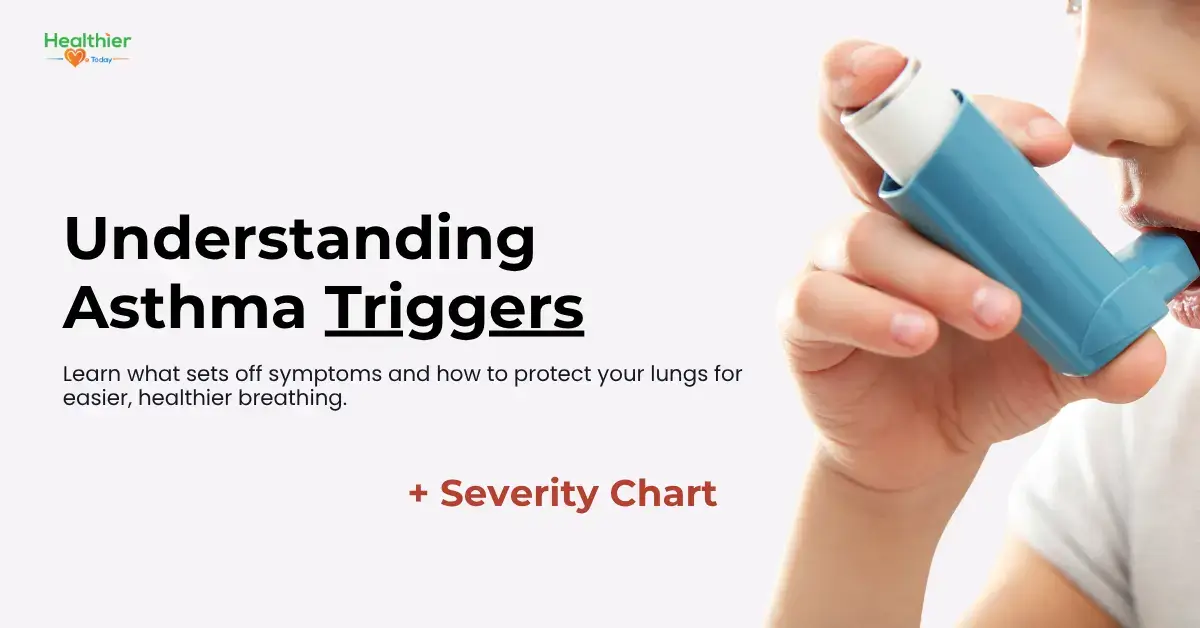
The Top 6 Triggers of Asthma & How to Avoid Them

Asthma affects millions of people worldwide, and understanding what triggers symptoms is an important step toward better control. While many people search for the causes of asthma, the condition does not usually have a single cause. Instead, flare-ups are often triggered by specific factors in the environment.

These triggers can tighten the airways, cause inflammation, and make breathing suddenly more difficult. In this article, we will explore the most common asthma triggers, how they affect the body, and practical ways to avoid them for better everyday breathing.

Causes of Asthma

While researchers continue to study what causes asthma, one thing is clear: symptoms are often triggered by specific factors in a person’s environment. These triggers can vary widely from person to person and may lead to coughing, wheezing, or chest tightness.

Learning to identify and avoid these triggers can help reduce flare-ups, nighttime symptoms, and emergency situations. Below are some of the most common asthma triggers that can affect breathing and worsen asthma symptoms.

1. Allergens

Allergens are one of the most common triggers of asthma symptoms, especially for people who experience asthma and allergy conditions together. Everyday allergens such as pollen, dust mites, mold, and pet dander can irritate sensitive airways, leading to inflammation and breathing difficulties.

When these particles are inhaled, the immune system may react strongly, causing the airways to tighten and produce extra mucus. This reaction can trigger symptoms such as coughing, wheezing, and shortness of breath.

Because allergens are present in many indoor and outdoor environments, learning how to reduce exposure can play an important role in preventing asthma flare-ups.

How to Avoid Triggers

  • Use a HEPA air purifier in the bedroom.
  • Keep windows closed during high-pollen days.
  • Wash bedding frequently in hot water.
  • Vacuum carpets using a HEPA filter vacuum.
  • Reduce indoor humidity to help prevent mold growth.

People with allergic asthma may also benefit from allergy testing, which can help identify the specific substances that trigger their symptoms.

2. Air Pollution and Environmental Irritants

Air pollution and environmental irritants can easily trigger asthma symptoms because the lungs are highly sensitive to particles in the air. Substances such as cigarette smoke, vehicle emissions, chemical fumes, and industrial pollutants can irritate the airways and worsen breathing problems. 

This is why many people experience increased symptoms related to asthma and air pollution, particularly in heavily populated or industrial areas.

How to Avoid Triggers

  • Check daily air-quality indexes and limit outdoor activity on high-pollution days.
  • Avoid smoking areas altogether.
  • Use unscented cleaning products and avoid strong detergents.
  • Keep the home well ventilated when cooking.

Here are mullein drops to help your lungs and airways!

3. Respiratory Infections

Respiratory infections such as colds, flu (influenza), and other viruses can irritate the airways and trigger inflammation [cdc.gov]. When the body fights an infection, the airways may become more sensitive and swollen, making breathing more difficult for people with asthma. Because of this, infections are one of the most common causes of a sudden asthma flare up.

How to Avoid Triggers

  • Wash your hands frequently.
  • Avoid close contact with people who are sick.
  • Get yearly flu vaccinations when eligible.
  • Maintain good hydration and healthy sleep habits to support your immune system.

4. Physical Activity and Cold Weather

Some people with asthma develop symptoms during exercise or when breathing in cold air. This can occur with exercise induced asthma or cold induced asthma, conditions in which the airways temporarily narrow in response to increased airflow or sudden temperature changes.

How to Avoid Triggers

  • Warm up slowly before exercise.
  • Use a scarf or cloth to cover your mouth when breathing in cold air.
  • Choose indoor workouts on extremely cold or windy days.
  • Keep a reliever inhaler nearby during physical activity.

With the right precautions, many people with asthma can remain physically active while protecting their airways.

5. Stress and Strong Emotions That Can Trigger Asthma

Emotional stress can tighten the chest, change breathing patterns, and trigger asthma symptoms in some people. Strong emotions such as anxiety, anger, or intense excitement may also make breathing feel more difficult. While stress does not directly answer what is asthma caused by, it can play a significant role in triggering flare-ups and affecting overall symptom control.

How to Manage Triggers

  • Practice deep breathing or mindfulness exercises.
  • Prioritize rest and regular sleep.
  • Break larger tasks into simple, manageable steps.
  • Seek emotional support when needed.

Use a mattress protector to help reduce exposure to dust mites, pet dander, mold, and other allergens that can trigger asthma symptoms at night. Since you spend hours sleeping each day, allergens trapped inside a mattress can continue irritating the airways over time. A protector creates a barrier between you and those irritants, while regular washing can help keep the sleeping environment cleaner and easier on the lungs.

Here are 10 natural ways to ease your stress!

6. Food Triggers and Additives

Food does not commonly cause asthma attacks on its own, but certain foods and additives can worsen symptoms or increase airway inflammation. This is why researchers often explore the diet and asthma connection, particularly in people who notice symptoms after eating specific foods [aafa.org]. 

Foods to Watch

  • Foods containing sulfites, such as dried fruits, wine, and some packaged potatoes.
  • Foods that trigger heartburn or acid reflux, which can irritate the airways.
  • Very cold drinks or ice, which may increase airway sensitivity in some individuals.

How to Avoid Triggers

  • Keep a food diary to track possible reactions.
  • Limit heavily processed foods and additives.
  • Pay attention to foods that seem to worsen breathing symptoms.

If a particular food repeatedly worsens breathing or asthma symptoms, it is best to avoid it and discuss it with a healthcare provider.

How to Reduce Exposure Through Lifestyle Habits

Managing asthma often involves reducing exposure to common triggers in everyday environments. By making small, consistent adjustments to daily habits, it is possible to lower the risk of flare-ups and improve overall breathing comfort. These natural ways to control asthma and thoughtful lifestyle changes to prevent asthma can help support lung health and make symptoms easier to manage over time.

  • Keep your home clean and dust-free – Regular cleaning can reduce exposure to dust mites, pet dander, and other indoor allergens. Vacuum carpets frequently, wipe surfaces with damp cloths, and wash bedding in hot water to limit allergen buildup.
  • Strengthen your immune system with nutritious meals and adequate sleep – A balanced diet rich in fruits, vegetables, whole grains, and lean proteins helps support the immune system. Getting enough sleep also helps the body recover and may reduce vulnerability to infections that can trigger asthma symptoms.
  • Clean or replace air filters regularly – Air filters in heating and cooling systems can collect dust, pollen, and other particles. Replacing them on schedule helps maintain cleaner indoor air and reduces exposure to irritants that may worsen asthma.
  • Stay well hydrated throughout the day – Drinking enough water helps keep the airways moist and may make mucus easier to clear. Proper hydration also supports overall respiratory health.
  • Practice breathing exercises – Gentle breathing techniques, such as diaphragmatic breathing or paced breathing exercises, may help improve lung efficiency and reduce feelings of shortness of breath in some people.

Taking small daily actions based on practical asthma prevention tips can lead to long-term improvements in symptom control and quality of life.

When to See a Doctor for Asthma Symptoms

When to See a Doctor for Asthma Symptoms

Occasional breathing discomfort may happen for many reasons, but persistent or worsening symptoms should always be taken seriously. Asthma symptoms can range from mild to severe, and recognizing when medical help is needed can prevent complications and improve long-term control.

You should consider speaking with a healthcare provider if you frequently experience symptoms such as wheezing, coughing, chest tightness, or shortness of breath, especially if they interfere with daily activities or sleep [webmd.com]. These signs may indicate that asthma is not well-controlled or that treatment adjustments are needed.

Medical attention is especially important if symptoms suddenly worsen or do not improve with prescribed inhalers. Warning signs such as difficulty speaking due to breathlessness, rapid breathing, or persistent chest tightness may signal a severe asthma attack that requires immediate care.

A healthcare professional can evaluate your symptoms, identify possible triggers, and recommend appropriate treatment or management strategies. Early diagnosis and proper treatment can help prevent serious asthma complications and improve overall quality of life.

Conclusion: Stay in Control of Your Asthma

Asthma symptoms do not appear randomly. In many cases, they are triggered by specific environmental, physical, or lifestyle factors. By learning to recognize common triggers such as allergens, air pollution, infections, stress, or certain foods, many people can significantly reduce the frequency of flare-ups.

Paying attention to early asthma attack symptoms, including coughing, wheezing, chest tightness, and shortness of breath, can help you respond quickly before symptoms become more severe. Understanding your personal triggers is one of the most effective ways to manage the condition and maintain better breathing throughout daily life.

With the right awareness, practical lifestyle adjustments, and guidance from a healthcare professional, many people with asthma are able to stay active, reduce symptoms, and maintain long-term control of their condition. 

Frequently Asked Questions (FAQ)

Q: Can asthma develop later in life?

A: Yes, many people wonder can you develop asthma later, and the answer is yes. Asthma can appear in adulthood after long-term exposure to irritants, hormonal changes, or respiratory infections. Lifestyle habits and work environments may also contribute to the development or worsening of symptoms.

Q: Is asthma hereditary or environmental?

A:Asthma can be influenced by both genetics and environmental factors. A family history of asthma may increase your risk, while exposure to allergens, pollution, or other irritants can affect how often symptoms occur and how severe they become.

Q: Can exercise trigger asthma symptoms?

A: Yes, physical activity can trigger airway narrowing during intense exercise or when exercising in cold air. This occurs because increased airflow can dry and irritate the airway lining. Proper warm-ups and controlled breathing techniques may help reduce symptoms.

Q: What foods may worsen asthma?

A: Certain foods and additives can worsen asthma symptoms in some people. Preservatives such as sulfites, cold drinks, and foods that trigger acid reflux may irritate the airways. Keeping track of how your body reacts to different foods can help identify possible triggers.

Q: What lifestyle changes reduce asthma attacks?

A: Improving indoor air quality, reducing clutter that collects dust, washing bedding frequently, and avoiding smoking areas can help reduce exposure to asthma triggers. A balanced diet, regular physical activity, and maintaining a clean living environment also support long-term respiratory health.
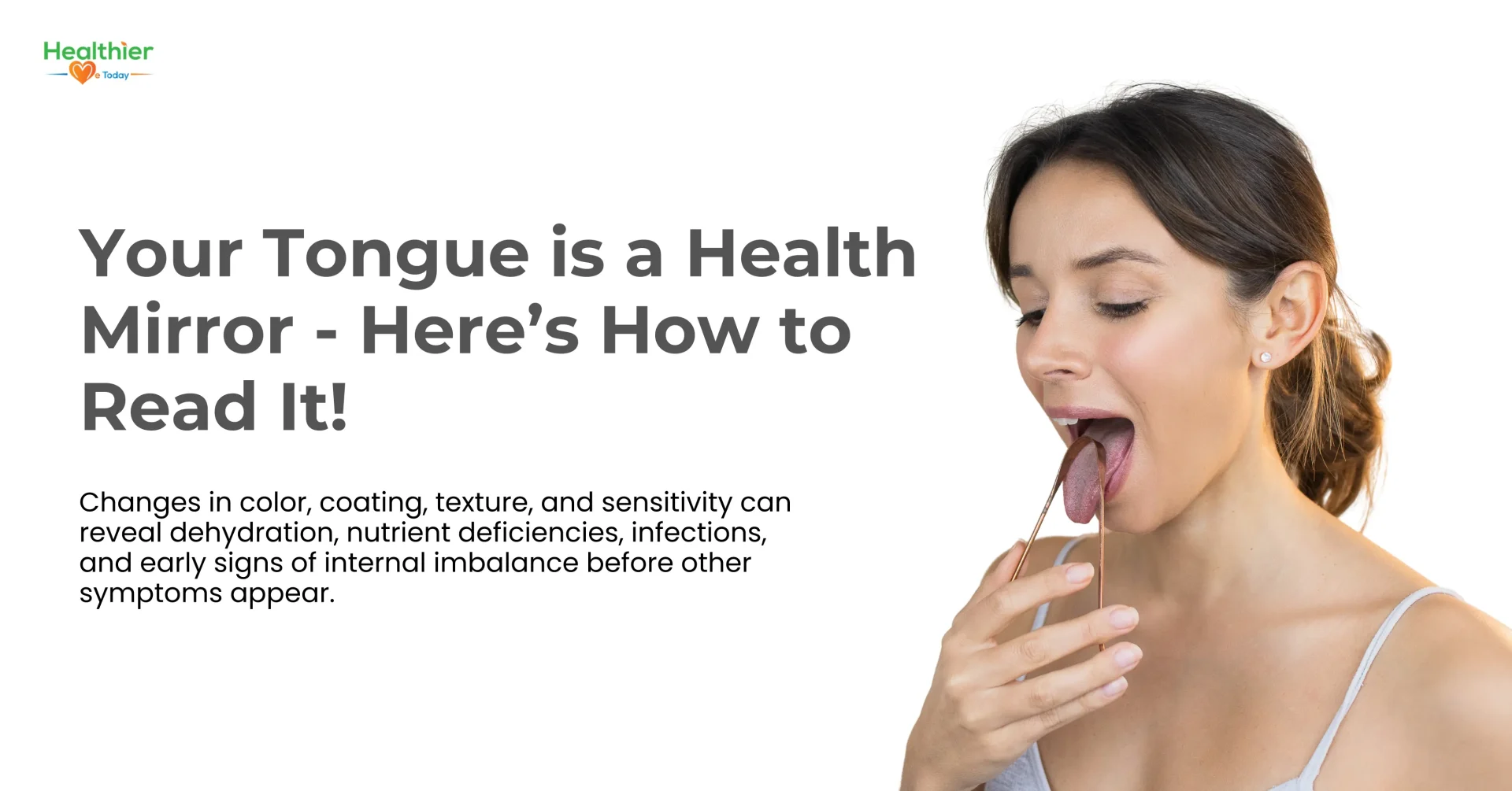
Tongue Health Chart: What Your Tongue Says About Your Health

You probably don’t think much about your tongue unless something feels off. But the truth is, your tongue can reveal more about your health than you might expect. Small changes in color, texture, coating, or sensitivity can sometimes reflect dehydration, nutrient deficiencies, infections, or other health issues happening inside your body.

This guide explains what tongue health means, how to spot healthy vs. unhealthy changes, and how a tongue health chart can help you understand what your body may be telling you.

What Does Tongue Health Mean?

When you think about your overall wellness, you probably don’t think about your tongue first. But tongue health meaning goes beyond just how it looks in the mirror. Unlike most parts of your body, your tongue is something you can check in seconds, which makes it a helpful health indicator. It’s about paying attention to the small daily changes in color, texture, moisture, and comfort that can reflect what’s happening inside your body.

Because your tongue reacts quickly to dehydration, nutrient deficiencies, infections, and even stress, learning to observe it regularly can help you better understand what your tongue says about your health. The key isn’t to panic over every small change, but rather to become aware of patterns that don’t seem normal for you.

What a Healthy Tongue Looks Like

What a Healthy Tongue Looks Like

When you know what a healthy tongue looks like, it becomes much easier to spot when something feels “off.” You don’t need medical training, just a simple habit of checking in the mirror every now and then.

A healthy tongue usually appears:

  • Light pink in color – A soft pink tone usually indicates that your blood flow and overall health are normal.
  • Slightly moist – Your tongue shouldn’t feel dry or sticky. A natural moisture level often reflects proper hydration and saliva production.
  • Covered with tiny, evenly distributed bumps (papillae) – These small bumps are completely normal and help you to taste food. They usually appear smooth and consistent across your tongue, without looking irritated or inflamed.
  • Free from thick coatings, sores, or deep cracks – It’s normal to have a light coating on your tongue, especially in the morning. But if you see a thick buildup that doesn’t go away, painful sores, or deep cracks that cause discomfort, your body may be signaling that something needs attention.

When you look at healthy tongue color and signs, you’re really looking at clues about hydration, nutrition, and how well you’re caring for your mouth overall. The goal isn’t perfection, it’s knowing what’s normal for you so you can quickly notice when something changes.

How to Use a Tongue Health Chart

How to Use a Tongue Health Chart


Using a tongue health chart can help you understand your health, but it is not a substitute for medical advice. It can guide you on when to seek further attention for any concerns.

What Tongue Color Can Reveal

Color is often the first thing you notice when you look at your tongue. Even small shifts can give you clues about hydration, circulation, or possible irritation.

When you look at a tongue color chart and health guide, you get a simple way to compare what you’re seeing with general color patterns linked to different health conditions. You’re not trying to diagnose yourself, you’re just checking whether your tongue still looks normal. If the color seems different and stays that way for a few days, even after drinking enough water and brushing properly, it’s a sign you shouldn’t ignore.

What Tongue Texture and Surface Changes Mean

It is not just about color. How it feels and looks on the surface can tell you just as much! When your tongue looks and feels normal, it should have a gentle, slightly textured surface and feel comfortable in your mouth. If you notice it suddenly feels unusually smooth, develops cracks, appears swollen, or becomes tender when eating certain foods, these changes may indicate a problem.

What Tongue Coating Can Indicate

A light coating on your tongue is normal, especially in the morning. What matters is how thick it is, how long it lasts, and whether it clears with proper oral care.

But if your tongue shows a thick, patchy, or long-lasting coating, it could be a sign that you’re a bit dehydrated, have some bacterial buildup, or need extra mouth care. Sometimes, it can also hint at things like digestion or how your immune system is doing.

What Tongue Pain or Sensitivity May Signal

It’s normal for your tongue to feel a little irritated after eating very spicy foods or drinking hot beverages, and these mild episodes usually aren’t anything to worry about.

However, ongoing burning, soreness, or unexplained discomfort can be a sign that something else is going on. 

Tongue Health Chart (Color and What It May Mean)

Tongue Health Chart (Color and What It May Mean)

Learning the tongue health chart meaning can make it easier to notice when something seems off and decide if you should take action, giving you a simple way to observe changes in your tongue over time and better understand what your body might be trying to tell you about your health. Using a tongue health chart with pictures can help you track these changes and understand what your tongue color may reveal about your overall health.

Pink Tongue

A healthy tongue is usually light pink with a thin, natural coating [my.clevelandclinic.org]. This pink color often indicates that you’re well-hydrated and that your body, including your digestion and circulation, is working as it should. Seeing a pink tongue most of the time is a good sign that your overall health is in balance.

White Tongue

A white tongue can be completely normal, especially in the morning or after eating certain foods. A thin, light coating usually comes from dead cells, food residue, or mild dehydration, and it isn’t something to worry about.

However, if the white layer appears thick or patchy, or doesn’t clear up after a few days, it may be a sign of something else, such as oral thrush, bacterial buildup, or irritation.

Yellow Tongue

A light yellow coating on your tongue can result from simple causes, such as leftover food, dehydration, or normal bacterial buildup [medicalnewstoday.com]. But if the yellow color persists or appears thicker than usual, it could be a sign of something more serious, such as poor oral hygiene, bacterial overgrowth, or digestive issues.

Red or Bright Red Tongue

A red or bright red tongue is hard to miss and is often a sign that your body is asking for a little attention. Sometimes it can happen after eating spicy or acidic foods, and it settles down quickly. But if the redness doesn’t fade, it may be linked to irritation, inflammation, or even low levels of nutrients like B vitamins or iron. If your tongue stays unusually red for a while, it’s worth seeking medical advice.

Purple or Blue Tongue

A purple or blue tongue is unusual and stands out immediately. It can indicate poor circulation or low oxygen levels in your blood. Sometimes it happens when your body feels cold, is stressed, or you’ve been breathing less efficiently.

Black Tongue

A black tongue color can look concerning, but it is usually caused by a harmless condition called “black hairy tongue.” This occurs when dead skin cells, bacteria, or yeast accumulate on your tongue, making it appear dark brown or black [mayoclinic.org]. Poor oral hygiene, smoking, certain antibiotics, and drinking a lot of coffee or tea can all lead to this color change.

Tongue Health Symptoms You Should Not Ignore

Your tongue can reveal a lot about your overall health. While small changes are often harmless, some tongue health symptoms should never be brushed off.
Here are important tongue health issues to watch for:

  • Persistent pain or burning – If your tongue feels sore, tender, or has a burning sensation that lasts more than a few days, it may indicate irritation, infection, or a vitamin deficiency.
  • Sudden color changes – A sudden change to bright red, pale, or dark purple, or to a discoloration, could indicate circulation issues, inflammation, or nutritional imbalances.
  • Ongoing swelling – A swollen tongue or scalloped edges can indicate inflammation, an allergic reaction, dehydration, or an underlying health condition. Swelling that affects speaking or swallowing needs attention.
  • Bleeding or ulcers that don’t heal – Small mouth sores are common, but a healthcare professional should check ulcers, lumps, or bleeding lasting over two weeks.

Recognizing these tongue health symptoms early gives you the chance to respond quickly and take better control of your overall health.

Under Tongue Health Chart

When you check your tongue, remember to look underneath it too. The area under your tongue can show important signs about your circulation, hydration, and overall oral health.

Veins Under the Tongue

It’s completely normal to see veins under your tongue. They often appear blue or purple because the skin in that area is thin. In most cases, visible veins are harmless. However, if the veins suddenly look darker, larger, or feel painful, it may be worth monitoring, especially if you notice other symptoms.

Discoloration or Swelling Under the Tongue

The tissue under your tongue should normally look pink and feel soft. If you notice unusual discoloration, lumps, or swelling, it could signal irritation, infection, blocked salivary glands, or other oral health concerns. Swelling that makes it uncomfortable to speak, eat, or swallow should never be ignored and may require medical attention [my.clevelandclinic.org]. 

What Health Issues Can Show Up on the Tongue

When you notice changes in color, texture, coating, or sensitivity, it could be linked to underlying health issues.

Health issues that can show up on your tongue:

  • Nutrient deficiencies – A lack of essential vitamins and minerals can affect your tongue, making it appear pale, sore, or bumpy. Common deficiencies, such as iron, B12, or folate, can lead to these changes, as these nutrients are vital for keeping your tongue healthy and pink.
  • Dehydration – If your tongue feels dry, sticky, or has a thicker coating than usual, it could be a sign that your body needs more fluids. When you’re dehydrated, your tongue loses its natural moisture, which can make it feel rough or uncomfortable and sometimes even affect your taste.
  • Infections and oral conditions – White patches, redness, or swelling on your tongue may indicate an infection like oral thrush, bacterial buildup, or irritation. These changes suggest your mouth is reacting to bacteria and fungi.
  • Digestive and immune-related issues – If your tongue has a persistent coating, unusual color, or looks inflamed, it could be a sign that your digestion isn’t working quite right or that your immune system is under stress.

Tongue Diagnosis Chart vs Medical Diagnosis

A tongue diagnosis chart can be an easy, practical way to monitor changes in your tongue and notice patterns over time. However, this chart is not a substitute for a medical diagnosis. Only a healthcare professional can tell you what’s really happening and suggest the next steps. Think of the chart as a handy tool to notice when something might need a closer look.

How to Care for Your Tongue Daily (+ Top Products)

How to Care for Your Tongue Daily (+ Top Products)

Taking care of your tongue every day is an important part of maintaining good oral health. Your tongue can trap bacteria, food particles, and dead cells, which can affect your breath, taste, and overall mouth hygiene.
Here’s how you can keep your tongue healthy:

  • Copper Tongue Scraper – Using a tongue scraper daily helps remove buildup that brushing alone can’t reach. A copper tongue scraper is gentle yet effective, leaving your tongue feeling clean and fresh.
  • Alcohol-Free Antiseptic Mouthwash – Rinsing with an alcohol-free mouthwash can help reduce bacteria and inflammation without drying out your mouth [colgate.com]. It’s a gentle way to keep your tongue and gums healthy.
  • Soft-Bristle Toothbrush – When brushing, gently include the surface of your tongue to remove any leftover debris. A soft-bristle brush is ideal to avoid irritation while still cleaning effectively.

Simple daily care, combined with the right tools, can help prevent common tongue issues such as coating, bad breath, and irritation.

Best Apps for Tracking Tongue Health

There are several apps you can use to track your tongue health by taking photos, uploading notes, and monitoring changes over time.

Some useful apps to help you track tongue health include:

  • MyTongueHealth – Allows you to take daily photos, track color, coating, and texture changes, and keep notes about symptoms.
  • OralHealth Tracker – Lets you log tongue observations alongside other oral health info like brushing habits or mouthwash use.
  • Health Journal Apps – While not tongue-related, these apps let you record daily health notes and photos, which can help you see trends over time.

These tools make it easier to notice patterns, improvements, or anything unusual so you can stay on top of your oral wellness.

When to See a Doctor or Dentist

If you notice changes in your tongue that last more than a couple of weeks, get worse, or cause discomfort, it’s a good idea to check in with a health professional [my.clevelandclinic.org]. Getting advice early can help identify any underlying issues and make it easier to take care of your tongue before problems become more serious.

Conclusion: Check Your Tongue Today

Your tongue can reveal a lot about what’s going on inside your body. Using tools like a tongue color chart for diagnosis and by taking care of your tongue each day and watching for any changes, you can keep track of your health and catch potential problems early before they become serious.

Frequently Asked Questions (FAQ)

What are the signs of an unhealthy tongue?

Some common signs that your tongue may not be healthy include unusual colors, thick or patchy coatings, cracks or fissures, swelling, sores, or persistent pain. These changes can signal dehydration, nutrient deficiencies, infections, or other health issues.

What are the warning signs on the tongue?

Watch for warning signs on your tongue, such as sudden color changes (pale, red, or dark), swelling, cracks, or sores that don’t heal. Also, pay attention if your tongue feels unusually sensitive, tender, or painful when you eat or talk.

What health issues can you tell by your tongue?

Your tongue can provide important clues about your health. Changes in its color, texture, or coating may indicate nutrient deficiencies, dehydration, oral infections, or problems with digestion and the immune system.

What color is a sick tongue?

A healthy tongue is usually pink. If your tongue is white or yellow, it might indicate an infection or a digestive problem. A red or bright red tongue can signal inflammation or a lack of nutrients. If your tongue is purple, blue, or black, it could indicate circulation issues or bacterial buildup.

What are three diseases that affect the tongue?

Three diseases that affect the tongue include oral thrush, which appears as creamy white patches and may feel sore or uncomfortable; geographic tongue, where smooth red patches show up and change location like a map; and glossitis, which causes swelling, tenderness, and changes in color.

Work Stress Management: Signs, Causes & Strategies

Do you feel stressed at work even after you’ve had time off? Deadlines are constantly on your mind, you feel more irritable than usual, or you can’t fully relax in the evenings. When stress starts affecting your mood, energy, and focus, it’s usually a sign that your body and mind are asking for a reset.

This guide helps you recognize the signs, understand common causes, and use effective work stress management strategies, along with long-term solutions to help you regain control.

What Is Work Stress Management?

Work stress management is simply about learning to handle the pressure of your job in a healthy way. Every job has deadlines, responsibilities, and challenging moments, and while a little stress can sometimes push you to perform better, too much of it can quickly become overwhelming.

Using effective work stress management techniques can help you notice what triggers your stress and how it affects your energy and mood. With the right strategies, you won’t just get through the day, you’ll feel calmer, more focused, and better able to handle challenges without letting stress take over your life.

Signs of Work-Related Stress

Signs of Work-Related Stress

Stress at work can build up quietly, and you might not even notice it at first. It often shows up in small changes in your mood, energy, or behavior before it becomes overwhelming. Paying attention to these early warning signs can help you take action sooner and prevent stress from taking control of your work and personal life.

Here are some common signs of work-related stress to look out for:

  • Persistent fatigue – Chronic stress keeps your body in “alert mode,” which drains your energy over time, even if you’re getting enough sleep.
  • Difficulty concentrating – Stress affects your focus and decision-making because your brain is busy managing pressure instead of thinking clearly.
  • Irritability or mood swings – When you’re overwhelmed, your patience usually drops, and small things start to feel bigger than they are.
  • Headaches or muscle tension – Stress often shows up physically, especially in your neck, shoulders, and head.
  • Sleep disturbances – Worrying about deadlines or work problems can make it hard to switch off at night.
  • Increased absenteeism – When stress becomes too much, avoiding work can feel like the only way to cope.

When you notice these signs early, you give yourself the chance to step back and make changes before it gets worse. Even small adjustments and clearer boundaries can make a real difference in how you feel day to day.

Common Causes of Stress at Work

Work stress usually builds up due to specific factors in your daily routine or work environment. Identifying your stress triggers can help you manage them more effectively, preventing them from affecting your mood, energy, or home life.

Here are some things that can cause work-related stress:

  • Heavy workloads – Managing multiple tasks or tight deadlines creates pressure, putting your body in “stress mode.” This can lead to both mental and physical exhaustion.
  • Job insecurity – Uncertainty about job stability or company changes can threaten your sense of safety, creating ongoing tension that makes it difficult to relax or focus.
  • Long working hours – Working extended hours without proper rest prevents your body and mind from recovering, leading to chronic work stress over time.
  • Poor work-life balance – When work follows you home, your brain doesn’t switch off, causing stress to build instead of settle.
  • Lack of recognition – When your efforts go unnoticed, it can feel discouraging and demotivating. That emotional strain creates frustration, which contributes to ongoing stress.

Every workplace is different, and what feels overwhelming for one person might not bother someone else.

How Work Stress Affects Your Health and Performance

When you’re under constant pressure at work, your body stays tense, which can lead to headaches, tight muscles, fatigue, high blood pressure, and a weaker immune system. Mentally, stress can make it harder to focus, remember details, stay motivated, or handle tasks that usually feel easy. Over time, this can lower your productivity and confidence. Recognizing these signs early is important because it gives you the chance to take action and learn how to reduce stress from work, protecting both your health and your performance in the long term.

Work Stress Management Techniques That Actually Help

Work Stress Management Techniques That Actually Help

Stress at work is normal, but it doesn’t have to take over your day [www.apa.org]. The right workplace stress relief techniques can help you stay focused, calm, and in control, even when your schedule is packed.

Immediate Stress Relief Techniques at Work

Some days, stress hits so fast that you need something that works immediately. Taking a few slow, deep breaths can help settle your mind and slow down racing thoughts. Standing up and stretching, or even taking a short walk, can help relieve tension in your body and make you feel more grounded. Pay attention to areas where you hold tension, such as your shoulders, neck, or jaw, and consciously relax them. Even pausing for a few seconds before responding to a frustrating situation can prevent stress from escalating and give you a moment to think clearly. These simple actions can make a noticeable difference in how you feel, helping you regain focus and calm.

Stress Management Techniques for Remote Workers

Working from home comes with flexibility, but without a clear routine, work can slowly spill into your personal life [pmc.ncbi.nlm.nih.gov]. You might catch yourself checking emails late at night or struggling to switch off mentally. Simple stress-management techniques for remote workers can help you stay organized and conserve your energy. Setting up a small, dedicated workspace tells your brain when it’s time to focus and when it’s time to relax. Clear start and finish times prevent overworking, and even small habits, like getting dressed for the day, can shift your mindset into productivity mode. Taking proper breaks away from the screen gives your mind and body a chance to reset, so you don’t end the day feeling drained.

Stress Management Techniques for Work and Home Balance

Maintaining a healthy balance between work and home life is essential for managing stress in the long term. When work follows you home mentally, it becomes difficult to rest and recharge truly. Creating a shutdown routine at the end of your day, tidying your desk, planning for tomorrow, or mentally closing your work tasks, helps your mind switch off. Setting firm boundaries around your availability and limiting after-hours emails protects your personal time. 

Focusing on what truly matters instead of trying to do everything at once reduces unnecessary pressure.

How to Manage Work Stress Long-Term

Learning how to manage stress at work can help you stay focused, protect your energy, and handle busy periods without feeling overwhelmed.

Setting Boundaries

Setting boundaries is about knowing your limits and being honest about them. It helps you focus on work when you need to and take real breaks when your day is over. By protecting your time and energy, you can avoid feeling stressed and stay more balanced throughout your workday.

Time Management Strategies

Poor time management can make even small tasks feel overwhelming. A simple way to stay on top of things is to pick your top three priorities each day and focus on them first [franklincovey.com]. Breaking bigger projects into smaller steps makes them easier to handle, and taking short breaks between tasks gives your mind a chance to reset. These simple habits help you stay productive without feeling stressed or drained.

Delegation and Asking for Help

Doing everything yourself can lead to long-term work-related stress. You might feel responsible for keeping everything running smoothly, but taking on too much can cause burnout. Look at your tasks and see which ones you can pass on to others. Sharing the workload is a smart way to reduce stress and work better together.

Building Workplace Resilience

Even with good systems in place, work will still throw challenges your way. Building resilience helps you handle pressure without feeling drained or frustrated. It teaches you to stay calm, focus on solutions, and adapt when things don’t go as planned. You can strengthen your resilience by focusing on what you can control, learning from mistakes, and keeping simple routines that support your mental and physical health. By combining clear boundaries, smart time management, asking for help, and resilience, you create strong, sustainable habits. These are some of the best stress management tips for employees to deal with job stress and anxiety.

Tools That Can Support Stress Relief at Work

Tools That Can Support Stress Relief at Work

When your body feels tense or uncomfortable, it’s harder to stay focused and calm.

Using simple tools is one of the best ways to manage work stress:

  • Foot massager – Long hours of sitting or standing can lead to tired, aching feet and poor circulation. A quality foot massager helps improve blood flow, relieve foot pain, reduce muscle tension, and ease stiffness, all from the comfort of your home or office.
  • Seat cushion for an office chair – Sitting for long hours can put pressure on your lower back, hips, and tailbone. A supportive office seat cushion helps improve posture, reduce back pain, and relieve pressure while you work. Designed for ergonomic comfort, it provides extra support that keeps you comfortable, focused, and productive throughout the day.
  • Anti-fatigue floor mat – Standing for long periods can strain your feet, knees, and lower back. An anti-fatigue floor mat provides cushioned support that reduces joint pressure, improves comfort, and helps minimize fatigue. Ideal for standing desks, kitchens, or retail spaces, it keeps you supported and focused throughout the day.

Using simple tools alongside practical stress management strategies can make your workday feel more comfortable and less overwhelming.

When to Seek Professional Help for Job Stress and Anxiety

When stress starts showing up as constant anxiety, irritability, low mood, trouble sleeping, or frequent headaches, it may be a sign that you need more than just basic coping techniques [mayoclinic.org]. You might feel emotionally exhausted, overwhelmed, or not quite like yourself.

Seeking help from a therapist or counselor isn’t a sign of weakness; it’s a healthy and proactive step toward better mental health. Professional support can provide personalized stress-management tools, help you reduce anxiety, rebuild emotional balance, and improve your overall well-being in a sustainable way.

Conclusion: Take Control of Work Stress

Managing stress at work isn’t about eliminating pressure completely, it’s about learning how to handle it in a healthier way. When you become aware of what triggers your stress and take small, practical steps to manage it, you protect your energy, your focus, and your overall well-being.

Simple habits like practicing deep breathing exercises, using ergonomic office tools, and setting clear boundaries between work and personal time can strengthen your resilience.

Frequently Asked Questions (FAQ)

How to stop stressing over work?

To stop stressing over work, focus on what you can control and let go of what you can’t. Break big tasks into smaller, manageable steps, prioritize what truly needs attention, and stop trying to do everything at once. Set clear boundaries between work and personal time, take short breaks to reset your mind, and speak up if your workload feels overwhelming.

How to handle stress effectively?

To handle stress effectively, focus on what you can control and take small, practical steps each day. Break tasks into manageable pieces, take short breaks, and make time for activities that help you relax. Asking for help when you need it and keeping healthy routines can also make a big difference in staying calm and focused.

How do you handle stress and pressure at work?

Handling stress and pressure at work starts with staying organized and focusing on one task at a time. Take short breaks to reset, set clear boundaries, and ask for help when needed. Small habits like these help you stay calm, focused, and more in control throughout the day.

How to relax when stressed?

When you’re stressed, take a few deep breaths, step away from whatever’s causing the stress, and give yourself a moment to reset. Simple actions like stretching, going for a short walk, or listening to music can help you calm down and regain focus quickly.

What are 7 warning signs of stress?

Here are 7 common warning signs that you should watch for:

  1. Persistent fatigue
  2. Difficulty concentrating
  3. Irritability or mood swings
  4. Headaches or muscle tension
  5. Sleep disturbances
  6. Increased absenteeism
  7. Feeling overwhelmed or unable to cope

Morning Walk vs Evening Walk: Which Is Better for Your Health?

Is a walk at sunrise the secret to kickstarting your day, or does an evening stroll hold the real health benefits? Scientists have looked into the timing, and the results may surprise you. 

Research shows that exercise doesn’t just depend on intensity or duration. The body can actually respond differently depending on the time of day. That’s why the debate around a morning walk vs evening walk has become such a focus for health experts, with studies examining how each affects metabolism, stress, sleep, and overall wellness.

And while both options have their place, the findings point to a clear answer.

Does the Time of Day You Walk Really Matter?

Does Time of Day Really Matter

When comparing a morning walk vs evening walk, many people wonder if the timing actually affects the health benefits. Research suggests that the body responds differently to exercise throughout the day because of natural circadian rhythms that influence energy levels, metabolism, and hormone activity [pmc.ncbi.nlm.nih.gov]. 

So, yes!

The benefits of walking early morning can differ slightly from walking later in the day. For example, morning walks may help wake up the body and support daily routines, while evening walks may feel easier after the body has fully warmed up.

Still, both options can be beneficial.

Benefits of a Morning Walk

Walking shortly after waking can help activate the body’s metabolism, improve alertness, and expose the body to natural daylight. The usefulness of morning walk routines is often linked to how they support healthy daily rhythms and encourage consistent activity.

Boosts Energy and Mental Focus

Light aerobic activity increases blood circulation, which helps deliver oxygen to the brain and muscles. Research shows that even moderate exercise like walking can improve mood and mental clarity, helping people feel more alert and focused throughout the day.

May Support Weight Loss

Exercising earlier in the day may help the body regulate metabolism and fat use more efficiently. While weight loss depends on many factors, regular walking can contribute to calorie burning and support long-term weight management.

Helps Regulate Sleep Cycles

Exposure to natural sunlight plays a key role in regulating circadian rhythms. Morning light helps signal the body when to wake and sleep, which may improve sleep quality and make it easier to fall asleep later at night.

Encourages Consistency and Healthy Routines

Research on exercise habits shows that people are more likely to maintain physical activity when it becomes part of a daily routine. Walking earlier in the day can make it easier to stay consistent before other responsibilities and distractions appear.

If you enjoy early workouts or long walks, a light pre-workout like Alani Nu Pre Workout Powder Hawaiian Shaved Ice can help support energy and focus before heading out.

Benefits of an Evening Walk

Evening Walk

While morning exercise works well for many people, there are also important morning and evening walk benefits to consider when deciding the best time to be active. Walking later in the day can help the body unwind, support digestion, and take advantage of the body’s natural physical readiness in the evening hours.

Helps Reduce Stress After a Long Day

Physical activity can help lower stress levels by encouraging the release of endorphins, which are chemicals that improve mood and promote relaxation. After a long or demanding day, a gentle walk can help clear the mind, reduce tension, and create a natural transition from work to rest.

Supports Digestion After Dinner

Light movement after eating may help support digestion by encouraging the digestive system to move food more efficiently through the body. A short walk after dinner is often recommended because it can reduce feelings of heaviness and may help maintain stable blood sugar levels.

Muscles May Perform Better Later in the Day

Research suggests that muscle strength, flexibility, and overall physical performance tend to peak later in the day when body temperature is slightly higher. Because of this, some people find that walking or exercising in the evening feels easier and more comfortable compared to early morning workouts.

Can Be Easier for Busy Schedules

For people with demanding mornings, evening walks can be a more practical option. Walking after work or daily responsibilities allows time for physical activity without rushing, making it easier to maintain a consistent exercise routine.

A water bottle with time markers can help you stay hydrated throughout the day, especially if you make walking part of your daily routine.

Morning Walk vs Evening Walk for Specific Health Goals

Both options offer strong morning and evening walk benefits, but the best choice can depend on your personal health goals. The timing of your walk may influence how your body responds, whether you are focusing on weight management, sleep quality, or stress reduction.

For Weight Loss

When comparing morning walk vs evening walk for weight loss, consistency and total activity level matter most. However, some research suggests that walking earlier in the day may help support metabolism and encourage the body to use stored fat for energy [pmc.ncbi.nlm.nih.gov]. Morning activity may also help regulate appetite throughout the day.

Evening walks can still support weight loss because they increase daily calorie expenditure and may prevent long periods of inactivity after dinner. In the end, the best time to walk for weight loss is the time that helps you stay consistent with your routine.

For Better Sleep

Looking at morning vs evening walk for better sleep, exposure to morning sunlight may play an important role. Early daylight helps regulate the body’s circadian rhythm, which supports healthy sleep patterns and can make it easier to fall asleep at night.

Evening walks can also help some people sleep better, especially when they reduce stress and promote relaxation. However, very intense exercise late at night may make it harder for some individuals to fall asleep.

For Stress Relief

Many people wonder is it better to walk in the evening for relaxation… For some individuals, walking later in the day can be especially helpful for relieving stress built up from work or daily responsibilities.

Gentle physical activity helps release endorphins and reduce tension in the body. An evening walk can provide quiet time to unwind, reflect, and mentally transition into a more relaxed state before bedtime.

Preparing breakfast in overnight oats containers with lids can make it easier to fuel your body after a morning walk without rushing through your morning.

So, Is Morning Walk or Evening Walk Better?

So, Is Morning Walk or Evening Walk Better

Overall, research suggests that a morning walk may have a slight advantage for overall health, mainly because it helps regulate circadian rhythms, encourages consistency, and exposes the body to natural daylight early in the day [verywellhealth.com]. These factors can support better sleep, improved mood, and healthier daily routines, which explains the growing interest in the use of morning walk habits for long-term wellness.

That said, an evening walk is still highly beneficial and may even feel more comfortable for some people because the body’s muscles and joints are naturally warmer later in the day. Evening walks can also be particularly helpful for stress relief and digestion after dinner.

But the best option is the one that fits your schedule and helps you stay consistent. Walking regularly, whether in the morning or evening, will provide far greater health benefits than focusing only on the timing.

Conclusion: This is What’s Important

Both morning and evening walks offer valuable health benefits, and the best choice often depends on your lifestyle and personal goals. Morning walks can help boost energy, support metabolism, and regulate sleep by exposing the body to natural daylight. Evening walks, on the other hand, can help reduce stress, support digestion, and provide a relaxing way to unwind after a long day.

When weighing the pros and cons of evening walking after dinner, it becomes clear that both options can be beneficial when done consistently. Morning walks may be slightly better for building routines and supporting sleep cycles, while evening walks can be easier to fit into busy schedules and help relieve daily tension.

Ultimately, the most important factor is consistency. Walking regularly, regardless of the time of day, supports heart health, improves mood, and contributes to long-term wellness.

If you’re looking for simple ways to improve your health, consider adding a daily walk to your routine and choosing the time that works best for your lifestyle.

Frequently Asked Questions (FAQ)

Is a morning walk better or an evening walk?

Both morning and evening walks can support overall health. Morning walks may help regulate sleep cycles and boost energy early in the day, while evening walks can help reduce stress and support digestion. The best choice is the time that fits your routine and allows you to stay consistent.

Does walking increase serotonin?

Yes, walking can help increase serotonin levels. Physical activity stimulates the release of mood-supporting chemicals in the brain, including serotonin and endorphins. This is one reason regular walking is often linked to improved mood, reduced stress, and better mental well-being.

Is a morning walk good for heart patients?

In many cases, a morning walk can be beneficial for heart health because it encourages gentle cardiovascular activity. Regular walking may help improve circulation, lower blood pressure, and support heart function. One advantage of morning walk routines is that they allow people to exercise consistently before daily responsibilities begin. However, individuals with heart conditions should always follow their doctor’s guidance about exercise.

What is the healthiest time of day to walk?

There is no single time that works best for everyone. However, many experts highlight the benefits of early morning walk routines because exposure to daylight can help regulate circadian rhythms, support metabolism, and improve energy levels. That said, walking at any time of day is beneficial if it helps you stay active regularly.

Can an evening walk reduce belly fat?

An evening walk can contribute to fat loss when combined with a balanced diet and regular physical activity. Walking helps burn calories and improves metabolism, which may support gradual weight loss over time. While it cannot specifically target belly fat, consistent walking can help reduce overall body fat and improve fitness.

12 Reasons Sunflower Seeds Are Amazing for Your Health

Did you know that sunflower seeds contain nutrients linked to heart health, immunity, and even mood support? Most people see them as a simple snack or salad topping, but there’s far more going on beneath their small size. When you look closely at the real health benefits of sunflower seeds, they turn out to be one of those everyday foods that quietly support the body in multiple ways.

Rich in antioxidants, healthy fats, vitamins, and minerals, sunflower seeds contribute to energy levels, immune function, and overall wellness without requiring major diet changes. This article breaks down 12 reasons sunflower seeds are amazing for your health, explaining what they do in the body and why they deserve more attention than they usually get.

Why Sunflower Seeds Are So Beneficial

What Makes Sunflower Seeds So Beneficial

A small handful delivers a mix of healthy fats, antioxidants, fiber, and minerals that contribute to long-term wellness. That combination is what makes sunflower seeds such a powerful everyday food rather than just a snack.

Raw Sunflower Seeds

Reasons sunflower seeds are great for your health

1. Sunflower Seeds Deliver an Impressive Dose of Vitamin E

One of the standout health benefits of sunflower seeds is their high sunflower seeds vitamin E content. Vitamin E acts as a powerful antioxidant that helps protect cells from oxidative stress, which plays a role in aging and chronic disease. It also supports immune function and helps maintain healthy, glowing skin. Adding sunflower seeds to meals is a simple way to increase vitamin E intake without relying on supplements.

2. Boost Heart Health Naturally

Sunflower seeds for heart health are well known for good reason. They contain a balance of polyunsaturated and monounsaturated fats that support healthy cholesterol levels. Sunflower seeds are also a natural source of magnesium, a mineral that helps regulate blood pressure and supports normal heart rhythm. Regular intake can contribute to better cardiovascular balance as part of an overall healthy diet.

3. Aid in Diabetes Management

Sunflower seeds for diabetes management can be a smart addition to balanced meals. Their fiber content helps slow the absorption of sugar into the bloodstream, which supports steadier blood glucose levels. Healthy fats in sunflower seeds also help improve satiety, making them useful for managing hunger and supporting more stable energy throughout the day.

4. A Plant-Based Protein Source

Thanks to their high sunflower seeds protein content, these small seeds offer a simple way to add plant-based protein to your diet. Protein helps repair and build muscle, supports long-lasting energy, and keeps you feeling fuller for longer. Adding sunflower seeds to meals or snacks is an easy way to fuel an active, healthy lifestyle without relying on heavily processed foods.

5. Packed with Essential Nutrients

The nutritional value of sunflower seeds goes far beyond vitamin E and protein. They contain a wide range of B vitamins, along with minerals like selenium, folate, magnesium, and phosphorus. These nutrients support metabolism, brain function, nerve health, and energy production. Many sunflower kernels benefits come from this nutrient density, making them a smart choice for overall daily nourishment.

6. Support Healthy Weight Control

Sunflower seeds can play a helpful role in weight management when eaten in moderation. The combination of protein, fiber, and healthy fats helps increase satiety, which may reduce overeating between meals. Among the many sunflower seeds benefits, supporting a balanced approach to weight control is one that fits easily into a sustainable, long-term eating pattern.

7. Promote Better Digestive Health

Fiber is key for digestion, and sunflower seeds provide a steady source of it. Sunflower seed nutrition helps support regular bowel movements and feeds beneficial gut bacteria, which play a role in overall digestive balance. Whether enjoyed as a snack or added to salads and meals, sunflower seeds can help keep your digestive system working smoothly.

8. Support Women’s Health

Many sunflower seeds benefits for female health come from their mineral and nutrient profile [healthline.com]. Magnesium and selenium support bone strength, hormone balance, and heart health, while vitamin E contributes to overall vitality. Including sunflower seeds in everyday meals is a simple way to support long-term wellness at different life stages.

9. Easy and Flexible Ways to Eat Them

Learning how to eat sunflower seeds does not require special preparation. They can be enjoyed as raw sunflower seeds or roasted, depending on preference. Toss them into breakfast bowls, sprinkle them over salads, or keep a small portion on hand for a convenient snack. Their mild flavor works well in both sweet and savory dishes, making them easy to include throughout the day.

For people who don’t enjoy eating sunflower seeds on their own, there are simple alternatives that still provide the same nutritional benefits. Sunflower seed butter can be used like any spread or blended into meals, while mixed seed blends that include sunflower seeds make it easy to add variety, texture, and nutrients to everyday foods like salads, yogurt, or oatmeal.

10. A Natural Source of Energy

Sunflower seeds are often considered natural energy-boosting foods because they contain a mix of protein, fiber, and healthy fats [pmc.ncbi.nlm.nih.gov]. This combination helps provide steady energy rather than quick spikes and crashes. A small handful can help reduce fatigue and support alertness during busy days.

11. Support Brain Health and Mood

Sunflower seeds provide magnesium, B vitamins, and antioxidants that support brain function and emotional balance. These nutrients help maintain focus, support stress management, and contribute to a more stable mood. Adding sunflower seeds to meals or snacks can offer an easy, everyday boost for mental clarity.

12. Sunflower Seeds for Strong Immunity

Loaded with vitamin E and selenium, antioxidants that help reduce inflammation and protect your body from damage. Supporting the immune system and helping the body combat illnesses are key aspects of the sunflower seeds health benefits.

How Many Sunflower Seeds Should You Eat Per Day

How Many Sunflower Seeds Should You Eat Per Day

A healthy serving of sunflower seeds is about 1 ounce per day, which is roughly a small handful or ¼ cup [naturesgarden.net]. This amount is enough to enjoy the health benefits of sunflower seeds without overdoing calories or fat.

Sunflower seeds are very nutrient-dense, so eating large portions regularly can add up quickly. Because they’re high in healthy fats and minerals, too much may lead to excess calorie intake or digestive discomfort.

For most people, one small handful a day is the sweet spot to get the benefits while keeping meals balanced.

Are Sunflower Seeds Safe for Everyone

Are Sunflower Seeds Safe for Everyone

Sunflower seeds are safe for most people and can be a healthy addition to a balanced diet. However, there are a few situations where moderation or caution is important.

People with seed or nut allergies should avoid sunflower seeds unless they’ve confirmed they’re safe for them. Those watching their sodium intake should choose unsalted varieties, as salted sunflower seeds can contribute to high blood pressure when eaten often. Because sunflower seeds are high in fiber and fat, eating large amounts at once may also cause digestive discomfort for some people.

When enjoyed in reasonable portions, sunflower seeds are generally well tolerated and offer many nutritional benefits for most diets.

Conclusion: Sunflower Seeds Have Real Benefits

Sunflower seeds may be small, but they offer far more than most people expect. When eaten in the right amounts, the health benefits of sunflower seeds include support for heart health, energy levels, digestion, and overall nutrition. Their mix of healthy fats, protein, antioxidants, and essential minerals makes them a simple way to add more value to everyday meals.

What makes sunflower seeds especially appealing is how easy they are to use. They fit into snacks, salads, breakfasts, and even main dishes without requiring major diet changes. By keeping portions in check and choosing unsalted options, sunflower seeds can be a practical, nourishing addition to a balanced lifestyle.

Sometimes, it’s the simplest foods that make the biggest difference when used consistently and mindfully.

FAQs

Are sunflower seeds good for you?

The nutrition in sunflower seeds provides protein, fiber, healthy fats, and key vitamins and minerals, helping to support overall health and wellness. Vitamin E and selenium in these seeds help safeguard cells and strengthen immunity, while B vitamins and magnesium enhance energy and heart health and help reduce inflammation.

What are the health benefits of sunflower seeds?

The benefits of sunflower seeds include supporting heart health through their healthy fats and magnesium, aiding digestion, and helping regulate blood sugar levels with their high fiber content. Including them in your diet is an easy way to enjoy all these health-promoting benefits.

What are sunflower seeds good for?

Sunflower seeds offer several health benefits, including supporting heart health, balanced blood sugar, weight management, and healthy skin and bones. Their protein, healthy fats, and nutrients provide a natural energy boost throughout the day.

Are sunflower seeds healthy to eat every day?

Eating sunflower seeds daily can be healthy in moderation. With protein, fiber, healthy fats, vitamin E, magnesium, and selenium, they promote heart health and overall wellness. However, because of their high calorie density, it’s best to limit them to a small handful to avoid excess calories.

How many sunflower seeds should I eat a day?

A healthy serving size is 1 ounce (about 28 grams), roughly a small handful. This amount provides protein, beneficial fats, dietary fiber, along with key nutrients such as vitamin E and magnesium, offering health benefits without significant extra calories or fat.

How do you eat sunflower seeds properly?

Sunflower seeds can be enjoyed raw or roasted. They may be eaten either shelled for convenience or left in their shells, cracking them as one goes. They are also delicious sprinkled on salads, oatmeal, or yogurt, or incorporated into various other baked goods.

Are roasted sunflower seeds healthy?

Yes, roasted sunflower seeds are good for you because they’re packed with healthy fats, plant protein, and important vitamins like vitamin E and B vitamins.

Are sunflower seeds good for diabetics?

Sunflower seeds are a fantastic choice for people with diabetes! Packed with fiber to help manage blood sugar and heart-healthy fats, they offer delicious support for your overall well-being.

Can sunflower seeds help with weight loss?

Yes! Sunflower seeds make a great snack for supporting weight management. A handful of sunflower seeds can help keep you feeling satisfied thanks to their protein, fiber, and healthy fats, making it easier to avoid overeating too quickly.

What vitamins are in sunflower seeds? 

Sunflower seeds naturally provide vitamin E, B6, and folate. Vitamin E helps protect your cells and keeps the immune system strong, while B6 and folate support energy, brain function, and overall cell health.

What are the side effects of eating too many sunflower seeds?

Sunflower seeds side effects can include digestive discomfort, consuming too many calories, or high sodium intake if the seeds are salted. To enjoy their benefits safely, it’s best to eat them in moderation.

Can you eat sunflower seed shells?

Sunflower seed shells aren’t suitable for eating as they are hard to digest. It’s best to enjoy the nutritious and easy-to-consume kernels. Swallowing the shells can also cause discomfort or irritation in your digestive system, so it’s safer to stick to the seed inside.

New to Fitness? Try This Simple 7 Day Workout Plan

Starting a fitness journey can feel a little overwhelming at first, and that’s completely normal. The good news is, it doesn’t have to be complicated or intimidating. With a 7 day workout plan for beginners, you can ease into movement at your own pace and start feeling stronger, more confident, and more energised each day. This plan is designed to help you build a simple, realistic routine while working your whole body in a balanced way.

In this guide, you’ll learn how to get started, what to expect each day, and how to stay consistent as you begin your fitness journey.

How to Start Working Out as a Beginner

If you’re wondering how to start working out as a beginner, the most important thing is to keep it simple. Focus on basic movements, shorter workouts, and a pace you can maintain. This helps you build strength, confidence, and consistency over time without feeling overwhelmed.

Starting with a simple workout plan that’s easy to follow makes it much easier to stay on track. You don’t need long sessions or intense routines to see progress. What matters is choosing something manageable and sticking with it.

Take your time, pay attention to how your body feels, and don’t worry about doing everything perfectly. Showing up consistently is what counts. Even 20 minutes of movement can help you feel stronger, more confident, and more in control of your body!

What Makes This a Beginner-Friendly Workout Plan

What Makes This a Beginner-Friendly Workout Plan

This plan combines full-body movement, low-impact cardio, and built-in rest days to help you build strength and consistency without overdoing it. It’s designed to ease you in, so you’re not pushed too hard or too fast.

You don’t need fancy gym equipment, and the exercises are simple to follow. Whether you’re working out at home or at the gym, this weekly workout plan for beginners is flexible and easy to fit into your routine.

Your Simple 7-Day Workout Plan for Beginners

Here’s a breakdown of the plan. Remember, each day focuses on a different type of movement to ensure you’re working your whole body while allowing recovery time. This is the perfect beginner workout plan to help you start fitness safely.

Day 1 – Full Body Movement

Focus: 

  • Light strength + mobility

Warm-up:

  • 5 minutes marching in place or light walking
  • Arm circles (forward and backward)
  • Torso twists

Workout:

  • Bodyweight squats (2-3 sets of 10-15 reps)
  • Bent-knee push-ups (2-3 sets of 10-15 reps)
  • Glute bridges (2-3 sets of 10-15 reps)
  • Standing side leg lifts (2-3 sets of 10 per leg)

Cool-down:

  • 5-10 minute walk
  • Light stretching (hamstrings, shoulders, triceps)

Remember to move slowly and focus on form with this beginner workout plan to start your fitness journey safely.

Day 2 – Cardio (Beginner Pace)

Focus: 

  • Easy movement to get your heart rate up

Workout:

  • Brisk walking or cycling for 20-30 minutes
  • Optional low-impact cardio → marching in place, step-touches, or beginner dance steps for  minutes

Cool-down:

  • Slow walk for 3-5 minutes
  • Stretch calves, quads, and arms

Keep it comfortable and go at your own pace with this easy workout plan.

Day 3 – Full Body Strength

Focus: 

  • Bodyweight exercises

Warm-up:

  • 5 minutes of light cardio

Workout:

  • Wall push-ups (2-3 sets of 10-15 reps)
  • Chair-assisted squats (2-3 sets of 10-15 reps)
  • Plank on knees (hold 20-40 seconds)
  • Standing calf raises (2-3 sets of 10-15 reps)

Cool-down:

  • Gentle walk for 5 minutes
  • Stretch chest, back, legs

Focus on proper form over speed or reps with this workout plan to start fitness safely.

Day 4 – Active Recovery

Focus: 

  • Stretching and light movement

Workout:

  • Gentle yoga flow or full-body stretching for 15-20 minutes
  • 10-minute walk (optional)

Listen to your body, recovery is part of progress with this beginner friendly workout plan to stay active without strain.

Day 5 – Lower Body Focus

Focus: 

  • Legs and glutes

Warm-up:

  • 5 minutes brisk walking
  • Leg swings and ankle rolls

Workout:

  • Bodyweight squats (2-3 sets of 10-15 reps)
  • Glute bridges (2-3 sets of 10-15 reps)
  • Step-ups on a low step (2-3 sets of 10 per leg)
  • Standing side leg lifts (2-3 sets of 10 per leg)

Cool-down:

  • 5-10 minute walk
  • Stretch quads, hamstrings, calves

Start light and focus on controlled movements with this beginner fitness plan, ideal for building lower-body strength.

Day 6 – Upper Body + Core

Focus: 

  • Simple upper body movements

Warm-up:

  • Jumping jacks for 1-2 minutes
  • Arm circles and wrist rolls
  • Torso twists

Workout:

  • Bent-knee push-ups (2-3 sets of 10-15 reps)
  • Wall shoulder press (2-3 sets of 10-15 reps)
  • Bicep curls with household item (2-3 sets of 10-15 reps)
  • Straight-arm plank (hold as long as possible)

Cool-down:

  • 5-10 minute walk
  • Stretch chest, arms, and shoulders

Keep movements slow and steady with this simple exercise routine, designed to strengthen your upper body.

Day 7 – Rest or Gentle Movement

Focus: 

  • Recovery and preparation for next week

Activity options:

  • Take a leisurely walk, stretch, or do some light yoga.
  • Use foam rolling or gentle stretching exercises.

Rest is crucial for muscle recovery and progress, making this day a perfect part of a simple workout plan for beginners at home.

How Long Should Beginners Work Out Each Day?

As a beginner, try to exercise for 20 to 40 minutes per session [planetfitness.com]. This amount of time is enough to see progress without pushing yourself too hard. Focus on doing the movements carefully and correctly. Keep a pace that feels challenging but still comfortable for you. Quality is more important than quantity.

Should Beginners Work Out Every Day?

You don’t need to exercise every single day. While consistency matters, rest days and active recovery are essential for allowing your muscles to repair and preventing fatigue. A balanced workout routine for beginners, like the one in this plan, helps you build sustainable habits without overwhelming your body.

Can Beginners Lose Weight With a 7-Day Workout Plan?

Can Beginners Lose Weight With a 7-Day Workout Plan

Yes. A 7 day workout plan can jumpstart weight loss by improving your activity level, boosting your metabolism, and helping you build consistent exercise habits. However, sustainable weight loss also depends on nutrition, sleep, and lifestyle habits. Think of this plan as a beginner workout plan to start fitness. It sets the foundation for long-term results.

Simple Tips to Stick With Your Workout Routine

Sticking to a workout routine doesn’t have to feel overwhelming [calm.com]. 

Here are a few simple tips to help you stay consistent and motivated:

  • Set a schedule: Choose specific times to exercise so it becomes a regular part of your daily routine.
  • Track your progress: Small improvements can make a big difference and help keep you motivated.
  • Use reminders: Using calendar alerts or fitness apps can help you stay on track.
  • Start with achievable goals: 20 to 30 minutes is enough time for beginners.
  • Celebrate small wins: Getting stronger, feeling more energetic, or being less stressed are all signs of progress.

By focusing on small, realistic habits, you’ll find it easier to stay committed and turn your workouts into a long-term lifestyle rather than a short-term effort.

App Recommendations

Using the right tools can help you stay consistent and get the most out of your workouts.

Here are a few apps to help you stay on track:

  • Nike Training Club – Easy workout routines for beginners with video guides.
  • FitOn – Free workout routines and plans for your whole body.
  • MyFitnessPal – Tracks exercise, daily activities, and food intake.
  • 7 Minute Workout – Quick and easy exercises for busy people.

Using these apps can make it easier to stay consistent, track your progress, and stick to your 7 day workout plan for beginners without feeling overwhelmed.

Optional Tools That Can Support Your Routine

Optional Tools That Can Support Your Routine

You don’t need fancy equipment to get started, but these tools can make your beginner workout plan with no equipment even easier:

Using these tools is optional, but they can make your exercise sessions more enjoyable and keep you motivated.

Conclusion: Build Consistency and Confidence at Your Own Pace

Starting your fitness journey doesn’t have to feel overwhelming. A simple workout plan like this gives you structure while still allowing flexibility to move at your own pace. By sticking with this weekly exercise routine, focusing on proper form, and listening to your body, you’ll build strength, confidence, and consistency. Remember, small steps every day lead to big results, and using tools or apps can make your journey easier and more enjoyable.

FAQs

Is a 7 day workout plan good for beginners?

Yes, a 7 day workout plan for beginners is a great way to build healthy habits and ease into fitness. It provides structure while allowing your body time to adapt, helping you learn basic movements, stay consistent, and improve strength and endurance without feeling overwhelmed.

Can beginners lose weight in 7 days?

Yes, beginners can lose a small amount of weight in 7 days, especially if they start moving more and making healthier choices. However, most of the early change comes from water weight and reduced bloating rather than fat loss.

How long should beginners workout each day?

Beginners should aim to work out for about 20-30 minutes per day. This is enough time to get your body moving, build strength, and improve fitness without feeling exhausted or overwhelmed. As your endurance improves, you can gradually increase the duration or intensity.

Should beginners work out every day?

No, rest and recovery are just as important as exercise. Beginners should alternate workout days with active recovery or rest days to prevent injury and fatigue.

What exercises are best for beginners?

Bodyweight exercises like squats, lunges, push-ups, planks, light cardio, and gentle stretching are ideal. These build strength, flexibility, and endurance safely.

How to download a 7 day workout plan for beginners from fitness apps?

Many apps like Nike Training Club, FitOn, and 7 Minute Workout let you download pre-made plans. Create an account, choose the “beginner workout plan,” and follow the daily guided exercises.

8 Amazing Benefits of Lemon Water & the Best Time to Drink

If you knew one simple drink could lift your energy, support digestion, naturally brighten your skin, and much more, would you give it a chance?

According to researchers, people started drinking lemon water in the 12th century. Today, it’s still one of the easiest wellness habits to add to your day, and the benefits go far beyond taste. Lemon water keeps you hydrated, supports different systems in the body, and helps you feel more refreshed from the inside out. Whether you enjoy it warm first thing in the morning or chilled throughout the afternoon, this simple drink can make a noticeable difference.

Below, you’ll find 8 amazing benefits of lemon water, plus the best times to drink it for maximum results.

Health Benefits of Lemon Water

Let the countdown begin (and prepare to be amazed)!

1. Hydration and Morning Energy

Your body naturally loses water overnight through breathing and sweating, so it starts the morning needing a little boost. Hydrating early helps your body wake up properly, your brain, your energy, and even your focus respond better when you’re not starting the day dehydrated.

benefits of lemon water in the morning

One of the best benefits of lemon water in the morning is that it helps you rehydrate after a night’s sleep.

2. Increases Metabolism

Many people turn to lemon water for weight loss because staying hydrated plays a big role in how your metabolism functions. When your body gets enough water, it can burn energy more efficiently, which supports a healthy, steady metabolism. Even a small boost in hydration can make your body work a little harder and burn a few more calories as it processes the water.

A well-supported metabolism makes it easier to manage your weight, and lemon water simply helps you drink more throughout the day.

3. Supports Digestion

A glass of lemon water for digestion before or after meals can help “wake up” your digestive system by supporting healthy stomach acid levels. This can make it easier for your body to break down food properly.

The gentle acidity in lemons may help ease bloating or discomfort, while proper hydration keeps things moving through your digestive tract. Together, they support regular bowel movements and overall digestive comfort.

5. Promotes Naturally Glowing Skin

Glowing, healthy-looking skin often starts from good nutrition and hydration, and that’s where lemon water skin benefits come in. The vitamin C in lemons supports your body’s natural collagen production, which helps keep your skin soft and smooth [webmd.com].

Staying hydrated also helps your skin look fresher and less dull by supporting your body’s natural detox processes. Drinking lemon water regularly can help your complexion look more even and naturally radiant over time.

6. Strengthens Immunity

Have you ever heard of lemon water immune system support?

The vitamin C in lemons helps your body produce and protect white blood cells, the cells that fight off infections. It also works as an antioxidant, protecting your cells so your immune system stays strong.

Staying hydrated is another part of good immunity, and lemon water makes it easier to drink enough throughout the day. Especially during flu season, this simple habit can give your body the support it needs to stay healthy.

7. Detoxes and Balances the Body

Next on the lemon water health benefits list is detoxing (and it’s quite interesting)!

Your body is constantly detoxing on its own, and your liver does most of the work. Lemon water can support this process in a few helpful ways [greaterbostonbehavioralhealth.com]. The natural acidity in lemons may help the liver produce bile, which plays a role in moving waste through the body.

The antioxidants in lemons, especially vitamin C, help protect liver cells from damage so they can function well. And because lemon water makes it easier to stay hydrated, it supports the kidneys as they filter out waste throughout the day.

8. Balances pH Levels

One of the overlooked health benefits of lemon water is how it can support the body’s natural pH balance. Even though lemons are acidic, they have an alkalizing effect once digested. This means they can help create a more balanced internal environment without making your body too acidic.

Health benefits of lemon water - Balances pH Levels

Staying hydrated also plays a role in pH balance, helping your body dilute acids and process waste more effectively. Adding lemon to your water is a simple way to support this balance and help your body feel less sluggish and steadier throughout the day.

9. Protects the Kidneys

Many people turn to lemon water for kidney stones because the citric acid in lemons can help prevent mineral buildup. Citric acid binds to calcium in the urine, making it less likely to form crystals that can develop into stones [health.clevelandclinic.org].

Lemon water also helps by diluting urine, which reduces the concentration of minerals and makes it easier for the kidneys to flush out waste. Drinking it regularly can support overall kidney health and lower the chances of stone formation.

Best Time to Drink Lemon Water

The best time to drink lemon water depends on what you want from it.

  • In the morning: A warm glass on an empty stomach helps rehydrate you after sleep and gives your body a refreshing start to the day.
  • Before meals: Drinking it 20–30 minutes before eating can “wake up” your digestive system and support smooth digestion.
  • Throughout the day: Sipping lemon water during the day makes it easier to stay hydrated and keep your energy levels steady.
  • Before or after workouts: It helps replace lost fluids and keeps you feeling refreshed while you recover.
  • In the evening: A warm glass can be calming, but avoid drinking too much right before bed if you wake up easily at night.

Simple Lemon Water Recipe for Beginners

Making lemon water is quick and beginner-friendly, you don’t need anything fancy to get started. Here’s a simple recipe you can follow daily.

Lemon Water Recipe for Beginners

Ingredient Amount
Fresh lemon ½–1 lemon (juiced)
Water 1 glass (warm or cold)

Instructions:

Squeeze the lemon juice into your glass of water, mix gently, and enjoy. Adjust the amount of lemon to your taste, some prefer a stronger flavor, while others like it light and refreshing [food52.com].

If fresh lemons aren’t always available, you can still enjoy the flavor by using lemon water enhancers or bottled lemon water drinks. While these options don’t offer the same vitamin C and antioxidant levels as freshly squeezed lemon, they can still make hydration easier and help you replace sugary beverages with something lighter and refreshing.

Conclusion: A Glass Can Change Your Day

Adding lemon water to your daily routine is one of the simplest habits with the biggest payoff. It supports hydration, digestion, immunity, kidney health, and even your skin, all from just a squeeze of lemon and a glass of water.

You don’t need expensive ingredients or complicated recipes, just consistency. Whether you sip it in the morning for a refreshing start or enjoy it later in the day for an energy boost, this easy ritual can help you feel lighter, clearer, and more balanced from the inside out.

So try it today!

FAQ’s:

What are the top health benefits of lemon water?

Drinking lemon water regularly may help your body stay hydrated, improve digestion, boost immunity, clear the skin, and naturally aid in detox and weight balance. It’s full of vitamin C and antioxidants that help the body function smoothly every day.

Does lemon water help with weight loss?

Yes, it can support weight management by replacing sugary drinks and helping you feel full. Staying hydrated with lemon water may also support a healthy metabolism.

Is lemon water good for your skin?

Definitely, the vitamin C in lemon water plays a key role in collagen formation and helps protect your skin. Along with proper hydration, it leaves your skin looking naturally radiant.

How much lemon water should you drink daily?

Most people benefit from one to two glasses per day. Excessive acidity can cause discomfort, so start slowly and observe how your body reacts.

Is it safe to drink lemon water every day?

Yes, it’s safe for most people when consumed in moderation. To protect teeth, rinse your mouth with plain water afterward or use a straw.

Does lemon water really detox your body?

Yes. By supporting liver and kidney function, lemon water promotes the body’s ability to eliminate waste and stay balanced. These lemon water detox benefits make it a simple and natural way to help your body cleanse and maintain overall wellness.

Can lemon water damage your teeth?

Due to its acidity, excessive consumption of lemon water can erode enamel. Using a straw and rinsing afterward helps protect your teeth.

How does lemon water help with digestion?

It promotes better digestion by stimulating bile and enzyme production, which helps your body process meals more efficiently and reduces bloating.

What’s the best way to prepare lemon water?

The best way to prepare lemon water is to squeeze the juice of half a fresh lemon into a cup of warm or cold water. Fresh lemon juice works best for flavor and nutrients.

Does lemon water boost your immune system?

Yes, its vitamin C content helps strengthen the immune system and supports the body in fighting colds, infections, and fatigue.

Is warm or cold lemon water better?

Both warm and cold lemon water offer unique benefits. Warm lemon water benefits include soothing the digestive system, helping with gentle detox, and supporting hydration first thing in the morning. Cold lemon water, on the other hand, is refreshing, energizing, and perfect after exercise to cool down and rehydrate.

25 Thanksgiving Desserts That are SO GOOD They Disappear in Minutes (+ Healthy Swaps)

Thanksgiving is one of the biggest dessert days of the entire year, with millions of pumpkin pies, apple crisps, brownies, and cheesecakes being served across the country. And while the holiday is known for rich, sweet treats, that doesn’t mean every recipe has to be heavy. 

This list gives you 25 delicious Thanksgiving dessert ideas, along with simple healthy swaps for anyone who’s diabetic, watching sugar, or just wants a lighter option without giving up flavor.

Let the dessert magic begin!

1. Pumpkin Cheesecake Bars

If you’re looking for dessert bars for Thanksgiving, this is the one that never fails. The pumpkin-and-cheesecake mix gives you that rich, cozy flavor without any fuss, and it’s one of those desserts people always go back for. Easy to make, easy to serve, and always a solid choice for the holiday table.

 dessert bars for Thanksgiving- Pumpkin Cheesecake Bars

Ingredient Quantity
Pumpkin Puree 1 cup
Cream Cheese 1 block
Sugar ½ cup
Egg 1 whole
Cinnamon ½ tsp
Graham Cracker Crust 1 Crust

Recipe

Mix pumpkin puree, cream cheese, sugar, egg, and cinnamon. Spread over a graham cracker crust, bake at 175°C for 35 minutes, and let it cool in the fridge before serving.

Healthy Swap

Use Greek yogurt instead of part of the cream cheese.

2. Apple Crisp

Apple crisp is such a reliable pick for desserts for Thanksgiving Day. The warm apples, the cinnamon, and that crisp topping make it one of those dishes that feels familiar and comforting without needing much effort.

Ingredient Quantity
Apples 6 sliced
White Sugar ¼ cup
Cinnamon 1 tsp
Oats ½ cup
Brown Sugar ¼ cup
Flour ¼ cup
Butter 3 tbsp

Recipe

Slice six apples and toss with sugar and cinnamon. Mix oats, brown sugar, flour, and butter for the topping. Evenly spread the apples on the bottom of the pan and bake at 190°C for 40 minutes.

Healthy Swap

Swap half the butter for applesauce and use oats instead of flour.

3. Pecan Pie Brownies

These pecan pie brownies are a solid pick if you want easy Thanksgiving dessert ideas that still feel a little special. The mix of fudgy chocolate and that sweet pecan topping gives you the best of both worlds, and it’s one of those treats people always notice on the table. 

Ingredient Quantity
Brownie mix
Pecans 1 cup
Brown Sugar ½ cup
Melted Butter 2 tbsp
Corn Syrup 1 tbsp

Recipe

Bake a brownie mix in a 9×9-inch pan. Combine pecans, brown sugar, melted butter, and corn syrup, then spread over the brownies. Bake for an extra 15 minutes at 175°C.

Healthy Swap

Use dark chocolate brownie mix and reduce the sugar in the pecan topping.

4. Cranberry Orange Cake.

This cranberry orange cake has a bright, festive flavor that makes it a great pick when you want the best cake for Thanksgiving. The mix of fresh cranberries and citrus keeps it soft, moist, and perfect for anyone who wants something a little different on the dessert table.

Ingredient Quantity
Flour 2 cups
Sugar 1 cup
Baking Powder 1 tsp
Eggs 2 whole
Orange Juice ½ cup
Fresh Cranberries 1 cup

Recipe

Mix flour, sugar, baking powder, eggs, orange juice, and fresh cranberries. Place the mixture into a pan and bake at 175°C for 45 minutes.

Healthy Swap

Replace half the sugar with orange juice or applesauce.

5. Sweet Potato Cupcakes

These light and fluffy sweet potato cupcakes are a great pick when you want desserts for Thanksgiving other than pie. The warm spices and creamy mashed sweet potatoes give them a soft, cozy flavor that fits right in on any holiday table.

Ingredient Quantity
Mashed Sweet Potato 1 cup
Flour 1½ cups
Sugar ¾ cup
Butter ½ cup
Eggs 2 whole
Cinnamon 1 tsp
Cream cheese frosting for topping

Recipe

Combine mashed sweet potato, flour, sugar, butter, eggs, and cinnamon. Fill the cupcake tins with the batter and bake at 175°C for 20 minutes. Top with cream cheese frosting.

Healthy Swap

Use mashed banana for sweetness and skip the frosting, or use Greek yogurt frosting.

6. Caramel Apple Tart

This caramel apple tart has that flaky crust and tender apple filling that make it a solid choice for Thanksgiving pastries

Ingredient Quantity
Apples 4 sliced
Butter 2 tbsp
Sugar ¼ cup
Puff Pastry 1 sheet
Caramel sauce for drizzling

Recipe

Slice the apples, then sauté them with butter and sugar. Arrange them on rolled puff pastry, drizzle with caramel sauce, and bake at 190°C for 25 minutes.

Healthy Swap

Use a whole-wheat crust and drizzle less caramel.

7. Mini Pumpkin Tarts

These mini pumpkin tarts are small, smooth, and full of that classic holiday spice, making them perfect for anyone searching for cute ideas for Thanksgiving desserts. They’re easy to serve, and guests love grabbing one as they walk by the table

Ingredient Quantity
Pumkin Puree 1 cup
Cream ½ cup
Eggs 1 whole
Sugar ¼ cup
Cinnamon ½ tsp
Mini Tart Shells

Recipe

Mix pumpkin puree, cream, egg, sugar, and cinnamon. Pour into mini tart shells and bake at 175°C for 20 minutes.

Healthy Swap

Use low-fat cream or coconut milk instead of heavy cream.

8. Cinnamon Sugar Donut Holes

These cinnamon-sugar donut holes are soft, warm, and perfect when you want easy Thanksgiving treats that everyone can grab as they walk by. They’re simple to make, and always one of those snacks people can’t stop picking at.

Cinnamon Sugar Donut Holes - thanksgiving desserts

Ingredient Quantity
Flour 1½ cups
Sugar ¼ cup
Baking Powder 1 tsp
Milk ½ cup
Egg 1 whole
Cinnamon Sugar for coating
Oil for frying

Recipe

Mix flour, sugar, baking powder, milk, and egg. Fry spoonfuls until golden, then toss in a mixture of cinnamon and sugar.

Healthy Swap

Bake instead of frying.

9. Maple Pecan Blondies

These maple pecan blondies have that chewy texture and sweet maple flavor that make them a go-to for easy sweets for Thanksgiving. The pecans add a nice crunch, and the whole pan comes together without much work. 

Ingredient Quantity
Flour 1½ cups
Butter ½ cup
Sugar 1 cup
Eggs 2 whole
Maple Syrup 2 tbsp
Chopped Pecans ½ cup

Recipe

Combine flour, butter, sugar, eggs, and maple syrup. Stir in chopped pecans, then bake at 175°C for 25 minutes.

Healthy Swap

Replace half the butter with almond butter.

10. Chocolate Pumpkin Mousse

This chocolate pumpkin mousse is light and creamy, and great if you’re looking for classic Thanksgiving desserts with a twist. The chocolate and pumpkin blend into a smooth, airy treat that feels rich without being heavy

Ingredient Quantity
Heavy Cream 1 cup
Melted Chocolate ½ cup
Pumpkin Puree ½ cup
Sugar ¼ cup
Cinnamon ½ tsp

Recipe

Whip the cream, then fold in melted chocolate, pumpkin puree, sugar, and cinnamon. Chill for 2 hours before serving.

Healthy Swap

Use coconut cream instead of heavy cream.

11. Apple Cider Donuts

These warm apple cider donuts have that cozy, spiced flavor that makes them a great choice when you want desserts to make Thanksgiving extra special. They’re soft and fightly crisp on the outside, and always a hit with anyone who loves classic fall treats.

Ingredient Quantity
Flour 2 cups
Sugar ½ cup
Baking Powder 2 tsp
Cinnamon ½ tsp
Butter ½ cup
Apple Cider ½ cup
Egg 1 whole
Cinnamon Sugar for coating
Oil for frying

Recipe

Mix flour, sugar, baking powder, cinnamon, butter, apple cider, and egg. Bake or fry, then coat with cinnamon sugar.

Healthy Swap

Bake them and use half the sugar in the coating.

12. Pumpkin Roll Cake

This pumpkin roll cake is soft, creamy, and a fun way to add a festive Thanksgiving cake to your holiday table. The pumpkin spice and smooth filling work really well together, giving you a dessert that feelsseasonala without being complicated

Ingredient Quantity
Eggs 3 whole
Sugar 1 cup
Flour ¾ cup
Pumpkin Puree 1 cup
Cinnamon 1 tsp
Cream Cheese Frosting ½ cup

Recipe

Mix eggs, sugar, flour, pumpkin puree, and cinnamon. Bake at 175°C for 15 minutes. Spread with cream cheese frosting, roll, and chill before serving.

Healthy Swap

Use lighter cream cheese or Greek yogurt frosting.

13. Carrot Cake Cupcakes

These carrot cake cupcakes are moist and flavorful, and topped with a smooth frosting that makes them perfect for Thanksgiving easy desserts. They’re simple to bake and always bring a nice pop of color to the table

Ingredient Quantity
Flour 1½ cups
Sugar 1 cup
Eggs 2 whole
Butter ½ cup
Grated Carrots 1 cup
Cinnamon 1 tsp
Cream Cheese Frosting

Recipe

Mix flour, sugar, eggs, butter, grated carrots, and cinnamon. Bake at 175°C for 20 minutes, then frost with cream cheese icing.

Healthy Swap

Add crushed pineapple for moisture and reduce oil.

14. Cranberry White Chocolate Bars

These cranberry white chocolate bars have a chewy texture with the perfect balance of tart berries and sweet chocolate, making them a reliable pick for easy Thanksgiving sweets. They’re fun, straightforward, and great for serving a crowd.

Ingredient Quantity
Flour 1½ cups
Baking Powder 1 tsp
Butter ½ cup
Sugar ½ cup
Eggs 2 whole
Cranberries ½ cup
White Chocolate Chips ½ cup

Recipe

Mix flour, baking powder, butter, sugar, eggs, cranberries, and white chocolate chips. Bake at 175°C for 25 minutes.

Healthy Swap

Use dark chocolate chips instead of white chocolate.

15. Pumpkin Pie Truffles

These pumpkin pie truffles are small, creamy, and full of that cozy fall flavor, making them a fun little treat to add to your list of popular Thanksgiving desserts. They come together quickly and always feel like a festive extra on the table.

Ingredient Quantity
Pumpkin Puree ½ cup
Cream Cheese ½ cup
Crushed Graham Crackers 1 cup
Chocolate for dipping

Recipe

Mix pumpkin puree, cream cheese, and crushed graham crackers. Form into balls, chill, and dip in melted chocolate.

Healthy Swap

Coat in dark chocolate and use low-fat cream cheese.

16. Chocolate Ganache Tart

This chocolate ganache tart is smooth, rich, and perfect when you want desserts for Thanksgiving that look impressive without being complicated. The crisp crust and silky filling make it a nice option for anyone who loves a deeper chocolate flavor.

Chocolate Ganache Tart - thanksgiving desserts

Ingredient Quantity
Tart Shell 1 pre-baked
Heavy Cream 1 cup
Chopped Chocolate 1½ cups

Recipe

Bake a tart shell. Heat the cream, then pour it over chopped chocolate and mix until smooth. Then pour the filling into the crust and refrigerate for 2 hours to set.

Healthy Swap

Use dark chocolate and a thinner ganache layer.

17. Apple Galette

This apple galette has a flaky crust and a soft, cinnamon-coated apple filling that works really well for non-pie Thanksgiving desserts. It’s simple to assemble and gives you that classic fall taste without needing a full pie

Ingredient Quantity
Apples 4 sliced
Sugar ¼ cup
Cinnamon 1 tsp
Egg 1 (for egg wash)
Rolled Dough 1 sheet

Recipe

Slice the apples and toss with sugar and cinnamon. Place on rolled dough, fold the edges over, glaze with egg wash, and bake for 40 minutes at 190°C.

Healthy Swap

Use less sugar (the apples naturally sweeten it).

18. Pumpkin Spice Latte Cupcakes

These pumpkin spice latte cupcakes have that warm, cozy flavor that makes them a great pick when you want good desserts to make for Thanksgiving. They’re soft, lightly spiced, and always a nice option for anyone who enjoys those classic fall coffee flavors.

Ingredient Quantity
Flour 1 cup
Sugar ½ cup
Pumpkin Puree ½ cup
Cinnamon 1 tsp
Milk ½ cup
Eggs 1 whole
Spiced Cream Cheese Frosting

Recipe

Mix flour, sugar, pumpkin puree, cinnamon, milk, and egg. Bake at 175°C for 20 minutes, then frost with spiced cream cheese icing.

Healthy Swap

Use oat milk or almond milk instead of regular milk.

19. Caramel Pecan Bars

These caramel pecan bars are chewy, sweet, and packed with toasted pecans, which makes them a solid choice for Thanksgiving bar desserts. They come together easily and always add a nice mix of texture and flavor to the dessert table

Ingredient Quantity
Shortbread Crust 1 (prepared)
Caramel 1 cup
Chopped Pecans ½ cup

Recipe

Prepare a shortbread crust and bake for 15 minutes. Spread caramel and chopped pecans on top, then bake for another 15 minutes at 175°C.

Healthy Swap

Reduce the caramel layer and add extra pecans for crunch.

20. Mini Apple Pies

These mini apple pies are filled with tender cinnamon-coated apples and work really well as cute and easy Thanksgiving desserts. They’re simple to serve and always look great when you want something small but still comforting.

Ingredient Quantity
Chopped apples 2 cups
Sugar ¼ cup
Cinnamon ½ tsp
Mini Pie Crusts

Recipe

Toss chopped apples with sugar and cinnamon. Fill mini pie crusts and bake at 190°C for 20 minutes.

Healthy Swap

Use a lighter crust or phyllo sheets instead of pie dough.

21. Chocolate Covered Pumpkin Seeds

These chocolate‑covered pumpkin seeds are crunchy, sweet, and really easy to make, which makes them a great choice for easy, fast Thanksgiving desserts. They’re simple to snack on and always add a fun little treat to the table without much effort.

Ingredient Quantity
Pumpkin Seeds 1 cup
Butter 1 tbsp
Melted Chocolate for Coating

Recipe

Roast pumpkin seeds with butter, drizzle with melted chocolate, and let set.

Healthy Swap

Use dark chocolate and skip the extra butter.

22. Maple Cinnamon Swirl Bread

This maple cinnamon swirl bread is soft, sweet, and full of warm spice, which makes it a nice option for Thanksgiving desserts that aren’t pie. It’s simple to slice, easy to share, and always brings a little comfort to the table.

Ingredient Quantity
Maple Syrup 2 tbsp
Basic Yeast Dough
Cinnamon sugar for rolling

Recipe

Make basic yeast dough, roll it in cinnamon sugar, swirl it in maple syrup, and bake at 175°C for 30 minutes.

Healthy Swap

Use whole-wheat dough and reduce the cinnamon-sugar amount.

23. Cranberry Almond Tart

This cranberry almond tart has a smooth almond filling and a bright pop of cranberry flavor, making it a great pick when you want festive Thanksgiving desserts that look and feel a bit special. It’s colorful, flavorful, and perfect for anyone who loves a mix of sweet and tart.

Ingredient Quantity
Butter ½ cup
Sugar ½ cup
Egg 1 whole
Almond Butter ½ cup
Fresh Cranberries
Tart Shell

Recipe

Blend butter, sugar, egg, and almond flour. Spread in a tart shell, top with cranberries, and bake for 35 minutes at 175°C.

Healthy Swap

Use almond flour for the filling and reduce added sugar, as cranberries add tartness.

24. Pumpkin Chocolate Chip Cookies

These pumpkin chocolate chip cookies are soft, cozy, and packed with chocolate, which makes them a fun choice for festive Thanksgiving desserts. They’re easy to bake, easy to serve, and always a hit with anyone who wants something quick and comforting.

Pumpkin Chocolate Chip Cookies - thanksgiving desserts

Ingredient Quantity
Pumpkin Puree 1 cup
Sugar 1 cup
Egg 1 whole
Cinnamon 1 tsp
Flour 2 cups
Chocolate Chips 1 cup

Recipe

Mix pumpkin puree, sugar, egg, cinnamon, flour, and chocolate chips. Bake at 175°C for 12 minutes.

Healthy Swap

Use dark chocolate chips and replace half the sugar with maple syrup.

25. Salted Caramel Pecan Tart

This salted caramel pecan tart is rich, buttery, and filled with gooey caramel and toasted pecans, giving you a standout traditional Thanksgiving dessert that feels special without extra effort. The sweet-and-salty mix always lands well on a holiday spread.

Ingredient Quantity
Toasted Pecans 1 cup
Butter ½ cup
Brown Sugar 1 cup
Vanilla extract 1 tsp
Heavy Cream ¼ cup
Pre-made tart shell 1
Sea salt Pinch

Recipe

Mix butter and brown sugar until creamy. Add heavy cream and vanilla, then fold in toasted pecans. Pour the mixture into a pre-baked tart shell, add a pinch of sea salt, and bake for 15 minutes at 175°C.

Healthy Swap

Reduce the caramel by 25% and add extra pecans for texture.

Conclusion: Don’t Skip Your Holiday Favorites

With all these options, you definitely won’t be running out of ideas anytime soon. This roundup gives you plenty of ways to bring something sweet to the table, whether you’re in the mood for a rich pumpkin treat, something fruity and warm, a batch of brownies, or a simple bar you can make last-minute.

And the best part? Every recipe can be adjusted. The healthy swaps make it possible for anyone to enjoy dessert, even if you’re diabetic, watching your sugar, or just choosing not to undo the progress you’ve made with your body. A lighter crust here, less sugar there, a swap for whole ingredients… it all adds up, and it still tastes great.

Thanksgiving should feel good, and dessert should be something everyone gets to enjoy. Whether that means a full slice of cake or a healthier version that fits your goals, there’s always a way to make it work. Pick the dessert that feels right for you and end the holiday on a sweet note that truly suits your lifestyle.

Doctors Issue New Warning After Tick Bite Triggers Fatal Meat Allergy

A tragic tick related meat allergy death in New Jersey has raised concern among health experts and the public. A single tick bite can cause a severe allergic reaction to red meat, and it can even be life-threatening.

This article explores what causes alpha gal allergy, the alarming symptoms of a tick-borne meat allergy, and the dietary changes that may result. Recent reports of tick related meat allergy death cases have pushed health experts to warn the public about the growing risks of Alpha-Gal Syndrome in the U.S.

Tick Related Meat Allergy Death: Understanding the Growing Alpha-Gal Syndrome Risk 

Alpha-Gal Syndrome begins when the immune system becomes sensitive to a molecule called alpha-gal, a sugar found in most mammal-based foods and products. The body normally has no issue with this molecule, but things change after a tick bite introduces alpha-gal into the bloodstream, causing the immune system to see it as a danger. Once this happens, the body starts producing antibodies that react whenever foods containing alpha-gal are eaten, especially red meat like beef, pork, and lamb, as well as venison, and even products made with animal-derived gelatin or fats. As a result, following alpha gal dietary restrictions becomes essential to prevent allergic reactions.

What makes this condition stand out from typical food allergies is the delayed reaction. Instead of reacting within minutes, symptoms can appear 3 to 8 hours after eating, often at night after a dinner containing red meat. As more people learn about it, every new case of tick-borne meat allergy in the USA shows how common and serious this condition has become. This tragic tick related meat allergy death has highlighted how a single tick bite can cause a delayed but deadly immune reaction when red meat is consumed.

First Confirmed Alpha-Gal Syndrome Death Raises Concern

In the United States, Alpha-Gal Syndrome has become a growing public health concern, especially after the first confirmed fatal case linked to tick-related meat allergy was reported in New Jersey. According to medical reports, the man experienced a severe anaphylactic reaction after eating red meat, hours after a Lone Star tick bite had sensitized his body to alpha-gal [rheumatologyadvisor.com]. This case was officially recognized as the first documented AGS-related death in the country.

First Confirmed Alpha-Gal Syndrome Death Raises Concern (1)

The CDC has also reported that thousands of suspected AGS cases now appear each year, particularly in the South, Midwest, and Mid-Atlantic states, where the Lone Star tick population continues to expand. Health officials warn that as the tick spreads northward, more residents who spend time outdoors may unknowingly develop alpha-gal sensitivity.

This rise in cases, combined with the New Jersey fatality, has pushed AGS back into national headlines, reminding Americans that a simple tick bite can lead to a serious and sometimes life-threatening allergy. Many physicians are urging people to learn the symptoms, check themselves after outdoor activities, and seek medical care if they develop unusual reactions after eating red meat.

Symptoms of Tick-Related Meat Allergy

After a tick bite, the body can respond unusually to red meat, making it important to watch for symptoms that appear hours after eating.

Symptoms of Tick-Related Meat Allergy
Early warning signs include:

  • Itching or hives
  • Nausea or vomiting
  • Swelling of the lips, face, or throat
  • Stomach cramps or diarrhea

Symptoms may include chest pressure, shortness of breath, and sudden drops in blood pressure.

Managing the Allergy and Dietary Restrictions

When facing red meat allergy from ticks, managing alpha-gal syndrome requires eliminating all red meat and avoiding foods that have alpha-gal [affinityhealth.co.za]. This involves steering clear of beef, pork, lamb, and game meats, as well as products that contain ingredients derived from mammals, such as gelatin, certain dairy products, animal fats, and certain processed foods.

Because reactions can be unpredictable and sometimes severe, good meat allergy management also means being prepared for accidental exposure. Carrying antihistamines and, in more serious cases, an epinephrine auto-injector can provide quick intervention if symptoms suddenly appear.

Preventing Tick-Borne Allergies

Reducing the risk of tick-borne allergies begins with limiting exposure to ticks.

Here’s how to prevent tick-borne allergies:

  • Apply tick repellent to your skin and clothes.
  • When in tick-prone areas, wear long sleeves and pants to protect your skin.
  • After outdoor activities, check your body carefully.
  • Remove ticks immediately with fine-tipped tweezers.

Being proactive about tick prevention can reduce the risk of developing AGS and other tick-borne diseases.

Living with Alpha-Gal Syndrome

Even after the first reactions, living with Alpha-Gal Syndrome can be challenging over the long term. The long-term alpha gal effects mean that many people need to stay cautious with red meat and other mammal-based foods for years, making thoughtful diet and lifestyle choices essential [wyndly.com].

Living with Alpha-Gal Syndrome - alpha gal syndrome death
And treatment for alpha gal syndrome is not just about handling reactions as they happen; it also means making long-term lifestyle changes and learning which foods and products to avoid. With careful planning, ongoing awareness, and guidance from healthcare professionals, people can continue to live an active and fulfilling life while effectively managing the condition.

Tick Safety Tips

Implementing basic safety measures while enjoying the outdoors can minimize tick bites and reduce the risk of conditions such as a red meat allergy caused by ticks [healthline.com].

Here are some tick safety tips to keep you safe:

  • Choose light-colored clothing to help spot ticks more easily.
  • Use repellents that contain DEET or permethrin.
  • Check your whole body after outdoor activities.
  • Shower within 2 hours of coming indoors.

These precautions not only prevent AGS but also protect against other tick-borne illnesses.

Conclusion: Staying Safe and Informed

Alpha-Gal Syndrome can happen after a tick bite triggers your body to react to a sugar called alpha-gal, which is found in a lot of mammal-based foods. Once your immune system becomes sensitive to it, eating red meat or any food containing animal gelatin can trigger an allergic reaction. To stay safe, it’s important to know the foods to avoid alpha gal. As awareness grows, tick-borne allergy news is helping people learn more about the risks and recognize symptoms earlier, so they can take action before a reaction becomes serious.

FAQ’s:

What is alpha gal syndrome?

Alpha-Gal Syndrome is a delayed allergic reaction triggered by a tick bite. It makes the body sensitive to a sugar molecule called alpha-gal, which is found in red meat and other products from mammals. When the immune system creates antibodies against alpha-gal, eating foods like beef, lamb, or pork, or consuming products with animal gelatin, can trigger symptoms. These reactions can range from mild hives to severe anaphylaxis, and in rare, untreated cases, complications have been linked to alpha gal syndrome death when the allergic response becomes life-threatening.

Can tick bites really cause a meat allergy?

Yes. When certain ticks bite, they can trigger the immune system to react abnormally to red meat. After the bite, the body may start treating meat as an allergen, leading to what is known as a tick bite meat allergy, where symptoms only appear once meat is eaten again.

What caused the first reported death linked to alpha gal syndrome?

The first death from tick-related meat allergy in the U.S. happened when a man ate red meat after a tick bite. His immune system reacted severely to alpha-gal, leading to a fatal anaphylactic response. This alpha-gal syndrome fatality is now recognized as the first confirmed case in the country, highlighting the serious risks associated with tick bites and the importance of early awareness and prevention.

What are symptoms of tick-related meat allergy?

Tick exposure symptoms include hives, swelling, nausea, vomiting, stomach pain, and severe reactions like chest tightness and difficulty breathing. Symptoms may appear hours after eating red meat.

Which tick species causes alpha gal syndrome?

The Lone Star tick is the primary species linked to Alpha-Gal Syndrome, and its bite is most commonly associated with what many refer to as lone star tick meat allergy. While other tick species worldwide have also been linked to alpha-gal sensitivity, they occur far less frequently and are not considered major drivers of the allergy.

Can alpha gal syndrome be cured?

Currently, there is no permanent cure for Alpha-Gal Syndrome because the allergy stems from an immune response triggered by a tick bite. However, symptoms can improve over time, especially if further tick exposure is avoided, since antibody levels may gradually decrease.

How do you prevent tick-borne meat allergies?

Preventing tick-borne allergies involves avoiding tick habitats, using repellents, wearing protective clothing, checking the body after outdoor exposure, and promptly removing ticks.

Who is at risk of alpha gal syndrome fatal reactions?

Anyone bitten by a tick carrying alpha-gal is at risk. Those with previous tick bites or allergies may have a higher chance of severe reactions, including tick bite meat allergy death. Vigilant monitoring and avoidance are essential.

This Is Why Your Eyes Burn When You Cry!

You may have wondered, why do my eyes burn when I cry? The truth is, there are several reasons this can happen, ranging from harmless environmental factors to underlying eye conditions that need attention. Most of the time, it is temporary, but if it occurs frequently, it may indicate that your eyes require extra care.

This article explains why your eyes may burn after crying, what causes this reaction, and when it may be necessary to see a healthcare professional.

What Are Tears and Why Do We Cry?

Tears are more than just drops of water; your tears are made to protect your eyes. They’re an important part of your eye’s natural defense system. Produced by your lacrimal glands, tears keep your eyes clean, protected, and lubricated.

There are three main types of tears:

  • Basal tears – These are constantly present to keep your eyes moist and nourished.
  • Reflex tears – These are triggered when something irritates your eyes, like smoke or dust.
  • Emotional tears – These appear when you cry from feeling like sadness, pain, or joy.

Each type of tear has a slightly different composition of water, salt, lipids, and proteins. When this balance changes, for example, when emotional tears are produced in large amounts, it can cause your eyes to sting or burn temporarily. This explains why you might notice burning eyes after crying.

burning eyes after crying

Tears have three main layers:

  • Water – to keep the eyes hydrated.
  • Oil – to stop the tears from drying too fast.
  • Mucus – to spread the tears evenly across the eye.

If any part of your tears is out of balance, you might feel a stinging or burning sensation. After you finish crying, it’s common for this burning to continue for a few minutes because the salt in your tears can bother the delicate skin around your eyes. However, if the burning happens every time you cry or lasts for a long time, it might suggest an underlying eye condition such as dryness, irritation, or allergies.

Nonclinical Causes of Burning Eyes After Crying

Sometimes, the reason your tears sting is simple and harmless. Crying can upset the natural balance of your eyes’ tear film. It can also expose your eyes to mild irritants.

Environmental Causes

If you have been near smoke, perfume, pollution, or cleaning products, your eyes might feel sensitive. When you cry, your lacrimal glands make more reflex tears to help flush out these irritants.

It’s similar to what happens when soap or shampoo accidentally gets in your eyes. It burns, but the discomfort fades quickly once the irritant is gone. So if you’ve ever thought, why do eyes burn after crying, environmental exposure could be the answer.

Sweat or Skin Products

If you’ve been sweating or wearing makeup, moisturizer, or sunscreen, some of those products can mix with your tears and flow into your eyes while crying. This might explain why your eyes sting after crying, especially if you use products with fragrances, alcohol, or acids that can irritate delicate eye tissue.

The same goes for people who exercise or cry after applying facial products. Your eyes may react to these substances even in tiny amounts.

Salt in your tears

Tears naturally contain salt and electrolytes. If you cry a lot, the salt in your tears can go up a bit and make your eyes sting slightly (which is completely normal).

Clinical Causes of Burning Eyes

If you experience burning, itching, or pain every time you cry, there may be an underlying eye condition.

Here are some common clinical reasons your tears may sting!

Dry Eye Syndrome

One of the most frequent answers to why do tears burn is dry eye syndrome. This happens when your eyes don’t produce enough quality tears to stay lubricated.

Dry eyes can cause:

  • A burning or stinging feeling
  • Redness
  • Blurry vision
  • A sensation like sand in your eyes

Age, hormone changes, contact lenses, medications, or spending long hours on screens can all contribute to dryness. Because of this imbalance, when you do cry, your tears may not mix properly with the eye’s surface, resulting in what are tear burns or that familiar sharp sting.

Blepharitis

Blepharitis is inflammation of the eyelids. It can make your eyelids feel swollen, itchy, or crusty.

Eye Allergies

Allergies are another reason! When allergens, such as pollen, pet dander, or dust, come into contact with your eyes, your immune system responds. This causes redness, itching, and tearing. Emotional crying can worsen the irritation.

Pink Eye (Conjunctivitis) 

Infections caused by bacteria, viruses, or allergies can make your eyes red, watery, and painful. When you cry, tears spread across the already irritated surface of the eye, which can trigger a burning or stinging sensation. This happens because inflammation from conjunctivitis makes the eye’s protective tissue more sensitive to moisture, light, and even mild salt in your tears.

Blocked Tear Ducts 

When your tears can’t drain properly, they build up and irritate. This can make your eyes water constantly and sting.

If these conditions persist, an eye doctor may recommend special eye drops or antibiotics.

Eye Drops and Other Triggers

Many people wonder, “Why do eye drops burn my eyes when they’re supposed to bring relief?”. Sometimes, even treatments meant to soothe can sting [columbiadoctors.org]. Most of the time, mild stinging means the drops are adjusting your tear film or cleaning out irritants. Some eye drops contain chemicals that can cause mild irritation, especially if your eyes are already sensitive or dry.

But if the pain is severe or lasts a long time, it could mean your eyes are sensitive to the preservatives in the drops. Try preservative-free artificial tear drops to avoid that problem.

Similarly, when you cry, your tear film is temporarily disrupted, making your eyes more reactive to light, air, or topical products. That’s why people say, “Why when I cry my eyes burn,” or “Why does tears burn my eyes?” it’s your eyes’ natural response to protect themselves.

When Burning Tears Indicate a Condition

Occasional eye stinging is normal, but constant burning isn’t. If you regularly find yourself asking, “Why does my tears burn?”, you might have chronic dryness, an eye infection, or inflammation.

Conditions like blepharitis, conjunctivitis, or meibomian gland dysfunction can alter your tear composition. When your tears are unbalanced, they may not protect your eyes properly.

Another less common symptom is skin irritation from tears themselves. People with eczema, rosacea, or sensitive skin sometimes experience burning tears after crying, as the skin becomes red and sore because their weakened skin barrier allows the salt and enzymes in tears to irritate the surface.

why do my eyes burn when i cry

It might also be connected to how your body processes emotional tears. Research suggests emotional tears contain stress hormones and different proteins that could slightly change their pH, making them feel sharper on the skin or eyes [psychcentral.com].

Home Remedies and Treatments

If your eyes burn after crying, the good news is that relief is often simple to achieve [my.clevelandclinic.org].

Here are some ways to soothe irritated eyes at home:

  • Use artificial or lubricating eye drops several times a day.
  • Apply a warm compress to relax tired eyes.
  • Use a cool compress to calm redness or swelling.
  • Keep your eyelids clean with a cotton pad and gentle cleanser to remove crust or dirt.
  • Avoid rubbing your eyes as it only makes tears burn your eyes worse.
  • Drink water to prevent dryness.
  • Use a humidifier indoors if the air is dry.
  • Protect your eyes from smoke, wind, and strong perfumes.

When to See a Doctor

If you often experience burning, stinging, or itching after crying, especially if symptoms don’t go away, it’s time to talk with a professional. Chronic or painful irritation can signal an underlying eye issue that needs medical care [healthline.com].

burning eyes after crying - When to See a Doctor

See an optometrist or ophthalmologist if you notice:

  • Burning every time you cry
  • Constant redness or tearing
  • Pain, discharge, or vision changes
  • Swelling or crusty eyelids.

Your doctor can look for dry eye, allergies, or infections and suggest treatments like medicated drops or ointments.

Conclusion: What You Need to Know

If your eyes burn or sting after you cry, it can feel uncomfortable, but this usually goes away quickly and is not serious. Most often, it happens because of mild irritation, dryness, or sensitivity to things in your environment.

The salt in your tears can irritate sensitive skin or the surface of your eyes, which explains why my tears burn your eyes after a long or emotional cry. This little sting is called cry burns, and it usually goes away once your eyes have had a chance to rest and recover.

However, if you also notice other symptoms, like constant tearing, redness, or you keep asking yourself, “Why do my eyes itch after crying?”, it may be a sign of dryness, allergies, or inflammation.

What to Eat When You Have Anemia (and What to Avoid)

Feeling tired, dizzy, or weak may be more than just exhaustion, it could be a sign of anemia. When your body doesn’t have enough healthy red blood cells or hemoglobin to carry oxygen, every cell struggles to get the energy it needs.

The right food for anemia can play a crucial role in restoring your energy and improving your health.

This guide explains which foods to eat for anemia and which to avoid, as well as how to plan a balanced diet that supports recovery from anemia.

Understanding Anemia and Why Iron Matters

Anemia develops when the number of healthy red blood cells in your body is too low to carry oxygen properly. When your hemoglobin or red blood cell level drops too low, your body receives less oxygen than it needs to function correctly.

Without enough iron, your blood can’t deliver oxygen efficiently, leading to fatigue and dizziness. Iron-rich foods are essential for treating anemia and replenishing energy, as they support the production of red blood cells.

Symptoms of Anemia

As your red blood cell count decreases, your body will begin to exhibit signs that it’s not receiving enough oxygen. Understanding what are the symptoms of anemia is important for catching it early.

Symptoms of Anemia

Common symptoms of anemia include:

  • Feeling tired and weak
  • Pale or yellowish skin
  • Cold hands and feet
  • Dizziness
  • Headaches
  • Shortness of breath in severe cases

Identifying the cause helps determine what foods are good for anemia and which treatment is most effective.

What to Eat and What to Avoid

Knowing what to eat for anemia can boost iron levels naturally. The best food sources for anemia include both heme iron and non-heme iron. Combining both iron types in your diet gives your body the best chance to rebuild healthy red blood cells and restore your energy.

anemia foods to eat and avoid

Heme Iron (found in animal products):

  • Lean red meat
  • Chicken
  • Fish
  • Eggs

Non-Heme Iron (found in plant-based foods):

  • Beans
  • Lentils
  • Leafy greens
  • Vitamin C-rich fruits

As you plan your meals, try combining foods high in non-heme iron with something that contains vitamin C. For example, you might enjoy a spinach salad with lemon juice. These simple choices can help boost your daily iron intake.

To increase your iron levels, add foods like nuts, seeds, and tofu into your diet, especially if you’re on a vegetarian or vegan diet. Whole grains like quinoa and brown rice give you fiber and also have minerals that help your body absorb iron. These are among the anemia best foods to include in your diet for anemia.

If you want to know what foods help with anemia, choose meals that mix protein and vitamin C. Good examples are grilled chicken with roasted vegetables or a smoothie made with spinach and berries. These combinations help your body absorb nutrients better and recover more quickly.

What to limit yourself to:

  • Tea and coffee
  • High-calcium foods (milk, cheese, and yogurt)
  • Sugary foods
  • Gluten products

Caffeine in tea and coffee can make it harder for your body to absorb iron, so try to have these drinks at least an hour after eating [ru.orzax.com]. Dairy products also compete with iron for absorption, so eating them with iron-rich foods may reduce the benefits.

Processed and sugary foods may also interfere with your body’s ability to use iron efficiently, leaving you feeling tired and sluggish.

If you struggle with gluten sensitivity or celiac disease, reducing gluten in your diet can further help improve nutrient absorption and gut health, both of which are vital when you’re trying to recover from anemia.

How to Get Rid of Anemia Naturally

If you’re wondering how to get rid of anemia, consistency is the first step. Eating foods rich in iron daily can help restore iron levels over time.

how to get rid of anemia

Tips for recovery:

  • Following an iron-rich diet for anemia
  • Avoiding skipping meals
  • Including snacks that support iron, like nuts and dried fruit
  • Avoiding coffee, tea, and dairy products during or right after meals.
  • Staying hydrated
  • Getting enough rest

There’s no quick fix for anemia. Recovery depends on eating the right foods to help with anemia consistently and following your treatment plan [healthline.com].

Conclusion: The Key to Beating Anemia Naturally

Recovering from anemia takes time, but knowing what to eat to help anemia and what to avoid can make a real difference. Focus on iron rich foods for anemia, such as lean red meat, beans, lentils, and vitamin C-rich fruits, to boost absorption. Avoid drinks and foods that block iron absorption, such as coffee, tea, and dairy products.

Consistently choosing anemia foods to eat and avoid helps your body rebuild healthy red blood cells. By incorporating more foods with iron for anemia and limiting inhibitors, you can naturally restore your energy and improve your overall health.

Including a variety of foods high in iron for anemia in your meals can make a big difference. Choosing foods to help anemia, alongside a well-planned diet to help anemia, ensures your body gets the nutrients it needs every day. By focusing on the best food for anemia, you can maintain energy levels and support healthy red blood cell production over time.

FAQs About What To Eat and Avoid with Anemia

What foods are best for anemia?

The best foods for anemia are those high in iron to help your body make healthy red blood cells. Include iron rich foods for anemia, such as red meat, liver, chicken, and fish.

What foods should be avoided if you have anemia?

Some foods interfere with iron absorption and should be avoided in your diet. Avoid coffee, tea, and high-calcium dairy products, as they can block the absorption of iron from iron-rich foods, worsening anemia. Sugary snacks and processed foods can worsen fatigue.

How much iron should I eat per day for anemia?

Understanding how much iron your body needs per day to treat anemia is essential to ensure proper red blood cell production and prevent fatigue.

Here’s how much iron per day for anemia is required:

  • Women (19-50years): 18mg per day
  • Pregnant women: 27mg per day
  • Men: 8mg per day

Meeting your daily needs through food high in iron for anemia helps support long-term health without excess supplements that can cause side effects.

Can food alone cure anemia?

Eating consistent amounts of anemia treatment foods, such as red meat, lentils, beans, and spinach, can raise your iron levels. However, food alone can’t cure deficiencies; following an anemia diet can stabilize your iron levels.

What are the best vegetarian foods for anemia?

Plant-based foods rich in iron for anemia include: Lentils, beans, spinach, quinoa, and pumpkin. Pairing these foods with vitamin C-rich fruits, such as oranges or kiwi, enhances absorption. This type of anemia food is ideal for vegans seeking natural, nutrition-based deficiency anemia treatment.

Is meat the best food for anemia, or can plants help too?

Meat is indeed one of the best foods for anemia, as it is more easily absorbed, but plant-based foods can also help when paired with vitamin C to improve iron absorption.

What drinks help with anemia?

If you want drinks that support anemia, choose ones that help your body absorb iron. Fresh orange juice, beetroot juice, and prune juice are great options, as they contain vitamin C and iron. For best results, avoid consuming them with tea, coffee, or dairy, as these can make it harder for your body to absorb iron.

Can certain foods make anemia worse?

Yes, some foods can cause anemia by blocking iron absorption. Experts say coffee, tea, and dairy products reduce the amount of iron your body absorbs. Limit foods that block iron and eat more foods good for anemia to support your energy levels and overall health.

How do I plan a 7-day diet for anemia?

Planning a 7-day anemia diet plan is all about eating the right mix of foods to boost your iron levels and help your body absorb it more effectively. A balanced plan should include foods that are rich in iron, plenty of vitamin C, and fewer foods or drinks that block iron absorption.

Here’s what foods help with anemia:

  • Iron-rich foods: Incorporate both heme iron (from animal sources like lean meats and seafood) and non-heme iron (from plant sources like tofu and legumes).
  • Vitamin C sources: Eat fruits and vegetables that help your body absorb iron.
  • Avoid inhibitors: Limit calcium-rich foods or refrain from drinking tea or coffee immediately before or after meals.

For a comprehensive 7-day meal plan, consider trusted resources like EatingWell’s 7-Day Anemia Diet Plan, which provides a variety of iron-rich recipes.

What’s the difference between iron-rich foods and iron supplements for anemia?

Iron-rich foods provide your body with natural iron, along with other essential nutrients. However, if someone has a severe iron deficiency, supplements might be needed to raise iron levels more quickly. Supplements contain a higher amount of iron and can help improve levels faster.

Is Chagas Disease the Next Global Health Concern?

Chagas disease, a sneaky parasitic infection, affects 6-7 million people worldwide, often staying silent for years. A kissing bug bite in rural Latin America or southern U.S. states could catch you, your family, or your pets off guard. If you travel, live rurally, or own pets, this quiet threat might spark curiosity. This guide covers what Chagas disease is, its symptoms, spread, and easy ways to stay safe.

What Is Chagas Disease?

Chagas disease, also known as American trypanosomiasis, is caused by the Trypanosoma cruzi parasite, which is transmitted by a kissing bug in rural areas of Mexico, Central America, or South America. A bug bites you, leaving infected feces that can enter through your skin, eyes, or mouth. Approximately 30% of cases result in heart or digestive issues if left untreated.

chagas disease
Rural residents, travelers, or those in mud-walled homes face a higher risk. In the U.S., approximately 300,000 people may have it, often without being aware. Knowing the basics helps you stay cautious. Kissing bugs, sometimes called kissing beetles, spread Chagas disease by biting near your mouth or eyes at night, causing 60% of cases in rural Latin America. They hide in cracks of mud or adobe homes.

You can also get it from tainted food, blood transfusions, organ transplants, or mother-to-baby transmission (5% of cases). Rural areas, campers, or travelers in low-quality housing are most at risk. In the U.S., kissing bug bites are found in states such as Texas. Checking your sleeping area lowers risk.

Acute Symptoms of Chagas Disease

Early Chagas disease symptoms, lasting weeks to months, are mild, affecting 50% of people. You might think it’s a cold. Children under five or travelers new to rural Latin America tend to notice them more.

Watch for these signs:

  • Swelling or redness at the bite
  • Fever or chills
  • Fatigue or aches
  • Rash or itchy skin
  • Swollen eyelids (Romaña’s sign)
  • Slight liver or spleen enlargement.

Chronic Symptoms of Chagas Disease

Untreated, 20-30% of Chagas disease cases turn serious 10-20 years later. Heart issues affect 70% of chronic cases, while digestive problems occur in 20%. Adults over 40 or those with weaker immune systems are at risk, and symptoms can disrupt life [who.int].

Look for these:

  • Irregular heartbeats
  • Chest pain
  • Trouble swallowing
  • Severe constipation
  • Dizziness or fainting

Diagnosis and Treatment of Chagas Disease

Diagnosing and treating Chagas disease involves specific tests and drugs. Chagas disease treatment and American trypanosomiasis treatment are most effective when initiated early, with 60-80% success rates in the acute phase; however, chronic cases are more challenging [who.int].

Diagnosis and Treatment of Chagas Disease
Here’s how it works:

Blood Test

A blood test checks for Trypanosoma cruzi antibodies to confirm the presence of the infection. It’s reliable, costing $50-$200 at most labs. You’ll need a clinic visit, but community health centers often have more affordable options.

PCR Test

A PCR test detects parasite DNA in blood, making it ideal for identifying early cases [pmc.ncbi.nlm.nih.gov]. It’s precise but less common, costing $100 to $300. If you’ve been in an endemic area, this test can help.

ECG/Imaging

ECG or imaging, such as echocardiograms, tracks heart damage in chronic cases, identifying irregular rhythms. Costing $100-$500, they need a clinic. They’re vital for long-term symptom management.

Benznidazole

Benznidazole kills the parasite in the acute phase, with a 60-80% cure rate. It costs $200-$500 and may cause nausea. You’ll need a prescription and check-ins.

Nifurtimox

Nifurtimox, another drug, works for early cases, matching benznidazole’s effectiveness. It costs $200-$500 and might cause dizziness [pmc.ncbi.nlm.nih.gov]. It’s an option if benznidazole isn’t right.

Supportive Care

Supportive care manages chronic heart or digestive issues, improving quality of life. Costs vary, from heart medications to diet changes. It’s key for advanced symptoms.

Prevention of Chagas Disease

Stopping Chagas disease spread is straightforward, with 70% of cases preventable through simple habits, especially for travelers or rural residents [cdc.gov].

Try these:

  • Use insect repellent and treated bed nets in rural areas.
  • Seal cracks in mud or adobe home walls.
  • Avoid unpasteurized drinks or undercooked food in risky regions.
  • Screen blood or organ donations in areas with endemic diseases.
  • Keep pets indoors at night to prevent kissing bugs from entering your home.
  • These steps help travelers or those in southern U.S. states stay safe.

What to Do If You’re Concerned About Chagas Disease

Concerned About Chagas Disease

Worried about Chagas disease after a trip to Latin America or a possible kissing bug bite? Check for bite marks, swelling, or fever. Talk to a friend for support. Blood tests at community clinics, which cost $50-$100, can confirm an infection. Watch for lethargy in pets, as Chagas disease in dogs can occur. Using bed nets or inspecting your home can ease worries.

Conclusion: Worth The Attention?

Chagas disease may not be a topic that frequently comes up in daily conversations, but its impact on millions makes it a worthy subject of attention. A single kissing bug bite can lead to heart or digestive issues years later, but you don’t need to lose sleep over it. Knowing Chagas disease symptoms and risks empowers travelers, rural residents, and pet owners to act smartly. Simple tests, such as a $50 blood test, can catch it early, and preventive steps, like using bed nets or sealing home cracks, are easy to adopt.

Whether you’re planning a trip to Latin America or live in a southern U.S. state, small habits can keep you and your pets safe.

FAQ’s:

What is Chagas disease, and how do people get it?

Chagas disease is a parasitic infection caused by Trypanosoma cruzi, affecting 6-7 million people globally. You get it from a kissing bug bite, contaminated food, blood transfusions, organ transplants, or mother-to-baby transmission. Rural areas in Latin America, as well as poor housing, increase your risk.

What insect spreads Chagas disease?

The kissing bug, also known as a kissing beetle, spreads Chagas disease through bites, leaving infected feces near the skin. These bugs are common in rural areas of Latin America and southern U.S. states, such as Texas. Using bed nets and sealing home cracks can reduce exposure.

What are the early and late symptoms of Chagas disease?

Early Chagas disease symptoms include fever, fatigue, swelling at the bite, or swollen eyelids, often mild and flu-like. Late symptoms, appearing years later, include heart issues like irregular heartbeats or digestive problems like constipation. Early detection through blood tests is key to managing risks.

How dangerous is Chagas disease if untreated?

Untreated Chagas disease can be severe, with 20-30% of cases leading to chronic heart or digestive issues. Heart failure or severe constipation can disrupt life, especially in older adults. Early treatment with drugs like benznidazole can prevent these complications.

How is Chagas disease diagnosed and treated?

Chagas disease is diagnosed through blood tests for parasite antibodies or DNA, which typically cost between $50 and $300. Chagas disease treatment with benznidazole or nifurtimox is 60-80% effective in the acute phase but less so in chronic cases. Supportive care manages heart or digestive complications in later stages of the disease.

Can Chagas disease be prevented?

Yes, Chagas disease can be prevented by using insect repellent, bed nets, and sealing home cracks in rural areas. Avoiding contaminated food or unpasteurized drinks helps, as does screening blood or organ donations. These steps cut transmission risk by up to 70%.

Is Chagas disease spreading in the U.S.?

Chagas disease spread is limited in the U.S., with an estimated 300,000 cases, primarily in southern states. Kissing bugs are found in Texas, Arizona, and other warm areas, but human cases are rare. Increased travel and climate changes could raise risks, so vigilance is key.

Which states have reported Chagas cases?

Chagas disease cases are reported in southern U.S. states, including Texas, Arizona, California, and Louisiana, where kissing bugs are prevalent. About 300,000 people, often immigrants from Latin America, are affected. Local transmission is low but possible, especially in rural areas.

Can pets or wildlife carry Chagas disease?

Yes, Chagas disease can occur in dogs and wildlife, such as raccoons or opossums, as they can carry the Trypanosoma cruzi parasite. Infected pets may exhibit lethargy or cardiac issues, posing a minimal risk to humans. Keeping pets indoors at night reduces their exposure to potential hazards.

Could the COVID-19 Vaccine Be the Key to Curing Cancer?

A recent journal publication has sparked conversations all around the world. The researchers explored whether the same vaccine that helped end a global pandemic could also help the body fight cancer.

Could this be the start of a cancer vaccine, or at least a major step toward finally understanding how to defeat a disease that has taken billions of lives?

This is what you need to know about cancer and COVID 19 vaccines…

The Cancer and Covid 19 Vaccine Study

Scientists wanted to know if the COVID-19 vaccine could do more than protect people from the virus, could it actually help the body fight cancer too?

cancer and covid 19 vaccine

In a new Nature study, researchers looked at people who had both the COVID shot and cancer, specifically lung cancer and melanoma, and found something remarkable. Cancer patients who received their vaccine around the same time as their treatment seemed to respond better. Their immune systems appeared more active and better able to recognize and attack cancer cells.

This discovery has created hope that the same mRNA technology used in COVID-19 vaccines might one day be used to design personalized cancer treatments (which will be explained thoroughly in the next section).

How the COVID Vaccine Could Help Fight Cancer

To understand how the COVID-19 vaccine could play a role in cancer treatment, it helps to know what’s happening on a microscopic level.

When someone receives an mRNA COVID-19 vaccine, their body gets a small piece of genetic code called messenger RNA. This mRNA carries instructions that tell cells to make a harmless version of the coronavirus spike protein, the same one found on the surface of the virus. Once your immune system notices this new protein, it reacts by sending out antibodies and activating T cells, the body’s natural defenders.

Here’s where things get interesting for COVID and cancer patients. That same immune reaction doesn’t just help protect against COVID-19, it can also “wake up” the immune system in general. In cancer, one of the biggest challenges is that tumors often “hide” from immune cells by sending out signals that make the body ignore them. But after vaccination, immune cells become more alert and active, which can make them notice and attack cancer cells that were previously overlooked.

In lab studies, researchers found that the mRNA vaccine triggered a surge in type I interferons,  molecules that help alert the immune system that something foreign is present [nature.com]. This reaction made tumors more sensitive to treatments like immunotherapy, which works by blocking the “off switches” cancer cells use to escape attack.

What About Different Cancer Types?

Not all cancers behave the same way. Each type grows, spreads, and reacts to treatment differently, which is why one discovery doesn’t automatically apply to every case [cancer.gov]. For example, breast cancer forms in glandular tissue and often depends on hormones, while brain or pancreatic cancers can spread quickly and resist many treatments. Because of these differences, scientists are now studying how the immune boost from the COVID-19 vaccine might affect each kind of cancer uniquely.

cancer and covid 19 vaccine
Here’s what they know so far:

Cancer Type When & Where Who Conducted It Study / Paper Name Stage of Evidence What Researchers Found or Are Testing
Lung & Skin (Melanoma) October 22, 2025, Published in Nature Adam J. Grippin and team, MD Anderson Cancer Center + University of Florida SARS-CoV-2 mRNA Vaccines Sensitize Tumours to Immune Checkpoint Blockade Human study (retrospective) + animal models The first clear evidence that cancer patients who got an mRNA COVID-19 vaccine within 100 days of starting immunotherapy lived longer. Scientists found the vaccine boosted type I interferons and helped immune cells target tumors more effectively [nature.com].
COVID and Pancreatic Cancer May 10, 2023, Published in Nature Dr. Vinod Balachandran, Memorial Sloan Kettering Cancer Center (MSKCC) Personalized mRNA Vaccine for Pancreatic Cancer Phase 1 human trial After surgery, patients received an mRNA vaccine designed specifically for their tumor. About half developed strong immune responses, and some showed delayed cancer recurrence. Larger trials are underway to confirm if this truly improves survival [nih.gov].
Breast Cancer 2024 – 2025, Multiple reviews (Frontiers in Oncology, Nature Reviews Cancer) Various research groups worldwide Advances in mRNA Vaccine Therapy for Breast Cancer Preclinical / planning early human trials Scientists are designing mRNA vaccines that target proteins like HER2 and MUC1, common in breast tumors. So far, testing has only been in mice or lab cells, there is no proof of the breast cancer and covid vaccine link [pmc.ncbi.nlm.nih.gov].
COVID and Prostate Cancer 2025, Reviews and lab studies (Drug Discovery Today: Disease Models, J. Nanobiotechnology) Research teams in China and U.S. Key Considerations for a Prostate Cancer mRNA Vaccine Preclinical / design phase Early experiments using mRNA to make the body target prostate-specific antigens (like 5T4 and CD70) show promise in animals. Human trials are expected but not yet proven [jnanobiotechnology.biomedcentral.com].
COVID Vaccine and Brain Cancer (Glioblastoma) May 1, 2024, University of Florida Study + NCI Update (June 11, 2024) Dr. Elias Sayour and colleagues, University of Florida + National Cancer Institute (NCI) First-in-Human mRNA Vaccine for Glioblastoma Very early human (4 patients) + canine model In dogs with aggressive brain cancer, the mRNA vaccine helped them live ≈ 4× longer than usual. A small human trial showed immune activation in the brain, hopeful but far from proof [cancer.gov].
Melanoma (mRNA platform milestone) October 28, 2024, Phase 3 trial launched Moderna & Merck mRNA-4157 (V940) + Pembrolizumab Trial Phase 3 human clinical trial The first large-scale test combining a personalized mRNA vaccine with immunotherapy in melanoma. Its success could confirm that mRNA vaccines work beyond COVID-19 [merck.com].

The Reality for Cancer Patients Today

Right now, the link between cancer and covid vaccine offers hope, but not a cure just yet [nature.com]. For people currently undergoing treatment or those newly diagnosed, this research doesn’t change how doctors treat cancer today, but it does open a new chapter in how scientists think about the immune system’s role in fighting the disease.

Cancer patients are often more vulnerable to infections because their immune systems are weakened by chemotherapy, radiation, or surgery. For this reason, staying protected against viruses like COVID-19 remains important. Getting vaccinated helps lower the risk of severe illness, hospital stays, and complications that could delay or interrupt cancer treatment.

For newly diagnosed patients, doctors are keeping a close eye on ongoing studies to understand whether timing the vaccine around cancer therapy could make a difference. Some evidence suggests that receiving an mRNA vaccine before or during immunotherapy might help the body respond better, but this is still being tested.

In the meantime, medical experts encourage patients to continue following their doctors’ advice.

The “Turbo Cancer” Theory (Fact or Fear?)

Over the past few years, social media has been filled with alarming claims about covid vaccine and turbo cancer, a term some people use to describe supposedly “sudden” or “fast-growing” cancers appearing after vaccination. However, scientific research and medical experts have repeatedly stated that there is no evidence to support these claims [respectfulinsolence.com].

covid vaccines and cancer

Cancer can develop or progress quickly for many different reasons, such as genetics, late detection, or aggressive tumor types, and these can happen regardless of vaccination. In fact, large-scale studies show that COVID-19 vaccines do not increase the risk of developing cancer [wilfordhall.tricare.mil]. Instead, they protect vulnerable people, including those already battling the disease, from severe infection. Scientists emphasize that mRNA vaccines don’t alter DNA or cause genetic changes that could lead to cancer, they simply deliver short-lived instructions that teach the immune system how to fight viruses.

Conclusion: What’s Next for COVID Vaccines and Cancer Research

The discovery linking the cancer and covid 19 vaccine has opened the door to a completely new way of thinking about how the immune system can fight diseases. What started as a global effort to protect people from a virus may have uncovered clues that could one day help treat cancer. From boosting immune responses to improving how the body reacts to therapies like immunotherapy, this finding is giving researchers and patients a renewed sense of hope. Although the work is still in its early stages, it proves just how powerful scientific progress can be when the world comes together.

Could the COVID 19 pandemic actually start to be a good thing? Only time will tell. For more news-related articles and health advice, subscribe to our newsletter or follow us on social media. We never miss a thing, and you don’t have to either. 

FAQ’s About Cancer and COVID 19 Vaccine:

Should cancer survivors get the COVID vaccine?

Yes, most experts agree that cancer survivors should receive the COVID-19 vaccine, as it helps strengthen their immune protection against severe illness. For those who’ve completed treatment, vaccination is generally safe and recommended once their immune system has recovered.

In particular, the topic of the breast cancer survivor and covid vaccine has received a lot of attention. Studies and health organizations confirm that the vaccine does not increase the risk of recurrence or interfere with recovery. Instead, it offers valuable protection to people whose immune systems may still be rebuilding after treatment. Survivors should always discuss timing with their doctors to ensure it aligns with their overall care plan.

Can the COVID-19 vaccine replace traditional cancer treatments in the future?

Not at all, at least not anytime soon. Current evidence only suggests that the COVID-19 vaccine may boost the immune system in a way that helps certain cancer treatments work better, such as immunotherapy. It does not replace chemotherapy, radiation, or surgery. 

However, the same mRNA technology used in the vaccine is now being adapted for experimental cancer vaccines that aim to target specific tumor cells. These are still in early stages of testing, but scientists believe they could one day complement standard treatments, not replace them.

How did scientists first notice a possible connection between the COVID-19 vaccine and cancer treatment outcomes?

Scientists first began exploring the link between cancer and covid 19 vaccine after noticing improved responses in some patients receiving cancer treatments shortly after vaccination. When data revealed that these patients often lived longer or responded better to therapy, researchers started investigating whether the vaccine’s immune activation could be enhancing cancer treatments, sparking one of the most intriguing medical studies in recent years.

Nutrition Tips for Pregnant Women Based on BMI

Eating well during pregnancy is one of the main ways to keep you and your baby healthy. Your body mass index (BMI) helps guide what foods to focus on, as it shows if you’re underweight, overweight, or at a healthy weight. A tailored pregnancy diet by BMI supports a safe pregnancy and reduces risks for both mother and baby.

This guide shares practical nutrition tips for different BMI categories to help you feel strong and confident throughout your pregnancy.

Let’s get into it!

Why BMI Matters in Pregnancy

BMI measures your weight relative to your height, giving insight into your health before and during pregnancy. It’s split into categories: underweight (below 18.5), healthy weight (18.5-24.9), overweight (25-29.9), and obese (30 and above). Each category comes with unique needs and risks.

Why BMI Matters in Pregnancy

For example, being overweight increases risks like gestational diabetes, while being underweight may lead to a smaller baby. A balanced diet tailored to your BMI helps manage these risks, supports baby growth, and keeps you energized. Knowing your BMI sets the stage for wise food choices.

Nutrition for Underweight Pregnant Women

If your BMI is below 18.5, underweight pregnancy nutrition focuses on gaining enough weight to support your baby’s growth. Research suggests aiming for a weight gain of 12.5-18 kg (28-40 lbs) during pregnancy.

Here’s how to eat well:

  • Eat More Calories: Aim for an extra 200-300 calories daily, especially in the second and third trimesters. Choose nutrient-rich foods like avocados, nuts, and whole-grain toast with peanut butter.
  • Focus on Protein: Include eggs, lean meats, beans, and dairy to build your baby’s tissues. A smoothie with Greek yogurt and fruit is an easy option.
  • Add Healthy Fats: Olive oil, salmon, and seeds provide energy and help brain development. Drizzle oil on vegetables or snack on almonds.
  • Eat Frequently: Small, regular meals (5-6 times a day) prevent feeling too full while boosting calories. Try cheese and crackers or yogurt with granola.
  • Stay Hydrated: Drink water, milk, or fortified juices to support digestion and nutrient absorption.

These choices help you gain weight steadily, ensuring your baby reaches a healthy size while keeping you strong.

Nutrition for Overweight Pregnant Women

If your BMI is 25 or higher, what to eat when pregnant overweight is about choosing nutrient-dense foods while managing weight gain. Experts recommend a weight gain of 7-11.5 kg (15-25 lbs) for overweight women or 5-9 kg (11-20 lbs) for obese women [pmc.ncbi.nlm.nih.gov].

Nutrition for Overweight Pregnant Women

Here’s how to eat smarter:

  • Choose Low-Calorie, High-Nutrient Foods: Fill up on vegetables, lean proteins, and whole grains. A salad with grilled fish and brown rice is filling yet light.
  • Cut Back on Processed Foods: Avoid chips, fast food, and sugary drinks, which add weight without nutrients. Instead of soda, drink water with lemon.
  • Eat Smaller, Frequent Meals: Five small meals keep hunger in check and stabilize blood sugar. Try hummus with carrots or a boiled egg for a healthy snack.
  • Focus on Low-Glycemic Foods: Foods like lentils, sweet potatoes, and apples prevent blood sugar spikes, reducing gestational diabetes risk.
  • Stay Active with Guidance: Light activities like walking, approved by your doctor, pair well with a diet to manage weight.

These habits reduce risks like high blood pressure and ensure your baby gets the nutrients needed.

Tips for a Healthy Pregnancy Weight

With a BMI of 18.5-24.9, you’re in a good spot to aim for a weight gain of 11.5-16 kg (25-35 lbs). Your diet should balance nutrients to support baby development without excess weight gain.

Follow these tips:

  • Eat Balanced Meals: Include vegetables, fruits, whole grains, lean proteins, and dairy. A plate with grilled chicken, quinoa, and steamed broccoli covers all bases.
  • Limit Sugary Foods: Cakes and sodas add empty calories. Choose fruit or dark chocolate for sweet cravings.
  • Prioritize Fiber: Whole grains, beans, and greens keep digestion smooth and prevent constipation. Oatmeal with berries is a great breakfast.
  • Include Iron-Rich Foods: Spinach, red meat, and fortified cereals help prevent anemia. Pair with vitamin C-rich foods like oranges for better absorption.
  • Watch Portions: Stick to regular meal sizes to avoid overeating. A palm-sized portion of protein and a fist-sized serving of vegetables work well.

This approach supports steady weight gain and keeps you and your baby healthy without overloading on calories.

Managing Risks

Each BMI category carries specific risks. Underweight women may have smaller babies, while overweight women face higher chances of gestational diabetes, high blood pressure, or cesarean delivery. A balanced pregnancy diet by BMI helps lower these risks.

pregnancy diet by bmi - Managing Risks

For example, eating enough protein and calories supports growth in underweight pregnancies, while low-glycemic foods reduce diabetes risk for overweight women [pmc.ncbi.nlm.nih.gov]. Regular checkups with your healthcare provider ensure your diet aligns with your needs and your baby’s health.

Making good food choices during pregnancy is easier with these strategies:

  • Plan Meals: Prepare simple dishes like vegetable stir-fries or overnight oats to stay on track.
  • Read Labels: Choose foods low in added sugars and high in fiber or protein.
  • Snack Smart: Keep nuts, fruit, or yogurt handy for healthy cravings.
  • Eat Colorfully: A variety of fruits and vegetables ensures a range of nutrients.
  • Talk to a Dietitian: If unsure about your diet, a professional can tailor a plan to your BMI.

These habits make eating well feel sustainable and straightforward, no matter your starting point.

Conclusion: Why’s BMI Important During Pregnancy?

A pregnancy diet by BMI helps you and your baby thrive by focusing on the right foods for your body. Whether you’re underweight, at a healthy weight, or overweight, choosing nutrient-rich meals and managing weight gain can make a significant difference.

From boosting your baby’s growth to lowering health risks, smart eating is a powerful tool. Start with small changes, like adding more vegetables or planning meals, and check with your doctor to stay on track. Build a healthy pregnancy with every bite.

Not sure about your BMI? Check it with our Pregnancy BMI Calculator!

FAQ’s:

What is the ideal weight gain for pregnant women based on BMI?

Underweight women (BMI below 18.5) should aim for 12.5-18 kg (28-40 lbs), healthy weight (18.5-24.9) for 11.5-16 kg (25-35 lbs), overweight (25-29.9) for 7-11.5 kg (15-25 lbs), and obese (30 and above) for 5-9 kg (11-20 lbs).

How does underweight pregnancy nutrition differ from other BMI categories?

Underweight pregnancy nutrition emphasizes extra calories (200-300 daily) and frequent meals with protein and fats to support weight gain, unlike healthy or overweight diets, which focus on balanced portions or low-glycemic foods.

What foods should overweight pregnant women avoid?

For what to eat when pregnant overweight, avoid processed foods, sugary drinks, and high-fat snacks. Choose nutrient-dense options like vegetables, lean proteins, and whole grains to manage weight and reduce risks.

Can diet alone manage pregnancy risks related to BMI?

A pregnancy diet by BMI lowers risks like gestational diabetes or low birth weight, but regular doctor checkups and light activity, like walking, are also key to a healthy pregnancy.

How do I know if my diet is meeting my baby’s needs?

A varied diet with protein, calcium, iron, and folic acid supports your baby’s growth. A prenatal vitamin and doctor visits ensure your pregnancy diet by BMI meets all needs.

How AI Is Transforming Healthcare & Why It’s Not All Good News

Did you know that AI can analyze a medical image 1,000 times faster than a human doctor, and often with greater accuracy?

It sounds revolutionary, and in many ways it is. AI technology now detects early signs of cancer, predicts potential health risks, and helps doctors make faster, more precise decisions. Yet, despite these breakthroughs, many people still hesitate to trust machines with something as personal as their health. Concerns about bias, data privacy, and the loss of human empathy continue to raise an important question like should people let algorithms assist doctors, or eventually replace them?

This piece goes through all the artificial intelligence in healthcare pros and cons, so that you have a better understanding and get some answers.

Artificial Intelligence In Healthcare Past, Present and Future

Artificial Intelligence in healthcare began as a behind-the-scenes assistant. Early systems were designed to analyze data, detect patterns, and support research rather than interact with patients directly. Decades ago, AI tools like MYCIN could identify bacterial infections and recommend treatments, but they were rarely used in real hospitals due to limited data and computing power. These early experiments laid the groundwork for something far more advanced, a system that could learn from information rather than simply process it.

artificial intelligence in healthcare pros and cons

As technology progressed, AI moved from the lab into clinics. Machine learning models became capable of detecting diseases such as cancer, heart conditions, and diabetes faster and with impressive accuracy. A Stanford study, for example, showed that an AI system could diagnose skin cancer as accurately as experienced dermatologists. Hospitals began integrating AI into scheduling systems, imaging analysis, and electronic health records to help doctors save time and reduce human error.

Today, AI is no longer just an experimental tool, it’s a trusted collaborator. Doctors rely on it to confirm diagnoses, monitor patients remotely, and even predict health risks before symptoms appear. During the COVID-19 pandemic, AI-driven systems supported vaccine research, tracked outbreaks, and helped overwhelmed hospitals manage resources more efficiently. What once started as data analysis software has now become a critical partner in care, shaping how healthcare professionals make decisions and how patients experience treatment.

Now for the part you’ve been waiting for the artificial intelligence in healthcare pros and cons!

Pros and Cons of Artificial Intelligence in Healthcare

AI is reshaping how doctors work, how patients receive care, and how quickly diagnoses are made. But every major advancement comes with both opportunities and challenges [pmc.ncbi.nlm.nih.gov].

artificial intelligence in healthcare pros and cons

Let’s take a look at the artificial intelligence in healthcare pros and cons in detail:

The Pros of AI

Benefit Explanation
More accurate diagnostics AI can analyze medical images in seconds and detect patterns invisible to the human eye, helping doctors catch diseases earlier and more accurately.
Better access to medical data AI systems are great at organizing large amounts of information.
Personalized treatment for patients Instead of treating everyone the same, AI can help doctors design care plans that fit each person’s health history, genetics, and daily habits, making treatment more personal and effective.
Faster development of new medicines AI can accelerate the discovery of new drugs by helping researchers sort through tons of data and test ideas more efficiently.
Spotting health trends early By analyzing health data, AI can help predict disease outbreaks and other future health problems, giving healthcare providers a head start on prevention.
Saving time and cutting costs From booking appointments to processing insurance claims, AI can handle many routine tasks, reduce admin work, and keep things running smoothly.
Remote monitoring and care With smart devices and wearables, patients can be monitored from home, making it easier for more people, especially those in rural areas, to access healthcare.
Informed and involved patient engagement AI-powered apps can help patients stay on top of their health by sending reminders, offering valuable tips, sharing vital information, and improving patient engagement through personalized care recommendations.
More precise surgeries Surgeons are now using AI-powered robots to make surgeries more accurate and reduce mistakes.

The Cons of AI

Benefit Explanation
Protecting patient information Raises concerns about how it is stored and managed.
Fairness concerns If the data used in AI is incorrect, it can lead to inaccurate diagnoses, being ignored, or not receiving the right treatments.
Systems that don’t work well together Many hospitals use different software systems, making it tricky to accommodate everyone when adding AI tools.
Who’s to blame when something goes wrong If an AI tool gives a bad recommendation, it’s often unclear who’s to blame… the software, the doctor, or the company that made it.
People are not trusting the tech. Some patients and even healthcare workers may be uncomfortable relying on AI, especially if they don’t fully understand how it works.
High setup and training costs Getting AI systems up and running can be expensive; it’s not just about the tools, it’s also about training staff to use them.
Risk of overreliance A risk is that healthcare professionals could rely too much on AI, causing them to lose some of their critical thinking and confidence in their own judgment.
Ethical conflicts Sometimes, AI makes a recommendation that may conflict with patient or family preferences.
Inaccurate or incomplete data If AI is supplied with wrong or old information, it can produce incorrect results that might result in poor medical decisions.
Threats Medical information can be at high risk due to cyberattacks such as malware, ransomware, and breaches of patient privacy.

So, Should It Be Trusted?

Trust in artificial intelligence doesn’t come easily, especially when it’s used in something as personal as healthcare [sciencedirect.com]. Many people admire what AI can do, from detecting diseases faster than a human eye to predicting patient risks before symptoms appear. Still, technology alone isn’t enough to create confidence. Trust grows when people understand how decisions are made, who is responsible, and how errors are handled.

pros and cons of artificial intelligence in healthcare

Most patients still value human involvement. A diagnosis feels more reliable when explained by a doctor, and compassion matters just as much as accuracy [pmc.ncbi.nlm.nih.gov]. AI can process data, but it can’t provide comfort, empathy, or emotional support, qualities that define real patient care.

The goal isn’t to replace human expertise but to combine it with the precision of technology. When used responsibly, AI has the potential to strengthen healthcare by giving professionals better tools to make faster, more informed, and more confident decisions.

Conclusion: What To Expect

Artificial intelligence is already proving that it can make healthcare faster, smarter, and more precise. It helps doctors detect diseases earlier, creates personalized treatment plans, and speeds up the discovery of new medicines. Yet, for every breakthrough, there are valid concerns, patient data security, system errors, and uncertainty about accountability when things go wrong.

The reality is that AI is neither a flawless solution nor a passing trend. It’s a tool that depends entirely on how responsibly it’s used. The future of medicine will likely belong to those who can merge technology with compassion, combining data-driven precision with the empathy and intuition that only humans bring. When that balance is achieved, AI won’t just change healthcare, it will help redefine what good care truly means.

FAQ’s About Artificial Intelligence in Healthcare Pros and Cons:

What is one thing that AI in healthcare is very good at?

One of the biggest advantages of artificial intelligence in healthcare is its ability to analyze massive amounts of medical data faster and more accurately than humans. AI can detect subtle patterns in scans, lab results, or patient histories that might otherwise go unnoticed. This helps doctors identify diseases earlier, make more precise diagnoses, and create treatment plans tailored to each patient’s unique needs, showing how the advantages and disadvantages of artificial intelligence in healthcare often come down to how it’s used and supervised.

Can medical staff lose their jobs?

AI has changed the way hospitals and clinics operate, but it’s unlikely to completely replace medical staff. Instead, it’s reshaping roles. Tasks like data entry, scheduling, or analyzing routine scans are becoming automated, allowing healthcare workers to focus more on patient interaction and complex decision-making. Rather than eliminating, AI is shifting the balance, reducing repetitive work so professionals can spend more time providing personalized care.

What happens when AI makes a mistake in treatment?

One of the major disadvantages of artificial intelligence in healthcare is the uncertainty around accountability when errors occur. If an AI system gives a wrong recommendation or misinterprets a medical image, it can directly affect patient care, and it’s not always clear whether responsibility lies with the, the hospital, or the healthcare professional who relied on it. These situations highlight the importance of oversight, transparency, and human judgment in every AI-assisted medical decision.