
What Does Sports Medicine Do?

What does sports medicine do? There is no doubt that Sports come with a lot of Injuries. Whether it is broken bones, sprains, or dislocation, the sports field can hold a lot of unfortunate and painful experiences. That is the risk that is taken by athletes, and it definitely doesn’t seem to stop them.

Perhaps because they know that they are trusted and trained professionals who are equipped to get back on the field in no time, it caters to the treatment of athletic injuries and is a new-age form of medicine, but what is sports medicine? Exactly?. 

It may sometimes get confused with medication that is consumed or taken to boost athletic ability. Still, sports medicine is a branch of medicine that has physicians and other sports doctors that have studied how to properly treat and aid any injuries relating to many sports.

Sports medicine is important and has made great improvements over the years as athletes can recover much quicker and more effectively. There are more and more sports lovers who have chosen this career, and there has been a tremendous rise in the knowledge and increase of sports medicine physicians.

What is Sports Medicine and What Do they D?

What Does Sports Medicine Do? | Healthier Me TodaySports medicine has recently become its own recognized branch of medicine. It has been common for sports teams to have trained medical physicians, but sports medicine is now much more widely known and studied. 

It is now offered by many universities and colleges, and the knowledge and training have become much more in-depth than in previous years. Classes and practicals are put in place to help budding physicians learn about the human body, common sports injuries, and how to properly treat an injured athlete. 

Not only is onsite treatment taught, but there is also vast information given to help athletes improve their skills and keep themselves out of harm’s way on the sports field. 

In many countries, the position of sports medicine is seen as a specialty and is now a distinct field in health care. There are many different kinds of job positions in sports medicine which are namely;

  • Orthopedic surgeon
  • Sports medicine physician
  • Exercise physiologist 
  • Orthopedic nurse
  • Sports psychologists 
  • Physician assistant 
  • Physical therapist 
  • Athletic trainer 
  • Strength and conditioning coach

These positions each have very important roles and different purposes. Doctors or other healthcare providers will often recommend sport-related injuries to be treated and looked at by certain sports medicine doctors. 

What are Common Sports Injuries?
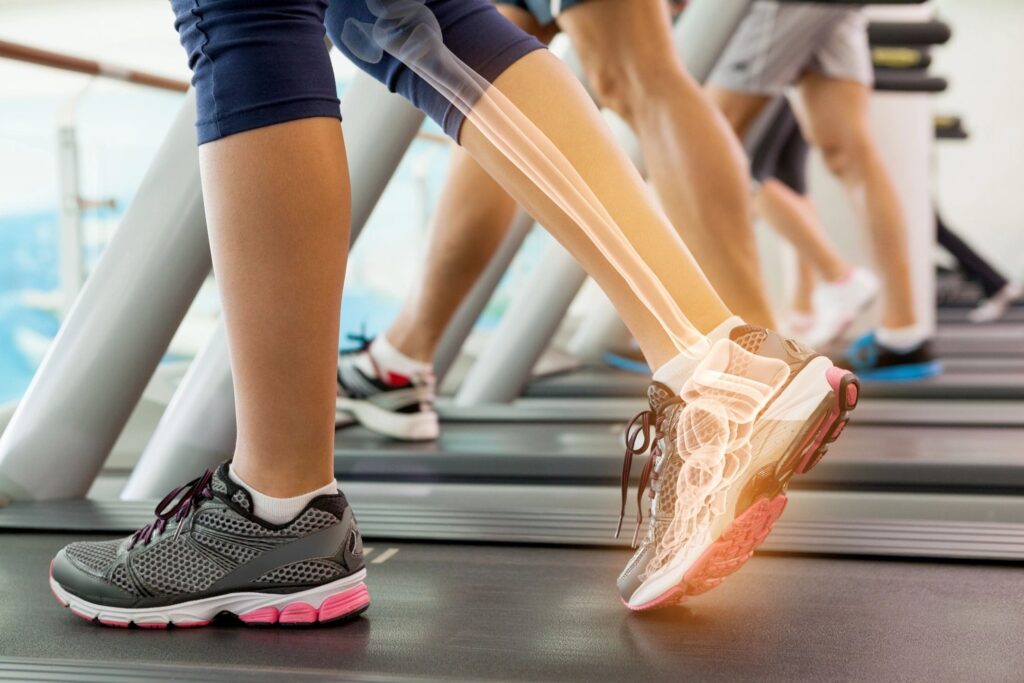
What Does Sports Medicine Do? | Healthier Me TodayInjuries are a very common part of playing sports, and it is something that is expected and accepted when becoming an athlete. However, this doesn’t make them any less painful, and if bad enough, it could potentially end an athlete’s career. With sports, there are plenty of predictable injuries as many sports players tend to injure the same or similar parts of their body. Some of the more commonly known injuries that occur during sports and exercise are;

  • Fractures
  • Dislocations
  • Rotator cuff injury
  • Swollen muscles
  • Knee injuries 
  • Achilles tendon rupture
  • Strains
  • Sprains
  • Pain in the shin bone 
  • Tennis elbow
  • Shin splints
  • Back injuries
  • Concussions
  • Broken bones
  • Hip flexor injury

Sports medicine is aimed at treating common and also uncommon injuries like these. When it comes to sports medicine differs from normal medical practices in many ways. As far as diagnosis, the first things that are done are x-rays and physical examinations. Newer and ever-evolving treatment options it has given athletes a wider range of treatments and specialists to choose from, which can help them bounce back at a much faster rate than previously. 

The Importance of Sport Medicine

What Does Sports Medicine Do? | Healthier Me TodayIt is a very important part of any physical activity as there is always a risk of injury with every game or performance. Having onsite help is very beneficial, as well as having specialists to further treat and properly diagnose injuries afterward. 

A medicine physician knows the ins and outs of an athlete’s body and the correct recovery treatments and procedures better than standard health care provided. This is why it is a very important job in the world of sport.

Some treatments that sports medicine will perform and common treatments are;

  • Apply compression bandages which help in the swelling and reduction of pain.
  • Apply wraps and bandages for reduced swelling and stability.
  • Icing injured joints help with swelling and pain.
  • Spinal decompression 
  • Administer injections
  • Prescribe medication
  • Physical therapy

Sports medicine is a great reliable resource for athletes. It helps them perform at their full potential and also gives hope when there seems to not be any. Getting an athlete back on their feet can sometimes take hard work, but this is exactly what sports medicine is all about. Sports medicine has dedicated physicians to help rectify any injuries and conditions which improve the lives of many athletes.

How to Prevent Sports Injuries…

What Does Sports Medicine Do? | Healthier Me TodayInjuries related to sports may be common, but there are ways in which athletes can help the prevention of suffering unnecessary pains and aches. These can be learned by coaches and sports medicine physicians, and following this knowledge can ensure safe and smart performances and matches. Protecting your body as an athlete is important as it is a very vital part of your career, and sustaining a serious injury can put a halt or even end your athletic career. Here are some ways in which athletes can help prevent potential injuries; 

  • Studying the proper movements of the sport or activity you are doing.
  • Make sure not to overdo it and take breaks in between.
  • After an injury, it is important not to nurse it for too long as this can cause negative effects such as delaying healing.
  • Make sure that you have the proper equipment.
  • After an injury is healed, make sure to start again slowly to prevent further or new injuries.
  • Make sure that you always cool down after every practice and match.

Sports medicine is a medical field that is dedicated to making sure athletes perform to their full potential and are qualified to treat sports-related injuries.


Does Working Out Stunt Your Growth?

Have you ever asked yourself- does working out stunt your growth? Exercise is a fantastic way to stay in shape and healthy, and with many different types, there is an exercise for everyone. Working out is often a recommended treatment for many health issues, both psychological and physical, and has been proven to manage and have outstanding effects on one’s overall health.

Exercise can come in numerous forms, and some take it much more seriously than others. But does working out stunt your growth? Athletes, for example, follow a strict regime religiously as it is an important part of their life and career. In contrast, many other people do not have any workout schedule due to busy lifestyles, disability or lack of motivation.

Despite the stigma of exercising causing extensive muscle gains and bulking up anyone who does it, this is not the case. Workout plans can be tailored and altered to suit anybody’s physique, stamina, age, and lifestyle. There are both online classes and ones that can be attended in person who can be very beneficial to those who aren’t sure where to start or need a bit of a boost. 

There is a lot of controversy surrounding whether or not exercise is okay for children or those who are still growing. It is believed that excessive or certain workouts can stunt development and growth but let’s take a deeper look into this statement, does working out stunt your growth?

When Can Children Start Exercising?

Does Working Out Stunt Your Growth? | Healthier Me TodayWhen young, children get their exercise through playing. Running outside and being active with toys is how children improve their athletic development. However, when they reach the age of 6 or 7, they have a better understanding of how sports and other physical activities work, which is why it is offered in schools and encouraged as extracurriculars. But, many parents may be wondering, does working out stunt your growth or that of your child?

It is vital for children to get enough exercise throughout the day, whether it be through play or other physical activities, as it has many advantages such as;

  • Strengthens bones
  • Keeps their heart strong and healthy 
  • Improves coordination 
  • Reduces risks of heart disease and other illnesses
  • Manages healthy weight
  • Improves posture
  • Helps with flexibility 
  • Improves balance 
  • Strengthens lungs
  • Helps prevent diabetes

Children are active from a young age, and as they become older, the more active they will become, which is why they are provided with adequate ways to perform the activities needed for their age group. Often around the ages of 11 – 14, they show more interest in organized sports and activities that focus on muscle and strength building. 

What Exercises Affect Growth, and Does Working Out Stunt Your Growth?

Does Working Out Stunt Your Growth? | Healthier Me TodayOn the contrary to strength training exercises stunting or affecting growth, this has been proven to be untrue. Many workouts and forms of exercise out there are completely safe for children’s development.

There have been major debates considering whether weight lifting is harmful to children’s growth, but this has been debunked as there is no scientific proof that it causes the epiphyseal plates (growth plates) to close or be negatively affected. This is the same for a lot of other exercises, there is no direct evidence to support the stunting of growth from standard exercise practices.

In retrospect weight lifting is actually a great way to strengthen bone and it is actually considered that sports such as rollerblading, soccer and football can be more harmful solely due to the fact there is a higher risk of breaking or damaging the growth plates. 

Of course, there are limitations to the extent of exercise as over-exercising and pushing the body beyond its capabilities can prove to have very negative effects and be harmful to children’s health along with adults. It is best to find adequate workouts and activities that fit the child’s abilities and stamina as using too much energy on exercising can take away important nutrients and energy conservation intended to help development.

What Are Child-Friendly Exercises?

Does Working Out Stunt Your Growth? | Healthier Me TodayPhysicality is an essential part of children’s development and helps keep their body and mind healthy. As parents, we want the best for our kids and this can often cause us to fear activities and situations that may cause harm to them. However, keeping our children in a bubble and away from any forms of slightly dangerous acts will have negative effects on their ability to properly develop mental and physical skills. 

If you fear your child playing aggressive sports such as football or wrestling there are an abundance of other ways they can interact and play sports. There are activities and exercises that children enjoy at home too if they are either too young or unable to join in on sports. Some of these homebound activities include;

  • Play child-friendly exercise videos and get involved
  • Create a fun series of exercises for them to do and mix it up each day.
  • Jumping rope
  • Dancing to upbeat music
  • Place the tape on the floor and teach them to hopscotch 
  • Yoga is a wonderful way for them to connect both mind and body
  • Give each other acts and movements to do and take turns
  • Try balancing activities such as on one foot. See who can do them the longest
  • Have fun races, such as three-legged, sack, or crab crawl. 
  • Balloon hot lava. Blow up a balloon and make sure it doesn’t touch the floor 
  • Create safe and fun obstacle courses outside 

If you don’t mind the risks of organized or outside activities and sports then finding a good after-school sport or club for them to join can be beneficial in many ways. 

When Can Children Start Sports?

Does Working Out Stunt Your Growth? | Healthier Me TodayWhen young, children can be susceptible to injuries as their bones and bodies aren’t as strong as adults yet. Although it is very unlikely that exercise stunts growth there are still other aspects to consider such as injuries, development, and mental exhaustion. Here are 10 sports and their recommended age groups to start;



  1. Soccer 7-9
  2. Football 10-12
  3. Gymnastics 5-6
  4. Swimming 5-7
  5. Baseball 4-6
  6. Karate 4-6
  7. Ballet 4-8
  8. Track and field 8
  9. Tennis 5-6
  10. Hockey 5

Does working out stunt your growth? It has been believed for a long time that children who start exercising too young will have stunted growth. This is incorrect and finding fitting exercises and sports for your child can be very beneficial for their development.

What’s the Difference Between Supplements and Vitamins?

Supplements vs Vitamins – what’s the Difference Between Supplements and Vitamins? A question most of us may ask but do not actually know the answer to. Taking care of our bodies can sometimes be difficult. We may either not have the adequate knowledge to know what or how much of a certain vitamin or mineral we need or how to obtain them. 

Another aspect and perhaps the biggest culprit of all is that we simply do not take the time out to give our bodies everything they need. We overlook a lot of signs that our body gives us, such as fatigue, acne breakouts, fragile nails, and hair, because it doesn’t seem threatening or we have just become so acquainted with these indicators. 

Thankfully there are plenty of easy ways that we can ensure that we nourish ourselves with these important elements. Due to our diet or genetic makeup, supplements can take the place of many vital minerals and vitamins that we may not be getting enough of.

Understanding the differences between Supplements vs Vitamins can help clarify how these elements function in our bodies. However, this shouldn’t be a cop-out to neglect the fact that we should still try and adjust our diets and way of living to help consume naturally occurring vitamins and minerals.

What’s the Difference Between Supplements and Vitamins?

What's the Difference Between Supplements and Vitamins? | Healthier Me Today
What Are Supplements Used for?

Supplements often contain vitamins, minerals, amino acids, enzymes, and herbs. These help keep your body healthy and functioning correctly. They can be absorbed through different kinds of food. They are often found in healthier foods such as vegetables and fruits. These food groups have high levels of iron, calcium, vitamins, and much more.

Oftentimes people aren’t able to get the right amount of minerals and vitamins in their daily life due to their diet not supplying it efficiently. This is why they substitute for this lack by ingesting supplements that can also be taken to boost immunity and complement one’s diet. Understanding the differences in Supplements vs Vitamins can help you make more informed choices about your health.

Supplements can be bought without a prescription and are sold at many pharmacies and health shops. Still, many doctors will recommend supplements if they see that they are needed or if there is a deficiency that is causing health problems. 

Although supplements can be purchased without a prescription, there are still factors to consider before adding them to your diet. There can be some adverse side effects of these supplements if they aren’t needed or are of a too high dosage. Learning more about Supplements vs Vitamins can help you make better choices regarding your supplementation needs.

What Are the Benefits of Vitamins?

What's the Difference Between Supplements and Vitamins? | Healthier Me Today
Vitamins and minerals are essential to our bodies. They help us build bone, create healthy blood flow, keep our immune system healthy and help heal wounds. Vitamins play a big role in keeping us in a healthy and functioning state, and when we have a severe deficiency of them or a certain kind, it can negatively affect our body in many ways. Some of the great ways that vitamins do help us are;

  • They help our brains communicate with our nerves
  • Support energy production
  • Lessens the build of plaque and fat around and in the heart
  • Helps fight off heart diseases
  • Encourages brain health
  • Boosts mood levels
  • Supports our immune systems 
  • Reduce inflammation 
  • Regulates blood pressure
  • Helps create collagen
  • Combats cholesterol 
  • Helps keep our eyes and skin healthy 
  • Can help treat heart failure

Understanding Supplements vs Vitamins can also help you recognize the crucial role vitamins play in supporting many parts of our body. While vitamins help prevent the occurrence of illnesses and serious health conditions, supplements are used to fill gaps in our diet. It is important to learn about which vitamins and minerals are beneficial for what parts of the body and prevent sickness. Once this is known, it can ensure a long and healthy life.

What’s the Difference Between Supplements and Vitamins?

What's the Difference Between Supplements and Vitamins? | Healthier Me Today
There are some definite differences between Supplements vs Vitamins despite them having the same properties and intentions.. 

Vitamins naturally occur in many foods we consume, primarily meat and plants. Different foods contain certain vitamins, and some are much richer in these than others. When needing to boost a certain vitamin or mineral, we will up our intake of a certain kind of food.

Supplements are synthetic and contain a variety of vitamins which can also be called multivitamins. They don’t occur naturally in our diet or body and are consumed orally in capsule, pill, or powder form. They are taken when there is a lack of vitamins or minerals in a person’s diet and are made to complement dietary preferences.

Although Supplements vs Vitamins are meant to function and increase vitamins in the body, they don’t act the same way that naturally found vitamins do. Natural vitamins act as coenzymes in the body, whereas Supplements vs Vitamins have more of an energy-producing property as well as being a precursor to biomolecules.

Which is Better?

What's the Difference Between Supplements and Vitamins? | Healthier Me Today
Both vitamins and supplements have beneficial properties and functions. Having a healthy intake of vitamins and minerals from foods element the need for supplements but having too many of a certain kind of natural vitamin or mineral can make you sick or even severely ill. Such as having too much vitamin A can prove to be toxic even in its most natural forms. Supplements vs Vitamins should be considered carefully, as it is much easier to consume an unhealthy amount of supplements than it is to overconsume vitamins through foods. However, if the correct supplement is added to your diet and taken as prescribed on the bottle or by your healthcare provider, then there should be no problems.

The Risks of Supplements

What's the Difference Between Supplements and Vitamins? | Healthier Me Today
Supplements vs Vitamins: Supplements are intended to help add nutrients and fill gaps in dietary needs. Although not completely the same as natural vitamins and minerals, supplements can do a good job of making up for the lack of vitamins in one’s diet.

There are, however, risk factors that come along with dietary supplements, and they should be taken as recommended. Some of these risks can be as follows;

  • Some people take supplements in place of proper nutrients.
  • It is possible to overdose on supplements that will cause the body toxicity.
  • Supplements are often taken instead of food.
  • Sometimes the body is unable to absorb the supplements resulting in negative effects and a lack of nutrients intake.
  • Certain supplements can cancel out or affect medications. 

Consuming supplements can be beneficial in adding missing nutrients to your diet. However, it is much healthier to obtain these vitamins and minerals through natural sources.

Yoga for Anxiety – This is What You Should Know!

Is Yoga for Anxiety? Having anxiety can prove difficult. It sets limitations and stunts the ability to enjoy many moments in life. Experiencing feelings of anxiousness is natural, but it is often short-lived and brought on by nerve-induced events such as public speaking, waiting for medical results, or big life changes. On the other hand, some have anxiety on a much more severe level, and feeling anxious can be from even the smallest of situations. 

Anxiety symptoms are both internal and external, and this is why Yoga for Anxiety is one of the most recommended forms of exercise and treatment for those prone to anxiety and anxiety attacks. Yoga for Anxiety calms the mind while creating a bond between body and mind. It’s an ancient method that has been used to soothe and ease many illnesses, both physical and psychological.

Exercise as a whole can be very therapeutic, and there are several different kinds to choose from. Still, yoga is unique from the rest as it focuses on improving your relationship with your body through postures and breathing techniques. It has been used by celebrities, royalty, and people of all kinds to improve their way of living.

What is Yoga for Anxiety Exactly?

Yoga for anxiety | Healthier Me Today

Yoga has been practiced for thousands of years. It originated in India and has become very popular all over the world. It is a wonderful way for people of all ages to get in touch with themselves and stay healthy.

It can be used as a warm-up, cool-down, or as a session on its own. It’s filled with many health benefits both for the mind and for the body. It’s a gentle way to bring calmness and discipline into one’s life. It helps with relieving stress and clearing the mind; it’s a series of stretches or postures that help strengthen and tone muscles. It’s accompanied by breathing exercises that aid in overall well-being.

Many classes can be attended, and the instructor will demonstrate proper execution of the poses, which are also known as asanas. The same style of yoga isn’t always practiced by the same instructor, and there are a wide variety of different kinds you can attend. If you’re unable to take these classes, there are thousands of online classes or asana systems that you can do from the comfort of your home. Yoga isn’t just any normal form of exercise. It focuses strongly on combining the body and mind. By doing this, not only do you feel better physically, but it eases many mental or emotional struggles as well.

What Are the Symptoms and Risks of Anxiety?

Yoga for anxiety | Healthier Me Today

Many people feel anxiety. It is a normal reaction to situations that make us feel nervous or uncomfortable. However, feeling excessive amounts of anxiety can indicate that there may be a problem, such as anxiety disorder. Having high amounts of anxiety does not always mean that you may have an anxiety disorder, but it does put you at risk. The symptoms of anxiety and anxiety disorder are the same, but it’s the severity and frequency that separates the two. Let’s look at the standard symptoms of anxiety;

  • Feelings of fear or dread
  • Shortness of breath 
  • Fatigue
  • Avoidance of places or events that may cause anxiousness
  • The tension of the muscles
  • Feeling on edge
  • Dizziness 
  • Insomnia 
  • Nausea or stomach issues
  • Heart palpitations 
  • Finding it difficult to focus

Although anxiety is felt by a majority of people and is considered a normal response to unpleasant situations, many people suffer from extensive anxiety, but those who are most at risk are;

  • Had or had severe shyness in their childhood.
  • Those exposed or dealing with traumatic experiences.
  • Having mental illnesses run in their family.
  • Dealing with stressful physical issues.

Those who suffer from these symptoms and who are at risk will often have limitations on their way of living if not treated. 

Yoga for Anxiety- How Yoga Can Help…

Yoga for anxiety | Healthier Me Today

Practicing yoga has been proven to reduce stress and other negative feelings such as depression and anxiety. By helping battle overwhelming emotions, yoga is highly recommended for those who suffer from mental illnesses. 

Due to its zen nature, yoga can be very effective in relieving the symptoms of anxiety. Practicing yoga can aid in finding coping mechanisms to deal with anxiety and anxiety attacks. It promotes feelings of connectivity to oneself which in turn helps with the control of emotions.

To make matters even better, there are classes and yoga instructors that focus primarily on combating the negative side effects of anxiety as well as panic disorder and depression. These special classes are equipped with powerful learning opportunities to help you find the tools and skills to manage your mental health. 

What Are the Benefits of Yoga for Anxiety?

Yoga for anxiety | Healthier Me Today

The understanding of yoga and its intentions is that it is a great way to find inner peace while at the same time strengthening your body. It has many wonderful attributes that anyone can benefit from. It doesn’t matter what shape you are in, as there are many beginner classes as well as easier alternatives to the more challenging poses. It is no secret that yoga offers an abundance of helpful techniques, but when it comes to anxiety, it provides a special range of benefits;

  • Regulates your breathing
  • Lowers muscle tension
  • Promotes relaxation 
  • Helps with bodily awareness 
  • Interrupts cycles of worry
  • Promotes self-compassion 
  • Helps accept discomfort 
  • Self-acceptance 
  • Reduces stress hormone levels 
  • Reduces heart palpitations 
  • Boosts endorphins 

The health benefits of yoga are plentiful and are especially useful for managing the overall effects of anxiety and similar mental health conditions.

Yoga for Anxiety can be considered an all-in-one package as it targets the mind, spirit, and body. It builds a healthy connection to your individuality while healing any worries and problems you may be facing.

Yoga for Anxiety is highly beneficial for treating mental illnesses such as anxiety. It focuses on learning how to be one with your body. With its effective breathing techniques and calming movements, it aids in the risks of anxiety attacks and eases the onset of symptoms.

Is Yoga Good for Weight Loss?

Is Yoga good for weight loss? Yoga is known to help and manage many unpleasant aspects of life, such as stress, and can help heal you inside and out. It can calm those who are struggling with mental illnesses as well as physical ailments.

This soothing form of exercise has aided people for over five thousand years and has no plan on stopping anytime soon. Yoga can be practiced in many ways and is an all-around friendly exercise regime, but is Yoga good for weight loss? It’s perfect for all ages, and there are plenty of online classes and plans to fit anyone’s schedule and stamina.

It can also be a great way of warming up or as a cool down for workouts and can be part of meditation. So it’s a well-rounded practice that has an abundance of uses. With this being said, there is a burning question on a lot of people’s minds- Is Yoga good for weight loss? The answer is dependent on a few factors, which we will dive into, but as a simplified answer- yes, it can help you shed a few pounds when done routinely and correctly!

What Are Other Health Benefits of Doing Yoga?

Yoga isn’t just any form of exercise. It’s a stand-alone practice that has numerous health benefits for both your mind and body. When keeping a frequent and consistent yoga regime, you will be shocked at the impact it will have on your entire being. Once you feel these positive changes, they will reflect in your life as well and help ease difficult situations. Some of the known benefits that yoga has been;

  • Improved balance 
  • Flexibility 
  • Improved circulatory health 
  • Strength and muscle tone
  • Healthier respiration 
  • Increased energy levels
  • Balancing your metabolism 
  • Improved vitality 
  • Less likely to sustain injuries 
  • Improved athletic ability
  • Improved mental well-being 
  • Body awareness 
  • Detect early physical issued
  • Helps manage stress levels
  • Mental clarity
  • Creates calmness
  • Relaxes body and mind 
  • Helps develop coping skills

As you can see, yoga can help develop and improve many vital attributes, which can create important coping mechanisms and skills. Yoga is a great activity to add to your daily life to keep both your mental and physical state healthy. As it is focused on the body’s ability to heal and maintain itself, the more it is incorporated, the higher the reward will be on your overall well-being.

What Are the Different Types of Yoga?

Yoga comes in many fifteenth kinds of firms, and different types can suit all walks of life. It is beginner free and can also be challenging, depending on which type you choose to practice. 

Over the years, many enthusiasts and instructors have created their unique styles of yoga which has broadened the already large variety that’s been practiced for thousands of years. These new hip styles are based on the important fundamentals of traditional yoga as they are what ultimately makes it different from other forms of exercise. We are going to explore both the standard and modified versions of this special anaerobic exercise.

Ashtanga Yoga

This form of yoga consists of eight pillars. This means that Ashtanga yoga expresses all eight of the aspects yoga focuses on, which are: morals, self-discipline, posture, breath control, sense withdrawal, concentration, meditation, and being one with oneself. It was created in the 20th century and is said to be influenced by the exercises that Indian wrestlers and gymnasts use. Ashtanga gave way to many modern versions of yoga and is fast-paced with challenging poses. 

Hatha Yoga

Hatha Yoga involves physical postures and breathing and is the common style that comes to mind when hearing the word yoga. The transition between poses is done much slower than in other forms, as the holds for these poses are also longer. Hatha is one of the oldest forms of yoga and has been practiced for many years.

Iyengar Yoga 

This type of yoga uses objects such as chairs, blocks, and straps to help align posture and poses. It is seen differently from other styles of yoga as it focuses on using props, precision, and sequence. These props are to help those who are starting to perform the poses accurately, as well as the elderly or those who struggle. This is useful as it teaches proper alignment without strain or injury.

Yin Yoga

Yin yoga is similar to Hatha as it is slow-paced. Unlike the more vigorous styles, Yin Yoga focuses more on your deep tissue ligaments. The poses are held for longer periods and give you the time to reflect inwards. In Yin yoga, you are taught to breathe through any discomfort as you stretch barely used muscles. It is thought that this form of yoga allows energy to flow better through the body and gets rid of any blockages.

Hot Yoga

Hot yoga is when a room is heated between 80°F and 100°F, and yoga poses are practiced in this humidity and heat. This is beneficial as it warms up the muscles, helps burn more calories, and gives your body a cardiovascular boost. 

How Can Yoga Help You Lose Weight?

Practicing yoga can provide you with peace of mind and helps you handle stress better. With this being said, being more mentally adjusted can decrease the chances of comfort eating. It also helps with mindfulness meaning you will be more in tune with your body which will make it easier to know when you are full. 

Becoming more aware of yourself is greatly practiced during yoga, and the fact that yoga should be done on a full stomach will also encourage you to fuel your body with healthier options. Yoga is known for being calm and less intense than other exercises, but some styles can be much more physical than others. But is Yoga good for weight loss? These faster-paced and more muscle-focused forms of yoga are beneficial for weight loss as they get your body moving and heart pumping and target all kinds of ligaments and muscles. Yoga also helps with your metabolism, which will ultimately help with both calorie burning as well as eating patterns. It is also common for yoga to tone your body.

The Best Types of Yoga and Poses for Weight Loss

With there being so many different styles of yoga out there, it can seem a little deterring to know which ones will be the right fit for you. If you are looking to lose weight, then choosing a style that is more upbeat and vigorous will help you burn more calories as opposed to styles such as Yin and Hatha yoga which focus more on slow movements. Looking through different programs and plans, you may see some complicated poses which can make you feel nervous, but the good news is that many poses have easier alternatives. If it is your first time trying out yoga, then it is recommended to find a beginner’s guide that will help you understand and build up to the more complex poses. Here are the best yoga styles to help you burn calories and lose weight;

  • Vinyasa yoga 
  • Ashtanga yoga 
  • Bikram yoga
  • Hot yoga 
  • Power yoga
  • Hot power yoga

If you aren’t able to fully commit to a certain style, then there are poses you can practice that come from each style. These poses or asanas focus on calorie burning, stretching, and movement;

  • Halasana
  • Surya Namaskar 
  • Virabhadrasana
  • Dhanurasana 
  • Purvottanasana
  • Bhujangasana

Is Yoga good for weight loss?- Yes, but be sure to include a healthy, balanced lifestyle along with practicing Yoga if your goal is to lose weight. With many different styles, there is sure to be one that fits into your lifestyle.

Telemedicine Program – What it it?

A Telemedicine Program involves providing healthcare services to individuals remotely through using telecommunication tools such as smartphones and computers. Leveraging advances in things such as patient monitoring and smarter healthcare, it has the potential to not only minimize but eliminate traditional healthcare challenges. The implementation, however, requires a well-thought-out plan. 

What is a Telemedicine Program?

telemedicine program | Healthier Me TodayA Telemedicine Program can be either simple or complex for a healthcare provider to implement a telehealth system into their practice. Solo practitioners and clinics mostly require the basic HIPAA-compliant video conferencing software in order to start delivering telemedicine consultations.  

For medical health providers that are interested in having a more complete virtual clinic solution, they have to consider their existing workflow and then incorporate the telemedicine software solution into their current practice. This software usually needs a waiting room, EHR as well as a payment function.

The simple way of defining a telehealth system is as “the remote delivery of healthcare services.” There are 3 common types of telemedicine, which include, but are not limited to:

  • Interactive Medicine: This gives patients and physicians the ability to communicate in real-time while maintaining HIPAA compliance.
  • Store and Forward: This permits providers to share various patient information with practitioners in other locations. 
  • Remote Patient Monitoring: This allows caregivers to remotely monitor patients that reside at home by the use of medical devices that collect data (e.g., blood sugar or blood pressure) 

The Difference Between Telemedicine and Telehealth

telemedicine program | Healthier Me Today

Telemedicine:

The World Health Organization (WHO) refers to telemedicine as “healing from a distance.” So it is when telecommunications technology and information technologies are used to provide remote clinical services to patients. Physicians generally use a telehealth system for the transmission of digital imaging, video consultations, as well as remote medical diagnosis.

This advancement has allowed individuals to no longer need to schedule an in-person visit with their physician in order to receive treatment. The use of secure video and audio connections allows specialists to treat patients who are located in areas with limited access to care.

Telehealth:

HealthIT.giv has defined telehealth as “the utilization of electronic information and telecommunications technologies to support and promote long-distance clinical health care, patient and professional health education, public health and health administration.” 

Although this definition sounds very similar to telemedicine, there is one difference that is very distinct. Unlike telemedicine, telehealth covers non-clinical events as well. An example of this would be administrative meetings, continuing medical education (CME), and physician training. A telehealth system is not a specific service, but rather a collection of methods put in place to improve patient care as well as education delivery. 

Telemedicine and Telehealth

The terms we know as telemedicine and telehealth bring with them a regular debate amongst individuals that work in the healthcare field. One of the reasons for this debate is due to the varying definitions pertaining to the terms themselves. Some experts consider telemedicine to be physician-focused and telehealth to include all health professionals in general. 

With technology in the medical field continuing its advances, the two terms will more likely become easily distinguishable. Fortunately, industry experts are keeping up with these advances and varying changes for physicians and hospitals. Healthcare organizations that are interested in implementing telehealth or telemedicine no longer have to do so alone. 

How to Implement a Telemedicine Program

Telemedicine involves providing patients with healthcare services and doing so remotely by using telecommunication tools such as smartphones and computers. Leveraging advances in patient monitoring and smarter healthcare, telemedicine has the potential to not only minimize but possibly eliminate traditional healthcare challenges. Its implementation, however, requires a well-thought-out plan.

8 Steps on How to Implement a Telemedicine Program

telemedicine program | Healthier Me Today

  • Establish a Strategy and Set Goals:

Define your reasons for establishing the telemedicine program in a clear manner and then set measurable goals. Identify the key metrics which you will consider to evaluate the success of your program.

  • Gather a Cross-Functional Team:

Your telemedicine program may involve several providers, staff as well as services from other businesses. A designated implementation team with a capable leader will help ensure your program has the desired progress. 

  • Check the Essential Rules, Protocols, and Reimbursement:

Telemedicine is continuing to gain well-deserved popularity. Authorities are progressively introducing laws and regulations to prevent the improper exploitation of telemedicine. The policies vary by state. Therefore, you should check with local authorities to maintain compliance.

  • Partner with Reliable Technology Companies:

The technology that you will use plays a significant role in the success of your program. It’s important to consider its security, ease of use, integration, branding as well as reimbursement authentication. 

  • Design a Strategy to Maximize the Programs Uptake:

The program you use for telemedicine won’t reach success if no one participates. Therefore it is best to educate your staff and patients about the program and its benefits, as well as when and how it will come into play.

  • Completely Integrate and Implement Technology:

This may be the easiest part. You can rely on various cloud-based solutions that integrate with your telemedicine program.

  • Encourage Feedback from Patients and Staff:

One of the most important sources of feedback is your patients as well as staff. They could help you in identifying bottlenecks that you should work on to ensure that your services improve. 

  • Measure Performance Frequently Against Goals and Act Accordingly:

Occasionally evaluating your goals will ensure that you are achieving your prioritized results. If you are lagging, you could consider the adjustments that you need to make and then make them accordingly.

What Benefits Does Telemedicine have to Offer

telemedicine program | Healthier Me Today

1. Easy Access to Specialists

Not all individuals have ongoing relationships with doctors that they can call whenever they need one. In addition, many online medical networks offer round-the-clock access to various specialists, without the need for an appointment, at any time during the day or night. 

2. Lower Costs

Doctors, along with therapists, can be very expensive, even if you have good health insurance. However, telemedicine appointments often cost less than in-person consultations do. Because of this, out-of-pocket costs are reduced, thus removing the barrier to good healthcare. 

3. Medical Access for Individuals Without Health Insurance

Inadequate health insurance is often the most common obstacle to seeing a doctor. Various online companies provide cash-pay telemedicine. This does not require health insurance or referrals. 

4. Access to Medical Care for Individuals in Rural Areas

Although country living has its benefits, fast access to the required medical care is not always one of them. For individuals that live miles away from their nearest medical facility, telemedicine provides them with a way to see a doctor as fast as possible. This arrangement saves time and allows individuals to stay off the road in circumstances where driving conditions are less optimal, such as during a snowstorm or hailstorm. 

5. Medical Access for Individuals in Unreserved Urban Areas

Hospital closures in inner-city neighborhoods have affected thousands of Americans, especially those who are part of communities of color and people that are without health insurance. Telemedicine helps with breaking this cycle by providing a way for individuals to see a doctor before they become extremely sick. 

6. Reduced Exposure to Pathogens

The wait at a doctor’s office could be hours long, and the other patients could contribute to the spread of COVID-19, the flu as well as other viruses. Telehealth keeps patients at home, thus avoiding exposure to viruses and germs. This not only protects the patients but the medical professionals as well. 

7. Middle-of-the-Night Care for Babies and Children

It’s not uncommon for babies and children to spike fevers or get sick in the middle of the night. Rather than relying on an internet search, parents can use telehealth services to connect with a doctor who will give answers as well as provide a diagnosis and, if needed, a prescription as well.

8. Reduced Medical Overhead Costs

Telemedicine helps doctors lower the office costs, such as the need for front desk help.

9. Support for People With Chronic Conditions

Various at-home monitoring tools that transmit readings to medical professionals may signal new symptoms, worsening health as well as potential emergencies. This could help individuals get fast interventions that may ultimately save their life.

Is Telemedicine the Future of All Medicine?

With telemedicine taking over various parts of the medical field, we do know that in-person care will never disappear. There are some things that cannot be fixed or diagnosed over the phone. Telemedicine, however, provides individuals with medical care without needing to leave their homes. This is a great way to ensure that everyone receives the medical services that they require.

The Main Benefits of Telehealth Therapy

What are the benefits of telehealth therapy? Telehealth therapy, also known as teletherapy, is mental health counseling that is done over the phone. Video Conferencing platforms are improving to such an extent that many therapists are incorporating this form of virtual mental health support into their practices. This has grown in popularity tremendously since the beginning of the COVID-19 pandemic, which prohibited individuals from attending in-person therapy consultations. Teletherapy can be convenient for therapists and clients alike. Most research suggests that it has the same rewards as in-person therapy. Teletherapy falls into the telehealth system as it addresses mental health.

What is ‘Teletherapy’, and what are the benefits of telehealth therapy?

Teletherapy is any type of remote therapy that uses technology as means of communication between the client and therapist. Some examples of teletherapy include:

  • Having therapy sessions over the phone.
  • Having a group chat for group therapy.
  • Using videoconferencing for individual, couples, or group therapy. 
  • Receiving therapy through email or instant messenger. 
  • Using apps that connect clients and therapists to each other and offer therapy within the app. 

The Benefits of Telehealth Therapy:

benefits of telehealth therapy | Healthier Me TodayWhen compared to traditional therapy, teletherapy provides a range of benefits. 

Benefits for Therapy Clients

benefits of telehealth therapy | Healthier Me Today

Most research has suggested that teletherapy can be just as effective as in-person therapy. There are various benefits to seeking research-supported teletherapy. These benefits include:

  • Better access to care: It’s not always possible for individuals to make use of traditional therapy due to physical disability, geographic location, or scheduling issues. With teletherapy, all individuals have access to their required care. 
  • Lower costs: Teletherapy could help clients save money on their much-needed treatment. Clients are more likely to incur viewer therapy-related expenses when they aren’t required to travel to receive treatment or need to pay for childcare. 
  • High Satisfaction: Individuals who use quality teletherapy have reported high satisfaction with the treatment that they receive. 
  • More Privacy: Those who choose teletherapy do not have to go sit in busy waiting rooms but are able to seek therapy from the comfort and privacy of their own home. This alleviates privacy concerns for some individuals. 
  • Better public health: The COVID-19 health crisis has changed the way most people live their everyday lives. By being able to make use of teletherapy, individuals are able to seek medical care at home and do not risk spreading the virus to vulnerable individuals. Teletherapy is great as it allows individuals to receive the medical care they require without risking infection and disease. 

Benefits for Therapists

There are therapists who have found that teletherapy suits their personal style as well as allows them to meet their practice goals. Other benefits include:

Reduced Overheads: The maintenance of an office can become expensive. When therapists switch to a telehealth only model they are able to eliminate many of their overheads. For those who prefer med may be able to rent office space on just a few days of the week which will ultimately lower costs. 

The ability to reach more clients: Telehealth could improve access to individuals for those with disabilities, financial worries, transportation difficulties, as well as other barriers. This improved access will allow therapists to help more people than before. This will widen their potential consumer base and help them earn more money.

A shorter commune: If a therapist only offers teletherapy, they are able to do so and support their clients from home. This will ultimately reduce or eliminate their commute. 

The Limitations and Disadvantages of Teletherapy

benefits of telehealth therapy | Healthier Me TodayAlthough there are numerous benefits of telehealth therapy and telehealth systems, there are also a number of limitations.



Limitations for Therapy Clients

Teletherapy is not a solution for everyone. Some drawbacks may include:

Compliance: The Health Insurance Portability and Accountability Act (HIPAA) requires all healthcare providers, therapists included, to protect the privacy of clients and patients. Unsecure chat and other programs may expose sensitive data, therefore, clients should only be working with therapists that encrypt data. 

Therapy environment: For individuals who have little privacy at home, finding the time as well as the space for a therapy session may become stressful. Therefore treatment in an office may offer clients with a low-stress alternative to treatment at home. 

Technical Difficulties: Slow internet connections, glitches in video software, and communication delays can make online therapy feel more stressful and much less personal. For individuals who lack technological proficiency or have a mistrust of digital platforms, telehealth may not be the best option. 

Communication: Communicating across a digital channel could make it more difficult to read body language as well as other subtle cues. Email, as well as phone therapy, eliminate these subtle forms of communication. 

Limitations for Therapists

The challenges that therapists may face with digital therapy include:

  • Ethical and Legal issues: A therapist is required to comply with state licensing board regulations in both the state in which they practice as well as the state in which the client resides. This compliance may require significant legal knowledge, and violating this law could endanger the therapist’s license. 
  • More client anonymity: Therapists who meet with clients on a digital platform might face challenges when it comes to supporting an individual who poses a danger to themselves or others. It is possible for clients to even conceal their identities. It is the duty of the therapist to warn the proper authorities if a client is at risk of harming themselves or others. Client anonymity could make this increasingly difficult. Again, resulting in interference with a therapist’s ethical obligations. 
  • Client privacy: It is imperative that therapists comply with HIPAA as well as other privacy laws. They’ll need to choose the right platform as well as take proactive steps in order to secure client data. Doing this demands time and technical proficiency. 
  • Communication barriers: It may take longer to establish a strong rapport with clients when using a digital network. Therapists may struggle to read important cues in body language as well as other forms of subtle communication, making it much more difficult to offer high-quality treatment. 

How Does a Teletherapy Session Work?

benefits of telehealth therapy | Healthier Me Today
Although it is possible to have a teletherapy session via email or phone, contemporary telemental health sessions typically make use of video chat. The process used is therapeutic and similar to in-person therapy. It generally begins with the client and therapist getting to know one another and discussing treatment goals. Afterward the therapist may dig more deeply into the issues that the client presents, make recommendations for behavioral changes as well as encourage the client to reflect on their emotions. 

The therapist may ask the client to take the necessary steps to ensure confidentiality. These steps include: 

  • Logging on from a private network.
  • Keeping the computer locked to prevent others from viewing the session.
  • Accessing therapy via an encrypted therapy platform. 

It is important for clients to ask their therapists which steps they take to ensure client privacy and confidentiality, as well as what they do to prevent third parties from viewing sessions or session notes. 

Who May Provide Teletherapy

benefits of telehealth therapy | Healthier Me Today
Anyone could offer to support an individual online or over the phone. Only licensed professionals can, however, describe their services as therapy. Clinicians may call themselves therapists depending on which state they work in. 

Examples of professionals who may provide teletherapy include:

  • Licensed professional counselors.
  • Licensed marriage and family therapists.
  • Licensed clinical social workers
  • Licensed psychiatrists

The licensing rules of each state vary, but therapists must generally hold a license in the state where they treat their clients. This rule means that if a clinician has a license in Tennessee, they are not legally allowed to treat a patient from California.

There are various benefits of telehealth therapy and the use of telehealth systems. If you are considering teletherapy, be sure to use the services of a licensed therapist or clinician. Ask them about the measures that they are taking to ensure the safety and confidentiality of your session. Speak your heart out without the stress of commuting or the unnecessary exposure to possible diseases. 

What is a Telemedicine Physician?

What is meant by Telemedicine Physician, and what is telemedicine consultation? Physicians that use telemedicine utilize virtual communication channels in order to provide remote medical services to patients with common illnesses and chronic health conditions. The physicians diagnose as well as treat non-threatening illnesses, assist chronically ill patients with managing their conditions as well as monitor patients recovering from recent surgeries. 

What is a Telemedicine Physician? 

The use of information technologies and electronic communications in order to provide remote clinical services to patients is known as telemedicine. Examples of telemedicine include digital transmission of medical imaging, remote medical diagnosis, and evaluations, as well as video consultations with specialists. 

What do Telemedicine Physicians do?

Telemedicine Physician | Healthier Me Today

As a telemedicine physician, you’ll be required to be compassionate as well as experienced in order to provide remote medical care to patients. A telemedicine consultation includes a virtual consultation with a patient, done via audio and video calls, and written communication. As a telemedicine physician, your responsibilities include monitoring prescription medication usage, performing prescription renewals as well as referring patients to other physicians or health care specialists as they may need during your telemedicine consultation. You should be able to address a patients’ concerns regarding the use of telemedicine services when required. In order to be successful as a telemedicine physician, you need to be detail-oriented as well as able to communicate with patients effectively through various virtual communication channels. For a telemedicine physician to be exceptional, they should keep abreast of the latest developments in the healthcare industry as well as demonstrate sound medical knowledge as well as excellent analytical skills.

The Responsibilities of a Telemedicine Physician during a Telemedicine Consultation:

Telemedicine Physician | Healthier Me Today

  • Discussing as well as reviewing patients’ medical history, symptoms, allergies, and current medications. 
  • Asking situation-specific questions to patients in order to formulate an accurate diagnosis. 
  • Formulating suitable treatment plans that are set in place to address non-threatening conditions, such as the common cold, cases of flu, ear infections, urinary tract infections, allergies, and rashes. 
  • Prescribing various tests to aid in providing accurate diagnoses of patients.
  • Analyzing test results for a diagnosis and explaining the results as well as a diagnosis to patients. 
  • Prescribing suitable medications to patients as well as providing proper dosage and administration instructions. 
  • Maintaining accurate medical and personal records of a patient’s contact details, medical history, prescribed medications, allergies, diagnoses, and progress. 
  • Advising patients on which diets and exercise regimens would be suitable to help improve their overall health. 
  • Assisting patients with their management of chronic health conditions.

Requirements to be a Telemedicine Physician

Telemedicine Physician | Healthier Me Today

  • Must have the relevant qualifications such as a Doctor of Medicine (MD) or doctor of osteopathic medicine (DO) degree.
  • A valid license to practice medicine, as well as a willingness to obtain additional state medical licenses.
  • Must be board certified in a family or internal medicine or a related field.
  • Must have proven experience working as a physician. 
  • Sound medical knowledge is required. 
  • Must possess the ability to consult with patients by using virtual communication channels. 
  • Must have excellent analytical as well as problem-solving skills. 
  • Exceptional communication skills are a must, as body language cannot be read with virtual communication.
  • Must possess a patient and compassionate disposition.
  • A telemedicine physician should be highly detail oriented.

Benefits of Telemedicine for Patients

  • Patients Have Better Access to care: It’s not always possible for individuals in need of healthcare to make use of traditional therapy due to physical disability, geographic location, or scheduling issues. With telemedicine, all individuals have access to their required care without needing to travel. 
  • It Costs Less: Telemedicine could help individuals save money on their much-needed treatment. Those in need are more likely to incur viewer medical-related expenses when they aren’t required to travel to receive treatment or need to pay for childcare. 
  • Telemedicine Offers High Satisfaction: Individuals who use quality telemedicine have reported high satisfaction with the treatment that they receive from physicians. 
  • More Privacy for Patients: Those who choose Telemedicine do not have to go sit in busy waiting rooms but are able to seek medical care from the comfort and privacy of their own home. This alleviates privacy concerns for some individuals who would like to keep their medical inquiries private. 
  • Telemedicine Leads to Better Public Health: The COVID-19 pandemic has changed the way most individuals live their everyday lives. By being able to make use of telemedicine, individuals are able to seek their required medical care at home and do not risk spreading the virus to vulnerable individuals, as well as lessen their risk of infection. Telemedicine Is great as it allows individuals to receive the medical care they require without risking infection and disease. 

Benefits of Telemedicine for Physicians

  • Physicians Have Reduced Overhead Costs: Maintaining an office can become very expensive. When physicians choose to switch to a telemedicine-only model, they are able to eliminate many of their overheads. In addition, for those who prefer part-time telemedicine, renting an office space on just a few days of the week is a great choice that may ultimately lower costs. 
  • Physicians Have the Ability to Reach More patients: Telemedicine could improve access to patients, especially for those with disabilities, financial worries, transportation difficulties as well as other barriers. This improved access will allow physicians to help more patients than before. This will widen their potential consumer base and help them earn more money than they would have working from an office. The reduced overhead costs will enlarge their profits as well.
  • Physicians Will Require a Shorter Commune: If a physician only offers teletherapy, they are able to do so and support their patients from the comfort of their home. This will ultimately reduce or eliminate their commute and reduce expenses such as fuel and “office wear.”

The limitations of Telemedicine and a Telemedicine Consultation:

Telemedicine Physician

Telemedicine visits cannot completely substitute for in-person visits, nor are they feasible for all patients or clinical situations. An example of this is that technology does not always work smoothly, and possible technical difficulties may interfere with how care is delivered. A limitation that is significant is the inability to conduct an in-person physical examination, which is often required. Inaccurate dosing of weight-based drugs (e.g., chemotherapy treatments, pediatric medications) may happen due to not being able to weigh patients before giving their prescription. 

Telemedicine visits are not always an appropriate choice for all patients or clinical situations. Therefore, it is important that the clinician use telemedicine services appropriately for care to be delivered in an effective and accurate manner. The “digital divide” may create disparities in access to participation in telemedicine, especially for those living in rural areas with limited Internet access, older adults, as well as those with diverse cultural settings and socioeconomics.

It may be an issue amongst individuals with adequate Internet access as well. It is important for a physician to clarify with the patient what their comfort level is when conducting a telemedicine visit. Their Internet access may be limited to a public location, or they may incur high monetary costs due to data charges. Adults that are older may have more difficulty accessing telemedicine services due to their inexperience with technology or their physical disabilities. 

Appropriateness of a Telemedicine Visit

Telemedicine Physician | Healthier Me Today

Not all patients or their clinical situations may be appropriate for telemedicine evaluations. Examples of this include situations where patients are unable to have private conversations with the physician, where a patient lacks decision-making capacity or an in-person physical exam are required for essential information to help with the clinical decision-making (e.g., chest pain or a digital test for a male’s prostate.)

The physician providing care must consider whether a patient lacks the necessary decision-making capacity (e.g., children, older adults with dementia, or individuals who have severe cognitive or mental health disorders). This is because consent is required for a telemedicine visit. It is important that the person with decision-making authority is present during the telemedicine visit as with any other doctor’s visit, as treatment decisions may be required. 

Telemedicine Physicians: Are They The Future?

Although telemedicine has various benefits, technology is not yet advanced to a point where they could take over the in-person visits in the medical field. The physicians are highly skilled in what they do and need to be quick on their feet to make a diagnosis without a physical exam. There are, however, certain times when a physical exam from an in-person doctor would be required. Although telemedicine physicians are the future, they cannot replace the in-person care that some individuals may require. 

What Does Telemedicine Include?

What does telemedicine include? Telemedicine health care started more than 40 years ago with hospitals extending their services to patients in remote locations. Telemedicine has expanded exponentially and has become a coherent part of specialty departments, private doctor’s offices, hospitals, home health care, and the consumer’s workplace. Telemedicine is not a specialty. The products and services of telemedicine are part of the larger part of healthcare. Either through their information technology or the way in which they deliver healthcare.

What Services Are Provided Through Telemedicine Health care?

What does telemedicine include, and what services are provided through it? Sometimes the primary care and referral services for specialist care will need a consultation to determine a diagnosis. This can be via live interactive video or with technology that will save and forward diagnostic images, as well as the patient’s data to be reviewed later.

  • Patient monitoring 

Telemedicine health care is crucial for people in remote locations, especially the elderly, who are often unable to commute to and from doctors’ surgeries for regular consultations. Devices are used to collect and send patient data to testing facilities and health agencies. This data could include vital signs in the form of blood glucose testing results, blood pressure readings, ECG information, and a host of other information. These services provided by telemedicine assist in supplementing the services provided by visiting health practitioners.

  • Health and Medical Information

Access to specialized health information and discussion groups via wireless devices and the internet allows consumers to access information, share, and discuss with peers.

  • Medical education credits

Health professionals can obtain credits, and specialized medical education can be continued and accessed for professionals living and working in remote locations.

  • Preventative care support

Telemedicine health care is a valuable tool in connecting service providers with patients to ensure they get the support they need when dealing with weight loss and smoking, which are the keys to reducing heart disease and many other conditions.

  • School-based telemedicine

When children become ill at school, they might visit a school nurse or be picked up by their parents and taken to an urgent care center. Some innovative districts have teamed up with doctors to conduct remote visits from the school. The provider can assess the urgency of the case and provide instructions or reassurance to parents.

  • Assisted living center support

Problems can often occur at night or on weekends. Telemedicine software has proven to be useful in dealing with assisted living facilities where hospitalization would be the only option. Remote doctors on-call can conduct a remote visit to determine if hospitalization is necessary.

Specialties in which Telemedicine can be Employed

Telemedicine health care is used in the following specialties:

  1. Telenursing Involves the use of information and communication technology to provide medical care and services to patients when physical distance is a challenge
  2. Telepathology is an area where high-quality microscopic images are transferred through the internet and can be used for teaching, research and diagnosis.. It is necessary for a qualified pathologist to choose the appropriate representative high-quality image to be sent for analysis.
  3. Teleradiology is the area where telemedicine is utilized in a big way. They transmit radiological images via the internet to a radiologist or physician, who needs to have a computer with a high-quality screen display and, if possible, a printer that prints high-quality images.
  4. Telepharmacy is the area where pharmaceutical care is made accessible to patients at locations where they may not have access to a pharmacist. The pharmacist can monitor treatment, counsel patients about the intake of medications, and authorize prescription drug refills using teleconferencing or videoconferencing.

Remote dispensing of drugs using automated packaging and labeling systems is also an example of telepharmacy. They can provide these services at retail pharmacies or at clinics, hospitals, nursing homes, and other health care outlets.

  1. Teleophthalmology is the use of digitized medical equipment and communication technology, optimal eye care facilities, and monitoring of chronic eye conditions. This assists with the provision of eye care and access to eye specialists for uninsured patients.
  2. Telecardiology has been used as far back as 1906. Einthoven, the inventor of the ECG, transmitted electrocardiographic data from the hospital to his lab using telephone wires. Telecardiology makes specialist care accessible and is used to transmit patients ’ECGs and other test results to experts to view. Telecardiology can also be used to monitor patients with pacemakers that live in remote areas
  3. Teledentistry involves the use of electronic media for the purposes of dental care and consultation and the creation of public awareness regarding dental health.
  4. Telepsychiatry makes use of videoconferencing and various other technologies to make specialist psychiatry available to people not able to have regular face-to-face appointments. Monitoring of drug intake, follow ups and diagnosis is possible through telepsychiatry.
  5. Teledermatology involves the use of audiovisual data transmission of skin conditions for specialist consultation, diagnosis, and treatment. 
  6. 1 Telerehabilitation refers to the use of communication technology to provide rehabilitation services to patients that include speech therapy, occupational therapy, neuropsychology, physical therapy and audiology. Telerehabilitation enables patients unable to travel to the clinic or hospital due to their disability, will still receive rehabilitation, and expert consultation.
  7. Teletrauma care uses modern communication tools to provide expert health care to patients in a trauma or disaster situation. Doctors and health personnel at the scene can interact with specialists via the internet to assist in assessing the severity of the trauma and to determine management going forward.

Delivery Methods

According to the ATA, there are currently over 200 communication networks in the United States, providing telemedicine health care services to over 3000 sites. These communication networks are used to link hospitals and clinics with community health services in remote locations. There are two options: dedicated high-speed telecommunication lines or the internet. This enables communication between the different sites.

Private, high-speed networks allow point-to-point connections between hospitals and clinics to deliver services or to outsource to other independent medical providers, which may include mental health, stroke, radiology, and intensive care.

Patients who need in-home care, which includes cardiac monitoring or pulmonary care, use links to monitoring centers. A typical landline or wireless connection can link the patient and the care center. Some systems ‌ need the internet to communicate patient monitoring information.

There are also E-health patient services available on the internet, and can ‌provide consumer outreach services. These websites are used for direct patient care.

What Are The Benefits Of Telemedicine Health Care?

 The increasing popularity of telemedicine can to attributed to four major benefits:

  • Improved access to care

Telemedicine has made healthcare accessible to patients in remote locations.  

Telemedicine also allows doctors and healthcare facilities to connect with other 

offices, besides the ones in their immediate network. Telemedicine has been able to 

increase service to millions of patients even though there are major provider 

shortages in rural and urbanized areas.

  • Improved cost effectiveness

Reducing the cost of healthcare is one of the most important reasons for including telemedicine. The use of telemedicine reduces healthcare costs because of efficiency, reductions in travel, management of chronic diseases, shorter hospital stays, and sharing of professional healthcare staff.

  • Improve quality of healthcare

Studies have shown an improvement in healthcare quality with the use of 

telemedicine. The services rival the quality of in-person consultations. The are some 

instances, such as mental health, where telemedicine is a better option than 

traditional services.

  • Increased patient demand

Telemedicine is extremely popular with consumers. Telemedicine has had a profound 

impact on the patient, their family, and extended community. There is less stress and 

travel time with the use of telemedicine. Telemedicine provides patients access to providers that would be otherwise inaccessible.

Telemedicine health care is not a new concept, but has grown rapidly in popularity because of the COVID-19 pandemic. Adoption of this system has been slow, with providers having reimbursement issues, however Medicare’s newly adopted rules and insurers’ recent acceptance of telemedicine has made it more user friendly. As a result, many healthcare providers have turned to telemedicine to provide distance care during this time.

Starting a telemedicine practice requires selecting tools carefully to include video conferencing, CRM, cloud storage, web hosting, and data-collection. Staff will need to be trained and patients educated on how to use these tools, and on best practices for protecting patient information.


For More Healthier Me Today Articles, Check Out:

1. What is Meant by Telemedicine?
2. Medicare 8 Minute Rule
3. Can you Laminate Your Medicare Card?

What is Meant by Telemedicine?

What is meant by telemedicine? Before the Coronavirus Pandemic, not many people knew about telemedicine health care, and even less had used it. Doctor’s visits were a norm, taking huge chunks of time out of your day and money out of your pocket. With the arrival of the pandemic, doctors and patients had to find other ways of consulting as the risk of consulting in doctors’ rooms was far too high.

Telemedicine Throughout The Centuries

What is meant by telemedicine | Healthier Me Today

What is meant by telemedicine in the early centuries? The creation of telemedicine began with the rise in telecommunications infrastructures, which included the telegraph, telephone, and radio. They reported casualties and injuries using the telegraph during the Civil War, besides the ordering of medical supplies and consultations. We consider this one of the earliest adoptions of telemedicine technology.

By 1879, a Lancet report discussed how using the telephone could reduce the number of unnecessary. This was only the beginning of what would be a patient care transformation.

In 1922, Dr. Hugo Gernsback featured the tele-dactyl in a science magazine. He predicted that this sensory feedback device would permit physicians to see their patients through a television screen and touch them from miles away with robot arms.

The first radiologic images were sent via telephone between two medical staff at two different health centers in Pennsylvania by 1948. Next,  in 1959, physicians working at the University of Nebraska transmitted neurological examinations across the campus to medical students using a two-way interactive television system. Five years later, a closed-circuit television link was built that allowed physicians to provide psychiatric consultations 112 miles away at Norfolk State Hospital.

Telemedicine, up until now, was mainly used to connect doctors working with patients in one location to specialists in another location, which patients could not necessarily access. The equipment for this service was expensive and complex and was therefore limited. The rise of the internet age has brought on profound changes in telemedicine. Smart devices capable of high-quality video transmission have opened up the possibility of remote care to patients at home, and in the workplace, as an alternative to in-person consultations.

What Is Telemedicine?

What is meant by telemedicine | Healthier Me Today

Telemedicine health care covers all the different ways that you and your doctor can use technology to communicate with each other without being in the same room. This includes video chats, phone calls, emails, and text messages. 

To enable this system, the federal government relaxed the rules around patient privacy. This allows medical professionals to conduct virtual consultations. Relaxing these privacy rules has made it easier for doctors to interact with patients, and provide medical care while at the same time ensuring patients stay in the safety of their homes.

How Does Telemedicine Work?

What is meant by telemedicine | Healthier Me Today

What is telemedicine, and how does it work? If your doctor offers the option of telemedicine health care, all you as the patient needs is reliable internet and a phone, smartphone, or computer.

Telemedicine is a convenient tool for everyone, but it is especially helpful if you:

  • If you need urgent medical care while you’re away from home or unable to get to a doctor’s offices
  • Live in a rural area, or far from your doctor’s office
  • Have limited movement, time, or transport

There are different ways to get medical services via telemedicine health care. Two of the most common services provided are:

  • A Patient Portal:

With a username and password as security, a patient portal allows you to send and receive emails from your doctor or nurse. You can request prescription refills and set up appointments. This portal allows your physician to share lab or imaging test results and explain their meaning. This is often faster than waiting for an opportunity to speak with them on the phone.

  • Virtual Appointments:

Some doctors make use of phone or video call consultations. These are 

particularly popular with urgent care clinics and mental and behavioral 

professionals.

Doctors and insurance companies are embracing this concept quickly. This leads us to believe that telemedicine health care is here to stay. The patients find it quick, safe, and convenient, and we believe that telemedicine is here to stay.

Technology is making great strides throughout the medical sector, and it is believed that telemedicine health care is definitely an area that will continue to improve. Consumers are using health apps that add functionality that can help doctors with remote monitoring. For example, several new smartwatches offer heart rate and oxygen saturation monitoring. Doctors are able to use this information (that the patient provides) to help them monitor heart and lung conditions. 

Benefits of Telemedicine

What is meant by telemedicine | Healthier Me Today

Comfort and Convenience

Telemedicine affords you the convenience of not having to drive to doctor’s consultations or sit in a waiting room when you are ill. You can see your doctor from the comfort of your own home.  

Control of Infectious Illness

To help prevent the spread of COVID-19, flu, and other infectious diseases, doctors can use telehealth appointments to prescreen patients to eliminate the spread of serious infectious diseases within the doctor’s practice. It also saves sick people from having to come into the office. Less exposure to other people’s germs helps everyone, especially those who are chronically ill, pregnant, elderly, or immunocompromised.

Better Assessment

Telemedicine can give some specialty practitioners an advantage because they can see you at home. For example, allergists may ‌ identify clues in your surroundings that cause allergies. Neurologists and physical and occupational therapists can observe you in your own surroundings, making assessment easier. Telemedicine health care is also a good way to get a mental health assessment and determine if an individual requires further counseling.

Family Connections

When consulting with your doctor, it’s always good to have a family member who can help you provide information, ask questions and note your doctor’s answers. If that person lives out of town or even across the country, telemedicine can loop your family member in on the virtual visit if you allow it.

Primary Care and Chronic Condition Management

Regular visits with primary care practitioners, such as those specializing in family medicine, internal medicine, and pediatrics, are essential to your family’s health. Telemedicine makes it easy to connect with a doctor or nurse practitioner. In addition, they set some systems up so that new patients can get an appointment with the next available practitioner, which can save time.

Virtual urgent care can make it easier for you to find out whether you need to go to the doctor’s office. If it’s a common cold, you can stay at home. If you have sinus pain, your doctor may ‌ walk you through ‌ pressing on different parts of your face to figure out what’s causing it.

A sore throat may need an in-person test called a throat culture. An earache could be a sign of an infection that needs closer care. Or you might need a shot of medication to treat your condition. Telemedicine can do many things, but it can’t replace all doctor visits for serious medical conditions or illnesses.

Telemedicine is still relatively new to providers and physicians. One can see this in. The slow adoption of technology in healthcare. However, the advances in technology and healthcare innovation have expanded its usability. The demand for a tech-savvy population has pushed for rapid adoption because of convenience, cost savings, and the intelligent features that come with it. It is just a matter of time before the providers, insurers, and solo practitioners integrate telemedicine as part of their everyday medical services offered.


For More Healthier Me Today Articles, Check Out:

1. John Goodman Weight loss
2. 8-Minute Rule from Medicare

Alternatives to Telemedicine

Let’s have a look at alternatives to telemedicine! Telemedicine has revolutionized the world with its advancements in medicine and technology. Telemedicine has become extremely useful today, being used almost constantly in the medical field.

What is Telemedicine

alternatives to telemedicine | Healthier Me Today

It can be known and considered as the distribution of health-related services and information via electronic information as well as telecommunication technologies is known as Telehealth. Telehealth allows for long-distance patient and clinician contact, care, advice, reminders, education, intervention, monitoring as well as remote admissions. 

What is an Example of Telemedicine

alternatives to telemedicine | Healthier Me Today

The term “Telemedicine” has a narrower scope than that of Telehealth. Telemedicine refers more specifically to education over a distance and the provision of healthcare services by using telecommunications technology. Telemedicine mainly refers to the use of information technologies and electronic communications in order to provide various remote clinical services to patients. Examples of Telemedicine include digital transmission of medical imaging, remote medical diagnosis and evaluations, as well as video consultations with specialists. An amazing way to ensure everyone is on the same page when it comes to medical decisions and information.

The Top 13 Alternatives to Telemedicine

Telemedicine has various alternatives that can be used to communicate important patient information. Below, we have listed the top 10 alternatives to Telemedicine. 

1. Whereby

Whereby allows medical staff and patients to collaborate from anywhere. It has received a rating of 4.6 out of 5 by users and allows for easy video meetings with no login requirements for guests. 

2. Spruce Health

Rated 4.8 out of 5, spruce health is an amazing platform that can be used for communication and the care of patients outside of the exam room. It allows for easy access and communication between doctors, specialists, and patients. 

3. NextGen Healthcare EHR

This leading healthcare software and services company, known as NextGen, empowers the transformation of ambulatory care. Their smart, electronic health record solutions are perfect for helping ambulatory practices alleviate the burden of documentation, advance clinical outcomes, connect with other health systems, elevate provider and patient satisfaction, streamline the revenue cycle as well as foster healthier communities. They have received a rating of 3.6 out of 5 from users.

4. RevenueWell

alternatives to telemedicine | Healthier Me TodayRevenueWell is a dental communication solution that includes automatic communication, appointment reminders, patient portals, and social media. It has received a rating of 4.7 out of 5 and is an amazing asset to have in the dental industry. 
5. OhMD

If you’re looking for a HIPAA secure messaging app OhMD is the app for you. This app allows any healthcare professional to send and secure messages to not only patients, but any other providers that might need them, in the same place. It has received a rating of 4.8 out of 5 by users and comes highly recommended by those that have made use of the service. 

6. Doxy.me

Designed for practices of all sizes, Doxy.me is a cloud-based electronic medical records (EMR) as well as a telemedicine solution. This solution is HIPPA compliant and can be used on both iOS and Android as there are apps available for both mobile devices. It has received a rating of 4.5 out of 5 by users, and the reviews are quite promising. 

7. SimplePractice

The industry-leading practice management software known as SimplePractice is used amongst therapists to manage their business. It includes features such as AutoPay, online booking, as well as customizable therapy notes. SimplePractice has received a rating of 3.9 out of 5 from users.

8. Mend

They have said thatthey are the best when it comes to Telemedicine, appointment reminders, digital patient intake as well as patient self-scheduling, this software platform promises to achieve single-digit no-show rates and 90+% patient engagement rates. Users have given Mend a rating of 4.7 out of 5, and it has become a highly recommended software platform.

9. League

League was founded in 2014 as a technology-focused health company that powers the digital transformation of healthcare. It is used by employers, pharmacy retailers, healthcare providers, and payers. This award-winning platform delivers integrated and personalized health experiences that are sure to drive consumer engagement. Digital health platforms that are powered by League are used by Millions of people across the world in order to access, navigate and pay for care. 

10. AdvancedMD

AdvancedMD has been said to be the best software for billing. It received a rating of 3.7 out of 5 from users. The automated medical charting is said to come in extremely handy in keeping patient information well organized. 

11. TheraNest

The web-based solution for psychology and mental health practices, independent practitioners, teaching and education centers, and non-profit organizations is known as TheraNest. TheraNest allows for the management of notes as well as billing and scheduling-related information. The product can be accessed via the Apple app as well. This gives users the freedom to accept signatures within the mobile app. 

They offer a calendar management and appointment feature that allows users to get an organized view of appointments from a desktop, mobile phone, or tablet. This amazing product has the capability to notify social workers, therapists, or counselors via email, voice call, or SMS of any changes in the appointment. Therapy notes are another amazing feature that TheraNest has to offer. It allows users to approve as well as electronically sign notes, review notes, receive notifications of pending notes as well as generate custom forms for notes creation. TheraNest allows for the storage of unlimited documents that can be uploaded by the user. 

TheraNest offers the option to offer online therapy with Telehealth. It is secure, HIPAA compliant video conferencing that has been seamlessly integrated. The Wiley Practice Planner integration found in TheraNest allows you to save time as well as provide better care. 

12. athenaOne

athenaOne organizes the moment of care to help doctors ensure maximum clinical productivity as well as performing administrative and a variety of services on a doctor’s behalf in order to ensure full payment. athenaOne also tracks all physician orders to close the loop on results and follow-up care. Doctors are able to benefit from continuous embedded access to the best practices of the nation’s largest clinical network,and even the most up to day and extensive quality rules as well as industry guidelines. 

13. DrChrono

DrChrono is an iPad and iPhone compatible EHR and medical billing platform that will allow patient in, clinical charting, billing, and revenue cycle management. This amazing software includes customizable medical forms, e-prescribing, scheduling tools, real-time patient eligibility checks as well as a patient portal. The DrChrono App Directory offers a multitude of apps as well as a medical API for healthcare app developers as well. 

This EHR offers not only fully customizable forms but prebuilt forms as well. Prescriptions, including any Electronic Prescribing Controlled SUbstances, can be sent electronically on iPhone, iPad, the internet. Lab orders can be submitted online 40,000 available labs in the United States. The results can then be directly uploaded into the patient’s chart. The custom vitals give providers the ability to create baseline health data as well as monitor each patient’s health measurements over time. 

DrChrono offers providers a Free Draw function in which they are able to annotate diagrams, x-rays, or other files. They can use the iPad’s built-in cameras to take pictures and embed them into the patient’s record as well. The system comes pre-populated with billing codes and is integrated with Box, which is a HIPAA-compliant cloud storage system. 

In a Nutshell

There are various alternatives to Telemedicine available. In this article, we have listed the top 13 as well as why they are so popular amongst users. Be sure to choose one best suited for your practice. 

What is the Use of Telehealth

What exactly is the use of telehealth? We’re all aware that the internet has transformed modern life. And now, modern medicine as well. Telehealth has become recognized for its ability to help you manage health care as well as receive the services you might need. 

What is Telehealth – What is it Used for?

use of telehealth | Healthier Me Today

Telehealth is known as the use of digital information and communication technologies, such as computers, mobile devices, or tables, in order to access healthcare services remotely and manage healthcare. These technologies may be used from home or by a doctor to improve or support health care services. 

Take a moment to consider these examples showing the ways that telehealth could help an individual with diabetes. Some or all of the following could be done:

  • Use a mobile phone or any other smart device to upload food logs, medications, dosing, and blood sugar levels to be reviewed by a nurse who would then respond electronically. 
  • To watch a video on carbohydrate counting and download an app to do it on your phone. 
  • Using an app to estimate, based on the patient’s diet and exercise level, how much insulin they may need. 
  • The use of an online patient portal that provides test results, schedules appointments, requests prescription refills, or emails the doctor. 
  • Order testing or medications online.
  • Receive a mobile retinal photo screening at a doctor’s office rather than scheduling an appointment with a specialist. 
  • Receive emails, texts, or phone reminders when it is time for a flu shot, foot exam, or other preventive care. 

Telehealth, which is also called e-health or m-health (mobile health), has the following goals:

  • Make health care available and accessible to those who live in rural or isolated communities. 
  • Ensure that services are more readily available or convenient for individuals with limited mobility, time, or transport options.
  • Provide access to medical specialists. 
  • Improve communication as well as coordination of care among members of a health care team and a patient. 
  • To provide support for the self-management of health care. 

What is Telehealth Used for?

use of telehealth | Healthier Me Today

Patient Portal

It is possible for your primary care clinic to have an online patient portal. This portal will offer an alternative to email, which is generally an insecure means to communicate about private medical information. These portals provide a more secure online tool to do the following:

  • Communicate with a doctor or nurse.
  • Request prescription refills.
  • Review test results as well as summaries of previous visits.
  • Schedule appointments or request reminders of upcoming appointments.

If your doctor belongs to a large health care system, the portal could also can also allow communication for any specialists you may need to see.

Virtual Appointments

use of telehealth | Healthier Me Today

Certain clinics may provide virtual appointments that will enable patients to see a doctor or a nurse via online video conferencing. These kinds of appointments enable patients to receive ongoing care from their regular doctor when an in-person visit is not possible or required. 

There are other virtual appointments that include web-based “visits” with a doctor or a nurse practitioner. This is often only available for minor illnesses, similar to the services that are available at a drop-in clinic. Some of the larger companies provide access to virtual doctors’ offices as a part of their health care offerings.

When a patient logs into a web-based service, they are guided through a series of questions. The doctor or nurse practitioner can then prescribe medications, suggest home care strategies, or recommend additional medical care. 

Similar to a nursing call center that is staffed with nurses who use a question-and-answer format to provide advice for care at home. A nursing call center cannot diagnose illness or prescribe medications. 

Although these services are extremely convenient, they may have some drawbacks:

  • Treatment may not be coordinated and aligned with that of your regular doctor.
  • Essential information in your medical history may not be considered when making a diagnosis. 
  • The computer-driven decision-making model may not be an optimal choice if you have a complex medical history. 
  • The virtual visits lack an in-person evaluation, which is necessary and could hamper an accurate diagnosis. 
  • The service does not always easily allow for shared doctor-patient decision-making about treatments or coming up with a plan B if an initial treatment did not work. 

Remote Monitoring

There are a variety of technologies that enable doctors or health care teams to monitor your health remotely. These technologies include:

  • Web-based or cellphone apps can then be used for uploading information, such as blood glucose readings, to your doctor or health care team. 
  • Devices that not only measure but wirelessly transmit information, such as blood pressure, blood glucose, or lung function. 
  • Wearable devices that automatically record as well as transmit information, such as heart rate, sleep patterns, tremors, physical activity, or sleep patterns, posture controls. 
  • Home monitoring devices used by older people or people with dementia are used to detect changes in normal activities such as falls. 

Communication Between Doctors

use of telehealth | Healthier Me Today

Doctors are also able to take advantage of the technology in order to provide better care for their patients. An example of this is a virtual consultation that allows primary care doctors to get input from other specialists when they are faced with questions or concerns regarding their diagnosis or treatment. 

A primary care doctor could send exam notes, history, test results, X-rays, or other images to a specialist to review. The specialist may either respond electronically, conduct a virtual appointment with the patient at the doctor’s office, or request a face-to-face meeting. 

These virtual consultations could prevent unnecessary in-person referrals to a specialist, reduce wait times for specialist input as well as eliminate unnecessary travel.

Personal Health Records 

Known as a PHR system, an electronic personal health record system is a collection of information about a patient’s health that you can control and maintain as necessary. A PHR app is accessible to patients via a web-enabled device such as a computer, laptop, or smartphone. 

In an emergency, personal health records prove useful by allowing emergency personnel to quickly retrieve vital information such as current diagnosis, medications, drug allergies as well as your doctor’s contact information.

Personal Health Apps

There is an extreme magnitude of apps available that have been created in order to help visitors better organize their medical information in one secure place. These digital tools may help patients with the following:

  • Storing personal health information.
  • Recording vital signs.
  • Calculating and tracking calorie intake. 
  • Scheduled reminders for taking medicine. 
  • Recording physical activity, such as a patient’s daily step count. 

Telehealth Potential

This technology has the potential to improve the quality of health care as well as make it accessible to more people. Telehealth may provide various opportunities to ensure that health care becomes more efficient, better coordinated as well as closer to home. 

The research done on telehealth is still relatively new, but it is, however, growing fast. An example of this is that studies have shown that both telephone-based support and telemonitoring of vital signs of individuals with heart failure reduced the risk of death as well as hospitalization for heart failure. It also supports the improved quality of life. 

Telehealth and its Limitations

use of telehealth

Although telehealth has the potential to better coordinate care, it also runs the risk of fragmenting health care. This fragmented care may lead to numerous gaps in care, overuse of medical care, inappropriate use of medications, or unnecessary or overlapping care. 

The various potential benefits that telehealth services have to offer may be limited by other factors as well, being able to pay/afford them! Insurance reimbursement for telehealth will vary from state to state as well as the type of insurance. We should also mention who would benefit the most from this improved access to care may be limited because of regional internet availability or the cost of the mobile services. 

In a Nutshell

Although telehealth is an amazing invention that could improve health care in areas that need it most, it does pose its own risks as well as challenges. The use of telehealth can, however, revolutionize how we make use of medical care as well as limit exposure to potential diseases and viruses that may be lurking in ERs and doctor’s waiting rooms. 

Breaking Down Nutrition

Breaking down nutrition includes the study of nutrients in our food and how they impact our bodies. This includes nutrients that are important for our health and well-being, how our diet can help our bodies achieve a healthy nutritional balance, and the usefulness of biochemical and physiological processes in nutrients. 

Breaking down nutrition into seven key components that are essential to our health:

  • Protein
  • Carbohydrates
  • Fiber
  • Fats
  • Minerals
  • Vitamins
  • Water

To maintain a healthy balance of nutrients, you need to take into account your age, level of exercise, any diseases present, medications, and if you are pregnant or breastfeeding.

The Importance Of Nutrition

breaking down nutrition | Healthier Me Today

A balanced diet will result in good nutrition and is vitally important for our body’s overall health. Breaking down nutrition and categorizing it into desired health benefits can help ensure that we strive to lead healthy lives. These categories include but are not limited to:

  • Maintain a healthy weight
  • Support our growth
  • Improve our mental health
  • Maintain good energy levels
  • Drastically reduce our risk for certain diseases
  • Help us to live longer and healthier lives

Without good nutrition, we can become weak and sick. We need the correct amounts of proper nutrients to grow and perform our day-to-day mental and physical tasks.

What Is Good Nutrition?

breaking down nutrition | Healthier Me Today

Is this a simple cabbage vs. lettuce nutrition comparison? 

Nutrition is the study of how both food and drink categories affect our bodies, with special attention to essential nutrients that are necessary for the body’s health. Nutrition looks at the physiological and biochemical processes involved and how substances in food provide energy or are transferred to body tissues. These nutrients are where our bodies source their energy. Good nutrition is getting the right amounts of nutrients from healthy foods and in the right combinations for our body’s daily needs. The study of nutrients in food groups goes beyond simple comparisons such as cabbage vs. lettuce nutrition and more into in-depth research on how food groups affect our bodies.

An important part of the study of nutrition is looking at diseases that can result from malnutrition and the role that food plays in the development of chronic disease.

We can divide nutrients into two categories: macronutrients and micronutrients. Macronutrients are those nutrients that the body needs in large amounts. These provide the body with energy (calories). Micronutrients are those nutrients that the body needs in smaller amounts.

Macronutrients

  • Protein
  • Carbohydrates
  • Fat

Micronutrients

Water soluble vitamins

  • Vitamin B1
  • Vitamin B2
  • Vitamin B6
  • Vitamin B12
  • Vitamin C
  • Folic Acid

 Fat soluble vitamins

  • Vitamin A
  • Vitamin D
  • Vitamin E
  • Vitamin K

Minerals

  • Calcium
  • Potassium
  • Sodium
  • Iron
  • Zinc

The breakdown of nutrition is a work in progress, and scientists are discovering new information daily. We know that poor nutrition can lead to digestive problems, food allergies, lack of energy, depression, anxiety, and weight gain. Many of the most prevalent chronic diseases, such as heart diseases, cancer, and ADHA, can be directly linked to nutrition, or lack thereof.

The Role Of Nutrients In Your Body

breaking down nutrition | Healthier Me Today

Every macro and micronutrient has a role to perform in our body, no matter how insignificant it may seem.

Macronutrients

Carbohydrates

These are the macronutrients that fuel your body. If you are partaking in high-intensity exercise, carbohydrates are your go-to nutrient. They also preserve muscle mass during exercise and provide fuel for your central nervous system to keep your brain active. It is recommended that 45-65% of calorie intake should be from a carbohydrate source, as carbohydrates are the primary source of energy for our bodies, especially for the brain. An active or athletic individual would increase that percentage due to the increased fuel needed during high-intensity exercise.

Carbohydrate Food Sources

  • Grains, especially whole-grains
  • Fruit 
  • Some vegetables, such as potatoes and peas 
  • Dairy 
  • Sugar 

Proteins 

These are the macronutrients that build your body. They handle tissue structure, which includes organ tissue, muscle, nails, hair, skin, tendons, bones, ligaments, and blood plasma. Proteins form part of the membranes of cell plasma and play a large part in the body’s metabolism and hormone system. Proteins also regulate the acid/base balance to maintain a neutral environment in our bodies.

Recommended Daily Allowance

  • Sedentary Individuals: 0.36 grams of protein per pound of body weight
  • Recreationally Active: 0.45-0.68 grams of protein per pound of body weight
  • Competitive Athlete: 0.54-0.82 grams of protein per pound of body weight
  • Teenage Athlete: 0.82-0.91 grams of protein per pound of body weight
  • Body Builder: 0.64-0.91 grams of protein per pound of body weight
  • When restricting Calories: 0364-0.91 grams of protein per pound of body weight

Protein Food Sources

  • Legumes
  • Soy products
  • Nuts
  • Whole grains Seeds
  • Meat alternative products
  • Animal sources

Fats

Fats are the macronutrient responsible for your energy reserves and for transporting fat-soluble vitamins through the body. Fats provide insulation for the body and protect vital organs.

Recommended Allowance

  • Aim for 20-35% of your total daily calories from fat
  • Aim for less than 10% of total daily calories from saturated fat. This can be done by focusing on fat from nuts, seeds, avocado, fish, and most oils.

Fat Food Sources

  • Oils
  • Nuts
  • Seeds
  • Avocados
  • Meat, fish, dairy

Micronutrients

Vitamin B1

Thiamin is needed to release the energy in food. It prevents Beriberi, which is a vitamin B1 deficiency. We need thiamin to digest and break down the foods that we eat, to keep our metabolism active, and to help our muscles and nervous system do their job effectively.

Vitamin B1 Food Sources

  • Whole grains
  • Dried beans
  • Peas
  • Peanuts
  • Animal proteins

Vitamin B2:

Riboflavin is used to build and maintain body tissues. 

Vitamin B2 Food Sources

  • Whole grains
  • Green and yellow vegetables
  • Animal proteins

Vitamin B6:

Pyridoxine assists with the development of the nervous system and is involved with the production of blood. Vitamin B6 helps break down protein and glucose to produce energy for the body.

Vitamin B6 Food Sources

  • Potatoes
  • Chickpeas
  • Yeast
  • Nuts
  • Bulgur
  • Fish
  • Rice
  • Bananas

Vitamin B12:

Cobalamin promotes proper growth and development of the nervous system

Vitamin B12 Food Sources

  • Fortified cereals
  • Fortified non-dairy milk
  • Fortified nutritional yeast
  • Algae
  • Animal products

Vitamin C:

Ascorbic Acid helps with the formation of growth hormones. It is required for the building of strong gums, teeth, and bones and is a powerful antioxidant.

Vitamin C Food Sources

  • Citrus fruits
  • Cabbage
  • Berries
  • Peppers

Folic Acid 

Folic Acid helps build DNA and protein and helps maintain a healthy intestinal tract. It aids in bone growth and prevents nervous system birth defects.

Folic Acid Food Sources

  • Dark green leafy vegetables
  • Yeast
  • Wheat germ

Vitamin A:

Retinol is vitally important for healthy vision, skin, and hair

Vitamin A Food Sources

  • Animal products
  • The body can make vitamin A from vegetables that have carotene
    • Carrots
    • Sweet potatoes
    • Pumpkin
    • Other red-orange vegetables

Vitamin D

This promotes strong teeth and bones and prevents bone disease rickets.

Vitamin D Food Sources

  • UV-treated mushrooms
  • Dairy milk and fortified non-dairy milk
  • Fortified cereals
  • Cod liver oil
  • Tuna
  • Salmon
  • Egg yolks
  • Produced by the body when exposed to sunlight. 

Vitamin E

Vitamin E prevents damage to cell membranes and protects your vitamin A reserves. It also aids in the production of blood.

Vitamin E Food Sources

  • Seeds and Nuts
  • Vegetable oil

Vitamin K aids in blood clotting

breaking down nutrition | Healthier Me Today

Vitamin K Food Sources

  • Green leafy vegetables

Calcium

Calcium maintains our teeth and bones and helps our blood clot. It also assists nerves and muscle function.

Calcium Food Sources

  • Calcium-treated tofu
  • Legumes
  • Almonds
  • Dairy milk & fortified non-dairy milk
  • Dark green vegetables
  • Sardines
  • Clams
  • Oysters

Potassium

This regulates the water balance in cells and assists with nerve function. It is very important for maintaining heart rhythm.

Potassium Food Sources

  • Oranges
  • Bananas
  • Cereal
  • Potatoes
  • Dried beans

Sodium

Sodium regulates water balance and stimulates nerves.

Sodium Food Sources

  • Table salt
  • Bread
  • Almost everything

Iron

This forms blood cells and transports oxygen throughout the body.

Iron Food Sources

  • Fortified cereals
  • Whole grains
  • Legumes
  • Lentils
  • Nuts
  • Seeds
  • Dried fruits
  • Animal proteins

Zinc

This aids in the transport of carbon dioxide forms enzymes, and aids in healing wounds.

Zinc Food Sources

  • Whole grains
  • Dairy milk and fortified non-dairy milk
  • Legumes

Water

breaking down nutrition | Healthier Me Today

Water makes up most of our body and is found in blood, tissues, and organs.

  • Moistens tissues such as those in the mouth, eyes, and nose
  • Protects body organs and tissues
  • Helps prevent constipation
  • Helps dissolve minerals and other nutrients to make them accessible to the body
  • Regulates body temperature
  • Lubricates joints
  • Lessens the burden on the kidneys and liver by flushing out waste products
  • Carries nutrients and oxygen to cells

We lose water each day through sweat, breathing, and urination, so it’s important to stay hydrated. ‌Drink enough water to prevent feeling thirsty. Besides drinking plain water, here are some alternative methods for staying hydrated:

  • Non-caffeinated beverages, such as herbal tea (caffeine is a diuretic, so coffee, black tea, and energy drinks should not be relied on for hydration)
  • Water with a squeeze of lemon or infused water
  • Getting enough fruits and vegetables. Fruits and vegetables can contain anywhere from 60 to over 90% water!
  • Milk or non-dairy milk
  • Fruit and vegetable juices. Aim for no more than one cup of 100% juice per day, as fruit juices do not contain as much fiber as their whole counterparts and can be calorically dense. 

Conclusion

Nutrition is a critical part of health and development. Better nutrition is related to improved infant, child, and maternal health, stronger immune systems, safer pregnancy and childbirth, lower risk of non-communicable diseases (such as diabetes and cardiovascular disease), and longevity.

Healthy children learn better. People with adequate nutrition are more productive and can create opportunities. Malnutrition, in every form, presents significant threats to human health. 


For More Healthier Me Today Articles, Check Out:

1. Foods to Avoid with Trulicity
2. Shailene Woodley Illness
3. Jennifer Hudson Weight loss

The Nutritional Value Of A Tomato

The nutritional value of a tomato should not be discredited. Tomatoes are considered to be a superfood, packed with nutrients that offer a wide variety of health benefits, which include heart health, weight loss, and glowing skin. 

Up until 200 years ago, tomatoes were thought to be poisonous as they belonged to the toxic nightshade family. Tomatoes are now one of the most popular vegetables after potatoes, onions, and lettuce. The big riddle about tomatoes is fruit or vegetable? Botanists classify tomatoes as a fruit because they develop from the ovary of a plant and contain seeds. The confusion comes because tomatoes are ‌prepared and served as vegetables.

The Value

nutritional value in a tomato | Healthier Me Today

The nutritional value of tomato varies depending on the size and cooking method. They develop a concentrated range of nutrients when cooked, as cooking removes any excess water. Because of their high quality and ample availability of essential nutrients, we consider them one of the best foods for weight loss. 

The flavonoid antioxidants, such as “A” and “B” carotenes and vitamin A, are found in tomatoes. These are pigment molecules that help to keep our skin and mucous membranes healthy. 

Tomatoes are high in vitamin C, which is essential for a healthy immune system. A medium-sized tomato contains 28% of the RDI and folate, which is a water-soluble vitamin crucial for pregnant women. 

Tomatoes are also high in potassium and choline and many other vitamins and minerals. A red pigment found in abundance in tomatoes, namely lycopene, is a powerful antioxidant that is a natural cancer treatment. 

Tomatoes are low in sodium, saturated fat, and cholesterol, despite their sodium levels being so high. A medium-sized tomato contains roughly 4% of the RDI for potassium.

The nutritional value of a tomato:

nutritional value in a tomato | Healthier Me Today

One small tomato (91g) provides:

  • Calories – 16
  • Fat – 0.2g
  • Sodium – 5mg
  • Carbohydrates – 3.5g
  • Fiber – 1.1g
  • Sugars – 2.4g
  • Protein – 0.8g
  • Vitamin C – 12.5mg
  • Vitamin K – 7.2mg

Tomatoes offer several health benefits related to their phytonutrient content.

  • Reduced Risk of Prostate Cancer

Lycopene is an antioxidant in tomatoes that assists in reducing the risk of prostate cancer. Lycopene helps in different ways to prevent cancer cells from developing and spreading. This antioxidant is higher in cooked tomatoes, as all the water has been removed, leaving you with a concentration of antioxidants.

  • Tomatoes For Weight-loss 

Tomatoes can aid in weight loss because they are low in carbohydrates. One large tomato has only 7 grams of carbohydrates in them. Eating two tomatoes will not only fill you up but also reduce your calorie intake, which allows you to achieve the low calories needed to lose weight. Both soluble and insoluble fiber are essential for weight loss. Tomatoes have high levels of each of these nutrients, making them a good fruit for weight loss.

  • Tomatoes As An Immune Booster

Tomatoes make a variety of positive contributions to your immune system. They can reduce your stroke risk factor by ensuring that the blood flow to your brain is not compromised. They help reduce inflammation, cut cholesterol, and have anti-clotting properties for your blood. Tomatoes are especially high in nutrients that help to strengthen the immune system. They are also known to have many other health benefits, including skin and anti-aging properties.

Should You Eat Tomatoes Every Day?

nutritional value in a tomato | Healthier Me Today

There are no set amount of tomatoes to be consumed daily. Consuming tomatoes daily will help your body to function properly by providing all its daily requirements of nutrients. Tomatoes are especially high in vitamin C and antioxidants, which help in removing free radicals before they damage the body. As a result, we can avoid cancer and other dreaded diseases.

Is Tomato A Calorie-Dense Fruit?

Tomatoes are low in calories, with an average-sized tomato containing only 22 calories and a large tomato containing 33 calories. Tomatoes are also a “high-volume” appetite suppressant, which translated means they contain a lot of water, air, and fiber. Fresh tomatoes have only 90 calories per pound. Low-calorie foods are usually abundant in water and fiber.

Benefits Of Tomatoes For Your Skin

nutritional value in a tomato | Healthier Me Today

Tomatoes are brilliant for anti-aging because of the high level of antioxidants, such as vitamin C. Consuming tomatoes regularly will help lower the amount of cell-damaging free radicals in the body, which results in younger-looking skin. The acidity in tomatoes aids in reducing and clearing acne. They are high in potassium and vitamin C, which transform dull skin into radiant and reduces open pores and blackheads. The phytonutrients in tomatoes are protective against some of the effects of UVB damage. Although tomatoes alone aren’t enough to prevent skin cancer, including tomatoes in your meal plan may improve your body’s resilience to the dangers of certain types of sun rays.

Tomatoes And Your Sight

Tomatoes have high levels of vitamin A, specifically lutein and zeaxanthin. These two forms of vitamin A build up in the retina and prevent any age-related macular degeneration. Consuming your tomatoes with a bit of olive oil will aid the absorption of these fat-soluble vitamins.

The Tomato Diet

Tomatoes are high in nutrients needed for many biological processes and are low in calories, lipids, and carbohydrates because they are primarily water, therefore a good fruit to include in your daily diet. Consuming the juice without straining it‌ will help preserve the fiber content. It is recommended to drink tomato juice first thing in the morning on an empty stomach. This will assist your body in combating acidity, but it will also help activate organs by providing readily available nutrients.

Tomatoes aid in the prevention of miscarriages due to their high folic acid level. Anemia is prevented through the high level of folate that tomatoes are known for. Tomatoes are an excellent source of folate to add to all the other benefits of the tomato. You can be sure that these nutrient-dense fruits will benefit you ten times over, no matter how you eat them. Cooking them thoroughly is how you would gain the best nutrients.

The nutritional value of a tomato can be considered as “Dynamite comes in small packages.” This unassuming fruit packs so many punches that you just cannot go wrong with adding it to your daily meal plan. The calories are so minimal that you could easily snack on tomatoes all day, in some shape or form. Salads, soups, salsa, pasta sauces, or just as nature intended, raw. Tomatoes are full of cancer preventing, sugar regulating, iron increasing vitamins and minerals. Not to mention the health benefits for the eyes and skin. Because of the flexible nature of this fruit and the huge benefit when cooked, it should be quite easy to include it in your daily meal preparation so that your body can benefit from what it offers.


For More Healthier Me Today Articles, Check Out:

1. Foods to Avoid with Trulicity
2. Shailene Woodley Illness

What You Need to Know About Laminating Your Medicare Card

Important items like documents and identification cards are often preserved to protect them from damage. Methods like lamination are among the best-rated options, but does that include a Medicare card, too? 

This article explores everything there is to know about this card, including can you laminate your Medicare card. Let’s jump in! 

Can I laminate my Medicare card

What are Medicare Cards Made Of?

While the original Medicare cards were similar to Social Security cards, the cards issued since 2018 are much thicker and more durable. They are designed with this type of paper to save costs and to be easily replicated if needed. But this doesn’t mean that the paper will hold, which often leads to questions like, “Can you laminate your Medicare card?” “Can I laminate my Medicare card?” “Is it okay to laminate your Medicare card?” etc. 

So, Can You Laminate Your Medicare Card?

To answer your burning question, yes, you can laminate your Medicare card. But the Social Security Administration advises against this, and for good reason [MedicalNewsToday].

Is it okay to laminate your Medicare card

Why Laminating Medicare Cards is Not a Good Idea

You may be wondering, can you laminate your Medicare card? While it’s not illegal to laminate your Medicare card, it’s not recommended due to several reasons.

  • Interference with Security Features: Laminating medicare cards can affect both the visibility and functionality of embedded security features. This can lead to issues when scanning, which can be incredibly frustrating. 
  • Difficulty Making Copies: Sometimes, pharmacies ask for a copy of your Medicare card for prescription pills, but lamination can make copying more challenging. 
  • Acceptance Issues: Most healthcare services still accept laminated cards, but there is no guarantee that they will. This means you could encounter confusion or delays. 

can you laminate your Medicare card

Alternatives to Laminating Medicare Cards

Now that you have an idea about can you laminate your Medicare card, it’s time to look at some options that the Social Security Administration would recommend. 

  1. Plastic Cardholders: These don’t cost a lot of money but do a pretty good job of keeping the card safe from dirt, moisture, and damage. 
  2. Digital Copy: You can get these cards in digital form through Medicare, which keeps your card safe and also accessible at all times. 
  3. Photocopies: As mentioned, photocopies can be quite useful. But not only for pharmacies that ask when you refill your prescription but also to keep your original Medicare safe. 

There are also ways to keep your card safe for a smoother experience, like avoiding prolonged sun exposure and humid or damp storage places. 

What Happens If You Laminate Your Medicare Card?

If you’re wondering, can you laminate your Medicare card, and you’ve already laminated it — don’t worry. There is no law or official restriction that prohibits you from doing so. However, the Centers for Medicare & Medicaid Services (CMS) advises against lamination because it may interfere with security features, such as the ability to scan or copy the card. If your card is laminated and you run into issues, you can easily request a replacement. [Medicare]. 

How to Replace a Medicare Card

There are two ways to replace a damaged, lost, or stolen card. 

They are:

  • Calling Medicare: Simply dial 1-800-MEDICARE (1-800-633-4227) and ask for a replacement.
  • Requesting Online: Log into your Medicare account and request a replacement card. 

Common Misconceptions Regarding Medicare Cards

Can you laminate your Medicare card? is a popular question, but it’s just one of many misconceptions people have about Medicare cards. These misunderstandings can lead to confusion and misuse. Let’s clear up the most common myths and help you understand what’s true.

  1. You Must Carry Your Medicare Card at All Times

While it is convenient to have your card on you, it’s not necessary. Many actually leave their Medicare securely at home and only bring them to doctor appointments, pharmacy visits, and hospital stays. This reduces the risk of losing or having it stolen. Also, if you forgot your card at home, healthcare providers can look up your Medicare number. 

  1. Anyone Can Use a Medicare Card

This is not true! There are fraud prevention systems in place that ensure only the cardholder accesses these benefits. Healthcare providers typically ask individuals to show a form of identification to ensure that the person receiving the key is the authorized cardholder. 

But this doesn’t mean that you should have your card lying around, as this card information is just as sensitive as any personal data. 

  1. Photocopies of Your Medicare Card are Not Accepted

Some believe that photocopies of your Medicare card will not be accepted, but this is far from the truth. The original card might be the preferred method, but healthcare providers and insurance companies accept photocopies of your Medicare card, especially if the original card is damaged or unavailable. 

If you’re worried about this, get a digital copy, as it’s more reliable. 

  1. Digital Medicare Cards Replace Physical Cards

Just because there are digital Medicare cards today does not mean the original handheld copy is phasing out. Physical cards are still widely used and remain essential for many people.

By understanding these common misconceptions — especially knowing why you shouldn’t laminate your Medicare card — you’ll be better prepared to handle your healthcare needs. Protect your card, store it securely, and always have a backup plan, like a digital or photocopied version.

Conclusion: To Laminate Medicare Cards or Not to

Ways to Keep Card Safe

When it comes to the question, can you laminate your Medicare card, the answer is yes — but it’s not recommended. While lamination isn’t illegal, the Social Security Administration advises against it due to potential issues with scanning, copying, and acceptance at healthcare facilities.

Remember that if you have already laminated your Medicare card, it’s not the end of the world. It’s still accepted, and you can request a new card via phone or their online services. 

Here’s to staying informed! For more follow us on our socials and subscribe to our newsletter. 

FAQs About Medicare and Their Cards

Is there a difference between Medicare and Medicaid?

Yes, there’s a difference between Medicare and Medicaid. Medicare is a federal health insurance program. It’s primarily designed for individuals aged between 65 and older but covers young individuals with disabilities or specific conditions like ESRD (end-stage renal disease) and ALS (amyotrophic lateral sclerosis). It is funded through payroll taxes, premiums, and federal revenue.

Medicaid is a federal and state program that provides health coverage for individuals with limited resources or low income. Their resources come from both federal and state governments. 

Does Medicare offer digital cards?

Yes, Medicare offers digital cards. They are a very convenient alternative to carrying a physical card and are also easy to access. Simply log into your account on the official Medicare website or sign up if you don’t have one. That’s all! You can find your digital Medicare card on the dashboard. 

While Medicare does not offer integration with phone wallets or other apps, users can bookmark the website for easy access. Another way to use the digital card is to take a screenshot or download it as a PDF. 

Can I get a replacement card?

Yes, you can get a replacement! You can request one through the Medicare line at 1-800-MEDICARE (1-800-633-4227) or through your Medicare account. It will be mailed to you at the address on file. 

How long does it take to replace a Medicare card?

The wait isn’t too long. Medicare cards typically arrive within 30 days, but a digital card is the best option if you’re looking for a temporary copy.