
Your Path to a Leaner You: The Best Weight Loss Diet Strategies

Every day, a new weight loss diet emerges, ranging from raw food diets to meal plans based on smoothies and prepackaged items. The difficulty is that while mainly restricted diets and elimination meal plans may result in short-term weight loss, most individuals are unable to maintain them and give up after a few weeks.

The DASH Diet
DASH Diet

Dietary Approaches to Stop Hypertension (DASH) is a dietary regimen intended to help treat or prevent high blood pressure, also known as hypertension. While it’s not specifically a weight loss diet, it promotes eating various fruits, vegetables, nutritious grains, and lean meats. 

How It Works

The DASH diet prescribes precise servings from several food groups. The number of servings recommended is based on your daily calorie intake, which makes it flexible for those who are aiming to use it as a weight loss diet. For example, a typical individual following the DASH diet would eat approximately:

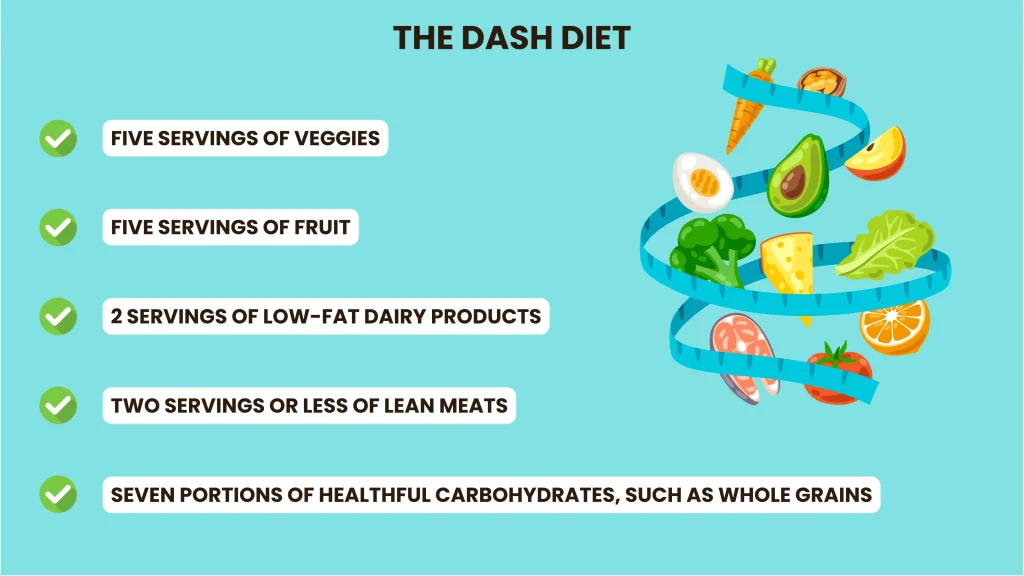
  • Five servings of veggies
  • Five servings of fruit
  • Seven portions of healthful carbohydrates, such as whole grains.
  • 2 servings of low-fat dairy products
  • Two servings or less of lean meats

Health Benefits

The DASH diet has been found to lower blood pressure and other cardiovascular risk factors. It may also help reduce your risk of developing breast and colorectal cancer. According to studies, the DASH diet can help you lose weight. For example, a meta-analysis of 13 trials discovered that those on the DASH diet lost more weight over 8-24 weeks than those on a control diet. 

Another 12-week trial in people with obesity indicated that the DASH diet helped study participants lose total body weight, body fat percentage, and absolute fat mass while maintaining muscle strength.

Other Benefits

In addition to weight loss, the DASH diet may help alleviate depressive symptoms. A study conducted over eight years indicated that even moderate adherence to the DASH diet was associated with a decreased risk of depression.

Downsides

While the DASH diet may help with weight reduction, not all weight loss diets work for everyone.  There are different views on the connection between salt intake and blood pressure. For instance, eating too little salt has been related to increased insulin resistance, and a low-sodium diet is not suitable for everyone, especially those without hypertension. 

A low-sodium diet, such as the DASH diet, is better suited for people who have hypertension or other health disorders that benefit from or require sodium restriction. More research is needed to determine how a reduced salt diet affects insulin resistance in people without hypertension.

The MIND Diet
MIND Diet

The Mediterranean-DASH Intervention for Neurodegenerative Delay (MIND) diet combines elements of the Mediterranean and DASH diets, creating a brain-healthy weight loss diet that can reduce cognitive decline.

How It Works

The MIND diet, like the flexitarian diet, does not have a set meal plan. Instead, this weight loss diet emphasizes consuming ten specific foods with brain health advantages. Each week, MIND includes eating:

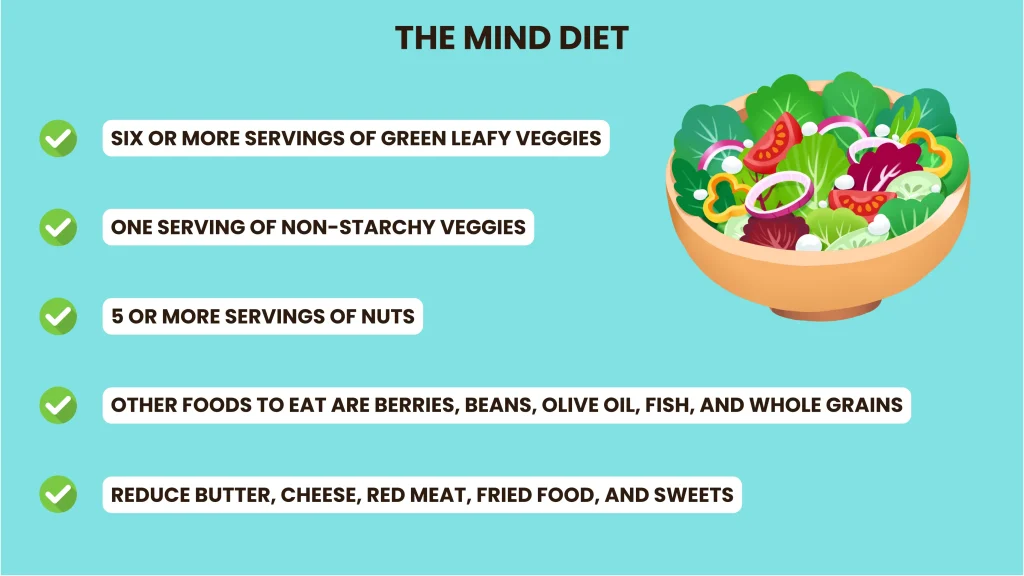
  • Six or more servings of green leafy veggies
  • One serving of non-starchy veggies
  • 5 or more servings of nuts

Other foods to eat a couple of times a week are:

  • Berries
  • Beans
  • Olive oil
  • Whole grains
  • Fish
  • Poultry

Health Benefits

According to research, the MIND diet may lower a person’s risk of acquiring Alzheimer’s disease, and it outperforms other plant-rich diets regarding cognitive improvement. According to research, the MIND diet can help reduce cognitive decline and increase adaptability in older persons. 

It may also assist in postponing the beginning of the movement disorder Parkinson’s disease. There is limited research on the MIND diet and weight loss. However, the MIND diet may also aid in weight loss because it combines two diets that encourage weight loss. It can assist in stimulating weight loss by encouraging you to reduce your consumption of foods like:

  • Butter
  • Cheese
  • Red meat
  • Fried food
  • Sweets

However, additional research is needed on the MIND diet and weight loss.

Other Benefits

The MIND diet has much to offer as it can be easily adapted as a weight loss diet. While more research is needed on the impact on weight, the plant-based principles are aligned with many effective weight loss diets.

Plant-Based And Flexitarian Diets
Plant-Based And Flexitarian Diets

Vegetarianism and veganism are the most common plant-based weight loss diets that exclude animal products for health, ethical, and environmental reasons. However, more adaptable plant-based diets exist, such as the flexitarian diet. This is a plant-based diet that allows for moderate consumption of animal items.

How It Works

Vegetarian diets often prohibit all types of meat while allowing dairy. Vegan diets typically exclude all animal products, including dairy, butter, and occasionally other byproducts such as honey. The flexitarian weight loss diet lacks clear-cut rules or recommendations for calories and macronutrients, making it more of a lifestyle than a diet. Its principles are:

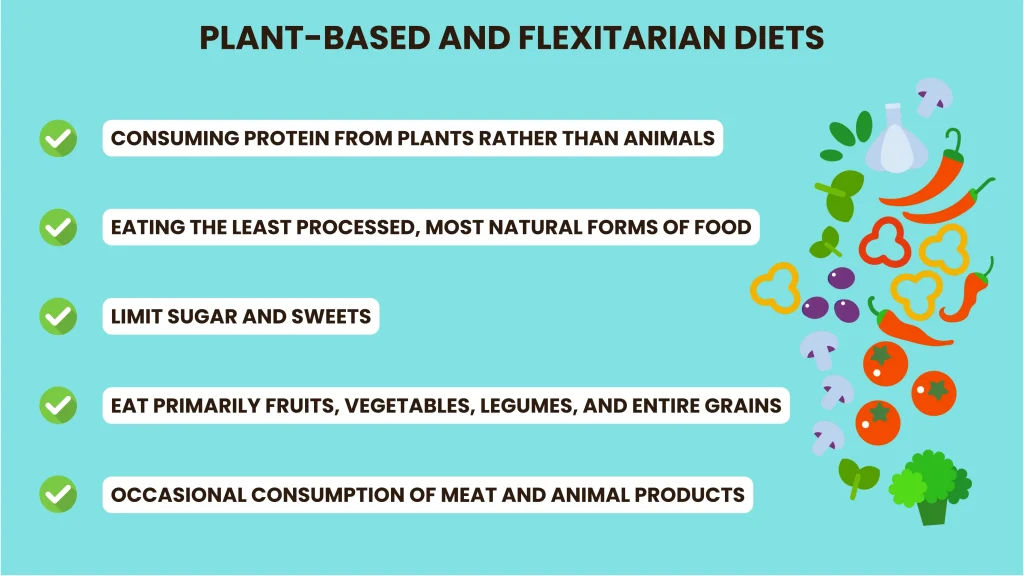
  • Consuming protein from plants rather than animals
  • Eat primarily fruits, vegetables, legumes, and entire grains
  • Eating the least processed, most natural forms of food
  • Limit sugar and sweets

It also permits for the occasional consumption of meat and animal products.

Health Benefits

Numerous studies have indicated that plant-based weight loss diets can lower your risk of acquiring chronic diseases, such as improved metabolic indicators, lower blood pressure, and a lower risk of type 2 diabetes. They may also help you lose weight. Flexitarian diets have also been found to lower the risk of type 2 diabetes, improve metabolic health and blood pressure, and may have weight loss advantages.

Other Benefits

For people seeking a sustainable lifestyle, reducing meat consumption can help to reduce greenhouse gas emissions, deforestation, and soil degradation.

Downsides

Plant-based eating patterns such as vegetarianism and veganism can be challenging to maintain. They may feel restrictive, particularly if you’re transitioning from a meat-based diet. While the flexitarian diet is easy to follow, being overly flexible may negate its benefits.

The Mediterranean Diet

The Mediterranean diet has long been considered the gold standard for nutrition, disease prevention, wellness, and longevity. This is based on its nutritional benefits and sustainability.

How It Works

The Mediterranean diet is based on meals that people in countries such as Italy and Greece have traditionally consumed, which makes it an excellent weight loss diet.

It is plentiful in:

  • Vegetables
  • Fruits
  • Whole grains
  • Fish
  • Nuts
  • Lentils
  • Olive oil

Poultry, eggs, and dairy products should be consumed in moderation, while red meat should be limited. Furthermore, the Mediterranean weight loss diet limits:

  • Refined grains
  • Trans fats
  • Processed meats
  • Added sugar
  • Other highly processed foods

Health Benefits

This diet’s concentration on minimally processed foods and plants has been linked to a lower risk of chronic diseases and a longer life expectancy. Studies have also shown that the Mediterranean diet can help avoid some malignancies. 

Though the diet was created to reduce heart disease risk, multiple studies show that its plant-based, high-unsaturated fat eating pattern can also help with weight loss. A systematic evaluation of five trials indicated that the Mediterranean diet resulted in more weight loss after one year compared to a low-fat diet. 

When compared to a low-carb diet, it had equal weight loss results. A 12-month study of more than 500 adults indicated that better adherence to a Mediterranean diet was related to twice the odds of weight reduction maintenance. Furthermore, the Mediterranean diet encourages the consumption of antioxidant-rich foods, which may aid in the prevention of inflammation and oxidative stress by neutralizing free radicals.

Other Benefits

Recent research has also indicated that the Mediterranean diet is connected with a lower risk of mental diseases such as cognitive decline and depression. Eating less meat is also linked to a more sustainable diet for the environment. This means that the weight loss diet is not just good for shedding a few pounds but for the overall well-being of individuals and even the planet.

Downsides

Although the Mediterranean diet is an effective weight loss diet, it’s low in dairy, which may lead to calcium and vitamin D deficiency.

Conclusion

Dieting is more than just weight loss. Many diets offer extra health benefits. You must first identify the program that best meets your specific requirements to achieve the best results. The most challenging part is determining which one it will be.

Before beginning any weight loss diet, it’s a good idea to consult your doctor about your medical history. They can help you decide which plan is ideal for you. Here is to a HEALTHIER and leaner you!
Say Goodbye to Indigestion: Easy Remedies for a Happier Stomach!

Your favorite dishes can satisfy your taste buds. However, if you eat these meals too quickly or in excess, you may get indigestion, commonly known as dyspepsia. Many people will have indigestion at some point. Instead of taking over-the-counter antacids to settle your stomach, consider regulating symptoms with foods and herbs from your home.

Indigestion Symptoms

Indigestion Symptoms

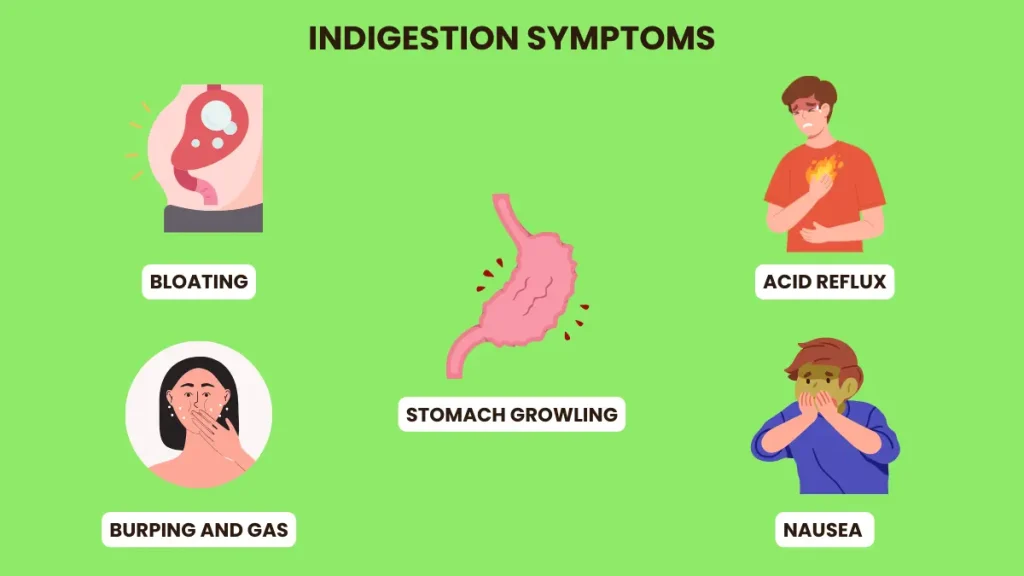
Indigestion is nearly often accompanied by burning or pain in your upper belly, as well as the sensation of being full too soon or for too long after eating. Additional symptoms may include:

  • Bloating
  • Burping and Gas
  • Nausea and regurgitation (when the food you swallow comes back up your esophagus)
  • Acid reflux and heartburn
  • Loud gurgling or growling in your stomach

Causes of Indigestion

Causes of Indigestion

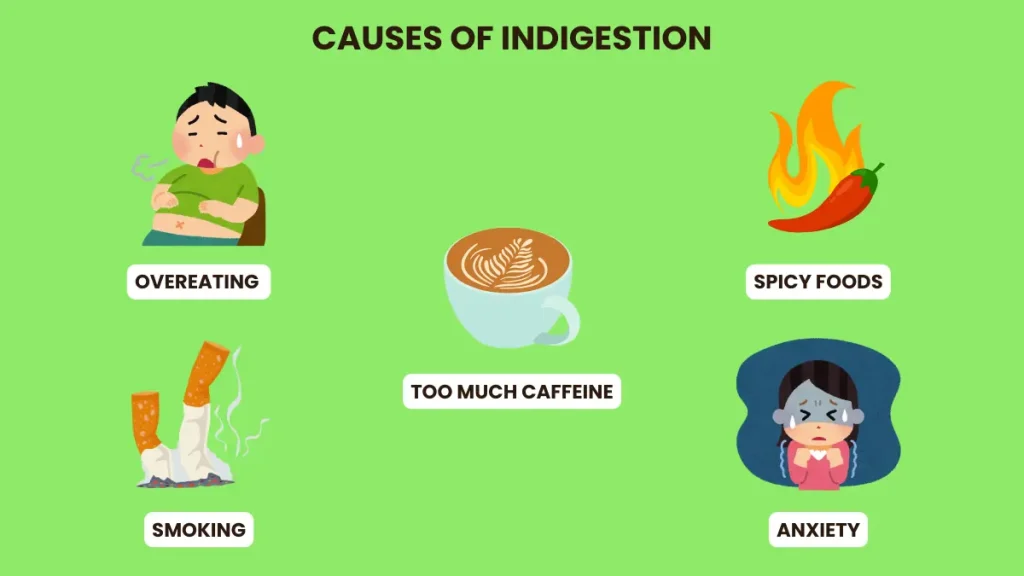
Indigestion can be caused by a variety of factors. Indigestion is frequently associated with a certain lifestyle and can be provoked by food, drink, or medication. Common causes of indigestion are:

  • Overeating or eating too fast
  • Fatty, greasy, or spicy foods
  • Too much caffeine, alcohol, chocolate, or carbonated drinks
  • Smoking
  • Anxiety
  • Some antibiotics, pain medications, and iron supplements

Home Remedies for Indigestion – What Helps Indigestion At Home?

home remedies for indigestion

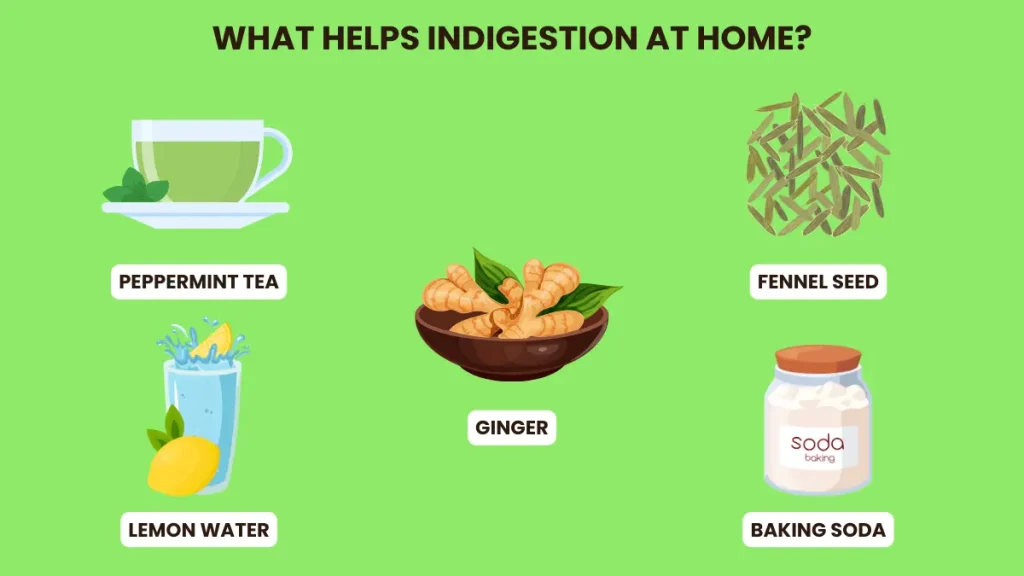
Here’s a look at home remedies that can provide you with quick natural indigestion relief.

Peppermint Tea

Peppermint is more than just a breath refresher. It also possesses antispasmodic properties, making it an excellent choice for treating stomach issues such as nausea and indigestion. Drink a cup of peppermint tea after meals to relieve stomach pain, or put a couple pieces of peppermint candy in your pocket and suck on them after eating. While peppermint can help with indigestion, it should not be consumed when acid reflux is the root of the problem.

Because peppermint relaxes the lower esophageal  — the muscle that connects the stomach and the esophagus — drinking or eating might allow stomach acid to flow back into the esophagus, exacerbating acid reflux. People who suffer from GERD or ulcers should avoid drinking peppermint tea.

Chamomile Tea

Chamomile tea is proven to promote sleep and reduce anxiety. This herb can also help with gut discomfort and indigestion by lowering stomach acid in the gastrointestinal tract. Chamomile also has anti-inflammatory properties, which help to relieve pain. To make chamomile tea, steep one or two teabags in boiling water for ten minutes.

Pour into a cup and add honey if desired. Drink the tea as needed to relieve indigestion. If you are on a blood thinner, consult your doctor before drinking chamomile tea. Chamomile contains an anticoagulant; therefore, combining it with a blood thinner may result in bleeding.

Apple Cider Vinegar

Apple cider vinegar is reported to provide a variety of health benefits, including improving skin condition and promoting weight loss. It may also aid with indigestion, though research findings on this have been inconsistent. Because too little stomach acid might cause indigestion, drink apple cider vinegar to stimulate your body’s production of stomach acid.

For quick relief, mix one to two tablespoons of raw, unpasteurized apple cider vinegar into a cup of water and consume. To prevent indigestion, drink the mixture 30 minutes before eating. Even while apple cider vinegar is generally harmless, excessive or undiluted use can result in tooth erosion, nausea, throat burn, and low blood sugar.

Ginger

Ginger is another natural cure for indigestion since it lowers stomach acid. In the same manner that insufficient stomach acid produces indigestion, excess stomach acid has the same effect. Drink a cup of ginger tea as needed to relax your stomach and relieve indigestion.

Other possibilities include eating ginger candies, drinking ginger ale, or preparing your own ginger water. Cook one or two pieces of ginger root in four glasses of water. Before you drink, add some lemon or honey for flavor. Limit your ginger usage to 3-4 grams (g) each day. Consuming too much ginger might result in flatulence, throat burn, and heartburn.

Fennel Seed

This antispasmodic herb may also aid with post-meal indigestion and other gastrointestinal issues such as stomach cramps, nausea, and bloating. However, because much of the research on fennel and digestion has been conducted on rats, additional human studies are required to confirm its effects.

However, if you want to try it, place 1/2 teaspoon of crushed fennel seed in water and let it boil for 10 minutes before drinking. Drink fennel tea whenever you have indigestion. If some foods create indigestion, chew fennel seeds after each meal. Fennel side effects may include nausea, vomiting, and sun sensitivity.

Baking Soda (Sodium Bicarbonate)

Baking soda can quickly neutralize stomach acid, reducing indigestion, bloating, and gas after eating. For this cure, combine 1/2 teaspoon (tsp) baking soda with 4 ounces (oz) of warm water and drink. Sodium bicarbonate is typically considered safe and harmless.

However, excessive consumption of baking soda might result in unpleasant side effects such as constipation, diarrhea, irritability, vomiting, and muscle spasms. If you consume a solution containing 1/2 tsp of baking soda for indigestion, don’t do so for at least two hours. Adults should not consume more than seven and a half teaspoons in a 24-hour period or three and a half teaspoons if they are above the age of 60.

Lemon Water

Lemon water’s alkaline properties help to neutralize stomach acid and promote digestion. Mix a spoonful of lemon juice with hot or tepid water and drink for a few minutes before eating. Lemon water is high in vitamin C and also helps with digestion. However, drinking too much lemon water might wear down tooth enamel and produce excessive urination. To safeguard your teeth, rinse with water after consuming lemon water.

Licorice Root

Licorice root has been shown in studies to reduce muscle spasms and inflammation in the gastrointestinal tract, both of which can cause indigestion. Chew licorice root for relief, or mix it with boiling water and drink it. Although licorice root is useful for dyspepsia, large amounts can create salt and potassium imbalances, as well as high blood pressure.

Researchers recommend taking approximately 100 milligrams (mg) of glycyrrhizin, the principal active ingredient in licorice root. You can achieve this amount by eating 60-70 grams of licorice. Other studies suggest 0.015-0.229 milligrams per kilogram (mg/kg) of body weight every day.

When To See A Doctor

Researchers recommend taking approximately 100 milligrams (mg) of glycyrrhizin, the principal active ingredient in licorice root. You can achieve this amount by eating 60-70 grams of licorice. Other studies suggest 0.015-0.229 milligrams per kilogram (mg/kg) of body weight every day.

  • Weight loss
  • Fatigue
  • Loss of appetite
  • Vomiting
  • Black stools
  • Trouble swallowing

Conclusion

You do not have to suffer from regular indigestion. Stomach pain can disturb your life, but it does not have to. Check to see if these home cures work, but if you have any concerns, see a doctor. The FDA does not oversee the quality of herbs and medicines, so do your homework before you decide to purchase.

Benefits of Watermelon: Refreshing, Nutritious & Perfect for Your Plate

Watermelon arose in Africa over 4,000 years ago, but did you know that the juicy, sweet summer fruit has many health benefits and can even improve your sex life? One of the key benefits of watermelon is its high water content, which keeps you hydrated while also providing essential vitamins. You might be sitting at the edge of your seat wondering HOW? Don’t worry – this article covers it all, including what each slice contains. Let’s start!

Nutritional Profile of Watermelon

Watermelon is filled with citrulline and lycopene, two potent plant mixtures that are related to lowering blood pressure, improving metabolic health, and decreasing muscle soreness after exercise. One of the key benefits of watermelon is its ability to provide these nutrients while being refreshing and hydrating.

Watermelon Nutrition Breakdown

Watermelon is a rich source of a variety of nutrients, including potassium, magnesium, and vitamins A and C. It’s also relatively low in calories.

watermelon nutrition

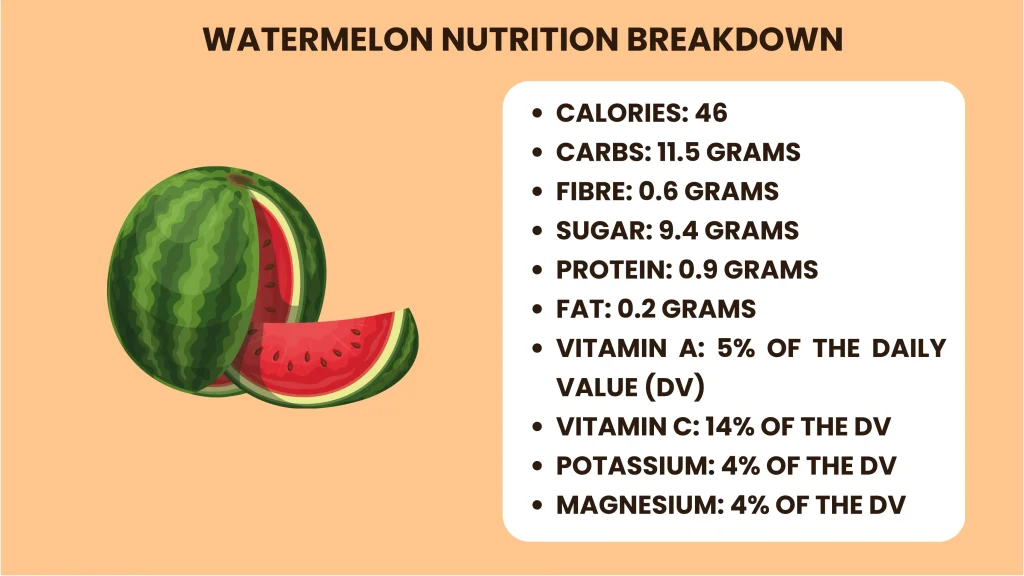
Here are the nutrients in 1 cup (152 grams) of raw, diced watermelon:

  • Calories: 46
  • Carbs: 11.5 grams
  • Fibre: 0.6 grams
  • Sugar: 9.4 grams
  • Protein: 0.9 grams
  • Fat: 0.2 grams
  • Vitamin A: 5% of the Daily Value (DV)
  • Vitamin C: 14% of the DV
  • Potassium: 4% of the DV
  • Magnesium: 4% of the DV

Fibre Content in Watermelon

Although watermelon doesn’t contain much fibre, it still contributes to gut health. One of the lesser-known benefits of watermelon is its ability to promote healthy digestion, which prevents constipation and supports regular bowel movements. Fruits like apples and bananas are much higher in fibre than watermelons, yet they have the same effect. The secret to fruit like watermelon is the combination of water and fibre. A study published in a Gastroenterology journal found that water intake is extremely important for bowel function and reduced constipation. 

Health Benefits of Watermelon

health benefits of watermelon

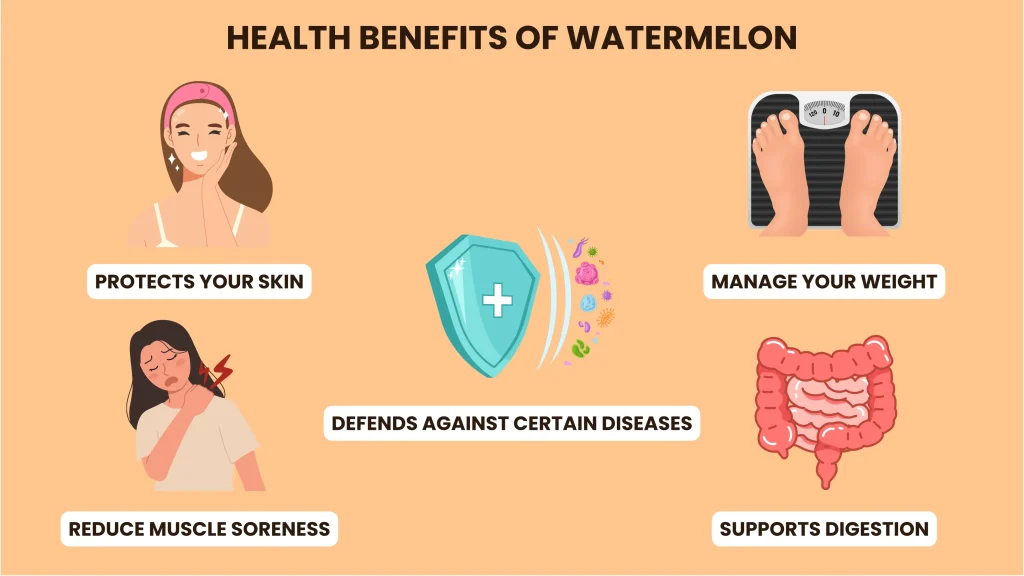
  • Keeps you hydrated: Water isn’t in the fruit’s name by chance. Watermelon is about 95% water by weight and helps to avoid dehydration and other issues. 
  • Defends against certain diseases: Watermelon is one of the best sources of lycopene, an antioxidant known to combat oxidative stress caused by cell-damaging free radicals.
  • Improves artery function: L-citrulline is an amino acid found in watermelon, particularly in the white part of the rind. It may improve artery function and lower blood pressure by helping blood vessels relax and improving circulation.
  • Protects your skin: Watermelon may help keep your skin healthy. Its vitamins C and A support healthy skin.
  • Manage your weight: Consuming watermelon instead of a processed sweet snack may help you manage your weight.
  • Reduce muscle soreness: Those who drank the watermelon juice experienced less muscle soreness for up to 72 hours.
  • Supports digestion: Although watermelon is not very high in fibre, the fibre in it helps support a healthy gut. 

Watermelon Benefits for Men

A few studies have been done on erectile dysfunction, fertility, prostate health and even testosterone health, which indicates that one of the key benefits of watermelon is its amazing power, especially for men. The antioxidant lycopene in watermelon can help protect the prostate gland and improve fertility, while citrulline and amino acids increase blood flow that aid in erectile function. Isn’t that great?

Unique Aspects of Watermelon

unique aspects of watermelon

Watermelon is a good source of antioxidants and nutrients. In addition to supporting hydration, one of the key benefits of watermelon is its ability to promote various aspects of health. But what are they?

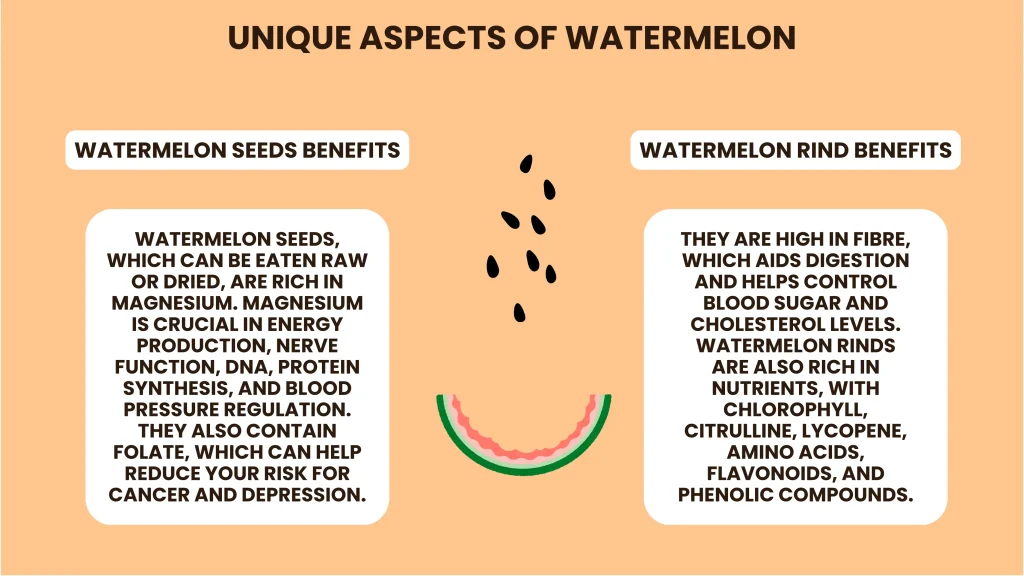
Watermelon Seeds Benefits

Watermelon seeds, which can be eaten raw or dried, are rich in magnesium. Magnesium is crucial in energy production, nerve function, DNA, protein synthesis, and blood pressure regulation. They also contain folate, which can help reduce your risk for cancer and depression. Another benefit of watermelon is that even the seeds are packed with nutrients that support overall health.

Watermelon Rind Benefits

They are high in fibre, which aids digestion and helps control blood sugar and cholesterol levels. Watermelon rinds are also rich in nutrients, with chlorophyll, citrulline, lycopene, amino acids, flavonoids, and phenolic compounds.

Watermelon and Digestive Health

Watermelon contains a small amount of fibre, key to keeping your digestion moving smoothly. One of the benefits of watermelon is that fibre adds bulk to your stool and keeps you regular, while water helps move waste through your digestive system.

Does watermelon make you poop?

Watermelon is considered a high FODMAP food because of its high amount of fructose. Anyone with GI issues may experience urgent bowel movements after consuming it, especially in large amounts. Another benefit of watermelon is its ability to support digestion, although some individuals may need to consume it in moderation.

Can watermelon cause diarrhea?

Watermelon doesn’t directly lead to diarrhea, but large quantities can cause digestive issues for some individuals. One of the lesser-known benefits of watermelon is its natural laxative effect due to its high water content, which makes up 90% of the fruit. However, for those with fructose absorption issues or sensitivity, the fruit’s high fructose levels can cause bloating and even loose stools, as it overwhelms their digestive system.

Additionally, because it makes up 90% of the fruit, it can be a natural laxative and, when consumed in excess, cause diarrhoea. But this is only in some cases. Individuals who have gastrointestinal issues like irritable bowel syndrome (IBS) experience discomfort after eating large portions due to its classification as a high-FODMAP food. Another benefit of watermelon is that moderate consumption is generally safe and won’t cause issues for most people, making it a healthy treat when enjoyed in appropriate servings.

Moderate consumption of watermelon isn’t likely to cause issues for most people. This fruit is best to enjoy inappropriate serving to avoid potential digestive disturbances.

Conclusion

Watermelon is not just a refreshing treat like we thought. It is also a powerhouse of nutrition that offers individuals various health benefits. The high water content keeps you hydrated, and nutrients such as lycopene and citrulline improve your heart health, enhance your digestion, and even offer sexual benefits. 

This treat is definitely worth eating, not to mention saving space on your plate. The unique combination of both vitamins and antioxidants supports your overall well-being. Understanding their wonderful health advantages, you can appreciate them for more than just the taste; they promote health all year round. Just ensure that you eat it in moderation. 

Here is to a healthier YOU!

Foods to Avoid with High Cholesterol for a Heart-Healthy Life

The best way to reduce harmful cholesterol levels naturally is by limiting your dietary cholesterol intake. While cholesterol is required for various body functions, the good news is that your liver and intestines produce most of the cholesterol needed for optimal health. Therefore, if you have high cholesterol, it’s important to avoid specific foods to avoid with high cholesterol and maintain a healthy diet.

To learn more about the worst foods that raise cholesterol, keep reading!

What Is Cholesterol, And Is It Unhealthy?

Our bodies contain cholesterol, which is a waxy molecule found in meat, eggs, and dairy products. It is necessary for the creation of bile, vitamin D absorption, and hormones, as well as for the breakdown of lipids. Cholesterol is produced by your liver and is also found in meals that come from animals. 

While LDL (“bad”) cholesterol is linked to the accumulation of plaque in arteries, HDL (“good”) cholesterol aids in the body’s excretion of extra cholesterol. Your body reduces the amount of cholesterol it normally produces to make up for the more you eat. On the other hand, if you eat foods to avoid with high cholesterol, your body will have a harder time maintaining healthy cholesterol levels. If you eat small amounts of cholesterol, your body will produce more of this essential molecule to keep levels of cholesterol constant.

Causes Of High Cholesterol

Causes of high cholesterol

Genetics and lifestyle choices can contribute to elevated cholesterol.

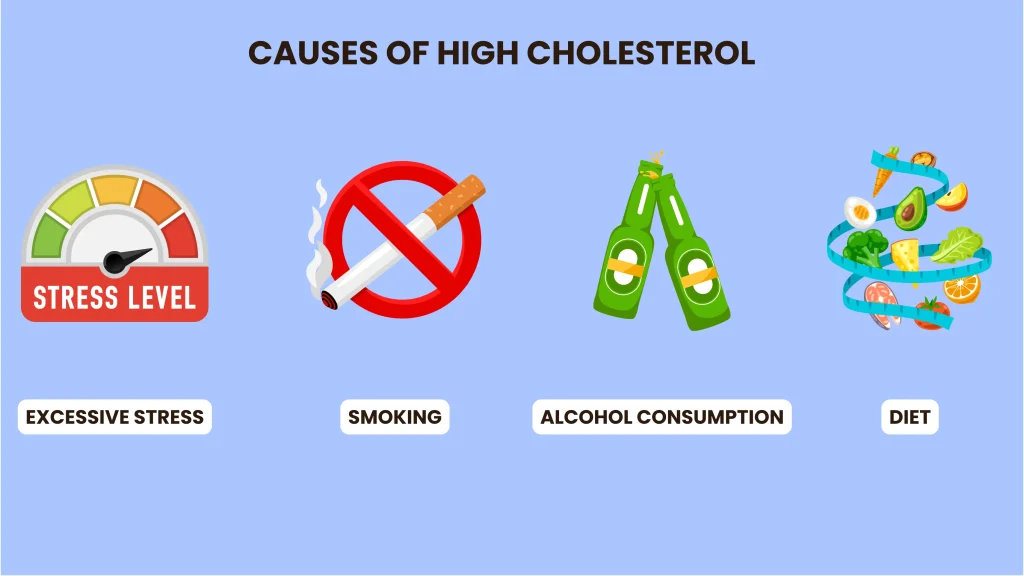
Factors related to lifestyle include:

  • Smoking: Smoking increases your bad cholesterol and lowers your good cholesterol.
  • Excessive stress: Stress sets off hormonal reactions in your body that lead to the production of cholesterol.
  • Alcohol consumption: Consuming too much alcohol might cause an increase in total cholesterol.
  • Diet: Certain foods to avoid with high cholesterol may raise cholesterol levels, while others can help lower it. Healthcare professionals may occasionally advise dietary modifications or a consultation with a nutritionist to discuss your diet.

Healthy Foods That Are High In Cholesterol

high cholesterol healthy foods

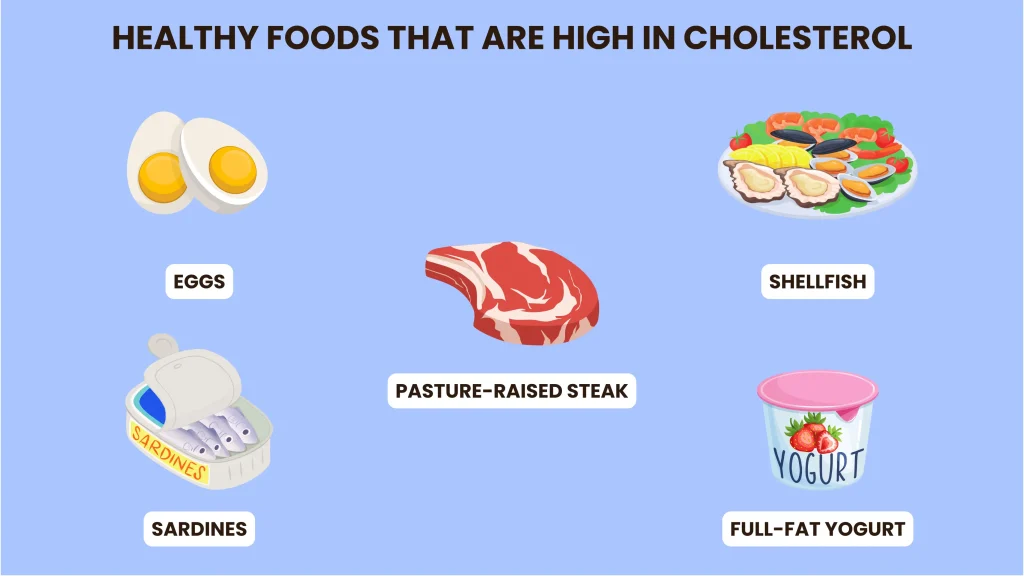
These are seven very nutritious foods that have a high cholesterol content:

Eggs

One of the healthiest things you can eat is an egg, especially when it comes to adding more protein to your diet. A large egg (50 grams) has 207 milligrams (mg) of cholesterol, hence they are also high in cholesterol. According to research, eating whole eggs may increase heart-protective high-density lipoprotein (HDL), or “good” cholesterol, which is not elevated by cholesterol. However, it’s important to balance egg consumption with foods to avoid with high cholesterol, as too much LDL or “bad” cholesterol can contribute to heart issues.

Cheese

Swiss cheese has about 20 mg of cholesterol in every 22 g slice, but it also has a lot of calcium and other minerals. When compared to the same quantity of low-fat cheese or a similar number of calories from bread and jam, consuming 3 ounces (oz), or 80 g, of full-fat cheese per day – which is considered a high intake – did not raise LDL cholesterol, according to a 12-week trial including 139 participants. While cheese can be part of a healthy diet, it’s essential to avoid pairing it with foods to avoid with high cholesterol to maintain balanced cholesterol levels.

Shellfish

Shellfish, such as clams, crab, and shrimp, are great providers of iron, selenium, B vitamins, and protein. Shrimp that is canned contains 214 mg of cholesterol per 3-oz (85-g) serving. On the other hand, studies suggest that increasing seafood consumption may benefit cardiovascular, visual, and cognitive health.

Pasture-Raised Steak

Steak reared in pasture is high in protein and has all the necessary vitamins and minerals. It has substantially higher omega-3 fatty acids, which have anti-inflammatory qualities, and less cholesterol than feedlot beef. The approximate amount of cholesterol in a 4-oz (113-g) portion of pasture-raised beef is 62 mg.

Sardines

Sardines are packed with minerals and make a convenient source of protein. These little fish have 3.75 oz (92 g) per serving, or 131 mg of cholesterol. It also supplies 137% of the Daily Value (DV) for vitamin B12, 35% for calcium, and 63% of the DV for vitamin D.

Full-Fat Yogurt

Full-fat yogurt is a nutrient-dense, high-cholesterol meal. 31.8 milligrams of cholesterol are found in one cup (245 grams) of full-fat yogurt. A higher consumption of full-fat fermented dairy products has been linked in studies to lowered blood pressure, LDL cholesterol, and the risk of diabetes, heart disease, and stroke.

High-Cholesterol Foods To Limit: Foods to Avoid with High Cholesterol

top worst foods for high cholesterol

There are foods high in cholesterol that are very nutritious but can also be hazardous to your health. 

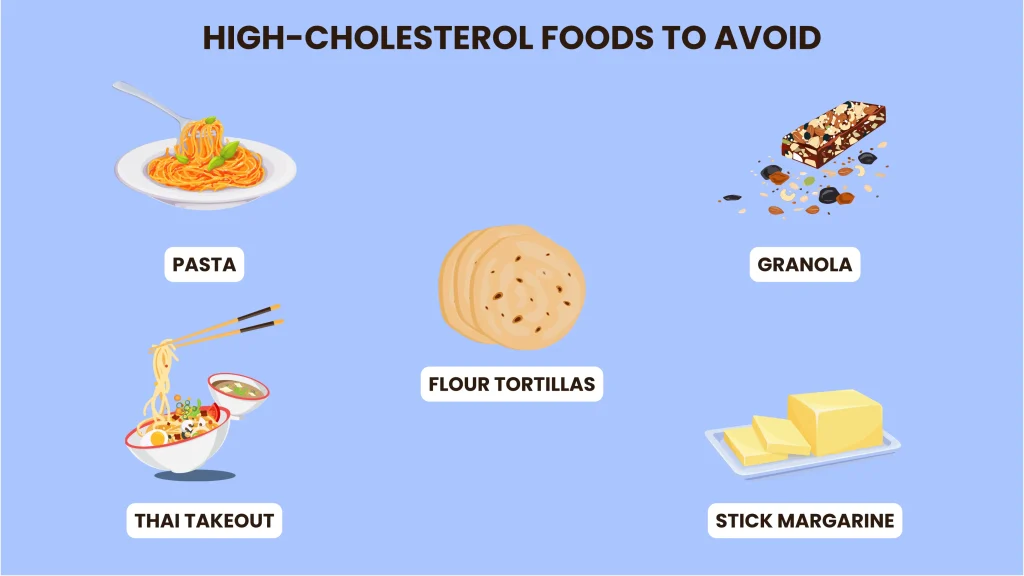
The following 10 foods to avoid with high cholesterol should be limited or avoided:

Coffee

Your morning cup of coffee may cause an unexpected spike in your cholesterol levels. French press or Turkish coffee allows cafestol to pass through, increasing LDL or “bad” cholesterol levels. Espresso does, too, but the serving quantities are modest, so there’s little to be concerned about. If you drink drip coffee, you’re all set. The filter collects cafestol, making it a better option when considering foods to avoid with high cholesterol.

Thai Takeout

Thai food is spicy and fragrant, but it might elevate your cholesterol if not prepared properly. What’s the secret ingredient? Coconut milk. It makes curries smooth and is heavy in saturated fat, making it one of the foods to avoid with high cholesterol. Instead, scan the menu for stir-fries or noodle dishes and request that your dinner be steamed or prepared in vegetable oil. Choose chicken instead of beef, add some additional vegetables, and enjoy your takeout guilt-free while reducing your intake of foods to avoid with high cholesterol.

Granola

Do you associate the word “granola” with the concept of “health food”? That chewy, crunchy delicacy frequently comes with a large portion of saturated fat, making it one of the foods to avoid with high cholesterol. Even “low-fat” granola can have more saturated fat than other cereals. Eat granola that is only sweetened with dried fruit, honey, or maple syrup and contains at least 20% of the recommended daily fiber intake. 

Flour Tortillas

To make a superior taco, you must start with the basics. Flour tortillas, even whole wheat ones, may seem like the ideal option, but they are not. They contain more saturated fat than maize tortillas. (Assuming you do not fry your corn tortillas in oil.) Begin with a corn tortilla (check the label to ensure it is not lard-based) and top with grilled chicken, juicy tomatoes, and chopped lettuce to avoid foods to avoid with high cholesterol.

Organ meats

“Nose-to-tail” eating may be trendy in restaurants, but it could raise your cholesterol. Organ meats such as liver, kidneys, and sweetbreads have more cholesterol than other kinds of meat. Beef liver has a lot of iron, but other foods that aren’t organs do as well. A 3-ounce serving once a month is fine. Be mindful of foods to avoid with high cholesterol like organ meats if you’re looking to manage your cholesterol levels.

Stick Margarine

Butter versus margarine might be a difficult choice. Both contain saturated fat and should be used sparingly. Margarine is manufactured from vegetable oils, which means it contains unsaturated “good” fats like polyunsaturated and monounsaturated fats. These fats help lower “bad” cholesterol (LDL). If you use margarine, pick soft tub margarine over stick margarine. Tub variants are low in trans fats. Avoid foods to avoid with high cholesterol such as stick margarine, which can contribute to higher cholesterol levels. 

Pasta

The Mediterranean diet is meant to decrease cholesterol, right? And it is, as long as you make the appropriate decisions. Consider marinara or marsala instead of meatballs and linguine with clams rather than lasagna. However, cholesterol isn’t the only factor to consider while designing a healthy diet. Pasta remains heavy in calories and carbohydrates. So, even if you don’t have to do without, remember to restrict your consumption and avoid foods to avoid with high cholesterol where possible.

Energy Bars

They’re sold to individuals who work out, so energy bars must be a healthy option, right? Maybe. Check the nutrition label. You may be shocked by the amount of saturated fat in some. Look for those that use tropical oils such as palm oil and palm kernel oil, which include saturated fat. Be cautious with foods to avoid with high cholesterol like certain energy bars that may contribute to higher cholesterol levels.

How Can I Lower My Cholesterol?

Discuss the most effective strategy for lowering your cholesterol with your healthcare professional. Some people just require minor adjustments to their lifestyle, such as cutting back on saturated fat and avoiding foods high in cholesterol. Some require both medicine and lifestyle modifications. Individuals with health issues that impact their cholesterol levels might require a more intricate strategy. Share your medical history, family history, and lifestyle choices with your healthcare professional. You’ll work together to create a strategy for reducing your cholesterol levels, including avoiding foods high in cholesterol.

Conclusion

High cholesterol is silent and sneaky. You could have too many lipids in your blood and not realize it for years. A simple blood test is the only way to find out. High cholesterol affects people of all ages, even those who are physically active and healthy. Some medical problems increase a person’s risk for high cholesterol and heart disease, highlighting the importance of being aware of foods high in cholesterol and making necessary adjustments.

Calories in Chicken: Nutritional Facts from Breast to Wing!

Chicken is a high-quality source of lean protein, accounting for most of the chicken’s calories and macronutrients (macros). People who consume enough protein are likelier to retain muscle mass and maintain a healthy metabolism. When considering calories in chicken, it’s essential to recognize that this lean meat provides substantial nutrition without excessive fats, making it an ideal choice for a balanced diet.

Chicken is also reasonably inexpensive, adaptable in recipes, and may be cooked in various ways. For example, oven and air fryer chicken are convenient and nutritious cooking methods. Learn more about the health advantages of chicken, food safety, and how to prepare it as part of a well-balanced diet.

Calories in Chicken Breast: 284 Calories

chicken thigh calories

Chicken breast is a popular cut of chicken, known for being high in protein and low in fat, making it a fantastic choice for anyone looking to reduce weight. If you’re focusing on calories in chicken, this lean cut provides excellent nutrition without unnecessary fats.

The nutritional breakdown for one skinless, boneless, cooked chicken breast (172 g) is as follows:

  • Calories: 284
  • Protein: 53.4 g
  • Carbs: 0 g
  • Fat: 6.2 g

A 3.5-ounce (100-gram) serving of chicken breast contains 165 calories, 31 g of protein, and 3.6 g of fat. This means chicken breast has around 80% protein and 20% fat. Remember that these numbers are for a simple chicken breast with no extra additives. Cooking it in oil or adding marinades or sauces will increase the calories, carbohydrates, and fat content, so it’s important to factor in these changes when calculating calories in chicken for your meals.

Calories in Chicken Thigh: 208 Calories

Chicken thighs are known for being more tender and flavorful than chicken breasts due to their higher fat content. When considering calories in chicken, chicken thighs provide a slightly different nutritional profile compared to chicken breasts.

A skinless, boneless, cooked chicken thigh (116 g) contains:

  • Calories: 208
  • Protein: 28.8 g
  • Carbs: 0 g
  • Fat: 9.5 g

A 3.5-ounce (100-gram) serving of chicken thigh contains 179 calories, 24.8 g of protein, and 8.2 g of fat. Thus, 55% of the calories are protein and 45% from fat. If you’re tracking calories in chicken, keep in mind that cooking methods, such as frying or adding sauces, will increase the calorie and fat content.

Calories in Chicken Wing: 43 Calories

Chicken wings are probably not the first thing that comes to mind when you think about nutritious chicken parts. However, they are not slathered in breading or sauce and are deep-fried. In that case, they can easily be incorporated into a balanced diet. Paying attention to calories in chicken wings can help you enjoy them while staying mindful of your intake.

A skinless and boneless chicken wing (21 g) contains:

  • Calories: 43
  • Protein: 6.4 g
  • Carbs: 0 g
  • Fat: 1.7 g

Chicken wings have 203 calories, 30.5 grams of protein, and 8.1 grams of fat per 3.5 ounces (100 grams). This suggests that 64% of the calories are derived from protein and 36% from fat. When calculating calories in chicken, remember that adding sauces, breading, or deep-frying will increase both the calorie and fat content.

Calories in Chicken Drumstick: 149 Calories

Chicken legs consist of two parts: the thigh and the drumstick, which is the lowest part of the leg.

Each skinless and boneless chicken drumstick (96 g) contains:

  • Calories: 149
  • Protein: 23.2 g
  • Carbs: 0 g
  • Fat: 5.5 g

Chicken drumsticks (3.5 oz.) have 155 calories, 24.2 g of protein, and 5.7 g of fat. Protein accounts for approximately 65% of the total calories, while fat makes up 35%.

Other Cuts Of Chicken

Though the most common cuts of chicken are the breast, thighs, wings, and drumsticks, various other options are available.

Here are the calories for some other cuts of chicken:

  • Chicken tenderloins: 89 calories per 3.5 oz. (100 g)
  • Back: 239 calories per 3.5 oz. (100 g)
  • Dark meat: 178 calories per 3.5 oz. (100 g)
  • Light meat: 153 calories per 3.5 oz. (100 g)

Health Benefits of Eating Chicken

protein in chicken breast

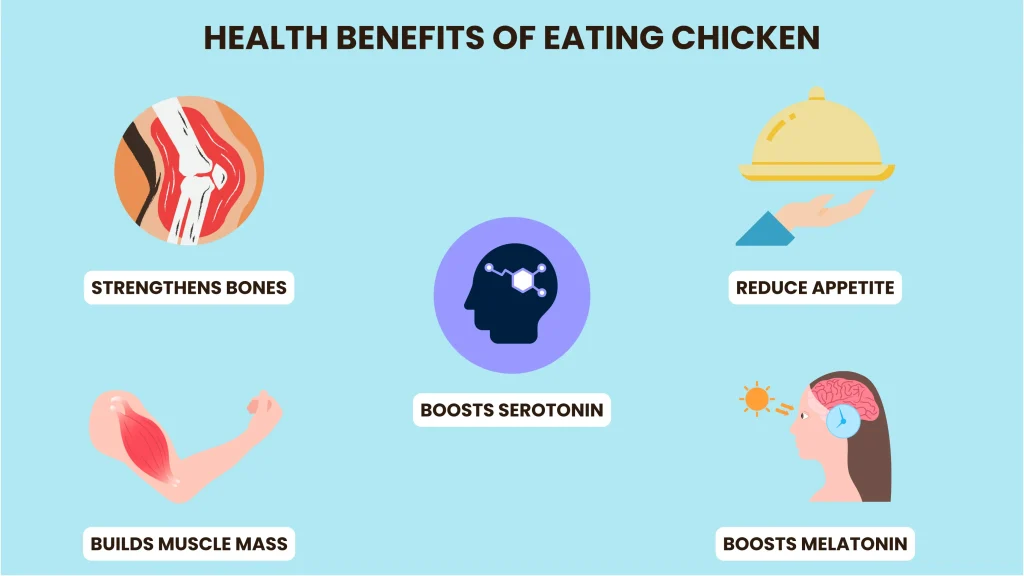
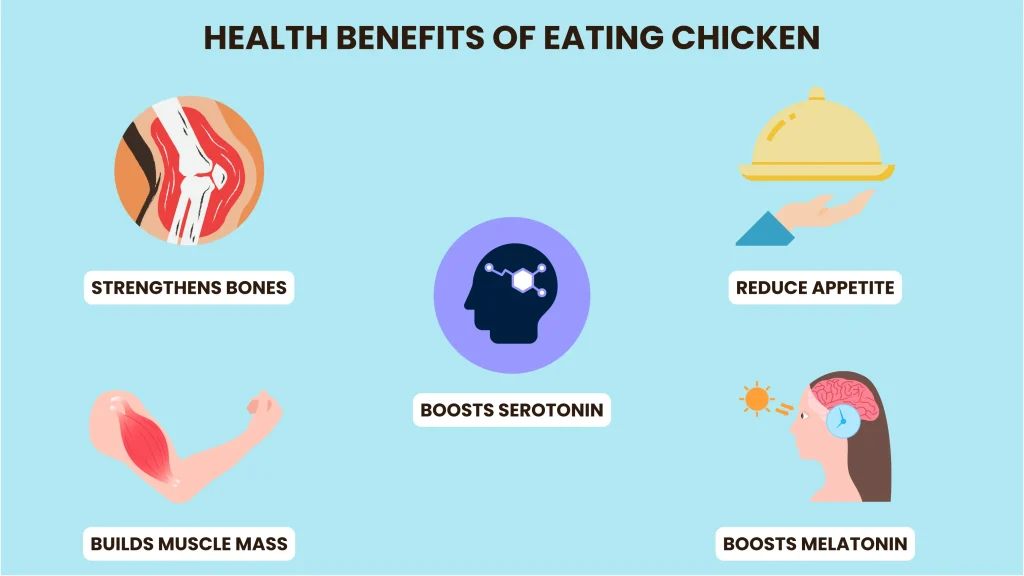
Chicken is a low-fat protein that can provide numerous benefits, making it an excellent complement to many diets. It also contains nutrients that can help with muscle mass, bone health, hunger control, mood, and sleep.

Builds and Maintains Muscle Mass

Protein helps bodies build and maintain muscle mass, and when combined with a strength exercise program, it can also build muscle. Chicken is high in protein and can be used in a muscle-building diet. According to research, muscular mass and strength loss are directly related to mortality rates among older adults. Even if you aren’t looking to bulk up your muscles, preventing muscle loss is crucial at any age. Additionally, calories in chicken are mostly derived from protein, making it a great choice for muscle health.

Strengthens Bones

Scientists and doctors used to believe that eating a lot of animal protein would impair bone density and increase the danger of breaking bones. However, more recent research indicates that protein and calcium act together to protect bones. Consuming enough protein is essential for maintaining bone strength and health. Including chicken, with its high protein content, in your diet while monitoring calories in chicken can support overall bone health.

May Reduce Appetite

Consuming protein makes you feel fuller, which can help you reduce food cravings and avoid binging. One tiny research of overweight men on low-calorie diets, for example, discovered that those who consumed more protein had better appetite control and satiety. Chicken is an excellent choice due to its high protein content, which increases your meal enjoyment.

Boosts Serotonin and Melatonin

Chicken includes tryptophan, an important amino acid that regulates protein synthesis. Tryptophan also helps your brain produce serotonin. People with low levels of serotonin may suffer from depression or memory problems. Tryptophan also helps produce melatonin, an important sleep hormone.

Allergies

Poultry allergies are uncommon, but they are undoubtedly conceivable. According to doctors, an allergy to poultry is about as frequent as an allergy to red meat (although being allergic to one type of meat does not guarantee you will be allergic to others). People with egg allergies may have a secondary allergy to chicken. This allergy typically manifests itself when exposed to raw rather than cooked meat.

Adverse Effects

People with kidney illness should be cautious about taking too much protein, especially in big quantities. If you have renal illness, see a healthcare expert about the optimal protein sources and dosages. Chicken is not suited for persons who follow a plant-based diet (vegetarian or vegan) because it contains animal protein.

Different Varieties

You can get pre-trimmed, ready-to-use chicken. Many supermarket stores and bulk warehouses sell frozen, individually wrapped chicken. If you purchase one of these easy solutions, read the nutrition label. These chicken variants may contain higher levels of salt. You may also notice labels on chicken that say it’s organic, antibiotic-free, and so on. 

  • Free range: Producers must show the Agency that the poultry was given access to the outside.
  • Natural: This product contains no artificial ingredients or added colors and is barely processed. Minimal processing indicates that the product was processed in a way that did not fundamentally alter it. The label must include a statement that defines the term natural.
  • Hormones are not permitted for growing pork or poultry: The claim ‘no hormones added’ cannot be used on pork or chicken labels unless accompanied by a statement stating that hormone use is prohibited by federal legislation.
  • No antibiotics: The term ‘no antibiotics added’ may be used on meat or poultry product labels if the producer provides acceptable paperwork to the Agency proving that the animals were grown without antibiotics.
  • Organic: To be branded organic, chickens must be raised and cared for according to strict guidelines. For example, they must receive only organic nutrition.

Storage and Food Safety

Raw chicken contains microorganisms that can cause disease, such as Campylobacter and Salmonella. By cooking your chicken to at least 165 degrees Fahrenheit will destroy the bacteria, but the raw meat must be handled carefully throughout preparation. Properly clean your hands, utensils, and surfaces after working with it. Both uncooked and cooked chicken should be stored in the refrigerator for many days. Store leftover chicken in the fridge within two hours of serving, or freeze it. Both cooked and uncooked chicken can be frozen for up to 9 months. Understanding calories in chicken is important, but so is safe handling and storage.

Conclusion

The fat and calorie content of chicken meals can be drastically altered depending on how you prepare them. Suppose you want to reduce the fat in your meal. In that case, the healthiest preparation methods are roasting, broiling, poaching, and grilling. Breading, frying, or sautéing chicken in butter or oil, as well as adding condiments like barbecue sauce, will increase the fat and calories in chicken dishes.

Healthy Meals on a Budget: Nutritious and Affordable Bites

Good taste does not have to be expensive. These healthy meals on a budget are intended to satisfy your taste buds without breaking the bank. Everyone should have access to and enjoy nutritious, whole foods. A few key products and cupboard staples, along with some clever strategies, can help you strike the ideal balance between healthy and inexpensive. Whether you’re a vetted home cook or just starting, these recipes will inspire you to prepare wonderful foods that are good for both your health and your wallet.

Healthy Meals on a Budget: Recipes That Won’t Break the Bank

Stuffed Bell Peppers

low cost nutritious food

Mix a half pound of ground beef (or chicken!) with chopped vegetables and cooked rice to create healthy meals on a budget that can feed a family of four. Choose your favorite color of bell peppers, or use a variety for a rainbow-colored feast.

Ingredients:

  • 6 bell peppers, any color
  • 4 tablespoons olive oil
  • 8 oz. lean ground beef 
  • Kosher salt and freshly ground black pepper
  • 1 onion, finely diced 
  • 2 cloves garlic, chopped
  • 1 medium zucchini, finely diced 
  • 4 Roma tomatoes, seeded and finely diced 
  • Red pepper flakes, as needed 
  • 1 cup cooked long-grain and wild rice 
  • 1 1/2 cups pepper Jack cheese 

Directions:

  1. Set the oven’s temperature to 350°F.
  2. Slice off the peppers’ tops. After removing and discarding the stems, coarsely cut the tops and save. Remove as much of the membrane and the seeds as you can using a spoon. Arrange the peppers in a baking dish that is just big enough to support them standing up, cut-side up.
  3. Two tablespoons of olive oil are heated over medium-high heat in a big skillet. After adding the beef and seasoning it with salt and pepper, simmer it for 8 to 10 minutes, breaking up any lumps, until the meat is cooked through and starting to brown. Put on a plate lined with paper towels to get rid of excess grease.
  4. After cleaning the skillet, pour in the final two teaspoons of olive oil. Add the chopped peppers and onions, and simmer for 3 to 4 minutes or until the vegetables start to soften. Sauté the zucchini and garlic together for one further minute. Season with salt and a small pinch or two of red pepper flakes after adding the tomatoes. Stir in the rice and the beef after cooking until everything is thoroughly cooked. Adjust the seasoning by tasting. Add one cup of cheese and stir.
  5. After stuffing the rice mixture into each pepper, add the remaining 1/2 cup of cheese on top. Brush peppers with olive oil and add a splash of water to the bottom of the roasting dish. Bake for thirty minutes with the foil covering. After around 15 to 20 minutes, take off the lid and continue baking until the cheese is melted and gently browned and the peppers are tender.

Healthy Meals on a Budget: Chicken Enchilada Rice Bake

healthy affordable meals

Because the main protein for this zesty Mexican-inspired dish is already cooked, as it calls for store-bought rotisserie chicken, this healthy meal on a budget saves you both money and time. Add some seasoned rice, sharp shredded Cheddar cheese, and a few corn tortillas to make a delectable casserole that’s quick enough for any weekday. This recipe exemplifies how healthy meals on a budget can be both delicious and satisfying.

Ingredients:

  • 2 tablespoons extra-virgin olive oil
  • 1 small onion, chopped
  • 2 cloves garlic, chopped
  • 1 tablespoon taco or fajita seasoning
  • 1 14.5-ounce can of chopped tomatoes with green chiles
  • 1 cup converted long-grain white rice
  • 2 cups shredded rotisserie chicken (skin removed)
  • 2 cups shredded Mexican cheese blend
  • 1/2 cup fresh, roughly chopped cilantro (plus more for topping)
  • Kosher salt
  • 6 corn tortillas (cut into quarters)
  • Sour cream
  • pickled jalapeno peppers

Directions:

  1. Heat olive oil in a large nonstick ovenproof skillet over medium-high heat. Add the onion and simmer until slightly softened. Cook, stirring periodically, until the garlic softens, which should take about a minute. Stir in the tomatoes, rice, and 3 cups water.
  2. Bring to a boil and cover. Turn the heat down to medium-low. Cook the rice for about 20 minutes or until soft.
  3. Preheat the broiler. Remove from heat and add the chicken, 1 cup cheese, cilantro, and 1/2 teaspoon salt. Place the tortillas on top and sprinkle with the remaining cup of cheese.
  4. Broil for 2–3 minutes or until the cheese melts. Top with sour cream, pickled jalapenos, and more cilantro.

Enjoy this healthy meal on a budget that’s perfect for a quick and satisfying weeknight dinner! Healthy meals on a budget like this one make nutritious eating accessible for everyone.

Healthy Meals on a Budget: Skirt Steak With Roasted Root Vegetables

Skirt steak may be a less expensive cut of beef, but don’t worry about toughness. The secret to this healthy meal on a budget is an acid-based marinade and quick cooking over high heat!

Ingredients:

  • 1 sprig rosemary plus 1/2 teaspoon chopped leaves
  • 5 medium carrots, halved lengthwise
  • 5 medium parsnips, halved lengthwise
  • 3 teaspoons Worcestershire sauce
  • 2 1/2 tablespoons extra-virgin olive oil
  • Kosher salt and freshly ground pepper
  • 1 clove garlic, minced
  • 1 1/2 pounds skirt steak, cut into 4 pieces

Directions:

  1. Preheat the oven to 450 degrees Fahrenheit. In a small baking dish, combine the rosemary leaves, carrots, parsnips, 2 teaspoons Worcestershire sauce, 1 1/2 tablespoons olive oil, 1/2 teaspoon salt, and pepper to taste. Roast for approximately 25 minutes, stirring once, until the vegetables are soft and golden brown.
  2. Meanwhile, in a separate dish, combine the garlic, chopped rosemary, remaining Worcestershire sauce, olive oil, teaspoon salt, and pepper. Rub all over the steak.
  3. When the veggies are halfway cooked, heat a large skillet over medium-high heat. Add in the remaining 1/2 tablespoon olive oil. If necessary, work in batches to sear the steaks for 2 to 5 minutes per side for medium-rare. Transfer to a cutting board and allow to rest for 5 minutes before slicing. Serve alongside the roasted vegetables, drizzled with pan juices.

This healthy meal on a budget offers a delicious and satisfying way to enjoy a hearty steak dinner without breaking the bank!

Budget-friendly Vegan Meals

Trying to eat vegan on a budget? Not a problem! Despite popular misconceptions about this lifestyle, it’s actually quite easy to find inexpensive vegan food and cook excellent healthy meals on a budget with it.

Healthy Meals on a Budget: Thai Vegetable Stir Fry

Thai Vegetable Stir Fry

This veggie stir-fry is another delightful and easily modifiable low-cost dish. From zucchini to broccoli, carrots, winter squash, mushrooms, and peas, anything goes! The basic Thai stir-fried sauce, made with soy sauce, white vinegar, ginger, and garlic, will enhance the flavor of any vegetable. This recipe is a perfect example of healthy meals on a budget that are both nutritious and satisfying.

Ingredients:

  • Kabocha squash or butternut
  • Mushrooms
  • Broccoli
  • Eggplant
  • Baby corn
  • Sugar snap peas
  • Tofu 
  • Soy Sauce 
  • Garlic
  • Ginger
  • Vinegar

Directions:

  1. Combine all of the ingredients for the stir-fry sauce in a container or jar and close tightly with a lid. Shake thoroughly to make a uniform concoction, which you then pour over your pressed and cubed tofu.
  2. Marinate the tofu in the sauce for 10 minutes to increase the flavor! Wash and chop the vegetables. In a nonstick pan, sauté the cubed winter squash with water or heat-stable oil over medium heat.
  3. After 5 minutes, when the squash has slightly softened, add the remaining vegetables. Sauté everything for about 10 minutes, until almost soft but crisp, stirring often. Pour the tofu and marinade into the pan with the vegetables and toss to mix. Cook for an additional 4-5 minutes, stirring regularly (this is not a hands-off dish!).
  4. Adjust the seasoning to your preference, and if you don’t have freshly cooked rice to accompany your Thai vegetable stir fry, warm any leftover cold rice in the pan before serving. Add any desired toppings, such as cashews, sesame seeds, peanuts, coriander, or Thai basil, and serve warm.

Vegan Buffalo Cauliflower Tacos

These delicious vegan tacos are made with roasted chickpeas, crispy cauliflower bits, fresh salsa, and lush greens. This healthy meal on a budget is a crowd-pleasing, family-friendly dish popular even among meat lovers!

Ingredients:

  • Corn tortillas or gluten-free shells
  • Fresh spinach
  • Chickpeas (baked with seasoning)
  • Cauliflower drenched in buffalo sauce, battered and baked
  • Avocado 
  • Ranch
  • Salsa and cilantro

Directions:

  1. Preheat the oven to 400°F
  2. Prepare two baking sheets with parchment paper. To make the cauliflower bites, batter the florets, dip them in buffalo sauce, and place them on the first baking sheet. Roast for 30 minutes in the oven.
  3. Coat chickpeas with spices in a medium-sized dish, and then spread them out in a single layer on the second baking sheet. Roast with the cauliflower for 20 minutes.
  4. Meanwhile, prepare the salsa and ranch dressing; you can use store-bought ingredients.
  5. Fill each corn tortilla with fresh spinach, cauliflower bits, roasted chickpeas, and avocados. Add the salsa and generously pour with ranch dressing. Garnish with fresh cilantro and serve warm.

Conclusion

ating healthy doesn’t have to cost a fortune. Nutrient-rich meals can be enjoyed in a variety of ways, even on a limited budget. Meal planning, home cooking, and making wise grocery store selections are a few strategies for enjoying healthy meals on a budget. Remember, eating a lot of processed food can actually double your expenses!


Sugar Substitutes: Sweet Alternatives That Won’t Add the Guilt

Are you trying to cut down on sugar but still want something sweet? Try some sweet alternatives! Sugar substitutes are a great way to relieve cravings without adding extra calories. But are they healthy? This article discusses the dangers of artificial sweeteners and the alternatives you should opt for. Let’s start!

What are Sugar Substitutes?

Sugar substitutes make foods and drinks sweeter without adding to your hips. It can be categorized into 3 different sections, which are: 

  1. Functional sweeteners
  2. Artificial sweeteners
  3. Natural sweeteners

These sugar substitutes are much sweeter than regular sugar and were almost banned in the 1970s due to concerns about cancer. However, they were deemed safe for humans in the 2000s and are used worldwide today for “sugar-free” products.

Best Sugar Alternatives for Diabetics 

Did you know that more than 37 million Americans have diabetes? The good news is that sugar alternatives can help people with diabetes manage their condition. So, look at natural sweeteners and whether artificial sweeteners are safe for people with diabetes

Natural Sweeteners for Blood Sugar Control 

natural sweeteners

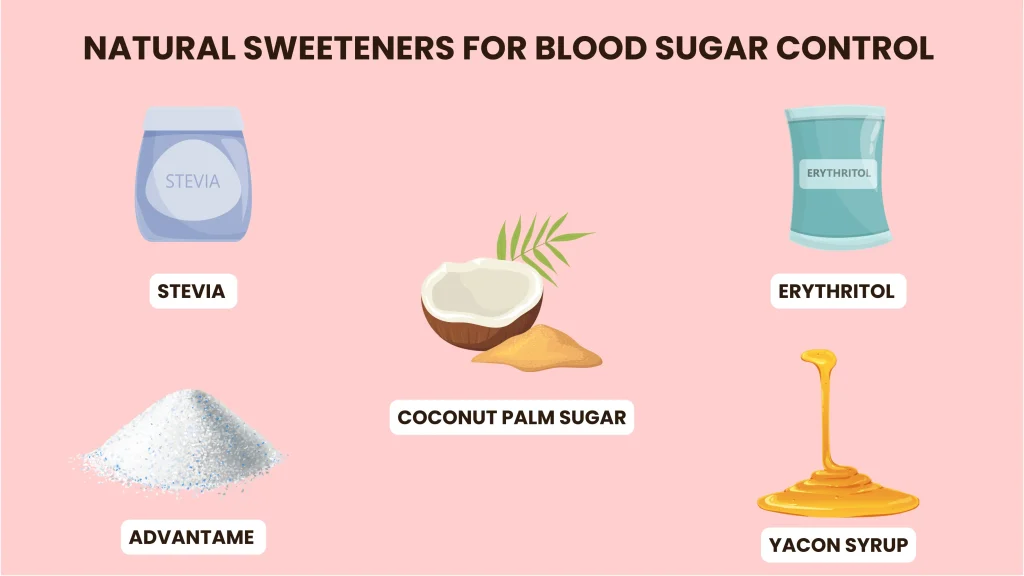
Natural sweeteners can help you control your blood sugar without leaving a bitter taste. Here is a list of them and their ideal swaps: 

  • Coconut palm sugar can be swapped for brown or white sugar.
  • Erythritol can be swapped for granulated sugar or powdered sugar.
  • Advantame can be swapped for artificial sweeteners like aspartame or sucralose.
  • Yacon syrup can be swapped for maple syrup, honey or agave syrup.
  • Stevia can be swapped for sugar in baking or cooking. 

Are Artificial Sweeteners Safe for Diabetics? 

While artificial sweeteners are safe to use when suffering from diabetes, they also have a few dangers. Their sweet taste can trigger the pancreas to release glucose, increasing insulin levels in the blood and leading to decreased receptor activity. This can contribute to insulin resistance.  

What is the Healthiest Alternative to Sugar? 

Stevia is the healthiest alternative to sugar and is popular for its low calories. South America grows these plants for their amazing benefits. 

They are:

  • Blood pressure: It helps lower high blood pressure in people with hypertension but doesn’t do much for those with normal or mildly elevated blood pressure.
  • Blood sugar: This alternative helps diabetics maintain their sugar levels.

Which is Worse: Sugar or Artificial Sweeteners?  

Sugar can lead to things like like weight gain, type 2 diabetes, heart problems and even dental issues. This makes sugar worse than artificial sweeteners. But it’s best to minimize both sugar and sweeteners or opt for natural sugar substitutes like syrup, nectars and honey. They are a healthier option! 

Sugar Alternatives for Baking 

Sugar alternatives for baking

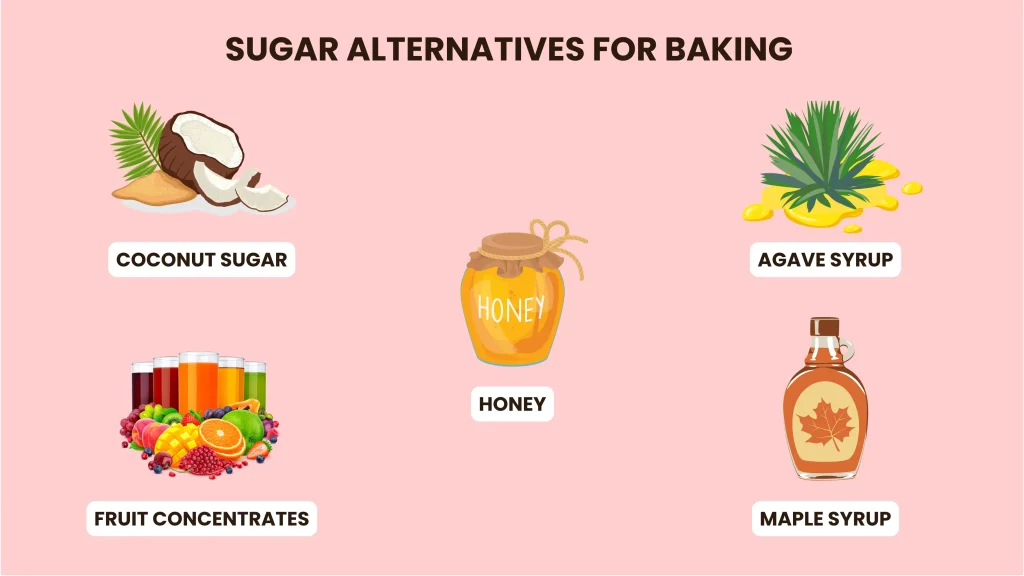
Love baking? You don’t have to stop because there are alternatives that you can use. They are:

  • Coconut sugar: The ratio for this alternative is 1:1. 
  • Honey: Replace every cup of white sugar with 3/4 cup of honey.
  • Agave syrup or agave nectar: Substitute 2/3 cup of white sugar with agave.
  • Fruit concentrates: You can add them to your desserts to enhance the natural sweetness without added sugar.
  • Maple syrup: Because it’s a liquid, use three tablespoons less than the amount of sugar.
  • Molasses: Use 1 cup of molasses for every cup of sugar.

Top 8 Dangers of Artificial Sweeteners 

dangers of artificial sweeteners

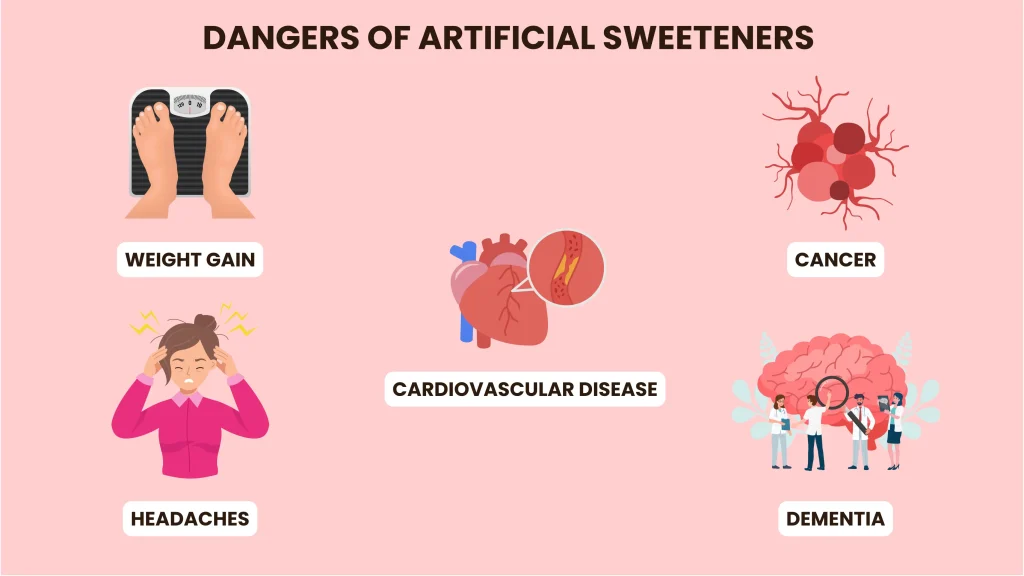
  1. Weight gain: Artificial sweeteners lower metabolism by restricting the balance of insulin and glucose levels in the body. Your brain then thinks you’re more hungry, which can lead to overeating.
  2. Cancer: Artificial sweeteners may increase your chances of getting cancer.
  3. Headaches and migraines: When suffering from migraines frequently, it’s best to avoid artificial sweeteners, especially aspartame.
  4. Cardiovascular disease: Using artificial sugars is connected to obesity, which strains your cardiovascular system. This insulin resistance syndrome includes stroke, heart attack and hypertension.
  5. Risk for pregnant women: Mothers who consume artificial sweeteners during pregnancy or while breastfeeding raise the risk of obesity and metabolic syndrome disorder in their children. 
  6. Stroke, memory loss and dementia: Beverages that contain artificial sweeteners can lead to stroke, Alzheimer’s and dementia. 
  7. Crohn’s disease and IBS: A higher intake of artificial sweeteners like sucralose has been shown to change the gut microbiome.
  8. Liver damage: According to the National Institute of Health, sweeteners increase fat in the liver, causing liver degeneration and fibrosis. 

Conclusion

Sugar substitutes are a great way to reduce sugar intake, which has helped diabetics take control of their disease and those who want to take better care of themselves. The healthiest substitute is stevia, which has been reported to help with not only blood sugar levels but also blood pressure. 

These substitutes are divided into functional, artificial, and natural. Artificial sweeteners can be dangerous and cause issues such as mental health issues, weight gain, cancer, headaches, heart problems, diabetes, etc. Studies have shown that both artificial sweeteners and sugar can cause some health issues, so it’s best to avoid them. Natural alternatives, on the other hand, have some great benefits. Ready to make that switch? Try sugar substitutes today!

Cortisol Cocktails: Shaking Up Your Stress with the Right Mix!

What if I told you that reducing your stress and improving your health is as easy as sipping a cocktail? As far-fetched as it sounds, it’s true! Chronic stress affects 75% of adults, which can lead to issues like high blood pressure, obesity and anxiety

So, what do cocktails have to do with it? The answer is in the ingredients. Cortisol cocktails are designed to help regulate cortisol levels. Now, let’s dive deeper and look at cortisol, everything about these cocktails, non-alcoholic alternatives and more!

Overview of Cortisol

adrenal cocktail benefits

Cortisol is a hormone released by your body when you are stressed. It’s made by your adrenal glands which are at the top of your kidneys. This hormone sends messages to the rest of the body. 

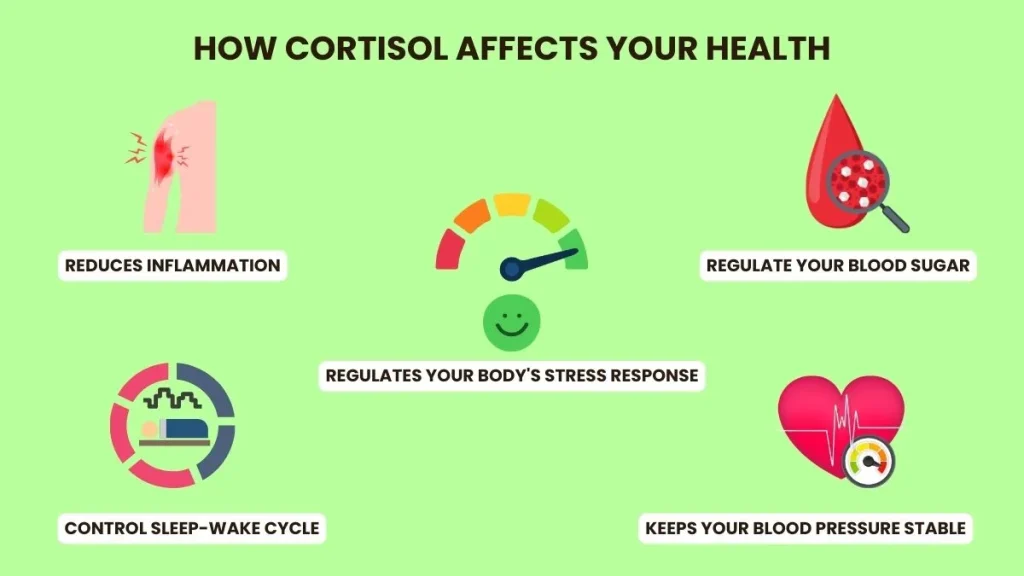
Here is how cortisol affects your health:

  • Regulate your body’s response to stress.
  • Uses fats, proteins, and carbohydrates for energy.
  • Reduces inflammation.
  • Keeps your blood pressure stable.
  • Regulate your blood sugar.
  • Control your sleep-wake cycle.

What is a Cortisol Cocktail?

A cortisol cocktail is a drink that balances hormones and makes you feel more energized. Want to know how to make it? Let’s take a look at the recipe below!

Cortisol Cocktail Recipe

Ingredients: 

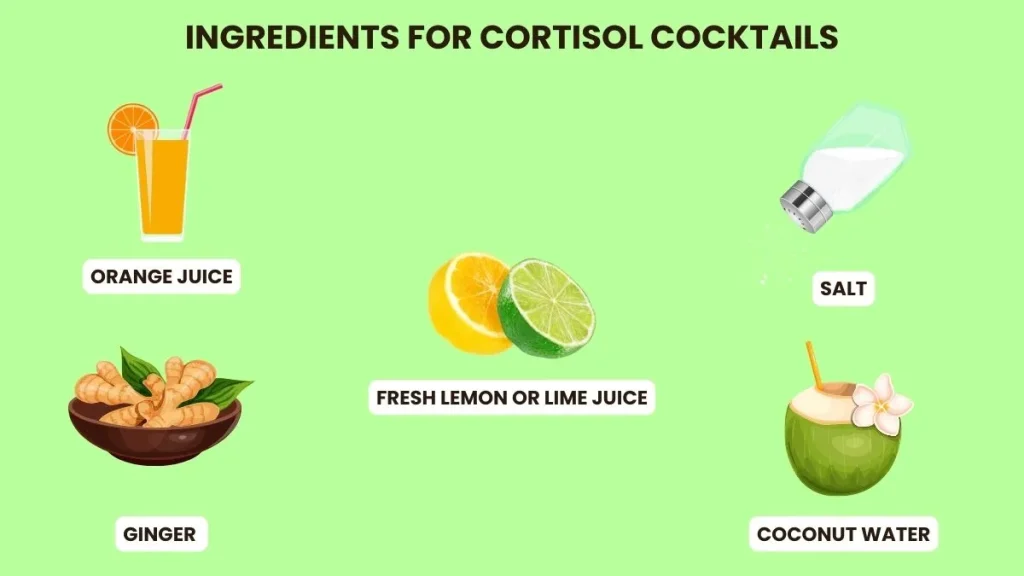
  • Orange juice
  • Fresh lemon or lime juice
  • Coconut water
  • Salt
  • Coconut milk
  • Ginger (optional)
  • Cream of tartar (optional)

Instructions:

  1. Mix the orange juice, coconut water and milk in a glass.
  2. Add a pinch of salt to the cocktail. 
  3. Cut the lemon or lime in half and add it to the juice.
  4. Stir, add ice and enjoy your cocktail!

Natural Ingredients in Cortisol Cocktails

natural cortisol cocktail ingredients

Cortisol cocktails are full of natural ingredients that boost your adrenal health and keep your cortisol levels in check. 

Here is how each ingredient helps:

  • Vitamin C: This vitamin helps reduce cortisol levels and supports the adrenal glands. Another great benefit is that it’s an immune booster that helps your system combat oxidative stress. 
  • Potassium: It helps regulate fluid balance and reduces bloating. It also supports the adrenal glands by maintaining proper hormone production and managing stress.
  • Electrolytes: They ensure your body can effectively manage metabolic processes. Good hydration is crucial to maintaining your energy levels and overall wellness. 
  • Chia Seeds: They help suppress your appetite and support digestive health by giving a feeling of fullness.

Cortisol vs. Adrenal Cocktails

These cocktails both support health, but there are some differences. Let’s take a look at it!

Cortisol Cocktails

  • Purpose: It’s designed to help regulate cortisol levels. It aims to manage stress and the effects it has on the body. 
  • Key ingredients: Juices, salt, coconut water and milk.

Adrenal Cocktails

  • Purpose: It’s intended to support adrenal health and combat adrenal fatigue. 
  • Key ingredients: Orange juice, coconut water, sea salt and sometimes ginger or cream of tarter.

Amazing Alternatives

cortisol cocktail Alternates

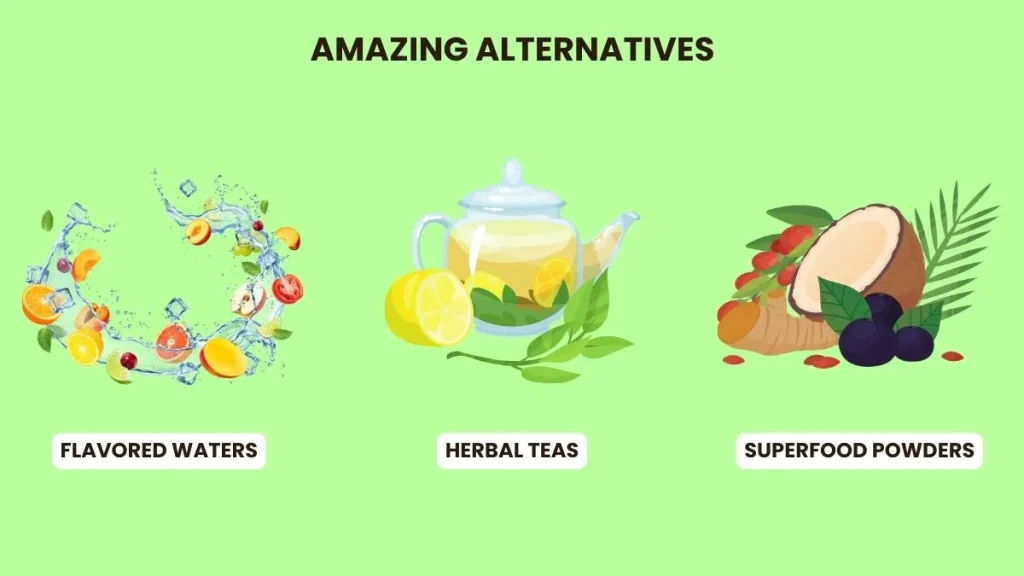
There are alternatives to this cortisol cocktail that offer some great benefits, too. Here are a few options:

  • Herbal teas: These are known for their calming properties. Chamomile and peppermint are great options for reducing stress. 
  • Flavored waters: You can pair this option with fruits, herbs or vegetables. It can enhance the taste and provide vitamins and antioxidants. 
  • Superfood powders: Powders like spirulina, matcha, or maca root offer a variety of nutrients rich in antioxidants, vitamins, and minerals. These support overall health and help manage stress. 

Misconceptions about Cortisol Cocktails

There are many misconceptions when it comes to cortisol cocktails. Let’s debunk these down below!

  1. Cortisol Cocktails Are a Cure-All for Stress

Although these drinks help manage stress, it’s not the solution. It should be paired with balanced meals, exercise and other stress management techniques. 

  1. More Ingredients Mean More Benefits

More ingredients don’t mean more benefits. Don’t overload your drink as it can lead to digestive issues and side effects like high blood pressure or an allergic reaction to ingredients like salt and certain spices. 

  1. Cortisol Cocktails Are Only for People with High Stress

You don’t have to have high-stress levels for these cocktails to benefit you. They maintain hormone levels and support overall health. 

FAQs

Does drinking lots of water help with cortisol levels?

Yes, it can help to manage your cortisol levels. 

What is a jigsaw adrenal cocktail?

This cocktail is designed to support adrenal health. It contains potassium bicarbonate, whole food vitamin C power and Redmond’s natural salt. 

Conclusion

Cortisol cocktails balance hormones to make you feel less stressed and more energized throughout the day. It’s also easy to make! You only need orange juice, lemon or lime, coconut water, salt, coconut milk, ginger or cream of tarter if you like. 

The natural ingredients in this cocktail, such as vitamin C, potassium, electrolytes, and chia seeds, have many benefits. Ready to say goodbye to stress and improve your well-being? Sip some cortisol cocktails!

Overcome Vitamin D Deficiency: Sun, Food, and A Healthier You

Did you know that Vitamin D is a fat-soluble vitamin that dissolves in fats and oils and can be stored in your body for a long time? Vitamin D is completely different from other vitamins. It’s a steroid hormone produced from cholesterol when your skin is exposed to the sun, which is why it’s often called “the sunshine vitamin.

However, the sun does not provide enough vitamin D, leading to a common issue known as vitamin D deficiency. Want to know what to do about it? Let’s start off with an in-depth explanation of vitamin D deficiency and work our way down to treatments!

What is Vitamin D Deficiency?

A vitamin D deficiency means you don’t have enough vitamin D. This vitamin is important because it supports bodily functions like bone, immune system, muscle, cell growth, moods, and heart. We’ll discuss the causes, symptoms, and treatments for vitamin D deficiency!

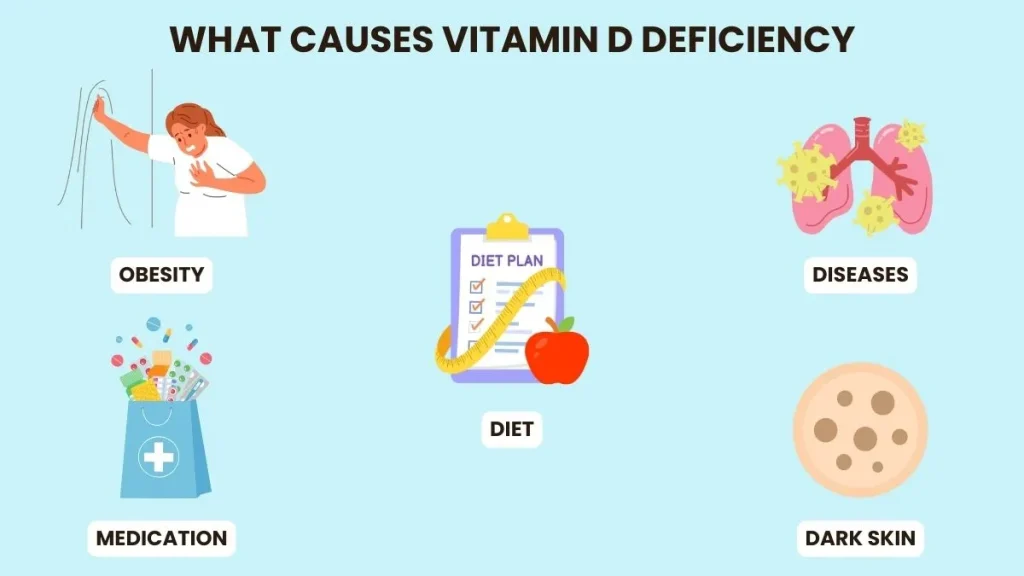
What Causes Vitamin D Deficiency

what causes vitamin d deficiency

The most common cause of a deficiency is not enough sunlight, but other factors lead to it. Here are some causes:

  • Diet: A lack of foods that are rich in vitamin D.
  • Absorption issues: Some conditions affect how you absorb it. These diseases are celiac disease, Crohn’s disease and irritable bowel syndrome (IBS).
  • Dark skin: High levels of melanin reduce the ability to produce vitamin D from the sun.
  • Age: Older people have problems with producing vitamin D.
  • Obesity: More fat can make vitamin D trapped in body fat. 
  • Diseases: Liver and kidney diseases can affect the way that vitamin D is metabolized. 
  • Medication: Anticonvulsants or glucocorticoids can lead to a deficiency because of how it metabolises. 

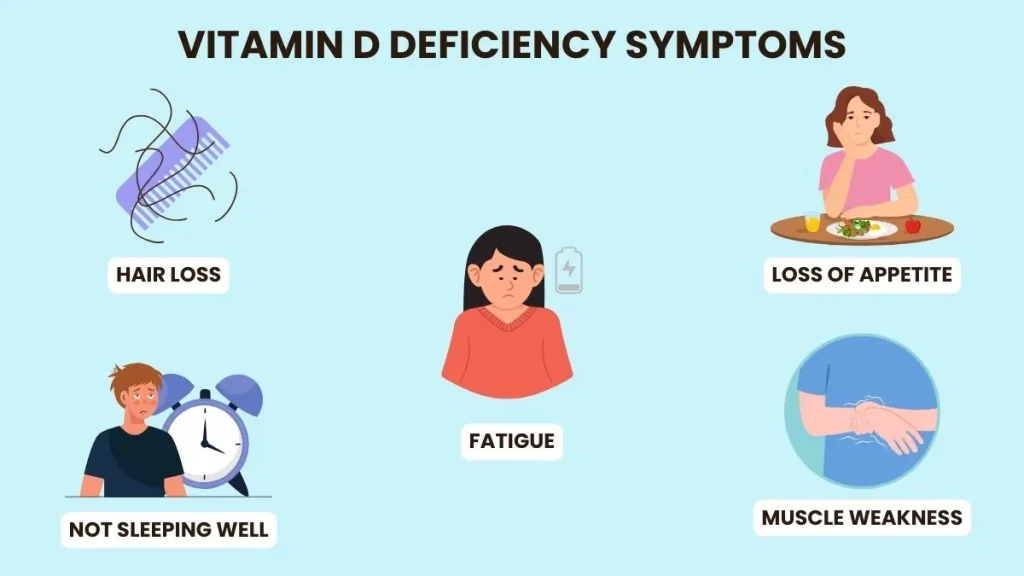
Vitamin D Deficiency Symptoms

vitamin d deficiency symptoms

Most people don’t show any signs of a deficiency in vitamin D. Here are some signs that something might be wrong:

  • Fatigue
  • Not sleeping well
  • Bone pain or achiness
  • Depression or feelings of sadness
  • Hair loss
  • Muscle weakness
  • Loss of appetite
  • Getting sick more easily
  • Pale skin

If you experience these symptoms, it might be time to see a medical professional. They may do a blood test to check your vitamin D levels to see if they are within the normal range. 

14 Signs of Vitamin D Deficiency

Most people with vitamin D deficiency are asymptomatic. However, if you’re exhausted, your bones hurt, and you have muscle weakness or mood changes, indicating that something may be abnormal with your body. Let’s take a look at the signs! They are:

  1. Aching muscles
  2. Binge eating
  3. Painful bones
  4. Fatigue 
  5. Reduced endurance
  6. Low moods
  7. Sleeping well
  8. Losing hair
  9. Slow wound healing
  10. Dizziness
  11. Heart problems
  12. Weight gain
  13. Recurring infections
  14. Reduced cognitive function

Vitamin D Deficiency Treatments

Although your body can synthesize vitamin D when exposed to the sun, this method is no longer recommended due to its erratic absorption and the risk of skin cancer. Here are some treatments:

  • Oral supplements: Oral supplements are the primary treatment option for vitamin D deficiency. You can easily buy these over the counter but should ask a doctor for dosage recommendations. 
  • Dietary changes: Changing your diet can help you with this deficiency. 

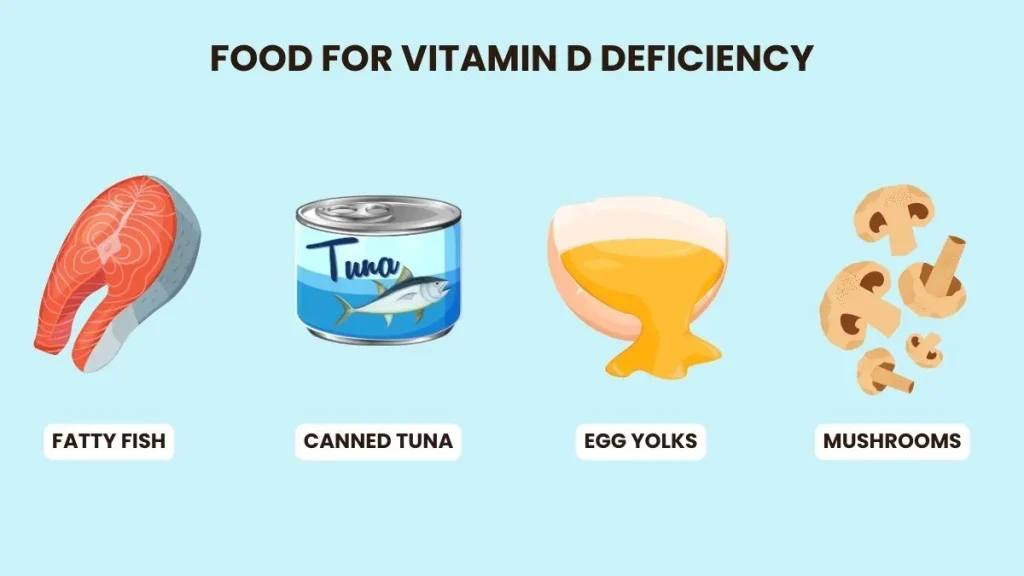
Food for Vitamin D Deficiency

food for vitamin d deficiency

Food can be a great way to up your vitamin D. Here are seven of the healthy foods that are high in vitamin D:

  1. Fatty fish: Salmon is a popular fatty fish and a great source of vitamin D.
  2. Herring and sardines: Herring is a fish eaten worldwide. It is often smoked or pickled. This small fish is also a great source of vitamin D.
  3. Cod liver oil: This is a popular supplement. If you don’t like fish, taking cod liver oil is another way to get nutrients that are hard to get otherwise.
  4. Canned tuna: Many enjoy canned tuna because of its flavour and easy storage methods. It is typically cheaper than buying fresh fish.
  5. Egg yolks: Fish are not the only source of vitamin D. Whole eggs are another excellent and wonderfully nutritious food.
  6. Mushrooms: Besides fortified foods, mushrooms are the only sufficient non-animal source of vitamin D.
  7. Vitamin D-fortified foods: Natural sources of vitamin D are limited, especially if you’re vegetarian or don’t like fish.

FAQs

Can vitamin D deficiency cause hair loss?

Yes, vitamin D deficiency can cause hair loss. It is directly related to keratinocytes, a cell type crucial to hair growth. If vitamin D levels are low, hair loss can result simply from an insufficient supply of these cells.

How does vitamin D deficiency get diagnosed?

Yes, vitamin D deficiency gets tested by the doctor. A blood test that checks vitamin D levels, which can be used for diagnosis, is only routinely ordered for some patients. Doctors typically order this test if a patient reports symptoms such as bone or muscle pain or has other health conditions that may indicate a risk for vitamin D deficiency.

What are excellent sources of Vitamin D?

The best food sources of vitamin D are oily fish, including salmon, mackerel, and sardines

Conclusion

A deficiency of essential organic components hampers your body’s normal functions and promotes particular mild to severe medical conditions. These medical conditions are called deficiency. A lack of sunlight, diet, issues with absorption, dark skin, age, obesity, kidney and liver disease, and medication can cause deficiency. There is something you can do about it! Oral medication and dietary changes can make a big difference. Ready to take care of that deficiency of yours?

Mushroom Coffee Benefits: Uncovering the Ancient Secrets!

Have you ever heard of mushroom coffee? It may sound like a new trend, but it’s, in fact, the opposite! This beverage has been enjoyed for many years. The medicinal properties of mushrooms can do wonders for our bodies. There are numerous mushroom coffee benefits that make it a great addition to your daily routine. So, let’s take a closer look at this ancient and healing drink and learn how to make it!

What Exactly is Mushroom Coffee?

Mushroom coffee is a beverage that has tons of different benefits for our health. It is made by mixing coffee with powdered mushrooms. However, not just any mushrooms but specific medicinal mushrooms that have been used for centuries. These mushrooms, popular in Asia and a staple of traditional Chinese medicine, provide numerous mushroom coffee benefits.

These special fungi can help boost immune systems, shrink tumors, improve brain function, better oxygenate our bodies and much more. It is crucial to first talk to your doctor if you have any concerns or allergies to mushrooms, as sometimes mushroom coffee may have some side effects.

The History of Mushroom Coffee

While mushroom coffee may seem like a new idea, the use of mushrooms’ medicinal properties dates back to the 5th century and is common in many cultures around the globe, providing numerous mushroom coffee benefits.

Traditional Chinese Medicine 

Reishi has been used in traditional Chinese medicine for over 2,000 years. This mushroom is respected for its ability to extend youth and life and promote calmness and mental clarity. Because of Reishi’s special benefits and rarity, it was only prepared and given to royalty, adding to the many mushroom coffee benefits.

North European and Siberian Traditions

The Indigenous peoples in Siberia and Northern Europe used chaga mushrooms to help boost their immune systems. They consumed them as tea or in foods like broths. In Siberia, chaga was considered a gift from the gods and was used to treat different illnesses, such as digestive issues and skin conditions, highlighting the mushroom coffee benefits they enjoyed.

Korean and Japanese Medicine

According to Forbes, lion’s mane has cognitive-enhancing abilities and improves nerve health. Even more amazing, it protects against conditions like Alzheimer’s! 

In Japan, Buddhist monks traditionally used it to improve focus during meditation. It has been part of the diet in Korea for its health-promoting properties and as a culinary delicacy, showcasing more mushroom coffee benefits.

Advantages and Potential Disadvantages of Mushroom Coffee

Although this beverage has many advantages, there are a handful of disadvantages that need to be considered. Let’s take a look!

Advantages

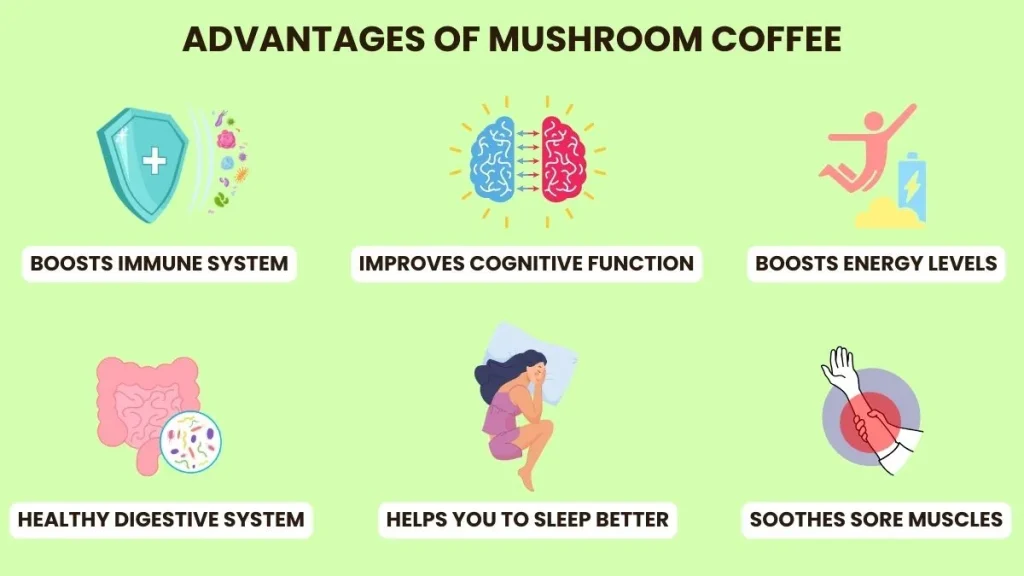
mushroom coffee advantages

  • Boosts your immune system.
  • Improves cognitive brain function.
  • Reduces stress and anxiety.
  • Boost your energy levels.
  • They add important antioxidants to your diet.
  • Promotes a healthy digestive system.
  • Helps you to sleep better.
  • Soothes sore muscles and aches. 

The numerous mushroom coffee benefits make it a great addition to your daily routine.

Disadvantages

mushroom coffee disadvantages

  • Allergic reactions – Some people might be allergic to certain types of mushrooms, so it’s best to check with your doctor beforehand.
  • Digestive problems – Make sure to start off with small quantities because adding too many mushrooms into your diet at once can cause digestive issues like bloating and gas.
  • Medications – Mushrooms can interact with certain medications, especially those for the immune system or blood sugar levels. If you are on medication, check with your doctor before trying out mushroom coffee.
  • Quality – The quality of mushroom coffee products is not always the same, which makes it very important to make sure you are buying from a well-known and ethical source. Do some research before choosing a place to buy your mushroom coffee, as low-quality products can have filler or might be contaminated. 

Mushrooms Used in Mushroom Coffee

mushroom used

There is a great variety of mushrooms in mushroom coffee. Each of these has its own benefits, contributing to the overall mushroom coffee benefits.

Here are some of the most common mushrooms:

Chaga 

Chaga mushrooms are rich in antioxidants and may have several health benefits. They look like clumps of dirt and grow on birch trees. Studies say that Chaga mushrooms may be able to help lower cholesterol levels, slow down cancer growth, support immune function, and reduce blood pressure.

Lion’s Mane

This mushroom has a white and shaggy appearance and starts to look like a lion’s mane when it grows larger. It is used in Asian countries in both cuisine and medicine. The lion’s mane mushroom has many benefits, like protecting you against dementia, helping with anxiety and depression and promoting a healthy heart and gut. 

Reishi

The Reishi mushroom loves to grow in hot and humid areas in Asia and has been used for several health advantages. Some are that they can help boost your immune system, have anti-cancer properties and improve blood sugar levels. Not only has this mushroom been shown to help improve the lives of cancer patients but may also help decrease the size of tumors in some cancers. 

Cordyceps 

The origin of this mushroom is quite unique, as it’s found in certain types of caterpillars that live in the high mountain areas of China. After being hand-collected, the caterpillars are dried with the fungi, and the powder is then used as traditional Chinese medicine. It has been used for many years to help with kidney disease, low sex drive, fatigue, and other sicknesses.  

Turkey Tail 

The Turkey Tail mushroom got its name for resembling the fanned feathers of a turkey tail. They are known for their many great health benefits, such as strengthening your immune system, supporting certain cancer treatments and maintaining a healthy gut. Turkey Tail mushrooms are full of antioxidants which help your body stay strong and healthy. 

How to Make Mushroom Coffee

Ready to try this beverage? Let’s take a look at the 3 different methods! They include instant, brewed and pods. 

  • Instant Mushroom Coffee

There are many instant mushroom coffees on the market, which makes it an easy and convenient option. You may even find that your favourite coffee brands offer them. These types of blends consist of regular, run-of-the-mill instant coffee mixed with selective medicinal mushrooms. This is a good choice for those who want the mushroom coffee benefits but are in a hurry.

  • Brewed Mushroom Coffee

You can make homemade mushroom coffee by adding a quality medicinal mushroom powder to your ground coffee. This gives a great infused flavor and can add a touch of richness to your morning or afternoon brew. This is a good way to slowly introduce medicinal mushrooms into your diet, as you can control the amount of mushroom powder in your coffee and enjoy the mushroom coffee benefits.

  • Mushroom Coffee Pods

This combines both convenience and health properties into one pod. There are a few coffee companies that offer mushroom coffee pods and many brands will work perfectly fine with your coffee pod maker. Be sure to double check that they are compatible with your machine before purchasing to fully enjoy the mushroom coffee benefits.

Conclusion

By adding mushroom coffee to your routine you soak up some amazing additional health benefits. These medicinal mushrooms are staples in many cultures, and for good reason, as they have been known to work wonders for our bodies. There are a few easy and simple ways you can add this ancient and health-boosting beverage to your everyday life. However, remember to start off slow and check with your doctor to make sure it’s safe for you! 
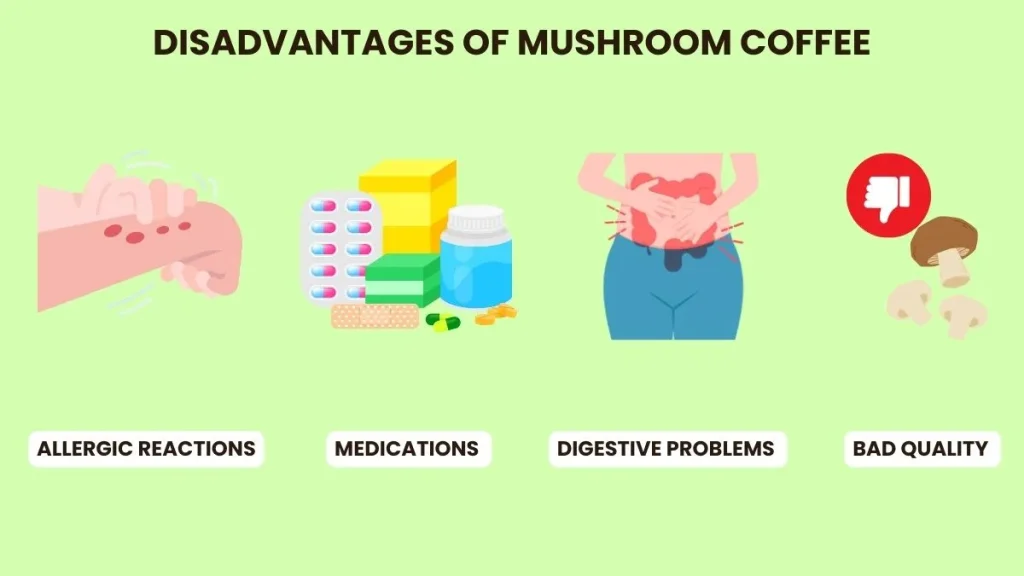
The Ultimate Guide to Intermittent Fasting Benefits, Methods and Meal Plans!

Intermittent fasting is not about what you eat but when you should eat. For some, it’s a lifestyle; for others, it’s for religious purposes. Let’s take a closer look at what it is, the benefits, types of fasting, sample meal plans, and special considerations! 

What is Intermittent Fasting

Did you know fasting can decrease body fat by over 16% over 3-12 weeks? Even more amazing is that it has been shown to reduce the rate at which cancer grows. But what exactly is intermittent fasting or time-restricted eating? It is a various meal timing schedule that cycles between voluntary fasting and non-fasting over a given period. Methods include alternate-day fasting, periodic fasting, a 5:2 diet, and time-restricted eating. Some of the benefits are below!

Benefits of Intermittent Fasting

Intermittent fasting can benefit individuals of all ages. The National Institute on Aging says time-restricted eating has had some great results over the last few years.

fasting benefits

Health Benefits

  • Weight loss: Intermittent fasting helps you lose visceral fat. Now, this type of fat is known to cause diseases. Talk about two birds with one stone!
  • Inflammation: Inflammation can cause serious health conditions, such as autoimmune disease and rheumatoid arthritis. Intermittent fasting can reduce inflammation within the body by releasing proinflammatory cells called ‘monocytes’.
  • Heart health: It protects your heart by reducing blood pressure and improving cholesterol levels.
  • Insulin: This way of eating reduces your body’s resistance to insulin, decreasing the risk of diabetes.
  • Sleep: Intermittent fasting can improve sleep quality by regulating your circadian rhythm (internal clock). 

Cognitive Benefits

  • Brain function: Studies published by the Journal of Neurochemistry say intermittent fasting increases brain production. 
  • Neuroprotection: You can slow down the progression of Alzheimer’s disease
  • Inflammation: Intermittent fasting reduces inflammation, which is linked to cognitive issues. 
  • Clarity and Focus: This way of eating can increase your productivity by helping with some mental clarity and focus.

Skin Benefits

Fasting lowers oxidative stress, which leads to clearer, tighter, and healthier-looking skin. Isn’t that just great? Intermittent fasting has been shown to reduce inflammation by lowering pro-inflammatory markers. 

The following skin conditions can be improved with intermittent fasting: 

  • Acne
  • Rosacea
  • Eczema

Different Types of Intermittent Fasting

There are many different types of time-restricted eating, and which one will work the best depends on your lifestyle, health goals, and how your body responds to fasting.

Below are 3 of the most popular intermittent fasting methods:

types of fasting

  • Whole day fasting
  • Alternate day fasting
  • Time-restricted fasting

Intermittent Fasting Meal Plans

According to PubMed Central, time-restricted eating (IF) has some side effects. They are:

fasting effects

  • Headaches
  • Insomnia
  • Nausea
  • Irritability

Note: Intermittent fasting can be dangerous for women who are pregnant and for those who have diabetes.

Sample Meal Plans

16/8 Meal Plan:

  • 5-7 am: Start your day off with a beverage of your choice. Don’t add sweeteners or cream. 
  • Breakfast (12 am): You can have a vegetable wrap with eggs or some fruits. The choice is yours!
  • Lunch (2 pm): A piece of chicken cooked or baked with vegetable stir-fried rice 
  • Snack (4 pm): A packet of mixed nuts or a tub of plain yogurt.
  • Dinner (6 pm): Whole wheat pasta, meatballs with a nice green salad.
  • Snack (8 pm): A few squares of dark chocolate or dark chocolate-covered almonds.

15/2 Meal Plan:

  • Monday: Start your fast! Make sure to drink enough water or something like herbal tea or black coffee.
  • Tuesday: Have an unsweetend almond milk smoothie at breakfast. For lunch you can have a delicious grilled chicken salad with olive dressing and for dinner, you can have baked salmon and steamed broccoli. A great snack can be an apple with a bunch of almonds, about a handful.
  • Wednesday: Have some Greek yogurt with fruits for breakfast and a quinoa bowl for lunch. Eat stir-fried tofu for dinner wih vegetables and rice. Then carrot sticks with hummus for a snack if you are feeling peckish. 
  • Thursday: Fast, just remember your fluids!
  • Friday: For breakfast you can have the popular overnight oats with chia seeds topped with bananas! Have a turkey and avocado wrap for lunch, then for dinner grilled shrimp with roasted sweet potatoes and asparagus. Walnuts and a pear can be a nice snack.
  • Saturday: Enjoy some scrambled eggs with spinach and a slice of whole grain toast for breakfast and lentil soup for lunch with a side salad. Eat chicken stir fry with some rice, bell peppers and snap peas for dinner. A great snack is a bowl of fresh berries!
  • Sunday: Have a blended acai smoothie topped with granola and kiwi. For lunch you can have stuffed fetta and spinach chicken with quinoa. Eat some baked cod with cauliflower and green bean mash.  If you want a snack, dip some sticks in peanut butter.

Intermittent Fasting Apps

There are a lot of apps for fasting nowadays; some are free, and others have paid subscriptions. These apps help you track fasting windows and make sure that you are sticking to the schedule. Here are some of the best free apps: 

  • 168 Intermittent fasting app
  • Zero
  • Bodyfast
  • Yazio Calorie counter

Special Considerations

  • Dehydration: Drink plenty of water during a fast because it can quickly lead to dehydration. 
  • Deficiencies: You must eat a balanced diet during your eating windows to avoid nutrient deficiencies. It can reduce energy levels and affect your overall health. 
  • Blood sugar: Intermittent fasting can help lower blood sugar! Just be careful because it can also be dangerous as it can cause hypoglycemia. Making you feel dizzy, confused, have shakes and make you loose consciousness. 

Impact on Hormones

  • Menopause: Intermittent fasting can work wonders for menopausal women. It can improve their insulin sensitivity, help with weight management and even relieve some menopause symptoms. 
  • Testosterone levels: Fasting can help men regulate their hormones. Yes, that’s actually a thing!

Conclusion

Intermittent fasting has great benefits for skin and health. Some believe it has cognitive benefits, and it is recommended for all ages, even those over 50! Isn’t that great?

Choosing a meal plan can be tricky, but there are many to choose from, like the 16/8 meal plan and the 15/2. Intermittent fasting apps can help you keep track and make sure you follow your plans. The good news is that there are free apps; you don’t have to pay for a subscription. Just make sure that you drink enough water, eat a balanced diet and that you monitor your blood levels. Ready to transform your health with time-restricted eating?

How to Increase Bone Density: Effective Tips, Exercises, and Nutritional Advice

Our bones are crucial parts of our bodies, which means that looking after them should be a priority. But how do we do this exactly? We can ensure strong and healthy bones by loading up on bone density-promoting foods, vitamins, and minerals.

Are you ready to learn what to eat and do to keep your bones in the best possible shape? We have 10 great tips to help you increase bone density!

Effective Tips to Increase Bone Density

how to improve bone density

1. Eat Plenty of Vegetables and Fruit

Vegetables and fruits are packed with vitamins and minerals, which increase bone density. Eating these greens reduces the risk of bone issues (Osteoporosis). Check out below list of vegetables and fruits to include in your diet to increase bone density.

— Vegetables:

  • Kale
  • Collard greens
  • Spinach
  • Mustard greens
  • Turnip greens
  • Brussel sprouts

— Fruits:

  • Bananas
  • Jackfruit
  • Plantain
  • Figs
  • Kiwi
  • Raisins
  • Guava
  • Passion Fruits
  • Raspberry

foods to increase bone density

Here is a fun fact: Onions and garlic are excellent items to add to your shopping list if you are over the age of 50!

2. Weight-bearing and Strength Training Exercises

There are plenty of ways to make your bones stronger and more durable. A great way to do this is high-impact weight-bearing exercises. It helps form new bones and minerals and reduces bone turnover. These exercises, especially when started at a young age, can help reduce the amount of bone loss in adulthood; they can even promote strong and healthy bones in old age. These exercises have also been shown to combat inflammation around the areas of bones, which can prevent possible damage or weakening.

Let’s take a look at some weight-bearing and strength-training exercises:

  • Running
  • Jumping rope
  • Weightlifting

3. Add More Calcium Foods

Calcium is essential for the health and development of bones. It prevents bone breakdown, helps with regeneration, and ensures proper function. Get in your calcium! Experts recommend 1000 mg of calcium through foods instead of supplements, but postmenopausal women and older adults need more than that.

Although your body will benefit from an extra source of calcium, it breaks down and processes minerals and vitamins much more efficiently from whole foods. Eat these foods to up your calcium intake:

  • Dairy products
  • Leafy greens
  • Almonds
  • Tofu

4. Get a Sufficient Amount of Protein in

About 50% of our bones are made up of protein, which means that it is very important that we get enough. Not having a good source of protein in your diet can lead to calcium not being properly absorbed, which means more brittle and lower bone density.

Too much protein is also not good for your bone health, so don’t just up your intake. People who have a balanced diet and eat the right amount of protein-rich foods are less likely to break, fracture, or damage their bones.

It is shown that getting in about 80 to 100 grams of protein properly balanced with other food groups can help manage or increase bone density and remove the risk of counterproductive calcium absorption.

— Protein-rich foods to increase bone density:

  • Lean meats
  • Dairy
  • Legumes
  • Nuts

5. Steer Clear of Diets Too Low in Calories

Losing weight can be an important goal for many people, so they often opt for diets that are low in calories. However, eating fewer calories than the body needs can harm the health of bones.

Low-calorie diets can slow down the metabolism, which results in muscle loss and bone damage. Despite your weight, eating a diet that is too low in calories can result in lower bone density, especially in the hips and upper thighs. People need roughly 2000-2500 calories a day to stay healthy and get enough calories throughout the day. According to NHS, your age, weight, height, and how much you exercise matter.

6. The Powers of Vitamin K and Vitamin D – Vitamins for Strong Bones and Joints

We have spoken about how crucial vitamins and minerals are. They are the building blocks and determining factors for bone density and overall health. Vitamin D deficiency is extremely common and affects about a billion people worldwide.

Children and adults who don’t consume enough vitamin D and K will have lower bone density. Here is how you can get more of these vitamins.

— Vitamin K

  • Supplements
  • Eggs
  • Meat
  • Sauerkraut
  • Natto
  • Liver

— Vitamin D

  • Liver
  • Cheese
  • Fatty fish
  • Sun exposure

Fun fact: These vitamins help with menopause, too!

7. Try to Maintain a Healthy Weight 

Low body weight can contribute to low bone density and develop conditions like osteoporosis and osteopenia. Obesity also affects bone density and can lead to fractures. This is because of stress, lack of sufficient organ function, and vitamin and mineral absorption.

Weight fluctuations also gravely affect bone density and health, so maintaining a healthy weight is important. Tips to maintain a healthy weight:

weight bearing exercise

  • Control what you eat
  • Be active
  • Opt for healthy foods
  • Drink enough water

8. Invest in a Collagen Supplement

According to Medical News Today, a 2018 study shows that collagen supplements increase bone density. Collagen contains important amino acids, such as proline and glycine, which are vital for building strong bones, ligaments, and other tissues, such as muscle. Collagen has been used to help soothe arthritis and other joint-related problems for many years, and this discovery has revealed how it can help boost bone health.

9. Don’t Skip Omega-3 Fatty Foods 

Omega-3 is found in fatty fish and other foods such as nuts, beans, and seeds. An omega-6 to omega-3 ratio of 4:1 or lower has shown some good results for bone density. However, more research is needed to determine the exact ratio. A study has shown that those who consume omega-3 and omega-6 through plant-based foods have higher bone density and health.

10. The Importance of Zinc and Magnesium

Magnesium is the mineral responsible for helping turn vitamin D into the form that assists in absorbing calcium. When it comes to zinc, we only need a small amount of this mineral, and there are usually trace amounts found in foods.

People who consume a good amount of zinc and magnesium have a bone density about 2 to 3% higher than those who don’t. Zinc helps to stop the excessive breakdown process of bones and promotes healthy and functioning bone-building cells. Foods that are rich in zinc and magnesium:

  • Fish
  • Almonds
  • Bananas
  • Avocados
  • Spinach
  • Black beans
  • Yogurt

Conclusion

There are a lot of things that affect your bone density, like what you eat, whether you exercise, intake of calcium, protein, vitamins, collagen, and omega-3 fatty acids along with staying a healthy weight.

The good news is that you can increase your bone density! This can be done in different ways. You can up your intake of vegetables and fruits or avoid a low-calorie diet for instance.

Are you ready to change your bone density?

Follow our 10 tips now!

Embracing A Plant Based Diet: Foods, Ideas, and Health Benefits

A plant based diet can be great for your health. But getting started may be a little tricky, especially without knowing what foods to add and remove from your grocery list. But don’t worry; we will look at the many benefits of this diet choice, what foods to eat and avoid, and some easy, delicious, and health-filled recipes and snack ideas. Ready?

What Does a Plant Based Diet Mean?

plant based foods

A plant based diet is quite self-explanatory. It focuses primarily on eating whole foods and minimizing foods like meats and processed foods. People can choose whether to cut out these foods completely or eat them in moderation. This diet increases your energy levels and offers many benefits. Studies have shown that eating primarily whole foods and lessening takeouts and other unhealthy foods can encourage healthy weight loss and management. 

The heart of this diet is natural foods that have not been altered or have minimal processing, like vegetables, fruits, and legumes. These foods have many nutrients that help our bodies stay strong and in good functioning shape. Cutting out foods from your diet can be hard, even though it is necessary. Some feel it’s better and easier to stick to their plant-based diet if they can still enjoy their favorite treats and meals but in moderation, with most of their substance coming from whole foods. 

Are There Benefits of Plant Based Diets?

all plant diet benefits

Yes, there are a ton of benefits to switching to a plant based diet. Swapping out an unbalanced diet and bad eating habits for one that mainly consists of healthy foods and alternatives can help us maintain overall health. 

Here is a better look at the different advantages:

  • Lowers the risk of dementia
  • Helps with managing weight
  • Lowers cholesterol
  • Stabilizes blood sugar levels
  • Lowers blood pressure
  • Reduces your carbon footprint
  • Helps with inflammation in the body
  • Improves gut health 
  • Improves functioning of kidneys
  • Gives the body more nutrients 
  • Boosts immune system
  • Increased energy 
  • Healthier hair, skin and nails
  • Better cell regeneration and function

Medical Conditions That Benefit from Plant Based Diets

benefits of plant based diet

Diabetes

Diets that include healthy and whole foods are ideal for people who are diabetic or want to reduce their chances of getting this condition. Eating these foods can improve blood sugar, blood pressure, and cholesterol levels, which are linked to diabetes. 

A plant-based diet also helps with weight management. According to the American Society for Metabolic and Bariatric Surgery, 90% of individuals who have diabetes are overweight. 

Unhealthy foods can cause build-up and coat your veins and arteries, which, after some time, can result in insulin problems. 

Cancer

A plant based diet can drastically reduce the risks of a few types of cancers. Many studies have said that eating a poor diet with few healthy foods can make it more likely to develop pancreatic, prostate, colon, and other forms of digestive cancer. Loading up on vegetables, fruits, and other nutritious foods can help the body fight off cancerous cells.

Heart Disease

A well-known benefit of this diet is that it helps keep our hearts healthy. Eating foods like fruits, vegetables, nuts, and legumes can tremendously reduce the risk of heart disease. When our diets are mainly filled with fatty, processed, and unhealthy meals, our blood sugar, cholesterol, blood pressure, and hormones can spike. This can mean that you are at risk of heart disease. 

Cognitive Struggles 

Cognitive struggles can come with age or conditions such as dementia and Alzheimer’s disease. However, changing to a plant based diet can slow down or prevent these conditions. Fruits and vegetables have antioxidants and important compounds that help minimize the likelihood of developing these conditions. Those with cognitive struggles can ease and steady the progression by eating less processed foods and swapping them out for whole foods. 

A Plant-Based and Whole Foods Shopping List

Shopping for your new plant-based diet can be somewhat difficult without a proper guide. Here is what you need to know and should buy!

Fresh Vegetables

  • All kinds of leafy greens
  • Tomatoes
  • Cruciferous vegetables
  • Mushrooms
  • Potatoes
  • Asparagus
  • Celery
  • Avocado
  • Eggplants
  • Squashes
  • Green beans
  • Peas
  • Root vegetables

Fresh Fruits

  • Bananas
  • Apples
  • Plums
  • Oranges
  • Apricots
  • Lemons and limes
  • Peaches
  • Blueberries and other berries
  • Mango
  • Cherries
  • Grapes
  • Melons

Frozen Vegetables and Fruits

  • Berries
  • Mango
  • Pineapple
  • Mixed Vegetables
  • Stir-fry vegetables
  • Green beans 
  • Peas
  • Sweet potato

Legumes and Beans

  • Chickpeas
  • Kidney beans
  • Pinto beans
  • Black beans
  • Lentils
  • Navy beans
  • Cannellini beans

Nuts, Seeds, and Butters

  • Walnuts
  • Cashews
  • Pecans
  • Almonds
  • Sunflowers seeds
  • Pumpkin seeds
  • Peanuts
  • Tahini
  • Flax seeds
  • Chia seeds
  • Almond butter 
  • Peanut butter
  • Cashew butter
  • Hemp seeds

Meat Alternatives

  • Texturized vegetable protein (TVP)
  • Tofu
  • Tempeh
  • Soy curls

Grains and Pasta

  • Whole grain pasta 
  • Oats
  • Millet
  • Quinoa
  • Brown rice
  • Sprouted and whole-grain bread
  • Whole grain or corn tortillas
  • Barley

Baking and Thickening

  • Chickpea flour
  • Almond flour
  • Whole wheat flour 
  • Oat flour
  • Cornstarch
  • Baking soda
  • Arrowroot flour
  • Baking powder (low-sodium preferably)

Non-Dairy Choices

  • Coconut milk
  • Almond milk
  • Soy milk
  • Hemp milk
  • Rice milk

Sauces, Seasoning, and Condiments

  • Chili powder
  • Parsley
  • Oregano
  • Cinnamon
  • Ginger
  • Cumin
  • Basil
  • Paprika
  • Allspice
  • Cayenne
  • Cloves
  • Nutmeg
  • Organic ketchup
  • Salsa
  • Mustard
  • Soy sauce
  • Tamari
  • Sriracha
  • BBQ sauce
  • White and red wine vinegar

Pantry Must-Haves

  • Whole grain cereals
  • Nutritional yeast
  • Vanilla extract
  • Organic jam
  • Cocoa powder
  • Vital wheat gluten
  • Canned coconut milk

Sweeteners

  • Honey
  • Pure maple syrup
  • Molasses
  • Organic cane sugar
  • Agave
  • Dark brown sugar
  • Maple sugar 
  • Date sugar

What Foods Should be Avoided or Moderated 

Here is a lesson for you! Just because a product says it is plant-based does not mean it is healthier. Sometimes these products can actually be worse so watch out for things like vegan burgers, vegan hotdogs, cheeses and acclaimed plant-based snacks like cookies. Make sure to read the ingredients and make sure that the food you add to your plant based diet is as close to their natural and true form as possible.
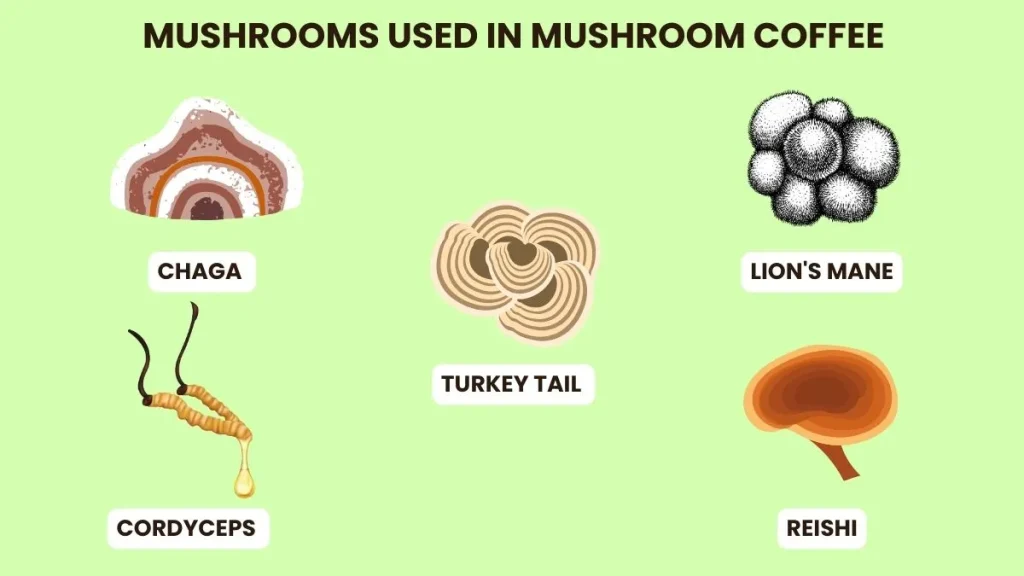
Here is a list of foods that are best to limit:

  • Pork
  • Eggs
  • Seafood
  • Beef
  • Poultry
  • Mutton
  • Dairy
  • Game meat

Here are the best foods to avoid:

  • Fast foods
  • Added sugar
  • Convenience and prepackaged snacks
  • Artificial sweeteners
  • Processed animal products
  • Refined grains
  • Processed vegan-friendly foods

Tasty Food Ideas for Plant-Based Eating

Eating a plant based diet is anything but dull or complicated. Take a look at our tasty food ideas for breakfast, lunch, and dinner!

Breakfast

  • Blueberry vegan pancakes
  • Tofu scrambled eggs
  • Vegan carrot cake pancakes
  • Avocado with whole-grain toast
  • Scrambled eggs and mixed vegetables
  • Fruit and vegetable smoothies

Lunch 

  • Tofu salad
  • Whole wheat vegetable sandwich
  • Mini vegetables and hummus platter
  • Salad wrap
  • Whole wheat or corn tortilla chips, salsa, and guacamole 

Dinner

  • Vegetable stir fry with whole grain noodles
  • Hearty tomato soup 
  • Meatless nachos
  • Roast vegetables and couscous
  • Vegetable or tofu curry with brown rice

Conclusion

Eating a plant based diet can help minimize many potential health risks, such as cancer, diabetes, heart disease, and cognitive struggles like Alzheimer’s. Whole foods are exactly what our bodies need to function properly and be healthy. Cutting out processed and unhealthy foods makes you more energized and healthier. 

There are plenty of delicious and nutritious recipes and ideas! Who says healthy is boring? For breakfast, you can have a vegan blueberry pancake. For lunch, a yummy salad wrap and meatless nachos for dinner. Mouthwatering and healthy! 

Benefits of Fiber: Boost Your Intake with These High-Fiber Foods & Drinks

Ever wondered why you still have no energy after your meals? It could be a lack of fiber. Many people feel sluggish, and unsatisfied, and have problems like constipation. However, adding more fiber can transform your gut, heart, and overall health! Now, let’s explore the benefits of fiber, higher-fiber drinks, and foods.

benefits of fiber

Health Benefits of Fiber

  • Promotes a Healthy Gut 

Fiber and gut health go hand in hand. If you’re dealing with stomach issues, it’s time to look at how much fiber you eat. Fiber is what helps us pass gas and waste properly without complications. For someone who steers away from fibrous foods they likely have to put up with unpleasant problems like constipation, stomach aches, and bloating. Scientists have narrowed down that a good amount of fiber for women is around 25 grams, and for a grown man, it is 38 grams, but not many people take this seriously, hence the rising numbers of people suffering from digestive problems and missing out on the benefits of fiber.

  • Fiber Helps Maintain a Healthy Weight

Ever find yourself overeating? This is because your meals aren’t keeping you full. We often eat snacks and easy meals without looking at our fiber intake. These foods have empty calories and don’t have much nutrition to offer. Eating a meal lacking fiber and other vitamins can still leave you hungry. Fiber helps us stay full and feel satisfied, even if it’s a snack, showcasing the benefits of fiber.

  • Great for Heart Health

Fiber is also great for your heart! A balanced diet and proper fiber consumption help lower cholesterol. Fiber has also been shown to help lessen the possibility of type 2 diabetes and strokes, which both lead to potentially serious heart diseases. 

Now that we understand the benefits of fiber, let’s look at some high-fiber drinks!

high fiber foods

High Fiber Drinks to Incorporate into Your Diet

3 High Fiber Smoothie Recipes – High Fiber Drinks

Berry Breakfast Smoothie

Ingredients:

  • 2 tbsp chopped walnuts
  • 1 large banana
  • ¾ cup of water 
  • ¼ of an avocado 
  • ½ cup of plain Greek yogurt (low-fat)
  • 1 cup frozen berries (mixed)

Method:

  1. Throw all the ingredients into the blender.
  2. Blend on high until smooth, and there are no clumps.
  3. Add more water if it’s too thick.

Banana and Chocolate Protein Smoothie

Ingredients:

  • 1 large frozen banana 
  • ½ cup of nonfat milk
  • 1 tsp pure maple syrup
  • ½ of cooked red lentils
  • 2 tsp of unsweetened cocoa powder.

Method:

  1. Add ingredients to your blender.
  2. Blend until smooth and everything is mixed together.
  3. Add water until it is the thickness you prefer. 

Beetroot Smoothie for Inflammation

Ingredients: 

  • ½ inch ginger (peeled and grated)
  • 1 cup of orange juice
  • 1 cup frozen strawberries
  • 1 cup frozen blueberries
  • 8.8 ounces of cooked and refrigerated beetroot
  • 1 medium banana
  • 1 medium peeled and sliced carrot

Method:

  1. Add ingredients to the blender.
  2. Blend on high until smooth. (roughly 30 seconds)
  3. Pour into two glasses and serve immediately. 

Fiber Supplements

While fruits and vegetables should be your main source of nutrients, fiber supplements are great additions and can be taken daily. But before your body gets used to them, watch out for things like excess gas and slight bloating. 

Fiber-Rich Herbal Teas – High Fiber Drinks

These teas provide nutrients and hydrate you at the same time! Liquid is essential for proper digestion, and when combined with fiber-rich ingredients, it is a great remedy for additional fiber and other benefits of fiber.

high fiber drinks

Below are 5 teas known to be fiber-rich and have gut-healing properties:

  • Fennel Tea
  • Dandelion Root Tea
  • Elderberry Tea
  • Ginger Tea
  • Rooibos Tea

Nuts That are High in Fiber – Benefits of Fiber!

Nuts are nature’s versatile little powerhouses. They are filled with antioxidants, vitamins, and many more benefits for overall good health. 

Here here’s 3 of our top picks to add to your diet:

  • Almonds: Almonds are very popular because of their well-known health perks, like being high in vitamin E. They also have lots of fiber as for only one ounce, they have 4 grams of fiber, making almonds a smart choice for the benefits of fiber.
  • Pistachios: One ounce of these nuts contains 2.9 grams of fiber and tons of vitamin B6, making them a good snack for people who have weight or blood sugar issues, providing the benefits of fiber.
  • Walnuts: Walnuts have many magical abilities, like helping clean our blood and detoxing livers, and of course, they have a big role to play in gut health. Walnuts may have less fiber than the other listed nuts, with one ounce equalling 1.7 grams, but with their other properties, they are still a number one choice for fiber-rich and gut-healing foods, offering the benefits of fiber.

The Best High-Fiber Foods for Constipation

Bananas 

  • 1 medium banana = 3 grams of fiber. 

Pears with skin 

  • 1 medium pear = 5.5 grams of fiber. 

Raspberries 

  • 1 cup raspberries = 8 grams of fiber. 

Apples with skin

  • 1 medium apple = 4.5 grams of fiber.

Oranges 

  • 1 medium orange has 3 grams of fiber.

Strawberries

  • 1 cup strawberries = 3 grams of fiber.

Green peas 

  • 1 cup of green peas has 9 grams of fiber.

Lentils 

  • 1 cup lentils = 15.5 grams of fiber. 

Black beans 

  • 1 cup black beans = 15 grams of fiber.

Chia seeds

  • 1 ounce chia seeds = 10 grams of fiber.

Sunflower seeds 

  • ¼ cup sunflower seeds = 3 grams of fiber.

Navy beans

  • 1 cup navy beans = 3 grams of fiber.

Split peas 

  • 1 cup split peas = 16 grams of fiber. 

Quinoa 

  • 1 cup quinoa = 5 grams of fiber.

Oatmeal 

  • 1 cup oatmeal = 4 grams of fiber. 

Brown rice 

  • 1 cup brown rice = 3.5 grams of fiber. 

Bran flakes cereal

  • ¾ cup bran flakes = 5.5 grams of fiber.

Barley 

  • 1 cup barley = 6 grams of fiber.

Popcorn

  • 3 cups popcorn = 3.5 grams of fiber.

High Fiber Breakfast Foods Ideas 

Start your day off with one of these high-fiber breakfasts:

  • Avocado and hemp toast
  • Oatmeal and toppings
  • Chia pudding
  • Sweet potato and scrambled egg toast
  • Vegetable omelet with avocado
  • Quinoa eggs and vegetable bowl
  • Fruit smoothie bowl
  • Protein and flaxseed smoothie

Conclusion

There are many ways for you to add fiber to your diet. Fiber-rich teas and smoothies are easy to make and have the most nutrients. Why not start there? Remember that gut health can affect the whole body and have awful repercussions. This is why upping your fiber intake is so important. You can say goodbye to stomach problems, weight fluctuation, and low energy with our tips on boosting fiber intake and reaping the benefits of fiber!

Impact of Ultra-Processed Foods : Unveiling Their Destructive Impact

50% of all food consumed by the average American is ultra-processed. We find it an easy option to grab a “snack-on-the-go” but our bodies pay the price, and so does our mental health!

Ultra-processed foods can be linked to serious health conditions like heart disease, strokes, obesity, and diabetes. And who wants that? Let’s examine what these foods are made of, their cons, global effects, and amazing health tips you can opt for instead.

unhealthy processed foods

Ultra-processed Food Definition

Ultra-processed foods are industrially formulated foods derived from natural ingredients, but due to processing, they contain substances that are extremely addictive, such as preservatives, coloring, and flavorings.

What Are Ultra-Processed Foods?

The 4 NOVA classifications of foods:

[NOVA classifies foods into 4 groups: Unprocessed or lightly processed, processed natural ingredients, processed foods, and ultra processed foods.]

1. Whole Foods or Minimally Processed Foods

These foods are only slightly altered, meaning they still provide your body with needed nutrients. They include grains, milk, vegetables, fruits, chicken, seeds, nuts, and starchy foods!

2. Processed Culinary Ingredients

  • Vegetable oils
  • Butter
  • Cooking fats
  • Salt
  • Sugar 

3. Processed Meals

  • Preserved fruits and vegetables 
  • Canned meats 
  • Canned sauces and soups
  • Candied fruits
  • Pastas
  • Purees
  • Cheese
  • Bread

4. Ultra-Processed Foods and Drinks

  • Cookies and biscuits
  • Baby formula
  • Ice cream
  • Soda
  • Hamburgers
  • Sausages
  • Chicken nuggets
  • Potato chips
  • Heat and eat meals
  • Prepackaged meals
  • Protein shakes

Ultra-Processed Foods Found in Modern Day Diets

Ultra processed foods have become a worldly concern as they are designed to be an all-round favorite. They are a mix between sugar, fat, and salt. This clever combination makes it very hard to stop after just one bite.

Although part of the modern day diet, convenience does come at a cost and in this case, it is health disorders which include obesity, diabetes, heart disease, and digestive issues. 

What Goes Into Ultra-Processed Foods?

  • Flavor enhancers
  • Flavoring
  • Emulsifying salts
  • Sweeteners
  • Added sugars
  • Trans fats
  • Anti-foaming agents
  • Gelling and glazing agents
  • Anti-bulking agents
  • Emulsifiers 
  • High-fructose corn syrup 
  • Gluten
  • Modified oils
  • Lactose

Ultra-Processed Foods Health Risks

Ultra processed foods lack nutritional value. They provide little to no benefit to your body, make you full for short periods of time, and pump your body full of unwanted/unneeded toxins.

health effects of processed foods

Health Issues You May Face Due to Eating Ultra-processed Foods:

Digestive Problems 

Ultra processed foods lack both nutrients and fiber.

These foods don’t have much to break down which can make your digestive system sluggish. You may struggle with issues like constipation, boating, acid reflux, etc. 

Heart Disease 

Our hearts can’t function properly without a good supply of nutrients and healthy fats! When we spend our time eating ultra processed foods and unhealthy fats, we clog our arteries, which can lead to heart attacks.

Diabetes 

The sugars and sweeteners in ultra processed foods raise sugar levels. While sweeteners don’t spike our sugar levels as much as sugar, they can trigger an insulin response. After a long period, your body can become insulin resistant which results in sugar problems and later diabetes.

Mental Health Disorders 

The harmful ingredients in these foods can cause an imbalance in essential brain chemicals that help regulate us and keep our brain and body healthy and functioning. 

What Scientific Studies and Statistics Show

Many studies have determined the effects of ultra processed foods, and a shocking discovery found that they are linked to 32 different health issues. 

Below are statistics on how eating ultra-processed foods can raise health issues:

  • Obesity – 55%
  • Sleep Disorders – 41%
  • Type 2 Diabetes – 40%
  • Depression – 20%

The professor who developed the NOVA system and created the term “ultra-processed foods,” Monteiro, has explained that ultra-processed foods are not just modified but can be seen as chemically manipulated cheap ingredients being made into formulations. He went on to say that humans have not been able to adapt to properly consuming and digesting these unhealthy foods, which is why he created the four categories to help professionals and individuals alike see these foods differently.

Calorie intake from ultra-processed foods in the U.S: 

  • Adults – 57% of daily calories 
  • Youth – 67% of daily calories

Clearing Up Ultra Processed Food Myths

1. Ultra-Processed Foods Cause the Most Deaths Worldwide

This is not true; ultra-processed foods may be a rising health concern, but they are not responsible for causing the most deaths worldwide. This doesn’t mean that health issues linked to ultra-processed foods have not caused deaths. With serious illnesses like heart disease and cancer, there may not be precise numbers, but studies have shown significant rises in ultra-processed food-related deaths. 

2. Ultra-Processed Foods are Quick Healthy Choices

Just because advertisements suggest that these foods are the easy options, it doesn’t mean they are the healthy option.

3. Ultra-Processed Foods are Needed for Modern Lifestyles

Since when is easy the best option? Our bodies are not meant to process ultra-processed foods. 

The body suffers when you opt for a quick and easy snack. To combat the urge for ultra-processed foods, add a healthy side to each plate of processed food.

Tips to Reduce Unhealthy Ultra Processed Foods Consumption

processed foods to avoid

  • Meal prep is a handy way to ensure that easy, on-hand meals are available when needed. It helps individuals stick to a healthy diet and eliminate processed foods.
  • If you are craving something, try making it yourself. Your body will thank you!
  • Try to make cravings at home instead. Pizza and hamburgers can be delicious and healthy when you choose whole grain, wholefood ingredients!
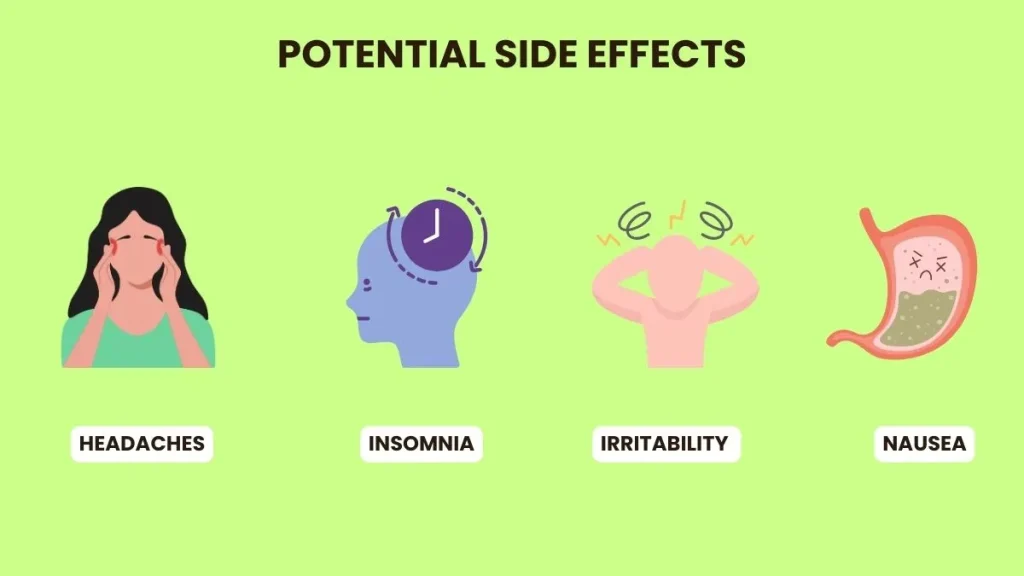
  • Packing a lunch can be helpful as it’s very common for individuals to rush and have the idea of buying lunch. A healthy and balanced lunch can significantly affect energy and health. 
  • Be aware of food labels. This is the easiest way to know what’s going into your body. Watch out for high sodium, added sugars, trans fat, and other previously mentioned ingredients.

The Future of Food Processing

The future is looking promising! The food industry is actively working on becoming more sustainable, healthier and eco-friendly. There are many technologies to help with this. Let’s take a look at them. 

Here is what they will include: 

Conclusion

Ultra-processed foods are full of preservatives and additives, such as corn syrup, sweeteners, trans fat, modified oils, sodium, and many more. Let’s be real, these foods are not worth the health risks. Start making better choices today, your physical and mental well-being depend on it!