
Our bones are crucial parts of our bodies, which means that looking after them should be a priority. But how do we do this exactly? We can ensure strong and healthy bones by loading up on bone density-promoting foods, vitamins, and minerals.
Are you ready to learn what to eat and do to keep your bones in the best possible shape? We have 10 great tips to help you increase bone density!
Effective Tips to Increase Bone Density
1. Eat Plenty of Vegetables and Fruit
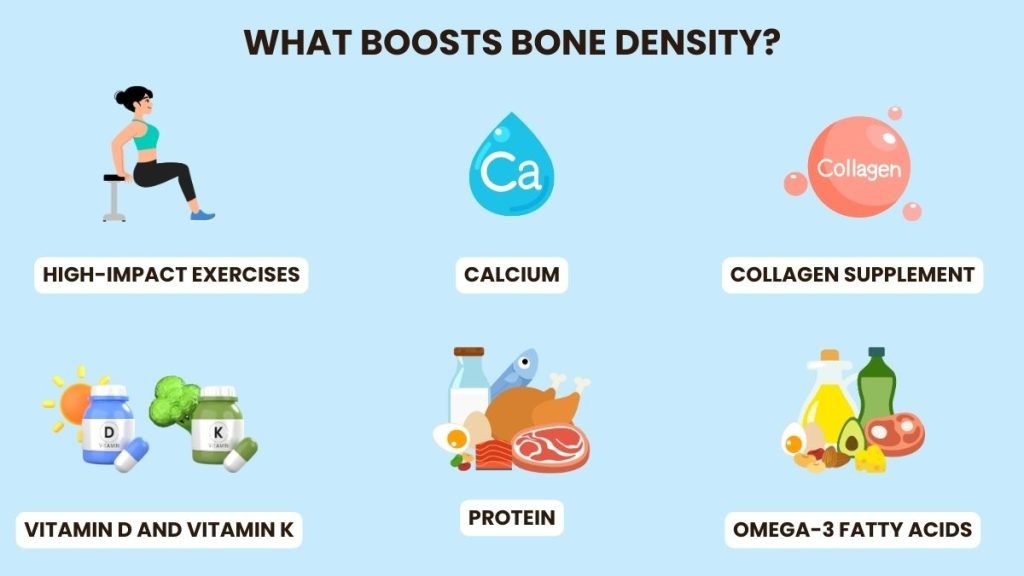
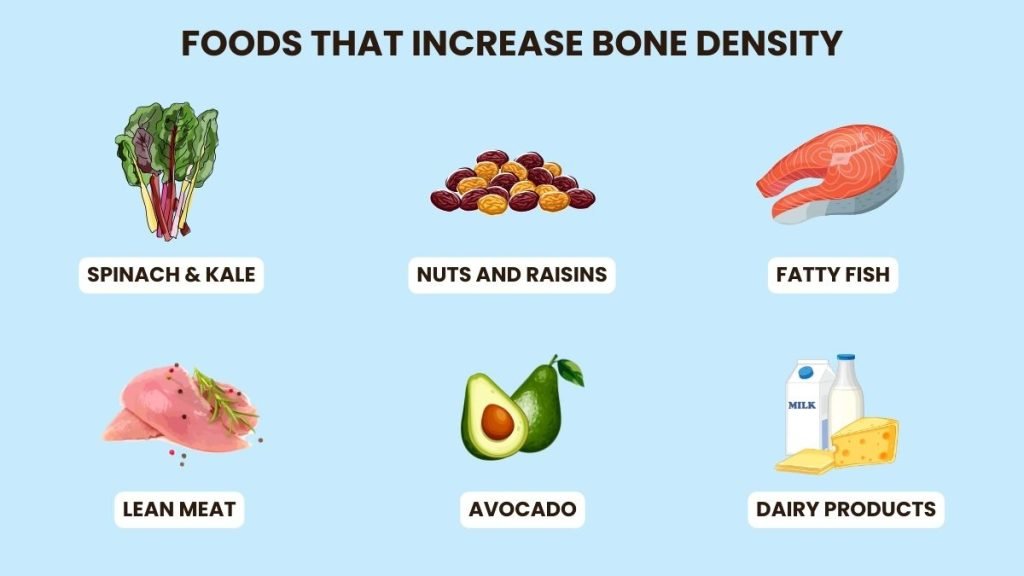
Vegetables and fruits are packed with vitamins and minerals, which increase bone density. Eating these greens reduces the risk of bone issues (Osteoporosis). Check out below list of vegetables and fruits to include in your diet to increase bone density.
— Vegetables:
- Kale
- Collard greens
- Spinach
- Mustard greens
- Turnip greens
- Brussel sprouts
— Fruits:
- Bananas
- Jackfruit
- Plantain
- Figs
- Kiwi
- Raisins
- Guava
- Passion Fruits
- Raspberry
Here is a fun fact: Onions and garlic are excellent items to add to your shopping list if you are over the age of 50!
2. Weight-bearing and Strength Training Exercises
There are plenty of ways to make your bones stronger and more durable. A great way to do this is high-impact weight-bearing exercises. It helps form new bones and minerals and reduces bone turnover. These exercises, especially when started at a young age, can help reduce the amount of bone loss in adulthood; they can even promote strong and healthy bones in old age. These exercises have also been shown to combat inflammation around the areas of bones, which can prevent possible damage or weakening.
Let’s take a look at some weight-bearing and strength-training exercises:
- Running
- Jumping rope
- Weightlifting
3. Add More Calcium Foods
Calcium is essential for the health and development of bones. It prevents bone breakdown, helps with regeneration, and ensures proper function. Get in your calcium! Experts recommend 1000 mg of calcium through foods instead of supplements, but postmenopausal women and older adults need more than that.
Although your body will benefit from an extra source of calcium, it breaks down and processes minerals and vitamins much more efficiently from whole foods. Eat these foods to up your calcium intake:
- Dairy products
- Leafy greens
- Almonds
- Tofu
4. Get a Sufficient Amount of Protein in
About 50% of our bones are made up of protein, which means that it is very important that we get enough. Not having a good source of protein in your diet can lead to calcium not being properly absorbed, which means more brittle and lower bone density.
Too much protein is also not good for your bone health, so don’t just up your intake. People who have a balanced diet and eat the right amount of protein-rich foods are less likely to break, fracture, or damage their bones.
It is shown that getting in about 80 to 100 grams of protein properly balanced with other food groups can help manage or increase bone density and remove the risk of counterproductive calcium absorption.
— Protein-rich foods to increase bone density:
- Lean meats
- Dairy
- Legumes
- Nuts
5. Steer Clear of Diets Too Low in Calories
Losing weight can be an important goal for many people, so they often opt for diets that are low in calories. However, eating fewer calories than the body needs can harm the health of bones.
Low-calorie diets can slow down the metabolism, which results in muscle loss and bone damage. Despite your weight, eating a diet that is too low in calories can result in lower bone density, especially in the hips and upper thighs. People need roughly 2000-2500 calories a day to stay healthy and get enough calories throughout the day. According to NHS, your age, weight, height, and how much you exercise matter.
6. The Powers of Vitamin K and Vitamin D – Vitamins for Strong Bones and Joints
We have spoken about how crucial vitamins and minerals are. They are the building blocks and determining factors for bone density and overall health. Vitamin D deficiency is extremely common and affects about a billion people worldwide.
Children and adults who don’t consume enough vitamin D and K will have lower bone density. Here is how you can get more of these vitamins.
— Vitamin K
- Supplements
- Eggs
- Meat
- Sauerkraut
- Natto
- Liver
— Vitamin D
- Liver
- Cheese
- Fatty fish
- Sun exposure
Fun fact: These vitamins help with menopause, too!
7. Try to Maintain a Healthy Weight
Low body weight can contribute to low bone density and develop conditions like osteoporosis and osteopenia. Obesity also affects bone density and can lead to fractures. This is because of stress, lack of sufficient organ function, and vitamin and mineral absorption.
Weight fluctuations also gravely affect bone density and health, so maintaining a healthy weight is important. Tips to maintain a healthy weight:
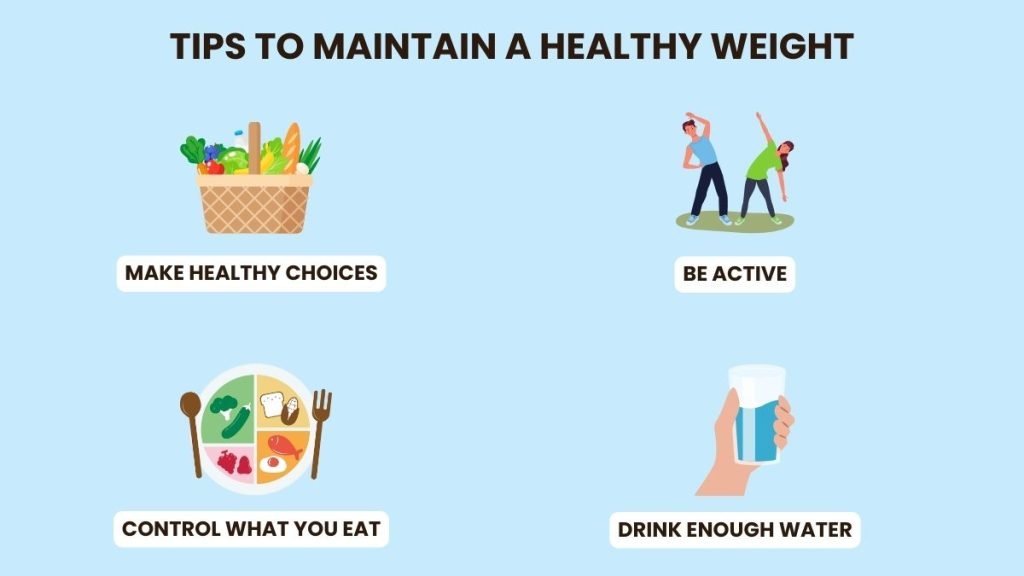
- Control what you eat
- Be active
- Opt for healthy foods
- Drink enough water
8. Invest in a Collagen Supplement
According to Medical News Today, a 2018 study shows that collagen supplements increase bone density. Collagen contains important amino acids, such as proline and glycine, which are vital for building strong bones, ligaments, and other tissues, such as muscle. Collagen has been used to help soothe arthritis and other joint-related problems for many years, and this discovery has revealed how it can help boost bone health.
9. Don’t Skip Omega-3 Fatty Foods
Omega-3 is found in fatty fish and other foods such as nuts, beans, and seeds. An omega-6 to omega-3 ratio of 4:1 or lower has shown some good results for bone density. However, more research is needed to determine the exact ratio. A study has shown that those who consume omega-3 and omega-6 through plant-based foods have higher bone density and health.
10. The Importance of Zinc and Magnesium
Magnesium is the mineral responsible for helping turn vitamin D into the form that assists in absorbing calcium. When it comes to zinc, we only need a small amount of this mineral, and there are usually trace amounts found in foods.
People who consume a good amount of zinc and magnesium have a bone density about 2 to 3% higher than those who don’t. Zinc helps to stop the excessive breakdown process of bones and promotes healthy and functioning bone-building cells. Foods that are rich in zinc and magnesium:
- Fish
- Almonds
- Bananas
- Avocados
- Spinach
- Black beans
- Yogurt
Conclusion
There are a lot of things that affect your bone density, like what you eat, whether you exercise, intake of calcium, protein, vitamins, collagen, and omega-3 fatty acids along with staying a healthy weight.
The good news is that you can increase your bone density! This can be done in different ways. You can up your intake of vegetables and fruits or avoid a low-calorie diet for instance.
Are you ready to change your bone density?
Follow our 10 tips now!
