
The respiratory syncytial (sin-SISH-ul) virus (RSV) is a common cause of respiratory disease in children. The virus typically produces an ordinary cold. However, it can occasionally infect the lungs and respiratory passageways, causing breathing difficulties. This article addresses RSV’s causes, symptoms, risks, and treatments to raise awareness and present all relevant information. Let’s start!
What is RSV?
Respiratory syncytial virus (RSV) infects the lungs and respiratory tract. Most toddlers are infected with the virus by the age of two. Adults are also susceptible to respiratory syncytial virus infection. Respiratory syncytial virus symptoms in adults and older, healthy children are often mild and similar to the common cold.
Self-care procedures are typically sufficient to alleviate any discomfort. It can cause severe infection in some, including babies aged 12 months and younger, particularly preterm infants, older adults, persons with heart and lung disease, and anybody with a weakened immune system. But what are the symptoms? The next section discusses what you need to look out for.
Symptoms of RSV
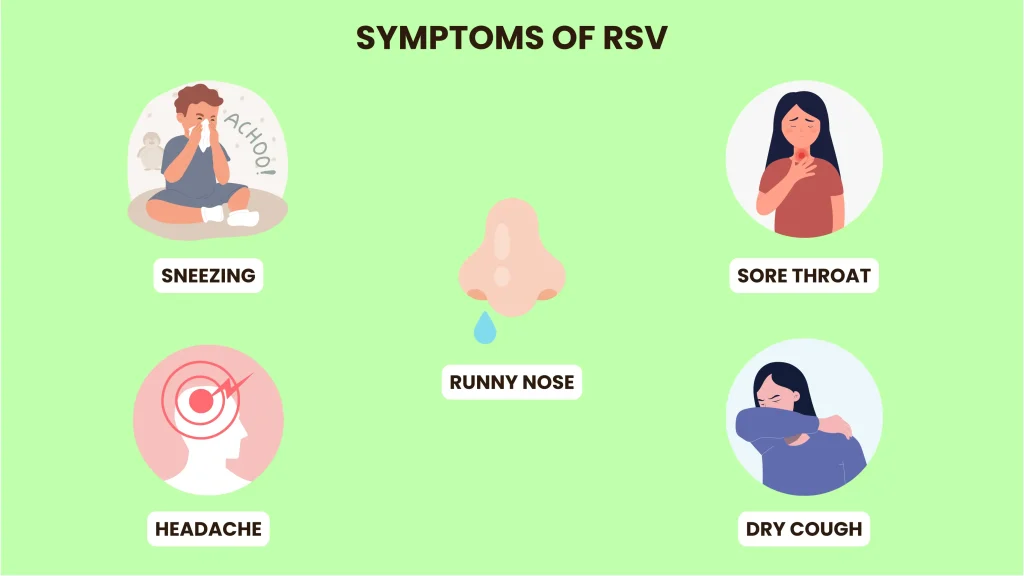
The signs and symptoms of RSV often develop four to six days after infection. RSV typically causes cold-like symptoms in adults and older children.
These may include:
- Congested or runny nose
- Low-grade fever
- Sneezing
- Sore throat
- Headache
- Dry cough
In Severe Cases
RSV infection can travel to the lower respiratory tract, resulting in pneumonia or bronchiolitis, which is inflammation of the tiny airways that enter the lungs.
Signs and symptoms may include:
- Fever
- Severe cough
- Wheezing
- Rapid breathing or difficulty breathing
- Bluish color of the skin (lack of oxygen)
Symptoms of severe RSV in infants include:
- Short, shallow and rapid breathing
- Struggling to breathe
- Cough
- Poor feeding
- Lethargy
- Irritability
The majority of individuals recover in one to two weeks; however, some may experience recurring wheezing. Premature newborns and anyone with persistent heart or lung difficulties are more likely to develop severe or life-threatening infections that necessitate hospitalization.
Causes of RSV
Respiratory syncytial virus enters the body via the eyes, nose, or mouth. It can easily be transmitted through the air by contaminated respiratory droplets. If someone who has RSV coughs or sneezes near you, you or your kid may become infected. The infection can also spread to others by physical touch, such as shaking hands.
This virus can survive for hours on surfaces, including worktops, crib rails, and toys. Handling your mouth, nose, or eyes after handling a contaminated object increases your chances of contracting the virus. An infected person is most contagious within the first week or so of infection. However, in infants and those with poor immunity, the virus can continue to spread for about four weeks after symptoms resolve.
RSV Risk Factors
By the age of two, most children will have been infected with respiratory syncytial virus (RSV), although they can be infected again. Children who frequent childcare facilities or have school-age siblings are more likely to be exposed and reinfected. The RSV season, which is when outbreaks typically occur, lasts from the fall until the end of spring.
People at increased risk of severe RSV infections include:
- Infants, especially premature infants or babies aged 6 months or younger.
- Children who were born with congenital heart disease or chronic lung disease.
- Children or adults have impaired immune systems caused by diseases such as cancer or chemotherapy.
- Children with neuromuscular diseases, including muscular dystrophy.
- Adults suffering from heart or lung problems.
- Older individuals (aged 65 and up).
How is RSV Treated?
The majority of respiratory syncytial virus infections are minor and don’t require medical treatment. Antibiotics are not utilized because RSV is a virus, and antibiotics only treat bacteria. However, RSV infection might be more severe in infants and toddlers. Some people may require hospitalization to be closely monitored and get supportive care for breathing issues or dehydration.
Home Care
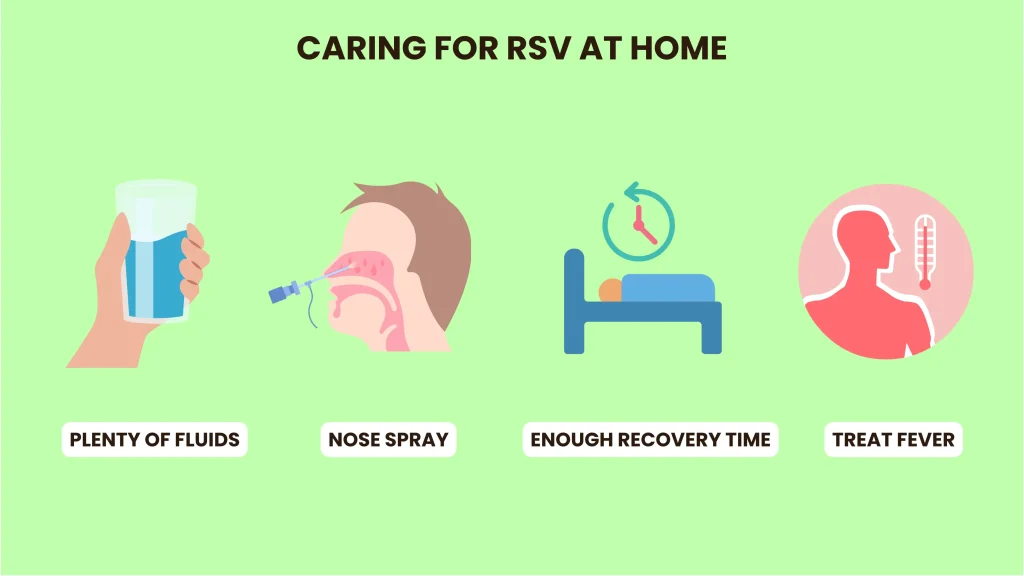
- Make your child feel as comfortable as possible.
- Allow enough time to recover.
- Provide plenty of fluids. Babies may not feel like drinking, so provide fluids in small amounts frequently.
- Avoid using hot water or steam humidifiers, as they can scald the skin.
- If your child is too small to blow his or her nose, remove sticky nasal fluids with saline (saltwater) nose spray or drops and a nasal aspirator (or bulb syringe).
- Clearing a baby’s nose before administering fluids can help them swallow more effectively.
- Treat fever-related discomfort with a non-aspirin fever medication such as acetaminophen or, if your kid is older than 6 months, ibuprofen.
- Don’t give aspirin to youngsters who are sick with a virus. Such use has been connected to the potentially fatal Reye syndrome.
- Avoid using over-the-counter cold medications because it can be hazardous for young children.
How to Prevent RSV
The respiratory syncytial virus can infect anyone. However, premature babies and early infants, as well as older persons with heart or lung problems or a weaker immune system, are more likely to get a severe infection.
Babies And High-Risk Young Children
There are two major approaches for preventing newborn infants from developing severe RSV. One is an antibody product administered to the newborn. The other is an RSV vaccine for pregnant women that helps protect their infant from birth to 6 months of age. Both have been approved by the United States Food and Drug Administration. You and your healthcare provider can discuss which option is best for protecting your child.
Antibody Product Called Nirsevimab (Beyfortus)
This antibody solution is administered in a single dosage in the month preceding or during the RSV season. It’s for babies under the age of eight months who were born during or entering their first RSV season. Nirsevimab can also be given to children aged 8 months to 19 months who are at high risk of severe RSV disease during their second RSV season.
Vaccine For Pregnant People
The FDA authorized Abrysvo, an RSV vaccine for pregnant women, to prevent RSV in infants from birth to 6 months of age. Abrysvo can be administered as a single dosage between 32 and 36 weeks of pregnancy in the United States from September to January.
Vaccine for Older Adults
Older adults have weakened immune systems, particularly those with chronic diseases like heart or lung disease. The FDA has approved RSV vaccines for persons over the age of 60 to help prevent RSV infections. The CDC recommends that persons 60 and older consult with their healthcare provider about having an RSV vaccine, especially if they are at a higher risk of developing severe RSV. There are two vaccines available for this age group: Abrysvo and Arexvy. The CDC does not endorse one over another. Each is a single-dose shot.
Lifestyle Changes
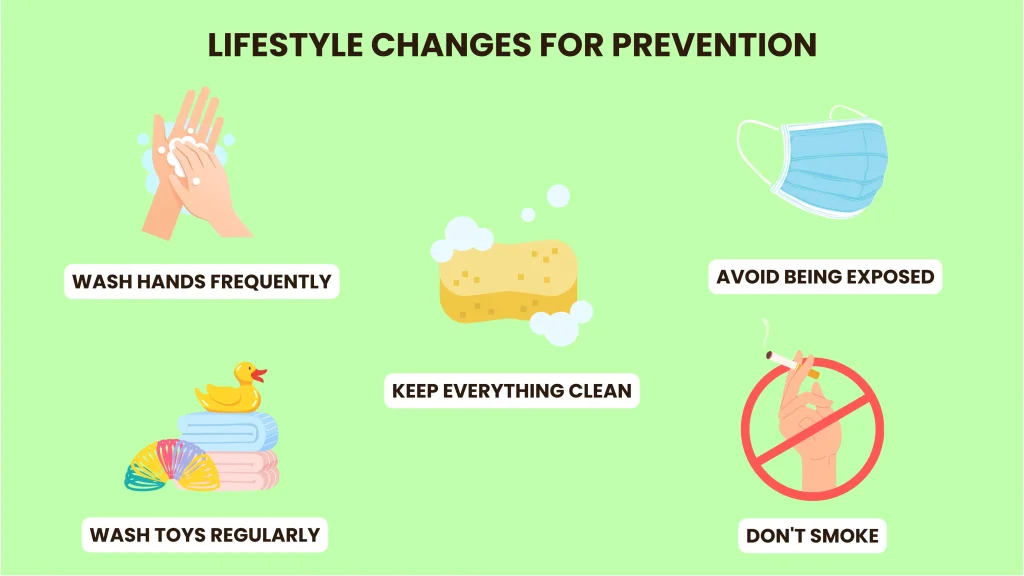
The following lifestyle changes can help prevent the spread of this infection:
- Wash your hands frequently. Teach your children the importance of handwashing.
- Avoid being exposed to others
- Keep everything clean
- Don’t share drinking glasses with others
- Don’t smoke (especially around children and infants)
- Wash toys on a regular basis
Conclusion
The good news is that healthcare providers are equipped to treat RSV if it gets severe. They can also manage difficulties. The trick is knowing when to seek help. If you or someone in your household has RSV symptoms, don’t hesitate to contact a professional. Meanwhile, do everything you can to prevent the spread of RSV to others. You can help others stay healthy while you recover by doing things like handwashing and keeping at home when you’re unwell.
