
Is your hair falling out? Hair loss in women is quite common. The good news is that there is something we can do about it. Let’s first take a look at why it’s happening and work our way down to the best solution for women.
Introduction to Hair Loss in Women
Women may have emotional reactions if they lose their hair. Several reasons might cause it, such as genetics, hormones, stress, or disorders. Many women become very concerned when they see their thinning hair or when they find that their hair has begun falling out completely. Bald women may have a hard time accepting this. But they shouldn’t fear! Hair replacement for women is a great solution that leaves them feeling confident again.
Nevertheless, the first thing you need to do if you want a solution is to understand why it happens. With the correct information and care, hair loss can be managed effectively. Through this introduction, we are going to provide a survey of some common reasons why women lose their hair so that we can encourage them that there are means of getting help.
Causes Of Hair Loss in Women
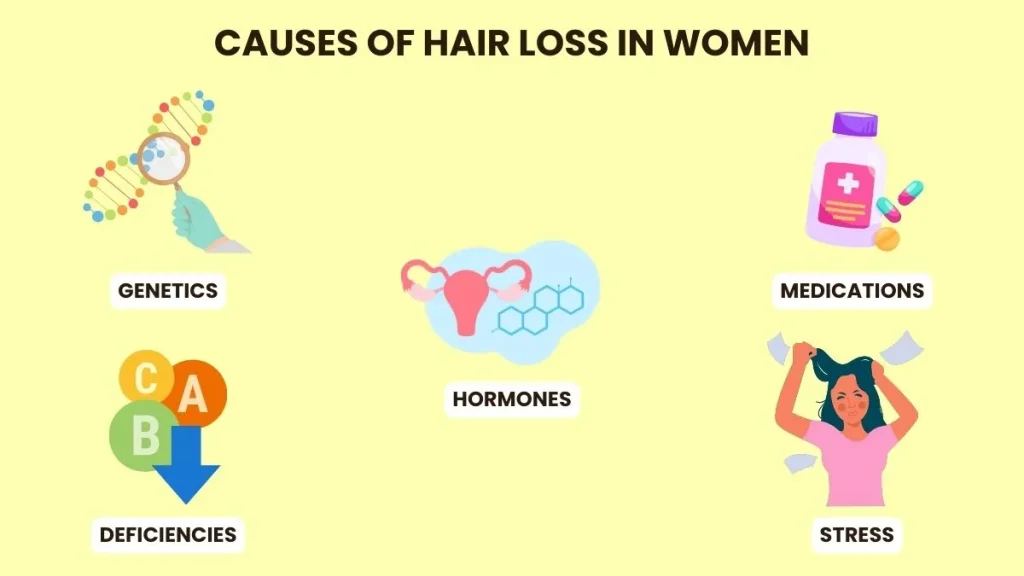
The main common cause of female hair loss is genes. This usually leads to androgenetic alopecia, which is known among females. Hair may also fall due to hormonal changes after childbirth, during menopause, or because of an underactive thyroid gland.
High stress and other health conditions like alopecia areata can contribute to the thinning of the hair shafts. Moreover, deficiency of specific vitamins, especially iron or harsh chemical treatment, might weaken roots, leading them to lose their hair first. Ever thought of trying vitamins for hair loss in women? This is a great remedy as it can improve your hair health and slow down the progression of hair loss. Let’s look at the patterns so that it’s easier to identify!
Identification Of Hair Loss Patterns
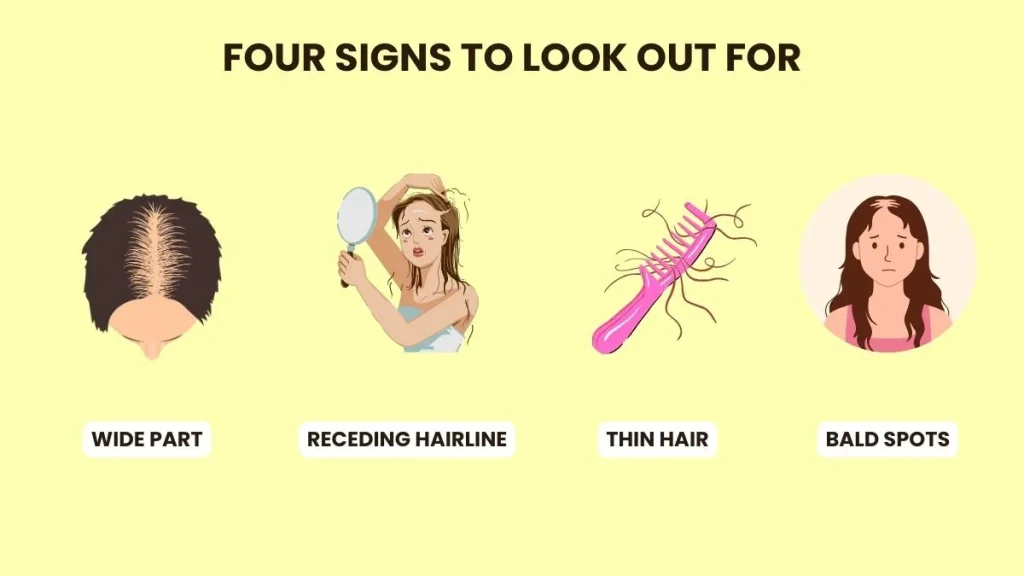
Knowing what kind of pattern your hair loss follows helps diagnose its cause faster than anything else does. For example, while men’s hairline recedes, women usually experience thinning on the crown or widening of the parting line.
Patchy bald spots that come about abruptly indicate conditions such as alopecia areata. It is also a sign when you realize that your hair excessively falls off during brushing or shampooing. Women can receive suitable treatment earlier if they detect these patterns and address the root causes of their hair loss.
Practical Solutions And Treatments
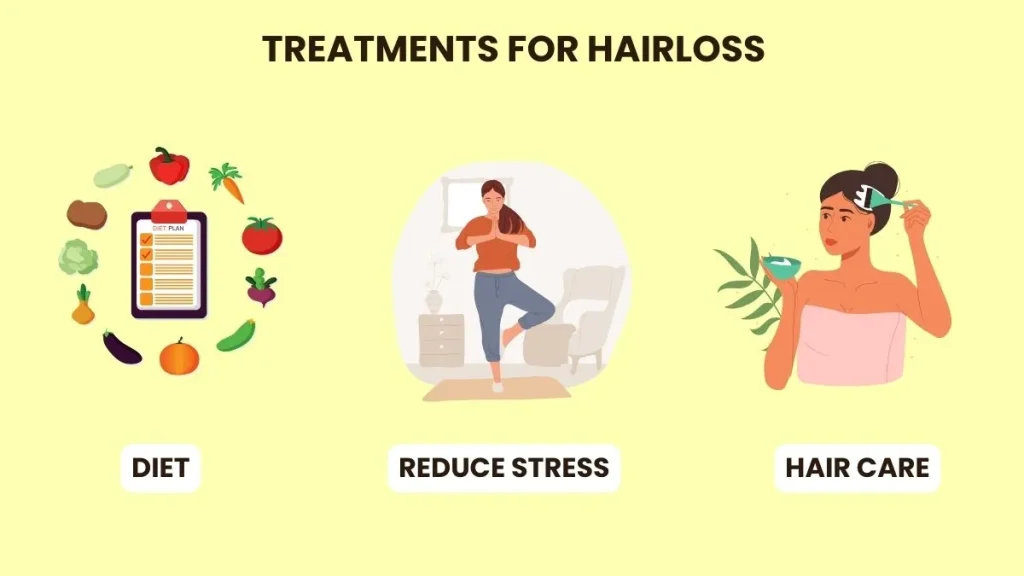
Dealing with hair loss requires an all-around approach. The best diet to promote strong hair growth comprises equal proportions of iron, vitamins, and proteins. Avoid further damage by adopting gentle hair care methods such as no-heat styling and avoiding harsh chemicals like sulfates in some shampoos and conditioners.
Sometimes, over-the-counter treatments like minoxidil may promote regrowth. Underlying health issues may require prescription drugs or hormone replacement therapy.
FAQs
Does Wellbutrin cause hair loss in women?
Yes, it can. But the good news is that it’s only temporary. Wellbutrin is an antidepressant that doctors prescribe to patients when they struggle with depression, ADHD and weight management.
Can emotional stress really lead to female hair loss?
It is also possible that high levels of stress can lead to a type of hair loss identified as telogen effluvium, where the hair starts shedding early. Minimizing stress using relaxation methods like yoga, meditation, and sufficient sleep can reduce this kind of hair loss.
How long will it take for hair loss treatments to produce results?
Results from hair loss treatments are highly variable; usually, significant changes are seen between 3 and 6 months. You must be consistent and adhere to your healthcare provider’s treatment plan.
Do I need to see a doctor for a hair fall problem?
This calls for professional advice so that an appropriate course of action is taken. They will diagnose appropriately and offer personalized remedy plans based on your requirements.
Does testosterone increase in women cause hair loss?
Yes, an increase in testosterone can lead to hair loss in women. Causes of high testosterone include Polycystic Ovary Syndrome (PCOS), hormonal problems, some medication and genetics.
Does metformin cause hair loss in women?
No, metformin doesn’t cause hair loss. But conditions like type 2 diabetes and PCOS are linked to hair loss in women. This is because they are both due to insulin resistance.
What is minoxidil, and how does it help with hair loss?
Minoxidil is a drug that is not only used for hair loss but also for high blood pressure. This drug can take 2-4 months to start working. Take note that you need to take this drug regularly. Individuals have reported their hair falling out after stopping.
Conclusion
Hopefully, this guide has given you some insights about causes and solutions for female pattern baldness. This way, one may progress towards better growing, healthier, and stronger strands by understanding the underlying factors calling upon practical strategies. Remember, you are not alone in this journey; seeking professional guidance will guarantee more effective customized treatment options. Think positive; self-care is vital, and trust that with the right approach, you can regain your confidence and enjoy lovely stiff locks again.
