
Imagine you are having a fun day in the sun when suddenly you start to feel dizzy, nauseous, and faint. These could be symptoms of heatstroke. This life-threatening disease is the cause of 600 deaths in America each year.
Now, do you want to avoid this? This article discusses heatstroke, its symptoms, treatment, the difference between it and heat exhaustion, how you can tell if someone is overheated, and how to avoid heatstroke altogether. Let’s start!
What is Heatstroke?
Heatstroke is the result of high temperatures, which can cause your body’s temperature regulation system to fail, damaging your brain, heart, kidneys, and muscles. It is the most severe heat-related illness. It occurs when the body can no longer control its temperature. It rises rapidly, the sweating mechanism fails, and the body cannot cool down.
Heatstroke Symptoms
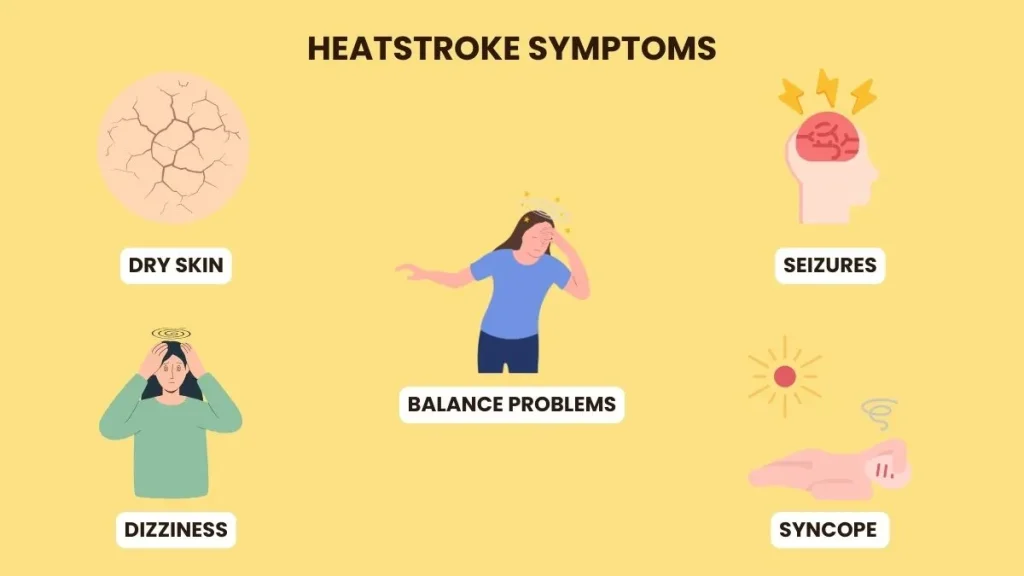
Heatstroke is a medical emergency. If you or someone you know exhibits any of the following signs or symptoms, call 911 immediately:
- Dry skin that doesn’t sweat.
- Problems with movement and coordination.
- Balance problems.
- Confusion or disorientation.
- Dizziness.
- Excessive sweating that continues after you’ve stopped exercising (more common in exertional heatstroke).
- Hot, flushed skin or ashen skin.
- High or low blood pressure.
- Bubbling or gurgling sound in the lungs.
- Nausea and vomiting.
- Low urine output.
- Rapid breathing or tachycardia (fast heart rate).
- Seizures.
- Syncope (fainting) or loss of consciousness.
- Weakness.
Heatstroke Treatment
When someone has heatstroke, immediate action is important. Here is what you can do while you are waiting for an ambulance:
- Apply ice packs to their neck, groin and armpits. This lowers their body temperature quickly.
- Encouraging them to drink slightly salted fluids, such as sports drinks or salted water for much-needed electrolytes.
- Have them lie down in a calm, shady, well-ventilated environment.
- Immerse them in cool water, if possible.
- Mist them with water and blow air across their bodies.
- Monitor their breathing carefully and remove any airway blockages.
- It’s important not to give any medications, which include aspirin and acetaminophen.
- Remove any tight or heavy clothing so that their body can cool off.
Once they are at the hospital, medical professionals will take over. They might provide cooled intravenous fluids through a vein in their arm to lower their temperature. But there are other ways, like using a cooling blanket or an ice bath.
Heatstroke can cause seizures, so to prevent that, medical professionals give medication and supplemental oxygen. It ensures that the patient get enough air.
Doctors stop cooling treatments once the body reaches about 102 degrees Fahrenheit (38.9 degrees Celsius). The length of your stay in the hospital depends on the severity of your heatstroke and how well your organs are functioning. Now, does this condition have long-term effects? Let’s take a look in the next section!
Long-term Effects of Heatstroke
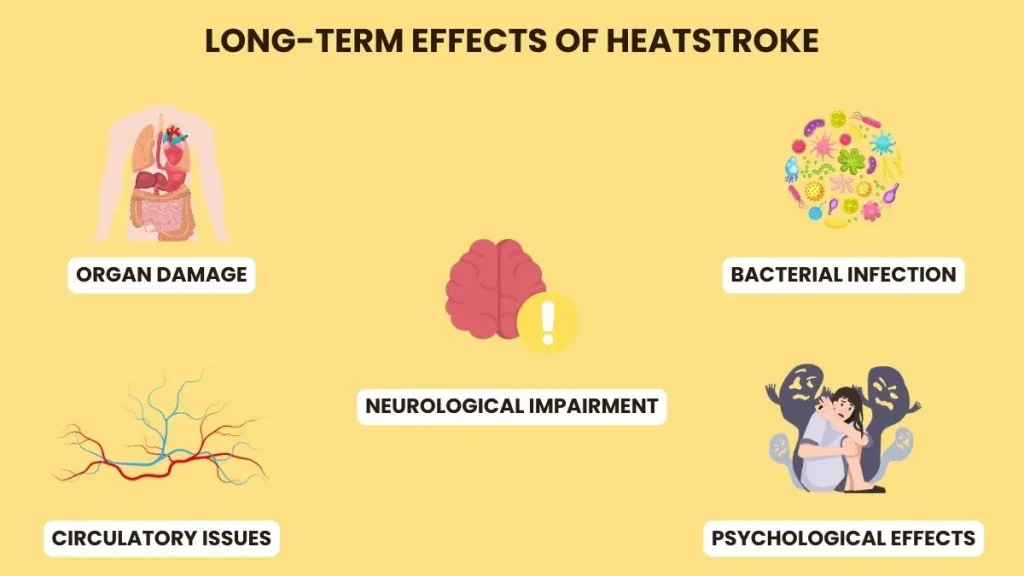
Heatstroke can have some long-term effects. Here is how it can affect your well-being:
- Organ damage: Prolonged heatstroke can damage your kidneys, liver and heart.
- Neurological impairment: Heatstroke can cause you to have cognitive impairments, problems with memory and difficulty concentrating. You might also experience headaches and mood swings.
- Muscle and joint problems: Your muscles can break down your muscles which can lead to pain and weakness in the joints.
- Circulatory issues: Damage to the circulatory system can affect blood pressure and heart function.
- Thermoregulatory dysfunction: Your body might have trouble regulating its temperature for some time after heatstroke.
- Psychological effects: Patients can also struggle with stress and trauma.
Heatstroke Recovery
Recovery takes about a day or two, but it can take longer if you have organ damage. Experts suggest that complete recovery from heatstroke and its effects on the internal organs may take two months to a year. Your age, overall health, and underlying conditions will all impact the recovery process.
Heatstroke vs Heat Exhaustion
Both of these illnesses are due to heat, but there is a difference. Take a look down below!
Heatstroke
Symptoms:
- Headache, dizziness, nausea, vomiting and confusion
- Flushed, hot and unusually dry skin
- Extremely thirsty
- Dry and swollen tongue
- Sudden rise in body temperature
- Disoriented or delirious
- Slurred speech
- Being aggressive or acting strange
- Convulsions, seizures or falling into a coma
- Sweating and skin may feel deceptively cool
- Rapid pulse
Severity:
Heatstroke is a life-threatening condition and needs immediate medical attention to prevent permanent damage to your brain and other vital organs that can result in falling into a coma or death.
Heat Exhaustion
Symptoms:
- Heavy sweating
- Cold, pale, and clammy skin
- Fast or weak pulse
- Nausea or vomiting
- Muscle cramps
- Tiredness or weakness
- Dizziness
- Headache
- Fainting (passing out)
Severity:
Heat exhaustion is not as severe as heatstroke, but when it’s left untreated, it can lead to this life-threatening disease. So, make sure to get treatment!
How Do You Avoid Heatstroke
As mentioned before, this condition is life-threatening. Here are five ways to avoid it:
- Stay hydrated by drinking plenty of water or drinks that contain electrolytes.
- Don’t spend a lot of time outdoors during extremely hot days.
- When you’re outside in hot weather, wear lightweight, light-coloured clothing that’s loose fitting.
- Install air conditioners or use fans when indoors in hot weather.
- Avoid exercising when it’s hot and humid.
Vitamins for Heatstroke
According to Medical News Today, vitamin C helps your body better deal with high temperatures and can prevent serious problems caused by excessive heat, such as heatstroke and rash.
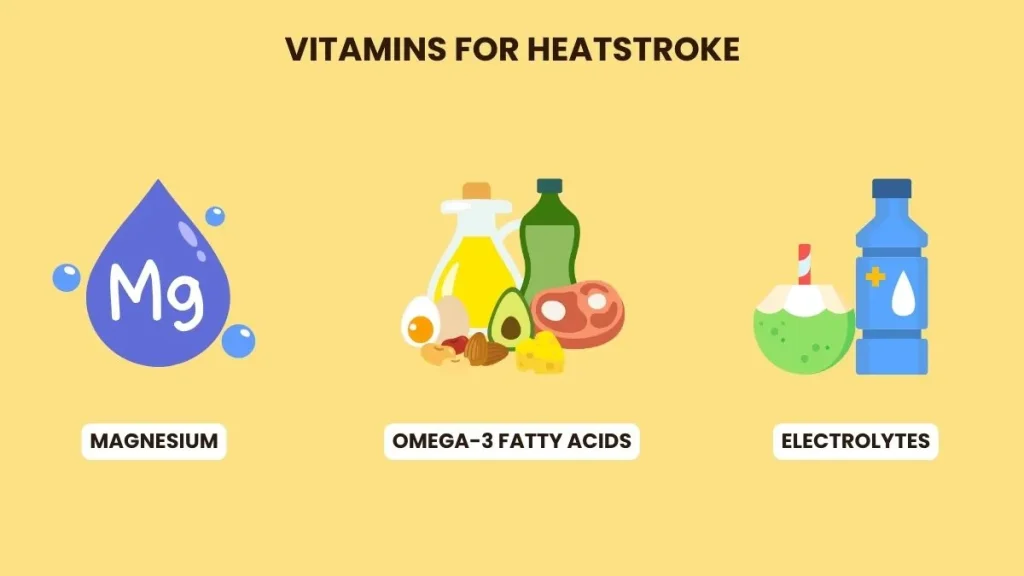
The following vitamins can manage heatstroke:
- Magnesium: Helps to regulate body temperature and supports muscle function.
- Electrolytes: It’s essential for preventing dehydration.
- Omega-3 fatty acids: This vitamin can reduce inflammation and support your heart’s health.
FAQs
Can you get brain damage from the sun?
Yes, you can. The UV radiation in natural sunlight can damage immune cells in the body, triggering inflammatory responses that can lead to brain damage.
How long does heat exhaustion last?
If managed properly, it can last from a few hours to about one day. You should rest, drink plenty of water, and use cooling measures to lower your temperature. These measures can include cold compresses, cool baths or showers, and fans or air conditioners.
Conclusion
Heatstroke is a severe heat illness that results in a high body temperature greater than, along with red skin, headache, dizziness, and confusion. There are some things you can do about this, but it ultimately needs medical attention. Doctors first try to get the patient’s temperature down, then prevent seizures with medication and supplemental oxygen.
Heatstroke and heat exhaustion have a few things in common, but there is a difference. Heat exhaustion can lead to heatstroke, which can be life-threatening. There are ways to avoid this, which include staying hydrated, having fun inside when it’s hot, wearing loose, light-coloured clothing, installing fans and air conditioners to cool down, and not exercising when it’s extremely hot. By taking these precautions, you can reduce the risk of experiencing severe heat-related illnesses!
