
Struggling with high blood sugar can feel so frustrating, but natural solutions offer a powerful way to fight back. Whether managing diabetes, prediabetes, or occasional spikes, learning how to lower blood sugar naturally puts you in control. Experts say diet, exercise, and lifestyle tweaks have proven to drop glucose levels fast and sustainably.
This guide explores natural ways to lower blood sugar, from foods that lower blood sugar to what to drink to lower blood sugar immediately. It is rooted in science and designed to help you feel your best.
Why Lowering Blood Sugar Naturally Matters
High blood sugar isn’t just an annoyance. If left unchecked, it’s a persistent health challenge with profound implications. Beyond short-term effects like fatigue, excessive thirst, and blurry vision, chronic elevation can lead to complications such as cardiovascular disease, kidney damage, or neuropathy that affects daily life with numbness or pain.
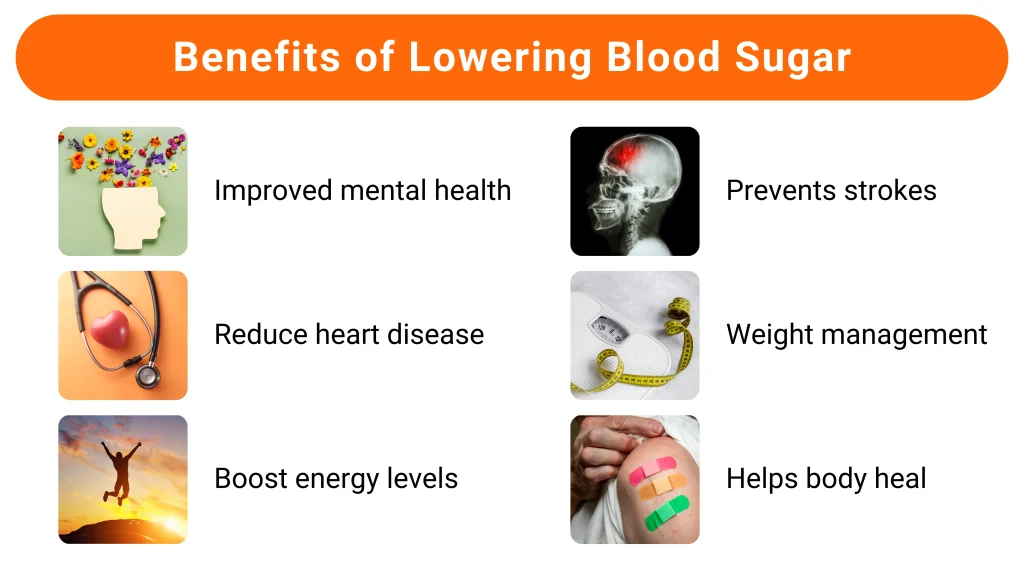
Lowering it naturally provides a proactive defense, boosting energy and reducing these risks without always needing medication. Experts note that small, consistent changes like cutting sugary drinks or adding a daily walk can lower glucose by 10-20% over weeks, improving how your body handles insulin. This approach also tackles insulin resistance, enhancing metabolic health and potentially staving off diabetes progression.
For instance, swapping a morning pastry for a fiber-rich meal can prevent spikes that drain you by noon. Natural methods offer both immediate relief (think how to reduce blood sugar level immediately) and a foundation for long-term stability, empowering you to sidestep the cycle of dependency on pills alone.
Expert-Backed Methods on How to Lower Blood Sugar Naturally
Here’s a detailed look at natural ways to lower blood sugar, with practical steps, scientific insights, and foods:
How to Lower Blood Sugar Naturally with Foods
What you eat directly shapes your blood sugar, making it the most potent tool for prevention and management. Foods that lower blood sugar deliver nutrients that stabilize glucose, avoiding the rollercoaster of spikes and crashes. They’re versatile enough to fit any lifestyle, from busy mornings to relaxed dinners.
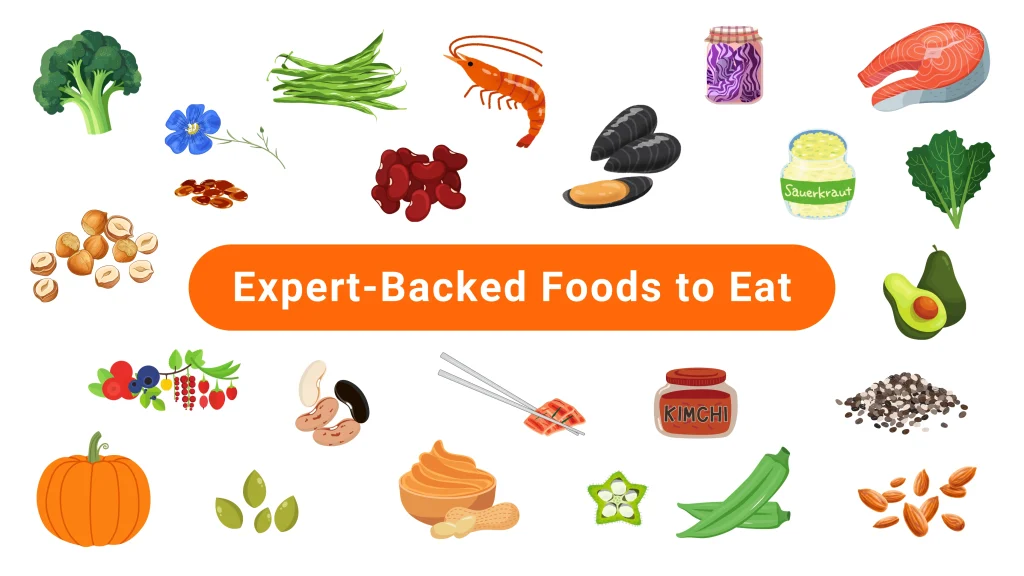
Experts emphasize these options because they can naturally regulate levels and be a natural treatment for diabetes:
- Broccoli and broccoli sprouts: These cruciferous veggies pack sulforaphane, a compound released when chopped or chewed. This compound boosts insulin sensitivity and cuts oxidative stress, which is crucial for type 2 diabetes. Studies [PubMed] suggest daily servings can lower fasting glucose by 10 mg/dL over a month. Steam broccoli with a dash of olive oil or toss raw sprouts into a salad with lemon vinaigrette for a zesty kick.
- Seafood: Fatty fish like salmon, mackerel, and sardines provide protein, omega-3s, and antioxidants, slowing digestion and curbing post-meal surges. Research [PubMed] shows that 750g of fish weekly can reduce glucose spikes by 15%. Grill salmon with garlic and herbs or bake sardines with a tomato topping for a flavorful, heart-healthy meal.
- Pumpkin and pumpkin seeds: Rich in fiber and polysaccharides, pumpkin steadies glucose naturally, while its seeds, packed with protein and fats, cut post-meal levels by 35%, per a 2018 study [National Institutes of Health]. Blend pumpkin into a creamy soup with ginger or roast seeds with a sprinkle of cinnamon for a crunchy snack that doubles as dessert.
- Nuts and nut butter: Almonds and peanuts stabilize glucose with healthy fats and protein. Daily intake lowered fasting levels in a small trial of type 2 diabetics. Spread almond butter on apple slices for a sweet-savory combo, or grab 20 peanuts to fend off hunger and sugar swings mid-afternoon.
- Okra: Loaded with rhamnogalacturonan and flavonoids like isoquercitrin, okra mimics insulin’s effects. Animal studies [National Institutes of Health] show it reduces glucose by slowing digestion. Stir-fry it with onions and spices or simmer it into a gumbo for a Southern twist that’s as nutritious as it is comforting.
- Flaxseed: High in fiber and omega-3s, flaxseed supports long-term glucose control. An 8-week study [National Institutes of Health] found that 30g daily in yogurt improved HbA1c. Grind it fresh and stir it into oatmeal with a drizzle of honey, or blend it into a smoothie for a nutty, filling boost.
- Beans and lentils: With fiber, protein, and magnesium, these legumes slow digestion and enhance post-meal responses. Pairing them with rice cut surges by 20% in one study [Medical Xpress]. Simmer lentils into a veggie-packed soup or toss chickpeas with olive oil and herbs for a hearty salad.
- Kimchi and sauerkraut: Fermented foods offer probiotics and antioxidants, improving insulin sensitivity. A 2021 analysis tied them to control type 2 diabetes better, spoon kimchi over quinoa or layer sauerkraut onto a turkey sandwich for a tangy, gut-friendly addition.
- Chia seeds: Fiber-rich chia seeds slow sugar absorption. A study [ScienceDirect.com] showed that 25g of sugar solution cut levels by 39%. Soak almond milk overnight for a pudding topped with berries or sprinkle over yogurt for a quick, satisfying breakfast.
- Kale: This superfood’s fiber and flavonoids (quercetin, kaempferol) lower glucose by 7-14g, with carbs reduced spikes in research [National Institutes of Health]. Sauté with garlic and a splash of lemon or blend into a green smoothie with pineapple for a nutrient-packed drink.
- Berries: Fruits that lower blood sugar, like blueberries, strawberries, and raspberries, provide fiber and antioxidants with minimal sugar (250g), and a high-carb meal cut insulin needs in studies [National Institutes of Health]. Blend into yogurt or eat fresh with a dollop of Greek yogurt for a naturally sweet treat.
- Avocados: Avocados are high in fiber, healthy fats, and vitamins, and they prevent spikes and metabolic syndrome risks. Research [The Journal of Nutrition] links them to lower fasting glucose. Mash onto whole-grain toast with a sprinkle of chili flakes or dice into a salad with tomatoes and lime.
According to expert insights, these foods anchor a sugar detox meal plan, enhancing insulin response naturally.
How to Lower Blood Sugar Naturally with Beverages
Hydration is a fast, underrated ally in blood sugar control. It offers immediate relief when levels creep up, perfect for those urgent moments after a carb-heavy meal or a stressful day. Knowing what to drink to lower blood sugar immediately equips you with simple, science-backed options that fit your routine, with no fancy equipment needed.

The best drinks to consume for lowering sugar levels are:
- Water: The answer to the question, “Does drinking water lower blood sugar?” is yes. It dilutes glucose in the blood and supports kidney filtration. Experts suggest 8-10 glasses daily, with an extra 16oz during spikes to flush sugar fast.
- Green tea: Packed with catechins, green tea boosts insulin sensitivity and curbs post-meal surges. Sip a cup after dinner (unsweetened) to drop levels within 30 minutes, adding a calming ritual to your evening.
- Apple cider vinegar (ACV): A tablespoon in 8 oz water before meals slows digestion, cutting peaks by 20%. Mix with a lemon twist for 15 minutes before eating to soften the tang and prep your system for carbs.
- Cinnamon tea: Steeping a stick in hot water releases compounds that mimic insulin. Brew it fresh for a warm, soothing drink that stabilizes glucose post-meal and doubles as a cozy wind-down.
These align with how to reduce blood sugar level immediately, delivering quick, practical results.
Exercise for Immediate and Long-Term Impact
Physical activity is a blood sugar powerhouse, acting fast to clear glucose and building resilience over time, whether you’re a gym-goer or just starting. Exercise pulls sugar into muscles without insulin, dropping levels instantly, while regular movement reduces insulin resistance for lasting benefits.
It’s flexible enough for any schedule, from a quick break to a full workout:
- Brisk walking: Studies [National Institutes of Health] have shown that a 30-minute walk after meals cuts sugar by 20-30 mg/dL. Hit the pavement five days a week at a pace that quickens your breath but lets you talk, perfect for post-dinner strolls with a podcast.
- Strength training: Lifting weights or doing bodyweight moves (squats, push-ups) twice weekly builds muscle mass, which soaks up glucose. Start with 10-15 minutes at home, scaling up with dumbbells or resistance bands as you gain strength.
- Yoga: Poses like downward dog or child pose lower stress hormones (cortisol) that spike sugar. Practice 20-30 minutes daily, pairing slow breaths with stretches to unwind and stabilize levels.
A 10-minute stair climb tackles how to reduce blood sugar level immediately, offering a no-excuse option for busy days.
Manage Stress to Keep Levels Steady
Stress is a hidden glucose driver. It releases cortisol and adrenaline, which floods your blood with sugar, undoing even the best diet efforts. Calming yourself is a cornerstone of natural ways to lower blood sugar, and simple techniques can fit into any day, from a hectic office to a quiet evening.
Try these effective methods:
- Meditation: A 10-minute daily session lowers cortisol by 20%. Sit in a quiet spot, focus on breathing (in for 4, out for 6), and let the stress fade, setting a peaceful tone for your morning or night.
- Deep breathing: Inhale for 4 seconds, exhale for 8, repeating 5 times. This provides instant relief that drops sugar within minutes, which is ideal during a tense meeting or traffic jam.
- Sleep: Sleeping 7-8 hours of sleep can reset hormone balance and establish a wind-down routine (dim lights, skip screens an hour before bed) to protect glucose stability and wake refreshed.
These home remedies to lower blood sugar levels target the mind-body connection, cutting sugar at its root.
Ramp Up Fiber Intake
Fiber acts like a brake on blood sugar, slowing digestion and absorption to keep levels even. This is crucial to how to lower blood sugar naturally, that’s easy to overlook. Experts recommend 25-30g daily; building it into meals is simpler than you’d think.
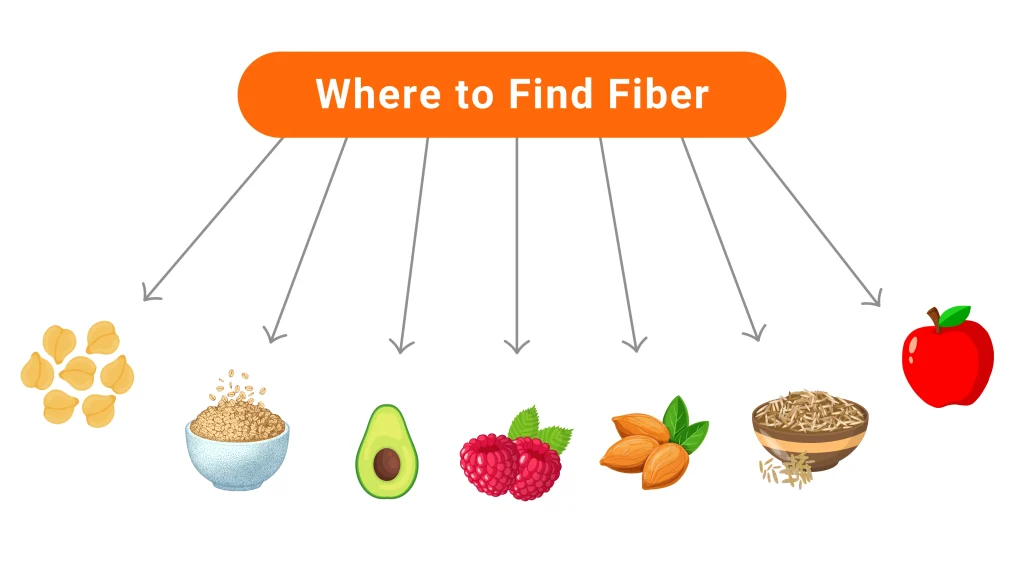
Options that satisfy and stabilize are:
- Legumes: Lentils (15g fiber/cup) or chickpeas steady glucose with protein and magnesium simmer into a stew with spinach and tomatoes or roast chickpeas with cumin for a crunchy snack.
- Oats: A bowl (8g fiber) curbs morning spikes. Top with chia seeds and berries for a triple-threat breakfast that keeps you full and balanced until lunch.
- Veggies: Broccoli or Brussels sprouts (5g per cup) are versatile. To add bulk without sugar, roast with olive oil and garlic, or steam with a sprinkle of sea salt.
Fiber supports a natural treatment for diabetes, easing insulin demand over time.
Use Home Remedies for Quick Wins
Your kitchen holds fast-acting fixes that rival any pill. Home remedies to lower blood sugar levels tap into everyday ingredients, offering natural relief with minimal fuss, which is ideal if you’re seeking answers on how to flush sugar out of your body.
Some home remedies on how to lower blood sugar naturally include:
- Cinnamon: A half-teaspoon of cinnamon in tea or oatmeal boosts insulin sensitivity. Studies [WebMD] show it cuts fasting glucose by 10-15 mg/dL over weeks, adding warmth and flavor to your day.
- Fenugreek seeds: Soak 1 tsp overnight, then drink the water. The fiber and compounds in the seeds lower sugar within hours, making them perfect for a morning ritual before breakfast.
- Bitter melon: Juice or stir-fry this veggie to mimic insulin. Blend with ginger to mask bitterness, or cook with onions for a savory side that packs a punch.
These remedies are quick, affordable, and effective.
Lower A1C Naturally
How to lower A1C naturally: your 3-month glucose average takes a sustained, multi-faceted plan that pays off over time. Experts suggest a low-GI diet (kale, berries, oats) to keep daily levels steady. Swap white bread for oatmeal with fruit to start your day right. Pair this with 150 minutes of weekly exercise (brisk walks, yoga) and aim for 5-7% weight loss if overweight. Losing 10 pounds can drop A1C by 0.5%, per studies [National Institutes of Health]. Keep carbs at 45-60g per meal, aligning with how to lower A1C without meds, and use a glucose meter to track progress, turning small wins into lasting change.
How to Flush Sugar Out of Your Body
Are you wondering how to flush sugar out of your body? It’s about speeding up clearance with a trio of strategies that work together: hydration, movement, and fiber. This makes it a practical reset for any day. Start with water: Two liters daily push glucose out via urine. Sip a glass every hour to keep your kidneys active and flush excess sugar efficiently.
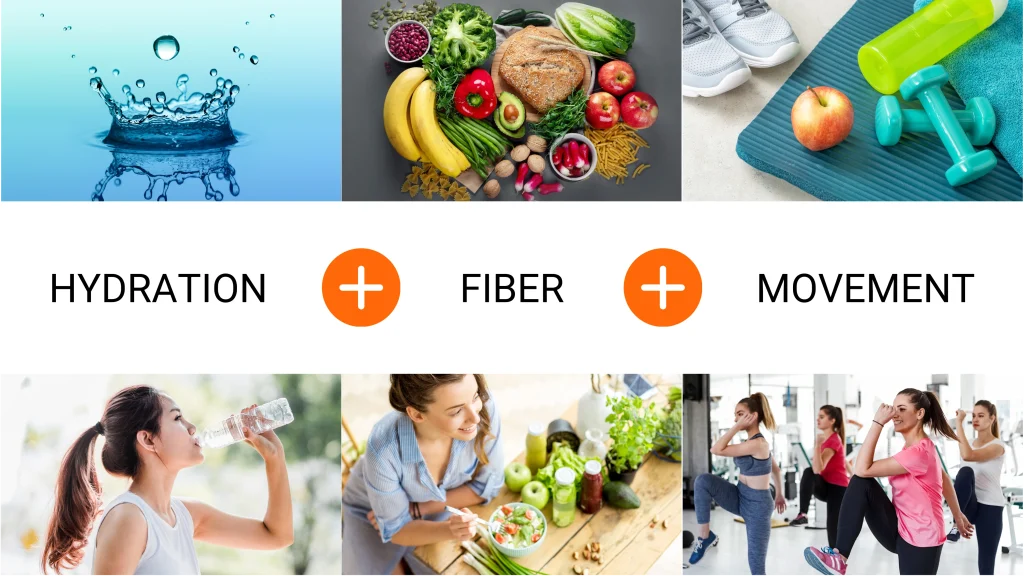
Next, exercise: a 20-minute jog or fast walk burns sugar stores directly, pulling it from your blood into muscles. Try a morning run or an evening pace around the block to jumpstart the process. Finally, fiber: high-fiber meals like a lentil-chia bowl or avocado toast sweep sugar through digestion. Aim for 25-30g daily with options like a berry-oat smoothie or roasted Brussels sprouts. This combo clears glucose within hours while powering a sugar detox meal plan that resets your system over days, keeping you energized and balanced.
How Long Does It Take?
Timing depends on your goal. You may want immediate relief or long-term gains, and both are achievable with the right approach. For how to reduce blood sugar level immediately, expect results in 15-30 minutes with quick fixes like drinking water, sipping ACV, or a short walk. A 10-minute stair climb post-meal can drop levels by 20 mg/dL, offering a fast reset after a carb-heavy lunch.
Long-term shifts, like lowering A1C, take 6-12 weeks with daily consistency. Studies [Archives of Public Health] show that low-GI eating and regular exercise can cut A1C by 1% in 3 months, a meaningful shift for diabetes management. The key is persistence: track glucose with a meter to spot daily dips (like after a berry snack) and build a routine that blends quick wins with steady progress tailored to your life.
Conclusion: So, All in All?
High blood sugar doesn’t have to rule your life; natural methods put you back in charge. Foods that lower blood sugar, like berries, and what to drink to lower blood sugar immediately, like ACV, paired with exercise and stress relief, deliver fast and lasting results backed by science. Start with one step, whether a walk or a handful of nuts and build a routine that fits you, reclaiming your health naturally.
FAQ’s:
What to drink to lower blood sugar immediately?
Green tea, ACV water, or plain water act fast. A tablespoon of ACV in water before meals effectively cuts peaks.
Does drinking water help lower blood sugar?
Yes, it dilutes blood glucose quickly. Aim for 8-10 glasses daily or 16oz during a spike.
How can I lower my A1C naturally?
Low-GI foods, 150 minutes of weekly exercise, and 5-7% weight loss work over 6-12 weeks. Consistency is key.
What are the best foods to lower blood sugar quickly?
Leafy greens, nuts, and berries act fast with fiber and low GI. Try spinach with almonds for rapid relief.
How can I flush sugar out of my body?
Hydrate with 2 liters, exercise for 20 minutes, and eat fiber like lentils. Combine for a full flush.
How long does it take to lower blood sugar naturally?
Immediate drops take 15-30 minutes, and A1C shifts take 6-12 weeks. Daily habits drive results.
Can exercise lower blood sugar levels immediately?
Yes, 10-20 minutes pulls glucose into muscles. A brisk walk post-meal is effective.
What are some home remedies to lower blood sugar levels?
Cinnamon, fenugreek water, and bitter melon work well. A half-teaspoon of cinnamon in tea helps fast.
What are the worst foods for blood sugar spikes?
White bread, soda, and candy spike glucose quickly. Avoid these high-GI traps.
Are there any herbal teas that help with blood sugar control?
Yes, cinnamon, chamomile, and hibiscus teas stabilize levels gently. Sip daily for ultimate support.
