
Many people have experienced anxiety at some time in their lives. You may have more anxiety before a job interview or a challenging conversation, as well as when going through a difficult period in your life or at work. Some people have long-term anxiety, which appears to be an anxiety disorder. However, the 333 rule anxiety is a quick and simple tool to help calm you down no matter where you are. Let’s take a look at what it is and how it can help you to find that relief!
What Causes Anxiety?
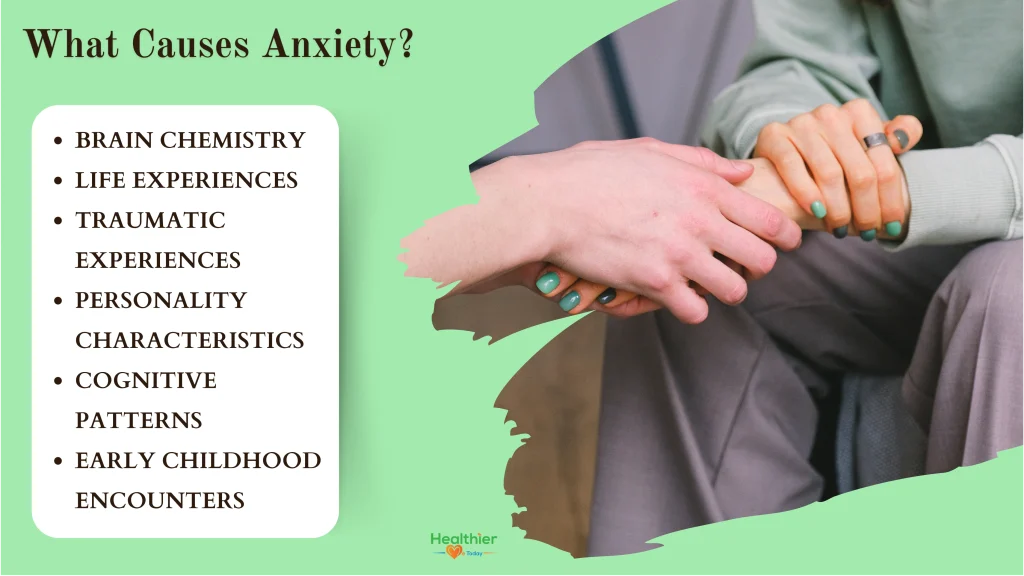
Many factors influence anxiety, such as:
- Genetics and family history
- Brain chemistry
- Life experiences that cause stress
- Traumatic experiences
- Early childhood encounters
- Personality characteristics
- Cognitive patterns
Understanding Anxiety Symptoms

Anxiety may emerge in a number of ways, impacting both our brains and bodies. While some people have occasional, minor anxiety, others suffer from severe and chronic anxiety symptoms that interfere with their everyday lives, including jobs, relationships, and general well-being.
Here’s how anxiety often manifests itself:
Psychological Symptoms
- Excessive worry
- Racing thoughts
- Irrational fears
- Anticipatory anxiety
- Panic attacks
- Difficulty sleeping
Physical Symptoms
- Shortness of breath
- Increased heart rate
- Muscle tension
- Sweating
- Gastrointestinal distress
- Dizziness or lightheadedness
Types Of Anxiety Disorders
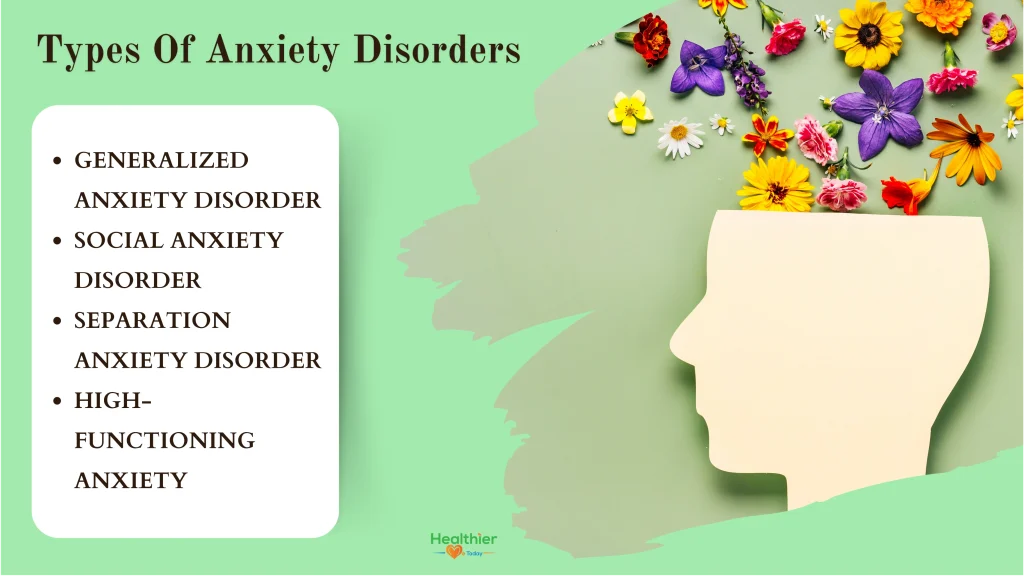
Every kind of anxiety disorder has distinct characteristics and triggers, but all cause severe suffering and impairment in everyday living.
Let’s look at some of the most common anxiety disorders:
Generalized Anxiety Disorder (GAD)
GAD is defined by persistent and excessive anxiety about various aspects of life, such as jobs, relationships, health, and daily situations. Individuals with GAD frequently have heightened worry and struggle to regulate their emotions, resulting in substantial suffering and functioning issues.
Panic Disorder
Panic Disorder is distinguished by recurrent, unexpected panic attacks – sudden episodes of intense dread or discomfort. Those suffering from panic disorder frequently live in fear of having another panic attack, which can result in avoidance behaviors and major disruptions to everyday living.
Social Anxiety Disorder (Social Phobia)
Individuals suffering from Social Anxiety Disorder may feel intense anxiety and self-consciousness in social situations, causing them to avoid interactions with others, public speaking, and performance events.
Separation Anxiety Disorder
This anxiety is defined by extreme worry or anxiety about separation from close relationships such as parents or caregivers. It could show up as fear about leaving home, dreams about separation, or bodily symptoms like headaches or stomach aches when separating.
High-Functioning Anxiety
High-functioning anxiety affects people who appear to have their lives in order and may even be successful in other aspects of life, such as employment or relationships. Internally, they suffer from continual anxiety and stress, and they may overcompensate by aiming for perfection, overachieving, or constantly seeking approval from others.
What Is The 333 Rule for Anxiety?

The 333 rule anxiety is a coping method that practically anybody can adopt to deal with worry and stress. So, what is it, how can you use it to manage anxiety, and what other solutions are there? The 333 rule anxiety is essentially a grounding method, an exercise or activity that helps you manage an intense emotion by getting you out of your brain – shifting your focus away from painful ideas, sensations, or memories and toward the current now.
It’s a simple technique to remember and apply in the present; it’s always there, and it might be a great tactic for helping us focus and center ourselves when panic takes over. You must identify three visible objects and three auditory objects and move three distinct body parts. Let’s take a closer look at each down below!
Name Three Things You See
When you feel anxious, take a deep breath, look around, and list three things you observe. It can be anything: a pet, a light, a mug, a family photo – whatever attracts your attention.
Name Three Sounds You Hear
Next, listen to your surroundings and identify three items you hear. It doesn’t matter if it’s traffic, running water, your coworker’s keys clacking, people conversing, or your own breath.
Move Three Parts Of Your Body
Finally, select three portions of your body and move them individually. You may shake your head, shrug your shoulders, or roll your wrists. If you want to appear more discreet, try grinning, taking a big breath, feeling your chest rise and fall, or even tapping your foot.
Does The 333 Rule Anxiety Work?
Even better, use the 333 rule for anxiety even if you’re not experiencing any anxiety. Using stress-coping methods when we aren’t stressed is a form of preventative self-care. Establishing this coping technique as a habit can be incredibly beneficial.
Test the 333 rule anxiety when you get up in the morning, shortly before you leave for the day, after you finish your workday, or at any other time that works for you. Coping methods and grounding tactics, such as the 333 rule, might help you shift your emphasis from internal discourse to outward stimuli. This purposeful exercise can help us center ourselves, get off the hamster wheel of recurrent ideas, focus on our breathing and body, and put things into perspective. It’s a modest, basic instrument with a significant influence.
Other Coping Skills And Mechanisms For Anxiety
Anxiety attacks can be extremely uncomfortable, which is why most individuals seek quick ways to calm down. Sometimes, you need a tool (or two or three) to help you center yourself before engaging in a growth process like therapy.
Here are some other coping mechanisms you can try:
Breathwork For Anxiety
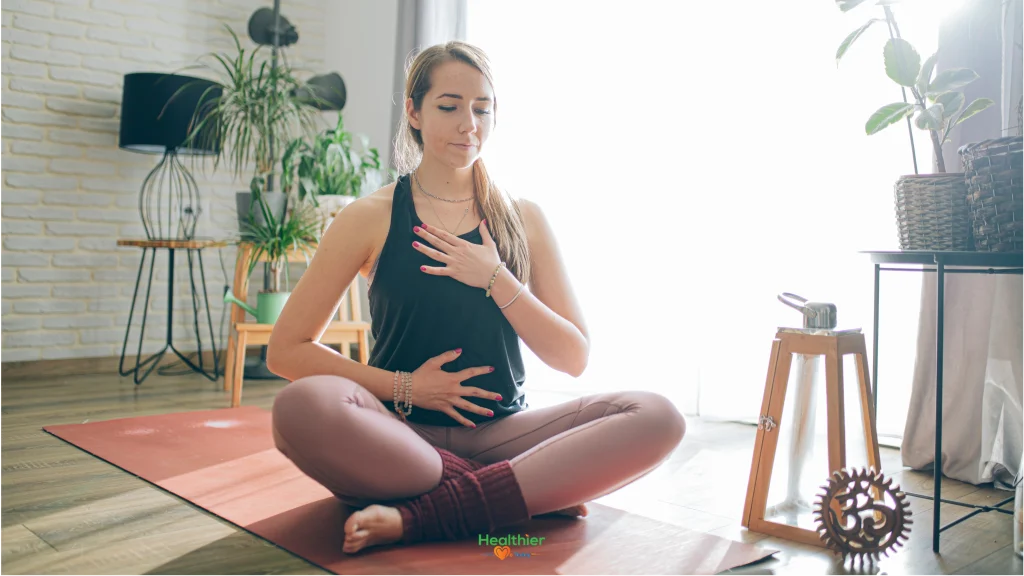
Breathing exercise, commonly referred to as “diaphragmatic breathing” or “deep breathing,” is a mind-body technique that can help you cope with stress. Diaphragmatic breathing entails contracting the chest, expanding the abdomen, and deepening inhale and exhalation. Studies have shown that breathing practice can help reduce symptoms of anxiety, despair, and stress.
Get Grounded
Sit down and actively push your feet onto the floor. As you press your feet down, the muscles in your legs begin to activate. Take a deep breath while you do so. Notice how it gives your body a sensation of solidity and stability. Use your thoughts to focus on that rigidity to literally become grounded.
Mindfulness
Mindfulness is paying attention to the present moment. Mindfulness techniques, such as mindful breathing or body scans, can help people learn to examine their thoughts and feelings without being sucked in by them.
Self-Compassion
Individuals who practice self-compassion strategies, such as self-soothing or self-encouragement, can develop a sense of inner warmth and acceptance, which can help ease anxiety.
Conclusion
Anxiety can greatly impact your life, particularly if it develops into a severe and ongoing problem. If something is making you anxious, use the 333 rule anxiety. It’s easy! Just move three body parts after identifying three items and three noises in your surroundings. Maybe this was the tool you’ve been looking for all this time. Who knows?
However, this isn’t the only way to find relief. Other options include breathing work, grounding, mindfulness, and self-compassion. It’s all about what works well with your mind and body.
FAQs:
How Do You Practice The 3-3-3 Rule For Anxiety?
When something triggers you, apply the 3 3 3 rule to relieve anxiety. Simply look around, identify three items and three sounds, and then move three body parts. It can be incredibly beneficial!
How Often Should I Use The 3-3-3 Rule For Anxiety?
To build a consistent pattern, use the 3 3 3 rule when you wake up, before leaving the house, and at the end of the day. However, this is entirely up to you, as you need to find what works with your schedule and situation.
What Are Other Techniques Similar To The 3-3-3 Rule For Anxiety?
Techniques similar to the 3-3-3 rule for anxiety include the 5-4-3-2-1 approach, mindfulness meditation, and cognitive behavioral strategies. These are all effective aids for managing anxiety.
Can I Use The 3-3-3 Rule If I Have Generalized Anxiety Disorder (GAD)?
Yes, this method can help you focus on the here and now, center your thoughts, and alleviate generalized anxiety disorder.
