
The flu vaccine, commonly known as the flu shot, is a crucial tool for preventing seasonal influenza. But because it’s seasonal, understanding the optimal timing for getting your flu shot can maximize its effectiveness.

Here, we’ll cover key information to help you choose the best time for your flu shot to protect your health throughout flu season.
Understanding the Best Time for a Flu Shot
The duration of protection from a flu shot depends largely on when it’s administered. Flu shots are typically recommended before the flu season begins, as this ensures you’re protected when the virus is most active.
When to Get Your Flu Shot for Maximum Protection
A common question is, “When should I get my flu shot?” The CDC recommends getting vaccinated by the end of October, before flu season peaks. Early vaccination can be highly protective – research indicates that when the vaccine aligns well with circulating strains, doctor visits related to flu can decrease by 40-60%. Getting vaccinated as soon as possible is ideal, but receiving it later in the season can still provide significant benefits.
Does the Flu Shot Fully Protect Against the Flu?

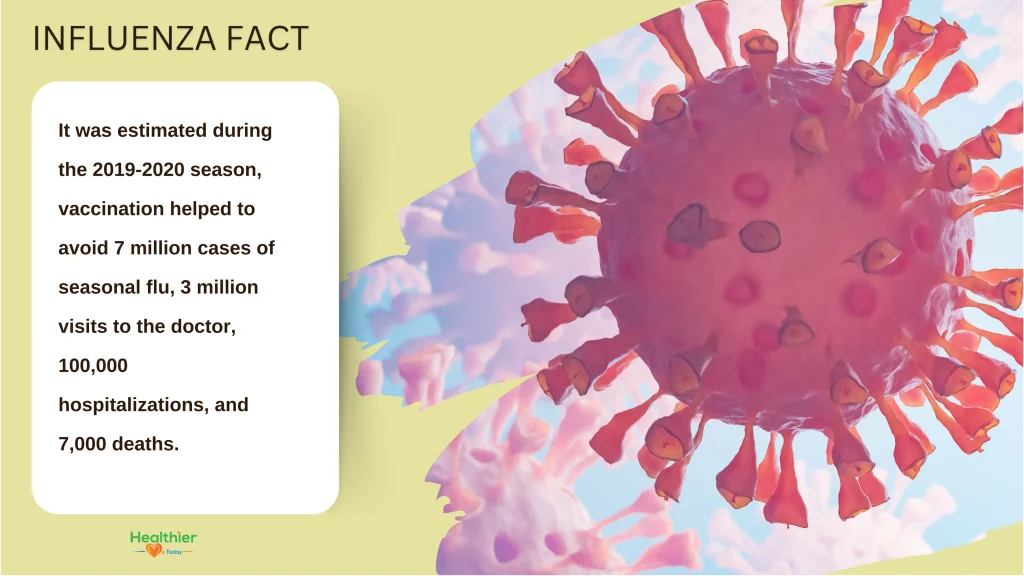
While the flu shot is effective at reducing your risk, it doesn’t eliminate the chance of getting the flu. During the 2019-2020 season, flu vaccination prevented approximately 7 million flu cases, 3 million medical visits, 100,000 hospitalizations, and 7,000 deaths. By training your immune system to recognize specific strains, the vaccine significantly lowers the severity of symptoms if you do contract the flu.
How Long Does Flu Shot Immunity Last?
The immunity from a flu shot typically lasts about six months, covering the peak of flu season. However, immunity duration can vary among individuals based on their health status. Consulting your healthcare provider about how long the flu shot will last for you can provide personalized guidance on timing your vaccinations.
Flu Shot Season and Availability
Flu shot season generally starts in late summer or early fall, with vaccines available at clinics and drugstores. Knowing when flu shots will be available in your area can help you plan ahead. Starting in the 2024-2025 season, all U.S. flu vaccines will be trivalent, with special recommendations for stronger vaccines for adults 65 and older. Don’t delay, as vaccine supplies may be limited later in the season.
Factors That Influence Flu Shot Timing
Design by Healthier Me Today
Several factors should be considered when deciding on the timing of your flu shot.
Seasonal Patterns and Flu Shot Effectiveness
Flu seasons vary, with flu activity peaking in late fall and winter. Getting vaccinated early is helpful, but note that early vaccination can lead to reduced immunity if the flu season is prolonged. Monitoring flu trends and choosing the most suitable time based on local data can enhance the vaccine’s effectiveness.
Personal Health and Immune System Needs
Individuals with weaker immune systems or those at high risk, such as older adults, may benefit from getting vaccinated early (Mayo Clinic). If you have questions about how the flu shot might affect your immune system, ask your healthcare provider to evaluate the benefits based on your health status.
Location and Vaccine Availability
Flu season and vaccine availability can differ by location. Some areas receive vaccines earlier, allowing for timely protection. Check with local health departments for updates on flu shot availability to ensure you’re prepared.
Side Effects and Aftercare for Flu Shots
Flu shots are generally safe, though mild side effects can occur. Some people may experience minor soreness, low-grade fever, or mild fatigue. These reactions typically resolve within a day or two and are manageable with rest and hydration.
Common Reactions and Management
After the flu shot, it’s normal to feel slight discomfort at the injection site or mild flu-like symptoms such as body aches and fatigue. These side effects are temporary and usually mild. Avoiding strenuous activity, staying hydrated, and limiting alcohol intake can help ease any discomfort post-vaccination.
Does the Flu Shot Affect Your Immune System?
The flu vaccine strengthens your immunity against flu-specific viruses but doesn’t weaken overall immunity. Any mild reactions are temporary and indicate your immune system is responding to the vaccine.
Valid Reasons to Decline the Flu Vaccine
While flu vaccines are widely recommended, there are valid reasons for some individuals to opt-out. Those with a history of severe allergic reactions to flu vaccine components or past adverse reactions should consult their doctor. Certain medical treatments may also interfere with vaccination, so discussing your health status with a healthcare provider is essential (CDC).
Advantages and Disadvantages
Flu shots offer many benefits but also have limitations.
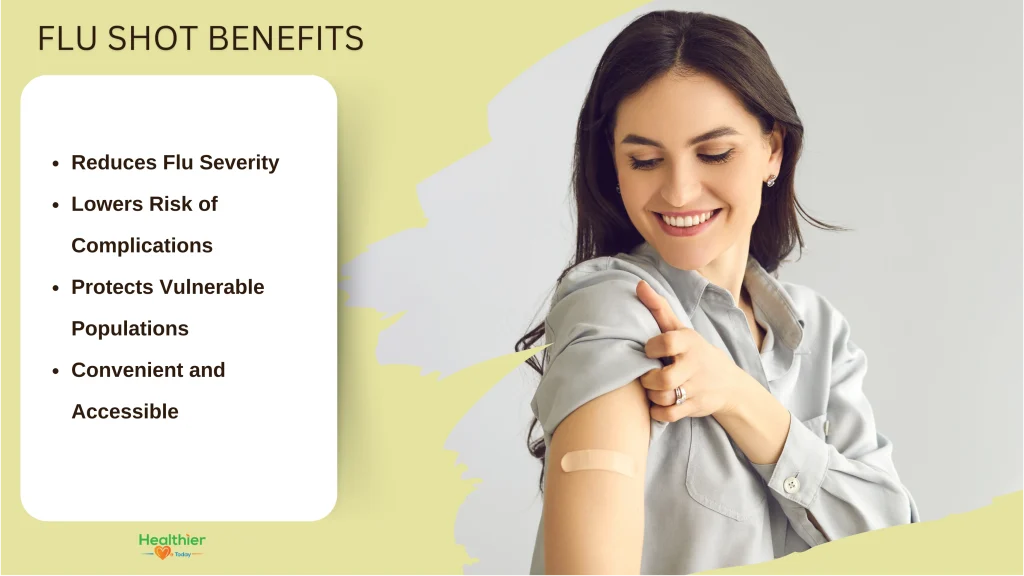
Advantages
- Reduces Flu Severity: The flu shot can significantly decrease the severity of flu symptoms.
- Lowers Risk of Complications: It offers an added layer of protection, particularly for those with weakened immune systems.
- Protects Vulnerable Populations: Vaccination helps shield society’s most vulnerable, including young children and the elderly.
- Convenience and Accessibility: Flu shots are widely available, making it easier for people to get vaccinated on time.
Disadvantages:
- Mild Side Effects: Minor side effects, such as soreness and low-grade fever, can occur, especially in children.
- Limited Strain Coverage: Flu vaccines may not cover all flu strains, so full protection isn’t guaranteed.
- Temporary Immunity: Immunity generally lasts for about six months, so timing is crucial to cover the flu season effectively.
How Long Should You Wait Before Your Next Flu Shot?
Since flu viruses change each year, an annual flu shot is recommended. For those in high-risk groups or with specific health conditions, a healthcare provider may advise additional doses or boosters.
Conclusion
Getting a flu shot is an effective way to protect yourself from seasonal flu and its complications. With the right timing, vaccination enhances your defense against the flu, helping to reduce its spread and impact on public health. Seek advice from healthcare providers to ensure your vaccination strategy fits your health needs.
Flu Shot FAQs:
When is the best time to get a flu shot for maximum effectiveness?
The optimal time is before flu season, ideally by October. However, vaccination is still helpful if received later.
How long does the flu shot protect you from the flu?
Flu shot protection typically lasts around five to six months, although this may vary.
Can you still get the flu after getting vaccinated?
Yes, but symptoms are generally milder, and the flu vaccine provides substantial protection.
What are the common side effects of the flu shot, and how long do they last?
Side effects are usually mild, lasting up to two days. They may include soreness, fatigue, headache, muscle aches, and low-grade fever.
How often should I get a flu shot, and do I need one every year?
It’s best to get the flu shot annually, as flu strains change each season.
Is it safe to get the flu shot if I have other health conditions?
Yes, but consult your doctor if you have specific concerns.
What should I avoid after getting a flu shot to minimize side effects?
Avoid strenuous activity, stay hydrated, and limit alcohol intake for the best recovery.
