
A well-balanced, nutritious diet high in fiber, lean or plant-based protein, and healthy fats is the most effective method to improve liver health, reduce disease risk, and support healthy weight loss. Non-alcoholic fatty liver disease (NAFLD) is among the leading causes of liver disease in the United States. It is a condition in which excess fat accumulates in the liver.
Let’s take a closer look at which foods to include and avoid in your healthy fatty liver diet!
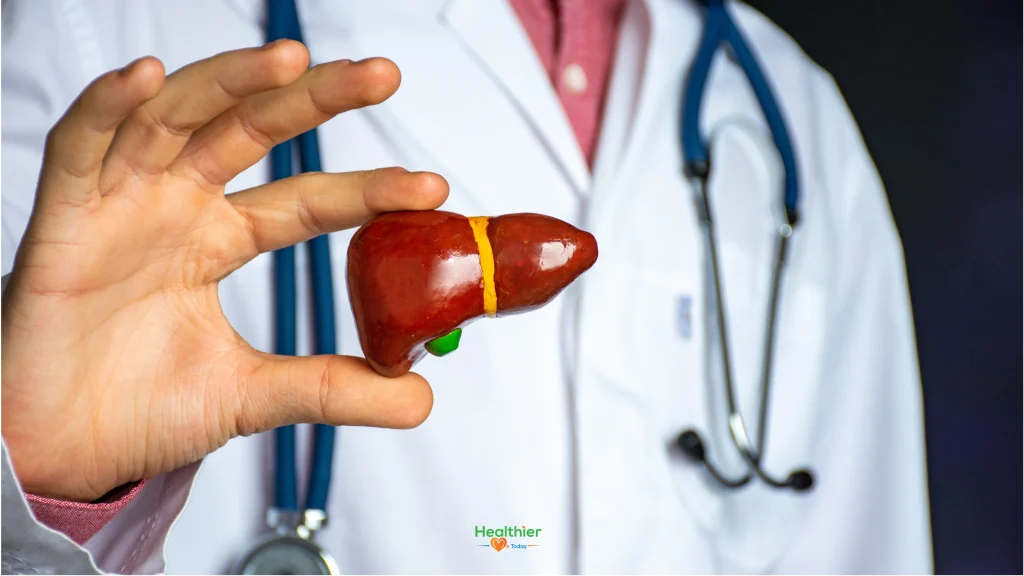
Different Types of Non-alcoholic Fatty Liver Disease (NAFLD)
The two types of NAFLD are:
- Non-alcoholic fatty liver (NAFL) occurs when fat accumulates in the liver without causing inflammation, yet liver enlargement may cause pain.
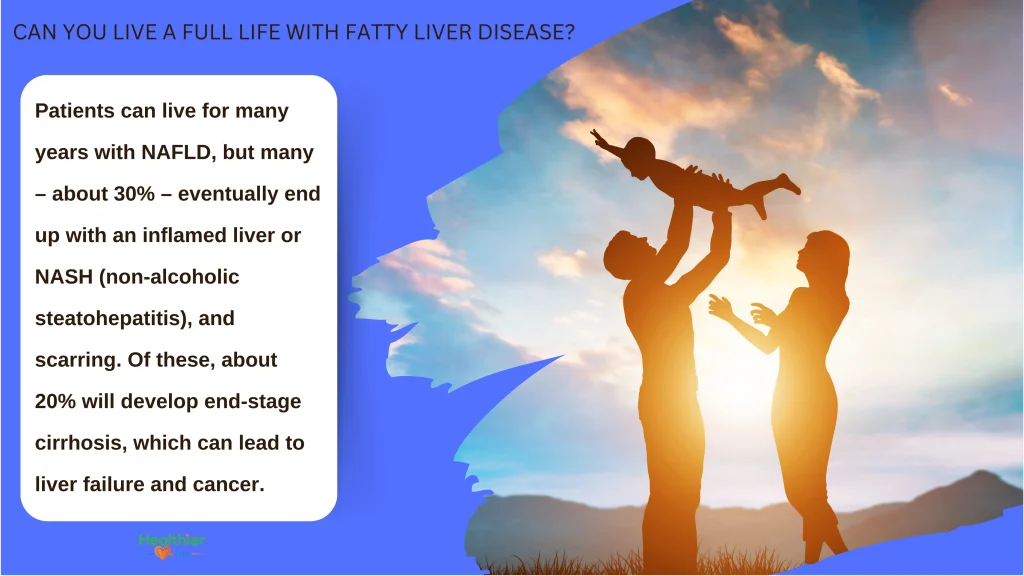
- Non-alcoholic steatohepatitis (NASH) is characterized by inflammation and can progress to cirrhosis and liver failure if not addressed.
In a healthy body, the liver eliminates toxins and produces bile, a greenish-yellow fluid that converts fat into fatty acids that can be digested. Fatty liver blood tests can help detect elevated liver enzymes, which can be a sign of the disease. Fatty liver disease affects the liver and stops it from functioning properly, but learning how to lower liver enzymes can help prevent it from worsening.
The primary line of treatment for overweight or obese people with NAFLD is progressive weight loss through a fatty liver diet, which includes calorie restriction, exercise, and healthy nutrition. Following a well-structured diet for a fatty liver helps reduce excess fat in the liver, improve enzyme levels, and support long-term liver function. However, a doctor may prescribe a fatty liver disease drug to manage liver health and reduce inflammation.
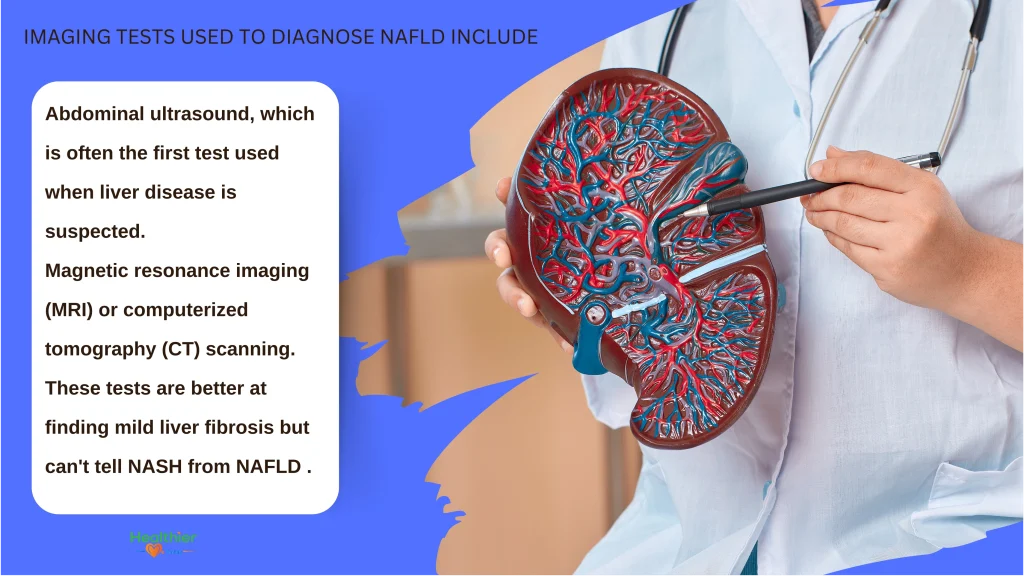
In general, a diet for fatty liver includes:
- Fruits and veggies.
- Plants with high fiber content, such as legumes and whole grains.
- Significantly limiting your intake of specific meals and beverages, especially those high in added sugar, salt, refined carbs, and saturated fat.
- Limiting alcohol.
People with NAFLD are often advised to eat a nutrient-dense, whole-food diet high in fiber, protein, and unsaturated fats.
Foods for Fatty Liver

Here are a few foods to include in your healthy fatty liver disease diet:
Coffee Can Help Lower Abnormal Liver Enzymes
Including coffee in your fatty liver diet plan may help protect your liver from NAFLD. A review discovered that regular coffee drinking is linked to a lower chance of getting NAFLD, as well as a lower risk of liver fibrosis progression among people who have already been diagnosed with NAFLD. Coffee also appears to reduce the amount of aberrant liver enzymes in persons at risk for liver disease.
Greens Help Prevent Fat Buildup
Compounds present in spinach and other leafy greens may help prevent fatty liver disease. A 2021 observational study discovered that eating spinach specifically reduced the incidence of NAFLD, presumably due to the nitrate and unique polyphenols in the leafy green. Interestingly, the study concentrated on raw spinach because cooked spinach did not yield the same dramatic findings. This could be because boiling spinach (and other leafy greens) reduces polyphenol levels and antioxidant activity.
Soy and Beans Can Lower the Risk of NAFLD
There is potential for both soy and beans to lower the risk of NAFLD. Legumes like lentils, chickpeas, soybeans, and peas are not only nutrient-dense foods but also include resistant starches that support gut health, according to a research review of diet and liver disease. Legumes may even assist obese persons lower their blood lipids and blood sugar levels. Furthermore, a 2019 study discovered that a fatty liver diet high in legumes specifically reduced the risk of NAFLD.
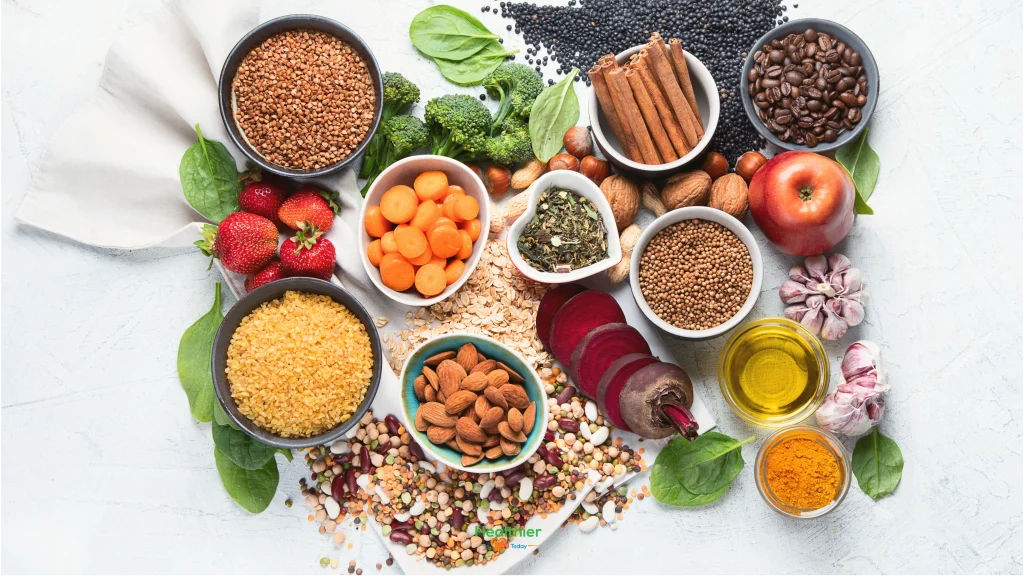
Although the evidence is conflicting, some studies have also suggested that eating soy – whether it be in the form of miso soup, which contains fermented soy, or as a substitute for a portion of meat or fish – may help protect the liver. This is probably due to soy’s high β-conglycinin concentration, a protein known to help decrease triglyceride levels and maybe prevent visceral fat accumulation.
Fish Can Lower Fat And Inflammation Levels
Omega-3 fatty acids are abundant in fatty fish, including trout, sardines, salmon, and tuna. By lowering triglyceride levels, increasing beneficial HDL cholesterol, and decreasing liver fat, omega-3 supplements may help people with NAFLD.
Fiber-Rich Whole Grains
Oatmeal and other whole-grain, high-fiber diets are linked to a lower risk of disorders linked to non-alcoholic fatty liver disease. According to studies, people with NAFLD may benefit from a healthy fatty liver diet that includes foods high in fiber, such as oats, which may also lower their triglyceride levels. Complement your meals with some pomelo fruit fatty liver, as they’ll offer additional liver-supporting nutrients.
Nuts Can Help Reduce Inflammation
Diets rich in nuts are related to decreased levels of inflammation, insulin resistance, oxidative stress, and NAFLD. A major Chinese study discovered that higher nut consumption was strongly connected with a lower risk of NAFLD – and research has shown that persons with fatty liver disease who eat walnuts have better liver function tests. Adding nuts to a fatty liver diet can be an excellent way to support liver health naturally.
Dates and Liver Health
Dates have a high fiber content which is excellent for the liver. The natural sweetness of dates provides individuals with a healthier alternative to processed sugars which can exacerbate liver damage. Even more amazingly, its rich in antioxidants which combats stress, a factor that contributes to liver disease. Including dates in a diet for fatty liver helps satisfy sugar cravings while supporting liver repair.
Turmeric To Reduce Markers Of Liver Damage
High doses of curcumin – the active ingredient in turmeric – might reduce markers of liver damage in people with NAFLD.
Studies focusing on turmeric supplementation show the bright orange root may decrease levels of serum alanine aminotransferase (ALT) and aspartate aminotransferase (AST) – two enzymes that are abnormally high in people with fatty liver disease. This makes turmeric a beneficial addition to a fatty liver diet plan.
Sunflower Seeds as Antioxidants
Sunflower seeds are abundant in vitamin E, an antioxidant that is commonly utilized (via supplementation) to treat NAFLD. While most studies on NAFLD and vitamin E focus on supplements, a 100-gram dose of sunflower seeds contains approximately 20 milligrams of vitamin E, which is more than 100% of the Daily Recommended Value. Sunflower seeds are an excellent place to start if you want to organically improve your vitamin E intake as part of your fatty liver diet.
Increase Unsaturated Fat Intake
Those with NAFLD may benefit by replacing saturated fat sources, such as butter, fatty cuts of meat, sausages, and cured meats, with unsaturated fat sources, such as avocados, olive oil, nut butter, and fatty fish. This is why the Mediterranean diet is occasionally recommended for people with NAFLD. It focuses on minimally processed raw foods high in unsaturated fats. It is also high in vegetables, fruits, and legumes, which all contribute to its capacity to lower total cholesterol.
Garlic Can Improve Overall Health
This vegetable not only enhances the flavor of meals, but modest experimental research indicate that garlic powder supplements may assist persons with fatty liver disease lose weight and fat. In a recent study, patients with NAFLD who took 800 mg of garlic powder daily for 15 weeks reported a reduction in liver fat and an improvement in enzyme levels. A study on whole food intake discovered that frequent eating of raw garlic was inversely linked with NAFLD in Chinese men (but not women).
Foods to Avoid with Fatty Liver
TOP 3 Products to Detox Your Liver by Healthier Me Today
If you have fatty liver disease, your doctor may advise you to avoid or limit your use of specific foods, particularly foods bad for liver. These foods typically contribute to weight gain, raise blood sugar and jeopardize a healthy fatty liver diet.
Avoid or minimize the following meals wherever possible:
- Alcohol: Alcohol consumption can contribute significantly to fatty liver disease and other liver illnesses.
- Sugar: One of the most critical foods to avoid on fatty liver diets are sugary foods such as sweets, cookies, soda, and fruit juice. High blood sugar levels lead to more fat deposition in the liver.
- Fried food: Fried foods are heavy in fat and calories.
- Added salt: Consuming too much salt raises the risk of NAFLD. It is recommended that you consume no more than 2,300 mg of sodium per day. People with high blood pressure should limit their salt intake to no more than 1,500 mg/day.
- White bread, rice, and pasta: White flour is often highly processed, and things produced with it can spike your blood sugar more than whole grains because they lack fiber.
- Red meat: Beef and pork are high in saturated fat. Highly processed meats, in general, should be limited because they are heavy in sodium and saturated fat.
Conclusion
If you have NAFLD or are concerned that you may be at risk, consult with a trusted healthcare provider to develop a treatment strategy. This may include dietary and lifestyle adjustments such as increasing physical exercise, enhancing sleep, and lowering stress.
FAQ’s:
What are the leading causes of fatty liver disease?
Fatty liver disease can be caused by:
> Excess calories
> Obesity
> Type 2 diabetes or prediabetes
> High blood pressure
> High cholesterol or triglycerides
> Metabolic syndrome
> Certain medications
> Infections, such as hepatitis C
What symptoms should I look for if I suspect fatty liver?
Some symptoms include:
> Nausea
> Loss of appetite
> Unexplained weight loss
> Yellowish skin and whites of the eyes (jaundice)
> Swelling in your abdomen (ascites)
> Swelling in your legs, feet, or hands (edema)
> Bleeding (that your provider finds in your esophagus, stomach, or rectum)
Can fatty liver disease be reversed with diet?
Yes, keeping to a balanced fatty liver diet can help reverse the disease, especially in the early stages.
What foods should I include in my fatty liver diet?
Aim for non-starchy vegetables and whole fruits. Choose leaner proteins like fish, poultry, beans, and nuts. Limit red meat, cold cuts, bacon, and other processed meats. Choose whole grains like brown rice, oatmeal, or whole wheat pasta.
How much weight do I need to lose to improve my fatty liver?
To improve fatty liver disease, you should aim to lose 7–10% of your body weight.
Are there specific fruits and vegetables that are good for fatty liver?
> Non-starchy vegetables: These are low in simple carbohydrates and include broccoli, spinach, kale, asparagus, artichokes, peppers, onions, mushrooms, carrots, tomatoes, and cauliflower.
> Fruits: These include berries, kiwi, apple, orange, lemon, grapefruit, avocado, blueberries, cranberries, and grapes.
Is it safe to consume alcohol if I have fatty liver?
No, it’s generally not safe to consume alcohol if you have fatty liver.
Why do high carbs affect liver function?
High carbs can lead to excess fat storage in the liver which can interfere with the liver’s ability to function properly. This can lead to conditions like fatty liver disease, affecting the overall health and efficiency of the organ.
