Yes, there is such a thing as healthy pregnancy weight gain, and it’s one of the clearest signs that both your body and your baby are on the right track. Those extra pounds don’t just appear for no reason. They show that your baby is getting the nutrients and protection needed to grow, while your body prepares for labor, delivery, and breastfeeding.
But what does “healthy” really mean when it comes to numbers on the scale? And how much weight to gain in pregnancy is actually considered normal?
Here’s a breakdown of what to expect in every trimester, along with practical ways to stay nourished, active, and supported from start to finish.
What is Healthy Weight Gain During Pregnancy?
Healthy pregnancy weight gain is about balance, gaining enough to support your baby’s growth and your body’s changes, without going too far in either direction. It’s not just “baby weight.” The placenta, amniotic fluid, increased blood volume, breast tissue, and stored energy reserves all contribute to those extra pounds. These changes make sure your body is ready for birth and has the resources needed for breastfeeding afterward.

The right amount of weight gain depends largely on your pre-pregnancy BMI, which doctors use to guide safe ranges. Staying within these ranges lowers the risk of complications like gestational diabetes, high blood pressure, and delivery challenges, while also protecting your baby from being born too small or too large.
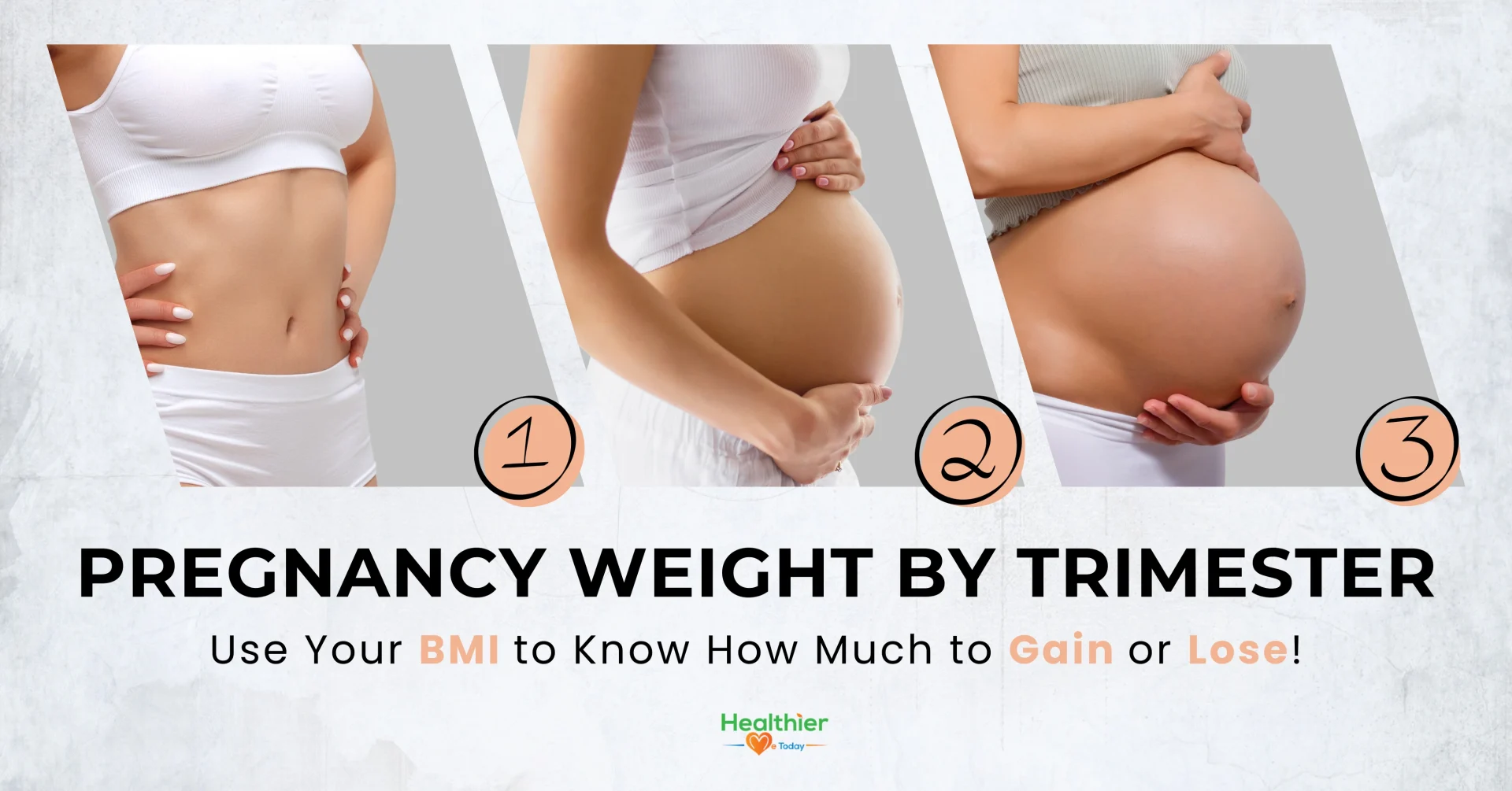
Most women notice a slower gain in the first trimester, followed by a steadier increase in the second and third. In fact, the majority of weight is typically gained after the halfway point of pregnancy.
Here’s a breakdown:
| BMI Before Pregnancy | BMI Range | Recommended Total Gain | Recommended Gain (lbs) |
| Underweight | Below 18.5 | 12.5–18 kg | 28–40 lbs |
| Healthy weight | 18.5–24.9 | 11.5–16 kg | 25–35 lbs |
| Overweight | 25–29.9 | 7–11.5 kg | 15–25 lbs |
| Obese | 30 and above | 5–9 kg | 11–20 lbs |
| Twins [healthy weight] | 18.5–24.9 | 17–25 kg | 37–54 lbs |
| Twins [overweight] | 25–29.9 | 14–23 kg | 31–50 lbs |
First Trimester: Getting Started (Weeks 1–12)
Weight gain in the first trimester is usually small, around 0.5–2 kg (1–5 lbs). Most of this comes from early changes like placenta growth, increased blood volume, and amniotic fluid. Underweight women should aim for the higher end, while those who are overweight may gain less or even lose a little due to morning sickness [mayoclinic.org].
Small, frequent meals with nutrient-rich foods such as yogurt with berries, wholegrain toast with avocado, or nuts can help maintain energy when nausea makes large meals difficult. Staying hydrated is essential. Try water with lemon, herbal teas like ginger, or diluted juice if plain water is unappealing. Continue taking prenatal vitamins, especially folic acid, to support your baby’s early development.
Second Trimester: Steady Growth (Weeks 13–26)
The second trimester is when weight gain becomes more consistent, averaging around 0.5 kg (1 lb) per week for healthy-weight women, or about 6–8 kg (13–18 lbs) in total by the end. Underweight women may need slightly more, while overweight women generally aim for around 0.3 kg (0.6 lb) weekly. If you are carrying twins, weight gain often increases to about 0.7 kg (1.5 lbs) per week.

This stage is a period of rapid baby growth and increased maternal fat storage, which your body will use for energy in late pregnancy and breastfeeding. Appetite usually improves compared to the first trimester, making it easier to eat a variety of nutrient-rich foods.
Focus on balanced meals that include:
- Protein to support muscle and tissue growth (e.g., chicken, eggs, fish, beans)
- Calcium for your baby’s bones and teeth (e.g., milk, yogurt, fortified plant milks)
- Iron to prevent anemia and boost oxygen supply (e.g., spinach, lentils, lean red meat) [hematology.org]
Aim for three main meals and one or two healthy snacks each day, such as wholegrain crackers with cheese or a smoothie with fruit and spinach. Keep portions balanced and avoid excessive sugary or highly processed foods, which add calories without essential nutrients.
Third Trimester: Final Stretch (Weeks 27-40)
During the final stretch of pregnancy, weight gain usually evens out at around 0.5 kg (1 lb) per week for women in a healthy weight range. Those who began pregnancy underweight may gain a little more, while those who were overweight often gain a little less. By this stage, your baby’s organs are nearly fully developed, and your body is shifting its focus toward preparing for labor, delivery, and breastfeeding.
Eating well becomes especially important now. Nutrient-rich foods like sweet potatoes, beans, leafy greens, eggs, and lean meats provide the strength both you and your baby need. Many women also find that smaller, more frequent meals help ease the heartburn and indigestion that tend to show up in late pregnancy.
Make sure to schedule regular prenatal check-ups so that both you and your baby stay healthy right up until delivery. These visits help track progress, address concerns, and give you peace of mind as you prepare to welcome your baby.
Tips for Healthy Weight Gain
If you aren’t quite where you need to be with your pregnancy weight gain, don’t panic. It doesn’t mean you’ve done something wrong, it simply means your body may need a little extra support. What matters most is making small, consistent choices that help you move closer to healthy pregnancy weight gain, giving both you and your baby the best foundation.

Here are the most important habits:
- Eat Balanced Meals: Include vegetables, fruits, whole grains, lean proteins, and dairy. A meal with chicken, brown rice, and greens gives you nutrients without excess calories.
- Snack Smart: Choose healthy snacks like yogurt, fruit, or nuts instead of chips or sweets. Keep a stash in your bag for quick bites.
- Stay Hydrated: Drink water or milk to support digestion and keep you feeling good. Aim for 8-10 glasses daily.
- Watch Portions: Use a smaller plate to avoid overeating, especially in later trimesters. A fist-sized serving of vegetables is a good guide.
- Move Your Body: Light activities like walking or prenatal yoga, approved by your doctor, help manage weight and boost energy.
Conclusion: What’s the Right Amount?
The right amount of healthy pregnancy weight gain depends on your pre-pregnancy BMI and how your body changes across each trimester. By understanding weight gain by trimester, you can see what’s considered normal at every stage and make choices that support both your health and your baby’s development.
Whether your weight increases slowly in the first trimester or more steadily in the third, the overall goal is balance. Consistent habits, like eating nourishing meals, staying active, and attending regular check-ups, make all the difference in staying on track.
Use our Pregnancy BMI Calculator to check if your weight is within the recommended range!

FAQ’s:
How much weight should you gain in each trimester?
In the first trimester, most women gain about 0.5–2 kg (1–5 lbs). From the second trimester onward, healthy-weight women typically gain around 0.5 kg (1 lb) per week. If you started pregnancy underweight, you may need to gain a little more, while women who are overweight often gain slightly less (about 0.3 kg/0.6 lb per week).
What happens if you gain too much weight during pregnancy?
Gaining more than the recommended amount can raise the risk of complications such as gestational diabetes, high blood pressure, or the need for a cesarean delivery. Focusing on nutrient-rich meals and gentle activity can help manage weight gain in a healthy way.
What if you’re not gaining enough weight?
Gaining too little weight can increase the chances of having a smaller baby or preterm birth, especially if you started pregnancy underweight. Eating frequent, calorie-rich but nutritious meals, like adding nut butters, avocados, smoothies, or healthy oils, can help support steady weight gain. Talk with your doctor if you’re concerned.
Does weight gain differ for twins or multiples?
Yes. Women carrying twins generally need to gain more, about 17–25 kg (37–54 lbs) for a healthy pre-pregnancy weight, or 14–23 kg (31–50 lbs) if overweight. Weight gain is usually spread more evenly across trimesters.
Can exercise impact weight gain?
Yes, light, doctor-approved activities such as walking, swimming, or prenatal yoga can help support healthy pregnancy weight gain. Exercise keeps you active, reduces discomfort, and supports steady gain without burning too many calories.
What foods help with weight gain by trimester?
Choose nutrient-dense foods that give you and your baby lasting energy. Lean proteins, whole grains, fruits, vegetables, nuts, and dairy help maintain steady gain. Limiting sugary snacks and processed foods makes it easier to keep weight gain within a healthy range.