
How to Increase Semen Volume Without Pills or Gimmicks

Wondering how to increase semen volume naturally? Changes in semen volume can spark concern or curiosity, whether you’re aiming for better fertility, confidence, or sexual satisfaction. You don’t need pills or gimmicks to make a difference (we promise).

Experts say that simple lifestyle tweaks can boost semen volume and support your reproductive health. This piece explores effective and safe ways to enhance semen volume, answer key questions about sperm health, and give you practical steps to take charge.

Let’s get started!

What Is Semen Volume and Why Does It Matter?

Semen is the fluid released during ejaculation, carrying sperm and nutrients like water, proteins, and minerals. Normal semen volume ranges from 2 to 5 milliliters per ejaculate, though this varies with age, health, and lifestyle.

how to make sperm stronger for pregnancy

Men often ask how to increase semen volume because higher volume is tied to male fertility, sexual pleasure, or confidence. What nutrients do male adults need for fertility? Zinc, selenium, and antioxidants are key. Low volume might raise fertility concerns, though it’s not always a sign of infertility.

Understanding Semen and Sperm Health

What does healthy semen look like, and how does your body produce it? Knowing these answers can guide your efforts to boost volume and fertility.

What Does Healthy Sperm Look Like?

There are a few clear signs that can help you identify healthy semen and understand what’s normal.

Healthy semen typically has:

  • Color: White or light gray, with a slightly opaque finish.
  • Consistency: Initially thick and gel-like, it turns watery after 10-30 minutes.
  • Volume: 2-5 milliliters per ejaculate.
  • Odor: Mild, slightly chlorine-like.

Yellowish semen may simply point to dehydration or diet changes. However, if you notice red or brown hues, it could indicate blood, so it’s best to consult a healthcare provider to rule out any serious concerns.

How Long Does It Take for Sperm to Regenerate?

If you’re trying to improve your fertility or just curious about how your body works, it helps to know that sperm production is a continuous process. While your body makes millions of new sperm every day, it takes about 74 days for a single sperm to fully mature. That means any healthy changes you make today, like eating better or managing stress, can start to show up in your semen quality in about two to three months.

Can Frequent Ejaculation Lower Sperm Count?

It’s a common question, especially for couples trying to conceive. Frequent ejaculation, like multiple times a day, might temporarily lower the amount of semen you produce each time. But it doesn’t actually harm your overall sperm count or fertility if you’re otherwise healthy. For the best chance of conception, many experts suggest spacing ejaculation every two to three days to help maximize semen volume.

How to Increase Semen Volume Naturally

Boosting semen volume without pills or gimmicks starts with making better choices and taking care of your health.

how to produce more semen

Here are 10 methods to enhance semen volume:

1. Stay Hydrated

Water makes up approximately 96-98%of seminal fluid, so dehydration significantly reduces its volume [thecooperclinic.co.nz]. So, how much water should men drink daily to support fertility? Experts recommend consuming 8-12 cups of water daily, with 10 cups being the ideal amount. Carry a water bottle and sip throughout the day to boost your hydration levels.

2. Eat a Nutrient-Rich Diet

What foods produce sperm fast? Foods rich in zinc (oysters, pumpkin seeds), selenium (Brazil nuts, tuna), and vitamin C (oranges, bell peppers) support semen production. What nutrients do male adults need for fertility? Men with higher zinc intake have 30% greater semen volume, according to studies. Add eggs and spinach for antioxidants.

3. Consider Male Fertility Vitamins

Male prenatal vitamins or vitamins for male conception, like zinc, selenium, and folate, boost sperm health. Natural sources are best, but supplements help if your diet lacks variety. A handful of pumpkin seeds provides 10 mg of zinc. Ensure your diet includes these nutrients before considering male fertility supplements.

4. Exercise Regularly

Are there specific exercises that improve reproductive health in men? Yes, moderate cardio (e.g., 30-minute walks, 5 times a week) and strength training (e.g., squats) can help boost testosterone levels. Just be sure to avoid excessive cycling because it may reduce sperm count.

5. Manage Stress

How does stress affect sperm health and count? Chronic stress raises cortisol levels, which can lower testosterone and volume by 15% [progressivemedicalcenter.com]. Practice 10-15 minutes of meditation or yoga daily. Hobbies or time spent with friends can also help, with improvements in fertility occurring as quickly as a few weeks.

6. Prioritize Sleep

Does sleep quality impact testosterone and sperm production? Poor sleep lowers testosterone levels, reducing volume by approximately 25%. Aim for 7-9 hours nightly. Dim lights and avoid screens before bed to see improvements in 1-2 months.

7. Avoid Overheating the Testicles

Testicles need to stay 2-4°C below body temperature. Avoid hot tubs, saunas, and tight underwear. Instead, opt for loose boxers. They say that consistent heat avoidance typically results in increased volume within 2 to 3 months.

8. Quit Smoking

Smoking damages sperm DNA and reduces volume by 20%. Quitting improves male fertility within months. Use cessation programs or support groups to stay on track.

9. Limit Alcohol

Excessive alcohol lowers testosterone and semen volume. Limit to 1-2 drinks daily or avoid alcohol for optimal fertility. Moderation shows results in just 1-2 months.

10. Maintain a Healthy Weight

What role does obesity play in sperm production? Obesity reduces testosterone levels, resulting in a 20% decrease in volume [health.harvard.edu]. Focus on a balanced diet and regular exercise to achieve effective weight management and boost fertility over time.

When to Check Your Fertility

Here’s when and why to consider checking your reproductive health:

how to increase semen volume

  • Timing for Testing: Consider a semen analysis if trying to conceive without success for a year, or 6 months if over 35. This test evaluates volume, sperm count, motility, and shape.
  • Signs of Poor Sperm Quality: What are the signs of poor sperm quality? Low volume (under 1.5 ml), watery or discolored semen (yellow, red, or brown), difficulty conceiving, low energy, reduced libido, or testicular discomfort may suggest issues.
  • Self-Monitoring Steps: Track semen volume, ejaculation frequency, and lifestyle factors such as sleep, stress, and diet in a journal. Persistent changes over weeks may indicate a need for further evaluation.
  • Additional Tests: If issues persist, hormone blood tests (for testosterone or FSH levels) or a scrotal ultrasound can assess testicular health and uncover underlying causes.
  • Proactive Monitoring: Consider a fertility check every 1-2 years, especially if over 30 or with risk factors like smoking or obesity, to catch potential problems early.
  • Reassurance: Research shows 1 in 6 couples face fertility challenges, so testing is common. It’s normal to feel concerned, but a semen analysis provides clarity and solutions.

Conclusion: Can You Increase Semen Volume by Yourself?

Many men wonder how to increase semen volume naturally. The good news? By understanding which foods support sperm production, taking male prenatal vitamins, and making simple lifestyle shifts like staying hydrated, eating a balanced diet, and managing stress, you can boost male fertility without much hassle.

Knowing what does healthy sperm look like and how long it takes for sperm to regenerate gives you the power to take action. Start small: drink more water, add zinc-rich foods to your meals, and seek professional testing if concerns continue.

With the right knowledge and habits, you can make meaningful changes, no gimmicks required!

FAQ’s:

Can lifestyle changes improve male fertility naturally?

Yes, hydration, diet, exercise, and stress management boost male fertility.

How does stress affect sperm health and count?

Chronic stress increases cortisol, which reduces testosterone and volume by 15%. Meditation or yoga can improve male fertility in as little as a few weeks.

Are there specific exercises that improve reproductive health in men?

Cardio and strength training can boost testosterone levels, supporting male fertility. Avoid excessive cycling to prevent pelvic pressure.

What are the signs of poor sperm quality?

Low volume (under 1.5 ml), watery semen, or conception issues may indicate problems. A semen analysis can help clarify a man’s fertility status

Can frequent ejaculation lower sperm count?

Frequent ejaculation reduces volume per ejaculate but doesn’t harm overall male fertility. Space ejaculation every 2-3 days.

How much water should men drink daily to support fertility?

Drink 8-12 cups of water daily to support male fertility, as dehydration can reduce sperm volume. Aim for 10 cups.

Does sleep quality impact testosterone and sperm production?

Poor sleep lowers testosterone levels, reducing volume by approximately 25%. Get 7-9 hours for better reproductive health.

Is caffeine consumption linked to male infertility?

Over 400 mg daily may harm male fertility. Limit to 1-2 cups for healthy sperm.

How often should men get fertility tests?

Consider a semen analysis if conception fails after a year (or 6 months if over 35). Test every 1-2 years for male fertility monitoring.

What role does obesity play in sperm production?

Obesity lowers testosterone levels, resulting in a volume reduction of approximately 20%. Weight loss can improve male fertility over time.
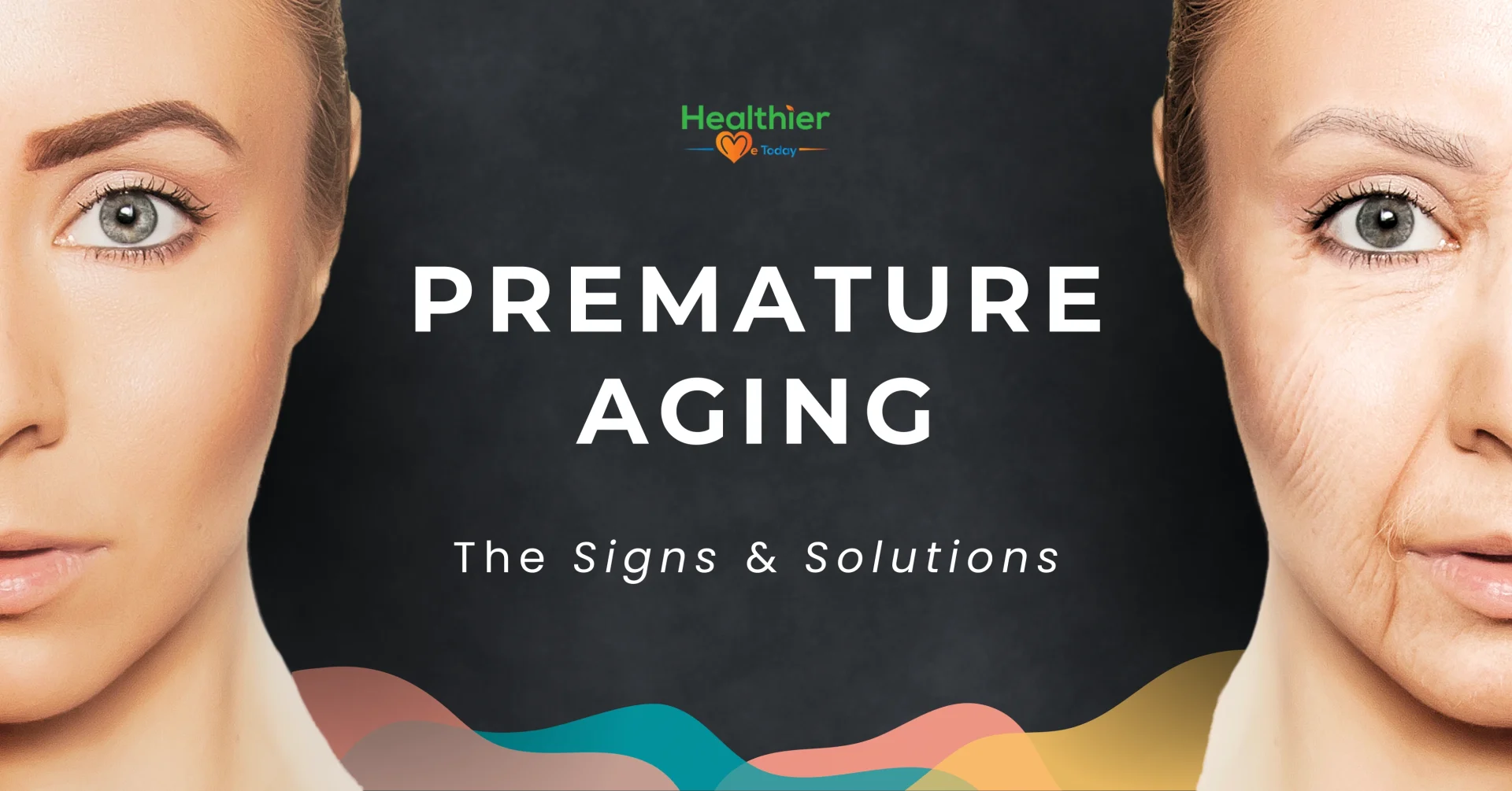
15 Sneaky Signs of Premature Aging & How to Fight Them Naturally

Aging is a natural process, but when your body starts showing wear and tear earlier than expected, it’s a sign of premature aging. Wrinkles, fatigue, or creaky joints may appear sooner than they should, suggesting that your lifestyle or environment is accelerating the aging process. The good news? Spotting these signs of aging early lets you take control and slow the process.

Let’s explore what premature aging is, its causes, and 15 key indicators, complete with essential preventative anti-aging tips!

What is Premature Aging?

Premature aging occurs when your body shows age-related changes, like thinning hair, sagging skin, or low energy, before they’re typical for your age. It’s not just about looks; it affects your whole system, from your skin to your brain. Genetics can play a role, but factors such as sun exposure, stress, or poor habits often accelerate the aging process. Understanding it is the first step to fighting back.

Premature aging

Here are the primary causes of premature aging:

  • Sun Exposure: UV rays break down collagen and elastin, leading to wrinkles and age spots.
  • Smoking: Toxins reduce blood flow, accelerating the aging of skin and hair.
  • Poor Diet: Low nutrients weaken skin, nails, and muscles.
  • Chronic Stress: Cortisol inflames tissues, accelerating cellular aging.
  • Lack of Sleep: Skimping on rest slows repair, dulling skin and energy.
  • Dehydration: Dry skin and slow healing result from insufficient water intake.
  • Sedentary Lifestyle: Inactivity weakens muscles and joints.
  • Excessive Alcohol: Dehydrates skin and disrupts repair.
  • Pollution: Free radicals from toxins harm skin and cells.

15 Signs Your Body Is Aging Faster Than You Are

Below are 15 clear indicators that your body may be aging faster than it should, each accompanied by detailed explanations and practical steps on how to slow down the aging process.

The signs of speed aging are:

1. Wrinkles and Fine Lines

Tons of people wonder how to get rid of wrinkles. But what are they? Wrinkles and fine lines, as well as creases around the eyes or mouth, signal premature aging due to collagen breakdown caused by UV exposure, smoking, or repetitive expressions. Dehydration, free radicals, and even x-rays cause premature aging, thin skin, and deepening lines. A beachgoer skipping sunscreen might notice crow’s feet in their 20s, while repetitive frowning etches forehead lines, aging the face faster than peers.

  • Manage: Apply retinoid creams nightly to enhance cell turnover and reduce the appearance of wrinkles. Start with a low-strength retinol (0.25%) to minimize irritation [healthline.com]. Consult a dermatologist for prescription options.
  • Avoid: Wear SPF 30+ sunscreen daily, even indoors near windows. Use sunglasses to reduce squinting. Moisturize your skin with hyaluronic acid nightly to help it stay hydrated. Limit smoking and sugar intake to protect your collagen.
  • Natural Sources: Eat oranges (vitamin C), berries (antioxidants), and avocados (healthy fats) to support collagen and fight free radicals.

2. Sagging Skin

Drooping skin around the jawline or arms indicates premature aging caused by the loss of collagen and elastin due to exposure to UV rays, a poor diet, or weight fluctuations. Low hydration and gravity worsen it, contributing to sunlight aging. A former tanner might start to notice jowls in their 30s, or rapid weight loss can leave loose skin, diminishing facial contours.

  • Manage: Use peptide-rich creams twice daily to tighten skin; try facial yoga (cheek lifts) 10 minutes daily to tone muscles; consider microneedling for results.
  • Avoid: Eat protein-rich foods like eggs, salmon, or lentils to boost collagen; limit sun with hats or shade; drink 8-10 glasses of water daily to keep skin firm.
  • Natural Sources: Consume salmon (omega-3s), nuts (vitamin E), and spinach (vitamin A) to promote collagen and skin elasticity.

3. Age Spots

Dark, flat patches on the face or hands are called age spots. Can X-rays cause premature aging? Yes, x-rays, along with UV rays, overstimulate melanin, which can also be worsened by pollution. Oxidative stress contributes to uneven pigmentation, a hallmark of premature aging. A construction worker without sunscreen may develop spots in their 20s, or frequent flyers may notice patches from cosmic radiation, as well as changes in the appearance of their aging skin.

  • Manage: Apply hydroquinone (2%) or vitamin C serums twice daily to fade spots [allure.com]; exfoliate the skin once a week. Consult a dermatologist for laser treatments if the spots persist.
  • Avoid: Use a broad-spectrum SPF 30+ daily, reapply every two hours outdoors, wear gloves or long sleeves in the sun, and avoid tanning beds to prevent new spots.
  • Natural Sources: Eat citrus fruits (vitamin C), strawberries (antioxidants), and kale (vitamin K) to brighten skin and reduce pigmentation.

4. Thinning Hair

Excessive hair shedding or volume loss can indicate premature aging, often driven by stress, low iron levels, biotin deficiency, or hormonal imbalances such as thyroid issues. Follicles weaken, thinning strands, one of the signs you’re getting older. A stressed parent might notice more strands in the shower, or postpartum changes can reduce hair density, leading to an aging appearance of the scalp.

Premature aging - Thinning Hair

  • Manage: Take biotin (5,000 mcg) daily; massage scalp with rosemary oil nightly to boost circulation; consult a dermatologist for deficiency tests.
  • Avoid: Eat nuts, greens, and eggs for iron and protein; meditate for 10 minutes daily to reduce stress; and avoid tight hairstyles or heat styling to protect your follicles.
  • Natural Sources: Include eggs (biotin), spinach (iron), and pumpkin seeds (zinc) to nourish hair follicles and promote growth.

5. Brittle Nails

Nails that crack or peel signal premature aging, from dehydration, low zinc, or overexposure to water and chemicals. Weak cuticles and slow growth exacerbate the issue. A dishwasher can cause splitting nails, and frequent manicures can weaken them, resulting in an aged appearance.

  • Manage: Take biotin (2,500 mcg) daily; apply cuticle oil and thick hand cream nightly to strengthen nails; consult a doctor if persistent.
  • Avoid: Wear gloves for chores; drink 8-10 glasses of water daily; avoid acetone removers; eat zinc-rich foods like oysters to support nail health.
  • Natural Sources: Eat oysters (zinc), almonds (vitamin E), and sweet potatoes (vitamin A) to strengthen nails and cuticles.

6. Dry Skin

Rough, flaky skin indicates a loss of moisture. This could be due to harsh soaps, hot showers, or low humidity, which can accelerate the signs of premature aging. Sebum production drops, thinning the skin’s barrier, making you wonder, ‘Why do I look older than my age?’ Someone in a dry climate might notice tight, scaly skin, or winter months can exacerbate flaking and a dulling complexion.

  • Manage: Use fragrance-free cleansers, apply hyaluronic acid moisturizer twice daily, layer ceramide cream at night, and use a humidifier indoors.
  • Avoid: Shorten showers to 5 minutes with lukewarm water, pat dry to preserve your skin’s natural oils, drink at least eight glasses of water daily, and opt for alcohol-free skincare products.
  • Natural Sources: Consume avocados (rich in healthy fats), cucumbers (for hydration), and flaxseeds (rich in omega-3 fatty acids) to hydrate and nourish your skin.

7. Loss of Skin Elasticity

Skin that doesn’t snap back when pinched signals collagen loss from UV exposure, dehydration, or oxidative stress, marking premature aging. Elasticity fades, causing the skin to lose its elasticity, which is often noticeable in the arms or cheeks. A tanner might see this in their 30s, or chronic dehydration can reduce the skin’s bounce, aging its texture.

  • Manage: Apply vitamin C serum twice daily to boost collagen production. Use retinol cream at night. Consider taking collagen supplements after consulting a doctor.
  • Avoid: Drink 8-10 glasses of water daily; use SPF 30+ sunscreen; wear hats in the sun; avoid smoking; limit sugar to preserve elastin and collagen.
  • Natural Sources: Eat oranges (vitamin C), walnuts (omega-3s), and tomatoes (lycopene) to support collagen and skin elasticity.

8. Uneven Skin Tone

Blotchy or red skin resulting from sun damage, inflammation, or hormonal changes can prematurely age your appearance, a sign of early aging. Melanin irregularities and broken capillaries cause patches, often on the cheeks or nose. A teacher in the sun might see redness, or hormonal shifts can trigger discoloration, dulling the glow.

  • Manage: Use a niacinamide serum twice daily to help even out your tone; exfoliate with lactic acid once a week; consult a dermatologist for IPL treatments.
  • Avoid: Apply SPF 30+ daily; soothe your skin with aloe after sun exposure; avoid harsh scrubs; and eat anti-inflammatory foods like berries to help reduce redness.
  • Natural Sources: Include berries (antioxidants), spinach (vitamin A), and turmeric (anti-inflammatory) to balance skin tone and reduce inflammation.

9. Thinning Lips

Lips losing fullness or gaining lines can signal premature aging due to collagen loss caused by sun exposure, smoking, or volume decline. A smoker might notice fine lines around their lips, or sun exposure can cause lip volume to shrink, leading to facial aging.

  • Manage: Apply SPF lip balm with shea butter 3 times daily; use hyaluronic acid lip plumpers; consult a dermatologist for fillers.
  • Avoid: Quit smoking; shield lips with scarves in sun or wind; sip through straws less; eat collagen-rich foods like fish to maintain fullness.
  • Natural Sources: Eat salmon (omega-3s), bone broth (collagen), and strawberries (vitamin C) to support lip fullness and skin health.

10. Dark Circles Under Eyes

Dark shadows under the eyes, caused by thin skin, sleep deprivation, or genetics, can prematurely age your face. Blood vessels become visible through the darkening skin, often exacerbated by allergies or fatigue. A night-owl student might see persistent shadows, aging their expression.

  • Manage: Apply caffeine eye cream twice daily to reduce puffiness. Use cold compresses for 5 minutes daily. Consult a doctor if you experience allergies.
  • Avoid: Sleep 7-9 hours nightly, cut back on salty snacks to reduce puffiness, dim screens before bed, drink water to hydrate your skin and reduce shadows.
  • Natural Sources: Consume cucumbers (for hydration), blueberries (for antioxidants), and almonds (for vitamin E) to brighten your skin and reduce puffiness.

11. Fatigue or Low Energy

Constant tiredness despite adequate rest can signal premature aging due to a poor diet, stress, or inactivity [verywellhealth.com]. Mitochondria weaken, slowing energy, leaving you drained after routine tasks. A desk worker may feel sluggish by midday, which can affect their productivity and mood.

  • Manage: Eat nutrient-rich foods like quinoa and berries, walk for 20 minutes daily, take B12 supplements if deficient, and consult a doctor.
  • Avoid: Limit caffeine, pace your workloads, eat balanced meals with greens and protein, and get 7-9 hours of sleep nightly to boost energy and reduce stress.
  • Natural Sources: Include bananas (B6), spinach (iron), and salmon (omega-3 fatty acids) to boost energy and cell function.

12. Weak Grip or Muscle Strength

Struggling with jars can be a sign of premature aging, resulting from muscle loss caused by inactivity or a diet low in protein. Sarcopenia weakens the hands early, affecting daily tasks such as carrying groceries and other household items. A remote worker may notice a reduction in hand strength, which can affect their ability to function effectively.

  • Manage: Perform resistance exercises with 5-pound weights three times a week, squeeze stress balls daily, and consult a trainer for personalized strength plans.
  • Avoid: Stand hourly, eat protein-rich foods like fish or beans daily, limit prolonged sitting, and walk 15 minutes daily to maintain muscle mass and grip strength.
  • Natural Sources: Eat chicken (protein), lentils (iron), and Greek yogurt (protein) to support muscle strength and repair.

13. Joint Pain or Stiffness

Creaky joints before the age of 40 may signal premature aging due to inflammation or low collagen levels resulting from overuse or a poor diet. Worn cartilage stiffens movement, limiting flexibility in the knees or hips. A runner might feel pain after short jogs, due to aging and reduced mobility.

  • Manage: Do yoga 15 minutes daily, take turmeric supplements (500 mg) daily, apply warm compresses, and consult a doctor for arthritis.
  • Avoid: Skip high-impact exercises, warm up before moving, eat anti-inflammatory foods like fish, and rest your joints to prevent wear and maintain flexibility.
  • Natural Sources: Consume salmon (omega-3s), ginger (anti-inflammatory), and broccoli (vitamin C) to reduce inflammation and support joints.

14. Memory Issues or Brain Fog

Forgetting things or feeling foggy can be a sign of premature aging caused by stress, sleep deprivation, or a deficiency in omega-3 fatty acids. Slowed neurons impair focus, a concern that raises questions such as, ‘How to shift an aging brain into reverse?’ A parent might often misplace keys, which can affect cognitive sharpness.

  • Manage: Play Sudoku 15 minutes daily; eat salmon weekly; take omega-3 supplements; consult a doctor for cognitive tests.
  • Avoid: Sleep 7-9 hours; limit multitasking; eat walnuts for omega-3 fatty acids; reduce screen time before bed to sharpen focus and memory.
  • Natural Sources: Eat walnuts (omega-3s), blueberries (antioxidants), and eggs (choline) to boost brain health and memory.

15. Slower Wound Healing

Lingering cuts can signal premature aging due to slow cell repair, often caused by a deficiency in vitamin C or zinc. Inflammation delays recovery, leading to scarring of the skin, which is usually seen in frequent gardeners with nicks that don’t heal quickly.

Slower Wound Healing - Premature aging

  • Manage: Eat oranges daily, apply zinc cream to wounds, keep cuts clean, and consult a doctor if healing stalls.
  • Avoid: Smoking; eat colorful vegetables for vitamins; moisturize your skin daily; clean wounds with soap to support healing and reduce scarring.
  • Natural Sources: Include oranges (vitamin C), pumpkin seeds (zinc), and bell peppers (antioxidants) to speed healing and cell repair.

Speed aging isn’t an inevitable fate… It’s a signal to take action and reclaim your vitality. These 15 signs, from fine lines to sluggish wound healing, provide a clear guide to identify where your body needs support. By embracing simple, sustainable changes, such as these essential preventative anti-aging tips, you can address existing signs and prevent future ones.

Conclusion: Can You Prevent Speed Aging?

Yes, but it’s not about chasing the fountain of youth. It’s about aligning your habits with your body’s needs to feel vibrant, strong, and confident at any age. Start with one small step today, whether it’s swapping soda for water or adding a 10-minute walk to your routine. Over time, these efforts compound, yielding more energy, healthier skin, and a renewed sense of well-being. Making the right healthy choices can reverse your age by 20 years naturally, without resorting to drastic measures.

Your body is resilient, and with proper care, you can help slow down aging and enjoy more years of health ahead.

FAQ’s:

What are 4 weird signs you’re getting older?

A higher-pitched voice, decreasing height, larger ears and nose, and teeth shifting are 4 weird signs you’re getting older.

At what age do aging signs typically start appearing?

Fine lines often emerge in the late 20s, particularly around the eyes or forehead, due to reduced collagen. More noticeable signs of aging, like deep wrinkles or sagging skin, typically appear in the 40s or 50s.

Can stress accelerate the aging process?

Stress significantly accelerates aging by releasing cortisol, which inflames tissues and damages cells, resulting in wrinkles, dull skin, and fatigue.

How does poor sleep affect your skin and aging?

Poor sleep disrupts skin repair, reducing collagen production and leaving skin dull, dry, or prone to dark circles. It amplifies premature aging by slowing cell turnover, making fine lines more visible.

Is dehydration linked to looking older?

Dehydration dries out skin cells, deepening wrinkles and dulling your glow, a key reason for asking questions like, ‘Why do I look older than my age?’ Even a few days without sufficient water can temporarily age your appearance.

What role does sugar play in aging your skin?

Sugar triggers glycation, binding to collagen and stiffening it, which can lead to the formation of wrinkles and sagging skin [aad.org]. Regular sweets, such as daily pastries, can quietly damage the skin.

Does alcohol contribute to faster aging?

Alcohol dehydrates skin, causes puffiness, and disrupts sleep, accelerating premature aging. Heavy drinking leads to sallow, wrinkled skin.

Which foods help maintain a youthful glow?

Foods like berries (rich in antioxidants), leafy greens (high in vitamins A and C), and fatty fish (rich in omega-3s) nourish the skin, reducing wrinkles and boosting radiance. A salmon salad with spinach and blueberries supports a youthful appearance.

How does collagen affect how we age?

Collagen is the skin’s structural support, its decline leads to wrinkles, sagging, and weak joints, a hallmark of premature aging. Sun, smoking, or a poor diet hasten loss.

Does smoking weed make you age faster?

The debates on cannabis for aging properties vary, with many claiming smoking too much can age cells. However, tests have been conducted showing anti-aging results in small controlled quantities over long-term use [ncbi.nlm.nih.gov].

Disclaimer: The information in this article is for general knowledge and discussion only. The effects of cannabis on aging are still being studied, and individual results may vary. Always consult with a licensed medical professional before using cannabis, especially for health or anti-aging purposes. This content does not replace professional medical advice, diagnosis, or treatment.

Can your gut health influence how old you look?

A healthy gut reduces inflammation, keeping skin clear and firm, less prone to wrinkles. Poor gut health can dull the complexion and accelerate premature aging.

Are there exercises that can help slow visible signs of aging?

Facial yoga, such as cheek lifts, and whole-body exercises, like planks, improve circulation, firming the skin and muscles to slow down the aging process.

Is Your Poop Black? Discover the 7 Hidden Causes Now

Has your poop’s color been darker lately? Changes in your stool can cause concern, especially when they are unexpected. While black poop may stem from something as simple as your diet, it could also signal a serious underlying condition. However, with the proper knowledge, you can better identify the reason for these changes in your bowel movements. This piece examines what experts have to say and outlines the seven main reasons this is happening, providing a clear, must-know guide on when to act and how to respond.

Ready to understand what your body’s trying to tell you?

Let’s go!

What Causes Black Poop According to Experts?

Noticing black stool can feel unsettling, but the causes range from harmless to urgent. Experts outline seven main reasons behind this symptom, helping you understand what’s going on and when to take action.

Black Poop Causes According to Experts

The leading causes of black stool are:

1. Dietary Choices

Certain foods can cause your stool to turn dark, resulting in black stool without blood. Blueberries, black licorice, dark chocolate, grape juice, or leafy greens like spinach can cause temporary dark stool. Food dyes in dark-colored drinks or snacks, like blackberry-flavored soda, may also be culprits.

Experts estimate that approximately 15% of people experience temporary changes in stool color due to dietary changes. These changes are harmless and usually resolve within 48 hours. If you’ve eaten these foods, keep an eye out for other symptoms to confirm the cause.

2. Iron Supplements

Iron supplements, often used to treat anemia, can commonly cause stools to appear black or have a greenish hue. Research indicates that approximately 1 in 5 individuals taking iron supplements experience this side effect. It’s a normal, temporary change that stops after discontinuing the supplement.

3. Bismuth-Containing Medications

Medications like bismuth subsalicylate, found in over-the-counter remedies for upset stomach or diarrhea, can lead to black stool. Bismuth reacts with sulfur in the gut, temporarily darkening the stool. This harmless effect resolves within a few days of stopping the medication.

4. Upper Gastrointestinal Bleeding

Black tarry stool, known as melena, often indicates bleeding in the upper digestive tract, such as the stomach or esophagus. Blood gets digested as it moves through the gut, turning stool black, sticky, and foul-smelling. Conditions like gastritis or peptic ulcers may be responsible. Experts estimate that upper gastrointestinal bleeding accounts for 30-40% of cases of black stool in adults [ncbi.nlm.nih.gov].

5. Bleeding Ulcers

A bleeding ulcer in the stomach or duodenum can cause black tarry stool or black diarrhea. Often triggered by H. pylori bacteria or long-term use of NSAIDs, such as ibuprofen, ulcers may bleed slowly, resulting in darkened stool. Symptoms like abdominal pain, heartburn, or nausea often accompany this condition.

6. Esophageal Issues

Esophageal varices (enlarged veins in the esophagus) or a Mallory-Weiss tear (from forceful vomiting) can lead to black stool due to internal bleeding. These are less common but serious, often linked to liver disease, chronic alcohol use, or severe vomiting. If it’s accompanied by dizziness, vomiting, or fatigue, seek urgent care, as these symptoms may indicate significant blood loss.

7. Gastrointestinal Cancers

In rare cases, black stool may indicate esophageal or gastric cancers, which can cause slow bleeding in the digestive tract. Only about 5% of black stool cases are cancer-related [pmc.ncbi.nlm.nih.gov], but persistent changes, especially with weight loss, appetite loss, or abdominal discomfort, require immediate evaluation.

Understanding Stool Color

A stool color chart helps you decode what your poop’s color says about your health. Your digestive system, particularly bile from the liver, influences the color of your stool. Below are common colors and their meanings, based on expert insights.

Understanding Stool Color

Here is what different stool colors mean:

Brown

Brown stool is the standard, thanks to bile breaking down during the digestion process. Shades vary based on diet, hydration, or digestion speed. Medium brown signals a healthy gut, though slight variations from foods like carrots or coffee are normal.

Black

Black stool can be harmless and is often caused by dietary factors (e.g., blueberries, licorice), supplements (e.g., iron), or medications (e.g., bismuth). However, black tarry stool with a sticky texture and foul odor often indicates digested blood (melena) from upper GI bleeding, requiring urgent medical attention.

Green

Green stool can result from eating leafy greens, consuming food dyes, or experiencing rapid digestion, which can cause bile to appear green. It’s usually harmless, often seen after eating spinach or green-dyed candy. Persistent green stool may indicate issues such as irritable bowel syndrome.

Yellow

Yellow, greasy stool often indicates excess fat, possibly from malabsorption disorders like celiac disease or pancreatitis. It may smell foul or float. If it persists or causes discomfort, contact your doctor to investigate the underlying cause.

Red

Red stool can result from consuming foods like beets, tomatoes, or red food dyes, or it may signal lower gastrointestinal bleeding, such as that caused by hemorrhoids or diverticulitis. Bright red blood is distinct from black tarry stool and requires medical evaluation if it persists.

White/Clay

Pale or clay-colored stool suggests a lack of bile, often due to issues with the liver, gallbladder, or bile ducts. This could point to serious conditions like hepatitis or gallstones. Inform your doctor immediately if you notice this color change!

Managing and Treating Black Stool

Noticing black stool can be concerning, but the right approach depends on its cause. For benign reasons, at-home steps may be sufficient, while severe conditions, such as bleeding, require professional care. Treating black stool at home focuses on identifying and managing harmless causes.

Here are ways to treat black stool at home:

  • Log Your Diet: Track the foods you’ve eaten in the past 48 hours, noting dark-colored items like blueberries, dark chocolate, or licorice, which may cause black stool without blood.
  • Check Supplements: Review if you’re taking iron or multivitamins, as these can cause dark stools. Consult your doctor before stopping them to ensure it’s safe.
  • Pause Suspect Medications: If using bismuth subsalicylate, pause it (with your doctor’s approval) to see if the black stool resolves within a few days.
  • Stay Hydrated: Drink 8 to 10 glasses of water daily to support digestion and prevent dehydration-related issues, such as dark stool.
  • Monitor Frequency: Note the frequency of black stool occurrences. A one-time change is less concerning than repeated instances.
  • Avoid Trigger Foods: Skip dark-colored foods or dyes, like grape juice or blackberry soda, to confirm if they’re causing black poop.
  • Watch for Symptoms: Track pain, nausea, or fatigue, which may indicate a serious issue needing medical attention.
  • Keep a Symptom Journal: Record your stool color, consistency, and any associated symptoms to share with your doctor for a more precise diagnosis.

For serious causes like internal bleeding, professional treatment is critical. Doctors use targeted methods to address black tarry stool or black diarrhea caused by conditions like ulcers or cancers.

Here are ways professionals may treat black stool:

  • Endoscopy: A camera is used to examine the upper GI tract and identify and treat bleeding sources, such as ulcers or varices.
  • Medications: Proton pump inhibitors reduce stomach acid, while antibiotics treat infections caused by H. pylori, which can lead to ulcers.
  • Blood Tests: These check for anemia or infection linked to bleeding, guiding treatment plans.
  • Colonoscopy: This explores the lower GI tract if upper GI tests don’t pinpoint the cause.
  • Surgery: In rare cases, surgery is used to repair severe bleeding sources, such as advanced ulcers or tumors.
  • Blood Transfusions: For significant blood loss, transfusions stabilize patients before further treatment.

When Should You Worry About Black Poop?

Not every case of black stool is cause for alarm, but certain signs signal urgency. A black tarry stool with a foul odor, especially with dizziness, abdominal pain, vomiting, or weakness, suggests internal bleeding and requires immediate medical attention. Experts recommend seeking urgent care if black stool persists for more than two days, even if no other symptoms are present. [verywellhealth.com]

Black poop

Black stool without blood, resulting from diet or supplements, should resolve quickly. Keep a detailed log of stool color, frequency, consistency, and any associated symptoms, such as fatigue or weight loss, to help your doctor accurately diagnose the cause.

Conclusion: Don’t Ignore Black Poop

Wondering why is my poop black? The black poop meaning can range from harmless causes like diet or supplements to serious conditions such as internal bleeding. A stool color chart can help you understand what’s normal, but persistent black tarry stool, black diarrhea, or other concerning symptoms like pain or fatigue mean it’s time to seek medical care.

Don’t wait! By taking the proper steps now, you can heal your gut, ease your worries, and find true peace of mind.

FAQ’s:

When should you be concerned about changes in stool color?

Changes like black, tarry stool lasting over two days, appearing sticky, or accompanied by pain, dizziness, or vomiting are concerning. These may signal bleeding, so seek urgent care immediately.

Can certain medications affect your bowel appearance?

Yes, medications like bismuth subsalicylate or activated charcoal can cause black poop. The change is harmless but should resolve after stopping the drug.

How does internal bleeding show up in stool?

Internal bleeding from the upper GI tract causes black tarry stool (melena), which is sticky and foul-smelling due to digested blood. This requires urgent medical evaluation.

Is dark stool always a sign of a serious issue?

No, dark stool can result from a diet or certain supplements, such as those containing iron or blueberries. However, black tarry stool with symptoms may indicate bleeding and needs immediate attention.

What dietary choices can cause temporary color changes in poop?

Blueberries, licorice, dark chocolate, or spinach can cause black poop or dark stool, resolving within 48 hours. Avoid these foods to confirm the cause.

Should you visit a doctor for a one-time black stool?

A single instance of black stool, especially after dark foods or supplements, is usually harmless. If it’s tarry, persistent, or accompanied by symptoms, seek professional help promptly.

Can supplements change your stool color?

Iron or multivitamins can cause black stool without blood, a harmless effect that stops after discontinuing the supplement. Confirm with your doctor if you’re concerned.

What tests are done to check the cause of unusual stool color?

Blood tests, stool tests, endoscopy, or colonoscopy can accurately diagnose the causes of black poop, identifying bleeding, infections, or digestive issues.

How does the digestive system affect stool color?

Bile gives stool its brown color. Black stool can result from digested blood, dietary changes, or medications that alter digestion, as indicated in a stool color chart.

What’s the difference between dark brown and truly black stool?

Dark brown stool, often caused by diet or dehydration, is lighter and less sticky than black stool, which may indicate bleeding and requires evaluation.

Unlock Strength After 40: Daily Habits for Middle-Aged Men

Entering your forties is when your habits start to matter the most. Your body doesn’t bounce back the way it used to, and that’s not a bad thing. It’s just a sign that it’s time to work smarter. Understanding the right middle aged men daily habits, can help you stay fit, energized, and focused without overcomplicating your day.

This guide breaks down simple routines so that you can feel better, move more easily, and stay strong for the long run.

What Happens After 40?

After the age of 40, men’s bodies undergo many changes that impact daily life.

staying fit after 40

Such as:

  • Men lose a small amount of muscle every decade, making tasks like lifting groceries feel more challenging.
  • Energy levels drop as testosterone levels decrease by 1% each year.
  • Daily stress and aging contribute to belly fat that’s difficult to lose.
  • Joints get stiffer, so twisting or bending might cause aches.
  • Bones weaken, with 20% of men at risk for breaks by age 60.
  • Heart issues rise, with 40% facing high blood pressure.
  • Blood sugar problems increase, with 25% at risk for diabetes.
  • Sleep can be challenging, with 30% of individuals finding it difficult to rest well, which can slow recovery.

Morning Habits for Middle Aged Men

A morning routine sets the day off to a great start. These daily habits are simple and perfect for men over 40, keeping them feeling strong.

Here are morning habits for middle aged men:

Drink Water First

Start each morning with a large 16-ounce glass of water to feel refreshed and maintain healthy joints. Place a glass by the bed for convenience. Add a squeeze of lemon for a zesty flavor. Take 5 minutes to sip slowly, helping the body wake up.

Do a 10-Minute Stretch

A quick stretch session helps avoid injuries during workouts for men over 40. Spend 30 seconds on five hamstring stretches, do five shoulder rolls, and twist the back twice on each side. Grab a yoga mat and try the StretchIt app for guidance. Move gently to feel looser. This exercise routine for men over 40 makes daily tasks easier. But there’s more!

Eat a Protein-Rich Breakfast

Enjoy a breakfast with two scrambled eggs, a cup of Greek yogurt, or a 25-gram protein shake to power workouts. Pair with half a cup of oatmeal and a handful of blueberries. Use a non-stick pan for eggs and eat within 2 hours of waking. This daily breakfast habit helps with strength training for men over 40.

Plan the Day’s Workout

Spend 2 minutes picking a workout, such as a 15-minute walk or gym session, to stay on track. Jot it down in your calendar for a suitable time. Review the plan after breakfast and choose something enjoyable, such as a bike ride.

Practice Gratitude

Take 2 minutes to write down three things for which you are thankful, which can help lift your mood for men’s fitness. Note small joys, such as a restful sleep or a friendly chat, in a notebook after breakfast. Celebrate these moments to feel happier. This daily habit reduces stress, helping men stay focused on their fit at 40 male goals.

Take a Multivitamin

Take a multivitamin containing 1,000 IU of vitamin D and 400 mg of magnesium to support older men. Choose a brand like Centrum Men and take it with breakfast for better absorption. Keep it in a kitchen cabinet. This daily habit strengthens bones and boosts energy, keeping men ready for active pursuits.

Midday Pick Ups for Men Over 40

Midday routines keep energy steady. These midday habits slide easily into lunch breaks, helping reach fitness and health goals without stress.

workouts for men over 40

Here are midday habits for middle aged men:

Take a 15-Minute Walk

Go for a 15-minute walk at a steady pace to maintain a healthy heart. Pick a nearby park or street loop and wear comfortable sneakers. Aim for a pace that feels lively, checking with a fitness tracker to ensure you’re on track. This quick exercise routine for men over 40 lifts mood and energy.

Do Bodyweight Exercises

Try a 10-minute workout with 10 push-ups (knees on the floor if easier), 10 squats, and a 30-second plank for three sets. Set a timer app and rest for 30 seconds between sets. Do it on a soft rug for comfort.

Eat a Balanced Lunch

Enjoy 4 oz of grilled chicken, a cup of quinoa, and half an avocado to fuel your workouts. Toss in 2 cups of spinach with a tablespoon of olive oil dressing. Sit down to eat slowly, grilling chicken to 165°F. This daily habit supports workouts and helps maintain a healthy weight.

Practice Deep Breathing

Take 5 minutes to breathe deeply, easing stress for men’s fitness. Inhale for 4 seconds, hold for 4, and exhale for 4, sitting at a desk or quiet spot. Complete 10 rounds with eyes closed, using the Calm app. This habit sharpens focus during hectic days.

Hydrate Hourly

Sip 8 ounces of water every hour to stay hydrated. Carry a 32-ounce reusable water bottle and refill it twice daily. Use a straw for convenience. This daily habit helps keep joints flexible and maintains high energy levels, supporting men’s health over 40 throughout the day.

Stand and Move

Get up and move for 2 minutes every hour to avoid feeling stiff. Try 10 arm circles or march in place near a desk, using a watch timer. Stand tall to engage muscles.

Evening Routine for Middle Aged Men

Evening routines support men’s fitness and recovery. These evening habits fit in after work, keeping men on track for staying fit after 40.

Here are evening habits for middle aged men:

Do Strength Training

Lift 10-pound dumbbells or use resistance bands 2–3 times weekly to stay strong. Complete three sets of 12 bicep curls, lunges, and deadlifts around 5 PM, resting 60 seconds. Check the form in a mirror. This strength training for men over 40 helps build and maintain muscle.

Eat a Light Dinner

Have 5 oz of salmon, a cup of steamed broccoli, and half a sweet potato to nourish men’s health over 40. Take a 500mg omega-3 supplement and eat by 7 PM at a table. Bake salmon at 400°F for 12 minutes.

Stretch or Foam Roll

Spend 10 minutes at 8 PM stretching calves, quads, and back for 30 seconds each or rolling with a foam roller on a yoga mat. Roll each muscle 10 times slowly, taking deep breaths as you do so. These help alleviate soreness during workouts for males over 40.

Get 7-8 Hours of Sleep

fitness for men over 40 - Get 7-8 Hours of Sleep

Aim for 7-8 hours of sleep to recharge muscles for men’s fitness. Hit the bed by 10 PM with blackout curtains and a quiet fan. Skip screens 60 minutes before and keep the room at 65°F.

Limit Alcohol

Limit alcohol to one 5-ounce glass of wine or 12-ounce beer per night. Too much disrupts sleep and workouts for men over 40. Sip chamomile tea at 9 PM in a small cup.

Practice Mindfulness

Set aside 5 minutes at 9 PM to focus on breathing or follow a guided meditation to relax for men’s fitness. Use the Headspace app, sitting on a cushion, and notice thoughts calmly. This daily habit lowers stress, aiding in the recovery of older men.  [pmc.ncbi.nlm.nih.gov].

Disclaimer: Before making any changes to your exercise routine, diet, or supplement use, it is important to consult with a qualified healthcare provider. This is especially recommended if you are over 40 or have any existing health conditions. Everyone’s health needs are unique, and professional guidance ensures that your choices are safe and tailored to your specific needs. This article is for informational purposes only and does not replace medical advice or personalized care.

Conclusion: Build a Fit Future After 40

Steady habits transform health, regardless of age. A healthy lifestyle for men over 40 involves a combination of regular workouts, nutritious meals, and adequate rest to address muscle loss, low energy, and cardiovascular risks. Start with one small habit, such as taking a morning walk or practicing yoga once a week, to establish a regular exercise routine.

Incorporating middle aged men daily habits—like consistent movement, mindful eating, and quality sleep—can help build strength, boost mood, and increase confidence for daily life. Aim for 12 workouts a month and regularly check your progress to stay motivated and encouraged.

Every small step builds a healthier, happier life in the years to come.

FAQ’s:

What is the best way for a man over 40 to start getting back in shape?

Try a 15-minute walk daily and three sets of 10 squats or five push-ups to ease into strength training for men over 40. Start with 5-pound weights twice a week after getting a doctor’s okay. Warm up for 5 minutes and wear comfy sneakers. These steps make workouts for men over 40 safe and fun.

How often should men over 40 work out to stay healthy?

Aim for 3-5 days a week, with 150 minutes of walking or biking, and two strength training days, doing three sets of 10 lunges. Rest days help recovery. Track men’s fitness with a fitness app and mix activities for workouts for males over 40. It’s okay to start small for steady progress.

What type of exercise is safest for men over 40 starting out?

Walking, swimming, or yoga for 10-15 minutes daily is gentle for men in their 40s. These exercise routines for men protect joints. Warm up for 5 minutes, stretch after, and pick supportive shoes.

Is it harder to build muscle after 40?

Yes, muscle growth slows as testosterone drops 1% yearly [hss.edu]. Strength training for men, combined with 25 grams of protein from chicken or eggs, helps keep men over 40 strong and healthy. Rest for 2 days between workouts, and eat protein after exercise for optimal results.

Can men over 40 still effectively lose belly fat?

Yes, try 30-minute bike rides three times a week and workouts, such as three sets of 30-second planks. Eat spinach, salmon, and fewer carbs, tracking with MyFitnessPal. Middle aged men daily habits burn fat over time for men’s fitness success.

Should men over 40 focus more on strength or cardio?

Balance both for the best workouts for men over 40. Lift 10-pound weights 2–3 times a week for muscle development and swim for 30 minutes for heart health, alternating days in a routine after a warm-up.

What are common fitness mistakes men over 40 should avoid?

Skipping 5-minute warm-ups, overtraining, or consuming sugary snacks can harm men’s fitness. Start workouts for men over 40 slowly, stretch, and choose salmon or spinach. Sleep 7-8 hours and avoid heavy weights early. Poor form slows strength training for men over 40.

How important is nutrition for fitness after 40?

Healthy eating fuels fitness for men over 40. Choose salmon, spinach, and avocado for strength and skip alcohol or sugar to aid in recovery. Prepare five meals per week and drink 64 ounces of water daily.

How long does it take to see fitness results after 40?

Expect results in 8-12 weeks with an exercise routine for men over 40. Strength improves within 4-6 weeks, but fat loss can take longer. Track reps or weight in Fitbit to stay excited for over 40 fitness plan wins.

Do men over 40 need different supplements for fitness?

Protein powder with 20 grams after workouts or 500mg omega-3 pills support men’s health over 40. Eat nuts and fish for nutrients. Add 1000 IU vitamin D for bones.

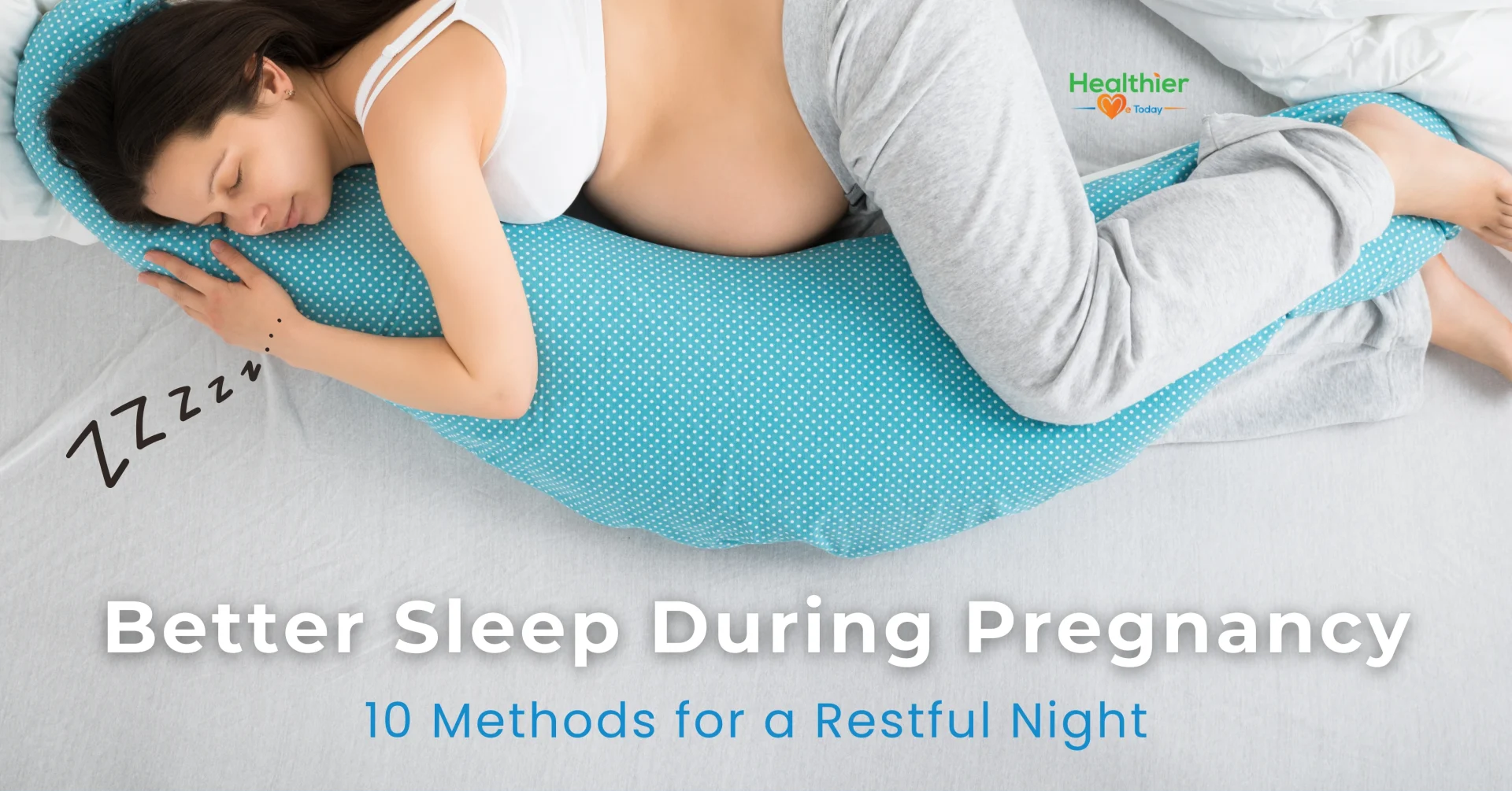
The Secret to Better Sleep During Pregnancy

Tossing. Turning. Staring at the clock at 2 AM again. If you’re pregnant and exhausted but can’t seem to drift off, you’re far from alone. Nearly 8 out of 10 moms-to-be struggle to sleep soundly. From your growing belly to the nonstop swirl of thoughts about baby names, birth plans, and everything in between, it’s no wonder restful nights feel out of reach.

But what if a few simple tweaks could help you finally wake up feeling refreshed? In this guide, you’ll uncover why pregnancy wreaks havoc on your sleep and discover practical tips to ease discomfort, calm your mind, and reclaim your nights.

Why Is It So Hard to Sleep During Pregnancy?

You’re not sleeping because pregnancy throws a lot at your body all at once. Hormones like progesterone make you drowsy during the day but end up disrupting your natural sleep rhythm at night. Rising estrogen levels can bring on snoring and nasal congestion, waking you up throughout the night. Meanwhile, your growing belly puts pressure on your bladder, so you’re up making frequent bathroom trips. Add in heartburn and sudden leg cramps, and it’s no wonder restful sleep feels out of reach.

Why Is It So Hard to Sleep During Pregnancy?

Sleep troubles often start early, affecting about one in four women in the first trimester, and by the third, nearly 80% are struggling. Discomfort piles on: your bump makes it hard to find a comfortable position, back pain flares up, and restless legs syndrome (which affects around 15% of pregnant women) keeps you moving when you just want to rest. On top of it all, worries about labor and motherhood can send your mind racing, with stress hormones like cortisol keeping you more alert than you’d like.

These challenges are common but draining. Understanding what’s behind your sleepless nights is the first step to finding relief, so you can get the rest your body needs to stay strong.

The Top 10 Secrets to Better Sleep

Getting good sleep during pregnancy can feel like a challenge, but the proper habits make it easier. These strategies are designed to help you rest well through all trimesters, easing discomfort and calming your mind. Whether it’s finding the correct position or creating a soothing bedtime routine, these methods support your body and help you wake up refreshed. 

Below are 10 detailed ways to get a restful night:

1. Sleep on Your Left Side

Sleeping on your left side boosts blood flow to your baby and cuts leg swelling, affecting 50% of pregnant women. Place a pillow under your bump and between your knees to align your hips. This prevents dizziness from back sleeping after 28 weeks. Start early, as it gets harder with a bigger belly. A firm mattress keeps you comfortable. Many women report sleeping 1-2 hours longer in this position, feeling more rested.

2. The Ready Rocker

The Ready Rocker turns any chair or bed into a gentle rocker to help you sleep better. Place it under your seat or mattress and adjust to a slow, soothing pace. This motion helps alleviate back pain, which is common in most pregnancies, and soothes your mind, especially during the third trimester. Use it for 10-15 minutes before bed to relax. Its portable design fits small spaces, and women find it reduces restlessness.

3. Use a Pregnancy Pillow

A U-shaped or wedge pregnancy pillow supports your bump and eases hip pressure. Place a U-shaped pillow around your body or a wedge under your belly for targeted relief. This reduces back pain, reported by 70% of pregnant women. Select a pillow with a breathable cotton cover to stay cool. Using one nightly helps maintain side sleeping and reduces the number of wake-ups. Women say it’s a must-have for deeper sleep, especially in the second and third trimesters.

4. Cut Caffeine After Noon

Caffeine in coffee, tea, soda, or chocolate stimulates your nervous system, making you feel more awake than you should. Stop consuming it after noon to let your body wind down. Switch to caffeine-free chamomile tea, which is safe for most pregnant women, to help you relax [medicalnewstoday.com]. Keep a water bottle for hydration and avoid sugary drinks. A caffeine-free afternoon routine helps reduce restlessness and makes bedtime smoother, leading to better sleep.

5. Drink Less Before Bed

Limit fluids for two hours before bed, taking small sips if you feel thirsty. Drink most water before 6 p.m. to stay hydrated without overloading your bladder. This reduces nocturia, a top sleep disruptor.

Drink Less Before Bed
Use a dim red-bulb nightlight for bathroom trips to avoid waking up fully. Women who cut evening fluids often sleep 1-2 hours longer, feeling more refreshed in the morning.

6. Try Relaxation Techniques

The 4-7-8 breathing technique calms your mind before bed. Inhale for 4 seconds, hold for 7, exhale for 8 through your mouth, repeating five times. This lowers stress, affecting 40% of pregnant women. A 10-minute warm bath with lavender-scented Epsom salts helps relax the muscles. Practice nightly to signal bedtime. Many women find that this helps reduce anxiety and enables them to fall asleep within 15 minutes, thereby improving sleep quality and morning energy.

7. Keep Your Room Cool and Dark

A bedroom at 65°F with blackout curtains creates a sleep-friendly space [miragenews.com]. Use breathable cotton sheets to prevent overheating, a common issue during hormonal shifts. A dim red-bulb nightlight guides bathroom trips without jarring you awake. Add a white noise machine to block street sounds. A cool, dark room reduces wake-ups and enables you to stay asleep longer, waking up refreshed.

8. Stick to a Sleep Schedule

Go to bed at 10 p.m. and wake at 6 a.m. daily, even on weekends, to train your body. A consistent schedule syncs your internal clock, helping 50% of women sleep better [sleepfoundation.org]. Spend 15 minutes reading a light book before bed to signal the start of your rest time. Avoid naps longer than 30 minutes to protect nighttime sleep. Following this routine helps women fall asleep faster and wake less often, feeling more energized.

9. Eat Small, Early Dinners

Heavy or spicy meals trigger heartburn, affecting 60% of pregnant women. Eat a small dinner, such as grilled chicken and steamed vegetables, by 6 p.m. to allow for proper digestion and absorption. Avoid tomatoes and citrus, as they can worsen reflux. Prop your head with two pillows to reduce nighttime burning. A small pre-bed snack, such as a banana, helps keep hunger at bay. This approach enables women to sleep without discomfort, reducing wake-ups and enhancing rest quality.

10. Exercise During the Day

Walk for 30 minutes in the morning or practice prenatal yoga to tire your body gently. Exercise reduces stress and leg cramps, which can disrupt sleep for up to 30% of pregnant women. Finish workouts by 3 p.m. to avoid evening energy spikes.

Exercise During the Day
Join a prenatal class for guided stretches that ease back pain. Women who exercise daily often fall asleep 20 minutes faster. This habit boosts energy and supports deeper, uninterrupted sleep throughout pregnancy.

Conclusion: Is a Good Night’s Sleep Possible When Pregnant?

Getting quality sleep while pregnant isn’t just a dream… It’s key for keeping your energy up and supporting your baby’s development. Sure, restless nights are common, but small changes like using a pregnancy pillow or the Ready Rocker can make a world of difference. By understanding what’s disrupting your sleep and putting these simple strategies into action, you’ll be better equipped to rest well and enjoy a healthier, happier pregnancy.

FAQ’s:

Why am I so sleepless at night, pregnant?

You’re sleepless because of hormones, discomfort, and stress. Your growing bump, frequent bathroom trips, and worries about labor keep you up at night. Consider using a pregnancy pillow and relaxation techniques to improve your sleep quality.

Can pregnancy insomnia affect a baby?

Yes, poor sleep can affect your baby. It may raise risks like preterm birth or low birth weight. Getting enough rest supports healthy growth for your baby.

What pregnancy hormone causes insomnia?

Progesterone and estrogen disrupt sleep. Progesterone can cause sleepiness, but it can also disrupt nighttime rest. Estrogen can lead to snoring or discomfort, which can disturb your sleep and cause you to wake up.

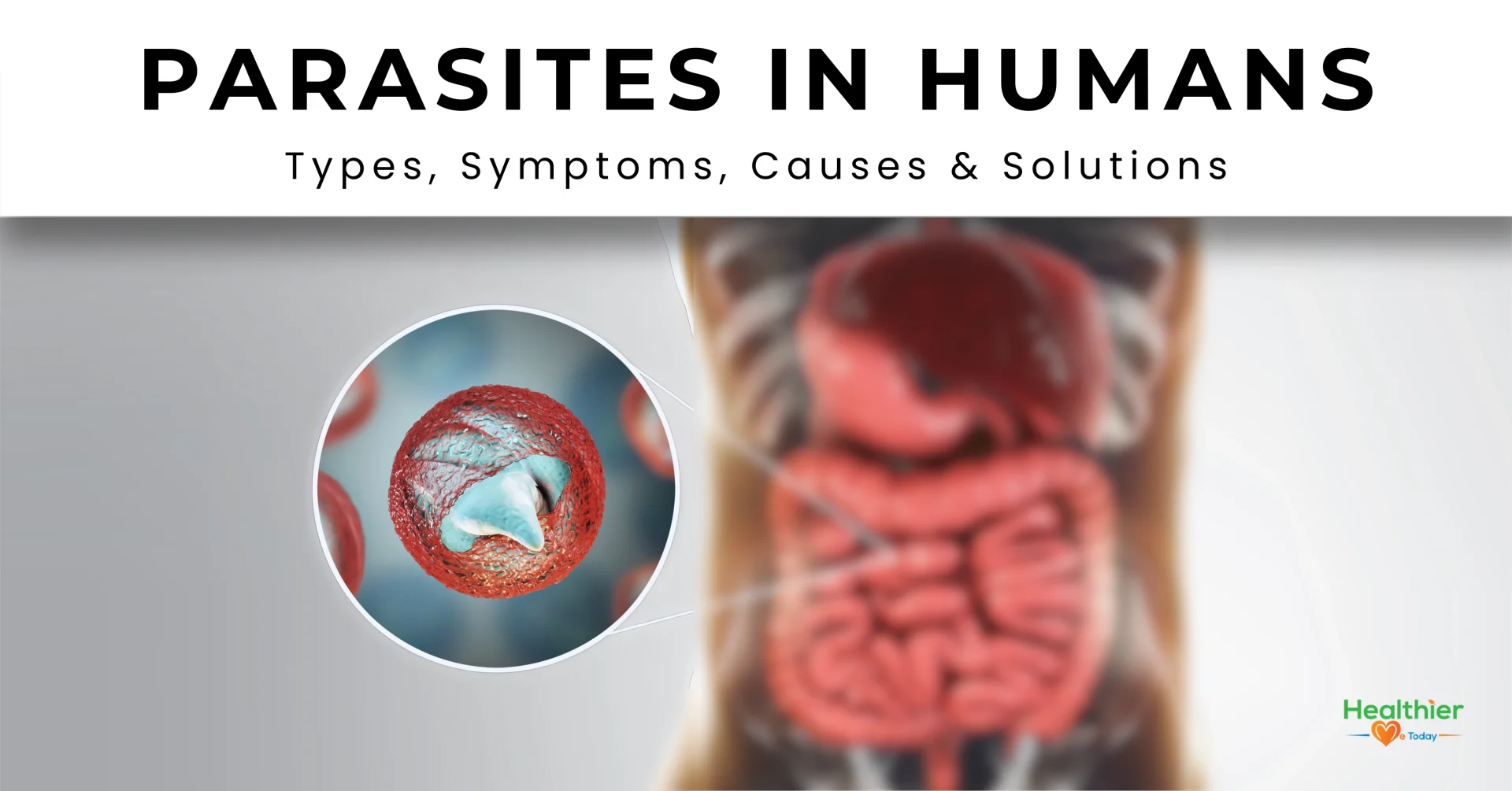
Hidden Parasites in Humans: Signs, Causes, and Easy Fixes

Have you been experiencing a nagging gut issue or feeling off for no apparent reason? Parasites in humans may be the reason, quietly causing symptoms such as bloating, itching, fatigue, or mood swings. These tiny invaders can reside in your body for years, often unnoticed, and affect one in five people at some point in life.

Whether you’re looking for answers to your symptoms or simply curious about parasites in humans, you’re in the right place. This piece explores what they are, their symptoms, types, causes, and practical ways to spot and tackle them naturally.

So, let’s take a microscopic look at these puny pests!

What Are Parasites?

Parasites are organisms that hitch a ride on or inside the body, stealing nutrients to thrive. They range from microscopic bugs like Giardia to worm-like, such as tapeworms, and unfortunately, they’re more common than you might think. People contract these pathogens from contaminated food, water, or soil, particularly in areas with poor sanitation.

parasites in humans

Parasites in humans affect about 3.5 billion people worldwide, with higher rates in tropical regions like sub-Saharan Africa or Southeast Asia, but even developed areas have plenty of cases. A strong immune system, fueled by foods that are rich in zinc, vitamin C, and probiotics, helps your body fight back.

Symptoms of Parasites in Humans

Symptoms of parasitic infections can sometimes be tricky, often mimicking other issues such as irritable bowel syndrome, food intolerances, or even stress. Parasite symptoms vary by type but can drag on for weeks, months, or even years if they’re ignored. Studies suggest that up to 50% of chronic gut problems may be linked to parasites, but testing is vital to confirm the actual cause.

Here are eight common signs to watch for:

  • Bloating
  • Gas
  • Cramps
  • Diarrhea
  • Fatigue
  • Weight Loss
  • Itchy Skin
  • Brain Fog
  • Irritability
  • Nausea
  • Vomiting
  • Joint and muscle pain

Types of Human Parasites

Parasites in humans come in a few different types, and knowing them helps you understand how they sneak into or onto your body and cause trouble.

parasites in humans

Here are five common kinds of human parasites:

Protozoa

Protozoa, such as Giardia or Cryptosporidium, are single-celled parasites often found in contaminated water sources, rivers, and unfiltered tap water. They wreak havoc on your gut, causing symptoms such as diarrhea, bloating, or cramps, as we previously discussed. Scarily, over 1 billion people are affected by these annually, especially in areas with poor water quality, such as rural and tropical regions.

Helminths

Helminths are worms, like roundworms, pinworms, or hookworms, that can grow to several inches in length. They can slip in through undercooked meat, unwashed vegetables, or by walking barefoot on contaminated soil. Pinworms cause itchy nights, especially in kids, while hookworms can lead to anemia. Approximately 1.5 billion people worldwide are infected with these worms [who.int].

Ectoparasites

Ectoparasites, like head lice, scabies mites, or bedbugs, hang out on your skin. They spread through close contact, shared bedding, or infested furniture, causing itchy rashes or sores. While they don’t mess with your gut, they can make daily life a scratchy, uncomfortable hassle.

Flukes

Flukes, or flatworms such as liver flukes or schistosomes, can enter the body through the consumption of raw fish, contact with water plants, or by swimming in infected rivers. They can settle in your liver or intestines, causing pain, fatigue, or jaundice. They’re common in regions where raw fish, like sushi or ceviche, is a dietary staple.

Amoebas

Amoebas, such as Entamoeba histolytica, spread through contaminated food or water, often from street vendors or individuals with unwashed hands. They trigger severe diarrhea, abdominal pain, or fever, especially in tropical areas. Millions face these in developing regions, particularly after eating contaminated produce. Now that we know the culprits, let’s look at how they enter your body.

Causes of Parasites in Humans

How do parasites in humans make their way to us? Well, they sneak through everyday habits or environments, often catching you off guard.

Here are six common ways they make their move:

Contaminated Food

Eating undercooked pork, fish, or beef can introduce tapeworms, common parasites in humans (which can measure a whopping 80 feet in length), or flukes [mayoclinic.org]. So, be cautious when eating raw sushi, undercooked pork chops, or rare steak; ensure your meat is always properly cooked and high quality.

Dirty Water

Drinking untreated water from streams, wells, or lakes can carry Giardia or amoebas. Unfiltered water, especially in rural areas or while camping, is a significant pathway for infection; therefore, bottled or boiled water is a much safer option.

Unwashed Produce

Fruits or vegetables that are not rinsed well can contain parasite eggs, such as those of roundworms like Ascaris lumbricoides. Even pre-packaged greens can carry risks if not washed under running water. Take this as a reminder: Always rinse your produce thoroughly!

Poor Hygiene

When you decide not to wash your hands after touching soil, pets, or raw meat, you welcome parasites with open arms. For example, petting a dog that’s rolled in contaminated dirt can transfer pinworm eggs if you don’t scrub your hands for at least 20 seconds with warm water and soap.

Travel to High-Risk Areas

Visiting tropical or poorly sanitized regions increases your risk of contracting parasites. Studies have shown that people who travel to these places have a 30-50% chance of getting “travelers’ diarrhea”, in which parasites are a significant contributor [mayoclinic.org]. Eating street food, drinking local water, or swimming in infected rivers in these areas can introduce parasites, so extra caution is needed during travel.

Weak Immune System

Stress, a poor diet, or illness can weaken your body’s natural defenses, making it easier for parasites to latch on. Low nutrient intake, like not getting enough vitamin C or zinc, or chronic stress from lack of sleep, leaves you more vulnerable. Knowing these causes helps you stay vigilant, but how do you confirm if parasites are behind your symptoms? Let’s find out.

Diagnosing Parasites in Humans

Testing can clear up the mystery and get you back to feeling great. If you’re dealing with ongoing bloating, fatigue, or other parasite symptoms, a gut health test is a smart move, especially if symptoms persist for over a month. Testing helps distinguish parasites from other issues, such as food intolerances, stress, or digestive disorders.

Here are six ways to diagnose parasites:

  • Stool Tests: The go-to method, checking for parasite eggs or organisms in your stool. They’re non-invasive, catch most gut-based parasites, and are about 90% accurate with proper sample collection.
  • Blood Tests: These tests detect parasites that affect the blood or organs, such as those causing fever or anemia. They’re ideal for systemic infections and can detect antibodies specific to certain parasites.
  • Scans: Ultrasounds or X-rays can detect parasites in organs such as the liver or lungs. They’re used for severe cases where parasites spread beyond the gut, such as with flukes.
  • At-Home Tests: Stool kits allow you to test at home, but lab tests are more accurate, especially for challenging parasites like amoebas. Follow instructions carefully for reliable results.
  • Symptom Tracking: Logging symptoms like weight loss, itching, or diarrhea for over a month helps pinpoint when to test. Consistent patterns, especially those involving multiple symptoms, raise a flag.
  • Travel History Check: Recent trips to high-risk areas, such as tropical regions, may prompt testing. Pairing travel history with symptoms helps narrow down which parasites to check for.

Testing works best when you prepare, like avoiding certain foods or medications before a stool test to ensure accuracy. Got a diagnosis or suspect parasites? Let’s talk about kicking them out and keeping them gone.

Managing and Treating Parasites

Dealing with parasites in humans and ready to send them packing? Doctors use targeted medications to clear infections, typically in one to three weeks, depending on the parasite.

how to get rid of parasites

Here are three common medical treatments for parasites in humans:

  • Metronidazole for Protozoa: Doctors often prescribe metronidazole (500 mg twice daily for 5 to 7 days) to treat protozoa, such as Giardia, effectively clearing gut-based infections.
  • Albendazole for Worms: Albendazole (400 mg, administered as one or two doses) targets worms such as pinworms or hookworms, killing them and relieving symptoms like itching or anemia.
  • Praziquantel for Flukes: Praziquantel (25 mg/kg for 1 to 2 days) is used for flukes, such as liver flukes, and works quickly to eliminate these parasites.

Supporting professional treatment for parasites in humans is essential to recovery. Boosting your fiber intake, taking probiotics, and staying hydrated can enhance the effectiveness of the medication prescribed by professionals. These steps, when paired with thorough hygiene, help clear parasites more quickly, reduce symptoms, and restore gut health.

Here is how to get rid of parasites alongside meds:

  • Monitor Symptoms: Track symptoms such as bloating or fatigue daily to monitor treatment progress, ensuring medications are effective and alerting you to any lingering issues.
  • Boost Fiber Intake: Eat fiber-rich foods like apples, carrots, or oatmeal (25-30 grams daily) to help flush parasites from your gut, supporting the effectiveness of medication.
  • Take Probiotics: Yogurt, kefir, or probiotic supplements (containing at least 10 billion CFU daily) help restore healthy gut bacteria, aiding recovery from parasite damage.
  • Use Ginger or Turmeric: These spices have anti-inflammatory properties that soothe gut irritation caused by parasites. Try adding one teaspoon of grated ginger or turmeric to your tea daily.
  • Maintain Hygiene to Prevent Reinfection: Wash bedding, towels, and clothes in hot water weekly to kill parasite eggs, especially those of pinworms, as a complement to medical treatment.
  • Stay Hydrated: Drink 8 to 10 cups of water daily to support your body’s detoxification process, which helps clear parasites and reduces symptoms like fatigue.

These steps work in conjunction with medical treatment to accelerate recovery and promote overall health. Let’s wrap up with how to stay on top of your health.

Conclusion: Can You Avoid Human Parasites?

You don’t have to let parasites in humans run the show! By understanding their types, causes, and symptoms of parasites in humans, you’re ready to take control. Doctors can eliminate infections with targeted medications, such as albendazole or praziquantel, often in just a few weeks.

Meanwhile, habits such as cooking meat thoroughly, washing produce, and consuming foods that kill parasites in humans, like garlic or pumpkin seeds, can support efforts to eliminate parasites from your body. If parasite symptoms like bloating, fatigue, or itching linger, a gut health test can give you clear answers.

You’re on the path to feeling your best, so keep these tips in your toolkit, stay vigilant, and enjoy a healthier, happier you!

FAQ’s:

What are the warning signs that your body may be infected by something foreign?

Bloating, diarrhea, fatigue, or unexplained weight loss may suggest the presence of parasites in humans. A gut health test can help confirm if these symptoms are due to parasites.

Can digestive issues indicate a hidden health problem?

Yes, chronic bloating or cramps may indicate the presence of parasites in humans. Testing helps uncover the cause of ongoing gut issues.

Is it possible to catch a bug from food or water without knowing it?

Absolutely. Contaminated food or water can carry parasites, such as Giardia, leading to parasite symptoms that may not be immediately apparent.

Why do some people feel constantly bloated or fatigued after eating?

Persistent bloating or fatigue might stem from parasites in humans disrupting gut health. A test can pinpoint the cause.

Appeals to readers experiencing vague, chronic symptoms.

Unexplained symptoms, such as bloating, fatigue, or weight loss, may indicate the presence of parasites in humans. A gut health test can confirm the cause and guide next steps.

How can natural remedies improve gut health over time?

Eating foods that kill parasites in humans, such as garlic or pumpkin seeds, and taking probiotics can help boost gut health in just weeks.

What should you do if over-the-counter medications don’t relieve stomach problems?

If stomach issues persist, consider a gut health test to check for parasites. Testing guides better solutions.

Can frequent stomach cramps or unexplained weight loss signal a deeper problem?

Yes, cramps or weight loss might indicate parasites in humans. A test can confirm the cause and point to solutions.

Designed for awareness-focused traffic, targeting health-conscious readers.

Unexplained symptoms, such as fatigue or bloating, may suggest the presence of parasites in humans. A gut health test can confirm the cause and guide next steps.

Are there home checks or tests for unusual digestive symptoms?

At-home stool tests can detect parasites in humans; however, lab tests are more accurate for confirming the presence of parasites.

Is poor sleep or mood related to issues in the gut?

Yes, parasites in humans can disrupt sleep or mood by affecting gut health. Addressing parasites may improve both.

How long do untreated internal health issues typically last?

Untreated parasites in humans can persist for months or years, resulting in ongoing symptoms.

Quick & Healthy Summer Dinners to Make Tonight

It’s 6:00 PM. The sun’s still high. The kitchen is warm, maybe even warmer than outside, and the thought of turning on the oven makes your stomach turn.

Dinner shouldn’t be a chore in summer. It should be a break… something cool, refreshing, and easy. These healthy summer dinners skip the heavy lifting and deliver exactly what your body wants after a hot day: crisp vegetables, juicy fruits, lean proteins, and bold flavor without the heat.

Each recipe is built for long days and light appetites, fast enough to make after work, satisfying enough to look forward to. And the best part? You won’t have to sweat for it.

Why Healthy Summer Dinners Matter

When the sun’s blazing and your appetite dips, healthy summer dinners are a smart way to stay energized. Heavy meals can leave you sluggish, but lighter dishes packed with lean protein, vibrant veggies, and juicy seasonal fruits help you feel refreshed and fueled. The best healthy summer recipes for dinner also support hydration, something your body craves on hot days.

healthy summer meals

By focusing on fresh picks like tomatoes, cucumbers, or peaches, healthy summer meal recipes cut down on cooking time without sacrificing flavor. And since healthy summer dishes come together quickly, you’ll have more time to soak up those golden-hour evenings. These easy, nutrient-rich meals make summer eating simple, delicious, and exactly what your body needs.

No-Cook Healthy Summer Dinner Ideas

No-cook meals are perfect for hot days. These healthy summer dinner recipes require minimal preparation, utilizing fresh ingredients to create vibrant, nutritious summer meals. They also double as summer lunch ideas, keeping the kitchen cool and meals refreshing.

Watermelon Feta Salad

This vibrant salad combines sweet watermelon, tangy feta, and crisp cucumber for a healthy summer dinner that not only hydrates but also satisfies the appetite. Mint adds freshness, making it a top choice for a healthy summer dish.

  • Serves: 4
  • Prep Time: 10 minutes
  • Serving Suggestion: Pair with crusty bread for a light summer lunch meal or serve as a side with grilled chicken.
  • Tip: Swap feta for goat cheese for a creamier texture.

Ingredients:

  • 4 cups watermelon (cubed, seedless)
  • 1 cup feta cheese (crumbled)
  • 1 medium cucumber (sliced thinly)
  • 10 fresh mint leaves (torn)
  • 2 tbsp extra-virgin olive oil
  • 1 tbsp balsamic glaze
  • Pinch of salt

Instructions:

  1. Cube watermelon into bite-sized pieces and place in a large bowl.
  2. Add sliced cucumber, crumbled feta, and torn mint leaves.
  3. Drizzle with olive oil and balsamic glaze, then sprinkle with salt to taste.
  4. Toss gently to combine and serve chilled.

Chickpea Avocado Wrap

A creamy, protein-packed wrap that’s ready in minutes, this healthy summer meal is perfect for lunch or a quick dinner. Chickpeas and avocado provide fiber and healthy fats [loveandlemons.com].

  • Serves: 2
  • Prep Time: 15 minutes
  • Serving Suggestion: Serve with a side of sliced bell peppers or a small fruit salad with summer season fruits like berries.
  • Tip: Use lettuce leaves instead of tortillas for a low-carb, healthy summer dish.

Ingredients:

  • 1 ripe avocado
  • 1 can (15 oz) chickpeas (rinsed, drained)
  • 1 medium tomato (diced)
  • 1/4 cup fresh cilantro (chopped)
  • 1 tbsp fresh lemon juice
  • 2 whole-grain tortillas (8-inch)
  • Salt and pepper to taste

Instructions:

  1. Halve the avocado, remove the pit, and scoop the flesh into a bowl. Mash with a fork.
  2. Add chickpeas and mash lightly, leaving some texture.
  3. Stir in diced tomato, cilantro, lemon juice, salt, and pepper.
  4. Spread mixture evenly onto tortillas, then roll tightly.
  5. Slice in half and serve immediately or wrap for later.

Gazpacho Soup

This chilled tomato soup is a refreshing and healthy summer dinner recipe, packed with vegetables. It’s a no-cook classic that highlights healthy summer foods [loveandlemons.com].

  • Serves: 4
  • Prep Time: 15 minutes (plus 2 hours chilling)
  • Serving Suggestion: Garnish with diced cucumber or a dollop of Greek yogurt, and serve with whole-grain crackers.
  • Tip: Make ahead and store in an airtight container for up to 2 days.

Ingredients:

  • 4 large ripe tomatoes (chopped)
  • 1 medium cucumber (peeled, chopped)
  • 1 red bell pepper (chopped)
  • 1 small garlic clove (minced)
  • 2 tbsp extra-virgin olive oil
  • 1 tbsp red wine vinegar
  • 1/2 tsp salt
  • 1/4 tsp black pepper

Instructions:

  1. Place tomatoes, cucumber, bell pepper, and garlic in a blender.
  2. Add olive oil, vinegar, salt, and pepper.
  3. Blend until smooth, about 1 minute.
  4. Taste and adjust seasoning if needed.
  5. Chill in the refrigerator for 2 hours before serving.

Quick Grill Healthy Summer Recipes

Grilling adds smoky flavor without overheating the kitchen. These healthy summer dinners use delicious lean proteins and vegetables. They’re fast and perfect for recipe ideas for summer.

healthy summer recipes

Grilled Peach Chicken Skewers

Juicy peaches pair with tender chicken in this healthy summer dinner, offering a sweet-savory balance. Grilling enhances the flavor of summer season fruits like peaches [theeverygirl.com].

  • Serves: 4
  • Prep Time: 20 minutes (plus 10 minutes grilling)
  • Serving Suggestion: Serve with a side of grilled zucchini or a couscous salad for a complete, healthy summer meal.
  • Tip: Soak wooden skewers in water for 30 minutes to prevent burning.

Ingredients:

  • 1 lb boneless chicken breast (cut into 1-inch cubes)
  • 2 ripe peaches (pitted, cut into wedges)
  • 1 red onion (cut into chunks)
  • 2 tbsp extra-virgin olive oil
  • 1 tsp smoked paprika
  • Salt and pepper to taste
  • 8 wooden or metal skewers

Instructions:

  1. Preheat grill to medium-high heat (about 400°F).
  2. Thread chicken, peach wedges, and onion chunks onto skewers, alternating.
  3. Brush skewers with olive oil and sprinkle with paprika, salt, and pepper.
  4. Grill for 8–10 minutes, turning occasionally, until chicken reaches 165°F.
  5. Remove from the grill and let rest for 2 minutes before serving.

Veggie Halloumi Kebabs

These colorful kebabs feature halloumi, a grill-friendly cheese, with vibrant vegetables. A vegetarian healthy summer dinner recipe that’s hearty and fresh.

  • Serves: 4
  • Prep Time: 15 minutes (plus 8 minutes grilling)
  • Serving Suggestion: Pair with tzatziki sauce and pita bread for a Mediterranean-inspired healthy summer dish.
  • Tip: Swap halloumi for tofu for a vegan option.

Ingredients:

  • 8 oz halloumi cheese (cut into 1-inch cubes)
  • 1 medium zucchini (sliced into rounds)
  • 1 cup cherry tomatoes
  • 1 yellow bell pepper (cut into chunks)
  • 2 tbsp extra-virgin olive oil
  • 1 tsp dried oregano
  • Salt to taste
  • 8 wooden or metal skewers

Instructions:

  1. Preheat grill to medium heat (about 350°F).
  2. Thread halloumi, zucchini, cherry tomatoes, and bell pepper onto skewers.
  3. Brush with olive oil and sprinkle with oregano and salt.
  4. Grill for 6–8 minutes, turning every 2 minutes, until vegetables are tender and halloumi is golden.
  5. Serve hot, accompanied by a squeeze of lemon.

Stovetop Healthy Summer Meals

Stovetop recipes cook quickly, keeping the kitchen cool and comfortable. These healthy summer dinner ideas utilize simple ingredients for simple, nutritious meals, also suitable for lunch.

Lemon Garlic Shrimp Pasta

This light pasta dish combines shrimp, spinach, and lemon for a zesty, healthy summer dinner. It’s ready in 20 minutes, perfect for healthy summer recipes for dinner [walderwellness.com].

  • Serves: 4
  • Prep Time: 20 minutes
  • Serving Suggestion: Serve with a side of steamed asparagus or a small green salad for a balanced, healthy summer meal.
  • Tip: Use zucchini noodles for a gluten-free, healthy summer dish.

Ingredients:

  • 1 lb large shrimp (peeled, deveined)
  • 2 garlic cloves (minced)
  • 1 lemon (juiced and zested)
  • 2 cups fresh spinach
  • 8 oz whole-grain spaghetti
  • 2 tbsp extra-virgin olive oil
  • 1/4 tsp red pepper flakes (optional)
  • Salt and pepper to taste

Instructions:

  1. Cook spaghetti in salted boiling water for 8–10 minutes until al dente. Drain and set aside.
  2. Heat olive oil in a large skillet over medium heat. Add garlic and red pepper flakes, sauté for 30 seconds.
  3. Add shrimp and cook for 2–3 minutes per side, until pink.
  4. Stir in spinach, lemon juice, and zest. Cook for 1 minute, or until the spinach has wilted.
  5. Toss with spaghetti, season with salt and pepper, and serve immediately.

Mango Black Bean Tacos

These tacos blend sweet mango and savory beans for a vibrant, healthy summer dinner. Mango, a summer season fruit, adds tropical flair.

  • Serves: 4
  • Prep Time: 15 minutes
  • Serving Suggestion: Pair with a side of guacamole or fresh salsa for an extra burst of flavor in this healthy summer meal.
  • Tip: Add sliced jalapeño for a spicy kick.

Ingredients:

  • 1 can (15 oz) black beans (rinsed, drained)
  • 1 ripe mango (diced)
  • 1 lime (juiced)
  • 1 tsp ground cumin
  • 8 small corn tortillas
  • 1 cup shredded red cabbage
  • 1/4 cup fresh cilantro (chopped)
  • Salt to taste

Instructions:

  1. Heat a medium skillet over medium heat. Add black beans, cumin, and a pinch of salt. Cook for 3–4 minutes, stirring occasionally.
  2. Remove from heat and stir in diced mango and lime juice.
  3. Warm tortillas in the skillet or microwave for 10 seconds.
  4. Spoon the bean-mango mixture onto the tortillas, then top with shredded cabbage and cilantro.
  5. Fold and serve immediately.

One-Bowl Healthy Summer Dinner Recipes

One-bowl meals simplify prep and cleanup. These healthy summer dinners combine grains, proteins, and vegetables to create nutritious summer meals.

healthy summer dinner ideas

Quinoa Veggie Bowl

This colorful bowl features quinoa, roasted corn, and feta for a healthy summer dinner that’s both filling and fresh. It showcases healthy summer foods.

  • Serves: 4
  • Prep Time: 20 minutes
  • Serving Suggestion: Top with fresh basil or serve with a side of hummus and pita for a hearty, healthy summer meal.
  • Tip: Prep quinoa and corn ahead for a 10-minute assembly.

Ingredients:

  • 1 cup quinoa (rinsed)
  • 1 cup fresh corn kernels (from 2 cobs)
  • 1 cup cherry tomatoes (halved)
  • 1 medium cucumber (diced)
  • 1/2 cup feta cheese (crumbled)
  • 2 tbsp extra-virgin olive oil
  • 1 lemon (juiced)
  • 1/4 tsp black pepper
  • Salt to taste

Instructions:

  1. Cook the quinoa in 2 cups of water according to the package instructions (approximately 15 minutes). Let cool slightly.
  2. Heat a small skillet over medium heat. Add the corn kernels and cook for 5 minutes, stirring occasionally, until they are lightly charred.
  3. In a large bowl, combine quinoa, corn, cherry tomatoes, cucumber, and feta.
  4. Drizzle with olive oil and lemon juice, season with salt and pepper, and toss to combine.
  5. Serve at room temperature or chilled.

Tuna Nicoise Salad

This protein-packed salad combines tuna, eggs, and green beans for a classic healthy summer dinner recipe. It’s perfect for healthy summer meal recipes [loveandlemons.com].

  • Serves: 4
  • Prep Time: 25 minutes
  • Serving Suggestion: Serve with whole-grain bread or a side of sliced watermelon for a refreshing, healthy summer dish.
  • Tip: Use pre-boiled eggs to cut prep time.

Ingredients:

  • 2 cans (5 oz each) of tuna (in water, drained)
  • 2 large eggs (hard-boiled, sliced)
  • 1 cup green beans (trimmed, blanched)
  • 1 cup cherry tomatoes (halved)
  • 1/4 cup black olives (pitted)
  • 4 cups mixed greens
  • 2 tbsp Dijon mustard
  • 2 tbsp extra-virgin olive oil
  • 1 tbsp red wine vinegar
  • Salt and pepper to taste

Instructions:

  1. Boil eggs for 10 minutes, cool in ice water, peel, and slice.
  2. Blanche green beans in boiling water for 2 minutes, then transfer to ice water to cool.
  3. In a small bowl, whisk mustard, olive oil, vinegar, salt, and pepper to make vinaigrette.
  4. Arrange greens on a large platter. Top with tuna, eggs, green beans, tomatoes, and olives.
  5. Drizzle with vinaigrette and serve immediately.

Mediterranean Couscous Bowl

This bowl combines couscous, chickpeas, and feta for a healthy summer meal that’s quick and flavorful. It’s a great, easy healthy summer dinner.

  • Serves: 4
  • Prep Time: 15 minutes
  • Serving Suggestion: Serve with a side of roasted red peppers or a dollop of hummus for a Mediterranean healthy summer meal.
  • Tip: Substitute quinoa for couscous for a gluten-free option.

Ingredients:

  • 1 cup couscous (dry)
  • 1 can (15 oz) chickpeas (rinsed, drained)
  • 1 medium cucumber (diced)
  • 1/4 red onion (finely chopped)
  • 1/4 cup fresh parsley (chopped)
  • 1/2 cup feta cheese (crumbled)
  • 2 tbsp extra-virgin olive oil
  • 1 tbsp red wine vinegar
  • Salt and pepper to taste

Instructions:

  1. Boil 1 cup of water, add couscous, remove from heat, and cover for 5 minutes. Fluff with a fork and cool.
  2. In a large bowl, combine couscous, chickpeas, cucumber, red onion, parsley, and feta.
  3. Drizzle with olive oil and vinegar, season with salt and pepper.
  4. Toss gently and serve at room temperature or chilled.
  5. Store leftovers in the fridge for up to 2 days.

These 10 healthy summer dinner recipes offer variety for hot days. No-cook options, such as watermelon feta salad and gazpacho, highlight summer’s freshest fruits and vegetables for healthy summer meals. Grilled peach chicken skewers and halloumi kebabs add smoky flavors, while stovetop shrimp pasta and mango tacos cook fast.

One-bowl quinoa, tuna Nicoise, and couscous meals simplify preparation, making them perfect for summer lunch meals. Each healthy summer dish is nutritious, quick, and keeps you cool.

Conclusion: Cool and Nutritious Summer Dinners

Summer meals should be simple, refreshing, and satisfying. The ideas in this guide are packed with vibrant produce, light proteins, and just the right balance to help you beat the heat and feel your best.

Instead of spending hours in a hot kitchen, you can enjoy dishes that come together quickly and taste like summer. Start tonight with a fresh, wholesome plate and keep cool, nourished, and energized all season long.

Save this list, share it with a friend, and make these refreshing meals part of your summer routine. Your plate (and body) will thank you.

FAQ’s:

What are some quick and healthy summer dinner ideas?

If you’re short on time, go for things like watermelon and feta salad, grilled chicken with corn and avocado, or chickpea wraps. They don’t take long, and you don’t have to stand over a hot stove.

What can I make for a light summer lunch?

You want something filling but not heavy. A quinoa bowl with veggies, a tuna salad, or even a cold pasta salad with lots of greens works well. It keeps you going without making you feel sluggish.

What foods should you avoid in hot weather?

Try not to eat really heavy, greasy meals because they can make you feel tired and even more overheated. Also, watch out for sugary drinks. It’s better to eat meals with water-rich fruits and veggies and drink plenty of water.

Which fruits are in season during summer in the U.S.?

Summer fruits include watermelon, peaches, berries, cherries, mangoes, and plums. They’re easy to add to salads, wraps, or even grilled dishes, and they’re full of nutrients.

How can I eat healthy during summer without cooking too much?

Prep ingredients in advance, like cooked grains, washed greens, or chopped veggies. Then you can just mix and match when you’re hungry. No-cook meals like wraps, salads, and cold soups help you stay out of the kitchen.

Are there any no-cook healthy summer meals?

Yes. Think salads with beans or chickpeas, veggie wraps, fruit and cottage cheese bowls, or cold noodle dishes with a sesame dressing. They’re simple but filling and perfect for hot days.

What are some nutritious meals for hot summer days?

Try grilled fish with a fruit salsa, a lentil salad, or even tacos with black beans and corn. You’re looking for meals that hydrate, give you energy, and don’t leave you feeling full and uncomfortable.

What’s the difference between a summer lunch and a summer dinner?

Lunch is usually lighter, like a salad or wrap. Dinner might be a bit more filling, like something grilled with a side of veggies or a grain bowl. But both should feel fresh and not too heavy in the heat.

How Do Antidepressants Impact Your Sexual Health?

As more and more people are using antidepressants to fight mental health diseases, many don’t fully understand their SSRI side effects. One of these side effects has an impact on your sexual health. If you’re no longer having those steamy Netflix and chill nights with your partner, antidepressants could be the reason to blame. Antidepressants and sexual health issues, how on earth could something meant to help your mind affect what’s in your pants?

Actually, antidepressants, or SSRIs, rewire your entire body in one way or another.

Do Antidepressants Impact Sexual Health?

Before going down the drain on what those on antidepressants experience regarding sexual health, knowing the role of antidepressants is necessary; otherwise, how would you know what they’re really doing to your body? A common type of antidepressant is an SSRI, a selective serotonin reuptake inhibitor.

As the name suggests, the function of these medications is to boost serotonin supply in the body. Remember Alice in Wonderland’s red pill and blue pill that had magical properties? Serotonin is the hormone that acts as a natural mood booster and stress reliever for your body. Psychiatrists typically prescribe it for those suffering from depression and anxiety, and for cases more complex than only therapy measures.

SSRI side effects - Antidepressants and sexual side effects

When your body enters the full-on calm mode, it no longer gives an automatic green light to start stimulation when you’re preparing to strip down naked and do the deed. Research also shows that increased serotonin decreases dopamine levels, the hormone responsible for regulating your antidepressants and sex drive. Why do SSRIs cause sexual dysfunction? This imbalance leads to SSRI side effects like reduced libido or arousal issues.

The Downside of Antidepressants on Your Sexual Life

When it comes to the downhill journey that some individuals’ sex life takes after starting antidepressants, not everyone experiences SSRI side effects in the same way. There are common symptoms and gender-based symptoms, and even your personal experience may differ significantly from traditional cases.

They are:

Women’s Side of the Story

Women may experience a set of SSRI side effects exclusive to the female gender upon taking antidepressants.

Including:

  • Reduced lubrication.
  • Unusual lactation.
  • Numbness in breasts and/or vaginal area.
  • Lexapro sexual side effects, such as lower sexual desire.
  • Zoloft sexual side effects, such as delayed orgasm.
  • Prozac sexual side effects affect the ability to be aroused.

The Men’s Side

Men have their issues alongside the common SSRI side effects regarding their sex life on antidepressants.

These include the following:

  • Painful erection.
  • Delay or difficulty in getting and maintaining an erection.
  • Reduced semen volume.
  • Decreased sexual stamina.
  • Lowered penile sensitivity.
  • Reduced sexual confidence.

Other Symptoms

SSRIs and sexual dysfunction

Besides hitting your sex life directly, antidepressants can also cause other SSRI side effects, indirectly leading to lower motivation to interact in sexual intercourse [mayoclinic.org]. Changes in weight and general sickness can trick your mind into thinking that you’re no longer the sexy person your partner chose to have mindblowing sex with. Where there are symptoms like these, they can become an obstacle to your sex life too.

There’s a Silver Lining

Not all hope is lost if you need antidepressants, but you wouldn’t want to throw away your sex life [verywellmind.com]. Depending on whether the medication is a temporary fix or a long-term plan, you’ll need to readjust a few life screws accordingly.

Here’s how to get started on it:

Have a Word with Your Partner

The first thing that happens in such cases is the utter disappointment of letting down your significant other. Instead of assuming these things, sit them down, go for a romantic candlelight dinner, and talk to them about this. Chances are, they’re going to understand and support you through your journey of battling your mental illness.

Make Your Way to Your Doctor’s Office

You must’ve come across the ‘take a drug break’ concept when you’re trying to come up with solutions to tackle the sexual side effects of antidepressants. However, readjusting your medications yourself without consulting your doctor is nowhere near a safe decision. Think of your doctor as your crime partner. Consult them, and they’ll surely understand and take one of two ways if possible.

Which are:

  1. Change your medication to see if antidepressants that increase libido, like bupropion, suit you (and your sex life) better.
  2. Reduce the existing dosage, which may lower the intensity of the symptoms and make them bearable.

Turn Around Your Sex Life

Antidepressants and sexual side effects

Instead of letting antidepressants control your sex life, you can change what happens under the blankets for you and your partner. Make good use of time by planning sex sessions before you take the pill that day [verywellmind.com]. Another tip is to come up with exciting techniques, foreplay, and positions to reignite your sexual arousal. How to increase libido while on antidepressants? These strategies, along with lifestyle changes, can make a big difference.

Conclusion: Balancing Antidepressants and Sexual Health

Managing antidepressant side effects on sexual health can feel overwhelming, but it is possible to support both your mental well-being and your intimate life. With 13 million U.S. adults taking SSRIs each year, many experience challenges related to antidepressants and sex drive. Options such as switching to antidepressants that increase libido, having open conversations with your partner, or trying creative intimacy strategies can make a meaningful difference. Explore these solutions to see what works best for you in 2025.

Which approach will you try?

Ready Rocker HMT - Back Pain Relief

FAQ’s:

Do all antidepressants cause sexual side effects?

Not all antidepressants cause antidepressants and sexual side effects. SSRIs like Lexapro often do, but bupropion has fewer sexual issues [goodrx.com].

Which antidepressants have the least sexual side effects?

Bupropion and vilazodone have fewer SSRI side effects related to sex. Bupropion may be among the antidepressants that increase libido.

Can sexual side effects from antidepressants be reversed?

Yes, antidepressants and sexual side effects can improve with dose adjustments, therapy, or switching medications, often within weeks.

How can I increase libido while on antidepressants?

How to increase libido while on antidepressants? Try timing intimacy before doses, exploring new techniques, or switching to bupropion.

Are there antidepressants that increase libido?

Bupropion and vilazodone are antidepressants that increase libido for some, unlike most SSRIs, which may reduce desire.

Why do SSRIs affect sex drive?

Why do SSRIs cause sexual dysfunction? Serotonin stabilizes mood but can lower sexual response, impacting libido or arousal [health.harvard.edu].

Is it safe to stop antidepressants to fix sex drive?

Stopping SSRIs suddenly risks withdrawal or worsening depression. Try antidepressants that increase libido or dose adjustments instead.

Habits That Boost Mental Health Daily (Backed by Experts)

Habits to improve mental health can be the anchor you need when life feels like it’s pulling you in a hundred directions. You’re not alone—and you’re not powerless either. While stress, burnout, and emotional overload have become part of modern life, there is a way to fight back. Mental health experts say it doesn’t take grand gestures or expensive therapy to feel better. It starts with small, consistent habits.

In this article, you’ll discover daily practices (backed by science) that support your mental well-being, from your first cup of coffee to how you wind down at night. These aren’t just feel-good tips… they’re proven tools to boost your mood, reduce anxiety, and help you feel more grounded every day.

Ready to feel more calm, clear, and in control? Let’s dive in.

Why Daily Habits Matter for Mental Health

Your daily routine has a powerful impact on how you feel. Practicing consistent best habits for mental health helps create emotional stability, ease stress, and sharpen focus. On the flip side, poor habits like staying up too late or doom-scrolling your phone — can fuel anxiety and drag down your mood. The truth is, building good mental health habits doesn’t happen overnight, but the rewards are worth it: better sleep, more energy, and greater emotional resilience.

daily habits for mental health

Even small actions, like taking a short walk or jotting down what you’re grateful for, can help your brain shift into a calmer state. Over time, these simple habits to improve mental health begin to reshape how you think and respond to stress. The best part? You don’t need a complete lifestyle overhaul. Just start with one or two mental health habits and let the results build from there.

Morning Habits to Improve Mental Health

Starting the day with intention sets a positive tone. Morning healthy habits for mental health reduce stress and boost energy. These expert-backed practices are quick and adaptable, fitting any schedule, and help build good habits for mental health from the moment you wake up.

Try these morning habits:

Make the Bed

Making the bed each morning creates order. This 2-minute task signals a fresh start and builds discipline. It’s a simple way to practice habits for mental health, giving a sense of control before the day begins. Tidy surroundings also calm the mind, reducing morning anxiety.

Drink Water First

Hydration wakes up the body and mind. Drinking a glass of water after waking supports brain function and mood. Dehydration can increase stress, making this mental health habit particularly important. Add lemon for flavor if plain water feels boring, and keep a bottle by the bed for consistency.

Try a 5-Minute Stretch

Gentle stretching loosens muscles and clears mental fog. A 5-minute routine, such as arm circles or neck rolls, helps boost blood flow and reduce tension. Apps like Yoga for Beginners guide quick sessions. This habit to improve mental health prepares the body for a focused and calm day.

Set a Daily Intention

Writing one goal, like “Stay patient” or “Finish one task,” focuses the mind. This 1-minute healthy habit for mental health builds clarity and purpose. Use a sticky note or phone app to jot it down. Intentions play a crucial role in maintaining daily habits that promote mental health and contribute to overall well-being.

Midday Mental Health Habits to Stay Balanced

Midday stress from work or errands can build up. Habits for mental health during the day can prevent burnout and keep emotions steady. These good mental health habits are easy to weave into lunch breaks or busy schedules, keeping the mind clear.

healthy habits for mental health

Take a 10-Minute Walk

Walking outside for 10 minutes boosts mood and energy [nhs.uk]. Fresh air and movement reduce stress hormones, making this a best habit for mental health. Listen to music or notice your surroundings to stay present. Even a stroll around the office or yard counts as a healthy mental health habit.

Practice Gratitude

Writing three things to be thankful for shifts the focus to the positive. Use a notebook or phone during lunch to note small wins, like a kind coworker or sunny weather. This mental health habit lowers anxiety and builds resilience, making it a top habit for good mental health.

Limit Screen Time

Constant phone or computer use strains the mind. Set a 5-minute break every hour to rest your eyes and thoughts. Look out a window or sip water instead of scrolling. This habit helps improve mental health by preventing overwhelm and supporting focus, a crucial beneficial mental habit.

Eat a Balanced Snack

A small snack, like nuts or fruit, stabilizes blood sugar and mood. Hunger can trigger irritability, so maintaining a healthy habit for mental health helps keep energy steady. Plan snacks ahead to avoid sugary treats, which can crash your mood. Pair this with daily habits that promote mental health, such as hydration.

Evening Healthy Habits for Mental Health

Winding down at night prepares the mind for rest. Evening habits to improve mental health, ease stress, and improve sleep quality. These best habits for mental health create a calm end to the day, setting up for better emotional health tomorrow.

Journal for 5 Minutes

Writing thoughts or worries clears the mind before bed. Use prompts like “What went well?” or “What can wait?” to reflect. This mental health habit reduces overthinking and promotes emotional clarity [mhanational.org]. Keep a notebook by your bed to maintain consistent good mental health habits.

Try a Bedtime Routine

A 15-minute routine, like reading or sipping tea, signals the body to relax. Dim lights and avoid screens an hour before bed to improve sleep. This healthy habit for mental health promotes emotional stability.

Practice Deep Breathing

Breathing slowly for 2 minutes calms the nervous system. Try 4-4-4 breathing: inhale for 4, hold for 4, exhale for 4. Do this in bed to ease tension. This habit to improve mental health reduces anxiety and is a simple daily habit for mental health.

Plan Tomorrow’s Tasks

Writing a short to-do list for tomorrow organizes thoughts. Spend 3 minutes noting priorities, like “Reply to emails” or “Buy groceries.” This mental health habit prevents late-night worry and boosts confidence. It’s a practical, good habit for mental health to end the day.

Weekly Habits for Mental Health to Build Resilience

Some habits to improve mental health work best when done weekly. These healthy habits for mental health strengthen emotional resilience and prevent burnout. Schedule them like appointments to ensure consistency, supporting long-term good mental health habits.

healthy mental health habits

Connect with Someone

Call a friend or family member for a 10-minute chat. Sharing light stories or laughs boosts mood and reduces loneliness [nhs.uk]. The best habit for mental health helps build connection, a key habit for good mental health. Plan a weekly catch-up to make it a routine.

Try Something New

Learning a small skill, like cooking a recipe or drawing, keeps the mind engaged. Spend 30 minutes weekly on a hobby to spark joy. This mental health habit boosts confidence and creativity, supporting daily habits to improve mental health.

Reflect on the Week

Spend 10 minutes reviewing the week’s highs and lows. Write what felt good, like finishing a project, and what was tough, like a bad day. This habit to improve mental health can also enhance self-awareness and resilience, a strong mental habit that supports long-term well-being.

Move for 30 Minutes

Engaging in a weekly workout, such as dancing or biking, can help lift your mood and boost your energy. Physical activity reduces stress and improves sleep, making it a healthy habit for mental health. Choose a fun activity to stick with that promotes good mental health over time.

When to Seek Professional Help

Habits to improve mental health work well for daily balance, but aren’t enough for serious issues. If low mood, anxiety, or exhaustion lasts for weeks, consult a doctor or therapist. Signs like trouble sleeping, lack of motivation, or feeling hopeless need attention [mhanational.org]. Professional support pairs well with mental health habits to rebuild well-being. Don’t wait to reach out if daily habits for mental health aren’t helping enough.

Conclusion: Start Small for Big Results

A calmer mind starts with small steps. Habits to improve mental health, such as stretching, journaling, or walking, can build emotional strength over time. Pick one or two healthy habits for mental health to try today. Consistency turns these best habits for mental health into lifelong tools for well-being.
Find practical essentials to help you on your mental wellness journey at ShopHMT!

FAQ’s:

What are the signs of poor mental health in daily life?

Low energy, trouble focusing, or constant worry signals poor mental health. Irritability, poor sleep, or avoiding friends are also signs. Habits to improve mental health, such as journaling or walking, can be beneficial, but persistent issues require a doctor’s advice.

How long does it take to build habits that boost mental well-being?

Building mental health habits takes anywhere from 21 to 66 days, depending on the level of consistency. Start with small, healthy habits for mental health, such as 5-minute breathing exercises, and stick to them daily. Regular practice makes good mental health habits feel natural over time.

Can your lifestyle really improve your mental state?

Yes, lifestyle shapes mood and focus. Habits for mental health, such as exercise or practicing gratitude, can reduce stress and boost energy. Consistent good habits for mental health, like balanced meals or sleep routines, improve emotional health significantly [nhs.uk].

What small changes can make a big difference in mental health?

Short walks, hydration, and gratitude journaling are simple habits to improve mental health. These daily habits for mental health take minutes but lower anxiety and lift mood. Start with one healthy mental health habit for noticeable results.

How does routine impact emotional stability?

Routines create predictability, reducing stress. Best habits for mental health, such as regular sleep and task planning, help stabilize emotions and maintain overall well-being. Consistent mental health habits foster confidence and calmness, making daily practices essential for enhancing mental well-being and achieving a sense of balance.

Is journaling effective for emotional clarity?

Journaling clears thoughts and reduces overthinking. Writing for 5 minutes nightly is a habit to improve mental health and boost clarity. Prompts like “What felt good today?” make this good mental habit effective.

Which morning rituals help reduce stress and anxiety?

Making the bed, stretching, or setting intentions are healthy habits for mental health. These mental health habits take 5–10 minutes and lower morning stress. Drinking water also supports good mental health habits to start the day calmly.

Can mental health habits help prevent burnout?

Yes, habits to improve mental health, such as taking breaks, exercising, or journaling, can help reduce stress buildup. Regular healthy habits for mental health maintain energy and focus. Weekly good mental health habits, such as connecting with friends, also help prevent burnout.

How do habits affect mood and motivation long-term?

Consistent mental health habits rewire the brain for positivity. Habits for mental health, such as gratitude or regular movement, can boost mood and drive over time. Daily habits to improve mental health create lasting motivation and emotional strength.

What’s the link between physical activity and emotional health?

Exercise releases feel-good chemicals, which lift your mood. A 10-minute walk or a weekly workout is a healthy habit for maintaining mental health and reducing stress. Regular movement, a key beneficial habit for mental health, enhances emotional well-being.

How to Calm a Racing Mind (Even When Everything Feels Too Much)

Racing thoughts can hit like a tidal wave… jumping from one worry to the next, making it nearly impossible to relax. Whether it’s a busy to-do list or late-night anxiety, these fast-moving thoughts can leave you restless and overwhelmed. When your racing brain refuses to slow down, even simple tasks start to feel like too much.

But there’s relief. Natural remedies for mind racing can help quiet the chaos and bring your focus back. In this guide, you’ll discover practical tips for how to stop racing thoughts, whether you’re lying in bed at 2 a.m. or trying to concentrate during the workday. You’ll also learn what causes this mental spiral and when it’s time to seek support.

Let’s explore the tools that can help you find calm, no matter how loud your mind gets.

What Are Racing Thoughts?

Mind racing happen when your mind jumps from one idea to another quickly. You might worry about work, a past mistake, or sleep, all in seconds. These thoughts are tough to stop, especially at night, and can worsen anxiety and racing thoughts. Stress, too much phone time, or late work can trigger them.

what are racing thoughts

Unlike everyday worries, mind racing move fast and feel out of control. They’re common in anxiety, ADHD, or OCD. They can make it hard to focus at work, enjoy time with friends, or feel rested. Noticing them early allows you to use natural remedies for racing thoughts to calm your mind, at home or anywhere.

Why Your Mind Gets Busy

Knowing what are racing thoughts makes them easier to handle. Many people face fast thoughts, which disrupt daily life, like work or sleep and anxiety. Stress, health issues, or poor habits can make an overactive brain busy. Learning the causes helps find ways to slow down and feel better. Different factors contribute, each affecting your racing brain in a unique way.

Here’s what might be behind it:

Stress and Anxiety

Daily problems, like work, bills, or family, can spark anxiety and mind racing. Anxiety, affecting 1 in 5 adults, often makes racing thoughts worse at night, when it’s quiet. You might think about a missed deadline, a fight with a friend, or upcoming plans, and be stuck in a loop. Long work hours, tight schedules, or parenting stress can add to this. Without ways to manage, it’s hard to relax when worries keep coming back.

ADHD

Attention deficit hyperactivity disorder (ADHD) makes racing thoughts ADHD common. Sorting ideas is hard, causing a busy mind. This can feel worse at night, when trying to rest, or during tedious tasks, like waiting in line. For kids, it may show as trouble focusing in school. Adults might struggle with work meetings or planning, feeling their minds jump too fast.

OCD

Obsessive-compulsive disorder (OCD) causes repeated mind racing OCD. These spiraling thoughts feel urgent, causing you to focus on fears, such as germs, or habits, like checking doors or washing your hands. Nighttime can make this harder, as quiet lets fears grow. It’s exhausting to keep thinking about the same worry, like something bad might happen.

Bipolar Disorder

During high-energy times, bipolar disorder speeds up thoughts. Racing thoughts might seem fun, but they become overwhelming, disrupting focus and sleep. Slowing them is tough, especially during busy days. You might feel full of ideas, like starting new projects, but lose track as thoughts pile up. This can make daily tasks feel too big.

Medication or Drinks

Some medicines, like energy pills or asthma drugs, or drinks, like coffee or soda, can cause mind racing. Medication to stop racing thoughts might be needed if side effects make your mind busy, so consult a doctor to check. Late coffee, energy drinks, or certain teas can keep thoughts flowing. Even over-the-counter cold medicines can speed up your mind if taken too late.

Not Enough Sleep

Lack of sleep makes racing thoughts worse. A tired mind can’t focus, letting worries grow, especially with sleep and anxiety issues at night. Staying up late, working, watching TV, or worrying can start this problem. Missing even a few hours of sleep can make your mind foggy, making it harder to stop fast thoughts day or night.

Too Much Screen Time

Spending hours on phones, computers, or TVs can speed up an overactive mind. Bright screens and fast information, like news or social media, can cause racing thoughts. This is common at night, when scrolling keeps you awake. Constant notifications or comparing yourself online can make your mind feel too full, especially before bed.

Natural Ways to Calm Racing Thoughts

You can’t always stop mind racing right away, but how to stop racing thoughts is possible with simple techniques. These natural remedies for rapid thoughts are easy, fit daily life, and work for rapid thoughts at night or on busy days. They use your body, mind, or habits to calm an overactive brain. Trying a few can help find what works best. They’re safe and make a big difference over time.

natural remedies for racing thoughts

Here’s how to stop a racing mind:

Breathe Slowly

Breathing calms racing thoughts at night. Slow breaths tell your brain to rest, easing a mind racing. [harvard.edu]. Try the 4-7-8 method: breathe in for 4 seconds, hold for 7, breathe out for 8. Or use square breathing: breathe in for 4 seconds, hold for 4 seconds, exhale for 4 seconds, and hold for 4 seconds. Do either for a minute while sitting.

Say a Calm Phrase

Repeating a phrase stops a busy mind and teaches how to stop thinking about something. Pick words like “I am calm,” “Worries can wait,” or “Breathe and rest.” Say them slowly, thinking about each word. Use this in bed to help calm a racing mind at night or before a talk to ease worries. This calms overactive thinking disorder symptoms.

Stay in the Moment

Focusing on now slows mind racing. Try a body scan: close your eyes, feel your feet, then move up to your head, noticing each part. Or listen to sounds, like cars, birds, or your breath. Apps like Calm or Insight Timer are helpful for beginners. This helps learn how to stop racing thoughts at night to sleep or at lunch to clear your mind.

Do Something Else

Read an easy book, do a puzzle, or listen to a fun talk. Avoid screens at bedtime, as light worsens overactive mind issues. Counting back from 100 by 7s or naming 10 animals helps for racing thoughts at night. Try fun things, like drawing or knitting, during a break.

Plan Worry Time

Save 10 minutes a day to write worries, like a bill or a mistake. List them, then put the notebook away for tomorrow. This helps stop the mind racing at night. Keep a notebook by your bed for late thoughts to avoid spiraling thoughts. This enables you to feel in charge.

Cut Coffee and Screens

Afternoon coffee or soda speeds up racing thoughts. Stop at around noon. Screens worsen a busy mind, so avoid phones or TVs an hour before bed [health.com]. Read a real book to calm mind racing at night. These changes help improve sleep and anxiety.

Talk to Someone

Talking slows a busy mind. Call a friend or coworker about something light, like a movie or a hobby. Keep it brief, around 5 minutes, to avoid introducing new worries. This helps you learn how to stop a racing mind during stress, such as after a bad day. Texting works if calling feels hard.

Herbal Tea

Herbal teas relax you before bed to ease your mind racing at night. Boil water, steep the tea for 5 minutes, and drink it 30 minutes before sleep to calm anxiety and racing thoughts. Use a cozy mug.

Here are calming teas to try:

  • Chamomile: Soothes nerves, great for bedtime.
  • Valerian: Helps sleep, calms busy thoughts.
  • Peppermint: Refreshes and eases stress.
  • Lemon Balm: Lifts mood, reduces anxiety.
  • Passionflower: Relaxes the mind, good for sleep.

Scents

Lavender or cedarwood smells calm an overactive mind. Use a diffuser or put a drop on your pillow. Breathe it in to learn how to stop a racing mind at night. It’s a simple addition to bedtime or focus time.
Here are calming scents to try:

  • Lavender: Relaxes and helps with sleep.
  • Cedarwood: Grounds and calms nerves.
  • Eucalyptus: Clears mind, eases stress.
  • Bergamot: Lifts mood, reduces worry.
  • Frankincense: Soothes and promotes focus.

Write Your Thoughts

Writing for 5 minutes clears a busy mind. Write worries or ideas, like “What if I fail?” or “Too much work,” without thinking hard. Do this before bed to cut racing thoughts at night. This improves focus and sleep.

Here are journal prompts:

  • What’s stressing me today?
  • What can I let go of now?
  • What went well this week?
  • What do I need to feel calm?
  • What’s one small step I can take tomorrow?

Bedtime Ritual

A regular bedtime calms mind racing. Sleep at the same time, use soft lights, and avoid work or big talks. Try a short routine: brush teeth, read, sip tea. This helps understand how to stop racing thoughts at night and improves sleep and anxiety [sleepfoundation.org].

Here are bedtime habits:

  • Dim the lights an hour before bed.
  • Read a short story or article.
  • Sip herbal tea, like chamomile.
  • Listen to soft music or sounds.
  • Stretch gently for 5–10 minutes.
  • Write a quick to-do list for tomorrow.
  • Turn off screens an hour before bed.

Light Exercise

Gentle movement, like a 10-minute walk or stretching, calms a busy mind. Do it in the evening, not too close to bed, to ease “racing thoughts ADHD”. Try walking or arm circles. This helps know how to stop racing thoughts and improves sleep.

Here are light exercises:

  • Walk around your home or yard.
  • Do neck rolls for 1 minute.
  • March with knees high, in place, for 5 minutes.
  • Do slow leg lifts while sitting.
  • Roll your shoulders backward.
  • Stand and balance on one foot, then swap.
  • Do short yoga poses, like child’s pose or tree pose.

When to Get Professional Help

Racing thoughts might be more than stress. If they occur daily, disrupt work, or cause sleep and anxiety issues for weeks, consult a doctor or therapist. Medication to stop mind racing, like SSRIs, can help with bad racing thoughts anxiety [nimh.nih.gov]. Get help if thoughts come with panic, high energy, or feel unstoppable.

racing thoughts anxiety

Don’t ignore these serious signs that need a doctor’s attention:

  • Thoughts about hurting yourself or others.
  • Feeling very scared or panicked often.
  • Hearing voices or seeing things that aren’t there.
  • High energy that won’t stop, like talking too fast.
  • Losing touch with what’s real, like feeling confused.

Conclusion: Take It Slow and Let Go

Racing thoughts can feel relentless, but they don’t have to run your life. With the right tools, like breathwork, journaling, or gentle movement, you can slow the mental rush and create space for calm. Exploring natural remedies for mind racing is a powerful first step toward that peace.

If the cycle of racing thoughts anxiety continues, know that help is available. You’re not alone in this. With time, support, and small consistent actions, your mind can feel lighter, and you can feel better every single day.

FAQ’s:

Why does my brain feel like it won’t stop at night?

Stress, anxiety, or coffee can start racing thoughts at night. Quiet time makes worries bigger. Avoid late caffeine, try 4-7-8 breathing, or write worries in a notebook to calm your mind racing at night. These natural remedies for racing thoughts help improve sleep and anxiety.

What health issues cause too many thoughts?

Anxiety, ADHD, OCD, bipolar disorder, and depression can cause racing thoughts. Each makes thoughts feel different, like “racing thoughts ADHD” or “racing thoughts OCD”. A therapist can identify the cause and suggest ways to manage spiraling thoughts or an overactive mind.

How can I calm my mind before bed without medicine?

Use 4-7-8 breathing, chamomile tea, or Ready Rocker rocking to ease racing thoughts at night. Try a bedtime routine, such as reading or listening to soft music, to relax and improve sleep quality and reduce anxiety with natural remedies for racing thoughts.

Does overthinking always mean a problem?

Not always. Stress or excitement can cause racing thoughts, but if they don’t stop, it might be an overactive thinking disorder, like anxiety or OCD. Notice if thoughts disrupt daily life. Journaling can help learn how to stop racing thoughts.

Can daily habits make a busy mind worse?

Yes. Coffee, late nights, or poor sleep can worsen anxiety and racing thoughts. Not moving or holding stress adds to overactive mind issues. Walking or cutting screens an hour before bed helps you learn how to stop racing thoughts at night and calm the mind.

When should I get help for racing thoughts?

If racing thoughts disrupt life or sleep for weeks, see a doctor. Panic, high energy, or unstoppable worries need medication to stop racing thoughts. Therapy can ease “racing thoughts OCD”. Try breathing to know how to stop racing thoughts while seeking support.

Do breathing tricks really work?

The 4-7-8 breathing calms racing thoughts fast. Square breathing helps too. Practice nightly in a quiet spot, such as your bed or a chair, to relax. These natural remedies for racing thoughts lower anxiety and racing thoughts and aid sleep and anxiety.

How are worry loops different from anxiety or bad thoughts?

Worry loops grow bigger, tied to “racing thoughts anxiety”. Bad thoughts (OCD) are unwanted, like fears of harm (racing thoughts OCD). Anxiety has physical signs, like restlessness. Therapy explains differences, and writing helps understand how to stop spiraling thoughts.

Can Pumpkin Seeds Really Change How Your Body Functions?

Pumpkin seeds benefits are gaining attention like never before. Once tossed on salads, hidden in granola, or scraped out of jack-o’-lanterns, these tiny seeds were long treated as an afterthought—more decoration than a daily essential.

But that’s starting to change.

Nutritionists are calling them one of the most underrated sources of plant-based power. And across food blogs, wellness guides, and even TikTok, pumpkin seeds are getting a second look, not as garnish, but as a genuine way to support sleep, digestion, energy, and more.

So what’s behind the sudden spotlight? Is the hype around pumpkin seeds nutrition actually worth paying attention to?

Here’s what the science says and how something so small might quietly reshape how the body feels and functions.

What Are Pumpkin Seeds?

Pumpkin seeds are small but packed with powerful nutrients. Just one ounce delivers magnesium (150mg), zinc (2mg), fiber (5g), vitamin E (2mg), and omega-3s. These nutrients support heart health, bone strength, and immune function. The nutritional value of these seeds also includes 10 grams of protein per serving, making them a smart, energy-boosting snack without the extra calories. This impressive pumpkin seeds nutrition profile has made them a staple in many global cuisines.

pumpkin seeds nutrition facts

The hull-less variety, known as pepitas, is often roasted or blended into everything from salads to smoothies. But do pumpkin seeds benefits for females differ from pumpkin seeds benefits for males? While the core nutrients remain the same, their effects can vary depending on the body’s needs. The following section examines these unique benefits in greater detail.

The Benefits of Pumpkin Seeds

Pumpkin seeds can boost your wellness, from immunity to blood sugar, with proven effects. They support energy, sleep, and digestion, making them suitable for any routine. The health benefits of pumpkin seeds can help you feel your best every day.

health benefits of pumpkin seeds

Here’s how they support you in detail:

Heart Health Support

Pumpkin seeds lower bad cholesterol by 7% with magnesium (150mg/oz), easing heart strain. They improve circulation and reduce blood pressure by 5-10%. Pumpkin seeds benefits cut heart disease risk by 15%. You can support your heart daily with just a small handful.

Prostate and Bladder Health

The zinc (2mg/oz) in these seeds reduces the risk of prostate enlargement by 20-25%. Pumpkin seeds benefits for males improve urination and sperm quality; pumpkin seeds benefits for females strengthen bladder control. You’ll feel more comfortable and confident throughout your day.

Sleep Quality Improvement

Tryptophan (50mg/oz) in pumpkin seeds boosts serotonin, improving sleep by 10–15%. The health benefits of pumpkin seeds ease stress-related insomnia and stabilize mood. You might feel sharper at work or more rested each morning with regular use.

Digestive Health Boost

Fiber (5g/oz) in pumpkin seeds promotes regular bowel movements, reducing the risk of constipation by 25%. Pumpkin seeds nutrition nurtures gut bacteria, reducing bloating by 20–30%. You can stay comfortable on hikes or busy days, free from digestive discomfort.

Immune System Boost

The zinc in pumpkin seeds strengthens immunity, shortening colds by 25% [pmc.ncbi.nlm.nih.gov]. Pumpkin seeds nutrition also helps white blood cells fight infections. You can stay energized during flu season, with a lower chance of getting infected.

Blood Sugar Control Benefits

Fiber and magnesium in pumpkin seeds stabilize blood sugar, reducing diabetes risk by 25%. Pumpkin seeds benefits can help regulate insulin, keeping energy steady. You may notice more consistent energy levels, which can support your overall health over time.

Pumpkin Seeds’ 4 Main Health Benefits

Pumpkin seeds benefits come from nutrients absorbed quickly, supporting long-term wellness. The nutritional value of pumpkin seeds fuels your daily vitality.

Here are four ways they enhance your health:

Nutrient Delivery

Pumpkin seeds provide magnesium, zinc, iron (2mg/oz), omega-3s, and vitamin E, nourishing cells. Pumpkin seeds are a nutritional powerhouse, offering 150 calories per ounce, which fuels energy without causing sugar crashes. Unlike snacks, they aid muscle repair and focus, keeping you steady all day.

Antioxidant Protection

Antioxidants in pumpkin seeds reduce inflammation, lowering cancer risk by 5–15%. The health benefits of pumpkin seeds protect cells from damage, slowing aging. Pumpkin seeds benefits for females, easing menstrual discomfort, helping you feel better each month.

Hormonal Support

Zinc and phytosterols in pumpkin seeds balance testosterone and estrogen naturally. Pumpkin seeds benefits for males include boosting fertility, and pumpkin seeds benefits for females reduce menopause symptoms like hot flashes. You can feel more balanced and emotionally steady after adding these to your diet.

Metabolic Support

The fiber (5g/oz) and protein (10g/oz) in these seeds support metabolism, aiding weight management. They help curb snacking by 20–25%, promoting a sense of fullness. You may feel energized for workouts and reach fitness goals with ease over time.

Ways to Enjoy Pumpkin Seeds

Pumpkin seeds add crunch and flavor, making healthy eating enjoyable and straightforward. A tasty pumpkin seed recipe or snack can help add these excellent nutrients to your day.

pumpkin seeds

Here’s how to savor them:

Creative Recipes

Having roasted pumpkin seeds or pepitas on hand can make it incredibly easy to add an extra layer of texture, taste, and nutrition to your food.

Here’s how:

  • Roasted: Toss with oil, chili, and bake at 350°F.
  • Pesto: Blend pumpkin seeds with cilantro, garlic, and lime.
  • Granola: Mix some of these seeds, nuts, oats, agave, and nutmeg.
  • Topping: Sprinkle pumpkin seeds on your favorite soups, salads, and even stews.
  • Bread: Add pumpkin seeds to a rye loaf or make pumpkin bread.
  • Cookies: Add pumpkin seeds to ginger snaps, oat cookies, shortbread, and so on.
  • Stir-fry: Toss some seeds with bok choy, carrots, and sesame oil.
  • Energy Bars: Combine pumpkin seeds with fruits and nuts to make homemade energy bars.
  • Hummus: Blend pumpkin seeds into chickpea dip.

Potential Risks and Considerations

Pumpkin seeds offer numerous benefits, but proper care ensures they meet your specific needs. If you have sensitivities, take care to avoid issues. Pumpkin seeds nutrition requires balance for safe enjoyment.

health benefits of pumpkin seeds

Here’s what to know:

Risks of Pumpkin Seeds

Overeating or allergies can cause discomfort, so moderation is key. These risks help you use pumpkin seeds wisely.

Risks to watch for:

  • Overeating: Pumpkin kernels calories (160/oz) can add up quickly.
  • Allergies: Pumpkin seeds may cause rashes in 1–2% of people.
  • Bloating: High fiber can lead to cramps or discomfort.
  • Choking: Whole pumpkin seeds pose risks for kids and the elderly.
  • Nutrient overload: Too many pumpkin seeds affect nutrient balance.
  • Dental damage: Hard pumpkin seeds may chip teeth.
  • Stomach irritation: Pumpkin seeds bother sensitive stomachs.
  • Drug interactions: Pumpkin seeds may interact with diuretics and antihypertensives.
  • Oxalate buildup: Consuming pumpkin seeds slightly increases the risk of kidney stones.

Conclusion: Should You Eat More Pumpkin Seeds?

Pumpkin seeds can nurture your heart, immunity, and energy with every bite. Pumpkin seeds benefits and health benefits of pumpkin seeds, making them a simple wellness boost. Add them to meals, snack wisely, or try capsules for lasting health. Start small, stay consistent, and check with your doctor.

With pumpkin seeds, you’re supporting a healthier, more vibrant you, ready to embrace each day.

FAQ’s:


How can pumpkin seeds support your health?

Pumpkin seeds nutrition boosts heart, immunity, sleep, and digestion with fiber (5g/oz), zinc (2mg/oz), magnesium (150mg/oz), and protein (10g/oz). They fuel energy and wellness for busy days.

What are pepitas, and how do they differ from pumpkin seeds?

Pepitas are hulled pumpkin seeds, smoother for snacks or baking. Their pumpkin seeds benefits match pumpkin seeds, ideal for quick recipes without shell removal.

Can you eat pumpkin seed shells, or should you remove them?

Pumpkin seed shells are edible, adding fiber to pumpkin seeds nutrition for digestion. Remove for a smoother texture, especially for children or those who prefer a less crunchy texture.

How do you roast pumpkin seeds at home?

Rinse the pumpkin seeds, toss them with oil, salt, or spices like cumin, and bake at 350°F for 20–25 minutes, or until crispy. Cool before eating.

What are the benefits of pumpkin seed oil capsules?

Pumpkin seed oil capsules (500mg) support prostate, heart, and hair health, offering pumpkin seeds benefits conveniently. Take one or two with meals for absorption.

What are the nutrition facts for pumpkin seeds per serving?

One ounce of pumpkin seeds has 150 calories, 10g of protein, 5g of fiber, 2mg of zinc, and 150mg of magnesium. Pumpkin seeds nutrition value supports immunity, digestion, and heart health daily.

What Happens to Your Body When You Start Taking Omega 3 Daily?

Your body thrives on the proper nutrients, and Omega 3s are among the most powerful you can give it. From sharper focus and steadier moods to heart and joint support, these essential fats fuel the systems that keep you going strong. But what actually happens when you take them every day? Can the Omega 3 benefits be that amazing?

This guide breaks down what science says, how your body responds, and how to make the most of Omega 3 supplements without falling for trends or overdosing. Because sometimes, the most significant changes start with the smallest habits.

Understanding Omega 3 Fatty Acids

Omega 3s are essential fats. The fundamental building blocks your body needs but can’t produce on its own, so you’ve got to get them from food or Omega 3 fatty acids supplements. The two powerhouse forms, EPA and DHA (eicosapentaenoic acid and docosahexaenoic acid), come mostly from fish or algae, while ALA (alpha-linolenic acid), found in plant foods like flax and chia, only gives you a small fraction of EPA and DHA. It’s usually under 5%.

Understanding Omega 3 Fatty Acids

Omega 3 fatty acids are not just “good fats.” They’re vital components of every cell, especially in your brain, eyes, heart, and joints, and they help protect against inflammation. Most modern diets contain excessive amounts of omega-6, particularly from processed foods. Adding more Omega 3 vs Omega 6 helps restore the natural balance in your body, which can lead to a better mood, sharper focus, flexible joints, and a healthier heart.

This is just the tip of the iceberg when it comes to what Omega 3 fatty acids can do for your health…

Daily Advantages of Omega 3 Fatty Acids

Your body gains these rewards: Omega 3 benefits lift your mind, heart, and joints. You’ll feel changes with daily use over time.

Here’s how Omega 3s make a difference:

Brain and Mood Support

Feeling foggy? About 20% of your brain is DHA, a key Omega 3. Omega 3 supplements support Omega 3 for brain health, boosting memory and mood balance. You might notice clearer thinking or less anxiety after a month. Low Omega 3 levels are linked to depression in 1 in 4 adults.

The advantages of Omega 3 fatty acids help nerve cells communicate, stabilizing emotions. Daily doses keep your mind sharp during stress. They also support serotonin, a mood-regulating chemical, which helps reduce emotional dips. Studies have shown that taking 500 mg EPA and DHA supplements daily can improve focus in adults. This small habit builds a brighter, steadier mind for daily challenges.

Heart Health Boost

Triglycerides drop 15-20% with Omega 3s, easing blood flow [healthline.com]. EPA and DHA reduce blood pressure and arterial buildup, supporting Omega 3 for heart health. You may feel more energetic as your heart pumps more efficiently. Heart issues affect 1 in 5 people [ods.od.nih.gov]. The advantages of Omega 3 fatty acids include balancing cholesterol levels and slightly lowering the bad LDL.

Daily doses strengthen blood vessels, reducing strain. Consistent use keeps your heart steady for life’s demands. Research shows that 1 g of EPA and DHA reduces heart risk by 10% in high-risk groups. Omega 3s also slow plaque growth, keeping arteries clear and healthy. This simple step builds lasting heart strength for years to come.

Joints and Skin Vitality

Joint stiffness affects 1 in 3 adults, but Omega 3s help. EPA and DHA in a DHA supplement reduce inflammation, making joints more flexible and reducing pain. You’ll move more easily after a few weeks, especially with arthritis. The advantages of Omega 3 fatty acids include hydrating the skin, easing dryness, and reducing redness. About 60% of cell membranes rely on Omega 3s [nutritionsource.hsph.harvard.edu].

Omega 3 for joints and skin helps to keep you comfortable and glowing. Daily doses support joint fluid, reducing creaks. Skin feels softer and less irritated, thanks to Omega 3s strengthening skin barriers. Studies show that 500 mg of EPA and DHA can reduce joint pain by 20% in some cases.

How Omega 3s Work in Your Body

Your body uses Omega 3 fatty acids to strengthen cells and ease inflammation. These fats work quietly to improve your health daily.

How Omega 3s Work in Your Body

Here’s what happens inside you:

Cellular Support

EPA and DHA build strong membranes, especially in your brain and eyes. This helps cells communicate, supporting clear thinking and vision. Omega 3 fatty acids make up a fifth of your brain’s fat [healthline.com]. You might not feel it, but daily doses keep cells healthy.

The advantages of Omega 3 fatty acids include improved fluidity, which aids in nutrient uptake. Uses of Omega 3 6 9 help to protect cells from damage, keeping your body efficient. They act like building blocks for every cell. Daily use supports sharper focus, better vision, and overall cell health for long-term wellness.

Inflammation Reduction

Consuming too much Omega-6 from processed foods can fuel inflammation, which is linked to heart and joint issues. The balance of Omega 3 vs Omega 6 is key. EPA and DHA soothe this, lowering cytokines, which are inflammatory molecules.

You may feel less tired or sore over time. Inflammation affects 3 in 5 people worldwide. Daily Omega 3s keep your body calm and resilient. Uses of Omega 3 6 9 reduce swelling in joints, easing pain. This balance supports active, comfortable days. A small dose brings quiet relief to your body’s inner workings.

Hormone Balance

Stress affects approximately 2 in 3 adults, leading to increased cortisol levels [nutritionsource.hsph.harvard.edu]. Omega 3s regulate this stress hormone, keeping it steady. You might feel calmer during tense moments. EPA and DHA balance insulin, aiding energy levels. Daily Omega 3s smooth out hormone spikes, supporting Omega 3 for mood and metabolism.

Cortisol drops by 10% with 500 mg EPA and DHA in some studies [healthline.com]. The advantages of Omega 3 fatty acids include supporting thyroid function and boosting energy levels. This subtle work helps your body handle daily pressures. A small dose keeps your inner balance steady.

Who Benefits Most from Omega 3s?

These groups see the most significant impact: Omega 3 benefits are particularly beneficial for specific needs and lifestyles. You might be one of them.

Here’s who gains the most from daily Omega 3s:

Specific Groups

The body’s DHA requirements rise 50% during pregnancy for the baby’s brain growth [pmc.ncbi.nlm.nih.gov]. Omega 3 for pregnancy supports development and the mom’s mood. Seniors reduce joint pain and memory loss with Omega 3 for aging. Children gain focus; teenagers improve their mood stability. Omega 3 benefits for women also include easing hot flashes during menopause. Omega 3 benefits for men support heart health.

Try these:

  • Pregnant women: 300 mg DHA daily.
  • Seniors: 500 mg EPA and DHA.
  • Kids/teens: 100-200 mg for focus.

Daily Omega 3s meet the unique needs of these groups, helping them thrive every day.

Lifestyle Factors

High-stress jobs deplete Omega 3s in two-thirds of workers. Vegans often miss out on fish-based EPA and DHA, so they require algae-based oils instead. Athletes cut muscle soreness with Omega 3s. Desk jobs increase joint stiffness; Omega 3 benefits for women and Omega 3 benefits for men help. Active or vegan lifestyles benefit most.

Consider the following:

  • Stress: 500 mg EPA and DHA daily.
  • Vegans: Algae-based Omega 3 vitamins or supplements.
  • Athletes: 1 g for recovery.

Omega 3 benefits support your daily life, keeping you strong, focused, and balanced.

Risks and Considerations

Omega 3 fatty acids supplements are safe for most, but wise choices keep you worry-free. You can start with confidence.

Omega 3 Risks and Considerations

Here’s what to know about daily use:

Side Effects

Any downsides? Most tolerate Omega 3 fish oil well, but Omega 3 side effects like fishy burps or stomach upset can occur [ods.od.nih.gov]. High-quality Omega 3 supplements can help alleviate these issues. Rarely, high doses can thin the blood, so consult your doctor if you are taking blood thinners or aspirin. About 1 in 10 users notice minor discomfort. Check for rancid supplements, as they can worsen side effects. Trusted brands keep Omega 3s gentle. Choose wisely for comfort and results every day.

Dosage Tips

Experts suggest a daily intake of 250-500 mg of EPA and DHA for most individuals. More can cause issues, like nausea.

Follow these tips:

  • Check labels for EPA and DHA amounts.
  • Avoid high doses unless doctor-approved.
  • Take Omega 3 fish oil with meals for improved digestion. Omega 3 dosage matters for safety.

Tips for Adding Omega 3s

Adding Omega 3 sources daily is simpler than you think. You can easily make it a habit.

Omega 3 sources

Here’s how to boost your intake:

Food Sources

Fatty fish like salmon or sardines pack 1-2 g EPA and DHA per serving. Other Omega 3 sources work too.

Try these:

  • Ground flaxseeds in smoothies or oatmeal.
  • Chia or hemp seeds in yogurt.
  • Walnuts for snacks or salads.
  • Algae oils for vegan Omega 3 vitamins. Two fish meals weekly meet needs.

Supplements

Fish isn’t for everyone, so Omega 3 vitamins and Omega 3 supplements help. Pick Nordic Naturals Ultimate Omega or Omega 3 gummies with 250-500 mg EPA and DHA.

Try these:

  • Choose Nordic Omega 3 for third-party tested purity.
  • Store Omega 3 fish oil or Omega 3 of 3 6 9 in a cool, dark place.
  • Pick Fish oil gummies if vegan or allergic.
  • Take a DHA supplement with breakfast for best absorption.

Conclusion: Small Habit, Big Impact

Omega 3 benefits touch your brain, heart, joints, and skin with one daily habit. You don’t need significant changes. Small steps lead to clearer thinking, stronger health, and more comfort. Try salmon twice a week or a high-quality Omega 3 vitamins. You’ll feel steadier, more energized, and ready for life. Consistency matters more than perfection.

Visit ShopHMT for trusted Omega 3 options and take your first step to a healthier you today.

FAQ’s:

What are the daily Omega 3 benefits?

Daily Omega 3 benefits include sharper focus, improved mood, heart support, and reduced joint pain. EPA and DHA in Omega 3 supplements enhance brain function, reducing mental fatigue and fog. Your heart gains from lower triglycerides with daily use. Other daily advantages of Omega 3 fatty acids include easing joint stiffness and hydrating the skin.

How do Omega 3 supplements help?

Omega 3 supplements, such as Nordic Naturals Ultimate Omega, deliver EPA and DHA, which help strengthen cells and alleviate daily inflammation. They support Omega 3 for brain health, improving memory and focus with 500 mg doses. The heart benefits from reduced blood pressure, which is vital for one in five adults.

Can Omega 3s boost Omega 3 for brain health?

Yes, EPA and DHA in a DHA supplement improve your memory and focus. About 20% of your brain is DHA, which is key for nerve cell communication. Low levels affect 1 in 4 adults, linked to depression [ods.od.nih.gov].

Why do Omega 3s help Omega 3 for heart health?

Omega 3s in Omega 3 fish oil lower triglycerides by 15-20% and reduce inflammation, boosting Omega 3 for heart health. EPA and DHA ease blood pressure. Daily 1-gram doses cut heart risks by 10%. Stronger blood vessels support energy and longevity. This small step keeps your heart steady and resilient.

What are Omega 3 side effects?

Omega 3 side effects, like fishy burps or upset stomach, are rare with quality Omega 3 fatty acids supplements. And only about 1 in 10 users notice minor issues. However, high doses may thin the blood, so check with your doctor if you’re taking medications. Choose Nordic Omega 3 to avoid rancid pills, and take with food to ease digestion.

What’s a safe Omega 3 dosage?

A safe daily Omega 3 dosage is 250-500 mg for most individuals. Check Omega 3 supplements labels for exact amounts and consult your doctor for doses above 1 gram, especially with medications. Sticking to this range ensures steady, safe Omega 3 benefits for your heart, brain, and joints.

Which foods are the best Omega 3 sources?

Salmon, sardines, flaxseeds, and algae oils are top Omega 3 sources for strength. Fatty fish provide 1-2 g EPA and DHA per serving, meeting weekly needs with two meals. Grind flaxseeds for better absorption. Add chia to smoothies or walnuts to salads. Algae oils suit vegans.

How does Omega 3 vs Omega 6 balance help?

Omega 3 vs Omega 6 balance reduces inflammation, improving heart and joint health. Modern diets contain excessive amounts of Omega-6 from processed foods, affecting approximately 3 in 5 people. Uses of Omega 3 6 9 reduce and soothe this inflammation, easing aches.

Do Omega 3s ease joints?

Omega 3s reduce inflammation, easing stiffness for daily Omega 3 for joints comfort. EPA and DHA in Omega 3 fish oil cut joint pain by 20% in some arthritis cases [ods.od.nih.gov].

Are food or Omega 3 supplements better?

Omega 3 supplements, such as those containing Omega 3 of 3 6 9, are convenient, but fish also adds nutrients. Salmon offers 1-2 g EPA and DHA per serving, plus protein, unlike pills. Omega 3 gummies suit fish-averse or vegan individuals. Take 500 mg daily for ease. Two fish meals weekly match supplement benefits.

How do Omega 3s help Omega 3 for pregnancy?

Omega 3 for pregnancy boosts the baby’s brain with a 300 mg DHA supplement daily. EPA and DHA support mom’s mood, reducing the risk of depression in 1 in 10 pregnancies.

Can Omega 3s support Omega 3 for aging?

Omega 3 for aging eases joint pain and sharpens memory in seniors. EPA and DHA in Omega 3 vitamins reduce stiffness in 1 in 3 older adults, improving mobility. Daily doses of 500 mg boost focus and reduce the risk of heart disease.

Are vegan Omega 3 sources effective?

Algae-based Omega 3 sources provide EPA and DHA, which are adequate for vegans’ daily needs. Unlike flaxseeds, algae oils deliver 200-300 mg EPA and DHA in Fish oil gummies, meeting needs. About 1 in 10 vegans lack sufficient Omega 3s.

Do Omega 3s help with exercise?

Omega 3 gummies reduce muscle soreness, supporting recovery with 1 g EPA and DHA daily. Athletes cut inflammation by 15% with Omega 3 supplements, aiding Omega 3 benefits for men. About 1 in 4 active adults benefits from less joint pain.

Benefits of Giving Blood: How Donating Saves Lives & Boosts Health

While the idea of donating blood may scare you, the procedure is actually simple. The best part of it all? It can save someone’s life. Sources suggest that a single donation can save up to three lives, and in the United States, every 2 seconds, someone needs blood. This is why days like World Blood Donor Day and blood donation day are so important—they highlight the ongoing need for donations.

But here’s the thing: there are more benefits of giving blood than you think. It can improve your heart health, prevent cancer, help maintain weight, and more. Want to know more about this incredibly selfless act that can provide you with just as many benefits as the receiver? This article discusses it all in detail. Whether you’re considering donating for the first time or are already a participant in blood donor day, the benefits may surprise you.

Why is Donating Blood Important?

Importance of Donating Blood

Blood travels throughout the body to provide crucial nutrients and oxygen to the body’s cells, which are essential for survival. One of the benefits of giving blood is its role in supporting life-saving blood transfusions. These transfusions help restore blood lost during surgery or serious injuries, such as those sustained in car accidents. Similarly, donating blood can indirectly support cancer patients by providing the platelets they may not produce enough of on their own to form blood clots and stop bleeding.

Only 3% of those who meet blood donor day eligibility requirements donate blood annually, even though, as mentioned, someone in the United States needs blood every 2 seconds. Since blood and platelets can’t be produced or manufactured, there is no alternative source when a hospital’s supply runs out. This is why global initiatives like World Blood Donor Day serve as critical reminders of the importance of regular donations.

The Benefits of Giving Blood

Who knew that sitting for a blood donation and a cookie could mean actually increasing your own health? Let’s look at each of the benefits of donating blood below so you know what you can expect.

health benefits of donating blood

Better Heart Health

One of the most significant benefits of giving blood is improved cardiovascular health. Donating blood often can aid in maintaining the body’s proper iron levels. Although iron is essential for producing hemoglobin, an excess amount can cause oxidative damage to the cardiovascular system. Having too much iron causes blood to thicken, which raises the risk of strokes, clots, and heart attacks. 

Regular blood donation helps lower iron levels in the body, lessening oxidative stress and potential cell damage. Evidence has suggested that frequent blood donation will help maintain balanced iron levels, although more research is needed to understand the relationship between the two better. This is another key message during World Blood Donor Day observances worldwide.

Can Help Prevent Cancer

Another one of the many benefits of blood donation is that it may reduce the risk of certain cancers. High iron levels are associated with increased risks of cancers like those of the liver, lungs, and esophagus. Iron helps produce free radicals, which damage cells and accelerate cancer growth.

 benefits of blood donation

Frequent blood donations, as encouraged during World Blood Donor Day, reduce iron levels, lessen oxidative stress, and may contribute to lower cancer risk.

Assist with Managing Weight

Blood donation can assist with weight management, as a single blood donation burns around 650 calories. This may not seem like much regarding weight loss, but one of the benefits of giving blood is its potential to support weight management for those who donate regularly. Combining blood donation with a healthy lifestyle, including exercise and a balanced diet, can enhance overall weight management efforts. Educational campaigns on blood donor day often emphasize these lesser-known benefits.

Enhances the Production of Red Blood Cells

Donating blood can promote the production of red blood cells. To help compensate for the blood lost during blood donation, your body regenerates new red blood cells in the bone marrow. This process helps maintain the blood system’s strength and functionality. Among the benefits of giving blood is its use as a therapeutic intervention for individuals with certain health problems like polycythemia vera, a condition where the body generates too many red blood cells. Regular donations help maintain normal red blood cell counts and improve overall health.

A Free Health Checkup 

benefits of giving blood

Whenever you donate blood, you’ll have a quick physical checkup. This includes taking your blood pressure, hemoglobin levels, pulse, and body temperature. Among the benefits of giving blood is the opportunity to gain valuable insights into your current health. For example, you may find out that you have high blood pressure or low hemoglobin levels. This can encourage you to seek additional medical opinions and take precautionary measures to help manage these health issues. This free health check is another key point raised during blood donation day initiatives.

Aid in Regulating Blood Pressure 

Some studies [National Institutes of Health] have suggested that donating blood regularly can help regulate blood pressure. Giving blood can help the heart pump blood more efficiently throughout the body by reducing blood viscosity, potentially lowering blood pressure. Individuals who have hypertension may benefit the most from this because reducing blood pressure will lessen the risk of strokes and heart disease.

Promote a Healthier Lifestyle

Knowing you will donate blood can encourage you to adopt healthier habits. Blood donors are typically advised to follow a healthy diet, stay hydrated, and avoid unhealthy and risky habits to ensure that their blood is safe. This knowledge can lead to lifestyle choices that improve your overall health and well-being. Such healthy habit formation is promoted on World Blood Donor Day as a long-term benefit of regular giving.

What To Eat Before Donating Blood

Staying hydrated before and after donating blood is crucial. This is because water accounts for almost half of your blood. It is also strongly advised to increase your iron intake and other vitamin and minerals. 

What to eat before donating blood

Here is a list of the best foods to eat before donating blood:

  • Meat: lamb, beef, pork, veal, ham, and dried beef (jerky)
  • Poultry: chicken and turkey
  • Fish: haddock, mackerel, and tuna
  • Shellfish: shrimp and clams
  • Animal organs: liver
  • Vegetables: spinach, broccoli, sweet potatoes, peas, beet greens, collard greens, kale, chard, and string beans
  • Fruits: watermelon, strawberries, raisins, figs, prunes, dates, dried apricots and peaches
  • Breads and cereals: enriched cereals, enriched white bread, enriched pasta, bran cereals, rye bread, enriched rice, and oats
  • Vitamin C: kiwi fruit, papaya, mango, strawberries, cantaloupe, citrus fruits, blueberries, tomatoes and citrus juices 

Conclusion: Everything Donating

The benefits of giving blood outweigh any fears you may have. It is a selfless act with long-term advantages for both the donor and the patient. By deciding to donate blood, you’re actively enhancing your own health while at the same time saving someone’s life. Before giving blood, it is important to know if you meet the requirements and, if so, that you keep your blood healthy and safe for yourself and recipients. You can do this by following a healthy diet and avoiding unhealthy habits. Participating in events like World Blood Donor Day or your local blood donation day can be the perfect time to start making a difference.

Keep these amazing benefits in mind next time you pass a blood drive!

FAQ’s: 

What are the health benefits of donating blood regularly?

Some health benefits of giving blood include lowering blood pressure, improving red blood cell production, lowering the risk of cancer, helping with weight management, saving lives, improving cardiovascular health, and promoting a healthier lifestyle.

How often can I donate plasma or blood? 

You can donate blood every 56 days and plasma every 28 days. However, it can vary depending on the facility.

Are there any risks or side effects of donating blood?

Some side side effects are dizziness, feeling faint, and bruising.

What should I eat or drink before donating blood or plasma?

You should drink plenty of water and citrus fruit juice. When it comes to food, make sure that you eat items rich in iron and vitamin C, such as red meat, poultry, eggs, spinach, tomatoes, collard greens, enriched bread and cereals, citrus fruits, etc.

What is National Blood Donor Month, and why is it significant?

National Blood Donor Month is held every January, and it’s about bringing awareness to such an incredibly important topic: donating blood. It helps remind people of how important it is, especially in the winter when the numbers typically begin to drop. This is due to busy schedules, illnesses, and bad weather. So, really, it’s about saving lives!

How does donating plasma help save lives compared to donating whole blood?

Plasma is a component of whole blood, and donating plasma alone can help treat conditions that negatively impact clotting antibodies and proteins. The benefits of donating plasma also include treating genetic bleeding disorders and rare and chronic illnesses.

What Really Causes Male Infertility? Doctors Break It Down

Starting a family can feel overwhelming when infertility enters the picture, and it’s more common than you might think, affecting up to one in six couples. In many cases, the underlying cause is silent. Low sperm count, hormonal shifts, or other subtle changes can go unnoticed until pregnancy doesn’t happen. That’s when you start asking: how to know if you’re infertile?

Doctors typically trace male infertility back to medical, lifestyle, or environmental factors, and the good news is, they offer real paths to diagnosis and treatment.

This guide explores the signs of infertility in men, backed by science, and offers actionable steps to move forward. Whether you’re newly married, actively trying for kids, or already facing roadblocks, understanding the root causes helps you navigate the journey with clarity and hope.

Ready to build your dream family with confidence?

Understanding Male Infertility

Male infertility means sperm or reproductive issues hinder conception, impacting 15% of couples. Can guys be infertile? Yes, due to low sperm count, poor motility, or blockages. A male fertility test, also known as a fertility test for men, checks the count, shape, or movement of sperm. Signs of infertility in men, like low libido, may be subtle.

signs of infertility in men

Sperm forms over 74 days, needing cool testes (95°F). Myths, like hand sanitizer harming sperm, are false, but heat from activities like mudding matters. Couples trying for two years or more often seek a male fertility test to help find answers. Infertility is like a locked gate, but testing unlocks solutions.

The Causes of Infertility in Men

Infertility in men can result from health problems, habits, or hidden triggers. What causes infertility in men often includes blockages, toxins, or stress, commonly showing up as low sperm count signs. Male infertility symptoms like fatigue, pain, or poor test results help doctors identify the root cause and guide treatment.

Male infertility stems from:

Medical Conditions

Several medical conditions can interfere with sperm production and quality. Varicocele, found in 40% of infertile men, causes swollen scrotal veins and overheats the testes. This can lead to signs of infertility in men, such as pain or visible swelling. Infections like epididymitis or STIs (such as chlamydia) may scar the reproductive ducts, reducing sperm output. Low sperm count signs often appear during testing, revealing poor motility. Other conditions, like undescended testicles (seen in about 1% of men), further impair sperm production. A male fertility test can help pinpoint these issues, which often act like clogged pipes, blocking sperm from completing their journey.

Lifestyle Factors

Every day habits can heavily influence male fertility. Smoking, for example, can reduce sperm count by 20-30% [pmc.ncbi.nlm.nih.gov], and substances like alcohol or cocaine can make things worse. Poor nutrition, low zinc, and obesity (BMI over 30) can also create unhealthy sperm and affect motility. What causes infertility in men may also include stress, vaping, and high cortisol levels (all of which lower sperm quality). Low sperm count signs are a wake-up call to change course. Sleep deprivation lowers testosterone, while healthier choices, like quitting smoking and reducing alcohol, can improve outcomes. Lifestyle, in this sense, is like fuel: it can either power up or stall your body’s reproductive engine.

Environmental Exposures

Toxins in the environment can also reduce fertility. Exposure to pesticides, BPA plastics, or radiation may lower sperm levels by 15-25% [sciencedirect.com]. Signs of infertility in men linked to environmental damage often include sluggish or misshapen sperm. Men who spend years working in toxic settings, like farms or factories, may see a drop in fertility. Even frequent sauna use or overheating from activities like mudding can impair sperm production. Protective measures like wearing gear or limiting chemical exposure can help. Over time, harmful environments act like rust, silently corroding fertility.

Genetic Issues

Sometimes, the cause lies in a man’s DNA. Conditions like Klinefelter’s syndrome or Y-chromosome deletions affect 5-10% of infertile men [unistelmedical.co.za], leading to infertility. Male infertility symptoms tied to genetics can include small testes, low testosterone, or unhealthy sperm that can’t fertilize an egg. Mutations associated with conditions like cystic fibrosis can block the ducts entirely. These are clear signs of infertility in men, often only revealed through genetic testing. For men with a family history of fertility issues, DNA testing offers answers. In essence, genetics are like a misprinted instruction manual, scrambling sperm production at the source.

How Infertility Impacts the Body

Infertility in men alters sperm, hormones, and mental health, lowering conception odds. How to know if you’re infertile means spotting shifts. What does unhealthy sperm look like? Odd colors, weak movement, or a low count signal trouble guiding male fertility tests.

male infertility

Infertility affects your body:

Sperm Quality Decline

Unhealthy sperm lack shape, speed, or volume, which can block fertilization. Yellowish sperm is good or bad? It may signal infection, dehydration, or diet (vitamins). Brown sperm is it dangerous? Blood (hematospermia) needs urgent checks, possibly from prostate issues. Low sperm count signs show in lab results. A man notices yellow semen, seeking a fertility test for men. Sperm issues are like weak seeds, failing to take root.

Hormonal Imbalances

Low testosterone or high estrogen disrupts sperm, affecting 20% of infertile men. Signs of infertility in men include fatigue, low libido, or gynecomastia. Infertility is tied to pituitary tumors or obesity, altering FSH. Blood tests detect imbalances, guiding therapy. A tired dad tests hormones, uncovering infertility clues. Hormones are like conductors, derailing sperm’s orchestra when off-key.

Emotional and Physical Stress

Infertility fuels anxiety, reducing sperm quality by 10-15% in cycles. Stress amplifies male infertility symptoms like insomnia or irritability. Obesity (BMI 30+) strains the testes, increasing the risk. Chronic stress raises cortisol levels, which can harm motility. Counseling helps a couple cope, easing the signs of infertility in men. Stress is like static, scrambling fertility signals in the long term.

Reproductive System Changes

Blockages in the vas deferens or prostate infections cause infertility in men in 10% of cases. Low sperm count signs stem from scarring (STIs) or injury. Male infertility symptoms include painful ejaculation or weak flow. Ultrasounds detect duct flaws, guiding surgery. A man with discomfort seeks a male fertility test, addressing low male fertility. Structural issues are like broken bridges, halting sperm’s path.

Testing and Diagnosis for Male Infertility

Tests uncover male infertility causes, from sperm health to structural flaws. Male fertility test options, like semen analysis, provide clarity. A fertility test for men includes lab or at-home kits, empowering individuals to take control of their reproductive health. Preparation (abstaining for 2-5 days) ensures accurate results.

The fertility benefits from testing are:

Medical Diagnostic Tests

Semen analysis checks sperm count (minimum of 15 million/mL), motility, and morphology to assess infertility. Male fertility tests include hormone tests (testosterone, FSH). A fertility test for men uses ultrasound to detect varicocele or blockages. Genetic tests or biopsies clarify issues.

Tests are like maps, charting fertility paths:

  • Semen analysis: Measures count, motility, and morphology.
  • Hormone testing: Checks testosterone, FSH, and LH.
  • Scrotal ultrasound: Detects varicocele, obstructions.
  • Genetic testing: Identifies Klinefelter’s, Y-deletions.
  • Testicular biopsy: Examines sperm production.
  • Post-ejaculation urinalysis: Spots retrograde ejaculation.
  • Anti-sperm antibody test: Detects immune issues.
  • MRI scan: Rules out pituitary tumors.

At-Home Testing Options

At-home fertility test for men kits measure sperm count or motility, costing $50-200. How to know if you’re infertile starts with these tools. Male fertility test kits are convenient but less precise than labs [pmc.ncbi.nlm.nih.gov]. Results can help guide doctors during visits.

At-home tests are like snapshots, capturing quick clues:

  • SpermCheck Fertility: Tests count at home.
  • Yo Sperm Test: Analyzes motility via app.
  • Trak Male Fertility: Measures concentration.
  • SwimCount: Assesses swimming ability.
  • Dadi Kit: Offers mail-in analysis.
  • MyLab Box: Test count, motility remotely.
  • Legacy Kit: Provides DNA fertility insights.
  • Fellow Kit: Tracks count with lab support.

Disclaimer: While at-home fertility tests can provide useful initial insights into sperm count, motility, and overall reproductive health, they are not a substitute for professional medical advice, diagnosis, or treatment. These tests should be viewed as a starting point, not a definitive answer. For accurate, personalized results and guidance, always consult a qualified healthcare provider or fertility specialist. Regular check-ups and lab-based assessments remain essential for a complete understanding of your fertility and overall health.

Improving Male Fertility in Daily Life

Male infertility often improves with targeted changes, boosting conception odds. How to know if you’re infertile leads to practical steps. Low sperm count signs fade with healthier habits, shaping a hopeful future.

male infertility

Here’s how it changes things:

Lifestyle Adjustments

Quit smoking, limit alcohol to one drink daily, and exercise (30 minutes, 5x/week) to fight infertility. Signs of infertility in men ease with 5-10% weight loss [pmc.ncbi.nlm.nih.gov]. Fertility test for men tracks progress. Sleep 7-8 hours to boost testosterone. A man jogs and rests, tackling infertility. Lifestyle tweaks are like oil changes, smoothing your engine.

Medical Treatments

Varicocele surgery improves sperm in 70% of cases within 6-12 months, easing male infertility. Male fertility test guides IVF (40% success) or clomiphene therapy. Hormone shots spark production. A couple explores a fertility test for men, hopeful for results. Treatments are like repairs, rebuilding fertility’s foundation.

Avoiding Risks

Avoid pesticides, hot tubs, or cocaine, which cut sperm by 20%. Low sperm count signs improve by skipping mudding’s heat. How to know if you’re infertile? Limit laptop heat or tight underwear. An office worker adjusts habits, guarding sperm.

Nutritional Support

Zinc (15mg daily), vitamin C (1,000mg), and omega-3 fatty acids boost sperm, helping to combat infertility in men. Signs of infertility in men lessen with antioxidants (berries, spinach). Fertility test for men shows diet’s impact. Eat salmon, walnuts, or kale. A man adds supplements, helping answer the question of how to know if you’re infertile. Nutrition is like fertilizer, growing more potent sperm.

Potential Risks and Considerations

Infertility carries health, emotional, and social risks if ignored. Signs of infertility in men need careful handling to avoid harm. Low sperm count signs signal broader issues, guiding you to make informed choices for your future.

Infertility risks need caution:

Risks of Male Infertility

Untreated infertility in men worsens health or relationships, impacting 1 in 10 men. Risks shape your path.

Infertility risks are:

  • Chronic illness: Infertility links to diabetes and heart disease.
  • Depression: Signs of infertility in men spark sadness, isolation.
  • Relationship strain: Infertility stresses the couple’s bond.
  • Cancer risk: Low sperm count signs may signal testicular tumors [my.clevelandclinic.org].
  • Treatment side effects: Medications for infertility cause fatigue and nausea.
  • Permanent infertility: Delaying fixes risks lasting infertility in men.
  • Social stigma: Signs of infertility in men lead to judgment.
  • Financial burden: Infertility treatments cost thousands.

Considerations for Infertility in Men

Managing infertility wisely builds hope and health. Precautions guide your journey.

male infertility symptoms

Considerations for infertility are:

  • Early testing: A Fertility test for men clarifies how to know if you’re infertile.
  • Specialist care: Urologists effectively treat male infertility symptoms.
  • Healthy habits: Diet reduces low sperm count signs and risks.
  • Emotional support: Counseling helps alleviate the signs of infertility in men.
  • Financial planning: Male fertility test, IVF cost $10,000+ [advancedfertility.com].
  • Partner communication: Open talks can strengthen coping with infertility.
  • Regular checkups: Monitor low sperm count signs yearly.
  • Education: Learn about infertility in men to reduce stigma and fear.

Conclusion: Can You Cure Male Infertility?

Infertility in men is like a hurdle, but doctors light the way forward. From low sperm count signs to lifestyle adjustments, there are solutions available. Start with a fertility test for men, embrace healthier habits, and seek expert help. Infertility doesn’t define you; it’s a challenge to conquer.

With proactive steps, you’re paving a hopeful path to the future!

FAQ’s:

What are the common signs of infertility in men?

Signs of infertility in men include low libido, testicular pain, swelling, or low sperm count signs such as weak ejaculation, and may require tests.

Can yellowish sperm be good or bad?

Yellowish sperm is good or bad? It may signal infection or diet issues, requiring a male fertility test to confirm.

Does hand sanitizer or cocaine affect sperm count?

Cocaine cuts sperm count significantly; hand sanitizer doesn’t. Low sperm count signs urge a fertility test for men for clarity.

What does it mean to be ‘shooting blanks’?

‘Shooting blanks’ means male infertility, with no viable sperm, confirmed via a male fertility test or semen analysis.

How do I know if I’m infertile without a test?

How to know if you’re infertile? Male infertility symptoms like low libido, pain, or weak ejaculation suggest issues that need confirmation.

At what age do men stop producing sperm?

Men produce sperm lifelong, but infertility risks rise after 40, requiring a fertility test for men to assess.

Can environmental activities like mudding reduce male fertility?

Mudding’s heat may trigger infertility, showing low sperm count signs, prompting a male fertility test for evaluation.

What does unhealthy sperm look like?

What does unhealthy sperm look like? Poor shape, slow movement, or colors like yellowish sperm is good or bad signal issues.

What causes infertility in men?

What causes infertility in men? Varicocele, toxins, stress, or genetics cause signs of infertility in men, requiring medical checks.

Does mudding affect male fertility?

Mudding’s heat reduces male fertility, causing low sperm count signs, requiring a male fertility test to assess the damage. So it’s best not to go or limit this activity.