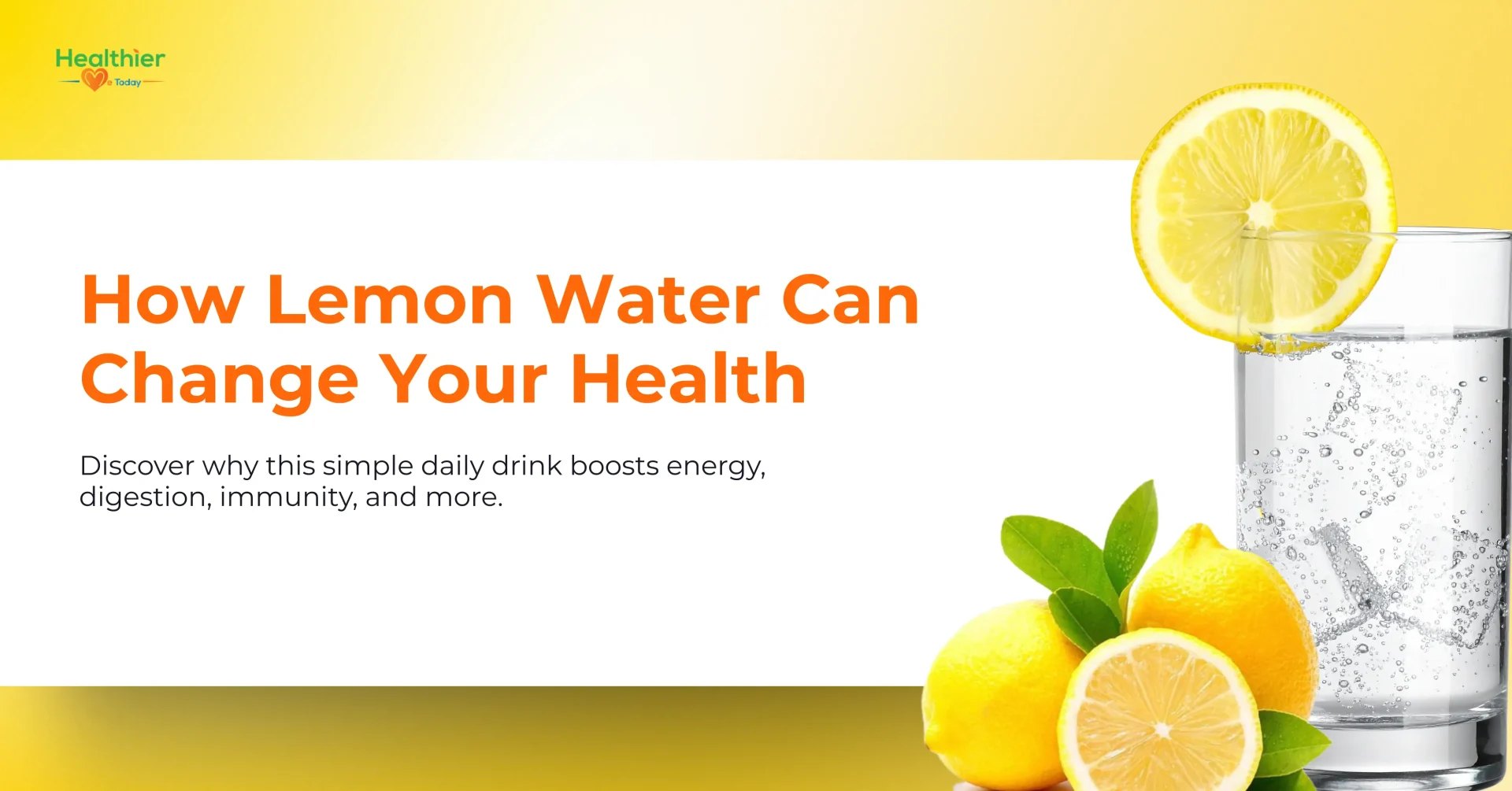
8 Amazing Benefits of Lemon Water & the Best Time to Drink

If you knew one simple drink could lift your energy, support digestion, naturally brighten your skin, and much more, would you give it a chance?

According to researchers, people started drinking lemon water in the 12th century. Today, it’s still one of the easiest wellness habits to add to your day, and the benefits go far beyond taste. Lemon water keeps you hydrated, supports different systems in the body, and helps you feel more refreshed from the inside out. Whether you enjoy it warm first thing in the morning or chilled throughout the afternoon, this simple drink can make a noticeable difference.

Below, you’ll find 8 amazing benefits of lemon water, plus the best times to drink it for maximum results.

Health Benefits of Lemon Water

Let the countdown begin (and prepare to be amazed)!

1. Hydration and Morning Energy

Your body naturally loses water overnight through breathing and sweating, so it starts the morning needing a little boost. Hydrating early helps your body wake up properly, your brain, your energy, and even your focus respond better when you’re not starting the day dehydrated.

benefits of lemon water in the morning

One of the best benefits of lemon water in the morning is that it helps you rehydrate after a night’s sleep.

2. Increases Metabolism

Many people turn to lemon water for weight loss because staying hydrated plays a big role in how your metabolism functions. When your body gets enough water, it can burn energy more efficiently, which supports a healthy, steady metabolism. Even a small boost in hydration can make your body work a little harder and burn a few more calories as it processes the water.

A well-supported metabolism makes it easier to manage your weight, and lemon water simply helps you drink more throughout the day.

3. Supports Digestion

A glass of lemon water for digestion before or after meals can help “wake up” your digestive system by supporting healthy stomach acid levels. This can make it easier for your body to break down food properly.

The gentle acidity in lemons may help ease bloating or discomfort, while proper hydration keeps things moving through your digestive tract. Together, they support regular bowel movements and overall digestive comfort.

5. Promotes Naturally Glowing Skin

Glowing, healthy-looking skin often starts from good nutrition and hydration, and that’s where lemon water skin benefits come in. The vitamin C in lemons supports your body’s natural collagen production, which helps keep your skin soft and smooth [webmd.com].

Staying hydrated also helps your skin look fresher and less dull by supporting your body’s natural detox processes. Drinking lemon water regularly can help your complexion look more even and naturally radiant over time.

6. Strengthens Immunity

Have you ever heard of lemon water immune system support?

The vitamin C in lemons helps your body produce and protect white blood cells, the cells that fight off infections. It also works as an antioxidant, protecting your cells so your immune system stays strong.

Staying hydrated is another part of good immunity, and lemon water makes it easier to drink enough throughout the day. Especially during flu season, this simple habit can give your body the support it needs to stay healthy.

7. Detoxes and Balances the Body

Next on the lemon water health benefits list is detoxing (and it’s quite interesting)!

Your body is constantly detoxing on its own, and your liver does most of the work. Lemon water can support this process in a few helpful ways [greaterbostonbehavioralhealth.com]. The natural acidity in lemons may help the liver produce bile, which plays a role in moving waste through the body.

The antioxidants in lemons, especially vitamin C, help protect liver cells from damage so they can function well. And because lemon water makes it easier to stay hydrated, it supports the kidneys as they filter out waste throughout the day.

8. Balances pH Levels

One of the overlooked health benefits of lemon water is how it can support the body’s natural pH balance. Even though lemons are acidic, they have an alkalizing effect once digested. This means they can help create a more balanced internal environment without making your body too acidic.

Health benefits of lemon water - Balances pH Levels

Staying hydrated also plays a role in pH balance, helping your body dilute acids and process waste more effectively. Adding lemon to your water is a simple way to support this balance and help your body feel less sluggish and steadier throughout the day.

9. Protects the Kidneys

Many people turn to lemon water for kidney stones because the citric acid in lemons can help prevent mineral buildup. Citric acid binds to calcium in the urine, making it less likely to form crystals that can develop into stones [health.clevelandclinic.org].

Lemon water also helps by diluting urine, which reduces the concentration of minerals and makes it easier for the kidneys to flush out waste. Drinking it regularly can support overall kidney health and lower the chances of stone formation.

Best Time to Drink Lemon Water

The best time to drink lemon water depends on what you want from it.

  • In the morning: A warm glass on an empty stomach helps rehydrate you after sleep and gives your body a refreshing start to the day.
  • Before meals: Drinking it 20–30 minutes before eating can “wake up” your digestive system and support smooth digestion.
  • Throughout the day: Sipping lemon water during the day makes it easier to stay hydrated and keep your energy levels steady.
  • Before or after workouts: It helps replace lost fluids and keeps you feeling refreshed while you recover.
  • In the evening: A warm glass can be calming, but avoid drinking too much right before bed if you wake up easily at night.

Simple Lemon Water Recipe for Beginners

Making lemon water is quick and beginner-friendly, you don’t need anything fancy to get started. Here’s a simple recipe you can follow daily.

Lemon Water Recipe for Beginners

Ingredient Amount
Fresh lemon ½–1 lemon (juiced)
Water 1 glass (warm or cold)

Instructions:

Squeeze the lemon juice into your glass of water, mix gently, and enjoy. Adjust the amount of lemon to your taste, some prefer a stronger flavor, while others like it light and refreshing [food52.com].

If fresh lemons aren’t always available, you can still enjoy the flavor by using lemon water enhancers or bottled lemon water drinks. While these options don’t offer the same vitamin C and antioxidant levels as freshly squeezed lemon, they can still make hydration easier and help you replace sugary beverages with something lighter and refreshing.

Conclusion: A Glass Can Change Your Day

Adding lemon water to your daily routine is one of the simplest habits with the biggest payoff. It supports hydration, digestion, immunity, kidney health, and even your skin, all from just a squeeze of lemon and a glass of water.

You don’t need expensive ingredients or complicated recipes, just consistency. Whether you sip it in the morning for a refreshing start or enjoy it later in the day for an energy boost, this easy ritual can help you feel lighter, clearer, and more balanced from the inside out.

So try it today!

FAQ’s:

What are the top health benefits of lemon water?

Drinking lemon water regularly may help your body stay hydrated, improve digestion, boost immunity, clear the skin, and naturally aid in detox and weight balance. It’s full of vitamin C and antioxidants that help the body function smoothly every day.

Does lemon water help with weight loss?

Yes, it can support weight management by replacing sugary drinks and helping you feel full. Staying hydrated with lemon water may also support a healthy metabolism.

Is lemon water good for your skin?

Definitely, the vitamin C in lemon water plays a key role in collagen formation and helps protect your skin. Along with proper hydration, it leaves your skin looking naturally radiant.

How much lemon water should you drink daily?

Most people benefit from one to two glasses per day. Excessive acidity can cause discomfort, so start slowly and observe how your body reacts.

Is it safe to drink lemon water every day?

Yes, it’s safe for most people when consumed in moderation. To protect teeth, rinse your mouth with plain water afterward or use a straw.

Does lemon water really detox your body?

Yes. By supporting liver and kidney function, lemon water promotes the body’s ability to eliminate waste and stay balanced. These lemon water detox benefits make it a simple and natural way to help your body cleanse and maintain overall wellness.

Can lemon water damage your teeth?

Due to its acidity, excessive consumption of lemon water can erode enamel. Using a straw and rinsing afterward helps protect your teeth.

How does lemon water help with digestion?

It promotes better digestion by stimulating bile and enzyme production, which helps your body process meals more efficiently and reduces bloating.

What’s the best way to prepare lemon water?

The best way to prepare lemon water is to squeeze the juice of half a fresh lemon into a cup of warm or cold water. Fresh lemon juice works best for flavor and nutrients.

Does lemon water boost your immune system?

Yes, its vitamin C content helps strengthen the immune system and supports the body in fighting colds, infections, and fatigue.

Is warm or cold lemon water better?

Both warm and cold lemon water offer unique benefits. Warm lemon water benefits include soothing the digestive system, helping with gentle detox, and supporting hydration first thing in the morning. Cold lemon water, on the other hand, is refreshing, energizing, and perfect after exercise to cool down and rehydrate.
Top High-Protein Veggies for Plant-Based Eaters

Protein is an important nutrient for a healthy body. It helps with muscle recovery, controls energy levels, and supports the immune system. People on a vegetarian or vegan diet might find it hard to find high-quality plant-based protein sources. However, nature offers a wide range of high protein vegetables that can provide the nourishment your body needs without relying on animal products.

This guide explores some of the best vegetables high in protein, how they support a balanced diet, and are easy to include in your everyday meals.

Why Protein Matters on a Plant-Based Diet

Why Protein Matters on a Plant Based Diet

Protein helps your body grow, repair muscles, and stay healthy. It also supports your metabolism and strengthens your immune system. If you follow a plant based protein diet, it’s essential to get enough protein from natural, healthy foods.

Unlike meat or eggs, protein vegetables give you energy with fewer calories and almost no unhealthy fat, making them a cleaner and lighter source of nutrition.

Vegetables That Pack the Most Protein

If you’re wondering what veggies have the most protein, look no further than peas, spinach, broccoli, and Brussels sprouts. These are the top vegetable foods high in protein and can easily fit into any diet.

vegetables are high in protein

When most people think of protein, they imagine beans, tofu, or lentils. Yet, many fresh vegetables are also excellent sources of this nutrient.

Here are some of the top high-protein vegetables for plant-based eaters:

Vegetable/ Plant Food Protein (approx.) Description
Endamame 18.4 g per cup (cooked) Young soybeans are full of plant protein and fiber.
Lentils 17.9 g per cup (cooked) Tiny legumes are full of protein and iron.
Pinto Beans 15.4 g per cup (cooked) Creamy beans used in Mexican dishes are rich in protein and fiber.
Chickpeas 21.3 g per 100 g (dried) Tiny legumes are full of protein and iron.
Mung Beans 14.2 g per cup (cooked) Small green beans are rich in protein and fiber.
Fava Beans 12.9 g per cup (cooked) Broad beans add a protein boost to soups and salads.
Green Peas 8.6g per cup (cooked) Sweet and tender peas with great protein and vitamin C.
Wild Rice 6.5 g per cup (cooked) High-protein grain, rich in nutrients.
Quinoa 8.1 g per cup (cooked) A complete plant protein grain high in fiber and minerals.
Pistachios 5.9 g per 28 g (1 oz) Crunchy nuts that provide protein and healthy fats.
Almonds 5.9 g per 28g (1 oz) Protein-packed nuts loaded with vitamin E and antioxidants.
Brussels Sprouts 5.6 g per cup (cooked) Mini cabbages are rich in protein, fiber, and immune-boosting nutrients.
Asparagus 5.3 g per cup (cooked) Light and fresh, high in protein, and perfect for spring meals.
Chia Seeds 4.7 g per 28g (1 oz) Tiny seeds full of protein, fiber, and omega-3s.
Potatoes ( with skin) 4.3 g per medium potato A satisfying carb source that also offers protein and B vitamins.
Broccoli 4.3 g per stalk (cooked) A protein-rich veggie that supports digestion and immunity.
Avacado 4.0 g per medium fruit Creamy and full of healthy fats with a small amount of protein.
Yellow Sweet Corn 4.7 g per large ear Naturally sweet filling, offers both protein and fiber.

 While legumes and grains aren’t vegetables, many plant-based eaters include them as protein-rich staples. We’ve included them here for convenience.

How Much Protein Do You Need Per Day

Your daily protein needs depend on your age, activity level, and overall health. 

For most adults, a good general guideline is:

  • 0.8 grams of protein per kilogram of body weight for the average person
  • 1.0 to 1.2 g/kg if you’re active, trying to build muscle, or recovering from illness
  • 1.2 to 1.6 g/kg if you exercise regularly or follow a plant-based diet and want to support muscle strength

To figure out your ideal range, simply multiply your weight (in kilograms) by the guideline that fits you best.

Example of a High-Protein Plant-Based Day

Here’s a simple day of eating that adds up to 65–75 grams of protein (perfect for most adults, including those following a vegetarian or vegan diet).

Breakfast (15–18 g)

  • Spinach smoothie made with:
    • 1 cup cooked spinach
    • 1 tablespoon chia seeds
    • ½ cup Greek-style plant yogurt
    • One banana or berries

This combo gives you steady morning energy plus a strong protein boost.

Lunch (20–25 g)

  • Quinoa and broccoli bowl:
    • 1 cup cooked quinoa
    • 1 cup steamed broccoli
    • ½ cup chickpeas
    • Lemon-tahini dressing

Quinoa and chickpeas together create a complete, filling protein source.

Snack (6–10 g)

  • A handful of almonds or pistachios

OR

  • Whole-grain toast with peanut butter

Dinner (22–25 g)

  • Stir-fry with:
    • 1 cup edamame
    • 1 cup green peas
    • Brussels sprouts or asparagus
    • Soy sauce, garlic, and sesame seeds

A quick, nutrient-packed dinner loaded with plant protein and fiber.

Conclusion: The Power of Changing Your Diet

When it comes to staying healthy and strong on a plant-based diet, vegetables play a bigger role than many people realize. Understanding what vegetables are high in protein guides you to make healthier food choices that keep your body fueled. Getting enough protein from greens like spinach, kale, and microgreens supports muscle strength, energy, and overall wellness without relying on animal products.

high protein vegetables

Even though microgreens protein content is small, these tiny plants add an impressive nutritional punch when combined with other foods. They’re easy to include in daily meals and help boost overall protein intake. Meanwhile, leafy greens protein contributes to a cleaner, lighter source of energy that’s kind to your body and the planet.

So what are you waiting for?

FAQ’s:

Which vegetables have the highest protein content?

Some of the highest protein vegetables include edamame, green peas, broccoli, spinach, and kale. Edamame and peas offer the most protein, around 8 to 18 grams per serving, while leafy greens like spinach and kale provide smaller but valuable amounts of plant protein.

How can I get enough protein from vegetables?

By combining several protein sources on a plant based diet, such as legumes, grains, and vegetables, you can achieve complete protein intake daily.

Are leafy greens a good source of protein?

Yes, leafy greens like kale, collards, and spinach contain valuable protein in leafy greens that contributes to your total intake when eaten regularly. Adding these greens is an easy way to increase your daily protein intake while supporting digestion, bone health, and muscle recovery. Regularly including protein-rich leafy vegetables helps maintain a balanced and sustainable plant-based diet.

What are the best plant-based protein sources?

The best plant based protein sources include chickpeas, lentils, mung beans, edamame, tofu, and quinoa. Combining these protein-rich plant foods with grains or seeds ensures you get all the essential amino acids for a balanced and nutritious plant-based diet.

Can microgreens boost protein intake?

Microgreens are small, young plants that are rich in nutrients, including protein. Although they contain less protein than legumes, they are still an excellent way to enhance your intake.

How much protein do high-protein vegetables provide per serving?

Depending on the vegetable, servings can range from 2 to 9 grams of protein, making protein containing vegetables a substantial addition to any plant-based diet.

Which protein-rich vegetables are best for vegetarians?

Edamame, peas, artichokes, and Brussels sprouts are among the most protein rich vegetables that fit perfectly into vegetarian meals. Not only do these vegetables provide plenty of plant protein, but they also offer a range of vitamins and minerals. This makes them great for balanced vegetarian meals.

Can eating protein-rich vegetables replace animal protein?

Yes. Protein-rich vegetables can help meet your protein needs, especially when combined with grains, legumes, or seeds. This pairing creates a complete protein, providing all the important amino acids your body requires.

What are some easy ways to include protein vegetables in meals?

There are many ways to boost protein intake with vegetables. You can add protein-rich greens like spinach, kale, or microgreens to smoothies, soups, and stir-fries. Vegetables are great side dishes for whole grains, pasta, or rice. Roasting or steaming, these veggies help keep their nutrients while adding flavor. Even minor adjustments, such as adding chickpeas to a salad or adding sprouts to a sandwich, can significantly boost your daily plant-based protein intake.

Are protein-rich leafy vegetables good for weight loss?

Yes. Protein rich leafy vegetables are low in calories and high in fiber, helping you feel full longer while supporting a healthy weight. Regularly eating protein-rich leafy greens enables you to stay satisfied without overeating, supporting healthy, sustainable weight loss.

25 Thanksgiving Desserts That are SO GOOD They Disappear in Minutes (+ Healthy Swaps)

Thanksgiving is one of the biggest dessert days of the entire year, with millions of pumpkin pies, apple crisps, brownies, and cheesecakes being served across the country. And while the holiday is known for rich, sweet treats, that doesn’t mean every recipe has to be heavy. 

This list gives you 25 delicious Thanksgiving dessert ideas, along with simple healthy swaps for anyone who’s diabetic, watching sugar, or just wants a lighter option without giving up flavor.

Let the dessert magic begin!

1. Pumpkin Cheesecake Bars

If you’re looking for dessert bars for Thanksgiving, this is the one that never fails. The pumpkin-and-cheesecake mix gives you that rich, cozy flavor without any fuss, and it’s one of those desserts people always go back for. Easy to make, easy to serve, and always a solid choice for the holiday table.

 dessert bars for Thanksgiving- Pumpkin Cheesecake Bars

Ingredient Quantity
Pumpkin Puree 1 cup
Cream Cheese 1 block
Sugar ½ cup
Egg 1 whole
Cinnamon ½ tsp
Graham Cracker Crust 1 Crust

Recipe

Mix pumpkin puree, cream cheese, sugar, egg, and cinnamon. Spread over a graham cracker crust, bake at 175°C for 35 minutes, and let it cool in the fridge before serving.

Healthy Swap

Use Greek yogurt instead of part of the cream cheese.

2. Apple Crisp

Apple crisp is such a reliable pick for desserts for Thanksgiving Day. The warm apples, the cinnamon, and that crisp topping make it one of those dishes that feels familiar and comforting without needing much effort.

Ingredient Quantity
Apples 6 sliced
White Sugar ¼ cup
Cinnamon 1 tsp
Oats ½ cup
Brown Sugar ¼ cup
Flour ¼ cup
Butter 3 tbsp

Recipe

Slice six apples and toss with sugar and cinnamon. Mix oats, brown sugar, flour, and butter for the topping. Evenly spread the apples on the bottom of the pan and bake at 190°C for 40 minutes.

Healthy Swap

Swap half the butter for applesauce and use oats instead of flour.

3. Pecan Pie Brownies

These pecan pie brownies are a solid pick if you want easy Thanksgiving dessert ideas that still feel a little special. The mix of fudgy chocolate and that sweet pecan topping gives you the best of both worlds, and it’s one of those treats people always notice on the table. 

Ingredient Quantity
Brownie mix
Pecans 1 cup
Brown Sugar ½ cup
Melted Butter 2 tbsp
Corn Syrup 1 tbsp

Recipe

Bake a brownie mix in a 9×9-inch pan. Combine pecans, brown sugar, melted butter, and corn syrup, then spread over the brownies. Bake for an extra 15 minutes at 175°C.

Healthy Swap

Use dark chocolate brownie mix and reduce the sugar in the pecan topping.

4. Cranberry Orange Cake.

This cranberry orange cake has a bright, festive flavor that makes it a great pick when you want the best cake for Thanksgiving. The mix of fresh cranberries and citrus keeps it soft, moist, and perfect for anyone who wants something a little different on the dessert table.

Ingredient Quantity
Flour 2 cups
Sugar 1 cup
Baking Powder 1 tsp
Eggs 2 whole
Orange Juice ½ cup
Fresh Cranberries 1 cup

Recipe

Mix flour, sugar, baking powder, eggs, orange juice, and fresh cranberries. Place the mixture into a pan and bake at 175°C for 45 minutes.

Healthy Swap

Replace half the sugar with orange juice or applesauce.

5. Sweet Potato Cupcakes

These light and fluffy sweet potato cupcakes are a great pick when you want desserts for Thanksgiving other than pie. The warm spices and creamy mashed sweet potatoes give them a soft, cozy flavor that fits right in on any holiday table.

Ingredient Quantity
Mashed Sweet Potato 1 cup
Flour 1½ cups
Sugar ¾ cup
Butter ½ cup
Eggs 2 whole
Cinnamon 1 tsp
Cream cheese frosting for topping

Recipe

Combine mashed sweet potato, flour, sugar, butter, eggs, and cinnamon. Fill the cupcake tins with the batter and bake at 175°C for 20 minutes. Top with cream cheese frosting.

Healthy Swap

Use mashed banana for sweetness and skip the frosting, or use Greek yogurt frosting.

6. Caramel Apple Tart

This caramel apple tart has that flaky crust and tender apple filling that make it a solid choice for Thanksgiving pastries

Ingredient Quantity
Apples 4 sliced
Butter 2 tbsp
Sugar ¼ cup
Puff Pastry 1 sheet
Caramel sauce for drizzling

Recipe

Slice the apples, then sauté them with butter and sugar. Arrange them on rolled puff pastry, drizzle with caramel sauce, and bake at 190°C for 25 minutes.

Healthy Swap

Use a whole-wheat crust and drizzle less caramel.

7. Mini Pumpkin Tarts

These mini pumpkin tarts are small, smooth, and full of that classic holiday spice, making them perfect for anyone searching for cute ideas for Thanksgiving desserts. They’re easy to serve, and guests love grabbing one as they walk by the table

Ingredient Quantity
Pumkin Puree 1 cup
Cream ½ cup
Eggs 1 whole
Sugar ¼ cup
Cinnamon ½ tsp
Mini Tart Shells

Recipe

Mix pumpkin puree, cream, egg, sugar, and cinnamon. Pour into mini tart shells and bake at 175°C for 20 minutes.

Healthy Swap

Use low-fat cream or coconut milk instead of heavy cream.

8. Cinnamon Sugar Donut Holes

These cinnamon-sugar donut holes are soft, warm, and perfect when you want easy Thanksgiving treats that everyone can grab as they walk by. They’re simple to make, and always one of those snacks people can’t stop picking at.

Cinnamon Sugar Donut Holes - thanksgiving desserts

Ingredient Quantity
Flour 1½ cups
Sugar ¼ cup
Baking Powder 1 tsp
Milk ½ cup
Egg 1 whole
Cinnamon Sugar for coating
Oil for frying

Recipe

Mix flour, sugar, baking powder, milk, and egg. Fry spoonfuls until golden, then toss in a mixture of cinnamon and sugar.

Healthy Swap

Bake instead of frying.

9. Maple Pecan Blondies

These maple pecan blondies have that chewy texture and sweet maple flavor that make them a go-to for easy sweets for Thanksgiving. The pecans add a nice crunch, and the whole pan comes together without much work. 

Ingredient Quantity
Flour 1½ cups
Butter ½ cup
Sugar 1 cup
Eggs 2 whole
Maple Syrup 2 tbsp
Chopped Pecans ½ cup

Recipe

Combine flour, butter, sugar, eggs, and maple syrup. Stir in chopped pecans, then bake at 175°C for 25 minutes.

Healthy Swap

Replace half the butter with almond butter.

10. Chocolate Pumpkin Mousse

This chocolate pumpkin mousse is light and creamy, and great if you’re looking for classic Thanksgiving desserts with a twist. The chocolate and pumpkin blend into a smooth, airy treat that feels rich without being heavy

Ingredient Quantity
Heavy Cream 1 cup
Melted Chocolate ½ cup
Pumpkin Puree ½ cup
Sugar ¼ cup
Cinnamon ½ tsp

Recipe

Whip the cream, then fold in melted chocolate, pumpkin puree, sugar, and cinnamon. Chill for 2 hours before serving.

Healthy Swap

Use coconut cream instead of heavy cream.

11. Apple Cider Donuts

These warm apple cider donuts have that cozy, spiced flavor that makes them a great choice when you want desserts to make Thanksgiving extra special. They’re soft and fightly crisp on the outside, and always a hit with anyone who loves classic fall treats.

Ingredient Quantity
Flour 2 cups
Sugar ½ cup
Baking Powder 2 tsp
Cinnamon ½ tsp
Butter ½ cup
Apple Cider ½ cup
Egg 1 whole
Cinnamon Sugar for coating
Oil for frying

Recipe

Mix flour, sugar, baking powder, cinnamon, butter, apple cider, and egg. Bake or fry, then coat with cinnamon sugar.

Healthy Swap

Bake them and use half the sugar in the coating.

12. Pumpkin Roll Cake

This pumpkin roll cake is soft, creamy, and a fun way to add a festive Thanksgiving cake to your holiday table. The pumpkin spice and smooth filling work really well together, giving you a dessert that feelsseasonala without being complicated

Ingredient Quantity
Eggs 3 whole
Sugar 1 cup
Flour ¾ cup
Pumpkin Puree 1 cup
Cinnamon 1 tsp
Cream Cheese Frosting ½ cup

Recipe

Mix eggs, sugar, flour, pumpkin puree, and cinnamon. Bake at 175°C for 15 minutes. Spread with cream cheese frosting, roll, and chill before serving.

Healthy Swap

Use lighter cream cheese or Greek yogurt frosting.

13. Carrot Cake Cupcakes

These carrot cake cupcakes are moist and flavorful, and topped with a smooth frosting that makes them perfect for Thanksgiving easy desserts. They’re simple to bake and always bring a nice pop of color to the table

Ingredient Quantity
Flour 1½ cups
Sugar 1 cup
Eggs 2 whole
Butter ½ cup
Grated Carrots 1 cup
Cinnamon 1 tsp
Cream Cheese Frosting

Recipe

Mix flour, sugar, eggs, butter, grated carrots, and cinnamon. Bake at 175°C for 20 minutes, then frost with cream cheese icing.

Healthy Swap

Add crushed pineapple for moisture and reduce oil.

14. Cranberry White Chocolate Bars

These cranberry white chocolate bars have a chewy texture with the perfect balance of tart berries and sweet chocolate, making them a reliable pick for easy Thanksgiving sweets. They’re fun, straightforward, and great for serving a crowd.

Ingredient Quantity
Flour 1½ cups
Baking Powder 1 tsp
Butter ½ cup
Sugar ½ cup
Eggs 2 whole
Cranberries ½ cup
White Chocolate Chips ½ cup

Recipe

Mix flour, baking powder, butter, sugar, eggs, cranberries, and white chocolate chips. Bake at 175°C for 25 minutes.

Healthy Swap

Use dark chocolate chips instead of white chocolate.

15. Pumpkin Pie Truffles

These pumpkin pie truffles are small, creamy, and full of that cozy fall flavor, making them a fun little treat to add to your list of popular Thanksgiving desserts. They come together quickly and always feel like a festive extra on the table.

Ingredient Quantity
Pumpkin Puree ½ cup
Cream Cheese ½ cup
Crushed Graham Crackers 1 cup
Chocolate for dipping

Recipe

Mix pumpkin puree, cream cheese, and crushed graham crackers. Form into balls, chill, and dip in melted chocolate.

Healthy Swap

Coat in dark chocolate and use low-fat cream cheese.

16. Chocolate Ganache Tart

This chocolate ganache tart is smooth, rich, and perfect when you want desserts for Thanksgiving that look impressive without being complicated. The crisp crust and silky filling make it a nice option for anyone who loves a deeper chocolate flavor.

Chocolate Ganache Tart - thanksgiving desserts

Ingredient Quantity
Tart Shell 1 pre-baked
Heavy Cream 1 cup
Chopped Chocolate 1½ cups

Recipe

Bake a tart shell. Heat the cream, then pour it over chopped chocolate and mix until smooth. Then pour the filling into the crust and refrigerate for 2 hours to set.

Healthy Swap

Use dark chocolate and a thinner ganache layer.

17. Apple Galette

This apple galette has a flaky crust and a soft, cinnamon-coated apple filling that works really well for non-pie Thanksgiving desserts. It’s simple to assemble and gives you that classic fall taste without needing a full pie

Ingredient Quantity
Apples 4 sliced
Sugar ¼ cup
Cinnamon 1 tsp
Egg 1 (for egg wash)
Rolled Dough 1 sheet

Recipe

Slice the apples and toss with sugar and cinnamon. Place on rolled dough, fold the edges over, glaze with egg wash, and bake for 40 minutes at 190°C.

Healthy Swap

Use less sugar (the apples naturally sweeten it).

18. Pumpkin Spice Latte Cupcakes

These pumpkin spice latte cupcakes have that warm, cozy flavor that makes them a great pick when you want good desserts to make for Thanksgiving. They’re soft, lightly spiced, and always a nice option for anyone who enjoys those classic fall coffee flavors.

Ingredient Quantity
Flour 1 cup
Sugar ½ cup
Pumpkin Puree ½ cup
Cinnamon 1 tsp
Milk ½ cup
Eggs 1 whole
Spiced Cream Cheese Frosting

Recipe

Mix flour, sugar, pumpkin puree, cinnamon, milk, and egg. Bake at 175°C for 20 minutes, then frost with spiced cream cheese icing.

Healthy Swap

Use oat milk or almond milk instead of regular milk.

19. Caramel Pecan Bars

These caramel pecan bars are chewy, sweet, and packed with toasted pecans, which makes them a solid choice for Thanksgiving bar desserts. They come together easily and always add a nice mix of texture and flavor to the dessert table

Ingredient Quantity
Shortbread Crust 1 (prepared)
Caramel 1 cup
Chopped Pecans ½ cup

Recipe

Prepare a shortbread crust and bake for 15 minutes. Spread caramel and chopped pecans on top, then bake for another 15 minutes at 175°C.

Healthy Swap

Reduce the caramel layer and add extra pecans for crunch.

20. Mini Apple Pies

These mini apple pies are filled with tender cinnamon-coated apples and work really well as cute and easy Thanksgiving desserts. They’re simple to serve and always look great when you want something small but still comforting.

Ingredient Quantity
Chopped apples 2 cups
Sugar ¼ cup
Cinnamon ½ tsp
Mini Pie Crusts

Recipe

Toss chopped apples with sugar and cinnamon. Fill mini pie crusts and bake at 190°C for 20 minutes.

Healthy Swap

Use a lighter crust or phyllo sheets instead of pie dough.

21. Chocolate Covered Pumpkin Seeds

These chocolate‑covered pumpkin seeds are crunchy, sweet, and really easy to make, which makes them a great choice for easy, fast Thanksgiving desserts. They’re simple to snack on and always add a fun little treat to the table without much effort.

Ingredient Quantity
Pumpkin Seeds 1 cup
Butter 1 tbsp
Melted Chocolate for Coating

Recipe

Roast pumpkin seeds with butter, drizzle with melted chocolate, and let set.

Healthy Swap

Use dark chocolate and skip the extra butter.

22. Maple Cinnamon Swirl Bread

This maple cinnamon swirl bread is soft, sweet, and full of warm spice, which makes it a nice option for Thanksgiving desserts that aren’t pie. It’s simple to slice, easy to share, and always brings a little comfort to the table.

Ingredient Quantity
Maple Syrup 2 tbsp
Basic Yeast Dough
Cinnamon sugar for rolling

Recipe

Make basic yeast dough, roll it in cinnamon sugar, swirl it in maple syrup, and bake at 175°C for 30 minutes.

Healthy Swap

Use whole-wheat dough and reduce the cinnamon-sugar amount.

23. Cranberry Almond Tart

This cranberry almond tart has a smooth almond filling and a bright pop of cranberry flavor, making it a great pick when you want festive Thanksgiving desserts that look and feel a bit special. It’s colorful, flavorful, and perfect for anyone who loves a mix of sweet and tart.

Ingredient Quantity
Butter ½ cup
Sugar ½ cup
Egg 1 whole
Almond Butter ½ cup
Fresh Cranberries
Tart Shell

Recipe

Blend butter, sugar, egg, and almond flour. Spread in a tart shell, top with cranberries, and bake for 35 minutes at 175°C.

Healthy Swap

Use almond flour for the filling and reduce added sugar, as cranberries add tartness.

24. Pumpkin Chocolate Chip Cookies

These pumpkin chocolate chip cookies are soft, cozy, and packed with chocolate, which makes them a fun choice for festive Thanksgiving desserts. They’re easy to bake, easy to serve, and always a hit with anyone who wants something quick and comforting.

Pumpkin Chocolate Chip Cookies - thanksgiving desserts

Ingredient Quantity
Pumpkin Puree 1 cup
Sugar 1 cup
Egg 1 whole
Cinnamon 1 tsp
Flour 2 cups
Chocolate Chips 1 cup

Recipe

Mix pumpkin puree, sugar, egg, cinnamon, flour, and chocolate chips. Bake at 175°C for 12 minutes.

Healthy Swap

Use dark chocolate chips and replace half the sugar with maple syrup.

25. Salted Caramel Pecan Tart

This salted caramel pecan tart is rich, buttery, and filled with gooey caramel and toasted pecans, giving you a standout traditional Thanksgiving dessert that feels special without extra effort. The sweet-and-salty mix always lands well on a holiday spread.

Ingredient Quantity
Toasted Pecans 1 cup
Butter ½ cup
Brown Sugar 1 cup
Vanilla extract 1 tsp
Heavy Cream ¼ cup
Pre-made tart shell 1
Sea salt Pinch

Recipe

Mix butter and brown sugar until creamy. Add heavy cream and vanilla, then fold in toasted pecans. Pour the mixture into a pre-baked tart shell, add a pinch of sea salt, and bake for 15 minutes at 175°C.

Healthy Swap

Reduce the caramel by 25% and add extra pecans for texture.

Conclusion: Don’t Skip Your Holiday Favorites

With all these options, you definitely won’t be running out of ideas anytime soon. This roundup gives you plenty of ways to bring something sweet to the table, whether you’re in the mood for a rich pumpkin treat, something fruity and warm, a batch of brownies, or a simple bar you can make last-minute.

And the best part? Every recipe can be adjusted. The healthy swaps make it possible for anyone to enjoy dessert, even if you’re diabetic, watching your sugar, or just choosing not to undo the progress you’ve made with your body. A lighter crust here, less sugar there, a swap for whole ingredients… it all adds up, and it still tastes great.

Thanksgiving should feel good, and dessert should be something everyone gets to enjoy. Whether that means a full slice of cake or a healthier version that fits your goals, there’s always a way to make it work. Pick the dessert that feels right for you and end the holiday on a sweet note that truly suits your lifestyle.

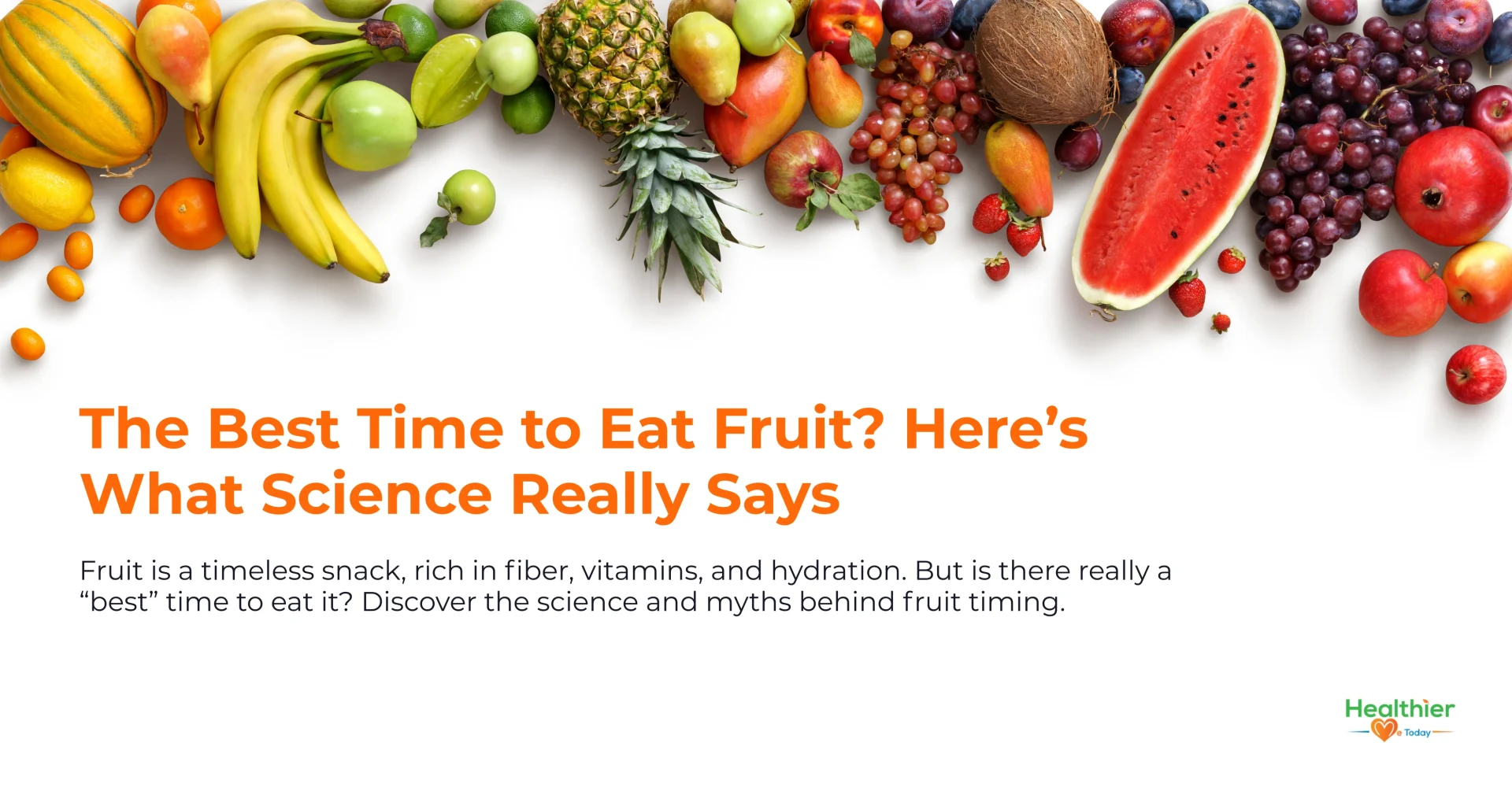
Millions Eat Fruit the Wrong Way… Are You One of Them?

For thousands of years, people have enjoyed the natural sweetness and health benefits of fruit. Our bodies are designed to digest and use the nutrients fruit provides with ease. Yet, many still wonder if fruit timing really matters, should you eat fruit in the morning, before meals, or after eating? The answer isn’t as simple as it seems, and exploring the facts behind fruit timing might just change how you enjoy your favorite fruits.

Eating Fruit Before or After Meals?

Fruit is often considered one of the best ways to support beauty and health. It is low in calories and rich in vitamins and mineralswhich may help lower the risk of diabetes, heart disease, kidney stones, obesity, and high blood pressure.

eat fruit before or after meal

So, should you eat fruit before or after a meal? It really comes down to what you like. Having fruit before a meal may help you feel full and avoid overeating. If you prefer, you can have fruit after your meal as a light, refreshing dessert, but some potential problems can arise from consuming fruit after meals.

Here’s a breakdown:

  • Too Many Nutrients at Once: When eating fruit after a full meal, your body might get more nutrients than it can handle at once. This can be a problem for people with conditions like diabetes or high cholesterol, and it may lead to bloating or indigestion.
  • Sugar Fermentation: Fruit naturally contains sugar. After a heavy meal, your digestive system slows down, making it harder for your body to absorb these sugars properly.
  • Increased Fullness: Fruits are high in water-absorbing fibers. These fibers expand in the stomach, increasing the feeling of fullness and potentially causing bloating or discomfort if you’ve already eaten a lot.
  • Weight Gain Concerns: If you are aiming to lose weight, eating fruit after a meal may not be beneficial. Increased food volume can stretch your stomach and, later, increase hunger, potentially leading to overeating.

There’s really no strict best time to eat fruit. Whether you eat fruit before or after meal, the key is moderation.

Fruit for Digestion and Gut Health

When it comes to fruit for digestion, fiber is the key player. Many people think that eating fruit after meal affects digestion. However, research shows this is not the case. Whether it’s before or after eating, fruit naturally supports healthy digestion. But if you have digestive issues, you may need to adjust how and when to eat fruit to improve nutrient absorption.

Fruit for Digestion and Gut Health

Here are some tips for healthy fruit consumption:

  • Eat fresh, whole fruit instead of fruit juice to get more fiber and fewer added sugars.
  • Avoid overeating fruit in one sitting; balance it with other foods for better digestion.
  • Choose ripe fruit, as it’s easier to digest and gentle on the stomach.
  • Drink enough water throughout the day to help fiber do its job.

Fruit Timing: Morning, Afternoon, or Night?

Is it bad to eat fruit at night? Not necessarily. What matters most is portion size and how your body reacts to it.

Some fruits are actually calming before bedtime. For example, the benefits of eating apple at night include stable blood sugar and better digestion. In contrast, the benefits of eating oranges at night include a vitamin C boost that supports your immune system, but can also have its drawbacks.

Fruit Timing_ Morning, Afternoon, or Night

So, is it ok to eat fruit before bed? Yes, it’s perfectly fine to enjoy fruit at night, keep it light. While some fruits promote better sleep, such as bananas, apples, and berries, there are also certain fruits to avoid at night, as they can disrupt your sleep and cause discomfort. For a peaceful sleep, it’s usually best to stick to light, non-acidic fruits like kiwi, cherries, or small portions of bananas in the evening.

Fruits That Lower Blood Pressure

Eating fruit daily also supports heart health. Certain fruits that lower blood pressure include bananas, plums, and oranges. Rich in potassium, these fruits help maintain a healthy balance of sodium and support heart health.

Plums benefits extend beyond blood pressure! They are also high in antioxidants, which help reduce inflammation and protect cells. Including plums in your evening snack or breakfast can enhance overall heart health and support digestion.

Is Too Much Fruit Bad for You?

Generally, no. However, consuming large quantities of fruit at once can result in an excess of natural sugars that can affect blood sugar levels. If you have diabetes or insulin resistance, combining fruit with protein or healthy fats can slow sugar absorption.

Conclusion: What Really Matters

There’s no wrong time to enjoy fruit, your body benefits whenever you eat it, morning, afternoon, or night. If you’ve wondered, “Is eating fruit at night bad?”, the answer is no, it’s all about choosing the right fruits and portions. While some people prefer to eat fruit till noon, others enjoy fruits for dinner or as a light snack.

Whether you’re deciding should you eat fruit before or after a meal or avoiding the worst time to eat apple, the key is listening to your body and enjoying fruit in a way that fits your lifestyle. Fruit is flexible, nutritious, and always worth including in your day.

FAQ’s:


What is the best time to eat fruit during the day?

There’s no such thing as the best time to eat fruit. You can enjoy fruit at any time of day; it’s a healthy, nutritious snack you can have whenever you want.

Is it bad to eat fruit at night?

No, it’s not bad to eat fruit at night. That’s just a myth. Fruit won’t cause issues simply because it’s eaten later in the day. However, if certain fruits make you feel bloated, choose lighter options like berries or plums before bed.

Why shouldn’t you eat blueberries for breakfast?

Blueberries make a fantastic breakfast option. The belief that blueberries should not be consumed in the morning lacks scientific evidence.

Does eating fruit on an empty stomach help digestion?

Eating fruit on an empty stomach does not enhance digestion. While fruit is rich in fiber, which is excellent for gut health, your body can digest it easily at any time, whether before or after meals. There’s no scientific proof that fruit causes food to “rot” or ferment when eaten with other foods, so enjoy it whenever it suits you.

Can eating fruit at night cause weight gain?

No, eating fruit at night doesn’t cause weight gain. When you consume more calories than your body requires, you start gaining weight, not by eating fruit after 2 p.m.

Does fruit timing affect blood sugar levels?

For most people, fruit timing doesn’t make a big difference. For those with diabetes or insulin resistance, eating fruit with other foods or meals that are rich in protein, fat, or fiber may help slow the absorption of fruit sugar in the small intestine.

This could lead to a lesser increase in blood sugar levels than consuming fruit on its own.

What fruits are best to eat in the morning?

Fruits that give lasting energy and hydrate the body are great in the morning. Try apples, oranges, or bananas. An apple for breakfast supports digestion and helps you feel full, while citrus fruits are rich in vitamin C for a natural energy boost.

Why do experts say to eat fruit before meals?

Some people believe that eating fruit before meals improves digestion or nutrient absorption, but science doesn’t support this claim. The body absorbs nutrients just as well whether you eat fruit before, during, or after meals. The key is when to eat fruit that fits your routine and preferences.

Are there fruits you should avoid before bed?

It’s best to avoid fruits high in natural sugar or acid before bed, such as pineapple or oranges, especially if they cause heartburn or make you feel more awake. Choose calming nighttime options, such as bananas, kiwis, or blueberries before bed to support relaxation and improve sleep.

What does science say about fruit timing and nutrition absorption?

Research shows that the time of day does not affect how your body absorbs nutrients from fruit. Your small intestine absorbs vitamins, minerals, and fiber well, no matter when you eat fruit. This means there are no specific rules for when to eat fruit.

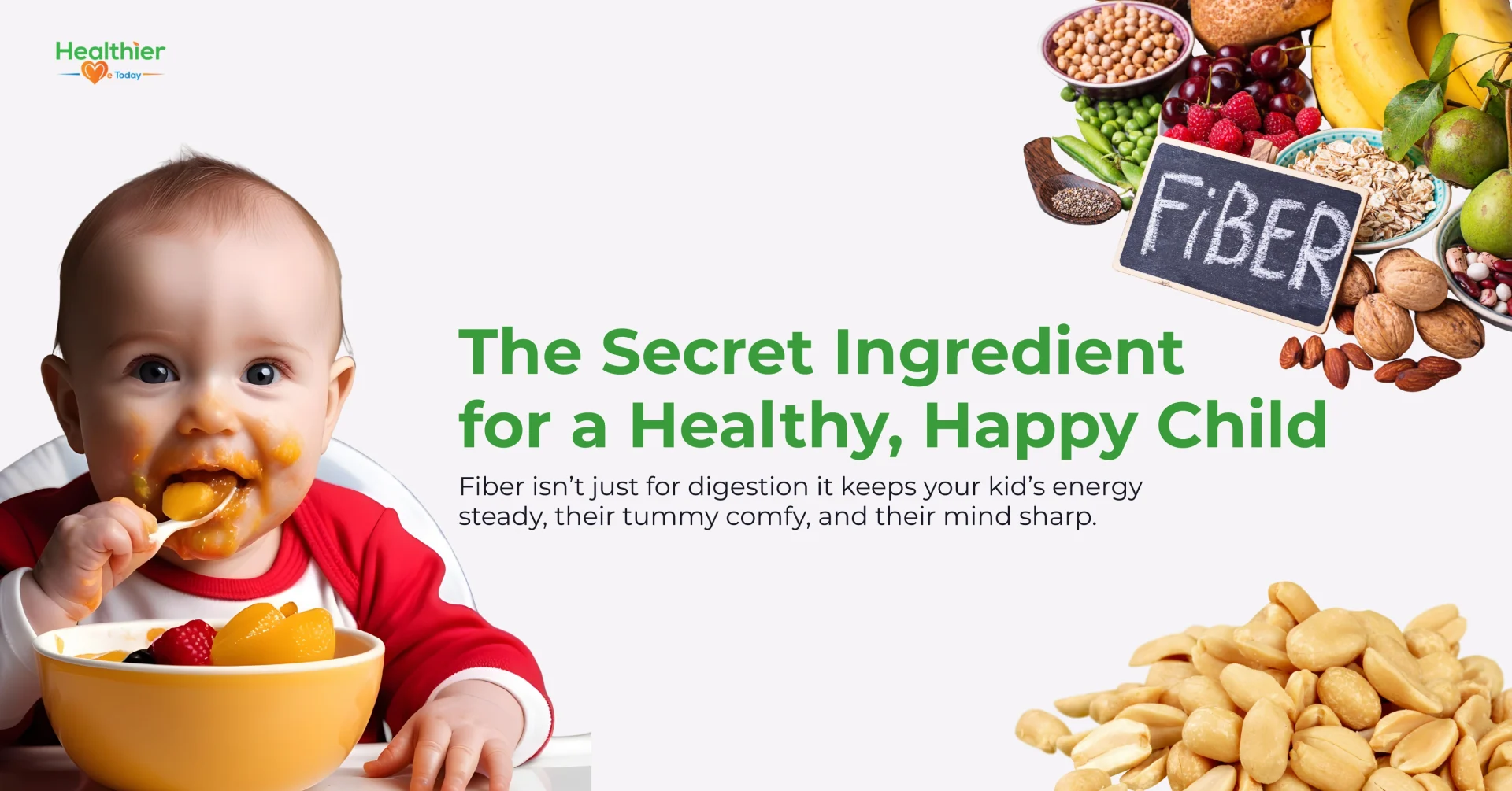
Top 15 Fiber-Rich Foods for Kids: Support Growth & Stomach Health

Constipation affects around one in three children and is common among toddlers, kids, and teens. The good news is that a simple change in diet can make a significant difference.

Fiber helps improve digestion, softens stools, and supports a healthy gut. Adding more fiber rich foods for kids to daily meals can help improve digestion and overall health.

This article highlights the top 15 high fiber foods for kids, explains why fiber is essential for growing children, and provides tips to help meet the daily fiber intake for kids.

Why Fiber Matters for Children

Fiber is a kind of carbohydrate that the body cannot digest. Fiber moves through the digestive system, helping the food pass easily and supporting gut health.

Why Fiber Matters for Children

There are two main types of fiber:

  • Soluble fiber, which dissolves in water, helps regulate blood sugar and cholesterol levels. Food sources like oats, nuts, seeds, beans, apples, and carrots
  • Insoluble fiber, which doesn’t dissolve in water, supports bowel health and is found in whole grains and vegetables.

But fiber isn’t just for digestion, it helps your kid stay focused and provides steady energy throughout the day. It also strengthens the immune system, allowing kids to stay healthy and resilient.

Foods high in fiber for kids improve the following:

  • Support immune health – A strong gut contributes to a stronger immune system. With a sufficient intake of fiber and a balanced gut microbiome, children are better equipped to fight infections and maintain their overall health.
  • Maintain steady energy – high fiber foods for kids release energy slowly, to avoid sudden spikes and drops in blood sugar. This helps kids stay alert and focused in class and energetic throughout the day.
  • Support healthy gut bacteria – fiber acts as food for good bacteria in the gut. These healthy bacteria help protect the immune system, improve mood, and maintain balance in the digestive tract.
  • Helps absorb more nutrients from food – when digestion runs smoothly, the body can absorb vitamins and minerals more efficiently, supporting healthy growth, strong bones, and brain development.

How Much Fiber Do Kids Really Need?

Health experts recommend that for every 1000 calories a kid eats, they need 14 grams of fiber. Daily fiber intake for kids usually falls between 19 and 25 grams, depending on age.

How Much Fiber Do Kids Really Need

Here’s a list of the top 15 fiber rich foods for kids that are not only nutritious but also kid-friendly:

  1. Apples – One medium apple offers around 4 grams of fiber, especially in the skin. They’re easy to pack for lunchboxes or enjoy as a quick snack.
  2. Pears – Pears offer around 5-6 grams of fiber. Pears are juicy, sweet, and packed with soluble fiber, which helps keep tummies happy and digestion smooth. They’re also very kid-friendly and easy to eat on the go.
  3. Berries – Half a cup of raspberries offers around 4 grams of fiber. Strawberries, blueberries, and raspberries are tiny yet mighty sources of fiber, offering a natural sweetness that complements their delicate flavor.
  4. Bananas – A banana offers around 3 grams of fiber. Bananas are convenient, full of prebiotic fiber, gentle on young tummies, and a good source of potassium.
  5. Avocado – Half an avocado offers around 5 grams of fiber. An avocado is a fantastic source of healthy fats and is packed with soluble fiber to support digestion. They work well on toast, in smoothies, or on their own.
  6. Oats – Oatmeal offers around 4 grams of fiber per cup (cooked). Oats are fiber champions that keep kids full longer. They can be made into warm porridge or added to muffins or smoothies.
  7. Whole-grain bread – 1 slice provides 2-3 grams of fiber. Whole-grain bread retains all the fiber from the grain, unlike white bread. Use it for sandwiches or toast to boost fiber intake.
  8. Popcorn – Three cups of air-popped popcorn offer around 4 grams of fiber. Popcorn is a fun, crunchy, fiber-rich snack when you avoid butter and salt, making it a perfect choice for movie nights or after-school munching.
  9. Carrots – 1 medium carrot offers 2 grams of fiber. Carrots are full of insoluble fiber, which helps keep digestion running smoothly. It can be enjoyed as a snack, either raw or cooked, as part of a meal.
  10. Sweet Potatoes – 1 medium sweet potato offers 4 grams of fiber. Sweet potatoes are not only high in fiber but also rich in minerals and vitamins. Oven-baked wedges are always a win with kids.
  11. Broccoli – 1 cup of broccoli offers 5 grams of fiber. Broccoli is like a fiber ninja, with small florets packed full of health benefits. Supporting digestion and providing essential vitamins for growing children.
  12. Lentils & Beans – ½ cup cooked lentils offers 8 grams of fiber, and ½ cup cooked beans offers 6-7 grams of fiber. Lentils and beans, which are rich sources of both soluble and insoluble fibers, along with protein, are excellent sources of nutrition. They can be added to soups, stews, or fried rice.
  13. Nuts & seeds – 1 tbsp of chia seeds offers 5 grams of fiber, and 1oz of almonds offers 3.5 grams of fiber. These are fiber bombs and a nice snack. Remember to keep nut portions small and choose unsalted varieties to limit your sodium intake.
  14. Peas 1 cup of peas (chopped) offers 8 grams of fiber. Peas may be small, but they are rich in fiber. Peas can be steamed, boiled, or added to fried rice or pasta dishes.
  15. Cucumber – 1 cup of sliced cucumber offers 1 gram of fiber. Cucumbers are fresh and hydrating, making them perfect for raw snacks, salads, or sandwiches. Cucumbers may not be packed with fiber, but they’re an easy snack to give to kids, and they’re about 95% water, which helps fiber do its job.

Do not give nuts, raisins, popcorn, or seeds to a child under 3 years of age. This can be a choking risk [myhealth.alberta.ca].

Fun & Simple High-Fiber Snack Ideas for Kids

Getting kids to eat more fiber doesn’t have to be a chore or a struggle. Just add fiber in ways they will actually enjoy, like oatmeal topped with chopped fruit or tossing carrots or cucumbers into lunchboxes.

Fun and Simple High-Fiber Snack Ideas for Kids

Like for example:

  • Carrot sticks with hummus or peanut butter.
  • Air-popped popcorn instead of a packet of chips.
  • Whole-grain products instead of refined starchy foods like white bread or white rice.
  • Adding melted cheese over broccoli still provides your child with valuable fiber and nutrients.
  • Freeze a banana, mash it, and make a creamy “banana ice cream”.

These fun swaps and creative ideas are just a few ways to make the best fiber foods for kids more enjoyable and easy to include in their daily meals.

Importance of Hydration

Don’t forget about water! Fiber works best when kids drink enough water throughout the day. Encourage your kid to sip on water with every meal, instead of sugary drinks. Failing to consume fluids can lead to harder stools in your child, regardless of whether they are receiving sufficient fiber [healthhub.sg].

Signs your child may need more water:

  • Dark yellow urine
  • Dry lips or mouth
  • Unusual tiredness or sluggishness
  • Going to the bathroom less often

If your child is experiencing any concerning symptoms, please contact a healthcare professional right away.

Conclusion: Transform Your Kid’s Gut

A healthy gut makes everything work better, from digestion and focus to your child’s overall mood. Adding fiber-rich foods to their plate helps keep things moving smoothly while supporting energy and growth.

The most critical factors are variety, color, and consistency. Small, daily choices can create lifelong healthy habits. Begin by replacing one snack or side dish with a fiber-rich option, and you may notice improvements in your child’s digestion and energy levels.

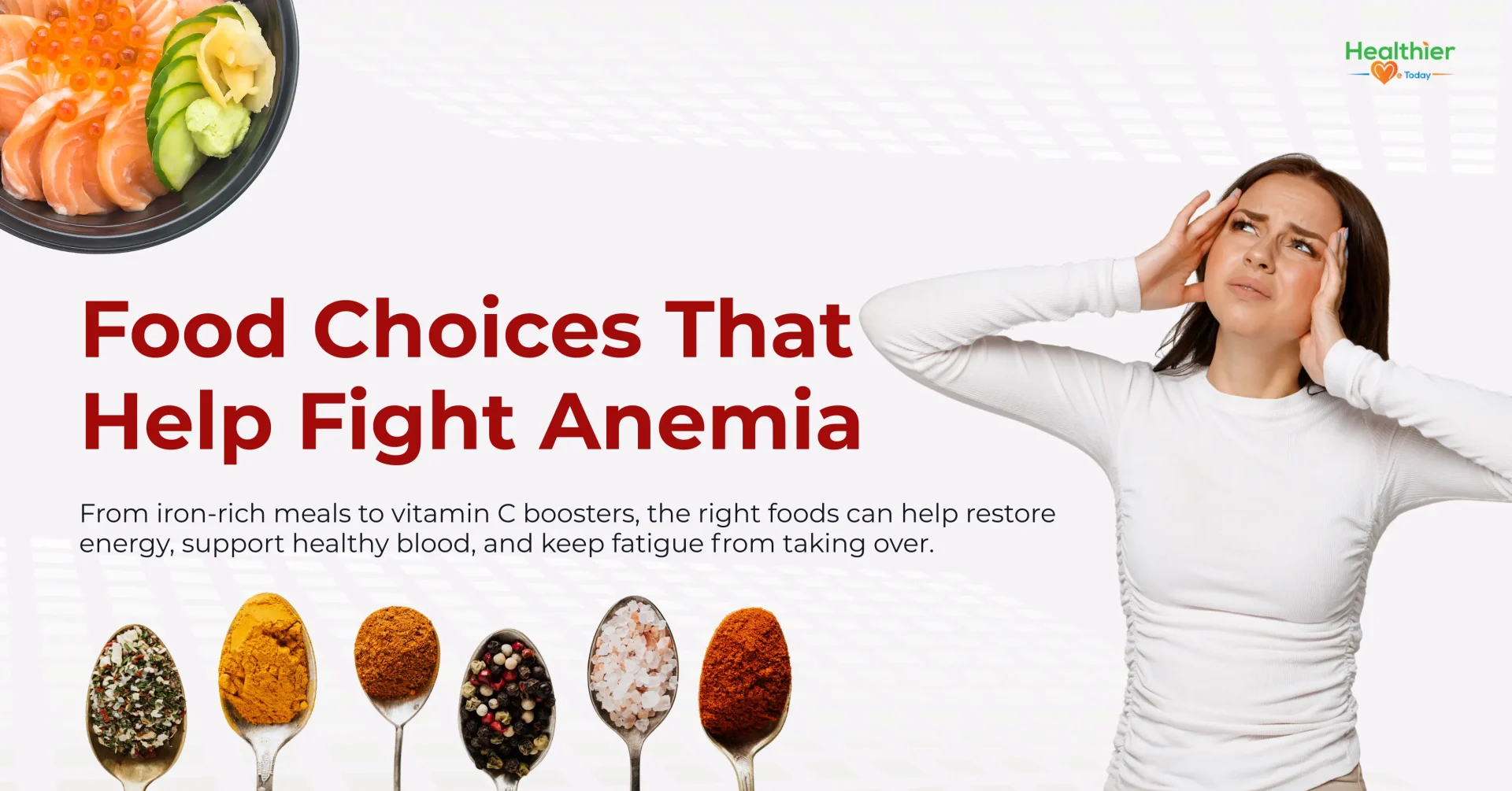
What to Eat When You Have Anemia (and What to Avoid)

Feeling tired, dizzy, or weak may be more than just exhaustion, it could be a sign of anemia. When your body doesn’t have enough healthy red blood cells or hemoglobin to carry oxygen, every cell struggles to get the energy it needs.

The right food for anemia can play a crucial role in restoring your energy and improving your health.

This guide explains which foods to eat for anemia and which to avoid, as well as how to plan a balanced diet that supports recovery from anemia.

Understanding Anemia and Why Iron Matters

Anemia develops when the number of healthy red blood cells in your body is too low to carry oxygen properly. When your hemoglobin or red blood cell level drops too low, your body receives less oxygen than it needs to function correctly.

Without enough iron, your blood can’t deliver oxygen efficiently, leading to fatigue and dizziness. Iron-rich foods are essential for treating anemia and replenishing energy, as they support the production of red blood cells.

Symptoms of Anemia

As your red blood cell count decreases, your body will begin to exhibit signs that it’s not receiving enough oxygen. Understanding what are the symptoms of anemia is important for catching it early.

Symptoms of Anemia

Common symptoms of anemia include:

  • Feeling tired and weak
  • Pale or yellowish skin
  • Cold hands and feet
  • Dizziness
  • Headaches
  • Shortness of breath in severe cases

Identifying the cause helps determine what foods are good for anemia and which treatment is most effective.

What to Eat and What to Avoid

Knowing what to eat for anemia can boost iron levels naturally. The best food sources for anemia include both heme iron and non-heme iron. Combining both iron types in your diet gives your body the best chance to rebuild healthy red blood cells and restore your energy.

anemia foods to eat and avoid

Heme Iron (found in animal products):

  • Lean red meat
  • Chicken
  • Fish
  • Eggs

Non-Heme Iron (found in plant-based foods):

  • Beans
  • Lentils
  • Leafy greens
  • Vitamin C-rich fruits

As you plan your meals, try combining foods high in non-heme iron with something that contains vitamin C. For example, you might enjoy a spinach salad with lemon juice. These simple choices can help boost your daily iron intake.

To increase your iron levels, add foods like nuts, seeds, and tofu into your diet, especially if you’re on a vegetarian or vegan diet. Whole grains like quinoa and brown rice give you fiber and also have minerals that help your body absorb iron. These are among the anemia best foods to include in your diet for anemia.

If you want to know what foods help with anemia, choose meals that mix protein and vitamin C. Good examples are grilled chicken with roasted vegetables or a smoothie made with spinach and berries. These combinations help your body absorb nutrients better and recover more quickly.

What to limit yourself to:

  • Tea and coffee
  • High-calcium foods (milk, cheese, and yogurt)
  • Sugary foods
  • Gluten products

Caffeine in tea and coffee can make it harder for your body to absorb iron, so try to have these drinks at least an hour after eating [ru.orzax.com]. Dairy products also compete with iron for absorption, so eating them with iron-rich foods may reduce the benefits.

Processed and sugary foods may also interfere with your body’s ability to use iron efficiently, leaving you feeling tired and sluggish.

If you struggle with gluten sensitivity or celiac disease, reducing gluten in your diet can further help improve nutrient absorption and gut health, both of which are vital when you’re trying to recover from anemia.

How to Get Rid of Anemia Naturally

If you’re wondering how to get rid of anemia, consistency is the first step. Eating foods rich in iron daily can help restore iron levels over time.

how to get rid of anemia

Tips for recovery:

  • Following an iron-rich diet for anemia
  • Avoiding skipping meals
  • Including snacks that support iron, like nuts and dried fruit
  • Avoiding coffee, tea, and dairy products during or right after meals.
  • Staying hydrated
  • Getting enough rest

There’s no quick fix for anemia. Recovery depends on eating the right foods to help with anemia consistently and following your treatment plan [healthline.com].

Conclusion: The Key to Beating Anemia Naturally

Recovering from anemia takes time, but knowing what to eat to help anemia and what to avoid can make a real difference. Focus on iron rich foods for anemia, such as lean red meat, beans, lentils, and vitamin C-rich fruits, to boost absorption. Avoid drinks and foods that block iron absorption, such as coffee, tea, and dairy products.

Consistently choosing anemia foods to eat and avoid helps your body rebuild healthy red blood cells. By incorporating more foods with iron for anemia and limiting inhibitors, you can naturally restore your energy and improve your overall health.

Including a variety of foods high in iron for anemia in your meals can make a big difference. Choosing foods to help anemia, alongside a well-planned diet to help anemia, ensures your body gets the nutrients it needs every day. By focusing on the best food for anemia, you can maintain energy levels and support healthy red blood cell production over time.

FAQs About What To Eat and Avoid with Anemia

What foods are best for anemia?

The best foods for anemia are those high in iron to help your body make healthy red blood cells. Include iron rich foods for anemia, such as red meat, liver, chicken, and fish.

What foods should be avoided if you have anemia?

Some foods interfere with iron absorption and should be avoided in your diet. Avoid coffee, tea, and high-calcium dairy products, as they can block the absorption of iron from iron-rich foods, worsening anemia. Sugary snacks and processed foods can worsen fatigue.

How much iron should I eat per day for anemia?

Understanding how much iron your body needs per day to treat anemia is essential to ensure proper red blood cell production and prevent fatigue.

Here’s how much iron per day for anemia is required:

  • Women (19-50years): 18mg per day
  • Pregnant women: 27mg per day
  • Men: 8mg per day

Meeting your daily needs through food high in iron for anemia helps support long-term health without excess supplements that can cause side effects.

Can food alone cure anemia?

Eating consistent amounts of anemia treatment foods, such as red meat, lentils, beans, and spinach, can raise your iron levels. However, food alone can’t cure deficiencies; following an anemia diet can stabilize your iron levels.

What are the best vegetarian foods for anemia?

Plant-based foods rich in iron for anemia include: Lentils, beans, spinach, quinoa, and pumpkin. Pairing these foods with vitamin C-rich fruits, such as oranges or kiwi, enhances absorption. This type of anemia food is ideal for vegans seeking natural, nutrition-based deficiency anemia treatment.

Is meat the best food for anemia, or can plants help too?

Meat is indeed one of the best foods for anemia, as it is more easily absorbed, but plant-based foods can also help when paired with vitamin C to improve iron absorption.

What drinks help with anemia?

If you want drinks that support anemia, choose ones that help your body absorb iron. Fresh orange juice, beetroot juice, and prune juice are great options, as they contain vitamin C and iron. For best results, avoid consuming them with tea, coffee, or dairy, as these can make it harder for your body to absorb iron.

Can certain foods make anemia worse?

Yes, some foods can cause anemia by blocking iron absorption. Experts say coffee, tea, and dairy products reduce the amount of iron your body absorbs. Limit foods that block iron and eat more foods good for anemia to support your energy levels and overall health.

How do I plan a 7-day diet for anemia?

Planning a 7-day anemia diet plan is all about eating the right mix of foods to boost your iron levels and help your body absorb it more effectively. A balanced plan should include foods that are rich in iron, plenty of vitamin C, and fewer foods or drinks that block iron absorption.

Here’s what foods help with anemia:

  • Iron-rich foods: Incorporate both heme iron (from animal sources like lean meats and seafood) and non-heme iron (from plant sources like tofu and legumes).
  • Vitamin C sources: Eat fruits and vegetables that help your body absorb iron.
  • Avoid inhibitors: Limit calcium-rich foods or refrain from drinking tea or coffee immediately before or after meals.

For a comprehensive 7-day meal plan, consider trusted resources like EatingWell’s 7-Day Anemia Diet Plan, which provides a variety of iron-rich recipes.

What’s the difference between iron-rich foods and iron supplements for anemia?

Iron-rich foods provide your body with natural iron, along with other essential nutrients. However, if someone has a severe iron deficiency, supplements might be needed to raise iron levels more quickly. Supplements contain a higher amount of iron and can help improve levels faster.

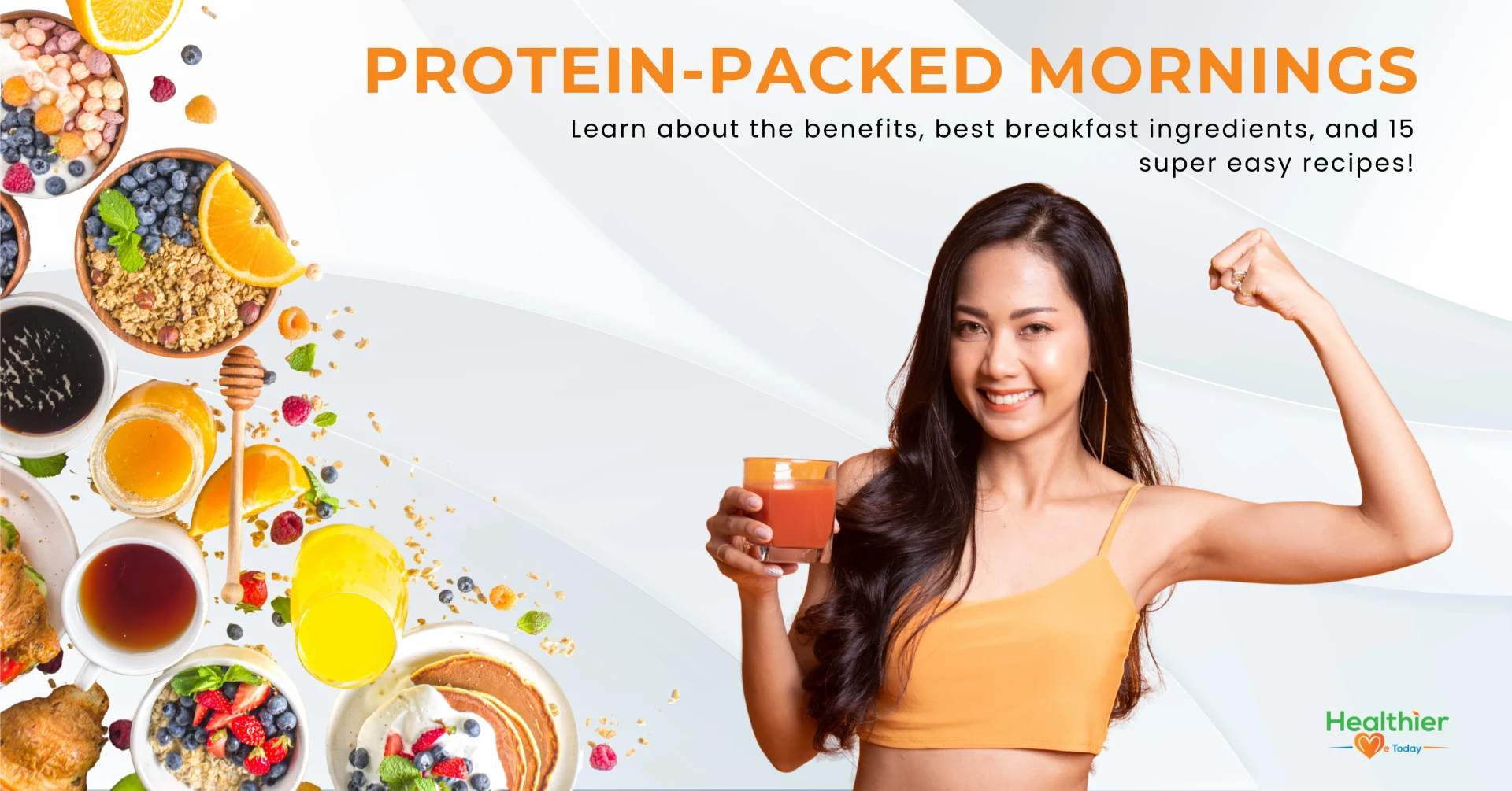
15 High Protein Breakfast Ideas That Won’t Slow You Down

Ever notice how some mornings you feel unstoppable while others drag you down? The difference often comes down to what’s on your plate. A protein breakfast can set the tone for the entire day, fueling your body with steady energy, sharper focus, and even fewer crashes.

In this guide, you’ll learn why protein is essential in the morning (in detail), explore the best breakfast foods rich in protein, and find high protein breakfast ideas with 15 easy, practical recipes to keep you energized all day. Let’s get started and change how you start your day forever!

Why Choose a Protein Dish for Breakfast

Protein does more than build muscle. So what does it actually do then?

High protein breakfast ideas

Here’s a breakdown of the benefits of eating a protein dish for breakfast


Benefit

Description

Sustained Fullness Protein takes longer to digest than carbohydrates, which means it releases energy slowly and keeps you satisfied for hours. A breakfast rich in protein helps regulate ghrelin (the hunger hormone) and boosts satiety hormones like peptide YY, reducing mid-morning cravings and unnecessary snacking. This steady release of energy helps you stay productive and focused well into the day.
Steady Energy When your breakfast includes high protein foods, your blood sugar remains more stable compared to sugary or carb-heavy meals. Protein slows the absorption of glucose into the bloodstream, preventing sudden spikes and crashes that can leave you feeling sluggish. As a result, you maintain better mental alertness and consistent physical energy, whether you’re working at a desk or heading to the gym.
Fewer Cravings A high-protein breakfast helps control appetite-regulating hormones like leptin and insulin, reducing the urge for quick-fix snacks later in the day. By starting your morning with balanced macronutrients, you create a ripple effect that supports healthier choices throughout the day, fewer cravings, smaller portion sizes, and better control over calorie intake.
Muscle Support Eating protein breakfast meals provides your body with essential amino acids that aid in muscle repair and growth, especially after sleep, when your body has gone hours without fuel. When paired with regular movement or exercise, a protein-focused breakfast promotes lean muscle mass, improves strength recovery, and helps maintain a healthy metabolism.
Metabolic Boost Protein has a higher thermic effect than fats or carbs, meaning your body burns more calories digesting it. Starting your day with breakfast foods rich in protein can slightly increase your metabolic rate, which supports better weight management and improved body composition over time.

Top Breakfast Foods Rich in Protein

If you’re wondering what to actually eat for a high protein breakfast, you’ve got plenty of choices. These options deliver high-quality protein along with essential vitamins, minerals, and healthy fats that support muscle repair, metabolism, and long-lasting energy. Mixing a few of them throughout the week ensures your breakfasts stay both nutritious and satisfying [medicalnewstoday.com].

Here are the breakfast foods rich in protein that people often opt for:

  • Greek yogurt: 20g protein per cup
  • Cottage cheese: 25g protein per cup
  • Eggs: 6g protein each
  • Tofu: 10g protein per half cup
  • Salmon: 23g protein per 3 ounces
  • Chicken breast: 26g protein per 3 ounces
  • Lentils: 9g protein per half cup
  • Chickpeas: 7g protein per half cup
  • Almond butter: 7g protein per 2 tablespoons
  • Chia seeds: 6g protein per 2 tablespoons
  • Quinoa: 8g protein per cup
  • Hemp seeds: 10g protein per 3 tablespoons

15 Protein Breakfast Ideas

Below are 15 protein rich breakfast ideas to suit your tastes, dietary needs, and schedule, including options without eggs and low-carb choices. Each recipe is carefully selected for its high protein content and ease of preparation.

They are:

1. Layered Yogurt Delight

A creamy, refreshing mix of Greek yogurt, berries, and seeds, this breakfast is quick to assemble and keeps you fueled with protein and fiber [healthline.com].

Ingredients:

  • 1 cup Greek yogurt (20g protein)
  • 1/2 cup mixed berries
  • 2 tbsp chia seeds (6g protein)
  • 1 tbsp hemp seeds (3g protein)

Instructions:

  • Spoon half the yogurt into your bowl or jar.
  • Add half of the berries and 1 tablespoon of chia seeds.
  • Repeat layers, top with hemp seeds, and enjoy.

2. Pineapple Cheese Mix

This simple, slightly sweet bowl blends cottage cheese with juicy pineapple and almond butter for a protein-packed start to your day.

Ingredients:

  • 3/4 cup cottage cheese (19g protein)
  • 1/2 cup pineapple chunks
  • 1 tbsp almond butter (3g protein)

Instructions:

  • Scoop cottage cheese into your bowl.
  • Top with pineapple and drizzle with almond butter.
  • Mix gently and dig in.

3. Salmon Topped Toast

A savory blend of smoked salmon and avocado on toast, this meal provides a satisfying balance of protein and healthy fats.

Ingredients:

  • 1 slice whole-grain bread
  • 1/4 avocado
  • 3 oz smoked salmon (23g protein)
  • 1 tsp hemp seeds (2g protein)

Instructions:

  • Toast your bread and spread it with mashed avocado.
  • Layer salmon on top and sprinkle with hemp seeds.
  • Serve right away.

4. Tofu Veggie Sauté

This plant-based dish combines crumbled tofu with spinach and tomatoes for a flavorful, egg-free protein boost.

Ingredients:

  • 1/2 cup crumbled tofu (10g protein)
  • 1 cup spinach
  • 1/2 cup diced tomatoes
  • 1/4 tsp turmeric

Instructions:

  • Heat a non-stick pan over medium heat.
  • Add tofu, spinach, tomatoes, and turmeric; sauté for 5-7 minutes.
  • Season to your taste and serve warm.

5. Blended Protein Flaps

Fluffy pancakes made with oats and protein powder offer a customizable, protein-rich breakfast that feels indulgent [healthline.com].

Ingredients:

  • 1/2 cup oats
  • 1 scoop protein powder (15g protein)
  • 1 banana
  • 1/4 cup almond milk

Instructions:

  • Blend oats, protein powder, banana, and almond milk.
  • Pour batter into a heated pan to form pancakes; cook 2-3 minutes per side.
  • Serve with a drizzle of nut butter or fruit.

6. Chicken Salsa Roll

An on-the-go wrap featuring grilled chicken, avocado, and salsa, this savory meal provides a protein-rich boost to keep you going [webmd.com].

Chicken Salsa Roll - high protein breakfast foods

Ingredients:

  • 3 oz grilled chicken (26g protein)
  • 1/4 avocado
  • 2 tbsp salsa
  • 1 whole-grain tortilla

Instructions:

  • Slice chicken and mash avocado.
  • Spread avocado and salsa on your tortilla, add chicken, and roll up.
  • Slice and serve.

7. Quinoa Berry Warm

This warm quinoa dish, made with almond milk, peanut butter, and berries, is a cozy, protein-rich alternative to oatmeal.

Ingredients:

  • 1 cup cooked quinoa (8g protein)
  • 1/2 cup almond milk
  • 1 tbsp peanut butter (4g protein)
  • 1/2 cup berries

Instructions:

  • Simmer quinoa in almond milk for 5 minutes.
  • Stir in peanut butter and top with berries.
  • Serve warm.

8. Chia Yogurt Set

A make-ahead pudding with chia seeds and Greek yogurt, this creamy dish is perfect for your busy mornings.

Ingredients:

  • 3 tbsp chia seeds (9g protein)
  • 3/4 cup almond milk
  • 1/2 cup Greek yogurt (10g protein)
  • 1 tbsp chopped nuts

Instructions:

  • Mix chia seeds and almond milk; let sit 4 hours or overnight.
  • Stir in yogurt and top with nuts.
  • Serve chilled.

9. Peanut Banana Spread

This quick toast with peanut butter and banana slices is a protein-rich yet straightforward way to start your day.

Ingredients:

  • 1 slice whole-grain bread [verywellfit.com]
  • 2 tbsp peanut butter (7g protein)
  • 1/2 banana, sliced

Instructions:

  • Toast your bread and spread it with peanut butter.
  • Top with banana slices.
  • Serve right away.

10. Hemp Green Blend

A nutrient-dense smoothie featuring hemp seeds, spinach, and banana, ideal for busy mornings.

Ingredients:

  • 3 tbsp hemp seeds (10g protein)
  • 1 cup spinach
  • 1 banana
  • 1 cup almond milk

Instructions:

  • Blend all ingredients until smooth.
  • Pour into your glass and drink immediately.

11. Protein Oat Warm

Warm oats mixed with protein powder and almond butter create a filling, protein-rich breakfast for you.

Ingredients:

  • 1/2 cup oats
  • 1 scoop protein powder (15g protein)
  • 1 tbsp almond butter (3g protein)

Instructions:

  • Cook oats with water or milk, and stir in protein powder.
  • Top with almond butter and serve warm.

12. Tuna Yogurt Spread

Tuna mixed with Greek yogurt on toast makes a savory, protein-packed breakfast.

Ingredients:

  • 3 oz canned tuna (20g protein)
  • 2 tbsp Greek yogurt (2g protein)
  • 1 slice whole-grain bread
  • 1/4 cup diced celery

Instructions:

  • Mix tuna, yogurt, and celery.
  • Toast your bread and spread it with the tuna mixture.
  • Serve right away.

13. Protein Oat Waffles

Crisp waffles made with protein powder and oats offer a protein-packed breakfast treat.

Ingredients:

  • 1/2 cup oats
  • 1 scoop protein powder (15g protein)
  • 1/4 cup almond milk
  • 1/4 cup Greek yogurt (3g protein)

Instructions:

  • Blend oats, protein powder, and almond milk; cook in a waffle iron.
  • Top with yogurt and serve.

14. Chia Yogurt Bowl

Chia seeds mixed with Greek yogurt, honey, and fruit offer a quick, protein-rich breakfast for you [godigit.com].

Ingredients:

  • 2 tbsp chia seeds (6g protein)
  • 1 cup Greek yogurt (20g protein)
  • 1/2 cup fruit
  • Honey

Instructions:

  • Mix chia seeds with yogurt in your bowl.
  • Top with fruit and a drizzle of honey.
  • Serve chilled

15. Chicken Veggie Skillet

Chicken sautéed with zucchini and peppers makes a savory, protein-packed breakfast for you.

healthy protein breakfast meals

Ingredients:

  • 3 oz chicken breast (26g protein)
  • 1/2 cup zucchini
  • 1/2 cup bell peppers

Instructions:

  • Sauté chicken, zucchini, and peppers in a pan for 7-10 minutes.
  • Serve warm.

Conclusion: Eat What Matters

Starting your day with protein gives your body what it needs to perform at its best. Whether you prefer something light like a Chia Yogurt Bowl or a heartier option like Chicken Veggie Skillet, these meals prove that healthy eating can be both simple and satisfying.

Explore new combinations, keep your mornings exciting, and fuel every day with purpose.

Ready Rocker HMT - for back relief

FAQ’s:

What are the best high protein breakfast ideas?

The best high protein breakfast ideas focus on foods naturally rich in protein, balanced with fiber and healthy fats for sustained energy. Greek yogurt with seeds, salmon with avocado, or tofu with veggies deliver 10-26g of protein, making them a good fit for vegan, low-carb, or quick diets.

Which high-protein breakfast keeps you full the longest?

Meals rich in protein, fiber, and healthy fats keep you full for the longest. A chicken and avocado wrap or yogurt with chia seeds can satisfy you for 4-6 hours, making it an ideal choice for busy mornings.

What is the healthiest high-protein breakfast?

The healthy high protein breakfast combines protein with vitamins and low sugar. Quinoa with berries or tofu with veggies offer protein, fiber, and nutrients like vitamin C, which support digestion and immunity.

Can I have a high-protein breakfast without eggs?

Of course! A high protein breakfast without eggs, such as a hemp seed smoothie, yogurt with chia seeds, or tofu sauté, provides 10-26g of protein, making it perfect for vegan or egg-free diets.

What are some quick and easy high-protein breakfasts?

An easy high protein breakfast, such as peanut butter on toast with banana or yogurt with chia seeds takes under 5 minutes, delivering 10-26g protein for rushed mornings.

What’s the best high-protein breakfast for weight loss?

A high protein low carb breakfast like salmon with avocado or chicken with veggies helps with weight loss. They provide 20-26g of protein, keep you full, and pair well with exercise.

Are there vegan or vegetarian options for high-protein breakfasts?

Plenty! Vegan options, such as tofu sauté or hemp seed smoothies, and vegetarian choices, like yogurt with chia seeds, offer 10-26g of protein for plant-based diets.

What foods are high in protein for breakfast?

Top high protein breakfast foods include:

> Greek yogurt
> Cottage cheese 
> Tofu  
> Salmon
> Chicken
> Lentils
> Chickpeas
> Almond butter
> Chia seed
> Quinoa
> Hemp seeds

Is a high-protein breakfast good for muscle gain?

Yes, it fuels muscle repair with amino acids. Protein pancakes or a chicken skillet provide 20-30g of protein, making them ideal for post-workout muscle-building goals.

How many grams of protein should be in a healthy breakfast?

Aim for 15-30g protein, based on your size and goals. For a 150-pound person (68 kg), 54-82g of daily protein is ideal, with breakfast covering approximately one-third of the total, supporting energy and muscle growth.

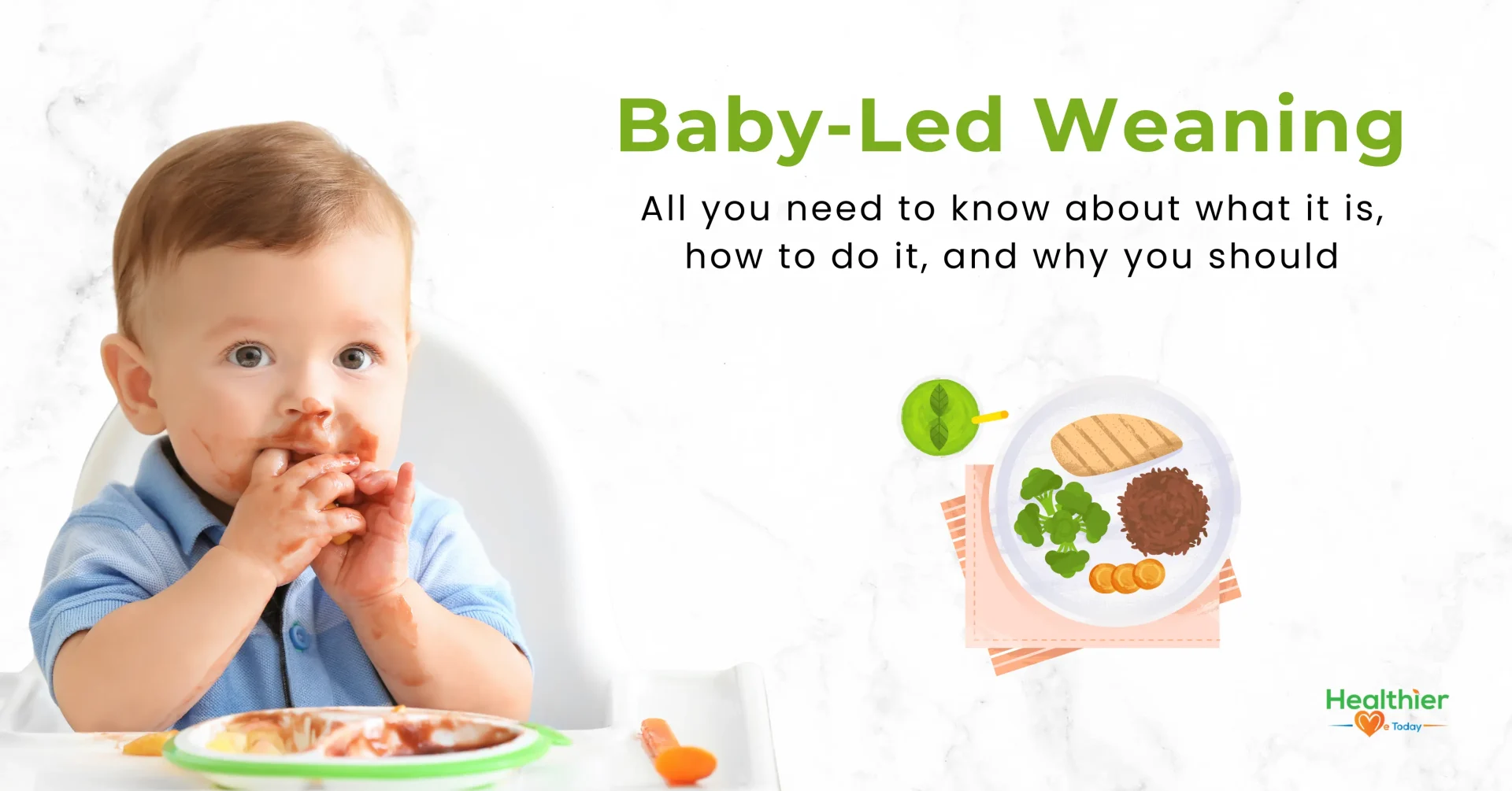
What is Baby Led Weaning? Benefits, Tips & More

New to solids? Baby led weaning is a simple, stress-free way to introduce your baby to solid foods, skipping purees and letting them feed themselves. Approximately 25% of parents in the USA adopt this approach, drawn to its benefits, such as fostering independence and promoting healthy eating habits.

Whether you’re a first-time parent or looking for a more straightforward feeding method, baby led weaning guide helps your baby explore foods alongside the family. This guide explains what baby-led weaning is, its benefits, when and how to start, safe foods to introduce, and tips to make it a fun experience.

You’ll learn to spot readiness, choose baby led weaning foods, and prevent choking for a confident start.

What is Baby Led Weaning?

Baby led weaning is a method where babies feed themselves soft, graspable foods instead of being spoon-fed purees. Starting around 6 months, your baby explores foods like the rest of the family, learning to chew and swallow at their own pace. This approach, popularized by Gill Rapley, encourages self-regulation, meaning your baby decides how much to eat.

Baby led weaning

It builds confidence, as 80% of babies show improved motor skills within weeks. You offer safe, soft foods like avocado strips or steamed carrots, and your baby picks them up, reducing mealtime battles. It’s flexible, fitting busy schedules, and aligns with family meals, making feeding feel natural and enjoyable.

Benefits of Baby Led Weaning

Baby led weaning benefits are numerous, helping your baby develop healthy habits while saving you time. Baby led weaning 6 months fosters independence, with 70% of babies showing better self-feeding skills by 9 months, per studies. It also promotes varied diets, as babies try different textures early.

For your baby:

  • Encourages self-regulation, reducing the risk by 20% compared to spoon-feeding.
  • Boosts fine motor skills, such as grasping and chewing, aiding 85% of babies in improving their coordination.
  • Exposes babies to diverse flavors, increasing veggie intake by 30% by age 2.
  • Builds confidence, as babies control their eating pace.

For parents:

  • Saves time by skipping puree prep; 90% of parents report easier meal planning.
  • Encourages family meals, fostering social bonds for 75% of families.
  • Reduces feeding stress, as babies explore independently.
  • Cuts costs, using family foods instead of special purees.

When to Start Baby Led Weaning

When to start baby led weaning depends on your baby’s readiness, typically around 6 months. Look for signs like sitting up with minimal support, showing interest in food, and loss of the tongue-thrust reflex (pushing food out). According to pediatric guidelines, approximately 60% of babies meet these milestones by 6 months [feedinglittles.com].

when to start baby led weaning

Starting too early risks choking, while waiting too long may delay the development of motor skills. Consult your pediatrician to confirm that your baby’s ready, especially if they are preterm or developmentally delayed. Begin with one meal daily, offering soft foods alongside breast milk or formula, which remains the primary source of nutrition until 12 months.

Baby Led Weaning Foods

Choosing the best foods to start baby led weaning is key for safety and success. Blw foods should be soft, easy to grasp, and cut into finger-sized pieces (about 2 inches long). Start with low-risk options to build confidence.

  • Best starter foods:
    • Avocado slices: Soft, nutrient-rich, easy to grip.
    • Steamed carrot sticks: Cook until mushy, safe for gumming.
    • Banana halves: Naturally soft, perfect for tiny hands.
    • Soft-cooked apple wedges: Peel and steam for easy chewing.
  • Allergen introduction: Introduce potential allergens, such as peanut butter (thinned) or egg yolk, early, around 6 months, to reduce allergy risk by 80%, according to NIH studies. Avoid whole nuts or honey [growinghealthykids.com.au].
  • Variety: Initially offer one food at a time, then mix colors and textures (e.g., broccoli and sweet potato) to boost acceptance by 30%.

Always supervise meals and avoid hard, small foods, such as grapes. Apps like “Solid Starts” offer free food prep guides.

Baby Led Weaning Safety Tips

Is baby led weaning safe? Yes, when done correctly, with choking risks similar to spoon-feeding (about 1% of infants). Baby led weaning choking concerns can be minimized with proper precautions [healthychildren.org].

Make sure to:

  • Cut foods into finger-sized pieces that are soft enough to squash with your fingers.
  • Always supervise your baby closely; never leave them alone while eating.
  • Ensure your baby sits upright in a highchair to support safe swallowing.
  • Avoid high-risk foods, such as whole grapes, popcorn, or hard raw vegetables.
  • Learn infant CPR and choking first aid in free community classes or through online videos from the Red Cross [redcross.org].
  • Start with soft, low-risk foods and introduce one new food every 3-4 days to monitor reactions.

How to Start Baby Led Weaning

How to start baby led weaning is straightforward with a few steps. How to do baby led weaning begins with preparation and patience, ensuring a positive experience.

how to start baby led weaning

Here are some tips:

  1. Check readiness: Confirm that your baby can sit up, grasp objects, and chew (typically around 6 months for 60% of babies).
  2. Choose safe foods: Offer soft, finger-sized pieces, such as steamed vegetables or ripe fruit.
  3. Set up meals: Place 2-3 food pieces on a high chair tray, allowing your baby to explore and enjoy.
  4. Follow their lead: Let your baby pick up and taste food at their own pace, avoiding forcing them to take bites.
  5. Combine with milk: Continue breast milk or formula as the primary source of nutrition until 12 months of age.
  6. Be patient: Messy meals are a standard part of everyday life; 80% of babies take 2-4 weeks to adjust to solid foods.

Utilize free resources, such as Solid Start videos or NHS guides, for helpful tips and guidance. Disadvantages of baby-led weaning include messiness and slow eating at first; however, these issues typically subside with practice.

Ready Rocker HMT - for back relief

Conclusion: Is Baby Led Weaning the Way to Go?

Baby led weaning is a fun, practical way to introduce solids, helping your baby develop independence, healthy eating habits, and motor skills. By starting at 6 months with safe baby led weaning foods, you set your baby up for a lifetime of enjoying diverse flavors alongside the family.

Try simple steps like offering soft avocado or steamed carrots, use apps like Solid Starts for guidance, and stay patient through the mess. Whether combining with purees or going fully self-fed, baby led weaning guide empowers you and your baby.

Begin today with small, supervised meals, and watch your baby grow confident and strong, enjoying food with ease for years to come.

FAQ’s:

What is baby led weaning and how does it work?

What is baby led weaning? It’s a method where babies self-feed soft, graspable foods instead of purees, starting around 6 months. Your baby explores textures and flavors at their own pace, learning to chew and swallow while building independence.

When should I start baby led weaning with my baby?

When to start baby led weaning is around 6 months, when your baby sits up, shows food interest, and loses the tongue-thrust reflex. About 60% of babies are ready then. Check with your pediatrician first.

What are the best first foods for baby led weaning?

Best foods to start baby led weaning are soft, finger-sized pieces like avocado slices, steamed carrot sticks, or banana halves. They’re easy to grip and safe for gumming. Apps like Solid Starts suggest safe options.

Is baby led weaning safe for a 6-month-old?

Is baby led weaning safe? Yes, for 6-month-olds, with choking risks (1%) similar to spoon-feeding if foods are soft and supervised. Cut foods properly and learn infant CPR for safety.

How do I prevent choking during baby led weaning?

Baby led weaning choking risks are low with precautions. Offer soft, finger-sized foods, supervise closely, and ensure they sit upright. Avoid hard foods like whole grapes and learn how to perform choking first aid [health.choc.org].

What are the benefits of baby led weaning compared to spoon-feeding?

Baby led weaning benefits include 70% better self-feeding skills, 30% increased vegetable intake, and less mealtime stress. It fosters independence and motor skills, unlike spoon-feeding’s controlled approach. Family meals become easier [sciencedirect.com].

Are there any disadvantages to baby-led weaning?

Disadvantages of baby-led weaning include messy meals and slower eating initially, with 80% of babies adjusting in 2-4 weeks. Some parents worry about choking, but proper food prep minimizes risks. Patience helps.

Can I combine baby led weaning with purees?

Yes, combining baby led weaning with purees works for 50% of parents. Offer purees alongside finger foods to ease the transition. Gradually increase solids while continuing milk feeds until 12 months [huckleberrycare.com].

How do I know if my baby is ready for baby led weaning?

Your baby is ready for baby led weaning if they sit with minimal support, reach for food, and don’t push food out with their tongue. Most reach these milestones by 6 months. Consult a pediatrician.

What are the top tips for parents starting baby led weaning in the USA?

Top tips for how to start baby led weaning include starting with soft foods, supervising closely, and using resources like Solid Starts. Be patient with messes and continue milk feeds. Free community classes offer extra guidance.

How to Read Nutrition Labels – Top Tools Included!

Ever stared at a Nutrition Facts label and felt like you needed a science degree to understand it? You’re not alone. While most shoppers glance at it quickly, very few actually know how to read nutrition labels correctly, and that confusion often leads to unhealthy choices.

Serving sizes that don’t match reality, hidden sugars disguised under different names, and sodium levels that sneak past unnoticed can all derail your goals. What looks like a “healthy” snack can sometimes be the exact opposite once you understand the fine print.

That’s why learning how to decode nutrition facts is such a powerful skill. It’s not just about counting calories, it’s about protecting your health, whether that means losing weight, controlling blood sugar, lowering blood pressure, or simply eating smarter.

Here’s what you need to know…

The Panel Basics

Before diving into the details, it’s important to understand what the Nutrition Facts panel actually shows. Think of this as the foundation for label reading, once you know what’s included, you’ll find it much easier to make sense of the numbers and terms.

Here’s a quick overview:

  • Serving size and servings per container
  • Calories per serving
  • Macronutrients such as fats, carbohydrates, and protein
  • Micronutrients like vitamins and minerals
  • Percent Daily Value (%DV) to help you see if a food is high or low in a nutrient

This format is the same across all packaged foods, which makes it easy to compare products side by side. Once you know how to read nutrition labels, you can spot misleading marketing tricks and feel confident about what you’re putting into your body.

Recent FDA Nutrition Label Changes

For the first time in over two decades, the Food and Drug Administration (FDA) has given the Nutrition Facts panel a major makeover. The goal is to make labels easier to understand and harder for food companies to manipulate.

Calories are now printed in bold type, so you can’t ignore them. Added sugars, once buried in fine print under dozens of names, finally get their own line. Serving sizes have been recalculated to reflect how much people really eat, and daily values (%DV) have been updated to match today’s nutrition science.

The labels are clearer than ever, but you still need to know how to read them and, more importantly, what they mean.

How to Read a Nutrition Label (Step by Step)

nutrition labels explained

Serving Size

Every label begins with the serving size, and this number sets the stage for everything that follows. If the serving size says 2/3 cup but you usually eat twice that, you’re automatically doubling the calories, sugars, and sodium without realizing it. This is one of the easiest ways people misread labels. Once you understand that all the numbers are tied to that serving size, the rest of the panel starts to make sense.

Calories

how to read nutrition labels

The calorie count comes next, and on newer labels it’s printed in bold to grab your attention. Calories are simply a measure of energy. They aren’t “bad,” but if you think a food is low in calories, double-check whether the serving size is realistic. A small bag of chips may say 150 calories per serving, but if the bag contains three servings, you’re actually eating 450 calories when you finish it.

% Daily Value

To the right of each nutrient, you’ll see a % Daily Value (%DV). Think of this as a quick guide: around 5% DV is considered low, while 20% DV or more is high. This shortcut helps you see whether a food is loaded with sodium, saturated fat, or sugar, or whether it’s a strong source of fiber, calcium, or iron. It’s not a perfect measure for every individual, but it’s a fast way to compare products.

Carbohydrates and Sugars

Under total carbohydrates, you’ll find fiber, total sugars, and added sugars. Fiber is something you want more of since it helps you stay full and keeps your digestion healthy. Sugars tell a different story. Total sugars include both natural and added, but the added sugars line reveals how much has been added during processing. This is key… a fruit yogurt with 10 grams of natural sugar from fruit is very different from one with 10 grams of added sugar.

The Good & Bad Fats

The label also breaks down total fat into saturated and trans fats. Small amounts of saturated fat can fit into a balanced diet, but keeping them lower is generally better. Trans fat, however, should always be avoided. Even if the label says “0 g,” check the ingredients list, if you see “partially hydrogenated oils,” that means there’s still some inside. On the flip side, healthy unsaturated fats from nuts, seeds, and oils are beneficial, even if they aren’t always highlighted.

Sodium

Sodium is one of the biggest troublemakers in packaged foods. Even items that don’t taste salty can pack in hundreds of milligrams. That’s why the %DV matters here, 5% is low, 20% is high. If you’re watching blood pressure, comparing sodium between brands can make a huge difference.

Protein, Vitamins, and Minerals

Don’t skip over protein and the vitamins and minerals listed near the bottom. Protein helps you feel satisfied and supports your muscles, while nutrients like vitamin D, calcium, iron, and potassium are highlighted because many people don’t get enough of them. Seeing higher percentages here is usually a good thing.

The Ingredients List

The ingredients list is where marketing claims fall apart. Ingredients are listed from most to least, so the first few matter most. If sugar shows up near the top, that “healthy” granola bar may not be so healthy after all. Look for whole foods like oats, beans, or nuts at the beginning, and keep an eye out for long, unrecognizable additives. The allergen statement, usually right after the list, is also crucial if you or your family have sensitivities.

Don’t Trust the Front of the Package

Finally, remember that the front of the package is designed to sell you something. Phrases like “all natural” or “made with whole grains” don’t mean much until you flip the box and check the facts. Once you get used to reading both the Nutrition Facts panel and the ingredients list together, you’ll be able to spot the difference between clever marketing and genuine nutrition in seconds.

Top Tools for Reading Nutrition Labels

Making sense of nutrition labels is easier with the right tools. Apps like Fooducate, Yuka, and MyFitnessPal let you scan barcodes, track nutrients, and compare foods in seconds. Fooducate grades foods based on overall healthiness, Yuka highlights additives and potential risks, and MyFitnessPal helps you log calories, protein, and carbs to see how each food fits into your diet. Using these apps can save time while helping you make smarter, healthier choices at the grocery store.

Let’s take a closer look at the apps:

Top Tools for Reading Nutrition Labels

Conclusion: What’s it Come Down to?

Mastering how to read nutrition labels gives you control over your diet. By carefully looking at serving size, calories, fat, sugar, sodium, and %DV, you can make informed choices that benefit your long-term health.

Labels are more than numbers… they are a guide to smarter eating. Whether you are using them for medical reasons, tracking macros, or checking for allergies, this skill pays off every day.

If you want to calculate just how much weight you need to lose, we have a tool that does it in seconds! It’s called the reverse BMI calculator & it’s pretty accurate.

Ready Rocker HMT - For Back Pain

FAQ’s:

What are the best apps for reading nutrition labels (USA)?

To help understand nutrition labels for beginners, Fooducate, Yuka, and MyFitnessPal are top options. Fooducate grades foods based on overall health, helping identify hidden sugars or unhealthy fats. Yuka breaks down ingredients and additives, pointing out potential risks. MyFitnessPal lets you log foods and track calories, protein, fat, and carbs, helping you see how individual foods fit into your daily intake.

What is the easiest way to read nutrition labels?

Start with serving size, since all numbers on the label are based on that. Then check calories, followed by fat, sugar, sodium, protein, and fiber. Using the same order each time makes it easy to compare products and quickly understand what you’re eating.

Do you subtract saturated fat from total fat?

No. Total fat already includes all fats, including saturated and trans fats. Saturated and trans fats are listed separately to guide healthier choices, as they have a bigger impact on heart health.

What are the six steps to read the food label?

> Serving size and servings per container
> Calories
> Fat content (total, saturated, trans)
> Sugars, especially added sugars
> Sodium
> Protein and fiber

How to read a nutrition label for sugar?

Focus on added sugars, which are added during processing. Women should aim for less than 25 grams per day, men less than 36 grams. Watch for different names like high fructose corn syrup, cane sugar, honey, and fruit concentrate.
How to read nutrition labels for allergies

Check the allergen statement, usually at the bottom of the label. It highlights common allergens like milk, eggs, peanuts, soy, wheat, fish, and shellfish. Warnings like “may contain traces of” indicate possible cross-contact.

What is the daily value on nutrition labels?

% Daily Value shows how much a serving contributes to your daily intake, based on a 2,000-calorie diet. 5% or less is low, 20% or more is high. It’s an easy way to see if a nutrient is a major or minor part of your daily needs.

What is the first thing to look at on a nutrition label?

Start with the serving size. Eating more than the listed serving doubles calories, fat, sugar, and sodium. Checking serving size helps prevent mistakes and gives an accurate view of what you’re actually consuming.

How can I spot hidden sugars on labels?

Look for sugar under different names like high fructose corn syrup, maltose, dextrose, agave, honey, or fruit juice concentrate. Even foods labeled “low fat” or “all natural” can be high in sugar, so always check the panel itself.

How can nutrition labels help me eat healthier?

They help you identify excess sugar, sodium, or unhealthy fats, compare foods, and choose higher fiber, protein, and nutrient-rich options. Learning to read labels lets you make informed choices rather than relying on marketing claims.

Healthy Fats That Boost Heart, Brain, and Energy

You’ve probably heard fats are bad news, blamed for weight gain or heart problems, and it’s easy to feel lost with all the conflicting diet tips out there. Here’s something wild: your brain is 60% fat and needs the right kind to keep you sharp, energized, and even happy. Teens packing lunch, parents cooking for picky kids, or anyone trying to eat better might worry about picking the wrong foods or wonder how fats fit into a busy life.

Are all fats really the enemy? Can you eat them without guilt? This article has the answers, breaking down the types of healthy fats, the best sources of healthy fats, and super-easy ways to add them to your meals.

You’ll discover how healthy fats can boost your energy, heart, and mood, leaving you confident to make wise food choices every day.

What are Healthy Fats?

Healthy fats fuel your body like high-quality gas in a car. They help your heart, brain, and energy levels. Unlike the fats in greasy fries, these make you healthier.

what are healthy fats

You’ll see why they matter and how to pick the best ones:

Monounsaturated Fats

Monounsaturated fats boost your heart health. They cut bad cholesterol by 10%. This lowers diabetes risk by 15%. You need about 30 grams daily for a 2,000-calorie diet. Half an avocado gives 15 grams of fat. Adding it to a sandwich keeps you full. Could a small swap like this boost your energy?

Polyunsaturated Fats

Polyunsaturated fats help your brain and mood. Omega-3s reduce inflammation by 20%. Most people eat too many omega-6 fats, throwing off balance in 70% of diets. Aim for 10 to 15 grams daily. A small piece of salmon offers 10 grams of fat. Eating fish once a week could sharpen your focus.

Saturated Fats

Saturated fats provide energy and support hormone function. You only need a little, about 20 grams, for a 2,000-calorie diet. Too much raises bad cholesterol by 8%. One egg provides 5 grams of fat. A quick egg on toast powers your morning. Small portions keep things balanced.

Trans Fats

Trans fats harm your heart. They increase heart disease risk by 25%. Your body doesn’t need them. Avoid packaged snacks with “partially hydrogenated oils.” Choose nuts instead. Swapping chips for a healthier snack feels good and tastes better.

Best Sources of Healthy Fats

benefits of healthy fats - Sources of Healthy Fats

These healthy fats foods are tasty and packed with nutrients:


Food Type of Fat Benefits of Healthy Fats
Avocados Monounsaturated Heart-healthy. Has fiber (7 g per half) and potassium. Keeps you full.
Cheese Saturated Gives protein and calcium. Supports energy and strong bones.
Dark chocolate Polyunsaturated Full of antioxidants. Lifts mood with 70% cocoa or higher [sciencedirect.com].
Whole eggs Saturated & Monounsaturated Packed with protein. Boosts brain health and energy.
Fatty fish Polyunsaturated (omega-3) Protects the heart and brain. Lowers inflammation with two servings a week.
Nuts Monounsaturated & Polyunsaturated Great for healthy fats for keto diet. Has protein and fiber for energy.
Chia seeds Polyunsaturated (omega-3) Helps digestion and heart health. Adds 5 g of fat per tablespoon.
Full-fat yogurt Saturated & Monounsaturated Supports gut health with probiotics. Keeps you energized.
Extra virgin olive oil Monounsaturated Loaded with antioxidants. Perfect for salads or olive oil for cooking benefits.

Conclusion: Are You Getting Enough Healthy Fats?

Fats aren’t something to fear. Healthy fats are your body’s secret weapon for staying sharp, strong, and full of energy [my.clevelandclinic.org]. From avocados health benefits to the power of omega-3 foods, these foods make eating healthy simple and delicious.

Are You Getting Enough Healthy Fats?

You don’t need fancy meals to feel the difference. Try tossing a handful of nuts in your backpack, spreading peanut butter on apple slices, or drizzling olive oil on your veggies. Small changes like these add up, helping your heart, brain, and mood while keeping meals tasty and budget-friendly.

Start today and notice how much better you feel with healthy fats for heart health and healthy fats for weight loss in your diet.

Ready Rocker HMT - For Back Pain

FAQ’s:

What are healthy fats? Are avocados healthy fats?

Healthy fats are monounsaturated and polyunsaturated fats [pmc.ncbi.nlm.nih.gov]. They help your heart, brain, and energy levels. Avocados are a top choice due to their health benefits, including fiber and fats. Smash half an avocado on toast for a quick, tasty breakfast.

How much healthy fats should I eat daily?

You need 20 to 35% of daily calories from healthy fats foods [pmc.ncbi.nlm.nih.gov]. That’s 44 to 77 grams for a 2,000-calorie diet. Try half an avocado (15 grams of fat), a handful of almonds (7 grams), and a splash of olive oil (14 grams). Keep nuts in your bag for an easy boost.

Do healthy fats cause weight gain?

No. Healthy fats for weight loss keep you full and cut cravings by 25%. A small avocado or a few walnuts stops you from grabbing chips. Swap sugary snacks for nuts to stay full without extra pounds.

What are the best healthy fats for cooking?

Olive oil and avocado oil are great for cooking. They offer benefits like antioxidants. Use 1 to 2 tablespoons (14 to 28 grams of fat) for veggies or salads. Keep a bottle of olive oil in your kitchen for quick meals.

Are nuts a good source of healthy fats?

Yes. Nuts give you healthy fats, protein, and fiber. A handful of walnuts (18 grams of fat) or almonds (7 grams) adds omega-3s and vitamin E [health.clevelandclinic.org]. Toss some in your backpack for a tasty snack.

How do healthy fats help heart health?

Healthy fats for heart health lower bad cholesterol by 10%. They improve blood flow and cut heart disease risk by 30%. Eat salmon twice a week or add a spoonful of olive oil daily. Keep olive oil handy for easy heart-healthy meals.

What are 15 sources of good fats, and what makes each good?

Good fats come from:

> Avocados (keep you full)
> Olive oil (heart-healthy antioxidants)
> Salmon (omega-3s for the brain)
> Walnuts (mood lifter)
> Chia seeds (digestion aid)
> Eggs (protein)
> Almonds (vitamin E for skin)
> Sardines (cheap omega-3s)
> Flaxseeds (fiber)
> Full-fat yogurt (gut health)
> Dark chocolate (mood booster)
> Tahini (vegan fats)
> Mackerel (fights inflammation)
> Sunflower seeds (energy)
> Peanut butter (budget protein)

Each has perks like 5 grams of fat per tablespoon of chia seeds or 10 grams in a salmon serving. Try tahini on toast or sardines in a wrap for easy meals.

What are the most beneficial fats?

Monounsaturated and polyunsaturated fats are the best. Polyunsaturated fats vs saturated fats give bigger heart and brain boosts; the omega-3s in fish lower inflammation by 20%. Olive oil helps with cholesterol. Add salmon and avocado to meals for great results.

How to get 50 grams of healthy fats a day?

Try half an avocado (15 grams of fat), 10 almonds (7 grams), a small piece of salmon (10 grams), and a tablespoon of olive oil (14 grams) for 46 grams. Add a tablespoon of chia seeds (5 grams of fat) to yogurt to reach 50 grams of fat. Prep snacks like nut mixes or avocado toast for an easy plan.

Best Brain Boosting Foods for Children to Improve IQ!

Children are the future, no matter how anyone cuts it, and it’s essential to make sure that they are fully equipped to handle whatever the world throws at them.

Parents face numerous challenges and exposures that children have yet to encounter. It can make parental figures fear the worst and also want to cradle them for a bit longer. Of course, having a good routine and education is extremely important, as well as encouraging physical activities. Still, there are different ways parents can help their kids, such as diet, more specifically, feeding them brain boosting foods for children.

There has been a lot of controversy on whether or not diet has anything to do with smarts, which is precisely what this guide is here to discuss!

The Relationship Between Food and Brain Function

Speaking about food and IQ levels is not a straight line, and many other factors are involved. It isn’t as simple as giving your child a specific food, and they’ll become the next Einstein – but there is a strong link between brain boosting foods for children and overall brain productivity. Just as food affects weight and energy levels, it also impacts many other vital functions in the body, including how the brain develops and performs.

Food to grow brain cells

A good diet can produce healthy and fully functioning neurons, whereas an unhealthy diet full of sugars and fats can cause inflammation, which will negatively affect existing and developing neurons. Having a poor production of neurons can lead to brain disorders such as depression, and also affects the way that the brain works. The saying, “you are what you eat,” is very factual, as consuming healthy foods enables you to think, problem-solve, and learn more effectively.

Eating a diet mainly consisting of junk food or unhealthy meals will leave you feeling down and unfocused, and you’ll have little energy. Neurons are the dominant cells in your brain, which means how you treat them is how you will be treated. It’s essential to supply them with what they need, which is omega-3, vitamin-rich, nutritious food to grow brain cells.

What is The Relationship Between the Two?

Unfortunately, brain boosting foods for children are not a miracle or a cure-all, and they don’t work overnight. However, there is a lot of truth to this. From birth, children need a steady supply of healthy fats for baby brain development, which are found in the milk they are given. As they begin to eat solids, they need new ways to make up for their nutrient intake, which comes from the food they eat. In their first few years of life, the brain undergoes immense development, and they must be exposed to healthy meals and foods that support this stage.

Raising children is and will never be an easy task, and it can be very tempting to give them easy and quick foods, but giving them a diet consisting mainly of these empty calories and nutrient-deficient meals can have harmful effects on their overall development. Neurons have loads of essential functions, such as sending messages to the rest of your body and organs. Some of the cells that the neurons communicate with are immune cells, which are also located in the brain. They are called Microglia, and they help keep the brain healthy and prevent infections [pmc.ncbi.nlm.nih.gov].

These aren’t only focused on basic movements and functions but also help provide the capability of performing cognitive tasks such as learning, thinking, organizing, concentrating, memorizing, imagining, and remembering. Having an unhealthy diet will have harmful repercussions on the functioning of neurons, which ultimately will have consequences on the ability to perform cognitive tasks. By incorporating brain boosting foods for children, parents can strengthen cognitive performance and support long-term mental growth.

What Foods to Feed Your Child and What Foods to Avoid

Protecting your child from every kind of bad food out there is challenging and virtually impossible. Sooner or later, they will snack on chips and indulge in pizza and pasta. In a way, it can be debilitating to keep them from experiencing fatty or sugary foods. Instead, focus on moderation and ensure their diet is primarily filled with the best foods to feed your child—those rich in vitamins, minerals, and nutrients that outweigh the occasional treat.

Brain food for kids

If you are looking to support your child’s brain development and give them a cognitive advantage, consider foods that boost their neurons and provide essential nutrients and benefits for both their brain and body. This will help them learn more effectively, understand concepts more easily, and excel in educational activities.

Here are some great food options you can feed your child:

  • Eggs are packed with nutrients and protein, which will help your child concentrate better. However, ensure you don’t overload them with too many eggs, as they can cause cholesterol.
  • Full-fat Greek yogurt is much healthier than other kinds and has lots of nutrients to help its neurons send messages.
  • Leafy greens like Spinach and Kale are superfoods and are packed with folate, antioxidants, and nutrients. These vegetables have even been linked to lowering the risk of dementia.
  • Fish such as sardines, salmon, and tuna are loaded with omega-3, which helps protect the brain from memory loss and decline in mental skills. Omega-3 also helps children concentrate and focus, and is a top food for infant brain development.
  • Nuts and seeds will boost moods and support the nervous system. They are full of nutrients, healthy fats, and protein, which all help keep the brain healthy.
  • Oatmeal is an excellent alternative to sugary cereals and a great way to start the morning. Children who regularly ate oatmeal for breakfast performed better at memory-related cognitive tests than those who ate sugar-filled cereals. It’s an excellent source of fiber and protein, which helps to keep the brain and heart arteries clear.
  • Fruits like plums and apples are ideal for satisfying sweet cravings and are rich in antioxidants that support mental health [psychologytoday.com].

Foods to Try to Avoid or Limit

Many foods support brain health and functionality. However, there are just as many that have adverse effects and can cause a decline in mental health and skills. To maximize the benefits of brain boosting foods for children, it’s equally important to limit harmful options.

Here are some foods children should avoid or eat in moderation:

Food to grow brain cells

  • Sugary drinks not only increase the chances of type 2 diabetes, but they can also lead to dementia and Alzheimer’s disease, as they negatively affect neurons in the brain.
  • Refined carbs, high-GI, and high-GL levels in foods such as white flour and other highly processed grains can cause brain impairment.
  • Trans fat foods that are high in saturated fats can have deteriorating effects on the brain.

Conclusion: Can Food Help Boost Children’s Brain Power?

A nutrient-rich diet plays a vital role in supporting children’s brain development and cognitive abilities. While no single food guarantees genius-level IQ, incorporating brain boosting foods for children like eggs, Greek yogurt, leafy greens, fish, nuts, seeds, oatmeal, and fruits provides essential nutrients like omega-3s, antioxidants, and vitamins that fuel healthy neuron growth and function. By prioritizing these foods and limiting sugary drinks, refined carbs, and trans fats, parents can give their kids a cognitive edge, helping them focus, learn, and thrive.

It’s all about balance and consistency to nurture sharp minds for the future!

Ready Rocker HMT - For Back Pain

FAQ’s:

How to improve baby brain development during pregnancy?

A baby’s brain begins developing long before birth, which makes pregnancy a vital stage for laying the foundation. Eating omega-3-rich fish, leafy greens for folate, and iron-rich foods supports healthy growth. Staying active, managing stress, and taking prenatal vitamins as advised by a doctor ensure both mother and baby are getting what they need.

Which brain boosting foods for children are the best for development?

Some of the best brain boosting foods for children include salmon, tuna, and other omega-3-rich fish that strengthen memory and focus. Eggs supply protein and choline to support learning, while leafy greens add antioxidants that protect neurons. Nuts and seeds are another easy addition, providing healthy fats and energy for concentration.

How can I increase my child’s brain power?

Boosting brain power comes down to consistent, nutrient-dense meals and daily mental stimulation. Foods like oatmeal, fruits, and Greek yogurt provide steady energy for focus, while puzzles, reading, and creative play strengthen neural connections. Limiting processed and sugary foods also helps the brain perform at its best.

What is a brain booster for kids?

Brain boosters are everyday foods that fuel focus and memory. Nuts, seeds, and fish are rich in omega-3s and antioxidants that protect neurons. Pairing these with fruits, vegetables, and whole grains gives children the energy and clarity they need to learn and thrive.

What should kids eat or drink to improve their memory?

Blueberries, plums, and other antioxidant-rich fruits support memory and mental sharpness. Oatmeal and Greek yogurt provide protein and slow energy release to help kids stay focused. For drinks, water and milk are the best choices, while sugary drinks should be limited to avoid energy crashes.

Supplements to Feel Good Again in Your 30s

It is not a surprise that bodies begin to change and age as people get older. This is why knowing what supplements to take in your 30s is necessary to maintain an active and healthy lifestyle. Supplements are manufactured products that provide nutrients like vitamins and minerals that individuals may not get enough of in their daily consumption.

Best Supplements for Adults Over 30 Years Old

As you enter your 30s, your body starts to demand more targeted nutrition to maintain energy, strength, and overall health. Supplements to take in your 30s can bridge the gap when your diet falls short, providing essential nutrients to combat age-related challenges like declining bone density, slower metabolism, and reduced digestive efficiency. The following healthy aging supplements are carefully selected to support you in feeling vibrant and thriving during this dynamic decade.

Supplements to take in your 30s

Omega-3 Supplements

One of the best supplements to take in your 30s is omega-3 fatty acids because of their ability to strengthen your eyes and brain. As you age, you become at risk for conditions that target your eyes and brain, which is why it is essential to take Omega-3 supplements. Interestingly, your body cannot produce Omega-3, yet it is still considered an essential fatty acid.

Omega-3 has been linked to various studies that have found that these fatty acids, when taken regularly, could prevent life-threatening diseases like Alzheimer’s, arthritis, and macular degeneration (which can develop into blindness). These diseases mainly develop as you age, which is why Omega-3 is one of the best supplements for adults above 30.

Calcium Supplements

Another one of the best supplements to take in your 30s is calcium. Everyone has heard that calcium helps strengthen bones, which is true. With age comes many different problems, such as osteoporosis, which is a condition that occurs in old age where your bones become frail and are more likely to break. This degeneration happens because of a lack of vitamins and minerals, like calcium.

With a calcium supplement, you can strengthen your bones with the right minerals needed. Calcium is essential for growing and maintaining bones, but it is not the only thing this miracle vitamin can do. Calcium is also responsible for maintaining the proper functioning of your muscles, nerves, cells, and blood vessels. Although milk does have calcium, not everyone can consume milk. This is what makes calcium supplements one of the best supplements for adults over 30.

Vitamin D Supplements

Vitamin D is a mineral/vitamin that is harder to find and consume as you age. Adults over the age of 30 should be taking the best vitamin D supplement available. These supplements can come in the form of gummies, supplement pills, and powders. While it is true that you can obtain Vitamin D from the sun, this becomes more challenging as you age.

Vitamin D Supplements
While it becomes difficult to convert the sun’s rays to vitamin D as you age, it does not mean vitamin D is any less needed. Vitamin D is the vitamin that allows for calcium to be absorbed quickly and as needed. Without these supplements, osteoporosis can occur with time [ods.od.nih.gov].

Magnesium Supplements

For adults over the age of 30, one of the best supplements to take in your 30s is a magnesium supplement. Magnesium levels are lower with medications, and because the consumption of foods with high magnesium levels decreases. Some of these foods include nuts and leafy greens like spinach.

As you age, you become vulnerable to diseases, which is why you also tend to take more medications. To combat the depletion of Magnesium, you should take magnesium supplements. Not everyone can get Magnesium from consuming nuts, as a significant number of people in the world are allergic to nuts. For those who cannot consume foods with Magnesium, it is important to take magnesium supplements.

Why is the consumption of Magnesium important? Magnesium is essential because it maintains your blood sugar levels. Not only does magnesium aid in the leveling of sugar levels, but it also helps make protein, which strengthens your bones. Without Magnesium, sugar levels could increase, which can turn into diabetes over time [healthline.com]. This is especially dangerous because you are at a higher risk of developing diseases like diabetes as you age.

Probiotic Supplements

Arguably, the best supplements to take in your 30s are probiotics. While this list has mainly focused on vitamins and minerals that strengthen proteins, bones, and muscles, your gut health is just as important. Over time, your body struggles to digest specific foods, especially those that are high in fats and oils.

Probiotics are a variety of different bacteria. Although this may sound scary, probiotic supplements are made with healthy and positive bacteria that promote your gut health and digestion. This is a supplement that is especially recommended for adults over 30, as you are more likely to develop irritable bowel syndrome and digestive issues [pmc.ncbi.nlm.nih.gov].

Coenzyme Q10 Supplements

Coenzyme Q10, or a CoQ10 supplement, is a powerful antioxidant that supports your energy production and heart health, making it an excellent choice for adults over 30 [ncbi.nlm.nih.gov]. As you age, natural CoQ10 levels in your body decline, which can lead to fatigue and reduced cardiovascular function. Supplementing with CoQ10 helps your cells produce energy efficiently and protects against oxidative stress, which can damage tissues over time.

coq10 supplement

Found in foods like fish and whole grains, CoQ10 is often challenging to obtain in sufficient amounts through diet alone, especially for those with busy lifestyles. Taking CoQ10 supplements can boost your energy, support muscle recovery, and promote overall vitality, helping you stay active and feel your best.

Conclusion: What are the Best Supplements?

The right supplements to take in your 30s can make a significant difference in maintaining your health and vitality as you age. Omega-3s, calcium, vitamin D, magnesium, probiotics, and CoQ10 each target key areas like your brain, bones, heart, and gut, addressing the unique challenges of aging. By incorporating these supplements into your daily routine, you can support your body’s changing needs, boost your energy, and reduce the risk of age-related conditions.

It’s about consistency and choosing high-quality options to feel strong, vibrant, and ready to tackle life’s demands.

Ready Rocker HMT - For Back Pain

FAQ’s:

What are the best supplements for men and women over 30?

Omega-3s, calcium, vitamin D, magnesium, probiotics, and CoQ10 are top choices to support your brain, bone, heart, and gut health as you age. For broad nutrient coverage, the best multivitamin for 30 year old man must complement these targeted supplements.

Do I need to take supplements in my 30s?

Supplements aren’t mandatory but can help fill nutritional gaps, especially if your diet lacks essential nutrients like omega-3s or magnesium. They support your energy, immunity, and overall health as you age.

Which vitamins should I not skip after turning 30?

Don’t skip vitamin D for calcium absorption, omega-3s for your brain and heart health, and magnesium for blood sugar and bone strength. A vitamin C supplement is also key for immune support and skin health.

Are multivitamins enough for adults over 30?

Multivitamins can help, but may not provide enough of specific nutrients like omega-3s, calcium, or CoQ10. Targeted supplements to take in your 30s are often better for addressing your individual health needs. Women may benefit from the best multivitamin for 30 year old woman to support hormonal balance and energy.

What supplements help with aging and energy?

CoQ10 and omega-3s boost your energy and combat oxidative stress, while vitamin D and magnesium support vitality and muscle function, helping you stay active and youthful in your 30s.

What’s the best collagen for 30-year-olds?

Collagen peptides, especially types I and III, support your skin elasticity and joint health. Look for hydrolyzed collagen from reputable brands for easy absorption and effectiveness.

Should adults over 30 take probiotics?

Yes, probiotics are highly recommended for adults over 30 to promote gut health, improve digestion, and reduce the risk of issues like irritable bowel syndrome, which becomes more common with age. Adding a zinc supplement can further support your immune system and overall wellness.

Quick & Tasty Healthy Lunch Ideas for Kids They’ll Love

Packing a school lunch doesn’t have to feel like another box to tick on your endless to-do list, it can be a moment to fuel your kids’ bodies, spark their excitement, and show them a little love in the middle of their busy day. The right healthy lunch ideas for kids do more than just fill their tummies, they give them the energy to learn, play, and thrive. Imagine your child opening their lunchbox to find colorful, delicious, and nutrient-packed meals that keep them smiling from the first bite to the last bell. These healthy lunch ideas for kids are quick to prepare, fun to eat, and designed to make both parents and little ones happy.

Why is Lunch Important?

Lunch gives your kids the energy they need to power through their school day, whether they’re solving math problems or playing at recess. Healthy lunches for kids provide protein, fiber, and vitamins to support their growing bodies and sharp minds. A well-balanced meal helps them stay focused, active, and happy, ensuring they get the most out of their classes and activities.

Importance of Lunch -  healthy lunch ideas for kindergarteners

Nutrition experts agree that a thoughtful lunch can significantly impact your kids’ health and mood. Choosing a healthy childrens lunch over sugary snacks prevents energy slumps and keeps emotions steady. By including wholesome foods, you encourage lifelong healthy eating habits, setting your kids up for success in school and beyond while keeping them satisfied until dinner.

The Best Foods to Add and Why

You’ll want to include foods that are both nourishing and appealing to ensure your kids stay energized and content. Healthy childrens lunch ideas should combine protein, fiber, healthy fats, and vitamins to support growth and concentration. Opt for colorful fruits, vegetables, whole grains, and lean proteins. These keep your kids satisfied, promote wellness, and make lunch something they’ll eagerly eat.

Here are great foods to add in:

  • Lean proteins like turkey, chicken, or beans for muscle growth and steady energy.
  • Whole grains like whole-grain bread or pasta for fiber and sustained fullness.
  • Fruits like apples or berries for vitamins and natural sweetness.
  • Vegetables like carrots or bell peppers for crunch and vital nutrients.
  • Healthy fats, such as sunflower seed butter, support brain development.
  • Dairy or plant-based alternatives, like yogurt, for calcium and protein.
  • Low-sugar snacks like granola for a balanced, kid-friendly treat.

Healthy Lunch Ideas for Kids

You’ll love these five healthy lunch ideas for kids because they’re quick, nutritious, and perfect for a full week of school lunches (Monday to Friday). They’re tailored for healthy lunch ideas for kindergarteners and lunch ideas for picky eaters, with allergy-friendly options to keep your kids safe. Each recipe covers a complete lunch with a main dish and sides, ready in minutes.

healthy lunches for kids

Try these delicious options:

Monday: Veggie Hummus Wrap Lunch

Your kids will enjoy this wrap’s bright colors and easy-to-eat pinwheels, making it an ideal lunch ideas for picky eaters. Spread 2 tablespoons of hummus on a whole-grain tortilla, add a handful of shredded carrots and cucumber slices, and sprinkle 1 tablespoon of crumbled feta (omit for vegan). Roll tightly, slice into pinwheels, and pack with apple slices and a small yogurt cup for a nutrient-packed, healthy school lunch idea. This takes 5 minutes to prepare.

Tuesday: Chicken and Veggie Pasta Salad Lunch

You’ll appreciate this pasta salad’s quick prep, and your kids will love its vibrant colors. Cook 1 cup of whole-grain pasta, rinse with cold water, and mix with half a cup of diced grilled chicken, a quarter cup of chopped spinach, and five halved cherry tomatoes. Drizzle with 1 tablespoon of olive oil and a teaspoon of lemon juice, then toss. Pack with a banana and six whole-grain crackers for a protein-rich, healthy childrens lunch [eatingwell.com]. This takes 10 minutes.

Wednesday: Turkey and Cheese Roll-Ups Lunch

Your kids will grab these roll-ups quickly because they’re simple to eat, and you’ll love the speedy prep. Lay two slices of turkey breast on a whole-grain tortilla, place a cheese stick in the center, and roll tightly. Slice into rounds and pack with half a cup of halved grapes and baby carrots for a balanced, protein-filled, healthy lunch idea for kids. This takes 5 minutes to assemble.

Thursday: Mini Veggie Frittatas Lunch

Your kids will find these mini frittatas exciting because they’re like bite-sized quiches, perfect for a healthy snacks for kids school option. Whisk three large eggs with a quarter cup of chopped broccoli, a quarter cup of shredded cheddar, and a pinch of salt. Pour into a greased muffin tin, bake at 350°F for 15 minutes, and cool. Pack a lunch with cucumber sticks and an orange for a complete meal. You’ll need 20 minutes for this.

Friday: Sunflower Seed Banana Bites Lunch

Your kids will adore these “banana cookies” for their sweet flavor, ideal for a Friday treat. Slice a banana into half-inch rounds, spread each with a tablespoon of sunflower seed butter, and sprinkle with a teaspoon of chia seeds [culinaryhill.com]. Pack with six whole-grain crackers and a quarter cup of mixed berries for an allergy-friendly, nutrient-dense lunch. You can prepare this in 5 minutes.

What to Avoid in School Lunches

You’ll want to avoid foods that don’t support your kids’ health or energy needs during their school day. Sugary snacks, processed foods, and sodas might be tempting for quick packing, but they cause energy crashes and lack essential nutrients. Instead, choose wholesome, balanced options to keep your kids energized, focused, and healthy throughout their day.

healthy school lunch ideas - What to avoid

Steer clear of:

  • Sugary snacks, such as candy or cookies, can lead to energy slumps.
  • Sodas and sugary drinks that offer no nutritional value.
  • Processed foods like chips or packaged snacks are high in sodium.
  • High-fat meats like sausages are less healthy.
  • Foods with artificial dyes that may impact behavior.

Conclusion: What’s the Best Healthy Lunch for Your Kids?

With healthy lunch ideas for kids like veggie wraps, pasta salads, roll-ups, frittatas, and banana bites, you can make lunchtime a nutritious and enjoyable part of your kids’ school week. These meals keep them satisfied, energized, and ready to learn. Choose one recipe, pack it in a colorful lunchbox, and watch your kids enjoy their healthy lunch ideas for kids.

Which one will you try first?

Ready Rocker HMT - For Back Pain

FAQ’s:

What can I put in my kids’ lunch besides sandwiches?

Healthy lunch ideas for kids, like veggie hummus wraps, yogurt parfaits, or mini frittatas, are excellent alternatives. These are protein-packed and easy healthy snacks for kids school.

How do I pack a healthy lunch for kids?

Include protein, fiber, and healthy fats in healthy lunches for kids, like chicken pasta salad or bean quesadillas. Use bento boxes for engaging, balanced, healthy childrens lunch ideas.

Are make-ahead lunches safe for school?

Yes, healthy school lunch ideas like frittatas or pasta salads are safe if refrigerated overnight and packed with ice packs to stay cool until lunch.

What should I avoid in kids’ school lunches?

Avoid sugary snacks, sodas, and processed foods in a healthy childrens lunch. They cause energy crashes and a lack of nutrients needed for growth and focus.

How can I make lunch fun and healthy for kindergarteners?

Use colorful, healthy lunch ideas for kindergarteners, like yogurt parfaits or shaped quesadillas. Bento boxes and fun dips make lunch ideas for picky eaters exciting.

Are high-protein lunches good for kids?

Yes, high-protein healthy lunches for kids, such as turkey roll-ups or bean quesadillas, support growth and focus, making them ideal for healthy school lunch ideas.

What are some allergy-friendly lunch ideas for kids?

Nut-free healthy lunch ideas for kids, like veggie frittatas or yogurt parfaits with sunflower seed butter, are safe and tasty for healthy snacks for kids school.

The Best Probiotic for Women’s Health? Here’s What Actually Works

Feeling bloated or dealing with pesky yeast infections? A simple probiotic like Good Girl Probiotics might become your new favorite helper. These tiny bacteria, found in quality probiotic supplements for women or foods like yogurt, balance your gut and vaginal health, making daily life feel smoother. Good women probiotics, crafted with women in mind, tackle everything from digestion to mood. Curious about finding the best probiotic for women?

This guide explores what probiotics for females do, why they’re special, and how they fit into your routine with stories to spark your interest.

Why Probiotics Are a Big Deal for Women

Probiotics act like your body’s support team, helping to keep harmful bacteria in check. For women, issues like bacterial vaginosis (BV), yeast infections, or tummy troubles can disrupt their day. Good Girl Probiotics and other high-quality women’s probiotics typically use strains like Lactobacillus rhamnosus and Lactobacillus acidophilus, often in combination with prebiotics, to support vaginal and gut health naturally. Ready to see how they help? This section breaks it down with a friendly nudge.

probiotics for female

Your vagina relies on Lactobacillus bacteria to maintain a slightly acidic pH, which helps fend off infections. Stress, hormones, or antibiotics can upset this balance, leading to BV or yeast infections. Strains like Lactobacillus crispatus, found in Good Girl Probiotics and other effective gut and vaginal probiotics, restore harmony by crowding out harmful bacteria.

Top Benefits That Make a Difference

The best pre and probiotics for women go beyond calming your stomach. They offer a daily boost, helping with vaginal health, digestion, immunity, and even mood or skin. This section explores why women love them, featuring real-life stories that illustrate their impact.

Good girl probiotics benefits include:

Keeping Vaginal Health in Check

The best probiotics for yeast infections are strains like Lactobacillus rhamnosus GR-1 and Lactobacillus reuteri RC-14 maintain a healthy vaginal pH, reducing yeast infections and BV. Many women find relief with Good Girl Probiotics, which include these targeted strains.  A nurse swore by them after avoiding infections during long shifts. These strains create an acidic environment that hinders the growth of harmful bacteria, keeping you comfortable and confident.

Smoother Digestion, Less Bloating

Hormonal shifts can make bloating a frequent annoyance. The best probiotics for gut health, such as Lactobacillus acidophilus and Bifidobacterium, promote easier digestion. A teacher felt lighter after two weeks, tackling her busy days with ease. Prebiotics, such as inulin, feed these beneficial bacteria, helping your gut stay healthy over time.

Stronger Immunity

Your gut powers much of your immune system, and probiotics keep it ready. Strains like Bacillus subtilis in good women probiotics help fight off colds. A student stayed healthy through exam season, avoiding sick days. This immune boost also supports vaginal health by keeping your body strong.

Fewer Urinary Tract Issues

UTIs can be a real hassle. Lactobacillus strains, such as Lactobacillus gasseri, help prevent harmful bacteria from reaching your urinary tract. For example, a freelancer noticed a decrease in UTIs after adding probiotics to her morning routine, making travel less stressful. It’s a small step for significant relief.

Sharper Mind, Better Mood

best probiotic for women

Your gut and brain work together, and probiotics can help you stay sharp. Strains like Lactobacillus plantarum may ease stress-related brain fog [webmd.com]. A writer felt more focused during tight deadlines after a month, handling tasks with a clearer head. This lift makes busy days feel lighter.

Clearer Skin, Fewer Breakouts

A balanced gut can lead to better skin. Bifidobacterium in good women probiotics may reduce inflammation tied to hormonal acne. A barista saw fewer breakouts after a few weeks, feeling more confident at work. This unexpected perk adds to their appeal for women juggling hectic lives.

What Makes Good Women Probiotics Special

Good women probiotics pack strains like Lactobacillus gasseri and Lactobacillus plantarum, often with 20–50 billion CFUs per capsule [sciencedirect.com]. They include prebiotics, such as inulin, to help good bacteria thrive, and are shelf-stable, so a fridge is not needed. Made with expert input, they ensure quality.

Here’s what sets them apart:

Strains Built for Women

Unlike generic options, good probiotics focus on strains like Lactobacillus rhamnosus and Lactobacillus reuteri RC-14, targeting vaginal and urinary health. These survive your stomach so they can do their job.

Easy to Fit Into Your Day

Take one capsule daily, ideally with a meal, and it slips right into your routine. There is no need for a fridge so that you can keep them in a purse or a desk. The shelf-stable, single-dose format makes them perfect for busy schedules.

Tips to Get the Most Out of Probiotics

With so many probiotics available, starting can feel daunting. Effective probiotics keep it simple, but a few tips can boost their benefits. Take them daily, maybe with your morning coffee, to build a habit. Pair with foods like bananas or yogurt to enhance their flavor. Store in a cool, dry spot to keep them potent.

These tips help probiotics work more effectively for you:

Picking the Right Probiotic

Choose a probiotic with 20-50 billion CFUs and strains such as Lactobacillus for vaginal health or Bifidobacterium for digestive health. Good women probiotics often include third-party testing for purity. Start slow if you’re new to avoid temporary bloating. Check labels for allergens like dairy.

Foods That Boost Results

Prebiotic foods, such as garlic, onions, and yogurt, support the growth of probiotics.These foods create a friendly environment for good bacteria, amplifying benefits for your gut and vagina. Start with small servings to help your stomach adjust to the new routine.

probiotic supplements for women

Most people see changes within 2-3 weeks, such as fewer infections or less bloating. Consistency is key; skipping doses can slow down the process. If you don’t notice results after a month, a healthcare provider can suggest tweaks.

Conclusion: Are Probiotics Worth It?

Good probiotics make it easy to support your vaginal health, digestion, immunity, and more, helping you feel lighter and brighter. With strains tailored for women, prebiotics, and a simple daily dose, they fit right into your life.

Try them with prebiotic foods, stay consistent, and share your story online to inspire others [medicalnewstoday.com].

Ready Rocker HMT - For Back Pain

FAQ’s:

What is the best probiotic for women’s vaginal health?

Lactobacillus strains like rhamnosus GR-1, reuteri RC-14, and crispatus are top picks for vaginal health. Probiotics include these to balance pH and reduce BV or yeast infections, reaching the vagina effectively.

Are good women probiotics safe and effective?

Made in quality facilities with third-party testing, good women probiotics are safe for most. Studies have shown that strains like Lactobacillus rhamnosus can help prevent BV. Users report fewer infections and better digestion. Start slowly if you’re sensitive.

Do probiotics help with yeast infections?

Yes, Lactobacillus strains, such as rhamnosus and crispatus, reduce yeast overgrowth by maintaining an acidic vaginal pH [healthline.com]. Users of good women probiotics often see fewer yeast infections after 2–3 weeks.

How are good women probiotics different from other brands?

Good women probiotics blend women-focused strains, prebiotics, and high CFUs in a shelf-stable capsule. They target vaginal and gut health, unlike generic brands that use less specific strains or perform less rigorous testing.

Can probiotics improve both gut and vaginal health?

Yes, strains like Lactobacillus support gut digestion and vaginal pH through the gut-vagina connection. Users of good women probiotics notice less bloating and fewer infections, as a healthy gut promotes overall balance.

What are the benefits of good women probiotics?

They balance vaginal pH, reduce BV and yeast infections, ease bloating, boost immunity, support urinary health, improve mental clarity, and promote clearer skin. Users feel healthier in 2–3 weeks, with prebiotics enhancing results.

Should women take probiotics daily?

Daily use maximizes the benefits, including fewer infections and improved digestion. Good women probiotics are designed for one capsule daily, fitting easily into your routine. Skipping doses may slow progress.

Do good women probiotics help balance pH levels?

Yes, their Lactobacillus strains help create an acidic vaginal environment, which reduces the growth of harmful bacteria and yeast. Users report fewer pH-related issues, such as BV, with consistent use.

Top 4 Vegetable Powder Supplements That Will Change Your Life

Vegetable powder supplements are currently all the rage and will only continue to grow in use as plant-based diets increase! Vegetable powder supplements are powders made up of fruits, vegetables, and other plants. These vegetable powder supplements promote health by supplementing vitamins, minerals, and fiber, delivering key phytonutrients for overall wellness.

Super greens powder supplements are also referred to as green powder supplements. They are only made with plant material to boost immunity and reduce the likelihood of certain conditions. Fruits and vegetables are not only delicious but also packed with nutrients that can decrease the possibility of risky conditions like obesity, diabetes, and hypertension. While this is the case, not everyone has the time, money, or availability to consume vegetables and fruits.

For those who cannot find the time or the plants, vegetable powder supplements are the best way to go. Let’s take a look!

Top 4 Super Green Powder Supplements You Should Try Today!

Vegetable powder supplements are an excellent way to boost your daily nutrient intake, especially for those who struggle to consume enough fruits and vegetables. These powders are packed with vitamins, minerals, antioxidants, and often probiotics or enzymes to support overall health, digestion, and energy levels, showcasing impressive green powder benefits. Below are four top-rated vegetable powder supplements that stand out for their quality, taste, and nutritional value.

Try these top picks:

green powder supplement

1. Amazing Grass’s Green Superfood

According to the Amazing Grass Green Superfood’s official website, the vegetable powder is made of non-GMO plants that are organic and sustainably grown. The company prides itself on its delicious and nutritious organic super greens powder. This particular vegetable powder supplement comprises wheatgrass, barley, alfalfa, acai, spirulina, vegetables, and vitamin K. Probiotics are also added to the Amazing Grass green powder supplement.

Probiotics promote gut health by introducing natural and safe bacteria to feed on the fiber in your stomach. This increases digestion and decreases the chances of developing chronic digestive conditions. In other words, Amazing Grass Green Superfood is packed with delicious greens that boost the immune system and strengthen gut health. In addition, there is an abundance of micronutrients in this vegetable powder supplement, and it shows! Users have noticed a difference within days of trying the product.

2. Garden of Life’s Raw Organic Perfect Food Green Superfood Juiced Greens Powder

The Garden of Life Raw Organic Perfect Food Green Superfood Juiced Greens Powder has a long name and a list of delicious and healthy ingredients! This green powder superfood comprises over 34 different plants according to the label. Not only are plants involved, but just like the vegetable powder supplement listed above, the creators have added probiotics!

green powder supplement

This vegetable powder supplement is the real deal. This product is also certified organic and does not have additional artificial sweeteners! Just one small scoop of this delicious vegetable powder supplement, and you can have energy, strength, and a digestive system that benefits from good bacteria [my.clevelandclinic.org].

3. Orgain’s Organic Plant-Based Protein & Greens Powder

Orgain’s Organic Plant-Based Protein & Greens Powder has not only powerful greens but also plant-based proteins with a wonderful flavor you are likely never to get tired of! Orgain’s organic green powder has 21 grams of protein per serving and prides itself on being entirely vegan! Not only is the product vegan, but the protein is completely natural and is derived from peas, brown rice, and chia seeds.

The proteins and nutritious vegetables are not the only fascinating things about this vegetable powder supplement, though. Unlike other vegetable powder supplement companies, this particular powder comes in two delicious flavors. You can order Orgain’s Organic Plant-Based Protein & Greens Powder in vanilla flavor, but also in chocolate! To add some variety and sweetness, the company does add stevia to its vegetable powder supplement, but it is still vegan [pmc.ncbi.nlm.nih.gov].

4. PlantRise SuperGreens72

PlantRise SuperGreens72 is a nutrient-dense greens powder designed to support overall wellness with a comprehensive blend of over 70 superfoods, including organic greens, vegetables, fruits, and herbs. This super greens powder organic is crafted to deliver a robust dose of vitamins, minerals, and antioxidants, enhancing energy, supporting immune function, and promoting healthy digestion.

organic super greens powder

It includes ingredients like spirulina, chlorella, wheatgrass, and kale, alongside digestive enzymes and probiotics to optimize gut health. PlantRise SuperGreens72 is vegan, non-GMO, and free from artificial sweeteners, using natural flavors to create a palatable taste. Available in refreshing flavors like lemon-lime and berry, this powder mixes easily with water or smoothies, making it a convenient addition to any daily routine. Users often report feeling more energized and less bloated after consistent use.

Conclusion: Can Super Greens Powder Work for You?

Incorporating vegetable powder supplements into your daily routine is a convenient and effective way to enhance your nutrition, especially when fresh produce is hard to come by. Whether you’re seeking a vegan-friendly option, a probiotic-packed powder, or a flavorful greens blend, these products deliver quality and taste.

By choosing one of these top-tier supplements, you can take a proactive step toward better health, increased energy, and overall wellness without compromising on convenience or flavor.

Ready Rocker HMT - For Back Pain

FAQ’s:

Is super greens powder good for you?

Absolutely, super greens powders pack a punch with vitamins, minerals, and antioxidants to boost immunity and energy. They’re a fantastic way to supplement your diet, especially if veggies are hard to come by!

Does green superfood powder expire?

Yes, check the package for an expiration date, usually 1-2 years from production. Store it in a cool, dry spot to keep it fresh and potent for as long as possible!

Are there side effects of super greens powder?

Most people love them, but some might feel mild bloating or gas at first, especially with high-fiber blends. Start small to see how your body vibes with it!

How do I choose the best super greens powder?

Opt for organic, non-GMO powders that combine a variety of greens with minimal additives. Look for probiotics if gut health’s your thing, and pick a flavor you’ll enjoy daily!

What’s the difference between green powder and fresh veggies?

Green powders are a convenient, concentrated dose of nutrients from dehydrated plants, perfect for busy lifestyles. Fresh veggies offer more fiber and water but lack the shelf life and ease of a quick scoop!