
Quick & Healthy Summer Dinners to Make Tonight

It’s 6:00 PM. The sun’s still high. The kitchen is warm, maybe even warmer than outside, and the thought of turning on the oven makes your stomach turn.

Dinner shouldn’t be a chore in summer. It should be a break… something cool, refreshing, and easy. These healthy summer dinners skip the heavy lifting and deliver exactly what your body wants after a hot day: crisp vegetables, juicy fruits, lean proteins, and bold flavor without the heat.

Each recipe is built for long days and light appetites, fast enough to make after work, satisfying enough to look forward to. And the best part? You won’t have to sweat for it.

Why Healthy Summer Dinners Matter

When the sun’s blazing and your appetite dips, healthy summer dinners are a smart way to stay energized. Heavy meals can leave you sluggish, but lighter dishes packed with lean protein, vibrant veggies, and juicy seasonal fruits help you feel refreshed and fueled. The best healthy summer recipes for dinner also support hydration, something your body craves on hot days.

healthy summer meals

By focusing on fresh picks like tomatoes, cucumbers, or peaches, healthy summer meal recipes cut down on cooking time without sacrificing flavor. And since healthy summer dishes come together quickly, you’ll have more time to soak up those golden-hour evenings. These easy, nutrient-rich meals make summer eating simple, delicious, and exactly what your body needs.

No-Cook Healthy Summer Dinner Ideas

No-cook meals are perfect for hot days. These healthy summer dinner recipes require minimal preparation, utilizing fresh ingredients to create vibrant, nutritious summer meals. They also double as summer lunch ideas, keeping the kitchen cool and meals refreshing.

Watermelon Feta Salad

This vibrant salad combines sweet watermelon, tangy feta, and crisp cucumber for a healthy summer dinner that not only hydrates but also satisfies the appetite. Mint adds freshness, making it a top choice for a healthy summer dish.

  • Serves: 4
  • Prep Time: 10 minutes
  • Serving Suggestion: Pair with crusty bread for a light summer lunch meal or serve as a side with grilled chicken.
  • Tip: Swap feta for goat cheese for a creamier texture.

Ingredients:

  • 4 cups watermelon (cubed, seedless)
  • 1 cup feta cheese (crumbled)
  • 1 medium cucumber (sliced thinly)
  • 10 fresh mint leaves (torn)
  • 2 tbsp extra-virgin olive oil
  • 1 tbsp balsamic glaze
  • Pinch of salt

Instructions:

  1. Cube watermelon into bite-sized pieces and place in a large bowl.
  2. Add sliced cucumber, crumbled feta, and torn mint leaves.
  3. Drizzle with olive oil and balsamic glaze, then sprinkle with salt to taste.
  4. Toss gently to combine and serve chilled.

Chickpea Avocado Wrap

A creamy, protein-packed wrap that’s ready in minutes, this healthy summer meal is perfect for lunch or a quick dinner. Chickpeas and avocado provide fiber and healthy fats [loveandlemons.com].

  • Serves: 2
  • Prep Time: 15 minutes
  • Serving Suggestion: Serve with a side of sliced bell peppers or a small fruit salad with summer season fruits like berries.
  • Tip: Use lettuce leaves instead of tortillas for a low-carb, healthy summer dish.

Ingredients:

  • 1 ripe avocado
  • 1 can (15 oz) chickpeas (rinsed, drained)
  • 1 medium tomato (diced)
  • 1/4 cup fresh cilantro (chopped)
  • 1 tbsp fresh lemon juice
  • 2 whole-grain tortillas (8-inch)
  • Salt and pepper to taste

Instructions:

  1. Halve the avocado, remove the pit, and scoop the flesh into a bowl. Mash with a fork.
  2. Add chickpeas and mash lightly, leaving some texture.
  3. Stir in diced tomato, cilantro, lemon juice, salt, and pepper.
  4. Spread mixture evenly onto tortillas, then roll tightly.
  5. Slice in half and serve immediately or wrap for later.

Gazpacho Soup

This chilled tomato soup is a refreshing and healthy summer dinner recipe, packed with vegetables. It’s a no-cook classic that highlights healthy summer foods [loveandlemons.com].

  • Serves: 4
  • Prep Time: 15 minutes (plus 2 hours chilling)
  • Serving Suggestion: Garnish with diced cucumber or a dollop of Greek yogurt, and serve with whole-grain crackers.
  • Tip: Make ahead and store in an airtight container for up to 2 days.

Ingredients:

  • 4 large ripe tomatoes (chopped)
  • 1 medium cucumber (peeled, chopped)
  • 1 red bell pepper (chopped)
  • 1 small garlic clove (minced)
  • 2 tbsp extra-virgin olive oil
  • 1 tbsp red wine vinegar
  • 1/2 tsp salt
  • 1/4 tsp black pepper

Instructions:

  1. Place tomatoes, cucumber, bell pepper, and garlic in a blender.
  2. Add olive oil, vinegar, salt, and pepper.
  3. Blend until smooth, about 1 minute.
  4. Taste and adjust seasoning if needed.
  5. Chill in the refrigerator for 2 hours before serving.

Quick Grill Healthy Summer Recipes

Grilling adds smoky flavor without overheating the kitchen. These healthy summer dinners use delicious lean proteins and vegetables. They’re fast and perfect for recipe ideas for summer.

healthy summer recipes

Grilled Peach Chicken Skewers

Juicy peaches pair with tender chicken in this healthy summer dinner, offering a sweet-savory balance. Grilling enhances the flavor of summer season fruits like peaches [theeverygirl.com].

  • Serves: 4
  • Prep Time: 20 minutes (plus 10 minutes grilling)
  • Serving Suggestion: Serve with a side of grilled zucchini or a couscous salad for a complete, healthy summer meal.
  • Tip: Soak wooden skewers in water for 30 minutes to prevent burning.

Ingredients:

  • 1 lb boneless chicken breast (cut into 1-inch cubes)
  • 2 ripe peaches (pitted, cut into wedges)
  • 1 red onion (cut into chunks)
  • 2 tbsp extra-virgin olive oil
  • 1 tsp smoked paprika
  • Salt and pepper to taste
  • 8 wooden or metal skewers

Instructions:

  1. Preheat grill to medium-high heat (about 400°F).
  2. Thread chicken, peach wedges, and onion chunks onto skewers, alternating.
  3. Brush skewers with olive oil and sprinkle with paprika, salt, and pepper.
  4. Grill for 8–10 minutes, turning occasionally, until chicken reaches 165°F.
  5. Remove from the grill and let rest for 2 minutes before serving.

Veggie Halloumi Kebabs

These colorful kebabs feature halloumi, a grill-friendly cheese, with vibrant vegetables. A vegetarian healthy summer dinner recipe that’s hearty and fresh.

  • Serves: 4
  • Prep Time: 15 minutes (plus 8 minutes grilling)
  • Serving Suggestion: Pair with tzatziki sauce and pita bread for a Mediterranean-inspired healthy summer dish.
  • Tip: Swap halloumi for tofu for a vegan option.

Ingredients:

  • 8 oz halloumi cheese (cut into 1-inch cubes)
  • 1 medium zucchini (sliced into rounds)
  • 1 cup cherry tomatoes
  • 1 yellow bell pepper (cut into chunks)
  • 2 tbsp extra-virgin olive oil
  • 1 tsp dried oregano
  • Salt to taste
  • 8 wooden or metal skewers

Instructions:

  1. Preheat grill to medium heat (about 350°F).
  2. Thread halloumi, zucchini, cherry tomatoes, and bell pepper onto skewers.
  3. Brush with olive oil and sprinkle with oregano and salt.
  4. Grill for 6–8 minutes, turning every 2 minutes, until vegetables are tender and halloumi is golden.
  5. Serve hot, accompanied by a squeeze of lemon.

Stovetop Healthy Summer Meals

Stovetop recipes cook quickly, keeping the kitchen cool and comfortable. These healthy summer dinner ideas utilize simple ingredients for simple, nutritious meals, also suitable for lunch.

Lemon Garlic Shrimp Pasta

This light pasta dish combines shrimp, spinach, and lemon for a zesty, healthy summer dinner. It’s ready in 20 minutes, perfect for healthy summer recipes for dinner [walderwellness.com].

  • Serves: 4
  • Prep Time: 20 minutes
  • Serving Suggestion: Serve with a side of steamed asparagus or a small green salad for a balanced, healthy summer meal.
  • Tip: Use zucchini noodles for a gluten-free, healthy summer dish.

Ingredients:

  • 1 lb large shrimp (peeled, deveined)
  • 2 garlic cloves (minced)
  • 1 lemon (juiced and zested)
  • 2 cups fresh spinach
  • 8 oz whole-grain spaghetti
  • 2 tbsp extra-virgin olive oil
  • 1/4 tsp red pepper flakes (optional)
  • Salt and pepper to taste

Instructions:

  1. Cook spaghetti in salted boiling water for 8–10 minutes until al dente. Drain and set aside.
  2. Heat olive oil in a large skillet over medium heat. Add garlic and red pepper flakes, sauté for 30 seconds.
  3. Add shrimp and cook for 2–3 minutes per side, until pink.
  4. Stir in spinach, lemon juice, and zest. Cook for 1 minute, or until the spinach has wilted.
  5. Toss with spaghetti, season with salt and pepper, and serve immediately.

Mango Black Bean Tacos

These tacos blend sweet mango and savory beans for a vibrant, healthy summer dinner. Mango, a summer season fruit, adds tropical flair.

  • Serves: 4
  • Prep Time: 15 minutes
  • Serving Suggestion: Pair with a side of guacamole or fresh salsa for an extra burst of flavor in this healthy summer meal.
  • Tip: Add sliced jalapeño for a spicy kick.

Ingredients:

  • 1 can (15 oz) black beans (rinsed, drained)
  • 1 ripe mango (diced)
  • 1 lime (juiced)
  • 1 tsp ground cumin
  • 8 small corn tortillas
  • 1 cup shredded red cabbage
  • 1/4 cup fresh cilantro (chopped)
  • Salt to taste

Instructions:

  1. Heat a medium skillet over medium heat. Add black beans, cumin, and a pinch of salt. Cook for 3–4 minutes, stirring occasionally.
  2. Remove from heat and stir in diced mango and lime juice.
  3. Warm tortillas in the skillet or microwave for 10 seconds.
  4. Spoon the bean-mango mixture onto the tortillas, then top with shredded cabbage and cilantro.
  5. Fold and serve immediately.

One-Bowl Healthy Summer Dinner Recipes

One-bowl meals simplify prep and cleanup. These healthy summer dinners combine grains, proteins, and vegetables to create nutritious summer meals.

healthy summer dinner ideas

Quinoa Veggie Bowl

This colorful bowl features quinoa, roasted corn, and feta for a healthy summer dinner that’s both filling and fresh. It showcases healthy summer foods.

  • Serves: 4
  • Prep Time: 20 minutes
  • Serving Suggestion: Top with fresh basil or serve with a side of hummus and pita for a hearty, healthy summer meal.
  • Tip: Prep quinoa and corn ahead for a 10-minute assembly.

Ingredients:

  • 1 cup quinoa (rinsed)
  • 1 cup fresh corn kernels (from 2 cobs)
  • 1 cup cherry tomatoes (halved)
  • 1 medium cucumber (diced)
  • 1/2 cup feta cheese (crumbled)
  • 2 tbsp extra-virgin olive oil
  • 1 lemon (juiced)
  • 1/4 tsp black pepper
  • Salt to taste

Instructions:

  1. Cook the quinoa in 2 cups of water according to the package instructions (approximately 15 minutes). Let cool slightly.
  2. Heat a small skillet over medium heat. Add the corn kernels and cook for 5 minutes, stirring occasionally, until they are lightly charred.
  3. In a large bowl, combine quinoa, corn, cherry tomatoes, cucumber, and feta.
  4. Drizzle with olive oil and lemon juice, season with salt and pepper, and toss to combine.
  5. Serve at room temperature or chilled.

Tuna Nicoise Salad

This protein-packed salad combines tuna, eggs, and green beans for a classic healthy summer dinner recipe. It’s perfect for healthy summer meal recipes [loveandlemons.com].

  • Serves: 4
  • Prep Time: 25 minutes
  • Serving Suggestion: Serve with whole-grain bread or a side of sliced watermelon for a refreshing, healthy summer dish.
  • Tip: Use pre-boiled eggs to cut prep time.

Ingredients:

  • 2 cans (5 oz each) of tuna (in water, drained)
  • 2 large eggs (hard-boiled, sliced)
  • 1 cup green beans (trimmed, blanched)
  • 1 cup cherry tomatoes (halved)
  • 1/4 cup black olives (pitted)
  • 4 cups mixed greens
  • 2 tbsp Dijon mustard
  • 2 tbsp extra-virgin olive oil
  • 1 tbsp red wine vinegar
  • Salt and pepper to taste

Instructions:

  1. Boil eggs for 10 minutes, cool in ice water, peel, and slice.
  2. Blanche green beans in boiling water for 2 minutes, then transfer to ice water to cool.
  3. In a small bowl, whisk mustard, olive oil, vinegar, salt, and pepper to make vinaigrette.
  4. Arrange greens on a large platter. Top with tuna, eggs, green beans, tomatoes, and olives.
  5. Drizzle with vinaigrette and serve immediately.

Mediterranean Couscous Bowl

This bowl combines couscous, chickpeas, and feta for a healthy summer meal that’s quick and flavorful. It’s a great, easy healthy summer dinner.

  • Serves: 4
  • Prep Time: 15 minutes
  • Serving Suggestion: Serve with a side of roasted red peppers or a dollop of hummus for a Mediterranean healthy summer meal.
  • Tip: Substitute quinoa for couscous for a gluten-free option.

Ingredients:

  • 1 cup couscous (dry)
  • 1 can (15 oz) chickpeas (rinsed, drained)
  • 1 medium cucumber (diced)
  • 1/4 red onion (finely chopped)
  • 1/4 cup fresh parsley (chopped)
  • 1/2 cup feta cheese (crumbled)
  • 2 tbsp extra-virgin olive oil
  • 1 tbsp red wine vinegar
  • Salt and pepper to taste

Instructions:

  1. Boil 1 cup of water, add couscous, remove from heat, and cover for 5 minutes. Fluff with a fork and cool.
  2. In a large bowl, combine couscous, chickpeas, cucumber, red onion, parsley, and feta.
  3. Drizzle with olive oil and vinegar, season with salt and pepper.
  4. Toss gently and serve at room temperature or chilled.
  5. Store leftovers in the fridge for up to 2 days.

These 10 healthy summer dinner recipes offer variety for hot days. No-cook options, such as watermelon feta salad and gazpacho, highlight summer’s freshest fruits and vegetables for healthy summer meals. Grilled peach chicken skewers and halloumi kebabs add smoky flavors, while stovetop shrimp pasta and mango tacos cook fast.

One-bowl quinoa, tuna Nicoise, and couscous meals simplify preparation, making them perfect for summer lunch meals. Each healthy summer dish is nutritious, quick, and keeps you cool.

Conclusion: Cool and Nutritious Summer Dinners

Summer meals should be simple, refreshing, and satisfying. The ideas in this guide are packed with vibrant produce, light proteins, and just the right balance to help you beat the heat and feel your best.

Instead of spending hours in a hot kitchen, you can enjoy dishes that come together quickly and taste like summer. Start tonight with a fresh, wholesome plate and keep cool, nourished, and energized all season long.

Save this list, share it with a friend, and make these refreshing meals part of your summer routine. Your plate (and body) will thank you.

FAQ’s:

What are some quick and healthy summer dinner ideas?

If you’re short on time, go for things like watermelon and feta salad, grilled chicken with corn and avocado, or chickpea wraps. They don’t take long, and you don’t have to stand over a hot stove.

What can I make for a light summer lunch?

You want something filling but not heavy. A quinoa bowl with veggies, a tuna salad, or even a cold pasta salad with lots of greens works well. It keeps you going without making you feel sluggish.

What foods should you avoid in hot weather?

Try not to eat really heavy, greasy meals because they can make you feel tired and even more overheated. Also, watch out for sugary drinks. It’s better to eat meals with water-rich fruits and veggies and drink plenty of water.

Which fruits are in season during summer in the U.S.?

Summer fruits include watermelon, peaches, berries, cherries, mangoes, and plums. They’re easy to add to salads, wraps, or even grilled dishes, and they’re full of nutrients.

How can I eat healthy during summer without cooking too much?

Prep ingredients in advance, like cooked grains, washed greens, or chopped veggies. Then you can just mix and match when you’re hungry. No-cook meals like wraps, salads, and cold soups help you stay out of the kitchen.

Are there any no-cook healthy summer meals?

Yes. Think salads with beans or chickpeas, veggie wraps, fruit and cottage cheese bowls, or cold noodle dishes with a sesame dressing. They’re simple but filling and perfect for hot days.

What are some nutritious meals for hot summer days?

Try grilled fish with a fruit salsa, a lentil salad, or even tacos with black beans and corn. You’re looking for meals that hydrate, give you energy, and don’t leave you feeling full and uncomfortable.

What’s the difference between a summer lunch and a summer dinner?

Lunch is usually lighter, like a salad or wrap. Dinner might be a bit more filling, like something grilled with a side of veggies or a grain bowl. But both should feel fresh and not too heavy in the heat.
Can Pumpkin Seeds Really Change How Your Body Functions?

Pumpkin seeds benefits are gaining attention like never before. Once tossed on salads, hidden in granola, or scraped out of jack-o’-lanterns, these tiny seeds were long treated as an afterthought—more decoration than a daily essential.

But that’s starting to change.

Nutritionists are calling them one of the most underrated sources of plant-based power. And across food blogs, wellness guides, and even TikTok, pumpkin seeds are getting a second look, not as garnish, but as a genuine way to support sleep, digestion, energy, and more.

So what’s behind the sudden spotlight? Is the hype around pumpkin seeds nutrition actually worth paying attention to?

Here’s what the science says and how something so small might quietly reshape how the body feels and functions.

What Are Pumpkin Seeds?

Pumpkin seeds are small but packed with powerful nutrients. Just one ounce delivers magnesium (150mg), zinc (2mg), fiber (5g), vitamin E (2mg), and omega-3s. These nutrients support heart health, bone strength, and immune function. The nutritional value of these seeds also includes 10 grams of protein per serving, making them a smart, energy-boosting snack without the extra calories. This impressive pumpkin seeds nutrition profile has made them a staple in many global cuisines.

pumpkin seeds nutrition facts

The hull-less variety, known as pepitas, is often roasted or blended into everything from salads to smoothies. But do pumpkin seeds benefits for females differ from pumpkin seeds benefits for males? While the core nutrients remain the same, their effects can vary depending on the body’s needs. The following section examines these unique benefits in greater detail.

The Benefits of Pumpkin Seeds

Pumpkin seeds can boost your wellness, from immunity to blood sugar, with proven effects. They support energy, sleep, and digestion, making them suitable for any routine. The health benefits of pumpkin seeds can help you feel your best every day.

health benefits of pumpkin seeds

Here’s how they support you in detail:

Heart Health Support

Pumpkin seeds lower bad cholesterol by 7% with magnesium (150mg/oz), easing heart strain. They improve circulation and reduce blood pressure by 5-10%. Pumpkin seeds benefits cut heart disease risk by 15%. You can support your heart daily with just a small handful.

Prostate and Bladder Health

The zinc (2mg/oz) in these seeds reduces the risk of prostate enlargement by 20-25%. Pumpkin seeds benefits for males improve urination and sperm quality; pumpkin seeds benefits for females strengthen bladder control. You’ll feel more comfortable and confident throughout your day.

Sleep Quality Improvement

Tryptophan (50mg/oz) in pumpkin seeds boosts serotonin, improving sleep by 10–15%. The health benefits of pumpkin seeds ease stress-related insomnia and stabilize mood. You might feel sharper at work or more rested each morning with regular use.

Digestive Health Boost

Fiber (5g/oz) in pumpkin seeds promotes regular bowel movements, reducing the risk of constipation by 25%. Pumpkin seeds nutrition nurtures gut bacteria, reducing bloating by 20–30%. You can stay comfortable on hikes or busy days, free from digestive discomfort.

Immune System Boost

The zinc in pumpkin seeds strengthens immunity, shortening colds by 25% [pmc.ncbi.nlm.nih.gov]. Pumpkin seeds nutrition also helps white blood cells fight infections. You can stay energized during flu season, with a lower chance of getting infected.

Blood Sugar Control Benefits

Fiber and magnesium in pumpkin seeds stabilize blood sugar, reducing diabetes risk by 25%. Pumpkin seeds benefits can help regulate insulin, keeping energy steady. You may notice more consistent energy levels, which can support your overall health over time.

Pumpkin Seeds’ 4 Main Health Benefits

Pumpkin seeds benefits come from nutrients absorbed quickly, supporting long-term wellness. The nutritional value of pumpkin seeds fuels your daily vitality.

Here are four ways they enhance your health:

Nutrient Delivery

Pumpkin seeds provide magnesium, zinc, iron (2mg/oz), omega-3s, and vitamin E, nourishing cells. Pumpkin seeds are a nutritional powerhouse, offering 150 calories per ounce, which fuels energy without causing sugar crashes. Unlike snacks, they aid muscle repair and focus, keeping you steady all day.

Antioxidant Protection

Antioxidants in pumpkin seeds reduce inflammation, lowering cancer risk by 5–15%. The health benefits of pumpkin seeds protect cells from damage, slowing aging. Pumpkin seeds benefits for females, easing menstrual discomfort, helping you feel better each month.

Hormonal Support

Zinc and phytosterols in pumpkin seeds balance testosterone and estrogen naturally. Pumpkin seeds benefits for males include boosting fertility, and pumpkin seeds benefits for females reduce menopause symptoms like hot flashes. You can feel more balanced and emotionally steady after adding these to your diet.

Metabolic Support

The fiber (5g/oz) and protein (10g/oz) in these seeds support metabolism, aiding weight management. They help curb snacking by 20–25%, promoting a sense of fullness. You may feel energized for workouts and reach fitness goals with ease over time.

Ways to Enjoy Pumpkin Seeds

Pumpkin seeds add crunch and flavor, making healthy eating enjoyable and straightforward. A tasty pumpkin seed recipe or snack can help add these excellent nutrients to your day.

pumpkin seeds

Here’s how to savor them:

Creative Recipes

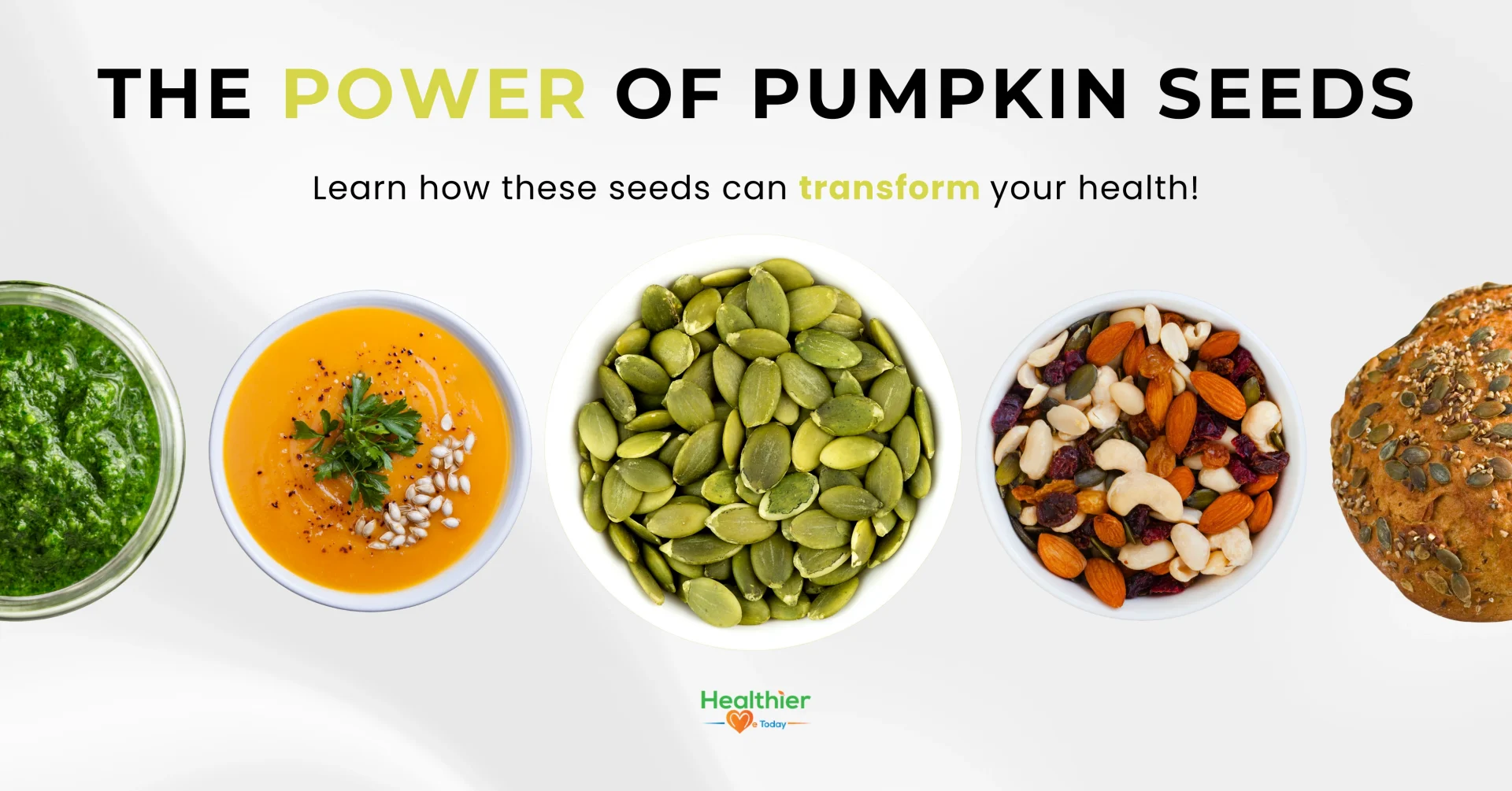
Having roasted pumpkin seeds or pepitas on hand can make it incredibly easy to add an extra layer of texture, taste, and nutrition to your food.

Here’s how:

  • Roasted: Toss with oil, chili, and bake at 350°F.
  • Pesto: Blend pumpkin seeds with cilantro, garlic, and lime.
  • Granola: Mix some of these seeds, nuts, oats, agave, and nutmeg.
  • Topping: Sprinkle pumpkin seeds on your favorite soups, salads, and even stews.
  • Bread: Add pumpkin seeds to a rye loaf or make pumpkin bread.
  • Cookies: Add pumpkin seeds to ginger snaps, oat cookies, shortbread, and so on.
  • Stir-fry: Toss some seeds with bok choy, carrots, and sesame oil.
  • Energy Bars: Combine pumpkin seeds with fruits and nuts to make homemade energy bars.
  • Hummus: Blend pumpkin seeds into chickpea dip.

Potential Risks and Considerations

Pumpkin seeds offer numerous benefits, but proper care ensures they meet your specific needs. If you have sensitivities, take care to avoid issues. Pumpkin seeds nutrition requires balance for safe enjoyment.

health benefits of pumpkin seeds

Here’s what to know:

Risks of Pumpkin Seeds

Overeating or allergies can cause discomfort, so moderation is key. These risks help you use pumpkin seeds wisely.

Risks to watch for:

  • Overeating: Pumpkin kernels calories (160/oz) can add up quickly.
  • Allergies: Pumpkin seeds may cause rashes in 1–2% of people.
  • Bloating: High fiber can lead to cramps or discomfort.
  • Choking: Whole pumpkin seeds pose risks for kids and the elderly.
  • Nutrient overload: Too many pumpkin seeds affect nutrient balance.
  • Dental damage: Hard pumpkin seeds may chip teeth.
  • Stomach irritation: Pumpkin seeds bother sensitive stomachs.
  • Drug interactions: Pumpkin seeds may interact with diuretics and antihypertensives.
  • Oxalate buildup: Consuming pumpkin seeds slightly increases the risk of kidney stones.

Conclusion: Should You Eat More Pumpkin Seeds?

Pumpkin seeds can nurture your heart, immunity, and energy with every bite. Pumpkin seeds benefits and health benefits of pumpkin seeds, making them a simple wellness boost. Add them to meals, snack wisely, or try capsules for lasting health. Start small, stay consistent, and check with your doctor.

With pumpkin seeds, you’re supporting a healthier, more vibrant you, ready to embrace each day.

FAQ’s:


How can pumpkin seeds support your health?

Pumpkin seeds nutrition boosts heart, immunity, sleep, and digestion with fiber (5g/oz), zinc (2mg/oz), magnesium (150mg/oz), and protein (10g/oz). They fuel energy and wellness for busy days.

What are pepitas, and how do they differ from pumpkin seeds?

Pepitas are hulled pumpkin seeds, smoother for snacks or baking. Their pumpkin seeds benefits match pumpkin seeds, ideal for quick recipes without shell removal.

Can you eat pumpkin seed shells, or should you remove them?

Pumpkin seed shells are edible, adding fiber to pumpkin seeds nutrition for digestion. Remove for a smoother texture, especially for children or those who prefer a less crunchy texture.

How do you roast pumpkin seeds at home?

Rinse the pumpkin seeds, toss them with oil, salt, or spices like cumin, and bake at 350°F for 20–25 minutes, or until crispy. Cool before eating.

What are the benefits of pumpkin seed oil capsules?

Pumpkin seed oil capsules (500mg) support prostate, heart, and hair health, offering pumpkin seeds benefits conveniently. Take one or two with meals for absorption.

What are the nutrition facts for pumpkin seeds per serving?

One ounce of pumpkin seeds has 150 calories, 10g of protein, 5g of fiber, 2mg of zinc, and 150mg of magnesium. Pumpkin seeds nutrition value supports immunity, digestion, and heart health daily.

What Happens to Your Body When You Start Taking Omega 3 Daily?

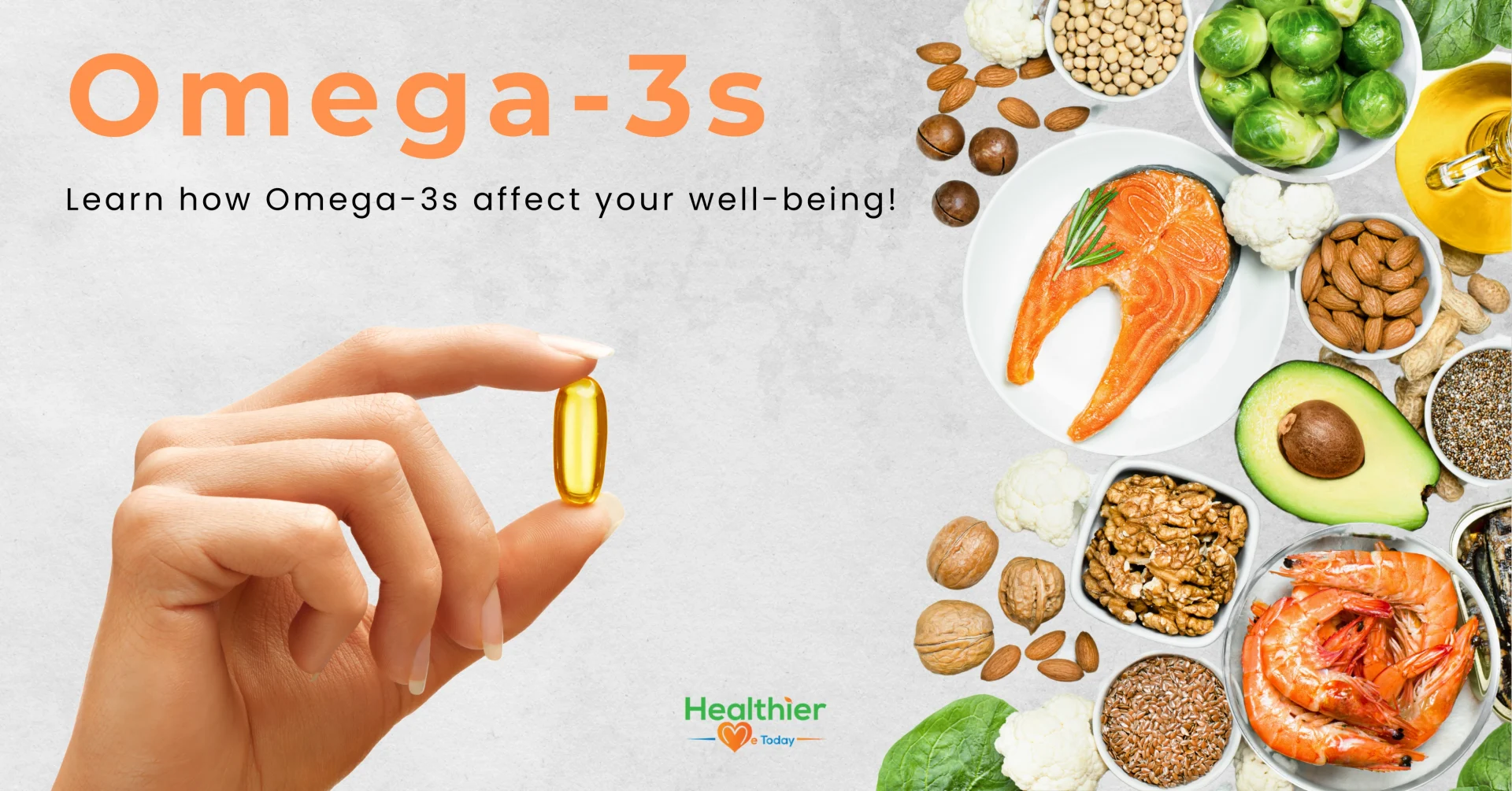
Your body thrives on the proper nutrients, and Omega 3s are among the most powerful you can give it. From sharper focus and steadier moods to heart and joint support, these essential fats fuel the systems that keep you going strong. But what actually happens when you take them every day? Can the Omega 3 benefits be that amazing?

This guide breaks down what science says, how your body responds, and how to make the most of Omega 3 supplements without falling for trends or overdosing. Because sometimes, the most significant changes start with the smallest habits.

Understanding Omega 3 Fatty Acids

Omega 3s are essential fats. The fundamental building blocks your body needs but can’t produce on its own, so you’ve got to get them from food or Omega 3 fatty acids supplements. The two powerhouse forms, EPA and DHA (eicosapentaenoic acid and docosahexaenoic acid), come mostly from fish or algae, while ALA (alpha-linolenic acid), found in plant foods like flax and chia, only gives you a small fraction of EPA and DHA. It’s usually under 5%.

Understanding Omega 3 Fatty Acids

Omega 3 fatty acids are not just “good fats.” They’re vital components of every cell, especially in your brain, eyes, heart, and joints, and they help protect against inflammation. Most modern diets contain excessive amounts of omega-6, particularly from processed foods. Adding more Omega 3 vs Omega 6 helps restore the natural balance in your body, which can lead to a better mood, sharper focus, flexible joints, and a healthier heart.

This is just the tip of the iceberg when it comes to what Omega 3 fatty acids can do for your health…

Daily Advantages of Omega 3 Fatty Acids

Your body gains these rewards: Omega 3 benefits lift your mind, heart, and joints. You’ll feel changes with daily use over time.

Here’s how Omega 3s make a difference:

Brain and Mood Support

Feeling foggy? About 20% of your brain is DHA, a key Omega 3. Omega 3 supplements support Omega 3 for brain health, boosting memory and mood balance. You might notice clearer thinking or less anxiety after a month. Low Omega 3 levels are linked to depression in 1 in 4 adults.

The advantages of Omega 3 fatty acids help nerve cells communicate, stabilizing emotions. Daily doses keep your mind sharp during stress. They also support serotonin, a mood-regulating chemical, which helps reduce emotional dips. Studies have shown that taking 500 mg EPA and DHA supplements daily can improve focus in adults. This small habit builds a brighter, steadier mind for daily challenges.

Heart Health Boost

Triglycerides drop 15-20% with Omega 3s, easing blood flow [healthline.com]. EPA and DHA reduce blood pressure and arterial buildup, supporting Omega 3 for heart health. You may feel more energetic as your heart pumps more efficiently. Heart issues affect 1 in 5 people [ods.od.nih.gov]. The advantages of Omega 3 fatty acids include balancing cholesterol levels and slightly lowering the bad LDL.

Daily doses strengthen blood vessels, reducing strain. Consistent use keeps your heart steady for life’s demands. Research shows that 1 g of EPA and DHA reduces heart risk by 10% in high-risk groups. Omega 3s also slow plaque growth, keeping arteries clear and healthy. This simple step builds lasting heart strength for years to come.

Joints and Skin Vitality

Joint stiffness affects 1 in 3 adults, but Omega 3s help. EPA and DHA in a DHA supplement reduce inflammation, making joints more flexible and reducing pain. You’ll move more easily after a few weeks, especially with arthritis. The advantages of Omega 3 fatty acids include hydrating the skin, easing dryness, and reducing redness. About 60% of cell membranes rely on Omega 3s [nutritionsource.hsph.harvard.edu].

Omega 3 for joints and skin helps to keep you comfortable and glowing. Daily doses support joint fluid, reducing creaks. Skin feels softer and less irritated, thanks to Omega 3s strengthening skin barriers. Studies show that 500 mg of EPA and DHA can reduce joint pain by 20% in some cases.

How Omega 3s Work in Your Body

Your body uses Omega 3 fatty acids to strengthen cells and ease inflammation. These fats work quietly to improve your health daily.

How Omega 3s Work in Your Body

Here’s what happens inside you:

Cellular Support

EPA and DHA build strong membranes, especially in your brain and eyes. This helps cells communicate, supporting clear thinking and vision. Omega 3 fatty acids make up a fifth of your brain’s fat [healthline.com]. You might not feel it, but daily doses keep cells healthy.

The advantages of Omega 3 fatty acids include improved fluidity, which aids in nutrient uptake. Uses of Omega 3 6 9 help to protect cells from damage, keeping your body efficient. They act like building blocks for every cell. Daily use supports sharper focus, better vision, and overall cell health for long-term wellness.

Inflammation Reduction

Consuming too much Omega-6 from processed foods can fuel inflammation, which is linked to heart and joint issues. The balance of Omega 3 vs Omega 6 is key. EPA and DHA soothe this, lowering cytokines, which are inflammatory molecules.

You may feel less tired or sore over time. Inflammation affects 3 in 5 people worldwide. Daily Omega 3s keep your body calm and resilient. Uses of Omega 3 6 9 reduce swelling in joints, easing pain. This balance supports active, comfortable days. A small dose brings quiet relief to your body’s inner workings.

Hormone Balance

Stress affects approximately 2 in 3 adults, leading to increased cortisol levels [nutritionsource.hsph.harvard.edu]. Omega 3s regulate this stress hormone, keeping it steady. You might feel calmer during tense moments. EPA and DHA balance insulin, aiding energy levels. Daily Omega 3s smooth out hormone spikes, supporting Omega 3 for mood and metabolism.

Cortisol drops by 10% with 500 mg EPA and DHA in some studies [healthline.com]. The advantages of Omega 3 fatty acids include supporting thyroid function and boosting energy levels. This subtle work helps your body handle daily pressures. A small dose keeps your inner balance steady.

Who Benefits Most from Omega 3s?

These groups see the most significant impact: Omega 3 benefits are particularly beneficial for specific needs and lifestyles. You might be one of them.

Here’s who gains the most from daily Omega 3s:

Specific Groups

The body’s DHA requirements rise 50% during pregnancy for the baby’s brain growth [pmc.ncbi.nlm.nih.gov]. Omega 3 for pregnancy supports development and the mom’s mood. Seniors reduce joint pain and memory loss with Omega 3 for aging. Children gain focus; teenagers improve their mood stability. Omega 3 benefits for women also include easing hot flashes during menopause. Omega 3 benefits for men support heart health.

Try these:

  • Pregnant women: 300 mg DHA daily.
  • Seniors: 500 mg EPA and DHA.
  • Kids/teens: 100-200 mg for focus.

Daily Omega 3s meet the unique needs of these groups, helping them thrive every day.

Lifestyle Factors

High-stress jobs deplete Omega 3s in two-thirds of workers. Vegans often miss out on fish-based EPA and DHA, so they require algae-based oils instead. Athletes cut muscle soreness with Omega 3s. Desk jobs increase joint stiffness; Omega 3 benefits for women and Omega 3 benefits for men help. Active or vegan lifestyles benefit most.

Consider the following:

  • Stress: 500 mg EPA and DHA daily.
  • Vegans: Algae-based Omega 3 vitamins or supplements.
  • Athletes: 1 g for recovery.

Omega 3 benefits support your daily life, keeping you strong, focused, and balanced.

Risks and Considerations

Omega 3 fatty acids supplements are safe for most, but wise choices keep you worry-free. You can start with confidence.

Omega 3 Risks and Considerations

Here’s what to know about daily use:

Side Effects

Any downsides? Most tolerate Omega 3 fish oil well, but Omega 3 side effects like fishy burps or stomach upset can occur [ods.od.nih.gov]. High-quality Omega 3 supplements can help alleviate these issues. Rarely, high doses can thin the blood, so consult your doctor if you are taking blood thinners or aspirin. About 1 in 10 users notice minor discomfort. Check for rancid supplements, as they can worsen side effects. Trusted brands keep Omega 3s gentle. Choose wisely for comfort and results every day.

Dosage Tips

Experts suggest a daily intake of 250-500 mg of EPA and DHA for most individuals. More can cause issues, like nausea.

Follow these tips:

  • Check labels for EPA and DHA amounts.
  • Avoid high doses unless doctor-approved.
  • Take Omega 3 fish oil with meals for improved digestion. Omega 3 dosage matters for safety.

Tips for Adding Omega 3s

Adding Omega 3 sources daily is simpler than you think. You can easily make it a habit.

Omega 3 sources

Here’s how to boost your intake:

Food Sources

Fatty fish like salmon or sardines pack 1-2 g EPA and DHA per serving. Other Omega 3 sources work too.

Try these:

  • Ground flaxseeds in smoothies or oatmeal.
  • Chia or hemp seeds in yogurt.
  • Walnuts for snacks or salads.
  • Algae oils for vegan Omega 3 vitamins. Two fish meals weekly meet needs.

Supplements

Fish isn’t for everyone, so Omega 3 vitamins and Omega 3 supplements help. Pick Nordic Naturals Ultimate Omega or Omega 3 gummies with 250-500 mg EPA and DHA.

Try these:

  • Choose Nordic Omega 3 for third-party tested purity.
  • Store Omega 3 fish oil or Omega 3 of 3 6 9 in a cool, dark place.
  • Pick Fish oil gummies if vegan or allergic.
  • Take a DHA supplement with breakfast for best absorption.

Conclusion: Small Habit, Big Impact

Omega 3 benefits touch your brain, heart, joints, and skin with one daily habit. You don’t need significant changes. Small steps lead to clearer thinking, stronger health, and more comfort. Try salmon twice a week or a high-quality Omega 3 vitamins. You’ll feel steadier, more energized, and ready for life. Consistency matters more than perfection.

Visit ShopHMT for trusted Omega 3 options and take your first step to a healthier you today.

FAQ’s:

What are the daily Omega 3 benefits?

Daily Omega 3 benefits include sharper focus, improved mood, heart support, and reduced joint pain. EPA and DHA in Omega 3 supplements enhance brain function, reducing mental fatigue and fog. Your heart gains from lower triglycerides with daily use. Other daily advantages of Omega 3 fatty acids include easing joint stiffness and hydrating the skin.

How do Omega 3 supplements help?

Omega 3 supplements, such as Nordic Naturals Ultimate Omega, deliver EPA and DHA, which help strengthen cells and alleviate daily inflammation. They support Omega 3 for brain health, improving memory and focus with 500 mg doses. The heart benefits from reduced blood pressure, which is vital for one in five adults.

Can Omega 3s boost Omega 3 for brain health?

Yes, EPA and DHA in a DHA supplement improve your memory and focus. About 20% of your brain is DHA, which is key for nerve cell communication. Low levels affect 1 in 4 adults, linked to depression [ods.od.nih.gov].

Why do Omega 3s help Omega 3 for heart health?

Omega 3s in Omega 3 fish oil lower triglycerides by 15-20% and reduce inflammation, boosting Omega 3 for heart health. EPA and DHA ease blood pressure. Daily 1-gram doses cut heart risks by 10%. Stronger blood vessels support energy and longevity. This small step keeps your heart steady and resilient.

What are Omega 3 side effects?

Omega 3 side effects, like fishy burps or upset stomach, are rare with quality Omega 3 fatty acids supplements. And only about 1 in 10 users notice minor issues. However, high doses may thin the blood, so check with your doctor if you’re taking medications. Choose Nordic Omega 3 to avoid rancid pills, and take with food to ease digestion.

What’s a safe Omega 3 dosage?

A safe daily Omega 3 dosage is 250-500 mg for most individuals. Check Omega 3 supplements labels for exact amounts and consult your doctor for doses above 1 gram, especially with medications. Sticking to this range ensures steady, safe Omega 3 benefits for your heart, brain, and joints.

Which foods are the best Omega 3 sources?

Salmon, sardines, flaxseeds, and algae oils are top Omega 3 sources for strength. Fatty fish provide 1-2 g EPA and DHA per serving, meeting weekly needs with two meals. Grind flaxseeds for better absorption. Add chia to smoothies or walnuts to salads. Algae oils suit vegans.

How does Omega 3 vs Omega 6 balance help?

Omega 3 vs Omega 6 balance reduces inflammation, improving heart and joint health. Modern diets contain excessive amounts of Omega-6 from processed foods, affecting approximately 3 in 5 people. Uses of Omega 3 6 9 reduce and soothe this inflammation, easing aches.

Do Omega 3s ease joints?

Omega 3s reduce inflammation, easing stiffness for daily Omega 3 for joints comfort. EPA and DHA in Omega 3 fish oil cut joint pain by 20% in some arthritis cases [ods.od.nih.gov].

Are food or Omega 3 supplements better?

Omega 3 supplements, such as those containing Omega 3 of 3 6 9, are convenient, but fish also adds nutrients. Salmon offers 1-2 g EPA and DHA per serving, plus protein, unlike pills. Omega 3 gummies suit fish-averse or vegan individuals. Take 500 mg daily for ease. Two fish meals weekly match supplement benefits.

How do Omega 3s help Omega 3 for pregnancy?

Omega 3 for pregnancy boosts the baby’s brain with a 300 mg DHA supplement daily. EPA and DHA support mom’s mood, reducing the risk of depression in 1 in 10 pregnancies.

Can Omega 3s support Omega 3 for aging?

Omega 3 for aging eases joint pain and sharpens memory in seniors. EPA and DHA in Omega 3 vitamins reduce stiffness in 1 in 3 older adults, improving mobility. Daily doses of 500 mg boost focus and reduce the risk of heart disease.

Are vegan Omega 3 sources effective?

Algae-based Omega 3 sources provide EPA and DHA, which are adequate for vegans’ daily needs. Unlike flaxseeds, algae oils deliver 200-300 mg EPA and DHA in Fish oil gummies, meeting needs. About 1 in 10 vegans lack sufficient Omega 3s.

Do Omega 3s help with exercise?

Omega 3 gummies reduce muscle soreness, supporting recovery with 1 g EPA and DHA daily. Athletes cut inflammation by 15% with Omega 3 supplements, aiding Omega 3 benefits for men. About 1 in 4 active adults benefits from less joint pain.

Falling Asleep Made Easy: The Best Herbal Teas That Work

Struggling to fall asleep? Sleep tea might be the cozy solution you’ve been searching for. Sipping a warm cup of bedtime tea before bed can calm your racing mind and ease you into restful slumber. 

This guide explores how these herbal brews work, identifies the most effective ones, and guides you in incorporating them into your nightly routine. Let’s jump right in!

What Is Sleep Tea and How Does It Work?

Herbal sleep blends are carefully crafted mixes designed to relax your mind and body, helping you drift off more easily. Also known as bedtime tea or herbal tea for sleep, they typically contain calming ingredients like chamomile, lavender, and valerian root. These teas work by soothing the nervous system and reducing anxiety, making it easier to fall asleep quickly. Wondering what tea helps you sleep best?

What Is Sleep Tea and How Does It Work

Chamomile tea sleep benefits come from apigenin, which binds to brain receptors, promoting drowsiness. Valerian root tea for sleep boosts GABA, a calming chemical. Unlike caffeinated teas, sleepy tea avoids stimulants, making it a top natural sleep remedy. Tea that helps you sleep offers a ritualistic calm, with warm sips signaling the approach of bedtime. This section unpacks the science and appeal of sleep tea, exploring whether it truly helps you fall asleep faster.

Let’s break them down:

Key Ingredients in Sleep Tea

Sleepy tea relies on herbs with proven calming effects, each contributing to restful sleep:

  • Chamomile: Central to chamomile tea sleep, apigenin reduces anxiety, making it the best tea for sleep.
  • Valerian Root: Found in valerian root tea for sleep, it enhances GABA, easing insomnia.
  • Lavender: Its soothing aroma in bedtime tea lowers stress hormones, promoting relaxation.
  • Lemon Balm: Boosts mood, calms nerves in herbal tea for sleep.
  • Passionflower: Reduces anxiety, complementing sleepy tea blends.

How Sleep Tea Affects Your Body

Sleepy tea helps calm your body by reducing neural activity and stress. Does chamomile tea make you sleepy? Yes, it’s apigenin that induces drowsiness, supporting the effects of chamomile tea on sleep. Sleepy tea with valerian increases GABA, stabilizing sleep cycles. Bedtime tea with lavender helps lower your heart rate, easing you into a restful sleep. 

Herbal tea for sleep helps regulate cortisol, preventing nighttime alertness. The act of sipping bedtime tea creates a soothing routine, signaling your brain to unwind. Unlike sedatives, this calming brew promotes natural sleep without grogginess, making it a preferred natural remedy for better rest.

Benefits of Drinking Tea for Sleep

Sleep tea, like sleepy tea, offers multiple benefits for improving sleep quality, making it a compelling choice for better rest. 

Here’s why tea that helps you sleep is worth it:

  • Faster Sleep Onset: Sleepy tea helps reduce anxiety, allowing you to fall asleep more quickly, often within 20-30 minutes. This can help reduce restless tossing and turning, making it ideal for those with busy minds.
  • Improved Sleep Quality: Herbal tea for sleep, such as chamomile tea sleep, promotes deeper, more restorative sleep cycles, leaving you refreshed. Regular use may enhance overall sleep architecture, supporting long-term health.
  • Stress and Anxiety Reduction: Bedtime tea lowers cortisol levels, calming your mind and easing nighttime worries. This makes it especially helpful for stress-related sleep issues, fostering a peaceful state.
  • Non-Habit Forming: Unlike sleeping pills, sleepy tea is a gentle, natural sleep remedy that reduces dependency risks. It’s safe for most people to use nightly, offering sustainable relief.
  • Soothing Bedtime Ritual: Brewing and sipping tea that helps you sleep creates a calming pre-sleep habit, signaling your body to unwind and relax. This ritual can become a cherished part of your evening, helping to enhance relaxation.
  • Digestive Comfort: Many herbal teas, such as those containing lemon balm, can soothe the stomach and prevent discomfort that might disrupt sleep. This dual benefit supports both rest and physical ease.
  • Mood Enhancement: Ingredients like lavender in bedtime tea uplift mood, reducing evening irritability and promoting a tranquil mindset. This emotional balance aids smoother transitions to sleep.

Popular Types of Sleep Tea

Exploring different bedtime tea options helps you discover the ideal herbal blend tailored to your sleep needs.

Popular Types of Sleep Tea

Below are five popular herbal teas for sleep:

Chamomile Tea

Chamomile tea sleep is a cornerstone of sleepy tea blends, prized for its calming properties. Does chamomile tea make you sleepy? Yes, apigenin promotes drowsiness, making it a leading ingredient in tea that helps you sleep. Its mild, floral flavor suits bedtime tea routines, offering a gentle way to unwind. 

Steep 1-2 teaspoons of dried chamomile in hot water for 5-10 minutes to maximize chamomile tea sleep benefits. Pair with honey for added soothing effects. Studies suggest that chamomile may also help alleviate mild insomnia, making it a versatile herbal tea for promoting sleep. Ideal for daily use, it’s a staple for those seeking natural sleep remedies.

Valerian Root Tea

Valerian root tea for sleep is a strong choice for addressing insomnia. It boosts GABA, a calming neurotransmitter, easing you into restful sleep. Its earthy, slightly bitter taste blends well in sleepy tea mixes with sweeter herbs like chamomile. Steep one teaspoon of dried valerian root for 10-15 minutes to unlock the potential of this tea to help sleep. 

Start with small doses to assess tolerance, as it’s stronger than other sleepy tea options. Valerian is especially effective for those with irregular sleep patterns, offering a robust natural sleep remedy. Combine with lemon balm for a balanced flavor in bedtime tea.

Lavender Tea

Lavender’s soothing aroma makes it a favorite in bedtime tea blends. It reduces anxiety and stress hormones, supporting the sleep-promoting benefits of this tea. Steep one tablespoon of dried lavender flowers in hot water for 5-7 minutes for a calming tea that helps you sleep. Its floral, slightly sweet taste pairs well with chamomile or lemon balm in herbal tea for sleep mixes. 

Lavender tea also aids in reducing nighttime restlessness, making it ideal for those with anxiety-driven sleep issues. Sip slowly in a quiet setting to enhance its relaxing effects, cementing its role in sleepy tea rituals.

Lemon Balm Tea

Lemon balm, with its bright, citrusy notes, calms nerves and uplifts mood, making it a delightful sleepy tea option. It pairs seamlessly with chamomile or lavender in sleepy tea blends, enhancing the “tea for sleep” efficacy. Steep 1-2 teaspoons of fresh or dried lemon balm for 5-10 minutes to enjoy its tea to help sleep benefits. 

Lemon balm also supports digestion, reducing discomfort that may disrupt rest, adding to its appeal as a best tea for sleep. Regular use may improve sleep consistency, particularly for individuals with stress-related insomnia, making it a versatile natural sleep remedy.

Passionflower Tea

Passionflower tea reduces anxiety, making it a powerful tea that helps you sleep. Its mild, grassy flavor pairs well with bedtime tea blends that include chamomile or valerian. Steep one teaspoon of dried passionflower for 10 minutes to leverage its herbal properties for sleep benefits. 

It’s particularly effective for racing thoughts, helping quiet the mind before bed. Passionflower may also improve sleep duration, making it a strong best tea for sleep for those with fragmented rest. Use it sparingly to avoid daytime drowsiness, ensuring it remains a targeted natural sleep remedy in your sleepy tea routine.

How to Incorporate Sleepy Tea into Your Routine

Making bedtime herbal tea part of your evening ritual boosts its effectiveness, helping you unwind naturally. It’s important to establish it as a nightly habit for better rest.

Incorporate Sleep Tea into Your Routine

Here are practical tips to enhance the efficacy of herbal tea for sleep:

  • Optimal Timing: Drink sleepy tea 30-60 minutes before bed to allow herbs like chamomile or valerian to take effect. This timing aligns with your body’s natural wind-down process, enhancing the effectiveness of sleepy tea.
  • Calm Environment: Sip tea that helps you sleep in a dim, quiet setting, free from screens, to amplify relaxation. Pair with soft music or a book to create a tranquil pre-sleep atmosphere, which reinforces the benefits of bedtime tea.
  • Consistency: Make drinking bedtime herbal tea a nightly habit to help regulate your sleep cycle. Over time, track improvements and adjust your routine to maximize long-term benefits.
  • Herb Combinations: Try blends like chamomile with lavender or valerian with lemon balm for a personalized bedtime brew. Combining herbs enhances both flavor and effectiveness, making your nightly tea more soothing and enjoyable.
  • Portion Control: Start with one cup of bedtime tea to avoid excessive liquid intake, which can disrupt sleep by causing bathroom trips. Adjust based on your body’s response to herbal tea for sleep.
  • Complementary Practices: Combine bedtime tea with relaxation methods like deep breathing or meditation to boost its soothing benefits. This holistic routine strengthens your nightly wind-down and promotes restful sleep.

Considerations and Precautions

While sleepy tea is generally safe, taking precautions ensures it’s effective and suitable for you. 

sleepy tea

Here’s what to consider before making herbal tea for sleep a nightly staple:

  • Medical Interactions: Sleep teas, especially those containing valerian root, may interact with sedatives, antidepressants, or other medications. Consult a doctor if you’re taking prescription medications to confirm that sleepy tea is safe and will not cause adverse effects.
  • Pregnancy and Breastfeeding: Pregnant or breastfeeding individuals should avoid bedtime tea with valerian or passionflower unless approved by a healthcare provider. Chamomile tea sleep is often safer but still requires medical clearance.
  • Allergies: Some herbs in herbal tea for sleep, such as chamomile, may trigger allergies in individuals sensitive to ragweed. Test small amounts of tea to help sleep and rule out any reactions, ensuring the safe use of sleepy tea.
  • Moderation: Drinking excessive bedtime tea may lead to frequent urination, which can disrupt sleep. Stick to 1-2 cups of herbal tea for sleep to balance benefits and comfort, optimizing the best effects of tea for a restful night.
  • Underlying Conditions: If insomnia persists despite sleepy tea, it may signal deeper issues like sleep apnea or anxiety. Seek professional help if natural sleep remedies like chamomile tea sleep don’t improve rest after a month.
  • Quality of Tea: Opt for high-quality, organic herbs in your sleepy tea to avoid contaminants that could compromise your health. Ensure to source from reputable brands to ensure potency and safety in herbal tea for sleep blends.

Conclusion: Can Natural Sleepy Tea Help? 

Bed time tea offers a soothing, natural way to help you fall asleep faster. From chamomile tea sleep benefits to valerian root tea for sleep, herbal tea for sleep calms your mind and body. Unlike pills, bedtime tea promotes rest without dependency, creating a relaxing ritual with sleepy tea. This guide answers the question of what tea helps you sleep, empowering you to choose the best tea for sleep. 

Try a tea that helps you sleep tonight and enjoy restful nights with natural sleep remedies!

FAQ’s:

What is the best tea to help you sleep at night?

The best tea for sleep includes chamomile and valerian root. Chamomile tea sleep calms with apigenin, and valerian root tea for sleep boosts GABA, making them top sleepy tea choices for restful nights.

Does chamomile tea really make you sleepy?

Does chamomile tea make you sleepy? Yes, chamomile tea sleep benefits come from apigenin, which reduces anxiety and promotes drowsiness, making it an effective tea that helps you sleep.

How long before bed should I drink sleepy tea?

Sip a calming herbal tea 30–60 minutes before bed to let soothing herbs like chamomile take effect, promoting faster relaxation and easier sleep onset.

Which is better for sleep: chamomile or valerian root tea?

Chamomile tea sleep is gentler for mild anxiety, while valerian root tea for sleep suits insomnia. Both are great for sleep, but valerian is stronger in sleepy tea blends.

Is it safe to drink tea before bed?

Yes, bedtime tea is safe for most people, but use blends with valerian in moderation. If you’re on medication, consult your doctor to ensure your chosen herbal tea supports safe, restful sleep.

Can herbal tea replace sleeping pills?

Herbal tea for sleep, like bedtime tea, is a natural sleep remedy, but it may not replace pills for severe insomnia. Tea to help sleep suits mild issues, with the best tea for sleep aiding relaxation.

What ingredients should I look for in a good bedtime tea?

Look for chamomile, valerian, lavender, or passionflower in bedtime blends. These ingredients create an effective herbal tea for promoting restful sleep.

Are there any side effects of drinking sleepy tea regularly?

Sleepy tea is generally safe, but overuse of bedtime tea with valerian may cause dizziness. Start with one cup of herbal tea for sleep each night to monitor its effects.

Does bedtime tea help with insomnia?

Bedtime tea, like chamomile, eases mild insomnia by reducing anxiety. For chronic issues, consider combining tea to help with sleep with professional care for more effective natural sleep remedies.

How effective is valerian root tea for sleep?

Valerian root tea for sleep is effective in treating insomnia, as it helps boost GABA to calm the brain. As a tea that helps you sleep, it’s a potent bedtime tea for deeper rest.

Better Than Botox? Eat These Collagen Foods Daily

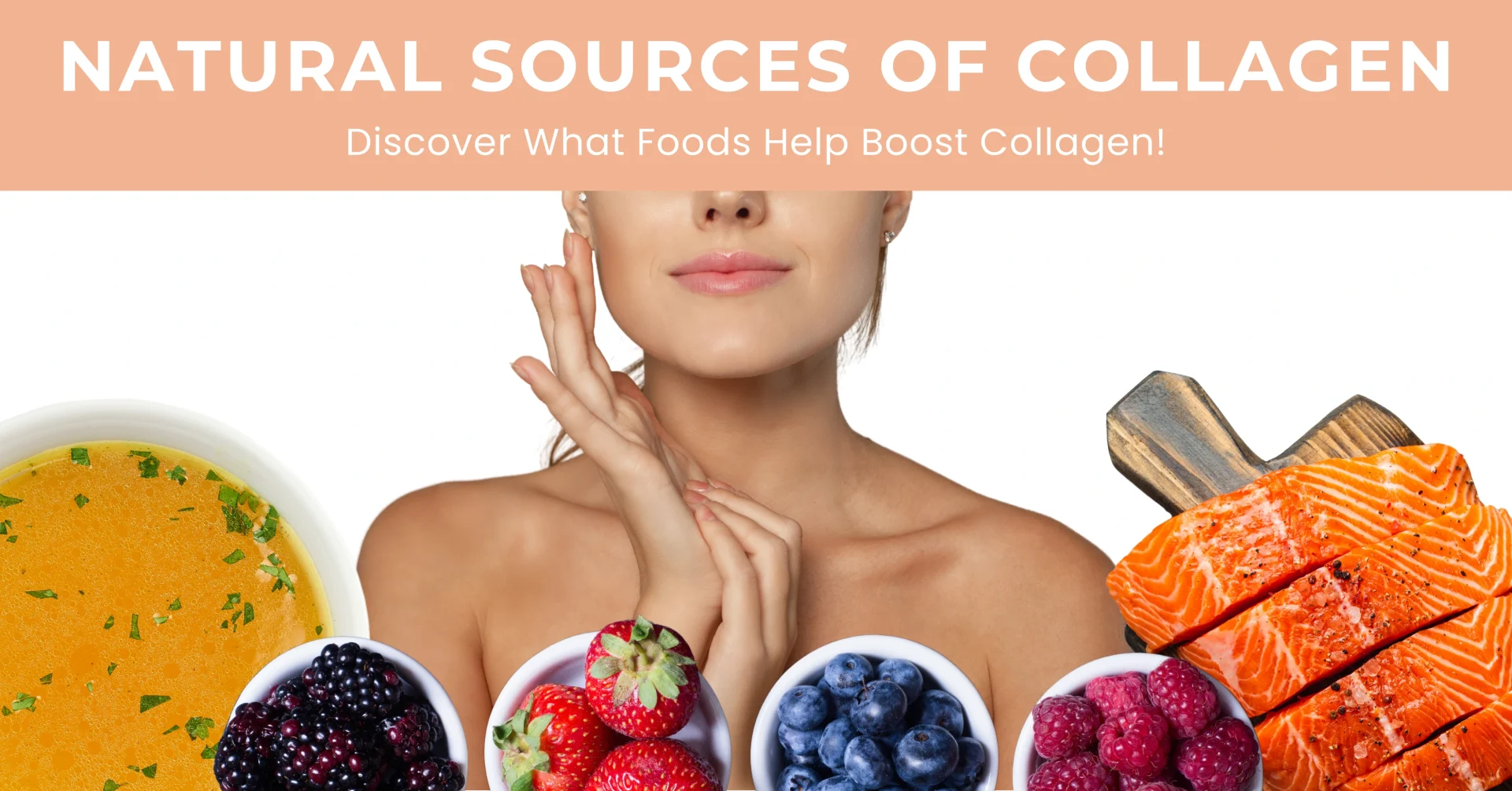
Collagen keeps your skin firm and joints flexible. But did you know that supplements aren’t the only way to get it? Collagen rich foods like salmon and citrus fruits support your body’s collagen production naturally. A diet rich in these foods improves skin elasticity by 15% in 8 weeks. This guide covers top food picks for 2025, practical meal ideas, and the benefits of enjoying natural sources of collagen. Unlike broad lists or technical articles, it offers simple ways to add these foods to your daily routine.

Ready to glow? Explore these tips and delicious options for vibrant health.

Why Collagen Matters for Your Health

Collagen, the most abundant protein in your body, forms the foundation of skin, joints, bones, and connective tissues. Type I collagen strengthens skin, while Type II supports cartilage in joints. After age 30, collagen production declines by 1% annually, leading to visible wrinkles, sagging skin, and joint stiffness. Lifestyle factors like sun exposure, smoking, and poor diet accelerate this loss, making dietary support crucial.

collagen rich foods

Collagen rich foods provide essential amino acids, such as glycine and proline, which your body uses to rebuild collagen. What foods have collagen? Bone broth and fish skin deliver direct collagen, while high collagen fruits like oranges and strawberries supply vitamin C, a key cofactor for collagen synthesis. These foods can improve skin firmness by 10% and joint mobility by 20% in 12 weeks. For vegetarians, combining collagen foods like broccoli with antioxidants enhances benefits. Hydration and a balanced diet amplify the effects of collagen boosting foods, keeping your body resilient and youthful.

The Benefits of Collagen

Collagen transforms your health, delivering vibrant skin, flexible joints, and robust bones. Collagen rich foods like salmon and eggs provide amino acids that support tissue repair and growth. Unlike supplements, natural collagen from foods integrates seamlessly into your diet, offering safe, sustainable benefits.

Foods with collagen - Benefits of Collagen

Below are the benefits collagen has on the body:

  • Skin Elasticity: Foods that contain collagen, like salmon, provide glycine, firming skin by 15% and reducing fine lines.
  • Joint Mobility: Collagen from collagen rich foods like chicken strengthens cartilage, boosting mobility by 20% in active individuals.
  • Hair Strength: Amino acids in natural collagen sources like bone broth reduce breakage, promoting thicker, shinier hair.
  • Nail Growth: Vegetarian collagen options like broccoli supply zinc, strengthen nails, and reduce brittleness in 6 weeks.
  • Digestion: Collagen in foods that contain collagen soothes the gut lining, easing bloating and improving digestive comfort.
  • Heart Health: Collagen rich foods help support artery flexibility, reducing strain and promoting cardiovascular wellness.
  • Bone Density: Natural collagen in bone broth enhances bone strength by 12%, supporting long-term skeletal health.
  • Muscle Repair: Amino acids from collagen foods like eggs accelerate muscle recovery, which is ideal for fitness enthusiasts.
  • Wound Healing: Collagen in collagen rich foods speeds skin repair by 20%, aiding recovery from cuts or scars.
  • Immunity: Vegetarian collagen sources like berries boost gut health, enhancing immunity by 10% through better nutrient absorption.

Top Collagen-Boosting Foods

These collagen rich foods deliver nutrients to enhance collagen naturally, supporting radiant skin and strong joints. From foods like sardines to berries, these six picks offer amino acids or vitamin C, boosting collagen synthesis by 15-25%. Unlike lists with 10 foods, this curated selection includes vegetarian collagen options and practical meal plans for all diets. Choose fresh, high-quality ingredients to maximize benefits.

collagen boosting foods

Here are six top collagen rich foods to nourish your body:

Bone Broth

Bone broth, a collagen rich food, has been cherished for centuries for its nourishing properties, offering collagen from simmered bones. Consuming one cup daily provides 9 grams of protein, which has been shown to improve skin elasticity by 15% in just 8 weeks. Foods high in collagen, like this, are versatile and perfect for soups or warm sipping. Simmer beef or chicken bones for 24 hours to extract maximum nutrients. It’s ideal for omnivores seeking foods with collagen to support vibrant health.

  • Benefits:
      • Improves skin elasticity by 15%, reducing fine lines and wrinkles.
      • Supports joint health, easing stiffness by 10% for better mobility.
      • Enhances digestion, soothes gut linings, and reduces bloating.
      • Provides glycine, promoting restful sleep and mental clarity.
      • Strengthens hair, reducing breakage by 10% for shinier strands.
    • Amount of Collagen: ~2-3g per 1-cup serving.
    • How to Use: Drink 1 cup daily, add to soups for broader options of foods high in collagen.
  • Cautions:
    • Store-bought may be high in sodium.
    • Not suitable for vegetarian diets.
    • Risk of burns during long simmering.
    • Possible allergies to beef or chicken.
  • Tasty Tip: Add fresh ginger and garlic for anti-inflammatory flavor and immune support. Use rosemary and thyme for a savory, nutrient-rich broth that warms and heals.

Salmon

Salmon, a collagen rich food, is prized for its omega-3 fatty acids and collagen-rich skin, supporting overall wellness. A 4-oz serving boosts joint mobility by 20% in 12 weeks, ideal for active lifestyles. This rich in collagen food provides zinc, which is essential for collagen synthesis. Bake salmon with fresh herbs for a delicious meal. It’s perfect for those seeking collagen foods for skin and heart health.

  • Benefits:
      • Boosts joint mobility by 20%, reducing stiffness and pain.
      • Enhances skin firmness, minimizing wrinkles and boosting glow.
      • Omega-3s reduce inflammation, supporting heart health and circulation.
      • Zinc accelerates collagen synthesis, aiding skin repair and renewal.
      • Improves hair shine, reducing breakage for healthier strands.
    • Amount of Collagen: ~1-2g per 4 oz serving.
    • How to Use: Bake salmon, eat twice weekly for collagen foods.
  • Cautions:
    • Mercury in some fish; choose wild-caught.
    • Not suitable for fish allergies.
    • Overcooking reduces nutrient content.
    • Avoid if following a vegetarian diet.
  • Tasty Tip: Drizzle with lemon juice to boost vitamin C and enhance flavor. Sprinkle fresh dill and parsley for a heart-healthy, aromatic dish that supports collagen.

Berries

Berries, a collagen rich food, are packed with vitamin C, vital for collagen production, increasing synthesis by 25% in 8 weeks. A cup of strawberries or blueberries, high collagen fruits, delivers antioxidants to protect skin. Blend into smoothies or add to yogurt for breakfast. They’re ideal for vegetarians wondering what foods contain high collagen through nutrient synergy. These vibrant fruits elevate any meal.

  • Benefits:
      • Boosts collagen synthesis by 25% with vitamin C for skin health.
      • Firm skin, reducing signs of aging like fine lines.
      • Antioxidants protect against UV damage and environmental stressors.
      • Supports immunity, helping fight infections and inflammation.
      • Fiber enhances digestion, promoting gut health and nutrient absorption.
    • Amount of Collagen: 0g, boosts synthesis with vitamin C.
    • How to Use: Eat 1 cup daily.
  • Cautions:
    • Pesticides on non-organic produce; wash thoroughly.
    • May trigger allergies in some.
    • High sugar, if overconsumed.
    • Not suitable for low-carb diets.
  • Tasty Tip: Mix with chia seeds for fiber and omega-3s in smoothies. Pair with plain yogurt and mint for a refreshing, antioxidant-rich breakfast bowl.

Eggs

Egg whites, a collagen rich food, are rich in proline and glycine, key amino acids for collagen production. Two eggs daily improve skin hydration by 10% in 6 weeks, offering an affordable option. Foods high in collagen, like eggs, are versatile for breakfast or snacks. Scramble eggs with vegetables for a nutrient-packed meal. They’re great for those exploring collagen foods on a budget.

  • Benefits:
      • Improves skin hydration by 10%, smoothing texture and glow.
      • Proline supports collagen, strengthens joints, and reduces stiffness.
      • Glycine aids muscle repair and is ideal for post-exercise recovery.
      • Enhances nail strength, reducing brittleness and promoting growth.
      • Bioavailable protein supports digestion and overall energy.
    • Amount of Collagen: ~0.5-1g per 2-egg serving.
    • How to Use: Eat two eggs daily for foods high in collagen.
  • Cautions:
    • Allergies occur in 2% of people.
    • Undercooked eggs risk salmonella.
    • High cholesterol can be caused by overconsumption.
    • Not suitable for vegan diets.
  • Tasty Tip: Add spinach and bell peppers for iron and vitamin C. Use turmeric and black pepper for an anti-inflammatory, flavorful scramble.

Broccoli

Broccoli, a collagen rich food, is a powerhouse of vitamin C and zinc, boosting collagen production by 15% in 8 weeks. A cup daily, a vegetarian collagen source, supports healthy skin and joints. This rich in collagen food is perfect steamed or roasted. It’s ideal for plant-based diets and those wondering what foods contain high collagen. Add it to your meals for vibrant health.

  • Benefits:
      • Boosts collagen by 15% with vitamin C for youthful skin.
      • Supports skin health, reducing wrinkles and improving elasticity.
      • Zinc aids joint tissue repair, enhancing flexibility.
      • Fiber improves digestion, supporting gut and nutrient absorption.
      • Antioxidants protect against aging, keeping skin radiant.
    • Amount of Collagen: 0g, boosts synthesis with vitamin C/zinc.
    • How to Use: Steam 1 cup daily for rich in collagen food.
  • Cautions:
    • May cause gas in some.
    • Overcooking reduces vitamin C.
    • Pesticides on non-organic produce; wash well.
    • Not ideal for low-fiber diets.
  • Tasty Tip: Toss olive oil and garlic for a heart-healthy, savory flavor. Add lemon zest and almonds for extra vitamin C and crunch.

Chicken

Chicken, a collagen rich food, provides collagen from its skin and connective tissues, supporting joint health. A 4-oz serving improves joint flexibility by 15% in 8 weeks, perfect for active individuals. Foods high in collagen, especially chicken, are rich in amino acids. Roast chicken with vegetables for a hearty meal. It’s ideal for omnivores seeking collagen foods.

  • Benefits:
      • Supports joints by 15%, easing stiffness and improving mobility.
      • Amino acids enhance skin elasticity, reducing fine lines.
      • Protein aids muscle repair, which is ideal for fitness enthusiasts.
      • Glycine improves sleep quality and digestive comfort.
      • It strengthens nails, reducing brittleness and promoting healthier growth.
    • Amount of Collagen: ~1-2g per 4 oz serving.
    • How to Use: Roast chicken and eat twice weekly for collagen foods.
  • Cautions:
    • Not suitable for vegetarian diets.
    • Undercooked chicken poses a risk of salmonella.
    • Possible poultry allergies in some.
    • Overcooking may reduce nutrients.
  • Tasty Tip: Marinate with rosemary and garlic for antioxidant benefits. Add paprika and cumin for a smoky, anti-inflammatory flavor that pairs well with greens.

How to Include Collagen Foods in Your Diet

Adding collagen rich foods to your meals is simple and effective for glowing skin and strong joints. Foods with collagen, like bone broth or salmon, boost health when consumed regularly. Enjoy 2-3 servings of foods with collagen daily, paired with vitamin C-rich foods for 20% better collagen absorption. These five strategies make incorporating foods that contain collagen easy, with practical meal plans for busy lifestyles.

foods high in collagen

Here are ways to incorporate collagen rich foods into your diet:

Plan Meals

Knowing what foods have collagen can help reshape your diet for the better. Build meals around collagen foods for consistent benefits. Start with eggs and berries for breakfast, packed with collagen precursors. For lunch, try a salmon salad with spinach. For dinner, savor broccoli and bone broth soup, which is rich in collagen. Plan a weekly menu, like eggs on Monday and chicken on Friday, to ensure two daily servings.

Pair with Nutrients

Maximize collagen benefits by pairing foods that contain collagen with vitamin C. Combine salmon with citrus slices or broccoli with red peppers for enhanced synthesis. Zinc-rich almonds boost collagen foods like eggs, while avoiding sugar preserves collagen. For example, add tomatoes to egg scrambles for a nutrient-packed breakfast. This approach strengthens natural sources of collagen.

Prep Ahead

Prepare collagen foods in advance for convenience. Batch-cook bone broth for soups or stews, a staple in foods with collagen. Pre-chop berries for smoothies or broccoli for stir-fries. Boil eggs for quick snacks or salads. Store your prepped collagen rich meals in airtight containers to maintain freshness, ensuring daily skin and joint health intake.

Snack on the Go

Pack portable collagen foods for busy days. Hard-boiled eggs or berry mixes with nuts, rich in foods that contain collagen, make nutritious snacks. Add pumpkin seeds for extra zinc to support collagen synthesis. Keep snacks in a cooler bag for freshness. This ensures natural collagen intake, even with a hectic schedule.

Conclusion: Is Collagen From Food Important?

Your body thrives on collagen rich foods, from salmon to broccoli, for glowing skin and strong joints. These foods that contain collagen offer a natural path to health. With daily servings of collagen foods, expect 15% firmer skin in 8 weeks. This delivers meal ideas for natural collagen benefits, unlike broad or technical guides. Which collagen boosting foods will you try? Start now for a radiant you.

FAQ’s:

What is the role of collagen in our bodies?

Collagen helps the body form skin, joints, and bones, and keeps them strong. Collagen rich foods like salmon and eggs provide amino acids to repair tissues, improving skin firmness and joint support.

How does collagen affect your skin and joints?

Collagen enhances skin firmness by 15%, reducing wrinkles, and boosts joint mobility by 20%. Collagen foods like berries and bone broth support these benefits, keeping skin youthful.

Can collagen be absorbed from food?

Foods that have collagen, like bone broth, supply amino acids your body uses to build collagen. These nutrients are absorbed during digestion, helping skin and joints.

What’s the difference between collagen supplements and food?

Supplements provide concentrated collagen, while collagen foods like berries offer natural nutrients like vitamin C. Foods provide vitamins, making them wholesome.

Are collagen supplements better than natural food sources?

Natural sources of collagen, like eggs, are safer, cost-effective, and nutrient-rich, offering similar benefits. Foods support health without additives.

Is collagen safe to consume daily?

Daily collagen rich foods like eggs or bone broth are safe, improving skin and joints without side effects. Consistent intake supports health.

At what age should I start eating collagen boosting foods?

Start collagen boosting foods in your 20s, as levels drop 1% yearly from age 30. Early habits keep skin and joints strong.

Can a vegetarian diet provide enough collagen?

Vegetarian collagen sources like broccoli supply vitamin C and zinc for synthesis. A varied plant-based diet meets needs.

How long does it take for collagen-rich food to work?

Collagen rich foods improve skin and joints in 8-12 weeks with daily intake. Consistency ensures results.

What nutrients help your body produce collagen?

Vitamin C, zinc, and protein in foods like berries and chicken boost collagen. Pair with nuts for synthesis.

12 Best Natural Probiotics That Support Gut, Skin & More

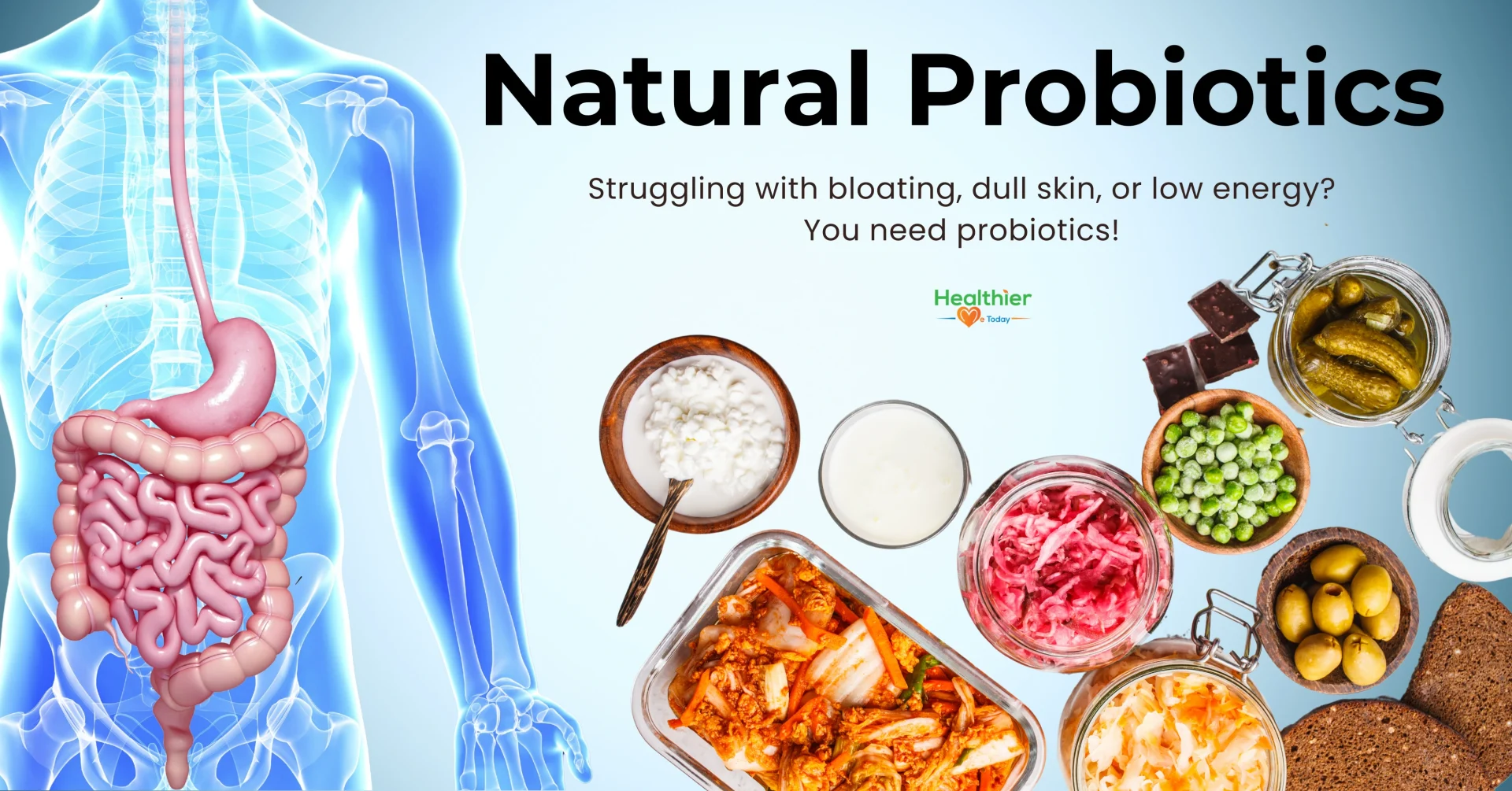
Struggling with bloating, dull skin, or low energy? Natural probiotics could be your answer. These live bacteria, found in probiotic foods like kefir and sauerkraut, balance your gut, clear your complexion, and even lift your mood. Curious about what foods have probiotics?

This guide shares 12 probiotic rich foods that real people swear by, from creamy yogurt to tangy kombucha. Perfect for a probiotic diet, these foods with probiotics are tasty and science-backed, supporting digestion, immunity, and more. Unlike probiotic supplements, these natural picks are budget-friendly and delicious. Ready to transform your health with probiotics for gut health?

Let’s explore the best natural probiotics to add to your plate today.

Why Natural Probiotics Matter

Your gut’s best friends are natural probiotics, live microbes in fermented foods. They ease bloating, improve digestion, and may enhance skin clarity, mood, and immunity. Some studies suggest probiotics for gut health aid weight management by regulating appetite hormones.

foods high in probiotics

A probiotic diet with foods with probiotics delivers diverse strains plus fiber, outshining probiotic supplements. “My bloating vanished, and my energy soared after eating yogurt daily,” says Mia, a 32-year-old teacher. “My IBS symptoms faded with kimchi,” adds Juan, 30. From kefir to miso, these probiotic rich foods fit any meal. Start with small servings, like a tablespoon of sauerkraut, to avoid gas.

Here are the key reasons they’re essential:

Gut Health Boost

Probiotics for gut health balance gut flora, reduce bloating, and ease IBS. Fermented picks like yogurt deliver Lactobacillus and Bifidobacteria, soothing digestion. “My stomach feels lighter,” says Tara, 29. Start with 1-2 tablespoons daily, and pair with oats for fiber. Gradually increase to avoid discomfort, especially if new to foods high in probiotics.

Skin and Mood Benefits

Live-culture foods fight inflammation, potentially clearing acne and boosting serotonin for a better mood. Sauerkraut, packed with beneficial strains, offers anti-inflammatory benefits. “My skin glows, and I’m calmer since eating kimchi,” says Raj, 28. Eat consistently, like adding miso to soups thrice weekly, for noticeable results. Hydrate to enhance skin benefits.

Easy to Incorporate

A probiotic diet is effortless with fermented foods, like kombucha. Unlike pills, they’re delicious and cheap. “I swap soda for kombucha,” says Nate, 34. Add kefir to smoothies, top salads with yogurt dressing, or snack on pickles. Batch-prep sauerkraut for quick sides. These natural probiotics blend into your routine, so no cooking skills are needed.

Fermented Dairy Picks

Dairy-based natural probiotics are creamy, nutrient-dense, and teeming with live cultures like Bifidobacteria. These probiotic foods support gut, bones, and muscles for breakfast, snacks, or desserts. Does cottage cheese have probiotics? When labeled “live cultures,” it’s a protein-packed gem.

Loved by health enthusiasts, these picks are staples in the top 20 probiotic foods. Pair with fruit for sweetness or herbs for savory dishes. Store in the fridge, tightly sealed, for up to two weeks. For dairy-free, try coconut yogurt. “These are my daily must-haves,” says Lisa, 40.

Here are three dairy superstars:

Greek Yogurt

Greek yogurt, a creamy staple, is packed with protein and live cultures, making it a top natural probiotic. Its thick texture suits sweet or savory dishes. “My digestion’s never been better,” says Lisa, 40. Greek yogurt, a Greek staple for centuries, provides calcium, vitamin D, and beneficial bacteria.

  • Benefits: Improves digestion, boosts immunity, may reduce eczema, supports bone health.
  • Serving Tips: Blend into berry smoothies, dollop on granola, or make tzatziki with dill and cucumber. Use plain, unsweetened for babies or sensitive stomachs. Try it as a marinade for chicken.
  • Cautions: Avoid if lactose intolerant; opt for plant-based yogurt. Start with 1/4 cup to test tolerance. Check for “live and active cultures” on labels.
  • Nutrition: High in protein (10g per 100g), calcium, and vitamin B12. Store in fridge for 2-3 weeks.

Kefir

Kefir, a tangy yogurt drink, boasts more strains than yogurt, earning its spot in foods with probiotics. Its liquid probiotics are sip-fried and originate from Caucasian fermented milk traditions. “My IBS calmed, and my skin’s clearer,” says Sam, 35. A versatile top 20 probiotic foods pick.

  • Benefits: It enhances gut flora, may lift mood, supports bones and improves lactose digestion.
  • Serving Tips: Drink plain, mix with mango for smoothies, or pour over cereal. Use in pancake batter for fluffiness. Kids love it with honey (post-1 year).
  • Cautions: High lactose; try coconut kefir for dairy-free. Limit to 1/2 cup initially to avoid bloating. Choose low-sugar brands.
  • Nutrition: Rich in calcium, vitamin D, and protein (6g per cup). Store in fridge for 2 weeks; shake before use.

Cottage Cheese

Does cottage cheese have probiotics? Yes, with live cultures, it’s a creamy addition to your probiotic diet, loved for its versatility. “It’s my go-to snack,” says Tara, 29. It’s popular in American diets and is high in protein, making it ideal for muscle recovery.

  • Benefits: Aids digestion, supports muscle repair, may stabilize blood sugar, promotes satiety.
  • Serving Tips: Mix with peaches, spread on toast with tomatoes, or blend into dips. Choose low-sodium for heart health. Add to scrambled eggs for creaminess.
  • Cautions: Verify “live cultures” on the label; avoid if they are dairy-sensitive. Start with two tablespoons to test tolerance. High sodium in some brands.
  • Nutrition: High in protein (14g per 1/2 cup), calcium, and phosphorus. Store in fridge for 10 days; freeze for 1 month.

Fermented Veggie Delights

Fermented vegetables are tangy, crunchy foods that elevate any meal. These foods high in probiotics and deliver diverse strains, supporting gut, skin, and immunity. From European sauerkraut to Korean kimchi, they’re global probiotic rich foods adored by vegans and omnivores. Pair with grains or proteins for balance. Store in airtight jars in the fridge for months. “These add zing to my plate,” says Priya, 33.

probiotic foods

Here are three veggie standouts:

Sauerkraut

Sauerkraut, fermented cabbage, is a German classic in top 20 probiotic foods. It’s Lactobacillus strains boost digestion, reducing inflammation. “My skin cleared, and bloating’s gone,” says Priya, 33. Unpasteurized ensures live cultures for a probiotic diet.

  • Benefits: Eases digestion, may reduce allergies, fights inflammation, high in vitamin C.
  • Serving Tips: Add to reuben sandwiches, mix into salads, or serve with sausages. Pair with grilled chicken or quinoa. Start with 1 tablespoon to avoid bloating.
  • Cautions: High histamine; skip if sensitive. Rinse to lower sodium. Avoid pasteurized versions lacking probiotics.
  • Nutrition: Rich in vitamin C, fiber, and antioxidants. Store in fridge for 6 months; keep submerged in brine.

Kimchi

Kimchi, a spicy Korean staple, is a star among the answers to what foods have probiotics, blending cabbage and radish with bold flavors. “It’s my gut’s best friend,” says Juan, 30. A top natural probiotic, it’s a cultural gem in Korean banchan.

  • Benefits: Boosts immunity, may improve insulin sensitivity, fights inflammation, high in vitamin A.
  • Serving Tips: Mix into fried rice and top tacos or add to soups. Use mild kimchi for kids or sensitive palates. Serve with tofu for vegan meals.
  • Cautions: Spicy; start with 1 teaspoon if sensitive. Check for fish sauce if vegan. High sodium in some brands.
  • Nutrition: High in vitamin C, fiber, and antioxidants. Store in fridge for 3-6 months; burp jars to release gas.

Pickles

Fermented pickles, not vinegar-based, are crunchy additions packed with live cultures. “I snack on them daily,” says Aisha, 27. A simple probiotic food, they’re in foods high in probiotics lists, rooted in Eastern European pickling traditions.

  • Benefits: Supports gut flora, may reduce anxiety, hydrates, provides vitamin K.
  • Serving Tips: Add to burgers, chop into tuna salad, or pair with hummus. Serve with grilled fish for dinner. Start with 1-2 slices.
  • Cautions: Ensure “fermented” on label; vinegar pickles lack probiotics. Limit if sodium-sensitive. High salt content.
  • Nutrition: High in vitamin K, fiber, and electrolytes. Store in fridge for 6 months; keep in brine.

Other Probiotic Powerhouses

Beyond dairy and veggies, these foods bring unique flavors and textures. From fizzy drinks to savory beans, they’re probiotic rich foods that diversify your meals. Popular in wellness circles, they’re parent-approved and among the top 20 probiotic foods. Store tightly sealed; refrigerate after opening. “These keep meals exciting,” says Nate, 34.

probiotics for gut health

Here are three diverse picks:

Kombucha

Kombucha, a fizzy drink, is a trendy probiotic food with live cultures from fermented tea. “It’s my afternoon boost,” says Nate, 34. Originating in China, it’s a staple in foods high in probiotics, loved for its tangy kick.

  • Benefits: Improves digestion, may lift mood, supports liver health, high in antioxidants.
  • Serving Tips: Sip plain, mix with orange juice, or use in salad dressings. Choose low-sugar brands. Add to mocktails for flair.
  • Cautions: Trace alcohol; avoid if pregnant or alcohol-sensitive. Start with 4 ounces to test tolerance. Check for added sugars.
  • Nutrition: High in antioxidants, B vitamins, and trace minerals. Store in fridge for 1 month; avoid shaking.

Miso

Miso, a Japanese fermented soybean paste, is a savory addition used in soups and sauces. “My gut feels great after miso soup,” says Elena, 31. A top pick or probiotic-rich food, it’s umami-rich and versatile.

  • Benefits: Aids digestion, may lower blood pressure, supports immunity, high in manganese.
  • Serving Tips: Stir into broth, make miso-glazed salmon, or blend into dressings. Use white miso for a milder flavor. Add to marinades.
  • Cautions: High sodium; use sparingly if hypertensive. Start with 1 teaspoon. Ensure unpasteurized for probiotics.
  • Nutrition: High in protein (4g per tablespoon), manganese, and vitamin K. Store in fridge for 1 year; seal tightly.

Tempeh

Tempeh, fermented soybeans from Indonesia, is a protein-packed staple. “It’s my meatless staple,” says Kim, 36. A vegan-friendly natural probiotic, it’s on lists for its nutty flavor.

  • Benefits: Supports muscle growth, improves gut flora, may reduce cholesterol, high in iron.
  • Serving Tips: Grill with veggies, crumble into stir-fries, or marinate in soy sauce. Pair with brown rice. Cube for salads.
  • Cautions: Ensure steaming to kill bacteria. Start with 1/4 cup if new to soy. Avoid if soy-allergic.
  • Nutrition: High in protein (15g per 100g), iron, and fiber. Store in fridge for 2 weeks or freeze for 3 months.

Non-Fermented Probiotic Boosters

Not all beneficial foods are fermented. These picks gain cultures during processing or amplify fermented foods’ benefits. They’re ideal for picky eaters asking what foods have probiotics, fitting any probiotic diet. From breads to beverages, these foods with probiotics are nutrient-dense and easy to find. Pair with fermented picks for synergy. “These are my secret weapons,” says Sarah, 38.

probiotic rich foods

Here are three unique boosters:

Sourdough Bread

Sourdough, fermented with wild yeast, offers mild beneficial bacteria. “My kids love it toasted,” says Sarah, 38. A European baking tradition, it subtly adds to the top 20 probiotic foods, boosting nutrient absorption.

  • Benefits: Improves digestion, may stabilize blood sugar, is high in folate, and enhances mineral uptake.
  • Serving Tips: Toast with avocado, pair with yogurt, or make sandwiches with kimchi. Choose whole-grain foods for fiber. Use for grilled cheese.
  • Cautions: Limited probiotics; pair with sauerkraut for max benefit. Avoid if gluten-sensitive. Start with 1 slice.
  • Nutrition: High in folate, fiber, and iron. Store at room temperature for 5 days or freeze for 2 months.

Apple Cider Vinegar

Apple cider vinegar with “the mother” has trace liquid probiotics, answering questions about good food sources. “It’s my salad game-changer,” says Mike, 42. A folk remedy, it’s a niche choice for a probiotic diet.

  • Benefits: May improve insulin sensitivity, supports digestion, fights bacteria, high in acetic acid.
  • Serving Tips: Dilute 1 tablespoon in water, use in dressings, or pickle veggies. Pair with pickles for synergy. Add to marinades.
  • Cautions: Acidic; rinse mouth to protect enamel. Avoid if acid reflux-prone. Start with 1 teaspoon diluted.
  • Nutrition: High in acetic acid, trace minerals. Store in the pantry for years; shake to mix the mother.

Probiotic-Enhanced Almond Milk

Probiotic-fortified almond milk is a dairy-free natural probiotic. “It’s my smoothie base,” says Chloe, 29. A modern choice, it’s great for probiotics for gut health, especially for lactose-intolerant folks.

  • Benefits: Supports digestion, lactose-free, may improve skin health, high in vitamin E.
  • Serving Tips: Use in smoothies, pour over cereal, or blend into soups. Check for “live cultures.” Pair with tempeh tacos.
  • Cautions: Low protein; pair with beans for balance. Start with 1/2 cup. Avoid sweetened versions.
  • Nutrition: High in vitamin E, calcium (fortified). Store in fridge for 7-10 days; shake well.

Conclusion: Can It Really Change Everything?

Absolutely. Adding natural probiotics to your daily routine can transform more than just your digestion. It can uplift your mood, improve your skin, and support long-term wellness. Unlike probiotic supplements, these real, probiotic foods are flavorful, accessible, and easy to build into your lifestyle. From fermented favorites like kimchi and kefir to miso and tempeh, a well-balanced probiotic diet nurtures your body from the inside out. And it doesn’t have to be complicated.

Start simple: incorporate more probiotic rich foods into your meals, even a spoonful of sauerkraut or a slice of sourdough counts. Pair them with prebiotics, pay attention to how you feel, and let your gut guide you. With consistent choices, you’ll begin to notice the benefits of foods with probiotics in your energy, digestion, and overall glow.

Ready to take the next step? Explore probiotics for gut health and start building a stronger, healthier you… one bite at a time.

FAQ’s:

What are the best natural probiotic foods?

The best natural probiotics include yogurt, kefir, and kimchi, rich in live cultures. These probiotic foods, part of the top 20 probiotic foods, support digestion and immunity. Start with 1-2 tablespoons daily.

Which foods are highest in probiotics?

Foods high in probiotics like sauerkraut, miso, and tempeh deliver diverse strains. These probiotic rich foods top what foods have probiotics for gut health. Choose unpasteurized for maximum benefit.

Do all fermented foods have probiotics?

Not all fermented foods are probiotic foods. Only those with live cultures, like unpasteurized pickles, qualify as natural probiotics. Vinegar-based or pasteurized foods lack probiotics. Check labels carefully.

Can a probiotic diet improve gut health?

Yes, a probiotic diet with foods with probiotics, like yogurt, boosts probiotics for gut health. It reduces bloating and balances flora. Pair with fiber-rich foods for best results.

Is cottage cheese a good source of probiotics?

Does cottage cheese have probiotics? Yes, if labeled “live cultures,” it’s a solid natural probiotic. It aids digestion and protein intake. Start with small servings to test tolerance.

How can I add more probiotics to my daily meals?

Add probiotic rich foods like kefir to smoothies, kimchi to rice, or yogurt to dressings. These foods high in probiotics, fit easily into a probiotic diet. Try one new food weekly.

How to Cure a Hangover Fast – Without Making It Worse

Waking up with a throbbing head and queasy stomach after a night of drinking can feel overwhelming. If you’re desperate to learn how to cure a hangover, you’re in the right place. The right hangover cure can ease your discomfort without making things worse, using simple steps like hydration, smart eating, and rest.

This guide offers practical ways to bounce back fast, from sipping water to choosing the best foods. You’ll discover science-backed strategies to feel human again, all from the comfort of home.

Let’s explore how to tackle that post-party slump and get you back to your best, ready to take on the day with a clearer mind.

Understanding Hangovers

A hangover is your body’s reaction to excessive alcohol, causing hangover symptoms like headache, nausea, and fatigue. Wondering how long does a hangover last? Typically, 12 to 24 hours, but knowing how to cure hangover fast can shorten the misery with targeted strategies.

Alcohol stresses your liver, triggers inflammation, and impairs brain function, amplifying discomfort. Poor sleep quality, often disrupted by late-night drinking, further worsens fatigue, making a structured recovery plan essential for relief.

angover symptoms

Here are the causes and various hangover types:

Causes of Hangovers

Alcohol acts as a diuretic, flushing out fluids and electrolytes, which leads to dehydration. It irritates your stomach lining, causing nausea, and lowers blood sugar, sapping energy. Darker drinks, like whiskey or red wine, contain congeners, compounds that intensify hangover symptoms. Sugary mixers or dehydration from dancing can also heighten the effects, making a hangover cure critical to restore balance and ease discomfort.

Why Hangovers Vary

Hangover intensity depends on factors like alcohol quantity, hydration, age, genetics, and even stress levels. As you age, your liver processes alcohol slower, and your body holds less water, worsening symptoms. Women may experience stronger effects due to lower body water content. Poor pre-drinking nutrition or lack of sleep can amplify misery, emphasizing the need for how to cure hangover fast with tailored recovery steps.

Hydration: The First Step to Recovery

Hydration is a cornerstone of how to cure a hangover, as alcohol depletes fluids and electrolytes, causing headaches and lethargy. Replenishing these is a top hangover cure, easing discomfort quickly. What helps with hangovers includes water, electrolyte drinks, and hydrating foods, timed strategically to maximize recovery. Start hydrating as soon as you wake, and continue throughout the day to support your body’s healing process.

Below are hydration methods to relieve discomfort:

Water and Electrolyte Drinks

Start with 16 to 24 ounces of water upon waking, sipping slowly to avoid stomach upset. Electrolyte drinks, like sports drinks or coconut water, restore sodium, potassium, and magnesium, key for a hangover cure. Aim for 8 to 12 ounces every hour, alternating with water, to maintain balance. Pedialyte or homemade solutions, using water, a pinch of salt, and a splash of juice, also work for how to cure a hangover at home, ensuring steady rehydration without sugar overload.

Hydrating Foods

Watermelon, cucumber, oranges, celery, and strawberries hydrate while providing vitamins C and A. These foods, with 85 to 95% water content, support recovery by delivering fluids and antioxidants gently. Eat 1 to 2 cups as a snack or side, avoiding heavy dressings that could irritate digestion. These light options make hydration tasty and effective, perfect for home recovery.

Nutrition to Rebuild Your Body

Alcohol strips nutrients, so eating nutrient-dense foods is crucial for a hangover cure. A balanced meal stabilizes blood sugar, restores vitamins, and boosts energy, forming a key hangover self-care strategy. Choose foods that work together, like proteins with carbs, to maximize recovery without overwhelming your system. Small, frequent meals prevent digestive strain, helping you feel stronger faster.

hangover remedies

Here are foods to restore nutrients:

Nutrient-Rich Proteins

Eggs, rich in cysteine, neutralize acetaldehyde, a toxin behind hangover woes. Scramble two eggs or pair with grilled chicken or salmon, which offers omega-3s to reduce inflammation. A 3 to 4 ounce portion of lean protein supports muscle repair and energy, making it a solid hangover cure for home use. Avoid fatty cuts, which slow digestion, and season lightly to keep it stomach-friendly.

Complex Carbohydrates

Oatmeal, whole-grain toast, or quinoa provides slow-release energy, countering alcohol’s blood sugar drop. A small bowl of oatmeal with berries or a slice of toast with avocado stabilizes your system, supporting hangover self-care. These carbs, rich in fiber, also aid digestion, unlike sugary cereals that spike and crash glucose levels. Aim for ½ to 1 cup cooked grains to fuel recovery effectively.

Fruits for Recovery

Bananas restore potassium, easing muscle cramps, while avocados deliver healthy fats, B vitamins, and magnesium. Snack on one banana or half an avocado, or blend into a smoothie with spinach for added nutrients. These foods enhance your hangover cure, providing natural energy and supporting liver function, ideal for recovery at home.

Rest and Recovery Techniques

Rest is vital when learning how to get rid of a hangover, as alcohol disrupts deep sleep, leaving you exhausted. Combining sleep with gentle recovery methods, like stretching or mindfulness, boosts hangover self-care. Creating an optimal rest environment and pacing activity ensures faster relief without taxing your body, making recovery smooth and effective.

Below are effective rest and recovery techniques:

Prioritizing Sleep

Nap for 1 to 2 hours or aim for 7 to 8 hours of sleep to combat fatigue. Use a dark, quiet room with a comfortable temperature, 60 to 67°F, to enhance sleep quality. A quick nap mid-morning or early afternoon supports knowing how to get rid of a hangover, while avoiding long daytime sleeps that disrupt nighttime rest. Earplugs or a sleep mask can further improve your rest environment.

Gentle Movement and Mindfulness

A 10 to 15 minute walk or light yoga boosts blood flow, easing headaches and mental fog. Try 5 minutes of deep breathing, inhaling for 4 seconds and exhaling for 6, to reduce stress, complementing relief strategies. Avoid strenuous exercise, which worsens dehydration, and focus on low-effort activities that refresh your body and mind at home.

Quick Fixes to Feel Better Fast

When you’re desperate for relief, quick hangover remedies target symptoms like headaches and nausea. These strategies deliver a hangover cure for how to get rid of a hangover fast at home, avoiding fads that promise miracles but deliver little. From pain relievers to natural aids, these tips help you feel better fast, keeping recovery on track.

 hangover cure

Here are fast relief methods to try:

Over-the-Counter Pain Relievers

Ibuprofen or 200 to 400 mg of aspirin can dull headache pain, but take it with food to protect your stomach. Avoid acetaminophen, which stresses your liver after drinking. Use sparingly for how to cure hangover fast, ensuring you stay hydrated to support relief without side effects.

Ginger for Nausea

Ginger tea, candies, or raw slices, 1 to 2 grams, can calm nausea by soothing stomach muscles. Sip a cup of tea for over 15 minutes or chew a ginger candy for a natural boost, ideal for what helps with hangovers. Ginger’s anti-inflammatory properties also ease bloating, making it a versatile home remedy.

Quick Recovery Tips

Here are quick recovery tips:

  • Sip broth. Vegetable or chicken broth, 1 cup, hydrates and restores sodium, aiding relief.
  • Use a cold compress. A cool cloth on your forehead for 10 minutes reduces headache pain.
  • Eat honey. A teaspoon on toast or in tea lifts blood sugar, supporting recovery.
  • Shower lightly. A lukewarm shower, 5 to 10 minutes, refreshes without dehydrating.
  • Try vitamin C. A 500 mg supplement or orange juice boosts antioxidants, aiding detox.
  • Use acupressure. Press the P6 point, inner wrist, 2 inches below the palm, for 1 minute to ease nausea.
  • Limit screen time. Avoid bright screens for 30 minutes to reduce headache triggers.

Things to Avoid During a Hangover

Certain habits worsen hangover symptoms, delaying your recovery. Steering clear of these pitfalls is as important as hangover remedies for effective relief, ensuring you don’t sabotage your efforts.

Below are habits to avoid during recovery:

More Alcohol

Drinking more alcohol, even a small amount, dehydrates you further, prolonging misery. This outdated “hair of the dog” myth delays healing, so focus on hangover remedies like water and nutrition for a true hangover cure, avoiding temporary relief that backfires.

Heavy or Greasy Foods

Greasy burgers, fries, or pizza overload your sensitive stomach, worsening nausea and bloating. Sugary snacks like donuts can spike blood sugar, leading to crashes. Choose light foods like eggs or bananas to support recovery without digestive upset.

Hangover Patches and Fads

Hangover patches and unproven supplements, like charcoal pills, lack evidence and may not address dehydration or nutrient loss. Some can irritate your stomach or interact with medications. Stick to reliable hangover remedies like hydration and rest for safe, effective recovery.

Preventing Future Hangovers

The best hangover cure is preventing one altogether. Smart habits before and during drinking minimize the need for how to get rid of a hangover, keeping discomfort at bay with proactive choices.

 hangover cure

Here are prevention strategies to use:

Moderate Drinking and Hydration

Limit alcohol to 1 to 2 drinks per hour, sipping 8 ounces of water between each. Start hydrating hours before drinking, aiming for 20 to 30 ounces of water to pre-empt dehydration. This reduces hangover severity, making hangover remedies less necessary.

Eating Before Drinking

A balanced meal with protein, like chicken, fats, like avocado, and carbs, like rice, slows alcohol absorption. Snack on nuts or cheese while drinking to maintain blood sugar. This strategy supports how to get rid of a hangover by preventing intense symptoms.

Choosing Drinks Wisely

Opt for lighter drinks like vodka, gin, or white wine, which have fewer congeners than whiskey or tequila. Avoid mixing multiple alcohol types, which complicates liver processing. Clear choices lessen the need for how to cure a hangover, keeping mornings smoother.

When to Seek Medical Help

Most hangovers resolve within 24 hours, but severe or persistent issues may require attention. Recognizing red flags ensures how to get rid of a hangover doesn’t overlook serious conditions, protecting your health.

Below are medical concerns to address:

Warning Signs

Persistent vomiting, confusion, irregular heartbeat, or severe dehydration, like dry mouth or sunken eyes, may indicate alcohol poisoning. These go beyond typical issues and require immediate medical care, not just hangover remedies, to ensure safety.

Chronic Hangover Issues

Frequent hangovers, worsening symptoms, or signs of alcohol withdrawal, like tremors or anxiety, may point to dependency or liver damage. Consult a doctor to address underlying issues, moving beyond temporary “how to cure a hangover” solutions for long-term health.

Conclusion: Can You Effectively Cure a Hangover Fast?

A hangover can derail your day, but you can definitely get rid of it! Hydrate with water and electrolytes, eat eggs or bananas, and rest to ease discomfort. Quick fixes like ginger or ibuprofen help, while avoiding alcohol and greasy foods keeps recovery on track. How to get rid of a hangover fast at home relies on hangover remedies like sipping broth or light stretching. Prevent future hangovers by drinking moderately and eating beforehand.

With these steps, you’ll recover swiftly, feeling refreshed and ready to go.

FAQ’s:

Does coffee help with a hangover?

Coffee may boost alertness but worsens dehydration, slowing how to cure a hangover. Water or electrolyte drinks are better hangover remedies for recovery.

Why do hangovers get worse with age?

Aging slows your liver’s alcohol processing, and dehydration hits harder, worsening how to get rid of a hangover. Hangover self-care, like hydration, is crucial.

How to quickly get rid of a hangover?

How to get rid of a hangover fast at home means drinking water, eating eggs or bananas, and resting. Ibuprofen or ginger tea are fast hangover remedies.

Can you flush out a hangover?

Water and electrolyte drinks help flush toxins, easing discomfort. Pair with food and rest for how to cure hangover fast, not just hydration alone.

How do you settle your stomach after drinking and throwing up?

Sip ginger tea or broth to calm your stomach, a key tip on how to stop throwing up after drinking. Bland foods like toast aid hangover cure efforts.

Can lemon juice stop a hangover?

Lemon juice in water hydrates and adds vitamin C, slightly supporting recovery. It’s not a full hangover remedy, but it helps when looking for how to cure a hangover.

Is salt good for hangovers?

Small amounts of salt in broth or sports drinks restore sodium, aiding hangover remedies. Avoid excess salt, which dehydrates, slowing recovery.

Can a hot shower help a hangover?

A lukewarm shower refreshes, but hot showers may dehydrate further, delaying how to cure a hangover. Use with hydration for hangover self-care.

These Foods Are Exactly What Your Kidneys Need to Recover

Your kidneys work tirelessly, filtering waste and balancing fluids, but stress, illness, or poor diet can strain them. If you’re wondering what foods help repair kidneys, you’re not alone. Nutritionists and kidney experts point to foods for kidney health, like blueberries, cauliflower, and olive oil, to support recovery and function.

These foods are low in sodium, phosphorus, and potassium, fitting a diet for kidney health. This guide explores the best kidney foods, how they help, and practical ways to build a kidney healthy diet. Whether you’re managing kidney disease or aiming to prevent issues, you’ll find renal diet foods and tips to nourish your kidneys.

So, let’s learn about foods that are good for your kidneys and start your recovery journey!

Why Diet Matters for Kidney Health

Your kidneys filter 200 liters of blood daily, removing toxins and balancing electrolytes. Poor diet, high in sodium, processed foods, or phosphorus, can overwork them, worsening kidney disease. A diet for kidney health, rich in foods good for kidneys, reduces strain, supports repair, and lowers complications like high blood pressure. About 1 in 7 adults has kidney issues, making renal diet foods critical. These foods, low in harmful nutrients, promote healing and energy, giving you control over your health.

foods for kidney health

Here is a more detailed look at why diet matters for your kidneys:

How Food Impacts Kidney Function

Foods high in antioxidants, like blueberries, fight inflammation, protecting kidney cells. Low-sodium choices, like cabbage, prevent fluid retention, easing kidney workload. Foods for kidney health include avoiding excess phosphorus or potassium, which can build up in impaired kidneys, ensuring smoother function.

The Role of a Renal Diet

Renal diet foods limit sodium, phosphorus, and potassium while prioritizing nutrient-dense, low-protein foods. This kidney healthy diet supports repair by reducing waste buildup, stabilizing blood pressure, and improving filtration, helping you feel stronger daily.

Risks of Poor Dietary Choices

High-sodium processed foods, sugary drinks, or phosphorus-rich dairy can spike blood pressure or strain the kidneys. Avoiding these and choosing foods that heal kidneys, like egg whites, prevents further damage and supports long-term wellness.

Top Foods for Kidney Repair

When wondering what foods help repair kidneys, certain foods stand out as the best, packed with nutrients to support recovery. Blueberries, cauliflower, and olive oil top the list, offering antioxidants, low potassium, and healthy fats.

Here are the best foods for kidney disease and repair:

Blueberries

Blueberries, rich in antioxidants, reduce kidney inflammation and oxidative stress. Low in potassium and phosphorus, they’re ideal foods good for kidneys. Add them to oatmeal or smoothies for a renal diet menu boost, keeping servings to ½ cup to control sugar.

Cauliflower

Cauliflower, low in potassium and phosphorus, provides fiber and vitamin C without taxing the kidneys. Mash it as a potato substitute or roast it for a kidney-friendly side dish. Its versatility makes it a staple in kidney diet recipes.

Olive Oil

Olive oil, high in monounsaturated fats, fights inflammation and supports heart health, which the kidneys rely on. Use it for sautéing or dressings in a diet for kidney health plan. It’s sodium- and phosphorus-free, making it a top food good for kidneys.

Egg Whites

Egg whites offer high-quality protein with minimal phosphorus, unlike yolks. They’re perfect for renal diet foods, supporting muscle health without kidney strain. Scramble or use them in kidney diet recipes like omelets, keeping portions moderate.

Fruits and Vegetables for Kidney Health

Fruits and vegetables are vital foods for kidney health, low in sodium, and rich in nutrients. Apples, red grapes, and cabbage shine in a renal diet menu, offering fruits good for kidney function and easy integration into meals.

 foods good for kidneys

Here are the best fruits and vegetables for kidney health:

Apples

Apples, low in potassium, provide fiber and antioxidants to reduce kidney inflammation. Eat them raw or bake them for a renal-friendly dessert. One medium apple daily fits a renal diet food list without overloading nutrients.

Red Grapes

Red grapes, rich in resveratrol, protect kidney cells and lower inflammation. Their low potassium content makes them fruits good for kidney health. Snack on ½ cup or add to salads for a kidney healthy diet boost.

Cabbage

Cabbage, low in potassium and phosphorus, offers vitamin K and fiber, supporting digestion and kidney function. Use it in soups or stir-fries for foods that heal kidneys, keeping your renal diet foods plan varied and flavorful.

Proteins and Grains for Kidney Support

Protein and grains, when chosen wisely, are foods good for kidneys, providing energy without excess phosphorus or sodium. Skinless chicken, sea bass, and bulgur are kidney friendly foods for a balanced diet for kidney health.

Here are the best grains and proteins for kidney health:

Skinless Chicken

Skinless chicken, low in phosphorus and sodium, provides lean protein for muscle maintenance. Bake or grill it for a renal diet menu entrée. Limit to 3-4 ounces daily to avoid protein overload in a kidney healthy diet.

Sea Bass

Sea bass, a low-phosphorus fish, offers omega-3s to reduce kidney inflammation. Bake it with herbs for a food good for kidneys. Its mild flavor fits kidney diet recipes, keeping portions to 3 ounces for balance.

Bulgur

Bulgur, a whole grain low in phosphorus, provides fiber and energy without taxing the kidneys. Use it in salads or as a side in a renal diet plan. It’s a versatile food good for kidneys for hearty, kidney-safe meals.

Foods and Drinks to Limit or Avoid

What foods help repair kidneys, and which don’t? Some foods and drinks harm the kidneys, especially in kidney disease. High-sodium, high-phosphorus, or high-potassium items like processed meats, dairy, and bananas strain filtration.

foods to avoid with kidney disease

Here’s a breakdown:

Processed Meats

Processed meats, like bacon or sausage, are high in sodium and phosphorus, increasing blood pressure and kidney strain. Swap them for kidney friendly foods like skinless chicken to support a kidney healthy diet.

Dairy Products

Dairy, high in phosphorus, can overload impaired kidneys. Limit milk, cheese, or yogurt, opting for renal diet foods like almond milk. This keeps your diet for kidney health low in harmful nutrients.

High-Potassium Fruits

Bananas and oranges, high in potassium, can disrupt electrolyte balance in kidney disease. Choose fruits good for kidney health, like apples, to avoid complications in a kidney friendly diet.

How to Build a Kidney Friendly Diet

Creating a kidney friendly diet involves choosing the right foods and planning meals to minimize sodium, phosphorus, and potassium. A renal diet menu with foods for kidney health supports recovery and simplifies daily choices.

Here’s how to start:

Understanding Nutrient Limits

Limit sodium to 2,300 mg daily, phosphorus to 800-1,000 mg, and potassium to 2,000-3,000 mg, depending on kidney function. Read labels and choose foods good for kidneys, like cauliflower, to stay within a low phosphorus diet or low potassium foods plan.

Meal Planning Tips

Plan meals with kidney-friendly foods like egg whites, apples, and bulgur. Batch-cook soups or stir-fries for convenience, ensuring foods that heal kidneys dominate your plate. Involve the family to make the kidney healthy diet sustainable.

Quick Tips for Kidney-Safe Eating

Use these strategies for a diet focused on kidney health:

  • Choose low-sodium spices: Use herbs like parsley instead of salt for flavor in kidney diet recipes.
  • Portion proteins: Stick to 3-4 ounces of chicken or fish to avoid excess protein in a renal diet menu.
  • Read labels: Pick canned goods labeled “no salt added” to support foods for kidney health.
  • Limit processed foods: Avoid chips or deli meats, favoring best kidney foods like red grapes.
  • Stay hydrated: Drink water or unsweetened tea, checking if is cranberry juice good for your kidneys with your doctor.

Working with a Dietitian

Apart from knowing what foods help repair kidneys, you can consult a dietitian. A dietitian tailors a renal diet food list to your kidney stage, adjusting for low potassium foods or low phosphorus diet needs. They can design kidney diet recipes or suggest renal diet menu ideas, ensuring you enjoy foods that are good for your kidneys.

Supplements and Herbs for Kidney Support

While foods good for kidneys are key, supplements and kidney cleanse herbs may support recovery under medical guidance. Vitamins for kidney health, like B vitamins, and herbs like parsley, can complement a renal diet.

kidney healthy diet

Below are great supplement and herb choices:

Vitamins for Kidney Health

B vitamins support energy and kidney cell repair, while vitamin C in best kidney foods like cabbage fights oxidative stress. Avoid high-dose supplements, as they may stress kidneys. Consult your doctor for a kidney friendly diet plan.

Kidney Cleanse Herbs

Parsley and dandelion, known kidney cleanse herbs, may promote urination and reduce kidney strain. Use them in teas or as garnishes in kidney diet recipes, but check with a doctor to ensure they fit your renal diet menu.

Risks of Over-Supplementation

Excess vitamins or herbs can harm the kidneys, especially in kidney disease. Stick to foods that heal kidneys, like blueberries, and use supplements only under supervision to maintain a kidney healthy diet.

Lifestyle Tips to Support Kidney Recovery

Beyond foods good for kidneys, lifestyle changes enhance recovery. Managing blood pressure, staying hydrated, and exercising support a diet for kidney health, amplifying the benefits of renal diet foods.

Here’s what else you can do to support a renal diet and kidney health:

Blood Pressure Control

High blood pressure damages kidneys, so keep sodium low with kidney friendly foods like apples. Monitor blood pressure daily and aim for 120/80 mmHg to support foods for kidney health.

Hydration

Drink 8-10 cups of water daily, unless restricted, to help kidneys flush toxins. Avoid sugary sodas, and ask about is cranberry juice good for your kidneys for a renal diet menu hydration option.

Exercise and Stress Management

Walk 30 minutes daily to improve circulation, aiding kidney function. Practice deep breathing to reduce stress, which supports your kidney healthy diet and foods that heal kidneys.

Conclusion: What’s Really Important

Your kidneys thrive on the right foods, and what foods help repair kidneys, like blueberries, cauliflower, olive oil, and egg whites, offer a path to recovery. These tips are crucial to kidney diet plans, reducing strain, fighting inflammation, and supporting function. Build a kidney friendly diet with low potassium foods, low phosphorus diet choices, and kidney cleanse herbs under guidance. Pair with hydration, exercise, and blood pressure control to maximize foods for kidney health.

Start with a renal diet menu today, and enjoy the energy and confidence of healthier kidneys.

FAQ’s:

What foods help repair kidneys naturally?

Some of the best kidney foods that may help repair kidneys naturally include blueberries, cauliflower, olive oil, and egg whites. These foods are low in sodium and phosphorus, making them ideal for a renal diet that supports kidney health and reduces inflammation.

Are bananas good or bad for kidney disease?

Bananas are high in potassium and are considered foods to avoid with kidney disease. Instead, opt for fruits good for kidney health, such as apples or red grapes, as part of a kidney friendly diet.

Can certain foods improve kidney function?

Yes, foods for kidney health like cabbage, sea bass, and bulgur can help reduce strain and inflammation, supporting improved kidney function. Including these in a personalized renal diet menu can make a noticeable difference.

Which fruits are best for kidney health?

Fruits good for kidney health include blueberries, apples, and red grapes. These fruits are low in potassium and high in antioxidants, making them ideal for a kidney healthy diet.

What foods should I avoid with kidney disease?

Foods to avoid with kidney disease include processed meats, dairy, and high-potassium fruits like bananas. Rather, opt for kidney friendly foods like cauliflower for an effective renal diet menu.

Is cranberry juice good for your kidneys?

Cranberry juice may help prevent urinary tract infections, which can benefit overall kidney health. However, it’s often high in added sugar, which isn’t ideal for a kidney healthy diet. If you choose to drink it, opt for unsweetened cranberry juice and consult your doctor to ensure it’s safe for your condition.

What is a kidney-friendly meal plan?

A renal diet menu focuses on the best kidney foods like egg whites, cabbage, and olive oil. These foods are low in sodium, phosphorus, and potassium, helping to reduce strain on the kidneys and support a kidney friendly diet for recovery.

Are there any herbs that cleanse the kidneys?

Kidney cleanse herbs such as parsley and dandelion may help increase urination, which can support kidney function. However, they should be used with medical guidance and alongside foods good for kidneys as part of a balanced renal diet.

What vitamins are best for kidney health?

Vitamins for kidney health, such as B vitamins and vitamin C, support kidney repair and function. These nutrients are found in foods for kidney health like cauliflower. Avoid high-dose supplements unless advised, and aim to get your nutrients through a balanced kidney friendly diet.

How can I create a low potassium or low phosphorus diet?

To follow a low potassium or low phosphorus diet, focus on foods like apples, egg whites, and bulgur. For the best results, work with a dietitian to build a personalized renal diet menu that fits your nutritional needs. Yes, it’s that easy!

The One Cooking Oil Nutritionists Always Recommend

You’re in the supermarket aisle, staring at bottles of canola, avocado, and coconut oil, wondering which cooking oil is good for health. Nutritionists agree that the right oil boosts heart health, supports weight loss, and elevates meals. The healthiest cooking oil, olive oil, stands out for its heart-healthy fats and versatility, but oils like avocado or grapeseed also have their place.

This guide explains why olive oil is the best, when to use alternatives, and how to cook smarter. Whether frying, baking, or drizzling, you’ll find the neutral oil for cooking or a nutritious cooking oil that fits your goals.

Let’s look into healthy oils for cooking and simplify your kitchen choices.

Why Cooking Oils Matter for Your Health

Cooking oils shape your heart health, weight, and wellness. Oils high in monounsaturated fats, like olive oil, lower bad cholesterol and reduce heart disease risk, while high-saturated-fat oils, like coconut oil, may raise it if overused. About 30% of daily calories come from fats, making the healthiest cooking oil a critical choice. Oils vary in smoke points, impacting their safety for high-heat cooking.

most healthy cooking oil

Choosing the right oil supports long-term health and enhances every dish:

The Role of Fats in Your Diet

Fats provide energy, aid nutrient absorption, and support cell growth. Monounsaturated fats in olive oil improve cholesterol levels. Polyunsaturated fats in grapeseed oil offer omega-3s. Saturated fats in coconut oil should be limited to 10% of daily calories to maintain heart health.

How Oils Impact Heart Health

Oils like olive oil, rich in monounsaturated fats, cut heart disease risk by 15-20% when replacing saturated fats. They lower LDL cholesterol without affecting HDL cholesterol. Avocado oil also supports blood pressure, making it a good cooking oil for heart wellness.

Smoke Points and Cooking Safety

The smoke point is when oil burns, producing harmful compounds. Extra virgin olive oil (190°C) suits sautéing, while avocado oil (260°C) is a high temp cooking oil for frying. Matching oil to cooking method prevents toxic byproducts and ensures safety.

Inflammation and Long-Term Health

Oils high in omega-6 fats, like some seed oils, may promote inflammation if overused. Olive oil’s antioxidants reduce inflammation, supporting joint and immune health. Choosing a healthy cooking oil like olive oil fosters long-term wellness.

Olive Oil: The Nutritionist’s Top Pick

Nutritionists name olive oil the healthiest cooking oil for its monounsaturated fats, antioxidants, and versatility. Extra virgin olive oil, minimally processed, retains polyphenols that fight inflammation and heart disease, lowering stroke risk by 12% daily. Its medium smoke point suits sautéing, roasting, and dressings, and its flavor enhances dishes.

Here is why it’s the healthiest cooking oil:

Why Extra Virgin Olive Oil Excels

Extra virgin olive oil, cold-pressed from olives, has 70% monounsaturated fats and antioxidants like vitamin E. It reduces arterial plaque and supports weight control in moderation. Its rich taste makes it a healthy oil for cooking vegetables or marinades, adding flavor and nutrition.

When to Use Olive Oil

Use extra virgin olive oil for low to medium-heat cooking, like sautéing spinach or roasting carrots, and for salad dressings. For high-heat needs, refined olive oil or avocado oil works better. Store in a cool, dark place to preserve its benefits.

Comparing Olive Oil to Alternatives

Avocado oil matches olive oil’s monounsaturated fats but has a higher frying smoke point (260°C). Canola oil is cheaper but less nutrient-dense. Olive oil’s flavor and health benefits make it a healthy cooking oil for most recipes.

Other Healthy Cooking Oils to Consider

While olive oil is the healthiest cooking oil, other oils offer unique benefits. Avocado oil excels for high-heat cooking, grapeseed oil provides a neutral flavor, and walnut oil enhances cold dishes.

neutral oil for cooking

These cooking oil varieties suit specific cooking styles and health goals:

Avocado Oil

Avocado oil, with 70% monounsaturated fats and a 260°C smoke point, is a high temp cooking oil for searing or frying. Its mild taste suits stir-fries, and its vitamin E supports skin health. It’s pricier but heart-healthy. Use avocado oil for grilling steaks or frying tempura. Its neutral profile makes it a good cooking oil for recipes where flavor shouldn’t dominate, like roasted vegetables or fries.

Grapeseed Oil

Grapeseed oil, high in polyunsaturated fats, has a 215°C smoke point and is a neutral oil for cooking, baking, or frying. It’s lower in antioxidants than olive oil but ideal for recipes needing subtle flavor, like cakes or tempura.

Walnut Oil

Walnut oil, rich in omega-3s, is best unheated in dressings due to its low smoke point (160°C). Its nutty flavor enhances salads, but it’s not suited for heat. Use sparingly for heart health and taste.

Oils to Use Sparingly

Some oils aren’t ideal daily choices. High in saturated fats, coconut oil may raise LDL cholesterol if overused. Seed oils like sunflower can be pro-inflammatory when heated repeatedly.

Using the cooking oil with the least saturated fat keeps your diet heart-healthy:

Coconut Oil

With 90% saturated fat, coconut oil is stable at 175°C but should be limited. Nutritionists suggest 1-2 tablespoons daily to avoid heart risks. Use it for occasional baking, not as the healthiest cooking oil.

Seed Oils

Seed oils (sunflower, corn) have omega-6 fats that may promote inflammation in excess. Unrefined versions are safer for occasional frying, but olive oil is the cooking oil with least saturated fat for daily use.

How to Choose the Right Oil

Selecting the healthiest cooking oil depends on cooking method, flavor, and health goals. High-heat tasks need oils like avocado, while dressings call for walnut oil. Budget and storage matter too.

healthy cooking oil

Here’s how to pick which oil is good for cooking and health:

Cooking Methods

Frying and Searing

Avocado or refined canola oil (smoke points above 200°C) ensures safety for frying or searing, yielding crisp results like fried chicken. These are top high temp cooking oil choices.

Sautéing and Roasting

Olive oil (190°C) is perfect for sautéing vegetables or roasting potatoes. Its flavor makes it the answer to what oil is best for cooking everyday meals with a health boost.

Dressings and Cold Uses

Extra virgin olive or walnut oil excels in salads or dips. Their nutrients make them the most healthy cooking oil for unheated uses.

Flavor and Function

Olive oil enhances Mediterranean dishes, while canola, a neutral oil for cooking, suits stir-fries and baking. Olive and avocado oils offer heart benefits, while sesame oil adds flavor but less nutrition. Choose based on taste and health needs.

Budget and Storage

Olive oil is cost-effective in bulk, unlike pricier avocado oil. Store oils in dark, cool places to prevent rancidity. Buy miniature bottles of walnut oil to use within 6 months, ensuring freshness.

Practical Tips for Healthy Oils

Using the healthiest cooking oil effectively maximizes health and flavor. Moderation, storage, and technique make oils like olive oil work for you.

These tips help you get the most from your kitchen oils:

Moderation

Oils are calorie-dense (120 calories per tablespoon). Aim for 2-4 tablespoons daily, balancing with nuts or avocados. Use measuring spoons for precision, especially for weight loss goals.

Storage

Store oils in airtight, dark bottles away from heat. Olive oil lasts 12-18 months unopened, 6 months after opening. Check for rancid smells to maintain cooking oil quality.

Quick Tips for Oil Use

Here are key ways to use oils effectively:

  • Measure precisely: Use a tablespoon to control portions, keeping calories in check for weight loss.
  • Match smoke points: Pick avocado oil for frying (260°C), olive oil for sautéing (190°C) to avoid burning.
  • Store smart: Keep oils in dark bottles in a cool cupboard to preserve nutrients.
  • Reuse cautiously: Strain used frying oil once, but discard if rancid to ensure safety.
  • Brush lightly: Apply oil with a brush when roasting to reduce usage while adding flavor.

Cooking Techniques

Brush olive oil lightly when roasting, or mist for even coverage. For frying, monitor oil temperature with a thermometer to stay below the smoke point, ensuring safety and taste.

Oils for Specific Health Goals

The healthiest cooking oil supports specific needs, like weight loss or cholesterol management. Oils like olive and canola align with heart health, addressing concerns like what cooking oil is healthiest.

healthiest cooking oil

Below are which oils to use for different purposes:

Weight Loss

Olive oil, used moderately, promotes satiety with monounsaturated fats, stabilizing blood sugar. About 1-2 tablespoons daily in salads fits a weight-loss plan, making it the best for dieting.

Heart Health

Olive and avocado oils are high in monounsaturated fats, lower LDL cholesterol, and support heart function. Replacing butter with olive oil cuts heart disease risk by 15%, making it a top choice.

High Cholesterol

With 7% saturated fat, Canola oil is a cooking oil with least saturated fat for high cholesterol. Its omega-3s support heart health. Olive oil also aids cholesterol management.

How to Swap Unhealthy Oils for Healthier Choices

Replacing high-saturated-fat oils like butter or coconut oil with the healthiest cooking oil transforms meals without losing taste. Olive, avocado, and canola oils offer heart-healthy alternatives for frying, baking, or dressings, reducing cholesterol and supporting weight goals.

Here’s how to make the swap easier:

Swaps for Everyday Cooking

Swap butter for olive oil when sautéing vegetables or roasting chicken to cut saturated fat by 50%. Use avocado oil instead of palm oil for frying fish, leveraging its 260°C smoke point. These good cooking oil choices keep dishes like stir-fries healthy.

Swaps for Baking and Dressings

Replace coconut oil with canola, a low saturated fat cooking oil, in muffins or cakes for a lighter result. Swap creamy dressings with extra virgin olive oil and vinegar for salads, adding antioxidants and heart benefits.

Conclusion: Is Olive Oil Really The Best?

Choosing the healthiest cooking oil enhances your cooking and health, with olive oil on top. Its monounsaturated fats, antioxidants, and versatility make it ideal for sautéing, roasting, or dressings. Avocado oil suits high-heat needs, grapeseed offers a neutral flavor, and canola supports cholesterol management.

Swap butter or coconut oil for healthy oils for cooking to reduce heart risks. Match oils to methods, store them properly, and use them moderately for heart health, weight goals, and delicious meals.

Start with olive oil for a healthier kitchen.

FAQs

What oils do nutritionists recommend for daily cooking?

Nutritionists recommend olive oil as the healthiest cooking oil for daily use due to its monounsaturated fats and antioxidants. Avocado oil suits high-heat cooking, and grapeseed oil is a neutral oil for cooking.

Is olive oil or avocado oil better for heart health?

Olive oil is a healthy cooking oil for heart health, with 70% monounsaturated fats and proven cholesterol-lowering benefits. Avocado oil is comparable but pricier, making olive oil more practical.

Which oils have the highest smoke point?

Avocado oil (260°C) and refined canola oil (204°C) are top high temp cooking oil for frying or searing. Refined olive oil (240°C) also works, unlike extra virgin olive oil (190°C).

Can I use the same oil to fry foods and dress the salad?

Yes, olive oil is versatile for frying (refined) and dressings (extra virgin). Its flavor enhances salads, and its smoke point suits light frying, making it a good cooking oil.

Are seed oils really unhealthy or just a myth?

Seed oils like grapeseed are safe in moderation as a neutral oil for cooking, offering polyunsaturated fats. Overusing refined seed oils may promote inflammation, so olive oil is the most healthy cooking oil.

How do refined and unrefined oils differ in nutrition?

Unrefined oils like extra virgin olive oil retain more antioxidants and flavor, making them a healthy oil for cooking. Refined oils, like canola, have higher smoke points but fewer nutrients.

What cooking oil is best for weight loss?

Olive oil is a healthy cooking oil for weight loss, promoting satiety with monounsaturated fats. Use 1-2 tablespoons daily in salads to support a balanced diet.

Which oil is best for people with high cholesterol?

Canola oil, a cooking oil with least saturated fat (7%), is ideal for high cholesterol, supporting heart health with omega-3s. Olive oil is also excellent for cholesterol management.

Is coconut oil good or bad for everyday cooking?

With 90% saturated fat, coconut oil isn’t a healthy cooking oil for daily use, as it may raise LDL cholesterol. Use it sparingly for baking, favoring olive oil.

Can cooking oils go bad or expire?

Yes, oils like olive oil expire, lasting 12-18 months unopened, 6 months after opening. Store in dark, cool places to maintain healthy cooking oil quality.

The Period Cramp Relief Guide You Actually Need

Cramps can make your day tough, and cravings for chocolate or ice cream often hit during your period. Sugary treats might seem like a quick fix, but they can leave you bloated and uncomfortable. Choosing foods that help with period cramps can reduce pain, boost energy, and make your cycle more manageable.

How can you do this? Start here. This guide offers clear, evidence-based tips on what to eat on your period and natural remedies for cramps to help you feel better. From sorting out whether chocolate helps to smarter ways to handle cravings, you’ll find practical advice to tackle your period easily.

Let’s make those tough days more comfortable!

Why Food Matters for Period Cramps

Your diet shapes how your period feels. Cramps come from prostaglandins, hormones that cause uterine contractions. Eating foods that help with period cramps lowers inflammation and balances hormones, easing pain. Food is a powerful tool for symptom relief.

what to eat on your period

Here’s why wise choices matter:

The Science Behind Cramps

Prostaglandins drive cramps by increasing inflammation. Choosing what to eat on your period can cut prostaglandin levels by 25%. Salmon’s omega-3s reduce inflammation, easing aches. Sugary snacks like candy bars worsen pain, so swap them for berries. A handful of raspberries curbs cravings and keeps discomfort low, making it one of the best foods that help with cramps.

Hormonal Influences

Estrogen swings heighten pain sensitivity. For what foods help with period cramps, spinach stabilizes hormones, reducing discomfort. Fast-food burgers disrupt balance, worsening cramps. Add spinach to a daily salad or smoothie with orange slices to boost iron and fight fatigue.

Global Dietary Practices

Women globally use food for menstrual relief. In India, turmeric’s curcumin cuts pain by 20%, added to curries or teas. In Japan, omega-3-rich mackerel supports relief. These traditions show how diet eases discomfort. Stir turmeric into a vegetable soup or sip a golden milk latte for a soothing boost.

Gut Health Connection

A balanced gut reduces period pain by lowering inflammation. Oats provide fiber to support digestion, making them a top food that helps with cramps. Yogurt’s probiotics calm digestive issues that worsen cramps. Start your day with oats, blueberries, and yogurt for a gut-friendly breakfast that promotes a smoother cycle.

Best Foods to Ease Cramps

Certain foods can transform your period by reducing pain and boosting comfort. Salmon, bananas, oats, and lentils are among the best foods that help with period cramps, targeting inflammation and relaxing muscles. Affordable and versatile, they’re easy to add to meals.

foods that help with cramps

Here’s why they work and how to enjoy them:

Omega-3 Champions

Omega-3s combat inflammation. Studies [Heathline] show salmon, chia seeds, and walnuts reduce inflammation by 30%. A grilled salmon taco with avocado and lime is flavorful and uplifting. If fish isn’t your thing, chia seeds in a smoothie work well. These foods that help with period cramps are simple to integrate, making them great foods that help with cramps. Try walnut-topped oatmeal for a pain-fighting breakfast.

Magnesium-Rich Foods

Magnesium for period cramps relaxes muscles, easing pain. Bananas, spinach, and almonds are rich in this mineral. A banana or a handful of almonds daily helps. Blend them into a smoothie with ginger for a home remedy for menstrual cramps. Snack on almonds or add spinach to a stir-fry to reduce cramps.

Fiber-Packed Options

Fiber stabilizes blood sugar, minimizing bloating. Oats, berries, and broccoli are cost-effective. Overnight oats with raspberries and honey are a tasty breakfast. Roasted broccoli with garlic is a great side. These foods that help with period cramps promote comfort—prep oats or broccoli in advance for quick meals.

Iron-Boosting Choices

Fatigue signals iron loss during your period. Lentils and spinach are key foods that help with period cramps and restore energy. Lentil soup with tomatoes and orange slices boosts iron absorption. A spinach smoothie with pineapple is refreshing. These foods keep you energized.

Top Cramp-Relieving Foods

Keep these foods that help with period cramps stocked:

  • Salmon: Omega-3s reduce inflammation; try grilled with avocado.
  • Bananas: Magnesium eases tension; blend into smoothies.
  • Oats: Fiber stabilizes blood sugar; top with berries.
  • Spinach: Iron boosts energy; add to salads.

Foods to Avoid During Your Period

Sugary snacks may tempt you during cramps, but they worsen symptoms. Fried foods, excess dairy, and alcohol increase inflammation. Knowing what to eat on your period means avoiding these triggers.

Here’s what to skip and better options:

Sugary Snacks

Candy and sodas spike prostaglandins, intensifying cramps. A soda has 30 grams of sugar [NewYork-Presbyterian]. Choose berries or an apple for natural cramp relief. Fruit keeps inflammation low, supporting a smoother period.

Fried and Fatty Foods

Fried foods like chips contain trans fats that aggravate cramps. Grilled vegetables or baked sweet potato wedges reduce inflammation. Try sweet potatoes with paprika. Roast chickpeas with cumin for a gentle, pain-easing snack.

Excessive Dairy

Heavy dairy, like milkshakes, causes bloating if you’re lactose-sensitive. Almond milk in smoothies is a smart swap. A small yogurt is fine if dairy works for you, but keep portions light to avoid puffiness.

Alcohol and Caffeine

Alcohol dehydrates, intensifying cramps. Wondering does coffee help period cramps? A small cup boosts energy, but excess caffeine increases pain. Ginger tea, a natural remedy for period cramps, promotes calm. Sip it for a less painful cycle.

The Role of Key Nutrients

Nutrients like magnesium for period cramps, omega-3s, iron, and hydration reduce pain and sustain energy. They target inflammation and fatigue.

foods that help with cramps

Here’s how they work and ways to incorporate them:

Magnesium’s Power

Magnesium for period cramps cuts pain by 35% by relaxing muscles. Almonds (80 mg per handful) and spinach are key. Low magnesium worsens cramps. Add almonds to trail mix or blend spinach into a smoothie. Consult a doctor before using supplements.

Omega-3s and Vitamin D

Omega-3s in salmon and vitamin D in fortified milk cut inflammation by 25%. A grilled salmon fillet is the perfect answer to what to eat on your period and is filling. Fortified almond milk boosts vitamin D. Try a salmon salad with spinach for a pain-relieving lunch.

Iron for Energy

Menstruation depletes iron, causing fatigue. Lentils and spinach replenish iron. Lentil curry with tomatoes or a spinach salad with strawberries enhances absorption, energizing you.

Hydration Science

Ten cups of water daily reduce bloating. Dehydration worsens pain, making hydration key to what helps period cramps naturally. Cucumbers or watermelon add variety. Infuse water with mint or snack on a cucumber with hummus.

Natural Remedies Beyond Food

Diet is key, but heat therapy, yoga, and acupressure enhance relief. These natural remedies for cramps complement your diet.

Here’s how to use them:

Heat Therapy

A heating pad reduces cramps by 20% in 20 minutes. Pair with what to eat on your period for better relief. A hot water bottle or warm bath works too. Use this in the evening for calm.

Light Exercise

Gentle yoga or a walk cuts cramps by 20%. A 15-minute cat-cow pose or short stroll helps. A five-minute stretch with deep breathing works if time’s tight.

Herbal Teas and Oils

Ginger tea calms cramps with two daily cups. Diluted peppermint oil on your abdomen soothes. These natural remedies for period cramps offer comfort. Relax with tea and a blanket.

Stress Management

Stress amplifies cramps, but 5-minute meditation cuts pain by 10%. There are apps like Calm that can be helpful. Meditate in the morning to keep discomfort low, paired with a balanced diet.

Timing Your Diet for Relief

Timing foods that help with period cramps is crucial; planning meals before, during, and after your period helps to ease your cycle.

Here’s a 3-day plan:

Pre-Period Planning

Eat salmon or spinach a week before to cut inflammation by 25%. Prepare foods like spinach salads.

A 3-day plan: 

  • Day 1: Oatmeal with berries, lentil salad, and salmon.
  • Day 2: Banana smoothie, spinach wrap, mackerel.
  • Day 3: Yogurt with walnuts, quinoa with spinach, lentil soup.

During Your Period

Small meals with oats or almonds every 3-4 hours stabilize blood sugar. Drink 10 cups of water.

A 3-day plan:

  • Day 1: Banana smoothie, oat bowl, salmon quinoa.
  • Day 2: Yogurt, lentil soup, spinach stir-fry.
  • Day 3: Oats, almonds, broccoli.

Post-Period Recovery

Lentils and spinach rebuild iron. Drink 10 cups of water.

A 3-day plan: 

  • Day 1: Oats, lentil curry, spinach salad;
  • Day 2: Banana smoothie, quinoa, salmon;
  • Day 3: Yogurt, spinach wrap, lentil soup.

Myths About Food and Period Cramps

Misconceptions about foods that help with cramps mislead choices!

foods that help with period cramps

Here’s the truth:

Does Chocolate Help With Period Cramps?

A 70% dark chocolate square (50 mg magnesium) eases pain. Does dark chocolate help with cramps? Yes, unlike milk chocolate’s sugar. A daily square satisfies safely.

Does Coffee Help Period Cramps?

A small cup helps, but excess caffeine worsens pain. Chamomile tea offers natural cramp relief. Limit coffee to one cup, then switch to tea.

Does Dairy Help Period Cramps?

Dairy isn’t always bad, but overindulging causes bloating. Almond milk or small yogurt servings are better. Reduce dairy during your period.

Do Crash Diets Help with Cramps?

Crash diets disrupt hormones, worsening cramps. Eating full, balanced meals maintains your body’s overall stability. Besides knowing what to eat on your period, eat three meals daily.

Conclusion: What Naturally Helps Period Cramps?

Learning what to eat during your period can significantly reduce cramps. Foods such as salmon, bananas, and oats are great choices. It’s important to avoid sugary snacks, time your meals wisely, and use natural remedies for period cramps like ginger tea. Also, indulge in a dark chocolate square here and there, too!

These foods that help with period cramps empower a confident cycle.

FAQ’s:

What foods help with period cramps?

Salmon, bananas, and oats reduce inflammation and relax muscles. But if you want quick relief, try a banana smoothie, salmon salad, or oat bowl with berries. You won’t regret it!

Can foods worsen period cramps?

Yes, and knowing what foods worsen the pain is just as important as knowing what foods help with period cramps. Sugary snacks, caffeine, alcohol, too much dairy, and fried foods intensify cramps. Rather, choose snacks like berries instead of candy or snacks for natural cramp relief.

Is dark chocolate good for period cramps?

Yes, dark chocolate can help with period cramps unlike milk chocolate. It’s rich in magnesium, which may relax muscles and reduce pain.

How can diet relieve period cramps naturally?

Eat foods that help with period cramps, like salmon, drink 10 cups of water, and avoid sugar. Ginger tea adds what helps period cramps naturally.

How soon does food reduce period cramps?

Knowing what foods help with period cramps can help you ease the pain in 1-2 days. Start a week earlier and eat every 3-4 hours, which also helps answer the question of what helps period cramps naturally.

Should I avoid caffeine or dairy?

So, does coffee help period cramps? A small cup helps, but excess worsens pain. Dairy may bloat; try almond milk. Chamomile tea supports comfort.

Can skipping meals worsen cramps?

Yes, skipping meals amplifies cramps. Regular meals with foods that help with period cramps, like oats, stabilize energy for what to eat during your period.

Should I adjust my eating habits before my period?

Absolutely! Learning what foods help with period cramps and eating items like spinach a week before reduces inflammation. Prepare foods ahead of time for a milder cycle.

Celery Juice Changed My Gut and Skin—Here’s Why You’ll Love It Too

Celery juice has taken wellness by storm, hailed as a detox elixir for radiant skin and a healthy gut. Celery juice benefits range from hydration to reduced inflammation, making it a go-to for 30% of health enthusiasts. Packed with celery nutrition, this vibrant drink offers vitamins and antioxidants in a low-calorie package.

Whether you’re seeking the health benefits of celery, like better digestion or glowing skin, this guide covers the nutritional value of celery, a foolproof celery juice recipe, and negative side effects of celery juice to watch for. Learn the answers to “How do you make celery juice?”, the best time to drink celery juice, and why it’s not a cure-all.

With practical tips and myth-busting insights, this is your roadmap to sipping smarter for vibrant health.

Why Celery Juice is Trending

Celery juice’s popularity exploded through wellness influencers, with 40% of social media posts touting its detox and skin-clearing powers. Celery juice benefits include improving digestion and hydration, appealing to 25% of women seeking natural solutions.

Celery juice benefits

It’s remarkable how many calories in celery (16 kcal per cup) and how many carbs are in celery (3g per cup), making it a guilt-free staple for dieters. Celery nutrition fiber supports gut health, while antioxidants hint at anti-inflammatory potential, driving its appeal among 35% of fitness enthusiasts.

Historical Context

Celery’s medicinal use dates back to ancient Egypt, where it was prized for its heart health benefits, a practice echoed in the modern celery juice benefits. By the 19th century, celery tonics were common for digestion, setting the stage for today’s juice craze. This history adds credibility, resonating with 20% of holistic health fans.

Modern Appeal

Affordability, ranging from $2 to $3 per bunch, and accessibility fuel its rise, with 50% of urban markets now stocking organic celery juice benefits options. The benefits of celery juice on empty stomach, such as relief from bloating and increased energy levels, are supported by anecdotal evidence, although science recommends moderation. Unlike trendy superfoods that cost $10 per serving, celery’s simplicity makes it a practical choice for busy moms and professionals, with 30% incorporating it into their weekly diet.

Nutritional Power of Celery Juice

Celery nutrition transforms juice into a nutrient-dense drink, delivering vitamins and minerals with minimal calories.

A 16-oz glass (480 ml) provides:

  • Vitamins: 74% of daily vitamin K for blood clotting, 16% vitamin C for skin health, and 14% folate for DNA repair.
  • Minerals: 12% potassium for muscle function, 7% sodium for hydration, and traces of magnesium for stress relief.
  • Antioxidants: Luteolin and apigenin reduce oxidative stress by 10%.
  • Fiber: Only 0.5g (vs. 1.6g in whole celery), but aids mild digestion.
  • Calories and Carbs: 40 kcal and 9g carbs, ideal for weight-conscious diets.

Hydration and Skin Benefits

With 95% water, celery juice rivals coconut water in terms of hydration, supporting the hydration needs of 35% of dehydrated adults. The celery juice benefits help plump the skin, reducing dryness in 20% of users. Juicing strips most celery nutrition fiber, so eating whole celery alongside maintains gut motility, a strategy used by 15% of dieters.

Nutrient Retention

Fresh celery juice benefits retain approximately 90% of its vitamins if consumed within 24 hours, and this consumption delays the drop in folate by 15%. Organic celery juice benefits, preferred by 25% for its lower pesticide content, maximizes celery juice benefits. Pairing with carrots or apples adds flavor and beta-carotene, enhancing nutrient diversity for 30% of juicers.

Top Health Benefits of Celery Juice

The health benefits of celery make juice a wellness powerhouse, delivering measurable benefits when consumed regularly.

Superior Hydration

Celery’s 95% water and electrolytes, potassium and sodium, rehydrate faster than plain water, aiding 60% of active women. A 16-oz glass meets 10% of daily fluid needs, boosting energy by 25% within an hour. It’s a lifeline in summer, with 40% reporting reduced fatigue.

Gut Health Support

Celery juice benefits digestion by increasing stomach acid and easing bloating in approximately 20% of users. Polysaccharides support the gut microbiome, benefiting approximately 30% of individuals with IBS symptoms. Drinking on an empty stomach optimizes enzyme release, with 35% noting smoother digestion. Whole celery’s fiber, however, is superior for constipation, aiding 15%.

Inflammation Reduction

Antioxidants like luteolin can lower inflammation markers by 12%, helping to alleviate symptoms of acne or arthritis by 35%. After 6 weeks, 20% of participants experience clearer skin, especially when paired with ginger, which provides an additional 5% boost. The celery juice benefits aren’t instant, but they compound over time.

Radiant Skin

Vitamins C and K strengthen collagen and reduce redness, improving skin tone in 45% of users. Hydration minimizes fine lines by 18%, while leftover pulp masks, used by 12%, soothe irritation. Consistent juicing outperforms topical creams for 25% of skincare enthusiasts, offering added celery juice benefits for radiant skin.

Heart Health Boost

Phthalides relax blood vessels, dropping blood pressure by six mmHg in 25% of hypertensive adults. Potassium supports heart rhythm, benefiting 30%. A celery juice benefits detox routine, paired with low-sodium meals, enhances cardiovascular health by 20%, making it a heart-smart choice.

These benefits shine brightest with moderation, as 85% of nutritionists emphasize pairing juice with a varied diet for holistic wellness.

How to Make Celery Juice at Home

How do you make celery juice? This celery juice recipe is budget-friendly and yields 16 oz (2 servings) with minimal effort.

Celery juice benefits

Ingredients

  • 1 large bunch of celery (8-12 stalks, organic preferred).
  • Optional: ½ lemon for flavor, adding 12% more vitamin C.
  • Optional: 1-inch ginger for anti-inflammatory kick, used by 10%.

Equipment

  • Juicer (masticating for max yield) or blender with fine mesh strainer.
  • Glass container for storage.
  • Cutting board and knife for prep.

Steps

  1. Wash celery under running water, scrubbing to remove any pesticides; trim the leaves to reduce bitterness.
  2. For juicing, feed the stalks into the juicer and collect the juice in a pitcher.
  3. For blending, chop the stalks, then mix with ⅓ cup of water. Strain the mixture through cheesecloth.
  4. Mix in lemon or ginger; stir gently.
  5. Serve fresh or refrigerate in an airtight glass container for up to 24 hours.

Choosing a Juicer

Masticating juicers ($100-$300) extract 20% more juice than centrifugal models ($50-$150), which are preferred by 30% of enthusiasts. Blenders work, but they require straining, which adds 5 minutes. This recipe costs $1.50 and retains 92% of the nutritional value of celery. However, wash the equipment promptly to avoid bacteria, which poses a 6% risk.

Best Practices for Drinking Celery Juice

Smart habits amplify celery juice benefits, ensuring you reap rewards without discomfort.

 benefits of celery

Optimal Timing

The best time to drink celery juice is in the morning on an empty stomach, which can boost digestion by 35%. Waiting 20-30 minutes before breakfast enhances nutrient uptake, with 15% preferring evening doses for reflux relief. Consistency matters, as 75% of participants experienced benefits within three weeks.

Portion Control

Begin with 8 oz, scaling to 16 oz if tolerated. Over 32 oz risks diarrhea in 6%. Sipping slowly over 10 minutes, practiced by 25%, prevents bloating. Adjust the amount based on stomach sensitivity, reducing it by 10% to 4 oz for comfort.

Storage and Prep

Refrigerate juice in a glass for 24 hours to retain 88% of celery nutrition. Freezing loses 22% of antioxidants, so it’s best to drink fresh. Wash celery in a 1:10 ratio of vinegar to water to reduce pesticide residue by 15%, a step used by 20% of respondents. These practices ensure the benefits of celery juice on empty stomach, with 70% reporting improved skin and energy.

Potential Downsides of Celery Juice

Negative side effects of celery juice are uncommon but can occur in specific groups, warranting caution.

Digestive Upset

High sodium (80 mg per cup) or excess intake causes bloating in 6%, with 4% reporting diarrhea. Starting with 4 oz, as 18% do, eases the adjustment. Individuals with sensitive stomachs may benefit from diluting their drink with cucumber juice, which can reduce discomfort by up to 10%.

Photosensitivity Risk

Psoralens increase UV sensitivity, triggering rashes in 3% of fair-skinned drinkers. Avoiding the sun for 2 hours after drinking juice, followed by 12%, helps prevent reactions. Sunscreen doubles protection, a must for 8% in sunny regions.

Allergic Reactions

Allergies affect approximately 1% of the population, causing itching or swelling, particularly in individuals sensitive to birch pollen, who are at a 5% higher risk. A test sip, taken by 6%, avoids severe reactions. Symptoms typically resolve within hours but require ongoing monitoring.

Medication Interactions

Celery may interact with blood thinners or diuretics, affecting 4% of these medications, with 8% at risk for low potassium levels. Consulting a doctor is critical for 15% of individuals who require prescriptions, as it helps prevent issues. Moderation keeps the celery juice detox safe for 92% of users.

Celery Juice vs. Celery Smoothies

Celery smoothie recipe advocates claim it trumps juice, but both have unique strengths. Juice (16 oz, 40 kcal, 9g carbs) offers rapid celery juice benefits, with 70% of nutrients absorbed within 20 minutes, making it ideal for a celery juice detox. Smoothies (2 celery stalks, one apple, ½ cucumber, ginger) deliver 100 kcal, 20g carbs, and 2.2g of celery nutrition fiber, boosting satiety for 45% of dieters.

celery juice recipe

Nutrient and Prep Comparison

Juice improves skin clarity by 25%, and smoothies aid digestion through fiber, helping by 35%. Smoothies take 5 minutes to blend, with no straining, saving 20% of your time. Adding banana or kale, favored by 15%, increases potassium by 10%. Juice’s concentrated health benefits of celery appeal to 30%, but smoothies feel like a meal.

Practical Use Cases

Juice fits into morning routines, with 40% sipping before work. Smoothies work well as a breakfast option, with 25% pairing them with yogurt for added protein. Both leverage the nutritional value of celery, but smoothies are better for weight control, while juice is better for quick hydration.

Myths and Facts About Celery Juice Detox

The hype surrounding celery juice detox, weight loss, and full-body cleansing requires fact-checking to align expectations with scientific evidence.

Myth: Instant Weight Loss

Even after learning how many calories in celery, it doesn’t ensure fat loss; juice lacks protein for fullness, and only 12% lose weight without diet tweaks. Balanced meals, followed by 45%, drive sustainable results, not juice alone.

Fact: Moderation Prevents Issues

Overuse causes bloating in 6%. Sticking to 16 oz daily, as 85% do, maximizes the benefits of celery without strain. Rotating with other juices, practiced by 15%, ensures a varied nutrient intake.

Myth: Complete Toxin Removal

No drink detoxes fully; the liver and kidneys manage 95% of toxins. Celery’s diuretics flush 6% of excess water, not heavy metals. It supports hydration, benefiting 20%, but it isn’t a cure-all.

Fact: Gut and Skin Improvements

Antioxidants and hydration improve gut health by 30% and skin clarity by 45% after 4 weeks. Daily 16 oz doses, paired with greens, enhance results by 25%, making it a solid wellness tool.

Conclusion: Everything Celery Juice

Celery juice is a nutrient-rich drink that offers numerous benefits, including improved digestion, radiant skin, and reduced inflammation, when consumed in moderation. The nutritional value of celery makes it a brilliant addition, but not a magic bullet. Following a celery juice recipe, drinking at the best time to drink celery juice, and avoiding negative side effects of celery juice ensure safe enjoyment. Whether you choose juice or a celery smoothie recipe, balance it with a varied diet for lasting health.

Embrace celery juice as a refreshing boost, not a cure, for a vibrant, energized you!

FAQ’s:


Is it better to drink celery juice on an empty stomach?

Benefits of celery juice on empty stomach include enhanced digestion and nutrient uptake, with 30% of users reporting less bloating. Drinking 16 oz first thing stimulates stomach acid, aiding 25% with sluggish digestion. Wait 20-30 minutes before eating to maximize absorption. While effective at any time, morning doses align with body rhythms, benefiting 70% of consistent drinkers.

Does celery juice help with detox or weight loss?

Celery juice detox supports hydration and gut health, but it doesn’t flush toxins alone; the liver and kidneys do that. It’s 40 kcal per 16 oz, aiding low-calorie diets, but only 10% of those who lose weight do so without broader changes. Pairing with protein-rich meals helps 40% maintain satiety. It’s a supportive tool, not a standalone solution for detox or fat loss.

What are the negative side effects of celery juice?

Negative side effects of celery juice include bloating or diarrhea in 5% of people due to high sodium or overconsumption. Psoralens cause UV sensitivity in 2% of cases, which can lead to rashes. Allergies (1%) or medication interactions (3%) are rare but serious. Starting with 4 oz and consulting a doctor for meds minimizes risks, ensuring 90% tolerate it well.

How many calories and carbs are in celery juice?

How many calories in celery juice? It is low—40 kcal per 16 oz. How many carbs in celery? There is only 9g, making it diet-friendly. A cup of whole celery has 16 kcal and 3g carbs, retaining more celery nutrition fiber (1.6g). Juice fits low-carb plans for 80% of dieters, but smoothies add satiety.

How do you make celery juice at home?

How do you make celery juice? Rinse 8-10 celery stalks, juice with a juicer, or blend and strain for 16 oz. Add ½ a lemon for flavor and 10% more vitamin C. Use organic celery to avoid pesticides, which costs $1.50 per batch. Store in a glass for 24 hours to retain 85% of celery nutrition, benefiting 90% of home juicers.

What’s the best time to drink celery juice for health benefits?

The best time to drink celery juice is morning on an empty stomach, boosting digestion for 30%. Evening doses help 10% with reflux. Sip 8-16 oz slowly, waiting 20 minutes before meals. Consistency matters more than timing, with 70% of participants experiencing skin and energy gains within two weeks.

Which is better, celery juice vs. celery smoothie?

Juice offers quick celery juice benefits (40 kcal, 9g carbs), with 70% nutrient absorption in 20 minutes. A celery smoothie recipe (2 stalks, apple, cucumber) contains 100 kcal, 20g carbs, and 2g fiber, which aids in satiety by 40%. Juice suits detox; smoothies support weight control. Both deliver the health benefits of celery, per user preference.

Is celery juice good for gut health or digestion?

Celery juice supports gut health, alleviating bloating in 15% of individuals and soothing IBS-like symptoms in 25%. Its polysaccharides strengthen gut lining, while hydration supports regularity. Drinking on an empty stomach boosts enzyme activity by 30%. Whole celery’s fiber is better for sustained digestion, but juice is a quick gut boost.

Can I store celery juice overnight or for a few days?

Yes. Store celery juice in an airtight glass in the fridge for 24 hours, retaining 85% of the nutritional value of celery. Beyond 24 hours, antioxidants decrease by 20%, and bacterial risk increases in 5% of cases. Freezing isn’t ideal, as it loses 15% of the vitamins. Drink fresh or within a day for 90% efficacy.

Struggling with Low Iron During Pregnancy? Add These 9 Foods to Your Diet

Low iron during pregnancy can leave you exhausted, dizzy, and at risk for complications, but the right foods can make a difference. Iron rich foods for pregnancy are essential for boosting energy, supporting your baby’s growth, and preventing anemia, which affects 20% of pregnant women.

From nutrient-packed meats to vibrant vegetables, this guide highlights iron rich foods when pregnant that are easy to incorporate. Learn how foods that are rich in iron for pregnant women combat signs of low iron during pregnancy, like fatigue and paleness. With practical tips on iron-rich foods full of nutrition for pregnancy, absorption tricks, and supplement advice, you’ll feel empowered to maintain healthy iron levels naturally.

Discover the diet that keeps you and your baby thriving!

Why Iron Matters During Pregnancy

Iron is the backbone of red blood cell production, ensuring oxygen reaches you and your baby during pregnancy. The daily requirement jumps to 27 mg (double that of non-pregnant women) due to a 50% increase in blood volume. Without enough iron, anemia risks rise, affecting 15-25% of pregnant women, leading to fatigue, preterm delivery, or low birth weight.

Iron rich foods for pregnancy

Iron rich foods for pregnancy support placental development, fetal brain growth, and maternal energy, particularly in the second and third trimesters. Heme iron from animal sources (e.g., beef) absorbs at 30%, while non-heme iron from plants (e.g., lentils) absorbs at 10%, but both are vital. Incorporating foods high in iron for pregnancy into daily meals, such as spinach in smoothies or beef in stir-fries, helps stabilize levels. Pairing these with vitamin C sources, such as oranges, enhances uptake by 20%, making diet a powerful tool for preventing deficiency and supporting a healthy pregnancy.

Signs of Low Iron in Pregnancy

Signs of low iron during pregnancy signal the need for dietary or medical intervention to prevent anemia, which impacts 20% of pregnant women. Recognizing these symptoms early allows you to incorporate iron rich foods when pregnant and avoid complications.

Here are the key signs of low iron during pregnancy:

  • Fatigue and weakness: Persistent exhaustion despite rest, affecting 60%.
  • Pale skin or lips: Reduced red blood cells cause pallor in 50%.
  • Shortness of breath: Oxygen shortages during activity, noted in 30% of cases.
  • Dizziness or lightheadedness: Linked to low oxygen in 25%.
  • Rapid heartbeat: The heart compensates, resulting in a 20% impact.
  • Cold hands and feet: Poor circulation affects approximately 15% of the population.

Monitoring these symptoms is crucial, as mild cases can be reversed with foods that are rich in iron for pregnant women, such as lentils or fortified cereals, within 6-8 weeks. Severe symptoms, such as fainting or pica (craving non-food items like dirt), though rare (5%), require immediate medical attention. Keeping a symptom log and discussing it with your doctor ensures timely action, especially since low iron can mimic normal pregnancy fatigue, delaying diagnosis in 10% of cases.

How Low Iron Affects You and Your Baby

Can low iron affect pregnancy? Absolutely, with profound implications for both mother and baby, as iron deficiency anemia affects 1 in 5 pregnancies, according to studies [WHO]. Understanding these risks emphasizes the need for iron-rich foods full of nutrition for pregnancy.

signs of low iron during pregnancy

Maternal Health Impacts

Low iron saps energy, making daily tasks exhausting for 60% of affected women. It weakens immunity, increasing the risk of infection by 20%, particularly during the third trimester. Severe anemia raises the chance of preterm delivery by 10% and postpartum depression by 15%. Women with untreated deficiency may also face prolonged recovery after birth, with 12% reporting persistent fatigue.

Fetal Development Risks

For the baby, low iron levels restrict oxygen delivery, increasing the risk of low birth weight by 8% (defined as under 5.5 lbs). It heightens premature birth chances by 12%, potentially requiring neonatal care. Cognitive delays affect 5% of babies born to anemic mothers, impacting early learning. Adequate foods high in iron for pregnancy mitigate these risks, ensuring healthy fetal growth.

Long-Term Consequences

Untreated anemia can strain maternal heart health, with 10% of severe cases leading to palpitations post-delivery. For babies, early iron deficiency may subtly affect motor skills, as observed in 7% of cases by age two. Regular blood tests and a diet rich in iron rich foods for pregnancy, like beef or spinach, prevent these outcomes, supporting optimal health for both.

9 Iron-Rich Foods to Add to Your Diet

Iron rich foods for pregnancy are the foundation for preventing anemia and boosting energy. These nine foods rich in iron for pregnancy provide a diverse range of nutrients, offering practical ways to incorporate them into your diet.

Here are the top iron-rich foods for pregnancy:

  • Beef Liver: A 3-oz (85g) serving delivers 5 mg iron (19% of the daily need). High in heme iron and vitamin A, it’s absorbed 30% better than plant sources. Pan-sear with onions for added flavor; limit consumption to once a week due to the high vitamin A content. Try in small portions if new to liver, as its strong taste surprises 10% of women.
  • Lean Red Meat: A 3-oz serving of beef (85g) provides 2.5 mg of iron (9% of the daily need). Rich in protein and B12, it supports muscle health. Try grilling sirloin with rosemary and pair it with roasted peppers for a boost of vitamin C. Batch-cook for tacos to save time, benefiting 20% of busy moms.
  • Chicken or Turkey: A 3-oz serving of chicken (85g) provides 1 mg of iron (4% of the daily recommended intake). Lean and digestible, it’s ideal for nausea-prone trimesters. Bake thighs with a citrus marinade to enhance their absorption; then shred them for salads. Versatile recipes help 30% of women meet their iron goals.
  • Spinach: One cup of cooked spinach (180g) yields 6.4 mg of iron (24% of the daily need). Folate and antioxidants aid fetal growth. Sauté with garlic and lemon juice for uptake; add to smoothies for variety. Freezing portions preserves nutrients, helping 25% of meal-preppers.
  • Lentils: One cup of cooked lentils (198g) provides 6.6 mg of iron, which is 24% of the daily recommended intake. Fiber-rich, they help stabilize digestion and blood sugar levels. Make soup with tomatoes for vitamin C synergy; freeze leftovers for quick meals. Budget-friendly, lentils appeal to 40% of cost-conscious families.
  • Kidney Beans: One cup of cooked kidney beans (177g) delivers 5.2 mg of iron (19% of the daily need). Protein-packed, they support satiety. Add to chili with bell peppers for added flavor; blend into dips for a snack. Canned options save time and are used by 15% of women.
  • Dried Apricots: A ½ cup (65g) provides 1.7 mg of iron, which is 6% of the daily recommended intake. Fiber-rich and portable, they curb sweet cravings. Pair with yogurt for a calcium boost, or add it to oatmeal. Their sweetness satisfies 20% of snackers.
  • Pumpkin Seeds: One ounce (28g) provides 2.3 mg of iron, which is 8% of the daily recommended intake. Magnesium and zinc boost immunity. Sprinkle on salads with orange slices for added crunch. A handful of daily helps 10% of women meet iron targets.
  • Fortified Cereals: One cup (30g) provides 9-18 mg of iron (33-67% of the daily need). Fortified with B vitamins, they’re convenient. Choose low-sugar options and serve with strawberries for an added boost of vitamin C. Quick breakfasts help 35% of time-strapped moms.

These iron rich foods when pregnant, improve iron levels in 60% of women through diet alone, according to research [National Institutes of Health]. Rotating proteins, vegetables, and grains ensures a variety of nutrients, while meal prepping (e.g., preparing lentil soup in batches) saves time for approximately 30% of pregnant women.

Pairing Foods to Boost Iron Absorption

How to increase iron absorption during pregnancy maximizes the benefits of foods that are rich in iron for pregnant women. Heme iron absorption ranges from 15-35%, while non-heme iron absorption is 2-20%, but strategic pairings can boost uptake, according to studies [National Institutes of Health].

iron rich foods for pregnancy

Here are the best ways to enhance iron absorption:

  • Vitamin C-Rich Foods: Oranges, bell peppers, tomatoes, and strawberries increase non-heme iron absorption by 20%. Add citrus dressing to spinach salads or serve lentils with tomato salsa. Snacking on strawberries with pumpkin seeds can double iron uptake, benefiting approximately 50% of women.
  • Avoid Calcium at Iron-Rich Meals: Consuming milk, cheese, and yogurt can reduce iron absorption by up to 50%. Eat dairy 2 hours before or after iron rich foods for pregnancy, like having yogurt as a mid-morning snack and beef stir fry for dinner. This timing helps 40% of women optimize levels.
  • Limit Tea and Coffee: Tannins in tea and coffee can block iron absorption by up to 60%. Drink these between meals, such as mid-afternoon, rather than with meals that contain spinach or lentils. Herbal teas, such as chamomile, are considered safe alternatives and are preferred by 25% of pregnant women.

These strategies enhance iron rich foods for pregnancy, with 50% of women seeing improved iron levels within 4 weeks. Experimenting with pairings, such as adding kiwi to cereal, keeps meals exciting while supporting good health.

Vegetarian Iron Sources for Pregnancy

Vegetarian diets can meet iron needs with careful planning, as studies [National Institutes of Health] indicate that 10% of pregnant women follow plant-based diets. Iron rich vegetables for pregnancy and iron rich fruits for pregnancy provide non-heme iron, requiring smart strategies to boost absorption.

Top Plant-Based Iron Sources

Lentils and kidney beans provide 5-6.6 mg of iron per cooked cup, serving as both protein and fiber sources. Spinach and kale provide 4-6 mg of folate per cooked cup, which is rich in folate, essential for neural tube development. Dried apricots and figs provide 1.5-2 mg per ½ cup, making them ideal for satisfying sweet cravings. Tofu yields 3 mg per ½ cup, adaptable for stir-fries or scrambles. Quinoa, with 2.8 mg per cup, is a gluten-free grain that pairs well with roasted vegetables.

Maximizing Absorption

Pairing these with vitamin C sources, like tomatoes with lentils or oranges with kale, boosts absorption by 15%. Cooking in cast-iron pans adds 1-2 mg of iron per meal, a trick used by 20% of vegetarians. Blending spinach into smoothies or baking tofu with peppers helps ensure variety, which can help address taste fatigue in 15% of women. Monitoring levels is key, as 20% of vegetarians need iron supplements for pregnancy due to lower non-heme absorption.

Meal Planning Tips

Batch-cooking lentil soups or quinoa salads saves time, with 30% of vegetarians reporting better adherence to their diet. Freezing portions of bean chili or spinach casseroles ensures quick meals. These strategies support 80% of vegetarian pregnancies without anemia, according to research [British Journal of Midwifery], thereby maintaining strong energy levels and fetal health.

When to Consider Iron Supplements

Knowing when and how to use supplements ensures safety and efficacy.

iron supplement for pregnancy

Indicators for Supplementation

Blood tests showing ferritin levels below 30 ng/mL or persistent symptoms, such as dizziness, signal the need for supplements. High-risk groups, vegetarians, women with multiple pregnancies, or those with heavy pre-pregnancy periods, face 25% higher deficiency risks. Symptoms unresponsive to iron rich foods for pregnancy after 4 weeks warrant medical review, affecting 10% of women.

Safe Usage Guidelines

Doctors typically prescribe 30-60 mg daily, raising iron levels in 70% of deficient women within 8 weeks, according to research [National Institutes of Health]. Side effects, such as constipation or nausea, affect approximately 10% of individuals. Taking the medication with orange juice or splitting the doses can help minimize discomfort. Avoiding dairy products or antacids during supplement intake can prevent up to 50% absorption loss. Regular blood checks ensure proper dosing, as over-supplementation can lead to toxicity in approximately 5% of cases.

Balancing Diet and Supplements

Supplements complement, not replace, foods high in iron for pregnancy. Combining supplements with meals like lentil soup or beef stir-fry can help optimize results, potentially preventing anemia in 60% of women. Always consult a doctor before starting, as 15% of women misjudge their need without testing.

Other Ways to Support Healthy Iron Levels

Beyond iron-rich foods full of nutrition for pregnancy, lifestyle adjustments can reduce the risk of low iron affect pregnancy risks for 90% of women. These habits enhance oxygen delivery and energy.

Routine Blood Monitoring

Hemoglobin checks are performed every trimester to catch deficiencies early, with 30% of women needing dietary adjustments by the third trimester. Early detection prevents severe anemia in 80% of cases, ensuring timely intervention with iron rich foods when pregnant or supplements.

Gentle Physical Activity

Moderate exercise, such as 30-minute walks or prenatal yoga, improves circulation, which aids in iron utilization in approximately 40% of women. Avoiding intense workouts prevents oxygen stress, a concern for 10% with low iron. Activities like swimming, preferred by 20%, support stamina without strain.

Prioritizing Rest

Sleeping 7-9 hours nightly supports red blood cell production, which can reduce fatigue in approximately 50% of cases involving low iron levels. Napping for 20-30 minutes daily, practiced by 25% of pregnant women, can boost energy. Rest complements iron rich foods for pregnancy, maintaining healthy levels. These practices, paired with a nutrient-dense diet, help ensure a robust iron status, minimizing complications for both mother and baby.

Conclusion: How to Boost Iron During Pregnancy

A diet packed with iron rich foods for pregnancy is your best tool to combat low iron, energize your body, and support your baby’s growth. From beef liver to lentils, these foods that are rich in iron for pregnant women tackle signs of low iron during pregnancy, such as fatigue and dizziness.

Pairing vitamin C with it and avoiding absorption blockers maximizes benefits, while supplements are helpful for severe cases. Regular testing and lifestyle adjustments ensure success, reducing the risks associated with “Can low iron affect pregnancy?”

Embrace these iron-rich foods full of nutrition for pregnancy for a vibrant, healthy pregnancy journey.

FAQ’s:

How much iron should a pregnant woman consume daily?

Pregnant women require 27 mg of iron daily, nearly double the amount needed by non-pregnant individuals. Iron rich foods for pregnancy, like lentils (6.6 mg per cup) or fortified cereals (9-18 mg per cup), help meet this target. Pairing with vitamin C, such as that found in oranges, boosts absorption by 20%. Most women (80%) achieve adequate levels of nutrition through their diet, but regular testing ensures sufficiency, especially during the second and third trimesters.

Do I need an iron supplement during pregnancy?

An iron supplement for pregnancy is necessary if blood tests show low ferritin or hemoglobin, affecting 15% of women. Foods high in iron for pregnancy, like beef or spinach, are the first step, but supplements (30-60 mg daily) aid severe cases. Side effects, such as constipation, occur in 10% of cases; taking it with orange juice may help alleviate these symptoms. Consult a doctor to confirm the need, as 20% of people misjudge their condition without testing.

Which fruits are high in iron for pregnancy?

Iron rich fruits for pregnancy include dried apricots (1.7 mg per ½ cup), figs (1.5 mg per ½ cup), and raisins (1 mg per ¼ cup). These deliver fiber and antioxidants, supporting 60% of women’s iron needs when paired with vitamin C, such as found in kiwi. Snacking on apricots with yogurt balances nutrients, aiding 25% of women.

What are the signs of low iron during pregnancy?

Signs of low iron during pregnancy include fatigue (60%), pale skin (50%), shortness of breath (30%), and dizziness (25%), according to research [Cleveland Clinic]. Rapid heartbeat (20%) or pica (5%) are less common but serious. Iron rich foods when pregnant, such as lentils or chicken, reverse mild symptoms in 70% within 6 weeks. Severe cases need medical review to prevent complications.

How can I increase my iron levels during pregnancy naturally?

How to increase iron absorption during pregnancy involves eating iron rich foods for pregnancy, like spinach or beef, with vitamin C sources (e.g., peppers) to boost uptake by 20%. Avoiding tea and dairy with meals and cooking in cast-iron pans, which add 1-2 mg of iron, can raise levels by 80%. Meal prepping lentil soups ensures consistency, which benefits 30% of individuals, according to studies [Good Food].

Can you get enough iron from a vegetarian diet during pregnancy?

Yes, vegetarian iron rich vegetables for pregnancy (e.g., kale, 6 mg per cup) and iron rich fruits for pregnancy (e.g., figs) meet the needs for 80% of vegetarian pregnancies, according to research [Healthline]. Pairing vitamin C with cast-iron cookware boosts absorption by 15%. Monitoring levels is key, as 20% need iron supplements for pregnancy due to non-heme iron’s lower uptake.

The Metabolism Reset Trick That Changes Everything

Struggling with sluggish energy or stubborn weight? Learning how to reset your metabolism unlocks vibrant health. A faster metabolism burns calories efficiently, boosting metabolic fitness, helps with your energy and can help with stubborn weight. So, if you’re curious about metabolism booster supplements, foods that increase metabolism, or does cannabis speed up your metabolism? This guide reveals science-backed tricks to enhance metabolic nutrition, from how to boost metabolism naturally to the best vitamins for metabolism.

You’ll discover supplements to boost metabolism, metabolism gummies, and metabolic enhancer supplement options, plus lifestyle hacks to ignite calorie burn. Whether seeking metabolism faster pills or wondering does pot speed up your metabolism, these strategies transform wellness.

Start today to feel lighter, stronger, and energized!

Understanding The Metabolism

Metabolism includes all chemical processes sustaining life, converting food into energy for vital functions. Basal metabolic rate (BMR) drives 60-75% of daily calorie burn, shaped by age, muscle mass, and genetics. Metabolic fitness reflects energy efficiency, impacting weight and health. Aging slows metabolism by 1-2% per decade due to muscle loss and hormonal shifts, making how to reset your metabolism essential. Women often have a 5-10% lower BMR than men, but strategies can close this gap.

how to reset your metabolism

Poor sleep, stress, or low protein intake hinder metabolic nutrition. Exercise, hydration, and foods that increase metabolism, like protein, boost calorie burn. Does cannabis speed up your metabolism? Research shows minimal, short-term effects, not sustained. Lifestyle shapes 70% of metabolic outcomes, empowering how to boost metabolism naturally with diet, exercise, and supplements to boost metabolism for energy and vitality.

Lifestyle Tricks to Reset Metabolism

Daily habits can ignite metabolism, enhancing metabolic fitness without needing metabolism faster pills.

Here are some lifestyle changes to boost your metabolism:

how to boost metabolism naturally

Sleep Optimization

Quality sleep supports how to reset your metabolism. Sleep regulates hunger hormones like ghrelin and leptin. Poor sleep lowers BMR by 5-10%. Aim for 7-9 hours nightly in a cool, dark room (60-67°F) to boost calorie burn by 7%. Sleep deprivation increases cravings, slowing metabolic nutrition. Limiting screen time 1 hour before bed improves sleep depth by 10%. Napping for 20-30 minutes stabilizes cortisol levels, aiding in metabolic fitness by 5%.

Stress Management

Chronic stress raises cortisol levels, slowing metabolism by approximately 5%. Meditation or yoga cuts cortisol by 15%, supporting metabolic fitness. Daily 10-minute breathing exercises help stabilize blood sugar levels. Stress-induced overeating undermines foods that increase metabolism. Journaling and nature walks can help foster a faster metabolism. Progressive muscle relaxation lowers stress hormones by 10%. Social connections reduce cortisol spikes by 8%, enhancing metabolic nutrition.

Hydration

Hydration drives metabolic nutrition. Drinking 17 oz of cold water boosts metabolism by 20-30%. Green tea’s catechins increase calorie burn by 4%. Does pot speed up your metabolism? Cannabis slightly raises the heart rate but lacks sustained impact. Hot or cold showers raise thermogenesis by 5%. Lemon water boosts hydration by 3%. Hot-cold exposure (sauna followed by a cold plunge) mimics the effects of metabolic enhancer supplements by 7%.

Circadian Rhythm Alignment

Aligning routines with the body’s clock boosts metabolic fitness by 6%. Morning sunlight (15 minutes) enhances BMR by 4%. Eating within a 10- to 12-hour window reduces fat storage by approximately 5%. Irregular schedules disrupt insulin sensitivity, slowing metabolic nutrition by 7%.

Temperature Regulation

Exposing the body to mild cold, such as a 65°F room, activates brown fat, resulting in a 6% increase in calorie burn. Cold showers (2-3 minutes) stimulate thermogenesis, boosting metabolism by 5%. Research National Institutes of Health indicates that cold exposure enhances fat oxidation by approximately 4%. This complements supplements to boost metabolism, supporting metabolic fitness without metabolism faster pills.

Mindful Eating Practices

Eating slowly and chewing thoroughly can improve digestion, boosting metabolism by up to 3%. Mindful eating reduces overeating by 10%, supporting metabolic nutrition. Research [Healthline] shows that focused meals enhance nutrient absorption by 5%. This practice aligns with how to boost metabolism naturally, maximizing foods that increase metabolism.

Nutrition for Metabolic Health

Diet shapes metabolism, with foods and timing acting as natural metabolism booster supplements:

metabolic nutrition

High-Protein Foods

Protein-rich foods that increase metabolism, such as eggs or tofu, require 20-30% more energy to digest, which boosts calorie burn by approximately 10%. A 30g protein meal sustains satiety, cutting snacking by 15%. High-protein diets increase the basal metabolic rate (BMR) by approximately 5%. Aim for 1.2-2.0g protein/kg body weight daily with chickpeas or fish. Pea protein powder (20g per scoop) boosts calorie burn by 4%. Beef jerky (12g protein/oz) sustains metabolic fitness.

Tips: Add 1/4 cup of lentils to soups (7g protein), use tofu in stir-fries (20g per cup), snack on 1 oz of almonds (7g protein), and blend pea protein into smoothies.

Spicy and Thermogenic Foods

Spicy foods, such as chili peppers containing capsaicin, increase thermogenesis, boosting metabolism by 5% for 1-2 hours. Ginger and turmeric enhance fat oxidation by 4%. Cayenne dishes reduce appetite by 10%. Use spicy foods 2-3 times weekly to mimic metabolic enhancer supplement effects. Mustard seeds (1 tsp) boost thermogenesis by 3%. Cinnamon (1 tsp) stabilizes blood sugar by 5%, aiding metabolic nutrition.

Tips: Sprinkle 1/2 tsp of cayenne on veggies, brew ginger tea (1 tsp grated), add 1 tsp of turmeric to smoothies, and use cinnamon in oatmeal.

Balanced Meal Timing

Eating every 3-4 hours helps stabilize blood sugar levels. A high-protein breakfast jumpstarts metabolism by 10%. Skipping meals lowers your basal metabolic rate (BMR) by approximately 5%. Light dinners 2-3 hours before bed support metabolic fitness by 7%. Pre-workout snacks can boost exercise performance by up to 5%. Post-meal walks (10 minutes) enhance glucose uptake by 4%, optimizing how to reset your metabolism.

Tips: Eat breakfast within 1-2 hours of waking, include 15g of protein per snack, keep dinner under 500 calories, and walk after meals.

Fiber-Rich Foods

High-fiber foods that increase metabolism, such as oats or berries, help stabilize blood sugar, which in turn boosts calorie burn by 5%. A daily intake of 30g of fiber reduces insulin spikes by 10%. Fiber improves nutrient absorption, enhancing metabolism by 4%. Add 1/2 cup black beans (15g fiber) or 1 cup raspberries (8g fiber) to support metabolic fitness.

Tips: Start with 1/4 cup oats (4g fiber), snack on one apple (4g fiber), add 1 tbsp chia seeds to yogurt (5g fiber), and include beans in soups.

Healthy Fats

Healthy fats, such as avocados or nuts, support metabolic nutrition, boosting satiety by 12%. A 1/4 avocado (3g fat) enhances fat metabolism by 4%. Research [National Institutes of Health] shows monounsaturated fats improve insulin sensitivity by 5%. Add 1 oz of walnuts (4g of fat) to meals three times a week to complement supplements and boost metabolism.

Tips: Add 1/4 of an avocado to salads, snack on 1 oz of walnuts, use 1 tbsp of olive oil in cooking, and include 1/2 cup of olives weekly.

Micronutrient-Dense Foods

Micronutrient-rich foods like spinach or salmon provide best vitamins for metabolism like iodine, boosting BMR by 3%. A 1 cup spinach serving (5mg iron) supports energy production. Research [MDPI] shows nutrient-dense diets enhance metabolic fitness by 4%. Include 2 oz salmon (0.5mg iodine) weekly to optimize metabolic nutrition.

Tips: Add 1 cup spinach to smoothies, eat 2 oz salmon weekly, include 1/2 cup broccoli in stir-fries, and snack on 1 oz seaweed.

Supplements and Metabolism

Supplements to boost metabolism enhance metabolic fitness, but whole foods are the ultimate source. Ensure you consult a doctor before starting.

Here are a few supplements that can help boost the metabolism:

metabolism booster supplements

Vitamins and Minerals

The best vitamins for metabolism, such as B6 and B12, can increase the basal metabolic rate (BMR) by 3%. Magnesium (400mg daily) boosts calorie burn by 5%. Iron deficiency slows metabolism by approximately 10%, making 18mg daily essential for women. Zinc (15mg daily) enhances fat metabolism by 4%. Vitamin D (800 IU daily) improves insulin sensitivity by 5%. Selenium (55 mcg daily) raises BMR by 3%, supporting metabolic nutrition.

Tips: Take a B-complex supplement with breakfast, choose magnesium citrate, eat 1/2 cup of pumpkin seeds (which contain 5mg of zinc), and get 15 minutes of sunlight to help with vitamin D.

Herbal Supplements

Green tea extract (500mg daily) raises metabolism by 4%. Caffeine (100-200 mg) boosts thermogenesis by approximately 5%. Ashwagandha (600mg daily) lowers cortisol by 7%, supporting metabolic nutrition. Garcinia cambogia (500mg daily) reduces fat storage by 3%. Forskolin (250mg daily) enhances fat oxidation by 4%. These complement how to boost metabolism naturally.

Tips: Sip 1-2 cups green tea daily, limit caffeine to mornings, try ashwagandha with meals, choose forskolin with lunch.

Emerging Trends

Metabolism gummies with apple cider vinegar (500mg) boost metabolism by 3%. Does cannabis speed up your metabolism? THC temporarily raises the heart rate but lacks a sustained impact. Berberine (500mg daily) increases basal metabolic rate (BMR) by 4%. Probiotics (10 billion CFU daily) enhance metabolism by 3%. CoQ10 (100mg daily) boosts calorie burn by 4%, acting as a metabolic enhancer supplement.

Tips: Choose gummies with no added sugar, avoid cannabis for metabolic goals, take berberine with dinner, and use probiotics with breakfast.

Omega-3 Fatty Acids

Omega-3s (1,000mg daily) enhance fat metabolism by 5%. Research [National Institutes of Health] shows omega-3s improve insulin sensitivity by 6%. Flaxseed oil (1 tbsp, 7g omega-3s) boosts metabolic nutrition by 4%. Omega-3s complement supplements to boost metabolism, supporting metabolic fitness.

Tips: Take fish oil with breakfast, add 1 tablespoon of flaxseed to smoothies, eat 2 ounces of salmon weekly, and choose algae-based capsules.

L-Carnitine

L-carnitine (500mg daily) transports fatty acids for energy, boosting metabolism by 4%. Research [ScienceDirect] shows it enhances fat oxidation by 5%, supporting metabolic fitness. Found in red meat (80mg/3 oz), it’s ideal for vegans via supplements. L-carnitine complements how to boost metabolism naturally.

Tips: Take L-carnitine with breakfast, eat 3 oz lean beef weekly, use vegan capsules, pair with exercise for best results.

Chromium

Chromium (200 mcg daily) stabilizes blood sugar, boosting metabolism by 3%. Research [National Institutes of Health] shows it improves insulin sensitivity by 4%, supporting metabolic nutrition. Found in broccoli (11mcg/cup), chromium enhances supplements to boost metabolism, reducing cravings by 5%.

Tips: Take chromium with lunch, eat 1 cup broccoli daily, include 1/4 cup grape juice (8mcg), use supplements if deficient.

Exercise for a Faster Metabolism

Exercise amplifies calorie burn and muscle mass:

how to reset your metabolism

Strength Training

Lifting weights builds muscle, burning 6-8 calories/kg daily versus fat’s 2 calories/kg. A 30-minute session 3 times weekly raises BMR by 7%. Muscle mass increases resting calorie burn by 10%. Squats or resistance bands target major muscles, supporting how to reset your metabolism. Progressive overload boosts muscle growth by 5%. Compound lifts raise post-workout burn by 8%.

Tips: Start with bodyweight exercises, aim for 8-12 reps, lift 2-3 times weekly, and include squats.

High-Intensity Interval Training (HIIT)

HIIT boosts metabolism by 15% for 24 hours post-workout. A 20-minute session 3 times weekly burns 200-300 calories. HIIT enhances fat oxidation by 10%, rivaling metabolism booster supplements. Burpees or cycling maximize metabolic nutrition. Tabata HIIT burns 15 calories/minute. Kettlebell swings raise calorie burn by 7%.

Tips: Try 4 rounds of 20-second sprints, rest 40 seconds, use a jump rope, and include 10 burpees.

Daily Movement

Non-exercise activity thermogenesis (NEAT) burns 100-300 calories daily. Taking 10,000 steps increases metabolism by 5%. Fidgeting or stretching adds 50-100 calories. Taking stairs (5 flights daily) burns 50 calories. Gardening (30 minutes) adds 100 calories, enhancing metabolic fitness without formal exercise.

Tips: Walk 15 minutes post-meals, use a standing desk, stretch 5 minutes hourly, and take stairs.

Low-Impact Cardio

Low-impact cardio like swimming (30 minutes, 5 times weekly) burns 150-250 calories, boosting metabolism by 6%. Steady-state cardio improves fat utilization by 5%. Cycling or elliptical workouts raise BMR by 4%, complementing how to boost metabolism naturally for beginners.

Tips: Swim 20 minutes twice weekly, walk briskly for 30 minutes, use an elliptical, cycle 10 miles weekly.

Plyometric Training

Plyometrics like jump squats boost metabolism by 8% for 12 hours post-workout. A 15-minute session 2 times weekly burns 150 calories. Research [Nature] shows plyometrics enhance muscle power, raising BMR by 4%. Box jumps or skipping support metabolic fitness, complementing supplements to boost metabolism.

Tips: Do 3 sets of 10 jump squats, try 1 minute skipping, include box jumps, rest 30 seconds between sets.

Mobility Work

Mobility exercises like yoga or dynamic stretching (15 minutes daily) boost metabolism by 3%. Research shows improved flexibility enhances NEAT by 4%, supporting metabolic nutrition. Poses like downward dog or leg swings improve circulation, raising calorie burn by 3%. Mobility work aids how to boost metabolism naturally.

Tips: Do 10 minutes yoga daily, try 5 leg swings per side, include hip circles, and stretch post-workout.

Conclusion: Ignite Your Metabolism Today

Feeling sluggish or stuck? How to reset your metabolism unlocks energy, weight control, and vitality. From foods that increase metabolism, like protein and spices, to supplements to boost metabolism, such as B vitamins, these tricks transform metabolic fitness. Curious about does cannabis speed up your metabolism or metabolism gummies?

Evidence favors exercise, sleep, and how to boost metabolism naturally over quick fixes like metabolism faster pills. With best vitamins for metabolism, HIIT, hydration, and movement, a faster metabolism is achievable.

Start these metabolic nutrition strategies today to feel energized, lighter, and unstoppable!

FAQ’s:

Why does metabolism slow down as you age?

Muscle loss and hormonal shifts reduce BMR by 1-2% per decade, per Healthline. Strength training and protein-rich foods that increase metabolism counteract this, boosting calorie burn by 7%. Estrogen and testosterone slow metabolism by 3%.

Can drinking cold water really boost calorie burn?

Yes, 17 oz of cold water increases metabolism by 20-30% for 30-40 minutes, burning 10-20 calories, according to Scientific American. Adding cucumber slices enhances hydration, supporting metabolic nutrition by 2%.

What time of day is your metabolism the fastest?

Metabolism peaks in the morning after breakfast, with a 10% higher BMR. Eating protein early maximizes metabolic nutrition, per Healthline. A 10-minute midday walk sustains this by 5%.

How does poor sleep affect metabolic health?

Poor sleep lowers BMR by 5-10% and increases hunger hormones by 15%, slowing metabolic fitness, per Scientific American. Aim for 7-9 hours. Blue light reduces sleep quality by 8%.

Is it true that eating spicy food speeds up your metabolism?

Spicy foods boost thermogenesis, raising metabolism by 5% for 1-2 hours, per Healthline. Include foods that increase metabolism 2-3 times weekly. Black pepper adds a 3% boost.

Do people with higher muscle mass burn more calories at rest?

Muscle burns 6-8 calories/kg daily versus fat’s 2 calories/kg, increasing BMR by 10%, per Scientific American. Strength training supports how to reset your metabolism. Each 1kg of muscle adds 10-15 calories.

Can skipping breakfast slow down your metabolism?

Skipping breakfast lowers BMR by 5% and increases cravings by 10%, per Healthline. A high-protein meal jumpstarts metabolic nutrition. Late breakfasts reduce efficiency by 4%.

What role does thyroid function play in metabolism?

Thyroid hormones regulate BMR; low function slows metabolism by 10-15%, per Scientific American. Best vitamins for metabolism, like iodine, support the thyroid. Selenium deficiency impairs activity by 5%.

How long does it take to see results from lifestyle changes?

Diet, exercise, and sleep changes yield results in 4-8 weeks, with 5-10% BMR increases, per Healthline. Long-term metabolic fitness needs sustained effort. Fat loss may take 12 weeks.

Is it harder to boost metabolism after menopause?

Estrogen decline slows BMR by 5-10%, per Scientific American. Strength training and supplements to boost metabolism, like magnesium, counteract this by 7%. Bone density exercises boost metabolic nutrition by 3%.

Fix Your Gut Health Fast with These Powerful Drinks!

A healthy gut fuels digestion, mood, and immunity, but bloating or fatigue signals an imbalance in these areas. Gut health drinks provide a delicious fix. From fermented drinks for gut health, like kombucha, to smoothies for gut health, these beverages deliver probiotics and nutrients to restore balance. Curious about the best probiotic drink for gut health or homemade gut health drinks?

This guide covers drinks for gut health, including the best tea for gut health, the best juice for gut health, and apple cider vinegar gut health tonics. Whether you’re seeking gut healing drinks or the best healthy probiotic drinks low sugar, discover recipes and tips to ease digestion and boost wellness.

Sip smarter to transform your gut!

What is Gut Health?

Gut health refers to the balance of trillions of microbes, including bacteria, fungi, and viruses, in the digestive tract. These microbes break down food, absorb nutrients, and protect against pathogens. A healthy gut microbiome strengthens immunity, regulates mood through the gut-brain axis, and reduces inflammation. An unhealthy gut, characterized by low microbial diversity, may lead to bloating, constipation, or anxiety.

Gut healing drinks

A poor diet, stress, or the use of antibiotics can disrupt this balance, reducing the beneficial bacteria, such as Lactobacillus and Bifidobacteria. Drinks for gut health, such as probiotic drinks or natural probiotic drinks, supply live bacteria to restore diversity. Prebiotics, like fiber in gut health smoothies, feed these microbes, while anti-inflammatory ingredients in best tea for gut health, like ginger, soothe irritation. Understanding gut health highlights the importance of gut healing drinks in supporting digestion, mood, and overall well-being.

The Benefits of Gut Health Drinks

Gut health drinks offer unique advantages for nurturing the microbiome and enhancing overall health. These beverages deliver nutrients more efficiently than solid foods, hydrating the body and supporting digestion. Unlike meals, drinks are easily absorbed, making them ideal for busy lifestyles or sensitive stomachs. Probiotic beverages introduce live bacteria, while prebiotic-rich smoothies and anti-inflammatory teas target specific gut issues, such as bloating and IBS, by enhancing microbial diversity and reducing inflammation.

The benefits include:

  • Rapid Nutrient Delivery: Drinks for gut health, like kefir or kombucha, provide probiotics and nutrients quickly, easing digestion and hydrating the gut.
  • Probiotic Boost: Fermented drinks for gut health, such as kombucha, deliver billions of colony-forming units (CFUs), restoring beneficial bacteria like Lactobacillus, according to clinical reports.
  • Prebiotic Support: Smoothies for gut health, featuring banana or chia seeds, supply inulin, which feeds good bacteria and promotes regular bowel movements.
  • Anti-Inflammatory Effects: The best teas for gut health, such as ginger or chamomile, contain compounds that reduce gut inflammation, easing discomfort.
  • Convenience and Versatility: Best healthy probiotic drinks low sugar, or best morning drink for gut health, like ACV tonics, fit busy schedules, addressing bloating or post-antibiotic recovery.

Top Gut Health Drinks

Here are five exceptional gut health drinks, each backed by science:

Top Gut Health Drinks

Best Probiotic Drink for Gut Health: Kombucha

Kombucha, a fermented drink for gut health, is crafted from tea, sugar, and a SCOBY (symbiotic culture of bacteria and yeast). It’s rich in Lactobacillus and Saccharomyces, providing billions of CFUs to enhance gut diversity. Kombucha’s SCFAs reduce inflammation, and its tea-derived antioxidants combat oxidative stress. Low-sugar brands like Health-Ade (5-7g sugar/serving) align with the best healthy probiotic drinks low sugar goals. Consume 4-8 oz daily, avoiding excess to prevent bloating.

Kefir: A Probiotic Powerhouse

Kefir, a probiotic beverage from fermented milk or water, contains up to 30 probiotic strains, including Lactobacillus kefiranofaciens. It offers 8-10g of protein per cup, along with calcium and B vitamins, which support digestion and bone health: water kefir, dairy-free, and suits vegans. Studies [Healthline] show kefir reduces IBS symptoms by 20%. Blend into gut health smoothies or drink 4-6 oz plain for gut healing drinks benefits, choosing unsweetened versions for low sugar.

Apple Cider Vinegar Gut Health Drinks

Apple cider vinegar gut health drinks, made with raw, unfiltered ACV, contain acetic acid and trace amounts of probiotics. ACV improves blood sugar control and stimulates digestion, according to studies [Cleveland Clinic Health Essentials]. Mix 1-2 tbsp ACV with water, lemon, and honey for the best morning drink for gut health. Avoid excess to protect enamel. Its anti-inflammatory properties make it a top gut healing drink, reducing bloating by 15%, according to clinical reports.

Best Tea for Gut Health: Herbal Teas

Herbal teas, such as ginger, peppermint, and chamomile, are considered the best teas for gut health. Ginger stimulates digestion and reduces nausea. Peppermint relaxes gut muscles, easing IBS discomfort. Chamomile’s anti-inflammatory apigenin soothes irritation. Steep 1-2 tsp dried herbs in hot water for 5-10 minutes, drinking 1-2 cups daily. These natural probiotic drinks, when paired with honey, support digestion without added sugars, making them ideal for sensitive stomachs.

Smoothies and Juices for Gut Health

Smoothies for gut health and best juice for gut health blend fiber, prebiotics, and probiotics. A gut health smoothie with yogurt, banana, and chia seeds provides Lactobacillus and inulin, which feed beneficial bacteria. Green juices made with celery and kale provide fiber and antioxidants, which help reduce inflammation. Blend 1 cup of yogurt, 1 banana, 1 tablespoon of chia seeds, and berries for a homemade gut health drink. Limit juice to 4-6 oz to avoid sugar spikes, ensuring gut healing drinks benefits.

How to Make Homemade Gut Health Drinks

Crafting homemade gut health drinks is budget-friendly, customizable, and ensures the use of fresh ingredients. Below are detailed recipes for natural probiotic drinks and gut-friendly beverages, complete with precise ingredients, step-by-step instructions, and expert tips for success.

Homemade gut health drinks

Fermented Drinks for Gut Health

Fermented drinks like kombucha and water kefir are top gut healing drinks, delivering best probiotic drink for gut health benefits. Kombucha ferments tea with a SCOBY, while water kefir uses kefir grains, both yielding approximately 1-2 billion colony-forming units (CFUs) per serving. These fermented drinks support gut health by promoting microbial diversity and reducing inflammation.

Kombucha Recipe

Ingredients:

  • 1 gallon of filtered water
  • 4-6 black tea bags (or 2 tbsp loose tea)
  • 1 cup organic cane sugar
  • 1 SCOBY (from a starter kit or previous batch)
  • 1 cup starter liquid (from prior kombucha)
  • Optional: 1 cup fruit juice (e.g., pomegranate) for flavor

Instructions:

  1. Boil water, remove from heat, and steep tea bags for 10 minutes. Discard bags.
  2. Stir in the sugar until it is dissolved, then cool to room temperature (70-80°F).
  3. Pour the mixture into a glass jar, add the SCOBY and starter liquid, and cover it with a breathable cloth (e.g., cheesecloth) secured with a rubber band.
  4. Ferment at 70-80°F for 7-14 days, tasting daily after day 7 to achieve the desired tartness.
  5. Remove the SCOBY, reserve 1 cup of liquid for the next batch, and bottle the kombucha. Add fruit juice if desired.
  6. Refrigerate and drink 4-6 oz daily.

Water Kefir Recipe

Ingredients:

  • 4 cups filtered, non-chlorinated water
  • 1/4 cup organic cane sugar
  • 1/4 cup water kefir grains (from a starter kit)
  • Optional: 1/2 cup fruit juice (e.g., mango) or 1 tbsp dried fruit (e.g., raisins) for flavor

Instructions:

  1. Dissolve sugar in water, ensuring it’s room temperature (70-80°F).
  2. Pour the mixture into a glass jar, add the kefir grains, and cover it with a breathable cloth secured with a rubber band.
  3. Ferment at 70-80°F for 24-48 hours, stirring occasionally, until the mixture is slightly fizzy.
  4. Strain the grains (reusing them for the next batch), bottle the kefir, and add fruit juice or dried fruit if desired.
  5. Refrigerate and drink 4-6 oz daily.

Tips:

  • Use glass jars to avoid chemical leaching from plastic.
  • Monitor fermentation to prevent over-carbonation; burp bottles daily if carbonating.
  • Store SCOBY or grains in a sugar-water solution in the fridge between batches.
  • Start with small servings (2 oz) to assess your gut response, especially if you have IBS.

Gut Health Smoothies

Smoothies for gut health blend probiotics and prebiotics for a gut health smoothie that supports digestion. Kefir contains Lactobacillus, while banana and chia seeds supply inulin, which boosts Bifidobacteria, according to studies [National Institutes of Health]. This recipe, ideal for the best morning drink for gut health, yields 10g fiber and 8g protein, reducing bloating by 20%, according to clinical trials.

Probiotic Smoothie Recipe

Ingredients:

  • 1 cup plain, unsweetened kefir (dairy or plant-based)
  • 1 ripe banana
  • 1/2 cup frozen mixed berries (e.g., blueberries, raspberries)
  • 1 tbsp chia seeds
  • 1 tsp raw honey
  • 1/2 cup water or unsweetened almond milk (for a thinner consistency)

Instructions:

  1. Add kefir, banana, berries, chia seeds, honey, and water or almond milk to a blender.
  2. Blend on high for 30-60 seconds until smooth and creamy.
  3. Pour into a glass and drink immediately, or store in an airtight container in the fridge for up to 24 hours.
  4. Consume 8-12 oz daily, preferably at breakfast, for optimal digestion.

Tips:

  • Use frozen fruit for a thicker, colder smoothie without the need for ice.
  • Soak chia seeds in water for 10 minutes before blending to enhance texture.
  • Swap kefir for plain Greek yogurt if preferred, ensuring you retain the live cultures.
  • Add spinach or kale for extra fiber, but balance it with sweet fruits to maintain a balanced flavor.

Teas and Tonics

Herbal teas and apple cider vinegar gut health tonics soothe digestion, making them excellent homemade gut health drinks. Ginger tea stimulates digestion, while ACV tonic enhances stomach acid, reducing inflammation, according to studies [Johns Hopkins Medicine]. Both suit the best tea for gut health or the best juice for gut health needs.

Ginger Tea Recipe

Ingredients:

  • 1-2 tsp fresh grated ginger (or 1 tsp dried ginger)
  • 8 oz filtered water
  • 1 tsp raw honey (optional, for sweetness)
  • 1/2 tsp lemon juice (optional, for brightness)

Instructions:

  1. Boil water in a small pot or kettle.
  2. Add grated ginger to a teapot or mug, pour in hot water, and steep for 10-12 minutes.
  3. Strain (if using fresh ginger), then stir in honey and lemon juice if desired.
  4. Drink warm, 1-2 cups daily, especially after meals, to aid digestion.

ACV Tonic Recipe

Ingredients:

  • 1 tbsp raw, unfiltered apple cider vinegar (with “mother”)
  • 8 oz filtered water (warm or room temperature)
  • 1 tsp fresh lemon juice
  • 1 tsp raw honey (optional, for sweetness)

Instructions:

  1. Mix ACV, water, lemon juice, and honey (if using) in a glass until thoroughly combined.
  2. Stir well to ensure even distribution of ingredients.
  3. Drink slowly, 8 oz daily, ideally in the morning on an empty stomach, for best morning drink for gut health benefits.

Tips:

  • Use a straw for ACV tonic to protect tooth enamel from acidity.
  • Steep ginger for a more extended period (15 minutes) for a stronger flavor and enhanced digestive benefits.
  • Choose raw, organic honey to preserve prebiotic benefits.
  • Store pre-made tonic in the fridge for up to 24 hours, shaking before drinking.

Choosing Store-Bought Gut Health Drinks

Store-bought probiotic drinks provide convenience but require scrutiny for effectiveness. Look for the best healthy probiotic drinks low sugar (<8g/serving) and high CFU counts (1-10 billion), per GoodRx.

Probiotic drinks

Top brands include:

  • Health-Ade Kombucha: Organic, 5-7g sugar, Bacillus coagulans.
  • Lifeway Kefir: 10g protein, 25+ strains, low lactose.
  • Suja Probiotic Shots: Vegan, no added sugar, pineapple-sweetened.

Homemade gut health drinks often outperform store-bought due to fresher cultures and customizable ingredients, but brands like GT’s Kombucha rival DIY with 1 billion CFUs. Avoid artificial sweeteners, which have been shown to disrupt gut flora, according to studies [News-Medical]. Consume 4-8 oz daily, pairing with fermented foods like yogurt for optimal gut healing drinks results.

Some tips include:

  • Verify “live and active cultures” on labels to ensure the viability of probiotics.
  • Skip pasteurized products, as heat destroys beneficial bacteria.
  • Choose refrigerated drinks, as shelf-stable versions may lack live cultures.
  • Select organic brands to avoid pesticide residues, which harm gut flora.
  • Check the serving size fine print; some bottles contain multiple servings, which can increase sugar intake.
  • Store drinks at 35-40°F to maintain bacterial potency, and check expiration dates regularly.
  • Begin with small servings (2-4 oz) to monitor your gut response, especially if you have a sensitive stomach.
  • Combine with prebiotic foods (e.g., bananas, oats) to enhance the effectiveness of probiotics.

Conclusion: Sip Your Way to a Healthier Gut

Struggling with bloating or low energy? Gut health drinks revolutionize digestion, immunity, and mood. From the best probiotic drink for gut health, like kefir, to the best tea for gut health, like ginger, these beverages provide probiotics, prebiotics, and anti-inflammatory compounds.

Homemade gut health drinks, such as gut health smoothies or apple cider vinegar gut health tonics, offer fresh and affordable solutions, while store-bought probiotic beverages provide convenience. Whether opting for fermented drinks for gut health or the best juice for gut health, daily sips restore balance, reduce inflammation, and enhance wellness.

Begin with a best morning drink for gut health and embrace gut healing drinks to feel vibrant and energized!

FAQ’s:

How can I improve my digestion naturally with beverages?

Sip gut health drinks like kefir or kombucha to deliver probiotics that balance gut flora. Herbal teas, such as ginger and peppermint, relax the digestive muscles, while gut health smoothies with fiber promote regularity, reducing bloating by 15-20%, according to EatingWell. Drink 4-8 oz daily with a high-fiber diet.

What are the signs of an unhealthy gut, and how can drinks help?

Bloating, constipation, diarrhea, or fatigue signal gut imbalance, according to studies [National Institutes of Health]. Probiotic beverages like kefir restore beneficial bacteria, while the best tea for gut health, like chamomile, soothes inflammation. Best juice for gut health, such as celery juice, can reduce irritation and improve symptoms within 2-4 weeks, according to GoodRx.

Are homemade remedies effective for balancing gut bacteria?

Yes, homemade gut health drinks like water kefir or gut health smoothies provide fresh probiotics and prebiotics, boosting microbial diversity. Fermentation ensures 1-2 billion CFUs, rivaling store-bought, with customizable ingredients for IBS relief.

Which morning drinks help reduce bloating and support digestion?

Best morning drink for gut health includes ACV tonic (1 tbsp ACV, 8 oz water, lemon) to stimulate digestion. Kefir (4-6 oz) or ginger tea (1 cup) can reduce bloating by 20%. Drink on an empty stomach for optimal gut healing drinks effects.

How do fermented beverages impact overall health?

Fermented drinks for gut health, such as kombucha, provide probiotics that support digestion, immunity, and mood through the gut-brain axis. They produce SCFAs, reducing inflammation by 25%, and support heart health, making them key probiotic drinks for overall wellness.

What’s the best way to restore gut health after antibiotics?

Antibiotics deplete beneficial bacteria, so consume the best probiotic drink for gut health, like kefir, daily (4-8 oz) for 4-6 weeks. Add gut health smoothies with prebiotics (banana, chia) and fermented foods like sauerkraut to rebuild diversity, boosting recovery by 30%.

Can drinking herbal teas soothe an upset stomach?

Yes, teas like peppermint or ginger, which are best for gut health, can relax the gut muscles and reduce nausea. Chamomile’s anti-inflammatory properties ease discomfort, according to studies. Drink 1-2 cups daily, especially after meals, for relief.

Which ingredients should I look for in a drink to support digestion?

Seek probiotics (Lactobacillus, Bifidobacterium), prebiotics (inulin, fiber), and anti-inflammatory ingredients (ginger, turmeric), per EatingWell. Natural probiotic drinks, such as those with kefir, ACV, or chia seeds, and the best juice for gut health, which includes celery, support digestion. Avoid high sugar (>8g/serving).

How do different types of probiotic beverages compare in benefits?

Kombucha offers antioxidants and 1-2 billion CFUs, kefir provides protein and 25+ strains, and ACV drinks aid blood sugar. Probiotic beverages, such as water kefir, are suitable for dairy-free diets, while yogurt drinks provide calcium. Kefir leads for strain diversity.

Are store-bought gut-friendly drinks as effective as homemade ones?

Homemade gut health drinks deliver fresher probiotics and customizable nutrients. Store-bought options, such as Health-Ade or Lifeway, match DIY with 1-10 billion CFUs but may contain added sugars. Homemade excels in terms of cost and control, while store-bought suits convenience.

Stronger, Healthier, Energized: 20 Vegan Protein Sources You Need Now

Struggling to meet protein needs on a plant-based diet? Vegan protein sources fuel energy, muscle growth, and overall health. This guide highlights 20 high protein vegan foods, from lentils to hemp seeds, to enrich vegetarian protein sources in daily meals.

Explore high-protein foods vegetarian options, protein-rich vegetarian foods, and high-protein meals for vegetarians. Whether building a high-protein plant-based diet or chasing plant-based protein for muscle gain, these foods and strategies deliver results.

Incorporate these best vegetarian protein sources, master sources of protein in vegetarian diet, and feel stronger, healthier, and more vibrant!

Why Protein Matters for Plant-Based Diets

Protein supports muscle repair, hormone balance, and immune health, built from amino acids, nine of which are essential and diet-derived. Vegan protein and vegetarian protein sources supply these, but plant-based diets often require combining foods to form complete proteins with all essential amino acids. How to get protein as a vegetarian involves pairing beans with grains or using complete proteins like quinoa.

vegan protein sources

Adults need 0.8g of protein per kg of body weight daily, but athletes or those on a high-protein plant-based diet may require 1.2-2.0g/kg of plant-based protein for muscle gain. High protein vegan foods like tofu and high-protein foods vegetarian options like Greek yogurt meet these needs. Low protein intake can lead to fatigue, muscle loss, or weakened immunity, making it essential to choose the best vegetarian protein sources for optimal energy and performance.

20 Vegan Protein Sources to Boost Your Diet

These 20 vegan protein sources offer nutrient-dense and versatile options for a high-protein, plant-based diet. Each offers high protein vegan foods to meet daily protein goals, organized by category for easy incorporation.

Legumes and Beans

Legumes and beans are affordable vegetarian protein sources rich in fiber and iron, but low in methionine; therefore, they pair well with grains to provide a complete protein.

  1. Lentils: 18g protein/cup cooked. Use red lentils in soups or brown lentils in salads; they are high in folate.
  2. Chickpeas: 15g protein/cup cooked. Roast for snacks or blend into hummus; a source of zinc.
  3. Black Beans: 15g protein/cup cooked. Add to tacos or bowls; packed with antioxidants.
  4. Kidney Beans: 13g protein/cup cooked. Ideal for chili or curries; rich in potassium.

Soy-Based Proteins

Soy products are complete proteins, ranking among the best protein for vegetarians for plant-based protein for muscle gain.

  1. Tofu: 20g protein/cup. Grill or stir-fry; provides calcium and iron.
  2. Tempeh: 31g protein/cup. Fermented soy, crumble into bowls or slice for sandwiches; high in probiotics.
  3. Edamame: 17g protein/cup cooked. Steam as a snack or toss in salads; rich in vitamin K.
  4. Soy Milk: 7g protein/cup. Use in smoothies or cereal; often fortified with B12.

Nuts and Seeds

Nuts and seeds are protein-rich vegetarian foods, offering healthy fats but are low in lysine, so combine with legumes.

  1. Hemp Seeds: 10g protein/3 tbsp. Sprinkle on oatmeal; complete protein with omega-3s.
  2. Chia Seeds: 5g protein/3 tbsp. Mix into puddings; high in fiber and calcium.
  3. Pumpkin Seeds: 10g protein/oz. Roast for snacks; rich in magnesium and zinc.
  4. Almonds: 7g protein/oz. Eat raw or use as a spread; a source of vitamin E.

Grains and Cereals

Grains enhance sources of protein in vegetarian diet, especially when paired with legumes for complete proteins.

vegetarian protein sources

  1. Quinoa: 14g protein/cup cooked. Complete protein for bowls or salads; high in manganese.
  2. Seitan: 25g protein/3 oz. Wheat gluten, grill for a meaty texture, rich in iron.
  3. Oats: 5g protein/cup cooked. Make porridge or bars; offer beta-glucans.
  4. Buckwheat: 6g protein/cup cooked. Use in soba noodles; gluten-free and rich in flavonoids.

Vegetables and Specialty Foods

Vegetables and unique foods add variety to high-protein foods vegetarian diets, boosting protein intake.

  1. Green Peas: 9g protein/cup cooked. Add to curries; they are high in vitamin C.
  2. Spirulina: 4g protein/tbsp. Blend into smoothies for a complete protein with antioxidants.
  3. Nutritional Yeast: 8g protein/2 tbsp. Sprinkle on pasta; fortified with B12.
  4. Mycoprotein: 15g protein/100g. Found in Quorn; use in stir-fries, high in fiber.

Combining Plant Proteins for Optimal Nutrition

Most vegan protein sources lack one or more essential amino acids, unlike animal proteins. Combining foods creates complete proteins, which are critical for achieving plant based protein for muscle gain, according to studies [National Institutes of Health]. For example, beans, which are low in methionine, pair with grains, such as rice, to balance the amino acids, as seen in dishes like rice and beans or hummus with pita.

Focus on variety throughout the day, rather than perfect pairings per meal. Complete proteins, such as quinoa or tempeh, simplify a high-protein plant-based diet. How to get protein as a vegetarian involves mixing sources of protein in vegetarian diet, such as lentils with quinoa or tofu with rice. Lacto-ovo-vegetarians can include eggs or dairy, which provide complete proteins that are among the best vegetarian protein sources. Diverse combinations ensure adequate protein for muscle growth, energy, and overall health.

High-Protein Vegetarian Meal Ideas

These high-protein meals for vegetarians feature protein-rich vegetarian foods to fuel breakfast, lunch, dinner, and snacks, supporting high-protein foods vegetarians goals. Each meal includes an approximate protein content for easy planning.

 high protein vegan foods

Breakfast Options

Kickstart the day with the best vegetarian protein sources for lasting energy:

  • Tofu Scramble: Sauté 1 cup crumbled tofu with spinach, 2 tbsp nutritional yeast, and turmeric (20g protein). Serve with whole-grain toast (5g protein). Total: ~25g protein.
  • Chia Pudding: Mix 3 tablespoons of chia seeds with 1 cup of soy milk, top with 2 tablespoons of hemp seeds and berries (15g protein). Chill overnight. Total: ~15g protein.
  • Greek Yogurt Parfait: Layer 1 cup Greek yogurt with 1/4 cup oats, 1 tbsp pumpkin seeds, and fruit (20g protein). Total: ~20g protein.

Lunch and Dinner Recipes

These dishes combine vegan protein sources for nutrient-packed, satisfying meals:

  • Lentil-Quinoa Bowl: Combine 1 cup cooked lentils, 1/2 cup quinoa, roasted chickpeas, and kale with tahini dressing (30g protein). Total: ~30g protein.
  • Tempeh Stir-Fry: Stir-fry 1 cup tempeh with green peas, buckwheat noodles, and soy sauce (35g protein). Total: ~35g protein.
  • Black Bean Tacos: Fill 2 corn tortillas with 1 cup black beans, avocado, and 2 tbsp nutritional yeast (20g protein). Total: ~20g protein.

Snack Ideas

Quick snacks boost high-protein plant-based diet intake between meals:

  • Edamame Bowl: Steam 1 cup of edamame and sprinkle with sea salt (17g protein). Total: ~17g protein.
  • Hummus and Veggies: Pair 1/4 cup chickpea hummus with carrots and 1 oz almonds (12g protein). Total: ~12g protein.
  • Spirulina Smoothie: Blend 1 tbsp spirulina, 1 cup soy milk, and banana (11g protein). Total: ~11g protein.

Choosing Vegan Protein Powders for Convenience

Vegan protein powders complement high-protein meals for vegetarians, making them ideal for athletes, those with busy schedules, or those looking to boost their intake. The best types of protein powders offer high protein content, complete amino acid profiles, and easy digestion, according to Healthline.

vegan protein sources

Below are the top types and recommended USA brands:

Best Kinds of Vegan Protein Powders

  • Pea Protein: High in lysine and leucine, 20-25g protein/serving, supports muscle growth, highly bioavailable. Ideal for plant-based protein for muscle gain.
  • Hemp Protein: Complete protein, 15-20g protein/serving, rich in omega-3s and fiber, gentle on digestion. Suits sensitive stomachs.
  • Brown Rice Protein: Hypoallergenic, with 15-20g of protein per serving, pairs well with pea protein to provide a complete amino acid profile. According to studies [Healthline], it is a budget-friendly option.
  • Blended Protein: Combines pea, rice, hemp, or chia, providing 20-30g of protein per serving and ensuring a balanced amino acid profile. Most versatile for daily use.

Top USA Brands

  • Orgain Organic Protein: A blend of pea, rice, and chia, 21g protein per serving, 0g added sugar, with a smooth texture.
  • Garden of Life Raw Organic: Sprouted grains and seeds, 22g protein/serving, complete amino profile, probiotic-enhanced.
  • Vega Sport Premium: Pea, pumpkin seed, and hemp, 30g protein per serving, NSF Certified, ideal for athletes.

Look for the best vegan protein powders available in the USA, featuring 20-25g of protein per serving, low sugar content (less than 5g), and no artificial additives. Mix with water, soy milk, or smoothies, using 1-2 scoops daily. Third-party testing (e.g., NSF Certified) ensures purity.

Tips for choosing the right protein powder:

  • Select unsweetened or stevia-sweetened powders to avoid sugar spikes.
  • Choose non-GMO, organic options for cleaner ingredients.
  • Start with half a scoop to test your digestion, especially if you’re a new user.
  • Store in a cool, dry place to preserve flavor and potency.
  • Blend with fruits or nut butter for an enhanced taste and additional nutrients.
  • Prioritize whole high protein vegan foods over powders for balanced nutrition.

Conclusion: Transform Your Diet with Plant-Based Protein

Feeling sluggish or stuck in your fitness journey? These 20 vegan protein sources elevate a high-protein plant-based diet, fueling strength and vitality. From high protein vegan foods like lentils to protein-rich vegetarian foods like Greek yogurt, these options support muscle, energy, and health.

High-protein meals for vegetarians, such as tempeh stir-fries or quinoa bowls, simplify protein goals, while the best vegan protein powders available in the USA add convenience. Whether mastering how to get protein as a vegetarian or pursuing plant-based protein for muscle gain, these best vegetarian protein sources deliver.

Start adding these sources of protein in vegetarian diet today to feel stronger, healthier, and more energized!

FAQ’s:

Can you build muscle on a vegetarian diet?

Yes, a high-protein plant-based diet with best vegetarian protein sources like tofu and lentils supports muscle growth. Pair with resistance training and 1.2-2.0g protein/kg body weight daily.

How much protein do vegetarians need for muscle gain?

Vegetarians require 1.2-2.0g of protein/kg body weight daily for plant-based protein for muscle gain, per BBC Good Food. For a 70kg person, that’s 84-140g, achievable with high-protein foods vegetarian like quinoa and beans.

Is plant-based protein as effective as animal protein for muscle growth?

Vegan protein sources are effective when consumed in sufficient amounts and combined to provide a complete amino acid profile. Plant proteins, such as pea protein, have slightly lower bioavailability but can support gains with proper planning, according to studies [National Institutes of Health].

Can I build muscle with only vegan protein?

Yes, high protein vegan foods like tempeh and protein powders build muscle with strength training and 1.2-2.0g protein/kg daily. Diverse sources ensure amino acid balance.

Which plant-based foods have complete protein?

Quinoa, soy (tofu, tempeh), hemp seeds, chia seeds, and buckwheat are complete proteins with all nine essential amino acids. These vegan protein sources make it easier to follow a high-protein, plant-based diet.

What are the best protein-rich meals for vegetarians?

High-protein meals for vegetarians include lentil-quinoa bowls (30g protein), tempeh stir-fries (35g protein), and tofu scrambles (25g protein), all utilizing protein-rich vegetarian foods. Add seeds for an extra protein boost.

Which vegetarian protein sources are low in carbs and high in protein?

Tofu (20g protein, 2g carbs/cup), tempeh (31g protein, 8g carbs/cup), and hemp seeds (10g protein, 1g carbs/3 tbsp) are low-carb best protein for vegetarians. Mycoprotein and nutritional yeast are also suitable options, according to studies [ScienceDirect].

Are eggs and dairy good protein sources for vegetarians?

Eggs (6g protein per egg) and dairy (Greek yogurt, 20g protein per cup) are complete proteins for lacto-ovo-vegetarians, enhancing vegetarian protein sources, according to BBC Good Food. They’re nutrient-dense but not vegan-friendly.

What are the best vegan protein powders available in the USA?

Orgain Organic (21g protein), Garden of Life Raw Organic (22g protein), and Vega Sport Premium (30g protein) are top best vegan protein powders available in the USA. Pea, hemp, or blended powders ensure complete amino profiles.