New COVID Shots Are Here, But Not for Everyone – Do You Qualify?

The updated 2025-2026 COVID vaccines are rolling out this fall, but new restrictions from the U.S. Food and Drug Administration (FDA) mean not everyone can get them. With the virus continuing to evolve, these vaccines target the latest strains to reduce severe illness, hospitalization, and death.

However, eligibility for the fall 2025 Covid vaccine is now limited, creating confusion and concern among public health experts and the general public. This article breaks down who qualifies, what the new guidelines mean, and addresses crucial questions about the 2025-2026 COVID vaccines.

What is The New Updated Covid Vaccine 2025?

The FDA has approved three updated COVID-19 vaccines for the 2025-2026 season, designed to target the JN.1 lineage, specifically the LP.8.1 and KP.2 strains, which are currently circulating.

updated covid vaccine 2025

These vaccines include:

  • Moderna (Spikevax): Authorized for ages 6 months and older.
  • Pfizer-BioNTech (Comirnaty): Authorized for ages 5 years and older.
  • Novavax (Nuvaxovid): Authorized for ages 12 years and older.

Unlike previous years, when vaccines were recommended for everyone aged 6 months and older, the FDA has shifted to a risk-based approach. This change reflects declining booster uptake, widespread natural immunity from prior infections, and a focus on high-risk groups. The vaccines are monovalent (focusing on one specific germ, disease, or trigger in the immune system), targeting a single viral strain to maximize protection against current variants.

Who Is Eligible for the Updated COVID Booster 2025?

The Covid booster eligibility 2025 is now restricted to:

  • Adults aged 65 and older: Due to a higher risk of severe outcomes.
  • Individuals with high-risk medical conditions: This includes those aged 6 months and older (Moderna), 5 years and older (Pfizer), or 12 years and older (Novavax) with conditions like asthma, cancer, diabetes, heart disease, chronic kidney disease, or obesity.
  • Children under 18: Eligible only after consulting a healthcare provider, with restrictions on Pfizer for those under 5.

Healthy adults under 65 and children without high-risk conditions are no longer automatically eligible, marking a significant shift from prior universal recommendations. The Centers for Disease Control and Prevention’s (CDC) Advisory Committee on Immunization Practices (ACIP) is set to review these guidelines in late September or June 2025, which may further clarify or adjust eligibility [cdc.gov].

What Qualifies as High Risk for Severe COVID?

High-risk conditions that qualify for vaccination include, but are not limited to:

  • Chronic respiratory conditions (e.g., asthma, COPD)
  • Cardiovascular disease
  • Diabetes (Type 1 or 2)
  • Cancer
  • Chronic kidney or liver disease
  • Obesity (BMI ≥ 30)
  • Immunocompromising conditions (e.g., HIV, organ transplant recipients)

The American College of Cardiology emphasizes that individuals with cardiovascular disease should be prioritized for vaccination due to their elevated risk [pmc.ncbi.nlm.nih.gov]. Pregnant individuals, previously recommended for vaccination, are no longer explicitly included in the CDC Covid vaccine guidelines 2025. However, the American College of Obstetricians and Gynecologists still advises vaccination to reduce risks like stillbirth [acog.org].

How Effective Are the Updated Vaccines?

The updated vaccines are designed to target the JN.1 lineage, which has dominated global circulation in 2025. Data from the FDA’s Vaccines and Related Biological Products Advisory Committee (VRBPAC) on May 22, 2025, showed that vaccines targeting JN.1 sublineages, like LP.8.1, elicit strong immune responses against current variants [fda.gov].

While exact effectiveness rates vary, prior COVID vaccines have reduced severe outcomes by 70-90% in high-risk groups [pmc.ncbi.nlm.nih.gov]. Protection wanes over time, making annual updates critical, especially for older adults and those with chronic conditions. The vaccines are expected to reduce hospitalization and death rates significantly, though data on low-risk groups is limited due to the FDA’s new trial requirements.

Why Is the FDA Restricting Access?

The FDA’s decision to limit vaccine access stems from a new risk-based framework announced on May 20, 2025.

FDA COVID-19 vaccine guidance

Primary reasons include:

  • Declining booster uptake: Last season, only 23% of adults and 13% of children got their shots [pbs.org].
  • Widespread natural immunity: Many Americans have had COVID-19 multiple times, reducing perceived need for universal vaccination.
  • Demand for more substantial evidence: The FDA now requires clinical trials to prove benefits for low-risk groups, citing insufficient data on repeated boosters in healthy individuals.

This shift, led by FDA Commissioner Martin Makary and vaccine head Vinay Prasad, has sparked controversy. Critics argue it may increase cases among vulnerable populations and limit access for those who want the vaccine. The replacement of CDC’s ACIP members with vaccine skeptics under Health Secretary Robert F. Kennedy Jr. has further fueled concerns about anti-vaccination policies [primaryimmune.org].

Conclusion: Navigating the New Guidelines

The 2025-2026 COVID vaccines mark a shift toward targeted protection, prioritizing those most at risk. While the FDA’s restrictions aim to ensure evidence-based decision-making, they’ve raised concerns about access and potential increases in cases. If you’re unsure about eligibility, consult your healthcare provider to discuss your risk factors and options. Staying informed and proactive is key to navigating this evolving landscape.

For more details, visit the CDC’s COVID-19 vaccine page or the FDA’s vaccine updates.

Ready Rocker HMT - For Back Pain

FAQ’s:

Who is eligible for the updated COVID booster in 2025?

To answer who is eligible for Covid boosters, adults aged 65 and older, individuals with high-risk medical conditions such as asthma, diabetes, cancer, obesity, or heart disease, and children under 18 with provider consultation qualify. People who are immunocompromised, pregnant, or living in long-term care facilities are also included in high-risk categories. Healthy adults under 65 without high-risk conditions are not automatically eligible, although some states allow access with a prescription [cdc.gov].

What are the new CDC guidelines for the COVID vaccine in fall 2025?

The CDC currently restricts vaccines to individuals 65 and older and those with high-risk medical conditions. The Advisory Committee on Immunization Practices (ACIP) is set to review guidelines in late September and again in June 2025, which may expand or adjust recommendations depending on circulating variants. In some states, healthy individuals may require a prescription or approval from a healthcare provider to receive the booster.

How effective is the new Covid vaccine for 2025?

The updated vaccines target the JN.1 lineage, the dominant strain in 2025. Early data from FDA trials in May 2025 and real-world evidence suggest they reduce severe outcomes such as hospitalization and death by 70 to 90 percent in high-risk groups [pmc.ncbi.nlm.nih.gov]. Protection against infection may be shorter-lived, often waning after four to six months, which is why high-risk individuals are encouraged to get their shots before the peak winter season.

Can I get the COVID booster and flu shot at the same time?

Yes, it is safe to receive both vaccines at the same appointment, typically in different arms. The CDC recommends this approach to improve protection during the respiratory illness season and reduce the need for multiple visits. Some providers may also offer the RSV vaccine to eligible seniors aged 60 and older at the same time. Always consult your provider for personalized guidance.

What are the COVID vaccine side effects in 2025?

Common Covid vaccine side effects 2025 include pain, redness, or swelling at the injection site, fatigue, headache, muscle aches, fever, and nausea. These usually resolve within one to three days. Severe allergic reactions remain very rare, with only two to five cases per million doses. As with earlier vaccines, myocarditis and pericarditis have been observed in rare cases, particularly among young males, but the risk is lower than the risk of heart complications from COVID itself [pmc.ncbi.nlm.nih.gov].

Why is the FDA restricting COVID vaccine access this year?

The FDA cites several reasons:

  • Low uptake of previous boosters among low-risk adults.
  • High levels of natural immunity from past infections and vaccinations.
  • Limited clinical trial data show significant benefit in younger, healthy populations.

The agency has adopted a new risk-based framework, prioritizing those most likely to experience severe illness, hospitalization, or death.

Is there a special Covid vaccine for seniors 2025?

No separate vaccine has been developed for seniors. Adults 65 and older can receive Moderna, Pfizer, or Novavax. All three options offer strong protection against severe outcomes in older adults. Seniors are encouraged to get vaccinated in early fall for optimal protection during the winter surge.

How long should I wait to get the vaccine after having COVID?

The CDC recommends waiting at least three months after symptoms or a positive test before getting the booster, since natural immunity provides short-term protection. High-risk individuals, such as those who are immunocompromised or elderly, may choose to vaccinate sooner based on their doctor’s advice, especially if COVID activity is rising in their area.

Is the new booster an mRNA Covid vaccine?

Yes. Moderna and Pfizer vaccines are mRNA-based, while Novavax offers a protein-based alternative. This non-mRNA option is suitable for people who prefer or require an alternative due to allergies, previous reactions, or personal choice. Availability may vary depending on location and provider.

Where can I get the updated COVID vaccine in the USA this fall?

The updated booster will be available starting mid-September 2025 at most pharmacies, hospitals, local health departments, and primary care offices. Access may be limited in some states until ACIP releases its updated guidance. Insurance generally covers the vaccine, but uninsured individuals may pay up to $120 to $140 per dose unless they qualify for federal or state-funded programs.
Top 4 Vegetable Powder Supplements That Will Change Your Life

Vegetable powder supplements are currently all the rage and will only continue to grow in use as plant-based diets increase! Vegetable powder supplements are powders made up of fruits, vegetables, and other plants. These vegetable powder supplements promote health by supplementing vitamins, minerals, and fiber, delivering key phytonutrients for overall wellness.

Super greens powder supplements are also referred to as green powder supplements. They are only made with plant material to boost immunity and reduce the likelihood of certain conditions. Fruits and vegetables are not only delicious but also packed with nutrients that can decrease the possibility of risky conditions like obesity, diabetes, and hypertension. While this is the case, not everyone has the time, money, or availability to consume vegetables and fruits.

For those who cannot find the time or the plants, vegetable powder supplements are the best way to go. Let’s take a look!

Top 4 Super Green Powder Supplements You Should Try Today!

Vegetable powder supplements are an excellent way to boost your daily nutrient intake, especially for those who struggle to consume enough fruits and vegetables. These powders are packed with vitamins, minerals, antioxidants, and often probiotics or enzymes to support overall health, digestion, and energy levels, showcasing impressive green powder benefits. Below are four top-rated vegetable powder supplements that stand out for their quality, taste, and nutritional value.

Try these top picks:

green powder supplement

1. Amazing Grass’s Green Superfood

According to the Amazing Grass Green Superfood’s official website, the vegetable powder is made of non-GMO plants that are organic and sustainably grown. The company prides itself on its delicious and nutritious organic super greens powder. This particular vegetable powder supplement comprises wheatgrass, barley, alfalfa, acai, spirulina, vegetables, and vitamin K. Probiotics are also added to the Amazing Grass green powder supplement.

Probiotics promote gut health by introducing natural and safe bacteria to feed on the fiber in your stomach. This increases digestion and decreases the chances of developing chronic digestive conditions. In other words, Amazing Grass Green Superfood is packed with delicious greens that boost the immune system and strengthen gut health. In addition, there is an abundance of micronutrients in this vegetable powder supplement, and it shows! Users have noticed a difference within days of trying the product.

2. Garden of Life’s Raw Organic Perfect Food Green Superfood Juiced Greens Powder

The Garden of Life Raw Organic Perfect Food Green Superfood Juiced Greens Powder has a long name and a list of delicious and healthy ingredients! This green powder superfood comprises over 34 different plants according to the label. Not only are plants involved, but just like the vegetable powder supplement listed above, the creators have added probiotics!

green powder supplement

This vegetable powder supplement is the real deal. This product is also certified organic and does not have additional artificial sweeteners! Just one small scoop of this delicious vegetable powder supplement, and you can have energy, strength, and a digestive system that benefits from good bacteria [my.clevelandclinic.org].

3. Orgain’s Organic Plant-Based Protein & Greens Powder

Orgain’s Organic Plant-Based Protein & Greens Powder has not only powerful greens but also plant-based proteins with a wonderful flavor you are likely never to get tired of! Orgain’s organic green powder has 21 grams of protein per serving and prides itself on being entirely vegan! Not only is the product vegan, but the protein is completely natural and is derived from peas, brown rice, and chia seeds.

The proteins and nutritious vegetables are not the only fascinating things about this vegetable powder supplement, though. Unlike other vegetable powder supplement companies, this particular powder comes in two delicious flavors. You can order Orgain’s Organic Plant-Based Protein & Greens Powder in vanilla flavor, but also in chocolate! To add some variety and sweetness, the company does add stevia to its vegetable powder supplement, but it is still vegan [pmc.ncbi.nlm.nih.gov].

4. PlantRise SuperGreens72

PlantRise SuperGreens72 is a nutrient-dense greens powder designed to support overall wellness with a comprehensive blend of over 70 superfoods, including organic greens, vegetables, fruits, and herbs. This super greens powder organic is crafted to deliver a robust dose of vitamins, minerals, and antioxidants, enhancing energy, supporting immune function, and promoting healthy digestion.

organic super greens powder

It includes ingredients like spirulina, chlorella, wheatgrass, and kale, alongside digestive enzymes and probiotics to optimize gut health. PlantRise SuperGreens72 is vegan, non-GMO, and free from artificial sweeteners, using natural flavors to create a palatable taste. Available in refreshing flavors like lemon-lime and berry, this powder mixes easily with water or smoothies, making it a convenient addition to any daily routine. Users often report feeling more energized and less bloated after consistent use.

Conclusion: Can Super Greens Powder Work for You?

Incorporating vegetable powder supplements into your daily routine is a convenient and effective way to enhance your nutrition, especially when fresh produce is hard to come by. Whether you’re seeking a vegan-friendly option, a probiotic-packed powder, or a flavorful greens blend, these products deliver quality and taste.

By choosing one of these top-tier supplements, you can take a proactive step toward better health, increased energy, and overall wellness without compromising on convenience or flavor.

Ready Rocker HMT - For Back Pain

FAQ’s:

Is super greens powder good for you?

Absolutely, super greens powders pack a punch with vitamins, minerals, and antioxidants to boost immunity and energy. They’re a fantastic way to supplement your diet, especially if veggies are hard to come by!

Does green superfood powder expire?

Yes, check the package for an expiration date, usually 1-2 years from production. Store it in a cool, dry spot to keep it fresh and potent for as long as possible!

Are there side effects of super greens powder?

Most people love them, but some might feel mild bloating or gas at first, especially with high-fiber blends. Start small to see how your body vibes with it!

How do I choose the best super greens powder?

Opt for organic, non-GMO powders that combine a variety of greens with minimal additives. Look for probiotics if gut health’s your thing, and pick a flavor you’ll enjoy daily!

What’s the difference between green powder and fresh veggies?

Green powders are a convenient, concentrated dose of nutrients from dehydrated plants, perfect for busy lifestyles. Fresh veggies offer more fiber and water but lack the shelf life and ease of a quick scoop!

Could You Have a Silent Heart Attack? What to Watch For

A silent heart attack can slip past without you even knowing it happened, but it’s just as serious as a regular one. You might feel okay, yet your heart could need help. This guide breaks down what these hidden attacks are, their sneaky signs, how they’re found, and steps to keep your heart healthy so that you can stay on top of your health.

What Is a Silent Heart Attack?

What is a silent heart attack? It’s a heart attack, also known as a silent myocardial infarction, that happens with mild or no symptoms, so that you might miss it entirely. Unlike typical heart attacks with intense chest pain, these show up with vague feelings like tiredness or slight discomfort. They can still damage your heart muscle, making them a risky option. People often learn about them later during a checkup, so knowing what to look for is crucial.

what is a silent heart attack

Symptoms to Watch For

Silent heart attack symptoms are tricky to spot because they’re so subtle. You might brush them off as stress or just feeling off, but they can signal a serious issue. Here’s what to watch for, especially since a silent heart attack in women can look different.

Common Subtle Signs

You might feel exhausted for no apparent reason, like you’re dragging even after a good night’s sleep. Mild stomach upset, such as nausea or indigestion, can occur. Some notice slight discomfort in their jaw, neck, or back, almost like a muscle ache. Shortness of breath or sweating can also happen without exercise. People say these signs feel so minor they’re easy to ignore, but they’re worth noticing.

Symptoms in Women

A silent heart attack in women often shows up as fatigue, nausea, or vague aches rather than the classic chest pain men might feel. You may feel queasy, overly tired, or experience a strange sense of unease in your upper body. These differences mean women are more likely to overlook a silent attack, so staying alert to unusual feelings is key.

Why Do Silent Heart Attacks Happen?

A silent myocardial infarction occurs when a clot blocks blood flow to part of your heart, damaging the muscle. Things like high blood pressure, high cholesterol, diabetes, smoking, or a family history of heart issues raise your risk. Stress, excessive weight, or insufficient physical activity can also contribute to the condition. Women and older adults are more prone to silent attacks because their symptoms are less noticeable. Individuals say keeping an eye on these risks helps them act before trouble starts.

Diagnosing a Silent Heart Attack

Understanding how to diagnose silent heart attacks relies on tests, as the signs aren’t always clear. An electrocardiogram (ECG) can detect irregular heart rhythms or past heart damage [mayoclinic.org]. An MRI heart scan gives detailed pictures of your heart, showing scars from a silent attack. Blood tests look for proteins, such as troponin, that signal heart damage. Echocardiograms, using sound waves, can also reveal issues. People often find that routine checkups can catch these hidden attacks before they cause bigger problems.

how to diagnose silent heart attack

Treating a Silent Heart Attack

Silent heart attack treatment aims to prevent further damage and maintain your heart’s strength.

Doctors may use a mix of approaches tailored to you:

  • Medications: Drugs like aspirin thin your blood to improve flow, while beta-blockers ease heart strain.
  • Procedures: Angioplasty, which involves using a small balloon to open a blocked artery, can restore blood flow. In severe cases, bypass surgery redirects blood around a blockage.
  • Lifestyle Changes: Eating a healthier diet, exercising regularly, and quitting smoking can help your heart recover and stay strong.

Individuals say that starting these treatments, even after a silent attack, makes a significant difference in how they feel and stay healthy.

Preventing Silent Heart Attacks

How to prevent silent heart attack comes down to your everyday choices. Eat a variety of fruits, vegetables, and whole grains to support your heart health. Get moving with 30 minutes of walking or light exercise most days. Quit smoking, cut back on alcohol, and try stress-busters like deep breathing or meditation. Regular checkups catch issues like high blood pressure early. People say simple swaps, like choosing water over soda, add up to keep their hearts in good shape.

Tips for Heart Health

To lower your risk of an asymptomatic heart attack, try these easy habits:

Tips for Heart Health

  • Choose heart-healthy foods like fish, nuts, or spinach for daily meals.
  • Stay active with fun activities like walking or dancing for 20-30 minutes a day [cdc.gov].
  • Monitor your blood pressure and cholesterol levels with regular check-ups to maintain optimal health.
  • Ease stress with quick stretches or a calm moment to breathe deeply.
  • Aim for 7-8 hours of sleep to give your heart a break.
  • Skip smoking and limit alcohol to one drink a day or less.

Individuals find these small steps fit into their routine and help them feel confident about their heart health.

Conclusion: What You Need to Know

A silent heart attack might go unnoticed, but it’s a big deal for your heart. Understanding the answers to ‘What is a silent heart attack?’ and recognizing the subtle symptoms of silent heart attacks can help you stay safe and healthy. With silent heart attack treatment and lifestyle tips, such as maintaining a healthy diet and staying physically active, you can help protect your heart. Listen to your body’s signals and follow these steps to keep your long-term health.

Ready Rocker HMT

FAQ’s:

Can a silent heart attack go completely unnoticed?

Yes, a silent heart attack can happen without any apparent signs. You might feel a bit off or tired, but not link it to your heart. Tests like an ECG or an MRI heart scan often spot these events later during routine visits.

How long can someone live after an untreated heart event?

An untreated silent myocardial infarction can cause heart damage that builds up, but many people live years without knowing. Catching it early and making lifestyle changes help you live longer and healthier.

What are the chances of surviving a heart event without knowing?

Surviving an asymptomatic heart attack is common since the damage is often minor. But untreated attacks raise the risk of future heart issues, so regular tests are essential to stay safe.

Are silent cardiac episodes more common at night?

Silent heart attacks can happen anytime, but some occur at night when subtle signs like discomfort are easier to miss. Stress or poor sleep may play a role, so staying aware can help.

What medical tests reveal hidden heart damage?

An ECG, MRI heart scan, or echocardiogram can find heart damage from a silent attack. Blood tests for troponin also indicate whether your heart muscle was damaged, even long after the event.

How do doctors find out if you’ve had a heart event in the past?

Doctors use an ECG or an MRI heart scan to check for heart muscle scars. Blood tests and stress tests can also reveal past damage, confirming a silent heart attack.

Is it possible to mistake heart-related fatigue for normal tiredness?

Yes, silent heart attack symptoms like fatigue can feel like everyday tiredness, especially in women. If you’re unusually exhausted without a reason, tests can check for heart issues.

Does anxiety mimic silent cardiovascular issues?

Anxiety can cause shortness of breath or chest discomfort, similar to silent heart attack in women signs. If these feelings persist or seem unusual, an ECG can help determine the cause.

Can wearable devices detect irregular heart activity?

Some smartwatches can detect irregular heart rhythms that may indicate a silent heart attack. They’re not perfect, but they can prompt you to get a proper test, such as an ECG.

Do silent cardiac episodes increase the risk of future heart failure?

Yes, a silent myocardial infarction damages your heart, which can increase the risk of heart failure later. Silent heart attack treatment and healthy habits, such as exercise, help lower this risk.

Is Fluoride in Water Doing More Harm Than Good?

Are you curious about fluoride in water and its role in daily life? This guide tackles a pressing question: Is fluoride bad for you? It explores concerns, practical solutions for those seeking fluoride free water, and the science behind this debated practice.

With some states rethinking fluoridation, readers will find clear, actionable insights to make informed health choices, from dental benefits to potential risks.

Why Fluoride in Water Matters

Why does fluoride in water ignite such fierce debate? Since the 1940s, it’s been added to tap water to combat cavities, reducing tooth decay by 25% in communities, a cornerstone of public health. Yet questions about the side effects of fluoride in water, like potential brain development risks, have sparked skepticism, with many asking if fluoride in water is safe.

fluoride on water

Grasping this balance helps readers decide if fluoridation fits their health priorities:

Historical Beginnings

The story of fluoride on water started in 1901 when a Colorado dentist linked natural fluoride in groundwater to fewer cavities. By 1945, Grand Rapids, Michigan, launched the first fluoridation trial, slashing cavity rates by 60% in kids. Today, 72% of U.S. tap water users drink fluoridated water, but globally, only 5.4% do, with Europe favoring alternatives to water fluoridation like fluoridated toothpaste. Early trials in Canada and Australia, where 90% of cities fluoridate, cemented its global spread.

Public Tensions

Opinions split sharply: 60% of Americans back fluoridation for dental health, while 30% raise questions, such as why is fluoride bad for you, citing risks like tooth discoloration. Social media fuels fears, with 25% of posts exaggerating unproven dangers like heart disease. Community fights, like Portland, Oregon’s 2013 vote to reject fluoridation, show distrust. In Australia, 95% fluoridation coverage contrasts with rural opt-outs, highlighting global divides over the health risks of fluoride in water.

Community and Equity Impacts

Fluoridation’s reach varies. Small towns, serving 20% of the U.S., often can’t afford fluoridation, leaving kids with 15% more cavities. Urban areas like Chicago see 30% fewer dental visits due to benefits of fluoride in drinking water. These gaps drive debates over equity, pushing 10% of rural readers toward fluoride free water solutions. Advocacy groups, with 5% of residents petitioning local councils, amplify calls for choice, shaping fluoridation’s future.

How Much Fluoride Is in Water?

How much fluoride in water flows from your tap? The U.S. targets 0.7 mg/L, optimized for tooth protection without harm. Natural fluoride in groundwater ranges from 0.1 to 5 mg/L, but public systems standardize it. Curious about is fluoride in water safe at this level?

is fluoride bad for you

Here’s a deeper look to guide decisions:

Understanding Safe Levels

At 0.7 mg/L, fluoride in water forms fluorapatite in enamel, cutting cavities by 25%. A 2025 report flagged levels above 1.5 mg/L for potential IQ drops in kids, but U.S. water stays below this. About 10% of private wells exceed safe limits, prompting 15% of rural households to ask how to remove fluoride from water. Free municipal reports or $20 testing kits, available at hardware stores, confirm levels.

Daily Fluoride Intake

An adult drinking 2 liters of fluoridated water consumes 1.4 mg of fluoride daily, safe for 95% of people. Kids take in 0.7 mg, but their growing teeth are sensitive, leading 15% of parents to choose fluoride free water, per NPR. Toothpaste, mouthwash, and processed foods like sodas (0.2 mg per can) add trace amounts. For 10% of heavy soda drinkers, fluoride free water filters help manage total exposure.

Occupational and Environmental Factors

Workers in aluminum or fertilizer industries face fluoride exposure up to 3 mg/L through air or water, affecting 5% with mild bone discomfort. While unrelated to tap water, this underscores the health risks of fluoride in water. Fluoride runoff from industrial sites, impacting 3% of nearby wells, raises environmental questions, pushing 8% of residents to explore how to remove fluoride from tap water. Regular well testing, advised yearly, mitigates these risks.

Cost-Benefit Perspective

Fluoridation costs $1.50 per person annually, compared to $300 per cavity treatment. Communities save $6 billion yearly, but 5% of municipalities debate costs versus side effects of fluoride in drinking water. For readers in non-fluoridated areas, understanding intake from natural sources, like tea (0.3 mg/cup), informs fluoride free water choices, balancing dental savings with safety.

Signs Fluoride Might Be Harmful

Could fluoride in water cause issues? Side effects of fluoride in drinking water range from cosmetic tooth spots to rare risks at high doses. Asking why is fluoride bad for you helps spot health risks of fluoride in water, guiding readers toward fluoride free water if needed.

side effects of fluoride in water

Here’s how to stay vigilant:

Dental Fluorosis

Excess fluoride before age 8 causes dental fluorosis, white spots on teeth, mildly affecting 23% of U.S. kids. Severe cases, at 2%, lead to pitting, a cosmetic but permanent concern. This drives 15% of parents to use fluoride free water filters to protect young teeth. Starting dental visits at age 1 catches early signs, reassuring 20% of families.

Brain Development Risks

A 2025 report tied fluoride above 1.5 mg/L to a 2-5 point IQ drop in kids, though U.S. levels are 0.7 mg/L. Prenatal exposure worries 20% of expectant mothers, who explore how to remove fluoride from water. Evidence at safe levels is inconclusive, but is fluoride in water safe for kids remains a concern, especially in 5% of rural areas with high-fluoride wells.

Bone and Thyroid Concerns

Chronic exposure above 4 mg/L may weaken bones or disrupt thyroid function, seen in 5% of high-fluoride regions. U.S. fluoridation poses minimal risk, but 10% of cautious households opt for fluoride free water to avoid side effects of fluoride in drinking water. Joint pain or fatigue, though rare, prompts monitoring in high-risk zones.

Other Health Signals

Subtle signs like headaches or dry skin affect 3% in high-fluoride areas, overlapping with other causes. For 2% with kidney disease, fluoride clearance is slower, raising toxicity risks at 2 mg/L. These cases, though uncommon, push 10% to ask how to remove fluoride from tap water, ensuring the health risks of fluoride in water stay minimal with doctor guidance.

Best Ways to Manage Fluoride Exposure

Managing fluoride in water is straightforward with innovative strategies. Readers can enjoy the benefits of fluoride in drinking water, like fewer cavities, while keeping the health risks of fluoride in water in check. Want to know how to balance fluoride on water exposure?

These tips simplify the process, whether tapering or seeking fluoride free water:

Verify Water Sources

Local water reports, free from municipalities, confirm fluoride at 0.7 mg/L in most public systems. Private wells, used by 10%, may reach 5 mg/L, so $20 testing kits help 15% of rural readers consider fluoride free water filters. Online portals or county health departments provide reports, ensuring is fluoride in water safe. Annual testing, advised for 5% of well users, catches fluctuations.

Brush Strategically

Fluoridated toothpaste strengthens enamel without systemic risks, ideal for 90% of adults. Kids under 3 need a rice-sized smear to avoid swallowing, cutting fluorosis risk for 20% of toddlers. Drinking fluoride free water, chosen by 10%, pairs with toothpaste, balancing benefits of fluoride in drinking water. Spitting without rinsing, practiced by 15%, maximizes fluoride’s effect.

Consult Dental Experts

Dentists customize fluoride plans, suggesting gels for 25% of cavity-prone kids over fluoride in water. Annual checkups spot fluorosis early, reassuring 30% of parents. Virtual consultations, used by 5%, offer convenience and minimize the side effects of fluoride in drinking water. For 10% of sensitive patients, dentists recommend fluoride free water alongside topical treatments.

Reduce Hidden Sources

Processed foods like canned soups add 0.1-0.3 mg of fluoride daily for 20% of Americans. Cutting these, a habit for 15%, lowers intake. Cooking with fluoride free water, adopted by 10%, further reduces exposure, complementing how to remove fluoride from tap water. Checking food labels, practiced by 8%, avoids fluoride-heavy additives.

Fluoride Removal Options

Want to know how to remove fluoride from tap water? Specialized fluoride free water filters deliver fluoride free water for 15% of households seeking clean water. Standard carbon filters fall short, but these systems work effectively.

how to remove fluoride from water

Here’s how to sip pure water, with a breakdown of options:

Reverse Osmosis Systems

Reverse osmosis removes 95% of fluoride, producing 10-20 gallons daily for $200-600. Installation takes 2 hours, fitting under sinks, but wastes 3 gallons per gallon filtered, a drawback for 10%. At $50, annual maintenance includes filter swaps, and 20% add remineralization drops for taste. It’s a reliable choice for knowing how to remove fluoride from water.

Activated Alumina Filters

Activated alumina cuts fluoride by 90%, costing $100-350. Filters last 6 months, with $30 yearly replacements, suiting small homes. Slow flow rates frustrate 5% of users, but pairing with carbon filters boosts flavor for 15%. Professional setup, needed by 3%, ensures fluoride free water with ease.

Distillation Units

Distillation eliminates 99% of fluoride, yielding 1 gallon every 4 hours for $150-450. Ideal for drinking, not whole-house use, it adds $20 monthly in energy costs for 10%. Weekly cleaning prevents scaling, benefiting 80% of users. This delivers pure fluoride free water, answering how to remove fluoride from tap water.

Emerging Technologies and Considerations

Bone char filters, an emerging option, remove 85% of fluoride and cost $150-400. Used by 2% of eco-conscious households, they’re sustainable but need 3-month replacements. At $80, portable units suit 10% of renters and offer flexibility. Monthly flushing, practiced by 20%, extends filter life, ensuring fluoride free water filters perform optimally.

Alternatives to Fluoridated Water

What are alternatives to water fluoridation? These options protect teeth without systemic exposure, appealing to 30% of people seeking fluoride free water. From toothpaste to community programs, readers can avoid the health risks of fluoride in water while keeping cavities at bay.

Here’s how to rethink fluoride on water:

Topical Fluoride Treatments

Fluoridated toothpaste, used by 90% of Americans, fortifies enamel without ingestion. Dentist-applied varnishes protect 25% of kids and reduce cavities by 20%. School rinse programs in non-fluoridated areas, serving 10% of students, dodge the side effects of fluoride in drinking water. These suit 15% of cautious families.

Fluoridated Products

Fluoridated salt or milk, used in Germany and Mexico, cuts cavities by 15%. Available in specialty stores, they attract 10% of shoppers. Over-the-counter rinses, at $5 monthly, help 20% of teens. These keep teeth strong, addressing is fluoride in water safe concerns without fluoride in water.

Dietary Support

Calcium-rich foods like yogurt or kale strengthen teeth, benefiting 30% of adults. Limiting sugary snacks, a habit for 25%, boosts fluoride’s effects. Cooking with fluoride free water, adopted by 10%, complements these choices, reducing reliance on benefits of fluoride in drinking water. Green tea, which is avoided by 5% due to natural fluoride, is further tailored for intake.

Community-Based Solutions

In non-fluoridated regions, 5% of schools offer fluoride tablets, cutting cavities by 10%. Community clinics provide free varnishes for 15% of low-income kids.

Strategies in places like Ireland, where 70% are fluoridated, include:

  • Free dental screenings for 20% of students.
  • Subsidized toothpaste for 10% of families.
  • Public education campaigns, reaching 30% of residents.

These reduce dependence on fluoride in water, offering alternatives to water fluoridation that balance safety and efficacy.

Myths About Fluoride in Water

Myths about fluoride in water cloud the debate, so let’s clear them up. Some claim fluoride on water causes serious diseases, but 20% of social media posts lack proof. Others assume is fluoride in water safe for all, ignoring side effects of fluoride in drinking water.

is fluoride in water safe

Here’s an overview of each:

Myth: Fluoride Is a Dangerous Toxin

At 0.7 mg/L, fluoride in water is safe for 95%, reducing cavities by 25%. High doses are risky, but 15% of online claims exaggerate, calling it poison. Knowing is fluoride in water safe at low levels reassures 30% of readers, per NPR, countering fear with facts.

Myth: Fluoridation Is Redundant

With modern toothpaste, some say fluoride in water is unnecessary, yet it helps 40% of low-income households, saving $6 billion yearly. It’s not obsolete, as 25% believe. Alternatives to water fluoridation exist, but fluoridation remains effective, balancing health risks of fluoride in water.

Myth: Fluoride Causes Major Diseases

Claims of fluoride causing cancer or infertility, pushed by 10% of blogs, lack credible data. Real risks, like fluorosis, are manageable with fluoride free water or dental care. For 15% of skeptics, understanding side effects of fluoride in drinking water versus myths clarifies why is fluoride bad for you concerns.

Conclusion: Take Charge of Fluoride Choices

Fluoride in water cuts cavities by 25%, helping 40% of underserved families. However side effects of fluoride in drinking water, like fluorosis or possible IQ risks, spark caution. At 0.7 mg/L, it’s safe for most, yet fluoride free water filters offer control for those asking is fluoride bad for you. Alternatives to water fluoridation, like toothpaste, provide flexibility.

With states banning fluoride in water, it’s essential to know how to balance the benefits of fluoride in drinking water with the health risks of fluoride in water!

FAQ’s:

Why is fluoride in water controversial?

Why is fluoride in water so divisive? It reduces cavities by 25%, but 35% oppose mandatory fluoridation, citing fluorosis or ethics. A 2025 report flagged potential IQ drops, amplifying why is fluoride bad for you. Misinformation, with 20% of posts hyping unproven risks, clouds is fluoride in water safe.

What are the side effects of fluoride in drinking water?

What are side effects of fluoride in drinking water? Fluorosis, white tooth spots, affects 23% of kids; 2% face severe pitting. Levels above 1.5 mg/L may lower IQ by 2-5 points, unlike U.S.’s 0.7 mg/L. High doses risk bone issues, pushing 15% toward fluoride free water.

Is fluoride in water safe for children and adults?

At 0.7 mg/L, is fluoride in water safe for most, cutting cavities by 25%. Kids risk mild fluorosis (23%), a cosmetic issue. Adults see 18% less decay with minimal risks. Prenatal exposure concerns 20% of moms, who seek ways how to remove fluoride from water, though safe levels hold.

How can I remove fluoride from tap water at home?

How to remove fluoride from tap water? Use reverse osmosis (95% removal, $200-600), activated alumina (90%, $100-350), or distillation (99%, $150-450). Carbon filters fail. Maintenance costs $30-50 yearly, delivering fluoride free water for 15%.

What are the alternatives to water fluoridation?

Alternatives to water fluoridation include toothpaste (90% of Americans) and varnishes, which protect 25% of kids. Fluoridated salt or milk cuts cavities by 15%. These avoid the side effects of fluoride in drinking water, suiting 30% of Americans seeking fluoride free water while keeping teeth strong.

Which states have banned fluoride in water?

States banning fluoride in water include Florida, with a 2025 proposal affecting 6 million, and Georgia, where 5% ban it. Oregon and New Jersey allow opt-outs, with 10% of towns rejecting fluoridation. Since 2010, 12% of communities have phased it out, reflecting the question of is fluoride bad for you.

Are there any benefits of fluoride in drinking water?

The benefits of fluoride in drinking water include 25% fewer cavities, saving $6 billion yearly. Kids have 30% fewer dental visits; seniors see 20% less root caries. It aids 40% of low-income households, though the health risks of fluoride in water drive 15% to fluoride free water filters.

Superfoods That Deserve a Spot On The Type 2 Diabetes Food List

Living with Type 2 diabetes can feel like a constant guessing game. What’s safe to eat, what’s not? This article cuts through the confusion with an explicit type 2 diabetes food list, spotlighting superfoods that belong in your diet for type 2 diabetes food list. Type 2 diabetes, a condition where the body struggles to manage blood sugar due to insulin resistance, affects millions globally.

Diet plays a starring role in keeping those levels steady; a structured type 2 diabetes diet can make all the difference. Tired of second-guessing every bite? This guide highlights the best foods for type 2 diabetes, offers a practical type 2 diabetes meal plan, and even tosses in some tasty diabetic recipes for breakfast.

Ready to take control? Check out these powerhouse foods and discover how simple managing diabetes can be.

Best Foods for Type 2 Diabetes

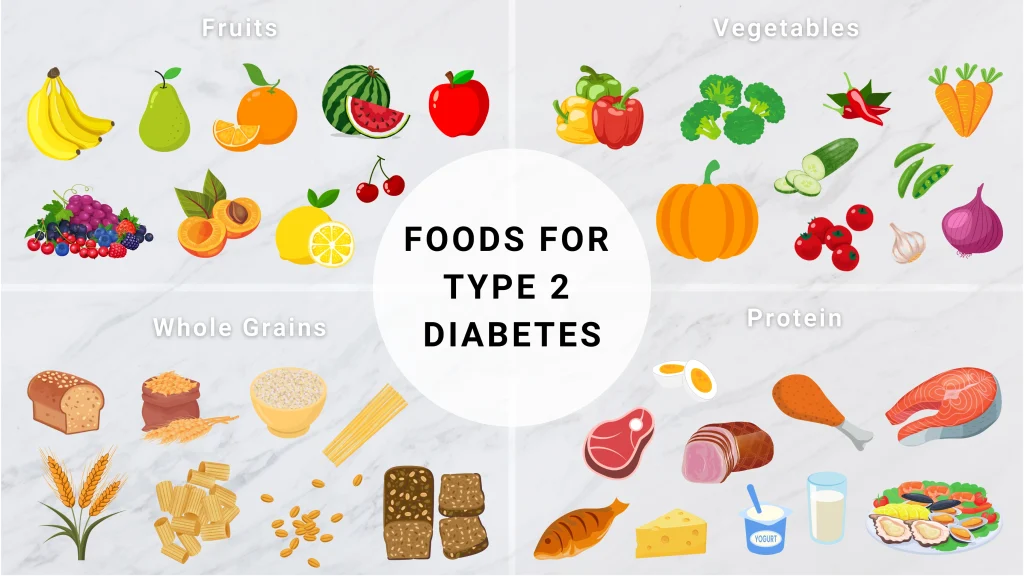
What qualifies a food for the type 2 diabetes food list? Think low glycemic index (GI), high fiber, and nutrient richness, which keep blood sugar stable and energy consistent. This section expands on the best foods for type 2 diabetes, perfect as foods to eat with type 2 diabetes, with insights from the American Diabetes Association (ADA).

Best foods for type 2 diabetes

Here is a table for the best foods to support your type 2 diabetes diet:

Food Why It’s Great How to Enjoy Extra Tips
Leafy Greens Low GI, fiber-packed, and vitamin-rich, which keeps glucose steady, per the ADA. Spinach salads, kale smoothies. Steam lightly to retain nutrients.
Berries Antioxidants and fiber, minimal sugar impact, which is an ideal food for type 2 diabetes. Blueberries with yogurt, solo snack. Freeze for a cool treat.
Fatty Fish Omega-3s cut inflammation and are heart-healthy for a diet for diabetes type 2, says the CDC. Grilled salmon, sardines on toast. Aim for 2 servings weekly.
Nuts Healthy fats and protein slow sugar spikes, which is great for type 2 diabetes meals. Almonds as snacks, walnut topping. Stick to a handful to manage calories.
Whole Grains Fiber-rich, slow-digesting carbs fit a type 2 diabetes diabetic diet. Quinoa bowls, oatmeal breakfast. Swap white rice for barley or farro.
Beans High fiber, protein, and low GI are key in a type 2 diabetes diet meal plan. Black beans in soups, lentils in stew. Rinse canned beans to cut sodium.
Greek Yogurt Probiotics and protein, low carb. Perfect for a type 2 diabetes menu. Plain with berries, smoothie base. Choose unsweetened to avoid hidden sugar.
Avocado Monounsaturated fats stabilize blood sugar. A must for a type 2 diabetes diet, per WebMD. Sliced on toast, guacamole dip. Pair with eggs for a filling breakfast.

These picks shine in a diet for type 2 diabetes food list because they tackle insulin resistance head-on. Leafy greens like spinach deliver magnesium, which is linked to better glucose control, while berries’ antioxidants fight oxidative stress, a diabetes aggravator.

Fatty fish like salmon, endorsed by the Centers for Disease Control and Prevention (CDC), protect your heart, a common concern for diabetics. Nuts and beans offer sustained energy, preventing the crashes caused by processed carbs. This lineup proves foods to eat with type 2 diabetes can be both delicious and functional.

Foods to Avoid with Type 2 Diabetes

Some foods sabotage a type 2 diabetes diet, spiking blood sugar and risking long-term harm. This section details the top offenders with explanations and swaps to keep your type 2 diabetes food list solid.

Type 2 diabetes foods to avoid

Below is a list of the top type 2 diabetes foods to avoid:

  • Sugary drinks: Soda, sweetened tea, and sports drinks deliver rapid sugar jolts, about 40g carbs in one can. The American Diabetes Association (ADA) warns they’re diabetes kryptonite. Swap for water, herbal tea, or a splash of lemon in sparkling water.
  • White bread and pasta: Refined carbs (high GI, 70+) break down fast, flooding your system with glucose. Replace with whole-grain bread or pasta, GI around 50, for slower digestion.
  • Processed snacks: Chips, cookies, and crackers contain trans fats and sugars, which can inflame insulin resistance. Opt for raw veggies with hummus or a handful of pistachios.
  • Fried foods: French fries and fried chicken are high in unhealthy fats and carbs and burden your pancreas. Grill or bake instead; try air-fried zucchini fries for crunch.
  • Full-fat dairy: According to WebMD, whole milk and creamy cheeses contain saturated fats that worsen insulin sensitivity. Switch to skim milk, low-fat cottage cheese, or plant-based options.
  • Sweets: Candy, donuts, pastries. Pure sugar with no fiber spikes levels instantly. Satisfy cravings with dark chocolate (70%+) or a berry parfait.

Dodging these keeps your type 2 diabetes diabetic diet effective. Why? Processed carbs lack fiber, causing rollercoaster glucose swings, while trans fats, found in fried junk, raise bad cholesterol, a diabetes complication risk. Swapping them out isn’t just brilliant; it’s essential for a type 2 diabetes menu.

Type 2 Diabetes Meal Plan

Need structure? This section provides a 3-day type 2 diabetes meal plan, doubling as a type 2 diabetes diet meal plan and meal plan for diabetes 2. It balances carbs, proteins, and fats with detailed breakdowns to inspire your type 2 diabetes meals.

Day 1

Below is a list of meals for Day 1 of your type 2 diabetes meal plan:

  • Breakfast: Greek yogurt (¾ cup, plain) with ½ cup blueberries and 1 tbsp chia seeds (roughly 15g carbs, 20g protein). Creamy, fiber-rich start; mix ahead for grab-and-go ease.
  • Lunch: Grilled salmon (4 oz) with ½ cup quinoa, 1 cup steamed broccoli, and a drizzle of olive oil (around 30g carbs, 30g protein). Omega-3s and fiber galore; prep salmon in bulk.
  • Dinner: Baked chicken breast (5 oz) with 1 cup roasted Brussels sprouts and ½ cup brown rice (around 35g carbs, 35g protein). Hearty yet light, roast extra veggies for sides.
  • Snack: 15 almonds (around 5g carbs). They’re a crunchy, satisfying fat boost and portioned into bags for convenience.

Day 2

Here is a list of meals for Day 2 of your type 2 diabetes menu:

  • Breakfast: Steel-cut oatmeal (½ cup cooked) with 1 tsp cinnamon and 2 tbsp walnuts (around 25g carbs, 6g protein). Warm, blood-sugar-friendly, cooked overnight in a slow cooker.
  • Lunch: Turkey wrap, whole-grain tortilla (1), 3 oz turkey, ¼ avocado, handful spinach (around 30g carbs, 25g protein). It’s portable and balanced; wrap extras for tomorrow.
  • Dinner: Lentil soup (1 cup) with 2 cups kale salad (olive oil, lemon dressing) (around 35g carbs, 15g protein). Nutrient-packed comfort, freeze soup leftovers.
  • Snack: 1 cup carrot sticks with 2 tbsp hummus (around 10g carbs). These fresh and filling pre-cut carrots are perfect for quick snacks.

Day 3

Below is a list of meals for Day 3 of your type 2 diabetes diet meal plan:

  • Breakfast: Scrambled eggs (2) with 1 cup sautéed spinach, one slice of whole-grain toast (around 20g carbs, 15g protein). Protein powerhouse, add salsa for flavor.
  • Lunch: Black bean salad with ½ cup beans, ½ cup corn, diced tomatoes, and lime juice (around 30g carbs, 10g protein). It’s zesty and fiber-full; double it for meal prep.
  • Dinner: Baked cod (4 oz) with 1 cup asparagus ½ cup wild rice (around 35g carbs, 25g protein). Lean and flavorful, bake fish with herbs for variety.
  • Snack: Medium apple with 1 tbsp peanut butter (around 15g carbs). Sweet, creamy combo, slice apples ahead.

This type 2 diabetes menu targets 100-150g carbs daily, adjustable based on your needs, per the ADA’s guidelines, making type 2 diabetes meals practical and enjoyable. Prep tips: Cook grains in bulk, portion snacks ahead, and keep veggies pre-chopped for speed.

Diabetic-Friendly Recipes

If you want some tasty options, definitely check this section. It offers three type 2 diabetes diet recipes, two breakfasts, and a dinner, optimized for diabetic breakfast recipes and the best diabetic breakfast recipes, with detailed steps.

Recipe 1: Spinach & Egg Breakfast Scramble

Below is a list of steps for this best diabetic breakfast recipe:

Ingredients: 

  • 2 large eggs
  • 1 cup fresh spinach
  • 1 tbsp olive oil
  • One slice of whole-grain toast
  • Pinch salt, pepper

Instructions: 

  1. Heat oil in a skillet over medium
  2. Add spinach sauté until wilted (2 mins)
  3. Whisk eggs with salt and pepper
  4. Pour over spinach and scramble until set (3-4 mins)
  5. Serve with toast

Nutrition: around 20g carbs, 15g protein, 10g fat, ideal for type 2 diabetes.

Why It Works: Low-carb, fiber from spinach, protein from eggs. Perfect for a type 2 diabetes diet.

Recipe 2: Berry Oat Breakfast Bowl

Here is a list of steps for this diabetic breakfast recipe:

Ingredients: 

  • ½ cup rolled oats
  • 1 cup water
  • ½ cup mixed berries (strawberries, raspberries)
  • 1 tbsp flax seeds
  • Dash cinnamon

Instructions: 

  1. Boil water
  2. Add oats, cook 5-7 mins until thick
  3. Stir in berries, flaxseeds, and cinnamon
  4. Serve warm

Nutrition: It has 25 g carbohydrates, 6g protein, and 5g fat, making it the best diabetic breakfast recipe.

Why It Works: Fiber slows sugar absorption, and berries add antioxidants, which is great for type 2 diabetes meals.

Recipe 3: Lemon Garlic Salmon with Quinoa

Below is a list of steps for this type 2 diabetes diet recipe:

Ingredients: 

  • 4 oz salmon fillet
  • 1 tbsp lemon juice
  • One garlic clove (minced)
  • ½ cup cooked quinoa
  • 1 cup steamed broccoli
  • 1 tsp olive oil, salt, pepper

Instructions:

  1. Marinate salmon in lemon juice, garlic, salt, and pepper (10 mins).
  2. Heat oil in a pan, and cook salmon for 4-5 mins per side.
  3. Serve with quinoa and broccoli.

Nutrition: Around 30g carbs, 25g protein, 15g fat. Perfect fit for a type 2 diabetes meal plan.

Why It Works: Omega-3s, fiber, and lean protein make it the best food for type 2 diabetes.

These recipes prove a diet for type 2 diabetes food list can be flavorful and straightforward.

Understanding Carbs and Type 2 Diabetes

How many carbs suit a type 2 diabetes diet? This section dives into type 2 diabetes carbs per day, which is crucial for blood sugar control. The American Diabetes Association (ADA) recommends 45-60g per meal (135-180g daily) for most, but it’s personal; active folks might need 200g, and sedentary ones 100g. Per the CDC, test with a glucometer to find your sweet spot; post-meal readings under 180 mg/dL signal success.

Type 2 diabetes carbs per day

Foods to eat with type 2 diabetes, like berries (15g carbs/cup) or quinoa (20g/½ cup), digest slowly, unlike type 2 diabetes foods to avoid (e.g., white bread, 30g/slice). Pair carbs with protein (eggs) or fat (nuts) to blunt spikes, a hack for any type 2 diabetes diabetic diet. Apps like MyFitnessPal track intake, keeping your type 2 diabetes menu on point. Start with small servings, ¼ cup grains, and adjust based on how your body responds.

Why Superfoods Matter for Type 2 Diabetes

Superfoods elevate a type 2 diabetes diet, but why? This section answers, “What is the best diet for type 2 diabetes?” Per WebMD, low-GI champs like kale (GI 5) or lentils (GI 30) prevent sugar surges. Fiber in beans, 15g per cup, boosts insulin sensitivity and is vital for food for type 2 diabetes, while fatty fish’s omega-3s reduce inflammation, a diabetes driver the CDC flags.

Type 2 diabetes food list

Avocado’s fats curb hunger and support a type 2 diabetes meal plan, and nut protein steadies energy; think 1 oz almonds (5g carbs). These best foods for type 2 diabetes don’t just manage; they optimize, turning meals into medicine. Research [National Institutes of Health] backs this: a 2021 study in “Diabetes Care” found low-GI diets cut HbA1c by 0.5%, a big win for control.

Tips for Building Your Type 2 Diabetes Food List

Crafting a personal type 2 diabetes food list doesn’t have to feel like a chore. Simple strategies can turn it into a powerful tool for managing blood sugar. This section provides practical, actionable advice to help you stock your kitchen, plan meals, and dodge pitfalls, ensuring your diet for type 2 diabetes food list works for your lifestyle.

Below is a list of tips to build your type 2 diabetes diet with ease:

  • Stock staples: Keep essentials like spinach, salmon, and oats on hand; these are important for a diet for type 2 diabetes food list. These best foods for type 2 diabetes are versatile and nutrient-dense, ready for quick meals.
  • Batch-cook meals: Prepare type 2 diabetes meals like quinoa bowls or lentil soups in bulk; Sunday prep saves time all week. Freeze extras for a type 2 diabetes meal plan that’s always ready.
  • Swap smart: Replace type 2 diabetes foods to avoid; think soda (40g carbs) or fries with seltzer (0g carbs), or baked sweet potato wedges (20g carbs). Small changes keep your type 2 diabetes menu on track.
  • Test portions: Start with modest servings, ½ cups of grains, 1 oz of nuts, to find what fits your meal plan for diabetes 2. Use a food scale or cups to master this type 2 diabetes diabetic diet trick.
  • Shop savvy: According to the American Diabetes Association (ADA), buy frozen berries (same nutrients, lower cost) or bulk beans to stretch dollars. This keeps your type 2 diabetes diet affordable and stocked.
  • Season simply: Use garlic, herbs, or lemon instead of sugary sauces to flavor foods to eat with type 2 diabetes. This boosts taste without spiking your type 2 diabetes carbs per day.

These steps make a type 2 diabetes diet meal plan less daunting. Start small, build consistency, and watch your confidence grow with every meal.

Conclusion: Take Charge with a Diabetes-Friendly Diet

An innovative type 2 diabetes food list transforms managing Type 2 diabetes from a burden to a breeze. Superfoods like berries, nuts, and fatty fish are cornerstones of a type 2 diabetes diet. They keep blood sugar in check while tasting great.

This guide provides the best foods for type 2 diabetes, a type 2 diabetes meal plan, and recipes to kickstart your journey. Don’t guess; embrace these foods to eat with type 2 diabetes, ditch the type 2 diabetes foods to avoid, and chat with a doctor or dietitian to fine-tune your diet for diabetes type 2.

Your healthy eating for diabetes journey starts here!

FAQ’s:

What is the best diet for Type 2 diabetes?

A type 2 diabetes diet with low-GI, fiber-rich foods like greens and grains excels.

How many carbs should a Type 2 diabetic eat per day?

According to your needs, target 135-180g of type 2 diabetes carbs per day, 45-60g per meal.

Which foods should be avoided with Type 2 diabetes?

Avoid type 2 diabetes foods to avoid like soda, white bread, and fried foods.

Is fruit okay for Type 2 diabetes?

Yes, berries fit a type 2 diabetes food list as they’re low in sugar and high in fiber.

What is the best breakfast for a Type 2 diabetic?

Try the best diabetic breakfast recipes, like eggs with spinach and low-carb fillings.

What foods should I avoid with Type 2 diabetes?

Type 2 diabetes foods to avoid include processed carbs and sweets.

What meals to eat with Type 2 diabetes?

Enjoy type 2 diabetes meals like salmon with quinoa, balanced and tasty.

Which food reduces blood sugar?

Fiber-rich foods to eat with type 2 diabetes include beans and greens, which are lower in glucose naturally.

20 Superfoods for Energy, Immunity, & Overall Health

Superfoods are rich in nutrients and filled with vitamins, minerals, antioxidants, and compounds that reduce inflammation, helping your body stay strong and healthy. These foods help prevent sickness and promote general health and wellness. However, the quality and nutritional benefits of these foods depend on where they come from.

Don’t worry – this article goes through the superfoods list to help boost immunity and overall well-being. Let the count start!

The 20 Best Superfoods

list of superfoods

Many foods can help boost your immune system. Here is a superfoods list of 20 of the best options:

1. Garlic

Rightfully, garlic is first on the superfoods list. Garlic is famous for helping our immune system, mainly because of a compound called allicin that fights germs and viruses. Fresh garlic is way better than processed garlic since it has more allicin and a pungent taste.

  • Best Sources: Look for organic garlic from local farmers’ markets or reliable organic stores. Garlic from other countries might contain chemicals, so choosing local options is better.
  • How to Use: You can chop or crush raw garlic to add to salad dressings, sauces, or spreads. Another fun way is to infuse it in olive oil for dipping bread. Roasting garlic makes it taste sweeter and milder, perfect for mixing with roasted veggies.

2. Ginger

Ginger is well-known for its anti-inflammatory and antioxidant properties, which support the immune system. The fresh root of ginger is more potent than its powdered counterpart and is readily available.

  • Best Sources: Fresh ginger can be purchased at grocery stores; however, for superior quality, it is advisable to seek organic ginger at health food stores or markets prioritizing fresh produce. Organic ginger is cultivated without pesticides, enhancing its health benefits.
  • How to Use: Slice fresh ginger and steep it in hot water to create a soothing tea, or grate it into stir-fries, smoothies, and marinades for added flavor and nutrition.

3. Turmeric

This spice deserves a high position on the superfoods list. Turmeric contains curcumin, a potent anti-inflammatory substance that supports immune health. Fresh turmeric root has more curcumin than powdered turmeric, offering a richer flavor.

  • Best Sources: Organic turmeric root can be found at health food stores and international markets. Opt for organic, non-GMO brands to avoid additives when purchasing powdered turmeric.
  • How to Use: Incorporate fresh grated turmeric into curries, smoothies, or golden milk – combine turmeric with black pepper to improve curcumin absorption.

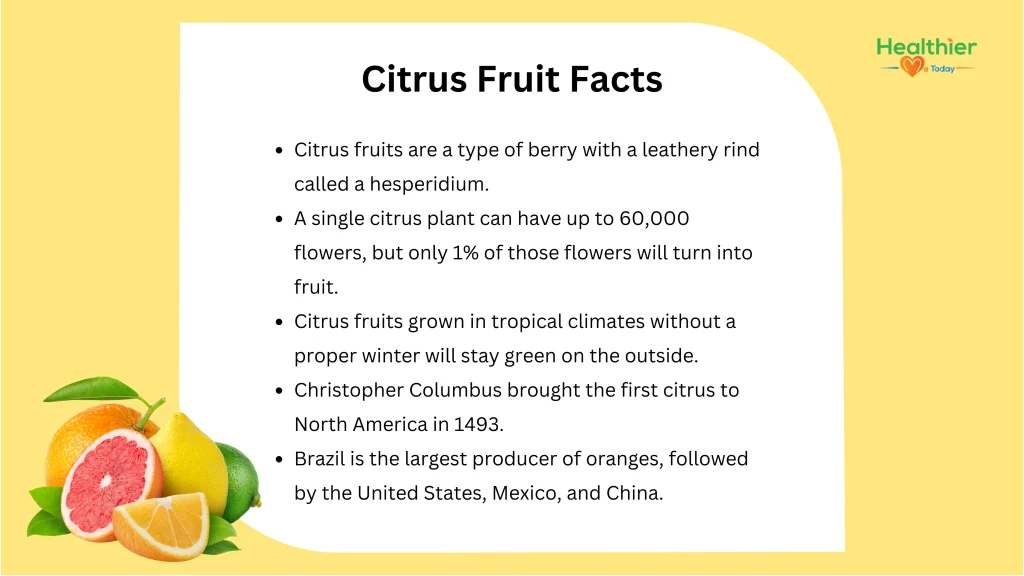
4. Citrus Fruits (Oranges, Lemons, and Grapefruits)

superfood fruits

Citrus fruits are considered superfood fruits as they are rich in vitamin C, which boosts immune function. Fresh, organic citrus is preferable to reduce pesticide exposure and enhance nutrient content.

  • Best Sources: Look for high-quality citrus fruits at farmers’ markets, organic sections in grocery stores, or citrus farms if available.
  • How to Use: Drizzle fresh lemon or orange juice over salads, mix it into dressings, or enjoy grapefruit slices as a tasty snack.

5. Rich Green Vegetables

Rich green vegetables such as spinach, kale, and Swiss chard contain vitamins C and E, beta-carotene, and antioxidants that bolster the immune system. Fresh greens offer superior nutritional benefits compared to their frozen or canned counterparts.

  • Best Sources: Opt for organic, locally grown greens from farmers’ markets or health food stores to reduce pesticide exposure and enhance nutrient intake.
  • How to Use: Add leafy greens to smoothies or salads or sauté them lightly as a side dish. Gentle cooking can enhance your body’s ability to absorb essential nutrients, particularly iron.

6. Nuts and Seeds

Nuts and seeds, including almonds, sunflower seeds, walnuts, and pumpkin seeds, are high in vitamin E, an essential antioxidant for immune health. Before adding them to your superfoods list, ensure you choose raw, organic options to avoid extra salt, sugars, or preservatives.

  • Best Sources: Look for organic nuts and seeds in bulk at health food stores or specialty shops. Buying in bulk from trusted online organic retailers can save money and ensure quality.
  • How to Use: Enjoy a handful as a snack, blend them into smoothies, or sprinkle them on oatmeal and salads for extra texture.

7. Probiotic Foods

Probiotic foods are abundant in beneficial bacteria that support gut health, which is crucial for a robust immune system. These helpful microorganisms aid in maintaining a balanced microbiome, enhancing nutrient absorption, and bolstering the body’s defenses. Foods such as yogurt, kefir, sauerkraut, kimchi, kombucha, and miso serve as excellent sources of probiotics that can seamlessly integrate into your meals to boost immunity.

  • Best Sources: Seek out organic, unsweetened yogurt and kefir that contain live cultures. For sauerkraut, kimchi, and miso, choose raw or unpasteurized varieties to preserve the live probiotics. Opt for raw and minimally processed kombucha to maximize health benefits.
  • How to Use: Incorporate yogurt or kefir into smoothies, add sauerkraut and kimchi to salads or bowls, dissolve miso in warm (not boiling) water for soup, and enjoy kombucha as a refreshing beverage. Including these probiotic foods in your diet can enhance immune health by improving gut function.

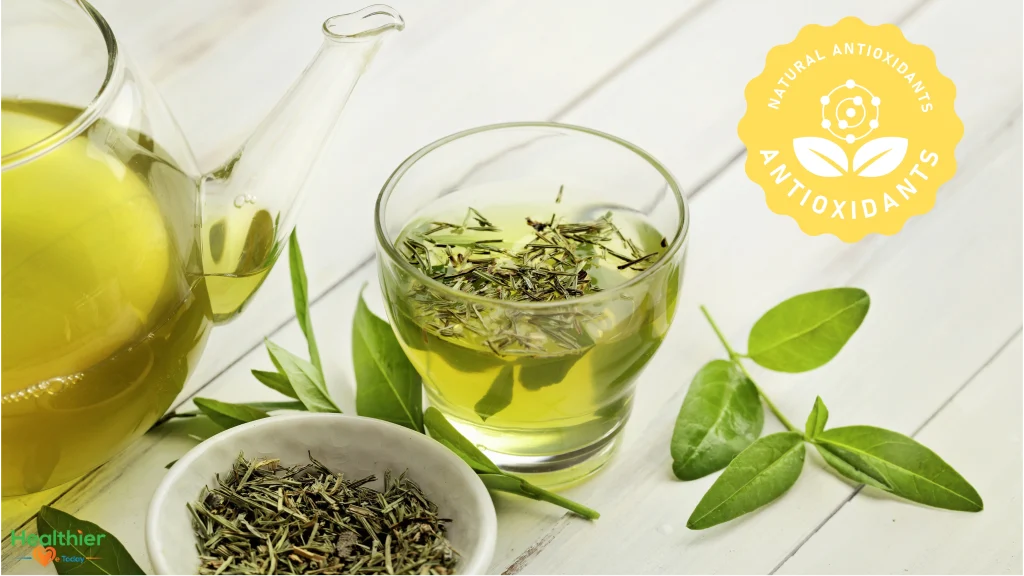
8. Green Tea

superfoods list

Green tea contains antioxidants, especially catechins, which help support immune health by combating free radicals. The quality of green tea can differ significantly, so it’s essential to choose wisely.

  • Best Sources: Opt for high-quality, organic loose-leaf green tea or matcha from specialty stores or online. Japanese and Chinese varieties are often praised for their superior quality and taste.
  • How to Use: Swap one of your daily cups of coffee for green tea or matcha to enjoy a mild caffeine boost and extra antioxidants.

9. Broccoli

Like other cruciferous veggies, broccoli, brussels sprouts, and cauliflower contain vitamins and antioxidants that help strengthen the immune system. Fresh, organic broccoli tends to have more nutrients than frozen or processed versions.

  • Best Sources: Look for organic broccoli at grocery stores or local farmers’ markets. Organic choices are free from harmful pesticides and generally offer more nutrients.
  • How to Use: Steam or roast broccoli to preserve its nutrients, or toss it into soups and salads for an extra health boost.

10. Red Bell Peppers

Red bell peppers are among the healthiest veggies. They are packed with vitamin C, an antioxidant that helps support immune health. Fresh peppers offer more nutrients than frozen or jarred ones.

  • Best Sources: To avoid pesticides, choose organic bell peppers from grocery stores or farmers’ markets. Look for bright and firm peppers for the best freshness.
  • How to Use: Cut raw bell peppers for snacks, toss them in salads, or roast them with other vegetables for a delicious, smoky taste.

11. Blueberries

Blueberries are packed with antioxidants, especially flavonoids, crucial in enhancing immune health by reducing oxidative stress. When in season, fresh blueberries provide the most nutrients.

  • Best Sources: For the freshest blueberries, visit local farmers’ markets or select organic varieties at your grocery store. Frozen organic blueberries are an excellent alternative if they’re out of season.
  • How to Use: Incorporate blueberries into your yogurt, oatmeal, or smoothies for a deliciously sweet boost to your immune system.

12. Sunflower Seeds

Sunflower seeds contain vitamin E, selenium, and essential minerals that boost your immune system. Choosing raw, unsalted seeds keeps all their natural goodness intact.

  • Best Sources: You can usually find organic, raw sunflower seeds at health food stores or in bulk bins, which is a great way to save some cash.
  • How to Use: Toss sunflower seeds into salads, blend them into your trail mixes, or sprinkle them on soups for a nice crunch.

13. Kiwi

super foods list

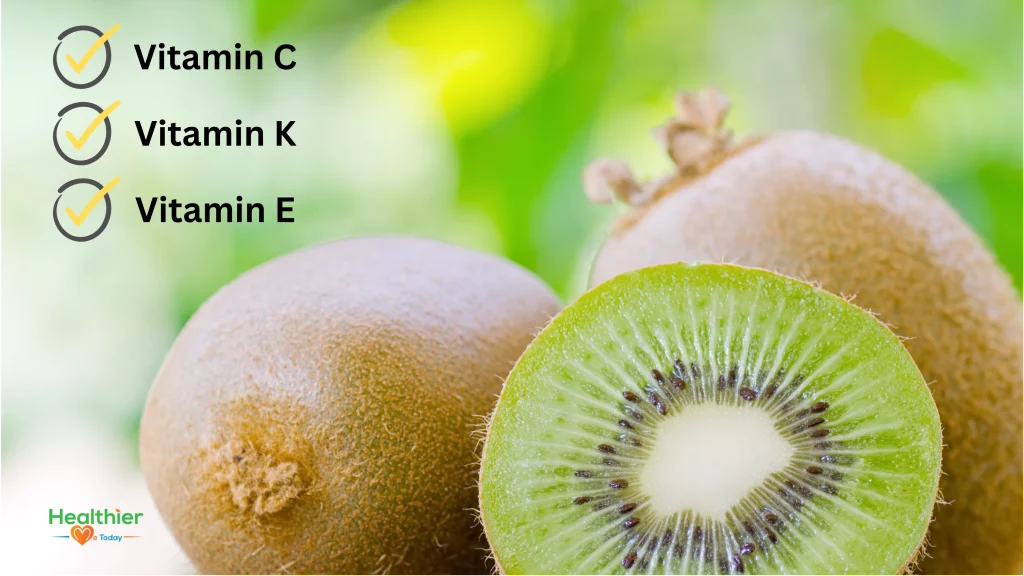
Kiwi contains vitamins C, K, and E, making it great for immune health. Fresh kiwi provides more nutrients than processed options.

  • Best Sources: Purchase organic kiwi from grocery stores or local markets. They are typically free from pesticides and richer in nutrients.
  • How to Use: Enjoy sliced kiwi as a snack, blend it into smoothies, or combine it with other fruits in a salad.

14. Salmon

Salmon is a fantastic food packed with vitamin D, omega-3 fatty acids, and protein, all of which are super important for keeping our immune systems strong. Wild-caught salmon is better than farmed salmon because it doesn’t have extra antibiotics or fake colors added to it.

  • Best Sources: Look for wild-caught Alaskan salmon at reliable fish markets, grocery stores, or online shops that care about sustainability. Avoid farm-raised salmon, which might have additives.
  • How to Use: You can cook salmon by grilling, baking, or poaching it for a healthy main dish. It also works great in salads and grain bowls, making your meal full of protein.

15. Dark Chocolate

Some people may be surprised to see chocolate on the superfoods list. However, dark chocolate with at least 70% cocoa contains antioxidants like flavonoids, which can help reduce inflammation and boost your immune system by combating free radicals. It’s also a great source of essential minerals, such as iron, magnesium, and zinc, necessary for immune health and stress relief.

  • Best Sources: Choose organic, fair-trade dark chocolate with 70% cocoa or higher for the most health benefits. Avoid varieties with added sugars or artificial ingredients.
  • How to Use: Enjoy a small piece of dark chocolate as a snack, melt it to drizzle over some fruit, or toss it into your homemade trail mix for a delicious, immune-boosting treat.

16. Eggs

Eggs are super nutritious! They provide a lot of high-quality protein, essential vitamins like D and B12, selenium, and choline, which are necessary for keeping our immune system strong. Vitamin D helps control how our immune system works, and choline is vital for our cells to stay healthy and function well.

  • Best Sources: It’s best to pick pasture-raised, organic eggs because they usually have better nutrition and taste than regular eggs. You can often find these high-quality eggs at farmers’ markets or reliable grocery stores.
  • How to Use: Eggs can be eaten in many ways, like scrambled, poached, or hard-boiled, for a quick protein boost. They’re great in salads and breakfast bowls or as the main ingredient in veggie-packed omelets.

17. Coconut Oil

superfoods list

Coconut oil is packed with medium-chain triglycerides (MCTs) and lauric acid, which are great for boosting your immune system. These elements help combat harmful bacteria and viruses, making coconut oil a fantastic addition to your diet for immunity support.

  • Best Sources: Stick with organic, unrefined, and cold-pressed coconut oil to preserve all its natural goodness. Avoid refined options, as they lack those beneficial properties.
  • How to Use: You can cook with coconut oil, toss it into smoothies, or mix a spoonful into your coffee or tea. It also works well as a dairy-free alternative in your baking recipes.

18. Lentils

Lentils are full of protein, fiber, iron, and folate, which gives you more energy and helps your immune system stay strong. Plus, they contain polyphenols, antioxidants that help reduce inflammation and keep your immune system healthy.

  • Best Sources: Look for the best quality organic dried lentils in bulk bins or grocery stores. They are budget-friendly, easy to store, and don’t need preservatives like canned lentils.
  • How to Use: You can toss lentils into soups, stews, or salads, or even blend them into dips for a tasty and healthy addition that boosts your immune system!

19. Bone Broth

Bone broth is one of the best superfoods for gut health. It is rich in collagen, amino acids, and essential minerals that support immune function and gut balance. Amino acids such as glycine and glutamine enhance gut integrity and bolster immune defenses.

  • Best Sources: The most nutritious option is typically homemade bone broth, but you can also find high-quality versions in stores. Opt for organic, grass-fed, or pasture-raised varieties for the best benefits.
  • How to Use: Savor bone broth as a comforting warm beverage, use it as a flavorful base for soups and stews, or incorporate it into grains during cooking to boost taste and nutrition.

20. Sweet Potatoes

super foods

No list of superfoods would be complete without sweet potatoes. Sweet potatoes are high in beta-carotene, which the body turns into vitamin A. Vitamin A is essential for immune function and skin health, your body’s first defense. Their fiber content also supports gut health, which is vital for immunity.

  • Best Sources: Opt for organic sweet potatoes for better nutrients and to avoid pesticide residues. Farmers’ markets often have fresh, seasonal options.
  • How to Use: Roast sweet potatoes as a side dish, mash them for a comforting meal, or add cubed sweet potatoes to salads, soups, and stews to enhance immune-supporting nutrients.

Conclusion: So, What Do You Need for a Strong Immune System?

Well, good health starts with your diet! Proper nutrition is essential for a strong immune system. Adding foods that support your immunity to your meals provides your body with the necessary nutrients to fight off sickness. Consider including some of these great options from the superfoods list and notice the positive effects for yourself. Each healthy decision you make strengthens your immune system and protects your body.

FAQ’s:

What are superfoods, and why are they important?

Superfoods are nutrient-rich foods that have few calories. They are essential for overall health, strengthening the immune system, and lowering the chances of chronic illnesses.

Which superfoods provide the most health benefits?

Particularly beneficial superfoods include garlic, ginger, turmeric, citrus fruits, leafy greens, nuts and seeds, broccoli, berries, and eggs.

What are the most beneficial vegetables?

Veggies with the most nutritional value include spinach, broccoli, and carrots. Mushrooms are also among the most nutrient-dense vegetables.

What are the best superfoods for weight loss?

Many superfoods can help with weight loss, like berries, leafy greens, fish, beans, and whole grains. But remember, eating just one type of food won’t make you lose weight by itself.

What are the top superfoods for brain health and energy?

Eating fatty fish, leafy greens, whole grains, nuts, and berries is good for your brain and can give you more energy. These foods are packed with nutrients that help your brain cells grow and heal, reduce inflammation, and improve focus and concentration.

Which superfoods are best for boosting the immune system?

Various foods on the superfoods list, including citrus fruits, leafy greens, nuts and seeds, and fermented foods, can help boost one’s immune system.

How can I add more superfoods to my diet?

Adding items from the super foods list to your meals is one of the easiest ways to enjoy super foods. You can toss them into salads, mix them into dressings, blend them in smoothies, or stir them into soups without altering the flavor too much. They make great additions to family dinners.

Can I grow my own superfoods at home?

You can grow your superfoods at home. Some great choices include berries, leafy greens like kale and spinach, broccoli, garlic, mushrooms, avocados, and chia seeds.

What is the #1 superfood in the world?

Berries, such as blackberries, blueberries, raspberries, cranberries, goji berries, and acai berries, are some of the highest antioxidant-packed foods you can eat.

Are superfoods better than regular healthy foods?

No, “superfoods” aren’t “better” than regular healthy foods; it’s mostly a marketing term. They can be very nutritious, but a balanced diet needs a mix of healthy foods, not just superfoods, to provide all the essential nutrients your body requires.

Everything About Eating Disorders: Definition, Types, Diagnosis & More

Eating disorders are mental health issues that lead to a poor relationship with food. Anyone can experience an eating disorder. Some common types are anorexia nervosa, bulimia nervosa, and binge-eating disorder. There are eating disorder treatments available to help you improve your well-being.

What is an Eating Disorder?

what eating disorder do i have

An eating disorder is a mental health issue that impacts how you relate to food and your body image. These disorders can harm both your physical and emotional well-being and can even be dangerous. Eating disorder symptoms can vary widely from person to person and depend on the specific type. You might find yourself counting calories, restricting certain foods, binge eating, consuming non-food items, or purging after meals. Eating disorder treatment is essential in addressing these behaviors and improving overall health.

Eating can bring feelings of guilt or shame instead of pleasure. Food is essential for life, and everyone has a personal relationship with it, including favorite foods or things they avoid. It can be hard to recognize an eating disorder because you may have become used to it. If you feel stuck in unhealthy eating habits, remember that eating disorder treatment is available to support your recovery and help you regain a healthier relationship with food when you are ready.

Types Of Eating Disorders

Different types of eating disorders include:

  • Anorexia nervosa: This involves limiting food intake, fearing weight gain, and having a skewed self-image.
  • Bulimia nervosa: This is characterized by eating a lot of food quickly (binging) and then trying to get rid of it (purging) through vomiting, laxatives, or excessive exercise.
  • Binge eating disorder: This involves eating a lot of food in a short time and feeling shame, regret, or guilt afterward.
  • Pica: This is the compulsion to eat non-food items like chalk, dirt, or paint.
  • Rumination disorder: This occurs when undigested food comes back into the mouth after swallowing, and it may be chewed again, swallowed, or spit out.
  • Avoidant/restrictive food intake disorder (ARFID): This involves limiting food types or amounts for reasons not related to body image or weight loss.

Many people can experience more than one eating disorder at once. Eating disorder treatment is crucial for managing symptoms and improving long-term health. Eating disorders are widespread. Research [National Association of Anorexia Nervosa and Associated Disorders] indicates that 28.8 million individuals in the United States will face an eating disorder at some point in their lives.

The Signs And Symptoms Of Eating Disorders

signs of eating disorder

Sometimes, it can be hard to notice if someone you care about has an eating disorder because it may seem like they are simply making changes to their diet or lifestyle to be healthier. Plus, you can’t tell just by looking at someone if they are struggling. Eating disorders show different signs and symptoms depending on the type, and early recognition is essential for seeking eating disorder treatment. 

Common signs of eating disorders include:

  • Mood changes
  • Tiredness
  • Feeling faint or dizzy
  • Hair thinning or loss
  • Sudden weight changes or significant weight loss
  • Unusual sweating or hot flashes

Behavioral signs may involve:

  • Limiting food intake
  • Binge eating in a short time
  • Avoiding certain foods
  • Inducing vomiting after meals or misusing laxatives
  • Exercising excessively after eating
  • Taking frequent bathroom breaks after meals
  • Isolating from friends or social events
  • Hiding or discarding food
  • Engaging in food rituals (like chewing food longer than needed or eating secretly)

Recognizing these signs early can help individuals get the eating disorder treatment they need. If you or someone you know is struggling, seeking professional support can make a significant difference in recovery.

What is it Like To Have an Eating Disorder?

Dealing with an eating disorder is complicated and can make someone feel very alone. It’s not only about what you eat; it’s also a tough battle in your mind and feelings that can take over almost every aspect of your life.

If you have an eating disorder, you might experience:

  • Food feels like an enemy or something that can hurt you.
  • You may feel guilty or ashamed after eating.
  • You think you are not the right weight or size.
  • You feel like you are “failing” if you don’t stick to certain weight or food rules.
  • You worry that others see you negatively.
  • Controlling what and how you eat seems to be the only thing you can manage.
  • You avoid social situations because you fear being judged.

These feelings are not a choice. An eating disorder affects not just your physical health but also your decision-making, emotions, and social interactions.

Causes of Eating Disorders

eating disorders

The exact reasons for eating disorders are not fully understood. However, research [National Institutes of Mental Health] points to several factors that may contribute. Identifying these causes is essential in determining the right eating disorder treatment for individuals struggling with these conditions.

Such as the following:

  • Genetics: Research [National Institutes of Health] shows that conditions like anorexia nervosa, bulimia nervosa, and binge eating disorder can run in families. You might inherit traits from your family that increase your risk of developing these disorders.
  • Brain chemistry: Chemicals like dopamine and serotonin in the brain influence feelings of pleasure and happiness. Studies [The Banyans] indicate that these chemicals may be involved in specific behaviors related to eating disorders.
  • Cultural and social pressures: The desire to fit in can impact your mental health and alter your behavior to meet often unrealistic societal standards. In today’s digital world, social media, TV, and movies can also affect your self-esteem if you don’t measure up to those you admire. These pressures can sometimes contribute to the need for eating disorder treatment.
  • Mental health issues: When life feels overwhelming, some people may turn to extreme food behaviors as a way to cope. This obsession with food can become an unhealthy method of dealing with difficult emotions, leading to eating disorders that may occur alongside other mental health challenges.

The Risk Factors For Eating Disorders

Risk factors for eating disorders include various elements that can affect anyone, especially adolescents and teenagers. Recognizing these risks is crucial for early intervention and seeking eating disorder treatment before the condition worsens.

You might be at higher risk if you:

  • Have a family history of eating disorders or mental health issues.
  • Have faced trauma, whether physical, emotional, or sexual.
  • Suffer from mental health conditions such as anxiety, depression, or obsessive-compulsive disorder.
  • Engage in sports or activities where weight or body size is essential, like gymnastics, wrestling, or swimming.
  • Experience significant life changes, such as starting a new school or job, going through a divorce, or relocating.
  • Have Type 1 diabetes, as research [National Eating Disorders Association]  shows that up to 25% of women with this condition may develop an eating disorder.
  • Are highly driven and seek perfection in various aspects of life.

Diagnosing Eating Disorders

Healthcare professionals, including doctors and mental health experts, identify eating disorders and recommend appropriate eating disorder treatment. Your primary care doctor may evaluate symptoms, perform a physical exam, and order blood and other eating disorder tests. A mental health counselor, such as a psychologist or eating disorder psychiatrist, will conduct a psychological assessment to understand your eating habits and beliefs better.

A healthcare professional identifies an eating disorder by:

  • Conducting a physical examination.
  • Assessing your symptoms.
  • Gathering information about your eating and exercise routines.
  • Requesting imaging, blood, or urine tests (like kidney function tests or electrocardiograms) to exclude other possible reasons for your symptoms or to check for complications.

Providers refer to the American Psychiatric Association’s Diagnostic and Statistical Manual of Mental Disorders Fifth Edition (DSM-5-TR) for diagnosis. This manual details the symptoms associated with each type of eating disorder. You don’t need to show every symptom to be diagnosed with an eating disorder. Even if you don’t fit a specific DSM-listed disorder, you might still require support from loved ones and eating disorder support groups for food-related challenges.

Eating Disorder Treatment

Eating disorder treatment

The best treatment for eating disorders often combines different options. Your healthcare team will collaborate to develop a thorough treatment plan that addresses the disorder’s physical, mental, and behavioral aspects. A healthcare professional can help you manage food-related concerns or other health issues even if you don’t have a formal diagnosis. 

Eating disorder treatment differs based on the type but may include:

  • Psychotherapy: A mental health expert can identify the most suitable therapy for you. Choices include individual, group, and family therapy, with many opting for cognitive behavioral therapy (CBT).
  • Medications: If you have other issues like anxiety or depression alongside an eating disorder, medication such as antidepressants or antipsychotics might help improve these conditions.
  • Nutrition counseling: A registered dietitian experienced in eating disorders can assist in enhancing eating habits and creating healthy meal plans. They can also provide advice on grocery shopping, meal planning, and cooking.

Therapy For Eating Disorders

Eating therapy can be both helpful and challenging. You will meet regularly with a mental health expert to explore and change the thoughts that influence your actions and feelings. It can be hard to share your thoughts with someone new, and accepting help might feel challenging when you think you have control. Therapy may bring up feelings you prefer to avoid. It’s important to talk about these feelings with your therapist. Remember, your care team supports you whenever you need it.

Eating Disorder Recovery 

The good news is that recovery is achievable, and there is hope. Eating disorders don’t disappear quickly. Eating disorder treatment requires time and varies based on the disorder’s severity and long-standing. You might see improvements after starting medication for eating disorders or working with a professional, but it’s also common to feel worse before you start feeling better.

To recover effectively and learn
how to stop feeling guilty after eating, follow your healthcare provider’s eating disorder treatment plan. Talk to them about any side effects or challenges you encounter. Stay honest about your feelings; your providers can give you tailored advice to help you return to good health more quickly.

How to Prevent Eating Disorders

Eating disorders cannot be prevented entirely. If there is a history of eating disorders or mental health issues in your family, being aware can help you and your healthcare team identify and address them early. Early eating disorder treatment can stop unhealthy habits before they become more challenging to change. You might lower your risk by seeking help for general health and mental health issues (like depression, anxiety, and OCD) as soon as you notice symptoms. 

If you are a parent or caregiver and know that eating disorders are common in your family, consider these pro eating disorder tips to help protect children:

  • Set a good example.
  • Encourage healthy eating without labeling foods as “good” or “bad.”
  • Avoid discussing dieting around children.
  • Refrain from making negative remarks about bodies.

Eating Disorder Outlook 

Eating Disorder Outlook

There are eating disorder treatments available for all kinds. It’s imperative to spot the early signs of eating disorders and get help as soon as possible for the best chance of recovery. Healing can take a while, and you might need support for a long time. If eating disorders are not treated, they can be severe and even dangerous. If you or someone you care about shows signs of an eating disorder, it’s essential to talk to a healthcare professional.

You should reach out to a healthcare provider if you:

  • Feel upset about your relationship with food.
  • See that your eating habits are affecting your daily life.
  • Experience chest pain, trouble breathing, or your heart racing.
  • Often feel dizzy or faint.
  • Sore throat or issues with acid reflux.

Conclusion: What Eating Disorder Do I Have & Help

Eating disorders are severe health issues that can impact both your mind and body. Sometimes, you might not realize your actions are harmful because they seem normal. If you believe you have an eating disorder, it’s crucial to reach out for help. You can improve with the proper medical treatment and support from a counselor. You can achieve that goal even if it feels like getting better is impossible.

FAQ’s:

Why is eating disorder awareness important?

Eating disorders are severe and have the second-highest death rate among mental health issues. Shockingly, someone loses their life to an eating disorder every 52 minutes. Despite this, many people don’t realize the challenges that can make it hard for someone to recover.

What is the biggest challenge faced by eating disorders?

Individuals who struggle with eating disorders often face a higher chance of having other mental health issues. These commonly include problems like depression, anxiety, and issues with substance use.

Can eating disorders be cured?

Eating disorders can be treated effectively. It’s essential to catch them early and get help to recover.

How to recover from an eating disorder?

Treatment plans for eating disorders often involve different types of therapy, like individual, group, or family sessions. These therapies help people understand and change their complicated feelings, thoughts, and food-related actions.

Why are eating disorders hard to treat?

Sometimes, patients feel unsure and hesitant about making changes in their lives. They might not even realize it, but they can push back against their therapists’ attempts to help them get better. When therapy starts, it can trigger some of their defense mechanisms, which are like shields that create negative feelings and make it harder for them to accept help. This can lead to a lot of resistance during the process.

How do I know if I have an eating disorder?

Eating disorders can show up in different ways. Some signs to look out for are not feeling hungry or not wanting to eat, losing a lot of weight quickly, having a stomachache, or experiencing other tummy problems that don’t have an apparent reason. Also, a person might start eating even fewer food types than before.

Can eating disorders be treated without medication?

Natural remedies for eating disorders include talk therapy, which is also called psychotherapy, is a key part of treating eating disorders. It means meeting regularly with a psychologist or a mental health expert who has special training to help people with eating issues.

Why do I feel guilty after eating?

Feeling bad after eating usually comes from diet culture, strict eating rules, or having negative thoughts about specific foods. This guilt can happen when people think of food in terms of right and wrong, worry about gaining weight, or use food to deal with their emotions.

How to Disinfect House After Flu: A Complete Guide 2025

Avoiding sick people is one strategy to stop the influenza (flu) virus from spreading. However, it’s also crucial to know how to disinfect house after flu to keep others from becoming ill if you or someone in your household has just recovered from the flu. The process entails cleaning frequently used surfaces to help eradicate the bacteria and viruses that cause these sicknesses. 

The type of germ and the surface it affects determine its precise life span. So, how long can a flu virus last on a surface? The flu can typically linger on surfaces for up to 48 hours. Additionally, germs can live for an hour on unwashed hands. 

This article offers suggestions for the best way to disinfect house after flu!

Rest and Self-Care Before Cleaning

Flu season cleaning tips

You must give yourself time to recover from flu-related illnesses before beginning extensive cleaning and following disinfecting tips for families with kids after flu. Although most people recover from the flu in a week, some may require more time if they have complications, like a sinus infection or an underlying medical condition.

If you’re still recuperating from the flu, ask friends, family, other household members, or a cleaning service to help with some of the work. Once you’re feeling better, you’ll be ready to disinfect your house after the flu thoroughly.

How To Disinfect House After Flu

The surfaces in your house most likely to have persistent germs are those that are frequently used. Cleaning high-touch surfaces after flu is critical. Even if everyone tries their hardest to wash their hands often, touching a surface, someone else has touched or sneezed on while ill increases the risk of contracting viruses and other germs. To kick off these flu season disinfecting tips, consider focusing on common areas in your home to help stop the flu from spreading after disinfecting your house after flu.

These consist of:

  • Stair rails 
  • Doorknobs
  • Light switches 
  • Drawer handles

Knowing how to disinfect house after flu is crucial, but it’s essential to remember vehicles, too. Make sure to clean and disinfect frequently touched surfaces in your car, especially if you or a family member drove in it while sick. These include seats, seat belts, navigation screens, door handles, and steering wheel. The most straightforward method for disinfecting common surfaces is disinfecting wipes. Ensure you adhere to the manufacturer’s instructions, which include letting the product remain damp for an adequate amount of time to eradicate germs. Hands should be cleaned after each use. 

Disinfect the Kitchen

A variety of drinking glasses, cutlery, and dishes may pile in the sink or other areas of the house while you’re unwell. To disinfect house after flu, gather and clean them in a dishwasher or wash them in hot, soapy water. After dishwashing, thoroughly clean and sanitize the rest of your kitchen to eliminate lingering germs.

Pay attention to the following areas:

  • Trash cans
  • Countertops
  • Kettles and coffee makers
  • Refrigerator (especially handles)
  • Light switches
  • Drawers 
  • Cabinets
  • Sink and faucets
  • Microwaves
  • Ovens 
  • Stovetop 
  • Any other appliances used while sick

Disinfect the Bathroom

Flu season cleaning tips

It’s crucial to completely clean and disinfect the bathroom after the person with the flu has recovered, regardless of whether you share it with them. Use warm, soapy water to clean the hard surfaces below, followed by flu virus germ killers like bleach for optimal effects.

Make sure you clean the following:

  • Basin and faucets 
  • Soap holders or dispensers
  • Toilets 
  • Doorknobs
  • Countertops
  • Toilet paper holders 
  • Toothbrush holders 
  • Consider replacing toothbrushes
  • Bathtubs and showers

Remember to disinfect house after flu by thoroughly cleaning these areas to help prevent the spread of germs.

Wash all Dirty Laundry 

While learning how to disinfect house after flu, do not forget about fabrics. Laundry products are among the soft surfaces where flu viruses can thrive. Your clothes, linens, and towels should be washed once you or another family member has recovered from being sick. Use detergent and acknowledge the label instructions regarding the ideal water temperature and drying time. You can clean and disinfect laundry baskets and hampers for soiled clothing. 

Clean with warm, soapy water, then pat dry with a paper towel. Alternatively, you can clean hard surfaces, laundry baskets, and hampers with disinfecting sprays or wipes. It is safe to mix laundry from a sick person with non-ill people, according to the Centers for Disease Control and Prevention (CDC). The most crucial step in eradicating germs is to use the hottest water temperature and thoroughly dry everything.

Disinfect Bedrooms 

Cleaning and disinfecting hard surfaces are as important as washing bedding when eliminating flu viruses from a bedroom. 

These surfaces include:

  • Bedside tables
  • Doorknobs
  • Lightswitches 
  • Bed frames
  • Drawer handles
  • Cupboard handles
  • Dressing table 

Cleaning bedroom flooring can help in preventing flu spread at home and eliminate germs. After someone has been ill, vacuum the carpeted floors and sweep and mop the hard flooring. You must take action to clean and sanitize a child’s toys if they recently contracted the flu. Stuffed animals and other soft toys can be machine-washed in pillowcases. Hard toys can be disinfected after being cleaned with soap and water.

Be sure to disinfect house after flu, paying attention to these areas in the bedroom to reduce the spread of germs.

Disinfect Electronics 

Keeping used surfaces clean can help stop the spread of the flu virus. However, a crucial aspect of how to disinfect your house after the flu includes cleaning your electronic devices, all this effort might be for nothing. For instance, touching a tainted phone can transfer germs from your hands to other surfaces. Because of their frequent use, electronics are among the surfaces in homes with the highest concentration of germs. In fact, according to a 2020 review of 56 different studies [National Institutes of Health], harmful microorganisms are present in roughly 68% of mobile phones worldwide. 

Using a gentle, lint-free cloth, dab your smartphone with a little warm water and soap to clean it. You can also use disinfecting wipes, but be aware that products with alcohol in them can eventually harm screens. Try adding wipeable covers to help protect your personal electronics. In this manner, you can quickly and safely clean the surfaces of your phone and other objects. Along with your phone, be sure to disinfect house after flu by cleaning and sanitizing all other electronic devices in your house, such as tablets, remote controls, and personal computers and keyboards.

Air Out Your Home 

Preventing flu spread at home

If it’s nice outside, open the windows for fresh air. This lessens the chance that germs will remain in the air and cause illness to other people. While cleaning and disinfecting, ventilating can be the best way to disinfect a house after the flu. This is also a good practice when using bleach or other disinfecting products and helping to air out the house. 

Conclusion

Knowing how to disinfect house after flu is crucial to keeping others from becoming sick. Even though the process may seem overwhelming, you can begin by addressing areas with high traffic and work your way down to the rest of your to-do list. Always follow the manufacturer’s instructions when using commercial disinfectants and wear a mask and gloves. 

After learning how do you disinfect your house after the flu in 2025, you and your loved ones can rest assured until next flu season!

FAQ’s:

What are the best cleaning products to kill flu germs?

Many common disinfectants, including bleach or ammonia-based cleaning products, can effectively kill flu viruses.

Do flu germs live on clothes?

Yes, flu germs can survive for 8 to 12 hours on clothing. They can also live on other materials, such as scarves and bedding.

Should I wash my sheets after having the flu?

After getting the flu, you should wash your sheets because bedding and other soft surfaces can harbor flu viruses.

How do I sanitize my bathroom after the flu?

Knowing how to sanitize bedding after flu is crucial. Thoroughly wash your bathroom with soap and water, then use an EPA-registered disinfectant or a bleach-based solution to disinfect all surfaces.

Does Lysol kill flu germs on surfaces?

Lysol products can indeed eradicate flu germs from surfaces. Cold and flu viruses are among the 99.9% of bacteria and viruses that Lysol’s products are said to be able to destroy.

How long do stomach flu germs live on surfaces?

Infected carpets can harbor stomach viruses for up to 12 days, while hard surfaces can harbor them for up to 12 hours. It can survive for months or even years in still water.

How do you disinfect a couch after the flu?

When disinfecting house after flu you can thoroughly spray a couch with a disinfectant spray made especially to kill viruses, such as one that contains at least 90% alcohol or a low hydrogen peroxide solution, and let it sit for the recommended amount of time before wiping it down with a fresh cloth.

Can air purifiers help remove flu germs?

Yes, but there’s a catch. Only viruses already in the air can be captured by air purifiers.

How to disinfect my house after flu?

The best way to disinfect your house after the flu is to clean and disinfect all surfaces and items that were used or are commonly used by those who were sick.

What is the difference between flu and stomach flu germs?

While the stomach flu is caused by a number of viruses that affect the intestines, the flu is caused by the influenza virus, which affects the respiratory system.

How to kill stomach flu germs?

The best way to kill stomach flu germs is to use a bleach solution to thoroughly clean and disinfect surfaces that may have been contaminated with diarrhea or vomit.

Human Metapneumovirus vs COVID-19: Key Differences & Symptoms

The Metapneumovirus is a respiratory illness that is currently surging across China, and it’s making people fear the worst. Who could blame them with the COVID-19 outbreak only being a few years in the rearview? But this is not another pandemic –  the human metapneumovirus has been around for many years and is a usual seasonal sickness like the Flu

This article looks at what the metapneumovirus is, HMPV symptoms, its transmission, prevention, diagnosis, treatments, human metapneumovirus vs COVID-19, and national monitoring. 

What is The Human Metapneumovirus?

What is human metapneumovirus

What is human metapneumovirus in adults and children? It is a viral pathogen known to cause respiratory infections. The illness was found in 2001 in the Netherlands and is associated with the Paramyxoviridae family. It is closely linked to the Respiratory Syncytial Virus, more commonly known as RSV. It is spread through tiny saliva droplets when an infected individual coughs or sneezes. It is also spread by touching contaminated surfaces and being in direct contact with someone with HMPV. 

The human metapneumovirus can cause cases that range from mild chest discomfort to more serious complications, specifically in those who are vulnerable, such as infants, the elderly, and individuals with a compromised immune system. The HMPV virus is found globally and often peaks in late winter and early spring. However, in some areas, it can circulate all year round.

Human Metapneumovirus Stages

The human metapneumovirus incubation period is typically 3 to 6 days, and depending on the severity of the infection, the symptoms can sometimes last 3 to 5 days or longer, depending on the case. 

Below are the three stages of HMPV: 

    1. The incubation period – This is the period between being exposed to the virus and the first indicators of symptoms developing. 
    2. Mild symptoms – During this stage, mild symptoms will occur, such as a runny nose, cough, sore throat, nasal congestion, and the possibility of a fever. 
    3. Severe symptoms – More serious symptoms include difficulty breathing, fatigue, shortness of breath, possibly pneumonia, and wheezing. 

The Human Metapneumovirus In Kids

The HMPV virus is most prominent among children aged five and younger. However, only a small number of infected children will have it lead to pneumonia or other lower respiratory tract infections; studies [National Institutes of Health] have shown around 5 to 16%. However, it is essential to note that it will likely be severe the first time someone is infected with HMPV. This is why children still have a more significant risk of getting very sick their first time contracting the illness and should be closely monitored and properly treated immediately. 

The Human Metapneumovirus vs COVID-19

When we look at the human metapneumovirus vs COVID-19, both are respiratory pathogens but differ in their transmission dynamics, public health impact, and virology. The two are similar in their modes of transmission, such as saliva droplets, contaminated surfaces, and direct contact. Both cause mild to severe symptoms such as shortness of breath, coughing, and fever. These viruses are both specifically threatening and dangerous to vulnerable individuals such as the elderly, babies, young children, and people with compromised immune systems. 

Human metapneumovirus vs COVID-19

One of the main differences between the human metapneumovirus vs COVID-19 is their underlying viruses. The coronavirus has a broader range of symptoms, including losing the sense of smell and taste, to more serious ones, such as multi-organ failure and blood clotting. Treatment for human metapneumovirus vs COVID-19 differs as there are available vaccines and antiviral treatments for the coronavirus. Still, HMPV virus treatment focuses on supportive care without any current vaccine or antiviral treatments. 

Differences between human metapneumovirus vs COVID-19:

Differences Metapneumovirus COVID-19
Causes The Human Metapneumovirus (part of the paramyxovirus family) SARS-CoV-2 virus (prt of the coronavirus family)
Symproms  Cough, nasal congestion, runny nose, fever, shortness of breath, wheezing, sore throat, hoarseness, cold-like symptoms.  Fever, chills, cough, shortness of breath, fatigue, loss of taste and smell, headache, sore throat, body aches, diarrhea, and nausea
Transmission Primarily spread through close contact and respiratory droplets. 

Less contagious than COVID-19

Spread through respiratory droplets, surfaces, and aerosols.

Highly contagious and is a “super-spreader” virus

Incubation period 4 to 6 days 2 to 14 days
Testing  Diagnosed through PCR testing or specialized viral culture tests Diagnosed through PCR tests, rapid tests, and antigen tests
Treatment No vaccine or antiviral treatment is available 

Supportive care is primary treatment (hydration or oxygen therapy)

Monoclonal antibodies, antiviral medications (remdesivir), and supportive care

Metapneumovirus Symptoms

As mentioned, HMPV symptoms vary from non-serious to severe. The human metapneumovirus vs COVID-19 symptoms are similar but different as HMPV does not completely take away taste and smell. They are often compared to colds, but many cases can lead to serious complications, resulting in pneumonia, bronchitis, and bronchiolitis. 

Metapneumovirus symptoms

Below are several common symptoms of metapneumovirus:

  • Rash
  • Tiredness 
  • Hoarseness
  • Body aches
  • Fever 
  • Coughing
  • Sore throat 
  • Wheezing 
  • Headache 
  • Runny nose 
  • Congestion 
  • Difficulty breathing 
  • Shortness of breath 

How Long Does It Take To Recover From Human Metapneumovirus?

In mild cases of metapneumovirus, it can often last a couple of days to a week. However, more serious cases can take longer to heal and feel better. Whether mild or severe, HMPV can often leave behind a consistent cough that can take longer than other symptoms to clear up. 

Transmission and Prevention of the Metapneumovirus

Is human metapneumovirus contagious even after symptoms have resolved? Yes, those infected with HMPV can stay contagious for several days, even after their symptoms have cleared up. This is due to the metapneumovirus spreading in respiratory secretion for up to 2 weeks after symptoms have gone away.  The human metapneumovirus contagious level is very high and thrives in places such as schools, healthcare settings, households, and other similar crowded spaces. Although we can’t always avoid these places, we can ensure we take preventive measures. 

Here are some ways to prevent being infected and also help stop the spread of the metapneumovirus:

    • Wash your hands often with soap
    • Sanitize your hands after being in crowded places or around infected individuals.
    • Clean surfaces frequently
    • Throw away tissues immediately
    • Avoid touching your nose, mouth, and eyes with unwashed hands
    • Don’t share cups, food, or utensils with someone who’s sick
    • Stay at home when you are sick
    • Avoid coughing and sneezing into your hands
    • Consider wearing a mask when infected with HMPV
  • Human metapneumovirus isolation until no longer contagious

How is the Human Metapneumovirus Diagnosed?

Diagnosing the human metapneumovirus can be tricky as it mimics other illnesses such as flu and RSV. However, a common and reliable way to test for HMPV is Reverse Transaction Polymerase Chain Reaction (RT-PCR) and antigen detection, which gives results faster. Surveillance programs in India, such as the Integrated Disease Surveillance Programme (IDSP) and ICMR, do frequent tests for HMPV and other respiratory viruses. This is to help control and monitor the spread of respiratory illnesses. 

The Human Metapneumovirus Treatment

Human metapneumovirus treatment

Here are several ways in which the human metapneumovirus is treated:

  • Over-the-counter medicine for fever, a blocked nose, pain, and coughing
  • Get plenty of rest
  • Use decongests
  • Stay hydrated
  • Inhalers or other breathing treatments
  • Corticosteroid nasal spray 

In more severe cases that lead to bronchitis or pneumonia, hospitalization and breathing therapy may be needed. 

Conclusion: So, What is The Human Metapneumovirus?

The human metapneumovirus is not new and has been around for over 2 decades. It has symptoms similar to those of other respiratory illnesses, such as RSV and influenza, but differs as it can lead to more serious complications. Although there are similarities between human metapneumovirus vs COVID-19, key differences include treatment, severity, contagiousness, and origin. 

FAQ’s:

How is human metapneumovirus diagnosed, and who is at risk?

The human metapneumovirus is diagnosed using laboratory tests and physical examinations.

What is HMPV prevention, and what precautions should be taken?

Some precautions to prevent the spread of metapneumovirus are staying home when sick, covering your mouth and nose when coughing or sneezing, washing your hands often, avoiding contact with someone infected, avoiding sharing items involving spit, and cleaning contaminated surfaces.

Can human metapneumovirus lead to severe complications?

Yes, HMPV can cause serious complications such as pneumonia, bronchitis, acute respiratory distress syndrome (ARDS), and even death.

Are there any home remedies or supportive care options for HMPV symptoms?

Yes, some home remedies for HMPV include resting, staying hydrated, taking over-the-counter medication, humidifiers, inhalers, saline nose spray, and corticosteroid nasal spray.

How long are you contagious with human metapneumovirus?

Someone infected with HMPV is contagious for 5 to 14 days after the first onset of symptoms.

How does HMPV typically affect young children compared to adults?

The first time an individual contracts the human metapneumovirus, it can make an individual extremely ill, which can be dangerous and potentially lead to complications in children.

When should you seek medical attention for human metapneumovirus?

You should seek medical attention if you experience difficulty breathing, bluish lips, skin, or nails, have a high fever (over 103°F), confusion, chest pains, dizziness, severe fatigue, dehydration, and severe coughing.

Why Nature Therapy is the Key to a Healthier, Happier Life

Have you ever heard of nature based therapy? While it is not as popular as conventional therapy treatments, it has been a part of holistic and Indigenous cultural healing for thousands of years. It has recently gained traction in the Western world, especially regarding holistic practitioners and lifestyles. There are several kinds of nature therapy. However, they all have one goal: healing through nature and using natural tools. 

This article looks deeper into what nature therapy offers, what it treats, different types of nature therapies, eco therapy activities, and what virtual eco therapy is. 

What is Nature-based Therapy?

Eco therapy

Nature therapy uses the environment and nature as a tool in healing both mental and physical health. It is also known as green therapy and eco therapy, and it helps to connect individuals with nature and their ancestorial roots and re-ignites our instinct to appreciate and engage with nature. This natural therapeutic practice has been shown to impact mental health and physical health challenges positively. 

Doing nature or eco therapy activities such as mindful walking, hiking, or gardening can boost your mental and physical health. This form of therapy is also known as preventative medicine, as it can help manage psychological and physical conditions and sometimes prevent them from worsening. Nature therapy is based on the concept that being in nature can give a sense of calm, self-reflection, admiration, freedom, mindfulness, gratitude, and much more. 

Nature therapy combines mindfulness and gentle exercising, which improves mood and well-being. Being in nature allows us to disconnect from social media, work stress, and other stressors we may experience daily. Taking a much-needed break from these distractions can significantly boost mental health

What Does Nature Therapy Treat?

Nature or eco therapy is rising as a popular holistic method, and extensive research [National Institutes of Health] has shown that it can effectively support mental health and physical health problems.

benefits of nature therapy

Here are a few conditions that nature therapy has been known to improve:

Different Types of Nature Therapy

Nature therapy entails various approaches using the natural environment to boost our well-being. Some therapeutic practices are done in groups, and others aim to connect a single individual to nature. Nature therapy is also used as part of talk therapy with a therapist.

nature treatment

The most common types of nature therapy include:

Nature Walks

Perhaps the most simple and easiest form of nature therapy. Nature walks mix self-reflection, mindfulness, and physical activity. It involves walking in nature, whether in a park, coastal area like the beach, forest, nature trails, or other outdoor environments. 

This allows people to immerse and connect with the tranquil beauty of Mother Nature. Nature walks mix self-reflection, mindfulness, and physical activity. Because of these aspects, research [National Institutes of Health] has discovered that nature walks have excellent mental and physical health benefits. 

Forest Bathing

Forest bathing, originally called shinrin-yoku originated in Japan and is a natural therapeutic practice of an individual or group immersing themself in a forest environment. Taking in the forest sights, smells, textures, and sounds can help promote overall well-being. 

Forest bathing is not literal and does not mean taking a bath in a forest but bathing in the environment’s surroundings. It can sometimes be confused with exercise or hiking, but it focuses solely on connecting deeply with nature and slowing down. Forest bathing has been shown to have benefits such as improving immune function, reducing blood pressure, and boosting mood. 

Eco therapy activities

Nature Meditation

Nature meditation is purposely practicing meditation methods while being surrounded by nature. This incorporates the attributes of mindfulness and the therapeutic benefits of nature. Nature meditation encourages individuals to tune into their senses by immersing themselves in the natural environment’s sensations, sounds, views, and smells and fully experiencing them all. Research [National Institutes of Health] of 25 studies has concluded that nature meditation positively impacts overall health, especially in a wild environment like a forest. 

Blue Mind Therapy

Blue mind therapy is an emergent form of nature therapy that uses water-based environments. This includes areas such as rivers, lakes, and oceans and harnesses the therapeutic benefits of water. It is based on the idea and understanding that being close to a body of water can rejuvenate and have calming effects on the spirit, body, and mind. Research [Well+Good] has shown that swimming, listening to the sound of water, surfing, kayaking, or walking along the beach can boost the therapeutic effects of blue mind therapy. 

Horticulture Therapy 

Horticulture therapy encourages people to participate in different activities, such as gardening or ones tailored to their abilities and needs. These include harvesting, weeding, planting, watering, and garden tending. Working with plants, soil, water, and nature promotes several therapeutic benefits, such as a sense of accomplishment, and it helps to decrease depression, anxiety, and stress. Horticulture therapy isn’t only great for mental health issues and physical health as it incorporates gentle exercises. 

What is Virtual Eco Therapy?

It may sound contradictory, but virtual nature or eco therapy involves experiencing the therapeutic benefits of nature while not having to be in it. This practice is especially useful for people with mobility problems or those in urban areas who cannot access natural environments. This therapy uses virtual reality or videos of nature to give the sensation and benefits of being in nature. 

nature based therapy

Virtual eco therapy includes listening to nature sounds or themed meditation sessions, watching a nature video of mountains, the ocean, forest, or other such settings to help boost moods, and relaxing while or before speaking to a therapist or mental health specialist. It also offers customization and flexibility, allowing individuals to add it to their online therapy. Individuals can tailor their virtual nature therapy experience to match preferences, such as what sounds and visual landscapes they prefer. This makes it a more personal and convenient way to reap the benefits of nature therapy

Conclusion: What You Need to Know About Nature Therapy

nature therapy for mental health

If you or a loved one is feeling anxious, overwhelmed, depressed, or stressed, nature therapy is worth a try. With science backing it up, this holistic method of treating mental and physical health problems has been proven to have several health benefits, such as incorporating gentle exercising, mindfulness, self-reflection, calmness, and more. Nature therapy comes in many different forms, even online, making it an accessible tool for anyone. 

FAQ’s:

What is nature therapy, and how can it benefit mental health?

Nature therapy uses the natural environment to help treat mental health and physical problems. Nature therapy for mental health can help release serotonin and dopamine and improve mood. It also helps to reduce stress, disconnect from distractions, and improve overall well-being.

How does Eco therapy differ from traditional therapy methods?

It differs by incorporating nature into the healing process, whether mentally or physically.

What conditions can be treated using nature-based therapies?

Nature therapy can help treat PTSD, anxiety, depression, stress, addiction, physical conditions, and self-esteem.

Are there scientific studies supporting the benefits of Eco therapy and nature treatment?

Yes, there are scientific studies [ScienceDiret] that support the effectiveness and benefits of nature therapy.

How can I incorporate natural therapeutic practices into my daily routine?

You can incorporate nature therapy by including natural therapeutic activities into your daily life, such as hiking, gardening, swimming, listening and watching nature videos, and walking in natural settings.

What are some popular activities in nature-based therapy programs?

Some popular activities include nature meditation, forest bathing, horticulture therapy, blue mind therapy, and nature walks.

Turmeric Benefits for Skin: A Natural Remedy for Glowing, Healthy Skin

Is turmeric good for your skin, or is it just a myth? The answer is a resounding yes! Turmeric, a golden spice revered for centuries, is packed with anti-inflammatory and antioxidant properties that make it a powerhouse for skin health. With its impressive turmeric benefits for skin, it can help treat acne and eczema, fade dark spots, and reduce the appearance of wrinkles, making it a go-to ingredient for glowing skin.

In this post, we’ll dive into the science-backed benefits of turmeric for skin, share easy DIY recipes, and show you how to incorporate this natural remedy into your skincare routine.

advantages of turmeric for skin

What is Turmeric? 

Turmeric is a vibrant yellow-orange spice derived from the root of the Curcuma Longa plant, native to Asia, India, and Central America. It’s a staple in cuisines like curries and golden milk, but its benefits extend far beyond the kitchen. The active compound in turmeric, curcumin, is responsible for its anti-inflammatoryantioxidant, and antimicrobial properties, making it a versatile ingredient for both health and skincare.

turmeric benefits

Top 8 Turmeric Benefits for Skin

Turmeric has been used in Ayurvedic and traditional medicine for centuries, and modern science backs its effectiveness. Here are the top benefits of turmeric for skin:

Here are the advantages of turmeric for skin:

1. Fights Inflammation

Turmeric’s curcuminoids help reduce inflammation by inhibiting enzymes like lipoxygenase (LOX) and cyclooxygenase (COX). This makes it an excellent remedy for inflammatory skin conditions like eczemapsoriasis, and rosacea.

2. Improves Acne

Turmeric’s antibacterial properties target acne-causing bacteria like Propionibacterium Acnes. Unlike antibiotics, turmeric can be used long-term without resistance, making it a sustainable solution for acne-prone skin.

turmeric skin benefits

3. Can Aid Psoriasis 

Curcumin helps manage psoriasis by regulating the overproduction of skin cells and reducing inflammation. It can be used both topically and orally for comprehensive treatment.

4. Fades Hyperpigmentation and Scarring 

Turmeric inhibits melanin production, helping to lighten dark spots, hyperpigmentation, and acne scars. Studies have shown that curcumin-based gels can significantly reduce scarring. A study [Wiley] reported 6 cases in which a hydro-alcoholic gel of 12% curcumin reduced scarring on surgically removed skin cancer patients. 

5. Protects Against Environmental Damage

Rich in antioxidants, turmeric protects the skin from free radicals caused by pollution, UV rays, and stress. This helps prevent premature aging and skin damage.

turmeric benefits

6. Accelerates Wounds Healing

Turmeric’s anti-inflammatory and antibacterial properties promote faster wound healing by boosting collagen production and tissue regeneration.

7. Reduce Fine Lines and Wrinkles

Curcumin boosts collagen production and inhibits the enzyme elastase, which breaks down elastin. This helps improve skin elasticity and reduce the appearance of fine lines.

8. Lightens Dark Circles

Turmeric improves blood circulation and reduces pigmentation, making it an effective remedy for under-eye dark circles and puffiness.

How to Use Turmeric for Skin Care: DIY Recipes

You don’t need expensive skincare products to achieve glowing skin. With turmeric and a few simple ingredients, you can create natural, effective remedies at home. Here are three easy recipes to try:

How to use turmeric for skin whitening

Turmeric Face Mask for Glowing Skin 

Ingredient  Measurement
Turmeric powder 1 tsp
Plain yogurt (or milk for sensitive skin) 2 tbsp
Honey 1 tsp

Instructions:

  1. Mix all the ingredients together until it’s a smooth paste.
  2. Apply it on your face evenly, but avoid the eye area. 
  3. Leave the mask on for about 15-20 minutes.
  4. Rise with warm water.
  5. Use it 1-2 times per week for a natural glow!

Benefits: Brightens skin, reduces inflammation, and fights acne.

Turmeric Soap for Nourished Skin

Turmeric soap is an excellent addition to your skincare routine, offering numerous advantages of turmeric soap such as its ability to deeply nourish the skin, reduce inflammation, and brighten complexion for a healthy, radiant glow.

How to use turmeric for skin whitening

Ingredient  Measurement
Turmeric powder 1 tbsp
Turmeric essential oil 10 drops
Liquid Castile soap ½ cup
Golden jojoba oil 1 tbsp

Instructions

  1. Mix the jojoba oil and turmeric together in a bowl.
  2. Add in the Castile soap and gently mix. 
  3. Add and stir in the essentials.
  4. Pour into a soap dispenser and shake well before using. 

Benefits: Cleanses, nourishes, and protects the skin.

Turmeric Cleanser for Clear Skin

Ingredient  Measurement
Turmeric powder 1 tbsp
Chickpea flour (or oat flour for sensitive skin) 2 tbsp
Water or rosewater 2-3 tbsp
Honey or aloe vera gel (optional for added moisture) 1 tsp

Instructions

  1. First, mix all the ingredients into a small bowl.
  2. Stir continuously while adding the water and moisture ingredient of your choice until it forms a paste. 
  3. Wet your skin and apply the mixture in gentle circular motions. 
  4. Rinse with lukewarm water and pat dry. 
  5. Repeat this process 2-3 times weekly for refreshed and glowing skin!

Benefits: Exfoliates, unclogs pores, and leaves skin refreshed.

Tips for Using Turmeric Safely

  • Patch Test First: Apply a small amount to your forearm to check for allergic reactions.

  • Avoid Stains: Mix turmeric with milk or oil to minimize temporary staining.

  • Use in Moderation: Start with small amounts and use 2-3 times a week to avoid over-drying.

Scientific Evidence Behind Turmeric’s Skin Benefits

Research supports turmeric’s effectiveness for skin health:

  • A 2016 study in the Journal of Cosmetic Dermatology found that turmeric improves skin elasticity and hydration.

  • Research in Phytotherapy Research highlights its ability to reduce acne and scarring.

  • Studies show curcumin’s antioxidant properties protect against free radical damage.

Boost Your Skincare Routine with Turmeric

Turmeric is a natural, affordable, and effective way to achieve glowing, healthy skin. Whether you’re dealing with acne, dark spots, or signs of aging, this golden spice can be a game-changer. Try the recipes above and let us know how it works for you!

Conclusion

Turmeric benefits for skin almost seem endless as it has so many wonderful effects for our bodies, inside and out. Turmeric has been tried and tested for ages as a remedy for many skin problems. Its impressive ability to enhance skin complexion, treat acne, and provide intense relief from many skin conditions is well-documented in Ayurvedic literature. If you want to take the 100% natural approach, try these Turmeric face wash and face masks and discover the advantages of turmeric soap and supplements. 

FAQ’s:

Is turmeric good for your skin?

Yes, turmeric benefits for skin include fighting bacterial infections and inflammation, protecting it from the environment, helping fix pigmentation, boosting collagen, fading wrinkles, and more.  

Can turmeric help with acne and acne scars?

Yes, using turmeric for acne scars and prevention can be very helpful. Turmeric has skin-lightening properties that can help reduce the appearance of dark acne scars and pigmentation. 

Is it safe to use turmeric on sensitive skin?

Yes, you can use turmeric for sensitive skin. Turmeric can be used on all skin types but is excellent for dull, itchy, and sensitive skin. 

What are the benefits of a turmeric face mask?

Due to its anti-inflammatory, antimicrobial, and antioxidant properties, a face mask containing turmeric might help treat inflammatory skin conditions, such as acne, wounds, or atopic dermatitis.

How often should I use turmeric on my skin?

Turmeric is likely safe when used for the short term. Turmeric products that have up to 8 grams of curcumin daily are safe for up to 2 months, and taking up to 3 grams of turmeric daily is safe for up to 3 months. 

Can turmeric lighten dark spots and pigmentation?

Yes, turmeric for dark spots is very effective. For ages, turmeric has been used in Ubtans as a home remedy to reduce pigmentation and brighten the skin. The best way to use turmeric is by making a paste by mixing turmeric powder with milk or honey and then applying it to the dark spots. Leave it on for 20 minutes before rinsing off.

What are the best DIY turmeric face mask recipes?

Combine one tablespoon of raw honey with one teaspoon of ground turmeric powder. Apply the mixture to the face and allow it to rest for fifteen minutes. Rinse off with warm water.

How to use turmeric for skin whitening?

Face masks and natural cleansers are the two most popular ways to whiten skin. These methods brighten and even out the skin tone by reducing dark spots and pigmentation over time. Consistent use is the key to smoother and clearer skin. 

Benefits of Quitting Smoking: Join the Great American Smokeout 2025

Giving up smoking is difficult. It requires time and a plan of action. You don’t have to quit overnight. Focus on each day and take it as it comes. Start your path to experiencing the benefits of quitting smoking by participating in the Great American Smokeout 2025 event and learning how to quit smoking effectively!

Benefits of Quitting Smoking - The Great American Smokeout 2024

What is The Great American Smokeout?

The Great American Smokeout in 2025, its a national stop smoking campaign and initiative to encourage smokers to give up and increase public awareness of the benefits of quitting smoking. It highlights smoking and health risks as well as the advantages of stopping, including better health, longer life expectancy, and a lower chance of cancer and other illnesses. It also serves as a platform to educate people on how to quit smoking with the right tools and adequate quit smoking resources.

Every year, on the third Thursday in November, people celebrate the Great American Smokeout held by the American Cancer Society. This year, the event will be held on November 21st, 2025, continuing the Great American Smokeout history. It will give people, groups, and communities a chance to unite in the fight against tobacco addiction.

Smoking Cessation Timeline

Each person will have a unique experience with nicotine withdrawal, which can be better understood by examining the smoking cessation timeline. Some people have slight symptoms for a few days, while others have severe cravings and symptoms that last several weeks.

smoking cessation timeline

Withdrawal symptoms develop 4-24 hours after someone’s final cigarette. As part of the smoking cessation timeline, symptoms peak about 3 days after stopping and gradually lessen over the next 3-4 weeks. About two hours after smoking a cigarette, the body will have eliminated almost half of the nicotine.

Over the next few days, the level progressively drops until it no longer has any effect on the body. This stage is critical since it represents considerable physiological changes. People begin to observe beneficial changes along the smoking cessation timeline, in addition to signs of withdrawal. 

This may include:

  • A better sense of smell and taste
  • Less coughing
  • Better breathing, particularly during exercise

Individuals who understand the smoking cessation timeline can better prepare for hurdles and enjoy accomplishments on their path to better health.

The Benefits of Quitting Smoking

For those still deciding whether to participate in the Great American Smokeout 2025, the American Cancer Society says that your body will start healing almost immediately after your last cigarette. So, let’s look at more reasons to learn how to quit smoking. 

benefits of quitting smoking

Worthwhile benefits of quitting smoking:

Improved Circulation

One of the most notable benefits of quitting smoking is that your blood circulation improves in two to twelve weeks. This reduces your risk of having a heart attack and makes physical activity much easier.

Strengthening Your Immune System

Giving up smoking boosts your immune system, making it simpler to fend off colds and other ailments. It also improves circulation, raises oxygen levels, and reduces inflammation.

Better Smell and Taste

Smoking dulls your perceptions of taste and smell by harming the nerve endings in your mouth and nose. One of the best benefits of quitting smoking is your senses of taste and smell improve within 48 hours of stopping, and the nerve endings grow.

Broken Cycle of Addiction

Your brain’s many nicotine receptors will return to normal within a month after stopping, ending the addiction cycle. This is one of the best benefits of quitting smoking, as it lessens your chances of smoking again. 

More Vitality

The increased oxygen in your body will give you more energy, which will help improve your breathing and physical activities.

Better Sexual Experience

Your sexual life may suffer if you smoke. By decreasing vaginal lubrication and orgasm frequency, it contributes to female sexual dysfunction and raises the risk of erectile dysfunction in men.

Reduced Cancer Risk

After stopping, it can take a few years, but you’ll reduce your risk of developing some malignancies, such as:

  • Lung cancer
  • Esophageal cancer
  • Renal cancer
  • Bladder cancer
  • Cancer of the pancreas

Teeth and mouth cleaner

Oral health effects of smoking include infections, yellows your teeth, and produces unpleasant breath. You’ll start to notice and feel a change in your mouth a week after you stop.

Understanding how to quit smoking is a key step in reaping these benefits and embracing a healthier lifestyle.

Medications That Can Help with Quitting

Prescription medications are among some of the choices that can help you stop smoking and help you experience the benefits of quitting smoking. This will reduce your risk of lung illness, heart disease, stroke, and malignancies linked to tobacco use. However, be aware that some nicotine replacements require a prescription from a healthcare professional.

Medications That Help with Quitting Smoking

Varenicline

Nicotine addiction treatment recommended by your doctor are extremely excellent quitting tools. Varenicline, a pill formerly known as Chantix, is the most effective single product for helping you quit smoking. It reduces cravings by stimulating the brain in the same way as nicotine does. Varenicline functions in two ways. First, it binds to and inhibits the brain’s nicotine receptors. This makes smoking a cigarette less enjoyable and the benefits of quitting smoking more noticible. Second, it partially activates nicotine receptors in the brain.

Possible side effects are:

  • Nausea 
  • Vivid or lucid dreams
  • Constipation
  • Gas

Bupropion

Bupropion, widely known as Wellbutrin or Zyban, is an oral medicine. It is also nicotine-free, and acts by inhibiting nicotine receptors in the brain.

Side effects could include:

  • Insomnia
  • Dry mouth
  • Mild hand tremors

Nicotine Nasal Spray

Nicotine nasal spray has a similar size and shape to allergy or congestion nasal sprays, but it is administered entirely differently. Instead of inhaling the spray into the sinus cavities, users let it sit in their nostrils, allowing nicotine to be absorbed into the nasal lining and bloodstream.

Potential side effects include:

  • Nasal irritation 
  • Runny nose
  • Watery eyes

Over-the-Counter Options

Nicotine replacement therapy delivers nicotine without the toxic components found in cigarettes. This can help you control your urges and wean off tobacco with less withdrawal symptoms. 

The nicotine replacement medications listed below are available over the counter in most pharmacies:

Nicotine patches

Nicotine patches are usually 3 to 4 inches wide and constructed of rubber. These patches deliver a continuous amount of nicotine. They are applied to the upper body, such as the arm, shoulder, or back, and replaced once every day. For persons allergic to latex, there is a hypoallergenic, latex-free brand name version of the patch available.

Potential side effects are:

  • Skin redness beneath the patch
  • Allergy or rash
  • Sleep disturbances or strange dreams
  • Racing heartbeat

Lozenges

Candy-like lozenges melt and deliver a nicotine dose. They also keep your tongue active, which may minimize the desire to smoke. Lozenges are available in two dose sizes: 2 mg and 4 mg, as well as small and regular. Mini lozenges may take 10 to 15 minutes to take action. Regular-sized lozenges may take 15 to 20 minutes to take action.

Possible side effects include:

  • Nausea
  • Hiccups

Gum Nicotine

Use the “chew and park” method when using nicotine gum. Chew the gum for five to ten seconds, or until you experience the tingling feeling that is the result of nicotine. After that, shift the gum and keep it “parked” for five to ten seconds between your teeth or between your teeth and cheek. Chew the gum again and place it in various areas of your mouth for a total of 20 to 30 minutes.

Possible negative effects are:

  • Hiccups
  • Feeling queasy
  • Might stick to dentures

How to Participate in The Great American Smokeout 2025?

Participate in The Great American Smokeout 2024

Participating in The Great American Smokeout includes taking steps to quit smoking and encouraging others who are trying to quit.

Here’s how to quit smoking and get involved:

  • Quit smoking: If you smoke, try The Great American Smokeout to quit. Seek help from friends, family, or stop-smoking programs.
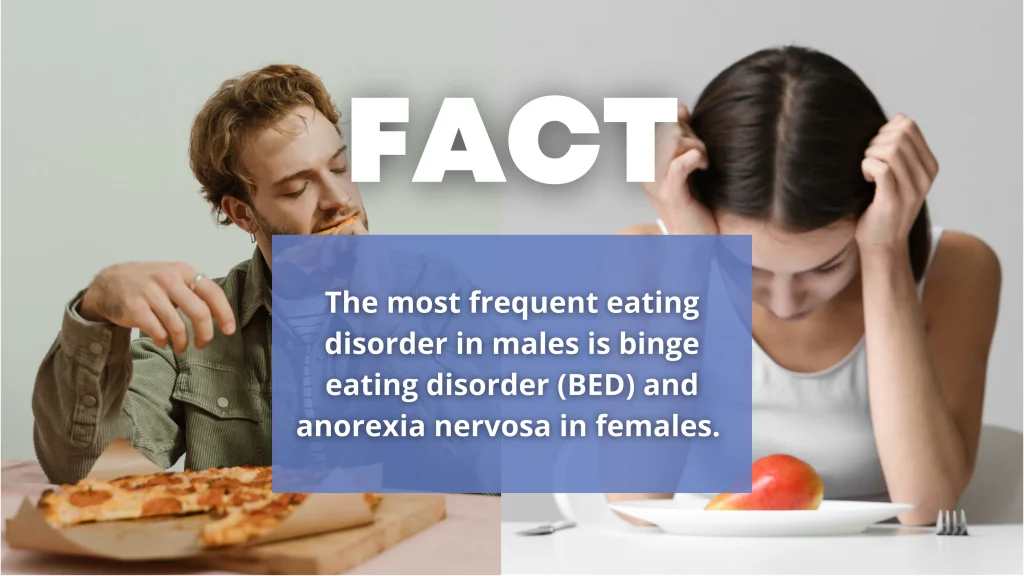
  • Support quitters: Support and motivate your friends and family members who wish to stop smoking. Provide support, understanding, and encouragement.
  • Spread the word: Share information about the dangers of smoking and the advantages of quitting on social media and in your community.
  • Organize activities: Communities, companies, and schools can all hold events, workshops, or instructional sessions to promote awareness about smoking cessation.
  • Quit smoking resources: Use the American Cancer Society’s quit-smoking materials and other helplines.
  • Share achievements: Celebrate the accomplishments of those who have quit smoking and are living a smoke-free lifestyle.

Conclusion

There are many ways to quit smoking, and some work better than others. By taking the initial step and deciding to quit, your body can begin to heal in minutes, and participating in events like the Great American Smokeout will provide you with the support and bravery you need to quit. The benefits of quitting smoking can significantly improve your quality of living and life expectancy!

FAQ’s:

What is the Great American Smokeout?

The Great American Smokeout is an annual event held by the American Cancer Society on the third Thursday of November to encourage people to quit smoking.

When is the Great American Smokeout 2024?

The Great American Smokeout 2024 is Thursday, November 21

How can I participate in the Great American Smokeout?

Participating in The Great American Smokeout involves taking steps to quit smoking and supporting others in their efforts to quit. 

What quit smoking resources are available to help me quit smoking?

There are plenty of different quit smoking resources to help people quit smoking. Some of these include: 

> Medications
> Therapy
> Online quit smoking resources
> Nicotine replacement therapy
> Counselling 
> Support groups 
> Organizations such as the American Cancer Society, The American Lung Association and more.

Does quitting smoking reduce cancer risk?

Yes, one of the benefits of quitting smoking is that it can significantly reduce your risk of developing cancer.

What strategies work best for quitting smoking?

> Avoid triggers
> Find safe substitutes
> Reach out and find smoking cessation support groups
> Use medication or nicotine replacements
> Cut down gradually
> Make a plan and stick to it as best you can

Benefits of Pranayama: Breathe Better, Live Better with This Life-Changing Practice

Pranayama is the practice of regulating one’s breath, offering numerous benefits of pranayama for the body and mind. You consciously inhale, expel, and hold your breath in a precise order. The idea is to connect the body and mind. Pranayama is used in conjunction with other yoga activities, such as physical postures (asanas) and meditation. These practices work together to provide yoga’s numerous advantages. In Sanskrit, “prana” signifies “life energy,” while “yama” represents control.

Learn more about the benefits of pranayama, how to practice it, and the potential impact on your well-being.

What Exactly Are the Benefits of Pranayama?

benefits of pranayama

Pranayama is an Ayurvedic technique focused on controlling one’s breath to achieve various benefits of pranayama for body and mind connection. Through pranayama, you gain control over the timing, duration, and frequency of each breath and hold, helping you connect deeply with your inner self.

Pranayama can entail a variety of breathing practices, including:

  • Alternating nostril breathing (Nadishodhana).
  • Victorious breath (ujjayi)
  • Female honeybee humming breath (bhramari).
  • Bellows breath (Bastrika)

These pranayama exercises can be done in various ways—during yoga positions, while meditating, or on their own—to experience the holistic benefits of pranayama in daily life.

what is pranayama

What Are The Potential Benefits Of Pranayama?

The benefits of pranayama have been thoroughly studied. Pranayama has been proved in scientific research to provide a variety of health benefits. Let’s look at six of these potential benefits in greater detail.

Reduces Stress

When practiced on a regular basis, pranayama can assist in reducing stress. Research looked into the benefits of pranayama for front-line workers during the COVID-19 pandemic. Researchers discovered that practicing pranayama for four weeks reduced feelings of stress and improved psychological quality of life.

Improves Sleep 

Deep breathing activities, such as pranayama, may aid in sleep regulation by requiring you to concentrate on your breath and fostering deep relaxation. This may be especially effective for insomniacs. According to a study, one of the benefits of pranayama is its potential to enhance sleep quality in adults with obstructive sleep apnea. Furthermore, the study discovered that pranayama practice reduced snoring and daytime tiredness, implying better overall sleep quality.

Increases Mindfulness

Many of us breathe on autopilot without much thought. However, pranayama requires you to pay attention to your breathing and its sensation, helping you concentrate on the present moment instead of the past or future. This practice, known as mindfulness, was shown to be enhanced in students who engaged in pranayama.

Additionally, these students demonstrated improved emotional control due to the calming benefits of pranayama, which enhance mindfulness.

Reduces High Blood Pressure

High blood pressure, often known as hypertension, occurs when your blood pressure rises to an abnormally high level. It raises the risk of some potentially significant health issues, including heart disease and stroke. Stress is a primary contributor to high blood pressure. The benefits of pranayama may reduce this risk by encouraging calm.

A study discovered that pranayama can dramatically lower systolic blood pressure. Concentrating on your breathing can help calm your nervous system, perhaps lowering your stress response and risk of hypertension. These are among the key benefits of pranayama that can help improve overall heart health.

Improves Lung Function

The deliberate, slow breathing of pranayama can help strengthen your lungs. By improving lung function, the benefits of pranayama may increase the efficiency of both healthy individuals and athletes, particularly those who participate in aerobic-based sports, according to a study.

Reduces Cigarette Cravings

Yogic breathing, or pranayama, has been shown to lessen cravings in smokers who are attempting to stop. oga breathing techniques focused on mindfulness reduced the unpleasant symptoms of smoking discontinuation.

Types of Pranayama Exercises

pranayama practice

The following are some of the most popular breathwork techniques you could see in a yoga class.

Ujjayi Pranayama (Victorious Breath)

Ujjayi pranayama, one of the most common breathwork techniques taught in asana practice, involves slightly narrowing the neck to create resistance to the passage of air. Gently pulling the breath in on inhale and gently pushing it out on exhalation against this resistance produces a well-modulated and pleasant sound, similar to the sound of ocean waves rolling in and out. 

This is why it is sometimes referred to as “ocean breath.” Ujjayi can be incorporated into any physical activity by inhaling and exhaling. It can also be included in your meditation practice by sitting quietly and focusing on your breath. The benefits of pranayama from this exercise include increased focus and relaxation.

  1. Exhale with your mouth slightly open as if you’re attempting to fog up the mirror.
  2. Feel the breath go through your throat and hear the “ocean” sound.
  3. Once you’re used to the sensation in your throat, try inhaling and exhaling with a closed mouth.
  4. Repeat the pattern for at least ten breaths.

Sama Vritti Pranayama (Box Breathing)

Sama vritti pranayama is another effective breathwork technique for clearing your mind. It relaxes your body and allows you to focus.

  1. Sit in a comfortable position with your back supported and your feet on the floor.
  2. Close your eyes. Breathe in slowly through your nose, counting to four. Concentrate on feeling the air enter your lungs.
  3. Hold your breath while gently counting to four again. Try not to close your mouth as you avoid breathing and exhaling for four counts.
  4. Slowly exhale to the count of four.
  5. Pause for an additional four counts at the end of your exhalation.
  6. Repeat this cycle for 10 breaths or until you feel relaxed and focused. The benefits of pranayama with this exercise include improved concentration and calmness.

pranayama yoga

Dirgha Pranayama (Three-Part Breath)

This technique entails pausing your inhalations and/or exhalations with pauses. Dirgha pranayama makes you more conscious of your lung capacity and the structure of your body.

  1. Lie in a reclining position, either flat on your back or supported by bolsters, blocks, blankets, or a combination of the above.
  2. Inhale to one-third of your lungs’ capacity, then hold for two to three seconds.
  3. Inhale another third, pause, and inhale until your lungs are full.
  4. Pause, then repeat the rhythm of exhaling in thirds.

Repeat 5 rounds of inhalations and 5 rounds of exhalations or until you are comfortable. The benefits of pranayama in this practice include enhanced lung capacity and relaxation.

Nadi Shodhana Pranayama (Alternate Nostril Breath)

Nadi shodhana pranayama, also known as channel-cleaning breath, is a practice that helps to calm the body and mind.

  1. Sit in a comfortable position and perform Vishnu Mudra by folding your right index and middle finger in to meet the base of your thumb, leaving the remaining fingers outstretched. Your left hand may rest on your left thigh or in your lap. It can also be utilized to brace the right elbow.
  2. Gently seal your right nostril with your thumb. Inhale through the left nostril and close it with your ring finger and pinky. After a brief pause, slowly open and exhale via your right nostril.
  3. Keep the right nostril open, inhale, then close it before slowly opening and exhaling via the left. This represents one cycle. Repeat three to five times, then release the hand mudra and resume normal breathing. The benefits of pranayama with this technique include improved breathing efficiency and stress reduction.

pranayama yoga

Kapalabhati Pranayama (Skull Brightener or Skull-Shining Breath)

This technique involves alternating quick, powerful exhalations and slightly prolonged, quiet inhalations. Exhalations are caused by forceful contractions of the lower abdominal muscles (between the pubis and navel), which force air out of the lungs. Inhalations occur in response to the release of this contraction, which draws air back into the lungs. Begin practicing kapalabhati in a seated or reclining position, with your fingertips lightly on your belly.

  1. Concentrate on your lower abdomen. If necessary, cup one hand lightly in the other and softly press it against your lower tummy. (With practice, you will gain more abdominal control and may not need to use your hands.)
  2. Now, quickly contract your lower belly, forcing a burst of air from your lungs. Then, swiftly relax the contraction (or your hands) so that the belly “rebounds” and draws air into your lungs. Pace yourself slowly at first.
  3. Repeat 8 to 10 times, with approximately one exhale-inhale cycle per second or two. As you improve your ability to compress and release your lower belly, you can raise your pace to around two exhale-inhale cycles each second. Consider the exhale sweeping out or “brightening” the inner lining of your cranium.
  4. Do 25-30 cycles at first. Gradually increase the number of cycles per practice to 100 or more. The benefits of pranayama in this practice include increased energy and mental clarity.

Conclusion

Pranayama, or breath control, is a fundamental aspect of yoga. It is usually combined with yoga poses and meditation. Pranayama aims to strengthen the link between the body and mind. Pranayama, according to research, might help you relax and be aware. It may also benefit several elements of physical health, such as lung function, blood pressure, and cognitive function. 

If you have never practiced pranayama before, try taking a yoga class or finding a teacher who can teach you the right technique for these breathing exercises!

FAQs:

What are the 5 basic pranayama?

> Ujjayi Pranayama (Victorious Breath)
> Sama Vritti Pranayama (Box Breathing)
> Dirgha Pranayama (Three-Part Breath)
> Nadi Shodhana Pranayama (Alternate Nostril Breath)
> Kapalabhati Pranayama (Skull Brightener or Skull-Shining Breath)

What is the best time of day to practice pranayama?

The best time to practice pranayama is typically early in the morning, before sunrise, or in the evening before sunset. 

How does pranayama help relieve stress and anxiety?

Pranayama can assist in regulating the autonomic nervous system by increasing parasympathetic output while decreasing sympathetic tone. This can assist to alleviate unpleasant feelings such as anxiety, depression, and tension.

What are the different types of pranayama, and what are they used for?

> Bhastrika pranayama – Also known as bellows breath, this technique is used to increase energy levels. 

> Kapalbhati pranayama – Also known as skull-shining breath, this technique is used to clear energy and detoxify the body. 

> Nadi Shodhan pranayama – Also known as the alternate nostril technique, this technique is used to center the mind by connecting the right and left sides of the brain.
 
> Bhramari pranayama – Also known as bee breath, this technique is used to calm the mind and racing thoughts. 

> Ujjayi breathing – Also known as ocean breath or victorious breath, this technique is used to create heat and stability. 

> Nauli Kriya – This advanced technique is used to massage and tone the abdominal area. 
Sheetkari Pranayama – This technique is used to create a feeling of coolness. 

> Surya Bhedana Pranayama – This technique involves breathing in through the right nostril, stopping the breath, and releasing the left nostril. 

> Chandra Bhedana Pranayama – This technique involves inhaling through the left nostril and exhaling through the right nostril. It is used to reduce body heat, heart burning, high blood pressure, and fever. 

Is pranayama safe for everyone, including people with health conditions?

People who have stents placed in their blood vessels should avoid doing Kapalbhati pranayama. People suffering from respiratory problems like asthma, wheezing or bronchitis should be careful while doing the breathing exercises.

How does pranayama improve lung capacity and respiratory health?

Pranayama breathing techniques tone the respiratory muscles, improving overall strength. The Diaphragm, the largest muscle involved in respiration, gets stronger and functions better.

Can pranayama improve mental clarity and focus?

Yes, pranayama can improve mental clarity and focus.

Smoking Secrets: What Tobacco Use Really Does to Your Health

The health risks of tobacco use, whether smoked or chewed, are extremely harmful. Tobacco products contain hazardous chemicals such as acetone, tar, nicotine, and carbon monoxide. Inhaled chemicals can harm your lungs and other organs.

what does smoking do to your body

Smoking can cause chronic difficulties and long-term consequences on your body’s systems. While smoking might increase your risk of developing certain health illnesses over time, such as glaucoma, cancer, and blood clotting problems, some of the physical impacts occur right away.
Learn more about the symptoms and general consequences of smoking on the body below.

Using Tobacco

Tobacco smoke is extremely damaging to your health. There is no safe way to smoke. Replacing your cigarette with a cigar, pipe, e-cigarette, or hookah will not protect you from health dangers. According to the American Lung Association, cigarettes contain over 600 chemicals. 
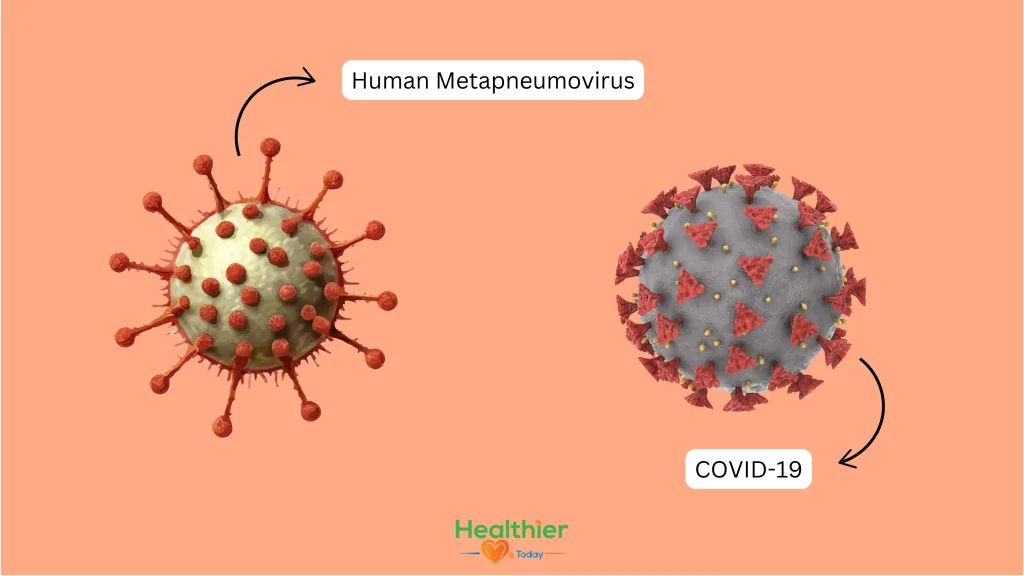
Many of these substances also appear in cigars and hookahs. When they burn, they release over 7,000 compounds, many of which are harmful. At least 69 of them have been identified as carcinogenic or cancer-causing. In the United States, smokers have a threefold higher mortality rate than non-smokers. 

risks of tobacco use for youth

In fact, the Centers for Disease Control and Prevention (CDC) report that smoking is the leading preventable cause of death in the United States. While not all of the consequences of smoking are immediate, the problems and harm can persist for years. The good news is that stopping smoking can decrease numerous risk factors for illnesses and diseases.

Cancer And Health Risks Of Tobacco Use

Smoking can be harmful to your organs and have a detrimental impact on your overall health. Smoking can cause inflammation throughout your body and impair your immune system. This may increase your susceptibility to infection. 

Smoking is an environmental risk factor for rheumatoid arthritis, albeit the exact mechanism is unknown. A well-documented association exists between smoking and a variety of cancers. Smoking increases your chances of developing cancer practically anywhere in your body. 

This includes the following cancer types:

tobacco use and cancer

  • Tracheal, bronchial, and lung cancer
  • Esophageal cancer
  • Acute myeloid leukemia
  • Cervical cancer
  • Colorectal cancer
  • Kidney and uterine cancer
  • Laryngeal cancer
  • Bladder cancer
  • Liver cancer
  • Oropharyngeal cancer
  • Pancreatic cancer
  • Stomach or gastric cancer

If you stop smoking, cancer and health risks of tobacco use drop in 10 to 20 years, depending on the kind of cancer. However, your risk will remain higher than that of those who have never smoked.

Central Nervous System

Tobacco contains nicotine, a mood-altering substance. Nicotine is habit-forming and extremely addictive. It’s one of the reasons individuals struggle to quit smoking. Nicotine enters your brain in seconds and can provide you with a temporary boost of energy. However, once the effect wears off, you may become fatigued and want more. Physical abstinence from nicotine might impede your ability to think and cause bad feelings. 

Mental health risks of tobacco use may include:

Effects on Vision

Long-term smoking might have negative effects on your vision and optic nerve. It may cause you to acquire eye-related disorders. 

The visual health risks of tobacco use can include:

  • Glaucoma is a condition in which the pressure in the eye increases, putting strain on the optic nerve and causing damage and loss of sight.
  • Cataracts produce cloudy eyesight.
  • Age-related macular degeneration, which causes damage to a location in the center of your retina and results in loss of your central vision.

Damage to the Respiratory System from Tobacco Use

Smoking harms the airways, air sacs (alveoli) in the lungs, and cilia, which are microscopic hair-like structures that keep debris and mucus from entering the lungs.

tobacco use and lung cancer

Lung Damage

Smoking causes permanent lung damage and tissue loss. Damage to the respiratory system can also make you more susceptible to pulmonary diseases such as tuberculosis and pneumonia, increasing the risk of death from those illnesses. Smoking can lead to a chronic cough. If you have asthma, it can exacerbate your symptoms.

Risk of Lung Cancer

Smoking can harm the lungs, causing sickness or cancer. Smoking is the major cause of lung cancer, with smokers 20 times more likely than non-smokers to develop the disease.

Chronic Lung Conditions

People who smoke are at a greater risk for chronic irreversible lung diseases such as:

  • Emphysema is the destruction of air sacs in the lungs.
  • Chronic bronchitis is a chronic inflammation of the lining of the lungs’ breathing tubes.
  • Chronic Obstructive Pulmonary Disorder (COPD) is a range of lung disorders.
  • Lung cancer.
  • Adult-onset asthma

Withdrawal from tobacco products can cause temporary congestion and respiratory pain as your lungs and airways repair. Increased mucus production shortly after stopping smoking may indicate that your respiratory system is recuperating.

The Health Risks Of Tobacco Use In Infants, Children, and Teens

risks of tobacco use for youth

Babies born to pregnant women who smoke may have undeveloped lungs. Children whose parents or caregivers smoke cigarettes may be more likely to develop certain indirect health risks of tobacco use than children whose caregivers do not smoke. 

These can include:

  • Coughing
  • Idiopathic pulmonary fibrosis
  • Wheezing
  • Asthma attacks
  • Reduced lung function
  • Pneumonia
  • Bronchitis
  • Impaired lung growth
  • Tuberculosis

Teens who smoke may develop smaller and weaker lungs than non-smokers.

Cardiovascular System

According to the Centers for Disease Control and Prevention, cardiovascular disease induced by cigarette smoking accounts for one in every four deaths in the United States.

Cardiovascular health risks of tobacco use can affect you:

  • Heart
  • Arteries
  • Blood vessels

Nicotine causes blood arteries to constrict, reducing the flow of blood. Smoking also causes high blood pressure, weakens blood vessel walls, and increases the risk of blood clots.

These factors raise your risk for cardiovascular disease, including:

  • Atherosclerosis
  • Stroke
  • Peripheral artery disease
  • Coronary heart disease
  • Abdominal aortic aneurysm

You are also at a higher risk of deteriorating heart disease if you have already had:

  • A heart attack
  • Heart bypass surgery
  • A stent placed in a blood vessel

Sexuality And Reproductive System

Nicotine has an effect on blood flow to both males’ and women’s genital areas. Smoking may also contribute to fertility troubles and lower sex hormone levels in men and women, resulting in diminished sexual desire.

For Females

For persons who have vaginas, it can cause sexual unhappiness by reducing lubrication and the capacity to achieve orgasm. Menopause may occur earlier in smokers than in non-smokers. Smoking affects hormone production and can make it difficult for those with vaginas to conceive. 

It can also increase the risk of:

  • Ectopic pregnancy
  • Early delivery
  • Sudden infant death syndrome (SIDS)
  • Low birth weight
  • Stillbirth
  • Cleft palate and lip in infants

For Men

Smoking can impair sexual performance in people with penises. Smoking (Tobacco use)can impair the function of blood vessels, limiting the blood flow required for an erection in those with penises. This may lead to erectile dysfunction (ED). ED can also cause fertility issues. It can also damage sperm DNA, making conception more difficult and raising the chance of miscarriage and certain birth abnormalities.

FAQs: 

How does nicotine addiction develop in teens?

Nicotine can cause brain alterations in which people, particularly young people, seek more nicotine. Until roughly age 25, the brain is still developing, and learning a new action or skill strengthens the connection.

Is there a difference between smoking processed tobacco and natural tobacco?

All cigarettes, whether those labeled as “natural,” “organic,” or “additive-free,” contain hazardous ingredients such as heavy metals, tar, and carbon monoxide.

Can quitting smoking reverse the risk of lung cancer?

Quitting smoking is always worthwhile, regardless of how long you’ve been doing it. Every year you don’t smoke reduces your risk of developing major illnesses like lung cancer. After 12 years of not smoking, your chances of acquiring lung cancer are more than halved compared to smokers.

How does smoking tobacco during pregnancy affect fertility in women?

Smoking tobacco during pregnancy can negatively impact fertility in women. For people with vaginas, it can lead to sexual dissatisfaction by decreasing lubrication and reducing the ability to reach orgasm. Smoking can also cause early menopause and affect hormone production, making it harder for women to conceive.

Additionally, smoking tobacco during pregnancy increases the risk of complications such as ectopic pregnancy, preterm birth, and low birth weight, further affecting both fertility and reproductive health.

What are the potential long-term effects on children born to mothers who smoke?

Prenatal smoking may also increase the risk of a number of child behavioral issues, including the externalization of aggressive and hyperactive behavior, extended periods of verbal or physical aggression and/or socially undesirable behavior (conduct disorder) throughout childhood, and delinquency later in life.

What organs are most impacted by tobacco use and cigarette smoking?

Tobacco use and cigarette smoking are harmful to nearly every organ in the body, including the heart, blood vessels, digestive organs, lungs, eyes, mouth, reproductive organs, bones, and bladder.

Stay Connected: The Future of Health with Remote Patient Monitoring

The delivery of healthcare via electronic communication, or telehealth, has evolved significantly since its inception. Telehealth has changed fast over the years as technology has advanced, and the healthcare community has innovated to uncover new uses and applications for the technology, including remote patient monitoring.

The use of electronic health records (EHRs) and increased access to the internet and medical gadgets has allowed healthcare to move out of traditional clinical settings and into patients’ homes.

What is Remote Patient Monitoring?

Remote patient monitoring (RPM) is a sort of telemedicine in which healthcare personnel monitor patients using digital medical devices such as weight scales, blood pressure monitors, pulse oximeters, and blood glucose meters. The data obtained by these devices is then electronically transmitted to providers for care management.

Data collecting can include automated feedback and procedures, as well as the ability to indicate out-of-range or problematic readings. Historically, RPM has been used to assess symptoms of chronic disorders such as heart disease, diabetes, and asthma.

Patients may have encountered this through wearable technologies such as Holter monitors, which may assess heart rhythms and remotely detect and monitor cardiovascular illnesses. Given the data and several research studies demonstrating the benefits of RPM, the American Heart Association advises remote monitoring of vital signs for hypertensive patients.

These advantages include patient involvement in their medical care, patient adherence to their treatment plan, and the capacity to extend physician reach and easily give care to patients without requiring patients to travel for in-person visits.

What Are The Benefits of Remote Patient Monitoring?

Benefits of remote patient monitoring

Better health outcomes are the ultimate goal of telemedicine, which offers numerous benefits that are also the reason so many people choose this kind of care. 

Some of the advantages of telemedicine include:

  • Less time spent commuting and waiting
  • More efficient appointments
  • Save money on transit, parking, and lost work.
  • A capacity to attend appointments at times that may not be convenient for in-person visits
  • Increased availability of care
  • Access to specialists beyond your local area
  • Improved drug adherence
  • Fewer urgent care visits and hospital readmissions
  • Shorter hospital stays and at-home monitoring capabilities

Types of Telehealth

Below are a few instances of telehealth services that could be beneficial to your health care. Let’s take a look!

Virtual visits

Some clinics may use telemedicine to provide distant care, including remote patient monitoring. For example, clinics may provide virtual visits. These can connect you to a health care physician, mental health counselor, or nurse via online video or phone chats. Virtual visits can treat a variety of diseases, including migraines, skin disorders, diabetes, depression, anxiety, colds, coughing, and COVID-19.

These visits allow you to receive care from a clinician when an in-person visit is not necessary or possible. Before your appointment, your healthcare team may email you information or paperwork to complete online and return to them. They may also ensure that you have the required technology. They will also check to see if you need to update or install any software or applications.

They can also advise you how to sign in and join the video chat during your visit. Additionally, the healthcare team can demonstrate how to use the microphone, camera, and text chat. This is especially helpful for patients using remote patient monitoring devices like blood pressure monitors or glucose meters, ensuring proper setup and connection.

If necessary, request assistance from a family member in setting up the required technologies. To join the virtual visit, all you need is a smartphone, tablet, or computer with internet access. You can locate a nice, quiet, and private place to sit throughout your visit. Your provider also meets in a private setting.

Other options

Some people may seek medical care or guidance online or over the phone. When you connect to a web-based service or phone service that provides primary or urgent care, you are prompted with a series of questions. Drugs can be prescribed by either the provider or the nurse practitioner. They may also advise home care tips, additional medical care, or suggest remote patient monitoring for ongoing observation of your condition.

While these services are convenient, they do have drawbacks:

  • Treatment may not be coordinated with your usual provider.
  • Important data about your medical history may be overlooked.
  • If you have a complex medical history, the computer-driven decision-making approach may not be appropriate for you.
  • The service does not make it easy for you to make treatment decisions with your clinician.

Remote monitoring

Many technologies enable a physician or healthcare team to monitor your condition remotely through remote patient monitoring systems.

These technologies include the following:

  • Web-based or mobile apps for sending data to your provider or healthcare team. For example, if you have diabetes, you can upload meal diaries, blood sugar levels, and medications that a nurse can review.
  • Devices that measure and wirelessly transmit data, including blood pressure, blood sugar, and oxygen levels.
  • Wearable gadgets that automatically collect and transmit data. For example, the gadgets may monitor your heart rate, blood sugar levels, walking style, posture, tremors, physical activity, and sleep.
  • Home monitoring systems for the elderly or those with dementia can detect changes in daily activity, such as falls.
  • Devices that provide reminders reminding you to exercise or take medication.

Patient Portals

Your primary care practice may offer an online patient portal. Rather than using email, these portals provide a safer alternative to contacting your provider. 

A portal offers a secure online tool for doing the following:

  • Contact your provider or a nurse.
  • Request prescription refills.
  • Examine test results and summaries from previous visits.
  • Schedule appointments or request appointment reminders for preventive care.

If your provider is part of a larger healthcare system, the portal may also serve as a single point of contact for any specialists you may need.

Personal Health Apps and Records

Many apps have been developed to assist consumers in better organizing their medical information in one secure location. 

These digital tools could help you:

  • Save personal health information
  • Maintain a record of vital signs
  • Calculate and track your calories
  • Set reminders to take medications
  • Keep track of your physical activity, such as how many steps you take every day

An electronic personal health record system (PHR system) is a collection of health-related information that you control and manage. A PHR app is accessible from any web-enabled device, such as a computer, laptop, tablet, or smartphone. In some cases, these apps can support remote patient monitoring, allowing you to share health data with your provider easily.

A personal health record also allows you to see your lab results, X-rays, and clinician notes. With your permission, your provider may share this information with other providers. In an emergency, a personal health record can instantly provide critical information to emergency personnel. For example, it can display your current medical problems, medications, drug allergies, and your provider’s contact information.

Tips For An Effective Virtual Healthcare Appointment

Tips for Effective Online Appointment

Remember these suggestions for your next virtual healthcare appointment:

  • Check the internet connection: Your appointment may be disrupted due to insufficient bandwidth. Try to improve your signal or go to a location with better internet connectivity.
  • Get to know the software: You may need to download new software in order to connect safely to the virtual appointment. Make sure you perform this prior to the appointment and test it to confirm it works.
  • Pick a peaceful environment with good lighting: Try to pick an area in your house or virtual location with minimal background noise and no disturbances. Good lighting is especially crucial when your doctor examines your skin for a rash, swelling, lumps, or bruises.
  • Take images of a skin condition: If you have a skin problem, such as a rash, acne, sore, or strange mark, sharing a high-resolution photograph with your doctor will be quite beneficial. Before your appointment, take a clear and detailed photo of your skin concern and upload it to your doctor’s internet site.
  • Have a list of questions: Make appointment notes in the same way as you would for an in-person visit. This can include details regarding what you’ve been through. It may also include inquiries regarding your symptoms, therapy, or test results.
  • Acknowledge limitations: Virtual appointments can be useful, but don’t expect the same results as an in-person visit. During one of these visits, a healthcare expert is unable to touch or feel your body, which limits the scope of diagnosis.
  • Be on time: It is both a customary courtesy and a need. If you arrive late, you may miss your appointment entirely and need to reschedule
  • Put safety first: Make sure you can communicate comfortably with your doctor throughout your appointment. Avoid driving, operating machinery, or multitasking during your virtual session with your doctor.

When to Get In-Person Care

Know when to get in -person care

Many illnesses, symptoms, and follow-up appointments can be addressed with telemedicine visits. However, certain symptoms and medical issues necessitate prompt, in-person care. 

If you have symptoms like these, go to the nearest emergency room or call 911 right away:

  • Chest discomfort
  • Difficulties breathing
  • Weakness or numbness on one side
  • Slurred speech
  • Seizures
  • Concussion
  • Fever and rash
  • Severe bleeding
  • Serious burns
  • Fractured bones or dislocated joints

Furthermore, if you have stomach pain, telemedicine is not the ideal solution because you will need an abdominal exam, which doctors cannot conduct remotely. If you are experiencing abdominal pain, schedule an in-person visit with your doctor.

Conclusion

Telemedicine can be a valuable resource for both healthcare providers and patients. You can get medical care on your own time without the inconveniences of commuting, transportation costs, waiting, or missing work. Remote patient monitoring also enhances this experience by allowing healthcare professionals to track your condition from home. However, telehealth has limitations and is not appropriate for every person, condition, or scenario.

Discuss the advantages and disadvantages of this type of care with your doctor or healthcare practitioner. Together, you may decide whether or not this service is beneficial to your health and well-being.