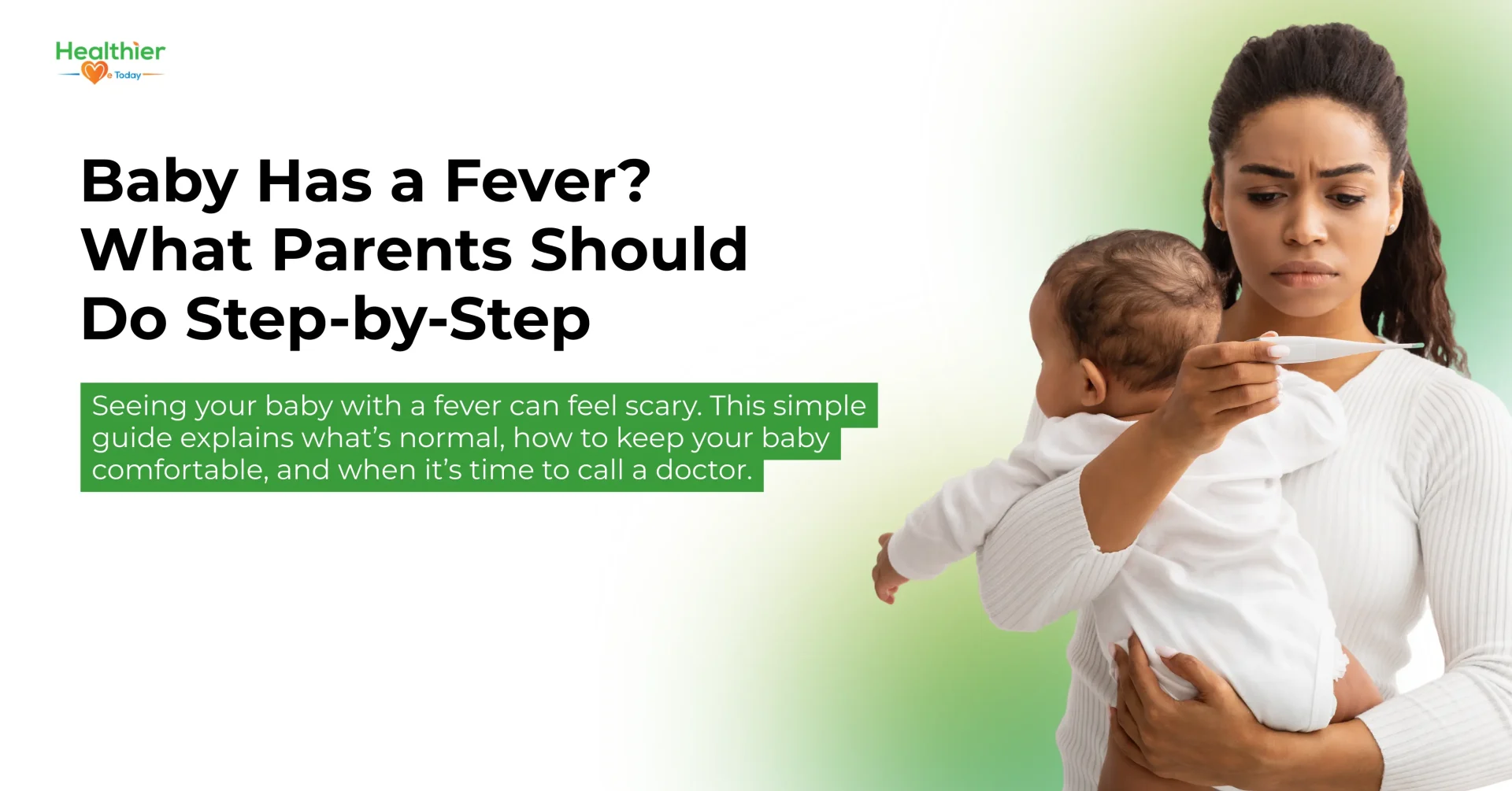
Baby With Fever? Here’s What to Do (Step-by-Step)

Seeing a baby with fever can be scary, especially when you’re not sure what’s normal and what needs urgent attention. Your mind races, you worry about every degree on the thermometer, and you want to know how to help your baby feel better as quickly and safely as possible. When your baby feels warm, unsettled, or uncomfortable, knowing what to do next can make all the difference and help you stay calm in the moment.

This guide walks you through clear, step-by-step actions to take when your baby has a fever, how to keep them comfortable, and when it’s time to contact a healthcare professional.

Take a Breath First

Take a Breath First

Seeing that your baby has a fever can be scary, and it’s completely normal to feel anxious in that moment. Before you rush into action, take a deep breath and pause for a second. Staying calm helps you think more clearly and respond in the best way for your baby. Fevers are very common in babies and often indicate the body is fighting off a mild infection.

When you understand what to do if baby has fever, it becomes easier to focus on the right steps and stay calm rather than panic. Most fevers are your baby’s way of fighting off an infection, and starting with a calm mindset sets the tone for caring for your baby safely and confidently.

New parents often have many questions during those early weeks, and having a checklist of newborn must-haves can make daily care much easier.

Step 1: Check Your Baby’s Temperature Correctly

Before taking any next steps, it’s important to accurately measure your baby’s temperature. A clear baby temperature guide helps you understand what a normal temperature is and when it may signal a fever. Checking your baby’s temperature correctly from the beginning helps you avoid confusion and unnecessary worry.

What Temperature Is Considered a Fever in Babies?

You might be wondering what temperature is fever for baby. Generally, a fever is present when a baby’s rectal temperature reaches 38°C (100.4°F) or higher. Measurements taken under the arm or on the forehead can be a bit lower and less accurate, so these methods are best for a quick check rather than a definitive reading.

Best Thermometer to Use by Age

The right thermometer for your baby depends on their age and comfort. For newborns and babies under 3 months old, a digital rectal thermometer provides the most accurate reading. For babies over 3 months, you can use a digital thermometer under the arm or on the forehead.

However, these may not be as accurate. Ear thermometers work well for babies over 6 months, since younger infants’ ear canals are too small for reliable readings.

How to Take a Baby’s Temperature Safely

To take your baby’s temperature safely, keep them calm and comfortable. Remove any clothing that might get in the way. Always clean the thermometer before and after use, and follow the instructions carefully. Never leave your baby alone while you take their temperature. 

If the reading seems off, wait a few minutes and check again. Write down your baby’s temperature and the time to help you watch for patterns and provide useful information if you need to contact your healthcare provider.

Step 2: Look at Your Baby & Not Just the Number

When your baby has a fever, the thermometer reading is only part of the story. How your baby looks, acts, and behaves can give you important clues about what’s going on.

Baby Fever Symptoms to Watch For

When your baby has a fever, paying attention to how they act can tell you a lot about their condition.

Baby fever symptoms to watch for include:

  • Unusual fussiness or crying – your baby may be more irritable than normal.
  • Shivering or feeling cold – sometimes a fever can make them feel chilly.
  • Sleepiness or difficulty waking – they might be more tired than usual or hard to rouse.
  • Poor feeding or refusal to eat – a baby with a fever may not want milk or solid foods.
  • Rapid breathing or a fast heartbeat – these can indicate your baby is working harder to fight the fever.
  • Pulling at ears or other body parts – may signal discomfort or pain.

Watching for these symptoms gives you a clear picture of how your baby is handling the fever and helps you decide whether home care is enough or if you need to call your healthcare provider.

Baby Fever Without Other Symptoms

Sometimes your baby may have a fever but still act like their usual self. They might smile, play, and feed normally, with no clear signs of anything wrong [babycenter.com]. This can happen when your baby’s body is fighting a mild condition, such as a small infection or teething. Even when there are no other symptoms, it’s still important to watch your baby closely. Keep them comfortable, offer feeds often, and check their temperature from time to time so you can respond quickly if anything changes.

Signs Baby Fever Is Serious

Sometimes a fever can be a sign that your baby needs medical attention. A baby’s fever may be serious if the temperature stays very high, your baby struggles to breathe, seems extremely tired or difficult to wake, keeps vomiting, or develops a rash. You may also notice weak crying or that your baby doesn’t want to feed at all. If any of these signs appear, contact your healthcare provider as soon as possible. Acting early helps ensure your baby gets the care they need without delay.

Step 3: Comfort and Care at Home

After checking your baby’s temperature and observing their behavior, it’s important to focus on comfort and gentle care. Gentle care at home can help soothe your baby, ease discomfort, and give their body time to recover. While doing this, it’s still important to keep an eye on any changes so you know when extra help might be needed.

How to Reduce Baby Fever Safely

To safely reduce a baby’s fever, focus on comfort rather than trying to bring the temperature down too quickly. Dress your baby in lightweight clothing, keep the room comfortably cool, and offer feeds often to prevent dehydration [blueberrypediatrics.com]. Let your baby rest as much as they need, and avoid over-bundling, which can trap heat and raise their temperature further.

Parents often ask whether a bath can help comfort a sick baby, which is why understanding how often to bathe a newborn can be helpful during illness and everyday care.

Baby Fever Home Care Tips

Good baby fever home care starts with close observation and gentle support. Make sure your baby stays hydrated with breastmilk, formula, or fluids appropriate for their age. Keep routines calm and quiet, offer extra cuddles, and check their temperature regularly. These small steps help your baby feel secure while you monitor whether the fever is improving or needs medical attention.

If your baby isn’t feeding as well during illness, learning how to produce more breast milk may help support hydration and nutrition during recovery.

Safe Fever Medicine for Babies (When Appropriate)

In some situations, your healthcare provider may suggest medication if your baby is very uncomfortable or in pain. It’s important to always follow the correct dose based on your baby’s age and weight, and never give any medicine without proper advice. Medication is meant to help your baby feel better, not to replace close monitoring of their symptoms or behavior.

What NOT to Do If Baby Has a Fever

Avoid common mistakes that can make a fever worse or delay proper care. Do not give cold baths, alcohol rubs, or adult medications. Never ignore baby fever warning signs, such as difficulty breathing, extreme sleepiness, or a fever that doesn’t improve. Trust your instincts; if something doesn’t feel right, it’s always better to seek medical advice.

Step 4: Monitor and Reassess

Once your baby is resting and more comfortable, the next step is to keep watching how things change over time. Fevers can shift quickly in babies [childrenshospital.org], so checking in regularly helps you know whether your baby is improving or if extra care may be needed.

How Long Fever Lasts in Babies

In many cases, a fever in babies lasts a few days and slowly improves as their body fights off the illness. You may notice the temperature rising and falling during this time, which is normal. What matters most is how your baby is acting overall. If the fever lasts longer than expected or doesn’t seem to ease, it’s a good idea to speak with your healthcare provider.

When Fever Is Improving

Signs that a fever is improving often show in your baby’s behavior before the temperature fully returns to normal. Your baby may start feeding better, sleeping more comfortably, or becoming more alert and playful. Even if the fever hasn’t completely gone away, these changes usually mean their body is recovering and responding well to care.

When Symptoms Are Getting Worse

If your baby’s fever keeps climbing or they start acting very different from normal, it could mean they’re not getting better. You might notice more crying than usual, trouble breathing, poor feeding, or that your baby seems very tired and hard to wake. When things don’t improve or start to feel more worrying, it’s best to trust your instincts and contact a healthcare provider so your baby can be checked.

When Baby Fever Is Dangerous

While many fevers are mild, there are times when a baby’s fever needs urgent attention. Knowing when a fever may be serious helps you act quickly and feel more confident about when to seek medical help.

Fever in Newborn Baby (Under 3 Months)

If your newborn is under 3 months old and has a fever, it’s important to take it seriously. At this age, a fever can be a sign of an infection that needs medical care, even if your baby seems calm or is feeding normally [mayoclinic.org]. You should contact a healthcare provider right away so your baby can be checked and treated if needed.

When to Call the Doctor for Baby Fever

You should call the doctor if your baby’s fever lasts more than a day, keeps coming back, or if your baby seems unwell. This includes poor feeding, ongoing crying, trouble sleeping, or if your baby doesn’t seem like themselves. Getting advice early can help prevent problems and give you peace of mind.

Emergency Warning Signs

Some symptoms mean you should seek medical help immediately. These include trouble breathing, a stiff neck, seizures, a rash that spreads quickly, or if your baby is very difficult to wake. Trust your instincts; if something feels wrong, it’s always safer to get emergency care right away.

What Causes Baby Fever?

What Causes Baby Fever

A fever is usually a sign that your baby’s body is working hard to protect itself. When your baby’s immune system detects something unusual, such as a virus or infection, it raises the body temperature to help fight it off.  

Here are a few common causes of baby fever:

  • Infections – Viral or bacterial infections are the most common cause, such as colds, flu, or ear infections.
  • Teething – Some babies may develop a mild fever, though it is usually low-grade.
  • Immunizations – Fevers can occur after routine vaccinations as the immune system builds protection [chop.edu]. 
  • Overheating – Being dressed too warmly or staying in a hot environment can raise a baby’s temperature.
  • Minor illnesses – Small infections or stomach bugs can sometimes cause a temporary fever.

Most fevers are mild and short-lived, but keeping track of the cause can help you decide when home care is enough and when medical advice is needed.

Tips to Care for a Sick Baby at Home

Tips to Care for a Sick Baby at Home

Caring for a sick baby at home is mostly about comfort, patience, and close attention. Small, gentle actions can help your baby feel more at ease while their body recovers.

Here are some useful tools and tips that many parents find helpful during this time:

  • Infant forehead thermometer (no-touch) – It’s easy to check your baby’s temperature without waking them, especially during sleep. It’s quick, gentle, and stress-free to monitor.
  • Warm-mist humidifier – Adding moisture to the air can soothe your baby’s congestion, coughing, and dry nasal passages, making breathing easier, especially at night.
  • Infant electrolyte solution – If your baby isn’t feeding well or has a fever, this can help keep them hydrated and replace fluids, especially if advised by your healthcare provider.
  • Electric baby nasal aspirator – It gently clears mucus from your baby’s nose, helping them breathe, feed, and sleep better.

Along with these tools, offering plenty of cuddles, keeping routines calm, and watching for any changes can go a long way in helping your baby feel safe and supported at home.

While caring for a sick baby, it’s also important to watch for skin irritation, especially diaper rash, which can make babies more uncomfortable.

Conclusion: A Calm and Confident Approach for Parents

Seeing your baby with a fever can be overwhelming, but having the right information helps you respond confidently. Trust your instincts. Stay calm and focus on your baby’s needs. Trust your instincts. Stay calm and focus on your baby’s needs. With a calm approach and lots of gentle care, you can feel more at ease while caring for sick baby at home, helping them feel safe, comforted, and supported as they recover.

Frequently Asked Questions (FAQ)

How do I bring my baby’s fever down?

To help lower your baby’s fever, keep them comfortable with light clothing, offer fluids or breastmilk, and ensure the room isn’t too warm. Let your baby rest and only give medication if advised by a healthcare provider.

When to worry about a baby with a fever?

If your baby is under 3 months old or has a very high temperature, you should be concerned. Also watch for signs like trouble breathing, persistent vomiting, unusual sleepiness, or if they seem very uncomfortable. If any of these happen, or the fever lasts longer than a couple of days, contact your healthcare provider right away.

What is the fastest way to cure a fever?

There isn’t a quick cure for a fever, as it’s part of the body’s natural response to illness. Focus on keeping your baby comfortable with rest, fluids, and comfort rather than just lowering the fever.

What causes baby fever?

Infections, such as colds and viruses, are the most common cause of fever in babies. It can also happen after vaccinations, during mild illnesses, or if a baby becomes overheated. In most cases, a fever is the body’s way of fighting off something.

What not to do if baby has a fever?

Don’t dress your baby too warmly, and avoid giving them a cold bath to lower their temperature. Don’t take any medication without proper advice, and pay attention to warning signs that worry you. If you have any doubts, it’s better to ask a healthcare professional for help.
Top 15 Fiber-Rich Foods for Kids: Support Growth & Stomach Health

Constipation affects around one in three children and is common among toddlers, kids, and teens. The good news is that a simple change in diet can make a significant difference.

Fiber helps improve digestion, softens stools, and supports a healthy gut. Adding more fiber rich foods for kids to daily meals can help improve digestion and overall health.

This article highlights the top 15 high fiber foods for kids, explains why fiber is essential for growing children, and provides tips to help meet the daily fiber intake for kids.

Why Fiber Matters for Children

Fiber is a kind of carbohydrate that the body cannot digest. Fiber moves through the digestive system, helping the food pass easily and supporting gut health.

Why Fiber Matters for Children

There are two main types of fiber:

  • Soluble fiber, which dissolves in water, helps regulate blood sugar and cholesterol levels. Food sources like oats, nuts, seeds, beans, apples, and carrots
  • Insoluble fiber, which doesn’t dissolve in water, supports bowel health and is found in whole grains and vegetables.

But fiber isn’t just for digestion, it helps your kid stay focused and provides steady energy throughout the day. It also strengthens the immune system, allowing kids to stay healthy and resilient.

Foods high in fiber for kids improve the following:

  • Support immune health – A strong gut contributes to a stronger immune system. With a sufficient intake of fiber and a balanced gut microbiome, children are better equipped to fight infections and maintain their overall health.
  • Maintain steady energy – high fiber foods for kids release energy slowly, to avoid sudden spikes and drops in blood sugar. This helps kids stay alert and focused in class and energetic throughout the day.
  • Support healthy gut bacteria – fiber acts as food for good bacteria in the gut. These healthy bacteria help protect the immune system, improve mood, and maintain balance in the digestive tract.
  • Helps absorb more nutrients from food – when digestion runs smoothly, the body can absorb vitamins and minerals more efficiently, supporting healthy growth, strong bones, and brain development.

How Much Fiber Do Kids Really Need?

Health experts recommend that for every 1000 calories a kid eats, they need 14 grams of fiber. Daily fiber intake for kids usually falls between 19 and 25 grams, depending on age.

How Much Fiber Do Kids Really Need

Here’s a list of the top 15 fiber rich foods for kids that are not only nutritious but also kid-friendly:

  1. Apples – One medium apple offers around 4 grams of fiber, especially in the skin. They’re easy to pack for lunchboxes or enjoy as a quick snack.
  2. Pears – Pears offer around 5-6 grams of fiber. Pears are juicy, sweet, and packed with soluble fiber, which helps keep tummies happy and digestion smooth. They’re also very kid-friendly and easy to eat on the go.
  3. Berries – Half a cup of raspberries offers around 4 grams of fiber. Strawberries, blueberries, and raspberries are tiny yet mighty sources of fiber, offering a natural sweetness that complements their delicate flavor.
  4. Bananas – A banana offers around 3 grams of fiber. Bananas are convenient, full of prebiotic fiber, gentle on young tummies, and a good source of potassium.
  5. Avocado – Half an avocado offers around 5 grams of fiber. An avocado is a fantastic source of healthy fats and is packed with soluble fiber to support digestion. They work well on toast, in smoothies, or on their own.
  6. Oats – Oatmeal offers around 4 grams of fiber per cup (cooked). Oats are fiber champions that keep kids full longer. They can be made into warm porridge or added to muffins or smoothies.
  7. Whole-grain bread – 1 slice provides 2-3 grams of fiber. Whole-grain bread retains all the fiber from the grain, unlike white bread. Use it for sandwiches or toast to boost fiber intake.
  8. Popcorn – Three cups of air-popped popcorn offer around 4 grams of fiber. Popcorn is a fun, crunchy, fiber-rich snack when you avoid butter and salt, making it a perfect choice for movie nights or after-school munching.
  9. Carrots – 1 medium carrot offers 2 grams of fiber. Carrots are full of insoluble fiber, which helps keep digestion running smoothly. It can be enjoyed as a snack, either raw or cooked, as part of a meal.
  10. Sweet Potatoes – 1 medium sweet potato offers 4 grams of fiber. Sweet potatoes are not only high in fiber but also rich in minerals and vitamins. Oven-baked wedges are always a win with kids.
  11. Broccoli – 1 cup of broccoli offers 5 grams of fiber. Broccoli is like a fiber ninja, with small florets packed full of health benefits. Supporting digestion and providing essential vitamins for growing children.
  12. Lentils & Beans – ½ cup cooked lentils offers 8 grams of fiber, and ½ cup cooked beans offers 6-7 grams of fiber. Lentils and beans, which are rich sources of both soluble and insoluble fibers, along with protein, are excellent sources of nutrition. They can be added to soups, stews, or fried rice.
  13. Nuts & seeds – 1 tbsp of chia seeds offers 5 grams of fiber, and 1oz of almonds offers 3.5 grams of fiber. These are fiber bombs and a nice snack. Remember to keep nut portions small and choose unsalted varieties to limit your sodium intake.
  14. Peas 1 cup of peas (chopped) offers 8 grams of fiber. Peas may be small, but they are rich in fiber. Peas can be steamed, boiled, or added to fried rice or pasta dishes.
  15. Cucumber – 1 cup of sliced cucumber offers 1 gram of fiber. Cucumbers are fresh and hydrating, making them perfect for raw snacks, salads, or sandwiches. Cucumbers may not be packed with fiber, but they’re an easy snack to give to kids, and they’re about 95% water, which helps fiber do its job.

Do not give nuts, raisins, popcorn, or seeds to a child under 3 years of age. This can be a choking risk [myhealth.alberta.ca].

Fun & Simple High-Fiber Snack Ideas for Kids

Getting kids to eat more fiber doesn’t have to be a chore or a struggle. Just add fiber in ways they will actually enjoy, like oatmeal topped with chopped fruit or tossing carrots or cucumbers into lunchboxes.

Fun and Simple High-Fiber Snack Ideas for Kids

Like for example:

  • Carrot sticks with hummus or peanut butter.
  • Air-popped popcorn instead of a packet of chips.
  • Whole-grain products instead of refined starchy foods like white bread or white rice.
  • Adding melted cheese over broccoli still provides your child with valuable fiber and nutrients.
  • Freeze a banana, mash it, and make a creamy “banana ice cream”.

These fun swaps and creative ideas are just a few ways to make the best fiber foods for kids more enjoyable and easy to include in their daily meals.

Importance of Hydration

Don’t forget about water! Fiber works best when kids drink enough water throughout the day. Encourage your kid to sip on water with every meal, instead of sugary drinks. Failing to consume fluids can lead to harder stools in your child, regardless of whether they are receiving sufficient fiber [healthhub.sg].

Signs your child may need more water:

  • Dark yellow urine
  • Dry lips or mouth
  • Unusual tiredness or sluggishness
  • Going to the bathroom less often

If your child is experiencing any concerning symptoms, please contact a healthcare professional right away.

Conclusion: Transform Your Kid’s Gut

A healthy gut makes everything work better, from digestion and focus to your child’s overall mood. Adding fiber-rich foods to their plate helps keep things moving smoothly while supporting energy and growth.

The most critical factors are variety, color, and consistency. Small, daily choices can create lifelong healthy habits. Begin by replacing one snack or side dish with a fiber-rich option, and you may notice improvements in your child’s digestion and energy levels.

Nutrition Tips for Pregnant Women Based on BMI

Eating well during pregnancy is one of the main ways to keep you and your baby healthy. Your body mass index (BMI) helps guide what foods to focus on, as it shows if you’re underweight, overweight, or at a healthy weight. A tailored pregnancy diet by BMI supports a safe pregnancy and reduces risks for both mother and baby.

This guide shares practical nutrition tips for different BMI categories to help you feel strong and confident throughout your pregnancy.

Let’s get into it!

Why BMI Matters in Pregnancy

BMI measures your weight relative to your height, giving insight into your health before and during pregnancy. It’s split into categories: underweight (below 18.5), healthy weight (18.5-24.9), overweight (25-29.9), and obese (30 and above). Each category comes with unique needs and risks.

Why BMI Matters in Pregnancy

For example, being overweight increases risks like gestational diabetes, while being underweight may lead to a smaller baby. A balanced diet tailored to your BMI helps manage these risks, supports baby growth, and keeps you energized. Knowing your BMI sets the stage for wise food choices.

Nutrition for Underweight Pregnant Women

If your BMI is below 18.5, underweight pregnancy nutrition focuses on gaining enough weight to support your baby’s growth. Research suggests aiming for a weight gain of 12.5-18 kg (28-40 lbs) during pregnancy.

Here’s how to eat well:

  • Eat More Calories: Aim for an extra 200-300 calories daily, especially in the second and third trimesters. Choose nutrient-rich foods like avocados, nuts, and whole-grain toast with peanut butter.
  • Focus on Protein: Include eggs, lean meats, beans, and dairy to build your baby’s tissues. A smoothie with Greek yogurt and fruit is an easy option.
  • Add Healthy Fats: Olive oil, salmon, and seeds provide energy and help brain development. Drizzle oil on vegetables or snack on almonds.
  • Eat Frequently: Small, regular meals (5-6 times a day) prevent feeling too full while boosting calories. Try cheese and crackers or yogurt with granola.
  • Stay Hydrated: Drink water, milk, or fortified juices to support digestion and nutrient absorption.

These choices help you gain weight steadily, ensuring your baby reaches a healthy size while keeping you strong.

Nutrition for Overweight Pregnant Women

If your BMI is 25 or higher, what to eat when pregnant overweight is about choosing nutrient-dense foods while managing weight gain. Experts recommend a weight gain of 7-11.5 kg (15-25 lbs) for overweight women or 5-9 kg (11-20 lbs) for obese women [pmc.ncbi.nlm.nih.gov].

Nutrition for Overweight Pregnant Women

Here’s how to eat smarter:

  • Choose Low-Calorie, High-Nutrient Foods: Fill up on vegetables, lean proteins, and whole grains. A salad with grilled fish and brown rice is filling yet light.
  • Cut Back on Processed Foods: Avoid chips, fast food, and sugary drinks, which add weight without nutrients. Instead of soda, drink water with lemon.
  • Eat Smaller, Frequent Meals: Five small meals keep hunger in check and stabilize blood sugar. Try hummus with carrots or a boiled egg for a healthy snack.
  • Focus on Low-Glycemic Foods: Foods like lentils, sweet potatoes, and apples prevent blood sugar spikes, reducing gestational diabetes risk.
  • Stay Active with Guidance: Light activities like walking, approved by your doctor, pair well with a diet to manage weight.

These habits reduce risks like high blood pressure and ensure your baby gets the nutrients needed.

Tips for a Healthy Pregnancy Weight

With a BMI of 18.5-24.9, you’re in a good spot to aim for a weight gain of 11.5-16 kg (25-35 lbs). Your diet should balance nutrients to support baby development without excess weight gain.

Follow these tips:

  • Eat Balanced Meals: Include vegetables, fruits, whole grains, lean proteins, and dairy. A plate with grilled chicken, quinoa, and steamed broccoli covers all bases.
  • Limit Sugary Foods: Cakes and sodas add empty calories. Choose fruit or dark chocolate for sweet cravings.
  • Prioritize Fiber: Whole grains, beans, and greens keep digestion smooth and prevent constipation. Oatmeal with berries is a great breakfast.
  • Include Iron-Rich Foods: Spinach, red meat, and fortified cereals help prevent anemia. Pair with vitamin C-rich foods like oranges for better absorption.
  • Watch Portions: Stick to regular meal sizes to avoid overeating. A palm-sized portion of protein and a fist-sized serving of vegetables work well.

This approach supports steady weight gain and keeps you and your baby healthy without overloading on calories.

Managing Risks

Each BMI category carries specific risks. Underweight women may have smaller babies, while overweight women face higher chances of gestational diabetes, high blood pressure, or cesarean delivery. A balanced pregnancy diet by BMI helps lower these risks.

pregnancy diet by bmi - Managing Risks

For example, eating enough protein and calories supports growth in underweight pregnancies, while low-glycemic foods reduce diabetes risk for overweight women [pmc.ncbi.nlm.nih.gov]. Regular checkups with your healthcare provider ensure your diet aligns with your needs and your baby’s health.

Making good food choices during pregnancy is easier with these strategies:

  • Plan Meals: Prepare simple dishes like vegetable stir-fries or overnight oats to stay on track.
  • Read Labels: Choose foods low in added sugars and high in fiber or protein.
  • Snack Smart: Keep nuts, fruit, or yogurt handy for healthy cravings.
  • Eat Colorfully: A variety of fruits and vegetables ensures a range of nutrients.
  • Talk to a Dietitian: If unsure about your diet, a professional can tailor a plan to your BMI.

These habits make eating well feel sustainable and straightforward, no matter your starting point.

Conclusion: Why’s BMI Important During Pregnancy?

A pregnancy diet by BMI helps you and your baby thrive by focusing on the right foods for your body. Whether you’re underweight, at a healthy weight, or overweight, choosing nutrient-rich meals and managing weight gain can make a significant difference.

From boosting your baby’s growth to lowering health risks, smart eating is a powerful tool. Start with small changes, like adding more vegetables or planning meals, and check with your doctor to stay on track. Build a healthy pregnancy with every bite.

Not sure about your BMI? Check it with our Pregnancy BMI Calculator!

FAQ’s:

What is the ideal weight gain for pregnant women based on BMI?

Underweight women (BMI below 18.5) should aim for 12.5-18 kg (28-40 lbs), healthy weight (18.5-24.9) for 11.5-16 kg (25-35 lbs), overweight (25-29.9) for 7-11.5 kg (15-25 lbs), and obese (30 and above) for 5-9 kg (11-20 lbs).

How does underweight pregnancy nutrition differ from other BMI categories?

Underweight pregnancy nutrition emphasizes extra calories (200-300 daily) and frequent meals with protein and fats to support weight gain, unlike healthy or overweight diets, which focus on balanced portions or low-glycemic foods.

What foods should overweight pregnant women avoid?

For what to eat when pregnant overweight, avoid processed foods, sugary drinks, and high-fat snacks. Choose nutrient-dense options like vegetables, lean proteins, and whole grains to manage weight and reduce risks.

Can diet alone manage pregnancy risks related to BMI?

A pregnancy diet by BMI lowers risks like gestational diabetes or low birth weight, but regular doctor checkups and light activity, like walking, are also key to a healthy pregnancy.

How do I know if my diet is meeting my baby’s needs?

A varied diet with protein, calcium, iron, and folic acid supports your baby’s growth. A prenatal vitamin and doctor visits ensure your pregnancy diet by BMI meets all needs.

What is Baby Led Weaning? Benefits, Tips & More

New to solids? Baby led weaning is a simple, stress-free way to introduce your baby to solid foods, skipping purees and letting them feed themselves. Approximately 25% of parents in the USA adopt this approach, drawn to its benefits, such as fostering independence and promoting healthy eating habits.

Whether you’re a first-time parent or looking for a more straightforward feeding method, baby led weaning guide helps your baby explore foods alongside the family. This guide explains what baby-led weaning is, its benefits, when and how to start, safe foods to introduce, and tips to make it a fun experience.

You’ll learn to spot readiness, choose baby led weaning foods, and prevent choking for a confident start.

What is Baby Led Weaning?

Baby led weaning is a method where babies feed themselves soft, graspable foods instead of being spoon-fed purees. Starting around 6 months, your baby explores foods like the rest of the family, learning to chew and swallow at their own pace. This approach, popularized by Gill Rapley, encourages self-regulation, meaning your baby decides how much to eat.

Baby led weaning

It builds confidence, as 80% of babies show improved motor skills within weeks. You offer safe, soft foods like avocado strips or steamed carrots, and your baby picks them up, reducing mealtime battles. It’s flexible, fitting busy schedules, and aligns with family meals, making feeding feel natural and enjoyable.

Benefits of Baby Led Weaning

Baby led weaning benefits are numerous, helping your baby develop healthy habits while saving you time. Baby led weaning 6 months fosters independence, with 70% of babies showing better self-feeding skills by 9 months, per studies. It also promotes varied diets, as babies try different textures early.

For your baby:

  • Encourages self-regulation, reducing the risk by 20% compared to spoon-feeding.
  • Boosts fine motor skills, such as grasping and chewing, aiding 85% of babies in improving their coordination.
  • Exposes babies to diverse flavors, increasing veggie intake by 30% by age 2.
  • Builds confidence, as babies control their eating pace.

For parents:

  • Saves time by skipping puree prep; 90% of parents report easier meal planning.
  • Encourages family meals, fostering social bonds for 75% of families.
  • Reduces feeding stress, as babies explore independently.
  • Cuts costs, using family foods instead of special purees.

When to Start Baby Led Weaning

When to start baby led weaning depends on your baby’s readiness, typically around 6 months. Look for signs like sitting up with minimal support, showing interest in food, and loss of the tongue-thrust reflex (pushing food out). According to pediatric guidelines, approximately 60% of babies meet these milestones by 6 months [feedinglittles.com].

when to start baby led weaning

Starting too early risks choking, while waiting too long may delay the development of motor skills. Consult your pediatrician to confirm that your baby’s ready, especially if they are preterm or developmentally delayed. Begin with one meal daily, offering soft foods alongside breast milk or formula, which remains the primary source of nutrition until 12 months.

Baby Led Weaning Foods

Choosing the best foods to start baby led weaning is key for safety and success. Blw foods should be soft, easy to grasp, and cut into finger-sized pieces (about 2 inches long). Start with low-risk options to build confidence.

  • Best starter foods:
    • Avocado slices: Soft, nutrient-rich, easy to grip.
    • Steamed carrot sticks: Cook until mushy, safe for gumming.
    • Banana halves: Naturally soft, perfect for tiny hands.
    • Soft-cooked apple wedges: Peel and steam for easy chewing.
  • Allergen introduction: Introduce potential allergens, such as peanut butter (thinned) or egg yolk, early, around 6 months, to reduce allergy risk by 80%, according to NIH studies. Avoid whole nuts or honey [growinghealthykids.com.au].
  • Variety: Initially offer one food at a time, then mix colors and textures (e.g., broccoli and sweet potato) to boost acceptance by 30%.

Always supervise meals and avoid hard, small foods, such as grapes. Apps like “Solid Starts” offer free food prep guides.

Baby Led Weaning Safety Tips

Is baby led weaning safe? Yes, when done correctly, with choking risks similar to spoon-feeding (about 1% of infants). Baby led weaning choking concerns can be minimized with proper precautions [healthychildren.org].

Make sure to:

  • Cut foods into finger-sized pieces that are soft enough to squash with your fingers.
  • Always supervise your baby closely; never leave them alone while eating.
  • Ensure your baby sits upright in a highchair to support safe swallowing.
  • Avoid high-risk foods, such as whole grapes, popcorn, or hard raw vegetables.
  • Learn infant CPR and choking first aid in free community classes or through online videos from the Red Cross [redcross.org].
  • Start with soft, low-risk foods and introduce one new food every 3-4 days to monitor reactions.

How to Start Baby Led Weaning

How to start baby led weaning is straightforward with a few steps. How to do baby led weaning begins with preparation and patience, ensuring a positive experience.

how to start baby led weaning

Here are some tips:

  1. Check readiness: Confirm that your baby can sit up, grasp objects, and chew (typically around 6 months for 60% of babies).
  2. Choose safe foods: Offer soft, finger-sized pieces, such as steamed vegetables or ripe fruit.
  3. Set up meals: Place 2-3 food pieces on a high chair tray, allowing your baby to explore and enjoy.
  4. Follow their lead: Let your baby pick up and taste food at their own pace, avoiding forcing them to take bites.
  5. Combine with milk: Continue breast milk or formula as the primary source of nutrition until 12 months of age.
  6. Be patient: Messy meals are a standard part of everyday life; 80% of babies take 2-4 weeks to adjust to solid foods.

Utilize free resources, such as Solid Start videos or NHS guides, for helpful tips and guidance. Disadvantages of baby-led weaning include messiness and slow eating at first; however, these issues typically subside with practice.

Ready Rocker HMT - for back relief

Conclusion: Is Baby Led Weaning the Way to Go?

Baby led weaning is a fun, practical way to introduce solids, helping your baby develop independence, healthy eating habits, and motor skills. By starting at 6 months with safe baby led weaning foods, you set your baby up for a lifetime of enjoying diverse flavors alongside the family.

Try simple steps like offering soft avocado or steamed carrots, use apps like Solid Starts for guidance, and stay patient through the mess. Whether combining with purees or going fully self-fed, baby led weaning guide empowers you and your baby.

Begin today with small, supervised meals, and watch your baby grow confident and strong, enjoying food with ease for years to come.

FAQ’s:

What is baby led weaning and how does it work?

What is baby led weaning? It’s a method where babies self-feed soft, graspable foods instead of purees, starting around 6 months. Your baby explores textures and flavors at their own pace, learning to chew and swallow while building independence.

When should I start baby led weaning with my baby?

When to start baby led weaning is around 6 months, when your baby sits up, shows food interest, and loses the tongue-thrust reflex. About 60% of babies are ready then. Check with your pediatrician first.

What are the best first foods for baby led weaning?

Best foods to start baby led weaning are soft, finger-sized pieces like avocado slices, steamed carrot sticks, or banana halves. They’re easy to grip and safe for gumming. Apps like Solid Starts suggest safe options.

Is baby led weaning safe for a 6-month-old?

Is baby led weaning safe? Yes, for 6-month-olds, with choking risks (1%) similar to spoon-feeding if foods are soft and supervised. Cut foods properly and learn infant CPR for safety.

How do I prevent choking during baby led weaning?

Baby led weaning choking risks are low with precautions. Offer soft, finger-sized foods, supervise closely, and ensure they sit upright. Avoid hard foods like whole grapes and learn how to perform choking first aid [health.choc.org].

What are the benefits of baby led weaning compared to spoon-feeding?

Baby led weaning benefits include 70% better self-feeding skills, 30% increased vegetable intake, and less mealtime stress. It fosters independence and motor skills, unlike spoon-feeding’s controlled approach. Family meals become easier [sciencedirect.com].

Are there any disadvantages to baby-led weaning?

Disadvantages of baby-led weaning include messy meals and slower eating initially, with 80% of babies adjusting in 2-4 weeks. Some parents worry about choking, but proper food prep minimizes risks. Patience helps.

Can I combine baby led weaning with purees?

Yes, combining baby led weaning with purees works for 50% of parents. Offer purees alongside finger foods to ease the transition. Gradually increase solids while continuing milk feeds until 12 months [huckleberrycare.com].

How do I know if my baby is ready for baby led weaning?

Your baby is ready for baby led weaning if they sit with minimal support, reach for food, and don’t push food out with their tongue. Most reach these milestones by 6 months. Consult a pediatrician.

What are the top tips for parents starting baby led weaning in the USA?

Top tips for how to start baby led weaning include starting with soft foods, supervising closely, and using resources like Solid Starts. Be patient with messes and continue milk feeds. Free community classes offer extra guidance.

The Only Newborn Must Haves You Really Need (& Why)

If you’re preparing to welcome your first baby, chances are you’ve already searched ‘newborn must haves’ and felt overwhelmed by the endless checklists. One article insists you need twenty different swaddles, another says wipe warmers are a must, and baby store aisles only add to the pressure. Suddenly, shopping for a newborn feels less like joyful nesting and more like an exam with no clear answers.

The reality is that newborns require far fewer items than the marketing suggests. What truly matters in those first six months are a handful of essentials that keep a baby safe, comfortable, and cared for, while helping new parents feel calmer and more confident.

This guide highlights the newborn must haves that matter most, explains why each one earns its place, and clears away the clutter of unnecessary purchases so the focus can stay where it belongs… on the baby.

The Truth About Baby Gear No One Tells You

It’s not just you, the moment you search ‘newborn must haves’, it can feel like the whole baby industry is competing for your anxiety. From Instagram-perfect gear to store-ready gift registries, the message is loud and clear. You need everything to welcome your baby, but here’s what reality actually looks like!

Newborn essentials list

1. Parents are literally wasting hundreds of dollars on gear they never end up using.

A UK survey of over 1,000 parents found that families throw away an average of £379 (more or less USD 480) on newborn items that barely get used, or never at all. That includes baby towels (28%), shoes (25%), clothes outgrown before even being worn (25%), and even bath supports that go untouched (21%). Think about that, almost half of parents admitted they bought too much, and nearly half regretted overspending [madeformums.com].

2. The baby gear industry is booming, and it is absolutely banking on your fear of missing out.

Globally, the baby products market reached a staggering USD 320 billion in 2023, with projections rising to nearly USD 475 billion by 2030, driven by marketing that plays on new-parent anxieties and desire for safety and convenience [grandviewresearch.com]. Meanwhile, luxury registries are booming as well, spending on baby lists now rivals wedding lists, with average spends around £800 (about USD 1,000) as more new parents feel pressure to register for every “must-have” under the sun [thetimes.co.uk].

3. Some of the most heavily marketed items? Practically pointless or even unsafe.

Experts say many registry “essentials” are more of a hassle than a help. Think wipe warmers, Diaper Genies, pajamas with snaps, or overly fluffy bedding. They can be impractical, take up precious space, or even raise safety concerns, such as overheating or accidental suffocation [verywellfamily.com].

Here’s what parents vented, real and candid:

“Scented baby soaps/lotions… our baby ended up having super sensitive skin… wasted so many until realizing it was fragrances!” [www.reddit.com].

The bottom line is that much of what feels urgent and essential is choreographed by brands, bloggers, and influencers to make you feel like you’re failing if you don’t buy it. But the real must-haves? They’re fewer, more practical, and purpose-driven.

Newborn Essentials List Categories

Shopping for a newborn gets easier when it’s organized into clear categories. Instead of guessing or relying on endless registry lists, here’s a breakdown of baby essentials by area of daily life. Each section highlights the necessities you’ll actually use, the nice-to-haves you can consider later, and the don’t-needs that save money and space.

must have newborn items

Crucial newborn needs include:

  1. Baby clothes
  2. Baby linens
  3. Babyproofing and safety gear
  4. Bathing and baby care
  5. Diapering gear
  6. Feeding gear
  7. Nursery furniture
  8. Play gear
  9. Travel gear
  10. Health and soothing essentials

Let’s actually start looking at these items!

1. Baby Clothes

Why It Matters: Soft, easy outfits handle messes and keep your baby cozy.

  • Necessities:
    • 6 to 8 snap-crotch bodysuits (cotton, short/long-sleeve)
    • 3 to 4 side-snap T-shirts
    • 3 to 4 elastic-waist pants
    • 4 to 6 zippered sleepers (footed)
    • 6 pairs of socks
    • 2 soft hats (sun or knit, per climate)
    • 1 snowsuit (cold climates)
  • Nice-to-Haves:
    • Photo-worthy outfit
    • 2 pairs of scratch mittens
  • Don’t Need: Baby shoes or fancy outfits are impractical for newborns [thebump.com].

Tip: Choose 100% cotton and nickel-free snaps for comfort.

2. Baby Linens

Why It Matters: Safe linens promote sleep and reduce SIDS risk.

  • Necessities:
    • 2 to 3 fitted bassinet/crib sheets (cotton)
    • 4 to 6 muslin receiving blankets
    • 1 to 2 waterproof mattress pads
    • 3 to 4 swaddles or sleep sacks
  • Nice-to-Haves:
    • Crib skirt for style
  • Don’t Need: Pillows, loose blankets, or bumpers increase SIDS risk.

Tip: Pre-wash with fragrance-free detergent.

3. Babyproofing and Safety Gear

Why It Matters: Basic safety protects newborns, even before mobility.

  • Necessities:
    • Outlet covers
    • Cabinet/drawer latches
    • Furniture anchors
  • Nice-to-Haves:
    • Baby monitor (audio/video)
    • Corner guards
  • Don’t Need: Bulky babyproofing kits with flimsy parts.

Tip: Pick sturdy, reliable safety gear.

4. Bathing and Baby Care

Why It Matters: Gentle products make bath time safe and soothing.

  • Necessities:
    • Infant tub with sling
    • 2 hooded towels
    • 4 to 6 washcloths
    • Fragrance-free baby wash/shampoo
    • Nail clippers
    • Rectal/forehead thermometer
    • Nasal aspirator
    • 2 to 3 pacifiers
  • Nice-to-Haves:
    • Bath thermometer
    • BPA-free teether
  • Don’t Need: Perfumed products or unsafe teething gels.

Tip: Keep bath water at 98 to 100°F [mayoclinic.org].

5. Diapering Gear

Why It Matters: Smart supplies make diapering quick and comfy.

must have newborn items

  • Necessities:
    • 2 to 3 packs of newborn diapers or 20 to 24 cloth diapers
    • Fragrance-free wipes
    • Diaper rash cream
    • Diaper pail/lidded trash can
  • Nice-to-Haves:
    • Changing pad with two covers
  • Don’t Need: Wipe warmers or diaper stackers waste space.

Tip: Don’t overbuy newborn-size diapers.

6. Feeding Gear

Why It Matters: The right tools make feeding smooth for all.

  • Necessities for Breastfeeding:
    • 2 to 3 nursing bras
    • 6 to 8 pairs of nursing pads
    • Breast pump (manual/electric)
    • 6 to 8 burp cloths
    • 4 to 6 bottles with newborn nipples
  • Nice-to-Haves for Breastfeeding:
    • Nursing pillow
    • Nipple cream
  • Necessities for Formula Feeding:
    • 6 to 8 bottles with newborn nipples
    • Bottle brush
    • Formula (pediatrician-approved)
    • 6 to 8 burp cloths
  • Nice-to-Haves for Formula Feeding:
    • Bottle sterilizer
    • Bottle carrier
  • Necessities for Solids (after 6 months):
    • High chair
    • 4 to 6 bibs
    • 2 to 3 infant spoons
  • Nice-to-Haves for Solids:
    • Mess mat
  • Don’t Need: Bottle warmers or proppers (choking risks).

Tip: Sterilize bottles first and match nipple flow to baby’s needs [webmd.com].

7. Nursery Furniture

Why It Matters: Safe sleep spaces are key to health and rest.

  • Necessities:
    • Bassinet or crib
    • Firm crib mattress
  • Nice-to-Haves:
    • Changing table
    • Glider/rocking chair
    • Humidifier
  • Don’t Need: Secondhand cribs may not meet safety standards.

Tip: Ensure the mattress fits snugly with no gaps.

8. Play Gear

Why It Matters: Simple play items spark early development.

  • Necessities:
    • Bouncer seat
    • Playmat with visuals
  • Nice-to-Haves:
    • 2 to 3 soft books
    • 2 to 3 rattles
    • Activity gym
  • Don’t Need: Walkers, jumpers, or car seat toy bars.

Tip: Avoid toys with small parts or strings.

9. Travel Gear

Why It Matters: Safe gear makes outings easy.

  • Necessities:
    • Infant car seat (rear-facing)
    • Newborn-compatible stroller
    • Baby carrier
  • Nice-to-Haves:
    • Diaper bag
    • Stroller rain cover
  • Don’t Need: Secondhand car seats or car mirrors.

Tip: Practice car seat installation early [nhs.uk].

10. Health and Soothing Essentials

Why It Matters: Tools for health and comfort ease minor issues.

  • Necessities:
    • Digital thermometer
    • Nasal aspirator
    • First-aid kit
  • Nice-to-Haves:
    • Humidifier
    • White noise machine
  • Don’t Need: Homeopathic teething remedies.

Tip: Keep health items in an organized kit.

Conclusion: Checklist? Check

Parenthood feels a lot lighter when the focus is on the real newborn must haves. A safe car seat, a comfortable sleep space, and dependable feeding gear are the foundation, you don’t need a mountain of extras to do this well. Cutting out the non-essentials keeps your budget safe, your home uncluttered, and your mind at ease.

This newborn must haves list is a guide, not a rulebook. Adjust it to fit your family, and trust that you’re already prepared for those first special months. With the essentials covered, the space opens up for what matters most: bonding, joy, and the little everyday milestones that make this journey unforgettable.

Ready Rocker HMT - For Back Pain

FAQ’s:

What baby items do new parents actually use every day?

Must have newborn items like diapers, wipes, bodysuits, swaddles, and feeding gear (such as bottles or nursing pads) that are used daily. These essentials handle frequent diaper changes, feedings, and sleep routines, forming the core of newborn care essentials for a smooth daily routine.

Which newborn purchases are worth the money?

Investing in a high-quality car seat, a sturdy bassinet, and reliable bottles or a breast pump is worthwhile. These newborn registry essentials prioritize safety, durability, and frequent use, offering long-term value and peace of mind for parents and baby alike.

How can I prepare my home for a new baby on a budget?

Buy gently used newborn nursery essentials like clothes or linens (avoid used cribs or car seats), opt for multi-use items like muslin blankets, and focus on the core newborn essentials list items. Borrowing gear from friends or family can further stretch your budget without compromising functionality. So many parents do this!

What should I pack for my baby’s first night at home?

Pack diapers, wipes, a swaddle, a onesie, a soft hat, and feeding supplies (bottles or nursing gear) as must have newborn items. These basics ensure your baby stays comfortable and you’re equipped for feeding, changing, and soothing during that memorable first night.

Which products make nighttime feedings easier?

A nursing pillow supports comfortable feeding positions, burp cloths manage spit-ups, and a white noise machine creates a calming sleep environment. These newborn care essentials streamline nighttime feedings, helping both you and your baby rest easier during those late-night moments.

How can I choose safe and non-toxic baby products?

Choose BPA-free bottles, fragrance-free toiletries, and organic cotton clothing with certifications like OEKO-TEX, GOTS, or CPSIA [fairybaby.com]. Reviewing product safety ratings and durability ensures newborn care essentials are gentle and safe for your baby’s sensitive skin and overall well-being.

What items help the most in the first week with a newborn?

Swaddles, a bassinet, diapers, wipes, and feeding gear (like bottles or nursing pads) are critical must have newborn items for the first week. These cover sleep, hygiene, and feeding needs, helping you establish a comfortable routine during those early, precious days.

What do experienced moms wish they had bought sooner?

A baby carrier for hands-free bonding, a white noise machine for better sleep, and extra burp cloths for messy moments are newborn registry essentials many parents wish they’d prioritized. These items simplify daily tasks, enhance comfort, and make parenting feel more manageable.

How Often to Bathe Newborn? Expert Advice for Happy Babies

How often should you wash a newborn? It sounds like such a simple question, yet ask three different parents and you’ll probably get three very different answers. Some insist on daily baths, worried about hygiene. Others only bathe their baby every few days, worried about dryness and irritation. Caught in the middle are exhausted new parents, trying to do what’s best but not sure which advice to follow. If you’ve been wondering how often to bathe newborn babies, you’re not alone—many parents face the same confusion.

The good news is, there are clear recommendations, and once you know them, bath time becomes far less stressful.

Here’s what you need to know…

Most Important Facts About Bathtime

Newborn skin is thinner and more delicate than adult skin, which makes it more prone to dryness, irritation, and infection. That’s why bath time isn’t just about hygiene, it’s part of protecting your baby’s health. In fact, the American Academy of Pediatrics highlights that a baby’s skin barrier continues developing in the first year of life, making gentle care essential.

how often to bathe newborn

Overbathing can strip away natural oils, while underbathing may leave behind irritants like sweat, milk, or spit-up that can cause rashes. Finding the right balance keeps their skin healthy, reduces the risk of eczema and cradle cap, and helps your baby feel more comfortable.

Bathing also supports emotional well-being. They say routine and skin-to-skin contact during bath time lowers stress in both babies and parents, turning it into a calming, bonding ritual rather than just another task on the to-do list.

Key Practices for Newborn Bathing

You’re probably wondering, but how do I bathe a newborn? Do pediatricians recommend sponge baths after birth? What is the ideal temperature? How often do you bathe a newborn? It’s all very normal and there are answers for every one of these questions.

Here’s a closer look:

Timing the First Bath

Parents should wait 6 to 24 hours after birth for their baby’s first bath to stabilize their body temperature and encourage bonding, per the World Health Organization. For home births, delay at least 6 hours unless it’s medically necessary to do so.

Sponge Bathing

Pediatricians recommend sponge baths for the first 1 to 3 weeks to keep the umbilical cord stump dry. Use a soft, damp cloth with lukewarm water or mild, fragrance-free baby soap to wipe your baby’s face, neck, and diaper area. Lay your baby on a changing table, keeping them wrapped in a towel for warmth. This lowers infection risk by 30% and fosters bonding [healthychildren.org].

Water Temperature

temperature to bathe a newborn

The temperature to bathe a newborn should be about 100°F for a safe infant bath, as tested with a thermometer or your wrist. Too-hot water risks burns, while too-cold water can chill your baby, increasing discomfort by 25%. Fill a tub or sink with 2 to 3 inches of water, swirling to even out the temperature. Never add hot water during the bath to avoid accidents.

Safe Holding

When bathing your newborn safely, support their head and neck with one hand while washing with the other. Use a non-slip baby tub or towel-lined sink to prevent slips, reducing accident risk by 40%. Keep one hand on your baby at all times, and place the tub on a stable counter for a secure grip [mayoclinic.org].

Gentle Cleaning

Start with your baby’s face, using only lukewarm water to avoid irritation around the eyes or mouth. Move to neck folds and armpits, cleaning the diaper area last to prevent germ spread. Use mild, fragrance-free soap sparingly, 1 to 2 times a week, to avoid drying skin, which can increase irritation by 20%. Rinse well and talk softly to keep your baby calm. [pmc.ncbi.nlm.nih.gov]

Bath Frequency

Bathe your newborn 2 to 3 times a week to avoid drying their skin, as frequent washing can reduce natural oils by 30%. Spot-clean the face, hands, and diaper area daily with a damp cloth. Adjust based on your baby’s skin to balance cleanliness and comfort.

Post-Bath Care

Pat your baby dry with a soft towel, focusing on skin folds to prevent rashes, which affect 10% of newborns if damp. Apply fragrance-free moisturizer if skin looks dry, but avoid powders, as they can irritate lungs by 15%. Dress and cuddle your baby to maintain warmth [rch.org.au].

Choosing the Right Bath Routine

Finding the best bath routine depends on your baby’s age and skin needs. For the first month, two to three baths per week work well, using sponge baths until the umbilical cord stump falls off. As babies grow (3 to 6 months), 3 to 4 baths may be suitable for messier moments. Avoid overbathing, which can cause dryness, and choose fragrance-free products to prevent irritation. Check for skin redness to adjust frequency.

how often should you bathe a newborn

Here are vital factors to consider:

  • Age and Skin Sensitivity: Newborns require fewer baths (2 to 3 times weekly) to protect their delicate skin. By 6 months, increase to 3 to 4 times a day if needed, watching for dryness or rashes to adjust the bathing frequency accordingly.
  • Umbilical Cord Status: Use sponge baths until the cord stump falls off (1 to 3 weeks). Tub baths are safe afterward, with a recommended frequency of 2 to 3 times weekly to support skin health.
  • Activity Level: Older babies (6 to 12 months) may require more frequent baths due to spit-up or the introduction of solids [healthline.com]. Adjust the routine based on messiness, but avoid daily baths if the skin appears dry to maintain moisture.
  • Product Choice: Select fragrance-free, hypoallergenic soaps and shampoos. Avoid adult products, which can irritate newborn skin, to ensure a safe experience.
  • Environmental Factors: In dry or cold climates, reduce baths to 1-2 times weekly to maintain skin moisture. In humid areas, three baths may help prevent rashes caused by sweat.
  • Your Schedule: Choose a routine that suits your day, such as evening baths, to help your baby relax. Consistency helps make bathing newborns a calming habit for both of you.

Conclusion: So, What’s the Verdict?

When wondering, “How often should I bathe my newborn?” It’s important to know no one really knows exactly what they’re doing the first time around, and that’s completely normal. Whether you’re figuring out how often to bathe newborns or are nervous about the newborn first bath, every parent starts with questions. What matters most is keeping your baby comfortable, safe, and cared for as you learn together.

Over time, bath time will become less of a question mark and more of a routine you enjoy. Aim for balance, taking enough baths to stay fresh while being gentle enough to protect your baby’s delicate skin. Remember, there’s no single “perfect” schedule, only the one that works for your family.

Interested in more health insights? Explore our blog for expert advice on wellness, care routines, and everyday health tips.

Ready Rocker HMT - For Back Pain

FAQ’s:

What’s the safest way to bathe a baby at home?

Start by using a clean, non-slip tub and filling it with just 2-3 inches of warm water. The right infant bath temperature is about 100°F/38°C. Always support your baby’s head and neck with one hand, and use your other hand to wash them with mild, fragrance-free soap gently.

Most importantly, never leave your newborn unattended in the bath, even for a moment. Having everything you need (towel, washcloth, fresh diaper, and clothes) within reach before you start makes the process smoother and safer.

Can I skip a baby’s bath some days?

Yes, and it’s often the healthier choice. Newborns only need a complete bath 2 to 3 times per week. Bathing too frequently can dry out their delicate skin, so skipping a day (or more) is entirely normal. On the days you don’t do a full bath, simply wipe your baby’s face, neck, hands, and diaper area with a soft cloth and warm water.

Is it okay to bathe a baby at night?

Yes, a nighttime bath can be a wonderful way to help your baby wind down for sleep. Keep the water at a cozy 100°F for a safe infant bath temperature and make sure the room is warm, around 75°F, to keep your baby comfortable. Have a soft towel, pajamas, and a diaper ready to wrap them up quickly, turning bath time into a relaxing part of their bedtime routine.

How long should a newborn’s bath last?

Aim for 5 to 10 minutes for your newborn’s first bath or regular bath to keep them warm and happy. Use mild, fragrance-free soap gently and check that the water stays at 100°F. A quick, gentle bath ensures your baby stays comfortable, making it a stress-free moment for you both.

What products are safe for newborn baths?

Stick to fragrance-free, hypoallergenic soaps and shampoos made just for newborns to keep their sensitive skin happy. Avoid adult products or anything with harsh chemicals, as these can irritate skin in 20% of babies. Keep a soft washcloth and a gentle cleanser handy for a soothing, safe bath that leaves your baby feeling fresh.

What time of day is best for infant baths?

When to bathe newborns depends on what feels right for you, but evening baths can help your baby relax for bedtime, while morning baths can start the day fresh. Use water at 100°F and have a towel, diaper, and clothes ready to make bath time a consistent, joyful routine for you both.

Can daily bathing dry out a baby’s skin?

Yes, bathing every day can strip away natural oils, causing dryness in 30% of newborns. Aim for 2 to 3 baths a week with mild, fragrance-free soap. On other days, wipe your baby’s face, hands, and diaper area with a soft cloth and warm water to keep their skin healthy and smooth.

How do I know if my baby enjoys bath time?

Look for happy signs like smiles, coos, or relaxed arms and legs during baths to know your baby is enjoying it. If they’re fussy, check the infant bath temperature (100°F) or try singing softly to calm them. Have a cozy towel ready to make bath time a fun, comforting experience for your little one.

Do pediatricians recommend sponge baths after birth?

Yes, sponge baths are the best choice until the umbilical cord stump falls off, usually in 1 to 3 weeks, to prevent infection by 30%. Use a soft cloth with lukewarm water or mild soap, keeping a towel and diaper nearby for a gentle, safe routine that keeps your baby comfortable.

Best Brain Boosting Foods for Children to Improve IQ!

Children are the future, no matter how anyone cuts it, and it’s essential to make sure that they are fully equipped to handle whatever the world throws at them.

Parents face numerous challenges and exposures that children have yet to encounter. It can make parental figures fear the worst and also want to cradle them for a bit longer. Of course, having a good routine and education is extremely important, as well as encouraging physical activities. Still, there are different ways parents can help their kids, such as diet, more specifically, feeding them brain boosting foods for children.

There has been a lot of controversy on whether or not diet has anything to do with smarts, which is precisely what this guide is here to discuss!

The Relationship Between Food and Brain Function

Speaking about food and IQ levels is not a straight line, and many other factors are involved. It isn’t as simple as giving your child a specific food, and they’ll become the next Einstein – but there is a strong link between brain boosting foods for children and overall brain productivity. Just as food affects weight and energy levels, it also impacts many other vital functions in the body, including how the brain develops and performs.

Food to grow brain cells

A good diet can produce healthy and fully functioning neurons, whereas an unhealthy diet full of sugars and fats can cause inflammation, which will negatively affect existing and developing neurons. Having a poor production of neurons can lead to brain disorders such as depression, and also affects the way that the brain works. The saying, “you are what you eat,” is very factual, as consuming healthy foods enables you to think, problem-solve, and learn more effectively.

Eating a diet mainly consisting of junk food or unhealthy meals will leave you feeling down and unfocused, and you’ll have little energy. Neurons are the dominant cells in your brain, which means how you treat them is how you will be treated. It’s essential to supply them with what they need, which is omega-3, vitamin-rich, nutritious food to grow brain cells.

What is The Relationship Between the Two?

Unfortunately, brain boosting foods for children are not a miracle or a cure-all, and they don’t work overnight. However, there is a lot of truth to this. From birth, children need a steady supply of healthy fats for baby brain development, which are found in the milk they are given. As they begin to eat solids, they need new ways to make up for their nutrient intake, which comes from the food they eat. In their first few years of life, the brain undergoes immense development, and they must be exposed to healthy meals and foods that support this stage.

Raising children is and will never be an easy task, and it can be very tempting to give them easy and quick foods, but giving them a diet consisting mainly of these empty calories and nutrient-deficient meals can have harmful effects on their overall development. Neurons have loads of essential functions, such as sending messages to the rest of your body and organs. Some of the cells that the neurons communicate with are immune cells, which are also located in the brain. They are called Microglia, and they help keep the brain healthy and prevent infections [pmc.ncbi.nlm.nih.gov].

These aren’t only focused on basic movements and functions but also help provide the capability of performing cognitive tasks such as learning, thinking, organizing, concentrating, memorizing, imagining, and remembering. Having an unhealthy diet will have harmful repercussions on the functioning of neurons, which ultimately will have consequences on the ability to perform cognitive tasks. By incorporating brain boosting foods for children, parents can strengthen cognitive performance and support long-term mental growth.

What Foods to Feed Your Child and What Foods to Avoid

Protecting your child from every kind of bad food out there is challenging and virtually impossible. Sooner or later, they will snack on chips and indulge in pizza and pasta. In a way, it can be debilitating to keep them from experiencing fatty or sugary foods. Instead, focus on moderation and ensure their diet is primarily filled with the best foods to feed your child—those rich in vitamins, minerals, and nutrients that outweigh the occasional treat.

Brain food for kids

If you are looking to support your child’s brain development and give them a cognitive advantage, consider foods that boost their neurons and provide essential nutrients and benefits for both their brain and body. This will help them learn more effectively, understand concepts more easily, and excel in educational activities.

Here are some great food options you can feed your child:

  • Eggs are packed with nutrients and protein, which will help your child concentrate better. However, ensure you don’t overload them with too many eggs, as they can cause cholesterol.
  • Full-fat Greek yogurt is much healthier than other kinds and has lots of nutrients to help its neurons send messages.
  • Leafy greens like Spinach and Kale are superfoods and are packed with folate, antioxidants, and nutrients. These vegetables have even been linked to lowering the risk of dementia.
  • Fish such as sardines, salmon, and tuna are loaded with omega-3, which helps protect the brain from memory loss and decline in mental skills. Omega-3 also helps children concentrate and focus, and is a top food for infant brain development.
  • Nuts and seeds will boost moods and support the nervous system. They are full of nutrients, healthy fats, and protein, which all help keep the brain healthy.
  • Oatmeal is an excellent alternative to sugary cereals and a great way to start the morning. Children who regularly ate oatmeal for breakfast performed better at memory-related cognitive tests than those who ate sugar-filled cereals. It’s an excellent source of fiber and protein, which helps to keep the brain and heart arteries clear.
  • Fruits like plums and apples are ideal for satisfying sweet cravings and are rich in antioxidants that support mental health [psychologytoday.com].

Foods to Try to Avoid or Limit

Many foods support brain health and functionality. However, there are just as many that have adverse effects and can cause a decline in mental health and skills. To maximize the benefits of brain boosting foods for children, it’s equally important to limit harmful options.

Here are some foods children should avoid or eat in moderation:

Food to grow brain cells

  • Sugary drinks not only increase the chances of type 2 diabetes, but they can also lead to dementia and Alzheimer’s disease, as they negatively affect neurons in the brain.
  • Refined carbs, high-GI, and high-GL levels in foods such as white flour and other highly processed grains can cause brain impairment.
  • Trans fat foods that are high in saturated fats can have deteriorating effects on the brain.

Conclusion: Can Food Help Boost Children’s Brain Power?

A nutrient-rich diet plays a vital role in supporting children’s brain development and cognitive abilities. While no single food guarantees genius-level IQ, incorporating brain boosting foods for children like eggs, Greek yogurt, leafy greens, fish, nuts, seeds, oatmeal, and fruits provides essential nutrients like omega-3s, antioxidants, and vitamins that fuel healthy neuron growth and function. By prioritizing these foods and limiting sugary drinks, refined carbs, and trans fats, parents can give their kids a cognitive edge, helping them focus, learn, and thrive.

It’s all about balance and consistency to nurture sharp minds for the future!

Ready Rocker HMT - For Back Pain

FAQ’s:

How to improve baby brain development during pregnancy?

A baby’s brain begins developing long before birth, which makes pregnancy a vital stage for laying the foundation. Eating omega-3-rich fish, leafy greens for folate, and iron-rich foods supports healthy growth. Staying active, managing stress, and taking prenatal vitamins as advised by a doctor ensure both mother and baby are getting what they need.

Which brain boosting foods for children are the best for development?

Some of the best brain boosting foods for children include salmon, tuna, and other omega-3-rich fish that strengthen memory and focus. Eggs supply protein and choline to support learning, while leafy greens add antioxidants that protect neurons. Nuts and seeds are another easy addition, providing healthy fats and energy for concentration.

How can I increase my child’s brain power?

Boosting brain power comes down to consistent, nutrient-dense meals and daily mental stimulation. Foods like oatmeal, fruits, and Greek yogurt provide steady energy for focus, while puzzles, reading, and creative play strengthen neural connections. Limiting processed and sugary foods also helps the brain perform at its best.

What is a brain booster for kids?

Brain boosters are everyday foods that fuel focus and memory. Nuts, seeds, and fish are rich in omega-3s and antioxidants that protect neurons. Pairing these with fruits, vegetables, and whole grains gives children the energy and clarity they need to learn and thrive.

What should kids eat or drink to improve their memory?

Blueberries, plums, and other antioxidant-rich fruits support memory and mental sharpness. Oatmeal and Greek yogurt provide protein and slow energy release to help kids stay focused. For drinks, water and milk are the best choices, while sugary drinks should be limited to avoid energy crashes.

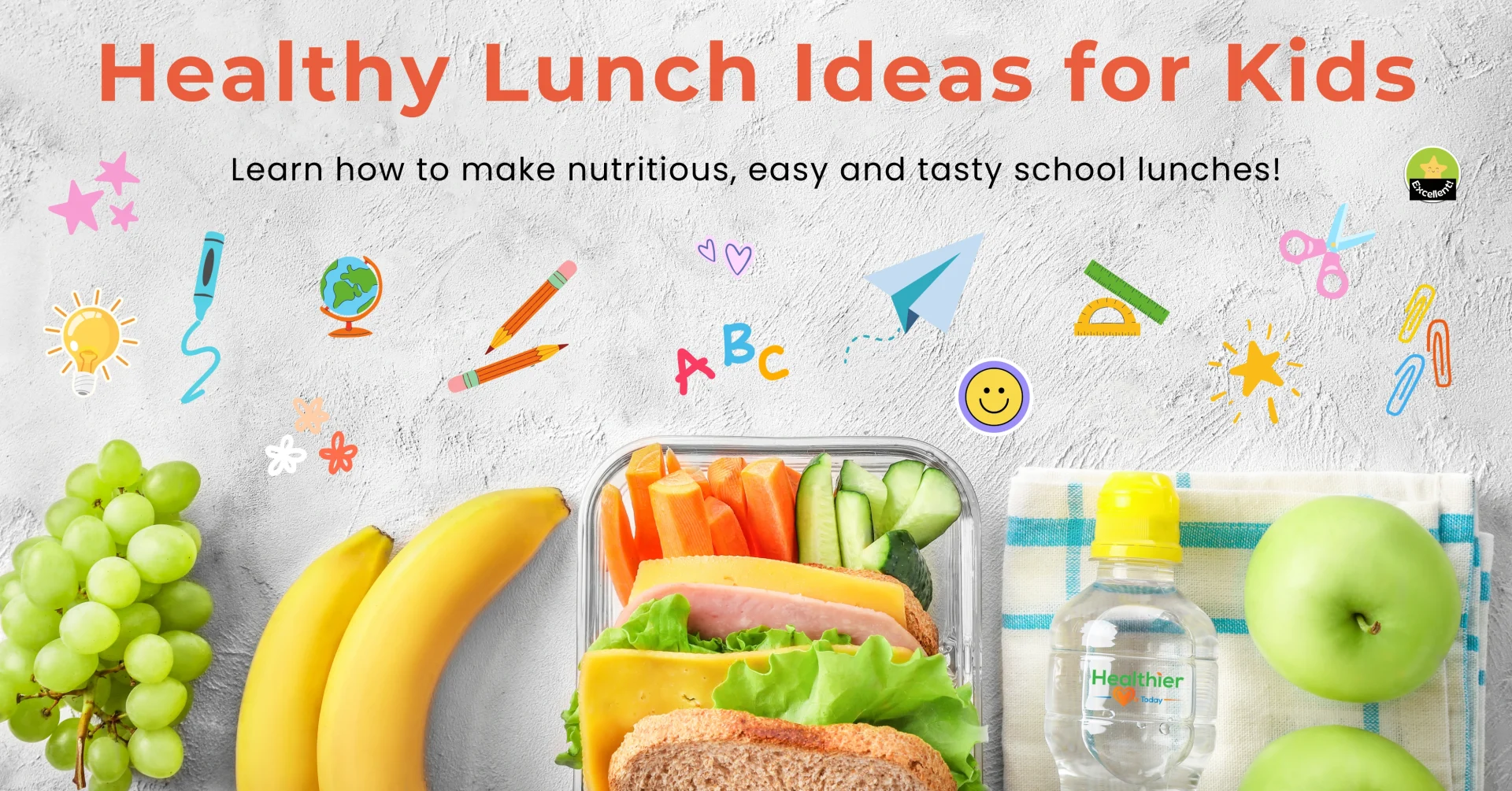
Quick & Tasty Healthy Lunch Ideas for Kids They’ll Love

Packing a school lunch doesn’t have to feel like another box to tick on your endless to-do list, it can be a moment to fuel your kids’ bodies, spark their excitement, and show them a little love in the middle of their busy day. The right healthy lunch ideas for kids do more than just fill their tummies, they give them the energy to learn, play, and thrive. Imagine your child opening their lunchbox to find colorful, delicious, and nutrient-packed meals that keep them smiling from the first bite to the last bell. These healthy lunch ideas for kids are quick to prepare, fun to eat, and designed to make both parents and little ones happy.

Why is Lunch Important?

Lunch gives your kids the energy they need to power through their school day, whether they’re solving math problems or playing at recess. Healthy lunches for kids provide protein, fiber, and vitamins to support their growing bodies and sharp minds. A well-balanced meal helps them stay focused, active, and happy, ensuring they get the most out of their classes and activities.

Importance of Lunch -  healthy lunch ideas for kindergarteners

Nutrition experts agree that a thoughtful lunch can significantly impact your kids’ health and mood. Choosing a healthy childrens lunch over sugary snacks prevents energy slumps and keeps emotions steady. By including wholesome foods, you encourage lifelong healthy eating habits, setting your kids up for success in school and beyond while keeping them satisfied until dinner.

The Best Foods to Add and Why

You’ll want to include foods that are both nourishing and appealing to ensure your kids stay energized and content. Healthy childrens lunch ideas should combine protein, fiber, healthy fats, and vitamins to support growth and concentration. Opt for colorful fruits, vegetables, whole grains, and lean proteins. These keep your kids satisfied, promote wellness, and make lunch something they’ll eagerly eat.

Here are great foods to add in:

  • Lean proteins like turkey, chicken, or beans for muscle growth and steady energy.
  • Whole grains like whole-grain bread or pasta for fiber and sustained fullness.
  • Fruits like apples or berries for vitamins and natural sweetness.
  • Vegetables like carrots or bell peppers for crunch and vital nutrients.
  • Healthy fats, such as sunflower seed butter, support brain development.
  • Dairy or plant-based alternatives, like yogurt, for calcium and protein.
  • Low-sugar snacks like granola for a balanced, kid-friendly treat.

Healthy Lunch Ideas for Kids

You’ll love these five healthy lunch ideas for kids because they’re quick, nutritious, and perfect for a full week of school lunches (Monday to Friday). They’re tailored for healthy lunch ideas for kindergarteners and lunch ideas for picky eaters, with allergy-friendly options to keep your kids safe. Each recipe covers a complete lunch with a main dish and sides, ready in minutes.

healthy lunches for kids

Try these delicious options:

Monday: Veggie Hummus Wrap Lunch

Your kids will enjoy this wrap’s bright colors and easy-to-eat pinwheels, making it an ideal lunch ideas for picky eaters. Spread 2 tablespoons of hummus on a whole-grain tortilla, add a handful of shredded carrots and cucumber slices, and sprinkle 1 tablespoon of crumbled feta (omit for vegan). Roll tightly, slice into pinwheels, and pack with apple slices and a small yogurt cup for a nutrient-packed, healthy school lunch idea. This takes 5 minutes to prepare.

Tuesday: Chicken and Veggie Pasta Salad Lunch

You’ll appreciate this pasta salad’s quick prep, and your kids will love its vibrant colors. Cook 1 cup of whole-grain pasta, rinse with cold water, and mix with half a cup of diced grilled chicken, a quarter cup of chopped spinach, and five halved cherry tomatoes. Drizzle with 1 tablespoon of olive oil and a teaspoon of lemon juice, then toss. Pack with a banana and six whole-grain crackers for a protein-rich, healthy childrens lunch [eatingwell.com]. This takes 10 minutes.

Wednesday: Turkey and Cheese Roll-Ups Lunch

Your kids will grab these roll-ups quickly because they’re simple to eat, and you’ll love the speedy prep. Lay two slices of turkey breast on a whole-grain tortilla, place a cheese stick in the center, and roll tightly. Slice into rounds and pack with half a cup of halved grapes and baby carrots for a balanced, protein-filled, healthy lunch idea for kids. This takes 5 minutes to assemble.

Thursday: Mini Veggie Frittatas Lunch

Your kids will find these mini frittatas exciting because they’re like bite-sized quiches, perfect for a healthy snacks for kids school option. Whisk three large eggs with a quarter cup of chopped broccoli, a quarter cup of shredded cheddar, and a pinch of salt. Pour into a greased muffin tin, bake at 350°F for 15 minutes, and cool. Pack a lunch with cucumber sticks and an orange for a complete meal. You’ll need 20 minutes for this.

Friday: Sunflower Seed Banana Bites Lunch

Your kids will adore these “banana cookies” for their sweet flavor, ideal for a Friday treat. Slice a banana into half-inch rounds, spread each with a tablespoon of sunflower seed butter, and sprinkle with a teaspoon of chia seeds [culinaryhill.com]. Pack with six whole-grain crackers and a quarter cup of mixed berries for an allergy-friendly, nutrient-dense lunch. You can prepare this in 5 minutes.

What to Avoid in School Lunches

You’ll want to avoid foods that don’t support your kids’ health or energy needs during their school day. Sugary snacks, processed foods, and sodas might be tempting for quick packing, but they cause energy crashes and lack essential nutrients. Instead, choose wholesome, balanced options to keep your kids energized, focused, and healthy throughout their day.

healthy school lunch ideas - What to avoid

Steer clear of:

  • Sugary snacks, such as candy or cookies, can lead to energy slumps.
  • Sodas and sugary drinks that offer no nutritional value.
  • Processed foods like chips or packaged snacks are high in sodium.
  • High-fat meats like sausages are less healthy.
  • Foods with artificial dyes that may impact behavior.

Conclusion: What’s the Best Healthy Lunch for Your Kids?

With healthy lunch ideas for kids like veggie wraps, pasta salads, roll-ups, frittatas, and banana bites, you can make lunchtime a nutritious and enjoyable part of your kids’ school week. These meals keep them satisfied, energized, and ready to learn. Choose one recipe, pack it in a colorful lunchbox, and watch your kids enjoy their healthy lunch ideas for kids.

Which one will you try first?

Ready Rocker HMT - For Back Pain

FAQ’s:

What can I put in my kids’ lunch besides sandwiches?

Healthy lunch ideas for kids, like veggie hummus wraps, yogurt parfaits, or mini frittatas, are excellent alternatives. These are protein-packed and easy healthy snacks for kids school.

How do I pack a healthy lunch for kids?

Include protein, fiber, and healthy fats in healthy lunches for kids, like chicken pasta salad or bean quesadillas. Use bento boxes for engaging, balanced, healthy childrens lunch ideas.

Are make-ahead lunches safe for school?

Yes, healthy school lunch ideas like frittatas or pasta salads are safe if refrigerated overnight and packed with ice packs to stay cool until lunch.

What should I avoid in kids’ school lunches?

Avoid sugary snacks, sodas, and processed foods in a healthy childrens lunch. They cause energy crashes and a lack of nutrients needed for growth and focus.

How can I make lunch fun and healthy for kindergarteners?

Use colorful, healthy lunch ideas for kindergarteners, like yogurt parfaits or shaped quesadillas. Bento boxes and fun dips make lunch ideas for picky eaters exciting.

Are high-protein lunches good for kids?

Yes, high-protein healthy lunches for kids, such as turkey roll-ups or bean quesadillas, support growth and focus, making them ideal for healthy school lunch ideas.

What are some allergy-friendly lunch ideas for kids?

Nut-free healthy lunch ideas for kids, like veggie frittatas or yogurt parfaits with sunflower seed butter, are safe and tasty for healthy snacks for kids school.

Is Your Baby Getting Enough Water? The Pregnancy Hydration Rule

Wondering if your baby’s getting enough water during pregnancy? Hydration is a cornerstone of a healthy pregnancy and is simpler than you think! This guide explores how much water should a pregnant woman drink to support you and your little one. 

It covers avoiding dehydration during pregnancy and choosing the best electrolyte drink for pregnancy to stay balanced. Feeling extra thirsty during pregnancy or curious about fluid needs? You’ll find practical, trimester-friendly tips to keep refreshed. 

Let’s explore easy ways to nurture your baby’s growth with smart hydration, no stress needed!

Why Hydration Matters in Pregnancy

Hydration fuels a healthy pregnancy for both you and your baby. Your body’s working hard, creating a placenta, boosting blood volume by nearly half, and nourishing your baby, relying on ample fluids. Water carries nutrients to your baby, maintains amniotic fluid levels, and helps prevent common issues like constipation or swelling. Falling short can lead to dehydration during pregnancy, which might leave you tired, foggy, or even affect your baby’s development.

Dehydration during pregnancy

Fluids also aid kidney function, keep skin glowing, and ease joint strain as your body grows. Research links good hydration to fewer pregnancy complications, like preterm labor risks. Beyond water, fruits, teas, or milk contribute to meeting your fluid needs, but water remains the top choice for balance. Wondering how much water should a pregnant woman drink to achieve this? It’s a daily act of care that pays off for a vibrant pregnancy!

How Much Water Do You Need?

Determining how much water should a pregnant woman drink depends on your stage and lifestyle. Experts suggest 10-12 cups (80-96 ounces) daily during pregnancy, more than the 8-10 cups needed before. Aim for 8-10 cups in the first trimester, increasing to 10-12 in the second, and reaching 12 or more in the third when blood volume peaks – exercising, living in hot climates, or preparing for breastfeeding? You might need an extra cup to stay on track.

A handy rule is half your body weight in ounces (e.g., 160 pounds = 80 ounces). Sip gradually to avoid discomfort, not gulping all at once. Not big on plain water? Soups, milk, or juicy fruits help meet the water needs in pregnancy. If your urine’s pale yellow, you’re doing great! These fluids support digestion, energy, and your baby’s cozy amniotic space, so keep sipping consistently.

Signs You’re Not Drinking Enough

Noticing signs of dehydration during pregnancy lets you act fast. Feeling lightheaded, exhausted, or mentally cloudy can suggest low fluids, especially if your urine is dark or bathroom trips are few. Dry lips, parched mouth, or headaches are early hints, too. Pregnancy makes these signs more intense, with your body managing extra demands. More concerning signs, like a racing heart or minimal urine, call for immediate attention, as can dehydration cause contractions? In later trimesters, it’s possible.

How much water should drink in pregnancy?

Nausea, heat, or workouts can drain fluids quickly. If you’re constantly thirsty during pregnancy, your body is signaling a need for more water to meet how much water should a pregnant woman drink. Swelling or cramps might indicate fluid imbalance, although they overlap with pregnancy norms. Pay attention daily since catching these signs early helps you hydrate smarter and keeps you and your baby in shape.

Best Ways to Stay Hydrated

Staying hydrated is a joy with creative ideas! To help determine how much water should a pregnant woman drink, a good tactic is to carry a colorful bottle, refilling it three times for about 96 ounces. If plain water feels bland, infuse it with slices of lemon, cucumber, or mint. To add fluids effortlessly, include water-rich foods like berries, citrus, or warm broths. Set gentle phone reminders for sip breaks every few hours, turning hydration into a cheerful habit.

Here are tasty ways to stay refreshed:

  • Enjoy caffeine-free teas, like chamomile, for a soothing variety.
  • Munch on grapes or zucchini for a juicy crunch.
  • Freeze raspberries in ice cubes for a chilled treat.
  • Sip sparkling water with a hint of cranberry juice.
  • Infuse water with pineapple or basil for a tropical vibe.
  • Try coconut water for a natural hydration boost.
  • Blend carrot-ginger juice for a nutrient-packed sip.

Spread fluids throughout the day, avoiding heavy drinks before bed to reduce nighttime bathroom visits. These tricks make hitting how much water to drink while pregnant simple, fitting even the busiest schedules!

Best Electrolyte Drink for Pregnancy

Electrolytes, such as sodium, potassium, and magnesium, maintain fluid balance, which is especially helpful for addressing how to treat dehydration in early pregnancy or after sweaty days. The best electrolyte drink for pregnancy is low in sugar and pregnancy-safe, like coconut water or a homemade mix of water, lemon juice, a pinch of salt, and a touch of honey. Store-bought options, Gatorade Zero or Powerade Zero, are fine in small amounts, about one cup daily, but steer clear of high-caffeine or artificially sweetened varieties.

Best electrolyte drink for pregnancy

Morning sickness or exercise increases electrolyte needs, as you lose them through vomiting or sweating. Coconut water offers potassium but watch sugar levels. Overloading on electrolytes can cause swelling from excess sodium, so moderation is key. Water remains your primary fluid, with these drinks as support when you’re off balance. Consult your doctor if unsure, ensuring you stay refreshed while meeting how much water should a pregnant woman drink!

Foods That Boost Hydration

You don’t have to drink every drop to meet how much water should a pregnant woman drink! Foods brimming with water add hydration in delicious ways, with many fruits, vegetables, and other foods containing over 90% water, plus nutrients like vitamins and fiber. From crisp bites to creamy blends, these foods make fluid goals flavorful, supporting you and your baby across all trimesters.

Fruits for Fluid

Watermelon, oranges, strawberries, and pineapple are hydration stars, with over 85% water content. A cup of melon, berries, or citrus delivers fluids and vitamin C to boost immunity. Blend them into smoothies or enjoy fresh for a naturally hydrating treat that lifts your day.

Veggies for Volume

Cucumbers, celery, lettuce, and zucchini are crisp and hold nearly 95% water. Slice them into salads or pair them with hummus for a refreshing crunch. Low in calories, they help manage pregnancy weight concerns while keeping you hydrated and satisfied.

Soups and Broths

Vegetable soups or chicken broths offer warmth and fluids, perfect for easing nausea or cozying up. A bowl contributes a cup toward your fluid needs, with a touch of sodium to balance electrolytes. Sip slowly for comfort and hydration in one.

Smoothie Bases for Hydration

Yogurt, kefir, or milk-based smoothies mix hydration with protein. Toss in water-rich fruits like peaches or mango for extra fluid. A small glass adds to your daily intake, is creamy and filling, and is ideal for busy mornings.

Hydrating Snacks

How much water should a pregnant woman drink

Apples, pears, or bell peppers provide water and fiber. Pair with cottage cheese or a spoonful of yogurt for a snack that hydrates and tames hunger, keeping you refreshed between meals with minimal effort.

Myths About Pregnancy Hydration

Hydration myths can muddy the waters, so let’s set them straight! Some believe dehydration during pregnancy only happens in hot weather, but dry indoor air or exercise can deplete fluids in any season. Another misconception is that only plain water counts toward how much water should a pregnant woman drink. Not so, fruits, milk, or herbal teas add up too! Others think thirst signals severe dehydration, but it’s simply your body’s reminder to drink.

Some moms fear drinking too much, yet 10-12 cups daily is safe and supports the answer,  “How much water should a pregnant woman drink a day?”. Coffee’s often labeled dehydrating, but a single cup fits fine. These myths can worry you, but hydration’s straightforward: tune into your body, vary your fluids, and sip regularly to nurture your baby’s growth without stress!

Conclusion: Keep Hydration Simple and Fun

Staying hydrated is a gift to you and your baby! Understanding how much water should a pregnant woman drink, roughly 10-12 cups daily, and steering clear of dehydration. From choosing the best electrolyte drink for pregnancy to enjoying hydrating snacks, these tips simplify the process. Feeling thirsty during pregnancy? Respond with smart sips and tasty flavors. 

With a trusty bottle and water-rich foods, you’ll meet your fluid goals effortlessly, paving the way for a joyful, healthy pregnancy for you and your little one!

FAQ’s:

Can you drink too much water during pregnancy?

Yes, but it’s rare and potentially dilutes salts. Tommys recommends 10-12 cups daily for balance with meals.

Are sports drinks safe for pregnant women?

Low-sugar options like BodyArmor are fine in moderation. BabyCenter cautions against caffeine or artificial sugars.

How do I know I’m drinking enough fluids during pregnancy?

Pale urine and consistent energy show you’re hydrated. Tommys suggests 10-12 cups to meet pregnancy needs.

What are the risks of not staying hydrated while expecting?

Dehydration during pregnancy can lead to fatigue, dizziness, or preterm labor risks, impacting the baby’s health.

Are there any drinks I should avoid while pregnant?

Avoid sugary sodas or high-caffeine drinks. BabyCenter notes they may dehydrate rather than help.

How does hydration affect fetal development?

Water supports amniotic fluid and nutrient delivery, which is essential for the baby’s organs, per Tommys findings.
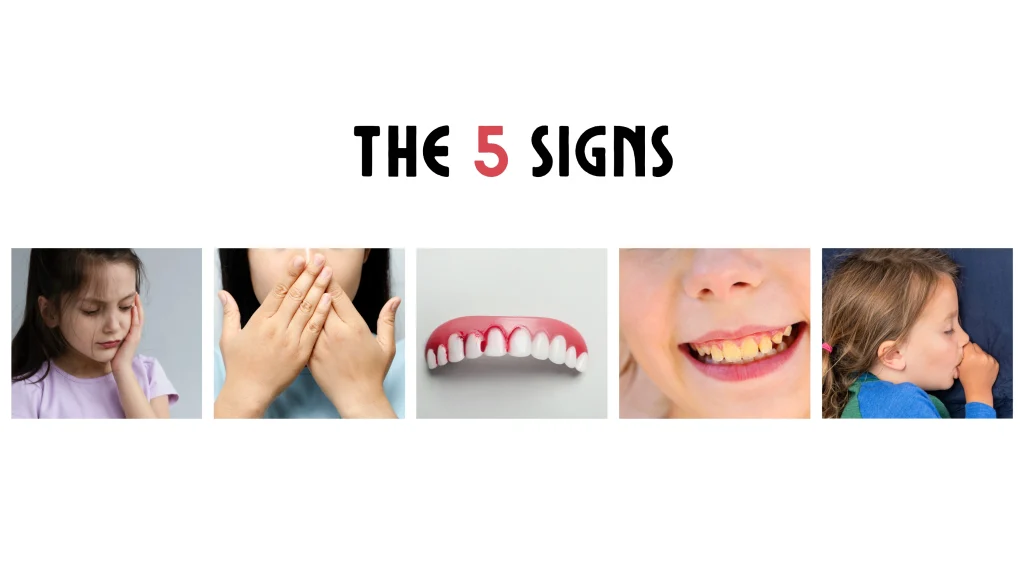
What are the best ways to stay hydrated if I have morning sickness?

Ice chips, small sips, or ginger tea ease nausea. BabyCenter advises slow drinks for comfort.

Can drinking too much water be harmful during pregnancy?

Rarely, excess can stress the kidneys. Aim for 96 ounces daily to stay safe.

Is it normal to feel excessively thirsty during pregnancy?

Yes, your body’s demands grow! Sip steadily to satisfy higher fluid needs.

What are the warning signs of dehydration during pregnancy?

Dizziness, dark urine, or headaches signal low fluids. Rehydrate quickly to recover.

How can I increase my fluid intake if I don’t like water?

Add fruit flavors, sip broths, or try milk. Variety makes hydration enjoyable!

Do hydration needs change in different trimesters?

First trimester needs 8-10 cups, third trimester reaches 12. Adjust as your body changes.

Top 5 Signs Your Child Needs Dental Care And What To Do

How often should kids go to the dentist? Well, maintaining good oral health and children’s dental care is essential, not only for having a nice smile but also for their overall health. As parents, it can be challenging to figure out when a trip to the dentist is just a regular check-up or when it’s needed. Knowing these crucial signs can help ensure your child gets the care they need immediately. Pediatric dentists are experts in dealing with specific children’s dental care needs, providing knowledge and a friendly atmosphere for young patients.

This article closely examines the signs of tooth decay in young children as well as what dental care kids need at different stages of life. 

Types of Teeth in Children’s Dental Care

 infant oral care

There are several types of teeth, each with its name and function:

  • Incisors are the sharp front teeth of the upper and lower jaws. They have a thin edge that helps cut food, working together like scissors.
  • Canines are the pointed teeth located next to the incisors, also in the upper and lower jaws, and they are used for tearing food apart.
  • Premolars have flat surfaces that are designed to crush food.
  • Molars are the most prominent teeth at the back of the mouth, featuring broad, flat surfaces that are perfect for grinding food down.

Teething in Children’s Dental Care

Eruption is when a tooth breaks through the gums. For babies, this process is known as teething, a crucial stage in children’s dental care. Each tooth’s appearance can vary significantly from one child to another. Some babies might get their first tooth within a few months, while others may not see a tooth until they are a year old or older.

Even though the timing can differ, the order in which teeth come in is similar. The first teeth to appear are the lower front teeth, the upper front teeth, and the first set of back teeth called molars. By the age of 3, most children have all 20 baby teeth, making proper children’s dental care essential for their developing smiles.

Upper Teeth Tooth Erupts Tooth Lost
Central Incisor 8 – 12 months 6 – 7 years
Lateral Incisor 9 – 13 months 7 – 8 years
Canine (Cuspid) 16 – 22 months 10 – 12 years
First Molar 13 – 19 months 9 – 11 years
Second Molar 25 – 33 months 10 – 12 years


Lower Teeth Tooth Erupts Tooth Lost
Second Molar 23 – 31 months 10 – 12 years
First Molar 14 – 18 months 9 – 11 years
Canine (Cuspid) 17 – 23 months 9 – 12 years
Lateral Incisor 10 – 16 months 7 – 8 years
Central Incisor 6 – 10 months 6 – 7 years

Managing The Teething Process

children's dental care

Babies’ immune systems begin to develop around the age of 6 months. Because they like to explore by putting things in their mouths, they can get sick more easily. Common signs of childhood illnesses, like changes in how they sleep or eat, cranky, rash, drooling, runny nose, and diarrhea, are often connected to teething. Usually, teething symptoms last about 48 hours. 

If your child has these symptoms for longer, it’s a good idea to talk to their doctor to rule out other issues like bacterial or viral infections or ear infections. Sometimes, you might notice a blue-grey bump on the gum where a tooth is ready to come in. This bump, known as an eruption cyst, usually disappears once the tooth breaks through. During this stage, providing comfort and prioritizing children’s dental care—including newborn oral care—lays the foundation for a healthy smile.

Teething Relief Tips for Children’s Dental Care

Helping your baby through teething can be challenging, but there are safe and effective ways to ease discomfort while prioritizing children’s dental care:

  • Massage: Softly rub the gums with clean fingers or a damp cloth.
  • Chilled (not frozen) teething rings: Using a cold object can help ease the pain of teething. Ensure not to sterilize plastic teething rings in boiling water or dishwashers unless the manufacturer says it’s okay. Always check the product details before buying teething rings and avoid those that contain a plastic softener called ‘diisononyl phthalate’.
  • Unsweetened teething rusks or sugar-free teething biscuits: These are safe for babies over 6 months who have started eating solid foods.
  • Pain-relieving medications: Paracetamol can be a good addition to infant oral care as they go through teething. Ibuprofen can also be used, but it might not be as effective for infants.
  • Dry the drool: The skin around the mouth, especially the chin, can irritate. Use a soft cloth to wipe away drool gently throughout the day.

Some treatments that are not recommended to use include:

  • Teething necklaces made of amber are thought by some to release a healing oil when they touch warm skin. This oil is believed to help soothe pain. These necklaces are meant to be worn around the neck, wrist, or ankle, but some people mistakenly use them to chew on. The ACCC has warned about the safety of amber teething necklaces, highlighting the risks of choking and strangulation. Parents are encouraged to look for safer alternatives to help ease teething discomfort.
  • Like aspirin, teething gels usually have about 8.7 – 9.0% of choline salicylate. It’s not safe to give aspirin to children under 16 because it can lead to Reye’s syndrome, a rare but serious illness that can harm the liver and brain. Teething gels also contain numbing agents like lignocaine and benzocaine, which can be hard to measure correctly. This could result in a dangerous overdose, which can be deadly. Avoiding these risks and choosing safer options for teething relief are better options. Some studies [Mayo Clinic] show that teething gels might not help with teething pain. Instead, it seems that rubbing the gel onto the gums makes a difference.

By choosing safe, doctor-approved methods, you can effectively manage teething pain while ensuring proper children’s dental care from the start.

Signs Of Tooth Problems in Children

 children's tooth decayYoung children don’t always express when they are uncomfortable, so parents must pay attention. 

Here are five signs of cavities in toddlers and children:

1. Persistent Tooth Pain or Sensitivity

A significant indicator that urgent children’s dental care is needed is if they are experiencing constant tooth pain. It’s normal for children to have some sensitivity to hot or cold foods, but if the pain doesn’t go away, it might mean they have cavities, tooth decay, or possibly an infection. Pediatric dentists are skilled in identifying and addressing these problems, helping to ease your child’s pain and maintain their dental health.

2. Difficulty Chewing or Speaking

If your child says their mouth hurts when they chew or has trouble talking, it could mean dental problems are going on, and they need urgent children’s dental care. Crooked teeth, cavities in children, or gum issues can make it hard for them to eat and speak properly. A good pediatric dentist can help fix these problems, making your child feel more comfortable and confident.

3. Bleeding or Swollen Gums

Healthy gums are essential for maintaining overall oral health. If you observe any bleeding while brushing or swelling in your child’s gums, it could be a sign of gum disease or irritation resulting from plaque accumulation. If not addressed, these concerns may develop into more severe health issues. Pediatric dentists possess the expertise to clean and care for young gums.

4. White Spots or Discoloration on Teeth

White spots on teeth might look harmless, but they can be an early warning that the enamel is breaking down, which can lead to kids cavities. If your child’s teeth change color, whether they’re getting darker or lighter, it could mean some decay or damage. Seeing a pediatric dentist regularly can help keep an eye on these changes and stop any more significant problems from happening.

5. Prolonged Thumb-Sucking or Pacifier Use

Thumb-sucking and pacifier use are common in young children, but long-term habits can affect dental alignment and jaw development. If not addressed, these behaviors can lead to crooked teeth or bite issues. A pediatric dentist can offer guidance and strategies to help your child stop these habits and ensure proper children’s dental care.

Children’s Dental Care For Baby (Deciduous) Teeth

Children’s dental care for baby teeth is as important as caring for adult teeth. These teeth help children chew their food quickly and talk properly, and they also keep the spots in the jaws ready for the adult teeth that will come in later.

Age How to Clean
From Birth Clean mouth and gums by wiping them with a soft cloth.
First Tooth Brush twice a day with a soft toothbrush and plain water.
8 Months Put a small amount of low fluoride or safe toothpaste for kids on the toothbrush (pea-sized). Remind your child to spit out the toothpaste instead of swallowing it. They shouldn’t rinse afterward. Store toothpaste out of reach of children.
12 Months Take your child for their first dental visit.
2 ½ Years Begin flossing between any teeth that touch.
4 – 5 Years Start teaching your child how to brush their teeth.
6 Years Switch to adult toothpaste and encourage your child to spit it out instead of swallowing or rinsing. Start teaching them how to floss.
8 Years Allow your child to brush and floss unsupervised while continuing regular dental check-ups.

Tooth Decay in Baby Teeth

 children's tooth decay

Tooth decay can be avoided with proper children’s dental care. Keeping good oral hygiene, such as brushing baby teeth and eating healthy foods from a young age, can help lower the chances of getting cavities. If baby teeth get decayed, a dentist must take care of them. Sometimes, children might require special treatment in a hospital while they are asleep from anesthesia.

Ignoring decayed baby teeth can cause pain in the mouth, infections, and issues with nearby teeth. Severe decay in baby teeth can make it hard to eat and sleep, slowing growth. If a baby molar is lost too soon because of decay, the nearby baby teeth might move into the space, causing problems for the adult tooth when it comes in.

Losing Baby Teeth

Around age 6, children notice that their baby teeth get loose and eventually fall out to make room for their adult teeth. It’s normal for some children to lose their first tooth a bit earlier or later than 6 years old. Usually, girls tend to lose their teeth before boys do. The first tooth that generally falls out is one of the front teeth on the bottom. Losing baby teeth can feel a bit strange and uncomfortable for little ones. 

Here are some children’s dental care tips for losing teeth:

  • Let your child know that losing baby teeth is entirely normal and that new adult teeth will grow in their place. It’s common for gums to feel sore and bleed a little, but many children don’t feel much pain when they lose their teeth.
  • If your child feels discomfort from a loose tooth, you can use cold packs or ask for over-the-counter medicine that helps with pain and swelling. It’s a good idea to check with a dentist or pharmacist for the best options for your child.
  • Don’t forget about the Tooth Fairy! This fun tradition has been around for a long time, and getting a little money or a special treat for a lost tooth can make the whole experience a lot easier for your child.

Permanent Teeth

children's dental health

Permanent Teeth in Children’s Dental Care

Children’s dental care is essential for the proper development of permanent teeth. Also known as adult teeth or secondary teeth, they begin forming at birth and continue to develop throughout childhood. By adulthood, most people have 32 permanent teeth—16 on the top and 16 on the bottom. However, some individuals may only have 28 teeth if their wisdom teeth (third molars) do not develop or emerge.

Around the age of 6, the first permanent molars appear. These four molars (two in the upper jaw and two in the lower jaw) come behind the baby teeth. Other permanent teeth, like the incisors, canines, and premolars, fill in the gaps left by the baby teeth that have fallen out.

The usual sequence and timing for each kind of permanent tooth is as follows:

  • First molars: Between 6 and 7 years.
  • Central incisors: Between 6 and 8 years.
  • Lateral incisors: Between 7 and 8 years.
  • Canine teeth: Between 9 and 13 years.
  • Premolars: Between 9 and 13 years.
  • Second molars: Between 11 and 13 years.
  • Third molars (wisdom teeth): Between the ages of 17 and 21.

Monitoring children’s dental care and scheduling regular checkups with a pediatric dentist can ensure that permanent teeth grow in properly and remain healthy.

Conclusion: The Truth? 

Putting off children’s dental care can make little problems become big ones that need much work. Children’s dental health is super important for their overall health. By spotting the signs mentioned earlier, you can take action to keep your child’s teeth and gums safe. If you see any warning signs, book an appointment with a pediatric dentist. With expert help, you can help your child have a bright and healthy smile.

FAQ’s:

When to start brushing baby teeth?

You should start brushing your baby’s teeth as soon as their first tooth appears.

Do children’s bad teeth fall out on their own?

Yes, eventually, children’s bad teeth will fall or be pushed out by new adult teeth.

How do I teach my child to brush their teeth properly?

Explain to them carefully, sing a song, play a toothbrushing video or app, use a timer to turn brushing into a game, let them pick their toothbrush and toothpaste, use a dental-themed storybook, or offer simple rewards.

What is the best toothpaste for kids?

Fluoride toothpaste for kids and natural toothpaste for kids have both been deemed the best for childhood dental care and are free of harmful ingredients.

Is fluoride safe for kids?

By sticking to some simple guidelines and portions, fluoride treatment for kids is safe and is recommended by professionals.

How can I prevent cavities in children?

You can prevent cavities in children by brushing their teeth, limiting sugary snacks, and using fluoride toothpaste.

What causes baby bottle tooth decay, and how can I prevent it?

Baby bottle tooth decay happens when a baby often drinks sugary liquids, such as milk, juice, or formula, for a long time. This is especially problematic if they sleep with a bottle in their mouth, which lets the sugar stay on their teeth and encourages bacteria to grow, causing children’s tooth decay. However, baby bottle tooth decay treatment is available and can help stop further damage.

What is the best toothbrush for toddlers?

The best type of toothbrush for toddlers is one with soft bristles and a small oval head.

First Day Vitamins for Kids: Are They Worth It?

First Day vitamins for kids are gaining popularity among parents who aim to guarantee their children receive essential nutrients. Compared to other renowned brands like Hiya and Smarty Pants, First Day children’s vitamins separate themselves through their premium ingredients and scientifically crafted blends tailored to the requirements of children.

When it comes to children’s vitamins, the choices are abundant, and there is a significant difference between what you encounter at your local grocery store and specially designed online options such as Smarty Pants Vitamins, Hiya Vitamins, and First Day Vitamins. However, what sets First Day Vitamins apart from the others? 

Let’s explore why parents should prioritize First Day Vitamins for Kids as their top choice when providing vital nutritional support to their children!

Why are Multivitamins Important for Children?

Multivitamins are an excellent approach to covering any nutritional deficiencies affecting your child’s ability to maintain their health. If you have a picky eater, you may notice that they have some nutritional gaps in their diet. Taking First Day Vitamins for Kids can help them receive all the nutrients, vitamins, and minerals they need to function properly each day. 

Multivitamins Important for Children


Below are some benefits of children’s vitamins: 

1. Better Immune System Defence 

Whether it’s the harsh, dry winter months or you just want to ensure your children are healthy all year round, one method to do this is to focus on building their immune systems, vitamins such as vitamins A, C, D, and E assist to maintain their immunological function, which in turns keeps them happy and healthy, no parent likes to see their child down with the flu, so many turn to adding multivitamins that contain these essential vitamins to help their child have the best start to a healthy immune system and fight off bacteria, viruses, and infections. 

2. Strong and Durable Bones

Children naturally get up to mischief and daring fun as they grow; it’s part of discovering what they can do. They might play with friends in the yard or compete in team sports. Whatever they may be into, you want to ensure that rough play doesn’t result in a fracture or broken bone. First Day Vitamins for Kids is packed with calcium, which is the main component of what makes up our bones. A steady supply of calcium and other vitamins, such as Vitamin D and magnesium, will ensure that their bones are reinforced, healthy, and develop correctly. 

3. Better Energy Levels 

Most things are very exciting when you’re young and constantly ready to go! To help kids stay active and avoid feeling tired, they must consume the proper vitamins to give them the energy they require throughout the day. While some snacks and sugary beverages may give them a short-term boost, they are neither nutritious nor sustainable. Adding First Day Vitamins for Kids to your children’s routine can give them healthy and balanced energy. 

4. Promotes Healthy Habits 

Teaching your children good habits from a young age will help them grow up to be healthy and aware of their choices. Children who learn about multivitamins and other approaches to improve their health at an early age are more likely to grow up and be health-conscious adults. Getting the proper vitamins and minerals can help children stay healthy throughout adulthood. 

First Day Kids Vitamins Compared to Hiya Vitamins


Ingredients Comparison

Hiya vs First Day vitamins are two prominent brands of children’s multivitamins that are frequently compared. Both brands are promoted as being devoid of artificial colors and flavors. Nonetheless, there are distinctions in the components utilized by each brand.

Hiya vs First Day

First Day Organic Kids Vitamin offers a blend of 9 essential vitamins and minerals, which include vitamins:

  1. A
  2. B1
  3. B2
  4. B6
  5. B9
  6. B12
  7. C
  8. D3 
  9. Folate
  10.  A mixture of 12 organic fruits and vegetables. 

On the other hand, Hiya kids’ vitamins comprise a blend of the 15 essential vitamins and minerals, some of which include:

  1. A
  2. C
  3. D
  4. E
  5. 12 fruits and vegetables.

Although Hiya multivitamins incorporate additional elements like manganese and zinc for kids.

First Day Vitamins for Kids are ideal for your child’s well-being and ability to strike the right balance of essential minerals and vitamins in every gummy.

Optimal Levels According to Pediatricians


With meticulous dosing that maintains concentrations at an optimal level based on an extensive review of current pediatric research (combing through 35,000 studies) [National Institutes of Health]. You can be confident that your child is receiving everything their growing bodies require—neither too much nor too little.

First Day vitamins

First Day provides just the right amount of nutrients in their vitamins for your child to enjoy the benefits without excess.  However, it’s crucial to carefully assess the dosage of any vitamin gummy for your child’s health and overall well-being.

Hiya Kids Vitamins also feature natural ingredients and steer clear of:

  1. Synthetic counterparts
  2. Artificial colors
  3. Sweeteners
  4. Preservatives
  5. Yeast
  6. Gluten
  7. Lactose

Rendering them safe for children with allergies or sensitivities. Both brands uphold high-quality standards, recommend appropriate dosages, and employ natural ingredients. The thoughtful approach behind First Day Vitamins for Kids gummies makes it superior for children’s health.

Taste Comparison

When considering multivitamins for children, it’s vital to look beyond the nutritional content and understand the factors that make them attractive and enjoyable. Two popular choices in the kids’ multivitamin market are First Day vitamins for children and Hiya vitamins. First Day kids’ vitamins are gummies, deriving their flavors from natural sources, specifically strawberries and oranges. 

First Day Vitamins ingredients are derived from carrots and grape extract, eliminating the need for artificial coloring. The Vitamins contain only 2 grams of sugar per daily serving, notably lower than the sugar content in most gummy vitamins for kids. On the other hand, Hiya vitamins have no sugar content and are presented as chewable tablets for children. 

Difference in Texture

The texture differs from gummy vitamins, as they quickly break down and dissolve on the tongue, similar to products like Tums or Sweetarts. While both First Day Kids Essentials and Hiya vitamins are designed to be child-friendly, many parents find that their children prefer the taste of First Day vitamins over Hiya. 

Hiya’s tablet incorporates wholesome ingredients for children, featuring natural components like monk fruit and mannitol. Nevertheless, it’s worth noting that First Day vitamins have undergone extensive research and contain only 2 grams of organic sugar – a minimal amount that parents can confidently rely on for their children’s growth.

Safety and Sustainable Comparison

First Day and Hiya vitamins are typically considered safe for children when used according to the instructions. Nevertheless, there are variations in the safety aspects between the two brands. First Day, vitamins are designed to be reusable. With every monthly delivery of your child’s vitamins in subscription-based orders, you receive a recyclable pouch, promoting convenience with each daily use.

Furthermore, First Day Kids Essential Vitamins are free from the eight most common food allergens, enhancing their allergen-free status.  On the other hand, Hiya vitamins for kids are packaged in a recyclable glass container that you can refill when your child’s monthly vitamin supply is delivered.

Affordable Kids Multivitamins

Hiya’s chewable vitamins for children extend a 50% discount for your initial purchase, followed by a monthly subscription fee of $30. However, this represents the sole choice available to online customers.

First Day Vitamins offers greater flexibility by offering customers two options:

  1. a one-time purchase at $36 
  2. a subscribe-and-save option priced at $30.60

This increased flexibility makes it a more convenient and cost-effective choice.

What Age Is First Day Vitamins for Kids For?

The team of experts carefully formulated the Kids Gummy Enrichment multivitamin to cater to girls and boys between the ages of 4 and 13. However, it’s essential to acknowledge that children develop at varying rates. You should consult your pediatrician if you wish to administer the vitamins to a child who falls outside this specified age range.

Natural Vitamins for Kids


First Day can be a viable choice if you’re searching for a convenient means to enhance your child’s diet with essential vitamins.  However, suppose your child maintains a well-rounded diet with various foods, and you have no concerns about nutritional deficiencies. Supplying them with a daily vitamin might not be necessary in that case.  

Additionally, the company offers a subscription service that delivers daily multivitamins specially formulated for children based on scientific research. The First-Day Multivitamins are crafted using high-quality ingredients and are free from artificial flavors, dyes, or sweeteners. This assures parents that they can confidently provide their children with an effective vitamin supplement without harmful additives.

Conclusion: What’s the Best Option?

While numerous multivitamins are available on the market, First Day multivitamins are one of the best gummy vitamins for kids. First Day’s products distinguish themselves through their unwavering commitment to quality and safety. When parents choose First Day Vitamins for Kids, they can have peace of mind knowing they are furnishing their kids with the finest nutrition to support their growth and development. It is also good to note that First Day also provides one of the best multivitamin for women as well as First Day teen vitamins!

FAQ’s:

Are First Day vitamins FDA approved?

It may be surprising to find out that the FDA does not approve any supplements. However, from many studies University of Texas at Austin, testimonies, and transparency about their sources, First Day Vitamins for Kids has been confidently deemed safe for children. 

Are First Day vitamins worth it?

Absolutely! First Day Vitamins are effective, potent, and easily absorbed, ensuring the body receives all the nutrients it needs. 

Do First Day vitamins help with immunity?

Yes, they are highly effective when boosting immunity. The high vitamin C levels and other vitamins help to keep the immune system strong and functioning correctly. 

What are the ingredients in First Day vitamins?

The main ingredients of First Day Natural Vitamins for Kids are:

  • Vitamin B1: 450 mcg, in the form of thiamine mononitrate
  • Vitamin B2: 550 mcg, in the form of riboflavin
  • Vitamin B6: 1 mg, in the form of pyridoxal-5′-phosphate
  • Folate: 400 mcg DFE, in the form of L-methyltetrahydrofolate, calcium salt
  • Vitamin B12: 2.4 mcg, in the form of methylcobalamin
  • Biotin: 30 mcg
  • Magnesium: 78 mg, in the form of dimagnesium malate
  • Zinc: 2 mg, in the form of zinc citrate
  • Vitamin A: 250 mcg RAE, in the form of beta carotene
  • Vitamin C: 90 mg, in the form of ascorbic acid
  • Vitamin D3: 20 mcg, in the form of cholecalciferol from lichens
  • Vitamin E: 10 mg, in the form of d-alpha-tocopherol from sunflower oil
  • Vitamin K: 40 mcg, in the form of menaquinone-7

How do First Day vitamins compare to Hiya?

There are many comparisons to consider between the two, mainly due to preference. However, First Day Vitamins has a few perks: their flexible pricing offers great taste thanks to only 2g of organic sugars, and they guarantee no harmful additives or chemicals. 

Where can I buy First Day vitamins online?

Below are links to where to buy First Day Vitamins online:

What are some First Day Multivitamin side effects?

First Day Multivitamins have no reported side effects. But if you have any concerns, speak to a healthcare professional about it. 

Are First Day vitamins good for picky eaters? 

Yes, First Day Vitamins for picky eaters are excellent as they come in a tasty, simple gummy form kids love and help bridge any nutritional gaps that picky eaters may have in their diet. 

What are the benefits of First Day vitamins for kids?

Some benefits of First Day Vitamins for Kids include boosting energy levels, helping children grow and develop, strengthening bones, and improving cognitive and immune function. 

How do I choose the best children’s multivitamins for my child? 

The best way to choose the right vitamins for your child is to acknowledge what nutrients they lack, ensure they are for their age group, read First Day vitamins reviews and ingredient lists, and consult your child’s doctor for a medical professional opinion. 

Pregnancy Complications: Why Thousands of Women Are Dying During Pregnancy

When a woman falls pregnant, dying is not typically the first thing on their mind. However, in the US, the number of pregnancy complications and maternal deaths has increased rapidly. The maternal mortality rate in the US as of 2024 is 22.3 per every 100,000 live births. Most of these are preventable, and although it is not as high as it was during COVID-19 in 2020 and 2021, these numbers should still be much lower than they currently are. 

complications during pregnancy

Many women die during pregnancy, during childbirth, and within 42 days postpartum. There are a number of causes for these heartbreaking passing, such as health conditions, little to no medical assistance, and suicide

Let’s take a more in-depth look at how many women die in childbirth in the US, the causes and solutions for this ongoing problem. 

How Many Women Die in Childbirth in The US and Why?

So, exactly how many women die in childbirth in the US? The US has the highest maternal mortality rate among high-income nations, and over 80% of these deaths are entirely preventable. Although there has been a decrease since the COVID-19 pandemic, the rates are still considerably high. There are roughly around 800 women who die every year in the United States during pregnancy and childbirth. Although there are many reasons for these complications, the main thought behind these maternal mortality rates is due to the country’s shortcomings in their healthcare system. This is especially true for women in minority groups. 

could prevent maternity death

Here are the most common pregnancy death causes:

1. Hemorrhages During Pregnancy and After Childbirth

The leading cause of death in pregnant women worldwide remains hemorrhaging. This is excessive or severe bleeding during and after childbirth. The name for this is postpartum hemorrhage, also known as PPH. This can cause dizziness, fainting, increased heart rate, and sometimes death.

PPH happens directly after birth or 12 weeks postpartum, and it is vital for women to understand this condition and know the signs. Many women often ignore or think their symptoms are a normal part of postpartum; however, there are clear differences, such as the extent of bleeding after childbirth and having it continue past the usual 10 days. 

Signs to be vigilant of:

  • Excessive vaginal bleeding
  • Extreme and frequent dizziness
  • Clammy and pale skin
  • Swelling and pain in the vaginal region
  • Shivering 
  • Fever
  • Nausea or vomiting  

2. Mental Health Conditions 

Another cause affecting maternal mortality is mental health conditions like depression. This happens to 10% of pregnant women and 13% of those who have just given birth worldwide. 

This can happen due to a few factors, such as: 

    • Family history
    • Intense hormonal changes during and after pregnancy
    • Lack of support
    • Stress
    • Substance abuse
  • Pregnancy complications
  • Problems with baby’s health
  • Poverty

Postpartum depression affects about 1 in 10 women, which is a high number considering that mental health conditions can be treated and prevented. 

If mothers are experiencing these symptoms, they need to seek help immediately:

  • Difficulty doing simple or daily tasks
  • Consistent crying
  • Extreme sadness
  • Intense anxiety 
  • Fatigue
  • Inability to concentrate
  • Suicidal tendencies

3. Infections During Pregnancy and After Childbirth

The third most common cause of pregnancy complications and maternal death is called maternal sepsis infections. This life-threatening condition causes the body to damage its organs and tissue as a response to the infection. This can happen during pregnancy, birth, postpartum, and even post-abortion.  

Infections During Pregnancy and After Childbirth

The symptoms of maternal sepsis are:

  • Abdominal pain
  • Vaginal discharge 
  • Hyperthermia or fever
  • Racing heartbeat
  • Shortness of breath
  • Confusion
  • Slurred speech 
  • Tender uterine
  • Discolored, clammy, pale skin
  • Little to no urination 
  • Dizziness
  • Fainting
  • Difficulty standing
  • Severe leg pain

The earlier that maternal sepsis is diagnosed, the better the outcome of treatment. If a mother experiences any of the above symptoms, they must immediately phone their doctor or midwife or go to the emergency room. 

4. High Blood Pressure 

It is typical for blood pressure to fluctuate while pregnant. However, a common concern amongst moms-to-be is having high blood pressure or hypertension. During pregnancy, total blood volume doubles, causing strain on the blood vessels. However, many women only develop blood pressure issues postpartum. If their blood pressure is more than 140/90 for the first time after delivery, then it is likely they may have pre-eclampsia. 

Whether pregnant or already delivered, mothers should seek immediate help or go to the emergency room if they experience:

  • Blood pressure is 160/110 or higher
  • Shortness of breath or difficulty breathing
  • Swelling of the hands or face
  • Nausea or vomiting
  • Stomach pain 
  • Seeing sparks, flickers, or black spots
  • Severe headaches

5. Complications Due to Delivery

Obstructed labor counts for 9% of maternal deaths worldwide, making it another leading cause. This happens when there is a mismatch between the mother’s pelvis and the baby’s head. Obstructed labor is an umbrella term for complications that arise during delivery. 

Obstructed labor

These can include: 

  • Uterine rupture
  • Sepsis
  • C-section complications
  • Bleeding out
  • Anesthesia complications
  • Obstetric fistula
  • Brain damage

Conclusion: Rates of Death in Childbirth

While the maternal mortality rate in the United States has decreased, it still remains alarmingly high compared to other high-income countries. About 800 women die each year due to issues like hemorrhage, mental health conditions, infections, high blood pressure, and complications during pregnancy.  

To reduce these risks, women need to receive timely, unaffected care throughout their pregnancy. But in some areas, there simply aren’t enough resources and some ethnic groups are more at risk than others. 

Stay informed about maternal health – subscribe to our newsletter for updates on the latest research and to protect mothers everywhere!


This content was written by Local SEO Experts MotherTyper 


FAQ’s About Complications During Pregnancy

What are the most common pregnancy complications?

The most common complications of pregnancy include gestational diabetes, preeclampsia, preterm labor, and miscarriage. But there are other complications that can cause issues like placenta previa, anaemia, and infections. It’s crucial that the mom and baby get monitored throughout the pregnancy so that they can get the right medication or treatment.

How does ectopic pregnancy cause death?

The difference between a normal pregnancy and atopic pregnancy is that the fertilized egg is implanted outside the uterus (commonly in a fallopian tube). When this condition isn’t treated, the tube can rupture, which causes severe internal bleeding. This normally leads to hypovolemic shock – the body cannot maintain adequate blood flow to organs, which can cause organ failure and even death.

What is the number one cause of death for pregnant women?

This might come as a shock, but the leading cause for pregnant women in the United States is homicide and not pregnancy complications. According to studies, both pregnant women and postpartum women are about 35% more likely to be murdered [Wikipedia]. 

How many women die in childbirth in the US each year?

While it varies from year to year, there are around 700 to 800 pregnancy-related dates reported in the United States each year. Out of 525 deaths from 38 states, more than 80% of deaths were deemed preventable by maternal mortality review committees (MMRCs). 

What are the signs of high-risk pregnancy?

There are many different symptoms of a high-risk pregnancy.

If you have any of the following signs, consult with a healthcare provider:

> Severe headaches, vision changes, or swelling
> Heavy bleeding or spotting
> Severe nausea or vomiting with dehydration and weight loss
> Decreased fetal movement later in the pregnancy

What are the chances of dying while giving birth?

There are about 22.3 dates per 100,000 live births. Dying during childbirth has decreased over the last century due to advancements in medical care, but this hasn’t completely wiped out the possibility. It also depends on location, age, and underlying health conditions.

Here’s how it affects different groups of people:

> Black women – 49.5 deaths per 100,000 live births
> White women – 19.0 deaths per 100,000 live births
> Hispanic women – 16.9 deaths per 100,000 live births
> Asian women – 13.2 deaths per 100,000 live births

Vitamin B12 Deficiency: Is Your Child Getting Enough? Essential Facts for Parents

Lack of vitamin B12, commonly known as cobalamin, can slow a child’s growth and development and cause them to feel weak and exhausted. If left untreated, this B12 shortage can cause uncommon but dangerous problems like brain damage, nerve damage, and other health problems. However, most kids recover and flourish when vitamin deficiencies are identified and treated early.

vitamin b12 benefits

Learn about vitamin B12 and the signs that your child is not getting enough below.

Vitamin B12 Deficiency In Children

Vitamin B12 deficiency in children frequently exhibits non-specific symptoms such as developmental delays, irritability, loss of appetite, anemia, and weakness. A doctor can use a blood test to determine a person’s vitamin B12 levels. Vitamin B12 deficiencies can result from a lack of the diet’s vitamins or improper absorption.

The average recommended amount, measured in micrograms (mcg), varies with age:

  • Babies up to 6 months old: 0.4 mcg.
  • Babies aged 7 to 12 months: 0.5 mcg
  • Children aged 1 to 3 years: 0.9 mcg
  • Children aged 4 to 8 years: 1.2 mcg.
  • Children aged 9 to 13 years: 1.8 mcg
  • Teenagers aged 14 to 18: 2.4 mcg

Symptoms of B12 Deficiency in Children

vitamin b12 deficiency symptoms

Vitamin B12 deficiency in children can be challenging to diagnose because the symptoms are vague and can be caused by various factors.

Signs of vitamin B12 deficiency in children and babies may include:

  • Fatigue, chronic tiredness
  • Lack of movement
  • Muscle weakness
  • Irritability
  • Diarrhea, vomiting, or constipation
  • Weight loss
  • Delays in achieving developmental milestones, including sitting, crawling, walking, and talking
  • A swollen or inflamed tongue (often called glossitis of the tongue)

Children can also develop megaloblastic anemia, characterized by unusually big red blood cells or low levels of red, white, and platelets, which can be detected through medical tests.

How Is B12 Deficiency Treated? 

Vitamin B12 deficiency in children can be solved by eating more B12-containing foods or taking a B12 supplement. Different brands of B12 pills are in various doses, so consult your child’s doctor to see which is best for their age and needs. 

foods high in vitamin b12

Doctors can also inject vitamin B12 into your child’s muscles if they are young, have a severe shortage, or have difficulty absorbing it. Most problems caused by low B12 disappear after a child begins medication and their vitamin levels increase. While it is uncommon, if not treated, certain children with vitamin B12 deficiency might suffer lifelong brain and nerve system damage, as well as other health issues.

Where Do We Get B12 From?

vitamin b12 foods

Vitamin B12 is found primarily in animal diets. It is also included in some fortified meals, such as cereals. Children following vegan or vegetarian diets may be at risk of vitamin B12 deficiency due to limited sources in their food.

Here are excellent sources of Vitamin B12:

Animal Liver And Kidneys

Organ meats are some of the most nutritionally dense foods. The liver and kidneys, particularly from lamb, are high in vitamin B12. A 3.5-ounce (100-gram) meal of lamb liver contains an astonishing 3,571% of the Daily Value (DV) for vitamin B12. While lamb liver has a higher vitamin B12 content than beef or veal, the latter may still contain approximately 3,000% DV per 3.5 ounces (100 grams). Lamb’s liver is rich in copper, selenium, and vitamins A and B2.

Clams

Clams are tiny, chewy shellfish full of nutrients. This mollusk is a low-fat protein source with high vitamin B12 levels. Twenty small clams (190 grams) contain more than 7,000% of the daily value. Clams, particularly entire baby clams, are high in iron, providing about 200% of the daily value in a 100-gram (3.5-ounce) dose.

Sardines

Sardines are tiny, soft-boned sea fish. They’re typically available canned in water, oil, or sauces, but you may also get them fresh. Sardines are particularly healthy since they contain adequate amounts of nearly every nutrient. A one-cup (150-gram) portion of drained sardines includes 554% of the DV for vitamin B12.

Beef

Beef is an excellent source of vitamin B12 deficiency prevention. One grilled flat iron steak (approximately 190 g) contains 467% of the DV for vitamin B12. The exact amount of steak contains adequate amounts of vitamins B2, B3, and B6 and more than 100% of the daily values for selenium and zinc.

Fortified Cereal

This vitamin B12 supplement may suit vegetarians and vegans as it contains synthetic B12, not sourced from animal products, making it a great option for preventing vitamin B12 deficiency. While not always recommended as a primary dietary option, fortified cereals can be valuable for obtaining B vitamins, particularly vitamin B12. Fortification involves adding nutrients that were not initially present in the food.

vitamin b12 rich foods

Tuna

Tuna is a popular fish that contains many nutrients, such as protein, vitamins, and minerals. It also includes significant levels of vitamin B12, particularly in the muscles close beneath the skin, known as dark muscles. 

Fortified Nutritional Yeast

Nutritional yeast is rich in protein, vitamins, and minerals, making it a nutritious choice. While it doesn’t naturally contain vitamin B12, it is often fortified, making it a potent source for preventing vitamin B12 deficiency. Just two tablespoons (15 grams) of fortified nutritional yeast can supply up to 733% of the Daily Value for vitamin B12, ideal for maintaining sufficient levels in the diet.

Trout and Salmon

Rainbow trout is an excellent source of protein, healthy fats, and B vitamins. A 3.5-ounce (100-gram) portion of trout fillet contains approximately 312% of the DV for vitamin B12 and 1,171 mg of omega-3 fatty acids. Salmon is well-known for having some of the highest levels of omega-3 fatty acids. It is also a great source of B vitamins. A half fillet (178 grams) of cooked salmon provides 208% of the daily value for vitamin B12. The same serving may alternatively include 4,123 mg of omega-3 fatty acids.

Fortified Nondairy Milk

Nondairy milk is popular among people looking for a nutritious vegan alternative to dairy milk. Though these milks are not naturally high in vitamin B12, they become effective sources when fortified, helping those who seek to prevent vitamin B12 deficiency on vegan diets. A single cup (240 mL) of fortified soy milk, for instance, can offer up to 86% of the DV for vitamin B12.

Cow’s Milk And Other Dairy Products

Milk and other dairy products, such as yogurt and cheese, are high in protein and contain several vitamins and minerals, including vitamin B12. A cup (240 mL) of whole milk contains 46% of the daily value of vitamin B12. Cheese is also a great source of vitamin B12. One large slice (22 grams) of Swiss cheese contains about 28% of the daily value.

Eggs

Eggs are an excellent protein and B vitamins source, particularly B2 and B12. Two large eggs (100 grams) provide approximately 46% of the DV for vitamin B12 and 39% for vitamin B2. Research has found that egg yolks contain more vitamin B12 than egg whites. The B12 in egg yolks is also more easily absorbed. As a result, it is recommended that people eat complete eggs rather than only whites. 

vitamin b12 benefits

Conclusion

Lack of vitamin B12 can cause adolescents to feel weak and fatigued, slowing their growth and development. If left untreated, this B12 shortage can result in severe but rare complications such as brain damage, nerve damage, and other health problems. Most children recover and thrive when a vitamin deficit is identified and treated early.

FAQ’s: 

Can vitamin B12 deficiency be a sign of cancer?

Although a deficiency or absence of these markers alone cannot be used to diagnose cancer, it should not be discounted if it occurs coupled with other concerning symptoms.

Can taking too much vitamin B12 cause allergic reactions?

Large amounts of vitamin B12 may cause a cobalt allergy, which can result in a red, painful rash known as contact dermatitis. 

What is the difference between vitamin B12 deficiency and tongue cancer?

Tongue cancer causes a sore or lump on the tongue that doesn’t heal, pain when swallowing, or persistent pain in the mouth or jaw. Meanwhile, vitamin B12 deficiency can cause a swollen or inflamed tongue, mouth ulcers, or sore and red tongue, called glossitis.

How long does it take to recover from vitamin B12 deficiency?

> Mild – You can see improvements in energy and symptoms within a few days to a couple of weeks.
> Moderate – Recovery can take a few weeks to a few months.
> Severe – Symptoms can take six months to a year to fully resolve.

What are the warning signs of vitamin B12 deficiency in children?

> Fatigue, chronic tiredness
> Lack of movement
> Muscle weakness
> Irritability
> Diarrhea, vomiting, or constipation
> Weight loss
> Delays in achieving developmental milestones, including sitting, crawling, walking, and talking
> A swollen or inflamed tongue (often called glossitis of the tongue)

Kids Dentist: Crafting Happy Smiles for a Lifetime of Joyful Oral Health

Have you ever wondered what the significance of  Kids Dentist is? Nurturing the smiles of young ones involves more than just making sure they brush their teeth twice a day. The care a pediatric dentist provides is crucial for children’s proper dental health and growth. This specialized field of dentistry focuses on the oral well-being of infants, kids, teenagers, and individuals with special medical needs. Let’s explore the significance of Kids Dentist, the type of care children should receive, and some helpful tips for parents to maintain their kids’ Growing Smiles Pediatric Dentistry.

Importance of Growing Smiles Pediatric Dentistry

kids dentist, young kid with blond hair, laying on dentist chair, smilingThe pediatricians of dentistry are known as pediatric dentists. After dental school, they receive further education in special needs care, development, and child psychology. This knowledge is essential because it enables them to give care tailored to each child’s needs. Early visits to a kid’s dentist can also ensure timely intervention and aid in discovering potential issues like caries, cavities, malocclusion, or misaligned teeth.



Specialized Care for Young Smiles

  • Regular examinations, cleanings, fluoride treatments, and dental sealants to shield teeth from decay are all part of preventative care. Personalized instruction on appropriate brushing and flossing methods is also given, taking into account the child’s age and developmental stage.
  • Kids Dentists guide habits that can harm a child’s oral health and development, such as thumb-sucking, pacifier use, and bottle-feeding.
  • Early Orthodontic Assessment: This type of evaluation makes it possible to find orthodontic problems early on when treatment may be more straightforward.
  • Treatment of Dental Accidents: Kids Dentists are qualified to handle various dental emergencies that frequently affect kids, from chipped or broken teeth to more severe accidents.
  • Treatment of Gum Diseases: This includes ailments that can harm the gums and the bones that support the teeth, such as pediatric periodontal disease.

Tips for Parents about Kids Dentist

  • Early Visits: The American Academy of Pediatric Dentistry recommends that a child’s first dental visit occur by their first birthday or within six months after the first tooth appears.
  • Regular Check-ups: Routine visits help monitor the child’s teeth development and identify potential issues early.
  • Diet and Oral Health: Limit sugary snacks and drinks, promoting a diet rich in fruits, vegetables, and water to help prevent cavities.
  • Fluoride Use: The dentist recommends fluoride toothpaste and mouthwash (for older children) to strengthen tooth enamel and fight decay.
  • Education: Teach children the importance of good oral hygiene practices early to help establish healthy lifelong habits.

Stages of Dental Development

Dental development in children is a fascinating process that begins before a baby is born. Here’s an overview of the critical stages from infancy through adolescence:

  • Prenatal Development: Tooth buds, which eventually form the baby’s (primary) teeth, start to develop around the sixth week of pregnancy. By the time of birth, the buds for many of the permanent teeth are also formed.
  • Infancy (0-3 years): The first primary teeth typically emerge around the age of 6 months, although this can vary. Most children will have a complete set of 20 primary teeth by the age of 3 years. These teeth play a crucial role in chewing, speech development, and holding space for future permanent teeth.
  • Early Childhood (3-6 years): While no new teeth usually appear during this period, it’s a critical time for the development of the jaws and the positioning of the primary teeth, which can affect the alignment of future permanent teeth.
  • Mixed Dentition Phase (6-12 years): This stage marks the transition period where primary teeth begin to fall out, and permanent teeth emerge. The first permanent teeth to appear are typically the molars and the lower central incisors. The mixed dentition phase is crucial for assessing and correcting potential misalignment issues.
  • Adolescence (12+ years): By the end of this stage, most of the permanent teeth, except wisdom teeth, have erupted. This is also when orthodontic treatment is commonly initiated to correct alignment issues.

Common Developmental Concerns

Developmental concerns can arise during these stages, impacting a child’s oral health:

  • Late Teething: While the timing of teething can vary widely among children, significantly delayed teething can sometimes indicate underlying medical conditions, nutritional deficiencies, or genetic factors. Parents must consult a pediatric dentist if they have concerns about delayed teething.
  • Overcrowding occurs when there isn’t enough space in the jaw for all permanent teeth to come in properly. This can lead to misaligned or crooked teeth. Early assessment by a Kid’s Dentist can identify overcrowding issues, and interventions, such as orthodontic treatment, can be planned accordingly.
  • Impact on Oral Health: Late teething and overcrowding can significantly impact a child’s oral health. Delayed teething might delay the exposure of teeth to beneficial fluoride, which can help strengthen the teeth against cavities.
  • Overcrowding can make teeth more challenging to clean, increasing the risk of cavities and gum disease. Additionally, misaligned teeth can affect a child’s bite, leading to difficulties in chewing or speaking and, in some cases, self-esteem issues.

Understanding the stages of dental development and being aware of common developmental concerns are essential for parents. This knowledge allows them to seek timely dental advice and intervention, ensuring their children’s oral health is on the right track from infancy through adolescence.

Special Needs Dentistry

Kids Dentists specialize in giving children with special needs, especially those with physical, developmental, sensory, and behavioral impairments, cognitive deficits, or emotional disturbances, the type of care that suits them. This involves adapting dental procedures, specialized equipment, and unique behavioral management techniques to ensure effective and comfortable dental treatment for each child.

Dentists might use approaches such as:

  • Adapted Communication Techniques: adapting communication according to the child’s level of understanding and sensory needs 
  • Environmental Modifications: changes to the dental office environment in an attempt to make it less overwhelming and more comforting for children with sensory sensitivities 
  • Specialized Dental Techniques: Special dental techniques and sedation options that are safer and more comfortable for children with special health conditions. 
  • Oral Health Care Integration: The integration of oral health care with other medical care is an inevitable part of caring for children with special needs. They often collaborate with a child’s pediatrician, other pediatric specialists, and providers as needed. The interdisciplinary approach aims to ensure dental care is integrated with the child’s comprehensive care regarding medical and other unique or specific conditions that may affect dental treatment. 

Technological Advances in Pediatric Dentistry

Innovative Diagnostic Tools

Advancements in technology have significantly improved the diagnostic capabilities in Growing Smiles Pediatric Dentistry. Tools such as digital X-rays reduce radiation exposure, making them safer for children. Intraoral cameras provide detailed images of the inside of a child’s mouth, aiding in more accurate diagnoses and treatment planning.

Minimally Invasive Treatments

Technological advancements have also led to the development of minimally invasive treatments. Air abrasion allows for removing small cavities without drilling, making the process less frightening and more comfortable for children. Laser dentistry can be used for various procedures, including cavity preparation and gum reshaping, often without anesthesia. New materials for fillings and crowns are more durable and aesthetically pleasing, providing better outcomes with less discomfort.

Parental Guidance and Education

Building a Dental Home

There has been significant growth in diagnostic capabilities due to technological advancement in Growing Smiles Pediatric Dentistry. Digital X-rays mean there is much less radiation exposure, and so, in general, kids are much safer. Intraoral cameras provide an instructive image of the inside of the child’s mouth, translated into better diagnostic views to plan treatment properly.

Minimally invasive treatments

Some other technological advancements have introduced minimally invasive treatments. For instance, air abrasion removes small cavities without any drill. Thus, the whole procedure is less intimidating and less painful for kids. Many methods can be performed using laser dentistry, from preparing cavities to reshaping the gums, usually without anesthesia. New materials in fillings and crowns are more robust and attractive, meaning better results with less discomfort.

A Sparkling Smile is one Kids Dentist Away

Nurturing young smiles through excellent care from a Kid’s Dentist provides a foundation for a lifetime of healthy teeth and gums. Good practices for life, set with education and early detection, and proper stress on preventing children’s oral care. Parents also have a significant role in maintaining these healthy habits at home. Together with pediatric dentists, it is possible to work towards achievement and sustaining oral health within young smiles.

Here are The Best 6 Beneficial Goals of Cook Childrens Home Health!

Cook Childrens Home Health is a healthcare provider specializing in pediatric home health services. They are affiliated with Cook Children’s Health Care System, which is located in Fort Worth, Texas. 

Cook Childrens Home Health is dedicated to providing medical care to children in the comfort of their homes, allowing them to receive the necessary healthcare services while minimizing hospital visits.

Services Offered By Cook Children’s Home Health 

cook childrens home health -Healthier Me Today

  1. Nursing Care – Skilled pediatric nurses provide a wide range of medical services, which include wound care, medication administration, and monitoring of vital signs.
  2. Physical Therapy – Physical therapists are available to work with children to improve their mobility, strength, and overall physical function.
  3. Occupational Therapy – Occupational therapists help children develop or regain the skills necessary for daily activities, such as dressing, feeding, and fine motor skills.
  4. Speech Therapy – Speech-language pathologists assist children with speech and language disorders, helping them improve communication and swallowing abilities.
  5. Respiratory Therapy – Respiratory therapists specialize in treating children with respiratory conditions, such as asthma or chronic lung disease, and may provide services like breathing treatments and ventilator management.
  6. Medical Social Services – Social workers may assist families in accessing community resources, providing support, and addressing psychosocial concerns related to their child’s health.

Cook Childrens Home Health aims to provide comprehensive yet compassionate care that is tailored to the unique needs of each child and their family. 

Their services are typically prescribed by a physician and are designed to support children with various medical conditions, disabilities, and special needs.

Please note that specific services and offerings may change over time, so it’s essential to contact Cook Childrens Home Health directly or visit their website for the most up-to-date information regarding their services, locations, and contact details.

What are Their Main Goals?

cook childrens home health -Healthier Me TodayThe main goal of Cook Childrens Home Health is to provide high-quality, specialized healthcare services to pediatric patients in the comfort of their own homes. 

This goal encompasses several key objectives:

1. Patient-Centered Care

Cook Children’s Home Health is dedicated to delivering patient-centered care that prioritizes each child’s needs, preferences, and well-being

The primary focus is on the physical, emotional, and developmental health of the pediatric patients they serve.

2. Improved Quality of Life

This organization’s goal is to enhance the quality of life for children with various medical conditions, disabilities, and special needs. 

By providing comprehensive care that addresses the medical and non-medical aspects of a child’s well-being, they strive to support children in reaching their full potential.

3. Continuity of Care

Cook Childrens Home Health aims to ensure seamless and consistent healthcare delivery. 

They collaborate with the child’s primary care physician and other healthcare providers to maintain medical treatment and therapy continuity.

4. Reduction of Hospitalizations

The organization seeks to reduce the need for frequent hospitalizations and emergency room visits by offering medical care and therapeutic services in a home setting. 

This benefits the child and family and contributes to healthcare cost savings.

5. Support for Families

cook childrens home health -Healthier Me TodayCook Childrens Home Health recognizes families’ critical role in a child’s healthcare journey. 

They provide support, education, and resources to empower families to participate actively in their child’s care and make informed decisions.

6. Optimal Health Outcomes

Ultimately, the main goal is to achieve the best possible health outcomes for pediatric patients. 

Cook Childrens Home Health’s team of skilled professionals works diligently to manage medical conditions, promote healing, and foster development in children to help them thrive.

Cook Children’s Home Health aims to provide comprehensive, compassionate, and family-centered care to pediatric patients, improving the well-being and quality of life of children with medical needs in a home-based setting.

How is The Cook Children’s Home Health Beneficial?

Cook Children’s Home Health offers numerous benefits to pediatric patients and their families, making it an invaluable resource for those in need of specialized care. 

One of the most significant advantages of their services is the ability to provide medical care in the familiar and comfortable environment of a child’s home. 

This may reduce stress and anxiety for the child and their family, promoting security and normalcy during challenging medical situations.

Furthermore, the skilled and dedicated healthcare professionals at Cook Children’s Home Health are specifically trained to work with children, ensuring that care is medically sound but also child-friendly and compassionate.

This specialized care approach acknowledges young patients’ unique needs and sensitivities, enhancing the overall quality of care.

Advantageous Services

cook childrens home health -Healthier Me TodayBy offering various services, from nursing care to therapy, Cook Children’s Home Health provides comprehensive support to children with diverse medical conditions, disabilities, and special needs. 

This comprehensive approach helps to improve a child’s overall well-being, development, and quality of life. Another notable benefit is the convenience and flexibility that home health services offer families. 

It helps to reduce the need for frequent hospital visits, which can be time-consuming and disruptive to daily life. 

Instead, families can receive essential medical care at a schedule that suits their needs, allowing for better continuity of care and a higher level of involvement in the child’s healthcare journey.

Cook Children’s Home Health plays a crucial role in enhancing the lives of young patients and their families. 

By delivering specialized, compassionate, and comprehensive care in the comfort of a child’s home, they contribute to improved health outcomes, reduced stress, and a better quality of life for children with medical needs.

Healing Pediatric Patients and Families

Cook Childrens Home Health stands as a beacon of hope and healing for pediatric patients and their families, driven by a steadfast commitment to providing specialized healthcare services in the nurturing environment of a child’s home. 

With a clear focus on patient-centered care, their main goal is to better the quality of life for children facing various medical challenges. 

By extending their reach beyond the hospital walls, this healthcare provider offers a lifeline to families, reducing the stress and disruption associated with frequent hospital visits. 

The organization’s dedication to continuity of care ensures that children receive consistent, well-coordinated medical treatment and therapy, bolstering the chances of optimal health outcomes. 

Empowering Families

cook childrens home health -Healthier Me TodayCook Children’s Home Health places immense importance on empowering families, recognizing them as partners in their children’s healthcare journey. 

Education, support, and resources enable families to actively participate in care decisions and navigate the complexities of managing a child’s medical condition

By reducing hospitalizations and emergency room visits, Cook Children’s Home Health not only eases the burden on families but also contributes to more efficient healthcare utilization. 

This holistic approach to pediatric home health care extends beyond just medical treatment—it encompasses emotional support, development, and the well-being of the whole child. 

Beneficial Goals of Cook Childrens Home Health…

Cook Children’s Home Health is a beacon of compassion, expertise, and hope. 

Their unwavering dedication to pediatric patients ensures that children receive the care they need while enjoying the comfort and security of their homes. 

Through their tireless efforts, they strive to transform the lives of children, helping them overcome medical challenges and flourish, all while surrounded by the love and support of their families. 

Cook Children’s Home Health is a shining example of the incredible impact that compassionate, home-based healthcare can have on young lives.


Experience the Future of Healthcare: Unlock the Advantages of Telemedicine!

Access Trusted Medical Professionals at Your Fingertips, Anytime, Anywhere!

  • For Individuals – Only $24.95/mo.
  • For Couples – Only $29.95/mo.
  • For Families – Only $39.95/mo.

NO COPAYS, EVER!

Enjoy Hassle-Free Consultations, Swift Diagnosis, and Personalized Treatment Plans by Clicking HERE!