
You may be aware of the essential tips for a healthy pregnancy, such as the risks of smoking and drinking during pregnancy, or that you should avoid certain foods such as sushi and caffeine. However, many more helpful insights must be explored to ensure you and your baby have a smooth journey.
So, if you’ve been searching for tips for a healthy first trimester pregnancy, nutritional advice, ways to prevent gestational diabetes, pregnancy exercises, and how to manage anxiety and stress, you are in the right place!
Tips for Planning a Healthy Pregnancy
As time passes, we constantly learn new things about pregnancies, but some still rely on old, outdated methods. This can confuse new mothers seeking tips for a healthy first trimester pregnancy. However, we have extensively done our homework and bring you some of the best advice, backed by scientific studies and improved knowledge on keeping both mom and baby happy through this special time.
Below are the top tips for a healthy pregnancy:
1. How to Manage Stress and Anxiety During Pregnancy
Managing stress during pregnancy can be difficult as hormones soar and fluctuate. It is entirely normal to have feelings of concern or anxiety while pregnant, and this can be caused by worrying about both your health and the baby’s. The changes you experience during this time can also make you uneasy and uncomfortable. Although mild anxiety and stress are normal, if it gets to the point that you are experiencing these symptoms, it is essential to seek advice from your doctor and emotional support during pregnancy.
Here are the symptoms to keep in mind:
- Not being able to sleep or developing insomnia
- Frequently feeling very irritated and easily frustrated
- Not being able to concentrate
- Having obsessive thoughts
- Muscle tension
- Not being able to control feelings of anxiety
These can eventually worsen and lead to panic and anxiety attacks, where you may experience tremors, hyperventilation, an intense sense of impending doom, and hopelessness. However, creating healthy habits during pregnancy can help manage stress and anxiety.
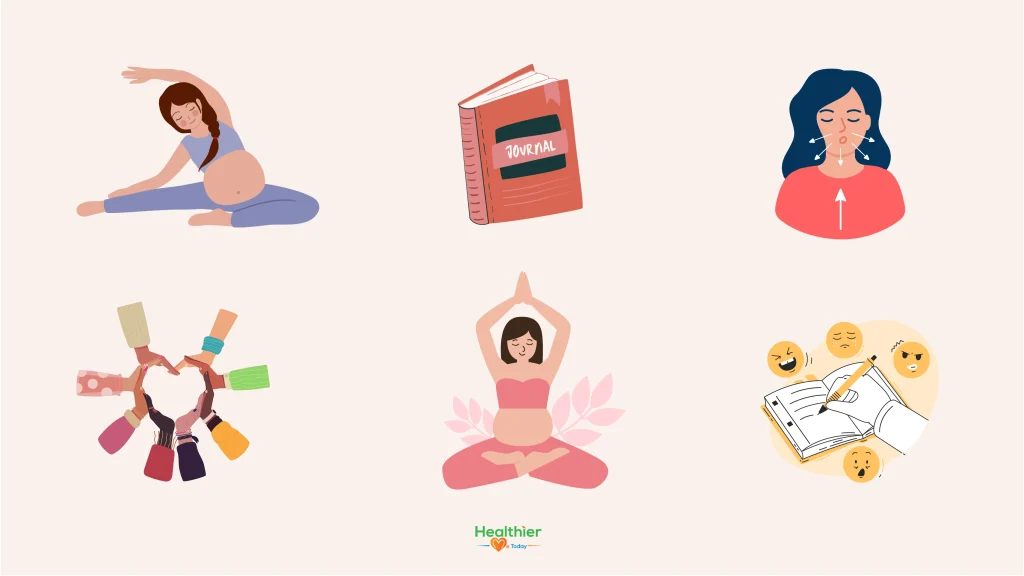
Reducing anxiety during pregnancy in the following ways:
- Find a relaxing release such as yoga or meditation
- Journal or write down your emotions
- Reach out to your support
- Practice breathing exercises
2. Managing High Blood Pressure In Pregnancy
Preventing gestational diabetes is not always on every expecting mother’s mind, but it is a condition that affects around 3% to 20% of pregnancies worldwide. This condition is caused by the body not being able to create enough insulin; this can be due to a family history of diabetes, being overweight, having hormone changes, having high blood pressure, and being Hispanic, Latino, American Indian, African American, or Pacific Islander. If you are a first-time mom or wondering how to prevent gestational diabetes in second pregnancy there are ways to help minimize your chances of developing gestational diabetes.
They are:
- Monitor your blood sugar
- Exercising
- Add more fiber to your diet
- Eat regularly
- Eat lean proteins
- Limit sweets and sugar intake
- Maintain a healthy weight
- Work on portion sizes
3. The Importance of Prenatal Vitamins
Although this is a well-known aspect of pregnancy, many women may not fully understand the importance of folic acid during pregnancy or the importance of prenatal care. Some people also do not know that it’s recommended to start taking prenatal vitamins three months before trying to conceive. This is because a woman’s body needs certain minerals and vitamins to maintain a healthy pregnancy.
Vitamins and minerals include:
- Folic Acid – Helps develop the baby’s brain and spine and prevents birth defects.
- Calcium – Ensures baby develops strong teeth, nails, bones, muscles, nerves, healthy heart, and blood clotting abilities.
- Iron – Assists in producing red blood cells in your body, which helps carry oxygen to the baby and placenta.
- Omega-3 Fatty Acids – They can help prevent postpartum depression, risks of preterm birth, and low birth weight and support the baby’s nervous system, brain development, and eyes.
- Vitamin D – This vitamin helps to support your bone and muscle strength, helps your body absorb calcium from foods, and helps develop the baby’s bones. Lack of vitamin D in pregnancies can cause the baby to affect the amount of calcium in the baby’s bones.
- B Vitamins – Helps reduce the baby’s risk of developing conditions such as spina bifida, a type of neural tube birth defect.
- Vitamin C – This vitamin helps in many ways, such as producing collagen, which supports the development of the baby’s entire body. It also helps calcium absorption, aids the immune system, and reduces the risks of pre-eclampsia, maternal anemia, and intrauterine growth restriction.
- Choline – Mainly supports liver function and reduces the risk of fatty liver disease. Choline helps to maintain overall pregnancy health and prevents neural tube defects.
4. Is Caffeine Intake During Pregnancy Safe?
According to the American College of Obstetricians and Gynecologists (ACOG), avoiding caffeine is one of the top tips for a healthy pregnancy. It can lead to problems and risks such as low birth weight, miscarriage, stillbirth, preterm birth, fetal growth restrictions, child obesity, and cognitive development impairments. However, if you insist on consuming caffeine during pregnancy, limiting your amount to about two 6-ounce cups of coffee (200 milligrams) is crucial.
5. Nutrition Tips for Pregnancy
This is obvious, but it is one of the most detrimental tips for a healthy first trimester pregnancy. Nutrition is a large part of both mother’s and baby’s overall health during pregnancy. The best way to ensure you and your baby get proper nutrition is through diet and supplements. As mentioned, vitamins and minerals are essential for several reasons, and although they can be consumed in supplement form, it is crucial to mainly obtain them through consuming foods. There are plenty of calcium, choline, B vitamin, vitamin D, vitamin C, and iron-rich foods for pregnant women.
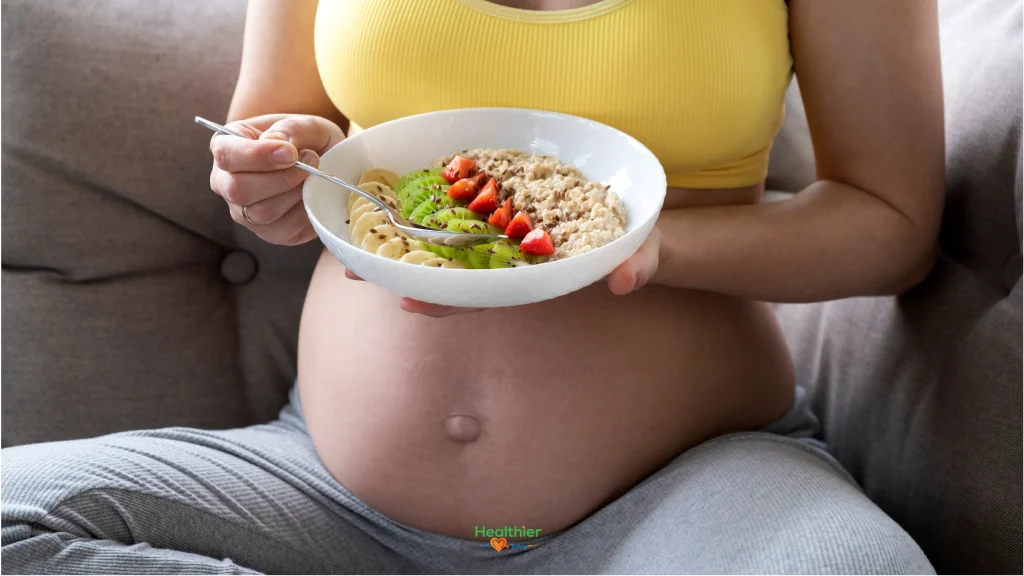
Here are some of the best food items to eat while pregnant:
- Iron-fortified cereals
- Lean meat
- Nuts
- Soy products
- Beef liver
- Carrots
- Tomatoes
- Pumpkin
- Spinach
- Sweet potatoes
- Dairy products
- Beans
- Cooked fish
6. How to Stay Fit During Pregnancy
Exercising is one of the best tips for a healthy pregnancy because it positively affects the body and mind. Being active while pregnant can help with swelling and back pain, prevent diabetes, help maintain a healthy weight, aid constipation, prepare the body for birth by strengthening muscles, assist in faster postpartum recovery, and reduce birth defects and conditions. Exercising can also help mental health by boosting mood and endorphins reducing stress, anxiety, and depression.
Here are the best exercises to stay fit during pregnancy:
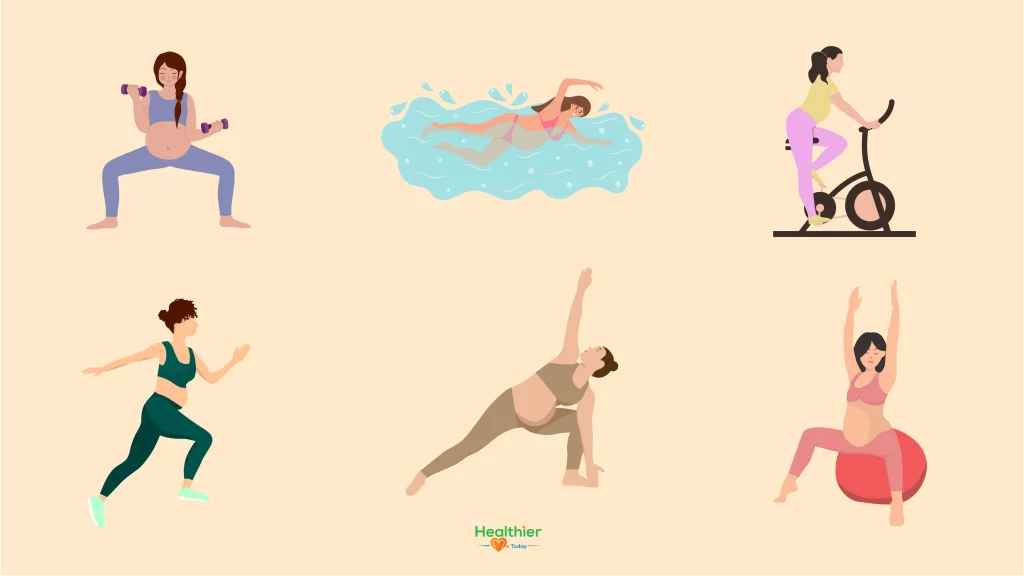
- Yoga
- Walking
- Jogging
- Aerobics
- Pilates
- Swimming
- Weight training
- Water aerobics
- Stationary cycling
- Pelvic floor exercises
- Squats
- Kegels
7. Properly Educate Yourself About Pregnancy
Whether it’s your first pregnancy or not, there is always more to learn. Educating yourself is crucial as it can prepare you for any potential pregnancy-related issue, teach you more about your changing body, give you tips for planning a healthy pregnancy, and help you understand why you feel a certain way at a point in your pregnancy. Thankfully, there are many ways that you can learn more about pregnancy, labor, and delivery. Another good idea is to speak to your loved ones and learn as much as possible about your family’s medical history.
8. Meet Up with Other Mother’s and Attend Classes
Sometimes, pregnancy can feel lonely and confusing; however, in some ways, expecting mothers can gain confidence, answers, tips for a healthy first trimester pregnancy, and the support they need through this time. Reaching out to other expecting mothers or those with children can give you a unique insight into what to expect. Everyone’s pregnancy journey is different; however, some similarities can be shared. The advice provided by those who have first-hand experience with what you are going through can be invaluable!
Ways to connect with other moms:
- Online communities (The Bump and BabyCenter are great choices)
- Local playgrounds
- Attend local children’s activities and events
- Sign up for birthing classes
- Start your own mom’s group
- Join a mom’s fitness group
9. The Importance of Sleep and Resting During Pregnancy
Sleep is a significant factor to consider when looking into tips for planning a healthy pregnancy. A lack of sleep can be linked to multiple complications, such as increased risk of gestational diabetes, pre-eclampsia, prolonged labor, and negatively impact mental health by causing anxiety and depression. It can also cause stunted growth and poor development in your baby. When you need to rest, ensure you do, as your body works overtime when pregnant and needs breaks. Ensure you get at least 8 hours of quality sleep every night to minimize these risk factors for you and your little one.
10. Prepare for Postpartum Emotions and Changes
Many expecting mothers seek the top tips for a healthy pregnancy; however, it is also essential to plan for postpartum. This time is filled with many emotions and adjustments as you step out of pregnancy and into motherhood. Hormones are still all over the place, and you may feel overwhelmed.
Here is how to deal with postpartum recovery:
- Accept help
- Don’t try to do it all if you simply cannot
- Rest whenever the opportunity arises
- Prioritize and take care of yourself and your needs, too
- Speak up if you are struggling
- Take things slow and easy
- Remember to continue nourishing your body
- Hydrate well
- Educate yourself on postpartum
11. The Risks Of Smoking And Drinking During Pregnancy
When it comes to smoking and pregnancy risks, it is a very straightforward answer. Smoking and drinking alcohol are highly not recommended while pregnant. Pregnancy and smoking risks are similar but not as severe as the risk of consuming alcohol. However, both substances will likely lead to complications such as cleft palate, low birth weight, miscarriage, fatty liver disease, cancer, pre-eclampsia, gestational diabetes, preterm birth, stillbirth, birth defects, and heart disease.
Conclusion
Creating healthy habits during pregnancy can help significantly lower the risks of common conditions such as gestational diabetes, pre-eclampsia, and birth defects. It can also help ease anxiety, stress, and depression while building a support system and arsenal of knowledge. These can include staying fit during pregnancy, attending birth classes, meditating, eating nourishing foods, getting enough vitamins and minerals, getting enough quality sleep, and avoiding both smoking and drinking.
FAQ’s:
What are the best tips for preventing a high-risk pregnancy?
The best tips for planning a healthy pregnancy include maintaining a healthy weight, nourishing your body, staying active, providing prenatal care, finding support systems, taking care of your mental health, and understanding potential health risks.
How can I reduce my pregnancy risks naturally?
Here are tips for a healthy pregnancy and ways to naturally lower risks:
> Get enough vitamins and minerals through food and supplements
> Get enough rest and quality sleep
> Exercise
> Stay hydrated
> Reach and maintain a healthy weight
> Avoid smoking and drinking alcohol
What foods should I eat to prevent complications during pregnancy?
Eating right is one of the top tips for a healthy pregnancy. Foods to eat while pregnant are fortified cereals, whole grains, fruits and vegetables, especially leafy greens, and those high in vitamin C, such as tomatoes and oranges, lean meat, cooked fish, beans, dairy products, eggs, nuts, and legumes.
Why is prenatal care important for preventing high-risk pregnancies?
It is essential because it helps to catch conditions and complications early on, and earlier treatment means a better outcome. It also provides support and monitors the health of the mother and baby.
Can exercise help prevent high-risk pregnancy?
Yes, staying active during pregnancy can help prevent a high-risk pregnancy.
When to consult a doctor during pregnancy?
You should consult your doctor if:
> There’s vaginal bleeding
> Frequent dizziness
> Severe headaches with blurred vision
> Stomach pains
> Difficulty breathing
> Skin changes in color which could be an indication of a potential blood clot
