
It is no secret that you can get vitamin D when you’re out in the sun, but there are other ways to get it. Yet, there are still many people who suffer from vitamin D deficiencies. Can lack of vitamin D cause brain fog and other mental issues? Well, having a vitamin D deficiency can cause many symptoms but have recently been linked to depression. There is more research needed but let us take a look at what science has discovered so far.
This piece discusses the signs of vitamin D deficiency as well as the causes, risks, treatments, and the connection between vitamin D and depression.
What is Vitamin D?
Vitamin D (calciferol) is an important nutrient that helps with immune function, bone health, and cell growth. Some people cannot get enough vitamin D due to not being able to access enough sunlight or do not consume vitamin D in their diets. There is still more research needed to be done to completely understand why vitamin D deficiency and mental health correlate, but experts have discovered that the majority of depression sufferers have a vitamin D deficiency.
Vitamin D helps to improve resistance against certain illnesses, as well as typical growth and body development. However, a mental health and vitamin D study [National Institutes of Health] showed that a group of people who were experiencing negative moods and emotions took vitamin D supplements and reported feeling their mental health improve and negative symptoms become better. Low vitamin D can also put you at risk of even worse fibromyalgia symptoms and anxiety.
The Connection Between Depression and Vitamin D
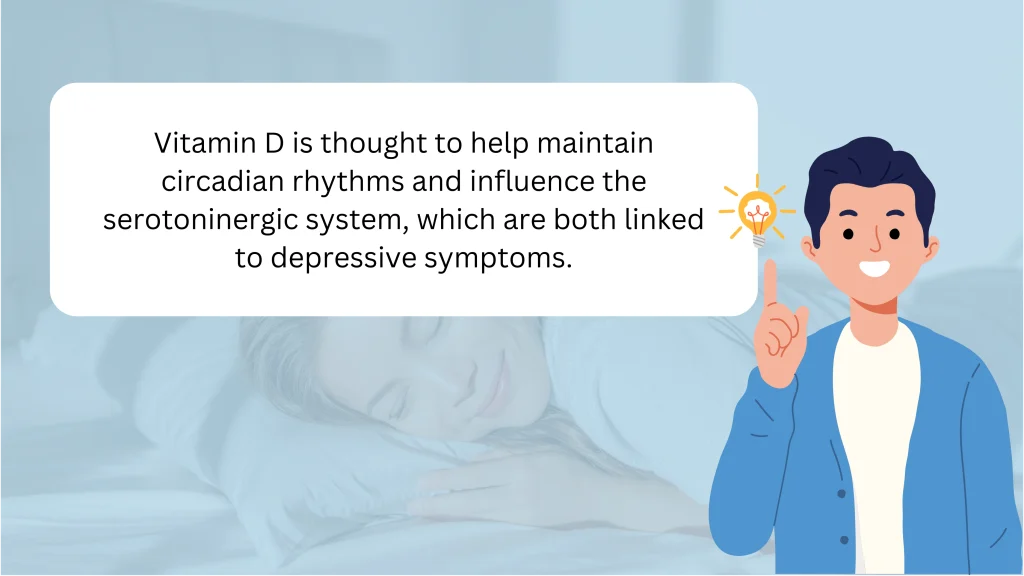
In 2020, 61 studies [National Institutes of Health] showed that there is a link between vitamin D deficiency and depression, however, it didn’t give answers as to why or the specific relationship between the two. Another study [National Institutes of Health] gathered 18,353 individuals aged 50 years old and older who have no depression or depressive symptoms. Half the group was given vitamin D3 supplements, and the others were given a placebo. After the study was completed, it was found that the supplements did not play any role in preventing depression. However, it is agreed there is still a conclusive link.
Some researchers suggest that it comes down to a more complicated relationship, such as a combination of co-occurring conditions and lifestyle factors. People with depression often have a hard time maintaining a nutritious diet, so they are not getting enough dietary vitamin D. They are also more likely to stay inside and not go outdoors, which means less sun exposure.
Why is Vitamin Important?
Vitamin D is a fat-soluble vitamin that the body absorbs with fats and oils and stores in fatty tissue. As mentioned, this vitamin is crucial as it assists in bone growth and remodeling. Without vitamin D, our bones would become brittle and frail as it also greatly helps with calcium absorption, which is key to strong, healthy bones.
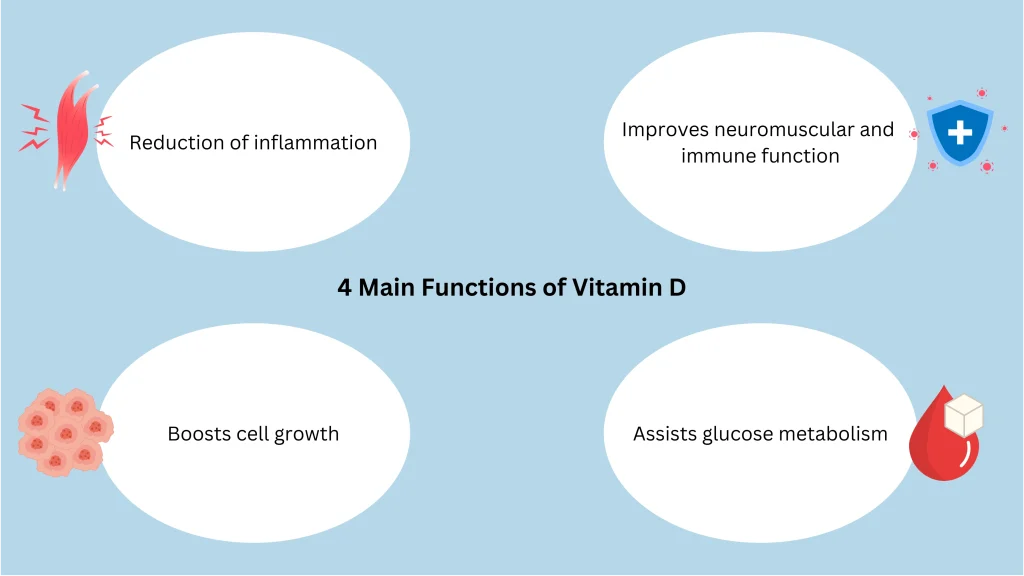
Other benefits of vitamin include:
- Preventing hypocalcemic tetany (involuntary contractions of muscles)
- Reducing inflammation in the body
- Improving immune function
- Regulating glucose metabolism
- Assists in cell growth
How Much Vitamin D Do We Need?
| Product | Link |
|---|---|
| 365 Everyday Value, Vitamin D3 5000 IU, 120 ct | Buy on Amazon |
| NatureWise Vitamin D3 5000iu (125 mcg) | Buy on Amazon |
| Nature Made Extra Strength Vitamin D3 5000 IU (125 mcg) | Buy on Amazon |
The amount of vitamin D needed depends on what stage in life someone is in. For example, elderly individuals tend to have weaker, more brittle bones, so they need a larger intake.
Here are the amounts recommended by the National Institutes of Health (NIH) of how much vitamin D to take in micrograms:
| Age | Recommended Amount |
|---|---|
| 0-12 months | 10 mcg |
| 1-13 years | 15 mcg |
| 14-18 years | 15 mcg |
| 19-50 years | 15 mcg |
| 51-70 years | 15 mcg |
| Over 70 years | 20 mcg |
| Pregnant or breastfeeding | 15 mcg |
The Risk Factors of Vitamin D Deficiency
Certain factors can contribute to a person’s vitamin D deficiency and depression.
They are:
Limited Exposure to Sun
People who don’t get enough unprotected sunshine have a harder time synthesizing adequate vitamin D. Those especially at risk are individuals who live in places with little sunlight and in regions far away from the equator.
Diet
Diet plays an important role in getting vitamin D, so those who have a limited diet and do not eat a variety of different foods have an increased possibility of vitamin D deficiency. Vitamin D is found in many animal products, so those who follow a plant-based diet are especially at a higher risk of low vitamin D.
Skin Tone
Melanin in our skin helps us absorb vitamin D, meaning those with a darker complexion will absorb less vitamin D than individuals who have light skin. A study [National Institutes of Health] found that there was a small difference between the way dark skin and light skin synthesize vitamin D, and although it was small, it was enough to help explain the difference between the two skin types.
Health Conditions
Studies [News-Medical] have found there is a strong link between vitamin D and depression in pregnant women as well as individuals with certain health conditions.
These conditions include the following:
-
- Pregnancy – Research has shown a connection between vitamin D deficiency and postpartum depression, noting that lack of sleep plays a huge role.
- Stroke – A study [National Institutes of Health] found that people who had had a stroke and developed depression afterward had very low vitamin D levels compared to those who weren’t depressed.
- Multiple sclerosis (MS) – Studies [National Institutes of Health] discovered that there was a link between depression and low vitamin D levels in those with MS, especially males.
- Gout – A small study [National Institutes of Health] found there was a low level of vitamin D associated with depression in individuals with gout.
Vitamin D Deficiency and Depression Symptoms
Low vitamin D and depression each have their own set of symptoms.
Here is a look at each:
Depression Symptoms
- Poor concentration
- Changes in energy levels
- Changes in sleep
- Low mood
- Suicidal thoughts
- Changes in appetite
- Little to no pleasure in activities
- Feeling hopeless and worthless
Symptoms of Low Vitamin D
- Stiff joints
- Muscle aches and pains
- Muscle twitches
- Feeling weak
- Bone fractures
- Bone pain
- Mental fog and confusion
- Anxiety
- Fatigue
How to Treat Vitamin D Deficiency and Depression
The two require different approaches, but if you are struggling with depression and find yourself in need of the sun vitamin, then combine these treatments for the best results.
| Vitamin D Deficiency | Depression |
|---|---|
|
|
Conclusion: The Real Link
Although there is no definitive answer on why the connection between vitamin D and depression exists, evidence shows there is a link. Many conclude that it is because those with depression make certain lifestyle choices that result in lower levels of vitamin D. Luckily, there are ways to treat both conditions and feel healthier.
FAQ’s:
What are the signs of vitamin D deficiency?
The signs of vitamin D deficiency include stiff joints, muscle aches and pains, muscle twitches, feeling weak, bone fractures, and bone pain.
How does vitamin D affect mental health and depression?
Low levels of vitamin D have been linked to an increased risk of depression, ADHD, anxiety, and suicide.
Can low vitamin D levels cause anxiety or tiredness?
If you’re wondering, does low vitamin D make you tired? Yes, low vitamin D levels can cause anxiety and tiredness, and they are both common symptoms of vitamin D deficiency and depression.
What are the best natural sources of vitamin D?
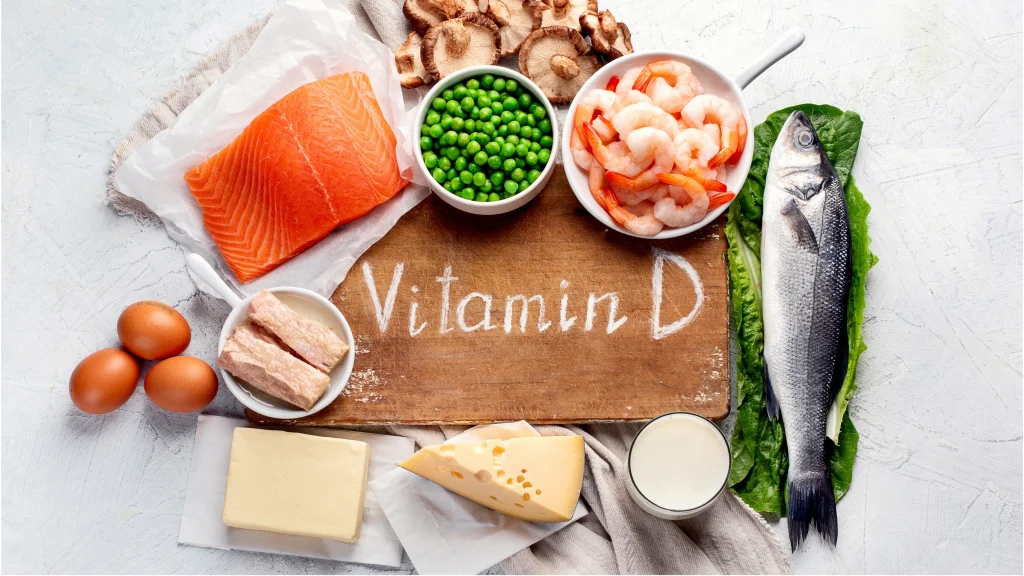
The best sources of vitamin D are sunlight, oily fish, fish liver oils, egg yolks, mushrooms, bananas, red meat, yogurt, fortified cereals, and fat spreads.
How to get more vitamin D naturally?
You can increase your vitamin D levels naturally by:
> Eating vitamin D-rich foods
> Getting enough sunlight
> Taking vitamin D supplements
> Using a UV lamp
What are the side effects of taking too much vitamin D3?
If you’ve taken too much vitamin D3, you might experience side effects such as decreased appetite, dehydration, muscle weakness, nausea and vomiting, confusion, lethargy, constipation, frequent urination, and decreased thirst.
Make sure to see a healthcare provider immediately if you notice any of the mentioned side effects, as the toxicity can progress into other issues like kidney problems and bone pain.
Does vitamin D help with depression?
Yes, getting enough vitamin D can help lower your risk of developing depression and help relieve symptoms. Experts have also recommended vitamin D for seasonal depression as part of treatment. However, more research is needed to understand how does vitamin D affects mood and mental health.
How long does it take to correct vitamin D deficiency?
The time it takes to correct a vitamin D deficiency depends on the severity of the condition and the treatment plan, but it can take about 4 to 6 weeks or more.
Can vitamin D3 cause anxiety?
There’s nothing like vitamin D3 side effects anxiety directly linked in research. So, if you’re feeling like your insides are shaking or if you are feeling uneasy about something, it’s not because of too much vitamin D. Studies have actually shown that low levels of vitamin D are associated with anxiety [PubMed Central]
If these feelings persist or are interfering with your daily life, it’s a good idea to talk to a healthcare professional or someone you trust.
