
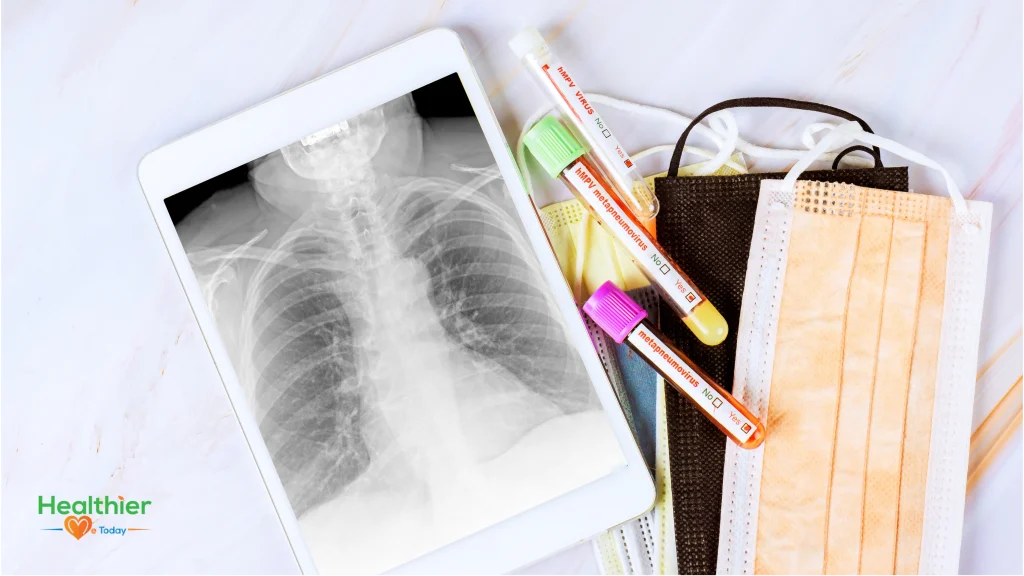
The Metapneumovirus is a respiratory illness that is currently surging across China, and it’s making people fear the worst. Who could blame them with the COVID-19 outbreak only being a few years in the rearview? But this is not another pandemic – the human metapneumovirus has been around for many years and is a usual seasonal sickness like the Flu.
This article looks at what the metapneumovirus is, HMPV symptoms, its transmission, prevention, diagnosis, treatments, human metapneumovirus vs COVID-19, and national monitoring.
What is The Human Metapneumovirus?
What is human metapneumovirus in adults and children? It is a viral pathogen known to cause respiratory infections. The illness was found in 2001 in the Netherlands and is associated with the Paramyxoviridae family. It is closely linked to the Respiratory Syncytial Virus, more commonly known as RSV. It is spread through tiny saliva droplets when an infected individual coughs or sneezes. It is also spread by touching contaminated surfaces and being in direct contact with someone with HMPV.
The human metapneumovirus can cause cases that range from mild chest discomfort to more serious complications, specifically in those who are vulnerable, such as infants, the elderly, and individuals with a compromised immune system. The HMPV virus is found globally and often peaks in late winter and early spring. However, in some areas, it can circulate all year round.
Human Metapneumovirus Stages
The human metapneumovirus incubation period is typically 3 to 6 days, and depending on the severity of the infection, the symptoms can sometimes last 3 to 5 days or longer, depending on the case.
Below are the three stages of HMPV:
-
- The incubation period – This is the period between being exposed to the virus and the first indicators of symptoms developing.
- Mild symptoms – During this stage, mild symptoms will occur, such as a runny nose, cough, sore throat, nasal congestion, and the possibility of a fever.
- Severe symptoms – More serious symptoms include difficulty breathing, fatigue, shortness of breath, possibly pneumonia, and wheezing.
The Human Metapneumovirus In Kids
The HMPV virus is most prominent among children aged five and younger. However, only a small number of infected children will have it lead to pneumonia or other lower respiratory tract infections; studies [National Institutes of Health] have shown around 5 to 16%. However, it is essential to note that it will likely be severe the first time someone is infected with HMPV. This is why children still have a more significant risk of getting very sick their first time contracting the illness and should be closely monitored and properly treated immediately.
The Human Metapneumovirus vs COVID-19
When we look at the human metapneumovirus vs COVID-19, both are respiratory pathogens but differ in their transmission dynamics, public health impact, and virology. The two are similar in their modes of transmission, such as saliva droplets, contaminated surfaces, and direct contact. Both cause mild to severe symptoms such as shortness of breath, coughing, and fever. These viruses are both specifically threatening and dangerous to vulnerable individuals such as the elderly, babies, young children, and people with compromised immune systems.
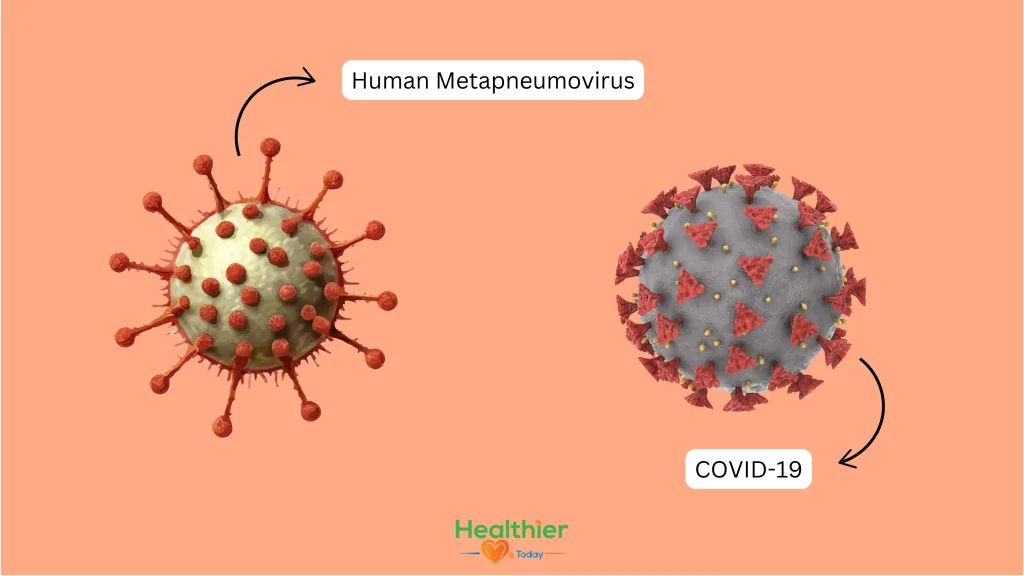
One of the main differences between the human metapneumovirus vs COVID-19 is their underlying viruses. The coronavirus has a broader range of symptoms, including losing the sense of smell and taste, to more serious ones, such as multi-organ failure and blood clotting. Treatment for human metapneumovirus vs COVID-19 differs as there are available vaccines and antiviral treatments for the coronavirus. Still, HMPV virus treatment focuses on supportive care without any current vaccine or antiviral treatments.
Differences between human metapneumovirus vs COVID-19:
| Differences | Metapneumovirus | COVID-19 |
| Causes | The Human Metapneumovirus (part of the paramyxovirus family) | SARS-CoV-2 virus (prt of the coronavirus family) |
| Symproms | Cough, nasal congestion, runny nose, fever, shortness of breath, wheezing, sore throat, hoarseness, cold-like symptoms. | Fever, chills, cough, shortness of breath, fatigue, loss of taste and smell, headache, sore throat, body aches, diarrhea, and nausea |
| Transmission | Primarily spread through close contact and respiratory droplets.
Less contagious than COVID-19 |
Spread through respiratory droplets, surfaces, and aerosols.
Highly contagious and is a “super-spreader” virus |
| Incubation period | 4 to 6 days | 2 to 14 days |
| Testing | Diagnosed through PCR testing or specialized viral culture tests | Diagnosed through PCR tests, rapid tests, and antigen tests |
| Treatment | No vaccine or antiviral treatment is available
Supportive care is primary treatment (hydration or oxygen therapy) |
Monoclonal antibodies, antiviral medications (remdesivir), and supportive care |
Metapneumovirus Symptoms
As mentioned, HMPV symptoms vary from non-serious to severe. The human metapneumovirus vs COVID-19 symptoms are similar but different as HMPV does not completely take away taste and smell. They are often compared to colds, but many cases can lead to serious complications, resulting in pneumonia, bronchitis, and bronchiolitis.

Below are several common symptoms of metapneumovirus:
- Rash
- Tiredness
- Hoarseness
- Body aches
- Fever
- Coughing
- Sore throat
- Wheezing
- Headache
- Runny nose
- Congestion
- Difficulty breathing
- Shortness of breath
How Long Does It Take To Recover From Human Metapneumovirus?
In mild cases of metapneumovirus, it can often last a couple of days to a week. However, more serious cases can take longer to heal and feel better. Whether mild or severe, HMPV can often leave behind a consistent cough that can take longer than other symptoms to clear up.
Transmission and Prevention of the Metapneumovirus
Is human metapneumovirus contagious even after symptoms have resolved? Yes, those infected with HMPV can stay contagious for several days, even after their symptoms have cleared up. This is due to the metapneumovirus spreading in respiratory secretion for up to 2 weeks after symptoms have gone away. The human metapneumovirus contagious level is very high and thrives in places such as schools, healthcare settings, households, and other similar crowded spaces. Although we can’t always avoid these places, we can ensure we take preventive measures.
Here are some ways to prevent being infected and also help stop the spread of the metapneumovirus:
-
- Wash your hands often with soap
- Sanitize your hands after being in crowded places or around infected individuals.
- Clean surfaces frequently
- Throw away tissues immediately
- Avoid touching your nose, mouth, and eyes with unwashed hands
- Don’t share cups, food, or utensils with someone who’s sick
- Stay at home when you are sick
- Avoid coughing and sneezing into your hands
- Consider wearing a mask when infected with HMPV
- Human metapneumovirus isolation until no longer contagious
How is the Human Metapneumovirus Diagnosed?
Diagnosing the human metapneumovirus can be tricky as it mimics other illnesses such as flu and RSV. However, a common and reliable way to test for HMPV is Reverse Transaction Polymerase Chain Reaction (RT-PCR) and antigen detection, which gives results faster. Surveillance programs in India, such as the Integrated Disease Surveillance Programme (IDSP) and ICMR, do frequent tests for HMPV and other respiratory viruses. This is to help control and monitor the spread of respiratory illnesses.
The Human Metapneumovirus Treatment
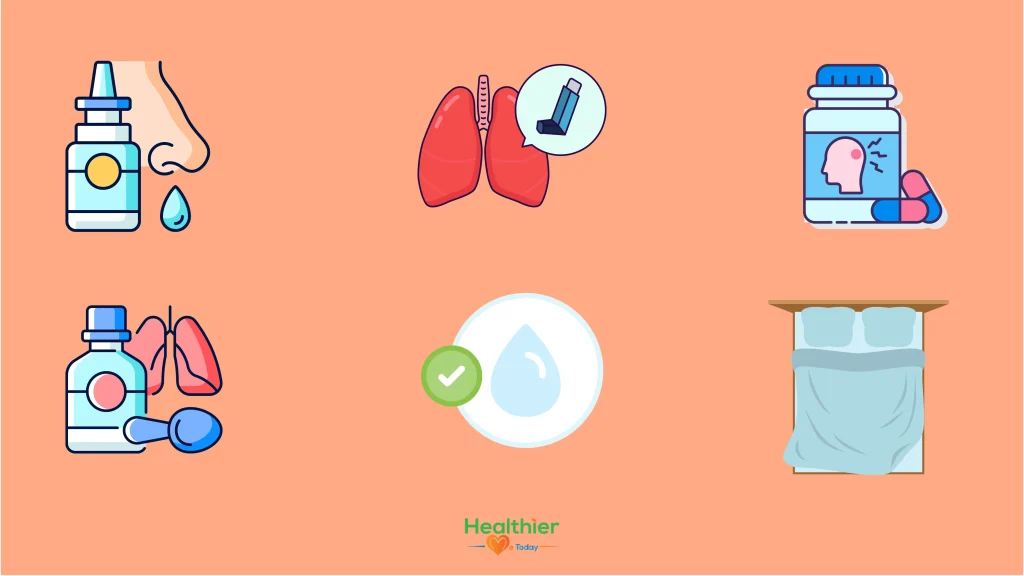
Here are several ways in which the human metapneumovirus is treated:
- Over-the-counter medicine for fever, a blocked nose, pain, and coughing
- Get plenty of rest
- Use decongests
- Stay hydrated
- Inhalers or other breathing treatments
- Corticosteroid nasal spray
In more severe cases that lead to bronchitis or pneumonia, hospitalization and breathing therapy may be needed.
Conclusion: So, What is The Human Metapneumovirus?
The human metapneumovirus is not new and has been around for over 2 decades. It has symptoms similar to those of other respiratory illnesses, such as RSV and influenza, but differs as it can lead to more serious complications. Although there are similarities between human metapneumovirus vs COVID-19, key differences include treatment, severity, contagiousness, and origin.
FAQ’s:
How is human metapneumovirus diagnosed, and who is at risk?
The human metapneumovirus is diagnosed using laboratory tests and physical examinations.
What is HMPV prevention, and what precautions should be taken?
Some precautions to prevent the spread of metapneumovirus are staying home when sick, covering your mouth and nose when coughing or sneezing, washing your hands often, avoiding contact with someone infected, avoiding sharing items involving spit, and cleaning contaminated surfaces.
Can human metapneumovirus lead to severe complications?
Yes, HMPV can cause serious complications such as pneumonia, bronchitis, acute respiratory distress syndrome (ARDS), and even death.
Are there any home remedies or supportive care options for HMPV symptoms?
Yes, some home remedies for HMPV include resting, staying hydrated, taking over-the-counter medication, humidifiers, inhalers, saline nose spray, and corticosteroid nasal spray.
How long are you contagious with human metapneumovirus?
Someone infected with HMPV is contagious for 5 to 14 days after the first onset of symptoms.
How does HMPV typically affect young children compared to adults?
The first time an individual contracts the human metapneumovirus, it can make an individual extremely ill, which can be dangerous and potentially lead to complications in children.
When should you seek medical attention for human metapneumovirus?
You should seek medical attention if you experience difficulty breathing, bluish lips, skin, or nails, have a high fever (over 103°F), confusion, chest pains, dizziness, severe fatigue, dehydration, and severe coughing.
