
12 Reasons Sunflower Seeds Are Amazing for Your Health

Did you know that sunflower seeds contain nutrients linked to heart health, immunity, and even mood support? Most people see them as a simple snack or salad topping, but there’s far more going on beneath their small size. When you look closely at the real health benefits of sunflower seeds, they turn out to be one of those everyday foods that quietly support the body in multiple ways.

Rich in antioxidants, healthy fats, vitamins, and minerals, sunflower seeds contribute to energy levels, immune function, and overall wellness without requiring major diet changes. This article breaks down 12 reasons sunflower seeds are amazing for your health, explaining what they do in the body and why they deserve more attention than they usually get.

Why Sunflower Seeds Are So Beneficial

What Makes Sunflower Seeds So Beneficial

A small handful delivers a mix of healthy fats, antioxidants, fiber, and minerals that contribute to long-term wellness. That combination is what makes sunflower seeds such a powerful everyday food rather than just a snack.

Raw Sunflower Seeds

Reasons sunflower seeds are great for your health

1. Sunflower Seeds Deliver an Impressive Dose of Vitamin E

One of the standout health benefits of sunflower seeds is their high sunflower seeds vitamin E content. Vitamin E acts as a powerful antioxidant that helps protect cells from oxidative stress, which plays a role in aging and chronic disease. It also supports immune function and helps maintain healthy, glowing skin. Adding sunflower seeds to meals is a simple way to increase vitamin E intake without relying on supplements.

2. Boost Heart Health Naturally

Sunflower seeds for heart health are well known for good reason. They contain a balance of polyunsaturated and monounsaturated fats that support healthy cholesterol levels. Sunflower seeds are also a natural source of magnesium, a mineral that helps regulate blood pressure and supports normal heart rhythm. Regular intake can contribute to better cardiovascular balance as part of an overall healthy diet.

3. Aid in Diabetes Management

Sunflower seeds for diabetes management can be a smart addition to balanced meals. Their fiber content helps slow the absorption of sugar into the bloodstream, which supports steadier blood glucose levels. Healthy fats in sunflower seeds also help improve satiety, making them useful for managing hunger and supporting more stable energy throughout the day.

4. A Plant-Based Protein Source

Thanks to their high sunflower seeds protein content, these small seeds offer a simple way to add plant-based protein to your diet. Protein helps repair and build muscle, supports long-lasting energy, and keeps you feeling fuller for longer. Adding sunflower seeds to meals or snacks is an easy way to fuel an active, healthy lifestyle without relying on heavily processed foods.

5. Packed with Essential Nutrients

The nutritional value of sunflower seeds goes far beyond vitamin E and protein. They contain a wide range of B vitamins, along with minerals like selenium, folate, magnesium, and phosphorus. These nutrients support metabolism, brain function, nerve health, and energy production. Many sunflower kernels benefits come from this nutrient density, making them a smart choice for overall daily nourishment.

6. Support Healthy Weight Control

Sunflower seeds can play a helpful role in weight management when eaten in moderation. The combination of protein, fiber, and healthy fats helps increase satiety, which may reduce overeating between meals. Among the many sunflower seeds benefits, supporting a balanced approach to weight control is one that fits easily into a sustainable, long-term eating pattern.

7. Promote Better Digestive Health

Fiber is key for digestion, and sunflower seeds provide a steady source of it. Sunflower seed nutrition helps support regular bowel movements and feeds beneficial gut bacteria, which play a role in overall digestive balance. Whether enjoyed as a snack or added to salads and meals, sunflower seeds can help keep your digestive system working smoothly.

8. Support Women’s Health

Many sunflower seeds benefits for female health come from their mineral and nutrient profile [healthline.com]. Magnesium and selenium support bone strength, hormone balance, and heart health, while vitamin E contributes to overall vitality. Including sunflower seeds in everyday meals is a simple way to support long-term wellness at different life stages.

9. Easy and Flexible Ways to Eat Them

Learning how to eat sunflower seeds does not require special preparation. They can be enjoyed as raw sunflower seeds or roasted, depending on preference. Toss them into breakfast bowls, sprinkle them over salads, or keep a small portion on hand for a convenient snack. Their mild flavor works well in both sweet and savory dishes, making them easy to include throughout the day.

For people who don’t enjoy eating sunflower seeds on their own, there are simple alternatives that still provide the same nutritional benefits. Sunflower seed butter can be used like any spread or blended into meals, while mixed seed blends that include sunflower seeds make it easy to add variety, texture, and nutrients to everyday foods like salads, yogurt, or oatmeal.

10. A Natural Source of Energy

Sunflower seeds are often considered natural energy-boosting foods because they contain a mix of protein, fiber, and healthy fats [pmc.ncbi.nlm.nih.gov]. This combination helps provide steady energy rather than quick spikes and crashes. A small handful can help reduce fatigue and support alertness during busy days.

11. Support Brain Health and Mood

Sunflower seeds provide magnesium, B vitamins, and antioxidants that support brain function and emotional balance. These nutrients help maintain focus, support stress management, and contribute to a more stable mood. Adding sunflower seeds to meals or snacks can offer an easy, everyday boost for mental clarity.

12. Sunflower Seeds for Strong Immunity

Loaded with vitamin E and selenium, antioxidants that help reduce inflammation and protect your body from damage. Supporting the immune system and helping the body combat illnesses are key aspects of the sunflower seeds health benefits.

How Many Sunflower Seeds Should You Eat Per Day

How Many Sunflower Seeds Should You Eat Per Day

A healthy serving of sunflower seeds is about 1 ounce per day, which is roughly a small handful or ¼ cup [naturesgarden.net]. This amount is enough to enjoy the health benefits of sunflower seeds without overdoing calories or fat.

Sunflower seeds are very nutrient-dense, so eating large portions regularly can add up quickly. Because they’re high in healthy fats and minerals, too much may lead to excess calorie intake or digestive discomfort.

For most people, one small handful a day is the sweet spot to get the benefits while keeping meals balanced.

Are Sunflower Seeds Safe for Everyone

Are Sunflower Seeds Safe for Everyone

Sunflower seeds are safe for most people and can be a healthy addition to a balanced diet. However, there are a few situations where moderation or caution is important.

People with seed or nut allergies should avoid sunflower seeds unless they’ve confirmed they’re safe for them. Those watching their sodium intake should choose unsalted varieties, as salted sunflower seeds can contribute to high blood pressure when eaten often. Because sunflower seeds are high in fiber and fat, eating large amounts at once may also cause digestive discomfort for some people.

When enjoyed in reasonable portions, sunflower seeds are generally well tolerated and offer many nutritional benefits for most diets.

Conclusion: Sunflower Seeds Have Real Benefits

Sunflower seeds may be small, but they offer far more than most people expect. When eaten in the right amounts, the health benefits of sunflower seeds include support for heart health, energy levels, digestion, and overall nutrition. Their mix of healthy fats, protein, antioxidants, and essential minerals makes them a simple way to add more value to everyday meals.

What makes sunflower seeds especially appealing is how easy they are to use. They fit into snacks, salads, breakfasts, and even main dishes without requiring major diet changes. By keeping portions in check and choosing unsalted options, sunflower seeds can be a practical, nourishing addition to a balanced lifestyle.

Sometimes, it’s the simplest foods that make the biggest difference when used consistently and mindfully.

FAQs

Are sunflower seeds good for you?

The nutrition in sunflower seeds provides protein, fiber, healthy fats, and key vitamins and minerals, helping to support overall health and wellness. Vitamin E and selenium in these seeds help safeguard cells and strengthen immunity, while B vitamins and magnesium enhance energy and heart health and help reduce inflammation.

What are the health benefits of sunflower seeds?

The benefits of sunflower seeds include supporting heart health through their healthy fats and magnesium, aiding digestion, and helping regulate blood sugar levels with their high fiber content. Including them in your diet is an easy way to enjoy all these health-promoting benefits.

What are sunflower seeds good for?

Sunflower seeds offer several health benefits, including supporting heart health, balanced blood sugar, weight management, and healthy skin and bones. Their protein, healthy fats, and nutrients provide a natural energy boost throughout the day.

Are sunflower seeds healthy to eat every day?

Eating sunflower seeds daily can be healthy in moderation. With protein, fiber, healthy fats, vitamin E, magnesium, and selenium, they promote heart health and overall wellness. However, because of their high calorie density, it’s best to limit them to a small handful to avoid excess calories.

How many sunflower seeds should I eat a day?

A healthy serving size is 1 ounce (about 28 grams), roughly a small handful. This amount provides protein, beneficial fats, dietary fiber, along with key nutrients such as vitamin E and magnesium, offering health benefits without significant extra calories or fat.

How do you eat sunflower seeds properly?

Sunflower seeds can be enjoyed raw or roasted. They may be eaten either shelled for convenience or left in their shells, cracking them as one goes. They are also delicious sprinkled on salads, oatmeal, or yogurt, or incorporated into various other baked goods.

Are roasted sunflower seeds healthy?

Yes, roasted sunflower seeds are good for you because they’re packed with healthy fats, plant protein, and important vitamins like vitamin E and B vitamins.

Are sunflower seeds good for diabetics?

Sunflower seeds are a fantastic choice for people with diabetes! Packed with fiber to help manage blood sugar and heart-healthy fats, they offer delicious support for your overall well-being.

Can sunflower seeds help with weight loss?

Yes! Sunflower seeds make a great snack for supporting weight management. A handful of sunflower seeds can help keep you feeling satisfied thanks to their protein, fiber, and healthy fats, making it easier to avoid overeating too quickly.

What vitamins are in sunflower seeds? 

Sunflower seeds naturally provide vitamin E, B6, and folate. Vitamin E helps protect your cells and keeps the immune system strong, while B6 and folate support energy, brain function, and overall cell health.

What are the side effects of eating too many sunflower seeds?

Sunflower seeds side effects can include digestive discomfort, consuming too many calories, or high sodium intake if the seeds are salted. To enjoy their benefits safely, it’s best to eat them in moderation.

Can you eat sunflower seed shells?

Sunflower seed shells aren’t suitable for eating as they are hard to digest. It’s best to enjoy the nutritious and easy-to-consume kernels. Swallowing the shells can also cause discomfort or irritation in your digestive system, so it’s safer to stick to the seed inside.

Dietitian vs Nutritionist: Who Can Transform Your Health?

When it comes to improving your health, the debate between a dietitian vs nutritionist can feel confusing. Both professionals work in food, health, and lifestyle, but they are not interchangeable. Their education, legal scope, and types of support differ in important ways.

This guide breaks down the key differences between dietitians and nutritionists, explains when to choose each one, and helps you make an informed decision that truly supports your health goals.

Dietitian

Dietitian

A dietitian is a trained healthcare professional who helps people understand how food affects their body and overall health. They use science-based nutrition to guide you in making safe, healthy eating choices, whether you want to manage a medical condition, improve your energy, or support long-term wellbeing. 

Is a Dietitian a Regulated Healthcare Professional?

Yes. A dietitian is a regulated healthcare professional. The title registered dietitian (RD or RDN in the United States) is legally protected, meaning only individuals who meet strict academic and licensing standards can use it.

If you’ve ever asked, what is a registered dietitian, the answer is simple. A dietitian is a clinically trained nutrition expert qualified to work within healthcare systems alongside doctors and specialists.

What Education and Credentials Does a Dietitian Need?

The dietitian education requirements follow a structured and accredited pathway.

To become a dietitian, individuals must complete:

  • A bachelor’s or master’s degree in dietetics or nutrition.
  • Completion of one of the nationally recognized accredited dietitian programs
  • Internship hours under supervision in a clinical setting.
  • A national registration exam or board exam.
  • Ongoing professional development

This rigorous training explains why the registered dietitian vs nutritionist comparison places dietitians in a medical category.

Can a Dietitian Diagnose and Treat Medical Conditions?

Dietitians don’t diagnose illnesses like doctors, but they are trained and qualified to help manage health conditions through medical nutrition therapy. A clinical dietitian works with people dealing with diabetes, heart problems, digestive issues, kidney disease, eating disorders, food allergies, and pregnancy nutrition. These are all key dietitian job responsibilities that demonstrate how their expertise can directly support health and well-being.

Where Do Dietitians Work?

Dietitians can be found in a variety of settings, all focused on helping people improve their health through proper nutrition

Dietitians commonly work in:

  • Hospitals and medical clinics
  • Private healthcare practices
  • Long-term care facilities
  • Public health organizations
  • Research and academic institutions

Many dietitians also run private practices or specialize in areas like sports nutrition, maternal health, or supporting people with chronic conditions, while still following evidence-based clinical guidelines.

Dietitian Salary

When looking at the nutritionist vs. dietitian salary, dietitians usually earn more because of their advanced education, clinical training, and role in medical care. In the United States, a registered dietitian typically makes between $55,000 and $75,000 a year, and those with more experience or who work in specialized healthcare fields can earn $80,000 or more annually.

Salary can vary depending on location, years of experience, and area of specialization, but dietetics is considered a stable and well-respected career within the healthcare system.

Nutritionist

Nutritionist

A nutritionist is a health and wellness professional who helps people understand how food affects their body and teaches them how to make healthier everyday eating choices. They focus on practical guidance, such as meal planning, balanced diets, weight management, and building better lifestyle habits. While nutritionists are not always medically trained like dietitians, they play an important role in supporting general wellness, fitness goals, and long-term healthy living through education and personalized advice.

Are Nutritionists Regulated in the United States?

In the United States, regulations for nutritionists vary from state to state. Some states require them to hold a license or certification, while in others, the title isn’t legally protected. This makes it important to check a nutritionist’s credentials before working with them, a key point to understand in the dietitian vs nutritionist discussion.

Nutritionist Qualifications and Certifications

Nutritionist qualifications vary widely. Many professionals hold degrees in nutrition or health sciences, while others complete certifications or short courses. Those pursuing certified nutritionist requirements USA may hold recognized credentials, but training is usually non-clinical.

Can a Nutritionist Treat Medical Conditions?

In most cases, nutritionists cannot treat medical conditions or provide medical nutrition therapy unless they have extra licensed credentials [dietitianlive.com]. Instead, they focus on helping people improve daily eating habits, make healthier lifestyle choices, and build long-term wellness.

Where Do Nutritionists Work?

Nutritionists can be found in a variety of settings, helping people improve their everyday health and wellness.

Nutritionists often work in non-clinical settings, such as:

  • Gyms and fitness centers
  • Wellness clinics and studios
  • Corporate wellness programs
  • Private coaching practices or online platforms

They frequently collaborate with personal trainers and fitness professionals, positioning themselves as a healthy eating expert for everyday lifestyle changes.

Nutritionist Salary

Nutritionists generally earn less than dietitians because their work is usually non-clinical and requirements vary widely. In the United States, nutritionists typically earn between $40,000 and $65,000 per year, depending on their education, certifications, experience, and location [bls.gov]. Those who run successful private practices, work online, or specialize in areas like fitness or wellness coaching may earn more. While income can vary, many nutritionists find the career rewarding because they help people build healthier habits and improve their overall quality of life.

Nutritionist vs Dietitian – A Summary

Category Dietitian Nutritionist
Regulation Highly regulated Not always regulated
Medical authority Can treat medical conditions Usually, one cannot treat medical conditions
Training Structured, accredited Varies widely
Work setting Hospitals, clinics, and medical environments Gyms, wellness centres, private coaching
Scope Clinical nutrition + wellness Lifestyle nutrition + coaching

Which is Better: A Dietitian or a Nutritionist?

The answer depends entirely on your health needs.

If you need medical help, nutrition therapy, or clinical care, a dietitian is the best choice [benendenhospital.org]. If you want to improve your daily habits, build a routine, and stay motivated, a nutritionist may be a better choice. Knowing the difference can help you find the right expert for your healthy eating goals.

When You Should See a Dietitian

A dietitian can give you the specific advice you need when your nutrition affects your health.

Choose a dietitian if you:

  • Have a diagnosed medical condition
  • Need medical nutrition therapy
  • Are pregnant or managing fertility-related nutrition
  • Have food allergies, intolerances, or digestive disorders
  • Require clinically tailored meal plans

Working with a dietitian ensures you get safe, evidence-based nutrition guidance tailored to your specific medical needs.

When a Nutritionist May Be the Better Choice

A nutritionist can be the right choice when your focus is on everyday healthy habits and overall wellness.

A nutritionist may be ideal if you:

  • Want to improve overall eating habits
  • Need guidance from a meal planning professional
  • We are focused on prevention and long-term wellness
  • Want lifestyle-based support rather than clinical care

Nutritionists are good at motivating people, helping them build healthy habits, and improving their lifestyles in ways that last.

Helpful Tools That Support Nutrition Habits

Helpful Tools That Support Nutrition Habits

  • Food Journal – Useful for tracking meals, hunger cues, symptoms, and eating patterns over time, which can support better awareness and more informed nutrition choices.
  • Portion Control Plate – Helps visualize balanced meals and appropriate portion sizes, making it easier to follow general nutrition guidance at home.
  • Smart Kitchen Scale with Nutrition Calculator – Allows for more accurate portion measurement and nutrient tracking, especially for people following structured meal plans or specific dietary goals.

Conclusion: Choose the Right Expert Today

Both dietitians and nutritionists offer valuable nutrition consultation services, including goal-setting, meal planning, food education, and long-term support. However, they serve different purposes and should not be used interchangeably.

A dietitian is the right choice for medical, therapeutic, or clinical nutrition needs.

A nutritionist is best suited for general wellness, lifestyle coaching, and healthy habit development.

Choosing the right professional helps you get safe, suitable, and practical support. This support can help you create healthier habits, feel more energized, and take control of your long-term wellbeing with confidence.

FAQs

What is the main difference between a dietitian and a nutritionist?

The main difference between a dietitian and a nutritionist is the type of help they provide. A dietitian focuses on medical issues and uses nutrition to help treat conditions such as diabetes, heart problems, digestive issues, and pregnancy-related needs. On the other hand, a nutritionist helps with everyday healthy eating, encourages the development of better habits, and supports long-term lifestyle changes. Understanding this makes it much easier to choose the right kind of support for your health.

Is a dietitian more qualified than a nutritionist?

Yes, a registered dietitian is generally more qualified in terms of formal education, clinical training, and legal regulation. Dietitians are trained to work with medical conditions and follow strict professional standards. At the same time, nutritionists may have varying levels of education and typically focus on general wellness and healthy lifestyle guidance.

Can a nutritionist legally diagnose medical conditions?

No, in most regions, including the United States, nutritionists cannot legally diagnose or treat medical conditions unless they hold specific credentials. Dietitians, on the other hand, can provide medical nutrition therapy under professional regulations.

Who should I see for weight loss, a dietitian or a nutritionist?

If you want personalized weight loss guidance that may involve medical considerations, a registered dietitian is the safest choice. Nutritionists can provide general advice and lifestyle coaching, which is also helpful if your focus is on overall wellness.

What education does a registered dietitian need?

A registered dietitian earns a bachelor’s degree in dietetics or nutrition, completes a supervised internship, and passes a national exam to become registered. Some dietitians go on to earn advanced degrees or specialized training in areas such as clinical or sports nutrition.

Are nutritionists regulated in the United States?

No, nutritionists are not regulated at a national level in the United States. Regulation varies by state; some require licensing or certification, while others allow anyone to use the title “nutritionist.”

Can a nutritionist create a medical nutrition therapy plan?

Typically, no. Medical nutrition therapy requires a licensed dietitian or healthcare professional. Nutritionists can provide general meal planning and lifestyle guidance and support, but it should not replace professional medical advice.

Do dietitians work in hospitals, while nutritionists work privately?

Dietitians typically practice in hospitals, clinics, and other healthcare settings, providing clinical care. Nutritionists tend to work privately, in wellness centers, or as consultants, though some may also work in healthcare settings if appropriately credentialed.

Simple Anxiety Relief Strategies That Work for Men

Anxiety has a way of creeping into daily life when you least expect it, turning even simple tasks into heavy mental challenges. Many men experience it as constant overthinking, lingering tension, or the pressure to keep pushing through without slowing down.

This guide helps men understand what is anxiety, how to recognize the signs, and what practical steps can be taken to manage stress and find real relief.

What Is Anxiety?

Anxiety is your body’s natural alarm system. It’s a way of telling you that something needs your attention, even if the threat isn’t real or immediate. You might notice it as racing thoughts, restlessness, tension, or a feeling of always being on edge.

When you think about it, anxiety explained simply, is just a mix of emotions, physical sensations, and mental chatter that’s meant to protect you. Most of the time, it helps you respond to challenges, but sometimes it can go into overdrive, making everyday life feel much more complicated than it needs to be.

While everyone experiences anxiety at times, it only becomes a concern when it starts interfering with your daily life. Understanding this is the first step to taking back control.

What Anxiety Feels Like for Men

What Anxiety Feels Like for Men

Anxiety can show up in different ways, but for many men, it often feels like a constant tension you can’t shake, racing thoughts, and a sense of being “stuck” in your own mind. You may find yourself overthinking even simple situations.

It’s also common to feel frustrated, irritated, or even embarrassed, especially since society often expects men to “tough it out” rather than show vulnerability. Experiencing these feelings isn’t a weakness. It’s your mind and body signaling that it’s time to pay attention and take care of your mental health.

Anxiety Symptoms in Men

Early Signs and Common Symptoms of Depression

Knowing the signs of anxiety disorder is crucial. Symptoms can be mental, emotional, or physical, and they can appear in subtle ways. Men often experience anxiety differently from women, with some signs being less obvious.

Mental Symptoms of Anxiety

Anxiety often begins in the mind, influencing your thoughts, feelings, and the decisions you make each day.

Mental symptoms of anxiety can include:

  • Worrying a lot about work, family, or personal life.
  • Racing thoughts and overthinking situations can lead to anxiety.
  • Having trouble focusing or concentrating.
  • Feeling restless, irritable, or “on edge.”
  • Having trouble sleeping or waking up tired.

Recognizing these mental patterns is the first step to managing anxiety before it starts affecting your body and daily life. Embrace the power to transform those thoughts into positive outcomes.

Physical Symptoms of Anxiety

Anxiety doesn’t just affect your mind. It can also show up in your body. Men often experience a range of physical sensations when anxiety is present, and noticing these early can make a big difference.

Physical symptoms of anxiety in men include:

  • Increased heart rate or palpitations.
  • Muscle tension, headaches, or jaw clenching.
  • Shortness of breath or tightness in the chest.
  • Digestive issues like nausea or frequent bathroom trips.
  • Sweating, trembling, or dizziness.

Being aware of these physical signs can help you take action sooner, manage your anxiety more effectively, and prevent it from interfering with your daily life.

Anxiety vs Stress – What’s the Difference?

Stress and anxiety can feel very similar, but they affect you in different ways. Stress usually shows up as a reaction to something specific in your life, like a tight deadline, a money issue, or a big change. Once the situation is over, the stress often eases.

Anxiety, on the other hand, can linger long after the event is gone. You might feel tense, restless, or on edge even when there isn’t an obvious problem. It can create a constant background of worry, overthinking, or imagining worst-case scenarios, making it hard to relax truly relax.

Another difference is in your body’s response. Stress triggers short-term reactions, such as a racing heartbeat or sweaty palms, which usually fade once the situation passes. Anxiety, however, tends to have a longer-lasting impact. You might notice how anxiety affects the body through ongoing muscle tension, headaches, fatigue, digestive issues, or trouble sleeping. These physical effects can linger and quietly interfere with your daily life, long after the stressful moment has passed.

High-Functioning Anxiety in Daily Life

High-functioning anxiety in daily life can be hard to spot because you may seem calm, capable, and put-together to everyone around you [whiterivermanor.com]. Many men cope by overachieving at work, keeping a tightly controlled schedule, or staying constantly busy to quiet the anxious thoughts running through their mind. One of the first signs is realizing that slowing down feels uncomfortable, even during moments meant for rest.

Even when no one notices, this type of anxiety can quietly affect your sleep, focus, and relationships, clearly showing how anxiety affects everyday life. You might lie awake despite feeling exhausted, feel tense for no clear reason, or struggle to fully switch off mentally. Over time, that steady, low-level pressure can wear you down, even when you appear fully in control on the outside.

Because high-functioning anxiety often looks like discipline or productivity, many men write it off as normal stress. Paying attention to how your body and mind respond when you try to rest is a useful starting point. Small changes, like building in short breaks, loosening rigid routines, or addressing stress earlier instead of pushing through it, can help reduce the mental load before it starts to affect your health.

What Triggers Anxiety in Adult Men?

Understanding how anxiety and overthinking begin can help you recognize the moments when your mind starts racing.

Common triggers include:

  • Stress from work or uncertainty about your career.
  • Facing problems in your relationships or dealing with family duties.
  • Financial concerns and bills.
  • Major life changes, like moving or becoming a parent.
  • Health worries or chronic illness.

Anxiety Coping Strategies That Actually Help

Anxiety Coping Strategies That Actually Help

There are numerous ways to cope with anxiety.

Here are some approaches that work:

  • Mindfulness and meditation help you calm your racing thoughts and lower your stress.
  • Exercise helps reduce stress and supports mental health. Regular movement is important for your well-being.
  • Breathing techniques, such as deep breathing, help calm your nervous system when you feel anxious.
  • Writing down your anxious thoughts can help you better understand your feelings [positivepsychology.com]. 
  • Having daily routines can help reduce uncertainty and anxiety.

These anxiety coping strategies give you practical ways to regain control, step by step.

Tools That Can Support Anxiety Relief

Managing anxiety isn’t just about mindset and coping strategies; using the right tools can make the process easier and more effective.

Here are some helpful options you might consider:

These tools can complement your daily coping strategies, giving you extra support and helping you feel more in control of your anxiety journey.

Self-Help Books and Workbooks for Anxiety

Self-help books and workbooks can provide practical guidance and real strategies that actually help manage anxiety over time. They teach coping skills, show you how to recognize triggers, and help you build healthier daily habits.

Some of the top-rated options available online include:

  • The Anxiety and Phobia Workbook by Edmund J. Bourne – Focuses on understanding anxiety and phobias while offering step-by-step techniques to manage symptoms. 
  • Feeling Good: The New Mood Therapy by Dr. David D. Burns – This book helps you understand why some thoughts seem to pull you into anxiety or low moods, and gently guides you to see how your thinking patterns affect your emotions.
  • Managing Depression and Anxiety with CBT in 7 Weeks Workbook – A structured guide with exercises designed to challenge negative thoughts and support long-term anxiety relief.

While no book or workbook is a quick fix, using these resources consistently can give you real insight and tools to manage anxiety in daily life, complementing other coping strategies or professional support.

Wearable Devices That Track Stress and Anxiety

Technology can be a valuable tool for understanding your anxiety patterns and taking action early. Wearable devices give you real-time feedback on how your body responds to stress, helping you notice patterns and make small adjustments before anxiety escalates.

Some popular options include:

  • Smartwatches that monitor heart rate changes.
  • Fitness trackers that check how well you sleep and how stressed you are.
  • Apps that help you with mindfulness exercises and relaxation techniques.

While these devices won’t eliminate anxiety on their own, they can provide real insight into your body’s responses and support your overall coping strategies. Using them alongside workbooks, therapy, or other techniques can make managing anxiety more practical and effective in daily life.

Do Men Need Therapy for Anxiety?

It’s common to wonder if changing your daily habits is enough to manage anxiety. While habits like regular exercise, mindful routines, and structured daily schedules can help, therapy provides focused support that addresses the root causes of anxious thoughts.

Cognitive-behavioral therapy (CBT), for example, helps you understand why anxiety shows up, notice patterns of overthinking, and use practical strategies that actually work in everyday life [ncbi.nlm.nih.gov]. Combining therapy with lifestyle changes can make managing anxiety more effective, helping you break cycles of tension, high-functioning anxiety, and constant mental stress.

When to Seek Extra Support for Anxiety

Sometimes, anxiety needs extra attention. 

Consider reaching out for professional help if you notice:

  • Anxiety interfering with work or relationships
  • Panic attacks or intense physical symptoms
  • Persistent sleep disturbances
  • Feeling unable to manage worry or overthinking on your own

Support can come from therapists, virtual support groups, or anxiety management programs.

Conclusion: Take Control of Your Anxiety

Managing anxiety as a man doesn’t mean you have to “tough it out” or push through alone. Pay attention to your mind and body. Notice what makes you feel anxious and find practical ways to cope that work for you.

Remember, taking control of your anxiety isn’t about perfection; it’s about making consistent choices that support your well-being and give you back a sense of balance in everyday life.

FAQs

What are common anxiety symptoms in men?

Common anxiety symptoms in men include racing thoughts, overthinking, irritability, restlessness, tension, difficulty sleeping, and physical symptoms like headaches or rapid heartbeat.

Can anxiety cause physical symptoms in men?

Yes, anxiety can cause physical symptoms such as chest tightness, sweating, trembling, stomach issues, and muscle tension.

Are there specific anxiety relief techniques that work better for men?

Some techniques work well for men, but everyone is unique. Exercise, deep breathing, mindfulness, routines, and cognitive-behavioral strategies can help calm your mind and reduce tension. The key is to find what feels natural for you and combine approaches that fit your lifestyle for effective anxiety management.

Do men need therapy for anxiety, or are lifestyle changes enough?

While lifestyle changes help, therapy, especially Cognitive Behavioral Therapy, provides targeted tools to manage anxiety long-term and prevent high-functioning anxiety from becoming overwhelming.

Where can I find virtual support groups for anxiety?

Virtual support groups can be found through online therapy platforms, mental health organizations, and social media communities focused on men’s mental health. 

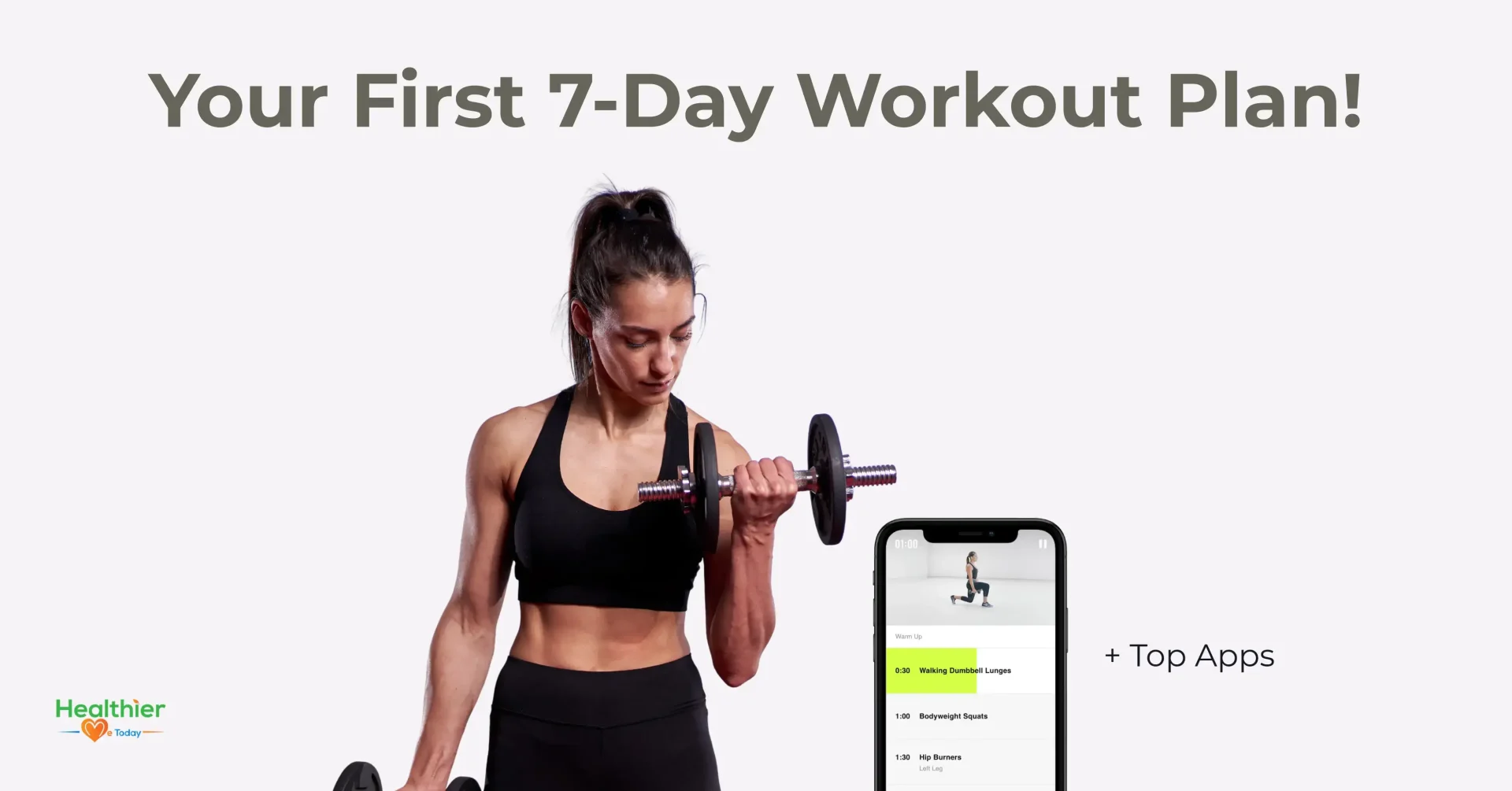
New to Fitness? Try This Simple 7 Day Workout Plan

Starting a fitness journey can feel a little overwhelming at first, and that’s completely normal. The good news is, it doesn’t have to be complicated or intimidating. With a 7 day workout plan for beginners, you can ease into movement at your own pace and start feeling stronger, more confident, and more energised each day. This plan is designed to help you build a simple, realistic routine while working your whole body in a balanced way.

In this guide, you’ll learn how to get started, what to expect each day, and how to stay consistent as you begin your fitness journey.

How to Start Working Out as a Beginner

If you’re wondering how to start working out as a beginner, the most important thing is to keep it simple. Focus on basic movements, shorter workouts, and a pace you can maintain. This helps you build strength, confidence, and consistency over time without feeling overwhelmed.

Starting with a simple workout plan that’s easy to follow makes it much easier to stay on track. You don’t need long sessions or intense routines to see progress. What matters is choosing something manageable and sticking with it.

Take your time, pay attention to how your body feels, and don’t worry about doing everything perfectly. Showing up consistently is what counts. Even 20 minutes of movement can help you feel stronger, more confident, and more in control of your body!

What Makes This a Beginner-Friendly Workout Plan

What Makes This a Beginner-Friendly Workout Plan

This plan combines full-body movement, low-impact cardio, and built-in rest days to help you build strength and consistency without overdoing it. It’s designed to ease you in, so you’re not pushed too hard or too fast.

You don’t need fancy gym equipment, and the exercises are simple to follow. Whether you’re working out at home or at the gym, this weekly workout plan for beginners is flexible and easy to fit into your routine.

Your Simple 7-Day Workout Plan for Beginners

Here’s a breakdown of the plan. Remember, each day focuses on a different type of movement to ensure you’re working your whole body while allowing recovery time. This is the perfect beginner workout plan to help you start fitness safely.

Day 1 – Full Body Movement

Focus: 

  • Light strength + mobility

Warm-up:

  • 5 minutes marching in place or light walking
  • Arm circles (forward and backward)
  • Torso twists

Workout:

  • Bodyweight squats (2-3 sets of 10-15 reps)
  • Bent-knee push-ups (2-3 sets of 10-15 reps)
  • Glute bridges (2-3 sets of 10-15 reps)
  • Standing side leg lifts (2-3 sets of 10 per leg)

Cool-down:

  • 5-10 minute walk
  • Light stretching (hamstrings, shoulders, triceps)

Remember to move slowly and focus on form with this beginner workout plan to start your fitness journey safely.

Day 2 – Cardio (Beginner Pace)

Focus: 

  • Easy movement to get your heart rate up

Workout:

  • Brisk walking or cycling for 20-30 minutes
  • Optional low-impact cardio → marching in place, step-touches, or beginner dance steps for  minutes

Cool-down:

  • Slow walk for 3-5 minutes
  • Stretch calves, quads, and arms

Keep it comfortable and go at your own pace with this easy workout plan.

Day 3 – Full Body Strength

Focus: 

  • Bodyweight exercises

Warm-up:

  • 5 minutes of light cardio

Workout:

  • Wall push-ups (2-3 sets of 10-15 reps)
  • Chair-assisted squats (2-3 sets of 10-15 reps)
  • Plank on knees (hold 20-40 seconds)
  • Standing calf raises (2-3 sets of 10-15 reps)

Cool-down:

  • Gentle walk for 5 minutes
  • Stretch chest, back, legs

Focus on proper form over speed or reps with this workout plan to start fitness safely.

Day 4 – Active Recovery

Focus: 

  • Stretching and light movement

Workout:

  • Gentle yoga flow or full-body stretching for 15-20 minutes
  • 10-minute walk (optional)

Listen to your body, recovery is part of progress with this beginner friendly workout plan to stay active without strain.

Day 5 – Lower Body Focus

Focus: 

  • Legs and glutes

Warm-up:

  • 5 minutes brisk walking
  • Leg swings and ankle rolls

Workout:

  • Bodyweight squats (2-3 sets of 10-15 reps)
  • Glute bridges (2-3 sets of 10-15 reps)
  • Step-ups on a low step (2-3 sets of 10 per leg)
  • Standing side leg lifts (2-3 sets of 10 per leg)

Cool-down:

  • 5-10 minute walk
  • Stretch quads, hamstrings, calves

Start light and focus on controlled movements with this beginner fitness plan, ideal for building lower-body strength.

Day 6 – Upper Body + Core

Focus: 

  • Simple upper body movements

Warm-up:

  • Jumping jacks for 1-2 minutes
  • Arm circles and wrist rolls
  • Torso twists

Workout:

  • Bent-knee push-ups (2-3 sets of 10-15 reps)
  • Wall shoulder press (2-3 sets of 10-15 reps)
  • Bicep curls with household item (2-3 sets of 10-15 reps)
  • Straight-arm plank (hold as long as possible)

Cool-down:

  • 5-10 minute walk
  • Stretch chest, arms, and shoulders

Keep movements slow and steady with this simple exercise routine, designed to strengthen your upper body.

Day 7 – Rest or Gentle Movement

Focus: 

  • Recovery and preparation for next week

Activity options:

  • Take a leisurely walk, stretch, or do some light yoga.
  • Use foam rolling or gentle stretching exercises.

Rest is crucial for muscle recovery and progress, making this day a perfect part of a simple workout plan for beginners at home.

How Long Should Beginners Work Out Each Day?

As a beginner, try to exercise for 20 to 40 minutes per session [planetfitness.com]. This amount of time is enough to see progress without pushing yourself too hard. Focus on doing the movements carefully and correctly. Keep a pace that feels challenging but still comfortable for you. Quality is more important than quantity.

Should Beginners Work Out Every Day?

You don’t need to exercise every single day. While consistency matters, rest days and active recovery are essential for allowing your muscles to repair and preventing fatigue. A balanced workout routine for beginners, like the one in this plan, helps you build sustainable habits without overwhelming your body.

Can Beginners Lose Weight With a 7-Day Workout Plan?

Can Beginners Lose Weight With a 7-Day Workout Plan

Yes. A 7 day workout plan can jumpstart weight loss by improving your activity level, boosting your metabolism, and helping you build consistent exercise habits. However, sustainable weight loss also depends on nutrition, sleep, and lifestyle habits. Think of this plan as a beginner workout plan to start fitness. It sets the foundation for long-term results.

Simple Tips to Stick With Your Workout Routine

Sticking to a workout routine doesn’t have to feel overwhelming [calm.com]. 

Here are a few simple tips to help you stay consistent and motivated:

  • Set a schedule: Choose specific times to exercise so it becomes a regular part of your daily routine.
  • Track your progress: Small improvements can make a big difference and help keep you motivated.
  • Use reminders: Using calendar alerts or fitness apps can help you stay on track.
  • Start with achievable goals: 20 to 30 minutes is enough time for beginners.
  • Celebrate small wins: Getting stronger, feeling more energetic, or being less stressed are all signs of progress.

By focusing on small, realistic habits, you’ll find it easier to stay committed and turn your workouts into a long-term lifestyle rather than a short-term effort.

App Recommendations

Using the right tools can help you stay consistent and get the most out of your workouts.

Here are a few apps to help you stay on track:

  • Nike Training Club – Easy workout routines for beginners with video guides.
  • FitOn – Free workout routines and plans for your whole body.
  • MyFitnessPal – Tracks exercise, daily activities, and food intake.
  • 7 Minute Workout – Quick and easy exercises for busy people.

Using these apps can make it easier to stay consistent, track your progress, and stick to your 7 day workout plan for beginners without feeling overwhelmed.

Optional Tools That Can Support Your Routine

Optional Tools That Can Support Your Routine

You don’t need fancy equipment to get started, but these tools can make your beginner workout plan with no equipment even easier:

Using these tools is optional, but they can make your exercise sessions more enjoyable and keep you motivated.

Conclusion: Build Consistency and Confidence at Your Own Pace

Starting your fitness journey doesn’t have to feel overwhelming. A simple workout plan like this gives you structure while still allowing flexibility to move at your own pace. By sticking with this weekly exercise routine, focusing on proper form, and listening to your body, you’ll build strength, confidence, and consistency. Remember, small steps every day lead to big results, and using tools or apps can make your journey easier and more enjoyable.

FAQs

Is a 7 day workout plan good for beginners?

Yes, a 7 day workout plan for beginners is a great way to build healthy habits and ease into fitness. It provides structure while allowing your body time to adapt, helping you learn basic movements, stay consistent, and improve strength and endurance without feeling overwhelmed.

Can beginners lose weight in 7 days?

Yes, beginners can lose a small amount of weight in 7 days, especially if they start moving more and making healthier choices. However, most of the early change comes from water weight and reduced bloating rather than fat loss.

How long should beginners workout each day?

Beginners should aim to work out for about 20-30 minutes per day. This is enough time to get your body moving, build strength, and improve fitness without feeling exhausted or overwhelmed. As your endurance improves, you can gradually increase the duration or intensity.

Should beginners work out every day?

No, rest and recovery are just as important as exercise. Beginners should alternate workout days with active recovery or rest days to prevent injury and fatigue.

What exercises are best for beginners?

Bodyweight exercises like squats, lunges, push-ups, planks, light cardio, and gentle stretching are ideal. These build strength, flexibility, and endurance safely.

How to download a 7 day workout plan for beginners from fitness apps?

Many apps like Nike Training Club, FitOn, and 7 Minute Workout let you download pre-made plans. Create an account, choose the “beginner workout plan,” and follow the daily guided exercises.

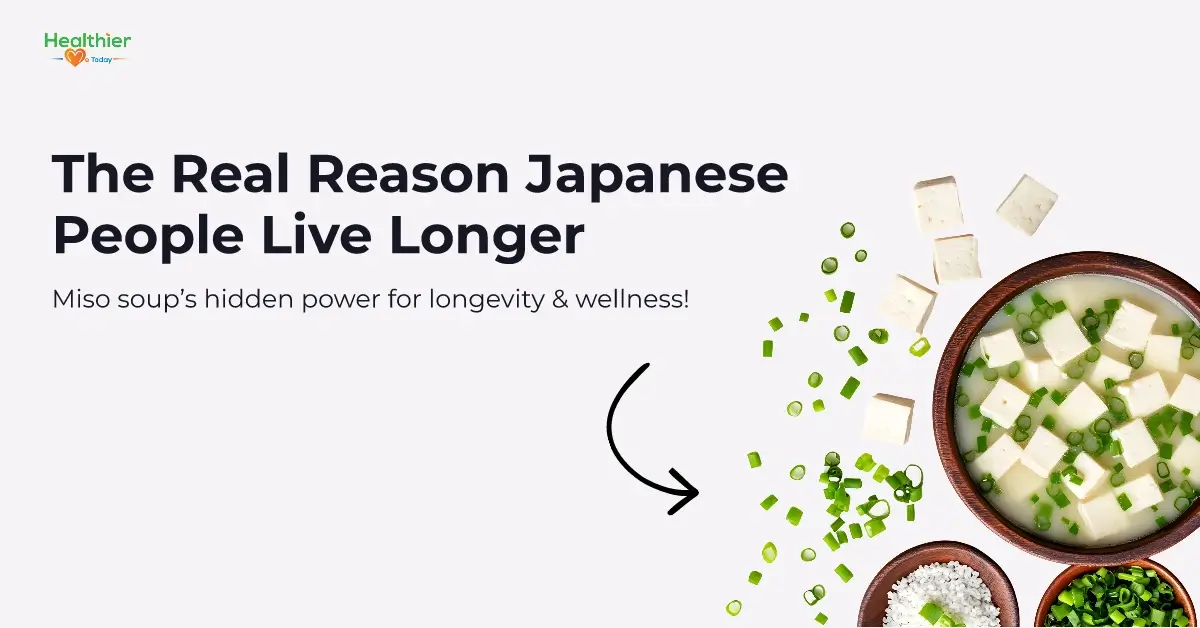
Miso Soup – Japan’s Secret to Living Longer Might Be in This 1 Daily Soup

Miso soup is a small, everyday part of Japanese meals, but it plays a much bigger role than most people realize. Often eaten daily, this simple fermented soup provides nutrients that support digestion, heart health, and overall balance in the body. It’s not a special “health food,” but a quiet staple that has been part of Japanese eating habits for generations.

When people ask about the real reason Japanese people live longer, miso soup is often overlooked in favor of bigger lifestyle explanations. Yet its combination of fermented soy, probiotics, and plant-based nutrients may help explain why this humble dish is linked to long-term health. 

This article focuses on the health benefits of miso soup that make it more than just a comforting bowl of broth, how to make it yourself, and how often to eat!

Why Miso Soup Is a Daily Staple in Japanese Diets

Miso soup is so common in Japan that it’s easy to overlook it. It’s not marketed as a superfood, rarely discussed in headlines, and often treated as just a simple bowl of broth served alongside meals. Because it’s ordinary, many people outside Japan don’t stop to question why it appears so consistently in daily diets.

What’s often missed is how long this habit has lasted. Generations have grown up eating miso soup regularly, sometimes more than once a day, without labeling it as a health choice at all. Only recently have researchers started paying closer attention to miso soup nutrition benefits when studying traditional Japanese eating patterns and long-term health.

Rather than standing out on its own, miso soup works quietly in the background of everyday meals, which may be exactly why its role has been underestimated for so long.

The Fermentation Secret

The Fermentation Secret

What truly sets miso soup apart isn’t the broth itself. It’s what happens long before it ever reaches the bowl. Miso is made through fermentation, a slow process that transforms simple soybeans into something far more complex and nourishing.

During fermentation, soybeans are combined with salt and koji, a natural culture that’s been used in Japanese cooking for centuries. Over time, this process breaks down the ingredients and creates compounds that are easier for the body to absorb. This is where the often-overlooked fermented miso soup gut health connection begins. And there are many more benefits (which are discussed in the next section in detail). 

Unlike many modern foods that are stripped of their natural structure, miso keeps its depth because fermentation does the work gently and naturally. The result is a soup that doesn’t just taste comforting, but carries qualities that support the body in ways people rarely expect.

Health Benefits of Miso Soup

  • Supports weight management Many people notice miso soup for weight management works well because it’s filling without being heavy. Its protein content and low calorie count can help curb hunger and reduce overeating, especially when enjoyed before meals.
  • Strengthens immune function The miso soup immune system benefits come from its vitamins, minerals, and antioxidants, which help the body respond better to stress, fatigue, and everyday illness without overstimulation.
  • Improves digestion and gut health Fermentation gives miso its natural beneficial bacteria. These miso soup gut health probiotics support digestion, improve nutrient absorption, and help maintain a balanced gut environment.
  • Provides steady, gentle energy Instead of spikes and crashes, miso soup offers slow, steady nourishment that helps keep energy levels stable throughout the day.
  • Delivers essential nutrients in a simple form Looking at miso soup nutrition facts, you’ll find it’s low in calories yet rich in B vitamins, vitamin K, manganese, and plant-based protein, all of which support overall wellness.
  • Easy to digest and comforting Miso soup is warm, soothing, and easy on the stomach, making it especially helpful during periods of stress, illness, or low appetite.

Miso Paste vs Miso Soup Benefits

Miso paste and miso soup are often talked about as if they’re the same thing, but they play different roles in everyday eating. One is the fermented foundation, while the other is the way most people actually consume it. Understanding how they differ helps explain why both are linked to long-term health and why the health benefits of miso soup are often easier to experience consistently than those of miso paste alone.

Below is a simple breakdown to show how miso paste and miso soup compare, and when each one makes the most sense to use.

Aspect Miso Paste Miso Soup
What it is A concentrated fermented soybean paste A diluted soup made from miso paste and water or broth
Nutrient density Very high, since it’s concentrated Lower per serving, but still nutrient-rich
Probiotics High, especially when not overheated Present, but depends on preparation temperature
Ease of digestion Strong digestive support in small amounts Gentle on the stomach and easy to digest
How it’s used Added to soups, sauces, marinades, and dressings Consumed as a warm, light meal or side
Daily consumption Used sparingly Easy to consume daily
Best for Boosting flavor and fermentation benefits in cooking Supporting routine gut health, hydration, and balance

How to Make Healthy Miso Soup (+ Top Products)

How to Make Healthy Miso Soup (+ Top Products)

Making miso soup at home doesn’t require special skills or hard-to-find ingredients [justonecookbook.com]. It’s more about understanding when to add each component and how to handle miso so its flavor and nutrients stay intact.

Here is a simple miso soup recipe for beginners:

  1. Warm your broth gently Start by heating water or a light vegetable broth over medium heat until it’s hot but not boiling. This gentle base is important for preserving miso’s beneficial properties. Here you can dissolve a small amount of dashi powder for a deeper, more traditional umami taste.
  2. Add vegetables that cook quickly – Once the liquid is hot, add vegetables like mushrooms, spinach, carrots, or green onions. These cook fast and don’t overpower the soup. Let them simmer briefly until just tender.
  3. Include protein if desired If you want something more filling, add tofu or tempeh at this stage. This keeps the soup light while turning it into a satisfying meal. This works especially well if you’re making a miso soup vegetarian recipe.
  4. Turn down the heat before adding miso – This step matters most. Reduce the heat to low or turn it off completely before adding miso. Boiling miso can destroy many of its probiotics. – Scoop a spoonful of white miso paste with malted rice into a small bowl and mix it with some warm broth until smooth.
  5. Stir the miso in gently – Pour the diluted miso back into the pot and stir slowly. The soup should stay warm, not bubbling. This helps preserve both flavor and nutrients.
  6. Add seaweed and final toppings Sprinkle in wakame seaweed flakes, which soften naturally in warm liquid and add minerals without extra cooking time. Taste and adjust as needed.
  7. Serve immediately or simplify when short on time – When you don’t have time to cook from scratch, freeze-dried miso soup packets can be a convenient backup. You can enhance them by adding fresh vegetables or tofu, so they’re still nutrient-rich.

Is It Safe to Eat Miso Soup Every Day?

If you’re wondering how often can you eat miso soup, the short answer is that daily consumption is common and generally safe for most people. In Japan, miso soup is often eaten once a day, sometimes even more, as part of regular meals rather than as a “health trend.”

Because miso soup is light, low in calories, and easy to digest, it fits naturally into breakfast, lunch, or dinner without feeling heavy. Its fermented base supports gut health, and when paired with vegetables and protein, it becomes a balanced addition rather than an empty side dish.

That said, portion size and ingredients matter. Traditional miso soup is usually served in small bowls, and using quality miso paste helps avoid excess sodium. Rotating vegetables and proteins also keeps the soup nutritionally varied over time.

Miso Soup Meal Ideas

Miso Soup Meal Ideas

Miso soup is incredibly versatile and works well beyond being just a side dish. Depending on how it’s prepared, it can fit into any meal of the day.

  • Light breakfast option Pair a small bowl of miso soup with rice, a boiled egg, or avocado toast for a gentle, easy-to-digest start to the day.
  • Simple lunch add-on Enjoy miso soup alongside a salad, grain bowl, or vegetable stir-fry to make the meal more filling without adding heaviness.
  • Comforting dinner side Serve miso soup with grilled fish, tofu, or roasted vegetables for a balanced evening meal that still feels light.
  • Quick, nourishing snack A warm cup of miso soup in the afternoon can help curb hunger and provide steady energy between meals.
  • Plant-based meal base Add tofu, seaweed, and extra vegetables to turn miso soup into a satisfying vegetarian or vegan meal on its own.

Conclusion: You Won’t Regret Adding Miso Soup to Your Diet

Miso soup stands out because it’s simple, traditional, and genuinely nourishing [verywellhealth.com]. From its fermented base and gentle probiotics to its protein, vitamins, and minerals, the health benefits of miso soup go well beyond comfort alone. It supports digestion, helps maintain steady energy, and fits easily into everyday meals without adding unnecessary calories.

What makes miso soup especially valuable is how flexible it is. It can be enjoyed daily, adapted to different diets, and prepared in a way that preserves its nutritional value. Whether you drink it as a light meal, a side dish, or a warming snack, miso soup offers an easy way to support long-term wellness through small, consistent habits.

Sometimes, the healthiest choices aren’t complicated. They’re the ones that have stood the test of time.

FAQs

What are the top health benefits of miso soup?

The miso soup health benefits list includes improved digestion, better immunity, heart protection, and balanced energy. Its probiotics, antioxidants, and minerals make it a healthy choice for overall wellness.

Is miso soup good for gut health?

The fermented foods benefits miso offers include strengthening the gut lining, supporting regular digestion, and boosting the immune system by increasing the amount of good bacteria in your microbiome. Regularly enjoying miso soup can therefore play a gentle but powerful role in maintaining a healthy, resilient gut.

Can miso soup help with weight loss?

Yes. Miso soup can aid healthy weight loss as it’s low in calories but rich in protein and nutrients, helping you feel full longer. Its probiotics also support digestion and reduce bloating. This makes it a miso soup weight loss friendly option for anyone looking to manage their weight while still enjoying a warm, satisfying meal.

How much miso soup is safe to eat daily?

Having it once a day is a balanced, sustainable routine for most people who want to enjoy its long-term wellness perks. This serving gives you a healthy dose of probiotics and nutrients without pushing your sodium intake too high.

Does miso soup have too much salt?

However, some may worry about the miso soup salt content concerns. Miso has sodium, but most people can safely enjoy it in moderation each day. When eaten mindfully, miso soup remains a nutritious and gut-friendly addition to your daily routine without causing sodium issues for most individuals.

How to choose a healthy miso paste?

The best miso soup ingredients start with high-quality paste. Choose natural miso that is minimally processed and free from added preservatives or artificial flavors. Lighter miso, like white or yellow, has a mild taste. Darker miso, such as red or brown, offers a richer flavor and more antioxidants. Selecting good miso paste makes your soup tasty and adds gut-friendly nutrients and health benefits.

Can miso soup support heart health?

Absolutely. Growing miso soup heart health evidence shows that its antioxidants, probiotics, and fermented soy compounds may help regulate cholesterol levels and support healthier blood pressure. These combined effects reduce strain on the cardiovascular system and may lower the risk of heart-related issues over time. When enjoyed as part of a balanced diet, miso soup can be a simple daily habit that gently supports long-term heart health.

Is miso soup good for vegetarians or vegans?

Yes, miso soup is an excellent choice for both vegetarians and vegans, especially when made with vegetable broth instead of fish-based dashi.

What are the best add-ins for miso soup?

Some of the most popular additions to miso soup include seaweed, tofu, mushrooms, and spinach. These ingredients add flavor, texture, and a boost of vitamins and minerals, making the soup more satisfying and nutrient-rich while complementing its natural probiotic benefits.

Are fermented foods like miso scientifically proven to be beneficial?

Yes, the fermented foods’ benefits, such as miso, are backed by research showing probiotics improve gut flora, immune response, and nutrient absorption.

How does miso soup compare to other soups nutritionally?

Miso soup is nutritionally unique because it’s typically lower in calories, fat, and heavy ingredients than many creamy or meat-based soups. Its fermented soybean base provides beneficial probiotics and nutrients that support digestion and immunity.

What lifestyle habits pair well with eating miso soup regularly?

Combining miso soup with healthy habits can increase its benefits. Eating mindfully, exercising regularly, drinking enough water, and following a balanced diet with plenty of fruits, vegetables, and whole grains improve digestion, strengthen the immune system, and support overall health. Eating miso soup regularly can enhance these healthy choices.

The Truth About Phone Addiction (And How It Hijacks Your Brain)

You probably didn’t plan to pick up your phone just now. It happened automatically, a quick check that turned into scrolling, tapping, and losing track of time. If that feels familiar, you’re not imagining it. Phone addiction changes how your brain reacts to boredom, stress, and even silence.

Researchers estimate that phone addiction affects millions of people worldwide, not just heavy social media users. It quietly reshapes how your brain releases dopamine, the chemical linked to motivation and reward. Over time, your brain starts craving fast digital stimulation and struggles with focus, patience, and calm when the phone isn’t nearby.

In this guide, you’ll learn why phones are so addictive, who is most at risk, and what’s actually happening inside your brain when phone use starts to feel uncontrollable. Most importantly, you’ll discover simple, realistic ways to take back control, without giving up your phone entirely.

Why Phones Are So Addictive

Your phone isn’t just a tool. It’s a constant stream of small rewards. Every message, notification, or like triggers a brief surge of dopamine, similar to the feeling of winning a small prize. These quick hits train your brain to keep checking, even when nothing important is happening.

For many people, daily phone use now averages several hours a day. Over time, this constant stimulation can affect areas of the brain responsible for decision-making, emotional regulation, and attention. When those systems are overstimulated, being offline can feel uncomfortable, boring, or even stressful.

That’s not a personal failure. Social platforms and apps are designed to hold your attention for as long as possible. Endless feeds, autoplay videos, and unpredictable rewards keep your brain locked into a cycle of anticipation and reward. Understanding this design is the first step toward breaking the pattern and using your phone intentionally, instead of instinctively.

Who Is at Risk of Phone Addiction?

Who Is at Risk of Phone Addiction

Phone addiction doesn’t affect everyone in the same way. Some people can scroll for a few minutes and put their phone down without much thought, while others feel distracted, uneasy, or restless when their phone isn’t nearby. Certain habits, environments, and personal factors make it more likely for phone use to shift from casual to compulsive, which is why some people struggle more than others.

They are:

  • Young people: Teens and young adults under 20 often lack self-control. Many people keep their phones on all night, with 70% of them sleeping next to them.
  • Women: Social apps like Instagram draw women in, boosting dependence. They often spend more time connecting online than men.
  • Mental health struggles: If you’re anxious, depressed, or lonely, you might use your phone to feel better, but it can backfire.
  • Social pressure: Seeing everyone else glued to their phones makes it feel normal to overdo it. It’s hard to unplug when it’s all around you.
  • Boredom: Phones are an easy escape when you’re bored. Scrolling feels like instant fun, pulling you in.

Smartphone addiction can also look different depending on culture, lifestyle, and how phones are used day to day. In some countries, social media platforms drive the majority of screen time, encouraging constant checking and online interaction. In others, mobile gaming and entertainment apps are more likely to keep users hooked for long stretches. These differences matter because they shape how habits form and which groups are most affected, reinforcing that phone addiction isn’t just about individual behavior, but also the digital environments people are immersed in [statista.com]. 

How Does Phone Addiction Affect You?

How Does Phone Addiction Affect You

Phone addiction can mess with your life in ways you might not expect. 

Here are 10 ways it affects you, along with tips to manage each one:

1. Increases Anxiety

Too much phone time makes you feel nervous and on edge. Every notification buzzes your brain, pushing you to check right away. Seeing perfect lives on social media, especially for teenagers, can make you feel like you’re not enough. 

2. Depression Symptoms

Spending hours scrolling can leave you feeling sad, especially if you’re young. Comparing yourself to flawless online lives can make you feel like you’re missing out, hitting teen girls extra hard with unrealistic standards. 

3. Affects Sleep Quality

Your phone’s screen can keep you awake by blocking the chemical that helps you sleep. Approximately 60% of young adults take their phones to bed, checking apps late at night, which leaves them tired and grumpy [pmc.ncbi.nlm.nih.gov]. 

4. Distracts Your Focus

Alerts from your phone break your focus, making it hard to stick to tasks. Students often see their grades drop because they’re scrolling instead of studying, with 50% admitting that their phones distract them in class [panoramaed.com]. Silence alerts during work or study time to stay on track and get things done.

5. Feelings of Loneliness

Phones can make you feel lonely by cutting real-life connections. You spend less time with friends or family, and online chats don’t feel the same. Social media can leave you feeling left out. 

6. Creates Risky Behaviors

Screen addiction can lead to risky choices, like texting while driving, which boosts crash risks by 23% [pmc.ncbi.nlm.nih.gov]. You might overshare online or ignore safety to check your phone. 

7. Causes Eye Damage

Excessive phone use can cause eye strain or dryness. Staring at screens for hours can lead to discomfort for many users, especially after prolonged sessions. 

8. Strained Relationships

Your phone can stress your relationships by pulling you away from loved ones. Constant checking during conversations can make people feel ignored, straining relationships. 

9. Decreases Self-Esteem

Addiction to phones can lower your self-esteem. Seeing curated lives online can make you doubt yourself, especially when likes or comments seem to be a measure of your worth. 

10. Avoiding Tasks

Overusing your phone can make daily tasks feel harder. You might skip chores or work because you’re lost in apps, which adds to your stress. 

6 Tips to Build a Healthier Relationship with Your Phone

6 Tips to Build a Healthier Relationship with Your Phone

  1. Turn off non-essential notifications Not every app deserves your attention. Social media, shopping apps, and games are designed to pull you back in with alerts that feel urgent but usually aren’t. Turning off non-essential notifications reduces constant interruptions and helps your brain settle instead of staying on high alert all day.
  2. Create phone-free moments in your day – You don’t need to quit your phone completely to feel better. Start small by choosing specific times to put it away, like during meals, the first 30 minutes after waking up, or before bed. These breaks help your mind reset and make it easier to be present without feeling deprived.
  3. Move distracting apps off your home screen – Apps you see first are the ones you use most. Moving social media or entertainment apps off your home screen, or into folders, adds a small pause before opening them. That pause is often enough to break automatic scrolling and help you choose more intentionally.
  4. Use screen time tools as awareness, not punishment Built-in screen time reports can be useful when you treat them as information, not rules. Checking where your time goes helps you notice patterns, like scrolling more when you’re tired or stressed, so you can adjust habits without guilt or pressure.
  5. Replace scrolling with a simple alternative Phones often fill moments of boredom or discomfort. Having a few easy alternatives ready, like stretching, stepping outside, reading a few pages, or listening to music, makes it easier to reach for something healthier instead of defaulting to your phone.
  6. Set boundaries around sleep – Keeping your phone out of reach at night can improve sleep quality and reduce late-night scrolling. Charging it outside the bedroom or placing it across the room helps your brain wind down and makes mornings feel calmer and more focused.

If self-control feels hard, especially during work hours or before bed, a timed phone lock box can help. You place your phone inside, set a timer, and remove the option to check it impulsively. This works well for focused work sessions, family time, or winding down at night when scrolling becomes automatic.

Conclusion: Can You Kick Phone Addiction?

Phone addiction is a real issue, but it doesn’t mean your phone is the enemy. The problem starts when phone use becomes automatic and starts affecting your focus, sleep, mood, or relationships. As you’ve seen throughout this guide, phones are designed to keep your attention, which makes slipping into unhealthy patterns easier than most people realize.

The good news is that change doesn’t require extreme rules or giving up your phone entirely. Small, intentional choices, like setting boundaries around when and how you use your phone, creating phone-free moments, and paying attention to your habits, can make a meaningful difference over time. With consistency, your phone can become a helpful tool again, rather than something that controls your day.

Start where you are, take it one step at a time, and focus on progress, not perfection!

If you want to understand your phone use patterns more deeply and work through them step by step, a guided workbook can help. Resources like The Phone Addiction Workbook focus on identifying triggers, building awareness, and creating healthier routines around technology over time.

FAQs

Why do I feel anxious without my phone?

Feeling anxious without your phone, called nomophobia, comes from cell phone addiction and its reward loops. Your brain craves notification hits, and being offline feels like withdrawal. Try leaving your phone behind for short periods to ease this feeling.

How can I reduce my screen time without deleting apps?

Set time limits with apps like Screen Time and mute non-essential alerts. Create phone-free zones, such as during meals, to stay in control. Checking apps at set times helps you cut back without losing access to them.

What are the first signs of digital dependency?

Early signs include checking your phone constantly, feeling anxious when it’s not nearby, losing time scrolling through it, and prioritizing your phone over tasks or people. These show that your cellphone might be taking over. Track your usage to spot these habits early.

How long should a digital detox last to be effective?

A 24 to 72-hour detox resets habits, but a week works even better. Regular breaks, such as phone-free evenings, help maintain low dependence on technology. Start with a short break to see how it feels.

Is it unhealthy to check your phone first thing in the morning?

Yes, it messes with your mood and focus. Notifications make you tense, starting your day with stress. Wait an hour after waking to check your phone for a calmer start to the morning.

What are healthier ways to cope with boredom instead of scrolling?

Try reading, walking, or chatting with friends in person. Hobbies like drawing or cooking can keep your mind busy without relying on screens. These activities lift your mood and fill your time with joy.

Can too much screen time affect brain development in teens?

Yes, heavy screen addiction cuts gray matter, which helps with decisions, and hurts impulse control in teens. About 30% of addicted teens show these effects [pmc.ncbi.nlm.nih.gov]. Limiting phone time helps protect their growing brains.

How do I retrain my brain to stop needing constant notifications?

Mute alerts and try grayscale mode to make your phone less tempting. Practice mindfulness techniques, such as deep breathing, to reduce your reliance on quick fixes. Add phone-free time slowly to build new habits.

What are the psychological effects of being online 24/7?

Constant online time boosts anxiety, depression, and loneliness while hurting focus and sleep. It also weakens real-life connections. Take breaks from your phone to feel more balanced and connected.

How can I build better habits around tech use?

If you’re dealing with phone addiction, start with one small change you can stick to, like putting your phone away during meals or charging it outside the bedroom at night. Use screen time tools to notice when you scroll the most, then replace that habit with something simple offline. Small, steady changes are easier to maintain and work better than strict rules.

Parenting Classes for Dads – The Best of the Best

Becoming a great dad isn’t something that happens overnight. It’s a mix of learning, patience, love, and showing up even on the days when you feel tired or unsure. Every stage of fatherhood brings new lessons, from holding a tiny newborn to guiding a teenager as they figure out who they are. Understanding how to be a great dad comes down to the small, everyday moments that build trust and connection over time.

This piece breaks down simple, real-life habits any dad can use to grow closer to his child, communicate better, and create a strong, healthy bond. Plus, a How to Be a Great Dad Guide (No Matter What Kind of Father You Had)!

What Makes a Great Dad in Everyday Life?

What Makes a Great Dad in Everyday Life

People often think being a great dad is about big gestures, but the truth is much simpler. Kids remember how you made them feel, not what you bought them. A great dad listens, encourages, and shows interest in who his child is becoming.

Being involved, showing patience, and being emotionally available are big parts of what makes a great dad. When dads slow down, listen without judgment, and show steady support, kids feel seen and valued. Over time, those small daily actions build trust and a deep sense of safety.

You’ll learn how to strengthen your bond, build trust, why communication is necessary, and how to approach the different stages in the next few sections!

Small Daily Habits That Strengthen Your Bond

You don’t need hours of free time to deepen your connection with your child. The strongest bonds are built through small, intentional moments that show your child you’re truly present in their life.

Here are meaningful habits that help strengthen that bond in a real way:

  • Create mini rituals together. A handshake, a bedtime phrase, or a short routine you do every day becomes something your child counts on and looks forward to.
  • Let them teach you something. Whether it’s a game, a hobby, or something they learned at school, kids feel valued when their dad shows interest and lets them lead.
  • Share small pieces of your own day. Telling them something funny or challenging you experienced teaches them openness and encourages them to share back.
  • Invite them into what you’re doing. Cooking, fixing something, driving to the store… ordinary tasks become bonding moments when your child gets to be part of it.
  • Notice their efforts, not just the results. Saying things like “I saw how hard you worked on that” helps your child feel capable and recognized.

Tools like Daily Positive Affirmation Cards for Kids can also help your child build confidence, strengthen communication, and create positive daily moments you can share together.

These everyday habits might seem small, but they build trust, communication, and closeness over time, showing your child that you’re someone who wants to be part of their world, not just show up around it. Once you start creating those small, consistent moments together, the next step is building a deeper sense of trust.

How to Build Trust as a Father

Learning how to bond with your child as a dad is about showing them that you’re present, steady, and someone they can turn to without fear.

Here are everyday ways to build that trust in a real, meaningful way:

  • Keep your word, even on the tiny things. If you tell them you’ll play later, show up later. Kids remember that kind of follow-through.
  • Be fully there when they talk to you. Put the phone down, look them in the eye, and listen. Feeling heard makes kids feel safe.
  • Stay calm when things get messy. Whether they’re emotional or made a mistake, your patience tells them, “You can come to me. I’m on your side.”
  • Respect their space and their feelings. Knock before you enter, acknowledge their emotions, and let them know it’s okay to feel what they feel.
  • Spend time doing what matters to them. Join their game, watch their favorite show, or get curious about their hobby. It shows you care about their world.
  • Own your mistakes. A simple “I shouldn’t have raised my voice, I’m sorry” teaches them honesty without shame.

Does Communication Matter When It Comes to How to Be a Great Dad?

Does Communication Matter When It Comes to How to Be a Great Dad

Communication sits at the heart of how to be a great dad because it shapes how your child understands you and how they learn to express themselves. When you listen without rushing, respond with patience, and show genuine interest in what they’re saying, you create an environment where your child feels safe to open up.

Even simple conversations about their day, their worries, or their interests help them feel valued and understood. Strong communication also teaches children how to navigate their own emotions, build confidence, and develop healthy relationships.

If starting conversations feels tricky, Family Conversation Cards make it easier to open up meaningful topics and help kids share their thoughts more comfortably.

The Emotional Skills Every Dad Should Practice

Emotional awareness is less about doing everything right and more about paying attention to what’s going on inside you and inside your child. And the truth is, this plays a much bigger role in your child’s development than most dads realize.

Kids look to their parents to learn how to understand and manage feelings [mfac.edu.au]. When you stay calm, listen, and show that their emotions matter, you’re giving them something incredibly valuable (a sense of security). Children who feel emotionally safe are more confident, communicate more openly, and handle stress better as they grow.

Here’s what emotional awareness looks like in everyday life:

  • Slowing down before reacting. Taking a breath before responding teaches your child that emotions aren’t something to fear, they’re something you can work through.
  • Letting them express themselves. When you make room for their feelings, even the messy ones, they learn that their voice matters.
  • Listening to understand, not to fix. Kids often just want to feel heard. That simple connection helps them settle faster and trust you more deeply.
  • Showing calm during tense moments. Your reaction becomes the model they carry into their own friendships and future relationships.

You don’t need special training or expert knowledge to do this. Being emotionally available, checking in, listening, and responding with patience has a ripple effect on how your child sees themselves and the world.

All the habits above matter no matter your child’s age, but how they look in real life changes as your child grows. See parenting tips for every stage below!

Parenting Tips for Every Age and Stage

Practical Parenting Tips for Every Age and Stage

Every stage of childhood brings its own challenges, joys, and opportunities for dads to show up. What your child needs from you at two years old looks very different from what they need at twelve or sixteen.

Newborn Stage – Learning as You Go

You don’t need to have everything figured out when your baby arrives [pregnancybirthbaby.org.au]. This stage is all about showing up and learning through the small moments you share. Spending time holding, soothing, and feeding your baby helps them feel safe and teaches you how to understand their cues.

Staying involved with the everyday routines builds your confidence as a new father, and supporting the mother during this time creates a calm environment your newborn can settle into. As you respond to their needs consistently, your baby begins to recognize your presence as comfort, which lays the foundation for trust.

Toddlers & Young Kids – Encouraging Curiosity

This stage is filled with curiosity, questions, and rapid learning. Toddlers thrive when they know what to expect, so regular routines and gentle boundaries help them feel grounded. From there, you can guide their curiosity by getting involved in their play, reading together, or exploring simple activities as a team.

These experiences let them learn about the world while feeling supported. Positive fatherhood habits, such as letting them help with small tasks or listening to their endless stories, make them feel capable and valued. When you give them space to try things on their own while staying close, they build confidence knowing you’re there if they need you.

School-Age Kids – Being Actively Involved

Once your child starts school, their world becomes bigger and more complex. What they need most is a father who stays engaged with their daily life [irp.wisc.edu]. Helping with homework, asking about friends, and showing interest in their activities tells them that what matters to them matters to you. Children this age benefit from structure, so clear expectations paired with encouragement help them handle new responsibilities.

Your involvement also supports their emotional well-being. Kids who feel backed by their parents tend to be more confident and open. When you show up consistently, you become a steady source of reassurance as they navigate school, friendships, and growing independence.

Teenagers – Guiding Without Controlling

The teen years can feel challenging, but they also offer meaningful opportunities for connection. Teens want independence, but they still need guidance from a parent who listens [drleoniewhite.com]. Giving them space while staying available creates a balance they can trust

Instead of stepping in to solve everything, having calm conversations and helping them think through decisions teaches them how to manage life on their own. Respecting their privacy and opinions builds respect in return. When you remain patient, honest, and approachable, your teenager learns that they can come to you with the real parts of their life, not because they have to, but because they feel safe doing so.

Conclusion: The Ongoing Journey of Fatherhood

Fatherhood is built in everyday moments, the routines, the conversations, the quiet check-ins, and the steady presence your child can feel even when you’re not saying much. As you move through each stage of their life, your role shifts, but the heart of it stays the same. Showing interest in their world, being available when they need support, and choosing connection over reaction creates the kind of relationship that grows stronger over time.

Every stage offers a chance to deepen your bond and understand your child in new ways. Whether you’re learning as you go with a newborn, keeping up with a curious toddler, supporting a school-age child, or guiding a teenager through big emotions, the care you put in today becomes the foundation they stand on tomorrow. Fatherhood isn’t a destination, it’s an ongoing journey that matters more with every step you take.

If you’re ready to show up with more confidence, presence, and intention, start with one small habit today, and if you’d like a bit of guidance as you grow, the How to Be a Great Dad Guide offers simple steps to begin with. Your child will feel it, and it will shape your relationship for years to come.

FAQs About How to Be a Great Dad

How can I be a better father every day?

Figuring out how to be a better dad each day often comes down to the little things. Spending quality time, paying real attention to what your child is doing, listening fully, and cheering them on all make a difference. Taking a moment to reflect, staying patient, and showing love openly helps build a stronger, closer relationship over time.

How can dads build a stronger bond with their kids?

Building a stronger bond with kids comes from spending real time together and playing games, chatting about their day, joining in hobbies, and just being there when things get tough. Consistent support and genuine interest in what matters to them naturally build trust and connection.

How do I become a more patient dad?

Becoming a more patient dad takes practice and a little self-awareness. Seeing things from a child’s point of view, taking a few deep breaths, and not rushing to react can make a big difference. Keeping expectations realistic and responding calmly rather than getting frustrated helps patience grow over time.

What are the characteristics of a good father?

The characteristics of a good father are reflected in the way he supports, guides, and stays connected to his child. These core traits include the following:

  • Consistency
  • Empathy
  • Patience
  • Trustworthiness
  • Guidance without control
  • Active involvement

How can dads support their kids emotionally?

Being there for kids and really listening is key. Letting them know their feelings matter, encouraging them to speak up, and offering gentle guidance go a long way. Showing healthy ways to deal with emotions and creating a safe space to talk teaches kids how to handle their feelings on their own.

What are the best parenting tips for new dads?

For new dads, some of the most helpful tips for being a great dad are to stay present, be patient, and take things one step at a time. Jumping into daily routines, supporting your partner, noticing your baby’s little cues, and going with the flow can make those first months feel a lot easier and more enjoyable.

How can I be a more supportive father?

There are lots of ways to be a more supportive father, but it really comes down to showing up and being present. Listening to what kids have to say, celebrating their wins, and sticking by them during tough times all make a difference. Simply taking an interest in their lives and showing that you care helps them feel safe and understood.

How can fathers build trust with their children?

Fathers build trust by being reliable, listening without judgment, and following through on what they say. When kids see steady behaviour, honesty, and respect, they feel safe opening up and relying on their dad.

Do dads influence their child’s development?

Yes. Fathers play a major role in a child’s emotional, social, and cognitive development. Kids with involved dads often show stronger confidence, better communication skills, and healthier coping abilities as they grow.