
Birth control plays a crucial role in helping individuals take charge of their reproductive health by preventing unwanted pregnancies. But how do you choose between all the different types of birth control methods? This article discusses everything that you need to know, such as the different methods, risks, effectiveness rates, and how to choose. Let’s jump right in!
What is Birth Control
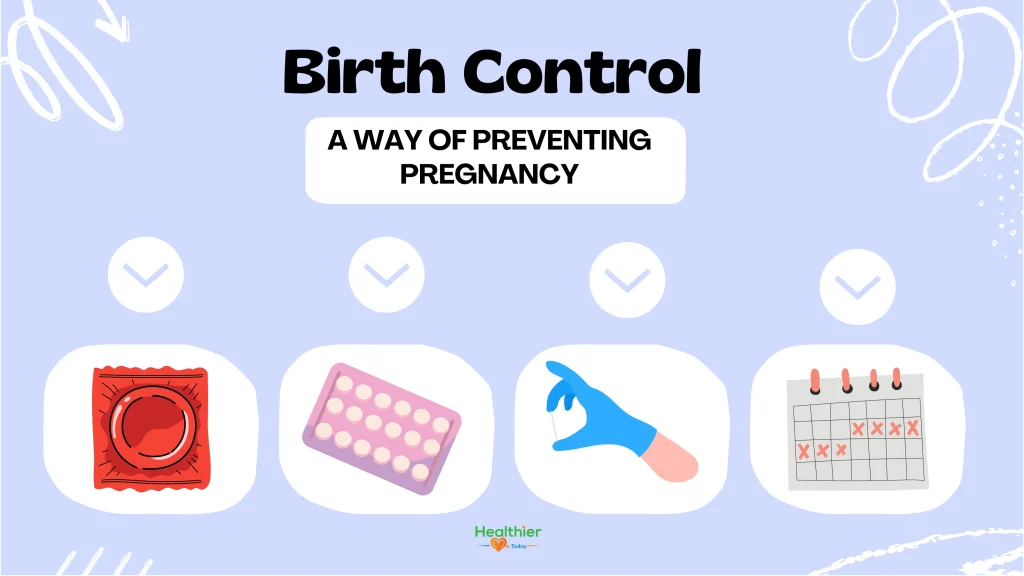
Birth control is a way of preventing pregnancy. So, condoms, medication, and devices all classify as a birth control method. It interferes with a natural process involved in conception, like ovulation spur movement and the ability of a fertilized egg to attach to the uterus.
Birth control is typically used for pregnancy prevention, but it also has other uses. For example, regulates menstrual cycles, manages hormonal imbalances, reduces period symptoms, and treats conditions like endometriosis and polycystic ovary syndrome (PCOS).
Different Types of Birth Control
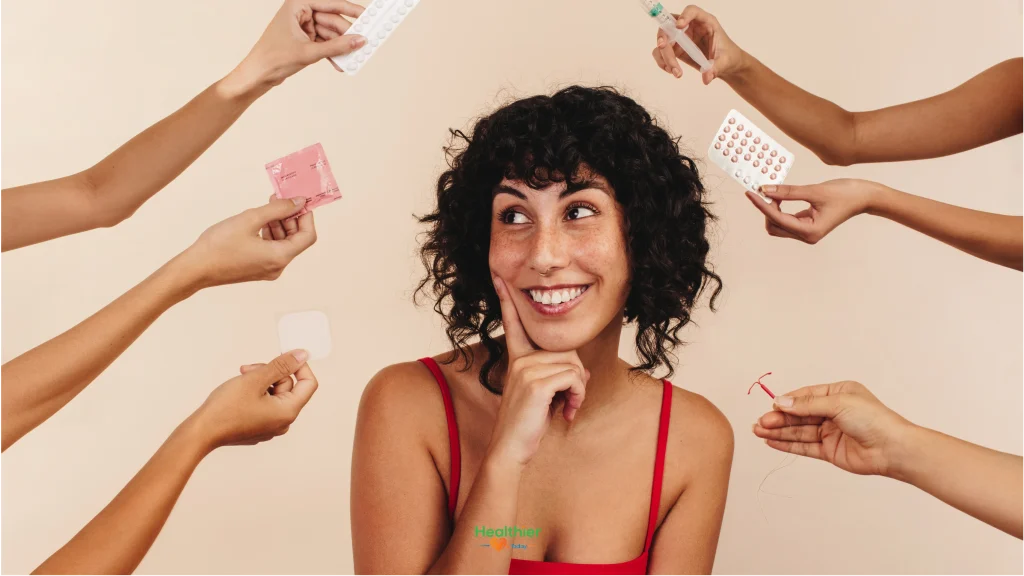
It’s perfectly normal to feel a bit overwhelmed with all the different birth control methods available. Whether you’re seeking something easy and painless, something more long-lasting, or even birth control options for teenagers, you’re not alone in your search! This section delves into all these options, including some emergency contraception when other methods fail to keep you safe and pregnancy-free.
Hormonal Birth Control Options
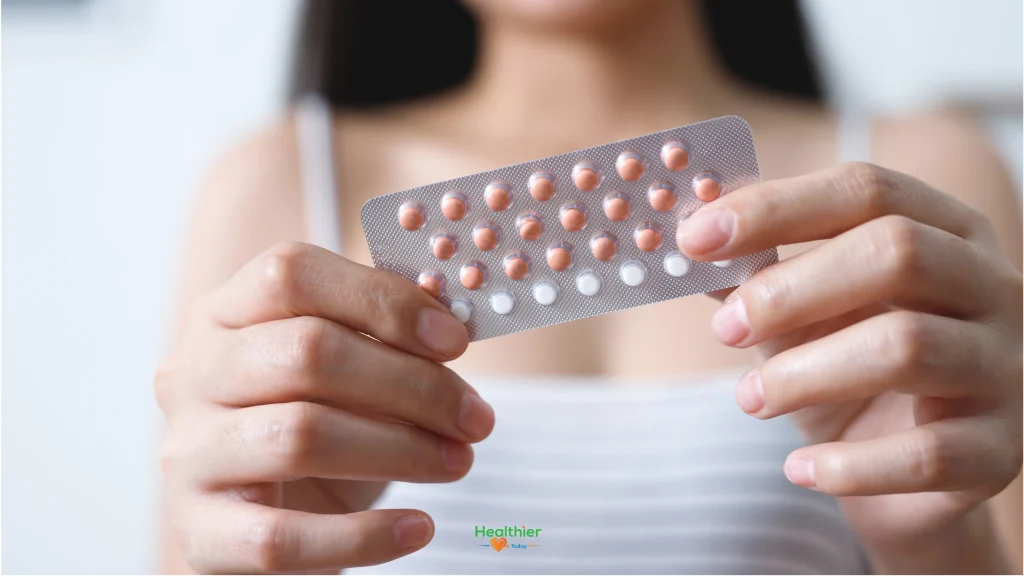
- Birth Control Pills: This is one of the best birth control options. These pills are used globally because they are so easy to use and effective. The contents of estrogen and progesterone prevent ovulation and thicken cervical mucus – not only will it prevent pregnancy, but it’s extremely difficult for the sperm to reach the egg. There is a catch, though! One missed pill could lead to pregnancy.
- Birth Control Patch: This small patch gets stuck on the skin. It releases hormones like estrogen and progesterone over time to keep you protected. They also need to be used consistently for it to be effective, like birth control pills. Birth control patch side effects include issues like nausea, breast tenderness, headaches, irregular bleeding, etc.
- Birth Control Shot: A quick injection of progestin every three months into the upper arm or buttocks – easy yet effective! It burns when injected, but all shots usually do. Just remember that missing a shot could lead to an unwanted pregnancy. It’s essential to plan everything around this shot so that you don’t miss it.
- Hormonal IUD (Intrauterine Device): A tiny device that a healthcare provider puts in your uterus. Some women reported that it’s uncomfortable and painful, but experts say that the level of pain varies from person to person. It prevents pregnancy by thickening cervical mucus and thinning the uterine lining. In some cases, it may stop the release of eggs from the ovaries (prevents ovulation).
- Birth Control Implants: These are tiny rods inserted under your skin in your upper arm (usually in the non-dominant arm) by healthcare professionals. It can last up to three years but can be taken out earlier. Implants aren’t painful as a numbing injection gets injected before the rod is inserted. It does, however, cause bruising. This will go away in a few days on its own.
Non-Hormonal Birth Control Methods
- Condoms: This is called a barrier method. Females and males use condoms during intercourse. They prevent the sperm from getting to the egg and even protect against STDs.
- Copper IUD (Intrauterine Device): Just like the hormonal IUD, a small device is inserted vaginally, but this method doesn’t have any hormones. It prevents pregnancy by creating a toxic environment for sperm. It lasts for 5 to 10 years.
- Sponges: This is similar to condoms but can only be used by females. The sponge is filled with spermicide, preventing sperm from reaching the uterus. It acts as a blocker!
- Diaphragm: A soft, dome-shaped barrier gets inserted into the vagina to cover the cervix just before intercourse and up to 6 hours prior. Then, it should be left for 6 hours afterward to prevent pregnancy. This diaphragm can be used for 2 years with the proper maintenance.
- Phexxi Birth Control: This is a non-hormonal vaginal gel that maintains an acidic vaginal pH which makes it difficult for the sperm to survive. This can be used as a long-term and short-term birth control method but should be applied up to 1 hour before vaginal intercourse.
Natural Birth Control Ways
- Natural Family Planning (NFP): This involves tracking a woman’s signals like temperature and cervical mucus to know when fertile and avoiding intercourse on those days.
- Withdrawal: Before a man ejaculates, the penis should be pulled out to keep the sperm away. While it’s not as effective as other birth control methods, it’s better than no birth control.
Our Top Choices for Non-Hormonal Birth Control and Supplements
Emergency Birth Control Tactics
- Copper IUD (Intrauterine Device): This device is not just another hormonal birth control method – it can also be used in the case of an emergency. It should be inserted within 5 days of unprotected sex to avoid pregnancy. The copper IUD stops the fertilization before anything happens.
- Emergency Pills: This is known as the “morning after pill”. When you’ve had intercourse without protection, this pill could be the difference between an unplanned pregnancy and being pregnancy-free. It can be bought over the counter at your local pharmacy. Birth control brands like Levonorgestrel are available at CVS.
Side Effects: What You Need to Know
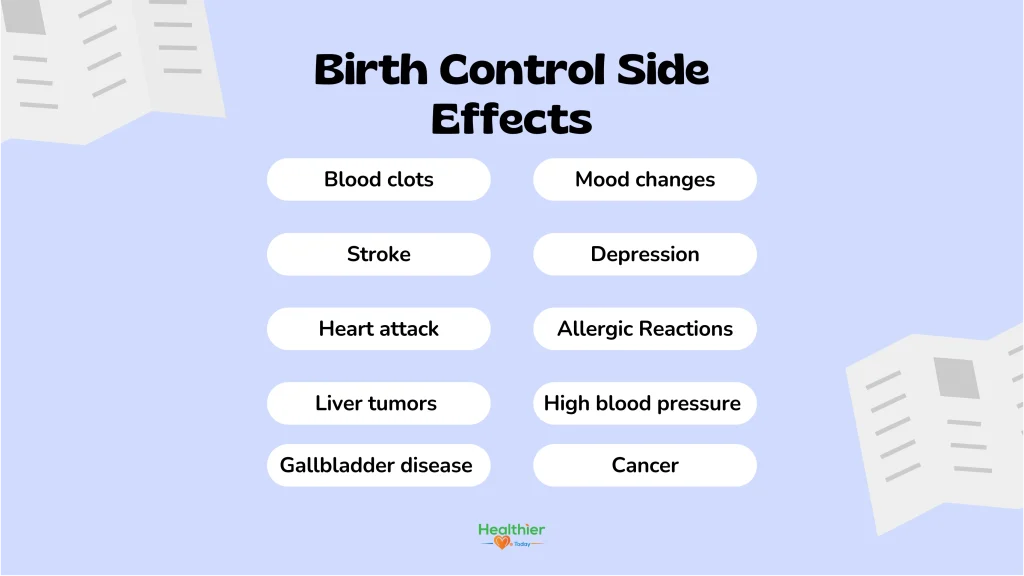
When you open a birth control box, there is a book inside with all the different side effects. It’s not the typical headaches and nausea symptoms you think of. Some of them are actually deadly! In fact, 300 to 400 women die every single year due to these effects.
Here’s what these books include:
- Blood clots
- Stroke
- Heart attack
- Liver tumors
- Gallbladder disease
- High blood pressure
- Mood changes
- Depression
- Allergic reactions
- Cervical or breast cancer
But did you know that teenagers experience these side effects differently from other age groups? Because teenagers’ bodies are still developing, it makes them more vulnerable to certain side effects of birth control.
Common side effects of birth control pills for teenagers
- Mood Swings and Depression: Hormonal fluctuations can be more intense in teenagers, which leads to mood swings, anxiety, and even depression.
- Weight Changes: Some teens experience weight gain when on birth control, while others only see changes in their appetite due to hormonal shifts.
- Skin Reactions: Certain birth control has been shown to clear up acne, but it might also have the opposite effect.
Effectiveness of Birth Control
| Birth Control Methods | Perfect Use | Typical Use |
|---|---|---|
| Birth Control Pills | 99% | 91% |
| Birth Control Patch | 99% | 91% |
| Birth Control Shot | 99% | 94% |
| Hormonal IUD | 99.8% | 99% |
| Birth Control Implants | 99% | 99% |
| Condoms | 98% | 85% |
| Copper IUD | 99.2% | 99% |
| Sponges | 91% | 76-88% |
| Diaphragm | 94% | 84% |
| Phexxi Birth Control | 93% | 86% |
| Natural Family Planning | 99% | 76-88% |
| Withdrawal | 96% | 78% |
| Emergency Pills | 89% (within 72 hours) | 75-89% (depends on timing) |
How to Choose The Right Birth Control
Reviewing a birth control effectiveness chart will give you a good idea of how protected you will be, but that isn’t the only factor to consider. Choosing the right birth control depends on your lifestyle, health needs, and personal preferences.
Here are some key points to help you make an informed decision:
- Health Conditions: Some hormonal methods aren’t suitable for health issues like high blood pressure or a history of blood clots.
- Hormonal vs. Non-Hormonal: Decide if you want the birth control method to contain hormones. Hormonal options may cause side effects like changes or weight gain. Hormonal options, on the other hand, are less convenient for some.
- Ease of Use: Do you want to keep up with daily pills to prevent pregnancy, or would you like something more maintenance-free after insertion, like implants and IUDs?
- STD Protection: If your main goal is to be protected against STDs (sexually transmitted diseases), condoms are the best choice. They are the only birth control option that can protect you.
- Future Family Plans: When do you want to have kids? Is it the near future? Pills and rings are easily reversible, making them one of the best picks for families that don’t want to wait a decade to start having babies.
- Side Effects and Allergies: Birth control has some side effects and allergies. Make sure to discuss your concerns with your doctor or a healthcare professional for the best option.
Conclusion: All About Birth Control Methods
Choosing the right birth control method is important because it can significantly impact your reproductive health, lifestyle, and future plans. Remember that it’s not a one-size-fits-all solution; what works best for you may depend on your health, lifestyle, and personal preferences. So, consult with a healthcare provider to find a method that aligns with your needs.
FAQ’s:
Are there natural birth control methods that work?
Yes, natural birth control methods like natural family planning (NFP) and withdrawal can prevent pregnancy. But this, however, depends on how it’s used. For example, NFP can be 99% effective, but typical use is only 76-88%.
What are the safest methods for women?
The safest method depends on individual health conditions and preferences. Non-hormonal options are typically safer to use than hormonal birth control, like implants and IUDs. However it’s important to consult with our healthcare provider to determine what’s the safest and best method for you.
What is the best birth control for teens?
The best birth control for teens typically includes methods that are highly effective, easy to use and have fewer chances for user error. This includes methods like birth control implants and hormonal IUDs, but birth control pills and patches can also be very effective when used regularly.
Does birth control affect fertility?
Yes, hormonal birth control can affect fertility, but most women, after discontinuing birth control, return to normal fertility within a few months.
Is there birth control that stops periods?
Yes, some birth control stops periods. Options include hormonal IUDs, birth control implants, and birth control pills.
Are there any OCT birth control pills?
Yes, there are a few brands that have pills available OCT (over-the-counter). They include Opill and Levonorgestrel.
Where can I find low estrogen birth control?
Talk to your healthcare provider about your preferences, like low estrogen, so that they can find the best option for you. Low estrogen birth control pills include Alesse, Loestrin, and Ortho-Cyclen. But there are other options, too. If you’re looking for a non-pill method, consider using options such as hormonal IUD and the implant.
This article was written, and is sponsored by MotherTyper, a South African Digital Marketing and Social Media Marketing Agency.
