
Is Vegetable Oil Bad for You? The Truth Might Surprise You

Have you ever wondered, “Is vegetable oil bad for you?” You’re not alone! Vegetable oil is a kitchen staple, but its health effects spark debate. This guide offers expert-approved insights into its benefits, risks, and comparisons like vegetable oil vs canola oil or seed oils vs olive oil. Are you curious about “Is vegetable oil healthy?” or is it linked to inflammation

You’ll find clear answers to the question of why are seed oils bad, myths like why is canola oil banned in Europe, and the best oils for heart health. With practical tips and dietitian-backed advice, you’ll learn to pick the healthiest cooking oils for your meals. 

Let’s take a look and clarify vegetable oil for a healthier diet!

What Is Vegetable Oil?

Vegetable oil encompasses oils extracted from plants, typically seeds like soybeans, corn, sunflowers, or rapeseed, though some, like palm or coconut, derive from fruit. It’s a kitchen favorite for frying, baking, or sautéing due to its neutral flavor and versatility. But is vegetable oil a seed oil

vegetable oil

Most often, yes, as many are seed-derived, which leads to confusion and queries like “Is canola oil the same as vegetable oil?” Canola, made from rapeseed, is a specific seed oil often blended into generic vegetable oil mixes, driving the vegetable oil vs canola oil debate. The refining process, involving bleaching and deodorizing, extends shelf life and ensures a clean taste but can strip antioxidants and vitamins, unlike unrefined oils that retain robust flavors and nutrients but spoil faster. 

Historically, vegetable oil gained popularity in the 20th century as a cheaper alternative to butter or lard, revolutionizing cooking but raising health questions. Dietitians note its high omega-6 fatty acids, which, if overconsumed, may promote inflammation. Its affordability and high smoke point (around 400°F) make it a staple, yet understanding its processing and composition is key to answering is vegetable oil bad for you and making informed choices for your diet.

Is Vegetable Oil Bad for You?

The question, “Is vegetable oil bad for you?” has no simple answer. Studies have shown that vegetable oil contains unsaturated fats, primarily polyunsaturated, which can benefit heart health when replacing saturated fats like butter. These fats help lower LDL (bad) cholesterol, supporting cardiovascular wellness. However, its high omega-6 fatty acid content, prevalent in seed oils like soybean or corn, raises concerns like, “Does vegetable oil cause inflammation?”

Research shows that a high omega-6 to omega-3 ratio, standard in Western diets heavy on processed foods, may promote chronic inflammation if not balanced with omega-3-rich foods like salmon, walnuts, or flaxseeds. Refining often removes beneficial micronutrients, leaving a less nutrient-dense oil, and overheating vegetable oil during frying can produce harmful compounds like acrolein, prompting questions about what oils are bad for you

Are seed oils bad for you? Not inherently, but over-reliance on refined seed oils, especially in diets lacking diversity, can skew fatty acid balance. Experts recommend moderation, about 1-2 tablespoons daily, and pairing with the healthiest cooking oils like olive or avocado. Dietary patterns matter too; if vegetable oil dominates your fat intake without whole foods to balance it, risks may outweigh benefits. Choosing minimally processed oils and varying fat sources helps maintain health while enjoying vegetable oils.

Vegetable Oil vs. Other Oils

How does vegetable oil compare to other oils? Let’s explore three key matchups, including nutritional profiles, processing, and sustainability.

Here is how vegetable oil compares:

vegetable oil vs canola oil

Vegetable Oil vs Canola Oil

The vegetable oil vs canola oil debate often stems from labeling confusion, as canola is sometimes sold as vegetable oil. Canola, derived from rapeseed, contains less saturated fat (7%) and more omega-3s than soybean-based vegetable oil (11% saturated fat), but both are typically refined seed oils. Is canola oil inflammatory? 

It’s less likely due to its omega-3 content, though omega-6 still requires balancing. Why is canola oil banned in Europe? It’s not forbidden, but some European regulations restrict unrefined rapeseed oil due to erucic acid, a concern minimized in modern canola. Canola’s milder flavor and slightly higher smoke point (450°F) make it versatile, but both oils’ heavy refining reduces nutrient density.

Seed Oils vs Olive Oil

Comparing seed oils vs olive oil highlights stark contrasts. Extra virgin olive oil, rich in monounsaturated fats (73%) and antioxidants like polyphenols, is a cornerstone of the best oils for heart health. Like vegetable oil, seed oils are omega-6-heavy (up to 70% in soybean oil) and often refined, losing vitamins. Olive oil’s minimal processing preserves nutrients, making it ideal for dressings or low-heat cooking. Sustainability-wise, olive oil production is less resource-intensive than large-scale seed oil crops, though it’s pricier. Its robust flavor elevates dishes, unlike vegetable oil’s neutrality.

Vegetable Oil vs Avocado Oil

Avocado oil, with 70% monounsaturated fats, rivals olive oil for heart benefits. Its high smoke point (520°F) suits frying, unlike some vegetable oils that degrade above 400°F. Avocado oil is often less refined, retaining vitamin E, while vegetable oil’s processing strips such nutrients. Avocado’s creamy taste enhances roasting, but its higher cost reflects smaller-scale production compared to vegetable oil’s industrial output. Both work in cooking, but avocado’s nutrient density and stability give it an edge for health-conscious cooks.

Health Impacts of Vegetable Oil

The health effects of vegetable oil vary by usage, quantity, and dietary context. Below are critical areas where it impacts health, backed by research and practical insights.

is vegetable oil healthy

Here is what to tak into account:

Heart Health Effects

Vegetable oil’s unsaturated fats can lower LDL cholesterol when replacing saturated fats, aligning with the best oils for heart health, per studies like those from the American Heart Association. For example, using vegetable oil instead of butter in baking may reduce heart disease risk by 10-15%. However, its benefits plateau if overconsumed or if omega-3s are scarce, as high omega-6 can negate cholesterol-lowering effects. A balanced diet with 1-2 tablespoons daily maximizes heart benefits without overloading fats.

Inflammation Concerns

Does vegetable oil cause inflammation? Its high omega-6 fatty acids, often 50-70% of seed oils like vegetable oil, may contribute if omega-3 intake is low. Why are seed oils bad for some? Research, including a 2018 study [National Library of Medicine] in Nutrients, suggests omega-6/omega-3 ratios above 4:1 may elevate inflammation markers, linked to arthritis or heart issues. Pairing vegetable oil with omega-3 sources like fish or chia seeds helps maintain balance, reducing risks in diets heavy on processed foods.

High-Heat Cooking Risks

A 2015 Food Chemistry study [National Library of Medicine] found that frying with vegetable oil at high temperatures can form toxic compounds, like aldehydes, associated with heart disease and cancer risks. This makes what oils are bad for you relevant for frequent fryers, as vegetable oil’s smoke point (400°F) is lower than avocado oil’s (520°F). Repeated heating of vegetable oil, which is common in restaurants, increases these compounds, so home cooks should use fresh oil and avoid overheating to minimize harm.

Weight Management Considerations

Vegetable oil is calorie-dense (120 calories per tablespoon), and excessive use in cooking or processed snacks can contribute to weight gain if not balanced with exercise or portion control. While it doesn’t directly cause obesity, its prevalence in fried foods or packaged goods can add up. Choosing alternatives to vegetable oil like olive, used sparingly in nutrient-rich meals, supports healthy weight management, especially when paired with vegetables or lean proteins.

Impact on Gut Health

Emerging research, like a Gut Microbes study [National Institutes of Health], suggests that highly refined vegetable oils may disrupt gut microbiota, potentially affecting digestion or immunity. Refining removes beneficial polyphenols, unlike unrefined oils. This disruption might contribute to bloating or inflammation in sensitive individuals. Including diverse fat sources, like nuts or fatty fish, alongside vegetable oil, fosters a healthier gut microbiome, supporting overall wellness.

Choosing the Right Oil for Your Diet

Selecting the healthiest cooking oils means aligning oils with cooking method, flavor, and health goals. Olive oil shines for drizzling or sautéing, while avocado or safflower oil excels in high-heat frying due to their high smoke points. Is vegetable oil healthy for all dishes? Not always, as refining reduces nutrients, and omega-6 overload can be a concern. 

what oils are bad for you

Here are five expert tips to choose wisely:

  • Prioritize Unrefined Oils: Unrefined oils, like extra virgin olive or cold-pressed avocado, retain antioxidants and bold flavors, offering more benefits than refined vegetable oil. Though costlier, they’re perfect for salads or low-heat dishes, like drizzling olive oil over hummus. Store in dark bottles to preserve freshness.
  • Balance Omega Fats: To counter is canola oil inflammatory concerns, balance omega-6 from seed oils with omega-3-rich foods, like walnuts or salmon. For example, pair vegetable oil in stir-fries with fatty fish twice weekly to support heart and brain health, reducing inflammation risks.
  • Match Oil to Cooking: Use stable oils, avocado or grapeseed, for high-heat cooking like roasting, while vegetable oil suits moderate tasks like sautéing onions. For heart health, choose olive oil in dressings, and boost alternatives to vegetable oil in Mediterranean-style meals.
  • Check Smoke Points for Safety: Oils with high smoke points, avocado (520°F) or safflower (510°F), resist degradation during frying, unlike vegetable oil (400°F), which may form harmful compounds if overheated. Check labels for smoke point info and avoid reusing oil to minimize risks.
  • Consider Flavor Profiles: Choose oils that enhance dishes, neutral avocado for baking muffins, or bold olive for Italian pasta. Vegetable oil’s neutrality works for general use, but unrefined oils add depth and nutrients, like sesame in Asian stir-fries. Experiment to find your favorites.

Conclusion: Is Vegetable Oil Bad for You or Not?

Many people wonder, “Is vegetable oil bad for you?” It’s not a villain, but it’s not a superstar either! Vegetable oil can fit a healthy diet in moderation, especially when paired with the healthiest cooking oils like olive or avocado. Understanding vegetable oil vs canola oil, why are seed oils bad, or myths like why is canola oil banned in Europe, empowers your kitchen decisions. Choose unrefined oils, match them to cooking needs, and balance omega fats to sidestep risks like inflammation. 

With these expert insights, you’ll select the best oils for heart health and cook confidently for a healthier, tastier you!

FAQ’s:

What are the healthiest alternatives to vegetable oil?

According to Healthline, olive, avocado, and sesame oils are the top picks. They’re rich in healthy fats and antioxidants and great for cooking or drizzling.

Does vegetable oil cause inflammation in the body?

EatingWell says that vegetable oil‘s high omega-6 content may promote inflammation if omega-3s are low. To mitigate risks, balance with fish or flaxseeds.

What cooking oils do nutritionists recommend?

According to Healthline, nutritionists favor olive, avocado, and coconut oils for their nutrient density. Unrefined versions maximize flavor and health benefits.

How does vegetable oil impact heart health?

It moderately lowers cholesterol, but frying or overuse may harm it, per EatingWell. Pair it with olive oil, as it is one of the best oils for heart health.

Why do some experts say seed oils are bad for you?

Studies [ScienceDirect] have shown that excess omega-6 in seed oils like vegetable oil may disrupt fatty acid balance, potentially causing inflammation.

Are there any benefits of using vegetable oil?

It’s affordable, versatile, and offers unsaturated fats for heart health when used sparingly, about 1-2 tablespoons daily.

What oils should I avoid if I have high cholesterol?

Avoid palm or partially hydrogenated oils, high in saturated fats. Vegetable oil’s okay in moderation, but prioritize olive.

Which oil is best for frying without health risks?

Avocado or safflower oils, with high smoke points, minimize harmful compounds, unlike overheated vegetable oil.

Why do restaurants use vegetable oil despite health concerns?

It’s cheap, neutral, and high-heat-friendly, but many now choose healthiest cooking oils like canola for better health.

How can I tell if an oil is refined or unrefined?

Unrefined oils, like extra virgin olive oil, are darker, cloudier, and have stronger flavors than clear, refined vegetable oil.
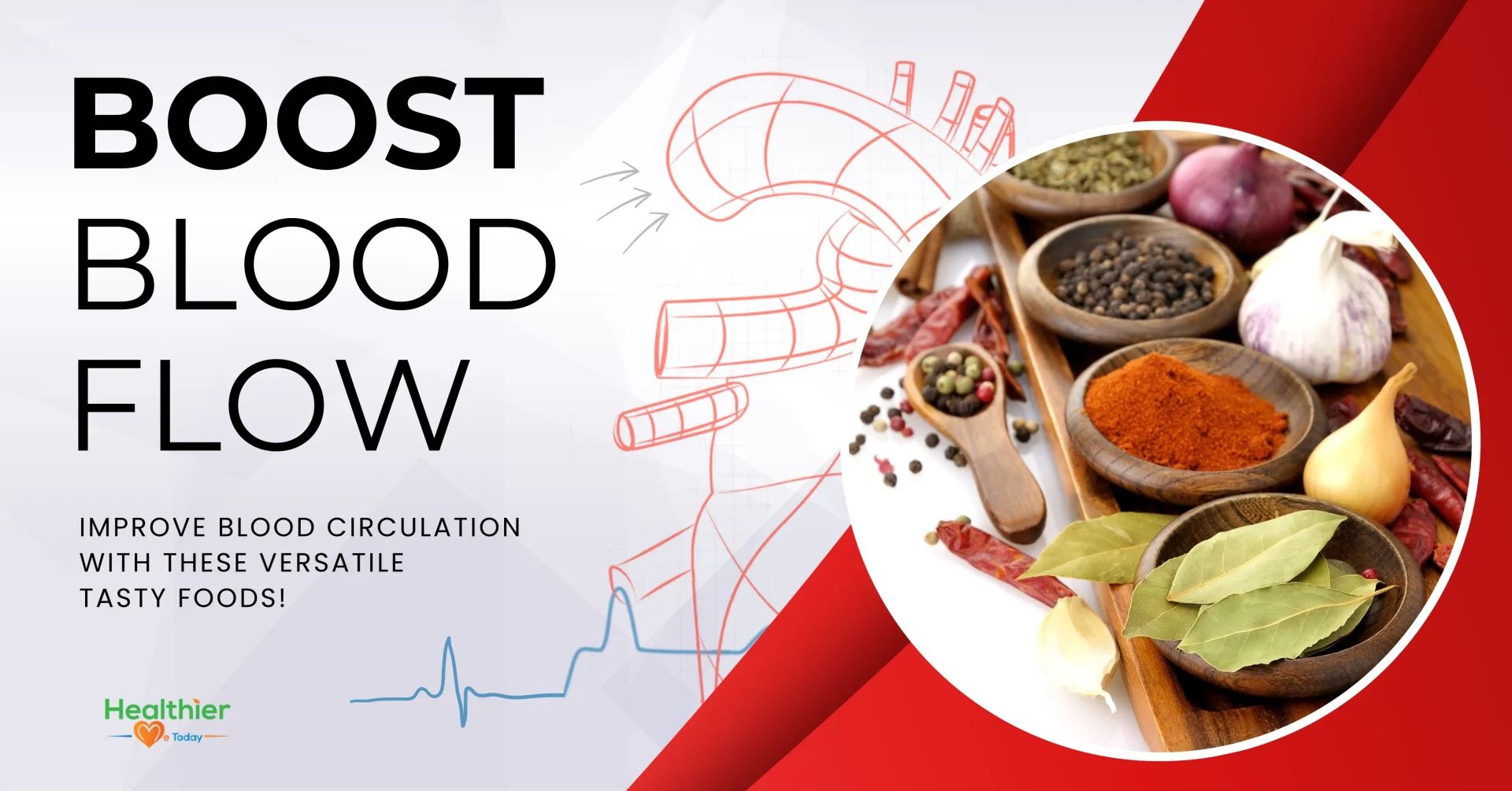
15 Powerful Foods That Dramatically Increase Blood Flow

Struggling with cold hands or low energy? You can boost circulation with foods that increase blood flow. Curious about how to increase blood flow to feet, or wondering, “How can I improve my blood circulation quickly?”

This guide lists 15 natural vasodilators and vasodilating foods that enhance flow and health. From spicy peppers to juicy fruits, these foods help blood circulation deliver oxygen where needed. 

Ready to try natural remedies for blood circulation? Here’s your list.

How Food Affects Blood Flow

Food plays a significant role in knowing how to increase blood flow to feet and overall circulation. Nutrients like nitrates in beets and omega-3s in fish act as natural vasodilators, relaxing blood vessels for better flow. Antioxidants in berries and flavonoids in chocolate boost nitric oxide, a key player in vasodilating foods, widening arteries, and cutting resistance. 

how can i improve my blood circulation quickly

Anti-inflammatory compounds in turmeric reduce vessel stiffness, tackling the causes of poor circulation. Garlic’s allicin thins blood, supporting foods that naturally dissolve blood clots. Greens, minerals, magnesium, and potassium add vitamins for blood circulation in legs, keeping veins flexible. Eating these foods that help blood flow consistently delivers oxygen and nutrients fast, proving diet is a quick fix for the question, “How can I improve my blood circulation quickly?”

Boosting Blood Flow with Diet

Diet can transform your circulation, turning sluggish flow into a steady stream. Compounds in certain foods, like capsaicin or curcumin, act as natural vasodilators, opening up vessels to ease blood movement. Others, rich in antioxidants or omega-3s, fight inflammation and protect arteries, addressing signs of poor blood circulation like numbness or coldness. 

Consistent intake of foods that increase blood flow lowers blood pressure and boosts oxygen delivery, especially to the legs and feet. This is crucial for knowing how to increase blood flow to feet. You don’t need complex plans, since simple additions like a handful of nuts or a spice dash can shift your health. These picks prove that foods to help blood circulation are both accessible and powerful.

Here’s your lineup of circulation-boosting foods:

1. Cayenne Pepper

Cayenne pepper tops the list of foods that increase blood flow. Its active compound, capsaicin, acts as a natural vasodilator, relaxing blood vessels and boosting circulation. Studies [National Institutes of Health] show it lowers blood pressure and enhances flow, especially to extremities like feet, addressing how to increase blood flow to feet. Sprinkle it on eggs or mix it into soups, since half a teaspoon daily sparks results.

foods to help blood circulation
It also reduces inflammation, a bonus for foods to help blood circulation. Too spicy? Start small, as it’s heat can take adjusting. Capsaicin’s kick makes it a standout among vasodilating foods, delivering warmth and vitality with every bite.

2. Pomegranate

Thanks to antioxidants like polyphenols, pomegranates shine as foods for better blood flow. These compounds boost nitric oxide, a key natural vasodilator, widening arteries and improving circulation. Pomegranate juice has been linked to better heart health and reduced arterial stiffness, tackling causes of poor circulation. Drink a glass daily or toss seeds into salads for a sweet-tart boost. It’s also rich in vitamin C, supporting vitamins for blood circulation in legs. Juicing takes effort, so scoop seeds with a spoon to save time. This ruby fruit proves that fruits to improve blood circulation can be delicious and effective.

3. Onions

Onions are unsung heroes among foods that help blood circulation. Quercetin, an antioxidant, acts as a natural vasodilator, thinning blood and easing flow. Studies [National Onion Association] suggest it lowers clot risk, aligning with foods that naturally dissolve blood clots. Chop them raw into salsas or caramelize them for soups since cooking keeps the benefits intact. Their sulfur compounds also reduce inflammation, aiding in “How can I improve my blood circulation quickly?” Sensitive to the bite? Soak slices in water to mellow the flavor. Onions pack a punch for foods that are vasodilators, making them a kitchen staple for flow.

4. Garlic

Garlic ranks high among vasodilating foods, loaded with allicin, which relaxes blood vessels and boosts flow. Research [Healthline] shows it cuts blood pressure and improves arterial health, crucial for knowing how to increase blood flow to feet. Crush a clove into pasta or roast it for spreads, since two cloves daily max out benefits. It also thins blood, supporting foods that naturally dissolve blood clots. Raw or cooked, its potency holds, offering natural remedies for blood circulation. Too strong? Pair with honey to soften the edge. Garlic’s bold flavor delivers big wins for foods that increase blood flow.

5. Beets

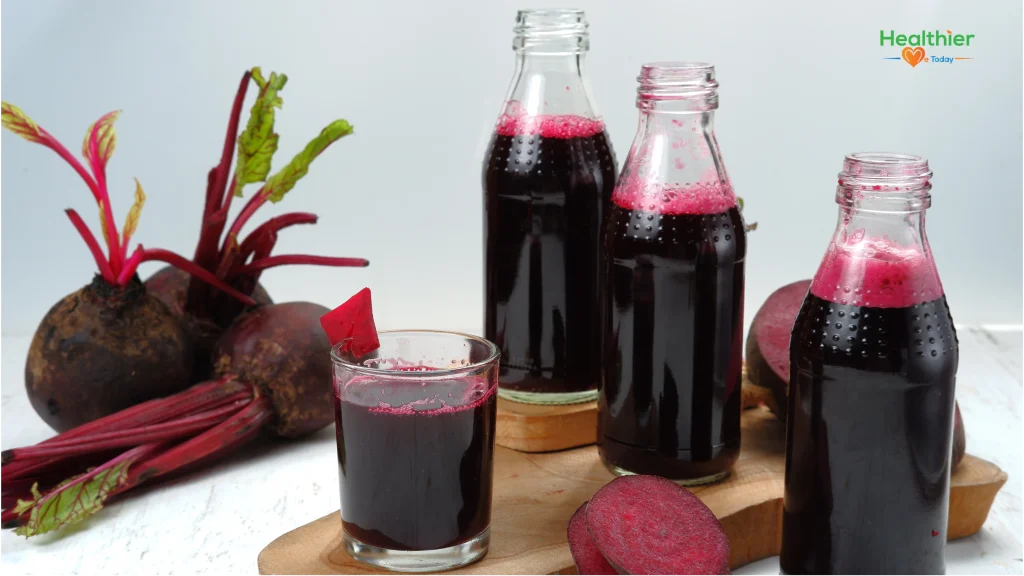
Beets are among the best foods to help blood circulation. Rich in nitrates that widen vessels as natural vasodilators. Studies [Medical News Today] link beet juice to lower blood pressure and better oxygen delivery, which is ideal for improving blood circulation quickly. Roast them with olive oil or blend them into smoothies, since half a cup daily works wonders. Their folate aids leg circulation, tying into vitamins for blood circulation in legs. Earthy taste not your thing? Add citrus to brighten it. Make sure to add beets to your list of foods that help blood flow.

6. Fatty Fish

Fatty fish like salmon and mackerel are top foods that increase blood flow and are packed with omega-3s. These fats reduce inflammation and widen arteries, acting as vasodilating foods. Fatty fish can cut clot risk, aligning with foods that naturally dissolve blood clots. Grill a fillet or flake into salads, since two servings weekly boost flow.

foods for better blood flow
Omega-3s also have all the know-how on how to increase blood flow to feet by easing vessel stiffness. Not a fish fan? Try fish oil capsules instead. This sea treasure effortlessly ranks among the top foods for better blood flow.

7. Leafy Greens

Leafy greens like spinach and kale excel as foods that help blood circulation, brimming with nitrates and vitamin K. Nitrates relax vessels as natural vasodilators. At the same time, K prevents clotting, supporting foods that naturally dissolve blood clots. Sauté with garlic or blend into smoothies, since one cup of daily fuel flows. They’re rich in magnesium too, aiding vitamins for blood circulation in legs. Bitter taste a hurdle? Drizzle with lemon to cut it. Greens show that foods that are vasodilators can be green and great.

8. Citrus Fruits

Citrus fruits, oranges, lemons, and grapefruits, shine as fruits to improve blood circulation. Vitamin C and flavonoids boost nitric oxide, a natural vasodilator, enhancing flow. Studies [National Institutes of Health] link them to lower blood pressure, addressing signs of poor blood circulation. Juice an orange or snack on segments, since one daily lifts circulation. Their antioxidants fight inflammation, supporting “How can I improve my blood circulation quickly?”. Too tart? Mix with sweeter fruits. Citrus proves that foods that increase blood flow can be zesty and refreshing.

9. Berries

For better blood flow, berries, blueberries, strawberries, and raspberries are stellar foods. Their pigments, anthocyanins, act as natural vasodilators, improving vessel flexibility. Research [Blood Pressure UK] shows they reduce arterial stiffness, tackling causes of poor circulation. Toss a handful into yogurt or eat solo since one cup daily delivers. They’re also fiber-rich, aiding in increasing blood flow to feet. Pricey off-season? Frozen works just as well. Berries are a sweet, simple choice for foods that help blood flow.

10. Turmeric

Turmeric stands out among herbs that improve blood flow, thanks to curcumin. This compound boosts nitric oxide as a natural vasodilator, easing flow and cutting inflammation. Studies [University of California] tie it to better heart health and foods to help blood circulation. Add a teaspoon to curries or tea, since daily use maximizes impact. It also thins blood, aligning with foods that naturally dissolve blood clots. Strong taste? Blend with milk for a latte. Turmeric’s golden glow enhances vasodilating foods with spice.

11. Ginger

Ginger is a food that increases blood flow, with gingerol relaxing vessels as a natural vasodilator. Research [Foot, Ankle, & Leg Vein Center] suggests it lowers blood pressure and boosts circulation, which is crucial to answering the question, “How can I improve my blood circulation quickly?” Grate into stir-fries or steep as tea since one inch of daily sparks flow.

foods that increase blood flow
Its anti-inflammatory kick aids in increasing blood flow to feet. Too pungent? Sweeten with honey. Ginger proves that herbs that improve blood flow can warm and invigorate.

12. Tomatoes

Tomatoes are potent foods that help blood flow. They are rich in lycopene, a natural vasodilator. Studies [Medical News Today] show they improve vessel health and reduce clot risk, supporting foods that naturally dissolve blood clots. Dice into salads or simmer into sauce since one medium tomato daily works. Their potassium aids vitamins for blood circulation in legs. Bland raw? Roast for deeper flavor. Tomatoes make foods that are vasodilators a juicy addition.

13. Walnuts

Walnuts rank high among foods for better blood flow, loaded with omega-3s and arginine. Arginine boosts nitric oxide, a natural vasodilator, enhancing circulation. Research [Harvard Health] links them to lower blood pressure, addressing signs of poor blood circulation. Snack on a handful or toss into oatmeal, since 10 nuts daily suffice. They’re calorie-dense, so moderation matters. Walnuts show that foods that increase blood flow can be crunchy and satisfying.

14. Cinnamon

Cinnamon spices up vasodilating foods, with cinnamaldehyde relaxing vessels as a natural vasodilator. Studies [National Institutes of Health] suggest it improves flow and cuts inflammation, aiding in the knowledge of how to increase blood flow to feet. Sprinkle on toast or brew into tea, since half a teaspoon daily delivers. Its warmth also stabilizes blood sugar, supporting foods to help blood circulation. Too intense? Mix with yogurt. Cinnamon proves that herbs that improve blood flow can be versatile and easy to use.

15. Dark Chocolate

Dark chocolate, 70% cocoa or higher, rounds out foods that increase blood flow. Flavonoids act as natural vasodilators, boosting nitric oxide and flow. Research [National Institutes of Health] shows it lowers blood pressure, a fix for the causes of poor circulation.

foods that help blood flow
Melt two squares daily or nibble as is, since moderation keeps calories in check. Magnesium aids vitamins for blood circulation in legs. Milk chocolate won’t cut it, so stick to dark. This treat makes foods that help blood flow indulgent and practical.

Conclusion: Flow Better, Feel Better

Poor circulation isn’t permanent. These top 15 foods that increase blood flow, from fiery cayenne to rich chocolate, offer tasty fixes. Whether you need to know how to increase blood flow to your feet or answer, “How can I improve my blood circulation quickly?” Natural vasodilators like these work. Pair them with movement and hydration, and watch foods to help blood circulation transform your health.

Start small, savor the flavors, and enjoy the boost!

FAQ’s:

What are the early signs of poor blood circulation?

Cold hands, numbness, or leg cramps are signs of poor blood circulation. Healthline notes swelling and fatigue as early red flags, too.

How does poor circulation affect overall health?

WebMD states poor flow strains the heart, cuts energy, and slows healing. It’s one of the root causes of poor circulation, impacting vitality.

Can poor circulation cause cold hands and feet?

Yes, reduced flow chills extremities, a key sign of poor blood circulation. WebMD ties this to vessel narrowing.

What lifestyle changes can improve blood circulation?

Quit smoking, move daily, and eat foods that increase blood flow. Healthline says hydration is also vital.

Are there specific exercises that help boost blood flow?

Walking, yoga, and leg lifts are important exercises to do when learning how to increase blood flow to feet. Aim for 30 minutes daily.

How can I naturally prevent blood clots through diet and lifestyle?

Eat foods that naturally dissolve blood clots, like garlic, stay active, and hydrate. Consistency is key.

What are the risks of ignoring poor blood circulation symptoms?

Untreated issues risk clots or heart strain, per WebMD. Don’t skip natural remedies for blood circulation.

Why Natural Viagra Alternatives Matter in 2025

Performance issues affect millions, with MedicineNet reporting 50% of men over 40 facing erectile challenges due to stress, poor diet, or aging. Pills like Viagra work fast but bring headaches or flushing, driving demand for natural viagra for men. Natural male enhancement options, including natural viagra foods and a herbal alternative to viagra, tackle root causes like circulation, testosterone, and fatigue without chemicals. 

In 2025, science validates these substitutes for viagra, blending ancient remedies with modern studies for safe, sustainable boosts that align with today’s health trends.

Top 12 Natural Viagra Alternatives

These 12 natural viagra alternatives, grounded in science, elevate performance naturally with added depth for 2025.

natural viagra foods

L-Arginine: The Blood Flow Booster

L-Arginine, an amino acid found in meat, nuts, and dairy, increases nitric oxide to widen blood vessels. A 2019 study showed 5g daily improved erection quality in 31% of men, making it a top supplement to increase blood flow to penis naturally. It’s affordable, with capsules costing $10-$20 monthly, and pairs well with exercise for quicker effects. Side effects are rare, though doses above 6g might upset stomachs. Available in powder or pills, it serves as a natural erection supplement and viagra alternative that rivals prescription options without the hassle. Start with 3g and adjust based on tolerance.

Ginseng: The Energy Igniter

Korean red ginseng, a root used for centuries, boosts libido and stamina through ginsenosides. Mayo Clinic cites a 2002 trial where 600-1000mg daily enhanced erectile function in 60% of users, solidifying its herbal viagra status. It’s energizing yet calming, sourced from Asia for $15-$30 per 100g. Steep it as tea, mix it into smoothies, or take capsules for natural viagra for men. Mild insomnia may occur at high doses, but it’s a minimal risk for the best herbal viagra pick. It also fights fatigue, enhancing natural male enhancement over weeks.

Watermelon: Nature’s Hydrating Secret

Watermelon natural viagra leverages citrulline, which converts to arginine for blood flow. A 2011 study found that 300mg citrulline daily from 2 cups improved circulation, ranking it among natural viagra foods. It’s cheap, around $5 per melon, and hydrates at 92% water, doubling energy benefits. Juice it with rind for a homemade viagra shot, rich in foods to increase blood flow to penis naturally. No side effects come with it, just a refreshing natural viagra food for male. Pair it with citrus for flavor and extra antioxidants.

Pomegranate Juice: The Antioxidant Powerhouse

Pomegranate juice combats oxidative stress with polyphenols, preserving nitric oxide levels. A 2007 UCLA study [Nature] revealed 8oz daily for 4 weeks boosted erections in 47% of men, marking it a potent natural viagra food for males.

natural viagra for men
It costs $3-$5 per liter, tastes tart, and supports heart health by lowering cholesterol. Sip it fresh, blend it with berries, or freeze it into cubes for variety. Mild stomach upset is rare, making it a reliable viagra alternative. It’s slow-acting but builds lasting circulation gains.

Maca Root: The Libido Lift

Maca root, a Peruvian superfood, spikes libido and endurance by balancing hormones. Studies [National Institutes of Health] suggest 1.5-3g daily lifts desire in 42% of men, earning it a spot as a natural erection supplement. Available as powder or pills for $10-$20 monthly, it has an earthy taste perfect for shakes. Minimal risks, like slight bloating, fade fast, offering a herbal alternative to viagra. It’s versatile, boosting energy too, ideal for natural viagra for men seeking sustained vigor.

Horny Goat Weed: The Ancient Remedy

Horny goat weed, or epimedium, contains icariin, a PDE5 inhibitor akin to Viagra. Research supports 500mg daily for libido gains in 35% of users, cementing its herbal viagra reputation. It’s $15-$25 for 100 capsules, sourced from Chinese medicine traditions. Brew it as tea or pop pills for the best herbal viagra effects. Quality varies, so trusted brands beat cheap blends for natural viagra for men. It also eases stress, enhancing natural male enhancement over time.

Dark Chocolate: The Mood Enhancer

At 70% cocoa, dark chocolate releases phenylethylamine to lift mood and blood flow. A 2024 study [National Institutes of Health] linked 50g daily to circulation gains in 28% of men, making it a sweet natural viagra food for males. It’s $2-$5 per bar, indulgent yet functional. Melt it into oats or eat raw for foods to increase blood flow to penis naturally. Overindulgence may add calories, but moderation keeps it a subtle viagra alternative. It pairs well with nuts for extra zinc.

Zinc-Rich Foods: The Testosterone Trigger

Zinc, abundant in oysters, pumpkin seeds, and beef, lifts testosterone levels. A 2018 study [American Society of Exercise Physiologists] tied 30mg daily to performance boosts in 40% of men, ranking it among natural viagra foods. It’s cheap—oysters at $1 each—and dietary, no pills needed. Cook seeds into meals or snack raw for a supplement to increase blood flow to penis naturally. Deficiency risks fade with consistent intake, supporting natural male enhancement. It’s a foundational viagra alternative for hormone health.

Ginkgo Biloba: The Circulation Champ

Ginkgo biloba improves blood flow and cuts anxiety with flavonoids. Trials show 120-240mg daily aids erections in 30% of men, making it a natural erection supplement. Rooted in ancient use, it’s $10-$20 for 100 capsules.
natural viagra for men

Take it with meals to boost absorption for herbal viagra benefits. Mild headaches may occur initially, but they pass, enhancing natural viagra for men. It’s ideal for stress-induced performance dips.

Beetroot: The Nitrate King

Beetroot’s nitrates dilate vessels, echoing natural viagra effects. A study [University of Exeter] found that 500ml juice daily improved stamina in 45% of men, a top food to increase blood flow to penis naturally. It’s $2-$4 per pound, earthy, and versatile—roast or juice. No notable risks come with it, just vibrant natural viagra food for male perks. It also lowers blood pressure, doubling its appeal.

Tribulus Terrestris: The Stamina Star

Tribulus terrestris, a spiky plant, lifts libido and testosterone via saponins. Research suggests 750-1500mg daily enhances vigor in 38% of men, a contender for the best herbal viagra. Capsules cost $15-$25 monthly, sourced globally. Take it post-workout for maximum viagra alternative impact. Rare stomach upset fades fast, supporting natural male enhancement. It’s a slow burn but builds endurance steadily.

Exercise: The Ultimate Enhancer

Exercise, like Kegels or cardio, outshines pills. A study [ScienceAlert] shows 30 minutes daily boosts circulation and endurance in 50% of men, a free substitute for viagra. Kegels target pelvic strength, and running lifts heart health—no gear is needed. It’s the ultimate natural viagra for men, cutting stress too. Consistency trumps intensity for lasting natural erection supplement effects.

How These Alternatives Work

These natural viagra options target blood flow, hormones, and energy with science-backed precision. Supplements to increase blood flow to penis naturally, like L-Arginine, widen vessels via nitric oxide. Herbal viagra choices, such as ginseng, spark libido through neurotransmitters. Natural viagra foods, including watermelon, deliver nitrates or antioxidants for circulation. Exercise and zinc in foods to increase blood flow to penis naturally balance testosterone, while natural erection supplements like maca reduce stress hormones.

Beyond mechanics, they sync with the body’s rhythms. Homemade viagra blends, like watermelon juice, hydrate and nourish, amplifying effects. The best herbal viagra options, like tribulus, build resilience over weeks, not hours. This multi-angle approach ensures that viagra alternative solutions tackle both symptoms and causes in 2025, offering holistic natural male enhancement.

Benefits of Going Natural

Choosing natural viagra for men over prescriptions taps into 2025’s clean health movement, delivering a wide range of advantages rooted in science and practicality. Research, including Mayo Clinic findings, highlights why these substitutes for viagra outpace pharmaceuticals.

natural viagra foods

Here are 10 compelling benefits:

  • Fewer Side Effects: Herbal viagra, like ginseng, sidesteps headaches or flushing, unlike Viagra, per the Mayo Clinic trials.
  • Cost Savings: Natural viagra foods, such as watermelon at $5, beat $20-per-pill prescriptions over time.
  • Long-Term Gains: Natural erection supplements build circulation and libido gradually, avoiding temporary fixes.
  • Confidence Boost: Mastering natural male enhancement naturally lifts self-esteem without medication reliance.
  • Heart Health: Pomegranate in natural viagra foods lowers cholesterol, adding cardiovascular perks.
  • No Prescription Needed: Viagra alternative options skip doctor visits, saving time and hassle.
  • Hormone Balance: Zinc-rich foods to increase blood flow to penis naturally stabilize testosterone safely.
  • Stress Reduction: Best herbal viagra, like ginkgo, eases anxiety, enhancing overall wellness.
  • Diet Integration: Natural viagra food for males fits meals seamlessly, no extra pills required.
  • Sustainability: Homemade viagra from diet reduces medical waste, aligning with eco-trends.

Lifestyle Tips to Boost Results

Pairing natural viagra with smart habits supercharges outcomes in 2025, turning alternatives into a robust system for vitality. Simple, science-backed tweaks, like those from MedicineNet, amplify viagra alternative effects for lasting impact.

These 10 tips maximize results:

  • Sleep Well: 7-8 hours nightly lifts testosterone 15%, enhancing natural erection supplements.
  • Cut Stress: Yoga or 10-minute breathing daily lowers cortisol, boosting the herbal viagra impact.
  • Hydrate: 8-10 cups of water daily fuels energy, aiding natural viagra foods like beetroot.
  • Quit Smoking: Dropping nicotine improves circulation 20%, supercharging foods to increase blood flow to penis naturally.
  • Limit Alcohol: Two drinks max daily preserves testosterone, supporting natural male enhancement.
  • Eat Balanced: Lean protein and veggies fuel stamina, pairing with natural viagra for men.
  • Stay Active: 150 weekly minutes of walking lifts mood, amplifying substitutes for viagra.
  • Monitor Weight: Losing 10 lbs cuts fat-related estrogen, aiding natural erection supplements.
  • Sun Exposure: 20-min daily sunlight boosts Vitamin D, enhancing natural viagra foods.
  • Mindful Eating: Slow meals improve digestion, maximizing foods to increase blood flow to penis naturally.

Conclusion: No Precriptions Needed

These 12 proven natural viagra alternatives, from watermelon natural viagra to herbal viagra like ginseng, offer men science-backed boosts in 2025. No prescription beats natural viagra foods or supplements to increase blood flow to penis naturally. Start with diet, exercise, or a homemade viagra mix, and performance lifts naturally, safely, and sustainably.

FAQ’s:

What are the best natural remedies to improve male stamina?

Exercise (30 min daily) and natural viagra like ginseng (600mg) top the list. Mayo Clinic backs their stamina boost via circulation and energy, making them solid natural erection supplements.

Which foods naturally improve blood flow and energy levels?

Natural viagra foods like beetroot (250ml juice) and foods to increase blood flow to penis naturally, such as pomegranate, enhance circulation. According to 2010 studies [National Institutes of Health], dark chocolate adds energy.

How can I improve my performance without supplements?

Cardio and Kegels lift endurance, no supplements to increase blood flow to penis naturally needed. A 2023 study [Medical Xpress] shows 150 weekly minutes rival any viagra alternative.

Are there proven exercises that boost sexual endurance?

Kegels strengthen pelvic muscles, while running boosts stamina—research ties 30-minute sessions to better natural male enhancement, a free substitute for viagra.

What vitamins are known to support male performance?

Zinc (30mg) and Vitamin D (2000 IU) lift testosterone and circulation. They’re key in natural viagra foods, enhancing natural erection supplements per 2019 studies [Oxford Academy].

How can stress and anxiety affect sexual power?

Stress spikes cortisol and tanking libido, per MedicineNet. It counters herbal viagra effects, making relaxation vital for natural viagra for men success.

What natural herbs are effective for improving libido?

Ginseng, maca, and best herbal viagra like horny goat weed (500mg) lift libido. Mayo Clinic notes that their neurotransmitter is an ideal herbal alternative to viagra.

Can meditation and mindfulness improve sexual performance?

Yes, 20-minute daily meditation cuts anxiety, aiding natural viagra results. A 2022 study [National Institutes of Health] links mindfulness to better natural male enhancement outcomes.

How does hydration impact energy and performance?

Drinking 8-10 cups daily fuels energy, amplifying natural viagra foods. Dehydration saps stamina, dulling foods to increase blood flow to penis naturally.

What lifestyle habits can improve stamina and vitality?

Sleep, exercise, and no smoking lift vitality. These habits enhance natural viagra for men and substitutes for viagra, per 2025 health insights.

The Top Foods to Skip Before Bed (And Why)

Experts caution that some foods can ruin sleep if eaten too late, sparking curiosity about the worst foods to eat before bed. This guide explores what not to eat before bed and highlights foods that keep you awake, such as those involved in eating chocolate before bed or sipping salt water before bed. 

From triggering acid reflux to boosting energy at the wrong time, this article explains why these foods to avoid before bedtime matter for a peaceful night’s rest.

So, let’s get started!

Why Late-Night Eating Can Be Bad

Eating close to bedtime can disrupt the body’s natural wind-down process. Digestion needs time to settle, and munching on the worst things to eat before bed keeps the stomach active when it should rest. Heavy or stimulating choices, such as caffeine-rich snacks or sugary treats, throw off the sleep cycle, making it challenging to doze off. 

Worst foods to eat before bed

Eating Well adds that certain foods spark heartburn or restlessness, turning a late bite into a sleep saboteur, for teens staying up with homework or games, knowing which foods hinder your ability to sleep can mean waking up refreshed instead of groggy. The timing of meals plays a significant role, too. Eating late overloads the system and potentially causes acid reflux or energy spikes when calm is the goal. Understanding foods to avoid before bed helps dodge these pitfalls and sets up a smoother night.

The Top Foods to Avoid Before Bedtime

Late-night cravings often lead to foods that wreck sleep quality. This section breaks down the top offenders among the worst foods to eat before bed, drawing from Food Network and Eating Well to explain why they’re prime candidates for what not to eat before bed. Each one has an apparent reason for causing trouble, whether it’s fueling foods that cause insomnia or sparking acid reflux

The following details why these foods disrupt rest:

1. Pizza

Pizza often tops late-night orders, but it is heavy on the ten worst foods for acid reflux list. It is pointed out that its combo of fatty cheese, acidic tomato sauce (pH around 4.3), and optional spicy toppings, like pepperoni or jalapeños, weighs down the stomach with up to 20g of fat per slice. Lying down after eating pushes acid back up the throat, causing heartburn that can last 2-3 hours or more.

The grease slows digestion, taking 4-6 hours to process a couple of slices, keeping the body active past bedtime. For teens grabbing a quick slice after a late game or study session, pizza is a prime food to avoid before bedtime. Even thin-crust versions with extra sauce can irritate, leaving the chest burning and sleep elusive.

2. Spicy Foods

Spicy foods, like chili-laden nachos or hot wings, can make sleeping difficult. Eating Well notes capsaicin raises body temperature by up to 0.5°F, clashing with the natural cooling needed for rest, and speeds digestion, making the stomach churn when it should calm down. It also triggers reflux, burning the chest and throat for hours, sometimes waking someone up, and gasping.
Worst foods to eat before bed
It is ranked high among the worst things to eat before bed, especially for sensitive stomachs or teens who love spicy ramen after a long day. The kick can linger, with studies suggesting spicy meals delay sleep onset by 30 minutes or more. This double whammy lands it among foods that can keep you awake, making it a no-go for a restful night.

3. Chocolate

Tempted by eating chocolate before bed? It’s a sneaky sleep wrecker. Does chocolate keep you awake? It’s been confirmed that it is packed with caffeine – 5-10 mg in milk chocolate, up to 25 mg in dark per ounce – enough to perk up the brain for hours. A small bar (1.5 oz) could deliver 15-37 mg, half a soda’s jolt. Its fat content, around 10g per ounce, slows digestion too, leaving the stomach full when it should empty.

It’s listed among foods that cause insomnia, blending energy spikes with gut trouble. Those munching chocolate while relaxing or scrolling might not notice the buzz until they’re tossing all night. Even low in caffeine, white chocolate has sugar and fat to slow digestion, making it a risky late snack.

4. High-Sugar Cereals

A bowl of high-sugar cereal might seem like a light fix, but it’s a trap among the worst foods to eat before bed. Eating Well explains that eating sugar before bed spikes blood sugar, 20-30g in a serving of frosted flakes or fruity loops, then crashes it within 2-3 hours, jolting the brain awake mid-sleep. Adding milk brings fat (5-8g per cup), slowing digestion further.

It’s tagged as one of the foods that make you stay awake, turning a quick snack into a sugar-fueled buzz that can last until 2 a.m. Teens pouring a bowl after a late movie might feel weird and groggy as the cycle repeats. Even “healthy” cereals with honey or dried fruit sneak in sugar, making them a hidden sleep thief.

5. Cheeseburgers

Cheeseburgers deliver a greasy blow that lands them on the worst things to eat before bed list. It highlights their high fat and protein – 15-20g fat, 25g protein in a fast-food double, taking 4-6 hours to digest fully. Lying down with a full stomach sparks reflux, which Eating Well includes in the ten worst foods for acid reflux, burning the chest for hours.

Teens grabbing a burger after practice or a late hangout might feel bloated and restless, with the grease keeping the gut active past midnight – add-ons like bacon or mayo pile on more fat, up to 30g, worsening the load. Even a single patty with cheese can sit heavy, making it a key food to avoid before bed for anyone aiming for solid rest.

6. Soda

Soda’s bubbly charm masks a sleep-ruining trio: caffeine, sugar, and carbonation. Eating Well notes that the bubbles bloat the stomach, a 12-oz can expands gas by 50%, pressing on the esophagus for reflux, while caffeine (30-40 mg per can) adds a jolt lasting 4-6 hours. The sugar, 39g in a cola, spikes energy fast. Soda is flagged as a top what not to eat before bed pick, especially for those sipping it during late-night chats or gaming.

Diet versions swap sugar for artificial sweeteners, but the caffeine and fizz still disrupt sleep, making it a classic among foods that can keep you awake. Even a small can at 10 p.m. can push bedtime past midnight.

7. Coffee

Coffee’s caffeine kick makes it an apparent sleep killer. It is pegged at 95 mg per cup, lingering for 6-8 hours to block adenosine, the sleep signal, and even decaf has 2-5 mg to nudge sensitive individuals awake. Eating Well adds that it boosts stomach acid by 20%, risking reflux that burns all night.

foods that keep you awake
People sipping a latte after dinner might not feel it until they stare at the ceiling at 1 a.m. The warmth might seem cozy, but it’s a prime food that keeps you awake and a must-skip among foods to avoid before bedtime. Even a small espresso (30-50 mg) can throw off rest for hours.

8. Tomatoes

Tomatoes might seem innocent, but they’re stealthy sleep foes. Eating Well places them in the ten worst foods for acid reflux due to their acidity, pH around 4, irritating the stomach lining when lying flat. A bowl of tomato soup or spaghetti sauce (1 cup, ~10g sugar) can burn for 2-3 hours post-meal.

It is noted that they pair poorly with late meals, slowing digestion when mixed with fats like cheese. Teens eating leftover pasta might wake up with a sour throat, making tomatoes a surprising food to avoid before bed. Even fresh slices in a salad can tip the stomach over if eaten too late.

9. Donuts

Donuts pack sugar and fat, a sleep-disrupting duo. Eating Well warns that eating sugar before bed, from glaze or filling, 15-20g per donut, spikes energy, then crashes it within 3 hours, waking the brain. The fried dough, with 10-15g fat, lingers in the gut for 4-5 hours.

They’re listed among foods that can make you awake, ideal for restless nights. Teens grabbing a late donut after a hangout might feel a sugar rush, then bloat, as the combo drags on. Even a small powdered one sneaks in enough trouble to make it a sleep saboteur.

10. Steak

A juicy steak sounds hearty, but it’s a digestion beast and one of the worst things to eat before bed. Eating Well says it’s high protein – 25-30g per 6 oz – and fat – up to 20g – demands 5-7 hours of stomach work, keeping the body up. Reflux can hit too, especially with sauces like peppercorn (extra 5g fat). It’s a prime food to avoid before bed for anyone craving a big meal after a late event. A ribeye or T-bone might leave the gut churning past 2 a.m., trading rest for discomfort.

More Foods That Mess With Sleep

The big hitters aren’t the only sleep spoilers. Less obvious snacks and drinks sneak onto the foods to avoid before bedtime, too, often catching teens off guard after a long day. From salt water before bed to boozy sips, these extras disrupt rest in subtler ways that still pack a punch.

Try to avoid these additional foods and drinks before bed:

foods to avoid before bed

  • Dried fruit: It’s warned that dried fruit, like raisins or apricots, hides a sugar load – 15g per handful – that ferments in the gut, causing bloating and gas overnight. This discomfort makes it one of the foods to avoid for better sleep, especially for teens snacking while studying.
  • Chips: Salty chips dehydrate, leaving the mouth parched and waking someone up for water, says Eating Well. With 10g of fat per ounce, they also slow digestion, nudging them into the foods that make you stay awake after a late-night crunch.
  • Wine: A glass of wine might relax initially, but alcohol disrupts deep REM sleep after 3-4 hours, fragmenting rest. It’s a deceptive food that hinders your ability to sleep, tricking teens into thinking it’s a nightcap.
  • Orange juice: Eating Well flags orange juice’s acidity and 20g sugar per cup as reflux and energy spike triggers, landing it among the ten worst foods for acid reflux. A late glass can sour sleep fast.
  • Salt water before bed: Sipping salt water before bed dehydrates, pulling water from cells, and drying the throat. It’s an oddball food that can make you awake, shifting rest off track.

How These Foods Disrupt Sleep

The worst foods to eat before bed are those that don’t just sit there. They actively mess with sleep mechanics, and digging into why helps teens sidestep foods that cause insomnia. Caffeine from coffee, soda, and eating chocolate before bed floods the system with 40-95 mg per serving, blocking adenosine, the sleep signal. This explains their role as foods that keep you awake. 

Pizza, tomatoes, and spicy foods crank up stomach acid, and Eating Well notes a pH drop below 4 irks the esophagus when flat, fitting the ten worst foods for acid reflux. Donuts and cereals from eating sugar before bed jolt blood sugar with 20-30g per serving, then crash it, waking the brain mid-sleep, per Eating Well, making them prime foods that can keep you awake. Burgers and steak demand 4-6 hours of digestion, keeping the stomach grinding when it should rest, a hallmark of what not to eat before bed.

Health Habits for Better Sleep

Dodging the worst things to eat before bed is step one, and habits lock in the win. Timing, portion size, and hydration shape how well the body rests, steering clear of which foods hinder your ability to sleep. 

These tweaks can turn late-night eating into a sleep-friendly routine:

  • Eat early: Finish meals 2-3 hours before bed. It lets digestion settle, cutting the risk of foods to avoid before bedtime, like pizza, sticking around. Teens can plan dinner before gaming to avoid late munching.
  • Light bites: Opt for small, bland snacks, think crackers or a banana, if hunger strikes late. Eating Well suggests avoiding the foods that cause insomnia trap of heavy stuff, keeping the stomach light for rest.
  • Hydrate smart: Sip plain water, not salt water before bed or soda. Unlike sugary drinks, it helps keep the body balanced without bloating or waking it up for a midnight trip.
  • Avoid late caffeine: Skip coffee or soda after 6 p.m. Eating Well warns caffeine lingers for hours, making it a top food that keeps you awake, so teens should switch to herbal tea instead.
  • Set a cut-off: Stop eating by 8 p.m. if bedtime’s 11 p.m. This gap helps the body wind down, dodging foods that can make you awake and easing into sleep mode.

Conclusion: Your Late-Night Food Questions Answered

Skipping the worst foods to eat before bed, like chocolate or pizza, helps teens sleep better. Caffeine and sugar, like from eating sugar before bed, keep the brain buzzing, while heavy bites slow rest. Knowing what not to eat before bed and timing meals properly helps boost your knowledge of foods to avoid for better sleep. 

It’s simple: ditch foods that keep you awake for a calm night!

FAQ’s:

Is it bad to eat before sleeping?

Yes, eating too late, like the worst foods to eat before bed, keeps digestion humming when it should stop. Heavy bites like burgers disrupt rest, making sleep shallow.

Why does sugar keep you awake at night?

Eating sugar before bed spikes blood sugar fast, 20g in a donut, then crashes it, jolting the brain awake, per Eating Well. It’s why sugary snacks rank as foods that keep you awake.

Does eating before bed affect sleep?

It does. The worst things to eat before bed, like spicy foods, slow digestion or spark reflux. Messing with foods to avoid for better sleep can leave the rest choppy.

Why should people avoid drinks and foods with caffeine near bedtime?

Caffeine, like in coffee or eating chocolate before bed, blocks sleep signals with 40-95 mg per serving, keeping the mind alert. It’s a top food that can make you awake.

Is eating ice cream at night not recommended?

Ice cream’s sugar, 15-20g, and fat, like eating sugar before bed, spike energy and linger in the gut, says Eating Well. It’s a creamy food to avoid before bedtime.

Is it bad to eat chocolate before bed?

Eating chocolate before bed adds caffeine, 10-25 mg, and fat, keeping the body up. Does chocolate keep you awake? Yes, it’s a solid food that causes insomnia.

Does green tea make it hard to sleep?

Green tea’s caffeine, 20-45 mg per cup, can buzz the brain late, says Eating Well. It’s a subtle food that keeps you awake; it’s better skipped near bedtime.

Are there specific foods that cause insomnia?

Spicy foods, caffeine, and fats, like pizza or coffee, rev up the body. They are also among the top foods that cause insomnia, making sleep elusive.

Is it bad to eat bananas before bed?

Bananas are usually fine. Eating Well says their potassium, 400 mg, calms muscles, but too much might bloat, nudging them toward foods to avoid before bedtime.

Is it bad to go to sleep hungry?

Hunger is okay, but a rumbling stomach can wake someone up. Easing it with a light snack is suggested, which is not one of the worst foods to eat before bed.

How to Lower Blood Sugar Naturally Backed Up By Experts

Struggling with high blood sugar can feel so frustrating, but natural solutions offer a powerful way to fight back. Whether managing diabetes, prediabetes, or occasional spikes, learning how to lower blood sugar naturally puts you in control. Experts say diet, exercise, and lifestyle tweaks have proven to drop glucose levels fast and sustainably. 

This guide explores natural ways to lower blood sugar, from foods that lower blood sugar to what to drink to lower blood sugar immediately. It is rooted in science and designed to help you feel your best.

Why Lowering Blood Sugar Naturally Matters

High blood sugar isn’t just an annoyance. If left unchecked, it’s a persistent health challenge with profound implications. Beyond short-term effects like fatigue, excessive thirst, and blurry vision, chronic elevation can lead to complications such as cardiovascular disease, kidney damage, or neuropathy that affects daily life with numbness or pain. 

How to lower blood sugar naturally

Lowering it naturally provides a proactive defense, boosting energy and reducing these risks without always needing medication. Experts note that small, consistent changes like cutting sugary drinks or adding a daily walk can lower glucose by 10-20% over weeks, improving how your body handles insulin. This approach also tackles insulin resistance, enhancing metabolic health and potentially staving off diabetes progression. 

For instance, swapping a morning pastry for a fiber-rich meal can prevent spikes that drain you by noon. Natural methods offer both immediate relief (think how to reduce blood sugar level immediately) and a foundation for long-term stability, empowering you to sidestep the cycle of dependency on pills alone.

Expert-Backed Methods on How to Lower Blood Sugar Naturally

Here’s a detailed look at natural ways to lower blood sugar, with practical steps, scientific insights, and foods:

How to Lower Blood Sugar Naturally with Foods

What you eat directly shapes your blood sugar, making it the most potent tool for prevention and management. Foods that lower blood sugar deliver nutrients that stabilize glucose, avoiding the rollercoaster of spikes and crashes. They’re versatile enough to fit any lifestyle, from busy mornings to relaxed dinners. 

Foods that lower blood sugar

Experts emphasize these options because they can naturally regulate levels and be a natural treatment for diabetes:

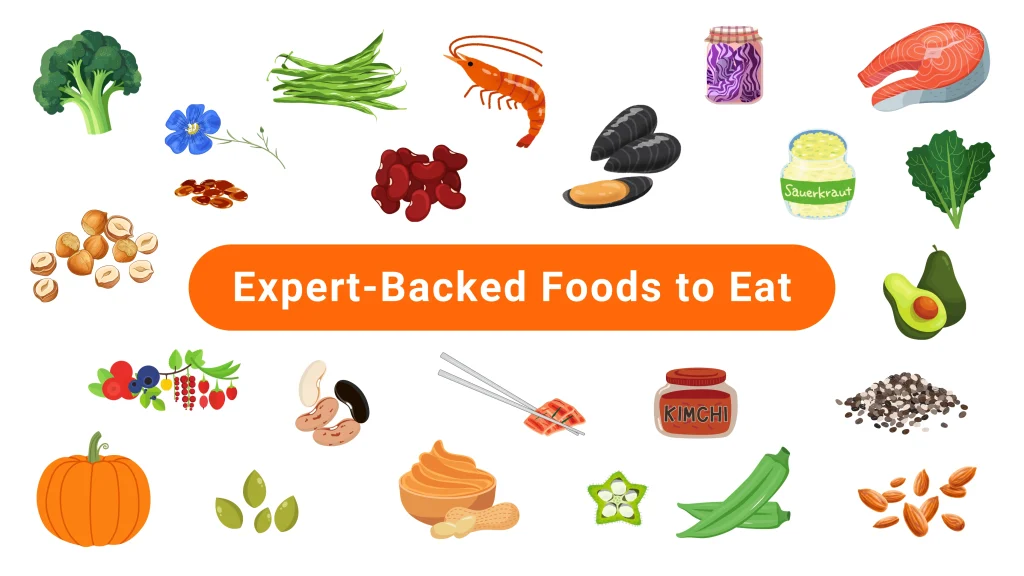
  • Broccoli and broccoli sprouts: These cruciferous veggies pack sulforaphane, a compound released when chopped or chewed. This compound boosts insulin sensitivity and cuts oxidative stress, which is crucial for type 2 diabetes. Studies [PubMed] suggest daily servings can lower fasting glucose by 10 mg/dL over a month. Steam broccoli with a dash of olive oil or toss raw sprouts into a salad with lemon vinaigrette for a zesty kick.
  • Seafood: Fatty fish like salmon, mackerel, and sardines provide protein, omega-3s, and antioxidants, slowing digestion and curbing post-meal surges. Research [PubMed] shows that 750g of fish weekly can reduce glucose spikes by 15%. Grill salmon with garlic and herbs or bake sardines with a tomato topping for a flavorful, heart-healthy meal.
  • Pumpkin and pumpkin seeds: Rich in fiber and polysaccharides, pumpkin steadies glucose naturally, while its seeds, packed with protein and fats, cut post-meal levels by 35%, per a 2018 study [National Institutes of Health]. Blend pumpkin into a creamy soup with ginger or roast seeds with a sprinkle of cinnamon for a crunchy snack that doubles as dessert.
  • Nuts and nut butter: Almonds and peanuts stabilize glucose with healthy fats and protein. Daily intake lowered fasting levels in a small trial of type 2 diabetics. Spread almond butter on apple slices for a sweet-savory combo, or grab 20 peanuts to fend off hunger and sugar swings mid-afternoon.
  • Okra: Loaded with rhamnogalacturonan and flavonoids like isoquercitrin, okra mimics insulin’s effects. Animal studies [National Institutes of Health] show it reduces glucose by slowing digestion. Stir-fry it with onions and spices or simmer it into a gumbo for a Southern twist that’s as nutritious as it is comforting.
  • Flaxseed: High in fiber and omega-3s, flaxseed supports long-term glucose control. An 8-week study [National Institutes of Health] found that 30g daily in yogurt improved HbA1c. Grind it fresh and stir it into oatmeal with a drizzle of honey, or blend it into a smoothie for a nutty, filling boost.
  • Beans and lentils: With fiber, protein, and magnesium, these legumes slow digestion and enhance post-meal responses. Pairing them with rice cut surges by 20% in one study [Medical Xpress]. Simmer lentils into a veggie-packed soup or toss chickpeas with olive oil and herbs for a hearty salad.
  • Kimchi and sauerkraut: Fermented foods offer probiotics and antioxidants, improving insulin sensitivity. A 2021 analysis tied them to control type 2 diabetes better, spoon kimchi over quinoa or layer sauerkraut onto a turkey sandwich for a tangy, gut-friendly addition.
  • Chia seeds: Fiber-rich chia seeds slow sugar absorption. A study [ScienceDirect.com] showed that 25g of sugar solution cut levels by 39%. Soak almond milk overnight for a pudding topped with berries or sprinkle over yogurt for a quick, satisfying breakfast.
  • Kale: This superfood’s fiber and flavonoids (quercetin, kaempferol) lower glucose by 7-14g, with carbs reduced spikes in research [National Institutes of Health]. Sauté with garlic and a splash of lemon or blend into a green smoothie with pineapple for a nutrient-packed drink.
  • Berries: Fruits that lower blood sugar, like blueberries, strawberries, and raspberries, provide fiber and antioxidants with minimal sugar (250g), and a high-carb meal cut insulin needs in studies [National Institutes of Health]. Blend into yogurt or eat fresh with a dollop of Greek yogurt for a naturally sweet treat.
  • Avocados: Avocados are high in fiber, healthy fats, and vitamins, and they prevent spikes and metabolic syndrome risks. Research [The Journal of Nutrition] links them to lower fasting glucose. Mash onto whole-grain toast with a sprinkle of chili flakes or dice into a salad with tomatoes and lime.

According to expert insights, these foods anchor a sugar detox meal plan, enhancing insulin response naturally.

How to Lower Blood Sugar Naturally with Beverages

Hydration is a fast, underrated ally in blood sugar control. It offers immediate relief when levels creep up, perfect for those urgent moments after a carb-heavy meal or a stressful day. Knowing what to drink to lower blood sugar immediately equips you with simple, science-backed options that fit your routine, with no fancy equipment needed.

What to drink to lower blood sugar immediately

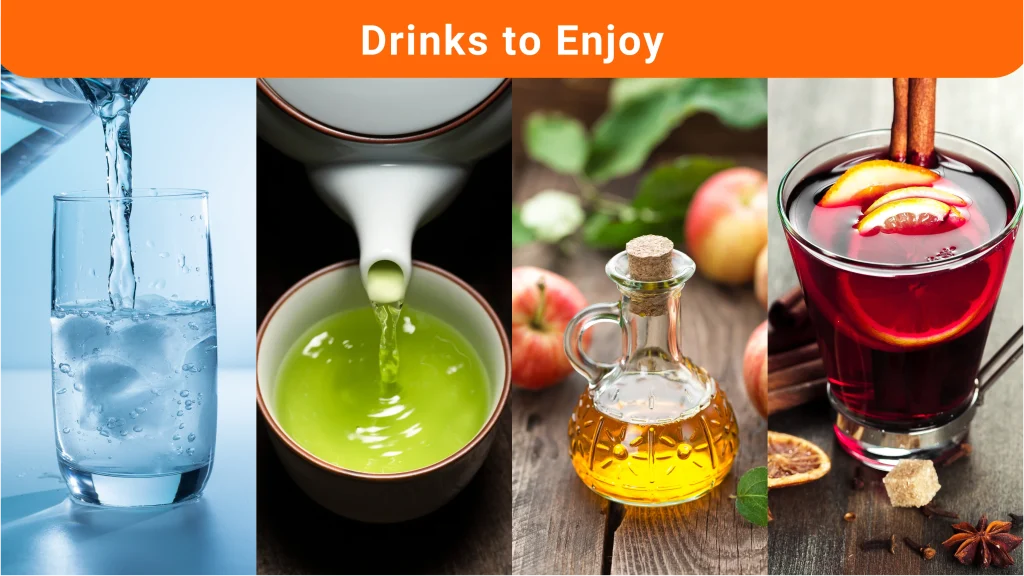
The best drinks to consume for lowering sugar levels are:

  • Water: The answer to the question, “Does drinking water lower blood sugar?” is yes. It dilutes glucose in the blood and supports kidney filtration. Experts suggest 8-10 glasses daily, with an extra 16oz during spikes to flush sugar fast.
  • Green tea: Packed with catechins, green tea boosts insulin sensitivity and curbs post-meal surges. Sip a cup after dinner (unsweetened) to drop levels within 30 minutes, adding a calming ritual to your evening.
  • Apple cider vinegar (ACV): A tablespoon in 8 oz water before meals slows digestion, cutting peaks by 20%. Mix with a lemon twist for 15 minutes before eating to soften the tang and prep your system for carbs.
  • Cinnamon tea: Steeping a stick in hot water releases compounds that mimic insulin. Brew it fresh for a warm, soothing drink that stabilizes glucose post-meal and doubles as a cozy wind-down.

These align with how to reduce blood sugar level immediately, delivering quick, practical results.

Exercise for Immediate and Long-Term Impact

Physical activity is a blood sugar powerhouse, acting fast to clear glucose and building resilience over time, whether you’re a gym-goer or just starting. Exercise pulls sugar into muscles without insulin, dropping levels instantly, while regular movement reduces insulin resistance for lasting benefits. 

It’s flexible enough for any schedule, from a quick break to a full workout:

  • Brisk walking: Studies [National Institutes of Health] have shown that a 30-minute walk after meals cuts sugar by 20-30 mg/dL. Hit the pavement five days a week at a pace that quickens your breath but lets you talk, perfect for post-dinner strolls with a podcast.
  • Strength training: Lifting weights or doing bodyweight moves (squats, push-ups) twice weekly builds muscle mass, which soaks up glucose. Start with 10-15 minutes at home, scaling up with dumbbells or resistance bands as you gain strength.
  • Yoga: Poses like downward dog or child pose lower stress hormones (cortisol) that spike sugar. Practice 20-30 minutes daily, pairing slow breaths with stretches to unwind and stabilize levels.

A 10-minute stair climb tackles how to reduce blood sugar level immediately, offering a no-excuse option for busy days.

Manage Stress to Keep Levels Steady

Stress is a hidden glucose driver. It releases cortisol and adrenaline, which floods your blood with sugar, undoing even the best diet efforts. Calming yourself is a cornerstone of natural ways to lower blood sugar, and simple techniques can fit into any day, from a hectic office to a quiet evening.

Try these effective methods:

  • Meditation: A 10-minute daily session lowers cortisol by 20%. Sit in a quiet spot, focus on breathing (in for 4, out for 6), and let the stress fade, setting a peaceful tone for your morning or night.
  • Deep breathing: Inhale for 4 seconds, exhale for 8, repeating 5 times. This provides instant relief that drops sugar within minutes, which is ideal during a tense meeting or traffic jam.
  • Sleep: Sleeping 7-8 hours of sleep can reset hormone balance and establish a wind-down routine (dim lights, skip screens an hour before bed) to protect glucose stability and wake refreshed.

These home remedies to lower blood sugar levels target the mind-body connection, cutting sugar at its root.

Ramp Up Fiber Intake

Fiber acts like a brake on blood sugar, slowing digestion and absorption to keep levels even. This is crucial to how to lower blood sugar naturally, that’s easy to overlook. Experts recommend 25-30g daily; building it into meals is simpler than you’d think.

How to lower blood sugar naturally

Options that satisfy and stabilize are:

  • Legumes: Lentils (15g fiber/cup) or chickpeas steady glucose with protein and magnesium simmer into a stew with spinach and tomatoes or roast chickpeas with cumin for a crunchy snack.
  • Oats: A bowl (8g fiber) curbs morning spikes. Top with chia seeds and berries for a triple-threat breakfast that keeps you full and balanced until lunch.
  • Veggies: Broccoli or Brussels sprouts (5g per cup) are versatile. To add bulk without sugar, roast with olive oil and garlic, or steam with a sprinkle of sea salt.

Fiber supports a natural treatment for diabetes, easing insulin demand over time.

Use Home Remedies for Quick Wins

Your kitchen holds fast-acting fixes that rival any pill. Home remedies to lower blood sugar levels tap into everyday ingredients, offering natural relief with minimal fuss, which is ideal if you’re seeking answers on how to flush sugar out of your body.

Some home remedies on how to lower blood sugar naturally include:

  • Cinnamon: A half-teaspoon of cinnamon in tea or oatmeal boosts insulin sensitivity. Studies [WebMD] show it cuts fasting glucose by 10-15 mg/dL over weeks, adding warmth and flavor to your day.
  • Fenugreek seeds: Soak 1 tsp overnight, then drink the water. The fiber and compounds in the seeds lower sugar within hours, making them perfect for a morning ritual before breakfast.
  • Bitter melon: Juice or stir-fry this veggie to mimic insulin. Blend with ginger to mask bitterness, or cook with onions for a savory side that packs a punch.

These remedies are quick, affordable, and effective.

Lower A1C Naturally

How to lower A1C naturally: your 3-month glucose average takes a sustained, multi-faceted plan that pays off over time. Experts suggest a low-GI diet (kale, berries, oats) to keep daily levels steady. Swap white bread for oatmeal with fruit to start your day right. Pair this with 150 minutes of weekly exercise (brisk walks, yoga) and aim for 5-7% weight loss if overweight. Losing 10 pounds can drop A1C by 0.5%, per studies [National Institutes of Health]. Keep carbs at 45-60g per meal, aligning with how to lower A1C without meds, and use a glucose meter to track progress, turning small wins into lasting change.

How to Flush Sugar Out of Your Body

Are you wondering how to flush sugar out of your body? It’s about speeding up clearance with a trio of strategies that work together: hydration, movement, and fiber. This makes it a practical reset for any day. Start with water: Two liters daily push glucose out via urine. Sip a glass every hour to keep your kidneys active and flush excess sugar efficiently. 

How to flush sugar out of your body

Next, exercise: a 20-minute jog or fast walk burns sugar stores directly, pulling it from your blood into muscles. Try a morning run or an evening pace around the block to jumpstart the process. Finally, fiber: high-fiber meals like a lentil-chia bowl or avocado toast sweep sugar through digestion. Aim for 25-30g daily with options like a berry-oat smoothie or roasted Brussels sprouts. This combo clears glucose within hours while powering a sugar detox meal plan that resets your system over days, keeping you energized and balanced.

How Long Does It Take?

Timing depends on your goal. You may want immediate relief or long-term gains, and both are achievable with the right approach. For how to reduce blood sugar level immediately, expect results in 15-30 minutes with quick fixes like drinking water, sipping ACV, or a short walk. A 10-minute stair climb post-meal can drop levels by 20 mg/dL, offering a fast reset after a carb-heavy lunch. 

Long-term shifts, like lowering A1C, take 6-12 weeks with daily consistency. Studies [Archives of Public Health] show that low-GI eating and regular exercise can cut A1C by 1% in 3 months, a meaningful shift for diabetes management. The key is persistence: track glucose with a meter to spot daily dips (like after a berry snack) and build a routine that blends quick wins with steady progress tailored to your life.

Conclusion: So, All in All?

High blood sugar doesn’t have to rule your life; natural methods put you back in charge. Foods that lower blood sugar, like berries, and what to drink to lower blood sugar immediately, like ACV, paired with exercise and stress relief, deliver fast and lasting results backed by science. Start with one step, whether a walk or a handful of nuts and build a routine that fits you, reclaiming your health naturally.

FAQ’s:

What to drink to lower blood sugar immediately?

Green tea, ACV water, or plain water act fast. A tablespoon of ACV in water before meals effectively cuts peaks.

Does drinking water help lower blood sugar?

Yes, it dilutes blood glucose quickly. Aim for 8-10 glasses daily or 16oz during a spike.

How can I lower my A1C naturally?

Low-GI foods, 150 minutes of weekly exercise, and 5-7% weight loss work over 6-12 weeks. Consistency is key.

What are the best foods to lower blood sugar quickly?

Leafy greens, nuts, and berries act fast with fiber and low GI. Try spinach with almonds for rapid relief.

How can I flush sugar out of my body?

Hydrate with 2 liters, exercise for 20 minutes, and eat fiber like lentils. Combine for a full flush.

How long does it take to lower blood sugar naturally?

Immediate drops take 15-30 minutes, and A1C shifts take 6-12 weeks. Daily habits drive results.

Can exercise lower blood sugar levels immediately?

Yes, 10-20 minutes pulls glucose into muscles. A brisk walk post-meal is effective.

What are some home remedies to lower blood sugar levels?

Cinnamon, fenugreek water, and bitter melon work well. A half-teaspoon of cinnamon in tea helps fast.

What are the worst foods for blood sugar spikes?

White bread, soda, and candy spike glucose quickly. Avoid these high-GI traps.

Are there any herbal teas that help with blood sugar control?

Yes, cinnamon, chamomile, and hibiscus teas stabilize levels gently. Sip daily for ultimate support.

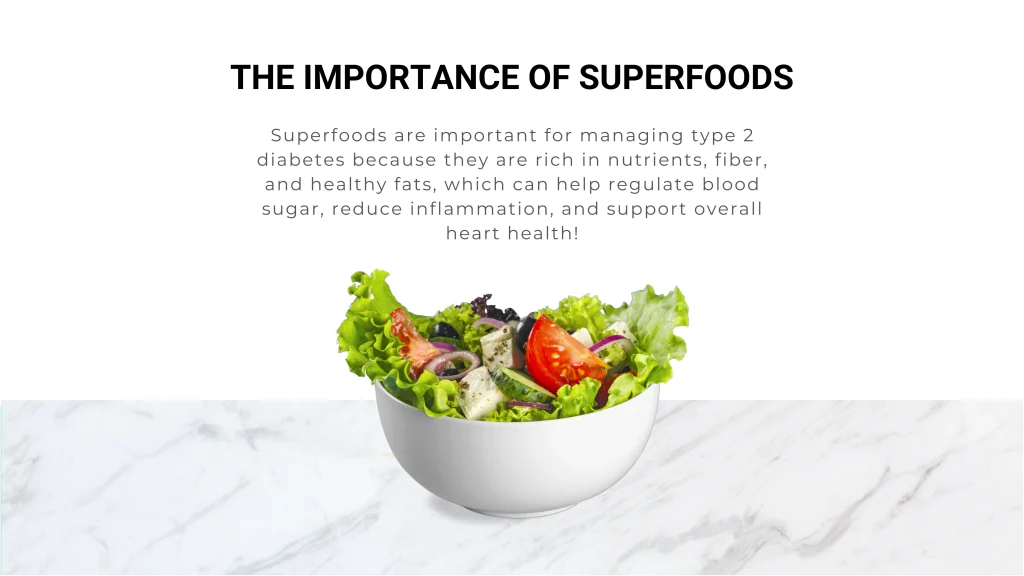
Superfoods That Deserve a Spot On The Type 2 Diabetes Food List

Living with Type 2 diabetes can feel like a constant guessing game. What’s safe to eat, what’s not? This article cuts through the confusion with an explicit type 2 diabetes food list, spotlighting superfoods that belong in your diet for type 2 diabetes food list. Type 2 diabetes, a condition where the body struggles to manage blood sugar due to insulin resistance, affects millions globally.

Diet plays a starring role in keeping those levels steady; a structured type 2 diabetes diet can make all the difference. Tired of second-guessing every bite? This guide highlights the best foods for type 2 diabetes, offers a practical type 2 diabetes meal plan, and even tosses in some tasty diabetic recipes for breakfast.

Ready to take control? Check out these powerhouse foods and discover how simple managing diabetes can be.

Best Foods for Type 2 Diabetes

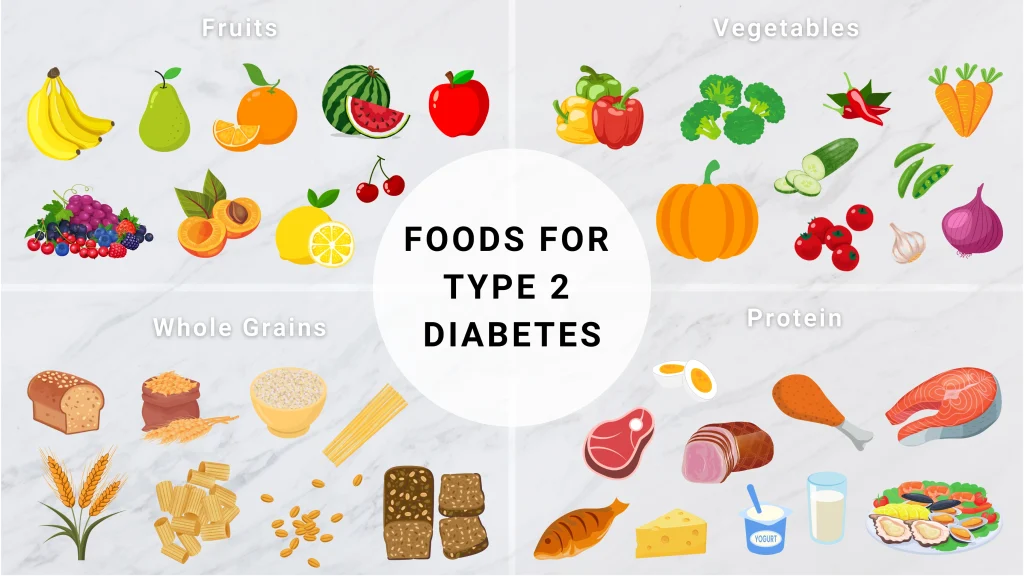
What qualifies a food for the type 2 diabetes food list? Think low glycemic index (GI), high fiber, and nutrient richness, which keep blood sugar stable and energy consistent. This section expands on the best foods for type 2 diabetes, perfect as foods to eat with type 2 diabetes, with insights from the American Diabetes Association (ADA).

Best foods for type 2 diabetes

Here is a table for the best foods to support your type 2 diabetes diet:

Food Why It’s Great How to Enjoy Extra Tips
Leafy Greens Low GI, fiber-packed, and vitamin-rich, which keeps glucose steady, per the ADA. Spinach salads, kale smoothies. Steam lightly to retain nutrients.
Berries Antioxidants and fiber, minimal sugar impact, which is an ideal food for type 2 diabetes. Blueberries with yogurt, solo snack. Freeze for a cool treat.
Fatty Fish Omega-3s cut inflammation and are heart-healthy for a diet for diabetes type 2, says the CDC. Grilled salmon, sardines on toast. Aim for 2 servings weekly.
Nuts Healthy fats and protein slow sugar spikes, which is great for type 2 diabetes meals. Almonds as snacks, walnut topping. Stick to a handful to manage calories.
Whole Grains Fiber-rich, slow-digesting carbs fit a type 2 diabetes diabetic diet. Quinoa bowls, oatmeal breakfast. Swap white rice for barley or farro.
Beans High fiber, protein, and low GI are key in a type 2 diabetes diet meal plan. Black beans in soups, lentils in stew. Rinse canned beans to cut sodium.
Greek Yogurt Probiotics and protein, low carb. Perfect for a type 2 diabetes menu. Plain with berries, smoothie base. Choose unsweetened to avoid hidden sugar.
Avocado Monounsaturated fats stabilize blood sugar. A must for a type 2 diabetes diet, per WebMD. Sliced on toast, guacamole dip. Pair with eggs for a filling breakfast.

These picks shine in a diet for type 2 diabetes food list because they tackle insulin resistance head-on. Leafy greens like spinach deliver magnesium, which is linked to better glucose control, while berries’ antioxidants fight oxidative stress, a diabetes aggravator.

Fatty fish like salmon, endorsed by the Centers for Disease Control and Prevention (CDC), protect your heart, a common concern for diabetics. Nuts and beans offer sustained energy, preventing the crashes caused by processed carbs. This lineup proves foods to eat with type 2 diabetes can be both delicious and functional.

Foods to Avoid with Type 2 Diabetes

Some foods sabotage a type 2 diabetes diet, spiking blood sugar and risking long-term harm. This section details the top offenders with explanations and swaps to keep your type 2 diabetes food list solid.

Type 2 diabetes foods to avoid

Below is a list of the top type 2 diabetes foods to avoid:

  • Sugary drinks: Soda, sweetened tea, and sports drinks deliver rapid sugar jolts, about 40g carbs in one can. The American Diabetes Association (ADA) warns they’re diabetes kryptonite. Swap for water, herbal tea, or a splash of lemon in sparkling water.
  • White bread and pasta: Refined carbs (high GI, 70+) break down fast, flooding your system with glucose. Replace with whole-grain bread or pasta, GI around 50, for slower digestion.
  • Processed snacks: Chips, cookies, and crackers contain trans fats and sugars, which can inflame insulin resistance. Opt for raw veggies with hummus or a handful of pistachios.
  • Fried foods: French fries and fried chicken are high in unhealthy fats and carbs and burden your pancreas. Grill or bake instead; try air-fried zucchini fries for crunch.
  • Full-fat dairy: According to WebMD, whole milk and creamy cheeses contain saturated fats that worsen insulin sensitivity. Switch to skim milk, low-fat cottage cheese, or plant-based options.
  • Sweets: Candy, donuts, pastries. Pure sugar with no fiber spikes levels instantly. Satisfy cravings with dark chocolate (70%+) or a berry parfait.

Dodging these keeps your type 2 diabetes diabetic diet effective. Why? Processed carbs lack fiber, causing rollercoaster glucose swings, while trans fats, found in fried junk, raise bad cholesterol, a diabetes complication risk. Swapping them out isn’t just brilliant; it’s essential for a type 2 diabetes menu.

Type 2 Diabetes Meal Plan

Need structure? This section provides a 3-day type 2 diabetes meal plan, doubling as a type 2 diabetes diet meal plan and meal plan for diabetes 2. It balances carbs, proteins, and fats with detailed breakdowns to inspire your type 2 diabetes meals.

Day 1

Below is a list of meals for Day 1 of your type 2 diabetes meal plan:

  • Breakfast: Greek yogurt (¾ cup, plain) with ½ cup blueberries and 1 tbsp chia seeds (roughly 15g carbs, 20g protein). Creamy, fiber-rich start; mix ahead for grab-and-go ease.
  • Lunch: Grilled salmon (4 oz) with ½ cup quinoa, 1 cup steamed broccoli, and a drizzle of olive oil (around 30g carbs, 30g protein). Omega-3s and fiber galore; prep salmon in bulk.
  • Dinner: Baked chicken breast (5 oz) with 1 cup roasted Brussels sprouts and ½ cup brown rice (around 35g carbs, 35g protein). Hearty yet light, roast extra veggies for sides.
  • Snack: 15 almonds (around 5g carbs). They’re a crunchy, satisfying fat boost and portioned into bags for convenience.

Day 2

Here is a list of meals for Day 2 of your type 2 diabetes menu:

  • Breakfast: Steel-cut oatmeal (½ cup cooked) with 1 tsp cinnamon and 2 tbsp walnuts (around 25g carbs, 6g protein). Warm, blood-sugar-friendly, cooked overnight in a slow cooker.
  • Lunch: Turkey wrap, whole-grain tortilla (1), 3 oz turkey, ¼ avocado, handful spinach (around 30g carbs, 25g protein). It’s portable and balanced; wrap extras for tomorrow.
  • Dinner: Lentil soup (1 cup) with 2 cups kale salad (olive oil, lemon dressing) (around 35g carbs, 15g protein). Nutrient-packed comfort, freeze soup leftovers.
  • Snack: 1 cup carrot sticks with 2 tbsp hummus (around 10g carbs). These fresh and filling pre-cut carrots are perfect for quick snacks.

Day 3

Below is a list of meals for Day 3 of your type 2 diabetes diet meal plan:

  • Breakfast: Scrambled eggs (2) with 1 cup sautéed spinach, one slice of whole-grain toast (around 20g carbs, 15g protein). Protein powerhouse, add salsa for flavor.
  • Lunch: Black bean salad with ½ cup beans, ½ cup corn, diced tomatoes, and lime juice (around 30g carbs, 10g protein). It’s zesty and fiber-full; double it for meal prep.
  • Dinner: Baked cod (4 oz) with 1 cup asparagus ½ cup wild rice (around 35g carbs, 25g protein). Lean and flavorful, bake fish with herbs for variety.
  • Snack: Medium apple with 1 tbsp peanut butter (around 15g carbs). Sweet, creamy combo, slice apples ahead.

This type 2 diabetes menu targets 100-150g carbs daily, adjustable based on your needs, per the ADA’s guidelines, making type 2 diabetes meals practical and enjoyable. Prep tips: Cook grains in bulk, portion snacks ahead, and keep veggies pre-chopped for speed.

Diabetic-Friendly Recipes

If you want some tasty options, definitely check this section. It offers three type 2 diabetes diet recipes, two breakfasts, and a dinner, optimized for diabetic breakfast recipes and the best diabetic breakfast recipes, with detailed steps.

Recipe 1: Spinach & Egg Breakfast Scramble

Below is a list of steps for this best diabetic breakfast recipe:

Ingredients: 

  • 2 large eggs
  • 1 cup fresh spinach
  • 1 tbsp olive oil
  • One slice of whole-grain toast
  • Pinch salt, pepper

Instructions: 

  1. Heat oil in a skillet over medium
  2. Add spinach sauté until wilted (2 mins)
  3. Whisk eggs with salt and pepper
  4. Pour over spinach and scramble until set (3-4 mins)
  5. Serve with toast

Nutrition: around 20g carbs, 15g protein, 10g fat, ideal for type 2 diabetes.

Why It Works: Low-carb, fiber from spinach, protein from eggs. Perfect for a type 2 diabetes diet.

Recipe 2: Berry Oat Breakfast Bowl

Here is a list of steps for this diabetic breakfast recipe:

Ingredients: 

  • ½ cup rolled oats
  • 1 cup water
  • ½ cup mixed berries (strawberries, raspberries)
  • 1 tbsp flax seeds
  • Dash cinnamon

Instructions: 

  1. Boil water
  2. Add oats, cook 5-7 mins until thick
  3. Stir in berries, flaxseeds, and cinnamon
  4. Serve warm

Nutrition: It has 25 g carbohydrates, 6g protein, and 5g fat, making it the best diabetic breakfast recipe.

Why It Works: Fiber slows sugar absorption, and berries add antioxidants, which is great for type 2 diabetes meals.

Recipe 3: Lemon Garlic Salmon with Quinoa

Below is a list of steps for this type 2 diabetes diet recipe:

Ingredients: 

  • 4 oz salmon fillet
  • 1 tbsp lemon juice
  • One garlic clove (minced)
  • ½ cup cooked quinoa
  • 1 cup steamed broccoli
  • 1 tsp olive oil, salt, pepper

Instructions:

  1. Marinate salmon in lemon juice, garlic, salt, and pepper (10 mins).
  2. Heat oil in a pan, and cook salmon for 4-5 mins per side.
  3. Serve with quinoa and broccoli.

Nutrition: Around 30g carbs, 25g protein, 15g fat. Perfect fit for a type 2 diabetes meal plan.

Why It Works: Omega-3s, fiber, and lean protein make it the best food for type 2 diabetes.

These recipes prove a diet for type 2 diabetes food list can be flavorful and straightforward.

Understanding Carbs and Type 2 Diabetes

How many carbs suit a type 2 diabetes diet? This section dives into type 2 diabetes carbs per day, which is crucial for blood sugar control. The American Diabetes Association (ADA) recommends 45-60g per meal (135-180g daily) for most, but it’s personal; active folks might need 200g, and sedentary ones 100g. Per the CDC, test with a glucometer to find your sweet spot; post-meal readings under 180 mg/dL signal success.

Type 2 diabetes carbs per day

Foods to eat with type 2 diabetes, like berries (15g carbs/cup) or quinoa (20g/½ cup), digest slowly, unlike type 2 diabetes foods to avoid (e.g., white bread, 30g/slice). Pair carbs with protein (eggs) or fat (nuts) to blunt spikes, a hack for any type 2 diabetes diabetic diet. Apps like MyFitnessPal track intake, keeping your type 2 diabetes menu on point. Start with small servings, ¼ cup grains, and adjust based on how your body responds.

Why Superfoods Matter for Type 2 Diabetes

Superfoods elevate a type 2 diabetes diet, but why? This section answers, “What is the best diet for type 2 diabetes?” Per WebMD, low-GI champs like kale (GI 5) or lentils (GI 30) prevent sugar surges. Fiber in beans, 15g per cup, boosts insulin sensitivity and is vital for food for type 2 diabetes, while fatty fish’s omega-3s reduce inflammation, a diabetes driver the CDC flags.

Type 2 diabetes food list

Avocado’s fats curb hunger and support a type 2 diabetes meal plan, and nut protein steadies energy; think 1 oz almonds (5g carbs). These best foods for type 2 diabetes don’t just manage; they optimize, turning meals into medicine. Research [National Institutes of Health] backs this: a 2021 study in “Diabetes Care” found low-GI diets cut HbA1c by 0.5%, a big win for control.

Tips for Building Your Type 2 Diabetes Food List

Crafting a personal type 2 diabetes food list doesn’t have to feel like a chore. Simple strategies can turn it into a powerful tool for managing blood sugar. This section provides practical, actionable advice to help you stock your kitchen, plan meals, and dodge pitfalls, ensuring your diet for type 2 diabetes food list works for your lifestyle.

Below is a list of tips to build your type 2 diabetes diet with ease:

  • Stock staples: Keep essentials like spinach, salmon, and oats on hand; these are important for a diet for type 2 diabetes food list. These best foods for type 2 diabetes are versatile and nutrient-dense, ready for quick meals.
  • Batch-cook meals: Prepare type 2 diabetes meals like quinoa bowls or lentil soups in bulk; Sunday prep saves time all week. Freeze extras for a type 2 diabetes meal plan that’s always ready.
  • Swap smart: Replace type 2 diabetes foods to avoid; think soda (40g carbs) or fries with seltzer (0g carbs), or baked sweet potato wedges (20g carbs). Small changes keep your type 2 diabetes menu on track.
  • Test portions: Start with modest servings, ½ cups of grains, 1 oz of nuts, to find what fits your meal plan for diabetes 2. Use a food scale or cups to master this type 2 diabetes diabetic diet trick.
  • Shop savvy: According to the American Diabetes Association (ADA), buy frozen berries (same nutrients, lower cost) or bulk beans to stretch dollars. This keeps your type 2 diabetes diet affordable and stocked.
  • Season simply: Use garlic, herbs, or lemon instead of sugary sauces to flavor foods to eat with type 2 diabetes. This boosts taste without spiking your type 2 diabetes carbs per day.

These steps make a type 2 diabetes diet meal plan less daunting. Start small, build consistency, and watch your confidence grow with every meal.

Conclusion: Take Charge with a Diabetes-Friendly Diet

An innovative type 2 diabetes food list transforms managing Type 2 diabetes from a burden to a breeze. Superfoods like berries, nuts, and fatty fish are cornerstones of a type 2 diabetes diet. They keep blood sugar in check while tasting great.

This guide provides the best foods for type 2 diabetes, a type 2 diabetes meal plan, and recipes to kickstart your journey. Don’t guess; embrace these foods to eat with type 2 diabetes, ditch the type 2 diabetes foods to avoid, and chat with a doctor or dietitian to fine-tune your diet for diabetes type 2.

Your healthy eating for diabetes journey starts here!

FAQ’s:

What is the best diet for Type 2 diabetes?

A type 2 diabetes diet with low-GI, fiber-rich foods like greens and grains excels.

How many carbs should a Type 2 diabetic eat per day?

According to your needs, target 135-180g of type 2 diabetes carbs per day, 45-60g per meal.

Which foods should be avoided with Type 2 diabetes?

Avoid type 2 diabetes foods to avoid like soda, white bread, and fried foods.

Is fruit okay for Type 2 diabetes?

Yes, berries fit a type 2 diabetes food list as they’re low in sugar and high in fiber.

What is the best breakfast for a Type 2 diabetic?

Try the best diabetic breakfast recipes, like eggs with spinach and low-carb fillings.

What foods should I avoid with Type 2 diabetes?

Type 2 diabetes foods to avoid include processed carbs and sweets.

What meals to eat with Type 2 diabetes?

Enjoy type 2 diabetes meals like salmon with quinoa, balanced and tasty.

Which food reduces blood sugar?

Fiber-rich foods to eat with type 2 diabetes include beans and greens, which are lower in glucose naturally.

Is the Mediterranean Diet Really That Healthy & How Does it Work?

The Mediterranean diet emphasizes a plant-based approach to eating, celebrating the Mediterranean area’s traditional tastes and cooking styles. If you’re looking for a heart-healthy way to eat, this could be an excellent fit for you. Rather than being a strict diet, it’s more of a lifestyle choice that combines the fundamentals of healthy eating with the rich flavors and culinary practices of the Mediterranean culture.

This article explains everything you need to know about the Mediterranean diet, including a complimentary 7-day meal plan. Let’s dig in!

What is the Mediterranean Diet?

mediterranean diet benefits

Diet plays a role in long-term health issues, particularly cardiovascular disease, which affects the heart and blood vessels. A study from the 1960s showed that countries like Greece and Italy had lower death rates from cardiovascular disease compared to the U.S. and northern Europe. More recent research has connected the Mediterranean diet to reduced risks for heart problems, such as high cholesterol and high blood pressure. 

Today, nutrition experts in America often recommend the Mediterranean diet, and the World Health Organization also endorses it as a healthy eating style. Other cultures, like Japan, have similar eating habits. Additionally, diets like the DASH diet and the Dietary Guidelines for Americans share some principles with the Mediterranean diet. Studies indicate that sticking to the Mediterranean diet over time is essential for heart health.

What Does the Mediterranean Diet Entail?

What is Mediterranean food? The Mediterranean diet comes from the traditional foods of countries around the Mediterranean Sea. 

It doesn’t have just one Mediterranean diet food list, but it usually includes a lot of:

  • Vegetables
  • Fruits
  • Whole grains
  • Beans
  • Nuts and seeds
  • Olive oil
  • Herbs and spices for flavor

To follow this diet, you should:

  • Eat vegetables, fruits, whole grains, and plant-based fats every day
  • Include fish, poultry, beans, legumes, and eggs in your meals each week
  • Have dairy products in moderate amounts
  • Cut back on red meat
  • Limit foods that have added sugars

Other essential parts of the Mediterranean diet are to:

  • Share meals with family and friends
  • Stay active with regular exercise
  • If you drink alcohol, enjoy wine in moderation

Plant-Based Instead of Meat-Based

Plant-Based Instead of Meat-Based - mediterranean diet

The Mediterranean diet is all about eating lots of plant-based foods. This means that meals focus on vegetables, fruits, herbs, nuts, beans, and whole grains. You can also have some dairy, chicken, and eggs in moderation, along with seafood. However, red meat is something you only eat occasionally. Mediterranean diet protein sources include fish, legumes, eggs, nuts, seeds, and poultry. 

Introducing Healthy Fats

The Mediterranean diet is all about those good unsaturated fats. Instead of consuming saturated and trans fats, which can mess with your heart health, this diet focuses on healthier options. Olive oil and nuts are the go-to fat sources, offering plenty of unsaturated goodness. Getting your unsaturated fats from plants can help reduce your total cholesterol and the “bad” LDL cholesterol. 

Swapping out saturated fats for polyunsaturated fats can lower your chances of heart disease and related deaths, as highlighted in the Dietary Guidelines for Americans. Plus, you’ll find healthy fats in seafood, seeds, nuts, legumes, and certain vegetable oils. Fish plays a vital role in the Mediterranean diet

Some healthy fish options include:

  • Mackerel
  • Herring
  • Sardines
  • Albacore tuna
  • Salmon
  • Anchovies

These are considered fatty fish, rich in omega-3 fatty acids. Omega-3s are healthy unsaturated fats that may help reduce inflammation in the body. They can also lower triglycerides and influence blood clotting, potentially decreasing the risk of stroke and heart failure. The Mediterranean diet also includes lean fish and shellfish, such as shrimp, crab, clams, and scallops. Lean fish options include cod, haddock, hake, and whitefish. It’s best to choose fish low in mercury, especially for children aged 1 to 11 and pregnant or breastfeeding women, as high mercury levels can harm the brain and nervous system over time. 

Can You Drink Wine?

Like others around the world, people in the Mediterranean region have different habits regarding alcohol. Many Mediterranean diets suggest having wine with meals, usually red wine rather than white. Experts often advise women to have no more than one glass of wine daily and men to limit it to two glasses. Some studies show that alcohol might lower the risk of heart disease, but it also carries risks. 

Therefore, don’t start drinking or increase your intake thinking it will improve your health. Recent research questions the idea that even small amounts of alcohol are beneficial for the heart. A significant study [National Institutes of Health] showed that people who drink alcohol regularly, even in small quantities, have a greater chance of developing high blood pressure and coronary artery disease. The more they drink, the greater the risk becomes. Another research found that having just a little more than one drink each day could increase the risk of atrial fibrillation, which is a type of irregular heartbeat. 

If you choose to drink alcohol, it’s a good idea to talk to your doctor or a dietitian to find out what amount, if any, is best for you. Things to consider include the extra calories that come with alcohol and any issues you might have with your kidneys or liver. Plus, if you simply don’t enjoy the taste of alcohol, that’s a perfectly good reason to avoid it, too.

Mediterranean Diet Snacks

The Mediterranean diet encourages snacking instead of discouraging it. Instead of sticking to specific times, pay attention to your body and grab a snack whenever you feel hungry. 

Snacks on a Mediterranean diet often include the following:

  • Hummus and vegetables
  • Fresh fruits and vegetables
  • Avocado with whole grain crackers
  • Berries 
  • Roasted chickpeas
  • Greek yogurt (you can add some fresh fruit and berries)
  • Apple slices with almond butter 
  • Kale chips (preferably homemade)
  • Seeds (raw or roasted) 

Mediterranean Diet Benefits

mediterranean diet benefits

There are many backed-up benefits of the Mediterranean diet; below are some of the most recognised:

1. Better Sleep

A 2022 review [National Institutes of Health] looked at previous research to understand the effects of a Mediterranean diet on sleep duration and quality. The findings suggest that following a Mediterranean diet can improve the length and quality of sleep. This diet emphasizes the importance of whole foods, like fruits, vegetables, whole grains, and lean proteins like fish, while reducing processed foods and refined carbs. It is also high in omega-3 fatty acids, which are known to improve overall sleep.

2. Reduce Inflammation

In November 2022, a review [National Institutes of Health] of earlier studies showed that following the Mediterranean diet might help reduce inflammation, which can protect against illnesses such as heart disease. This diet might have these anti-inflammatory effects because it includes antioxidants and other helpful compounds found in plant-based foods, supports a healthy gut microbiome, and cuts down on unhealthy fats and added sugars that can lead to inflammation.

3. Increase Lifespan

A study [National Geographic] conducted over 36 years involving over 75,000 women and more than 44,000 men, released in January 2023, identified the Mediterranean diet as one of four diets that can lower the risk of death from all causes or specific reasons. This diet emphasizes fruits, vegetables, legumes, whole grains, and nuts packed with antioxidants, vitamins, minerals, and fiber. These foods are associated with less inflammation, better immune health, and a decreased chance of chronic illnesses.

4. Lower Risk Of Heart Disease In Women

A review of 16 studies [National Institutes of Health] showed that women who stuck closely to a Mediterranean diet had a lower chance of getting heart disease. Those who followed the diet more carefully were less likely to die from heart problems or get coronary heart disease. While there were fewer strokes among these women, the researchers noted that this finding wasn’t strong enough to be considered significant.

5. Reduces Dementia Risk

A study [BMC Medicine] released in March 2023 tracked over 60,000 people for about 9.1 years to look into the connection between diet and the risk of dementia. The findings showed that those who adhered more closely to the Mediterranean diet had a reduced risk of developing dementia. Eating a diet packed with fruits, veggies, whole grains, and fish, while keeping red meat and saturated fats to a minimum, can help safeguard the brain against cognitive decline.

6. Lowering the Odds of Prostate Cancer 

A study [National Institutes of Health] from 2022 looked at 116 plasma samples from Caucasian men with late-onset prostate cancer and compared them to 132 matched controls. They focused on micronutrients in the samples. The results showed that the men with prostate cancer had notably lower levels of lycopene, lutein, α-carotene, and β-carotene in their blood compared to the control group. These nutrients are commonly found in foods associated with the Mediterranean diet. For instance, lycopene is present in watermelon and tomatoes, while selenium can be found in plant-based foods like nuts and grains.

7. Benefit Vision As You Age

A systematic review [National Institutes of Health] from 2022 that looked at 20 different studies showed that sticking to a Mediterranean diet can help reduce the chances of moving from early to late age-related macular degeneration. The research highlighted that individuals who consumed more b-carotene, lutein, zeaxanthin, copper, folate, magnesium, vitamin A, niacin, vitamin B6, vitamin C, and omega-3 fatty acids had a lower risk of this condition worsening.

8. Boost Mental Health

The Mediterranean diet might offer more than just health perks. In a 2022 study [Medical News Today] that lasted 12 weeks, researchers looked at 72 men aged 18 to 25 who were dealing with moderate to severe depression. They compared the effects of the Mediterranean diet with befriending therapy, which is all about connecting patients with others to boost their social support. Those who stuck to the Mediterranean diet reported a better quality of life than those who underwent befriending therapy.

There are several reasons why these results could happen:

  • Eating fresh fruits and vegetables provides essential vitamins, minerals, and fiber that can enhance brain performance.
  • Fiber helps control blood pressure, which might help lessen feelings of anxiety and depression.
  • Omega-3 fatty acids can improve mood and reduce inflammation.
  • Better gut health can also have a positive impact on overall mood.

Tips to Eat the Mediterranean Way

mediterranean diet

Looking to start the Mediterranean diet? Here are some helpful tips:

  • Increase your intake of fruits and vegetables: Try to have 2 to 3 servings of fruit and at least four servings of vegetables daily. A serving of fruit can be a medium whole fruit or one cup of chopped fruit. For vegetables, one serving is two cups of leafy greens, one cup of raw veggies, or half a cup of cooked vegetables.
  • Choose whole grains: Replace white bread, cereal, and pasta with whole-grain options. You can also explore other whole grains like bulgur, barley, and farro. If your daily intake is around 2,000 calories, aim for at least 3 ounces of whole grains. You can get 1 ounce from a slice of whole-grain bread, a cup of ready-to-eat cereal, or half a cup of cooked rice or pasta. Check the Nutrition Facts label to see the serving size for each product.
  • Choose plant-based unsaturated fats: Swapping out saturated fats for unsaturated fats can reduce heart disease risk. For instance, use olive, canola, safflower, or sunflower oil instead of butter when cooking or serving. Instead of butter or margarine on bread, try nut or seed spreads on toast or apples.
  • Up your seafood intake: Aim to eat fish or shellfish 2 to 3 times weekly. Pregnant or breastfeeding women and children should avoid certain fish due to their mercury content. A typical serving for adults is about 3 to 5 ounces, similar to a deck of cards. The U.S. Food and Drug Administration suggests smaller portions for children, about twice a week.
  • Opt for fresh fish: Choose fresh or water-packed tuna, salmon, trout, mackerel, and herring as healthy options. Avoid deep-fried fish
  • Go a little nuts: Try to eat four servings of raw, unsalted nuts each week, about a quarter of a cup.
  • Enjoy some dairy products: Good options include skim or 1% milk, cottage cheese, and plain or low-fat Greek yogurt. Limit your cheese intake; a serving is roughly the size of four dice. Also, reduce your intake of higher-fat dairy, such as whole milk, 2% milk, butter, margarine, and ice cream.
  • Cut back on red and processed meats: Instead, focus on eating more fish, chicken, or beans. If you do eat meat, choose lean cuts and keep portions small. Before cooking, try to trim off any visible fat.
  • Add flavor with spices: Using herbs and spices can enhance the taste of your food and help you use less salt.

7-Day Mediterranean Diet Meal Plan

Below is an example of a 7-day meal plan including Mediterranean diet breakfasts, lunches, and dinners:

Day 1 Breakfast Vegetable and egg frittata served with sliced avocado on top of whole-grain toast.

For extra calories, add another egg.

Lunch A large green salad with a baked salmon fillet, red onion, feta cheese, quinoa, and fresh tomatoes 

Whole-grain pita bread 

2 ounces (oz) of hummus

Dinner Spicy lentil soup with spinach
Day 2 Breakfast Greek yogurt parfait made with walnuts, fresh berries, and chia seeds 

For extra calories, add 1–2 ounces of almonds.

Lunch Greek chicken grain bowls with olives, cucumbers, and red onions 

To increase the calorie content, add hummus or avocado.

Dinner Baked cod served with garlic-roasted potatoes and asparagus
Day 3 Breakfast Steel-cut or rolled oats topped with fresh fruit, sliced almonds or almond butter, and a drizzle of honey.
Lunch Mediterranean chickpea and farro salad
Dinner Mediterranean shrimp served over whole-wheat pasta
Day 4 Breakfast Shakshuka is a dish of eggs poached in a sauce of tomatoes, olive oil, peppers, onion, and garlic, commonly spiced with cumin, paprika, and cayenne pepper.
Lunch Large green salad topped with fresh vegetables, lentils, sunflower seeds, and grilled shrimp
Dinner Roasted chicken with roasted root vegetables and Brussels sprouts
Day 5 Breakfast Sweet potato breakfast hash topped with a poached egg
Lunch Lentil and tuna salad
Dinner Mediterranean pasta
Day 6 Breakfast Chia pudding topped with fresh berries and almond butter
Lunch Mediterranean white bean soup and a Greek salad
Dinner Baked fish with garlic and basil served with a Caprese quinoa salad
Day 7 Breakfast Overnight oats made with nut butter and berries
Lunch Mediterranean Buddha Bowl
Dinner Balsamic roasted chicken and vegetables

Mediterranean diet desserts you can add include:

You can also add honey to these desserts for a sweeter quick as it is a popular healthy Mediterranean diet sweetener.

Conclusion: Is it Worth a Try? 

The Mediterranean diet isn’t just one specific way of eating; it includes some general ideas. It encourages eating many healthy plant-based foods and a moderate amount of dairy, fish, or seafood. Mediterranean diet foods to avoid include highly processed foods like candy and processed meats. Following this diet can be good for your health. For example, it helps you maintain a healthy weight, steady your blood sugar, support your heart, and boost your brain power. One of the great things about the Mediterranean diet is that it offers a good mix of nutrients and is flexible, making it easier to follow.

FAQ’s:

How to start a Mediterranean diet?

To start a Mediterranean diet, focus on whole, unprocessed foods, incorporating plenty of fruits, vegetables, whole grains, and healthy fats while limiting red meat and processed foods.

What is the Mediterranean diet, and why is it so popular?

The Mediterranean diet focuses on healthy fats, lean meats, and many plant-based foods. This includes olive oil, fish, fruits, vegetables, and whole grains. People love this diet because it has many proven health benefits, like lowering the chances of heart disease, cancer, and other long-term health issues.

How do I start a Mediterranean diet as a beginner?

If you’re new to the Mediterranean diet, add more fruits, veggies, whole grains, beans, and healthy fats like olive oil and nuts to your meals. Instead of changing everything at once, mix these foods into what you already eat. Also, cut back on processed foods, red meat, and sugary carbs.

What are the key foods included in a Mediterranean diet?

The main idea of a Mediterranean diet is to eat many plant-based foods, such as fruits, vegetables, whole grains, beans, nuts, and seeds. It also includes olive oil as the primary type of fat and allows for some fish and chicken, but it suggests eating less red meat and sweets.

Can you use the Mediterranean diet for weight loss?

Following a Mediterranean diet can help you lose weight and become healthier. This diet emphasizes eating whole foods and healthy fats while cutting back on processed foods and added sugars.

Is the Mediterranean diet suitable for diabetics?

The Mediterranean diet is suitable for people with diabetes. Research shows it can help manage blood sugar levels and support weight loss.

What are the best easy Mediterranean diet recipes for picky eaters?

Suppose you’re a picky eater but want to try the Mediterranean diet. You might like Mediterranean diet dinner recipes like mini pita pizzas, yogurt fruit skewers, roasted veggies, and whole-grain pasta salad. These foods can help you discover tasty and healthy flavors!

What are the benefits of the Mediterranean diet?

The Mediterranean diet offers numerous health benefits, including reducing the risk of cardiovascular disease, supporting healthy blood sugar levels and blood pressure, and potentially aiding in weight management.

What does a Mediterranean diet shopping list look like?

A Mediterranean diet grocery list will often include foods such as:

> Whole grains: Brown rice, quinoa, whole wheat bread, and barley
> Vegetables: A variety of fresh and frozen veggies, especially leafy greens and cruciferous types
> Fruits: A selection of fresh seasonal fruits
> Legumes: Beans, lentils, and chickpeas
> Nuts and Seeds: Almonds, walnuts, pistachios, sunflower seeds, and flaxseeds
> Olive Oil: Extra virgin olive oil is essential in the Mediterranean diet
> Herbs and Spices: Fresh herbs like basil, oregano, thyme, rosemary, dill, and mint
> Fish and Seafood: Fatty fish such as salmon, tuna, and sardines, along with other seafood
> Dairy: Natural cheese, yogurt, and milk
> Eggs: A great source of protein.

The Latest Updates on Bird Flu Virus in Dairy Milk

Since March 2024, a persistent bird flu outbreak has affected dairy cows, and with new updates, bird flu in milk has been causing a stir. The USDA, FDA, and CDC have reassured the public that there are no safety issues with the commercial milk supply. This is because bird flu in milk brands from affected cows is either redirected or destroyed to prevent it from reaching consumers. 

Before milk is sold across state lines for human consumption, it undergoes pasteurization, which the FDA has verified effectively eliminates the virus, making it safe to drink. However, it’s important to note that raw milk could still carry the bird flu.

This article examines whether bird flu can be passed on through milk, the latest California “bird flu virus milk” update, and more. So, stick around!

What is The Bird Flu Virus?

bird flu virus in cows milk

Bird flu, also known as avian influenza, is an infection caused by a virus that primarily affects birds and other animals. Occasionally, humans can contract bird flu from these infected animals. Like the flu strains people usually catch, bird flu can lead to serious illness. However, it rarely spreads from one person to another. You might hear about bird flu when a significant outbreak impacts many birds or other animals. It is alarming because it raises the chances of human infection, can harm wildlife, and might threaten the food supply. 

Since 2024, there have been ongoing reports of human cases in the U.S. There are various subtypes of avian flu, with the recent human cases in the U.S. being linked to influenza A(H5). Historically, the most common subtypes that have infected humans include influenza A(H5N1) and influenza A(H7N9). The names of these subtypes are based on the specific proteins found on the virus’s surface.

What is Highly Pathogenic Avian Influenza?

Highly pathogenic avian influenza, known as HPAI, is a serious form of bird flu that can lead to severe and often deadly illnesses in birds. Similar to other influenza A viruses, bird flu has two main proteins on its surface: hemagglutinin (HA) and neuraminidase (NA). The bird population has 16 different HA types and nine NA types. 

HPAI viruses specifically have either the H5 or H7 type of HA. While many H5 and H7 viruses are considered low pathogenic (LPAI) and result in less severe symptoms, certain strains like H5N1, H5N8, and H7N9 are classified as HPAI. Notably, H5N1 is the HPAI avian flu in cattle.

Can You Get Infected from “Bird Flu Virus Milk”?

It’s unlikely to get bird flu milk, mainly because of pasteurization. This process heats raw milk and other dairy products to a high temperature, usually around 161°F (72°C), for at least 15 seconds to eliminate harmful germs like viruses, bacteria, and any disease unpasteurized milk may contain. In a study [National Institutes of Health] from May 2024, researchers heated milk samples to 161°F for 15 seconds. They found that while the bird flu milk virus was significantly reduced, it wasn’t eliminated. Another study [Centers for Disease Control and Prevention] from June 2024 confirmed these results, showing a notable decrease in the virus after just 5 seconds at that temperature, but some active viruses remained even after 20 seconds. 

However, these lab conditions don’t perfectly mimic real-world pasteurization. To address this, a July 2024 study [National Institutes of Health] looked at 297 samples of grade A pasteurized milk from 132 processors across 38 states. They found the virus’s genetic material in 20.2% of the samples, but no infectious virus was detected. This indicates that pasteurization effectively kills the “bird flu virus milk”, making commercially available milk products safe to drink.

How is Bird Flu Passed From Cows To People?

In December 2024, the Centers for Disease Control and Prevention (CDC) reported 58 cases of bird flu in humans. Out of these cases, 31 were linked to contact with cows. So far, there haven’t been any reports of the virus spreading from one person to another. The individuals who caught bird flu from cows were mostly workers on dairy or cattle farms, and they got the virus by being in close contact with the animals, not from drinking milk.

“Bird Flu Virus Raw Milk” Found in California

bird flu in milk in 3 states

Bird flu has been found in a batch of raw milk from Raw Farm, LLC, which was sold in some grocery stores in California. The virus was identified during tests on a specific batch of cream-top, whole raw milk from the Fresno County farm, leading to a voluntary recall. The California Department of Public Health (CDPH) requested this recall on November 24, advising the public not to drink the raw “bird flu virus milk” from this lot, with a Best-by date of November 27. 

According to the CDPH, no reported illnesses have been linked to this raw milk bird flu batch. Officials stated in a news release that out of an abundance of caution and due to the ongoing spread of avian influenza in dairy cows, poultry, and sporadic human cases, consumers should not consume any of the affected raw milk. Interest in raw milk is rising, with many supporters claiming it has health benefits. 

Recently, Delaware, Iowa, and Louisiana have made moves to legalize the commercial sale of raw milk. Although raw milk is becoming more popular, federal officials have cautioned about bird flu, even after it has been refrigerated for five weeks. However, the likelihood of getting bird flu from raw milk remains low.

Raw Vs. Pasteurized Milk

Raw milk is milk that hasn’t been pasteurized. The push to relax restrictions on raw milk sales contradicts established public health recommendations that advocate for pasteurization to avoid foodborne illnesses. This practice began in the 1880s and is known for significantly reducing serious diseases like tuberculosis. Supporters of raw milk often claim that because it isn’t pasteurized or homogenized, it retains more nutrients, enzymes, and probiotics, and that even those lactose intolerant might be able to drink it. 

However, these assertions clash with well-supported scientific evidence and industry standards. Raw milk is often portrayed as fresh, natural, and unprocessed, giving the impression that it is ‘safe,’ even though it carries a higher risk of foodborne illness. It’s important to note that raw milk isn’t always organic and can come from various animals, including goats and sheep. Misleading information has unfairly tarnished the reputation of pasteurization. 

Pasteurized milk is simply raw milk that has been heated to eliminate harmful microbes. Established in the Standard Milk Ordinance of 1924, this method is a crucial food safety measure to prevent potentially life-threatening illnesses. The pasteurization process involves heating the milk to around 161 degrees Fahrenheit for at least 15 seconds before quickly cooling it to 39 degrees. Since raw milk hasn’t undergone this heat treatment, drinking it can expose people to dangerous pathogens, which can lead to serious health issues or even death.

How High Is The Risk?

bird flu virus milk

The Food and Drug Administration (FDA) assures that the milk available for sale is safe to drink. They report that 99% of the milk sold in the United States has been pasteurized before it reaches consumers. However, drinking raw, unpasteurized milk can still pose health risks. For instance, a study [The New York Times] from May 2024 showed that mice got sick after ingesting raw bird flu milk. The FDA notes that there isn’t much research [American Medical Association] on whether bird flu can spread to humans through raw milk. Still, the CDC advises against drinking raw milk altogether.

This caution is due to the potential exposure to other dangerous bacteria, including:

  • Listeria
  • Salmonella
  • Campylobacter
  • E. coli
  • Brucella
  • Cryptosporidium

While pasteurization effectively eliminates the “bird flu virus milk”, additional precautions are taken to prevent human illness. The CDC, FDA, and U.S. Department of Agriculture (USDA) actively monitor the impact of bird flu on cows. The USDA has stated that milk from cows infected with bird flu is removed from the commercial supply and destroyed.

Can You Prevent Getting Ill From Drinking Contaminated Dairy Milk?

Most milk sold in the United States is pasteurized to prevent illness from dairy products that might contain the bird flu virus. 

If you’re not sure, here are some tips to help you:

  • Check the label: Look for the word “pasteurized” on milk product labels. If it’s not there, the milk might be raw.
  • Ask a clerk: A store clerk can help determine if a product is pasteurized.
  • Be careful at farmers’ markets: Only buy milk products from farmers’ markets or roadside stands if you can confirm they are pasteurized.

Seasonal Flu Vaccine and H5n1 Bird Flu

Getting a seasonal flu vaccine helps protect against the regular flu, but it won’t stop H5N1 bird flu. However, people around sick birds or other animals should get the vaccine, and it’s best to do it about two weeks before exposure. This vaccine can lower the chances and seriousness of getting the seasonal flu. It lessens the rare opportunity of simultaneously getting both a human flu virus and a bird flu virus. If that happens, the two viruses could mix and create a new virus. Even though this is uncommon, it could lead to a new type of influenza A virus that might be a big problem for public health.

When To Seek Medical Assistance

raw milk bird flu

The risk of bird flu for most people is low. Those who get it usually have been around sick birds or cows. If you’ve been near an animal, whether alive or dead, that might have had bird flu, you should contact your doctor if you start feeling unwell. 

Symptoms to watch for include:

  • A fever of 100°F (38°C) or more
  • Chills
  • Coughing
  • A sore throat
  • Headaches
  • Body aches
  • A runny or stuffy nose
  • Trouble breathing
  • Diarrhea
  • Eye issues like redness or tearing

Tell your doctor you were close to an animal that could have been sick with bird flu. Also, eating raw milk products can make you sick, especially with food poisoning. 

Call your doctor if you’ve had raw milk and feel symptoms like:

  • Nausea or vomiting
  • Diarrhea
  • Stomach pain
  • Fever
  • Headaches
  • Body aches

Conclusion: Is Milk Safe? 

Officials from the government say that the chance of bird flu spreading to people is still low, but some experts think everyone should keep a close eye on it. Both government officials and experts believe that the milk we drink is safe since pasteurization eliminates the bird flu virus. They also mention that our beef is secure because of government inspections, but they still suggest cooking meat well and being extra careful with raw milk.

FAQ’s:

Can you get bird flu from milk?

There isn’t any solid proof that people can catch bird flu (H5N1) from drinking milk, even if it’s raw. Pasteurization kills the bird flu virus in cows milk, and although raw milk might have it, there’s no confirmed case of humans getting it just by drinking milk.

Does pasteurization kill bird flu?

Yes, studies [US Food and Drug Administration] by the FDA and real-life tests show that pasteurization successfully kills the H5N1 milk bird flu virus.

Is milk safe from bird flu?

Pasteurized milk is safe to drink. The milk you find in stores is secure because the pasteurization process kills harmful viruses, and any milk from sick cows is either thrown away or unused.

Can the virus spread through “bird flu cows milk”?

There is no proof that bird flu can be transmitted to humans via milk. However, if infected “bird flu virus milk” is consumed raw, it could spread the virus to animals like cows or cats.

How do cows get bird flu virus milk?

Cows will likely catch bird flu and produce avian flu milk by contacting sick birds through tainted feed or water or by spreading it from one cow to another, maybe through milking tools or milk droplets.

What are the symptoms of bird flu in cows?

Bird flu in cows symptoms include tiredness, lower milk output, and unusually thick or yellow milk. Most cows get better in a few weeks.

Is raw milk more likely to carry bird flu?

Raw milk is more likely to carry bird flu since it is not pasteurized. Research [PBS] has shown that raw milk from infected cows contains high levels of H5N1.

Has there been a bird flu milk recall in the USA?

In November 2024, California recalled raw milk from Raw Farm, LLC in Fresno due to the detection of H5N1. No illnesses were reported.

What precautions should consumers take regarding bird flu in dairy products?

Use pasteurized milk and dairy products. Avoid raw milk. Always check labels or ask about pasteurization when shopping at local farmers’ markets.

What is the connection between bird flu and avian influenza in dairy cows?

Bird flu and avian influenza refer to the same illness caused by the H5N1 virus. This disease mainly impacts birds but has recently been found in dairy cows, probably from wild birds. It can spread among cows, mainly through milk and milking tools.

“Bird flu in milk in 3 states” – what were the states?

The CDC reports that H5 bird flu cases have been found in California, Colorado, and Iowa. Some of these cases were linked to dairy herds.

20 Superfoods for Energy, Immunity, & Overall Health

Superfoods are rich in nutrients and filled with vitamins, minerals, antioxidants, and compounds that reduce inflammation, helping your body stay strong and healthy. These foods help prevent sickness and promote general health and wellness. However, the quality and nutritional benefits of these foods depend on where they come from.

Don’t worry – this article goes through the superfoods list to help boost immunity and overall well-being. Let the count start!

The 20 Best Superfoods

list of superfoods

Many foods can help boost your immune system. Here is a superfoods list of 20 of the best options:

1. Garlic

Rightfully, garlic is first on the superfoods list. Garlic is famous for helping our immune system, mainly because of a compound called allicin that fights germs and viruses. Fresh garlic is way better than processed garlic since it has more allicin and a pungent taste.

  • Best Sources: Look for organic garlic from local farmers’ markets or reliable organic stores. Garlic from other countries might contain chemicals, so choosing local options is better.
  • How to Use: You can chop or crush raw garlic to add to salad dressings, sauces, or spreads. Another fun way is to infuse it in olive oil for dipping bread. Roasting garlic makes it taste sweeter and milder, perfect for mixing with roasted veggies.

2. Ginger

Ginger is well-known for its anti-inflammatory and antioxidant properties, which support the immune system. The fresh root of ginger is more potent than its powdered counterpart and is readily available.

  • Best Sources: Fresh ginger can be purchased at grocery stores; however, for superior quality, it is advisable to seek organic ginger at health food stores or markets prioritizing fresh produce. Organic ginger is cultivated without pesticides, enhancing its health benefits.
  • How to Use: Slice fresh ginger and steep it in hot water to create a soothing tea, or grate it into stir-fries, smoothies, and marinades for added flavor and nutrition.

3. Turmeric

This spice deserves a high position on the superfoods list. Turmeric contains curcumin, a potent anti-inflammatory substance that supports immune health. Fresh turmeric root has more curcumin than powdered turmeric, offering a richer flavor.

  • Best Sources: Organic turmeric root can be found at health food stores and international markets. Opt for organic, non-GMO brands to avoid additives when purchasing powdered turmeric.
  • How to Use: Incorporate fresh grated turmeric into curries, smoothies, or golden milk – combine turmeric with black pepper to improve curcumin absorption.

4. Citrus Fruits (Oranges, Lemons, and Grapefruits)

superfood fruits

Citrus fruits are considered superfood fruits as they are rich in vitamin C, which boosts immune function. Fresh, organic citrus is preferable to reduce pesticide exposure and enhance nutrient content.

  • Best Sources: Look for high-quality citrus fruits at farmers’ markets, organic sections in grocery stores, or citrus farms if available.
  • How to Use: Drizzle fresh lemon or orange juice over salads, mix it into dressings, or enjoy grapefruit slices as a tasty snack.

5. Rich Green Vegetables

Rich green vegetables such as spinach, kale, and Swiss chard contain vitamins C and E, beta-carotene, and antioxidants that bolster the immune system. Fresh greens offer superior nutritional benefits compared to their frozen or canned counterparts.

  • Best Sources: Opt for organic, locally grown greens from farmers’ markets or health food stores to reduce pesticide exposure and enhance nutrient intake.
  • How to Use: Add leafy greens to smoothies or salads or sauté them lightly as a side dish. Gentle cooking can enhance your body’s ability to absorb essential nutrients, particularly iron.

6. Nuts and Seeds

Nuts and seeds, including almonds, sunflower seeds, walnuts, and pumpkin seeds, are high in vitamin E, an essential antioxidant for immune health. Before adding them to your superfoods list, ensure you choose raw, organic options to avoid extra salt, sugars, or preservatives.

  • Best Sources: Look for organic nuts and seeds in bulk at health food stores or specialty shops. Buying in bulk from trusted online organic retailers can save money and ensure quality.
  • How to Use: Enjoy a handful as a snack, blend them into smoothies, or sprinkle them on oatmeal and salads for extra texture.

7. Probiotic Foods

Probiotic foods are abundant in beneficial bacteria that support gut health, which is crucial for a robust immune system. These helpful microorganisms aid in maintaining a balanced microbiome, enhancing nutrient absorption, and bolstering the body’s defenses. Foods such as yogurt, kefir, sauerkraut, kimchi, kombucha, and miso serve as excellent sources of probiotics that can seamlessly integrate into your meals to boost immunity.

  • Best Sources: Seek out organic, unsweetened yogurt and kefir that contain live cultures. For sauerkraut, kimchi, and miso, choose raw or unpasteurized varieties to preserve the live probiotics. Opt for raw and minimally processed kombucha to maximize health benefits.
  • How to Use: Incorporate yogurt or kefir into smoothies, add sauerkraut and kimchi to salads or bowls, dissolve miso in warm (not boiling) water for soup, and enjoy kombucha as a refreshing beverage. Including these probiotic foods in your diet can enhance immune health by improving gut function.

8. Green Tea

superfoods list

Green tea contains antioxidants, especially catechins, which help support immune health by combating free radicals. The quality of green tea can differ significantly, so it’s essential to choose wisely.

  • Best Sources: Opt for high-quality, organic loose-leaf green tea or matcha from specialty stores or online. Japanese and Chinese varieties are often praised for their superior quality and taste.
  • How to Use: Swap one of your daily cups of coffee for green tea or matcha to enjoy a mild caffeine boost and extra antioxidants.

9. Broccoli

Like other cruciferous veggies, broccoli, brussels sprouts, and cauliflower contain vitamins and antioxidants that help strengthen the immune system. Fresh, organic broccoli tends to have more nutrients than frozen or processed versions.

  • Best Sources: Look for organic broccoli at grocery stores or local farmers’ markets. Organic choices are free from harmful pesticides and generally offer more nutrients.
  • How to Use: Steam or roast broccoli to preserve its nutrients, or toss it into soups and salads for an extra health boost.

10. Red Bell Peppers

Red bell peppers are among the healthiest veggies. They are packed with vitamin C, an antioxidant that helps support immune health. Fresh peppers offer more nutrients than frozen or jarred ones.

  • Best Sources: To avoid pesticides, choose organic bell peppers from grocery stores or farmers’ markets. Look for bright and firm peppers for the best freshness.
  • How to Use: Cut raw bell peppers for snacks, toss them in salads, or roast them with other vegetables for a delicious, smoky taste.

11. Blueberries

Blueberries are packed with antioxidants, especially flavonoids, crucial in enhancing immune health by reducing oxidative stress. When in season, fresh blueberries provide the most nutrients.

  • Best Sources: For the freshest blueberries, visit local farmers’ markets or select organic varieties at your grocery store. Frozen organic blueberries are an excellent alternative if they’re out of season.
  • How to Use: Incorporate blueberries into your yogurt, oatmeal, or smoothies for a deliciously sweet boost to your immune system.

12. Sunflower Seeds

Sunflower seeds contain vitamin E, selenium, and essential minerals that boost your immune system. Choosing raw, unsalted seeds keeps all their natural goodness intact.

  • Best Sources: You can usually find organic, raw sunflower seeds at health food stores or in bulk bins, which is a great way to save some cash.
  • How to Use: Toss sunflower seeds into salads, blend them into your trail mixes, or sprinkle them on soups for a nice crunch.

13. Kiwi

super foods list

Kiwi contains vitamins C, K, and E, making it great for immune health. Fresh kiwi provides more nutrients than processed options.

  • Best Sources: Purchase organic kiwi from grocery stores or local markets. They are typically free from pesticides and richer in nutrients.
  • How to Use: Enjoy sliced kiwi as a snack, blend it into smoothies, or combine it with other fruits in a salad.

14. Salmon

Salmon is a fantastic food packed with vitamin D, omega-3 fatty acids, and protein, all of which are super important for keeping our immune systems strong. Wild-caught salmon is better than farmed salmon because it doesn’t have extra antibiotics or fake colors added to it.

  • Best Sources: Look for wild-caught Alaskan salmon at reliable fish markets, grocery stores, or online shops that care about sustainability. Avoid farm-raised salmon, which might have additives.
  • How to Use: You can cook salmon by grilling, baking, or poaching it for a healthy main dish. It also works great in salads and grain bowls, making your meal full of protein.

15. Dark Chocolate

Some people may be surprised to see chocolate on the superfoods list. However, dark chocolate with at least 70% cocoa contains antioxidants like flavonoids, which can help reduce inflammation and boost your immune system by combating free radicals. It’s also a great source of essential minerals, such as iron, magnesium, and zinc, necessary for immune health and stress relief.

  • Best Sources: Choose organic, fair-trade dark chocolate with 70% cocoa or higher for the most health benefits. Avoid varieties with added sugars or artificial ingredients.
  • How to Use: Enjoy a small piece of dark chocolate as a snack, melt it to drizzle over some fruit, or toss it into your homemade trail mix for a delicious, immune-boosting treat.

16. Eggs

Eggs are super nutritious! They provide a lot of high-quality protein, essential vitamins like D and B12, selenium, and choline, which are necessary for keeping our immune system strong. Vitamin D helps control how our immune system works, and choline is vital for our cells to stay healthy and function well.

  • Best Sources: It’s best to pick pasture-raised, organic eggs because they usually have better nutrition and taste than regular eggs. You can often find these high-quality eggs at farmers’ markets or reliable grocery stores.
  • How to Use: Eggs can be eaten in many ways, like scrambled, poached, or hard-boiled, for a quick protein boost. They’re great in salads and breakfast bowls or as the main ingredient in veggie-packed omelets.

17. Coconut Oil

superfoods list

Coconut oil is packed with medium-chain triglycerides (MCTs) and lauric acid, which are great for boosting your immune system. These elements help combat harmful bacteria and viruses, making coconut oil a fantastic addition to your diet for immunity support.

  • Best Sources: Stick with organic, unrefined, and cold-pressed coconut oil to preserve all its natural goodness. Avoid refined options, as they lack those beneficial properties.
  • How to Use: You can cook with coconut oil, toss it into smoothies, or mix a spoonful into your coffee or tea. It also works well as a dairy-free alternative in your baking recipes.

18. Lentils

Lentils are full of protein, fiber, iron, and folate, which gives you more energy and helps your immune system stay strong. Plus, they contain polyphenols, antioxidants that help reduce inflammation and keep your immune system healthy.

  • Best Sources: Look for the best quality organic dried lentils in bulk bins or grocery stores. They are budget-friendly, easy to store, and don’t need preservatives like canned lentils.
  • How to Use: You can toss lentils into soups, stews, or salads, or even blend them into dips for a tasty and healthy addition that boosts your immune system!

19. Bone Broth

Bone broth is one of the best superfoods for gut health. It is rich in collagen, amino acids, and essential minerals that support immune function and gut balance. Amino acids such as glycine and glutamine enhance gut integrity and bolster immune defenses.

  • Best Sources: The most nutritious option is typically homemade bone broth, but you can also find high-quality versions in stores. Opt for organic, grass-fed, or pasture-raised varieties for the best benefits.
  • How to Use: Savor bone broth as a comforting warm beverage, use it as a flavorful base for soups and stews, or incorporate it into grains during cooking to boost taste and nutrition.

20. Sweet Potatoes

super foods

No list of superfoods would be complete without sweet potatoes. Sweet potatoes are high in beta-carotene, which the body turns into vitamin A. Vitamin A is essential for immune function and skin health, your body’s first defense. Their fiber content also supports gut health, which is vital for immunity.

  • Best Sources: Opt for organic sweet potatoes for better nutrients and to avoid pesticide residues. Farmers’ markets often have fresh, seasonal options.
  • How to Use: Roast sweet potatoes as a side dish, mash them for a comforting meal, or add cubed sweet potatoes to salads, soups, and stews to enhance immune-supporting nutrients.

Conclusion: So, What Do You Need for a Strong Immune System?

Well, good health starts with your diet! Proper nutrition is essential for a strong immune system. Adding foods that support your immunity to your meals provides your body with the necessary nutrients to fight off sickness. Consider including some of these great options from the superfoods list and notice the positive effects for yourself. Each healthy decision you make strengthens your immune system and protects your body.

FAQ’s:

What are superfoods, and why are they important?

Superfoods are nutrient-rich foods that have few calories. They are essential for overall health, strengthening the immune system, and lowering the chances of chronic illnesses.

Which superfoods provide the most health benefits?

Particularly beneficial superfoods include garlic, ginger, turmeric, citrus fruits, leafy greens, nuts and seeds, broccoli, berries, and eggs.

What are the most beneficial vegetables?

Veggies with the most nutritional value include spinach, broccoli, and carrots. Mushrooms are also among the most nutrient-dense vegetables.

What are the best superfoods for weight loss?

Many superfoods can help with weight loss, like berries, leafy greens, fish, beans, and whole grains. But remember, eating just one type of food won’t make you lose weight by itself.

What are the top superfoods for brain health and energy?

Eating fatty fish, leafy greens, whole grains, nuts, and berries is good for your brain and can give you more energy. These foods are packed with nutrients that help your brain cells grow and heal, reduce inflammation, and improve focus and concentration.

Which superfoods are best for boosting the immune system?

Various foods on the superfoods list, including citrus fruits, leafy greens, nuts and seeds, and fermented foods, can help boost one’s immune system.

How can I add more superfoods to my diet?

Adding items from the super foods list to your meals is one of the easiest ways to enjoy super foods. You can toss them into salads, mix them into dressings, blend them in smoothies, or stir them into soups without altering the flavor too much. They make great additions to family dinners.

Can I grow my own superfoods at home?

You can grow your superfoods at home. Some great choices include berries, leafy greens like kale and spinach, broccoli, garlic, mushrooms, avocados, and chia seeds.

What is the #1 superfood in the world?

Berries, such as blackberries, blueberries, raspberries, cranberries, goji berries, and acai berries, are some of the highest antioxidant-packed foods you can eat.

Are superfoods better than regular healthy foods?

No, “superfoods” aren’t “better” than regular healthy foods; it’s mostly a marketing term. They can be very nutritious, but a balanced diet needs a mix of healthy foods, not just superfoods, to provide all the essential nutrients your body requires.

Top 10 Tips to Improve Kidney Function

Your kidneys are about the size of your fists and are found at the lower part of your rib cage, one on each side of your spine. They have a lot of essential jobs. The main one is to clean your blood by eliminating waste, extra water, and other harmful stuff. This waste is kept in your bladder until you go to the bathroom. Taking care of your kidneys is essential for your overall health and well-being. When your kidneys are healthy, they can better filter waste and make hormones that help your body work well.

This article looks at how the kidneys work, how they’re negatively affected, and how to improve kidney function and health naturally. 

How The Kidneys Work

Kidney health

A healthy kidney processes around 200 quarts of blood daily, eliminating waste, extra water, and some chemicals. If your kidneys can’t maintain balance, it can lead to serious health issues. They are good at adjusting to different situations, like when blood pressure drops. The small filtering tubes in the kidneys, known as glomeruli, can change how they work. However, during a significant health problem, the kidneys might stop working to help the body hold onto fluids. This situation is known as acute kidney injury, and it often occurs in people who are in the hospital.

What Causes Low Kidney Function?

Many adults in the U.S. who are over 75 years old might have kidneys that don’t work as well as they should. However, most people won’t experience any health problems because of it. Various health issues can harm the kidneys, which can result in reduced kidney function and might lead to chronic kidney disease.

These include:

  • Diabetes
  • Smoking
  • Excessive alcohol consumption
  • Uncontrolled hypertension
  • High cholesterol
  • Some medications can injure the kidneys

Living a heart-healthy life by exercising regularly and eating a nutritious plant-based diet helps keep your kidneys safe. 

What is Considered Too Low?

Kidney health

A healthy kidney works hard to clean waste from the blood at a speed of at least 90 milliliters (ml) every minute. This process is called the glomerular filtration rate, or GFR. As time passes, many men may notice their kidneys aren’t working as well, but they usually don’t feel any problems until their kidney function has dropped. 

You can feel perfectly fine even when your kidneys are not functioning at their best, so you can still go about your daily life. However, the lack of early warning signs can make it hard to take action and prevent further decline. Most people only feel unwell when their kidney function falls below 10%.

How Does High Blood Pressure Damage the Kidneys?

High blood pressure can create small tears in the walls of arteries, making it easier for fat to build up and block blood flow. When the arteries that supply blood to the kidneys get narrower, the body releases a hormone called renin, which makes small arteries even tighter. This makes high blood pressure worse and can lead to more harm to the kidneys. If blood flow keeps getting restricted for a long time, it can hurt or even kill the nephrons, the tiny parts in your kidneys that filter blood.

How is Kidney Function Tested?

Your doctor can check your creatinine level during regular blood tests to see how well your kidneys work. Creatinine comes from muscle cells and enters the bloodstream. The kidneys are responsible for filtering creatinine out of the blood. When the kidneys aren’t working as well, the level of creatinine in the blood increases. 

This level helps estimate how well your kidneys are functioning, known as the GFR. If you have a slight decrease in kidney function, there are things you can do to prevent it from getting worse. If your kidney function is low but stable, you should only visit your doctor once a year. However, if your GFR is dropping or is below 50, it’s a good idea to see a kidney specialist.

How to Improve Kidney Function

When learning how to improve kidney function, it’s good to note that making even minor adjustments can positively impact your kidney health. The great part is that these easy changes also enhance your overall wellness!

Here are several tips on how to improve kidney function:

Eat Lots of Fruit and Vegetables

Knowing how to improve kidney function with healthy foods is vital. Eating a balanced diet is essential for keeping your blood pressure and cholesterol in check and can help lower your chances of getting kidney disease. Eating at least five servings of low potassium fruits and vegetables daily is a good idea. Foods good for kidneys also include starchy foods like potatoes, dairy products or alternatives, and protein sources like beans, legumes, eggs, fish, or meat. 

Try to cut down on saturated fats and sugars too. Eating healthy doesn’t have to be complicated or expensive. Canned, dried, and frozen fruits and veggies are just as good! Add some fruit to your cereal, whip up a quick stir-fry, or enjoy a side salad with your meal. You can ask your doctor for advice to learn more about the best veggies for kidneys and eating a balanced diet.

Stop Smoking

People who smoke are four times more likely to get kidney failure compared to those who don’t smoke. Smoking can make your heart beat faster, raise your blood pressure, and lead to fat buildup in your blood vessels, which can cause blood clots. All of these factors can increase your chances of developing kidney disease. 

Additionally, smoking also doubles the risk of getting kidney cancer. However, if you quit smoking, you can lower these risks, and the positive effects begin right after you stop. It’s a good idea to talk to your doctor about ways to quit smoking because studies [Mayo Clinic]  show that using medication and support can make you four times more likely to succeed in quitting.

Cut Down on Salt

Improve kidney function

Eating a lot of salt can lead to high blood pressure, which might cause kidney problems. Too much salt can also increase your chances of getting kidney stones. Keep your salt intake to about 6 grams daily, roughly one teaspoon. A surprising 75% of the salt people consume is found in processed foods, not just the ones that taste salty. 

Always read food labels to check for salt levels, pick options with less salt, and choose fruits and raw veggies for snacks instead of foods bad for kidneys like chips and crackers. Use pepper, spices, herbs, lemon, and garlic to add flavor instead of salt when cooking. If you stick with it, your taste buds will quickly get used to less salt.

Stop Drinking or Drink Alcohol in Moderation

Drinking a lot over time can lead to higher blood pressure and cholesterol levels, which might contribute to kidney problems. It’s a good idea to limit yourself to 14 units of alcohol each week and make sure to spread it out over several days. Just so you know, one unit is about a small glass of regular wine, half a pint of regular beer or cider, or a shot of liquor.

Avoid Over-The-Counter Painkillers

High doses of common pain relievers over a long time can hurt your kidneys. This includes over-the-counter medications like aspirin and ibuprofen, which belong to a category called non-steroidal anti-inflammatory drugs, or NSAIDs. It’s okay to use these medicines now and then, but follow the instructions carefully, use the smallest dose you can, and only use them for as long as you need them. If you need painkillers often for a health issue, talk to your doctor about ways to protect your kidneys.

Get Active

Staying active is good for your overall health and can benefit your kidneys. You don’t need to hit the gym to get moving; activities like walking, biking, dancing, or gardening all count as exercise. Try to get in at least 150 minutes of moderate exercise each week or 75 minutes of more intense workouts. 

You can break this down into smaller parts throughout your day. For instance, you could ride your bike instead of driving, or get off the bus a stop early and walk the rest of the way to the store. If you haven’t been active, talking to your doctor before starting any new exercise routine is a good idea.

Saving Ultra-Processed Foods for Special Occasions

Ultra-processed foods (UPFs) are packed with sugar, salt, refined carbs, additives, and unhealthy fats while lacking fiber and vitamins. New studies [National Kidney Foundation] show that eating a lot of these foods can increase the risk of chronic kidney disease (CKD). 

Cutting back on soda, chips, processed meats and cheeses, cakes, instant soups and noodles, and candy is a good idea and considered a basic form of chronic kidney disease self-care. Researchers [National Institutes of Health] discovered that replacing just one UPF with a less processed option daily can lower your CKD risk by 6%. Try to make fresh meals from scratch and save UPFs for special occasions.

Stay Hydrated

Drinking enough fluids is essential for your body. It helps your cells function properly and keeps things running smoothly. Staying hydrated can also help remove crystals that might turn into kidney stones and bacteria that cause urinary tract infections (UTIs), which can sometimes harm your kidneys. Drink about six to eight glasses of water daily so your urine is a light straw color. Water is an excellent option since it’s inexpensive and has no calories, but you can also include other drinks in your daily intake. Sparkling water, tea, coffee, herbal teas, water with kidney cleanse herbs, and low-fat milk all count, too!

Cut Down on Sugar

Eating a lot of sugar doesn’t directly harm your healthy kidneys, but it has many calories, which can make you gain weight. Staying at a healthy weight can help lower your risk of kidney problems, like high blood pressure and type 2 diabetes. Fruits and vegetables have natural sugars, and those are fine to eat. 

You need to cut back on the ‘free sugars,’ which are added to foods by you or companies, like table sugar, honey, and maple syrup. Adults should limit themselves to about 30 grams of free sugars each day, roughly seven sugar cubes. Always check food labels and pick unsweetened or low-sugar options. If you’re craving something sweet, try eating fruit instead, and use less sugar in your cooking.

Make Time For Sleep

Wondering how to improve kidney function with sleep? Sleeping is super important because it helps your body recover and heal. Some studies [DaVita] have shown that sleeping for only five hours or less each night could hurt how your kidneys work. Like other body parts, your kidneys rely on your sleep schedule, so insufficient sleep might make it harder for them to function correctly. Most people need about seven to eight hours of sleep each night. 

Everyone has those nights when they can’t sleep well, but if you often find it hard to get enough rest, it might be time to look at your sleep habits and bedroom setup. Make sure your room is peaceful, dark, and quiet. Try to stay away from caffeine and alcohol, and give yourself some time to relax before going to bed. Also, getting some exercise during the day can help. If you’re still having trouble sleeping, it’s a good idea to talk to your doctor.

Conclusion: All in All

Your kidneys are crucial in keeping you healthy, so knowing how to improve kidney function is necessary for your overall well-being. They do a lot of essential jobs, like filtering out waste from your body and producing hormones. Taking good care and knowing how to keep kidneys healthy is vital, so they should be one of your primary health concerns. Staying active and making healthy choices is the best way to keep your kidneys in great shape.

FAQ’s:

What are the early signs of kidney disease?

Urinating more often, blood in the urine, foamy urine, back pain, pain or burning when urinating, high blood pressure, tiredness, shortness of breath, and puffiness around the eyes or ankles.

How can I improve my kidney function naturally?

Knowing how to improve kidney function naturally involves eating a balanced diet with many fruits and vegetables. Make sure to drink enough water to stay hydrated. It’s also important to exercise regularly, keep your blood pressure in check, and if you have diabetes, manage your blood sugar levels. Try to eat less salt, avoid too much protein, and stop smoking.

Which foods are best for kidney health?

The best foods for kidney health are cranberries, arugula, raspberries, strawberries, plums, pineapples, peaches, cabbage, cauliflower, asparagus, beans, celery, cucumber, onions, bell peppers, radishes, summer squash, garlic, egg whites without yolks, shiitake mushrooms, water, and olive oil.

What foods should I avoid for healthy kidneys?

When learning how to reverse kidney damage, steer clear of canned soups, processed meats, hot dogs, sausages, frozen dinners, and snack foods like chips, crackers, and pretzels, condiments like ketchup, BBQ sauce, soy sauce, salad dressing, and pickled foods like pickles, olives, and beets.

Can you survive with one kidney?

Many people wonder, can you live with 1 kidney? Yes, many individuals lead healthy lives with just one kidney. The kidney that is left will grow more significant to make up for the missing one.

Are there natural remedies to prevent kidney stones?

One way to help get rid of and how to stop kidney stone pain immediately is by drinking lots of water and other fluids. You can also try home remedies for kidney stones, like drinking diluted apple cider vinegar. Eating foods high in citric acid, like lemons and oranges, can be helpful, too. Taking herbal supplements like nettle leaf might be beneficial.

What are some high potassium foods to avoid?

If you have kidney problems or need to stick to a low-potassium diet, it’s best to stay away from certain foods. These include bananas, oranges, cantaloupe, raisins, prunes, dates, apricots, and rhubarb. You should also avoid spinach, broccoli, brussels sprouts, and tomatoes. Other foods to skip are black-eyed peas, dried beans, lentils, milk, yogurt, cheese, and milk-based coffee drinks. Lastly, be careful with processed foods and salt substitutes.

Is coffee bad for kidney health?

Drinking a moderate amount of coffee is generally safe for your kidneys and might help protect them. However, if someone drinks too much coffee, especially if they already have kidney problems, it could put extra stress on their kidneys. This is because caffeine can affect blood pressure and how the body manages fluids.

How long does it take to recover from a kidney infection?

Most people will begin to feel better from a kidney infection after a few days of treatment. However, it’s essential to finish all the antibiotics, which usually take 1 to 2 weeks, to ensure the infection disappears and doesn’t return. If someone has other health issues, their kidney infection recovery time might take longer to get entirely better.

What vitamins are good for kidney health?

Vitamins for kidney health that could be beneficial are B, D, iron, and B9. But remember, talking to your doctor before taking kidney health supplements is crucial.

Everything About Eating Disorders: Definition, Types, Diagnosis & More

Eating disorders are mental health issues that lead to a poor relationship with food. Anyone can experience an eating disorder. Some common types are anorexia nervosa, bulimia nervosa, and binge-eating disorder. There are eating disorder treatments available to help you improve your well-being.

What is an Eating Disorder?

what eating disorder do i have

An eating disorder is a mental health issue that impacts how you relate to food and your body image. These disorders can harm both your physical and emotional well-being and can even be dangerous. Eating disorder symptoms can vary widely from person to person and depend on the specific type. You might find yourself counting calories, restricting certain foods, binge eating, consuming non-food items, or purging after meals. Eating disorder treatment is essential in addressing these behaviors and improving overall health.

Eating can bring feelings of guilt or shame instead of pleasure. Food is essential for life, and everyone has a personal relationship with it, including favorite foods or things they avoid. It can be hard to recognize an eating disorder because you may have become used to it. If you feel stuck in unhealthy eating habits, remember that eating disorder treatment is available to support your recovery and help you regain a healthier relationship with food when you are ready.

Types Of Eating Disorders

Different types of eating disorders include:

  • Anorexia nervosa: This involves limiting food intake, fearing weight gain, and having a skewed self-image.
  • Bulimia nervosa: This is characterized by eating a lot of food quickly (binging) and then trying to get rid of it (purging) through vomiting, laxatives, or excessive exercise.
  • Binge eating disorder: This involves eating a lot of food in a short time and feeling shame, regret, or guilt afterward.
  • Pica: This is the compulsion to eat non-food items like chalk, dirt, or paint.
  • Rumination disorder: This occurs when undigested food comes back into the mouth after swallowing, and it may be chewed again, swallowed, or spit out.
  • Avoidant/restrictive food intake disorder (ARFID): This involves limiting food types or amounts for reasons not related to body image or weight loss.

Many people can experience more than one eating disorder at once. Eating disorder treatment is crucial for managing symptoms and improving long-term health. Eating disorders are widespread. Research [National Association of Anorexia Nervosa and Associated Disorders] indicates that 28.8 million individuals in the United States will face an eating disorder at some point in their lives.

The Signs And Symptoms Of Eating Disorders

signs of eating disorder

Sometimes, it can be hard to notice if someone you care about has an eating disorder because it may seem like they are simply making changes to their diet or lifestyle to be healthier. Plus, you can’t tell just by looking at someone if they are struggling. Eating disorders show different signs and symptoms depending on the type, and early recognition is essential for seeking eating disorder treatment. 

Common signs of eating disorders include:

  • Mood changes
  • Tiredness
  • Feeling faint or dizzy
  • Hair thinning or loss
  • Sudden weight changes or significant weight loss
  • Unusual sweating or hot flashes

Behavioral signs may involve:

  • Limiting food intake
  • Binge eating in a short time
  • Avoiding certain foods
  • Inducing vomiting after meals or misusing laxatives
  • Exercising excessively after eating
  • Taking frequent bathroom breaks after meals
  • Isolating from friends or social events
  • Hiding or discarding food
  • Engaging in food rituals (like chewing food longer than needed or eating secretly)

Recognizing these signs early can help individuals get the eating disorder treatment they need. If you or someone you know is struggling, seeking professional support can make a significant difference in recovery.

What is it Like To Have an Eating Disorder?

Dealing with an eating disorder is complicated and can make someone feel very alone. It’s not only about what you eat; it’s also a tough battle in your mind and feelings that can take over almost every aspect of your life.

If you have an eating disorder, you might experience:

  • Food feels like an enemy or something that can hurt you.
  • You may feel guilty or ashamed after eating.
  • You think you are not the right weight or size.
  • You feel like you are “failing” if you don’t stick to certain weight or food rules.
  • You worry that others see you negatively.
  • Controlling what and how you eat seems to be the only thing you can manage.
  • You avoid social situations because you fear being judged.

These feelings are not a choice. An eating disorder affects not just your physical health but also your decision-making, emotions, and social interactions.

Causes of Eating Disorders

eating disorders

The exact reasons for eating disorders are not fully understood. However, research [National Institutes of Mental Health] points to several factors that may contribute. Identifying these causes is essential in determining the right eating disorder treatment for individuals struggling with these conditions.

Such as the following:

  • Genetics: Research [National Institutes of Health] shows that conditions like anorexia nervosa, bulimia nervosa, and binge eating disorder can run in families. You might inherit traits from your family that increase your risk of developing these disorders.
  • Brain chemistry: Chemicals like dopamine and serotonin in the brain influence feelings of pleasure and happiness. Studies [The Banyans] indicate that these chemicals may be involved in specific behaviors related to eating disorders.
  • Cultural and social pressures: The desire to fit in can impact your mental health and alter your behavior to meet often unrealistic societal standards. In today’s digital world, social media, TV, and movies can also affect your self-esteem if you don’t measure up to those you admire. These pressures can sometimes contribute to the need for eating disorder treatment.
  • Mental health issues: When life feels overwhelming, some people may turn to extreme food behaviors as a way to cope. This obsession with food can become an unhealthy method of dealing with difficult emotions, leading to eating disorders that may occur alongside other mental health challenges.

The Risk Factors For Eating Disorders

Risk factors for eating disorders include various elements that can affect anyone, especially adolescents and teenagers. Recognizing these risks is crucial for early intervention and seeking eating disorder treatment before the condition worsens.

You might be at higher risk if you:

  • Have a family history of eating disorders or mental health issues.
  • Have faced trauma, whether physical, emotional, or sexual.
  • Suffer from mental health conditions such as anxiety, depression, or obsessive-compulsive disorder.
  • Engage in sports or activities where weight or body size is essential, like gymnastics, wrestling, or swimming.
  • Experience significant life changes, such as starting a new school or job, going through a divorce, or relocating.
  • Have Type 1 diabetes, as research [National Eating Disorders Association]  shows that up to 25% of women with this condition may develop an eating disorder.
  • Are highly driven and seek perfection in various aspects of life.

Diagnosing Eating Disorders

Healthcare professionals, including doctors and mental health experts, identify eating disorders and recommend appropriate eating disorder treatment. Your primary care doctor may evaluate symptoms, perform a physical exam, and order blood and other eating disorder tests. A mental health counselor, such as a psychologist or eating disorder psychiatrist, will conduct a psychological assessment to understand your eating habits and beliefs better.

A healthcare professional identifies an eating disorder by:

  • Conducting a physical examination.
  • Assessing your symptoms.
  • Gathering information about your eating and exercise routines.
  • Requesting imaging, blood, or urine tests (like kidney function tests or electrocardiograms) to exclude other possible reasons for your symptoms or to check for complications.

Providers refer to the American Psychiatric Association’s Diagnostic and Statistical Manual of Mental Disorders Fifth Edition (DSM-5-TR) for diagnosis. This manual details the symptoms associated with each type of eating disorder. You don’t need to show every symptom to be diagnosed with an eating disorder. Even if you don’t fit a specific DSM-listed disorder, you might still require support from loved ones and eating disorder support groups for food-related challenges.

Eating Disorder Treatment

Eating disorder treatment

The best treatment for eating disorders often combines different options. Your healthcare team will collaborate to develop a thorough treatment plan that addresses the disorder’s physical, mental, and behavioral aspects. A healthcare professional can help you manage food-related concerns or other health issues even if you don’t have a formal diagnosis. 

Eating disorder treatment differs based on the type but may include:

  • Psychotherapy: A mental health expert can identify the most suitable therapy for you. Choices include individual, group, and family therapy, with many opting for cognitive behavioral therapy (CBT).
  • Medications: If you have other issues like anxiety or depression alongside an eating disorder, medication such as antidepressants or antipsychotics might help improve these conditions.
  • Nutrition counseling: A registered dietitian experienced in eating disorders can assist in enhancing eating habits and creating healthy meal plans. They can also provide advice on grocery shopping, meal planning, and cooking.

Therapy For Eating Disorders

Eating therapy can be both helpful and challenging. You will meet regularly with a mental health expert to explore and change the thoughts that influence your actions and feelings. It can be hard to share your thoughts with someone new, and accepting help might feel challenging when you think you have control. Therapy may bring up feelings you prefer to avoid. It’s important to talk about these feelings with your therapist. Remember, your care team supports you whenever you need it.

Eating Disorder Recovery 

The good news is that recovery is achievable, and there is hope. Eating disorders don’t disappear quickly. Eating disorder treatment requires time and varies based on the disorder’s severity and long-standing. You might see improvements after starting medication for eating disorders or working with a professional, but it’s also common to feel worse before you start feeling better.

To recover effectively and learn
how to stop feeling guilty after eating, follow your healthcare provider’s eating disorder treatment plan. Talk to them about any side effects or challenges you encounter. Stay honest about your feelings; your providers can give you tailored advice to help you return to good health more quickly.

How to Prevent Eating Disorders

Eating disorders cannot be prevented entirely. If there is a history of eating disorders or mental health issues in your family, being aware can help you and your healthcare team identify and address them early. Early eating disorder treatment can stop unhealthy habits before they become more challenging to change. You might lower your risk by seeking help for general health and mental health issues (like depression, anxiety, and OCD) as soon as you notice symptoms. 

If you are a parent or caregiver and know that eating disorders are common in your family, consider these pro eating disorder tips to help protect children:

  • Set a good example.
  • Encourage healthy eating without labeling foods as “good” or “bad.”
  • Avoid discussing dieting around children.
  • Refrain from making negative remarks about bodies.

Eating Disorder Outlook 

Eating Disorder Outlook

There are eating disorder treatments available for all kinds. It’s imperative to spot the early signs of eating disorders and get help as soon as possible for the best chance of recovery. Healing can take a while, and you might need support for a long time. If eating disorders are not treated, they can be severe and even dangerous. If you or someone you care about shows signs of an eating disorder, it’s essential to talk to a healthcare professional.

You should reach out to a healthcare provider if you:

  • Feel upset about your relationship with food.
  • See that your eating habits are affecting your daily life.
  • Experience chest pain, trouble breathing, or your heart racing.
  • Often feel dizzy or faint.
  • Sore throat or issues with acid reflux.

Conclusion: What Eating Disorder Do I Have & Help

Eating disorders are severe health issues that can impact both your mind and body. Sometimes, you might not realize your actions are harmful because they seem normal. If you believe you have an eating disorder, it’s crucial to reach out for help. You can improve with the proper medical treatment and support from a counselor. You can achieve that goal even if it feels like getting better is impossible.

FAQ’s:

Why is eating disorder awareness important?

Eating disorders are severe and have the second-highest death rate among mental health issues. Shockingly, someone loses their life to an eating disorder every 52 minutes. Despite this, many people don’t realize the challenges that can make it hard for someone to recover.

What is the biggest challenge faced by eating disorders?

Individuals who struggle with eating disorders often face a higher chance of having other mental health issues. These commonly include problems like depression, anxiety, and issues with substance use.

Can eating disorders be cured?

Eating disorders can be treated effectively. It’s essential to catch them early and get help to recover.

How to recover from an eating disorder?

Treatment plans for eating disorders often involve different types of therapy, like individual, group, or family sessions. These therapies help people understand and change their complicated feelings, thoughts, and food-related actions.

Why are eating disorders hard to treat?

Sometimes, patients feel unsure and hesitant about making changes in their lives. They might not even realize it, but they can push back against their therapists’ attempts to help them get better. When therapy starts, it can trigger some of their defense mechanisms, which are like shields that create negative feelings and make it harder for them to accept help. This can lead to a lot of resistance during the process.

How do I know if I have an eating disorder?

Eating disorders can show up in different ways. Some signs to look out for are not feeling hungry or not wanting to eat, losing a lot of weight quickly, having a stomachache, or experiencing other tummy problems that don’t have an apparent reason. Also, a person might start eating even fewer food types than before.

Can eating disorders be treated without medication?

Natural remedies for eating disorders include talk therapy, which is also called psychotherapy, is a key part of treating eating disorders. It means meeting regularly with a psychologist or a mental health expert who has special training to help people with eating issues.

Why do I feel guilty after eating?

Feeling bad after eating usually comes from diet culture, strict eating rules, or having negative thoughts about specific foods. This guilt can happen when people think of food in terms of right and wrong, worry about gaining weight, or use food to deal with their emotions.

Red 40 Side Effects: Is This Food Dye Bad for You?

Is red 40 bad for you? Well, have you ever noticed your child becoming energetic after eating a treat topped with bright red icing? It is common to think that sugar is to blame. However, new insights reveal that artificial food colors such as red dye 40 play a significant role. Studies suggest that red 40 side effects could include allergies, migraines, and even neurological issues, especially in children.

This article looks at if red dye 40 is banned, effects this dye can have on health, red dye 40 foods to avoid answers “Is red 40 bad for you?”

What is Red Dye 40?

why is red 40 banned

The United States Food and Drug Administration has authorized red dye 40, derived from petroleum, for use in foods and beverages. However, some research has linked red 40 side effects to hyperactivity, including conditions such as attention deficit hyperactive disorder (ADHD). Other studies [Cleveland Clinic Halt Essentials] suggest a relationship between food dyes and increased hyperactivity in younger children. Additional research shows that eliminating food dyes improves behavior and attentiveness. However, more research is still needed. 

Artificial food colors, except in California, are not banned in the United States. California banning food dyes started in September last year and aims to prohibit six specific food colors from being used in schools. Many other countries feel there is sufficient evidence to justify banning them. The acceptable daily dose of red dye 40 is 3.2 milligrams per kilogram of body weight. For someone weighing 150 pounds, this equals 476 mg. 

According to one research, the average daily intake of red dye 40 for Americans aged two and above was 0.002 mg per pound (0.004 mg per kilogram) of weight. According to another study [National Institutes of Health], red dye 40 consumption may be higher among Americans, with those two years of age and older eating an average of 0.045 mg per pound (0.1 milligrams per kilogram) of body weight each day. These findings raise concerns about red 40 side effects and their potential impact on health, particularly in children.

Which Foods Contains Red Dye 40? 

foods with red dye 40

When learning, why is red 40 bad for you? It is important to note that Red dye 40 is one of the most used color additives. Packaged foods are heavily processed and often include food colorings like Red Dye 40, which may contribute to red 40 side effects such as hyperactivity and behavioral changes. To minimize exposure, it’s recommended to check labels and identify products containing this additive.

Other Names for Red Dye 40:

Red Dye 40 can be listed under various names on product labels, including:

  • Red 40 Lake
  • FD&C Red No. 40
  • FD&C Red No. 40 Aluminum Lake. 
  • E129
  • CI Food Red 17 
  • Allura Red AC 
  • INS No. 129
  • Red 40

Below is a list of foods with red dye 40:

  • Chips and other salty snacks
  • Energy drinks
  • Protein powders
  • Soda
  • Popsicles
  • Ice cream
  • Puddings
  • Gelatins
  • Candy 
  • Gum
  • Pastries 
  • Cakes and icing 
  • Cereals 
  • Yogurt 

Tips to Avoid Red Dye 40

The key to avoiding red 40 side effects is to read product labels carefully. Keep track of the items you regularly buy that contain food dyes, and try to switch to healthier alternatives. For instance, if your cereal contains artificial coloring, look for a natural option and explain to your family why you made the switch. Teaching children to read labels and recognize ingredients to avoid is also an excellent step toward healthier choices.

Red Dye 40 Side Effects

It is common to ask: is red 40 bad for you? Once getting a better understanding of it. However, it’s difficult to pinpoint the specific origin of some adverse effects because red dye is frequently used in addition to other food additives that might potentially cause symptoms. 

red 40 side effects

Potential red 40 side effects of red dye 40 include the following:

  • Behavioral changes (depression and irritability)
  • Hyperactivity (ADD and ADHD)
  • Allergic reaction
  • Skin irritation
  • Sneezing 
  • Migraines
  • Hives 
  • Asthma 
  • Watery eyes  

People also wonder, can red 40 cause cancer? Red dye 40 includes benzene, which is a recognized cancer-causing chemical. Researchers discovered tumor growth in animals who ingested large amounts of food colors, yet it is difficult to grasp what this entirely means for children. According to some studies [Cleveland Clinic Health Essential], the low amounts of benzene in the dyes are unlikely to cause serious harm. However, avoiding these dyes whenever possible is best to lessen the chances of any negative red 40 side effects.

Allergies and Headaches

Some people are concerned about “Is red 40 bad for you?” since it has been linked to migraines and allergic reactions. Allergies are your immune system’s reaction to a chemical most individuals do not react to. These allergies might include foods, pollen, dust mites, mold, latex, and food ingredients. 

Some studies [American College of Allergy and Asthma and Immunology] have connected allergic responses to migraines, which are characterized by acute, throbbing pain in the head and neck. Allergic reactions to synthetic and natural food colors have been observed in children and adults, but they are mild, uncommon, and mainly affect the skin. While red 40 side effects can include these reactions, they are not widespread, though individuals with sensitivities may be more prone to experiencing them.

red 40 side effects

Affecting Children’s Behavior

Red de 40 may be linked to aggressiveness and mental issues in children, such as attention deficit hyperactive disorder (ADHD). Children with ADHD are frequently distracted, have difficulty focusing on tasks, are forgetful often, fidget, and exhibit outbursts of rage at inappropriate times. 

The FDA notes that while current research shows that most children do not have negative behavioral effects when eating foods containing red dye 40, some information indicates that some children may be sensitive to it. While some earlier studies [National Institutes of Health] found possible proof of how food dyes might influence behavioral changes, most data don’t fully support it. However, for children who are sensitive to food additives, red 40 side effects may include noticeable behavioral changes.

How to Know if Your Child is Allergic

To help answer, is red 40 bad for you? You can test for red dye 40 allergies at home by eliminating foods containing 40 for a week or two. You may notice an improvement in your child’s behavior. However, you might only be able to see how the dye affects them once you reintroduce the foods and monitor their reactions. It’s crucial to know that some child medicines, such as cough syrups or drops, include food colors, so make sure you look for dye-free options. 

Alternative to Food Dyes

Ensure you read nutrition labels carefully and look for products that use natural coloring made from extracts of fruit and vegetables.

Alternatives to Red Dye 40 

Below are natural food coloring options:

  • Strawberries
  • Pomegranate juice
  • Cranberries
  • Cherries
  • Beet juice
  • Beet powder
  • Beta-carotene 
  • Blueberry juice
  • Dried hibiscus flowers 

It is recommended that food dyes should be kept to a minimum in your children’s diets. It is also strongly advised to stay away from artificial dyes if there is a history of cancer in your family. However, you should not worry yourself sick about the potential red 40 side effects, as you have complete control over what you choose to cook with.

Conclusion: The Truth

Red dye 40 is a petroleum-based synthetic food coloring. According to research, it is connected to several symptoms of ADHD, like hyperactivity, and may have other neurobehavioral consequences on children. To minimize red 40 side effects, it’s a good idea to check for this ingredient in food labels and opt for natural alternatives when possible.

FAQ’s:

What are the side effects of consuming Red Dye 40?

Some side effects include hyperactivity, migraines, headaches, skin irritation, and watery eyes.

Why is red dye 40 bad for you?

It is deemed harmful as it worsens hyperactivity in children with ADHD, causes potential neurobehavioral changes, and can possibly increase your cancer risk.

Is there a link between Red Dye 40 and cancer?

Yes, there is specific evidence from animal studies [National Institutes of Health] that red dye 40 can be linked to cancer.

Which foods commonly contain Red Dye 40?

It is commonly found in cakes, icing, cereals, puddings, gelatins, ice creams, gum, candy, and pastries.

Why is red 40 banned in California?

California has banned six artificial dyes due to studies [NBC News] showing their links to cancer, hyperactivity, ADHD, other neurobehavioral problems, and an array of other health problems.

What are some natural alternatives to Red Dye 40?

Some natural alternatives are:

> Strawberries
> Pomegranate juice
> Cranberries
> Cherries
> Beet juice
> Beet powder
> Beta-carotene 
> Blueberry juice
> Dried hibiscus flowers 

What happens if you get red 40 on your skin?

It could potentially stain and cause an allergic reaction, swelling, itchiness, and hives

Anti Inflammatory Diet: Fight Inflammation Naturally with These Power Foods

Fight Inflammation Naturally with These Power Foods

People choose anti-inflammatory diets for a number of reasons. This diet uses foods to reduce inflammation associated with chronic conditions such as type 2 diabetes, obesity, and heart disease. But that’s not all. It can also alleviate or prevent health issues such as depression or brain-related illnesses, including age-related cognitive decline or Alzheimer’s disease. 

Want the recipe for success? This article shares a 21-day anti inflammatory diet, recommended by a nutritionist, that can help you maintain a wholesome and balanced diet that minimizes inflammation while promoting energy and overall well-being. 

Anti-inflammatory diet

What’s an Anti inflammatory Diet?

An anti inflammatory diet may help lower chronic inflammation brought on by aging, stress, chronic illnesses, poor diet, and the environment. It’s critical to control inflammation levels since unchecked inflammation can aggravate pre-existing disorders and put you at risk of developing new ones. According to most studies, following the list of ingredients in an anti inflammatory diet book proved more advantageous than choosing specific nutrients and foods. 

It has more to do with eating habits than how much vitamins, minerals, or antioxidants to eat or not eat. A good example of a diet that reduces inflammation is the Mediterranean diet. Although there are no strict guidelines for an anti inflammatory diet, below is a list of accepted aspects of one. 

Anti inflammatory diet recipes include:

    • Loads of fruits and vegetables
    • Omega-3 and unsaturated fats found in nuts, salmon, and olive oil)
    • Lean animal products like fish, chicken, and other poultry
    • Beans, nuts, and whole grains high in fiber
    • Restrict alcohol, sweets, processed meat, and processed meals
    • Foods rich in phytochemicals and polyphenols
    • Anti inflammatory snacks such as low-sodium trail mix and dried unsweetened fruit

21-Day Anti inflammatory Diet Meal Plan

21 day anti-inflammatory diet

No particular foods are needed for the anti-inflammatory diet, and it can fit a wide range of dietary choices, cuisines, food intolerances, and allergies. Some main components of this diet include lean meats, whole grains with high fiber, healthy fats, fruits for dessert, plant protein, and vegetables. These foods are rich in various polyphenols, known for their health benefits. 

They include stilbenes, lignans, flavonoids, and phenolic acids. The anti inflammatory diet also reduces the consumption of sugars, meats, and processed foods linked to inflammation. You can adjust the meals where needed depending on your preference or appetite. 

Here is a balanced 21-day example meal plan

Day 1

Meal Food & Instructions
Breakfast Old-Fashioned Oats: Microwave ½ cup oats with 1 cup water or 1% milk (or low-fat dairy substitute). Stir in 1 tbsp ground flaxseed, a pinch of cinnamon, and ½ cup blueberries. Drizzle with 1 tsp honey before serving.
Lunch Vegetarian Chili: Combine 1 cup each of black beans, pinto beans, and kidney beans (drained and rinsed), 1 can of low-sodium diced tomatoes, and 1 tbsp chili powder in a pot. Simmer for 15-20 minutes. Serve with a slice of whole-grain cornbread.
Snacks – 1 sliced apple

– Sliced raw bell peppers with 2 tbsp hummus

– 1 cup air-popped popcorn

Dinner Baked Seasoned Salmon: Season 1 salmon fillet with garlic powder, freshly squeezed lemon juice, and pepper. Bake at 400°F (200°C) for 12-15 minutes. 

Roasted Veggies: Toss carrots and asparagus with olive oil and your choice of seasoning. Roast at 400°F (200°C) for 20 minutes. Save leftovers for the next day! 

You’ll have some leftovers for breakfast on day 2, so save some of your food. 

Day 2 

anti inflammatory diet meal plan

Meal Food & Instructions
Breakfast Leftovers: Enjoy chilled baked salmon with reheated roasted vegetables from the previous dinner. Heat vegetables in the oven at 350°F (175°C) for 10-15 minutes, if desired.
Lunch Stuffed Sweet Potato: Roast a large sweet potato at 400°F (200°C) for 45 minutes or until tender. Top with roasted peppers seasoned with garlic and chili powder, ½ cup black beans, and ¼ cup corn. Add low-fat shredded cheese or lean meat for extra protein, and garnish with sliced avocado.
Snacks – Cucumber slices with 2 tbsp hummus 

– A handful (¼ cup) of unsalted walnuts and almonds 

– 1 cup of grapes

Dinner Sheet Pan Chicken and Veggies: Toss 1 chicken breast (or more for leftovers) and vegetables (broccoli, peppers, Brussels sprouts, cauliflower, and onions) with olive oil, paprika, pepper, and garlic powder. Spread on a sheet pan and roast at 400°F (200°C) for 2-30 minutes. Save leftovers for the next day!
Dessert Blackberries and Yogurt: Enjoy a bowl of fresh blackberries with plain yogurt.

Day 3

Meal Food & Instructions
Breakfast Scrambled Eggs with Veggies: Whisk 2 eggs and cook in 1 tsp olive oil over medium heat. Add 1/2 cup sautéed spinach and diced bell peppers. Serve with 1 slice of whole-grain toast topped with 1 tbsp almond butter.
Lunch Chicken and Brown Rice Bowl: Use 3 oz roasted chicken breast (leftovers from Day 2). Combine with 1 cup roasted vegetables and 1/2 cup cooked brown rice. Heat and serve.
Snacks – 1/2 cup nonfat plain Greek yogurt with 1/2 cup mixed berries (blueberries and strawberries)

– 1 handful (about 1 oz) of unsalted almonds

Dinner Grilled Salmon with Sides: Season a 4 oz salmon fillet with salt, pepper, and lemon juice. Grill until cooked through. Serve with 1 cup steamed broccoli and 1/2 cup mashed sweet potatoes.

Day 4

Meal Food & Instructions
Breakfast Overnight Oats: Combine 1/2 cup old-fashioned oats, 1 cup unsweetened almond milk, and 1 tbsp chia seeds in a jar. Refrigerate overnight. Top with 1/2 cup fresh mango chunks before serving.
Lunch Turkey and Avocado Wrap: Spread 1/4 mashed avocado on a whole-grain tortilla. Add 3 oz turkey slices, 1 cup mixed greens, and a drizzle of 1 tsp olive oil dressing. Wrap tightly and serve.
Snacks – 2 hard-boiled eggs

– 1 cup baby carrots with 2 tbsp hummus

Dinner Grilled Chicken with Brussels Sprouts and Quinoa: Grill a 4 oz chicken breast seasoned with garlic powder. Serve with 1 cup roasted Brussels sprouts and 1/2 cup cooked quinoa.

Day 5

Meal Food & Instructions
Breakfast Smoothie: Blend 1 banana, 1 cup spinach, ½ cup blueberries, 1 cup 1% milk or alternative, ½ cup kefir, and 1 tbsp ground flaxseeds or chia seeds. Serve with black coffee.
Lunch Leftover Spaghetti: Reheat leftover spaghetti with noodles. Serve with baby carrots as a side.
Snacks – 1 sliced apple with melted nut butter 

– Diced vegetables with vinaigrette dressing

Dinner Chicken Tortilla Soup: Combine onions, tomatoes, garlic, lime juice, black beans, chicken broth, corn, and cumin in a pot. Simmer until cooked. Save leftovers for the next day!

Day 6

Anti-inflammatory foods

Meal Food & Instructions
Breakfast Avocado Toast: Spread mashed avocado on whole-grain toast. Serve with a pear or another fruit of your choice.
Lunch Chicken Tortilla Soup: Reheat leftovers. Serve with crispy corn tortillas and salsa as a side.
Snacks – Red pepper hummus with carrot sticks 

– Energy bites

Dinner Air-Fried Tilapia: Air-fry tilapia fillets until crispy. Serve with baked sweet potatoes (drizzled with olive oil before baking) and steamed broccoli as sides.

Day 7

Meal Food & Instructions
Breakfast Overnight Oats: Combine ½ cup old-fashioned oats, 1 cup milk, 1 tbsp chia seeds, and a pinch of salt. Refrigerate overnight. Drizzle with honey and optionally stir in plain Greek yogurt.
Lunch Green Goddess Sandwich: Layer whole-grain bread with sliced avocado, cucumber, broccoli sprouts, spinach, and Greek yogurt dressing (made with parsley, lemon juice, tarragon, garlic, and chives).
Snacks – Broccoli with Greek yogurt ranch dip 

– Pumpkin seeds 

– Unsweetened dried fruit

Dinner Chicken & Chickpea Curry: Cook chicken with red peppers, spinach, ginger, tomatoes, curry powder, turmeric, coconut milk, cauliflower, and garlic. Save leftovers for the next day!

Day 8

Meal Food & Instructions
Breakfast Smoothie: Blend ½ cup kefir, 1 cup frozen riced cauliflower, 1 cup 1% milk or alternative, 1 cup mixed berries, 1 tbsp chia seeds, 1 tbsp almonds, and 1 tbsp ground flaxseeds.
Lunch Leftover Curry: Reheat vegetable, chicken, and chickpea curry. Serve with whole-grain naan.
Snacks – Low-fat cottage cheese 

– A small piece of dark chocolate 

– An orange 

– A handful of almonds

Dinner Salmon Rice Bowl: Top brown rice with baked salmon, shredded cabbage, sliced cucumbers, green onions, and avocado slices. Save leftovers for the next day!

Day 9

Meal Food & Instructions
Breakfast Greek Yogurt Bowl: Combine 1 cup nonfat, low-sugar Greek yogurt with sliced almonds and blueberries. Serve with coffee and a dash of 1% milk.
Lunch Salmon & Rice Bowl: Enjoy leftovers cold. Add a piece of fresh fruit as a side.
Snacks – Roasted chickpeas seasoned with cumin 

– Carrot sticks 

– Greek yogurt ranch dip

Dinner Spinach Salad: Toss spinach with roasted butternut squash, sliced figs, red onions, quinoa, blueberries, and balsamic dressing. Save leftovers for the next day!

Day 10

Meal Food & Instructions
Breakfast Breakfast Burrito: Fill a whole-grain tortilla with sautéed black beans, diced tomatoes, and peppers.
Lunch Chickpea Salad Sandwich: Combine chickpeas, lemon juice, olive oil, garlic, celery, tomatoes, red onions, and lettuce. Spread on whole-grain bread.
Snacks – Whole-grain toast with peanut butter 

– A handful of walnuts 

– Figs 

– A small piece of dark chocolate

Dinner Baked Tilapia: Bake tilapia at 400°F (200°C) for 12–15 minutes. Serve with leftover spinach salad (with figs and butternut squash).

Day 11

Meal Food & Instructions
Breakfast Energy Bites: Pre-made with old-fashioned oats, ground flaxseed, low-sodium nut butter, honey, unsweetened dried fruit, and vanilla extract. Add a banana, apple, or berries as a side.
Lunch Chilled Lentil Salad: Made with feta cheese, olives, tomatoes, cucumber, and olive oil vinaigrette. Serve with carrot sticks and hummus.
Snacks – Low-fat cheese and whole-grain crackers

– Air-popped popcorn with cinnamon

Dinner Sweet Potato Hash: Made with diced peppers, tomatoes, chiles, ground turkey, garlic powder, and cumin. Save some for the next day!

Day 12

Foods to reduce inflammation

Meal Food & Instructions
Breakfast Whole-Grain Toast: Topped with scrambled eggs, mushrooms, spinach, and peppers. Serve with strawberries.
Lunch Leftover Sweet Potato Hash: Serve with a clementine as a side.
Snacks – Chia pudding with vanilla and cinnamon

– Pear slices and low-fat cheese

Dinner Garlic Lemon Chicken and Potatoes: Made in one pan. Serve with your choice of green vegetables. Save some for the next day!

Day 13

Meal Food & Instructions
Breakfast Smoothie: Blend 1% milk, unsweetened kefir, banana, unsweetened cocoa powder, and chia seeds. Serve with black coffee.
Lunch Leftover Garlic Lemon Chicken: Serve with potatoes and green vegetables.
Snacks – Carrots, peppers, and hummus

– Energy bites

Dinner Stuffed Sweet Potato: Roast and stuff with onions, southwest-seasoned chickpeas, tomatoes, and garlic. Save some for the next day!

Day 14

Meal Food & Instructions
Breakfast Whole-Grain Toast: Topped with low-sodium nut butter, a handful of nuts, and sliced banana. Serve with black coffee.
Lunch Leftover Stuffed Sweet Potato
Snacks – Greek yogurt with walnuts and blueberries
Dinner Toasted Corn Salmon Tacos: Topped with creamy avocado lime dressing and broccoli slaw. Save some for the next day!

Day 15

Meal Food & Instructions
Breakfast Overnight Oats: Made with old-fashioned oats, ground flaxseed, chia seeds, preferred milk, a pinch of salt, and a drizzle of honey. Add fresh fruit on the side.
Lunch Salmon Taco Salad: Made with leftover salmon, slaw, and crushed corn tortillas.
Snacks – Low-fat cheddar cheese

– Banana

– Almonds

Dinner Chickpea Pasta: Add chicken, cauliflower, green beans, parmesan cheese, olive oil, and pesto. Save some for the next day!

Day 16

Meal Food & Instructions
Breakfast Breakfast Burrito: Whole-grain tortilla filled with tomatoes, sautéed black beans, and peppers. Serve with salsa.
Lunch Leftover Pesto Chicken Pasta
Snacks – Small portion of overnight oats with vanilla, cinnamon, flaxseeds, and chia seeds

– Mango

Dinner Shrimp Bowl: Made with brown rice, green onions, avocados, and tomatoes. Save some for the next day!

Day 17

Meal Food & Instructions
Breakfast Smoothie: Blend 1% milk, unsweetened kefir, banana, unsweetened cocoa powder, and chia seeds.
Lunch Leftover Shrimp Bowl: Serve cold if preferred.
Snacks – Grapes

– Pistachios

– Dried cranberries

– Walnuts

Dinner Cauliflower-Crust Mediterranean Pizza: Topped with olive oil, mozzarella, spinach, tomatoes, olives, red onions, and garlic. Save some for the next day!

Day 18

anti inflammatory diet meal plan

Meal Food & Instructions
Breakfast Whole-Grain Low-Sugar Cereal: Serve with preferred milk choice, berries, and black coffee.
Lunch Leftover Mediterranean Pizza: Serve with a salad on the side.
Snacks – Air-popped popcorn

– Almonds

– Unsweetened trail mix

Dinner Roasted Garlic Chicken Thighs: Add soy garlic sauce and honey before baking. Serve with carrots and broccoli. Save some for the next day!

Day 19

Meal Food & Instructions
Breakfast Scrambled Eggs: Serve on whole-grain toast with sautéed vegetables. Add fruit of your choice.
Lunch Leftover Roasted Chicken: Serve with carrots, broccoli, and whole-grain rice.
Snacks – Edamame

– Low-fat cottage cheese and sliced peppers

Dinner Chicken Fajitas: Made with yellow, green, and red peppers, onions, and seasoning.

Day 20

Meal Food & Instructions
Breakfast Hard-Boiled Egg: Season with black pepper. Serve with old-fashioned oatmeal topped with cinnamon and diced apples.
Lunch Leftover Chicken Fajitas: Serve with vegetables on brown rice, topped with salsa, low-fat cheddar cheese, and lime juice.
Snacks – Greek yogurt with blackberries

– Carrots, tomatoes, and cucumbers in Italian dressing

Dinner Shrimp Gumbo Soup: Made with carrots, onions, peppers, tomatoes, garlic, oregano, black pepper, and chicken andouille sausage (optional). Save some for the next day!

Day 21

Anti inflammatory diet

Meal Food & Instructions
Breakfast Energy Bites: Made with old-fashioned oats, ground flaxseed, chia seeds, preferred milk, a pinch of salt, honey, and dark chocolate chips.
Lunch Whole-Grain Sandwich: Filled with hummus, avocado, thinly sliced spinach, carrots, cucumbers, and peppers.
Snacks – Chia pudding with nut butter

– Whole-grain crackers and hummus

Dinner Leftover Shrimp Gumbo Soup: Serve with cauliflower rice or brown rice.

Conclusion: What You Need to Know

Fighting inflammation does not have to be an uphill battle. By making changes to your diet and avoiding inflammatory foods, you can eliminate the discomforts of inflammation throughout the body. The 21 day Anti-inflammatory Diet is a great way to start your journey to a healthier and happier life ahead. 

Here is another 21-day anti-inflammatory diet PDF to download. 

FAQ’s:

What is an anti inflammatory diet, and how does it work?

An anti inflammatory diet is designed using foods to help lower and combat inflammation. It is rich in nutrients such as fiber and phytochemicals. These all work together to rid the body of inflammation.

Which foods are best for reducing inflammation naturally?

The best foods that promote natural pain relief from inflammation are nuts and seeds, fatty fish, leafy greens, vegetables, fruits, olive oil, beans, and certain herbs and spices like ginger and turmeric.

Can an anti inflammatory diet help with chronic pain relief?

Yes, an anti inflammatory diet is one of the best diets for chronic pain as it can help to relieve chronic pain by boosting your body with needed components to fight inflammation.

What are the top anti inflammatory diet recipes for beginners?

Some top recipes include lean protein or fish paired with leafy vegetables and whole grains, overnight old-fashioned oats with honey, chia, flax seeds paired with fruit, and shrimp and vegetable gumbo.

Is grilled meat inflammatory?

Yes, it can be inflammatory as high temperatures can bring out compounds that create inflammation, such as saturated fats and unneeded toxins.

My 7-day anti inflammatory diet heals the brain; how?

A 7-day anti-inflammatory diet can help heal the brain by reducing free radicals and inflammatory proteins in the body.

Seaweed Benefits You Can’t Ignore: Health, Beauty, and More

Is seaweed good for you? Seaweed has a wide range of minerals that make it easy for our bodies to break down, making it a great addition to many people’s lifestyles. Some roasted seaweed benefits include weight loss, helps with thyroid function, heart health, skin health, and much more. 

In this article, we will look at what seaweed has to offer and how you can add this superfood to your diet!

What is Seaweed?

Seaweed advantages

Seaweed (macroalgae) is an umbrella term for several species of marine algae. It can be divided into three main groups: red algae (Rhodophyta), green algae 9 (Chlororphyta), and brown algae (Phaeophyceae). These marine plants are incredibly high in protein and iodine and come from warm and cold seas. Seaweed benefits are often associated with Japanese, Chinese, and Hawaiian cuisines, and it has been harvested for thousands of years.

Although it has been eaten and used for centuries, it has only recently gained much popularity and acknowledgment. Today, seaweed benefits are widely recognized, making it a trending ingredient in smoothies, a great alternative to unhealthy salty snacks, skincare, and much more. Thanks to amino acids called glutamates, it has a rich, salty taste called umami.

Popular Types of Seaweed

Below are several of the most common types of seaweed used:

Seaweed eating benefits

  • Kombu – This is one of the most popular seaweeds eaten in East Asia. An island in Japan is known as one of its most significant producers of kombu. You can also find plenty of it along the California coast. It’s often cooked in water seasoned with bonito flakes (skipjack tuna). It is the primary ingredient in a soup stock called dashi, the base of many Japanese dishes such as miso soup and ramen. 
  • Wakame – This kind of seaweed is more well known for providing a home to many species of marine life in shallow coastal waters worldwide. However, kelp farms also grow and produce wakame. It is called sea mustard and is often added to miso soup. Wakame is dark green, tastes sweet, and has a silky texture; it’s also a great source of omega-3 fatty acids. 
  • Dulse – Dulse is a reddish seaweed found attached to rocks in the cold water of the Northern Pacific and Northern Atlantic oceans. It has a soft, leathery texture and tastes similar to bacon. Dulse was first harvested over a thousand years ago in Iceland and Scotland. It is also a popular snack in Canada and is fried in oil until crispy.
  • Nori – This is a deep reddish-purple seaweed that dries dark green and is sometimes called purple laver. Like paper-making, it is roasted and pressed into dried nori sheets. Nori is the most well-known type of seaweed in the Western world and is commonly used for wrapping sushi and onigiri (rice balls). 
  • Irish Moss – This red and purple seaweed is found on the Atlantic shorelines of Europe and the United States. It is unique and looks like a tiny tree with fanned-out branches. Irish moss is used in desserts like ice cream and tapioca because of its sugar molecules (polysaccharides), which are thickening agents. 

Health Benefits of Seaweed

There are tons of incredible seaweed benefits and it can be easy to add to your diet. 

Benefits from seaweed

Some of these include:

Jam Packed Full of Nutritious 

Seaweed absorbs nutrients from its marine environment, and is rich in:

  • Vitamin K1
  • Vitamin C
  • Folate
  • Vitamin A
  • Magnesium 
  • Calcium
  • Pantothenic acid
  • Iron

A study by the National Institutes of Health (NIH) says that seaweed is one of the best natural sources of iodine, vital for thyroid hormone production. 

Here’s what happens when you have low iodine levels:

  • Enlargement of the thyroid gland
  • Metabolism disruption
  • Thyroid problems 

Helps Soothe Inflammation

One of the most renowned seaweed benefits is that it helps soothe skin conditions such as rosacea and acne, which can cause irritation and inflammation. Its powerful anti-inflammatory agent, fucoidan, helps calm sensitive skin and swelling. Fucoidan may have anti-cancer and antiviral properties, but more research is needed. 

Fights Off Diseases

Two common symptoms of chronic illnesses are inflammation and stress, but adding antioxidant-rich foods to your diet can help keep them at bay. Seaweed contains antioxidants such as flavonoids and carotenoids, which fight disease-causing free radicals. Antioxidant minerals like zinc and manganese can help protect the cardiovascular system, combat oxidative stress, and prevent cancer. Perhaps one of the most amazing seaweed benefits is that studies [National Institutes of Health] have shown that seaweed can help to slow down the progression of colon and estrogen-related cancers. 

Promotes Weight Loss

Seaweed is low in calories and has a natural fiber known as alginate. One of the notable seaweed benefits is its potential to aid in fat reduction. Research has discovered that alginate may prevent the gut from absorbing fat. It has also been found to block an enzyme called lipase, which digests fat by up to 72%. This is why it is often used in ice cream, beverages, and weight loss products. 

Seaweed can also potentially help with weight loss in individuals with diabetes and obesity. A study [National Institutes of Health] found that a compound inside the chloroplasts of brown seaweed (fucoxanthin) can help shed fat when mixed with pomegranate oil. 

Beauty Seaweed Benefits

Benefits of seaweed in diet


Seaweed is often related to food when discussed, but it can also have external benefits as well:

Contains Vitamin C

As we’ve mentioned, seaweed is abundant in vitamins and minerals, and vitamin C is at the top of the list. It is one of the highly recommended and scientifically approved skin treatments, especially when applied topically. Vitamin C is known to help lighten and improve the appearance of dark spots, blemishes, fine lines, and wrinkles. 

An Effective Moisturizer 

Seaweed is filled with fatty acids and vitamin E, which has made it an infamous moisturizer. These attributes help draw moisture to the hair cells and skin, leaving them feeling and looking silky smooth. Seaweed is a source of a naturally occurring acid known as hyaluronic acid, which can amazingly bind around 1000 times its own weight under water. It can detangle, lock in moisture, and prevent dandruff when used on hair.  

Acts Against Ageing

Thanks to its incredibly high mineral content, seaweed helps produce collagen, which is well known for being an important building block for hair, skin, muscles, bones, and ligaments. Collagen is a protein that helps to keep our hair healthy and thick and our skin smooth and plump. When we get older, the collagen production in our bodies slows down; seaweed can help give it a natural boost, helping with a more healthy and youthful appearance. 

Healthy Hair Growth 

Just as it works wonders for your skin, it is equally beneficial for your hair. Seaweed is nutrient-rich, helping to strengthen hair follicles and promote hair growth. This is because seaweed vitamins improve the blood circulation in the scalp, ensuring that the hair gets enough nutrients to grow strong and healthy. 

How to Incorporate Seaweed into Your Life

There’s no doubt that seaweed is a superfood and a great ingredient in self-care products. And it may be simpler to add this antioxidant powerhouse to your everyday life than you thought. 

Benefits of seaweed salad

Below are a few ways to reap in seaweed advantages:

Food

  • Add seaweed to your smoothies (Irish Moss and Kale)
  • Replace salt with seaweed (kelp granules and seaweed salt)
  • Use seaweed as a spice rub or marinade
  • Garnish with seaweed flakes
  • Make stock, broth, and soften beans (Kombu)
  • Wrap food in seaweed leaves or sheets (Atlantic Dulse and kombu leaves)
  • Replace eggs with Agar or Irish Moss gel 
  • Add seaweed flakes to savory baking (Sea Lettuce and Atlantic Dulse)

Beauty

  • Helps reduce cellulite 
  • Fights against free radiants, which cause aging
  • Brightens skin complexion
  • Nourishes hair and skin
  • Intense moisturizer
  • Lessens the appearance of fine lines and wrinkles 

Conclusion: Seaweed Eating Benefits

Seaweed is a remarkable ingredient used in delicious dishes, self-care products, and beauty products. There are several different kinds of seaweed, and this versatile marine plant has plenty of benefits. It’s dense in nutrients and can be found all around the world. Because it has such a diverse array of uses, it can easily be added to anyone’s way of life. 

FAQ’s:

Is seaweed good for you?

Seaweed is perfect for you as it’s rich in vitamins and minerals.

Is seaweed a vegetable?

No, it is not a vegetable despite it being referred to as the vegetable of the sea.

Is seaweed fattening?

No, seaweed is high in fatty acids but low in calories and fat.

Is dried seaweed good for you?

Dried seaweed is an excellent source of fiber, antioxidants, vitamins, and minerals.

Can pregnant women eat seaweed?

Yes, eating seaweed while pregnant can still beneficial. However, it is always a good idea to consult a doctor first.
What are the benefits of seaweed in diet?

Some seafood benefits include heart health, immune function, thyroid, gut health, detoxification, weight loss, hair health, and skin health.

What are the benefits from seaweed salad?

What’s the benefits of seaweed salad? There are a lot of nutrients in seaweed salad and it is a good source of fiber, iodine, minerals, and antioxidants.

What is the nutritional value of seaweed?

1 cup of seaweed provides:

Calories – 45 
Fat – 1 gram 
Protein – 5 grams 
Carbs – 8 grams 
Copper – 56% of your daily value
Fiber – 1 gram
Folate – 13% of your daily value 
Thiamin – 15% of your daily value
Riboflavin – 22% of your daily value
Magnesium – 17% of your daily value
Iron – 21% of your daily value

Ground Beef Recall: Massive Meat and Carrot Recall Sweeps the Nation

Outbreaks linked to E. coli ground beef and other products have recently dominated headlines. From ground beef to carrots, more products are being recalled due to the disease, and dozens of illnesses have been documented. While both recall letters urged customers to discard possibly contaminated ground beef and other items, the ground beef recall also emphasized the importance of cooking all meat products to a safe temperature.

So, does cooking kill E. coli? And, more importantly, is it okay to consume something that may be infected with bacteria as long as it is properly cooked first?

E. coli outbreak ground beef

What Is E. coli?

According to the Centers for Disease Control and Prevention (CDC), Escherichia coli, or E. coli, is a common bacteria found in the environment, including food, water, and human and animal intestines. In fact, several types of E. coli are considered beneficial to a healthy gut because they facilitate digestion and protect the body from hazardous pathogens. Although the majority of E. coli strains are harmless, some can cause serious illness or even death. People are frequently infected with these severe strains of E. coli by eating contaminated ground beef and other foods, drinking contaminated water, or coming into touch with infected animals, surroundings, or other people.

 E. coli ground beef

Symptoms of an E. coli infection vary depending on the bacteria, but they typically include watery or bloody diarrhea, severe stomach cramps, vomiting, and a low temperature. However, one type of bacteria, Shiga toxin-producing E. coli, can cause a catastrophic health condition known as hemolytic uremic syndrome (HUS), which can result in renal failure or death. The Shiga toxin-producing E. coli found in carrots are severe pathogens. They can cause severe disease and even death, especially in children.

About the Ground Beef Recall 2024

The U.S. Department of Agriculture’s (USDA) Food Safety and Inspection Service (FSIS) reported that over 160,000 pounds of ground beef had been recalled nationally due to suspected Escherichia coli (E. coli) contamination. Wolverine Packing Co., a Detroit meatpacking company, has voluntarily recalled 167,277 pounds of ground beef recall products following a mild E. coli ground beef outbreak linked to the meat. Between November 2 and November 10, fifteen persons in Minnesota reported E. coli infections as a result of eating items on the ground beef recall 2024 list

FSIS classified the ground beef recall as Class I, the highest rating, indicating a “reasonable probability” that consuming the contaminated ground beef product will result in significant health repercussions or death. According to the FSIS, the recalled goods were transported to restaurants across the country and may still be in refrigerators or freezers.

Ground beef contamination

The government encouraged restaurants to inspect their kitchens and discard any compromised products. The fresh products being recalled have a use-by date of November 14, while the frozen products have a manufacturing date of October 22. The recalled products include the establishment number “EST. 2574B” inside the USDA beef recall seal of inspection, and the FSIS website contains a complete list of item codes, products, and labels.

The Food and Drug Administration (FDA) emphasized that the only method to ensure that meat is cooked to a temperature high enough to destroy hazardous bacteria is to use a food thermometer. FSIS also encouraged anyone concerned about diseases caused by ground beef recall products to seek medical attention. E. coli infections are characterized by severe stomach pains, diarrhea (frequently bloody or watery), vomiting, and a low fever.

Symptoms often appear three to four days after consuming the contaminated food and resolve without medical intervention within a week. Certain groups of people – children under the age of five, adults 65 and older, those with compromised immune systems, and international travelers – are more likely to become very ill as a result of an E. coli ground beef infection. 

About the Carrot Recall 2024

The FDA notified this week that three more organic carrot products had been added to the recall due to a deadly foodborne illness outbreak known as Escherichia coli (E. coli). F&S Fresh Foods issued a recall of two Whole Foods Market products – organic carrot sticks and a combo pack of organic carrot sticks and celery – after the supplier, Grimmway Farms, informed them of potential E. coli contamination of the carrots in both packages.

Carrot recall 2024

On Monday, online seller Fabalish voluntarily recalled boxes of Kickin’ Carrot Falafel Bites due to E. coli contamination from Grimmway Farms. Grimmway Farms issued a voluntary recall on Saturday for bagged organic baby and whole carrots sold in supermarkets such as Trader Joe’s, Wegmans, and Target, which were linked to 39 E. coli infections, 15 hospitalizations, and one death. 

The E. coli cases were recorded in 18 states. However, the new carrot recall 2024 sticks and celery were only available at Whole Foods stores in Arizona, California, Hawaii, Idaho, and Nevada. Customers who ordered Fabalish’s Kickin’ Carrot Falafel Bites on the company’s website received them directly.

There have been no documented illnesses associated with the newly recalled items. Like the other recalled produce, the impacted products should no longer be available in retailers, but they may still be in consumers’ refrigerators or freezers.

How Can You Lower Your Risk of an E. coli Ground Beef and Carrot Infection?

While heating food to approximately 160°F can kill E. coli, after the E. coli outbreak, ground beef food safety alert experts warned that this is not a risk worth taking. In other words, if you have recalled carrots, ground beef, or any other product at home that may contain E. coli, follow the carrot and ground beef recall instructions and trash it instead of attempting to eliminate the deadly bacteria yourself.

Food safety alert

It’s also critical to thoroughly clean whatever the recalled food has come into touch with, including any food sitting close to the fridge. Taking these recalls seriously is crucial.

Anyone can get sick from a foodborne infection like E. coli. To prevent a foodborne illness outbreak in general, the USDA beef recall recommends that poultry and leftovers be cooked to an internal temperature of 165°F, fish and shellfish at 145°F, and beef, veal, pig, and lamp chops or steaks at 145°F.

The CDC recommends that consumers follow what they refer to as the “four steps to food safety.” These include washing surfaces and hands, segregating meals to prevent cross-contamination, heating foods to safe temperatures, and appropriately chilling goods in the refrigerator.

Does Cooking Kill the Bacteria?

Cooking food to a precise temperature can effectively destroy E. coli. This is why you may hear about appropriate cooking temperatures, especially for meat; E. coli ground beef illnesses are rather common. The FDA Food Code requires restaurants to cook ground beef at 155°F for 17 seconds. 

However, the CDC and the United States Department of Agriculture (USDA) advise consumers to cook ground beef at 160°F at home, as this temperature swiftly kills E. coli. This is a fairly simple guideline to follow: simply stick a food thermometer into the center of the meat to check the temperature. It is more difficult to eliminate E. coli from tainted carrots and other crops.

Conclusion

November has been a busy month for food recalls as we approach one of the year’s most popular dining holidays . A foodborne illness outbreak, such as E. coli and listeria, has been the primary reason for periodic recalls involving carrots, poultry, tortilla strips, and ground beef, with some resulting in hospitalizations and fatalities.

Protect your health and loved ones by checking your fridge and pantry for recalled products today!

FAQ’s:

What should I do if I have purchased contaminated ground beef recall products?

If you’ve brought one of these recalled products home, follow these steps:

> Remain calm.
> Do not consume the product.
> Avoid opening the packaging.
> Review the ground beef recall notice for specific instructions on how to handle or dispose of the product.

How can I tell if ground beef has been recalled due to E. coli contamination?

The contamination will be announced, and discovering which brands and supermarkets are experiencing recalls can help you determine whether the beef you bought is contaminated. 

What are the symptoms of a foodborne illness outbreak caused by contaminated ground beef?

Foodborne illness outbreak caused by contaminated ground beef recall symptoms are:

> Diarrhea
> Vomiting
> Stomach pain or cramps
> Nausea
> Fever
> Joint or backaches
> Fatigue

How can I safely handle and cook ground beef to avoid contamination?

Remembering these ground beef safety tips when handling contaminated meat is important. 

Here are safe food handling tips:

> Stay clean: Wash hands and surfaces often. If you don’t remain hygienic, you could spread bacteria to your food and your family.
> Separate: Don’t cross-contaminate
> Cook properly: Cook to the right temperature
> Chill it: Refrigerate promptly

What are the latest updates on the 2024 ground beef recall and affected products?

The most recent update on the carrot and ground beef contamination is that customers should heed food safety alerts and take preventive measures such as hand washing, using a meat thermometer, preventing cross-contamination, and returning recalled products to maintain food safety.

Pero Family Farms Food Company LLC has also recalled certain Pero Family Farms Squash Sliced Zucchini & Yellow Squash due to potential Listeria monocytogenes contamination. The carrot ground beef recall affects items marketed in Florida, Missouri, Illinois, and Virginia.