Is Your Baby Getting Enough Water? The Pregnancy Hydration Rule

Wondering if your baby’s getting enough water during pregnancy? Hydration is a cornerstone of a healthy pregnancy and is simpler than you think! This guide explores how much water should a pregnant woman drink to support you and your little one. 

It covers avoiding dehydration during pregnancy and choosing the best electrolyte drink for pregnancy to stay balanced. Feeling extra thirsty during pregnancy or curious about fluid needs? You’ll find practical, trimester-friendly tips to keep refreshed. 

Let’s explore easy ways to nurture your baby’s growth with smart hydration, no stress needed!

Why Hydration Matters in Pregnancy

Hydration fuels a healthy pregnancy for both you and your baby. Your body’s working hard, creating a placenta, boosting blood volume by nearly half, and nourishing your baby, relying on ample fluids. Water carries nutrients to your baby, maintains amniotic fluid levels, and helps prevent common issues like constipation or swelling. Falling short can lead to dehydration during pregnancy, which might leave you tired, foggy, or even affect your baby’s development.

Dehydration during pregnancy

Fluids also aid kidney function, keep skin glowing, and ease joint strain as your body grows. Research links good hydration to fewer pregnancy complications, like preterm labor risks. Beyond water, fruits, teas, or milk contribute to meeting your fluid needs, but water remains the top choice for balance. Wondering how much water should a pregnant woman drink to achieve this? It’s a daily act of care that pays off for a vibrant pregnancy!

How Much Water Do You Need?

Determining how much water should a pregnant woman drink depends on your stage and lifestyle. Experts suggest 10-12 cups (80-96 ounces) daily during pregnancy, more than the 8-10 cups needed before. Aim for 8-10 cups in the first trimester, increasing to 10-12 in the second, and reaching 12 or more in the third when blood volume peaks – exercising, living in hot climates, or preparing for breastfeeding? You might need an extra cup to stay on track.

A handy rule is half your body weight in ounces (e.g., 160 pounds = 80 ounces). Sip gradually to avoid discomfort, not gulping all at once. Not big on plain water? Soups, milk, or juicy fruits help meet the water needs in pregnancy. If your urine’s pale yellow, you’re doing great! These fluids support digestion, energy, and your baby’s cozy amniotic space, so keep sipping consistently.

Signs You’re Not Drinking Enough

Noticing signs of dehydration during pregnancy lets you act fast. Feeling lightheaded, exhausted, or mentally cloudy can suggest low fluids, especially if your urine is dark or bathroom trips are few. Dry lips, parched mouth, or headaches are early hints, too. Pregnancy makes these signs more intense, with your body managing extra demands. More concerning signs, like a racing heart or minimal urine, call for immediate attention, as can dehydration cause contractions? In later trimesters, it’s possible.

How much water should drink in pregnancy?

Nausea, heat, or workouts can drain fluids quickly. If you’re constantly thirsty during pregnancy, your body is signaling a need for more water to meet how much water should a pregnant woman drink. Swelling or cramps might indicate fluid imbalance, although they overlap with pregnancy norms. Pay attention daily since catching these signs early helps you hydrate smarter and keeps you and your baby in shape.

Best Ways to Stay Hydrated

Staying hydrated is a joy with creative ideas! To help determine how much water should a pregnant woman drink, a good tactic is to carry a colorful bottle, refilling it three times for about 96 ounces. If plain water feels bland, infuse it with slices of lemon, cucumber, or mint. To add fluids effortlessly, include water-rich foods like berries, citrus, or warm broths. Set gentle phone reminders for sip breaks every few hours, turning hydration into a cheerful habit.

Here are tasty ways to stay refreshed:

  • Enjoy caffeine-free teas, like chamomile, for a soothing variety.
  • Munch on grapes or zucchini for a juicy crunch.
  • Freeze raspberries in ice cubes for a chilled treat.
  • Sip sparkling water with a hint of cranberry juice.
  • Infuse water with pineapple or basil for a tropical vibe.
  • Try coconut water for a natural hydration boost.
  • Blend carrot-ginger juice for a nutrient-packed sip.

Spread fluids throughout the day, avoiding heavy drinks before bed to reduce nighttime bathroom visits. These tricks make hitting how much water to drink while pregnant simple, fitting even the busiest schedules!

Best Electrolyte Drink for Pregnancy

Electrolytes, such as sodium, potassium, and magnesium, maintain fluid balance, which is especially helpful for addressing how to treat dehydration in early pregnancy or after sweaty days. The best electrolyte drink for pregnancy is low in sugar and pregnancy-safe, like coconut water or a homemade mix of water, lemon juice, a pinch of salt, and a touch of honey. Store-bought options, Gatorade Zero or Powerade Zero, are fine in small amounts, about one cup daily, but steer clear of high-caffeine or artificially sweetened varieties.

Best electrolyte drink for pregnancy

Morning sickness or exercise increases electrolyte needs, as you lose them through vomiting or sweating. Coconut water offers potassium but watch sugar levels. Overloading on electrolytes can cause swelling from excess sodium, so moderation is key. Water remains your primary fluid, with these drinks as support when you’re off balance. Consult your doctor if unsure, ensuring you stay refreshed while meeting how much water should a pregnant woman drink!

Foods That Boost Hydration

You don’t have to drink every drop to meet how much water should a pregnant woman drink! Foods brimming with water add hydration in delicious ways, with many fruits, vegetables, and other foods containing over 90% water, plus nutrients like vitamins and fiber. From crisp bites to creamy blends, these foods make fluid goals flavorful, supporting you and your baby across all trimesters.

Fruits for Fluid

Watermelon, oranges, strawberries, and pineapple are hydration stars, with over 85% water content. A cup of melon, berries, or citrus delivers fluids and vitamin C to boost immunity. Blend them into smoothies or enjoy fresh for a naturally hydrating treat that lifts your day.

Veggies for Volume

Cucumbers, celery, lettuce, and zucchini are crisp and hold nearly 95% water. Slice them into salads or pair them with hummus for a refreshing crunch. Low in calories, they help manage pregnancy weight concerns while keeping you hydrated and satisfied.

Soups and Broths

Vegetable soups or chicken broths offer warmth and fluids, perfect for easing nausea or cozying up. A bowl contributes a cup toward your fluid needs, with a touch of sodium to balance electrolytes. Sip slowly for comfort and hydration in one.

Smoothie Bases for Hydration

Yogurt, kefir, or milk-based smoothies mix hydration with protein. Toss in water-rich fruits like peaches or mango for extra fluid. A small glass adds to your daily intake, is creamy and filling, and is ideal for busy mornings.

Hydrating Snacks

How much water should a pregnant woman drink

Apples, pears, or bell peppers provide water and fiber. Pair with cottage cheese or a spoonful of yogurt for a snack that hydrates and tames hunger, keeping you refreshed between meals with minimal effort.

Myths About Pregnancy Hydration

Hydration myths can muddy the waters, so let’s set them straight! Some believe dehydration during pregnancy only happens in hot weather, but dry indoor air or exercise can deplete fluids in any season. Another misconception is that only plain water counts toward how much water should a pregnant woman drink. Not so, fruits, milk, or herbal teas add up too! Others think thirst signals severe dehydration, but it’s simply your body’s reminder to drink.

Some moms fear drinking too much, yet 10-12 cups daily is safe and supports the answer,  “How much water should a pregnant woman drink a day?”. Coffee’s often labeled dehydrating, but a single cup fits fine. These myths can worry you, but hydration’s straightforward: tune into your body, vary your fluids, and sip regularly to nurture your baby’s growth without stress!

Conclusion: Keep Hydration Simple and Fun

Staying hydrated is a gift to you and your baby! Understanding how much water should a pregnant woman drink, roughly 10-12 cups daily, and steering clear of dehydration. From choosing the best electrolyte drink for pregnancy to enjoying hydrating snacks, these tips simplify the process. Feeling thirsty during pregnancy? Respond with smart sips and tasty flavors. 

With a trusty bottle and water-rich foods, you’ll meet your fluid goals effortlessly, paving the way for a joyful, healthy pregnancy for you and your little one!

FAQ’s:

Can you drink too much water during pregnancy?

Yes, but it’s rare and potentially dilutes salts. Tommys recommends 10-12 cups daily for balance with meals.

Are sports drinks safe for pregnant women?

Low-sugar options like BodyArmor are fine in moderation. BabyCenter cautions against caffeine or artificial sugars.

How do I know I’m drinking enough fluids during pregnancy?

Pale urine and consistent energy show you’re hydrated. Tommys suggests 10-12 cups to meet pregnancy needs.

What are the risks of not staying hydrated while expecting?

Dehydration during pregnancy can lead to fatigue, dizziness, or preterm labor risks, impacting the baby’s health.

Are there any drinks I should avoid while pregnant?

Avoid sugary sodas or high-caffeine drinks. BabyCenter notes they may dehydrate rather than help.

How does hydration affect fetal development?

Water supports amniotic fluid and nutrient delivery, which is essential for the baby’s organs, per Tommys findings.

What are the best ways to stay hydrated if I have morning sickness?

Ice chips, small sips, or ginger tea ease nausea. BabyCenter advises slow drinks for comfort.

Can drinking too much water be harmful during pregnancy?

Rarely, excess can stress the kidneys. Aim for 96 ounces daily to stay safe.

Is it normal to feel excessively thirsty during pregnancy?

Yes, your body’s demands grow! Sip steadily to satisfy higher fluid needs.

What are the warning signs of dehydration during pregnancy?

Dizziness, dark urine, or headaches signal low fluids. Rehydrate quickly to recover.

How can I increase my fluid intake if I don’t like water?

Add fruit flavors, sip broths, or try milk. Variety makes hydration enjoyable!

Do hydration needs change in different trimesters?

First trimester needs 8-10 cups, third trimester reaches 12. Adjust as your body changes.
Top 5 Signs Your Child Needs Dental Care And What To Do

How often should kids go to the dentist? Well, maintaining good oral health and children’s dental care is essential, not only for having a nice smile but also for their overall health. As parents, it can be challenging to figure out when a trip to the dentist is just a regular check-up or when it’s needed. Knowing these crucial signs can help ensure your child gets the care they need immediately. Pediatric dentists are experts in dealing with specific children’s dental care needs, providing knowledge and a friendly atmosphere for young patients.

This article closely examines the signs of tooth decay in young children as well as what dental care kids need at different stages of life. 

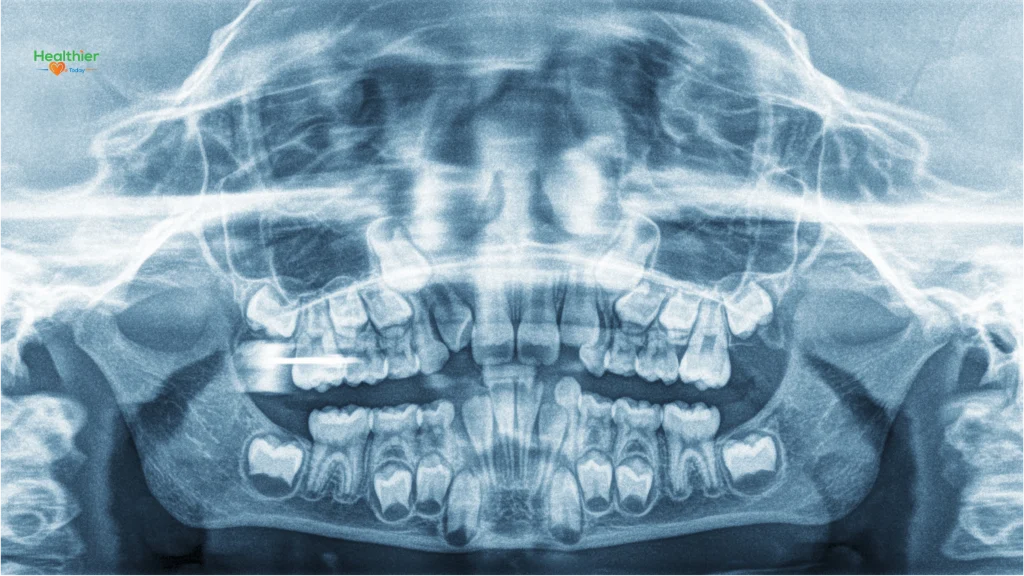
Types of Teeth in Children’s Dental Care

 infant oral care

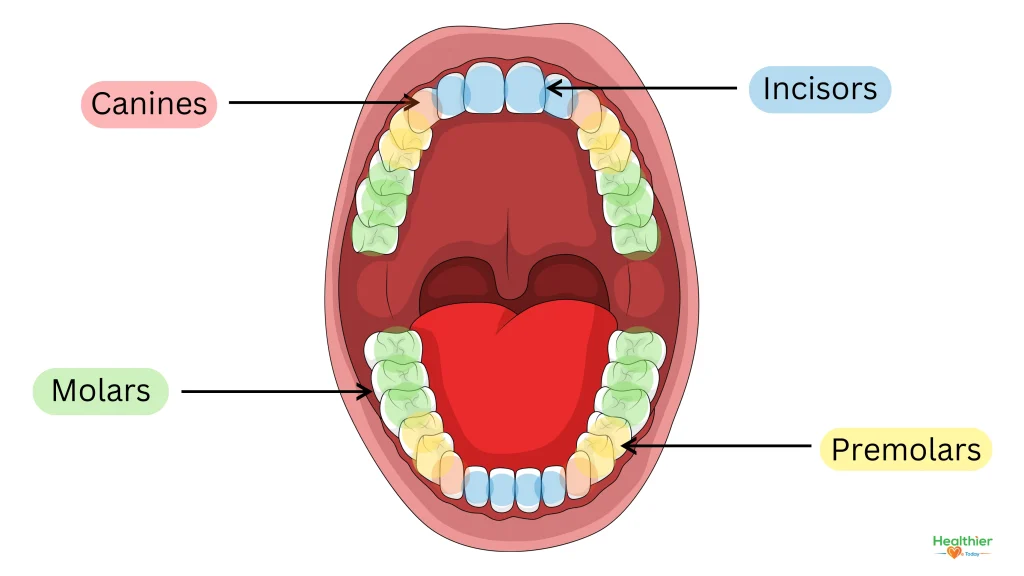
There are several types of teeth, each with its name and function:

  • Incisors are the sharp front teeth of the upper and lower jaws. They have a thin edge that helps cut food, working together like scissors.
  • Canines are the pointed teeth located next to the incisors, also in the upper and lower jaws, and they are used for tearing food apart.
  • Premolars have flat surfaces that are designed to crush food.
  • Molars are the most prominent teeth at the back of the mouth, featuring broad, flat surfaces that are perfect for grinding food down.

Teething in Children’s Dental Care

Eruption is when a tooth breaks through the gums. For babies, this process is known as teething, a crucial stage in children’s dental care. Each tooth’s appearance can vary significantly from one child to another. Some babies might get their first tooth within a few months, while others may not see a tooth until they are a year old or older.

Even though the timing can differ, the order in which teeth come in is similar. The first teeth to appear are the lower front teeth, the upper front teeth, and the first set of back teeth called molars. By the age of 3, most children have all 20 baby teeth, making proper children’s dental care essential for their developing smiles.

Upper Teeth Tooth Erupts Tooth Lost
Central Incisor 8 – 12 months 6 – 7 years
Lateral Incisor 9 – 13 months 7 – 8 years
Canine (Cuspid) 16 – 22 months 10 – 12 years
First Molar 13 – 19 months 9 – 11 years
Second Molar 25 – 33 months 10 – 12 years


Lower Teeth Tooth Erupts Tooth Lost
Second Molar 23 – 31 months 10 – 12 years
First Molar 14 – 18 months 9 – 11 years
Canine (Cuspid) 17 – 23 months 9 – 12 years
Lateral Incisor 10 – 16 months 7 – 8 years
Central Incisor 6 – 10 months 6 – 7 years

Managing The Teething Process

children's dental care

Babies’ immune systems begin to develop around the age of 6 months. Because they like to explore by putting things in their mouths, they can get sick more easily. Common signs of childhood illnesses, like changes in how they sleep or eat, cranky, rash, drooling, runny nose, and diarrhea, are often connected to teething. Usually, teething symptoms last about 48 hours. 

If your child has these symptoms for longer, it’s a good idea to talk to their doctor to rule out other issues like bacterial or viral infections or ear infections. Sometimes, you might notice a blue-grey bump on the gum where a tooth is ready to come in. This bump, known as an eruption cyst, usually disappears once the tooth breaks through. During this stage, providing comfort and prioritizing children’s dental care—including newborn oral care—lays the foundation for a healthy smile.

Teething Relief Tips for Children’s Dental Care

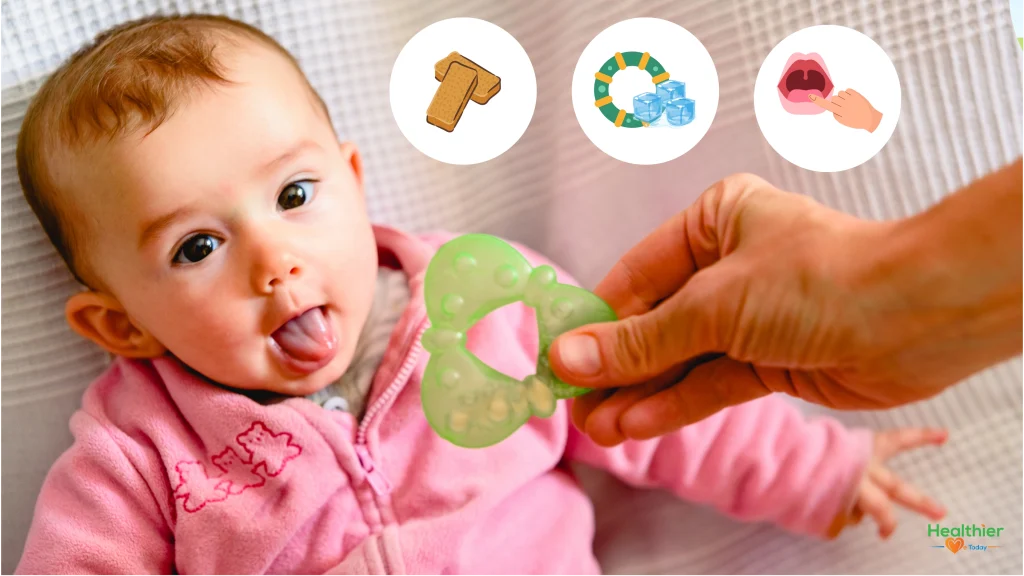
Helping your baby through teething can be challenging, but there are safe and effective ways to ease discomfort while prioritizing children’s dental care:

  • Massage: Softly rub the gums with clean fingers or a damp cloth.
  • Chilled (not frozen) teething rings: Using a cold object can help ease the pain of teething. Ensure not to sterilize plastic teething rings in boiling water or dishwashers unless the manufacturer says it’s okay. Always check the product details before buying teething rings and avoid those that contain a plastic softener called ‘diisononyl phthalate’.
  • Unsweetened teething rusks or sugar-free teething biscuits: These are safe for babies over 6 months who have started eating solid foods.
  • Pain-relieving medications: Paracetamol can be a good addition to infant oral care as they go through teething. Ibuprofen can also be used, but it might not be as effective for infants.
  • Dry the drool: The skin around the mouth, especially the chin, can irritate. Use a soft cloth to wipe away drool gently throughout the day.

Some treatments that are not recommended to use include:

  • Teething necklaces made of amber are thought by some to release a healing oil when they touch warm skin. This oil is believed to help soothe pain. These necklaces are meant to be worn around the neck, wrist, or ankle, but some people mistakenly use them to chew on. The ACCC has warned about the safety of amber teething necklaces, highlighting the risks of choking and strangulation. Parents are encouraged to look for safer alternatives to help ease teething discomfort.
  • Like aspirin, teething gels usually have about 8.7 – 9.0% of choline salicylate. It’s not safe to give aspirin to children under 16 because it can lead to Reye’s syndrome, a rare but serious illness that can harm the liver and brain. Teething gels also contain numbing agents like lignocaine and benzocaine, which can be hard to measure correctly. This could result in a dangerous overdose, which can be deadly. Avoiding these risks and choosing safer options for teething relief are better options. Some studies [Mayo Clinic] show that teething gels might not help with teething pain. Instead, it seems that rubbing the gel onto the gums makes a difference.

By choosing safe, doctor-approved methods, you can effectively manage teething pain while ensuring proper children’s dental care from the start.

Signs Of Tooth Problems in Children

 children's tooth decayYoung children don’t always express when they are uncomfortable, so parents must pay attention. 

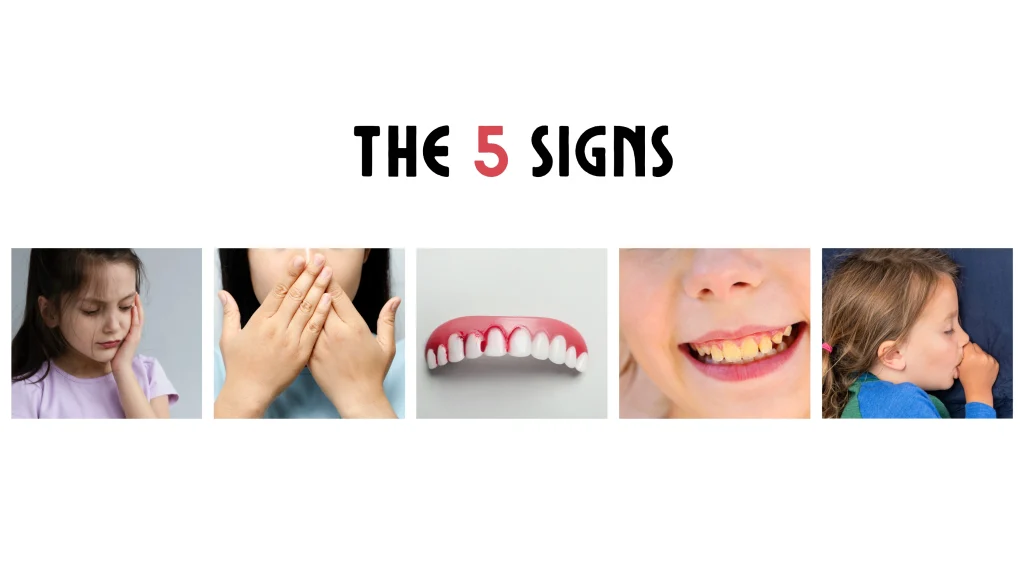
Here are five signs of cavities in toddlers and children:

1. Persistent Tooth Pain or Sensitivity

A significant indicator that urgent children’s dental care is needed is if they are experiencing constant tooth pain. It’s normal for children to have some sensitivity to hot or cold foods, but if the pain doesn’t go away, it might mean they have cavities, tooth decay, or possibly an infection. Pediatric dentists are skilled in identifying and addressing these problems, helping to ease your child’s pain and maintain their dental health.

2. Difficulty Chewing or Speaking

If your child says their mouth hurts when they chew or has trouble talking, it could mean dental problems are going on, and they need urgent children’s dental care. Crooked teeth, cavities in children, or gum issues can make it hard for them to eat and speak properly. A good pediatric dentist can help fix these problems, making your child feel more comfortable and confident.

3. Bleeding or Swollen Gums

Healthy gums are essential for maintaining overall oral health. If you observe any bleeding while brushing or swelling in your child’s gums, it could be a sign of gum disease or irritation resulting from plaque accumulation. If not addressed, these concerns may develop into more severe health issues. Pediatric dentists possess the expertise to clean and care for young gums.

4. White Spots or Discoloration on Teeth

White spots on teeth might look harmless, but they can be an early warning that the enamel is breaking down, which can lead to kids cavities. If your child’s teeth change color, whether they’re getting darker or lighter, it could mean some decay or damage. Seeing a pediatric dentist regularly can help keep an eye on these changes and stop any more significant problems from happening.

5. Prolonged Thumb-Sucking or Pacifier Use

Thumb-sucking and pacifier use are common in young children, but long-term habits can affect dental alignment and jaw development. If not addressed, these behaviors can lead to crooked teeth or bite issues. A pediatric dentist can offer guidance and strategies to help your child stop these habits and ensure proper children’s dental care.

Children’s Dental Care For Baby (Deciduous) Teeth

Children’s dental care for baby teeth is as important as caring for adult teeth. These teeth help children chew their food quickly and talk properly, and they also keep the spots in the jaws ready for the adult teeth that will come in later.

Age How to Clean
From Birth Clean mouth and gums by wiping them with a soft cloth.
First Tooth Brush twice a day with a soft toothbrush and plain water.
8 Months Put a small amount of low fluoride or safe toothpaste for kids on the toothbrush (pea-sized). Remind your child to spit out the toothpaste instead of swallowing it. They shouldn’t rinse afterward. Store toothpaste out of reach of children.
12 Months Take your child for their first dental visit.
2 ½ Years Begin flossing between any teeth that touch.
4 – 5 Years Start teaching your child how to brush their teeth.
6 Years Switch to adult toothpaste and encourage your child to spit it out instead of swallowing or rinsing. Start teaching them how to floss.
8 Years Allow your child to brush and floss unsupervised while continuing regular dental check-ups.

Tooth Decay in Baby Teeth

 children's tooth decay

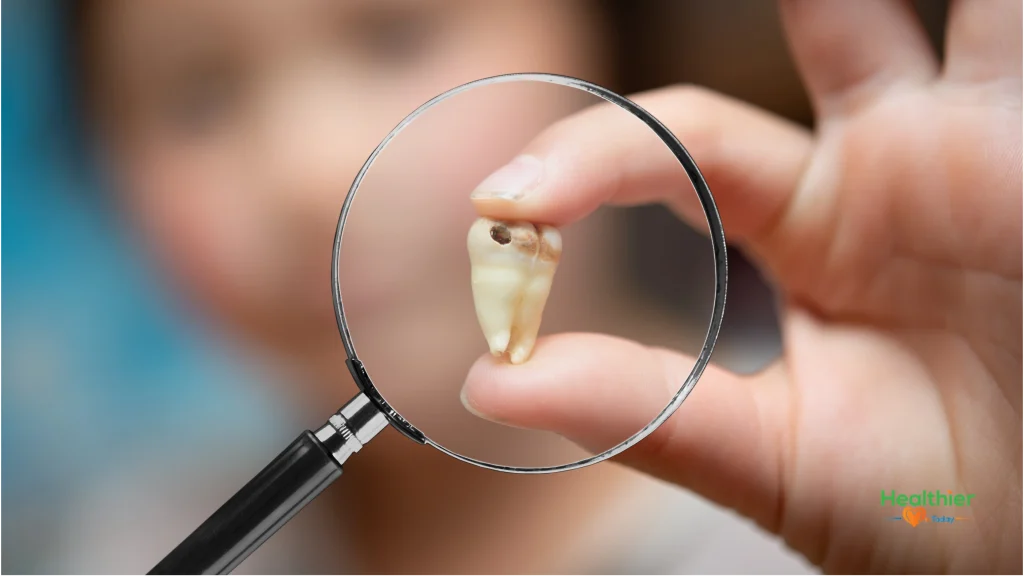
Tooth decay can be avoided with proper children’s dental care. Keeping good oral hygiene, such as brushing baby teeth and eating healthy foods from a young age, can help lower the chances of getting cavities. If baby teeth get decayed, a dentist must take care of them. Sometimes, children might require special treatment in a hospital while they are asleep from anesthesia.

Ignoring decayed baby teeth can cause pain in the mouth, infections, and issues with nearby teeth. Severe decay in baby teeth can make it hard to eat and sleep, slowing growth. If a baby molar is lost too soon because of decay, the nearby baby teeth might move into the space, causing problems for the adult tooth when it comes in.

Losing Baby Teeth

Around age 6, children notice that their baby teeth get loose and eventually fall out to make room for their adult teeth. It’s normal for some children to lose their first tooth a bit earlier or later than 6 years old. Usually, girls tend to lose their teeth before boys do. The first tooth that generally falls out is one of the front teeth on the bottom. Losing baby teeth can feel a bit strange and uncomfortable for little ones. 

Here are some children’s dental care tips for losing teeth:

  • Let your child know that losing baby teeth is entirely normal and that new adult teeth will grow in their place. It’s common for gums to feel sore and bleed a little, but many children don’t feel much pain when they lose their teeth.
  • If your child feels discomfort from a loose tooth, you can use cold packs or ask for over-the-counter medicine that helps with pain and swelling. It’s a good idea to check with a dentist or pharmacist for the best options for your child.
  • Don’t forget about the Tooth Fairy! This fun tradition has been around for a long time, and getting a little money or a special treat for a lost tooth can make the whole experience a lot easier for your child.

Permanent Teeth

children's dental health

Permanent Teeth in Children’s Dental Care

Children’s dental care is essential for the proper development of permanent teeth. Also known as adult teeth or secondary teeth, they begin forming at birth and continue to develop throughout childhood. By adulthood, most people have 32 permanent teeth—16 on the top and 16 on the bottom. However, some individuals may only have 28 teeth if their wisdom teeth (third molars) do not develop or emerge.

Around the age of 6, the first permanent molars appear. These four molars (two in the upper jaw and two in the lower jaw) come behind the baby teeth. Other permanent teeth, like the incisors, canines, and premolars, fill in the gaps left by the baby teeth that have fallen out.

The usual sequence and timing for each kind of permanent tooth is as follows:

  • First molars: Between 6 and 7 years.
  • Central incisors: Between 6 and 8 years.
  • Lateral incisors: Between 7 and 8 years.
  • Canine teeth: Between 9 and 13 years.
  • Premolars: Between 9 and 13 years.
  • Second molars: Between 11 and 13 years.
  • Third molars (wisdom teeth): Between the ages of 17 and 21.

Monitoring children’s dental care and scheduling regular checkups with a pediatric dentist can ensure that permanent teeth grow in properly and remain healthy.

Conclusion: The Truth? 

Putting off children’s dental care can make little problems become big ones that need much work. Children’s dental health is super important for their overall health. By spotting the signs mentioned earlier, you can take action to keep your child’s teeth and gums safe. If you see any warning signs, book an appointment with a pediatric dentist. With expert help, you can help your child have a bright and healthy smile.

FAQ’s:

When to start brushing baby teeth?

You should start brushing your baby’s teeth as soon as their first tooth appears.

Do children’s bad teeth fall out on their own?

Yes, eventually, children’s bad teeth will fall or be pushed out by new adult teeth.

How do I teach my child to brush their teeth properly?

Explain to them carefully, sing a song, play a toothbrushing video or app, use a timer to turn brushing into a game, let them pick their toothbrush and toothpaste, use a dental-themed storybook, or offer simple rewards.

What is the best toothpaste for kids?

Fluoride toothpaste for kids and natural toothpaste for kids have both been deemed the best for childhood dental care and are free of harmful ingredients.

Is fluoride safe for kids?

By sticking to some simple guidelines and portions, fluoride treatment for kids is safe and is recommended by professionals.

How can I prevent cavities in children?

You can prevent cavities in children by brushing their teeth, limiting sugary snacks, and using fluoride toothpaste.

What causes baby bottle tooth decay, and how can I prevent it?

Baby bottle tooth decay happens when a baby often drinks sugary liquids, such as milk, juice, or formula, for a long time. This is especially problematic if they sleep with a bottle in their mouth, which lets the sugar stay on their teeth and encourages bacteria to grow, causing children’s tooth decay. However, baby bottle tooth decay treatment is available and can help stop further damage.

What is the best toothbrush for toddlers?

The best type of toothbrush for toddlers is one with soft bristles and a small oval head.

First Day Vitamins for Kids: Are They Worth It?

First Day vitamins for kids are gaining popularity among parents who aim to guarantee their children receive essential nutrients. Compared to other renowned brands like Hiya and Smarty Pants, First Day children’s vitamins separate themselves through their premium ingredients and scientifically crafted blends tailored to the requirements of children.

When it comes to children’s vitamins, the choices are abundant, and there is a significant difference between what you encounter at your local grocery store and specially designed online options such as Smarty Pants Vitamins, Hiya Vitamins, and First Day Vitamins. However, what sets First Day Vitamins apart from the others? 

Let’s explore why parents should prioritize First Day Vitamins for Kids as their top choice when providing vital nutritional support to their children!

Why are Multivitamins Important for Children?

Multivitamins are an excellent approach to covering any nutritional deficiencies affecting your child’s ability to maintain their health. If you have a picky eater, you may notice that they have some nutritional gaps in their diet. Taking First Day Vitamins for Kids can help them receive all the nutrients, vitamins, and minerals they need to function properly each day. 

Multivitamins Important for Children


Below are some benefits of children’s vitamins: 

1. Better Immune System Defence 

Whether it’s the harsh, dry winter months or you just want to ensure your children are healthy all year round, one method to do this is to focus on building their immune systems, vitamins such as vitamins A, C, D, and E assist to maintain their immunological function, which in turns keeps them happy and healthy, no parent likes to see their child down with the flu, so many turn to adding multivitamins that contain these essential vitamins to help their child have the best start to a healthy immune system and fight off bacteria, viruses, and infections. 

2. Strong and Durable Bones

Children naturally get up to mischief and daring fun as they grow; it’s part of discovering what they can do. They might play with friends in the yard or compete in team sports. Whatever they may be into, you want to ensure that rough play doesn’t result in a fracture or broken bone. First Day Vitamins for Kids is packed with calcium, which is the main component of what makes up our bones. A steady supply of calcium and other vitamins, such as Vitamin D and magnesium, will ensure that their bones are reinforced, healthy, and develop correctly. 

3. Better Energy Levels 

Most things are very exciting when you’re young and constantly ready to go! To help kids stay active and avoid feeling tired, they must consume the proper vitamins to give them the energy they require throughout the day. While some snacks and sugary beverages may give them a short-term boost, they are neither nutritious nor sustainable. Adding First Day Vitamins for Kids to your children’s routine can give them healthy and balanced energy. 

4. Promotes Healthy Habits 

Teaching your children good habits from a young age will help them grow up to be healthy and aware of their choices. Children who learn about multivitamins and other approaches to improve their health at an early age are more likely to grow up and be health-conscious adults. Getting the proper vitamins and minerals can help children stay healthy throughout adulthood. 

First Day Kids Vitamins Compared to Hiya Vitamins


Ingredients Comparison

Hiya vs First Day vitamins are two prominent brands of children’s multivitamins that are frequently compared. Both brands are promoted as being devoid of artificial colors and flavors. Nonetheless, there are distinctions in the components utilized by each brand.

Hiya vs First Day

First Day Organic Kids Vitamin offers a blend of 9 essential vitamins and minerals, which include vitamins:

  1. A
  2. B1
  3. B2
  4. B6
  5. B9
  6. B12
  7. C
  8. D3 
  9. Folate
  10.  A mixture of 12 organic fruits and vegetables. 

On the other hand, Hiya kids’ vitamins comprise a blend of the 15 essential vitamins and minerals, some of which include:

  1. A
  2. C
  3. D
  4. E
  5. 12 fruits and vegetables.

Although Hiya multivitamins incorporate additional elements like manganese and zinc for kids.

First Day Vitamins for Kids are ideal for your child’s well-being and ability to strike the right balance of essential minerals and vitamins in every gummy.

Optimal Levels According to Pediatricians


With meticulous dosing that maintains concentrations at an optimal level based on an extensive review of current pediatric research (combing through 35,000 studies) [National Institutes of Health]. You can be confident that your child is receiving everything their growing bodies require—neither too much nor too little.

First Day vitamins

First Day provides just the right amount of nutrients in their vitamins for your child to enjoy the benefits without excess.  However, it’s crucial to carefully assess the dosage of any vitamin gummy for your child’s health and overall well-being.

Hiya Kids Vitamins also feature natural ingredients and steer clear of:

  1. Synthetic counterparts
  2. Artificial colors
  3. Sweeteners
  4. Preservatives
  5. Yeast
  6. Gluten
  7. Lactose

Rendering them safe for children with allergies or sensitivities. Both brands uphold high-quality standards, recommend appropriate dosages, and employ natural ingredients. The thoughtful approach behind First Day Vitamins for Kids gummies makes it superior for children’s health.

Taste Comparison

When considering multivitamins for children, it’s vital to look beyond the nutritional content and understand the factors that make them attractive and enjoyable. Two popular choices in the kids’ multivitamin market are First Day vitamins for children and Hiya vitamins. First Day kids’ vitamins are gummies, deriving their flavors from natural sources, specifically strawberries and oranges. 

First Day Vitamins ingredients are derived from carrots and grape extract, eliminating the need for artificial coloring. The Vitamins contain only 2 grams of sugar per daily serving, notably lower than the sugar content in most gummy vitamins for kids. On the other hand, Hiya vitamins have no sugar content and are presented as chewable tablets for children. 

Difference in Texture

The texture differs from gummy vitamins, as they quickly break down and dissolve on the tongue, similar to products like Tums or Sweetarts. While both First Day Kids Essentials and Hiya vitamins are designed to be child-friendly, many parents find that their children prefer the taste of First Day vitamins over Hiya. 

Hiya’s tablet incorporates wholesome ingredients for children, featuring natural components like monk fruit and mannitol. Nevertheless, it’s worth noting that First Day vitamins have undergone extensive research and contain only 2 grams of organic sugar – a minimal amount that parents can confidently rely on for their children’s growth.

Safety and Sustainable Comparison

First Day and Hiya vitamins are typically considered safe for children when used according to the instructions. Nevertheless, there are variations in the safety aspects between the two brands. First Day, vitamins are designed to be reusable. With every monthly delivery of your child’s vitamins in subscription-based orders, you receive a recyclable pouch, promoting convenience with each daily use.

Furthermore, First Day Kids Essential Vitamins are free from the eight most common food allergens, enhancing their allergen-free status.  On the other hand, Hiya vitamins for kids are packaged in a recyclable glass container that you can refill when your child’s monthly vitamin supply is delivered.

Affordable Kids Multivitamins

Hiya’s chewable vitamins for children extend a 50% discount for your initial purchase, followed by a monthly subscription fee of $30. However, this represents the sole choice available to online customers.

First Day Vitamins offers greater flexibility by offering customers two options:

  1. a one-time purchase at $36 
  2. a subscribe-and-save option priced at $30.60

This increased flexibility makes it a more convenient and cost-effective choice.

What Age Is First Day Vitamins for Kids For?

The team of experts carefully formulated the Kids Gummy Enrichment multivitamin to cater to girls and boys between the ages of 4 and 13. However, it’s essential to acknowledge that children develop at varying rates. You should consult your pediatrician if you wish to administer the vitamins to a child who falls outside this specified age range.

Natural Vitamins for Kids


First Day can be a viable choice if you’re searching for a convenient means to enhance your child’s diet with essential vitamins.  However, suppose your child maintains a well-rounded diet with various foods, and you have no concerns about nutritional deficiencies. Supplying them with a daily vitamin might not be necessary in that case.  

Additionally, the company offers a subscription service that delivers daily multivitamins specially formulated for children based on scientific research. The First-Day Multivitamins are crafted using high-quality ingredients and are free from artificial flavors, dyes, or sweeteners. This assures parents that they can confidently provide their children with an effective vitamin supplement without harmful additives.

Conclusion: What’s the Best Option?

While numerous multivitamins are available on the market, First Day multivitamins are one of the best gummy vitamins for kids. First Day’s products distinguish themselves through their unwavering commitment to quality and safety. When parents choose First Day Vitamins for Kids, they can have peace of mind knowing they are furnishing their kids with the finest nutrition to support their growth and development. It is also good to note that First Day also provides one of the best multivitamin for women as well as First Day teen vitamins!

FAQ’s:

Are First Day vitamins FDA approved?

It may be surprising to find out that the FDA does not approve any supplements. However, from many studies University of Texas at Austin, testimonies, and transparency about their sources, First Day Vitamins for Kids has been confidently deemed safe for children. 

Are First Day vitamins worth it?

Absolutely! First Day Vitamins are effective, potent, and easily absorbed, ensuring the body receives all the nutrients it needs. 

Do First Day vitamins help with immunity?

Yes, they are highly effective when boosting immunity. The high vitamin C levels and other vitamins help to keep the immune system strong and functioning correctly. 

What are the ingredients in First Day vitamins?

The main ingredients of First Day Natural Vitamins for Kids are:

  • Vitamin B1: 450 mcg, in the form of thiamine mononitrate
  • Vitamin B2: 550 mcg, in the form of riboflavin
  • Vitamin B6: 1 mg, in the form of pyridoxal-5′-phosphate
  • Folate: 400 mcg DFE, in the form of L-methyltetrahydrofolate, calcium salt
  • Vitamin B12: 2.4 mcg, in the form of methylcobalamin
  • Biotin: 30 mcg
  • Magnesium: 78 mg, in the form of dimagnesium malate
  • Zinc: 2 mg, in the form of zinc citrate
  • Vitamin A: 250 mcg RAE, in the form of beta carotene
  • Vitamin C: 90 mg, in the form of ascorbic acid
  • Vitamin D3: 20 mcg, in the form of cholecalciferol from lichens
  • Vitamin E: 10 mg, in the form of d-alpha-tocopherol from sunflower oil
  • Vitamin K: 40 mcg, in the form of menaquinone-7

How do First Day vitamins compare to Hiya?

There are many comparisons to consider between the two, mainly due to preference. However, First Day Vitamins has a few perks: their flexible pricing offers great taste thanks to only 2g of organic sugars, and they guarantee no harmful additives or chemicals. 

Where can I buy First Day vitamins online?

Below are links to where to buy First Day Vitamins online:

What are some First Day Multivitamin side effects?

First Day Multivitamins have no reported side effects. But if you have any concerns, speak to a healthcare professional about it. 

Are First Day vitamins good for picky eaters? 

Yes, First Day Vitamins for picky eaters are excellent as they come in a tasty, simple gummy form kids love and help bridge any nutritional gaps that picky eaters may have in their diet. 

What are the benefits of First Day vitamins for kids?

Some benefits of First Day Vitamins for Kids include boosting energy levels, helping children grow and develop, strengthening bones, and improving cognitive and immune function. 

How do I choose the best children’s multivitamins for my child? 

The best way to choose the right vitamins for your child is to acknowledge what nutrients they lack, ensure they are for their age group, read First Day vitamins reviews and ingredient lists, and consult your child’s doctor for a medical professional opinion. 

Birth Control Methods, Risks, Effectiveness & More

Birth control plays a crucial role in helping individuals take charge of their reproductive health by preventing unwanted pregnancies. But how do you choose between all the different types of birth control methods? This article discusses everything that you need to know, such as the different methods, risks, effectiveness rates, and how to choose. Let’s jump right in!

What is Birth Control

Birth control methods

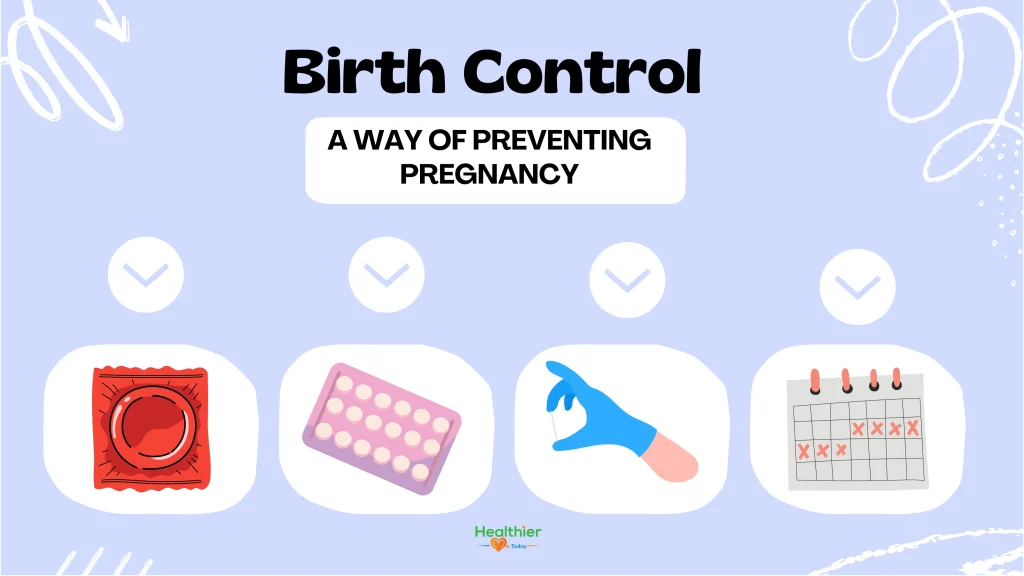
Birth control is a way of preventing pregnancy. So, condoms, medication, and devices all classify as a birth control method. It interferes with a natural process involved in conception, like ovulation spur movement and the ability of a fertilized egg to attach to the uterus. 

Birth control is typically used for pregnancy prevention, but it also has other uses. For example, regulates menstrual cycles, manages hormonal imbalances, reduces period symptoms, and treats conditions like endometriosis and polycystic ovary syndrome (PCOS).

Different Types of Birth Control

otc birth control pill


It’s perfectly normal to feel a bit overwhelmed with all the different birth control methods available. Whether you’re seeking something easy and painless, something more long-lasting, or even birth control options for teenagers, you’re not alone in your search! This section delves into all these options, including some emergency contraception when other methods fail to keep you safe and pregnancy-free.

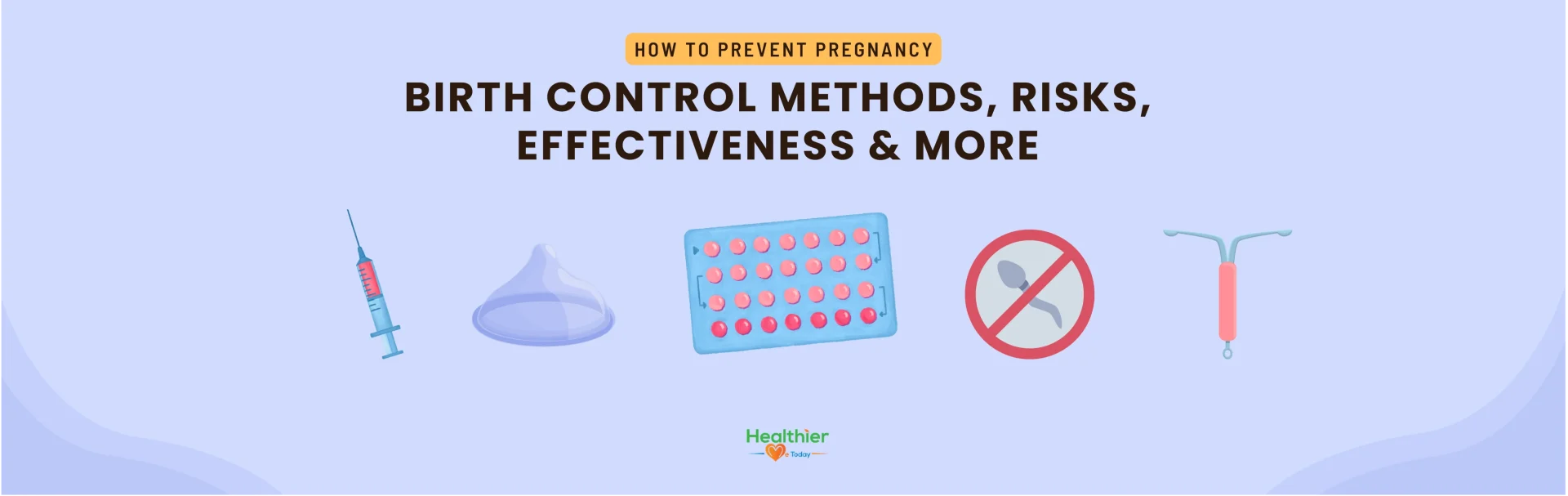
Hormonal Birth Control Options

  • Birth Control Pills: This is one of the best birth control options. These pills are used globally because they are so easy to use and effective. The contents of estrogen and progesterone prevent ovulation and thicken cervical mucus – not only will it prevent pregnancy, but it’s extremely difficult for the sperm to reach the egg. There is a catch, though! One missed pill could lead to pregnancy. 
  • Birth Control Patch: This small patch gets stuck on the skin. It releases hormones like estrogen and progesterone over time to keep you protected. They also need to be used consistently for it to be effective, like birth control pills. Birth control patch side effects include issues like nausea, breast tenderness, headaches, irregular bleeding, etc. 
  • Birth Control Shot: A quick injection of progestin every three months into the upper arm or buttocks – easy yet effective! It burns when injected, but all shots usually do. Just remember that missing a shot could lead to an unwanted pregnancy. It’s essential to plan everything around this shot so that you don’t miss it. 
  • Hormonal IUD (Intrauterine Device): A tiny device that a healthcare provider puts in your uterus. Some women reported that it’s uncomfortable and painful, but experts say that the level of pain varies from person to person. It prevents pregnancy by thickening cervical mucus and thinning the uterine lining. In some cases, it may stop the release of eggs from the ovaries (prevents ovulation). 
  • Birth Control Implants: These are tiny rods inserted under your skin in your upper arm (usually in the non-dominant arm) by healthcare professionals. It can last up to three years but can be taken out earlier. Implants aren’t painful as a numbing injection gets injected before the rod is inserted. It does, however, cause bruising. This will go away in a few days on its own. 

Non-Hormonal Birth Control Methods

Best birth control options

  • Condoms: This is called a barrier method. Females and males use condoms during intercourse. They prevent the sperm from getting to the egg and even protect against STDs.
  • Copper IUD (Intrauterine Device): Just like the hormonal IUD, a small device is inserted vaginally, but this method doesn’t have any hormones. It prevents pregnancy by creating a toxic environment for sperm. It lasts for 5 to 10 years. 
  • Sponges: This is similar to condoms but can only be used by females. The sponge is filled with spermicide, preventing sperm from reaching the uterus. It acts as a blocker!
  • Diaphragm: A soft, dome-shaped barrier gets inserted into the vagina to cover the cervix just before intercourse and up to 6 hours prior. Then, it should be left for 6 hours afterward to prevent pregnancy. This diaphragm can be used for 2 years with the proper maintenance. 
  • Phexxi Birth Control: This is a non-hormonal vaginal gel that maintains an acidic vaginal pH which makes it difficult for the sperm to survive. This can be used as a long-term and short-term birth control method but should be applied up to 1 hour before vaginal intercourse.

Natural Birth Control Ways

  • Natural Family Planning (NFP): This involves tracking a woman’s signals like temperature and cervical mucus to know when fertile and avoiding intercourse on those days. 
  • Withdrawal: Before a man ejaculates, the penis should be pulled out to keep the sperm away. While it’s not as effective as other birth control methods, it’s better than no birth control. 

Our Top Choices for Non-Hormonal Birth Control and Supplements

Emergency Birth Control Tactics

  • Copper IUD (Intrauterine Device): This device is not just another hormonal birth control method – it can also be used in the case of an emergency. It should be inserted within 5 days of unprotected sex to avoid pregnancy. The copper IUD stops the fertilization before anything happens. 
  • Emergency Pills: This is known as the “morning after pill”. When you’ve had intercourse without protection, this pill could be the difference between an unplanned pregnancy and being pregnancy-free. It can be bought over the counter at your local pharmacy. Birth control brands like Levonorgestrel are available at CVS. 

Side Effects: What You Need to Know

Types of birth control

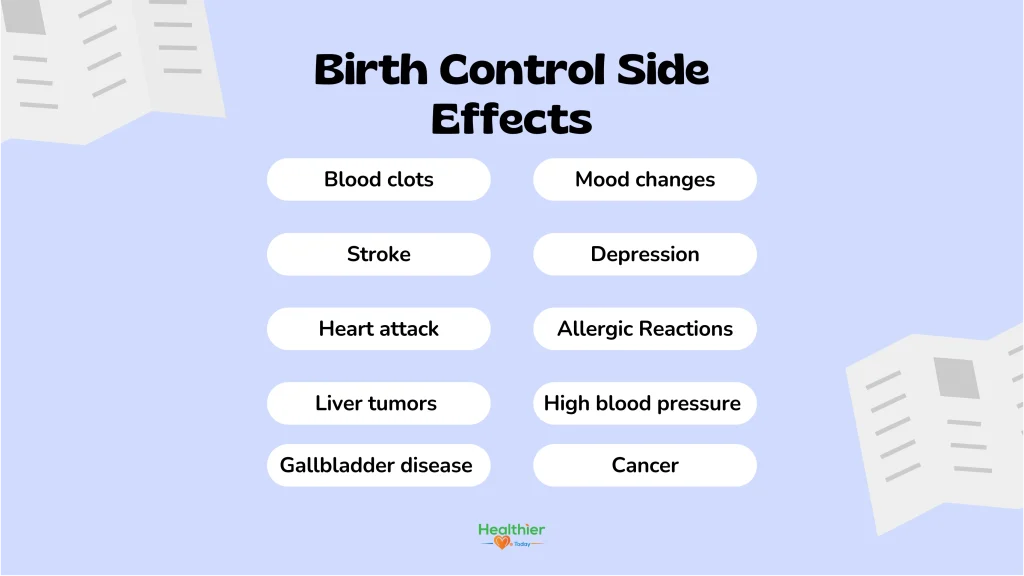
When you open a birth control box, there is a book inside with all the different side effects. It’s not the typical headaches and nausea symptoms you think of. Some of them are actually deadly! In fact, 300 to 400 women die every single year due to these effects. 

Here’s what these books include:

But did you know that teenagers experience these side effects differently from other age groups? Because teenagers’ bodies are still developing, it makes them more vulnerable to certain side effects of birth control. 

Common side effects of birth control pills for teenagers

  • Mood Swings and Depression: Hormonal fluctuations can be more intense in teenagers, which leads to mood swings, anxiety, and even depression. 
  • Weight Changes: Some teens experience weight gain when on birth control, while others only see changes in their appetite due to hormonal shifts. 
  • Skin Reactions: Certain birth control has been shown to clear up acne, but it might also have the opposite effect. 

Effectiveness of Birth Control

Birth Control Methods Perfect Use Typical Use
Birth Control Pills 99% 91%
Birth Control Patch 99% 91%
Birth Control Shot 99% 94%
Hormonal IUD 99.8% 99%
Birth Control Implants 99% 99%
Condoms 98% 85%
Copper IUD 99.2% 99%
Sponges 91% 76-88%
Diaphragm 94% 84%
Phexxi Birth Control 93% 86%
Natural Family Planning 99% 76-88%
Withdrawal 96% 78%
Emergency Pills 89% (within 72 hours) 75-89% (depends on timing)

How to Choose The Right Birth Control 

Reviewing a birth control effectiveness chart will give you a good idea of how protected you will be, but that isn’t the only factor to consider. Choosing the right birth control depends on your lifestyle, health needs, and personal preferences. 

Here are some key points to help you make an informed decision:

  • Health Conditions: Some hormonal methods aren’t suitable for health issues like high blood pressure or a history of blood clots.
  • Hormonal vs. Non-Hormonal: Decide if you want the birth control method to contain hormones. Hormonal options may cause side effects like changes or weight gain. Hormonal options, on the other hand, are less convenient for some.
  • Ease of Use: Do you want to keep up with daily pills to prevent pregnancy, or would you like something more maintenance-free after insertion, like implants and IUDs? 
  • STD Protection: If your main goal is to be protected against STDs (sexually transmitted diseases), condoms are the best choice. They are the only birth control option that can protect you.
  • Future Family Plans: When do you want to have kids? Is it the near future? Pills and rings are easily reversible, making them one of the best picks for families that don’t want to wait a decade to start having babies.
  • Side Effects and Allergies: Birth control has some side effects and allergies. Make sure to discuss your concerns with your doctor or a healthcare professional for the best option.

Conclusion: All About Birth Control Methods

Choosing the right birth control method is important because it can significantly impact your reproductive health, lifestyle, and future plans. Remember that it’s not a one-size-fits-all solution; what works best for you may depend on your health, lifestyle, and personal preferences. So, consult with a healthcare provider to find a method that aligns with your needs.

FAQ’s:

Are there natural birth control methods that work?

Yes, natural birth control methods like natural family planning (NFP) and withdrawal can prevent pregnancy. But this, however, depends on how it’s used. For example, NFP can be 99% effective, but typical use is only 76-88%. 

What are the safest methods for women?

The safest method depends on individual health conditions and preferences. Non-hormonal options are typically safer to use than hormonal birth control, like implants and IUDs. However it’s important to consult with our healthcare provider to determine what’s the safest and best method for you.

What is the best birth control for teens?

The best birth control for teens typically includes methods that are highly effective, easy to use and have fewer chances for user error. This includes methods like birth control implants and hormonal IUDs, but birth control pills and patches can also be very effective when used regularly.

Does birth control affect fertility?

Yes, hormonal birth control can affect fertility, but most women, after discontinuing birth control, return to normal fertility within a few months. 

Is there birth control that stops periods?

Yes, some birth control stops periods. Options include hormonal IUDs, birth control implants, and birth control pills.

Are there any OCT birth control pills?

Yes, there are a few brands that have pills available OCT (over-the-counter). They include Opill and Levonorgestrel.

Where can I find low estrogen birth control?

Talk to your healthcare provider about your preferences, like low estrogen, so that they can find the best option for you. Low estrogen birth control pills include Alesse, Loestrin, and Ortho-Cyclen. But there are other options, too. If you’re looking for a non-pill method, consider using options such as hormonal IUD and the implant.

This article was written, and is sponsored by MotherTyper, a South African Digital Marketing and Social Media Marketing Agency.

Pregnancy Complications: Why Thousands of Women Are Dying During Pregnancy

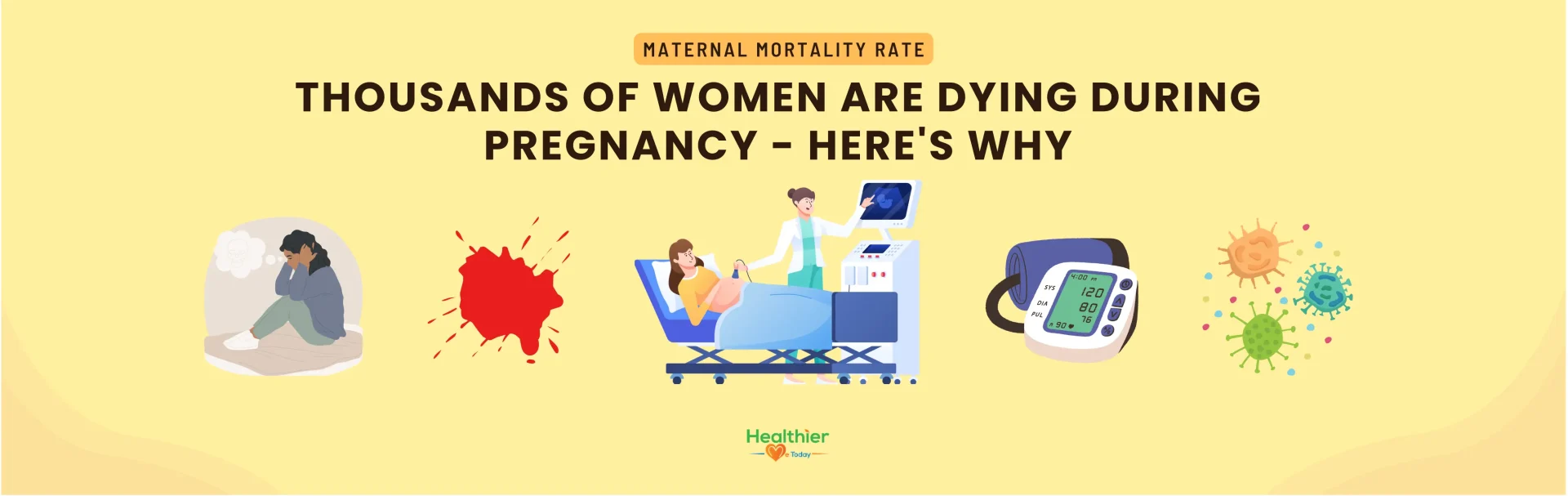
When a woman falls pregnant, dying is not typically the first thing on their mind. However, in the US, the number of pregnancy complications and maternal deaths has increased rapidly. The maternal mortality rate in the US as of 2024 is 22.3 per every 100,000 live births. Most of these are preventable, and although it is not as high as it was during COVID-19 in 2020 and 2021, these numbers should still be much lower than they currently are. 

complications during pregnancy

Many women die during pregnancy, during childbirth, and within 42 days postpartum. There are a number of causes for these heartbreaking passing, such as health conditions, little to no medical assistance, and suicide

Let’s take a more in-depth look at how many women die in childbirth in the US, the causes and solutions for this ongoing problem. 

How Many Women Die in Childbirth in The US and Why?

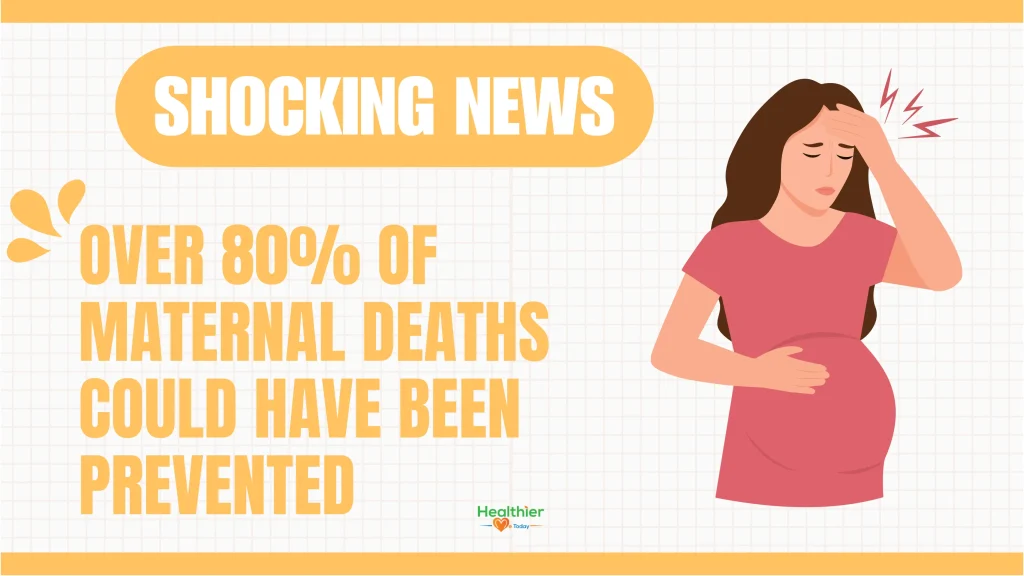
So, exactly how many women die in childbirth in the US? The US has the highest maternal mortality rate among high-income nations, and over 80% of these deaths are entirely preventable. Although there has been a decrease since the COVID-19 pandemic, the rates are still considerably high. There are roughly around 800 women who die every year in the United States during pregnancy and childbirth. Although there are many reasons for these complications, the main thought behind these maternal mortality rates is due to the country’s shortcomings in their healthcare system. This is especially true for women in minority groups. 

could prevent maternity death

Here are the most common pregnancy death causes:

1. Hemorrhages During Pregnancy and After Childbirth

The leading cause of death in pregnant women worldwide remains hemorrhaging. This is excessive or severe bleeding during and after childbirth. The name for this is postpartum hemorrhage, also known as PPH. This can cause dizziness, fainting, increased heart rate, and sometimes death.

PPH happens directly after birth or 12 weeks postpartum, and it is vital for women to understand this condition and know the signs. Many women often ignore or think their symptoms are a normal part of postpartum; however, there are clear differences, such as the extent of bleeding after childbirth and having it continue past the usual 10 days. 

Signs to be vigilant of:

  • Excessive vaginal bleeding
  • Extreme and frequent dizziness
  • Clammy and pale skin
  • Swelling and pain in the vaginal region
  • Shivering 
  • Fever
  • Nausea or vomiting  

2. Mental Health Conditions 

Another cause affecting maternal mortality is mental health conditions like depression. This happens to 10% of pregnant women and 13% of those who have just given birth worldwide. 

This can happen due to a few factors, such as: 

    • Family history
    • Intense hormonal changes during and after pregnancy
    • Lack of support
    • Stress
    • Substance abuse
  • Pregnancy complications
  • Problems with baby’s health
  • Poverty

Postpartum depression affects about 1 in 10 women, which is a high number considering that mental health conditions can be treated and prevented. 

If mothers are experiencing these symptoms, they need to seek help immediately:

  • Difficulty doing simple or daily tasks
  • Consistent crying
  • Extreme sadness
  • Intense anxiety 
  • Fatigue
  • Inability to concentrate
  • Suicidal tendencies

3. Infections During Pregnancy and After Childbirth

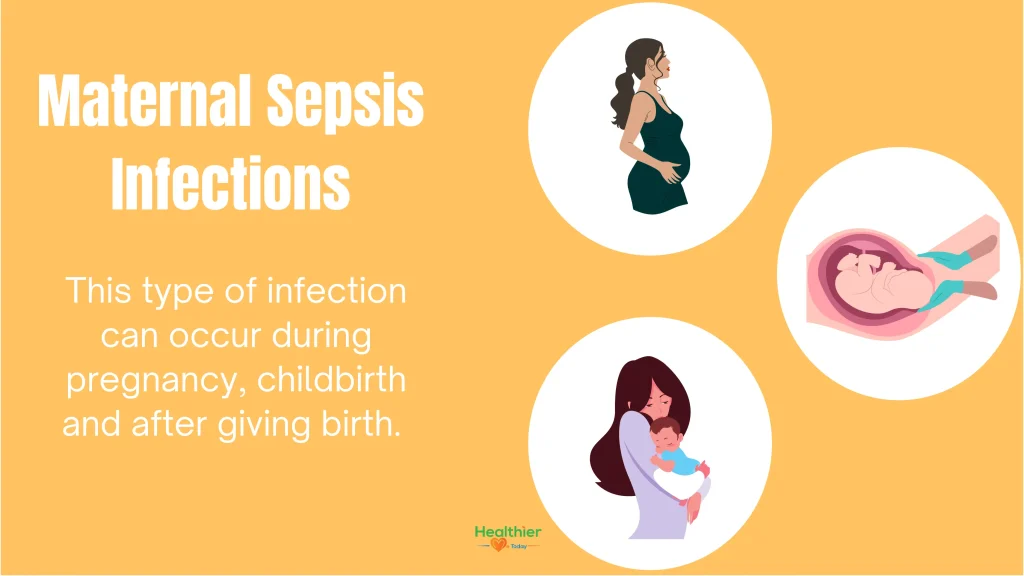
The third most common cause of pregnancy complications and maternal death is called maternal sepsis infections. This life-threatening condition causes the body to damage its organs and tissue as a response to the infection. This can happen during pregnancy, birth, postpartum, and even post-abortion.  

Infections During Pregnancy and After Childbirth

The symptoms of maternal sepsis are:

  • Abdominal pain
  • Vaginal discharge 
  • Hyperthermia or fever
  • Racing heartbeat
  • Shortness of breath
  • Confusion
  • Slurred speech 
  • Tender uterine
  • Discolored, clammy, pale skin
  • Little to no urination 
  • Dizziness
  • Fainting
  • Difficulty standing
  • Severe leg pain

The earlier that maternal sepsis is diagnosed, the better the outcome of treatment. If a mother experiences any of the above symptoms, they must immediately phone their doctor or midwife or go to the emergency room. 

4. High Blood Pressure 

It is typical for blood pressure to fluctuate while pregnant. However, a common concern amongst moms-to-be is having high blood pressure or hypertension. During pregnancy, total blood volume doubles, causing strain on the blood vessels. However, many women only develop blood pressure issues postpartum. If their blood pressure is more than 140/90 for the first time after delivery, then it is likely they may have pre-eclampsia. 

Whether pregnant or already delivered, mothers should seek immediate help or go to the emergency room if they experience:

  • Blood pressure is 160/110 or higher
  • Shortness of breath or difficulty breathing
  • Swelling of the hands or face
  • Nausea or vomiting
  • Stomach pain 
  • Seeing sparks, flickers, or black spots
  • Severe headaches

5. Complications Due to Delivery

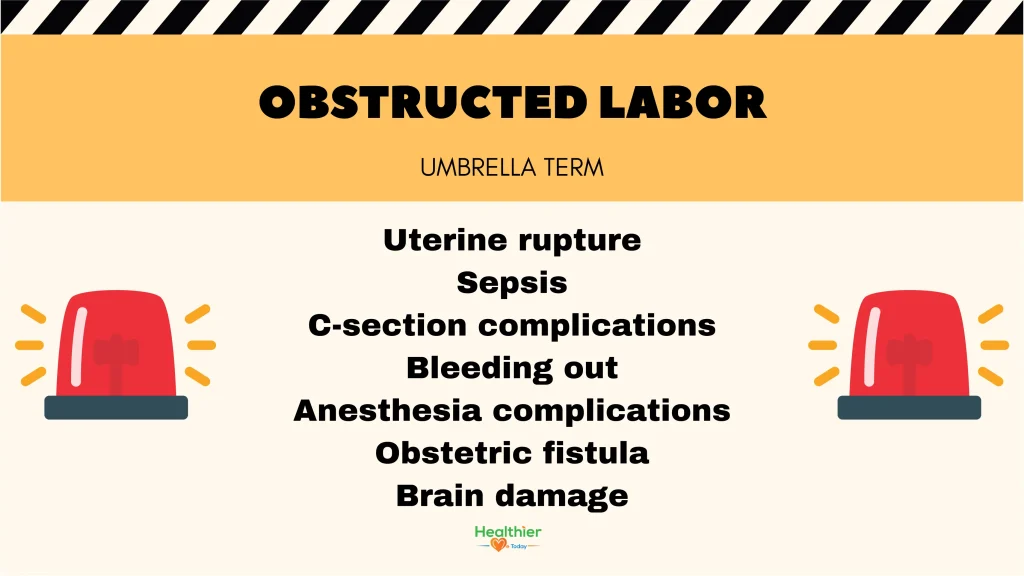
Obstructed labor counts for 9% of maternal deaths worldwide, making it another leading cause. This happens when there is a mismatch between the mother’s pelvis and the baby’s head. Obstructed labor is an umbrella term for complications that arise during delivery. 

Obstructed labor

These can include: 

  • Uterine rupture
  • Sepsis
  • C-section complications
  • Bleeding out
  • Anesthesia complications
  • Obstetric fistula
  • Brain damage

Conclusion: Rates of Death in Childbirth

While the maternal mortality rate in the United States has decreased, it still remains alarmingly high compared to other high-income countries. About 800 women die each year due to issues like hemorrhage, mental health conditions, infections, high blood pressure, and complications during pregnancy.  

To reduce these risks, women need to receive timely, unaffected care throughout their pregnancy. But in some areas, there simply aren’t enough resources and some ethnic groups are more at risk than others. 

Stay informed about maternal health – subscribe to our newsletter for updates on the latest research and to protect mothers everywhere!


This content was written by Local SEO Experts MotherTyper 


FAQ’s About Complications During Pregnancy

What are the most common pregnancy complications?

The most common complications of pregnancy include gestational diabetes, preeclampsia, preterm labor, and miscarriage. But there are other complications that can cause issues like placenta previa, anaemia, and infections. It’s crucial that the mom and baby get monitored throughout the pregnancy so that they can get the right medication or treatment.

How does ectopic pregnancy cause death?

The difference between a normal pregnancy and atopic pregnancy is that the fertilized egg is implanted outside the uterus (commonly in a fallopian tube). When this condition isn’t treated, the tube can rupture, which causes severe internal bleeding. This normally leads to hypovolemic shock – the body cannot maintain adequate blood flow to organs, which can cause organ failure and even death.

What is the number one cause of death for pregnant women?

This might come as a shock, but the leading cause for pregnant women in the United States is homicide and not pregnancy complications. According to studies, both pregnant women and postpartum women are about 35% more likely to be murdered [Wikipedia]. 

How many women die in childbirth in the US each year?

While it varies from year to year, there are around 700 to 800 pregnancy-related dates reported in the United States each year. Out of 525 deaths from 38 states, more than 80% of deaths were deemed preventable by maternal mortality review committees (MMRCs). 

What are the signs of high-risk pregnancy?

There are many different symptoms of a high-risk pregnancy.

If you have any of the following signs, consult with a healthcare provider:

> Severe headaches, vision changes, or swelling
> Heavy bleeding or spotting
> Severe nausea or vomiting with dehydration and weight loss
> Decreased fetal movement later in the pregnancy

What are the chances of dying while giving birth?

There are about 22.3 dates per 100,000 live births. Dying during childbirth has decreased over the last century due to advancements in medical care, but this hasn’t completely wiped out the possibility. It also depends on location, age, and underlying health conditions.

Here’s how it affects different groups of people:

> Black women – 49.5 deaths per 100,000 live births
> White women – 19.0 deaths per 100,000 live births
> Hispanic women – 16.9 deaths per 100,000 live births
> Asian women – 13.2 deaths per 100,000 live births

11 Powerful Tips for a Healthy Pregnancy and Joyful Motherhood

You may be aware of the essential tips for a healthy pregnancy, such as the risks of smoking and drinking during pregnancy, or that you should avoid certain foods such as sushi and caffeine. However, many more helpful insights must be explored to ensure you and your baby have a smooth journey. 

So, if you’ve been searching for tips for a healthy first trimester pregnancy, nutritional advice, ways to prevent gestational diabetes, pregnancy exercises, and how to manage anxiety and stress, you are in the right place!

top tips for a healthy pregnancy​

Tips for Planning a Healthy Pregnancy

As time passes, we constantly learn new things about pregnancies, but some still rely on old, outdated methods. This can confuse new mothers seeking tips for a healthy first trimester pregnancy. However, we have extensively done our homework and bring you some of the best advice, backed by scientific studies and improved knowledge on keeping both mom and baby happy through this special time. 

Below are the top tips for a healthy pregnancy:

tips for planning a healthy pregnancy

1. How to Manage Stress and Anxiety During Pregnancy 

Managing stress during pregnancy can be difficult as hormones soar and fluctuate. It is entirely normal to have feelings of concern or anxiety while pregnant, and this can be caused by worrying about both your health and the baby’s. The changes you experience during this time can also make you uneasy and uncomfortable. Although mild anxiety and stress are normal, if it gets to the point that you are experiencing these symptoms, it is essential to seek advice from your doctor and emotional support during pregnancy.

Here are the symptoms to keep in mind:

  • Not being able to sleep or developing insomnia
  • Frequently feeling very irritated and easily frustrated
  • Not being able to concentrate
  • Having obsessive thoughts
  • Muscle tension
  • Not being able to control feelings of anxiety

These can eventually worsen and lead to panic and anxiety attacks, where you may experience tremors, hyperventilation, an intense sense of impending doom, and hopelessness. However, creating healthy habits during pregnancy can help manage stress and anxiety. 

Managing stress during pregnancy

Reducing anxiety during pregnancy in the following ways:

  • Find a relaxing release such as yoga or meditation
  • Journal or write down your emotions
  • Reach out to your support 
  • Practice breathing exercises

2. Managing High Blood Pressure In Pregnancy

Preventing gestational diabetes is not always on every expecting mother’s mind, but it is a condition that affects around 3% to 20% of pregnancies worldwide. This condition is caused by the body not being able to create enough insulin; this can be due to a family history of diabetes, being overweight, having hormone changes, having high blood pressure, and being Hispanic, Latino, American Indian, African American, or Pacific Islander. If you are a first-time mom or wondering how to prevent gestational diabetes in second pregnancy there are ways to help minimize your chances of developing gestational diabetes. 

They are:

  • Monitor your blood sugar
  • Exercising
  • Add more fiber to your diet
  • Eat regularly
  • Eat lean proteins
  • Limit sweets and sugar intake
  • Maintain a healthy weight
  • Work on portion sizes

3. The Importance of Prenatal Vitamins 

Although this is a well-known aspect of pregnancy, many women may not fully understand the importance of folic acid during pregnancy or the importance of prenatal care. Some people also do not know that it’s recommended to start taking prenatal vitamins three months before trying to conceive. This is because a woman’s body needs certain minerals and vitamins to maintain a healthy pregnancy. 

Vitamins and minerals include:

  • Folic Acid – Helps develop the baby’s brain and spine and prevents birth defects.
  • Calcium – Ensures baby develops strong teeth, nails, bones, muscles, nerves, healthy heart, and blood clotting abilities.
  • Iron – Assists in producing red blood cells in your body, which helps carry oxygen to the baby and placenta. 
  • Omega-3 Fatty Acids – They can help prevent postpartum depression, risks of preterm birth, and low birth weight and support the baby’s nervous system, brain development, and eyes. 
  • Vitamin D – This vitamin helps to support your bone and muscle strength, helps your body absorb calcium from foods, and helps develop the baby’s bones. Lack of vitamin D in pregnancies can cause the baby to affect the amount of calcium in the baby’s bones. 
  • B Vitamins – Helps reduce the baby’s risk of developing conditions such as spina bifida, a type of neural tube birth defect. 
  • Vitamin C – This vitamin helps in many ways, such as producing collagen, which supports the development of the baby’s entire body. It also helps calcium absorption, aids the immune system, and reduces the risks of pre-eclampsia, maternal anemia, and intrauterine growth restriction. 
  • Choline – Mainly supports liver function and reduces the risk of fatty liver disease. Choline helps to maintain overall pregnancy health and prevents neural tube defects. 

4. Is Caffeine Intake During Pregnancy Safe? 

According to the American College of Obstetricians and Gynecologists (ACOG), avoiding caffeine is one of the top tips for a healthy pregnancy. It can lead to problems and risks such as low birth weight, miscarriage, stillbirth, preterm birth, fetal growth restrictions, child obesity, and cognitive development impairments. However, if you insist on consuming caffeine during pregnancy, limiting your amount to about two 6-ounce cups of coffee (200 milligrams) is crucial. 

5. Nutrition Tips for Pregnancy

This is obvious, but it is one of the most detrimental tips for a healthy first trimester pregnancy. Nutrition is a large part of both mother’s and baby’s overall health during pregnancy. The best way to ensure you and your baby get proper nutrition is through diet and supplements. As mentioned, vitamins and minerals are essential for several reasons, and although they can be consumed in supplement form, it is crucial to mainly obtain them through consuming foods. There are plenty of calcium, choline, B vitamin, vitamin D, vitamin C, and iron-rich foods for pregnant women.

nutrition tips for pregnancy

Here are some of the best food items to eat while pregnant:

  • Iron-fortified cereals
  • Lean meat
  • Nuts
  • Soy products
  • Beef liver
  • Carrots
  • Tomatoes
  • Pumpkin
  • Spinach
  • Sweet potatoes
  • Dairy products
  • Beans
  • Cooked fish 

6. How to Stay Fit During Pregnancy 

Exercising is one of the best tips for a healthy pregnancy because it positively affects the body and mind. Being active while pregnant can help with swelling and back pain, prevent diabetes, help maintain a healthy weight, aid constipation, prepare the body for birth by strengthening muscles, assist in faster postpartum recovery, and reduce birth defects and conditions. Exercising can also help mental health by boosting mood and endorphins reducing stress, anxiety, and depression. 

Here are the best exercises to stay fit during pregnancy: 

best exercises to stay fit during pregnancy

7. Properly Educate Yourself About Pregnancy

Whether it’s your first pregnancy or not, there is always more to learn. Educating yourself is crucial as it can prepare you for any potential pregnancy-related issue, teach you more about your changing body, give you tips for planning a healthy pregnancy, and help you understand why you feel a certain way at a point in your pregnancy. Thankfully, there are many ways that you can learn more about pregnancy, labor, and delivery. Another good idea is to speak to your loved ones and learn as much as possible about your family’s medical history. 

8. Meet Up with Other Mother’s and Attend Classes

Sometimes, pregnancy can feel lonely and confusing; however, in some ways, expecting mothers can gain confidence, answers, tips for a healthy first trimester pregnancy, and the support they need through this time. Reaching out to other expecting mothers or those with children can give you a unique insight into what to expect. Everyone’s pregnancy journey is different; however, some similarities can be shared. The advice provided by those who have first-hand experience with what you are going through can be invaluable!

Ways to connect with other moms:

  • Online communities (The Bump and BabyCenter are great choices)
  • Local playgrounds
  • Attend local children’s activities and events 
  • Sign up for birthing classes
  • Start your own mom’s group
  • Join a mom’s fitness group 

9. The Importance of Sleep and Resting During Pregnancy

Sleep is a significant factor to consider when looking into tips for planning a healthy pregnancy. A lack of sleep can be linked to multiple complications, such as increased risk of gestational diabetes, pre-eclampsia, prolonged labor, and negatively impact mental health by causing anxiety and depression. It can also cause stunted growth and poor development in your baby. When you need to rest, ensure you do, as your body works overtime when pregnant and needs breaks. Ensure you get at least 8 hours of quality sleep every night to minimize these risk factors for you and your little one. 

10. Prepare for Postpartum Emotions and Changes

Many expecting mothers seek the top tips for a healthy pregnancy; however, it is also essential to plan for postpartum. This time is filled with many emotions and adjustments as you step out of pregnancy and into motherhood. Hormones are still all over the place, and you may feel overwhelmed.

Here is how to deal with postpartum recovery:

  • Accept help
  • Don’t try to do it all if you simply cannot
  • Rest whenever the opportunity arises
  • Prioritize and take care of yourself and your needs, too
  • Speak up if you are struggling
  • Take things slow and easy
  • Remember to continue nourishing your body
  • Hydrate well
  • Educate yourself on postpartum

11. The Risks Of Smoking And Drinking During Pregnancy

When it comes to smoking and pregnancy risks, it is a very straightforward answer. Smoking and drinking alcohol are highly not recommended while pregnant. Pregnancy and smoking risks are similar but not as severe as the risk of consuming alcohol. However, both substances will likely lead to complications such as cleft palate, low birth weight, miscarriage, fatty liver disease, cancer, pre-eclampsia, gestational diabetes, preterm birth, stillbirth, birth defects, and heart disease. 

Conclusion 

Creating healthy habits during pregnancy can help significantly lower the risks of common conditions such as gestational diabetes, pre-eclampsia, and birth defects. It can also help ease anxiety, stress, and depression while building a support system and arsenal of knowledge. These can include staying fit during pregnancy, attending birth classes, meditating, eating nourishing foods, getting enough vitamins and minerals, getting enough quality sleep, and avoiding both smoking and drinking. 

FAQ’s:

What are the best tips for preventing a high-risk pregnancy?

The best tips for planning a healthy pregnancy include maintaining a healthy weight, nourishing your body, staying active, providing prenatal care, finding support systems, taking care of your mental health, and understanding potential health risks. 

How can I reduce my pregnancy risks naturally?

Here are tips for a healthy pregnancy and ways to naturally lower risks:

> Get enough vitamins and minerals through food and supplements
> Get enough rest and quality sleep
> Exercise
> Stay hydrated 
> Reach and maintain a healthy weight
> Avoid smoking and drinking alcohol

What foods should I eat to prevent complications during pregnancy?

Eating right is one of the top tips for a healthy pregnancy. Foods to eat while pregnant are fortified cereals, whole grains, fruits and vegetables, especially leafy greens, and those high in vitamin C, such as tomatoes and oranges, lean meat, cooked fish, beans, dairy products, eggs, nuts, and legumes.

Why is prenatal care important for preventing high-risk pregnancies?

It is essential because it helps to catch conditions and complications early on, and earlier treatment means a better outcome. It also provides support and monitors the health of the mother and baby. 

Can exercise help prevent high-risk pregnancy?

Yes, staying active during pregnancy can help prevent a high-risk pregnancy.

When to consult a doctor during pregnancy?

You should consult your doctor if:

> There’s vaginal bleeding
> Frequent dizziness
> Severe headaches with blurred vision
> Stomach pains
> Difficulty breathing
> Skin changes in color which could be an indication of a potential blood clot

Vitamin B12 Deficiency: Is Your Child Getting Enough? Essential Facts for Parents

Lack of vitamin B12, commonly known as cobalamin, can slow a child’s growth and development and cause them to feel weak and exhausted. If left untreated, this B12 shortage can cause uncommon but dangerous problems like brain damage, nerve damage, and other health problems. However, most kids recover and flourish when vitamin deficiencies are identified and treated early.

vitamin b12 benefits

Learn about vitamin B12 and the signs that your child is not getting enough below.

Vitamin B12 Deficiency In Children

Vitamin B12 deficiency in children frequently exhibits non-specific symptoms such as developmental delays, irritability, loss of appetite, anemia, and weakness. A doctor can use a blood test to determine a person’s vitamin B12 levels. Vitamin B12 deficiencies can result from a lack of the diet’s vitamins or improper absorption.

The average recommended amount, measured in micrograms (mcg), varies with age:

  • Babies up to 6 months old: 0.4 mcg.
  • Babies aged 7 to 12 months: 0.5 mcg
  • Children aged 1 to 3 years: 0.9 mcg
  • Children aged 4 to 8 years: 1.2 mcg.
  • Children aged 9 to 13 years: 1.8 mcg
  • Teenagers aged 14 to 18: 2.4 mcg

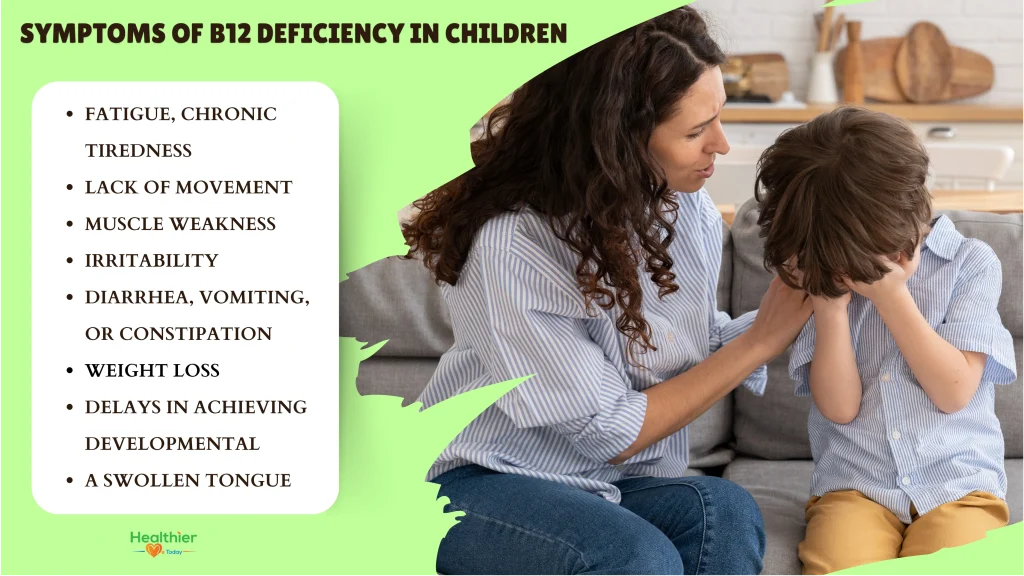
Symptoms of B12 Deficiency in Children

vitamin b12 deficiency symptoms

Vitamin B12 deficiency in children can be challenging to diagnose because the symptoms are vague and can be caused by various factors.

Signs of vitamin B12 deficiency in children and babies may include:

  • Fatigue, chronic tiredness
  • Lack of movement
  • Muscle weakness
  • Irritability
  • Diarrhea, vomiting, or constipation
  • Weight loss
  • Delays in achieving developmental milestones, including sitting, crawling, walking, and talking
  • A swollen or inflamed tongue (often called glossitis of the tongue)

Children can also develop megaloblastic anemia, characterized by unusually big red blood cells or low levels of red, white, and platelets, which can be detected through medical tests.

How Is B12 Deficiency Treated? 

Vitamin B12 deficiency in children can be solved by eating more B12-containing foods or taking a B12 supplement. Different brands of B12 pills are in various doses, so consult your child’s doctor to see which is best for their age and needs. 

foods high in vitamin b12

Doctors can also inject vitamin B12 into your child’s muscles if they are young, have a severe shortage, or have difficulty absorbing it. Most problems caused by low B12 disappear after a child begins medication and their vitamin levels increase. While it is uncommon, if not treated, certain children with vitamin B12 deficiency might suffer lifelong brain and nerve system damage, as well as other health issues.

Where Do We Get B12 From?

vitamin b12 foods

Vitamin B12 is found primarily in animal diets. It is also included in some fortified meals, such as cereals. Children following vegan or vegetarian diets may be at risk of vitamin B12 deficiency due to limited sources in their food.

Here are excellent sources of Vitamin B12:

Animal Liver And Kidneys

Organ meats are some of the most nutritionally dense foods. The liver and kidneys, particularly from lamb, are high in vitamin B12. A 3.5-ounce (100-gram) meal of lamb liver contains an astonishing 3,571% of the Daily Value (DV) for vitamin B12. While lamb liver has a higher vitamin B12 content than beef or veal, the latter may still contain approximately 3,000% DV per 3.5 ounces (100 grams). Lamb’s liver is rich in copper, selenium, and vitamins A and B2.

Clams

Clams are tiny, chewy shellfish full of nutrients. This mollusk is a low-fat protein source with high vitamin B12 levels. Twenty small clams (190 grams) contain more than 7,000% of the daily value. Clams, particularly entire baby clams, are high in iron, providing about 200% of the daily value in a 100-gram (3.5-ounce) dose.

Sardines

Sardines are tiny, soft-boned sea fish. They’re typically available canned in water, oil, or sauces, but you may also get them fresh. Sardines are particularly healthy since they contain adequate amounts of nearly every nutrient. A one-cup (150-gram) portion of drained sardines includes 554% of the DV for vitamin B12.

Beef

Beef is an excellent source of vitamin B12 deficiency prevention. One grilled flat iron steak (approximately 190 g) contains 467% of the DV for vitamin B12. The exact amount of steak contains adequate amounts of vitamins B2, B3, and B6 and more than 100% of the daily values for selenium and zinc.

Fortified Cereal

This vitamin B12 supplement may suit vegetarians and vegans as it contains synthetic B12, not sourced from animal products, making it a great option for preventing vitamin B12 deficiency. While not always recommended as a primary dietary option, fortified cereals can be valuable for obtaining B vitamins, particularly vitamin B12. Fortification involves adding nutrients that were not initially present in the food.

vitamin b12 rich foods

Tuna

Tuna is a popular fish that contains many nutrients, such as protein, vitamins, and minerals. It also includes significant levels of vitamin B12, particularly in the muscles close beneath the skin, known as dark muscles. 

Fortified Nutritional Yeast

Nutritional yeast is rich in protein, vitamins, and minerals, making it a nutritious choice. While it doesn’t naturally contain vitamin B12, it is often fortified, making it a potent source for preventing vitamin B12 deficiency. Just two tablespoons (15 grams) of fortified nutritional yeast can supply up to 733% of the Daily Value for vitamin B12, ideal for maintaining sufficient levels in the diet.

Trout and Salmon

Rainbow trout is an excellent source of protein, healthy fats, and B vitamins. A 3.5-ounce (100-gram) portion of trout fillet contains approximately 312% of the DV for vitamin B12 and 1,171 mg of omega-3 fatty acids. Salmon is well-known for having some of the highest levels of omega-3 fatty acids. It is also a great source of B vitamins. A half fillet (178 grams) of cooked salmon provides 208% of the daily value for vitamin B12. The same serving may alternatively include 4,123 mg of omega-3 fatty acids.

Fortified Nondairy Milk

Nondairy milk is popular among people looking for a nutritious vegan alternative to dairy milk. Though these milks are not naturally high in vitamin B12, they become effective sources when fortified, helping those who seek to prevent vitamin B12 deficiency on vegan diets. A single cup (240 mL) of fortified soy milk, for instance, can offer up to 86% of the DV for vitamin B12.

Cow’s Milk And Other Dairy Products

Milk and other dairy products, such as yogurt and cheese, are high in protein and contain several vitamins and minerals, including vitamin B12. A cup (240 mL) of whole milk contains 46% of the daily value of vitamin B12. Cheese is also a great source of vitamin B12. One large slice (22 grams) of Swiss cheese contains about 28% of the daily value.

Eggs

Eggs are an excellent protein and B vitamins source, particularly B2 and B12. Two large eggs (100 grams) provide approximately 46% of the DV for vitamin B12 and 39% for vitamin B2. Research has found that egg yolks contain more vitamin B12 than egg whites. The B12 in egg yolks is also more easily absorbed. As a result, it is recommended that people eat complete eggs rather than only whites. 

vitamin b12 benefits

Conclusion

Lack of vitamin B12 can cause adolescents to feel weak and fatigued, slowing their growth and development. If left untreated, this B12 shortage can result in severe but rare complications such as brain damage, nerve damage, and other health problems. Most children recover and thrive when a vitamin deficit is identified and treated early.

FAQ’s: 

Can vitamin B12 deficiency be a sign of cancer?

Although a deficiency or absence of these markers alone cannot be used to diagnose cancer, it should not be discounted if it occurs coupled with other concerning symptoms.

Can taking too much vitamin B12 cause allergic reactions?

Large amounts of vitamin B12 may cause a cobalt allergy, which can result in a red, painful rash known as contact dermatitis. 

What is the difference between vitamin B12 deficiency and tongue cancer?

Tongue cancer causes a sore or lump on the tongue that doesn’t heal, pain when swallowing, or persistent pain in the mouth or jaw. Meanwhile, vitamin B12 deficiency can cause a swollen or inflamed tongue, mouth ulcers, or sore and red tongue, called glossitis.

How long does it take to recover from vitamin B12 deficiency?

> Mild – You can see improvements in energy and symptoms within a few days to a couple of weeks.
> Moderate – Recovery can take a few weeks to a few months.
> Severe – Symptoms can take six months to a year to fully resolve.

What are the warning signs of vitamin B12 deficiency in children?

> Fatigue, chronic tiredness
> Lack of movement
> Muscle weakness
> Irritability
> Diarrhea, vomiting, or constipation
> Weight loss
> Delays in achieving developmental milestones, including sitting, crawling, walking, and talking
> A swollen or inflamed tongue (often called glossitis of the tongue)

Guide to Legal Ages for Children Staying Home Alone: State-by-State Regulations

It is not just about your child’s readiness but also the legality behind this issue. Different states have rules concerning “at what age can kids stay home alone” or “at what age can children stay home alone with siblings.” In this article, you will find out the legal age at which to leave your child at home on their own in each state to understand regulations that may affect your decision. Awareness of these legislations helps you make an informed and lawful choice on how independent your kid can be.

legal age to stay home alone by state

Understanding the Legal Age Requirements

Before letting your child be in for themselves, you must grasp standards regarding ‘legal ages for staying home alone by state’ as different across the USA. Some states provide clear guidelines on “what age can kids stay home alone,” while others leave the final decision up to parents and focus more on maturity than chronological age.

Families should consult local laws or child welfare organisations and answer questions like “at what age can kids stay home alone?”. While some states do not have any laws concerning it, there are others where the minimum legal age at which a child can be left alone in a room is specified, especially if they have younger siblings they look after.

This data is essential for guardians to ensure their kid’s safety and readiness, comply with state statutes, and avoid possible litigation outcomes. Always check official state resources or get legal advice from an attorney to obtain accurate and most recent rules.

What Age Can a Child Stay Home Alone by State?

Different answers can be given to the question, “What age can a child stay home alone by state?” This is because no federal law says it can still be left unsupervised in any state of America. Instead, it varies significantly from state to state. For example, Illinois has an apparent minimum age of 14 and is one of the few states that have defined what this means for them.

On the other hand, Maryland sets eight as an appropriate first age when a child can be left alone for a short period, indicating the importance of development, environment, and time rather than a strict chronological age. However, most states do not have specific laws on this subject matter, leaving it to parents’ discretion.

This approach necessitates evaluating whether a particular child may be responsible for their safety given their maturity level and capability to handle emergencies before leaving them without adult supervision at home. Refer to local child welfare agencies or determine your area’s legal requirements.

State Regulations for Child Supervision

The intricacy of “state regulations for child supervision” often seems overwhelming for parents who want to make well-informed decisions about their children’s autonomy. Every state has its own “what age can kids stay home alone” perspective and “legal age to stay home alone by the state”, which vary widely, illustrating different views on law throughout America.

For instance, Texas and New York do not indicate any specific minimum ages but base it on the maturity that comes with personal growth in some cases. Other states, such as Illinois and Maryland, have tried to spell out such guidelines for parents.

Knowing these rules is paramount for all state regulations and child safety. Parents should always review their state’s current laws and guidelines to decide whether their child can stay home alone or look after younger siblings.

Legal Age to Stay Home Alone with Siblings

When considering the “legal age to stay home alone with siblings,” it is essential to note that this issue is more complex than just leaving a child alone. However, caring for younger siblings requires older children to be more mature and accountable in their behaviour.

legal age to stay home alone with siblings

Accordingly, states such as Illinois that specify when a child can stay without adult supervision, do not simultaneously differentiate between kids responsible for the care of younger brothers/sisters. This leaves parents wondering in what situations one kid can be charged with responsibility over another. The prevailing advice seems anchored on how mature the elder sibling is, how good they respond during emergencies, and how comfortable the minor feels about this arrangement.

Parents who need a better understanding of specific state regulations should seek guidance from local child welfare or organizations to make informed choices that preserve the lives and security of all minors involved.

Navigating Sibling Supervision Laws

Parents who want their eldest sons/daughters to care for junior members must understand what navigating sibling supervision laws entails. Although some direction can be obtained through the ‘legal age to stay home alone by the state’, it gets even more complicated when siblings are cared for. This goes beyond realising the age a child can stay home alone” into understanding if these policies cover situations where an older kid becomes responsible for a young person.

Some states have explicitly stated recommendations or laws in this vein showing minimum maturity levels and readiness among supervising children. On the other hand, many states do not set any requirements, leaving it up to parents who are expected to consider the personal capacities of the older child and the needs of younger ones. Here, it is essential to ascertain if the older one can responsibly handle an emergency and ensure all children are safe from harm.

Parents should consider how long their children will be left alone and under what circumstances, as this may make a difference in whether or not it is allowed and reasonable. Check with legal specialists or local child protection bodies to get accurate information.

Exploring Legal Age to Stay Home Alone by State

“What age can a child stay home alone by state?” exploration reveals complex guidelines and regulations across the US. The absence of federal legislation means each state dictates its recommendations or laws, reflecting diverse opinions on youth independence and responsibility.

what age can a child stay home alone by state

This makes Illinois outstanding, considering they set 14 as the definitive age. At the same time, Maryland suggests eight years for short intervals, which shows a range of parental judgments regarding whether a child can handle some time unattended. Therefore, parents must look closer at their state’s position, evaluate their offspring’s maturity rate, and consider specific contexts and situations to make an informed choice.

Detailed Breakdown of State-by-State Guidelines

A comprehensive view of regulations on the legal age for children left home unattended requires a detailed dissection of state-by-state directives. This careful inquiry reveals that whilst Illinois has an explicit age requirement of 14, other states use more nuanced approaches that consider factors like maturity and the child’s circumstances.

For instance, Colorado and Kansas provide guidelines rather than laws. They suggest that children under 12 might not be mature enough to be alone at home. On the other hand, some states, such as Texas and New York, have no particular age limit as they leave it up to a parent.

This difference underscores why it is essential that parents refer to or consult local ordinances to know when their child is ready to stay home unsupervised or take care of younger siblings.

Frequently Asked Questions

What Age Can Kids Stay Home Alone?

The question “When can children stay home alone?” varies widely among states because there is no federal mandate on this subject at all. For example, Illinois law clearly states that kids must be 14 years or older, while Maryland suggests eight years as an appropriate age for short periods.

At What Age Can Kids Stay Home Alone?

Choosing an appropriate time when young minds are left unguarded depends mainly on how developed such minds are and what specific legal regulations are enforced in each state. In Illinois, children should be about 14 years old; in contrast, Maryland says adult supervision should only be provided if a child is less than eight years old but only for a short period; others give no specifics but advise against leaving them until they can handle emergencies and everyday tasks by themselves.

Can An Older Child Supervise Younger Siblings?

Yes, they are depending on individual situations and state guidelines. The age at which one child is allowed to supervise younger siblings varies from state to state, while others rely on parental choices and the maturity level of their oldest child. Regardless of any laws, older children should be evaluated for their ability to handle crises and the well-being of all the children involved before being left in charge.

Tips for Parents and Guardians

Thoughtful preparation and open communication are necessary when considering leaving your children alone or letting an elder brother or sister supervise them. Therefore, you need to assess how mature your kid is or whether the sibling tasked with supervision has the relevant skills required for facing sudden events.

Set clear rules and emergency procedures that enable every child to get hold of you or an alternative responsible adult. These include giving out contacts such as neighbours, family members, and hospital staff in an emergency.

Take trial runs for shorter periods before committing them for longer hours. Lastly, maintain healthy communication channels, encouraging your children to express their feelings about staying home alone.

Ensuring Safety and Preparedness

Paramount to this is ensuring their safety and preparedness when you plan to leave children at home. Start by developing a comprehensive safety checklist that should entail checking the lock on doors and windows, knowing how to operate the home security system if available, and having information on safe neighbourhoods or areas they can go in case they require leaving the house.

Teaching them about being safe online is essential, including making strict guidelines regarding internet use and giving away personal information. Give your kid basic First Aid skills and tell them what actions they should take during emergencies, like fires, medical emergencies, or unexpected visits from strangers. Encourage practice scenarios for these situations without undue stress.

Let them have knowledge and confidence, and emphasise calm. This level of readiness will ensure their safety and give peace of mind to a parent and his child.

Conclusion

I hope this guide has helped provide valuable information on the complex aspects surrounding kids staying alone at home, such as legal frameworks, determining maturity and adequate preparation to face any emergency. It is important to note that no single solution exists for every family or state since circumstances differ significantly. The final analysis should be about whatever decision will be in their best interests when caring for them, emphasising their safety and welfare. Do not forget that preparing your child for this big step goes beyond meeting legal necessities. It involves building his independence, self-confidence and responsibility.

Effective Strategies: How to Get Kids to Listen Without Yelling

Need help to get kids to listen? Do you get tired of yelling at your kids and constant struggles that end up in frustration? You’re not by yourself. Are you wondering how to stop yelling at your kids? Still, there are other approaches besides simply saying “no” that might help your child become more cooperative and communicate. This guide will take you through seven actionable steps on how to make your child really listen, whether they are four or five years old—Farewell, endless fights, and welcome to a more peaceful relationship with your little one.

How to Get Kids to Listen

How to Stop Yelling at Your Kids: Techniques for Fostering Cooperation and Effective Communication

This includes strategies on how to stop yelling at your kids. It is not just about issuing directives or commands; and it is about creating mutual understanding and respect. Effective parent-child communication promotes trust and openness, leading to a sense of confidence and transparency and making it easier for parents to work together through hard times. Cooperation comes naturally when each party feels valued and heard, thereby making it more straightforward to settle disputes without much struggle.

Consequently, by bringing out the necessity for efficient interaction as well as collaboration between parents, children can then grow up feeling understood, thus fostering good relationships where children express themselves freely, but parents also effectively guide them, thereby reducing the need to resort to yelling and to get kids to listen.

The Psychology of Child Behavior: Understanding How to Get Kids to Listen

Understanding the psychology behind a child’s behavior to persuade them to listen is a skill that effective parents must possess. This entails dealing with a toddler’s listening issues as well as comprehending the dynamics pertaining to older kids. Four-and-five-year-old’s want autonomy yet depend heavily on adults; hence, their need for guidance needs to be met at this stage of development. Parents should, however, look at the reasons why their children or toddlers may not listen correctly so that they can have empathy towards their perspective.

Factors like attention span, emotional regulation requirements, and the quest for freedom, among others, affect how they behave. By understanding these dynamics, parents can adjust their approach toward communicating and disciplining, which leads to a more sympathetic environment in which their children can grow.

Understanding Behavior Patterns: 3-Year-Olds Not Listening and 4-5 Year Old’s

At ages three and four, children’s behavior reflects their growing independence and exploration. However, challenges may arise, including instances where a 3-year-old doesn’t listen or a 4-year-old is not responsive. Despite their emerging autonomy, these young children may struggle to fully comprehend instructions or maintain focus.

These age groups also attempt to test boundaries or occasionally defy them in response to their changing self-awareness and understanding of society. Such knowledge is significant for parents since it enables them to communicate effectively with children regarding their growth during this period.

Understanding Why Toddlers May Not Listen Effectively

There are many reasons why children/toddlers do not consistently listen, which have much to do with their developmental stage and environment. Immaturity in terms of cognition can prevent them from sorting out information quickly enough. Moreover, listening skills can be diverted by distractions like technology or other prompts. Emotionally, there may be reasons such as defiance or lack of confidence that prevent a child from being receptive to instructions given to them.

Equally important is the fact that incongruent discipline methods or ambiguous expectations can lead to misunderstandings on the part of kids, who then refuse to comply because they do not know what is expected of them in such circumstances. Consequently, having awareness about these causes will help in developing strategies aimed at improving children’s listening and get kids to listen.

Setting Clear Expectations: Strategies to Stop Yelling and Improve Toddler Listening

how to stop yelling at your kids

Establishing clear expectations for a child’s behavior is foundational for effective communication and addressing challenges like yelling or children not listening. Parents should set understandable rules and regulations suitable for different ages, fostering predictability and consistency.

This approach helps in understanding how to stop yelling at your kids and how to get kids to listen, especially in cases where a 3-year-old or 4-year-old may not be listening. By addressing these issues, parents create an environment where toddlers and young children can understand boundaries and develop self-control skills for growth.

Communicating Boundaries to Kids: Strategies to Stop Yelling and Improve Listening

In communicating with children about limits, being unmistakable is vital. Use simple language when explaining the limits and why they should be observed. This approach aids in addressing challenges such as a 3-year-old not listening or a toddler who doesn’t listen. Be firm when enforcing the boundaries you have set forth and ensure there are consequences in place for any breaches.

Encourage open dialogue by hearing from your child’s side while addressing any concerns, which can contribute to understanding how to stop yelling at your kids and how to get kids to listen effectively.

They may rise respectively. Use affirmations instead of restrictions while emphasizing the right actions with favorable phrases. Keep leading others by showing respect even on personal matters. By providing effective boundary communication, one can establish trust and promote healthy relationships with children and make kids to listen.

Define Active Listening

Active listening goes beyond words; it creates a connection between the speaker and the listener where understanding and empathy are established. Maintaining eye contact, focusing intently, and demonstrating interest in what they are saying through nonverbal indicators are all necessary for active listening.

This kind of attention requires that one does not judge but instead reflects upon answers given by a child in order to make them feel understood. When you give your child your whole attention during talks, you fortify your relationship and establish a secure environment in which they can express themselves, which promotes improved cooperation and communication to make kids to listen.

Encouragement and Positive Reward

Children’s good behavior can be greatly enhanced by providing them with encouragement and positive reinforcement. Parents who emphasize these behaviors and offer rewards to their children will encourage them to follow through. This section will cover several kid-friendly methods of positive reinforcement, including praise, incentives, and privileges. It also gives examples of words or acts that encourage a child’s self-esteem and confidence level to rise. With consistent application of such methods, parents provide an environment that nurtures their children to become confident adults.

Building a Positive Bond between Parents and Children

A healthy parent-child relationship is necessary for one to be able to speak with their child. This section explores techniques for building solid parental ties with kids so that can make kids to listen without yelling at them. It discusses the importance of quality time spent together and examines activities that promote understanding, trust, and respect.

By sharing hobbies or having meaningful conversations, you can nurture this relationship, which then creates space for smoother interactions and improved listening skills. Parents who prioritize connection and empathy create an atmosphere where their children feel they belong, hence boosting communication between them.

FAQs

Why doesn’t simply saying “no” work when I want my child to listen?

More often than not, ‘no’ is met with resistance, among other challenges, when it is used alone by parents against kids in order to make them do what they want or prevent undesirable behavior.

How can I get my child to listen without punishment?

Positive reinforcement is the best way to encourage your kids rather than punish them after lousy behavior has occurred because it helps them listen more attentively during lessons without the use of corporal punishment or other violent measures aimed at instilling discipline into learners.

If all these techniques fail, what should I do next?

The most important thing is consistency and insistence upon applying specific strategies, even if it takes time for a child to adjust to new expectations or habits. Use these methods consistently and be patient while improving communication skills and cooperation.

Can I use these steps with children of any age?

Yes, the principles of effective communication and positive reinforcement are applicable to all ages. However, you may need to modify them depending on your child’s developmental stage and individual needs.

Conclusion

This guide will enable you to have practical tactics that will help you communicate effectively with your child and promote cooperation between the two of you. Regardless of how old your kid is, there are seven steps you can follow that will take away the stress related to getting them to listen attentively. Remember that it takes time as well as effort, notwithstanding that through being patient and persistent; there is an opportunity to build a strong relationship with your child characterized by mutual understanding. Integrate such measures in your family unit so that they would be able to work towards change; for the better, you will see things improve tremendously.

Risen Motherhood: Elevate Your Motherhood Journey

Are you curious about Risen Motherhood. Being a mother is a blessing, but not many of us can proudly say that we have become mothers. It’s no easy process, but it’s very well worth it for the joy you bring into this world. Risen Motherhood is your trusty guide during this time; it has been a helper for many women around the globe. It has been an older sister to women when they are going through the most challenging stage in their lives; it’s a new way of life that helps our mothers. It’s a beacon of genuine reverence and respect for most members of society.

Definition of Risen Motherhood

Mother and Daughter on Grass // Healthier Me TodayRisen Motherhood is a Christian embodiment of the values and support Christian religions have for it. It is present in podcasts and, more importantly, books; those books are a complete guide to what you need to do and what kind of mindset you need to have in a complete sense of motherhood and where to start. 

By all means, motherhood is a beautiful process; bringing a life into this world and nurturing it to adulthood is a luxury only a mother can have. Risen motherhood is a blessing to every mother to be labeled a mother and to be treated as one.

The Essence of Risen Motherhood

Risen motherhood is a set of instructions, affirmations, and discussions that all revolve around motherhood, a round table of mothers of sorts that all try their best to explain and teach you what the process of motherhood and parenting is like in the form of a book or podcast. 

It can be positively chaotic for new mothers; the change in hormones, the physical strain, the stretch marks, the chaos of actually raising something as volatile as a child, and all that for a young woman with her first child can be overbearing and overstimulating, to say the least, which is why Risen Motherhood was made, to make the process just a bit easier.

Overcoming Doubts and Insecurities

Photo of Woman and Girl Lying on Bed // Healthier Me TodayIn the labyrinth of motherhood, doubts and insecurities often lurk in the shadows, casting doubt upon even the most capable caregivers. Yet, within these moments of uncertainty lies the opportunity for profound growth and resilience. Mothers are put, built differently to handle everything thrown at them; every mother is a woman, but not every woman can be a mother. 

In many ways, you can handle the stress and problems that come from having a baby; a lot gets in your way, to be blunt. For a start, the effect of hormones and the physical changes a person goes through when being pregnant, on top of that, the social and mental dissonance that a woman goes through during this entire phase is something to keep in mind.

Embracing the Joys: Growth and Personal Development

It’s a blessing to be a mother. People complain a lot about hardships, stress, and responsibilities, but those people forget what a true blessing holding your child can be. To know this kid is yours and will be there for you as long as you exist. Children are mainly represented as troublemaking brats, but that’s far from the truth; it’s only the smallest of times a kid is being a troublemaker that social media is hyperfocused on as an excuse not to parent.

Children are and will be, blessings. When you are a parent, you learn a lot that you usually won’t; you learn a lot of patience, love, and some lessons that your child can teach you in the long run. You would be surprised at how good of a lesson you can learn from what your kids do and what they say; it’s always something to pay attention to.

Honouring the Sacred Calling 

Girl Writing on the Paper Photograph // Healthier Me TodayMothers are culturally accepted as holy women. They have been put on a pedestal of the sacred world, kept pristine and on top of priorities; they are considered signs of holiness in many cultures; in many depictions, holy beings are respectful of mothers for their efforts; it’s no doubt the title of mother is sacred. 

Upholding this role isn’t just a duty; it’s a sacred responsibility entrusted to them. For example, in many depictions of holy beings, the female holy beings are depicted as mothers of motherly women, causing a direct tie to the fact that a mother is sacred; not only that, many folklore depicts mothers as selfless beings of care and sacrifice, such as Rumplestiltskin, Rose-Red and other books all depict mothers that are struggling and giving love to their children.

Celebrating the Diversity of Motherhood Experiences

Each journey is unique and full of joys, challenges, and triumphs. It’s important to honor the resilience of single mothers who work tirelessly to provide for their children, as well as the LGBTQ+ parents who challenge societal norms with their love and the adoptive mothers who embrace children as their own. 

By acknowledging that not all mothers are the same, we are making a massive improvement in empathizing and understanding that their states are not equal and every mother has their problems, which we must keep in mind. 

FAQs

What is Risen Motherhood?

Risen Motherhood is a podcast and a book series that is made to help mothers and aspiring mothers learn about motherhood and its challenges, so it seems more manageable a task than it’s made out to be.

How can I balance motherhood with other responsibilities?

It can be challenging, but you will eventually learn to balance your work and priorities with your children. It is a careful balance, but it can be done with enough experience and time.

Is there support available for mothers facing challenges?

Various support networks, including online communities, local groups, and counseling services, offer resources and guidance for mothers navigating challenging circumstances.

Keeping Your Motherhood Alive and Well

Photo Of Girl Holding Mug // Healthier Me TodayIt is a rollercoaster to be a mother. At first, you think you’ve got this, then all of a sudden, your kid has broken 30 different toys and windows, and you are there trying to comprehend how a child did all that; similarly, when you think things are going terrible, they go fine all of a sudden That’s motherhood, and Risen Motherhood is specifically made to keep that motherhood alive, to help reduce the number of women who refuse to have children and to ensure that the women who do have children know how to raise them.

Empowering Self Care for Moms: Mastering the Dynamic Balance of Work and Motherhood

There are many forms of self care and having a harmonious balance between work and motherhood can be one of them. For many women, juggling the demands of parenting and a career is a daily art form. This delicate balance, sometimes called “Harmony in Hustle,” calls for pure resolve and a sophisticated awareness of one’s needs, constraints, and goals. You are finding a rhythm that enables them to succeed at home and work, which is sometimes more important to working mothers than simply striking the ideal balance. Insights and techniques to help you become an expert at this skill will be provided in this tutorial so you can succeed in juggling rather than merely surviving it. A happy and balanced existence can be attained by accepting realistic answers and acknowledging particular difficulties.

Understanding Your Unique Situation

little girl running, happy girl, field of grass, cloudy, trees in the distance // Healthier Me TodayEvery working woman has a different circumstance, influenced by the ages of their children, the demands of their careers, family relationships, and personal goals. The first step to mastering the balance between job and motherhood is acknowledging this individuality. It’s critical to evaluate your current situation objectively and honestly. Consider your flexibility and what your non-negotiables are at work and at home. Setting reasonable expectations and goals is possible by being aware of your capabilities and limitations.

Recognizing that there will be days when work takes priority, and family needs come first is part of setting reasonable expectations. Instead of focusing on perfection, the goal is to find fulfillment in balancing. 

This mentality change is essential to lessening the guilt of balancing job and family obligations. You can have a more positive and satisfying experience at work and as a mother if you emphasize your accomplishments more than your shortcomings.

Strategies for Time Management

silver laptop, open diary, time, light silver counter // Healthier Me TodayThe key to juggling work and family obligations is effective time management. Setting priorities for your duties and realizing that some things cannot be done simultaneously is crucial. Determine which of your responsibilities at work and home are the most critical, and concentrate on those that have a significant impact or need to be done right now. This procedure aids in determining what needs to be done right now and what can wait.

Using scheduling tools and practices can significantly improve your efficiency with time management. For example, digital calendars are great for organizing appointments, kid’s activities, and business commitments in one convenient location. A more organized and predictable schedule can be achieved by designating specified time slots for self-care, family time, and work-related activities. 

Being adaptable is essential; unforeseen obligations may occur, and part of the juggling act is modifying your plans guilt-free.

Time-saving techniques can also have a significant impact. This may include preparing meals in bulk to save time during the week, establishing a family calendar that everyone can participate in, or automating repetitive jobs using technology. The aim is to discover processes and tricks that work for your particular circumstance, giving you more time to concentrate on the things that really count.

Building a Support Network

family of 4, holding hands, wet pavement, white wall, old door // Healthier Me TodayNo one can do it alone, and building a support network is vital for working mothers seeking balance. This network can include family members, friends, colleagues, and even online communities of like-minded individuals. Sharing responsibilities and leaning on others to help ease your load, strengthen relationships, and foster a sense of community.

Consider exploring flexible work arrangements with your employer, such as remote work options or flexible hours, to accommodate your family’s needs better. Communicating openly with your partner about sharing household and parenting duties can also distribute the workload more evenly. Don’t hesitate to discuss your needs and seek compromises that benefit the entire family.

Childcare is another critical component of your support network. Quality childcare can provide a safe and stimulating environment for your children and peace of mind for you during work hours. Research the options available in your area, from daycare centers to in-home care providers, and select what best fits your family’s needs and values.

Remember, asking for help is a sign of strength, not weakness. It takes a village to raise a child, and there’s no shame in relying on your town to find harmonious routine.

Self Care and Mental Health

self care: woman meditating, marble walls and floor, big plant, big white window // Healthier Me TodaySelf care is not just a buzzword for working mothers; it’s crucial to maintaining your health and well-being amidst the hustle. It’s essential to carve out time to engage in activities that rejuvenate your spirit and relax your mind, even for a few minutes each day. This could be as simple as reading a book, practicing meditation, or walking briskly. Caring for yourself is not selfish; you must be best for your family and career.

Managing stress is equally important for preventing burnout. Setting clear boundaries between work and home life, practicing mindfulness, and seeking professional help can make a significant difference. Acknowledge your feelings and allow yourself the space to experience them without judgment. Emotional resilience is built by acknowledging challenges, actively seeking solutions, and not ignoring your struggles.

Finding Fulfillment in Both Worlds

Embracing the dual identity of a working professional and a mother can lead to a profound sense of fulfillment. It’s about recognizing that you can find purpose and joy in both roles, and each aspect of your life enriches the other. Celebrate your successes, no matter how small, and learn from the challenges without being too hard on yourself. Remember, every working mother’s journey is unique, and there’s no one-size-fits-all approach to achieving balance.

Fulfillment comes from acknowledging and embracing your contributions in both spheres of your life. It’s about feeling connected to your work, enjoying the moments you spend with your family, and understanding that perfection is an unrealistic goal. Instead, aim for progress and growth, both personally and professionally. Allow yourself to be inspired by other working mothers and, in turn, inspire others by sharing your experiences and insights.

Finding the Balance

woman with blond hair, sitting at silver computer, window with light curtains // Healthier Me TodayLearning to combine work and motherhood successfully is a lifelong process that calls for tolerance, adaptability, and self-compassion. You may achieve a harmonious balance by being aware of your particular circumstances, managing your time well, forming a network of support, putting self care first, and finding fulfillment in both your personal and professional life. Recall that the objective is to discover a rhythm that suits you and your family rather than to attain perfection. Accept the path, acknowledge your accomplishments, and constantly aim for development and harmonious in all facets of your existence. Self care is so essential, every mother should know how to balance work and motherhood.

Kids Dentist: Crafting Happy Smiles for a Lifetime of Joyful Oral Health

Have you ever wondered what the significance of  Kids Dentist is? Nurturing the smiles of young ones involves more than just making sure they brush their teeth twice a day. The care a pediatric dentist provides is crucial for children’s proper dental health and growth. This specialized field of dentistry focuses on the oral well-being of infants, kids, teenagers, and individuals with special medical needs. Let’s explore the significance of Kids Dentist, the type of care children should receive, and some helpful tips for parents to maintain their kids’ Growing Smiles Pediatric Dentistry.

Importance of Growing Smiles Pediatric Dentistry

kids dentist, young kid with blond hair, laying on dentist chair, smilingThe pediatricians of dentistry are known as pediatric dentists. After dental school, they receive further education in special needs care, development, and child psychology. This knowledge is essential because it enables them to give care tailored to each child’s needs. Early visits to a kid’s dentist can also ensure timely intervention and aid in discovering potential issues like caries, cavities, malocclusion, or misaligned teeth.

Specialized Care for Young Smiles

  • Regular examinations, cleanings, fluoride treatments, and dental sealants to shield teeth from decay are all part of preventative care. Personalized instruction on appropriate brushing and flossing methods is also given, taking into account the child’s age and developmental stage.
  • Kids Dentists guide habits that can harm a child’s oral health and development, such as thumb-sucking, pacifier use, and bottle-feeding.
  • Early Orthodontic Assessment: This type of evaluation makes it possible to find orthodontic problems early on when treatment may be more straightforward.
  • Treatment of Dental Accidents: Kids Dentists are qualified to handle various dental emergencies that frequently affect kids, from chipped or broken teeth to more severe accidents.
  • Treatment of Gum Diseases: This includes ailments that can harm the gums and the bones that support the teeth, such as pediatric periodontal disease.

Tips for Parents about Kids Dentist

  • Early Visits: The American Academy of Pediatric Dentistry recommends that a child’s first dental visit occur by their first birthday or within six months after the first tooth appears.
  • Regular Check-ups: Routine visits help monitor the child’s teeth development and identify potential issues early.
  • Diet and Oral Health: Limit sugary snacks and drinks, promoting a diet rich in fruits, vegetables, and water to help prevent cavities.
  • Fluoride Use: The dentist recommends fluoride toothpaste and mouthwash (for older children) to strengthen tooth enamel and fight decay.
  • Education: Teach children the importance of good oral hygiene practices early to help establish healthy lifelong habits.

Stages of Dental Development

Dental development in children is a fascinating process that begins before a baby is born. Here’s an overview of the critical stages from infancy through adolescence:

  • Prenatal Development: Tooth buds, which eventually form the baby’s (primary) teeth, start to develop around the sixth week of pregnancy. By the time of birth, the buds for many of the permanent teeth are also formed.
  • Infancy (0-3 years): The first primary teeth typically emerge around the age of 6 months, although this can vary. Most children will have a complete set of 20 primary teeth by the age of 3 years. These teeth play a crucial role in chewing, speech development, and holding space for future permanent teeth.
  • Early Childhood (3-6 years): While no new teeth usually appear during this period, it’s a critical time for the development of the jaws and the positioning of the primary teeth, which can affect the alignment of future permanent teeth.
  • Mixed Dentition Phase (6-12 years): This stage marks the transition period where primary teeth begin to fall out, and permanent teeth emerge. The first permanent teeth to appear are typically the molars and the lower central incisors. The mixed dentition phase is crucial for assessing and correcting potential misalignment issues.
  • Adolescence (12+ years): By the end of this stage, most of the permanent teeth, except wisdom teeth, have erupted. This is also when orthodontic treatment is commonly initiated to correct alignment issues.

Common Developmental Concerns

Developmental concerns can arise during these stages, impacting a child’s oral health:

  • Late Teething: While the timing of teething can vary widely among children, significantly delayed teething can sometimes indicate underlying medical conditions, nutritional deficiencies, or genetic factors. Parents must consult a pediatric dentist if they have concerns about delayed teething.
  • Overcrowding occurs when there isn’t enough space in the jaw for all permanent teeth to come in properly. This can lead to misaligned or crooked teeth. Early assessment by a Kid’s Dentist can identify overcrowding issues, and interventions, such as orthodontic treatment, can be planned accordingly.
  • Impact on Oral Health: Late teething and overcrowding can significantly impact a child’s oral health. Delayed teething might delay the exposure of teeth to beneficial fluoride, which can help strengthen the teeth against cavities.
  • Overcrowding can make teeth more challenging to clean, increasing the risk of cavities and gum disease. Additionally, misaligned teeth can affect a child’s bite, leading to difficulties in chewing or speaking and, in some cases, self-esteem issues.

Understanding the stages of dental development and being aware of common developmental concerns are essential for parents. This knowledge allows them to seek timely dental advice and intervention, ensuring their children’s oral health is on the right track from infancy through adolescence.

Special Needs Dentistry

Kids Dentists specialize in giving children with special needs, especially those with physical, developmental, sensory, and behavioral impairments, cognitive deficits, or emotional disturbances, the type of care that suits them. This involves adapting dental procedures, specialized equipment, and unique behavioral management techniques to ensure effective and comfortable dental treatment for each child.

Dentists might use approaches such as:

  • Adapted Communication Techniques: adapting communication according to the child’s level of understanding and sensory needs 
  • Environmental Modifications: changes to the dental office environment in an attempt to make it less overwhelming and more comforting for children with sensory sensitivities 
  • Specialized Dental Techniques: Special dental techniques and sedation options that are safer and more comfortable for children with special health conditions. 
  • Oral Health Care Integration: The integration of oral health care with other medical care is an inevitable part of caring for children with special needs. They often collaborate with a child’s pediatrician, other pediatric specialists, and providers as needed. The interdisciplinary approach aims to ensure dental care is integrated with the child’s comprehensive care regarding medical and other unique or specific conditions that may affect dental treatment. 

Technological Advances in Pediatric Dentistry

Innovative Diagnostic Tools

Advancements in technology have significantly improved the diagnostic capabilities in Growing Smiles Pediatric Dentistry. Tools such as digital X-rays reduce radiation exposure, making them safer for children. Intraoral cameras provide detailed images of the inside of a child’s mouth, aiding in more accurate diagnoses and treatment planning.

Minimally Invasive Treatments

Technological advancements have also led to the development of minimally invasive treatments. Air abrasion allows for removing small cavities without drilling, making the process less frightening and more comfortable for children. Laser dentistry can be used for various procedures, including cavity preparation and gum reshaping, often without anesthesia. New materials for fillings and crowns are more durable and aesthetically pleasing, providing better outcomes with less discomfort.

Parental Guidance and Education

Building a Dental Home

There has been significant growth in diagnostic capabilities due to technological advancement in Growing Smiles Pediatric Dentistry. Digital X-rays mean there is much less radiation exposure, and so, in general, kids are much safer. Intraoral cameras provide an instructive image of the inside of the child’s mouth, translated into better diagnostic views to plan treatment properly.

Minimally invasive treatments

Some other technological advancements have introduced minimally invasive treatments. For instance, air abrasion removes small cavities without any drill. Thus, the whole procedure is less intimidating and less painful for kids. Many methods can be performed using laser dentistry, from preparing cavities to reshaping the gums, usually without anesthesia. New materials in fillings and crowns are more robust and attractive, meaning better results with less discomfort.

A Sparkling Smile is one Kids Dentist Away

Nurturing young smiles through excellent care from a Kid’s Dentist provides a foundation for a lifetime of healthy teeth and gums. Good practices for life, set with education and early detection, and proper stress on preventing children’s oral care. Parents also have a significant role in maintaining these healthy habits at home. Together with pediatric dentists, it is possible to work towards achievement and sustaining oral health within young smiles.

Guiding New Dads: A Journey Through Fatherhood Mental Health

Welcome new dads! Becoming a new dad is a remarkable journey filled with joy, wonder, and the occasional sleepless night. However, amongst the excitement, new fathers must prioritize it’s their mental health. In this guide, we explore practical and optimistic mental health tips tailored for new dads, acknowledging the unique challenges and celebrations that accompany the arrival of a little one. Becoming a dad is the start of the most incredible adventure of your life. Get ready!

The Role of New Dads in Modern Fatherhood

The Role of New Dads in Modern Fatherhood

Modern fatherhood is evolving, with new dads playing increasingly active roles in parenting. Embracing this change is the first step towards maintaining positive mental health. Recognizing that the responsibilities of parenthood are shared between partners fosters a supportive environment. New dads contribute not only to their child’s physical care but also to the entire family’s emotional well-being. Things will change and never be the same again, but don’t let that scare you. Embrace the new season and become the best dad you can be. 

New Dads and Partner Support

Communication is the cornerstone of any healthy relationship, especially during the transformative phase of becoming parents. New dads should openly express their thoughts, concerns, and joys to their partners. Sharing the parenting journey fosters a sense of unity and ensures that both partners feel supported. Establishing clear lines of communication helps navigate the challenges of parenthood together, creating a foundation of emotional strength for the entire family. Every day, check in with your partner and ensure you’re on the same page about the important things. 

A Vital Aspect of New Dads’ Mental Health

Amidst the sleepless nights and diaper changes, self-care often takes a backseat for new dads. However, prioritizing self-care is essential for maintaining mental well-being. Whether taking short breaks, indulging in hobbies, or getting fresh air, new dads should carve out moments for themselves. Self-care isn’t selfish; it’s vital to being present and emotionally available for the new family dynamic. While prioritizing self-care, don’t neglect to prioritize your relationship with your partner; just because a new life has entered the world does not mean your relationship with each other has become less critical. 

New Dads Need Community

New Dads Need Community

Navigating fatherhood is a shared experience; new dads benefit immensely from building a support network. This could include friends who are also new parents, family members, or participation in parenting groups. Connecting with others who are on a similar journey provides a sense of camaraderie, shared experiences, and valuable insights. The support network becomes a source of encouragement during the highs and lows of new fatherhood. If you have the capacity for it, look at starting a group for new dads. Many groups are available for moms, but they seem to be a bit scarce for new fathers. 

New Dads’ Juggling Act

Balancing the demands of work and family is a common challenge for new dads. Striking a healthy balance requires clear communication with employers about family needs and potential adjustments to work schedules. New dads should prioritize quality time with their family, recognizing that these moments are irreplaceable. Achieving a work-family balance fosters a sense of fulfillment, reducing stress and contributing to overall mental well-being. Thankfully, many companies and countries are increasing the amount of paternity leave new dads may take, giving way to more bonding with the baby and less stress on the mom. 

New Dads and Quality Time

Building a solid paternal bond is not just beneficial for the child; it’s also a source of fulfillment for new dads. Spending quality time with the baby, participating in caregiving routines, and engaging in play contribute to developing a deep connection. This bonding time is emotionally rewarding and positively impacts new dads’ mental health, creating a sense of purpose and joy. Have set times every day when you have time for your baby, just you and the baby; remember, looking after your child is not called babysitting. It’s called parenting. 

New Dads and Self-Awareness

New Dads and Self-Awareness

New dads need to be attuned to their mental health and recognize potential signs of stress or anxiety. Persistent sadness, irritability, or changes in sleep patterns could indicate underlying issues. Seeking professional help through counseling or support groups is a proactive step. Open conversations about mental health reduce stigma and create an environment where new dads feel comfortable addressing their emotional well-being. Let’s keep generational trauma where it should be in the past. 

A-Pillar of New Dads’ Mental Health

Sleep deprivation is a common challenge for new parents, and new dads are no exception. Prioritizing quality sleep is crucial for maintaining mental health. Establishing a sleep routine, taking turns with nighttime duties, and seeking support from partners or family members can significantly improve sleep patterns. Quality rest enhances emotional resilience, cognitive function, and overall well-being for new dads navigating the demands of fatherhood. If need be, set up a sleep schedule and plan for who gets to sleep when and who gets up for which feedings. 

New Dads’ Wellness Foundation

New Dads' Wellness Foundation

The connection between physical health and mental well-being is undeniable. New dads should pay attention to their nutrition and incorporate regular exercise into their routines. A balanced diet and physical activity increase energy levels, reduce stress, and improve mood. Making wellness a priority ensures that new dads are better equipped to handle the demands and joys of fatherhood. There are so many ways to incorporate your child into your exercise routine. For instance, a runner could get a jogging stroller and have your kid with you while you run. 

New Dads and Unplugging Moments

In the digital age, taking breaks from technology is crucial for mental well-being. New dads often find themselves constantly connected to work emails or social media. Designating specific times for technology breaks allows for moments of relaxation and presence with the family. Whether putting away phones during family meals or assigning screen-free hours, embracing technology breaks promotes a healthier work-life balance. It is important to remember that kids imitate what they see their parents do; if you are always on your phone, your kid will likely be, too. 

New Dads and Lifelong Learning

New Dads and Lifelong Learning

Parenthood is a continuous learning experience; new dads should approach it with curiosity and openness. Seeking information, reading parenting books, attending workshops, and learning from experienced parents contribute to personal growth. Embracing the mindset of a lifelong learner allows new dads to adapt to the ever-changing parenting landscape with resilience and confidence. Listen to the advice of those who have gone before you and take what you can from them. 

Thriving in the Adventure of Fatherhood

In conclusion, the adventure of fatherhood is a journey of growth, resilience, and joy. New dads can optimize their mental health and contribute to a thriving family life by navigating changing roles, practicing mindfulness, and managing time effectively. Addressing financial concerns, fostering emotional intelligence, and nurturing the couple’s relationship strengthens the foundation of parenthood. Embracing personal growth and celebrating individuality allow new dads to approach fatherhood confidently, creating a positive and fulfilling experience for themselves and their growing families. As new dads continue on this transformative journey, may they find joy in every moment, strength in every challenge, and a deep sense of fulfillment in the adventure of fatherhood. Enjoy your bundle of joy. 


Here are The Best 6 Beneficial Goals of Cook Childrens Home Health!

Cook Childrens Home Health is a healthcare provider specializing in pediatric home health services. They are affiliated with Cook Children’s Health Care System, which is located in Fort Worth, Texas. 

Cook Childrens Home Health is dedicated to providing medical care to children in the comfort of their homes, allowing them to receive the necessary healthcare services while minimizing hospital visits.

Services Offered By Cook Children’s Home Health 

cook childrens home health -Healthier Me Today

  1. Nursing Care – Skilled pediatric nurses provide a wide range of medical services, which include wound care, medication administration, and monitoring of vital signs.
  2. Physical Therapy – Physical therapists are available to work with children to improve their mobility, strength, and overall physical function.
  3. Occupational Therapy – Occupational therapists help children develop or regain the skills necessary for daily activities, such as dressing, feeding, and fine motor skills.
  4. Speech Therapy – Speech-language pathologists assist children with speech and language disorders, helping them improve communication and swallowing abilities.
  5. Respiratory Therapy – Respiratory therapists specialize in treating children with respiratory conditions, such as asthma or chronic lung disease, and may provide services like breathing treatments and ventilator management.
  6. Medical Social Services – Social workers may assist families in accessing community resources, providing support, and addressing psychosocial concerns related to their child’s health.

Cook Childrens Home Health aims to provide comprehensive yet compassionate care that is tailored to the unique needs of each child and their family. 

Their services are typically prescribed by a physician and are designed to support children with various medical conditions, disabilities, and special needs.

Please note that specific services and offerings may change over time, so it’s essential to contact Cook Childrens Home Health directly or visit their website for the most up-to-date information regarding their services, locations, and contact details.

What are Their Main Goals?

cook childrens home health -Healthier Me TodayThe main goal of Cook Childrens Home Health is to provide high-quality, specialized healthcare services to pediatric patients in the comfort of their own homes. 

This goal encompasses several key objectives:

1. Patient-Centered Care

Cook Children’s Home Health is dedicated to delivering patient-centered care that prioritizes each child’s needs, preferences, and well-being

The primary focus is on the physical, emotional, and developmental health of the pediatric patients they serve.

2. Improved Quality of Life

This organization’s goal is to enhance the quality of life for children with various medical conditions, disabilities, and special needs. 

By providing comprehensive care that addresses the medical and non-medical aspects of a child’s well-being, they strive to support children in reaching their full potential.

3. Continuity of Care

Cook Childrens Home Health aims to ensure seamless and consistent healthcare delivery. 

They collaborate with the child’s primary care physician and other healthcare providers to maintain medical treatment and therapy continuity.

4. Reduction of Hospitalizations

The organization seeks to reduce the need for frequent hospitalizations and emergency room visits by offering medical care and therapeutic services in a home setting. 

This benefits the child and family and contributes to healthcare cost savings.

5. Support for Families

cook childrens home health -Healthier Me TodayCook Childrens Home Health recognizes families’ critical role in a child’s healthcare journey. 

They provide support, education, and resources to empower families to participate actively in their child’s care and make informed decisions.

6. Optimal Health Outcomes

Ultimately, the main goal is to achieve the best possible health outcomes for pediatric patients. 

Cook Childrens Home Health’s team of skilled professionals works diligently to manage medical conditions, promote healing, and foster development in children to help them thrive.

Cook Children’s Home Health aims to provide comprehensive, compassionate, and family-centered care to pediatric patients, improving the well-being and quality of life of children with medical needs in a home-based setting.

How is The Cook Children’s Home Health Beneficial?

Cook Children’s Home Health offers numerous benefits to pediatric patients and their families, making it an invaluable resource for those in need of specialized care. 

One of the most significant advantages of their services is the ability to provide medical care in the familiar and comfortable environment of a child’s home. 

This may reduce stress and anxiety for the child and their family, promoting security and normalcy during challenging medical situations.

Furthermore, the skilled and dedicated healthcare professionals at Cook Children’s Home Health are specifically trained to work with children, ensuring that care is medically sound but also child-friendly and compassionate.

This specialized care approach acknowledges young patients’ unique needs and sensitivities, enhancing the overall quality of care.

Advantageous Services

cook childrens home health -Healthier Me TodayBy offering various services, from nursing care to therapy, Cook Children’s Home Health provides comprehensive support to children with diverse medical conditions, disabilities, and special needs. 

This comprehensive approach helps to improve a child’s overall well-being, development, and quality of life. Another notable benefit is the convenience and flexibility that home health services offer families. 

It helps to reduce the need for frequent hospital visits, which can be time-consuming and disruptive to daily life. 

Instead, families can receive essential medical care at a schedule that suits their needs, allowing for better continuity of care and a higher level of involvement in the child’s healthcare journey.

Cook Children’s Home Health plays a crucial role in enhancing the lives of young patients and their families. 

By delivering specialized, compassionate, and comprehensive care in the comfort of a child’s home, they contribute to improved health outcomes, reduced stress, and a better quality of life for children with medical needs.

Healing Pediatric Patients and Families

Cook Childrens Home Health stands as a beacon of hope and healing for pediatric patients and their families, driven by a steadfast commitment to providing specialized healthcare services in the nurturing environment of a child’s home. 

With a clear focus on patient-centered care, their main goal is to better the quality of life for children facing various medical challenges. 

By extending their reach beyond the hospital walls, this healthcare provider offers a lifeline to families, reducing the stress and disruption associated with frequent hospital visits. 

The organization’s dedication to continuity of care ensures that children receive consistent, well-coordinated medical treatment and therapy, bolstering the chances of optimal health outcomes. 

Empowering Families

cook childrens home health -Healthier Me TodayCook Children’s Home Health places immense importance on empowering families, recognizing them as partners in their children’s healthcare journey. 

Education, support, and resources enable families to actively participate in care decisions and navigate the complexities of managing a child’s medical condition

By reducing hospitalizations and emergency room visits, Cook Children’s Home Health not only eases the burden on families but also contributes to more efficient healthcare utilization. 

This holistic approach to pediatric home health care extends beyond just medical treatment—it encompasses emotional support, development, and the well-being of the whole child. 

Beneficial Goals of Cook Childrens Home Health…

Cook Children’s Home Health is a beacon of compassion, expertise, and hope. 

Their unwavering dedication to pediatric patients ensures that children receive the care they need while enjoying the comfort and security of their homes. 

Through their tireless efforts, they strive to transform the lives of children, helping them overcome medical challenges and flourish, all while surrounded by the love and support of their families. 

Cook Children’s Home Health is a shining example of the incredible impact that compassionate, home-based healthcare can have on young lives.


Experience the Future of Healthcare: Unlock the Advantages of Telemedicine!

Access Trusted Medical Professionals at Your Fingertips, Anytime, Anywhere!

  • For Individuals – Only $24.95/mo.
  • For Couples – Only $29.95/mo.
  • For Families – Only $39.95/mo.

NO COPAYS, EVER!

Enjoy Hassle-Free Consultations, Swift Diagnosis, and Personalized Treatment Plans by Clicking HERE!

The Top 20 Ways To Know Which Kids Urgent Care Near Me Is The Best!

Kids urgent care near me – Learn more with Healthier Me Today! When it comes to the health of your child, you want the best care available, especially in urgent situations. 

Finding the right kids urgent care near me can make all the difference in ensuring your child receives prompt and high-quality medical attention. 

Here are the top 20 ways to evaluate if the kids’ urgent care near you is the best choice for your family.

What is a Kids Urgent Care?

kids urgent care near me - Healthier Me TodayA kids urgent care near me, pediatric critical care, or walk-in clinic is a specialized medical facility that provides immediate medical care for children and adolescents, typically from newborns to 18 years of age. 

These centers are designed to address non-life-threatening medical issues that require prompt attention but do not necessitate a visit to the emergency room. 

Here are some key features of kids’ urgent care:

1. Pediatric Focus

 Kids’ urgent care centers are staffed with healthcare providers specializing in pediatric medicine. 

This expertise is crucial because children’s healthcare needs differ from those of adults in terms of medical conditions and emotional support.

2. Immediate Care

They offer close medical attention for various non-emergency issues, including minor injuries, common illnesses (like colds, flu, and ear infections), and other acute medical concerns.

3. Extended Hours

Many pediatric urgent care centers have extended hours, which includes evenings, weekends, and holidays, to provide care when primary care offices are typically closed.

4. Walk-In Services

kids urgent care near me - Healthier Me TodayPatients can typically walk in without an appointment, making it convenient for parents to seek medical care for their children on short notice.

5. Child-Friendly Environment

These facilities often have a child-friendly atmosphere with colorful decor, toys, and books in the waiting area to help children feel more comfortable and at ease.

6. Diagnostic Services

Pediatric urgent care centers may have on-site diagnostic services such as X-rays and laboratory testing to aid in diagnosing and treating various conditions.

7. Treatment and Prescriptions

They can provide treatments like wound care, stitches, and splinting and may even prescribe medications when necessary.

8. Referrals and Follow-Up

If a child’s condition requires more specialized care, these centers can provide referrals to appropriate specialists and offer guidance for follow-up care.

9. Cost-Effective

Visiting a pediatric urgent care center is often more cost-effective than going to an emergency room for non-life-threatening issues, as the fees are typically lower.

10. Coordination with Primary Care

Pediatric urgent care centers can communicate with a child’s primary care physician to ensure continuity of care and update medical records.

A kids urgent care near me is a valuable resource for parents and caregivers when their child experiences a sudden illness or injury that requires timely medical attention but is not a life-threatening emergency. 

These facilities are designed to provide specialized pediatric care in a convenient and child-friendly environment.

Are Kids Urgent Care Important?

kids urgent care near me - Healthier Me TodayYes, kids urgent care near me centers are significant in pediatric healthcare. They serve as a crucial bridge between primary care and the emergency room, addressing the immediate medical needs of children and adolescents in a specialized and child-friendly setting. 

Their significance lies in several key aspects. Kids’ urgent care centers offer timely medical attention for non-life-threatening conditions, ensuring that children receive appropriate care without overwhelming emergency rooms. 

This reduces the strain on emergency healthcare resources and minimizes the waiting times for parents and their anxious young patients. 

Secondly, these centers specialize in pediatric medicine and are staffed with healthcare providers who understand the unique healthcare needs of children. 

Effective Diagnosis and Treatments

kids urgent care near me - Healthier Me TodayTheir expertise is vital in effectively diagnosing and treating a wide range of childhood illnesses and injuries.

The extended operating hours of pediatric urgent care facilities, often including evenings and weekends, provide parents with the convenience of seeking medical care when their primary care physician’s office is closed. 

This accessibility is essential for addressing acute medical concerns promptly. The child-friendly atmosphere of these centers is also significant, as it helps alleviate children’s anxiety about visiting a medical facility. 

With colorful décor, toys, and books, kids’ urgent care centers aim to create a comforting environment that promotes a positive healthcare experience for young patients. 

In essence, kids’ urgent care centers play a pivotal role in:

  1. Maintaining the health and well-being of children by offering specialized services.
  2. Immediate care
  3. Reducing the burden on emergency departments.
  4.  Ensuring that children receive the attention they need in a welcoming and child-centric setting.

Is Kids Urgent Care Different From a Normal Emergency Room?

Kids’ urgent care differs from a standard emergency room in several ways. Kids’ urgent care centers are specialized medical facilities focusing exclusively on providing immediate care to children and adolescents with non-life-threatening medical issues. 

They are staffed with healthcare professionals experienced in pediatric medicine, creating a child-friendly environment to ease anxiety

Urgent care centers generally have shorter wait times, lower costs, and extended hours, making them a more convenient and cost-effective option for parents seeking prompt care for their children’s non-emergency medical needs. 

Hospital emergency rooms handle a wide range of medical emergencies for patients of all ages, including life-threatening conditions, and often involve longer wait times and higher costs.

Top 20 Ways To Know If The Kids Urgent Care Near Me Is The Best

kids urgent care near me - Healthier Me TodayFinding the right kids urgent care near me is crucial in your quest for the best care for your child. 

To help you make an informed decision, here are the top 20 ways to determine if the kids’ urgent care near you is truly the best option:

  1. Board-Certified Pediatricians – Ensure the facility is staffed with certified pediatricians with specialized training in child healthcare. This expertise is essential for providing the best care for your child.
  2. Accreditation – Check if reputable medical organizations or authorities accredit the urgent care center. Accreditation indicates a commitment to meeting stringent healthcare standards.
  3. Convenient Location – Choose an urgent care center that is conveniently located, ideally near your home or your child’s school. Accessibility is crucial during emergencies.
  4. Extended Operating Hours – The best kids’ urgent care centers offer extended hours, including evenings, weekends, and holidays, to cater to urgent medical needs.
  5. Short Wait Times – Minimize stress for your child by selecting a facility with short waiting times. Children can become anxious or agitated when they are unwell or in pain.
  6. Pediatric Equipment – A top-notch facility should be well-equipped with specialized pediatric medical equipment and supplies designed for children’s unique needs.
  7. Child-Friendly Atmosphere – A welcoming waiting area with child-friendly décor, toys, and books can help ease your child’s anxiety while waiting for care.
  8. Experienced Nursing Staff – Ensure the facility employs professional nurses and support staff trained in pediatric care to provide a holistic and comfortable experience.
  9. Effective Communication – The team should communicate clearly and effectively with parents, compassionately explaining the child’s condition and treatment options.
  10. Coordination with Primary Care – Look for a center that can coordinate care with your child’s primary care physician for seamless continuity of treatment.
  11. Comprehensive Services – The best urgent care centers for kids should offer a wide range of services, from treating common illnesses to addressing minor injuries.
  12. On-Site X-ray and Lab Services – Having on-site X-ray and lab services can expedite the diagnostic process, leading to quicker treatment decisions.
  13. Hygiene and Cleanliness – A clean and hygienic environment is essential for preventing the spread of infections and ensuring a safe healthcare setting.
  14. Insurance Acceptance – Check whether the facility accepts various insurance plans to minimize out-of-pocket expenses for your family.
  15. Pediatric Emergency Training – Verify that the staff is trained in pediatric emergency care and life-saving techniques, ensuring they can handle critical situations with expertise.
  16. Online Reviews – Research online reviews and testimonials from other parents who have utilized the urgent care center’s services to gauge patient satisfaction.
  17. Referrals and Recommendations – Seek recommendations from friends, family, or your child’s school for trusted opinions on local urgent care centers.
  18. Telemedicine Options – In today’s digital age, having telemedicine or virtual consultation options can be convenient for minor issues that don’t necessitate an in-person visit.
  19. Follow-up Care – The best urgent care centers will guide post-treatment care and offer follow-up appointments when necessary to ensure your child’s recovery.
  20. Patient-Centered Approach – Look for a facility prioritizing patient comfort and satisfaction, putting your chi ld’s well-being at the forefront of their care.

Ways To Know Which Kids Urgent Care Near Me Is The Best…

Choosing the best kids urgent care near me involves carefully considering various factors. 

By evaluating these 20 criteria, you can make an informed decision that ensures your child receives the highest quality care in urgent situations. 

Remember that the best choice may also depend on your specific location and unique family needs, so take the time to visit and assess the facilities in your area.


Experience the Future of Healthcare: Unlock the Advantages of Telemedicine!

Access Trusted Medical Professionals at Your Fingertips, Anytime, Anywhere!

  • For Individuals – Only $24.95/mo.
  • For Couples – Only $29.95/mo.
  • For Families – Only $39.95/mo.

NO COPAYS, EVER!

Enjoy Hassle-Free Consultations, Swift Diagnosis, and Personalized Treatment Plans by Clicking HERE!