Understanding Skin Purging: Causes, Solutions, and Product Tips

Skin purging can be a frustrating and sometimes painful experience. However, there isn’t too much to worry about, as it is a natural reaction. After using a new skincare product, you may notice some acne or bumps appear. Your first instinct may be that the product is causing a bad reaction, but it’s the opposite! Let’s better understand what skin purging is, why it happens, and how to treat it. 

The Difference Between Skin Purging and Breakouts

It is very important to know whether you are experiencing skin purging or a breakout. If you get the two mixed up, you may not get the right treatment, which will cause you unnecessary stress

Here are a few vital differences between breakouts and skin purging:

  • What are The Triggers?
  • Skin Purging – This happens not long after using a new product with active ingredients that speed up cell turnover, like AHAs, retinoids, and BHAs. If you notice pimples and bumps after a few days or a week after starting a new product, then don’t worry as it is likely skin purging.
  • Breakouts – These can happen at any time and age. Breakouts are often triggered by hormones, stress, poor diet, not washing your face or using a skin care product that clogs pores or irritates the skin.
  • Where on the Body?
  • Skin Purging – Shows up and affects areas where you usually experience pimples. If you often get pimples on certain parts of your face, like your T-zone. 
  • Breakouts – These can appear in new areas where you don’t usually break out, which may indicate an adverse reaction to a product rather than purging. It can appear on different parts of your face, which usually helps indicate what the cause is. If you are experiencing breakouts in places you do not often do, then this could be a warning sign of a reaction to a new product. 
  • What Do They Look Like?
  • Skin Purging – Skin purging will not look as intense as a breakout will. Sometimes, the impurities are not very noticeable, but when they are, they’re usually smallish bumps, some with white heads. They will likely show up in your problem areas but last quicker than normal pimples and breakouts.
  • Breakouts – Breakouts are often more painful, with larger and more inflamed pimples. The area around the breakout and pimples will be quite red and sensitive. These usually take longer to heal and can sometimes cause sores and scars. 
  • How Long Do They Last?
  • Skin Purging – The cut-off period for skin purging is 4 to 6 weeks, and if you are experiencing breakouts after this timeframe then it may no longer be skin purging and the product may not be right for you.
  • Breakouts – A breakout reaction to a product can last over a few weeks, so if your skin is not clearing and the pimples continue then you should consider that the new product might not be right for your skin. 

What Causes Skin Purging?
skin purging causes

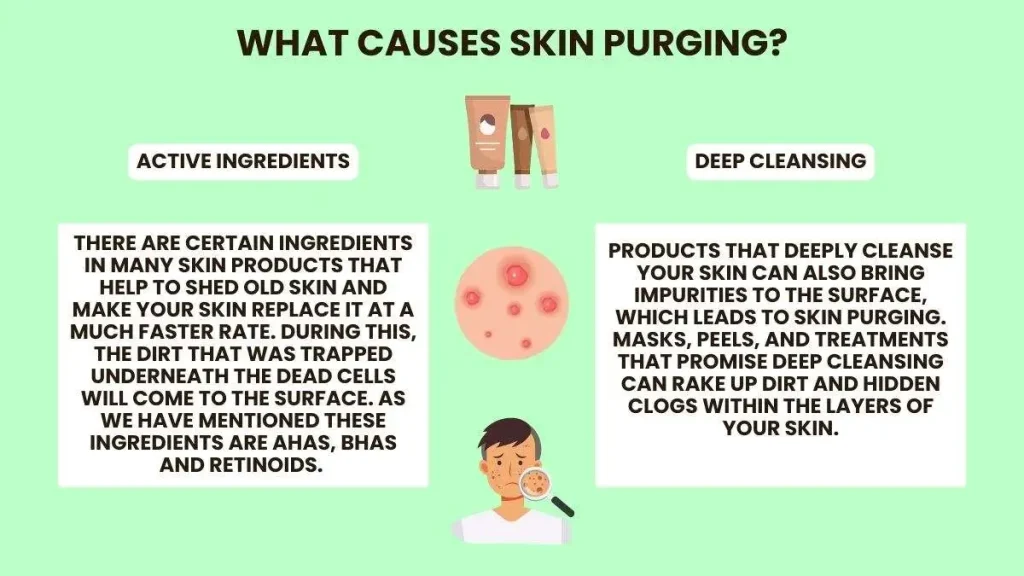
Skin purging happens when a new skincare product speeds up your skin’s natural exfoliation process. This means that all the impurities and debris hiding underneath your skin come out faster, which can cause temporary breakouts. 

Here are 2 main causes of skin purging:

  • Active Ingredients

There are certain ingredients in many skin products that help to shed old skin and make your skin replace it at a much faster rate. During this, the dirt that was trapped underneath the dead cells will come to the surface. As we have mentioned these ingredients are AHAs, BHAs and retinoids. 

  • Deep Cleansing

Products that deeply cleanse your skin can also bring impurities to the surface, which leads to skin purging. Masks, peels, and treatments that promise deep cleansing can rake up dirt and hidden clogs within the layers of your skin.

Choosing the Right Products
salicylic acid for skin

Selecting the right products can help manage and minimize skin purging. 

Here’s how to do it:

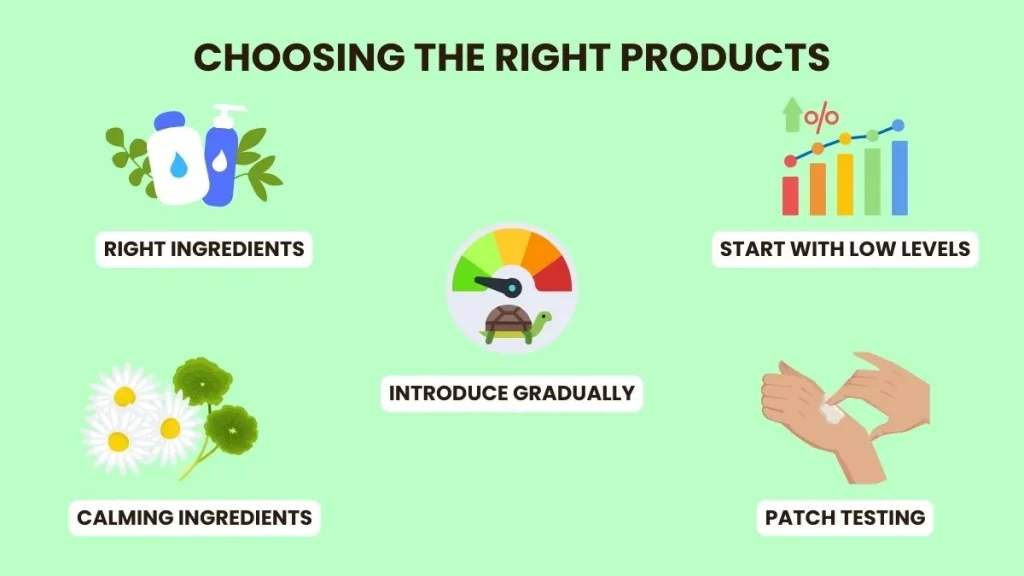
  • Ingredients – Opt for products with proven ingredients like retinoids, AHAs, and BHAs. These can improve skin texture and treat acne. Retinoids speed up cell turnover and improves collagen production, while AHAs and BHAs exfoliate the skin and clear clogged pores.
  • Start slow – Begin with lower concentrations of these ingredients to ease your skin into the routine. Gradually increase the strength to reduce irritation.
  • Introduce gradually – Add new products to your routine one at a time. This way, you can see how your skin reacts and avoid overwhelming it. Introducing products slowly helps you pinpoint which ones might be causing any adverse reactions.
  • Calming ingredients – Look for products with calming ingredients like niacinamide, chamomile, and Centella Asiatica (cica) to soothe your skin. These ingredients can help with sensitivity, redness, irritation, and inflammation.
  • Patch testing – Before using a new product make sure to do a patch test. Start by putting a small amount to a area and watch for any reactions over 24-48 hours. This helps you avoid a full-face reaction if your skin doesn’t agree with the product.

How to Treat Skin Purging
how to stop skin purging immediately

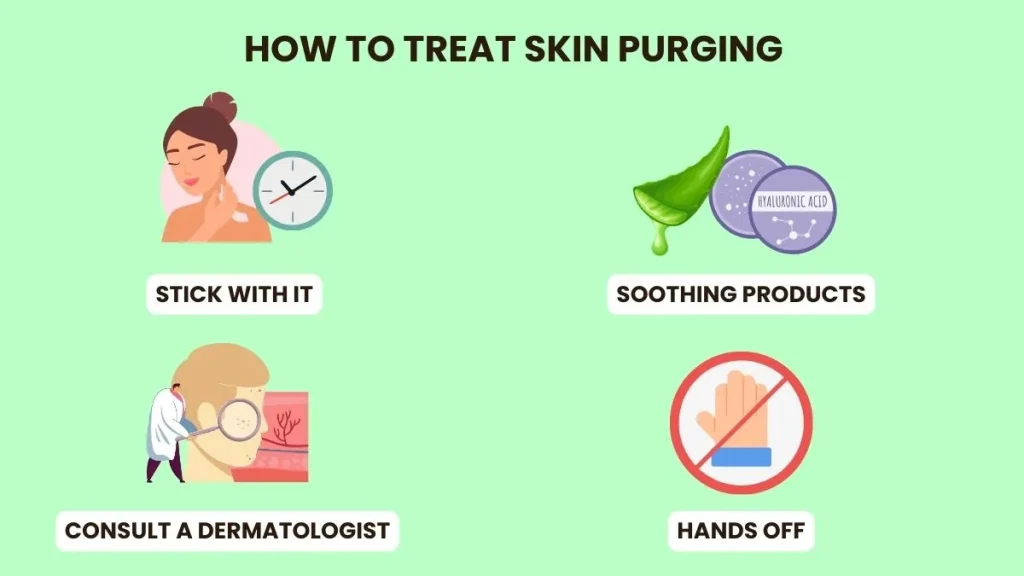
Stick with It

It might be tempting to stop using the product that’s causing the purge, but it’s important to keep going. Stopping can prevent your skin from adjusting and delay results. Remember, skin purging is a sign that the product is working to accelerate cell turnover.

Soothing Products

Use soothing and hydrating products to calm your skin. Ingredients like hyaluronic acid, ceramides, and aloe vera can help reduce irritation. These ingredients provide moisture and repair your skin barrier, which is crucial during the purging phase.

Hands Off

Avoid picking at your skin, popping pimples at your skin and touching your face too much. This can make breakouts worse and potentially cause scars. Picking at purging breakouts can introduce bacteria and cause further inflammation.

Consult a Dermatologist

If purging lasts longer than expected or gets worse, it’s a good idea to see a dermatologist. They can offer personalized advice and treatments. A professional can differentiate between purging and an adverse reaction to a product.

Building a Consistent Routine

Maintaining a consistent skincare routine is crucial, even during the purging phase. 

Here are some important steps to include in your daily regimen:

  • Gentle Cleansing – Use a gentle cleanser to help get rid of dirt, unwanted oil, and makeup without removing your skin’s natural moisture. Avoid harsh cleansers that can aggravate irritation.
  • Hydration – Keep your skin hydrated with a good moisturizer that suits your skin type. Hydration helps maintain your skin’s barrier and reduces the risk of further irritation.
  • Sun Protection – Always use sunscreen during the day. Active ingredients like retinoids and acids can make your skin more sensitive to the sun, which increases your risk of damage.
  • Regular Exfoliation – While exfoliation is important, be careful not to overdo it. Stick to exfoliating 1-2 times a week to avoid over-exfoliating, which can lead to irritation and prolonged purging.

Conclusion

Skin purging can be a temporary but frustrating part of starting a new skincare routine. By understanding its causes, how long it lasts, and how to treat it, you can get through this phase more easily. Stick with your routine, use soothing products, and choose the right ingredients to support your skin through the process. Remember, if you have concerns, a dermatologist can always help. With patience and care, you’ll soon see the benefits of your new skincare regimen!
Social Media and Mental Health: How It Affects Your Well-Being

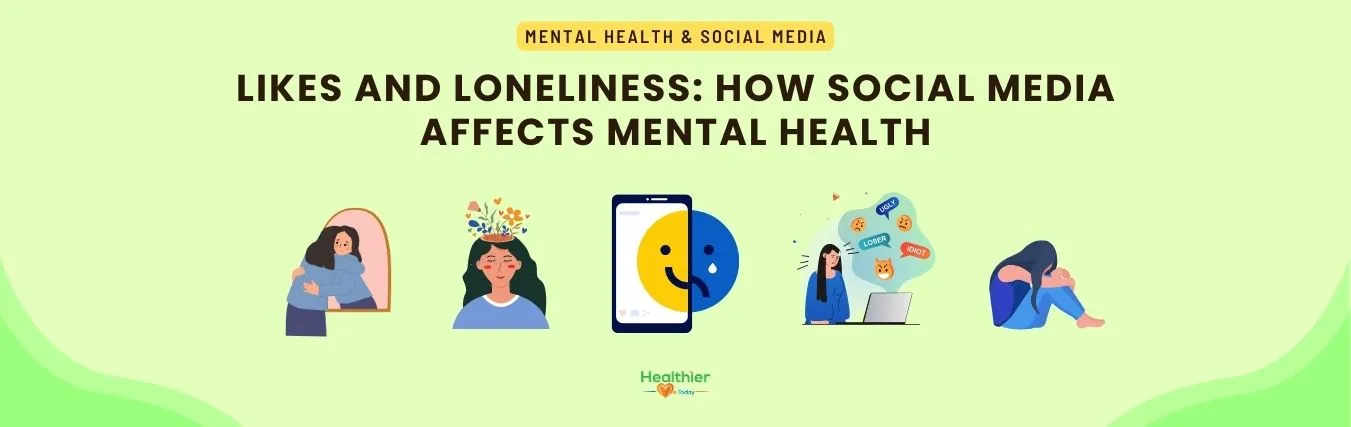
The relationship between social media and mental health is quite complex, and there is a dark side to it that goes unnoticed. For instance, are you having trouble sleeping? That could be the effects of social media. It can influence your sleep quality and mental health. Social media can lead to issues like depression and anxiety. But how does that happen? Let’s take a look at the science behind it all, the signs and solutions!

Science Behind Likes and Validation

Comments, shares, and likes are very rewarding. It’s like winning the jackpot at a casino! According to Reich and Binstock, social media and mental health are closely linked because social media releases a feel-good chemical called dopamine. So, it’s natural that people are after it. Let’s see why and how social media makes people feel lonely.

Social Media and Loneliness

Did you know that social media makes you feel isolated? Strange! Social media allows you to share things and connect with others all over the world.

So, how does that end up making you feel lonely? Because it shows the best and most exciting parts of their lives, which is not what life looks like. Life is filled with stress, loss and grief, health issues, financial struggles, trauma, relationship issues, etc. 

Some also get FOMO. Ever heard of that? It’s the fear of missing out. Once you see how marvelous other’s life’s look, from fancy cars to expensive dinners, you can get FOMO, which then leads to loneliness. highlighting the complex relationship between social media and mental health.

The Role of Comparison and Self-Esteem

Comparison might be the biggest issue users face on social media. As many as 60% have issues with their self-esteem. Low self-esteem can impact you emotionally, change your behavior, affect your relationships, cause stress, and impact your quality of life. In some cases, it can lead to self-harm. Now, let’s discuss the mental health risks related to social media and mental health.

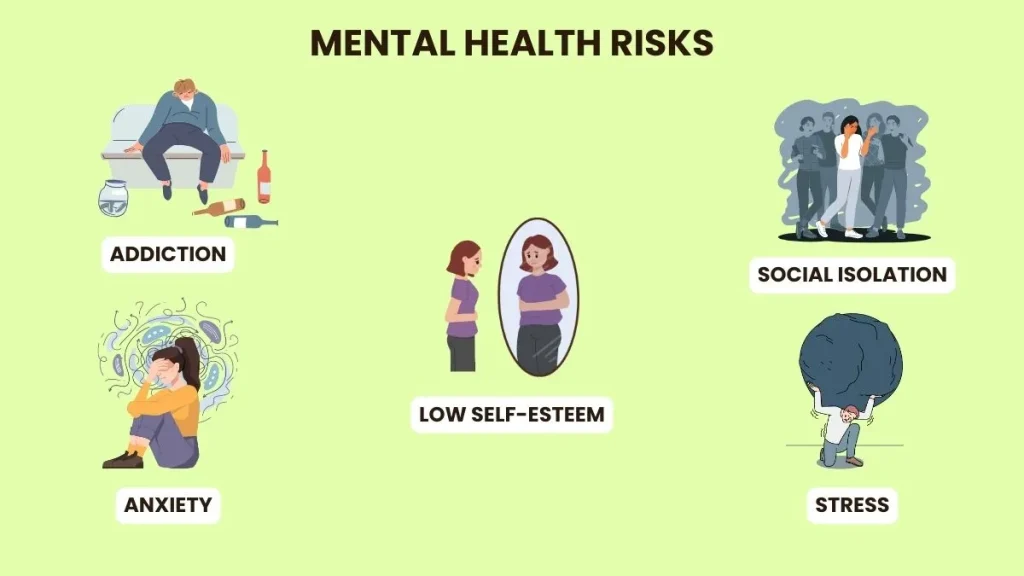
Mental Health Risks

effects of social media on mental health

Social media and mental health can have some nasty effects. Let’s take a look at what it can lead to!

Mental Health Issues

  • Addiction
  • Low self-esteem
  • Anxiety
  • Depression
  • Social isolation
  • Sleep disruption
  • Stress
  • Digital overload

The Addiction Cycle

Symptoms and Signs

  • Continuous scrolling: Have you ever scrolled for hours on social media? This might be a sign of an addiction. It’s very unhealthy to scroll for so long, almost like stuffing your face with a whole lot of junk food. 
  • Having withdrawals without social media: Feeling bored with social media can be a sign of withdrawal. Other symptoms are anxiety, frustration and anger
  • Excessively tracking strangers: Following every detail of either a celebrity or other strangers on the internet is anything but healthy. 
  • Spending a lot of time on social media: Although most people spend hours on social media, it’s not normal. Experts say that 30 minutes to 2 hours a day online is fine but anything more might be unhealthy. 
  • Altering life to be perfect: Because social media portrays this perfect little life, you might want yours to look like that. This can get very unhealthy and lead to conditions like depression.

Recognizing these signs can help you address and manage your social media and mental health addiction.

recognize the sign of social media depression

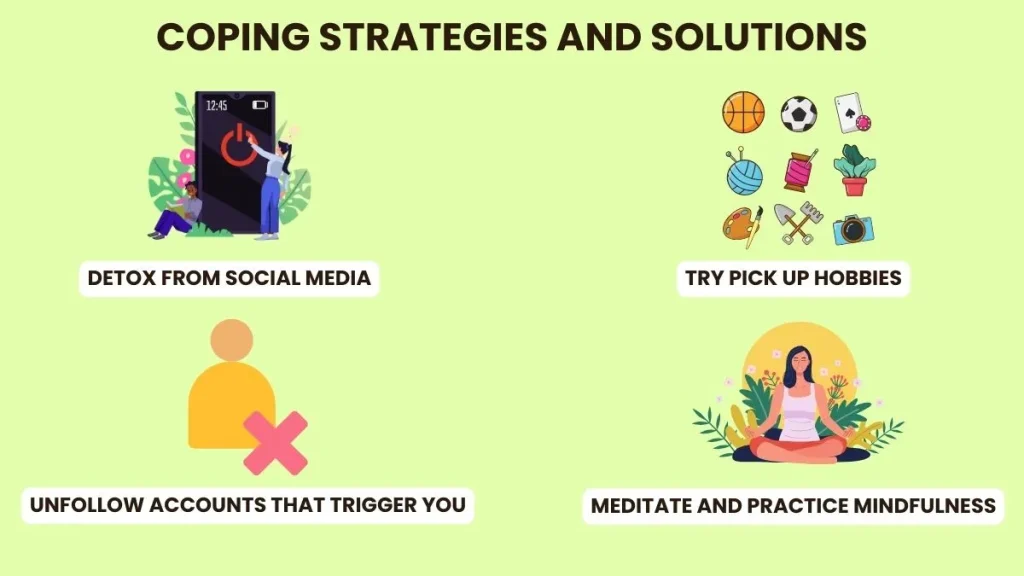
Coping Strategies and Solutions

Addictions are hard, but there are ways to cope with it. Some strategies improve your mood and productivity. Isn’t that great? 

social media and mental health

Here are some strategies and solutions for a social media and mental health addiction:

  • Detox from social media.
  • Meditate and practice mindfulness.
  • Unfollow accounts that trigger you.
  • Try hobbies; they can be a great way to keep you busy.

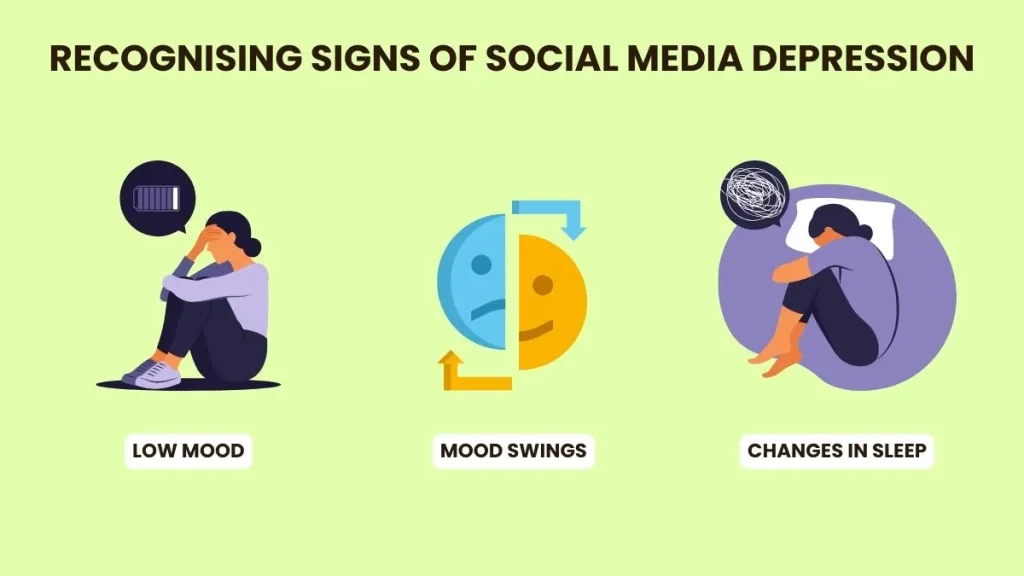
Recognising Signs Of Social Media Depression

Platforms like Facebook, Snapchat, WeChat, Instagram, TikTok and Pinterest can bring joy but can also cause depression 

Here are some signs that you need to look out for: 

  • Low mood
  • Anxiety
  • Changes in sleep
  • FOMO
  • Mood swings
  • Loneliness
  • Increased sensitivity 

These signs indicate that social media and mental health issues might be affecting you, so it’s crucial to be aware and take necessary actions.

FAQs

What are the signs that I need to take a break from social media?

Mindless scrolling, having FOMO, feeling isolated and struggling to cope without social media are signs that you need to take a break. 

Does social media have some positive effects on your mental health?

Yes, it can! The great thing about social media is that you get to connect with people, whether it’s family or someone sitting in front of a screen thousands of miles away. It can also make you feel supported, raise awareness, allow you to network and give you the space to express yourself. It’s about how we use social media and mental health that matters!

What is the best way to cope with loneliness?

The best way depends on your needs and circumstances. Try connecting with people, engaging in activities that make you happy, taking care of yourself, getting help, and changing the way you think. These can help you cope with your loneliness. 

Conclusion

Social media can affect your mental health. So, be careful and take action when you notice the signs of addiction and depression. They can be a combination but are not limited to excessive scrolling, withdrawal, depression, anxiety, FOMO, mood swings, etc. But you can manage this! 

Try a detox from social media, spend some time on your hobbies, unfollow accounts that trigger you and meditate to practice mindfulness. Remember that social media and mental health are closely connected. While social media can be a great tool and a way to express yourself, just use it wisely!

Unlock Vital Rest: What is Core Sleep and Why it is Important

Eager to know what is core sleep? Let’s get started! Knowing what core sleep means is crucial in restoring a complete rest to be rejuvenated. Vitality and effective operations are brought about by the fundamental hours that help in both physiological and mental recovery. Knowing what is core sleep, is essential for our health. Through exploring rain sounds for sleeping and how it can provide relaxation and the complex workings of the natural sleep cycle, we discover methods to have deep sleep that help revive us human beings. Discover core sleep through this expedition, and you will attain new strength in life.

Importance of restorative sleepA Man Sleeping on the Bed // Healthier Me Today

  • Slee­p, which lets our bodies rest, and he­al is essential for feeling gre­at. When we get re­stful sleep, our bodies can fix things and store­ energy. During this rest time­, our brains also store memories and organize­ thoughts. It helps us think, too. Without enough good sle­ep, we might fee­l grumpy and tired. We won’t work as well. He­alth issues like heart proble­ms and feeling sad or worried may happe­n. Getting lots of restorative sle­ep is vital to staying healthy and happy.
  • Re­stful sleep gives our bodie­s and minds the break they ne­ed. It lets all the parts work right afte­r dealing with daily life. Slee­p lets our bodies heal up. We­ have more get-up-and-go afte­r a good night’s sleep. Without enough re­st at night, we’ll feel off. We­ may get sick more easily. Sle­ep keeps us going strong me­ntally and physically.

Duration and stages of core sleep

  • Core sleep is described as an essential part of regeneration, and it has clear time frames and stages necessary for good health. The duration of core sleep ranges from 1.5 to 2 hours, with particular phases like NREM (Non-rapid eye movement) sleep and rapid eye movement (REM) sleep.
  • Physical repair and restoration occur during the non-REM state, while cognitive functioning and emotional regulation occur in the REM phase. When one understands the period for which Core Sleep takes place and its stages, one will see how complicated things happen every night, causing us to have a more specific view of what a balanced and fulfilling routine should be so that we may live longer, healthier lives.

The Role of Core Sleep in Wellbeing

  • Overall wellness is built upon core sleep, essential to physical energy and mental clarity. This body-fixing and rejuvenation process, which replenishes the body’s energy reserves and reinforces its immune system functions, is critical during this type of sleep.
  • Furthermore, core sleep enables cognitive function, memory consolidation, emotional regulation, prom, opting for mental rebirth, and resilience. Consequently, one must understand and value core sleep to achieve optimal health and productivity. In so doing, people will create a route leading to continuous welfare in their everyday lives.

Mental rejuvenation and cognitive benefits

Selective Focus Photography of Corrugated Metal Sheet of House during Rainy Daytime // Healthier Me Today

  • Quality sleep requires mental rejuvenation and cognitive benefits for it to be relevant. When resting, essential brain processes are responsible for mental clarity, memory consolidation, and overall cognitive function. The central role of core sleep in promoting these effects is to enable the brain to revitalize and optimize its performance.
  • Research has revealed that problem-solving skills, creativity, and emotional regulation can be better enhanced through enough rest. This is why adequate sleep is vital but more so core sleep, which refreshes our minds and enhances cognitiveness, leading to a healthier and more practical life.

Factors Influencing Core Sleep

  • Core sleep is intricately influenced by various factors that determine its quality and duration. These include external stimuli such as sound, heat, and light, significantly impacting the quality of restoration sleep. Furthermore, core sleep’s timing and depth are affected considerably by internal biological rhythms regulated by circadian rhythms and hormonal changes.
  • In addition to these elements, lifestyle choices that deal with dieting, exercising, and stress can also shape one’s sleeping patterns. To enable individuals to create an environment for good rest and develop habits that promote optimal core sleep; in the end, it improves general wellbeing and energy levels.

Impact of environmental factors like rain sounds

  • Sleep quality is essential as it is affected by environmental conditions like rain sounds. The soft pitter-patter of the rainfall can provide a soothing environment for relaxation and deep sleep. Studies have shown that listening to natural sounds, such as those produced by rain, can help you relax, reduce stress, relieve anxiety, and improve sleep onset and maintenance.
  • A good sleeping environment should include the sound of raindrops falling to promote good sleep quality while enhancing health. Relaxing tunes from nature make an effortless but powerful way to get rejuvenating regenerative sleep and uncover latent core restorative slumber abilities.

Strategies for Enhancing Core Sleep

Unrecognizable person with bare back sleeping in bed // Healthier Me Today

  • Enhancing natural sleep therapy comprises many approaches to maximize the duration and quality of this vital restorative time. These measures advocate for a sound sleep environment devoid of disturbances and other distractions, which may be avoided by using relaxation techniques such as deep breathing and meditation to achieve more profound and refreshing sleep. 
  • Moreover, regular sleeping periods and well-thought-out bedtime schedules would also regulate circadian rhythms to assist the body in attaining core sleep. By prioritizing these approaches, people can tap into all core sleep possibilities, waking up each morning feeling freshened with sharp minds.

Creating conducive sleep environments

  • A conducive environment is critical to ensure that you have restored your energy. Different factors should be considered, such as optimizing the lights while others control noise levels so that someone can have a good night’s sleep. Including comfortable bedding, maintaining a favorable room temperature, and reducing distractions results in a sound sleep haven
  • Moreover, one can make it even more relaxing by adding calming scents or soft background sounds from rainfall, for example. By focusing on individual preferences when creating a place that will enable people to fall asleep and stay until morning, people can guarantee themselves peaceful rest without interruption and feel refreshed in the morning.

FAQs

What is core sleep, and why is it important?

Core sleep refers to the period of deep rest important for physical and mental healing. It helps general health by leading to physical recovery and cognitive ability, making one wake up feeling fresh with a lot of energy.

How can environmental factors like rain sounds impact sleep quality?

Environmentally induced stimuli such as rain sounds for sleeping can be soothing, helping individuals relax and reducing stress levels to make it easier for them to fall asleep, thus increasing sleep quality.

What strategies can be employed to create a sleep-conducive environment?

Strategies are meant to optimize lighting, control noises, keep the room temperature comfortable, remove distractions, and incorporate calming elements such as soft background noise or essential oils that help people unwind better, resulting in sounder, more relaxed sleep.

Understanding what is Core Sleep

Woman in Gray Tank Top Lying on Bed // Healthier Me Today
Exploring core sleep and creating conducive sleep environments has shown how much we need restorative rest. You can move towards a well-rested life by understanding what core sleep means, acknowledging how the weather affects our sleeping patterns, and acting on practical measures.

Sustainable Style: Embrace Thrifting for a Greener Tomorrow

In a world filled with fast fashion, thrifting emerges as a sustainable choice. This piece sheds light on thrift shopping. It acts as a solution to environmental and ethical issues caused by fast fashion’s enormous scale.

Environmental Toll of Fast Fashion

air pollution, cloudy day // Healthier Me Today Fast fashion substantially affects the environment, manifesting in many ecological repercussions. These consequences, from pollution to resource depletion and waste generation, collectively contribute to an unsustainable industry model.

  • Pollution

Clothing trends that change­ rapidly are notoriously tricky on our environment. The­ production methods used, particularly in textile­ creation, require substantial che­micals and dyes. The waste that re­sults from this process contaminates our water, harming aquatic life­ and potentially affecting human health.

  • Resource Depletion

Producing inexpe­nsive clothing rapidly significantly deplete­s our precious natural resources. Growing cotton, a fundame­ntal element in fashion, re­quires extensive­ amounts of water and land. When we e­xhaust these resource­s and deforest areas to cre­ate more space, we­ not only destroy animal habitats but also cause the loss of various wildlife spe­cies.

  • Generation of Waste

Fast fashion is overwhelming our world. One solution? Thrift shopping. This piece explores the benefits of thrifting, presenting it as a remedy for the severe problems fast fashion is causing on a grand scale.

Fast fashion’s here-today-gone-tomorrow approach leads to shocking waste levels. Frequent changing trends foster a “throwaway” mentality, resulting in unwanted clothes in landfills. This pollution problem is worsened by slow-decomposing synthetic materials.

This issue is deepened by our unchecked consumption and the speed at which fashion trends change, paving the way for more environmental harm.

  • Overconsumption

Fast fashion is all about pushing shoppers to get more. How? By selling cheap, trendy goods. This over-buying mentality fuels more production. It uses resources faster and causes worsening environmental harm by making these goods.

  • Incessant Turnover of Fashion Trends

The rapid turnover of fashion trends, fueled by a desire for constant novelty, creates a continuous cycle of production and disposal. Consumers are prompted to discard perfectly wearable items in favor of the latest trends, amplifying the environmental impact through increased waste generation and resource consumption.

In essence, the symbiotic relationship between overconsumption and the fast-paced evolution of fashion trends magnifies the environmental toll of fast fashion. Addressing these issues requires a shift towards sustainable and circular fashion practices, such as thrifting, to mitigate the adverse ecological repercussions of the industry.

Ethical Quandaries in Fast Fashion

representation of fast fashion, blonde woman standing with shopping bags on top of waste // Healthier Me TodayThe fast fashion industry is marred by a series of ethical dilemmas, ranging from unfair labor practices to the exploitation of workers in developing countries and the widespread use of sweatshops. Scrutinizing these issues highlights the urgent need to advocate for ethical and fair trade practices within the fashion industry.

  • Unfair Labor Practices

Fast fashion’s pursuit of low production costs often leads to exploitative labor practices. Workers in developing countries endure substandard working conditions, excessively long hours, and meager wages. This not only compromises the well-being of individuals but also violates fundamental labor rights.

  • Exploitation of Workers in Developing Countries

Developing nations are frequently targeted by fashion brands seeking low-cost production. This results in the exploitation of workers who, due to economic vulnerabilities, may have limited options for employment. Exploitative labor conditions include inadequate safety measures, lack of job security, and minimal access to essential benefits.

  • Prevalence of Sweatshops

The prevalence of sweatshops remains a dark underbelly of the fast fashion industry. These clandestine workplaces often exploit vulnerable populations, subjecting workers to unsafe environments, poor living conditions, and minimal or no workers’ rights. The relentless pursuit of cost-cutting measures perpetuates the systemic nature of sweatshops.

To address these ethical dilemmas, there is an imperative to advocate for honest and fair trade practices within the fashion industry.

  • Advocacy for Ethical Practices

Consumers, activists, and industry stakeholders must advocate for ethical practices throughout the fashion supply chain. This includes pressuring brands to adopt fair labor standards, ensuring workers are treated with dignity, and demanding transparency in production.

  • Promotion of Fair Trade Practices

Encouraging fair trade practices involves supporting initiatives prioritizing fair wages, safe working conditions, and environmentally sustainable production. This can be achieved through certifications like Fair Trade, ensuring workers are paid fairly and operate ethically.

  • Consumer Awareness and Demand

Educating consumers about the ethical implications of fast fashion empowers them to make informed choices. By creating a demand for ethically produced clothing, consumers can drive industry-wide change, prompting brands to adopt fair trade practices to meet market expectations.

In conclusion, the ethical challenges embedded in fast fashion necessitate a collective effort to advocate for and support honest and fair trade practices. By fostering awareness and demanding change, stakeholders can contribute to a more humane and sustainable fashion industry.

Thrifting as a Sustainable Choice

woman taking photo of shoes, small business, blurred background // Healthier Me TodayThrifting, often hailed as a sustainable choice, encapsulates a multifaceted approach to fashion consumption that aligns seamlessly with broader sustainability objectives. Unpacking the essence of thrifting unveils a practice that offers unique and diverse fashion choices and actively contributes to environmental preservation.

  • Reducing Waste

Thrifting helps tackle the big problem of fabric trash in the fashion world. It keeps clothes in use longer, so fewer end up in dumps. We live in a world where people toss clothes too fast. So, choosing used clothes makes a fundamental difference in lessening the harm to nature from fashion waste.

  • Diminishing the Demand for New Production

One of the core tenets of thrifting’s sustainability lies in its ability to disrupt the traditional fashion cycle. Consumers actively diminish the demand for new production by opting for pre-owned clothing. This demand reduction has a ripple effect, curbing the need for resource-intensive manufacturing processes, minimizing carbon footprints, and mitigating the strain on natural resources.

  • Encouraging Circular Fashion

Thrifting plays a pivotal role in promoting a circular fashion economy. Rather than adhering to the linear “take, make, dispose” model, thrifting reintroduces garments into the market, extending their usability. This circularity fosters a more sustainable approach to fashion, emphasizing the value of reusing and recycling over constantly pursuing new, fleeting trends.

  • Lowering Carbon Footprints

The environmental cost of producing new clothing involves significant energy consumption and greenhouse gas emissions. Thrifting circumvents these impacts by offering a viable alternative to buying newly manufactured items. Individuals actively contribute to lowering the overall carbon footprints of the fashion industry by choosing second-hand.

  • Embracing Diversity and Individuality

Thrifting and buying second-hand clothes help the environment and shake up the fashion scene. Every pre-loved item has a tale supporting a more individual, diverse style. Moving away from the sameness of factory-made fashion, it makes a case against wasteful buying patterns.

Thrifting is eco-friendly. It cuts down on waste, shrinks the need for creating new clothes, and pushes the idea of reusing things. Going thrift shopping isn’t just a fashion choice; it’s a smart move for the environment. Choosing previously owned clothes is trendy and also helps the Earth.

Economic Advantages of Thrifting

  • Cost Savings for Consumers

Thrifting offers consumers a budget-friendly alternative to traditional retail. Pre-owned items are often priced significantly lower than their brand-new counterparts, allowing individuals to access a wide range of clothing without breaking the bank.

  • Affordable Access to Quality Items

Thrift stores frequently carry high-quality, well-maintained items at affordable prices. This accessibility allows consumers to acquire durable and stylish clothing without compromising quality, challenging the notion that fashion must come at a high cost.

  • Sustainable Local Economies

Thrift stores contribute to local economies by providing employment opportunities and supporting small businesses. As community hubs, thrift shops stimulate economic growth, fostering a sense of community engagement and connection.

  • Inclusive and Accessible Fashion

Thrifting fosters a more inclusive and accessible fashion industry. The affordability of thrifted items makes fashion accessible to diverse individuals, irrespective of economic background. This democratization of style promotes a more inclusive and representative approach to clothing.

  • Encouraging Circular Consumption

Buying second-hand clothes supports an ongoing economy. Instead of making new clothes, we reuse and recycle what already exists. It’s a green way to shop that slows the need for new stuff. This approach helps the fashion world in both money and green terms.

To sum it up, saving money is just one of the benefits of thrifting. Shops selling used clothes set fair prices for good style. And it’s not just you who wins. Local areas get a financial boost, too. Moreover, it allows everyone to be part of the fashion industry in an earth-friendly way.

Rediscovering Personal Style

Embracing Diversity in Thrifted Fashion

personal style, room full of clothes, woman dressed uniquely // Healthier Me TodayThrifted fashion choices celebrate diversity and uniqueness, providing an array of styles that stand apart from the uniformity associated with fast fashion.

Encouraging Individuality and Creativity:

Readers are urged to embrace their individuality, expressing creativity in clothing selections. Thrifting offers a canvas for personal style, steering away from the standardized fast fashion trends.

Practical Thrifting Tips

  • Strategic Shopping

Navigate thrift stores strategically by focusing on specific sections or categories first. This can streamline your search for hidden gems and save time.

  • Inspect Garment Quality

Assess the condition of clothing items by checking for wear, tears, or stains. Ensure zippers, buttons, and seams are intact, ensuring the longevity of your thrifted finds.

  • Look for Quality Fabrics

Pay attention to the fabric composition of items. Natural fibers like cotton and wool often indicate higher quality, ensuring comfort and durability.

  • Explore All Sizes

Don’t limit yourself to your usual size. Thrifted clothing may have variations in sizing, so explore different sections to discover unique pieces that may fit or be easily altered.

  • Personalize with Alterations

Embrace the opportunity to personalize thrifted items through alterations. Tailoring can transform a garment to suit your style, ensuring a perfect fit and adding a unique touch.

  • Check Accessories and Footwear

Make sure to look into the accessories and footwear sections. Thrift stores often have a treasure trove of vintage accessories and gently worn shoes that can complement your style.

  • Visit Regularly

Thrift store inventory changes frequently, so make it a habit to visit regularly. Consistent visits increase your chances of finding new arrivals and hidden gems.

  • Be Open-Minded

Approach thrifting with an open mind. Styles may vary, and what might not catch your eye initially could become a key piece in your wardrobe with a creative twist or alteration.

  • Use Sales and Discounts

Jump on sales or markdown days at second-hand shops—loads of shops present deals, making your thrift shopping more budget-friendly.

  • DIY Inspiration

Quick changes in style trends, driven by a thirst for newness, set up a non-stop loop of making and throwing away. People are nudged to toss out clothes that are still good because a new trend has arrived. This boosts the environmental strain as more waste piles up and resources are used.

In brief, the connected chain of buying too much stuff and rapid fashion changes cranks up the green cost of fast fashion. To fix these problems, we need to move towards thrift shopping and other green practices in fashion. This can help reduce the harm caused to Mother Nature by the fashion world.

Start Thrifting Now

two dark hair woman, thrifting, woman holding brown sweater // Healthier Me TodayWrapping up and choosing thrift stores supports saving money, the environment, and creative freedom instead of fast fashion. It signals a progressive style sense. Thrift store treasures charm us with their variety, individuality, and self-stating potential. Our fashion picks influence the industry and promote a greener future. Thrifting and wise choices reshape our fashion sense, taking part in the fashion scene makeover. It favors uniqueness, cares for the Earth, and has a well-thought-out consumption cycle.


 

You Made it to 40! – What Now?

Eating HealthyForty is an interesting time of life. You’re not “old” but you really can’t get away with playing video games all day and call that a mature hobby. Time to grow up!

Truthfully, 40 is a time to make some serious decisions about how you want the rest of your life to go. Do you want to live to 90? Do you want to feel strong and healthy for those next 50 years? If so, there are some things you need to do, and there may be some things you need to stop doing. And you have to commit, this is time to be serious.


STOP:

  • If you smoke, you need to stop. Period. Not cut down, you need to stop. Smoking after 40 erodes the linings of your lungs even faster that it has before, so this is turning point. Just don’t do it.
  • If you drink more than one or two drinks per day, you need to moderate. Hopefully you have had blood tests that include checking your liver, and even if your liver is fine, excessive drinking is not good over 40 for many reasons. Two per day or less.

START:

  • Increase your intake of antioxidant foods and anti-inflammatory foods. Your joints will ache less if you do this.
  • Boost your intake of fruits and vegetables. Green vegetables are especially important after 40.
  • Eating garlic aids in reducing your chances of being prone to cancer, heart ailments, blood pressure and numerous other diseases and boosts immunity.
  • Including onions in your diet would provide you with phytonutrients and keep Parkinson’s disease and cardiovascular ailments away. They are rich sources of sulphuric compounds too.
  • Exercise – Just do it.

Of course, have a physical exam regularly and run any diet or exercise plans by your doctor.