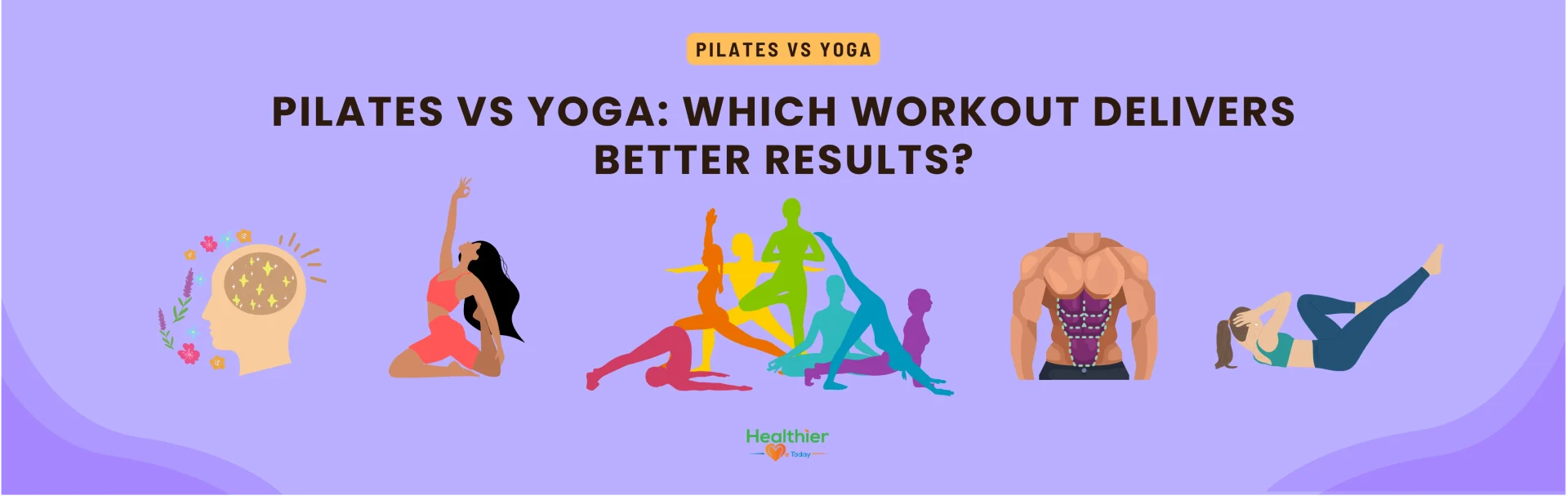
Pilates vs Yoga: Which Workout Delivers Better Results?

Wondering which is better yoga or Pilates? To answer that question, we’ll first need to take a closer look at the two. Although both have become trendy in recent years, yoga has always seemed to be the go-to when looking for low-impact workouts. Learn more down below!

Pilates vs Yoga

pilates and yoga

How is Pilates different from yoga? This depends on a few different factors. Both of these activities are considered low-impact exercises and focus on bodyweight resistance. But to understand their real differences, we’ll dissect them into categories.  

Here are the differences between yoga vs Pilates:

Improving Balance

When it comes to mastering balance, there is a debate between Pilates vs yoga. However, both are great choices. Yoga is better for balancing as it offers more poses focused on slow, precise movements. Shifting between poses can significantly help tone muscles used to keep us stable. Yoga has also been known to improve equilibrium receptors in the inner ear by stretching muscles and exploring the body’s center of gravity. This does not mean that Pilates should be disregarded. It is an excellent way to focus on and strengthen all your muscles, which ultimately boosts balance. 

Is Pilates Resistance Training Better

Is Pilates resistance training more effective than yoga? In short, Pilates is the better choice when it comes to strength and resistance training. Because Pilates resistance exercise routines are more centered around toning the abdomen and include exercises such as planks, leg lifts, and often equipment, they are seen as more intense than yoga. 

Of course, this depends on the intensity level, as hot yoga can be much more challenging than mild Pilates. Is Pilates resistance training beneficial for growing muscles? Yes, although you won’t see the same result as heavy lifting, it is a great addition to your workout plan. 
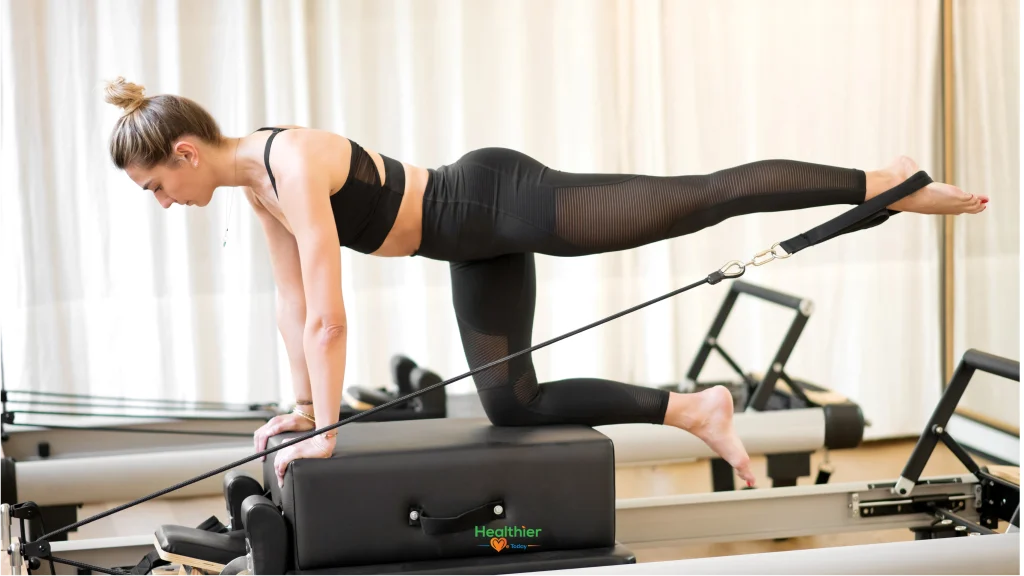
benefits of pilates vs yoga

Helps with Weight Loss

When considering Pilates vs yoga for weight loss it will depend on what your goal is. Surprisingly, even though Pilates is seen as more “active” the winner for highest calories burned per hour goes to yoga. Both are seen as effective ways to lose weight and there is an ongoing debate on whether there is that much of a difference. Many people compare them as burning roughly around the same calories despite varying studies of Pilates vs yoga

However, if you are looking to burn a lot of excess fat then Pilates and yoga shouldn’t be your only form of exercise. Other factors to keep in mind as well when looking at that everyone’s body reacts differently to workouts, one may work better for someone than the other. Pilates still remains an encouraged method to help lose belly fat as it targets these specific muscle groups. 
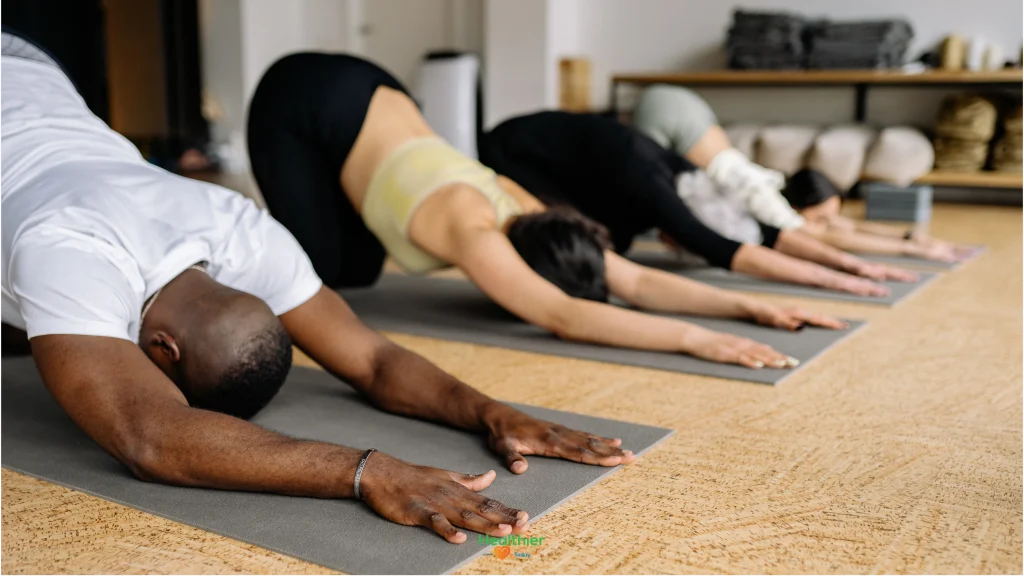
how is pilates different from yoga

Level of Intensity

The terrific news is that Pilates and yoga can be adjusted to suit any age group perfectly! While Pilates is recommended for those eight and up, gentler routines can still suit those younger. Plenty of yoga practices can be suitable for even toddlers, as the movements can be slower and less straining. Once again, it depends on the needs of the child. The main difference between yoga and Pilates when it comes to age is that Pilates is a bit more vigorous for younger children, whereas yoga can be mild for all ages. 

Let’s look at Pilates vs yoga for seniors. While they’re different in their ways, both benefit the elderly. Pilates helps keep the body active and strong, focusing on core and back strength. It’s a great choice for seniors because after 25 years old, our ability to stay upright starts declining. Yoga helps with balance and connectivity to the body. This is especially important because as we age, our inner ear cells begin to die, which can cause us to become off balance. Being better aware of your body and understanding your center of gravity is a sure way of staying injury-free.

Yoga vs Pilates Pros And Cons

Pilates and yoga have numerous benefits but have some potential downsides. This section delves into them all! 
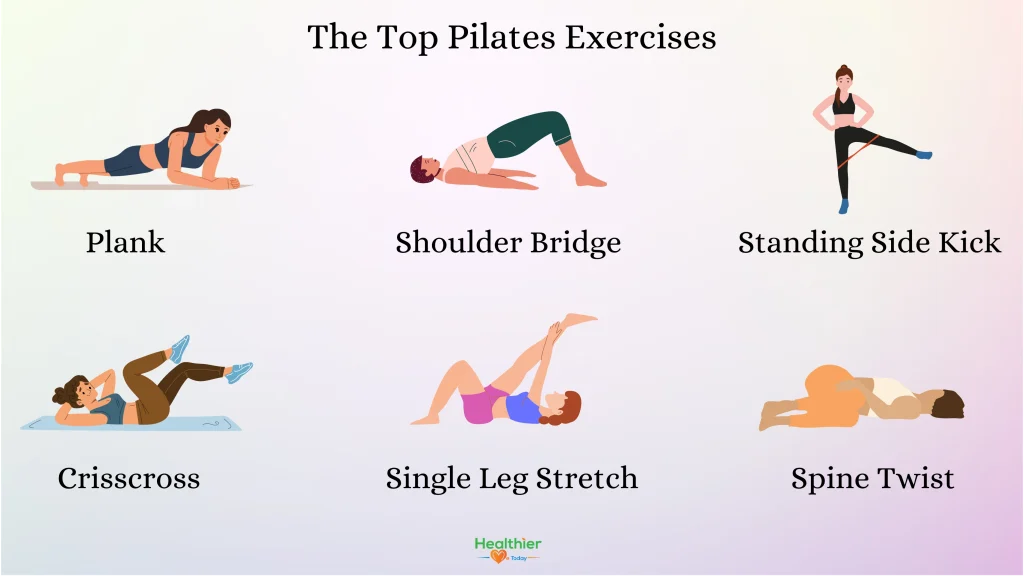
Yoga vs Pilates pros and cons

Affects Yoga Pilates
Pros
  • Improves balance and coordination
  • Increases flexibility
  • Helps to heal your mental state
  • Assists with weight loss
  • A tool to cope with anxiety and depression
  • Helps manage chronic disease’s symptoms
  • Reduces stress levels
  • Encourages mindfulnesses and mental clarity
  • Relieves migraines and neck tension
  • Aids with knee osteoarthritis
  • Boosts cognitive ability
  • Better core strength
  • Improved posture and balance
  • Lead to weight loss
  • Relieve pain
  • Aids in recovery
  • Boosts energy levels
  • Improves mental well-being
  • It helps with self-awareness
  • Reduces back pain
Cons
  • Potential muscle injuries
  • Heavy forced breathing can cause high blood pressure
  • It could cause optical pressure, which is especially dangerous for those with glaucoma and similar conditions.
  • Doesn’t burn as many calories as yoga
  • Often needs equipment
  • Risk of injuries
  • It’s time-consuming

Which is the Better Option Pilates vs Yoga?
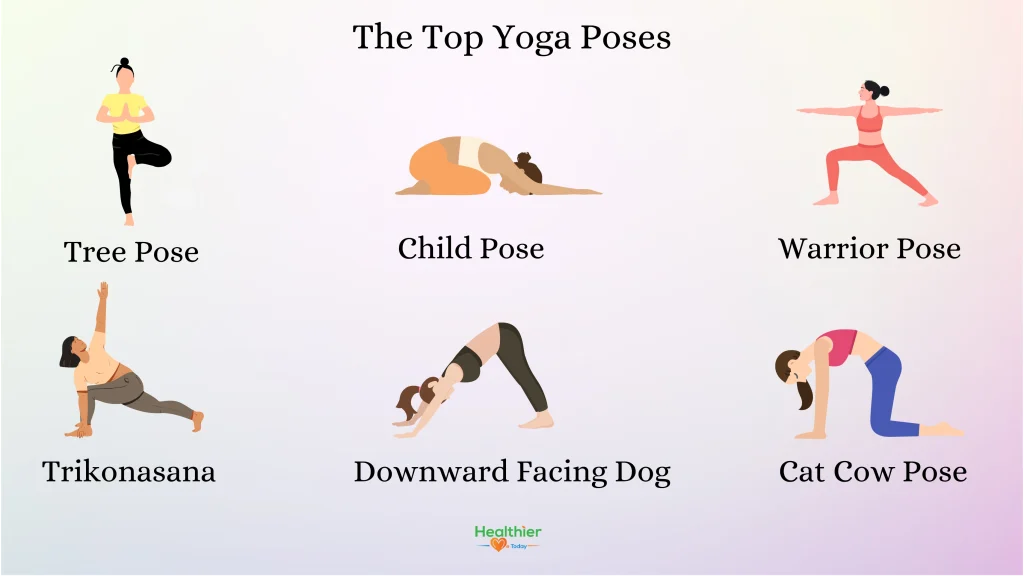
Which is better yoga or Pilates?

At the end of the day, both Pilates and yoga are amazing workouts and can be versatile. It boils down to a few aspects, such as preference, goal, or need. Although they are similar, there is a noticeable difference between yoga and Pilates. If you are after a stronger core and lower back, Pilates can help. This exercise also aids in injury recovery.  

Yoga comes in many forms, but in general, it’s considered a go-to for low-impact whole-body workouts. With there being so many different types of Pilates vs yoga there’s no doubt there’s the right fit for everyone. However, it is recommended to consult your healthcare provider first to determine if the intensity difference between yoga and Pilates is right for you. This is crucial for people who suffer from health issues such as glaucoma, diabetes, heart conditions, etc. 

Conclusion

Pilates and yoga are both incredible types of workouts that each come with their own set of benefits. However, it is important to know the difference between yoga and Pilates. Is Pilates resistance training better than yoga’s? Pilates is the way to go if you want to strengthen your abdomen, build resistance, and relieve back pain. Yoga can help you burn more calories, become in tune with your body, and heal your mind. Whatever low-impact workout someone may be searching for, there’s undoubtedly a type of Pilates or yoga to meet their needs. 

FAQ’s:

What is the main difference between Pilates and yoga?

The four main differences between the two are their types of movements, focus, pace, and style.

Pilates vs yoga for flexibility?

While both can help with flexibility, yoga has proven to work better. Many yoga poses focus on stretching and bigger movements, which help to loosen tense muscles. 

Can you combine yoga and Pilates in one workout routine?

Yes, mixing these two together is a great idea as they result in a well-balanced workout that addresses and improves every aspect and part of the body.

Is Pilates or yoga better for weight loss?

Both Pilates and yoga can help you lose weight. However, it depends on your personal goals. Yoga has been shown to burn more calories than Pilates.

Which is more effective for core strength: Pilates or yoga?

Pilates is better for improving core strength as it focuses primarily on the muscles in the abdomen. It is Pilates resistance training that can help you work on your abdominal muscles and strengthen your core.
10 Skincare Secrets for Healthy Skin and a Radiant Glow

Flawless, glowing skin is a dream for many. Whether you aim for a clear complexion or want to boost your natural beauty, the path to radiant skin is totally within reach. With the proper diet, lifestyle tweaks, and skincare routine, your skin can go from dull to dazzling.

This article explains the essentials of healthy skin, the factors that affect it, and 10 skincare secrets. Let’s get started!

how to get clear skin

How Lack Of Nutrition Makes Your Skin Dry

If you’re like most people, you spend a lot of time thinking about how to have clearer skin. However, many don’t understand how lack of nutrition makes your skin dry and lackluster. Eating nutritious foods that support healthy skin is the greatest method to achieve this, but there are other options as well. What you consume is the key to having perfect skin! Your skin is the largest organ in your body. 

It can be challenging to shield it from external contaminants and toxins, but eating habits have a more significant impact. A diet heavy in processed foods and sugar can result in inflammation, acne, and early skin aging. Eating nutritious foods positively impacts your body from the inside out. You maintain not only good health and energy but also smooth and glowing skin. People who eat oily foods on a regular basis are more likely to develop fine lines, acne breakouts, and other skin issues.

how lack of nutrition makes your skin dry

How To Get Clear Skin

Try these tips for getting clear and healthy skin without an extensive waiting period:

1. Avoid Squeezing Your Pimples

A pimple represents trapped oil, sebum, and bacteria and indicates that the body’s natural healing system is in action. Popping the pimple disturbs the healing process. The discharged liquids expose the surrounding skin to comparable germs, increasing the likelihood of new pimples developing. The exposed pimple may also cause lasting scarring. Whenever possible, avoid popping pimples. If they drain, leave the area clean to obtain perfect skin.

2. Wash Twice Each Day And Again After Sweating

The American Academy of Dermatology suggests that patients shower twice a day and again after sweating. Leaving sweat on the skin and allowing it to dry can aggravate acne, so cleanse your skin as soon as possible after sweating.

3. Moisturize

Moisturizing after a daily face wash is beneficial for all skin types. Moisturizing the face can help regulate sebum production and protect it from environmental damage. The most effective moisturizer will differ depending on the individual’s skin type. Anyone still determining which moisturizers will work for them should consult a dermatologist. They may recommend oil-free, noncomedogenic moisturizers that do not clog pores and help you achieve perfect skin. 

4. Always Use Sunscreen

The sun’s ultraviolet (UV) rays harm the skin. Wearing sunscreen when going outside can help protect your skin from these dangerous rays. The Skin Cancer Foundation recommends wearing sunscreen with an SPF of at least 30 when spending time outside. Wearing sunscreen with at least SPF 15 on a daily basis can also help prevent skin damage. When spending time outside, apply sunscreen about 30 minutes before heading outside and reapply it every 2 hours.

5. Focus On Gentle Products

Gentle products might be easier on the skin, especially if it is sensitive.

The following products may irritate delicate skin:

  • Alcohol-based products
  • Fragrant items
  • Strong toners
  • Harsh exfoliants
  • Astringents

There are gentle, hypoallergenic versions of these goods. However, before applying any product to a larger area of skin, test it on a tiny area to see how it reacts. Washcloths, rough sponges, and loofahs may be too rough for the skin, resulting in damage and inflammation. 

There are more mild choices available, such as soft washing brushes. Alternatively, using clean fingers to massage a cleaner into the face may help to reduce inflammation. Keeping brushes and sponges clean is critical, as germs can cause additional irritation or outbreaks.

good skin care

6. Topical Medications

Topical medicines may help people with all skin types manage acne.

A variety of medicinal products are available, including:

  • Benzoyl peroxide, with or without other substances, such as antibiotics
  • Salicylic acid
  • Topical retinoids, including tretinoin
  • Dapsone is a combination of anti-inflammatory and antibiotic.
  • Azelaic acid kills germs and reduces the synthesis of keratin, a natural material that can cause acne.

7. Keep Yourself Hydrated

All cells in the body require water. Skin cells are the most exposed to the environment and may be more vulnerable to moisture loss. Drinking water throughout the day may help maintain healthy skin cells.

how to have clearer skin

8. Eat A Healthy Diet

Eating a diet high in plant foods and lean protein sources may give the skin the nutrients it requires to be healthy. People trying to learn how to get clear skin may wish to avoid certain foods, such as dairy milk. According to one review, milk and acne have a beneficial link. Some believe the association is due to the growth chemicals and hormones in milk.

9. Use Natural Cosmetic Products

Sometimes, cosmetics might worsen breakouts. If you want to know how to look pretty while caring for your skin, try switching to natural makeup or products that allow the pores to breathe, which may help decrease makeup outbreaks. Removing makeup every night and cleaning makeup brushes or instruments regularly is also critical.

10. Reduce Stress

It is critical to reduce stress wherever feasible. Many studies discuss the link between stress and acne, claiming that stress might increase inflammatory substances in the body. Strong emotions, such as anger or worry, can cause acne breakouts or worsen symptoms.

Stress management strategies include:

  • Frequent physical activity
  • Massages/acupuncture
  • Soothing practices like meditation or breathing exercises
  • Yoga and Tai Chi

Benefits of Skin Care After Shower

In the hustle and bustle of daily life, it is critical to look and feel your best. One frequently forgotten part of maintaining a professional image is your skin care after a shower.

skin care after shower

After a pleasant shower, you may be unaware that your skin experiences unique modifications. The warm water and body wash you use might upset your skin’s natural pH balance, making it prone to dryness and irritation. This is when skincare after shower comes to the rescue.

Following a proper skin care routine after your shower can provide numerous benefits:

  • The skin care after-shower routine helps to regulate your skin, keeping it healthy and hydrated.
  • The practice protects your skin from the drying and irritating effects of hot water and harsh cleaners.
  • When you follow skin care after shower routine, your skin becomes more receptive to the products you use, increasing their effectiveness.
  • Protecting your skin with the appropriate solutions can help it resist environmental toxins and other external hazards.
  • Finally, taking care of skin care after shower strives to provide a radiant, youthful appearance that matches your fashion-forward choices.

Conclusion

Many of us wonder why my skin will not get better even after using expensive products. However, it is important to know that certain lifestyle habits and a consistent good skin care regime can help achieve radiant and overall better skin health. First and foremost, get adequate sleep. Lack of sleep can result in dull and tired-looking skin. Aim for 7-8 hours of quality sleep per night. Also, manage stress levels through activities such as yoga, meditation, or engaging hobbies, as stress can negatively impact your skin.

A well-balanced diet rich in fruits, vegetables, and whole grains can also help you have healthy skin. Avoid eating too many sugary and processed foods, as they can cause inflammation and skin breakouts. And, of course, protect your skin from environmental pollutants by wearing a hat and sunglasses and using an umbrella as needed.

FAQ’s:


What’s a perfect skin care routine for glowing skin

A basic skincare routine typically includes cleansing, moisturizing, and using sun protection.

Can you do gentle skincare 3 times a day?

You can wash your face with a gentle cleanser twice a day, but washing it more than that can lead to skin issues. If your face is all sweaty or oily after working out or on a hot day, it is okay to wash your face more than once, but it’s better not to do this when it isn’t necessary. 

How often should I exfoliate my skin?

You may be asking, do I exfoliate before or after skincare? However, different skin types require different exfoliation frequencies:

> Normal skin: Exfoliate 2–3 times a week 
> Dry skin: Exfoliate once or every other week, and avoid harsh exfoliants 
> Oily skin: Exfoliate 3–4 times a week if your skin can handle it 
> Combination skin: Exfoliate 2–3 times a week, but pay attention to how your skin looks and feels. 
> Sensitive skin: Start with once a week and see how your skin reacts

What are some home remedies for clear skin?

Some natural remedies that may help with clear and healthy skin:

> Washing your face
> Moisturizing
> Eating well
> Drinking water
> Reducing stress

Why is hydration important for healthy skin?

Hydration is an important protector and regulator of the skin. As you age, your skin requires hydration because the barrier function, which helps the skin retain moisture, can break down due to environmental damage or a lack of water intake.

How can I make my skin look younger?

Here are a few ways on how to look more younger:

> Establish a good routine
> Stay out of the sun
> Eat a diet rich in plants
> Get moving
> Limit alcohol and caffeine

How many hours should I wait in between skincare routines?

It usually depends on whether it’s oil or gel-based, but most serums absorb quickly. Some skincare solutions can take up to 30 minutes to fully absorb, but this does not mean you have to wait that long between steps. Most skincare products are designed to be absorbed immediately away.

What foods should I eat for healthy skin?

A variety of plant-based foods, hydrating beverages, and some fatty fish can help promote healthy skin: 

> Avocado
> Tomatoes
> Green tea
> Leafy green vegetables
> Oily fish
> Nuts
> Dark chocolate

How can I prevent my skin from drying out?

Here are some ways to prevent dry skin:

> Moisturize
> Limit hot water
> Use a humidifier
> Use allergen-free moisturizers
> Choose fabrics that are kind to your skin.

What counts as clear skin?

What counts as clear skin is skin that is free of blemishes, breakouts, and redness, and has an even tone and texture.

How to remove spots from face in 2 days naturally?

Two to three times a day, apply aloe vera gel, baking soda paste, or fresh lemon juice to the affected areas. Spots can be rapidly lightened with the use of the natural bleaching qualities. Maintain consistency and do the patch test first for safety.

Ease Frozen Shoulder Pain with These 10 Proven Exercises

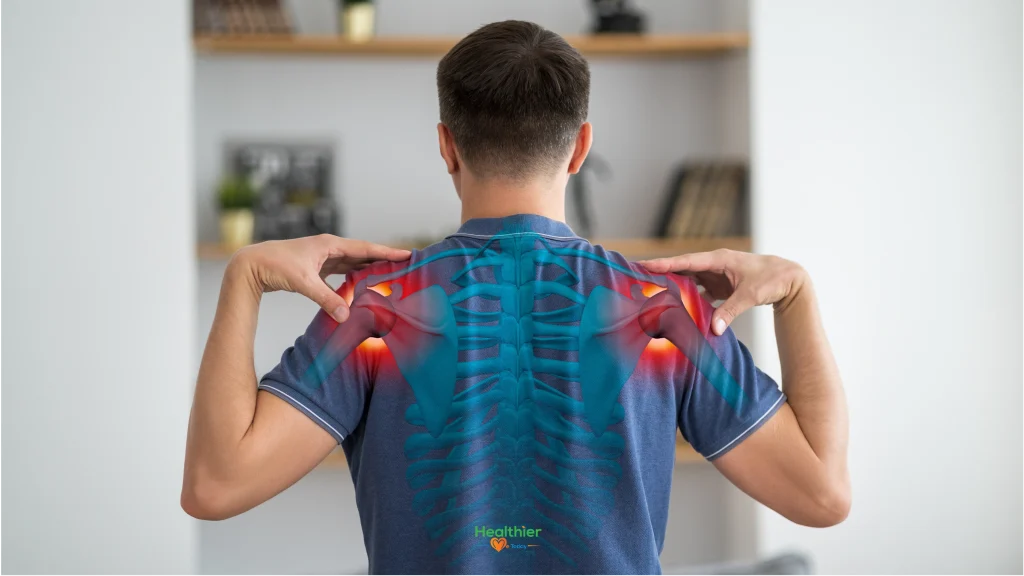
Shoulder pain is a very common focal point for most people, with our daily lives we find ourselves with many aches and pains, especially the upperback section. Most people with frozen shoulder can benefit from regular shoulder stretches and exercise to reduce discomfort and increase range of motion. Improvement usually requires time and consistent application of practices.

Tips Before You Start Exercises for Sore Shoulder

Shoulder Pain Solutions by Healthier Me Today

Before beginning shoulder stretches and exercises, it’s important to know that there are three stages of a frozen shoulder.

Each has its own set of frozen shoulder exercises and recommendations:

  1. Freezing: Shoulder pain begins gradually at rest and becomes severe during extremes of motion. It normally lasts between 2 and 9 months.
  2. Frozen: Pain is lessened at rest, but there is a significant loss of shoulder mobility, with pain at the extremes of motion. It might last anywhere between 4 and 12 months. Thankfully, there are reliable exercises for shoulder mobility.
  3. Thawing: This stage allows for a gradual recovery of the range of motion. It might extend from 5 to 26 months.

Taking pain medicines prior to shoulder pain exercises may help. You can also use heat or ice to relieve pain before beginning these frozen shoulder exercises. Also, take note that frozen shoulder exercises for seniors may be slightly different depending on their health needs and abilities. 

Gentle Exercises for Sore Shoulder

When starting exercises for a sore shoulder make sure to slow down in the first and most painful stage. Increase the number of repetitions of shoulder stretches for pain gradually, without hurting yourself.

One study discovered that when patients did shoulder pain exercises within their pain tolerance, they achieved near-normal, painless shoulder motion at 12 months (64 percent) and 24 months (89 percent).

In comparison, 63 percent of those who had more extensive frozen shoulder exercises achieved near-normal, painless shoulder motion after 24 months of consistent exercises.

exercises for shoulder pain

Below are 10 effective exercises and stretches:

1.  Behind-The-Back Stretch

This is one of the simplest and most effective stretches for a sore shoulder:

  1. Stand with your legs shoulder-width apart.
  2. Put the affected arm behind your back.
  3. With your other hand, gently push the palm of your affected arm up towards the opposite shoulder.
  4. Hold the stretch for 1–5 seconds and stop when you feel pain.
  5. Repeat the stretch two or three times per day.

2. Abduction Shoulder Stretch

Abduction refers to moving your arm away from your body’s midline. These exercises for shoulder pain include doing the following:

  1. Sit next to a table, placing your affected forearm and elbow on its surface.
  2. Slide your forearm slowly away from your body, stopping when you feel pain.
  3. Your body will tilt as you move, but avoid leaning on the table.
  4. Repeat two or three times per day.

3. External Rotation Door Stretch

Be careful when doing these shoulder stretches for pain, as these movements can sometimes be painful if overdone:

  1. Stand in a door frame with your affected arm’s elbow bent 90 degrees.
  2. Rest your palm and wrist on the doorframe.
  3. Keep your forearm in place and slowly shift your torso away from the doorframe.
  4. Stop stretching when you feel pain.
  5. Repeat these shoulder mobility stretches 2-3 times per day.

4. Pendulum Exercises for Shoulder Pain

These kinds of Pendulum frozen shoulder exercises ask you to manipulate your arm and shoulder using a passive range of motion rather than engaging the muscles in your affected shoulder.

Here is how to properly execute Pendulum exercises for a sore shoulder:

  1. Sit or stand next to a table, the affected arm dangling at your side and the other arm resting on the table.
  2. Lean forward from the waist.
  3. Use your body to move your affected arm in short circles while keeping your shoulder relaxed.
  4. Repeat two to three times per day, for one to two minutes each.

Strengthening And Stretching Shoulder Pain Exercises

shoulder pain relief exercises

As you get through the second phase of shoulder ache stretches and experience less pain, you can increase frozen shoulder exercises and repetitions, as well as incorporate some strengthening exercises for sore shoulders. These strengthening exercises for shoulder pain must be performed carefully and mindfully to avoid further injury and pain. 

In exercise 4 of these shoulder rehab exercises, consider adding a tiny weight to your problematic arm, such as a soup can. Alternatively, in exercise 1, move your injured arm higher up your back. These shoulder strengthening exercises focus on regaining your full movement and muscle strength. 

5. Wall Climb Stretch

This is amongst the best stretches for pain as it relieves the surrounding muscles as well. 

  1. Stand facing a wall, your affected arm’s hand flat against it.
  2. Slide your hand and arm up the wall as far as possible without pain.
  3. Bring your body closer to the wall so you may extend higher up the wall.
  4. Hold the stretch for 15–20 seconds.
  5. Repeat the stretch ten times.

6. Adduction Exercise

These types of frozen shoulder exercises include adduction, which refers to moving your arm toward your body. Initially, it is the opposite of abduction, but it still works as a shoulder stability exercise. 

  1. Tie a workout band, also known as a resistance band, to a doorknob or something heavy.
  2. Hold the opposite end of the band in the palm of your affected arm.
  3. Stand far enough away from the band’s anchor point to ensure that it is taut when your arm is extended.
  4. In a smooth back-and-forth motion, move your arm toward and away from your body ten times.
  5. Do not perform these shoulder pain exercises if they cause you pain. As you gain strength, increase your repetitions.

7. Forward Flexion

These specific stretches and exercises for sore shoulders rely on a passive range of motion, in which you or another person gently pulls on your affected arm to stretch it.

To perform these shoulder ache stretches, you should:

  1. Lie on your back with your legs resting comfortably.
  2. Bend your “good” arm across your body, lifting the affected arm to the ceiling until you feel a slight stretch.
  3. Hold this stance for 15 seconds before carefully lowering your affected arm.
  4. Repeat these shoulder workout exercises as your strength improves and the hold time increases.

8. Shoulder Shrugs

  1. Bring both shoulders up to your ears and hold for 5 seconds, whether seated or standing.
  2. Repeat ten times.

Shoulder Shrugs: Forward and Backward

  1. Shrug your shoulders up toward your ears, then roll them forward in as large a circle motion as you can without hurting.
  2. Repeat the exercise with your shoulders backward. Perform each direction ten times.
  3. You may hear some popping noises, but these exercises for shoulder pain shouldn’t cause you further u.

9. Seated Or Standing External Rotation Exercises for Sore Shoulder

  1. Hold a cane, broomstick, or length of PVC pipe in both hands; elbows bent at a 90-degree angle. Your thumbs should be pointed upward.
  2. Keep the affected arm bent and near to your side.
  3. Move your “good” arm and the stick towards the injured arm until you feel a stretch.
  4. Hold the stretch for five seconds.
  5. Repeat these shoulder mobility exercises ten times. As your strength improves, increase the number of repetitions to 20 or 25.

10. Other Pain Relief Measures

If conservative treatment, such as physical therapy exercises for shoulder, shoulder ache stretches, and nonsteroidal anti-inflammatory medicines (NSAIDs), is ineffective in treating your frozen shoulder pain, you should consult your doctor about other options.

  • Some people experience relief from acupuncture, although there have been few randomized trials on the effectiveness of this therapy for frozen shoulder.
  • TENS, or transcutaneous electrical nerve stimulation, is another potential treatment, but its efficacy has yet to be proven.
  • A 2019 study on yoga asana for frozen shoulder reported “no added advantage” over normal treatment after one month.

shoulder strengthening exercises

Steroid, Hydrodilatation, And Hyaluronan Injections

Apart from exercises for sore shoulders, some research suggests that steroid injections are most beneficial for pain relief in the early stages of frozen shoulder treatment. Corticosteroid injections, along with hydro dilatation, may be most effective in relieving pain during the first three months of treatment.

Hyaluronan injections have also been shown to reduce pain, particularly at night. A study compared steroid and hyaluronan injections (also known as hyaluronic acid) with physical therapy to no treatment. The study discovered that all three therapies significantly reduced pain and mobility after three months when compared to the no-treatment group.

Low-Level Laser Treatment

A 2008 study found that low-power laser treatment effectively reduced pain after 8 weeks of treatment for a frozen shoulder when compared to a placebo group. However, there was no substantial improvement in the range of motion throughout the same time span.

Electrotherapy

The evidence for the effectiveness of electrotherapy treatment is limited. A 2014 study on several types of electrotherapy found that electrotherapy paired with physical therapy may be more beneficial than physical therapy alone. Electrotherapy treatments included laser, TENS, ultrasound, and pulsed electromagnetic field therapy.

Surgery

When conservative treatment fails, anesthesia-assisted manipulation and arthroscopic release may be utilized.

exercises for a sore shoulder

Conclusion

Physical therapy, weekly shoulder ache stretches, and frozen shoulder exercises can help reduce pain and increase the range of motion in a frozen shoulder. Your doctor may recommend exercises for shoulder pain fitness regimen in conjunction with NSAIDs, corticosteroids, hydrosilation, or hyaluronan injections.

It’s a good idea to get professional advice before beginning your shoulder exercises for a hurt shoulder, as well as a shoulder ache stretches routine at home. There are numerous frozen shoulder exercises for pain to do, and a physical therapist can assist you in identifying other shoulder recovery exercises and therapies that are appropriate for the stage of your frozen shoulder and feasible for you.

FAQ’s:

What are the best shoulder pain exercises?

The best shoulder pain exercises are:

> Behind-The-Back Stretch
> Abduction Stretch
> External Rotation Door Stretch
> Pendulum Exercise
> Wall Climb Stretch

How can I relieve shoulder pain at home?

You can always treat some shoulder injuries with rest and ice. Be careful not to lay on your shoulder or with your arms overhead. Begin performing frozen shoulder exercises to increase the circulation of vulnerable tissue and decrease your pain. However, make sure with your healthcare provider that shoulder pain relief exercises will be beneficial to your situation. 

What stretches for shoulder pain help the most?

> Pendulum stretch
> Child’s pose
> Rhomboid stretch
> Triceps stretch
> Neck release

Is it safe to exercise with shoulder pain?

Exercise should not make your existing shoulder pain worse overall. However, practising new frozen shoulder exercises.

 It can sometimes cause short-term muscle pain as the body gets used to moving in new ways.

What causes shoulder pain?

Shoulder pain can stem from:

> Rotator cuff tendonitis
> Bursitis
> Frozen shoulder
> Impingement syndrome
> Nerve injury
> Arthritis

How can I strengthen my shoulders to prevent future pain?

Frozen shoulder exercises, including certain yoga poses and gentle stretches for shoulder blade pain, can help lengthen and strengthen the shoulder muscles and relieve pain. 

When should I see a doctor for shoulder pain?

You should see an orthopedic doctor if your elbow or shoulder pain lasts more than four weeks, does not start feeling better within two to four weeks, gets progressively worse day to day or week to week. During this time avoid shoulder workouts for shoulder pain until your doctor as advised otherwise.

Flu Shot: When’s the Best Time to Get Vaccinated This Season?

The flu vaccine, commonly known as the flu shot, is a crucial tool for preventing seasonal influenza. But because it’s seasonal, understanding the optimal timing for getting your flu shot can maximize its effectiveness. 

flu shot

Here, we’ll cover key information to help you choose the best time for your flu shot to protect your health throughout flu season.

Understanding the Best Time for a Flu Shot

The duration of protection from a flu shot depends largely on when it’s administered. Flu shots are typically recommended before the flu season begins, as this ensures you’re protected when the virus is most active.

flu shot season

When to Get Your Flu Shot for Maximum Protection

A common question is, “When should I get my flu shot?” The CDC recommends getting vaccinated by the end of October, before flu season peaks. Early vaccination can be highly protective – research indicates that when the vaccine aligns well with circulating strains, doctor visits related to flu can decrease by 40-60%. Getting vaccinated as soon as possible is ideal, but receiving it later in the season can still provide significant benefits.

Does the Flu Shot Fully Protect Against the Flu?

 best time to get a flu shot

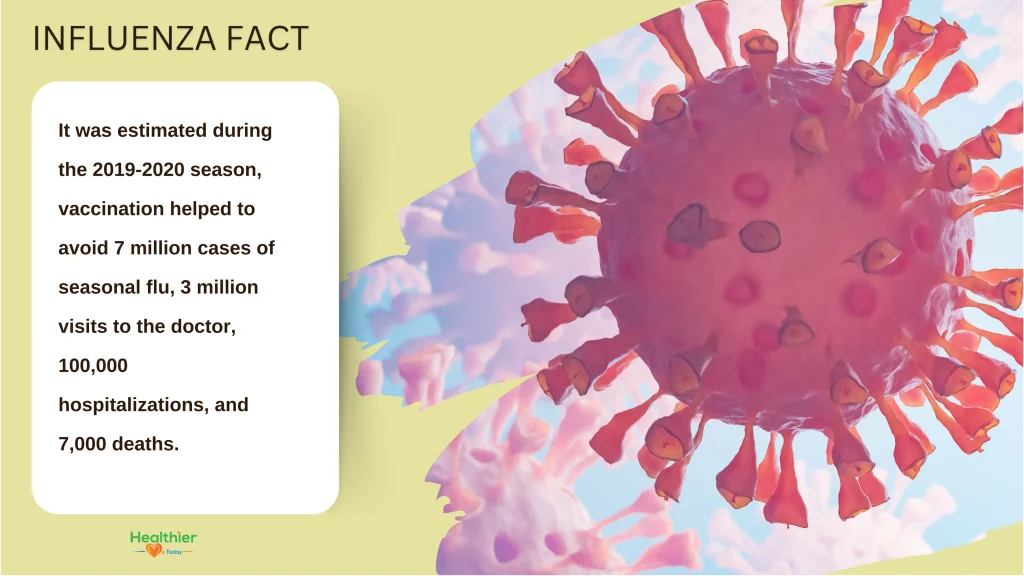
While the flu shot is effective at reducing your risk, it doesn’t eliminate the chance of getting the flu. During the 2019-2020 season, flu vaccination prevented approximately 7 million flu cases, 3 million medical visits, 100,000 hospitalizations, and 7,000 deaths. By training your immune system to recognize specific strains, the vaccine significantly lowers the severity of symptoms if you do contract the flu.

How Long Does Flu Shot Immunity Last?

The immunity from a flu shot typically lasts about six months, covering the peak of flu season. However, immunity duration can vary among individuals based on their health status. Consulting your healthcare provider about how long the flu shot will last for you can provide personalized guidance on timing your vaccinations.

Flu Shot Season and Availability

Flu shot season generally starts in late summer or early fall, with vaccines available at clinics and drugstores. Knowing when flu shots will be available in your area can help you plan ahead. Starting in the 2024-2025 season, all U.S. flu vaccines will be trivalent, with special recommendations for stronger vaccines for adults 65 and older. Don’t delay, as vaccine supplies may be limited later in the season.

Factors That Influence Flu Shot Timing

Design by Healthier Me Today

Several factors should be considered when deciding on the timing of your flu shot.

Seasonal Patterns and Flu Shot Effectiveness

Flu seasons vary, with flu activity peaking in late fall and winter. Getting vaccinated early is helpful, but note that early vaccination can lead to reduced immunity if the flu season is prolonged. Monitoring flu trends and choosing the most suitable time based on local data can enhance the vaccine’s effectiveness.

Personal Health and Immune System Needs

Individuals with weaker immune systems or those at high risk, such as older adults, may benefit from getting vaccinated early (Mayo Clinic). If you have questions about how the flu shot might affect your immune system, ask your healthcare provider to evaluate the benefits based on your health status.

Location and Vaccine Availability

Flu season and vaccine availability can differ by location. Some areas receive vaccines earlier, allowing for timely protection. Check with local health departments for updates on flu shot availability to ensure you’re prepared.

Side Effects and Aftercare for Flu Shots

Flu shots are generally safe, though mild side effects can occur. Some people may experience minor soreness, low-grade fever, or mild fatigue. These reactions typically resolve within a day or two and are manageable with rest and hydration.

Common Reactions and Management

After the flu shot, it’s normal to feel slight discomfort at the injection site or mild flu-like symptoms such as body aches and fatigue. These side effects are temporary and usually mild. Avoiding strenuous activity, staying hydrated, and limiting alcohol intake can help ease any discomfort post-vaccination.

Does the Flu Shot Affect Your Immune System?

The flu vaccine strengthens your immunity against flu-specific viruses but doesn’t weaken overall immunity. Any mild reactions are temporary and indicate your immune system is responding to the vaccine.

Valid Reasons to Decline the Flu Vaccine

While flu vaccines are widely recommended, there are valid reasons for some individuals to opt-out. Those with a history of severe allergic reactions to flu vaccine components or past adverse reactions should consult their doctor. Certain medical treatments may also interfere with vaccination, so discussing your health status with a healthcare provider is essential (CDC).

flu shot benefits

Advantages and Disadvantages

Flu shots offer many benefits but also have limitations.

Advantages

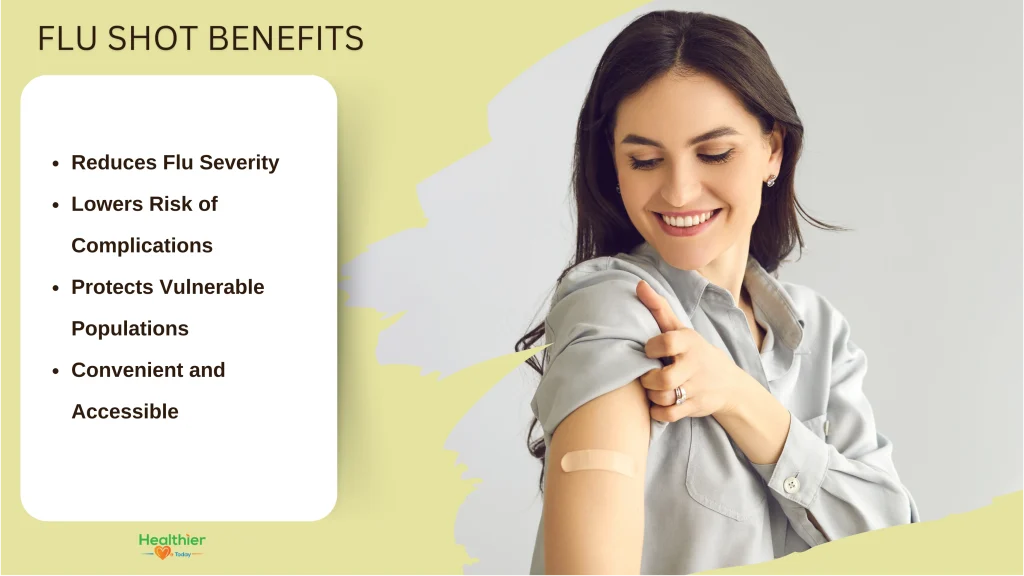
  • Reduces Flu Severity: The flu shot can significantly decrease the severity of flu symptoms.
  • Lowers Risk of Complications: It offers an added layer of protection, particularly for those with weakened immune systems.
  • Protects Vulnerable Populations: Vaccination helps shield society’s most vulnerable, including young children and the elderly.
  • Convenience and Accessibility: Flu shots are widely available, making it easier for people to get vaccinated on time.

Disadvantages:

  • Mild Side Effects: Minor side effects, such as soreness and low-grade fever, can occur, especially in children.
  • Limited Strain Coverage: Flu vaccines may not cover all flu strains, so full protection isn’t guaranteed.
  • Temporary Immunity: Immunity generally lasts for about six months, so timing is crucial to cover the flu season effectively.

How Long Should You Wait Before Your Next Flu Shot?

Since flu viruses change each year, an annual flu shot is recommended. For those in high-risk groups or with specific health conditions, a healthcare provider may advise additional doses or boosters.

Conclusion

Getting a flu shot is an effective way to protect yourself from seasonal flu and its complications. With the right timing, vaccination enhances your defense against the flu, helping to reduce its spread and impact on public health. Seek advice from healthcare providers to ensure your vaccination strategy fits your health needs.

Flu Shot FAQs:

When is the best time to get a flu shot for maximum effectiveness?

The optimal time is before flu season, ideally by October. However, vaccination is still helpful if received later.

How long does the flu shot protect you from the flu?

Flu shot protection typically lasts around five to six months, although this may vary.

Can you still get the flu after getting vaccinated?

Yes, but symptoms are generally milder, and the flu vaccine provides substantial protection.

What are the common side effects of the flu shot, and how long do they last?

Side effects are usually mild, lasting up to two days. They may include soreness, fatigue, headache, muscle aches, and low-grade fever.

How often should I get a flu shot, and do I need one every year?

It’s best to get the flu shot annually, as flu strains change each season.

Is it safe to get the flu shot if I have other health conditions?

Yes, but consult your doctor if you have specific concerns.

What should I avoid after getting a flu shot to minimize side effects?

Avoid strenuous activity, stay hydrated, and limit alcohol intake for the best recovery.

Energy Drink Addiction: The Real Costs & How to Break Free!

Energy drink addiction is a rising issue in today’s culture, with an increasing number of people becoming addicted to these highly caffeinated beverages. Understanding the symptoms of energy drink addiction is critical for identifying and effectively managing this problem.

energy drinks young adults

The Rising Popularity of Energy Drink Addiction

Over the last decade, energy drinks have become extremely popular, particularly among young folks. These beverages are frequently marketed as a quick remedy for exhaustion, promising a surge of energy and enhanced focus. However, the high caffeine concentration and other stimulating compounds can be addicting, resulting in dependence and eventual addiction.

Energy drink addiction is not limited to a particular age group or demographic. People from many areas of life may get into the trap of relying on these beverages to function or feel stimulated. The increased availability of energy drinks has led to a rise in addiction.

The Risks of Energy Drink Addiction

Energy drink addiction can have a significant impact on many elements of a person’s life. Physically, overconsumption of energy drinks can cause various symptoms and health problems. Addiction can impair mood, cognition, and overall mental health.

It’s vital to understand that energy drink addiction isn’t only caused by caffeine dependence. Many energy drinks include a lot of sugar, which can lead to addictive behaviors and negative health impacts.

Let’s look more closely at the indications of this addicted behavior:

  • Increased consumption – There is a clear rise in the frequency and quantity of energy drink use.
  • Failed attempts to quit or cut back – Repeated attempts to lessen or discontinue the usage of energy drinks, which frequently result in relapse.
  • Desires and withdrawal symptoms – When trying to quit or reduce intake, you may experience intense desires for energy drinks as well as withdrawal symptoms such as headaches, irritability, and weariness.
  • Neglecting responsibilities is failing to fulfill personal, professional, or social commitments due to energy drink intake or related activities.
  • Tolerance development: You may need more energy drinks to produce the desired outcome or have a smaller effect with the same amount.
  • Continued use despite negative repercussions – Continued consumption of energy drinks despite negative physical or psychological consequences.
  • Distress or impairment – Significant distress or impairment in multiple areas of life as a result of energy drink addiction.

Understanding these indications is critical for recognizing energy drink addiction and obtaining appropriate help and support. In the parts that follow, we will go over the physical and psychological symptoms in greater detail, as well as the addiction cycle and the long-term implications of energy drink addiction.

Recognizing the Symptoms 

Recognizing the symptoms of energy drink addiction is critical for treating and managing this developing problem. Energy drink addiction can emerge as a variety of physical and psychological symptoms. Understanding these indicators allows individuals and their loved ones to take steps toward intervention and assistance.

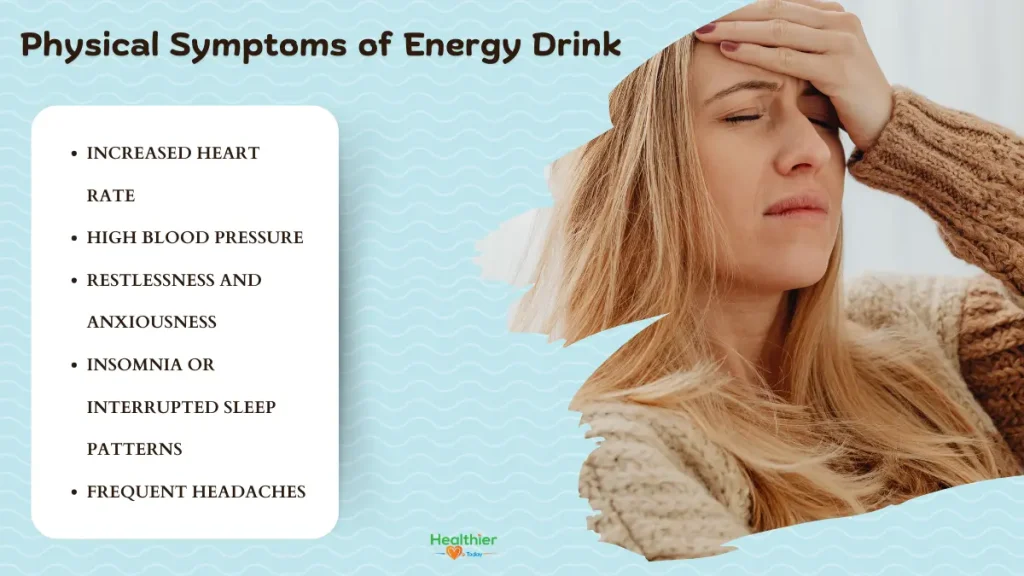
Physical Symptoms of Energy Drink Addiction

Some frequent physical signs connected with energy drink addiction are:

Physical side effects of energy drinks

  • Increased heart rate
  • High blood pressure
  • Restlessness and anxiousness
  • Insomnia or interrupted sleep patterns
  • Frequent headaches
  • Digestive problems, such as stomachaches or indigestion
  • Increased sweating
  • Tremors or shaking
  • Unexplained weight loss or increase
  • Fatigue

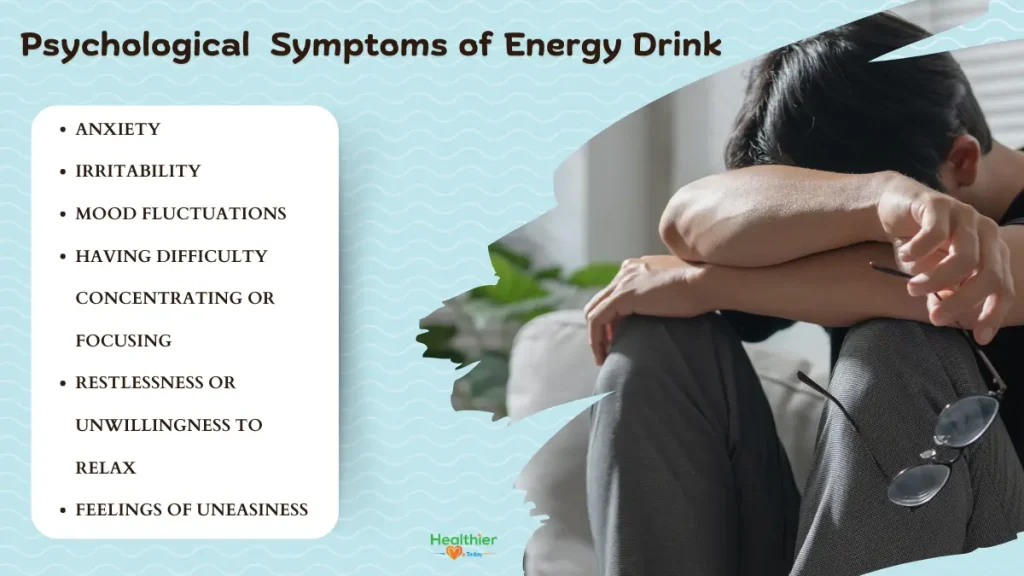
Psychological Symptoms of Energy Drink Addiction

Some frequent psychological symptoms connected with energy drink addiction are:

Psychological Symptoms of Energy Drink Addiction

  • Anxiety
  • Irritability
  • Mood fluctuations
  • Having difficulty concentrating or focusing
  • Restlessness or unwillingness to relax
  • Feelings of uneasiness
  • Increased impulsivity or hazardous behavior
  • Depression or bad moods
  • Social isolation or retreat
  • Poor decision-making or impaired judgment.
  • Obsession or concern with energy beverages

The Cycle of Addiction

Energy Drinks without caffeine

Addiction to energy drinks is a complicated problem that includes a cycle of withdrawal and dependency. Gaining knowledge of this cycle might help one better understand the nature of energy drink addiction and how it affects different people.

Energy Drink Dependency

Dependency on energy drinks is one of the main features of addiction to these drinks. Frequent energy drink use can cause tolerance, a condition in which the body grows used to the effects of the beverage and needs larger doses to produce the same degree of stimulation.

The caffeine and other stimulants found in energy drinks are just one of the many reasons why people can become dependent on them. These drugs can activate the central nervous system, giving users a brief increase in vitality and awareness. But eventually, the body might grow dependent on these stimulants to perform at its best, creating a vicious cycle of dependency.

Withdrawal Symptoms and Cravings

People who are addicted to energy drinks frequently suffer from withdrawal symptoms and intense cravings when they try to cut back or quit using them. Both physical and psychological symptoms may be present, making it difficult to overcome the addiction.

Energy drink cravings are common among psychological withdrawal symptoms. Stress, exhaustion, and environmental cues connected with energy drink intake can all trigger cravings. These psychological needs can be strong and contribute to the addiction cycle, making it difficult for people to resist the impulse to consume energy drinks.

Addiction to Energy Drinks and Its Health Risks

Energy drinks are notoriously heavy in sugar and caffeine, which can harm the body if consumed excessively.

Long-term and excessive energy drink use can pose many health risks, such as:

Health Risks Energy Drinks

  • Elevated blood pressure and heart rate
  • An irregular heartbeat
  • Heart-related problems
  • Dehydration
  • Disturbances in sleep
  • Dental issues
  • Gaining weight
  • Deficenties 
  • Kidney issues
  • gastrointestinal problems

It’s crucial to remember that a person’s overall health, any pre-existing medical issues, and the quantity and duration of energy drink intake can all affect how serious these health hazards are. Limiting or avoiding energy drinks in excess is typically recommended to prevent these possible health issues.

Effects on Mental Health

Addiction to energy drinks can have severe effects on mental health in addition to the risks to physical health. Energy drinks’ high caffeine content can exacerbate irritation, restlessness, and anxiety. Additionally, it may interfere with sleep cycles, resulting in exhaustion and trouble focusing.

Mood swings and depressive symptoms may be exacerbated by the cycle of dependence and withdrawal linked to energy drink addiction. People may find it difficult to function without energy drinks and may have a constant desire for them to feel alert. The general state of mental health and well-being may suffer as a result of this dependence.

Treatment Options for Energy Drink Addiction

Recognizing the need for assistance is vital for overcoming the unhealthy dependency on energy drinks. Seeking help and support is a critical step toward overcoming the addiction cycle. Overcoming energy drink addiction often requires a comprehensive approach that addresses both the physical and psychological aspects of addiction. 

Here are a few standard therapy options:

  • Counseling and Therapy: Seeking therapy or counseling can be extremely helpful in addressing the root causes and triggers of energy drink addiction. Cognitive-behavioral therapy (CBT) is frequently used to help people establish healthy coping mechanisms and overcome negative thought patterns.
  • Support Groups: Participating in support groups such as Alcoholics Anonymous (AA) or other addiction support groups can help you feel more connected and understood. These groups provide a forum for people to share their stories, seek support, and learn from those who have successfully conquered addiction.
  • Medical Intervention: In severe situations of energy drink addiction, medical attention may be required. This may include medically supervised detoxification to control withdrawal symptoms and guarantee a safe and comfortable recovery.
  • Lifestyle Changes: Making good lifestyle changes is critical for recovering energy drink addiction. This could involve eating healthier, exercising regularly, and emphasizing proper sleep and stress management skills.

Remember that seeking professional help and support is essential for successful treatment. A healthcare provider or addiction specialist can offer personalized advice and create a treatment plan tailored to your needs.

‍Conclusion

Addiction to energy drinks is a rising issue that has serious effects on both mental and physical health. To effectively address this issue, it is essential to recognize the symptoms, understand the addiction cycle, and acknowledge the possible long-term consequences.

FAQ’s of Energy Drink Addiction:

Can energy drinks kill you?

Yes, energy drinks can contain significantly more caffeine than coffee or medications. Caffeine consumption in high doses can be fatal.

Does drinking Red Bull too much break you out?

Energy drinks contain high levels of sugar and caffeine, which can aggravate acne. Caffeinated and sugary drinks should be consumed in moderation for healthy skin.

How much caffeine is in an energy drink?

There are 31 mg of caffeine in 100 mg of energy drinks.

When should you not drink an energy drink?

> Children and adolescents.
> Pregnant people.
> Individuals with pre-existing conditions (for example, heart or kidney disease).
> Anyone who regularly takes medications to treat health issues.

Side effects of energy drinks on the brain

Several studies have found that energy drinks may contribute to ischemic strokes and epileptic seizures. Hallucinations may occur in people who consume over 300 mg of caffeine daily. 

Do energy drinks affect your health?

Yes, energy drinks can affect your health in multiple different ways.

Is it safe to drink energy drinks every day?

If you decide to drink energy drinks, limit yourself to no more than 16 ounces (473 ml) per day and limit your intake of other caffeinated beverages to avoid caffeine overload. Pregnant and nursing women, children, and teenagers should avoid all energy drinks.

Eat Before or After a Workout: What’s Best for Your Performance?

Nutrition and exercise are two of the most critical components in maintaining overall health. The two aspects interact with one another. A proper diet can fuel your workouts while also aiding in recovery and adaptation. One frequently asked question is should you eat before or after a workout? This may be especially true if you exercise early in the morning.

Here’s everything you need to know about eating before or after workouts.

eat before or after workout

Fasted and Fed Exercises May Produce Different Results

According to studies, your body’s responses to exercise can vary depending on whether you eat before or after a workout.

Exercising Fasted Improves Your Body’s Ability To Use Fat As Fuel

Your body’s main fuel sources are body fat and carbs. Fat is stored in fat tissue as triglycerides, whereas carbohydrates are stored in your muscles and liver as glycogen. Blood sugar is another source of carbohydrates.

When you eat before a workout, it raises blood sugar levels both before and during the workout. This makes sense because most of the pre-exercise meals in studies contained carbohydrates, which the body uses to generate energy during activity. However, when you exercise on an empty stomach, the breakdown of body fat provides more energy to your body.

Research involving 273 people discovered that fat burning increased during fasted exercise, while glucose and insulin levels increased after non-fasted exercise. This highlights that whether you choose to eat before or after a workout, your body adjusts by utilizing fat or carbohydrates as fuel.

Exercising And Fasting May Not Result In A Greater Loss Of Body Fat

Given that fasting causes your body to burn more fat for energy, it’s easy to assume that this will result in greater fat loss over time. However, one study found that people who exercised while fasting responded differently than those who chose to eat before or after a workout. One study found that people who exercised while fasting responded differently than those who ate before exercising.

Fasted exercise enhanced the muscles’ ability to burn fat during activity, as well as the body’s ability to manage blood sugar levels, whereas fed exercise did not. As a result, some experts believe that exercising while fasting produces more favorable changes in body fat than exercising after eating. However, this doesn’t provide a clear answer on whether it’s better to eat before or after a workout for fat loss.

Despite some research supporting the benefits of fasting exercise, there is no solid evidence that it leads to increased weight or fat loss. Limited research, including two trials, found no difference in fat loss between women who exercised fasted and those who ate before or after a workout.

Not Eating Before Short-Duration Exercise May Have No Effect on Performance

eat before or after workout

Many people who wish to perform at their best wonder if exercising while fasting will hurt their performance. Some studies have attempted to address this question. One analysis looked at 23 trials on whether eating before exercise increased performance. The majority of studies found no difference in performance between individuals who ate before engaging in aerobic exercise lasting less than an hour and those who did not.

Other research on high-intensity interval training (HIIT) reported no change in performance between fasted and fed exercises. Although there is scant evidence on weight training, some studies suggest that exercising fasted or fed may yield equal outcomes. The body’s own energy stores may have contributed to the lack of evident benefits of eating before short-duration exercise in these studies.

Your body stores around 2,000 calories as glycogen and significantly more as body fat. All that stored energy enables you to work out even if you haven’t eaten in hours. However, several studies have found that eating carbohydrate-rich meals or supplements before exercise improves performance. Eating before short-duration exercise improves performance in some people, and the optimum option will likely vary depending on the individual.

Eating Prior to Long-Duration Exercise May Improve Performance

An examination of exercise lasting more than an hour discovered that 54% of trials indicated improved performance when food was ingested before exercise. The majority of research demonstrating the benefits of pre exercise eating used a carbohydrate-rich lunch. Consuming slower-digesting carbohydrates or eating many hours before exercise may improve long-term performance.

Other studies have found that endurance athletes benefit from eating a high-carb lunch three to four hours before exercise. There may also be advantages to eating carbs an hour before exercise for long-duration events. Overall, there is more evidence supporting the benefits of eating before longer-duration activity than for shorter-duration exercise. However, some research found no effect from a pre exercise meal.

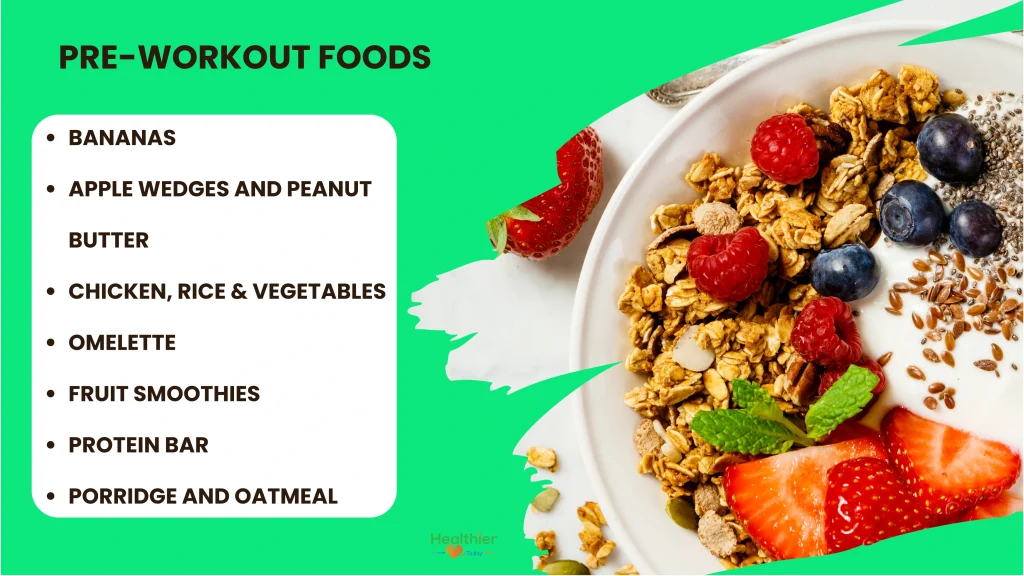
Top 10 Pre Workout Foods

pre workout meal

While some individuals enjoy getting up at the crack of dawn and doing a fasted workout, this is not for everyone, and if you’re going midday, you’ll want to eat beforehand and carry some pre workout snacks.

Here are some of the finest things to eat before exercising:

  • Bananas
  • Apple wedges and peanut butter
  • Chicken, rice & vegetables
  • Omelette
  • Fruit smoothies
  • Protein bar
  • Porridge and oatmeal

Eat Before or After A Workout!

eat before or after workout

If You Don’t Eat Before Exercising, You Should Eat Afterward

While the relevance of eating before a workout varies depending on the circumstances, most scientists agree that eating after exercise is advantageous. According to research, certain nutrients, particularly protein and carbohydrates, can aid in your body’s recovery and adaptation following exercise.

Eating After Training is Especially Important If You Fasted 

If you eat several hours before working out, the nutrients you consume may remain in high concentrations in your blood during and after exercise. In this scenario, these nutrients can help the body recuperate.

Amino acids can be used to form proteins, whereas carbohydrates can restore your body’s glycogen stores. If you choose to exercise fasted, your body will fuel your workout with its own energy reserves. There are insufficient nutrients accessible for healing. In this instance, it is very vital to consume something promptly after exercise.

How Soon After Exercise Should You Eat?

While eating after exercise is vital, some evidence suggests that you may not need to eat right away. For example, one study looked at how well glucose stores (glycogen) in muscle recovered after two hours of cycling. In one trial, participants ate shortly after exercise, but in the other, they waited two hours.

There were no variations in the muscle’s recovery of glycogen stores after eight or 24 hours of exercise, showing that waiting two hours to eat was not harmful. Other studies on the importance of eating protein shortly after exercise have yielded varied results. While some demonstrate that taking protein shortly after exercise promotes muscle growth, others show no negative consequences from waiting several hours.

According to the available evidence, a sensible guideline is to eat as soon as possible following exercise. Again, eating immediately after exercise may be more crucial if you opt to exercise without eating first.

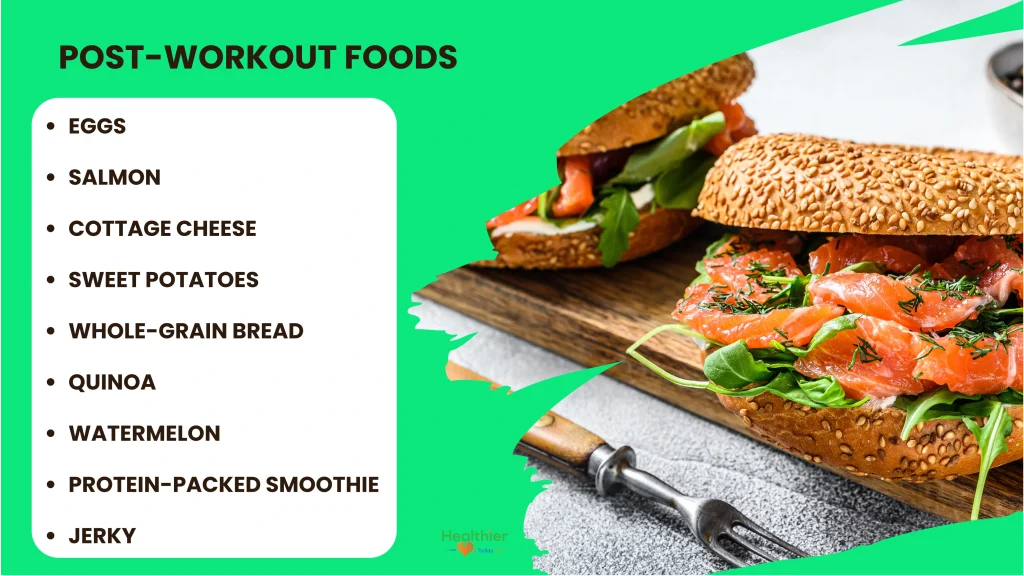
After Workout Meals – Best Post-Workout Foods

after workout meal

Although you don’t have to rush to prepare a full meal immediately after getting off the treadmill, consuming a quick After Workout Meal is essential to curb hunger and maximize recovery.

The following After Workout Meal options, supported by science, will help you recover effectively:

  • Eggs
  • Salmon
  • Cottage cheese
  • Sweet potatoes
  • Whole-grain bread
  • Quinoa
  • Watermelon
  • Protein-packed smoothie
  • Chocolate milk
  • Jerky
  • Cherry juice

Conclusion

Proper nutrition is essential when exercising. Therefore, you may ask should you eat before or after a workout. In general, when you should eat may be determined by your personal fitness goals, planned workouts, and any underlying health concerns.

Eat Before or After Workout FAQ’s:

What is the ideal time to eat around a workout for optimal performance?

A reasonable suggestion would be to eat as soon as possible after exercise. Eating after physical activity may be even more important if you don’t eat prior.

How can I boost energy levels for a workout without feeling too full?

Eat a light lunch or snack for around two hours before exercising. Try not to work out on a full stomach.

What are the best types of meals for post-workout muscle recovery?

Meals loaded with animal protein, potatoes, fish, rice, fruits, vegetables, and plant-based proteins.

Can eating certain foods before exercise improve endurance?

Carbohydrate feedings prior to endurance exercise are common and have generally been shown to enhance performance despite increasing insulin levels and reducing fat oxidation. 

How does the timing of meals affect workout performance and weight loss?

The results reveal that if women want to burn fat, they should eat before exercising rather than after. Women’s bodies burn fat more easily than men’s, and they rely less on carbohydrates. Furthermore, women are significantly better at preserving carbohydrates when exercising.

What role do macronutrients play in pre and post workout meals?

Macronutrients are nutrients that supply calories or energy to the body. Macronutrients serve to support healthy cellular growth and metabolism, as well as to maintain normal body processes.

How does eating protein or carbs influence muscle recovery after exercise?

It is important to have a sufficient amount of carbohydrates and protein following exercise. It increases muscle protein synthesis, improves recuperation, and boosts performance during your next session. 

Your Path to a Leaner You: The Best Weight Loss Diet Strategies

Every day, a new weight loss diet emerges, ranging from raw food diets to meal plans based on smoothies and prepackaged items. The difficulty is that while mainly restricted diets and elimination meal plans may result in short-term weight loss, most individuals are unable to maintain them and give up after a few weeks.

The DASH Diet

DASH Diet

Dietary Approaches to Stop Hypertension (DASH) is a dietary regimen intended to help treat or prevent high blood pressure, also known as hypertension. While it’s not specifically a weight loss diet, it promotes eating various fruits, vegetables, nutritious grains, and lean meats. 

How It Works

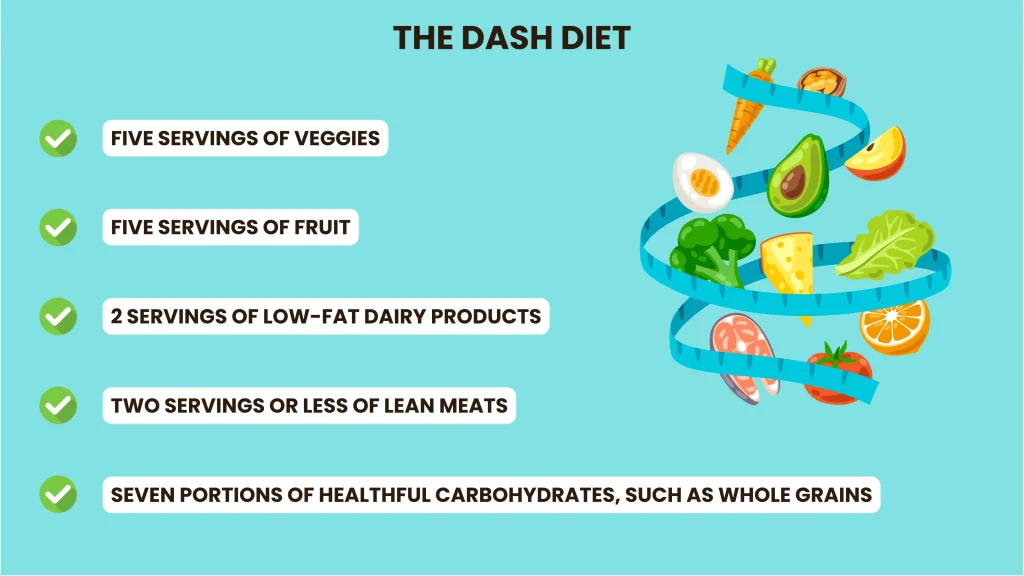
The DASH diet prescribes precise servings from several food groups. The number of servings recommended is based on your daily calorie intake, which makes it flexible for those who are aiming to use it as a weight loss diet. For example, a typical individual following the DASH diet would eat approximately:

  • Five servings of veggies
  • Five servings of fruit
  • Seven portions of healthful carbohydrates, such as whole grains.
  • 2 servings of low-fat dairy products
  • Two servings or less of lean meats

Health Benefits

The DASH diet has been found to lower blood pressure and other cardiovascular risk factors. It may also help reduce your risk of developing breast and colorectal cancer. According to studies, the DASH diet can help you lose weight. For example, a meta-analysis of 13 trials discovered that those on the DASH diet lost more weight over 8-24 weeks than those on a control diet. 

Another 12-week trial in people with obesity indicated that the DASH diet helped study participants lose total body weight, body fat percentage, and absolute fat mass while maintaining muscle strength.

Other Benefits

In addition to weight loss, the DASH diet may help alleviate depressive symptoms. A study conducted over eight years indicated that even moderate adherence to the DASH diet was associated with a decreased risk of depression.

Downsides

While the DASH diet may help with weight reduction, not all weight loss diets work for everyone.  There are different views on the connection between salt intake and blood pressure. For instance, eating too little salt has been related to increased insulin resistance, and a low-sodium diet is not suitable for everyone, especially those without hypertension. 

A low-sodium diet, such as the DASH diet, is better suited for people who have hypertension or other health disorders that benefit from or require sodium restriction. More research is needed to determine how a reduced salt diet affects insulin resistance in people without hypertension.

The MIND Diet

MIND Diet

The Mediterranean-DASH Intervention for Neurodegenerative Delay (MIND) diet combines elements of the Mediterranean and DASH diets, creating a brain-healthy weight loss diet that can reduce cognitive decline.

How It Works

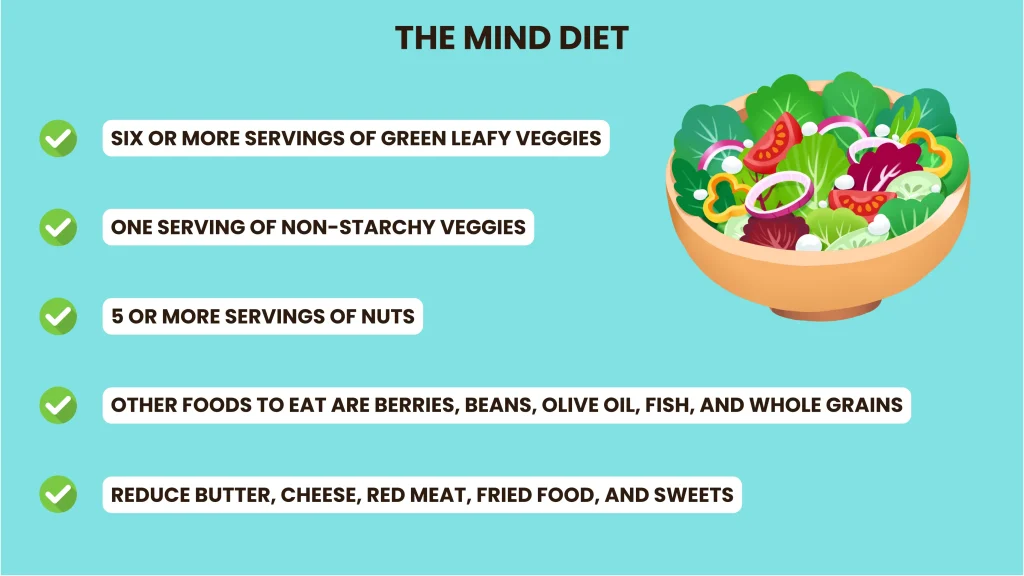
The MIND diet, like the flexitarian diet, does not have a set meal plan. Instead, this weight loss diet emphasizes consuming ten specific foods with brain health advantages. Each week, MIND includes eating:

  • Six or more servings of green leafy veggies
  • One serving of non-starchy veggies
  • 5 or more servings of nuts

Other foods to eat a couple of times a week are:

  • Berries
  • Beans
  • Olive oil
  • Whole grains
  • Fish
  • Poultry

Health Benefits

According to research, the MIND diet may lower a person’s risk of acquiring Alzheimer’s disease, and it outperforms other plant-rich diets regarding cognitive improvement. According to research, the MIND diet can help reduce cognitive decline and increase adaptability in older persons. 

It may also assist in postponing the beginning of the movement disorder Parkinson’s disease. There is limited research on the MIND diet and weight loss. However, the MIND diet may also aid in weight loss because it combines two diets that encourage weight loss. It can assist in stimulating weight loss by encouraging you to reduce your consumption of foods like:

  • Butter
  • Cheese
  • Red meat
  • Fried food
  • Sweets

However, additional research is needed on the MIND diet and weight loss.

Other Benefits

The MIND diet has much to offer as it can be easily adapted as a weight loss diet. While more research is needed on the impact on weight, the plant-based principles are aligned with many effective weight loss diets.

Plant-Based And Flexitarian Diets

Plant-Based And Flexitarian Diets

Vegetarianism and veganism are the most common plant-based weight loss diets that exclude animal products for health, ethical, and environmental reasons. However, more adaptable plant-based diets exist, such as the flexitarian diet. This is a plant-based diet that allows for moderate consumption of animal items.

How It Works

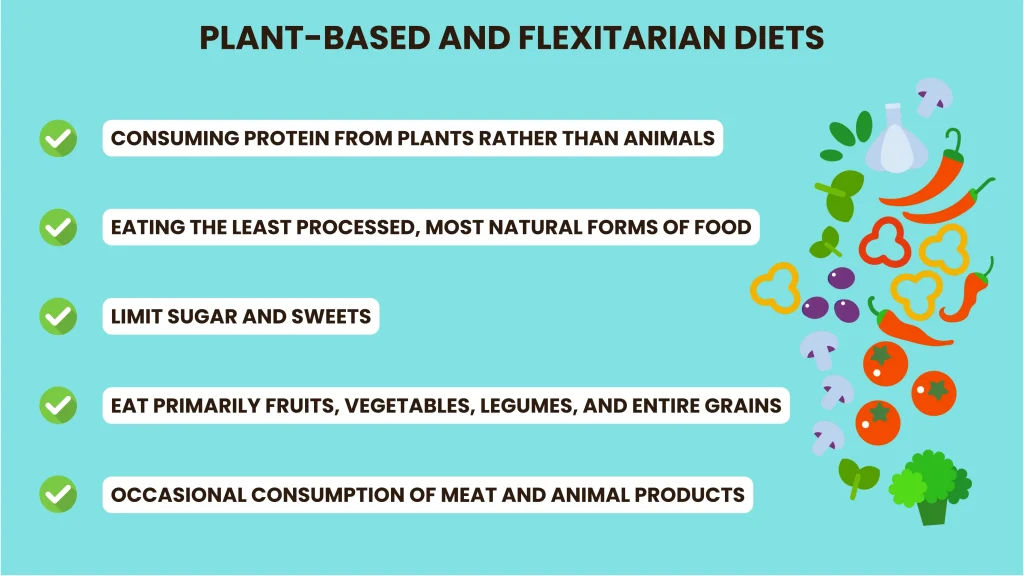
Vegetarian diets often prohibit all types of meat while allowing dairy. Vegan diets typically exclude all animal products, including dairy, butter, and occasionally other byproducts such as honey. The flexitarian weight loss diet lacks clear-cut rules or recommendations for calories and macronutrients, making it more of a lifestyle than a diet. Its principles are:

  • Consuming protein from plants rather than animals
  • Eat primarily fruits, vegetables, legumes, and entire grains
  • Eating the least processed, most natural forms of food
  • Limit sugar and sweets

It also permits for the occasional consumption of meat and animal products.

Health Benefits

Numerous studies have indicated that plant-based weight loss diets can lower your risk of acquiring chronic diseases, such as improved metabolic indicators, lower blood pressure, and a lower risk of type 2 diabetes. They may also help you lose weight. Flexitarian diets have also been found to lower the risk of type 2 diabetes, improve metabolic health and blood pressure, and may have weight loss advantages.

Other Benefits

For people seeking a sustainable lifestyle, reducing meat consumption can help to reduce greenhouse gas emissions, deforestation, and soil degradation.

Downsides

Plant-based eating patterns such as vegetarianism and veganism can be challenging to maintain. They may feel restrictive, particularly if you’re transitioning from a meat-based diet. While the flexitarian diet is easy to follow, being overly flexible may negate its benefits.

The Mediterranean Diet

The Mediterranean diet has long been considered the gold standard for nutrition, disease prevention, wellness, and longevity. This is based on its nutritional benefits and sustainability.

How It Works

The Mediterranean diet is based on meals that people in countries such as Italy and Greece have traditionally consumed, which makes it an excellent weight loss diet.

It is plentiful in:

  • Vegetables
  • Fruits
  • Whole grains
  • Fish
  • Nuts
  • Lentils
  • Olive oil

Poultry, eggs, and dairy products should be consumed in moderation, while red meat should be limited. Furthermore, the Mediterranean weight loss diet limits:

  • Refined grains
  • Trans fats
  • Processed meats
  • Added sugar
  • Other highly processed foods

Health Benefits

This diet’s concentration on minimally processed foods and plants has been linked to a lower risk of chronic diseases and a longer life expectancy. Studies have also shown that the Mediterranean diet can help avoid some malignancies. 

Though the diet was created to reduce heart disease risk, multiple studies show that its plant-based, high-unsaturated fat eating pattern can also help with weight loss. A systematic evaluation of five trials indicated that the Mediterranean diet resulted in more weight loss after one year compared to a low-fat diet. 

When compared to a low-carb diet, it had equal weight loss results. A 12-month study of more than 500 adults indicated that better adherence to a Mediterranean diet was related to twice the odds of weight reduction maintenance. Furthermore, the Mediterranean diet encourages the consumption of antioxidant-rich foods, which may aid in the prevention of inflammation and oxidative stress by neutralizing free radicals.

Other Benefits

Recent research has also indicated that the Mediterranean diet is connected with a lower risk of mental diseases such as cognitive decline and depression. Eating less meat is also linked to a more sustainable diet for the environment. This means that the weight loss diet is not just good for shedding a few pounds but for the overall well-being of individuals and even the planet.

Downsides

Although the Mediterranean diet is an effective weight loss diet, it’s low in dairy, which may lead to calcium and vitamin D deficiency.

Conclusion

Dieting is more than just weight loss. Many diets offer extra health benefits. You must first identify the program that best meets your specific requirements to achieve the best results. The most challenging part is determining which one it will be.

Before beginning any weight loss diet, it’s a good idea to consult your doctor about your medical history. They can help you decide which plan is ideal for you. Here is to a HEALTHIER and leaner you!

Revive Your Drive: Effective Solutions for Low Libido

Low libido (low sex drive) refers to a decrease in sexual desire. It is common and might last for a short or lengthy time. Libido varies from person to person and may fluctuate throughout one’s life. Depending on a person’s lifestyle, numerous factors might affect and repair low sex drive. If you are concerned about a decline in libido, you should visit a healthcare specialist.

What Is Low Sex Drive?

Libido is influenced by sex hormones (testosterone and estrogen), as well as neurotransmitters (dopamine and oxytocin). Libido naturally varies significantly from person to person. Your sexual desire can fluctuate throughout your life. There is no correct or inappropriate level of desire. Some people have or wish to have sex every day, whilst others may only have sex once or twice a year, if ever. Your individual preferences and life circumstances govern the “right” or “normal” libido.

What Are The Symptoms Of Low Libido?

Symptoms of low libido

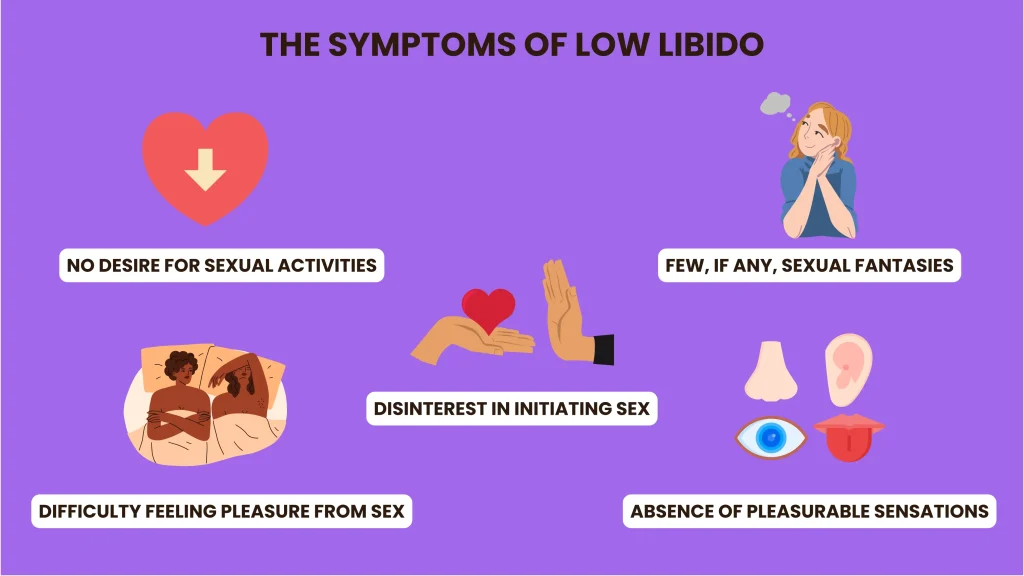
The main symptom of having a low libido is a decline in sexual desire as compared to your regular interest in sex. 

Other symptoms include:

  • Little or no desire for sexual activities
  • Few, if any, sexual ideas or fantasies
  • Disinterest in initiating sex
  • Difficulty feeling pleasure from sex
  • The absence of pleasurable sensations when sexually stimulated

What Can Cause a Low Libido?

what causes low libido

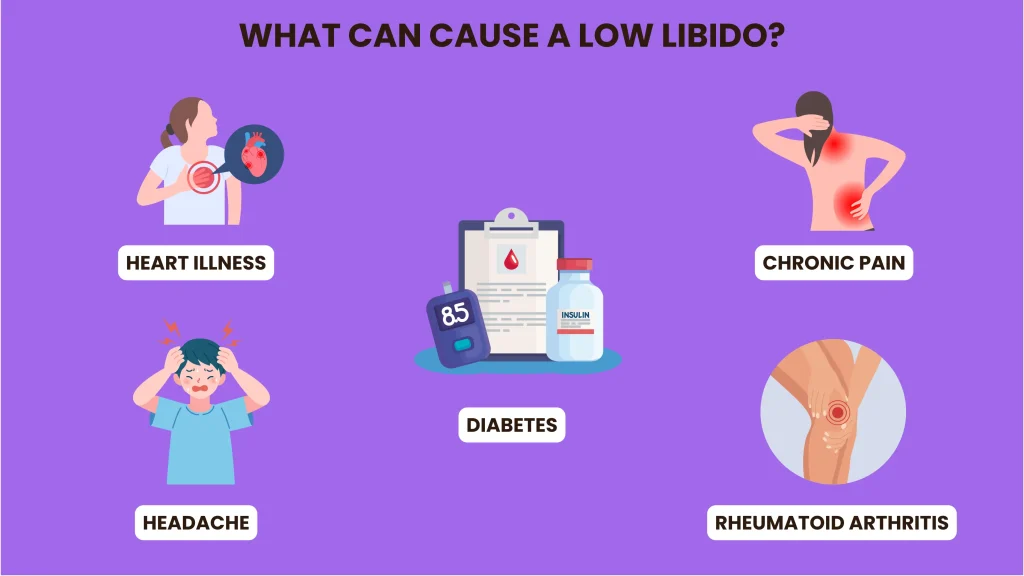
Many biological, psychological, and social factors can play a hand in low libido. 

There are also health issues that include, but are not limited to:

  • Chronic kidney disease
  • Cancer
  • Chronic pain
  • Headaches
  • Diabetes
  • Heart illness
  • Hyperprolactinemia
  • High blood pressure
  • Hypothyroidism
  • Rheumatoid arthritis

Psychological And Social Factors

  • Relationship issues with your partner: Communication, trust, and intimacy concerns are some of the most common causes of sex drive reduction. A couple’s desire for sex often lessens during their relationship.
  • Stress and exhaustion: Stress, whether from work, family, or life in general, can reduce your sexual drive by shifting your focus away from sexual desire. Chronic stress can also cause hormonal imbalances, resulting in low libido.
  • Depression, low self-esteem, and physical tiredness: These can all lower your libido. Depression also causes an imbalance in the neurotransmitters that regulate desire.
  • History of sexual trauma: Sexual harassment, assault, or rape can all have an impact on one’s sexual desire.
  • Anxiety: Anxiety disorders can cause higher amounts of cortisol (the “stress hormone”). High cortisol levels can impair the sex hormones that regulate sexual urges.
  • Alcohol, smoking, or recreational drugs: Excessive alcohol intake and improper drug usage can also cause a loss of sexual desire. Smoking can lower testosterone levels, leading to a lower libido.
  • Medications: Certain medications can reduce your sex drive. These include antidepressants, antipsychotics, chemotherapy treatments, and blood pressure meds.

Diagnosing Low Sex Drive

A decrease in your sex drive has various probable causes. 

Your doctor will ask you the following:

  • Symptoms you’re experiencing
  • Your medical history
  • Medications
  • Sexual history
  • Relationships
  • Stress level
  • Ideas about sex

Suppose they feel a physical condition is causing a low libido. In that case, they may perform or prescribe the following tests to help discover the cause: 

  • Physical exam
  • Pelvic exam
  • Hormone levels can be measured in blood testing
  • Imaging tests

How Is Low Libido Treated?

  • Education and communication: Learning about sex, sexual behaviors, and sexual responses might help you overcome your concerns about sexual function. Open communication with your partner about your needs and worries can also help you overcome many of the hurdles to a good sex life.
  • Stress management: Stress management entails applying ways to improve your response to life challenges. These approaches can help avoid or alleviate stress-related symptoms like low libido. Stress management techniques may include journaling, exercise, meditation, and other forms of self-care.
  • Hormone therapy for menopause: Hormone therapy (HT) increases hormone levels and reduces some menopausal symptoms, such as low libido. The two primary kinds of HT are estrogen therapy and estrogen-progesterone/progestin hormone therapy (EPT).
  • Hormone therapy for low testosterone: Male hypogonadism is treated with testosterone replacement therapy. There are numerous types of testosterone replacement therapy, such as tablets, creams, injections, and patches.
  • Individual psychotherapy: Psychotherapy (talk therapy) refers to a wide range of treatment procedures aimed at assisting individuals in identifying and changing undesirable emotions, thoughts, and actions. Therapy with a mental health professional can help you address medical ailments, mental health issues, or situations that may be causing a reduction in libido.
  • Couples therapy: Couples therapy is a process in which you and your partner engage with a mental health professional to enhance the overall quality of your relationship, address underlying issues, and learn how to boost intimacy and physical affection. This can help with low libido concerns.
  • Sex therapy: Sex therapists are certified psychologists, doctors, or healthcare professionals who have received specialized training in assisting patients with sex-related issues, such as a loss of sexual desire.

Natural Tips to Increase Low Libido

natural ways to increase libido

You can try various things, including eating specific foods and taking supplements, positive self-talk, and a renewed focus on pleasure.

Here are some great options:

1. Add More of These Fruits

There is little data to back up the effectiveness of certain foods, but there is no harm in experimenting. Figs, bananas, and avocados are libido-boosting foods, often called aphrodisiacs. These foods also contain crucial vitamins and minerals, which can boost blood flow to the genitals and promote a healthy sexual lifestyle.

2. Have Some Chocolate

Due to its fantastic taste and capacity to heighten erotic pleasure, chocolate has long been associated with desire. Increased release of neurotransmitters like serotonin, which has aphrodisiac and mood-boosting qualities, is brought on by chocolate. Moreover, serotonin may alter blood flow to vaginal tissues, which may explain part of its libido-enhancing properties.

3. Garnish With Herbs

Next time you have a romantic dinner, add basil or garlic to your dish. The smell of basil stimulates the senses, whereas garlic has high levels of allicin, a vasodilator that increases blood flow. Although additional research is needed, these results have the potential to benefit patients who have erectile dysfunction.

4. Focus On The Way You Feel

The way you feel about your body influences how you think about sex. Eating a healthy diet and regular exercise might help you feel more connected to your body and improve your self-image. You can also focus on the pleasure felt during sex.

5. Stick To One Glass Of Wine

Drinking a glass of wine can put you at ease and improve your desire to get intimate. However, excessive alcohol consumption can hamper your performance by lowering erectile function. Too much alcohol can also limit your capacity to orgasm. 

Conclusion

If your lack of desire for sex persists or returns and causes personal suffering, consult your healthcare provider. You may have a curable illness known as a sexual interest-arousal disorder. However, you do not need to fit this medical criterion to get help. If you’re experiencing low or diminished sex drive, you can make efforts to increase your low libido. Lifestyle adjustments and sexual approaches may put you in the mood more frequently. Some medications may also provide promise.

Take charge of your sexual health today! 

Exercises for Seniors: Fun Ways to Stay Fit and Fabulous

As we get older, it becomes increasingly necessary to maintain an active lifestyle. Exercises for seniors aren’t just about staying fit but are also key to a happier, more vibrant life, with numerous health benefits. The benefits are numerous and profound, ranging from improved heart health to increased mental well-being. 

This article will guide you through some of the best exercises for seniors, focusing on enhancing balance, strength, and flexibility while highlighting activities to avoid in order to prevent injury.

The Health Benefits of Exercises for Seniors

exercises for older adults

Our biology changes as we age, which means exercises for seniors come with distinct advantages compared to younger generations. While physical fitness benefits people of all ages, the health benefits that physically active seniors enjoy are particularly remarkable.

According to physicians and experts, exercises for seniors should be balanced to ensure they stay as active as possible without overexertion. Engaging in regular physical activity allows elderly individuals to enjoy longer, healthier, and happier lives.

Some of the advantages of senior fitness workouts later in life are::

Creates Independence

Seniors who engage in senior fitness workouts regularly are less inclined to rely on others. According to Harvard Medical School, regular exercise improves an elderly person’s capacity to walk, wash, cook, eat, dress, and use the lavatory. If self-reliance is important, exercise is one of the most effective strategies for older persons to keep their independence.

Improves Balance

Falling down is a far greater concern for older people than for younger ones. According to the National Council on Aging, one in every four older people falls each year. Falls are also the main cause of fatal and nonfatal injuries among adults aged 65 and older. Though no two falls are unique, and avoiding falls is difficult, regular senior fitness workouts reduce the risk of falling by 23%.

More Energy

Endorphins, which counteract pain and provide a sense of well-being, are released by any amount of exercises for seniors. Endorphins also combat stress hormones, promote healthy sleep, and make you feel more lively and energetic in general.

Helps Prevent And Manage Disease

Cardiovascular disease, osteoporosis, depressive disorders, and diabetes are all frequent and often fatal disorders in the elderly population. Thankfully, adopting senior workout routines can help prevent certain diseases or alleviate their unpleasant symptoms if they already exist. If you are at risk of disease, exercise may be the key to avoiding an unpleasant condition.

Improves Brain Function

One of the most astounding discoveries in health science is the finding that the mind and body are considerably more tightly linked. A healthy body most certainly equals a good mind, and seniors who engage in senior workout routines regularly have better cognitive health, according to NCBI research. A study conducted by the Alzheimer’s Research & Prevention Foundation discovered that regular exercise can cut your risk of acquiring Alzheimer’s disease or dementia by nearly half.

The Best Exercises for Older Adults

exercises for older adults

Exercise is essential for older individuals, but it can be challenging to know where to start. Starting back up after a long absence from exercise can also be difficult. There’s also a chance that the exercises for older adults you were used to aren’t appropriate anymore due to changes that come with age.

Before you start an exercise plan, consult a doctor to confirm you’re healthy enough to exercise and choose which exercises are best for your current fitness level. 

Here are seven exercises ideal for seniors to try:

Chair Yoga

Chair yoga is a low-impact activity that boosts muscle strength, mobility, balance, and flexibility, all of which are important health benefits for seniors. Chair yoga puts less strain on the muscles, joints, and bones than more traditional types of yoga.

As an added benefit, chair yoga has been demonstrated to boost mental wellness in older persons. Regular chair yoga participants report higher quality sleep, fewer occurrences of depression, and a general sense of well-being. 

Great chair yoga movements for seniors include:

  • Seated mountain pose
  • Overhead stretch
  • Seated cow stretch
  • Seated twist
  • Seated cat stretch

Cycling

Cycling is a wonderful type of exercise for seniors, providing numerous health benefits. It provides a low-impact aerobic workout that is gentle on the joints, which makes it an excellent choice for older persons with arthritis or other joint difficulties. Regular cycling improves cardiovascular health, muscle strength, flexibility, and balance, lowering the chance of falling. Cycling can also be tailored to meet specific fitness levels and health needs. Cycling can also benefit mental health by lowering stress, anxiety, and sadness, as well as instilling a sense of independence and well-being. 

Some ways for seniors to benefit from cycling are:Some ways for seniors to benefit from cycling exercises for seniors are:

  • Use an electric bike
  • Join a social cycling group
  • Start with short, flat rides
  • Increase duration and intensity over time
  • For extra back support, use a stationary or recumbent bike

Pilates

Pilates is a well-liked, low-impact workout that dates back a century. Its activities are designed to help build strength without the stress of higher-impact workouts. They emphasize breathing, alignment, focus, and core strength. Mats, pilates balls, and other inflatable accessories are frequently used in Pilates exercises for seniors. Pilates has been shown to help older people with their flexibility, core strength, and balance.

The following are some excellent Pilates exercises for seniors:

  • Step-ups
  • Foot slides
  • Mermaid movement
  • Leg circle
  • Side circle

Strength Training

Strength training is extremely useful for exercises for seniors since it helps maintain muscle mass, increases bone density, and improves general physical functionality. As people age, they gradually lose muscular mass, which can cause weakness and an increased risk of falls and fractures. Strength training exercises for seniors combat this by increasing muscle growth and strengthening bones, therefore lowering the risk of osteoporosis. It also improves joint health, flexibility, and balance, which leads to more mobility and freedom.

Good Strength Training Equipment for Seniors includes:

  • Hand grips
  • Ankle weights
  • Exercise balls
  • Wrist weights
  • Resistance bands
  • Dumbbells

Swimming and Water Aerobics

Swimming and water-based exercises for seniors offer numerous health benefits. Swimming is a total-body workout that enhances cardiovascular health and is gentle on the joints. The warm water of a pool helps relax muscles and joints. Water aerobics is also a very popular workout among seniors. Additionally, water provides natural resistance, eliminating the need for weights in strength training. Water aerobics activities help you gain strength, flexibility, and balance while putting less stress on your body. 

Here are some great water aerobics exercises for seniors:

  • Flutter kicking
  • Aqua jogging
  • Leg lifts
  • Standing water push-ups
  • Arm curls

Tai Chi

Tai chi, an ancient Chinese martial art, is known for its soft and flowing movements, making it an excellent choice for exercises for seniors. It mixes physical activity and mindfulness to enhance both physical and emotional well-being. Slow, deliberate movements improve balance, flexibility, and muscle strength, lowering the risk of falls, a prevalent concern among older persons. 

Tai chi improves posture and joint health, reducing arthritis symptoms and increasing overall mobility. Tai chi’s meditative aspect also decreases stress, anxiety, and depression, promoting mental wellness and inner serenity. 

Here are some good Tai Chi exercises for seniors:

  • Golden Rooster Stands on One Leg
  • Commencement
  • Grasp the Bird’s Tail
  • Cloud Hands
  • Parting the Horse’s Mane

Walking

An accessible and low-stress form of exercise is walking. Some seniors find walking more challenging than others. Therefore, each person has different goals for steps and distance. For a healthy lifestyle, it is advised that people in general take 10,000 steps a day; however, individuals who experience joint pain or difficulty walking may choose to aim lower. Walking helps you live a healthier lifestyle by building muscle and lowering your risk of diabetes, colon cancer, heart disease, and stroke. 

Suggestions for senior walking exercise:

  • Find an audiobook or a playlist for stimulation while walking.
  • Find a walk-friendly race to prepare for.
  • Walk around the perimeter of a familiar structure.

Exercises Seniors Should Avoid

exercises to avoid for seniors

A large majority of popular mainstream workouts aren’t suitable for older individuals. These popular routines are ideal for younger adults wanting to bulk up or lose weight quickly, but they may place an undue burden on older adults with joint discomfort, atrophied muscles, posture problems, or balance issues. 

If you’re older than 65, you should generally avoid the following exercises:

  • Abdominal crunches
  • Upright row
  • High-intensity interval training
  • Bench press
  • Deadlift
  • Leg press
  • Rock climbing
  • Long-distance running
  • Power clean
  • Squats with dumbbells or weights

Conclusion

Always consult with a healthcare physician before starting a new fitness program to confirm that the activities are safe and appropriate for your specific health condition. With the correct workouts, elders can stay active and healthy for many years. 

Adopting an active lifestyle is one of the most effective methods to keep our freedom as we age. It is critical to prioritize our physical and emotional health, especially as we age. 

Another approach is to think about not only today’s needs but also tomorrow’s!

High Blood Pressure: Don’t Let It Get You Down – Symptoms and Solutions!

High blood pressure (hypertension) is generally asymptomatic but poses a risk of heart disease and stroke. Most individuals’ blood pressure is below 120/80 mm Hg, but a reading of 120-129 over 80 indicates high blood pressure. Now, your doctor may recommend lifestyle changes to help you manage your blood pressure and prevent it from becoming too high. 

Want to know more? This article provides an in-depth explanation of high blood pressure and how to lower it. Let’s start!

Get Enough Exercise to Manage High Blood Pressure

According to research, aerobic and resistance exercise can help delay or regulate high blood pressure. Blood pressure can drop for up to 24 hours after exercise, which is why regular physical activity is crucial. Consistent exercise causes your heart and respiratory rates to increase, and over time, your heart becomes stronger and pumps with less effort. This reduces pressure on your arteries, helping lower high blood pressure.

The Centers for Disease Control and Prevention (CDC) recommends at least 2.5 hours of moderate-intensity exercise each week, or about 30 minutes per day, five days a week. The CDC also advises children and teenagers to get one hour of exercise per day. recommends that children and teenagers get one hour of exercise per day.

Here are some tips for improving your activity levels:

How to Reduce High Blood Pressure

  • Using the stairs
  • Walk instead of driving
  • Doing housework
  • Gardening
  • Going for a bicycle ride
  • Playing a team sport

Manage Your Weight

Having excess body weight exerts strain on the heart and cardiovascular system. This can increase blood pressure. If you have a BMI of 25 or more, dropping 5-10 pounds will help lower your blood pressure. It may also reduce the chance of various health issues.

The three main approaches to accomplish this are:

  • Move more
  • Eat less
  • Eat healthy

Reduce Sugar and Carbs for Lower Blood Pressure

Restricting sugar and processed carbohydrates can help you lose weight and lower your high blood pressure. A 2020 study examined how popular diets affect weight and cardiovascular risk. After 6 months of following low-carb and low-fat diets, overweight or obese individuals observed their diastolic blood pressure drop by an average of 5 mm Hg, and their systolic blood pressure drop by 3 mm Hg.

Boost Potassium, Cut Salt for Better Blood Pressure

Reduce Potassium

You can lower high blood pressure by increasing your potassium intake and decreasing your salt consumption. High salt consumption increases the risk of high blood pressure, while a low salt intake reduces it. Although experts are unsure exactly why this occurs, water retention and blood vessel inflammation may play a role. Potassium helps the body remove excess salt and relaxes blood vessels, contributing to lower blood pressure.

High-potassium foods include:

  • Dried fruits, such as prunes and apricots
  • Milk and Yogurt
  • Lentils with kidney beans
  • Vegetables include potatoes, tomatoes, and spinach.

However, high potassium intake can harm persons with kidney illness, so consult your doctor before increasing your potassium intake. Nutrition labels can help you determine which foods to eat and which to avoid. The Food and Drug Administration (FDA) deems a salt content of 5% to be modest, whereas 20% or more is high.

Follow A Heart-Healthy Diet

The National Institutes of Health recommends the DASH diet (Dietary Approaches to Stop Hypertension) as a heart-healthy option.

The DASH diet emphasizes:

  • Eat fruits, veggies, and entire grains.
  • Consume low or zero-fat dairy products.
  • Eat fish, poultry, legumes, nuts, and vegetable oils.
  • Limiting foods high in saturated fat and added sugars.

Cut Down on Processed Food

Processed foods are frequently heavy in sodium, added sugar, and harmful fat. They may cause weight gain. All of these variables can contribute to elevated blood pressure.

Examples include:

  • Processed meats
  • A number of quick or fried dishes.
  • Processed snacks

Foods advertised as low fat may be heavy in salt and sugar to compensate for the lack of fat. Fat is what gives meals flavor and keeps you feeling full. Eating less processed food will help you consume less sodium, sugar, and refined carbohydrates. All of these can lead to lowered blood pressure.

Quit Or Avoid Smoking

Smoking can harm your overall health, including your blood pressure. 

In the long run, the compounds in tobacco can raise your blood pressure by:

  • Damage your blood vessel walls
  • Producing irritation
  • Narrowing your arteries

Hardened arteries induce elevated blood pressure. Even if you are exposed to secondhand smoke, tobacco compounds can have an effect on your blood vessels. One study found that nonsmokers in regions with smoke-free restaurants, pubs, and workplaces had lower blood pressure than nonsmokers in locations without such policies. Interesting, right?

Manage Stress and Anxiety

Finding techniques to handle stress is critical for both your health and your blood pressure. 

Individuals’ stress-relieving methods vary but may include:

  • Practising deep breathing
  • Taking a walk
  • Reading a Book
  • Listening music
  • Mindfulness
  • Meditation

Eat Some Dark Chocolate

Dark chocolate usually comprises 70-85% cacao. Cacao includes flavonoids, which are antioxidants that may decrease blood pressure. These flavonoids may assist in dilating or enlarging your blood vessels. However, the American Heart Association adds that while a small amount of dark chocolate is unlikely to be dangerous, the amount consumed each day is unlikely to supply enough flavonoids to create health benefits. Chocolate that is heavy in sugar, fat, or calories may not be healthy.

Try Medicinal Herbs

Some herbal medications may assist in reducing blood pressure. However, further research is needed to determine the most effective doses and components of the plants.

People use the following plants and herbs to decrease blood pressure:

Best Diet for High Blood Pressure

  • Black bean
  • Cat’s claw
  • Celery juice
  • Chinese hawthorn 
  • Ginger root
  • Giant dodder
  • Indian Plantago
  • Maritime pine bark 
  • River lily 
  • Roselle 
  • Sesame oil 
  • Tomato extract 
  • Green tea and oolong tea
  • Umbrella tree bark

There is insufficient data to conclude that herbal therapies can assist in regulating blood pressure. Always consult your doctor or pharmacist before taking herbal supplements. They may interact with your prescribed drugs.

Get Good Quality Sleep

Sleep loss may raise the risk of high blood pressure. One reason could be that your blood pressure naturally drops while you sleep. You may miss out on this phase if you don’t get enough sleep.

Tips for sleeping well include:

  • Establishing a consistent sleep routine
  • Exercise during the day, but not close to bedtime
  • Sleeping in a cool, dark room
  • Leaving electronics outside of the sleeping chamber
  • Avoid consuming coffee or alcohol too close to bedtime

Eat More Healthy High-Protein Foods

A 2015 study of nearly 1,300 adults found that people who consume more protein have a 40% decreased long-term risk of high blood pressure. Those who combined this with a high fiber diet experienced a 60% reduction in risk. This held true whether the protein was animal or plant-based. Previous research had showed that eating protein could lower blood pressure in the short term.

High-protein foods include:

  • Fish, such as salmon or tinned tuna in water
  • Eggs
  • Poultry, like chicken breast
  • Lean beef
  • Beans and legumes, including kidney beans and lentils
  • Nuts or nut butter, like peanut butter
  • Chickpeas
  • Low-fat cheese and other dairy products

Anyone considering converting to a high-protein diet should consult with a doctor first since it may not be appropriate for everyone. It is also critical to balance various protein sources with other products.

Supplements To Lower Blood Pressure

Supplements that may help manage blood pressure include:

  • Omega-3 (polyunsaturated fatty acids or fish oil)
  • Whey protein
  • Magnesium
  • Potassium

However, there is insufficient data to conclude that most supplements can help regulate blood pressure. Always consult a doctor before using a supplement, as not all supplements are suitable for everyone. They may exacerbate other diseases or interact with other medications.

Conclusion

High blood pressure raises the risk of a variety of medical disorders. People may frequently prevent or manage it at home through exercise, dietary choices, stress management, and other methods. If home cures do not work or your blood pressure is extremely high, visit a doctor.

RSV: Unmasking the Sneaky Seasonal Virus

The respiratory syncytial (sin-SISH-ul) virus (RSV) is a common cause of respiratory disease in children. The virus typically produces an ordinary cold. However, it can occasionally infect the lungs and respiratory passageways, causing breathing difficulties. This article addresses RSV’s causes, symptoms, risks, and treatments to raise awareness and present all relevant information. Let’s start!

What is RSV?

Respiratory syncytial virus (RSV) infects the lungs and respiratory tract. Most toddlers are infected with the virus by the age of two. Adults are also susceptible to respiratory syncytial virus infection. Respiratory syncytial virus symptoms in adults and older, healthy children are often mild and similar to the common cold. 

Self-care procedures are typically sufficient to alleviate any discomfort. It can cause severe infection in some, including babies aged 12 months and younger, particularly preterm infants, older adults, persons with heart and lung disease, and anybody with a weakened immune system. But what are the symptoms? The next section discusses what you need to look out for. 

Symptoms of RSV

rsv symptoms

The signs and symptoms of RSV often develop four to six days after infection. RSV typically causes cold-like symptoms in adults and older children. 

These may include:

In Severe Cases

RSV infection can travel to the lower respiratory tract, resulting in pneumonia or bronchiolitis, which is inflammation of the tiny airways that enter the lungs. 

Signs and symptoms may include:

  • Fever
  • Severe cough
  • Wheezing 
  • Rapid breathing or difficulty breathing 
  • Bluish color of the skin (lack of oxygen)

Symptoms of severe RSV in infants include:

  • Short, shallow and rapid breathing
  • Struggling to breathe 
  • Cough
  • Poor feeding
  • Lethargy
  • Irritability

The majority of individuals recover in one to two weeks; however, some may experience recurring wheezing. Premature newborns and anyone with persistent heart or lung difficulties are more likely to develop severe or life-threatening infections that necessitate hospitalization.

Causes of RSV

Respiratory syncytial virus enters the body via the eyes, nose, or mouth. It can easily be transmitted through the air by contaminated respiratory droplets. If someone who has RSV coughs or sneezes near you, you or your kid may become infected. The infection can also spread to others by physical touch, such as shaking hands.

This virus can survive for hours on surfaces, including worktops, crib rails, and toys. Handling your mouth, nose, or eyes after handling a contaminated object increases your chances of contracting the virus. An infected person is most contagious within the first week or so of infection. However, in infants and those with poor immunity, the virus can continue to spread for about four weeks after symptoms resolve.

RSV Risk Factors

By the age of two, most children will have been infected with respiratory syncytial virus (RSV), although they can be infected again. Children who frequent childcare facilities or have school-age siblings are more likely to be exposed and reinfected. The RSV season, which is when outbreaks typically occur, lasts from the fall until the end of spring.

People at increased risk of severe RSV infections include:

  • Infants, especially premature infants or babies aged 6 months or younger.
  • Children who were born with congenital heart disease or chronic lung disease.
  • Children or adults have impaired immune systems caused by diseases such as cancer or chemotherapy.
  • Children with neuromuscular diseases, including muscular dystrophy.
  • Adults suffering from heart or lung problems.
  • Older individuals (aged 65 and up).

How is RSV Treated?

The majority of respiratory syncytial virus infections are minor and don’t require medical treatment. Antibiotics are not utilized because RSV is a virus, and antibiotics only treat bacteria. However, RSV infection might be more severe in infants and toddlers. Some people may require hospitalization to be closely monitored and get supportive care for breathing issues or dehydration.

Home Care

rsv treatment at home

  • Make your child feel as comfortable as possible.
  • Allow enough time to recover.
  • Provide plenty of fluids. Babies may not feel like drinking, so provide fluids in small amounts frequently.
  • Avoid using hot water or steam humidifiers, as they can scald the skin.
  • If your child is too small to blow his or her nose, remove sticky nasal fluids with saline (saltwater) nose spray or drops and a nasal aspirator (or bulb syringe).
  • Clearing a baby’s nose before administering fluids can help them swallow more effectively.
  • Treat fever-related discomfort with a non-aspirin fever medication such as acetaminophen or, if your kid is older than 6 months, ibuprofen.
  • Don’t give aspirin to youngsters who are sick with a virus. Such use has been connected to the potentially fatal Reye syndrome.
  • Avoid using over-the-counter cold medications because it can be hazardous for young children.

How to Prevent RSV

The respiratory syncytial virus can infect anyone. However, premature babies and early infants, as well as older persons with heart or lung problems or a weaker immune system, are more likely to get a severe infection.

Babies And High-Risk Young Children

There are two major approaches for preventing newborn infants from developing severe RSV. One is an antibody product administered to the newborn. The other is an RSV vaccine for pregnant women that helps protect their infant from birth to 6 months of age. Both have been approved by the United States Food and Drug Administration. You and your healthcare provider can discuss which option is best for protecting your child.

Antibody Product Called Nirsevimab (Beyfortus)

This antibody solution is administered in a single dosage in the month preceding or during the RSV season. It’s for babies under the age of eight months who were born during or entering their first RSV season. Nirsevimab can also be given to children aged 8 months to 19 months who are at high risk of severe RSV disease during their second RSV season.

Vaccine For Pregnant People

The FDA authorized Abrysvo, an RSV vaccine for pregnant women, to prevent RSV in infants from birth to 6 months of age. Abrysvo can be administered as a single dosage between 32 and 36 weeks of pregnancy in the United States from September to January.

Vaccine for Older Adults

Older adults have weakened immune systems, particularly those with chronic diseases like heart or lung disease. The FDA has approved RSV vaccines for persons over the age of 60 to help prevent RSV infections. The CDC recommends that persons 60 and older consult with their healthcare provider about having an RSV vaccine, especially if they are at a higher risk of developing severe RSV. There are two vaccines available for this age group: Abrysvo and Arexvy. The CDC does not endorse one over another. Each is a single-dose shot.

Lifestyle Changes

rsv treatment lifestyle

The following lifestyle changes can help prevent the spread of this infection:

  • Wash your hands frequently. Teach your children the importance of handwashing.
  • Avoid being exposed to others
  • Keep everything clean
  • Don’t share drinking glasses with others
  • Don’t smoke (especially around children and infants)
  • Wash toys on a regular basis

Conclusion

The good news is that healthcare providers are equipped to treat RSV if it gets severe. They can also manage difficulties. The trick is knowing when to seek help. If you or someone in your household has RSV symptoms, don’t hesitate to contact a professional. Meanwhile, do everything you can to prevent the spread of RSV to others. You can help others stay healthy while you recover by doing things like handwashing and keeping at home when you’re unwell. 

Morning Routine: Rise and Shine with a Routine That Works

So, what makes for a good morning routine? Which advice is truly worth taking? Did you idly scroll through social media or repeatedly hit the snooze button this morning? These seemingly unimportant choices can make all the difference in how your day unfolds. Before you try a quick fix to shake up your morning, remember to change it in a way that works for you. Let’s start learning about how it contributes to your success and ways that you can do it, too!

How Can a Morning Routine Contribute to Success?

best morning routines

You may have heard the statement created by author Tim Ferriss: “If you win the morning, you win the day.” And it is true that how you begin your morning sets the tone for the rest of your day. The link between good morning routine and success is more than coincidence; it’s causal. According to a study, people with a morning ritual earn $12,500 more per year than those without. A morning regimen, on the other hand, will provide you with benefits other than money.

  • Better mental clarity – A healthy morning routine helps clarify your mind, making it easier to decide what’s most essential. Clarity improves decision-making in both work and life.
  • More consistency – Consistent morning routines result in predictable patterns. Every day begins with intention and discipline. This is the foundation for long-term personal and professional growth and success.
  • Reduced stress – A consistent and successful morning routine can make your morning preparations less stressful since you know what to anticipate and feel more in control. You establish a pleasant and peaceful tone for the day by taking proactive steps for your well-being.
  • Enhanced energy and motivation – Along with light exercises, a nutritious breakfast in the morning boosts your natural energy, and your body wakes up recharged for the day up ahead. These daily habits may even minimize the need for excessive caffeine intake. As your energy increases, so does your motivation to continue these positive habits, which affects the rest of your day.
  • Reduced choice fatigue – According to Natacha Duke, MA, RP, decision fatigue is a phenomenon in which the more decisions you make, the more tired you feel. Too many choices, especially over time, can leave you physically, intellectually, and emotionally exhausted. A well-structured morning routine helps mitigate this by simplifying your choices.

Tips to Create a Successful Morning Routine

tips for a successful and energizing morning routine

1. Prepare The Night Before

Consider the goals you want to achieve or the habits you want to develop the night before. Your morning list informs you what you need to do when you wake up. Creating to-do lists is a type of planning that reduces tension and boosts your sensation of control. Writing down chores also saves mental energy that might otherwise be spent remembering your priorities.
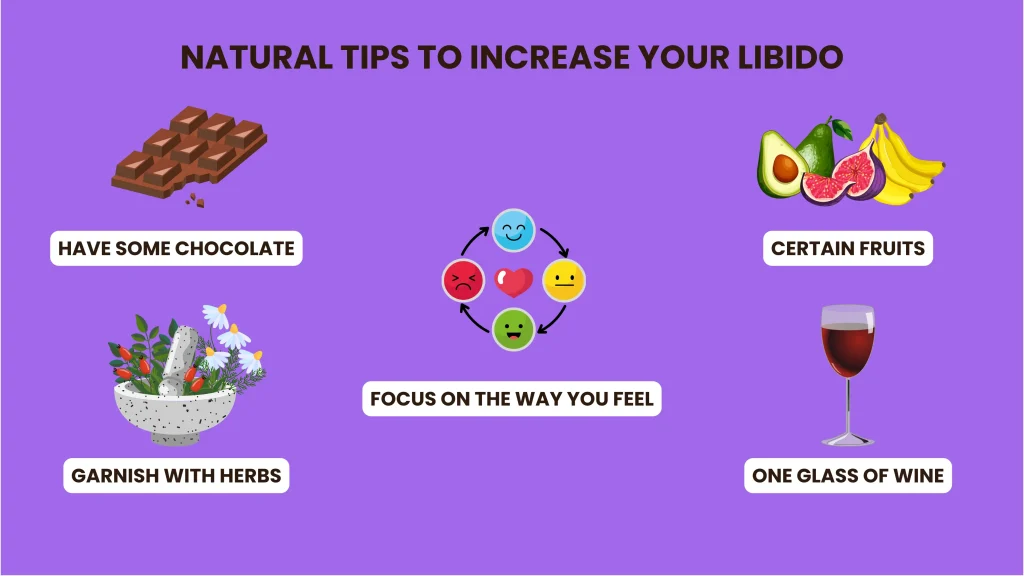
2. Create A Ritual

Finding an effective morning routine can take some time. You don’t have to start off with something complex or unusual; your routine might be as simple as waking up, making your bed, and drinking a fruit smoothie. The most important thing is to create a routine that matches your goals and lifestyle.

For example, if you want to keep active and healthy, you can include a 30-minute jog in your routine. Don’t be concerned if your first attempts don’t “click” because experimenting with different routines is part of the process. Once you’ve found one that works for you, consistency is crucial to keeping it.

3. Practice Mindfulness And Meditation

Do you wake up to the sound of your alarm, leap out of bed, put on your clothes, eat breakfast, and dash out the door in under 15 minutes? Instead of rushing through the day, why not give yourself and your body time to breathe and relax? Begin with tasks that help you focus your thoughts.

You may develop your awareness by taking a few moments to breathe and notice how your body feels. Enhance your morning routine with apps like Headspace or Calm for a more structured meditation practice.

4. Get Enough Sleep

Most of us would acknowledge that going to sleep and getting up at the same time every day requires a great deal of discipline. But it’s totally worth the effort. Research has indicated that inconsistent sleep patterns are linked to high blood pressure, risk of heart attacks, and bad gut health.

Sleep deprivation has a severe impact on our ability to focus and pay attention at work. To avoid these serious consequences, establish a regular bedtime and wake-up time as part of your morning routine, and stick to it for optimal health and productivity.

5.‎ Get Up Early

What exactly defines “early”? It depends on who you speak with. Many people believe 5 a.m. to be the optimal wake-up time. The goal of waking up early is to have uninterrupted time to complete your morning routine before moving on to the remainder of the day. Because this can vary depending on your specific schedule, there is no one-size-fits-all solution.

It also depends on how much you want to do in the morning and how much time you want to dedicate without jeopardizing sleep or other life obligations. If you’re not a “morning person,” gradually change the time you wake up by setting your alarm clock 15 minutes earlier each week for a few weeks.

morning routine list
6. Minimize Screen Time 

89% of Americans check their phones within 10 minutes of waking up, which can disrupt your morning routine. If you’re like me, this may be a massive time sink that utterly disrupts your morning. However, if your phone sits on your nightstand or bedside table, you may struggle to follow this advice and pick it up as soon as you wake up.

To avoid this, charge your phone in another room overnight or store it in a drawer on your nightstand. You can also change your surroundings. Instead of relying on your phone to wake you up, set an alarm. This way, you won’t be tempted to check your text messages or read the news first thing.

7. Eating Breakfast

Those who advocate for breakfast believe it provides a daily metabolic boost. A breakfast meal might help you burn more calories throughout the day while also providing critical nutrients. Others, however, believe that skipping breakfast is advantageous. Intermittent fasting, or paying attention to when you eat, boosts cognitive performance and memory.

Finally, it boils down to your particular preferences and unique health objectives. It is crucial to meet your nutritional needs and properly feed your body with nutritious foods. If eating breakfast helps you achieve this, eat it. If not, then don’t.

8. Stay Hydrated

73% of Americans consume coffee on a regular basis, and it’s likely that they start their day with the first cup. While you may be one of them, avoid reaching for the coffee machine right away. Instead of reaching for coffee first thing, start your morning routine with a glass of water. Hydrating after a lengthy night of sleep helps to restart your metabolism and wash out any toxins that may have accumulated in your system overnight.

It stimulates your digestive system, allowing your body to metabolize meals and burn calories more efficiently throughout the day. You feel awake, alert, and refreshed as a result. Dehydration, on the other hand, could ruin your morning. Dehydration symptoms include weariness, confusion, short-term memory loss, and mood changes such as anger or despair.

9. Rewire Your Brain for a Better Morning Routine

Don’t let yesterday’s disappointments define today. Every morning provides a new start and an opportunity to refresh. Tony Robbins, a well-known life and business coach, has a thorough daily practice that helps him reset his mind and focus for the day ahead. For example, Robbins’ 10-minute “priming” workout combines yoga and Buddhist mindfulness meditation.

He begins by remaining still for a minute before expressing gratitude for three things. He continues with two visualization exercises to help him imagine himself as successful. So, take a few minutes to visualize your daily or long-term goals. This activity can improve your mood and train your brain to stay motivated, enhancing your morning routine.

10. Remove or Reduce Distractions in Your Morning Routine

You’ve probably heard it before: It takes 23 minutes and 13 seconds to resume your original task following a distraction. That’s a lot of time, especially if you are easily sidetracked. Distractions are unique to each person. TikTok may be important to one person, while email may be important to another. To begin eliminating those distractions in your morning routine, identify what usually distracts you and devise strategies to minimize or eliminate them.

Conclusion 

Morning habits might mean the difference between a good and a terrific morning. Your productivity begins when you wake up, so learning healthy morning routines is critical to a successful workday. The activities you prioritize, such as eating a healthy breakfast, exercising, or reading, have the power to change your perspective. Choose a schedule that makes you happy, prepares you to finish critical activities, and fosters and supports work-life balance.

Ready to transform your morning routine? Incorporate these tips today, and let’s rise and shine together!

The Dark Side of Vaping: Risks You Should Know

If you’ve contemplated quitting smoking, you’re not alone. Almost 7 in 10 smokers say they want to quit. Deciding to quit smoking is one of the best things you can do for your health because it impacts almost every organ in your body, including your heart. Tobacco usage and secondhand smoke account for nearly one-third of all heart disease deaths. 

The popularity of vaping has grown dramatically, particularly among teenagers. A survey found that 14.1% of high school students used e-cigarettes in 2022. Want to know more? This article discusses what juuling is, the dangerous side effects, nicotine addictions, how to quit vaping, and what the benefits are of quitting. 

What is Vaping?

Vaping is the inhalation of an aerosol (mist) produced by a vaping device or an e-cigarette. E-cigarettes (also known as vape pens) are battery-powered juuling devices that heat a liquid till it forms an aerosol (mist) that is inhaled. The aerosol is not only water vapor. It typically includes nicotine, other hazardous substances, and flavorings. Even e-cigarettes claiming to be nicotine-free have been confirmed to contain nicotine. Some may contain marijuana, botanicals, or oils. 

Some electronic cigarette devices are disposable and intended for single use. The user discards the device when the liquid is depleted, or the battery expires. Others can be replaced with liquid, recharged, and used repeatedly. Some purchase pre-filled cartridges for their e-cigarettes.

Others purchase a bottle of liquid and refill their e-cigarettes as needed. According to CDC research, 99% of vaping devices sold in the United States contain nicotine. Obviously, nicotine is addicting. And while this information is frequently presented in advertising, we know from past experience with ordinary cigarettes that warnings don’t always work!

Consumers who inhale the aerosol from their e-cigarettes may be breathing in potentially harmful substances. Such as:

  • Nicotine
  • Ultrafine particles
  • Dangerous organic compounds linked to cancer
  • Flavorings like diacetyl
  • Heavy metals like lead, nickel, and tin

Dangers and Side Effects of Vaping

side effects of vaping

Vaping has a number of hazards, including lung and other organ damage, respiratory difficulties, addiction, and more. Vape use is commonly misconstrued as being “safer” than smoking even though it’s unsafe.
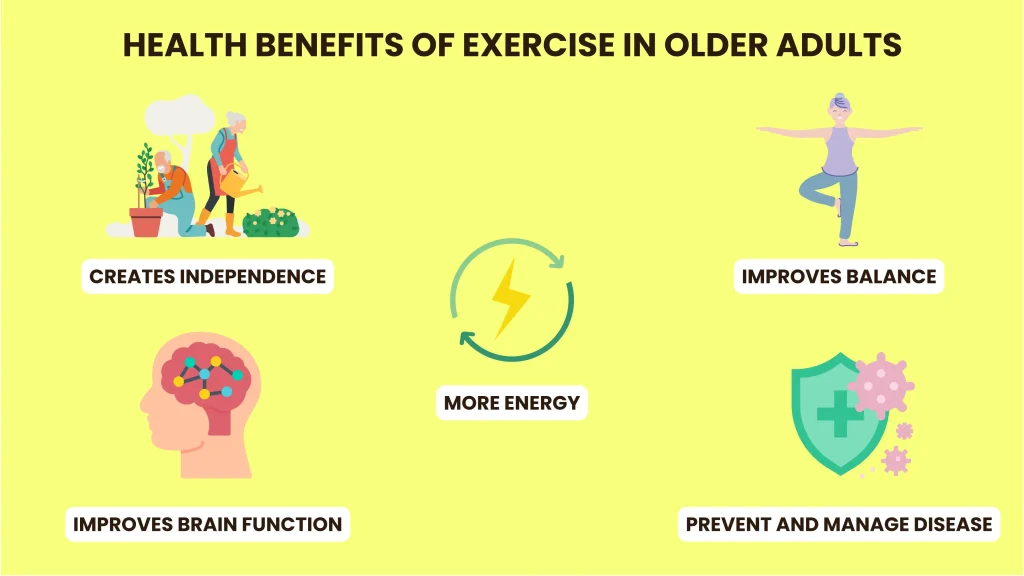
E-cigarette use can cause the following issues:

  • AsthmaVape use increases your risk of developing asthma and other respiratory diseases. It might exacerbate any asthma you already have.
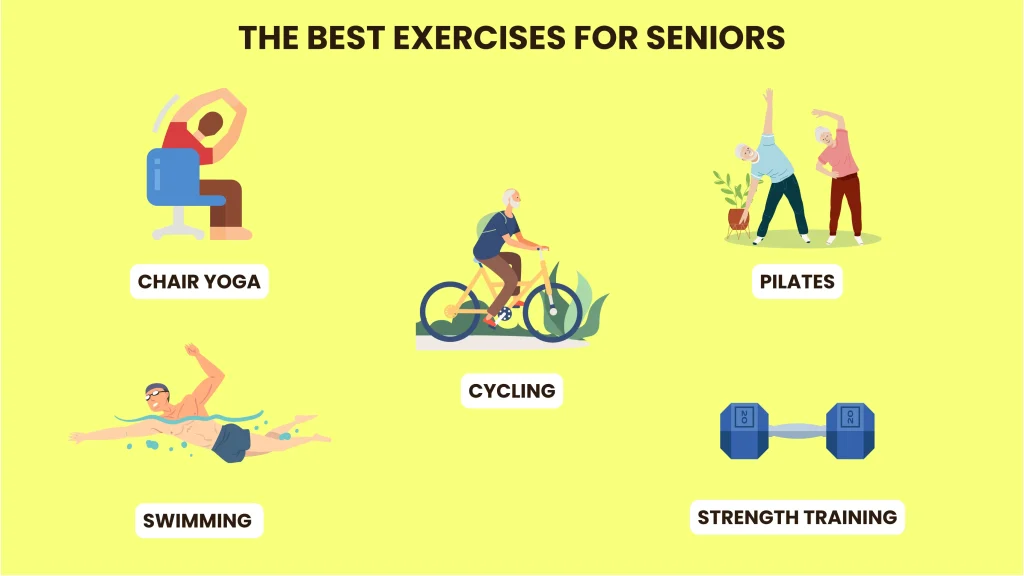
  • Lung damage – A flavoring ingredient called diethyl may result in bronchiolitis obliterans, also known as “popcorn lung.” Your lungs will always have scars from bronchiolitis obliterans.
  • Organ damage – Nicotine and other ingredients in e-liquid can harm your heart and brain in addition to your lungs. We are aware that nicotine can affect brain growth, increase blood pressure, and cause arteries to narrow.
  • EVALIE-cigarette use can lead to the dangerous lung disease EVALI. It includes symptoms like coughing, shortness of breath, and chest pain, in addition to extensive lung damage. It’s crucial to know that EVALI has the potential to be lethal.
  • Addiction – Nicotine is a very addictive substance. It alters your brain in a way that makes you need more and more nicotine. If vape use begins to negatively impact your health, you might not be able to quit even if you want to. Small quantities of nicotine are present in even nicotine-free e-liquids.
  • Smoking cigarettes – A lot of people who start vaping eventually switch to cigarettes, which have more dangerous substances in them.
  • Secondhand exposure – Although vape use doesn’t produce smoke, it does expose those around you to toxins and nicotine.
  • ExplosionsVape devices have caused battery explosions that have resulted in burns and other significant injuries.
  • Cancer – It’s known that some substances in e-liquids might cause cancer.

Short-term side effects of vaping include:

  • Coughing
  • Shortness of breath
  • Eye irritation
  • Headaches
  • Dry mouth and throat
  • Nausea

Nicotine Addiction and Withdrawal

Nicotine Addiction

Most tobacco products, including e-cigarettes, contain nicotine, which is highly addictive. The brain becomes acclimated to nicotine after prolonged use. They may believe that to feel normal, they need. Nicotine addiction includes an inability to quit using nicotine, cravings for it, and tolerance (needing more to feel the same) are all indicators of nicotine addiction.

Along with impairing performance at work, school, and other activities, nicotine addiction can also damage relationships with family and friends. An addicted person’s body and brain must adjust when they quit using nicotine. Over time, as the brain adapts to being nicotine-free, withdrawal symptoms lessen.

Short-term withdrawal signs from nicotine could be:

  • Feeling irritable
  • Being jumpy and restless
  • Experiencing anxiety
  • Feeling sad or down
  • Having trouble sleeping
  • Having a hard time concentrating
  • Feeling hungry
  • Craving nicotine

Benefits of Quitting Vaping

Benefits of Quitting Vaping

  • Respiratory relief – Giving up vaping can help your lungs function better. By quitting, you lessen your exposure to the irritating substances and dangerous compounds found in e-cigarette aerosols, which can irritate and injure your lungs.
  • Healthier heart– One of the many advantages of quitting vaping is that it can improve the health of your heart by enhancing endothelial function, which is the function of the blood vessel lining. This results in improved blood flow, healthier blood vessels, and a decreased risk of heart-related problems.
  • Emotional and mental clarity – Giving up vaping, whether with THC or nicotine-based products, can help with mood and mental health. Additionally, giving up can lessen the urge to use vaping as a coping mechanism for mental health issues and help you establish healthier coping mechanisms.
  • Improvement in cognition – Vaping and smoking have both been connected to adult self-reported cognitive problems. An investigation into the association between adult Americans’ self-reported cognitive problems and vaping was conducted. It was discovered that in comparison to those who never used these products, dual users – those who used both e-cigarettes and traditional cigarettes – and current e-cigarette users had a considerably higher correlation with cognitive symptoms.
  • Better oral health – Stopping vaping may be advantageous for oral health since it prevents the disruption of the oral microbiota that comes with using e-cigarettes, which can cause periodontal disease and other problems with oral health.

Skin Benefits

There are various ways that giving up vaping might improve your skin:

  • Better hydration – Many vape products contain nicotine, which constricts blood vessels to lessen blood flow to the skin and perhaps dry it out.
  • Enhanced skin healing – Nicotine inhibits the healing process in your body. Individuals who smoke or use vape devices may take longer to heal from injuries, surgeries, or skin diseases.
  • Decreased early aging – Smoking and vaping expose the skin to pollutants and dangerous chemicals. These pollutants have the ability to degrade the skin’s collagen and elastin, which can cause wrinkles and sagging to appear earlier than they should.
  • Clearer complexion – Vaping chemicals can exacerbate skin disorders like eczema and acne.

How to Quit Vaping

Finding The Willpower To Quit

People may give up vaping for a variety of reasons. In a 2019 survey, expenses were cited as the second most prevalent reason given by vapers for quitting after health. Identifying the cause of their quitting aids in both setting goals for their recovery process and, should motivation begin to wane, providing a boost.

Timing

Setting a particular quit date for vaping is important since it encourages accountability. It allows you to plan and acquire resources to assist them in overcoming the cravings and anxiety of the early stages of quitting.

Identify Triggers

A trigger is any emotion, action, place, or time that causes a person to want to vape. Spending time with friends and experiencing unpleasant events are common triggers, but everyone has their own. It’s about your well-being. So, if these triggers get too much for you, walk away. Don’t let a few seconds ruin all your hard work of resisting. 

Personal And Professional Support

Support groups can help you quit e-cigarettes. Connecting with friends and family can provide a more personal level of support, especially if they have quit using e-cigs or smoking. Someone who wants to quit using electronic cigarettes can benefit from medical support. These strategies may be especially beneficial to people who have previously used other nicotine products or who have other underlying health concerns that require professional care.

Conclusion

Vaping can be quite tempting in terms of accessories and flavors. Unfortunately, it’s not as safe as it appears. Nicotine and other substances in e-liquids might harm your body. Short-term effects include coughing, shortness of breath, eye irritation, headaches, and dry mouth and throat. 

Stay informed and look after your health by quitting vaping today!

Beat the Heat: How to Spot, Treat, and Prevent Heatstroke

Imagine you are having a fun day in the sun when suddenly you start to feel dizzy, nauseous, and faint. These could be symptoms of heatstroke. This life-threatening disease is the cause of 600 deaths in America each year. 

Now, do you want to avoid this? This article discusses heatstroke, its symptoms, treatment, the difference between it and heat exhaustion, how you can tell if someone is overheated, and how to avoid heatstroke altogether. Let’s start!

What is Heatstroke?

Heatstroke is the result of high temperatures, which can cause your body’s temperature regulation system to fail, damaging your brain, heart, kidneys, and muscles. It is the most severe heat-related illness. It occurs when the body can no longer control its temperature. It rises rapidly, the sweating mechanism fails, and the body cannot cool down. 

Heatstroke Symptoms

heatstroke symptoms

Heatstroke is a medical emergency. If you or someone you know exhibits any of the following signs or symptoms, call 911 immediately:

  • Dry skin that doesn’t sweat.
  • Problems with movement and coordination.
  • Balance problems.
  • Confusion or disorientation.
  • Dizziness.
  • Excessive sweating that continues after you’ve stopped exercising (more common in exertional heatstroke).
  • Hot, flushed skin or ashen skin.
  • High or low blood pressure.
  • Bubbling or gurgling sound in the lungs.
  • Nausea and vomiting.
  • Low urine output.
  • Rapid breathing or tachycardia (fast heart rate).
  • Seizures.
  • Syncope (fainting) or loss of consciousness.
  • Weakness.

Heatstroke Treatment

When someone has heatstroke, immediate action is important. Here is what you can do while you are waiting for an ambulance:

  • Apply ice packs to their neck, groin and armpits. This lowers their body temperature quickly.
  • Encouraging them to drink slightly salted fluids, such as sports drinks or salted water for much-needed electrolytes.
  • Have them lie down in a calm, shady, well-ventilated environment.
  • Immerse them in cool water, if possible.
  • Mist them with water and blow air across their bodies.
  • Monitor their breathing carefully and remove any airway blockages.
  • It’s important not to give any medications, which include aspirin and acetaminophen.
  • Remove any tight or heavy clothing so that their body can cool off.

Once they are at the hospital, medical professionals will take over. They might provide cooled intravenous fluids through a vein in their arm to lower their temperature. But there are other ways, like using a cooling blanket or an ice bath. 

Heatstroke can cause seizures, so to prevent that, medical professionals give medication and supplemental oxygen. It ensures that the patient get enough air. 

Doctors stop cooling treatments once the body reaches about 102 degrees Fahrenheit (38.9 degrees Celsius). The length of your stay in the hospital depends on the severity of your heatstroke and how well your organs are functioning. Now, does this condition have long-term effects? Let’s take a look in the next section!

Long-term Effects of Heatstroke

long term effects of heat stroke

Heatstroke can have some long-term effects. Here is how it can affect your well-being:

  • Organ damage: Prolonged heatstroke can damage your kidneys, liver and heart. 
  • Neurological impairment: Heatstroke can cause you to have cognitive impairments, problems with memory and difficulty concentrating. You might also experience headaches and mood swings. 
  • Muscle and joint problems: Your muscles can break down your muscles which can lead to pain and weakness in the joints.
  • Circulatory issues: Damage to the circulatory system can affect blood pressure and heart function.
  • Thermoregulatory dysfunction: Your body might have trouble regulating its temperature for some time after heatstroke. 
  • Psychological effects: Patients can also struggle with stress and trauma.

Heatstroke Recovery

Recovery takes about a day or two, but it can take longer if you have organ damage. Experts suggest that complete recovery from heatstroke and its effects on the internal organs may take two months to a year. Your age, overall health, and underlying conditions will all impact the recovery process. 

Heatstroke vs Heat Exhaustion

Both of these illnesses are due to heat, but there is a difference. Take a look down below!

Heatstroke

Symptoms:

  • Headache, dizziness, nausea, vomiting and confusion
  • Flushed, hot and unusually dry skin
  • Extremely thirsty
  • Dry and swollen tongue
  • Sudden rise in body temperature
  • Disoriented or delirious
  • Slurred speech
  • Being aggressive or acting strange
  • Convulsions, seizures or falling into a coma
  • Sweating and skin may feel deceptively cool
  • Rapid pulse

Severity:

Heatstroke is a life-threatening condition and needs immediate medical attention to prevent permanent damage to your brain and other vital organs that can result in falling into a coma or death.

Heat Exhaustion

Symptoms: 

  • Heavy sweating
  • Cold, pale, and clammy skin
  • Fast or weak pulse
  • Nausea or vomiting
  • Muscle cramps
  • Tiredness or weakness
  • Dizziness
  • Headache
  • Fainting (passing out)

Severity: 

Heat exhaustion is not as severe as heatstroke, but when it’s left untreated, it can lead to this life-threatening disease. So, make sure to get treatment!

How Do You Avoid Heatstroke

As mentioned before, this condition is life-threatening. Here are five ways to avoid it: 

  • Stay hydrated by drinking plenty of water or drinks that contain electrolytes.
  • Don’t spend a lot of time outdoors during extremely hot days.
  • When you’re outside in hot weather, wear lightweight, light-coloured clothing that’s loose fitting.
  • Install air conditioners or use fans when indoors in hot weather.
  • Avoid exercising when it’s hot and humid.

Vitamins for Heatstroke

vitamins for heat stroke

According to Medical News Today, vitamin C helps your body better deal with high temperatures and can prevent serious problems caused by excessive heat, such as heatstroke and rash.

The following vitamins can manage heatstroke:

  • Magnesium: Helps to regulate body temperature and supports muscle function.
  • Electrolytes: It’s essential for preventing dehydration. 
  • Omega-3 fatty acids: This vitamin can reduce inflammation and support your heart’s health. 

FAQs

Can you get brain damage from the sun?

Yes, you can. The UV radiation in natural sunlight can damage immune cells in the body, triggering inflammatory responses that can lead to brain damage. 

How long does heat exhaustion last?

If managed properly, it can last from a few hours to about one day. You should rest, drink plenty of water, and use cooling measures to lower your temperature. These measures can include cold compresses, cool baths or showers, and fans or air conditioners. 

Conclusion

Heatstroke is a severe heat illness that results in a high body temperature greater than, along with red skin, headache, dizziness, and confusion. There are some things you can do about this, but it ultimately needs medical attention. Doctors first try to get the patient’s temperature down, then prevent seizures with medication and supplemental oxygen.

Heatstroke and heat exhaustion have a few things in common, but there is a difference. Heat exhaustion can lead to heatstroke, which can be life-threatening. There are ways to avoid this, which include staying hydrated, having fun inside when it’s hot, wearing loose, light-coloured clothing, installing fans and air conditioners to cool down, and not exercising when it’s extremely hot. By taking these precautions, you can reduce the risk of experiencing severe heat-related illnesses!

Mushroom Coffee Benefits: Uncovering the Ancient Secrets!

Have you ever heard of mushroom coffee? It may sound like a new trend, but it’s, in fact, the opposite! This beverage has been enjoyed for many years. The medicinal properties of mushrooms can do wonders for our bodies. There are numerous mushroom coffee benefits that make it a great addition to your daily routine. So, let’s take a closer look at this ancient and healing drink and learn how to make it!

What Exactly is Mushroom Coffee?

Mushroom coffee is a beverage that has tons of different benefits for our health. It is made by mixing coffee with powdered mushrooms. However, not just any mushrooms but specific medicinal mushrooms that have been used for centuries. These mushrooms, popular in Asia and a staple of traditional Chinese medicine, provide numerous mushroom coffee benefits.

These special fungi can help boost immune systems, shrink tumors, improve brain function, better oxygenate our bodies and much more. It is crucial to first talk to your doctor if you have any concerns or allergies to mushrooms, as sometimes mushroom coffee may have some side effects.

The History of Mushroom Coffee

While mushroom coffee may seem like a new idea, the use of mushrooms’ medicinal properties dates back to the 5th century and is common in many cultures around the globe, providing numerous mushroom coffee benefits.

Traditional Chinese Medicine 

Reishi has been used in traditional Chinese medicine for over 2,000 years. This mushroom is respected for its ability to extend youth and life and promote calmness and mental clarity. Because of Reishi’s special benefits and rarity, it was only prepared and given to royalty, adding to the many mushroom coffee benefits.

North European and Siberian Traditions

The Indigenous peoples in Siberia and Northern Europe used chaga mushrooms to help boost their immune systems. They consumed them as tea or in foods like broths. In Siberia, chaga was considered a gift from the gods and was used to treat different illnesses, such as digestive issues and skin conditions, highlighting the mushroom coffee benefits they enjoyed.

Korean and Japanese Medicine

According to Forbes, lion’s mane has cognitive-enhancing abilities and improves nerve health. Even more amazing, it protects against conditions like Alzheimer’s! 

In Japan, Buddhist monks traditionally used it to improve focus during meditation. It has been part of the diet in Korea for its health-promoting properties and as a culinary delicacy, showcasing more mushroom coffee benefits.

Advantages and Potential Disadvantages of Mushroom Coffee

Although this beverage has many advantages, there are a handful of disadvantages that need to be considered. Let’s take a look!

Advantages

mushroom coffee advantages

  • Boosts your immune system.
  • Improves cognitive brain function.
  • Reduces stress and anxiety.
  • Boost your energy levels.
  • They add important antioxidants to your diet.
  • Promotes a healthy digestive system.
  • Helps you to sleep better.
  • Soothes sore muscles and aches. 

The numerous mushroom coffee benefits make it a great addition to your daily routine.

Disadvantages

mushroom coffee disadvantages

  • Allergic reactions – Some people might be allergic to certain types of mushrooms, so it’s best to check with your doctor beforehand.
  • Digestive problems – Make sure to start off with small quantities because adding too many mushrooms into your diet at once can cause digestive issues like bloating and gas.
  • Medications – Mushrooms can interact with certain medications, especially those for the immune system or blood sugar levels. If you are on medication, check with your doctor before trying out mushroom coffee.
  • Quality – The quality of mushroom coffee products is not always the same, which makes it very important to make sure you are buying from a well-known and ethical source. Do some research before choosing a place to buy your mushroom coffee, as low-quality products can have filler or might be contaminated. 

Mushrooms Used in Mushroom Coffee

mushroom used

There is a great variety of mushrooms in mushroom coffee. Each of these has its own benefits, contributing to the overall mushroom coffee benefits.

Here are some of the most common mushrooms:

Chaga 

Chaga mushrooms are rich in antioxidants and may have several health benefits. They look like clumps of dirt and grow on birch trees. Studies say that Chaga mushrooms may be able to help lower cholesterol levels, slow down cancer growth, support immune function, and reduce blood pressure.

Lion’s Mane

This mushroom has a white and shaggy appearance and starts to look like a lion’s mane when it grows larger. It is used in Asian countries in both cuisine and medicine. The lion’s mane mushroom has many benefits, like protecting you against dementia, helping with anxiety and depression and promoting a healthy heart and gut. 

Reishi

The Reishi mushroom loves to grow in hot and humid areas in Asia and has been used for several health advantages. Some are that they can help boost your immune system, have anti-cancer properties and improve blood sugar levels. Not only has this mushroom been shown to help improve the lives of cancer patients but may also help decrease the size of tumors in some cancers. 

Cordyceps 

The origin of this mushroom is quite unique, as it’s found in certain types of caterpillars that live in the high mountain areas of China. After being hand-collected, the caterpillars are dried with the fungi, and the powder is then used as traditional Chinese medicine. It has been used for many years to help with kidney disease, low sex drive, fatigue, and other sicknesses.  

Turkey Tail 

The Turkey Tail mushroom got its name for resembling the fanned feathers of a turkey tail. They are known for their many great health benefits, such as strengthening your immune system, supporting certain cancer treatments and maintaining a healthy gut. Turkey Tail mushrooms are full of antioxidants which help your body stay strong and healthy. 

How to Make Mushroom Coffee

Ready to try this beverage? Let’s take a look at the 3 different methods! They include instant, brewed and pods. 

  • Instant Mushroom Coffee

There are many instant mushroom coffees on the market, which makes it an easy and convenient option. You may even find that your favourite coffee brands offer them. These types of blends consist of regular, run-of-the-mill instant coffee mixed with selective medicinal mushrooms. This is a good choice for those who want the mushroom coffee benefits but are in a hurry.

  • Brewed Mushroom Coffee

You can make homemade mushroom coffee by adding a quality medicinal mushroom powder to your ground coffee. This gives a great infused flavor and can add a touch of richness to your morning or afternoon brew. This is a good way to slowly introduce medicinal mushrooms into your diet, as you can control the amount of mushroom powder in your coffee and enjoy the mushroom coffee benefits.

  • Mushroom Coffee Pods

This combines both convenience and health properties into one pod. There are a few coffee companies that offer mushroom coffee pods and many brands will work perfectly fine with your coffee pod maker. Be sure to double check that they are compatible with your machine before purchasing to fully enjoy the mushroom coffee benefits.

Conclusion

By adding mushroom coffee to your routine you soak up some amazing additional health benefits. These medicinal mushrooms are staples in many cultures, and for good reason, as they have been known to work wonders for our bodies. There are a few easy and simple ways you can add this ancient and health-boosting beverage to your everyday life. However, remember to start off slow and check with your doctor to make sure it’s safe for you!