
Your kidneys are about the size of your fists and are found at the lower part of your rib cage, one on each side of your spine. They have a lot of essential jobs. The main one is to clean your blood by eliminating waste, extra water, and other harmful stuff. This waste is kept in your bladder until you go to the bathroom. Taking care of your kidneys is essential for your overall health and well-being. When your kidneys are healthy, they can better filter waste and make hormones that help your body work well.
This article looks at how the kidneys work, how they’re negatively affected, and how to improve kidney function and health naturally.
How The Kidneys Work
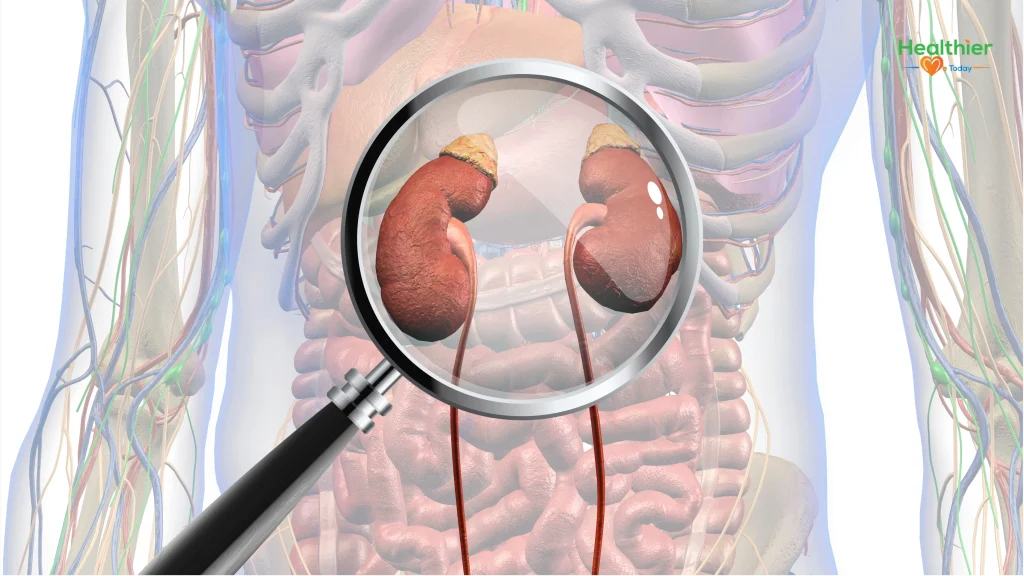
A healthy kidney processes around 200 quarts of blood daily, eliminating waste, extra water, and some chemicals. If your kidneys can’t maintain balance, it can lead to serious health issues. They are good at adjusting to different situations, like when blood pressure drops. The small filtering tubes in the kidneys, known as glomeruli, can change how they work. However, during a significant health problem, the kidneys might stop working to help the body hold onto fluids. This situation is known as acute kidney injury, and it often occurs in people who are in the hospital.
What Causes Low Kidney Function?
Many adults in the U.S. who are over 75 years old might have kidneys that don’t work as well as they should. However, most people won’t experience any health problems because of it. Various health issues can harm the kidneys, which can result in reduced kidney function and might lead to chronic kidney disease.
These include:
- Diabetes
- Smoking
- Excessive alcohol consumption
- Uncontrolled hypertension
- High cholesterol
- Some medications can injure the kidneys
Living a heart-healthy life by exercising regularly and eating a nutritious plant-based diet helps keep your kidneys safe.
What is Considered Too Low?
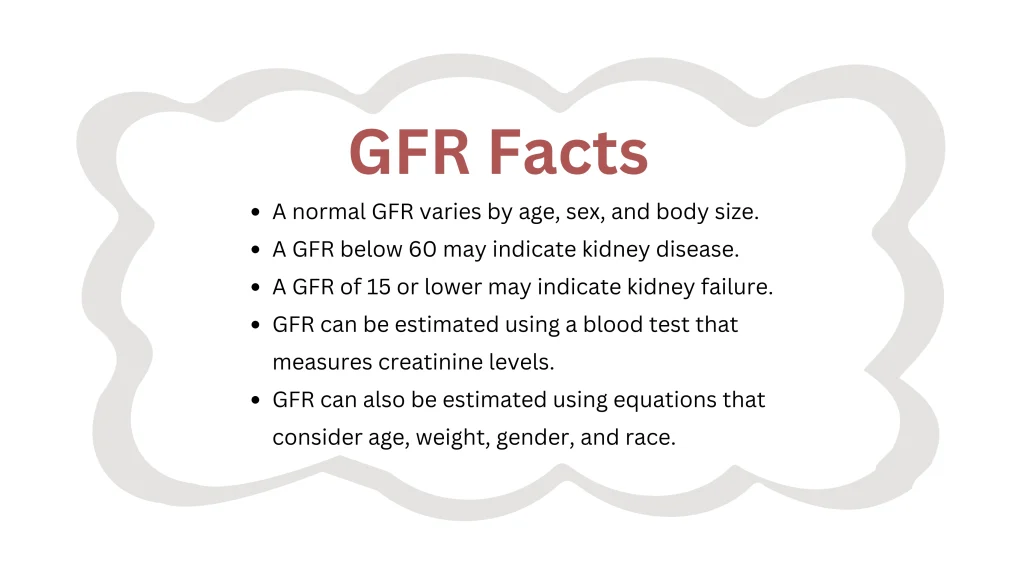
A healthy kidney works hard to clean waste from the blood at a speed of at least 90 milliliters (ml) every minute. This process is called the glomerular filtration rate, or GFR. As time passes, many men may notice their kidneys aren’t working as well, but they usually don’t feel any problems until their kidney function has dropped.
You can feel perfectly fine even when your kidneys are not functioning at their best, so you can still go about your daily life. However, the lack of early warning signs can make it hard to take action and prevent further decline. Most people only feel unwell when their kidney function falls below 10%.
How Does High Blood Pressure Damage the Kidneys?
High blood pressure can create small tears in the walls of arteries, making it easier for fat to build up and block blood flow. When the arteries that supply blood to the kidneys get narrower, the body releases a hormone called renin, which makes small arteries even tighter. This makes high blood pressure worse and can lead to more harm to the kidneys. If blood flow keeps getting restricted for a long time, it can hurt or even kill the nephrons, the tiny parts in your kidneys that filter blood.
How is Kidney Function Tested?
Your doctor can check your creatinine level during regular blood tests to see how well your kidneys work. Creatinine comes from muscle cells and enters the bloodstream. The kidneys are responsible for filtering creatinine out of the blood. When the kidneys aren’t working as well, the level of creatinine in the blood increases.
This level helps estimate how well your kidneys are functioning, known as the GFR. If you have a slight decrease in kidney function, there are things you can do to prevent it from getting worse. If your kidney function is low but stable, you should only visit your doctor once a year. However, if your GFR is dropping or is below 50, it’s a good idea to see a kidney specialist.
How to Improve Kidney Function
When learning how to improve kidney function, it’s good to note that making even minor adjustments can positively impact your kidney health. The great part is that these easy changes also enhance your overall wellness!
Here are several tips on how to improve kidney function:
Eat Lots of Fruit and Vegetables
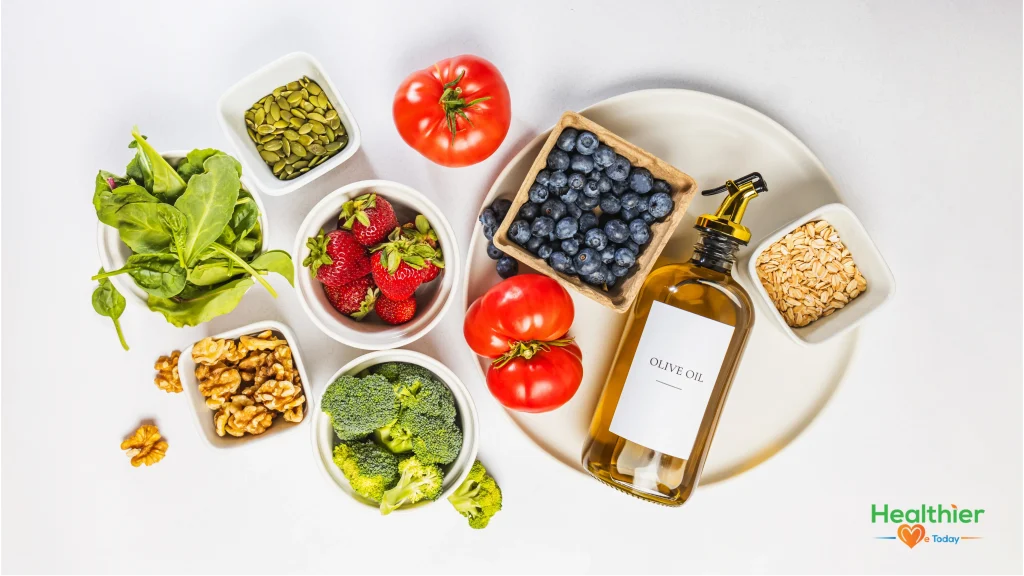
Knowing how to improve kidney function with healthy foods is vital. Eating a balanced diet is essential for keeping your blood pressure and cholesterol in check and can help lower your chances of getting kidney disease. Eating at least five servings of low potassium fruits and vegetables daily is a good idea. Foods good for kidneys also include starchy foods like potatoes, dairy products or alternatives, and protein sources like beans, legumes, eggs, fish, or meat.
Try to cut down on saturated fats and sugars too. Eating healthy doesn’t have to be complicated or expensive. Canned, dried, and frozen fruits and veggies are just as good! Add some fruit to your cereal, whip up a quick stir-fry, or enjoy a side salad with your meal. You can ask your doctor for advice to learn more about the best veggies for kidneys and eating a balanced diet.
Stop Smoking
People who smoke are four times more likely to get kidney failure compared to those who don’t smoke. Smoking can make your heart beat faster, raise your blood pressure, and lead to fat buildup in your blood vessels, which can cause blood clots. All of these factors can increase your chances of developing kidney disease.
Additionally, smoking also doubles the risk of getting kidney cancer. However, if you quit smoking, you can lower these risks, and the positive effects begin right after you stop. It’s a good idea to talk to your doctor about ways to quit smoking because studies [Mayo Clinic] show that using medication and support can make you four times more likely to succeed in quitting.
Cut Down on Salt
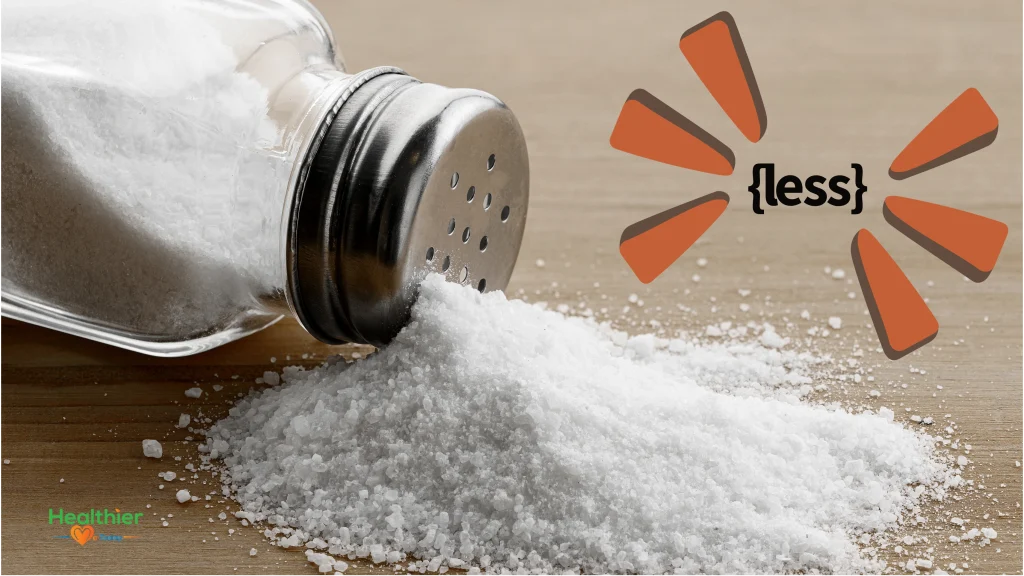
Eating a lot of salt can lead to high blood pressure, which might cause kidney problems. Too much salt can also increase your chances of getting kidney stones. Keep your salt intake to about 6 grams daily, roughly one teaspoon. A surprising 75% of the salt people consume is found in processed foods, not just the ones that taste salty.
Always read food labels to check for salt levels, pick options with less salt, and choose fruits and raw veggies for snacks instead of foods bad for kidneys like chips and crackers. Use pepper, spices, herbs, lemon, and garlic to add flavor instead of salt when cooking. If you stick with it, your taste buds will quickly get used to less salt.
Stop Drinking or Drink Alcohol in Moderation
Drinking a lot over time can lead to higher blood pressure and cholesterol levels, which might contribute to kidney problems. It’s a good idea to limit yourself to 14 units of alcohol each week and make sure to spread it out over several days. Just so you know, one unit is about a small glass of regular wine, half a pint of regular beer or cider, or a shot of liquor.
Avoid Over-The-Counter Painkillers
High doses of common pain relievers over a long time can hurt your kidneys. This includes over-the-counter medications like aspirin and ibuprofen, which belong to a category called non-steroidal anti-inflammatory drugs, or NSAIDs. It’s okay to use these medicines now and then, but follow the instructions carefully, use the smallest dose you can, and only use them for as long as you need them. If you need painkillers often for a health issue, talk to your doctor about ways to protect your kidneys.
Get Active
Staying active is good for your overall health and can benefit your kidneys. You don’t need to hit the gym to get moving; activities like walking, biking, dancing, or gardening all count as exercise. Try to get in at least 150 minutes of moderate exercise each week or 75 minutes of more intense workouts.
You can break this down into smaller parts throughout your day. For instance, you could ride your bike instead of driving, or get off the bus a stop early and walk the rest of the way to the store. If you haven’t been active, talking to your doctor before starting any new exercise routine is a good idea.
Saving Ultra-Processed Foods for Special Occasions
Ultra-processed foods (UPFs) are packed with sugar, salt, refined carbs, additives, and unhealthy fats while lacking fiber and vitamins. New studies [National Kidney Foundation] show that eating a lot of these foods can increase the risk of chronic kidney disease (CKD).
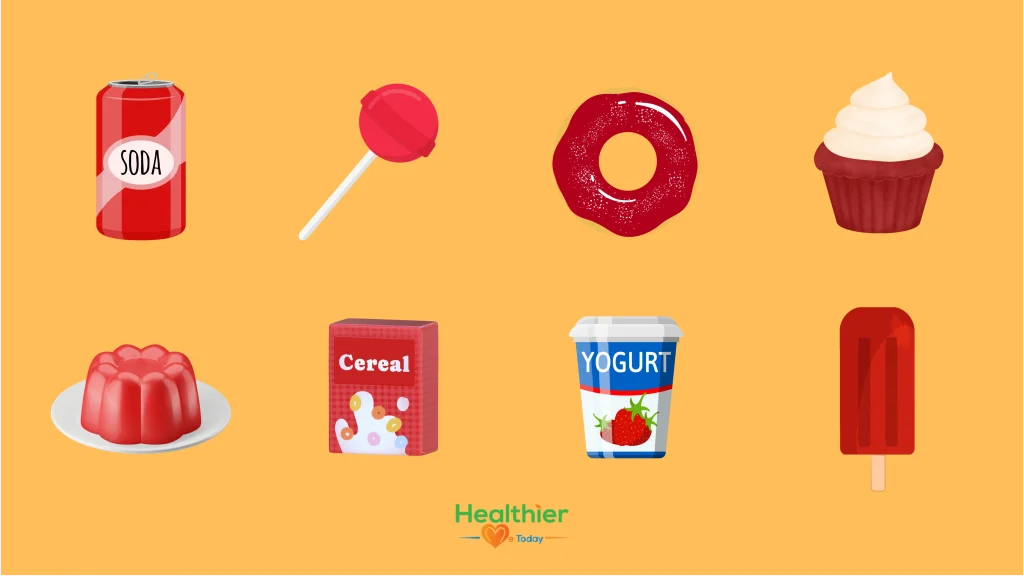
Cutting back on soda, chips, processed meats and cheeses, cakes, instant soups and noodles, and candy is a good idea and considered a basic form of chronic kidney disease self-care. Researchers [National Institutes of Health] discovered that replacing just one UPF with a less processed option daily can lower your CKD risk by 6%. Try to make fresh meals from scratch and save UPFs for special occasions.
Stay Hydrated
Drinking enough fluids is essential for your body. It helps your cells function properly and keeps things running smoothly. Staying hydrated can also help remove crystals that might turn into kidney stones and bacteria that cause urinary tract infections (UTIs), which can sometimes harm your kidneys. Drink about six to eight glasses of water daily so your urine is a light straw color. Water is an excellent option since it’s inexpensive and has no calories, but you can also include other drinks in your daily intake. Sparkling water, tea, coffee, herbal teas, water with kidney cleanse herbs, and low-fat milk all count, too!
Cut Down on Sugar
Eating a lot of sugar doesn’t directly harm your healthy kidneys, but it has many calories, which can make you gain weight. Staying at a healthy weight can help lower your risk of kidney problems, like high blood pressure and type 2 diabetes. Fruits and vegetables have natural sugars, and those are fine to eat.
You need to cut back on the ‘free sugars,’ which are added to foods by you or companies, like table sugar, honey, and maple syrup. Adults should limit themselves to about 30 grams of free sugars each day, roughly seven sugar cubes. Always check food labels and pick unsweetened or low-sugar options. If you’re craving something sweet, try eating fruit instead, and use less sugar in your cooking.
Make Time For Sleep
Wondering how to improve kidney function with sleep? Sleeping is super important because it helps your body recover and heal. Some studies [DaVita] have shown that sleeping for only five hours or less each night could hurt how your kidneys work. Like other body parts, your kidneys rely on your sleep schedule, so insufficient sleep might make it harder for them to function correctly. Most people need about seven to eight hours of sleep each night.
Everyone has those nights when they can’t sleep well, but if you often find it hard to get enough rest, it might be time to look at your sleep habits and bedroom setup. Make sure your room is peaceful, dark, and quiet. Try to stay away from caffeine and alcohol, and give yourself some time to relax before going to bed. Also, getting some exercise during the day can help. If you’re still having trouble sleeping, it’s a good idea to talk to your doctor.
Conclusion: All in All
Your kidneys are crucial in keeping you healthy, so knowing how to improve kidney function is necessary for your overall well-being. They do a lot of essential jobs, like filtering out waste from your body and producing hormones. Taking good care and knowing how to keep kidneys healthy is vital, so they should be one of your primary health concerns. Staying active and making healthy choices is the best way to keep your kidneys in great shape.
FAQ’s:
What are the early signs of kidney disease?
Urinating more often, blood in the urine, foamy urine, back pain, pain or burning when urinating, high blood pressure, tiredness, shortness of breath, and puffiness around the eyes or ankles.
How can I improve my kidney function naturally?
Knowing how to improve kidney function naturally involves eating a balanced diet with many fruits and vegetables. Make sure to drink enough water to stay hydrated. It’s also important to exercise regularly, keep your blood pressure in check, and if you have diabetes, manage your blood sugar levels. Try to eat less salt, avoid too much protein, and stop smoking.
Which foods are best for kidney health?
The best foods for kidney health are cranberries, arugula, raspberries, strawberries, plums, pineapples, peaches, cabbage, cauliflower, asparagus, beans, celery, cucumber, onions, bell peppers, radishes, summer squash, garlic, egg whites without yolks, shiitake mushrooms, water, and olive oil.
What foods should I avoid for healthy kidneys?
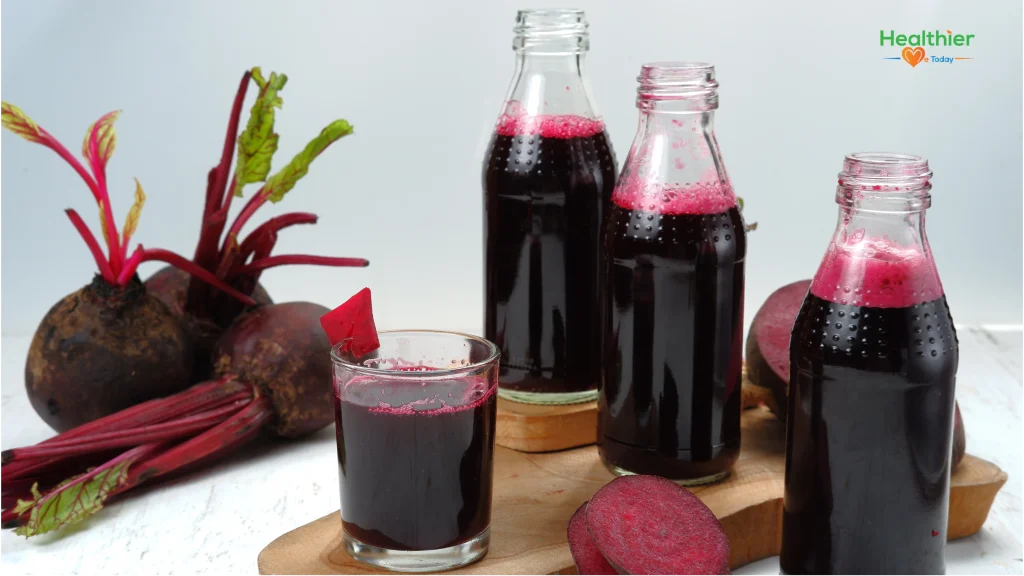
When learning how to reverse kidney damage, steer clear of canned soups, processed meats, hot dogs, sausages, frozen dinners, and snack foods like chips, crackers, and pretzels, condiments like ketchup, BBQ sauce, soy sauce, salad dressing, and pickled foods like pickles, olives, and beets.
Can you survive with one kidney?
Many people wonder, can you live with 1 kidney? Yes, many individuals lead healthy lives with just one kidney. The kidney that is left will grow more significant to make up for the missing one.
Are there natural remedies to prevent kidney stones?
One way to help get rid of and how to stop kidney stone pain immediately is by drinking lots of water and other fluids. You can also try home remedies for kidney stones, like drinking diluted apple cider vinegar. Eating foods high in citric acid, like lemons and oranges, can be helpful, too. Taking herbal supplements like nettle leaf might be beneficial.
What are some high potassium foods to avoid?
If you have kidney problems or need to stick to a low-potassium diet, it’s best to stay away from certain foods. These include bananas, oranges, cantaloupe, raisins, prunes, dates, apricots, and rhubarb. You should also avoid spinach, broccoli, brussels sprouts, and tomatoes. Other foods to skip are black-eyed peas, dried beans, lentils, milk, yogurt, cheese, and milk-based coffee drinks. Lastly, be careful with processed foods and salt substitutes.
Is coffee bad for kidney health?
Drinking a moderate amount of coffee is generally safe for your kidneys and might help protect them. However, if someone drinks too much coffee, especially if they already have kidney problems, it could put extra stress on their kidneys. This is because caffeine can affect blood pressure and how the body manages fluids.
How long does it take to recover from a kidney infection?
Most people will begin to feel better from a kidney infection after a few days of treatment. However, it’s essential to finish all the antibiotics, which usually take 1 to 2 weeks, to ensure the infection disappears and doesn’t return. If someone has other health issues, their kidney infection recovery time might take longer to get entirely better.
What vitamins are good for kidney health?
Vitamins for kidney health that could be beneficial are B, D, iron, and B9. But remember, talking to your doctor before taking kidney health supplements is crucial.