
This Is Why Your Eyes Burn When You Cry!

You may have wondered, why do my eyes burn when I cry? The truth is, there are several reasons this can happen, ranging from harmless environmental factors to underlying eye conditions that need attention. Most of the time, it is temporary, but if it occurs frequently, it may indicate that your eyes require extra care.

This article explains why your eyes may burn after crying, what causes this reaction, and when it may be necessary to see a healthcare professional.

What Are Tears and Why Do We Cry?

Tears are more than just drops of water; your tears are made to protect your eyes. They’re an important part of your eye’s natural defense system. Produced by your lacrimal glands, tears keep your eyes clean, protected, and lubricated.

There are three main types of tears:

  • Basal tears – These are constantly present to keep your eyes moist and nourished.
  • Reflex tears – These are triggered when something irritates your eyes, like smoke or dust.
  • Emotional tears – These appear when you cry from feeling like sadness, pain, or joy.

Each type of tear has a slightly different composition of water, salt, lipids, and proteins. When this balance changes, for example, when emotional tears are produced in large amounts, it can cause your eyes to sting or burn temporarily. This explains why you might notice burning eyes after crying.

burning eyes after crying

Tears have three main layers:

  • Water – to keep the eyes hydrated.
  • Oil – to stop the tears from drying too fast.
  • Mucus – to spread the tears evenly across the eye.

If any part of your tears is out of balance, you might feel a stinging or burning sensation. After you finish crying, it’s common for this burning to continue for a few minutes because the salt in your tears can bother the delicate skin around your eyes. However, if the burning happens every time you cry or lasts for a long time, it might suggest an underlying eye condition such as dryness, irritation, or allergies.

Nonclinical Causes of Burning Eyes After Crying

Sometimes, the reason your tears sting is simple and harmless. Crying can upset the natural balance of your eyes’ tear film. It can also expose your eyes to mild irritants.

Environmental Causes

If you have been near smoke, perfume, pollution, or cleaning products, your eyes might feel sensitive. When you cry, your lacrimal glands make more reflex tears to help flush out these irritants.

It’s similar to what happens when soap or shampoo accidentally gets in your eyes. It burns, but the discomfort fades quickly once the irritant is gone. So if you’ve ever thought, why do eyes burn after crying, environmental exposure could be the answer.

Sweat or Skin Products

If you’ve been sweating or wearing makeup, moisturizer, or sunscreen, some of those products can mix with your tears and flow into your eyes while crying. This might explain why your eyes sting after crying, especially if you use products with fragrances, alcohol, or acids that can irritate delicate eye tissue.

The same goes for people who exercise or cry after applying facial products. Your eyes may react to these substances even in tiny amounts.

Salt in your tears

Tears naturally contain salt and electrolytes. If you cry a lot, the salt in your tears can go up a bit and make your eyes sting slightly (which is completely normal).

Clinical Causes of Burning Eyes

If you experience burning, itching, or pain every time you cry, there may be an underlying eye condition.

Here are some common clinical reasons your tears may sting!

Dry Eye Syndrome

One of the most frequent answers to why do tears burn is dry eye syndrome. This happens when your eyes don’t produce enough quality tears to stay lubricated.

Dry eyes can cause:

  • A burning or stinging feeling
  • Redness
  • Blurry vision
  • A sensation like sand in your eyes

Age, hormone changes, contact lenses, medications, or spending long hours on screens can all contribute to dryness. Because of this imbalance, when you do cry, your tears may not mix properly with the eye’s surface, resulting in what are tear burns or that familiar sharp sting.

Blepharitis

Blepharitis is inflammation of the eyelids. It can make your eyelids feel swollen, itchy, or crusty.

Eye Allergies

Allergies are another reason! When allergens, such as pollen, pet dander, or dust, come into contact with your eyes, your immune system responds. This causes redness, itching, and tearing. Emotional crying can worsen the irritation.

Pink Eye (Conjunctivitis) 

Infections caused by bacteria, viruses, or allergies can make your eyes red, watery, and painful. When you cry, tears spread across the already irritated surface of the eye, which can trigger a burning or stinging sensation. This happens because inflammation from conjunctivitis makes the eye’s protective tissue more sensitive to moisture, light, and even mild salt in your tears.

Blocked Tear Ducts 

When your tears can’t drain properly, they build up and irritate. This can make your eyes water constantly and sting.

If these conditions persist, an eye doctor may recommend special eye drops or antibiotics.

Eye Drops and Other Triggers

Many people wonder, “Why do eye drops burn my eyes when they’re supposed to bring relief?”. Sometimes, even treatments meant to soothe can sting [columbiadoctors.org]. Most of the time, mild stinging means the drops are adjusting your tear film or cleaning out irritants. Some eye drops contain chemicals that can cause mild irritation, especially if your eyes are already sensitive or dry.

But if the pain is severe or lasts a long time, it could mean your eyes are sensitive to the preservatives in the drops. Try preservative-free artificial tear drops to avoid that problem.

Similarly, when you cry, your tear film is temporarily disrupted, making your eyes more reactive to light, air, or topical products. That’s why people say, “Why when I cry my eyes burn,” or “Why does tears burn my eyes?” it’s your eyes’ natural response to protect themselves.

When Burning Tears Indicate a Condition

Occasional eye stinging is normal, but constant burning isn’t. If you regularly find yourself asking, “Why does my tears burn?”, you might have chronic dryness, an eye infection, or inflammation.

Conditions like blepharitis, conjunctivitis, or meibomian gland dysfunction can alter your tear composition. When your tears are unbalanced, they may not protect your eyes properly.

Another less common symptom is skin irritation from tears themselves. People with eczema, rosacea, or sensitive skin sometimes experience burning tears after crying, as the skin becomes red and sore because their weakened skin barrier allows the salt and enzymes in tears to irritate the surface.

why do my eyes burn when i cry

It might also be connected to how your body processes emotional tears. Research suggests emotional tears contain stress hormones and different proteins that could slightly change their pH, making them feel sharper on the skin or eyes [psychcentral.com].

Home Remedies and Treatments

If your eyes burn after crying, the good news is that relief is often simple to achieve [my.clevelandclinic.org].

Here are some ways to soothe irritated eyes at home:

  • Use artificial or lubricating eye drops several times a day.
  • Apply a warm compress to relax tired eyes.
  • Use a cool compress to calm redness or swelling.
  • Keep your eyelids clean with a cotton pad and gentle cleanser to remove crust or dirt.
  • Avoid rubbing your eyes as it only makes tears burn your eyes worse.
  • Drink water to prevent dryness.
  • Use a humidifier indoors if the air is dry.
  • Protect your eyes from smoke, wind, and strong perfumes.

When to See a Doctor

If you often experience burning, stinging, or itching after crying, especially if symptoms don’t go away, it’s time to talk with a professional. Chronic or painful irritation can signal an underlying eye issue that needs medical care [healthline.com].

burning eyes after crying - When to See a Doctor

See an optometrist or ophthalmologist if you notice:

  • Burning every time you cry
  • Constant redness or tearing
  • Pain, discharge, or vision changes
  • Swelling or crusty eyelids.

Your doctor can look for dry eye, allergies, or infections and suggest treatments like medicated drops or ointments.

Conclusion: What You Need to Know

If your eyes burn or sting after you cry, it can feel uncomfortable, but this usually goes away quickly and is not serious. Most often, it happens because of mild irritation, dryness, or sensitivity to things in your environment.

The salt in your tears can irritate sensitive skin or the surface of your eyes, which explains why my tears burn your eyes after a long or emotional cry. This little sting is called cry burns, and it usually goes away once your eyes have had a chance to rest and recover.

However, if you also notice other symptoms, like constant tearing, redness, or you keep asking yourself, “Why do my eyes itch after crying?”, it may be a sign of dryness, allergies, or inflammation.
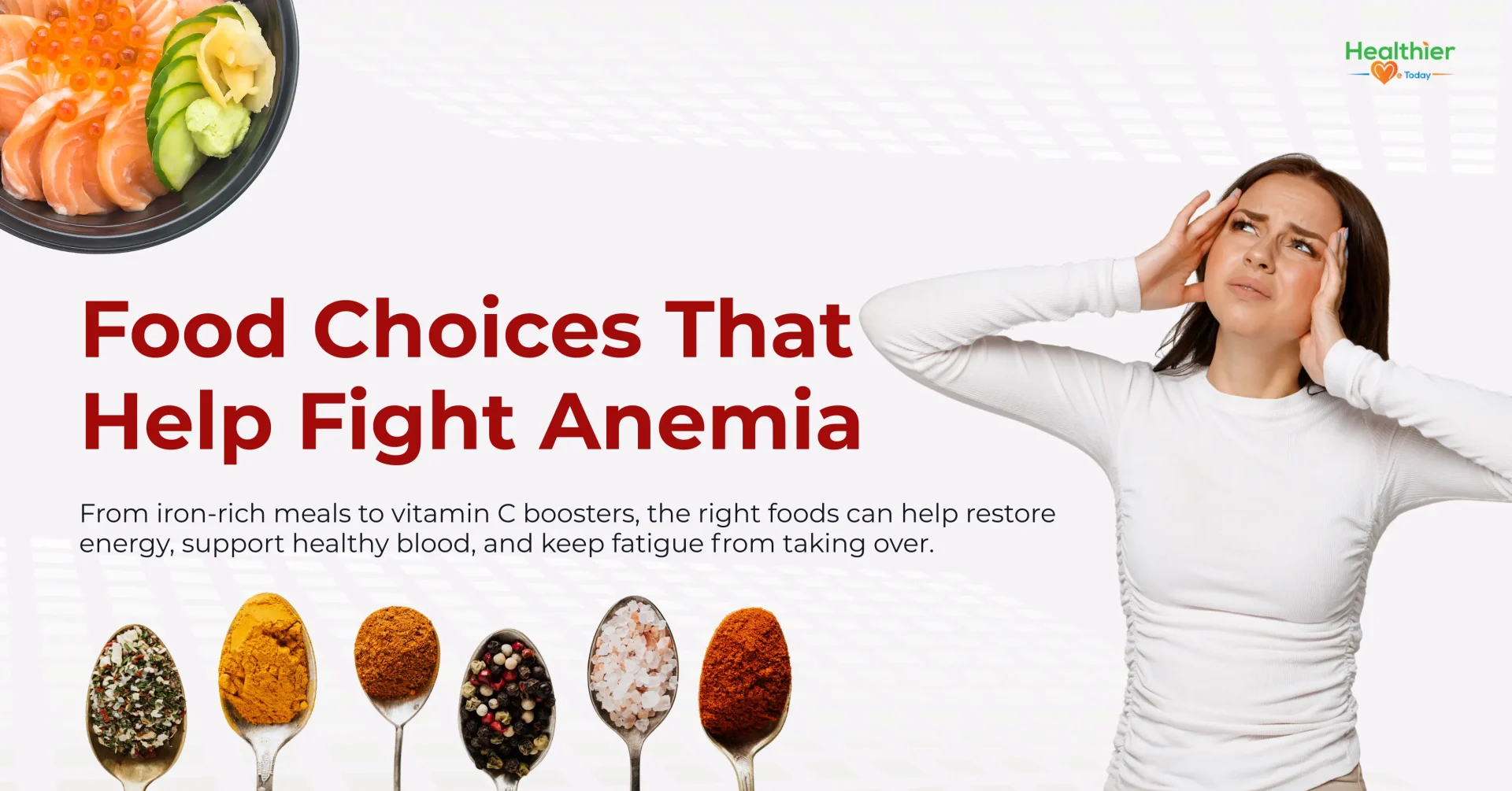
What to Eat When You Have Anemia (and What to Avoid)

Feeling tired, dizzy, or weak may be more than just exhaustion, it could be a sign of anemia. When your body doesn’t have enough healthy red blood cells or hemoglobin to carry oxygen, every cell struggles to get the energy it needs.

The right food for anemia can play a crucial role in restoring your energy and improving your health.

This guide explains which foods to eat for anemia and which to avoid, as well as how to plan a balanced diet that supports recovery from anemia.

Understanding Anemia and Why Iron Matters

Anemia develops when the number of healthy red blood cells in your body is too low to carry oxygen properly. When your hemoglobin or red blood cell level drops too low, your body receives less oxygen than it needs to function correctly.

Without enough iron, your blood can’t deliver oxygen efficiently, leading to fatigue and dizziness. Iron-rich foods are essential for treating anemia and replenishing energy, as they support the production of red blood cells.

Symptoms of Anemia

As your red blood cell count decreases, your body will begin to exhibit signs that it’s not receiving enough oxygen. Understanding what are the symptoms of anemia is important for catching it early.

Symptoms of Anemia

Common symptoms of anemia include:

  • Feeling tired and weak
  • Pale or yellowish skin
  • Cold hands and feet
  • Dizziness
  • Headaches
  • Shortness of breath in severe cases

Identifying the cause helps determine what foods are good for anemia and which treatment is most effective.

What to Eat and What to Avoid

Knowing what to eat for anemia can boost iron levels naturally. The best food sources for anemia include both heme iron and non-heme iron. Combining both iron types in your diet gives your body the best chance to rebuild healthy red blood cells and restore your energy.

anemia foods to eat and avoid

Heme Iron (found in animal products):

  • Lean red meat
  • Chicken
  • Fish
  • Eggs

Non-Heme Iron (found in plant-based foods):

  • Beans
  • Lentils
  • Leafy greens
  • Vitamin C-rich fruits

As you plan your meals, try combining foods high in non-heme iron with something that contains vitamin C. For example, you might enjoy a spinach salad with lemon juice. These simple choices can help boost your daily iron intake.

To increase your iron levels, add foods like nuts, seeds, and tofu into your diet, especially if you’re on a vegetarian or vegan diet. Whole grains like quinoa and brown rice give you fiber and also have minerals that help your body absorb iron. These are among the anemia best foods to include in your diet for anemia.

If you want to know what foods help with anemia, choose meals that mix protein and vitamin C. Good examples are grilled chicken with roasted vegetables or a smoothie made with spinach and berries. These combinations help your body absorb nutrients better and recover more quickly.

What to limit yourself to:

  • Tea and coffee
  • High-calcium foods (milk, cheese, and yogurt)
  • Sugary foods
  • Gluten products

Caffeine in tea and coffee can make it harder for your body to absorb iron, so try to have these drinks at least an hour after eating [ru.orzax.com]. Dairy products also compete with iron for absorption, so eating them with iron-rich foods may reduce the benefits.

Processed and sugary foods may also interfere with your body’s ability to use iron efficiently, leaving you feeling tired and sluggish.

If you struggle with gluten sensitivity or celiac disease, reducing gluten in your diet can further help improve nutrient absorption and gut health, both of which are vital when you’re trying to recover from anemia.

How to Get Rid of Anemia Naturally

If you’re wondering how to get rid of anemia, consistency is the first step. Eating foods rich in iron daily can help restore iron levels over time.

how to get rid of anemia

Tips for recovery:

  • Following an iron-rich diet for anemia
  • Avoiding skipping meals
  • Including snacks that support iron, like nuts and dried fruit
  • Avoiding coffee, tea, and dairy products during or right after meals.
  • Staying hydrated
  • Getting enough rest

There’s no quick fix for anemia. Recovery depends on eating the right foods to help with anemia consistently and following your treatment plan [healthline.com].

Conclusion: The Key to Beating Anemia Naturally

Recovering from anemia takes time, but knowing what to eat to help anemia and what to avoid can make a real difference. Focus on iron rich foods for anemia, such as lean red meat, beans, lentils, and vitamin C-rich fruits, to boost absorption. Avoid drinks and foods that block iron absorption, such as coffee, tea, and dairy products.

Consistently choosing anemia foods to eat and avoid helps your body rebuild healthy red blood cells. By incorporating more foods with iron for anemia and limiting inhibitors, you can naturally restore your energy and improve your overall health.

Including a variety of foods high in iron for anemia in your meals can make a big difference. Choosing foods to help anemia, alongside a well-planned diet to help anemia, ensures your body gets the nutrients it needs every day. By focusing on the best food for anemia, you can maintain energy levels and support healthy red blood cell production over time.

FAQs About What To Eat and Avoid with Anemia

What foods are best for anemia?

The best foods for anemia are those high in iron to help your body make healthy red blood cells. Include iron rich foods for anemia, such as red meat, liver, chicken, and fish.

What foods should be avoided if you have anemia?

Some foods interfere with iron absorption and should be avoided in your diet. Avoid coffee, tea, and high-calcium dairy products, as they can block the absorption of iron from iron-rich foods, worsening anemia. Sugary snacks and processed foods can worsen fatigue.

How much iron should I eat per day for anemia?

Understanding how much iron your body needs per day to treat anemia is essential to ensure proper red blood cell production and prevent fatigue.

Here’s how much iron per day for anemia is required:

  • Women (19-50years): 18mg per day
  • Pregnant women: 27mg per day
  • Men: 8mg per day

Meeting your daily needs through food high in iron for anemia helps support long-term health without excess supplements that can cause side effects.

Can food alone cure anemia?

Eating consistent amounts of anemia treatment foods, such as red meat, lentils, beans, and spinach, can raise your iron levels. However, food alone can’t cure deficiencies; following an anemia diet can stabilize your iron levels.

What are the best vegetarian foods for anemia?

Plant-based foods rich in iron for anemia include: Lentils, beans, spinach, quinoa, and pumpkin. Pairing these foods with vitamin C-rich fruits, such as oranges or kiwi, enhances absorption. This type of anemia food is ideal for vegans seeking natural, nutrition-based deficiency anemia treatment.

Is meat the best food for anemia, or can plants help too?

Meat is indeed one of the best foods for anemia, as it is more easily absorbed, but plant-based foods can also help when paired with vitamin C to improve iron absorption.

What drinks help with anemia?

If you want drinks that support anemia, choose ones that help your body absorb iron. Fresh orange juice, beetroot juice, and prune juice are great options, as they contain vitamin C and iron. For best results, avoid consuming them with tea, coffee, or dairy, as these can make it harder for your body to absorb iron.

Can certain foods make anemia worse?

Yes, some foods can cause anemia by blocking iron absorption. Experts say coffee, tea, and dairy products reduce the amount of iron your body absorbs. Limit foods that block iron and eat more foods good for anemia to support your energy levels and overall health.

How do I plan a 7-day diet for anemia?

Planning a 7-day anemia diet plan is all about eating the right mix of foods to boost your iron levels and help your body absorb it more effectively. A balanced plan should include foods that are rich in iron, plenty of vitamin C, and fewer foods or drinks that block iron absorption.

Here’s what foods help with anemia:

  • Iron-rich foods: Incorporate both heme iron (from animal sources like lean meats and seafood) and non-heme iron (from plant sources like tofu and legumes).
  • Vitamin C sources: Eat fruits and vegetables that help your body absorb iron.
  • Avoid inhibitors: Limit calcium-rich foods or refrain from drinking tea or coffee immediately before or after meals.

For a comprehensive 7-day meal plan, consider trusted resources like EatingWell’s 7-Day Anemia Diet Plan, which provides a variety of iron-rich recipes.

What’s the difference between iron-rich foods and iron supplements for anemia?

Iron-rich foods provide your body with natural iron, along with other essential nutrients. However, if someone has a severe iron deficiency, supplements might be needed to raise iron levels more quickly. Supplements contain a higher amount of iron and can help improve levels faster.

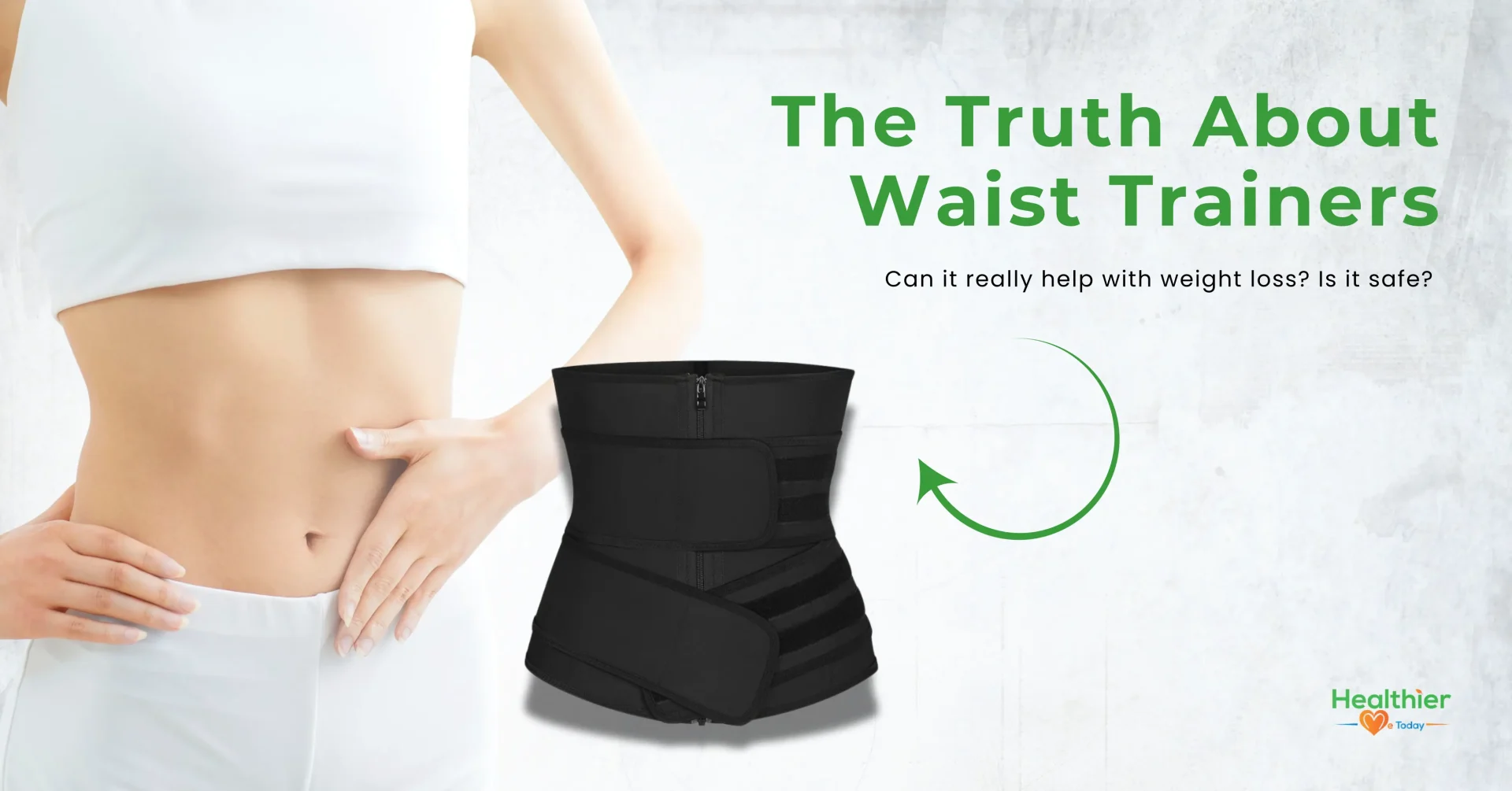
Everything You Need to Know About Waist Trainers

Women have been wearing waist trainers for weight loss for generations, and the most commonly known is the corset, which women started wearing as far back as the 16th century.

Waist trainers never truly left the fashion world, but they became less popular over time, with only a handful of women still practicing this slimming technique. However, going back to the classics, many exercise brands and fitness enthusiasts promote and design waist trainers to aid in weight loss and posture.

Waist trainers have become increasingly popular, ranging in color, size, and shape.

Why are Waist Trainers Beneficial to Weight Loss?

Waist trainers are unlike the old-fashioned corset, which was primarily used to visually shrink the waist and give the illusion of a slight build. Corsets also cause deformities such as rib and spine damage, weakened core, and other dangerous disadvantages.

waist trainer benefits

The waist trainer is designed for health over cosmetics. It is an aid in losing weight and does quite the opposite of the corset mentioned above. They strengthen your abdominal muscles by giving support, help build a more natural hourglass shape, and increased sweating helps reduce body fat.

Providing better posture and even postpartum support can help shrink inches off your waist if worn correctly and used during exercise. It is essential to get the right size that fits your body well and is not too tight, as this will cause the same health risks that corsets caused people back then.

The Different Waist Trainers

Waist trainers typically differ in color, size, and shape. So which one should you get?

Here’s a breakdown:

1. Lady Slim Waist Trainer

This waist trainer comes in different colors and patterns to choose from. So whether you’d like a beautiful blue leopard print or you want to keep it simple with neutral beige, this waist trainer is sure to have what you need to pick your perfect style.

Latex is no stranger to the exercising world, and with this material giving off a sauna-like effect when worn, it’s no surprise that this will make you sweat! Which we all know helps with losing weight. With the 100% natural latex, it’s sure to help reduce fat deposits and reshape, giving you unique curves.

With its flexible boning, it will also benefit from getting better posture, which will strengthen the core muscles. To ensure the correct fit, it is advised to measure the waistline and check the measurements table of the product to make sure the right size is chosen for your body.

2. HOPLYNN Neoprene Sweat Waist Trainer

Add this waist trainer to your exercise equipment for faster results when working out! Having double coverage of the stomach will help with high-intensity workouts, promoting more sweat and heat. You will burn more inches off your waist wearing this trainer.

HOPLYNN Neoprene Sweat Waist Trainer
It’s designed for top-range quality and is insulated for concealing warmth, making it a must-have for when you choose to do some outside activities in the colder seasons. Cold muscles tend to contract and cause pain, so it is ideal to keep them warm, especially while doing strenuous activities.

This waist trimmer is also flexible and ultra-lightweight, so being uncomfortable is not a worry when moving around.

3. Waist Trimmer Trainer Belt

This training belt is ideal for intense and fast-paced workouts, as it features a grid surface that prevents it from moving around or slipping during use. Unlike other belts, which feature straight-line cutting, this one has curve-cutting on either side, creating an instant hourglass figure by pulling to achieve a snug fit.

With four bones stitched inside, they act as a lumbar back brace with ample support. This also aids in better posture. Don’t let the soft feel trick you. This neoprene material will have you dripping with sweat during your subsequent workout [sewport.com].

Unlike most waist trainers, this one is available for both men and women.

4. YIANNA Waist Trainer

With a fantastic range of different sizes, this waist trainer is sure to have one that will hug your body perfectly. It can be worn under clothes, or if you are allergic to the 100% latex rubber material, you can wear it outside [my.clevelandclinic.org].

It provides excellent abdominal control, and with its higher price compared to other generic types, the increased surface coverage means more fat is burned, leading to increased sweating and more noticeable results. With nine built-in steel bones, this trainer is compelling.

This trainer, acting as a trimmer, is crafted with attention to detail, from its close-fitting structure to the small material that protects the skin from irritation, situated under the pull hook on top of the metal zipper. This waist trainer is created for durability and security.

5. TrainingGirl Women Waist Trainer

Being 100% Latex and made from stretchy, durable, and flexible Neoprene material, this waist trainer ensures no skin irritation. With its design and quality, it stays put without rolling up or jabbing into you like other belts. It is also easy to clean, which is excellent news, and it is sure to make you sweat!
TrainingGirl Women Waist Trainer

It has three rows of hooks and a zipper to fit your physique and curves perfectly, not to mention also having a double adjustment durable belt closure waistband to aid in compression of the stomach and waist. Not only does this waist trainer help you lose weight, but it also lifts your chest, corrects lousy posture, prevents a herniated disc, and relieves back and lumbar pain.

It can take 3-4 inches simply by wearing it, making it function as both shapewear and a workout tool. Either gender can wear it, and it provides excellent support while working out at the gym, participating in sports, or doing home workouts.

The Do’s & Don’ts

While waist trainers can offer real benefits when used correctly, they also come with potential risks if misused. Wearing one too tightly or for too long can lead to discomfort, restricted breathing, weakened core muscles, or even internal strain. Some people also experience skin irritation or dizziness from excess sweating.

That’s why it’s important to know how to use a waist trainer safely and responsibly. Follow these key do’s and don’ts to make the most of your waist training experience without putting your health at risk.

Do’s Description Don’ts Description
Choose the right size Measure your waist before buying. A waist trainer that’s too tight can cause bruising or breathing issues, while one that’s too loose won’t deliver results. Don’t wear it too tight Over-tightening can restrict breathing, reduce oxygen flow, and cause internal problems. It should feel snug, not suffocating.
Start slow Begin with 1–2 hours a day and increase gradually as your body adjusts. Don’t wear it for long hours Avoid all-day or overnight use, it can weaken your core muscles instead of strengthening them.
Pair it with exercise Use it alongside workouts and a balanced diet, it supports your routine, not replaces it. Don’t skip proper cleaning Clean your waist trainer regularly to prevent odor buildup and skin irritation.
Stay hydrated Waist trainers increase sweating, so drink plenty of water to avoid dehydration or dizziness. Don’t rely on it alone for weight loss It enhances results but can’t replace exercise and healthy eating.
Listen to your body If you feel pain, shortness of breath, or numbness, remove it immediately. Comfort and safety come first. Don’t ignore medical advice Consult your doctor if you have respiratory issues, back pain, or have recently given birth.

Conclusion: Train Your Knowledge Too!

Waist trainers are no longer just about looks. When chosen carefully and used properly, they can support posture, encourage sweating during exercise, and even provide postpartum support. They are most effective when combined with a balanced diet, consistent exercise, and safe usage that avoids the health risks associated with overly tight fits. The right trainer can give both physical results and added confidence.

If you’d like to track your progress, use our Reverse BMI Calculator.

For more health insights, tips, and guidance, explore other articles on Healthier Me Today. 

FAQ’s:

How do waist trainers work?

Waist trainers wrap tightly around your waist, giving you an instant slimmer shape. They also increase heat and sweating during workouts, which can make you feel like you’re burning more. 
Plus, they help with posture by keeping your core supported [healthline.com].

How to choose the right waist trainer?

Start by measuring your waist and comparing it with the brand’s size chart. 

If you want one for:

> Workouts → Go for neoprene or latex (flexible and sweat-enhancing).
> Everyday wear → Choose steel-boned for smoother shaping.
> Beginners → Stick to softer, more flexible materials.

When to consult a healthcare professional about waist trainers?

If you have back, heart, or breathing problems, check with your doctor before starting. The same goes for anyone pregnant, recovering from surgery, or experiencing pain while wearing one.

Does a waist trainer actually work?

Yes, but only to an extent. It makes your waist look smaller right away and boosts sweating, but lasting changes only come with diet and exercise. Think of it as an accessory to your fitness routine, not a magic solution.

Does waist training flatten your stomach?

Not directly. Waist trainers create a slimmer appearance, but fat loss comes from healthy eating and regular workouts. The trainer can help with posture and water weight, but lifestyle changes drive the real progress [vinmec.com].

How long does it take for a waist trainer to flatten your stomach?

Results vary. Some notice a difference in a few weeks from posture changes and water loss. Fat reduction takes longer, usually months, and depends more on consistency with healthy habits than the trainer itself.

Are waist trainers safe to use for weight loss?

They’re safe if you don’t overdo it. Pick the right size, don’t wear it too tight, and limit wear time to a few hours a day. If you feel discomfort, loosen it or take it off.

Can you exercise while wearing a waist trainer?

Yes. They’re often used during workouts to encourage sweating and improve posture. Just make sure you can still breathe comfortably, especially during cardio. If it feels too restrictive, switch to a lighter one [webmd.com].

What is the difference between a waist shaper and a waist trimmer?

> Waist shaper → Designed for looks, worn under clothing for a smooth, slim figure.
> Waist trimmer → Used during workouts, usually made of neoprene, to increase sweating around the core.

Can waist trainers help with posture improvement?

Yes, they can. Waist trainers encourage you to sit or stand straighter, which can relieve some back strain. But they shouldn’t replace core-strengthening exercises, which give lasting posture support.

What are the side effects of waist trainers?

Wearing them too tightly or for too long can cause discomfort, heartburn, or shortness of breath. Some people also notice skin irritation. The safest approach is to wear the right size, limit use, and take breaks.

Which waist trainer is most recommended for beginners?

A neoprene or latex trainer is ideal for beginners. They’re flexible, easier to move in, and comfortable for workouts. Avoid heavy steel-boned options at first until you get used to waist training.

Is Chagas Disease the Next Global Health Concern?

Chagas disease, a sneaky parasitic infection, affects 6-7 million people worldwide, often staying silent for years. A kissing bug bite in rural Latin America or southern U.S. states could catch you, your family, or your pets off guard. If you travel, live rurally, or own pets, this quiet threat might spark curiosity. This guide covers what Chagas disease is, its symptoms, spread, and easy ways to stay safe.

What Is Chagas Disease?

Chagas disease, also known as American trypanosomiasis, is caused by the Trypanosoma cruzi parasite, which is transmitted by a kissing bug in rural areas of Mexico, Central America, or South America. A bug bites you, leaving infected feces that can enter through your skin, eyes, or mouth. Approximately 30% of cases result in heart or digestive issues if left untreated.

chagas disease
Rural residents, travelers, or those in mud-walled homes face a higher risk. In the U.S., approximately 300,000 people may have it, often without being aware. Knowing the basics helps you stay cautious. Kissing bugs, sometimes called kissing beetles, spread Chagas disease by biting near your mouth or eyes at night, causing 60% of cases in rural Latin America. They hide in cracks of mud or adobe homes.

You can also get it from tainted food, blood transfusions, organ transplants, or mother-to-baby transmission (5% of cases). Rural areas, campers, or travelers in low-quality housing are most at risk. In the U.S., kissing bug bites are found in states such as Texas. Checking your sleeping area lowers risk.

Acute Symptoms of Chagas Disease

Early Chagas disease symptoms, lasting weeks to months, are mild, affecting 50% of people. You might think it’s a cold. Children under five or travelers new to rural Latin America tend to notice them more.

Watch for these signs:

  • Swelling or redness at the bite
  • Fever or chills
  • Fatigue or aches
  • Rash or itchy skin
  • Swollen eyelids (Romaña’s sign)
  • Slight liver or spleen enlargement.

Chronic Symptoms of Chagas Disease

Untreated, 20-30% of Chagas disease cases turn serious 10-20 years later. Heart issues affect 70% of chronic cases, while digestive problems occur in 20%. Adults over 40 or those with weaker immune systems are at risk, and symptoms can disrupt life [who.int].

Look for these:

  • Irregular heartbeats
  • Chest pain
  • Trouble swallowing
  • Severe constipation
  • Dizziness or fainting

Diagnosis and Treatment of Chagas Disease

Diagnosing and treating Chagas disease involves specific tests and drugs. Chagas disease treatment and American trypanosomiasis treatment are most effective when initiated early, with 60-80% success rates in the acute phase; however, chronic cases are more challenging [who.int].

Diagnosis and Treatment of Chagas Disease
Here’s how it works:

Blood Test

A blood test checks for Trypanosoma cruzi antibodies to confirm the presence of the infection. It’s reliable, costing $50-$200 at most labs. You’ll need a clinic visit, but community health centers often have more affordable options.

PCR Test

A PCR test detects parasite DNA in blood, making it ideal for identifying early cases [pmc.ncbi.nlm.nih.gov]. It’s precise but less common, costing $100 to $300. If you’ve been in an endemic area, this test can help.

ECG/Imaging

ECG or imaging, such as echocardiograms, tracks heart damage in chronic cases, identifying irregular rhythms. Costing $100-$500, they need a clinic. They’re vital for long-term symptom management.

Benznidazole

Benznidazole kills the parasite in the acute phase, with a 60-80% cure rate. It costs $200-$500 and may cause nausea. You’ll need a prescription and check-ins.

Nifurtimox

Nifurtimox, another drug, works for early cases, matching benznidazole’s effectiveness. It costs $200-$500 and might cause dizziness [pmc.ncbi.nlm.nih.gov]. It’s an option if benznidazole isn’t right.

Supportive Care

Supportive care manages chronic heart or digestive issues, improving quality of life. Costs vary, from heart medications to diet changes. It’s key for advanced symptoms.

Prevention of Chagas Disease

Stopping Chagas disease spread is straightforward, with 70% of cases preventable through simple habits, especially for travelers or rural residents [cdc.gov].

Try these:

  • Use insect repellent and treated bed nets in rural areas.
  • Seal cracks in mud or adobe home walls.
  • Avoid unpasteurized drinks or undercooked food in risky regions.
  • Screen blood or organ donations in areas with endemic diseases.
  • Keep pets indoors at night to prevent kissing bugs from entering your home.
  • These steps help travelers or those in southern U.S. states stay safe.

What to Do If You’re Concerned About Chagas Disease

Concerned About Chagas Disease

Worried about Chagas disease after a trip to Latin America or a possible kissing bug bite? Check for bite marks, swelling, or fever. Talk to a friend for support. Blood tests at community clinics, which cost $50-$100, can confirm an infection. Watch for lethargy in pets, as Chagas disease in dogs can occur. Using bed nets or inspecting your home can ease worries.

Conclusion: Worth The Attention?

Chagas disease may not be a topic that frequently comes up in daily conversations, but its impact on millions makes it a worthy subject of attention. A single kissing bug bite can lead to heart or digestive issues years later, but you don’t need to lose sleep over it. Knowing Chagas disease symptoms and risks empowers travelers, rural residents, and pet owners to act smartly. Simple tests, such as a $50 blood test, can catch it early, and preventive steps, like using bed nets or sealing home cracks, are easy to adopt.

Whether you’re planning a trip to Latin America or live in a southern U.S. state, small habits can keep you and your pets safe.

FAQ’s:

What is Chagas disease, and how do people get it?

Chagas disease is a parasitic infection caused by Trypanosoma cruzi, affecting 6-7 million people globally. You get it from a kissing bug bite, contaminated food, blood transfusions, organ transplants, or mother-to-baby transmission. Rural areas in Latin America, as well as poor housing, increase your risk.

What insect spreads Chagas disease?

The kissing bug, also known as a kissing beetle, spreads Chagas disease through bites, leaving infected feces near the skin. These bugs are common in rural areas of Latin America and southern U.S. states, such as Texas. Using bed nets and sealing home cracks can reduce exposure.

What are the early and late symptoms of Chagas disease?

Early Chagas disease symptoms include fever, fatigue, swelling at the bite, or swollen eyelids, often mild and flu-like. Late symptoms, appearing years later, include heart issues like irregular heartbeats or digestive problems like constipation. Early detection through blood tests is key to managing risks.

How dangerous is Chagas disease if untreated?

Untreated Chagas disease can be severe, with 20-30% of cases leading to chronic heart or digestive issues. Heart failure or severe constipation can disrupt life, especially in older adults. Early treatment with drugs like benznidazole can prevent these complications.

How is Chagas disease diagnosed and treated?

Chagas disease is diagnosed through blood tests for parasite antibodies or DNA, which typically cost between $50 and $300. Chagas disease treatment with benznidazole or nifurtimox is 60-80% effective in the acute phase but less so in chronic cases. Supportive care manages heart or digestive complications in later stages of the disease.

Can Chagas disease be prevented?

Yes, Chagas disease can be prevented by using insect repellent, bed nets, and sealing home cracks in rural areas. Avoiding contaminated food or unpasteurized drinks helps, as does screening blood or organ donations. These steps cut transmission risk by up to 70%.

Is Chagas disease spreading in the U.S.?

Chagas disease spread is limited in the U.S., with an estimated 300,000 cases, primarily in southern states. Kissing bugs are found in Texas, Arizona, and other warm areas, but human cases are rare. Increased travel and climate changes could raise risks, so vigilance is key.

Which states have reported Chagas cases?

Chagas disease cases are reported in southern U.S. states, including Texas, Arizona, California, and Louisiana, where kissing bugs are prevalent. About 300,000 people, often immigrants from Latin America, are affected. Local transmission is low but possible, especially in rural areas.

Can pets or wildlife carry Chagas disease?

Yes, Chagas disease can occur in dogs and wildlife, such as raccoons or opossums, as they can carry the Trypanosoma cruzi parasite. Infected pets may exhibit lethargy or cardiac issues, posing a minimal risk to humans. Keeping pets indoors at night reduces their exposure to potential hazards.

How to Lose 50 Pounds in 3 Months & Completely Change Your Life

Losing weight is a process that many people have either undergone or are currently experiencing. Weight has always been a sensitive topic, as there is so much stigma about what number the scale lands on. With so many crash diets and untailored flash workouts, so many people have fallen victim to these unhealthy fads, which in the long run only decrease their mental health and motivation.

Shedding unwanted fat should never be about pleasing other people’s standards. It should be a personal decision made by you for yourself.

Whether it is losing weight after having a baby, health reasons, or simply to feel your best, it should not be taken lightly or deemed unattainable. It will come with time, like all good things, which will absolutely be worth the wait and effort.

This is how to lose 50 pounds in 3 months

Is this a Realistic Goal?

Setting a goal for your weight loss journey is extremely helpful. However, people often set unrealistic goals for themselves, which can lead to burnout, discouragement, and unhealthy habits such as skipping meals or overexercising. Understanding your body type, BMI, and the appropriate calorie intake will help you reach your goal, as long as it remains attainable.

how can i lose 50 lbs in 3 months

Discussing how to lose 50 pounds in 3 months may sound like a significant challenge, but with dedication and proper planning, it can be an attainable goal. Conducting research or taking it one step further by consulting with a trainer or dietician who possesses extensive knowledge of healthy changes and exercise routines can significantly impact your journey. Aiming to lose 50 pounds in three months, you will need to break this significant number up, as it will be less intimidating.

Dissecting this means that you will have monthly “installments”. The weekly number will be 4.17 pounds. Once broken into smaller sections, it will be easier to track your progress. With proper calorie intake and a strategic workout regimen, this can be achieved.

How to Healthily Lose 50 Pounds in 3 Months

When asking the question of how to lose 50 pounds in 3 months, there are very similar aspects that need to be followed almost religiously. To lose this large but achievable amount of weight, several changes to diet and activity will be necessary.

Focusing on healthy eating, such as adding protein to every meal, as long as vegetables and limited starch and carbohydrates. Eating proper proportions frequently will boost your metabolism and kick-start your body’s natural fat-burning agents. Do not forget to calculate how many calories you need to maintain your energy and melt away unwanted fat healthily.

Finding a good cardio-rich workout that doesn’t exceed your limits, causing injury or extreme exhaustion, is an excellent way to lose 50 pounds in three months. Providing your body with sustainable nutrients and engaging in blood-pumping movements is a sure way to lose the desired amount of weight.

Understand and Calculate Your Calorie Consumption

There is no shortage of calorie intake calculators on the internet, many of which require only your age, gender, and weight; however, there is more to it, as everybody is different [ncbi.nlm.nih.gov].

Some of these calculators are not too far off. Instead of providing detailed and accurate information, they offer rough estimates, which can result in under- or over-eating, potentially leading you astray from your goal. Eating the correct amount of calories for your body type is one of the best things you can do for your overall health.

Understand and Calculate Your Calorie Consumption

How to lose 50 pounds in 3 months by calculating your proper calorie intake:

  • This is done using a tape measure to determine your waist, forearm, wrist, and hip circumference.
  • Once you have these measurements, you can now calculate your body fat percentage by using a body fat index calculator. Ensure that you find one that allows you to enter these four measurements and your current weight.
  • It will calculate your fat percentage.
  • If you haven’t already, find out your body weight in kilograms. If you use pounds, divide the amount by 2.2 to convert it to kilograms.
  • You will multiply this number by 1.0 if you are a male, and if you are a female, multiply by 0.9.
  • Take this amount and multiply it by 24
  • Find a lean factor multiplier online, and using your body fat percentage, you can calculate your lean factor.
  • Take the number you previously multiplied by 24 and now multiply it by your lean factor.
  • Now, the number you obtain is your Basal Metabolic Rate (BMR), which represents the number of calories you would burn if you were to do no activity.
  • To get a more accurate estimate of the calories you actually burn in a day, we need to consider the activity modifier.
  • Depending on your average level of activity, the corresponding values are 1.3 for very light, 1.55 for light, 1.65 for moderate, 1.80 for heavy, and 2.00 for very heavy. If you are unsure which one you fit into, you can find a table or read further online to discover which category you belong to [nhs.uk].
  • Now multiply your BMR by the number from the daily activity level multiplier.
  • Now, since we are focusing on losing weight, it is recommended to eat roughly 400-500 calories less than the total amount calculated.

Find the Diet and Lifestyle That Works for You

Figuring out how to lose 50 lbs in 3 months through dieting alone can feel overwhelming due to the numerous options available. Many fad diets are marketed as healthy, but in reality, they often do more harm than good. While quick fixes may lead to rapid weight loss, the results typically do not last, and the weight usually returns.

how to lose 50 pounds in 3 months

The key is to focus on a healthy, science-based approach that can be tailored to your body and lifestyle [cdc.gov].

A truly effective plan should:

  • Include regular exercise
  • Promote portion control
  • Allow healthy snacks between meals
  • Be based on scientific research
  • Provide a realistic maintenance strategy
  • Be created or approved by a credentialed professional
  • Use minimal supplements, prioritizing real foods

Exercise, especially cardio, supports faster progress, while tracking results helps you stay motivated. Cutting back on alcohol, getting enough sleep, and surrounding yourself with healthy food choices all make it easier to stay consistent. Keeping nutritious snacks on hand also prevents overeating [semperfitmf.com].

By combining a sustainable diet with smart daily habits, you can achieve significant weight loss and create a healthier routine that lasts well beyond three months.

Conclusion: Is it Possible?

Losing 50 pounds in three months takes planning, dedication, and realistic expectations. Breaking the goal into smaller milestones, tracking your progress, and combining a healthy diet with regular exercise are essential. Focus on sustainable changes that support your energy, strength, and overall health.

By adhering to a structured plan and maintaining consistency, you can achieve this goal safely and position yourself for long-term success.

Use a reverse BMI calculator to find your healthy target weight and guide your diet and exercise plan!

FAQ’s:

Do I need to exercise daily to lose 50 pounds in three months?

Not every day, but consistency is key. Aim for 4–6 workouts per week, combining strength training and cardio. Strength training preserves muscle while losing fat, and cardio helps burn calories. Rest days are essential for recovery and injury prevention.

Can rapid weight loss cause health problems?

Yes, losing a large amount of weight too quickly can put a strain on your body. Potential issues include nutrient deficiencies, gallstones, fatigue, weakened immunity, and loss of lean muscle mass. Rapid weight loss also affects hormones that regulate hunger and metabolism, making it easier to regain weight. That’s why a structured plan with proper nutrition, sufficient protein, and gradual, monitored calorie deficits is essential to lose weight safely and sustainably.

How can I stay motivated during a 50-pound weight loss journey?

Break your goal into smaller milestones and celebrate each achievement. Track progress with charts, photos, or journals, and note non-scale victories, such as improved energy, better sleep, and increased confidence. Support from friends, community members, or a coach can also be beneficial.

What’s the difference between losing 50 lbs vs 50 pounds (same goal)?

There’s no difference in the goal itself. “lbs” is just shorthand for pounds. The important thing is understanding that the scale’s feedback isn’t the only measure of progress. Body composition, how your clothes fit, energy levels, and overall health improvements are equally essential markers of success. Focusing solely on the scale can be misleading, especially when trying to build muscle while losing fat.

Will I regain weight quickly after losing 50 pounds fast?

It can happen if the changes are not sustainable. Quick-fix diets often lead to rebound weight gain. A long-term approach, incorporating balanced meals, consistent exercise, and flexible habits, is the most effective way to maintain your results.

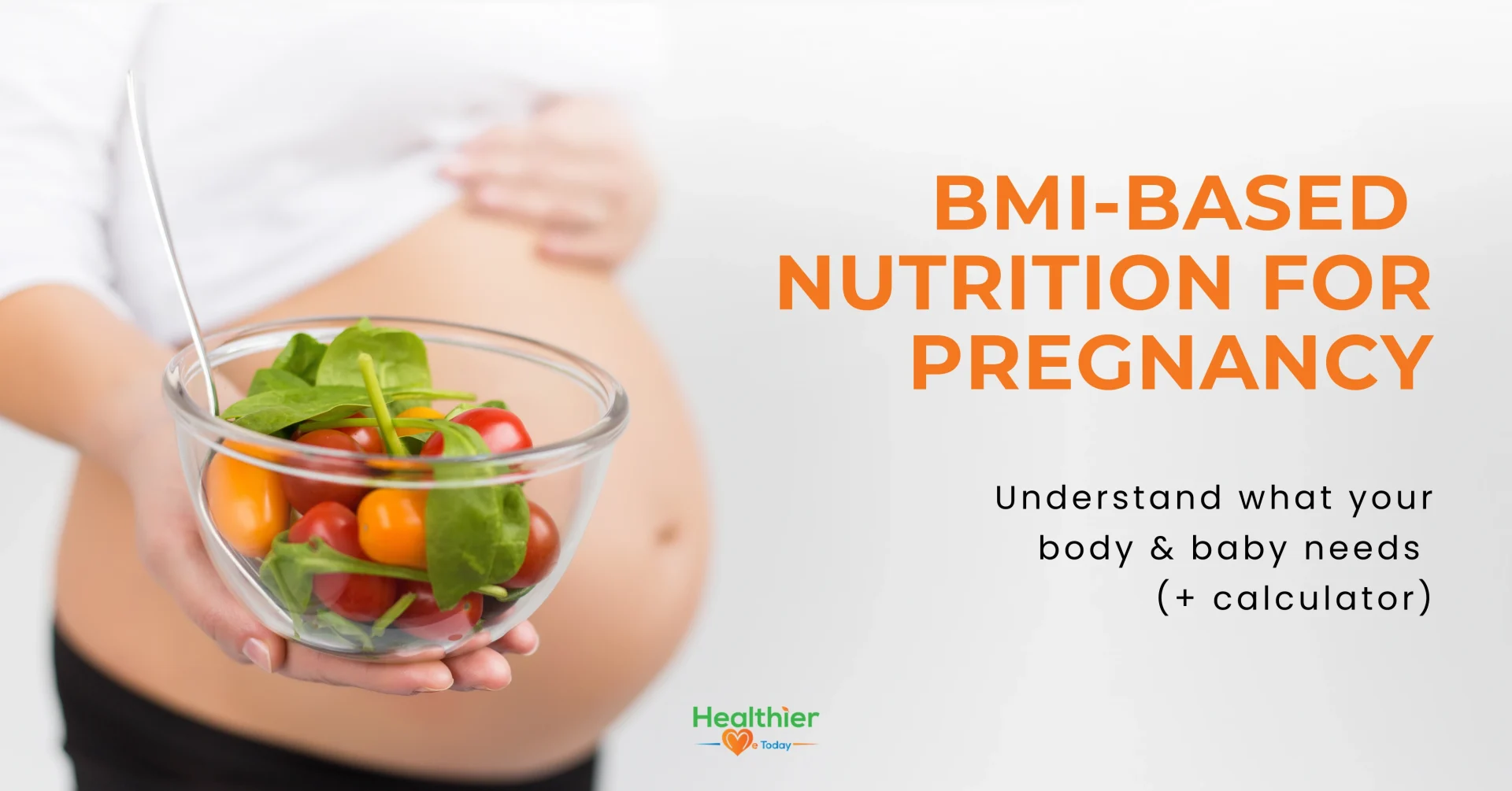
Nutrition Tips for Pregnant Women Based on BMI

Eating well during pregnancy is one of the main ways to keep you and your baby healthy. Your body mass index (BMI) helps guide what foods to focus on, as it shows if you’re underweight, overweight, or at a healthy weight. A tailored pregnancy diet by BMI supports a safe pregnancy and reduces risks for both mother and baby.

This guide shares practical nutrition tips for different BMI categories to help you feel strong and confident throughout your pregnancy.

Let’s get into it!

Why BMI Matters in Pregnancy

BMI measures your weight relative to your height, giving insight into your health before and during pregnancy. It’s split into categories: underweight (below 18.5), healthy weight (18.5-24.9), overweight (25-29.9), and obese (30 and above). Each category comes with unique needs and risks.

Why BMI Matters in Pregnancy

For example, being overweight increases risks like gestational diabetes, while being underweight may lead to a smaller baby. A balanced diet tailored to your BMI helps manage these risks, supports baby growth, and keeps you energized. Knowing your BMI sets the stage for wise food choices.

Nutrition for Underweight Pregnant Women

If your BMI is below 18.5, underweight pregnancy nutrition focuses on gaining enough weight to support your baby’s growth. Research suggests aiming for a weight gain of 12.5-18 kg (28-40 lbs) during pregnancy.

Here’s how to eat well:

  • Eat More Calories: Aim for an extra 200-300 calories daily, especially in the second and third trimesters. Choose nutrient-rich foods like avocados, nuts, and whole-grain toast with peanut butter.
  • Focus on Protein: Include eggs, lean meats, beans, and dairy to build your baby’s tissues. A smoothie with Greek yogurt and fruit is an easy option.
  • Add Healthy Fats: Olive oil, salmon, and seeds provide energy and help brain development. Drizzle oil on vegetables or snack on almonds.
  • Eat Frequently: Small, regular meals (5-6 times a day) prevent feeling too full while boosting calories. Try cheese and crackers or yogurt with granola.
  • Stay Hydrated: Drink water, milk, or fortified juices to support digestion and nutrient absorption.

These choices help you gain weight steadily, ensuring your baby reaches a healthy size while keeping you strong.

Nutrition for Overweight Pregnant Women

If your BMI is 25 or higher, what to eat when pregnant overweight is about choosing nutrient-dense foods while managing weight gain. Experts recommend a weight gain of 7-11.5 kg (15-25 lbs) for overweight women or 5-9 kg (11-20 lbs) for obese women [pmc.ncbi.nlm.nih.gov].

Nutrition for Overweight Pregnant Women

Here’s how to eat smarter:

  • Choose Low-Calorie, High-Nutrient Foods: Fill up on vegetables, lean proteins, and whole grains. A salad with grilled fish and brown rice is filling yet light.
  • Cut Back on Processed Foods: Avoid chips, fast food, and sugary drinks, which add weight without nutrients. Instead of soda, drink water with lemon.
  • Eat Smaller, Frequent Meals: Five small meals keep hunger in check and stabilize blood sugar. Try hummus with carrots or a boiled egg for a healthy snack.
  • Focus on Low-Glycemic Foods: Foods like lentils, sweet potatoes, and apples prevent blood sugar spikes, reducing gestational diabetes risk.
  • Stay Active with Guidance: Light activities like walking, approved by your doctor, pair well with a diet to manage weight.

These habits reduce risks like high blood pressure and ensure your baby gets the nutrients needed.

Tips for a Healthy Pregnancy Weight

With a BMI of 18.5-24.9, you’re in a good spot to aim for a weight gain of 11.5-16 kg (25-35 lbs). Your diet should balance nutrients to support baby development without excess weight gain.

Follow these tips:

  • Eat Balanced Meals: Include vegetables, fruits, whole grains, lean proteins, and dairy. A plate with grilled chicken, quinoa, and steamed broccoli covers all bases.
  • Limit Sugary Foods: Cakes and sodas add empty calories. Choose fruit or dark chocolate for sweet cravings.
  • Prioritize Fiber: Whole grains, beans, and greens keep digestion smooth and prevent constipation. Oatmeal with berries is a great breakfast.
  • Include Iron-Rich Foods: Spinach, red meat, and fortified cereals help prevent anemia. Pair with vitamin C-rich foods like oranges for better absorption.
  • Watch Portions: Stick to regular meal sizes to avoid overeating. A palm-sized portion of protein and a fist-sized serving of vegetables work well.

This approach supports steady weight gain and keeps you and your baby healthy without overloading on calories.

Managing Risks

Each BMI category carries specific risks. Underweight women may have smaller babies, while overweight women face higher chances of gestational diabetes, high blood pressure, or cesarean delivery. A balanced pregnancy diet by BMI helps lower these risks.

pregnancy diet by bmi - Managing Risks

For example, eating enough protein and calories supports growth in underweight pregnancies, while low-glycemic foods reduce diabetes risk for overweight women [pmc.ncbi.nlm.nih.gov]. Regular checkups with your healthcare provider ensure your diet aligns with your needs and your baby’s health.

Making good food choices during pregnancy is easier with these strategies:

  • Plan Meals: Prepare simple dishes like vegetable stir-fries or overnight oats to stay on track.
  • Read Labels: Choose foods low in added sugars and high in fiber or protein.
  • Snack Smart: Keep nuts, fruit, or yogurt handy for healthy cravings.
  • Eat Colorfully: A variety of fruits and vegetables ensures a range of nutrients.
  • Talk to a Dietitian: If unsure about your diet, a professional can tailor a plan to your BMI.

These habits make eating well feel sustainable and straightforward, no matter your starting point.

Conclusion: Why’s BMI Important During Pregnancy?

A pregnancy diet by BMI helps you and your baby thrive by focusing on the right foods for your body. Whether you’re underweight, at a healthy weight, or overweight, choosing nutrient-rich meals and managing weight gain can make a significant difference.

From boosting your baby’s growth to lowering health risks, smart eating is a powerful tool. Start with small changes, like adding more vegetables or planning meals, and check with your doctor to stay on track. Build a healthy pregnancy with every bite.

Not sure about your BMI? Check it with our Pregnancy BMI Calculator!

FAQ’s:

What is the ideal weight gain for pregnant women based on BMI?

Underweight women (BMI below 18.5) should aim for 12.5-18 kg (28-40 lbs), healthy weight (18.5-24.9) for 11.5-16 kg (25-35 lbs), overweight (25-29.9) for 7-11.5 kg (15-25 lbs), and obese (30 and above) for 5-9 kg (11-20 lbs).

How does underweight pregnancy nutrition differ from other BMI categories?

Underweight pregnancy nutrition emphasizes extra calories (200-300 daily) and frequent meals with protein and fats to support weight gain, unlike healthy or overweight diets, which focus on balanced portions or low-glycemic foods.

What foods should overweight pregnant women avoid?

For what to eat when pregnant overweight, avoid processed foods, sugary drinks, and high-fat snacks. Choose nutrient-dense options like vegetables, lean proteins, and whole grains to manage weight and reduce risks.

Can diet alone manage pregnancy risks related to BMI?

A pregnancy diet by BMI lowers risks like gestational diabetes or low birth weight, but regular doctor checkups and light activity, like walking, are also key to a healthy pregnancy.

How do I know if my diet is meeting my baby’s needs?

A varied diet with protein, calcium, iron, and folic acid supports your baby’s growth. A prenatal vitamin and doctor visits ensure your pregnancy diet by BMI meets all needs.

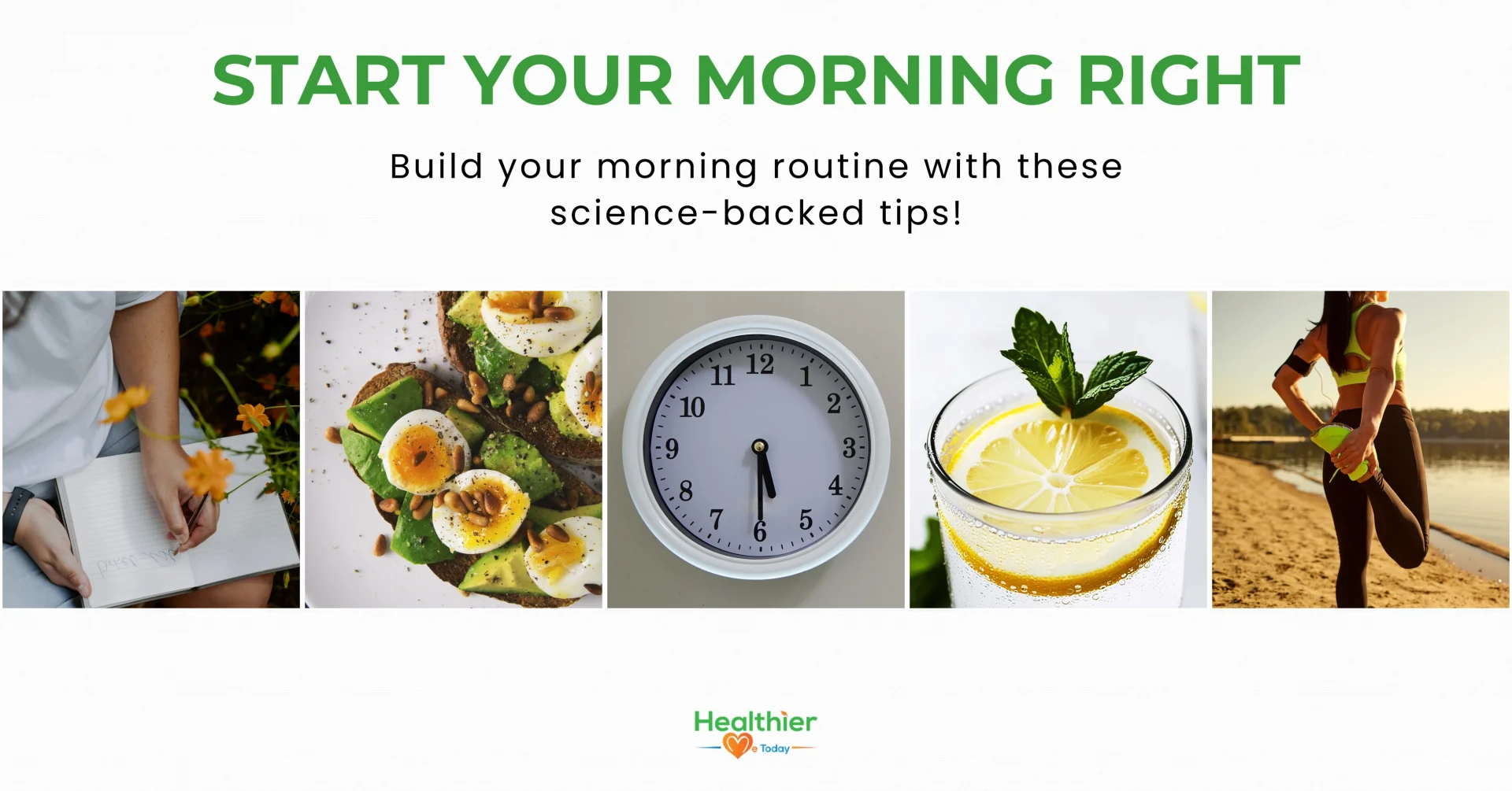
The Ultimate Morning Routine for Success in 2025

Did you know that consistent morning routines have been tied to better mental health? A study found that people who are active early and who have a bit more structure to the start of their day have fewer depressive symptoms. The TikTok trend that says “Depression can’t hit a moving target” was right all along, which gives you the time, space, and energy to work on your goals (the person you truly want to be).

So, how do you even start your morning routine for success? What should you include? What is the secret?

This guide covers it all! Inside you’ll find 10 simple steps for success, plus answers to the most common questions to help you design your best morning routine yet.

The Science Behind Why Healthy Morning Routines Work

You’ve probably heard it a thousand times: “Have a good morning routine.” But what people don’t tell you is that it’s not just about waking up early or ticking boxes on a habit tracker. The real reason morning routines work is because they rewire your brain, reset your hormones, and literally shape how your body runs for the rest of the day.

Science Behind Why Healthy Morning Routines Work

Let’s break down the science behind a mindful morning routine:

1. You’re Training Your Brain Like a Muscle

Every time you repeat a task, drink water, stretch, or make your bed, you’re strengthening neural pathways. And your brain loves patterns. When it recognizes that certain actions always happen after waking up, it starts running them automatically.

That’s exactly how habits form! Neurons fire together so often that they build a kind of mental “shortcut.” Once your routine becomes part of that network, it stops requiring motivation, it just happens.

2. You’re Regulating Your Body’s Clock

Your circadian rhythm (your 24-hour biological clock) controls everything, your energy, focus, hormones, even digestion. When you wake up, eat, and move around the same time every day, you’re basically syncing that clock. Morning light tells your brain to lower melatonin (the sleep hormone) and raise cortisol just enough to wake you up.

Skip that routine, and your body gets confused, you stay groggy, unfocused, and your energy peaks at the wrong times.

3. You’re Resetting Your Hormones

Your morning routine is the hormonal equivalent of setting the mood for the day. Cortisol naturally spikes in the morning, it’s your body’s built-in alarm clock. If you start the day scrolling or rushing, that spike goes too high, flooding your system with stress before you’ve even left the bed.

But when you do something grounding like stretching, breathing, or hydrating, it keeps that cortisol balanced. Pair that with sunlight, and you trigger serotonin (the “feel good” chemical), which later converts to melatonin, helping you sleep better that night.

See the loop? Calm morning → balanced hormones → better sleep → easier mornings.

4. You’re Beating Decision Fatigue Before It Starts

Your brain wakes up with a full tank of willpower, but it drains fast. Every “What should I wear? What should I eat?” chips away at it. A morning routine removes those decisions. You’re not wasting mental energy on small stuff, which means you’ve got more left for creative work, workouts, or anything that actually matters.

That’s why so many successful people eat the same breakfast or wear the same thing every day, not because they’re boring, but because they’re protecting their mental energy.

5. You’re Giving Your Brain a Chemical Boost

Movement, hydration, and even simple breathing exercises increase oxygen and blood flow to your brain. That rush wakes up your prefrontal cortex, the part responsible for focus, planning, and problem-solving.

At the same time, dopamine and norepinephrine kick in, sharpening attention and motivation. It’s like flipping the “ON” switch for your mind. That’s why even 5 minutes of movement or journaling in the morning can completely change your headspace.

6. You’re Building Emotional Stability, Not Just Productivity

Morning routines don’t just make you do more, they help you feel steadier. A predictable rhythm gives your brain something to hold onto. When life feels chaotic, your routine becomes a kind of emotional anchor, it tells your nervous system, “You’re safe. You’ve got this.”

That’s also why people with consistent routines often report lower anxiety and depression levels. It’s not magic. It’s biology, structure creates calm.

Morning Routine for Success (That Actually Works)

It can be quite overwhelming to change the way you do things, which is exactly why this piece breaks it down into 10 steps. And the good news is that you’ll start feeling the difference very quickly.

Timeframe What You’ll Notice
1–3 days More alert mornings, better focus, slight energy lift
2–4 weeks Easier wake-ups, stronger habits, improved sleep
4–8 weeks Stable energy, better mood, sharper focus, less stress

Here’s how to start your own morning routine for success:

1. Wake Up Early 

Try waking up a little earlier than usual, not hours before sunrise, just enough to give yourself space before the day starts. Waking up at the same time every morning helps your body settle into a natural rhythm, which makes sleep better and mornings easier.

How to Do It

Pick a time that feels realistic and stick to it, even on weekends. If 5:30 feels impossible, start with 6:30 and slowly adjust your bedtime earlier until you wake up naturally.

2. Hydrate First (5 Minutes)

Your body loses water overnight, and that’s one reason mornings can feel slow or heavy. Hydrating first thing wakes up your system, improves focus, and helps you feel more alert.

How to Do It

Keep a glass or bottle by your bed and drink it before coffee. Add lemon if you like, but it’s not required, plain water does the job perfectly.

3. Move Your Body (10-15 Minutes)

morning routine list

You don’t need a full workout, just move enough to remind your body it’s awake. A quick stretch, a walk, or a short yoga flow gets moving and clears that morning fog.

How to Do It

Aim for 10 minutes. Something simple is better than skipping it entirely.

4. Meditate or Breathe Deeply (5 to 10 Minutes)

Five minutes of slow breathing or quiet sitting can completely change how your day starts. It helps lower stress and clears the mind before the world gets loud [youtube.com].

How to Do It

Inhale deeply through your nose for four counts, exhale through your mouth for six. Repeat a few times, or use a short guided session if it helps you focus.

5. Think of Three Things You’re Grateful For (5-10 Minutes)

This small practice can shift your mood faster than you think. Gratitude releases chemicals in the brain that help you feel calmer and more content, no matter what’s waiting later [bestmed.co.za].

How to Do It

Say them out loud or write them down, anything from “my warm bed” to “the quiet of this morning.”

6. Eat a Protein-Packed Breakfast (15 to 20 Minutes)

This is one of the most important morning routine tips! Protein keeps your energy steady and your mood balanced. It’s also what helps you stay full and focused until lunch [hss.edu].

How to Do It

Try yogurt with fruit, eggs on toast, or a smoothie with oats and peanut butter. Aim for 15–20 grams of protein, and you’ll notice the difference.

7. Review Your Goals (5 Minutes)

A quick reminder of what you’re working toward keeps you focused on what matters [indeed.com]. It’s like giving your brain a gentle direction before the day gets busy.

How to Do It

Write down your top three tasks for today or glance at your bigger goals. Just keep it short, this isn’t about pressure, it’s about clarity.

8. Journal Your Thoughts (5 to 10 Minutes)

Writing helps you sort through what’s on your mind before the day pulls you in ten directions [medium.com]. It’s not about perfect sentences, it’s about getting thoughts out of your head.

How to Do It

Write one paragraph about how you’re feeling or what you’d like from the day. That’s enough.

9. Say Positive Affirmations (2 to 3 Minutes)

What you say to yourself first thing in the morning sets the tone for how you handle everything else. Positive self-talk isn’t about pretending, it’s about being supportive instead of critical [mayoclinic.org].

How to Do It

Try something like, “I can handle whatever today brings” or “I’m getting better at this.” Simple, true, and said out loud.

10. Plan Your Day (5 to 10 Minutes)

daily morning routine checklist

A little structure goes a long way. Knowing what matters most helps you stay calm and focused instead of reacting to everything that comes up [indeed.com].

How to Do It

Write down the top three things you want to get done. That’s it, and just like that, you’re ready to take on the day!

Daily Morning Routine Checklist (Your Summary)

This morning routine list is meant to be used as the basis, if you’d like to change anything, please feel free to do so. It has worked for many individuals trying to build a successful morning routine.

  • Wake up at a consistent time (around 5:30–6:30 AM)
  • Drink a glass of water before coffee to rehydrate
  • Get sunlight exposure within the first hour of waking
  • Move your body (stretch, walk, or do light exercise)
  • Take a few deep breaths or meditate for 5 minutes
  • Write down three things you’re grateful for
  • Eat a protein-rich breakfast for steady energy
  • Review your top three goals or tasks for the day
  • Say one positive affirmation to set your mindset
  • Avoid your phone for at least the first 20 minutes

Is There A Secret To These Routines?

The only secret is consistency [londondentalinstitute.com]. You can Google and research all the different morning routine examples, but if you’re not going to give it time and stick to it, it won’t work. So, just take some time to see what works for you, going to the gym at 5 am or simply stretching for 10 minutes a day (excellent morning routine for professionals).

Conclusion: Your Morning Wellness Routine in 2025

Successful morning routines don’t have to be perfect, you just need one that feels right for you. It’s less about strict schedules and more about giving your day a gentle, intentional start. When you wake up with purpose, even in small ways, you train your body and mind to meet the day with focus instead of resistance.

Some days you’ll skip steps, some mornings won’t go as planned, and that’s fine. The power of a routine isn’t in doing it perfectly, it’s in coming back to it.

Start with one habit and build from there. Over time, those quiet minutes in the morning can shape your entire day, and eventually, the way you live your life.

FAQ’s:

What is the best morning routine for success?

The best morning routine is one that fits your lifestyle while setting the right tone for the day. Most people benefit from a mix of movement, hydration, and mindful planning. Try waking up at a consistent time, drinking a glass of water, moving your body for at least 10 minutes, and eating a protein-rich breakfast. These simple habits regulate your energy, improve focus, and help you start the day feeling in control.

What should I include in a healthy morning routine?

A healthy morning routine should include habits that strengthen both your body and mind. Hydrate as soon as you wake up, get some natural light, and move your body, even if it’s just stretching. Pair that with a balanced breakfast and a few minutes of calm, like journaling, gratitude, or deep breathing. The goal isn’t perfection, it’s building small moments that improve mental clarity, focus, and mood.

What are the benefits of having a productive morning routine?

A productive morning routine sharpens focus, lowers stress, and boosts efficiency. It gives your day structure, helping you approach tasks calmly instead of rushing. Over time, this consistency supports better mental health, clearer thinking, and a stronger sense of control, all while setting a positive tone for you and those around you.

How do I create a morning routine for happiness?

Morning habits that may affect happiness include moments that bring calm and gratitude. Try starting your day with deep breathing or journaling, followed by light movement and a healthy breakfast. Even small actions, like stretching by a sunny window or checking in with a loved one, help your brain release mood-boosting chemicals that lift your energy and mindset.

Does a morning self-care routine improve mental health?

Yes, a morning self-care routine can have a huge impact on your mental health. Taking just a few minutes for journaling, meditation, or quiet reflection helps lower anxiety, steady your thoughts, and lift your mood. It’s a simple way to start the day feeling calm, grounded, and emotionally balanced.

How long should an effective morning routine be?

An effective morning routine doesn’t have to take hours. Most people do well with anywhere from 30 to 90 minutes, but even 15–20 minutes of intentional habits, like stretching, hydrating, and planning your day, can make a real difference. The goal isn’t length, it’s consistency.

What habits should I avoid in my morning routine?

There are a few morning habits that can work against you, like hitting snooze, checking your phone the second you wake up, or skipping breakfast. These might seem small, but they can mess with focus, increase stress, and drain your energy early on. Start with presence, not pressure, your mind will thank you later.

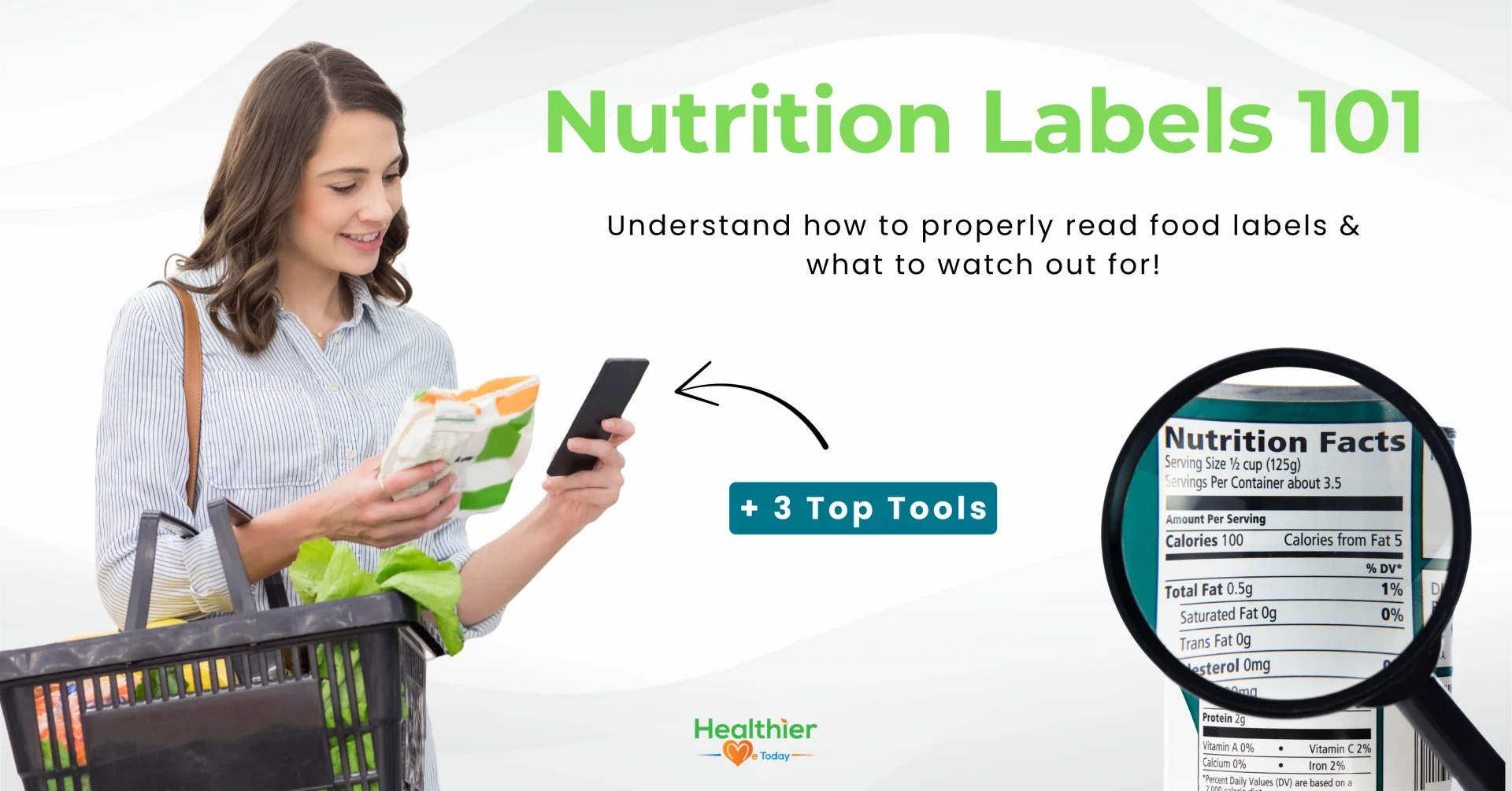
How to Read Nutrition Labels – Top Tools Included!

Ever stared at a Nutrition Facts label and felt like you needed a science degree to understand it? You’re not alone. While most shoppers glance at it quickly, very few actually know how to read nutrition labels correctly, and that confusion often leads to unhealthy choices.

Serving sizes that don’t match reality, hidden sugars disguised under different names, and sodium levels that sneak past unnoticed can all derail your goals. What looks like a “healthy” snack can sometimes be the exact opposite once you understand the fine print.

That’s why learning how to decode nutrition facts is such a powerful skill. It’s not just about counting calories, it’s about protecting your health, whether that means losing weight, controlling blood sugar, lowering blood pressure, or simply eating smarter.

Here’s what you need to know…

The Panel Basics

Before diving into the details, it’s important to understand what the Nutrition Facts panel actually shows. Think of this as the foundation for label reading, once you know what’s included, you’ll find it much easier to make sense of the numbers and terms.

Here’s a quick overview:

  • Serving size and servings per container
  • Calories per serving
  • Macronutrients such as fats, carbohydrates, and protein
  • Micronutrients like vitamins and minerals
  • Percent Daily Value (%DV) to help you see if a food is high or low in a nutrient

This format is the same across all packaged foods, which makes it easy to compare products side by side. Once you know how to read nutrition labels, you can spot misleading marketing tricks and feel confident about what you’re putting into your body.

Recent FDA Nutrition Label Changes

For the first time in over two decades, the Food and Drug Administration (FDA) has given the Nutrition Facts panel a major makeover. The goal is to make labels easier to understand and harder for food companies to manipulate.

Calories are now printed in bold type, so you can’t ignore them. Added sugars, once buried in fine print under dozens of names, finally get their own line. Serving sizes have been recalculated to reflect how much people really eat, and daily values (%DV) have been updated to match today’s nutrition science.

The labels are clearer than ever, but you still need to know how to read them and, more importantly, what they mean.

How to Read a Nutrition Label (Step by Step)

nutrition labels explained

Serving Size

Every label begins with the serving size, and this number sets the stage for everything that follows. If the serving size says 2/3 cup but you usually eat twice that, you’re automatically doubling the calories, sugars, and sodium without realizing it. This is one of the easiest ways people misread labels. Once you understand that all the numbers are tied to that serving size, the rest of the panel starts to make sense.

Calories

how to read nutrition labels

The calorie count comes next, and on newer labels it’s printed in bold to grab your attention. Calories are simply a measure of energy. They aren’t “bad,” but if you think a food is low in calories, double-check whether the serving size is realistic. A small bag of chips may say 150 calories per serving, but if the bag contains three servings, you’re actually eating 450 calories when you finish it.

% Daily Value

To the right of each nutrient, you’ll see a % Daily Value (%DV). Think of this as a quick guide: around 5% DV is considered low, while 20% DV or more is high. This shortcut helps you see whether a food is loaded with sodium, saturated fat, or sugar, or whether it’s a strong source of fiber, calcium, or iron. It’s not a perfect measure for every individual, but it’s a fast way to compare products.

Carbohydrates and Sugars

Under total carbohydrates, you’ll find fiber, total sugars, and added sugars. Fiber is something you want more of since it helps you stay full and keeps your digestion healthy. Sugars tell a different story. Total sugars include both natural and added, but the added sugars line reveals how much has been added during processing. This is key… a fruit yogurt with 10 grams of natural sugar from fruit is very different from one with 10 grams of added sugar.

The Good & Bad Fats

The label also breaks down total fat into saturated and trans fats. Small amounts of saturated fat can fit into a balanced diet, but keeping them lower is generally better. Trans fat, however, should always be avoided. Even if the label says “0 g,” check the ingredients list, if you see “partially hydrogenated oils,” that means there’s still some inside. On the flip side, healthy unsaturated fats from nuts, seeds, and oils are beneficial, even if they aren’t always highlighted.

Sodium

Sodium is one of the biggest troublemakers in packaged foods. Even items that don’t taste salty can pack in hundreds of milligrams. That’s why the %DV matters here, 5% is low, 20% is high. If you’re watching blood pressure, comparing sodium between brands can make a huge difference.

Protein, Vitamins, and Minerals

Don’t skip over protein and the vitamins and minerals listed near the bottom. Protein helps you feel satisfied and supports your muscles, while nutrients like vitamin D, calcium, iron, and potassium are highlighted because many people don’t get enough of them. Seeing higher percentages here is usually a good thing.

The Ingredients List

The ingredients list is where marketing claims fall apart. Ingredients are listed from most to least, so the first few matter most. If sugar shows up near the top, that “healthy” granola bar may not be so healthy after all. Look for whole foods like oats, beans, or nuts at the beginning, and keep an eye out for long, unrecognizable additives. The allergen statement, usually right after the list, is also crucial if you or your family have sensitivities.

Don’t Trust the Front of the Package

Finally, remember that the front of the package is designed to sell you something. Phrases like “all natural” or “made with whole grains” don’t mean much until you flip the box and check the facts. Once you get used to reading both the Nutrition Facts panel and the ingredients list together, you’ll be able to spot the difference between clever marketing and genuine nutrition in seconds.

Top Tools for Reading Nutrition Labels

Making sense of nutrition labels is easier with the right tools. Apps like Fooducate, Yuka, and MyFitnessPal let you scan barcodes, track nutrients, and compare foods in seconds. Fooducate grades foods based on overall healthiness, Yuka highlights additives and potential risks, and MyFitnessPal helps you log calories, protein, and carbs to see how each food fits into your diet. Using these apps can save time while helping you make smarter, healthier choices at the grocery store.

Let’s take a closer look at the apps:

Top Tools for Reading Nutrition Labels

Conclusion: What’s it Come Down to?

Mastering how to read nutrition labels gives you control over your diet. By carefully looking at serving size, calories, fat, sugar, sodium, and %DV, you can make informed choices that benefit your long-term health.

Labels are more than numbers… they are a guide to smarter eating. Whether you are using them for medical reasons, tracking macros, or checking for allergies, this skill pays off every day.

If you want to calculate just how much weight you need to lose, we have a tool that does it in seconds! It’s called the reverse BMI calculator & it’s pretty accurate.

Ready Rocker HMT - For Back Pain

FAQ’s:

What are the best apps for reading nutrition labels (USA)?

To help understand nutrition labels for beginners, Fooducate, Yuka, and MyFitnessPal are top options. Fooducate grades foods based on overall health, helping identify hidden sugars or unhealthy fats. Yuka breaks down ingredients and additives, pointing out potential risks. MyFitnessPal lets you log foods and track calories, protein, fat, and carbs, helping you see how individual foods fit into your daily intake.

What is the easiest way to read nutrition labels?

Start with serving size, since all numbers on the label are based on that. Then check calories, followed by fat, sugar, sodium, protein, and fiber. Using the same order each time makes it easy to compare products and quickly understand what you’re eating.

Do you subtract saturated fat from total fat?

No. Total fat already includes all fats, including saturated and trans fats. Saturated and trans fats are listed separately to guide healthier choices, as they have a bigger impact on heart health.

What are the six steps to read the food label?

> Serving size and servings per container
> Calories
> Fat content (total, saturated, trans)
> Sugars, especially added sugars
> Sodium
> Protein and fiber

How to read a nutrition label for sugar?

Focus on added sugars, which are added during processing. Women should aim for less than 25 grams per day, men less than 36 grams. Watch for different names like high fructose corn syrup, cane sugar, honey, and fruit concentrate.

How to read nutrition labels for allergies

Check the allergen statement, usually at the bottom of the label. It highlights common allergens like milk, eggs, peanuts, soy, wheat, fish, and shellfish. Warnings like “may contain traces of” indicate possible cross-contact.

What is the daily value on nutrition labels?

% Daily Value shows how much a serving contributes to your daily intake, based on a 2,000-calorie diet. 5% or less is low, 20% or more is high. It’s an easy way to see if a nutrient is a major or minor part of your daily needs.

What is the first thing to look at on a nutrition label?

Start with the serving size. Eating more than the listed serving doubles calories, fat, sugar, and sodium. Checking serving size helps prevent mistakes and gives an accurate view of what you’re actually consuming.

How can I spot hidden sugars on labels?

Look for sugar under different names like high fructose corn syrup, maltose, dextrose, agave, honey, or fruit juice concentrate. Even foods labeled “low fat” or “all natural” can be high in sugar, so always check the panel itself.

How can nutrition labels help me eat healthier?

They help you identify excess sugar, sodium, or unhealthy fats, compare foods, and choose higher fiber, protein, and nutrient-rich options. Learning to read labels lets you make informed choices rather than relying on marketing claims.

Nutrition and Fitness Tips for Amputees Managing Their Weight

Many people assume that once the surgical wounds heal, the body’s nutritional needs return to normal. This is not the case. Post-amputation, your metabolism, energy requirements, and even appetite can change. Adjusting your diet to meet these new requirements ensures your body can function optimally.

Alongside proper nutrition, tailored exercise routines help maintain circulation, improve balance, and increase strength, allowing you to stay active and confident. Prioritizing both amputee nutrition and safe physical activity lays the foundation for long-term health, resilience, and a higher quality of life.

So, let’s get started!

Why Nutrition Is Important in Post-Surgery Healing

Solid amputee nutrition fuels your recovery after surgery. Nutrients rebuild tissues, ease inflammation, boost your energy for daily tasks, and strengthen your immune system to fend off infections, which is critical post-amputation.

Nutrients for Recovery After Amputation

Here’s why nutrients are vital:

  • Tissue Repair: Protein from foods like chicken or beans rebuilds muscles and skin around your residual limb, speeding up healing and supporting strength.
  • Managing Inflammation: Anti-inflammatory foods like berries or salmon reduce swelling, making your residual limb more comfortable.
  • Increasing Energy Levels: Whole grains like oats provide steady energy for therapy or getting around, keeping you active and focused.
  • Immune System Boost: Vitamins like C and zinc, found in fruits and nuts, help your body fight infections during recovery, keeping you healthy.

Nutrients for Recovery After Amputation

Your amputee nutrition plan should focus on key nutrients to power healing and keep you strong. Protein, vitamins, minerals, healthy fats, and hydration are essential for recovery and energy as you adapt to life after amputation, ensuring you stay healthy and active.

Here’s what to focus on:

Protein

Protein is your body’s foundation for repairing muscles and tissues after amputation. Aim for 1.2-2.0 grams per kg of body weight daily, especially if you’re active or using a prosthetic. Lean meats like chicken, fish, or turkey deliver high-quality protein, while lentils, tofu, or chickpeas offer a plant-based variety. Eggs are an easy, nutrient-packed option for any meal, and a smoothie with Greek yogurt, berries, and a scoop of protein powder is a quick way to boost intake. These foods rebuild strength, aid healing, and prepare your muscles for daily movement or prosthetic use.

Here are some tasty choices:

  • Grilled chicken breast
  • Baked salmon
  • Lentil soup
  • Tofu stir-fry
  • Black bean tacos

Vitamins and Minerals

Vitamins and minerals keep your bones strong and your body ready for recovery [orthoinfo.aaos.org]. Calcium from dairy or fortified plant milk supports bone health, crucial for prosthetic users. Vitamin D from eggs, fortified cereals, or sunlight helps calcium absorption. Vitamin C in oranges, bell peppers, or strawberries speeds tissue repair, while zinc in nuts or seeds strengthens your immune system. Eating colorful fruits and veggies, like spinach, carrots, or berries, ensures you get these daily. A vitamin supplement, if your doctor recommends, can cover any gaps to keep you feeling energized.

You can find them in:

  • Milk or fortified almond milk
  • Orange juice
  • Unsweetened green tea
  • Water with sliced fruit
  • Low-sodium vegetable juice
  • Herbal tea

Healthy Fats

Healthy fats provide energy, reduce inflammation, and keep you full. Avocados are creamy and great for toast, salads, or smoothies. Nuts like almonds, walnuts, or pecans are easy snacks, while olive oil adds flavor to roasted veggies or dressings. Fatty fish like salmon or mackerel deliver omega-3s, easing swelling and supporting brain health. Including these fats in small portions balances your diet and supports heart health for an active lifestyle.

Some great choices are:

  • Sliced avocado
  • Handful of almonds
  • Olive oil
  • Salmon fillet

Hydration and Electrolytes

Staying hydrated boosts energy and aids recovery, especially if you’re moving a lot. Aim for 8-10 glasses of water daily, more if you’re exercising. Electrolytes like potassium in bananas, oranges, or coconut water, and sodium in low-sodium broth, maintain fluid balance, preventing cramps during physical therapy. Milk or fortified juices hydrate while adding nutrients, and herbal teas or infused water offer variety. Keep a water bottle handy to sip all day, making hydration simple as you stay strong.

Hydration and Electrolytes - boosts energy and aids recovery

Here are some refreshing tips:

  • Water with lemon or cucumber
  • Low-fat milk
  • Coconut water
  • Sparkling water with berries
  • Low-sodium broth
  • Unsweetened iced tea
  • Infused water with mint

Preventing Weight Gain and Muscle Loss

Physical activity is a game-changer after amputation, helping you avoid weight gain and keep muscles strong, supporting weight loss for amputees, and promoting fitness after limb loss [pmc.ncbi.nlm.nih.gov]. Less mobility can slow your metabolism, increasing weight gain risks, which might strain your residual limb or complicate prosthetics.

Regular exercise, even short bursts, burns calories, builds strength, and improves balance for more manageable daily tasks. Low-impact activities like swimming or resistance training, with your doctor’s approval, are safe and effective. A physical therapist can guide proper movement, especially with a prosthetic. Pairing these with amputee nutrition keeps you healthy and confident.

These are worth a try:

Seated Strength Training

Seated strength training builds muscle without stressing your residual limb, perfect for upper or lower limb amputees. Using resistance bands or light weights, you can target arms, shoulders, or core, boosting strength for tasks like pushing a wheelchair or walking with a prosthetic. Start with 10-15 minutes, two to three times a week, using slow, controlled movements to maximize benefits.

  1. Seated bicep curls with resistance bands
  2. Shoulder presses with light dumbbells
  3. Seated torso twists for core strength
  4. Arm extensions with bands
  5. Chest presses with bands

Swimming

Swimming is a low-impact cardio workout that burns calories and boosts heart health while being gentle on joints. The water supports your body, reducing strain on your residual limb and improving mobility. Aim for 20-30 minutes, three times a week, starting with freestyle or backstroke at a comfortable pace.

  1. Freestyle swim with gentle strokes
  2. Backstroke for upper body strength
  3. Water walking in shallow pools
  4. Flutter kicks with a kickboard

Stationary Cycling

Stationary cycling strengthens your legs and core without high impact, ideal for lower limb amputees. It burns calories, aiding weight loss for amputees, and improves endurance for prosthetic use. Start with 15-20 minutes, three to five days a week, adjusting resistance to your comfort level.

  1. Slow pedaling with low resistance
  2. Interval cycling (alternate fast and slow)

Balance Exercises

Balance exercises improve stability, crucial for safe movement with or without a prosthetic. Simple moves like standing on one leg with support reduce fall risks and build confidence. Practice 5-10 minutes daily, using a chair or wall for support if needed.

  1. Single-leg stand with chair support
  2. Side leg lifts for hip stability
  3. Heel-to-toe walking in a straight line
  4. Standing knee lifts

Yoga Poses

Yoga enhances flexibility, balance, and mental focus, supporting fitness after limb loss. Seated or standing poses, like chair yoga, are gentle and adaptable for amputees. Try 10-15 minutes daily, focusing on poses that feel comfortable and improve mobility.

Yoga Poses

  1. Seated cat-cow stretch for spine flexibility
  2. Chair warrior pose for leg strength
  3. Tree pose with wall support for balance
  4. Seated forward bend
  5. Modified downward dog with chair support

Conclusion: Regaining Strength After Loss

Your journey to managing weight and rebuilding strength after amputation is all about balancing amputee nutrition with fitness after limb loss. Eating nutrient-rich foods like protein, healthy fats, and veggies fuels your recovery and keeps weight in check, while tailored exercises boost strength and confidence.

Start with small steps, like choosing a healthy snack or trying a short workout, and check in with your doctor or physical therapist to stay on track.

Track your BMI accurately using our BMI Amputation Calculator!

Lose Weight the Easy Way: Why Walking Beats the Gym

Hey there! If you’ve ever thought walking for weight loss sounds too easy to actually work, you’re about to be amazed. Compared to running or hitting the gym, walking might seem too simple, but it’s a fantastic way to lose pounds, feel awesome, and stay healthy. It’s free, kind to your body, and you can do it almost anywhere. This guide will show you why walking is so effective, how much walking you need to see results, and super fun tips to keep you motivated.

Whether you’re just starting or ready to step things up, you’ll find everything you need to walk your way to a healthier you.

Why Walking Helps You Lose Weight

Walking burns calories, and when you burn more calories than you eat, you drop weight. For example, if you weigh about 150 pounds and walk at a normal pace (around 3.5 miles per hour), you can burn 200-300 calories in an hour. Do that regularly, and it adds up, especially if you eat healthy foods like fruits, veggies, or chicken.

Why Walking Helps You Lose Weight

Walking also keeps your muscles strong, which helps your body burn calories even when you’re relaxing. Walking is super gentle on your knees and hips, unlike running or jumping, so it’s perfect if you’re new to exercise or have sore joints. You don’t need fancy gear or a gym membership, just comfy shoes and a place to walk. The key is making it a regular part of your day to see real changes.

How Much Walking Do You Need?

One big question people have is how much do I have to walk to lose weight? A great place to start is walking 30-60 minutes most days, which adds up to about 150-300 minutes a week. Walk at a brisk pace, fast enough to breathe a little harder but still able to chat. The Centers for Disease Control (CDC) says 150 minutes of moderate exercise like walking each week, plus eating fewer calories, is a solid plan to shed pounds.

If you find yourself asking, how much should I walk to lose weight faster? Try walking 300 minutes a week or make it tougher by going uphill, swinging your arms, or carrying light weights. You can also use a phone app or fitness tracker to aim for 7,000-10,000 steps a day, a great goal for walking and weight loss.

So, does walking burn belly fat or can walking burn stomach fat effectively? Here’s the truth: walking burns fat from all over your body, not just one spot like your belly. Regular walking can shrink visceral fat, the deep belly fat that’s bad for your health. To make walking to lose weight even better, try longer walks or mix in intervals (like 3 minutes fast, 1 minute slow). Eating less sugary snacks or junk food helps your belly slim down faster.

Fun Ways to Make Walking Work for You

Fun Ways to Make Walking Work for You

Here are some easy and fun ways to make can walking help lose weight a reality:

  • Pick a Time That Works: Walk in the morning, during lunch, or after school, whatever fits your day. Doing it regularly is what counts.
  • Track Your Steps: Use your phone or a tracker to hit 7,000-10,000 steps a day, a great target for walking and weight loss.
  • Mix Things Up: Walk on hills, climb stairs, or try intervals (fast walking, then slow) to burn more calories.
  • Eat Healthy: Pair walking with foods like salads, lean meats, or whole grains to burn more calories than you eat.
  • Make It Fun: Play music, listen to a podcast, or walk with a friend to stay excited.
  • Start Easy: If you’re new, begin with 20-minute walks and add more time as you get stronger [nhs.uk].
  • Wear Comfy Shoes: Good sneakers prevent blisters and let you walk longer.
  • Drink Water: Sip water before and after walks to feel your best.
  • Find a Walking Buddy: A friend or family member makes walks more fun and keeps you on track.
  • Set Goals: Aim for a certain number of steps or minutes each week and celebrate when you hit them.
  • Add Strength: Try light arm exercises or bodyweight moves (like squats) once a week to build muscle and burn more calories.

These tips make walking feel like a breeze and help you keep going for walking to lose weight.

Benefits of Walking

Walking isn’t just about walking for weight loss. It comes with tons of other perks that make you feel great.

Here’s some more benefits:

  • Lifts Your Mood: Walking makes your brain release happy chemicals, so you feel less stressed and more cheerful.
  • Keeps Your Heart Strong: Walking lowers blood pressure and helps your heart stay healthy.
  • Gives You Energy: Regular walks make you feel less tired and help with tasks like carrying groceries or climbing stairs.
  • Gentle on Your Body: Walking is easy on your joints, so you can keep going without pain, no matter your age.
  • Improves Sleep: Walking can help you fall asleep faster and sleep better, leaving you refreshed.
  • Boosts Brain Power: Walking improves focus and memory, making schoolwork or daily tasks easier.
  • Strengthens Bones: Walking helps keep your bones strong, which is great for staying active as you get older.

These benefits make walking a win for your whole body and mind.

Clearing Up Walking Myths

Let’s bust some wrong ideas you might have heard:

  • Myth: Walking doesn’t burn enough calories.
  • Fact: You can lose weight by just walking. Yes, especially with regular walks and healthy eating.
  • Myth: You need to walk super fast to lose weight.
  • Fact: A brisk pace is enough, but hills or faster walking can help more [healthline.com].
  • Myth: Walking only burns belly fat.
  • Fact: It burns fat everywhere, it doesn’t just target your belly.

Your Easy Walking Plan

Easy Walking Plan

Here’s a simple plan to get you going, laid out in a table to keep it clear:


Weeks Minutes per Day Days per Week Steps per Day Tips
Weeks 1-2 20-30 minutes 4-5 days 5,000-7,000 steps Walk at an easy pace, find a fun route
Weeks 3-4 30-45 minutes 5-6 days 7,000-8,000 steps Go brisk, try a park or neighborhood
Weeks 5+ 45-60 minutes Most days 8,000-10,000 steps Add hills or intervals for extra burn


Conclusion: Step Up and Start Walking

Don’t let anyone say walking for weight loss is too simple. It’s an easy, powerful way to lose pounds and feel amazing. By figuring out how much walking to lose weight fits your life and making it a habit, you can reach your goals without stress.

Stick with it, eat healthy, and try fun ideas like interval walking or tracking steps to see even better results. Whether asking can walking burn stomach fat or just want to slim down, walking has you covered.

Grab your shoes, head outside, and start your journey to a healthier you today!

Ready Rocker HMT - For Back Pain

FAQ’s:

How long should I walk each day to lose weight fast?

Walk 45-60 minutes most days, aiming for 300 minutes a week of brisk walking to lose weight. Eating healthy helps you lose weight quicker.

Does walking burn belly fat or just overall fat?

It burns fat all over, but regular walking can shrink belly fat over time, especially the deep kind that is so difficult to lose.

How many steps per day help with weight loss?

Aim for 7,000-10,000 steps daily for walking and weight loss. More steps, like 12,000-15,000, can speed things up with a good diet [healthline.com].

Is walking better than running for weight loss?

Yes, and it’s gentler on your joints, making it easier to keep up over time compared to running.

How quickly can you lose weight by walking daily?

How much walking to lose weight varies, but 30-60 minutes daily with a healthy diet can help you lose 1-2 pounds a week.

Does walking help reduce stomach fat specifically?

Yes, it burns fat everywhere, including your belly, especially when you eat less sugar and junk food.

What’s the best time to walk for fat burning in the USA?

Any time works, but morning walks can boost your energy, and evening walks can help you relax. Pick what fits your day for consistent walking for weight loss [health.com].

Ozempic Alternatives for Weight Loss Without the Side Effects

Struggling to lose weight? Ozempic, a diabetes drug, is popular for dropping pounds, but its downsides are hard to ignore. Side effects like nausea, digestive problems, and even long-term risks have made headlines, alongside lawsuits and growing warnings. Add in the steep monthly costs (up to $1000), supply shortages, and insurance hurdles, and it’s no surprise that nearly half of users end up quitting.

In fact, about 1 in 8 adults now try GLP-1 drugs like Ozempic, yet many stop due to complications or access issues. That’s why more and more people are turning to Ozempic alternatives for weight loss. Whether you want to avoid injections, cut costs, or find a safer approach, this guide explores 8 natural alternatives to Ozempic as well as medical options to help you reach your goals without the stress of side effects or accessibility problems.

Why Look for Ozempic Alternatives?

Ozempic (semaglutide) is a GLP-1 receptor agonist, FDA-approved for type 2 diabetes but often used off-label for weight loss. It curbs appetite and slows digestion, helping you feel full. How effective is Ozempic for weight loss? Studies show 15–17% body weight loss over 68 weeks at 2.4 mg weekly.

Alternative to Ozempic for weight loss

But effectiveness comes with a cost. Beyond the common nausea, vomiting, diarrhea, and constipation, recent reports and lawsuits highlight more serious risks, from stomach paralysis (gastroparesis) and gallbladder disease to pancreatitis, kidney problems, vision changes, and even rare thyroid cancer warnings. With these growing concerns making headlines, plus steep monthly costs and access issues, it’s no wonder more people are exploring Ozempic alternatives for weight loss.

Natural and medical options may offer safer, more sustainable paths without the long list of potential side effects tied to Ozempic.

1. Protein

Protein is a powerhouse for weight loss, mimicking Ozempic’s appetite-suppressing effects. It boosts fullness, reduces cravings, and helps maintain muscle while losing fat. Studies show high-protein diets can lead to 5-8% weight loss over a year. Muscle burns more calories at rest, keeping your metabolism up. About 30% of your calories from protein (100 grams daily) is a solid target.

Try these protein-rich foods:

  • Lean chicken, turkey, or fish
  • Tofu, tempeh, or eggs
  • Greek yogurt or protein powder in smoothies

Use a protein calculator for personalized goals.

2. Fiber

Fiber is a natural alternative to Ozempic, helping you feel full and reducing the likelihood of overeating. It dilutes meal calories, supports gut health, and lowers cholesterol. Research shows high-fiber diets aid in 3-5% weight loss over months when paired with exercise. Approximately 25-35 grams daily is sufficient for most individuals [mayoclinic.org].

Add these fiber-packed foods:

  • Legumes like lentils or chickpeas
  • Nuts and seeds, such as chia or almonds
  • Fruits like raspberries, vegetables like broccoli
  • Whole grains like quinoa or brown rice

Start slowly to avoid bloating.

3. Water

Water is a simple and effective Ozempic natural alternative. Drinking 17 ounces of water before meals, known as preloading, can reduce calorie intake, aiding in 2-5% weight loss over three months. It may tweak hunger hormones and keep you hydrated, since thirst can mimic hunger. Aim for transparent or light yellow urine [forhers.com].

Boost water intake with:

  • A reusable water bottle for on-the-go
  • Flavoring with lemon, mint, or cucumber
  • Phone reminders or a glass with every meal

Swap sugary drinks for water to cut calories.

4. Sleep

Sleep might sound like an odd Ozempic alternative, but it’s key. Poor sleep spikes ghrelin (hunger hormone) and lowers leptin (fullness hormone), increasing appetite. Tiredness also makes you crave calorie-dense foods and skip workouts. Aim for 7-8 hours nightly [theconversation.com].

Improve sleep with:

  • A consistent bedtime schedule
  • A cool, dark, quiet bedroom
  • Avoiding screens or heavy meals before bed

Better sleep supports healthier food choices.

5. Stress Reduction

Stress can sabotage weight loss, much like Ozempic tackles appetite. It raises cortisol, boosting cravings for sugary or fatty foods and disrupting sleep. Lowering stress helps you stick to nutritious choices. About 40% of people report stress eating, so managing it is crucial [health.harvard.edu].

Stress reduction

Try these stress-busters:

  • Meditation or deep breathing exercises
  • Journaling or time in nature
  • Chatting with a friend or therapist

Keep healthy snacks, such as nuts or fruit, handy to avoid stress eating.

6. Berberine

Berberine, dubbed natural Ozempic online, is a plant compound in barberry or goldenseal, available as a supplement. It may lower blood sugar, reduce appetite, and support a 2-3% weight loss at a daily dose of 1 gram, costing $20-$50 per month. A 2022 study found it also cuts cholesterol and blood pressure [nbcnews.com].

Use berberine safely:

  • Consult a doctor, as it’s not FDA-regulated
  • Start with 500 mg daily, increasing to 1 gram
  • Watch for stomach upset

More research is needed, but it’s a promising semaglutide natural alternative.

7. Magnesium

Magnesium, found in foods or supplements, may reduce inflammation linked to weight gain. A 2023 study showed higher magnesium levels tied to lower fat mass, especially with good sleep. Supplements may cut BMI by 1-2%, costing $10-$30 monthly [health.harvard.edu].

Incorporate magnesium with:

  • Foods like spinach, almonds, or avocados
  • 300-400 mg daily supplements
  • Monitoring for digestive side effects

It’s no natural Mounjaro recipe, but it supports weight loss.

8. Green Tea

Green tea, packed with caffeine and catechins, may boost metabolism. A 2023 study showed green tea extract reduced body weight and BMI slightly (1-2% over months). It’s affordable ($10-$20 monthly) and has antioxidant benefits [health.clevelandclinic.org].

Add green tea with:

  • 1-2 cups daily, brewed fresh
  • Green tea extract supplements
  • Avoiding late-day caffeine to protect sleep

It’s a gentle alternative to Ozempic for weight loss.

Medical Alternatives to Ozempic

If natural alternatives to Ozempic aren’t enough, medication like Ozempic for weight loss offers options. Wegovy (semaglutide), for example, is FDA-approved for weight loss, yielding 15-20% loss in 68 weeks, slightly more than Ozempic’s 6-10% off-label. Both cost $900-$1300 monthly [medicalnewstoday.com].

Medication like Ozempic for weight loss

Other options include:

  • Zepbound (Mounjaro ingredients, tirzepatide): 21% weight loss, $1000 monthly, less nausea.
  • Saxenda (liraglutide): 5-10% loss, $1200 monthly, daily injection.
  • Contrave: 5-9% loss, $200-$600, oral pill.
  • Qsymia: 7-10% loss, $100-$300, oral, may cause dry mouth.

What is a cheaper alternative to Ozempic? Compounded semaglutide ($200-$400) or Qsymia is a budget-friendly option. Ozempic alternatives over the counter, such as Alli (orlistat, 3-5% weight loss, $40-$80), are available over the counter but are less potent weight loss medication options [goodrx.com].

Conclusion: There’s More Out There

Ozempic alternatives for weight loss are becoming more important as headlines highlight the growing list of side effects, rising costs, and ongoing lawsuits tied to drugs like Ozempic. For those who can’t or don’t want to continue with injections, there are safer, more flexible paths to explore. From natural Ozempic alternatives like berberine (linked to modest weight loss) to newer prescription options such as Zepbound (showing up to 21% weight loss), and even OTC weight loss pills like Alli, the choices are expanding.

With so many Americans seeking weight loss support, pairing these alternatives with lifestyle changes, diet, exercise, and sustainable habits often delivers the best results.

And if you want to know just how much you need to lose in order to be considered healthy, try our free reverse BMI. It’s so easy!

Ready Rocker HMT - For Back Pain

FAQ’s:

What is the most effective alternative to Ozempic for weight loss?

Zepbound (Mounjaro ingredients, tirzepatide) outperforms Ozempic with 21% weight loss in 72 weeks, compared to 15-17%. It targets GLP-1 and GIP hormones, enhancing appetite control. Studies show it’s effective for obesity, with 80% of users seeing significant results. Costs $1000 monthly, but insurance may help. Consult a doctor to ensure it fits your health needs [drugs.com].

Are there natural alternatives to Ozempic?

Natural alternatives to Ozempic include berberine, psyllium husk, and high-protein diets, which can yield 2-5% weight loss over the course of a year. These boost fullness and stabilize blood sugar but are less potent than Ozempic. Pair with exercise and healthy eating for the best results. Always check with a doctor before starting supplements.

How effective is Ozempic compared to Wegovy?

Wegovy achieves 15-20% weight loss in 68 weeks, slightly more than Ozempic’s 6-10% off-label use. Wegovy’s higher dose (2.4 mg) and FDA approval for weight loss make it more effective. Both cost $900-$1300 monthly, with similar side effects like nausea.

What are the side effects of Ozempic for weight loss?

Side effects of Ozempic for weight loss include nausea (20% of users), vomiting, diarrhea, constipation, and rare risks like pancreatitis or gallbladder issues. Most side effects fade after weeks. Starting with a low dose helps. Consult a doctor to manage risks and explore alternatives if side effects persist [webmd.com].

Can I buy Ozempic alternatives over the counter?

Ozempic alternatives over the counter, such as Alli (orlistat), block 25% of dietary fat, resulting in 3-5% weight loss per year. Glucomannan, a fiber supplement, adds 1-2% loss. Costing $40-$80 monthly, these are less effective than prescriptions but suit needle-averse folks. A low-fat diet maximizes Alli’s benefits [med.stanford.edu].

Is there a cheaper alternative to Ozempic?

Compounded semaglutide ($200-$400 monthly) or Qsymia ($100-$300) are budget-friendly. Manufacturer savings cards for Zepbound or Saxenda can lower costs to $500-$800. Non-FDA-approved compounded drugs carry risks, so consult a doctor to verify safety and insurance options.

What is the difference between Ozempic and Mounjaro?

Ozempic uses semaglutide (GLP-1 agonist) for diabetes and off-label weight loss (6-10% loss). Mounjaro (tirzepatide) targets GLP-1 and GIP, with Zepbound for weight loss (21% loss). Mounjaro may cause less nausea, but it costs $ 1,000 per month. Both require prescriptions and doctor monitoring for safety [jamanetwork.com].

Are there FDA-approved natural alternatives to weight-loss injections?

No FDA-approved semaglutide natural alternatives exist. Berberine or fiber supplements like psyllium husk support 2-3% weight loss but lack FDA approval. Natural Mounjaro recipe ideas (e.g., high-fiber diets) help slightly. Always consult a doctor before using supplements, especially with existing medications or conditions.

Do weight loss pills actually work better than Ozempic?

Weight loss pills that actually work, like Contrave or Qsymia, yield 5-10% weight loss, less than Ozempic’s 15-17%. Oral pills avoid injections, costing $100-$600 monthly. They suit needle-averse users but require diet and exercise for best results. A doctor can recommend the right option [mayoclinic.org].

Can Semaglutide be replaced with natural remedies?

Semaglutide natural alternatives like berberine, high-protein diets, or fiber yield 2-5% weight loss, far less than semaglutide’s 15-20%. They improve fullness and blood sugar, but can’t match prescription efficacy. Combining exercise with healthy eating boosts results. Check with a doctor before starting remedies.

Why Your Alarm Might Be Doing More Damage Than Good

Every morning, millions of people rely on alarm clocks or phone alerts to pull them out of sleep. While alarms seem like a necessary part of modern life, research shows that the wake up alarm effects on your body and mind may not be as harmless as they appear. From sudden stress responses to long-term health concerns, the way you wake up could be setting the tone for your entire day.

Understanding these effects is the first step toward healthier mornings. This article looks at why alarms may be doing more harm than good, the science behind natural wake cycles, and alternatives that support your body’s rhythm. Let’s get into it!

The Science of Sleep and Natural Wake Cycles

Wake up alarm effects

Sleep is not just rest; it is a complex biological process with repeating stages:

How Circadian Rhythms Control Wakefulness

Your body follows a 24-hour internal clock called the circadian rhythm. This rhythm helps regulate when you feel sleepy and when you naturally wake up. When you allow your body to follow this cycle, waking feels more refreshing and less stressful.

Why Waking Up Naturally Benefits Your Body

Waking up naturally benefits include reduced grogginess, stable energy levels, and improved mood. Without an alarm jarring you awake, your body finishes its sleep cycle, leading to smoother transitions into the day.

Is Waking Up to an Alarm Unhealthy?

The question many people ask is: is waking up to an alarm unhealthy? While alarms ensure punctuality, they interfere with natural processes in ways that can negatively affect your health.

Here’s how:

  • Shock to the Nervous System: When an alarm suddenly rings, it activates your fight-or-flight response. This shock may feel like a harmless jolt, but repeating it daily adds unnecessary stress to your nervous system.
  • Cortisol Spike from Alarms: Cortisol, the body’s stress hormone, spikes unnaturally when startled awake. This cortisol spike from alarms may contribute to morning anxiety, mood swings, and even long-term stress disorders.
  • Disrupted Sleep Stages: If your alarm wakes you during deep sleep, you are more likely to feel groggy, disoriented, and unfocused. This is because the natural cycle of restorative rest is cut short.

Short-Term Alarm Clock Effects on Health

Alarms do more than just wake you up; they affect how you feel throughout the day.

Short-Term Alarm Clock Effects on Health

Morning Grogginess and Sleep Inertia

One of the most common wake up alarm effects is sleep inertia, the grogginess that lingers after waking [pubmed.ncbi.nlm.nih.gov]. Alarms often pull you out of deep sleep, intensifying this foggy feeling and reducing mental performance for hours.

Irritability and Mood Shifts

If you have ever wondered, why do alarms make me angry, it is because abrupt sounds trigger stress and irritability. The brain perceives harsh alarm tones as threats, priming you for fight-or-flight instead of calm wakefulness.

How Alarm Sounds Affect Mood Throughout the Day

The type of alarm you use matters. Studies show that loud, jarring alarms increase stress, while melodic or gentle tones improve alertness [rmit.edu.au]. This highlights how alarm sounds affect mood and influence the way you experience mornings.

Long-Term Negative Effects of Alarms

Beyond short-term grogginess, alarms can also have lasting consequences.

Chronic Stress and Alarm Clock Anxiety

Relying heavily on alarms creates a cycle of alarm clock anxiety, where people worry about not waking up or dread the sound. This stress can disrupt sleep quality and mental health.

Links to High Blood Pressure and Heart Risks

Sudden awakenings elevate heart rate and blood pressure. Over time, repeated stress responses may contribute to cardiovascular strain, increasing risk for heart-related issues.

Sleep Cycle Disruption and Cognitive Performance

Poor sleep caused by alarms can impair memory, learning, and decision-making. These negative effects of alarms extend into productivity and overall well-being.

How to Wake Up Without an Alarm

If alarms disrupt your mornings, how can you wake up on time without them?

How to Wake Up Without an Alarm

Here is how:

  • Sleep Hygiene and Bedtime Consistency: The most effective strategy is going to bed at consistent times. Good sleep hygiene involves avoiding screens before bed, keeping a dark room, and relaxing before sleep. It helps your body wake naturally.
  • Sunrise Alarm Clocks Benefits: A growing trend is the use of sunrise alarm clocks, which gradually simulate dawn [sleepfoundation.org]. These clocks gently guide your body into wakefulness, reducing the shock of traditional alarms.
  • Gentle Wake Up Alarm Benefits: Gentle alarms, such as soft sounds or vibrations, support calm mornings. In contrast, loud alarm effects on the brain include stress responses that carry over into your day.

Conclusion: Rethinking Your Relationship With Alarms

The evidence is clear… the wake up alarm effects you experience each morning can have significant impacts on your health, both short- and long-term. While alarms may be necessary in today’s busy world, depending on them daily disrupts sleep, increases stress, and undermines natural rhythms.

By prioritizing consistent sleep schedules, exploring gentler wake-up options, and learning how to wake without alarms, you can reclaim mornings that feel refreshing instead of stressful. A slight change in your wake-up routine can lead to significant improvements in your life.

Ready Rocker HMT - For Back Pain

FAQ’s:

Is it unhealthy to be woken up by an alarm?

Yes, being woken by an alarm can trigger stress responses, raise cortisol levels, and disrupt your natural sleep cycle. While alarms are practical, relying on them long-term may contribute to fatigue, anxiety, and even cardiovascular strain.

What are the negative effects of alarms?

The negative effects of alarms include morning grogginess, irritability, stress, higher blood pressure, and disrupted sleep cycles. Over time, alarms may also lead to alarm clock anxiety, making it harder to fall asleep peacefully.

Is it healthier to wake up naturally or with an alarm?

It is almost always healthier to wake up naturally. Natural waking allows your body to complete its sleep cycles, leaving you more energized. However, in structured modern life, alarms may still be necessary for punctuality.

How does waking up with an alarm affect your body?

Waking up with an alarm shocks your nervous system, spikes cortisol, and raises blood pressure [onlymyhealth.com]. Over time, this can strain your heart, disrupt your circadian rhythm, and reduce daily cognitive performance.

Can alarm clocks cause stress?

Yes. The sudden sound of alarms can trigger stress hormones, creating feelings of anxiety. Over time, people may even develop alarm clock anxiety, dreading bedtime because of the looming wake-up call.

How do I train myself to wake up without an alarm?

Consistency is key. Stick to a regular sleep schedule, improve your sleep hygiene, and try natural light exposure in the morning. Over time, your body will begin to wake at the same time each day.

Does your alarm sound affect your mood?

Absolutely. Harsh, loud alarms are more likely to make you irritable, while melodic or natural sounds can ease the transition from sleep to wakefulness. This shows clearly how alarm sounds affect mood.

What is the healthiest alarm to wake up to?

The healthiest alarms are gentle ones, such as sunrise clocks, soft tones, or vibrations. These align better with your body’s rhythm, avoiding the shock of loud alarms [askthesleepmd.com].

Why Walking After Eating Might Be the Health Hack You Need

Exercise is usually associated with long gym sessions or intense workouts, but small changes can have a significant impact. One of the simplest habits with surprisingly powerful effects is walking after eating. Just 10 to 15 minutes of gentle walking can help the body digest food more efficiently, stabilize blood sugar levels, and support heart health over time.

How?

This guide explains why this habit is effective, how it compares to other walking approaches, and provides guidance on incorporating it into a daily routine.

Benefits of Walking After a Meal

A post-meal walk is a stroll, typically lasting 10 to 30 minutes, taken shortly after eating. Research shows that walking right after a meal helps the body process food more efficiently than waiting an hour or longer. Some people worry that walking immediately after eating might cause cramps or fatigue.

benefits of walking after eating

When kept light and steady, walking actually helps digestion, reduces bloating, and allows the body to use energy more effectively. Even a short walk can help set the body up for better digestion, steadier blood sugar levels, and improved overall well-being. Over time, this habit can help maintain more consistent energy levels and reduce the sluggish feeling that sometimes follows meals.

Here’s a detailed breakdown of each benefit:

Improves Digestion

Walking after a meal gently stimulates the stomach and intestines, facilitating the smooth passage of food through the digestive system. This can reduce bloating, gas, and the heavy feeling that often follows a meal. Even just 10 minutes of gentle walking can make digestion more comfortable and efficient over time.

Balances Blood Sugar

Meals, especially those high in carbohydrates, naturally raise blood sugar levels. If the spike is too high, it can lead to tiredness and increased hunger later, and over time, may contribute to insulin resistance. Taking a walk immediately after eating helps muscles use glucose for energy, keeping blood sugar levels steadier. For people with type 2 diabetes or prediabetes, this can be particularly helpful. Even without diabetes, it supports more consistent energy, mood, and long-term health.

Supports Weight Loss

Walking after meals for weight loss may not feel like a workout, but it can have a noticeable effect on weight management. A short stroll helps the body burn calories from the meal instead of storing them as fat. Over time, this contributes to a healthier body composition. Walking also helps prevent the blood sugar spikes and crashes that often trigger cravings and overeating. For anyone looking to lose weight, this habit is a sustainable alternative to extreme diets or punishing exercise routines.

walking after eating

Boosts Heart Health

Walking after meals supports circulation, helps lower blood pressure, and reduces strain on arteries. Regular daily walks contribute to long-term heart health and can lower the risk of heart disease and stroke [massgeneralbrigham.org].

Enhances Mood

The way the body processes food can affect mood. Sitting still after a meal can make the body feel sluggish, but walking stimulates the release of endorphins and serotonin, which naturally improve mood [aarp.org]. This can boost focus, productivity, and overall emotional balance, especially during afternoon slumps or evening fatigue.

Improves Sleep

Walking after dinner can help you fall asleep more easily. It helps regulate blood sugar, reduces stress hormones, and supports melatonin production, which signals the body that it is time for rest. People who add a short walk after dinner often wake feeling more rested and alert.

Other Walking Approaches

Post-meal walks aren’t the only way to get more out of this simple activity. The way you time your walks, the pace you choose, or even the rhythm you follow can change the kinds of benefits you experience.

Take fasted walking, for example. This usually happens in the morning before breakfast, when your body hasn’t had food for several hours. Instead of running on the fuel from your last meal, you’re more likely to dip into stored energy. Some people notice it feels lighter on the stomach and clears the head in a way that sets the tone for the day. Others find it a little draining at first, so it’s something you have to test for yourself and see how you respond.

post‑meal walk vs Fast Morning Walk vs Evening Walk

Then there’s fast walking. This is simply picking up the pace so it feels more like exercise than a casual stroll. Your heart rate goes up, your breathing gets quicker, and you finish knowing you’ve done something active for your body. It’s a small shift in effort that adds up over time, especially if you don’t enjoy longer workouts.

You can also try interval walking, which means mixing slower stretches with short bursts of quicker steps. It breaks up the monotony, keeps your mind engaged, and gives your body a little extra challenge without pushing too hard.

These styles don’t compete with walking after meals, they just give you more options. On days when you need digestion support, an after-dinner stroll makes sense. On mornings when you want a mental reset or extra calorie burn, a fasted walk might feel better. The point is, walking can be shaped to fit different goals and moods just like any other workout.

Here’s how to try these different approaches:


Approach When to Try It Duration Frequency Tips for Success
Post-meal walk After lunch or dinner 10–20 min 4–7 days/week Keep the pace light so digestion feels comfortable.
Fasted walk Morning before breakfast 20–30 min 3–5 days/week Drink water beforehand, start slow, and eat if you feel light-headed.
Brisk walk Any time of day 20–40 min 3–6 days/week Aim for a pace that makes talking possible but singing difficult.
Interval walk Afternoon or whenever you want variety 15–30 min 2–4 days/week Alternate 1–2 minutes faster walking with 2–3 minutes slower.

Conclusion: Should You Walk After Eating?

Yes, walking after eating is one of the easiest health habits to build. Even a short, gentle stroll can help with digestion, regulate blood sugar, and add movement into your day without needing extra time or equipment. Starting small and adjusting the duration makes it simple to turn this into a routine you actually stick with.

But post-meal walks aren’t the only option. Fasted walking offers a morning reset and can encourage the body to use stored energy. Brisk walks give your heart and lungs more of a workout, while interval walking keeps things engaging with bursts of faster movement. Each style has its own strengths, and none of them require a gym or a complicated plan.

The takeaway? Walking is flexible. Whether it’s a calm stroll after dinner, a fasted morning walk, or a brisk-paced workout at lunch, every step counts. Choose the version that fits your lifestyle and goals, and you’ll be more likely to keep it up, and reap the benefits over time.

Ready Rocker HMT - for back relief

FAQ’s:

Does walking on an empty stomach affect energy levels during the day?

Walking on empty stomach can provide a natural energy boost by activating metabolism. Some may feel slightly tired at first if not accustomed to it, but starting gradually helps. A light snack afterward can help maintain consistent energy levels throughout the morning.

Can post-meal walking help reduce bloating or discomfort?

Yes. A post-meal walk moves food through the digestive system more smoothly, reducing bloating and gas. Even 10 to 15 minutes of gentle walking can noticeably improve comfort.

Is there an ideal time of day for walking to maximize fat burning?

Morning fasted walking encourages the body to use stored fat, while evening walks after meals help with digestion and maintain steady blood sugar levels. Both approaches contribute to weight management in different ways, and combining them allows flexibility and balance in a daily routine.

Do short walks after meals have the same benefits as long walks?

Short walks of 10 to 15 minutes are sufficient to aid digestion and maintain stable blood sugar levels. Longer walks burn more calories but are not essential for most health benefits. Consistency is more important than duration.

Can walking before or after meals affect blood sugar levels?

Yes. Walking after meals helps muscles use glucose immediately, preventing spikes. Walking after eating may also improve overall blood sugar control, but does not explicitly target post-meal spikes in the same way [health.clevelandclinic.org].

Which is safer for beginners: walking before meals or after meals?

Post-meal walks are gentler and low-impact, making them ideal for beginners. Fasted walking can feel tiring if someone is new to exercise, so starting with short walks after meals builds confidence and consistency.

How does meal size impact the effectiveness of a walk?

Larger meals benefit more from a post-meal walk because digestion takes longer, and blood sugar spikes can be bigger. Smaller meals still benefit from walking, though the effect is less pronounced. Matching walk length to meal size can maximize benefits.

Can alternating between morning fasted walks and evening walks improve results?

Yes. Morning fasted walking taps into stored fat for energy, while evening walking after eating supports digestion and helps regulate blood sugar levels. Alternating between the two combines the benefits of both approaches, supporting balanced health and weight management.

8 Best Exercises to Sculpt a Stunning Bicep Peak

You don’t need a degree in anatomy to build great arms, but understanding how your biceps work can make all the difference in how they look. If you’ve ever wondered why some people have that sharp, towering bicep peak, the secret often lies in training the long head of the biceps brachii.

The long head is frequently underdeveloped because most people unknowingly focus only on the short head during their workouts. By targeting the long head directly, you can create that high, eye-catching peak that makes your biceps truly stand out.

This guide breaks break down the structure of your biceps and shares the 8 most effective long head bicep exercises that will help you add height, definition, and shape to your arms.

Understanding Your Bicep’s Structure

The biceps brachii is a single muscle on the front side of the upper arm, consisting of two distinct parts known as the short head and the long head. These divisions are called “heads” because they originate from different attachment points.

Long head bicep exercises

The biceps are named as such due to having two attachment points, as indicated by the “bi” in the bicep. When an individual has a well-developed bicep with low body fat, both the long and short heads become visible. However, these heads share the same central muscle belly, which converges along the upper arm and inserts into the same region.

Exploring Bicep Anatomy Further

Both heads of the biceps brachii originate from the shoulder blade (scapula), but they attach at different points. The long head connects deep inside the shoulder joint at the supraglenoid tubercle, while the short head attaches to the coracoid process, a small bony hook on the front of the shoulder.

Visually, the short head runs along the inner side of your upper arm, while the long head sits on the outer side, giving that tall, peaked look when it’s well-developed. That’s why exercises targeting the outer bicep are so important if you want to maximize peak height.

Together, the two heads flex your elbow (bending the arm), supinate the forearm (turning your palm upward), and assist in shoulder movement. Because both cross the shoulder joint, they play a role in arm stability and strength far beyond just looking good in a T-shirt.

Why the Long Head Bicep Is Important

If your arms look strong but lack that sharp, towering peak when you flex, chances are your long head is underdeveloped [gymshark.com]. While the short head of the bicep gives your arm its width and thickness from the front, the long head is what pushes the muscle upward, creating that eye-catching peak. But its importance goes beyond looks.

best long head bicep exercises

Here’s a breakdown to help you understand:

Creates the Bicep’s Peak

Think of your bicep like a mountain. The short head forms the broad, solid base, while the long head drives the summit higher. Neglect the long head, and your “mountain” stays flat. This is why bicep peak exercises are crucial, they target the part of your bicep responsible for that high, sculpted contour everyone notices when you flex.

Powers Strength & Performance

The long head isn’t just a show muscle. It plays a vital role in pulling strength, curling power, and even stabilizing your shoulder. That’s why lifters who hammer only barbell curls often stall, they’re hitting the short head more than the long head [themanual.com]. Prioritizing exercises for long head of biceps builds not only aesthetics, but also the functional strength that carries over to rows, pull-ups, and presses.

Makes Your Biceps Stand Out

Most gym-goers train their arms without realizing they’re neglecting half the picture. The long head sits on the outer side of your arm, and when it grows, it creates that peak that pops even under a T-shirt sleeve. A focused long head bicep workout transforms your arms from wide and flat to tall and defined, the kind of shape bodybuilders chase and casual lifters admire.

Keeps Your Training Balanced

Chasing a peak without balance is a rookie mistake. Yes, the long head adds height, but the short head adds width, giving your arms that full, rounded look. Training both means you don’t just have impressive peaks when flexed, but biceps that look powerful from every angle [builtwithscience.com].

How to Sculpt a Balanced Bicep

To build arms that are both powerful and aesthetic, you need to emphasize each head of the biceps at the right time. The long head creates that tall, eye-catching peak, while the short head adds width and roundness. Training both ensures your biceps don’t just look impressive when flexed, but from every angle.

If you’ve ever wondered how to build bicep peaks that really stand out, the answer lies in targeting the long head with the right techniques.

Key Techniques for Long Head Growth
Here are the main factors that influence peak height and overall balance:

  • Grip placement: Close or neutral grips put more tension on the long head, driving peak development.
  • Grip width: Narrow grips emphasize the long head, while wider grips recruit the short head for thickness.
  • Arm positioning: Curls performed with elbows at your sides or slightly behind your body shift more work onto the long head.
  • Exercise selection: To maximize peak height, focus on the best long head bicep exercises like incline curls, hammer curls, and close-grip curls.
  • Reps, load, and volume: Aim for moderate reps (8–12), challenging weights, and 3–4 quality sets to stimulate growth.

By combining these strategies, you’ll isolate and strengthen the long head without neglecting the short head, helping you sculpt a bicep that’s tall, thick, and balanced.

Conclusion: Is The Long Head Bicep Exercise Worth It?

Yes,  training the long head is absolutely worth it [homegymsupply.co.uk]. As you’ve seen, the long head is the part of the bicep responsible for that sharp, towering peak, while also contributing to pulling power and shoulder stability. Throughout this guide, we’ve covered the anatomy of the biceps, explained why the long head is often underdeveloped, and outlined the best long head bicep exercises and training factors,  from grip placement to arm positioning,  that directly influence peak growth.

By applying these strategies, you’ll not only learn how to build bicep peaks that turn heads, but also develop fuller, more balanced arms overall.

👉 Ready to take the next step? Start adding these long head bicep exercises into your workouts, then check out our guide on short head bicep training to complete the picture and sculpt arms that look strong from every angle.

Ready Rocker HMT - For Back Pain

FAQ’s:

How does the long head of the bicep affect arm shape?

The long head of the bicep creates the tall, defined peak you see when you flex your arm. It sits on the outer part of your upper arm, giving your bicep its length and that standout, contoured look popular among bodybuilders.

Can you isolate the long head of the bicep completely?

Complete isolation of the long head isn’t possible since both bicep heads work together in most exercises. Specific moves, like close-grip or incline curls, put more focus on the long head for better growth.

What is the difference between long head and short head biceps?

The long head is on the outer side of your upper arm, contributing to the bicep’s peak and length. The short head is on the inner side, adding width and thickness. Both help flex your elbow and rotate your forearm.

How often should you train your biceps for peak growth?

Training biceps 1-2 times a week with 3-4 sets of long head-focused exercises, like those using close or neutral grips, supports peak growth. Rest 48 hours between sessions to let muscles recover.

Are hammer curls better for the long head or short head?

Hammer curls, with a neutral grip, target the long head more effectively. This grip emphasizes the outer bicep, helping build that peak, though the short head gets some work too.

Do pull-ups help build the bicep peak?

Neutral grip pull-ups, where palms face each other, can help build the bicep peak by engaging the long head. They’re great for strength but should be paired with curls for the best results.

What are the most common mistakes in bicep training?

Common mistakes include using improper form, like swinging weights, neglecting the short head, or not varying grips. Focus on controlled movements, balanced training, and proper grip placement for growth.

How long does it take to see visible bicep peak growth?

Visible bicep peak growth can take 8-12 weeks with consistent training (1-2 times weekly), proper nutrition, and moderate reps (8-12). Results depend on your starting point and body fat levels.

How Often to Bathe Newborn? Expert Advice for Happy Babies

How often should you wash a newborn? It sounds like such a simple question, yet ask three different parents and you’ll probably get three very different answers. Some insist on daily baths, worried about hygiene. Others only bathe their baby every few days, worried about dryness and irritation. Caught in the middle are exhausted new parents, trying to do what’s best but not sure which advice to follow. If you’ve been wondering how often to bathe newborn babies, you’re not alone—many parents face the same confusion.

The good news is, there are clear recommendations, and once you know them, bath time becomes far less stressful.

Here’s what you need to know…

Most Important Facts About Bathtime

Newborn skin is thinner and more delicate than adult skin, which makes it more prone to dryness, irritation, and infection. That’s why bath time isn’t just about hygiene, it’s part of protecting your baby’s health. In fact, the American Academy of Pediatrics highlights that a baby’s skin barrier continues developing in the first year of life, making gentle care essential.

how often to bathe newborn

Overbathing can strip away natural oils, while underbathing may leave behind irritants like sweat, milk, or spit-up that can cause rashes. Finding the right balance keeps their skin healthy, reduces the risk of eczema and cradle cap, and helps your baby feel more comfortable.

Bathing also supports emotional well-being. They say routine and skin-to-skin contact during bath time lowers stress in both babies and parents, turning it into a calming, bonding ritual rather than just another task on the to-do list.

Key Practices for Newborn Bathing

You’re probably wondering, but how do I bathe a newborn? Do pediatricians recommend sponge baths after birth? What is the ideal temperature? How often do you bathe a newborn? It’s all very normal and there are answers for every one of these questions.

Here’s a closer look:

Timing the First Bath

Parents should wait 6 to 24 hours after birth for their baby’s first bath to stabilize their body temperature and encourage bonding, per the World Health Organization. For home births, delay at least 6 hours unless it’s medically necessary to do so.

Sponge Bathing

Pediatricians recommend sponge baths for the first 1 to 3 weeks to keep the umbilical cord stump dry. Use a soft, damp cloth with lukewarm water or mild, fragrance-free baby soap to wipe your baby’s face, neck, and diaper area. Lay your baby on a changing table, keeping them wrapped in a towel for warmth. This lowers infection risk by 30% and fosters bonding [healthychildren.org].

Water Temperature

temperature to bathe a newborn

The temperature to bathe a newborn should be about 100°F for a safe infant bath, as tested with a thermometer or your wrist. Too-hot water risks burns, while too-cold water can chill your baby, increasing discomfort by 25%. Fill a tub or sink with 2 to 3 inches of water, swirling to even out the temperature. Never add hot water during the bath to avoid accidents.

Safe Holding

When bathing your newborn safely, support their head and neck with one hand while washing with the other. Use a non-slip baby tub or towel-lined sink to prevent slips, reducing accident risk by 40%. Keep one hand on your baby at all times, and place the tub on a stable counter for a secure grip [mayoclinic.org].

Gentle Cleaning

Start with your baby’s face, using only lukewarm water to avoid irritation around the eyes or mouth. Move to neck folds and armpits, cleaning the diaper area last to prevent germ spread. Use mild, fragrance-free soap sparingly, 1 to 2 times a week, to avoid drying skin, which can increase irritation by 20%. Rinse well and talk softly to keep your baby calm. [pmc.ncbi.nlm.nih.gov]

Bath Frequency

Bathe your newborn 2 to 3 times a week to avoid drying their skin, as frequent washing can reduce natural oils by 30%. Spot-clean the face, hands, and diaper area daily with a damp cloth. Adjust based on your baby’s skin to balance cleanliness and comfort.

Post-Bath Care

Pat your baby dry with a soft towel, focusing on skin folds to prevent rashes, which affect 10% of newborns if damp. Apply fragrance-free moisturizer if skin looks dry, but avoid powders, as they can irritate lungs by 15%. Dress and cuddle your baby to maintain warmth [rch.org.au].

Choosing the Right Bath Routine

Finding the best bath routine depends on your baby’s age and skin needs. For the first month, two to three baths per week work well, using sponge baths until the umbilical cord stump falls off. As babies grow (3 to 6 months), 3 to 4 baths may be suitable for messier moments. Avoid overbathing, which can cause dryness, and choose fragrance-free products to prevent irritation. Check for skin redness to adjust frequency.

how often should you bathe a newborn

Here are vital factors to consider:

  • Age and Skin Sensitivity: Newborns require fewer baths (2 to 3 times weekly) to protect their delicate skin. By 6 months, increase to 3 to 4 times a day if needed, watching for dryness or rashes to adjust the bathing frequency accordingly.
  • Umbilical Cord Status: Use sponge baths until the cord stump falls off (1 to 3 weeks). Tub baths are safe afterward, with a recommended frequency of 2 to 3 times weekly to support skin health.
  • Activity Level: Older babies (6 to 12 months) may require more frequent baths due to spit-up or the introduction of solids [healthline.com]. Adjust the routine based on messiness, but avoid daily baths if the skin appears dry to maintain moisture.
  • Product Choice: Select fragrance-free, hypoallergenic soaps and shampoos. Avoid adult products, which can irritate newborn skin, to ensure a safe experience.
  • Environmental Factors: In dry or cold climates, reduce baths to 1-2 times weekly to maintain skin moisture. In humid areas, three baths may help prevent rashes caused by sweat.
  • Your Schedule: Choose a routine that suits your day, such as evening baths, to help your baby relax. Consistency helps make bathing newborns a calming habit for both of you.

Conclusion: So, What’s the Verdict?

When wondering, “How often should I bathe my newborn?” It’s important to know no one really knows exactly what they’re doing the first time around, and that’s completely normal. Whether you’re figuring out how often to bathe newborns or are nervous about the newborn first bath, every parent starts with questions. What matters most is keeping your baby comfortable, safe, and cared for as you learn together.

Over time, bath time will become less of a question mark and more of a routine you enjoy. Aim for balance, taking enough baths to stay fresh while being gentle enough to protect your baby’s delicate skin. Remember, there’s no single “perfect” schedule, only the one that works for your family.

Interested in more health insights? Explore our blog for expert advice on wellness, care routines, and everyday health tips.

Ready Rocker HMT - For Back Pain

FAQ’s:

What’s the safest way to bathe a baby at home?

Start by using a clean, non-slip tub and filling it with just 2-3 inches of warm water. The right infant bath temperature is about 100°F/38°C. Always support your baby’s head and neck with one hand, and use your other hand to wash them with mild, fragrance-free soap gently.

Most importantly, never leave your newborn unattended in the bath, even for a moment. Having everything you need (towel, washcloth, fresh diaper, and clothes) within reach before you start makes the process smoother and safer.

Can I skip a baby’s bath some days?

Yes, and it’s often the healthier choice. Newborns only need a complete bath 2 to 3 times per week. Bathing too frequently can dry out their delicate skin, so skipping a day (or more) is entirely normal. On the days you don’t do a full bath, simply wipe your baby’s face, neck, hands, and diaper area with a soft cloth and warm water.

Is it okay to bathe a baby at night?

Yes, a nighttime bath can be a wonderful way to help your baby wind down for sleep. Keep the water at a cozy 100°F for a safe infant bath temperature and make sure the room is warm, around 75°F, to keep your baby comfortable. Have a soft towel, pajamas, and a diaper ready to wrap them up quickly, turning bath time into a relaxing part of their bedtime routine.

How long should a newborn’s bath last?

Aim for 5 to 10 minutes for your newborn’s first bath or regular bath to keep them warm and happy. Use mild, fragrance-free soap gently and check that the water stays at 100°F. A quick, gentle bath ensures your baby stays comfortable, making it a stress-free moment for you both.

What products are safe for newborn baths?

Stick to fragrance-free, hypoallergenic soaps and shampoos made just for newborns to keep their sensitive skin happy. Avoid adult products or anything with harsh chemicals, as these can irritate skin in 20% of babies. Keep a soft washcloth and a gentle cleanser handy for a soothing, safe bath that leaves your baby feeling fresh.

What time of day is best for infant baths?

When to bathe newborns depends on what feels right for you, but evening baths can help your baby relax for bedtime, while morning baths can start the day fresh. Use water at 100°F and have a towel, diaper, and clothes ready to make bath time a consistent, joyful routine for you both.

Can daily bathing dry out a baby’s skin?

Yes, bathing every day can strip away natural oils, causing dryness in 30% of newborns. Aim for 2 to 3 baths a week with mild, fragrance-free soap. On other days, wipe your baby’s face, hands, and diaper area with a soft cloth and warm water to keep their skin healthy and smooth.

How do I know if my baby enjoys bath time?

Look for happy signs like smiles, coos, or relaxed arms and legs during baths to know your baby is enjoying it. If they’re fussy, check the infant bath temperature (100°F) or try singing softly to calm them. Have a cozy towel ready to make bath time a fun, comforting experience for your little one.

Do pediatricians recommend sponge baths after birth?

Yes, sponge baths are the best choice until the umbilical cord stump falls off, usually in 1 to 3 weeks, to prevent infection by 30%. Use a soft cloth with lukewarm water or mild soap, keeping a towel and diaper nearby for a gentle, safe routine that keeps your baby comfortable.