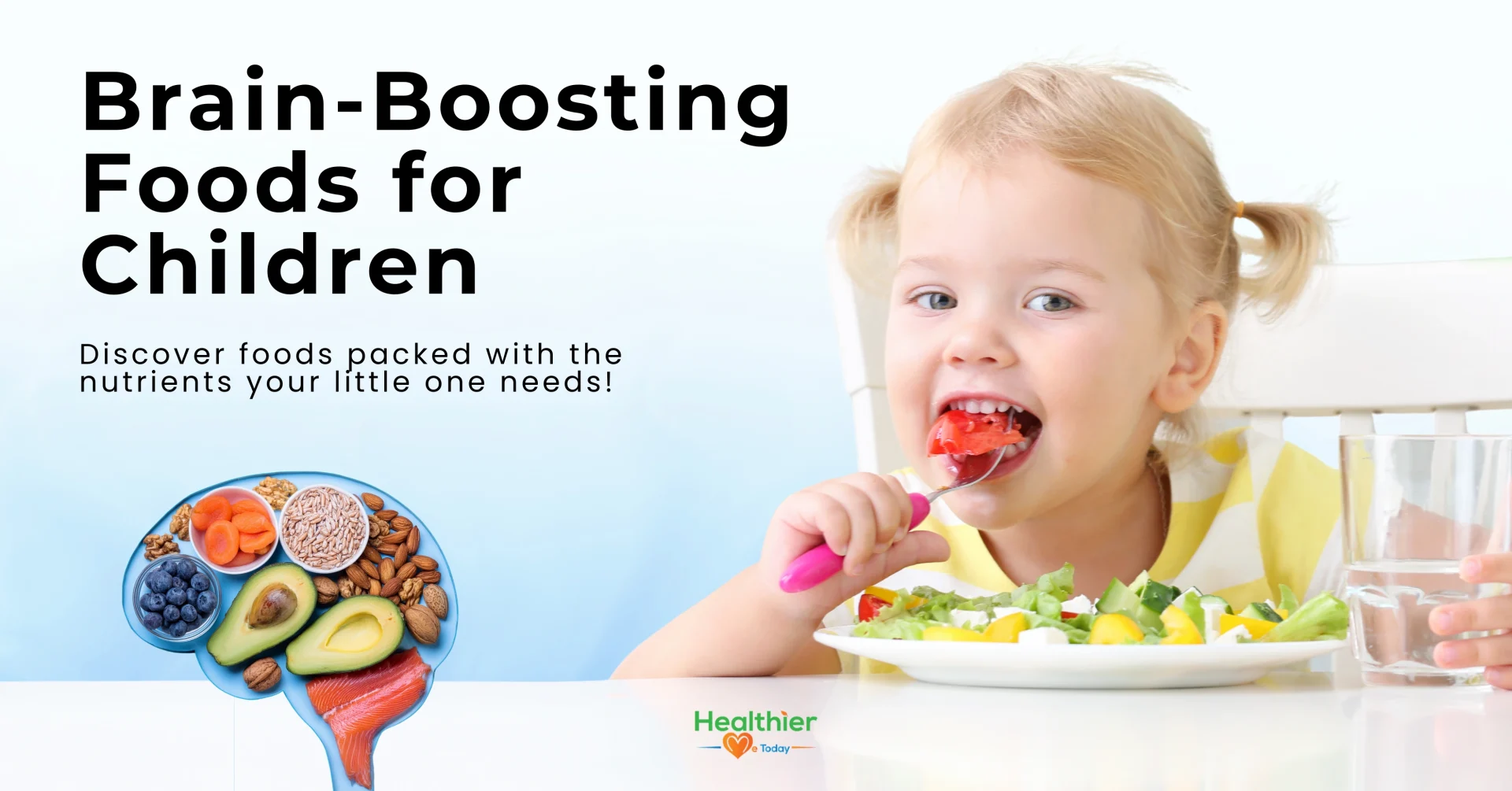
Best Brain Boosting Foods for Children to Improve IQ!

Children are the future, no matter how anyone cuts it, and it’s essential to make sure that they are fully equipped to handle whatever the world throws at them.

Parents face numerous challenges and exposures that children have yet to encounter. It can make parental figures fear the worst and also want to cradle them for a bit longer. Of course, having a good routine and education is extremely important, as well as encouraging physical activities. Still, there are different ways parents can help their kids, such as diet, more specifically, feeding them brain boosting foods for children.

There has been a lot of controversy on whether or not diet has anything to do with smarts, which is precisely what this guide is here to discuss!

The Relationship Between Food and Brain Function

Speaking about food and IQ levels is not a straight line, and many other factors are involved. It isn’t as simple as giving your child a specific food, and they’ll become the next Einstein – but there is a strong link between brain boosting foods for children and overall brain productivity. Just as food affects weight and energy levels, it also impacts many other vital functions in the body, including how the brain develops and performs.

Food to grow brain cells

A good diet can produce healthy and fully functioning neurons, whereas an unhealthy diet full of sugars and fats can cause inflammation, which will negatively affect existing and developing neurons. Having a poor production of neurons can lead to brain disorders such as depression, and also affects the way that the brain works. The saying, “you are what you eat,” is very factual, as consuming healthy foods enables you to think, problem-solve, and learn more effectively.

Eating a diet mainly consisting of junk food or unhealthy meals will leave you feeling down and unfocused, and you’ll have little energy. Neurons are the dominant cells in your brain, which means how you treat them is how you will be treated. It’s essential to supply them with what they need, which is omega-3, vitamin-rich, nutritious food to grow brain cells.

What is The Relationship Between the Two?

Unfortunately, brain boosting foods for children are not a miracle or a cure-all, and they don’t work overnight. However, there is a lot of truth to this. From birth, children need a steady supply of healthy fats for baby brain development, which are found in the milk they are given. As they begin to eat solids, they need new ways to make up for their nutrient intake, which comes from the food they eat. In their first few years of life, the brain undergoes immense development, and they must be exposed to healthy meals and foods that support this stage.

Raising children is and will never be an easy task, and it can be very tempting to give them easy and quick foods, but giving them a diet consisting mainly of these empty calories and nutrient-deficient meals can have harmful effects on their overall development. Neurons have loads of essential functions, such as sending messages to the rest of your body and organs. Some of the cells that the neurons communicate with are immune cells, which are also located in the brain. They are called Microglia, and they help keep the brain healthy and prevent infections [pmc.ncbi.nlm.nih.gov].

These aren’t only focused on basic movements and functions but also help provide the capability of performing cognitive tasks such as learning, thinking, organizing, concentrating, memorizing, imagining, and remembering. Having an unhealthy diet will have harmful repercussions on the functioning of neurons, which ultimately will have consequences on the ability to perform cognitive tasks. By incorporating brain boosting foods for children, parents can strengthen cognitive performance and support long-term mental growth.

What Foods to Feed Your Child and What Foods to Avoid

Protecting your child from every kind of bad food out there is challenging and virtually impossible. Sooner or later, they will snack on chips and indulge in pizza and pasta. In a way, it can be debilitating to keep them from experiencing fatty or sugary foods. Instead, focus on moderation and ensure their diet is primarily filled with the best foods to feed your child—those rich in vitamins, minerals, and nutrients that outweigh the occasional treat.

Brain food for kids

If you are looking to support your child’s brain development and give them a cognitive advantage, consider foods that boost their neurons and provide essential nutrients and benefits for both their brain and body. This will help them learn more effectively, understand concepts more easily, and excel in educational activities.

Here are some great food options you can feed your child:

  • Eggs are packed with nutrients and protein, which will help your child concentrate better. However, ensure you don’t overload them with too many eggs, as they can cause cholesterol.
  • Full-fat Greek yogurt is much healthier than other kinds and has lots of nutrients to help its neurons send messages.
  • Leafy greens like Spinach and Kale are superfoods and are packed with folate, antioxidants, and nutrients. These vegetables have even been linked to lowering the risk of dementia.
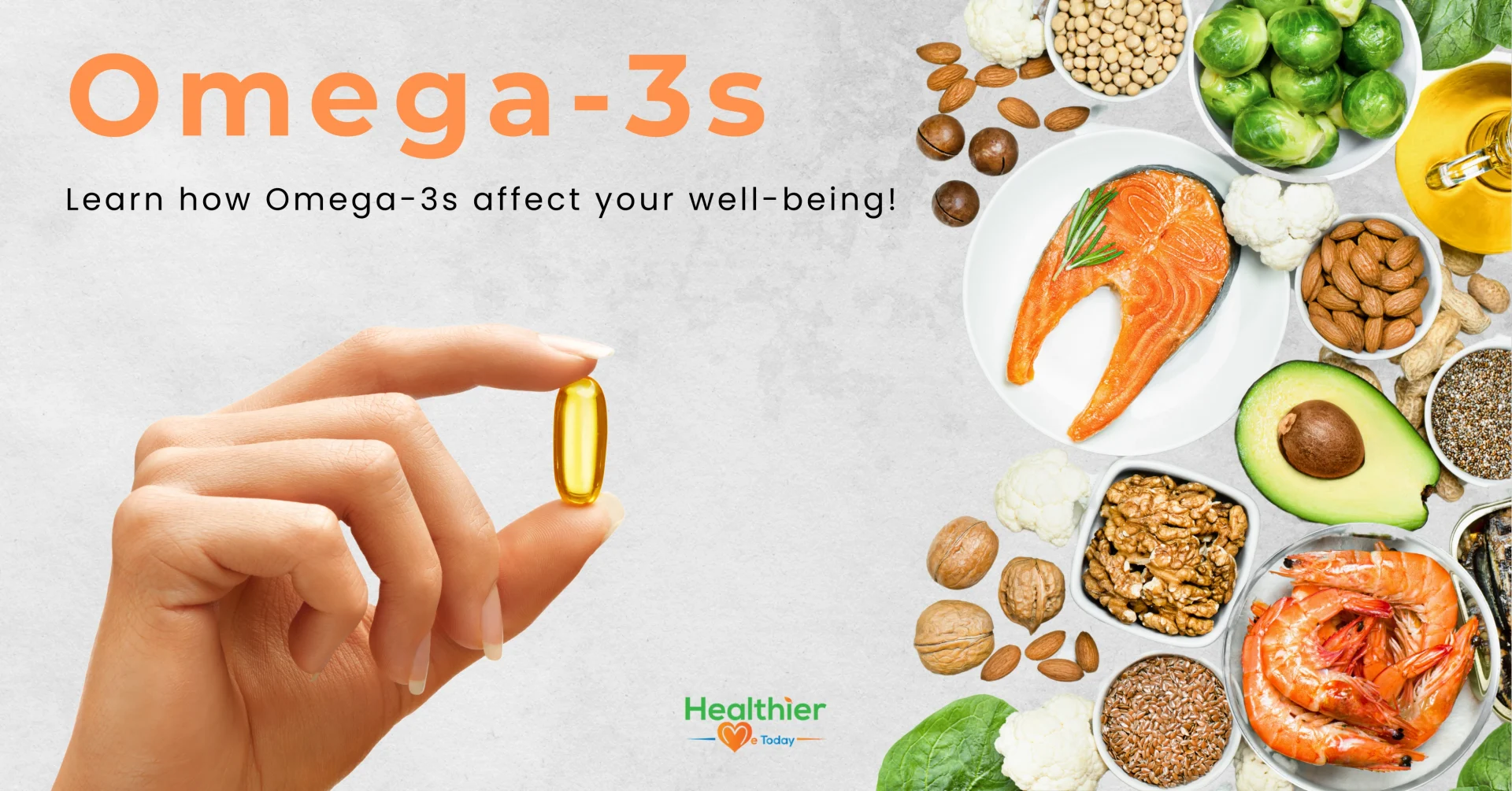
  • Fish such as sardines, salmon, and tuna are loaded with omega-3, which helps protect the brain from memory loss and decline in mental skills. Omega-3 also helps children concentrate and focus, and is a top food for infant brain development.
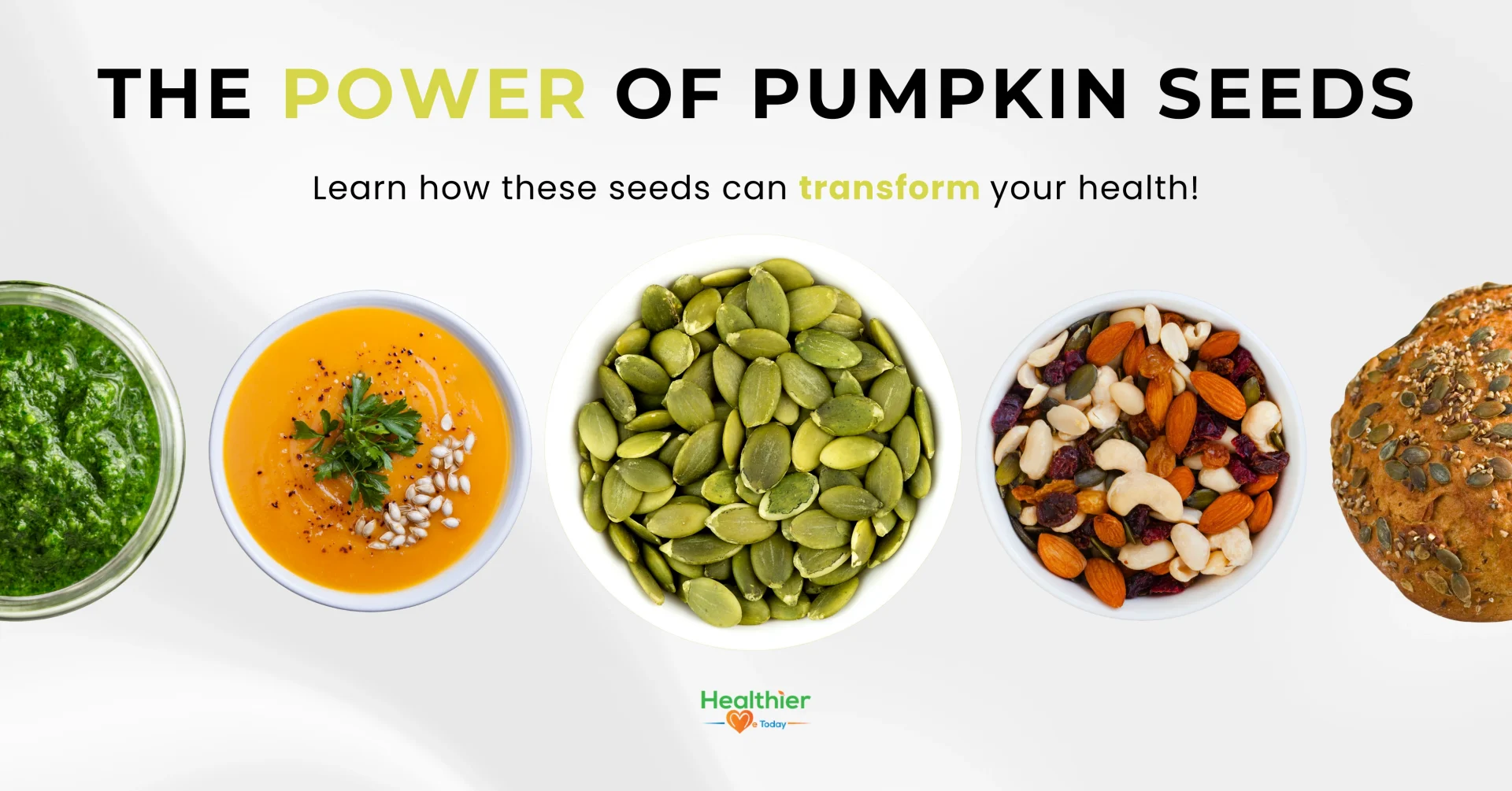
  • Nuts and seeds will boost moods and support the nervous system. They are full of nutrients, healthy fats, and protein, which all help keep the brain healthy.
  • Oatmeal is an excellent alternative to sugary cereals and a great way to start the morning. Children who regularly ate oatmeal for breakfast performed better at memory-related cognitive tests than those who ate sugar-filled cereals. It’s an excellent source of fiber and protein, which helps to keep the brain and heart arteries clear.
  • Fruits like plums and apples are ideal for satisfying sweet cravings and are rich in antioxidants that support mental health [psychologytoday.com].

Foods to Try to Avoid or Limit

Many foods support brain health and functionality. However, there are just as many that have adverse effects and can cause a decline in mental health and skills. To maximize the benefits of brain boosting foods for children, it’s equally important to limit harmful options.

Here are some foods children should avoid or eat in moderation:

Food to grow brain cells

  • Sugary drinks not only increase the chances of type 2 diabetes, but they can also lead to dementia and Alzheimer’s disease, as they negatively affect neurons in the brain.
  • Refined carbs, high-GI, and high-GL levels in foods such as white flour and other highly processed grains can cause brain impairment.
  • Trans fat foods that are high in saturated fats can have deteriorating effects on the brain.

Conclusion: Can Food Help Boost Children’s Brain Power?

A nutrient-rich diet plays a vital role in supporting children’s brain development and cognitive abilities. While no single food guarantees genius-level IQ, incorporating brain boosting foods for children like eggs, Greek yogurt, leafy greens, fish, nuts, seeds, oatmeal, and fruits provides essential nutrients like omega-3s, antioxidants, and vitamins that fuel healthy neuron growth and function. By prioritizing these foods and limiting sugary drinks, refined carbs, and trans fats, parents can give their kids a cognitive edge, helping them focus, learn, and thrive.

It’s all about balance and consistency to nurture sharp minds for the future!

Ready Rocker HMT - For Back Pain

FAQ’s:

How to improve baby brain development during pregnancy?

A baby’s brain begins developing long before birth, which makes pregnancy a vital stage for laying the foundation. Eating omega-3-rich fish, leafy greens for folate, and iron-rich foods supports healthy growth. Staying active, managing stress, and taking prenatal vitamins as advised by a doctor ensure both mother and baby are getting what they need.

Which brain boosting foods for children are the best for development?

Some of the best brain boosting foods for children include salmon, tuna, and other omega-3-rich fish that strengthen memory and focus. Eggs supply protein and choline to support learning, while leafy greens add antioxidants that protect neurons. Nuts and seeds are another easy addition, providing healthy fats and energy for concentration.

How can I increase my child’s brain power?

Boosting brain power comes down to consistent, nutrient-dense meals and daily mental stimulation. Foods like oatmeal, fruits, and Greek yogurt provide steady energy for focus, while puzzles, reading, and creative play strengthen neural connections. Limiting processed and sugary foods also helps the brain perform at its best.

What is a brain booster for kids?

Brain boosters are everyday foods that fuel focus and memory. Nuts, seeds, and fish are rich in omega-3s and antioxidants that protect neurons. Pairing these with fruits, vegetables, and whole grains gives children the energy and clarity they need to learn and thrive.

What should kids eat or drink to improve their memory?

Blueberries, plums, and other antioxidant-rich fruits support memory and mental sharpness. Oatmeal and Greek yogurt provide protein and slow energy release to help kids stay focused. For drinks, water and milk are the best choices, while sugary drinks should be limited to avoid energy crashes.
Supplements to Feel Good Again in Your 30s

It is not a surprise that bodies begin to change and age as people get older. This is why knowing what supplements to take in your 30s is necessary to maintain an active and healthy lifestyle. Supplements are manufactured products that provide nutrients like vitamins and minerals that individuals may not get enough of in their daily consumption.

Best Supplements for Adults Over 30 Years Old

As you enter your 30s, your body starts to demand more targeted nutrition to maintain energy, strength, and overall health. Supplements to take in your 30s can bridge the gap when your diet falls short, providing essential nutrients to combat age-related challenges like declining bone density, slower metabolism, and reduced digestive efficiency. The following healthy aging supplements are carefully selected to support you in feeling vibrant and thriving during this dynamic decade.

Supplements to take in your 30s

Omega-3 Supplements

One of the best supplements to take in your 30s is omega-3 fatty acids because of their ability to strengthen your eyes and brain. As you age, you become at risk for conditions that target your eyes and brain, which is why it is essential to take Omega-3 supplements. Interestingly, your body cannot produce Omega-3, yet it is still considered an essential fatty acid.

Omega-3 has been linked to various studies that have found that these fatty acids, when taken regularly, could prevent life-threatening diseases like Alzheimer’s, arthritis, and macular degeneration (which can develop into blindness). These diseases mainly develop as you age, which is why Omega-3 is one of the best supplements for adults above 30.

Calcium Supplements

Another one of the best supplements to take in your 30s is calcium. Everyone has heard that calcium helps strengthen bones, which is true. With age comes many different problems, such as osteoporosis, which is a condition that occurs in old age where your bones become frail and are more likely to break. This degeneration happens because of a lack of vitamins and minerals, like calcium.

With a calcium supplement, you can strengthen your bones with the right minerals needed. Calcium is essential for growing and maintaining bones, but it is not the only thing this miracle vitamin can do. Calcium is also responsible for maintaining the proper functioning of your muscles, nerves, cells, and blood vessels. Although milk does have calcium, not everyone can consume milk. This is what makes calcium supplements one of the best supplements for adults over 30.

Vitamin D Supplements

Vitamin D is a mineral/vitamin that is harder to find and consume as you age. Adults over the age of 30 should be taking the best vitamin D supplement available. These supplements can come in the form of gummies, supplement pills, and powders. While it is true that you can obtain Vitamin D from the sun, this becomes more challenging as you age.

Vitamin D Supplements
While it becomes difficult to convert the sun’s rays to vitamin D as you age, it does not mean vitamin D is any less needed. Vitamin D is the vitamin that allows for calcium to be absorbed quickly and as needed. Without these supplements, osteoporosis can occur with time [ods.od.nih.gov].

Magnesium Supplements

For adults over the age of 30, one of the best supplements to take in your 30s is a magnesium supplement. Magnesium levels are lower with medications, and because the consumption of foods with high magnesium levels decreases. Some of these foods include nuts and leafy greens like spinach.

As you age, you become vulnerable to diseases, which is why you also tend to take more medications. To combat the depletion of Magnesium, you should take magnesium supplements. Not everyone can get Magnesium from consuming nuts, as a significant number of people in the world are allergic to nuts. For those who cannot consume foods with Magnesium, it is important to take magnesium supplements.

Why is the consumption of Magnesium important? Magnesium is essential because it maintains your blood sugar levels. Not only does magnesium aid in the leveling of sugar levels, but it also helps make protein, which strengthens your bones. Without Magnesium, sugar levels could increase, which can turn into diabetes over time [healthline.com]. This is especially dangerous because you are at a higher risk of developing diseases like diabetes as you age.

Probiotic Supplements

Arguably, the best supplements to take in your 30s are probiotics. While this list has mainly focused on vitamins and minerals that strengthen proteins, bones, and muscles, your gut health is just as important. Over time, your body struggles to digest specific foods, especially those that are high in fats and oils.

Probiotics are a variety of different bacteria. Although this may sound scary, probiotic supplements are made with healthy and positive bacteria that promote your gut health and digestion. This is a supplement that is especially recommended for adults over 30, as you are more likely to develop irritable bowel syndrome and digestive issues [pmc.ncbi.nlm.nih.gov].

Coenzyme Q10 Supplements

Coenzyme Q10, or a CoQ10 supplement, is a powerful antioxidant that supports your energy production and heart health, making it an excellent choice for adults over 30 [ncbi.nlm.nih.gov]. As you age, natural CoQ10 levels in your body decline, which can lead to fatigue and reduced cardiovascular function. Supplementing with CoQ10 helps your cells produce energy efficiently and protects against oxidative stress, which can damage tissues over time.

coq10 supplement

Found in foods like fish and whole grains, CoQ10 is often challenging to obtain in sufficient amounts through diet alone, especially for those with busy lifestyles. Taking CoQ10 supplements can boost your energy, support muscle recovery, and promote overall vitality, helping you stay active and feel your best.

Conclusion: What are the Best Supplements?

The right supplements to take in your 30s can make a significant difference in maintaining your health and vitality as you age. Omega-3s, calcium, vitamin D, magnesium, probiotics, and CoQ10 each target key areas like your brain, bones, heart, and gut, addressing the unique challenges of aging. By incorporating these supplements into your daily routine, you can support your body’s changing needs, boost your energy, and reduce the risk of age-related conditions.

It’s about consistency and choosing high-quality options to feel strong, vibrant, and ready to tackle life’s demands.

Ready Rocker HMT - For Back Pain

FAQ’s:

What are the best supplements for men and women over 30?

Omega-3s, calcium, vitamin D, magnesium, probiotics, and CoQ10 are top choices to support your brain, bone, heart, and gut health as you age. For broad nutrient coverage, the best multivitamin for 30 year old man must complement these targeted supplements.

Do I need to take supplements in my 30s?

Supplements aren’t mandatory but can help fill nutritional gaps, especially if your diet lacks essential nutrients like omega-3s or magnesium. They support your energy, immunity, and overall health as you age.

Which vitamins should I not skip after turning 30?

Don’t skip vitamin D for calcium absorption, omega-3s for your brain and heart health, and magnesium for blood sugar and bone strength. A vitamin C supplement is also key for immune support and skin health.

Are multivitamins enough for adults over 30?

Multivitamins can help, but may not provide enough of specific nutrients like omega-3s, calcium, or CoQ10. Targeted supplements to take in your 30s are often better for addressing your individual health needs. Women may benefit from the best multivitamin for 30 year old woman to support hormonal balance and energy.

What supplements help with aging and energy?

CoQ10 and omega-3s boost your energy and combat oxidative stress, while vitamin D and magnesium support vitality and muscle function, helping you stay active and youthful in your 30s.

What’s the best collagen for 30-year-olds?

Collagen peptides, especially types I and III, support your skin elasticity and joint health. Look for hydrolyzed collagen from reputable brands for easy absorption and effectiveness.

Should adults over 30 take probiotics?

Yes, probiotics are highly recommended for adults over 30 to promote gut health, improve digestion, and reduce the risk of issues like irritable bowel syndrome, which becomes more common with age. Adding a zinc supplement can further support your immune system and overall wellness.

Quick & Tasty Healthy Lunch Ideas for Kids They’ll Love

Packing a school lunch doesn’t have to feel like another box to tick on your endless to-do list, it can be a moment to fuel your kids’ bodies, spark their excitement, and show them a little love in the middle of their busy day. The right healthy lunch ideas for kids do more than just fill their tummies, they give them the energy to learn, play, and thrive. Imagine your child opening their lunchbox to find colorful, delicious, and nutrient-packed meals that keep them smiling from the first bite to the last bell. These healthy lunch ideas for kids are quick to prepare, fun to eat, and designed to make both parents and little ones happy.

Why is Lunch Important?

Lunch gives your kids the energy they need to power through their school day, whether they’re solving math problems or playing at recess. Healthy lunches for kids provide protein, fiber, and vitamins to support their growing bodies and sharp minds. A well-balanced meal helps them stay focused, active, and happy, ensuring they get the most out of their classes and activities.

Importance of Lunch -  healthy lunch ideas for kindergarteners

Nutrition experts agree that a thoughtful lunch can significantly impact your kids’ health and mood. Choosing a healthy childrens lunch over sugary snacks prevents energy slumps and keeps emotions steady. By including wholesome foods, you encourage lifelong healthy eating habits, setting your kids up for success in school and beyond while keeping them satisfied until dinner.

The Best Foods to Add and Why

You’ll want to include foods that are both nourishing and appealing to ensure your kids stay energized and content. Healthy childrens lunch ideas should combine protein, fiber, healthy fats, and vitamins to support growth and concentration. Opt for colorful fruits, vegetables, whole grains, and lean proteins. These keep your kids satisfied, promote wellness, and make lunch something they’ll eagerly eat.

Here are great foods to add in:

  • Lean proteins like turkey, chicken, or beans for muscle growth and steady energy.
  • Whole grains like whole-grain bread or pasta for fiber and sustained fullness.
  • Fruits like apples or berries for vitamins and natural sweetness.
  • Vegetables like carrots or bell peppers for crunch and vital nutrients.
  • Healthy fats, such as sunflower seed butter, support brain development.
  • Dairy or plant-based alternatives, like yogurt, for calcium and protein.
  • Low-sugar snacks like granola for a balanced, kid-friendly treat.

Healthy Lunch Ideas for Kids

You’ll love these five healthy lunch ideas for kids because they’re quick, nutritious, and perfect for a full week of school lunches (Monday to Friday). They’re tailored for healthy lunch ideas for kindergarteners and lunch ideas for picky eaters, with allergy-friendly options to keep your kids safe. Each recipe covers a complete lunch with a main dish and sides, ready in minutes.

healthy lunches for kids

Try these delicious options:

Monday: Veggie Hummus Wrap Lunch

Your kids will enjoy this wrap’s bright colors and easy-to-eat pinwheels, making it an ideal lunch ideas for picky eaters. Spread 2 tablespoons of hummus on a whole-grain tortilla, add a handful of shredded carrots and cucumber slices, and sprinkle 1 tablespoon of crumbled feta (omit for vegan). Roll tightly, slice into pinwheels, and pack with apple slices and a small yogurt cup for a nutrient-packed, healthy school lunch idea. This takes 5 minutes to prepare.

Tuesday: Chicken and Veggie Pasta Salad Lunch

You’ll appreciate this pasta salad’s quick prep, and your kids will love its vibrant colors. Cook 1 cup of whole-grain pasta, rinse with cold water, and mix with half a cup of diced grilled chicken, a quarter cup of chopped spinach, and five halved cherry tomatoes. Drizzle with 1 tablespoon of olive oil and a teaspoon of lemon juice, then toss. Pack with a banana and six whole-grain crackers for a protein-rich, healthy childrens lunch [eatingwell.com]. This takes 10 minutes.

Wednesday: Turkey and Cheese Roll-Ups Lunch

Your kids will grab these roll-ups quickly because they’re simple to eat, and you’ll love the speedy prep. Lay two slices of turkey breast on a whole-grain tortilla, place a cheese stick in the center, and roll tightly. Slice into rounds and pack with half a cup of halved grapes and baby carrots for a balanced, protein-filled, healthy lunch idea for kids. This takes 5 minutes to assemble.

Thursday: Mini Veggie Frittatas Lunch

Your kids will find these mini frittatas exciting because they’re like bite-sized quiches, perfect for a healthy snacks for kids school option. Whisk three large eggs with a quarter cup of chopped broccoli, a quarter cup of shredded cheddar, and a pinch of salt. Pour into a greased muffin tin, bake at 350°F for 15 minutes, and cool. Pack a lunch with cucumber sticks and an orange for a complete meal. You’ll need 20 minutes for this.

Friday: Sunflower Seed Banana Bites Lunch

Your kids will adore these “banana cookies” for their sweet flavor, ideal for a Friday treat. Slice a banana into half-inch rounds, spread each with a tablespoon of sunflower seed butter, and sprinkle with a teaspoon of chia seeds [culinaryhill.com]. Pack with six whole-grain crackers and a quarter cup of mixed berries for an allergy-friendly, nutrient-dense lunch. You can prepare this in 5 minutes.

What to Avoid in School Lunches

You’ll want to avoid foods that don’t support your kids’ health or energy needs during their school day. Sugary snacks, processed foods, and sodas might be tempting for quick packing, but they cause energy crashes and lack essential nutrients. Instead, choose wholesome, balanced options to keep your kids energized, focused, and healthy throughout their day.

healthy school lunch ideas - What to avoid

Steer clear of:

  • Sugary snacks, such as candy or cookies, can lead to energy slumps.
  • Sodas and sugary drinks that offer no nutritional value.
  • Processed foods like chips or packaged snacks are high in sodium.
  • High-fat meats like sausages are less healthy.
  • Foods with artificial dyes that may impact behavior.

Conclusion: What’s the Best Healthy Lunch for Your Kids?

With healthy lunch ideas for kids like veggie wraps, pasta salads, roll-ups, frittatas, and banana bites, you can make lunchtime a nutritious and enjoyable part of your kids’ school week. These meals keep them satisfied, energized, and ready to learn. Choose one recipe, pack it in a colorful lunchbox, and watch your kids enjoy their healthy lunch ideas for kids.

Which one will you try first?

Ready Rocker HMT - For Back Pain

FAQ’s:

What can I put in my kids’ lunch besides sandwiches?

Healthy lunch ideas for kids, like veggie hummus wraps, yogurt parfaits, or mini frittatas, are excellent alternatives. These are protein-packed and easy healthy snacks for kids school.

How do I pack a healthy lunch for kids?

Include protein, fiber, and healthy fats in healthy lunches for kids, like chicken pasta salad or bean quesadillas. Use bento boxes for engaging, balanced, healthy childrens lunch ideas.

Are make-ahead lunches safe for school?

Yes, healthy school lunch ideas like frittatas or pasta salads are safe if refrigerated overnight and packed with ice packs to stay cool until lunch.

What should I avoid in kids’ school lunches?

Avoid sugary snacks, sodas, and processed foods in a healthy childrens lunch. They cause energy crashes and a lack of nutrients needed for growth and focus.

How can I make lunch fun and healthy for kindergarteners?

Use colorful, healthy lunch ideas for kindergarteners, like yogurt parfaits or shaped quesadillas. Bento boxes and fun dips make lunch ideas for picky eaters exciting.

Are high-protein lunches good for kids?

Yes, high-protein healthy lunches for kids, such as turkey roll-ups or bean quesadillas, support growth and focus, making them ideal for healthy school lunch ideas.

What are some allergy-friendly lunch ideas for kids?

Nut-free healthy lunch ideas for kids, like veggie frittatas or yogurt parfaits with sunflower seed butter, are safe and tasty for healthy snacks for kids school.

The Best Probiotic for Women’s Health? Here’s What Actually Works

Feeling bloated or dealing with pesky yeast infections? A simple probiotic like Good Girl Probiotics might become your new favorite helper. These tiny bacteria, found in quality probiotic supplements for women or foods like yogurt, balance your gut and vaginal health, making daily life feel smoother. Good women probiotics, crafted with women in mind, tackle everything from digestion to mood. Curious about finding the best probiotic for women?

This guide explores what probiotics for females do, why they’re special, and how they fit into your routine with stories to spark your interest.

Why Probiotics Are a Big Deal for Women

Probiotics act like your body’s support team, helping to keep harmful bacteria in check. For women, issues like bacterial vaginosis (BV), yeast infections, or tummy troubles can disrupt their day. Good Girl Probiotics and other high-quality women’s probiotics typically use strains like Lactobacillus rhamnosus and Lactobacillus acidophilus, often in combination with prebiotics, to support vaginal and gut health naturally. Ready to see how they help? This section breaks it down with a friendly nudge.

probiotics for female

Your vagina relies on Lactobacillus bacteria to maintain a slightly acidic pH, which helps fend off infections. Stress, hormones, or antibiotics can upset this balance, leading to BV or yeast infections. Strains like Lactobacillus crispatus, found in Good Girl Probiotics and other effective gut and vaginal probiotics, restore harmony by crowding out harmful bacteria.

Top Benefits That Make a Difference

The best pre and probiotics for women go beyond calming your stomach. They offer a daily boost, helping with vaginal health, digestion, immunity, and even mood or skin. This section explores why women love them, featuring real-life stories that illustrate their impact.

Good girl probiotics benefits include:

Keeping Vaginal Health in Check

The best probiotics for yeast infections are strains like Lactobacillus rhamnosus GR-1 and Lactobacillus reuteri RC-14 maintain a healthy vaginal pH, reducing yeast infections and BV. Many women find relief with Good Girl Probiotics, which include these targeted strains.  A nurse swore by them after avoiding infections during long shifts. These strains create an acidic environment that hinders the growth of harmful bacteria, keeping you comfortable and confident.

Smoother Digestion, Less Bloating

Hormonal shifts can make bloating a frequent annoyance. The best probiotics for gut health, such as Lactobacillus acidophilus and Bifidobacterium, promote easier digestion. A teacher felt lighter after two weeks, tackling her busy days with ease. Prebiotics, such as inulin, feed these beneficial bacteria, helping your gut stay healthy over time.

Stronger Immunity

Your gut powers much of your immune system, and probiotics keep it ready. Strains like Bacillus subtilis in good women probiotics help fight off colds. A student stayed healthy through exam season, avoiding sick days. This immune boost also supports vaginal health by keeping your body strong.

Fewer Urinary Tract Issues

UTIs can be a real hassle. Lactobacillus strains, such as Lactobacillus gasseri, help prevent harmful bacteria from reaching your urinary tract. For example, a freelancer noticed a decrease in UTIs after adding probiotics to her morning routine, making travel less stressful. It’s a small step for significant relief.

Sharper Mind, Better Mood

best probiotic for women

Your gut and brain work together, and probiotics can help you stay sharp. Strains like Lactobacillus plantarum may ease stress-related brain fog [webmd.com]. A writer felt more focused during tight deadlines after a month, handling tasks with a clearer head. This lift makes busy days feel lighter.

Clearer Skin, Fewer Breakouts

A balanced gut can lead to better skin. Bifidobacterium in good women probiotics may reduce inflammation tied to hormonal acne. A barista saw fewer breakouts after a few weeks, feeling more confident at work. This unexpected perk adds to their appeal for women juggling hectic lives.

What Makes Good Women Probiotics Special

Good women probiotics pack strains like Lactobacillus gasseri and Lactobacillus plantarum, often with 20–50 billion CFUs per capsule [sciencedirect.com]. They include prebiotics, such as inulin, to help good bacteria thrive, and are shelf-stable, so a fridge is not needed. Made with expert input, they ensure quality.

Here’s what sets them apart:

Strains Built for Women

Unlike generic options, good probiotics focus on strains like Lactobacillus rhamnosus and Lactobacillus reuteri RC-14, targeting vaginal and urinary health. These survive your stomach so they can do their job.

Easy to Fit Into Your Day

Take one capsule daily, ideally with a meal, and it slips right into your routine. There is no need for a fridge so that you can keep them in a purse or a desk. The shelf-stable, single-dose format makes them perfect for busy schedules.

Tips to Get the Most Out of Probiotics

With so many probiotics available, starting can feel daunting. Effective probiotics keep it simple, but a few tips can boost their benefits. Take them daily, maybe with your morning coffee, to build a habit. Pair with foods like bananas or yogurt to enhance their flavor. Store in a cool, dry spot to keep them potent.

These tips help probiotics work more effectively for you:

Picking the Right Probiotic

Choose a probiotic with 20-50 billion CFUs and strains such as Lactobacillus for vaginal health or Bifidobacterium for digestive health. Good women probiotics often include third-party testing for purity. Start slow if you’re new to avoid temporary bloating. Check labels for allergens like dairy.

Foods That Boost Results

Prebiotic foods, such as garlic, onions, and yogurt, support the growth of probiotics.These foods create a friendly environment for good bacteria, amplifying benefits for your gut and vagina. Start with small servings to help your stomach adjust to the new routine.

probiotic supplements for women

Most people see changes within 2-3 weeks, such as fewer infections or less bloating. Consistency is key; skipping doses can slow down the process. If you don’t notice results after a month, a healthcare provider can suggest tweaks.

Conclusion: Are Probiotics Worth It?

Good probiotics make it easy to support your vaginal health, digestion, immunity, and more, helping you feel lighter and brighter. With strains tailored for women, prebiotics, and a simple daily dose, they fit right into your life.

Try them with prebiotic foods, stay consistent, and share your story online to inspire others [medicalnewstoday.com].

Ready Rocker HMT - For Back Pain

FAQ’s:

What is the best probiotic for women’s vaginal health?

Lactobacillus strains like rhamnosus GR-1, reuteri RC-14, and crispatus are top picks for vaginal health. Probiotics include these to balance pH and reduce BV or yeast infections, reaching the vagina effectively.

Are good women probiotics safe and effective?

Made in quality facilities with third-party testing, good women probiotics are safe for most. Studies have shown that strains like Lactobacillus rhamnosus can help prevent BV. Users report fewer infections and better digestion. Start slowly if you’re sensitive.

Do probiotics help with yeast infections?

Yes, Lactobacillus strains, such as rhamnosus and crispatus, reduce yeast overgrowth by maintaining an acidic vaginal pH [healthline.com]. Users of good women probiotics often see fewer yeast infections after 2–3 weeks.

How are good women probiotics different from other brands?

Good women probiotics blend women-focused strains, prebiotics, and high CFUs in a shelf-stable capsule. They target vaginal and gut health, unlike generic brands that use less specific strains or perform less rigorous testing.

Can probiotics improve both gut and vaginal health?

Yes, strains like Lactobacillus support gut digestion and vaginal pH through the gut-vagina connection. Users of good women probiotics notice less bloating and fewer infections, as a healthy gut promotes overall balance.

What are the benefits of good women probiotics?

They balance vaginal pH, reduce BV and yeast infections, ease bloating, boost immunity, support urinary health, improve mental clarity, and promote clearer skin. Users feel healthier in 2–3 weeks, with prebiotics enhancing results.

Should women take probiotics daily?

Daily use maximizes the benefits, including fewer infections and improved digestion. Good women probiotics are designed for one capsule daily, fitting easily into your routine. Skipping doses may slow progress.

Do good women probiotics help balance pH levels?

Yes, their Lactobacillus strains help create an acidic vaginal environment, which reduces the growth of harmful bacteria and yeast. Users report fewer pH-related issues, such as BV, with consistent use.

Yoga for Sciatica – Powerful Stretches to Ease Lower Back Pain

Dealing with sharp pain shooting down your leg? Yoga for sciatica can help ease discomfort and improve mobility with gentle stretches. If sciatica or lower back pain is disrupting your daily routine, this guide offers beginner-friendly poses and practical tips to get you moving comfortably again.

Ready to find relief without overwhelming your body? Let’s get started.

Does Yoga Really Help with Sciatica?

Sciatica causes a burning or sharp pain from the lower back through the leg, often due to a compressed sciatic nerve, commonly from a tight piriformis muscle or herniated disc. Yoga and sciatica work well together because gentle sciatica yoga exercises stretch tight muscles, reduce inflammation, and promote relaxation.

yoga stretches for sciatica
Research shows that sciatic nerve yoga can improve flexibility and ease nerve pressure, making it ideal for beginners. The key is starting slow and focusing on safe, targeted yoga stretches for sciatica to avoid aggravating the condition.

The Benefits of Yoga for Sciatica Relief

When it comes to managing sciatica, yoga for sciatica pain offers multiple benefits, though results vary by individual. Beginners can experience relief with consistent practice, but not everyone responds the same way due to differences in pain causes or body types.

Common Benefits

Yoga poses for sciatica provide several advantages for people with lower back pain. Medical experts and yoga instructors highlight these effects based on studies and user experiences.

They are:

  • Reduced muscle tension in the hips and lower back
  • Improved flexibility in the spine and hamstrings
  • Decreased inflammation around the sciatic nerve
  • Enhanced blood flow to support healing
  • Better relaxation and stress relief, which can ease pain perception

Specific Poses for Relief

Specific sciatica yoga poses target the piriformis and lower back, offering focused relief. These beginner-friendly poses are easy to learn and adapt.

yoga poses for sciatica pain

Including:

  • Child’s Pose (Balasana): Kneel, sit back on heels, stretch arms forward, and rest forehead on the ground. Hold for 30 seconds to 1 minute to ease yoga poses for sciatica pain.
  • Reclined Pigeon Pose (Supta Kapotasana): Lie on your back, cross one ankle over the opposite knee, and pull the bottom leg toward your chest. Hold for 20 to 30 seconds per side for sciatica yoga stretches.
  • Bridge Pose (Setu Bandha Sarvangasana): Lie on your back, knees bent, lift hips toward the ceiling. Hold for 20 to 30 seconds to support the sciatic nerve yoga.

Additional Effects

Beyond direct pain relief, yoga stretches for sciatica can improve posture and strengthen core muscles, which indirectly reduces sciatica symptoms. Poor posture or weak core muscles often worsen nerve compression, so regular practice helps address these underlying issues.

How to Get Started

Worried about sciatica limiting your movement? Yoga for sciatica doesn’t require advanced skills, and beginners can start with simple sciatica yoga poses to feel better. Whether your pain is mild or severe, you can adapt a routine to fit your needs with these strategies.

Start with Gentle Poses

Begin with low-impact yoga poses for sciatica, like Child’s Pose or Legs-Up-the-Wall, to avoid strain. Practice for 10 to 15 minutes, 3 to 4 times weekly, using props like blankets for comfort. Can yoga worsen sciatica if done incorrectly? Yes, so prioritize proper form and stop if you feel sharp pain [backinshapeprogram.com].

Modify for Your Comfort

Use props or modify poses to suit your mobility. For example, in Reclined Pigeon, place a pillow under your hips for support. What are the beginner-friendly yoga stretches for sciatica relief? Poses like Knees-to-Chest are gentle and effective for newcomers.

Explore Guided Sessions

Follow online videos or beginner yoga classes to learn correct alignment [hopkinsmedicine.org]. This helps you practice sciatica yoga exercises safely, especially if you’re new to yoga or managing a condition like a herniated disc.

yoga poses for sciatica

Conclusion: Finding Relief with Yoga for Sciatica

Yoga for sciatica pain offers a gentle way to ease discomfort and promote mobility. With yoga poses for sciatica like Child’s Pose and Reclined Pigeon, beginners can start slowly and build a routine that works. Practice 3 to 4 times weekly, prioritize safety, and enjoy moving with less pain.

Which pose will you try first?

Ready Rocker HMT- Back Pain Relief

FAQ’s:

Can yoga really help with sciatica nerve pain?

Yes, yoga for sciatica reduces muscle tension and nerve pressure, easing sciatic nerve pain. Gentle stretches like Child’s Pose can provide relief for many beginners.

Which yoga poses are best for immediate sciatica relief?

Yoga poses for sciatica, like Child’s Pose and Legs-Up-the-Wall, offer quick relief by relaxing the lower back and hips. Hold each for 1 to 5 minutes.

Is it safe to do yoga if I have a herniated disc causing sciatica?

Yoga and sciatica can be safe with a herniated disc using gentle sciatica yoga poses like Reclined Pigeon. Consult a healthcare provider to ensure safety.

How often should you practice yoga to relieve sciatica symptoms?

Practice sciatica yoga exercises 3 to 4 times weekly for 10 to 15 minutes. Daily sessions may help if pain is mild and poses are gentle.

What should I avoid when doing yoga for sciatica pain?

Avoid forward bends or deep twists that may strain the sciatic nerve. Focus on safe yoga stretches for sciatica and stop if pain worsens.

How does yoga compare to physical therapy for sciatica?

Yoga for sciatica pain improves flexibility and relaxation, while physical therapy targets specific muscles. Yoga is accessible but may complement therapy for better results.

Can yoga worsen sciatica if done incorrectly?

Yes, incorrect sciatic nerve yoga form can increase pain. Use props, follow guided instructions, and avoid forceful poses to stay safe.

What are the beginner-friendly yoga stretches for sciatica relief?

Yoga stretches for sciatica, such as Child’s Pose, Reclined Pigeon, and Knees-to-Chest, gently ease piriformis tension, making them ideal for beginners seeking relief.

How long does it take to see results from yoga for sciatica?

Results from sciatica yoga stretches vary, but 2 to 4 weeks of consistent practice (3 to 4 times weekly) often reduces pain and improves mobility.

Should I do yoga in the morning or evening for sciatica relief?

Morning sciatica yoga poses loosen muscles for the day, while evening sessions promote relaxation. Choose what suits your schedule and comfort level.

Soothing Diaper Rash Made Easy: Quick Tips & Effective Creams

Seeing your baby wince because of a diaper rash is tough for any parent. Those red, sore patches can turn a happy moment into a fussy one, but quick action can make all the difference. This article explains what causes those irritating rashes, how to spot them, and simple ways to soothe your baby’s skin. With practical tips and creams, you’ll have your little one smiling again in no time.

What is Diaper Rash?

Diaper rash is a common skin irritation that appears as red, tender patches in the diaper area, often making babies irritable and uncomfortable. It occurs when moisture, friction, or other irritants become trapped under a diaper, irritating sensitive skin. Most babies, especially newborns, get it at some point, but mild cases usually clear up with home care. Knowing about newborn diaper area irritation helps parents act fast to ease discomfort.

diaper rash

Some rashes, such as yeast diaper rash, are more challenging and require specialized treatment. While mild rashes often subside within a few days, severe ones can persist longer if not correctly treated. Understanding diaper chafing treatment options allows you to choose the best way to soothe your baby’s skin and prevent rashes from recurring.

What Does Diaper Rash Look Like?

Knowing what does diaper dermatitis look like is the first step to helping your baby feel better. It typically appears as red, inflamed skin in the diaper area, but the appearance changes depending on the cause or severity of the condition.

Look out for:

  • Mild Rash: Pink or red patches on the buttocks, thighs, or genitals, slightly warm to the touch.
  • Severe Rash: Bright red, sore areas, sometimes with bumps or peeling skin.
  • Yeast Rash: Red, raised patches with sharp edges, often with tiny pustules or scaly spots.
  • Irritation Rash: Flat, shiny red areas, typically from wetness or chafing.
  • Allergic Rash: Patchy redness, sometimes swollen, from reactions to diapers or wipes.

These signs guide you to the right approach for knowing how to heal diaper rash.

Causes of Diaper Rash

Several factors can trigger diaper chafing, and understanding the cause helps you treat and prevent it. Most cases stem from irritation or changes in the environment of the diaper area.

  • Wetness: Wet or soiled diapers left on too long irritate delicate skin.
  • Friction: Tight diapers or rough clothes rub and cause redness.
  • Yeast: Candida yeast grows in warm, moist areas, leading to yeast diaper rash.
  • Allergies: New diapers, wipes, or soaps can trigger allergic reactions on the skin.
  • Diet Changes: New foods or breastfeeding shifts can alter stool, potentially irritating the skin.

Understanding these triggers helps you select the most effective diaper rash cream or treatment.

How to Treat Diaper Rash

Treating diaper rash means using gentle care to soothe your baby’s skin fast.

diaper rash treatment

Here are four practical ways to help your little one feel better:

Change Diapers Frequently

Keeping the diaper area clean and dry is key to understanding how to treat diaper dermatitis. Change diapers every 2 to 3 hours, or immediately after a bowel movement. Clean gently with warm water and a soft cloth, avoiding harsh wipes. Pat the skin dry instead of rubbing to prevent more irritation. Frequent changes help reduce moisture and promote skin healing.

Use a Barrier Cream

A diaper dermatitis cream containing zinc oxide helps protect and soothe irritated skin [my.clevelandclinic.org]. Apply a thick layer during each diaper change, focusing on red areas, after cleaning and drying the skin. These creams form a shield against moisture and irritants. Caregivers often see mild rashes clear up in a few days with consistent use.

Give Diaper-Free Time

Letting your baby’s skin breathe is a simple way to ease diaper rash [chla.org]. Lay your baby on a soft towel for 10 to 15 minutes a few times a day after cleaning. Keep the area well-ventilated to reduce moisture. Ensure the space is warm and safe. This approach speeds healing by giving skin a break from diapers.

Treat Yeast Rash with Antifungal Cream

For yeast diaper dermatitis, an antifungal cream is essential [my.clevelandclinic.org]. These rashes look redder with distinct edges and may have pustules. Apply an over-the-counter antifungal cream, such as clotrimazole, as directed, after cleaning and drying the affected area. Pair it with a barrier cream for extra protection. This targets yeast and clears stubborn rashes faster.

How to Prevent Diaper Rash

Preventing diaper rash is easier with a few daily habits. These tips help keep your baby’s skin healthy and reduce the risk of irritation.

They are:

Keep the Area Dry

Dry skin stays rash-free. Change diapers often, especially after bowel movements, and clean with warm water and a soft cloth. Pat the skin dry gently. Use absorbent, breathable diapers to pull moisture away. Parents find that staying on top of changes helps prevent most mild rashes from developing.

Choose Gentle Products

Use diapers, wipes, and soaps designed for sensitive skin to avoid irritation. Opt for fragrance-free, hypoallergenic options [kidshealth.org]. Test new products on a small patch of skin first to check for reactions. Caregivers often notice fewer rashes when using gentle, baby-safe products that don’t bother the skin.

Apply Cream Regularly

Applying a diaper rash cream daily, even when there is no rash, can help prevent irritation. Use a thin layer of zinc oxide cream during changes to act as a barrier against wetness. This habit protects the skin, especially for babies prone to rashes, and helps prevent flare-ups.

When to See a Healthcare Provider

Most diaper rashes can be managed with home care, but some require professional attention. If diaper dermatitis treatment doesn’t work or the rash gets worse, it’s time to seek help.

diaper rash treatment Healthcare Provider

Look for these signs:

  • Rash doesn’t improve after three to four days of home care.
  • Bright red areas with pustules, sores, or bleeding appear.
  • Your baby seems in pain, cries during changes, or has a fever.
  • The rash spreads beyond the diaper area or looks infected.
  • Recurring rashes often suggest an underlying issue, such as allergies.

Seeing a healthcare provider ensures your baby gets proper care for severe or persistent rashes.

Conclusion: Can You Treat Diaper Rash?

Diaper rash might be a common challenge, but it doesn’t have to disrupt your baby’s comfort for long. With the right care, like frequent changes, soothing creams, and breathable diaper-free time, you can ease irritation and speed up healing. Spotting the signs early and knowing which treatments to use makes all the difference, especially when dealing with stubborn rashes like yeast infections. And while most cases clear up at home, don’t hesitate to reach out to a healthcare provider if the rash worsens or lingers. A little extra care today can bring big relief tomorrow for both you and your baby.

Ready Rocker HMT

FAQ’s:

How do I treat diaper rash at home?

You can treat diaper rash at home by changing diapers often, cleaning with warm water, and patting dry. Apply a zinc oxide-based diaper rash cream to protect the skin. Give diaper-free time to let the area breathe. For yeast diaper rash, use an antifungal cream. These steps usually clear mild rashes in a few days.

What does diaper rash look like in newborns?

In newborns, what does diaper rash look like? It appears as pink or red patches on the buttocks, thighs, or genitals, often with a slightly warm appearance. Newborn diaper rash may be mild or have small bumps. Severe cases usually exhibit brighter red areas or peeling skin, particularly when caused by yeast or irritation.

How long does it take for a diaper rash to heal?

Most rashes heal in three to four days with proper care. Knowing how to heal diaper rash quickly involves frequent diaper changes, gentle cleaning, and the use of barrier creams. Yeast diaper rash may take a week or more with antifungal treatment. Persistent rashes need a healthcare provider’s attention.

Is yeast diaper rash different from regular diaper rash?

Yes, yeast diaper rash is caused by Candida yeast, unlike regular rashes from wetness or friction. It appears redder, with sharp edges, often accompanied by pustules or scaly spots. It needs antifungal cream, not just barrier cream, and may take longer to heal than typical irritation rashes.

Which cream works best for severe diaper rash?

For severe diaper rash, zinc oxide-based creams provide soothing and protective relief. For yeast diaper rash, combine with an antifungal cream, such as clotrimazole, and apply it after cleaning and thoroughly drying the area. A healthcare provider can suggest stronger options if the rash doesn’t improve with these creams.

Could You Have a Silent Heart Attack? What to Watch For

A silent heart attack can slip past without you even knowing it happened, but it’s just as serious as a regular one. You might feel okay, yet your heart could need help. This guide breaks down what these hidden attacks are, their sneaky signs, how they’re found, and steps to keep your heart healthy so that you can stay on top of your health.

What Is a Silent Heart Attack?

What is a silent heart attack? It’s a heart attack, also known as a silent myocardial infarction, that happens with mild or no symptoms, so that you might miss it entirely. Unlike typical heart attacks with intense chest pain, these show up with vague feelings like tiredness or slight discomfort. They can still damage your heart muscle, making them a risky option. People often learn about them later during a checkup, so knowing what to look for is crucial.

what is a silent heart attack

Symptoms to Watch For

Silent heart attack symptoms are tricky to spot because they’re so subtle. You might brush them off as stress or just feeling off, but they can signal a serious issue. Here’s what to watch for, especially since a silent heart attack in women can look different.

Common Subtle Signs

You might feel exhausted for no apparent reason, like you’re dragging even after a good night’s sleep. Mild stomach upset, such as nausea or indigestion, can occur. Some notice slight discomfort in their jaw, neck, or back, almost like a muscle ache. Shortness of breath or sweating can also happen without exercise. People say these signs feel so minor they’re easy to ignore, but they’re worth noticing.

Symptoms in Women

A silent heart attack in women often shows up as fatigue, nausea, or vague aches rather than the classic chest pain men might feel. You may feel queasy, overly tired, or experience a strange sense of unease in your upper body. These differences mean women are more likely to overlook a silent attack, so staying alert to unusual feelings is key.

Why Do Silent Heart Attacks Happen?

A silent myocardial infarction occurs when a clot blocks blood flow to part of your heart, damaging the muscle. Things like high blood pressure, high cholesterol, diabetes, smoking, or a family history of heart issues raise your risk. Stress, excessive weight, or insufficient physical activity can also contribute to the condition. Women and older adults are more prone to silent attacks because their symptoms are less noticeable. Individuals say keeping an eye on these risks helps them act before trouble starts.

Diagnosing a Silent Heart Attack

Understanding how to diagnose silent heart attacks relies on tests, as the signs aren’t always clear. An electrocardiogram (ECG) can detect irregular heart rhythms or past heart damage [mayoclinic.org]. An MRI heart scan gives detailed pictures of your heart, showing scars from a silent attack. Blood tests look for proteins, such as troponin, that signal heart damage. Echocardiograms, using sound waves, can also reveal issues. People often find that routine checkups can catch these hidden attacks before they cause bigger problems.

how to diagnose silent heart attack

Treating a Silent Heart Attack

Silent heart attack treatment aims to prevent further damage and maintain your heart’s strength.

Doctors may use a mix of approaches tailored to you:

  • Medications: Drugs like aspirin thin your blood to improve flow, while beta-blockers ease heart strain.
  • Procedures: Angioplasty, which involves using a small balloon to open a blocked artery, can restore blood flow. In severe cases, bypass surgery redirects blood around a blockage.
  • Lifestyle Changes: Eating a healthier diet, exercising regularly, and quitting smoking can help your heart recover and stay strong.

Individuals say that starting these treatments, even after a silent attack, makes a significant difference in how they feel and stay healthy.

Preventing Silent Heart Attacks

How to prevent silent heart attack comes down to your everyday choices. Eat a variety of fruits, vegetables, and whole grains to support your heart health. Get moving with 30 minutes of walking or light exercise most days. Quit smoking, cut back on alcohol, and try stress-busters like deep breathing or meditation. Regular checkups catch issues like high blood pressure early. People say simple swaps, like choosing water over soda, add up to keep their hearts in good shape.

Tips for Heart Health

To lower your risk of an asymptomatic heart attack, try these easy habits:

Tips for Heart Health

  • Choose heart-healthy foods like fish, nuts, or spinach for daily meals.
  • Stay active with fun activities like walking or dancing for 20-30 minutes a day [cdc.gov].
  • Monitor your blood pressure and cholesterol levels with regular check-ups to maintain optimal health.
  • Ease stress with quick stretches or a calm moment to breathe deeply.
  • Aim for 7-8 hours of sleep to give your heart a break.
  • Skip smoking and limit alcohol to one drink a day or less.

Individuals find these small steps fit into their routine and help them feel confident about their heart health.

Conclusion: What You Need to Know

A silent heart attack might go unnoticed, but it’s a big deal for your heart. Understanding the answers to ‘What is a silent heart attack?’ and recognizing the subtle symptoms of silent heart attacks can help you stay safe and healthy. With silent heart attack treatment and lifestyle tips, such as maintaining a healthy diet and staying physically active, you can help protect your heart. Listen to your body’s signals and follow these steps to keep your long-term health.

Ready Rocker HMT

FAQ’s:

Can a silent heart attack go completely unnoticed?

Yes, a silent heart attack can happen without any apparent signs. You might feel a bit off or tired, but not link it to your heart. Tests like an ECG or an MRI heart scan often spot these events later during routine visits.

How long can someone live after an untreated heart event?

An untreated silent myocardial infarction can cause heart damage that builds up, but many people live years without knowing. Catching it early and making lifestyle changes help you live longer and healthier.

What are the chances of surviving a heart event without knowing?

Surviving an asymptomatic heart attack is common since the damage is often minor. But untreated attacks raise the risk of future heart issues, so regular tests are essential to stay safe.

Are silent cardiac episodes more common at night?

Silent heart attacks can happen anytime, but some occur at night when subtle signs like discomfort are easier to miss. Stress or poor sleep may play a role, so staying aware can help.

What medical tests reveal hidden heart damage?

An ECG, MRI heart scan, or echocardiogram can find heart damage from a silent attack. Blood tests for troponin also indicate whether your heart muscle was damaged, even long after the event.

How do doctors find out if you’ve had a heart event in the past?

Doctors use an ECG or an MRI heart scan to check for heart muscle scars. Blood tests and stress tests can also reveal past damage, confirming a silent heart attack.

Is it possible to mistake heart-related fatigue for normal tiredness?

Yes, silent heart attack symptoms like fatigue can feel like everyday tiredness, especially in women. If you’re unusually exhausted without a reason, tests can check for heart issues.

Does anxiety mimic silent cardiovascular issues?

Anxiety can cause shortness of breath or chest discomfort, similar to silent heart attack in women signs. If these feelings persist or seem unusual, an ECG can help determine the cause.

Can wearable devices detect irregular heart activity?

Some smartwatches can detect irregular heart rhythms that may indicate a silent heart attack. They’re not perfect, but they can prompt you to get a proper test, such as an ECG.

Do silent cardiac episodes increase the risk of future heart failure?

Yes, a silent myocardial infarction damages your heart, which can increase the risk of heart failure later. Silent heart attack treatment and healthy habits, such as exercise, help lower this risk.

Boost Your Health: 7 Powerful Daily Vitamins for Women

Multivitamin for women is more than just a supplement—it’s a smart way to support energy, immunity, and overall health. Adding the right vitamins for women to your routine can help fill nutrient gaps, especially when life gets busy. This guide shares the best vitamins for women to help you feel your best, along with tips on selecting a multivitamin that suits your needs and answers to common questions.

So, let’s take a closer look!

Why Vitamins Matter for Women

Your body requires essential nutrients to stay strong, and women have unique nutritional needs. A balanced diet is ideal, but hectic schedules or food restrictions can leave you lacking in essential nutrients. That’s where multivitamins for women come in, providing essential vitamins and minerals to support energy, bone health, and radiant skin. Women often require additional iron due to menstruation or increased calcium needs as they age. Ladies say women multivitamins make staying healthy easier without stressing about every meal.

best vitamins for women over 40

Key Vitamins for Women’s Health

Specific vitamins and nutrients are vital for women’s wellness. Here are seven essentials to include in your women’s daily vitamin routine, tailored to support your body’s needs.

They are:

1. Vitamin D

Taking vitamin D supplements is crucial for women’s health, as it supports strong bones and a healthy immune system. Your body produces vitamin D from sunlight, but many women fall short, especially during winter or when working indoors. It helps your body use calcium for bone strength and lifts your mood. Aim for 800-2,000 IU daily, often found in the best multivitamin for women. Choose vitamin D3 for improved absorption to maintain strong bones and immunity.

2. Calcium

Calcium is essential for building strong bones and teeth, which are vital for women, especially after the age of 40. It also helps muscles and nerves work smoothly. You need about 1,000-1,200 mg daily, more if you’re over 50. Dairy or leafy greens provide some, but the best multivitamin for women over 60 with calcium citrate ensures you get enough, as it’s easier for your body to absorb.

3. Iron

Women’s multivitamin with iron supports energy by helping your blood carry oxygen, which is key during menstruation. Low iron can make you feel tired or weak. Women aged 19-50 need about 18 mg daily, less after menopause. Take it with vitamin C for better absorption, and avoid calcium at the same time, as it can interfere with its effectiveness.

best vitamins for women

4. Vitamin B12

Vitamin B12 helps maintain healthy nerves and supports the production of red blood cells, thereby boosting energy and enhancing brain function. It’s in meat, fish, and eggs, but vegetarians or older women may need more. The best multivitamin for women includes 2.4-6 mcg of B12, which is especially helpful for women over 60 who tend to absorb it less naturally.

5. Folate (Vitamin B9)

Folate, also known as vitamin B9, supports cell growth and is essential for women who may become pregnant to prevent birth defects. It also helps with energy and mood. You need approximately 400 mcg daily, or 600 mcg if you are pregnant or breastfeeding [medlineplus.gov]. Leafy greens offer some, but women’s vitamins with folic acid, the synthetic form, ensure you’re covered, especially for reproductive health.

6. Omega-3 Fatty Acids

Omega-3s, though not vitamins, are key for heart, brain, and skin health. They reduce inflammation and support mood, perfect for busy women. Fish like salmon provide omega-3s, but supplements with 500-1,000 mg of DHA and EPA are great if you eat little fish. Many of the best vitamins for women over 40 include omega-3 fatty acids, which support heart health.

7. Vitamin C

Vitamin C strengthens your immune system, keeps skin youthful, and helps your body absorb iron. You can get it from citrus fruits or bell peppers, but a daily vitamins for women with 75-90 mg ensures you’re set, especially during cold season or stress. It’s a must-have in any of the best multivitamin for women for immunity and glow.

Choosing the Right Multivitamin

Finding the best multivitamins for women involves selecting one that suits your age and lifestyle. Younger women may require more iron, while the best multivitamin for women over 60 should prioritize vitamin D and B12 for optimal bone and nerve health.

Avoid high doses of vitamins like A or iron, which can cause nausea if overdone [ods.od.nih.gov]. Gummy vitamins are tasty, but they may have lower nutrient levels, so be sure to check the labels for sufficient amounts of key nutrients. A good womens vitamins supplement lists precise dosages and skips fillers like artificial colors.

Tips for Taking Vitamins Daily

To get the most from your daily vitamins for women, try these easy tips:

vitamins for women

  • Take your multivitamin with food to help your body absorb fat-soluble vitamins, such as D.
  • Store vitamins in a cool, dry place to maintain their potency.
  • Set a reminder to take your women’s daily vitamin with breakfast or dinner.
  • Pick a form you enjoy, like pills or gummies, to make it a habit.
  • Pair iron with orange juice for better absorption, but skip milk, as it can block iron absorption.
  • Start with a multivitamin and add single supplements, such as extra vitamin D, only if necessary.

Women say a simple routine makes taking vitamins a breeze and keeps them feeling vibrant and energized.

Conclusion: What are the Best Vitamins for Women?

The best vitamins for women over 40 and at any age help you stay strong and energized. Vitamin D, calcium, iron, B12, folate, omega-3s, and vitamin C support your energy, bones, and immunity. The best multivitamin for women makes it easy to get these daily, whether you’re in your 30s or beyond 60. Choose one that fits your life, take it with a meal, and enjoy feeling your best every day.

Ready Rocker HMT

FAQ’s About Women’s Vitamins:

What are the best vitamins for women in their 30s and 40s?

In your 30s and 40s, focus on folate for reproductive health, iron for energy, and vitamin D for bones. A multivitamin with these, plus vitamin C and omega-3 fatty acids, helps keep you healthy during busy years.

How does a women’s multivitamin with iron support energy and immunity?

Iron helps your blood carry oxygen, reducing tiredness and boosting energy. Paired with vitamin C and B12, it helps strengthen the immune system by supporting healthy cells and combating infections.

Are daily vitamins for women necessary if you eat a balanced diet?

A balanced diet is excellent, but gaps can occur with busy schedules or dietary restrictions. A multivitamin fills those gaps, ensuring you get enough vitamin D, B12, or iron.

What is the difference between multivitamins and individual supplements for women?

Multivitamins combine several nutrients for convenience, while individual supplements target specific needs, like extra calcium. A multivitamin is ideal for overall health, but single supplements can help address specific nutritional gaps.

Which nutrients are most important in a women’s daily vitamin?

Vitamin D, calcium, iron, B12, folate, omega-3 fatty acids, and vitamin C are key nutrients. They support bones, energy, immunity, and heart health, making them essential for women.

Do women over 60 need different vitamins than younger women?

Yes, women over 60 require more vitamin D and B12 for optimal bone and nerve health, as absorption of these nutrients decreases with age [pmc.ncbi.nlm.nih.gov]. Calcium is also vital, while iron needs may lessen.

How do vitamin D supplements for women’s health benefit?

Vitamin D helps build strong bones by enhancing calcium absorption, boosts immunity, and supports a healthy mood. It’s key for women with limited sun exposure to keep you energized.

Can taking the wrong womens vitamins cause side effects?

Too much vitamin A or iron can lead to nausea or stomach upset. Stick to the recommended doses in a multivitamin and avoid combining multiple supplements without consulting a healthcare professional.

Is there a difference between a multi vitamin and a women’s multivitamin?

A general multivitamin covers basic needs for everyone, while a women’s multivitamin has more iron, folate, and calcium tailored to women’s needs, like menstruation or bone health.

Are gummy vitamins as effective as pill-based multivitamins for women?

Gummies can be effective, but often have lower nutrient doses due to size limitations. Check the labels to ensure your gummy multivitamin meets your daily needs for key vitamins, such as D or iron.

Train Slower, Burn More? The Truth About Zone 2 Training

You might have heard about Zone 2 cardio circling online and wondered what it is. If hard workouts leave you tired or you’re looking for something easier, this could be a great option. It’s an easy way to lose fat and feel good without exerting too much energy. This guide explains exactly what it is, why you should try it, and how to get started.

So, let’s get into it!

What Is Zone Cardio Training?

Zone cardio training utilizes heart rate levels to tailor exercise to your specific needs. Athletes initially started it to build strength without burning out, and now many people enjoy it for maintaining their health. Each Zone, ranging from easy to hard, helps in different ways, such as losing fat or increasing energy. Zone 2 is the focus here because, according to studies, approximately 70% of runners use it for its easy effort and significant results.

What Is Zone Cardio Training

Here is a better look at each Zone:

Zone 1

Zone 1 is considered elementary, falling within 50-60% of your maximum heart rate. It’s like a slow walk or light stretch that feels relaxing. You can do it for a long time without getting tired, and it’s great for warming up or resting. According to studies, approximately 95% of healthy individuals can perform Zone 1 safely.

Zone 2

Zone 2 is a medium effort, at 60 to 70% of your top heart rate. It feels like steady exercise, but you can still talk without trouble. The body uses fat for energy, which helps you lose weight and stay energized for longer periods. It’s easy enough to do often without feeling sore.

Zone 3

Zone 3 is more challenging, at 70-80% of your maximum heart rate. Talking feels tough, and you breathe faster. It builds fitness but makes muscles tired, so you need more rest afterward. It’s ideal for individuals who are already active and seeking a challenge.

A Closer Look at Zone 2 Training

Zone 2 training involves steady, comfortable exercise that feels good and works effectively. It’s popular because it’s not tricky, helps with weight loss, and fits any schedule. Approximately 65% of people who try it report having more energy for daily activities, such as shopping or playing.

A Closer Look at Zone 2 Training

Here are tips to make Zone 2 work for you:

How to Find Your Zone 2 Heart Rate

Take your age and subtract it from 220 to get your top heart rate. For a 40-year-old, that’s 180 beats per minute. Multiply by 0.6 and 0.7 to get the Zone 2 range, 108 to 126 beats per minute. A fitness tracker, used by 90% of people for accuracy, helps keep your heart rate right [pmc.ncbi.nlm.nih.gov].

Easy Zone 2 Activities to Do

Zone 2 cardio examples include easy activities such as fast walking, biking, or swimming. Choose something fun that keeps your heart rate steady. You don’t need a gym, just a sidewalk or a bike at home works great.

How to Set Up Your Workout Plan

Try 2 to 3 sessions a week, each 20 to 30 minutes. After a few weeks, consider doing four sessions if it feels okay. According to surveys, approximately 60% of people who engage in Zone 2 exercises report feeling stronger within a month [onepeloton.com]. Keep it short and steady to stay fresh.

Monitoring and Adjusting Your Pace

Use a tracker to stay in the Zone 2 range, or talk during exercise. If you can talk but not sing, you’re good. Slow down if breathing is too fast, or speed up if it’s too easy. This makes the workout work best.

Mix Up Your Routine With These

Switch activities to keep it fun, like walking one day and biking the next. Try water jogging or an elliptical at home for variety. Mixing things up helps you stay motivated. Find what you like best!

The Benefits of Zone Training

Each heart rate Zone offers distinct benefits, ranging from relaxation to enhanced fitness. Zone 2 is ideal for losing fat and staying active with minimal effort. Knowing what each Zone does helps you pick the right one.

Benefits of Zone Training

Below are the benefits of each Zone:

Zone 1

Zone 1 helps blood flow and relaxes muscles without causing stress. It’s perfect for resting after strenuous workouts or staying active on easy days. It’s suitable for beginners and helps seniors maintain healthy joints. It’s an easy way to feel good.

Zone 2

Zone 2 helps you lose fat, build energy, and keep your heart healthy without tiring you out. It lowers blood pressure and maintains stable blood sugar levels, which helps prevent health problems. According to surveys, approximately 65% of people report feeling more awake and calm on a daily basis [who.int]. It’s great for staying fit and happy.

Zone 3

Zone 3 builds fitness and makes you stronger for strenuous activities, such as running. It burns more calories but needs more rest because it tires the muscles. It’s ideal for individuals who are active and want to push themselves to the next level. It helps improve speed and endurance.

Conclusion: Is Zone 2 Training Right for You?

Zone 2 training is an easy way to get fit without feeling tired. It helps you lose fat, strengthens your heart, and boosts your mood, all while fitting into your daily routine. Try walking, biking, or swimming a few times a week to feel better soon.

Zone training is a perfect fit for anyone wanting to get fit at a different pace, so why not give it a try?

Ready Rocker HMT Back Pain

FAQ’s:

What is Zone 2 cardio, and how does it work?

Zone 2 cardio is exercise performed at 60 to 70% of your maximum heart rate, utilizing fat for energy. It builds energy and lowers stress by helping the body use oxygen more effectively. You can talk easily during it, so it’s easy to keep doing.

How do I calculate my Zone 2 cardio heart rate?

To learn how to calculate zone 2 heart rate, take your age and subtract it from 220 to find your top heart rate. Multiply by 0.6 and 0.7 to get the range. For a 30-year-old, it’s 114 to 133 beats per minute.

Can walking count as Zone 2 cardio?

Yes, fast walking counts if it keeps you in the 60 to 70% heart rate range. About 75% of beginners use walking for Zone 2. Change speed to stay in the range.

Is Zone 2 cardio better than HIIT for fat loss?

Zone 2 uses fat for energy, while HIIT burns more calories overall. Zone 2 is easier for steady fat loss. HIIT works better for achieving fast results, but it feels more challenging.

What are the benefits of Zone 2 cardio for longevity?

Zone 2 lowers blood pressure, maintains even blood sugar levels, and promotes heart health. This helps prevent heart problems, allowing you to stay active for a longer period.

ow often should I do Zone 2 workouts per week?

Do 2 to 3 sessions of 20 to 30 minutes each, once or twice a week. After a month, try 4 to 5 sessions. This builds energy without being too complicated.

Is Zone 2 training suitable for beginners and seniors?

Yes, it’s gentle and safe for most, including beginners and seniors. About 95% of healthy adults can do it. Check with a doctor if you have a heart condition.

Do I need a heart rate monitor for Zone 2 training?

A monitor helps, with 90% accuracy in most trackers. Without one, talk during exercise. If you can talk but not sing, you’re likely in Zone 2.

Can Zone 2 cardio help improve energy and focus?

Yes, it helps the body utilize oxygen more efficiently and reduces stress, resulting in increased energy and focus. Approximately 65% of Zone 2 users report feeling more awake and calm daily.

What are some easy Zone 2 cardio exercises I can do at home?

Try walking in place, on a bike, or on an elliptical. These activities help keep the heart rate steady and can be done at home.

How to Increase Semen Volume Without Pills or Gimmicks

Wondering how to increase semen volume naturally? Changes in semen volume can spark concern or curiosity, whether you’re aiming for better fertility, confidence, or sexual satisfaction. You don’t need pills or gimmicks to make a difference (we promise).

Experts say that simple lifestyle tweaks can boost semen volume and support your reproductive health. This piece explores effective and safe ways to enhance semen volume, answer key questions about sperm health, and give you practical steps to take charge.

Let’s get started!

What Is Semen Volume and Why Does It Matter?

Semen is the fluid released during ejaculation, carrying sperm and nutrients like water, proteins, and minerals. Normal semen volume ranges from 2 to 5 milliliters per ejaculate, though this varies with age, health, and lifestyle.

how to make sperm stronger for pregnancy

Men often ask how to increase semen volume because higher volume is tied to male fertility, sexual pleasure, or confidence. What nutrients do male adults need for fertility? Zinc, selenium, and antioxidants are key. Low volume might raise fertility concerns, though it’s not always a sign of infertility.

Understanding Semen and Sperm Health

What does healthy semen look like, and how does your body produce it? Knowing these answers can guide your efforts to boost volume and fertility.

What Does Healthy Sperm Look Like?

There are a few clear signs that can help you identify healthy semen and understand what’s normal.

Healthy semen typically has:

  • Color: White or light gray, with a slightly opaque finish.
  • Consistency: Initially thick and gel-like, it turns watery after 10-30 minutes.
  • Volume: 2-5 milliliters per ejaculate.
  • Odor: Mild, slightly chlorine-like.

Yellowish semen may simply point to dehydration or diet changes. However, if you notice red or brown hues, it could indicate blood, so it’s best to consult a healthcare provider to rule out any serious concerns.

How Long Does It Take for Sperm to Regenerate?

If you’re trying to improve your fertility or just curious about how your body works, it helps to know that sperm production is a continuous process. While your body makes millions of new sperm every day, it takes about 74 days for a single sperm to fully mature. That means any healthy changes you make today, like eating better or managing stress, can start to show up in your semen quality in about two to three months.

Can Frequent Ejaculation Lower Sperm Count?

It’s a common question, especially for couples trying to conceive. Frequent ejaculation, like multiple times a day, might temporarily lower the amount of semen you produce each time. But it doesn’t actually harm your overall sperm count or fertility if you’re otherwise healthy. For the best chance of conception, many experts suggest spacing ejaculation every two to three days to help maximize semen volume.

How to Increase Semen Volume Naturally

Boosting semen volume without pills or gimmicks starts with making better choices and taking care of your health.

how to produce more semen

Here are 10 methods to enhance semen volume:

1. Stay Hydrated

Water makes up approximately 96-98%of seminal fluid, so dehydration significantly reduces its volume [thecooperclinic.co.nz]. So, how much water should men drink daily to support fertility? Experts recommend consuming 8-12 cups of water daily, with 10 cups being the ideal amount. Carry a water bottle and sip throughout the day to boost your hydration levels.

2. Eat a Nutrient-Rich Diet

What foods produce sperm fast? Foods rich in zinc (oysters, pumpkin seeds), selenium (Brazil nuts, tuna), and vitamin C (oranges, bell peppers) support semen production. What nutrients do male adults need for fertility? Men with higher zinc intake have 30% greater semen volume, according to studies. Add eggs and spinach for antioxidants.

3. Consider Male Fertility Vitamins

Male prenatal vitamins or vitamins for male conception, like zinc, selenium, and folate, boost sperm health. Natural sources are best, but supplements help if your diet lacks variety. A handful of pumpkin seeds provides 10 mg of zinc. Ensure your diet includes these nutrients before considering male fertility supplements.

4. Exercise Regularly

Are there specific exercises that improve reproductive health in men? Yes, moderate cardio (e.g., 30-minute walks, 5 times a week) and strength training (e.g., squats) can help boost testosterone levels. Just be sure to avoid excessive cycling because it may reduce sperm count.

5. Manage Stress

How does stress affect sperm health and count? Chronic stress raises cortisol levels, which can lower testosterone and volume by 15% [progressivemedicalcenter.com]. Practice 10-15 minutes of meditation or yoga daily. Hobbies or time spent with friends can also help, with improvements in fertility occurring as quickly as a few weeks.

6. Prioritize Sleep

Does sleep quality impact testosterone and sperm production? Poor sleep lowers testosterone levels, reducing volume by approximately 25%. Aim for 7-9 hours nightly. Dim lights and avoid screens before bed to see improvements in 1-2 months.

7. Avoid Overheating the Testicles

Testicles need to stay 2-4°C below body temperature. Avoid hot tubs, saunas, and tight underwear. Instead, opt for loose boxers. They say that consistent heat avoidance typically results in increased volume within 2 to 3 months.

8. Quit Smoking

Smoking damages sperm DNA and reduces volume by 20%. Quitting improves male fertility within months. Use cessation programs or support groups to stay on track.

9. Limit Alcohol

Excessive alcohol lowers testosterone and semen volume. Limit to 1-2 drinks daily or avoid alcohol for optimal fertility. Moderation shows results in just 1-2 months.

10. Maintain a Healthy Weight

What role does obesity play in sperm production? Obesity reduces testosterone levels, resulting in a 20% decrease in volume [health.harvard.edu]. Focus on a balanced diet and regular exercise to achieve effective weight management and boost fertility over time.

When to Check Your Fertility

Here’s when and why to consider checking your reproductive health:

how to increase semen volume

  • Timing for Testing: Consider a semen analysis if trying to conceive without success for a year, or 6 months if over 35. This test evaluates volume, sperm count, motility, and shape.
  • Signs of Poor Sperm Quality: What are the signs of poor sperm quality? Low volume (under 1.5 ml), watery or discolored semen (yellow, red, or brown), difficulty conceiving, low energy, reduced libido, or testicular discomfort may suggest issues.
  • Self-Monitoring Steps: Track semen volume, ejaculation frequency, and lifestyle factors such as sleep, stress, and diet in a journal. Persistent changes over weeks may indicate a need for further evaluation.
  • Additional Tests: If issues persist, hormone blood tests (for testosterone or FSH levels) or a scrotal ultrasound can assess testicular health and uncover underlying causes.
  • Proactive Monitoring: Consider a fertility check every 1-2 years, especially if over 30 or with risk factors like smoking or obesity, to catch potential problems early.
  • Reassurance: Research shows 1 in 6 couples face fertility challenges, so testing is common. It’s normal to feel concerned, but a semen analysis provides clarity and solutions.

Conclusion: Can You Increase Semen Volume by Yourself?

Many men wonder how to increase semen volume naturally. The good news? By understanding which foods support sperm production, taking male prenatal vitamins, and making simple lifestyle shifts like staying hydrated, eating a balanced diet, and managing stress, you can boost male fertility without much hassle.

Knowing what does healthy sperm look like and how long it takes for sperm to regenerate gives you the power to take action. Start small: drink more water, add zinc-rich foods to your meals, and seek professional testing if concerns continue.

With the right knowledge and habits, you can make meaningful changes, no gimmicks required!

FAQ’s:

Can lifestyle changes improve male fertility naturally?

Yes, hydration, diet, exercise, and stress management boost male fertility.

How does stress affect sperm health and count?

Chronic stress increases cortisol, which reduces testosterone and volume by 15%. Meditation or yoga can improve male fertility in as little as a few weeks.

Are there specific exercises that improve reproductive health in men?

Cardio and strength training can boost testosterone levels, supporting male fertility. Avoid excessive cycling to prevent pelvic pressure.

What are the signs of poor sperm quality?

Low volume (under 1.5 ml), watery semen, or conception issues may indicate problems. A semen analysis can help clarify a man’s fertility status

Can frequent ejaculation lower sperm count?

Frequent ejaculation reduces volume per ejaculate but doesn’t harm overall male fertility. Space ejaculation every 2-3 days.

How much water should men drink daily to support fertility?

Drink 8-12 cups of water daily to support male fertility, as dehydration can reduce sperm volume. Aim for 10 cups.

Does sleep quality impact testosterone and sperm production?

Poor sleep lowers testosterone levels, reducing volume by approximately 25%. Get 7-9 hours for better reproductive health.

Is caffeine consumption linked to male infertility?

Over 400 mg daily may harm male fertility. Limit to 1-2 cups for healthy sperm.

How often should men get fertility tests?

Consider a semen analysis if conception fails after a year (or 6 months if over 35). Test every 1-2 years for male fertility monitoring.

What role does obesity play in sperm production?

Obesity lowers testosterone levels, resulting in a volume reduction of approximately 20%. Weight loss can improve male fertility over time.

15 Sneaky Signs of Premature Aging & How to Fight Them Naturally

Aging is a natural process, but when your body starts showing wear and tear earlier than expected, it’s a sign of premature aging. Wrinkles, fatigue, or creaky joints may appear sooner than they should, suggesting that your lifestyle or environment is accelerating the aging process. The good news? Spotting these signs of aging early lets you take control and slow the process.

Let’s explore what premature aging is, its causes, and 15 key indicators, complete with essential preventative anti-aging tips!

What is Premature Aging?

Premature aging occurs when your body shows age-related changes, like thinning hair, sagging skin, or low energy, before they’re typical for your age. It’s not just about looks; it affects your whole system, from your skin to your brain. Genetics can play a role, but factors such as sun exposure, stress, or poor habits often accelerate the aging process. Understanding it is the first step to fighting back.

Premature aging

Here are the primary causes of premature aging:

  • Sun Exposure: UV rays break down collagen and elastin, leading to wrinkles and age spots.
  • Smoking: Toxins reduce blood flow, accelerating the aging of skin and hair.
  • Poor Diet: Low nutrients weaken skin, nails, and muscles.
  • Chronic Stress: Cortisol inflames tissues, accelerating cellular aging.
  • Lack of Sleep: Skimping on rest slows repair, dulling skin and energy.
  • Dehydration: Dry skin and slow healing result from insufficient water intake.
  • Sedentary Lifestyle: Inactivity weakens muscles and joints.
  • Excessive Alcohol: Dehydrates skin and disrupts repair.
  • Pollution: Free radicals from toxins harm skin and cells.

15 Signs Your Body Is Aging Faster Than You Are

Below are 15 clear indicators that your body may be aging faster than it should, each accompanied by detailed explanations and practical steps on how to slow down the aging process.

The signs of speed aging are:

1. Wrinkles and Fine Lines

Tons of people wonder how to get rid of wrinkles. But what are they? Wrinkles and fine lines, as well as creases around the eyes or mouth, signal premature aging due to collagen breakdown caused by UV exposure, smoking, or repetitive expressions. Dehydration, free radicals, and even x-rays cause premature aging, thin skin, and deepening lines. A beachgoer skipping sunscreen might notice crow’s feet in their 20s, while repetitive frowning etches forehead lines, aging the face faster than peers.

  • Manage: Apply retinoid creams nightly to enhance cell turnover and reduce the appearance of wrinkles. Start with a low-strength retinol (0.25%) to minimize irritation [healthline.com]. Consult a dermatologist for prescription options.
  • Avoid: Wear SPF 30+ sunscreen daily, even indoors near windows. Use sunglasses to reduce squinting. Moisturize your skin with hyaluronic acid nightly to help it stay hydrated. Limit smoking and sugar intake to protect your collagen.
  • Natural Sources: Eat oranges (vitamin C), berries (antioxidants), and avocados (healthy fats) to support collagen and fight free radicals.

2. Sagging Skin

Drooping skin around the jawline or arms indicates premature aging caused by the loss of collagen and elastin due to exposure to UV rays, a poor diet, or weight fluctuations. Low hydration and gravity worsen it, contributing to sunlight aging. A former tanner might start to notice jowls in their 30s, or rapid weight loss can leave loose skin, diminishing facial contours.

  • Manage: Use peptide-rich creams twice daily to tighten skin; try facial yoga (cheek lifts) 10 minutes daily to tone muscles; consider microneedling for results.
  • Avoid: Eat protein-rich foods like eggs, salmon, or lentils to boost collagen; limit sun with hats or shade; drink 8-10 glasses of water daily to keep skin firm.
  • Natural Sources: Consume salmon (omega-3s), nuts (vitamin E), and spinach (vitamin A) to promote collagen and skin elasticity.

3. Age Spots

Dark, flat patches on the face or hands are called age spots. Can X-rays cause premature aging? Yes, x-rays, along with UV rays, overstimulate melanin, which can also be worsened by pollution. Oxidative stress contributes to uneven pigmentation, a hallmark of premature aging. A construction worker without sunscreen may develop spots in their 20s, or frequent flyers may notice patches from cosmic radiation, as well as changes in the appearance of their aging skin.

  • Manage: Apply hydroquinone (2%) or vitamin C serums twice daily to fade spots [allure.com]; exfoliate the skin once a week. Consult a dermatologist for laser treatments if the spots persist.
  • Avoid: Use a broad-spectrum SPF 30+ daily, reapply every two hours outdoors, wear gloves or long sleeves in the sun, and avoid tanning beds to prevent new spots.
  • Natural Sources: Eat citrus fruits (vitamin C), strawberries (antioxidants), and kale (vitamin K) to brighten skin and reduce pigmentation.

4. Thinning Hair

Excessive hair shedding or volume loss can indicate premature aging, often driven by stress, low iron levels, biotin deficiency, or hormonal imbalances such as thyroid issues. Follicles weaken, thinning strands, one of the signs you’re getting older. A stressed parent might notice more strands in the shower, or postpartum changes can reduce hair density, leading to an aging appearance of the scalp.

Premature aging - Thinning Hair

  • Manage: Take biotin (5,000 mcg) daily; massage scalp with rosemary oil nightly to boost circulation; consult a dermatologist for deficiency tests.
  • Avoid: Eat nuts, greens, and eggs for iron and protein; meditate for 10 minutes daily to reduce stress; and avoid tight hairstyles or heat styling to protect your follicles.
  • Natural Sources: Include eggs (biotin), spinach (iron), and pumpkin seeds (zinc) to nourish hair follicles and promote growth.

5. Brittle Nails

Nails that crack or peel signal premature aging, from dehydration, low zinc, or overexposure to water and chemicals. Weak cuticles and slow growth exacerbate the issue. A dishwasher can cause splitting nails, and frequent manicures can weaken them, resulting in an aged appearance.

  • Manage: Take biotin (2,500 mcg) daily; apply cuticle oil and thick hand cream nightly to strengthen nails; consult a doctor if persistent.
  • Avoid: Wear gloves for chores; drink 8-10 glasses of water daily; avoid acetone removers; eat zinc-rich foods like oysters to support nail health.
  • Natural Sources: Eat oysters (zinc), almonds (vitamin E), and sweet potatoes (vitamin A) to strengthen nails and cuticles.

6. Dry Skin

Rough, flaky skin indicates a loss of moisture. This could be due to harsh soaps, hot showers, or low humidity, which can accelerate the signs of premature aging. Sebum production drops, thinning the skin’s barrier, making you wonder, ‘Why do I look older than my age?’ Someone in a dry climate might notice tight, scaly skin, or winter months can exacerbate flaking and a dulling complexion.

  • Manage: Use fragrance-free cleansers, apply hyaluronic acid moisturizer twice daily, layer ceramide cream at night, and use a humidifier indoors.
  • Avoid: Shorten showers to 5 minutes with lukewarm water, pat dry to preserve your skin’s natural oils, drink at least eight glasses of water daily, and opt for alcohol-free skincare products.
  • Natural Sources: Consume avocados (rich in healthy fats), cucumbers (for hydration), and flaxseeds (rich in omega-3 fatty acids) to hydrate and nourish your skin.

7. Loss of Skin Elasticity

Skin that doesn’t snap back when pinched signals collagen loss from UV exposure, dehydration, or oxidative stress, marking premature aging. Elasticity fades, causing the skin to lose its elasticity, which is often noticeable in the arms or cheeks. A tanner might see this in their 30s, or chronic dehydration can reduce the skin’s bounce, aging its texture.

  • Manage: Apply vitamin C serum twice daily to boost collagen production. Use retinol cream at night. Consider taking collagen supplements after consulting a doctor.
  • Avoid: Drink 8-10 glasses of water daily; use SPF 30+ sunscreen; wear hats in the sun; avoid smoking; limit sugar to preserve elastin and collagen.
  • Natural Sources: Eat oranges (vitamin C), walnuts (omega-3s), and tomatoes (lycopene) to support collagen and skin elasticity.

8. Uneven Skin Tone

Blotchy or red skin resulting from sun damage, inflammation, or hormonal changes can prematurely age your appearance, a sign of early aging. Melanin irregularities and broken capillaries cause patches, often on the cheeks or nose. A teacher in the sun might see redness, or hormonal shifts can trigger discoloration, dulling the glow.

  • Manage: Use a niacinamide serum twice daily to help even out your tone; exfoliate with lactic acid once a week; consult a dermatologist for IPL treatments.
  • Avoid: Apply SPF 30+ daily; soothe your skin with aloe after sun exposure; avoid harsh scrubs; and eat anti-inflammatory foods like berries to help reduce redness.
  • Natural Sources: Include berries (antioxidants), spinach (vitamin A), and turmeric (anti-inflammatory) to balance skin tone and reduce inflammation.

9. Thinning Lips

Lips losing fullness or gaining lines can signal premature aging due to collagen loss caused by sun exposure, smoking, or volume decline. A smoker might notice fine lines around their lips, or sun exposure can cause lip volume to shrink, leading to facial aging.

  • Manage: Apply SPF lip balm with shea butter 3 times daily; use hyaluronic acid lip plumpers; consult a dermatologist for fillers.
  • Avoid: Quit smoking; shield lips with scarves in sun or wind; sip through straws less; eat collagen-rich foods like fish to maintain fullness.
  • Natural Sources: Eat salmon (omega-3s), bone broth (collagen), and strawberries (vitamin C) to support lip fullness and skin health.

10. Dark Circles Under Eyes

Dark shadows under the eyes, caused by thin skin, sleep deprivation, or genetics, can prematurely age your face. Blood vessels become visible through the darkening skin, often exacerbated by allergies or fatigue. A night-owl student might see persistent shadows, aging their expression.

  • Manage: Apply caffeine eye cream twice daily to reduce puffiness. Use cold compresses for 5 minutes daily. Consult a doctor if you experience allergies.
  • Avoid: Sleep 7-9 hours nightly, cut back on salty snacks to reduce puffiness, dim screens before bed, drink water to hydrate your skin and reduce shadows.
  • Natural Sources: Consume cucumbers (for hydration), blueberries (for antioxidants), and almonds (for vitamin E) to brighten your skin and reduce puffiness.

11. Fatigue or Low Energy

Constant tiredness despite adequate rest can signal premature aging due to a poor diet, stress, or inactivity [verywellhealth.com]. Mitochondria weaken, slowing energy, leaving you drained after routine tasks. A desk worker may feel sluggish by midday, which can affect their productivity and mood.

  • Manage: Eat nutrient-rich foods like quinoa and berries, walk for 20 minutes daily, take B12 supplements if deficient, and consult a doctor.
  • Avoid: Limit caffeine, pace your workloads, eat balanced meals with greens and protein, and get 7-9 hours of sleep nightly to boost energy and reduce stress.
  • Natural Sources: Include bananas (B6), spinach (iron), and salmon (omega-3 fatty acids) to boost energy and cell function.

12. Weak Grip or Muscle Strength

Struggling with jars can be a sign of premature aging, resulting from muscle loss caused by inactivity or a diet low in protein. Sarcopenia weakens the hands early, affecting daily tasks such as carrying groceries and other household items. A remote worker may notice a reduction in hand strength, which can affect their ability to function effectively.

  • Manage: Perform resistance exercises with 5-pound weights three times a week, squeeze stress balls daily, and consult a trainer for personalized strength plans.
  • Avoid: Stand hourly, eat protein-rich foods like fish or beans daily, limit prolonged sitting, and walk 15 minutes daily to maintain muscle mass and grip strength.
  • Natural Sources: Eat chicken (protein), lentils (iron), and Greek yogurt (protein) to support muscle strength and repair.

13. Joint Pain or Stiffness

Creaky joints before the age of 40 may signal premature aging due to inflammation or low collagen levels resulting from overuse or a poor diet. Worn cartilage stiffens movement, limiting flexibility in the knees or hips. A runner might feel pain after short jogs, due to aging and reduced mobility.

  • Manage: Do yoga 15 minutes daily, take turmeric supplements (500 mg) daily, apply warm compresses, and consult a doctor for arthritis.
  • Avoid: Skip high-impact exercises, warm up before moving, eat anti-inflammatory foods like fish, and rest your joints to prevent wear and maintain flexibility.
  • Natural Sources: Consume salmon (omega-3s), ginger (anti-inflammatory), and broccoli (vitamin C) to reduce inflammation and support joints.

14. Memory Issues or Brain Fog

Forgetting things or feeling foggy can be a sign of premature aging caused by stress, sleep deprivation, or a deficiency in omega-3 fatty acids. Slowed neurons impair focus, a concern that raises questions such as, ‘How to shift an aging brain into reverse?’ A parent might often misplace keys, which can affect cognitive sharpness.

  • Manage: Play Sudoku 15 minutes daily; eat salmon weekly; take omega-3 supplements; consult a doctor for cognitive tests.
  • Avoid: Sleep 7-9 hours; limit multitasking; eat walnuts for omega-3 fatty acids; reduce screen time before bed to sharpen focus and memory.
  • Natural Sources: Eat walnuts (omega-3s), blueberries (antioxidants), and eggs (choline) to boost brain health and memory.

15. Slower Wound Healing

Lingering cuts can signal premature aging due to slow cell repair, often caused by a deficiency in vitamin C or zinc. Inflammation delays recovery, leading to scarring of the skin, which is usually seen in frequent gardeners with nicks that don’t heal quickly.

Slower Wound Healing - Premature aging

  • Manage: Eat oranges daily, apply zinc cream to wounds, keep cuts clean, and consult a doctor if healing stalls.
  • Avoid: Smoking; eat colorful vegetables for vitamins; moisturize your skin daily; clean wounds with soap to support healing and reduce scarring.
  • Natural Sources: Include oranges (vitamin C), pumpkin seeds (zinc), and bell peppers (antioxidants) to speed healing and cell repair.

Speed aging isn’t an inevitable fate… It’s a signal to take action and reclaim your vitality. These 15 signs, from fine lines to sluggish wound healing, provide a clear guide to identify where your body needs support. By embracing simple, sustainable changes, such as these essential preventative anti-aging tips, you can address existing signs and prevent future ones.

Conclusion: Can You Prevent Speed Aging?

Yes, but it’s not about chasing the fountain of youth. It’s about aligning your habits with your body’s needs to feel vibrant, strong, and confident at any age. Start with one small step today, whether it’s swapping soda for water or adding a 10-minute walk to your routine. Over time, these efforts compound, yielding more energy, healthier skin, and a renewed sense of well-being. Making the right healthy choices can reverse your age by 20 years naturally, without resorting to drastic measures.

Your body is resilient, and with proper care, you can help slow down aging and enjoy more years of health ahead.

FAQ’s:

What are 4 weird signs you’re getting older?

A higher-pitched voice, decreasing height, larger ears and nose, and teeth shifting are 4 weird signs you’re getting older.

At what age do aging signs typically start appearing?

Fine lines often emerge in the late 20s, particularly around the eyes or forehead, due to reduced collagen. More noticeable signs of aging, like deep wrinkles or sagging skin, typically appear in the 40s or 50s.

Can stress accelerate the aging process?

Stress significantly accelerates aging by releasing cortisol, which inflames tissues and damages cells, resulting in wrinkles, dull skin, and fatigue.

How does poor sleep affect your skin and aging?

Poor sleep disrupts skin repair, reducing collagen production and leaving skin dull, dry, or prone to dark circles. It amplifies premature aging by slowing cell turnover, making fine lines more visible.

Is dehydration linked to looking older?

Dehydration dries out skin cells, deepening wrinkles and dulling your glow, a key reason for asking questions like, ‘Why do I look older than my age?’ Even a few days without sufficient water can temporarily age your appearance.

What role does sugar play in aging your skin?

Sugar triggers glycation, binding to collagen and stiffening it, which can lead to the formation of wrinkles and sagging skin [aad.org]. Regular sweets, such as daily pastries, can quietly damage the skin.

Does alcohol contribute to faster aging?

Alcohol dehydrates skin, causes puffiness, and disrupts sleep, accelerating premature aging. Heavy drinking leads to sallow, wrinkled skin.

Which foods help maintain a youthful glow?

Foods like berries (rich in antioxidants), leafy greens (high in vitamins A and C), and fatty fish (rich in omega-3s) nourish the skin, reducing wrinkles and boosting radiance. A salmon salad with spinach and blueberries supports a youthful appearance.

How does collagen affect how we age?

Collagen is the skin’s structural support, its decline leads to wrinkles, sagging, and weak joints, a hallmark of premature aging. Sun, smoking, or a poor diet hasten loss.

Does smoking weed make you age faster?

The debates on cannabis for aging properties vary, with many claiming smoking too much can age cells. However, tests have been conducted showing anti-aging results in small controlled quantities over long-term use [ncbi.nlm.nih.gov].

Disclaimer: The information in this article is for general knowledge and discussion only. The effects of cannabis on aging are still being studied, and individual results may vary. Always consult with a licensed medical professional before using cannabis, especially for health or anti-aging purposes. This content does not replace professional medical advice, diagnosis, or treatment.

Can your gut health influence how old you look?

A healthy gut reduces inflammation, keeping skin clear and firm, less prone to wrinkles. Poor gut health can dull the complexion and accelerate premature aging.

Are there exercises that can help slow visible signs of aging?

Facial yoga, such as cheek lifts, and whole-body exercises, like planks, improve circulation, firming the skin and muscles to slow down the aging process.

Is Your Poop Black? Discover the 7 Hidden Causes Now

Has your poop’s color been darker lately? Changes in your stool can cause concern, especially when they are unexpected. While black poop may stem from something as simple as your diet, it could also signal a serious underlying condition. However, with the proper knowledge, you can better identify the reason for these changes in your bowel movements. This piece examines what experts have to say and outlines the seven main reasons this is happening, providing a clear, must-know guide on when to act and how to respond.

Ready to understand what your body’s trying to tell you?

Let’s go!

What Causes Black Poop According to Experts?

Noticing black stool can feel unsettling, but the causes range from harmless to urgent. Experts outline seven main reasons behind this symptom, helping you understand what’s going on and when to take action.

Black Poop Causes According to Experts

The leading causes of black stool are:

1. Dietary Choices

Certain foods can cause your stool to turn dark, resulting in black stool without blood. Blueberries, black licorice, dark chocolate, grape juice, or leafy greens like spinach can cause temporary dark stool. Food dyes in dark-colored drinks or snacks, like blackberry-flavored soda, may also be culprits.

Experts estimate that approximately 15% of people experience temporary changes in stool color due to dietary changes. These changes are harmless and usually resolve within 48 hours. If you’ve eaten these foods, keep an eye out for other symptoms to confirm the cause.

2. Iron Supplements

Iron supplements, often used to treat anemia, can commonly cause stools to appear black or have a greenish hue. Research indicates that approximately 1 in 5 individuals taking iron supplements experience this side effect. It’s a normal, temporary change that stops after discontinuing the supplement.

3. Bismuth-Containing Medications

Medications like bismuth subsalicylate, found in over-the-counter remedies for upset stomach or diarrhea, can lead to black stool. Bismuth reacts with sulfur in the gut, temporarily darkening the stool. This harmless effect resolves within a few days of stopping the medication.

4. Upper Gastrointestinal Bleeding

Black tarry stool, known as melena, often indicates bleeding in the upper digestive tract, such as the stomach or esophagus. Blood gets digested as it moves through the gut, turning stool black, sticky, and foul-smelling. Conditions like gastritis or peptic ulcers may be responsible. Experts estimate that upper gastrointestinal bleeding accounts for 30-40% of cases of black stool in adults [ncbi.nlm.nih.gov].

5. Bleeding Ulcers

A bleeding ulcer in the stomach or duodenum can cause black tarry stool or black diarrhea. Often triggered by H. pylori bacteria or long-term use of NSAIDs, such as ibuprofen, ulcers may bleed slowly, resulting in darkened stool. Symptoms like abdominal pain, heartburn, or nausea often accompany this condition.

6. Esophageal Issues

Esophageal varices (enlarged veins in the esophagus) or a Mallory-Weiss tear (from forceful vomiting) can lead to black stool due to internal bleeding. These are less common but serious, often linked to liver disease, chronic alcohol use, or severe vomiting. If it’s accompanied by dizziness, vomiting, or fatigue, seek urgent care, as these symptoms may indicate significant blood loss.

7. Gastrointestinal Cancers

In rare cases, black stool may indicate esophageal or gastric cancers, which can cause slow bleeding in the digestive tract. Only about 5% of black stool cases are cancer-related [pmc.ncbi.nlm.nih.gov], but persistent changes, especially with weight loss, appetite loss, or abdominal discomfort, require immediate evaluation.

Understanding Stool Color

A stool color chart helps you decode what your poop’s color says about your health. Your digestive system, particularly bile from the liver, influences the color of your stool. Below are common colors and their meanings, based on expert insights.

Understanding Stool Color

Here is what different stool colors mean:

Brown

Brown stool is the standard, thanks to bile breaking down during the digestion process. Shades vary based on diet, hydration, or digestion speed. Medium brown signals a healthy gut, though slight variations from foods like carrots or coffee are normal.

Black

Black stool can be harmless and is often caused by dietary factors (e.g., blueberries, licorice), supplements (e.g., iron), or medications (e.g., bismuth). However, black tarry stool with a sticky texture and foul odor often indicates digested blood (melena) from upper GI bleeding, requiring urgent medical attention.

Green

Green stool can result from eating leafy greens, consuming food dyes, or experiencing rapid digestion, which can cause bile to appear green. It’s usually harmless, often seen after eating spinach or green-dyed candy. Persistent green stool may indicate issues such as irritable bowel syndrome.

Yellow

Yellow, greasy stool often indicates excess fat, possibly from malabsorption disorders like celiac disease or pancreatitis. It may smell foul or float. If it persists or causes discomfort, contact your doctor to investigate the underlying cause.

Red

Red stool can result from consuming foods like beets, tomatoes, or red food dyes, or it may signal lower gastrointestinal bleeding, such as that caused by hemorrhoids or diverticulitis. Bright red blood is distinct from black tarry stool and requires medical evaluation if it persists.

White/Clay

Pale or clay-colored stool suggests a lack of bile, often due to issues with the liver, gallbladder, or bile ducts. This could point to serious conditions like hepatitis or gallstones. Inform your doctor immediately if you notice this color change!

Managing and Treating Black Stool

Noticing black stool can be concerning, but the right approach depends on its cause. For benign reasons, at-home steps may be sufficient, while severe conditions, such as bleeding, require professional care. Treating black stool at home focuses on identifying and managing harmless causes.

Here are ways to treat black stool at home:

  • Log Your Diet: Track the foods you’ve eaten in the past 48 hours, noting dark-colored items like blueberries, dark chocolate, or licorice, which may cause black stool without blood.
  • Check Supplements: Review if you’re taking iron or multivitamins, as these can cause dark stools. Consult your doctor before stopping them to ensure it’s safe.
  • Pause Suspect Medications: If using bismuth subsalicylate, pause it (with your doctor’s approval) to see if the black stool resolves within a few days.
  • Stay Hydrated: Drink 8 to 10 glasses of water daily to support digestion and prevent dehydration-related issues, such as dark stool.
  • Monitor Frequency: Note the frequency of black stool occurrences. A one-time change is less concerning than repeated instances.
  • Avoid Trigger Foods: Skip dark-colored foods or dyes, like grape juice or blackberry soda, to confirm if they’re causing black poop.
  • Watch for Symptoms: Track pain, nausea, or fatigue, which may indicate a serious issue needing medical attention.
  • Keep a Symptom Journal: Record your stool color, consistency, and any associated symptoms to share with your doctor for a more precise diagnosis.

For serious causes like internal bleeding, professional treatment is critical. Doctors use targeted methods to address black tarry stool or black diarrhea caused by conditions like ulcers or cancers.

Here are ways professionals may treat black stool:

  • Endoscopy: A camera is used to examine the upper GI tract and identify and treat bleeding sources, such as ulcers or varices.
  • Medications: Proton pump inhibitors reduce stomach acid, while antibiotics treat infections caused by H. pylori, which can lead to ulcers.
  • Blood Tests: These check for anemia or infection linked to bleeding, guiding treatment plans.
  • Colonoscopy: This explores the lower GI tract if upper GI tests don’t pinpoint the cause.
  • Surgery: In rare cases, surgery is used to repair severe bleeding sources, such as advanced ulcers or tumors.
  • Blood Transfusions: For significant blood loss, transfusions stabilize patients before further treatment.

When Should You Worry About Black Poop?

Not every case of black stool is cause for alarm, but certain signs signal urgency. A black tarry stool with a foul odor, especially with dizziness, abdominal pain, vomiting, or weakness, suggests internal bleeding and requires immediate medical attention. Experts recommend seeking urgent care if black stool persists for more than two days, even if no other symptoms are present. [verywellhealth.com]

Black poop

Black stool without blood, resulting from diet or supplements, should resolve quickly. Keep a detailed log of stool color, frequency, consistency, and any associated symptoms, such as fatigue or weight loss, to help your doctor accurately diagnose the cause.

Conclusion: Don’t Ignore Black Poop

Wondering why is my poop black? The black poop meaning can range from harmless causes like diet or supplements to serious conditions such as internal bleeding. A stool color chart can help you understand what’s normal, but persistent black tarry stool, black diarrhea, or other concerning symptoms like pain or fatigue mean it’s time to seek medical care.

Don’t wait! By taking the proper steps now, you can heal your gut, ease your worries, and find true peace of mind.

FAQ’s:

When should you be concerned about changes in stool color?

Changes like black, tarry stool lasting over two days, appearing sticky, or accompanied by pain, dizziness, or vomiting are concerning. These may signal bleeding, so seek urgent care immediately.

Can certain medications affect your bowel appearance?

Yes, medications like bismuth subsalicylate or activated charcoal can cause black poop. The change is harmless but should resolve after stopping the drug.

How does internal bleeding show up in stool?

Internal bleeding from the upper GI tract causes black tarry stool (melena), which is sticky and foul-smelling due to digested blood. This requires urgent medical evaluation.

Is dark stool always a sign of a serious issue?

No, dark stool can result from a diet or certain supplements, such as those containing iron or blueberries. However, black tarry stool with symptoms may indicate bleeding and needs immediate attention.

What dietary choices can cause temporary color changes in poop?

Blueberries, licorice, dark chocolate, or spinach can cause black poop or dark stool, resolving within 48 hours. Avoid these foods to confirm the cause.

Should you visit a doctor for a one-time black stool?

A single instance of black stool, especially after dark foods or supplements, is usually harmless. If it’s tarry, persistent, or accompanied by symptoms, seek professional help promptly.

Can supplements change your stool color?

Iron or multivitamins can cause black stool without blood, a harmless effect that stops after discontinuing the supplement. Confirm with your doctor if you’re concerned.

What tests are done to check the cause of unusual stool color?

Blood tests, stool tests, endoscopy, or colonoscopy can accurately diagnose the causes of black poop, identifying bleeding, infections, or digestive issues.

How does the digestive system affect stool color?

Bile gives stool its brown color. Black stool can result from digested blood, dietary changes, or medications that alter digestion, as indicated in a stool color chart.

What’s the difference between dark brown and truly black stool?

Dark brown stool, often caused by diet or dehydration, is lighter and less sticky than black stool, which may indicate bleeding and requires evaluation.

Hidden Parasites in Humans: Signs, Causes, and Easy Fixes

Have you been experiencing a nagging gut issue or feeling off for no apparent reason? Parasites in humans may be the reason, quietly causing symptoms such as bloating, itching, fatigue, or mood swings. These tiny invaders can reside in your body for years, often unnoticed, and affect one in five people at some point in life.

Whether you’re looking for answers to your symptoms or simply curious about parasites in humans, you’re in the right place. This piece explores what they are, their symptoms, types, causes, and practical ways to spot and tackle them naturally.

So, let’s take a microscopic look at these puny pests!

What Are Parasites?

Parasites are organisms that hitch a ride on or inside the body, stealing nutrients to thrive. They range from microscopic bugs like Giardia to worm-like, such as tapeworms, and unfortunately, they’re more common than you might think. People contract these pathogens from contaminated food, water, or soil, particularly in areas with poor sanitation.

parasites in humans

Parasites in humans affect about 3.5 billion people worldwide, with higher rates in tropical regions like sub-Saharan Africa or Southeast Asia, but even developed areas have plenty of cases. A strong immune system, fueled by foods that are rich in zinc, vitamin C, and probiotics, helps your body fight back.

Symptoms of Parasites in Humans

Symptoms of parasitic infections can sometimes be tricky, often mimicking other issues such as irritable bowel syndrome, food intolerances, or even stress. Parasite symptoms vary by type but can drag on for weeks, months, or even years if they’re ignored. Studies suggest that up to 50% of chronic gut problems may be linked to parasites, but testing is vital to confirm the actual cause.

Here are eight common signs to watch for:

  • Bloating
  • Gas
  • Cramps
  • Diarrhea
  • Fatigue
  • Weight Loss
  • Itchy Skin
  • Brain Fog
  • Irritability
  • Nausea
  • Vomiting
  • Joint and muscle pain

Types of Human Parasites

Parasites in humans come in a few different types, and knowing them helps you understand how they sneak into or onto your body and cause trouble.

parasites in humans

Here are five common kinds of human parasites:

Protozoa

Protozoa, such as Giardia or Cryptosporidium, are single-celled parasites often found in contaminated water sources, rivers, and unfiltered tap water. They wreak havoc on your gut, causing symptoms such as diarrhea, bloating, or cramps, as we previously discussed. Scarily, over 1 billion people are affected by these annually, especially in areas with poor water quality, such as rural and tropical regions.

Helminths

Helminths are worms, like roundworms, pinworms, or hookworms, that can grow to several inches in length. They can slip in through undercooked meat, unwashed vegetables, or by walking barefoot on contaminated soil. Pinworms cause itchy nights, especially in kids, while hookworms can lead to anemia. Approximately 1.5 billion people worldwide are infected with these worms [who.int].

Ectoparasites

Ectoparasites, like head lice, scabies mites, or bedbugs, hang out on your skin. They spread through close contact, shared bedding, or infested furniture, causing itchy rashes or sores. While they don’t mess with your gut, they can make daily life a scratchy, uncomfortable hassle.

Flukes

Flukes, or flatworms such as liver flukes or schistosomes, can enter the body through the consumption of raw fish, contact with water plants, or by swimming in infected rivers. They can settle in your liver or intestines, causing pain, fatigue, or jaundice. They’re common in regions where raw fish, like sushi or ceviche, is a dietary staple.

Amoebas

Amoebas, such as Entamoeba histolytica, spread through contaminated food or water, often from street vendors or individuals with unwashed hands. They trigger severe diarrhea, abdominal pain, or fever, especially in tropical areas. Millions face these in developing regions, particularly after eating contaminated produce. Now that we know the culprits, let’s look at how they enter your body.

Causes of Parasites in Humans

How do parasites in humans make their way to us? Well, they sneak through everyday habits or environments, often catching you off guard.

Here are six common ways they make their move:

Contaminated Food

Eating undercooked pork, fish, or beef can introduce tapeworms, common parasites in humans (which can measure a whopping 80 feet in length), or flukes [mayoclinic.org]. So, be cautious when eating raw sushi, undercooked pork chops, or rare steak; ensure your meat is always properly cooked and high quality.

Dirty Water

Drinking untreated water from streams, wells, or lakes can carry Giardia or amoebas. Unfiltered water, especially in rural areas or while camping, is a significant pathway for infection; therefore, bottled or boiled water is a much safer option.

Unwashed Produce

Fruits or vegetables that are not rinsed well can contain parasite eggs, such as those of roundworms like Ascaris lumbricoides. Even pre-packaged greens can carry risks if not washed under running water. Take this as a reminder: Always rinse your produce thoroughly!

Poor Hygiene

When you decide not to wash your hands after touching soil, pets, or raw meat, you welcome parasites with open arms. For example, petting a dog that’s rolled in contaminated dirt can transfer pinworm eggs if you don’t scrub your hands for at least 20 seconds with warm water and soap.

Travel to High-Risk Areas

Visiting tropical or poorly sanitized regions increases your risk of contracting parasites. Studies have shown that people who travel to these places have a 30-50% chance of getting “travelers’ diarrhea”, in which parasites are a significant contributor [mayoclinic.org]. Eating street food, drinking local water, or swimming in infected rivers in these areas can introduce parasites, so extra caution is needed during travel.

Weak Immune System

Stress, a poor diet, or illness can weaken your body’s natural defenses, making it easier for parasites to latch on. Low nutrient intake, like not getting enough vitamin C or zinc, or chronic stress from lack of sleep, leaves you more vulnerable. Knowing these causes helps you stay vigilant, but how do you confirm if parasites are behind your symptoms? Let’s find out.

Diagnosing Parasites in Humans

Testing can clear up the mystery and get you back to feeling great. If you’re dealing with ongoing bloating, fatigue, or other parasite symptoms, a gut health test is a smart move, especially if symptoms persist for over a month. Testing helps distinguish parasites from other issues, such as food intolerances, stress, or digestive disorders.

Here are six ways to diagnose parasites:

  • Stool Tests: The go-to method, checking for parasite eggs or organisms in your stool. They’re non-invasive, catch most gut-based parasites, and are about 90% accurate with proper sample collection.
  • Blood Tests: These tests detect parasites that affect the blood or organs, such as those causing fever or anemia. They’re ideal for systemic infections and can detect antibodies specific to certain parasites.
  • Scans: Ultrasounds or X-rays can detect parasites in organs such as the liver or lungs. They’re used for severe cases where parasites spread beyond the gut, such as with flukes.
  • At-Home Tests: Stool kits allow you to test at home, but lab tests are more accurate, especially for challenging parasites like amoebas. Follow instructions carefully for reliable results.
  • Symptom Tracking: Logging symptoms like weight loss, itching, or diarrhea for over a month helps pinpoint when to test. Consistent patterns, especially those involving multiple symptoms, raise a flag.
  • Travel History Check: Recent trips to high-risk areas, such as tropical regions, may prompt testing. Pairing travel history with symptoms helps narrow down which parasites to check for.

Testing works best when you prepare, like avoiding certain foods or medications before a stool test to ensure accuracy. Got a diagnosis or suspect parasites? Let’s talk about kicking them out and keeping them gone.

Managing and Treating Parasites

Dealing with parasites in humans and ready to send them packing? Doctors use targeted medications to clear infections, typically in one to three weeks, depending on the parasite.

how to get rid of parasites

Here are three common medical treatments for parasites in humans:

  • Metronidazole for Protozoa: Doctors often prescribe metronidazole (500 mg twice daily for 5 to 7 days) to treat protozoa, such as Giardia, effectively clearing gut-based infections.
  • Albendazole for Worms: Albendazole (400 mg, administered as one or two doses) targets worms such as pinworms or hookworms, killing them and relieving symptoms like itching or anemia.
  • Praziquantel for Flukes: Praziquantel (25 mg/kg for 1 to 2 days) is used for flukes, such as liver flukes, and works quickly to eliminate these parasites.

Supporting professional treatment for parasites in humans is essential to recovery. Boosting your fiber intake, taking probiotics, and staying hydrated can enhance the effectiveness of the medication prescribed by professionals. These steps, when paired with thorough hygiene, help clear parasites more quickly, reduce symptoms, and restore gut health.

Here is how to get rid of parasites alongside meds:

  • Monitor Symptoms: Track symptoms such as bloating or fatigue daily to monitor treatment progress, ensuring medications are effective and alerting you to any lingering issues.
  • Boost Fiber Intake: Eat fiber-rich foods like apples, carrots, or oatmeal (25-30 grams daily) to help flush parasites from your gut, supporting the effectiveness of medication.
  • Take Probiotics: Yogurt, kefir, or probiotic supplements (containing at least 10 billion CFU daily) help restore healthy gut bacteria, aiding recovery from parasite damage.
  • Use Ginger or Turmeric: These spices have anti-inflammatory properties that soothe gut irritation caused by parasites. Try adding one teaspoon of grated ginger or turmeric to your tea daily.
  • Maintain Hygiene to Prevent Reinfection: Wash bedding, towels, and clothes in hot water weekly to kill parasite eggs, especially those of pinworms, as a complement to medical treatment.
  • Stay Hydrated: Drink 8 to 10 cups of water daily to support your body’s detoxification process, which helps clear parasites and reduces symptoms like fatigue.

These steps work in conjunction with medical treatment to accelerate recovery and promote overall health. Let’s wrap up with how to stay on top of your health.

Conclusion: Can You Avoid Human Parasites?

You don’t have to let parasites in humans run the show! By understanding their types, causes, and symptoms of parasites in humans, you’re ready to take control. Doctors can eliminate infections with targeted medications, such as albendazole or praziquantel, often in just a few weeks.

Meanwhile, habits such as cooking meat thoroughly, washing produce, and consuming foods that kill parasites in humans, like garlic or pumpkin seeds, can support efforts to eliminate parasites from your body. If parasite symptoms like bloating, fatigue, or itching linger, a gut health test can give you clear answers.

You’re on the path to feeling your best, so keep these tips in your toolkit, stay vigilant, and enjoy a healthier, happier you!

FAQ’s:

What are the warning signs that your body may be infected by something foreign?

Bloating, diarrhea, fatigue, or unexplained weight loss may suggest the presence of parasites in humans. A gut health test can help confirm if these symptoms are due to parasites.

Can digestive issues indicate a hidden health problem?

Yes, chronic bloating or cramps may indicate the presence of parasites in humans. Testing helps uncover the cause of ongoing gut issues.

Is it possible to catch a bug from food or water without knowing it?

Absolutely. Contaminated food or water can carry parasites, such as Giardia, leading to parasite symptoms that may not be immediately apparent.

Why do some people feel constantly bloated or fatigued after eating?

Persistent bloating or fatigue might stem from parasites in humans disrupting gut health. A test can pinpoint the cause.

Appeals to readers experiencing vague, chronic symptoms.

Unexplained symptoms, such as bloating, fatigue, or weight loss, may indicate the presence of parasites in humans. A gut health test can confirm the cause and guide next steps.

How can natural remedies improve gut health over time?

Eating foods that kill parasites in humans, such as garlic or pumpkin seeds, and taking probiotics can help boost gut health in just weeks.

What should you do if over-the-counter medications don’t relieve stomach problems?

If stomach issues persist, consider a gut health test to check for parasites. Testing guides better solutions.

Can frequent stomach cramps or unexplained weight loss signal a deeper problem?

Yes, cramps or weight loss might indicate parasites in humans. A test can confirm the cause and point to solutions.

Designed for awareness-focused traffic, targeting health-conscious readers.

Unexplained symptoms, such as fatigue or bloating, may suggest the presence of parasites in humans. A gut health test can confirm the cause and guide next steps.

Are there home checks or tests for unusual digestive symptoms?

At-home stool tests can detect parasites in humans; however, lab tests are more accurate for confirming the presence of parasites.

Is poor sleep or mood related to issues in the gut?

Yes, parasites in humans can disrupt sleep or mood by affecting gut health. Addressing parasites may improve both.

How long do untreated internal health issues typically last?

Untreated parasites in humans can persist for months or years, resulting in ongoing symptoms.

Can Pumpkin Seeds Really Change How Your Body Functions?

Pumpkin seeds benefits are gaining attention like never before. Once tossed on salads, hidden in granola, or scraped out of jack-o’-lanterns, these tiny seeds were long treated as an afterthought—more decoration than a daily essential.

But that’s starting to change.

Nutritionists are calling them one of the most underrated sources of plant-based power. And across food blogs, wellness guides, and even TikTok, pumpkin seeds are getting a second look, not as garnish, but as a genuine way to support sleep, digestion, energy, and more.

So what’s behind the sudden spotlight? Is the hype around pumpkin seeds nutrition actually worth paying attention to?

Here’s what the science says and how something so small might quietly reshape how the body feels and functions.

What Are Pumpkin Seeds?

Pumpkin seeds are small but packed with powerful nutrients. Just one ounce delivers magnesium (150mg), zinc (2mg), fiber (5g), vitamin E (2mg), and omega-3s. These nutrients support heart health, bone strength, and immune function. The nutritional value of these seeds also includes 10 grams of protein per serving, making them a smart, energy-boosting snack without the extra calories. This impressive pumpkin seeds nutrition profile has made them a staple in many global cuisines.

pumpkin seeds nutrition facts

The hull-less variety, known as pepitas, is often roasted or blended into everything from salads to smoothies. But do pumpkin seeds benefits for females differ from pumpkin seeds benefits for males? While the core nutrients remain the same, their effects can vary depending on the body’s needs. The following section examines these unique benefits in greater detail.

The Benefits of Pumpkin Seeds

Pumpkin seeds can boost your wellness, from immunity to blood sugar, with proven effects. They support energy, sleep, and digestion, making them suitable for any routine. The health benefits of pumpkin seeds can help you feel your best every day.

health benefits of pumpkin seeds

Here’s how they support you in detail:

Heart Health Support

Pumpkin seeds lower bad cholesterol by 7% with magnesium (150mg/oz), easing heart strain. They improve circulation and reduce blood pressure by 5-10%. Pumpkin seeds benefits cut heart disease risk by 15%. You can support your heart daily with just a small handful.

Prostate and Bladder Health

The zinc (2mg/oz) in these seeds reduces the risk of prostate enlargement by 20-25%. Pumpkin seeds benefits for males improve urination and sperm quality; pumpkin seeds benefits for females strengthen bladder control. You’ll feel more comfortable and confident throughout your day.

Sleep Quality Improvement

Tryptophan (50mg/oz) in pumpkin seeds boosts serotonin, improving sleep by 10–15%. The health benefits of pumpkin seeds ease stress-related insomnia and stabilize mood. You might feel sharper at work or more rested each morning with regular use.

Digestive Health Boost

Fiber (5g/oz) in pumpkin seeds promotes regular bowel movements, reducing the risk of constipation by 25%. Pumpkin seeds nutrition nurtures gut bacteria, reducing bloating by 20–30%. You can stay comfortable on hikes or busy days, free from digestive discomfort.

Immune System Boost

The zinc in pumpkin seeds strengthens immunity, shortening colds by 25% [pmc.ncbi.nlm.nih.gov]. Pumpkin seeds nutrition also helps white blood cells fight infections. You can stay energized during flu season, with a lower chance of getting infected.

Blood Sugar Control Benefits

Fiber and magnesium in pumpkin seeds stabilize blood sugar, reducing diabetes risk by 25%. Pumpkin seeds benefits can help regulate insulin, keeping energy steady. You may notice more consistent energy levels, which can support your overall health over time.

Pumpkin Seeds’ 4 Main Health Benefits

Pumpkin seeds benefits come from nutrients absorbed quickly, supporting long-term wellness. The nutritional value of pumpkin seeds fuels your daily vitality.

Here are four ways they enhance your health:

Nutrient Delivery

Pumpkin seeds provide magnesium, zinc, iron (2mg/oz), omega-3s, and vitamin E, nourishing cells. Pumpkin seeds are a nutritional powerhouse, offering 150 calories per ounce, which fuels energy without causing sugar crashes. Unlike snacks, they aid muscle repair and focus, keeping you steady all day.

Antioxidant Protection

Antioxidants in pumpkin seeds reduce inflammation, lowering cancer risk by 5–15%. The health benefits of pumpkin seeds protect cells from damage, slowing aging. Pumpkin seeds benefits for females, easing menstrual discomfort, helping you feel better each month.

Hormonal Support

Zinc and phytosterols in pumpkin seeds balance testosterone and estrogen naturally. Pumpkin seeds benefits for males include boosting fertility, and pumpkin seeds benefits for females reduce menopause symptoms like hot flashes. You can feel more balanced and emotionally steady after adding these to your diet.

Metabolic Support

The fiber (5g/oz) and protein (10g/oz) in these seeds support metabolism, aiding weight management. They help curb snacking by 20–25%, promoting a sense of fullness. You may feel energized for workouts and reach fitness goals with ease over time.

Ways to Enjoy Pumpkin Seeds

Pumpkin seeds add crunch and flavor, making healthy eating enjoyable and straightforward. A tasty pumpkin seed recipe or snack can help add these excellent nutrients to your day.

pumpkin seeds

Here’s how to savor them:

Creative Recipes

Having roasted pumpkin seeds or pepitas on hand can make it incredibly easy to add an extra layer of texture, taste, and nutrition to your food.

Here’s how:

  • Roasted: Toss with oil, chili, and bake at 350°F.
  • Pesto: Blend pumpkin seeds with cilantro, garlic, and lime.
  • Granola: Mix some of these seeds, nuts, oats, agave, and nutmeg.
  • Topping: Sprinkle pumpkin seeds on your favorite soups, salads, and even stews.
  • Bread: Add pumpkin seeds to a rye loaf or make pumpkin bread.
  • Cookies: Add pumpkin seeds to ginger snaps, oat cookies, shortbread, and so on.
  • Stir-fry: Toss some seeds with bok choy, carrots, and sesame oil.
  • Energy Bars: Combine pumpkin seeds with fruits and nuts to make homemade energy bars.
  • Hummus: Blend pumpkin seeds into chickpea dip.

Potential Risks and Considerations

Pumpkin seeds offer numerous benefits, but proper care ensures they meet your specific needs. If you have sensitivities, take care to avoid issues. Pumpkin seeds nutrition requires balance for safe enjoyment.

health benefits of pumpkin seeds

Here’s what to know:

Risks of Pumpkin Seeds

Overeating or allergies can cause discomfort, so moderation is key. These risks help you use pumpkin seeds wisely.

Risks to watch for:

  • Overeating: Pumpkin kernels calories (160/oz) can add up quickly.
  • Allergies: Pumpkin seeds may cause rashes in 1–2% of people.
  • Bloating: High fiber can lead to cramps or discomfort.
  • Choking: Whole pumpkin seeds pose risks for kids and the elderly.
  • Nutrient overload: Too many pumpkin seeds affect nutrient balance.
  • Dental damage: Hard pumpkin seeds may chip teeth.
  • Stomach irritation: Pumpkin seeds bother sensitive stomachs.
  • Drug interactions: Pumpkin seeds may interact with diuretics and antihypertensives.
  • Oxalate buildup: Consuming pumpkin seeds slightly increases the risk of kidney stones.

Conclusion: Should You Eat More Pumpkin Seeds?

Pumpkin seeds can nurture your heart, immunity, and energy with every bite. Pumpkin seeds benefits and health benefits of pumpkin seeds, making them a simple wellness boost. Add them to meals, snack wisely, or try capsules for lasting health. Start small, stay consistent, and check with your doctor.

With pumpkin seeds, you’re supporting a healthier, more vibrant you, ready to embrace each day.

FAQ’s:


How can pumpkin seeds support your health?

Pumpkin seeds nutrition boosts heart, immunity, sleep, and digestion with fiber (5g/oz), zinc (2mg/oz), magnesium (150mg/oz), and protein (10g/oz). They fuel energy and wellness for busy days.

What are pepitas, and how do they differ from pumpkin seeds?

Pepitas are hulled pumpkin seeds, smoother for snacks or baking. Their pumpkin seeds benefits match pumpkin seeds, ideal for quick recipes without shell removal.

Can you eat pumpkin seed shells, or should you remove them?

Pumpkin seed shells are edible, adding fiber to pumpkin seeds nutrition for digestion. Remove for a smoother texture, especially for children or those who prefer a less crunchy texture.

How do you roast pumpkin seeds at home?

Rinse the pumpkin seeds, toss them with oil, salt, or spices like cumin, and bake at 350°F for 20–25 minutes, or until crispy. Cool before eating.

What are the benefits of pumpkin seed oil capsules?

Pumpkin seed oil capsules (500mg) support prostate, heart, and hair health, offering pumpkin seeds benefits conveniently. Take one or two with meals for absorption.

What are the nutrition facts for pumpkin seeds per serving?

One ounce of pumpkin seeds has 150 calories, 10g of protein, 5g of fiber, 2mg of zinc, and 150mg of magnesium. Pumpkin seeds nutrition value supports immunity, digestion, and heart health daily.

What Happens to Your Body When You Start Taking Omega 3 Daily?

Your body thrives on the proper nutrients, and Omega 3s are among the most powerful you can give it. From sharper focus and steadier moods to heart and joint support, these essential fats fuel the systems that keep you going strong. But what actually happens when you take them every day? Can the Omega 3 benefits be that amazing?

This guide breaks down what science says, how your body responds, and how to make the most of Omega 3 supplements without falling for trends or overdosing. Because sometimes, the most significant changes start with the smallest habits.

Understanding Omega 3 Fatty Acids

Omega 3s are essential fats. The fundamental building blocks your body needs but can’t produce on its own, so you’ve got to get them from food or Omega 3 fatty acids supplements. The two powerhouse forms, EPA and DHA (eicosapentaenoic acid and docosahexaenoic acid), come mostly from fish or algae, while ALA (alpha-linolenic acid), found in plant foods like flax and chia, only gives you a small fraction of EPA and DHA. It’s usually under 5%.

Understanding Omega 3 Fatty Acids

Omega 3 fatty acids are not just “good fats.” They’re vital components of every cell, especially in your brain, eyes, heart, and joints, and they help protect against inflammation. Most modern diets contain excessive amounts of omega-6, particularly from processed foods. Adding more Omega 3 vs Omega 6 helps restore the natural balance in your body, which can lead to a better mood, sharper focus, flexible joints, and a healthier heart.

This is just the tip of the iceberg when it comes to what Omega 3 fatty acids can do for your health…

Daily Advantages of Omega 3 Fatty Acids

Your body gains these rewards: Omega 3 benefits lift your mind, heart, and joints. You’ll feel changes with daily use over time.

Here’s how Omega 3s make a difference:

Brain and Mood Support

Feeling foggy? About 20% of your brain is DHA, a key Omega 3. Omega 3 supplements support Omega 3 for brain health, boosting memory and mood balance. You might notice clearer thinking or less anxiety after a month. Low Omega 3 levels are linked to depression in 1 in 4 adults.

The advantages of Omega 3 fatty acids help nerve cells communicate, stabilizing emotions. Daily doses keep your mind sharp during stress. They also support serotonin, a mood-regulating chemical, which helps reduce emotional dips. Studies have shown that taking 500 mg EPA and DHA supplements daily can improve focus in adults. This small habit builds a brighter, steadier mind for daily challenges.

Heart Health Boost

Triglycerides drop 15-20% with Omega 3s, easing blood flow [healthline.com]. EPA and DHA reduce blood pressure and arterial buildup, supporting Omega 3 for heart health. You may feel more energetic as your heart pumps more efficiently. Heart issues affect 1 in 5 people [ods.od.nih.gov]. The advantages of Omega 3 fatty acids include balancing cholesterol levels and slightly lowering the bad LDL.

Daily doses strengthen blood vessels, reducing strain. Consistent use keeps your heart steady for life’s demands. Research shows that 1 g of EPA and DHA reduces heart risk by 10% in high-risk groups. Omega 3s also slow plaque growth, keeping arteries clear and healthy. This simple step builds lasting heart strength for years to come.

Joints and Skin Vitality

Joint stiffness affects 1 in 3 adults, but Omega 3s help. EPA and DHA in a DHA supplement reduce inflammation, making joints more flexible and reducing pain. You’ll move more easily after a few weeks, especially with arthritis. The advantages of Omega 3 fatty acids include hydrating the skin, easing dryness, and reducing redness. About 60% of cell membranes rely on Omega 3s [nutritionsource.hsph.harvard.edu].

Omega 3 for joints and skin helps to keep you comfortable and glowing. Daily doses support joint fluid, reducing creaks. Skin feels softer and less irritated, thanks to Omega 3s strengthening skin barriers. Studies show that 500 mg of EPA and DHA can reduce joint pain by 20% in some cases.

How Omega 3s Work in Your Body

Your body uses Omega 3 fatty acids to strengthen cells and ease inflammation. These fats work quietly to improve your health daily.

How Omega 3s Work in Your Body

Here’s what happens inside you:

Cellular Support

EPA and DHA build strong membranes, especially in your brain and eyes. This helps cells communicate, supporting clear thinking and vision. Omega 3 fatty acids make up a fifth of your brain’s fat [healthline.com]. You might not feel it, but daily doses keep cells healthy.

The advantages of Omega 3 fatty acids include improved fluidity, which aids in nutrient uptake. Uses of Omega 3 6 9 help to protect cells from damage, keeping your body efficient. They act like building blocks for every cell. Daily use supports sharper focus, better vision, and overall cell health for long-term wellness.

Inflammation Reduction

Consuming too much Omega-6 from processed foods can fuel inflammation, which is linked to heart and joint issues. The balance of Omega 3 vs Omega 6 is key. EPA and DHA soothe this, lowering cytokines, which are inflammatory molecules.

You may feel less tired or sore over time. Inflammation affects 3 in 5 people worldwide. Daily Omega 3s keep your body calm and resilient. Uses of Omega 3 6 9 reduce swelling in joints, easing pain. This balance supports active, comfortable days. A small dose brings quiet relief to your body’s inner workings.

Hormone Balance

Stress affects approximately 2 in 3 adults, leading to increased cortisol levels [nutritionsource.hsph.harvard.edu]. Omega 3s regulate this stress hormone, keeping it steady. You might feel calmer during tense moments. EPA and DHA balance insulin, aiding energy levels. Daily Omega 3s smooth out hormone spikes, supporting Omega 3 for mood and metabolism.

Cortisol drops by 10% with 500 mg EPA and DHA in some studies [healthline.com]. The advantages of Omega 3 fatty acids include supporting thyroid function and boosting energy levels. This subtle work helps your body handle daily pressures. A small dose keeps your inner balance steady.

Who Benefits Most from Omega 3s?

These groups see the most significant impact: Omega 3 benefits are particularly beneficial for specific needs and lifestyles. You might be one of them.

Here’s who gains the most from daily Omega 3s:

Specific Groups

The body’s DHA requirements rise 50% during pregnancy for the baby’s brain growth [pmc.ncbi.nlm.nih.gov]. Omega 3 for pregnancy supports development and the mom’s mood. Seniors reduce joint pain and memory loss with Omega 3 for aging. Children gain focus; teenagers improve their mood stability. Omega 3 benefits for women also include easing hot flashes during menopause. Omega 3 benefits for men support heart health.

Try these:

  • Pregnant women: 300 mg DHA daily.
  • Seniors: 500 mg EPA and DHA.
  • Kids/teens: 100-200 mg for focus.

Daily Omega 3s meet the unique needs of these groups, helping them thrive every day.

Lifestyle Factors

High-stress jobs deplete Omega 3s in two-thirds of workers. Vegans often miss out on fish-based EPA and DHA, so they require algae-based oils instead. Athletes cut muscle soreness with Omega 3s. Desk jobs increase joint stiffness; Omega 3 benefits for women and Omega 3 benefits for men help. Active or vegan lifestyles benefit most.

Consider the following:

  • Stress: 500 mg EPA and DHA daily.
  • Vegans: Algae-based Omega 3 vitamins or supplements.
  • Athletes: 1 g for recovery.

Omega 3 benefits support your daily life, keeping you strong, focused, and balanced.

Risks and Considerations

Omega 3 fatty acids supplements are safe for most, but wise choices keep you worry-free. You can start with confidence.

Omega 3 Risks and Considerations

Here’s what to know about daily use:

Side Effects

Any downsides? Most tolerate Omega 3 fish oil well, but Omega 3 side effects like fishy burps or stomach upset can occur [ods.od.nih.gov]. High-quality Omega 3 supplements can help alleviate these issues. Rarely, high doses can thin the blood, so consult your doctor if you are taking blood thinners or aspirin. About 1 in 10 users notice minor discomfort. Check for rancid supplements, as they can worsen side effects. Trusted brands keep Omega 3s gentle. Choose wisely for comfort and results every day.

Dosage Tips

Experts suggest a daily intake of 250-500 mg of EPA and DHA for most individuals. More can cause issues, like nausea.

Follow these tips:

  • Check labels for EPA and DHA amounts.
  • Avoid high doses unless doctor-approved.
  • Take Omega 3 fish oil with meals for improved digestion. Omega 3 dosage matters for safety.

Tips for Adding Omega 3s

Adding Omega 3 sources daily is simpler than you think. You can easily make it a habit.

Omega 3 sources

Here’s how to boost your intake:

Food Sources

Fatty fish like salmon or sardines pack 1-2 g EPA and DHA per serving. Other Omega 3 sources work too.

Try these:

  • Ground flaxseeds in smoothies or oatmeal.
  • Chia or hemp seeds in yogurt.
  • Walnuts for snacks or salads.
  • Algae oils for vegan Omega 3 vitamins. Two fish meals weekly meet needs.

Supplements

Fish isn’t for everyone, so Omega 3 vitamins and Omega 3 supplements help. Pick Nordic Naturals Ultimate Omega or Omega 3 gummies with 250-500 mg EPA and DHA.

Try these:

  • Choose Nordic Omega 3 for third-party tested purity.
  • Store Omega 3 fish oil or Omega 3 of 3 6 9 in a cool, dark place.
  • Pick Fish oil gummies if vegan or allergic.
  • Take a DHA supplement with breakfast for best absorption.

Conclusion: Small Habit, Big Impact

Omega 3 benefits touch your brain, heart, joints, and skin with one daily habit. You don’t need significant changes. Small steps lead to clearer thinking, stronger health, and more comfort. Try salmon twice a week or a high-quality Omega 3 vitamins. You’ll feel steadier, more energized, and ready for life. Consistency matters more than perfection.

Visit ShopHMT for trusted Omega 3 options and take your first step to a healthier you today.

FAQ’s:

What are the daily Omega 3 benefits?

Daily Omega 3 benefits include sharper focus, improved mood, heart support, and reduced joint pain. EPA and DHA in Omega 3 supplements enhance brain function, reducing mental fatigue and fog. Your heart gains from lower triglycerides with daily use. Other daily advantages of Omega 3 fatty acids include easing joint stiffness and hydrating the skin.

How do Omega 3 supplements help?

Omega 3 supplements, such as Nordic Naturals Ultimate Omega, deliver EPA and DHA, which help strengthen cells and alleviate daily inflammation. They support Omega 3 for brain health, improving memory and focus with 500 mg doses. The heart benefits from reduced blood pressure, which is vital for one in five adults.

Can Omega 3s boost Omega 3 for brain health?

Yes, EPA and DHA in a DHA supplement improve your memory and focus. About 20% of your brain is DHA, which is key for nerve cell communication. Low levels affect 1 in 4 adults, linked to depression [ods.od.nih.gov].

Why do Omega 3s help Omega 3 for heart health?

Omega 3s in Omega 3 fish oil lower triglycerides by 15-20% and reduce inflammation, boosting Omega 3 for heart health. EPA and DHA ease blood pressure. Daily 1-gram doses cut heart risks by 10%. Stronger blood vessels support energy and longevity. This small step keeps your heart steady and resilient.

What are Omega 3 side effects?

Omega 3 side effects, like fishy burps or upset stomach, are rare with quality Omega 3 fatty acids supplements. And only about 1 in 10 users notice minor issues. However, high doses may thin the blood, so check with your doctor if you’re taking medications. Choose Nordic Omega 3 to avoid rancid pills, and take with food to ease digestion.

What’s a safe Omega 3 dosage?

A safe daily Omega 3 dosage is 250-500 mg for most individuals. Check Omega 3 supplements labels for exact amounts and consult your doctor for doses above 1 gram, especially with medications. Sticking to this range ensures steady, safe Omega 3 benefits for your heart, brain, and joints.

Which foods are the best Omega 3 sources?

Salmon, sardines, flaxseeds, and algae oils are top Omega 3 sources for strength. Fatty fish provide 1-2 g EPA and DHA per serving, meeting weekly needs with two meals. Grind flaxseeds for better absorption. Add chia to smoothies or walnuts to salads. Algae oils suit vegans.

How does Omega 3 vs Omega 6 balance help?

Omega 3 vs Omega 6 balance reduces inflammation, improving heart and joint health. Modern diets contain excessive amounts of Omega-6 from processed foods, affecting approximately 3 in 5 people. Uses of Omega 3 6 9 reduce and soothe this inflammation, easing aches.

Do Omega 3s ease joints?

Omega 3s reduce inflammation, easing stiffness for daily Omega 3 for joints comfort. EPA and DHA in Omega 3 fish oil cut joint pain by 20% in some arthritis cases [ods.od.nih.gov].

Are food or Omega 3 supplements better?

Omega 3 supplements, such as those containing Omega 3 of 3 6 9, are convenient, but fish also adds nutrients. Salmon offers 1-2 g EPA and DHA per serving, plus protein, unlike pills. Omega 3 gummies suit fish-averse or vegan individuals. Take 500 mg daily for ease. Two fish meals weekly match supplement benefits.

How do Omega 3s help Omega 3 for pregnancy?

Omega 3 for pregnancy boosts the baby’s brain with a 300 mg DHA supplement daily. EPA and DHA support mom’s mood, reducing the risk of depression in 1 in 10 pregnancies.

Can Omega 3s support Omega 3 for aging?

Omega 3 for aging eases joint pain and sharpens memory in seniors. EPA and DHA in Omega 3 vitamins reduce stiffness in 1 in 3 older adults, improving mobility. Daily doses of 500 mg boost focus and reduce the risk of heart disease.
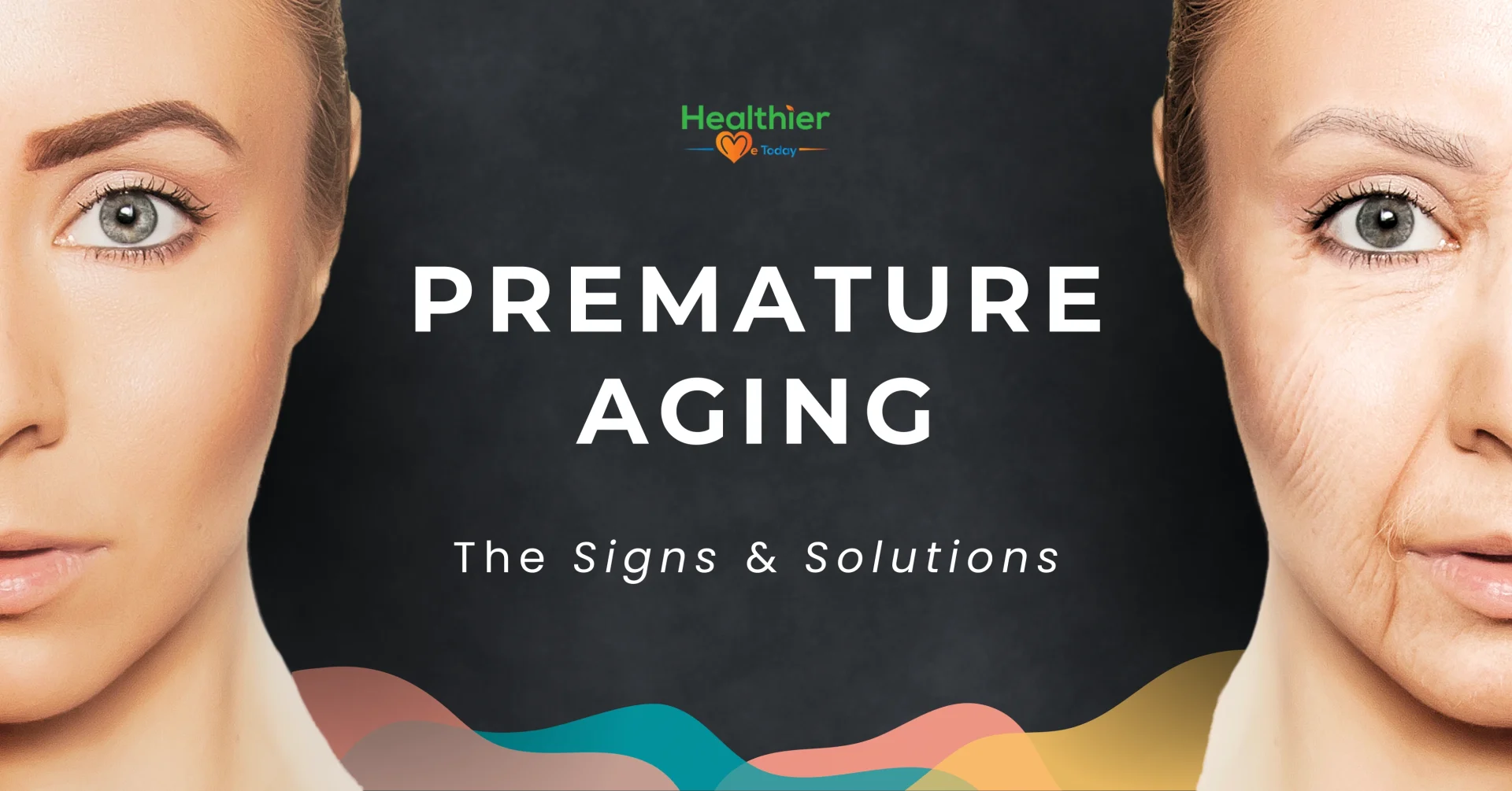
Are vegan Omega 3 sources effective?

Algae-based Omega 3 sources provide EPA and DHA, which are adequate for vegans’ daily needs. Unlike flaxseeds, algae oils deliver 200-300 mg EPA and DHA in Fish oil gummies, meeting needs. About 1 in 10 vegans lack sufficient Omega 3s.

Do Omega 3s help with exercise?

Omega 3 gummies reduce muscle soreness, supporting recovery with 1 g EPA and DHA daily. Athletes cut inflammation by 15% with Omega 3 supplements, aiding Omega 3 benefits for men. About 1 in 4 active adults benefits from less joint pain.