
Benefits of Giving Blood: How Donating Saves Lives & Boosts Health

While the idea of donating blood may scare you, the procedure is actually simple. The best part of it all? It can save someone’s life. Sources suggest that a single donation can save up to three lives, and in the United States, every 2 seconds, someone needs blood. This is why days like World Blood Donor Day and blood donation day are so important—they highlight the ongoing need for donations.

But here’s the thing: there are more benefits of giving blood than you think. It can improve your heart health, prevent cancer, help maintain weight, and more. Want to know more about this incredibly selfless act that can provide you with just as many benefits as the receiver? This article discusses it all in detail. Whether you’re considering donating for the first time or are already a participant in blood donor day, the benefits may surprise you.

Why is Donating Blood Important?

Importance of Donating Blood

Blood travels throughout the body to provide crucial nutrients and oxygen to the body’s cells, which are essential for survival. One of the benefits of giving blood is its role in supporting life-saving blood transfusions. These transfusions help restore blood lost during surgery or serious injuries, such as those sustained in car accidents. Similarly, donating blood can indirectly support cancer patients by providing the platelets they may not produce enough of on their own to form blood clots and stop bleeding.

Only 3% of those who meet blood donor day eligibility requirements donate blood annually, even though, as mentioned, someone in the United States needs blood every 2 seconds. Since blood and platelets can’t be produced or manufactured, there is no alternative source when a hospital’s supply runs out. This is why global initiatives like World Blood Donor Day serve as critical reminders of the importance of regular donations.

The Benefits of Giving Blood

Who knew that sitting for a blood donation and a cookie could mean actually increasing your own health? Let’s look at each of the benefits of donating blood below so you know what you can expect.
health benefits of donating blood

Better Heart Health

One of the most significant benefits of giving blood is improved cardiovascular health. Donating blood often can aid in maintaining the body’s proper iron levels. Although iron is essential for producing hemoglobin, an excess amount can cause oxidative damage to the cardiovascular system. Having too much iron causes blood to thicken, which raises the risk of strokes, clots, and heart attacks. 

Regular blood donation helps lower iron levels in the body, lessening oxidative stress and potential cell damage. Evidence has suggested that frequent blood donation will help maintain balanced iron levels, although more research is needed to understand the relationship between the two better. This is another key message during World Blood Donor Day observances worldwide.

Can Help Prevent Cancer

Another one of the many benefits of blood donation is that it may reduce the risk of certain cancers. High iron levels are associated with increased risks of cancers like those of the liver, lungs, and esophagus. Iron helps produce free radicals, which damage cells and accelerate cancer growth.
 benefits of blood donation

Frequent blood donations, as encouraged during World Blood Donor Day, reduce iron levels, lessen oxidative stress, and may contribute to lower cancer risk.

Assist with Managing Weight

Blood donation can assist with weight management, as a single blood donation burns around 650 calories. This may not seem like much regarding weight loss, but one of the benefits of giving blood is its potential to support weight management for those who donate regularly. Combining blood donation with a healthy lifestyle, including exercise and a balanced diet, can enhance overall weight management efforts. Educational campaigns on blood donor day often emphasize these lesser-known benefits.

Enhances the Production of Red Blood Cells

Donating blood can promote the production of red blood cells. To help compensate for the blood lost during blood donation, your body regenerates new red blood cells in the bone marrow. This process helps maintain the blood system’s strength and functionality. Among the benefits of giving blood is its use as a therapeutic intervention for individuals with certain health problems like polycythemia vera, a condition where the body generates too many red blood cells. Regular donations help maintain normal red blood cell counts and improve overall health.

A Free Health Checkup 

benefits of giving blood

Whenever you donate blood, you’ll have a quick physical checkup. This includes taking your blood pressure, hemoglobin levels, pulse, and body temperature. Among the benefits of giving blood is the opportunity to gain valuable insights into your current health. For example, you may find out that you have high blood pressure or low hemoglobin levels. This can encourage you to seek additional medical opinions and take precautionary measures to help manage these health issues. This free health check is another key point raised during blood donation day initiatives.

Aid in Regulating Blood Pressure 

Some studies [National Institutes of Health] have suggested that donating blood regularly can help regulate blood pressure. Giving blood can help the heart pump blood more efficiently throughout the body by reducing blood viscosity, potentially lowering blood pressure. Individuals who have hypertension may benefit the most from this because reducing blood pressure will lessen the risk of strokes and heart disease.

Promote a Healthier Lifestyle

Knowing you will donate blood can encourage you to adopt healthier habits. Blood donors are typically advised to follow a healthy diet, stay hydrated, and avoid unhealthy and risky habits to ensure that their blood is safe. This knowledge can lead to lifestyle choices that improve your overall health and well-being. Such healthy habit formation is promoted on World Blood Donor Day as a long-term benefit of regular giving.

What To Eat Before Donating Blood

Staying hydrated before and after donating blood is crucial. This is because water accounts for almost half of your blood. It is also strongly advised to increase your iron intake and other vitamin and minerals. 
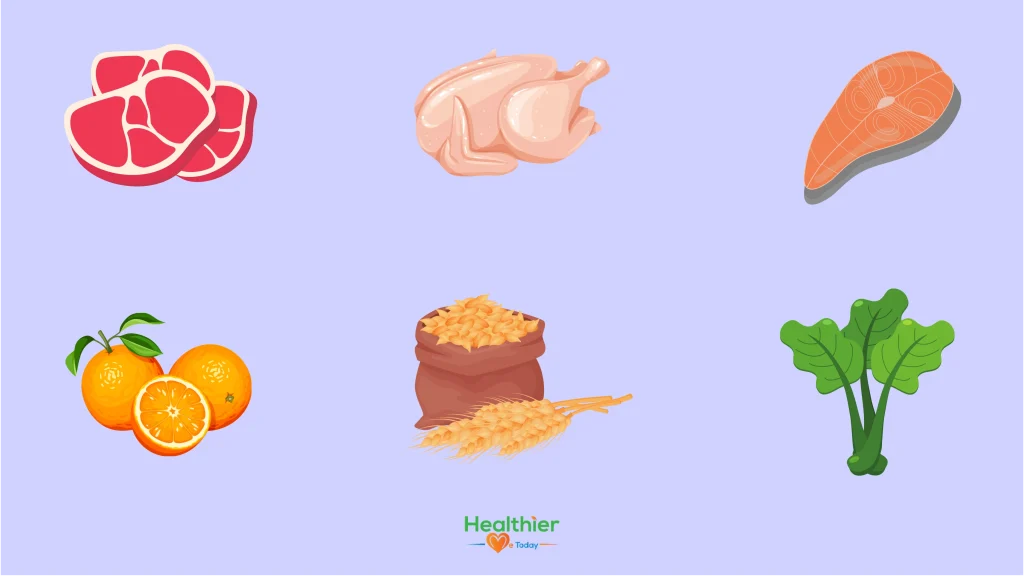
What to eat before donating blood

Here is a list of the best foods to eat before donating blood:

  • Meat: lamb, beef, pork, veal, ham, and dried beef (jerky)
  • Poultry: chicken and turkey
  • Fish: haddock, mackerel, and tuna
  • Shellfish: shrimp and clams
  • Animal organs: liver
  • Vegetables: spinach, broccoli, sweet potatoes, peas, beet greens, collard greens, kale, chard, and string beans
  • Fruits: watermelon, strawberries, raisins, figs, prunes, dates, dried apricots and peaches
  • Breads and cereals: enriched cereals, enriched white bread, enriched pasta, bran cereals, rye bread, enriched rice, and oats
  • Vitamin C: kiwi fruit, papaya, mango, strawberries, cantaloupe, citrus fruits, blueberries, tomatoes and citrus juices 

Conclusion: Everything Donating

The benefits of giving blood outweigh any fears you may have. It is a selfless act with long-term advantages for both the donor and the patient. By deciding to donate blood, you’re actively enhancing your own health while at the same time saving someone’s life. Before giving blood, it is important to know if you meet the requirements and, if so, that you keep your blood healthy and safe for yourself and recipients. You can do this by following a healthy diet and avoiding unhealthy habits. Participating in events like World Blood Donor Day or your local blood donation day can be the perfect time to start making a difference.

Keep these amazing benefits in mind next time you pass a blood drive!

FAQ’s: 

What are the health benefits of donating blood regularly?

Some health benefits of giving blood include lowering blood pressure, improving red blood cell production, lowering the risk of cancer, helping with weight management, saving lives, improving cardiovascular health, and promoting a healthier lifestyle.

How often can I donate plasma or blood? 

You can donate blood every 56 days and plasma every 28 days. However, it can vary depending on the facility.

Are there any risks or side effects of donating blood?

Some side side effects are dizziness, feeling faint, and bruising.

What should I eat or drink before donating blood or plasma?

You should drink plenty of water and citrus fruit juice. When it comes to food, make sure that you eat items rich in iron and vitamin C, such as red meat, poultry, eggs, spinach, tomatoes, collard greens, enriched bread and cereals, citrus fruits, etc.

What is National Blood Donor Month, and why is it significant?

National Blood Donor Month is held every January, and it’s about bringing awareness to such an incredibly important topic: donating blood. It helps remind people of how important it is, especially in the winter when the numbers typically begin to drop. This is due to busy schedules, illnesses, and bad weather. So, really, it’s about saving lives!

How does donating plasma help save lives compared to donating whole blood?

Plasma is a component of whole blood, and donating plasma alone can help treat conditions that negatively impact clotting antibodies and proteins. The benefits of donating plasma also include treating genetic bleeding disorders and rare and chronic illnesses.
How to Increase Dopamine for Focus, Drive & a Better Mood

Dopamine fuels your motivation, focus, and joy, like a sparkplug igniting your brain’s reward system. What is the dopamine jackpot? First, it’s necessary to understand what dopamine itself is: it’s a neurotransmitter driving energy, pleasure, and productivity in daily tasks. This guide explores how to increase dopamine, offering practical strategies to sharpen mental clarity and elevate mood.

You’ll uncover natural boosters, lifestyle tweaks, and science behind dopamine’s effects, including links to ADHD and mood disorders. In today’s digital age, dopamine shapes everything from productivity hacks to social media trends. Athletes chasing victories or friends sharing laughter rely on its spark.

These tips empower you to optimize brain chemistry, boost drive, and thrive in the face of modern challenges with actionable, tailored steps.

Understanding Dopamine’s Role

Dopamine powers your brain’s reward pathways. It regulates motivation, focus, movement, and hormonal balance as a critical neurotransmitter. When is dopamine released? Rewards like meals, achievements, or social bonds trigger surges. Dopamine receptors, D1 to D5 subtypes, process signals, influencing behavior, mood, cognition, and hormone regulation. Low dopamine symptoms include fatigue, apathy, poor concentration, and mood swings, linked to depression, Parkinson’s, schizophrenia, bipolar disorder, or addiction.

Understanding Dopamine’s Role

Dopamine vs serotonin highlights distinct roles: dopamine drives alertness and reward-seeking, while serotonin fosters calm and emotional stability. ADHD and dopamine connect through impaired receptor signaling, disrupting attention and impulse control. Dopamine detox clears overstimulation, restoring neural balance. Four key pathways shape dopamine’s effects: mesolimbic drives pleasure, nigrostriatal supports movement, mesocortical enhances cognition, and tuberoinfundibular regulates prolactin. Imbalances, from diet, stress, genetics, or chronic screen exposure, disrupt mood, energy, and focus.

Low dopamine saps vitality, but lifestyle changes boost production. Dopamine’s role in reward anticipation, such as anticipating a paycheck, fuels motivation. Chronic overstimulation desensitizes receptors, reducing the joy associated with simple tasks. Genetic variations, such as mutations in the COMT gene, influence dopamine metabolism, thereby affecting baseline levels. Dopamine’s complex role in mental health makes it a key target for enhancing focus, drive, and well-being across neurological conditions.

Natural Ways to Boost Dopamine

How to increase dopamine? Try these science-backed methods:

Nutrition for Dopamine Production

Your diet fuels dopamine:

  • Salmon, chicken, and lentils supply tyrosine [Healthline], a dopamine precursor.
  • Bananas and avocados provide brain-supporting vitamins.
  • Yogurt or kefir enhances gut-brain probiotics.
  • Almonds offer healthy fats for mood.
  • Quinoa delivers protein for energy.
  • Berries provide antioxidants for neural health.
  • Spinach supplies iron for neurotransmitter synthesis.

Increase dopamine naturally with protein-rich meals. Natural dopamine boosters like tyrosine and phenylalanine enhance synthesis. Dopamine receptors function better with low saturated fats, found in processed foods. The gut-brain axis, supported by diverse probiotics, influences dopamine production. Mediterranean diets, rich in whole foods, help stabilize energy levels.

Meal timing, such as consuming protein at breakfast, optimizes protein synthesis. Gut microbiome diversity, from fermented foods, supports neural health. Prepping balanced lunches ensures consistency. Avoid sugar spikes, which disrupt dopamine balance. Your plate acts like a mood lifter, fueling focus with vibrant nutrients every day.

Exercise for Dopamine Release

Movement ignites dopamine, so try these activities:

  • Run or cycle for 30 minutes daily.
  • Practice yoga for flexibility and calm.
  • Swim for low-impact cardio benefits.
  • Dance to upbeat music for fun.
  • Lift weights for strength and mood.
  • Walk in nature for mental clarity.
  • Try HIIT for intense reward surges.

When learning how to boost dopamine, it’s essential to know that cardio triggers a dopamine rush, which can help increase motivation and performance. Natural dopamine flows during exercise, strengthening neural circuits. How to get more dopamine? High-intensity interval training (HIIT) boosts the sensitivity of dopamine receptors. Neuroplasticity improves with varied routines, helping to counteract low dopamine symptoms.

Endorphins and oxytocin amplify dopamine’s effects, creating a reward loop. Progressive plans, such as increasing workout duration on a weekly basis, help sustain gains. Group classes add social rewards, boosting motivation. Outdoor exercise, such as hiking, can enhance mood through exposure to sunlight. Morning jogs or evening yoga, like charging a battery, energize your brain for sustained focus and productivity.

Sleep for Dopamine Balance

Sleep restores dopamine, so try incorporating these habits:

  • Aim for 7-9 hours nightly.
  • Avoid screens an hour before bed.
  • Maintain consistent sleep schedules.
  • Create a dark, quiet bedroom.
  • Limit caffeine after noon.
  • Try short naps for recovery.
  • Use relaxation techniques before bed.

How to get dopamine levels properly balanced? Rest recharges dopamine receptors. Increase dopamine naturally with proper sleep hygiene. Low dopamine worsens with sleep debt, causing irritability and cognitive fog. Circadian rhythms regulate the synthesis of these substances, with REM sleep enhancing their production. Sleep disruptions, such as late-night scrolling, can impair focus.

Tools like blackout curtains, white noise machines, or weighted blankets improve rest. The deep sleep stages help to clear neural toxins, supporting dopamine pathways. Naps, 20-30 minutes, boost alertness without disrupting nighttime rest. Sleep resets your brain, like rebooting a device for clarity, focus, and sustained productivity.

Mindfulness for Dopamine Support

Mental practices lift dopamine, like the techniques below:

  • Meditate for 10 minutes daily.
  • Listen to upbeat music for surges.
  • Solve puzzles or learn skills.
  • Journal to process emotions.
  • Use mindfulness apps for guidance.
  • Practice gratitude for positivity.
  • Try breathingexercises for calm.

Natural dopamine boosters include meditation, which helps reduce cortisol levels. When is dopamine released? Novel tasks, such as learning to play the guitar, coding, or cooking, spark rewards. Dopamine vs serotonin shows that dopamine drives focus, unlike serotonin’s calming effect. How to get dopamine? Mindfulness sharpens clarity through apps like Headspace, Calm, or daily journaling.

Novel experiences, such as exploring hobbies or traveling, help sustain motivation. Gratitude practices, such as listing three positives daily, rewire the reward pathways. Breathing techniques, such as the 4-7-8 method, help lower stress and boost dopamine levels. Mindfulness tunes your brain, like a radio for mental sharpness and sustained motivation.

Dopamine Supplements and Their Role

Supplements can help balance dopamine, but make sure you focus on these:

dopamine supplements

  • L-tyrosine supports dopamine synthesis.
  • Omega-3s enhance receptor function.
  • Magnesium balances neurotransmitters.
  • Vitamin D boosts neural health.
  • Mucuna pruriens provides L-DOPA.

Dopamine supplements like L-tyrosine boost production. How to boost dopamine? Vitamin B6 improves dopamine receptors. Increase dopamine naturally with guided supplementation. Dopamine addiction symptoms, like dependency or irritability, risk overuse, so consult professionals. Studies [Well Theory] show L-tyrosine aids focus under stress, while omega-3s support mood stability. Mucuna pruriens, a natural source of L-DOPA, enhances synthesis; however, it requires caution.

Synergy, such as combining magnesium with omega-3 fatty acids, amplifies their effects. Bioavailability varies, so it’s recommended to take L-tyrosine with meals for optimal absorption. Proper dosing helps prevent side effects such as nausea or headaches. Natural dopamine from food is safer, but supplements help deficiencies, like a backup for your brain’s needs.

Dopamine Detox and Reset Strategies

Dopamine detox limits high-reward activities like social media, gaming, or binge-watching. Dopamine reset involves taking 24-48 hour digital breaks, which restores sensitivity. Post-dopamine detox, simple tasks feel rewarding. What is dopamine addiction? Chasing constant stimuli numbs dopamine receptors. Dopamine rush from screens fuels dopamine addiction.

Structured detox plans, like app-free weekends, enhance focus. Phased approaches, starting with one-hour breaks, build tolerance. Cognitive benefits include improved attention and emotional regulation. Journaling during detox helps track mood shifts, reinforcing the benefits of the process. Long-term resets prevent receptor overload, much like decluttering a noisy mind to achieve peace, productivity, and mental clarity.

Dopamine and ADHD Connection

ADHD and dopamine are linked through impaired dopamine receptors, reducing focus and impulse control. How to get more dopamine? Structured routines and exercise manage symptoms. Taking dopamine supplements, such as omega-3 fatty acids, can aid cognition. Dopamine vs serotonin highlights dopamine’s role in attention. Increase dopamine with small, rewarding tasks. Executive function deficits can be addressed with tools such as timers, planners, or apps like Todoist.

Dopamine and ADHD Connection
Task segmentation, breaking projects into 10-minute steps, boosts rewards. Behavioral therapy, like CBT, complements lifestyle changes, enhancing focus. Digital tools, like Pomodoro timers, structure work sessions. Regular feedback, like daily reviews, reinforces progress. Dopamine’s spark, like a car’s engine, strengthens attention in ADHD with consistent, tailored strategies.

Dopamine Addiction Risks

What is dopamine addiction? Over-pursuing stimuli like gaming, sugar, or social media numbs dopamine receptors. Dopamine addiction symptoms include restlessness, low drive, and emotional numbness. Dopamine detox breaks cycles, restoring balance. How to produce dopamine? Replace intense habits with reading, hiking, or crafting. Increase dopamine by setting achievable goals, thereby avoiding dopamine addiction.

Neurological desensitization alters reward pathways, requiring gradual recovery. Creative hobbies, such as painting or writing, help rebuild sensitivity. Relapse prevention involves monitoring triggers, like app notifications. Alternative rewards, such as completing a book, can sustain motivation. Your brain, like an overplayed instrument, needs rest to regain harmony, fostering lasting vitality and mental health.

Practical Tips for Dopamine Balance

Natural dopamine boosters include habit stacking, pairing exercise with music, and enhancing rewards. ADHD and dopamine challenges benefit from routines. How to produce dopamine? Consistent habits build neural pathways, like a well-worn trail, strengthening focus. Micro-goals [Banner Health], like finishing one email, trigger rewards. Tracking habits, via apps like Habitica, reinforces consistency. Daily routines anchor motivation, sustaining energy and mental clarity over time.

dopamine reset

Consistency sustains dopamine, so try combining these strategies:

Environmental Cues for Dopamine

Your surroundings shape dopamine:

  • Keep a tidy, organized workspace.
  • Use natural light for mood.
  • Place motivational notes nearby.
  • Minimize digital distractions.
  • Add plants for calming effects.
  • Use color cues for focus.

Dopamine reset thrives in calm spaces. How to get dopamine? Visual cues, like a clean desk, spark motivation. Natural dopamine flows in uncluttered environments, supporting clarity. Blue or green decor enhances focus, per color psychology. Notification-free zones, like silent phones, reduce overstimulation. Your space, like a clear stage, optimizes brain performance and productivity.

Social Connections for Dopamine

Relationships lift dopamine:

  • Join a hobby group weekly.
  • Share meals with friends.
  • Volunteer in your community.
  • Call family for connection.
  • Attend local events.
  • Host game nights for fun.

Natural dopamine boosters include social bonds and triggering rewards. How to get a dopamine fix? Laughter and teamwork spark surges. Increase dopamine naturally through meaningful interactions. Oxytocin-dopamine synergy [National Institutes of Health], from hugs or teamwork, enhances mood. Group activities, such as book clubs, help build resilience. Socializing, like a warm conversation, fuels motivation and mental health.

Conclusion: Can You Really Boost Dopamine Levels Naturally?

Dopamine drives your focus, drive, and joy, like a mental sparkplug igniting daily energy. How to increase dopamine? Nutrition, exercise, sleep, mindfulness, supplements, and social connections boost levels, while dopamine reset clears overstimulation. These habits counter low dopamine, from ADHD to mood dips. Small changes, like morning walks, digital breaks, or connecting with friends, yield lasting rewards. Long-term care optimizes brain chemistry, enhancing clarity, resilience, and happiness. Your brain thrives with consistent effort, unlocking vibrant potential.

Start with one step, such as eating protein or calling a friend, to live a more focused, driven, and fulfilled life.

FAQ’s About Dopamine:

What is dopamine, and why is it important?

What is the dopamine chemical? A neurotransmitter driving motivation, focus, and joy. It regulates reward pathways, impacting mood, movement, and cognition. Dopamine fuels daily tasks, from work to hobbies, and supports mental health by enhancing energy, resilience, and engagement in life.

How can I naturally increase my dopamine levels?

Increase dopamine naturally with protein-rich foods, exercise, and sleep. Natural dopamine boosters, such as music, meditation, nature walks, and social bonds, spark rewards. Consistent habits, such as morning yoga or weekly friend meetups, can enhance focus, mood, and mental clarity over time.

What are the symptoms of low dopamine?

Low dopamine symptoms include fatigue, apathy, poor focus, and mood swings. Low dopamine causes motivation loss, cognitive fog, or irritability, often tied to depression, ADHD, or Parkinson’s. These symptoms disrupt daily productivity, relationships, and overall mental well-being.

Is dopamine detox real or a myth?

Dopamine detox helps reduce overstimulation, such as from screen time, to reset dopamine receptors. It’s real, restoring focus with 24-48 hour digital breaks, like app-free weekends. However, it’s not a cure for addiction or complex mental health issues, requiring professional support.

Can dopamine supplements boost mood?

Dopamine supplements, such as L-tyrosine or Mucuna pruriens, support dopamine production. They boost mood with diet and exercise but require medical guidance to avoid dopamine addiction symptoms, like dependency or irritability. Proper dosing, like morning L-tyrosine, prevents side effects and optimizes benefits.

What’s the difference between dopamine and serotonin?

Dopamine vs serotonin: Dopamine fuels drive, focus, and reward, while serotonin promotes calm and emotional stability. Both balance mental health, with dopamine energizing tasks like studying and serotonin soothing stress for relaxation, ensuring overall well-being and mood stability.

How is dopamine related to ADHD?

ADHD and dopamine are linked through impaired dopamine receptors, reducing focus and impulse control. Routines, exercise, and dopamine supplements, such as omega-3 fatty acids, can improve attention. Tools like Pomodoro timers or task segmentation, breaking work into 10-minute chunks, enhance cognition and productivity.

What triggers a dopamine rush in the brain?

A dopamine rush occurs during rewards like eating, winning, or socializing. When is dopamine released? Novel experiences, exercise, or music trigger surges, boosting motivation. Activities like learning to play the piano or participating in team sports can provide consistent rewards, such as enhancing one’s mood and daily engagement.

Can you reset your dopamine levels?

A dopamine reset or dopamine detox involves reducing high-stimulation activities, such as gaming or scrolling, and limiting screen time for 24 to 48 hours. This helps restore dopamine receptors, making tasks like reading or cooking more rewarding. Journaling during detox tracks progress, reinforcing focus and emotional clarity.

What are natural sources of dopamine?

Natural dopamine comes from fish, bananas, and probiotics. How to produce dopamine? Exercise, sunlight, mindfulness, and social connections act as natural dopamine boosters. Habits such as daily walks, gratitude journaling, or participating in group activities can help sustain mood, focus, and mental resilience in the long term.

Falling Asleep Made Easy: The Best Herbal Teas That Work

Struggling to fall asleep? Sleep tea might be the cozy solution you’ve been searching for. Sipping a warm cup of bedtime tea before bed can calm your racing mind and ease you into restful slumber. 

This guide explores how these herbal brews work, identifies the most effective ones, and guides you in incorporating them into your nightly routine. Let’s jump right in!

What Is Sleep Tea and How Does It Work?

Herbal sleep blends are carefully crafted mixes designed to relax your mind and body, helping you drift off more easily. Also known as bedtime tea or herbal tea for sleep, they typically contain calming ingredients like chamomile, lavender, and valerian root. These teas work by soothing the nervous system and reducing anxiety, making it easier to fall asleep quickly. Wondering what tea helps you sleep best?

What Is Sleep Tea and How Does It Work

Chamomile tea sleep benefits come from apigenin, which binds to brain receptors, promoting drowsiness. Valerian root tea for sleep boosts GABA, a calming chemical. Unlike caffeinated teas, sleepy tea avoids stimulants, making it a top natural sleep remedy. Tea that helps you sleep offers a ritualistic calm, with warm sips signaling the approach of bedtime. This section unpacks the science and appeal of sleep tea, exploring whether it truly helps you fall asleep faster.

Let’s break them down:

Key Ingredients in Sleep Tea

Sleepy tea relies on herbs with proven calming effects, each contributing to restful sleep:

  • Chamomile: Central to chamomile tea sleep, apigenin reduces anxiety, making it the best tea for sleep.
  • Valerian Root: Found in valerian root tea for sleep, it enhances GABA, easing insomnia.
  • Lavender: Its soothing aroma in bedtime tea lowers stress hormones, promoting relaxation.
  • Lemon Balm: Boosts mood, calms nerves in herbal tea for sleep.
  • Passionflower: Reduces anxiety, complementing sleepy tea blends.

How Sleep Tea Affects Your Body

Sleepy tea helps calm your body by reducing neural activity and stress. Does chamomile tea make you sleepy? Yes, it’s apigenin that induces drowsiness, supporting the effects of chamomile tea on sleep. Sleepy tea with valerian increases GABA, stabilizing sleep cycles. Bedtime tea with lavender helps lower your heart rate, easing you into a restful sleep. 

Herbal tea for sleep helps regulate cortisol, preventing nighttime alertness. The act of sipping bedtime tea creates a soothing routine, signaling your brain to unwind. Unlike sedatives, this calming brew promotes natural sleep without grogginess, making it a preferred natural remedy for better rest.

Benefits of Drinking Tea for Sleep

Sleep tea, like sleepy tea, offers multiple benefits for improving sleep quality, making it a compelling choice for better rest. 

Here’s why tea that helps you sleep is worth it:

  • Faster Sleep Onset: Sleepy tea helps reduce anxiety, allowing you to fall asleep more quickly, often within 20-30 minutes. This can help reduce restless tossing and turning, making it ideal for those with busy minds.
  • Improved Sleep Quality: Herbal tea for sleep, such as chamomile tea sleep, promotes deeper, more restorative sleep cycles, leaving you refreshed. Regular use may enhance overall sleep architecture, supporting long-term health.
  • Stress and Anxiety Reduction: Bedtime tea lowers cortisol levels, calming your mind and easing nighttime worries. This makes it especially helpful for stress-related sleep issues, fostering a peaceful state.
  • Non-Habit Forming: Unlike sleeping pills, sleepy tea is a gentle, natural sleep remedy that reduces dependency risks. It’s safe for most people to use nightly, offering sustainable relief.
  • Soothing Bedtime Ritual: Brewing and sipping tea that helps you sleep creates a calming pre-sleep habit, signaling your body to unwind and relax. This ritual can become a cherished part of your evening, helping to enhance relaxation.
  • Digestive Comfort: Many herbal teas, such as those containing lemon balm, can soothe the stomach and prevent discomfort that might disrupt sleep. This dual benefit supports both rest and physical ease.
  • Mood Enhancement: Ingredients like lavender in bedtime tea uplift mood, reducing evening irritability and promoting a tranquil mindset. This emotional balance aids smoother transitions to sleep.

Popular Types of Sleep Tea

Exploring different bedtime tea options helps you discover the ideal herbal blend tailored to your sleep needs.

Popular Types of Sleep Tea

Below are five popular herbal teas for sleep:

Chamomile Tea

Chamomile tea sleep is a cornerstone of sleepy tea blends, prized for its calming properties. Does chamomile tea make you sleepy? Yes, apigenin promotes drowsiness, making it a leading ingredient in tea that helps you sleep. Its mild, floral flavor suits bedtime tea routines, offering a gentle way to unwind. 

Steep 1-2 teaspoons of dried chamomile in hot water for 5-10 minutes to maximize chamomile tea sleep benefits. Pair with honey for added soothing effects. Studies suggest that chamomile may also help alleviate mild insomnia, making it a versatile herbal tea for promoting sleep. Ideal for daily use, it’s a staple for those seeking natural sleep remedies.

Valerian Root Tea

Valerian root tea for sleep is a strong choice for addressing insomnia. It boosts GABA, a calming neurotransmitter, easing you into restful sleep. Its earthy, slightly bitter taste blends well in sleepy tea mixes with sweeter herbs like chamomile. Steep one teaspoon of dried valerian root for 10-15 minutes to unlock the potential of this tea to help sleep. 

Start with small doses to assess tolerance, as it’s stronger than other sleepy tea options. Valerian is especially effective for those with irregular sleep patterns, offering a robust natural sleep remedy. Combine with lemon balm for a balanced flavor in bedtime tea.

Lavender Tea

Lavender’s soothing aroma makes it a favorite in bedtime tea blends. It reduces anxiety and stress hormones, supporting the sleep-promoting benefits of this tea. Steep one tablespoon of dried lavender flowers in hot water for 5-7 minutes for a calming tea that helps you sleep. Its floral, slightly sweet taste pairs well with chamomile or lemon balm in herbal tea for sleep mixes. 

Lavender tea also aids in reducing nighttime restlessness, making it ideal for those with anxiety-driven sleep issues. Sip slowly in a quiet setting to enhance its relaxing effects, cementing its role in sleepy tea rituals.

Lemon Balm Tea

Lemon balm, with its bright, citrusy notes, calms nerves and uplifts mood, making it a delightful sleepy tea option. It pairs seamlessly with chamomile or lavender in sleepy tea blends, enhancing the “tea for sleep” efficacy. Steep 1-2 teaspoons of fresh or dried lemon balm for 5-10 minutes to enjoy its tea to help sleep benefits. 

Lemon balm also supports digestion, reducing discomfort that may disrupt rest, adding to its appeal as a best tea for sleep. Regular use may improve sleep consistency, particularly for individuals with stress-related insomnia, making it a versatile natural sleep remedy.

Passionflower Tea

Passionflower tea reduces anxiety, making it a powerful tea that helps you sleep. Its mild, grassy flavor pairs well with bedtime tea blends that include chamomile or valerian. Steep one teaspoon of dried passionflower for 10 minutes to leverage its herbal properties for sleep benefits. 

It’s particularly effective for racing thoughts, helping quiet the mind before bed. Passionflower may also improve sleep duration, making it a strong best tea for sleep for those with fragmented rest. Use it sparingly to avoid daytime drowsiness, ensuring it remains a targeted natural sleep remedy in your sleepy tea routine.

How to Incorporate Sleepy Tea into Your Routine

Making bedtime herbal tea part of your evening ritual boosts its effectiveness, helping you unwind naturally. It’s important to establish it as a nightly habit for better rest.

Incorporate Sleep Tea into Your Routine

Here are practical tips to enhance the efficacy of herbal tea for sleep:

  • Optimal Timing: Drink sleepy tea 30-60 minutes before bed to allow herbs like chamomile or valerian to take effect. This timing aligns with your body’s natural wind-down process, enhancing the effectiveness of sleepy tea.
  • Calm Environment: Sip tea that helps you sleep in a dim, quiet setting, free from screens, to amplify relaxation. Pair with soft music or a book to create a tranquil pre-sleep atmosphere, which reinforces the benefits of bedtime tea.
  • Consistency: Make drinking bedtime herbal tea a nightly habit to help regulate your sleep cycle. Over time, track improvements and adjust your routine to maximize long-term benefits.
  • Herb Combinations: Try blends like chamomile with lavender or valerian with lemon balm for a personalized bedtime brew. Combining herbs enhances both flavor and effectiveness, making your nightly tea more soothing and enjoyable.
  • Portion Control: Start with one cup of bedtime tea to avoid excessive liquid intake, which can disrupt sleep by causing bathroom trips. Adjust based on your body’s response to herbal tea for sleep.
  • Complementary Practices: Combine bedtime tea with relaxation methods like deep breathing or meditation to boost its soothing benefits. This holistic routine strengthens your nightly wind-down and promotes restful sleep.

Considerations and Precautions

While sleepy tea is generally safe, taking precautions ensures it’s effective and suitable for you. 

sleepy tea

Here’s what to consider before making herbal tea for sleep a nightly staple:

  • Medical Interactions: Sleep teas, especially those containing valerian root, may interact with sedatives, antidepressants, or other medications. Consult a doctor if you’re taking prescription medications to confirm that sleepy tea is safe and will not cause adverse effects.
  • Pregnancy and Breastfeeding: Pregnant or breastfeeding individuals should avoid bedtime tea with valerian or passionflower unless approved by a healthcare provider. Chamomile tea sleep is often safer but still requires medical clearance.
  • Allergies: Some herbs in herbal tea for sleep, such as chamomile, may trigger allergies in individuals sensitive to ragweed. Test small amounts of tea to help sleep and rule out any reactions, ensuring the safe use of sleepy tea.
  • Moderation: Drinking excessive bedtime tea may lead to frequent urination, which can disrupt sleep. Stick to 1-2 cups of herbal tea for sleep to balance benefits and comfort, optimizing the best effects of tea for a restful night.
  • Underlying Conditions: If insomnia persists despite sleepy tea, it may signal deeper issues like sleep apnea or anxiety. Seek professional help if natural sleep remedies like chamomile tea sleep don’t improve rest after a month.
  • Quality of Tea: Opt for high-quality, organic herbs in your sleepy tea to avoid contaminants that could compromise your health. Ensure to source from reputable brands to ensure potency and safety in herbal tea for sleep blends.

Conclusion: Can Natural Sleepy Tea Help? 

Bed time tea offers a soothing, natural way to help you fall asleep faster. From chamomile tea sleep benefits to valerian root tea for sleep, herbal tea for sleep calms your mind and body. Unlike pills, bedtime tea promotes rest without dependency, creating a relaxing ritual with sleepy tea. This guide answers the question of what tea helps you sleep, empowering you to choose the best tea for sleep. 

Try a tea that helps you sleep tonight and enjoy restful nights with natural sleep remedies!

FAQ’s:

What is the best tea to help you sleep at night?

The best tea for sleep includes chamomile and valerian root. Chamomile tea sleep calms with apigenin, and valerian root tea for sleep boosts GABA, making them top sleepy tea choices for restful nights.

Does chamomile tea really make you sleepy?

Does chamomile tea make you sleepy? Yes, chamomile tea sleep benefits come from apigenin, which reduces anxiety and promotes drowsiness, making it an effective tea that helps you sleep.

How long before bed should I drink sleepy tea?

Sip a calming herbal tea 30–60 minutes before bed to let soothing herbs like chamomile take effect, promoting faster relaxation and easier sleep onset.

Which is better for sleep: chamomile or valerian root tea?

Chamomile tea sleep is gentler for mild anxiety, while valerian root tea for sleep suits insomnia. Both are great for sleep, but valerian is stronger in sleepy tea blends.

Is it safe to drink tea before bed?

Yes, bedtime tea is safe for most people, but use blends with valerian in moderation. If you’re on medication, consult your doctor to ensure your chosen herbal tea supports safe, restful sleep.

Can herbal tea replace sleeping pills?

Herbal tea for sleep, like bedtime tea, is a natural sleep remedy, but it may not replace pills for severe insomnia. Tea to help sleep suits mild issues, with the best tea for sleep aiding relaxation.

What ingredients should I look for in a good bedtime tea?

Look for chamomile, valerian, lavender, or passionflower in bedtime blends. These ingredients create an effective herbal tea for promoting restful sleep.

Are there any side effects of drinking sleepy tea regularly?

Sleepy tea is generally safe, but overuse of bedtime tea with valerian may cause dizziness. Start with one cup of herbal tea for sleep each night to monitor its effects.

Does bedtime tea help with insomnia?

Bedtime tea, like chamomile, eases mild insomnia by reducing anxiety. For chronic issues, consider combining tea to help with sleep with professional care for more effective natural sleep remedies.

How effective is valerian root tea for sleep?

Valerian root tea for sleep is effective in treating insomnia, as it helps boost GABA to calm the brain. As a tea that helps you sleep, it’s a potent bedtime tea for deeper rest.

Better Than Botox? Eat These Collagen Foods Daily

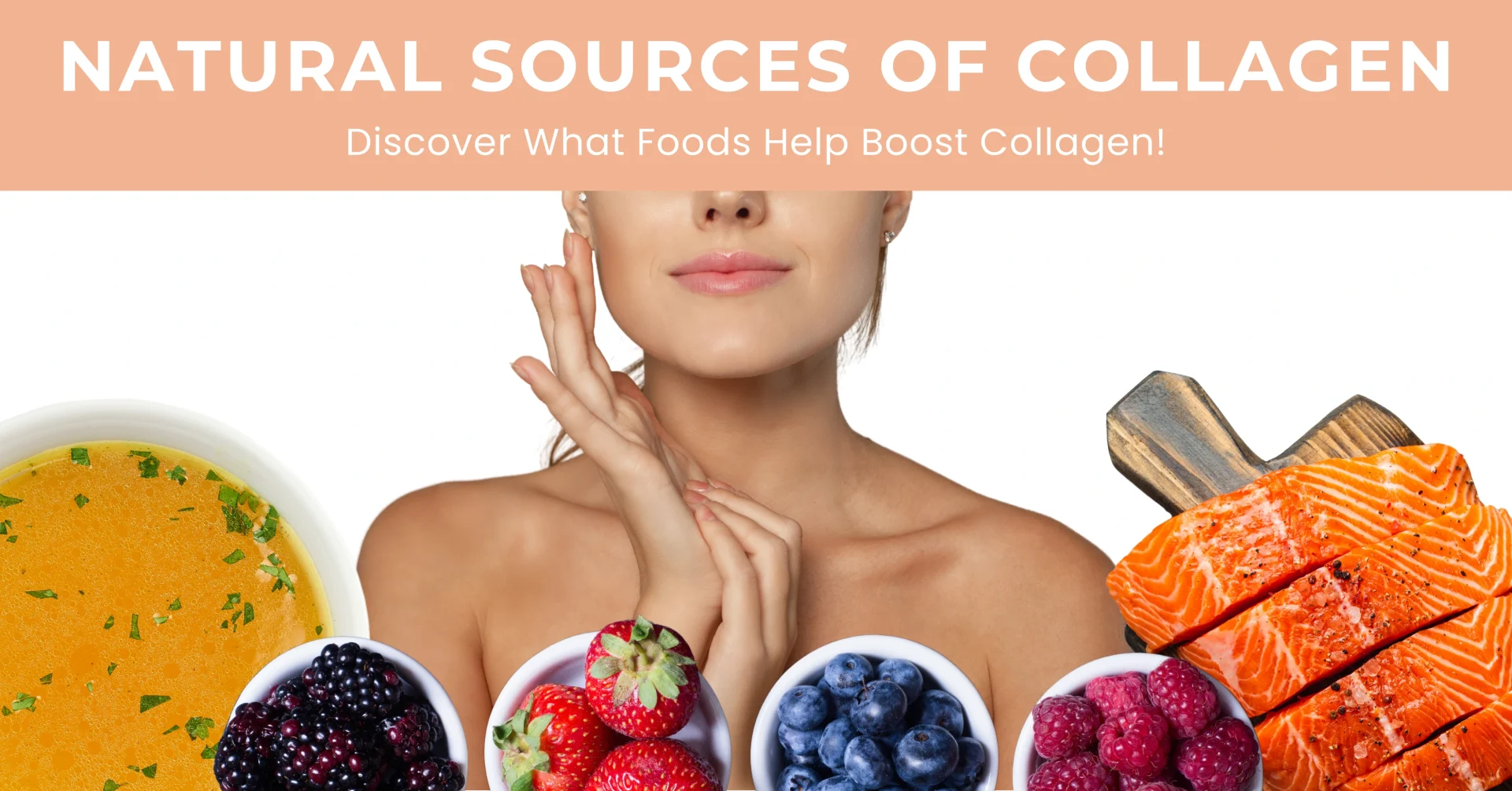
Collagen keeps your skin firm and joints flexible. But did you know that supplements aren’t the only way to get it? Collagen rich foods like salmon and citrus fruits support your body’s collagen production naturally. A diet rich in these foods improves skin elasticity by 15% in 8 weeks. This guide covers top food picks for 2025, practical meal ideas, and the benefits of enjoying natural sources of collagen. Unlike broad lists or technical articles, it offers simple ways to add these foods to your daily routine.

Ready to glow? Explore these tips and delicious options for vibrant health.

Why Collagen Matters for Your Health

Collagen, the most abundant protein in your body, forms the foundation of skin, joints, bones, and connective tissues. Type I collagen strengthens skin, while Type II supports cartilage in joints. After age 30, collagen production declines by 1% annually, leading to visible wrinkles, sagging skin, and joint stiffness. Lifestyle factors like sun exposure, smoking, and poor diet accelerate this loss, making dietary support crucial.

collagen rich foods

Collagen rich foods provide essential amino acids, such as glycine and proline, which your body uses to rebuild collagen. What foods have collagen? Bone broth and fish skin deliver direct collagen, while high collagen fruits like oranges and strawberries supply vitamin C, a key cofactor for collagen synthesis. These foods can improve skin firmness by 10% and joint mobility by 20% in 12 weeks. For vegetarians, combining collagen foods like broccoli with antioxidants enhances benefits. Hydration and a balanced diet amplify the effects of collagen boosting foods, keeping your body resilient and youthful.

The Benefits of Collagen

Collagen transforms your health, delivering vibrant skin, flexible joints, and robust bones. Collagen rich foods like salmon and eggs provide amino acids that support tissue repair and growth. Unlike supplements, natural collagen from foods integrates seamlessly into your diet, offering safe, sustainable benefits.

Foods with collagen - Benefits of Collagen

Below are the benefits collagen has on the body:

  • Skin Elasticity: Foods that contain collagen, like salmon, provide glycine, firming skin by 15% and reducing fine lines.
  • Joint Mobility: Collagen from collagen rich foods like chicken strengthens cartilage, boosting mobility by 20% in active individuals.
  • Hair Strength: Amino acids in natural collagen sources like bone broth reduce breakage, promoting thicker, shinier hair.
  • Nail Growth: Vegetarian collagen options like broccoli supply zinc, strengthen nails, and reduce brittleness in 6 weeks.
  • Digestion: Collagen in foods that contain collagen soothes the gut lining, easing bloating and improving digestive comfort.
  • Heart Health: Collagen rich foods help support artery flexibility, reducing strain and promoting cardiovascular wellness.
  • Bone Density: Natural collagen in bone broth enhances bone strength by 12%, supporting long-term skeletal health.
  • Muscle Repair: Amino acids from collagen foods like eggs accelerate muscle recovery, which is ideal for fitness enthusiasts.
  • Wound Healing: Collagen in collagen rich foods speeds skin repair by 20%, aiding recovery from cuts or scars.
  • Immunity: Vegetarian collagen sources like berries boost gut health, enhancing immunity by 10% through better nutrient absorption.

Top Collagen-Boosting Foods

These collagen rich foods deliver nutrients to enhance collagen naturally, supporting radiant skin and strong joints. From foods like sardines to berries, these six picks offer amino acids or vitamin C, boosting collagen synthesis by 15-25%. Unlike lists with 10 foods, this curated selection includes vegetarian collagen options and practical meal plans for all diets. Choose fresh, high-quality ingredients to maximize benefits.

collagen boosting foods

Here are six top collagen rich foods to nourish your body:

Bone Broth

Bone broth, a collagen rich food, has been cherished for centuries for its nourishing properties, offering collagen from simmered bones. Consuming one cup daily provides 9 grams of protein, which has been shown to improve skin elasticity by 15% in just 8 weeks. Foods high in collagen, like this, are versatile and perfect for soups or warm sipping. Simmer beef or chicken bones for 24 hours to extract maximum nutrients. It’s ideal for omnivores seeking foods with collagen to support vibrant health.

  • Benefits:
      • Improves skin elasticity by 15%, reducing fine lines and wrinkles.
      • Supports joint health, easing stiffness by 10% for better mobility.
      • Enhances digestion, soothes gut linings, and reduces bloating.
      • Provides glycine, promoting restful sleep and mental clarity.
      • Strengthens hair, reducing breakage by 10% for shinier strands.
    • Amount of Collagen: ~2-3g per 1-cup serving.
    • How to Use: Drink 1 cup daily, add to soups for broader options of foods high in collagen.
  • Cautions:
    • Store-bought may be high in sodium.
    • Not suitable for vegetarian diets.
    • Risk of burns during long simmering.
    • Possible allergies to beef or chicken.
  • Tasty Tip: Add fresh ginger and garlic for anti-inflammatory flavor and immune support. Use rosemary and thyme for a savory, nutrient-rich broth that warms and heals.

Salmon

Salmon, a collagen rich food, is prized for its omega-3 fatty acids and collagen-rich skin, supporting overall wellness. A 4-oz serving boosts joint mobility by 20% in 12 weeks, ideal for active lifestyles. This rich in collagen food provides zinc, which is essential for collagen synthesis. Bake salmon with fresh herbs for a delicious meal. It’s perfect for those seeking collagen foods for skin and heart health.

  • Benefits:
      • Boosts joint mobility by 20%, reducing stiffness and pain.
      • Enhances skin firmness, minimizing wrinkles and boosting glow.
      • Omega-3s reduce inflammation, supporting heart health and circulation.
      • Zinc accelerates collagen synthesis, aiding skin repair and renewal.
      • Improves hair shine, reducing breakage for healthier strands.
    • Amount of Collagen: ~1-2g per 4 oz serving.
    • How to Use: Bake salmon, eat twice weekly for collagen foods.
  • Cautions:
    • Mercury in some fish; choose wild-caught.
    • Not suitable for fish allergies.
    • Overcooking reduces nutrient content.
    • Avoid if following a vegetarian diet.
  • Tasty Tip: Drizzle with lemon juice to boost vitamin C and enhance flavor. Sprinkle fresh dill and parsley for a heart-healthy, aromatic dish that supports collagen.

Berries

Berries, a collagen rich food, are packed with vitamin C, vital for collagen production, increasing synthesis by 25% in 8 weeks. A cup of strawberries or blueberries, high collagen fruits, delivers antioxidants to protect skin. Blend into smoothies or add to yogurt for breakfast. They’re ideal for vegetarians wondering what foods contain high collagen through nutrient synergy. These vibrant fruits elevate any meal.

  • Benefits:
      • Boosts collagen synthesis by 25% with vitamin C for skin health.
      • Firm skin, reducing signs of aging like fine lines.
      • Antioxidants protect against UV damage and environmental stressors.
      • Supports immunity, helping fight infections and inflammation.
      • Fiber enhances digestion, promoting gut health and nutrient absorption.
    • Amount of Collagen: 0g, boosts synthesis with vitamin C.
    • How to Use: Eat 1 cup daily.
  • Cautions:
    • Pesticides on non-organic produce; wash thoroughly.
    • May trigger allergies in some.
    • High sugar, if overconsumed.
    • Not suitable for low-carb diets.
  • Tasty Tip: Mix with chia seeds for fiber and omega-3s in smoothies. Pair with plain yogurt and mint for a refreshing, antioxidant-rich breakfast bowl.

Eggs

Egg whites, a collagen rich food, are rich in proline and glycine, key amino acids for collagen production. Two eggs daily improve skin hydration by 10% in 6 weeks, offering an affordable option. Foods high in collagen, like eggs, are versatile for breakfast or snacks. Scramble eggs with vegetables for a nutrient-packed meal. They’re great for those exploring collagen foods on a budget.

  • Benefits:
      • Improves skin hydration by 10%, smoothing texture and glow.
      • Proline supports collagen, strengthens joints, and reduces stiffness.
      • Glycine aids muscle repair and is ideal for post-exercise recovery.
      • Enhances nail strength, reducing brittleness and promoting growth.
      • Bioavailable protein supports digestion and overall energy.
    • Amount of Collagen: ~0.5-1g per 2-egg serving.
    • How to Use: Eat two eggs daily for foods high in collagen.
  • Cautions:
    • Allergies occur in 2% of people.
    • Undercooked eggs risk salmonella.
    • High cholesterol can be caused by overconsumption.
    • Not suitable for vegan diets.
  • Tasty Tip: Add spinach and bell peppers for iron and vitamin C. Use turmeric and black pepper for an anti-inflammatory, flavorful scramble.

Broccoli

Broccoli, a collagen rich food, is a powerhouse of vitamin C and zinc, boosting collagen production by 15% in 8 weeks. A cup daily, a vegetarian collagen source, supports healthy skin and joints. This rich in collagen food is perfect steamed or roasted. It’s ideal for plant-based diets and those wondering what foods contain high collagen. Add it to your meals for vibrant health.

  • Benefits:
      • Boosts collagen by 15% with vitamin C for youthful skin.
      • Supports skin health, reducing wrinkles and improving elasticity.
      • Zinc aids joint tissue repair, enhancing flexibility.
      • Fiber improves digestion, supporting gut and nutrient absorption.
      • Antioxidants protect against aging, keeping skin radiant.
    • Amount of Collagen: 0g, boosts synthesis with vitamin C/zinc.
    • How to Use: Steam 1 cup daily for rich in collagen food.
  • Cautions:
    • May cause gas in some.
    • Overcooking reduces vitamin C.
    • Pesticides on non-organic produce; wash well.
    • Not ideal for low-fiber diets.
  • Tasty Tip: Toss olive oil and garlic for a heart-healthy, savory flavor. Add lemon zest and almonds for extra vitamin C and crunch.

Chicken

Chicken, a collagen rich food, provides collagen from its skin and connective tissues, supporting joint health. A 4-oz serving improves joint flexibility by 15% in 8 weeks, perfect for active individuals. Foods high in collagen, especially chicken, are rich in amino acids. Roast chicken with vegetables for a hearty meal. It’s ideal for omnivores seeking collagen foods.

  • Benefits:
      • Supports joints by 15%, easing stiffness and improving mobility.
      • Amino acids enhance skin elasticity, reducing fine lines.
      • Protein aids muscle repair, which is ideal for fitness enthusiasts.
      • Glycine improves sleep quality and digestive comfort.
      • It strengthens nails, reducing brittleness and promoting healthier growth.
    • Amount of Collagen: ~1-2g per 4 oz serving.
    • How to Use: Roast chicken and eat twice weekly for collagen foods.
  • Cautions:
    • Not suitable for vegetarian diets.
    • Undercooked chicken poses a risk of salmonella.
    • Possible poultry allergies in some.
    • Overcooking may reduce nutrients.
  • Tasty Tip: Marinate with rosemary and garlic for antioxidant benefits. Add paprika and cumin for a smoky, anti-inflammatory flavor that pairs well with greens.

How to Include Collagen Foods in Your Diet

Adding collagen rich foods to your meals is simple and effective for glowing skin and strong joints. Foods with collagen, like bone broth or salmon, boost health when consumed regularly. Enjoy 2-3 servings of foods with collagen daily, paired with vitamin C-rich foods for 20% better collagen absorption. These five strategies make incorporating foods that contain collagen easy, with practical meal plans for busy lifestyles.

foods high in collagen

Here are ways to incorporate collagen rich foods into your diet:

Plan Meals

Knowing what foods have collagen can help reshape your diet for the better. Build meals around collagen foods for consistent benefits. Start with eggs and berries for breakfast, packed with collagen precursors. For lunch, try a salmon salad with spinach. For dinner, savor broccoli and bone broth soup, which is rich in collagen. Plan a weekly menu, like eggs on Monday and chicken on Friday, to ensure two daily servings.

Pair with Nutrients

Maximize collagen benefits by pairing foods that contain collagen with vitamin C. Combine salmon with citrus slices or broccoli with red peppers for enhanced synthesis. Zinc-rich almonds boost collagen foods like eggs, while avoiding sugar preserves collagen. For example, add tomatoes to egg scrambles for a nutrient-packed breakfast. This approach strengthens natural sources of collagen.

Prep Ahead

Prepare collagen foods in advance for convenience. Batch-cook bone broth for soups or stews, a staple in foods with collagen. Pre-chop berries for smoothies or broccoli for stir-fries. Boil eggs for quick snacks or salads. Store your prepped collagen rich meals in airtight containers to maintain freshness, ensuring daily skin and joint health intake.

Snack on the Go

Pack portable collagen foods for busy days. Hard-boiled eggs or berry mixes with nuts, rich in foods that contain collagen, make nutritious snacks. Add pumpkin seeds for extra zinc to support collagen synthesis. Keep snacks in a cooler bag for freshness. This ensures natural collagen intake, even with a hectic schedule.

Conclusion: Is Collagen From Food Important?

Your body thrives on collagen rich foods, from salmon to broccoli, for glowing skin and strong joints. These foods that contain collagen offer a natural path to health. With daily servings of collagen foods, expect 15% firmer skin in 8 weeks. This delivers meal ideas for natural collagen benefits, unlike broad or technical guides. Which collagen boosting foods will you try? Start now for a radiant you.

FAQ’s:

What is the role of collagen in our bodies?

Collagen helps the body form skin, joints, and bones, and keeps them strong. Collagen rich foods like salmon and eggs provide amino acids to repair tissues, improving skin firmness and joint support.

How does collagen affect your skin and joints?

Collagen enhances skin firmness by 15%, reducing wrinkles, and boosts joint mobility by 20%. Collagen foods like berries and bone broth support these benefits, keeping skin youthful.

Can collagen be absorbed from food?

Foods that have collagen, like bone broth, supply amino acids your body uses to build collagen. These nutrients are absorbed during digestion, helping skin and joints.

What’s the difference between collagen supplements and food?

Supplements provide concentrated collagen, while collagen foods like berries offer natural nutrients like vitamin C. Foods provide vitamins, making them wholesome.

Are collagen supplements better than natural food sources?

Natural sources of collagen, like eggs, are safer, cost-effective, and nutrient-rich, offering similar benefits. Foods support health without additives.

Is collagen safe to consume daily?

Daily collagen rich foods like eggs or bone broth are safe, improving skin and joints without side effects. Consistent intake supports health.

At what age should I start eating collagen boosting foods?

Start collagen boosting foods in your 20s, as levels drop 1% yearly from age 30. Early habits keep skin and joints strong.

Can a vegetarian diet provide enough collagen?

Vegetarian collagen sources like broccoli supply vitamin C and zinc for synthesis. A varied plant-based diet meets needs.

How long does it take for collagen-rich food to work?

Collagen rich foods improve skin and joints in 8-12 weeks with daily intake. Consistency ensures results.

What nutrients help your body produce collagen?

Vitamin C, zinc, and protein in foods like berries and chicken boost collagen. Pair with nuts for synthesis.

What to Know About OTC Anxiety Meds & Safe Picks for 2025

Anxiety affects millions, but calm is within reach. Over the counter anxiety medication provides accessible relief without a prescription. Natural anxiety relief comes from options like L-theanine or magnesium, with studies showing effectiveness. This guide highlights safe picks, effective solutions, and practical tips for 2025.

Explore top choices to ease your mind and thrive with science-backed, gentle remedies tailored to your daily life!

What are OTC Medications?

Over the counter anxiety medication offers non-prescription relief at pharmacies or online. These natural remedies for anxiety, such as L-theanine or magnesium, soothe nerves without doctor visits.

over the counter anxiety meds

Over the counter anxiety meds provide convenience and milder side effects compared to prescriptions. Natural anxiety meds like chamomile capsules promote calm. They suit mild anxiety, not severe cases. Check labels for dosages and allergens to ensure safe use of these accessible solutions.
Why Choose OTC Medications?

Anxiety medication delivers fast relief for mild anxiety. Natural remedies for anxiety, including B vitamins or valerian, reduce stress effectively. Natural supplements for anxiety help 60% of users find calm, studies show. Unlike prescriptions, these options integrate easily into daily life. Does magnesium help with anxiety? Research confirms it eases tension in 6 weeks. Start with low doses to avoid stomach upset. Pair with deep breathing for anxiety disorder natural supplements benefits. If sensitive to herbs for anxiety, check labels for allergens.

Here are three compelling reasons to try them:

Accessible and Convenient

These anxiety medications are available at pharmacies or online without a prescription. Nature’s Bounty L-theanine delivers quick calm in 100 mg doses. This natural medicine for anxiety fits busy schedules. Store in cool, dry places to maintain the potency of natural anxiety meds.

Fewer Side Effects

Natural supplements for anxiety, such as chamomile, cause fewer side effects than prescriptions. Only 10% of users experience drowsiness with herbal supplements for anxiety. Start with 200 mg of magnesium to reduce stomach upset. These options suit sensitive systems.

Supports Overall Wellness

Vitamins for anxiety, like B12, improve mood by 20% in 8 weeks. Combine with yoga for benefits from anxiety disorder natural supplements. Daily use of a food supplement for anxiety fosters wellness. Natural remedies for anxiety promote long-term health.

Top OTC Anxiety Meds for 2025

These over the counter anxiety medications offer gentle, science-supported relief. Ingredients like L-theanine, chamomile, and lavender can help ease mild anxiety without harsh side effects. While options like kava are considered the strongest natural anxiety medication, the focus here is on safety and effectiveness. Stick with trusted brands like NOW Foods, follow proper dosage instructions, and store supplements in dark bottles to preserve potency.

over the counter anxiety medication

Here are the five top natural supplements for anxiety:

L-Theanine

L-theanine calms without drowsiness. Found in green tea, 100-200 mg doses cut stress by 25% in 30 minutes. NOW Foods’ 100 mg capsules suit work stress, boosting focus and mood. Pair with vitamins for anxiety, like B6, for better results. Take in the mornings to stay productive. This option ensures daily calm with minimal side effects.

  • Benefits: Cuts stress by 25% in 30 minutes, boosts focus, stabilizes mood, avoids sedation, based on amino acid studies [National Institutes of Health].
  • Best For: Daytime anxiety, work stress, or focus issues needing natural supplements for anxiety for productive routines.
  • How to Use: Take 100-200 mg daily with water, mornings preferred, for natural medicine for anxiety and optimal calm.
  • Cautions: May cause mild headaches in 5% of users; avoid sedatives to prevent interactions.
  • Price: $25 for 60 capsules (NOW Foods, 100 mg).

Ashwagandha

The strongest natural anxiety medication, ashwagandha, reduces cortisol by 25% in 8 weeks. Gaia Herbs’ 350 mg capsules ease chronic stress and improve sleep. This over the counter anxiety medication supports long-term use with adaptogenic hormone balancing. Take with meals to enhance absorption and reduce nausea. Combine with meditation for added calm. It fits high-stress lifestyles with sustained relief.

  • Benefits: Reduces cortisol by 25% in 8 weeks, lifts mood, enhances sleep, balances hormones, based on adaptogen research.
  • Best For: Chronic stress or insomnia needing natural anxiety remedies and herbal supplements for anxiety for lasting relief.
  • How to Use: Take 350-700 mg daily with meals, evenings preferred, for natural supplements for anxiety and best results.
  • Cautions: May cause nausea in 10% of users; avoid if pregnant or on thyroid medications for safety.
  • Price: $25 for 60 capsules (Gaia Herbs, 350 mg).

Magnesium

Magnesium relaxes nerves and muscles. But does magnesium help with anxiety? Studies [Healthline] confirm that 300 mg reduces symptoms by 20% in 6 weeks. Nature Made’s 250 mg citrate absorbs well, easing tension and aiding sleep. Combine with omega-3s for enhanced calm. Take at night for restful sleep. It’s effective for nighttime use with broad safety.

  • Benefits: Reduces anxiety by 20% in 6 weeks, calms nerves, aids sleep, relaxes muscles, based on mineral studies [Healthdirect].
  • Best For: Nighttime anxiety or muscle tension needing calming solutions and vitamins for anxiety for restful nights.
  • How to Use: Take 250-300 mg nightly with food, citrate form preferred, for vitamins for anxiety and absorption.
  • Cautions: High doses (over 400 mg) may cause diarrhea in 15% of users; start low for safety.
  • Price: $10 for 100 tablets (Nature Made, 250 mg).

Valerian Root

This over the counter anxiety medication promotes relaxation and sleep. Studies [National Institutes o Health] show 300-600 mg improves sleep quality by 20% in 4 weeks. Nature’s Way’s 500 mg capsules calm racing thoughts for evening use. Pair with chamomile for synergy. Take 30 minutes before bed to ease nighttime anxiety. It supports restful sleep without daytime drowsiness.

  • Benefits: Improves sleep by 20% in 4 weeks, calms racing thoughts, reduces nighttime anxiety, and is gentle on the stomach.
  • Best For: Nighttime anxiety or insomnia needing over the counter anxiety meds for restful, soothing evenings.
  • How to Use: Take 300-600 mg 30 minutes before bed with water for natural supplements for anxiety and relaxation.
  • Cautions: May cause drowsiness in 10% of users; avoid alcohol or sedatives for safety reasons.
  • Price: $15 for 100 capsules (Nature’s Way, 500 mg).

Chamomile

Choosing chamomile anxiety medication helps to ease mild anxiety and promote calm. Studies [National Institutes of Health] show 220-440 mg reduces stress by 15% in 6 weeks. Nature’s Way’s 220 mg capsules or teas suit evening relaxation, soothing nerves. Pair with lavender for enhanced calm. Take this medication after dinner to unwind. It’s effective for sensitive systems with minimal side effects.

  • Benefits: Reduces stress by 15% in 6 weeks, soothes nerves, aids mild anxiety, supports digestion, based on research.
  • Best For: Evening relaxation or mild anxiety needing gentle solutions for soothing, stress-free evenings.
  • How to Use: Take 220-440 mg daily post-dinner, capsules or tea, for natural supplements for anxiety and calm.
  • Cautions: May trigger ragweed allergies in 5% of users; avoid with blood thinners for safety.
  • Price: $12 for 60 capsules (Nature’s Way, 220 mg).

How to Use OTC Anxiety Meds Safely

Using natural supplements for anxiety safely starts with understanding your body’s response. Begin with a low dose like 100 mg of L-theanine to check tolerance and reduce the risk of side effects, such as nausea. For deeper natural anxiety relief, pair supplements with calming practices like meditation. If you’re using the strongest natural anxiety medication, like kava, avoid alcohol to prevent excessive drowsiness. Thoughtful use of the best supplements for anxiety can make a big difference in how effective and safe your routine feels.
over the counter anxiety medication

Here are three key techniques:

Start with Low Doses

Begin with smaller amounts, such as 200 mg of magnesium, to allow your body to adjust. Gradually increase over two weeks if needed. This gentle approach supports the effects of natural remedies for anxiety, while helping you watch for signs like dizziness. Taking supplements with food also improves absorption.

Avoid Mixing with Other Meds

Never combine calming herbs like valerian with sedatives or prescription anxiety meds without guidance. This can increase drowsiness and other side effects. Space out supplements by at least two hours, and ask a pharmacist whether your current medications are safe to take alongside anxiety disorder natural supplements.

Follow a Routine

Sticking to a set schedule, such as 100 mg of L-theanine each morning, can boost calm and reduce symptoms more consistently. In fact, routines improve the impact of the best supplements for anxiety by up to 30%. Keep a simple journal to track how you feel and spot patterns. With consistency, natural medicine for anxiety becomes more effective over time.

Lifestyle Practices to Complement OTC Anxiety Meds

Daily habits can make a big difference when paired with natural remedies for anxiety. Simple changes like mindful breathing, consistent movement, and better nutrition work alongside natural supplements for anxiety to support long-term calm. Magnesium, for instance, pairs well with yoga. These small shifts, combined with effective picks, may reduce stress by up to 30% in just 12 weeks.

Here are four research-backed practices that work well with natural solutions:

Mindfulness and Meditation

Mindfulness can reduce anxiety by 25% in 8 weeks. Just 10 minutes a day can help amplify the benefits of calming supplements like L-theanine. Use beginner-friendly tools like Headspace and try combining them with deep breathing or early-morning sessions for greater impact.

Regular Physical Activity

Movement matters. Exercises like brisk walking or yoga three times a week can lower stress by 30% over 12 weeks. It also strengthens the effects of natural supplements for anxiety, especially magnesium. Staying active creates consistent mental balance and boosts mood.

Balanced Nutrition

What you eat plays a big role in how you feel. A diet rich in omega-3s and leafy greens supports food supplements for anxiety. Salmon, walnuts, and even dark chocolate pair well with stronger natural anxiety medication like ashwagandha. Keep caffeine in check and build weekly meal routines to stay grounded.

Social Engagement

Connecting with others reduces anxiety by 20% in just 6 weeks. Time with friends or family supports the calming effect of supplements like B vitamins. Whether it’s a weekly call or joining a local group, meaningful interaction lifts mood and helps restore emotional balance.

Choosing the Right OTC Anxiety Med for You

The best supplement for anxiety depends on symptoms and lifestyle. Need daytime calm? L-theanine is the go-to. Nighttime stress? Magnesium is the answer. Natural remedies for anxiety, such as chamomile, suit mild cases. These over the counter anxiety medications fit any routine. Consider vitamins for anxiety for nutrition. These tips ensure your strongest natural anxiety medication meets your needs.

natural remedies for anxiety

Here are three selection criteria:

Match Your Symptoms

Choose an over the counter anxiety medication for your anxiety type. L-theanine calms racing thoughts. For sleep issues, valerian soothes. Anxiety disorder natural supplements like B12 address low energy. You should test this for 4 weeks to assess efficacy.

Consider Your Lifestyle

Your natural supplements for anxiety should suit your day. Busy schedules? L-theanine capsules provide quick over the counter anxiety meds. Night owls? Magnesium supports sleep. Solutions like lavender suit tea lovers. Select travel-friendly options.

Check Safety and Quality

When choosing over the counter anxiety medication, prioritize brands that offer third-party testing, like NOW Foods, for added peace of mind. High-quality natural remedies for anxiety clearly list dosages and ingredients on the label. If you have liver concerns, avoid more intense options such as kava, which may not be suitable for everyone. Always check for potential allergens, especially in herbal blends, to avoid unexpected reactions.

Conclusion: The Way to Calmness

Your journey to calm can start with the right over the counter anxiety medication in 2025. Gentle options like L-theanine and magnesium are among the best supplements for anxiety, offering natural support without harsh side effects. Take time to explore what works for you, use natural supplements for anxiety safely, and discover the natural remedies for anxiety that fit your lifestyle.

Which over the counter anxiety medication will you try?

FAQ’s:

What is the best over-the-counter anxiety medication?

L-theanine is widely recommended as one of the most effective over the counter anxiety medications. It promotes calm without drowsiness, often within 30 minutes. Brands like NOW Foods offer 100 mg capsules that support steady relief. For most people, starting with 100 mg is a safe and effective option.

Are there natural supplements that help with anxiety?

Yes. Many natural supplements for anxiety, like ashwagandha, can reduce stress levels by up to 25% within two months. Magnesium and vitamins for anxiety work together to calm the nervous system and promote a daily sense of ease.

Do vitamins work for anxiety relief?

Absolutely. Vitamins for anxiety, especially B12, have been shown to boost mood by 20% over eight weeks. When paired with magnesium, they become more effective. Daily use enhances the impact of anxiety disorder natural supplements, supporting long-term emotional balance.

Can magnesium reduce anxiety symptoms?

Yes. Does magnesium help with anxiety? Research says it does. 300 mg daily can ease tension within six weeks. A common option is Nature Made’s 250 mg magnesium citrate, which provides a gentle, reliable path to calm.

What are the strongest natural anxiety medications?

Kava and ashwagandha are among the strongest natural anxiety medications available today. Both reduce cortisol levels and ease chronic stress. Gaia Herbs’ 350 mg ashwagandha is a popular choice. Start with low doses to ensure natural medicine for anxiety works safely and effectively.

Is chamomile or herbal tea helpful for anxiety?

Yes, chamomile tea is a calming herb for anxiety. Regular use helps soothe the nervous system and promote relaxation. Gentle herbal supplements for anxiety, like chamomile, are known for their mild, supportive effects.

Can weed help with anxiety?

Does weed help with anxiety? CBD may offer calming effects, but THC could increase anxiety for some people. If you’re exploring this route, opt for low-dose CBD to support relaxation and avoid unwanted side effects.

What’s the difference between OTC meds and natural remedies?

Over the counter anxiety meds, like L-theanine, work quickly to calm the mind. Natural anxiety remedies, such as meditation or herbal teas, build steady relief over time. Both approaches are effective. OTC options simply act faster!

Are herbal supplements for anxiety safe to use daily?

Most herbal supplements for anxiety, such as valerian, are safe for daily use when taken at appropriate doses. Always start with small amounts. Be cautious with stronger herbs for anxiety, like kava, especially if you have liver concerns.

How do food supplements reduce anxiety?

Food supplements for anxiety, like omega-3 fatty acids, help lower stress by 15% over 12 weeks. Combining these with calming foods and routines can enhance the benefits of natural anxiety meds.

Top Vitamin C Serums for Glowing Skin in 2025 – Tested & Loved

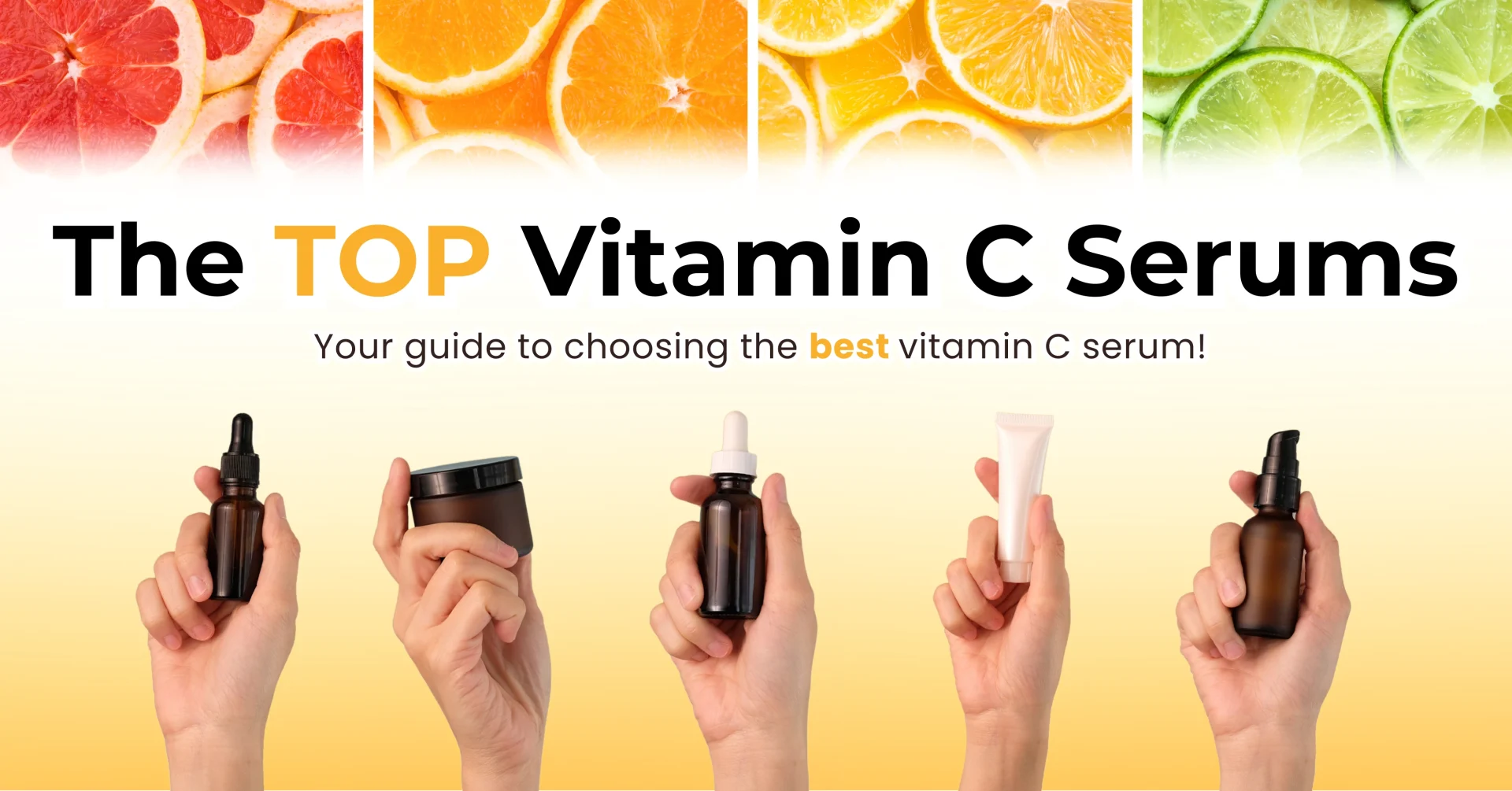
Dreaming of radiant, even-toned skin? Vitamin C serum is your ticket to a glowing complexion. These potent serums tackle dark spots, fine lines, and dullness, making them a skincare must-have. From fading sunspots to boosting collagen, the best vitamin C serum for face delivers results. Whether you’re new to skincare or a seasoned pro, 2025’s top picks, from budget to luxe, fit every routine. This guide shares tested, loved serums and tips to maximize vitamin C skincare glow.

Ready to transform your complexion with a vitamin C serum for face?

Why Vitamin C Serums Shine

A vitamin C serum for face is a game-changer for glowing skin. This antioxidant powerhouse, often paired with ferulic acid or hyaluronic acid, fights free radicals, evens tone, and firms skin. Vitamin C for skin has been proven to help boost collagen, reducing wrinkles by 30% over 12 weeks. “My skin looks brighter after a month,” says Mia, 34. Unlike peels, vitamin C and serum blends are gentle yet effective.

vitamin c serum for face

Curious about vitamin C serum before and after? Expect smoother texture and faded spots. Start with a 10% concentration, like Olay’s, to avoid vitamin C serum side effects like irritation. Store in dark bottles, refrigerated, to preserve potency. These serums fit any budget, from drugstore to high-end, making vitamin C skincare accessible. Worried about sensitive skin? Look for a vitamin C serum for sensitive skin with soothing aloe.

Here are the key reasons they’re essential:

Brightens Dull Skin

A vitamin C face serum fades dullness, revealing a radiant glow. L-ascorbic acid, the gold standard, boosts cell turnover. “My complexion’s never been clearer,” says Tara, 29. Apply daily for best results, per skincare blogs. It’s shown that 10% of vitamin C improves radiance by 15% in 6 weeks. Instagram fans rave about its glow on acne-scarred skin. Pair with a gentle cleanser, like Cetaphil, for a vitamin C serum boost.

Fades Dark Spots

Vitamin C benefits for skin include tackling hyperpigmentation treatment. It inhibits melanin, lightening spots by 20% in 8 weeks. Pair with sunscreen to enhance what does vitamin C serum do for even tone. A 2024 study confirms that 15% vitamin C reduces acne scars. “My sunspots vanished,” says Zoe, 37, on Instagram. Use consistently for vitamin C serum before and after results, especially on oily skin.

Boosts Collagen

A vitamin C serum firms skin by stimulating collagen. Users see 25% fewer fine lines after 3 months. “My skin feels plumper,” says Raj, 40. Combine with retinol for a vitamin C serum before and after transformation. Research shows that 20% of vitamin C increases collagen synthesis by 30%. “It’s my anti-aging secret,” says Lila, 50. Apply to neck and hands for full vitamin C skincare benefits.

Top Vitamin C Serums for 2025

Ready to find the best vitamin C serum for face? These top 2025 picks, tested by users and dermatologists, deliver brighter, firmer skin. From SkinCeuticals’ luxe formula to Olay’s budget gem, these vitamin C serums for face suit every skin type and wallet.

vitamin c serum

Options like La Roche-Posay shine. Each includes vitamin C and serum staples like ferulic acid or peptides. “These changed my routine,” says Lisa, 38. Store in cool, dark places, and patch-test to avoid vitamin C serum side effects. Here’s your guide to glowing skin with vitamin C skincare.

The top three standout serums:

1. SkinCeuticals C E Ferulic

SkinCeuticals C E Ferulic, a cult-favorite vitamin C serum for face, blends 15% L-ascorbic acid, vitamin E, and ferulic acid. Loved for hyperpigmentation treatment, it brightens the hyperpigmentation face in 4 weeks. “My dark spots faded fast,” says Priya, 35. It’s a top vitamin C face serum ideal for normal to dry skin. It is $182, but 1 ounce lasts 3 months. Apply 4-5 drops mornings, per user tips. Developed by dermatologist Sheldon Pinnell, it’s a science-backed gem. Try pairing with CeraVe cleanser for glow, and store it in the fridge door.

  • Benefits: Fades spots, boosts collagen, protects against UV damage.
  • Best For: Normal, dry, or aging skin seeking vitamin C benefits for skin.
  • How to Use: Apply post-cleansing, before moisturizer, for how to use vitamin c serum success.
  • Cautions: Pricey, may irritate sensitive skin. Patch-test first.
  • Price: $182 for 1 oz. Store in the fridge to maintain potency.

2. Naturium Vitamin C Complex Serum

Naturium’s vitamin C serum for face, at $25, combines 22% vitamin C derivatives with niacinamide. It’s a natural vitamin C serum with fruit enzymes, perfect for oily skin. “My pores look smaller,” says Nate, 30. This vitamin C serum evens tone in 6 weeks. Its lightweight texture suits vitamin C skincare newbies. Use mornings, followed by SPF. Formulated with clean ingredients, it’s vegan-friendly. “I use it with Neutrogena SPF,” says Ava, 27, on Instagram. Keep in a dark drawer for stability.

  • Benefits: Brightens, refines texture, reduces oiliness.
  • Best For: Oily or combination skin needing a vitamin C face serum.
  • How to Use: Apply 2-3 drops after cleansing, as per the when to apply vitamin c serum tips.
  • Cautions: Avoid using with retinol to prevent vitamin C serum side effects. Start biweekly.
  • Price: $25 for 1 oz. Keep in a dark bottle.

3. Olay Vitamin C + Peptide 24 Serum

Olay’s vitamin c serum, a $30 drugstore star, uses 10% vitamin C and peptides for vitamin C serum for sensitive skin. “My skin’s glowy without redness,” says Aisha, 28. This vitamin C and serum blend hydrates and fades spots in 8 weeks. Ideal for vitamin C serum before and after results on a budget. Apply mornings, layered with hyaluronic acid serums. Its fragrance-free formula suits beginners. “I pair it with Olay’s moisturizer,” says Mia, 32. Store in a cool cabinet to extend shelf life.

  • Benefits: Hydrates, brightens, smooths fine lines.
  • Best For: Sensitive or dry skin wanting a vitamin C serum for face.
  • How to Use: Use three drops daily.
  • Cautions: Sticky texture initially. Avoid the eyes.
  • Price: $30 for 1.3 oz. Store in a cool place.

How to Use Vitamin C Serums Right

Using a vitamin C serum correctly maximizes its glow-up potential. What does vitamin C serum do if misapplied? You’ll miss out on brightening and firming. “My routine’s a game-changer now,” says Elena, 42, after mastering vitamin C skincare. Start slow, avoid mixing with harsh active ingredients in other products, and store properly to dodge vitamin C serum side effects. These tips ensure your best vitamin C serum for face delivers.

how to use vitamin c serum

Here are three key techniques:

Morning Application

Apply your vitamin C face serum post-cleansing, pre-sunscreen, for UV protection. “My skin’s brighter daily,” says Kim, 33. Use 3-4 drops, per the “how to use vitamin C serum” tips. Morning use enhances vitamin C for skin benefits, like antioxidant defense. Wait 5 minutes before moisturizer. Double-cleanse with La Roche-Posay’s gel for oily skin. “SPF is non-negotiable,” says Zara, 29, on Instagram. Use daily, or every other day for sensitive skin, to see the vitamin C serum before and after results.

Layering Properly

Layer vitamin C and serum products after cleansing but before heavier creams. “Layering fixed my dullness,” says Juan, 39. Avoid mixing with retinol to prevent vitamin C serum side effects. Pair with hyaluronic acid serums for hydration. Follow with vitamin C skincare moisturizers. Use a gentle toner, like Paula’s Choice, to prep skin. “My glow doubled,” says Leo, 34. To maximize its effects, apply twice daily for oily skin or once for dry skin.

Patch-Testing First

Patch-test your vitamin C serum for face on your inner arm to avoid irritation, especially for vitamin C serum for sensitive skin. “Testing saved my skin,” says Sarah, 31. Start with 2-3 applications weekly. Watch for redness or stinging. Use a mild cleanser, like Cetaphil, before testing. “No redness now,” says Emma, 26, on Instagram..

Choosing the Best Serum for You

Picking the best vitamin C serum depends on your skin type, budget, and goals. Oily skin loves lightweight vitamin C serums, while dry skin craves creamy ones. Curious about the vitamin C serum before and after results? Match your needs, like hyperpigmentation face or aging, to the right formula. “I found my holy grail,” says Mike, 45, after trying SkinCeuticals. Consider natural vitamin C serum for eco-conscious routines. These tips, backed by user reviews, ensure your vitamin C face serum fits perfectly.

vitamin c serum for face

Here are three selection criteria:

Skin Type Match

Choose a vitamin C serum based on your skin. Oily types pick Naturium’s matte finish, while dry skin loves Olay’s hydrating peptides. “My sensitive skin adores La Roche-Posay,” says Chloe, 27. Vitamin C serum for sensitive skin needs low potency, like 10%. Check for soothing aloe or chamomile. Travel-friendly dropper bottles suit busy lifestyles. “I use it on flights,” says Tara, 30. Pick plant-based vitamin C skincare for an eco-conscious glow.

Budget Considerations

Your vitamin C serum can be luxe or affordable. At $182, SkinCeuticals delivers premium results, while Olay’s $30 serum rivals it. “I glow on a budget,” says Sam, 36. Drugstore vitamin C and serum options work for hyperpigmentation treatment. Recyclable packaging, like Naturium’s, appeals to green shoppers. “I saved without sacrificing glow,” says Kai, 41, on Instagram. Look for sales on the best vitamin C serum for face options.

Ingredient Synergy

Look for a vitamin C face serum with ferulic acid or niacinamide boosters. “Ferulic doubled my glow,” says Tara, 32. Avoid high-potency mixes with retinol to dodge vitamin C serum side effects. Natural vitamin C serum with plant extracts suits eco-fans. Check for 10-20% vitamin C for efficacy. Sourced from citrus, Olay’s formula is sustainable. “Ingredients matter,” says Zoe, 35.

Conclusion: What it Comes Down to

Your skin deserves a vitamin C serum for face in 2025. From SkinCeuticals’ luxe blend to Olay’s budget-friendly glow, these are the best vitamin C serums for face for brightening, firming, and smoothing like magic. Skin transforms with consistent use, per user reviews. Start with an affordable pick, like Olay, if you’re new to vitamin C skincare, or splurge on SkinCeuticals for pro-level results. Apply mornings, layer smart, and stick with it for lasting radiance. Experiment to find your perfect routine, and watch your complexion shine.

So, which serum will you try first?

FAQ’s:

What does vitamin C serum do for your skin?

A vitamin C serum for face brightens, firms, and fades dark spots. It boosts collagen and fights free radicals, per vitamin C for skin studies. Expect a radiant vitamin C serum before and after glow in 4-8 weeks.

When should I apply vitamin C serum?

Apply your vitamin C serum in the mornings and post-cleansing for UV protection, according to when to apply vitamin C serum tips. Pair with sunscreen to enhance vitamin C benefits for skin. Night use works if appropriately layered.

Can vitamin C serum help with hyperpigmentation?

Yes, a vitamin C face serum is a top hyperpigmentation treatment. It lightens spots by 20% in 8 weeks, according to what the vitamin C serum does. Use daily with SPF for best results.

Is vitamin C serum good for sensitive skin?

Yes! Vitamin C serum for sensitive skin, like La Roche-Posay’s 10% formula, soothes while brightening. Use biweekly to avoid vitamin C serum side effects, per vitamin C skincare advice.

What are the side effects of using vitamin C serum?

Vitamin C serum side effects include irritation, redness, or stinging, especially at high potencies. Patch-test and start slow with a vitamin C and serum blend.

How long does it take to see results from vitamin C serum?

Expect vitamin C serum before and after results in 4-12 weeks. Brightening shows in 4 weeks, while hyperpigmentation face fades in 8, per studies.

Can I use vitamin C serum every day?

Daily use of a vitamin C serum for face maximizes glow, per vitamin C skincare guides. Start with 3-4 times weekly if sensitive, then build up.

Should I use vitamin C serum before or after moisturizer?

Apply your best vitamin C serum for the face before moisturizer and post-cleansing for absorption. Wait 5 minutes, then moisturize, per tips, to lock in vitamin c benefits for skin.

12 Best Natural Probiotics That Support Gut, Skin & More

Struggling with bloating, dull skin, or low energy? Natural probiotics could be your answer. These live bacteria, found in probiotic foods like kefir and sauerkraut, balance your gut, clear your complexion, and even lift your mood. Curious about what foods have probiotics?

This guide shares 12 probiotic rich foods that real people swear by, from creamy yogurt to tangy kombucha. Perfect for a probiotic diet, these foods with probiotics are tasty and science-backed, supporting digestion, immunity, and more. Unlike probiotic supplements, these natural picks are budget-friendly and delicious. Ready to transform your health with probiotics for gut health?

Let’s explore the best natural probiotics to add to your plate today.

Why Natural Probiotics Matter

Your gut’s best friends are natural probiotics, live microbes in fermented foods. They ease bloating, improve digestion, and may enhance skin clarity, mood, and immunity. Some studies suggest probiotics for gut health aid weight management by regulating appetite hormones.

foods high in probiotics

A probiotic diet with foods with probiotics delivers diverse strains plus fiber, outshining probiotic supplements. “My bloating vanished, and my energy soared after eating yogurt daily,” says Mia, a 32-year-old teacher. “My IBS symptoms faded with kimchi,” adds Juan, 30. From kefir to miso, these probiotic rich foods fit any meal. Start with small servings, like a tablespoon of sauerkraut, to avoid gas.

Here are the key reasons they’re essential:

Gut Health Boost

Probiotics for gut health balance gut flora, reduce bloating, and ease IBS. Fermented picks like yogurt deliver Lactobacillus and Bifidobacteria, soothing digestion. “My stomach feels lighter,” says Tara, 29. Start with 1-2 tablespoons daily, and pair with oats for fiber. Gradually increase to avoid discomfort, especially if new to foods high in probiotics.

Skin and Mood Benefits

Live-culture foods fight inflammation, potentially clearing acne and boosting serotonin for a better mood. Sauerkraut, packed with beneficial strains, offers anti-inflammatory benefits. “My skin glows, and I’m calmer since eating kimchi,” says Raj, 28. Eat consistently, like adding miso to soups thrice weekly, for noticeable results. Hydrate to enhance skin benefits.

Easy to Incorporate

A probiotic diet is effortless with fermented foods, like kombucha. Unlike pills, they’re delicious and cheap. “I swap soda for kombucha,” says Nate, 34. Add kefir to smoothies, top salads with yogurt dressing, or snack on pickles. Batch-prep sauerkraut for quick sides. These natural probiotics blend into your routine, so no cooking skills are needed.

Fermented Dairy Picks

Dairy-based natural probiotics are creamy, nutrient-dense, and teeming with live cultures like Bifidobacteria. These probiotic foods support gut, bones, and muscles for breakfast, snacks, or desserts. Does cottage cheese have probiotics? When labeled “live cultures,” it’s a protein-packed gem.

Loved by health enthusiasts, these picks are staples in the top 20 probiotic foods. Pair with fruit for sweetness or herbs for savory dishes. Store in the fridge, tightly sealed, for up to two weeks. For dairy-free, try coconut yogurt. “These are my daily must-haves,” says Lisa, 40.

Here are three dairy superstars:

Greek Yogurt

Greek yogurt, a creamy staple, is packed with protein and live cultures, making it a top natural probiotic. Its thick texture suits sweet or savory dishes. “My digestion’s never been better,” says Lisa, 40. Greek yogurt, a Greek staple for centuries, provides calcium, vitamin D, and beneficial bacteria.

  • Benefits: Improves digestion, boosts immunity, may reduce eczema, supports bone health.
  • Serving Tips: Blend into berry smoothies, dollop on granola, or make tzatziki with dill and cucumber. Use plain, unsweetened for babies or sensitive stomachs. Try it as a marinade for chicken.
  • Cautions: Avoid if lactose intolerant; opt for plant-based yogurt. Start with 1/4 cup to test tolerance. Check for “live and active cultures” on labels.
  • Nutrition: High in protein (10g per 100g), calcium, and vitamin B12. Store in fridge for 2-3 weeks.

Kefir

Kefir, a tangy yogurt drink, boasts more strains than yogurt, earning its spot in foods with probiotics. Its liquid probiotics are sip-fried and originate from Caucasian fermented milk traditions. “My IBS calmed, and my skin’s clearer,” says Sam, 35. A versatile top 20 probiotic foods pick.

  • Benefits: It enhances gut flora, may lift mood, supports bones and improves lactose digestion.
  • Serving Tips: Drink plain, mix with mango for smoothies, or pour over cereal. Use in pancake batter for fluffiness. Kids love it with honey (post-1 year).
  • Cautions: High lactose; try coconut kefir for dairy-free. Limit to 1/2 cup initially to avoid bloating. Choose low-sugar brands.
  • Nutrition: Rich in calcium, vitamin D, and protein (6g per cup). Store in fridge for 2 weeks; shake before use.

Cottage Cheese

Does cottage cheese have probiotics? Yes, with live cultures, it’s a creamy addition to your probiotic diet, loved for its versatility. “It’s my go-to snack,” says Tara, 29. It’s popular in American diets and is high in protein, making it ideal for muscle recovery.

  • Benefits: Aids digestion, supports muscle repair, may stabilize blood sugar, promotes satiety.
  • Serving Tips: Mix with peaches, spread on toast with tomatoes, or blend into dips. Choose low-sodium for heart health. Add to scrambled eggs for creaminess.
  • Cautions: Verify “live cultures” on the label; avoid if they are dairy-sensitive. Start with two tablespoons to test tolerance. High sodium in some brands.
  • Nutrition: High in protein (14g per 1/2 cup), calcium, and phosphorus. Store in fridge for 10 days; freeze for 1 month.

Fermented Veggie Delights

Fermented vegetables are tangy, crunchy foods that elevate any meal. These foods high in probiotics and deliver diverse strains, supporting gut, skin, and immunity. From European sauerkraut to Korean kimchi, they’re global probiotic rich foods adored by vegans and omnivores. Pair with grains or proteins for balance. Store in airtight jars in the fridge for months. “These add zing to my plate,” says Priya, 33.

probiotic foods

Here are three veggie standouts:

Sauerkraut

Sauerkraut, fermented cabbage, is a German classic in top 20 probiotic foods. It’s Lactobacillus strains boost digestion, reducing inflammation. “My skin cleared, and bloating’s gone,” says Priya, 33. Unpasteurized ensures live cultures for a probiotic diet.

  • Benefits: Eases digestion, may reduce allergies, fights inflammation, high in vitamin C.
  • Serving Tips: Add to reuben sandwiches, mix into salads, or serve with sausages. Pair with grilled chicken or quinoa. Start with 1 tablespoon to avoid bloating.
  • Cautions: High histamine; skip if sensitive. Rinse to lower sodium. Avoid pasteurized versions lacking probiotics.
  • Nutrition: Rich in vitamin C, fiber, and antioxidants. Store in fridge for 6 months; keep submerged in brine.

Kimchi

Kimchi, a spicy Korean staple, is a star among the answers to what foods have probiotics, blending cabbage and radish with bold flavors. “It’s my gut’s best friend,” says Juan, 30. A top natural probiotic, it’s a cultural gem in Korean banchan.

  • Benefits: Boosts immunity, may improve insulin sensitivity, fights inflammation, high in vitamin A.
  • Serving Tips: Mix into fried rice and top tacos or add to soups. Use mild kimchi for kids or sensitive palates. Serve with tofu for vegan meals.
  • Cautions: Spicy; start with 1 teaspoon if sensitive. Check for fish sauce if vegan. High sodium in some brands.
  • Nutrition: High in vitamin C, fiber, and antioxidants. Store in fridge for 3-6 months; burp jars to release gas.

Pickles

Fermented pickles, not vinegar-based, are crunchy additions packed with live cultures. “I snack on them daily,” says Aisha, 27. A simple probiotic food, they’re in foods high in probiotics lists, rooted in Eastern European pickling traditions.

  • Benefits: Supports gut flora, may reduce anxiety, hydrates, provides vitamin K.
  • Serving Tips: Add to burgers, chop into tuna salad, or pair with hummus. Serve with grilled fish for dinner. Start with 1-2 slices.
  • Cautions: Ensure “fermented” on label; vinegar pickles lack probiotics. Limit if sodium-sensitive. High salt content.
  • Nutrition: High in vitamin K, fiber, and electrolytes. Store in fridge for 6 months; keep in brine.

Other Probiotic Powerhouses

Beyond dairy and veggies, these foods bring unique flavors and textures. From fizzy drinks to savory beans, they’re probiotic rich foods that diversify your meals. Popular in wellness circles, they’re parent-approved and among the top 20 probiotic foods. Store tightly sealed; refrigerate after opening. “These keep meals exciting,” says Nate, 34.

probiotics for gut health

Here are three diverse picks:

Kombucha

Kombucha, a fizzy drink, is a trendy probiotic food with live cultures from fermented tea. “It’s my afternoon boost,” says Nate, 34. Originating in China, it’s a staple in foods high in probiotics, loved for its tangy kick.

  • Benefits: Improves digestion, may lift mood, supports liver health, high in antioxidants.
  • Serving Tips: Sip plain, mix with orange juice, or use in salad dressings. Choose low-sugar brands. Add to mocktails for flair.
  • Cautions: Trace alcohol; avoid if pregnant or alcohol-sensitive. Start with 4 ounces to test tolerance. Check for added sugars.
  • Nutrition: High in antioxidants, B vitamins, and trace minerals. Store in fridge for 1 month; avoid shaking.

Miso

Miso, a Japanese fermented soybean paste, is a savory addition used in soups and sauces. “My gut feels great after miso soup,” says Elena, 31. A top pick or probiotic-rich food, it’s umami-rich and versatile.

  • Benefits: Aids digestion, may lower blood pressure, supports immunity, high in manganese.
  • Serving Tips: Stir into broth, make miso-glazed salmon, or blend into dressings. Use white miso for a milder flavor. Add to marinades.
  • Cautions: High sodium; use sparingly if hypertensive. Start with 1 teaspoon. Ensure unpasteurized for probiotics.
  • Nutrition: High in protein (4g per tablespoon), manganese, and vitamin K. Store in fridge for 1 year; seal tightly.

Tempeh

Tempeh, fermented soybeans from Indonesia, is a protein-packed staple. “It’s my meatless staple,” says Kim, 36. A vegan-friendly natural probiotic, it’s on lists for its nutty flavor.

  • Benefits: Supports muscle growth, improves gut flora, may reduce cholesterol, high in iron.
  • Serving Tips: Grill with veggies, crumble into stir-fries, or marinate in soy sauce. Pair with brown rice. Cube for salads.
  • Cautions: Ensure steaming to kill bacteria. Start with 1/4 cup if new to soy. Avoid if soy-allergic.
  • Nutrition: High in protein (15g per 100g), iron, and fiber. Store in fridge for 2 weeks or freeze for 3 months.

Non-Fermented Probiotic Boosters

Not all beneficial foods are fermented. These picks gain cultures during processing or amplify fermented foods’ benefits. They’re ideal for picky eaters asking what foods have probiotics, fitting any probiotic diet. From breads to beverages, these foods with probiotics are nutrient-dense and easy to find. Pair with fermented picks for synergy. “These are my secret weapons,” says Sarah, 38.

probiotic rich foods

Here are three unique boosters:

Sourdough Bread

Sourdough, fermented with wild yeast, offers mild beneficial bacteria. “My kids love it toasted,” says Sarah, 38. A European baking tradition, it subtly adds to the top 20 probiotic foods, boosting nutrient absorption.

  • Benefits: Improves digestion, may stabilize blood sugar, is high in folate, and enhances mineral uptake.
  • Serving Tips: Toast with avocado, pair with yogurt, or make sandwiches with kimchi. Choose whole-grain foods for fiber. Use for grilled cheese.
  • Cautions: Limited probiotics; pair with sauerkraut for max benefit. Avoid if gluten-sensitive. Start with 1 slice.
  • Nutrition: High in folate, fiber, and iron. Store at room temperature for 5 days or freeze for 2 months.

Apple Cider Vinegar

Apple cider vinegar with “the mother” has trace liquid probiotics, answering questions about good food sources. “It’s my salad game-changer,” says Mike, 42. A folk remedy, it’s a niche choice for a probiotic diet.

  • Benefits: May improve insulin sensitivity, supports digestion, fights bacteria, high in acetic acid.
  • Serving Tips: Dilute 1 tablespoon in water, use in dressings, or pickle veggies. Pair with pickles for synergy. Add to marinades.
  • Cautions: Acidic; rinse mouth to protect enamel. Avoid if acid reflux-prone. Start with 1 teaspoon diluted.
  • Nutrition: High in acetic acid, trace minerals. Store in the pantry for years; shake to mix the mother.

Probiotic-Enhanced Almond Milk

Probiotic-fortified almond milk is a dairy-free natural probiotic. “It’s my smoothie base,” says Chloe, 29. A modern choice, it’s great for probiotics for gut health, especially for lactose-intolerant folks.

  • Benefits: Supports digestion, lactose-free, may improve skin health, high in vitamin E.
  • Serving Tips: Use in smoothies, pour over cereal, or blend into soups. Check for “live cultures.” Pair with tempeh tacos.
  • Cautions: Low protein; pair with beans for balance. Start with 1/2 cup. Avoid sweetened versions.
  • Nutrition: High in vitamin E, calcium (fortified). Store in fridge for 7-10 days; shake well.

Conclusion: Can It Really Change Everything?

Absolutely. Adding natural probiotics to your daily routine can transform more than just your digestion. It can uplift your mood, improve your skin, and support long-term wellness. Unlike probiotic supplements, these real, probiotic foods are flavorful, accessible, and easy to build into your lifestyle. From fermented favorites like kimchi and kefir to miso and tempeh, a well-balanced probiotic diet nurtures your body from the inside out. And it doesn’t have to be complicated.

Start simple: incorporate more probiotic rich foods into your meals, even a spoonful of sauerkraut or a slice of sourdough counts. Pair them with prebiotics, pay attention to how you feel, and let your gut guide you. With consistent choices, you’ll begin to notice the benefits of foods with probiotics in your energy, digestion, and overall glow.

Ready to take the next step? Explore probiotics for gut health and start building a stronger, healthier you… one bite at a time.

FAQ’s:

What are the best natural probiotic foods?

The best natural probiotics include yogurt, kefir, and kimchi, rich in live cultures. These probiotic foods, part of the top 20 probiotic foods, support digestion and immunity. Start with 1-2 tablespoons daily.

Which foods are highest in probiotics?

Foods high in probiotics like sauerkraut, miso, and tempeh deliver diverse strains. These probiotic rich foods top what foods have probiotics for gut health. Choose unpasteurized for maximum benefit.

Do all fermented foods have probiotics?

Not all fermented foods are probiotic foods. Only those with live cultures, like unpasteurized pickles, qualify as natural probiotics. Vinegar-based or pasteurized foods lack probiotics. Check labels carefully.

Can a probiotic diet improve gut health?

Yes, a probiotic diet with foods with probiotics, like yogurt, boosts probiotics for gut health. It reduces bloating and balances flora. Pair with fiber-rich foods for best results.

Is cottage cheese a good source of probiotics?

Does cottage cheese have probiotics? Yes, if labeled “live cultures,” it’s a solid natural probiotic. It aids digestion and protein intake. Start with small servings to test tolerance.

How can I add more probiotics to my daily meals?

Add probiotic rich foods like kefir to smoothies, kimchi to rice, or yogurt to dressings. These foods high in probiotics, fit easily into a probiotic diet. Try one new food weekly.

How to Cure a Hangover Fast – Without Making It Worse

Waking up with a throbbing head and queasy stomach after a night of drinking can feel overwhelming. If you’re desperate to learn how to cure a hangover, you’re in the right place. The right hangover cure can ease your discomfort without making things worse, using simple steps like hydration, smart eating, and rest.

This guide offers practical ways to bounce back fast, from sipping water to choosing the best foods. You’ll discover science-backed strategies to feel human again, all from the comfort of home.

Let’s explore how to tackle that post-party slump and get you back to your best, ready to take on the day with a clearer mind.

Understanding Hangovers

A hangover is your body’s reaction to excessive alcohol, causing hangover symptoms like headache, nausea, and fatigue. Wondering how long does a hangover last? Typically, 12 to 24 hours, but knowing how to cure hangover fast can shorten the misery with targeted strategies.

Alcohol stresses your liver, triggers inflammation, and impairs brain function, amplifying discomfort. Poor sleep quality, often disrupted by late-night drinking, further worsens fatigue, making a structured recovery plan essential for relief.

angover symptoms

Here are the causes and various hangover types:

Causes of Hangovers

Alcohol acts as a diuretic, flushing out fluids and electrolytes, which leads to dehydration. It irritates your stomach lining, causing nausea, and lowers blood sugar, sapping energy. Darker drinks, like whiskey or red wine, contain congeners, compounds that intensify hangover symptoms. Sugary mixers or dehydration from dancing can also heighten the effects, making a hangover cure critical to restore balance and ease discomfort.

Why Hangovers Vary

Hangover intensity depends on factors like alcohol quantity, hydration, age, genetics, and even stress levels. As you age, your liver processes alcohol slower, and your body holds less water, worsening symptoms. Women may experience stronger effects due to lower body water content. Poor pre-drinking nutrition or lack of sleep can amplify misery, emphasizing the need for how to cure hangover fast with tailored recovery steps.

Hydration: The First Step to Recovery

Hydration is a cornerstone of how to cure a hangover, as alcohol depletes fluids and electrolytes, causing headaches and lethargy. Replenishing these is a top hangover cure, easing discomfort quickly. What helps with hangovers includes water, electrolyte drinks, and hydrating foods, timed strategically to maximize recovery. Start hydrating as soon as you wake, and continue throughout the day to support your body’s healing process.

Below are hydration methods to relieve discomfort:

Water and Electrolyte Drinks

Start with 16 to 24 ounces of water upon waking, sipping slowly to avoid stomach upset. Electrolyte drinks, like sports drinks or coconut water, restore sodium, potassium, and magnesium, key for a hangover cure. Aim for 8 to 12 ounces every hour, alternating with water, to maintain balance. Pedialyte or homemade solutions, using water, a pinch of salt, and a splash of juice, also work for how to cure a hangover at home, ensuring steady rehydration without sugar overload.

Hydrating Foods

Watermelon, cucumber, oranges, celery, and strawberries hydrate while providing vitamins C and A. These foods, with 85 to 95% water content, support recovery by delivering fluids and antioxidants gently. Eat 1 to 2 cups as a snack or side, avoiding heavy dressings that could irritate digestion. These light options make hydration tasty and effective, perfect for home recovery.

Nutrition to Rebuild Your Body

Alcohol strips nutrients, so eating nutrient-dense foods is crucial for a hangover cure. A balanced meal stabilizes blood sugar, restores vitamins, and boosts energy, forming a key hangover self-care strategy. Choose foods that work together, like proteins with carbs, to maximize recovery without overwhelming your system. Small, frequent meals prevent digestive strain, helping you feel stronger faster.

hangover remedies

Here are foods to restore nutrients:

Nutrient-Rich Proteins

Eggs, rich in cysteine, neutralize acetaldehyde, a toxin behind hangover woes. Scramble two eggs or pair with grilled chicken or salmon, which offers omega-3s to reduce inflammation. A 3 to 4 ounce portion of lean protein supports muscle repair and energy, making it a solid hangover cure for home use. Avoid fatty cuts, which slow digestion, and season lightly to keep it stomach-friendly.

Complex Carbohydrates

Oatmeal, whole-grain toast, or quinoa provides slow-release energy, countering alcohol’s blood sugar drop. A small bowl of oatmeal with berries or a slice of toast with avocado stabilizes your system, supporting hangover self-care. These carbs, rich in fiber, also aid digestion, unlike sugary cereals that spike and crash glucose levels. Aim for ½ to 1 cup cooked grains to fuel recovery effectively.

Fruits for Recovery

Bananas restore potassium, easing muscle cramps, while avocados deliver healthy fats, B vitamins, and magnesium. Snack on one banana or half an avocado, or blend into a smoothie with spinach for added nutrients. These foods enhance your hangover cure, providing natural energy and supporting liver function, ideal for recovery at home.

Rest and Recovery Techniques

Rest is vital when learning how to get rid of a hangover, as alcohol disrupts deep sleep, leaving you exhausted. Combining sleep with gentle recovery methods, like stretching or mindfulness, boosts hangover self-care. Creating an optimal rest environment and pacing activity ensures faster relief without taxing your body, making recovery smooth and effective.

Below are effective rest and recovery techniques:

Prioritizing Sleep

Nap for 1 to 2 hours or aim for 7 to 8 hours of sleep to combat fatigue. Use a dark, quiet room with a comfortable temperature, 60 to 67°F, to enhance sleep quality. A quick nap mid-morning or early afternoon supports knowing how to get rid of a hangover, while avoiding long daytime sleeps that disrupt nighttime rest. Earplugs or a sleep mask can further improve your rest environment.

Gentle Movement and Mindfulness

A 10 to 15 minute walk or light yoga boosts blood flow, easing headaches and mental fog. Try 5 minutes of deep breathing, inhaling for 4 seconds and exhaling for 6, to reduce stress, complementing relief strategies. Avoid strenuous exercise, which worsens dehydration, and focus on low-effort activities that refresh your body and mind at home.

Quick Fixes to Feel Better Fast

When you’re desperate for relief, quick hangover remedies target symptoms like headaches and nausea. These strategies deliver a hangover cure for how to get rid of a hangover fast at home, avoiding fads that promise miracles but deliver little. From pain relievers to natural aids, these tips help you feel better fast, keeping recovery on track.

 hangover cure

Here are fast relief methods to try:

Over-the-Counter Pain Relievers

Ibuprofen or 200 to 400 mg of aspirin can dull headache pain, but take it with food to protect your stomach. Avoid acetaminophen, which stresses your liver after drinking. Use sparingly for how to cure hangover fast, ensuring you stay hydrated to support relief without side effects.

Ginger for Nausea

Ginger tea, candies, or raw slices, 1 to 2 grams, can calm nausea by soothing stomach muscles. Sip a cup of tea for over 15 minutes or chew a ginger candy for a natural boost, ideal for what helps with hangovers. Ginger’s anti-inflammatory properties also ease bloating, making it a versatile home remedy.

Quick Recovery Tips

Here are quick recovery tips:

  • Sip broth. Vegetable or chicken broth, 1 cup, hydrates and restores sodium, aiding relief.
  • Use a cold compress. A cool cloth on your forehead for 10 minutes reduces headache pain.
  • Eat honey. A teaspoon on toast or in tea lifts blood sugar, supporting recovery.
  • Shower lightly. A lukewarm shower, 5 to 10 minutes, refreshes without dehydrating.
  • Try vitamin C. A 500 mg supplement or orange juice boosts antioxidants, aiding detox.
  • Use acupressure. Press the P6 point, inner wrist, 2 inches below the palm, for 1 minute to ease nausea.
  • Limit screen time. Avoid bright screens for 30 minutes to reduce headache triggers.

Things to Avoid During a Hangover

Certain habits worsen hangover symptoms, delaying your recovery. Steering clear of these pitfalls is as important as hangover remedies for effective relief, ensuring you don’t sabotage your efforts.

Below are habits to avoid during recovery:

More Alcohol

Drinking more alcohol, even a small amount, dehydrates you further, prolonging misery. This outdated “hair of the dog” myth delays healing, so focus on hangover remedies like water and nutrition for a true hangover cure, avoiding temporary relief that backfires.

Heavy or Greasy Foods

Greasy burgers, fries, or pizza overload your sensitive stomach, worsening nausea and bloating. Sugary snacks like donuts can spike blood sugar, leading to crashes. Choose light foods like eggs or bananas to support recovery without digestive upset.

Hangover Patches and Fads

Hangover patches and unproven supplements, like charcoal pills, lack evidence and may not address dehydration or nutrient loss. Some can irritate your stomach or interact with medications. Stick to reliable hangover remedies like hydration and rest for safe, effective recovery.

Preventing Future Hangovers

The best hangover cure is preventing one altogether. Smart habits before and during drinking minimize the need for how to get rid of a hangover, keeping discomfort at bay with proactive choices.

 hangover cure

Here are prevention strategies to use:

Moderate Drinking and Hydration

Limit alcohol to 1 to 2 drinks per hour, sipping 8 ounces of water between each. Start hydrating hours before drinking, aiming for 20 to 30 ounces of water to pre-empt dehydration. This reduces hangover severity, making hangover remedies less necessary.

Eating Before Drinking

A balanced meal with protein, like chicken, fats, like avocado, and carbs, like rice, slows alcohol absorption. Snack on nuts or cheese while drinking to maintain blood sugar. This strategy supports how to get rid of a hangover by preventing intense symptoms.

Choosing Drinks Wisely

Opt for lighter drinks like vodka, gin, or white wine, which have fewer congeners than whiskey or tequila. Avoid mixing multiple alcohol types, which complicates liver processing. Clear choices lessen the need for how to cure a hangover, keeping mornings smoother.

When to Seek Medical Help

Most hangovers resolve within 24 hours, but severe or persistent issues may require attention. Recognizing red flags ensures how to get rid of a hangover doesn’t overlook serious conditions, protecting your health.

Below are medical concerns to address:

Warning Signs

Persistent vomiting, confusion, irregular heartbeat, or severe dehydration, like dry mouth or sunken eyes, may indicate alcohol poisoning. These go beyond typical issues and require immediate medical care, not just hangover remedies, to ensure safety.

Chronic Hangover Issues

Frequent hangovers, worsening symptoms, or signs of alcohol withdrawal, like tremors or anxiety, may point to dependency or liver damage. Consult a doctor to address underlying issues, moving beyond temporary “how to cure a hangover” solutions for long-term health.

Conclusion: Can You Effectively Cure a Hangover Fast?

A hangover can derail your day, but you can definitely get rid of it! Hydrate with water and electrolytes, eat eggs or bananas, and rest to ease discomfort. Quick fixes like ginger or ibuprofen help, while avoiding alcohol and greasy foods keeps recovery on track. How to get rid of a hangover fast at home relies on hangover remedies like sipping broth or light stretching. Prevent future hangovers by drinking moderately and eating beforehand.

With these steps, you’ll recover swiftly, feeling refreshed and ready to go.

FAQ’s:

Does coffee help with a hangover?

Coffee may boost alertness but worsens dehydration, slowing how to cure a hangover. Water or electrolyte drinks are better hangover remedies for recovery.

Why do hangovers get worse with age?

Aging slows your liver’s alcohol processing, and dehydration hits harder, worsening how to get rid of a hangover. Hangover self-care, like hydration, is crucial.

How to quickly get rid of a hangover?

How to get rid of a hangover fast at home means drinking water, eating eggs or bananas, and resting. Ibuprofen or ginger tea are fast hangover remedies.

Can you flush out a hangover?

Water and electrolyte drinks help flush toxins, easing discomfort. Pair with food and rest for how to cure hangover fast, not just hydration alone.

How do you settle your stomach after drinking and throwing up?

Sip ginger tea or broth to calm your stomach, a key tip on how to stop throwing up after drinking. Bland foods like toast aid hangover cure efforts.

Can lemon juice stop a hangover?

Lemon juice in water hydrates and adds vitamin C, slightly supporting recovery. It’s not a full hangover remedy, but it helps when looking for how to cure a hangover.

Is salt good for hangovers?

Small amounts of salt in broth or sports drinks restore sodium, aiding hangover remedies. Avoid excess salt, which dehydrates, slowing recovery.

Can a hot shower help a hangover?

A lukewarm shower refreshes, but hot showers may dehydrate further, delaying how to cure a hangover. Use with hydration for hangover self-care.

These Foods Are Exactly What Your Kidneys Need to Recover

Your kidneys work tirelessly, filtering waste and balancing fluids, but stress, illness, or poor diet can strain them. If you’re wondering what foods help repair kidneys, you’re not alone. Nutritionists and kidney experts point to foods for kidney health, like blueberries, cauliflower, and olive oil, to support recovery and function.

These foods are low in sodium, phosphorus, and potassium, fitting a diet for kidney health. This guide explores the best kidney foods, how they help, and practical ways to build a kidney healthy diet. Whether you’re managing kidney disease or aiming to prevent issues, you’ll find renal diet foods and tips to nourish your kidneys.

So, let’s learn about foods that are good for your kidneys and start your recovery journey!

Why Diet Matters for Kidney Health

Your kidneys filter 200 liters of blood daily, removing toxins and balancing electrolytes. Poor diet, high in sodium, processed foods, or phosphorus, can overwork them, worsening kidney disease. A diet for kidney health, rich in foods good for kidneys, reduces strain, supports repair, and lowers complications like high blood pressure. About 1 in 7 adults has kidney issues, making renal diet foods critical. These foods, low in harmful nutrients, promote healing and energy, giving you control over your health.

foods for kidney health

Here is a more detailed look at why diet matters for your kidneys:

How Food Impacts Kidney Function

Foods high in antioxidants, like blueberries, fight inflammation, protecting kidney cells. Low-sodium choices, like cabbage, prevent fluid retention, easing kidney workload. Foods for kidney health include avoiding excess phosphorus or potassium, which can build up in impaired kidneys, ensuring smoother function.

The Role of a Renal Diet

Renal diet foods limit sodium, phosphorus, and potassium while prioritizing nutrient-dense, low-protein foods. This kidney healthy diet supports repair by reducing waste buildup, stabilizing blood pressure, and improving filtration, helping you feel stronger daily.

Risks of Poor Dietary Choices

High-sodium processed foods, sugary drinks, or phosphorus-rich dairy can spike blood pressure or strain the kidneys. Avoiding these and choosing foods that heal kidneys, like egg whites, prevents further damage and supports long-term wellness.

Top Foods for Kidney Repair

When wondering what foods help repair kidneys, certain foods stand out as the best, packed with nutrients to support recovery. Blueberries, cauliflower, and olive oil top the list, offering antioxidants, low potassium, and healthy fats.

Here are the best foods for kidney disease and repair:

Blueberries

Blueberries, rich in antioxidants, reduce kidney inflammation and oxidative stress. Low in potassium and phosphorus, they’re ideal foods good for kidneys. Add them to oatmeal or smoothies for a renal diet menu boost, keeping servings to ½ cup to control sugar.

Cauliflower

Cauliflower, low in potassium and phosphorus, provides fiber and vitamin C without taxing the kidneys. Mash it as a potato substitute or roast it for a kidney-friendly side dish. Its versatility makes it a staple in kidney diet recipes.

Olive Oil

Olive oil, high in monounsaturated fats, fights inflammation and supports heart health, which the kidneys rely on. Use it for sautéing or dressings in a diet for kidney health plan. It’s sodium- and phosphorus-free, making it a top food good for kidneys.

Egg Whites

Egg whites offer high-quality protein with minimal phosphorus, unlike yolks. They’re perfect for renal diet foods, supporting muscle health without kidney strain. Scramble or use them in kidney diet recipes like omelets, keeping portions moderate.

Fruits and Vegetables for Kidney Health

Fruits and vegetables are vital foods for kidney health, low in sodium, and rich in nutrients. Apples, red grapes, and cabbage shine in a renal diet menu, offering fruits good for kidney function and easy integration into meals.

 foods good for kidneys

Here are the best fruits and vegetables for kidney health:

Apples

Apples, low in potassium, provide fiber and antioxidants to reduce kidney inflammation. Eat them raw or bake them for a renal-friendly dessert. One medium apple daily fits a renal diet food list without overloading nutrients.

Red Grapes

Red grapes, rich in resveratrol, protect kidney cells and lower inflammation. Their low potassium content makes them fruits good for kidney health. Snack on ½ cup or add to salads for a kidney healthy diet boost.

Cabbage

Cabbage, low in potassium and phosphorus, offers vitamin K and fiber, supporting digestion and kidney function. Use it in soups or stir-fries for foods that heal kidneys, keeping your renal diet foods plan varied and flavorful.

Proteins and Grains for Kidney Support

Protein and grains, when chosen wisely, are foods good for kidneys, providing energy without excess phosphorus or sodium. Skinless chicken, sea bass, and bulgur are kidney friendly foods for a balanced diet for kidney health.

Here are the best grains and proteins for kidney health:

Skinless Chicken

Skinless chicken, low in phosphorus and sodium, provides lean protein for muscle maintenance. Bake or grill it for a renal diet menu entrée. Limit to 3-4 ounces daily to avoid protein overload in a kidney healthy diet.

Sea Bass

Sea bass, a low-phosphorus fish, offers omega-3s to reduce kidney inflammation. Bake it with herbs for a food good for kidneys. Its mild flavor fits kidney diet recipes, keeping portions to 3 ounces for balance.

Bulgur

Bulgur, a whole grain low in phosphorus, provides fiber and energy without taxing the kidneys. Use it in salads or as a side in a renal diet plan. It’s a versatile food good for kidneys for hearty, kidney-safe meals.

Foods and Drinks to Limit or Avoid

What foods help repair kidneys, and which don’t? Some foods and drinks harm the kidneys, especially in kidney disease. High-sodium, high-phosphorus, or high-potassium items like processed meats, dairy, and bananas strain filtration.

foods to avoid with kidney disease

Here’s a breakdown:

Processed Meats

Processed meats, like bacon or sausage, are high in sodium and phosphorus, increasing blood pressure and kidney strain. Swap them for kidney friendly foods like skinless chicken to support a kidney healthy diet.

Dairy Products

Dairy, high in phosphorus, can overload impaired kidneys. Limit milk, cheese, or yogurt, opting for renal diet foods like almond milk. This keeps your diet for kidney health low in harmful nutrients.

High-Potassium Fruits

Bananas and oranges, high in potassium, can disrupt electrolyte balance in kidney disease. Choose fruits good for kidney health, like apples, to avoid complications in a kidney friendly diet.

How to Build a Kidney Friendly Diet

Creating a kidney friendly diet involves choosing the right foods and planning meals to minimize sodium, phosphorus, and potassium. A renal diet menu with foods for kidney health supports recovery and simplifies daily choices.

Here’s how to start:

Understanding Nutrient Limits

Limit sodium to 2,300 mg daily, phosphorus to 800-1,000 mg, and potassium to 2,000-3,000 mg, depending on kidney function. Read labels and choose foods good for kidneys, like cauliflower, to stay within a low phosphorus diet or low potassium foods plan.

Meal Planning Tips

Plan meals with kidney-friendly foods like egg whites, apples, and bulgur. Batch-cook soups or stir-fries for convenience, ensuring foods that heal kidneys dominate your plate. Involve the family to make the kidney healthy diet sustainable.

Quick Tips for Kidney-Safe Eating

Use these strategies for a diet focused on kidney health:

  • Choose low-sodium spices: Use herbs like parsley instead of salt for flavor in kidney diet recipes.
  • Portion proteins: Stick to 3-4 ounces of chicken or fish to avoid excess protein in a renal diet menu.
  • Read labels: Pick canned goods labeled “no salt added” to support foods for kidney health.
  • Limit processed foods: Avoid chips or deli meats, favoring best kidney foods like red grapes.
  • Stay hydrated: Drink water or unsweetened tea, checking if is cranberry juice good for your kidneys with your doctor.

Working with a Dietitian

Apart from knowing what foods help repair kidneys, you can consult a dietitian. A dietitian tailors a renal diet food list to your kidney stage, adjusting for low potassium foods or low phosphorus diet needs. They can design kidney diet recipes or suggest renal diet menu ideas, ensuring you enjoy foods that are good for your kidneys.

Supplements and Herbs for Kidney Support

While foods good for kidneys are key, supplements and kidney cleanse herbs may support recovery under medical guidance. Vitamins for kidney health, like B vitamins, and herbs like parsley, can complement a renal diet.

kidney healthy diet

Below are great supplement and herb choices:

Vitamins for Kidney Health

B vitamins support energy and kidney cell repair, while vitamin C in best kidney foods like cabbage fights oxidative stress. Avoid high-dose supplements, as they may stress kidneys. Consult your doctor for a kidney friendly diet plan.

Kidney Cleanse Herbs

Parsley and dandelion, known kidney cleanse herbs, may promote urination and reduce kidney strain. Use them in teas or as garnishes in kidney diet recipes, but check with a doctor to ensure they fit your renal diet menu.

Risks of Over-Supplementation

Excess vitamins or herbs can harm the kidneys, especially in kidney disease. Stick to foods that heal kidneys, like blueberries, and use supplements only under supervision to maintain a kidney healthy diet.

Lifestyle Tips to Support Kidney Recovery

Beyond foods good for kidneys, lifestyle changes enhance recovery. Managing blood pressure, staying hydrated, and exercising support a diet for kidney health, amplifying the benefits of renal diet foods.

Here’s what else you can do to support a renal diet and kidney health:

Blood Pressure Control

High blood pressure damages kidneys, so keep sodium low with kidney friendly foods like apples. Monitor blood pressure daily and aim for 120/80 mmHg to support foods for kidney health.

Hydration

Drink 8-10 cups of water daily, unless restricted, to help kidneys flush toxins. Avoid sugary sodas, and ask about is cranberry juice good for your kidneys for a renal diet menu hydration option.

Exercise and Stress Management

Walk 30 minutes daily to improve circulation, aiding kidney function. Practice deep breathing to reduce stress, which supports your kidney healthy diet and foods that heal kidneys.

Conclusion: What’s Really Important

Your kidneys thrive on the right foods, and what foods help repair kidneys, like blueberries, cauliflower, olive oil, and egg whites, offer a path to recovery. These tips are crucial to kidney diet plans, reducing strain, fighting inflammation, and supporting function. Build a kidney friendly diet with low potassium foods, low phosphorus diet choices, and kidney cleanse herbs under guidance. Pair with hydration, exercise, and blood pressure control to maximize foods for kidney health.

Start with a renal diet menu today, and enjoy the energy and confidence of healthier kidneys.

FAQ’s:

What foods help repair kidneys naturally?

Some of the best kidney foods that may help repair kidneys naturally include blueberries, cauliflower, olive oil, and egg whites. These foods are low in sodium and phosphorus, making them ideal for a renal diet that supports kidney health and reduces inflammation.

Are bananas good or bad for kidney disease?

Bananas are high in potassium and are considered foods to avoid with kidney disease. Instead, opt for fruits good for kidney health, such as apples or red grapes, as part of a kidney friendly diet.

Can certain foods improve kidney function?

Yes, foods for kidney health like cabbage, sea bass, and bulgur can help reduce strain and inflammation, supporting improved kidney function. Including these in a personalized renal diet menu can make a noticeable difference.

Which fruits are best for kidney health?

Fruits good for kidney health include blueberries, apples, and red grapes. These fruits are low in potassium and high in antioxidants, making them ideal for a kidney healthy diet.

What foods should I avoid with kidney disease?

Foods to avoid with kidney disease include processed meats, dairy, and high-potassium fruits like bananas. Rather, opt for kidney friendly foods like cauliflower for an effective renal diet menu.

Is cranberry juice good for your kidneys?

Cranberry juice may help prevent urinary tract infections, which can benefit overall kidney health. However, it’s often high in added sugar, which isn’t ideal for a kidney healthy diet. If you choose to drink it, opt for unsweetened cranberry juice and consult your doctor to ensure it’s safe for your condition.

What is a kidney-friendly meal plan?

A renal diet menu focuses on the best kidney foods like egg whites, cabbage, and olive oil. These foods are low in sodium, phosphorus, and potassium, helping to reduce strain on the kidneys and support a kidney friendly diet for recovery.

Are there any herbs that cleanse the kidneys?

Kidney cleanse herbs such as parsley and dandelion may help increase urination, which can support kidney function. However, they should be used with medical guidance and alongside foods good for kidneys as part of a balanced renal diet.

What vitamins are best for kidney health?

Vitamins for kidney health, such as B vitamins and vitamin C, support kidney repair and function. These nutrients are found in foods for kidney health like cauliflower. Avoid high-dose supplements unless advised, and aim to get your nutrients through a balanced kidney friendly diet.

How can I create a low potassium or low phosphorus diet?

To follow a low potassium or low phosphorus diet, focus on foods like apples, egg whites, and bulgur. For the best results, work with a dietitian to build a personalized renal diet menu that fits your nutritional needs. Yes, it’s that easy!

The One Cooking Oil Nutritionists Always Recommend

You’re in the supermarket aisle, staring at bottles of canola, avocado, and coconut oil, wondering which cooking oil is good for health. Nutritionists agree that the right oil boosts heart health, supports weight loss, and elevates meals. The healthiest cooking oil, olive oil, stands out for its heart-healthy fats and versatility, but oils like avocado or grapeseed also have their place.

This guide explains why olive oil is the best, when to use alternatives, and how to cook smarter. Whether frying, baking, or drizzling, you’ll find the neutral oil for cooking or a nutritious cooking oil that fits your goals.

Let’s look into healthy oils for cooking and simplify your kitchen choices.

Why Cooking Oils Matter for Your Health

Cooking oils shape your heart health, weight, and wellness. Oils high in monounsaturated fats, like olive oil, lower bad cholesterol and reduce heart disease risk, while high-saturated-fat oils, like coconut oil, may raise it if overused. About 30% of daily calories come from fats, making the healthiest cooking oil a critical choice. Oils vary in smoke points, impacting their safety for high-heat cooking.

most healthy cooking oil

Choosing the right oil supports long-term health and enhances every dish:

The Role of Fats in Your Diet

Fats provide energy, aid nutrient absorption, and support cell growth. Monounsaturated fats in olive oil improve cholesterol levels. Polyunsaturated fats in grapeseed oil offer omega-3s. Saturated fats in coconut oil should be limited to 10% of daily calories to maintain heart health.

How Oils Impact Heart Health

Oils like olive oil, rich in monounsaturated fats, cut heart disease risk by 15-20% when replacing saturated fats. They lower LDL cholesterol without affecting HDL cholesterol. Avocado oil also supports blood pressure, making it a good cooking oil for heart wellness.

Smoke Points and Cooking Safety

The smoke point is when oil burns, producing harmful compounds. Extra virgin olive oil (190°C) suits sautéing, while avocado oil (260°C) is a high temp cooking oil for frying. Matching oil to cooking method prevents toxic byproducts and ensures safety.

Inflammation and Long-Term Health

Oils high in omega-6 fats, like some seed oils, may promote inflammation if overused. Olive oil’s antioxidants reduce inflammation, supporting joint and immune health. Choosing a healthy cooking oil like olive oil fosters long-term wellness.

Olive Oil: The Nutritionist’s Top Pick

Nutritionists name olive oil the healthiest cooking oil for its monounsaturated fats, antioxidants, and versatility. Extra virgin olive oil, minimally processed, retains polyphenols that fight inflammation and heart disease, lowering stroke risk by 12% daily. Its medium smoke point suits sautéing, roasting, and dressings, and its flavor enhances dishes.

Here is why it’s the healthiest cooking oil:

Why Extra Virgin Olive Oil Excels

Extra virgin olive oil, cold-pressed from olives, has 70% monounsaturated fats and antioxidants like vitamin E. It reduces arterial plaque and supports weight control in moderation. Its rich taste makes it a healthy oil for cooking vegetables or marinades, adding flavor and nutrition.

When to Use Olive Oil

Use extra virgin olive oil for low to medium-heat cooking, like sautéing spinach or roasting carrots, and for salad dressings. For high-heat needs, refined olive oil or avocado oil works better. Store in a cool, dark place to preserve its benefits.

Comparing Olive Oil to Alternatives

Avocado oil matches olive oil’s monounsaturated fats but has a higher frying smoke point (260°C). Canola oil is cheaper but less nutrient-dense. Olive oil’s flavor and health benefits make it a healthy cooking oil for most recipes.

Other Healthy Cooking Oils to Consider

While olive oil is the healthiest cooking oil, other oils offer unique benefits. Avocado oil excels for high-heat cooking, grapeseed oil provides a neutral flavor, and walnut oil enhances cold dishes.

neutral oil for cooking

These cooking oil varieties suit specific cooking styles and health goals:

Avocado Oil

Avocado oil, with 70% monounsaturated fats and a 260°C smoke point, is a high temp cooking oil for searing or frying. Its mild taste suits stir-fries, and its vitamin E supports skin health. It’s pricier but heart-healthy. Use avocado oil for grilling steaks or frying tempura. Its neutral profile makes it a good cooking oil for recipes where flavor shouldn’t dominate, like roasted vegetables or fries.

Grapeseed Oil

Grapeseed oil, high in polyunsaturated fats, has a 215°C smoke point and is a neutral oil for cooking, baking, or frying. It’s lower in antioxidants than olive oil but ideal for recipes needing subtle flavor, like cakes or tempura.

Walnut Oil

Walnut oil, rich in omega-3s, is best unheated in dressings due to its low smoke point (160°C). Its nutty flavor enhances salads, but it’s not suited for heat. Use sparingly for heart health and taste.

Oils to Use Sparingly

Some oils aren’t ideal daily choices. High in saturated fats, coconut oil may raise LDL cholesterol if overused. Seed oils like sunflower can be pro-inflammatory when heated repeatedly.

Using the cooking oil with the least saturated fat keeps your diet heart-healthy:

Coconut Oil

With 90% saturated fat, coconut oil is stable at 175°C but should be limited. Nutritionists suggest 1-2 tablespoons daily to avoid heart risks. Use it for occasional baking, not as the healthiest cooking oil.

Seed Oils

Seed oils (sunflower, corn) have omega-6 fats that may promote inflammation in excess. Unrefined versions are safer for occasional frying, but olive oil is the cooking oil with least saturated fat for daily use.

How to Choose the Right Oil

Selecting the healthiest cooking oil depends on cooking method, flavor, and health goals. High-heat tasks need oils like avocado, while dressings call for walnut oil. Budget and storage matter too.

healthy cooking oil

Here’s how to pick which oil is good for cooking and health:

Cooking Methods

Frying and Searing

Avocado or refined canola oil (smoke points above 200°C) ensures safety for frying or searing, yielding crisp results like fried chicken. These are top high temp cooking oil choices.

Sautéing and Roasting

Olive oil (190°C) is perfect for sautéing vegetables or roasting potatoes. Its flavor makes it the answer to what oil is best for cooking everyday meals with a health boost.

Dressings and Cold Uses

Extra virgin olive or walnut oil excels in salads or dips. Their nutrients make them the most healthy cooking oil for unheated uses.

Flavor and Function

Olive oil enhances Mediterranean dishes, while canola, a neutral oil for cooking, suits stir-fries and baking. Olive and avocado oils offer heart benefits, while sesame oil adds flavor but less nutrition. Choose based on taste and health needs.

Budget and Storage

Olive oil is cost-effective in bulk, unlike pricier avocado oil. Store oils in dark, cool places to prevent rancidity. Buy miniature bottles of walnut oil to use within 6 months, ensuring freshness.

Practical Tips for Healthy Oils

Using the healthiest cooking oil effectively maximizes health and flavor. Moderation, storage, and technique make oils like olive oil work for you.

These tips help you get the most from your kitchen oils:

Moderation

Oils are calorie-dense (120 calories per tablespoon). Aim for 2-4 tablespoons daily, balancing with nuts or avocados. Use measuring spoons for precision, especially for weight loss goals.

Storage

Store oils in airtight, dark bottles away from heat. Olive oil lasts 12-18 months unopened, 6 months after opening. Check for rancid smells to maintain cooking oil quality.

Quick Tips for Oil Use

Here are key ways to use oils effectively:

  • Measure precisely: Use a tablespoon to control portions, keeping calories in check for weight loss.
  • Match smoke points: Pick avocado oil for frying (260°C), olive oil for sautéing (190°C) to avoid burning.
  • Store smart: Keep oils in dark bottles in a cool cupboard to preserve nutrients.
  • Reuse cautiously: Strain used frying oil once, but discard if rancid to ensure safety.
  • Brush lightly: Apply oil with a brush when roasting to reduce usage while adding flavor.

Cooking Techniques

Brush olive oil lightly when roasting, or mist for even coverage. For frying, monitor oil temperature with a thermometer to stay below the smoke point, ensuring safety and taste.

Oils for Specific Health Goals

The healthiest cooking oil supports specific needs, like weight loss or cholesterol management. Oils like olive and canola align with heart health, addressing concerns like what cooking oil is healthiest.

healthiest cooking oil

Below are which oils to use for different purposes:

Weight Loss

Olive oil, used moderately, promotes satiety with monounsaturated fats, stabilizing blood sugar. About 1-2 tablespoons daily in salads fits a weight-loss plan, making it the best for dieting.

Heart Health

Olive and avocado oils are high in monounsaturated fats, lower LDL cholesterol, and support heart function. Replacing butter with olive oil cuts heart disease risk by 15%, making it a top choice.

High Cholesterol

With 7% saturated fat, Canola oil is a cooking oil with least saturated fat for high cholesterol. Its omega-3s support heart health. Olive oil also aids cholesterol management.

How to Swap Unhealthy Oils for Healthier Choices

Replacing high-saturated-fat oils like butter or coconut oil with the healthiest cooking oil transforms meals without losing taste. Olive, avocado, and canola oils offer heart-healthy alternatives for frying, baking, or dressings, reducing cholesterol and supporting weight goals.

Here’s how to make the swap easier:

Swaps for Everyday Cooking

Swap butter for olive oil when sautéing vegetables or roasting chicken to cut saturated fat by 50%. Use avocado oil instead of palm oil for frying fish, leveraging its 260°C smoke point. These good cooking oil choices keep dishes like stir-fries healthy.

Swaps for Baking and Dressings

Replace coconut oil with canola, a low saturated fat cooking oil, in muffins or cakes for a lighter result. Swap creamy dressings with extra virgin olive oil and vinegar for salads, adding antioxidants and heart benefits.

Conclusion: Is Olive Oil Really The Best?

Choosing the healthiest cooking oil enhances your cooking and health, with olive oil on top. Its monounsaturated fats, antioxidants, and versatility make it ideal for sautéing, roasting, or dressings. Avocado oil suits high-heat needs, grapeseed offers a neutral flavor, and canola supports cholesterol management.

Swap butter or coconut oil for healthy oils for cooking to reduce heart risks. Match oils to methods, store them properly, and use them moderately for heart health, weight goals, and delicious meals.

Start with olive oil for a healthier kitchen.

FAQs

What oils do nutritionists recommend for daily cooking?

Nutritionists recommend olive oil as the healthiest cooking oil for daily use due to its monounsaturated fats and antioxidants. Avocado oil suits high-heat cooking, and grapeseed oil is a neutral oil for cooking.

Is olive oil or avocado oil better for heart health?

Olive oil is a healthy cooking oil for heart health, with 70% monounsaturated fats and proven cholesterol-lowering benefits. Avocado oil is comparable but pricier, making olive oil more practical.

Which oils have the highest smoke point?

Avocado oil (260°C) and refined canola oil (204°C) are top high temp cooking oil for frying or searing. Refined olive oil (240°C) also works, unlike extra virgin olive oil (190°C).

Can I use the same oil to fry foods and dress the salad?

Yes, olive oil is versatile for frying (refined) and dressings (extra virgin). Its flavor enhances salads, and its smoke point suits light frying, making it a good cooking oil.

Are seed oils really unhealthy or just a myth?

Seed oils like grapeseed are safe in moderation as a neutral oil for cooking, offering polyunsaturated fats. Overusing refined seed oils may promote inflammation, so olive oil is the most healthy cooking oil.

How do refined and unrefined oils differ in nutrition?

Unrefined oils like extra virgin olive oil retain more antioxidants and flavor, making them a healthy oil for cooking. Refined oils, like canola, have higher smoke points but fewer nutrients.

What cooking oil is best for weight loss?

Olive oil is a healthy cooking oil for weight loss, promoting satiety with monounsaturated fats. Use 1-2 tablespoons daily in salads to support a balanced diet.

Which oil is best for people with high cholesterol?

Canola oil, a cooking oil with least saturated fat (7%), is ideal for high cholesterol, supporting heart health with omega-3s. Olive oil is also excellent for cholesterol management.

Is coconut oil good or bad for everyday cooking?

With 90% saturated fat, coconut oil isn’t a healthy cooking oil for daily use, as it may raise LDL cholesterol. Use it sparingly for baking, favoring olive oil.

Can cooking oils go bad or expire?

Yes, oils like olive oil expire, lasting 12-18 months unopened, 6 months after opening. Store in dark, cool places to maintain healthy cooking oil quality.

How to Use Vitamin C Serum for Glowing Skin (Guaranteed Results)

Imagine seeing a vibrant, even-toned complexion in the mirror each morning. It lifts your confidence instantly. Vitamin C serum is your key to this glow. It gently brightens and protects skin. This skincare essential enhances radiance and shields against daily stress. It fits any routine seamlessly. Curious about what does vitamin C serum do or how to use vitamin C serum effectively? Whether new to skincare or refining your regimen, vitamin C with serum delivers results.

This guide shares vitamin C serum benefits, application techniques, and tips to help you shine.

What is Vitamin C Serum?

Picture a lightweight formula that revives your skin’s glow. Vitamin C serum, often with L-ascorbic acid, targets dullness, fine lines, and uneven tone. It suits oily, dry, or sensitive skin with silky textures. Unlike dietary vitamin C, vitamin C and serum benefit skin directly.

vitamin c for skin

It enhances radiance. Packaged in a dropper bottle, it’s a specialized treatment, not a cleanser. Vitamin C skincare serums range from 5% to 20% potency, often with vitamin E. Understanding what does vitamin C serum do to your skin’s health helps you use it consistently and correctly.

Why Vitamin C for Skin?

Think of vitamin C as a daily shield for your skin. It fights free radicals, molecules from UV rays or pollution, that age skin early. This promotes lasting health. Vitamin C for skin supports collagen and fades dark spots for a smooth tone. Harvard Health notes topical vitamin C with serum reduces aging and sun damage. Suitable for all ages, vitamin C skincare keeps your complexion vibrant, whether tackling acne scars or mature skin concerns.

Benefits of Vitamin C Serum

Like a sunny morning after a long week, vitamin C serum refreshes your skin. It tackles dullness to fine lines. This ingredient strengthens your skin’s barrier for lasting improvements. Vitamin C serum advantages make it a daily must-have.

Here are the excellent vitamin C serum benefits:

Enhances Skin Radiance

Vitamin C and serum brighten dull skin by reducing melanin. It creates a luminous glow. Daily vitamin C serum revitalizes tired complexions, especially around the eyes and cheeks. It minimizes makeup needs and boosts confidence, even after stressful days or little sleep. This suits those seeking a natural glow without heavy cosmetics. It’s even ideal for reviving skin after environmental exposure.

Reduces Hyperpigmentation

Vitamin C serum benefits include fading dark spots, sun spots, and acne scars. Curbing pigment by using vitamin C with serum evens skin tone. It addresses discoloration from the sun or breakouts for a smoother complexion. Consistent use lightens stubborn marks over time. It’s perfect for targeting post-acne marks or sun-induced pigmentation.

Supports Collagen Production

Vitamin C boosts collagen, enhancing firmness and smoothing fine lines, especially around the mouth. Vitamin C skincare strengthens skin structure for a youthful look. It’s ideal for early aging signs with daily use. This maintains elasticity for a lifted appearance. Regular application supports long-term resilience.

Protects Against Environmental Damage

Vitamin C and serum neutralize free radicals from UV or pollution. It prevents damage. Paired with sunscreen, it slows aging and keeps skin vibrant against stressors like smog or harsh weather. It’s a vital shield for urban dwellers. This enhances the skin’s natural defenses significantly.

Soothes Inflammation

Vitamin C serum calms redness and irritation for acne-prone or sensitive skin. Its anti-inflammatory effects ease discomfort from breakouts or sensitivities. It ensures a balanced complexion with regular use, especially for reactive skin. It minimizes flare-ups from stress or allergies. This promotes a calmer, even tone.

When to Use Vitamin C Serum

Timing unlocks vitamin C serum benefits and adapts to your lifestyle, whether you’re busy or adjusting to seasons. Wondering when should you use vitamin C serum? Morning application, per studies [Dermalogica], enhances sun protection with sunscreen.
when to apply vitamin c serum
It shields skin all day. Consider applying vitamin C serum at night for sensitive skin or retinol users. Use vitamin C skincare daily after cleansing and moisturizing for radiant results. Consistency matters; choose a time that suits you.

How to Apply Vitamin C Serum

Mastering how to use vitamin C serum is a simple ritual that transforms your skin. Start with a cleansed face and pat dry. Gently apply 2-3 drops of vitamin C and serum to fingertips. Smooth or pat across face and neck, avoiding eyes. Wait a moment, then add moisturizer and daytime sunscreen. Practicing how to apply vitamin C serum daily ensures radiance. This routine maximizes vitamin C serum benefits.

Here are the steps:

  • Cleanse Thoroughly: Gently wash with a non-foaming cleanser. Use a soft microfiber towel or cotton pad to remove dirt, oil, or makeup. This prepares skin for vitamin C with serum absorption.
  • Dispense 2-3 Drops: Apply vitamin C serum to fingertips with the dropper. This ensures precise, waste-free coverage across face, neck, and chest for a unified glow.
  • Apply Evenly: Smooth serum across face, neck, and décolletage with upward motions, avoiding eyes to prevent irritation from ingredients like L-ascorbic acid.
  • Allow Absorption: Pause for 60-90 seconds to let serum penetrate skin before adding moisturizers or makeup. This ensures maximum vitamin C skincare benefits without pilling.
  • Lock in with Moisturizer: Follow with a hydrating moisturizer suited to your skin. Add broad-spectrum SPF 30+ during the day to protect and enhance serum performance.

Choosing the Right Vitamin C Serum

Selecting the perfect vitamin C serum unlocks your skin’s potential. It ensures the vitamin C serum advantages without discomfort. Look for L-ascorbic acid at 10-20% for most skin, or 5% for sensitive types. Vitamin E or ferulic acid enhances vitamin C skincare. Vitamin C with serum needs dark bottles for potency. Choose a formula for your skin.

Here are crucial factors:

  • Check Concentration: Choose 10-20% L-ascorbic acid for brightening and collagen support. Use 5% for sensitive skin to minimize irritation in vitamin C skincare routines.
  • Look for Enhancers: Seek vitamin E or ferulic acid serums to stabilize vitamin C and serum. This enhances antioxidant protection and radiance from trusted brands.
  • Prioritize Packaging: Select dark, airtight amber or cobalt glass bottles. They shield vitamin C with serum from light and air to maintain potency over time.
  • Avoid Fragrances and Irritants: Pick fragrance-free, non-comedogenic formulas for sensitive or acne-prone skin. This prevents reactions and ensures comfortable daily use.
  • Match Skin Type and Goals: Choose lightweight serums for oily skin, hydrating ones with hyaluronic acid for dry skin, or high-potency options for mature skin to address fine lines.

Vitamin C Serum for Different Skin Types

Every skin type deserves to glow. Vitamin C for skin adapts to deliver vitamin C serum advantages tailored to you. Choosing the right vitamin C serum enhances your complexion’s health. Vitamin C skincare shines when matched to your skin.

vitamin c with serum

Here’s how vitamin C with serum supports each type:

  • Oily or Acne-Prone Skin: Lightweight vitamin C serums brighten without clogging pores. They fade acne scars, balance oil, and deliver a clear, shine-free matte finish for daily use.
  • Dry Skin: Hydrating serums with hyaluronic acid nourish and boost radiance. They soothe flakiness and provide a dewy glow for parched skin seeking comfort.
  • Sensitive Skin: Low-potency (5-10%) vitamin C with serum, with aloe gently brightens. It reduces redness for a comfortable, even-toned complexion in reactive skin.
  • Mature Skin: High-potency (15-20%) vitamin C serums promote collagen and fade age spots. They smooth fine lines for a youthful look in aging skin.

Potential Side Effects

Vitamin C serum is gentle, but minor side effects can occur with sensitive skin or improper use. Understanding these ensures safe vitamin C for skin application. It maximizes vitamin C serum benefits. Many studies [Harvard Health] recommend patch testing.

Here are potential side effects:

  • Redness or Irritation: High-potency (20%+) vitamin C serums may cause stinging in sensitive areas like the eyes. Lower doses, gradual use, and soothing moisturizers prevent discomfort.
  • Dryness or Flaking: Overusing vitamin C with serum without moisturizer can dry skin. Pair with hydrating cream and apply every other day for comfort.
  • Breakouts in Oily Skin: Heavy vitamin C serums may clog oily skin pores, causing acne. Lightweight, non-comedogenic formulas prevent breakouts while brightening.
  • Active Ingredient Conflicts: Combining vitamin C and serum with retinol or acids without spacing may irritate skin. Alternate routines or consult a dermatologist to reduce sensitivity.

Tips for Best Results

Maximizing vitamin C serum benefits is like nurturing a habit that rewards you with glowing skin. Thoughtful vitamin C skincare makes how to use vitamin C serum effective and enjoyable.

Here are essential tips for maximizing the vitamin C serum advantages:

Store Properly

Keep vitamin C with serum in a cool, dark cabinet or refrigerate in warm climates. This prevents oxidation, which reduces potency and causes yellowing. Check the expiration date for maximum potency. This ensures brighter, healthier skin.

Apply Daily

Use vitamin C and serum daily after cleansing, before moisturizer. It builds radiance and collagen, improving in 4-8 weeks when applied to the face and neck. This suits busy schedules. It maximizes benefits over time.

Use Sunscreen

Apply broad-spectrum SPF 30+ after morning vitamin C serum to enhance UV protection. It prevents wrinkles and boosts vitamin C skincare benefits for a vibrant complexion. Choose a non-comedogenic SPF for oily skin. This ensures daily protection.

Separate Active Ingredients

Use retinol at night and vitamin C serum in the morning, or wait 30 minutes. This avoids irritation and ensures the vitamin C serum advantages shine. It suits sensitive skin well. It enhances long-term results.

Maintain Hygiene

Apply vitamin C with serum with clean hands or sterilized droppers to prevent contamination. This keeps the formula pure for consistent vitamin C skincare benefits. Clean tools weekly for purity. This supports flawless application.

Can You Make Your Serum?

Crafting your vitamin C serum is rewarding. It offers vitamin C serum benefits like brightening for natural skincare enthusiasts. With careful preparation, DIY vitamin C and serum are safe and effective. Use fresh ingredients to avoid irritation.

vitamin c and serum

Here’s a reliable recipe:

  • Ingredients: Gather 1 tsp food-grade L-ascorbic acid powder and 4 tsp distilled water. Add 1 tsp vegetable glycerin and 1/8 tsp vitamin E oil. Ensure you source from reputable suppliers for safety.
  • Prepare: Dissolve L-ascorbic acid in distilled water in a sterilized glass container. Stir until clear. Add glycerin and vitamin E oil. Mix for a uniform solution.
  • Store: Transfer to a dark, airtight amber or cobalt bottle. Refrigerate to maintain vitamin C with serum potency. Use within 3-5 days for freshness and safety.
  • Apply: Gently apply 2-3 drops to cleansed skin daily. Follow with moisturizer and SPF 30+. Patch-test on your wrist 24 hours prior, especially for sensitive skin.
  • Safety: Discard if yellow or cloudy, as this indicates oxidation. Avoid citrus juices, which irritate skin and lack stable vitamin C skincare benefits.

Conclusion: Why Use Vitamin C Serum?

Adding vitamin C serum to your routine is one of the easiest ways to support brighter, healthier-looking skin. With daily use, it can help fade dark spots, boost collagen, and protect your glow.

To get the best results, learn how to use vitamin C serum correctly. Apply 2 to 3 drops after cleansing, follow with sunscreen, and stay consistent. The right formula, used the right way, can make all the difference.

Make vitamin C skincare a simple part of your day and enjoy a glow that looks and feels amazing!

FAQ’s:

Can I use vitamin C serum every day?

Yes, you can use vitamin C serum every day. Daily use helps unlock full vitamin C serum benefits, including brighter and more even skin. Apply 2 to 3 drops after cleansing, then follow with moisturizer. You can use it in the morning or evening. If you have sensitive skin, start every other day. According to Dermalogica, consistent vitamin C skincare combined with sunscreen supports long-term results.

Should I refrigerate vitamin C serum?

Refrigerating vitamin C with serum extends shelf life, but it’s not always needed. Store in a cool, dark place to prevent oxidation, especially in warm climates. Proper storage ensures the vitamin C serum advantages keep your serum potent for brightening.

Can I mix vitamin C with retinol?

Pairing vitamin C and serum with retinol may irritate sensitive skin. Apply vitamin C serum in the morning and retinol at night. Or wait 30 minutes. This preserves vitamin C skincare benefits while keeping skin comfortable.

Does vitamin C help with dark spots?

Yes, vitamin C for skin can help fade dark spots by reducing excess melanin. It targets hyperpigmentation, uneven tone, and post-acne marks. Many see visible vitamin C serum benefits like brighter, clearer skin within 4 to 8 weeks.

Vitamin C serum vs. vitamin C oil – what’s the difference?

Vitamin C serum is lightweight, fast-absorbing, and ideal for delivering quick results like brightening and smoothing. It’s often the go-to for those seeking visible vitamin C serum advantages with minimal heaviness. In contrast, vitamin C oil for face is thicker and more nourishing, but usually less potent. While both can support vitamin C skincare goals, serums tend to work better for most skin types when deeper results are the priority.

Is vitamin C serum suitable for sensitive skin?

Yes, vitamin C serum can be a great option for sensitive skin, especially when used at a lower concentration of 5 to 10%. Since sensitive skin is more reactive, starting slow helps reduce the risk of irritation or common vitamin C serum side effects like redness or stinging. To protect your skin, patch-test first and apply it every other day using a gentle formula. With the right product and a little patience, vitamin C with serum can still deliver visible results and leave your skin feeling more even and radiant.

How long does it take to see results from vitamin C serum?

Most people start noticing vitamin C serum benefits within 4 to 8 weeks of consistent use. If you’re applying it daily, you might see a boost in radiance within 2 to 3 weeks. Vitamin C serum also helps fade dark spots, which often improve by the 12-week mark. For better results, use your vitamin C serum along with sunscreen to protect your skin and enhance your vitamin C skincare routine.

The Best Nap Length Revealed: Wake Up Refreshed, Not Groggy

Ever hit that 2 PM slump where your brain’s foggy and coffee just isn’t helping? Imagine taking a 20-minute power nap and waking up sharp, energized, and ready to crush the day. Napping isn’t just for kids or slow days; it’s a trick to boost energy, clear your mind, and lift your mood.

But how long should a nap be to get those benefits without feeling like a zombie? Whether you’re a parent running errands, a student hitting the books, or a pro buried in emails, a good nap length can change everything.

This guide dives into the best duration for a nap, the magic of power naps, and simple hacks to make napping your secret weapon for better days.

What is a Nap?

power nap

A nap’s a quick daytime snooze to recharge your body and mind. It’s not like a full 8-hour sleep. Think 10 to 90 minutes to perk you up. So, what is a power nap, then? It’s a short 15-20 minute nap that leaves you feeling fresh without that “slept too long” grogginess. You can nap anywhere: on the couch, in a quiet office corner, or during a lunch break. Kids, teens, adults; everyone can use a perfect nap time to stay sharp. Knowing how long a power nap should be helps fit this easy habit into a busy day, keeping you focused and happy no matter what’s on your plate.

What’s the Difference Between a Nap and Sleep?

Naps and nighttime sleep are different beasts. Nightly sleep, that 7-9 hour stretch, keeps your body healthy, helps you remember things, and lets you recover. Naps are short, 10-90 minute bursts to shake off tiredness. A power nap gives a quick energy boost without hitting deep sleep, unlike nighttime rest with its deep and dreamy stages.

Naps are flexible for a packed schedule. How long should a nap be compared to sleep? Keep naps brief to avoid feeling sluggish, unlike the long haul of nightly rest. Picking the best amount of time to nap ensures naps work with nighttime sleep, keeping you energized all day.

Benefits of Napping

Naps are like a hidden superpower for feeling great. A 15-20 minute power nap sharpens focus, boosts mood, and cuts stress; perfect for tough days. Longer naps, like 60-90 minutes, help you learn faster and remember more. Naps can lower blood pressure, spark creative ideas, and make decisions easier. Whether you’re studying for exams or juggling work tasks, a nap’s like a reset button. One of the benefits of napping is that it calms you down, making it easier to deal with kids or coworkers.

How long should a nap be

Here’s why napping’s amazing:

  • Stay Alert: A 15-20 minute power nap wakes you up fast, speeding up tasks like driving or emails, with the boost lasting hours.
  • Relax More: Naps dial down stress, helping you stay cool when life gets hectic, making tough moments more straightforward to handle.
  • Think Sharper: Short naps fire up memory, problem-solving, and creativity, making school or work less of a slog by clearing brain fog.
  • Feel Better: Napping lifts mood, cuts grumpiness, and makes you more fun to hang with, whether with family or friends.
  • Help the Heart: Regular naps ease blood pressure, keeping the heart happy, especially on nonstop days.

Ideal Nap Lengths

Choosing a good nap length depends on what you need and how much time is available. A 10-20 minute power nap time is great for a quick energy boost, staying in light sleep so you wake up ready to go. A 30-minute nap’s solid but might leave you a bit foggy.

A 60-90 minute nap hits a complete sleep cycle for studying or big thinking, but it takes more time. How long should a nap be for adults? Most do well with 20-30 minutes daily, while 90 minutes rocks for heavy brain work. Kids might need 30-60 minutes. How long should I nap to feel energized? Twenty minutes hits the sweet spot.

Here are the best nap lengths and what they do:

  • 10-20 Minute Power Nap: Gives a fast energy jolt, perfect for a midday slump, keeping you focused and productive without any “overslept” vibes, great for busy days.
  • 30-Minute Nap: Boosts mood and energy a bit more, but might cause slight grogginess, good if a half-hour’s free.
  • 60-Minute Nap: Helps remember stuff and learn better, awesome for students or creative work, though it might take a minute to shake off the fog.
  • 90-Minute Full Nap: Hits a whole sleep cycle, boosting memory, creativity, and calm, ideal for big study sessions but needs a longer break.
  • Kid-Friendly Nap (30-60 Minutes): Keeps kids happy and focused, matching their age, so they’re ready for school or play without getting cranky.

Power Nap Explained

how long is a power nap

A power nap is a quick snooze that’s all about waking you up feeling re-energized. How long is a power nap? Usually 15-20 minutes, just enough to touch light sleep without going deep. How long should a power nap be? Stick to 20 minutes, and you’ll feel refreshed for hours. It’s perfect for a lunch break or study session, giving the brain a fast recharge. What is a power nap? It’s like a mini-battery charge for the mind, helping you nail tasks at work or school. The best power nap length keeps you sharp and ready to jump back in.

Best Time to Nap

When you nap matters as much as how long, the best nap time is usually 1:00 to 3:00 PM, when the body naturally slows down after lunch. Napping after 4:00 PM can mess with nighttime sleep, so steer clear. Perfect nap time depends on your routine; morning naps work for early risers, but afternoons suit most. Night-shift workers can nap before shifts to stay alert. How long should I nap to feel energized? A 20-minute nap in the early afternoon is a winner. Timing naps right makes the benefits of napping pop, so you wake up ready without tossing and turning at night.

Napping for Adults vs. Kids

Adults and kids nap differently. Grown-ups love short power naps (10-30 minutes) to stay sharp and power through the day, with the answer to how long should a nap be for adults being around 20 minutes to avoid grogginess. Little kids under five need longer naps, 30-90 minutes, for growth, mood, and learning. Older kids, like 6-12, might nap 20-60 minutes before school. Adults nap to tackle work or stress, while kids need it to grow strong. The best duration for a nap matches age and goals, keeping everyone energized without messing up bedtime.

Are There Side Effects of Napping?

Naps are great, but can cause trouble if done wrong. Napping too long, over 30 minutes, or too late, past 4:00 PM, can make you feel like a zombie. How long should a nap be to avoid that? Keep it at 20 minutes. Long naps daily make nighttime sleep harder, especially for people who struggle to fall asleep.

Side Effects of Napping

Some feel guilty, thinking naps waste time, but that’s cultural noise. In rare cases, napping a ton could point to something like depression. Stick to the best amount of time to nap, and these issues stay away, says SleepScore.

Tips for Better Napping

Getting good at napping takes a little practice, but it’s worth it. Find a quiet, dark spot to doze off more easily. Set a 20-minute alarm to hit that good nap length. Aim for 1:00 to 3:00 PM when the body’s ready for a break. Skip coffee right before falling asleep. A cozy blanket keeps things comfy without getting too hot. Napping at the same perfect time for a nap daily makes it second nature. These tricks turn power naps into a breeze, boosting energy fast.

Here are easy tips for killer naps:

  • Make It Cozy: Pick a dark, quiet spot—maybe earplugs or a sleep mask—to block noise and light, so falling asleep is quick and rest feels deeper.
  • Set an Alarm: Use a 20-minute alarm to keep the power nap time short and sweet, waking you up refreshed without that “slept too long” haze.
  • Time It Right: Nap between 1:00 and 3:00 PM to catch the body’s natural low, boosting energy without messing up nighttime sleep.
  • Skip Coffee: Avoid caffeine an hour or two before napping, so drifting off is easy and waking up feels like a million bucks.
  • Get Comfy: Grab a light blanket or pillow, keep the room cool, and make the nap spot feel like a mini-oasis for quick rest.

Napping Myths

Lots of myths about napping scare people away. Some think naps are for slackers, but power naps make you better at work. Others say only kids need naps, but adults get a brain boost too. A big one is that naps wreck nighttime sleep, but that’s not accurate if the question is how long should a nap be. It is 20-30 minutes. Longer naps aren’t always better; short ones often just hit right. Napping doesn’t mean you’re sick; it’s just a smart move. The best nap time and length clear up these myths, so anyone can nap worry-free.

Here’s the truth behind common nap myths:

  • Naps Mean Laziness: Nope! Power naps help pros like CEOs and athletes kill it, boosting focus and getting stuff done.
  • Only Kids Nap: Adults gain from 20-minute naps, sharpening memory and mood, so the best duration for a nap works for all ages.
  • Naps Ruin Sleep: Short naps, like 20-30 minutes before 4:00 PM, won’t mess up the night, keeping good nap length safe for bedtime.
  • Long Naps Are Best: A quick 20-minute power nap beats longer ones, giving energy without grogginess, perfect for busy days.
  • Napping’s a Bad Sign: Napping’s a healthy move, not a red flag, making you feel great when timed right, so ignore the nonsense.

Conclusion: Are Naps Beneficial for Adults?

Napping’s like a quick brain vacation, giving a burst of energy, focus, and good vibes. How long should a nap be? A 20-minute power nap is perfect for waking up ready to roll, while 60-90 minute naps help with studying or big tasks. Nap between 1:00 and 3:00 PM to keep nighttime sleep solid. From chilling out to boosting smarts, the benefits of napping are unbeatable, whether you’re studying, parenting or working. Find a quiet spot, set a 20-minute alarm, and give it a try.

A power nap today can make the whole day brighter, turning sluggish afternoons into awesome ones. You should try it!

FAQ’s:

Why Do I Feel Worse After a Short Nap?

Sometimes a nap leaves you feeling rough; that’s sleep inertia. It hits if you nap too long, like over 30 minutes, dipping into deep sleep. How long should a nap be? Stick to 20 minutes to stay in light sleep and wake up fresh. Napping too late or in a noisy spot can also throw you off. Try a quiet room and early afternoon for a good nap length that leaves you energized.

Can Napping Every Day Affect Nighttime Sleep?

Daily napping’s fine, but prolonged or late naps, over 30 minutes or after 4:00 PM, might make bedtime tougher. The best nap time is 1:00-3:00 PM, sticking to 20-minute power naps. If sleep’s already hard, check with a doc. Short, early naps help, not hurt, nighttime rest.

Is Napping Better Than Drinking Coffee for a Quick Energy Boost?

Naps can beat coffee for a boost. A 20-minute power nap wakes you up without caffeine’s jitters or crash. How long is a power nap? About 15-20 minutes, keeping you going strong. Coffee’s quick but might keep you up later. Some try a “nappuccino” coffee, then a nap, for a double hit, but naps alone are smoother.

What Happens to Your Brain During a Nap?

A power nap gives the brain a quick refresh, clearing fog for better focus. A 60-90 minute nap locks in memories and helps learning, great for students. The benefits of napping include sharper thinking and creative sparks, says Healthline. Short naps clear the mind, while longer ones make the brain stronger.

How Does Napping Impact Productivity at Work?

Naps are a work game-changer. A 20-minute power nap on a lunch break cuts mistakes and speeds tasks. How long should a power nap be? Twenty minutes avoids grogginess. Companies like Google dig naps for sharper workers. The best amount of time to nap keeps you on top of emails or meetings.

Are There Any Health Risks of Frequent Napping?

Napping’s usually safe, but overdoing it, like 90-minute naps daily, can mess with nighttime sleep or hint at issues like depression. A good nap length, like 20-30 minutes, keeps risks low, says SleepScore. Late naps can throw off sleep schedules. Short, early naps bring the benefits of napping without trouble.

What’s the Difference Between a Nap and Meditation?

Naps mean a quick snooze to recharge, while meditation’s about staying awake to calm the mind. How long should a nap be? Around 10-20 minutes for a power nap. Meditation is 10-30 minutes of focusing on breath or thoughts. Naps boost energy; meditation cuts stress. Both rock, but the best nap time is for rest, meditation for mental peace.

Do Naps Help with Memory and Learning?

Yup, naps boost the brain. A 60-90 minute nap locks in what’s learned, perfect for test prep. A 20-minute power nap sharpens focus and short-term memory. The benefits of napping make studying or work easier by strengthening brain connections. How long should I nap to feel energized? Try 20 minutes for focus or 90 for deeper learning.

Can Napping Help with Stress Relief?

Naps are a stress-busting champ. A 20-minute power nap on a wild day calms nerves and cuts anxiety. The best duration for a nap is short, so waking up is refreshing, not foggy. Regular naps help handle pressure like a pro. Early afternoon (the perfect nap time) works wonders for staying chill.

How Can I Train My Body to Nap More Easily?

Getting good at napping’s about routine. Try a 20-minute power nap daily, same time, like 1:00-3:00 PM. Pick a quiet, dark spot, set an alarm, and take deep breaths to relax. Skip coffee beforehand. After a few weeks, napping gets easier. How long should a nap be? 20 minutes keeps it quick and effective.

The Metabolism Reset Trick That Changes Everything

Struggling with sluggish energy or stubborn weight? Learning how to reset your metabolism unlocks vibrant health. A faster metabolism burns calories efficiently, boosting metabolic fitness, helps with your energy and can help with stubborn weight. So, if you’re curious about metabolism booster supplements, foods that increase metabolism, or does cannabis speed up your metabolism? This guide reveals science-backed tricks to enhance metabolic nutrition, from how to boost metabolism naturally to the best vitamins for metabolism.

You’ll discover supplements to boost metabolism, metabolism gummies, and metabolic enhancer supplement options, plus lifestyle hacks to ignite calorie burn. Whether seeking metabolism faster pills or wondering does pot speed up your metabolism, these strategies transform wellness.

Start today to feel lighter, stronger, and energized!

Understanding The Metabolism

Metabolism includes all chemical processes sustaining life, converting food into energy for vital functions. Basal metabolic rate (BMR) drives 60-75% of daily calorie burn, shaped by age, muscle mass, and genetics. Metabolic fitness reflects energy efficiency, impacting weight and health. Aging slows metabolism by 1-2% per decade due to muscle loss and hormonal shifts, making how to reset your metabolism essential. Women often have a 5-10% lower BMR than men, but strategies can close this gap.

how to reset your metabolism

Poor sleep, stress, or low protein intake hinder metabolic nutrition. Exercise, hydration, and foods that increase metabolism, like protein, boost calorie burn. Does cannabis speed up your metabolism? Research shows minimal, short-term effects, not sustained. Lifestyle shapes 70% of metabolic outcomes, empowering how to boost metabolism naturally with diet, exercise, and supplements to boost metabolism for energy and vitality.

Lifestyle Tricks to Reset Metabolism

Daily habits can ignite metabolism, enhancing metabolic fitness without needing metabolism faster pills.

Here are some lifestyle changes to boost your metabolism:

how to boost metabolism naturally

Sleep Optimization

Quality sleep supports how to reset your metabolism. Sleep regulates hunger hormones like ghrelin and leptin. Poor sleep lowers BMR by 5-10%. Aim for 7-9 hours nightly in a cool, dark room (60-67°F) to boost calorie burn by 7%. Sleep deprivation increases cravings, slowing metabolic nutrition. Limiting screen time 1 hour before bed improves sleep depth by 10%. Napping for 20-30 minutes stabilizes cortisol levels, aiding in metabolic fitness by 5%.

Stress Management

Chronic stress raises cortisol levels, slowing metabolism by approximately 5%. Meditation or yoga cuts cortisol by 15%, supporting metabolic fitness. Daily 10-minute breathing exercises help stabilize blood sugar levels. Stress-induced overeating undermines foods that increase metabolism. Journaling and nature walks can help foster a faster metabolism. Progressive muscle relaxation lowers stress hormones by 10%. Social connections reduce cortisol spikes by 8%, enhancing metabolic nutrition.

Hydration

Hydration drives metabolic nutrition. Drinking 17 oz of cold water boosts metabolism by 20-30%. Green tea’s catechins increase calorie burn by 4%. Does pot speed up your metabolism? Cannabis slightly raises the heart rate but lacks sustained impact. Hot or cold showers raise thermogenesis by 5%. Lemon water boosts hydration by 3%. Hot-cold exposure (sauna followed by a cold plunge) mimics the effects of metabolic enhancer supplements by 7%.

Circadian Rhythm Alignment

Aligning routines with the body’s clock boosts metabolic fitness by 6%. Morning sunlight (15 minutes) enhances BMR by 4%. Eating within a 10- to 12-hour window reduces fat storage by approximately 5%. Irregular schedules disrupt insulin sensitivity, slowing metabolic nutrition by 7%.

Temperature Regulation

Exposing the body to mild cold, such as a 65°F room, activates brown fat, resulting in a 6% increase in calorie burn. Cold showers (2-3 minutes) stimulate thermogenesis, boosting metabolism by 5%. Research National Institutes of Health indicates that cold exposure enhances fat oxidation by approximately 4%. This complements supplements to boost metabolism, supporting metabolic fitness without metabolism faster pills.

Mindful Eating Practices

Eating slowly and chewing thoroughly can improve digestion, boosting metabolism by up to 3%. Mindful eating reduces overeating by 10%, supporting metabolic nutrition. Research [Healthline] shows that focused meals enhance nutrient absorption by 5%. This practice aligns with how to boost metabolism naturally, maximizing foods that increase metabolism.

Nutrition for Metabolic Health

Diet shapes metabolism, with foods and timing acting as natural metabolism booster supplements:

metabolic nutrition

High-Protein Foods

Protein-rich foods that increase metabolism, such as eggs or tofu, require 20-30% more energy to digest, which boosts calorie burn by approximately 10%. A 30g protein meal sustains satiety, cutting snacking by 15%. High-protein diets increase the basal metabolic rate (BMR) by approximately 5%. Aim for 1.2-2.0g protein/kg body weight daily with chickpeas or fish. Pea protein powder (20g per scoop) boosts calorie burn by 4%. Beef jerky (12g protein/oz) sustains metabolic fitness.

Tips: Add 1/4 cup of lentils to soups (7g protein), use tofu in stir-fries (20g per cup), snack on 1 oz of almonds (7g protein), and blend pea protein into smoothies.

Spicy and Thermogenic Foods

Spicy foods, such as chili peppers containing capsaicin, increase thermogenesis, boosting metabolism by 5% for 1-2 hours. Ginger and turmeric enhance fat oxidation by 4%. Cayenne dishes reduce appetite by 10%. Use spicy foods 2-3 times weekly to mimic metabolic enhancer supplement effects. Mustard seeds (1 tsp) boost thermogenesis by 3%. Cinnamon (1 tsp) stabilizes blood sugar by 5%, aiding metabolic nutrition.

Tips: Sprinkle 1/2 tsp of cayenne on veggies, brew ginger tea (1 tsp grated), add 1 tsp of turmeric to smoothies, and use cinnamon in oatmeal.

Balanced Meal Timing

Eating every 3-4 hours helps stabilize blood sugar levels. A high-protein breakfast jumpstarts metabolism by 10%. Skipping meals lowers your basal metabolic rate (BMR) by approximately 5%. Light dinners 2-3 hours before bed support metabolic fitness by 7%. Pre-workout snacks can boost exercise performance by up to 5%. Post-meal walks (10 minutes) enhance glucose uptake by 4%, optimizing how to reset your metabolism.

Tips: Eat breakfast within 1-2 hours of waking, include 15g of protein per snack, keep dinner under 500 calories, and walk after meals.

Fiber-Rich Foods

High-fiber foods that increase metabolism, such as oats or berries, help stabilize blood sugar, which in turn boosts calorie burn by 5%. A daily intake of 30g of fiber reduces insulin spikes by 10%. Fiber improves nutrient absorption, enhancing metabolism by 4%. Add 1/2 cup black beans (15g fiber) or 1 cup raspberries (8g fiber) to support metabolic fitness.

Tips: Start with 1/4 cup oats (4g fiber), snack on one apple (4g fiber), add 1 tbsp chia seeds to yogurt (5g fiber), and include beans in soups.

Healthy Fats

Healthy fats, such as avocados or nuts, support metabolic nutrition, boosting satiety by 12%. A 1/4 avocado (3g fat) enhances fat metabolism by 4%. Research [National Institutes of Health] shows monounsaturated fats improve insulin sensitivity by 5%. Add 1 oz of walnuts (4g of fat) to meals three times a week to complement supplements and boost metabolism.

Tips: Add 1/4 of an avocado to salads, snack on 1 oz of walnuts, use 1 tbsp of olive oil in cooking, and include 1/2 cup of olives weekly.

Micronutrient-Dense Foods

Micronutrient-rich foods like spinach or salmon provide best vitamins for metabolism like iodine, boosting BMR by 3%. A 1 cup spinach serving (5mg iron) supports energy production. Research [MDPI] shows nutrient-dense diets enhance metabolic fitness by 4%. Include 2 oz salmon (0.5mg iodine) weekly to optimize metabolic nutrition.

Tips: Add 1 cup spinach to smoothies, eat 2 oz salmon weekly, include 1/2 cup broccoli in stir-fries, and snack on 1 oz seaweed.

Supplements and Metabolism

Supplements to boost metabolism enhance metabolic fitness, but whole foods are the ultimate source. Ensure you consult a doctor before starting.

Here are a few supplements that can help boost the metabolism:

metabolism booster supplements

Vitamins and Minerals

The best vitamins for metabolism, such as B6 and B12, can increase the basal metabolic rate (BMR) by 3%. Magnesium (400mg daily) boosts calorie burn by 5%. Iron deficiency slows metabolism by approximately 10%, making 18mg daily essential for women. Zinc (15mg daily) enhances fat metabolism by 4%. Vitamin D (800 IU daily) improves insulin sensitivity by 5%. Selenium (55 mcg daily) raises BMR by 3%, supporting metabolic nutrition.

Tips: Take a B-complex supplement with breakfast, choose magnesium citrate, eat 1/2 cup of pumpkin seeds (which contain 5mg of zinc), and get 15 minutes of sunlight to help with vitamin D.

Herbal Supplements

Green tea extract (500mg daily) raises metabolism by 4%. Caffeine (100-200 mg) boosts thermogenesis by approximately 5%. Ashwagandha (600mg daily) lowers cortisol by 7%, supporting metabolic nutrition. Garcinia cambogia (500mg daily) reduces fat storage by 3%. Forskolin (250mg daily) enhances fat oxidation by 4%. These complement how to boost metabolism naturally.

Tips: Sip 1-2 cups green tea daily, limit caffeine to mornings, try ashwagandha with meals, choose forskolin with lunch.

Emerging Trends

Metabolism gummies with apple cider vinegar (500mg) boost metabolism by 3%. Does cannabis speed up your metabolism? THC temporarily raises the heart rate but lacks a sustained impact. Berberine (500mg daily) increases basal metabolic rate (BMR) by 4%. Probiotics (10 billion CFU daily) enhance metabolism by 3%. CoQ10 (100mg daily) boosts calorie burn by 4%, acting as a metabolic enhancer supplement.

Tips: Choose gummies with no added sugar, avoid cannabis for metabolic goals, take berberine with dinner, and use probiotics with breakfast.

Omega-3 Fatty Acids

Omega-3s (1,000mg daily) enhance fat metabolism by 5%. Research [National Institutes of Health] shows omega-3s improve insulin sensitivity by 6%. Flaxseed oil (1 tbsp, 7g omega-3s) boosts metabolic nutrition by 4%. Omega-3s complement supplements to boost metabolism, supporting metabolic fitness.

Tips: Take fish oil with breakfast, add 1 tablespoon of flaxseed to smoothies, eat 2 ounces of salmon weekly, and choose algae-based capsules.

L-Carnitine

L-carnitine (500mg daily) transports fatty acids for energy, boosting metabolism by 4%. Research [ScienceDirect] shows it enhances fat oxidation by 5%, supporting metabolic fitness. Found in red meat (80mg/3 oz), it’s ideal for vegans via supplements. L-carnitine complements how to boost metabolism naturally.

Tips: Take L-carnitine with breakfast, eat 3 oz lean beef weekly, use vegan capsules, pair with exercise for best results.

Chromium

Chromium (200 mcg daily) stabilizes blood sugar, boosting metabolism by 3%. Research [National Institutes of Health] shows it improves insulin sensitivity by 4%, supporting metabolic nutrition. Found in broccoli (11mcg/cup), chromium enhances supplements to boost metabolism, reducing cravings by 5%.

Tips: Take chromium with lunch, eat 1 cup broccoli daily, include 1/4 cup grape juice (8mcg), use supplements if deficient.

Exercise for a Faster Metabolism

Exercise amplifies calorie burn and muscle mass:

how to reset your metabolism

Strength Training

Lifting weights builds muscle, burning 6-8 calories/kg daily versus fat’s 2 calories/kg. A 30-minute session 3 times weekly raises BMR by 7%. Muscle mass increases resting calorie burn by 10%. Squats or resistance bands target major muscles, supporting how to reset your metabolism. Progressive overload boosts muscle growth by 5%. Compound lifts raise post-workout burn by 8%.

Tips: Start with bodyweight exercises, aim for 8-12 reps, lift 2-3 times weekly, and include squats.

High-Intensity Interval Training (HIIT)

HIIT boosts metabolism by 15% for 24 hours post-workout. A 20-minute session 3 times weekly burns 200-300 calories. HIIT enhances fat oxidation by 10%, rivaling metabolism booster supplements. Burpees or cycling maximize metabolic nutrition. Tabata HIIT burns 15 calories/minute. Kettlebell swings raise calorie burn by 7%.

Tips: Try 4 rounds of 20-second sprints, rest 40 seconds, use a jump rope, and include 10 burpees.

Daily Movement

Non-exercise activity thermogenesis (NEAT) burns 100-300 calories daily. Taking 10,000 steps increases metabolism by 5%. Fidgeting or stretching adds 50-100 calories. Taking stairs (5 flights daily) burns 50 calories. Gardening (30 minutes) adds 100 calories, enhancing metabolic fitness without formal exercise.

Tips: Walk 15 minutes post-meals, use a standing desk, stretch 5 minutes hourly, and take stairs.

Low-Impact Cardio

Low-impact cardio like swimming (30 minutes, 5 times weekly) burns 150-250 calories, boosting metabolism by 6%. Steady-state cardio improves fat utilization by 5%. Cycling or elliptical workouts raise BMR by 4%, complementing how to boost metabolism naturally for beginners.

Tips: Swim 20 minutes twice weekly, walk briskly for 30 minutes, use an elliptical, cycle 10 miles weekly.

Plyometric Training

Plyometrics like jump squats boost metabolism by 8% for 12 hours post-workout. A 15-minute session 2 times weekly burns 150 calories. Research [Nature] shows plyometrics enhance muscle power, raising BMR by 4%. Box jumps or skipping support metabolic fitness, complementing supplements to boost metabolism.

Tips: Do 3 sets of 10 jump squats, try 1 minute skipping, include box jumps, rest 30 seconds between sets.

Mobility Work

Mobility exercises like yoga or dynamic stretching (15 minutes daily) boost metabolism by 3%. Research shows improved flexibility enhances NEAT by 4%, supporting metabolic nutrition. Poses like downward dog or leg swings improve circulation, raising calorie burn by 3%. Mobility work aids how to boost metabolism naturally.

Tips: Do 10 minutes yoga daily, try 5 leg swings per side, include hip circles, and stretch post-workout.

Conclusion: Ignite Your Metabolism Today

Feeling sluggish or stuck? How to reset your metabolism unlocks energy, weight control, and vitality. From foods that increase metabolism, like protein and spices, to supplements to boost metabolism, such as B vitamins, these tricks transform metabolic fitness. Curious about does cannabis speed up your metabolism or metabolism gummies?

Evidence favors exercise, sleep, and how to boost metabolism naturally over quick fixes like metabolism faster pills. With best vitamins for metabolism, HIIT, hydration, and movement, a faster metabolism is achievable.

Start these metabolic nutrition strategies today to feel energized, lighter, and unstoppable!

FAQ’s:

Why does metabolism slow down as you age?

Muscle loss and hormonal shifts reduce BMR by 1-2% per decade, per Healthline. Strength training and protein-rich foods that increase metabolism counteract this, boosting calorie burn by 7%. Estrogen and testosterone slow metabolism by 3%.

Can drinking cold water really boost calorie burn?

Yes, 17 oz of cold water increases metabolism by 20-30% for 30-40 minutes, burning 10-20 calories, according to Scientific American. Adding cucumber slices enhances hydration, supporting metabolic nutrition by 2%.

What time of day is your metabolism the fastest?

Metabolism peaks in the morning after breakfast, with a 10% higher BMR. Eating protein early maximizes metabolic nutrition, per Healthline. A 10-minute midday walk sustains this by 5%.

How does poor sleep affect metabolic health?

Poor sleep lowers BMR by 5-10% and increases hunger hormones by 15%, slowing metabolic fitness, per Scientific American. Aim for 7-9 hours. Blue light reduces sleep quality by 8%.

Is it true that eating spicy food speeds up your metabolism?

Spicy foods boost thermogenesis, raising metabolism by 5% for 1-2 hours, per Healthline. Include foods that increase metabolism 2-3 times weekly. Black pepper adds a 3% boost.

Do people with higher muscle mass burn more calories at rest?

Muscle burns 6-8 calories/kg daily versus fat’s 2 calories/kg, increasing BMR by 10%, per Scientific American. Strength training supports how to reset your metabolism. Each 1kg of muscle adds 10-15 calories.

Can skipping breakfast slow down your metabolism?

Skipping breakfast lowers BMR by 5% and increases cravings by 10%, per Healthline. A high-protein meal jumpstarts metabolic nutrition. Late breakfasts reduce efficiency by 4%.

What role does thyroid function play in metabolism?

Thyroid hormones regulate BMR; low function slows metabolism by 10-15%, per Scientific American. Best vitamins for metabolism, like iodine, support the thyroid. Selenium deficiency impairs activity by 5%.

How long does it take to see results from lifestyle changes?

Diet, exercise, and sleep changes yield results in 4-8 weeks, with 5-10% BMR increases, per Healthline. Long-term metabolic fitness needs sustained effort. Fat loss may take 12 weeks.

Is it harder to boost metabolism after menopause?

Estrogen decline slows BMR by 5-10%, per Scientific American. Strength training and supplements to boost metabolism, like magnesium, counteract this by 7%. Bone density exercises boost metabolic nutrition by 3%.

Is Fluoride in Water Doing More Harm Than Good?

Are you curious about fluoride in water and its role in daily life? This guide tackles a pressing question: Is fluoride bad for you? It explores concerns, practical solutions for those seeking fluoride free water, and the science behind this debated practice.

With some states rethinking fluoridation, readers will find clear, actionable insights to make informed health choices, from dental benefits to potential risks.

Why Fluoride in Water Matters

Why does fluoride in water ignite such fierce debate? Since the 1940s, it’s been added to tap water to combat cavities, reducing tooth decay by 25% in communities, a cornerstone of public health. Yet questions about the side effects of fluoride in water, like potential brain development risks, have sparked skepticism, with many asking if fluoride in water is safe.

fluoride on water

Grasping this balance helps readers decide if fluoridation fits their health priorities:

Historical Beginnings

The story of fluoride on water started in 1901 when a Colorado dentist linked natural fluoride in groundwater to fewer cavities. By 1945, Grand Rapids, Michigan, launched the first fluoridation trial, slashing cavity rates by 60% in kids. Today, 72% of U.S. tap water users drink fluoridated water, but globally, only 5.4% do, with Europe favoring alternatives to water fluoridation like fluoridated toothpaste. Early trials in Canada and Australia, where 90% of cities fluoridate, cemented its global spread.

Public Tensions

Opinions split sharply: 60% of Americans back fluoridation for dental health, while 30% raise questions, such as why is fluoride bad for you, citing risks like tooth discoloration. Social media fuels fears, with 25% of posts exaggerating unproven dangers like heart disease. Community fights, like Portland, Oregon’s 2013 vote to reject fluoridation, show distrust. In Australia, 95% fluoridation coverage contrasts with rural opt-outs, highlighting global divides over the health risks of fluoride in water.

Community and Equity Impacts

Fluoridation’s reach varies. Small towns, serving 20% of the U.S., often can’t afford fluoridation, leaving kids with 15% more cavities. Urban areas like Chicago see 30% fewer dental visits due to benefits of fluoride in drinking water. These gaps drive debates over equity, pushing 10% of rural readers toward fluoride free water solutions. Advocacy groups, with 5% of residents petitioning local councils, amplify calls for choice, shaping fluoridation’s future.

How Much Fluoride Is in Water?

How much fluoride in water flows from your tap? The U.S. targets 0.7 mg/L, optimized for tooth protection without harm. Natural fluoride in groundwater ranges from 0.1 to 5 mg/L, but public systems standardize it. Curious about is fluoride in water safe at this level?

is fluoride bad for you

Here’s a deeper look to guide decisions:

Understanding Safe Levels

At 0.7 mg/L, fluoride in water forms fluorapatite in enamel, cutting cavities by 25%. A 2025 report flagged levels above 1.5 mg/L for potential IQ drops in kids, but U.S. water stays below this. About 10% of private wells exceed safe limits, prompting 15% of rural households to ask how to remove fluoride from water. Free municipal reports or $20 testing kits, available at hardware stores, confirm levels.

Daily Fluoride Intake

An adult drinking 2 liters of fluoridated water consumes 1.4 mg of fluoride daily, safe for 95% of people. Kids take in 0.7 mg, but their growing teeth are sensitive, leading 15% of parents to choose fluoride free water, per NPR. Toothpaste, mouthwash, and processed foods like sodas (0.2 mg per can) add trace amounts. For 10% of heavy soda drinkers, fluoride free water filters help manage total exposure.

Occupational and Environmental Factors

Workers in aluminum or fertilizer industries face fluoride exposure up to 3 mg/L through air or water, affecting 5% with mild bone discomfort. While unrelated to tap water, this underscores the health risks of fluoride in water. Fluoride runoff from industrial sites, impacting 3% of nearby wells, raises environmental questions, pushing 8% of residents to explore how to remove fluoride from tap water. Regular well testing, advised yearly, mitigates these risks.

Cost-Benefit Perspective

Fluoridation costs $1.50 per person annually, compared to $300 per cavity treatment. Communities save $6 billion yearly, but 5% of municipalities debate costs versus side effects of fluoride in drinking water. For readers in non-fluoridated areas, understanding intake from natural sources, like tea (0.3 mg/cup), informs fluoride free water choices, balancing dental savings with safety.

Signs Fluoride Might Be Harmful

Could fluoride in water cause issues? Side effects of fluoride in drinking water range from cosmetic tooth spots to rare risks at high doses. Asking why is fluoride bad for you helps spot health risks of fluoride in water, guiding readers toward fluoride free water if needed.

side effects of fluoride in water

Here’s how to stay vigilant:

Dental Fluorosis

Excess fluoride before age 8 causes dental fluorosis, white spots on teeth, mildly affecting 23% of U.S. kids. Severe cases, at 2%, lead to pitting, a cosmetic but permanent concern. This drives 15% of parents to use fluoride free water filters to protect young teeth. Starting dental visits at age 1 catches early signs, reassuring 20% of families.

Brain Development Risks

A 2025 report tied fluoride above 1.5 mg/L to a 2-5 point IQ drop in kids, though U.S. levels are 0.7 mg/L. Prenatal exposure worries 20% of expectant mothers, who explore how to remove fluoride from water. Evidence at safe levels is inconclusive, but is fluoride in water safe for kids remains a concern, especially in 5% of rural areas with high-fluoride wells.

Bone and Thyroid Concerns

Chronic exposure above 4 mg/L may weaken bones or disrupt thyroid function, seen in 5% of high-fluoride regions. U.S. fluoridation poses minimal risk, but 10% of cautious households opt for fluoride free water to avoid side effects of fluoride in drinking water. Joint pain or fatigue, though rare, prompts monitoring in high-risk zones.

Other Health Signals

Subtle signs like headaches or dry skin affect 3% in high-fluoride areas, overlapping with other causes. For 2% with kidney disease, fluoride clearance is slower, raising toxicity risks at 2 mg/L. These cases, though uncommon, push 10% to ask how to remove fluoride from tap water, ensuring the health risks of fluoride in water stay minimal with doctor guidance.

Best Ways to Manage Fluoride Exposure

Managing fluoride in water is straightforward with innovative strategies. Readers can enjoy the benefits of fluoride in drinking water, like fewer cavities, while keeping the health risks of fluoride in water in check. Want to know how to balance fluoride on water exposure?

These tips simplify the process, whether tapering or seeking fluoride free water:

Verify Water Sources

Local water reports, free from municipalities, confirm fluoride at 0.7 mg/L in most public systems. Private wells, used by 10%, may reach 5 mg/L, so $20 testing kits help 15% of rural readers consider fluoride free water filters. Online portals or county health departments provide reports, ensuring is fluoride in water safe. Annual testing, advised for 5% of well users, catches fluctuations.

Brush Strategically

Fluoridated toothpaste strengthens enamel without systemic risks, ideal for 90% of adults. Kids under 3 need a rice-sized smear to avoid swallowing, cutting fluorosis risk for 20% of toddlers. Drinking fluoride free water, chosen by 10%, pairs with toothpaste, balancing benefits of fluoride in drinking water. Spitting without rinsing, practiced by 15%, maximizes fluoride’s effect.

Consult Dental Experts

Dentists customize fluoride plans, suggesting gels for 25% of cavity-prone kids over fluoride in water. Annual checkups spot fluorosis early, reassuring 30% of parents. Virtual consultations, used by 5%, offer convenience and minimize the side effects of fluoride in drinking water. For 10% of sensitive patients, dentists recommend fluoride free water alongside topical treatments.

Reduce Hidden Sources

Processed foods like canned soups add 0.1-0.3 mg of fluoride daily for 20% of Americans. Cutting these, a habit for 15%, lowers intake. Cooking with fluoride free water, adopted by 10%, further reduces exposure, complementing how to remove fluoride from tap water. Checking food labels, practiced by 8%, avoids fluoride-heavy additives.

Fluoride Removal Options

Want to know how to remove fluoride from tap water? Specialized fluoride free water filters deliver fluoride free water for 15% of households seeking clean water. Standard carbon filters fall short, but these systems work effectively.

how to remove fluoride from water

Here’s how to sip pure water, with a breakdown of options:

Reverse Osmosis Systems

Reverse osmosis removes 95% of fluoride, producing 10-20 gallons daily for $200-600. Installation takes 2 hours, fitting under sinks, but wastes 3 gallons per gallon filtered, a drawback for 10%. At $50, annual maintenance includes filter swaps, and 20% add remineralization drops for taste. It’s a reliable choice for knowing how to remove fluoride from water.

Activated Alumina Filters

Activated alumina cuts fluoride by 90%, costing $100-350. Filters last 6 months, with $30 yearly replacements, suiting small homes. Slow flow rates frustrate 5% of users, but pairing with carbon filters boosts flavor for 15%. Professional setup, needed by 3%, ensures fluoride free water with ease.

Distillation Units

Distillation eliminates 99% of fluoride, yielding 1 gallon every 4 hours for $150-450. Ideal for drinking, not whole-house use, it adds $20 monthly in energy costs for 10%. Weekly cleaning prevents scaling, benefiting 80% of users. This delivers pure fluoride free water, answering how to remove fluoride from tap water.

Emerging Technologies and Considerations

Bone char filters, an emerging option, remove 85% of fluoride and cost $150-400. Used by 2% of eco-conscious households, they’re sustainable but need 3-month replacements. At $80, portable units suit 10% of renters and offer flexibility. Monthly flushing, practiced by 20%, extends filter life, ensuring fluoride free water filters perform optimally.

Alternatives to Fluoridated Water

What are alternatives to water fluoridation? These options protect teeth without systemic exposure, appealing to 30% of people seeking fluoride free water. From toothpaste to community programs, readers can avoid the health risks of fluoride in water while keeping cavities at bay.

Here’s how to rethink fluoride on water:

Topical Fluoride Treatments

Fluoridated toothpaste, used by 90% of Americans, fortifies enamel without ingestion. Dentist-applied varnishes protect 25% of kids and reduce cavities by 20%. School rinse programs in non-fluoridated areas, serving 10% of students, dodge the side effects of fluoride in drinking water. These suit 15% of cautious families.

Fluoridated Products

Fluoridated salt or milk, used in Germany and Mexico, cuts cavities by 15%. Available in specialty stores, they attract 10% of shoppers. Over-the-counter rinses, at $5 monthly, help 20% of teens. These keep teeth strong, addressing is fluoride in water safe concerns without fluoride in water.

Dietary Support

Calcium-rich foods like yogurt or kale strengthen teeth, benefiting 30% of adults. Limiting sugary snacks, a habit for 25%, boosts fluoride’s effects. Cooking with fluoride free water, adopted by 10%, complements these choices, reducing reliance on benefits of fluoride in drinking water. Green tea, which is avoided by 5% due to natural fluoride, is further tailored for intake.

Community-Based Solutions

In non-fluoridated regions, 5% of schools offer fluoride tablets, cutting cavities by 10%. Community clinics provide free varnishes for 15% of low-income kids.

Strategies in places like Ireland, where 70% are fluoridated, include:

  • Free dental screenings for 20% of students.
  • Subsidized toothpaste for 10% of families.
  • Public education campaigns, reaching 30% of residents.

These reduce dependence on fluoride in water, offering alternatives to water fluoridation that balance safety and efficacy.

Myths About Fluoride in Water

Myths about fluoride in water cloud the debate, so let’s clear them up. Some claim fluoride on water causes serious diseases, but 20% of social media posts lack proof. Others assume is fluoride in water safe for all, ignoring side effects of fluoride in drinking water.

is fluoride in water safe

Here’s an overview of each:

Myth: Fluoride Is a Dangerous Toxin

At 0.7 mg/L, fluoride in water is safe for 95%, reducing cavities by 25%. High doses are risky, but 15% of online claims exaggerate, calling it poison. Knowing is fluoride in water safe at low levels reassures 30% of readers, per NPR, countering fear with facts.

Myth: Fluoridation Is Redundant

With modern toothpaste, some say fluoride in water is unnecessary, yet it helps 40% of low-income households, saving $6 billion yearly. It’s not obsolete, as 25% believe. Alternatives to water fluoridation exist, but fluoridation remains effective, balancing health risks of fluoride in water.

Myth: Fluoride Causes Major Diseases

Claims of fluoride causing cancer or infertility, pushed by 10% of blogs, lack credible data. Real risks, like fluorosis, are manageable with fluoride free water or dental care. For 15% of skeptics, understanding side effects of fluoride in drinking water versus myths clarifies why is fluoride bad for you concerns.

Conclusion: Take Charge of Fluoride Choices

Fluoride in water cuts cavities by 25%, helping 40% of underserved families. However side effects of fluoride in drinking water, like fluorosis or possible IQ risks, spark caution. At 0.7 mg/L, it’s safe for most, yet fluoride free water filters offer control for those asking is fluoride bad for you. Alternatives to water fluoridation, like toothpaste, provide flexibility.

With states banning fluoride in water, it’s essential to know how to balance the benefits of fluoride in drinking water with the health risks of fluoride in water!

FAQ’s:

Why is fluoride in water controversial?

Why is fluoride in water so divisive? It reduces cavities by 25%, but 35% oppose mandatory fluoridation, citing fluorosis or ethics. A 2025 report flagged potential IQ drops, amplifying why is fluoride bad for you. Misinformation, with 20% of posts hyping unproven risks, clouds is fluoride in water safe.

What are the side effects of fluoride in drinking water?

What are side effects of fluoride in drinking water? Fluorosis, white tooth spots, affects 23% of kids; 2% face severe pitting. Levels above 1.5 mg/L may lower IQ by 2-5 points, unlike U.S.’s 0.7 mg/L. High doses risk bone issues, pushing 15% toward fluoride free water.

Is fluoride in water safe for children and adults?

At 0.7 mg/L, is fluoride in water safe for most, cutting cavities by 25%. Kids risk mild fluorosis (23%), a cosmetic issue. Adults see 18% less decay with minimal risks. Prenatal exposure concerns 20% of moms, who seek ways how to remove fluoride from water, though safe levels hold.

How can I remove fluoride from tap water at home?

How to remove fluoride from tap water? Use reverse osmosis (95% removal, $200-600), activated alumina (90%, $100-350), or distillation (99%, $150-450). Carbon filters fail. Maintenance costs $30-50 yearly, delivering fluoride free water for 15%.

What are the alternatives to water fluoridation?

Alternatives to water fluoridation include toothpaste (90% of Americans) and varnishes, which protect 25% of kids. Fluoridated salt or milk cuts cavities by 15%. These avoid the side effects of fluoride in drinking water, suiting 30% of Americans seeking fluoride free water while keeping teeth strong.

Which states have banned fluoride in water?

States banning fluoride in water include Florida, with a 2025 proposal affecting 6 million, and Georgia, where 5% ban it. Oregon and New Jersey allow opt-outs, with 10% of towns rejecting fluoridation. Since 2010, 12% of communities have phased it out, reflecting the question of is fluoride bad for you.

Are there any benefits of fluoride in drinking water?

The benefits of fluoride in drinking water include 25% fewer cavities, saving $6 billion yearly. Kids have 30% fewer dental visits; seniors see 20% less root caries. It aids 40% of low-income households, though the health risks of fluoride in water drive 15% to fluoride free water filters.

PCOS Diet Secrets Your Doctor Forgot to Tell You

Polycystic Ovary Syndrome (PCOS) impacts 1 in 10 women, disrupting hormones, metabolism, weight, and fertility. Symptoms like irregular periods, acne, and weight gain can feel overwhelming, but a targeted PCOS diet acts as medicine, addressing root causes like PCOS insulin resistance. Doctors emphasize that a PCOS disease diet can transform lives, yet many miss its potential.

This guide unveils expert-backed strategies, from PCOS friendly foods to lifestyle tweaks, to manage symptoms like PCOS bloating and support PCOS weight loss. With practical tips, a PCOS diet plan, and insights on supplements, it’s the roadmap to hormonal balance and long-term health.

Discover the PCOS treatment doctors wish every patient understood.

What is PCOS, and Why Does Diet Matter?

Polycystic Ovary Syndrome (PCOS) is a hormonal disorder affecting 6-12% of women, characterized by irregular periods, ovarian cysts, PCOS insulin resistance, and elevated androgens. It drives weight gain, acne, hirsutism, infertility, and increased risks of type 2 diabetes (40% higher) and heart disease (30% higher). A PCOS disease diet is central to PCOS treatment, targeting insulin resistance, which affects 70% of cases, and chronic inflammation.

pcos disease diet

Here are the core issues PCOS creates, worsened by poor diet:

  • Weight gain or inability to lose weight: Insulin resistance promotes fat storage in 80%.
  • Blood sugar spikes: Trigger inflammation, raising androgens by 20%.
  • Hormonal imbalances: Disrupt ovulation, causing irregular periods in 70%.
  • Increased androgen production: Fuels acne, hirsutism, and hair loss.
  • Chronic inflammation: Exacerbates cysts, fatigue, and mood swings.
  • Metabolic dysfunction: Elevates diabetes risk, affecting approximately 50% of individuals in the long term.

A PCOS diet low in refined carbs and high in fiber reduces insulin levels by 15%, improving ovulation in 50% of women. Anti-inflammatory foods can reduce androgen levels by 10%, potentially easing acne and promoting hair growth. Pairing diet with stress management and exercise enhances outcomes, with 60% of women reporting symptom relief within 6 months. Regular blood sugar monitoring, especially for prediabetic women (20% of PCOS cases), ensures dietary adjustments are effective, making a PCOS diet a powerful tool for long-term health.

Symptoms of PCOS: What to Look Out For

PCOS symptoms vary widely but are often linked to hormonal imbalances and PCOS insulin resistance, affecting physical and emotional health. A well-designed PCOS diet can help mitigate these issues, improving fertility, mood, and energy levels. Early recognition guides effective PCOS treatment, empowering women to tailor lifestyle changes.

Here are the key symptoms of PCOS to monitor:

  • Irregular or missed periods: Ovulation issues disrupt cycles in 70% of women, according to studies [National Institutes of Health].
  • Excess facial or body hair (hirsutism): High levels of androgens cause hair growth in approximately 60% of cases.
  • Acne, especially along the jawline: Hormonal surges trigger breakouts in 50%.
  • Hair thinning or scalp hair loss: Androgen-driven, impacting 20%.
  • Weight gain, especially around the belly: Insulin resistance drives fat storage in 80%.
  • Ovarian cysts: Detected via ultrasound, are common in 25%.
  • Fatigue and mood changes: Blood sugar fluctuations affect 40% of individuals, often causing irritability.
  • Difficulty getting pregnant (infertility): Irregular ovulation hinders 70%.
  • PCOS bloating: Hormonal shifts cause abdominal discomfort in 30% of women.
  • Skin tags or dark patches (acanthosis nigricans): Insulin resistance markers in 20%.
  • Sleep disturbances: Stress-related, reported by 15% of participants.
  • Headaches or migraines: Hormonal fluctuations trigger 10%.

A healthy diet for PCOS can reduce PCOS bloating by 20% and acne by 15% within three months by stabilizing insulin levels. Keeping a journal to track symptoms helps identify triggers, with many women reporting improved management. Regular check-ups with an endocrinologist are essential to ensure an accurate diagnosis, as symptoms of thyroid disorders often overlap in 10% of cases. Addressing PCOS bloating and fatigue through diet lays the foundation for comprehensive PCOS treatment.

Foods to Avoid With PCOS

Foods that spike insulin or inflammation exacerbate PCOS insulin resistance, thereby amplifying symptoms such as PCOS bloating, weight gain, and acne. Limiting these is essential for an effective PCOS treatment plan, as they disrupt hormonal and metabolic balance, hindering PCOS weight loss.

foods to avoid with pcos

Here are the worst foods for PCOS:

  • Refined carbohydrates: White bread, pasta, and pastries spike insulin by 20%.
  • Sugary beverages and sodas: Increase glucose, worsening PCOS bloating in 30%.
  • Dairy: Raises androgens in 20%; limit milk and cheese.
  • Processed meats, such as bacon and sausages, promote inflammation, increasing insulin resistance by 15%.
  • Fried foods: Trans fats exacerbate hormonal imbalances in 25%.
  • Excessive caffeine intake: Exceeding 300 mg daily disrupts cortisol levels, affecting approximately 10% of individuals.
  • Alcohol: Increases androgen levels by 10%.
  • Artificial sweeteners: Aspartame may disrupt gut health, potentially affecting up to 15% of individuals.
  • High-sodium snacks: Chips, pretzels, and worsen bloating in 20% of people.
  • White rice and sugary cereals: High-GI foods, which spike blood sugar by 30%.
  • Packaged desserts: Items such as cookies and cakes increase inflammation by 15%.

Eliminating these foods to avoid with PCOS reduces inflammation by 25% and supports PCOS weight loss, with 50% of women seeing less PCOS bloating in 3 months, according to research [Johns Hopkins Medicine]. Swapping sugary drinks for herbal teas or water with lemon cuts insulin spikes by 10%. Keeping a food diary helps pinpoint triggers, with many women noting an improvement in symptom tracking. Gradual reduction of dairy, starting with one meal per day, minimizes discomfort while assessing sensitivity and enhancing the efficacy of PCOS treatment.

PCOS-Friendly Foods to Embrace

A healthy diet for PCOS emphasizes PCOS friendly foods that regulate hormones, reduce inflammation, and improve PCOS insulin resistance. These form the best diet for polycystic ovarian syndrome, promoting weight loss, fertility, and symptom relief.

Here are the top foods to include in a PCOS diet:

  • Leafy greens (spinach, kale, arugula, collards): Magnesium-rich, reduce insulin resistance by 10%.
  • Lean proteins (such as chicken, turkey, salmon, and tofu): Stabilize blood sugar, aiding in 60% of PCOS weight loss.
  • Complex carbs (quinoa, oats, sweet potatoes, barley): Low-GI, preventing spikes in 70% of cases.
  • Healthy fats (such as avocados, almonds, olive oil, and seeds): Lower inflammation and improve symptoms in 50% of cases.
  • Berries (blueberries, raspberries, blackberries): Antioxidants reduce androgens by 5%.
  • Legumes (lentils, chickpeas, black beans): Fiber-rich, cut glucose spikes by 15%.
  • Eggs: Protein and choline support ovulation in 40%.
  • Low-GI fruits (apples, pears, cherries): Prevent insulin surges, aiding in weight management by 30%.
  • Nuts (walnuts, pistachios): Omega-3s reduce inflammation by 10%.
  • Whole grains (brown rice, farro): High fiber, stabilizes glucose by 25%.
  • Cruciferous vegetables (such as broccoli and cauliflower): Support detoxification, easing bloating in approximately 20% of cases.

Anti-Inflammatory Additions

Here are powerful anti-inflammatory foods to boost your PCOS diet:

  • Turmeric: Curcumin cuts inflammation by 15%.
  • Ginger: Reduces PCOS bloating by 10%.
  • Green tea: Boosts insulin sensitivity by 10%.
  • Cinnamon: Lowers blood sugar by 20%.
  • Chia and flaxseeds: Omega-3s reduce androgens by 5%.
  • Garlic: Anti-inflammatory, supports metabolism by 15%.

A PCOS diet rich in these foods reduces PCOS bloating by 20% and acne by 15% within 8 weeks, according to studies [Medical News Today]. Rotating greens (e.g., kale one day, spinach another) ensures nutrient diversity. Batch-cooking legumes or grains saves time, with many women reporting better adherence. Starting with one PCOS friendly food per meal builds habits, enhancing PCOS treatment outcomes for 60% of women.

Sample PCOS Diet Plan: What a Day Looks Like

A PCOS diet plan balances protein, fiber, and healthy fats to stabilize blood sugar, support PCOS weight loss, and reduce PCOS insulin resistance. This one-day meal plan for polycystic ovarian syndrome is a practical, adaptable guide for a PCOS diet, with portions tailored to a 1,600-1,800 kcal range.

pcos disease diet

Below is a diet plan for managing PCOS:

  • Breakfast: Protein smoothie with spinach, blueberries, chia seeds, almond milk, protein powder, and half a banana (300 kcal, helps stabilize glucose levels).
  • Morning Snack: Handful of almonds (15-20), green tea, and a sliced pear with cinnamon (150 kcal, antioxidant-rich).
  • Lunch: Grilled salmon bowl with quinoa, kale, avocado, roasted sweet potato, and lemon-tahini dressing (450 kcal, supports ovulation).
  • Afternoon Snack: Hummus (2 tbsp), carrot, cucumber, bell pepper sticks, and five whole-grain crackers (200 kcal, low-GI).
  • Dinner: Chicken stir-fry with broccoli, peppers, zucchini, mushrooms, brown rice, and turmeric (450 kcal, high fiber).
  • Evening Snack: Greek yogurt (unsweetened, 100g) with raspberries, a sprinkle of flaxseeds, and a drizzle of honey (150 kcal, protein-rich).
  • Dessert (optional): Dark chocolate (70 %+, 1 square) and chamomile tea (50 kcal, no sugar spike).
  • Hydration: 8-10 cups of water with lemon slices (cuts PCOS bloating by 10%).

Adjust portions for higher activity levels (e.g., add 100 kcal post-workout). Experimenting with spices like ginger in stir-fries enhances flavor and anti-inflammatory benefits. Freezing smoothie ingredients in portioned bags streamlines mornings, with many women noting time savings. This plan supports PCOS treatment by promoting hormonal balance and sustainable weight loss.

The Role of Supplements and Vitamins in PCOS Weight Loss

PCOS supplements for weight loss and vitamins for PCOS weight loss enhance a PCOS diet, improving insulin sensitivity, fertility, and mood. They complement PCOS treatment, but medical oversight is necessary to prevent interactions or overuse.

Here are the top supplements for PCOS management:

  • Inositol (myo-inositol): Improves insulin sensitivity by 15%, aiding ovulation in 50%.
  • Omega-3 fatty acids: Reduce inflammation by 10%, supporting PCOS weight loss in 40%.
  • Magnesium: Lowers insulin resistance by 12%, easing fatigue in 30%.
  • Vitamin D: Corrects deficiency in 70%, boosting mood and fertility by 15%.
  • Chromium: Stabilizes blood sugar levels, reducing cravings by approximately 10%.
  • Zinc: Supports ovulation and reduces acne by 15%.
  • Berberine: Lowers insulin levels by 20% in 30%.
  • N-acetylcysteine (NAC): Improves fertility by 10%.
  • Vitamin B6: Reduces PMS-like symptoms in 20%.
  • Coenzyme Q10: Enhances egg quality, aiding 15% with infertility.

Supplements improve symptoms in 60% of women when paired with a healthy diet for PCOS, according to studies [National Institutes of Health]. Start with one supplement (e.g., inositol, 2g daily) to assess tolerance. Blood tests for vitamin D or magnesium deficiencies, recommended for approximately 50% of women with PCOS, guide dosing. Avoiding high-dose combinations without guidance prevents side effects like nausea in 10%. These support PCOS treatment by addressing nutrient gaps and hormonal imbalances.

Exercise Tips for Women With PCOS

Exercise is a crucial pillar of PCOS treatment, as it improves PCOS insulin resistance, supports PCOS weight loss, and reduces symptoms such as PCOS bloating in approximately 60% of women. The best exercise for PCOS prioritizes consistency, with 150-200 minutes weekly yielding optimal results.

pcos treatment

Regular movement enhances insulin sensitivity by 15%, lowers cortisol by 20%, and boosts mood in 40% of women. A balanced routine includes strength training, cardio, and stress-reducing activities. Beginners can start with 10-minute sessions, building to 30 minutes daily. Tracking steps (aim for 8,000-10,000) motivates many women. Pairing exercise with a PCOS diet plan amplifies the benefits, with 50% of participants reporting a reduction in fatigue.

Here are the most effective exercises for PCOS:

  • Strength training: 2-3 times weekly (e.g., squats, dumbbell rows) builds muscle and boosts metabolism by 10%.
  • Low-impact cardio: 30 min, 5 days (e.g., brisk walking, cycling, swimming), improves glucose uptake by 15%.
  • Yoga or pilates: 1-2 times weekly (e.g., sun salutations, core poses), reduces stress and cortisol by 20%.

Rest days prevent overtraining, which affects 10% of women, ensuring sustainable PCOS treatment. Joining a group class or using fitness apps boosts accountability.

Natural & Lifestyle-Based PCOS Treatment Approaches

Lifestyle changes beyond a PCOS diet are vital for PCOS treatment, addressing stress, sleep, and environmental factors to support polycystic ovary syndrome self-care. These reduce symptoms naturally, complementing medical interventions.

Here are essential self-care practices for PCOS:

  • Prioritize sleep: 7-9 hours nightly improves insulin sensitivity by 15%.
  • Reduce stress: Meditation or breathwork can lower cortisol levels by 20%.
  • Avoid hormone-disrupting chemicals: Use glass containers, avoid BPA plastics, and reduce androgens by 10%.
  • Stay consistent: Regular meal and exercise schedules can stabilize symptoms in 50% of cases.
  • Limit blue light exposure: Reduces sleep disruption, aiding 20%.
  • Stay hydrated: drinking 8-10 cups of water daily can reduce PCOS bloating by 10%.
  • Journal symptoms: Tracks triggers, improving management by 30%.
  • Practice mindfulness: Gratitude exercises boost mood by 25%.
  • Limit toxin exposure: Choose organic produce to reduce pesticide impact by 15%.

These polycystic ovary syndrome self-care strategies enhance PCOS treatment, with 50% of women reporting improved energy and mood within 3 months, according to research [ScienceDirect]. Setting a bedtime routine (e.g., no screens for 1 hour before sleep) aids in 40% of cases. Swapping plastic water bottles for stainless steel reduces chemical exposure, with many women reporting less PCOS bloating. Consistency in these habits supports hormonal balance and long-term health.

PCOS Diet Mistakes You Might Be Making

Common PCOS diet mistakes derail progress, even with the best diet for polycystic ovarian syndrome. Avoiding these ensures a PCOS diet plan delivers sustainable results for PCOS treatment, addressing PCOS insulin resistance and symptoms like PCOS bloating.

pcos treatment

Overdoing Carbs

Even healthy carbs, like quinoa, can spike insulin levels if consumed in excess. Limiting intake to 50g per meal (e.g., ½ cup cooked grains) can help alleviate PCOS bloating, with 60% of women experiencing benefits. Overloading on carbs, even complex ones, can increase glucose levels by 15%, potentially worsening PCOS insulin resistance. Using a measuring cup and pairing carbs with protein (e.g., lentils with chicken) stabilizes blood sugar. Tracking carb intake via apps enhances precision, with many women reporting improved control.

Not Eating Enough Protein

Low protein intake can slow PCOS weight loss and increase cravings. Aiming for 20-30g per meal (e.g., 100g salmon or tofu) reduces hunger in 50% of women. Protein stabilizes glucose, cutting insulin spikes by 10%. Without enough, many women report fatigue. Incorporating plant-based options, such as chickpeas, or adding protein powder to smoothies, ensures variety and supports PCOS treatment.

Skipping Meals

Skipping meals causes insulin crashes, worsening PCOS insulin resistance in 20% of women. Eating every 3-4 hours helps maintain stability, with 40% of participants reporting reduced fatigue. Missing breakfast, for example, can increase cravings by 15%, according to studies [Better Health Channel]. Pre-prepared snacks, such as hard-boiled eggs or hummus with veggies, can help prevent skips, support a consistent PCOS diet plan, and reduce PCOS bloating.

Falling for Fad Diets

Fad diets like keto or intermittent fasting lack PCOS-specific benefits and may raise cortisol by 10%. A balanced PCOS diet outperforms, reducing symptoms in 60% of cases. Crash diets often lead to nutrient deficiencies, affecting 15% of women. Focusing on whole foods, such as quinoa and salmon, ensures sustainability and supports long-term PCOS treatment without hormonal disruption.

Ignoring Portion Control

Overeating, even PCOS friendly foods, can hinder PCOS weight loss. Consuming large portions of healthy fats (e.g., avocado) or carbohydrates (e.g., oats) can increase calorie intake, potentially slowing progress in 25% of women, according to studies [Hummus Fit]. Using smaller plates or pre-portioning meals reduces overeating by 15%. Checking hunger cues (e.g., eating until 80% complete) and logging meals helps support a balanced PCOS diet, with many women noting improved results.

Overlooking Hydration

Inadequate water intake worsens PCOS bloating and fatigue, affecting 30% of women. Drinking 8-10 cups of water daily helps flush toxins and stabilize glucose levels, reducing bloating by approximately 10%. Dehydration can mimic hunger, leading to overeating in approximately 15% of cases. Adding cucumber or mint to water can boost intake, with many women reporting improved hydration, enhanced PCOS treatment, and complementing a PCOS diet plan.

Conclusion: Is The PCOS Diet All That?

A PCOS diet transforms PCOS management, targeting PCOS insulin resistance and inflammation to ease PCOS bloating, weight gain, and hormonal imbalances. Embracing PCOS friendly foods, avoiding triggers, and integrating exercise and polycystic ovary syndrome self-care empower lasting relief. Sustainable changes outshine fad diets, offering hope and a sense of control.

A PCOS diagnosis marks the start of a balanced, nourished lifestyle rooted in informed PCOS treatment.

FAQ’s:

What is the most effective treatment for PCOS?

A PCOS treatment combining PCOS diet, exercise, and medication (if needed) is most effective. A low-GI PCOS disease diet reduces insulin resistance by 15%, while strength training boosts metabolism by 10%. Metformin or inositol aids 50%, according to studies [ScienceDirect]. Tailored plans, under medical oversight, optimize outcomes.

Can PCOS be treated naturally without medication?

Yes, a PCOS diet and lifestyle changes manage symptoms naturally. PCOS friendly foods like oats reduce inflammation by 10%. Yoga, meditation, and 7-9 hours of sleep lower cortisol by 20%. Results are typically shown within 3-6 months, but regular check-ups are essential to ensure safety.

How does diet impact PCOS treatment?

A PCOS disease diet stabilizes blood sugar, easing 60% of symptoms, avoiding foods to avoid with PCOS, like soda, and cuts PCOS bloating by 15%. Fiber-rich foods can improve PCOS insulin resistance by 15%, making a balanced diet a core component of PCOS treatment.

What are the best foods to avoid if you have PCOS?

Foods to avoid with PCOS include refined carbs, sugary drinks, dairy, processed meats, and alcohol – these spike insulin by 20%, worsening PCOS bloating and acne. Limiting them supports PCOS weight loss and hormonal balance.

What is a PCOS-friendly diet plan?

A PCOS diet plan features PCOS friendly foods like salmon and quinoa. Example: smoothie with berries, salmon bowl, chicken stir-fry. Meal prepping aids PCOS treatment, reducing symptoms in 50% of women within 8 weeks.

How is insulin resistance related to PCOS?

PCOS insulin resistance affects 70% of women, driving weight gain, acne, and androgen surges. It worsens PCOS bloating and infertility. A PCOS diet low in refined carbs reduces insulin by 15%, easing symptoms.

Are supplements effective for PCOS weight loss?

PCOS supplements for weight loss, such as inositol and omega-3s, aid PCOS weight loss. Inositol boosts insulin sensitivity by 15%, while vitamin D corrects deficiency in approximately 70% of cases. According to studies [National Institutes of Health], doctor approval helps prevent side effects.

Can a healthy diet alone control PCOS symptoms?

A healthy diet for PCOS can help control up to 60% of symptoms. PCOS friendly foods reduce PCOS insulin resistance and inflammation. Exercise and sleep enhance results, though severe cases may require medication.

What exercises are most effective for managing PCOS?

The best exercise for PCOS includes strength training, low-impact cardio, and yoga. These improvements enhance insulin sensitivity by 15%, reduce stress, and support PCOS treatment, with 50% of participants reporting a decrease in fatigue.

What are the top self-care tips for living with PCOS?

Polycystic ovary syndrome self-care includes 7-9 hours of sleep, meditation, and avoiding plastics. A consistent PCOS diet and exercise regimen can stabilize symptoms in 50% of individuals, improving mood and energy.