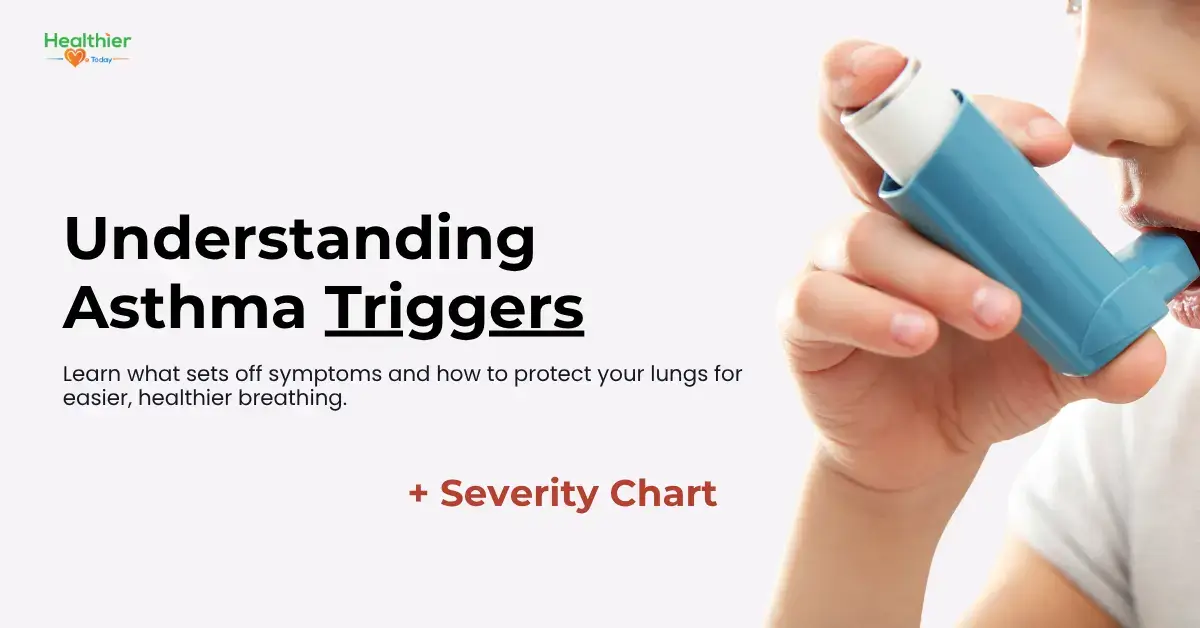
Asthma affects millions of people worldwide, and understanding what triggers symptoms is an important step toward better control. While many people search for the causes of asthma, the condition does not usually have a single cause. Instead, flare-ups are often triggered by specific factors in the environment.
These triggers can tighten the airways, cause inflammation, and make breathing suddenly more difficult. In this article, we will explore the most common asthma triggers, how they affect the body, and practical ways to avoid them for better everyday breathing.
Causes of Asthma
While researchers continue to study what causes asthma, one thing is clear: symptoms are often triggered by specific factors in a person’s environment. These triggers can vary widely from person to person and may lead to coughing, wheezing, or chest tightness.
Learning to identify and avoid these triggers can help reduce flare-ups, nighttime symptoms, and emergency situations. Below are some of the most common asthma triggers that can affect breathing and worsen asthma symptoms.
1. Allergens
Allergens are one of the most common triggers of asthma symptoms, especially for people who experience asthma and allergy conditions together. Everyday allergens such as pollen, dust mites, mold, and pet dander can irritate sensitive airways, leading to inflammation and breathing difficulties.
When these particles are inhaled, the immune system may react strongly, causing the airways to tighten and produce extra mucus. This reaction can trigger symptoms such as coughing, wheezing, and shortness of breath.
Because allergens are present in many indoor and outdoor environments, learning how to reduce exposure can play an important role in preventing asthma flare-ups.
How to Avoid Triggers
- Use a HEPA air purifier in the bedroom.
- Keep windows closed during high-pollen days.
- Wash bedding frequently in hot water.
- Vacuum carpets using a HEPA filter vacuum.
- Reduce indoor humidity to help prevent mold growth.
People with allergic asthma may also benefit from allergy testing, which can help identify the specific substances that trigger their symptoms.
2. Air Pollution and Environmental Irritants
Air pollution and environmental irritants can easily trigger asthma symptoms because the lungs are highly sensitive to particles in the air. Substances such as cigarette smoke, vehicle emissions, chemical fumes, and industrial pollutants can irritate the airways and worsen breathing problems.
This is why many people experience increased symptoms related to asthma and air pollution, particularly in heavily populated or industrial areas.
How to Avoid Triggers
- Check daily air-quality indexes and limit outdoor activity on high-pollution days.
- Avoid smoking areas altogether.
- Use unscented cleaning products and avoid strong detergents.
- Keep the home well ventilated when cooking.
Here are mullein drops to help your lungs and airways!
3. Respiratory Infections
Respiratory infections such as colds, flu (influenza), and other viruses can irritate the airways and trigger inflammation [cdc.gov]. When the body fights an infection, the airways may become more sensitive and swollen, making breathing more difficult for people with asthma. Because of this, infections are one of the most common causes of a sudden asthma flare up.
How to Avoid Triggers
- Wash your hands frequently.
- Avoid close contact with people who are sick.
- Get yearly flu vaccinations when eligible.
- Maintain good hydration and healthy sleep habits to support your immune system.
4. Physical Activity and Cold Weather
Some people with asthma develop symptoms during exercise or when breathing in cold air. This can occur with exercise induced asthma or cold induced asthma, conditions in which the airways temporarily narrow in response to increased airflow or sudden temperature changes.
How to Avoid Triggers
- Warm up slowly before exercise.
- Use a scarf or cloth to cover your mouth when breathing in cold air.
- Choose indoor workouts on extremely cold or windy days.
- Keep a reliever inhaler nearby during physical activity.
With the right precautions, many people with asthma can remain physically active while protecting their airways.
5. Stress and Strong Emotions That Can Trigger Asthma
Emotional stress can tighten the chest, change breathing patterns, and trigger asthma symptoms in some people. Strong emotions such as anxiety, anger, or intense excitement may also make breathing feel more difficult. While stress does not directly answer what is asthma caused by, it can play a significant role in triggering flare-ups and affecting overall symptom control.
How to Manage Triggers
- Practice deep breathing or mindfulness exercises.
- Prioritize rest and regular sleep.
- Break larger tasks into simple, manageable steps.
- Seek emotional support when needed.
Use a mattress protector to help reduce exposure to dust mites, pet dander, mold, and other allergens that can trigger asthma symptoms at night. Since you spend hours sleeping each day, allergens trapped inside a mattress can continue irritating the airways over time. A protector creates a barrier between you and those irritants, while regular washing can help keep the sleeping environment cleaner and easier on the lungs.
Here are 10 natural ways to ease your stress!
6. Food Triggers and Additives
Food does not commonly cause asthma attacks on its own, but certain foods and additives can worsen symptoms or increase airway inflammation. This is why researchers often explore the diet and asthma connection, particularly in people who notice symptoms after eating specific foods [aafa.org].
Foods to Watch
- Foods containing sulfites, such as dried fruits, wine, and some packaged potatoes.
- Foods that trigger heartburn or acid reflux, which can irritate the airways.
- Very cold drinks or ice, which may increase airway sensitivity in some individuals.
How to Avoid Triggers
- Keep a food diary to track possible reactions.
- Limit heavily processed foods and additives.
- Pay attention to foods that seem to worsen breathing symptoms.
If a particular food repeatedly worsens breathing or asthma symptoms, it is best to avoid it and discuss it with a healthcare provider.
How to Reduce Exposure Through Lifestyle Habits
Managing asthma often involves reducing exposure to common triggers in everyday environments. By making small, consistent adjustments to daily habits, it is possible to lower the risk of flare-ups and improve overall breathing comfort. These natural ways to control asthma and thoughtful lifestyle changes to prevent asthma can help support lung health and make symptoms easier to manage over time.
- Keep your home clean and dust-free – Regular cleaning can reduce exposure to dust mites, pet dander, and other indoor allergens. Vacuum carpets frequently, wipe surfaces with damp cloths, and wash bedding in hot water to limit allergen buildup.
- Strengthen your immune system with nutritious meals and adequate sleep – A balanced diet rich in fruits, vegetables, whole grains, and lean proteins helps support the immune system. Getting enough sleep also helps the body recover and may reduce vulnerability to infections that can trigger asthma symptoms.
- Clean or replace air filters regularly – Air filters in heating and cooling systems can collect dust, pollen, and other particles. Replacing them on schedule helps maintain cleaner indoor air and reduces exposure to irritants that may worsen asthma.
- Stay well hydrated throughout the day – Drinking enough water helps keep the airways moist and may make mucus easier to clear. Proper hydration also supports overall respiratory health.
- Practice breathing exercises – Gentle breathing techniques, such as diaphragmatic breathing or paced breathing exercises, may help improve lung efficiency and reduce feelings of shortness of breath in some people.
Taking small daily actions based on practical asthma prevention tips can lead to long-term improvements in symptom control and quality of life.
When to See a Doctor for Asthma Symptoms

Occasional breathing discomfort may happen for many reasons, but persistent or worsening symptoms should always be taken seriously. Asthma symptoms can range from mild to severe, and recognizing when medical help is needed can prevent complications and improve long-term control.
You should consider speaking with a healthcare provider if you frequently experience symptoms such as wheezing, coughing, chest tightness, or shortness of breath, especially if they interfere with daily activities or sleep [webmd.com]. These signs may indicate that asthma is not well-controlled or that treatment adjustments are needed.
Medical attention is especially important if symptoms suddenly worsen or do not improve with prescribed inhalers. Warning signs such as difficulty speaking due to breathlessness, rapid breathing, or persistent chest tightness may signal a severe asthma attack that requires immediate care.
A healthcare professional can evaluate your symptoms, identify possible triggers, and recommend appropriate treatment or management strategies. Early diagnosis and proper treatment can help prevent serious asthma complications and improve overall quality of life.
Conclusion: Stay in Control of Your Asthma
Asthma symptoms do not appear randomly. In many cases, they are triggered by specific environmental, physical, or lifestyle factors. By learning to recognize common triggers such as allergens, air pollution, infections, stress, or certain foods, many people can significantly reduce the frequency of flare-ups.
Paying attention to early asthma attack symptoms, including coughing, wheezing, chest tightness, and shortness of breath, can help you respond quickly before symptoms become more severe. Understanding your personal triggers is one of the most effective ways to manage the condition and maintain better breathing throughout daily life.
With the right awareness, practical lifestyle adjustments, and guidance from a healthcare professional, many people with asthma are able to stay active, reduce symptoms, and maintain long-term control of their condition.
Frequently Asked Questions (FAQ)
Q: Can asthma develop later in life?
A: Yes, many people wonder can you develop asthma later, and the answer is yes. Asthma can appear in adulthood after long-term exposure to irritants, hormonal changes, or respiratory infections. Lifestyle habits and work environments may also contribute to the development or worsening of symptoms.
Q: Is asthma hereditary or environmental?
A:Asthma can be influenced by both genetics and environmental factors. A family history of asthma may increase your risk, while exposure to allergens, pollution, or other irritants can affect how often symptoms occur and how severe they become.
Q: Can exercise trigger asthma symptoms?
A: Yes, physical activity can trigger airway narrowing during intense exercise or when exercising in cold air. This occurs because increased airflow can dry and irritate the airway lining. Proper warm-ups and controlled breathing techniques may help reduce symptoms.
Q: What foods may worsen asthma?
A: Certain foods and additives can worsen asthma symptoms in some people. Preservatives such as sulfites, cold drinks, and foods that trigger acid reflux may irritate the airways. Keeping track of how your body reacts to different foods can help identify possible triggers.
Q: What lifestyle changes reduce asthma attacks?
A: Improving indoor air quality, reducing clutter that collects dust, washing bedding frequently, and avoiding smoking areas can help reduce exposure to asthma triggers. A balanced diet, regular physical activity, and maintaining a clean living environment also support long-term respiratory health.