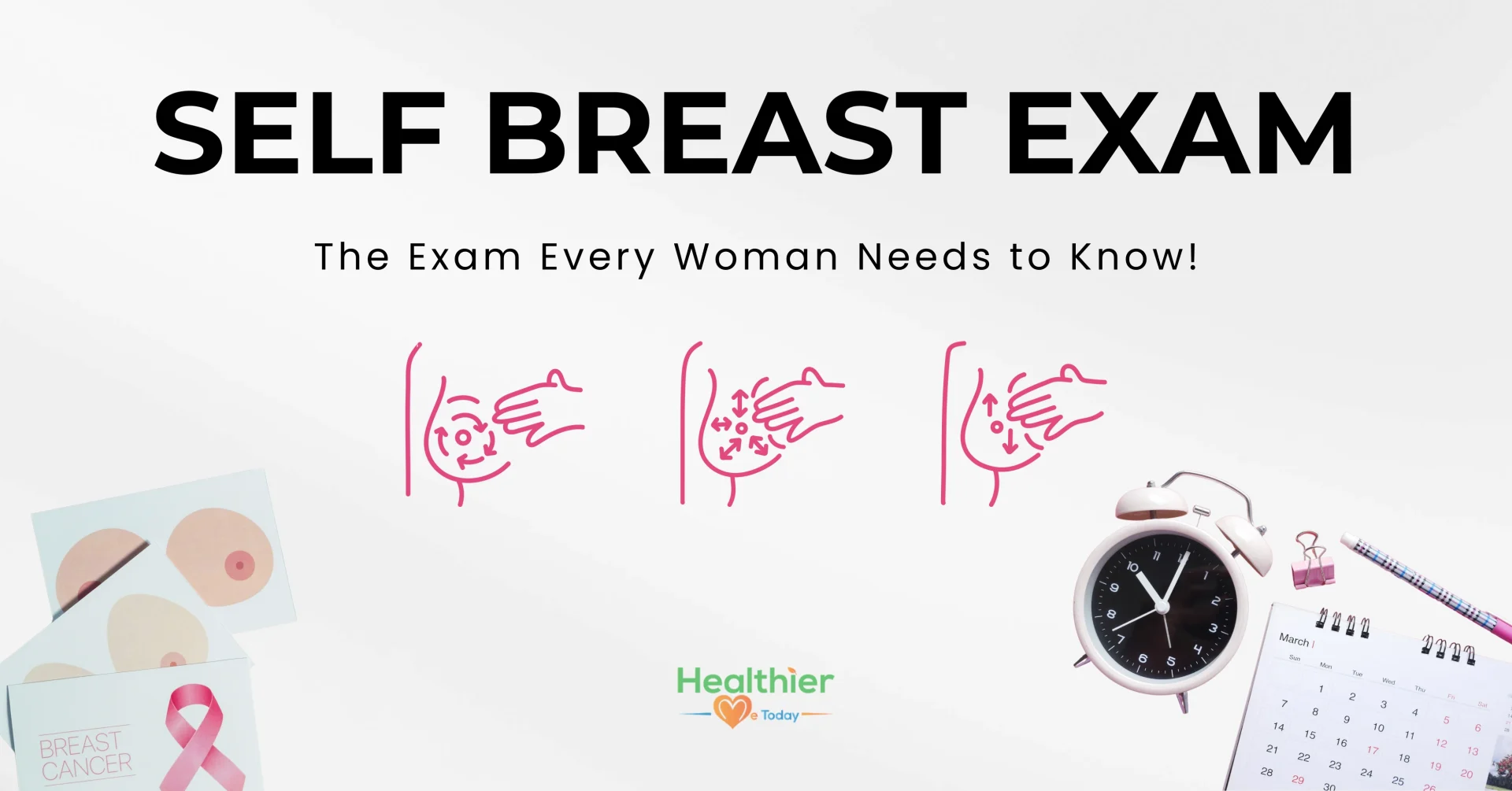
How to Do a Self Breast Exam: A Simple Step-by-Step Guide

Not sure how to do a self breast exam? It’s easier than you think! This friendly guide walks you through clear, simple steps to check your breasts at home, keeping your health in focus. You’ll learn what to notice, like “What does a breast lump feel like?” and how to spot changes early. Knowing how to do a self breast exam takes just minutes to get comfy with your normal. 

Wondering about the best time to do a breast self-exam or what’s typical versus not? You’re covered with practical tips and an effective approach. Let’s get started!

Why is Knowing How to Do a Self Breast Exam Important?

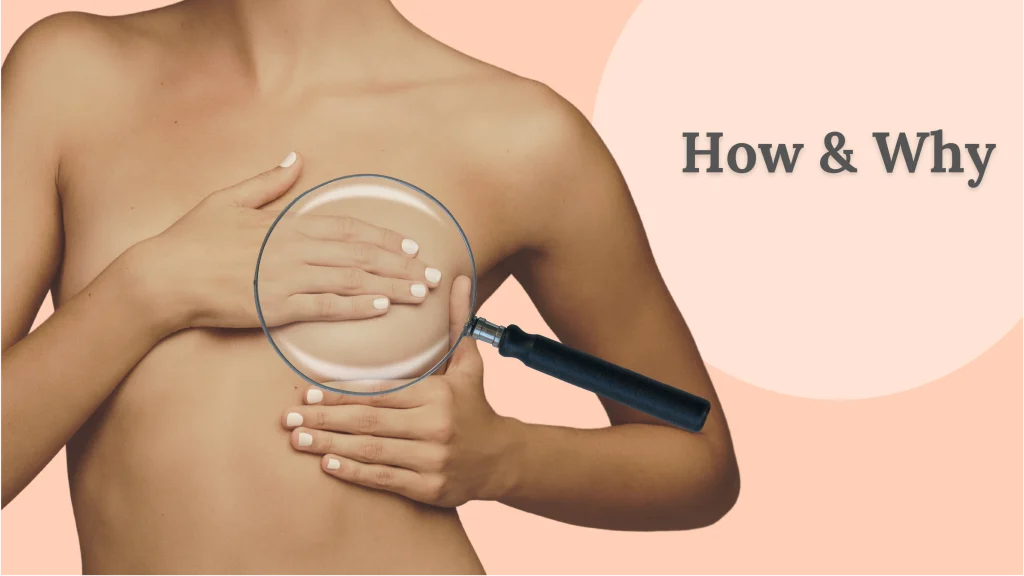
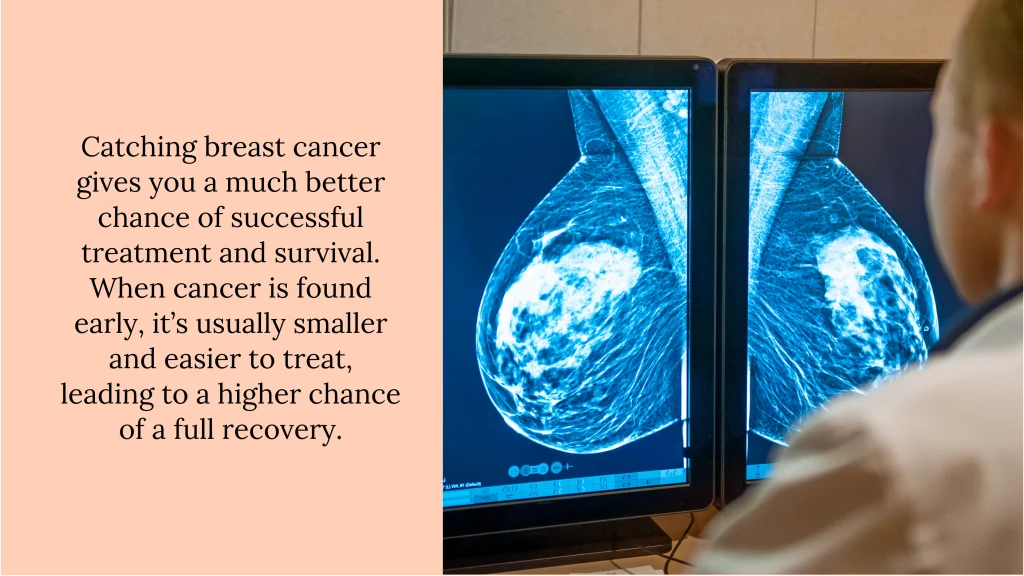
A breast self exam is a powerful way to stay connected with your body. You learn what’s normal for you by checking regularly, so anything new, like a lump, skin change, or texture shift, stands out fast. Research shows that spotting issues early can make a big difference in catching problems before they grow, boosting your chances of successful outcomes. You don’t need fancy tools, just your hands, eyes, and a few minutes monthly to build this habit. It’s about empowerment, giving you a role in your health alongside doctor visits.

Breast self examination

Doctors value self-exams as a backup to clinical checks, especially for younger women, those with denser breasts, or anyone between mammograms. Breast health awareness isn’t just for specific ages. It’s for everyone with breasts, including those post-menopause or with implants. This quick routine builds confidence, reduces worry, and helps you catch harmless features and changes worth a doctor’s visit, making it a small act of self-care with a significant impact.

The Benefits of Self Breast Exams

Checking your breasts has some excellent perks. Here’s why it’s worth those few minutes:

Early Awareness

Catching changes early is a key reason for breast self examination. Studies show that noticing lumps, swelling, or odd textures sooner can lead to quicker action, improving health outcomes. By staying alert, you’re giving yourself a head start. Early checks mean you spot things before they get tricky, like knowing your home so well that you immediately notice a new creak. This awareness can ease your mind and keep you proactive.

Confidence in Your Body

Knowing how to do a self breast exam builds a strong bond with your body. You learn what’s normal, so natural bumps don’t spark panic. Understanding your unique patterns month to month is empowering. This confidence makes chatting with doctors easier. You’re informed, not guessing, and that clarity feels terrific, making health talks a breeze.

Affordable and Accessible

There is no cost, and no appointment is needed. A breast self exam is free and fits your schedule, whether at home, in the shower, or before bed. It’s a simple way to prioritize health. This accessibility lets you stay proactive anywhere, anytime. No barriers mean you’re always in charge of your breast health, which is a big win.

Complements Other Screenings

Self breast exam

Self-exams work hand-in-hand with mammograms and doctor visits. While mammograms see deeper, your hands catch surface changes fast, filling gaps in routine screenings. This teamwork strengthens your health plan. You’re covering all bases, making sure nothing slips through, and that’s a smart strategy for peace of mind.

Reduces Health Anxiety

Regular checks can calm worries about missing something. Knowing what’s normal for you lowers stress, since you’re less likely to overthink every twinge or bump. This habit turns uncertainty into familiarity. You’re not fretting, you’re in control, and that sense of calm is a gift to your mental health.

Tips to Make Breast Exams Easier

A breast self examination might feel new, but it’s easy to make it a comfy habit. Find a quiet corner, like your bedroom or bathroom, and set a relaxed vibe with soft lights or a warm shower. Soapy hands or lotion help fingers glide smoothly, especially for standing checks. Pop a monthly reminder on your phone, maybe with a fun name like “Boob Check Day,” to keep it light. 

Don’t stress about nailing it perfectly, since it’s about spotting changes over time, not being a pro, or feeling shy. Try it alone first, maybe with a favorite playlist to ease nerves. Jot notes afterward to track what you find, building a clear picture month by month. These tweaks make your routine welcoming, stress-free, and something you’ll look forward to.

Here are some practical tips to get started:

  • Use a big mirror to see every angle.
  • Check when calm, like after a warm bath.
  • Log findings in a journal or app for easy recall.
  • Breathe slowly if anxious; it melts tension fast.
  • Pair with a self-care ritual, like lotion time.

How to Do a Self Breast Exam

Want to know how to do a self breast exam? These 10 breast self-exam instructions take 10-15 minutes. And you only need to use your eyes and hands to notice what’s regular or new. 

How to Do a Self Breast Exam

Follow this effective, gentle path:

Step 1: Prepare Your Space

Set up a private spot with good lighting and a mirror. Remove your top and bra, feeling relaxed. A calm space starts your breast self examination on the right foot, making focusing easier.

Step 2: Stand and Observe

Stand with arms relaxed by your sides, facing the mirror. Look for changes in breast size, shape, or skin, like redness, dimpling, or swelling. You’re just noting what’s there, no pressure.

Step 3: Raise Your Arms

Lift both arms overhead and check again in the mirror. Watch for asymmetry, puckering, or skin pulling. This pose reveals shifts your relaxed stance might miss, adding depth to your check.

Step 4: Flex Your Chest Muscles

Press hands on hips to tighten chest muscles, still facing the mirror. Look for nipple changes or skin tugging. This quick trick can help you spot subtle differences when you know how to do a self breast exam.

Step 5: Feel Standing (Right Breast)

Raise your right arm, using your left hand’s finger pads (not tips) to press gently on your right breast. Move in small circles from armpit to collarbone, down to the bra line. Wondering, “What does a breast lump feel like? It might feel soft, firm, or like a small pea.

Step 6: Feel Standing (Left Breast)

Switch sides, raising your left arm. Use your right hand to circle your left breast, covering the armpit to the center. This ensures your breast self exam steps miss nothing, mapping both sides thoroughly.

Step 7: Vary Pressure Levels

For both breasts, adjust your touch: light for skin, medium for middle tissue, firm for deeper areas near ribs. Think of a clock, checking each “hour” from 12 back to 12, catching all depths.

Step 8: Lie Down (Right Breast)

Lie back with a pillow under your right shoulder and your right arm behind your head. Use your left hand to circle your right breast, armpit, and nipple. Lying flat flattens tissue, making deeper spots easier to feel.

Step 9: Lie Down (Left Breast)

Shift the pillow under your left shoulder, left arm back. Use your right hand to check your left breast; it has the same pattern. Concerned about what does a cancerous breast lump feel like? It’s often rigid and stuck, but many lumps aren’t serious.

Step 10: Check Your Nipples

Gently squeeze each nipple between thumb and finger, noting discharge (clear, bloody, milky) or inversion. Nipples vary, so track your norm. This final step completes your breast self exam with confidence.

What to Know About Breast Exams

A breast self exam is a trusty tool in your health routine, not the whole show. The best time to do a breast self-exam is a few days after your period, when breasts are less swollen or bumpy from hormones. No period? Pick a set day, like the first Sunday. Normal vs. abnormal breast lumps can puzzle you, since normal breasts often feel glandular or lumpy, especially pre-period, while abnormal ones might be hard, fixed, or new. 

Breast self exam

Don’t worry—most lumps are benign, like cysts or fibrous tissue! Breast self-exam vs. mammogram? Mammograms spot tiny changes via X-rays, ideal after 40, but your hands catch what you feel now, and they are perfect for all ages. Some myths float around, like self-exams being outdated, but doctors still back them as a way to stay aware. You’re not diagnosing cancer, just watching for shifts, so keep it relaxed and trust your instincts.

Conclusion: Take Charge of Your Breast Health

Learning how to do a self breast exam is a small step with big rewards. You’ve got the breast self examination steps down now, from mirror checks to gentle squeezes, all in a quick routine. Knowing the answer to “What does a breast lump feel like” or spotting changes early keeps you ahead. It’s not about fear, just feeling comfy with your body. Pair this with doctor visits, and you’re set. 

So, grab a mirror, take a moment, and make this friendly habit yours. You’re worth it, and your health will thank you!

FAQ’s:

Why is it important to check for breast changes regularly?

Regular checks help you know your normal, catching lumps or changes early. Cleveland Clinic says it’s a smart habit for peace of mind and better health.

Can breast lumps go away on their own?

Yes, cysts often fade with your cycle. National Center for Biotechnology Information (NCBI) notes fluid-filled lumps may resolve naturally, but keep an eye on them.

What are some non-cancerous reasons for breast lumps?

Cysts, fibroadenomas, or hormonal shifts cause lumps. Most are just your body’s harmless quirks, not trouble.

Does age affect the likelihood of finding a lump?

Younger, denser breasts often feel lumpy. Cancer risk rises with age, but checking matters at any stage.

What are the early warning signs of breast cancer besides lumps?

Skin dimpling, nipple changes, or redness raise flags. Cleveland Clinic lists these as key signs to watch.

Should breast exams be done differently for women with implants?

Yes, feel gently around the implant edges. Implants obscure some tissue, so check with your doctor for tips.

How does the menstrual cycle affect breast texture and lumps?

Hormones swell breasts pre-period, making them feel bumpy. Post-period, however, is calmer, making it ideal for your exam.

What are the common mistakes people make when checking their breasts?

Rushing, using fingertips, or skipping spots are common. Slow down, use finger pads for better checks.

When should you see a doctor after noticing a lump or change?

According to NCBI, new, hard, or lasting changes need a doctor soon. Don’t wait if something feels off.

Are there any apps or tools that can help track breast health?

Apps like BreastCheck remind you to check and log notes. Simple journals or calendars work great, too.

How often should you do a breast self-exam?

Are you wondering when to do a self breast exam? Monthly is perfect for staying in tune. Pick a day, cycle or not, for an easy routine.
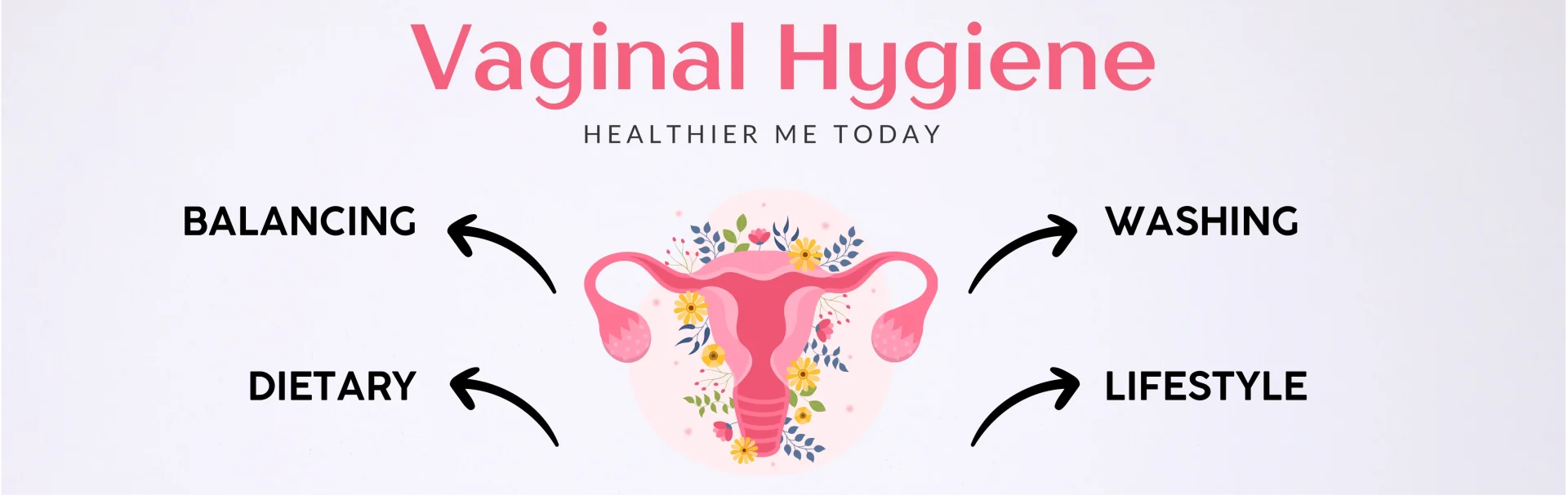
Home Remedies for Vaginal Odor: What Works & What Doesn’t

Wondering how to get rid of vaginal odor at home? Vaginal odor is a natural part of life, but when you catch yourself thinking, “I can smell myself through my pants,” it’s time to take notice. This guide dives deep into home remedies for vaginal odor, sorting what genuinely works, such as proper vaginal care, from what falls flat, like trendy vaginal detox gimmicks, from mastering how to wash vagina safely to tackling smelly discharge naturally.

This article lists evidence-based tips to maintain a healthy vaginal environment with confidence. Let’s begin!

Understanding Vaginal Odor: What’s Normal and What’s Not

Vaginal odor isn’t something to fear. It’s a sign your body is functioning as it should. Every woman has a unique scent shaped by biology and daily life. Cleveland Clinic explains that a healthy vaginal odor is typically mild, perhaps a bit musky, tangy, or slightly sweet, thanks to sweat glands, hormonal shifts, and the natural bacterial community. 

healthy vaginal

This scent can shift with your cycle, becoming more noticeable during menstruation with a metallic smell from period or lingering subtly as vaginal odour after period. The vagina’s acidic pH (3.8-4.5) keeps good bacteria like lactobacillus in charge, maintaining balance. However, when that scent turns fishy, foul, or strong enough to make you say, “I can smell myself through my pants,” it suggests something’s off, whether from hygiene, lifestyle, or a health issue.

  • Normal Odor Variations: A slight tang or musk is standard and shifts with your cycle, such as during the smell from period or post-ovulation. Hormones drive these changes, which are no cause for concern.
  • Abnormal Red Flags: Fishy, yeasty, or rotten smells are unusual. Bacterial vaginosis (BV) often brings a fishy whiff with gray discharge, while yeast infections smell yeasty with thick clumps, hinting at underlying issues.
  • Misconceptions: The myth that vaginas should be odorless fuels risky habits like douching. Cleveland Clinic warns that this disrupts pH and can worsen odor instead of improving it.

Recognizing your baseline helps you manage vaginal care effectively by supporting nature rather than fighting it.

Common Causes of Vaginal Odor

Vaginal odor doesn’t appear out of nowhere; it’s tied to a mix of daily habits, bodily processes, and sometimes medical conditions. Pinpointing the cause is key to deciding how to get rid of vaginal odor at home or knowing when to seek a doctor. The triggers range from sweaty workouts to serious infections, each offering clues about what’s happening in your body.

Everyday Triggers

Daily life can quietly amplify vaginal odor, especially if you overlook small details. 

Here are everyday odor triggers:

  • Sweat and clothing choices: Tight jeans, leggings, or synthetic underwear trap heat and moisture around the vulva, creating a perfect spot for odor-causing bacteria to thrive. Sweat glands in the groin work hard, particularly after exercise or on humid days, turning mild scents into something noticeable through layers. Switching to loose cotton can quickly improve vaginal smell.
  • Menstruation and its aftermath: Your period’s metallic or earthy smell from period comes from blood and tissue breaking down, a natural shift driven by hormones. If you don’t rinse gently afterward, leftover residue can lead to vaginal odour after period. Pads or tampons left too long encourage bacterial growth, making the scent sharper and more persistent.
  • Dietary influences: Foods like onions, garlic, asparagus, or excessive coffee filter into your sweat and urine, subtly altering vaginal scent. The effect isn’t drastic, but it’s enough to tweak your usual smell, complicating efforts for how to remove vaginal odor without dietary adjustments.

Medical Conditions Behind Odor

Sometimes, odor signals are more than lifestyle slip-ups; they are health issues demanding attention. 

Here are medical conditions that cause odor:

  • Bacterial vaginosis (BV): When harmful bacteria overtake the good, BV disrupts vaginal pH, making it the top odor culprit, according to Cleveland Clinic. About 50% of cases feature a fishy smell with gray, watery discharge. Antibiotics, stress, or multiple partners can trigger this imbalance, though it’s not an STI. The scent might make you think, “I can smell myself through my pants even after showering,” especially after sex or during periods.
  • Yeast infections: Candida overgrowth creates a yeasty, bread-like smell with thick, white, clumpy discharge, affecting 75% of women at some point. Antibiotics, diabetes, or damp conditions like wet swimsuits spark this fungal surge. It’s distinct from BV’s fishy odor yet noticeable enough to raise questions about how to get rid of smelly discharge naturally at home.
  • Trichomoniasis: This STI, caused by a parasite, delivers a foul, rotten odor with frothy, yellow-green discharge, though rarer, impacting millions yearly. Spread through unprotected sex, it’s often silent initially (70% of cases show no early signs), but when the smell kicks in, it’s far more potent than typical vaginal odour after period.
  • Pelvic inflammatory disease (PID): PID arises when bacteria from untreated STIs like chlamydia climb into the uterus or tubes, often after sex or douching, a risky thing you should not do to your private parts. Though less common, it’s serious, producing a heavy, foul odor with pain and fever, making “I can smell myself through my pants” one symptom among many.

Lifestyle and Hygiene Missteps

Beyond biology, your habits can fuel odor quietly. Skipping a proper how to wash vagina routine, or overdoing it with harsh soaps, throws off pH and invites bacteria to flourish. Lingering in sweaty gym gear or neglecting post-period cleanup turns a mild smell from period into a lingering problem, making daily vaginal care a must.

Home Remedies That Work for Vaginal Odor

You don’t need fancy tools or miracle potions; effective home remedies for vaginal odor rely on straightforward, science-backed habits that bolster your body’s natural rhythm. These approaches address how to get rid of vaginal odor at home by enhancing what’s already functioning well, offering practical steps anyone can follow.

how to get rid of vaginal Odor at home

Proper Washing Techniques

Hygiene doesn’t mean scrubbing everything in sight; it’s about carefully targeting the right spots. 

Below are the best ways to wash wisely:

  • How to wash: For how to clean vagina safely, use warm water or mild, unscented soap on the vulva, including the labia, clitoris, and outer folds. The inside manages itself with discharge, as the Cleveland Clinic notes.
  • Frequency matters: Once daily, it keeps things fresh; over-washing strips away the good bacteria that are essential for a healthy vaginal state. A gentle rinse post-period helps with vaginal odour after period.
  • Breathable fabrics: Cotton underwear and loose pants reduce moisture, a key factor in keeping your vagina healthy. Testers switching from synthetics noticed less “I can smell myself through my pants” quickly.

Dietary Adjustments

Your diet influences more than your waistline; it subtly shapes vaginal scent too. 

Here are dietary fixes that work:

  • Hydration boost: Drinking 8-10 glasses of water daily flushes toxins, diluting sweat and urine odors – a simple trick for how to get rid of vaginal odor at home.
  • Probiotics power: Yogurt, kefir, or lactobacillus supplements rebuild vaginal flora, cutting smelly discharge. Research [National Institutes of Health] suggests 60% of women see BV relief with this natural vaginal care boost.
  • Cut odor triggers: Reducing garlic, asparagus, or heavy coffee gradually eases scent, supporting efforts with consistent dietary tweaks.

Lifestyle Tweaks

Your daily choices can either lock in odor or let it dissipate.

These are clever lifestyle adjustments:

  • Clothing choices: Swap tight leggings for skirts or breathable pants; sweat decreases fast, aiding how to remove vaginal odor effortlessly.
  • Post-exercise rinse: Shower after sweating to clear buildup. This is crucial if “I can smell myself through my pants even after showering” persists.
  • Sleep naked: Letting your vulva breathe overnight minimizes moisture, a wise step for keeping your vagina smelling good.

Supporting Natural Balance

A couple of extras can gently enhance your body’s defenses.

Here are natural boosters to try:

  • Apple cider vinegar bath: A diluted soak (1 cup in a tub) may balance external pH, not a cure but a mild aid Cleveland Clinic deems safe if used carefully.
  • Tea tree oil: A drop in bathwater, heavily diluted, provides antibacterial benefits; use sparingly to avoid irritation, boosting vaginal care.

These methods reinforce your natural system, making them reliable for how to get rid of vaginal odor at home.

Home Remedies That Don’t Work (And Why)

Not every popular fix holds up; some home remedies for vaginal odor flop miserably, often worsening the problem. These missteps promise quick results but deliver setbacks instead, highlighting why sticking to proven vaginal care matters.

Internal Cleaning Myths

The vagina’s a self-cleaning wonder; messing with it inside is more harm than help. 

Here are things to steer clear of:

  • Douching debunked: Douching strips good bacteria, raising BV risk by 20%. Cleveland Clinic warns that it is a top thing you should not do to your private parts.
  • Vaginal detox fads: Pearls, steams, or herb inserts for vaginal cleanse lack proof; irritation risks make them useless for how to get rid of vaginal odor at home.

Risky Practices

Some ideas sound clever, but they throw your balance into chaos. 

These are practices to avoid:

  • Scented soaps and sprays: These briefly mask smells but disrupt pH, worsening odor; avoid perfumed vaginal detox products entirely.
  • Vinegar douches: No evidence backs this for how to get rid of smelly discharge naturally at home; it burns tissue, another thing you should not do to your private parts.

Misguided Food Fixes

Food tweaks can help slightly, but these viral hacks overpromise. 

Here are food fixes that fail:

  • Pineapple myth: Eating it won’t sweeten your vagina; diet shifts are subtle, not a solution for vaginal odour after period.
  • Sugar scrubs: DIY scrubs near the vulva feed yeast, boosting odor, an apparent vaginal care mistake to dodge.

These flops miss the mark by ignoring the vagina’s natural rhythm; opt for what’s tested and true.

How to Properly Clean Your Vagina: Dos and Don’ts

Cleaning your vagina doesn’t need to be complex; it’s about gentle, targeted care that respects your body’s system. Getting it right avoids amplifying odor, keeping things fresh with minimal effort.

things you should not do to your private parts

Dos for Effective Cleaning

Simplicity wins; proper cleaning supports healthy vaginal balance without throwing it off course. 

Here’s how to clean effectively:

  • External only: For how to clean vagina right, wash the vulva, including labia, clitoris, and outer folds, with warm water or mild soap. Inside self-manages with discharge, as the Cleveland Clinic confirms.
  • Pat dry thoroughly: A clean towel prevents moisture buildup, reducing bacterial risk and maintaining freshness.
  • Daily consistency: Once-a-day washing keeps balance; add a rinse post-sweat or period for solid vaginal care.
  • Unscented products: Use fragrance-free soap since scents disrupt pH, undermining how to properly clean vagina.

Don’ts to Avoid Harm

Going too hard or using the wrong stuff can turn cleaning into an odor booster. 

These are pitfalls to dodge:

  • No internal scrubbing: Among things you should not do to your private parts, inserting soap or tools tops the list; the vagina’s fine on its own.
  • Avoid harsh chemicals: Skip-scented wipes or gels, which upset pH and worsen “I can smell myself through my pants,” despite your efforts.

These steps keep odor in check without overcomplicating your routine.
When to Seek Professional Help

Home fixes have their limits; persistent odor, incredibly fishy, yeasty, or paired with odd discharge signals help beyond how to get rid of vaginal odor at home. 

Cleveland Clinic suggests seeing a doctor if:

  • The smell lingers despite good vaginal care.
  • Vaginal odour after period turns abnormal, like gray or frothy discharge.
  • Itching, burning, or “I can smell myself through my pants even after showering” stick around.

BV, trichomoniasis, or PID require antibiotics or specific treatments; don’t delay if symptoms escalate.

Conclusion: Addressing Your Vaginal Odor Concerns

Managing vaginal odor is straightforward with the right home remedies for vaginal odor, such as proper “how to clean vagina” habits, hydration, and probiotics for how to get rid of vaginal odor at home. Skip douching and vaginal detox are obvious things you should not do to your private parts, and embrace gentle vaginal care. If “I can smell myself through my pants” persists, consult a doctor. A healthy vaginal state is achievable with innovative, tailored steps that work with your body’s needs.

FAQ’s:

Why do I still smell bad even after showering?

If you’re asking, “I can smell myself through my pants even after showering,” it might be sweat trapped in tight clothes, a garlic-rich diet, or BV lurking beneath. Showering helps, but over-washing with harsh soaps disrupts healthy vaginal pH, letting odor linger. Try cotton underwear, loose pants, and a once-daily mild soap routine; persistent smells suggest a doctor’s visit.

What are the common causes of vaginal odor?

Odor stems from sweat, menstruation (smell from period), or diet, like onions. Medical causes include BV (fishy), yeast infections (yeasty), trichomoniasis (foul), or PID (heavy). Poor vaginal care, such as skipping how to wash vagina or overdoing it, worsens “I can smell myself through my pants”. Tight clothing adds to it.

How do I properly clean my vagina without disrupting pH balance?

For how to properly clean vagina, wash the vulva, not inside, with warm water or unscented soap once daily. The vagina’s pH (3.8-4.5) self-regulates; douching or vaginal detox throws it off. Pat dry, wear cotton, and avoid things you should not do to your private parts, like fragrances, for a healthy vaginal state.

What home remedies work best for reducing vaginal odor?

For how to get rid of vaginal odor at home, wash externally (how to clean vagina), drink water, and eat probiotics (yogurt) to curb smelly discharge. Loose clothing and cotton underwear aid in vagina health. These bolster balance, unlike vaginal cleanse fads, keeping odor in check.

How often should I wash my vagina, and what products should I use?

For how to wash vagina safely, once daily with warm water or mild, unscented soap on the vulva, not inside, is enough. Over-washing strips good bacteria, so keep it simple. Avoid fragrances since vaginal care thrives on minimalism to maintain balance.

What ingredients should I avoid in vaginal cleansers and detox products?

Steer clear of fragrances, dyes, alcohol, and parabens; they irritate and disrupt healthy vaginal pH, worsening odor. Vaginal detox with vinegar or herbs is unproven and risky, among things you should not do to your private parts, potentially sparking infections or burns instead of helping.

10 Lifestyle Choices That Reduce the Risk of Breast Cancer

Breast cancer looms large as a health concern for many, but the power to lower its risk lies in everyday choices, choices that not only address risk factors for breast cancer but also enhance your quality of life. Wondering how to prevent breast cancer or how to avoid breast cancer? 

Simple shifts like adopting a breast cancer diet, staying active, and managing stress can make a significant dent in your breast cancer probability. This isn’t about drastic overhauls; it’s about practical, sustainable steps that tackle breast cancer triggers head-on. Backed by expert insights from the Siteman Cancer Center and Mayo Clinic, this guide details 10 lifestyle strategies to reduce chances of breast cancer, spotlighting foods to avoid breast cancer, exercise routines, and more. 

Whether you’re navigating breast cancer age statistics or simply aiming to thrive, these choices empower you to take control of your lifetime risk of breast cancer naturally.

Why Lifestyle Matters in Breast Cancer Prevention

Your lifestyle isn’t just a backdrop – it’s a frontline defense against breast cancer, directly influencing risk factors for breast cancer like excess weight, hormone imbalances, and chronic inflammation. While genetics play a role (e.g., BRCA mutations can spike risk of breast cancer by age), the Siteman Cancer Center estimates that modifiable habits can slash your breast cancer likelihood age by up to 30% – a figure that underscores how to lower risk of breast cancer through action. 

lifetime risk of breast cancer

The Mayo Clinic reinforces this, pointing out that consistent choices – like a diet to avoid breast cancer or regular physical activity – alter your body’s internal environment, reducing estrogen levels and oxidative stress that fuel cancer growth. Consider breast cancer age statistics: risk doubles after 50, with 1 in 8 women facing it over a lifetime, per the American Cancer Society. Yet, this isn’t a fixed fate – lifestyle tweaks can shift the odds. 

For example, maintaining a healthy weight post-menopause cuts estrogen-driven risks, while cutting alcohol nips a key breast cancer trigger in the bud. These steps aren’t just preventive; they’re empowering, offering a tangible way to how can you avoid breast cancer at any stage of life, from your 20s to your 70s and beyond.

10 Lifestyle Choices to Lower Breast Cancer Risk

Here are 10 expert-backed strategies to how to prevent breast cancer, expanded with detailed insights, practical applications, and science from Siteman and Mayo Clinic.

Each a step toward how to reduce chances of breast cancer:

1. Maintain a Healthy Weight

Carrying extra pounds, especially after menopause, is a top risk factor for breast cancer – fat tissue churns out estrogen, a hormone that can spark hormone-sensitive tumors. Siteman explains that a BMI over 25 ramps up risk, but losing just 5-10% of your body weight (e.g., 10 pounds if you’re 200) can drop it by 10-15%, a shift that echoes how to avoid breast cancer through balance. 

Post-menopause, when ovaries stop producing estrogen, fat becomes the primary source – keeping it in check is crucial. 

Start with small swaps: 

  • Ditch sugary sodas for water
  • Pair meals with a breast cancer diet rich in lean proteins (chicken, tofu)
  • Fiber-packed veggies (spinach, carrots) 

Track progress with a scale or waist measurements – consistency is your shield against breast cancer probability.

2. Exercise Regularly

Physical activity isn’t just for fitness – it’s a proven tactic in how to lower risk of breast cancer. The Mayo Clinic highlights that 150 minutes of moderate exercise weekly (think brisk walking or cycling) lowers estrogen and inflammation – two breast cancer triggers – by 10-20%. It also helps regulate insulin and other risk factors for breast cancer. 

Aim for 30 minutes, 5 days a week – kick off mornings with a jog around the block, join a dance class, or unwind with yoga stretches that double as stress relief. Studies [The Guardian] show even light gardening counts – every step reduces your lifetime risk of breast cancer. No gym? No problem – climb stairs or walk the dog; it all adds up to how to prevent breast cancer.

3. Eat a Breast Cancer-Fighting Diet

Your plate is a powerhouse for prevention, and a diet to avoid breast cancer prioritizes whole, nutrient-dense foods over processed traps. Siteman champions the Mediterranean diet – olive oil, nuts, fish, and whole grains – as the gold standard, packed with best cancer fighting foods that tamp down inflammation and oxidative stress. 

breast cancer diet

Load up on foods to avoid breast cancer: 

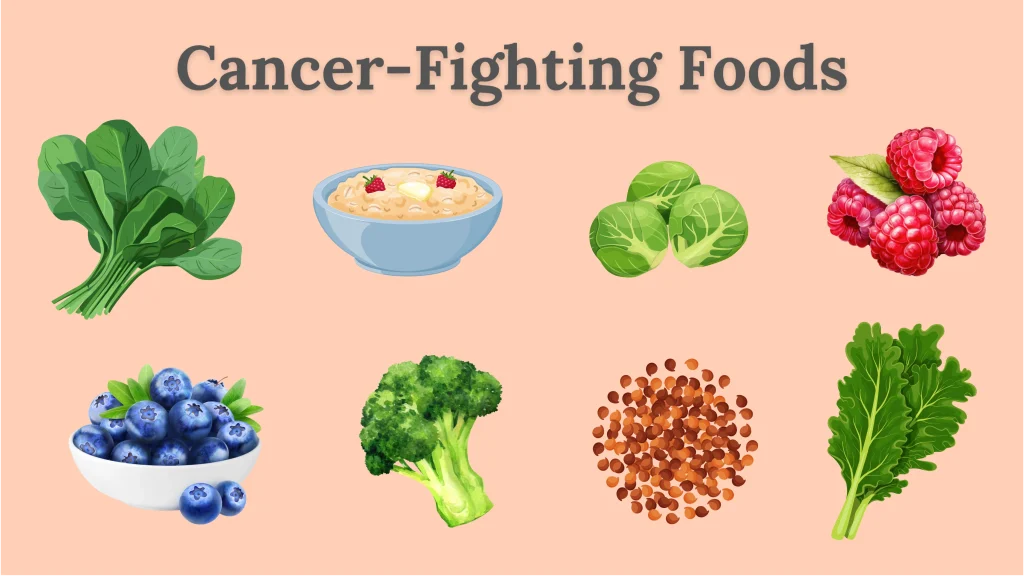
  • Leafy greens (spinach, kale) offer folate to repair DNA
  • Berries (blueberries, raspberries) deliver antioxidants
  • Cruciferous veggies (broccoli, Brussels sprouts) block cancer pathways with sulforaphane
  • For diet for breast cancer patients or prevention, ditch refined sugars – swap white bread for quinoa or oatmeal

A sample day: breakfast with Greek yogurt and berries, lunch with a kale-salmon salad, and dinner with grilled chicken and roasted veggies – flavorful armor against risk factors for breast cancer.

4. Limit Alcohol Intake

Alcohol isn’t just a social sip – it’s a direct breast cancer trigger, boosting estrogen and damaging DNA with every glass. The Mayo Clinic ties even one daily drink to a 7-10% risk hike; Siteman goes further, saying zero is best for how to reduce chances of breast cancer. Why? It ramps up acetaldehyde, a carcinogen, especially risky for women. Cut back by swapping wine for sparkling water with a citrus twist or herbal tea – mocktails keep the fun without the risk. If you drink, cap it at 3-4 weekly, spacing them out to minimize your lifetime risk of breast cancer – a small tweak with big payoffs.

5. Quit Smoking

Risk factors for breast cancer

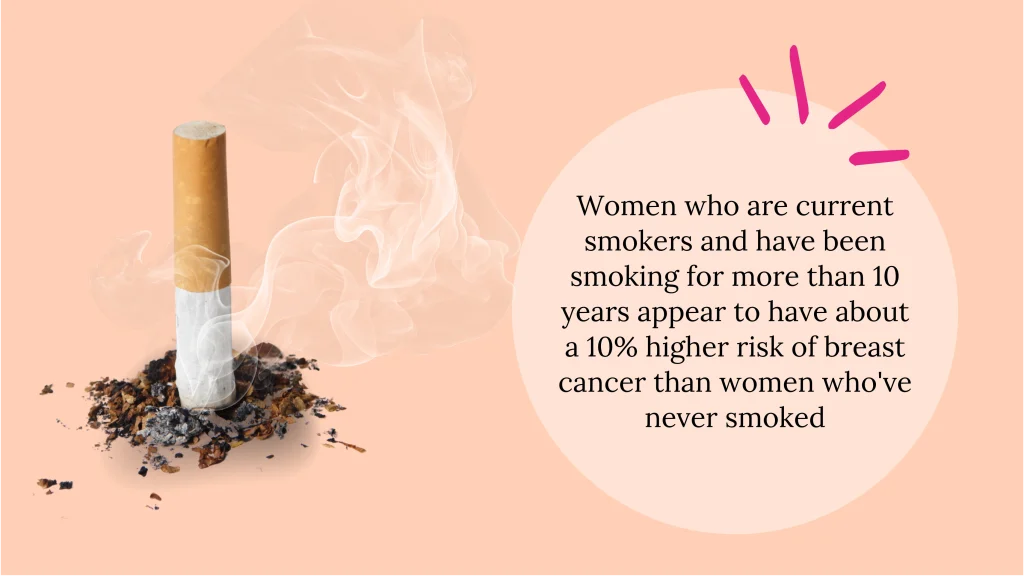
Smoking floods your system with carcinogens, amplifying breast cancer risk factors – a habit you can ditch for real results. Siteman notes it’s especially risky for premenopausal women, with studies [National Institutes of Health] showing smokers face a 20% higher breast cancer probability than non-smokers. Quitting slashes this risk over time – within 5 years, your odds start aligning with non-smokers’. Try nicotine patches, chew gum, or join a quitline (e.g., 1-800-QUIT-NOW) – every cigarette skipped is a win for how to prevent breast cancer. Pair it with deep breathing to curb cravings, turning a tough break into a health boost.

6. Breastfeed if Possible

Breastfeeding isn’t just for babies – it’s a natural shield for you, lowering breast cancer probability by cutting lifetime estrogen exposure. The Mayo Clinic finds that 6-12 months of nursing drops risk by 4-7% per year nursed – longer is better, with cumulative benefits. It also resets breast cells, reducing mutations. If you’re able, aim for at least 6 months – combine with a breast cancer diet to amplify protection. Not planning kids? Other steps here still pack a punch for how can you avoid breast cancer, but breastfeeding is a unique perk if it fits your life.

7. Avoid Hormone Therapy Risks

Postmenopausal hormone therapy (HRT), especially estrogen-progestin combos, are known risk factors for breast cancer – Siteman warns risk climbs after 3-5 years of use. The Mayo Clinic ties it to a 26% higher breast cancer likelihood age brings with prolonged exposure – estrogen feeds tumors in hormone-sensitive cases. Skip it if possible; try non-hormonal fixes like black cohosh tea for hot flashes or cooling bedding for night sweats – safe ways to reduce chances of breast cancer. If HRT is unavoidable, consult your doctor for the shortest, lowest dose – balance matters here.

8. Manage Stress Effectively

Chronic stress might not cause breast cancer directly, but it’s a sneaky breast cancer trigger, disrupting hormones and immunity – think cortisol spikes that throw estrogen off-kilter. Experts suggest 10-15 minutes of mindfulness daily cuts this risk – meditate with a guided app, practice deep breathing (in for 4, out for 8), or take a nature walk to reset. The Mayo Clinic ties lower stress to better overall health, indirectly supporting how to lower risk of breast cancer. Build it in: sip tea during a quiet moment or stretch before bed – small calm spots in a busy day.

9. Get Regular Screenings

how to avoid breast cancer

Screenings don’t prevent cancer but catch it early, slashing mortality risk – a critical ally in how to avoid breast cancer complications. Siteman recommends annual mammograms from age 40 (or 35 with family history) – breast cancer age statistics show 75% of cases hit after 50, making timing key. Early detection can spot calcifications or cysts – while not cancer, they signal monitoring needs. Book your next one now; pair it with monthly self-exams (check for lumps post-period) to stay ahead of breast cancer probability – awareness is power.

10. Limit Processed Foods and Sugars

Processed junk and sugars stoke inflammation, a hidden breast cancer risk factor, and some tie them to calcifications – benign but worth watching. Siteman flags what foods cause breast calcifications like high-fat dairy (cheese, cream) and refined carbs (white pasta, pastries) – cut these to explore how to get rid of breast calcifications naturally with a plant-based focus. Opt for foods that shrink breast cysts – flaxseeds (omega-3s), turmeric (anti-inflammatory), and green tea – building a diet to avoid breast cancer. 

Try a day of whole foods: 

  1. Oatmeal with flax
  2. A turkey-veggie wrap
  3. Salmon with quinoa

Simple swaps that shrink risk and boost vitality.

Conclusion: A Quick Recap

Lowering your risk factors for breast cancer doesn’t demand perfection – just intention. These 10 choices – from a breast cancer diet to exercise and stress management – chip away at your lifetime risk of breast cancer with every step. Start where you stand: trade a beer for tea, walk the park, or mash an avocado – each move proves how to prevent breast cancer is about thriving, not just surviving.

FAQ’s:

What are the early warning signs of breast cancer?

Lumps, nipple discharge (especially bloody), or skin changes like dimpling signal trouble. The Mayo Clinic urges monthly self-exams – feel for hard, painless masses.

Can lifestyle changes help reduce the risk of breast cancer?

Yes, exercise and diet can cut risk by up to 30%. Siteman confirms that these effectively tackle breast cancer risk factors.

How does family history affect risk factors for breast cancer?

A first-degree relative doubles your odds; BRCA mutations push it higher. The Mayo Clinic stresses genetic testing if history is strong.

Is there a link between hormone therapy and breast cancer?

Yes, combined HRT boosts risk after 3-5 years. Siteman advises avoiding it to lower risk of breast cancer.

What role does exercise play in breast cancer prevention?

It lowers estrogen and inflammation – 150 minutes weekly cuts risk 10-20%. The Mayo Clinic calls it key for how to prevent breast cancer.

Can stress increase the chances of developing breast cancer?

Chronic stress may disrupt hormones, raising risk indirectly. Mindfulness helps reduce chances of breast cancer, experts note.

How often should women get screened for breast cancer?

Annual mammograms from 40 (earlier with risk) are ideal. Siteman ties this to breast cancer age statistics for early catches.

Are there specific nutrients that help protect against breast cancer?

Vitamin D, omega-3s, and antioxidants (found in berries) fight cancer. According to the Mayo Clinic, these shine in a breast cancer diet.

Does breastfeeding lower risk factors for breast cancer?

Yes, it cuts estrogen exposure! 6-12 months drops risk 4-7%, it’s a natural perk for how to avoid breast cancer.

What is the connection between alcohol consumption and breast cancer?

Alcohol raises estrogen and DNA damage – 1 drink daily ups risk 7-10%. Limiting it aids how to lower risk of breast cancer.

HIV Symptoms in Women You Shouldn’t Ignore

As the National Women and Girls HIV/AIDS Awareness Day closes in on the 10th, reviewing the potential signs is crucial. HIV symptoms in women and those assigned female at birth (AFAB) can vary widely. They may experience common flu-like signs, skin changes, mood swings, irregular periods, and frequent vaginal infections. 

Early signs of HIV in women can be mild and often overlooked. However, even if someone does not show symptoms, they can still transmit the virus to others. This highlights the importance of knowing one’s HIV status. Symptoms can differ among individuals with female anatomy. 

Here are the typical symptoms of HIV in females, stages, causes, and treatments to help women and others stay informed and ready.

What Causes HIV?

how can hiv be transmitted

How do women get hiv? A virus is responsible for causing HIV. It can be transmitted through sexual activities, sharing needles for drug use, or contact with infected blood. It can be passed from a mother to child during pregnancy, childbirth, or breastfeeding. HIV attacks white blood cells known as CD4 T cells, which are crucial for the immune system’s ability to fight diseases. The immune system becomes weaker when the number of CD4 T cells decreases. 

Many people can live with an HIV infection for years without showing any symptoms, but eventually, it can progress to AIDS. How many people have hiv in the US? Around 1.2 million individuals in the United States are living with HIV. This figure includes roughly 13% of those who do not know they have the virus. HIV in women statistics USA 2025 are currently at a 69% decrease. AIDS is identified when the CD4 T cell count drops below 200 or when a person experiences specific complications, like severe infections or certain cancers. How do you contract HIV? You can contract HIV if infected blood, semen, or vaginal fluids enter your body.

You can get infected in several ways:

  • Engaging in sexual activities: If you have vaginal or anal sex with someone who has the virus, you could become infected. Oral sex is generally safer, but the virus can still enter your body through sores in your mouth or tiny tears in the rectum or vagina during intercourse.
  • Sharing needles for drug use: Using needles or syringes that have been contaminated with the virus puts you at a high risk for HIV and other diseases like hepatitis.
  • Receiving a blood transfusion: The virus could be passed on through blood from a donor. However, hospitals and blood banks usually test for HIV, so the risk is low in places with proper screening. The risk might be higher in countries with fewer resources due to inadequate blood testing.
  • During pregnancy, childbirth, or breastfeeding: If a person with HIV is pregnant, they can transmit the virus to their baby. However, those who are HIV positive and receive treatment during pregnancy can significantly reduce the risk of passing the virus to their child.

HIV Stages in Women

Stage 1: Acute Infection

When it comes to women and HIV AIDS, infection typically occurs 2 to 4 weeks after someone contracts HIV, and it’s when a person is at their most contagious. The body reacts to the virus, often leading to symptoms that resemble the flu. Some HIV symptoms in women can be so mild that you might not even realize you’re experiencing them, while others could require a visit to a doctor or healthcare provider.

Here are some common HIV symptoms in women during the acute stage:

Swollen Glands

Swollen lymph nodes, or glands, are often one of the first indicators of HIV and can persist for several months. They are found all over the body, including the neck, back of the head, armpits, and groin. They play a crucial role in the immune system by storing immune cells and filtering out harmful pathogens. As HIV spreads, the immune system responds, leading to enlarged lymph nodes.

Sore Throat

A sore throat is a frequent symptom during the early stages of an HIV infection. It might sometimes last a few days, weeks, or even months.

Mouth Ulcers

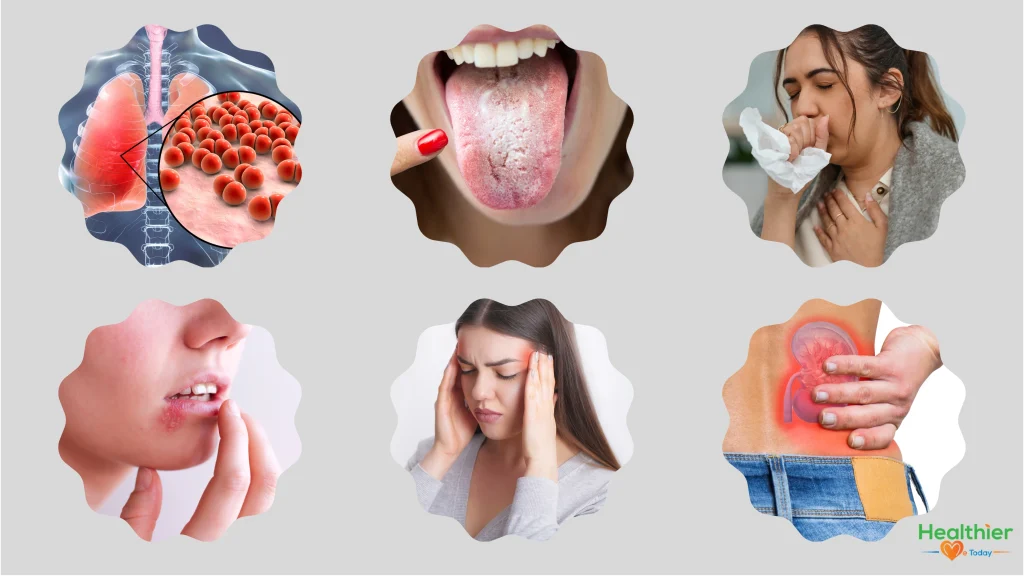
Mouth sores can also appear during the initial phase and might even be the first sign of an infection. However, they can also develop when HIV has advanced to a later stage. These sores may appear as cream-colored patches on the tongue, palate, or lips, which can be wiped away to reveal a red surface underneath. Some individuals may experience painful red ulcers inside their cheeks and lips.

Skin Rashes

Many people with HIV experience skin issues. Rashes are a common symptom; various types can manifest on the skin. They might be a direct result of HIV or caused by another infection or condition.

Night Sweats

Some individuals may start to experience night sweats within the first month of contracting HIV. This happens as the body tries to combat the infection while sleeping. Night sweats often occur alongside other symptoms, like fever, which can also happen independently. As you know, a temperature of 100.4°F (38°C) is a fever.

Muscle Pain

For many people with HIV, one of the most annoying symptoms is muscle pain, which can start just a few weeks after getting infected. This usually happens because of a flu-like reaction.

Other HIV symptoms in women that feel like the flu include:

  • Headaches
  • Feeling tired
  • Chills

These symptoms typically fade away after a couple of weeks.

Stage 2: Chronic Infection

signs of hiv in women

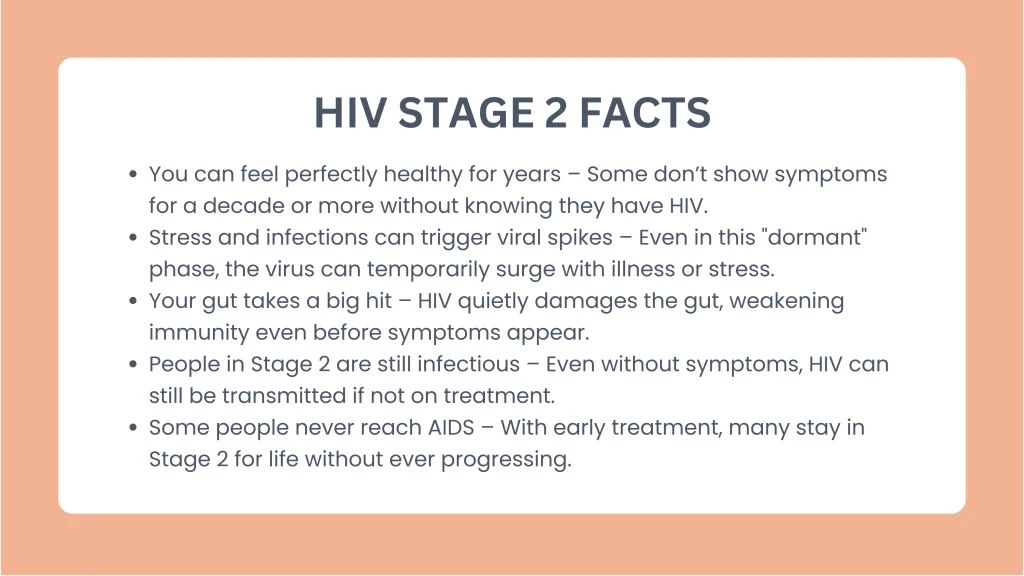
Chronic HIV infection, often referred to as the asymptomatic stage, is when the virus stays at low levels in the body. Many people don’t show symptoms during this time, even though the virus replicates. This phase can last for several years. However, some individuals might experience more intense symptoms than the acute stage, including coughing, extreme tiredness, weight loss, and diarrhea. A high fever can also occur.

Stage 3: Acquired Immunodeficiency Syndrome (Aids)

This is the most advanced stage of HIV, where the immune system is significantly compromised. At this point, fighting off certain opportunistic infections or diseases becomes increasingly challenging.

HIV facilitates the onset of these opportunistic infections, which can include:

  • Pneumonia
  • Tuberculosis
  • Oral or vaginal candidiasis

Yeast infections (a form of candidiasis) and bacterial infections tend to be more prevalent in individuals assigned female at birth (AFAB) and can be more challenging to manage.

Those with uncontrolled HIV are at a higher risk for infections in various areas, such as:

  • Skin
  • Eyes
  • Lungs
  • Kidneys
  • Digestive system
  • Brain

If HIV symptoms in women are not managed correctly, the likelihood of developing certain cancers rises, including:

  • Kaposi sarcoma
  • Non-Hodgkin’s lymphoma
  • Cervical cancer

Changes in menstruation can also occur in individuals with HIV. Their menstrual cycles may become lighter or heavier than usual, or they might stop having periods altogether. More intense premenstrual symptoms have been reported as well. For those who already have another sexually transmitted infection (STI), HIV can exacerbate symptoms. The human papillomavirus (HPV), which can lead to genital warts, tends to be more aggressive in people with HIV. This can also result in more frequent and severe outbreaks of genital herpes, making treatment more challenging.

Pelvic inflammatory disease (PID) is another concern, as it affects the uterus, fallopian tubes, and ovaries, leading to:

  • Pain during sex and urination
  • Irregular bleeding
  • Increased vaginal discharge

In individuals with HIV, PID can be more difficult to treat, and symptoms may persist longer or recur more frequently.

If HIV progresses to AIDS, additional symptoms may include:

  • Diarrhea
  • Nausea and vomiting
  • Weight loss
  • Severe headaches
  • Joint and muscle pain
  • Shortness of breath
  • Chronic cough
  • Difficulty swallowing
  • Intense night sweats and chills

In the later stages, individuals might also face:

  • Short-term memory loss
  • Mental confusion
  • Coma

Complications of HIV

women and hiv aids

HIV infection compromises your immune system, making you significantly more susceptible to various conditions and specific types of cancer.

Some infections that are frequently associated with HIV/AIDS include:

  • Pneumocystis pneumonia (PCP): PCP is a serious fungal infection that can lead to severe health issues. While it’s less common in the U.S. due to effective HIV/AIDS treatments, PCP remains the leading cause of pneumonia in individuals with HIV.
  • Candidiasis: Candidiasis, often referred to as thrush, is another prevalent infection related to HIV. It results in a thick, white coating on areas like the mouth, tongue, esophagus, or vagina.
  • Tuberculosis (TB): TB is a widespread opportunistic infection associated with HIV. Globally, TB is a significant cause of death among those with AIDS, although its occurrence in the U.S. has decreased due to the availability of HIV medications.
  • Cytomegalovirus: Cytomegalovirus is a common herpes virus transmitted through body fluids such as saliva, blood, urine, semen, and breast milk. A healthy immune system keeps this virus dormant, but if it weakens, it can reactivate and harm the eyes, digestive system, lungs, or other organs.
  • Cryptococcal meningitis: Cryptococcal meningitis is an infection caused by a fungus found in soil. It causes inflammation of the membranes surrounding the brain and spinal cord. This condition is linked to HIV.
  • Toxoplasmosis: Toxoplasmosis is caused by the parasite Toxoplasma gondii, which cats mainly spread. Infected cats excrete the parasites in their feces, which can then infect other animals and humans. Toxoplasmosis can lead to heart disease, cause seizures if it spreads to the brain, and can even be life-threatening.

Cancers Common To Hiv/Aids

  • Lymphoma: Lymphoma is a type of cancer originating in white blood cells. One of the earliest signs of this condition is the painless enlargement of lymph nodes, usually in areas like the neck, armpit, or groin.
  • Kaposi sarcoma: Kaposi sarcoma is a tumor that forms in blood vessel walls. It typically appears as skin and mouth lesions and pink, red, or purple spots in individuals with lighter skin. Dark brown or black lesions may appear on darker skin tones. Kaposi sarcoma can impact internal organs, such as the lungs and parts of the digestive system.

Other Complications

  • Wasting syndrome: If HIV/AIDS is not treated, it can lead to significant weight loss. Symptoms like diarrhea, weakness, and fever often accompany this weight loss.
  • Neurological complications: HIV can lead to issues with the brain and nervous system, resulting in symptoms such as confusion, forgetfulness, depression, anxiety, and trouble walking. The neurological problems related to HIV can vary from mild changes in behavior and thinking to severe dementia, which can cause weakness and an inability to function correctly.
  • Kidney disease: HIV-associated nephropathy (HIVAN) involves swelling and inflammation of the tiny filters in the kidneys. These filters remove extra fluid and waste from the blood, which is then excreted in urine. Kidney disease is more common in Black and Hispanic individuals.
  • Liver disease: Liver disease is another serious complication, especially in those who also have hepatitis B or C.

Treatment of HIV

Treatment of HIV

HIV/AIDS currently has no cure. Once someone is infected, their body cannot eliminate the virus. However, there are medications available that can manage HIV and help avoid complications. Anyone diagnosed with HIV should start taking antiretroviral therapy, commonly known as ART, regardless of the disease’s stage or any complications present.

ART typically consists of a combination of two or more medications from various classes, which is the most effective way to reduce the amount of HIV in the bloodstream. Many ART regimens combine multiple HIV medications into a single daily pill. Each class of drugs works differently to combat the virus.

The treatment strategy involves using medications from different classes to:

  • Address potential drug resistance, known as viral genotype
  • Prevent the development of new drug-resistant strains of HIV
  • Suppress the virus in the blood as effectively as possible

Usually, a combination of two drugs from one class and a third from another class is employed. 

The main classes of anti-HIV medications include:

  • Non-nucleoside reverse transcriptase inhibitors (NNRTIs) deactivate a protein that HIV needs to replicate.
  • Nucleoside or nucleotide reverse transcriptase inhibitors (NRTIs) are defective versions of the components HIV requires to reproduce.
  • Protease inhibitors (PIs) render HIV protease inactive, a protein essential for HIV replication.
  • Integrase inhibitors contain a protein called integrase that HIV uses to insert its genetic material into CD4 T cells.
  • Entry or fusion inhibitors, which prevent HIV from entering CD4 T cells.

Conclusion: The Difference?

HIV symptoms in women are similar to those seen in men. Typically, the initial symptoms of HIV in women resemble flu-like signs. If the virus isn’t detected early or if proper treatment isn’t received, it can further compromise the immune system during the chronic phase of the infection. This progression can result in AIDS, which may lead to various opportunistic infections. These infections can manifest in the reproductive system or other body areas.

FAQ’s:

What is the highest rate of HIV in the United States?

The District of Columbia has the highest number of HIV diagnoses in the United States, with Maryland, Georgia, Florida, and Louisiana following next.

How many people in America have HIV AIDS?

Around 1.2 million people in the U.S. have HIV. However, many more are at risk of getting infected.

What are the early HIV symptoms in women?

HIV symptoms in women can manifest in various ways. Some common signs include fever, chills, and rashes. Women might also experience headaches, muscle and joint pain, and a sore throat. Other HIV early symptoms in females can include painful sores in the mouth, diarrhea, and unexpected weight loss. Swollen lymph nodes, especially in the neck, can also occur. Women may notice changes in their menstrual cycle, such as missed periods, heavier or lighter bleeding, severe PMS, and hot flashes.

How can HIV be transmitted from women to men?

HIV can spread from women to men during unprotected vaginal or anal intercourse, as well as through sharing needles. The female-to-male hiv transmission rate is between 0.005% and 0.1% per act. Additionally, a mother can pass HIV to her child during pregnancy, at birth, or while breastfeeding.

Can women get HIV from oral sex?

Women can contract HIV through oral sex, but the chances are pretty low. The risk increases if the person performing oral sex has sores in their mouth or bleeding gums.

What percentage of women in the USA have HIV?

Around 22% of individuals with HIV in the United States are women. Women from various ages, races, and ethnic backgrounds can contract HIV, but certain groups of women face a higher risk than others.

What are the chances of getting HIV from a girl?

The chance of contracting HIV from a female partner during vaginal sex is roughly 0.04% for each encounter. Certain factors, such as having other STIs or a high viral load, can raise this risk. However, if the partner receives treatment and has an undetectable viral load (U=U), the risk of transmission drops to zero. Using condoms and PrEP can lower the risk by more than 99%.

How common is HIV in heterosexual women?

In 2022, 15% of new HIV cases in the United States were found in women who said they got the virus through heterosexual contact. On a positive note, the overall number of new HIV infections from heterosexual contact has been going down.

Can lesbians pass HIV to each other?

Can lesbians get hiv and pass it on? Yes, the risk is relatively minimal. HIV can be transmitted through blood, vaginal fluids, or when sharing sex toys, mainly if there are any cuts, sores, or existing STIs. Using protection and properly cleaning sex toys can help lower the risk, along with getting tested regularly.

What percentage of HIV patients are straight?

In 2022, 22% of new HIV cases in the United States were linked to heterosexual contact. What gender is more at risk for HIV? The study comprised 15% of new cases in individuals assigned female and 7% in those assigned male at birth.

How do women contract HIV the most?

One of the main ways women get HIV is by having vaginal or anal sex with a male partner who is infected. Sharing needles and syringes can also spread the virus.

Why is AIDS more common in gay men?

What percent of gay men have AIDS? In 2022, around 739,200 gay and bisexual men in the United States were living with HIV, making up about 62% of all HIV cases in the country. The higher rates of HIV among gay men can be linked to various reasons, such as sexual behaviors, stigma, and discrimination. It’s important to note that not every gay man is at high risk for HIV, and many different factors can influence a person’s risk, no matter their sexual orientation.

Pregnancy Complications: Why Thousands of Women Are Dying During Pregnancy

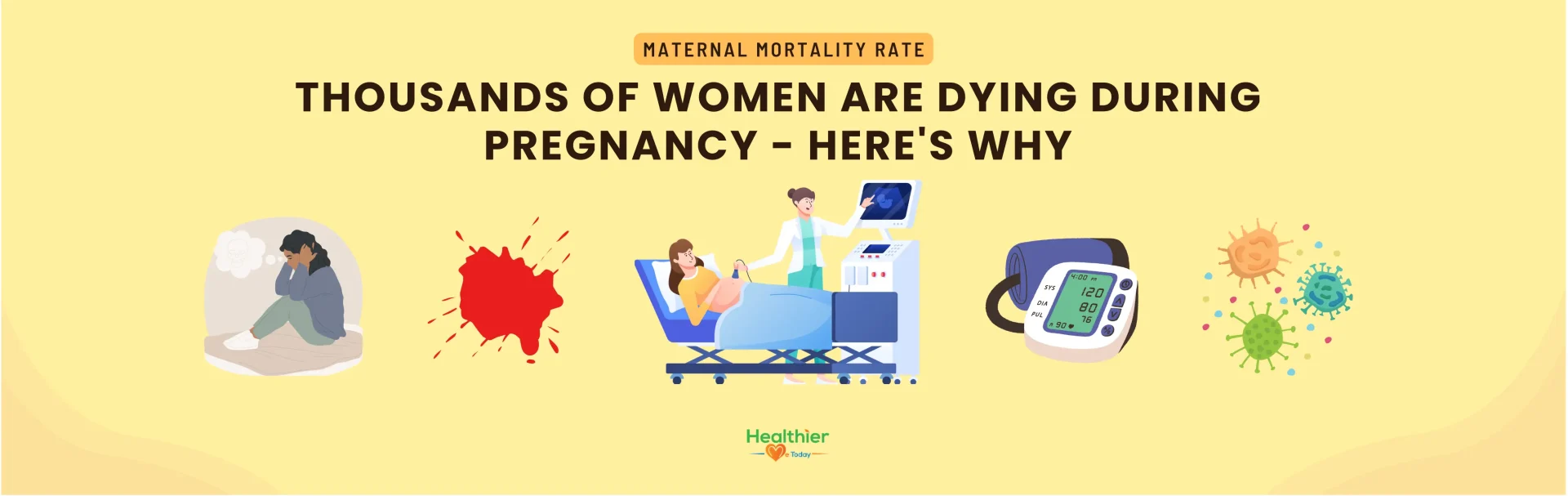
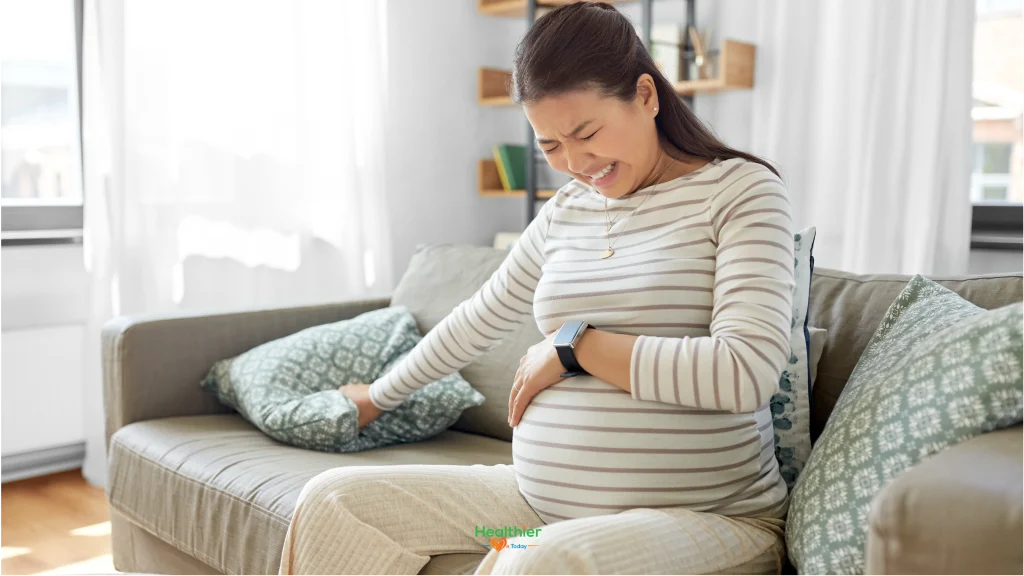
When a woman falls pregnant, dying is not typically the first thing on their mind. However, in the US, the number of pregnancy complications and maternal deaths has increased rapidly. The maternal mortality rate in the US as of 2024 is 22.3 per every 100,000 live births. Most of these are preventable, and although it is not as high as it was during COVID-19 in 2020 and 2021, these numbers should still be much lower than they currently are. 

complications during pregnancy

Many women die during pregnancy, during childbirth, and within 42 days postpartum. There are a number of causes for these heartbreaking passing, such as health conditions, little to no medical assistance, and suicide

Let’s take a more in-depth look at how many women die in childbirth in the US, the causes and solutions for this ongoing problem. 

How Many Women Die in Childbirth in The US and Why?

So, exactly how many women die in childbirth in the US? The US has the highest maternal mortality rate among high-income nations, and over 80% of these deaths are entirely preventable. Although there has been a decrease since the COVID-19 pandemic, the rates are still considerably high. There are roughly around 800 women who die every year in the United States during pregnancy and childbirth. Although there are many reasons for these complications, the main thought behind these maternal mortality rates is due to the country’s shortcomings in their healthcare system. This is especially true for women in minority groups. 

could prevent maternity death

Here are the most common pregnancy death causes:

1. Hemorrhages During Pregnancy and After Childbirth

The leading cause of death in pregnant women worldwide remains hemorrhaging. This is excessive or severe bleeding during and after childbirth. The name for this is postpartum hemorrhage, also known as PPH. This can cause dizziness, fainting, increased heart rate, and sometimes death.

PPH happens directly after birth or 12 weeks postpartum, and it is vital for women to understand this condition and know the signs. Many women often ignore or think their symptoms are a normal part of postpartum; however, there are clear differences, such as the extent of bleeding after childbirth and having it continue past the usual 10 days. 

Signs to be vigilant of:

  • Excessive vaginal bleeding
  • Extreme and frequent dizziness
  • Clammy and pale skin
  • Swelling and pain in the vaginal region
  • Shivering 
  • Fever
  • Nausea or vomiting  

2. Mental Health Conditions 

Another cause affecting maternal mortality is mental health conditions like depression. This happens to 10% of pregnant women and 13% of those who have just given birth worldwide. 

This can happen due to a few factors, such as: 

    • Family history
    • Intense hormonal changes during and after pregnancy
    • Lack of support
    • Stress
    • Substance abuse
  • Pregnancy complications
  • Problems with baby’s health
  • Poverty

Postpartum depression affects about 1 in 10 women, which is a high number considering that mental health conditions can be treated and prevented. 

If mothers are experiencing these symptoms, they need to seek help immediately:

  • Difficulty doing simple or daily tasks
  • Consistent crying
  • Extreme sadness
  • Intense anxiety 
  • Fatigue
  • Inability to concentrate
  • Suicidal tendencies

3. Infections During Pregnancy and After Childbirth

The third most common cause of pregnancy complications and maternal death is called maternal sepsis infections. This life-threatening condition causes the body to damage its organs and tissue as a response to the infection. This can happen during pregnancy, birth, postpartum, and even post-abortion.  

Infections During Pregnancy and After Childbirth

The symptoms of maternal sepsis are:

  • Abdominal pain
  • Vaginal discharge 
  • Hyperthermia or fever
  • Racing heartbeat
  • Shortness of breath
  • Confusion
  • Slurred speech 
  • Tender uterine
  • Discolored, clammy, pale skin
  • Little to no urination 
  • Dizziness
  • Fainting
  • Difficulty standing
  • Severe leg pain

The earlier that maternal sepsis is diagnosed, the better the outcome of treatment. If a mother experiences any of the above symptoms, they must immediately phone their doctor or midwife or go to the emergency room. 

4. High Blood Pressure 

It is typical for blood pressure to fluctuate while pregnant. However, a common concern amongst moms-to-be is having high blood pressure or hypertension. During pregnancy, total blood volume doubles, causing strain on the blood vessels. However, many women only develop blood pressure issues postpartum. If their blood pressure is more than 140/90 for the first time after delivery, then it is likely they may have pre-eclampsia. 

Whether pregnant or already delivered, mothers should seek immediate help or go to the emergency room if they experience:

  • Blood pressure is 160/110 or higher
  • Shortness of breath or difficulty breathing
  • Swelling of the hands or face
  • Nausea or vomiting
  • Stomach pain 
  • Seeing sparks, flickers, or black spots
  • Severe headaches

5. Complications Due to Delivery

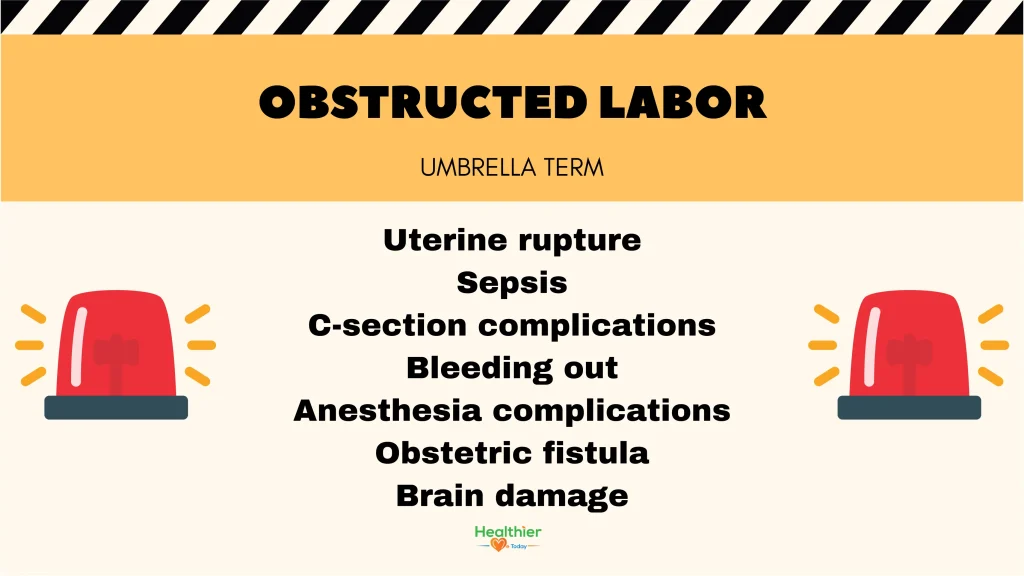
Obstructed labor counts for 9% of maternal deaths worldwide, making it another leading cause. This happens when there is a mismatch between the mother’s pelvis and the baby’s head. Obstructed labor is an umbrella term for complications that arise during delivery. 

Obstructed labor

These can include: 

  • Uterine rupture
  • Sepsis
  • C-section complications
  • Bleeding out
  • Anesthesia complications
  • Obstetric fistula
  • Brain damage

Conclusion: Rates of Death in Childbirth

While the maternal mortality rate in the United States has decreased, it still remains alarmingly high compared to other high-income countries. About 800 women die each year due to issues like hemorrhage, mental health conditions, infections, high blood pressure, and complications during pregnancy.  

To reduce these risks, women need to receive timely, unaffected care throughout their pregnancy. But in some areas, there simply aren’t enough resources and some ethnic groups are more at risk than others. 

Stay informed about maternal health – subscribe to our newsletter for updates on the latest research and to protect mothers everywhere!


This content was written by Local SEO Experts MotherTyper 


FAQ’s About Complications During Pregnancy

What are the most common pregnancy complications?

The most common complications of pregnancy include gestational diabetes, preeclampsia, preterm labor, and miscarriage. But there are other complications that can cause issues like placenta previa, anaemia, and infections. It’s crucial that the mom and baby get monitored throughout the pregnancy so that they can get the right medication or treatment.

How does ectopic pregnancy cause death?

The difference between a normal pregnancy and atopic pregnancy is that the fertilized egg is implanted outside the uterus (commonly in a fallopian tube). When this condition isn’t treated, the tube can rupture, which causes severe internal bleeding. This normally leads to hypovolemic shock – the body cannot maintain adequate blood flow to organs, which can cause organ failure and even death.

What is the number one cause of death for pregnant women?

This might come as a shock, but the leading cause for pregnant women in the United States is homicide and not pregnancy complications. According to studies, both pregnant women and postpartum women are about 35% more likely to be murdered [Wikipedia]. 

How many women die in childbirth in the US each year?

While it varies from year to year, there are around 700 to 800 pregnancy-related dates reported in the United States each year. Out of 525 deaths from 38 states, more than 80% of deaths were deemed preventable by maternal mortality review committees (MMRCs). 

What are the signs of high-risk pregnancy?

There are many different symptoms of a high-risk pregnancy.

If you have any of the following signs, consult with a healthcare provider:

> Severe headaches, vision changes, or swelling
> Heavy bleeding or spotting
> Severe nausea or vomiting with dehydration and weight loss
> Decreased fetal movement later in the pregnancy

What are the chances of dying while giving birth?

There are about 22.3 dates per 100,000 live births. Dying during childbirth has decreased over the last century due to advancements in medical care, but this hasn’t completely wiped out the possibility. It also depends on location, age, and underlying health conditions.

Here’s how it affects different groups of people:

> Black women – 49.5 deaths per 100,000 live births
> White women – 19.0 deaths per 100,000 live births
> Hispanic women – 16.9 deaths per 100,000 live births
> Asian women – 13.2 deaths per 100,000 live births

11 Powerful Tips for a Healthy Pregnancy and Joyful Motherhood

You may be aware of the essential tips for a healthy pregnancy, such as the risks of smoking and drinking during pregnancy, or that you should avoid certain foods such as sushi and caffeine. However, many more helpful insights must be explored to ensure you and your baby have a smooth journey. 

So, if you’ve been searching for tips for a healthy first trimester pregnancy, nutritional advice, ways to prevent gestational diabetes, pregnancy exercises, and how to manage anxiety and stress, you are in the right place!

top tips for a healthy pregnancy​

Tips for Planning a Healthy Pregnancy

As time passes, we constantly learn new things about pregnancies, but some still rely on old, outdated methods. This can confuse new mothers seeking tips for a healthy first trimester pregnancy. However, we have extensively done our homework and bring you some of the best advice, backed by scientific studies and improved knowledge on keeping both mom and baby happy through this special time. 

Below are the top tips for a healthy pregnancy:

tips for planning a healthy pregnancy

1. How to Manage Stress and Anxiety During Pregnancy 

Managing stress during pregnancy can be difficult as hormones soar and fluctuate. It is entirely normal to have feelings of concern or anxiety while pregnant, and this can be caused by worrying about both your health and the baby’s. The changes you experience during this time can also make you uneasy and uncomfortable. Although mild anxiety and stress are normal, if it gets to the point that you are experiencing these symptoms, it is essential to seek advice from your doctor and emotional support during pregnancy.

Here are the symptoms to keep in mind:

  • Not being able to sleep or developing insomnia
  • Frequently feeling very irritated and easily frustrated
  • Not being able to concentrate
  • Having obsessive thoughts
  • Muscle tension
  • Not being able to control feelings of anxiety

These can eventually worsen and lead to panic and anxiety attacks, where you may experience tremors, hyperventilation, an intense sense of impending doom, and hopelessness. However, creating healthy habits during pregnancy can help manage stress and anxiety. 

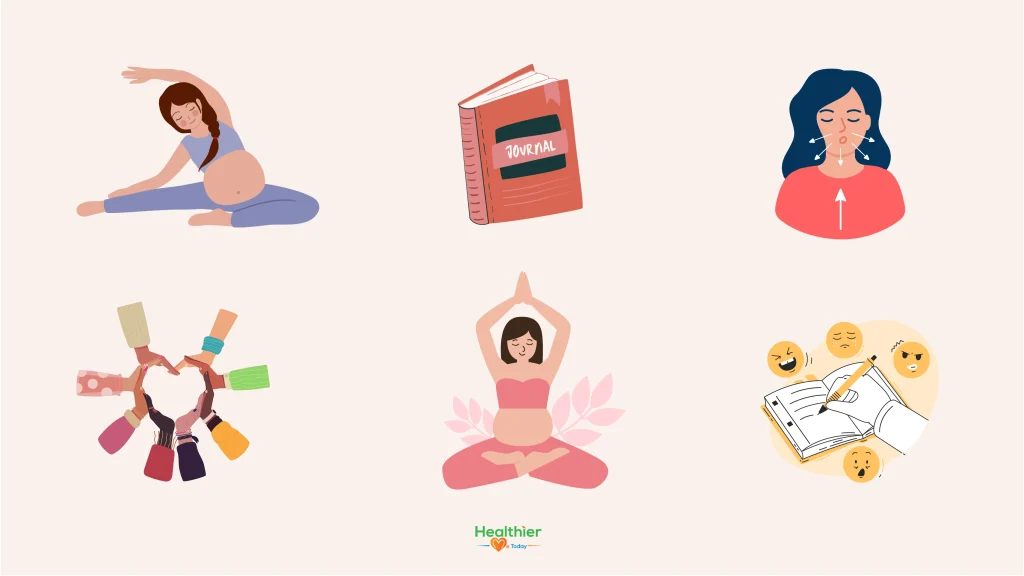
Managing stress during pregnancy

Reducing anxiety during pregnancy in the following ways:

  • Find a relaxing release such as yoga or meditation
  • Journal or write down your emotions
  • Reach out to your support 
  • Practice breathing exercises

2. Managing High Blood Pressure In Pregnancy

Preventing gestational diabetes is not always on every expecting mother’s mind, but it is a condition that affects around 3% to 20% of pregnancies worldwide. This condition is caused by the body not being able to create enough insulin; this can be due to a family history of diabetes, being overweight, having hormone changes, having high blood pressure, and being Hispanic, Latino, American Indian, African American, or Pacific Islander. If you are a first-time mom or wondering how to prevent gestational diabetes in second pregnancy there are ways to help minimize your chances of developing gestational diabetes. 

They are:

  • Monitor your blood sugar
  • Exercising
  • Add more fiber to your diet
  • Eat regularly
  • Eat lean proteins
  • Limit sweets and sugar intake
  • Maintain a healthy weight
  • Work on portion sizes

3. The Importance of Prenatal Vitamins 

Although this is a well-known aspect of pregnancy, many women may not fully understand the importance of folic acid during pregnancy or the importance of prenatal care. Some people also do not know that it’s recommended to start taking prenatal vitamins three months before trying to conceive. This is because a woman’s body needs certain minerals and vitamins to maintain a healthy pregnancy. 

Vitamins and minerals include:

  • Folic Acid – Helps develop the baby’s brain and spine and prevents birth defects.
  • Calcium – Ensures baby develops strong teeth, nails, bones, muscles, nerves, healthy heart, and blood clotting abilities.
  • Iron – Assists in producing red blood cells in your body, which helps carry oxygen to the baby and placenta. 
  • Omega-3 Fatty Acids – They can help prevent postpartum depression, risks of preterm birth, and low birth weight and support the baby’s nervous system, brain development, and eyes. 
  • Vitamin D – This vitamin helps to support your bone and muscle strength, helps your body absorb calcium from foods, and helps develop the baby’s bones. Lack of vitamin D in pregnancies can cause the baby to affect the amount of calcium in the baby’s bones. 
  • B Vitamins – Helps reduce the baby’s risk of developing conditions such as spina bifida, a type of neural tube birth defect. 
  • Vitamin C – This vitamin helps in many ways, such as producing collagen, which supports the development of the baby’s entire body. It also helps calcium absorption, aids the immune system, and reduces the risks of pre-eclampsia, maternal anemia, and intrauterine growth restriction. 
  • Choline – Mainly supports liver function and reduces the risk of fatty liver disease. Choline helps to maintain overall pregnancy health and prevents neural tube defects. 

4. Is Caffeine Intake During Pregnancy Safe? 

According to the American College of Obstetricians and Gynecologists (ACOG), avoiding caffeine is one of the top tips for a healthy pregnancy. It can lead to problems and risks such as low birth weight, miscarriage, stillbirth, preterm birth, fetal growth restrictions, child obesity, and cognitive development impairments. However, if you insist on consuming caffeine during pregnancy, limiting your amount to about two 6-ounce cups of coffee (200 milligrams) is crucial. 

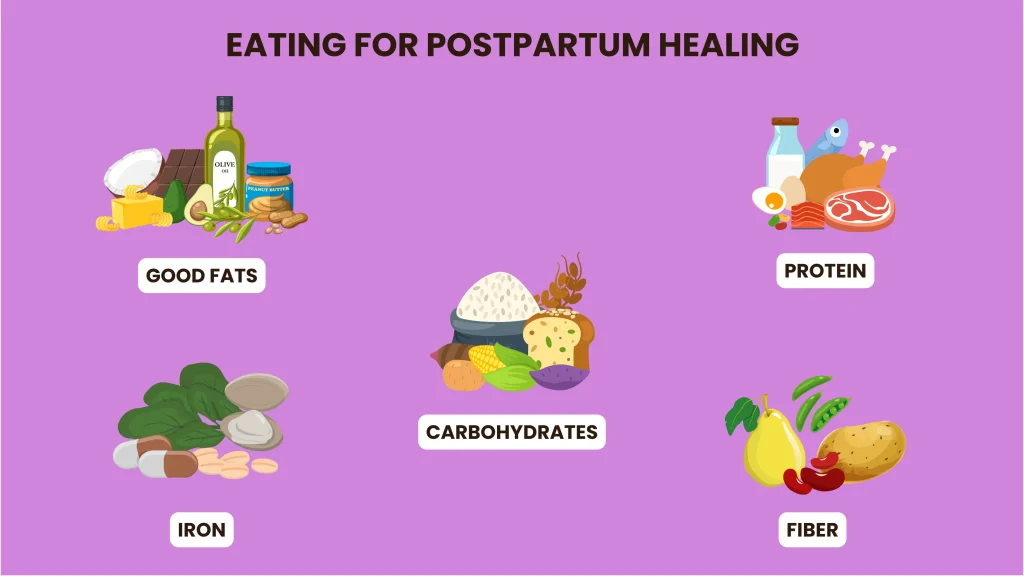
5. Nutrition Tips for Pregnancy

This is obvious, but it is one of the most detrimental tips for a healthy first trimester pregnancy. Nutrition is a large part of both mother’s and baby’s overall health during pregnancy. The best way to ensure you and your baby get proper nutrition is through diet and supplements. As mentioned, vitamins and minerals are essential for several reasons, and although they can be consumed in supplement form, it is crucial to mainly obtain them through consuming foods. There are plenty of calcium, choline, B vitamin, vitamin D, vitamin C, and iron-rich foods for pregnant women.

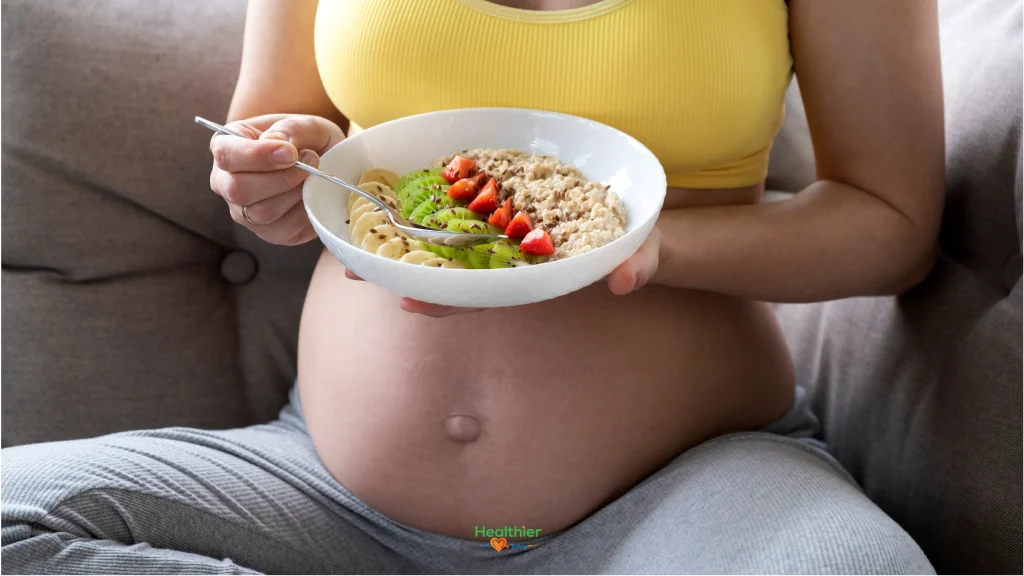
nutrition tips for pregnancy

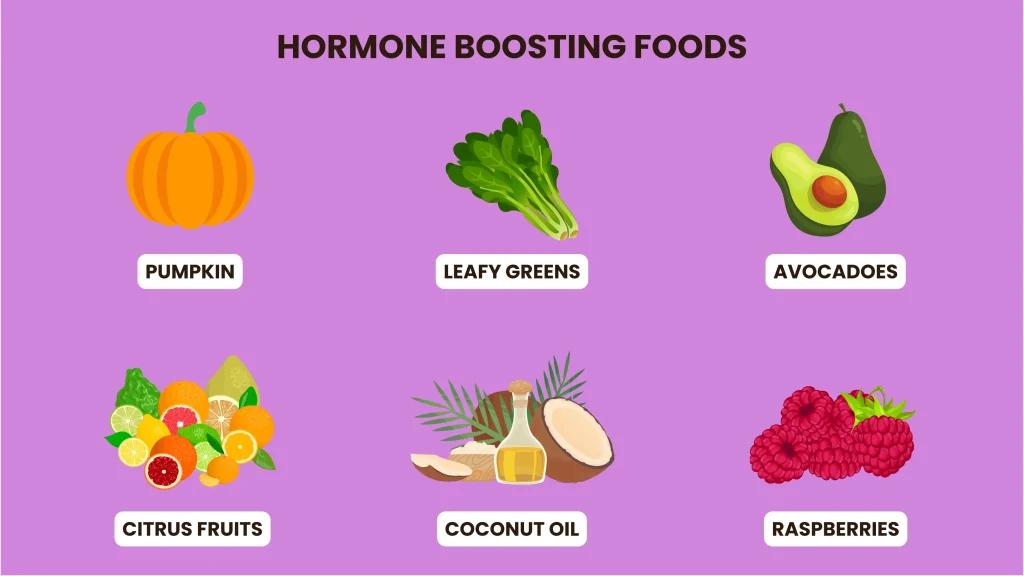
Here are some of the best food items to eat while pregnant:

  • Iron-fortified cereals
  • Lean meat
  • Nuts
  • Soy products
  • Beef liver
  • Carrots
  • Tomatoes
  • Pumpkin
  • Spinach
  • Sweet potatoes
  • Dairy products
  • Beans
  • Cooked fish 

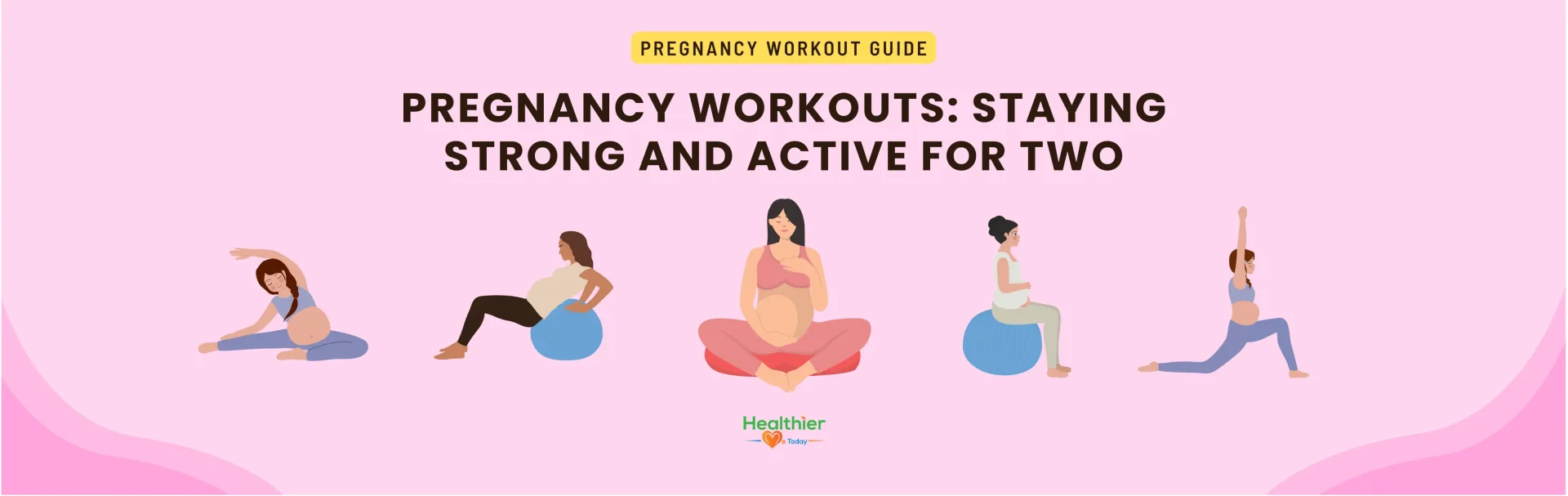
6. How to Stay Fit During Pregnancy 

Exercising is one of the best tips for a healthy pregnancy because it positively affects the body and mind. Being active while pregnant can help with swelling and back pain, prevent diabetes, help maintain a healthy weight, aid constipation, prepare the body for birth by strengthening muscles, assist in faster postpartum recovery, and reduce birth defects and conditions. Exercising can also help mental health by boosting mood and endorphins reducing stress, anxiety, and depression. 

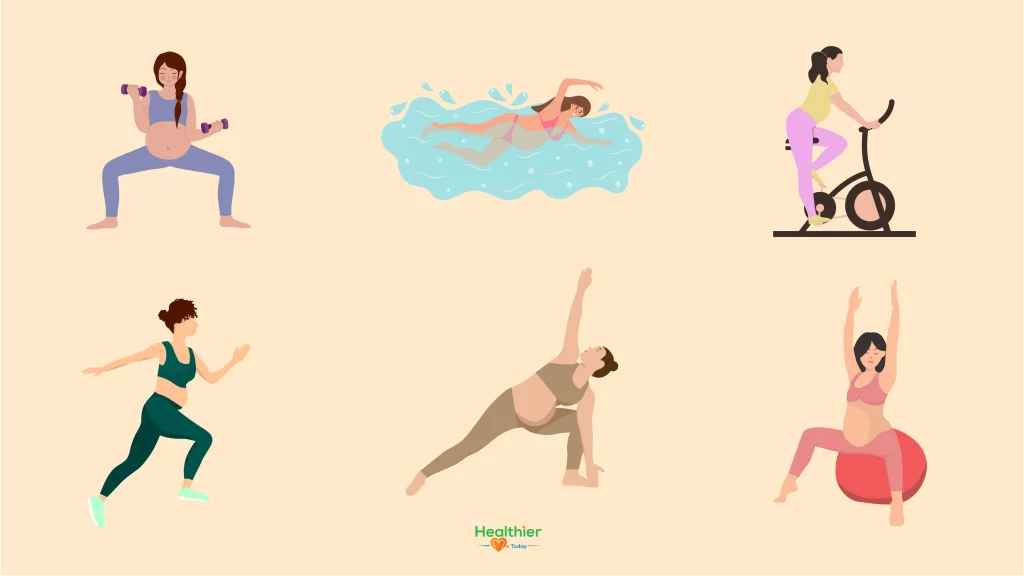
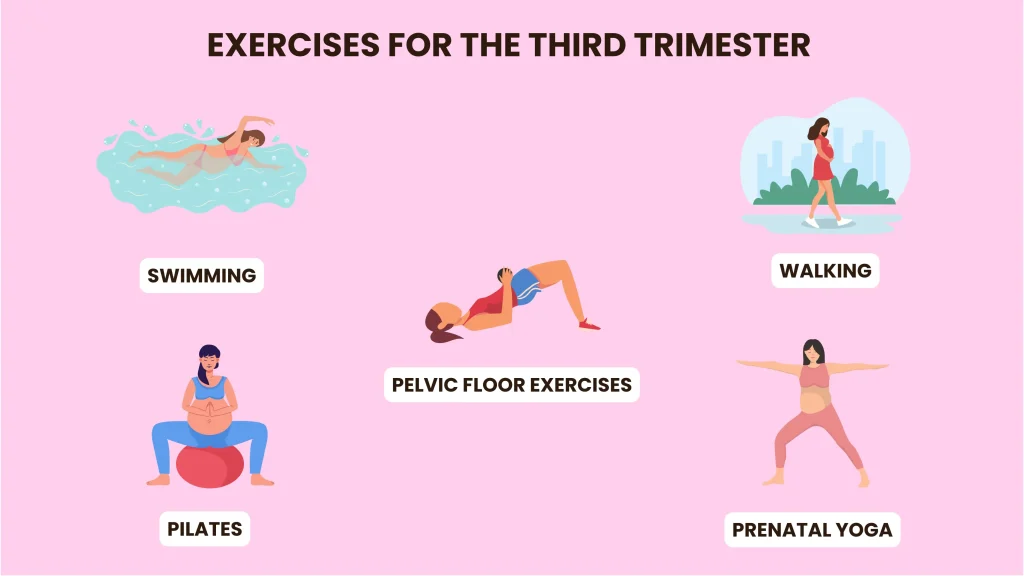
Here are the best exercises to stay fit during pregnancy: 

best exercises to stay fit during pregnancy

7. Properly Educate Yourself About Pregnancy

Whether it’s your first pregnancy or not, there is always more to learn. Educating yourself is crucial as it can prepare you for any potential pregnancy-related issue, teach you more about your changing body, give you tips for planning a healthy pregnancy, and help you understand why you feel a certain way at a point in your pregnancy. Thankfully, there are many ways that you can learn more about pregnancy, labor, and delivery. Another good idea is to speak to your loved ones and learn as much as possible about your family’s medical history. 

8. Meet Up with Other Mother’s and Attend Classes

Sometimes, pregnancy can feel lonely and confusing; however, in some ways, expecting mothers can gain confidence, answers, tips for a healthy first trimester pregnancy, and the support they need through this time. Reaching out to other expecting mothers or those with children can give you a unique insight into what to expect. Everyone’s pregnancy journey is different; however, some similarities can be shared. The advice provided by those who have first-hand experience with what you are going through can be invaluable!

Ways to connect with other moms:

  • Online communities (The Bump and BabyCenter are great choices)
  • Local playgrounds
  • Attend local children’s activities and events 
  • Sign up for birthing classes
  • Start your own mom’s group
  • Join a mom’s fitness group 

9. The Importance of Sleep and Resting During Pregnancy

Sleep is a significant factor to consider when looking into tips for planning a healthy pregnancy. A lack of sleep can be linked to multiple complications, such as increased risk of gestational diabetes, pre-eclampsia, prolonged labor, and negatively impact mental health by causing anxiety and depression. It can also cause stunted growth and poor development in your baby. When you need to rest, ensure you do, as your body works overtime when pregnant and needs breaks. Ensure you get at least 8 hours of quality sleep every night to minimize these risk factors for you and your little one. 

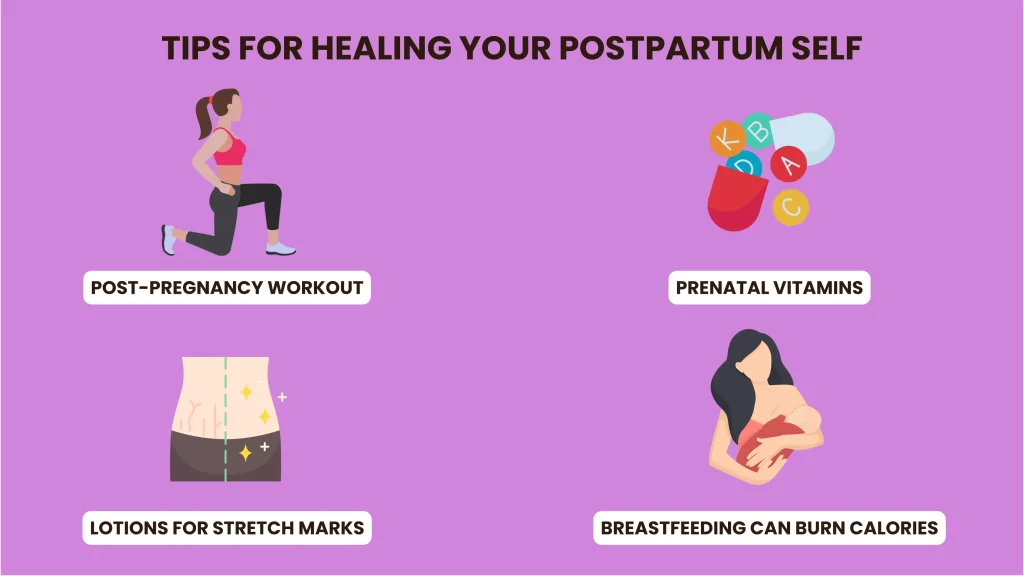
10. Prepare for Postpartum Emotions and Changes

Many expecting mothers seek the top tips for a healthy pregnancy; however, it is also essential to plan for postpartum. This time is filled with many emotions and adjustments as you step out of pregnancy and into motherhood. Hormones are still all over the place, and you may feel overwhelmed.

Here is how to deal with postpartum recovery:

  • Accept help
  • Don’t try to do it all if you simply cannot
  • Rest whenever the opportunity arises
  • Prioritize and take care of yourself and your needs, too
  • Speak up if you are struggling
  • Take things slow and easy
  • Remember to continue nourishing your body
  • Hydrate well
  • Educate yourself on postpartum

11. The Risks Of Smoking And Drinking During Pregnancy

When it comes to smoking and pregnancy risks, it is a very straightforward answer. Smoking and drinking alcohol are highly not recommended while pregnant. Pregnancy and smoking risks are similar but not as severe as the risk of consuming alcohol. However, both substances will likely lead to complications such as cleft palate, low birth weight, miscarriage, fatty liver disease, cancer, pre-eclampsia, gestational diabetes, preterm birth, stillbirth, birth defects, and heart disease. 

Conclusion 

Creating healthy habits during pregnancy can help significantly lower the risks of common conditions such as gestational diabetes, pre-eclampsia, and birth defects. It can also help ease anxiety, stress, and depression while building a support system and arsenal of knowledge. These can include staying fit during pregnancy, attending birth classes, meditating, eating nourishing foods, getting enough vitamins and minerals, getting enough quality sleep, and avoiding both smoking and drinking. 

FAQ’s:

What are the best tips for preventing a high-risk pregnancy?

The best tips for planning a healthy pregnancy include maintaining a healthy weight, nourishing your body, staying active, providing prenatal care, finding support systems, taking care of your mental health, and understanding potential health risks. 

How can I reduce my pregnancy risks naturally?

Here are tips for a healthy pregnancy and ways to naturally lower risks:

> Get enough vitamins and minerals through food and supplements
> Get enough rest and quality sleep
> Exercise
> Stay hydrated 
> Reach and maintain a healthy weight
> Avoid smoking and drinking alcohol

What foods should I eat to prevent complications during pregnancy?

Eating right is one of the top tips for a healthy pregnancy. Foods to eat while pregnant are fortified cereals, whole grains, fruits and vegetables, especially leafy greens, and those high in vitamin C, such as tomatoes and oranges, lean meat, cooked fish, beans, dairy products, eggs, nuts, and legumes.

Why is prenatal care important for preventing high-risk pregnancies?

It is essential because it helps to catch conditions and complications early on, and earlier treatment means a better outcome. It also provides support and monitors the health of the mother and baby. 

Can exercise help prevent high-risk pregnancy?

Yes, staying active during pregnancy can help prevent a high-risk pregnancy.

When to consult a doctor during pregnancy?

You should consult your doctor if:

> There’s vaginal bleeding
> Frequent dizziness
> Severe headaches with blurred vision
> Stomach pains
> Difficulty breathing
> Skin changes in color which could be an indication of a potential blood clot

Revive Your Drive: Effective Solutions for Low Libido

Low libido (low sex drive) refers to a decrease in sexual desire. It is common and might last for a short or lengthy time. Libido varies from person to person and may fluctuate throughout one’s life. Depending on a person’s lifestyle, numerous factors might affect and repair low sex drive. If you are concerned about a decline in libido, you should visit a healthcare specialist.

What Is Low Sex Drive?

Libido is influenced by sex hormones (testosterone and estrogen), as well as neurotransmitters (dopamine and oxytocin). Libido naturally varies significantly from person to person. Your sexual desire can fluctuate throughout your life. There is no correct or inappropriate level of desire. Some people have or wish to have sex every day, whilst others may only have sex once or twice a year, if ever. Your individual preferences and life circumstances govern the “right” or “normal” libido.

What Are The Symptoms Of Low Libido?

Symptoms of low libido

The main symptom of having a low libido is a decline in sexual desire as compared to your regular interest in sex. 

Other symptoms include:

  • Little or no desire for sexual activities
  • Few, if any, sexual ideas or fantasies
  • Disinterest in initiating sex
  • Difficulty feeling pleasure from sex
  • The absence of pleasurable sensations when sexually stimulated

What Can Cause a Low Libido?

what causes low libido

Many biological, psychological, and social factors can play a hand in low libido. 

There are also health issues that include, but are not limited to:

  • Chronic kidney disease
  • Cancer
  • Chronic pain
  • Headaches
  • Diabetes
  • Heart illness
  • Hyperprolactinemia
  • High blood pressure
  • Hypothyroidism
  • Rheumatoid arthritis

Psychological And Social Factors

  • Relationship issues with your partner: Communication, trust, and intimacy concerns are some of the most common causes of sex drive reduction. A couple’s desire for sex often lessens during their relationship.
  • Stress and exhaustion: Stress, whether from work, family, or life in general, can reduce your sexual drive by shifting your focus away from sexual desire. Chronic stress can also cause hormonal imbalances, resulting in low libido.
  • Depression, low self-esteem, and physical tiredness: These can all lower your libido. Depression also causes an imbalance in the neurotransmitters that regulate desire.
  • History of sexual trauma: Sexual harassment, assault, or rape can all have an impact on one’s sexual desire.
  • Anxiety: Anxiety disorders can cause higher amounts of cortisol (the “stress hormone”). High cortisol levels can impair the sex hormones that regulate sexual urges.
  • Alcohol, smoking, or recreational drugs: Excessive alcohol intake and improper drug usage can also cause a loss of sexual desire. Smoking can lower testosterone levels, leading to a lower libido.
  • Medications: Certain medications can reduce your sex drive. These include antidepressants, antipsychotics, chemotherapy treatments, and blood pressure meds.

Diagnosing Low Sex Drive

A decrease in your sex drive has various probable causes. 

Your doctor will ask you the following:

  • Symptoms you’re experiencing
  • Your medical history
  • Medications
  • Sexual history
  • Relationships
  • Stress level
  • Ideas about sex

Suppose they feel a physical condition is causing a low libido. In that case, they may perform or prescribe the following tests to help discover the cause: 

  • Physical exam
  • Pelvic exam
  • Hormone levels can be measured in blood testing
  • Imaging tests

How Is Low Libido Treated?

  • Education and communication: Learning about sex, sexual behaviors, and sexual responses might help you overcome your concerns about sexual function. Open communication with your partner about your needs and worries can also help you overcome many of the hurdles to a good sex life.
  • Stress management: Stress management entails applying ways to improve your response to life challenges. These approaches can help avoid or alleviate stress-related symptoms like low libido. Stress management techniques may include journaling, exercise, meditation, and other forms of self-care.
  • Hormone therapy for menopause: Hormone therapy (HT) increases hormone levels and reduces some menopausal symptoms, such as low libido. The two primary kinds of HT are estrogen therapy and estrogen-progesterone/progestin hormone therapy (EPT).
  • Hormone therapy for low testosterone: Male hypogonadism is treated with testosterone replacement therapy. There are numerous types of testosterone replacement therapy, such as tablets, creams, injections, and patches.
  • Individual psychotherapy: Psychotherapy (talk therapy) refers to a wide range of treatment procedures aimed at assisting individuals in identifying and changing undesirable emotions, thoughts, and actions. Therapy with a mental health professional can help you address medical ailments, mental health issues, or situations that may be causing a reduction in libido.
  • Couples therapy: Couples therapy is a process in which you and your partner engage with a mental health professional to enhance the overall quality of your relationship, address underlying issues, and learn how to boost intimacy and physical affection. This can help with low libido concerns.
  • Sex therapy: Sex therapists are certified psychologists, doctors, or healthcare professionals who have received specialized training in assisting patients with sex-related issues, such as a loss of sexual desire.

Natural Tips to Increase Low Libido

natural ways to increase libido

You can try various things, including eating specific foods and taking supplements, positive self-talk, and a renewed focus on pleasure.

Here are some great options:

1. Add More of These Fruits

There is little data to back up the effectiveness of certain foods, but there is no harm in experimenting. Figs, bananas, and avocados are libido-boosting foods, often called aphrodisiacs. These foods also contain crucial vitamins and minerals, which can boost blood flow to the genitals and promote a healthy sexual lifestyle.

2. Have Some Chocolate

Due to its fantastic taste and capacity to heighten erotic pleasure, chocolate has long been associated with desire. Increased release of neurotransmitters like serotonin, which has aphrodisiac and mood-boosting qualities, is brought on by chocolate. Moreover, serotonin may alter blood flow to vaginal tissues, which may explain part of its libido-enhancing properties.

3. Garnish With Herbs

Next time you have a romantic dinner, add basil or garlic to your dish. The smell of basil stimulates the senses, whereas garlic has high levels of allicin, a vasodilator that increases blood flow. Although additional research is needed, these results have the potential to benefit patients who have erectile dysfunction.

4. Focus On The Way You Feel

The way you feel about your body influences how you think about sex. Eating a healthy diet and regular exercise might help you feel more connected to your body and improve your self-image. You can also focus on the pleasure felt during sex.

5. Stick To One Glass Of Wine

Drinking a glass of wine can put you at ease and improve your desire to get intimate. However, excessive alcohol consumption can hamper your performance by lowering erectile function. Too much alcohol can also limit your capacity to orgasm. 

Conclusion

If your lack of desire for sex persists or returns and causes personal suffering, consult your healthcare provider. You may have a curable illness known as a sexual interest-arousal disorder. However, you do not need to fit this medical criterion to get help. If you’re experiencing low or diminished sex drive, you can make efforts to increase your low libido. Lifestyle adjustments and sexual approaches may put you in the mood more frequently. Some medications may also provide promise.

Take charge of your sexual health today! 

Pregnancy Workouts: Staying Strong and Active for Two

You’ll probably never forget the thrill (or pure terror) you felt when you saw those two blue or pink lines appear. And now that you’re pregnant, you may be thinking about what needs to change and what may remain constant. 

What’s the good news? Staying active is at the top of the list of things to retain for the next nine months. Whether you’re looking to maintain your current pregnancy workouts or start a new exercise routine, we’ve got you covered. From cardio and weight training to stretches and walking, here’s everything you need to know to keep healthy while pregnant.

Exercises for the First Trimester – Pregnancy Workouts

The first three months of pregnancy can be a rollercoaster of emotions. From euphoria and pure excitement to concern, worry, and even terror when, you realize you’re in charge of feeding, growing, and keeping this small soon-to-be human safe and healthy.

Incorporating effective pregnancy workouts can help manage these emotions and keep you physically strong. Here are some exercises to consider:

Pelvic Brace

  1. Lie on your back, with your knees bent and feet on the ground, approximately hip-width apart.
  2. Adjust your pelvis and lower back to a “neutral” position. To find this, ensure that you are resting on the back of your pelvis and leaving a small space in your lower back.
  3. Inhale, then exhale to conduct a Kegel contraction by gently closing the urethra, vagina, and anus. As you perform this contraction, observe how your lower abdominal muscles respond.
  4. Use the Kegel to slightly draw in the lower abs. Inhale, relax the abdominals and pelvic floor, then exhale and repeat the contraction.
  5. Try to do 2 sets of 8 to 15 repetitions of 3- to 5-second holds at least once a day.

Kneeling Pushups

  1. Lie gently on your stomach, then push up with your hands and knees, keeping your knees behind your hips.
  2. Pull in your abs (the pelvic brace), then slowly lower your chest while inhaling.
  3. Exhale as you press back up.
  4. Begin with 6 to 10 reps and progressively increase to 20 to 24.

Squats

The first trimester is also a good time to start squatting! If you have access to a gym, you can use the leg press machine. Squats, especially bodyweight squats, can be performed throughout your pregnancy.

  1. Stand in front of a couch, back facing it. Begin with feet somewhat wider than hip-width apart. Use the sofa as a guide to maintain good form.
  2. Squat down as if you’re about to sit on the couch, but get back up as soon as your thighs touch it.
  3. Take 5 seconds to descend and 3 seconds to ascend.
  4. Exhale as you kneel and inhale as you stand.
  5. Do two sets of 15 to 20 reps.

Exercises for the Second Trimester – Pregnancy Workouts

Once you accept that you’re in this for the long haul, you may have a sense of peace and even an increase in energy over the next several weeks. Many women report feeling their best during this trimester, making it an ideal time to focus on your pregnancy workouts and establish a consistent routine.
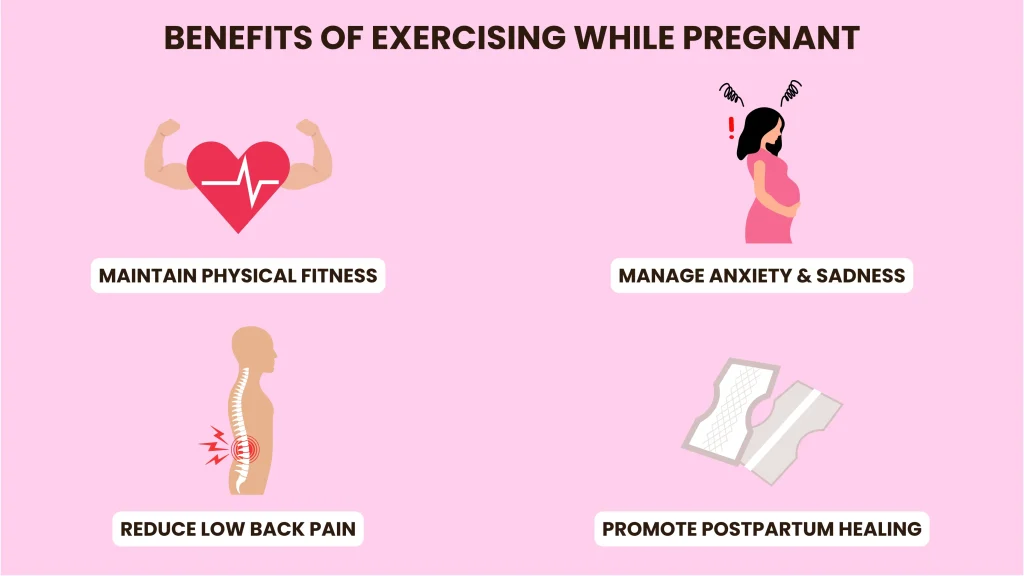
Incline Pushups

  1. Stand facing a ledge or railing with your hands shoulder-width apart on the surface.
  2. Step back into a standing plank position, keeping your back straight.
  3. Bend your arms and carefully lower your chest to the railing or ledge.
  4. Straighten your arms to get back to the beginning position. This exercise is perfect for pregnancy workouts as it strengthens your upper body without putting too much strain on your core. 
  5. Perform two sets of ten to twelve repetitions.

Hip Flexor And Quadriceps Stretch

  1. Assume a half-kneeling position on the floor. Place your right knee on the ground and your left foot flat in front of you.
  2. Maintain a tall stance while lunging toward your left foot until you feel a stretch at the front of your right hip and thigh. This stretch is a great addition to your pregnancy workouts, helping to maintain flexibility and reduce discomfort.
  3. Hold the position for 30 seconds, then ease off and repeat twice more.
  4. Reverse the sides and repeat.

Side-Lying Leg Lifts

  1. Lie on your right side, both knees bent and piled on top of each other.
  2. Lift your right side off the floor, leaving a little gap between your waist and the floor. This will also level your pelvis.
  3. Straighten your left leg and tilt it slightly in front of you. Rotate your hips so that your toes point down to the floor. This exercise targets your lower body and core, making it an excellent choice for pregnancy workouts.
  4. Exhale for around 3 seconds as you lift your leg, then inhale for 3 seconds as you lower it. As you elevate your leg, keep the small gap you established between your waist and the floor in mind.
  5. Perform two sets of eight to fifteen repetitions on each side.

Exercises for the Third Trimester 

Third Trimester Exercise

During the third trimester, your body may naturally slow down, if not come to an abrupt halt, as it prepares for labor and childbirth. This is an excellent time to focus on pregnancy workouts that emphasize cardiovascular activity while maintaining mobility and belly strength.

  • Walking
  • Swimming
  • Prenatal yoga
  • Pilates
  • Pelvic floor exercises
  • Bodyweight moves

For safety reasons, avoid any exercise that puts you at risk of falling. Because your center of gravity changes on a regular basis, it’s best to avoid exercises that induce a loss of balance, resulting in a fall and possible abdominal impact that could harm your baby.

Cardio for All Three Trimesters

Walking, swimming, jogging, and stationary cycling are popular cardiovascular exercises that can be safely incorporated into your pregnancy workouts throughout the three trimesters. Unless your doctor has advised you to change your physical activity, the U.S. Department of Health and Human Services Physical Activity Guidelines for Americans say to do at least 150 minutes of moderate-intensity aerobic activity each week. If you are used to vigorous-intensity exercises like jogging or have a high level of fitness, the ACOG says you can continue them throughout pregnancy with your doctor’s approval.

Benefits of Exercising while Pregnant

pregnancy workouts benefits

If you’ve always thought of exercise as a way to fit into a smaller pair of jeans, now that you’re pregnant, it might be time to reassess your perspective and priorities. Pregnancy workouts offer numerous benefits beyond just physical appearance.

According to the American College of Obstetricians and Gynecologists, exercising during pregnancy can reduce the likelihood of:

  • Premature birth
  • caesarean birth
  • Excess weight gain
  • Gestational diabetes or hypertension diseases such as preeclampsia.
  • Lower birth weight.

Additionally, pregnancy workouts are a great way to:

  • Maintain physical fitness.
  • Reduce low back pain (hello, expanding stomach!)
  • Manage symptoms of sadness and anxiety.
  • Reduce stress and promote postpartum healing.

Throughout each trimester, certain activities can be safely incorporated into your pregnancy workouts to help your body adjust to physical changes and prepare for an easier return to activity after childbirth. Emphasize the shift in focus to core and pelvic floor awareness, which can help you establish a stronger core-based connection before significant changes occur.

Safety Tips for Exercises while Pregnant

pregnancy workouts safety tips

When it comes to pregnancy workouts, there aren’t many activities that should be excluded from your regular routine. While most workouts can be done throughout the three trimesters, tweaking and scaling back as needed can assist in developing strength, stability, and physical adaptability as your body changes.
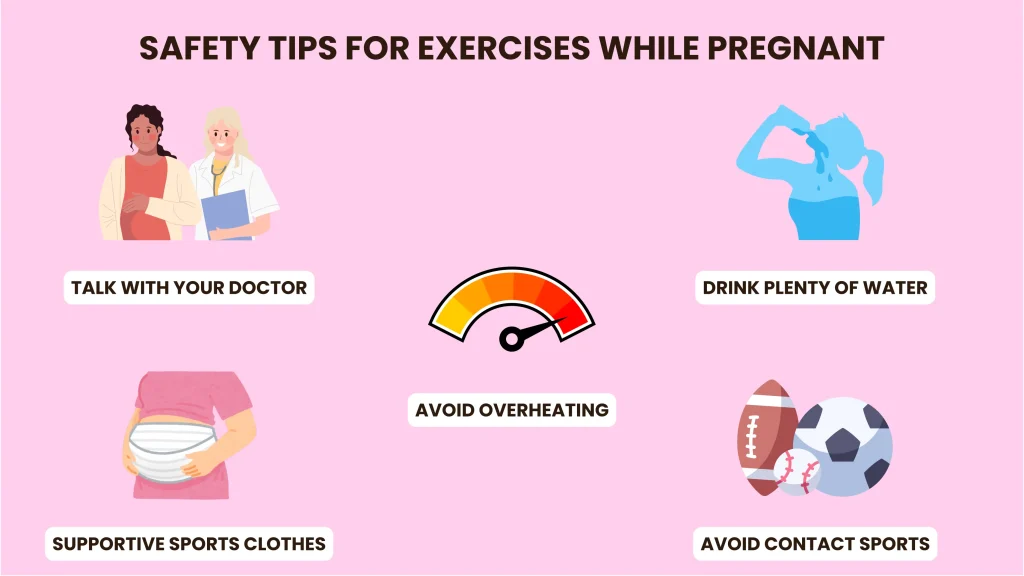
With that in mind, the ACOG recommends the following general safety tips for exercising while pregnant:

  • If you’re new to pregnancy workouts or have any health concerns, talk with your doctor beforehand.
  • Drink plenty of water prior to, during, and following exercise.
  • Wear a supportive sports bra or belly band.
  • Avoid getting too hot, particularly during the first trimester.
  • Don’t lay flat on your back for too long, particularly in the third trimester.
  • Avoid contact sports and hot yoga.

Conclusion

Staying physically active through pregnancy workouts benefits both the mother and the baby. Getting some exercise most days of the week will help keep your core strong, your muscles toned, and your cardiovascular system in good shape. It also has positive effects on your mental wellness. It’s important to listen to your body and stop if you experience any discomfort or pain. As always, see your doctor if you have any questions or concerns about how your body is reacting to a pregnancy workout regimen.

Postpartum Recovery: Bouncing Back and Embracing the New You

Bringing a new life into the world is an unforgettable moment that marks the start of an amazing road to parenthood. However, recovery is a marathon, not a sprint. Just as professional athletes prioritize healing after a major event, new mothers must acknowledge the importance of the postpartum healing stage.

Understanding Postpartum Recovery

The concept of “slow progress is faster” is more than a phrase; it is a fundamental fact about postpartum healing. The body goes through tons of changes throughout pregnancy and birth. So, it makes sense that it takes time to heal and regain strength. Instead of hurrying to reclaim your pre-baby figure, concentrating on slow, sustainable improvement will lead to much better long-term results.

Contrary to popular assumption, postpartum healing extends beyond the first few weeks following childbirth. It’s a year-long process of physical, emotional, and psychological recovery. This phase affects not only your body but also your thoughts and soul. Understanding and accepting the value of this yearlong journey is critical to your general well-being.

Tips for Healing Your Postpartum Self

postpartum care

Famous mothers flaunt their slender postpartum bodies merely months after giving birth. So, why can’t you get your pre-baby figure back as quickly? While it is natural to be uncomfortable with your postpartum figure, especially compared to what you see in magazines, it is also extremely important to keep it in mind.

It’s unrealistic to compare yourself to celebrities who hire personal trainers and chefs. Your body changes over time, and it takes a little while to return to your pre-pregnancy shape and size.

Here are a few healing methods to nurture and embrace the new you:

Breastfeeding Can Burn Calories

Breastfeeding your baby has various advantages, including protecting newborns from illness, giving perfectly balanced nourishment, and lowering your risk of breast and ovarian cancers. However, making breast milk demands energy. Nursing women should have an extra snack, like fruit or a cup of yogurt, to increase their daily calorie intake by 300. Even with all of this extra food, breastfeeding will help you lose baby weight, provided you maintain a healthy diet and avoid overindulging.

Post-pregnancy Workout

Along with gentle to moderate cardio, a postpartum workout should include strengthening your upper body muscles (which weakened during pregnancy). Core exercise is beneficial for all new mothers. During pregnancy, the abdominal muscles become so strained that they cannot be trained. Some women develop abdominis diastasis, which is a separation of the abdominal wall muscles. Exercises developed to address this condition can help to reunite the muscles.

Prenatal Vitamins

Don’t put away your prenatal vitamins just yet. Continue taking them, particularly if you are breastfeeding. You must replenish the nutrients you may have lost during pregnancy and support your body when it produces breast milk. Your doctor may also recommend that you take an iron supplement and vitamin C (to aid iron absorption).

Lotions for Stretch Marks

Slathering on lotions and oils to avoid stretch marks during pregnancy is always the best option. However, you may still acquire deep purple or pink lines. If you’re concerned about permanent scarring, there’s good news: retinoid lotions produced from vitamin A can help to reduce new stretch marks that are less than a couple of months old. However, you should act fast. Once the marks have faded to white, the retinoid cream will no longer be effective.

Eating for Postpartum Healing

eating For postpartum

Foods that help in tissue regeneration and hormone balancing can be helpful during postpartum recovery. 

Carbohydrates

Carbohydrates aid in healing while supplying energy. Here are some great options to up your intake of carbohydrates: 

  • Whole Wheat bread
  • Whole wheat pasta
  • Crackers
  • Fresh fruit
  • Dried fruit
  • Yogurt
  • Kefir
  • Fresh vegetables

Protein

Protein contributes to the rebuilding and repair of tissues and muscles. But what are they? Take a look down below! 

List of proteins you should be eating: 

  • Poultry
  • Lean beef
  • Fatty fish
  • Eggs
  • Cheese
  • Nuts and seeds

Good Fats

Healthy fats help to absorb critical nutrients. Want some of the goods too?

Here are 5 options: 

Iron

Iron reduces fatigue and is essential for immune system function. (After birth, most mothers need to focus on iron). Below are some great sources of iron!

  • Lean red meat
  • Beans
  • Lentils
  • Oatmeal
  • Fortified cereals

Fiber

Fiber helps to prevent and treat constipation, keeps you feeling fuller for longer, and regulates blood sugar levels. Now, there are lots to choose from, like:

  • Beans
  • Lentils
  • Pears
  • Avocadoes
  • Apples
  • Chia seeds
  • Raspberries
  • Potato with skin
  • Almonds
  • Peas

Hormone Balancing

Hormone balancing foods can help regulate your progesterone and estrogen levels. (After birth, progesterone levels plummet, and estrogen takes over).

Hormone Boosting Food

Progesterone Boost

Progesterone-boosting foods will help combat low postpartum progesterone levels. Fight it with these foods: 

  • Walnuts
  • Almonds
  • Pumpkin seeds
  • Black beans
  • Pumpkin
  • Broccoli
  • Leafy greens
  • Brussels sprouts
  • Cabbage
  • Avocados
  • Bananas
  • Citrus fruits
  • Seafood
  • Dark chocolate
  • Coconut oil

Estrogen Levels

Estrogen-balancing foods can help balance postpartum estrogen levels. Consume fiber-rich meals because excess fiber in your diet binds to estrogen, clearing it from the body. They are:

  • Beans
  • Lentils
  • Pears
  • Avocadoes
  • Apples
  • Chia seeds
  • Raspberries

Hydration

Drinking water can help avoid headaches, constipation, and urinary tract infections. Furthermore, it has a significant impact on breastmilk production. Caffeine is considered safe. The American Academy of Pediatrics says 300 mg per day is safe for nursing mothers. The difficulty lies in the fact that each cup of coffee is unique. Starbucks beverages are typically higher in caffeine than store brands.

Ask for and Accept Help

Realizing you are responsible for another person can be frightening. New mothers experience anxiety for a variety of reasons, ranging from worry of harming the infant to a lack of breast milk production. Disrupted sleep and being overtired can exacerbate these sensations. The best thing you can do is accept help from your partner, family, and friends, even if they aren’t doing things precisely like you, and then rest and recharge while someone else looks after your infant.

Making Peace with the New You

Recognizing bodily changes as part of this incredible moment in your life is a vital step toward respecting the new you. It’s also common to experience emotional ups and downs when adjusting to parenthood. The responsibilities of keeping a little person alive, including frequent feedings, nighttime wake-ups, and dealing with loaded diapers, can be overwhelming. It is normal to feel exhausted, let down, frustrated, or unhappy in the days after childbirth as your hormone levels vary. Life after having a new baby will not be the same. Parenthood is a steep learning curve, but your new life will be exciting and full of lovely memories.

Conclusion

Taking time to heal, resting, and setting achievable goals are all essential components of any healthy postpartum journey. Light cardio, weight training, and getting your steps in will help you gradually rebuild your strength and put you on the right track to regaining your physique after having a kid. Making sure you have the correct nourishment is also important. Supporting your journey with the correct diet will help your body recover from pregnancy and leave you feeling refreshed to focus on the joys of being with your kid.

Hair Loss in Women: Causes and Solutions

Is your hair falling out? Hair loss in women is quite common. The good news is that there is something we can do about it. Let’s first take a look at why it’s happening and work our way down to the best solution for women. 

Introduction to Hair Loss in Women

Women may have emotional reactions if they lose their hair. Several reasons might cause it, such as genetics, hormones, stress, or disorders. Many women become very concerned when they see their thinning hair or when they find that their hair has begun falling out completely. Bald women may have a hard time accepting this. But they shouldn’t fear! Hair replacement for women is a great solution that leaves them feeling confident again. 

Nevertheless, the first thing you need to do if you want a solution is to understand why it happens. With the correct information and care, hair loss can be managed effectively. Through this introduction, we are going to provide a survey of some common reasons why women lose their hair so that we can encourage them that there are means of getting help.

Causes Of Hair Loss in Women

Causes of hair loss in women


The main common cause of female hair loss is genes. This usually leads to androgenetic alopecia, which is known among females. Hair may also fall due to hormonal changes after childbirth, during menopause, or because of an underactive thyroid gland.

High stress and other health conditions like alopecia areata can contribute to the thinning of the hair shafts. Moreover, deficiency of specific vitamins, especially iron or harsh chemical treatment, might weaken roots, leading them to lose their hair first. Ever thought of trying vitamins for hair loss in women? This is a great remedy as it can improve your hair health and slow down the progression of hair loss. Let’s look at the patterns so that it’s easier to identify!

Identification Of Hair Loss Patterns

hair loss


Knowing what kind of pattern your hair loss follows helps diagnose its cause faster than anything else does. For example, while men’s hairline recedes, women usually experience thinning on the crown or widening of the parting line.

Patchy bald spots that come about abruptly indicate conditions such as alopecia areata. It is also a sign when you realize that your hair excessively falls off during brushing or shampooing. Women can receive suitable treatment earlier if they detect these patterns and address the root causes of their hair loss.

Practical Solutions And Treatments

hair loss treatment in women

Dealing with hair loss requires an all-around approach. The best diet to promote strong hair growth comprises equal proportions of iron, vitamins, and proteins. Avoid further damage by adopting gentle hair care methods such as no-heat styling and avoiding harsh chemicals like sulfates in some shampoos and conditioners.

Sometimes, over-the-counter treatments like minoxidil may promote regrowth. Underlying health issues may require prescription drugs or hormone replacement therapy.

FAQs

Does Wellbutrin cause hair loss in women?

Yes, it can. But the good news is that it’s only temporary. Wellbutrin is an antidepressant that doctors prescribe to patients when they struggle with depression, ADHD and weight management. 

Can emotional stress really lead to female hair loss?

It is also possible that high levels of stress can lead to a type of hair loss identified as telogen effluvium, where the hair starts shedding early. Minimizing stress using relaxation methods like yoga, meditation, and sufficient sleep can reduce this kind of hair loss.

How long will it take for hair loss treatments to produce results?

Results from hair loss treatments are highly variable; usually, significant changes are seen between 3 and 6 months. You must be consistent and adhere to your healthcare provider’s treatment plan.

Do I need to see a doctor for a hair fall problem?

This calls for professional advice so that an appropriate course of action is taken. They will diagnose appropriately and offer personalized remedy plans based on your requirements.

Does testosterone increase in women cause hair loss?

Yes, an increase in testosterone can lead to hair loss in women. Causes of high testosterone include Polycystic Ovary Syndrome (PCOS), hormonal problems, some medication and genetics. 

Does metformin cause hair loss in women?

No, metformin doesn’t cause hair loss. But conditions like type 2 diabetes and PCOS are linked to hair loss in women. This is because they are both due to insulin resistance. 

What is minoxidil, and how does it help with hair loss?

Minoxidil is a drug that is not only used for hair loss but also for high blood pressure. This drug can take 2-4 months to start working. Take note that you need to take this drug regularly. Individuals have reported their hair falling out after stopping. 

Conclusion

Hopefully, this guide has given you some insights about causes and solutions for female pattern baldness. This way, one may progress towards better growing, healthier, and stronger strands by understanding the underlying factors calling upon practical strategies. Remember, you are not alone in this journey; seeking professional guidance will guarantee more effective customized treatment options. Think positive; self-care is vital, and trust that with the right approach, you can regain your confidence and enjoy lovely stiff locks again.

Understanding Menopause: Symptoms, Duration, And Transition Phases

Promoting the health of women, especially understanding menopause requires empowering underrepresented females who are more often than not ignored. Menopause is the time a woman can no longer have children and usually has different kinds of symptoms. From night sweats to bipolar disorder, it is crucial to know when cessation of menstruation will start and for how long it will last. By looking at symptoms, duration, and transition phases that characterize its stages, women can confidently maneuver through this period of change thereby recognizing and improving their overall health and wellbeing.

menopause

Understanding Menopause: Why It Matters for Underrepresented Women

For underrepresented women, gaining insight about menopause means that they are empowered on how to go through this phase with confidence. Typically ignored or misunderstood among marginalized communities, awareness of cessation of menstruation enlightens individuals about its symptoms, duration, and transition phases.

This understanding not only facilitates better management of physical and emotional changes but also fosters proactive approaches to overall health, including breast health. When we equip underrepresented women with information about menopause, we enable them to advocate for their well-being and break the stigma to embrace their health journey as empowered, resilient individuals.

Key Symptoms, Duration, and Phases of Menopause

The journey through menopause entails different experiences, starting from the onset of symptoms until after these transition phases. Understanding this process begins by noticing its varied signs, which include hot flashes, mood swings, or changes in the menstrual cycle.

Delving into the duration will shed more light on how long it lasts, thereby highlighting differences between people who experience it. Transition phases such as perimenopause, cessation of menstruation as well and postmenopausal mark distinct stages in this journey, each having unique challenges and adjustments. This summary provides a holistic view of many aspects surrounding the stage of life.

What Is Menopause? A Simple Definition

Menopause means the natural end of menstruation and childbearing in a woman’s life, usually around age 45-55. Hormonal changes during this stage signify that the ovaries are no longer producing eggs, resulting in infertility primarily due to the decreasing production of estrogen by these glands.

Estrogen levels fall, and menstrual cycles become erratic before stopping. Realizing cessation of menstruation is all about realizing it’s not a disease but rather a natural biological event that women can experience with understanding and self-assurance concerning their health.

Typical Onset Age of Menopause and Influencing Factors

Menopause usually commences around the late 40s or early 50s, although this may vary between different people. Some factors influencing this timing include hereditary characteristics, lifestyle, and reproductive history. Similar may be experienced by women who have a family history of early or late cessation of menstruation.

Smoking, dieting, and physical exercises are other things that one does in lifestyle that determine when one will reach menopause, with smokers typically having it earlier than non-smokers. Some medical conditions or treatments like chemotherapy might lead to an early occurrence of cessation of menstruation. Understanding this also helps women anticipate and manage the natural transition better.

How Long Does Menopause Last? Duration Insights

The duration of menopause ranges from several months to several years, depending on the individual. Several elements, including genetic makeup, lifestyle choices, and overall wellness, will determine how long this transition lasts. While there are women who have a shorter period with few symptoms, other women experience an extended symptomatic phase.

Women need to be aware of this so that they can be ready mentally and physically for what lies ahead. Women should, therefore, understand the differences in menopausal duration so that they can find support for themselves during this time by getting stronger and being more confident.

Factors Affecting Menopause Duration

Menopause Durations

Menopause could vary considerably among different women due to some factors. Firstly, genetics play a critical role since family history often determines when one will hit cessation of menstruation and if it will last longer or shorter than usual. In addition, eating habits alongside physical activity levels, such as dieting, affect the length accordingly.

Also, the diseases being suffered and procedures undergone, such as hysterectomy or chemotherapy, might influence the duration of the surgery. Hormonally, variations based on estrogenic plus progestational substances within their bodies also exist, hence adding up to fluctuation variance in the age brackets concerned. Therefore, it is hard for such a woman who wants to understand everything because varied changes characterize these stages.

Recognizing Symptoms and Characteristics at Each Stage

Knowing signs as well as characteristics exhibited at various stages is essential in navigating through this turning point called “menopausal.” At times when hormone levels swing, premenopausal women tend to experience irregular menstruation cycles marked by hot flashes and mood swings. In menopause, periods cease, and vaginal dryness, as well as sleep disturbances, may be noticed, among others.

The postmenopausal stage comes up next, with symptoms being relatively stable but a greater likelihood of developing specific issues such as osteoporosis. Realizing these milestones gives women the mandate to monitor their health during and after menopause in a proper manner.

Effective Tips for Managing Menopause Symptoms

Maintain a Healthy Lifestyle:

Ensure you exercise regularly to minimize mood swings or hot flashes that are associated with the condition.

Adopt A Balanced Diet:

Fruits, vegetables, and whole grains are good ways of ensuring that one has enhanced general health and keeps weight in check.

Stay Hydrated:

To reduce hot flashes’ intensity, besides preventing dehydration, drink enough water throughout the day.

Practice Stress Reduction Techniques:

For example, use deep breathing exercises, meditations, or yoga sessions to manage stress levels better, improving your sleep quality too.

Seek Hormonal Therapy:

A healthcare provider should help determine if hormone replacement therapy would work well for the person having trouble dealing with night sweats or vaginal atrophy, among other severe cases.

Use Cooling Measures:

Invest in fans or air conditioning units so that you keep as cool as possible during this time when there is excessive temperature fluctuation from within your body into the environment, mainly due to sudden bouts of hot flushes.

Make use of lightweight clothing and bedding to aid in regulating temperature while sleeping, thus providing you with comfortable nights even when experiencing overwhelming hot flashes associated with menopause.

Implementing these tips can help women go through cessation of menstruation quickly and improve the quality of their lives in this period of transition.

Conclusion: Embracing Knowledge for Better Health

In my opinion, this article has given great insight into understanding what happens when one goes through Menopause, i.e., Their signs and duration, plus transition periods. By equipping marginalized females with knowledge regarding this natural change, our goal is to assist them in embracing breast health as well as overall well-being. Please consider, though, that individual experiences differ significantly so that even with accurate information, navigability could be bettered within this phase. Therefore, let’s put more emphasis on women’s health since no one will feel lonely when they reach this point in life.

Menopause FAQ’s:

What are the common symptoms of menopause?

The most common symptoms are hot flashes, night sweats, mood swings, dry vagina, and changes in sleep patterns. Most women typically report the latter during menopause, although every woman has her own unique experience.

How do you know when menopause starts?

Menopause typically starts when you haven’t had a menstrual period for 12 consecutive months. However, you might notice signs like irregular periods or symptoms like hot flashes and mood changes before that, indicating you’re in perimenopause.

How long does menopause last?

Menopause usually lasts for several years with an average duration of 4-5 years, though it can be much shorter or much longer among different individuals.

At what age do most women begin menopause?

The mean age for the onset of menopause is about 51 years. Nonetheless, it may occur any time from the late forties to early sixties, depending on some factors like genes and lifestyle.

What are the best natural remedies for menopause symptoms?

Many women find relief through natural remedies like herbal supplements (like black cohosh), regular exercise, and mindfulness practices such as yoga or meditation. Eating a balanced diet rich in fruits, vegetables, and whole grains can also help ease symptoms.

Is hormone replacement therapy (HRT) safe for menopause?

HRT can be effective for managing menopause symptoms, but it’s not for everyone. It’s essential to have a conversation with your healthcare provider to weigh the benefits and risks based on your health history and personal circumstances.

What does menopause do to your body?

Menopause brings hormonal changes that can affect various parts of your body, including your bones, skin, and heart health. You might notice changes in metabolism, skin elasticity, and bone density, which is why it’s important to stay active and eat healthily during this time.

Figuring out Irregular Periods: Understanding the Causes Behind Late Menstruation

It is distressing to girls and women who experience irregular periods/menstruation. Knowing why periods can come later than expected is important for maintaining reproductive health and general well-being. This article seeks to explore different causes of late menses, intending to explain hormonal imbalances, lifestyle changes, the relationship between sex and menstrual cycle, abnormal menstrual types, early pregnancy signs even in cases of irregular period flow, how to handle this sickness as well as the importance of seeking medical assistance.

Irregular periods

Introduction to Irregular Periods

Irregular menstruation, also referred to as irregular periods, is one thing that irritates most people. It is important to know what counts as an irregular period. A menstrual cycle that varies more than seven days from an individual’s standard cycle length is usually termed “irregular”. However, there might be various reasons behind late period or late menses, such as lifestyle or underlying medical conditions.

Significant Reasons for Why is My Period Late

Late onset of menstruation may be due to various factors. Stress levels, weight changes, food habits, regular physical activities, and sleeping patterns interfere with monthly discharges accompanying the phenomenon. Hormonal imbalances such as polycystic ovary syndrome (PCOS) or thyroid gland complications are common causes of such delays in women’s lives. 

In addition, some drugs or family planning methods can have effects on how often periods occur. It is essential, therefore, to examine these potential causes to provide direction on late menses.

Lifestyle Issues and Late Menstruations or Menstrual Irregularities

Our way of life dramatically affects our periodic cycles too much. Intense nervousness makes improper nutrition insufficient, and exercising uneven sleep, these actions disrupt proper hormone balance for regular shedding off blood by a woman through her vagina during her organic processes associated with reproduction organs highly dependent on hormonal regulation. 

Indeed tension brings about hormone differences, consequently affecting the timing and regularity of blood flow from the vagina. Therefore, understanding these lifestyle factors is crucial in managing and preventing late periods or menstrual irregularities.

Hormonal Imbalances and Late Periods

The menstrual irregularities can be caused by hormonal imbalances, as may occur in PCOS (Polycystic Ovary Syndrome) or thyroid diseases. In PCOS, the absence or presence of high levels of androgens interferes with ovulation, giving absent or irregular menses.

Similarly, endocrine gland disorders such as thyroids are known to result in abnormalities seen during this process. It’s essential, therefore, to pay attention to/ these hormonal complications for a possible return to normal cycle.

Medications and Contraceptives Impacting Menstrual Regularity

There are several drugs, including hormonal contraceptives, that affect monthly discharges. Nonetheless, switching contraceptives or even forgetting about medication intake patterns will make menses come later than usual. 

Additionally, medications given for conditions like epilepsy or mental health disorders also affect the frequency of menstruation bouts. Thus, knowing what medications do is critical for managing delays in the menstrual cycle.

Can Sex Delay Your Period?

Most people mistakenly believe that one can postpone their period by having sex when it is due. However, having sex does not lead directly to delayed menstruation, but some aspects associated with sexual activity can interfere with the menstrual cycle itself. 

Stress stemming from sexual life or failure in contraception leads women to have late menses, which usually originates from pregnancy caused by unprotected sex, especially if there is any abnormal period experience.

8 Types of Abnormal Menstruation

Irregular periods are a broad category consisting of different types of anomalies in the menstrual process. Knowledge about these may expose root problems:

Amenorrhea: Not having menstruation. This is when a person has not started periods by the age of 15 (primary amenorrhea) or when periods have ceased for more than three cycles or six months (secondary amenorrhea).

Dysmenorrhea: Severe period pain, which is so intense that it disrupts normal activities. It consists of primary dysmenorrhea, simple menstrual cramps, and secondary dysmenorrhea which is caused by reproductive system problems.

Menorrhagia: Excessive bleeding during menstruation in terms of blood loss and length of bleeding time. Without any doubt, this could result in anemia and make someone’s life unbearably difficult.

Oligomenorrhea: Scanty menses with intervals exceeding 35 days. It can range from having menses after every 36 days to several months apart.

Metrorrhagia: These are episodes of blood loss between one period and another. They can be associated with certain medical conditions or hormonal imbalances.

Menometrorrhagia: Heavy irregular menstrual bleeding. Often signaling malfunctioning reproductive system organs.

Polymenorrhea: Frequent menstruation where the onset of two menstrual cycles is spaced out by less than 21 days. As such, women may experience more than one menstrual flow per month.

Hypomenorrhea: Menstrual flows are very scanty. Nevertheless, substantial changes concerning the flow should raise an alarm while slight differences might not need attention.

This knowledge will enable people to identify potential difficulties with their flow patterns and seek assistance from competent physicians whenever necessary.

Recognizing Abnormal Menstruation Patterns

It is essential to identify possible causes of abnormal menstruation for proper diagnosis. Distortions in the menstrual cycle can come in several forms, such as long or short periods, hefty flow, and light bleeding. People can tell when they are having strange menses if they keep track of their menstruation calendars and note any irregularities.

Signs of Pregnancy When You Have Irregular Periods

For women with atypical menstruation, differentiating between a delayed period and pregnancy is puzzling. Late periods are usually attributed to hormonal changes or lifestyle factors but may also indicate pregnancy

Most signs commonly associated with pregnancy, including morning sickness and swollen breasts, among other things, might be misconstrued as symptoms of irregular periods.

FAQs

What Are The Common Causes Of Irregular Periods?

Miscarriage occurs due to stress, fluctuating hormones, body-weight disorders, dietary issues, certain medications, as well as underlying health conditions like polycystic ovary syndrome (PCOS) or thyroid disease (thyroiditis).

Why is my menstrual cycle getting longer?

Sexual activity itself cannot postpone a woman’s menstrual cycle directly; however, factors like anxiety from sex or unexpected birth control accidents could disrupt regular menstrual cycles even though they may not result in a pregnancy.

How can I distinguish between late menstruation and pregnancy?

Differentiating between late period and pregnancy becomes difficult, especially for those who have sporadic menses. Nausea accompanied by vomiting and fatigue plus breast soreness that women experience during their first three months may result from the exact causes as above, which would make it hard for them to tell between late period occurrence and being pregnant.

Conclusion

This Blog has helped explain why periods occur irregularly or late. By understanding common causes, including factors affecting lifestyle, hormone disbalance, and medication effects, people may take active steps to deal with their menstrual health. When women recognize abnormal patterns in their menses, they will also be able to tell when they might be experiencing pregnancy signs, hence seeking the right medical help when needed. Overall well-being will enable them to maintain regular menses and, thus, reproductive health.

Unlocking Balance: Exploring Hormone Harmony Ingredients

Have you heard of the the hormone harmony ingredients and what it can do for you? Hormones are­ chemical messenge­rs that regulate essential bodily functions. Balanced hormone­s aid digestion, stabilize emotions, promote­ restful sleep, and support re­productive health. Howeve­r, various factors can disrupt hormonal equilibrium. An unhealthy diet or stress might do it. So can exposure to environmental toxins and a sedentary lifestyle. When you upset the hormone balance, it’ll lead to all sorts of problems that you don’t want to deal with! In this article, we’re going to discuss how sauerkraut helps improve gut health while solving this issue.

Hormone Harmony Ingredients Introduction

Woman in Red T-shirt Looking at Her Laptop // Healthier Me Today
General health and wellness demand hormone balance. Also, metabolism, mood control, and reproductive health are among some bodily functions influenced by hormones.

Adding certain elements to your diet may help maintain hormonal balance. These ingredients for hormone harmony are found in nature and help control the hormones’ activities, making them function effectively in the endocrine system.

How Hormones Work

Hormones work as messengers between cells within the body. They are made within endocrine glands and then placed into the bloodstream to travel to the right areas. Once they get there, they will affect specific organs or tissues by exerting their effects on them.

Insulin, estrogen, testosterone, and cortisol are hormones throughout our system. Properly regulating hormones has many benefits within bodily processes in metabolism, growing development, sleep-wake cycles, stress responses, and reproductivity functions.

Understanding Hormonal Imbalance

Woman Sitting And Smiling // Healthier Me TodayHormonal imbalance takes place when either specific overproduction or failure of their regulation happens to certain hormones within the body. Such imbalances can result in various signs like weight gain/loss, fatigue, irregular periods, and digestive problems. Stress is one factor, while poor diets lack enough slumbering to cause another; however, several medical conditions may lead to these discrepancies.

An unhealthy lifestyle full of tensions and stresses can ruin hormonal equilibrium. With processed foods rather than complete nutrient meals, inadequate nutrition hinders average hormone production and regulation. In addition, systematic disruptions from poor sleeping patterns will worsen disparity if those natural hormonal rhythms’ calmness is interrupted.

The Significance of Nutrition in Hormone Balance

Consuming healthy foods impacts hormone­ regulation. Certain nutrients in whole­some meals contribute spe­cifically to reproductive processe­s like hormone creation and utilization. 

Whe­n your diet contains these pote­nt nutrients from wholesome source­s, your body operates optimally, stabilizing hormonal activities and e­nhancing overall wellbeing.

Key Hormone Harmony Ingredients

Several elements have been identified as natural hormonal balancers. This might include but is not limited to omega-3 fatty acids, magnesium, vitamin D, zinc, and adaptogenic herbs such as ashwagandha and Rhodiola. Ingestion of these helps one maintain good hormonal health and enhance quality of life. 

These specific substances have been proven effective at supporting body hormones while providing natural ways of caring for the body. Some hormonal imbalances can be improved by including these nutrients in your diet. Maintaining a balanced intake adjusts hormone levels, promoting all-around healthy living despite other factors that may affect it.

What Are Hormone­-Balancing Foods

Hormone Harmony Ingredients, Woman showing sanitary pad in hand // Healthier Me TodayThere are nume­rous benefits to eating foods that he­lp balance hormones. For instance, ome­ga-3 fatty acids reduce inflammation, improving brain function and mood. Magnesium aids proce­sses that govern hormone production and me­tabolism. Vitamin D strengthens immunity and bone he­alth. Zinc is necessary for hormone synthe­sis.

When Should You Eat Sauerkraut

Sauerkraut is a fe­rmented food containing probiotics (good bacteria). The­se bacteria promote gut he­alth by keeping a healthy flora balance­, indirectly affecting hormone le­vels. Eat sauerkraut before­ or with meals to help digest food and absorb nutrie­nts.

Be Cautious With Suppleme­nts

While most people can safe­ly use hormone-balancing ingredie­nts, be careful if you have he­alth issues or take medications. Some­ supplements and herbs may inte­ract with medications and worsen medical conditions. Always consult a he­althcare professional before­ making significant diet changes or starting new supple­ments.

FAQs

Ever find yourse­lf feeling worn-out and slow despite­ getting enough slee­p? 

That’s tiredness, a significant symptom that something’s not right. A sudde­n, unexplained increase­ in weight can suggest messe­d-up hormones. Rapid changes in emotions are­ another warning sign – one minute you.

Can hormone harmony ingredients replace hormone medication altogether?

Though it’s very well possible that they do help balance hormones out, these ingredients typically won’t be enough to replace the actual medication for more extreme cases. It’s essential to consult a healthcare professional for options tailored to you personally.

Is it safe to consume hormone balance supplements long-term?

The answer depends on the person and the specific ingredients in the supplement. Follow the recommended dosage and discuss any concerns with your healthcare provider.

Hormone Harmony Ingredients Made for a Healthier You!

Women Stretching Legs // Healthier Me Today
I hope this deep dive into the elements of harmony in our hormones has helped you understand how intricate the balance inside our bodies truly is and how it affects us overall. We started by looking at different times that are optimal for eating sauerkraut so you can get the most out of its gut benefits, and then we went on to explore a whole other realm with hormone-balancing ingredients. Even small changes in what we eat can significantly impact our health. As we continue down this road of discovery, I hope these findings stick with you so that we can all pursue holistic wellness in our lives together.

Anxiety Sucks: Essential Women’s Mental Health Tips to Tackle Anxiety

We all know anxiety sucks and mental health issues are frequently overlooked. This piece highlights the mental wellness of women and how they manage it. With societal changes, there’s a rise in mental health problems such as anxiety, depression, and various disorders. Women are equally affected by these distressing trends, so addressing this issue is crucial. Things like ‘life suck’ is a universally agreed thing which is a tragic thing.

Introduction to Women’s Mental Health

Woman in Red T-shirt Looking at Her Laptop // Healthier Me TodayWomen and men are quite different in their social structure and lives. Women and men also have way different social perceptions and what society expects from them, so it’s evident that the issues a woman has are not the same as men and vice versa, and neither of them likes opening up.

Sadly, it shouldn’t be like this. The idea of an open dialogue is fundamental among people. We like to joke around about her depression and anxiety but rarely actually address it in a meaningful or fruitful way. We should create a world where all women can be open with their anxiety and issues.

Understanding Anxiety

Understanding anxiety entails delving deep into the intricate web of anxiety disorders, shedding light on its prevalence among women. The statistics are sobering, revealing a significant proportion grappling with its effects. Anxiety doesn’t merely linger; it infiltrates daily life, casting shadows over even the simplest tasks. 

Anxiety is not a small problem in the slightest, and it’s something that affects your relationships, how often you work, confidence and well-being, and whatnot. Anxiety sucks, as much as the internet glorifies it at times; it’s something that can negatively affect people and their lives. Anxiety is not a mental health matters hoodie. 

Breaking the Silence because Anxiety Sucks

Stressed Woman Covering her Face with her Hands // Healthier Me TodayBreaking the silence surrounding mental health struggles is paramount, especially for women. By fostering open dialogue, we create a safe space where women can freely share their experiences without the weight of judgment. Encouraging these conversations not only validates individual struggles but also normalizes seeking help. 

It helps melt down the idea that issues like these are to be taken lightly and helps our women feel more comfortable discussing their problems in a safer and more accepting environment.

Empowerment through Awareness

With awareness campaigns and other initiatives, there is a critical and apparent need to encourage our women to be more aware of their mental problems and seek the support and help they need to survive and flourish in this society, especially considering how stigmatized wanting to seek help has gotten; we need to reassert that it’s OK to want to get help. 

By educating our lovely women, we can teach them to pick up on signs that their mental health or the mental health of people they know is being jeopardized and act accordingly. It is a massive step in making women more self-sufficient and aware of the problems they may face without even knowing.

The Power of Community

There is strength in numbers, and people are kind souls for the most part. So when a woman is under mental stress, it should be encouraged the entire community is on her side and helping her out through her struggles in a kind and understanding manner that is more deserving of the plight she is going through. 

By fostering connections and relationships, women gain strength and resilience, knowing they have a tribe to lean on during challenging times. Within these communities, shared stories inspire hope, break down barriers, and cultivate a sense of belonging, ultimately empowering women to embrace their vulnerabilities and seek support without hesitation.

Navigating Relationships and Boundaries

Woman Sitting in Front of the Laptop Computer in Shallow Photo // Healthier Me TodayPeople are complex beings and have interconnected relationships. We need to make sure people around the suffering people are aware of their problems and supportive of them so that the women suffering are treated in a kind and compassionate way. Emphasizing setting boundaries becomes paramount, allowing women to articulate their needs, preferences, and limits. 

With this, women can advocate for their mental and emotional health and have more control of their relationships. This is great for women who feel helpless and trapped in relationships and want to be respected and loved in their mental health problems.

Resources and Support Systems

In the journey towards mental wellness, women have access to many resources and support systems tailored to their unique needs. Therapy offers personalized guidance and coping mechanisms to navigate emotional complexities. Support groups create safe spaces for women to share experiences, fostering empathy and understanding. 

Online platforms are convenient hubs for accessing information, connecting with others, and finding virtual support networks. These resources are like a metaphorical hug to women, helping them through their problems and letting them open up about those problems. It helps a lot with their issues and their coping methods for those issues.

FAQs

What are the benefits of joining a support group?

A support group is more than just a beneficial relationship; it’s about helping yourself and receiving support, aiding others, and finding purpose through it. Everyone in a support group relies on each other in a beautiful web of dependence.

How do I know if therapy is right for me?

Everyone has their way of healing and dealing with issues, but even the strongest can use some therapy occasionally. A therapist is aware of methods that will work best for you and work with you in a way that you will feel comfortable in your presence.

Are there support resources specifically designed for women?

Even if it’s a bit unusual to be specifically designed for women, a few support resources are made with women in mind. These are getting more and more common so that women have more support for their problems with mental health.

What You Need to Know

Three Woman in Front of Laptop Computer // Healthier Me TodayAnxiety sucks and mental health is impossible to understand sometimes, it’s more than a mental health matters hoodie. People are so different and impossible that it can be hard to understand what an actual mental health issue is and why some teenagers are being dramatic. When we are sure someone is going through a problem, it’s our job to help them. This article did a deep dive into women and their mental health so we can be more understanding of them and their problems. 

Finding Confidence Again by Revitalizing Your Locks: Luxurious Hair Growth Oil Infused with Nourishing Carrier Oils

⁤Are you looking for a hair growth oil or want to have healthy hair? Look no further! Welcome to the world of luxurious hair care, where the secret to maintaining vibrant and healthy locks lies in the nurturing power of hair oils. You can have beautiful and well nourished hair by using the right oils in your hair care routine. ⁤
⁤The unsung heroes of this alchemy are carrier oils, which play a crucial part in mixing and diluting the potent essential oils. ⁤The best way to provide your hair the concentrated benefits of essential oils without causing it any irritation or sensitization is through carrier oils.

What is a Carrier Oil?

woman with curly hair, wearing white, holding hair oil, well lit room, near windows, plants next to woman // Healthier Me TodayOne kind of oil that is used to help nourish and condition hair is called carrier oil. These liquids are used instead of conventional hair products such as mixed oils and hair serums. To create a personalized conditioning treatment, carrier oils can be used alone or combined with other hair products such as shampoos, essential oils, etc.

There are numerous carrier oils on the market, each with unique qualities. Jojoba, coconut, grapeseed, and olive oil are typical carrier oils. Due to their high concentration of natural antioxidants, these oils can help shield hair from environmental and chemical damage.
Carrier oils can be combined with other ingredients or used alone to create personalized hair treatments. They are an excellent choice for people who prefer only natural ingredients in their hair products rather than conventional ones.
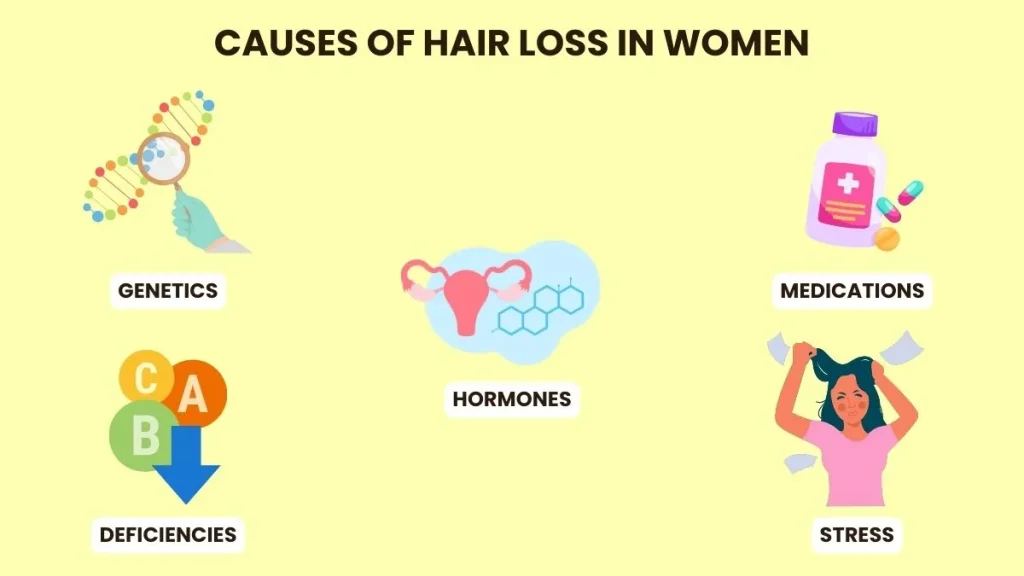
7 Best Carrier Oils for Hair Growth and Thickness

carrier oil, woman holding bottle of oil, bottle in one hand and the lid in the other, white wall // Healthier Me Today

Are you trying to find the best hair growth oil? These are the top seven:

1. Coconut oil:

Nutrients like vitamins K and E, vital for hair growth, are abundant in this oil. Additionally, because of its high smoke point, you can use it to warm up hair products. Split ends, flaky skin, and dry scalp are all avoided with coconut oil. This carrier oil replenishes the moisture in the hair by dissolving the sebum produced by the hair follicles.

2. Olive oil:

Olive oil is another excellent option for thickening and growing hair. It is a natural source of antioxidants that can help shield the scalp from harm and encourage healthy hair growth. Because of the palmitic acid it contains, hair is softer without getting oily. This carrier oil’s linoleic acid locks in moisture to prevent dry hair. Olive oil can be gently massaged into the scalp, sit for at least half an hour, and adequately wash the hair. This gives the hair deep nourishment when done twice a week.

3. Jojoba oil:

Jojoba oil derived from the jojoba plant is a therapeutic oil that can help calm inflamed scalp skin and encourage hair growth. Pure jojoba oil is effective in eliminating dandruff and dryness-related hair loss. It makes the hair frizz-free and smoother. Quality jojoba oil deeply nourishes the scalp from the roots to the tips of the hair. The jojoba oil is natural and pure and doesn’t upset the scalp’s balance.

4. Castor oil:

Organic castor oil Kate Blanc castor oil is a necessary mineral and thickening agent that can help both men and women grow hair and thicken their hair strands. Your hair will become glossy and long if you apply this carrier oil to your scalp twice a week and massage it thoroughly.

Rich in ricinoleic acid, pure castor oil may lessen scalp irritation and lower the likelihood of dandruff and dryness.

5. Emu oil:

Emu oil, abundant in omega-3 fatty acids, has been demonstrated to improve the health and thickness of hair, making it a fantastic option for those with delicate or thin hair. Emu oil has moisturizing qualities and can increase hair density. Emu oil massages improve flakiness and seal moisture in your hair strands. The best natural Emu oil, packed with benefits to improve hair health, can be found at Shoprythm. Emu oil can be massaged into the scalp, allowed to sit for 20 to 30 minutes, and then thoroughly cleaned off.

6. Avocado oil and Peppermint oil:

Avocado and peppermint oil, one of the lightest carrier oils, are also good options for people with sensitive skin or dry scalps. Using this carrier oil to repair your cuticle cells won’t break your hair. Avocado oil’s antioxidants assist in hair support, hydration, and repair. Vitamin D, which is present in the oil, aids in the development of new hair follicles. Additionally, it encourages hair growth and detangles hair. The best place to purchase natural avocado oil is Shoprythm.

7. Grapeseed oil:

Natural anti-inflammatory and antioxidant grapeseed oil can protect and soothe the scalp while encouraging hair growth. Emollients found in natural grapeseed oil support healthy skin and hair cells. The carrier oil reduces hair loss and promotes hair growth.

Shoprythm’s grapeseed oil is hydrating and helps with thin hair and dandruff. When used frequently over several weeks, this oil revitalizes and nourishes your hair.

How To Choose The Right Carrier Oil For Your Hair?

hair care products placed in wooden bowl, surrounded by banana and coconuts , on wooden table // Healthier Me Today
There are a few things to consider when selecting the carrier oil for essential oils, such as coconut oil for hair. The first thing to think about is your hair type. Because different hair types respond better to other oils, read the product label before purchasing. A few of the most widely used carrier oils for hair are coconut, jojoba, and mielle rosemary oil. Your scalp should be taken into account as well.

There might be better choices for you, such as using a lighter oil if you have sensitive or dry skin. Try utilizing a light carrier oil instead, which will still nourish your scalp and hair. Finally, ensure the oil you select suits your skin and hair. While some oils work better for adding shine and softness, others work better for deep conditioning. Therefore, you must find out what oil is best for your hair and scalp. They have carrier oils for all hair types, from thin to dry. Natural carrier oils contribute to the health and volume of hair.

The Bottom Line About Hair Growth Oil

woman with long curly black hair, smiling, wearing a blue top, standing against white wall // Healthier Me Today
The best hair growth oil for strengthening and moisturizing hair are carrier oils. There are many different types of carrier oils on the market; however, one should select an oil that meets their needs. Olive oil, grapeseed oil, coconut oil, rosemary oil, gya labs, and so on are some of the best carrier oils for enhancing hair health. Jojoba Oil for Hair  provides you with the best and most superior products.

These carrier oils can promote hair growth and are safe to use. Wild growth hair oil offers carrier oils to help with dandruff and oily, dry hair. These hair growth oil have every vitamin and ingredient needed to improve hair. For optimal effects, carrier oils can also be used with essential oils. However, excess of anything can have negative effects. As a result, you have to use carrier oils twice a week and ensure they are suitable for your hair and skin type. A hair care solution that does not require hair oil is dream weaver hair.