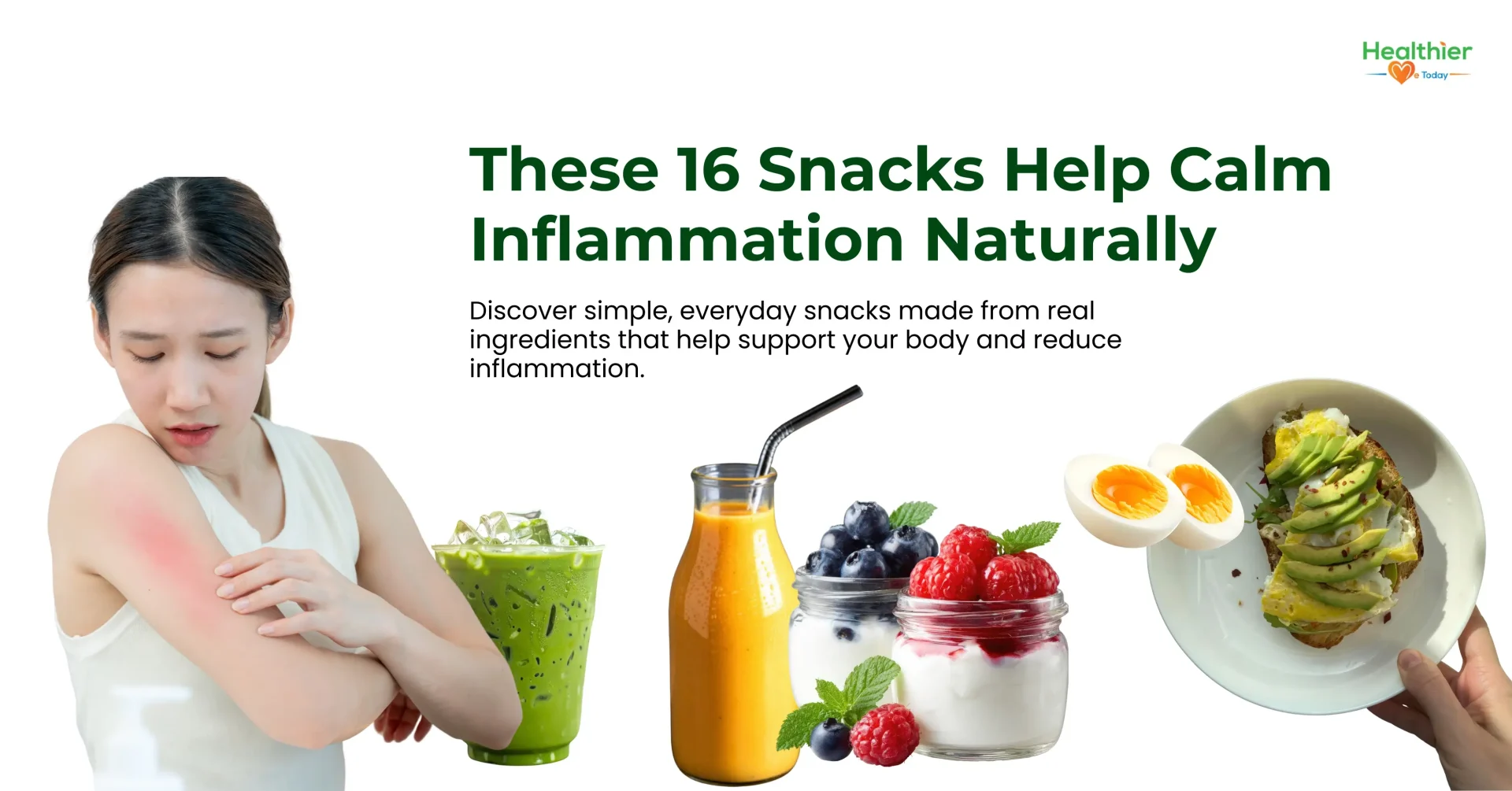
16 Best Anti-Inflammatory Snacks to Reduce Inflammation Naturally

If you often feel tired, bloated, or deal with ongoing aches and discomfort, inflammation might be playing a role. Your body uses inflammation as a natural defense to protect itself, but when it sticks around for too long, it can start affecting how you feel day to day.

One simple way you can support your body is by choosing the right foods between meals. The right snacks can help nourish your body and keep inflammation levels under control.

In this guide, you’ll discover 16 anti-inflammatory snacks that may help reduce inflammation naturally, along with simple tips to help you choose smarter snacks throughout the day.

What Are Anti-Inflammatory Snacks?

Anti-inflammatory snacks are foods that contain ingredients known to help calm inflammation in the body.

Healthy anti-inflammatory snacks are made with whole ingredients like fruits, vegetables, nuts, seeds, yogurt, and whole grains. These foods are naturally rich in nutrients, helping nourish your body and support overall health. When you choose snacks made with these ingredients, you’re giving your body something that fuels it rather than weighing it down.

Many people enjoy exploring different anti-inflammatory snack ideas because they are simple, nutritious, and easy to prepare.

16 Anti-Inflammatory Snacks That May Help Reduce Inflammation

What Does It Mean to Connect to Inner Power

Choosing snacks that reduce inflammation means looking for foods that are rich in natural nutrients, healthy fats, fiber, and antioxidants. Below, you’ll find 16 easy snack ideas that can help support your body while also keeping you full and energized throughout the day.

1. Apple Slices With Almond or Peanut Butter

When you eat apples with almond or peanut butter, you get a good mix of nutrients that your body needs. Apples are rich in fiber, especially a type called pectin, which helps digestion and keeps your gut healthy. A healthy gut plays a big role in keeping inflammation under control.

The nut butter adds healthy fats and protein, which help keep your blood sugar stable and slow the absorption of sugar. Your body is less likely to have inflammatory responses when your blood sugar is more stable.

2. Greek Yogurt With Berries

Greek yogurt is full of probiotics, which are the “good bacteria” that your gut needs to work properly. One of the best ways to reduce inflammation is to support your digestion, since a lot of it starts in the gut.

Blueberries, strawberries, and raspberries are all berries that are full of antioxidants.

These compounds help your body fight oxidative stress, which is one of the main causes of inflammation. This snack is one of the best anti-inflammatory snacks you can eat because it helps both your gut and your cells.

3. Hummus With Fresh Vegetables

Chickpeas, olive oil, and sometimes garlic are all known to have anti-inflammatory properties, which is what hummus is made of. Chickpeas are high in fiber and plant-based protein, both of which are good for your digestion and help keep your energy levels stable.

Adding fresh vegetables to hummus adds even more vitamins, minerals, and antioxidants to your snack. Carrots, cucumbers, and peppers are all vegetables that can help your body fight inflammation naturally. They also keep you hydrated and full.

4. Avocado Toast on Whole Grain Bread

Avocados are high in monounsaturated fats, which are good for your heart and help reduce inflammation in the body. They also contain antioxidants that help protect your cells from damage.

Whole-grain bread adds fiber, which supports digestion and helps stabilize blood sugar levels. Your body is less stressed when your digestion and blood sugar are stable. This helps keep inflammation levels lower.

5. Mixed Nuts and Seeds

One of the easiest ways to get anti-inflammatory nutrients into your body is through nuts and seeds. They are rich in healthy fats, especially omega-3 fatty acids, which help lower inflammation in the body.

They also have important minerals like magnesium, which helps calm the nervous system and lower inflammation caused by stress. A small handful can help your body while keeping you full and energized.

6. Dark Chocolate With Nuts

Dark chocolate, especially high-cocoa-content varieties, contains powerful antioxidants called flavonoids. These help reduce inflammation by protecting your cells from oxidative stress.

Adding nuts to it provides healthy fats and protein, which help keep your blood sugar stable and prevent it from rising. This makes it a healthy snack that feels like a treat and is good for you.

7. Turmeric-Spiced Roasted Chickpeas

One of the best-known natural spices for fighting inflammation is turmeric. Curcumin, the active ingredient, helps lower inflammation at a deeper level in the body.

When you roast chickpeas with turmeric, you get a crunchy, nourishing snack. The chickpeas’ fiber and protein help with digestion, and the turmeric helps to calm inflammation all over your body.

8. Cottage Cheese With Pineapple or Berries

Cottage cheese is high in protein, which helps support your body’s repair and recovery processes [health.clevelandclinic.org]. It also helps keep you full, preventing overeating and blood sugar spikes.

Adding berries or pineapple gives you natural antioxidants and enzymes. For example, bromelain in pineapple supports digestion and reduces inflammation.

9. Chia Seed Pudding

Chia seeds are rich in omega-3 fatty acids, which are known to help reduce inflammation. They are also high in fiber, which supports your gut health.

When you soak chia seeds and turn them into pudding, they become easier to digest and more filling. This snack helps keep your digestion regular while also supporting your body on a deeper level.

10. Smoothies With Anti-Inflammatory Ingredients

Smoothies are a simple way to combine many anti-inflammatory ingredients into one snack. Berries, leafy greens, ginger, and turmeric are just a few of the things that help your body.

These foods are rich in antioxidants and nutrients that help fight inflammation in several ways. Drinking a smoothie every day is an easy way to give your body consistent support without much effort.

You can also use smoothies to lose weight, according to experts [goodrx.com]. 

11. Oatmeal Energy Bites

Energy bites made with oats, nut butter, and seeds are convenient and quick anti inflammatory snacks you can prepare in advance. Oats are high in a type of fiber called beta-glucan, a type of fiber that is good for your heart and helps keep inflammation in check. They also help keep your blood sugar stable throughout the day.

12. Guacamole With Vegetable Sticks

Avocado guacamole is full of healthy fats that help your body and reduce inflammation. It also contains potassium and antioxidants, which are good for your health.

When you eat it with vegetable sticks instead of chips, you get more fiber and nutrients without adding unhealthy fats. This keeps the snack healthy, simple, and effective for your health.

13. Hard-Boiled Eggs With Avocado

Eggs are a great source of protein and other nutrients your body needs to repair and stay healthy. They also help you stay full and stop you from snacking when you don’t need to.

Adding avocado provides healthy fats that support heart health and help lower inflammation. Together, they create a balanced snack that keeps your energy steady and supports your body.

14. Green Tea With Nuts or Fruit

Green tea is rich in antioxidants, especially catechins, which help reduce inflammation and protect your cells. Drinking it regularly helps your body over time.

You can add nuts or fruit to it to make it more filling and nutritious. This mix is great when you want something light but still good for you.

15. Kale Chips

Kale is one of the leafy greens with the highest nutrient content. It contains many vitamins, antioxidants, and other compounds that can help reduce inflammation throughout the body.

You can still get the health benefits of kale by turning it into chips. It’s a great way to get rid of unhealthy snacks with something that actually supports your health.

16. Fresh Fruit With Yogurt

Fresh fruit has natural sugars, fiber, and antioxidants that are good for your body. Yogurt contains protein and probiotics, which are good for your gut health.

This combination works from the inside out because gut health and inflammation are closely linked. This snack is easy to make and helps your body stay balanced and supported throughout the day.

Quick Anti-Inflammatory Snacks You Can Make at Home

Quick Anti-Inflammatory Snacks You Can Make at Home

Sometimes you’re busy, tired, or just not in the mood to prepare something, and that’s completely normal. That’s where having a few quick anti inflammatory snacks at home really helps.

Here are a few go-to ingredients and tools that can make preparing easy anti inflammatory snacks even simpler:

  • Chia seeds: Stir chia seeds into yogurt or a smoothie for a quick, no-prep snack. It instantly adds fiber and omega-3s, which help support digestion and reduce inflammation, while also keeping you full for longer.
  • Raw unsalted mixed nuts: Keeping a mix of nuts on hand makes snacking simple and convenient. Whenever you need a quick bite, you have a healthy option ready. Nuts are packed with healthy fats, a bit of protein, and nutrients your body actually needs.
  • Avocado slicer kitchen tool: Having a simple tool for quickly cutting and preparing avocados makes snacking much easier. You are more likely to choose healthy options if they are easy to get to. Avocados are rich in healthy fats and nutrients that help reduce inflammation.

At the end of the day, it’s not about making things perfect. It’s about making things easier for yourself! 

Tips for Choosing Healthy Anti-Inflammatory Snacks

When you’re picking snacks, it’s best to focus on whole, minimally processed foods. Look for foods that are high in fiber, healthy fats, and antioxidants. They give your body what it needs without adding extra calories.

Here are a few ways to make healthy snacking easier:

  • Keep a variety on hand: Nuts, seeds, fruits, vegetables, and whole grains are all great options. You can even make your own anti-inflammatory snacks list to have ready when you need inspiration.
  • Plan for work or busy days: Preparing anti-inflammatory snacks for work means you’re less likely to reach for vending machine treats or fast food. Pack small portions of nuts, cut veggies, or yogurt cups so healthy snacks are always within reach.
  • Start simple if you’re new: You don’t need to make complicated recipes right away. Try easy options first, then experiment with different anti inflammatory snack recipes until you find your favorites.
  • Think about fullness and satisfaction: Snacks that are high in fiber or healthy fats help you feel full longer, which can also support weight management and reduce cravings [healthline.com]. 

By keeping things simple, convenient, and tasty, you’re more likely to stick with healthy snacking habits over time.

Foods That May Increase Inflammation

Foods That May Increase Inflammation

Not all foods are the same when it comes to inflammation. Some can actually help your body feel better, while others can worsen inflammation. Eating a lot of processed foods, sugary drinks, refined carbs, and fried foods can trigger inflammation [health.clevelandclinic.org]. 

Try to cut back on foods loaded with added sugar, refined flour, or artificial ingredients. Eating whole, minimally processed foods like fruits, vegetables, whole grains, and healthy fats can improve how you feel and boost your energy.

Conclusion: It Really is that Easy

Taking care of your body doesn’t have to feel complicated or overwhelming. Often, it comes down to the small choices you make every day, like what you reach for when you need a snack. You will start to feel better when you choose foods that nourish your body rather than fill a gap. You’ll begin to notice the difference in how you feel, your energy becomes more stable, your digestion feels better, and your body feels more supported overall.

The key is to keep things simple and realistic. You can make habits that are easier to stick to by slowly adding more anti-inflammatory snacks to your diet and paying attention to what works for your body.

For a more detailed list and an anti-inflammatory diet (other than snacks), our guide has it all!

Frequently Asked Questions

What’s the best anti-inflammatory snack?

The best snack often includes a mix of healthy fats, fiber, and antioxidants. Options like Greek yogurt with berries, nuts, or avocado toast are excellent choices.

What are 5 signs your body has inflammation?

Common signs may include fatigue, joint discomfort, digestive issues, frequent headaches, and skin problems. If symptoms persist, it’s best to speak with a healthcare professional.

What not to eat to stop inflammation?

Try to limit processed foods, sugary drinks, refined carbohydrates, fried foods, and excessive alcohol, as these may increase inflammation.

How to flush inflammation out of your body?

Supporting your body with healthy foods, regular physical activity, hydration, quality sleep, and stress management can help reduce inflammation over time.

What drink gets rid of inflammation?

Drinks like green tea, turmeric tea, ginger tea, and smoothies made with berries or leafy greens are often recommended because they contain antioxidants and anti-inflammatory compounds.

12 Weight Loss Smoothies That Actually Work

When you’re trying to lose weight, the last thing you want is a smoothie that tastes good but leaves you hungry an hour later. The truth is, not all smoothies are created equal. Some are sugar bombs in disguise, while others are crafted to keep you satisfied, boost metabolism, and actually move the scale in the right direction. In this guide, you’ll discover 12 weight loss smoothies that actually work, blends packed with fruits, veggies, protein, and fiber to give you energy, curb cravings, and support fat loss. Whether you need a quick breakfast, a post-workout refuel, or a snack that helps rather than hurts your goals, these smoothies prove you don’t have to give up flavor to see results.

Benefits of Drinking Smoothies

Nutrition research shows that smoothies with whole foods, protein, and healthy fats can help you maintain a healthy lifestyle.  Here’s what the studies found:
  • Ingredients like oats, seeds, and fruits help you stay fuller for longer without unnecessary snacking [verywellhealth.com]. 
  • Adding protein, such as Greek yogurt or protein powder, along with healthy fats like avocado, nuts, seeds, or coconut milk, provides you with a complete meal in just one smoothie.
  • A liquid base, like water, almond milk, or coconut water, helps you stay hydrated but also supports digestion, fuels you up with energy, and prevents confusing thirst with hunger.
  • Use natural sweetness from fruit like berries or bananas with a dash of cinnamon instead of added sugars.
  • Adding some green tea, ginger, and leafy greens, this will help speed up your metabolism and support fat loss.
So, do smoothies help you lose weight? Absolutely, when using the right ingredients [goodrx.com].  And if you’re unsure how to calculate how much you should lose to be considered healthy, use this reverse BMI calculator.

What to Put in a Smoothie for Weight Loss?

To help your smoothies support your weight loss goals, focus on picking the right ingredients. Try blending protein, fiber, a bit of natural sweetness, and a healthy liquid base. This way, your smoothie will taste great and keep you full.  Here are some ideas to get you started:
  • Protein: Protein doesn’t mean adding meat into your smoothie. Try Greek yogurt, protein powder, or nut butter. Including protein in your smoothie boosts your immune system, keeps you fuller for longer, and helps with muscle growth and maintenance.
  • Fiber and greens: High-fiber fruits and leafy greens like spinach, kale, and oats are great additions for green smoothies for weight loss, and high fiber will also help to boost your energy levels throughout the day and keep the cravings under control.
  • Natural sweeteners: Use fruits like pineapple, mango, bananas, or berries to naturally sweeten your smoothie rather than adding sugar. Unsweetened fruits are perfect for the best smoothies to lose weight [eatingwell.com]. You can even add vanilla extract for a sweeter taste.
  • Liquid bases: Without liquid, your smoothie can turn out too thick or chunky. For the perfect texture smoothie, use water, unsweetened almond milk, oat milk, or coconut milk, or juice. This will give your smoothie a smooth, creamy consistency.
Please note that smoothies can be a great addition to a weight loss routine, but they are not the only thing that matters. Staying active, getting enough sleep, and paying attention to your overall eating habits can also make a difference when it comes to managing your weight and supporting your health. If you’d like to learn more, here are some related topics worth reading about:

12 Weight Loss Smoothies That Actually Work

If you’re serious about losing weight, smoothies can be your secret weapon, but only if they’re made with the right ingredients. The wrong blend can leave you hungry or overload you with sugar, while the right mix of protein, fiber, and healthy fats keeps you full, energized, and moving closer to your goals. Below, you’ll find 12 delicious smoothie recipes that do more than taste good, they actually work. Each one is simple to make, satisfying, and designed to help you stay on track without feeling deprived.

1. Creamy Banana Smoothie

Creamy Banana Smoothie
Ingredient Quantity
Banana yogurt ½ cup
Cashew milk 1 cup
Collagen powder 1 scoop
Ice (optional) ½ cup
This smoothie combines protein, healthy carbohydrates, and low-calorie creaminess to support weight management. The yogurt and collagen powder provide protein, which slows digestion and helps control appetite. Cashew milk keeps calories lower than traditional dairy while still giving a satisfying texture. The banana offers natural sweetness and potassium, reducing the need for added sugars and supporting electrolyte balance. Together, these ingredients make a filling option that can replace a higher-calorie breakfast without leaving you hungry soon after.

2. Avocado Smoothie

Ingredient Quantity
Avocado ½ medium
Spinach 1 cup
Cashews 2 tbsp 
Pineapple 1 cup 
Protein powder 1 scoop
Cashew milk 1 cup
Ice (optional) ½ cup
This blend is packed with wholesome ingredients that fuel your body. Creamy avocado and crunchy cashews bring in those healthy fats, while fresh spinach adds fiber and nutrients without the calories. The pineapple adds a burst of natural sweetness, supports digestion, and gives your immune system a boost with vitamin C. To top it off, protein powder and cashew milk make it rich, smooth, and filling enough to keep you satisfied for hours.

3. Coffee Smoothie

Ingredient Quantity
Brewed coffee ½ cup
Protein powder 1 scoop
Medjool dates 2 (pitted)
Oat Milk 1 cup 
Cacao powder 1 tbsp
Ice  ½ cup
It’s ideal as a quick breakfast or midday pick-me-up. Brewed coffee gives you that natural caffeine kick to wake you up and fire up your metabolism. The protein powder adds healthy fats and fiber to keep you fuller for longer. Medjool dates add natural sweetness, while oat milk keeps it smooth and creamy. The cacao powder ties it all together with that rich, chocolatey flavor.

4. Cinnamon Date Smoothie

Cinnamon Date Smoothie
Ingredient Quantity
Rolled oats ¼ cup
Medjool dates 2 (pitted)
Cinnamon ½ tsp
Almond Milk 1 cup 
Ice  ½ cup
This fiber-rich Cinnamon Date Smoothie is sweet, creamy, and satisfying. Medjool dates add natural sweetness, while rolled oats give it a thick, milkshake-like texture. Rolled oats help with digestion and keep you full for longer. The almond milk adds creaminess, making your smoothie light and easy to digest. With the warmth of cinnamon and the sweetness of Medjool dates, it’s like sipping a cinnamon roll in a glass. 

5. Matcha Energy Smoothie

Matcha Energy Smoothie
Ingredient Quantity
Matcha powder 1 tsp
Vanilla extract ½ tsp
Banana 1 Medium
Cashew milk 1 cup 
Ice  ½ cup
The cashew milk makes a creamy, nutty base. The matcha adds that vibrant green color and earthy boost. Matcha turns your smoothie into a metabolism-boosting, energizing blend that supports weight loss naturally. A banana brings sweetness, natural energy, and a thick, creamy texture. A splash of vanilla brings out the flavor without adding extra sugars. Smooth, green, and full of natural goodness in every sip.

6. Flaxseed Fiber Smoothie

Ingredient Quantity
Flaxseed 2 tbsp (ground)
Almond milk 1 cup
Almond butter 1 tbsp 
Medjool dates 2
Banana 1 medium
Frozen cauliflower ½ cup
Cinnamon ½ tsp
Ice (optional) ½ cup
The flaxseed and almond butter bring in a balance of healthy fats, protein, and fiber, while the banana and dates add natural sweetness and a boost of energy. Frozen cauliflower sneaks in extra nutrients and fiber while keeping calories in check. Almond milk creates a smooth, creamy base without the heaviness of dairy. A sprinkle of cinnamon turns this blend into something comforting and delicious. Together, these ingredients make a smoothie that supports digestion, curbs cravings, and fuels the body the right way.

7. Caramel Protein Shake

Ingredient Quantity
Medjool dates 3 (pitted)
Protein powder 1 scoop
Chickpeas (cooked) ½ cup
Cashew milk 1 cup 
Ice  ½ cup
Dates bring natural caramel-like sweetness and a quick energy boost, while protein powder helps support muscles and keeps you satisfied longer. Chickpeas might sound unusual in a smoothie, but they blend seamlessly, adding creaminess, fiber, and plant-based protein. Cashew milk keeps the texture light and dairy-free. Altogether, this shake combines protein and plant-based goodness.

8. Fat-Burning Grapefruit Smoothie

Fat-Burning Grapefruit Smoothie
Ingredient Quantity
Grapefruit ½ medium
Pineapple 1 cup
Celery 1 stalk
Cucumber ½ medium
Kale 1 cup
Water 1 cup
Ice (optional) ½ cup
The grapefruit gives a citrus kick that helps with metabolism, while pineapple brings natural  sweetness. Celery and cucumber keep things light, hydrating, and full of fiber, and the kale adds vitamins and minerals without overpowering the flavor. Blended with water and ice, this smoothie is a real refresher.

9. Mint Smoothie

Ingredient Quantity
Almond milk 1 cup
Cacao powder 1 tbsp
Fresh mint ¼ cup  (leaves)
Protein powder 1 scoop
Ice  ½ cup
Fresh mint adds a cool, refreshing touch that turns a regular shake into something energizing. Cacao powder gives a deep chocolate flavor. The protein powder helps you stay full and supports your muscles. Almond milk keeps things creamy without dairy, and ice makes it extra cold. The result is a smooth chocolate-mint blend that tastes like a treat but is good for you.

10. Chocolate Peanut Butter Shake

Ingredient Quantity
Dark chocolate or cocoa powder 1 tbsp
Peanut butter 1 tbsp
Banana  1 medium
Spinach 1 cup
Protein powder 1 scoop
Almond milk 1 cup
Ice  ½ cup
Dark chocolate or cocoa powder brings a rich flavor while supporting metabolism. Peanut butter adds creamy texture, healthy fats, and a protein boost, while banana naturally sweetens the shake and makes it smooth. Spinach sneaks in extra vitamins and minerals without changing the taste, and protein powder helps keep you full and supports recovery. Blended with almond milk and ice.

11. Apple Cinnamon Shake

Apple Cinnamon Shake
Ingredient Quantity
Vanilla protein powder 1 scoop
Apple 1 medium (chopped)
Rolled oats ¼ cup
Spinach 1 cup
Walnuts 2 tbsp
Cinnamon ½ tsp
Almond milk 1 cup
Ice  ½ cup
This smoothie blends the natural sweetness and fiber of apple with the warm hint of cinnamon. Vanilla protein powder keeps you full and satisfied, while rolled oats thicken the shake and add slow-digesting carbs. Spinach boosts the nutrient content without altering the flavor, and walnuts provide a crunchy dose of healthy fats for long-lasting energy.

12. Rich Berry Shake

Ingredient Quantity
Mixed berries 1 cup (frozen)
Spinach 1 cup
Walnuts 2 tbsp
Cinnamon ½ tsp
Almond milk 1 cup
Ice  ½ cup
A mix of berries brings natural sweetness along with a boost of nutrients, while spinach sneaks in extra vitamins and minerals. Walnuts add healthy fats and a creamy texture, and a sprinkle of cinnamon gives a warm taste that pairs perfectly with the berries. Blended with almond milk and ice, this shake is smooth, refreshing, and energizing.

Conclusion: Your Journey Ahead

When made with the right mix of protein, fiber, healthy fats, and natural sweetness, smoothies can be a filling, nutrient-dense meal that supports weight loss. The 12 recipes above show how easy it is to blend up flavors while staying on track with your goals. By swapping out sugar-loaded drinks for balanced smoothies, you’ll keep cravings in check, fuel your body, and make healthy eating feel simple and enjoyable. If you’d like to learn more about how you can use your diet to lose weight, we have an article that discusses the different strategies!

Frequently Asked Questions (FAQ)

What are the best smoothies for weight loss?

Go for smoothies that are filled with protein, fruits, fiber, and some leafy greens that will keep you fuller for longer, support digestion, and keep cravings under control. For example, Rich Berry Shake, Matcha Energy Smoothie, or Avocado Smoothie.

Do smoothies actually help you lose weight?

Yes! If you keep them balanced, they will help you lose weight, but don’t add ingredients with lots of sugar, or else they won’t help you reach your goals.

Which smoothies are best for burning belly fat?

Leafy green smoothies are full of fiber and nutrients that curb cravings and help target belly fat naturally.

Are green smoothies good for weight loss?

Yes! High in fiber and full of vitamins and minerals that are low in calories.

Can protein smoothies help with fat loss?

Most definitely! Protein builds muscles and boosts your metabolism, and you won’t want to snack within an hour because it keeps you full.

Are keto smoothies good for weight loss?

If they are low in carbs and high in healthy fats, then yes! Keto smoothies help with calories and controlling your appetite.

What are the easiest weight loss smoothies to make?

The easiest weight loss smoothies are the ones that are quick and simple, like adding bananas, protein powder, almond milk, or berries that will fill you up without wanting to snack within a few minutes. For example, Rich Berry, Flaxseed Fiber Smoothie, or Apple Cinnamon Shake.

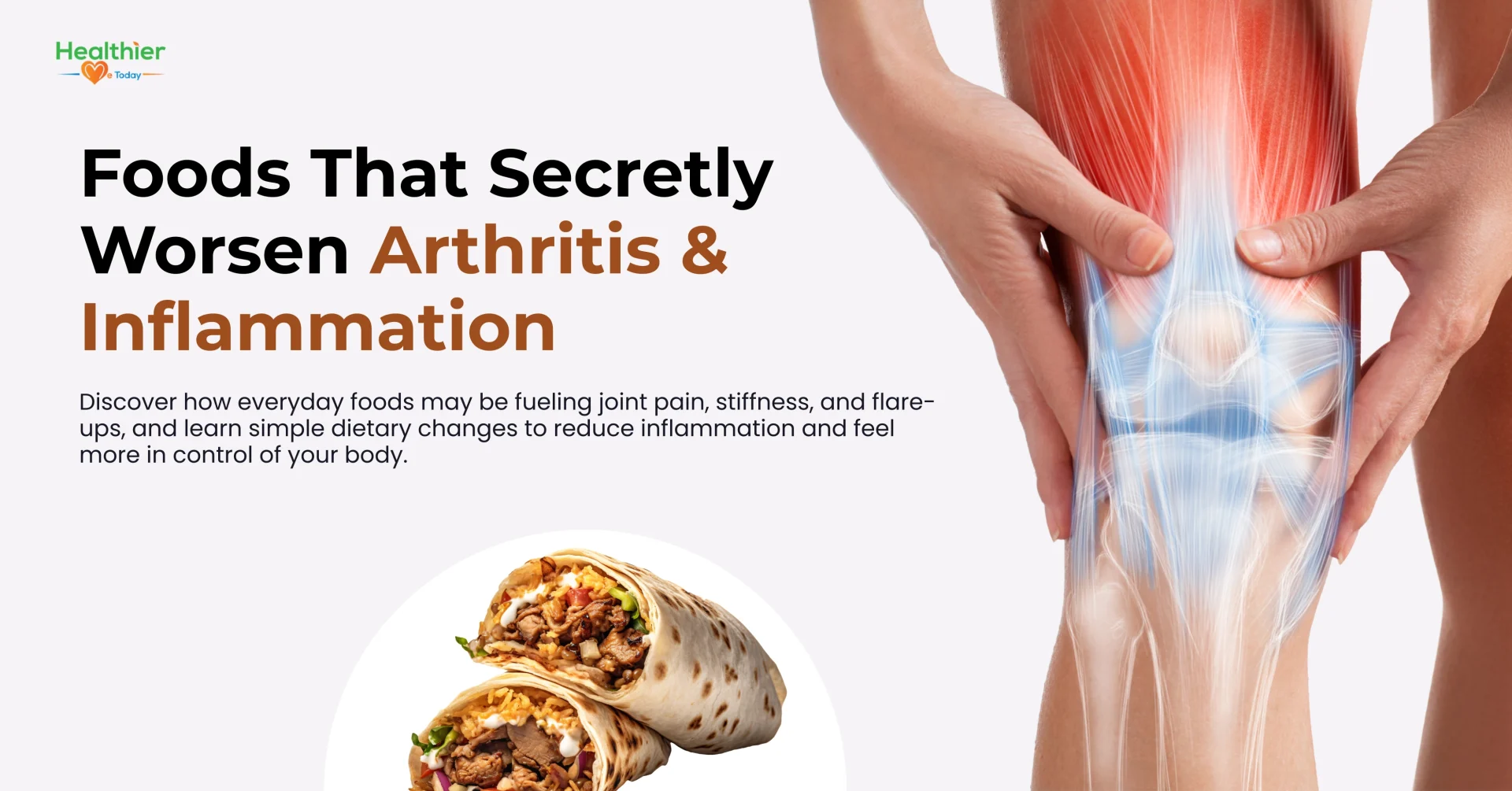
Foods to Avoid for Arthritis and Inflammation: What Can Make Symptoms Worse

If you’re living with arthritis, you’ve probably noticed that some days your joints feel stiffer, more swollen, or more painful than others. What many people don’t realize is that the foods you eat every day can quietly fuel inflammation and make those painful flare-ups worse. Certain everyday foods can quietly increase inflammation in your body, making joint pain harder to manage and recovery slower.

Understanding which foods to avoid for arthritis and inflammation gives you more control over how you feel each day.

This article explains how diet affects arthritis, which foods may trigger inflammation and joint pain, and practical changes you can make to support your joints and feel more comfortable in your body every day.

How Diet Affects Arthritis and Inflammation

What you eat has a direct impact on how your joints feel day to day. Certain foods that cause joint inflammation can trigger your body’s inflammatory response, leading to more stiffness, swelling, and discomfort. When these foods are eaten regularly, they can gradually increase joint irritation and make symptoms harder to manage.

Following an arthritis inflammation diet that focuses on balanced, nourishing foods helps reduce the internal stress on your joints. By being mindful of what you eat, you can reduce inflammation, ease joint pain, and improve mobility over time.

The Link Between Joint Pain and Inflammatory Foods

What you eat can affect how your joints feel. Some foods can trigger inflammation in the body, which can make joints feel sore, stiff, or swollen. When inflammation increases, it puts extra pressure on the joints, worsening existing joint pain, especially in people with arthritis.

Over time, regularly eating these foods can lead to more frequent pain and discomfort. That’s why diet plays an important role in supporting joint health and keeping movement as comfortable as possible.

Foods to Avoid for Arthritis and Inflammation

Foods to Avoid for Arthritis and Inflammation

The foods you choose each day can make a real difference in how your joints feel. Certain foods that aggravate joint pain can fuel inflammation, leaving you feeling stiffer, more swollen, and less comfortable over time. By learning which foods to avoid, you give yourself a better chance to manage arthritis symptoms and protect your joint health long term.

1. Added Sugars and Sugary Drinks

Added sugars and sugary drinks can increase inflammation in your body. Regularly consuming fizzy drinks, sweets, and sweetened juices can lead to increased joint swelling and stiffness. Over time, this makes arthritis pain harder to manage and can leave you feeling more uncomfortable throughout the day.

Here are sugar substitutes you can use instead!

2. Refined Carbohydrates

Refined carbohydrates such as white bread, pastries, and processed cereals are quickly digested and can trigger inflammation. Because they offer very little nutrition, they may contribute to increased joint stiffness and discomfort when eaten regularly. Cutting back on refined carbs helps support your joints and make everyday movement easier.

3. Fried and Processed Foods

Fried and processed foods are often considered the worst foods for arthritis inflammation because they are high in unhealthy fats and additives. Eating these foods can trigger inflammatory responses in your body, leading to increased joint pain and swelling. Cutting back on fast food and packaged snacks can make a noticeable difference in how your joints feel.

If you want to learn more about processed foods, this piece covers everything (you’ll be surprised at some facts)!

4. Red and Processed Meats

Red and processed meats can increase inflammation in your body, which is why they are often considered arthritis trigger foods. Eating them often may make your joints feel stiffer and more uncomfortable, especially during flare-ups. Cutting back on these meats can help ease joint stress and support better movement over time.

5. Excess Omega-6 Oils

Omega-6 oils, when consumed in excess, can throw off your body’s natural balance and increase inflammation. These oils are commonly found in processed and fast foods. While your body needs some omega-6 fats, too much can worsen joint pain over time.

6. Trans Fats

Trans fats are unhealthy fats that can increase inflammation in the body, making joint pain and stiffness worse over time. They’re commonly found in margarine, baked goods, and many packaged or processed snacks. Because these are among the key foods to avoid for arthritis and inflammation, reducing your intake can help lower swelling, improve joint movement, and better support long-term joint health.

7. High-Sodium Processed Foods

Foods high in sodium can cause your body to retain fluid, which may increase joint swelling and stiffness. Processed foods, such as ready-made meals and salty snacks, are common sources. Reducing sodium intake can help your joints feel less pressured and more comfortable.

8. Alcohol

Alcohol can interfere with how your body manages inflammation. It can increase the production of inflammation-causing chemicals, making your joints feel stiffer and more painful, especially during arthritis flare-ups [pmc.ncbi.nlm.nih.gov]. Limiting alcohol helps your body control inflammation better and keeps your joints healthier.

Why These Foods Worsen Arthritis Symptoms

Certain foods can trigger arthritis symptoms, and understanding why can help you better care for your joints. Foods that worsen arthritis often trigger inflammation, leading to swelling, stiffness, and increased joint discomfort. These foods can slow down your body’s natural ability to calm inflammation, keeping your joints sore for longer. Eating them regularly may leave your joints feeling weaker, stiffer, and less flexible over time. Knowing how these foods impact your body helps you make better choices to protect your joints and feel more comfortable every day.

Foods to Avoid With Arthritis Pain (Daily Diet Traps)

The foods you eat each day can really affect your joints [arthritis.org]. Common items such as sweets, white bread, and packaged snacks can trigger inflammation. This inflammation can make your joints feel stiff or sore. If you keep eating these foods, you might have more flare-ups, and simple movements can become uncomfortable.

These daily diet traps sneak into your meals, often without you noticing, and can undermine the progress you’re making with exercise, stretching, or other treatments. By understanding which foods to avoid with arthritis pain, you take control over your diet, reduce inflammation, and give your joints the support they need to stay healthier and more flexible every day.

Smarter Swaps – What to Eat Instead

Smarter Swaps – What to Eat Instead

Choosing the right foods can make a big difference for your joints and help keep inflammation in check. By replacing foods to avoid for arthritis and inflammation with healthier options, you can move more easily and feel better day to day. Making these simple swaps lets you enjoy your meals while supporting your joint health naturally.

– Anti-Inflammatory Fats

Choosing healthier fats instead of fried or heavily processed ones can make a real difference for your joints [mayoclinic.org]. Fats found in olive oil, avocados, and fatty fish help calm inflammation and keep your joints moving more comfortably. Making this swap supports flexibility and can help reduce everyday stiffness without feeling like you’re giving up foods you enjoy.

– Fiber-Rich Whole Foods

Swapping refined carbs for fiber-rich foods like fruits, vegetables, legumes, and whole grains is a much kinder choice for your joints. These foods help calm inflammation in the body while keeping your energy levels more stable throughout the day. Over time, eating more fiber-rich options can help your joints feel less stiff and support better overall comfort.

– Lean Protein Choices

Choosing lean proteins such as chicken, turkey, tofu, and beans gives your body the nutrients it needs to stay strong without adding extra inflammation [healthline.com]. These options are easier on your joints than red or processed meats and can help support muscle health while keeping joint pain and stiffness more manageable over time.

– Anti-Inflammatory Herbs and Spices

Using herbs and spices like turmeric, ginger, garlic, and cinnamon is a simple way to add both flavor and health benefits to your meals. These natural ingredients help calm inflammation in the body, making them a smart swap for heavy sauces or excess salt while supporting better joint comfort and overall well-being.

Here is a list of the best foods that fight inflammation naturally

Building an Arthritis Inflammation Diet Plan

Building an Arthritis Inflammation Diet Plan

Building an Arthritis Inflammation Diet Plan is about choosing foods that work with your body, not against it. A balanced diet for arthritis inflammation focuses on reducing everyday inflammation while still being realistic and easy to maintain.

To support this way of eating, some people find the following tools helpful when used alongside healthy food choices:

  • Anti-Inflammatory Diet Cookbook for Beginners This type of cookbook can be useful if you feel overwhelmed about what to cook. It usually focuses on simple, beginner-friendly meals made with anti-inflammatory ingredients, helping you plan balanced meals without complicated recipes.
  • Glucosamine & Chondroitin Supplement These supplements are commonly used to support joint health and cartilage. While they’re not a replacement for a healthy diet, some people find they help with joint comfort when combined with proper nutrition and lifestyle habits.
  • Anti-Inflammatory Herbal Tea – Herbal teas made with ingredients like ginger or turmeric can be a gentle way to support inflammation control. Drinking these teas regularly may help soothe the body and encourage hydration, which is also important for joint health.

Together with mindful eating, these supportive options can make it easier to stay consistent and build long-term habits that protect your joints and overall well-being.

How Long Does It Take to See Diet Changes Affect Joint Pain?

Many people notice small improvements in joint pain within a few weeks of adjusting their diet, especially when they cut back on foods to avoid for arthritis and inflammation, such as highly processed foods, excess sugar, and unhealthy fats [pmc.ncbi.nlm.nih.gov]. For some, the first sign of progress is less stiffness in the morning, while others may find it easier to move throughout the day or experience fewer flare-ups. 

Bigger, more lasting improvements usually take a few months, as the body needs time to calm ongoing inflammation and heal from the inside out. Everyone’s body responds differently, so progress can be slow at times, but staying consistent with healthier food choices can make a meaningful difference over time.

Conclusion: Taking Control of Your Arthritis

Living with arthritis can be tough. However, the foods you eat each day can significantly affect how your joints feel. While medication and movement are important, understanding what not to eat if you have arthritis helps you reduce inflammation at its source. Cutting back on foods that trigger flare-ups and replacing them with more joint-friendly options can ease stiffness, reduce pain, and improve mobility over time.

Small changes to your diet, when done consistently, can make a big difference over time. By being patient and choosing foods that support your body, you can gradually feel more in control of your symptoms and move through daily life with greater comfort and ease.

Frequently Asked Questions (FAQ)

What are the 5 worst foods to eat if you have arthritis?

The worst foods for arthritis include added sugars, refined carbohydrates, fried and processed foods, red and processed meats, and trans fats. These foods can trigger inflammation, leading to more joint pain, stiffness, and flare-ups. Limiting them can help protect your joints and reduce daily discomfort.

What foods help arthritis pain go away?

Foods that help ease arthritis pain include fruits, vegetables, whole grains, lean proteins, and healthy fats like olive oil and fatty fish. These foods help calm inflammation and support joint health over time. Eating them regularly can make you feel better and more comfortable.

What is the best drink to fight arthritis?

Water is one of the best drinks for arthritis because it helps flush toxins from the body and supports joint lubrication. Herbal teas, such as ginger or turmeric tea, can also help reduce inflammation. Staying well hydrated helps your joints feel less stiff and more supported throughout the day.

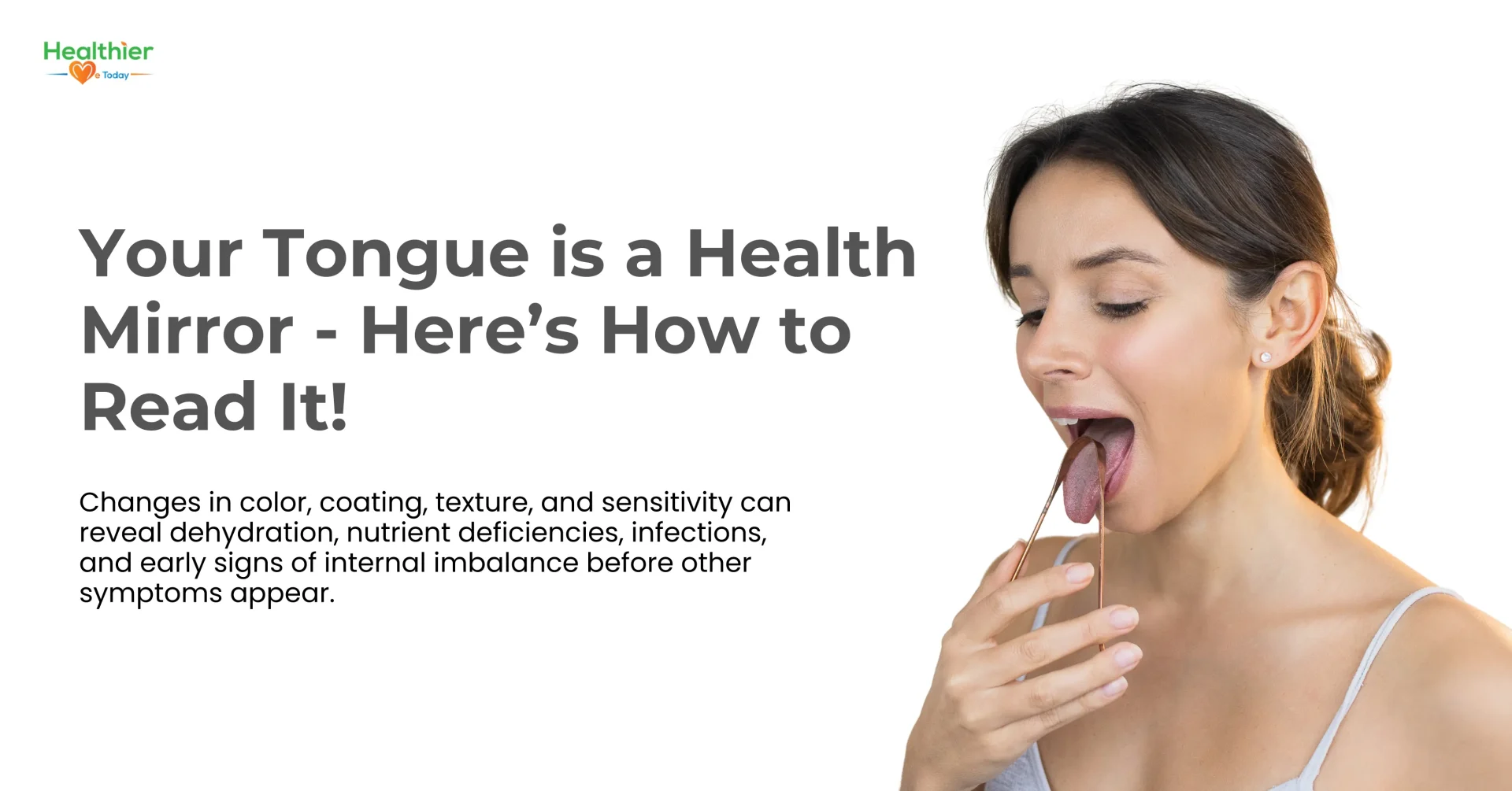
Tongue Health Chart: What Your Tongue Says About Your Health

You probably don’t think much about your tongue unless something feels off. But the truth is, your tongue can reveal more about your health than you might expect. Small changes in color, texture, coating, or sensitivity can sometimes reflect dehydration, nutrient deficiencies, infections, or other health issues happening inside your body.

This guide explains what tongue health means, how to spot healthy vs. unhealthy changes, and how a tongue health chart can help you understand what your body may be telling you.

What Does Tongue Health Mean?

When you think about your overall wellness, you probably don’t think about your tongue first. But tongue health meaning goes beyond just how it looks in the mirror. Unlike most parts of your body, your tongue is something you can check in seconds, which makes it a helpful health indicator. It’s about paying attention to the small daily changes in color, texture, moisture, and comfort that can reflect what’s happening inside your body.

Because your tongue reacts quickly to dehydration, nutrient deficiencies, infections, and even stress, learning to observe it regularly can help you better understand what your tongue says about your health. The key isn’t to panic over every small change, but rather to become aware of patterns that don’t seem normal for you.

What a Healthy Tongue Looks Like

What a Healthy Tongue Looks Like

When you know what a healthy tongue looks like, it becomes much easier to spot when something feels “off.” You don’t need medical training, just a simple habit of checking in the mirror every now and then.

A healthy tongue usually appears:

  • Light pink in color – A soft pink tone usually indicates that your blood flow and overall health are normal.
  • Slightly moist – Your tongue shouldn’t feel dry or sticky. A natural moisture level often reflects proper hydration and saliva production.
  • Covered with tiny, evenly distributed bumps (papillae) – These small bumps are completely normal and help you to taste food. They usually appear smooth and consistent across your tongue, without looking irritated or inflamed.
  • Free from thick coatings, sores, or deep cracks – It’s normal to have a light coating on your tongue, especially in the morning. But if you see a thick buildup that doesn’t go away, painful sores, or deep cracks that cause discomfort, your body may be signaling that something needs attention.

When you look at healthy tongue color and signs, you’re really looking at clues about hydration, nutrition, and how well you’re caring for your mouth overall. The goal isn’t perfection, it’s knowing what’s normal for you so you can quickly notice when something changes.

How to Use a Tongue Health Chart

How to Use a Tongue Health Chart


Using a tongue health chart can help you understand your health, but it is not a substitute for medical advice. It can guide you on when to seek further attention for any concerns.

What Tongue Color Can Reveal

Color is often the first thing you notice when you look at your tongue. Even small shifts can give you clues about hydration, circulation, or possible irritation.

When you look at a tongue color chart and health guide, you get a simple way to compare what you’re seeing with general color patterns linked to different health conditions. You’re not trying to diagnose yourself, you’re just checking whether your tongue still looks normal. If the color seems different and stays that way for a few days, even after drinking enough water and brushing properly, it’s a sign you shouldn’t ignore.

What Tongue Texture and Surface Changes Mean

It is not just about color. How it feels and looks on the surface can tell you just as much! When your tongue looks and feels normal, it should have a gentle, slightly textured surface and feel comfortable in your mouth. If you notice it suddenly feels unusually smooth, develops cracks, appears swollen, or becomes tender when eating certain foods, these changes may indicate a problem.

What Tongue Coating Can Indicate

A light coating on your tongue is normal, especially in the morning. What matters is how thick it is, how long it lasts, and whether it clears with proper oral care.

But if your tongue shows a thick, patchy, or long-lasting coating, it could be a sign that you’re a bit dehydrated, have some bacterial buildup, or need extra mouth care. Sometimes, it can also hint at things like digestion or how your immune system is doing.

What Tongue Pain or Sensitivity May Signal

It’s normal for your tongue to feel a little irritated after eating very spicy foods or drinking hot beverages, and these mild episodes usually aren’t anything to worry about.

However, ongoing burning, soreness, or unexplained discomfort can be a sign that something else is going on. 

Tongue Health Chart (Color and What It May Mean)

Tongue Health Chart (Color and What It May Mean)

Learning the tongue health chart meaning can make it easier to notice when something seems off and decide if you should take action, giving you a simple way to observe changes in your tongue over time and better understand what your body might be trying to tell you about your health. Using a tongue health chart with pictures can help you track these changes and understand what your tongue color may reveal about your overall health.

Pink Tongue

A healthy tongue is usually light pink with a thin, natural coating [my.clevelandclinic.org]. This pink color often indicates that you’re well-hydrated and that your body, including your digestion and circulation, is working as it should. Seeing a pink tongue most of the time is a good sign that your overall health is in balance.

White Tongue

A white tongue can be completely normal, especially in the morning or after eating certain foods. A thin, light coating usually comes from dead cells, food residue, or mild dehydration, and it isn’t something to worry about.

However, if the white layer appears thick or patchy, or doesn’t clear up after a few days, it may be a sign of something else, such as oral thrush, bacterial buildup, or irritation.

Yellow Tongue

A light yellow coating on your tongue can result from simple causes, such as leftover food, dehydration, or normal bacterial buildup [medicalnewstoday.com]. But if the yellow color persists or appears thicker than usual, it could be a sign of something more serious, such as poor oral hygiene, bacterial overgrowth, or digestive issues.

Red or Bright Red Tongue

A red or bright red tongue is hard to miss and is often a sign that your body is asking for a little attention. Sometimes it can happen after eating spicy or acidic foods, and it settles down quickly. But if the redness doesn’t fade, it may be linked to irritation, inflammation, or even low levels of nutrients like B vitamins or iron. If your tongue stays unusually red for a while, it’s worth seeking medical advice.

Purple or Blue Tongue

A purple or blue tongue is unusual and stands out immediately. It can indicate poor circulation or low oxygen levels in your blood. Sometimes it happens when your body feels cold, is stressed, or you’ve been breathing less efficiently.

Black Tongue

A black tongue color can look concerning, but it is usually caused by a harmless condition called “black hairy tongue.” This occurs when dead skin cells, bacteria, or yeast accumulate on your tongue, making it appear dark brown or black [mayoclinic.org]. Poor oral hygiene, smoking, certain antibiotics, and drinking a lot of coffee or tea can all lead to this color change.

Tongue Health Symptoms You Should Not Ignore

Your tongue can reveal a lot about your overall health. While small changes are often harmless, some tongue health symptoms should never be brushed off.

Here are important tongue health issues to watch for:

  • Persistent pain or burning – If your tongue feels sore, tender, or has a burning sensation that lasts more than a few days, it may indicate irritation, infection, or a vitamin deficiency.
  • Sudden color changes – A sudden change to bright red, pale, or dark purple, or to a discoloration, could indicate circulation issues, inflammation, or nutritional imbalances.
  • Ongoing swelling – A swollen tongue or scalloped edges can indicate inflammation, an allergic reaction, dehydration, or an underlying health condition. Swelling that affects speaking or swallowing needs attention.
  • Bleeding or ulcers that don’t heal – Small mouth sores are common, but a healthcare professional should check ulcers, lumps, or bleeding lasting over two weeks.

Recognizing these tongue health symptoms early gives you the chance to respond quickly and take better control of your overall health.

Under Tongue Health Chart

When you check your tongue, remember to look underneath it too. The area under your tongue can show important signs about your circulation, hydration, and overall oral health.

Veins Under the Tongue

It’s completely normal to see veins under your tongue. They often appear blue or purple because the skin in that area is thin. In most cases, visible veins are harmless. However, if the veins suddenly look darker, larger, or feel painful, it may be worth monitoring, especially if you notice other symptoms.

Discoloration or Swelling Under the Tongue

The tissue under your tongue should normally look pink and feel soft. If you notice unusual discoloration, lumps, or swelling, it could signal irritation, infection, blocked salivary glands, or other oral health concerns. Swelling that makes it uncomfortable to speak, eat, or swallow should never be ignored and may require medical attention [my.clevelandclinic.org]. 

What Health Issues Can Show Up on the Tongue

When you notice changes in color, texture, coating, or sensitivity, it could be linked to underlying health issues.

Health issues that can show up on your tongue:

  • Nutrient deficiencies – A lack of essential vitamins and minerals can affect your tongue, making it appear pale, sore, or bumpy. Common deficiencies, such as iron, B12, or folate, can lead to these changes, as these nutrients are vital for keeping your tongue healthy and pink.
  • Dehydration – If your tongue feels dry, sticky, or has a thicker coating than usual, it could be a sign that your body needs more fluids. When you’re dehydrated, your tongue loses its natural moisture, which can make it feel rough or uncomfortable and sometimes even affect your taste.
  • Infections and oral conditions – White patches, redness, or swelling on your tongue may indicate an infection like oral thrush, bacterial buildup, or irritation. These changes suggest your mouth is reacting to bacteria and fungi.
  • Digestive and immune-related issues – If your tongue has a persistent coating, unusual color, or looks inflamed, it could be a sign that your digestion isn’t working quite right or that your immune system is under stress.

Tongue Diagnosis Chart vs Medical Diagnosis

A tongue diagnosis chart can be an easy, practical way to monitor changes in your tongue and notice patterns over time. However, this chart is not a substitute for a medical diagnosis. Only a healthcare professional can tell you what’s really happening and suggest the next steps. Think of the chart as a handy tool to notice when something might need a closer look.

How to Care for Your Tongue Daily (+ Top Products)

How to Care for Your Tongue Daily (+ Top Products)

Taking care of your tongue every day is an important part of maintaining good oral health. Your tongue can trap bacteria, food particles, and dead cells, which can affect your breath, taste, and overall mouth hygiene.

Here’s how you can keep your tongue healthy:

  • Copper Tongue Scraper – Using a tongue scraper daily helps remove buildup that brushing alone can’t reach. A copper tongue scraper is gentle yet effective, leaving your tongue feeling clean and fresh.
  • Alcohol-Free Antiseptic Mouthwash – Rinsing with an alcohol-free mouthwash can help reduce bacteria and inflammation without drying out your mouth [colgate.com]. It’s a gentle way to keep your tongue and gums healthy.
  • Soft-Bristle Toothbrush – When brushing, gently include the surface of your tongue to remove any leftover debris. A soft-bristle brush is ideal to avoid irritation while still cleaning effectively.

Simple daily care, combined with the right tools, can help prevent common tongue issues such as coating, bad breath, and irritation.

Best Apps for Tracking Tongue Health

There are several apps you can use to track your tongue health by taking photos, uploading notes, and monitoring changes over time.

Some useful apps to help you track tongue health include:

  • MyTongueHealth – Allows you to take daily photos, track color, coating, and texture changes, and keep notes about symptoms.
  • OralHealth Tracker – Lets you log tongue observations alongside other oral health info like brushing habits or mouthwash use.
  • Health Journal Apps – While not tongue-related, these apps let you record daily health notes and photos, which can help you see trends over time.

These tools make it easier to notice patterns, improvements, or anything unusual so you can stay on top of your oral wellness.

When to See a Doctor or Dentist

If you notice changes in your tongue that last more than a couple of weeks, get worse, or cause discomfort, it’s a good idea to check in with a health professional [my.clevelandclinic.org]. Getting advice early can help identify any underlying issues and make it easier to take care of your tongue before problems become more serious.

Conclusion: Check Your Tongue Today

Your tongue can reveal a lot about what’s going on inside your body. Using tools like a tongue color chart for diagnosis and by taking care of your tongue each day and watching for any changes, you can keep track of your health and catch potential problems early before they become serious.

Frequently Asked Questions (FAQ)

What are the signs of an unhealthy tongue?

Some common signs that your tongue may not be healthy include unusual colors, thick or patchy coatings, cracks or fissures, swelling, sores, or persistent pain. These changes can signal dehydration, nutrient deficiencies, infections, or other health issues.

What are the warning signs on the tongue?

Watch for warning signs on your tongue, such as sudden color changes (pale, red, or dark), swelling, cracks, or sores that don’t heal. Also, pay attention if your tongue feels unusually sensitive, tender, or painful when you eat or talk.

What health issues can you tell by your tongue?

Your tongue can provide important clues about your health. Changes in its color, texture, or coating may indicate nutrient deficiencies, dehydration, oral infections, or problems with digestion and the immune system.

What color is a sick tongue?

A healthy tongue is usually pink. If your tongue is white or yellow, it might indicate an infection or a digestive problem. A red or bright red tongue can signal inflammation or a lack of nutrients. If your tongue is purple, blue, or black, it could indicate circulation issues or bacterial buildup.

What are three diseases that affect the tongue?

Three diseases that affect the tongue include oral thrush, which appears as creamy white patches and may feel sore or uncomfortable; geographic tongue, where smooth red patches show up and change location like a map; and glossitis, which causes swelling, tenderness, and changes in color.

Work Stress Management: Signs, Causes & Strategies

Do you feel stressed at work even after you’ve had time off? Deadlines are constantly on your mind, you feel more irritable than usual, or you can’t fully relax in the evenings. When stress starts affecting your mood, energy, and focus, it’s usually a sign that your body and mind are asking for a reset.

This guide helps you recognize the signs, understand common causes, and use effective work stress management strategies, along with long-term solutions to help you regain control.

What Is Work Stress Management?

Work stress management is simply about learning to handle the pressure of your job in a healthy way. Every job has deadlines, responsibilities, and challenging moments, and while a little stress can sometimes push you to perform better, too much of it can quickly become overwhelming.

Using effective work stress management techniques can help you notice what triggers your stress and how it affects your energy and mood. With the right strategies, you won’t just get through the day, you’ll feel calmer, more focused, and better able to handle challenges without letting stress take over your life.

Signs of Work-Related Stress

Signs of Work-Related Stress

Stress at work can build up quietly, and you might not even notice it at first. It often shows up in small changes in your mood, energy, or behavior before it becomes overwhelming. Paying attention to these early warning signs can help you take action sooner and prevent stress from taking control of your work and personal life.

Here are some common signs of work-related stress to look out for:

  • Persistent fatigue – Chronic stress keeps your body in “alert mode,” which drains your energy over time, even if you’re getting enough sleep.
  • Difficulty concentrating – Stress affects your focus and decision-making because your brain is busy managing pressure instead of thinking clearly.
  • Irritability or mood swings – When you’re overwhelmed, your patience usually drops, and small things start to feel bigger than they are.
  • Headaches or muscle tension – Stress often shows up physically, especially in your neck, shoulders, and head.
  • Sleep disturbances – Worrying about deadlines or work problems can make it hard to switch off at night.
  • Increased absenteeism – When stress becomes too much, avoiding work can feel like the only way to cope.

When you notice these signs early, you give yourself the chance to step back and make changes before it gets worse. Even small adjustments and clearer boundaries can make a real difference in how you feel day to day.

Common Causes of Stress at Work

Work stress usually builds up due to specific factors in your daily routine or work environment. Identifying your stress triggers can help you manage them more effectively, preventing them from affecting your mood, energy, or home life.

Here are some things that can cause work-related stress:

  • Heavy workloads – Managing multiple tasks or tight deadlines creates pressure, putting your body in “stress mode.” This can lead to both mental and physical exhaustion.
  • Job insecurity – Uncertainty about job stability or company changes can threaten your sense of safety, creating ongoing tension that makes it difficult to relax or focus.
  • Long working hours – Working extended hours without proper rest prevents your body and mind from recovering, leading to chronic work stress over time.
  • Poor work-life balance – When work follows you home, your brain doesn’t switch off, causing stress to build instead of settle.
  • Lack of recognition – When your efforts go unnoticed, it can feel discouraging and demotivating. That emotional strain creates frustration, which contributes to ongoing stress.

Every workplace is different, and what feels overwhelming for one person might not bother someone else.

How Work Stress Affects Your Health and Performance

When you’re under constant pressure at work, your body stays tense, which can lead to headaches, tight muscles, fatigue, high blood pressure, and a weaker immune system. Mentally, stress can make it harder to focus, remember details, stay motivated, or handle tasks that usually feel easy. Over time, this can lower your productivity and confidence. Recognizing these signs early is important because it gives you the chance to take action and learn how to reduce stress from work, protecting both your health and your performance in the long term.

Work Stress Management Techniques That Actually Help

Work Stress Management Techniques That Actually Help

Stress at work is normal, but it doesn’t have to take over your day [www.apa.org]. The right workplace stress relief techniques can help you stay focused, calm, and in control, even when your schedule is packed.

Immediate Stress Relief Techniques at Work

Some days, stress hits so fast that you need something that works immediately. Taking a few slow, deep breaths can help settle your mind and slow down racing thoughts. Standing up and stretching, or even taking a short walk, can help relieve tension in your body and make you feel more grounded. Pay attention to areas where you hold tension, such as your shoulders, neck, or jaw, and consciously relax them. Even pausing for a few seconds before responding to a frustrating situation can prevent stress from escalating and give you a moment to think clearly. These simple actions can make a noticeable difference in how you feel, helping you regain focus and calm.

Stress Management Techniques for Remote Workers

Working from home comes with flexibility, but without a clear routine, work can slowly spill into your personal life [pmc.ncbi.nlm.nih.gov]. You might catch yourself checking emails late at night or struggling to switch off mentally. Simple stress-management techniques for remote workers can help you stay organized and conserve your energy. Setting up a small, dedicated workspace tells your brain when it’s time to focus and when it’s time to relax. Clear start and finish times prevent overworking, and even small habits, like getting dressed for the day, can shift your mindset into productivity mode. Taking proper breaks away from the screen gives your mind and body a chance to reset, so you don’t end the day feeling drained.

Stress Management Techniques for Work and Home Balance

Maintaining a healthy balance between work and home life is essential for managing stress in the long term. When work follows you home mentally, it becomes difficult to rest and recharge truly. Creating a shutdown routine at the end of your day, tidying your desk, planning for tomorrow, or mentally closing your work tasks, helps your mind switch off. Setting firm boundaries around your availability and limiting after-hours emails protects your personal time. 

Focusing on what truly matters instead of trying to do everything at once reduces unnecessary pressure.

How to Manage Work Stress Long-Term

Learning how to manage stress at work can help you stay focused, protect your energy, and handle busy periods without feeling overwhelmed.

Setting Boundaries

Setting boundaries is about knowing your limits and being honest about them. It helps you focus on work when you need to and take real breaks when your day is over. By protecting your time and energy, you can avoid feeling stressed and stay more balanced throughout your workday.

Time Management Strategies

Poor time management can make even small tasks feel overwhelming. A simple way to stay on top of things is to pick your top three priorities each day and focus on them first [franklincovey.com]. Breaking bigger projects into smaller steps makes them easier to handle, and taking short breaks between tasks gives your mind a chance to reset. These simple habits help you stay productive without feeling stressed or drained.

Delegation and Asking for Help

Doing everything yourself can lead to long-term work-related stress. You might feel responsible for keeping everything running smoothly, but taking on too much can cause burnout. Look at your tasks and see which ones you can pass on to others. Sharing the workload is a smart way to reduce stress and work better together.

Building Workplace Resilience

Even with good systems in place, work will still throw challenges your way. Building resilience helps you handle pressure without feeling drained or frustrated. It teaches you to stay calm, focus on solutions, and adapt when things don’t go as planned. You can strengthen your resilience by focusing on what you can control, learning from mistakes, and keeping simple routines that support your mental and physical health. By combining clear boundaries, smart time management, asking for help, and resilience, you create strong, sustainable habits. These are some of the best stress management tips for employees to deal with job stress and anxiety.

Tools That Can Support Stress Relief at Work

Tools That Can Support Stress Relief at Work

When your body feels tense or uncomfortable, it’s harder to stay focused and calm.

Using simple tools is one of the best ways to manage work stress:

  • Foot massager – Long hours of sitting or standing can lead to tired, aching feet and poor circulation. A quality foot massager helps improve blood flow, relieve foot pain, reduce muscle tension, and ease stiffness, all from the comfort of your home or office.
  • Seat cushion for an office chair – Sitting for long hours can put pressure on your lower back, hips, and tailbone. A supportive office seat cushion helps improve posture, reduce back pain, and relieve pressure while you work. Designed for ergonomic comfort, it provides extra support that keeps you comfortable, focused, and productive throughout the day.
  • Anti-fatigue floor mat – Standing for long periods can strain your feet, knees, and lower back. An anti-fatigue floor mat provides cushioned support that reduces joint pressure, improves comfort, and helps minimize fatigue. Ideal for standing desks, kitchens, or retail spaces, it keeps you supported and focused throughout the day.

Using simple tools alongside practical stress management strategies can make your workday feel more comfortable and less overwhelming.

When to Seek Professional Help for Job Stress and Anxiety

When stress starts showing up as constant anxiety, irritability, low mood, trouble sleeping, or frequent headaches, it may be a sign that you need more than just basic coping techniques [mayoclinic.org]. You might feel emotionally exhausted, overwhelmed, or not quite like yourself.

Seeking help from a therapist or counselor isn’t a sign of weakness; it’s a healthy and proactive step toward better mental health. Professional support can provide personalized stress-management tools, help you reduce anxiety, rebuild emotional balance, and improve your overall well-being in a sustainable way.

Conclusion: Take Control of Work Stress

Managing stress at work isn’t about eliminating pressure completely, it’s about learning how to handle it in a healthier way. When you become aware of what triggers your stress and take small, practical steps to manage it, you protect your energy, your focus, and your overall well-being.

Simple habits like practicing deep breathing exercises, using ergonomic office tools, and setting clear boundaries between work and personal time can strengthen your resilience.

Frequently Asked Questions (FAQ)

How to stop stressing over work?

To stop stressing over work, focus on what you can control and let go of what you can’t. Break big tasks into smaller, manageable steps, prioritize what truly needs attention, and stop trying to do everything at once. Set clear boundaries between work and personal time, take short breaks to reset your mind, and speak up if your workload feels overwhelming.

How to handle stress effectively?

To handle stress effectively, focus on what you can control and take small, practical steps each day. Break tasks into manageable pieces, take short breaks, and make time for activities that help you relax. Asking for help when you need it and keeping healthy routines can also make a big difference in staying calm and focused.

How do you handle stress and pressure at work?

Handling stress and pressure at work starts with staying organized and focusing on one task at a time. Take short breaks to reset, set clear boundaries, and ask for help when needed. Small habits like these help you stay calm, focused, and more in control throughout the day.

How to relax when stressed?

When you’re stressed, take a few deep breaths, step away from whatever’s causing the stress, and give yourself a moment to reset. Simple actions like stretching, going for a short walk, or listening to music can help you calm down and regain focus quickly.

What are 7 warning signs of stress?

Here are 7 common warning signs that you should watch for:

  1. Persistent fatigue
  2. Difficulty concentrating
  3. Irritability or mood swings
  4. Headaches or muscle tension
  5. Sleep disturbances
  6. Increased absenteeism
  7. Feeling overwhelmed or unable to cope

Morning Walk vs Evening Walk: Which Is Better for Your Health?

Is a walk at sunrise the secret to kickstarting your day, or does an evening stroll hold the real health benefits? Scientists have looked into the timing, and the results may surprise you. 

Research shows that exercise doesn’t just depend on intensity or duration. The body can actually respond differently depending on the time of day. That’s why the debate around a morning walk vs evening walk has become such a focus for health experts, with studies examining how each affects metabolism, stress, sleep, and overall wellness.

And while both options have their place, the findings point to a clear answer.

Does the Time of Day You Walk Really Matter?

Does Time of Day Really Matter

When comparing a morning walk vs evening walk, many people wonder if the timing actually affects the health benefits. Research suggests that the body responds differently to exercise throughout the day because of natural circadian rhythms that influence energy levels, metabolism, and hormone activity [pmc.ncbi.nlm.nih.gov]. 

So, yes!

The benefits of walking early morning can differ slightly from walking later in the day. For example, morning walks may help wake up the body and support daily routines, while evening walks may feel easier after the body has fully warmed up.

Still, both options can be beneficial.

Benefits of a Morning Walk

Walking shortly after waking can help activate the body’s metabolism, improve alertness, and expose the body to natural daylight. The usefulness of morning walk routines is often linked to how they support healthy daily rhythms and encourage consistent activity.

Boosts Energy and Mental Focus

Light aerobic activity increases blood circulation, which helps deliver oxygen to the brain and muscles. Research shows that even moderate exercise like walking can improve mood and mental clarity, helping people feel more alert and focused throughout the day.

May Support Weight Loss

Exercising earlier in the day may help the body regulate metabolism and fat use more efficiently. While weight loss depends on many factors, regular walking can contribute to calorie burning and support long-term weight management.

Helps Regulate Sleep Cycles

Exposure to natural sunlight plays a key role in regulating circadian rhythms. Morning light helps signal the body when to wake and sleep, which may improve sleep quality and make it easier to fall asleep later at night.

Encourages Consistency and Healthy Routines

Research on exercise habits shows that people are more likely to maintain physical activity when it becomes part of a daily routine. Walking earlier in the day can make it easier to stay consistent before other responsibilities and distractions appear.

If you enjoy early workouts or long walks, a light pre-workout like Alani Nu Pre Workout Powder Hawaiian Shaved Ice can help support energy and focus before heading out.

Benefits of an Evening Walk

Evening Walk

While morning exercise works well for many people, there are also important morning and evening walk benefits to consider when deciding the best time to be active. Walking later in the day can help the body unwind, support digestion, and take advantage of the body’s natural physical readiness in the evening hours.

Helps Reduce Stress After a Long Day

Physical activity can help lower stress levels by encouraging the release of endorphins, which are chemicals that improve mood and promote relaxation. After a long or demanding day, a gentle walk can help clear the mind, reduce tension, and create a natural transition from work to rest.

Supports Digestion After Dinner

Light movement after eating may help support digestion by encouraging the digestive system to move food more efficiently through the body. A short walk after dinner is often recommended because it can reduce feelings of heaviness and may help maintain stable blood sugar levels.

Muscles May Perform Better Later in the Day

Research suggests that muscle strength, flexibility, and overall physical performance tend to peak later in the day when body temperature is slightly higher. Because of this, some people find that walking or exercising in the evening feels easier and more comfortable compared to early morning workouts.

Can Be Easier for Busy Schedules

For people with demanding mornings, evening walks can be a more practical option. Walking after work or daily responsibilities allows time for physical activity without rushing, making it easier to maintain a consistent exercise routine.

A water bottle with time markers can help you stay hydrated throughout the day, especially if you make walking part of your daily routine.

Morning Walk vs Evening Walk for Specific Health Goals

Both options offer strong morning and evening walk benefits, but the best choice can depend on your personal health goals. The timing of your walk may influence how your body responds, whether you are focusing on weight management, sleep quality, or stress reduction.

For Weight Loss

When comparing morning walk vs evening walk for weight loss, consistency and total activity level matter most. However, some research suggests that walking earlier in the day may help support metabolism and encourage the body to use stored fat for energy [pmc.ncbi.nlm.nih.gov]. Morning activity may also help regulate appetite throughout the day.

Evening walks can still support weight loss because they increase daily calorie expenditure and may prevent long periods of inactivity after dinner. In the end, the best time to walk for weight loss is the time that helps you stay consistent with your routine.

For Better Sleep

Looking at morning vs evening walk for better sleep, exposure to morning sunlight may play an important role. Early daylight helps regulate the body’s circadian rhythm, which supports healthy sleep patterns and can make it easier to fall asleep at night.

Evening walks can also help some people sleep better, especially when they reduce stress and promote relaxation. However, very intense exercise late at night may make it harder for some individuals to fall asleep.

For Stress Relief

Many people wonder is it better to walk in the evening for relaxation… For some individuals, walking later in the day can be especially helpful for relieving stress built up from work or daily responsibilities.

Gentle physical activity helps release endorphins and reduce tension in the body. An evening walk can provide quiet time to unwind, reflect, and mentally transition into a more relaxed state before bedtime.

Preparing breakfast in overnight oats containers with lids can make it easier to fuel your body after a morning walk without rushing through your morning.

So, Is Morning Walk or Evening Walk Better?

So, Is Morning Walk or Evening Walk Better

Overall, research suggests that a morning walk may have a slight advantage for overall health, mainly because it helps regulate circadian rhythms, encourages consistency, and exposes the body to natural daylight early in the day [verywellhealth.com]. These factors can support better sleep, improved mood, and healthier daily routines, which explains the growing interest in the use of morning walk habits for long-term wellness.

That said, an evening walk is still highly beneficial and may even feel more comfortable for some people because the body’s muscles and joints are naturally warmer later in the day. Evening walks can also be particularly helpful for stress relief and digestion after dinner.

But the best option is the one that fits your schedule and helps you stay consistent. Walking regularly, whether in the morning or evening, will provide far greater health benefits than focusing only on the timing.

Conclusion: This is What’s Important

Both morning and evening walks offer valuable health benefits, and the best choice often depends on your lifestyle and personal goals. Morning walks can help boost energy, support metabolism, and regulate sleep by exposing the body to natural daylight. Evening walks, on the other hand, can help reduce stress, support digestion, and provide a relaxing way to unwind after a long day.

When weighing the pros and cons of evening walking after dinner, it becomes clear that both options can be beneficial when done consistently. Morning walks may be slightly better for building routines and supporting sleep cycles, while evening walks can be easier to fit into busy schedules and help relieve daily tension.

Ultimately, the most important factor is consistency. Walking regularly, regardless of the time of day, supports heart health, improves mood, and contributes to long-term wellness.

If you’re looking for simple ways to improve your health, consider adding a daily walk to your routine and choosing the time that works best for your lifestyle.

Frequently Asked Questions (FAQ)

Is a morning walk better or an evening walk?

Both morning and evening walks can support overall health. Morning walks may help regulate sleep cycles and boost energy early in the day, while evening walks can help reduce stress and support digestion. The best choice is the time that fits your routine and allows you to stay consistent.

Does walking increase serotonin?

Yes, walking can help increase serotonin levels. Physical activity stimulates the release of mood-supporting chemicals in the brain, including serotonin and endorphins. This is one reason regular walking is often linked to improved mood, reduced stress, and better mental well-being.

Is a morning walk good for heart patients?

In many cases, a morning walk can be beneficial for heart health because it encourages gentle cardiovascular activity. Regular walking may help improve circulation, lower blood pressure, and support heart function. One advantage of morning walk routines is that they allow people to exercise consistently before daily responsibilities begin. However, individuals with heart conditions should always follow their doctor’s guidance about exercise.

What is the healthiest time of day to walk?

There is no single time that works best for everyone. However, many experts highlight the benefits of early morning walk routines because exposure to daylight can help regulate circadian rhythms, support metabolism, and improve energy levels. That said, walking at any time of day is beneficial if it helps you stay active regularly.

Can an evening walk reduce belly fat?

An evening walk can contribute to fat loss when combined with a balanced diet and regular physical activity. Walking helps burn calories and improves metabolism, which may support gradual weight loss over time. While it cannot specifically target belly fat, consistent walking can help reduce overall body fat and improve fitness.

Dietitian vs Nutritionist: Who Can Transform Your Health?

When it comes to improving your health, the debate between a dietitian vs nutritionist can feel confusing. Both professionals work in food, health, and lifestyle, but they are not interchangeable. Their education, legal scope, and types of support differ in important ways.

This guide breaks down the key differences between dietitians and nutritionists, explains when to choose each one, and helps you make an informed decision that truly supports your health goals.

Dietitian

Dietitian

A dietitian is a trained healthcare professional who helps people understand how food affects their body and overall health. They use science-based nutrition to guide you in making safe, healthy eating choices, whether you want to manage a medical condition, improve your energy, or support long-term wellbeing. 

Is a Dietitian a Regulated Healthcare Professional?

Yes. A dietitian is a regulated healthcare professional. The title registered dietitian (RD or RDN in the United States) is legally protected, meaning only individuals who meet strict academic and licensing standards can use it.

If you’ve ever asked, what is a registered dietitian, the answer is simple. A dietitian is a clinically trained nutrition expert qualified to work within healthcare systems alongside doctors and specialists.

What Education and Credentials Does a Dietitian Need?

The dietitian education requirements follow a structured and accredited pathway.

To become a dietitian, individuals must complete:

  • A bachelor’s or master’s degree in dietetics or nutrition.
  • Completion of one of the nationally recognized accredited dietitian programs
  • Internship hours under supervision in a clinical setting.
  • A national registration exam or board exam.
  • Ongoing professional development

This rigorous training explains why the registered dietitian vs nutritionist comparison places dietitians in a medical category.

Can a Dietitian Diagnose and Treat Medical Conditions?

Dietitians don’t diagnose illnesses like doctors, but they are trained and qualified to help manage health conditions through medical nutrition therapy. A clinical dietitian works with people dealing with diabetes, heart problems, digestive issues, kidney disease, eating disorders, food allergies, and pregnancy nutrition. These are all key dietitian job responsibilities that demonstrate how their expertise can directly support health and well-being.

Where Do Dietitians Work?

Dietitians can be found in a variety of settings, all focused on helping people improve their health through proper nutrition

Dietitians commonly work in:

  • Hospitals and medical clinics
  • Private healthcare practices
  • Long-term care facilities
  • Public health organizations
  • Research and academic institutions

Many dietitians also run private practices or specialize in areas like sports nutrition, maternal health, or supporting people with chronic conditions, while still following evidence-based clinical guidelines.

Dietitian Salary

When looking at the nutritionist vs. dietitian salary, dietitians usually earn more because of their advanced education, clinical training, and role in medical care. In the United States, a registered dietitian typically makes between $55,000 and $75,000 a year, and those with more experience or who work in specialized healthcare fields can earn $80,000 or more annually.

Salary can vary depending on location, years of experience, and area of specialization, but dietetics is considered a stable and well-respected career within the healthcare system.

Nutritionist

Nutritionist

A nutritionist is a health and wellness professional who helps people understand how food affects their body and teaches them how to make healthier everyday eating choices. They focus on practical guidance, such as meal planning, balanced diets, weight management, and building better lifestyle habits. While nutritionists are not always medically trained like dietitians, they play an important role in supporting general wellness, fitness goals, and long-term healthy living through education and personalized advice.

Are Nutritionists Regulated in the United States?

In the United States, regulations for nutritionists vary from state to state. Some states require them to hold a license or certification, while in others, the title isn’t legally protected. This makes it important to check a nutritionist’s credentials before working with them, a key point to understand in the dietitian vs nutritionist discussion.

Nutritionist Qualifications and Certifications

Nutritionist qualifications vary widely. Many professionals hold degrees in nutrition or health sciences, while others complete certifications or short courses. Those pursuing certified nutritionist requirements USA may hold recognized credentials, but training is usually non-clinical.

Can a Nutritionist Treat Medical Conditions?

In most cases, nutritionists cannot treat medical conditions or provide medical nutrition therapy unless they have extra licensed credentials [dietitianlive.com]. Instead, they focus on helping people improve daily eating habits, make healthier lifestyle choices, and build long-term wellness.

Where Do Nutritionists Work?

Nutritionists can be found in a variety of settings, helping people improve their everyday health and wellness.

Nutritionists often work in non-clinical settings, such as:

  • Gyms and fitness centers
  • Wellness clinics and studios
  • Corporate wellness programs
  • Private coaching practices or online platforms

They frequently collaborate with personal trainers and fitness professionals, positioning themselves as a healthy eating expert for everyday lifestyle changes.

Nutritionist Salary

Nutritionists generally earn less than dietitians because their work is usually non-clinical and requirements vary widely. In the United States, nutritionists typically earn between $40,000 and $65,000 per year, depending on their education, certifications, experience, and location [bls.gov]. Those who run successful private practices, work online, or specialize in areas like fitness or wellness coaching may earn more. While income can vary, many nutritionists find the career rewarding because they help people build healthier habits and improve their overall quality of life.

Nutritionist vs Dietitian – A Summary

Category Dietitian Nutritionist
Regulation Highly regulated Not always regulated
Medical authority Can treat medical conditions Usually, one cannot treat medical conditions
Training Structured, accredited Varies widely
Work setting Hospitals, clinics, and medical environments Gyms, wellness centres, private coaching
Scope Clinical nutrition + wellness Lifestyle nutrition + coaching

Which is Better: A Dietitian or a Nutritionist?

The answer depends entirely on your health needs.

If you need medical help, nutrition therapy, or clinical care, a dietitian is the best choice [benendenhospital.org]. If you want to improve your daily habits, build a routine, and stay motivated, a nutritionist may be a better choice. Knowing the difference can help you find the right expert for your healthy eating goals.

When You Should See a Dietitian

A dietitian can give you the specific advice you need when your nutrition affects your health.

Choose a dietitian if you:

  • Have a diagnosed medical condition
  • Need medical nutrition therapy
  • Are pregnant or managing fertility-related nutrition
  • Have food allergies, intolerances, or digestive disorders
  • Require clinically tailored meal plans

Working with a dietitian ensures you get safe, evidence-based nutrition guidance tailored to your specific medical needs.

When a Nutritionist May Be the Better Choice

A nutritionist can be the right choice when your focus is on everyday healthy habits and overall wellness.

A nutritionist may be ideal if you:

  • Want to improve overall eating habits
  • Need guidance from a meal planning professional
  • We are focused on prevention and long-term wellness
  • Want lifestyle-based support rather than clinical care

Nutritionists are good at motivating people, helping them build healthy habits, and improving their lifestyles in ways that last.

Helpful Tools That Support Nutrition Habits

Helpful Tools That Support Nutrition Habits

  • Food Journal – Useful for tracking meals, hunger cues, symptoms, and eating patterns over time, which can support better awareness and more informed nutrition choices.
  • Portion Control Plate – Helps visualize balanced meals and appropriate portion sizes, making it easier to follow general nutrition guidance at home.
  • Smart Kitchen Scale with Nutrition Calculator – Allows for more accurate portion measurement and nutrient tracking, especially for people following structured meal plans or specific dietary goals.

Conclusion: Choose the Right Expert Today

Both dietitians and nutritionists offer valuable nutrition consultation services, including goal-setting, meal planning, food education, and long-term support. However, they serve different purposes and should not be used interchangeably.

A dietitian is the right choice for medical, therapeutic, or clinical nutrition needs.

A nutritionist is best suited for general wellness, lifestyle coaching, and healthy habit development.

Choosing the right professional helps you get safe, suitable, and practical support. This support can help you create healthier habits, feel more energized, and take control of your long-term wellbeing with confidence.

FAQs

What is the main difference between a dietitian and a nutritionist?

The main difference between a dietitian and a nutritionist is the type of help they provide. A dietitian focuses on medical issues and uses nutrition to help treat conditions such as diabetes, heart problems, digestive issues, and pregnancy-related needs. On the other hand, a nutritionist helps with everyday healthy eating, encourages the development of better habits, and supports long-term lifestyle changes. Understanding this makes it much easier to choose the right kind of support for your health.

Is a dietitian more qualified than a nutritionist?

Yes, a registered dietitian is generally more qualified in terms of formal education, clinical training, and legal regulation. Dietitians are trained to work with medical conditions and follow strict professional standards. At the same time, nutritionists may have varying levels of education and typically focus on general wellness and healthy lifestyle guidance.

Can a nutritionist legally diagnose medical conditions?

No, in most regions, including the United States, nutritionists cannot legally diagnose or treat medical conditions unless they hold specific credentials. Dietitians, on the other hand, can provide medical nutrition therapy under professional regulations.

Who should I see for weight loss, a dietitian or a nutritionist?

If you want personalized weight loss guidance that may involve medical considerations, a registered dietitian is the safest choice. Nutritionists can provide general advice and lifestyle coaching, which is also helpful if your focus is on overall wellness.

What education does a registered dietitian need?

A registered dietitian earns a bachelor’s degree in dietetics or nutrition, completes a supervised internship, and passes a national exam to become registered. Some dietitians go on to earn advanced degrees or specialized training in areas such as clinical or sports nutrition.

Are nutritionists regulated in the United States?

No, nutritionists are not regulated at a national level in the United States. Regulation varies by state; some require licensing or certification, while others allow anyone to use the title “nutritionist.”

Can a nutritionist create a medical nutrition therapy plan?

Typically, no. Medical nutrition therapy requires a licensed dietitian or healthcare professional. Nutritionists can provide general meal planning and lifestyle guidance and support, but it should not replace professional medical advice.

Do dietitians work in hospitals, while nutritionists work privately?

Dietitians typically practice in hospitals, clinics, and other healthcare settings, providing clinical care. Nutritionists tend to work privately, in wellness centers, or as consultants, though some may also work in healthcare settings if appropriately credentialed.

Simple Anxiety Relief Strategies That Work for Men

Anxiety has a way of creeping into daily life when you least expect it, turning even simple tasks into heavy mental challenges. Many men experience it as constant overthinking, lingering tension, or the pressure to keep pushing through without slowing down.

This guide helps men understand what is anxiety, how to recognize the signs, and what practical steps can be taken to manage stress and find real relief.

What Is Anxiety?

Anxiety is your body’s natural alarm system. It’s a way of telling you that something needs your attention, even if the threat isn’t real or immediate. You might notice it as racing thoughts, restlessness, tension, or a feeling of always being on edge.

When you think about it, anxiety explained simply, is just a mix of emotions, physical sensations, and mental chatter that’s meant to protect you. Most of the time, it helps you respond to challenges, but sometimes it can go into overdrive, making everyday life feel much more complicated than it needs to be.

While everyone experiences anxiety at times, it only becomes a concern when it starts interfering with your daily life. Understanding this is the first step to taking back control.

What Anxiety Feels Like for Men

What Anxiety Feels Like for Men

Anxiety can show up in different ways, but for many men, it often feels like a constant tension you can’t shake, racing thoughts, and a sense of being “stuck” in your own mind. You may find yourself overthinking even simple situations.

It’s also common to feel frustrated, irritated, or even embarrassed, especially since society often expects men to “tough it out” rather than show vulnerability. Experiencing these feelings isn’t a weakness. It’s your mind and body signaling that it’s time to pay attention and take care of your mental health.

Anxiety Symptoms in Men

Early Signs and Common Symptoms of Depression

Knowing the signs of anxiety disorder is crucial. Symptoms can be mental, emotional, or physical, and they can appear in subtle ways. Men often experience anxiety differently from women, with some signs being less obvious.

Mental Symptoms of Anxiety

Anxiety often begins in the mind, influencing your thoughts, feelings, and the decisions you make each day.

Mental symptoms of anxiety can include:

  • Worrying a lot about work, family, or personal life.
  • Racing thoughts and overthinking situations can lead to anxiety.
  • Having trouble focusing or concentrating.
  • Feeling restless, irritable, or “on edge.”
  • Having trouble sleeping or waking up tired.

Recognizing these mental patterns is the first step to managing anxiety before it starts affecting your body and daily life. Embrace the power to transform those thoughts into positive outcomes.

Physical Symptoms of Anxiety

Anxiety doesn’t just affect your mind. It can also show up in your body. Men often experience a range of physical sensations when anxiety is present, and noticing these early can make a big difference.

Physical symptoms of anxiety in men include:

  • Increased heart rate or palpitations.
  • Muscle tension, headaches, or jaw clenching.
  • Shortness of breath or tightness in the chest.
  • Digestive issues like nausea or frequent bathroom trips.
  • Sweating, trembling, or dizziness.

Being aware of these physical signs can help you take action sooner, manage your anxiety more effectively, and prevent it from interfering with your daily life.

Anxiety vs Stress – What’s the Difference?

Stress and anxiety can feel very similar, but they affect you in different ways. Stress usually shows up as a reaction to something specific in your life, like a tight deadline, a money issue, or a big change. Once the situation is over, the stress often eases.

Anxiety, on the other hand, can linger long after the event is gone. You might feel tense, restless, or on edge even when there isn’t an obvious problem. It can create a constant background of worry, overthinking, or imagining worst-case scenarios, making it hard to relax truly relax.

Another difference is in your body’s response. Stress triggers short-term reactions, such as a racing heartbeat or sweaty palms, which usually fade once the situation passes. Anxiety, however, tends to have a longer-lasting impact. You might notice how anxiety affects the body through ongoing muscle tension, headaches, fatigue, digestive issues, or trouble sleeping. These physical effects can linger and quietly interfere with your daily life, long after the stressful moment has passed.

High-Functioning Anxiety in Daily Life

High-functioning anxiety in daily life can be hard to spot because you may seem calm, capable, and put-together to everyone around you [whiterivermanor.com]. Many men cope by overachieving at work, keeping a tightly controlled schedule, or staying constantly busy to quiet the anxious thoughts running through their mind. One of the first signs is realizing that slowing down feels uncomfortable, even during moments meant for rest.

Even when no one notices, this type of anxiety can quietly affect your sleep, focus, and relationships, clearly showing how anxiety affects everyday life. You might lie awake despite feeling exhausted, feel tense for no clear reason, or struggle to fully switch off mentally. Over time, that steady, low-level pressure can wear you down, even when you appear fully in control on the outside.

Because high-functioning anxiety often looks like discipline or productivity, many men write it off as normal stress. Paying attention to how your body and mind respond when you try to rest is a useful starting point. Small changes, like building in short breaks, loosening rigid routines, or addressing stress earlier instead of pushing through it, can help reduce the mental load before it starts to affect your health.

What Triggers Anxiety in Adult Men?

Understanding how anxiety and overthinking begin can help you recognize the moments when your mind starts racing.

Common triggers include:

  • Stress from work or uncertainty about your career.
  • Facing problems in your relationships or dealing with family duties.
  • Financial concerns and bills.
  • Major life changes, like moving or becoming a parent.
  • Health worries or chronic illness.

Anxiety Coping Strategies That Actually Help

Anxiety Coping Strategies That Actually Help

There are numerous ways to cope with anxiety.

Here are some approaches that work:

  • Mindfulness and meditation help you calm your racing thoughts and lower your stress.
  • Exercise helps reduce stress and supports mental health. Regular movement is important for your well-being.
  • Breathing techniques, such as deep breathing, help calm your nervous system when you feel anxious.
  • Writing down your anxious thoughts can help you better understand your feelings [positivepsychology.com]. 
  • Having daily routines can help reduce uncertainty and anxiety.

These anxiety coping strategies give you practical ways to regain control, step by step.

Tools That Can Support Anxiety Relief

Managing anxiety isn’t just about mindset and coping strategies; using the right tools can make the process easier and more effective.

Here are some helpful options you might consider:

These tools can complement your daily coping strategies, giving you extra support and helping you feel more in control of your anxiety journey.

Self-Help Books and Workbooks for Anxiety

Self-help books and workbooks can provide practical guidance and real strategies that actually help manage anxiety over time. They teach coping skills, show you how to recognize triggers, and help you build healthier daily habits.

Some of the top-rated options available online include:

  • The Anxiety and Phobia Workbook by Edmund J. Bourne – Focuses on understanding anxiety and phobias while offering step-by-step techniques to manage symptoms. 
  • Feeling Good: The New Mood Therapy by Dr. David D. Burns – This book helps you understand why some thoughts seem to pull you into anxiety or low moods, and gently guides you to see how your thinking patterns affect your emotions.
  • Managing Depression and Anxiety with CBT in 7 Weeks Workbook – A structured guide with exercises designed to challenge negative thoughts and support long-term anxiety relief.

While no book or workbook is a quick fix, using these resources consistently can give you real insight and tools to manage anxiety in daily life, complementing other coping strategies or professional support.

Wearable Devices That Track Stress and Anxiety

Technology can be a valuable tool for understanding your anxiety patterns and taking action early. Wearable devices give you real-time feedback on how your body responds to stress, helping you notice patterns and make small adjustments before anxiety escalates.

Some popular options include:

  • Smartwatches that monitor heart rate changes.
  • Fitness trackers that check how well you sleep and how stressed you are.
  • Apps that help you with mindfulness exercises and relaxation techniques.

While these devices won’t eliminate anxiety on their own, they can provide real insight into your body’s responses and support your overall coping strategies. Using them alongside workbooks, therapy, or other techniques can make managing anxiety more practical and effective in daily life.

Do Men Need Therapy for Anxiety?

It’s common to wonder if changing your daily habits is enough to manage anxiety. While habits like regular exercise, mindful routines, and structured daily schedules can help, therapy provides focused support that addresses the root causes of anxious thoughts.

Cognitive-behavioral therapy (CBT), for example, helps you understand why anxiety shows up, notice patterns of overthinking, and use practical strategies that actually work in everyday life [ncbi.nlm.nih.gov]. Combining therapy with lifestyle changes can make managing anxiety more effective, helping you break cycles of tension, high-functioning anxiety, and constant mental stress.

When to Seek Extra Support for Anxiety

Sometimes, anxiety needs extra attention. 

Consider reaching out for professional help if you notice:

  • Anxiety interfering with work or relationships
  • Panic attacks or intense physical symptoms
  • Persistent sleep disturbances
  • Feeling unable to manage worry or overthinking on your own

Support can come from therapists, virtual support groups, or anxiety management programs.

Conclusion: Take Control of Your Anxiety

Managing anxiety as a man doesn’t mean you have to “tough it out” or push through alone. Pay attention to your mind and body. Notice what makes you feel anxious and find practical ways to cope that work for you.

Remember, taking control of your anxiety isn’t about perfection; it’s about making consistent choices that support your well-being and give you back a sense of balance in everyday life.

FAQs

What are common anxiety symptoms in men?

Common anxiety symptoms in men include racing thoughts, overthinking, irritability, restlessness, tension, difficulty sleeping, and physical symptoms like headaches or rapid heartbeat.

Can anxiety cause physical symptoms in men?

Yes, anxiety can cause physical symptoms such as chest tightness, sweating, trembling, stomach issues, and muscle tension.

Are there specific anxiety relief techniques that work better for men?

Some techniques work well for men, but everyone is unique. Exercise, deep breathing, mindfulness, routines, and cognitive-behavioral strategies can help calm your mind and reduce tension. The key is to find what feels natural for you and combine approaches that fit your lifestyle for effective anxiety management.

Do men need therapy for anxiety, or are lifestyle changes enough?

While lifestyle changes help, therapy, especially Cognitive Behavioral Therapy, provides targeted tools to manage anxiety long-term and prevent high-functioning anxiety from becoming overwhelming.

Where can I find virtual support groups for anxiety?

Virtual support groups can be found through online therapy platforms, mental health organizations, and social media communities focused on men’s mental health. 

The Truth About Phone Addiction (And How It Hijacks Your Brain)

You probably didn’t plan to pick up your phone just now. It happened automatically, a quick check that turned into scrolling, tapping, and losing track of time. If that feels familiar, you’re not imagining it. Phone addiction changes how your brain reacts to boredom, stress, and even silence.

Researchers estimate that phone addiction affects millions of people worldwide, not just heavy social media users. It quietly reshapes how your brain releases dopamine, the chemical linked to motivation and reward. Over time, your brain starts craving fast digital stimulation and struggles with focus, patience, and calm when the phone isn’t nearby.

In this guide, you’ll learn why phones are so addictive, who is most at risk, and what’s actually happening inside your brain when phone use starts to feel uncontrollable. Most importantly, you’ll discover simple, realistic ways to take back control, without giving up your phone entirely.

Why Phones Are So Addictive

Your phone isn’t just a tool. It’s a constant stream of small rewards. Every message, notification, or like triggers a brief surge of dopamine, similar to the feeling of winning a small prize. These quick hits train your brain to keep checking, even when nothing important is happening.

For many people, daily phone use now averages several hours a day. Over time, this constant stimulation can affect areas of the brain responsible for decision-making, emotional regulation, and attention. When those systems are overstimulated, being offline can feel uncomfortable, boring, or even stressful.

That’s not a personal failure. Social platforms and apps are designed to hold your attention for as long as possible. Endless feeds, autoplay videos, and unpredictable rewards keep your brain locked into a cycle of anticipation and reward. Understanding this design is the first step toward breaking the pattern and using your phone intentionally, instead of instinctively.

Who Is at Risk of Phone Addiction?

Who Is at Risk of Phone Addiction

Phone addiction doesn’t affect everyone in the same way. Some people can scroll for a few minutes and put their phone down without much thought, while others feel distracted, uneasy, or restless when their phone isn’t nearby. Certain habits, environments, and personal factors make it more likely for phone use to shift from casual to compulsive, which is why some people struggle more than others.

They are:

  • Young people: Teens and young adults under 20 often lack self-control. Many people keep their phones on all night, with 70% of them sleeping next to them.
  • Women: Social apps like Instagram draw women in, boosting dependence. They often spend more time connecting online than men.
  • Mental health struggles: If you’re anxious, depressed, or lonely, you might use your phone to feel better, but it can backfire.
  • Social pressure: Seeing everyone else glued to their phones makes it feel normal to overdo it. It’s hard to unplug when it’s all around you.
  • Boredom: Phones are an easy escape when you’re bored. Scrolling feels like instant fun, pulling you in.

Smartphone addiction can also look different depending on culture, lifestyle, and how phones are used day to day. In some countries, social media platforms drive the majority of screen time, encouraging constant checking and online interaction. In others, mobile gaming and entertainment apps are more likely to keep users hooked for long stretches. These differences matter because they shape how habits form and which groups are most affected, reinforcing that phone addiction isn’t just about individual behavior, but also the digital environments people are immersed in [statista.com]. 

How Does Phone Addiction Affect You?

How Does Phone Addiction Affect You

Phone addiction can mess with your life in ways you might not expect. 

Here are 10 ways it affects you, along with tips to manage each one:

1. Increases Anxiety

Too much phone time makes you feel nervous and on edge. Every notification buzzes your brain, pushing you to check right away. Seeing perfect lives on social media, especially for teenagers, can make you feel like you’re not enough. 

2. Depression Symptoms

Spending hours scrolling can leave you feeling sad, especially if you’re young. Comparing yourself to flawless online lives can make you feel like you’re missing out, hitting teen girls extra hard with unrealistic standards. 

3. Affects Sleep Quality

Your phone’s screen can keep you awake by blocking the chemical that helps you sleep. Approximately 60% of young adults take their phones to bed, checking apps late at night, which leaves them tired and grumpy [pmc.ncbi.nlm.nih.gov]. 

4. Distracts Your Focus

Alerts from your phone break your focus, making it hard to stick to tasks. Students often see their grades drop because they’re scrolling instead of studying, with 50% admitting that their phones distract them in class [panoramaed.com]. Silence alerts during work or study time to stay on track and get things done.

5. Feelings of Loneliness

Phones can make you feel lonely by cutting real-life connections. You spend less time with friends or family, and online chats don’t feel the same. Social media can leave you feeling left out. 

6. Creates Risky Behaviors

Screen addiction can lead to risky choices, like texting while driving, which boosts crash risks by 23% [pmc.ncbi.nlm.nih.gov]. You might overshare online or ignore safety to check your phone. 

7. Causes Eye Damage

Excessive phone use can cause eye strain or dryness. Staring at screens for hours can lead to discomfort for many users, especially after prolonged sessions. 

8. Strained Relationships

Your phone can stress your relationships by pulling you away from loved ones. Constant checking during conversations can make people feel ignored, straining relationships. 

9. Decreases Self-Esteem

Addiction to phones can lower your self-esteem. Seeing curated lives online can make you doubt yourself, especially when likes or comments seem to be a measure of your worth. 

10. Avoiding Tasks

Overusing your phone can make daily tasks feel harder. You might skip chores or work because you’re lost in apps, which adds to your stress. 

6 Tips to Build a Healthier Relationship with Your Phone

6 Tips to Build a Healthier Relationship with Your Phone

  1. Turn off non-essential notifications Not every app deserves your attention. Social media, shopping apps, and games are designed to pull you back in with alerts that feel urgent but usually aren’t. Turning off non-essential notifications reduces constant interruptions and helps your brain settle instead of staying on high alert all day.
  2. Create phone-free moments in your day – You don’t need to quit your phone completely to feel better. Start small by choosing specific times to put it away, like during meals, the first 30 minutes after waking up, or before bed. These breaks help your mind reset and make it easier to be present without feeling deprived.
  3. Move distracting apps off your home screen – Apps you see first are the ones you use most. Moving social media or entertainment apps off your home screen, or into folders, adds a small pause before opening them. That pause is often enough to break automatic scrolling and help you choose more intentionally.
  4. Use screen time tools as awareness, not punishment Built-in screen time reports can be useful when you treat them as information, not rules. Checking where your time goes helps you notice patterns, like scrolling more when you’re tired or stressed, so you can adjust habits without guilt or pressure.
  5. Replace scrolling with a simple alternative Phones often fill moments of boredom or discomfort. Having a few easy alternatives ready, like stretching, stepping outside, reading a few pages, or listening to music, makes it easier to reach for something healthier instead of defaulting to your phone.
  6. Set boundaries around sleep – Keeping your phone out of reach at night can improve sleep quality and reduce late-night scrolling. Charging it outside the bedroom or placing it across the room helps your brain wind down and makes mornings feel calmer and more focused.

If self-control feels hard, especially during work hours or before bed, a timed phone lock box can help. You place your phone inside, set a timer, and remove the option to check it impulsively. This works well for focused work sessions, family time, or winding down at night when scrolling becomes automatic.

Conclusion: Can You Kick Phone Addiction?

Phone addiction is a real issue, but it doesn’t mean your phone is the enemy. The problem starts when phone use becomes automatic and starts affecting your focus, sleep, mood, or relationships. As you’ve seen throughout this guide, phones are designed to keep your attention, which makes slipping into unhealthy patterns easier than most people realize.

The good news is that change doesn’t require extreme rules or giving up your phone entirely. Small, intentional choices, like setting boundaries around when and how you use your phone, creating phone-free moments, and paying attention to your habits, can make a meaningful difference over time. With consistency, your phone can become a helpful tool again, rather than something that controls your day.

Start where you are, take it one step at a time, and focus on progress, not perfection!

If you want to understand your phone use patterns more deeply and work through them step by step, a guided workbook can help. Resources like The Phone Addiction Workbook focus on identifying triggers, building awareness, and creating healthier routines around technology over time.

FAQs

Why do I feel anxious without my phone?

Feeling anxious without your phone, called nomophobia, comes from cell phone addiction and its reward loops. Your brain craves notification hits, and being offline feels like withdrawal. Try leaving your phone behind for short periods to ease this feeling.

How can I reduce my screen time without deleting apps?

Set time limits with apps like Screen Time and mute non-essential alerts. Create phone-free zones, such as during meals, to stay in control. Checking apps at set times helps you cut back without losing access to them.

What are the first signs of digital dependency?

Early signs include checking your phone constantly, feeling anxious when it’s not nearby, losing time scrolling through it, and prioritizing your phone over tasks or people. These show that your cellphone might be taking over. Track your usage to spot these habits early.

How long should a digital detox last to be effective?

A 24 to 72-hour detox resets habits, but a week works even better. Regular breaks, such as phone-free evenings, help maintain low dependence on technology. Start with a short break to see how it feels.

Is it unhealthy to check your phone first thing in the morning?

Yes, it messes with your mood and focus. Notifications make you tense, starting your day with stress. Wait an hour after waking to check your phone for a calmer start to the morning.

What are healthier ways to cope with boredom instead of scrolling?

Try reading, walking, or chatting with friends in person. Hobbies like drawing or cooking can keep your mind busy without relying on screens. These activities lift your mood and fill your time with joy.

Can too much screen time affect brain development in teens?

Yes, heavy screen addiction cuts gray matter, which helps with decisions, and hurts impulse control in teens. About 30% of addicted teens show these effects [pmc.ncbi.nlm.nih.gov]. Limiting phone time helps protect their growing brains.

How do I retrain my brain to stop needing constant notifications?

Mute alerts and try grayscale mode to make your phone less tempting. Practice mindfulness techniques, such as deep breathing, to reduce your reliance on quick fixes. Add phone-free time slowly to build new habits.

What are the psychological effects of being online 24/7?

Constant online time boosts anxiety, depression, and loneliness while hurting focus and sleep. It also weakens real-life connections. Take breaks from your phone to feel more balanced and connected.

How can I build better habits around tech use?

If you’re dealing with phone addiction, start with one small change you can stick to, like putting your phone away during meals or charging it outside the bedroom at night. Use screen time tools to notice when you scroll the most, then replace that habit with something simple offline. Small, steady changes are easier to maintain and work better than strict rules.

What Are URO Vitamins and How Do They Support Urinary Health?

Women want natural ways to support the bladder, maintain a healthy pH balance, and reduce the chances of uncomfortable infections. This is because urinary health plays a huge role in daily comfort, confidence, and overall wellness.

URO vitamins do just that (and they might be the best on the market)!

Below is a complete guide to how these supplements work, what they’re used for, and whether they are worth it.

What Are URO Vitamins?

What Are URO Vitamins

URO vitamins are a special type of supplement made to keep your urinary system and kidneys healthy. They usually contain a mix of vitamins, minerals, and plant-based ingredients that help maintain proper urinary function and support natural UTI prevention.

Think of them as daily nutrients that give extra support to your bladder and kidneys.

How Do URO Vitamins Work?

URO vitamins give your bladder and kidneys a little boost while helping keep bacteria away.

  • Absorption and support: Once you take URO vitamins, your body absorbs the vitamins and minerals. These nutrients start supporting your bladder and kidneys, keeping them strong and healthy.
  • Urine pH balance: Natural ingredients like cranberry extract and other plant compounds help balance the acidity of your urine. Keeping a healthy pH makes it tougher for bacteria to grow.
  • Bacteria protection: By creating an environment that’s less friendly to bacteria, URO vitamins make it harder for infections to take hold in your urinary tract.
  • Ongoing urinary health: Over time, these effects work together to reduce irritation, prevent infections, and keep your urinary system functioning smoothly every day.

Key Ingredients in URO Vitamins

Key ingredients

These vitamins contain a mix of important nutrients and probiotics for feminine health that work together to support your urinary system and keep it healthy.

Ingredient What It Does
Cranberry Extract (PACs) Helps prevent harmful bacteria from sticking to the urinary tract lining, supporting cleaner, healthier urinary function.
D-Mannose A natural sugar that helps flush bacteria out of the urinary tract and supports daily urinary comfort.
Vitamin C Helps maintain a balanced vaginal and urinary pH and provides antioxidant support for overall wellness.
Probiotics (Lactobacillus strains) Supports a healthy vaginal and urinary microbiome, helps crowd out bad bacteria, and promotes balance.

Possible URO vitamins Side Effects

Most people tolerate URO vitamins well, but like any supplement, a few may experience mild, temporary side effects as their body adjusts.

These can include:

  • Mild stomach upset or cramping
  • Slight nausea
  • Bloating or gas
  • Changes in bowel habits (such as softer stools)

These effects are usually short-lived and often improve once your body gets used to the ingredients.

However, stop taking URO vitamins right away and contact a doctor if you notice:

  • Severe or persistent stomach pain
  • Worsening nausea or vomiting
  • Rash, itching, or signs of an allergic reaction
  • Swelling of the lips, face, or throat
  • Difficulty breathing
  • Dizziness or feeling faint

These reactions are rare, but they can signal that the supplement isn’t the right fit for you or that you’re sensitive to a specific ingredient. If you ever feel unsure about a symptom or have existing health conditions, it’s always a good idea to speak with your doctor before continuing.

URO Vitamins Reviews (Everything You Should Know)

URO Vitamins Reviews

According to URO vitamins reviews, users often report noticeable improvements in urinary comfort after taking the supplement regularly [opositiv.com]. People report fewer flare-ups, less urgency, and an overall “more balanced” feeling with consistent use, especially when used alongside other women’s urinary tract supplements. Some also mention that they experience fewer recurrent infections when paired with good hydration and daily use.

A smaller number of reviewers mention mild bloating or stomach discomfort during the first few days, which usually goes away as their body adjusts.

Across the majority of reviews, the main takeaways are:

  • Most people find URO vitamins helpful for ongoing urinary health and comfort.
  • Benefits appear gradually, often becoming noticeable after a few weeks of consistent use.
  • Side effects are uncommon, and when they do occur, they’re usually mild and temporary.

Of course, everyone’s body responds differently, but overall, reviews suggest that URO vitamins are well-tolerated and can be a supportive addition to a urinary health routine, especially when combined with healthy habits like proper hydration.

Top Products That Support Urinary & Feminine Health

If you’re looking for supplements that help keep the urinary tract balanced and comfortable, there are several vaginal care supplements that many women rely on. These blends support vaginal flora, pH balance, and overall urinary wellness.

Here is a breakdown:

Some women also use similar blends as yeast infection prevention supplements, since balanced flora can make it harder for yeast to overgrow. These supplements aren’t required for everyone, but they can be helpful if you’re prone to imbalance, experience irritation regularly, or want extra support during times when pH can shift, like after antibiotics, during hormonal changes, or around your cycle.

Natural Urinary Tract Remedies

While URO probiotics can be a helpful part of supporting urinary and vaginal health, they’re only one piece of the puzzle. Your daily habits play a big role in keeping your urinary tract functioning well, and there are several natural, practical steps you can take to strengthen that support [niddk.nih.gov]. These simple routines can help reduce irritation, discourage bacterial growth, and promote better overall urinary comfort.

Here are some of the most effective habits to add to your routine:

  • Drink plenty of water – Staying hydrated helps flush out bacteria and supports proper bladder function.
  • Try cranberry or blueberry products – Unsweetened cranberry juice or cranberry supplements may make it harder for bacteria to stick to the bladder lining.
  • Practice good bathroom habits – Avoid holding your urine for long periods, empty your bladder fully, and wipe front to back to reduce the spread of bacteria.
  • Wear breathable clothing – Cotton underwear and looser fabrics help reduce moisture and irritation [healthline.com].
  • Eat nutrient-rich foods – Vitamin C, antioxidants, and fiber support immune health and overall urinary function.

These habits can offer meaningful day-to-day support. However, if you’re experiencing recurring symptoms, burning, or discomfort that doesn’t improve, it’s important to speak with a healthcare professional for proper evaluation and treatment.

Conclusion: This is Where to Get Yours

Many women find that adding gentle, well-balanced supplements like URO vitamins to their routine helps reduce discomfort, maintain a healthy balance, and support everyday confidence. When paired with simple lifestyle habits, these vitamins that help with bladder health can make urinary and vaginal care easier to manage.

Supporting this part of your health doesn’t need to feel overwhelming. It’s about understanding your body, choosing products that align with your needs, and staying consistent.

If you’re looking for a trusted source, here’s where to buy URO vitamins online in the US.

FAQs

What are URO vitamins used for?

URO vitamins are used to support feminine wellness, urinary comfort, and a healthy vaginal balance. They help maintain a clean urinary tract, promote a healthy vaginal flora, and may reduce irritation or recurring discomfort. Many women take them daily as feminine wellness supplements to support urinary health, pH balance, and overall intimate comfort. They’re not a treatment for infections, but they can be a helpful addition to a daily wellness routine.

Do URO vitamins really help prevent UTIs?

URO vitamins may help reduce the chances of recurrent UTIs, but they don’t guarantee prevention. Their ingredients are designed to support urinary cleanliness and make it harder for harmful bacteria to stick to the urinary tract lining, a key step in how UTIs start. Many women use them as part of a broader prevention routine that includes proper hydration and healthy bathroom habits.

However, they can’t treat an active UTI, and they shouldn’t replace medical care if you’re experiencing symptoms or frequent infections.

How long does it take for URO vitamins to work?

Most people notice benefits within 2–4 weeks of daily use, though some may feel subtle improvements sooner. The body needs time to adjust, especially when probiotics, herbal ingredients, or cranberry extracts are involved, so consistency is key. Results tend to build gradually, and the longer you take the supplement as directed, the more noticeable the support becomes.

Are URO vitamins safe for daily use?

Yes, URO vitamins are generally considered safe for daily, long-term use when taken as directed. They’re made with gentle, natural ingredients like probiotics, vitamins, and plant extracts that are formulated to support feminine and urinary health. Most people tolerate them well, but it’s always best to follow the recommended dosage and check with a healthcare provider if you’re pregnant, breastfeeding, taking medications, or have ongoing urinary issues.

Do URO vitamins help balance vaginal pH?

Yes, URO vitamins may help keep vaginal pH more stable. Ingredients like probiotics and gentle herbal extracts, commonly found in pH balancing supplements, support a healthy vaginal environment by encouraging beneficial bacteria and making it harder for disruptive bacteria to grow. These supplements aren’t a treatment for infections, but they can be a helpful part of maintaining everyday balance.

Are URO vitamins safe to take with probiotics or antibiotics?

URO vitamins are usually safe to take alongside additional probiotics, since many formulas already include probiotic strains that support balance. When it comes to antibiotics, these supplements are generally fine to use, but timing matters, antibiotics can reduce probiotic effectiveness, so many people take them a few hours apart.

If you’re on prescription antibiotics or have ongoing urinary issues, it’s always a good idea to check with your healthcare provider to make sure the combination is right for you.

Where to buy URO vitamins online in the US?

You can buy URO vitamins online from Amazon, Walmart, Target, and various well-known wellness retailers such as iHerb and Vitacost. Many of these are listed as urinary tract health supplements for easy reference.

What are the top-rated uro vitamin brands available in pharmacies?

You can find several highly rated uro and urinary-support vitamin brands at major pharmacies. Popular options include AZO, Uqora, RepHresh, Garden of Life, and Olly. These brands offer supplements that support urinary comfort, maintain vaginal balance, and provide gentle probiotic blends. Most are available at CVS, Walgreens, Rite Aid, and other national pharmacy chains and are considered some of the best vitamins for UTI prevention.
Your Guide to Sweet Treats That Don’t Raise Blood Sugar

Who says dessert has to disappear the moment you start watching your blood sugar? If you’ve ever stared at a sweet treat and thought, “Can I really eat this?”, you’re definitely not alone. The real challenge is figuring out what dessert won’t spike my blood sugar while still tasting good enough for you to enjoy.

The good news is that with a bit of creativity and the right ingredients, dessert doesn’t have to feel stressful for you. It can be delicious for you and fit into a balanced lifestyle you can enjoy.

This guide will walk you through simple, realistic ways for you to enjoy sweet treats without the worry.

Can You Really Enjoy Desserts Without Spiking Blood Sugar?

Yes, but it’s important to understand what that really means. No dessert is completely “blood sugar neutral,” especially for people with diabetes or insulin resistance. However, some desserts are much less likely to cause sharp spikes, depending on their ingredients, portion size, and how they’re eaten.

Blood sugar spikes happen when foods high in fast-digesting carbohydrates or added sugar are absorbed quickly into the bloodstream. Desserts made mostly with refined sugar and white flour tend to raise blood sugar rapidly, especially when eaten on their own.

Desserts that are lower in added sugar and balanced with fiber, protein, or healthy fats digest more slowly. This slower digestion can help reduce sudden rises in blood sugar and keep energy levels steadier.

So while it’s not realistic to expect a dessert that won’t affect blood sugar at all, it is possible to choose desserts that support steadier blood sugar and still feel enjoyable. The rest of this guide focuses on what to look for, and which dessert options are less likely to cause sharp spikes.

Low-Glycemic Desserts That Are Less Likely to Spike Blood Sugar

When people ask “What dessert won’t spike my blood sugar?”, they’re often really asking which desserts have a gentler, more gradual effect on blood sugar. This is where low-glycemic desserts come in. Instead of causing a quick rise and drop, these desserts tend to affect blood sugar more slowly and predictably.

Simple Whole-Food Desserts

The desserts below are examples of lower-glycemic options that are less likely to cause sudden blood sugar spikes, especially when enjoyed in moderate portions.

Simple whole-food desserts are often lower glycemic because they rely on naturally occurring sugars rather than refined ones. These desserts tend to digest more slowly and are less likely to cause sharp blood sugar spikes when portions are kept moderate.

Examples include:

  • Fresh berries, cherries, and kiwi
  • Chia pudding made without added sugar
  • Baked apples with cinnamon and no added sweeteners

These desserts provide natural sweetness while keeping blood sugar changes more gradual.

Bakery-Style Low-Glycemic Desserts You Can Make at Home

Bakery-style desserts can still be lower glycemic when they are made with fewer refined carbohydrates and added sugars. Homemade versions allow more control over ingredients, which helps reduce sharp blood sugar rises.

Examples include:

  • Flourless chocolate cake
  • Coconut macaroons made without added sugar
  • Keto-style brownies made with low-glycemic sweeteners

These options feel more indulgent while still being easier on blood sugar compared to traditional baked goods.

Smart Store-Bought Desserts

Some store-bought desserts are designed to be lower in sugar and carbohydrates, making them less likely to cause sudden blood sugar spikes. Choosing products made with simple ingredients and lower added sugar can make dessert more manageable.

Examples include:

  • Sugar-free chocolates
  • Low-carb or keto snack bars
  • No-added-sugar dessert cups or treats

These options can be convenient choices when baking isn’t realistic, especially when portions are kept reasonable.

Popular No-Sugar-Added Dessert Products for Blood Sugar Control

Popular No-Sugar-Added Dessert Products for Blood Sugar Control

Finding desserts that support steadier blood sugar is easier than you might think.

Keto & Low-Carb Baking Mixes

For a quick and reliable dessert, keto-friendly baking mixes can be a helpful option. The Duncan Hines Keto Friendly Brownie Mix is lower in sugar than traditional mixes while still offering a familiar chocolate flavor.

Other options include almond- or coconut-flour muffin mixes, which help keep carbohydrate intake lower while still feeling indulgent. These mixes make it easier to prepare bakery-style desserts at home with minimal effort.

High-Protein, Low-Sugar Snacks

When time is short, high-protein, low-sugar snacks can be a convenient way to satisfy a sweet craving. Extend Nutrition 1 Gram Sugar High-Protein Bars provide a balance of protein, fiber, and sweetness without a large sugar load.

Other easy options include Greek yogurt bars or nut-based bites, which can help curb cravings while supporting steadier blood sugar levels. Options like these make it easier to enjoy something sweet without feeling overwhelmed by sugar.

Sugar-Free Chocolate & Candies

Chocolate and candy are often the hardest desserts to skip, especially during the holidays. Sugar-free versions can make it easier to enjoy these classic treats while keeping added sugar lower.

Examples of sugar-free chocolate and candy options include:

  • Sugar-free dark chocolate bars
  • Chocolate-covered almonds or peanuts made without added sugar
  • Sugar-free nougat or brittle, such as Andy Anand Sugar-Free Roasted Almond Soft Nougat Brittle
  • Sugar-free hard candies or mints
  • Sugar-free chocolate truffles sweetened with stevia or erythritol

These options are typically enjoyed in smaller portions and work best when you’re craving a traditional candy-style dessert rather than a full-baked treat. Choosing sugar-free chocolate or candy occasionally can help satisfy cravings without relying on high-sugar options.

Cookbook for Diabetic-Friendly Dessert

If you enjoy experimenting in the kitchen, The Complete Diabetic Dessert Cookbook offers a wide range of recipes designed with blood sugar awareness in mind. Rather than focusing on restriction, the cookbook highlights ingredient swaps, lower-glycemic flours, and alternative sweeteners that can help reduce added sugar in desserts.

The recipes are intended to make it easier to prepare desserts that still feel enjoyable while being more mindful of blood sugar. This cookbook can be a helpful resource for exploring different diabetic-friendly dessert ideas without sacrificing flavor or variety.

Supplements That Support Healthy Blood Sugar

Some people use supplements as part of their approach to supporting healthy blood sugar, but it’s important to understand their limits. Supplements do not replace healthy eating, portion awareness, or medical treatment. At best, they play a supportive role [va.gov].

Certain supplements have been studied for their potential effects on blood sugar. For example, fiber supplements may slow digestion, chromium is involved in carbohydrate metabolism, and cinnamon has been researched for its possible effect on insulin sensitivity. Results can vary, and not everyone responds the same way.

What supplements cannot do is prevent blood sugar spikes on their own or offset high-sugar foods. Blood sugar is influenced primarily by what and how much you eat, along with your body’s individual response. Supplements may offer small benefits for some people, but they work best alongside balanced food choices.

If you’re considering supplements, it’s a good idea to speak with your doctor or dietitian, especially if you have diabetes or take medication.

How to Build Your Own Blood Sugar-Friendly Dessert (Easy Formula)

How to Build Your Own Blood Sugar-Friendly Dessert (Easy Formula)

Creating your own dessert that answers the question what dessert won’t spike my blood sugar doesn’t need to be complicated. By choosing the right ingredients and balancing flavors wisely, you can enjoy something sweet without experiencing a glucose rollercoaster [fasttrackurgentcare.com].

Follow this simple formula to build a blood sugar-friendly dessert:

Pick a Low-GI Base

Start with ingredients that help you keep your blood sugar levels steady by slowing the absorption of sugar. Good choices for you include fresh berries, unsweetened yogurt, nut butters, and almond or coconut flour. When used together, these ingredients create a satisfying dessert base for you while helping to prevent big rises in blood sugar.

Choose the Right Sweetener

If you’re craving something sweet, you don’t have to spike your blood sugar. Natural sweeteners like stevia, monk fruit, and erythritol can add sweetness for you without causing sharp spikes in blood sugar.

But if you have a sensitive stomach, enjoy sugar alcohols in moderation, since consuming too much may lead to bloating or digestive discomfort.

Add Natural Flavor Boosters

You don’t need extra sugar to make your desserts taste great. Ingredients like cocoa, vanilla extract, warming spices such as cinnamon or nutmeg, and a touch of citrus zest can naturally enhance flavor for you. These additions bring depth and richness to your desserts while helping you keep your glucose levels in check.

Balance It With Protein or Healthy Fats

Adding protein or healthy fats, such as nuts, seeds, or Greek yogurt, helps you slow digestion and keep your blood sugar levels steady [joslin.org]. This combination helps you maintain balanced blood sugar after dessert.

Common Dessert Mistakes That Spike Blood Sugar

Common Dessert Mistakes That Spike Blood Sugar

Even when you’re trying to make healthier choices, small mistakes can cause your blood sugar to rise quickly. Understanding these common pitfalls helps you make better decisions, especially when you’re asking, “What dessert won’t spike my blood sugar?”

Watch out for these common mistakes:

  • Hidden sugars – Sauces, canned fruits, syrups, and toppings often have added sugars that may not be easy to spot. These hidden sugars can quickly turn a “healthy” dessert into something that raises your blood sugar [cdc.govl].
  • Portioning – Even desserts made with low-GI or natural ingredients can raise blood sugar if eaten in large portions. The size of the portion is important, just as the selection of ingredients is.
  • Refined flour – Desserts made with white flour or refined flour blends digest rapidly, leading to quick spikes in blood glucose levels.
  • Sugary drinks with dessert – Pairing dessert with soda, fruit juice, or sweetened coffee adds extra sugar and increases the overall glycaemic load.

By avoiding these common dessert mistakes, it becomes much easier to enjoy sweet treats while keeping blood sugar steady.

When Is the Best Time to Eat Dessert for Blood Sugar Control?

Timing can play a role in how your body responds to dessert. In general, dessert tends to have a gentler effect on blood sugar when it’s eaten after a balanced meal, especially one that includes protein, fiber, and healthy fats [healthline.com]. Having dessert at this time can slow how quickly sugar is absorbed, helping keep blood sugar changes more gradual.

Dessert eaten on an empty stomach or late at night may cause blood sugar to rise more quickly. If you’re enjoying something sweet between meals, pairing it with a small protein source, like a few nuts or Greek yogurt, can help support steadier blood sugar.

Overall, enjoying dessert with or shortly after a meal is often a more blood sugar–friendly choice than eating it on its own.

Conclusion: You Can Enjoy Sweet Treats

Enjoying dessert doesn’t have to feel stressful or off-limits. With a better understanding of ingredients, portion sizes, and timing, it’s possible to enjoy sweet treats while being more mindful of how they affect your blood sugar.

Learning what dessert won’t spike my blood sugar, trying lower-glycemic recipes, and choosing thoughtful store-bought options can make dessert feel more manageable and enjoyable. These small adjustments can help reduce sharp blood sugar changes without taking the pleasure out of eating something sweet.

With a little planning and awareness, dessert can still be part of your routine in a way that feels balanced, realistic, and satisfying.

FAQs About What Dessert Won’t Spike My Blood Sugar

How can I satisfy my diabetic sweet tooth?

Desserts made with lower-GI ingredients, natural sweeteners, or sugar-free alternatives can help satisfy a sweet craving with less impact on blood sugar. Pairing treats with protein or healthy fats can also make desserts feel more filling and easier to manage.

Is there anything I can eat that won’t raise my blood sugar?

No food is completely blood sugar-neutral, but some desserts are less likely to cause sharp rises. Options like berries, nuts, unsweetened yogurt, or treats sweetened with stevia or monk fruit tend to have a gentler effect when enjoyed in moderate portions.

What sugars don’t raise blood sugar?

Non-nutritive sweeteners such as stevia, monk fruit, and erythritol generally have little to no effect on blood sugar for most people. They add sweetness without the same glucose response as regular sugar, though individual reactions can vary.

Where can I buy desserts made for blood sugar management online?

Online retailers like Amazon and specialty health stores offer a wide range of blood sugar-aware dessert options, including keto-friendly baking mixes, sugar-free chocolates, high-protein snacks, and diabetic-friendly cookbooks. Examples include Duncan Hines Keto Brownie Mix, Extend Nutrition Bars, and Andy Anand Sugar-Free Nougat.

5 Diabetic-Friendly Christmas Desserts That Taste Incredible

Christmas is a time for family, shared meals, and traditions that often center around food. For people living with diabetes, the holiday season can also bring added pressure around dessert choices and blood sugar concerns.

The good news is that enjoying Christmas desserts doesn’t have to mean feeling restricted or missing out. With thoughtful ingredient choices, balanced portions, and an understanding of what supports steady blood sugar, it’s possible to enjoy sweet treats while still taking care of your health.

In this guide, you’ll find realistic dessert ideas that taste like real holiday treats, not substitutes. The focus is on balance, flavor, and enjoyment, answering common questions like, “What is a good Christmas dessert for a diabetic?” so that you can enjoy festive sweets.

What Makes a Christmas Dessert Truly Diabetic-Friendly?

What Makes a Christmas Dessert Truly Diabetic-Friendly and Easy to Find

A truly diabetic-friendly Christmas dessert is one that satisfies sweet cravings without causing sharp blood sugar spikes. Instead of cutting dessert out completely, the goal is to choose treats that help keep blood sugar more stable and leave you feeling satisfied.

In simple terms, diabetic-friendly desserts usually have a few things in common:

  • Less added sugar: Traditional desserts often use large amounts of white sugar or syrup, which raises blood sugar quickly. Diabetic-friendly desserts use less added sugar or rely on sugar alternatives in moderation.
  • Balanced ingredients: Pairing carbohydrates with fiber, protein, or healthy fats helps slow digestion and reduce sudden blood sugar changes. Nuts, seeds, dairy, and fruit are common examples.
  • Smaller portions: Even desserts made with better ingredients can affect blood sugar if portions are too large. Keeping servings smaller helps you enjoy dessert without overdoing it.
  • Flavor without excess sweetness: Desserts that use spices, cocoa, vanilla, or fruit often feel satisfying without needing a lot of added sugar.

Understanding these basics makes it much easier to answer the question, what is a good Christmas dessert for a diabetic, when choosing or preparing holiday treats.

Which Grocery Stores Offer Diabetic-Friendly Christmas Dessert Options?

Now that you have an idea of what is a good Christmas dessert for a diabetic, it helps to know that the options available today look very different from the past. Not long ago, people with diabetes had very limited choices during the holidays. Desserts were either completely off-limits or replaced with bland, unsatisfying alternatives that didn’t feel festive at all.

Today, grocery stores offer far more variety. Clearer labeling, better sugar alternatives, and a growing focus on blood sugar awareness mean that diabetic-friendly Christmas desserts are easier to find and easier to enjoy. Whether you prefer baking at home or picking up something ready-made, there are now options that support blood sugar control without taking away the joy of holiday treats.

Here is a list of these stores!

  • Whole Foods Market offers clean ingredients, including sugar-free chocolates, almond-flour mixes, low-carb cookies, and natural sweeteners, especially helpful for home bakers.
  • Trader Joe’s has seasonal options like low-sugar chocolates, keto snacks, and reduced-sugar spreads, with smaller portion sizes for moderation.
  • Walmart offers a variety of sugar-free puddings, baking sweeteners, and low-sugar desserts, making it a convenient one-stop shop.
  • Target offers a variety, including sugar-free chocolates, low-carb cookies, diabetic baking ingredients, and seasonal gift packs of diabetic-friendly snacks.
  • For specialty items, Amazon is especially useful. One option many people use during the holidays is no-added-sugar jams, which pair well with desserts, yogurt parfaits, and low-carb baked goods.

If these stores aren’t available where you live, many well-stocked supermarkets and online retailers carry similar low-sugar and diabetic-friendly options.

5 Easy Diabetic Christmas Dessert Recipes With Store-Bought Ingredients

5 Easy Diabetic Christmas Dessert Recipes With Store-Bought Ingredients

These recipes show practical examples of what is a good Christmas dessert for a diabetic, without complicated ingredients or extreme restrictions.

1. Sugar-Free Chocolate Pecan Pie

This dessert keeps the classic Christmas flavor while using sugar-free ingredients and smaller portions, making it easier to enjoy mindfully.

Ingredients

Ingredient Amount
Sugar-free pie crust 1
Pecans 1 cup
Sugar-free chocolate chips ½ cup
Sugar substitute (stevia, monk fruit, or erythritol) As directed on package
Eggs 2
Unsweetened cocoa powder 2 tablespoons
Vanilla extract 1 teaspoon

Instructions

  • Preheat the oven according to the instructions on the sugar-free pie crust.
  • In a bowl, whisk together the eggs, sugar substitute, cocoa powder, and vanilla extract until smooth.
  • Stir in the pecans and sugar-free chocolate chips.
  • Pour the mixture into the prepared pie crust.
  • Bake until the center is set, then allow the pie to cool completely before slicing into small portions.

If you don’t feel like baking during the busy holidays, a ready-made and sugar-free pecan pie can be a convenient alternative. Choosing a small slice and enjoying it mindfully lets you take part in festive desserts without the extra effort.

2. Low-Carb Cheesecake Cups

These individual cheesecake cups make portion control easier while still feeling rich and festive.

Ingredients

Ingredient Amount
Cream cheese, softened 8 oz
Sugar substitute As directed
Vanilla extract 1 teaspoon
Fresh berries ½ cup

Instructions

  • Beat the softened cream cheese in a bowl until smooth.
  • Add the sugar substitute and vanilla extract, mixing until creamy.
  • Spoon the mixture evenly into small cups or jars.
  • Top each serving with a few fresh berries.
  • Chill in the refrigerator for at least 1 hour before serving.

3. No-Bake Holiday Energy Bites

These no-bake treats are quick to prepare and easy to portion, making them a convenient Christmas dessert.

Ingredients

Ingredient Amount
Almond flour 1 cup
Unsweetened shredded coconut ½ cup
Chopped nuts (almonds, walnuts, or pecans) ½ cup
Sugar-free sweetener As directed
Nut butter (unsweetened) 2–3 tablespoons

Instructions

  • Combine almond flour, coconut, chopped nuts, and sugar-free sweetener in a bowl.
  • Stir in the nut butter until the mixture holds together.
  • Roll the mixture into small, bite-sized balls.
  • Place in the refrigerator and chill until firm.
  • Store in an airtight container and enjoy in small portions.

4. Festive Berry Parfaits

This dessert feels light and fresh while still looking special enough for the holidays.

Ingredients

Ingredient Amount
Plain Greek yogurt 1 cup
Fresh berries ½ cup
Sugar-free cookie crumbs (optional) 2 tablespoons
Cinnamon or nutmeg A pinch

Instructions

  • Spoon a layer of Greek yogurt into a glass or bowl.
  • Add a layer of fresh berries.
  • Sprinkle a small amount of sugar-free cookie crumbs if using.
  • Repeat the layers once more.
  • Finish with a light sprinkle of cinnamon or nutmeg.

5. Diabetic-Friendly Chocolate Mousse

This mousse feels indulgent while relying on sugar-free ingredients and small portions.

Ingredients

Ingredient Amount
Heavy whipping cream 1 cup
Unsweetened cocoa powder 2 tablespoons
Sugar substitute As directed
Vanilla extract ½ teaspoon

Instructions

  • Whip the cream in a bowl until soft peaks form.
  • Gently fold in the cocoa powder, sugar substitute, and vanilla extract.
  • Spoon the mousse into small serving cups.
  • Chill in the refrigerator for at least 30 minutes.
  • Serve cold and enjoy a few spoonfuls at a time.

The holidays can still be sweet and stress-free. These recipes show exactly what is a good Christmas dessert for a diabetic, without complicated baking or endless sugar.

Top-Rated Low-Carb Christmas Dessert Brands for Diabetics

Top-Rated Low-Carb Christmas Dessert Brands for Diabetics

When people search for diabetic-friendly Christmas desserts, many also want to know which brands are commonly trusted and widely available. Over the years, more companies have started offering low-carb and reduced-sugar dessert options, making it easier to find holiday treats that fit into a diabetic-friendly lifestyle [tasteofhome.com].

For many people, seeing real product options helps clarify what is a good Christmas dessert for a diabetic in everyday holiday situations.

While no single brand works for everyone, the following names frequently come up when people look for diabetic-friendly dessert options during the holidays:

  • GOOD GOOD – Known for no-added-sugar jams, spreads, and dessert toppings that can be used with yogurt, low-carb baked goods, or simple holiday parfaits.
  • Andy Anand – Offers sugar-free pies and cakes that resemble traditional Christmas desserts and can be portioned easily for festive gatherings.
  • ChocZero – Popular for sugar-free chocolates and sweet treats made without added sugar, often used as standalone desserts or dessert toppings.
  • Lakanto – Well-known for monk fruit–sweetened products, including baking mixes and sweeteners commonly used in low-carb holiday desserts.

When choosing products from any brand, it’s still important to read labels carefully, watch portion sizes, and notice how your body responds [fda.gov]. Even low-carb or sugar-free desserts can affect blood sugar differently from person to person.

When to Check With Your Doctor About Holiday Desserts

Even diabetic-friendly desserts can affect people differently, especially during the holidays when routines change. Paying attention to how your body responds can help you make safer, more confident choices.

You may want to speak with your doctor or dietitian if:

  • You’re trying a new sugar substitute for the first time
  • You notice unexpected blood sugar changes after eating certain desserts
  • You’re unsure how a dessert may interact with your medication or insulin
  • You have recent changes in your blood sugar control
  • You want help choosing desserts that fit your personal health needs

Conclusion: Celebrate the Season with Smart, Sweet Choices

Christmas desserts don’t have to be off-limits just because you’re managing diabetes. With thoughtful ingredient choices, balanced portions, and an understanding of what works for your body, it’s possible to enjoy holiday treats while still supporting your health. For many people, learning what is a good Christmas dessert for a diabetic comes down to finding options that feel satisfying without causing unnecessary blood sugar swings.

Whether you choose to make desserts at home or pick up ready-made options, focusing on lower-added sugar, fiber-rich ingredients, and mindful portions can help keep blood sugar steadier. Paying attention to how your body responds allows you to enjoy the season with more confidence and less stress.

If you’d like even more guidance and inspiration, a diabetic-friendly holiday cookbook can be a helpful resource. It offers practical dessert ideas, ingredient swaps, and recipes designed to support better blood sugar balance, making it easier to enjoy festive sweets throughout the season.

FAQs About What is a Good Christmas Dessert for a Diabetic

What’s the best dessert for diabetics?

The best desserts are low in added sugar, high in fiber, and contain healthy fats. Good options include cheesecake cups, berry parfaits, and sugar-free chocolate mousse.

For convenience, ready-made options like the Andy Anand Sugar Free Chocolate Pecan Pie or the GOOD GOOD Assorted No Added Sugar Jam Holiday Box let you enjoy classic Christmas flavors without spiking blood sugar.

What desserts don’t raise blood sugar?

Desserts made with sugar substitutes like stevia or monk fruit are often less likely to cause sharp blood sugar spikes than traditional sugar-based desserts. Pairing sweetness with high-fiber or high-fat ingredients, such as nuts, berries, or almond flour, can also help slow digestion and support steadier energy levels.

But it is important to note that everyone responds differently to sweeteners and carbohydrates. Even sugar-free desserts can affect blood sugar, especially if portions are large. Paying attention to how your body responds and keeping portions moderate can help you enjoy dessert more confidently.

What cake is best for diabetics?

Cakes made with almond flour, low-carb sponge, or sugar-free cheesecake are excellent options for people managing blood sugar. Keeping portions small lets you enjoy a slice without worry. Adding fresh berries or nuts can naturally increase flavor and fiber.

What is a good sweet snack for diabetics?

Small portions of nuts, sugar-free chocolate, or homemade energy bites can satisfy your sweet cravings without causing big spikes in blood sugar. They are easy to make, portable, and make a great treat at any time.

Is cheesecake ok for diabetics?

Yes! When made with sugar substitutes and a low-carb crust, cheesecake can be a rich and satisfying dessert that’s gentle on blood sugar. Enjoying it in moderation makes it a perfect holiday treat.

10 Healthy Christmas Foods You Can Enjoy Guilt-Free

Christmas really is one of the most special times of the year. The food, the smells in the kitchen, the conversations around the table, all form part of the memories we carry with us. However, it can also be a time when we overindulge and feel uncomfortable afterward.

This guide isn’t about strict rules or cutting out everything you love. Instead, it focuses on answering one simple question, which is what is the healthiest Christmas food? You’ll discover easy ideas, small ingredient swaps, and practical options that help you enjoy festive meals while still taking care of your body.

What Is the Healthiest Christmas Food Really?

There’s no single “perfect” Christmas food. When people ask what is the healthiest Christmas food, the answer is less about one specific dish and more about balance. Filling your plate with vegetables, pairing them with lean protein, adding some fruit, and enjoying smaller portions of richer foods helps support digestion, steady energy levels, and overall comfort during a big meal.

This approach allows you to enjoy traditional favorites without feeling overly full or sluggish afterward. With that balance in mind, let’s look at specific foods that can help you build a healthy Christmas plate.

The 10 Healthiest Christmas Foods to Add to Your Plate

The 10 Healthiest Christmas Foods to Add to Your Plate This Year

Making healthier choices at Christmas doesn’t mean changing your entire menu. It’s often about adding nutritious options that support digestion, steady energy, and overall comfort during big meals.

These foods are some of the healthiest additions you can make to your Christmas table:

1. Roasted Vegetables

Veggies like carrots, sweet potatoes, and brussels sprouts are packed with vitamins, minerals, and fiber that keep your body strong and support digestion. They also help you feel full and give steady energy throughout the day, without any added sugar. Roasting them with a touch of olive oil boosts nutrient absorption. They are low in calories while being rich in nutrients, making them a great choice for festive meals!

2. Lean Turkey or Chicken

Lean turkey and chicken are healthy options because they are high in quality protein and lower in fat when the skin is removed. Protein helps repair muscles and keeps you feeling satisfied. They are often easier to digest than red meat for many people and work well for larger holiday meals.

3. Salmon or Other Fatty Fish

Salmon and other fatty fish are healthy because they are high in omega-3 fatty acids, which support heart and brain health and help reduce inflammation. They provide high-quality protein that keeps you satisfied without being heavy, and they are easier to digest than red meat.

Additionally, salmon is rich in vitamin D and B vitamins, which promote energy levels and overall well-being. A baked or grilled salmon dish still feels special and festive, making it a smart and tasty option when thinking about what is the healthiest Christmas food.

4. Nuts and Seeds

Nuts and seeds are small but packed with nutrients that are good for your health. Almonds, walnuts, pecans, and pumpkin seeds provide healthy fats, protein, and fiber to help you feel full. They also contain important minerals like magnesium and zinc, which support your energy levels and immune system. You can easily add them to your meals, enjoy them as snacks, use them as salad toppings, or mix them with roasted vegetables.

For the holidays, nut-based gift assortments can also be a simple way to share something both delicious and nourishing.

5. Fresh Fruit Platters

Fresh fruit is a healthy addition to your Christmas table. Berries, grapes, oranges, and pomegranates are full of vitamins, fiber, and antioxidants. They provide fiber and antioxidants that support digestion and overall health.

They also satisfy sweet cravings with less effect on blood sugar than sugary treats. Plus, their bright colors and juicy flavors make your festive spread even more appealing.

6. Dark Chocolate

Dark chocolate can be a healthier choice because it contains less sugar than milk chocolate and is rich in antioxidants that support heart health. In small amounts, dark chocolate can curb sweet cravings without causing the same blood sugar spikes as many traditional sweets.

It also has healthy fats that help you feel fuller, making it easier to enjoy a treat without overdoing it.
When choosing dark chocolate, look for options with a higher cocoa content and minimal added sugar, such as almond-based dark chocolate treats.

7. Whole Grain Side Dishes

Whole-grain side dishes are a healthier choice because they offer more fiber, vitamins, and minerals than refined grains. Options like quinoa, brown rice, and farro digest more slowly, which helps keep blood sugar levels steady and energy lasting longer.

The added fiber also supports a healthy digestive system and helps you feel satisfied, reducing the likelihood of overeating. Choosing whole grains is a simple way to add more nutrition to festive meals without changing the flavor too much.

8. Greek Yogurt-Based Dips

Greek yogurt dips are a simple, healthier swap for the usual creamy dips [mainlinehealth.org]. They typically provide more protein and less fat than traditional creamy dips, so you stay full without overdoing it.

These go perfectly with fresh veggies or light snacks, adding flavor without piling on calories.

9. Eggs

Eggs are a simple, everyday food that offers a lot of nutritional value. They provide high-quality protein along with essential vitamins and minerals that support energy levels and help you feel satisfied.

Boiled, scrambled, or baked egg dishes fit easily into holiday meals, offering a filling option that doesn’t feel heavy while adding real nutrition to your Christmas table.

10. Stuffed Dates or Dates with Nut Butter

Dates contain natural sugar but also provide fiber and minerals. When paired with nut butter or nuts, they slow sugar absorption and keep you satisfied. They feel festive and indulgent while being more nutrient-dense than many traditional Christmas sweets.

Healthy Christmas Food Options for People With Dietary Restrictions

Healthy Christmas Food Options for People With Dietary Restrictions

Having dietary restrictions doesn’t mean your Christmas meals need to feel separate or restrictive. With a few thoughtful choices, it’s possible to enjoy festive food while supporting your specific health needs.

Here is how to adjust according to your sensitivity:

  • For gluten sensitivity: Choose naturally gluten-free sides like roasted vegetables, quinoa, or rice-based dishes instead of heavily processed alternatives [foodbymars.com].
  • For dairy sensitivity: Plant-based milks such as almond or oat milk work well in both sweet and savory recipes without changing the flavor too much.
  • For blood sugar awareness: Fruit-based desserts, dark chocolate, or small amounts of natural sweeteners can help reduce large sugar spikes.
  • For digestion after big meals: Simple proteins and cooked vegetables are often easier to tolerate, and a warm peppermint tea can help ease discomfort afterward.

Healthy Christmas Food Substitutes for Traditional Desserts

Healthy Christmas Food Substitutes for Traditional Desserts

Traditional Christmas desserts are often high in added sugar, but that doesn’t mean you have to skip them. Simple ingredient swaps can help you enjoy sweet treats while supporting better blood sugar balance and overall comfort. The guide below shows easy dessert swaps you can use during the holidays.

Traditional Dessert Ingredient Better-for-You Swap Why It Helps
Refined white sugar Organic coconut sugar or small amounts of natural sweeteners May help reduce large blood sugar spikes compared to refined sugar
Heavy cream or frosting Greek yogurt-based toppings or nut-based spreads Lower in added sugar, and can add protein or healthy fats
Milk chocolate Dark chocolate (higher cocoa content) Contains less sugar and more antioxidants
Flour-heavy baked goods Nut-based desserts or lighter baked options Adds fiber and healthy fats, helping you feel more satisfied
Large dessert portions Smaller servings paired with fruit Satisfies sweet cravings while supporting portion awareness

If you want even more in-depth guidance on ingredient swaps and healthier baking alternatives, this Substituting Ingredients Guide offers simple, practical ideas you can use beyond the holidays.

Conclusion: The Truth About What is the Healthiest Christmas Food

When it comes to Christmas food, “healthy” doesn’t mean perfect or restrictive. The healthiest Christmas choices are the ones that help you feel comfortable, energized, and able to enjoy the moment.

By adding more vegetables, lean proteins, whole grains, and mindful treats to your plate, you can enjoy festive meals while still supporting your health. Focusing on balance rather than strict rules makes it easier to enjoy holiday food without stress or guilt.

Use these ideas as a starting point, and adjust them in a way that feels realistic and enjoyable for your holidays!

FAQs

What is the best food to eat for Christmas?

The best foods to eat at Christmas are those that help you enjoy the day without feeling overly full or uncomfortable. A balanced plate that includes vegetables, lean protein, and a few richer favorites allows you to feel satisfied while still keeping your energy steady.

How to eat healthy during Christmas?

Eating healthy during Christmas doesn’t have to be complicated. Start by adding nourishing foods like vegetables and protein to your plate before filling up on richer dishes, and focus on balance rather than perfection.

For easy ideas, check out the Substituting Ingredients Guide.

What are some healthy Christmas snacks?

You can still enjoy snacks at Christmas without overdoing it. Fresh fruit, veggie sticks with hummus, or a small handful of nuts are all simple, satisfying options. These snacks help keep hunger in check between meals while still feeling festive and tasty.

What is the #1 unhealthiest food in the world?

Highly processed foods that are high in added sugar, refined carbohydrates, and unhealthy fats tend to offer little nutritional value. Enjoying them occasionally is fine, but eating them frequently can lead to energy crashes and overeating.

What is the one food you should eat every day?

Leafy greens are a nutritious food to eat regularly, as they provide fiber, vitamins, and minerals. During the holidays, adding greens to heavier meals can help support digestion and balance richer foods.

Which supermarkets have the best selection of healthy Christmas ingredients?

Many large grocery stores and online retailers carry a wide range of healthy Christmas ingredients, including fresh produce, lean meats, nuts, and natural sweeteners.

The Healthiest Dessert You Can Eat (Nutritionist Approved)

Christmas desserts often get a bad reputation for being loaded with sugar, refined flour, and empty calories. But dessert doesn’t have to feel like a cheat or leave you feeling guilty. When you focus on wholesome ingredients and natural sweeteners, you can enjoy treats that satisfy your cravings while still supporting your health.

If you’ve ever wondered what is the healthiest dessert you can make, this guide will show you the top dessert choice nutritionists swear by, along with simple strategies and delicious recipes to help you create festive desserts that are both indulgent and nourishing.

What Is the Healthiest Dessert You Can Make? (Expert Insight)

Greek yogurt with fresh berries and a sprinkle of nuts is often considered the healthiest option. It’s naturally sweet, rich in protein, high in antioxidants, and does not spike your blood sugar. But it’s not the only option you can have this holiday guilt-free.

A truly healthy dessert should offer:

  • Fiber slows digestion and supports gut health
  • Protein to keep you fuller for longer
  • Healthy fats to help stabilize blood sugar levels

Stay tuned for more options later in this piece!

How Health Apps Rate Desserts

How Health Apps Rate Desserts (1)

Health apps like MyFitnessPal, Yazio, and Lifesum use nutrition data to estimate how “healthy” a dessert is. Rather than focusing on sugar alone, they look at the overall nutritional makeup of the food.

Here’s how these apps typically rate desserts:

  • Total sugar vs. added sugar: Desserts made with natural sugars from fruit usually score better than those with refined or added sugars.
  • Fiber content: Higher-fiber desserts help slow digestion and reduce blood sugar spikes, which improves health scores.
  • Protein levels: Protein helps you feel fuller for longer, so desserts with yogurt, nuts, or seeds often rank higher.
  • Type of fats used: Unsaturated fats from foods like nuts, seeds, and dark chocolate score better than trans or highly processed fats.
  • Calorie density per serving: Apps consider how many calories you get relative to portion size and overall nutrient value.
  • Ingredient quality: Desserts made from whole, minimally processed ingredients tend to score higher than ultra-processed treats.

It’s important to remember that health app scores are meant to be a guideline, not a rule. They don’t account for individual blood sugar responses, portion habits, or how a dessert fits into your overall eating pattern.

3 Other Healthy Dessert Ideas You Can Make in Minutes

Making healthy desserts doesn’t have to take hours. There are plenty of quick, delicious options that are both nutritious and satisfying.

Some ideas you can try in just a few minutes include:

  1. Apple slices with Nuts ‘N More Chocolate Chip Cookie Dough Peanut Butter Spread, naturally sweet and high in protein.
  2. Frozen banana blended with cocoa powder.
  3. Quick oatmeal cookies made with Fiber Gourmet Low Net Carb Flour Blend and SweetLeaf Liquid Monk Fruit, a low-carb, guilt-free sweet fix.

These quick desserts show you what is the healthiest dessert you can make when time is short, giving you flavor, nutrition, and convenience all in one.

The Best Natural Sweeteners for Healthy Desserts

Choosing the right sweetener is one of the easiest ways to make your desserts healthier. The goal is to avoid rapid spikes in blood sugar while still enjoying natural sweetness.

Nutritionists often recommend options like:

  • Monk fruit sweetener has no calories and does not raise blood sugar levels.
  • Raw honey contains important trace minerals and antioxidants.
  • Maple syrup is less processed and has a rich flavor.
  • Dates are sweet and high in fiber.

Smart Ingredient Upgrades to Make Any Dessert Healthier

Smart Ingredient Upgrades to Make Any Dessert Healthier (1)

You don’t have to give up your favorite desserts to eat healthier. Small ingredient swaps can make a big difference and help you enjoy treats without guilt.

Some simple ways to upgrade your desserts include:

  • Replacing white flour with oat flour or Fiber Gourmet Low Net Carb Flour Blend
  • Using nut butters instead of processed spreads
  • Adding chia or flax seeds for extra fiber and nutrients
  • Cutting sugar in half and sweetening with monk fruit

Baking with ingredients like Fiber Gourmet Low Net Carb Flour Blend lets you make cookies, cakes, and muffins with fewer net carbs while keeping the flavor you love.

So, for anyone wondering what is the healthiest dessert you can make is, the answer is often your favorite dessert, just made smarter with these easy swaps.

Are There Any Meal Kit Companies With Healthy Dessert Options?

Yes! Some meal kit and baking brands now offer healthier dessert options that are both convenient and nutritious.

Two standout choices include:

These baking mixes are often recommended on nutrition-focused food blogs because they take the guesswork out of dessert preparation. For busy households, they make it simple to enjoy delicious treatswith minimal effort.

How to Find Healthy Dessert Ingredients on Grocery Delivery Apps

Finding healthy dessert ingredients online is easier than ever. Many grocery apps let you filter by options like “low sugar,” “gluten-free,” or “high fiber.” [instacart.com]. This helps you quickly find what you need. Look for natural sweeteners like monk fruit, alternatives to whole-grain or low-carb flour, and nut butters without added sugar. Clean-label baking mixes are an easy way to make desserts.

You can even grab helpful tools like the Eat More of What You Love Healthy Dessert Cookbook, which is packed with easy, nutrition-focused dessert recipes. Shopping this way helps you stay on track with your health goals while still enjoying tasty treats.

Conclusion: Enjoy Desserts This Holiday The Right Way

Healthiest Dessert

Greek yogurt with fresh berries and a sprinkle of nuts stands out as the top choice nutritionists swear by. It’s naturally sweet, rich in protein and fiber, and gentle on blood sugar, making it a simple dessert that truly supports your health.

But the truth is, you can enjoy healthy desserts that are both tasty and easy to make. Using natural sweeteners, smart ingredient swaps, and whole foods can help you create delicious treats. Consider using oat flour, monk fruit, or simple baking mixes, as these small changes can make a big difference.

FAQs About What Is the Healthiest Dessert You Can Make

What is the healthiest dessert you can have?

The healthiest desserts use whole, natural ingredients like fruit, nuts, whole grains, and monk fruit. They provide fiber, protein, and healthy fats, helping you enjoy a sweet treat without blood sugar spikes. Simple options include yogurt with berries, banana oat muffins, or grain-free carrot cake.

What is the lowest calorie dessert you can eat?

The lowest calorie desserts are usually fresh fruit, berries, or yogurt-based treats. They satisfy your sweet cravings while being naturally light and packed with fiber, vitamins, and protein.

What is the best dessert for losing weight?

The best desserts for losing weight are high in fiber and low in sugar. Good choices include oat muffins, yogurt with fresh fruit, and dark chocolate with nuts. These options can satisfy your sweet cravings and help you feel full. They also help control your appetite. These desserts provide nutrition without adding extra calories, making them great for a weight-conscious diet.

What dessert is not fattening?

Desserts made without refined sugar or white flour are usually lower in fat. High-fiber options like fruit, yogurt with berries, or oatmeal cookies made with whole-grain flour satisfy your sweet cravings without extra calories.

What is the no. 1 healthiest food in the world?

There isn’t just one single healthiest food. Instead, whole, minimally processed foods like fresh fruits, vegetables, nuts, and seeds consistently rank highest for overall nutrition.

Can I find healthy dessert ingredients on popular grocery delivery apps?

Yes! Most grocery delivery apps let you filter for low-sugar, gluten-free, and high-fiber options, making it simple to find ingredients for healthy desserts.

The Meditation Guide People Use to Reduce Christmas Stress at Home

Are you finding it harder than usual to stay calm during the Christmas season?

You’re not alone. The holidays may look magical from the outside, but behind the twinkling lights and festive music, many people quietly carry stress, pressure, and emotional overload. December has a way of stirring up emotions, memories, expectations, and responsibilities all at once, leaving you feeling more drained than festive.

In this article, you’ll find effective meditation guides for reducing Christmas stress at home, offering gentle, easy practices to help you pause, breathe, and feel more grounded during the busy festive season.

Why Christmas Stress Is So Common

Why Christmas Stress Is So Common

Christmas is meant to feel joyful, yet many people experience the opposite. The pressure to make everything feel special, from family gatherings to carefully prepared meals and Christmas desserts, can quietly turn into stress as the season unfolds.

Some of the most common holiday triggers include:

  • Overspending or financial pressure
  • Meeting everyone’s expectations.
  • Busy schedules and crowded stores.
  • Travel or hosting duties.
  • Grief or loneliness around the holidays
  • Fatigue from nonstop planning

Meditation works by giving your mind a moment to pause and breathe. Instead of pushing through December feeling drained, many families turn to effective meditation guides for reducing Christmas stress at home to create small pockets of calm.

Early Signs of Holiday Overwhelm You Shouldn’t Ignore

One day you’re coping fine, and the next you feel tired, stretched thin, and wondering why the festive season doesn’t feel as joyful as it should. Recognizing these signs early gives you a chance to take a break, reset, and care for your mental well-being.

Here are some standard signals your mind and body may send you:

1. A Short Fuse or Irritability

When small things suddenly feel like a lot to deal with, it’s usually a sign that your stress levels are higher than you realize. If you find yourself getting irritated quickly or feeling overwhelmed by small frustrations, your mind is telling you that you’re running low on emotional energy and need a moment to reset.

2. Tension Headaches or Jaw Clenching

Your body often shows signs of stress before you realize it emotionally. Tight shoulders, a clenched jaw, or pressure around your temples are common ways tension builds up during busy or emotionally demanding moments. These sensations are early signs that your body needs a pause, even a few slow breaths, a brief stretch, or a conscious release of tension can help prevent stress from building further.

3. Avoiding Simple Tasks

When even the easiest tasks start to feel heavy or draining, it’s a sign that your mind is under pressure [helpguide.org]. Things you usually do without effort can suddenly feel like too much to handle. This is your brain’s way of protecting you by conserving energy when it feels overloaded or overwhelmed.

4. Feeling Guilty for “Not Doing Enough.”

The holidays often come with high expectations, which can make you feel like you’re not doing enough, even when you’re giving your best. If you start to feel guilty, it usually means the stress of the season is getting to you, not that you’re really failing.

5. Difficulty Sleeping or Restless Nights

You may fall asleep without trouble, but then wake up in the middle of the night with your mind racing, replaying plans, worries, or “to-do” lists. Restless nights like this are often an early sign that stress is building and that your body is struggling to relax fully.

6. Wishing the Holidays Would Just Be Over

If you notice yourself counting the days until the holidays are done, it’s often because you’re feeling worn down. Instead of enjoying this time, the plans and constant busyness can feel heavy. This is your mind and body asking for a break and some real rest.

By turning to effective meditation guides for reducing Christmas stress at home, you give yourself the space to notice these early signs, gently settle your nervous system, and stop stress from building into something heavier.

Meditation Techniques That Make Christmas Feel Instantly Lighter

Meditation Techniques That Make Christmas Feel Instantly Lighter

Even a few minutes of focused breathing or mindful movement can transform a stressful day into a calmer one [mindful.health]. These meditation techniques are gentle, approachable, and ideal for anyone looking to reduce holiday tension.

Here are a few easy and effective meditation guides for reducing Christmas stress at home:

  • The 4-4-6 Breath (Stress Reset in 2 Minutes) – Breathe in for 4 seconds, retain that breath for 4, and then breathe out for 6. This straightforward breathing method helps to calm your nervous system swiftly, even if you only have a short amount of time.
  • Candle Flame Focus – Sit comfortably, light a candle, and gently watch the flickering flame. Each time your mind wanders, bring your focus back to the light to calm racing thoughts and emotional tension.
  • “Let It Drop” Shoulder Release – Lift your shoulders as high as possible, hold them for a momet, then let them drop entirely. Do this several times to relieve physical tension and help your mind feel more at ease [paradigmtreatment.com].
  • Gift Wrapping – Focus on the texture of the paper, the sound of the scissors, and the movement of your hands as you wrap. If you don’t have a gift for the holidays yet, grab a box or something simple to work with for now. Shifting your attention to the process can turn gift wrapping into a mindful ritual that feels surprisingly calming.
  • Sound Bath – By closing your eyes and focusing on the sounds, you let the music “wash over” you, helping to slow down your thoughts, ease tension, and bring a sense of calm and presence.

These techniques are often featured in effective meditation guides for reducing Christmas stress at home, giving you quick ways to relax and bring more joy to your holidays.

Small At-Home Habits That Reduce Holiday Stress

Meditation becomes even more effective when paired with micro-habits that lower stress throughout the day.

Simple at-home habits to ease holiday stress and stay calm:

  • Create a Slow Morning Ritual – Wake up 10 minutes earlier. This way, you can start your day calmly instead of rushing into tasks.
  • Limit Christmas Noise – Step back from constant holiday chatter, loud music, or flashing lights. Even a few quiet moments can help you recharge.
  • Simplify Your To-Do List – Focus on the few things that truly matter, and give yourself permission to skip or delay the rest.
  • Set Boundaries With Family – You can be kind and caring while still protecting your own energy. Remember, you don’t have to do it all.
  • Take a Daily “Stillness Break” – Just 3-5 minutes of breathing or silence can help reset your mind and body.

These small habits amplify the benefits of effective meditation guides for reducing Christmas stress at home, helping you feel calmer, more present, and able to enjoy the festive season with ease.

Tools & Products That Support a Calmer Christmas Season

Tools & Products That Support a Calmer Christmas Season

These tools and products are designed to support your at-home relaxation routines by helping your body and mind unwind more easily. While they don’t replace meditation, they can make it simpler to slow down, release tension, and stay consistent with calming rituals during the busy holiday season.

Products to use with meditation and rituals for a calmer holiday season:

  • Life Sutra Work-Life Balance Affirmation Cards These affirmation cards help guide your thoughts in a calmer direction, especially during stressful mornings or busy days. Reading one card at a time can support mindfulness by encouraging intentional pauses, positive reframing, and emotional grounding before the day begins.
  • Foot Spa Bath Massager with Heat Heat and gentle massage can help relax tight muscles and signal to your nervous system that it’s safe to rest. Using a foot spa in the evening can ease physical fatigue after long days of shopping, standing, or hosting, making it easier to transition into a relaxed state.
  • 7 Chakra Crystal Tree of Life This decorative piece acts as a visual anchor during meditation or quiet moments. Having a calming focal point can help steady your attention, reduce mental distractions, and create a more peaceful atmosphere in your meditation space.
  • GEM Chill-Out Calm Bite This natural calming option is designed to support stress relief during moments of overwhelm. It can be especially helpful on hectic days when you need quick emotional grounding alongside breathing or mindfulness exercises.
  • Plant Therapy Tension Relief Roll-On This ready-to-use essential oil blend can be applied to pulse points to help release built-up tension. Aromatherapy works by engaging the senses, which can make relaxation techniques more effective when stress feels physical or immediate.

Simple Ways to Make Christmas Day Itself Less Stressful

By using a few thoughtful strategies, you can experience the day more fully, remain engaged with those you care about, and carve out moments of tranquility and happiness amid the festive rush, making the holiday feel more significant and less overwhelming.

Here are ways to make it calmer:

  • Start the Morning With a 5-Minute Grounding Meditation – Begin your day calmly before greeting anyone or starting tasks. Take a few minutes to focus your breathing and center your mind.
  • Delegate Without Guilt – Let others help with food, preparation, or cleanup. You’re hosting, not doing everything yourself.
  • Keep Meals More Simple Than Perfect – Focus on being together rather than perfectly shaped dishes. Memories are made from laughter and connection, not perfection.
  • Take Micro-Breaks During the Day – Steal a few moments to breathe deeply, stretch, or just pause quietly.
  • Release the Idea of a “Perfect” Christmas – The magic comes from the people and the moments shared, not from pressure or flawless execution.

Using effective meditation guides for reducing Christmas stress at home on Christmas morning itself makes a noticeable difference in your mood and energy.

Conclusion: Ending the Season With Peace, Not Pressure

Christmas doesn’t have to be a race you barely survive. With a few mindful practices, small daily habits, and the support of effective meditation guides for reducing Christmas stress at home, you can reclaim the season and actually enjoy it. Simple actions like taking a few slow breaths before a busy morning, creating quiet moments for reflection, or using calming tools that help your body relax can make a real difference.

When you slow down, breathe deeply, and give yourself permission to pause, the season begins to feel more meaningful, more peaceful, and far more magical.

FAQs About Effective Meditation Guides for Reducing Christmas Stress at Home

What are the 3 C’s of mindfulness?

The 3 C’s are Curiosity, Compassion, and Consistency.
Be curious about your feelings, gentle with yourself, and consistent with small practices.

What relieves stress and anxiety at home?

You can calm your mind easily without leaving your home. Start with meditation and deep breathing to help your nervous system relax. Taking a warm bath or shower can also ease both your body and mind. Listening to calming music creates a peaceful mood, and journaling helps you think through your feelings. Taking quiet moments for yourself, whether sitting, stretching, or just pausing, can greatly reduce stress and anxiety at home.

What reduces holiday stress quickly?

A quick two-minute breathing exercise, a short walk outside, or tensing and releasing your muscles can calm your body and mind almost instantly, helping you feel more relaxed during busy holiday moments.

What helps with feeling overwhelmed?

When life feels overwhelming, try breaking tasks into smaller steps. This can make them seem less scary. It’s important to say no sometimes and to take time to rest to keep your energy. A short guided meditation or a few quiet moments can help calm your mind and restore your sense of peace.

What are the warning signs of stress?

Key warning signs include irritability, fatigue, tension or headaches, poor sleep, forgetfulness, feeling emotionally heavy, and being easily overwhelmed. By recognizing these signs early, you can take steps to manage stress before it worsens.