If celebrities like Harry Styles and Kim Kardashian opt for cold water therapy, maybe you should, too! Did you know that in recent years, researchers have proven that ice water therapy benefits your physical and emotional well-being, improving blood circulation, mental health, and even inflammation?
Cold water therapy has distinct health benefits, which many celebrities, trainers, health influencers, and athletes can confirm. But what are the actual benefits and science regarding cold water therapy? What is the best and safest way to plunge yourself into freezing water? This article will discuss the research and answer all your questions about cold water immersion. Let’s start!
Benefits of Cold Water Therapy
Did you know that cold water therapy has several benefits? Here is a closer look at it!
Physical Benefits
According to Forbes, a 2016 study showed that cold water therapy aids muscle recovery and decreases pain, but let’s delve deeper into why cold water therapy works in healing the body!
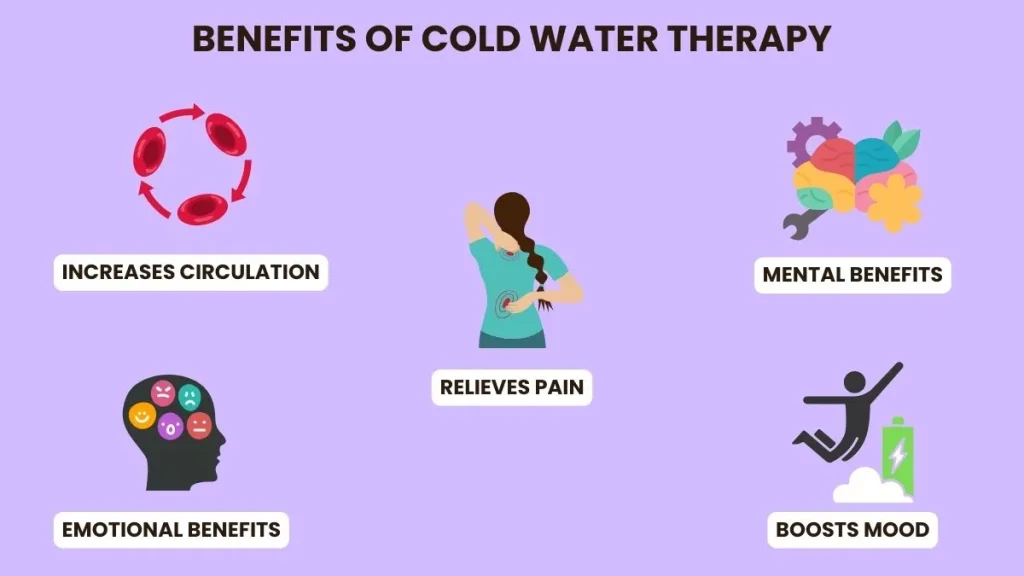
- Relieves pain: Like ice applications, ice baths narrow blood vessels. They have similar effects on pain. When you get out of an ice bath, increased blood circulation to the tissues and muscles helps reduce pain and inflammation.
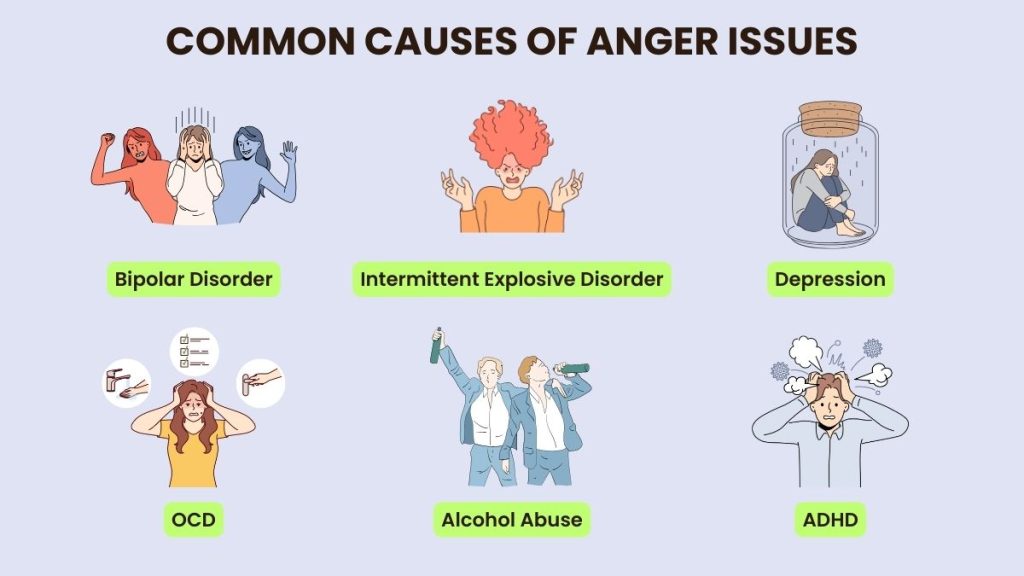
- Boost mood and alertness: Soaking in cold water can improve self-esteem and decrease tension and anger! Isn’t that wonderful?
Mental and Emotional Benefits
Cold water therapy has been shown to have a great deal of mental and emotional benefits.
They are:
- Mental benefits: Cold water therapy can release endorphins that elevate your mood and induce relaxation and euphoria. It promotes a sense of calmness and mental clarity, allowing you to escape from stressors.
- Emotional benefits: Cold water therapy can improve your overall emotional state. The controlled environment of an ice bath allows individuals to practice emotional techniques such as deep breathing and mindfulness, which can be applied to other areas of life. This practice can enhance your emotional resilience and emotional well-being.
Skin Benefits
Cold water therapy doesn’t just help the skin on your face but supports you all over! One of the biggest benefits is that it increases circulation. Like its interaction with blood flow, cold water therapy reacts to your nervous system in remarkable ways. Entering cold water helps your brain produce norepinephrine, hormones that help regulate attention, focus, and vigilance.
While it works wonders for your mind, norepinephrine will also increase the constriction of blood vessels all over your body. Cold water therapy can help blood flow to the skin and give you fresh, healthy-looking, taut skin in just a few minutes.
Types of Cold Water Therapy
This cold water therapy has some great benefits. But what are the different types?
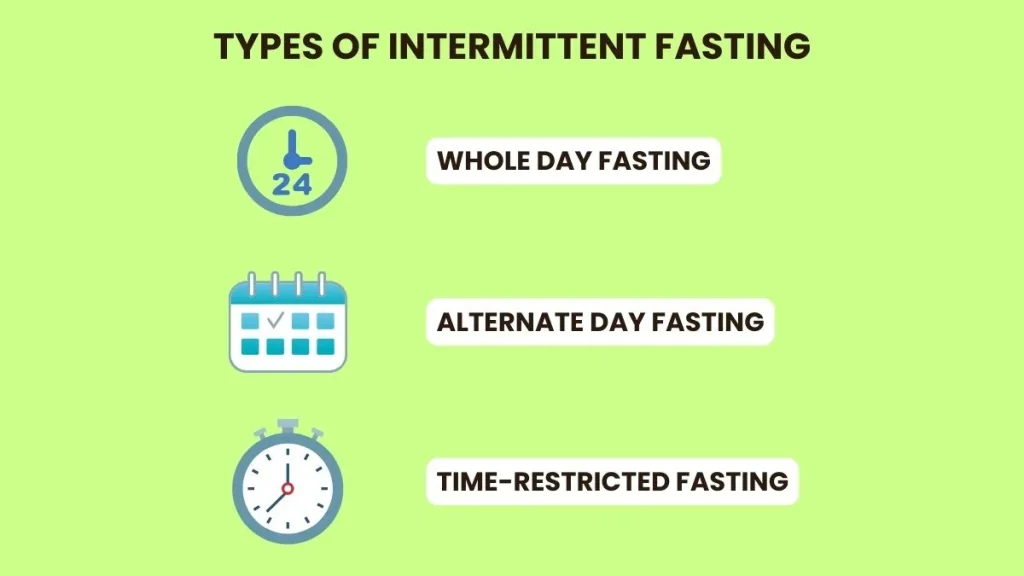
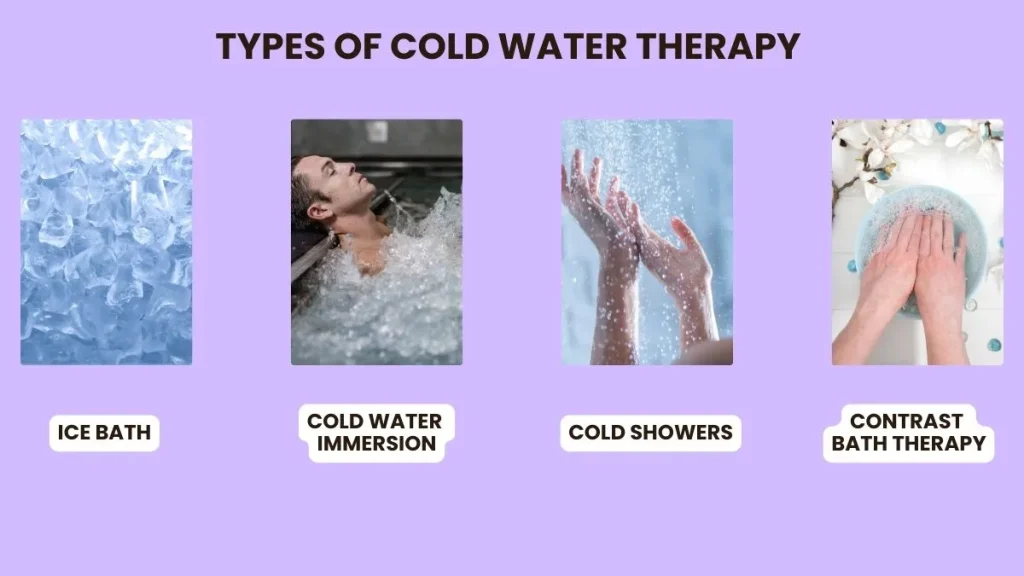
Here are the most common types of cold water therapy:
Ice Baths
You only need to sit in an ice bath for 10 to 15 minutes. Active individuals use it for muscle recovery and to help with inflammation.
Contrast Bath Therapy
Contrast water therapy involves alternating between cold and warm water. This therapy reduces muscle pain and improves circulation. You do this for 30 minutes. If you are very active, take a contrast bath before your workout, as it maintains muscle function and aids in recovery.
Cold Water Immersion
Cold water immersion involves submerging from the neck down into water no warmer than 59 degrees Fahrenheit for up to 15 minutes. In natural scenic environments, the Wim Hof method is known for combining breathing techniques and cold water immersion.
The Wim Hof method is a combination of breathing exercises, cold exposure and meditation. It improves both your physical and mental well being.
Cold showers
A 25-minute cold shower after cycling improves heart rate recovery! But don’t worry – you can still enjoy showers as there is no need to spend the entire shower in cold water. You can end the shower with cold water for the last 30 to 90 seconds. It can have beneficial effects on your energy and mood levels.
How to Safely Perform Cold Water Therapy
Let’s discuss the preparation and safety of cold water therapy so that you are better equipped for this journey.
Preparation and Safety Tips
Cold water has its risks, so consult with your doctor before you start. It can cause cardiac stress and impact things like your heart rate, circulation, and blood pressure. If you have the green light from your doctor, then ask someone to supervise you during therapy. Cold water therapy makes your temperature drop; afterwards, it can continue to drop, leading to hyperthermia.
Here are a few steps to follow when getting out of an ice bath:
- Dry yourself and get out of the wet clothes.
- Put on something warm.
- Start with your upper body and dress in warm clothing layers.
- Prepare yourself a hot beverage of your choice.
- Get something to eat, preferably something sweet, as sugar elevates body temperature.
- Walk around a bit or sit somewhere warm, as it can help raise your body temperature.
- Avoid taking hot baths and showers, as the sudden blood flow can cause you to pass out.
DIY Ice Bath Setup
Here‘s how to set up a DIY Ice Bath at home:
- Get your supplies: Set your warm clothes and a towel or two aside. After getting out, you want to change into something warmer. Choose clothes like sweatpants, a sweatshirt, and a robe.
- Prepare your bath: Fill the tub with cold water to your desired level, and then slowly start adding the ice. You want the water to be as cold as possible, so add the ice slowly and then test the water temperature. Beginners or people with a low cold tolerance should start at 55-60 degrees Fahrenheit.
- Time: You only need 2-3 minutes. Over time, you can increase it to 10 minutes.
- Get in: Take a few controlled breaths through your nose when you enter the tub and then exhale as you go.
- Breathing: A shock is normal, so don’t freak out! Just focus on your breathing. 5-8 breaths can help you manage the shock.
- Warm up afterwards: When the timer goes off, it is time to get out of the ice bath. Dry yourself and put on some warm clothes. Consider doing some light exercises to regulate your body’s temperature. Of course, this is just a recommendation!
Special Considerations and Risks
Who Should Avoid Cold Water Therapy?
Cold water therapy has many benefits, but there are also risks involved. It’s best to consult a professional before starting, as it can impact your health. Let’s take a look at who should avoid it.
Individuals with the following conditions should avoid cold water therapy:
- Heart Conditions
- Circulatory Issues
- Risk of Hypothermia
- Breathing Issues
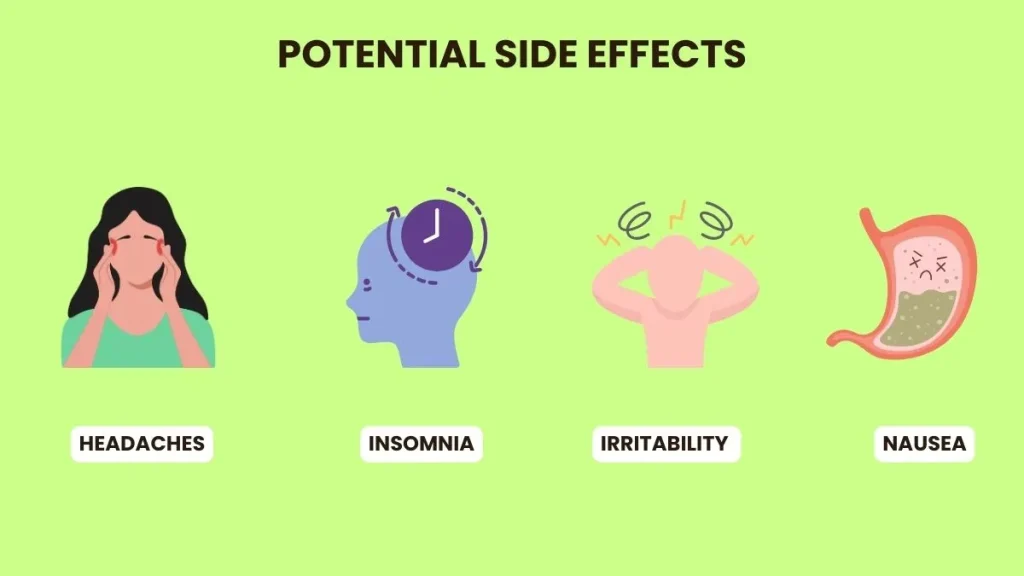
Risks and Side Effects
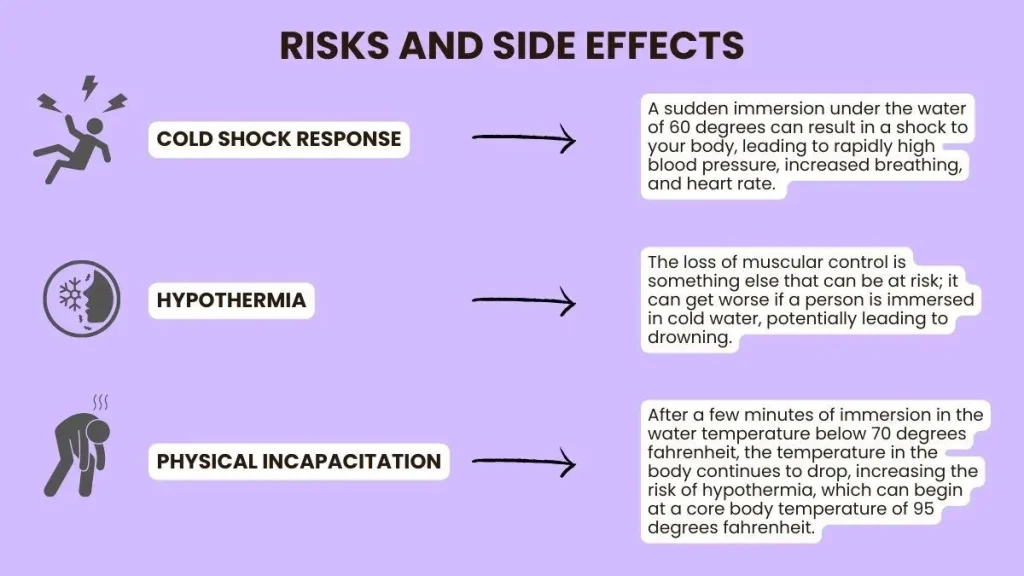
- Cold shock response: Being in water that is below 60 degrees can shock your body, leading to rapidly high blood pressure, increased breathing, and heart rate. This effect can strain your heart and, if you’re too deep in the water, lead to drowning.
- Physical incapacitation: Staying in the water too long can impair muscle function, making it hard to stay afloat and can lead to drowning.
- Hypothermia: The longer you stay in water below 70 degrees Fahrenheit, the more the risk of hypothermia. Symptoms can start at 95 degrees Fahrenheit. So, be careful!
Symptoms to look out for are:
- When you’re feeling weak
- Unable to control your hands, arms, legs or fingers
- If you are feeling exhausted
Conclusion
Celebrities like Harry and Kim have tried cold water therapy, which has many physical, mental, and skin benefits! Safety is important whether you are trying ice baths, contrast bath therapy, cold water immersion, or cold showers. You can do this by consulting a doctor, having someone supervise you, and following our steps when you get out of the ice bath.
Remember that cold water therapy is not suitable for those who have heart conditions, circulatory issues, those at risk of hypothermia and if you have breathing issues. Are you ready to try this therapy?