Fever blisters, another name for cold sores, are frequently caused by viruses. On and around the lips, they are tiny blisters filled with fluid. These blisters tend to cluster together in certain regions. A scab develops when the blisters break and may last for a few days. It usually heals in two to three weeks, and cold sores do not leave any scars behind. Let’s take a closer look at what it is by examining the symptoms, causes, risk factors and treatment options so that you can reclaim your smile.
What Are Cold Sores?
Close physical contact, including kissing, can transmit cold sores from one person to another. The herpes simplex virus type 1 (HSV-1) and, less commonly, type 2 (HSV-2) are the usual causes of them. Both of these viruses are spread through oral intercourse and can harm the mouth or genitalia. The infection can spread even in the absence of obvious sores. Although there is no known cure for cold sores, therapy can help stop outbreaks. Prescription antiviral drugs or creams can hasten the healing of sores. They might also lessen the frequency, duration, and intensity of outbreaks in the future.
Symptoms Of Cold Sores
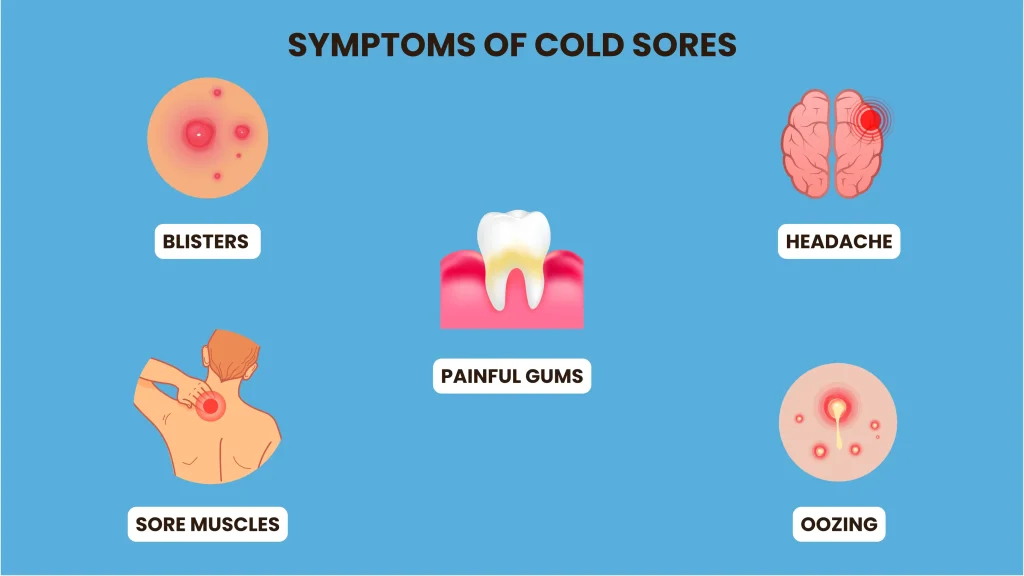
A cold sore often progresses through various stages.
These stages are:
- Tingling and itching – Many patients experience itching, burning, or tingling around their lips for a day or two before a small, hard, painful patch develops and blisters form.
- Blisters – Small fluid-filled blisters frequently occur on the lip’s edge. They might appear around the nose, on the cheekbones, or inside the mouth.
- Oozing and crusting – The little blisters may coalesce and eventually explode. This might result in shallow, open sores that ooze and crust over.
Depending on whether this is your first outbreak or a recurrence, the symptoms will vary. It can take up to 20 days following virus exposure for symptoms of a cold sore to manifest. The sores could last for several days.
The healing of blisters can take two to three weeks. In the event that blisters reoccur, they often do so in the same location and are not as severe as the first outbreak.
During an initial outbreak, you could encounter:
- Fever
- Painful gums
- Sore throat
- Headache
- Sore muscles
- Swollen lymph nodes
Cold sores in the mouth of children under the age of five are sometimes confused for canker sores, which solely affect the mucosal membrane and are not caused by the herpes simplex virus.
What Causes Cold Sores?
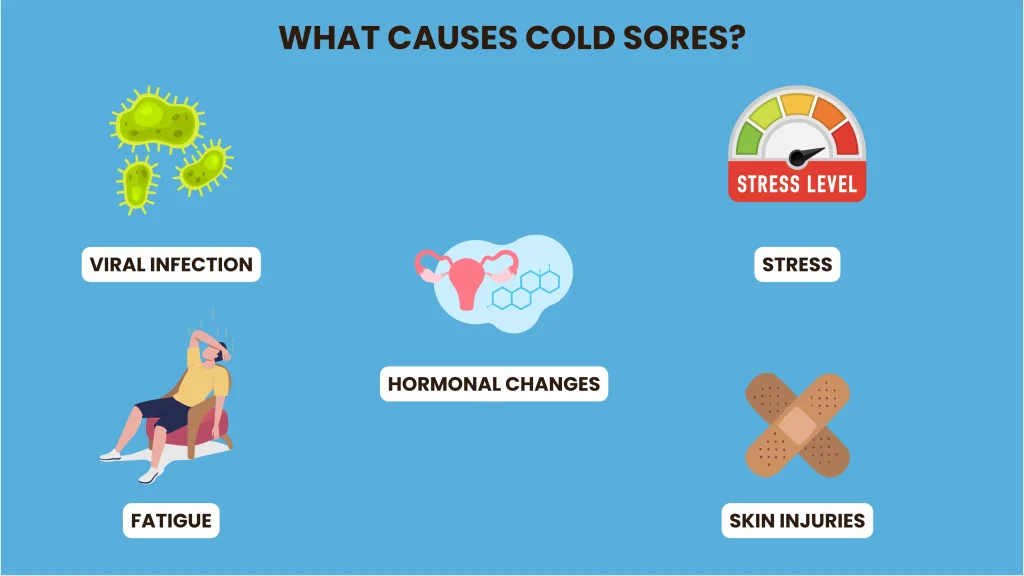
Certain forms of the herpes simplex virus are responsible for cold sores. Cold sores are often caused by HSV-1. Genital herpes is often caused by HSV-2. However, close contact like kissing or oral sex can spread any form to the face or genitalia. HSV-1 can spread through shared towels, razors, and dinner utensils.
Blisters that are leaking have a higher chance of spreading cold sores. You can spread the sickness even if you don’t have blisters. The virus that causes cold sores infects many people, yet many never show any symptoms. A cold sore may recur in the same spot following a herpes infection because the virus can linger in skin nerve cells.
A cold sore recurrence could result from:
- Viral infection or fever
- Hormonal changes, such as those associated with menstrual periods
- Stress
- Fatigue
- Being in the sun or breeze
- The immune system is changing
- Skin injuries
Risk Factors And Complications
Almost everyone is susceptible to cold sores. Even if they have never experienced cold sores, most individuals carry the virus that causes them.
If you have a weak immune system due to illnesses or treatments like:
- HIV/AIDS
- Atopic dermatitis (eczema)
- Cancer chemotherapy
- Anti-rejection medicine for organ transplants
The virus that causes cold sores can occasionally cause issues with other parts of the body, including:
- Fingertips – Both HSV-1 and HSV-2 can be transmitted to the fingertips. This form of illness is commonly known as herpes whitlow. Children who suck their thumbs risk spreading the virus from their lips to their thumbs.
- Eyes – The virus can occasionally cause eye infections. Repeated infections can cause scarring and damage, perhaps leading to vision difficulties or loss of eyesight.
- Large areas of skin – People with atopic dermatitis (eczema) are more likely to develop cold sores all over their body. This could become a medical emergency.
Preventing Cold Sores
Your doctor might advise you to take antiviral medication on a regular basis if you experience cold sores more frequently than nine times a year or if you are at a higher risk of developing significant consequences.
Cover the area where the cold sores usually occur with sunscreen if it seems that sunshine aggravates your disease. As an alternative, before doing anything that might encourage a cold sore to flare up again, talk to your doctor about taking an oral antiviral medication.
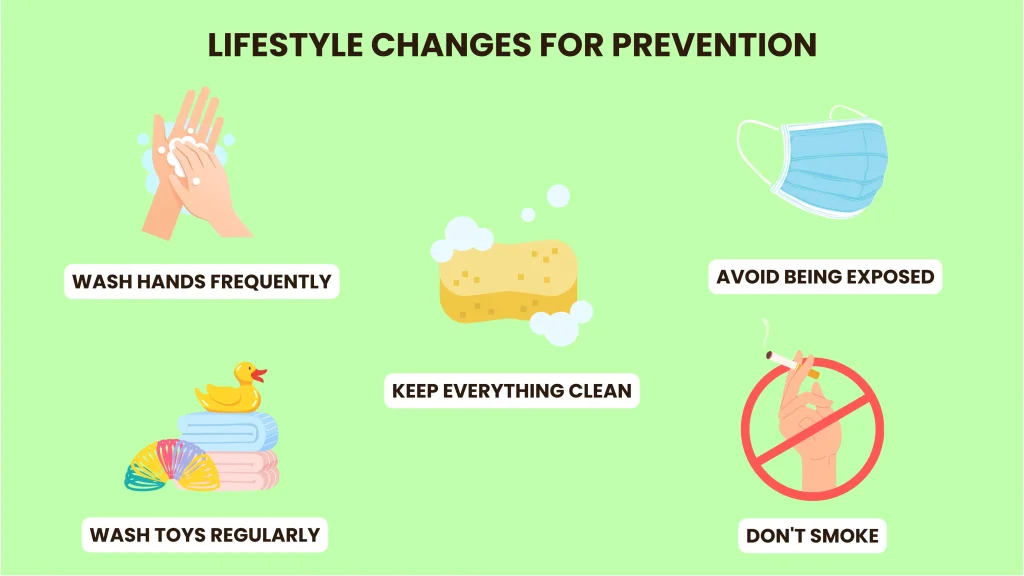
To prevent cold sores from spreading to others, do the following:
- Avoid kissing and skin contact with those who have blisters. The virus is most easily transmitted when blisters spill fluid.
- Avoid sharing goods. Contact with utensils, towels, lip balm, or other personal goods, might spread the virus.
- Keep your hands clean. When you have a cold sore, wash your hands thoroughly before touching yourself or others, particularly babies.
When To See A Doctor
Cold sores will usually go away on their own, but this isn’t always the case.
Consult your healthcare practitioner if:
- You have a weakened immune system
- The cold sores do not cure within two weeks
- Symptoms are severe
- The cold sores frequently reappear
- Eyes are sore and feel gritty
Diagnosis and Treatment
Cold sores may usually be diagnosed by your doctor just by looking at them. Your doctor could take a sample from the blister for laboratory testing in order to confirm the diagnosis. Without treatment, cold sores usually go away in two to four weeks. Antiviral drugs could be recommended by your doctor to hasten the healing process.
They are:
- Acyclovir (Zovirax)
- Valacyclovir (Valtrex)
- Famciclovir
- Penciclovir (Denavir)
Some of these products come in the form of pills. Others are lotions that you apply to the sores multiple times per day. In general, tablets perform better than creams. Some antiviral medications can be injected to treat really severe infections.
Lifestyle And Home Remedies
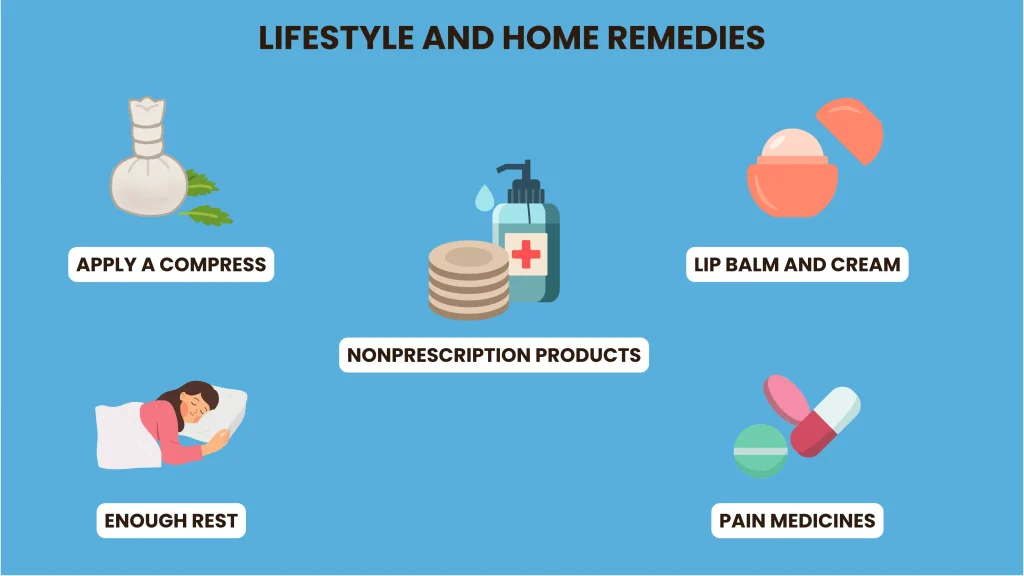
The cold sore ointment docosanol may reduce the healing time of a cold sore. As soon as symptoms appear, apply it to the afflicted skin as indicated on the packaging. Use a cotton swab to apply treatment to a cold sore. This helps to prevent the sores from spreading to other areas of the body.
To reduce the discomfort of a cold sore, try:
- Other cold sore cures – Some nonprescription products contain a drying ingredient, such as alcohol, which might hasten healing.
- Lip balm and cream – Use a zinc oxide cream or sunblock-containing lip balm to protect your lips from the sun. If your lips become dry, use a moisturizing moisturizer.
- Apply a compress – A cold, moist cloth may help relieve discomfort and eliminate crusting. Alternatively, try applying a warm towel to the blisters to relieve pain.
- Rest and take pain medicines – If you have a fever or a painful cold sore, take nonprescription pain medication. Creams containing lidocaine or benzocaine may provide some pain relief.
Alternative Medicine
There have been mixed results in the research on the potential benefits of alternative medicine for cold sores.
The following techniques are used by people to cure cold sores:
- Lysine – Amino acid lysine can be purchased as a cream or as an oral supplement.
- Sage and rhubarb – Sage and rhubarb cream could work just as well as acyclovir (Zovirax) cream.
- Lowering the tension – Try some soothing methods if stress is the source of your cold sores. Examples include deep breathing techniques and meditation.
- Propolis – The product is offered as a 3% ointment. It has the potential to reduce the length of the outbreak when applied regularly and early. Also referred to as artificial beeswax.
Conclusion
There’s no need to feel embarrassed if a cold sore appears on your lip. Cold sores are common, so you’re not alone, and they will most likely heal and go away on their own.
While you’re waiting, do your best to take care of it. You have various therapy alternatives to choose from. You can also use a cool, damp compress to reduce redness or use an over-the-counter pain reliever if the sore hurts.
Before you know it, that cold sore will be a distant memory!