Did you know you must drink at least eight glasses of water to maintain good hydration? Drinking enough fluids helps keep the fluid levels in your body topped up to ensure the body doesn’t dehydrate. But it’s more than that. Read this article to learn why it matters, effective strategies to hydrate yourself, the difference between water and other beverages as well as overhydration. Let’s delve in!
Why Hydration Matters: Your Key to Better Health
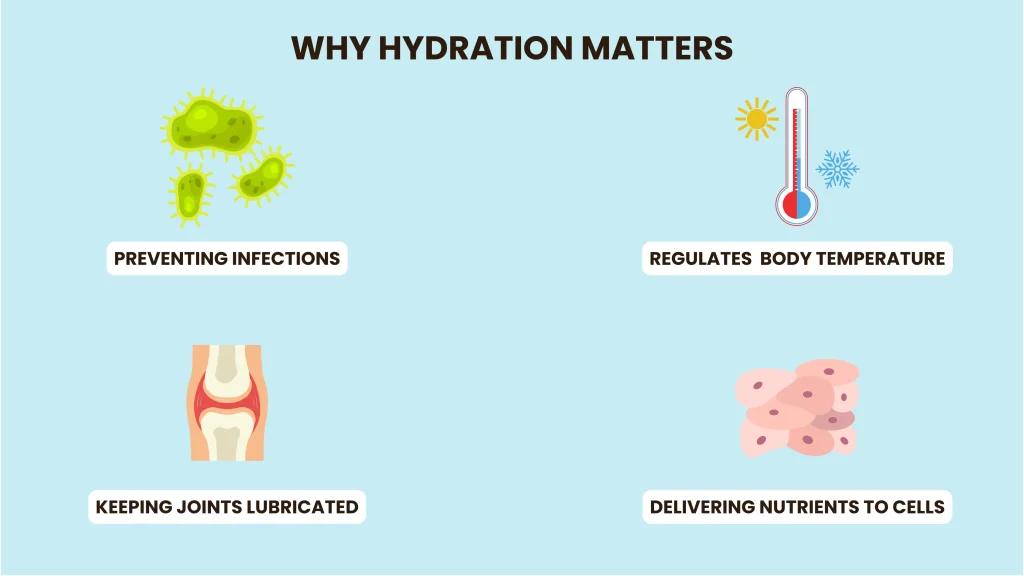
Consuming enough water throughout the day is essential for many reasons. Let’s have a look at them!
- Regulating your body’s temperature
- Keeping joints lubricated
- Preventing infections
- Delivering nutrients to cells
- Keeps organs functioning properly
Being well-hydrated improves your mood, mental health, and sleep quality.
Effective Hydration Strategies
Water is one of the primary nutrients that the body needs to function correctly. Dehydration happens when the body does not replace the fluids it has lost. As little as 2% dehydration can severely affect mental and physical performance.
Let’s discuss the guidelines, but also know that a person’s daily fluid intakes are different and depend on many factors, including:
- Environment change (humidity, temperature, and altitude)
- Body size of an individual (weight, height, lean mass, and body fat)
- Type, duration of exercise, and intensity
- Electrolytes that are lost in sweat
- Individual sweat rate
- Equipment and clothing worn
Quick Tips for Rapid Hydration
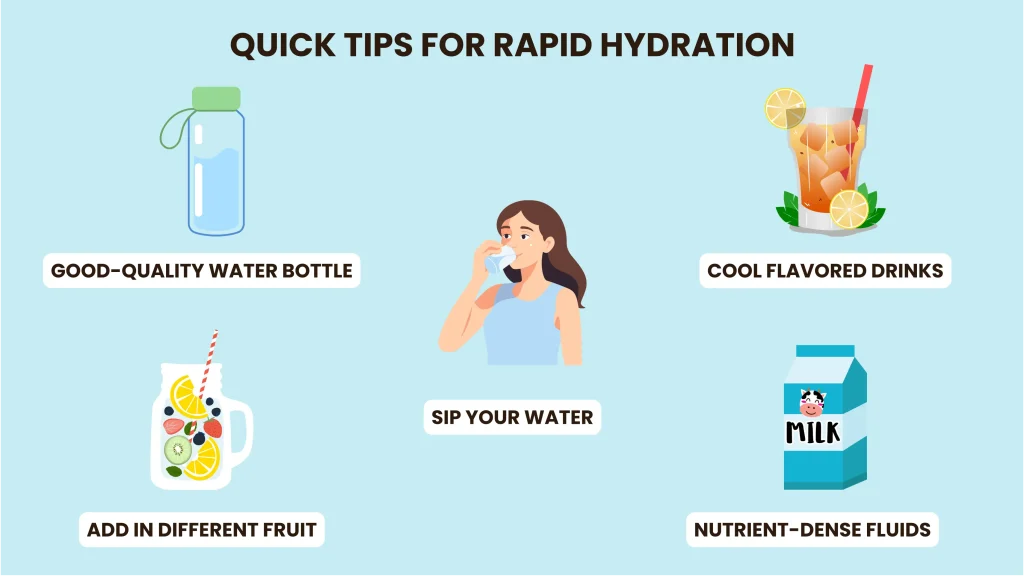
When it’s hard to meet your daily fluid intake, the following tips might help:
- Invest in a good-quality water bottle and keep it with you throughout the day. Try getting a water bottle with a measurement to see how much water you drink.
- Sip your water; don’t chug it down. Take small sips frequently throughout the day.
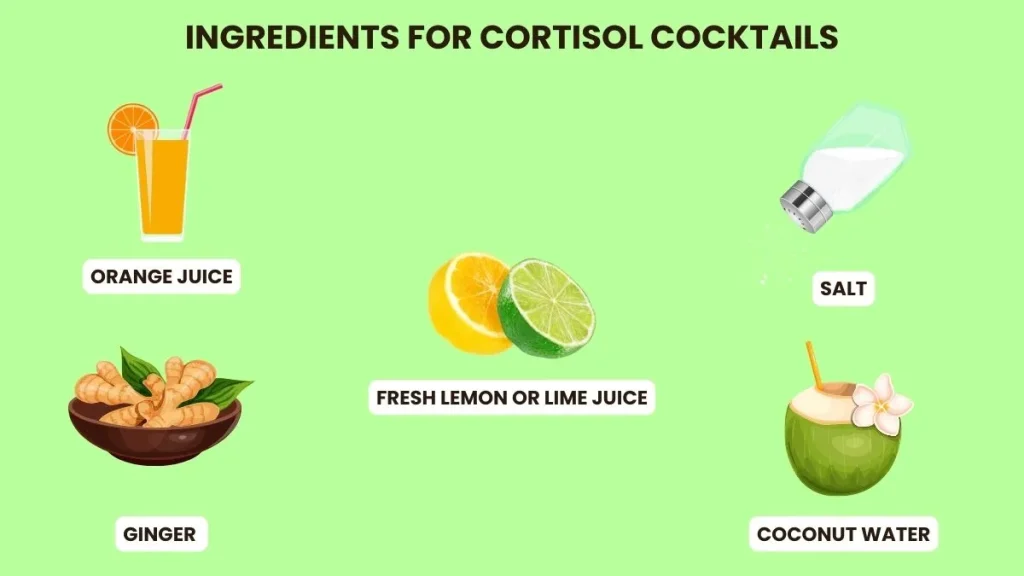
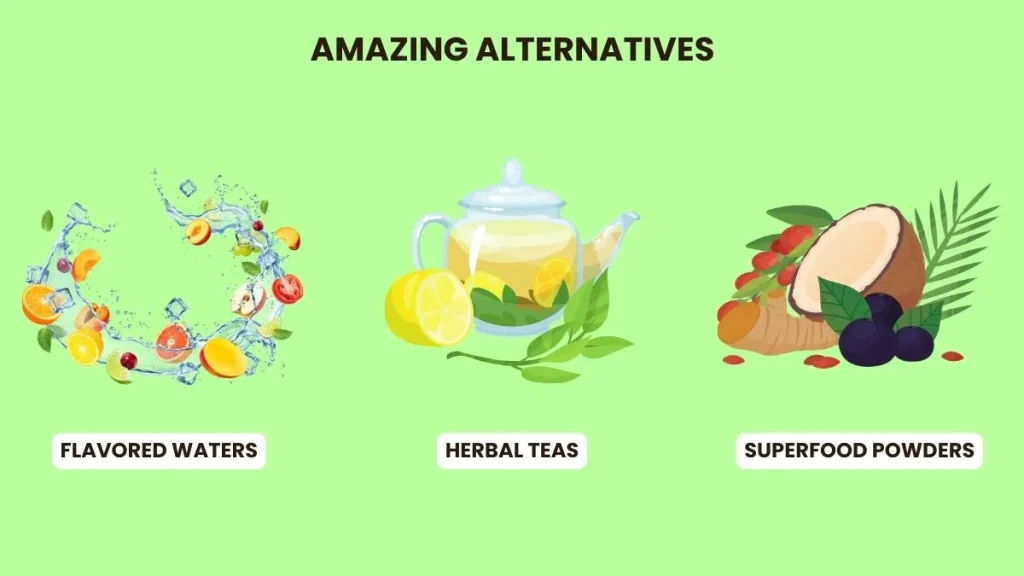
- Add lime, berries, cucumber, and lemon to the water for flavor.
- In humid or hot environments, choose cool flavored drinks with added sodium. These refreshing beverages will keep you hydrated, rejuvenated, and energized. Setting a timer reminding you to drink at regular intervals
- Choosing nutrient-dense fluids, such as milk alternatives, milk, unsweetened tea, or 100% vegetable juice
Best Practices for Staying Hydrated Overnight
- Have a water bottle next to your bed
- Eating water-enriched fruit and vegetables
- Adding fresh fruit to your water
- Limiting your alcohol intake
- Trying to avoid dehydrating foods
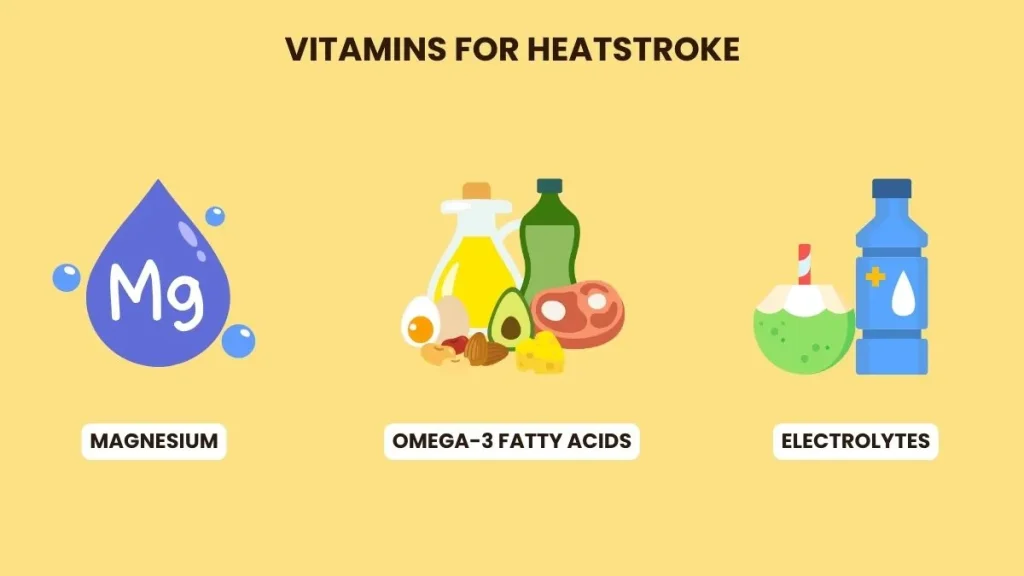
- Drinking supplements with electrolytes
Water vs Other Beverages: What’s the Best Choice?
Water is the healthiest and most hydrating choice. Fluids can also be gained from other beverages, but water is the best as it’s calorie-free, alcohol-free, and caffeine-free. Water helps maintain the balance of body fluids. Your body is made up of 60% water. Functions of these bodily fluids include absorption, circulation, indigestion, saliva creation, maintenance of body temperature, and transportation of nutrients.
Does Milk Hydrate Better Than Water?
Milk is more hydrating than water. Milk was found to be more hydrating than water because it contains sugar, lactose, some fat, and some protein, all of which help to slow the emptying of the fluids from the stomach and keep hydration happening over a more extended period.
The Truth About Coffee and Tea: Are They Hydrating?
When you want to satisfy your thirst, you most likely won’t reach for a cup of coffee or tea. According to experts, coffee and tea are not dehydrating despite what you’ve heard. According to Time, coffee and tea can and should count towards eight cups of water daily.
Recognizing Hydration Levels and Their Effects
When we don’t consume enough fluids, we become dehydrated. Studies show that a 1-4% level of dehydration can cause symptoms like poor concentration and headaches. When dehydrated, the kidneys reduce the water you lose when urinating.
Identifying Signs and Symptoms of Proper Hydration
A promising sign that you’re well-hydrated is producing lots of clear, dilute urine and rarely being thirsty. We must know how much fluid we need to stay healthy, what drinks are best for hydration, and why or when our fluid intake requirement might change.
‘Fluid’ includes water from a bottle or the tap and drinks like coffee, milk, tea, soft drinks, and fruit juices.
What to Know About Over-Hydration and Its Symptoms
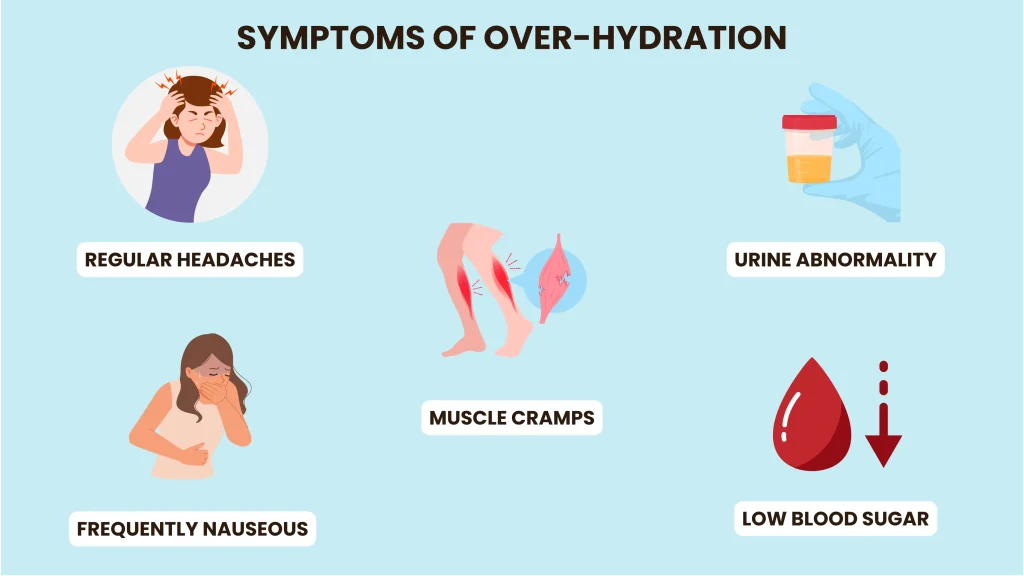
Overhydration can happen when people drink too much water that is not what their bodies need. People, like athletes, who drink a lot of water to avoid dehydration can develop overhydration.
Overhydration and its symptoms:
- Having regular headaches
- Abnormality in your urine color
- Being nauseous frequently
- Cramping of muscles
- Colorless hands and feet
- Low blood sugar
How Long Does Hydration Last During Sleep?
Most people aren’t dehydrated when they wake up. During sleep, your brain releases a hormone called vasopressin that helps the body hold on to water.
Tips to Keep Cool and Hydrated: CDC Insights
Despite your activity level, you should stay cool, hydrated and drink more fluids than non-alcoholic beverages. Do not wait until you’re thirsty before hydrating. If your doctor usually limits the amount of fluids you take in or you were prescribed water pills, ask your doctor what your water intake should be when it’s hot.
Creative Ways to Stay Hydrated
The hottest days of summer are here. So, it’s time to get creative with how you hydrate yourself.
Here are some ideas:
- Adding natural ingredients to your water
- Make natural fruit juice
- Make a splash
- Flavour your ice
Hydration Tips Beyond Drinking Water
There are other ways to hydrate yourself besides water. Natural hydrating vegetables and fruits are excellent ways to start. Try having peaches, oranges, melons, and strawberries, as they are mostly water and can help fill hydration gaps.
You can also have oatmeal for breakfast. Oatmeal isn’t only filling and hearty; it is also very hydrating. When cooked, oats expand and absorb the water or milk they are cooked in.
Conclusion
Staying hydrated is one of the most important things you can do to maintain health. It helps your body function correctly and anticipates severe health conditions. It also makes you feel good in your skin! Simple actions like carrying a water bottle, taking sips throughout the day, and adding some fruits to your water for flavor can make a big difference. Want to make a change? Start drinking up today and experience the benefits of a well-hydrated body!