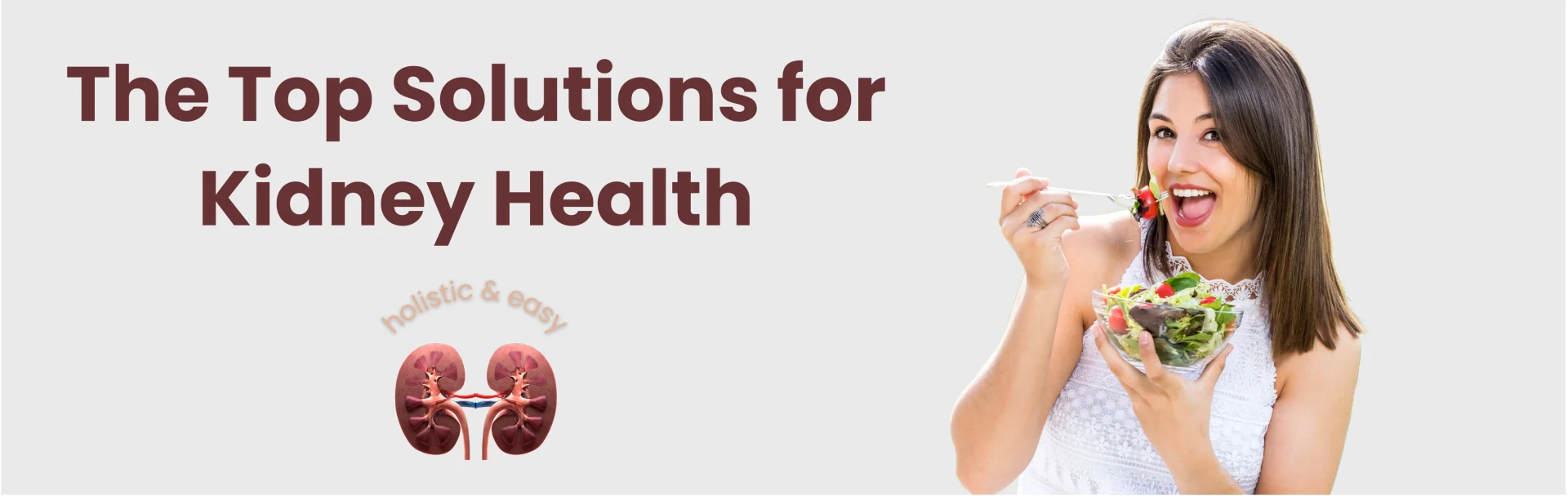
Top 10 Tips to Improve Kidney Function

Your kidneys are about the size of your fists and are found at the lower part of your rib cage, one on each side of your spine. They have a lot of essential jobs. The main one is to clean your blood by eliminating waste, extra water, and other harmful stuff. This waste is kept in your bladder until you go to the bathroom. Taking care of your kidneys is essential for your overall health and well-being. When your kidneys are healthy, they can better filter waste and make hormones that help your body work well.

This article looks at how the kidneys work, how they’re negatively affected, and how to improve kidney function and health naturally. 

How The Kidneys Work
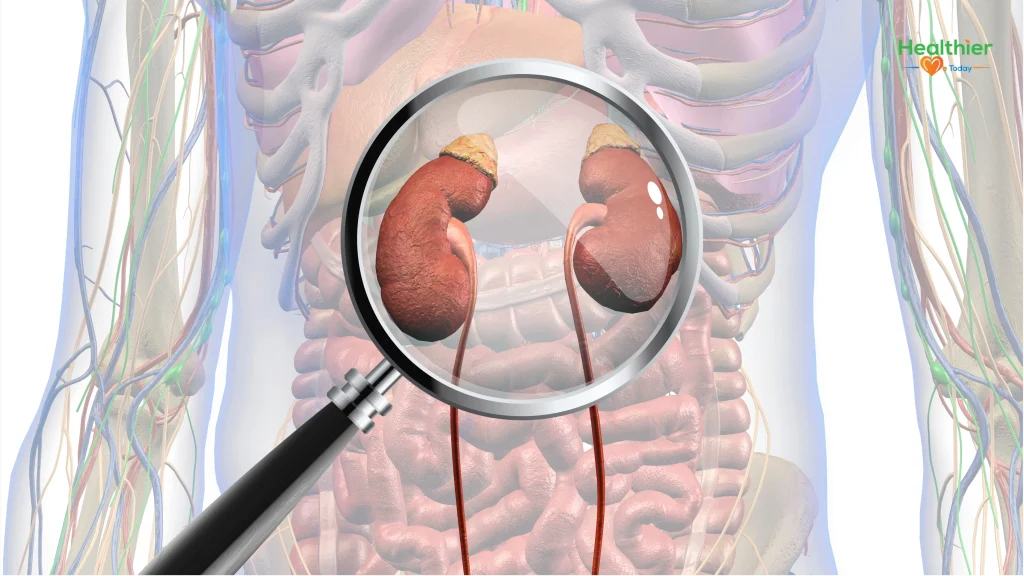
Kidney health

A healthy kidney processes around 200 quarts of blood daily, eliminating waste, extra water, and some chemicals. If your kidneys can’t maintain balance, it can lead to serious health issues. They are good at adjusting to different situations, like when blood pressure drops. The small filtering tubes in the kidneys, known as glomeruli, can change how they work. However, during a significant health problem, the kidneys might stop working to help the body hold onto fluids. This situation is known as acute kidney injury, and it often occurs in people who are in the hospital.

What Causes Low Kidney Function?

Many adults in the U.S. who are over 75 years old might have kidneys that don’t work as well as they should. However, most people won’t experience any health problems because of it. Various health issues can harm the kidneys, which can result in reduced kidney function and might lead to chronic kidney disease.

These include:

  • Diabetes
  • Smoking
  • Excessive alcohol consumption
  • Uncontrolled hypertension
  • High cholesterol
  • Some medications can injure the kidneys

Living a heart-healthy life by exercising regularly and eating a nutritious plant-based diet helps keep your kidneys safe. 

What is Considered Too Low?
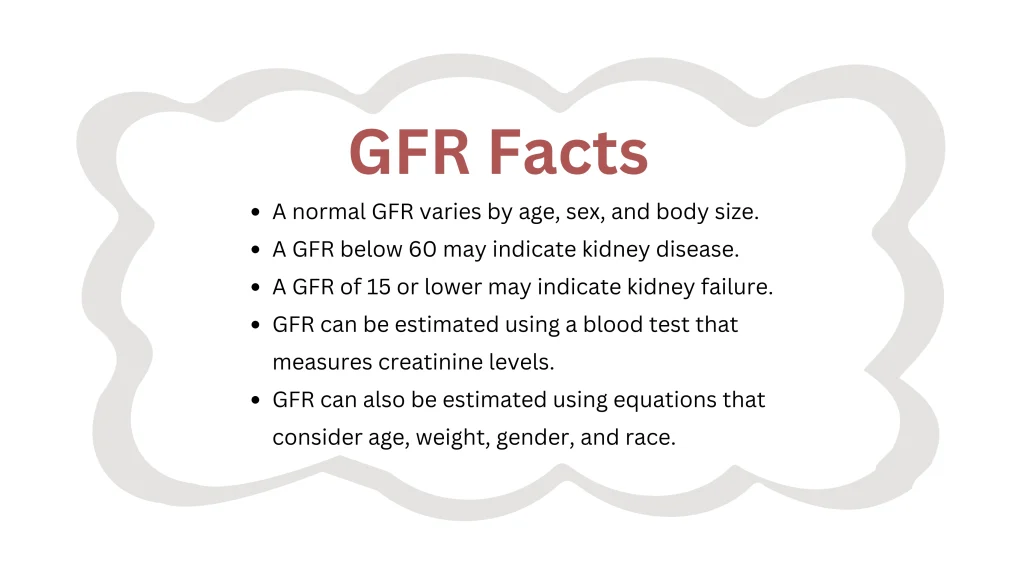
Kidney health

A healthy kidney works hard to clean waste from the blood at a speed of at least 90 milliliters (ml) every minute. This process is called the glomerular filtration rate, or GFR. As time passes, many men may notice their kidneys aren’t working as well, but they usually don’t feel any problems until their kidney function has dropped. 

You can feel perfectly fine even when your kidneys are not functioning at their best, so you can still go about your daily life. However, the lack of early warning signs can make it hard to take action and prevent further decline. Most people only feel unwell when their kidney function falls below 10%.

How Does High Blood Pressure Damage the Kidneys?

High blood pressure can create small tears in the walls of arteries, making it easier for fat to build up and block blood flow. When the arteries that supply blood to the kidneys get narrower, the body releases a hormone called renin, which makes small arteries even tighter. This makes high blood pressure worse and can lead to more harm to the kidneys. If blood flow keeps getting restricted for a long time, it can hurt or even kill the nephrons, the tiny parts in your kidneys that filter blood.

How is Kidney Function Tested?

Your doctor can check your creatinine level during regular blood tests to see how well your kidneys work. Creatinine comes from muscle cells and enters the bloodstream. The kidneys are responsible for filtering creatinine out of the blood. When the kidneys aren’t working as well, the level of creatinine in the blood increases. 

This level helps estimate how well your kidneys are functioning, known as the GFR. If you have a slight decrease in kidney function, there are things you can do to prevent it from getting worse. If your kidney function is low but stable, you should only visit your doctor once a year. However, if your GFR is dropping or is below 50, it’s a good idea to see a kidney specialist.

How to Improve Kidney Function

When learning how to improve kidney function, it’s good to note that making even minor adjustments can positively impact your kidney health. The great part is that these easy changes also enhance your overall wellness!

Here are several tips on how to improve kidney function:

Eat Lots of Fruit and Vegetables

Knowing how to improve kidney function with healthy foods is vital. Eating a balanced diet is essential for keeping your blood pressure and cholesterol in check and can help lower your chances of getting kidney disease. Eating at least five servings of low potassium fruits and vegetables daily is a good idea. Foods good for kidneys also include starchy foods like potatoes, dairy products or alternatives, and protein sources like beans, legumes, eggs, fish, or meat. 

Try to cut down on saturated fats and sugars too. Eating healthy doesn’t have to be complicated or expensive. Canned, dried, and frozen fruits and veggies are just as good! Add some fruit to your cereal, whip up a quick stir-fry, or enjoy a side salad with your meal. You can ask your doctor for advice to learn more about the best veggies for kidneys and eating a balanced diet.

Stop Smoking

People who smoke are four times more likely to get kidney failure compared to those who don’t smoke. Smoking can make your heart beat faster, raise your blood pressure, and lead to fat buildup in your blood vessels, which can cause blood clots. All of these factors can increase your chances of developing kidney disease. 

Additionally, smoking also doubles the risk of getting kidney cancer. However, if you quit smoking, you can lower these risks, and the positive effects begin right after you stop. It’s a good idea to talk to your doctor about ways to quit smoking because studies [Mayo Clinic]  show that using medication and support can make you four times more likely to succeed in quitting.

Cut Down on Salt
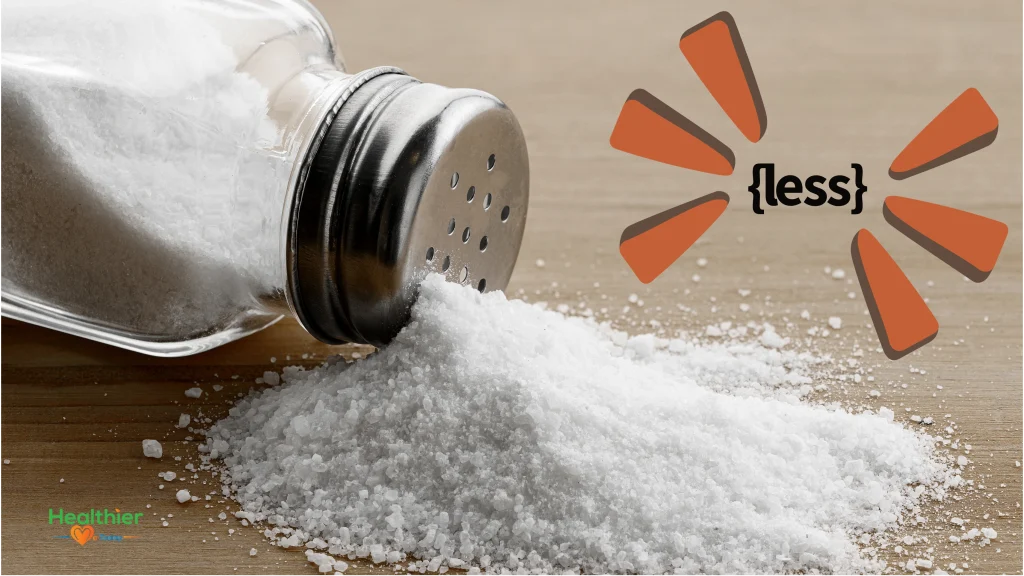
Improve kidney function

Eating a lot of salt can lead to high blood pressure, which might cause kidney problems. Too much salt can also increase your chances of getting kidney stones. Keep your salt intake to about 6 grams daily, roughly one teaspoon. A surprising 75% of the salt people consume is found in processed foods, not just the ones that taste salty. 

Always read food labels to check for salt levels, pick options with less salt, and choose fruits and raw veggies for snacks instead of foods bad for kidneys like chips and crackers. Use pepper, spices, herbs, lemon, and garlic to add flavor instead of salt when cooking. If you stick with it, your taste buds will quickly get used to less salt.

Stop Drinking or Drink Alcohol in Moderation

Drinking a lot over time can lead to higher blood pressure and cholesterol levels, which might contribute to kidney problems. It’s a good idea to limit yourself to 14 units of alcohol each week and make sure to spread it out over several days. Just so you know, one unit is about a small glass of regular wine, half a pint of regular beer or cider, or a shot of liquor.

Avoid Over-The-Counter Painkillers

High doses of common pain relievers over a long time can hurt your kidneys. This includes over-the-counter medications like aspirin and ibuprofen, which belong to a category called non-steroidal anti-inflammatory drugs, or NSAIDs. It’s okay to use these medicines now and then, but follow the instructions carefully, use the smallest dose you can, and only use them for as long as you need them. If you need painkillers often for a health issue, talk to your doctor about ways to protect your kidneys.

Get Active

Staying active is good for your overall health and can benefit your kidneys. You don’t need to hit the gym to get moving; activities like walking, biking, dancing, or gardening all count as exercise. Try to get in at least 150 minutes of moderate exercise each week or 75 minutes of more intense workouts. 

You can break this down into smaller parts throughout your day. For instance, you could ride your bike instead of driving, or get off the bus a stop early and walk the rest of the way to the store. If you haven’t been active, talking to your doctor before starting any new exercise routine is a good idea.

Saving Ultra-Processed Foods for Special Occasions

Ultra-processed foods (UPFs) are packed with sugar, salt, refined carbs, additives, and unhealthy fats while lacking fiber and vitamins. New studies [National Kidney Foundation] show that eating a lot of these foods can increase the risk of chronic kidney disease (CKD). 

Cutting back on soda, chips, processed meats and cheeses, cakes, instant soups and noodles, and candy is a good idea and considered a basic form of chronic kidney disease self-care. Researchers [National Institutes of Health] discovered that replacing just one UPF with a less processed option daily can lower your CKD risk by 6%. Try to make fresh meals from scratch and save UPFs for special occasions.

Stay Hydrated

Drinking enough fluids is essential for your body. It helps your cells function properly and keeps things running smoothly. Staying hydrated can also help remove crystals that might turn into kidney stones and bacteria that cause urinary tract infections (UTIs), which can sometimes harm your kidneys. Drink about six to eight glasses of water daily so your urine is a light straw color. Water is an excellent option since it’s inexpensive and has no calories, but you can also include other drinks in your daily intake. Sparkling water, tea, coffee, herbal teas, water with kidney cleanse herbs, and low-fat milk all count, too!

Cut Down on Sugar

Eating a lot of sugar doesn’t directly harm your healthy kidneys, but it has many calories, which can make you gain weight. Staying at a healthy weight can help lower your risk of kidney problems, like high blood pressure and type 2 diabetes. Fruits and vegetables have natural sugars, and those are fine to eat. 

You need to cut back on the ‘free sugars,’ which are added to foods by you or companies, like table sugar, honey, and maple syrup. Adults should limit themselves to about 30 grams of free sugars each day, roughly seven sugar cubes. Always check food labels and pick unsweetened or low-sugar options. If you’re craving something sweet, try eating fruit instead, and use less sugar in your cooking.

Make Time For Sleep

Wondering how to improve kidney function with sleep? Sleeping is super important because it helps your body recover and heal. Some studies [DaVita] have shown that sleeping for only five hours or less each night could hurt how your kidneys work. Like other body parts, your kidneys rely on your sleep schedule, so insufficient sleep might make it harder for them to function correctly. Most people need about seven to eight hours of sleep each night. 

Everyone has those nights when they can’t sleep well, but if you often find it hard to get enough rest, it might be time to look at your sleep habits and bedroom setup. Make sure your room is peaceful, dark, and quiet. Try to stay away from caffeine and alcohol, and give yourself some time to relax before going to bed. Also, getting some exercise during the day can help. If you’re still having trouble sleeping, it’s a good idea to talk to your doctor.

Conclusion: All in All

Your kidneys are crucial in keeping you healthy, so knowing how to improve kidney function is necessary for your overall well-being. They do a lot of essential jobs, like filtering out waste from your body and producing hormones. Taking good care and knowing how to keep kidneys healthy is vital, so they should be one of your primary health concerns. Staying active and making healthy choices is the best way to keep your kidneys in great shape.

FAQ’s:

What are the early signs of kidney disease?

Urinating more often, blood in the urine, foamy urine, back pain, pain or burning when urinating, high blood pressure, tiredness, shortness of breath, and puffiness around the eyes or ankles.

How can I improve my kidney function naturally?

Knowing how to improve kidney function naturally involves eating a balanced diet with many fruits and vegetables. Make sure to drink enough water to stay hydrated. It’s also important to exercise regularly, keep your blood pressure in check, and if you have diabetes, manage your blood sugar levels. Try to eat less salt, avoid too much protein, and stop smoking.

Which foods are best for kidney health?

The best foods for kidney health are cranberries, arugula, raspberries, strawberries, plums, pineapples, peaches, cabbage, cauliflower, asparagus, beans, celery, cucumber, onions, bell peppers, radishes, summer squash, garlic, egg whites without yolks, shiitake mushrooms, water, and olive oil.

What foods should I avoid for healthy kidneys?

When learning how to reverse kidney damage, steer clear of canned soups, processed meats, hot dogs, sausages, frozen dinners, and snack foods like chips, crackers, and pretzels, condiments like ketchup, BBQ sauce, soy sauce, salad dressing, and pickled foods like pickles, olives, and beets.

Can you survive with one kidney?

Many people wonder, can you live with 1 kidney? Yes, many individuals lead healthy lives with just one kidney. The kidney that is left will grow more significant to make up for the missing one.

Are there natural remedies to prevent kidney stones?

One way to help get rid of and how to stop kidney stone pain immediately is by drinking lots of water and other fluids. You can also try home remedies for kidney stones, like drinking diluted apple cider vinegar. Eating foods high in citric acid, like lemons and oranges, can be helpful, too. Taking herbal supplements like nettle leaf might be beneficial.

What are some high potassium foods to avoid?

If you have kidney problems or need to stick to a low-potassium diet, it’s best to stay away from certain foods. These include bananas, oranges, cantaloupe, raisins, prunes, dates, apricots, and rhubarb. You should also avoid spinach, broccoli, brussels sprouts, and tomatoes. Other foods to skip are black-eyed peas, dried beans, lentils, milk, yogurt, cheese, and milk-based coffee drinks. Lastly, be careful with processed foods and salt substitutes.

Is coffee bad for kidney health?

Drinking a moderate amount of coffee is generally safe for your kidneys and might help protect them. However, if someone drinks too much coffee, especially if they already have kidney problems, it could put extra stress on their kidneys. This is because caffeine can affect blood pressure and how the body manages fluids.

How long does it take to recover from a kidney infection?

Most people will begin to feel better from a kidney infection after a few days of treatment. However, it’s essential to finish all the antibiotics, which usually take 1 to 2 weeks, to ensure the infection disappears and doesn’t return. If someone has other health issues, their kidney infection recovery time might take longer to get entirely better.

What vitamins are good for kidney health?

Vitamins for kidney health that could be beneficial are B, D, iron, and B9. But remember, talking to your doctor before taking kidney health supplements is crucial.
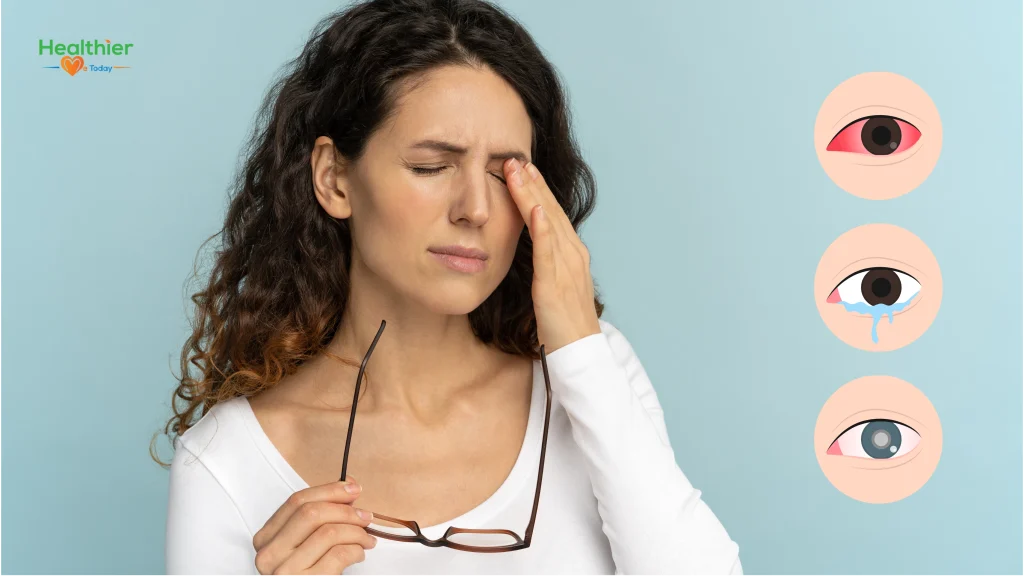
5 Daily Habits to Maintain Eye Health and Prevent Vision Loss

Learning how to improve eyesight is super important, especially since we spend so much time in front of screens nowadays. Following a few easy habits can help maintain your eye health for longer. When vision starts to decline, it can affect how people enjoy life. So, protecting your eyes and avoiding potential issues is an essential part of a healthy lifestyle you should never forget.

This article will examine the symptoms and causes of eye strain, what the 20 20 20 rule is and how to practice it, and practical tips on how to improve vision and eye health. Let’s get started!

Symptoms and Causes of Eye Strain

how to improve eyesight

Eye strain is frequent when you use your eyes a lot, like reading, staring at screens, or driving for long periods. The symptoms can affect your eyes and other parts of your body.

For your eyes, symptoms of eye strain can include:

  • Watery eyes
  • Dry eyes
  • Blurred vision
  • Sensitivity to light
  • Burning sensation in the eyes
  • Itchy eyes
  • Trouble keeping your eyes open
  • Other symptoms that can affect your body include:
  • Headaches
  • Neck pain
  • Shoulder pain
  • Back pain
  • Trouble focusing

Causes of Eye Strain

What leads to eye strain? It usually happens when you concentrate hard on something. 

Some common causes are:

  • Driving
  • Reading
  • Using computers and phones
  • Playing video games
  • Doing detailed tasks like writing, sewing, or crafting
  • Not having enough light while working
  • Not blinking often enough

People who already have eye problems, like uncorrected vision or issues with eye muscles, are more likely to experience eye strain. 

What’s the 20 20 20 Rule?

20 20 20 rule

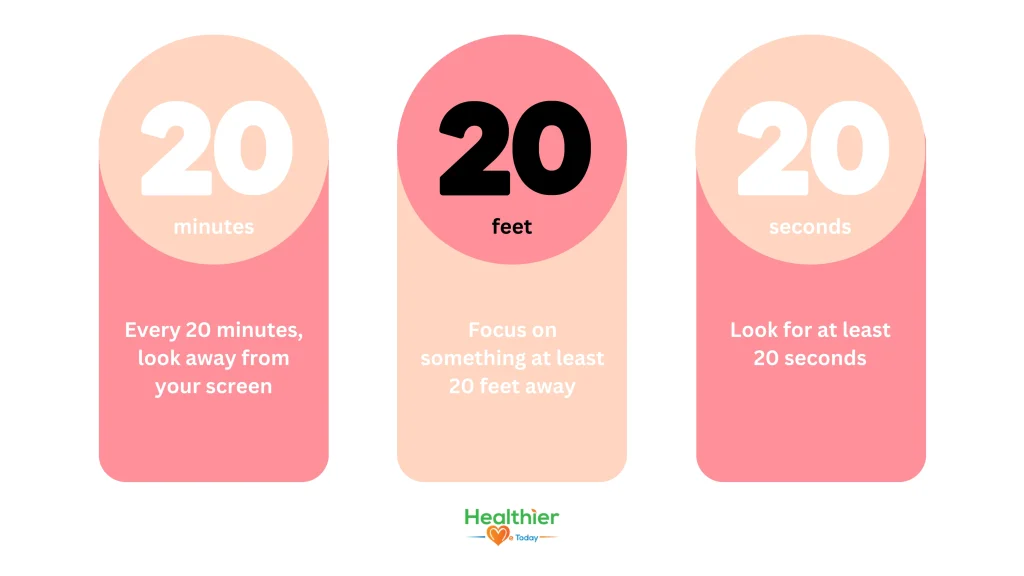
Applying the 20 20 20 rule is a smart way to avoid eye strain from screen time and improve eyesight. For every 20 minutes spent staring at a screen, you should focus on something 20 feet away for 20 seconds. This rule is a helpful reminder to take regular breaks, which can lessen the discomfort from prolonged screen use.

What Does The Research Say?

The American Academy of Ophthalmology states that using digital devices doesn’t necessarily harm your eyesight but can lead to eye strain and discomfort. Usually, people blink about 15 times a minute, but when focused on screens, that number drops to around half or even a third. This reduction can result in dry, irritated, and fatigued eyes. The eye strain from screen use is called computer vision syndrome (CVS).

A study published in the Nepalese Journal of Ophthalmology looked into how computer use affects the eyes of university students in Malaysia. The findings showed that nearly 90 percent of the 795 students experienced symptoms of CVS after just two hours of continuous computer use. During screen time, regular breaks to focus on distant objects helped reduce their eye strain symptoms. This supports the effectiveness of the 20 20 20 rule.

While many doctors recommend the 20 20 20 rule as a solid strategy, researchers note that any break from repetitive screen work can be helpful. They also point out that children may not recognize eye strain as easily as adults do, so it’s crucial for caregivers to keep an eye on children’s screen time.

Eat Well for Better Eye Health

Maintaining eye health begins with what you eat. Nutrients like omega-3 fatty acids, lutein, zinc, and vitamins C and E can help prevent vision problems that come with age, such as macular degeneration (which makes it difficult to see things directly in front of you) and cataracts (which cause cloudy areas on the lens of your eye).

Foods that improve your eyesight include:

  • Green leafy vegetables like spinach, kale, romaine lettuce, and collards
  • Broccoli and brussels sprouts
  • Oily fish such as salmon, tuna, and sardines
  • Colorful vegetables like sweet potatoes, carrots, and red peppers
  • Eggs, nuts, beans, and other plant-based protein sources
  • Citrus fruits like oranges, nectarines, grapefruit, and kiwi
  • Foods high in zinc include chickpeas, oysters, and yogurt

Exercise to Keep Your Eyes Healthy

how to improve eyesight

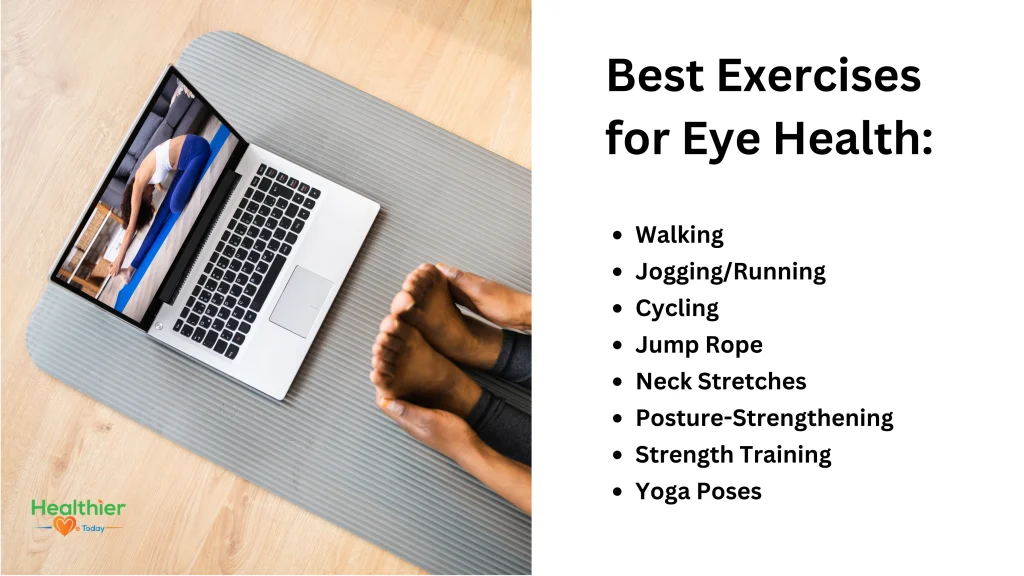
To maintain good health, aim for 150 minutes of exercise each week unless your doctor suggests otherwise. You don’t have to do it all in one go; breaking it down into 30-minute sessions five days a week usually fits better into most schedules. Any form of movement counts, whether it’s a cardio workout, a quick walk with a friend, or even yard work like raking leaves. So, how can we improve eyesight through exercise?

Regular physical activity boosts blood flow and nutrients to your body, including your eyes. Research indicates that consistent exercise can enhance tissue repair and lower oxidative stress, which happens when there are more toxins than antioxidants in your body. Staying active also helps you keep a healthy weight, which benefits your eyes. 

Studies show that being overweight can lead to inflammation, causing eye problems like cataracts, macular degeneration, and glaucoma, which harms your optic nerve and disrupts the way your eyes send signals to your brain. Obesity increases the risk of type 2 diabetes, a significant cause of blindness in adults. Over time, high blood sugar can severely damage the tiny blood vessels in your eyes. If reaching 150 minutes of exercise each week feels overwhelming, just do what you can. Any physical activity is better than none at all.

Quit Smoking to Protect Your Vision

Tobacco use raises your chances of developing cataracts, damage to the optic nerve, macular degeneration, and a bunch of other health problems. If you’ve tried to quit before but ended up starting again, you know that kicking the habit can be challenging. This is mainly because nicotine, the key ingredient in tobacco, alters your brain’s chemistry. It tricks you into believing that you need more nicotine to feel normal.

After you stop using tobacco, it might take a few weeks for those cravings to fade away. During this period, you might experience irritability, trouble concentrating, and difficulty sleeping. Smoking or vaping might have also become a significant part of your daily life. To successfully quit, it can be helpful to adopt other healthy habits in place of tobacco.

For example, when you crave, try texting a friend, listening to your favorite music, or taking a quick walk. Don’t get discouraged if your first attempt to quit doesn’t succeed; that’s pretty normal. Consider reaching out to your doctor for assistance. Research indicates that even a few quick tips from them can significantly improve your chances of quitting for good.

Wear Sunglasses to Safeguard Eye Health
how to keep your eyes healthy

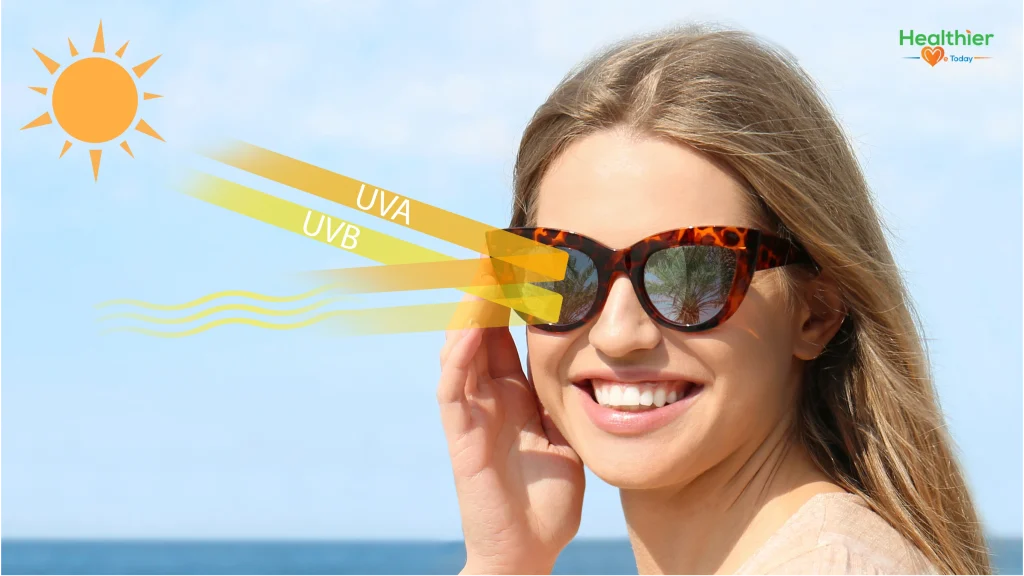
Wearing the right sunglasses is vital for shielding your eyes from the sun’s harmful ultraviolet (UV) rays. Excessive exposure can lead to serious eye issues like cataracts and macular degeneration. Even if it’s cloudy outside, your eyes can still be at risk since UV rays can penetrate the clouds.

When you’re looking for sunglasses, make sure they can do at least one of these things:

  • Blocks 100% of UV rays
  • Block both UV-A and UV-B rays
  • Provides UV400 protection

Sunglasses with wraparound lenses offer extra protection from the sides. While polarized lenses help reduce glare from surfaces like water, snow, and sidewalks, they don’t block UV rays. Some have UV protection built in if you wear contact lenses, but it’s still wise to wear sunglasses for added safety.

Use Safety Eyewear
healthy eyesight

Every day, around 2,000 people hurt their eyes while working. This risk increases if you’re in jobs that involve dangerous materials that could get in your eyes or if there’s a chance of something hitting your eye by accident. 

Some of these jobs include:

  • Construction
  • Plumbing
  • Woodworking
  • Mining
  • Car repair
  • Farming
  • Landscaping
  • Health care

It’s crucial to wear safety glasses or protective goggles. These lenses are made from strong materials that can keep your eyes safe and are less likely to break. Sports like ice hockey, racquetball, and lacrosse can cause eye injuries. Always wear a helmet with a face mask or sports goggles to protect your eyes. If you wear glasses, ask your doctor for prescription lenses for your sports goggles.

Conclusion: How to Improve the Vision?

How to keep your eyes healthy? You shouldn’t only start caring for your eyes until there’s an issue. You can improve eyesight by eating nutritious foods, keeping active with workouts, and having regular eye check-ups. Knowing how to get better eyesight and treating eye problems early can lead to better vision and eye health. 

FAQ’s:

How to improve eyesight naturally?

How to get better vision naturally includes quitting or lessening smoking, eating a healthy diet, shielding your eyes by wearing protective eyewear, doing eye exercises, using the 20 20 20 rule, getting enough sleep, and going for regular eye exams.

What is the 20 20 20 rule, and does it work?

To give your eyes a break and improve eyesight, every 20 minutes of screen time, take a moment to focus on something 20 feet away for about 20 seconds. This simple practice helps your eyes reset and feel more relaxed.

What are the best vitamins for the eyes?

Vitamins A, C, E, and omega-3 fatty acids.

What are the best foods for eye health? foods

Egg yolks, dairy, liver, spinach, other dark leafy greens, carrots, broccoli, kale, peppers, and oranges are some foods that help improve eyesight

Do carrots improve vision?

Carrots can support healthy eyesight but won’t enhance eyesight if your sight is relatively poor.

Is blue light bad for your eyesight?

Too much exposure to blue light, especially during the night, can lead to digital eye strain, interfere with your sleep patterns, and may raise the risk of age-related macular degeneration as time goes on.

What are the early warning signs of vision problems?

Vision problems can show up in different ways. Some early signs to look out for are things starting to look blurry, bright lights hurting your eyes, or if you see double. You might also notice eye pain, see little spots or floaters, and have trouble focusing.

How often should I get my eyes checked?

The frequency of eye exams you need depends on how old you are, any risks you might have, and your current eyesight:

> If you’re between 20 and 39 years old, you should get your eyes checked every 5 years.
> For those aged 40 to 54, having an eye exam every 2 to 4 years is a good idea.
> If you’re 55 to 64, aim for an eye check every 1 to 3 years.
> For people 65 and older, getting your eyes checked every 1 to 2 years is best.

What are the best supplements for eye health?

The top rated eye supplements include Vitamin A, Vitamin C, Vitamin E, Lutein and zeaxanthin, Zinc, Selenium, Omega-3 fatty acids, Copper, Vitamin B1 (or thiamine), and Evening primrose oil. 

Everything About Eating Disorders: Definition, Types, Diagnosis & More

Eating disorders are mental health issues that lead to a poor relationship with food. Anyone can experience an eating disorder. Some common types are anorexia nervosa, bulimia nervosa, and binge-eating disorder. There are eating disorder treatments available to help you improve your well-being.

What is an Eating Disorder?

what eating disorder do i have

An eating disorder is a mental health issue that impacts how you relate to food and your body image. These disorders can harm both your physical and emotional well-being and can even be dangerous. Eating disorder symptoms can vary widely from person to person and depend on the specific type. You might find yourself counting calories, restricting certain foods, binge eating, consuming non-food items, or purging after meals. Eating disorder treatment is essential in addressing these behaviors and improving overall health.

Eating can bring feelings of guilt or shame instead of pleasure. Food is essential for life, and everyone has a personal relationship with it, including favorite foods or things they avoid. It can be hard to recognize an eating disorder because you may have become used to it. If you feel stuck in unhealthy eating habits, remember that eating disorder treatment is available to support your recovery and help you regain a healthier relationship with food when you are ready.

Types Of Eating Disorders

Different types of eating disorders include:

  • Anorexia nervosa: This involves limiting food intake, fearing weight gain, and having a skewed self-image.
  • Bulimia nervosa: This is characterized by eating a lot of food quickly (binging) and then trying to get rid of it (purging) through vomiting, laxatives, or excessive exercise.
  • Binge eating disorder: This involves eating a lot of food in a short time and feeling shame, regret, or guilt afterward.
  • Pica: This is the compulsion to eat non-food items like chalk, dirt, or paint.
  • Rumination disorder: This occurs when undigested food comes back into the mouth after swallowing, and it may be chewed again, swallowed, or spit out.
  • Avoidant/restrictive food intake disorder (ARFID): This involves limiting food types or amounts for reasons not related to body image or weight loss.

Many people can experience more than one eating disorder at once. Eating disorder treatment is crucial for managing symptoms and improving long-term health. Eating disorders are widespread. Research [National Association of Anorexia Nervosa and Associated Disorders] indicates that 28.8 million individuals in the United States will face an eating disorder at some point in their lives.

The Signs And Symptoms Of Eating Disorders

signs of eating disorder

Sometimes, it can be hard to notice if someone you care about has an eating disorder because it may seem like they are simply making changes to their diet or lifestyle to be healthier. Plus, you can’t tell just by looking at someone if they are struggling. Eating disorders show different signs and symptoms depending on the type, and early recognition is essential for seeking eating disorder treatment. 

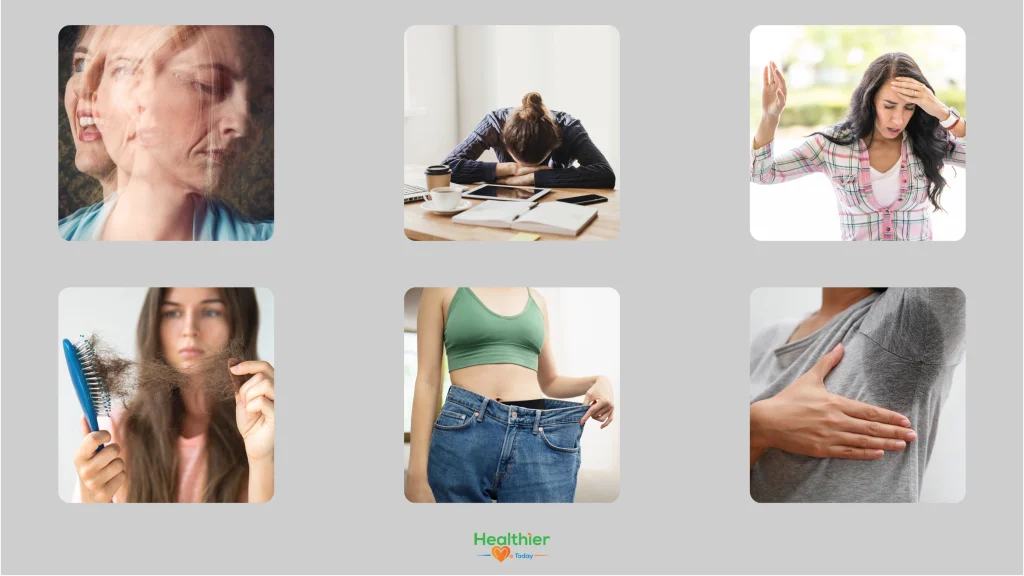
Common signs of eating disorders include:

  • Mood changes
  • Tiredness
  • Feeling faint or dizzy
  • Hair thinning or loss
  • Sudden weight changes or significant weight loss
  • Unusual sweating or hot flashes

Behavioral signs may involve:

  • Limiting food intake
  • Binge eating in a short time
  • Avoiding certain foods
  • Inducing vomiting after meals or misusing laxatives
  • Exercising excessively after eating
  • Taking frequent bathroom breaks after meals
  • Isolating from friends or social events
  • Hiding or discarding food
  • Engaging in food rituals (like chewing food longer than needed or eating secretly)

Recognizing these signs early can help individuals get the eating disorder treatment they need. If you or someone you know is struggling, seeking professional support can make a significant difference in recovery.

What is it Like To Have an Eating Disorder?

Dealing with an eating disorder is complicated and can make someone feel very alone. It’s not only about what you eat; it’s also a tough battle in your mind and feelings that can take over almost every aspect of your life.

If you have an eating disorder, you might experience:

  • Food feels like an enemy or something that can hurt you.
  • You may feel guilty or ashamed after eating.
  • You think you are not the right weight or size.
  • You feel like you are “failing” if you don’t stick to certain weight or food rules.
  • You worry that others see you negatively.
  • Controlling what and how you eat seems to be the only thing you can manage.
  • You avoid social situations because you fear being judged.

These feelings are not a choice. An eating disorder affects not just your physical health but also your decision-making, emotions, and social interactions.

Causes of Eating Disorders

eating disorders

The exact reasons for eating disorders are not fully understood. However, research [National Institutes of Mental Health] points to several factors that may contribute. Identifying these causes is essential in determining the right eating disorder treatment for individuals struggling with these conditions.

Such as the following:

  • Genetics: Research [National Institutes of Health] shows that conditions like anorexia nervosa, bulimia nervosa, and binge eating disorder can run in families. You might inherit traits from your family that increase your risk of developing these disorders.
  • Brain chemistry: Chemicals like dopamine and serotonin in the brain influence feelings of pleasure and happiness. Studies [The Banyans] indicate that these chemicals may be involved in specific behaviors related to eating disorders.
  • Cultural and social pressures: The desire to fit in can impact your mental health and alter your behavior to meet often unrealistic societal standards. In today’s digital world, social media, TV, and movies can also affect your self-esteem if you don’t measure up to those you admire. These pressures can sometimes contribute to the need for eating disorder treatment.
  • Mental health issues: When life feels overwhelming, some people may turn to extreme food behaviors as a way to cope. This obsession with food can become an unhealthy method of dealing with difficult emotions, leading to eating disorders that may occur alongside other mental health challenges.

The Risk Factors For Eating Disorders

Risk factors for eating disorders include various elements that can affect anyone, especially adolescents and teenagers. Recognizing these risks is crucial for early intervention and seeking eating disorder treatment before the condition worsens.

You might be at higher risk if you:

  • Have a family history of eating disorders or mental health issues.
  • Have faced trauma, whether physical, emotional, or sexual.
  • Suffer from mental health conditions such as anxiety, depression, or obsessive-compulsive disorder.
  • Engage in sports or activities where weight or body size is essential, like gymnastics, wrestling, or swimming.
  • Experience significant life changes, such as starting a new school or job, going through a divorce, or relocating.
  • Have Type 1 diabetes, as research [National Eating Disorders Association]  shows that up to 25% of women with this condition may develop an eating disorder.
  • Are highly driven and seek perfection in various aspects of life.

Diagnosing Eating Disorders

Healthcare professionals, including doctors and mental health experts, identify eating disorders and recommend appropriate eating disorder treatment. Your primary care doctor may evaluate symptoms, perform a physical exam, and order blood and other eating disorder tests. A mental health counselor, such as a psychologist or eating disorder psychiatrist, will conduct a psychological assessment to understand your eating habits and beliefs better.

A healthcare professional identifies an eating disorder by:

  • Conducting a physical examination.
  • Assessing your symptoms.
  • Gathering information about your eating and exercise routines.
  • Requesting imaging, blood, or urine tests (like kidney function tests or electrocardiograms) to exclude other possible reasons for your symptoms or to check for complications.

Providers refer to the American Psychiatric Association’s Diagnostic and Statistical Manual of Mental Disorders Fifth Edition (DSM-5-TR) for diagnosis. This manual details the symptoms associated with each type of eating disorder. You don’t need to show every symptom to be diagnosed with an eating disorder. Even if you don’t fit a specific DSM-listed disorder, you might still require support from loved ones and eating disorder support groups for food-related challenges.

Eating Disorder Treatment

Eating disorder treatment

The best treatment for eating disorders often combines different options. Your healthcare team will collaborate to develop a thorough treatment plan that addresses the disorder’s physical, mental, and behavioral aspects. A healthcare professional can help you manage food-related concerns or other health issues even if you don’t have a formal diagnosis. 

Eating disorder treatment differs based on the type but may include:

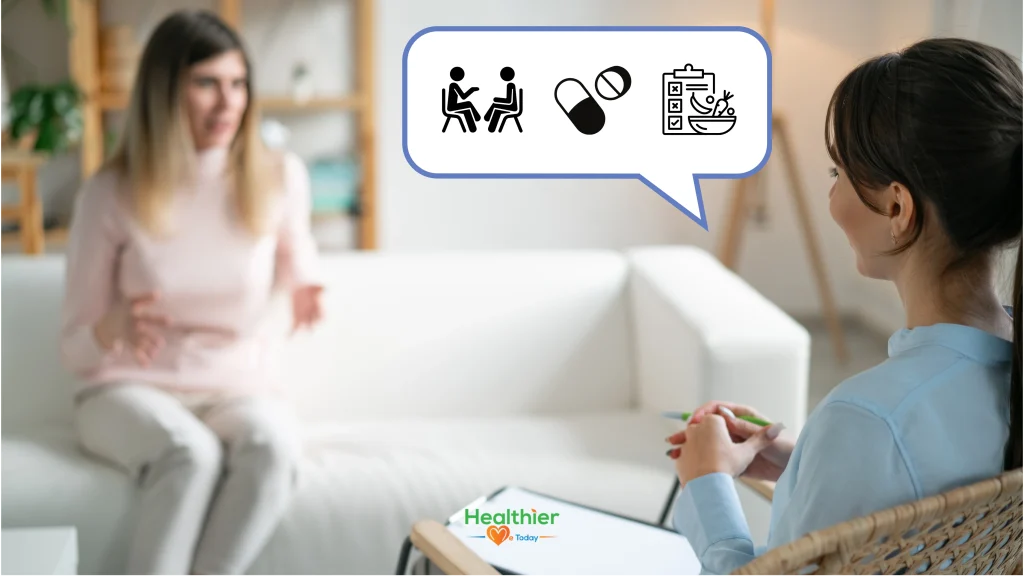
  • Psychotherapy: A mental health expert can identify the most suitable therapy for you. Choices include individual, group, and family therapy, with many opting for cognitive behavioral therapy (CBT).
  • Medications: If you have other issues like anxiety or depression alongside an eating disorder, medication such as antidepressants or antipsychotics might help improve these conditions.
  • Nutrition counseling: A registered dietitian experienced in eating disorders can assist in enhancing eating habits and creating healthy meal plans. They can also provide advice on grocery shopping, meal planning, and cooking.

Therapy For Eating Disorders

Eating therapy can be both helpful and challenging. You will meet regularly with a mental health expert to explore and change the thoughts that influence your actions and feelings. It can be hard to share your thoughts with someone new, and accepting help might feel challenging when you think you have control. Therapy may bring up feelings you prefer to avoid. It’s important to talk about these feelings with your therapist. Remember, your care team supports you whenever you need it.

Eating Disorder Recovery 

The good news is that recovery is achievable, and there is hope. Eating disorders don’t disappear quickly. Eating disorder treatment requires time and varies based on the disorder’s severity and long-standing. You might see improvements after starting medication for eating disorders or working with a professional, but it’s also common to feel worse before you start feeling better.

To recover effectively and learn
how to stop feeling guilty after eating, follow your healthcare provider’s eating disorder treatment plan. Talk to them about any side effects or challenges you encounter. Stay honest about your feelings; your providers can give you tailored advice to help you return to good health more quickly.

How to Prevent Eating Disorders

Eating disorders cannot be prevented entirely. If there is a history of eating disorders or mental health issues in your family, being aware can help you and your healthcare team identify and address them early. Early eating disorder treatment can stop unhealthy habits before they become more challenging to change. You might lower your risk by seeking help for general health and mental health issues (like depression, anxiety, and OCD) as soon as you notice symptoms. 

If you are a parent or caregiver and know that eating disorders are common in your family, consider these pro eating disorder tips to help protect children:

  • Set a good example.
  • Encourage healthy eating without labeling foods as “good” or “bad.”
  • Avoid discussing dieting around children.
  • Refrain from making negative remarks about bodies.

Eating Disorder Outlook 

Eating Disorder Outlook

There are eating disorder treatments available for all kinds. It’s imperative to spot the early signs of eating disorders and get help as soon as possible for the best chance of recovery. Healing can take a while, and you might need support for a long time. If eating disorders are not treated, they can be severe and even dangerous. If you or someone you care about shows signs of an eating disorder, it’s essential to talk to a healthcare professional.

You should reach out to a healthcare provider if you:

  • Feel upset about your relationship with food.
  • See that your eating habits are affecting your daily life.
  • Experience chest pain, trouble breathing, or your heart racing.
  • Often feel dizzy or faint.
  • Sore throat or issues with acid reflux.

Conclusion: What Eating Disorder Do I Have & Help

Eating disorders are severe health issues that can impact both your mind and body. Sometimes, you might not realize your actions are harmful because they seem normal. If you believe you have an eating disorder, it’s crucial to reach out for help. You can improve with the proper medical treatment and support from a counselor. You can achieve that goal even if it feels like getting better is impossible.

FAQ’s:

Why is eating disorder awareness important?

Eating disorders are severe and have the second-highest death rate among mental health issues. Shockingly, someone loses their life to an eating disorder every 52 minutes. Despite this, many people don’t realize the challenges that can make it hard for someone to recover.

What is the biggest challenge faced by eating disorders?

Individuals who struggle with eating disorders often face a higher chance of having other mental health issues. These commonly include problems like depression, anxiety, and issues with substance use.

Can eating disorders be cured?

Eating disorders can be treated effectively. It’s essential to catch them early and get help to recover.

How to recover from an eating disorder?

Treatment plans for eating disorders often involve different types of therapy, like individual, group, or family sessions. These therapies help people understand and change their complicated feelings, thoughts, and food-related actions.

Why are eating disorders hard to treat?

Sometimes, patients feel unsure and hesitant about making changes in their lives. They might not even realize it, but they can push back against their therapists’ attempts to help them get better. When therapy starts, it can trigger some of their defense mechanisms, which are like shields that create negative feelings and make it harder for them to accept help. This can lead to a lot of resistance during the process.

How do I know if I have an eating disorder?

Eating disorders can show up in different ways. Some signs to look out for are not feeling hungry or not wanting to eat, losing a lot of weight quickly, having a stomachache, or experiencing other tummy problems that don’t have an apparent reason. Also, a person might start eating even fewer food types than before.

Can eating disorders be treated without medication?

Natural remedies for eating disorders include talk therapy, which is also called psychotherapy, is a key part of treating eating disorders. It means meeting regularly with a psychologist or a mental health expert who has special training to help people with eating issues.

Why do I feel guilty after eating?

Feeling bad after eating usually comes from diet culture, strict eating rules, or having negative thoughts about specific foods. This guilt can happen when people think of food in terms of right and wrong, worry about gaining weight, or use food to deal with their emotions.

20 Must-Try Yoga Poses for 2

Partner yoga is precisely what it sounds like: a type of yoga where two people help each other with different two people poses. Some duo yoga poses involve physical support, while others emphasize breathing together. Practicing partner yoga can help you explore poses more deeply. It also builds trust, enhances your emotional bond with your partner, and is fun.

This article lists 20 yoga poses for 2 to try with a friend or partner, but first, let’s discuss some tips for doing them correctly.

Tips for Practicing Yoga Poses for 2

Couples yoga is designed to help partners relax and strengthen their bond during and after the session. It’s essential to prioritize safety in any activity that involves more than one person, and yoga is no exception.

If you want to enjoy beginner yoga poses for two with your partner or loved one, keep these tips in mind:

  1. Let go of your ego: You are using your body and collaborating with another person. It doesn’t matter who is more flexible or stronger; focus on what you have now. This is a fantastic way to practice being present during yoga poses for 2!
  2. Be straightforward and brief: When doing yoga poses with 2 people think of guiding someone who can’t see; this will simplify things and lessen stress. Maintain correct pose alignment, like you would when practicing alone. Keep talking with your partner during poses to ensure they are comfortable.
  3. Stay fresh: When practicing yoga poses 2 people, you’re in a close space, so be thoughtful. Make sure to shower, brush your teeth, and manage personal hygiene. Avoid wearing strong perfumes, as many people may be sensitive or allergic to them.
  4. Avoid moisturizing: Whether it’s coconut oil or hand cream, don’t use any moisturizing products before doing 2 person yoga poses. You want to prevent slipping and sliding when you start to sweat.
  5. Don’t stress: You might not “fly” on your first try doing yoga for couples at home (that’s okay). The main goal is to have a good time. Relax, release your worries, and enjoy these yoga poses for 2!

1. Supported Sukhasana

yoga poses for two people

How to:

  • Start by sitting cross-legged with your back to your partner, ensuring your backs fully touch.
  • Lean into each other, placing your hands on your knees to help relax your shoulders and keep them away from your ears.
  • Pay attention to how your breathing aligns with your partner’s; take this chance to connect further through breath, conversation, or simply enjoying the silence together.

2. Facing Hero

partner yoga poses

How to:

  • Start in a Hero’s pose, facing each other with your inner thighs and kneecaps touching.
  • Lean forward while keeping your back straight, and place your hands on each other’s thighs with palms open.
  • Gently press into each other’s thighs, being careful not to strain your knees.
  • You can either close your eyes or enhance your connection by gazing into each other’s eyes.
  • Begin to breathe together to create a shared rhythm.

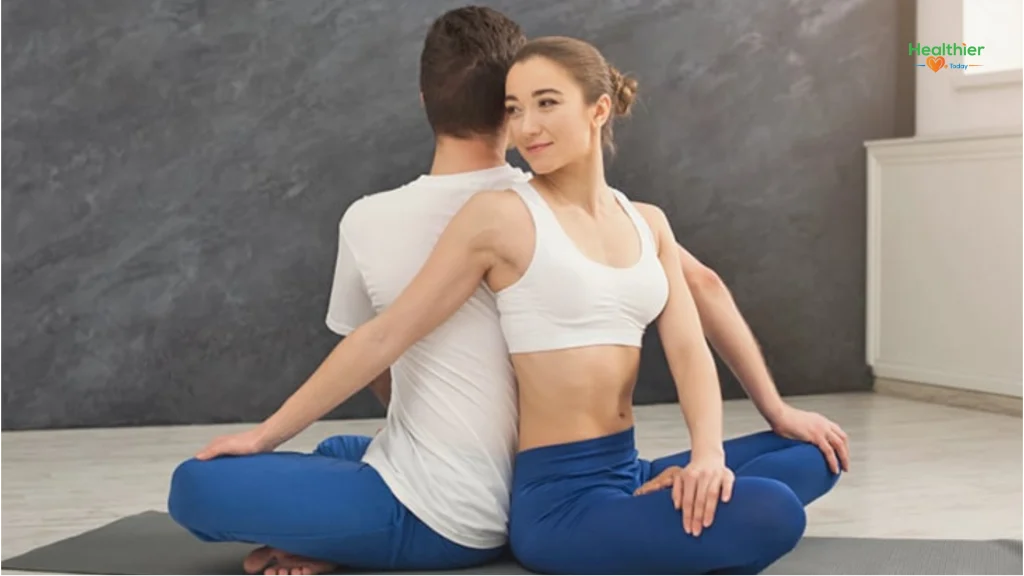
3. Seated Twist

2 person yoga poses

How to:

  • Start in a comfortable position with your backs touching.
  • Breathe in and feel your spine lengthen. As you breathe out, engage your core and twist to the right from your lower back while your partner twists in the same direction.
  • Put your left hand on your right knee and extend your right hand back to rest on your partner’s left knee. Your partner mirrors this action.
  • Turn your head to the right as if you see what your partner would know if they were looking straight ahead.

4. Double Tree

two person yoga poses

How to:

  • Stand side by side with your partner, about 1 foot apart.
  • Raise your inside arms straight up, turning them outward from the shoulders so your palms touch.
  • Bring your outside hands together in front of you like a prayer position, but press your outside hand against your partner’s outside hand instead.
  • Before moving into tree pose, check your posture – even with your inside arms up, your shoulders should stay relaxed and away from your ears. Try to press evenly through your palms so neither partner leans more than the other.
  • Each partner then lifts their outside foot into tree pose, keeping the inside feet as the standing legs.

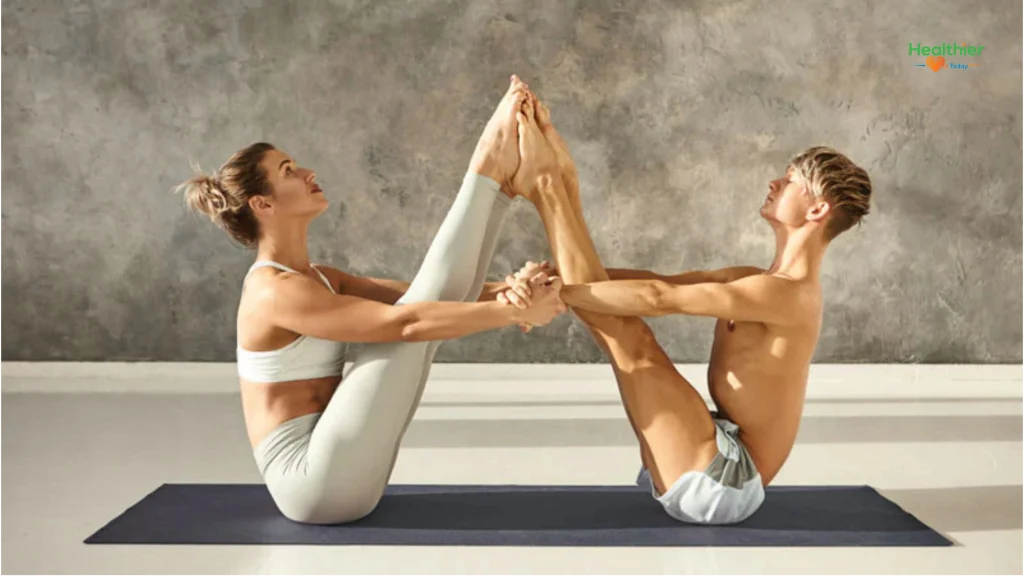
5. One-Legged Boat Pose

couples yoga positions

How to:

  • Start in a half hero’s pose with your right knee bent, placing your right foot flat on the mat. Your partner should mirror you with their left knee bent and left foot on the ground.
  • Reach out and hold each other’s hands in front of you.
  • While holding hands, lean back to lift your bent legs off the ground at a 90-degree angle, pressing the soles of your feet together.
  • Activate your core to keep your spine stable, then push your feet upward and together to straighten your legs.

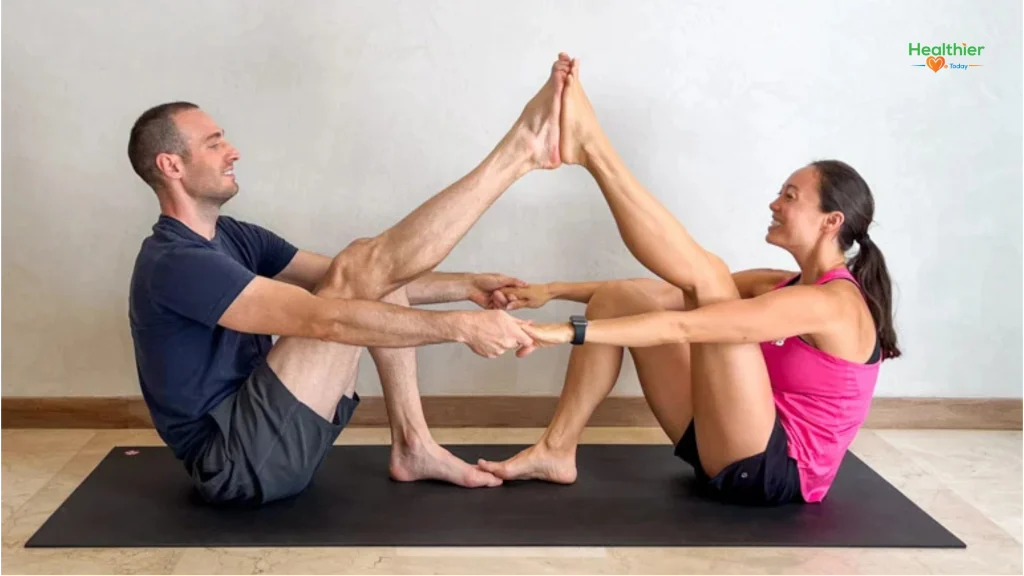
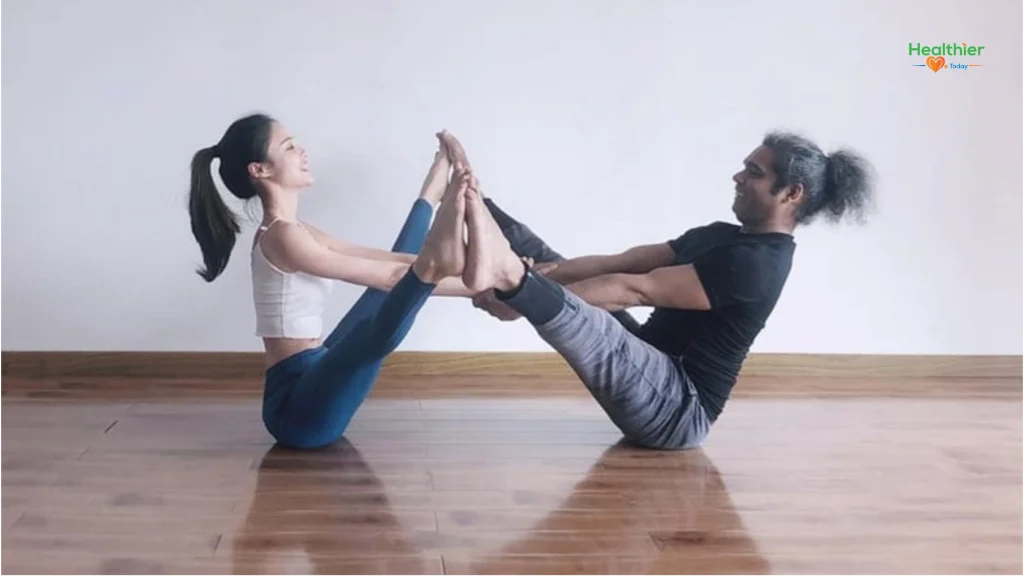
6. Double Boat

two people yoga poses

How to:

  • Start by sitting facing your partner with your knees bent and feet flat on the mat, toes touching theirs.
  • Grab each other’s hands.
  • Lean back as far as you can while holding hands, lifting your right foot (your partner’s left foot) off the mat so your legs form a 90-degree angle. Press the bottoms of your feet together.
  • Once you feel steady, lift your other foot off the mat and press the soles together so all four feet are off the ground, pressing into each other.
  • Engage your core and sit up tall as you both straighten your legs together, entering boat pose with your feet pressing against each other.

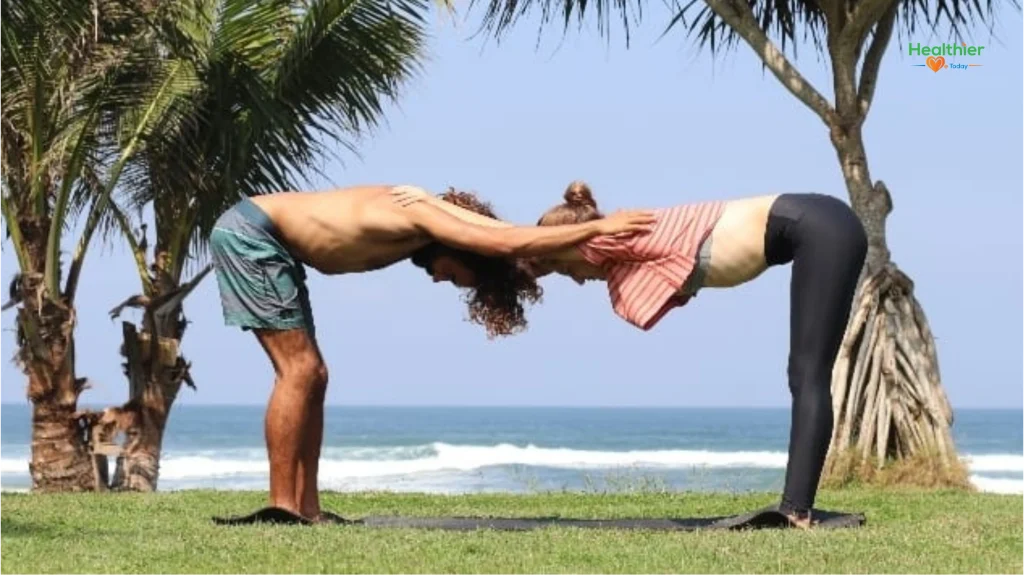
7. Standing Shoulder Stretch

2 people yoga poses

How to:

  • Stand facing your partner at a distance where your arms can reach out. Stretch your arms forward until your fingertips touch. (This is a starting point; you might need to adjust your distance.)
  • Lift your arms straight up above your head. Turn your arms outward so your palms are facing your partner.
  • As you exhale, start to bend forward. Place your hands on your partner’s back facing down when your torso is parallel to the ground at a 90-degree angle.
  • Keep your head in line with your spine, looking down at the ground. If your heads are too close together, take a small step back. If they are more than a foot apart, move a bit closer.
  • Press your palms into each other’s backs to help open the shoulders gently.

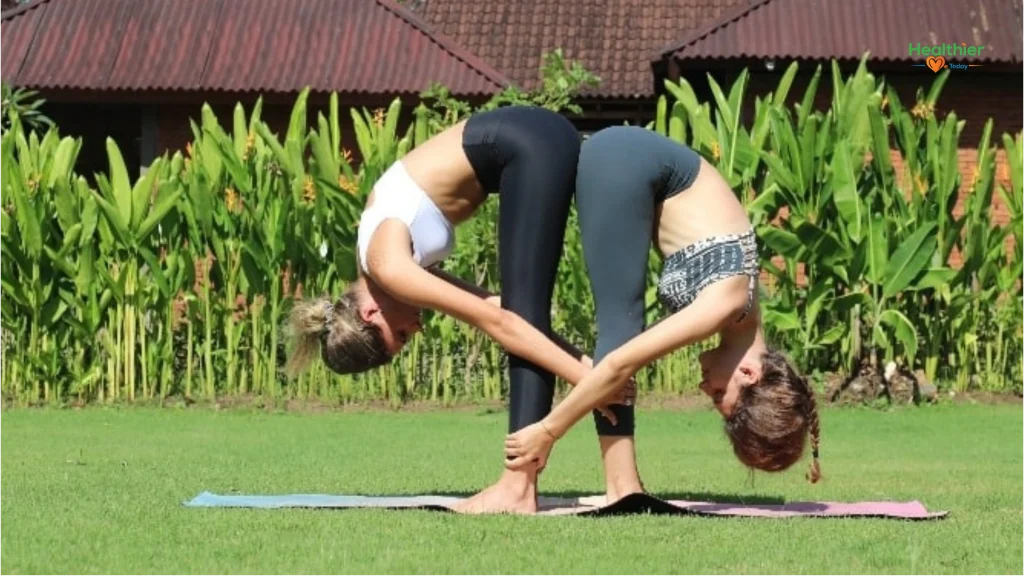
8. Standing Forward Fold

yoga poses 2 people

How to:

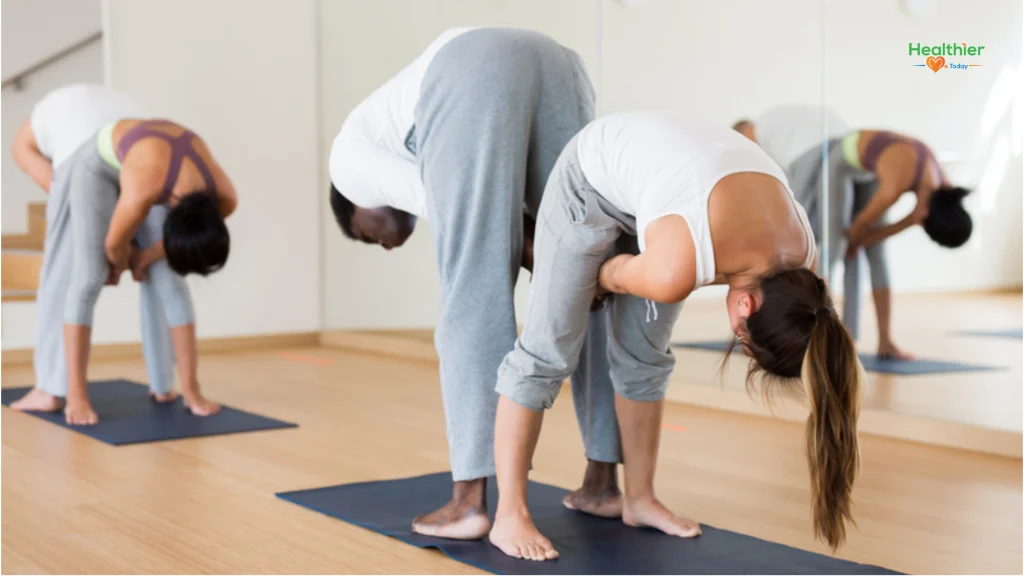
  • Stand up straight, facing away from your partner, with your heels about 6 inches apart (keep your heels from touching – this allows your hamstrings and backside to move back a bit when you bend forward).
  • Bend forward. Reach your hands behind your legs to grab the front of your partner’s shins.

9. Supported Backbend

yoga poses with 2 people

How to:

  • Stand facing your partner, with your toes just touching. If your lower back feels tight, keep your feet hip-width apart; if your back is flexible, bring your feet together.
  • Grab your partner’s forearms.
  • Breathe in as you reach up, then breathe out as you lean back – think of your back arching over a big beach ball instead of just bending to avoid straining your lower back.
  • Move your hands closer to each other’s wrists to deepen the stretch.

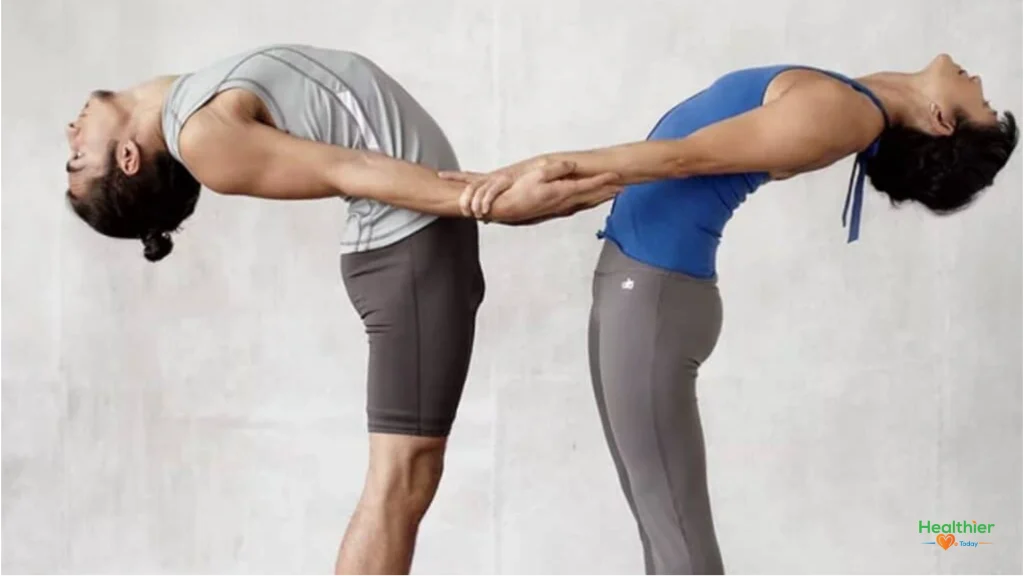
10. Backbend Balance

yoga poses for 2

How to:

  • Stand up straight, facing away from your partner, with your feet hip-width apart and your heels touching.
  • Reach back to grab your partner’s hands, keeping your inner elbows pointing forward. Ensure your grip is firm!
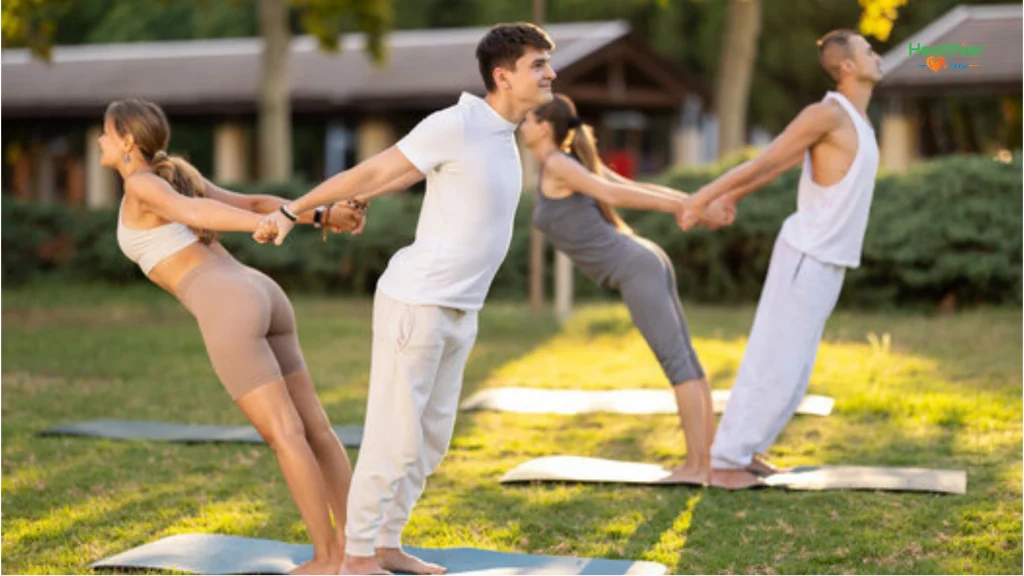
  • Slowly lean forward, allowing your partners to pull away from each other to open up the chest.

11. Wide-Legged Standing Forward Fold

2 person yoga poses

How to:

  • Stand up straight, facing away from your partner, about 2 feet apart.
  • Spread your legs wide. When you stretch your arms to the sides, your ankles should align with your wrists.
  • Bend forward fully, allowing your head to hang down.
  • Reach back to grab your partner’s arms, holding them near their biceps. It’s okay to be a bit higher or lower, but avoid holding onto the shoulder or elbow (don’t put pressure on joints!).
  • Let go of any tension in your head. Allow the weight of your partner’s hands on your arms to help you go deeper. It’s even more fun if you make funny faces at each other.

12. Thread the Needle

Bff 2 person yoga poses

How to:

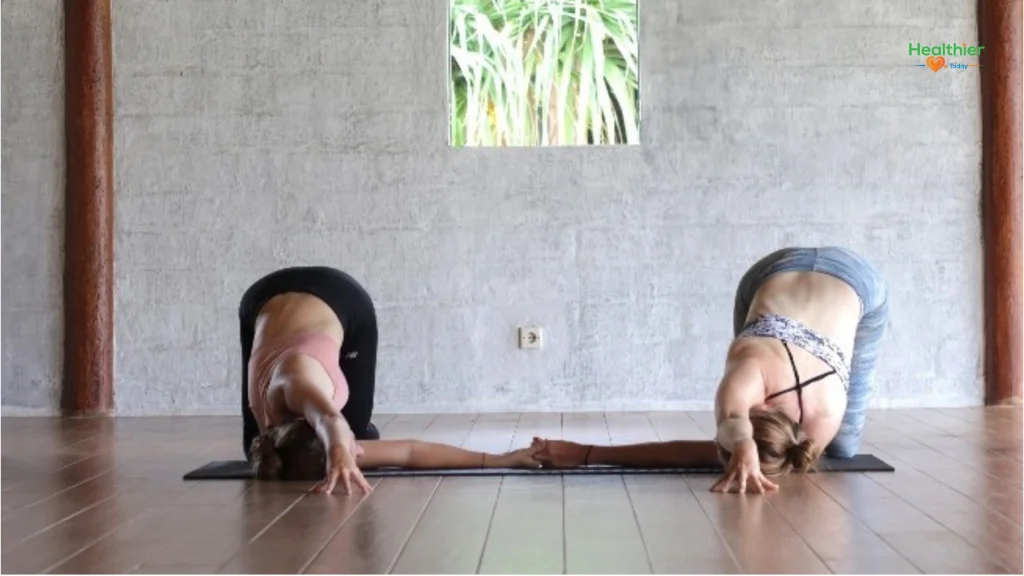
  • Start in a tabletop position close to your partner. Reach your inside arms toward each other until you can touch your forearms.
  • Slide your outside arm under your inside arm, palm facing up. Lower your outside shoulder to the mat and turn your head to rest your ear and cheek.
  • Extend your inside arm forward, pressing your palm into the mat above your head.
  • Grab your partner’s hand on the floor.
  • Avoid putting weight on your head; adjust your position to keep your neck and shoulder comfortable, using your partner’s grip to enhance the shoulder stretch.
  • Allow your upper back to expand. Hold this position for 6-8 breaths. Release your hands to return to the tabletop position, then turn around to do the other side.

13. Seated Forward Fold

Bff 2 person yoga poses

How to:

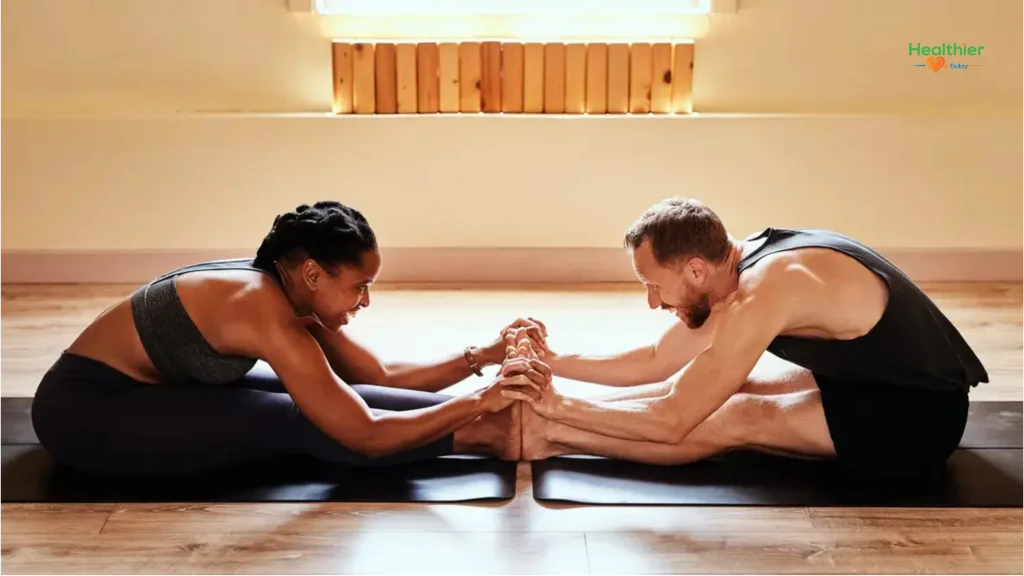
  • Start seated on the mat with your legs stretched out before you. Keep your feet flexed so the soles touch each other.
  • Bend forward while keeping your back straight, then let your head drop down as you reach back to hold your partner’s feet.

14. Reverse Warriors

yoga poses for 2

How to:

  • Start in Warrior II, facing away from one another. The outer edges of your back feet should be in contact.
  • Keep the form of Warrior II intact. Ensure your front knee is bent at a 90-degree angle, aligned over the center of your front foot.
  • As you exhale, raise your front arm up and back while sliding your back arm down your back leg to rest on your thigh.
  • With your top arm, reach for your partner’s hand.
  • Together, raise your joined hands upward.

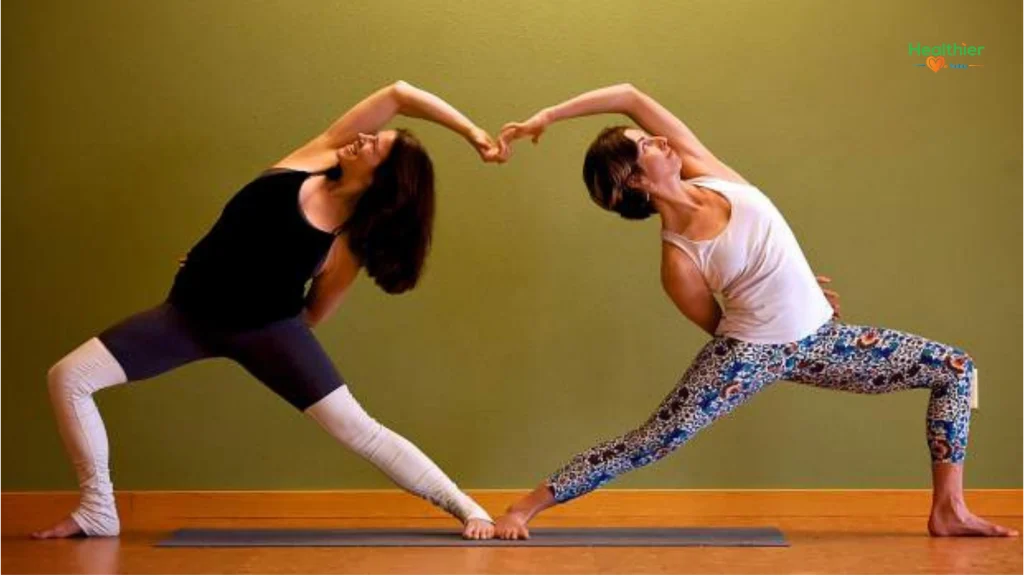
15. Extended Side Angle

2 person yoga poses

How to:

  • Start in Warrior II, facing each other with the same foot in front (if your right foot is forward, your partner’s right foot should also be forward). When you stretch your arms out, your front fingertips should touch (you might need to adjust your distance, but this is a good starting point).
  • Keep your legs in the same position and place your front palm on the mat just inside your front foot to move into an extended side angle.
  • Reach your top arm up to hold your partner’s arm at the forearm.
  • Use your partner’s grip to stretch your side body as you twist your torso upward.

16. Wide-Legged Boat Pose

2 person yoga poses

How to:

  • Start by sitting facing your partner with your knees bent and feet spread wide, keeping both feet flat on the mat and your toes touching theirs.
  • Before you begin, picture this: you will move into Happy Baby Pose, sitting up, pressing your feet against your partner’s, and then extending your legs.
  • Reach between your legs to grab your partner’s hands.
  • Lean back to lift both feet off the mat, positioning your legs at about a 90-degree angle to press the soles of your feet against your partner’s.
  • Activate your core for stability as you extend your legs into a straddle.

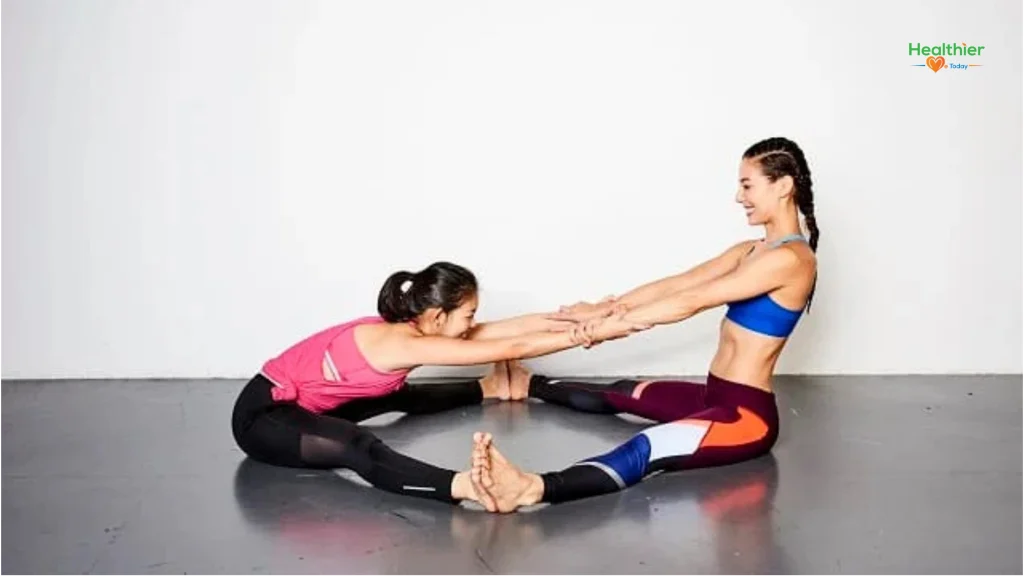
17. Seated Wide Legged Forward Fold

yoga poses for 2

How to:

  • Person 1 starts with their legs spread as wide as they can. Person 2 sits with their legs a bit closer, pressing their feet against the inside of person 1’s calves.
  • They hold each other’s hands while Person 2 leans back to pull Person 1 forward.
  • Person 2 will lean back until they are lying on the ground if they can.

18. Intertwined Reverse Prayer

How to:

  • Stand in the hero’s pose right next to each other, ensuring your thighs are touching.
  • Stretch your arms to the sides, being careful with your inside arm to avoid hitting your partner. Rotate your triceps forward so your palms face you.
  • For the inside arm, the shorter person should bring their arm down, while the taller person should bring theirs up.
  • Bend your arms at the elbows so your palms come together behind your back in a prayer position, with the inside arms intertwined.
  • Slide your shoulder blades away from your ears as you press your palms together to open up your collarbone.

19. Double Side Plank

How to:

  • Start by getting ready for a side plank, facing away from each other and about 6-12 inches apart. Person 1’s feet should align with Person 2’s wrists.
  • Push down with the bottom hand to raise into the plank while diagonally reaching your top arm to connect with your partner’s arm.
  • Look at your fingertips.

20. Seated Forward Fold and Supported Backbend

How to:

  • Start in the staff pose, facing each other, with your backs touching and legs extended in front.
  • Lift your arms and hold your partner’s hands.
  • Person 1 leans forward into a seated forward fold while holding Person 2’s hands.
  • As Person 1 bends forward, Person 2 remains connected to Person 1’s back, allowing the upper body to stretch and the chest to open.
  • Person 2 can gently press their heels into the ground to add pressure to Person 1 or adjust their position if needed.
  • Remember to breathe, as this is a deep stretch for both.
  • Slowly return to a seated position and switch roles. This can also become a flow: inhale to sit up, exhale to fold over Person 1, inhale to sit up, exhale to fold over Person 2.

Conclusion: What’s Important to Know

Couples yoga is not just a typical wellness practice for the mind and body; it’s an excellent way to deepen your relationship and enhance the bond between loved ones. It encourages better communication, stronger trust, and connection, all while offering numerous benefits for personal growth. 

FAQ’s:

What are the benefits of yoga poses for 2? 

There are many benefits of partner yoga! 2 people yoga poses can enhance communication, better posture, deepen connection, build a sense of community, improve balance, increase flexibility, and even improve respiration, energy, and vitality.

What are some easy yoga poses for 2 for beginners?

Seated wide-legged forward fold, seated forward fold, standing forward fold, and doubletree are some easy 2 person yoga poses

How can couples yoga positions improve balance and coordination?

Yoga poses for 2 involve working with someone else, which helps you stay balanced and stable. This practice can enhance your overall balance and coordination.

What safety tips should I follow for partner yoga poses?

Safety tips for two people yoga poses are to warm up before practicing, communicate openly with your partner throughout the practice, use a yoga mat or soft surface to practice on, begin with simple poses, listen to your body, and respect your limits.

Can kids or families try two person yoga poses?

Yes, kids and families can practice these yoga poses together. They promote teamwork and communication, making it a fun and healthy activity. For children, do not start with hard yoga poses for 2, first help them work their way up. 

What are the differences between acro yoga and yoga poses for two people?

Acro yoga poses for two is a form of partner yoga that includes acrobatic and aerial poses. Classes usually begin with poses on the ground and finish with a flying pose.

What are some advanced partner yoga poses?

Some advanced poses include double plank, flying bow, double dog poses (A and B), star pose, and double wheel pose. 

Top 5 Signs Your Child Needs Dental Care And What To Do

How often should kids go to the dentist? Well, maintaining good oral health and children’s dental care is essential, not only for having a nice smile but also for their overall health. As parents, it can be challenging to figure out when a trip to the dentist is just a regular check-up or when it’s needed. Knowing these crucial signs can help ensure your child gets the care they need immediately. Pediatric dentists are experts in dealing with specific children’s dental care needs, providing knowledge and a friendly atmosphere for young patients.

This article closely examines the signs of tooth decay in young children as well as what dental care kids need at different stages of life. 

Types of Teeth in Children’s Dental Care

 infant oral care

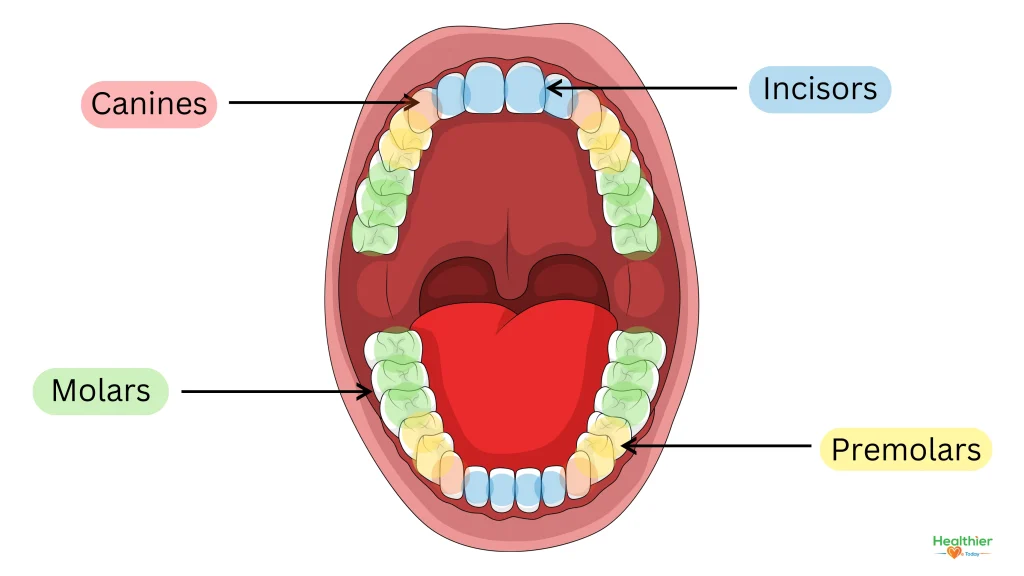
There are several types of teeth, each with its name and function:

  • Incisors are the sharp front teeth of the upper and lower jaws. They have a thin edge that helps cut food, working together like scissors.
  • Canines are the pointed teeth located next to the incisors, also in the upper and lower jaws, and they are used for tearing food apart.
  • Premolars have flat surfaces that are designed to crush food.
  • Molars are the most prominent teeth at the back of the mouth, featuring broad, flat surfaces that are perfect for grinding food down.

Teething in Children’s Dental Care

Eruption is when a tooth breaks through the gums. For babies, this process is known as teething, a crucial stage in children’s dental care. Each tooth’s appearance can vary significantly from one child to another. Some babies might get their first tooth within a few months, while others may not see a tooth until they are a year old or older.

Even though the timing can differ, the order in which teeth come in is similar. The first teeth to appear are the lower front teeth, the upper front teeth, and the first set of back teeth called molars. By the age of 3, most children have all 20 baby teeth, making proper children’s dental care essential for their developing smiles.

Upper Teeth Tooth Erupts Tooth Lost
Central Incisor 8 – 12 months 6 – 7 years
Lateral Incisor 9 – 13 months 7 – 8 years
Canine (Cuspid) 16 – 22 months 10 – 12 years
First Molar 13 – 19 months 9 – 11 years
Second Molar 25 – 33 months 10 – 12 years


Lower Teeth Tooth Erupts Tooth Lost
Second Molar 23 – 31 months 10 – 12 years
First Molar 14 – 18 months 9 – 11 years
Canine (Cuspid) 17 – 23 months 9 – 12 years
Lateral Incisor 10 – 16 months 7 – 8 years
Central Incisor 6 – 10 months 6 – 7 years

Managing The Teething Process

children's dental care

Babies’ immune systems begin to develop around the age of 6 months. Because they like to explore by putting things in their mouths, they can get sick more easily. Common signs of childhood illnesses, like changes in how they sleep or eat, cranky, rash, drooling, runny nose, and diarrhea, are often connected to teething. Usually, teething symptoms last about 48 hours. 

If your child has these symptoms for longer, it’s a good idea to talk to their doctor to rule out other issues like bacterial or viral infections or ear infections. Sometimes, you might notice a blue-grey bump on the gum where a tooth is ready to come in. This bump, known as an eruption cyst, usually disappears once the tooth breaks through. During this stage, providing comfort and prioritizing children’s dental care—including newborn oral care—lays the foundation for a healthy smile.

Teething Relief Tips for Children’s Dental Care

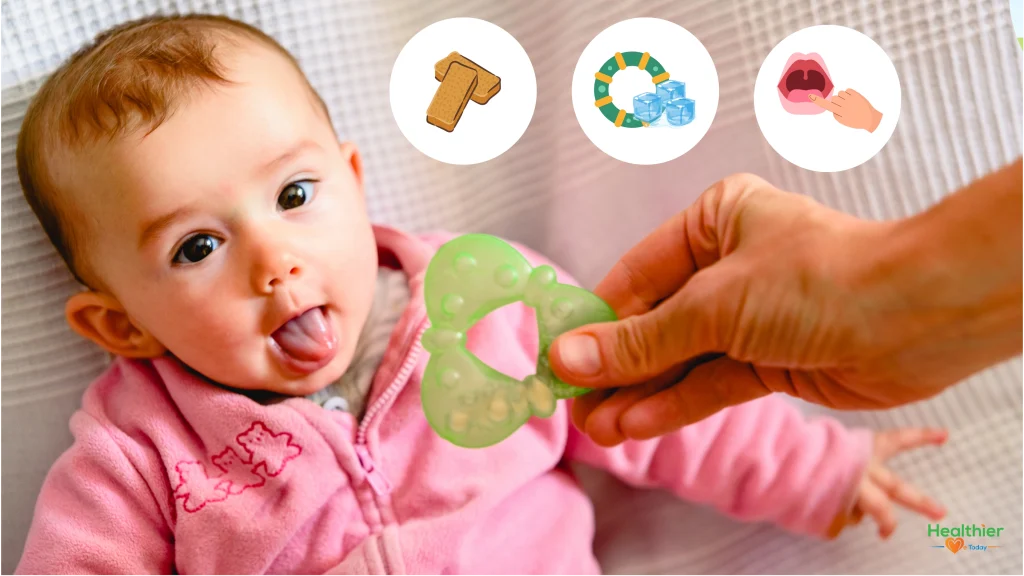
Helping your baby through teething can be challenging, but there are safe and effective ways to ease discomfort while prioritizing children’s dental care:

  • Massage: Softly rub the gums with clean fingers or a damp cloth.
  • Chilled (not frozen) teething rings: Using a cold object can help ease the pain of teething. Ensure not to sterilize plastic teething rings in boiling water or dishwashers unless the manufacturer says it’s okay. Always check the product details before buying teething rings and avoid those that contain a plastic softener called ‘diisononyl phthalate’.
  • Unsweetened teething rusks or sugar-free teething biscuits: These are safe for babies over 6 months who have started eating solid foods.
  • Pain-relieving medications: Paracetamol can be a good addition to infant oral care as they go through teething. Ibuprofen can also be used, but it might not be as effective for infants.
  • Dry the drool: The skin around the mouth, especially the chin, can irritate. Use a soft cloth to wipe away drool gently throughout the day.

Some treatments that are not recommended to use include:

  • Teething necklaces made of amber are thought by some to release a healing oil when they touch warm skin. This oil is believed to help soothe pain. These necklaces are meant to be worn around the neck, wrist, or ankle, but some people mistakenly use them to chew on. The ACCC has warned about the safety of amber teething necklaces, highlighting the risks of choking and strangulation. Parents are encouraged to look for safer alternatives to help ease teething discomfort.
  • Like aspirin, teething gels usually have about 8.7 – 9.0% of choline salicylate. It’s not safe to give aspirin to children under 16 because it can lead to Reye’s syndrome, a rare but serious illness that can harm the liver and brain. Teething gels also contain numbing agents like lignocaine and benzocaine, which can be hard to measure correctly. This could result in a dangerous overdose, which can be deadly. Avoiding these risks and choosing safer options for teething relief are better options. Some studies [Mayo Clinic] show that teething gels might not help with teething pain. Instead, it seems that rubbing the gel onto the gums makes a difference.

By choosing safe, doctor-approved methods, you can effectively manage teething pain while ensuring proper children’s dental care from the start.

Signs Of Tooth Problems in Children

 children's tooth decayYoung children don’t always express when they are uncomfortable, so parents must pay attention. 

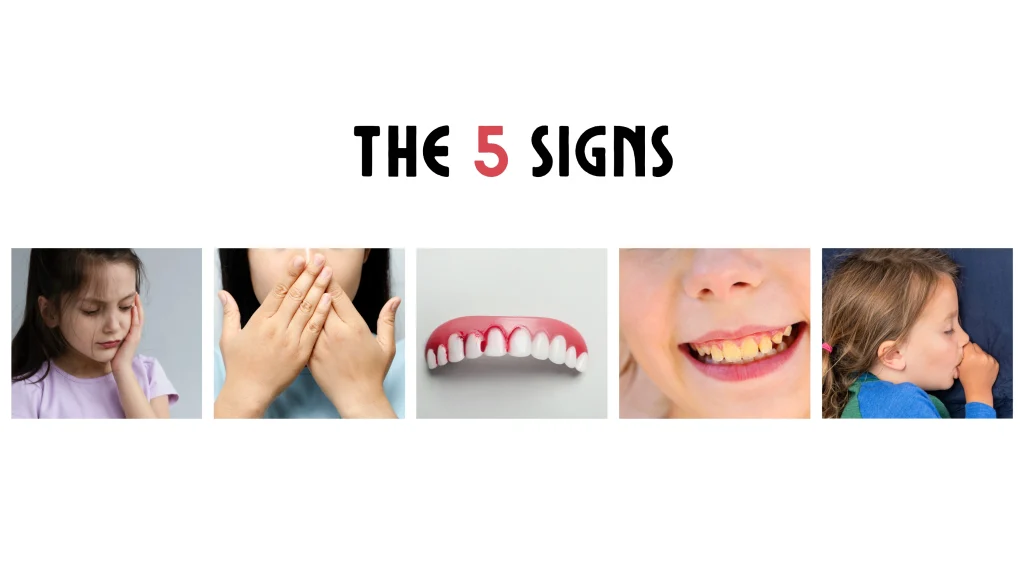
Here are five signs of cavities in toddlers and children:

1. Persistent Tooth Pain or Sensitivity

A significant indicator that urgent children’s dental care is needed is if they are experiencing constant tooth pain. It’s normal for children to have some sensitivity to hot or cold foods, but if the pain doesn’t go away, it might mean they have cavities, tooth decay, or possibly an infection. Pediatric dentists are skilled in identifying and addressing these problems, helping to ease your child’s pain and maintain their dental health.

2. Difficulty Chewing or Speaking

If your child says their mouth hurts when they chew or has trouble talking, it could mean dental problems are going on, and they need urgent children’s dental care. Crooked teeth, cavities in children, or gum issues can make it hard for them to eat and speak properly. A good pediatric dentist can help fix these problems, making your child feel more comfortable and confident.

3. Bleeding or Swollen Gums

Healthy gums are essential for maintaining overall oral health. If you observe any bleeding while brushing or swelling in your child’s gums, it could be a sign of gum disease or irritation resulting from plaque accumulation. If not addressed, these concerns may develop into more severe health issues. Pediatric dentists possess the expertise to clean and care for young gums.

4. White Spots or Discoloration on Teeth

White spots on teeth might look harmless, but they can be an early warning that the enamel is breaking down, which can lead to kids cavities. If your child’s teeth change color, whether they’re getting darker or lighter, it could mean some decay or damage. Seeing a pediatric dentist regularly can help keep an eye on these changes and stop any more significant problems from happening.

5. Prolonged Thumb-Sucking or Pacifier Use

Thumb-sucking and pacifier use are common in young children, but long-term habits can affect dental alignment and jaw development. If not addressed, these behaviors can lead to crooked teeth or bite issues. A pediatric dentist can offer guidance and strategies to help your child stop these habits and ensure proper children’s dental care.

Children’s Dental Care For Baby (Deciduous) Teeth

Children’s dental care for baby teeth is as important as caring for adult teeth. These teeth help children chew their food quickly and talk properly, and they also keep the spots in the jaws ready for the adult teeth that will come in later.

Age How to Clean
From Birth Clean mouth and gums by wiping them with a soft cloth.
First Tooth Brush twice a day with a soft toothbrush and plain water.
8 Months Put a small amount of low fluoride or safe toothpaste for kids on the toothbrush (pea-sized). Remind your child to spit out the toothpaste instead of swallowing it. They shouldn’t rinse afterward. Store toothpaste out of reach of children.
12 Months Take your child for their first dental visit.
2 ½ Years Begin flossing between any teeth that touch.
4 – 5 Years Start teaching your child how to brush their teeth.
6 Years Switch to adult toothpaste and encourage your child to spit it out instead of swallowing or rinsing. Start teaching them how to floss.
8 Years Allow your child to brush and floss unsupervised while continuing regular dental check-ups.

Tooth Decay in Baby Teeth

 children's tooth decay

Tooth decay can be avoided with proper children’s dental care. Keeping good oral hygiene, such as brushing baby teeth and eating healthy foods from a young age, can help lower the chances of getting cavities. If baby teeth get decayed, a dentist must take care of them. Sometimes, children might require special treatment in a hospital while they are asleep from anesthesia.

Ignoring decayed baby teeth can cause pain in the mouth, infections, and issues with nearby teeth. Severe decay in baby teeth can make it hard to eat and sleep, slowing growth. If a baby molar is lost too soon because of decay, the nearby baby teeth might move into the space, causing problems for the adult tooth when it comes in.

Losing Baby Teeth

Around age 6, children notice that their baby teeth get loose and eventually fall out to make room for their adult teeth. It’s normal for some children to lose their first tooth a bit earlier or later than 6 years old. Usually, girls tend to lose their teeth before boys do. The first tooth that generally falls out is one of the front teeth on the bottom. Losing baby teeth can feel a bit strange and uncomfortable for little ones. 

Here are some children’s dental care tips for losing teeth:

  • Let your child know that losing baby teeth is entirely normal and that new adult teeth will grow in their place. It’s common for gums to feel sore and bleed a little, but many children don’t feel much pain when they lose their teeth.
  • If your child feels discomfort from a loose tooth, you can use cold packs or ask for over-the-counter medicine that helps with pain and swelling. It’s a good idea to check with a dentist or pharmacist for the best options for your child.
  • Don’t forget about the Tooth Fairy! This fun tradition has been around for a long time, and getting a little money or a special treat for a lost tooth can make the whole experience a lot easier for your child.

Permanent Teeth

children's dental health

Permanent Teeth in Children’s Dental Care

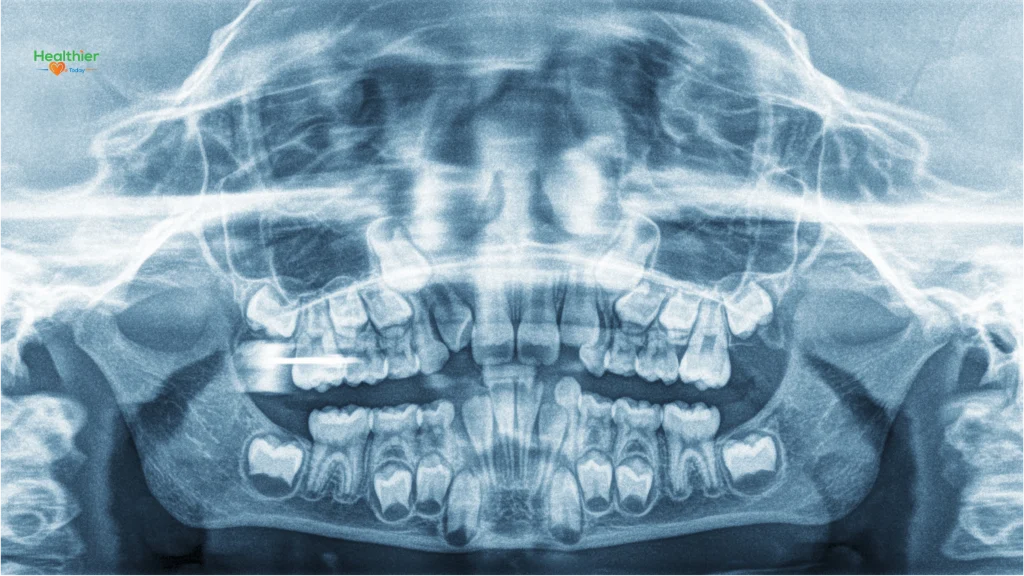
Children’s dental care is essential for the proper development of permanent teeth. Also known as adult teeth or secondary teeth, they begin forming at birth and continue to develop throughout childhood. By adulthood, most people have 32 permanent teeth—16 on the top and 16 on the bottom. However, some individuals may only have 28 teeth if their wisdom teeth (third molars) do not develop or emerge.

Around the age of 6, the first permanent molars appear. These four molars (two in the upper jaw and two in the lower jaw) come behind the baby teeth. Other permanent teeth, like the incisors, canines, and premolars, fill in the gaps left by the baby teeth that have fallen out.

The usual sequence and timing for each kind of permanent tooth is as follows:

  • First molars: Between 6 and 7 years.
  • Central incisors: Between 6 and 8 years.
  • Lateral incisors: Between 7 and 8 years.
  • Canine teeth: Between 9 and 13 years.
  • Premolars: Between 9 and 13 years.
  • Second molars: Between 11 and 13 years.
  • Third molars (wisdom teeth): Between the ages of 17 and 21.

Monitoring children’s dental care and scheduling regular checkups with a pediatric dentist can ensure that permanent teeth grow in properly and remain healthy.

Conclusion: The Truth? 

Putting off children’s dental care can make little problems become big ones that need much work. Children’s dental health is super important for their overall health. By spotting the signs mentioned earlier, you can take action to keep your child’s teeth and gums safe. If you see any warning signs, book an appointment with a pediatric dentist. With expert help, you can help your child have a bright and healthy smile.

FAQ’s:

When to start brushing baby teeth?

You should start brushing your baby’s teeth as soon as their first tooth appears.

Do children’s bad teeth fall out on their own?

Yes, eventually, children’s bad teeth will fall or be pushed out by new adult teeth.

How do I teach my child to brush their teeth properly?

Explain to them carefully, sing a song, play a toothbrushing video or app, use a timer to turn brushing into a game, let them pick their toothbrush and toothpaste, use a dental-themed storybook, or offer simple rewards.

What is the best toothpaste for kids?

Fluoride toothpaste for kids and natural toothpaste for kids have both been deemed the best for childhood dental care and are free of harmful ingredients.

Is fluoride safe for kids?

By sticking to some simple guidelines and portions, fluoride treatment for kids is safe and is recommended by professionals.

How can I prevent cavities in children?

You can prevent cavities in children by brushing their teeth, limiting sugary snacks, and using fluoride toothpaste.

What causes baby bottle tooth decay, and how can I prevent it?

Baby bottle tooth decay happens when a baby often drinks sugary liquids, such as milk, juice, or formula, for a long time. This is especially problematic if they sleep with a bottle in their mouth, which lets the sugar stay on their teeth and encourages bacteria to grow, causing children’s tooth decay. However, baby bottle tooth decay treatment is available and can help stop further damage.

What is the best toothbrush for toddlers?

The best type of toothbrush for toddlers is one with soft bristles and a small oval head.

Best Exercises for Heart Health: Supercharge Your Cardiovascular Fitness

Many have wondered how to strengthen your heart with exercise. Regular exercise is essential for keeping heart disease at bay. While physical activity is better than being inactive, some exercises for heart health might be perfect for your heart. Our bodies are made to move, and staying active helps with many bodily functions. Regarding heart health, exercise can have direct and indirect benefits that can help prevent and manage heart disease. Pairing regular workouts with a heart healthy diet can further enhance cardiovascular health.

Want to know more about exercises for heart health? This piece discusses it all. Let’s jump in!

What is Heart Disease?

How to improve heart health quickly

Heart disease is a form of cardiovascular disease (CVD) that encompasses various issues related to the heart’s muscles, valves, blood vessels, or overall function. Many factors can lead to heart disease, but one of the most significant risk factors is not getting enough exercise.

Does exercise lower cholesterol? Working out not only helps to make your heart muscle more substantial, just like it does for other muscles in your body, but it also offers several benefits for heart health.

Benefits of cardiovascular exercise include:

  • Balanced cholesterol levels
  • Better blood circulation
  • Stronger blood vessels
  • Lower blood pressure
  • Less inflammation
  • Help with weight control
  • Regulation of blood sugar levels

If you want to lower your chances of developing heart disease or improve your heart health, this guide will provide helpful information on exercises for heart health.

What are the Best Exercises for Heart Health?

5 best exercises to strengthen your heart

The best exercises for heart health depend on your fitness level and physical condition. Everyone is unique, so starting any exercise routine slowly and safely is super important. Focusing on doing exercises correctly and safely can benefit your entire body, including your heart. Generally speaking, the best exercises for heart health are activities at a moderate or vigorous intensity.

Moderate and vigorous exercises are types of aerobic workouts. They stimulate your heart and use big muscle groups like your arms and legs. You’ll feel your heart rate and breathing speed up while doing aerobic exercise for low cholesterol and heart health. Moderate-intensity activities usually feel like a 5 or 6 out of 10. They raise your heart rate and breathing, but you should still be able to have a conversation without gasping for air.

Some common exercises for heart health that are usually done at a moderate intensity are:

  • Walking quickly or hiking without a heavy load
  • Water aerobics
  • Casual biking
  • Jogging at a slow pace

On the other hand, high-intensity workouts are brutal. You’ll feel your heart racing, and your breathing will get heavier. You might only manage to say a few words before taking a breath. If you were to rate vigorous-intensity exercise on a scale of 10, it would be around a 7 or 8.

Some exercises for heart health that usually hit a vigorous intensity level are:

  • Running or sprinting
  • Jumping rope
  • Playing tennis
  • Hockey
  • Basketball
  • Swimming laps

Regarding aerobic exercises for heart health, how hard you push yourself and your challenges can affect your intensity. For instance, walking quickly on flat ground is of moderate intensity, but walking quickly up a steep hill or a long set of stairs can reach vigorous intensity.

Aerobic exercises are great for your heart, but they aren’t the only type of workout you should do to keep your heart healthy. The National Heart, Lung, and Blood Institute suggests that a well-rounded, heart-healthy exercise routine should include strength training and flexibility workouts.

How Much Exercise Does Your Heart Need Each Week?

The American Heart Association suggests that adults should aim for the following physical activity levels:

  • 150 minutes of moderate aerobic exercises for heart health each week, or

  • 75 minutes of vigorous aerobic exercises for heart health weekly, or

  • A mix of both types of exercise throughout the week.

It’s essential to include moderate to high-intensity muscle-strengthening activities at least twice a week, with a total goal of 300 minutes of physical activity each week. For children under 5, staying active throughout the day is key, while kids aged 6 to 17 should get at least 60 minutes of moderate to vigorous activity every day. They should also do muscle and bone-strengthening exercises three times a week.

Your doctor can help you understand how these guidelines fit your situation, considering your age, medical history, and heart health goals. For instance, if you’re recovering from a serious heart issue, your exercise plan will be quite different from someone mainly trying to learn how exercises for heart health prevent heart disease.

Target Heart Rate for Exercising for a Healthy Heart

Many exercises for heart health can vary in how hard they are, meaning that something like swimming for heart health can be easy or challenging, depending on how much effort you put in. One way to keep track of how hard you’re working out is by figuring out your target heart rate. 

This helps you ensure you’re hitting your fitness goals and shows you when to make your exercises for heart health harder as you get fitter. Your target heart rate for heart health is a certain percentage of your highest heart rate. To find your highest heart rate, take 220 and subtract your age. 

The result is the maximum number of times your heart can beat in a minute (bpm):

  • For moderate exercises for heart health, your target heart rate should be between 50% and 70% of your maximum heart rate.

  • Your target heart rate for vigorous exercises for heart health should be between 70% and 85% of your maximum heart rate.

To find these numbers, multiply your estimated maximum heart rate by the needed percentage, changing it into a decimal.

To find the moderate-intensity heart rate for a 40-year-old, you can follow these steps:

  1. First, calculate the maximum heart rate by subtracting your age from 220: 220 – 40 = 180 bpm (this is the maximum heart rate).
  2. Next, to find 50% of that maximum, multiply by 0.50: 180 x 0.50 = 90 bpm.
  3. Then, to find 70% of the maximum, multiply by 0.70: 180 x 0.70 = 126 bpm.

So, if you are 40 years old, your target heart rate for moderate exercise should be between 90 and 126 bpm.

What Happens If Your Heart Rate is Too High During Exercise?

Your maximum heart rate shows the limit where your heart is working hard but still safe versus when it’s working too hard and could get hurt. If you push past your maximum heart rate, it can harm your heart and blood vessels, and the risk of severe heart problems goes up. Going over your target heart rate isn’t always as risky as going over your maximum, but it can still put extra pressure on your heart, which might lead to issues like overtraining syndrome.

You must slow down or take a break if you exceed your target heart rate during moderate or intense exercises for heart health. Cool down properly and drink water while monitoring your heart rate to see if it returns to normal. Once your heart rate is back to normal, you can start exercising again, but do it slowly and gradually increase your effort until you hit your target heart rate. If your heart rate stays high even after resting or you experience chest pain, difficulty breathing, or fainting, get medical help immediately.

How Often Should You Check Your Heart Rate When Exercising?

target heart rate for heart health

Depending on your goals, your doctor can help you figure out how often you should check your heart rate while performing the best exercises for heart health at home or elsewhere. Some people might only need to check it every 5 to 10 minutes, while others might need to monitor it constantly.

Ways to Monitor Your Heart Rate

You can check your heart rate by using your fingers to feel for a pulse on your neck or wrist. Start counting from zero and keep track of the beats for a full minute, or you can count for 30 seconds and then double that number.

Since you’ll be checking your heart rate a lot during your workout, stopping every 5 minutes to do it manually can be a hassle. Luckily, many gadgets can monitor your heart rate without making you pause your exercises for heart health.

These devices consist of:

  • Chest straps
  • Wrist or arm devices
  • Smart rings
  • Pulse oximeters (which you wear on your fingertip and connect to a portable gadget)
  • Smartphones
  • Sensors built into machines like treadmills and stationary bikes

Chest straps are known to be the most precise heart rate monitors you can buy. Since they sit close to the heart, the electrodes can pick up the electrical signals when the heart beats. Unlike monitors worn on other body parts or carried around, chest straps are less likely to lose their signal due to movement or not being in contact with the skin.

Tips for Making Exercises for Heart Health Part of Your Routine

Starting an exercise routine can seem tricky, especially if you haven’t made it a big part of your life. 

To make working out feel more natural and less like a chore, try these tips:

  • Talk to your doctor about setting achievable goals that fit your fitness level.
  • Choose activities you enjoy, and mix up how hard you work as you improve.
  • Turn everyday tasks into chances to exercise, like parking further away to get in some extra walking.
  • Gradually increase how hard, long, and often you work out.
  • Plan your workouts into your schedule so you don’t just do them whenever you feel like it.
  • Find a workout buddy to keep you motivated and make exercising more fun.
  • Treat yourself when you hit exercise goals, like running a certain distance for the first time.
  • Be flexible; even a quick workout is better than skipping it altogether if you’re short on time.
  • Spice up your routine with new exercises for heart health, fitness classes, or different places to work out.

And don’t forget to be nice to yourself. It’s okay to have days when you don’t feel like exercising or need extra rest. If you miss a day, just jump back into your routine as soon as possible.

Conclusion: A Happy and Healthy Heart

Exercising at a moderate to high intensity is beneficial for your heart. It helps strengthen your heart and boosts different functions that keep it healthy. While aerobic exercise for heart health is great, it’s also essential to include strength training and flexibility exercises for heart health in your fitness routine. 

Working out regularly can help stop heart disease and improve overall health. If you start slowly with achievable goals and choose activities you like, getting into a regular exercise habit will be easier.

FAQ’s:

What’s the ideal heart rate for cardio workouts?

A target heart rate for cardio workouts is 50–85% of your maximum heart rate.

How can heart health be improved in 30 days?

Learning how to improve heart health quickly in 30 days requires you to eat lots of fruits, veggies, and whole grains. It’s also important to exercise regularly at a moderate level, like going for brisk walks or biking.

Try to manage your stress, get plenty of sleep, and reduce salt in your food. If you smoke, quitting is a good idea. Check your blood pressure and cholesterol with your doctor during regular visits.

Do cardio exercises lower blood pressure?

Cardio exercises at home or the gym can help lower blood pressure by improving heart health and making blood vessels more flexible, allowing blood to flow more easily.

Is walking good for heart health?

Yes, walking is good for your heart health. It can help lower heart disease and stroke risk and improve cardiovascular fitness.

What’s the regular heart rate during exercise?

When you exercise, a typical heart rate can be between 90 and 160 beats per minute (bpm). This can change based on how old you are, how fit you are, and how hard you work out.

What’s the connection between yoga and heart health?

Yoga can help your heart by making you less stressed, lowering your blood pressure, and making your body more flexible.

What are some cardio exercises for seniors?

Water workouts are suitable for older adults for several reasons. Swimming gives a complete body workout, helps keep the heart healthy, and is gentle on the joints. The warm water in a pool can help relax muscles and joints. Plus, water aerobics is a super popular exercise choice for seniors.

Push Present Gift for Valentines Day

Having a baby is no easy task, and the process of giving birth is even more challenging. When your partner finally brings your little one into the world, they truly deserve all the love and recognition for their hard work. That’s where the idea of a push present comes into play. There are plenty of thoughtful gifts, whether it’s a cozy robe, custom jewelry, or a meaningful keepsake. And not to mention, Valentine’s Day is around the corner!

This article will explore more about the push gift meaning, why they matter, and some fantastic push presents and Valentine’s gift ideas for new moms.

What is a Push Present?

Have you ever encountered the term “push present” and wondered what it means? A push gift for expectant mothers, sometimes called a baby bauble, is a special item given to a new mom to celebrate the incredible experience of giving birth and to mark the beginning of her journey into motherhood. It’s important to note that moms who have c-sections deserve these gifts as well. When it comes to the etiquette surrounding push presents, they can be given either before or after the baby arrives or even right in the delivery room. 

Typically, a partner gives this gift, but it can also come from family members, co-parents, or close friends. While jewelry is popular for push presents, plenty of other options exist. The best gifts for pregnant women and new moms are those that carry meaning and express your love and happiness. Plus, many people think push presents must be expensive, but you can find something special on any budget.

The History of Push Presents

Push presents for new mothers have a long history that goes back hundreds of years to India. This tradition is linked to a special ceremony called Godh Bharai, which is similar to the baby showers we have today. During this event, the family comes together to celebrate and bless the expectant mother, giving her gifts like jewelry and indulgent self-care items. 

Besides receiving push presents, the mother is also given the precious gift of relaxation, allowing her to take a break from daily tasks and responsibilities. Although push presents have ancient origins, they have become much more popular recently, especially during the 20th century. This increase in popularity can be partly credited to celebrity culture’s impact and social media’s rise.

How Much to Spend on a Push Present 

There are no set rules or limits on how much a push present should cost. Each person’s situation is unique, and every new mom has her style and preferences. While giving a push present isn’t mandatory, it’s a nice way to show your partner how much you admire and appreciate her after all her hard work.

Fine jewelry makes an excellent choice for a push present because it holds special meaning and can be cherished for a lifetime, possibly even passed down through generations. Keeping that in mind, we’ve compiled a list of our top five push present ideas, ranging from budget-friendly to a little more luxurious, that will make any new mom happy.

What New Mothers Want

Even though many people believe that all new moms deserve a push present, a surprising 80% of moms in a study [Parent.co] have never requested this gift from their partners. Among those who received push presents, 59% didn’t ask for one. So, why are they hesitant to bring it up? 

There could be several reasons for this. Some moms might be focused on the expenses of a new baby and think that gifts should be for the little one instead. Others may feel awkward about directly asking for a present. It’s also possible they just assume their partner will know to get them something special.

Push gift for expectant mothers

Jewelry Preferences for Moms

Understanding that moms appreciate jewelry as a push gift is just the beginning. The real question is, what kind of jewelry should you choose? A survey showed that rings, earrings, and necklaces were all favorites, with 61-64% of moms choosing them. Bracelets were also popular, with 47% of moms liking them. A great idea could be a birthstone stackable ring that can be personalized with your child’s birthstone, and as your family grows, you can add more rings to it.

It’s also interesting that a mom’s age can influence her jewelry preferences. Among moms aged 34 and younger, 70% chose necklaces as their top pick, making them the most favored push gift for this age group. A customized necklace featuring her child’s birthstone or initial serves as a meaningful connection to her new baby and expanding family. Motherhood is a journey filled with challenges and joys, and fine jewelry beautifully symbolizes the strength and brilliance that mothers embody in this role.

What Makes a Gift Meaningful?

The most important part of a push present isn’t just the gift itself, but the story behind it. Welcoming a new baby marks the beginning of an exciting new chapter in your life. Push presents are a way to honor this journey and show your partner that this adventure wouldn’t be the same without her. 

A study [Arephrite] found that many moms believe jewelry holds the most significance as a gift. 61% of moms said a family birthstone necklace would be the most meaningful push present. This type of necklace can feature their and their child’s birthstones. Don’t hesitate to consider a unique, out-of-the-box, but still meaningful push present option.

Push Presents And Valentine’s Day Gifts For Pregnant Women

Celebrate the new mom in your life this Valentine’s Day with these thoughtful gifts and push presets that focus on cozy comforts and self-care treats just for her.

Diamond Eternity Ring

Product Price Link
1 Carat (ctw) 14K White Gold Round LAB GROWN Diamond Ring $1,096 Buy Here
Moissanite Eternity Ring, 4.5-5cttw $700 Buy Here
14K White Gold/Yellow Gold Eternity Ring, 1CTTW Moissanite $307 Buy Here

Push present suggestions

An eternity ring perfectly symbolizes everlasting love and makes for a classic Valentine’s and push present. Typically, it’s worn with an engagement ring and wedding band, but it can also shine on its own. You can pick from rose, yellow, or white gold and personalize it with diamonds, moissanite, or lab-grown gems to match her style. This beautiful gift represents the unbreakable connection between her and her child and is stylish enough for everyday wear. Many jewelers also provide budget-friendly customization options, making it a meaningful and lovely choice.

Silk Pillowcases

Product Price Link
Blissy Silk Pillowcase – 100% Pure Mulberry Silk $58.87 Buy Here
Silk Pillow Case with Hidden Zipper $16.14 Buy Here
BEDELITE Satin Pillowcase for Hair and Skin $6.97 Buy Here

Treat her to the ultimate sleep experience with some luxurious silk pillowcases. These pillowcases are super smooth, which helps prevent bedhead and reduces wrinkles, keeping her hair and skin looking great. They have a natural cooling effect, perfect for those postpartum night sweats. To make it even more special, consider adding a matching silk sleep mask or scrunchie set to enhance her nighttime routine. Brands like Slip and Blissey provide durable choices in beautiful colors.

Personalized Name Necklace

Product Price Link
Custom Name Necklace for Women Personalized Name Necklaces with Heart 18K $12.99 Buy Here
Pugster Custom Name Necklace $12.99 Buy Here
PicturesOnGold.com Custom Name Necklace $39.95 Buy Here

Push present suggestions

Honor her new journey as a mom with a personalized necklace that showcases her baby’s name, initials, or birthdate. These delicate necklaces come in yellow, rose, or white gold, and some allow for the addition of charms like tiny hearts, stars, or gemstones. Whether she wears it stacked with her favorite pieces or on its own, this necklace is a beautiful reminder of her bond with her child. Jewelers also provide options for future customization, making it a meaningful and lasting treasure.

Luxury Spa Day

Push present suggestions

Treat her to a luxurious spa day where she can relax and rejuvenate. Search for spas that provide specialized postnatal services, such as massages to ease stress or facials to refresh her skin. Many places also have hydrotherapy pools, aromatherapy treatments, or cozy relaxation areas for the best experience. A gift card lets her choose the treatments she wants, making it an excellent way to help her feel appreciated and revitalized.

Plush Cashmere Blanket

Product Price Link
Cozy Bliss Faux Fur Throw Blanket for Couch $49.99 Buy Here
Snuggle Sac Grey Throw Blanket $39.99 Buy Here
State Cashmere Home Throw Blanket with Decorative Fringe $205 Buy Here

Push present suggestions

Give her the gift of comfort with a plush cashmere blanket that’s super soft, warm, and easy to carry. It’s ideal for those late-night feedings or just snuggling up when she needs to relax. This present is like a cozy hug after a tiring day. Choose neutral colors to match any room, or add her initials for a special touch. Check out brands like Barefoot Dreams or Brooklinen for top-notch choices she’ll appreciate.

Designer Tote Bag

Gifts for pregnant women

Enhance her closet with a trendy and functional designer tote. It has plenty of room for her must-haves (and possibly some baby gear), making this gift a perfect mix of style and practicality. Brands such as Tory Burch, Longchamp, and Marc Jacobs provide stylish choices that easily shift from parenting tasks to a fun day out. Many of these bags feature compartments or easy-to-clean linings, so they stay useful while keeping her looking great.

Custom Birthstone Bracelet

Product Price Link
Kylie Birthstone Bracelet – Hypoallergenic 14K Gold Plated Brass $51 Buy Here
Gem Stone King 18K Yellow Gold Plated Silver $99.99 Buy Here
Gem Stone King 18K Yellow Gold Plated Silver Round 5 Gemstone $139.99 Buy Here

A beautiful bracelet with her baby’s birthstone is a thoughtful and trendy gift. Some styles even let you add more stones to symbolize other family members or future kids, which adds to its sentimental value. Check out choices in gold or silver, whether you prefer a simple look or something vintage that she can treasure for years to come.

High-End Skincare Kit

Push present suggestions

After giving birth, a woman’s skin might feel dry or worn out, so a skincare kit designed for her specific needs would make a great gift. Consider brands such as Tatcha, Drunk Elephant, or La Mer, which provide hydrating and revitalizing products. Make sure to include must-haves like a mild cleanser, a nourishing serum, a brightening mask, and a thick moisturizer. Inspired by a spa experience, a gift like this motivates her to carve out a little time for self-care each day.

Luxury Perfume

Push present suggestions

Surprise her with a fancy perfume that boosts her beauty and confidence. Think about classic scents like Chanel No. 5, Jo Malone Peony & Blush Suede, or Byredo’s Gypsy Water. A luxurious fragrance can brighten her day and bring a bit of luxury to her everyday life. You could also add a matching body cream or a mini travel spray to make it even more special.

Personalized Journal

Product Price Link
Initial Leather Travel Journal $12.98 Buy Here
Personal Leather Journal Notebook $18.99 Buy Here
Promot Personalized Notebook $26.94 Buy Here

Push present suggestions

Assist her in capturing the ups and downs of being a mom with a stylish journal. Look for one that includes prompts for noting important milestones, personal thoughts, and memorable experiences. Several brands, like Papier or Promptly Journals, provide personalization options, like adding her name or a special quote on the cover. To enhance the journaling experience, consider including a set of nice pens or markers.

Diamond Stud Earrings

Product Price Link
925 Sterling Silver 2-4 Carat Lab Simulation Diamond Stud Earrings $35.99 Buy Here
0.25 to 1 Carat IGI Certified Solitaire $87.40 Buy Here
1 to 8 Carat LAB GROWN Solitaire Diamond Stud Earrings $269 Buy Here

First time mum to be gifts

Diamond stud earrings are a classic and simple choice that can fit into any jewelry collection. You can pick from traditional round or princess cuts, which come in yellow, rose, or white gold to suit her style. These earrings are great for everyday use or dressing up on special occasions, adding a little shine to her postpartum radiance. If you’re looking for a more eco-friendly and cost-effective option, consider lab-grown diamonds that still look stunning.

Conclusion

Whether you’ve always known about it or just heard of it for the first time, the idea of a push present has become more popular in the last couple of years. Some people have different opinions about it, but the incredible experience of bringing a new life into the world is remarkable, whether the delivery is natural or cesarean. 

Many believe that the effort and pain that parents go through should be celebrated with a special gift, especially during the month of love! 

FAQ’s:

What is a push gift, and why should I give one?

A push present is a special gift given to a new mom to honor her baby’s arrival and recognize all the hard work she did during her pregnancy and delivery.

What are the best push present suggestions for new mothers?

Some great push present suggestions are jewelry, custom-made keepsakes, fancy spa days, soft silk pillowcases, or special things that help her relax and care for herself.

 Is it necessary to give a PP gift (Push Present)?

It’s not required, but it’s a nice way to show appreciation for the new mom’s effort and to celebrate this wonderful moment.

What are some perfect present ideas for pregnant women or new mothers?

Some perfect present ideas include self-care items, cozy blankets, bedding, skincare kits, personalized journals, or customized jewelry.

What are great presents for sons from mothers?

Think about giving gifts that matter, such as a custom bracelet, a special keepsake box, a photo album filled with memories, or a unique piece of art that shows how much their bond means.

What is the meaning of a push gift, and when should it be given?

A push gift is a special present given to a mom to show love and gratitude after she has a baby. It’s typically given soon after the baby is born. However, there is no set rule on when to give it.

How to Disinfect House After Flu: A Complete Guide 2025

Avoiding sick people is one strategy to stop the influenza (flu) virus from spreading. However, it’s also crucial to know how to disinfect house after flu to keep others from becoming ill if you or someone in your household has just recovered from the flu. The process entails cleaning frequently used surfaces to help eradicate the bacteria and viruses that cause these sicknesses. 

The type of germ and the surface it affects determine its precise life span. So, how long can a flu virus last on a surface? The flu can typically linger on surfaces for up to 48 hours. Additionally, germs can live for an hour on unwashed hands. 

This article offers suggestions for the best way to disinfect house after flu!

Rest and Self-Care Before Cleaning

Flu season cleaning tips

You must give yourself time to recover from flu-related illnesses before beginning extensive cleaning and following disinfecting tips for families with kids after flu. Although most people recover from the flu in a week, some may require more time if they have complications, like a sinus infection or an underlying medical condition.

If you’re still recuperating from the flu, ask friends, family, other household members, or a cleaning service to help with some of the work. Once you’re feeling better, you’ll be ready to disinfect your house after the flu thoroughly.

How To Disinfect House After Flu

The surfaces in your house most likely to have persistent germs are those that are frequently used. Cleaning high-touch surfaces after flu is critical. Even if everyone tries their hardest to wash their hands often, touching a surface, someone else has touched or sneezed on while ill increases the risk of contracting viruses and other germs. To kick off these flu season disinfecting tips, consider focusing on common areas in your home to help stop the flu from spreading after disinfecting your house after flu.

These consist of:

  • Stair rails 
  • Doorknobs
  • Light switches 
  • Drawer handles

Knowing how to disinfect house after flu is crucial, but it’s essential to remember vehicles, too. Make sure to clean and disinfect frequently touched surfaces in your car, especially if you or a family member drove in it while sick. These include seats, seat belts, navigation screens, door handles, and steering wheel. The most straightforward method for disinfecting common surfaces is disinfecting wipes. Ensure you adhere to the manufacturer’s instructions, which include letting the product remain damp for an adequate amount of time to eradicate germs. Hands should be cleaned after each use. 

Disinfect the Kitchen

A variety of drinking glasses, cutlery, and dishes may pile in the sink or other areas of the house while you’re unwell. To disinfect house after flu, gather and clean them in a dishwasher or wash them in hot, soapy water. After dishwashing, thoroughly clean and sanitize the rest of your kitchen to eliminate lingering germs.

Pay attention to the following areas:

  • Trash cans
  • Countertops
  • Kettles and coffee makers
  • Refrigerator (especially handles)
  • Light switches
  • Drawers 
  • Cabinets
  • Sink and faucets
  • Microwaves
  • Ovens 
  • Stovetop 
  • Any other appliances used while sick

Disinfect the Bathroom

Flu season cleaning tips

It’s crucial to completely clean and disinfect the bathroom after the person with the flu has recovered, regardless of whether you share it with them. Use warm, soapy water to clean the hard surfaces below, followed by flu virus germ killers like bleach for optimal effects.

Make sure you clean the following:

  • Basin and faucets 
  • Soap holders or dispensers
  • Toilets 
  • Doorknobs
  • Countertops
  • Toilet paper holders 
  • Toothbrush holders 
  • Consider replacing toothbrushes
  • Bathtubs and showers

Remember to disinfect house after flu by thoroughly cleaning these areas to help prevent the spread of germs.

Wash all Dirty Laundry 

While learning how to disinfect house after flu, do not forget about fabrics. Laundry products are among the soft surfaces where flu viruses can thrive. Your clothes, linens, and towels should be washed once you or another family member has recovered from being sick. Use detergent and acknowledge the label instructions regarding the ideal water temperature and drying time. You can clean and disinfect laundry baskets and hampers for soiled clothing. 

Clean with warm, soapy water, then pat dry with a paper towel. Alternatively, you can clean hard surfaces, laundry baskets, and hampers with disinfecting sprays or wipes. It is safe to mix laundry from a sick person with non-ill people, according to the Centers for Disease Control and Prevention (CDC). The most crucial step in eradicating germs is to use the hottest water temperature and thoroughly dry everything.

Disinfect Bedrooms 

Cleaning and disinfecting hard surfaces are as important as washing bedding when eliminating flu viruses from a bedroom. 

These surfaces include:

  • Bedside tables
  • Doorknobs
  • Lightswitches 
  • Bed frames
  • Drawer handles
  • Cupboard handles
  • Dressing table 

Cleaning bedroom flooring can help in preventing flu spread at home and eliminate germs. After someone has been ill, vacuum the carpeted floors and sweep and mop the hard flooring. You must take action to clean and sanitize a child’s toys if they recently contracted the flu. Stuffed animals and other soft toys can be machine-washed in pillowcases. Hard toys can be disinfected after being cleaned with soap and water.

Be sure to disinfect house after flu, paying attention to these areas in the bedroom to reduce the spread of germs.

Disinfect Electronics 

Keeping used surfaces clean can help stop the spread of the flu virus. However, a crucial aspect of how to disinfect your house after the flu includes cleaning your electronic devices, all this effort might be for nothing. For instance, touching a tainted phone can transfer germs from your hands to other surfaces. Because of their frequent use, electronics are among the surfaces in homes with the highest concentration of germs. In fact, according to a 2020 review of 56 different studies [National Institutes of Health], harmful microorganisms are present in roughly 68% of mobile phones worldwide. 

Using a gentle, lint-free cloth, dab your smartphone with a little warm water and soap to clean it. You can also use disinfecting wipes, but be aware that products with alcohol in them can eventually harm screens. Try adding wipeable covers to help protect your personal electronics. In this manner, you can quickly and safely clean the surfaces of your phone and other objects. Along with your phone, be sure to disinfect house after flu by cleaning and sanitizing all other electronic devices in your house, such as tablets, remote controls, and personal computers and keyboards.

Air Out Your Home 

Preventing flu spread at home

If it’s nice outside, open the windows for fresh air. This lessens the chance that germs will remain in the air and cause illness to other people. While cleaning and disinfecting, ventilating can be the best way to disinfect a house after the flu. This is also a good practice when using bleach or other disinfecting products and helping to air out the house. 

Conclusion

Knowing how to disinfect house after flu is crucial to keeping others from becoming sick. Even though the process may seem overwhelming, you can begin by addressing areas with high traffic and work your way down to the rest of your to-do list. Always follow the manufacturer’s instructions when using commercial disinfectants and wear a mask and gloves. 

After learning how do you disinfect your house after the flu in 2025, you and your loved ones can rest assured until next flu season!

FAQ’s:

What are the best cleaning products to kill flu germs?

Many common disinfectants, including bleach or ammonia-based cleaning products, can effectively kill flu viruses.

Do flu germs live on clothes?

Yes, flu germs can survive for 8 to 12 hours on clothing. They can also live on other materials, such as scarves and bedding.

Should I wash my sheets after having the flu?

After getting the flu, you should wash your sheets because bedding and other soft surfaces can harbor flu viruses.

How do I sanitize my bathroom after the flu?

Knowing how to sanitize bedding after flu is crucial. Thoroughly wash your bathroom with soap and water, then use an EPA-registered disinfectant or a bleach-based solution to disinfect all surfaces.
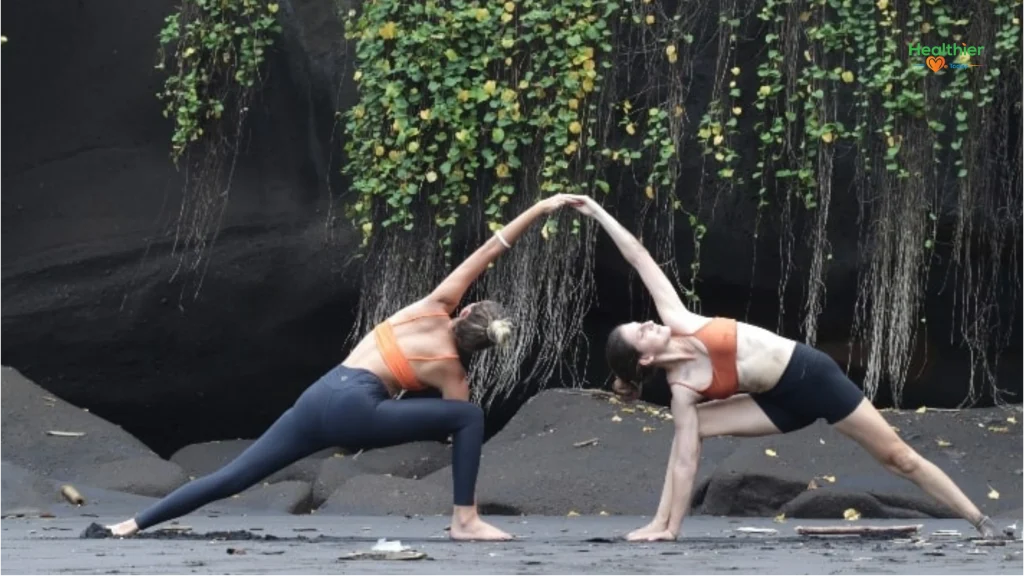
Does Lysol kill flu germs on surfaces?

Lysol products can indeed eradicate flu germs from surfaces. Cold and flu viruses are among the 99.9% of bacteria and viruses that Lysol’s products are said to be able to destroy.

How long do stomach flu germs live on surfaces?

Infected carpets can harbor stomach viruses for up to 12 days, while hard surfaces can harbor them for up to 12 hours. It can survive for months or even years in still water.

How do you disinfect a couch after the flu?

When disinfecting house after flu you can thoroughly spray a couch with a disinfectant spray made especially to kill viruses, such as one that contains at least 90% alcohol or a low hydrogen peroxide solution, and let it sit for the recommended amount of time before wiping it down with a fresh cloth.

Can air purifiers help remove flu germs?

Yes, but there’s a catch. Only viruses already in the air can be captured by air purifiers.

How to disinfect my house after flu?

The best way to disinfect your house after the flu is to clean and disinfect all surfaces and items that were used or are commonly used by those who were sick.

What is the difference between flu and stomach flu germs?

While the stomach flu is caused by a number of viruses that affect the intestines, the flu is caused by the influenza virus, which affects the respiratory system.

How to kill stomach flu germs?

The best way to kill stomach flu germs is to use a bleach solution to thoroughly clean and disinfect surfaces that may have been contaminated with diarrhea or vomit.

Red 40 Side Effects: Is This Food Dye Bad for You?

Is red 40 bad for you? Well, have you ever noticed your child becoming energetic after eating a treat topped with bright red icing? It is common to think that sugar is to blame. However, new insights reveal that artificial food colors such as red dye 40 play a significant role. Studies suggest that red 40 side effects could include allergies, migraines, and even neurological issues, especially in children.

This article looks at if red dye 40 is banned, effects this dye can have on health, red dye 40 foods to avoid answers “Is red 40 bad for you?”

What is Red Dye 40?

why is red 40 banned

The United States Food and Drug Administration has authorized red dye 40, derived from petroleum, for use in foods and beverages. However, some research has linked red 40 side effects to hyperactivity, including conditions such as attention deficit hyperactive disorder (ADHD). Other studies [Cleveland Clinic Halt Essentials] suggest a relationship between food dyes and increased hyperactivity in younger children. Additional research shows that eliminating food dyes improves behavior and attentiveness. However, more research is still needed. 

Artificial food colors, except in California, are not banned in the United States. California banning food dyes started in September last year and aims to prohibit six specific food colors from being used in schools. Many other countries feel there is sufficient evidence to justify banning them. The acceptable daily dose of red dye 40 is 3.2 milligrams per kilogram of body weight. For someone weighing 150 pounds, this equals 476 mg. 

According to one research, the average daily intake of red dye 40 for Americans aged two and above was 0.002 mg per pound (0.004 mg per kilogram) of weight. According to another study [National Institutes of Health], red dye 40 consumption may be higher among Americans, with those two years of age and older eating an average of 0.045 mg per pound (0.1 milligrams per kilogram) of body weight each day. These findings raise concerns about red 40 side effects and their potential impact on health, particularly in children.

Which Foods Contains Red Dye 40? 

foods with red dye 40

When learning, why is red 40 bad for you? It is important to note that Red dye 40 is one of the most used color additives. Packaged foods are heavily processed and often include food colorings like Red Dye 40, which may contribute to red 40 side effects such as hyperactivity and behavioral changes. To minimize exposure, it’s recommended to check labels and identify products containing this additive.

Other Names for Red Dye 40:

Red Dye 40 can be listed under various names on product labels, including:

  • Red 40 Lake
  • FD&C Red No. 40
  • FD&C Red No. 40 Aluminum Lake. 
  • E129
  • CI Food Red 17 
  • Allura Red AC 
  • INS No. 129
  • Red 40

Below is a list of foods with red dye 40:

  • Chips and other salty snacks
  • Energy drinks
  • Protein powders
  • Soda
  • Popsicles
  • Ice cream
  • Puddings
  • Gelatins
  • Candy 
  • Gum
  • Pastries 
  • Cakes and icing 
  • Cereals 
  • Yogurt 

Tips to Avoid Red Dye 40

The key to avoiding red 40 side effects is to read product labels carefully. Keep track of the items you regularly buy that contain food dyes, and try to switch to healthier alternatives. For instance, if your cereal contains artificial coloring, look for a natural option and explain to your family why you made the switch. Teaching children to read labels and recognize ingredients to avoid is also an excellent step toward healthier choices.

Red Dye 40 Side Effects

It is common to ask: is red 40 bad for you? Once getting a better understanding of it. However, it’s difficult to pinpoint the specific origin of some adverse effects because red dye is frequently used in addition to other food additives that might potentially cause symptoms. 

red 40 side effects

Potential red 40 side effects of red dye 40 include the following:

  • Behavioral changes (depression and irritability)
  • Hyperactivity (ADD and ADHD)
  • Allergic reaction
  • Skin irritation
  • Sneezing 
  • Migraines
  • Hives 
  • Asthma 
  • Watery eyes  

People also wonder, can red 40 cause cancer? Red dye 40 includes benzene, which is a recognized cancer-causing chemical. Researchers discovered tumor growth in animals who ingested large amounts of food colors, yet it is difficult to grasp what this entirely means for children. According to some studies [Cleveland Clinic Health Essential], the low amounts of benzene in the dyes are unlikely to cause serious harm. However, avoiding these dyes whenever possible is best to lessen the chances of any negative red 40 side effects.

Allergies and Headaches

Some people are concerned about “Is red 40 bad for you?” since it has been linked to migraines and allergic reactions. Allergies are your immune system’s reaction to a chemical most individuals do not react to. These allergies might include foods, pollen, dust mites, mold, latex, and food ingredients. 

Some studies [American College of Allergy and Asthma and Immunology] have connected allergic responses to migraines, which are characterized by acute, throbbing pain in the head and neck. Allergic reactions to synthetic and natural food colors have been observed in children and adults, but they are mild, uncommon, and mainly affect the skin. While red 40 side effects can include these reactions, they are not widespread, though individuals with sensitivities may be more prone to experiencing them.

red 40 side effects

Affecting Children’s Behavior

Red de 40 may be linked to aggressiveness and mental issues in children, such as attention deficit hyperactive disorder (ADHD). Children with ADHD are frequently distracted, have difficulty focusing on tasks, are forgetful often, fidget, and exhibit outbursts of rage at inappropriate times. 

The FDA notes that while current research shows that most children do not have negative behavioral effects when eating foods containing red dye 40, some information indicates that some children may be sensitive to it. While some earlier studies [National Institutes of Health] found possible proof of how food dyes might influence behavioral changes, most data don’t fully support it. However, for children who are sensitive to food additives, red 40 side effects may include noticeable behavioral changes.

How to Know if Your Child is Allergic

To help answer, is red 40 bad for you? You can test for red dye 40 allergies at home by eliminating foods containing 40 for a week or two. You may notice an improvement in your child’s behavior. However, you might only be able to see how the dye affects them once you reintroduce the foods and monitor their reactions. It’s crucial to know that some child medicines, such as cough syrups or drops, include food colors, so make sure you look for dye-free options. 

Alternative to Food Dyes

Ensure you read nutrition labels carefully and look for products that use natural coloring made from extracts of fruit and vegetables.

Alternatives to Red Dye 40 

Below are natural food coloring options:

  • Strawberries
  • Pomegranate juice
  • Cranberries
  • Cherries
  • Beet juice
  • Beet powder
  • Beta-carotene 
  • Blueberry juice
  • Dried hibiscus flowers 

It is recommended that food dyes should be kept to a minimum in your children’s diets. It is also strongly advised to stay away from artificial dyes if there is a history of cancer in your family. However, you should not worry yourself sick about the potential red 40 side effects, as you have complete control over what you choose to cook with.

Conclusion: The Truth

Red dye 40 is a petroleum-based synthetic food coloring. According to research, it is connected to several symptoms of ADHD, like hyperactivity, and may have other neurobehavioral consequences on children. To minimize red 40 side effects, it’s a good idea to check for this ingredient in food labels and opt for natural alternatives when possible.

FAQ’s:

What are the side effects of consuming Red Dye 40?

Some side effects include hyperactivity, migraines, headaches, skin irritation, and watery eyes.

Why is red dye 40 bad for you?

It is deemed harmful as it worsens hyperactivity in children with ADHD, causes potential neurobehavioral changes, and can possibly increase your cancer risk.

Is there a link between Red Dye 40 and cancer?

Yes, there is specific evidence from animal studies [National Institutes of Health] that red dye 40 can be linked to cancer.

Which foods commonly contain Red Dye 40?

It is commonly found in cakes, icing, cereals, puddings, gelatins, ice creams, gum, candy, and pastries.

Why is red 40 banned in California?

California has banned six artificial dyes due to studies [NBC News] showing their links to cancer, hyperactivity, ADHD, other neurobehavioral problems, and an array of other health problems.

What are some natural alternatives to Red Dye 40?

Some natural alternatives are:

> Strawberries
> Pomegranate juice
> Cranberries
> Cherries
> Beet juice
> Beet powder
> Beta-carotene 
> Blueberry juice
> Dried hibiscus flowers 

What happens if you get red 40 on your skin?

It could potentially stain and cause an allergic reaction, swelling, itchiness, and hives

Anti Inflammatory Diet: Fight Inflammation Naturally with These Power Foods

Fight Inflammation Naturally with These Power Foods

People choose anti-inflammatory diets for a number of reasons. This diet uses foods to reduce inflammation associated with chronic conditions such as type 2 diabetes, obesity, and heart disease. But that’s not all. It can also alleviate or prevent health issues such as depression or brain-related illnesses, including age-related cognitive decline or Alzheimer’s disease. 

Want the recipe for success? This article shares a 21-day anti inflammatory diet, recommended by a nutritionist, that can help you maintain a wholesome and balanced diet that minimizes inflammation while promoting energy and overall well-being. 

Anti-inflammatory diet

What’s an Anti inflammatory Diet?

An anti inflammatory diet may help lower chronic inflammation brought on by aging, stress, chronic illnesses, poor diet, and the environment. It’s critical to control inflammation levels since unchecked inflammation can aggravate pre-existing disorders and put you at risk of developing new ones. According to most studies, following the list of ingredients in an anti inflammatory diet book proved more advantageous than choosing specific nutrients and foods. 

It has more to do with eating habits than how much vitamins, minerals, or antioxidants to eat or not eat. A good example of a diet that reduces inflammation is the Mediterranean diet. Although there are no strict guidelines for an anti inflammatory diet, below is a list of accepted aspects of one. 

Anti inflammatory diet recipes include:

    • Loads of fruits and vegetables
    • Omega-3 and unsaturated fats found in nuts, salmon, and olive oil)
    • Lean animal products like fish, chicken, and other poultry
    • Beans, nuts, and whole grains high in fiber
    • Restrict alcohol, sweets, processed meat, and processed meals
    • Foods rich in phytochemicals and polyphenols
    • Anti inflammatory snacks such as low-sodium trail mix and dried unsweetened fruit

21-Day Anti inflammatory Diet Meal Plan

21 day anti-inflammatory diet

No particular foods are needed for the anti-inflammatory diet, and it can fit a wide range of dietary choices, cuisines, food intolerances, and allergies. Some main components of this diet include lean meats, whole grains with high fiber, healthy fats, fruits for dessert, plant protein, and vegetables. These foods are rich in various polyphenols, known for their health benefits. 

They include stilbenes, lignans, flavonoids, and phenolic acids. The anti inflammatory diet also reduces the consumption of sugars, meats, and processed foods linked to inflammation. You can adjust the meals where needed depending on your preference or appetite. 

Here is a balanced 21-day example meal plan

Day 1

Meal Food & Instructions
Breakfast Old-Fashioned Oats: Microwave ½ cup oats with 1 cup water or 1% milk (or low-fat dairy substitute). Stir in 1 tbsp ground flaxseed, a pinch of cinnamon, and ½ cup blueberries. Drizzle with 1 tsp honey before serving.
Lunch Vegetarian Chili: Combine 1 cup each of black beans, pinto beans, and kidney beans (drained and rinsed), 1 can of low-sodium diced tomatoes, and 1 tbsp chili powder in a pot. Simmer for 15-20 minutes. Serve with a slice of whole-grain cornbread.
Snacks – 1 sliced apple

– Sliced raw bell peppers with 2 tbsp hummus

– 1 cup air-popped popcorn

Dinner Baked Seasoned Salmon: Season 1 salmon fillet with garlic powder, freshly squeezed lemon juice, and pepper. Bake at 400°F (200°C) for 12-15 minutes. 

Roasted Veggies: Toss carrots and asparagus with olive oil and your choice of seasoning. Roast at 400°F (200°C) for 20 minutes. Save leftovers for the next day! 

You’ll have some leftovers for breakfast on day 2, so save some of your food. 

Day 2 

anti inflammatory diet meal plan

Meal Food & Instructions
Breakfast Leftovers: Enjoy chilled baked salmon with reheated roasted vegetables from the previous dinner. Heat vegetables in the oven at 350°F (175°C) for 10-15 minutes, if desired.
Lunch Stuffed Sweet Potato: Roast a large sweet potato at 400°F (200°C) for 45 minutes or until tender. Top with roasted peppers seasoned with garlic and chili powder, ½ cup black beans, and ¼ cup corn. Add low-fat shredded cheese or lean meat for extra protein, and garnish with sliced avocado.
Snacks – Cucumber slices with 2 tbsp hummus 

– A handful (¼ cup) of unsalted walnuts and almonds 

– 1 cup of grapes

Dinner Sheet Pan Chicken and Veggies: Toss 1 chicken breast (or more for leftovers) and vegetables (broccoli, peppers, Brussels sprouts, cauliflower, and onions) with olive oil, paprika, pepper, and garlic powder. Spread on a sheet pan and roast at 400°F (200°C) for 2-30 minutes. Save leftovers for the next day!
Dessert Blackberries and Yogurt: Enjoy a bowl of fresh blackberries with plain yogurt.

Day 3

Meal Food & Instructions
Breakfast Scrambled Eggs with Veggies: Whisk 2 eggs and cook in 1 tsp olive oil over medium heat. Add 1/2 cup sautéed spinach and diced bell peppers. Serve with 1 slice of whole-grain toast topped with 1 tbsp almond butter.
Lunch Chicken and Brown Rice Bowl: Use 3 oz roasted chicken breast (leftovers from Day 2). Combine with 1 cup roasted vegetables and 1/2 cup cooked brown rice. Heat and serve.
Snacks – 1/2 cup nonfat plain Greek yogurt with 1/2 cup mixed berries (blueberries and strawberries)

– 1 handful (about 1 oz) of unsalted almonds

Dinner Grilled Salmon with Sides: Season a 4 oz salmon fillet with salt, pepper, and lemon juice. Grill until cooked through. Serve with 1 cup steamed broccoli and 1/2 cup mashed sweet potatoes.

Day 4

Meal Food & Instructions
Breakfast Overnight Oats: Combine 1/2 cup old-fashioned oats, 1 cup unsweetened almond milk, and 1 tbsp chia seeds in a jar. Refrigerate overnight. Top with 1/2 cup fresh mango chunks before serving.
Lunch Turkey and Avocado Wrap: Spread 1/4 mashed avocado on a whole-grain tortilla. Add 3 oz turkey slices, 1 cup mixed greens, and a drizzle of 1 tsp olive oil dressing. Wrap tightly and serve.
Snacks – 2 hard-boiled eggs

– 1 cup baby carrots with 2 tbsp hummus

Dinner Grilled Chicken with Brussels Sprouts and Quinoa: Grill a 4 oz chicken breast seasoned with garlic powder. Serve with 1 cup roasted Brussels sprouts and 1/2 cup cooked quinoa.

Day 5

Meal Food & Instructions
Breakfast Smoothie: Blend 1 banana, 1 cup spinach, ½ cup blueberries, 1 cup 1% milk or alternative, ½ cup kefir, and 1 tbsp ground flaxseeds or chia seeds. Serve with black coffee.
Lunch Leftover Spaghetti: Reheat leftover spaghetti with noodles. Serve with baby carrots as a side.
Snacks – 1 sliced apple with melted nut butter 

– Diced vegetables with vinaigrette dressing

Dinner Chicken Tortilla Soup: Combine onions, tomatoes, garlic, lime juice, black beans, chicken broth, corn, and cumin in a pot. Simmer until cooked. Save leftovers for the next day!

Day 6

Anti-inflammatory foods

Meal Food & Instructions
Breakfast Avocado Toast: Spread mashed avocado on whole-grain toast. Serve with a pear or another fruit of your choice.
Lunch Chicken Tortilla Soup: Reheat leftovers. Serve with crispy corn tortillas and salsa as a side.
Snacks – Red pepper hummus with carrot sticks 

– Energy bites

Dinner Air-Fried Tilapia: Air-fry tilapia fillets until crispy. Serve with baked sweet potatoes (drizzled with olive oil before baking) and steamed broccoli as sides.

Day 7

Meal Food & Instructions
Breakfast Overnight Oats: Combine ½ cup old-fashioned oats, 1 cup milk, 1 tbsp chia seeds, and a pinch of salt. Refrigerate overnight. Drizzle with honey and optionally stir in plain Greek yogurt.
Lunch Green Goddess Sandwich: Layer whole-grain bread with sliced avocado, cucumber, broccoli sprouts, spinach, and Greek yogurt dressing (made with parsley, lemon juice, tarragon, garlic, and chives).
Snacks – Broccoli with Greek yogurt ranch dip 

– Pumpkin seeds 

– Unsweetened dried fruit

Dinner Chicken & Chickpea Curry: Cook chicken with red peppers, spinach, ginger, tomatoes, curry powder, turmeric, coconut milk, cauliflower, and garlic. Save leftovers for the next day!

Day 8

Meal Food & Instructions
Breakfast Smoothie: Blend ½ cup kefir, 1 cup frozen riced cauliflower, 1 cup 1% milk or alternative, 1 cup mixed berries, 1 tbsp chia seeds, 1 tbsp almonds, and 1 tbsp ground flaxseeds.
Lunch Leftover Curry: Reheat vegetable, chicken, and chickpea curry. Serve with whole-grain naan.
Snacks – Low-fat cottage cheese 

– A small piece of dark chocolate 

– An orange 

– A handful of almonds

Dinner Salmon Rice Bowl: Top brown rice with baked salmon, shredded cabbage, sliced cucumbers, green onions, and avocado slices. Save leftovers for the next day!

Day 9

Meal Food & Instructions
Breakfast Greek Yogurt Bowl: Combine 1 cup nonfat, low-sugar Greek yogurt with sliced almonds and blueberries. Serve with coffee and a dash of 1% milk.
Lunch Salmon & Rice Bowl: Enjoy leftovers cold. Add a piece of fresh fruit as a side.
Snacks – Roasted chickpeas seasoned with cumin 

– Carrot sticks 

– Greek yogurt ranch dip

Dinner Spinach Salad: Toss spinach with roasted butternut squash, sliced figs, red onions, quinoa, blueberries, and balsamic dressing. Save leftovers for the next day!

Day 10

Meal Food & Instructions
Breakfast Breakfast Burrito: Fill a whole-grain tortilla with sautéed black beans, diced tomatoes, and peppers.
Lunch Chickpea Salad Sandwich: Combine chickpeas, lemon juice, olive oil, garlic, celery, tomatoes, red onions, and lettuce. Spread on whole-grain bread.
Snacks – Whole-grain toast with peanut butter 

– A handful of walnuts 

– Figs 

– A small piece of dark chocolate

Dinner Baked Tilapia: Bake tilapia at 400°F (200°C) for 12–15 minutes. Serve with leftover spinach salad (with figs and butternut squash).

Day 11

Meal Food & Instructions
Breakfast Energy Bites: Pre-made with old-fashioned oats, ground flaxseed, low-sodium nut butter, honey, unsweetened dried fruit, and vanilla extract. Add a banana, apple, or berries as a side.
Lunch Chilled Lentil Salad: Made with feta cheese, olives, tomatoes, cucumber, and olive oil vinaigrette. Serve with carrot sticks and hummus.
Snacks – Low-fat cheese and whole-grain crackers

– Air-popped popcorn with cinnamon

Dinner Sweet Potato Hash: Made with diced peppers, tomatoes, chiles, ground turkey, garlic powder, and cumin. Save some for the next day!

Day 12

Foods to reduce inflammation

Meal Food & Instructions
Breakfast Whole-Grain Toast: Topped with scrambled eggs, mushrooms, spinach, and peppers. Serve with strawberries.
Lunch Leftover Sweet Potato Hash: Serve with a clementine as a side.
Snacks – Chia pudding with vanilla and cinnamon

– Pear slices and low-fat cheese

Dinner Garlic Lemon Chicken and Potatoes: Made in one pan. Serve with your choice of green vegetables. Save some for the next day!

Day 13

Meal Food & Instructions
Breakfast Smoothie: Blend 1% milk, unsweetened kefir, banana, unsweetened cocoa powder, and chia seeds. Serve with black coffee.
Lunch Leftover Garlic Lemon Chicken: Serve with potatoes and green vegetables.
Snacks – Carrots, peppers, and hummus

– Energy bites

Dinner Stuffed Sweet Potato: Roast and stuff with onions, southwest-seasoned chickpeas, tomatoes, and garlic. Save some for the next day!

Day 14

Meal Food & Instructions
Breakfast Whole-Grain Toast: Topped with low-sodium nut butter, a handful of nuts, and sliced banana. Serve with black coffee.
Lunch Leftover Stuffed Sweet Potato
Snacks – Greek yogurt with walnuts and blueberries
Dinner Toasted Corn Salmon Tacos: Topped with creamy avocado lime dressing and broccoli slaw. Save some for the next day!

Day 15

Meal Food & Instructions
Breakfast Overnight Oats: Made with old-fashioned oats, ground flaxseed, chia seeds, preferred milk, a pinch of salt, and a drizzle of honey. Add fresh fruit on the side.
Lunch Salmon Taco Salad: Made with leftover salmon, slaw, and crushed corn tortillas.
Snacks – Low-fat cheddar cheese

– Banana

– Almonds

Dinner Chickpea Pasta: Add chicken, cauliflower, green beans, parmesan cheese, olive oil, and pesto. Save some for the next day!

Day 16

Meal Food & Instructions
Breakfast Breakfast Burrito: Whole-grain tortilla filled with tomatoes, sautéed black beans, and peppers. Serve with salsa.
Lunch Leftover Pesto Chicken Pasta
Snacks – Small portion of overnight oats with vanilla, cinnamon, flaxseeds, and chia seeds

– Mango

Dinner Shrimp Bowl: Made with brown rice, green onions, avocados, and tomatoes. Save some for the next day!

Day 17

Meal Food & Instructions
Breakfast Smoothie: Blend 1% milk, unsweetened kefir, banana, unsweetened cocoa powder, and chia seeds.
Lunch Leftover Shrimp Bowl: Serve cold if preferred.
Snacks – Grapes

– Pistachios

– Dried cranberries

– Walnuts

Dinner Cauliflower-Crust Mediterranean Pizza: Topped with olive oil, mozzarella, spinach, tomatoes, olives, red onions, and garlic. Save some for the next day!

Day 18

anti inflammatory diet meal plan

Meal Food & Instructions
Breakfast Whole-Grain Low-Sugar Cereal: Serve with preferred milk choice, berries, and black coffee.
Lunch Leftover Mediterranean Pizza: Serve with a salad on the side.
Snacks – Air-popped popcorn

– Almonds

– Unsweetened trail mix

Dinner Roasted Garlic Chicken Thighs: Add soy garlic sauce and honey before baking. Serve with carrots and broccoli. Save some for the next day!

Day 19

Meal Food & Instructions
Breakfast Scrambled Eggs: Serve on whole-grain toast with sautéed vegetables. Add fruit of your choice.
Lunch Leftover Roasted Chicken: Serve with carrots, broccoli, and whole-grain rice.
Snacks – Edamame

– Low-fat cottage cheese and sliced peppers

Dinner Chicken Fajitas: Made with yellow, green, and red peppers, onions, and seasoning.

Day 20

Meal Food & Instructions
Breakfast Hard-Boiled Egg: Season with black pepper. Serve with old-fashioned oatmeal topped with cinnamon and diced apples.
Lunch Leftover Chicken Fajitas: Serve with vegetables on brown rice, topped with salsa, low-fat cheddar cheese, and lime juice.
Snacks – Greek yogurt with blackberries

– Carrots, tomatoes, and cucumbers in Italian dressing

Dinner Shrimp Gumbo Soup: Made with carrots, onions, peppers, tomatoes, garlic, oregano, black pepper, and chicken andouille sausage (optional). Save some for the next day!

Day 21

Anti inflammatory diet

Meal Food & Instructions
Breakfast Energy Bites: Made with old-fashioned oats, ground flaxseed, chia seeds, preferred milk, a pinch of salt, honey, and dark chocolate chips.
Lunch Whole-Grain Sandwich: Filled with hummus, avocado, thinly sliced spinach, carrots, cucumbers, and peppers.
Snacks – Chia pudding with nut butter

– Whole-grain crackers and hummus

Dinner Leftover Shrimp Gumbo Soup: Serve with cauliflower rice or brown rice.

Conclusion: What You Need to Know

Fighting inflammation does not have to be an uphill battle. By making changes to your diet and avoiding inflammatory foods, you can eliminate the discomforts of inflammation throughout the body. The 21 day Anti-inflammatory Diet is a great way to start your journey to a healthier and happier life ahead. 

Here is another 21-day anti-inflammatory diet PDF to download. 

FAQ’s:

What is an anti inflammatory diet, and how does it work?

An anti inflammatory diet is designed using foods to help lower and combat inflammation. It is rich in nutrients such as fiber and phytochemicals. These all work together to rid the body of inflammation.

Which foods are best for reducing inflammation naturally?

The best foods that promote natural pain relief from inflammation are nuts and seeds, fatty fish, leafy greens, vegetables, fruits, olive oil, beans, and certain herbs and spices like ginger and turmeric.

Can an anti inflammatory diet help with chronic pain relief?

Yes, an anti inflammatory diet is one of the best diets for chronic pain as it can help to relieve chronic pain by boosting your body with needed components to fight inflammation.

What are the top anti inflammatory diet recipes for beginners?

Some top recipes include lean protein or fish paired with leafy vegetables and whole grains, overnight old-fashioned oats with honey, chia, flax seeds paired with fruit, and shrimp and vegetable gumbo.

Is grilled meat inflammatory?

Yes, it can be inflammatory as high temperatures can bring out compounds that create inflammation, such as saturated fats and unneeded toxins.

My 7-day anti inflammatory diet heals the brain; how?

A 7-day anti-inflammatory diet can help heal the brain by reducing free radicals and inflammatory proteins in the body.

Wellbutrin Weight Loss Explained: Is It Right for You?

Wellbutrin is among the most regularly prescribed antidepressants in the United States. The drug usually doesn’t cause side effects like less fatigue, sexual dysfunction, or immense and sudden weight gain – unlike other antidepressants. This makes it one of the top options! 

But does taking Wellbutrin to treat depression lead to Wellbutrin weight loss? Can the medication be recommended for this reason?

Stay tuned as this article examines what Wellbutrin is, its benefits and disadvantages, how to take it properly, and its relationship with weight loss through Wellbutrin.

Wellbutrin weight loss

Wellbutrin and Weight Loss

After being prescribed Wellbutrin, there’s a chance you may experience weight loss after taking it. For individuals classified as obese or overweight, they’re more likely to lose weight. This means that if someone’s BMI is less than 24.9, you’re less likely to lose weight while on Wellbutrin. However, you’re unlikely to gain weight. Wellbutrin weight loss was reported as a side effect in some clinical trials. 

Wellbutrin and weight loss

Research on various Wellbutrin products found that:

  • 28% of users experienced Wellbutrin weight loss of at least 5 pounds.
  • More than 5 pounds were lost by 14% of users taking 300mg of Wellbutrin SR and 19% of those taking 400mg. 
  • 23% of patients who took 150 to 300mg daily doses of Wellbutrin XL lost more than 5 pounds. 

Those who used Wellbutrin had at least twice the chance of losing weight in these studies [National Institutes of Health] compared to those who took a placebo (tablet containing no medication). These results are also supported by other research, such as nonsmokers with depression who took Wellbutrin for 2 years dropped an average of 7 pounds, according to long-term research. This study mainly examined patients who were classified as obese or overweight. 

It’s crucial to remember that Wellbutrin by itself is not recommended for weight loss. The FDA has only approved it for depression. However, Wellbutrin SR is allowed to assist individuals in the process of quitting smoking, and Wellbutrin XL is commended as a treatment for those with seasonal affective disorder (SAD). However, there is ample evidence that those using Wellbutrin for depression lose weight. Bupropion, the active component of Wellbutrin, is one of two drugs in the weight loss combo tablet Contrave (bupropion/naltrexone).

What Causes Wellbutrin Weight Loss?

Wellbutrin is believed to function as an appetite suppressor. However, the exact cause of how Wellbutrin contributes to weight loss is still unclear. 

Wellbutrin is known to work by raising the body’s levels of two important neurotransmitters, or brain chemicals:

  1. Dopamine is a neurotransmitter that is released during enjoyable activities. It is a component of the brain’s “reward center,” which influences behavior. A rise in dopamine may reduce your appetite. 
  2. Norepinephrine is a chemical that boosts energy and concentration. Its energizing effects may also cause some anxiety, sleepiness, or agitation. Increased norepinephrine levels can reduce appetite. 

Wellbutrin Side Effects and Advantages 

When it comes to Wellbutrin, the medication has many advantages, and just like other antidepressants, it also carries some negative side effects. 

Wellbutrin and weight loss

Below are the advantages and disadvantages of Wellbutrin:

Wellbutrin Advantages

  • Treats major depressive disorder and seasonal affective disorder
  • It helps people stop smoking
  • Less adverse side effects on sexual functionality 
  • No known problems that have developed from long-term use
  • Boost serotonin, dopamine, and norepinephrine 
  • Cause weight loss for those who are overweight or obese
  • Can treat ADHD, bipolar disorder, and neuropathic pain

Wellbutrin Side Effects

  • Dry mouth 
  • Feeling dizzy
  • Trouble sleeping
  • Tremors 
  • Nausea 
  • Constipation 
  • Fast heartbeat
  • Nervousness or agitation
  • Headaches 

Does Wellbutrin Cause Weight Gain?

Does Wellbutrin cause weight gain

It is unlikely, as most studies [Talkspace] show that Wellbutrin impacts weight by promoting weight loss instead of gain. In 2016, an assessment was done on numerous trials, including 8000 patients, and no links between Wellbutrin and weight increase were found. Although Wellbutrin is not likely to cause weight gain, depression can have an impact on appetite and body weight. 

When someone is depressed, they may have a decreased appetite and begin to lose weight. Starting an antidepressant, such as Wellbutrin, can help treat depression symptoms and restore your appetite. This means that you can gain weight after starting it. However, this does not always imply that weight gain is due to Wellbutrin. 

Is Wellbutrin Right for You?

Wellbutrin side effects

As mentioned, Wellbutrin is not FDA-approved for weight loss and is not the most effective medication for weight loss. If you are eligible for loss medications, most FDA-approved options will likely be more sustainable and work better than Wellbutrin. However, if you’re worried about gaining weight from antidepressants, Wellbutrin could be an excellent option for treating depression while avoiding gaining unwanted pounds. However, not everyone prefers to lose weight; you must speak to your doctor about how Wellbutrin’s potential weight-loss effects can affect you. 

Wellbutrin may potentially cause various negative effects and medication interactions. Because of this, it is not ideal for everyone. If you have a history of eating disorders or seizures, then Wellbutrin may not be the right fit for you, and you and your doctor can find the right antidepressant to meet your requirements. 

Conclusion: The Truth

Wellbutrin is one of the most widely prescribed antidepressants and is the least likely option to induce weight gain. It can help those who are obese or overweight lose weight. However, Wellbutrin is not FDA-approved for weight loss, and its possible weight-loss effects should be considered when choosing an antidepressant. If you meet the requirements for weight loss medications, there are better choices than Wellbutrin that will work and sustain weight loss better

FAQ’s:

Does Wellbutrin cause weight gain or weight loss?

Wellbutrin has been known to cause both, but it is more common to lose weight on the medication. 

What are the side effects of Wellbutrin during the first week?

Some side effects from Wellbutrin include dry mouth, constipation, headaches, fast heartbeat, dizziness, nausea, insomnia, agitation, and nervousness. 

How fast is Wellbutrin weight loss on Wellbutrin XL?

Wellbutrin weight loss may start after 8 weeks while taking the XL dosage. 

What is the difference between Wellbutrin SR vs XL?

Wellbutrin XL dosage for weight loss is an extended-release tablet, meaning it takes longer to kick in, and Wellbutrin SR is fast-releasing. 

Can Wellbutrin cause anxiety?

Wellbutrin can potentially cause anxiety because of its stimulating effects. 

Does Wellbutrin make you tired?

Wellbutrin can cause some individuals to feel less alert, drowsy, or dizzy. 

What are the long-term effects of Wellbutrin?

Some long-term side effects are anxiety, dizziness, insomnia, heart arrhythmia, constipation, decreased appetite, and stomach pain.

How does increasing Wellbutrin dosage from 150 to 300 affect the body?

Potential side effects of increasing your dosage can make the risk of seizures higher, cause high blood pressure, and induce manic episodes. 

Can Wellbutrin cause high blood pressure or seizures?

Yes, it can potentially cause both, so it is crucial to discuss the correct dosage and risks with your doctor. 

What happens when you stop taking Wellbutrin?

By stopping Wellbutrin, you may experience sweating, nausea, diarrhea, rashes, loss of appetite, vomiting, sleep disturbances, depression, and anxiety. 

How is Wellbutrin and naltrexone related?

The combination stimulates POMC neurons and blocks endogenous feedback that inhibits POMC activity. Together, they are effective in promoting weight loss amongst obese individuals.

Why Nature Therapy is the Key to a Healthier, Happier Life

Have you ever heard of nature based therapy? While it is not as popular as conventional therapy treatments, it has been a part of holistic and Indigenous cultural healing for thousands of years. It has recently gained traction in the Western world, especially regarding holistic practitioners and lifestyles. There are several kinds of nature therapy. However, they all have one goal: healing through nature and using natural tools. 

This article looks deeper into what nature therapy offers, what it treats, different types of nature therapies, eco therapy activities, and what virtual eco therapy is. 

What is Nature-based Therapy?

Eco therapy

Nature therapy uses the environment and nature as a tool in healing both mental and physical health. It is also known as green therapy and eco therapy, and it helps to connect individuals with nature and their ancestorial roots and re-ignites our instinct to appreciate and engage with nature. This natural therapeutic practice has been shown to impact mental health and physical health challenges positively. 

Doing nature or eco therapy activities such as mindful walking, hiking, or gardening can boost your mental and physical health. This form of therapy is also known as preventative medicine, as it can help manage psychological and physical conditions and sometimes prevent them from worsening. Nature therapy is based on the concept that being in nature can give a sense of calm, self-reflection, admiration, freedom, mindfulness, gratitude, and much more. 

Nature therapy combines mindfulness and gentle exercising, which improves mood and well-being. Being in nature allows us to disconnect from social media, work stress, and other stressors we may experience daily. Taking a much-needed break from these distractions can significantly boost mental health

What Does Nature Therapy Treat?

Nature or eco therapy is rising as a popular holistic method, and extensive research [National Institutes of Health] has shown that it can effectively support mental health and physical health problems.

benefits of nature therapy

Here are a few conditions that nature therapy has been known to improve:

Different Types of Nature Therapy

Nature therapy entails various approaches using the natural environment to boost our well-being. Some therapeutic practices are done in groups, and others aim to connect a single individual to nature. Nature therapy is also used as part of talk therapy with a therapist.

nature treatment

The most common types of nature therapy include:

Nature Walks

Perhaps the most simple and easiest form of nature therapy. Nature walks mix self-reflection, mindfulness, and physical activity. It involves walking in nature, whether in a park, coastal area like the beach, forest, nature trails, or other outdoor environments. 

This allows people to immerse and connect with the tranquil beauty of Mother Nature. Nature walks mix self-reflection, mindfulness, and physical activity. Because of these aspects, research [National Institutes of Health] has discovered that nature walks have excellent mental and physical health benefits. 

Forest Bathing

Forest bathing, originally called shinrin-yoku originated in Japan and is a natural therapeutic practice of an individual or group immersing themself in a forest environment. Taking in the forest sights, smells, textures, and sounds can help promote overall well-being. 

Forest bathing is not literal and does not mean taking a bath in a forest but bathing in the environment’s surroundings. It can sometimes be confused with exercise or hiking, but it focuses solely on connecting deeply with nature and slowing down. Forest bathing has been shown to have benefits such as improving immune function, reducing blood pressure, and boosting mood. 

Eco therapy activities

Nature Meditation

Nature meditation is purposely practicing meditation methods while being surrounded by nature. This incorporates the attributes of mindfulness and the therapeutic benefits of nature. Nature meditation encourages individuals to tune into their senses by immersing themselves in the natural environment’s sensations, sounds, views, and smells and fully experiencing them all. Research [National Institutes of Health] of 25 studies has concluded that nature meditation positively impacts overall health, especially in a wild environment like a forest. 

Blue Mind Therapy

Blue mind therapy is an emergent form of nature therapy that uses water-based environments. This includes areas such as rivers, lakes, and oceans and harnesses the therapeutic benefits of water. It is based on the idea and understanding that being close to a body of water can rejuvenate and have calming effects on the spirit, body, and mind. Research [Well+Good] has shown that swimming, listening to the sound of water, surfing, kayaking, or walking along the beach can boost the therapeutic effects of blue mind therapy. 

Horticulture Therapy 

Horticulture therapy encourages people to participate in different activities, such as gardening or ones tailored to their abilities and needs. These include harvesting, weeding, planting, watering, and garden tending. Working with plants, soil, water, and nature promotes several therapeutic benefits, such as a sense of accomplishment, and it helps to decrease depression, anxiety, and stress. Horticulture therapy isn’t only great for mental health issues and physical health as it incorporates gentle exercises. 

What is Virtual Eco Therapy?

It may sound contradictory, but virtual nature or eco therapy involves experiencing the therapeutic benefits of nature while not having to be in it. This practice is especially useful for people with mobility problems or those in urban areas who cannot access natural environments. This therapy uses virtual reality or videos of nature to give the sensation and benefits of being in nature. 

nature based therapy

Virtual eco therapy includes listening to nature sounds or themed meditation sessions, watching a nature video of mountains, the ocean, forest, or other such settings to help boost moods, and relaxing while or before speaking to a therapist or mental health specialist. It also offers customization and flexibility, allowing individuals to add it to their online therapy. Individuals can tailor their virtual nature therapy experience to match preferences, such as what sounds and visual landscapes they prefer. This makes it a more personal and convenient way to reap the benefits of nature therapy

Conclusion: What You Need to Know About Nature Therapy

nature therapy for mental health

If you or a loved one is feeling anxious, overwhelmed, depressed, or stressed, nature therapy is worth a try. With science backing it up, this holistic method of treating mental and physical health problems has been proven to have several health benefits, such as incorporating gentle exercising, mindfulness, self-reflection, calmness, and more. Nature therapy comes in many different forms, even online, making it an accessible tool for anyone. 

FAQ’s:

What is nature therapy, and how can it benefit mental health?

Nature therapy uses the natural environment to help treat mental health and physical problems. Nature therapy for mental health can help release serotonin and dopamine and improve mood. It also helps to reduce stress, disconnect from distractions, and improve overall well-being.

How does Eco therapy differ from traditional therapy methods?

It differs by incorporating nature into the healing process, whether mentally or physically.

What conditions can be treated using nature-based therapies?

Nature therapy can help treat PTSD, anxiety, depression, stress, addiction, physical conditions, and self-esteem.

Are there scientific studies supporting the benefits of Eco therapy and nature treatment?

Yes, there are scientific studies [ScienceDiret] that support the effectiveness and benefits of nature therapy.

How can I incorporate natural therapeutic practices into my daily routine?

You can incorporate nature therapy by including natural therapeutic activities into your daily life, such as hiking, gardening, swimming, listening and watching nature videos, and walking in natural settings.

What are some popular activities in nature-based therapy programs?

Some popular activities include nature meditation, forest bathing, horticulture therapy, blue mind therapy, and nature walks.

How Micro Workouts Can Transform Your Fitness Routine

Have you been too busy to stick to your workout lately? Trying to keep up with all aspects of life, like relationships, doing well in your career, and taking care of yourself can be challenging. Trying to squeeze in a quick gym session can seem like a dream, but it doesn’t have to be this way. 

Introducing micro workouts, a quick, intense, and highly beneficial practice to help ward off sedentary, which can lead to severe health conditions. 

Let’s take a look at micro workouts benefits and a detailed 28-day micro workout plan to turn your dream into a reality!

What are Micro-workouts?

micro workouts

Micro-workouts are short, high-energy workouts that can be done throughout the day, no matter where. These workouts focus on breaking down into smaller, more manageable sessions. These quick burst-like workouts are intended to raise your heart rate, stimulate muscles, and give similar health advantages to regular-length workout sessions. 

High-intensity interval training (HIIT) is the foundation of micro workouts. With HIIT, you alternate between short, intense physical activities with brief intervals for resting or lower-intensity exercises. Studies show that high-intensity interval exercise can improve heart health, increase metabolism function, and encourage fat loss [PubMed Central]. 

What are the Benefits of Micro Workouts?

benefits of micro workouts

1. Boosted Metabolism

These exercises increase your metabolism, which allows the body to burn calories during the day. This is especially helpful if you are planning on losing or maintaining weight.

2. Time-efficient

One of the micro-workout’s best qualities is its time-saving. Because there isn’t a set time limit or time of day to do microworkouts, you can slip one in whenever you have a few spare minutes. This method provides even the busiest of people time for a quick session. 

3. Reduced Sedentary Time

Several health problems have been connected to sedentary behavior. Doing micro exercises can help break up the habit of staying seated or idle most of the day. By taking these short breaks, it can help improve your general health

4. Consistency

Maintaining consistency is crucial when trying to reach your fitness goal. Micro workouts are easy to add to your everyday life and have a shorter time between intervals – this makes doing these 5 to 15-minute workouts at home or by the office more consistent.

How to Add Micro Workouts Throughout the Day 


micro workouts throughout the day

Here are some fun and creative ways you can incorporate micro workouts:

  • Do desk exercises – A microexercise such as desk push-ups can be done by sitting at your desk; if you have a gap, try some of these: seated torso twists and leg lifts. 
  • Commuting – if you commute to work and back, try to walk or cycle part of the way. 
  • Climb stairs – Taking the stairs instead each time can be a fantastic micro-workout.  
  • Commercial breaks – When you’re watching TV and a commercial break comes on, take this time to do a micro workout by performing squats, planks, or jumping jacks. 
  • Waiting in line – When waiting in line wherever, try to sneak in some glute squeezes, toe lifts, and other inconspicuous exercises
  • Kitchen counter workout – While waiting for your food or cooking, do leg lifts, calf raises, or wall push-ups.
  • Lunchtime walks – whether working in an office or at home, try to go on a walk during this time. It can also be a good mental break. 

Your 28-Day Micro Workout Plan 

micro exercise

Week 1: Full Body Workout

Day 1 

  • 2 sets, 30 seconds each
  • Jumping jacks
  • Push-ups
  • Bodyweight squats
  • Plank hold 
  • Rest for 30 after each set

Day 2 

  • 40 seconds active, 20 seconds rest
  • Squat pulses
  • Wall sit 
  • Reverse lunges 

Day 3 

  • 30 seconds each, 3 sets
  • Plank shoulder taps
  • Russian twists
  • Flutter kicks

Day 4 

  • 5 minutes of stretches focused on shoulders, back, and hips. 

Day 5 

  • 30 seconds each, 3 sets 
  • Push-ups
  • Tricep dips with a chair
  • Superman hold

Day 6 

  • 20 seconds active, 10 seconds rest, 4 sets
  • High knees
  • Burpees
  • Mountain climbers 

Day 7 

  • 5 to 15 minutes of gentle stretching or yoga

Week 2: Up the Intensity

Day 8 

  • Repeat day 1, aim for 3 sets

Day 9

  • 45 seconds active, 15 seconds rest
  • Lateral lunges 
  • Glute bridges

Day 10

  • 40 seconds each, 3 sets
  • Bicycle crunches
  • Plank-to-side plank
  • Leg raises

Day 11

  • 5 to 15 minutes of yoga focusing on the hamstrings

Day 12

  • 40 seconds,  3 sets
  • Pike push-ups
  • Diamond push-ups
  • Superman pulses

Day 13

  • Repeat day 6; aim for 5 sets

Day 14

  • 15 minutes focus on stretching and mobility

Week 3: Feel the Burn 

Day 15 

  • 40 seconds active, 20 seconds rest 
  • Squats
  • Jumping jacks
  • Push-ups
  • Plank with shoulder taps

Day 16 

  • 30 seconds each, 3 sets
  • Glute bridges
  • Lateral step-ups
  • Bulgarian split squats

Day 17

  • 45 seconds active, 15 seconds rest 
  • V-ups
  • Russian twists
  • Plank with knee taps

Day 18 

  • 5 to 15 minutes of yoga or foam rolling

Day 19 

  • 30 seconds each, 3 sets
  • Tricep dips
  • Push-ups to plank
  • Superman hold 

Day 20

  • 20 seconds active, 10 seconds rest, 6 sets
  • Burpees
  • Plank jacks
  • High knees 

Day 21

  • Stretch and breathe

Week 4: The Big Finish 

Day 22

  • 40 seconds active, 20 seconds rest
  • Plank-to-side plank
  • Jumping lunges
  • Push-ups
  • Squats  

Day 23 

  • 30 seconds each, 3 sets
  • Jump squats
  • Glute bridge hold
  • Step-ups 

Day 24 

  • 40 seconds each, 3 sets
  • Leg raises 
  • Bicycle crunches
  • Plank with leg lift

Day 25 

  • Light yoga or long walk

Day 26 

  • 45 seconds active, 15 seconds rest
  • Push-ups 
  • Superman hold
  • Tricep dips

Day 27

  • 20 seconds active, 10 seconds rest, 6 sets
  • Burpees
  • High knees
  • Mountain climbers 

Day 28 

  • Stretch, breathe, and be proud of your progress!

Conclusion: All About Micro Workouts

Micro workouts are an excellent choice for many individuals; however, if you have any health conditions, you must check with a healthcare professional to ensure these exercises are good for you. When deciding to start doing micro workouts, listen to your body and not over-exhaust yourself by doing them too frequently or if your body is already tired [Hospital for Special Surgery]. Following the 28-day plan above, you can keep track of your daily workouts and know when to rest and how much to do. 

FAQ’s:

What are micro workouts, and how do they work?

Micro workouts are quick and intense workout sessions done a few times throughout the day. They are designed for individuals who have a busy life and struggle to carve out time for the gym or long workouts.

Are micro workouts effective for weight loss and fitness?

Yes, micro workouts have been known to help with weight loss and achieving fitness goals.

How many micro workouts can I do in a day?

The number of workouts you can do a day mainly depends on your level of fitness and endurance. However, you can generally aim for 3 to 5 sessions a day.

What is a 28 day micro workout challenge?

A 28-day workout is a fitness program with exercises, including burpees, lower-body workouts, stretching, and more. The sessions are often 3 to 5 times daily and last 28 days.

Can micro workouts replace longer exercise sessions?

No, micro workouts cannot entirely replace longer workout sessions. Longer workout sessions help to speed up fitness and weight loss and focus on the entire body. But micro workouts are a good way to stay active in between busy schedules.

What are some easy micro exercises to start with?

Here are some examples of micro exercises you can try:

> Body weight squats
> Jumping jacks
> Chair dips
> Push-ups
> Jogging in one place
> Stair running or speed walking 
> High knees 
> Burpees 
> Spiderman hold 
> Plank

Seaweed Benefits You Can’t Ignore: Health, Beauty, and More

Is seaweed good for you? Seaweed has a wide range of minerals that make it easy for our bodies to break down, making it a great addition to many people’s lifestyles. Some roasted seaweed benefits include weight loss, helps with thyroid function, heart health, skin health, and much more. 

In this article, we will look at what seaweed has to offer and how you can add this superfood to your diet!

What is Seaweed?

Seaweed advantages

Seaweed (macroalgae) is an umbrella term for several species of marine algae. It can be divided into three main groups: red algae (Rhodophyta), green algae 9 (Chlororphyta), and brown algae (Phaeophyceae). These marine plants are incredibly high in protein and iodine and come from warm and cold seas. Seaweed benefits are often associated with Japanese, Chinese, and Hawaiian cuisines, and it has been harvested for thousands of years.

Although it has been eaten and used for centuries, it has only recently gained much popularity and acknowledgment. Today, seaweed benefits are widely recognized, making it a trending ingredient in smoothies, a great alternative to unhealthy salty snacks, skincare, and much more. Thanks to amino acids called glutamates, it has a rich, salty taste called umami.

Popular Types of Seaweed

Below are several of the most common types of seaweed used:

Seaweed eating benefits

  • Kombu – This is one of the most popular seaweeds eaten in East Asia. An island in Japan is known as one of its most significant producers of kombu. You can also find plenty of it along the California coast. It’s often cooked in water seasoned with bonito flakes (skipjack tuna). It is the primary ingredient in a soup stock called dashi, the base of many Japanese dishes such as miso soup and ramen. 
  • Wakame – This kind of seaweed is more well known for providing a home to many species of marine life in shallow coastal waters worldwide. However, kelp farms also grow and produce wakame. It is called sea mustard and is often added to miso soup. Wakame is dark green, tastes sweet, and has a silky texture; it’s also a great source of omega-3 fatty acids. 
  • Dulse – Dulse is a reddish seaweed found attached to rocks in the cold water of the Northern Pacific and Northern Atlantic oceans. It has a soft, leathery texture and tastes similar to bacon. Dulse was first harvested over a thousand years ago in Iceland and Scotland. It is also a popular snack in Canada and is fried in oil until crispy.
  • Nori – This is a deep reddish-purple seaweed that dries dark green and is sometimes called purple laver. Like paper-making, it is roasted and pressed into dried nori sheets. Nori is the most well-known type of seaweed in the Western world and is commonly used for wrapping sushi and onigiri (rice balls). 
  • Irish Moss – This red and purple seaweed is found on the Atlantic shorelines of Europe and the United States. It is unique and looks like a tiny tree with fanned-out branches. Irish moss is used in desserts like ice cream and tapioca because of its sugar molecules (polysaccharides), which are thickening agents. 

Health Benefits of Seaweed

There are tons of incredible seaweed benefits and it can be easy to add to your diet. 

Benefits from seaweed

Some of these include:

Jam Packed Full of Nutritious 

Seaweed absorbs nutrients from its marine environment, and is rich in:

  • Vitamin K1
  • Vitamin C
  • Folate
  • Vitamin A
  • Magnesium 
  • Calcium
  • Pantothenic acid
  • Iron

A study by the National Institutes of Health (NIH) says that seaweed is one of the best natural sources of iodine, vital for thyroid hormone production. 

Here’s what happens when you have low iodine levels:

  • Enlargement of the thyroid gland
  • Metabolism disruption
  • Thyroid problems 

Helps Soothe Inflammation

One of the most renowned seaweed benefits is that it helps soothe skin conditions such as rosacea and acne, which can cause irritation and inflammation. Its powerful anti-inflammatory agent, fucoidan, helps calm sensitive skin and swelling. Fucoidan may have anti-cancer and antiviral properties, but more research is needed. 

Fights Off Diseases

Two common symptoms of chronic illnesses are inflammation and stress, but adding antioxidant-rich foods to your diet can help keep them at bay. Seaweed contains antioxidants such as flavonoids and carotenoids, which fight disease-causing free radicals. Antioxidant minerals like zinc and manganese can help protect the cardiovascular system, combat oxidative stress, and prevent cancer. Perhaps one of the most amazing seaweed benefits is that studies [National Institutes of Health] have shown that seaweed can help to slow down the progression of colon and estrogen-related cancers. 

Promotes Weight Loss

Seaweed is low in calories and has a natural fiber known as alginate. One of the notable seaweed benefits is its potential to aid in fat reduction. Research has discovered that alginate may prevent the gut from absorbing fat. It has also been found to block an enzyme called lipase, which digests fat by up to 72%. This is why it is often used in ice cream, beverages, and weight loss products. 

Seaweed can also potentially help with weight loss in individuals with diabetes and obesity. A study [National Institutes of Health] found that a compound inside the chloroplasts of brown seaweed (fucoxanthin) can help shed fat when mixed with pomegranate oil. 

Beauty Seaweed Benefits

Benefits of seaweed in diet


Seaweed is often related to food when discussed, but it can also have external benefits as well:

Contains Vitamin C

As we’ve mentioned, seaweed is abundant in vitamins and minerals, and vitamin C is at the top of the list. It is one of the highly recommended and scientifically approved skin treatments, especially when applied topically. Vitamin C is known to help lighten and improve the appearance of dark spots, blemishes, fine lines, and wrinkles. 

An Effective Moisturizer 

Seaweed is filled with fatty acids and vitamin E, which has made it an infamous moisturizer. These attributes help draw moisture to the hair cells and skin, leaving them feeling and looking silky smooth. Seaweed is a source of a naturally occurring acid known as hyaluronic acid, which can amazingly bind around 1000 times its own weight under water. It can detangle, lock in moisture, and prevent dandruff when used on hair.  

Acts Against Ageing

Thanks to its incredibly high mineral content, seaweed helps produce collagen, which is well known for being an important building block for hair, skin, muscles, bones, and ligaments. Collagen is a protein that helps to keep our hair healthy and thick and our skin smooth and plump. When we get older, the collagen production in our bodies slows down; seaweed can help give it a natural boost, helping with a more healthy and youthful appearance. 

Healthy Hair Growth 

Just as it works wonders for your skin, it is equally beneficial for your hair. Seaweed is nutrient-rich, helping to strengthen hair follicles and promote hair growth. This is because seaweed vitamins improve the blood circulation in the scalp, ensuring that the hair gets enough nutrients to grow strong and healthy. 

How to Incorporate Seaweed into Your Life

There’s no doubt that seaweed is a superfood and a great ingredient in self-care products. And it may be simpler to add this antioxidant powerhouse to your everyday life than you thought. 

Benefits of seaweed salad

Below are a few ways to reap in seaweed advantages:

Food

  • Add seaweed to your smoothies (Irish Moss and Kale)
  • Replace salt with seaweed (kelp granules and seaweed salt)
  • Use seaweed as a spice rub or marinade
  • Garnish with seaweed flakes
  • Make stock, broth, and soften beans (Kombu)
  • Wrap food in seaweed leaves or sheets (Atlantic Dulse and kombu leaves)
  • Replace eggs with Agar or Irish Moss gel 
  • Add seaweed flakes to savory baking (Sea Lettuce and Atlantic Dulse)

Beauty

  • Helps reduce cellulite 
  • Fights against free radiants, which cause aging
  • Brightens skin complexion
  • Nourishes hair and skin
  • Intense moisturizer
  • Lessens the appearance of fine lines and wrinkles 

Conclusion: Seaweed Eating Benefits

Seaweed is a remarkable ingredient used in delicious dishes, self-care products, and beauty products. There are several different kinds of seaweed, and this versatile marine plant has plenty of benefits. It’s dense in nutrients and can be found all around the world. Because it has such a diverse array of uses, it can easily be added to anyone’s way of life. 

FAQ’s:

Is seaweed good for you?

Seaweed is perfect for you as it’s rich in vitamins and minerals.

Is seaweed a vegetable?

No, it is not a vegetable despite it being referred to as the vegetable of the sea.

Is seaweed fattening?

No, seaweed is high in fatty acids but low in calories and fat.

Is dried seaweed good for you?

Dried seaweed is an excellent source of fiber, antioxidants, vitamins, and minerals.

Can pregnant women eat seaweed?

Yes, eating seaweed while pregnant can still beneficial. However, it is always a good idea to consult a doctor first.
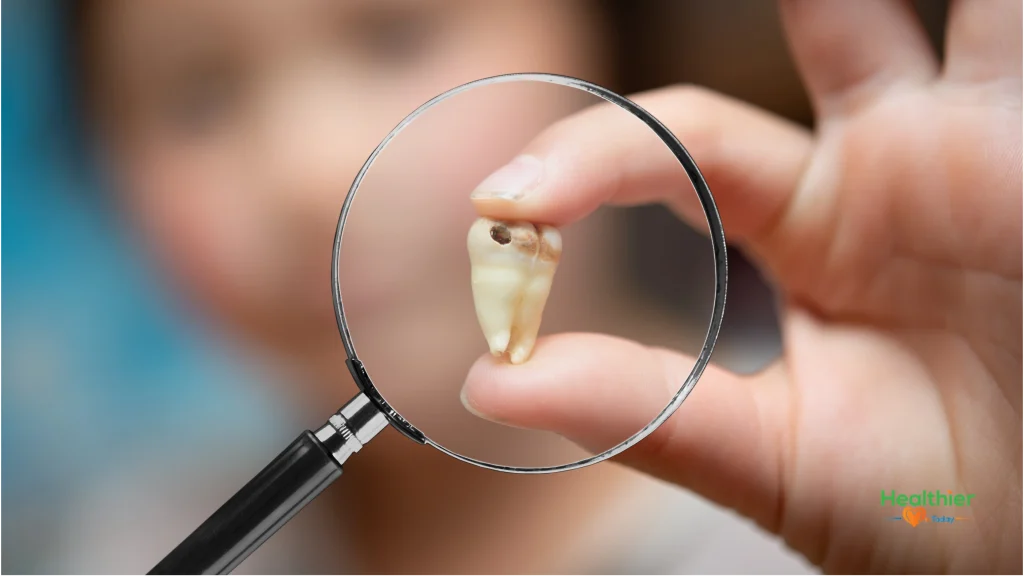
What are the benefits of seaweed in diet?

Some seafood benefits include heart health, immune function, thyroid, gut health, detoxification, weight loss, hair health, and skin health.

What are the benefits from seaweed salad?

What’s the benefits of seaweed salad? There are a lot of nutrients in seaweed salad and it is a good source of fiber, iodine, minerals, and antioxidants.

What is the nutritional value of seaweed?

1 cup of seaweed provides:

Calories – 45 
Fat – 1 gram 
Protein – 5 grams 
Carbs – 8 grams 
Copper – 56% of your daily value
Fiber – 1 gram
Folate – 13% of your daily value 
Thiamin – 15% of your daily value
Riboflavin – 22% of your daily value
Magnesium – 17% of your daily value
Iron – 21% of your daily value

Glaucoma Prevention Tips: Best Ways to Protect Your Vision!

Glaucoma prevention tips are crucial to protecting your vision and preventing permanent damage. Did you know that January marks Glaucoma Awareness Month? Glaucoma is a disease involving high eye pressure that can lead to permanent vision loss and blindness. It can happen for several reasons, but the good news is that most are completely treatable. In this article, we take a look at the different ways on how to prevent glaucoma and protect your eyes to ensure you have a long life with sight.

glaucoma awareness month

What is Glaucoma?

To know glaucoma prevention tips, we must first understand what it is. The word Glaucoma is used as an umbrella term for eye conditions that create a build-up of pressure inside the eyeball. This pressure damages vital delicate parts of the back of the eye. Most of these eye diseases are progressive, gradually worsening over time. As they progress, it can eventually lead to permanent blindness and vision loss. It’s important to know that glaucoma is the second-leading culprit of vision loss around the world. Glaucoma prevention tips are crucial for protecting your eyesight.
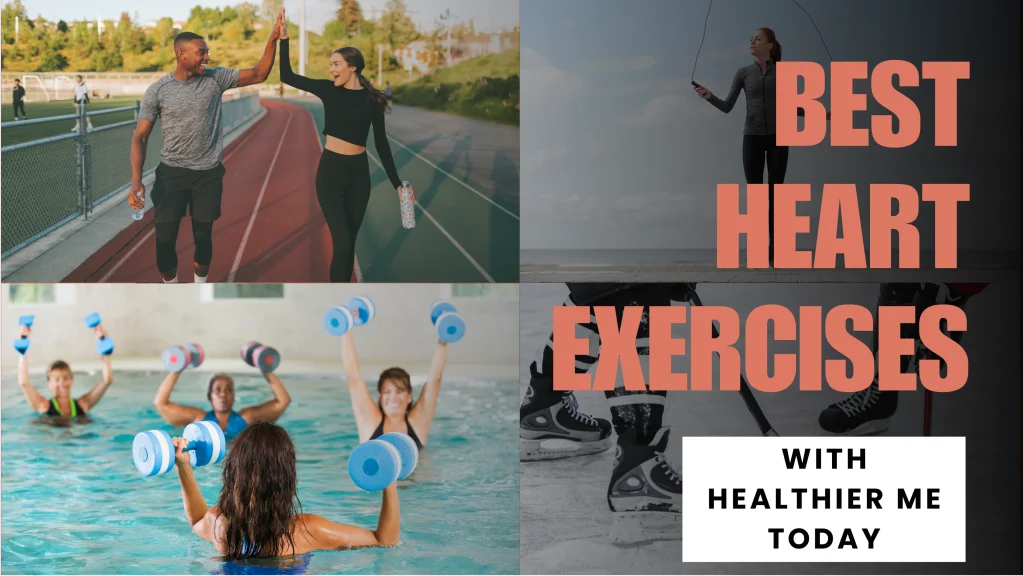
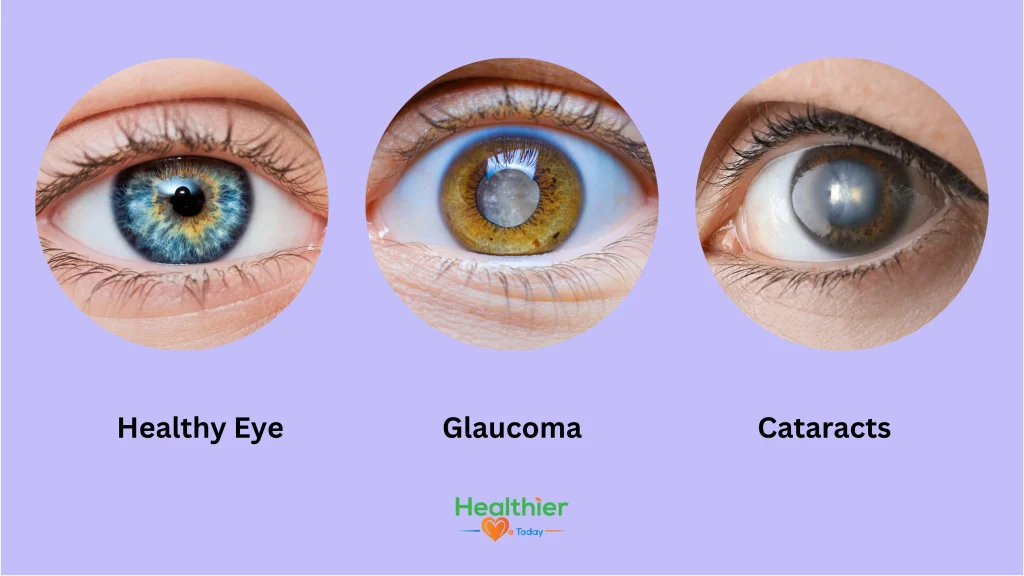
glaucoma prevention tips

It can be a challenging and emotional process after finding out that you have glaucoma or are at risk, and your first thought is glaucoma prevention tips to save your sight. For many people, their vision is a massive part of their everyday routine and activities. So, it is understandable to be afraid and anxious thinking about trying to adapt and live with severe visual impairment or blindness. Thankfully, most types of glaucoma can be treated, especially if caught early. And with the right management and consistent efforts, you can delay or even prevent developing glaucoma or visual impairment.

Symptoms of Glaucoma 

Glaucoma does not show symptoms in the early stages; this is why many people don’t even notice they have it. Symptoms may not show up until it has progressed, and the damage cannot be reversed. To help prevent this, glaucoma prevention tips are crucial for early detection and care.

glaucoma symptoms

Here are common symptoms of glaucoma to look out for:

  • Blurred vision
  • Diplopia (double vision)
  • Headaches
  • Eye pain and pressure
  • Red or bloodshot eyes
  • Developing blind spots (scotomas)
  • Developing visual field defects (tunnel vision)
  • Gradually developing low vision

Certain kinds of glaucoma, like angle closure glaucoma, cause sudden and severe symptoms. These need immediate medical attention and care to help prevent permanent vision loss and blindness. 

Here are emergency glaucoma symptoms that should not be ignored:

  • Hyphema (blood gathering in front of the iris)
  • Buphthalmos (bulging or enlarged eyeballs)
  • Seeing rainbow-colored halos around lights
  • Nausea and vomiting (happens from eye pain and pressure)
  • Increased appearance or development of myodesopsias (eye floaters)
  • Any kind of sudden vision loss
  • Photopsias (suddenly seeing flashing lights)

Causes of Glaucoma 

Knowing how the condition is caused is essential in knowing how to prevent glaucoma. Glaucoma is caused by damage to the optic nerve in the eye. This can happen without any apparent cause, but many different factors can bring on glaucoma. The most common cause and risk factor is intraocular eye pressure. A fluid called aqueous humor helps nourish the eyes and travels through the pupil to the front of the eye. If your eyes are healthy, the fluid will drain through the trabecular meshwork (Mesh-like canals), where the cornea and iris connect at an angle. 

How to lower eye pressure naturally

When you have glaucoma, the meshwork resistance increases, leaving the liquid nowhere to go and be drained. This is why a build-up is inside the eye, as the backed-up fluid causes pressure on the eyes. Over time, this build-up and pressure will lead to the optic nerve being damaged and the development of glaucoma. Glaucoma prevention tips are essential for managing eye health and reducing the risk of increased pressure. What causes the resistance and fluid build-up can vary and depends on the type of glaucoma you might have.

The Different Types of Glaucoma

There are many different kinds of glaucoma, but they generally fall under certain categories:

Primary Open-angle Glaucoma

Primary open-angle glaucoma is the most common kind of glaucoma. This happens when the drainage angle, which is where the inside of the sclera (white of the eye) and outer edge of the iris meet, is wide open. The aqueous humor fluid goes into this drainage angle so it can drain out the anterior chamber.

Primary Angle-closure Glaucoma

Aqueous humor (the clear watery fluid in the eye) is meant to flow from the posterior chamber behind the iris, through the pupil, and to the anterior chamber. However, the eye lens sometimes presses too far forward, which can block the fluid from flowing through the pupil’s openings. The excess fluid in the posterior chamber can force the iris to move forward which leads to the drainage angle narrowing and being closed off. 

Secondary Glaucoma

Secondary glaucoma is when another condition or situation worsens the eye pressure, which results in glaucoma. These can include certain medications (corticosteroids and cycloplegics), eye injuries, uveitis, eye procedures, pigmentary dispersion syndrome, and more.

Congenital Glaucoma

This means that you have developed glaucoma due to differences or changes that might have happened during fetal development in the womb. 

These include the following:

Understanding the different types of glaucoma is important, and glaucoma prevention tips can help reduce your risk for each type.

How is Glaucoma Diagnosed and Treated?

An eye specialist will use several tests to look for glaucoma during an eye examination. The great news is that these eye tests can catch glaucoma long before any symptoms occur and irreparable damage. For many eye tests specialists will have to dilate the pupil which is called mydriasis, to help get a better look inside of the eye. 

Glaucoma treatment options

Here are some glaucoma tests your eye doctor might run:

  • Visual field testing
  • Depth perception testing
  • Visual acuity testing
  • Pachymetry
  • Gonioscopy
  • Tonometry
  • Slit lamp exam 

If your doctor suspects there may be some damage to the optic nerve and retina, they may do some additional tests. 

They are:

  • Optical coherence tomography
  • Ultrasound
  • Fluorescein angiography
  • Computed tomography (CT)
  • Magnetic resonance imaging (MRI)

Treatment for Glaucoma 

Some common treatments of Glaucoma include the following:

Medications

This entails medications that aim to lower the pressure inside the eyes. They can also help to prevent developing glaucoma if you are at risk and have higher-than-normal intraocular pressure, also known as ocular hypertension. Medication can also help keep it from worsening to the point that symptoms are noticeable and damage occurs. 

Glaucoma Surgery

Glaucoma surgeries primarily focus on bettering the drainage of the eye fluid, which results in lowered pressure inside the eye. The glaucoma surgery success rate is relatively high, with 70% to 90% of patients having successful surgeries.  These kinds of surgeries include tube shunts, trabeculectomy, minimally invasive glaucoma surgeries (MIGs), and laser therapy. It’s important to consult with your eye care specialist about which treatment will be best for your glaucoma.

Here are also some natural remedies for glaucoma:

  • Ginkgo biloba extract (GBE)
  • Medical Cannabis
  • Natural antioxidants such as saffron and curcumin
  • Bilberry

Glaucoma Prevention Tips

Although it isn’t possible to completely prevent glaucoma, early detection and treatments can help to manage and lessen the fluid pressure inside the eye. It can also help to delay or prevent permanent vision loss.

Here are ways on how to prevent glaucoma and keep track of your eye health:

  • Regular eye exams – If there is increased pressure in the eye, it is often detectable during an eye exam. It can be caught early before damage and symptoms occur. By catching it early your eye specialist can help to prevent the glaucoma from worsening or at least try to slow the progression. 
  • Manage ocular hypertension – Your eye care specialist can help you manage your pressure if it is higher than usual by offering available treatments. Following their advice and guidance can be an effective way to help avoid or delay vision loss. 
  • Controlling your risk factors for glaucoma – Diabetes and high blood pressure are just two of some of the conditions that can contribute to eye problems. By managing them properly, you can help lower your glaucoma risk. This also means always protecting your eyes, such as wearing safety goggles and sunglasses when needed. 

Here’s how to lower eye pressure naturally before developing glaucoma:

  • Don’t ignore symptoms or changes to your vision
  • Reach and maintain a healthy weight for your body
  • Stay physically active, but be aware of exercises that could increase eye pressure
  • Don’t miss appointments and check-ups

Conclusion: Glaucoma in a Nutshell

Many people think of their vision as their most essential sense, which makes it even more frightening to think of a condition such as glaucoma. Receiving the diagnosis can be heartbreaking, but the good news is that glaucoma can be treated, and vision loss is preventable with the right glaucoma prevention tips and efforts.

Here is to better eye health in 2025!

FAQ’s:

Is glaucoma hereditary?

Yes, glaucoma is a hereditary condition that can be passed down through families. So, if someone in your family has or had this condition, your chances of getting it are significantly higher.

What are the early signs of glaucoma?

Some early signs of glaucoma include blurred vision, difficulty seeing in low light, and peripheral vision loss.

Risk factors for glaucoma

Some risk factors for developing glaucoma depend on the level of eye pressure, age, race, family history, medications, and other health conditions.

Can glaucoma cause blindness?

Yes, if left untreated glaucoma can cause blindness.

Is glaucoma reversible?

No, but early detection can help to slow and prevent vision loss.

What’s the difference between glaucoma and cataracts?

Glaucoma affects the parts of the back of the eye, such as the optical nerve, whereas cataracts affect the eye’s lens.

How to detect glaucoma?

An eye specialist can detect glaucoma by doing several eye tests during an examination. 

What is Open-angle vs. angle-closure glaucoma?

Although similar, the main difference between the two is that they differ in how the pressure increases and their associated risk factors.