Hip Pain After Pregnancy: Causes, Recovery & Relief

Hip pain after pregnancy is very common, it’s something many new mothers go through as their bodies recover and adjust after giving birth. This is because pregnancy and childbirth change a woman’s body in many ways, and sometimes they leave behind aches and discomfort.

In this guide, you’ll learn everything you need to know about hip pain after giving birth, the causes, recovery, and relief tips to help you move comfortably again.

Understanding Hip Pain After Pregnancy

During the first few weeks after giving birth, many new mothers experience sore hips postpartum. During pregnancy and childbirth, the body changes a lot. The pelvis, joints, and ligaments stretch to make room for the baby, and it takes time for things to go back to normal.

What Causes Hip Pain After Pregnancy

For some women, this discomfort fades quickly. Some women continue to experience painful hips after pregnancy for months or even years if it is not treated correctly. Learning about the causes, symptoms, and ways to recover can help you heal and regain your strength.

Common Causes of Hip Pain After Pregnancy

Hip discomfort following pregnancy is generally a typical occurrence; it frequently indicates your body’s process of healing. Healing requires time, and what is standard for one individual may appear completely different for someone else.

1. Hormonal Changes and Ligament Stretching

When you are pregnant, your body produces a hormone called relaxin to help your pelvis get ready for birth. This hormone loosens your ligaments and joints, which is helpful for delivery, but can also make your hips feel less stable and cause hip pain postpartum.

Even after birth, the hormone levels take time to return to normal, which is why many mothers experience sore hips after childbirth.

2. Pelvic Girdle Pain (PGP)

A common condition that causes pain in hips after pregnancy, also known as Symphysis pubis dysfunction. This happens when the pelvic joints move unevenly, adding extra pressure to the muscles and ligaments around the hips. As a result, your hip may feel sore or unstable.

3. Muscle Weakness and Posture Changes

Women experience aching hips after pregnancy due to weakened abdominal and pelvic muscles. When these muscles are strained, they provide less support for the spine and hips, reducing joint stability.

Poor posture while breastfeeding or holding your baby can also cause hip pain post pregnancy.

4. Hip Bursitis and Pregnancy

Hip bursitis can cause discomfort after childbirth when the small fluid-filled sacs in the hips become inflamed or irritated. This can result in sharp or dull pain, particularly when walking, climbing stairs, or lying on one side.

5. Nerve and Joint Pressure

Carrying extra pregnancy weight puts pressure on your hip joints, tailbone, and lower back. After delivery, the nerves may still be compressed, causing pain in hip joint after pregnancy, and sometimes the tailbone hurts after c section.

This is especially common among women who’ve had long labors or multiple pregnancies.

Hip Pain After C-Section

Mothers who have a cesarean section may also notice their hips hurting after pregnancy. Hips hurt after c section is prevalent because the surgery can weaken core muscles, which in turn affects posture and hip alignment.

Sitting for long periods while healing, nursing, or holding your baby can also cause hip pain post c section. Light movement and gentle stretching can help improve blood flow and reduce stiffness once your doctor approves.

Symptoms of Postpartum Hip Pain

Every woman experiences postpartum hip pain differently, but the most common signs include:

  • Constant dull ache or sharp pain in one or both hips
  • Pain that gets worse when you walk, go up stairs, or sit
  • A clicking or snapping feeling in the hip, especially when walking or standing up
  • Stiffness in the pelvis or lower back
  • Difficulty standing up or turning in bed

For most women, hip pain after childbirth starts improving within a few weeks or months as the body heals. However, if you notice these symptoms weeks or months after delivery, it may be a sign of long-term hip pain after pregnancy, which requires medical attention.

When to See a Doctor

If your hips hurt after giving birth and the pain doesn’t improve, it’s important to get checked by a doctor. Persistent hip joint pain after pregnancy may indicate an underlying issue that requires attention.

During your visit, your doctor may:

  • Check your hip alignment and movement through a simple physical examination.
  • Examine your pelvis and lower back to determine if any joints or ligaments are tight or strained.
  • If needed, your doctor may suggest tests such as an X-ray or MRI to identify the exact cause of your sore hips after pregnancy.

Getting a professional diagnosis is essential because it can be hard to walk, sleep, or care for your baby.

Treatment and Recovery Tips

Recovering from hip pain after pregnancy takes time, but the proper care can make a big difference. Here are a few simple and effective ways to ease discomfort and support your body’s healing process.

hip pain after pregnancy - Recovery & Relief Tips

  • Rest and Gentle Movement – Rest is important, but too much time in bed can make hips hurt after pregnancy. Try doing gentle activities, such as slow walks or light stretching.
  • Heat and Cold Therapy – Try placing a heating pad or warm compress on your hips to help your muscles relax and boost blood flow. If you notice swelling or inflammation, use an ice pack for 10 to 15 minutes. These can relieve sore hips after birth.
  • Pelvic Support Belts – Wearing a pelvic belt or brace can help stabilize your hips and relieve pressure on your lower back. It can be beneficial for postnatal hip pain caused by pelvic girdle instability.
  • Physical Therapy – Many people find physical therapy helpful for easing hip problems after pregnancy. They can assist with exercises to help strengthen your pelvic floor, hips, and lower back.
  • Nutrition and Supplements – Eating food rich in calcium, vitamin D, and magnesium helps your bones and joints recover. Drinking enough water and choosing anti-inflammatory foods can help relieve achy joints postpartum.
  • Massage and Acupuncture – Gentle postpartum massage can improve circulation and reduce stiffness. Some mothers also find relief through acupuncture, which may help with hip pain after pregnancy c section by releasing tension in deep muscles.

Preventing Hip Problems After Childbirth

While some after pregnancy hip pain is common, there are several steps you can take to reduce the risk of sore hips after childbirth. Strengthening your body, supporting your joints, and making minor daily adjustments can help prevent hip joint pain postpartum and other hip problems after birth.

Prevention & Long-Term Care - hip pain after pregnancy

You can lower your risk of hip flexor pain postpartum by:

  • Maintaining good posture while feeding or lifting your baby.
  • Doing gentle prenatal and postnatal exercises to strengthen your core.
  • Avoid sitting or lying in one position for too long.
  • Use proper support when sleeping to keep your hips aligned.

Even small changes every day can make a big difference in preventing hip problems after childbirth, helping the hips stay strong, reducing discomfort, and supporting overall mobility as the body recovers.

Conclusion: Your Path to Healing After Pregnancy

Recovering from pregnancy can be both beautiful and challenging, as your body goes through many changes while healing and adjusting to life after birth. Experiencing postpartum hip pain is a common issue for many new mothers. Whether your hips ache from weak muscles, poor posture, or conditions like hip bursitis and pregnancy, it’s essential to look after your body and give it time to heal.
Nutrition Tips for Pregnant Women Based on BMI

Eating well during pregnancy is one of the main ways to keep you and your baby healthy. Your body mass index (BMI) helps guide what foods to focus on, as it shows if you’re underweight, overweight, or at a healthy weight. A tailored pregnancy diet by BMI supports a safe pregnancy and reduces risks for both mother and baby.

This guide shares practical nutrition tips for different BMI categories to help you feel strong and confident throughout your pregnancy.

Let’s get into it!

Why BMI Matters in Pregnancy

BMI measures your weight relative to your height, giving insight into your health before and during pregnancy. It’s split into categories: underweight (below 18.5), healthy weight (18.5-24.9), overweight (25-29.9), and obese (30 and above). Each category comes with unique needs and risks.

Why BMI Matters in Pregnancy

For example, being overweight increases risks like gestational diabetes, while being underweight may lead to a smaller baby. A balanced diet tailored to your BMI helps manage these risks, supports baby growth, and keeps you energized. Knowing your BMI sets the stage for wise food choices.

Nutrition for Underweight Pregnant Women

If your BMI is below 18.5, underweight pregnancy nutrition focuses on gaining enough weight to support your baby’s growth. Research suggests aiming for a weight gain of 12.5-18 kg (28-40 lbs) during pregnancy.

Here’s how to eat well:

  • Eat More Calories: Aim for an extra 200-300 calories daily, especially in the second and third trimesters. Choose nutrient-rich foods like avocados, nuts, and whole-grain toast with peanut butter.
  • Focus on Protein: Include eggs, lean meats, beans, and dairy to build your baby’s tissues. A smoothie with Greek yogurt and fruit is an easy option.
  • Add Healthy Fats: Olive oil, salmon, and seeds provide energy and help brain development. Drizzle oil on vegetables or snack on almonds.
  • Eat Frequently: Small, regular meals (5-6 times a day) prevent feeling too full while boosting calories. Try cheese and crackers or yogurt with granola.
  • Stay Hydrated: Drink water, milk, or fortified juices to support digestion and nutrient absorption.

These choices help you gain weight steadily, ensuring your baby reaches a healthy size while keeping you strong.

Nutrition for Overweight Pregnant Women

If your BMI is 25 or higher, what to eat when pregnant overweight is about choosing nutrient-dense foods while managing weight gain. Experts recommend a weight gain of 7-11.5 kg (15-25 lbs) for overweight women or 5-9 kg (11-20 lbs) for obese women [pmc.ncbi.nlm.nih.gov].

Nutrition for Overweight Pregnant Women

Here’s how to eat smarter:

  • Choose Low-Calorie, High-Nutrient Foods: Fill up on vegetables, lean proteins, and whole grains. A salad with grilled fish and brown rice is filling yet light.
  • Cut Back on Processed Foods: Avoid chips, fast food, and sugary drinks, which add weight without nutrients. Instead of soda, drink water with lemon.
  • Eat Smaller, Frequent Meals: Five small meals keep hunger in check and stabilize blood sugar. Try hummus with carrots or a boiled egg for a healthy snack.
  • Focus on Low-Glycemic Foods: Foods like lentils, sweet potatoes, and apples prevent blood sugar spikes, reducing gestational diabetes risk.
  • Stay Active with Guidance: Light activities like walking, approved by your doctor, pair well with a diet to manage weight.

These habits reduce risks like high blood pressure and ensure your baby gets the nutrients needed.

Tips for a Healthy Pregnancy Weight

With a BMI of 18.5-24.9, you’re in a good spot to aim for a weight gain of 11.5-16 kg (25-35 lbs). Your diet should balance nutrients to support baby development without excess weight gain.

Follow these tips:

  • Eat Balanced Meals: Include vegetables, fruits, whole grains, lean proteins, and dairy. A plate with grilled chicken, quinoa, and steamed broccoli covers all bases.
  • Limit Sugary Foods: Cakes and sodas add empty calories. Choose fruit or dark chocolate for sweet cravings.
  • Prioritize Fiber: Whole grains, beans, and greens keep digestion smooth and prevent constipation. Oatmeal with berries is a great breakfast.
  • Include Iron-Rich Foods: Spinach, red meat, and fortified cereals help prevent anemia. Pair with vitamin C-rich foods like oranges for better absorption.
  • Watch Portions: Stick to regular meal sizes to avoid overeating. A palm-sized portion of protein and a fist-sized serving of vegetables work well.

This approach supports steady weight gain and keeps you and your baby healthy without overloading on calories.

Managing Risks

Each BMI category carries specific risks. Underweight women may have smaller babies, while overweight women face higher chances of gestational diabetes, high blood pressure, or cesarean delivery. A balanced pregnancy diet by BMI helps lower these risks.

pregnancy diet by bmi - Managing Risks

For example, eating enough protein and calories supports growth in underweight pregnancies, while low-glycemic foods reduce diabetes risk for overweight women [pmc.ncbi.nlm.nih.gov]. Regular checkups with your healthcare provider ensure your diet aligns with your needs and your baby’s health.

Making good food choices during pregnancy is easier with these strategies:

  • Plan Meals: Prepare simple dishes like vegetable stir-fries or overnight oats to stay on track.
  • Read Labels: Choose foods low in added sugars and high in fiber or protein.
  • Snack Smart: Keep nuts, fruit, or yogurt handy for healthy cravings.
  • Eat Colorfully: A variety of fruits and vegetables ensures a range of nutrients.
  • Talk to a Dietitian: If unsure about your diet, a professional can tailor a plan to your BMI.

These habits make eating well feel sustainable and straightforward, no matter your starting point.

Conclusion: Why’s BMI Important During Pregnancy?

A pregnancy diet by BMI helps you and your baby thrive by focusing on the right foods for your body. Whether you’re underweight, at a healthy weight, or overweight, choosing nutrient-rich meals and managing weight gain can make a significant difference.

From boosting your baby’s growth to lowering health risks, smart eating is a powerful tool. Start with small changes, like adding more vegetables or planning meals, and check with your doctor to stay on track. Build a healthy pregnancy with every bite.

Not sure about your BMI? Check it with our Pregnancy BMI Calculator!

FAQ’s:

What is the ideal weight gain for pregnant women based on BMI?

Underweight women (BMI below 18.5) should aim for 12.5-18 kg (28-40 lbs), healthy weight (18.5-24.9) for 11.5-16 kg (25-35 lbs), overweight (25-29.9) for 7-11.5 kg (15-25 lbs), and obese (30 and above) for 5-9 kg (11-20 lbs).

How does underweight pregnancy nutrition differ from other BMI categories?

Underweight pregnancy nutrition emphasizes extra calories (200-300 daily) and frequent meals with protein and fats to support weight gain, unlike healthy or overweight diets, which focus on balanced portions or low-glycemic foods.

What foods should overweight pregnant women avoid?

For what to eat when pregnant overweight, avoid processed foods, sugary drinks, and high-fat snacks. Choose nutrient-dense options like vegetables, lean proteins, and whole grains to manage weight and reduce risks.

Can diet alone manage pregnancy risks related to BMI?

A pregnancy diet by BMI lowers risks like gestational diabetes or low birth weight, but regular doctor checkups and light activity, like walking, are also key to a healthy pregnancy.

How do I know if my diet is meeting my baby’s needs?

A varied diet with protein, calcium, iron, and folic acid supports your baby’s growth. A prenatal vitamin and doctor visits ensure your pregnancy diet by BMI meets all needs.

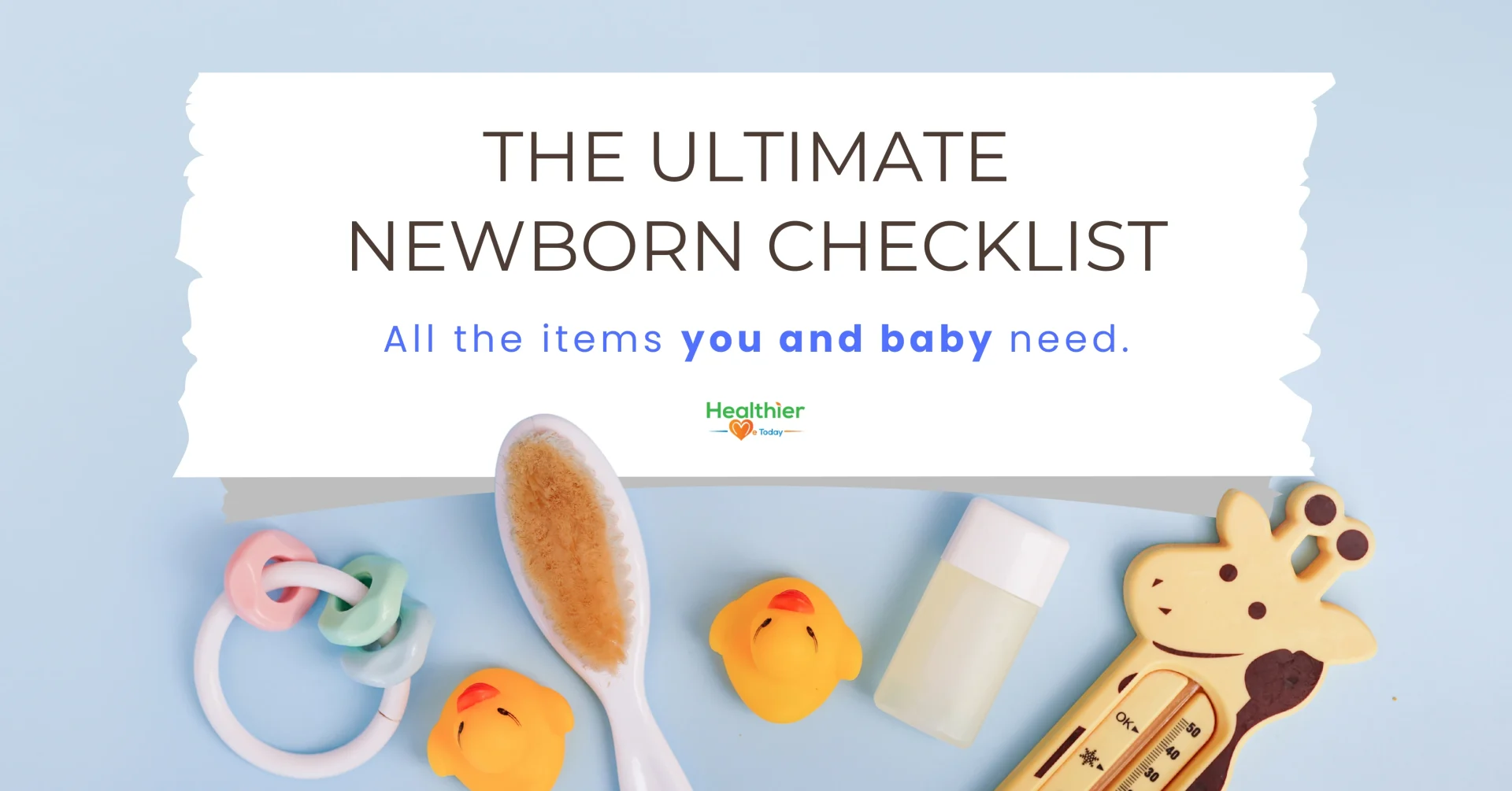
The Only Newborn Must Haves You Really Need (& Why)

If you’re preparing to welcome your first baby, chances are you’ve already searched ‘newborn must haves’ and felt overwhelmed by the endless checklists. One article insists you need twenty different swaddles, another says wipe warmers are a must, and baby store aisles only add to the pressure. Suddenly, shopping for a newborn feels less like joyful nesting and more like an exam with no clear answers.

The reality is that newborns require far fewer items than the marketing suggests. What truly matters in those first six months are a handful of essentials that keep a baby safe, comfortable, and cared for, while helping new parents feel calmer and more confident.

This guide highlights the newborn must haves that matter most, explains why each one earns its place, and clears away the clutter of unnecessary purchases so the focus can stay where it belongs… on the baby.

The Truth About Baby Gear No One Tells You

It’s not just you, the moment you search ‘newborn must haves’, it can feel like the whole baby industry is competing for your anxiety. From Instagram-perfect gear to store-ready gift registries, the message is loud and clear. You need everything to welcome your baby, but here’s what reality actually looks like!

Newborn essentials list

1. Parents are literally wasting hundreds of dollars on gear they never end up using.

A UK survey of over 1,000 parents found that families throw away an average of £379 (more or less USD 480) on newborn items that barely get used, or never at all. That includes baby towels (28%), shoes (25%), clothes outgrown before even being worn (25%), and even bath supports that go untouched (21%). Think about that, almost half of parents admitted they bought too much, and nearly half regretted overspending [madeformums.com].

2. The baby gear industry is booming, and it is absolutely banking on your fear of missing out.

Globally, the baby products market reached a staggering USD 320 billion in 2023, with projections rising to nearly USD 475 billion by 2030, driven by marketing that plays on new-parent anxieties and desire for safety and convenience [grandviewresearch.com]. Meanwhile, luxury registries are booming as well, spending on baby lists now rivals wedding lists, with average spends around £800 (about USD 1,000) as more new parents feel pressure to register for every “must-have” under the sun [thetimes.co.uk].

3. Some of the most heavily marketed items? Practically pointless or even unsafe.

Experts say many registry “essentials” are more of a hassle than a help. Think wipe warmers, Diaper Genies, pajamas with snaps, or overly fluffy bedding. They can be impractical, take up precious space, or even raise safety concerns, such as overheating or accidental suffocation [verywellfamily.com].

Here’s what parents vented, real and candid:

“Scented baby soaps/lotions… our baby ended up having super sensitive skin… wasted so many until realizing it was fragrances!” [www.reddit.com].

The bottom line is that much of what feels urgent and essential is choreographed by brands, bloggers, and influencers to make you feel like you’re failing if you don’t buy it. But the real must-haves? They’re fewer, more practical, and purpose-driven.

Newborn Essentials List Categories

Shopping for a newborn gets easier when it’s organized into clear categories. Instead of guessing or relying on endless registry lists, here’s a breakdown of baby essentials by area of daily life. Each section highlights the necessities you’ll actually use, the nice-to-haves you can consider later, and the don’t-needs that save money and space.

must have newborn items

Crucial newborn needs include:

  1. Baby clothes
  2. Baby linens
  3. Babyproofing and safety gear
  4. Bathing and baby care
  5. Diapering gear
  6. Feeding gear
  7. Nursery furniture
  8. Play gear
  9. Travel gear
  10. Health and soothing essentials

Let’s actually start looking at these items!

1. Baby Clothes

Why It Matters: Soft, easy outfits handle messes and keep your baby cozy.

  • Necessities:
    • 6 to 8 snap-crotch bodysuits (cotton, short/long-sleeve)
    • 3 to 4 side-snap T-shirts
    • 3 to 4 elastic-waist pants
    • 4 to 6 zippered sleepers (footed)
    • 6 pairs of socks
    • 2 soft hats (sun or knit, per climate)
    • 1 snowsuit (cold climates)
  • Nice-to-Haves:
    • Photo-worthy outfit
    • 2 pairs of scratch mittens
  • Don’t Need: Baby shoes or fancy outfits are impractical for newborns [thebump.com].

Tip: Choose 100% cotton and nickel-free snaps for comfort.

2. Baby Linens

Why It Matters: Safe linens promote sleep and reduce SIDS risk.

  • Necessities:
    • 2 to 3 fitted bassinet/crib sheets (cotton)
    • 4 to 6 muslin receiving blankets
    • 1 to 2 waterproof mattress pads
    • 3 to 4 swaddles or sleep sacks
  • Nice-to-Haves:
    • Crib skirt for style
  • Don’t Need: Pillows, loose blankets, or bumpers increase SIDS risk.

Tip: Pre-wash with fragrance-free detergent.

3. Babyproofing and Safety Gear

Why It Matters: Basic safety protects newborns, even before mobility.

  • Necessities:
    • Outlet covers
    • Cabinet/drawer latches
    • Furniture anchors
  • Nice-to-Haves:
    • Baby monitor (audio/video)
    • Corner guards
  • Don’t Need: Bulky babyproofing kits with flimsy parts.

Tip: Pick sturdy, reliable safety gear.

4. Bathing and Baby Care

Why It Matters: Gentle products make bath time safe and soothing.

  • Necessities:
    • Infant tub with sling
    • 2 hooded towels
    • 4 to 6 washcloths
    • Fragrance-free baby wash/shampoo
    • Nail clippers
    • Rectal/forehead thermometer
    • Nasal aspirator
    • 2 to 3 pacifiers
  • Nice-to-Haves:
    • Bath thermometer
    • BPA-free teether
  • Don’t Need: Perfumed products or unsafe teething gels.

Tip: Keep bath water at 98 to 100°F [mayoclinic.org].

5. Diapering Gear

Why It Matters: Smart supplies make diapering quick and comfy.

must have newborn items

  • Necessities:
    • 2 to 3 packs of newborn diapers or 20 to 24 cloth diapers
    • Fragrance-free wipes
    • Diaper rash cream
    • Diaper pail/lidded trash can
  • Nice-to-Haves:
    • Changing pad with two covers
  • Don’t Need: Wipe warmers or diaper stackers waste space.

Tip: Don’t overbuy newborn-size diapers.

6. Feeding Gear

Why It Matters: The right tools make feeding smooth for all.

  • Necessities for Breastfeeding:
    • 2 to 3 nursing bras
    • 6 to 8 pairs of nursing pads
    • Breast pump (manual/electric)
    • 6 to 8 burp cloths
    • 4 to 6 bottles with newborn nipples
  • Nice-to-Haves for Breastfeeding:
    • Nursing pillow
    • Nipple cream
  • Necessities for Formula Feeding:
    • 6 to 8 bottles with newborn nipples
    • Bottle brush
    • Formula (pediatrician-approved)
    • 6 to 8 burp cloths
  • Nice-to-Haves for Formula Feeding:
    • Bottle sterilizer
    • Bottle carrier
  • Necessities for Solids (after 6 months):
    • High chair
    • 4 to 6 bibs
    • 2 to 3 infant spoons
  • Nice-to-Haves for Solids:
    • Mess mat
  • Don’t Need: Bottle warmers or proppers (choking risks).

Tip: Sterilize bottles first and match nipple flow to baby’s needs [webmd.com].

7. Nursery Furniture

Why It Matters: Safe sleep spaces are key to health and rest.

  • Necessities:
    • Bassinet or crib
    • Firm crib mattress
  • Nice-to-Haves:
    • Changing table
    • Glider/rocking chair
    • Humidifier
  • Don’t Need: Secondhand cribs may not meet safety standards.

Tip: Ensure the mattress fits snugly with no gaps.

8. Play Gear

Why It Matters: Simple play items spark early development.

  • Necessities:
    • Bouncer seat
    • Playmat with visuals
  • Nice-to-Haves:
    • 2 to 3 soft books
    • 2 to 3 rattles
    • Activity gym
  • Don’t Need: Walkers, jumpers, or car seat toy bars.

Tip: Avoid toys with small parts or strings.

9. Travel Gear

Why It Matters: Safe gear makes outings easy.

  • Necessities:
    • Infant car seat (rear-facing)
    • Newborn-compatible stroller
    • Baby carrier
  • Nice-to-Haves:
    • Diaper bag
    • Stroller rain cover
  • Don’t Need: Secondhand car seats or car mirrors.

Tip: Practice car seat installation early [nhs.uk].

10. Health and Soothing Essentials

Why It Matters: Tools for health and comfort ease minor issues.

  • Necessities:
    • Digital thermometer
    • Nasal aspirator
    • First-aid kit
  • Nice-to-Haves:
    • Humidifier
    • White noise machine
  • Don’t Need: Homeopathic teething remedies.

Tip: Keep health items in an organized kit.

Conclusion: Checklist? Check

Parenthood feels a lot lighter when the focus is on the real newborn must haves. A safe car seat, a comfortable sleep space, and dependable feeding gear are the foundation, you don’t need a mountain of extras to do this well. Cutting out the non-essentials keeps your budget safe, your home uncluttered, and your mind at ease.

This newborn must haves list is a guide, not a rulebook. Adjust it to fit your family, and trust that you’re already prepared for those first special months. With the essentials covered, the space opens up for what matters most: bonding, joy, and the little everyday milestones that make this journey unforgettable.

Ready Rocker HMT - For Back Pain

FAQ’s:

What baby items do new parents actually use every day?

Must have newborn items like diapers, wipes, bodysuits, swaddles, and feeding gear (such as bottles or nursing pads) that are used daily. These essentials handle frequent diaper changes, feedings, and sleep routines, forming the core of newborn care essentials for a smooth daily routine.

Which newborn purchases are worth the money?

Investing in a high-quality car seat, a sturdy bassinet, and reliable bottles or a breast pump is worthwhile. These newborn registry essentials prioritize safety, durability, and frequent use, offering long-term value and peace of mind for parents and baby alike.

How can I prepare my home for a new baby on a budget?

Buy gently used newborn nursery essentials like clothes or linens (avoid used cribs or car seats), opt for multi-use items like muslin blankets, and focus on the core newborn essentials list items. Borrowing gear from friends or family can further stretch your budget without compromising functionality. So many parents do this!

What should I pack for my baby’s first night at home?

Pack diapers, wipes, a swaddle, a onesie, a soft hat, and feeding supplies (bottles or nursing gear) as must have newborn items. These basics ensure your baby stays comfortable and you’re equipped for feeding, changing, and soothing during that memorable first night.

Which products make nighttime feedings easier?

A nursing pillow supports comfortable feeding positions, burp cloths manage spit-ups, and a white noise machine creates a calming sleep environment. These newborn care essentials streamline nighttime feedings, helping both you and your baby rest easier during those late-night moments.

How can I choose safe and non-toxic baby products?

Choose BPA-free bottles, fragrance-free toiletries, and organic cotton clothing with certifications like OEKO-TEX, GOTS, or CPSIA [fairybaby.com]. Reviewing product safety ratings and durability ensures newborn care essentials are gentle and safe for your baby’s sensitive skin and overall well-being.

What items help the most in the first week with a newborn?

Swaddles, a bassinet, diapers, wipes, and feeding gear (like bottles or nursing pads) are critical must have newborn items for the first week. These cover sleep, hygiene, and feeding needs, helping you establish a comfortable routine during those early, precious days.

What do experienced moms wish they had bought sooner?

A baby carrier for hands-free bonding, a white noise machine for better sleep, and extra burp cloths for messy moments are newborn registry essentials many parents wish they’d prioritized. These items simplify daily tasks, enhance comfort, and make parenting feel more manageable.

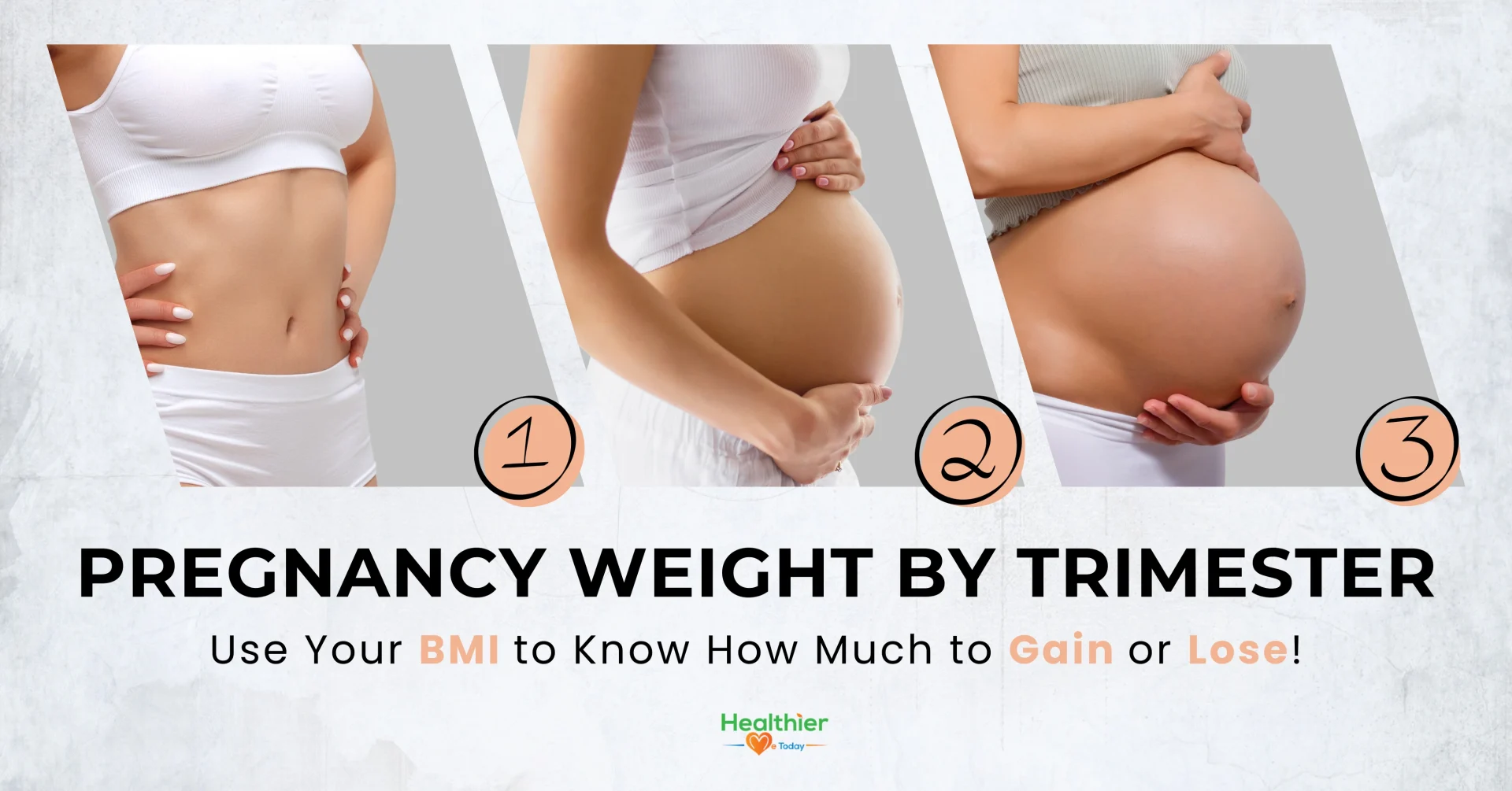
Healthy Weight Gain During Pregnancy: What to Expect Trimester by Trimester

Yes, there is such a thing as healthy pregnancy weight gain, and it’s one of the clearest signs that both your body and your baby are on the right track. Those extra pounds don’t just appear for no reason. They show that your baby is getting the nutrients and protection needed to grow, while your body prepares for labor, delivery, and breastfeeding.

But what does “healthy” really mean when it comes to numbers on the scale? And how much weight to gain in pregnancy is actually considered normal?

Here’s a breakdown of what to expect in every trimester, along with practical ways to stay nourished, active, and supported from start to finish.

What is Healthy Weight Gain During Pregnancy?

Healthy pregnancy weight gain is about balance, gaining enough to support your baby’s growth and your body’s changes, without going too far in either direction. It’s not just “baby weight.” The placenta, amniotic fluid, increased blood volume, breast tissue, and stored energy reserves all contribute to those extra pounds. These changes make sure your body is ready for birth and has the resources needed for breastfeeding afterward.

Healthy Pregnancy Weight Gain

The right amount of weight gain depends largely on your pre-pregnancy BMI, which doctors use to guide safe ranges. Staying within these ranges lowers the risk of complications like gestational diabetes, high blood pressure, and delivery challenges, while also protecting your baby from being born too small or too large.

Most women notice a slower gain in the first trimester, followed by a steadier increase in the second and third. In fact, the majority of weight is typically gained after the halfway point of pregnancy.

Here’s a breakdown:

BMI Before Pregnancy BMI Range Recommended Total Gain Recommended Gain (lbs)
Underweight Below 18.5 12.5–18 kg 28–40 lbs
Healthy weight 18.5–24.9 11.5–16 kg 25–35 lbs
Overweight 25–29.9 7–11.5 kg 15–25 lbs
Obese 30 and above 5–9 kg 11–20 lbs
Twins [healthy weight] 18.5–24.9 17–25 kg 37–54 lbs
Twins [overweight] 25–29.9 14–23 kg 31–50 lbs

First Trimester: Getting Started (Weeks 1–12)

Weight gain in the first trimester is usually small, around 0.5–2 kg (1–5 lbs). Most of this comes from early changes like placenta growth, increased blood volume, and amniotic fluid. Underweight women should aim for the higher end, while those who are overweight may gain less or even lose a little due to morning sickness [mayoclinic.org].

Small, frequent meals with nutrient-rich foods such as yogurt with berries, wholegrain toast with avocado, or nuts can help maintain energy when nausea makes large meals difficult. Staying hydrated is essential. Try water with lemon, herbal teas like ginger, or diluted juice if plain water is unappealing. Continue taking prenatal vitamins, especially folic acid, to support your baby’s early development.

Second Trimester: Steady Growth (Weeks 13–26)

The second trimester is when weight gain becomes more consistent, averaging around 0.5 kg (1 lb) per week for healthy-weight women, or about 6–8 kg (13–18 lbs) in total by the end. Underweight women may need slightly more, while overweight women generally aim for around 0.3 kg (0.6 lb) weekly. If you are carrying twins, weight gain often increases to about 0.7 kg (1.5 lbs) per week.

Second Trimester

This stage is a period of rapid baby growth and increased maternal fat storage, which your body will use for energy in late pregnancy and breastfeeding. Appetite usually improves compared to the first trimester, making it easier to eat a variety of nutrient-rich foods.

Focus on balanced meals that include:

  • Protein to support muscle and tissue growth (e.g., chicken, eggs, fish, beans)
  • Calcium for your baby’s bones and teeth (e.g., milk, yogurt, fortified plant milks)
  • Iron to prevent anemia and boost oxygen supply (e.g., spinach, lentils, lean red meat) [hematology.org]

Aim for three main meals and one or two healthy snacks each day, such as wholegrain crackers with cheese or a smoothie with fruit and spinach. Keep portions balanced and avoid excessive sugary or highly processed foods, which add calories without essential nutrients.

Third Trimester: Final Stretch (Weeks 27-40)

During the final stretch of pregnancy, weight gain usually evens out at around 0.5 kg (1 lb) per week for women in a healthy weight range. Those who began pregnancy underweight may gain a little more, while those who were overweight often gain a little less. By this stage, your baby’s organs are nearly fully developed, and your body is shifting its focus toward preparing for labor, delivery, and breastfeeding.

Eating well becomes especially important now. Nutrient-rich foods like sweet potatoes, beans, leafy greens, eggs, and lean meats provide the strength both you and your baby need. Many women also find that smaller, more frequent meals help ease the heartburn and indigestion that tend to show up in late pregnancy.

Make sure to schedule regular prenatal check-ups so that both you and your baby stay healthy right up until delivery. These visits help track progress, address concerns, and give you peace of mind as you prepare to welcome your baby.

Tips for Healthy Weight Gain

If you aren’t quite where you need to be with your pregnancy weight gain, don’t panic. It doesn’t mean you’ve done something wrong, it simply means your body may need a little extra support. What matters most is making small, consistent choices that help you move closer to healthy pregnancy weight gain, giving both you and your baby the best foundation.

Tips for a healthy pregnancy

Here are the most important habits:

  • Eat Balanced Meals: Include vegetables, fruits, whole grains, lean proteins, and dairy. A meal with chicken, brown rice, and greens gives you nutrients without excess calories.
  • Snack Smart: Choose healthy snacks like yogurt, fruit, or nuts instead of chips or sweets. Keep a stash in your bag for quick bites.
  • Stay Hydrated: Drink water or milk to support digestion and keep you feeling good. Aim for 8-10 glasses daily.
  • Watch Portions: Use a smaller plate to avoid overeating, especially in later trimesters. A fist-sized serving of vegetables is a good guide.
  • Move Your Body: Light activities like walking or prenatal yoga, approved by your doctor, help manage weight and boost energy.

Conclusion: What’s the Right Amount?

The right amount of healthy pregnancy weight gain depends on your pre-pregnancy BMI and how your body changes across each trimester. By understanding weight gain by trimester, you can see what’s considered normal at every stage and make choices that support both your health and your baby’s development.

Whether your weight increases slowly in the first trimester or more steadily in the third, the overall goal is balance. Consistent habits, like eating nourishing meals, staying active, and attending regular check-ups, make all the difference in staying on track.

Use our Pregnancy BMI Calculator to check if your weight is within the recommended range!

Ready Rocker HMT - for back relief
FAQ’s:

How much weight should you gain in each trimester?

In the first trimester, most women gain about 0.5–2 kg (1–5 lbs). From the second trimester onward, healthy-weight women typically gain around 0.5 kg (1 lb) per week. If you started pregnancy underweight, you may need to gain a little more, while women who are overweight often gain slightly less (about 0.3 kg/0.6 lb per week).

What happens if you gain too much weight during pregnancy?

Gaining more than the recommended amount can raise the risk of complications such as gestational diabetes, high blood pressure, or the need for a cesarean delivery. Focusing on nutrient-rich meals and gentle activity can help manage weight gain in a healthy way.

What if you’re not gaining enough weight?

Gaining too little weight can increase the chances of having a smaller baby or preterm birth, especially if you started pregnancy underweight. Eating frequent, calorie-rich but nutritious meals, like adding nut butters, avocados, smoothies, or healthy oils, can help support steady weight gain. Talk with your doctor if you’re concerned.

Does weight gain differ for twins or multiples?

Yes. Women carrying twins generally need to gain more, about 17–25 kg (37–54 lbs) for a healthy pre-pregnancy weight, or 14–23 kg (31–50 lbs) if overweight. Weight gain is usually spread more evenly across trimesters.

Can exercise impact weight gain?

Yes, light, doctor-approved activities such as walking, swimming, or prenatal yoga can help support healthy pregnancy weight gain. Exercise keeps you active, reduces discomfort, and supports steady gain without burning too many calories.

What foods help with weight gain by trimester?

Choose nutrient-dense foods that give you and your baby lasting energy. Lean proteins, whole grains, fruits, vegetables, nuts, and dairy help maintain steady gain. Limiting sugary snacks and processed foods makes it easier to keep weight gain within a healthy range.

How Often to Bathe Newborn? Expert Advice for Happy Babies

How often should you wash a newborn? It sounds like such a simple question, yet ask three different parents and you’ll probably get three very different answers. Some insist on daily baths, worried about hygiene. Others only bathe their baby every few days, worried about dryness and irritation. Caught in the middle are exhausted new parents, trying to do what’s best but not sure which advice to follow. If you’ve been wondering how often to bathe newborn babies, you’re not alone—many parents face the same confusion.

The good news is, there are clear recommendations, and once you know them, bath time becomes far less stressful.

Here’s what you need to know…

Most Important Facts About Bathtime

Newborn skin is thinner and more delicate than adult skin, which makes it more prone to dryness, irritation, and infection. That’s why bath time isn’t just about hygiene, it’s part of protecting your baby’s health. In fact, the American Academy of Pediatrics highlights that a baby’s skin barrier continues developing in the first year of life, making gentle care essential.

how often to bathe newborn

Overbathing can strip away natural oils, while underbathing may leave behind irritants like sweat, milk, or spit-up that can cause rashes. Finding the right balance keeps their skin healthy, reduces the risk of eczema and cradle cap, and helps your baby feel more comfortable.

Bathing also supports emotional well-being. They say routine and skin-to-skin contact during bath time lowers stress in both babies and parents, turning it into a calming, bonding ritual rather than just another task on the to-do list.

Key Practices for Newborn Bathing

You’re probably wondering, but how do I bathe a newborn? Do pediatricians recommend sponge baths after birth? What is the ideal temperature? How often do you bathe a newborn? It’s all very normal and there are answers for every one of these questions.

Here’s a closer look:

Timing the First Bath

Parents should wait 6 to 24 hours after birth for their baby’s first bath to stabilize their body temperature and encourage bonding, per the World Health Organization. For home births, delay at least 6 hours unless it’s medically necessary to do so.

Sponge Bathing

Pediatricians recommend sponge baths for the first 1 to 3 weeks to keep the umbilical cord stump dry. Use a soft, damp cloth with lukewarm water or mild, fragrance-free baby soap to wipe your baby’s face, neck, and diaper area. Lay your baby on a changing table, keeping them wrapped in a towel for warmth. This lowers infection risk by 30% and fosters bonding [healthychildren.org].

Water Temperature

temperature to bathe a newborn

The temperature to bathe a newborn should be about 100°F for a safe infant bath, as tested with a thermometer or your wrist. Too-hot water risks burns, while too-cold water can chill your baby, increasing discomfort by 25%. Fill a tub or sink with 2 to 3 inches of water, swirling to even out the temperature. Never add hot water during the bath to avoid accidents.

Safe Holding

When bathing your newborn safely, support their head and neck with one hand while washing with the other. Use a non-slip baby tub or towel-lined sink to prevent slips, reducing accident risk by 40%. Keep one hand on your baby at all times, and place the tub on a stable counter for a secure grip [mayoclinic.org].

Gentle Cleaning

Start with your baby’s face, using only lukewarm water to avoid irritation around the eyes or mouth. Move to neck folds and armpits, cleaning the diaper area last to prevent germ spread. Use mild, fragrance-free soap sparingly, 1 to 2 times a week, to avoid drying skin, which can increase irritation by 20%. Rinse well and talk softly to keep your baby calm. [pmc.ncbi.nlm.nih.gov]

Bath Frequency

Bathe your newborn 2 to 3 times a week to avoid drying their skin, as frequent washing can reduce natural oils by 30%. Spot-clean the face, hands, and diaper area daily with a damp cloth. Adjust based on your baby’s skin to balance cleanliness and comfort.

Post-Bath Care

Pat your baby dry with a soft towel, focusing on skin folds to prevent rashes, which affect 10% of newborns if damp. Apply fragrance-free moisturizer if skin looks dry, but avoid powders, as they can irritate lungs by 15%. Dress and cuddle your baby to maintain warmth [rch.org.au].

Choosing the Right Bath Routine

Finding the best bath routine depends on your baby’s age and skin needs. For the first month, two to three baths per week work well, using sponge baths until the umbilical cord stump falls off. As babies grow (3 to 6 months), 3 to 4 baths may be suitable for messier moments. Avoid overbathing, which can cause dryness, and choose fragrance-free products to prevent irritation. Check for skin redness to adjust frequency.

how often should you bathe a newborn

Here are vital factors to consider:

  • Age and Skin Sensitivity: Newborns require fewer baths (2 to 3 times weekly) to protect their delicate skin. By 6 months, increase to 3 to 4 times a day if needed, watching for dryness or rashes to adjust the bathing frequency accordingly.
  • Umbilical Cord Status: Use sponge baths until the cord stump falls off (1 to 3 weeks). Tub baths are safe afterward, with a recommended frequency of 2 to 3 times weekly to support skin health.
  • Activity Level: Older babies (6 to 12 months) may require more frequent baths due to spit-up or the introduction of solids [healthline.com]. Adjust the routine based on messiness, but avoid daily baths if the skin appears dry to maintain moisture.
  • Product Choice: Select fragrance-free, hypoallergenic soaps and shampoos. Avoid adult products, which can irritate newborn skin, to ensure a safe experience.
  • Environmental Factors: In dry or cold climates, reduce baths to 1-2 times weekly to maintain skin moisture. In humid areas, three baths may help prevent rashes caused by sweat.
  • Your Schedule: Choose a routine that suits your day, such as evening baths, to help your baby relax. Consistency helps make bathing newborns a calming habit for both of you.

Conclusion: So, What’s the Verdict?

When wondering, “How often should I bathe my newborn?” It’s important to know no one really knows exactly what they’re doing the first time around, and that’s completely normal. Whether you’re figuring out how often to bathe newborns or are nervous about the newborn first bath, every parent starts with questions. What matters most is keeping your baby comfortable, safe, and cared for as you learn together.

Over time, bath time will become less of a question mark and more of a routine you enjoy. Aim for balance, taking enough baths to stay fresh while being gentle enough to protect your baby’s delicate skin. Remember, there’s no single “perfect” schedule, only the one that works for your family.

Interested in more health insights? Explore our blog for expert advice on wellness, care routines, and everyday health tips.

Ready Rocker HMT - For Back Pain

FAQ’s:

What’s the safest way to bathe a baby at home?

Start by using a clean, non-slip tub and filling it with just 2-3 inches of warm water. The right infant bath temperature is about 100°F/38°C. Always support your baby’s head and neck with one hand, and use your other hand to wash them with mild, fragrance-free soap gently.

Most importantly, never leave your newborn unattended in the bath, even for a moment. Having everything you need (towel, washcloth, fresh diaper, and clothes) within reach before you start makes the process smoother and safer.

Can I skip a baby’s bath some days?

Yes, and it’s often the healthier choice. Newborns only need a complete bath 2 to 3 times per week. Bathing too frequently can dry out their delicate skin, so skipping a day (or more) is entirely normal. On the days you don’t do a full bath, simply wipe your baby’s face, neck, hands, and diaper area with a soft cloth and warm water.

Is it okay to bathe a baby at night?

Yes, a nighttime bath can be a wonderful way to help your baby wind down for sleep. Keep the water at a cozy 100°F for a safe infant bath temperature and make sure the room is warm, around 75°F, to keep your baby comfortable. Have a soft towel, pajamas, and a diaper ready to wrap them up quickly, turning bath time into a relaxing part of their bedtime routine.

How long should a newborn’s bath last?

Aim for 5 to 10 minutes for your newborn’s first bath or regular bath to keep them warm and happy. Use mild, fragrance-free soap gently and check that the water stays at 100°F. A quick, gentle bath ensures your baby stays comfortable, making it a stress-free moment for you both.

What products are safe for newborn baths?

Stick to fragrance-free, hypoallergenic soaps and shampoos made just for newborns to keep their sensitive skin happy. Avoid adult products or anything with harsh chemicals, as these can irritate skin in 20% of babies. Keep a soft washcloth and a gentle cleanser handy for a soothing, safe bath that leaves your baby feeling fresh.

What time of day is best for infant baths?

When to bathe newborns depends on what feels right for you, but evening baths can help your baby relax for bedtime, while morning baths can start the day fresh. Use water at 100°F and have a towel, diaper, and clothes ready to make bath time a consistent, joyful routine for you both.

Can daily bathing dry out a baby’s skin?

Yes, bathing every day can strip away natural oils, causing dryness in 30% of newborns. Aim for 2 to 3 baths a week with mild, fragrance-free soap. On other days, wipe your baby’s face, hands, and diaper area with a soft cloth and warm water to keep their skin healthy and smooth.

How do I know if my baby enjoys bath time?

Look for happy signs like smiles, coos, or relaxed arms and legs during baths to know your baby is enjoying it. If they’re fussy, check the infant bath temperature (100°F) or try singing softly to calm them. Have a cozy towel ready to make bath time a fun, comforting experience for your little one.

Do pediatricians recommend sponge baths after birth?

Yes, sponge baths are the best choice until the umbilical cord stump falls off, usually in 1 to 3 weeks, to prevent infection by 30%. Use a soft cloth with lukewarm water or mild soap, keeping a towel and diaper nearby for a gentle, safe routine that keeps your baby comfortable.

Soothing Diaper Rash Made Easy: Quick Tips & Effective Creams

Seeing your baby wince because of a diaper rash is tough for any parent. Those red, sore patches can turn a happy moment into a fussy one, but quick action can make all the difference. This article explains what causes those irritating rashes, how to spot them, and simple ways to soothe your baby’s skin. With practical tips and creams, you’ll have your little one smiling again in no time.

What is Diaper Rash?

Diaper rash is a common skin irritation that appears as red, tender patches in the diaper area, often making babies irritable and uncomfortable. It occurs when moisture, friction, or other irritants become trapped under a diaper, irritating sensitive skin. Most babies, especially newborns, get it at some point, but mild cases usually clear up with home care. Knowing about newborn diaper area irritation helps parents act fast to ease discomfort.

diaper rash

Some rashes, such as yeast diaper rash, are more challenging and require specialized treatment. While mild rashes often subside within a few days, severe ones can persist longer if not correctly treated. Understanding diaper chafing treatment options allows you to choose the best way to soothe your baby’s skin and prevent rashes from recurring.

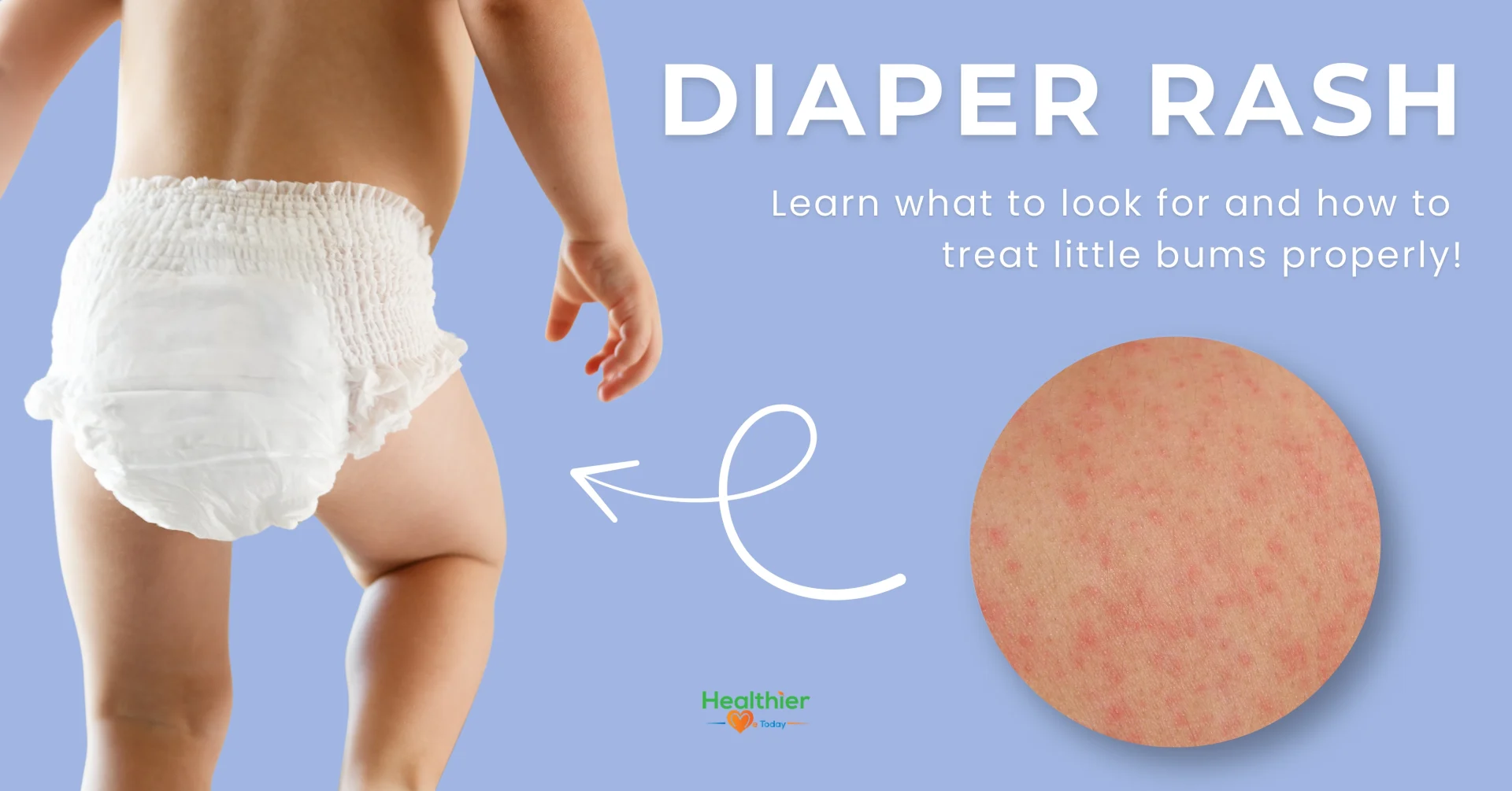
What Does Diaper Rash Look Like?

Knowing what does diaper dermatitis look like is the first step to helping your baby feel better. It typically appears as red, inflamed skin in the diaper area, but the appearance changes depending on the cause or severity of the condition.

Look out for:

  • Mild Rash: Pink or red patches on the buttocks, thighs, or genitals, slightly warm to the touch.
  • Severe Rash: Bright red, sore areas, sometimes with bumps or peeling skin.
  • Yeast Rash: Red, raised patches with sharp edges, often with tiny pustules or scaly spots.
  • Irritation Rash: Flat, shiny red areas, typically from wetness or chafing.
  • Allergic Rash: Patchy redness, sometimes swollen, from reactions to diapers or wipes.

These signs guide you to the right approach for knowing how to heal diaper rash.

Causes of Diaper Rash

Several factors can trigger diaper chafing, and understanding the cause helps you treat and prevent it. Most cases stem from irritation or changes in the environment of the diaper area.

  • Wetness: Wet or soiled diapers left on too long irritate delicate skin.
  • Friction: Tight diapers or rough clothes rub and cause redness.
  • Yeast: Candida yeast grows in warm, moist areas, leading to yeast diaper rash.
  • Allergies: New diapers, wipes, or soaps can trigger allergic reactions on the skin.
  • Diet Changes: New foods or breastfeeding shifts can alter stool, potentially irritating the skin.

Understanding these triggers helps you select the most effective diaper rash cream or treatment.

How to Treat Diaper Rash

Treating diaper rash means using gentle care to soothe your baby’s skin fast.

diaper rash treatment

Here are four practical ways to help your little one feel better:

Change Diapers Frequently

Keeping the diaper area clean and dry is key to understanding how to treat diaper dermatitis. Change diapers every 2 to 3 hours, or immediately after a bowel movement. Clean gently with warm water and a soft cloth, avoiding harsh wipes. Pat the skin dry instead of rubbing to prevent more irritation. Frequent changes help reduce moisture and promote skin healing.

Use a Barrier Cream

A diaper dermatitis cream containing zinc oxide helps protect and soothe irritated skin [my.clevelandclinic.org]. Apply a thick layer during each diaper change, focusing on red areas, after cleaning and drying the skin. These creams form a shield against moisture and irritants. Caregivers often see mild rashes clear up in a few days with consistent use.

Give Diaper-Free Time

Letting your baby’s skin breathe is a simple way to ease diaper rash [chla.org]. Lay your baby on a soft towel for 10 to 15 minutes a few times a day after cleaning. Keep the area well-ventilated to reduce moisture. Ensure the space is warm and safe. This approach speeds healing by giving skin a break from diapers.

Treat Yeast Rash with Antifungal Cream

For yeast diaper dermatitis, an antifungal cream is essential [my.clevelandclinic.org]. These rashes look redder with distinct edges and may have pustules. Apply an over-the-counter antifungal cream, such as clotrimazole, as directed, after cleaning and drying the affected area. Pair it with a barrier cream for extra protection. This targets yeast and clears stubborn rashes faster.

How to Prevent Diaper Rash

Preventing diaper rash is easier with a few daily habits. These tips help keep your baby’s skin healthy and reduce the risk of irritation.

They are:

Keep the Area Dry

Dry skin stays rash-free. Change diapers often, especially after bowel movements, and clean with warm water and a soft cloth. Pat the skin dry gently. Use absorbent, breathable diapers to pull moisture away. Parents find that staying on top of changes helps prevent most mild rashes from developing.

Choose Gentle Products

Use diapers, wipes, and soaps designed for sensitive skin to avoid irritation. Opt for fragrance-free, hypoallergenic options [kidshealth.org]. Test new products on a small patch of skin first to check for reactions. Caregivers often notice fewer rashes when using gentle, baby-safe products that don’t bother the skin.

Apply Cream Regularly

Applying a diaper rash cream daily, even when there is no rash, can help prevent irritation. Use a thin layer of zinc oxide cream during changes to act as a barrier against wetness. This habit protects the skin, especially for babies prone to rashes, and helps prevent flare-ups.

When to See a Healthcare Provider

Most diaper rashes can be managed with home care, but some require professional attention. If diaper dermatitis treatment doesn’t work or the rash gets worse, it’s time to seek help.

diaper rash treatment Healthcare Provider

Look for these signs:

  • Rash doesn’t improve after three to four days of home care.
  • Bright red areas with pustules, sores, or bleeding appear.
  • Your baby seems in pain, cries during changes, or has a fever.
  • The rash spreads beyond the diaper area or looks infected.
  • Recurring rashes often suggest an underlying issue, such as allergies.

Seeing a healthcare provider ensures your baby gets proper care for severe or persistent rashes.

Conclusion: Can You Treat Diaper Rash?

Diaper rash might be a common challenge, but it doesn’t have to disrupt your baby’s comfort for long. With the right care, like frequent changes, soothing creams, and breathable diaper-free time, you can ease irritation and speed up healing. Spotting the signs early and knowing which treatments to use makes all the difference, especially when dealing with stubborn rashes like yeast infections. And while most cases clear up at home, don’t hesitate to reach out to a healthcare provider if the rash worsens or lingers. A little extra care today can bring big relief tomorrow for both you and your baby.

Ready Rocker HMT

FAQ’s:

How do I treat diaper rash at home?

You can treat diaper rash at home by changing diapers often, cleaning with warm water, and patting dry. Apply a zinc oxide-based diaper rash cream to protect the skin. Give diaper-free time to let the area breathe. For yeast diaper rash, use an antifungal cream. These steps usually clear mild rashes in a few days.

What does diaper rash look like in newborns?

In newborns, what does diaper rash look like? It appears as pink or red patches on the buttocks, thighs, or genitals, often with a slightly warm appearance. Newborn diaper rash may be mild or have small bumps. Severe cases usually exhibit brighter red areas or peeling skin, particularly when caused by yeast or irritation.

How long does it take for a diaper rash to heal?

Most rashes heal in three to four days with proper care. Knowing how to heal diaper rash quickly involves frequent diaper changes, gentle cleaning, and the use of barrier creams. Yeast diaper rash may take a week or more with antifungal treatment. Persistent rashes need a healthcare provider’s attention.

Is yeast diaper rash different from regular diaper rash?

Yes, yeast diaper rash is caused by Candida yeast, unlike regular rashes from wetness or friction. It appears redder, with sharp edges, often accompanied by pustules or scaly spots. It needs antifungal cream, not just barrier cream, and may take longer to heal than typical irritation rashes.

Which cream works best for severe diaper rash?

For severe diaper rash, zinc oxide-based creams provide soothing and protective relief. For yeast diaper rash, combine with an antifungal cream, such as clotrimazole, and apply it after cleaning and thoroughly drying the area. A healthcare provider can suggest stronger options if the rash doesn’t improve with these creams.

Boost Your Health: 7 Powerful Daily Vitamins for Women

Multivitamin for women is more than just a supplement—it’s a smart way to support energy, immunity, and overall health. Adding the right vitamins for women to your routine can help fill nutrient gaps, especially when life gets busy. This guide shares the best vitamins for women to help you feel your best, along with tips on selecting a multivitamin that suits your needs and answers to common questions.

So, let’s take a closer look!

Why Vitamins Matter for Women

Your body requires essential nutrients to stay strong, and women have unique nutritional needs. A balanced diet is ideal, but hectic schedules or food restrictions can leave you lacking in essential nutrients. That’s where multivitamins for women come in, providing essential vitamins and minerals to support energy, bone health, and radiant skin. Women often require additional iron due to menstruation or increased calcium needs as they age. Ladies say women multivitamins make staying healthy easier without stressing about every meal.
best vitamins for women over 40

Key Vitamins for Women’s Health

Specific vitamins and nutrients are vital for women’s wellness. Here are seven essentials to include in your women’s daily vitamin routine, tailored to support your body’s needs.

They are:

1. Vitamin D

Taking vitamin D supplements is crucial for women’s health, as it supports strong bones and a healthy immune system. Your body produces vitamin D from sunlight, but many women fall short, especially during winter or when working indoors. It helps your body use calcium for bone strength and lifts your mood. Aim for 800-2,000 IU daily, often found in the best multivitamin for women. Choose vitamin D3 for improved absorption to maintain strong bones and immunity.

2. Calcium

Calcium is essential for building strong bones and teeth, which are vital for women, especially after the age of 40. It also helps muscles and nerves work smoothly. You need about 1,000-1,200 mg daily, more if you’re over 50. Dairy or leafy greens provide some, but the best multivitamin for women over 60 with calcium citrate ensures you get enough, as it’s easier for your body to absorb.

3. Iron

Women’s multivitamin with iron supports energy by helping your blood carry oxygen, which is key during menstruation. Low iron can make you feel tired or weak. Women aged 19-50 need about 18 mg daily, less after menopause. Take it with vitamin C for better absorption, and avoid calcium at the same time, as it can interfere with its effectiveness.

best vitamins for women

4. Vitamin B12

Vitamin B12 helps maintain healthy nerves and supports the production of red blood cells, thereby boosting energy and enhancing brain function. It’s in meat, fish, and eggs, but vegetarians or older women may need more. The best multivitamin for women includes 2.4-6 mcg of B12, which is especially helpful for women over 60 who tend to absorb it less naturally.

5. Folate (Vitamin B9)

Folate, also known as vitamin B9, supports cell growth and is essential for women who may become pregnant to prevent birth defects. It also helps with energy and mood. You need approximately 400 mcg daily, or 600 mcg if you are pregnant or breastfeeding [medlineplus.gov]. Leafy greens offer some, but women’s vitamins with folic acid, the synthetic form, ensure you’re covered, especially for reproductive health.

6. Omega-3 Fatty Acids

Omega-3s, though not vitamins, are key for heart, brain, and skin health. They reduce inflammation and support mood, perfect for busy women. Fish like salmon provide omega-3s, but supplements with 500-1,000 mg of DHA and EPA are great if you eat little fish. Many of the best vitamins for women over 40 include omega-3 fatty acids, which support heart health.

7. Vitamin C

Vitamin C strengthens your immune system, keeps skin youthful, and helps your body absorb iron. You can get it from citrus fruits or bell peppers, but a daily vitamins for women with 75-90 mg ensures you’re set, especially during cold season or stress. It’s a must-have in any of the best multivitamin for women for immunity and glow.

Choosing the Right Multivitamin

Finding the best multivitamins for women involves selecting one that suits your age and lifestyle. Younger women may require more iron, while the best multivitamin for women over 60 should prioritize vitamin D and B12 for optimal bone and nerve health.

Avoid high doses of vitamins like A or iron, which can cause nausea if overdone [ods.od.nih.gov]. Gummy vitamins are tasty, but they may have lower nutrient levels, so be sure to check the labels for sufficient amounts of key nutrients. A good womens vitamins supplement lists precise dosages and skips fillers like artificial colors.

Tips for Taking Vitamins Daily

To get the most from your daily vitamins for women, try these easy tips:

vitamins for women

  • Take your multivitamin with food to help your body absorb fat-soluble vitamins, such as D.
  • Store vitamins in a cool, dry place to maintain their potency.
  • Set a reminder to take your women’s daily vitamin with breakfast or dinner.
  • Pick a form you enjoy, like pills or gummies, to make it a habit.
  • Pair iron with orange juice for better absorption, but skip milk, as it can block iron absorption.
  • Start with a multivitamin and add single supplements, such as extra vitamin D, only if necessary.

Women say a simple routine makes taking vitamins a breeze and keeps them feeling vibrant and energized.

Conclusion: What are the Best Vitamins for Women?

The best vitamins for women over 40 and at any age help you stay strong and energized. Vitamin D, calcium, iron, B12, folate, omega-3s, and vitamin C support your energy, bones, and immunity. The best multivitamin for women makes it easy to get these daily, whether you’re in your 30s or beyond 60. Choose one that fits your life, take it with a meal, and enjoy feeling your best every day.

Ready Rocker HMT

FAQ’s About Women’s Vitamins:

What are the best vitamins for women in their 30s and 40s?

In your 30s and 40s, focus on folate for reproductive health, iron for energy, and vitamin D for bones. A multivitamin with these, plus vitamin C and omega-3 fatty acids, helps keep you healthy during busy years.

How does a women’s multivitamin with iron support energy and immunity?

Iron helps your blood carry oxygen, reducing tiredness and boosting energy. Paired with vitamin C and B12, it helps strengthen the immune system by supporting healthy cells and combating infections.

Are daily vitamins for women necessary if you eat a balanced diet?

A balanced diet is excellent, but gaps can occur with busy schedules or dietary restrictions. A multivitamin fills those gaps, ensuring you get enough vitamin D, B12, or iron.

What is the difference between multivitamins and individual supplements for women?

Multivitamins combine several nutrients for convenience, while individual supplements target specific needs, like extra calcium. A multivitamin is ideal for overall health, but single supplements can help address specific nutritional gaps.

Which nutrients are most important in a women’s daily vitamin?

Vitamin D, calcium, iron, B12, folate, omega-3 fatty acids, and vitamin C are key nutrients. They support bones, energy, immunity, and heart health, making them essential for women.

Do women over 60 need different vitamins than younger women?

Yes, women over 60 require more vitamin D and B12 for optimal bone and nerve health, as absorption of these nutrients decreases with age [pmc.ncbi.nlm.nih.gov]. Calcium is also vital, while iron needs may lessen.

How do vitamin D supplements for women’s health benefit?

Vitamin D helps build strong bones by enhancing calcium absorption, boosts immunity, and supports a healthy mood. It’s key for women with limited sun exposure to keep you energized.

Can taking the wrong womens vitamins cause side effects?

Too much vitamin A or iron can lead to nausea or stomach upset. Stick to the recommended doses in a multivitamin and avoid combining multiple supplements without consulting a healthcare professional.
Is there a difference between a multi vitamin and a women’s multivitamin?

A general multivitamin covers basic needs for everyone, while a women’s multivitamin has more iron, folate, and calcium tailored to women’s needs, like menstruation or bone health.

Are gummy vitamins as effective as pill-based multivitamins for women?

Gummies can be effective, but often have lower nutrient doses due to size limitations. Check the labels to ensure your gummy multivitamin meets your daily needs for key vitamins, such as D or iron.

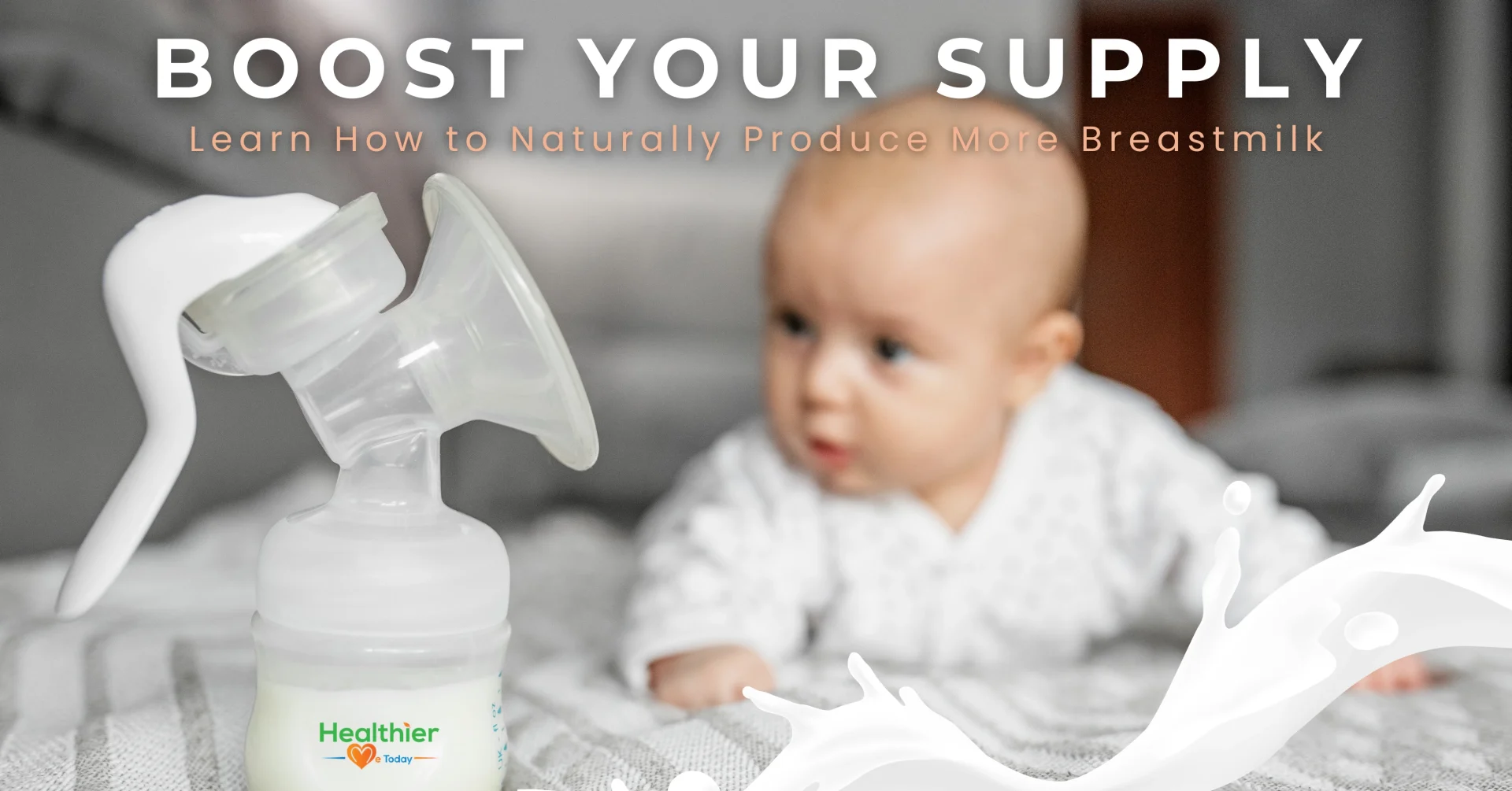
Struggling With Low Milk Supply? Here’s How to Boost It Naturally

Worried your milk supply’s running low and leaving your baby hungry? This guide shows you how to produce more breast milk naturally, allowing you to relax. No stress needed! From tasty foods to clever pumping tricks, these tips keep your milk flowing. More milk means your baby gets the nutrients and closeness they need to grow strong and happy.

Let’s crack the code to get your milk supply thriving!

Why Milk Supply Matters for Your Baby

Your baby’s growth depends on a steady milk supply. Finding ways to increase breast milk supply helps your little one get the nutrients they need for physical and brain development. Milk fuels their ability to hit milestones like smiling or grabbing toys, which are super important in their first two years. Additionally, nursing fosters a special bond that makes your baby feel secure and loved.

increase breast milk supply

Low milk intake can be a concern, but simple adjustments can help alleviate it. Feeding your baby often and providing them with a balanced diet helps maintain a steady supply, giving them the energy they need to grow and learn. Nursing also strengthens that emotional connection, allowing your baby to feel secure as they explore their world. This guide shares easy, natural tips to ensure your baby gets plenty of milk.

How to Produce More Breast Milk Naturally: 8 Effective Ways

How can you increase breastmilk supply naturally? These expert-approved tips make it a breeze while helping your baby grow and thrive.

Here are effective methods to try:

Eating the Right Foods

Certain foods can help your milk production. Think oats, almonds, and spinach, tasty choices from a list of foods to eat to help produce breast milk. Approximately 80% of mothers who consume these foods report an improvement in milk flow, according to studies. These foods provide you with the energy to produce milk, helping your baby gain weight and reach milestones, such as rolling over. Snack on them daily for a happy, well-fed baby.

Nursing Often

Feeding your baby often signals to your body to produce more milk, so aim for 8 to 12 feeds a day. Nursing in this way helps your baby obtain the necessary nutrients for brain development and fosters a strong bond. Frequent feeds also mean your baby stays full, supporting their energy for learning new skills, like babbling or grasping.

Using a Breast Pump

A good pump can kick your supply into gear. Using a breast pump for increasing milk supply mimics your baby’s feeding. Try 15-minute sessions, 3 to 4 times a day [whattoexpect.com]. This keeps milk flowing, giving your baby the nutrients needed for strong muscles and sharp thinking. It’s like a workout for your milk supply, helping your baby thrive.

Trying Fenugreek

fenugreek seeds for breastfeeding

Fenugreek seeds give your milk a boost. Using fenugreek seeds for breastfeeding is straightforward; you can add them to tea and meals, but it’s essential to consult a doctor first. Some moms notice more milk in a few days. This extra milk supports your baby’s weight gain and brain development, helping them hit milestones like cooing. Just be sure it’s safe for you and your baby.

Power Pumping

Power pumping copies a baby’s cluster feeding to boost supply. To learn how to get more milk when pumping, try alternating 10 minutes on and 10 minutes off each day. This trick boosts production, ensuring your baby receives milk for growth and learning. It’s a bit of effort, but it pays off with a well-nourished, happy baby hitting those significant milestones.

Drinking Plenty of Water

Staying hydrated keeps your milk flowing. Sip water throughout the day, aiming for 8 to 10 glasses, a habit that helps over half of breastfeeding mothers, according to studies [webmd.com]. Trying natural ways to increase milk supply, such as this, ensures your baby receives milk for strong bones and brain growth. Keep a water bottle handy to make it easy and keep your baby well-fed.

Managing Stress

Stress can slow your milk flow, so take it easy. Simple breastfeeding tips, such as deep breathing or taking a quick walk, can help calm you down. Less stress means more milk for your baby’s growth, like gaining weight or learning to smile. Take a moment for yourself, it’s a small step that makes a big difference for you and your baby.

Eating a Balanced Diet

A mix of proteins, fats, and carbs fuels your milk supply. Add breast milk enhancing foods like salmon or whole grains to your plate. These provide you with the energy to produce milk, helping your baby reach milestones like sitting up or babbling. A colorful diet keeps your supply steady and your baby happy, growing, and learning every day.

When to Seek Professional Help

If your milk supply stays low or your baby isn’t gaining weight, a lactation consultant can help. They’ll check your latch or health to find the issue, ensuring your baby gets enough milk for growth and bonding. This support enables your baby to achieve milestones, such as grasping and cooing, without any hiccups.

natural ways to increase milk supply - When to seek professional help

Painful nursing or no milk after pumping needs a doctor’s look. A professional can suggest fixes, ensuring your milk continues to flow for your baby’s brain and body development. Getting help early means your baby stays well-fed and happy, making significant developmental progress in their first two years of life.

Conclusion: Can You Increase Your Milk Supply Naturally?

No need to stress about low milk supply! Delicious foods, frequent feedings, and clever pumping techniques help keep your milk flowing, supporting your baby’s growth and happiness. Every extra drop is a win, supporting their weight gain, brain growth, and cuddly moments. Use these natural tips to ensure your baby thrives.

Here’s to a steady milk supply and a joyful breastfeeding journey!

Want to be as comfortable as possible while feeding baby? Then the Ready Rocker is exactly the answer you’re looking for! Get yours here today shopHMT.com.

Ready Rocker HMT

FAQ’s:

What are the best natural ways to boost milk supply?

Eat oats, drink water, and nurse often. These simple steps help keep your milk flowing, ensuring your baby receives the nutrients needed for growth and cuddly bonding moments.

Which foods help increase breast milk production?

Oats, almonds, and spinach are great choices. They provide you with the energy to produce milk, helping your baby gain weight and reach milestones, such as smiling.

How often should I nurse to increase my milk supply?

Feed your baby 8 to 12 times a day. Frequent nursing boosts milk, supporting your baby’s brain growth and a cozy emotional connection.

Does drinking water help produce more breast milk?

Yes, sipping water throughout the day helps maintain a steady supply. It ensures your baby gets milk for strong bones and learning new skills.

What is power pumping, and does it work?

Power pumping involves short, frequent pumping sessions, typically every hour. It often boosts milk production within days, helping your baby obtain the necessary nutrients for growth.

Can stress affect breast milk supply?

Stress can slow your milk flow. Try deep breathing to relax, maintain a steady milk intake for your baby’s weight gain, and enjoy happy moments.

Are herbal supplements like fenugreek safe while breastfeeding?

Fenugreek may help, but consult a doctor first. Safe use ensures your baby gets milk for growth without any issues.

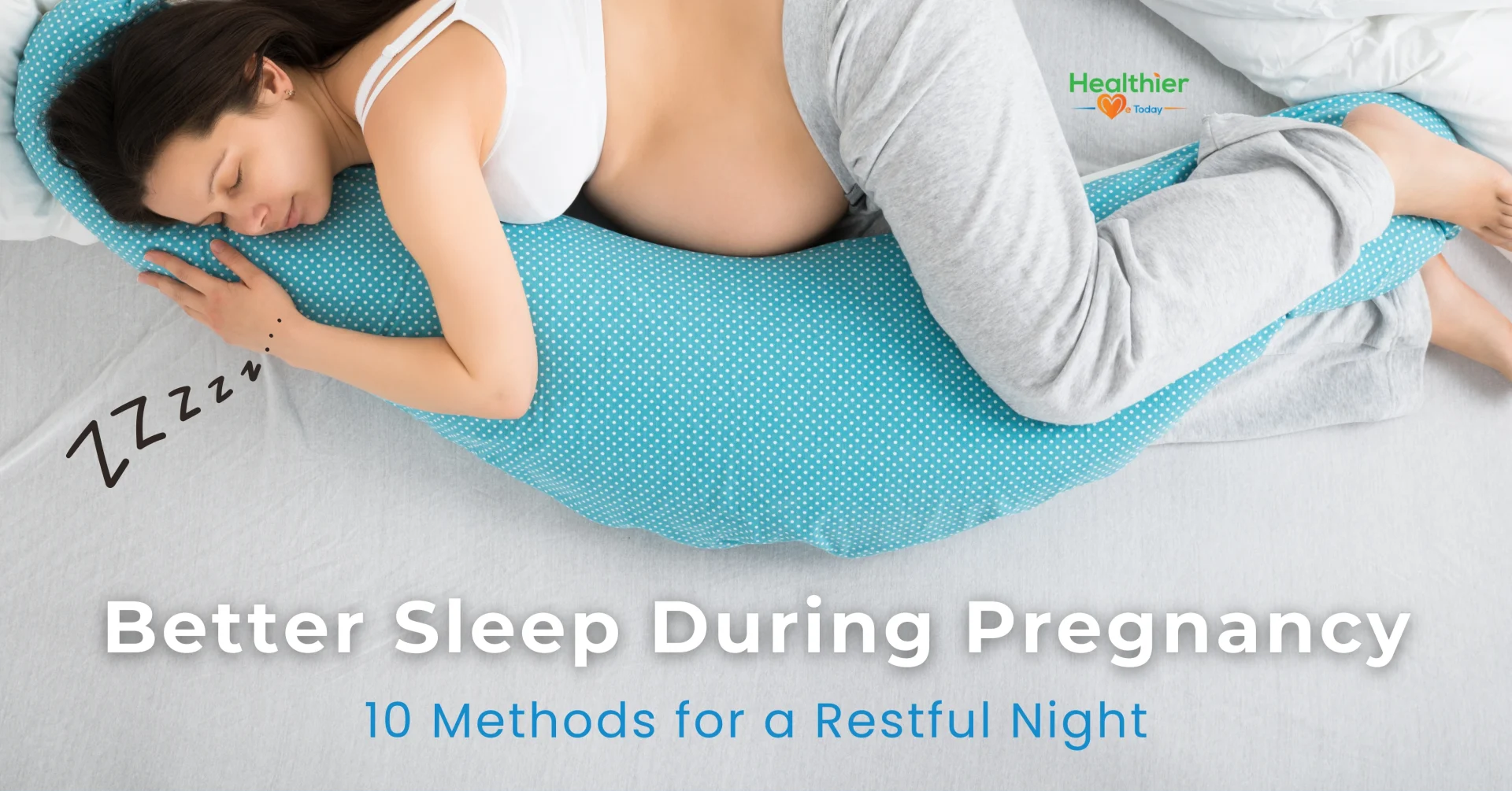
The Secret to Better Sleep During Pregnancy

Tossing. Turning. Staring at the clock at 2 AM again. If you’re pregnant and exhausted but can’t seem to drift off, you’re far from alone. Nearly 8 out of 10 moms-to-be struggle to sleep soundly. From your growing belly to the nonstop swirl of thoughts about baby names, birth plans, and everything in between, it’s no wonder restful nights feel out of reach.

But what if a few simple tweaks could help you finally wake up feeling refreshed? In this guide, you’ll uncover why pregnancy wreaks havoc on your sleep and discover practical tips to ease discomfort, calm your mind, and reclaim your nights.

Why Is It So Hard to Sleep During Pregnancy?

You’re not sleeping because pregnancy throws a lot at your body all at once. Hormones like progesterone make you drowsy during the day but end up disrupting your natural sleep rhythm at night. Rising estrogen levels can bring on snoring and nasal congestion, waking you up throughout the night. Meanwhile, your growing belly puts pressure on your bladder, so you’re up making frequent bathroom trips. Add in heartburn and sudden leg cramps, and it’s no wonder restful sleep feels out of reach.

Why Is It So Hard to Sleep During Pregnancy?

Sleep troubles often start early, affecting about one in four women in the first trimester, and by the third, nearly 80% are struggling. Discomfort piles on: your bump makes it hard to find a comfortable position, back pain flares up, and restless legs syndrome (which affects around 15% of pregnant women) keeps you moving when you just want to rest. On top of it all, worries about labor and motherhood can send your mind racing, with stress hormones like cortisol keeping you more alert than you’d like.

These challenges are common but draining. Understanding what’s behind your sleepless nights is the first step to finding relief, so you can get the rest your body needs to stay strong.

The Top 10 Secrets to Better Sleep

Getting good sleep during pregnancy can feel like a challenge, but the proper habits make it easier. These strategies are designed to help you rest well through all trimesters, easing discomfort and calming your mind. Whether it’s finding the correct position or creating a soothing bedtime routine, these methods support your body and help you wake up refreshed. 

Below are 10 detailed ways to get a restful night:

1. Sleep on Your Left Side

Sleeping on your left side boosts blood flow to your baby and cuts leg swelling, affecting 50% of pregnant women. Place a pillow under your bump and between your knees to align your hips. This prevents dizziness from back sleeping after 28 weeks. Start early, as it gets harder with a bigger belly. A firm mattress keeps you comfortable. Many women report sleeping 1-2 hours longer in this position, feeling more rested.

2. The Ready Rocker

The Ready Rocker turns any chair or bed into a gentle rocker to help you sleep better. Place it under your seat or mattress and adjust to a slow, soothing pace. This motion helps alleviate back pain, which is common in most pregnancies, and soothes your mind, especially during the third trimester. Use it for 10-15 minutes before bed to relax. Its portable design fits small spaces, and women find it reduces restlessness.

3. Use a Pregnancy Pillow

A U-shaped or wedge pregnancy pillow supports your bump and eases hip pressure. Place a U-shaped pillow around your body or a wedge under your belly for targeted relief. This reduces back pain, reported by 70% of pregnant women. Select a pillow with a breathable cotton cover to stay cool. Using one nightly helps maintain side sleeping and reduces the number of wake-ups. Women say it’s a must-have for deeper sleep, especially in the second and third trimesters.

4. Cut Caffeine After Noon

Caffeine in coffee, tea, soda, or chocolate stimulates your nervous system, making you feel more awake than you should. Stop consuming it after noon to let your body wind down. Switch to caffeine-free chamomile tea, which is safe for most pregnant women, to help you relax [medicalnewstoday.com]. Keep a water bottle for hydration and avoid sugary drinks. A caffeine-free afternoon routine helps reduce restlessness and makes bedtime smoother, leading to better sleep.

5. Drink Less Before Bed

Limit fluids for two hours before bed, taking small sips if you feel thirsty. Drink most water before 6 p.m. to stay hydrated without overloading your bladder. This reduces nocturia, a top sleep disruptor.

Drink Less Before Bed
Use a dim red-bulb nightlight for bathroom trips to avoid waking up fully. Women who cut evening fluids often sleep 1-2 hours longer, feeling more refreshed in the morning.

6. Try Relaxation Techniques

The 4-7-8 breathing technique calms your mind before bed. Inhale for 4 seconds, hold for 7, exhale for 8 through your mouth, repeating five times. This lowers stress, affecting 40% of pregnant women. A 10-minute warm bath with lavender-scented Epsom salts helps relax the muscles. Practice nightly to signal bedtime. Many women find that this helps reduce anxiety and enables them to fall asleep within 15 minutes, thereby improving sleep quality and morning energy.

7. Keep Your Room Cool and Dark

A bedroom at 65°F with blackout curtains creates a sleep-friendly space [miragenews.com]. Use breathable cotton sheets to prevent overheating, a common issue during hormonal shifts. A dim red-bulb nightlight guides bathroom trips without jarring you awake. Add a white noise machine to block street sounds. A cool, dark room reduces wake-ups and enables you to stay asleep longer, waking up refreshed.

8. Stick to a Sleep Schedule

Go to bed at 10 p.m. and wake at 6 a.m. daily, even on weekends, to train your body. A consistent schedule syncs your internal clock, helping 50% of women sleep better [sleepfoundation.org]. Spend 15 minutes reading a light book before bed to signal the start of your rest time. Avoid naps longer than 30 minutes to protect nighttime sleep. Following this routine helps women fall asleep faster and wake less often, feeling more energized.

9. Eat Small, Early Dinners

Heavy or spicy meals trigger heartburn, affecting 60% of pregnant women. Eat a small dinner, such as grilled chicken and steamed vegetables, by 6 p.m. to allow for proper digestion and absorption. Avoid tomatoes and citrus, as they can worsen reflux. Prop your head with two pillows to reduce nighttime burning. A small pre-bed snack, such as a banana, helps keep hunger at bay. This approach enables women to sleep without discomfort, reducing wake-ups and enhancing rest quality.

10. Exercise During the Day

Walk for 30 minutes in the morning or practice prenatal yoga to tire your body gently. Exercise reduces stress and leg cramps, which can disrupt sleep for up to 30% of pregnant women. Finish workouts by 3 p.m. to avoid evening energy spikes.

Exercise During the Day
Join a prenatal class for guided stretches that ease back pain. Women who exercise daily often fall asleep 20 minutes faster. This habit boosts energy and supports deeper, uninterrupted sleep throughout pregnancy.

Conclusion: Is a Good Night’s Sleep Possible When Pregnant?

Getting quality sleep while pregnant isn’t just a dream… It’s key for keeping your energy up and supporting your baby’s development. Sure, restless nights are common, but small changes like using a pregnancy pillow or the Ready Rocker can make a world of difference. By understanding what’s disrupting your sleep and putting these simple strategies into action, you’ll be better equipped to rest well and enjoy a healthier, happier pregnancy.

FAQ’s:

Why am I so sleepless at night, pregnant?

You’re sleepless because of hormones, discomfort, and stress. Your growing bump, frequent bathroom trips, and worries about labor keep you up at night. Consider using a pregnancy pillow and relaxation techniques to improve your sleep quality.

Can pregnancy insomnia affect a baby?

Yes, poor sleep can affect your baby. It may raise risks like preterm birth or low birth weight. Getting enough rest supports healthy growth for your baby.

What pregnancy hormone causes insomnia?

Progesterone and estrogen disrupt sleep. Progesterone can cause sleepiness, but it can also disrupt nighttime rest. Estrogen can lead to snoring or discomfort, which can disturb your sleep and cause you to wake up.

Birth Control Methods, Risks, Effectiveness & More

Birth control plays a crucial role in helping individuals take charge of their reproductive health by preventing unwanted pregnancies. But how do you choose between all the different types of birth control methods? This article discusses everything that you need to know, such as the different methods, risks, effectiveness rates, and how to choose. Let’s jump right in!

What is Birth Control

Birth control methods

Birth control is a way of preventing pregnancy. So, condoms, medication, and devices all classify as a birth control method. It interferes with a natural process involved in conception, like ovulation spur movement and the ability of a fertilized egg to attach to the uterus. 

Birth control is typically used for pregnancy prevention, but it also has other uses. For example, regulates menstrual cycles, manages hormonal imbalances, reduces period symptoms, and treats conditions like endometriosis and polycystic ovary syndrome (PCOS).

Different Types of Birth Control

otc birth control pill


It’s perfectly normal to feel a bit overwhelmed with all the different birth control methods available. Whether you’re seeking something easy and painless, something more long-lasting, or even birth control options for teenagers, you’re not alone in your search! This section delves into all these options, including some emergency contraception when other methods fail to keep you safe and pregnancy-free.

Hormonal Birth Control Options

  • Birth Control Pills: This is one of the best birth control options. These pills are used globally because they are so easy to use and effective. The contents of estrogen and progesterone prevent ovulation and thicken cervical mucus – not only will it prevent pregnancy, but it’s extremely difficult for the sperm to reach the egg. There is a catch, though! One missed pill could lead to pregnancy. 
  • Birth Control Patch: This small patch gets stuck on the skin. It releases hormones like estrogen and progesterone over time to keep you protected. They also need to be used consistently for it to be effective, like birth control pills. Birth control patch side effects include issues like nausea, breast tenderness, headaches, irregular bleeding, etc. 
  • Birth Control Shot: A quick injection of progestin every three months into the upper arm or buttocks – easy yet effective! It burns when injected, but all shots usually do. Just remember that missing a shot could lead to an unwanted pregnancy. It’s essential to plan everything around this shot so that you don’t miss it. 
  • Hormonal IUD (Intrauterine Device): A tiny device that a healthcare provider puts in your uterus. Some women reported that it’s uncomfortable and painful, but experts say that the level of pain varies from person to person. It prevents pregnancy by thickening cervical mucus and thinning the uterine lining. In some cases, it may stop the release of eggs from the ovaries (prevents ovulation). 
  • Birth Control Implants: These are tiny rods inserted under your skin in your upper arm (usually in the non-dominant arm) by healthcare professionals. It can last up to three years but can be taken out earlier. Implants aren’t painful as a numbing injection gets injected before the rod is inserted. It does, however, cause bruising. This will go away in a few days on its own. 

Non-Hormonal Birth Control Methods

Best birth control options

  • Condoms: This is called a barrier method. Females and males use condoms during intercourse. They prevent the sperm from getting to the egg and even protect against STDs.
  • Copper IUD (Intrauterine Device): Just like the hormonal IUD, a small device is inserted vaginally, but this method doesn’t have any hormones. It prevents pregnancy by creating a toxic environment for sperm. It lasts for 5 to 10 years. 
  • Sponges: This is similar to condoms but can only be used by females. The sponge is filled with spermicide, preventing sperm from reaching the uterus. It acts as a blocker!
  • Diaphragm: A soft, dome-shaped barrier gets inserted into the vagina to cover the cervix just before intercourse and up to 6 hours prior. Then, it should be left for 6 hours afterward to prevent pregnancy. This diaphragm can be used for 2 years with the proper maintenance. 
  • Phexxi Birth Control: This is a non-hormonal vaginal gel that maintains an acidic vaginal pH which makes it difficult for the sperm to survive. This can be used as a long-term and short-term birth control method but should be applied up to 1 hour before vaginal intercourse.

Natural Birth Control Ways

  • Natural Family Planning (NFP): This involves tracking a woman’s signals like temperature and cervical mucus to know when fertile and avoiding intercourse on those days. 
  • Withdrawal: Before a man ejaculates, the penis should be pulled out to keep the sperm away. While it’s not as effective as other birth control methods, it’s better than no birth control. 

Our Top Choices for Non-Hormonal Birth Control and Supplements

Emergency Birth Control Tactics

  • Copper IUD (Intrauterine Device): This device is not just another hormonal birth control method – it can also be used in the case of an emergency. It should be inserted within 5 days of unprotected sex to avoid pregnancy. The copper IUD stops the fertilization before anything happens. 
  • Emergency Pills: This is known as the “morning after pill”. When you’ve had intercourse without protection, this pill could be the difference between an unplanned pregnancy and being pregnancy-free. It can be bought over the counter at your local pharmacy. Birth control brands like Levonorgestrel are available at CVS. 

Side Effects: What You Need to Know

Types of birth control

When you open a birth control box, there is a book inside with all the different side effects. It’s not the typical headaches and nausea symptoms you think of. Some of them are actually deadly! In fact, 300 to 400 women die every single year due to these effects. 

Here’s what these books include:

But did you know that teenagers experience these side effects differently from other age groups? Because teenagers’ bodies are still developing, it makes them more vulnerable to certain side effects of birth control. 

Common side effects of birth control pills for teenagers

  • Mood Swings and Depression: Hormonal fluctuations can be more intense in teenagers, which leads to mood swings, anxiety, and even depression. 
  • Weight Changes: Some teens experience weight gain when on birth control, while others only see changes in their appetite due to hormonal shifts. 
  • Skin Reactions: Certain birth control has been shown to clear up acne, but it might also have the opposite effect. 

Effectiveness of Birth Control

Birth Control Methods Perfect Use Typical Use
Birth Control Pills 99% 91%
Birth Control Patch 99% 91%
Birth Control Shot 99% 94%
Hormonal IUD 99.8% 99%
Birth Control Implants 99% 99%
Condoms 98% 85%
Copper IUD 99.2% 99%
Sponges 91% 76-88%
Diaphragm 94% 84%
Phexxi Birth Control 93% 86%
Natural Family Planning 99% 76-88%
Withdrawal 96% 78%
Emergency Pills 89% (within 72 hours) 75-89% (depends on timing)

How to Choose The Right Birth Control 

Reviewing a birth control effectiveness chart will give you a good idea of how protected you will be, but that isn’t the only factor to consider. Choosing the right birth control depends on your lifestyle, health needs, and personal preferences. 

Here are some key points to help you make an informed decision:

  • Health Conditions: Some hormonal methods aren’t suitable for health issues like high blood pressure or a history of blood clots.
  • Hormonal vs. Non-Hormonal: Decide if you want the birth control method to contain hormones. Hormonal options may cause side effects like changes or weight gain. Hormonal options, on the other hand, are less convenient for some.
  • Ease of Use: Do you want to keep up with daily pills to prevent pregnancy, or would you like something more maintenance-free after insertion, like implants and IUDs? 
  • STD Protection: If your main goal is to be protected against STDs (sexually transmitted diseases), condoms are the best choice. They are the only birth control option that can protect you.
  • Future Family Plans: When do you want to have kids? Is it the near future? Pills and rings are easily reversible, making them one of the best picks for families that don’t want to wait a decade to start having babies.
  • Side Effects and Allergies: Birth control has some side effects and allergies. Make sure to discuss your concerns with your doctor or a healthcare professional for the best option.

Conclusion: All About Birth Control Methods

Choosing the right birth control method is important because it can significantly impact your reproductive health, lifestyle, and future plans. Remember that it’s not a one-size-fits-all solution; what works best for you may depend on your health, lifestyle, and personal preferences. So, consult with a healthcare provider to find a method that aligns with your needs.

FAQ’s:

Are there natural birth control methods that work?

Yes, natural birth control methods like natural family planning (NFP) and withdrawal can prevent pregnancy. But this, however, depends on how it’s used. For example, NFP can be 99% effective, but typical use is only 76-88%. 

What are the safest methods for women?

The safest method depends on individual health conditions and preferences. Non-hormonal options are typically safer to use than hormonal birth control, like implants and IUDs. However it’s important to consult with our healthcare provider to determine what’s the safest and best method for you.

What is the best birth control for teens?

The best birth control for teens typically includes methods that are highly effective, easy to use and have fewer chances for user error. This includes methods like birth control implants and hormonal IUDs, but birth control pills and patches can also be very effective when used regularly.

Does birth control affect fertility?

Yes, hormonal birth control can affect fertility, but most women, after discontinuing birth control, return to normal fertility within a few months. 

Is there birth control that stops periods?

Yes, some birth control stops periods. Options include hormonal IUDs, birth control implants, and birth control pills.

Are there any OCT birth control pills?

Yes, there are a few brands that have pills available OCT (over-the-counter). They include Opill and Levonorgestrel.

Where can I find low estrogen birth control?

Talk to your healthcare provider about your preferences, like low estrogen, so that they can find the best option for you. Low estrogen birth control pills include Alesse, Loestrin, and Ortho-Cyclen. But there are other options, too. If you’re looking for a non-pill method, consider using options such as hormonal IUD and the implant.

This article was written, and is sponsored by MotherTyper, a South African Digital Marketing and Social Media Marketing Agency.

Pregnancy Complications: Why Thousands of Women Are Dying During Pregnancy

When a woman falls pregnant, dying is not typically the first thing on their mind. However, in the US, the number of pregnancy complications and maternal deaths has increased rapidly. The maternal mortality rate in the US as of 2024 is 22.3 per every 100,000 live births. Most of these are preventable, and although it is not as high as it was during COVID-19 in 2020 and 2021, these numbers should still be much lower than they currently are. 

complications during pregnancy

Many women die during pregnancy, during childbirth, and within 42 days postpartum. There are a number of causes for these heartbreaking passing, such as health conditions, little to no medical assistance, and suicide

Let’s take a more in-depth look at how many women die in childbirth in the US, the causes and solutions for this ongoing problem. 

How Many Women Die in Childbirth in The US and Why?

So, exactly how many women die in childbirth in the US? The US has the highest maternal mortality rate among high-income nations, and over 80% of these deaths are entirely preventable. Although there has been a decrease since the COVID-19 pandemic, the rates are still considerably high. There are roughly around 800 women who die every year in the United States during pregnancy and childbirth. Although there are many reasons for these complications, the main thought behind these maternal mortality rates is due to the country’s shortcomings in their healthcare system. This is especially true for women in minority groups. 

could prevent maternity death

Here are the most common pregnancy death causes:

1. Hemorrhages During Pregnancy and After Childbirth

The leading cause of death in pregnant women worldwide remains hemorrhaging. This is excessive or severe bleeding during and after childbirth. The name for this is postpartum hemorrhage, also known as PPH. This can cause dizziness, fainting, increased heart rate, and sometimes death.

PPH happens directly after birth or 12 weeks postpartum, and it is vital for women to understand this condition and know the signs. Many women often ignore or think their symptoms are a normal part of postpartum; however, there are clear differences, such as the extent of bleeding after childbirth and having it continue past the usual 10 days. 

Signs to be vigilant of:

  • Excessive vaginal bleeding
  • Extreme and frequent dizziness
  • Clammy and pale skin
  • Swelling and pain in the vaginal region
  • Shivering 
  • Fever
  • Nausea or vomiting  

2. Mental Health Conditions 

Another cause affecting maternal mortality is mental health conditions like depression. This happens to 10% of pregnant women and 13% of those who have just given birth worldwide. 

This can happen due to a few factors, such as: 

    • Family history
    • Intense hormonal changes during and after pregnancy
    • Lack of support
    • Stress
    • Substance abuse
  • Pregnancy complications
  • Problems with baby’s health
  • Poverty

Postpartum depression affects about 1 in 10 women, which is a high number considering that mental health conditions can be treated and prevented. 

If mothers are experiencing these symptoms, they need to seek help immediately:

  • Difficulty doing simple or daily tasks
  • Consistent crying
  • Extreme sadness
  • Intense anxiety 
  • Fatigue
  • Inability to concentrate
  • Suicidal tendencies

3. Infections During Pregnancy and After Childbirth

The third most common cause of pregnancy complications and maternal death is called maternal sepsis infections. This life-threatening condition causes the body to damage its organs and tissue as a response to the infection. This can happen during pregnancy, birth, postpartum, and even post-abortion.  

Infections During Pregnancy and After Childbirth

The symptoms of maternal sepsis are:

  • Abdominal pain
  • Vaginal discharge 
  • Hyperthermia or fever
  • Racing heartbeat
  • Shortness of breath
  • Confusion
  • Slurred speech 
  • Tender uterine
  • Discolored, clammy, pale skin
  • Little to no urination 
  • Dizziness
  • Fainting
  • Difficulty standing
  • Severe leg pain

The earlier that maternal sepsis is diagnosed, the better the outcome of treatment. If a mother experiences any of the above symptoms, they must immediately phone their doctor or midwife or go to the emergency room. 

4. High Blood Pressure 

It is typical for blood pressure to fluctuate while pregnant. However, a common concern amongst moms-to-be is having high blood pressure or hypertension. During pregnancy, total blood volume doubles, causing strain on the blood vessels. However, many women only develop blood pressure issues postpartum. If their blood pressure is more than 140/90 for the first time after delivery, then it is likely they may have pre-eclampsia. 

Whether pregnant or already delivered, mothers should seek immediate help or go to the emergency room if they experience:

  • Blood pressure is 160/110 or higher
  • Shortness of breath or difficulty breathing
  • Swelling of the hands or face
  • Nausea or vomiting
  • Stomach pain 
  • Seeing sparks, flickers, or black spots
  • Severe headaches

5. Complications Due to Delivery

Obstructed labor counts for 9% of maternal deaths worldwide, making it another leading cause. This happens when there is a mismatch between the mother’s pelvis and the baby’s head. Obstructed labor is an umbrella term for complications that arise during delivery. 

Obstructed labor

These can include: 

  • Uterine rupture
  • Sepsis
  • C-section complications
  • Bleeding out
  • Anesthesia complications
  • Obstetric fistula
  • Brain damage

Conclusion: Rates of Death in Childbirth

While the maternal mortality rate in the United States has decreased, it still remains alarmingly high compared to other high-income countries. About 800 women die each year due to issues like hemorrhage, mental health conditions, infections, high blood pressure, and complications during pregnancy.  

To reduce these risks, women need to receive timely, unaffected care throughout their pregnancy. But in some areas, there simply aren’t enough resources and some ethnic groups are more at risk than others. 

Stay informed about maternal health – subscribe to our newsletter for updates on the latest research and to protect mothers everywhere!


This content was written by Local SEO Experts MotherTyper 


FAQ’s About Complications During Pregnancy

What are the most common pregnancy complications?

The most common complications of pregnancy include gestational diabetes, preeclampsia, preterm labor, and miscarriage. But there are other complications that can cause issues like placenta previa, anaemia, and infections. It’s crucial that the mom and baby get monitored throughout the pregnancy so that they can get the right medication or treatment.

How does ectopic pregnancy cause death?

The difference between a normal pregnancy and atopic pregnancy is that the fertilized egg is implanted outside the uterus (commonly in a fallopian tube). When this condition isn’t treated, the tube can rupture, which causes severe internal bleeding. This normally leads to hypovolemic shock – the body cannot maintain adequate blood flow to organs, which can cause organ failure and even death.

What is the number one cause of death for pregnant women?

This might come as a shock, but the leading cause for pregnant women in the United States is homicide and not pregnancy complications. According to studies, both pregnant women and postpartum women are about 35% more likely to be murdered [Wikipedia]. 

How many women die in childbirth in the US each year?

While it varies from year to year, there are around 700 to 800 pregnancy-related dates reported in the United States each year. Out of 525 deaths from 38 states, more than 80% of deaths were deemed preventable by maternal mortality review committees (MMRCs). 

What are the signs of high-risk pregnancy?

There are many different symptoms of a high-risk pregnancy.

If you have any of the following signs, consult with a healthcare provider:

> Severe headaches, vision changes, or swelling
> Heavy bleeding or spotting
> Severe nausea or vomiting with dehydration and weight loss
> Decreased fetal movement later in the pregnancy

What are the chances of dying while giving birth?

There are about 22.3 dates per 100,000 live births. Dying during childbirth has decreased over the last century due to advancements in medical care, but this hasn’t completely wiped out the possibility. It also depends on location, age, and underlying health conditions.

Here’s how it affects different groups of people:

> Black women – 49.5 deaths per 100,000 live births
> White women – 19.0 deaths per 100,000 live births
> Hispanic women – 16.9 deaths per 100,000 live births
> Asian women – 13.2 deaths per 100,000 live births

11 Powerful Tips for a Healthy Pregnancy and Joyful Motherhood

You may be aware of the essential tips for a healthy pregnancy, such as the risks of smoking and drinking during pregnancy, or that you should avoid certain foods such as sushi and caffeine. However, many more helpful insights must be explored to ensure you and your baby have a smooth journey. 

So, if you’ve been searching for tips for a healthy first trimester pregnancy, nutritional advice, ways to prevent gestational diabetes, pregnancy exercises, and how to manage anxiety and stress, you are in the right place!

top tips for a healthy pregnancy​

Tips for Planning a Healthy Pregnancy

As time passes, we constantly learn new things about pregnancies, but some still rely on old, outdated methods. This can confuse new mothers seeking tips for a healthy first trimester pregnancy. However, we have extensively done our homework and bring you some of the best advice, backed by scientific studies and improved knowledge on keeping both mom and baby happy through this special time. 

Below are the top tips for a healthy pregnancy:

tips for planning a healthy pregnancy

1. How to Manage Stress and Anxiety During Pregnancy 

Managing stress during pregnancy can be difficult as hormones soar and fluctuate. It is entirely normal to have feelings of concern or anxiety while pregnant, and this can be caused by worrying about both your health and the baby’s. The changes you experience during this time can also make you uneasy and uncomfortable. Although mild anxiety and stress are normal, if it gets to the point that you are experiencing these symptoms, it is essential to seek advice from your doctor and emotional support during pregnancy.

Here are the symptoms to keep in mind:

  • Not being able to sleep or developing insomnia
  • Frequently feeling very irritated and easily frustrated
  • Not being able to concentrate
  • Having obsessive thoughts
  • Muscle tension
  • Not being able to control feelings of anxiety

These can eventually worsen and lead to panic and anxiety attacks, where you may experience tremors, hyperventilation, an intense sense of impending doom, and hopelessness. However, creating healthy habits during pregnancy can help manage stress and anxiety. 

Managing stress during pregnancy

Reducing anxiety during pregnancy in the following ways:

  • Find a relaxing release such as yoga or meditation
  • Journal or write down your emotions
  • Reach out to your support 
  • Practice breathing exercises

2. Managing High Blood Pressure In Pregnancy

Preventing gestational diabetes is not always on every expecting mother’s mind, but it is a condition that affects around 3% to 20% of pregnancies worldwide. This condition is caused by the body not being able to create enough insulin; this can be due to a family history of diabetes, being overweight, having hormone changes, having high blood pressure, and being Hispanic, Latino, American Indian, African American, or Pacific Islander. If you are a first-time mom or wondering how to prevent gestational diabetes in second pregnancy there are ways to help minimize your chances of developing gestational diabetes. 

They are:

  • Monitor your blood sugar
  • Exercising
  • Add more fiber to your diet
  • Eat regularly
  • Eat lean proteins
  • Limit sweets and sugar intake
  • Maintain a healthy weight
  • Work on portion sizes

3. The Importance of Prenatal Vitamins 

Although this is a well-known aspect of pregnancy, many women may not fully understand the importance of folic acid during pregnancy or the importance of prenatal care. Some people also do not know that it’s recommended to start taking prenatal vitamins three months before trying to conceive. This is because a woman’s body needs certain minerals and vitamins to maintain a healthy pregnancy. 

Vitamins and minerals include:

  • Folic Acid – Helps develop the baby’s brain and spine and prevents birth defects.
  • Calcium – Ensures baby develops strong teeth, nails, bones, muscles, nerves, healthy heart, and blood clotting abilities.
  • Iron – Assists in producing red blood cells in your body, which helps carry oxygen to the baby and placenta. 
  • Omega-3 Fatty Acids – They can help prevent postpartum depression, risks of preterm birth, and low birth weight and support the baby’s nervous system, brain development, and eyes. 
  • Vitamin D – This vitamin helps to support your bone and muscle strength, helps your body absorb calcium from foods, and helps develop the baby’s bones. Lack of vitamin D in pregnancies can cause the baby to affect the amount of calcium in the baby’s bones. 
  • B Vitamins – Helps reduce the baby’s risk of developing conditions such as spina bifida, a type of neural tube birth defect. 
  • Vitamin C – This vitamin helps in many ways, such as producing collagen, which supports the development of the baby’s entire body. It also helps calcium absorption, aids the immune system, and reduces the risks of pre-eclampsia, maternal anemia, and intrauterine growth restriction. 
  • Choline – Mainly supports liver function and reduces the risk of fatty liver disease. Choline helps to maintain overall pregnancy health and prevents neural tube defects. 

4. Is Caffeine Intake During Pregnancy Safe? 

According to the American College of Obstetricians and Gynecologists (ACOG), avoiding caffeine is one of the top tips for a healthy pregnancy. It can lead to problems and risks such as low birth weight, miscarriage, stillbirth, preterm birth, fetal growth restrictions, child obesity, and cognitive development impairments. However, if you insist on consuming caffeine during pregnancy, limiting your amount to about two 6-ounce cups of coffee (200 milligrams) is crucial. 

5. Nutrition Tips for Pregnancy

This is obvious, but it is one of the most detrimental tips for a healthy first trimester pregnancy. Nutrition is a large part of both mother’s and baby’s overall health during pregnancy. The best way to ensure you and your baby get proper nutrition is through diet and supplements. As mentioned, vitamins and minerals are essential for several reasons, and although they can be consumed in supplement form, it is crucial to mainly obtain them through consuming foods. There are plenty of calcium, choline, B vitamin, vitamin D, vitamin C, and iron-rich foods for pregnant women.

nutrition tips for pregnancy

Here are some of the best food items to eat while pregnant:

  • Iron-fortified cereals
  • Lean meat
  • Nuts
  • Soy products
  • Beef liver
  • Carrots
  • Tomatoes
  • Pumpkin
  • Spinach
  • Sweet potatoes
  • Dairy products
  • Beans
  • Cooked fish 

6. How to Stay Fit During Pregnancy 

Exercising is one of the best tips for a healthy pregnancy because it positively affects the body and mind. Being active while pregnant can help with swelling and back pain, prevent diabetes, help maintain a healthy weight, aid constipation, prepare the body for birth by strengthening muscles, assist in faster postpartum recovery, and reduce birth defects and conditions. Exercising can also help mental health by boosting mood and endorphins reducing stress, anxiety, and depression. 

Here are the best exercises to stay fit during pregnancy: 

best exercises to stay fit during pregnancy

7. Properly Educate Yourself About Pregnancy

Whether it’s your first pregnancy or not, there is always more to learn. Educating yourself is crucial as it can prepare you for any potential pregnancy-related issue, teach you more about your changing body, give you tips for planning a healthy pregnancy, and help you understand why you feel a certain way at a point in your pregnancy. Thankfully, there are many ways that you can learn more about pregnancy, labor, and delivery. Another good idea is to speak to your loved ones and learn as much as possible about your family’s medical history. 

8. Meet Up with Other Mother’s and Attend Classes

Sometimes, pregnancy can feel lonely and confusing; however, in some ways, expecting mothers can gain confidence, answers, tips for a healthy first trimester pregnancy, and the support they need through this time. Reaching out to other expecting mothers or those with children can give you a unique insight into what to expect. Everyone’s pregnancy journey is different; however, some similarities can be shared. The advice provided by those who have first-hand experience with what you are going through can be invaluable!

Ways to connect with other moms:

  • Online communities (The Bump and BabyCenter are great choices)
  • Local playgrounds
  • Attend local children’s activities and events 
  • Sign up for birthing classes
  • Start your own mom’s group
  • Join a mom’s fitness group 

9. The Importance of Sleep and Resting During Pregnancy

Sleep is a significant factor to consider when looking into tips for planning a healthy pregnancy. A lack of sleep can be linked to multiple complications, such as increased risk of gestational diabetes, pre-eclampsia, prolonged labor, and negatively impact mental health by causing anxiety and depression. It can also cause stunted growth and poor development in your baby. When you need to rest, ensure you do, as your body works overtime when pregnant and needs breaks. Ensure you get at least 8 hours of quality sleep every night to minimize these risk factors for you and your little one. 

10. Prepare for Postpartum Emotions and Changes

Many expecting mothers seek the top tips for a healthy pregnancy; however, it is also essential to plan for postpartum. This time is filled with many emotions and adjustments as you step out of pregnancy and into motherhood. Hormones are still all over the place, and you may feel overwhelmed.

Here is how to deal with postpartum recovery:

  • Accept help
  • Don’t try to do it all if you simply cannot
  • Rest whenever the opportunity arises
  • Prioritize and take care of yourself and your needs, too
  • Speak up if you are struggling
  • Take things slow and easy
  • Remember to continue nourishing your body
  • Hydrate well
  • Educate yourself on postpartum

11. The Risks Of Smoking And Drinking During Pregnancy

When it comes to smoking and pregnancy risks, it is a very straightforward answer. Smoking and drinking alcohol are highly not recommended while pregnant. Pregnancy and smoking risks are similar but not as severe as the risk of consuming alcohol. However, both substances will likely lead to complications such as cleft palate, low birth weight, miscarriage, fatty liver disease, cancer, pre-eclampsia, gestational diabetes, preterm birth, stillbirth, birth defects, and heart disease. 

Conclusion 

Creating healthy habits during pregnancy can help significantly lower the risks of common conditions such as gestational diabetes, pre-eclampsia, and birth defects. It can also help ease anxiety, stress, and depression while building a support system and arsenal of knowledge. These can include staying fit during pregnancy, attending birth classes, meditating, eating nourishing foods, getting enough vitamins and minerals, getting enough quality sleep, and avoiding both smoking and drinking. 

FAQ’s:

What are the best tips for preventing a high-risk pregnancy?

The best tips for planning a healthy pregnancy include maintaining a healthy weight, nourishing your body, staying active, providing prenatal care, finding support systems, taking care of your mental health, and understanding potential health risks. 

How can I reduce my pregnancy risks naturally?

Here are tips for a healthy pregnancy and ways to naturally lower risks:

> Get enough vitamins and minerals through food and supplements
> Get enough rest and quality sleep
> Exercise
> Stay hydrated 
> Reach and maintain a healthy weight
> Avoid smoking and drinking alcohol

What foods should I eat to prevent complications during pregnancy?

Eating right is one of the top tips for a healthy pregnancy. Foods to eat while pregnant are fortified cereals, whole grains, fruits and vegetables, especially leafy greens, and those high in vitamin C, such as tomatoes and oranges, lean meat, cooked fish, beans, dairy products, eggs, nuts, and legumes.

Why is prenatal care important for preventing high-risk pregnancies?

It is essential because it helps to catch conditions and complications early on, and earlier treatment means a better outcome. It also provides support and monitors the health of the mother and baby. 

Can exercise help prevent high-risk pregnancy?

Yes, staying active during pregnancy can help prevent a high-risk pregnancy.

When to consult a doctor during pregnancy?

You should consult your doctor if:

> There’s vaginal bleeding
> Frequent dizziness
> Severe headaches with blurred vision
> Stomach pains
> Difficulty breathing
> Skin changes in color which could be an indication of a potential blood clot

Risen Motherhood: Elevate Your Motherhood Journey

Are you curious about Risen Motherhood. Being a mother is a blessing, but not many of us can proudly say that we have become mothers. It’s no easy process, but it’s very well worth it for the joy you bring into this world. Risen Motherhood is your trusty guide during this time; it has been a helper for many women around the globe. It has been an older sister to women when they are going through the most challenging stage in their lives; it’s a new way of life that helps our mothers. It’s a beacon of genuine reverence and respect for most members of society.

Definition of Risen Motherhood

Mother and Daughter on Grass // Healthier Me TodayRisen Motherhood is a Christian embodiment of the values and support Christian religions have for it. It is present in podcasts and, more importantly, books; those books are a complete guide to what you need to do and what kind of mindset you need to have in a complete sense of motherhood and where to start. 

By all means, motherhood is a beautiful process; bringing a life into this world and nurturing it to adulthood is a luxury only a mother can have. Risen motherhood is a blessing to every mother to be labeled a mother and to be treated as one.

The Essence of Risen Motherhood

Risen motherhood is a set of instructions, affirmations, and discussions that all revolve around motherhood, a round table of mothers of sorts that all try their best to explain and teach you what the process of motherhood and parenting is like in the form of a book or podcast. 

It can be positively chaotic for new mothers; the change in hormones, the physical strain, the stretch marks, the chaos of actually raising something as volatile as a child, and all that for a young woman with her first child can be overbearing and overstimulating, to say the least, which is why Risen Motherhood was made, to make the process just a bit easier.

Overcoming Doubts and Insecurities

Photo of Woman and Girl Lying on Bed // Healthier Me TodayIn the labyrinth of motherhood, doubts and insecurities often lurk in the shadows, casting doubt upon even the most capable caregivers. Yet, within these moments of uncertainty lies the opportunity for profound growth and resilience. Mothers are put, built differently to handle everything thrown at them; every mother is a woman, but not every woman can be a mother. 

In many ways, you can handle the stress and problems that come from having a baby; a lot gets in your way, to be blunt. For a start, the effect of hormones and the physical changes a person goes through when being pregnant, on top of that, the social and mental dissonance that a woman goes through during this entire phase is something to keep in mind.

Embracing the Joys: Growth and Personal Development

It’s a blessing to be a mother. People complain a lot about hardships, stress, and responsibilities, but those people forget what a true blessing holding your child can be. To know this kid is yours and will be there for you as long as you exist. Children are mainly represented as troublemaking brats, but that’s far from the truth; it’s only the smallest of times a kid is being a troublemaker that social media is hyperfocused on as an excuse not to parent.

Children are and will be, blessings. When you are a parent, you learn a lot that you usually won’t; you learn a lot of patience, love, and some lessons that your child can teach you in the long run. You would be surprised at how good of a lesson you can learn from what your kids do and what they say; it’s always something to pay attention to.

Honouring the Sacred Calling 

Girl Writing on the Paper Photograph // Healthier Me TodayMothers are culturally accepted as holy women. They have been put on a pedestal of the sacred world, kept pristine and on top of priorities; they are considered signs of holiness in many cultures; in many depictions, holy beings are respectful of mothers for their efforts; it’s no doubt the title of mother is sacred. 

Upholding this role isn’t just a duty; it’s a sacred responsibility entrusted to them. For example, in many depictions of holy beings, the female holy beings are depicted as mothers of motherly women, causing a direct tie to the fact that a mother is sacred; not only that, many folklore depicts mothers as selfless beings of care and sacrifice, such as Rumplestiltskin, Rose-Red and other books all depict mothers that are struggling and giving love to their children.

Celebrating the Diversity of Motherhood Experiences

Each journey is unique and full of joys, challenges, and triumphs. It’s important to honor the resilience of single mothers who work tirelessly to provide for their children, as well as the LGBTQ+ parents who challenge societal norms with their love and the adoptive mothers who embrace children as their own. 

By acknowledging that not all mothers are the same, we are making a massive improvement in empathizing and understanding that their states are not equal and every mother has their problems, which we must keep in mind. 

FAQs

What is Risen Motherhood?

Risen Motherhood is a podcast and a book series that is made to help mothers and aspiring mothers learn about motherhood and its challenges, so it seems more manageable a task than it’s made out to be.

How can I balance motherhood with other responsibilities?

It can be challenging, but you will eventually learn to balance your work and priorities with your children. It is a careful balance, but it can be done with enough experience and time.

Is there support available for mothers facing challenges?

Various support networks, including online communities, local groups, and counseling services, offer resources and guidance for mothers navigating challenging circumstances.

Keeping Your Motherhood Alive and Well

Photo Of Girl Holding Mug // Healthier Me TodayIt is a rollercoaster to be a mother. At first, you think you’ve got this, then all of a sudden, your kid has broken 30 different toys and windows, and you are there trying to comprehend how a child did all that; similarly, when you think things are going terrible, they go fine all of a sudden That’s motherhood, and Risen Motherhood is specifically made to keep that motherhood alive, to help reduce the number of women who refuse to have children and to ensure that the women who do have children know how to raise them.

Empowering Self Care for Moms: Mastering the Dynamic Balance of Work and Motherhood

There are many forms of self care and having a harmonious balance between work and motherhood can be one of them. For many women, juggling the demands of parenting and a career is a daily art form. This delicate balance, sometimes called “Harmony in Hustle,” calls for pure resolve and a sophisticated awareness of one’s needs, constraints, and goals. You are finding a rhythm that enables them to succeed at home and work, which is sometimes more important to working mothers than simply striking the ideal balance. Insights and techniques to help you become an expert at this skill will be provided in this tutorial so you can succeed in juggling rather than merely surviving it. A happy and balanced existence can be attained by accepting realistic answers and acknowledging particular difficulties.

Understanding Your Unique Situation

little girl running, happy girl, field of grass, cloudy, trees in the distance // Healthier Me TodayEvery working woman has a different circumstance, influenced by the ages of their children, the demands of their careers, family relationships, and personal goals. The first step to mastering the balance between job and motherhood is acknowledging this individuality. It’s critical to evaluate your current situation objectively and honestly. Consider your flexibility and what your non-negotiables are at work and at home. Setting reasonable expectations and goals is possible by being aware of your capabilities and limitations.

Recognizing that there will be days when work takes priority, and family needs come first is part of setting reasonable expectations. Instead of focusing on perfection, the goal is to find fulfillment in balancing. 

This mentality change is essential to lessening the guilt of balancing job and family obligations. You can have a more positive and satisfying experience at work and as a mother if you emphasize your accomplishments more than your shortcomings.

Strategies for Time Management

silver laptop, open diary, time, light silver counter // Healthier Me TodayThe key to juggling work and family obligations is effective time management. Setting priorities for your duties and realizing that some things cannot be done simultaneously is crucial. Determine which of your responsibilities at work and home are the most critical, and concentrate on those that have a significant impact or need to be done right now. This procedure aids in determining what needs to be done right now and what can wait.

Using scheduling tools and practices can significantly improve your efficiency with time management. For example, digital calendars are great for organizing appointments, kid’s activities, and business commitments in one convenient location. A more organized and predictable schedule can be achieved by designating specified time slots for self-care, family time, and work-related activities. 

Being adaptable is essential; unforeseen obligations may occur, and part of the juggling act is modifying your plans guilt-free.

Time-saving techniques can also have a significant impact. This may include preparing meals in bulk to save time during the week, establishing a family calendar that everyone can participate in, or automating repetitive jobs using technology. The aim is to discover processes and tricks that work for your particular circumstance, giving you more time to concentrate on the things that really count.

Building a Support Network

family of 4, holding hands, wet pavement, white wall, old door // Healthier Me TodayNo one can do it alone, and building a support network is vital for working mothers seeking balance. This network can include family members, friends, colleagues, and even online communities of like-minded individuals. Sharing responsibilities and leaning on others to help ease your load, strengthen relationships, and foster a sense of community.


Consider exploring flexible work arrangements with your employer, such as remote work options or flexible hours, to accommodate your family’s needs better. Communicating openly with your partner about sharing household and parenting duties can also distribute the workload more evenly. Don’t hesitate to discuss your needs and seek compromises that benefit the entire family.

Childcare is another critical component of your support network. Quality childcare can provide a safe and stimulating environment for your children and peace of mind for you during work hours. Research the options available in your area, from daycare centers to in-home care providers, and select what best fits your family’s needs and values.

Remember, asking for help is a sign of strength, not weakness. It takes a village to raise a child, and there’s no shame in relying on your town to find harmonious routine.

Self Care and Mental Health

self care: woman meditating, marble walls and floor, big plant, big white window // Healthier Me TodaySelf care is not just a buzzword for working mothers; it’s crucial to maintaining your health and well-being amidst the hustle. It’s essential to carve out time to engage in activities that rejuvenate your spirit and relax your mind, even for a few minutes each day. This could be as simple as reading a book, practicing meditation, or walking briskly. Caring for yourself is not selfish; you must be best for your family and career.

Managing stress is equally important for preventing burnout. Setting clear boundaries between work and home life, practicing mindfulness, and seeking professional help can make a significant difference. Acknowledge your feelings and allow yourself the space to experience them without judgment. Emotional resilience is built by acknowledging challenges, actively seeking solutions, and not ignoring your struggles.

Finding Fulfillment in Both Worlds

Embracing the dual identity of a working professional and a mother can lead to a profound sense of fulfillment. It’s about recognizing that you can find purpose and joy in both roles, and each aspect of your life enriches the other. Celebrate your successes, no matter how small, and learn from the challenges without being too hard on yourself. Remember, every working mother’s journey is unique, and there’s no one-size-fits-all approach to achieving balance.

Fulfillment comes from acknowledging and embracing your contributions in both spheres of your life. It’s about feeling connected to your work, enjoying the moments you spend with your family, and understanding that perfection is an unrealistic goal. Instead, aim for progress and growth, both personally and professionally. Allow yourself to be inspired by other working mothers and, in turn, inspire others by sharing your experiences and insights.

Finding the Balance

woman with blond hair, sitting at silver computer, window with light curtains // Healthier Me TodayLearning to combine work and motherhood successfully is a lifelong process that calls for tolerance, adaptability, and self-compassion. You may achieve a harmonious balance by being aware of your particular circumstances, managing your time well, forming a network of support, putting self care first, and finding fulfillment in both your personal and professional life. Recall that the objective is to discover a rhythm that suits you and your family rather than to attain perfection. Accept the path, acknowledge your accomplishments, and constantly aim for development and harmonious in all facets of your existence. Self care is so essential, every mother should know how to balance work and motherhood.

Does Alcohol Kill Bed Bugs? 3 Key Facts!

Does alcohol kill bed bugs – Learn more with Healthier Me Today! Bedbug removal is a difficult task. They’re devilishly good at hiding, nocturnal, and rapidly becoming resistant to chemical pesticides, so many people wonder if a simple solution like rubbing alcohol (isopropyl alcohol) could be a better way to get rid of the bloodsuckers.

You can kill bedbugs with isopropyl alcohol. It can kill both the bugs and their eggs. But before you start spraying, remember that rubbing alcohol on a bedbug infestation is ineffective and even dangerous.

Why Does Alcohol Kill Bed Bugs and is it Safe?

Does Alcohol Kill Bed Bugs | Healthier Me TodayAlcohol kills bedbugs in two ways. First, it acts as a solvent, dissolving the bug’s outer shell. Although the dissolving action may be sufficient to kill some bedbugs, alcohol delivers a one-two punch. It also functions as a desiccant, which is a substance that causes drying.

After the outer shell has been dissolved, the alcohol dries out the bug’s insides, completing the job. It kills eggs by dissolving and drying them out, preventing them from hatching. Alcohol is cheap, readily available in every drugstore across the country, and it can be effective. So why is everyone still asking, “Does alcohol kill bed bugs effectively?”.

1. It Requires Direct Contact

Does Alcohol Kill Bed Bugs | Healthier Me TodayThe tricky part is that alcohol only kills on contact. That means spraying the bugs directly, and if you have an infestation, it can be extremely difficult to find and expose bedbugs.

Bedbugs can hide in tiny cracks in furniture, electrical outlets, and between books on shelves. It can be difficult to get alcohol into these places.

Bedbugs frequently congregate in secluded areas (dubbed “harborages”), so killing the bugs you see will not eliminate the ones you don’t.

2. It is not Completely Effective

Rutgers University researchers investigated two different products containing high concentrations of isopropyl alcohol. One product contained 50% alcohol, while the other had 91% alcohol. Neither product managed to eliminate more than half of the bugs.

Infestations of bedbugs spread quickly — the average female can lay up to 250 eggs in her lifetime — so a product that kills only half of the accessible population will not solve the problem.

3. It’s Flammable

The most important reason to avoid killing bedbugs with alcohol has nothing to do with the bugs themselves. Isopropyl alcohol burns extremely hot.

Spraying it on areas such as upholstered furniture, carpets, fabrics, clothing, and mattresses, even though it dries quickly, creates a fire hazard. Airborne vapors are also highly flammable.

In 2017, a Cincinnati woman attempted to get rid of bedbugs by soaking furniture in alcohol. A nearby candle or incense burner sparked the flames, and the resulting fire displaced ten people. At least three other similar cases were reported in the Washington Post.

Does Alcohol Kill Bed Bugs According to the EPA?

Does Alcohol Kill Bed Bugs | Healthier Me TodayThe majority of researchers who study bedbug infestations recommend hiring a professional exterminator. While this method is more expensive, it will most likely save time and frustration in the long run.


The Environmental Protection Agency (EPA) recommends an approach known as integrated pest management, which combines chemical and non-chemical methods.

5 Recommendations from the EPA to Control Bedbugs

  1. Wash and dry your clothes, bedding, and fabrics on high heat.
  2. Heat each room in your house to over 120°F (49°C) for 90 minutes or longer (bedbug removal specialists provide this service).
  3. Freeze — items that cannot be washed, dried, or heated, such as shoes, jewelry, and newer books, below 0°F (-18°C).
  4. Put zippered, bug-proof covers on your pillows, mattresses, and box springs.
  5. Place bedbug interceptors on the bottom of your bed to prevent bedbugs from climbing up.

Does alcohol kill bed bugs? If you can’t dry your belongings on high heat, place them in strong garbage bags, tie them up, and store them somewhere that will be very hot for extended periods, such as in a car during the summer.

Does Alcohol Kill Bed Bugs | Healthier Me Today

Bedbugs are notoriously hardy and can go months without feeding on blood. If possible, store infested items in sealed containers for several months to a year.

The EPA also recommends using pesticides to rid your home of bedbugs:

  • Using the EPA’s interactive list, find the bedbug pesticide that best meets your needs.
  • Follow the dosage instructions and timetable provided on the product label. If you don’t use enough pesticide, the bedbugs may develop resistance to it. You may miss the egg hatching cycle if you do not dose at the appropriate intervals.
  • If you cannot to control the infestation on your own, seek professional assistance before re-applying with the pesticide. According to a 2014 study, individuals tend to over-apply pesticides when attempting to control bedbug populations, and pesticide residue levels in places where adults, children, and pests sit or sleep can reach dangerous levels.
  • Make sure the pesticide you’re using is labeled for bedbugs. General pesticides will not work.

Pesticide Resistance

Another reason to seek professional help is that bed bugs have developed resistance in many areas. While some pesticides are effective, other treatments may work better. If you’re looking for the most efficient ways to eliminate bed bugs quickly, read our guide on what kills bed bugs instantly.

Pesticides containing pyrethrin’s, pyrethroids, and neonicotinoids are no longer effective against bedbugs in some areas. Call your county extension service to find out if the bedbug populations in your area are resistant to these chemicals.

Natural Remedies: Does alcohol kill bed bugs?

Does Alcohol Kill Bed Bugs | Healthier Me TodayBig box home stores, hardware stores, and grocery stores stock a plethora of products claiming to kill bedbugs, but many of their claims are unsubstantiated by scientific evidence. One 2012 study discovered that essential oil-based products, EcoRaider and Bed Bug Patrol, killed more than 90% of bedbugs in lab conditions. It’s important to understand that killing bedbugs in a petri dish is not the same as finding and killing them in your home.

In a 2018 study, high concentrations of oregano essential oil (40 percent and 99 percent) were found to repel bedbugs in lab conditions for more than nine hours — enough time for a good night’s sleep. In the study, essential oregano oil outperformed a traditional pesticide (DEET) in the form of a stick. Again, lab and home conditions may not produce the same results.

What to Do

Does Alcohol Kill Bed Bugs | Healthier Me TodayMake sure you have a bedbug infestation before you start treating your dorm room, office, home, vehicle, or belongings.

According to the National Pest Management Association, the following are reliable indicators of a bedbug infestation:

  1. Reddish smears on your sheets (blood and fecal matter)
  2. Molted shells in white or yellow.
  3. Itchy red bites on exposed parts of your body while sleeping. 
  4. A sweet odor in the area of a heavy infestation.

You might also notice the bugs, which are flat, reddish-brown bugs about a quarter inch long. They are most commonly found near the piping on your mattress.

Does Alcohol Kill Bed Bugs Forever?

Does Alcohol Kill Bed Bugs | Healthier Me TodayDoes alcohol kill bed bugs? – While isopropyl alcohol, also known as rubbing alcohol, can kill bedbugs and their eggs, it is ineffective for eliminating an infestation.

You must apply alcohol directly to the bugs, which can be difficult because bedbugs hide in cracks and crevices. Even if you spray or douse some bedbugs in alcohol, it does not always kill them.

Most Important Facts About Killing Bed Bugs with Alcohol…

Rubbing alcohol is highly flammable. Spraying it around the house could cause a significant fire. You’re better off treating the problem holistically, using pesticides sparingly, and isolating or removing infested items from your home. If you are unable to rid your home of pests on your own, seek the assistance of a professional exterminator.