
Christmas Gifts for Stress Relief: 15 Thoughtful Ideas to Help Loved Ones Feel Calm This Festive Season

Between the shopping, the planning, the family gatherings, and the pressure to be merry, Christmas can quietly turn into one of the most stressful times of the year. Giving stress-relief gifts is a simple but powerful way to help someone find moments of peace. They’re thoughtful, personal, and often exactly what someone didn’t know they needed.

That’s why choosing the right gift can make someone’s season feel a little lighter.

So which ones do you get them? What are the best Christmas gifts for stress relief?

Top-Rated Stress Relief Gift Sets to Buy for Christmas

Christmas Gift Idea

If you’re looking for Christmas gift ideas for stress relief, this list is a really good place to start. These gifts are all about helping someone unwind, little things that bring comfort, calm, and a bit of extra care during the holidays.

1. Body Restore Shower Steamers

Shower steamers turn an everyday rinse into a soothing reset. It’s ideal for someone who barely has time for simple self-care routines! As the tablet dissolves, warm steam carries calming scents like lavender or eucalyptus through the air, helping melt away tension almost instantly. It’s a small ritual that makes busy mornings feel softer and stressful nights feel a little lighter.

Product: Body Restore Shower Steamers

2. Foot Spa Bath Massager

A warming foot spa with bubbles, vibration, and massaging rollers that melt away foot tension.

Most people underestimate how much stress sits in the feet. Warm water combined with gentle massage boosts circulation, reduces fatigue, and instantly makes the whole body feel lighter. It’s a luxurious yet practical gift for anyone who spends long hours standing or walking.

Product: Foot Spa Bath Massager

3. Desktop Boxing Game

A small, fun boxing set for your desk comes with tiny gloves that let you use your fingers.

It’s a silly little game that’s perfect for relieving stress at your desk. Swing the tiny gloves, have a quick laugh, and take a break from work or holiday pressures. It’s fun, lighthearted, and a simple way to unwind, reset your mood, and shake off tension during a busy day.

Product: Desktop Boxing Game

4. 100 Mindful Prompts for Self-Care & Stress Relief

A collection of cards featuring self-care suggestions, introspective questions, and easy mindfulness exercises to help someone take a moment to relax and de-stress.

Each card offers a moment to pause and breathe. They help you slow down, collect your thoughts, and find some calm when things get busy.

Product: 100 Mindful Prompts for Self-Care & Stress Relief

5. Emotional Support Dumpster Fire Affirmation Jar

A fun little jar packed with uplifting messages, with a playful “dumpster fire” theme that anyone who’s had a messy day can relate to.

It’s a perfect mix of humor and support. On hectic days, someone can grab a note that makes them smile and reminds them they’re doing just fine, a simple example of thoughtful Christmas gifts for stress relief.

Product: Emotional Support Dumpster Fire Affirmation Jar

6. Old-Fashioned Christmas Coloring Book

This adult coloring book offers an easy method to relax and relieve stress, especially for people who enjoy creative stress-relief activities.

Coloring the cheerful patterns allows you to slow down, concentrate, and take a peaceful, creative pause from the holiday hustle.

Product: Old-Fashioned Christmas Coloring Book

7. Aromatherapy Candles

Scented candles are one of the most comforting Christmas gifts for stress relief because they instantly change the atmosphere of a room [beauty.camp]. Calming scents like lavender, vanilla, sage, or sandalwood help quiet the mind and soften the day’s tension. They’re perfect for anyone who loves creating a cozy, peaceful space at home, especially during the busy holiday season when a little calm goes a long way.

Product: Aromatherapy Candles

8. Self-Care Spa Basket

Give someone a mini spa experience right at home with bath salts, candles, and little pampering treats all in one basket. It’s an easy way to help them relax, feel happy, and enjoy a cozy, calm moment. It’s definitely one of the best Christmas gifts for stress relief!

Product: Self-Care Spa Basket

9. Steam Eye Masks

Self-heating eye masks that warm up once opened, gently relaxing the face and eye area.

They help ease headaches, tension around the eyes, and digital strain. The warmth encourages relaxation and can even support better sleep naturally, especially for those who struggle to wind down during the holidays.

Product: Steam Eye Masks

10. Back & Neck Massager with Heat

This Back & Neck Massager with Heat kneads tight muscles in your shoulders, neck, and upper back, helping to release built-up tension and stress.
The soothing warmth relaxes muscles, allowing the massager to relieve knots and tension points effectively [health.com]. Heat helps improve blood flow, loosen tight muscles, and make your body feel more relaxed.

Product: Back & Neck Massager with Heat

11. Natural Crystals Keychain

This polished crystal keychain is more than décor, it’s a daily reminder to pause. Whether someone believes in the energy of crystals or simply enjoys their beauty, carrying one can bring a sense of grounding and emotional steadiness. It’s a thoughtful, lightweight gift for anyone who needs a little calm and support wherever they go.

Product: Natural Crystals Keychain

12. Roll-On Essential Oil

Roll-ons are perfect for on-the-go calm. A quick swipe on the wrists or temples releases a gentle aroma that eases tension and helps you breathe a little deeper. It’s a simple, pocket-sized way to find emotional balance, whether someone is heading into a stressful meeting, running errands, or feeling overwhelmed during the festive rush. It’s a simple, convenient way to ease stress throughout the day and feel more grounded.

Product: Roll-On Essential Oil

13. Color Fidget Pen Toy

A pen that also works as a fidget toy. You can twist, slide, or click the pieces while still writing.

Great for people who need to keep their hands busy to stay calm. It helps with focus during meetings or study sessions and reduces restless anxiety.

Product: Color Fidget Pen Toy

14. Kinetic Desk Spinner Toy

A spinning desk toy that moves in a smooth, hypnotic motion when spun.

The gentle spinning effect is surprisingly soothing. It helps quiet racing thoughts and brings a moment of calm during a busy day.

Product: Kinetic Desk Spinner Toy

15. Aesnefe Pocket Bear Hug

It’s a small, wallet-sized bear with a touching message, making it an ideal Christmas gift for alleviating stress and bringing joy to someone’s day at any moment.

Even though it’s small, it’s packed with meaning. This little bear acts like a mini hug, reminding someone they’re loved, supported, and never truly alone, perfect for stressful moments or to bring a smile anytime.

Product: Aesnefe Pocket Bear Hug

How to Choose Christmas Gifts for Stress Relief

How to Choose the Right Christmas Gifts for Stress Relief

Finding the perfect stress-relief gift is all about choosing something that truly supports the person you’re shopping for.

Here’s what to keep in mind!

  • Think about their lifestyle: Choose gifts that fit how they naturally unwind, whether through warmth, scent, creativity, or quiet moments.
  • Keep it practical and easy to use: Stress-relief gifts should simplify their life, not add clutter or extra steps.
  • Match their personality: Pick something they’ll genuinely enjoy and reach for on busy or overwhelming days.
  • Focus on comfort and care: The best gifts offer small, meaningful moments of calm that help someone feel supported during the holiday rush.

Conclusion: End This Season Right

Top-Rated Stress Relief Gift Sets to Buy for Christmas

Choosing Christmas gifts for stress relief is a thoughtful way to show someone you truly care about their well-being. The holidays can be overwhelming, and even small moments of calm can make a big difference. Whether you choose something cozy, creative, or soothing, the goal is simple: help someone feel lighter, supported, and more at ease during a busy season.

A meaningful gift doesn’t need to be big. It just needs to bring comfort to the person receiving it, and that’s a beautiful way to end the year!

FAQs

What are the best Christmas gifts that help reduce stress?

Some of the best Christmas gifts for stress relief include aromatherapy candles, shower steamers, spa baskets, massagers, and mindfulness cards. These gifts encourage slow, calming routines that help someone unwind during a busy holiday season.

Where can I find subscription boxes for stress relief gifts at Christmas?

You can explore stress-relief subscription boxes on Amazon, Cratejoy, and Etsy. Many offer monthly wellness treats, self-care items, or mindfulness activities, a thoughtful option for someone who could use ongoing support throughout the year.

Are there Christmas gifts under $50 that help with stress?

Yes, you can absolutely find budget-friendly stress-relief gifts. Shower steamers, steam eye masks, aromatherapy candles, desk toys, and roll-on essential oils are all affordable options that still feel meaningful and supportive.

What are some affordable Christmas gift ideas for stress reduction?

Small, simple gifts such as crystal keychains, pocket bear hugs, fidget pens, or essential oil rollers are great choices. They’re easy to use, don’t add clutter, and bring moments of calm to someone’s day.

Where to find calming Christmas gifts for anxiety relief?

Amazon carries a wide range of Christmas gifts for stress relief, including foot spa massagers, aromatherapy candles, steam eye masks, and mindfulness cards. Local wellness shops and craft markets may also have unique, handmade options for a more personal touch.
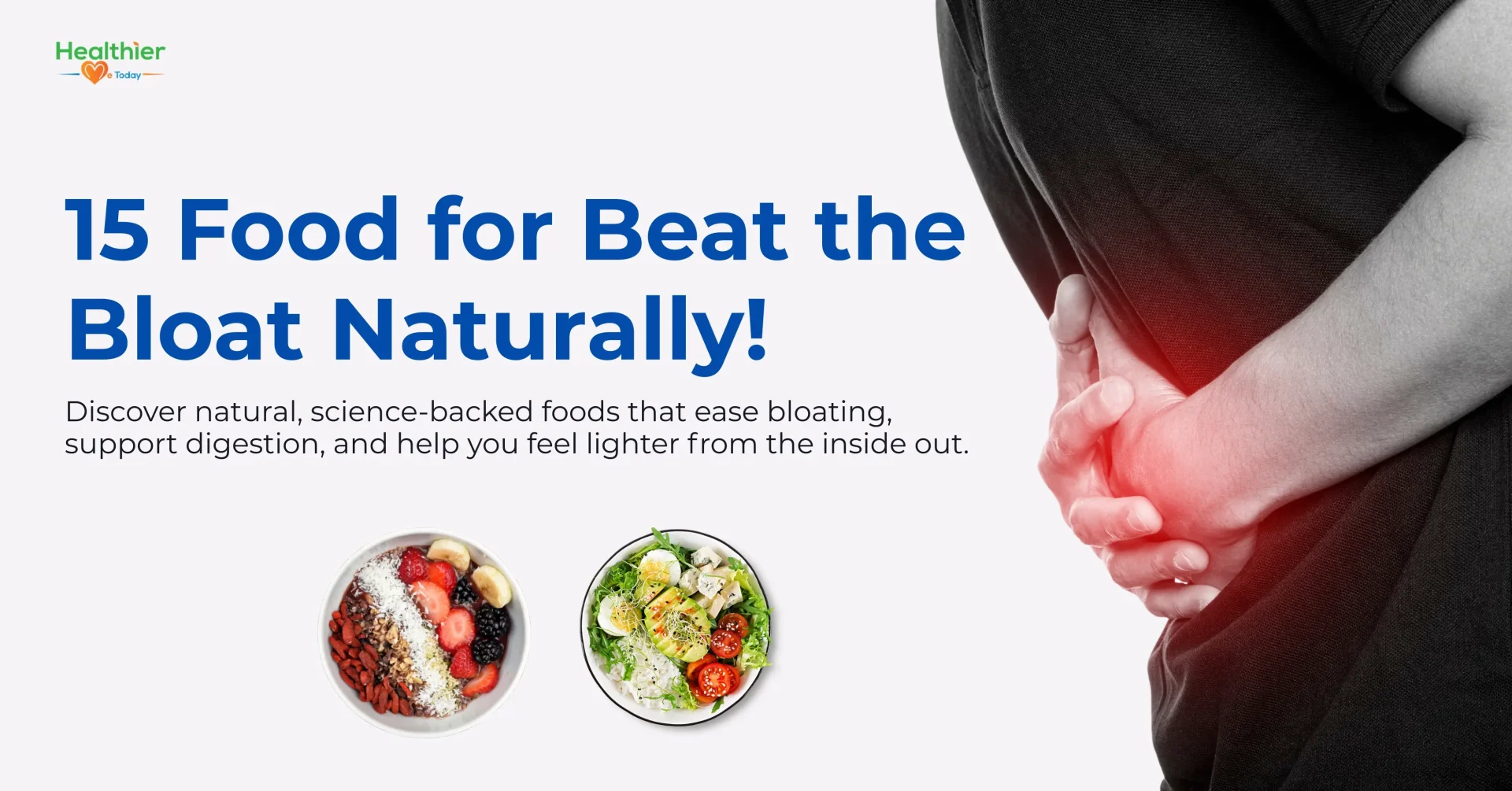
15 Foods That Help with Bloating (& Improve Digestion Fast)

Did you know that one in three people experience mild to severe bloating (meteorism)? For some, bloating happens occasionally and passes quickly, but for others, it can be a constant struggle.

Knowing what triggers it is the first step to relief. This article discusses how the right foods that help with bloating can make a significant difference, and when you should see a doctor.

Let’s get started!

What Causes Bloating?

What Causes Bloating

Bloated feelings could be for various reasons, including causes that may not always be immediately obvious, such as reasons why the stomach feels tight or uncomfortable. Common triggers include eating too quickly, consuming large meals, or eating foods that are hard to digest. Other contributing factors may also include hormonal changes, stress, and dehydration, aside from digestive issues such as constipation or food intolerances.

Even something as simple as swallowing air while talking, drinking, or chewing gum can be a contributing factor. By paying extra attention to how your body reacts to certain habits or foods, you can get a better understanding of your own personal triggers and manage bloating more effectively.

15 Foods That Can Help Reduce Bloating Naturally

15 Foods That Can Help Reduce Bloating Naturally

Bloating can be such a nuisance, but the good news is that you can do something about it. And no, you don’t need any pills, special imported juices, or a holistic doctor…

These are the foods that relieve stomach bloating:

1. Avocados

Rich in potassium and fiber, avocados support the digestive system with regular bowel movements and help prevent constipation. Potassium balances out the sodium levels in the body to reduce water retention and bloating, while fiber helps the digestive system move along.

2. Cucumber

Made up of about 95% water, cucumbers are one of the best foods for better digestion. Their high water content helps keep the body well-hydrated, promotes the removal of extra sodium, and lowers water retention, all of which can help relieve bloating.

3. Yogurt

Yogurt is an outstanding gut health food packed with probiotics. These probiotics help in keeping your gut in balance, offering easier passage of stool, and reducing gases and bloating. Including yogurt regularly in your diet can prevent both digestive hiccups and discomfort.

4. Berries

Fiber in berries regulates bowel movements and prevents constipation, while the antioxidants reduce gut inflammation that causes gas and bloating. A handful of berries with meals can support a healthy, balanced digestive system.

5. Celery

Celery is highly hydrating and contains a natural compound called mannitol, which helps draw water into the intestines to soften stools and promote regular bowel movements. The water in celery helps the body naturally expel excess fluids, reducing bloating and supporting comfortable digestion.

6. Ginger

Ginger is well-recognized for calming digestive discomfort and nausea [healthline.com]. It accelerates the speed of stomach emptying, thereby preventing food from staying in the gut, which can cause bloating. If you are wondering how to reduce bloating fast, you could try adding ginger to your meals or drinking it as warm tea; either way, it supports digestion naturally and helps with quick relief.

7. Bananas

Bananas are full of potassium and fiber, which help keep your fluids balanced and support smooth, regular digestion. This makes them an excellent choice among foods that reduce gas and bloating, helping to ease discomfort and support smooth digestion.

8. Papaya

Papaya contains an enzyme called papain, which supports more efficient protein digestion in the body. This makes it one of the best options for what to eat when bloated, as it supports smoother digestion and reduces the feeling of heaviness after meals.

9. Asparagus

Asparagus is rich in inulin, a prebiotic that feeds the beneficial bacteria in your gut. This helps support regular bowel movements, improves digestion, and prevents bloating.

10. Oats

Oats are packed with soluble fiber that helps regulate bowel movements and minimizes the buildup of gas [healthline.com]. It is thus considered that oats, taken during breakfast, naturally support digestion, keeping you fuller and comfortable in the gut throughout the day.

11. Pineapple

It is rich in the enzyme bromelain that works to break down proteins and aid the digestive process. It goes down well with other healthy foods for digestion, including fruits and vegetables, ensuring overall digestive health and eliminating bloating.

12. Turmeric

Turmeric is one of the top anti-inflammatory foods for gut health, helping to calm irritation in the digestive tract. Reducing gut inflammation can also ease bloating and support smoother digestion.

13. Quinoa

Quinoa is a fiber-rich, gluten-free grain that’s easy on the stomach. Its fiber helps keep bowel movements regular and feeds the good bacteria in your gut, which can naturally prevent gas and ease bloating.

14. Rhubarb

It’s high in fiber, which helps move food through your digestive system more smoothly, supports healthy bowel movements, and reduces water retention, making it one of the best foods to reduce belly bloat.

15. Kiwi

Kiwi contains an enzyme called actinidin, which helps break down proteins more efficiently and supports smoother digestion. By aiding the digestive process, kiwi helps prevent undigested food from fermenting in the digestive tract, a common cause of gas and bloating [iquitsugar.com].

When To See A Doctor

Sometimes, bloating may be a mild nuisance, while at other times, it could signal that something a little more serious is happening. If your bloating continues, and making dietary changes doesn’t help, or you experience abdominal pain, unexplained weight loss, or bloating that comes with nausea or vomiting, see a doctor [my.clevelandclinic.org].

The earlier one listens to their body and seeks help, the sooner a possible underlying problem can be found and peace of mind restored.

Conclusion: All You Need to Know

natural remedies for bloating

While bloating can be uncomfortable, the good news is that small, simple tweaks can sometimes make all the difference. Incorporating the right foods can be an effective natural remedies for bloating and help your digestive system run smoothly.

Pair these foods with drinks that help with bloating to further ease discomfort and reduce gas. You can avoid the development of bloating ahead of time by listening to your body, experimenting with what works best for you, and making mindful choices in life on a consistent basis.

FAQs

What are the best foods that help with bloating?

Foods that help reduce gas and improve digestion include avocados, cucumbers, yogurt, berries, and ginger. By adding these foods to what you eat, you can lower the chances of bloating and encourage regular bowel movements.

How can I reduce bloating naturally at home?

You can ease discomfort with simple natural bloating remedies at home, such as eating foods that help with bloating, drinking plenty of water, and trying herbal teas for bloating, like peppermint, ginger, or chamomile.

Gentle activities, such as going for a walk after meals, can also help release trapped gas and prevent that heavy, full feeling.

Does peppermint tea really help with gas and bloating?

Yes. Peppermint tea helps ease digestion by calming the muscles, which can help release trapped gas and reduce bloating. Drinking a warm cup after meals can calm the stomach and make digestion smoother, especially if your bloating is linked to indigestion or stress.

Can apple cider vinegar reduce bloating fast?

Yes. Apple cider vinegar may help with digestion by boosting stomach acid, making it easier for your body to break down food, and reducing gas. Taking a small amount mixed with water before meals can help prevent bloating, but be sure to use it in moderation to protect your teeth and stomach.
Which foods should I avoid when I feel bloated?

Certain types of foods may trigger bloating, including foods that cause bloating and gas, like carbonated drinks, beans, broccoli, onions, and some dairy products if you’re lactose-intolerant. Large portions, processed foods, and high-fat meals can also slow digestion and increase discomfort.

How does a dairy-free diet affect bloating?

For people with lactose intolerance, switching to a dairy-free diet and bloating can significantly reduce gas, stomach cramps, and fullness. Dairy alternatives like almond, oat, or soy milk may be easier to digest while still providing nutrients like calcium.

Are probiotics or prebiotics better for bloating?

Both probiotics and prebiotics can help with bloating, but they work in different ways. Probiotic foods for bloating, such as yogurt and kefir, add beneficial bacteria to your gut, which can improve digestion and reduce gas buildup. Foods like asparagus, oats, and bananas are rich in prebiotics, promoting healthy gut bacteria and keeping digestion in balance.

Can hormonal imbalance cause bloating?

Yes. Bloating and hormonal imbalance appear around periods, pregnancy, or menopause as hormone levels shift, which affect fluid retention and digestion. Paying attention to diet, hydration, and gentle movement can help minimize bloating during these times.

Is lemon water effective for bloating relief?

Yes. Drinking warm or room-temperature lemon water in the morning may help your digestive system. It can ease constipation and reduce feelings of fullness.

What are the top drinks that help with bloating and digestion?

Some of the most effective beverages include peppermint tea for gas, apple cider vinegar for bloating, and lemon water for bloating. Herbal teas like ginger or chamomile, along with plain water, can also support digestion, prevent water retention, and keep your gut comfortable throughout the day.

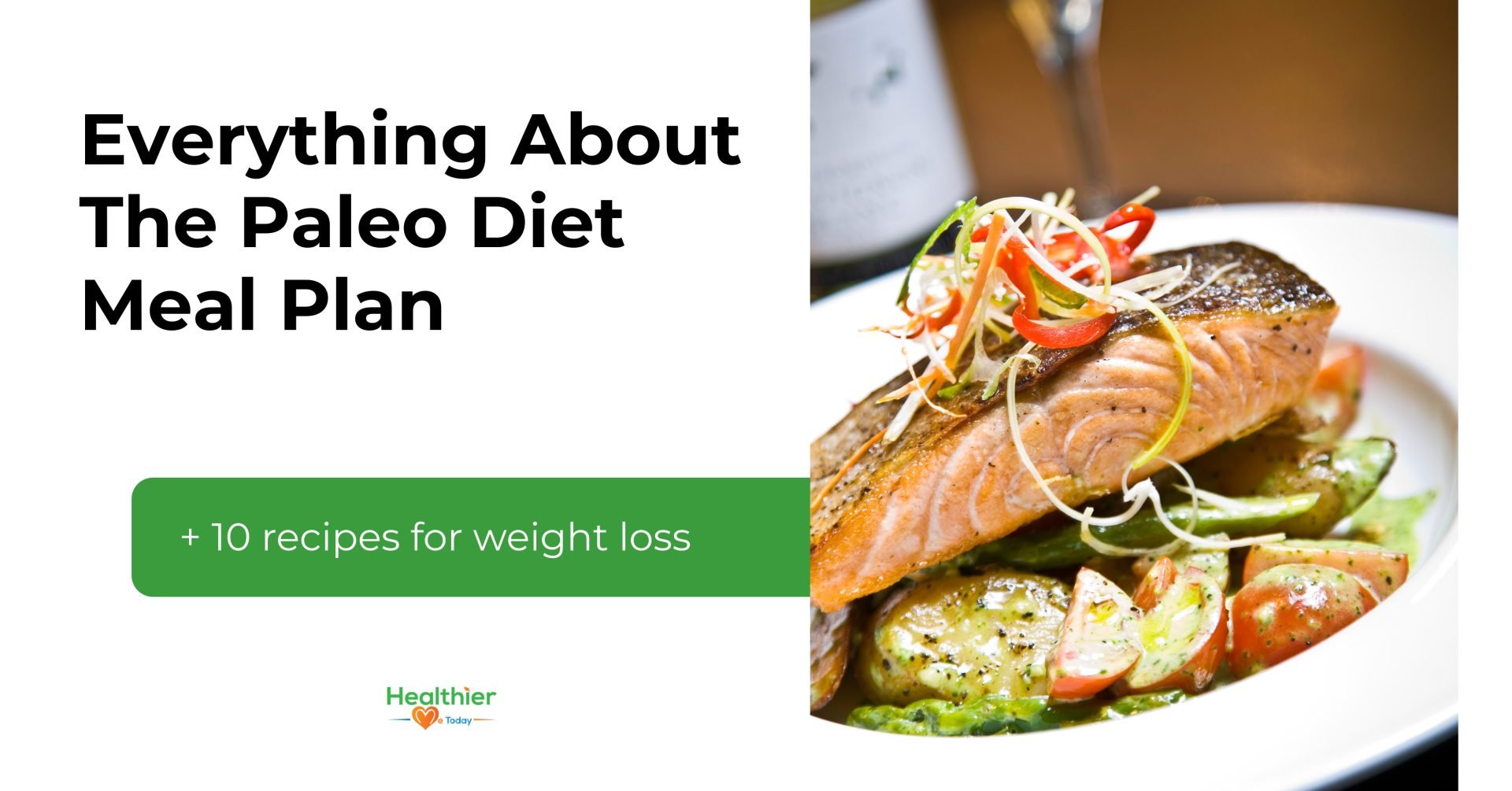
Complete Paleo Diet Meal Plan – Healthy & Nutritious

People search for the paleo diet because it’s linked to benefits like improved blood sugar control, less inflammation, and easier weight management. Research suggests that shifting from processed foods to whole ingredients (the core of paleo eating) can make a meaningful difference in long-term health.

Here’s what the paleo diet meal plan includes, how it works, and why so many people choose it!

Understanding the Basics of Paleo Eating

Before diving into recipes or meal plans, it helps to understand what is paleo diet really about. The paleo approach is based on the idea of eating the kinds of foods our early hunter-gatherer ancestors relied on, long before farming and processed foods existed. The goal is to eat in a way that better matches how the human body evolved.

Complete Paleo Diet Meal Plan - Healthy & Nutritious

This way of eating centers on whole, unprocessed foods, things like lean meats, fish, eggs, vegetables, fruits, nuts, seeds, and healthy fats. It avoids foods that became common only after agriculture, such as grains, dairy, refined sugar, and heavily processed foods.

The main idea is that by returning to more natural foods, many people experience steadier energy, easier digestion, fewer cravings, and an overall cleaner, healthier routine. It isn’t about perfection… It’s about choosing foods that feel good in your body and support your daily well-being.

Benefits of the Paleo Diet Meal Plan

Eating paleo comes with a variety of health benefits, especially if you’re trying to focus on whole foods and cut back on processed ingredients.

Here are some of the biggest advantages people notice:

What Foods to Include & Avoid on the Paleo Diet Meal Plan

Understanding what is the paleo diet (like what to include and avoid) helps with grocery shopping and meal prep, so every meal is full of nutrients, flavor, and energy without unnecessary processed ingredients [www.forbes.com].

Here’s the full paleo diet food list:

Foods to Include Why They Work/ Benefits Foods to Avoid Why They Are Skipped
Chicken, beef, pork, turkey, fish High in protein, supports muscle & energy Bread, rice, pasta, wheat/corn products Processed carbs can cause bloating & energy crashes
Colorful vegetables ( broccoli, spinach, carrots, sweet potato, cauliflower, peppers) Packed with vitamins, fiber, and antioxidants Beans & soy Can cause digestive issues, not part of paleo principles
Eggs Rich in protein & nutrients Dairy Often inflammatory or hard to digest for some
Fruits Natural sweetness, fiber, antioxidants Refined sugar & artificial sweeteners Can cause energy spikes & cravings
Healthy fats (olive oil, coconut oil, avocado, nuts, seeds) Keep meals filling, support brain & heart Processed snacks & alcohol Empty calories, additives, and inflammation
Herbs & spices Add flavor without additives Artificial ingredients Chemicals and preservatives are not natural

Paleo Diet Ideas

Below are easy, realistic paleo meal ideas for breakfast, lunch, dinner, and snacks, all made with ingredients you can find in any regular grocery store.

Paleo Breakfast Ideas

  • Scrambled eggs with spinach, mushrooms, and avocado
  • Sweet potato hash with ground turkey or beef
  • Banana-egg pancakes cooked in coconut oil
  • Mixed berries topped with chopped nuts and a drizzle of almond butter
  • Omelet with peppers, onions, and smoked salmon

Paleo Lunch Ideas

  • Grilled chicken salad with avocado, tomatoes, cucumbers, and olive oil
  • Lettuce-wrapped beef burgers with a side of roasted vegetables
  • Salmon bowl with cauliflower rice, greens, and lemon
  • Tuna salad (made with paleo mayo) stuffed in bell peppers
  • Turkey and veggie stir-fry cooked in coconut aminos

Paleo Dinner Ideas

  • Baked chicken thighs with roasted sweet potatoes and broccoli
  • Pan-seared salmon with asparagus and a squeeze of lemon
  • Beef and vegetable stew (carrots, celery, onions, broth)
  • Zucchini noodles with ground beef and tomato sauce
  • Pork chops with sautéed green beans and mushrooms

Paleo Snack Ideas

  • Apple slices with almond butter
  • Hard-boiled eggs
  • Mixed nuts or trail mix (no added sugar)
  • Carrot sticks with guacamole
  • Fresh fruit (berries, grapes, melon, etc.)

Helpful Tools

Following the paleo diet becomes much easier when you have tools that help you plan meals, track ingredients, and stay organized. These apps simplify everything from grocery shopping to portion sizes, so you don’t have to figure it all out on your own [healthline.com].

Paleo Diet Meal Plan

Some of the most useful paleo-friendly tools include:

  • Eat This Much – Automatically creates paleo-friendly meal plans based on your calories, budget, and preferences. Great for people who want quick, done-for-you ideas.
  • Mealtime – Helps you build simple paleo meals, plan your week, and avoid decision fatigue. You can swap recipes, create shopping lists, and customize everything.
  • Paleo (by Whole30) – Ideal for beginners. Offers paleo-approved recipes, ingredient lists, pantry guides, and tips to help you stay on track.

These tools remove the guesswork and make it easier to stay consistent, especially if you’re new to paleo or struggle with planning.

For even more guidance, the Paleo Meal Plan eBook is a perfect resource, with easy recipes, meal prep tips, and shopping guides that make following the diet even simpler.

Practical Tips for Meal Prep

Spending a little time each week can make healthy eating much easier.
Here are some simple tips to get started:

  • Chop veggies and prep ingredients in advance.
  • Cook proteins in batches and freeze portions for later use.
  • Plan your snacks ahead of time so you always have something ready.
  • Mix herbs and spices ahead of time to make seasoning meals quick and easy.
  • Keep meals simple, rotating proteins and vegetables keeps things interesting.

Conclusion: Your Path to a Healthier You

A paleo lifestyle mostly comes down to choosing foods that feel natural and easy for your body to use. When you focus on whole ingredients and uncomplicated meals, it becomes part of your normal routine rather than something strict or temporary. Over time, those small everyday choices help you feel more balanced, energised, and comfortable in your own body.

If you’re ready to try paleo for yourself, the Paleo Weight Loss Recipe Ebook is a great place to begin. It’s packed with easy, delicious recipes and is available for just $5 until Christmas.

FAQs

Where to buy paleo-approved snacks and ingredients online?

Buying paleo-friendly snacks and ingredients online is super convenient and saves a lot of time. Some popular online stores include Thrive Market, Whole Foods (via Amazon), Vitacost, and iHerb, where you can find nuts, dried fruit, grain-free snacks, seasoning blends, and other paleo staples. Items like All Purpose Paleo Power Seasoning and AIP Protein Powder are easy to grab online, and fresh vegetables or meat can usually be delivered straight to your door from major grocery apps.

How to find a personalized paleo diet meal plan online?

Many online platforms offer quick quizzes to determine eating habits, preferences, and goals. Based on that, they create a plan with recipes, shopping lists, and tips to make meals simple and consistent. This way, following paleo becomes easy and flexible, without feeling strict or overwhelming.

What to eat on paleo diet?

A simple paleo diet food list includes fresh vegetables, lean meats, fish, eggs, fruits, nuts, seeds, and healthy fats like olive oil or avocado. Switching up these ingredients keeps meals fun, and herb or spices adds lots of flavor. The focus is on real, whole foods that are easy to digest and keep energy steady throughout the day.

How to get a paleo diet 7-day meal plan?

A 7-day paleo plan can be found on nutrition websites, recipe blogs, or in cookbooks. Many come with ready-made templates, shopping lists, and easy step-by-step guides. Most plans rotate proteins, veggies, and healthy snacks to keep meals simple and balanced all week. Another option is purchasing digital meal plans like the AIP Meal Plan, which follows a similar clean-ingredient lifestyle and is easy to adapt to a paleo diet.

What are the top-rated paleo cookbooks available for purchase?

There are several well-loved paleo cookbooks available (like The Paleo Kitchen, Practical Paleo, and The Whole30 Cookbook), but one of the best places to start is the Paleo Weight Loss Recipe Ebook. It offers simple, beginner-friendly recipes made with everyday ingredients, clear instructions, and instant digital access, and it’s currently just $5 until Christmas.

What does paleo diet do?

Following a paleo lifestyle helps keep energy steady, digestion smooth, and bloating under control. Eating whole, natural foods can also improve skin and support natural weight management. Many notice they feel more alert, have fewer cravings, and enjoy a more balanced metabolism over time.

What is paleo diet vs keto?

Both paleo and keto focus on real, whole foods, but they treat carbs differently. Paleo lets you enjoy natural carbs from fruits and veggies, while keto keeps carbs very low so the body switches to burning fat. Both can be healthy, but paleo is usually easier to stick with because it’s more flexible with what you can eat.

What does paleo diet exclude?

Paleo leaves out grains, dairy, beans, refined sugar, alcohol, and processed foods. Cutting these out makes meals more nourishing, easier to digest, and helps avoid energy crashes or bloating that processed foods can cause.

Guava Leaf Tea: The Natural Way to Boost Wellness

If you’re looking for a natural way to boost your health, guava leaf tea might be your new favorite daily ritual.

This gentle herbal tea, made from the fresh or dried leaves of the guava tree, has been used for centuries in traditional medicine. Today, it’s celebrated for its smooth, earthy flavor and impressive list of health benefits, from balancing blood sugar and easing digestion to improving skin and immunity.

In this guide, you’ll discover how to make guava leaf tea at home and learn the science-backed benefits that make it worth adding to your wellness routine.

Top Benefits of Guava Leaf Tea

Top Benefits of Guava Leaf Tea

Guava leaves are rich in powerful plant compounds like antioxidants, flavonoids, and tannins that support many areas of health. Below are some of the main guava leaf tea benefits explained.

1. Supports Healthy Blood Sugar Levels

Many people drink guava leaf tea for diabetes because it may help keep blood sugar levels steady. Compounds in guava leaves can slow down how sugar is absorbed in the digestive system and improve the body’s response to insulin.

2. Aids Digestion and Reduces Bloating

Drinking guava leaf tea can help keep the digestive system calm and comfortable. Its natural antibacterial may ease bloating, mild stomach discomfort, and occasional diarrhea. Drinking a cup of guava leaf tea after meals may aid digestion and help the stomach feel calm.

3. Boosts Immunity

Drinking guava leaf tea strengthens the body’s natural defenses. The antioxidants contained within guava leaves protect the cells from everyday damage and support the immune system in its struggle against colds, flu, and common infections. A warm cup could be the simplest way to give some extra support to the body when it is especially needed by the immune system.

4. Improves Skin and Hair Health

Guava leaves contain vitamins and antioxidants that can help reduce acne, control oil production, and promote clearer skin. When applied as a hair rinse, guava leaf tea can help reduce dandruff and strengthen hair roots, highlighting the guava benefits for both beauty and overall wellness.

5. May Support Weight Management

Guava leaf tea is low in calories and naturally caffeine-free, making it a healthy alternative to sugary drinks [healthline.com]. It may also support weight management by improving digestion and boosting metabolism when combined with a balanced diet.

6. Promotes Heart Health

The antioxidants in guava leaves can help reduce harmful cholesterol while supporting healthy cholesterol levels. This helps maintain a healthy heart and improves blood circulation. With regular consumption, guava leaf tea benefits can include cardiovascular support and overall wellness.

7. May Help Relieve Painful Symptoms of Menstruation

Drinking guava leaf tea may help relieve menstrual discomfort. The natural compounds in the leaves can ease abdominal cramps and make your period feel a bit more comfortable and soothing [medicalnewstoday.com].

How to Make Guava Leaf Tea at Home

How to Make Guava Leaf Tea at Home

Brewing guava leaf tea at home is a simple and soothing way to add a healthy ritual to your daily routine. All you need are a few fresh or dried guava leaves and some water.

Follow the steps below to prepare your tea:

  1. Prepare the leaves: Rinse 10 fresh guava leaves (or one tablespoon of dried leaves) under running water.
  2. Boil water: Pour 2 cups of water into a small pot over medium heat.
  3. Heat the leaves gently: Add the guava leaves to the boiling water. Lower the heat and let it cook for 10 to 15 minutes.
  4. Infuse the tea: Take the pot off the heat and let the tea infuse for an additional 5 minutes. Steeping longer can increase the strength and flavor.
  5. Strain and serve: Filter the leaves and pour the tea into a mug. If preferred, include honey or lemon to improve the taste.

This guava leaf tea recipe can be made with either fresh or dried leaves. And, it can be enjoyed up to twice a day.

Best Time to Drink Guava Leaf Tea

Best Time to Drink Guava Leaf Tea

Many people wonder about the best time to drink guava leaf tea. The ideal time depends on your goals [redcliffelabs.com].

Here’s an overview:

  • To help regulate blood sugar, consume a cup after meals to assist in managing glucose levels.
  • For relaxation or digestion, enjoy it in the evening after dinner.
  • For general wellness, one cup in the morning can give you an antioxidant boost for the day.

If you are sensitive to herbal teas, it’s best not to drink them on an empty stomach.

Conclusion: A Simple Way to Support Your Health Naturally

Guava leaf tea is a gentle and natural way to support your daily health. Guava leaves provide many health benefits, supporting healthy blood sugar and digestion, as well as improving skin, heart, and immune function.

Whether served hot or cold, it’s a simple addition to daily life that can help you feel great.

So why wait? Brew a cup today and take one small, natural step toward better health. Explore our blog for more healthy recipes and wellness tips to keep you thriving.

FAQs

Does guava leaf tea really help control blood sugar?

Yes, guava leaf tea can help manage blood sugar levels by slowing sugar absorption and improving insulin use in the body.

What are the main health benefits of guava leaf tea?

The health benefits of guava leaf come from its antioxidants and natural plant compounds. It supports digestion, boosts immunity, balances blood sugar levels, promotes heart health, and may improve the appearance of skin and hair.

How do you make guava leaf tea at home?

Boil clean guava leaves in water for approximately 10-15 minutes, then strain the liquid and drink it. You can add lemon or honey to improve the flavor.

When is the best time to drink guava leaf tea?

After meals is the best time to drink guava leaf tea, as it helps with digestion and keeps blood sugar steady. You can also enjoy it in the evening to relax and unwind before bed, making it a soothing addition to your daily routine.

Can guava leaf tea help with diabetes naturally?

Yes. Studies suggest that guava leaf tea for diabetes may naturally help regulate blood sugar and improve insulin response. However, it should not replace prescribed diabetes treatment.

Are there any side effects of guava leaf tea?

While guava tea is generally safe, drinking too much may cause constipation or an upset stomach. It’s best to start with small amounts and see how your body reacts.

Is guava fruit as beneficial as guava leaves?

Yes. Both the guava leaves benefits and guava fruit benefits come from their valuable nutrients and plant compounds, which support the body.

What are the sexual health benefits of guava leaves for men?

While guava leaves are often believed to support men’s sexual health, there is currently no strong scientific evidence proving specific benefits. Some traditional wellness practices suggest that improved circulation and antioxidant support may contribute to stamina, energy, or fertility, but these effects have not been clinically confirmed.

Guava leaf tea can still be enjoyed as part of a healthy lifestyle, but it shouldn’t be relied on for treating sexual health concerns without medical guidance.

What nutrients are found in guava leaves and guava fruit?

Both contain vitamins A, C, and E, as well as fiber, calcium, iron, and potassium. These nutrients support heart health, immunity, as well as, digestion.

What does science say about guava leaf tea and blood sugar regulation?

Various studies indicate that guava leaves have medicinal benefits, regulating blood sugar and cholesterol levels. Antioxidants and flavonoids present in guava leaves, according to various animal studies and small human trials, exert a potential effect on glucose peak control after meals and may be supportive of pancreatic function. The results look promising, but larger clinical trials in humans are required to confirm them.

8 Amazing Benefits of Lemon Water & the Best Time to Drink

If you knew one simple drink could lift your energy, support digestion, naturally brighten your skin, and much more, would you give it a chance?

According to researchers, people started drinking lemon water in the 12th century. Today, it’s still one of the easiest wellness habits to add to your day, and the benefits go far beyond taste. Lemon water keeps you hydrated, supports different systems in the body, and helps you feel more refreshed from the inside out. Whether you enjoy it warm first thing in the morning or chilled throughout the afternoon, this simple drink can make a noticeable difference.

Below, you’ll find 8 amazing benefits of lemon water, plus the best times to drink it for maximum results.

Health Benefits of Lemon Water

Let the countdown begin (and prepare to be amazed)!

1. Hydration and Morning Energy

Your body naturally loses water overnight through breathing and sweating, so it starts the morning needing a little boost. Hydrating early helps your body wake up properly, your brain, your energy, and even your focus respond better when you’re not starting the day dehydrated.

benefits of lemon water in the morning

One of the best benefits of lemon water in the morning is that it helps you rehydrate after a night’s sleep.

2. Increases Metabolism

Many people turn to lemon water for weight loss because staying hydrated plays a big role in how your metabolism functions. When your body gets enough water, it can burn energy more efficiently, which supports a healthy, steady metabolism. Even a small boost in hydration can make your body work a little harder and burn a few more calories as it processes the water.

A well-supported metabolism makes it easier to manage your weight, and lemon water simply helps you drink more throughout the day.

3. Supports Digestion

A glass of lemon water for digestion before or after meals can help “wake up” your digestive system by supporting healthy stomach acid levels. This can make it easier for your body to break down food properly.

The gentle acidity in lemons may help ease bloating or discomfort, while proper hydration keeps things moving through your digestive tract. Together, they support regular bowel movements and overall digestive comfort.

5. Promotes Naturally Glowing Skin

Glowing, healthy-looking skin often starts from good nutrition and hydration, and that’s where lemon water skin benefits come in. The vitamin C in lemons supports your body’s natural collagen production, which helps keep your skin soft and smooth [webmd.com].

Staying hydrated also helps your skin look fresher and less dull by supporting your body’s natural detox processes. Drinking lemon water regularly can help your complexion look more even and naturally radiant over time.

6. Strengthens Immunity

Have you ever heard of lemon water immune system support?

The vitamin C in lemons helps your body produce and protect white blood cells, the cells that fight off infections. It also works as an antioxidant, protecting your cells so your immune system stays strong.

Staying hydrated is another part of good immunity, and lemon water makes it easier to drink enough throughout the day. Especially during flu season, this simple habit can give your body the support it needs to stay healthy.

7. Detoxes and Balances the Body

Next on the lemon water health benefits list is detoxing (and it’s quite interesting)!

Your body is constantly detoxing on its own, and your liver does most of the work. Lemon water can support this process in a few helpful ways [greaterbostonbehavioralhealth.com]. The natural acidity in lemons may help the liver produce bile, which plays a role in moving waste through the body.

The antioxidants in lemons, especially vitamin C, help protect liver cells from damage so they can function well. And because lemon water makes it easier to stay hydrated, it supports the kidneys as they filter out waste throughout the day.

8. Balances pH Levels

One of the overlooked health benefits of lemon water is how it can support the body’s natural pH balance. Even though lemons are acidic, they have an alkalizing effect once digested. This means they can help create a more balanced internal environment without making your body too acidic.

Health benefits of lemon water - Balances pH Levels

Staying hydrated also plays a role in pH balance, helping your body dilute acids and process waste more effectively. Adding lemon to your water is a simple way to support this balance and help your body feel less sluggish and steadier throughout the day.

9. Protects the Kidneys

Many people turn to lemon water for kidney stones because the citric acid in lemons can help prevent mineral buildup. Citric acid binds to calcium in the urine, making it less likely to form crystals that can develop into stones [health.clevelandclinic.org].

Lemon water also helps by diluting urine, which reduces the concentration of minerals and makes it easier for the kidneys to flush out waste. Drinking it regularly can support overall kidney health and lower the chances of stone formation.

Best Time to Drink Lemon Water

The best time to drink lemon water depends on what you want from it.

  • In the morning: A warm glass on an empty stomach helps rehydrate you after sleep and gives your body a refreshing start to the day.
  • Before meals: Drinking it 20–30 minutes before eating can “wake up” your digestive system and support smooth digestion.
  • Throughout the day: Sipping lemon water during the day makes it easier to stay hydrated and keep your energy levels steady.
  • Before or after workouts: It helps replace lost fluids and keeps you feeling refreshed while you recover.
  • In the evening: A warm glass can be calming, but avoid drinking too much right before bed if you wake up easily at night.

Simple Lemon Water Recipe for Beginners

Making lemon water is quick and beginner-friendly, you don’t need anything fancy to get started. Here’s a simple recipe you can follow daily.

Lemon Water Recipe for Beginners

Ingredient Amount
Fresh lemon ½–1 lemon (juiced)
Water 1 glass (warm or cold)

Instructions:

Squeeze the lemon juice into your glass of water, mix gently, and enjoy. Adjust the amount of lemon to your taste, some prefer a stronger flavor, while others like it light and refreshing [food52.com].

If fresh lemons aren’t always available, you can still enjoy the flavor by using lemon water enhancers or bottled lemon water drinks. While these options don’t offer the same vitamin C and antioxidant levels as freshly squeezed lemon, they can still make hydration easier and help you replace sugary beverages with something lighter and refreshing.

Conclusion: A Glass Can Change Your Day

Adding lemon water to your daily routine is one of the simplest habits with the biggest payoff. It supports hydration, digestion, immunity, kidney health, and even your skin, all from just a squeeze of lemon and a glass of water.

You don’t need expensive ingredients or complicated recipes, just consistency. Whether you sip it in the morning for a refreshing start or enjoy it later in the day for an energy boost, this easy ritual can help you feel lighter, clearer, and more balanced from the inside out.

So try it today!

FAQ’s:

What are the top health benefits of lemon water?

Drinking lemon water regularly may help your body stay hydrated, improve digestion, boost immunity, clear the skin, and naturally aid in detox and weight balance. It’s full of vitamin C and antioxidants that help the body function smoothly every day.

Does lemon water help with weight loss?

Yes, it can support weight management by replacing sugary drinks and helping you feel full. Staying hydrated with lemon water may also support a healthy metabolism.

Is lemon water good for your skin?

Definitely, the vitamin C in lemon water plays a key role in collagen formation and helps protect your skin. Along with proper hydration, it leaves your skin looking naturally radiant.

How much lemon water should you drink daily?

Most people benefit from one to two glasses per day. Excessive acidity can cause discomfort, so start slowly and observe how your body reacts.

Is it safe to drink lemon water every day?

Yes, it’s safe for most people when consumed in moderation. To protect teeth, rinse your mouth with plain water afterward or use a straw.

Does lemon water really detox your body?

Yes. By supporting liver and kidney function, lemon water promotes the body’s ability to eliminate waste and stay balanced. These lemon water detox benefits make it a simple and natural way to help your body cleanse and maintain overall wellness.

Can lemon water damage your teeth?

Due to its acidity, excessive consumption of lemon water can erode enamel. Using a straw and rinsing afterward helps protect your teeth.

How does lemon water help with digestion?

It promotes better digestion by stimulating bile and enzyme production, which helps your body process meals more efficiently and reduces bloating.

What’s the best way to prepare lemon water?

The best way to prepare lemon water is to squeeze the juice of half a fresh lemon into a cup of warm or cold water. Fresh lemon juice works best for flavor and nutrients.

Does lemon water boost your immune system?

Yes, its vitamin C content helps strengthen the immune system and supports the body in fighting colds, infections, and fatigue.

Is warm or cold lemon water better?

Both warm and cold lemon water offer unique benefits. Warm lemon water benefits include soothing the digestive system, helping with gentle detox, and supporting hydration first thing in the morning. Cold lemon water, on the other hand, is refreshing, energizing, and perfect after exercise to cool down and rehydrate.

Top High-Protein Veggies for Plant-Based Eaters

Protein is an important nutrient for a healthy body. It helps with muscle recovery, controls energy levels, and supports the immune system. People on a vegetarian or vegan diet might find it hard to find high-quality plant-based protein sources. However, nature offers a wide range of high protein vegetables that can provide the nourishment your body needs without relying on animal products.

This guide explores some of the best vegetables high in protein, how they support a balanced diet, and are easy to include in your everyday meals.

Why Protein Matters on a Plant-Based Diet

Why Protein Matters on a Plant Based Diet

Protein helps your body grow, repair muscles, and stay healthy. It also supports your metabolism and strengthens your immune system. If you follow a plant based protein diet, it’s essential to get enough protein from natural, healthy foods.

Unlike meat or eggs, protein vegetables give you energy with fewer calories and almost no unhealthy fat, making them a cleaner and lighter source of nutrition.

Vegetables That Pack the Most Protein

If you’re wondering what veggies have the most protein, look no further than peas, spinach, broccoli, and Brussels sprouts. These are the top vegetable foods high in protein and can easily fit into any diet.

vegetables are high in protein

When most people think of protein, they imagine beans, tofu, or lentils. Yet, many fresh vegetables are also excellent sources of this nutrient.

Here are some of the top high-protein vegetables for plant-based eaters:

Vegetable/ Plant Food Protein (approx.) Description
Endamame 18.4 g per cup (cooked) Young soybeans are full of plant protein and fiber.
Lentils 17.9 g per cup (cooked) Tiny legumes are full of protein and iron.
Pinto Beans 15.4 g per cup (cooked) Creamy beans used in Mexican dishes are rich in protein and fiber.
Chickpeas 21.3 g per 100 g (dried) Tiny legumes are full of protein and iron.
Mung Beans 14.2 g per cup (cooked) Small green beans are rich in protein and fiber.
Fava Beans 12.9 g per cup (cooked) Broad beans add a protein boost to soups and salads.
Green Peas 8.6g per cup (cooked) Sweet and tender peas with great protein and vitamin C.
Wild Rice 6.5 g per cup (cooked) High-protein grain, rich in nutrients.
Quinoa 8.1 g per cup (cooked) A complete plant protein grain high in fiber and minerals.
Pistachios 5.9 g per 28 g (1 oz) Crunchy nuts that provide protein and healthy fats.
Almonds 5.9 g per 28g (1 oz) Protein-packed nuts loaded with vitamin E and antioxidants.
Brussels Sprouts 5.6 g per cup (cooked) Mini cabbages are rich in protein, fiber, and immune-boosting nutrients.
Asparagus 5.3 g per cup (cooked) Light and fresh, high in protein, and perfect for spring meals.
Chia Seeds 4.7 g per 28g (1 oz) Tiny seeds full of protein, fiber, and omega-3s.
Potatoes ( with skin) 4.3 g per medium potato A satisfying carb source that also offers protein and B vitamins.
Broccoli 4.3 g per stalk (cooked) A protein-rich veggie that supports digestion and immunity.
Avacado 4.0 g per medium fruit Creamy and full of healthy fats with a small amount of protein.
Yellow Sweet Corn 4.7 g per large ear Naturally sweet filling, offers both protein and fiber.

 While legumes and grains aren’t vegetables, many plant-based eaters include them as protein-rich staples. We’ve included them here for convenience.

How Much Protein Do You Need Per Day

Your daily protein needs depend on your age, activity level, and overall health. 

For most adults, a good general guideline is:

  • 0.8 grams of protein per kilogram of body weight for the average person
  • 1.0 to 1.2 g/kg if you’re active, trying to build muscle, or recovering from illness
  • 1.2 to 1.6 g/kg if you exercise regularly or follow a plant-based diet and want to support muscle strength

To figure out your ideal range, simply multiply your weight (in kilograms) by the guideline that fits you best.

Example of a High-Protein Plant-Based Day

Here’s a simple day of eating that adds up to 65–75 grams of protein (perfect for most adults, including those following a vegetarian or vegan diet).

Breakfast (15–18 g)

  • Spinach smoothie made with:
    • 1 cup cooked spinach
    • 1 tablespoon chia seeds
    • ½ cup Greek-style plant yogurt
    • One banana or berries

This combo gives you steady morning energy plus a strong protein boost.

Lunch (20–25 g)

  • Quinoa and broccoli bowl:
    • 1 cup cooked quinoa
    • 1 cup steamed broccoli
    • ½ cup chickpeas
    • Lemon-tahini dressing

Quinoa and chickpeas together create a complete, filling protein source.

Snack (6–10 g)

  • A handful of almonds or pistachios

OR

  • Whole-grain toast with peanut butter

Dinner (22–25 g)

  • Stir-fry with:
    • 1 cup edamame
    • 1 cup green peas
    • Brussels sprouts or asparagus
    • Soy sauce, garlic, and sesame seeds

A quick, nutrient-packed dinner loaded with plant protein and fiber.

Conclusion: The Power of Changing Your Diet

When it comes to staying healthy and strong on a plant-based diet, vegetables play a bigger role than many people realize. Understanding what vegetables are high in protein guides you to make healthier food choices that keep your body fueled. Getting enough protein from greens like spinach, kale, and microgreens supports muscle strength, energy, and overall wellness without relying on animal products.

high protein vegetables

Even though microgreens protein content is small, these tiny plants add an impressive nutritional punch when combined with other foods. They’re easy to include in daily meals and help boost overall protein intake. Meanwhile, leafy greens protein contributes to a cleaner, lighter source of energy that’s kind to your body and the planet.

So what are you waiting for?

FAQ’s:

Which vegetables have the highest protein content?

Some of the highest protein vegetables include edamame, green peas, broccoli, spinach, and kale. Edamame and peas offer the most protein, around 8 to 18 grams per serving, while leafy greens like spinach and kale provide smaller but valuable amounts of plant protein.

How can I get enough protein from vegetables?

By combining several protein sources on a plant based diet, such as legumes, grains, and vegetables, you can achieve complete protein intake daily.

Are leafy greens a good source of protein?

Yes, leafy greens like kale, collards, and spinach contain valuable protein in leafy greens that contributes to your total intake when eaten regularly. Adding these greens is an easy way to increase your daily protein intake while supporting digestion, bone health, and muscle recovery. Regularly including protein-rich leafy vegetables helps maintain a balanced and sustainable plant-based diet.

What are the best plant-based protein sources?

The best plant based protein sources include chickpeas, lentils, mung beans, edamame, tofu, and quinoa. Combining these protein-rich plant foods with grains or seeds ensures you get all the essential amino acids for a balanced and nutritious plant-based diet.

Can microgreens boost protein intake?

Microgreens are small, young plants that are rich in nutrients, including protein. Although they contain less protein than legumes, they are still an excellent way to enhance your intake.

How much protein do high-protein vegetables provide per serving?

Depending on the vegetable, servings can range from 2 to 9 grams of protein, making protein containing vegetables a substantial addition to any plant-based diet.

Which protein-rich vegetables are best for vegetarians?

Edamame, peas, artichokes, and Brussels sprouts are among the most protein rich vegetables that fit perfectly into vegetarian meals. Not only do these vegetables provide plenty of plant protein, but they also offer a range of vitamins and minerals. This makes them great for balanced vegetarian meals.

Can eating protein-rich vegetables replace animal protein?

Yes. Protein-rich vegetables can help meet your protein needs, especially when combined with grains, legumes, or seeds. This pairing creates a complete protein, providing all the important amino acids your body requires.

What are some easy ways to include protein vegetables in meals?

There are many ways to boost protein intake with vegetables. You can add protein-rich greens like spinach, kale, or microgreens to smoothies, soups, and stir-fries. Vegetables are great side dishes for whole grains, pasta, or rice. Roasting or steaming, these veggies help keep their nutrients while adding flavor. Even minor adjustments, such as adding chickpeas to a salad or adding sprouts to a sandwich, can significantly boost your daily plant-based protein intake.

Are protein-rich leafy vegetables good for weight loss?

Yes. Protein rich leafy vegetables are low in calories and high in fiber, helping you feel full longer while supporting a healthy weight. Regularly eating protein-rich leafy greens enables you to stay satisfied without overeating, supporting healthy, sustainable weight loss.

25 Thanksgiving Desserts That are SO GOOD They Disappear in Minutes (+ Healthy Swaps)

Thanksgiving is one of the biggest dessert days of the entire year, with millions of pumpkin pies, apple crisps, brownies, and cheesecakes being served across the country. And while the holiday is known for rich, sweet treats, that doesn’t mean every recipe has to be heavy. 

This list gives you 25 delicious Thanksgiving dessert ideas, along with simple healthy swaps for anyone who’s diabetic, watching sugar, or just wants a lighter option without giving up flavor.

Let the dessert magic begin!

1. Pumpkin Cheesecake Bars

If you’re looking for dessert bars for Thanksgiving, this is the one that never fails. The pumpkin-and-cheesecake mix gives you that rich, cozy flavor without any fuss, and it’s one of those desserts people always go back for. Easy to make, easy to serve, and always a solid choice for the holiday table.

 dessert bars for Thanksgiving- Pumpkin Cheesecake Bars

Ingredient Quantity
Pumpkin Puree 1 cup
Cream Cheese 1 block
Sugar ½ cup
Egg 1 whole
Cinnamon ½ tsp
Graham Cracker Crust 1 Crust

Recipe

Mix pumpkin puree, cream cheese, sugar, egg, and cinnamon. Spread over a graham cracker crust, bake at 175°C for 35 minutes, and let it cool in the fridge before serving.

Healthy Swap

Use Greek yogurt instead of part of the cream cheese.

2. Apple Crisp

Apple crisp is such a reliable pick for desserts for Thanksgiving Day. The warm apples, the cinnamon, and that crisp topping make it one of those dishes that feels familiar and comforting without needing much effort.

Ingredient Quantity
Apples 6 sliced
White Sugar ¼ cup
Cinnamon 1 tsp
Oats ½ cup
Brown Sugar ¼ cup
Flour ¼ cup
Butter 3 tbsp

Recipe

Slice six apples and toss with sugar and cinnamon. Mix oats, brown sugar, flour, and butter for the topping. Evenly spread the apples on the bottom of the pan and bake at 190°C for 40 minutes.

Healthy Swap

Swap half the butter for applesauce and use oats instead of flour.

3. Pecan Pie Brownies

These pecan pie brownies are a solid pick if you want easy Thanksgiving dessert ideas that still feel a little special. The mix of fudgy chocolate and that sweet pecan topping gives you the best of both worlds, and it’s one of those treats people always notice on the table. 

Ingredient Quantity
Brownie mix
Pecans 1 cup
Brown Sugar ½ cup
Melted Butter 2 tbsp
Corn Syrup 1 tbsp

Recipe

Bake a brownie mix in a 9×9-inch pan. Combine pecans, brown sugar, melted butter, and corn syrup, then spread over the brownies. Bake for an extra 15 minutes at 175°C.

Healthy Swap

Use dark chocolate brownie mix and reduce the sugar in the pecan topping.

4. Cranberry Orange Cake.

This cranberry orange cake has a bright, festive flavor that makes it a great pick when you want the best cake for Thanksgiving. The mix of fresh cranberries and citrus keeps it soft, moist, and perfect for anyone who wants something a little different on the dessert table.

Ingredient Quantity
Flour 2 cups
Sugar 1 cup
Baking Powder 1 tsp
Eggs 2 whole
Orange Juice ½ cup
Fresh Cranberries 1 cup

Recipe

Mix flour, sugar, baking powder, eggs, orange juice, and fresh cranberries. Place the mixture into a pan and bake at 175°C for 45 minutes.

Healthy Swap

Replace half the sugar with orange juice or applesauce.

5. Sweet Potato Cupcakes

These light and fluffy sweet potato cupcakes are a great pick when you want desserts for Thanksgiving other than pie. The warm spices and creamy mashed sweet potatoes give them a soft, cozy flavor that fits right in on any holiday table.

Ingredient Quantity
Mashed Sweet Potato 1 cup
Flour 1½ cups
Sugar ¾ cup
Butter ½ cup
Eggs 2 whole
Cinnamon 1 tsp
Cream cheese frosting for topping

Recipe

Combine mashed sweet potato, flour, sugar, butter, eggs, and cinnamon. Fill the cupcake tins with the batter and bake at 175°C for 20 minutes. Top with cream cheese frosting.

Healthy Swap

Use mashed banana for sweetness and skip the frosting, or use Greek yogurt frosting.

6. Caramel Apple Tart

This caramel apple tart has that flaky crust and tender apple filling that make it a solid choice for Thanksgiving pastries

Ingredient Quantity
Apples 4 sliced
Butter 2 tbsp
Sugar ¼ cup
Puff Pastry 1 sheet
Caramel sauce for drizzling

Recipe

Slice the apples, then sauté them with butter and sugar. Arrange them on rolled puff pastry, drizzle with caramel sauce, and bake at 190°C for 25 minutes.

Healthy Swap

Use a whole-wheat crust and drizzle less caramel.

7. Mini Pumpkin Tarts

These mini pumpkin tarts are small, smooth, and full of that classic holiday spice, making them perfect for anyone searching for cute ideas for Thanksgiving desserts. They’re easy to serve, and guests love grabbing one as they walk by the table

Ingredient Quantity
Pumkin Puree 1 cup
Cream ½ cup
Eggs 1 whole
Sugar ¼ cup
Cinnamon ½ tsp
Mini Tart Shells

Recipe

Mix pumpkin puree, cream, egg, sugar, and cinnamon. Pour into mini tart shells and bake at 175°C for 20 minutes.

Healthy Swap

Use low-fat cream or coconut milk instead of heavy cream.

8. Cinnamon Sugar Donut Holes

These cinnamon-sugar donut holes are soft, warm, and perfect when you want easy Thanksgiving treats that everyone can grab as they walk by. They’re simple to make, and always one of those snacks people can’t stop picking at.

Cinnamon Sugar Donut Holes - thanksgiving desserts

Ingredient Quantity
Flour 1½ cups
Sugar ¼ cup
Baking Powder 1 tsp
Milk ½ cup
Egg 1 whole
Cinnamon Sugar for coating
Oil for frying

Recipe

Mix flour, sugar, baking powder, milk, and egg. Fry spoonfuls until golden, then toss in a mixture of cinnamon and sugar.

Healthy Swap

Bake instead of frying.

9. Maple Pecan Blondies

These maple pecan blondies have that chewy texture and sweet maple flavor that make them a go-to for easy sweets for Thanksgiving. The pecans add a nice crunch, and the whole pan comes together without much work. 

Ingredient Quantity
Flour 1½ cups
Butter ½ cup
Sugar 1 cup
Eggs 2 whole
Maple Syrup 2 tbsp
Chopped Pecans ½ cup

Recipe

Combine flour, butter, sugar, eggs, and maple syrup. Stir in chopped pecans, then bake at 175°C for 25 minutes.

Healthy Swap

Replace half the butter with almond butter.

10. Chocolate Pumpkin Mousse

This chocolate pumpkin mousse is light and creamy, and great if you’re looking for classic Thanksgiving desserts with a twist. The chocolate and pumpkin blend into a smooth, airy treat that feels rich without being heavy

Ingredient Quantity
Heavy Cream 1 cup
Melted Chocolate ½ cup
Pumpkin Puree ½ cup
Sugar ¼ cup
Cinnamon ½ tsp

Recipe

Whip the cream, then fold in melted chocolate, pumpkin puree, sugar, and cinnamon. Chill for 2 hours before serving.

Healthy Swap

Use coconut cream instead of heavy cream.

11. Apple Cider Donuts

These warm apple cider donuts have that cozy, spiced flavor that makes them a great choice when you want desserts to make Thanksgiving extra special. They’re soft and fightly crisp on the outside, and always a hit with anyone who loves classic fall treats.

Ingredient Quantity
Flour 2 cups
Sugar ½ cup
Baking Powder 2 tsp
Cinnamon ½ tsp
Butter ½ cup
Apple Cider ½ cup
Egg 1 whole
Cinnamon Sugar for coating
Oil for frying

Recipe

Mix flour, sugar, baking powder, cinnamon, butter, apple cider, and egg. Bake or fry, then coat with cinnamon sugar.

Healthy Swap

Bake them and use half the sugar in the coating.

12. Pumpkin Roll Cake

This pumpkin roll cake is soft, creamy, and a fun way to add a festive Thanksgiving cake to your holiday table. The pumpkin spice and smooth filling work really well together, giving you a dessert that feelsseasonala without being complicated

Ingredient Quantity
Eggs 3 whole
Sugar 1 cup
Flour ¾ cup
Pumpkin Puree 1 cup
Cinnamon 1 tsp
Cream Cheese Frosting ½ cup

Recipe

Mix eggs, sugar, flour, pumpkin puree, and cinnamon. Bake at 175°C for 15 minutes. Spread with cream cheese frosting, roll, and chill before serving.

Healthy Swap

Use lighter cream cheese or Greek yogurt frosting.

13. Carrot Cake Cupcakes

These carrot cake cupcakes are moist and flavorful, and topped with a smooth frosting that makes them perfect for Thanksgiving easy desserts. They’re simple to bake and always bring a nice pop of color to the table

Ingredient Quantity
Flour 1½ cups
Sugar 1 cup
Eggs 2 whole
Butter ½ cup
Grated Carrots 1 cup
Cinnamon 1 tsp
Cream Cheese Frosting

Recipe

Mix flour, sugar, eggs, butter, grated carrots, and cinnamon. Bake at 175°C for 20 minutes, then frost with cream cheese icing.

Healthy Swap

Add crushed pineapple for moisture and reduce oil.

14. Cranberry White Chocolate Bars

These cranberry white chocolate bars have a chewy texture with the perfect balance of tart berries and sweet chocolate, making them a reliable pick for easy Thanksgiving sweets. They’re fun, straightforward, and great for serving a crowd.

Ingredient Quantity
Flour 1½ cups
Baking Powder 1 tsp
Butter ½ cup
Sugar ½ cup
Eggs 2 whole
Cranberries ½ cup
White Chocolate Chips ½ cup

Recipe

Mix flour, baking powder, butter, sugar, eggs, cranberries, and white chocolate chips. Bake at 175°C for 25 minutes.

Healthy Swap

Use dark chocolate chips instead of white chocolate.

15. Pumpkin Pie Truffles

These pumpkin pie truffles are small, creamy, and full of that cozy fall flavor, making them a fun little treat to add to your list of popular Thanksgiving desserts. They come together quickly and always feel like a festive extra on the table.

Ingredient Quantity
Pumpkin Puree ½ cup
Cream Cheese ½ cup
Crushed Graham Crackers 1 cup
Chocolate for dipping

Recipe

Mix pumpkin puree, cream cheese, and crushed graham crackers. Form into balls, chill, and dip in melted chocolate.

Healthy Swap

Coat in dark chocolate and use low-fat cream cheese.

16. Chocolate Ganache Tart

This chocolate ganache tart is smooth, rich, and perfect when you want desserts for Thanksgiving that look impressive without being complicated. The crisp crust and silky filling make it a nice option for anyone who loves a deeper chocolate flavor.

Chocolate Ganache Tart - thanksgiving desserts

Ingredient Quantity
Tart Shell 1 pre-baked
Heavy Cream 1 cup
Chopped Chocolate 1½ cups

Recipe

Bake a tart shell. Heat the cream, then pour it over chopped chocolate and mix until smooth. Then pour the filling into the crust and refrigerate for 2 hours to set.

Healthy Swap

Use dark chocolate and a thinner ganache layer.

17. Apple Galette

This apple galette has a flaky crust and a soft, cinnamon-coated apple filling that works really well for non-pie Thanksgiving desserts. It’s simple to assemble and gives you that classic fall taste without needing a full pie

Ingredient Quantity
Apples 4 sliced
Sugar ¼ cup
Cinnamon 1 tsp
Egg 1 (for egg wash)
Rolled Dough 1 sheet

Recipe

Slice the apples and toss with sugar and cinnamon. Place on rolled dough, fold the edges over, glaze with egg wash, and bake for 40 minutes at 190°C.

Healthy Swap

Use less sugar (the apples naturally sweeten it).

18. Pumpkin Spice Latte Cupcakes

These pumpkin spice latte cupcakes have that warm, cozy flavor that makes them a great pick when you want good desserts to make for Thanksgiving. They’re soft, lightly spiced, and always a nice option for anyone who enjoys those classic fall coffee flavors.

Ingredient Quantity
Flour 1 cup
Sugar ½ cup
Pumpkin Puree ½ cup
Cinnamon 1 tsp
Milk ½ cup
Eggs 1 whole
Spiced Cream Cheese Frosting

Recipe

Mix flour, sugar, pumpkin puree, cinnamon, milk, and egg. Bake at 175°C for 20 minutes, then frost with spiced cream cheese icing.

Healthy Swap

Use oat milk or almond milk instead of regular milk.

19. Caramel Pecan Bars

These caramel pecan bars are chewy, sweet, and packed with toasted pecans, which makes them a solid choice for Thanksgiving bar desserts. They come together easily and always add a nice mix of texture and flavor to the dessert table

Ingredient Quantity
Shortbread Crust 1 (prepared)
Caramel 1 cup
Chopped Pecans ½ cup

Recipe

Prepare a shortbread crust and bake for 15 minutes. Spread caramel and chopped pecans on top, then bake for another 15 minutes at 175°C.

Healthy Swap

Reduce the caramel layer and add extra pecans for crunch.

20. Mini Apple Pies

These mini apple pies are filled with tender cinnamon-coated apples and work really well as cute and easy Thanksgiving desserts. They’re simple to serve and always look great when you want something small but still comforting.

Ingredient Quantity
Chopped apples 2 cups
Sugar ¼ cup
Cinnamon ½ tsp
Mini Pie Crusts

Recipe

Toss chopped apples with sugar and cinnamon. Fill mini pie crusts and bake at 190°C for 20 minutes.

Healthy Swap

Use a lighter crust or phyllo sheets instead of pie dough.

21. Chocolate Covered Pumpkin Seeds

These chocolate‑covered pumpkin seeds are crunchy, sweet, and really easy to make, which makes them a great choice for easy, fast Thanksgiving desserts. They’re simple to snack on and always add a fun little treat to the table without much effort.

Ingredient Quantity
Pumpkin Seeds 1 cup
Butter 1 tbsp
Melted Chocolate for Coating

Recipe

Roast pumpkin seeds with butter, drizzle with melted chocolate, and let set.

Healthy Swap

Use dark chocolate and skip the extra butter.

22. Maple Cinnamon Swirl Bread

This maple cinnamon swirl bread is soft, sweet, and full of warm spice, which makes it a nice option for Thanksgiving desserts that aren’t pie. It’s simple to slice, easy to share, and always brings a little comfort to the table.

Ingredient Quantity
Maple Syrup 2 tbsp
Basic Yeast Dough
Cinnamon sugar for rolling

Recipe

Make basic yeast dough, roll it in cinnamon sugar, swirl it in maple syrup, and bake at 175°C for 30 minutes.

Healthy Swap

Use whole-wheat dough and reduce the cinnamon-sugar amount.

23. Cranberry Almond Tart

This cranberry almond tart has a smooth almond filling and a bright pop of cranberry flavor, making it a great pick when you want festive Thanksgiving desserts that look and feel a bit special. It’s colorful, flavorful, and perfect for anyone who loves a mix of sweet and tart.

Ingredient Quantity
Butter ½ cup
Sugar ½ cup
Egg 1 whole
Almond Butter ½ cup
Fresh Cranberries
Tart Shell

Recipe

Blend butter, sugar, egg, and almond flour. Spread in a tart shell, top with cranberries, and bake for 35 minutes at 175°C.

Healthy Swap

Use almond flour for the filling and reduce added sugar, as cranberries add tartness.

24. Pumpkin Chocolate Chip Cookies

These pumpkin chocolate chip cookies are soft, cozy, and packed with chocolate, which makes them a fun choice for festive Thanksgiving desserts. They’re easy to bake, easy to serve, and always a hit with anyone who wants something quick and comforting.

Pumpkin Chocolate Chip Cookies - thanksgiving desserts

Ingredient Quantity
Pumpkin Puree 1 cup
Sugar 1 cup
Egg 1 whole
Cinnamon 1 tsp
Flour 2 cups
Chocolate Chips 1 cup

Recipe

Mix pumpkin puree, sugar, egg, cinnamon, flour, and chocolate chips. Bake at 175°C for 12 minutes.

Healthy Swap

Use dark chocolate chips and replace half the sugar with maple syrup.

25. Salted Caramel Pecan Tart

This salted caramel pecan tart is rich, buttery, and filled with gooey caramel and toasted pecans, giving you a standout traditional Thanksgiving dessert that feels special without extra effort. The sweet-and-salty mix always lands well on a holiday spread.

Ingredient Quantity
Toasted Pecans 1 cup
Butter ½ cup
Brown Sugar 1 cup
Vanilla extract 1 tsp
Heavy Cream ¼ cup
Pre-made tart shell 1
Sea salt Pinch

Recipe

Mix butter and brown sugar until creamy. Add heavy cream and vanilla, then fold in toasted pecans. Pour the mixture into a pre-baked tart shell, add a pinch of sea salt, and bake for 15 minutes at 175°C.

Healthy Swap

Reduce the caramel by 25% and add extra pecans for texture.

Conclusion: Don’t Skip Your Holiday Favorites

With all these options, you definitely won’t be running out of ideas anytime soon. This roundup gives you plenty of ways to bring something sweet to the table, whether you’re in the mood for a rich pumpkin treat, something fruity and warm, a batch of brownies, or a simple bar you can make last-minute.

And the best part? Every recipe can be adjusted. The healthy swaps make it possible for anyone to enjoy dessert, even if you’re diabetic, watching your sugar, or just choosing not to undo the progress you’ve made with your body. A lighter crust here, less sugar there, a swap for whole ingredients… it all adds up, and it still tastes great.

Thanksgiving should feel good, and dessert should be something everyone gets to enjoy. Whether that means a full slice of cake or a healthier version that fits your goals, there’s always a way to make it work. Pick the dessert that feels right for you and end the holiday on a sweet note that truly suits your lifestyle.

Doctors Issue New Warning After Tick Bite Triggers Fatal Meat Allergy

A tragic tick related meat allergy death in New Jersey has raised concern among health experts and the public. A single tick bite can cause a severe allergic reaction to red meat, and it can even be life-threatening.

This article explores what causes alpha gal allergy, the alarming symptoms of a tick-borne meat allergy, and the dietary changes that may result. Recent reports of tick related meat allergy death cases have pushed health experts to warn the public about the growing risks of Alpha-Gal Syndrome in the U.S.

Tick Related Meat Allergy Death: Understanding the Growing Alpha-Gal Syndrome Risk 

Alpha-Gal Syndrome begins when the immune system becomes sensitive to a molecule called alpha-gal, a sugar found in most mammal-based foods and products. The body normally has no issue with this molecule, but things change after a tick bite introduces alpha-gal into the bloodstream, causing the immune system to see it as a danger. Once this happens, the body starts producing antibodies that react whenever foods containing alpha-gal are eaten, especially red meat like beef, pork, and lamb, as well as venison, and even products made with animal-derived gelatin or fats. As a result, following alpha gal dietary restrictions becomes essential to prevent allergic reactions.

What makes this condition stand out from typical food allergies is the delayed reaction. Instead of reacting within minutes, symptoms can appear 3 to 8 hours after eating, often at night after a dinner containing red meat. As more people learn about it, every new case of tick-borne meat allergy in the USA shows how common and serious this condition has become. This tragic tick related meat allergy death has highlighted how a single tick bite can cause a delayed but deadly immune reaction when red meat is consumed.

First Confirmed Alpha-Gal Syndrome Death Raises Concern

In the United States, Alpha-Gal Syndrome has become a growing public health concern, especially after the first confirmed fatal case linked to tick-related meat allergy was reported in New Jersey. According to medical reports, the man experienced a severe anaphylactic reaction after eating red meat, hours after a Lone Star tick bite had sensitized his body to alpha-gal [rheumatologyadvisor.com]. This case was officially recognized as the first documented AGS-related death in the country.

First Confirmed Alpha-Gal Syndrome Death Raises Concern (1)

The CDC has also reported that thousands of suspected AGS cases now appear each year, particularly in the South, Midwest, and Mid-Atlantic states, where the Lone Star tick population continues to expand. Health officials warn that as the tick spreads northward, more residents who spend time outdoors may unknowingly develop alpha-gal sensitivity.

This rise in cases, combined with the New Jersey fatality, has pushed AGS back into national headlines, reminding Americans that a simple tick bite can lead to a serious and sometimes life-threatening allergy. Many physicians are urging people to learn the symptoms, check themselves after outdoor activities, and seek medical care if they develop unusual reactions after eating red meat.

Symptoms of Tick-Related Meat Allergy

After a tick bite, the body can respond unusually to red meat, making it important to watch for symptoms that appear hours after eating.

Symptoms of Tick-Related Meat Allergy
Early warning signs include:

  • Itching or hives
  • Nausea or vomiting
  • Swelling of the lips, face, or throat
  • Stomach cramps or diarrhea

Symptoms may include chest pressure, shortness of breath, and sudden drops in blood pressure.

Managing the Allergy and Dietary Restrictions

When facing red meat allergy from ticks, managing alpha-gal syndrome requires eliminating all red meat and avoiding foods that have alpha-gal [affinityhealth.co.za]. This involves steering clear of beef, pork, lamb, and game meats, as well as products that contain ingredients derived from mammals, such as gelatin, certain dairy products, animal fats, and certain processed foods.

Because reactions can be unpredictable and sometimes severe, good meat allergy management also means being prepared for accidental exposure. Carrying antihistamines and, in more serious cases, an epinephrine auto-injector can provide quick intervention if symptoms suddenly appear.

Preventing Tick-Borne Allergies

Reducing the risk of tick-borne allergies begins with limiting exposure to ticks.

Here’s how to prevent tick-borne allergies:

  • Apply tick repellent to your skin and clothes.
  • When in tick-prone areas, wear long sleeves and pants to protect your skin.
  • After outdoor activities, check your body carefully.
  • Remove ticks immediately with fine-tipped tweezers.

Being proactive about tick prevention can reduce the risk of developing AGS and other tick-borne diseases.

Living with Alpha-Gal Syndrome

Even after the first reactions, living with Alpha-Gal Syndrome can be challenging over the long term. The long-term alpha gal effects mean that many people need to stay cautious with red meat and other mammal-based foods for years, making thoughtful diet and lifestyle choices essential [wyndly.com].

Living with Alpha-Gal Syndrome - alpha gal syndrome death
And treatment for alpha gal syndrome is not just about handling reactions as they happen; it also means making long-term lifestyle changes and learning which foods and products to avoid. With careful planning, ongoing awareness, and guidance from healthcare professionals, people can continue to live an active and fulfilling life while effectively managing the condition.

Tick Safety Tips

Implementing basic safety measures while enjoying the outdoors can minimize tick bites and reduce the risk of conditions such as a red meat allergy caused by ticks [healthline.com].

Here are some tick safety tips to keep you safe:

  • Choose light-colored clothing to help spot ticks more easily.
  • Use repellents that contain DEET or permethrin.
  • Check your whole body after outdoor activities.
  • Shower within 2 hours of coming indoors.

These precautions not only prevent AGS but also protect against other tick-borne illnesses.

Conclusion: Staying Safe and Informed

Alpha-Gal Syndrome can happen after a tick bite triggers your body to react to a sugar called alpha-gal, which is found in a lot of mammal-based foods. Once your immune system becomes sensitive to it, eating red meat or any food containing animal gelatin can trigger an allergic reaction. To stay safe, it’s important to know the foods to avoid alpha gal. As awareness grows, tick-borne allergy news is helping people learn more about the risks and recognize symptoms earlier, so they can take action before a reaction becomes serious.

FAQ’s:

What is alpha gal syndrome?

Alpha-Gal Syndrome is a delayed allergic reaction triggered by a tick bite. It makes the body sensitive to a sugar molecule called alpha-gal, which is found in red meat and other products from mammals. When the immune system creates antibodies against alpha-gal, eating foods like beef, lamb, or pork, or consuming products with animal gelatin, can trigger symptoms. These reactions can range from mild hives to severe anaphylaxis, and in rare, untreated cases, complications have been linked to alpha gal syndrome death when the allergic response becomes life-threatening.

Can tick bites really cause a meat allergy?

Yes. When certain ticks bite, they can trigger the immune system to react abnormally to red meat. After the bite, the body may start treating meat as an allergen, leading to what is known as a tick bite meat allergy, where symptoms only appear once meat is eaten again.

What caused the first reported death linked to alpha gal syndrome?

The first death from tick-related meat allergy in the U.S. happened when a man ate red meat after a tick bite. His immune system reacted severely to alpha-gal, leading to a fatal anaphylactic response. This alpha-gal syndrome fatality is now recognized as the first confirmed case in the country, highlighting the serious risks associated with tick bites and the importance of early awareness and prevention.

What are symptoms of tick-related meat allergy?

Tick exposure symptoms include hives, swelling, nausea, vomiting, stomach pain, and severe reactions like chest tightness and difficulty breathing. Symptoms may appear hours after eating red meat.

Which tick species causes alpha gal syndrome?

The Lone Star tick is the primary species linked to Alpha-Gal Syndrome, and its bite is most commonly associated with what many refer to as lone star tick meat allergy. While other tick species worldwide have also been linked to alpha-gal sensitivity, they occur far less frequently and are not considered major drivers of the allergy.

Can alpha gal syndrome be cured?

Currently, there is no permanent cure for Alpha-Gal Syndrome because the allergy stems from an immune response triggered by a tick bite. However, symptoms can improve over time, especially if further tick exposure is avoided, since antibody levels may gradually decrease.

How do you prevent tick-borne meat allergies?

Preventing tick-borne allergies involves avoiding tick habitats, using repellents, wearing protective clothing, checking the body after outdoor exposure, and promptly removing ticks.

Who is at risk of alpha gal syndrome fatal reactions?

Anyone bitten by a tick carrying alpha-gal is at risk. Those with previous tick bites or allergies may have a higher chance of severe reactions, including tick bite meat allergy death. Vigilant monitoring and avoidance are essential.

Hip Pain After Pregnancy: Causes, Recovery & Relief

Hip pain after pregnancy is very common, it’s something many new mothers go through as their bodies recover and adjust after giving birth. This is because pregnancy and childbirth change a woman’s body in many ways, and sometimes they leave behind aches and discomfort.

In this guide, you’ll learn everything you need to know about hip pain after giving birth, the causes, recovery, and relief tips to help you move comfortably again.

Understanding Hip Pain After Pregnancy

During the first few weeks after giving birth, many new mothers experience sore hips postpartum. During pregnancy and childbirth, the body changes a lot. The pelvis, joints, and ligaments stretch to make room for the baby, and it takes time for things to go back to normal.

What Causes Hip Pain After Pregnancy

For some women, this discomfort fades quickly. Some women continue to experience painful hips after pregnancy for months or even years if it is not treated correctly. Learning about the causes, symptoms, and ways to recover can help you heal and regain your strength.

Common Causes of Hip Pain After Pregnancy

Hip discomfort following pregnancy is generally a typical occurrence; it frequently indicates your body’s process of healing. Healing requires time, and what is standard for one individual may appear completely different for someone else.

1. Hormonal Changes and Ligament Stretching

When you are pregnant, your body produces a hormone called relaxin to help your pelvis get ready for birth. This hormone loosens your ligaments and joints, which is helpful for delivery, but can also make your hips feel less stable and cause hip pain postpartum.

Even after birth, the hormone levels take time to return to normal, which is why many mothers experience sore hips after childbirth.

2. Pelvic Girdle Pain (PGP)

A common condition that causes pain in hips after pregnancy, also known as Symphysis pubis dysfunction. This happens when the pelvic joints move unevenly, adding extra pressure to the muscles and ligaments around the hips. As a result, your hip may feel sore or unstable.

3. Muscle Weakness and Posture Changes

Women experience aching hips after pregnancy due to weakened abdominal and pelvic muscles. When these muscles are strained, they provide less support for the spine and hips, reducing joint stability.

Poor posture while breastfeeding or holding your baby can also cause hip pain post pregnancy.

4. Hip Bursitis and Pregnancy

Hip bursitis can cause discomfort after childbirth when the small fluid-filled sacs in the hips become inflamed or irritated. This can result in sharp or dull pain, particularly when walking, climbing stairs, or lying on one side.

5. Nerve and Joint Pressure

Carrying extra pregnancy weight puts pressure on your hip joints, tailbone, and lower back. After delivery, the nerves may still be compressed, causing pain in hip joint after pregnancy, and sometimes the tailbone hurts after c section.

This is especially common among women who’ve had long labors or multiple pregnancies.

Hip Pain After C-Section

Mothers who have a cesarean section may also notice their hips hurting after pregnancy. Hips hurt after c section is prevalent because the surgery can weaken core muscles, which in turn affects posture and hip alignment.

Sitting for long periods while healing, nursing, or holding your baby can also cause hip pain post c section. Light movement and gentle stretching can help improve blood flow and reduce stiffness once your doctor approves.

Symptoms of Postpartum Hip Pain

Every woman experiences postpartum hip pain differently, but the most common signs include:

  • Constant dull ache or sharp pain in one or both hips
  • Pain that gets worse when you walk, go up stairs, or sit
  • A clicking or snapping feeling in the hip, especially when walking or standing up
  • Stiffness in the pelvis or lower back
  • Difficulty standing up or turning in bed

For most women, hip pain after childbirth starts improving within a few weeks or months as the body heals. However, if you notice these symptoms weeks or months after delivery, it may be a sign of long-term hip pain after pregnancy, which requires medical attention.

When to See a Doctor

If your hips hurt after giving birth and the pain doesn’t improve, it’s important to get checked by a doctor. Persistent hip joint pain after pregnancy may indicate an underlying issue that requires attention.

During your visit, your doctor may:

  • Check your hip alignment and movement through a simple physical examination.
  • Examine your pelvis and lower back to determine if any joints or ligaments are tight or strained.
  • If needed, your doctor may suggest tests such as an X-ray or MRI to identify the exact cause of your sore hips after pregnancy.

Getting a professional diagnosis is essential because it can be hard to walk, sleep, or care for your baby.

Treatment and Recovery Tips

Recovering from hip pain after pregnancy takes time, but the proper care can make a big difference. Here are a few simple and effective ways to ease discomfort and support your body’s healing process.

hip pain after pregnancy - Recovery & Relief Tips

  • Rest and Gentle Movement – Rest is important, but too much time in bed can make hips hurt after pregnancy. Try doing gentle activities, such as slow walks or light stretching.
  • Heat and Cold Therapy – Try placing a heating pad or warm compress on your hips to help your muscles relax and boost blood flow. If you notice swelling or inflammation, use an ice pack for 10 to 15 minutes. These can relieve sore hips after birth.
  • Pelvic Support Belts – Wearing a pelvic belt or brace can help stabilize your hips and relieve pressure on your lower back. It can be beneficial for postnatal hip pain caused by pelvic girdle instability.
  • Physical Therapy – Many people find physical therapy helpful for easing hip problems after pregnancy. They can assist with exercises to help strengthen your pelvic floor, hips, and lower back.
  • Nutrition and Supplements – Eating food rich in calcium, vitamin D, and magnesium helps your bones and joints recover. Drinking enough water and choosing anti-inflammatory foods can help relieve achy joints postpartum.
  • Massage and Acupuncture – Gentle postpartum massage can improve circulation and reduce stiffness. Some mothers also find relief through acupuncture, which may help with hip pain after pregnancy c section by releasing tension in deep muscles.

Preventing Hip Problems After Childbirth

While some after pregnancy hip pain is common, there are several steps you can take to reduce the risk of sore hips after childbirth. Strengthening your body, supporting your joints, and making minor daily adjustments can help prevent hip joint pain postpartum and other hip problems after birth.

Prevention & Long-Term Care - hip pain after pregnancy

You can lower your risk of hip flexor pain postpartum by:

  • Maintaining good posture while feeding or lifting your baby.
  • Doing gentle prenatal and postnatal exercises to strengthen your core.
  • Avoid sitting or lying in one position for too long.
  • Use proper support when sleeping to keep your hips aligned.

Even small changes every day can make a big difference in preventing hip problems after childbirth, helping the hips stay strong, reducing discomfort, and supporting overall mobility as the body recovers.

Conclusion: Your Path to Healing After Pregnancy

Recovering from pregnancy can be both beautiful and challenging, as your body goes through many changes while healing and adjusting to life after birth. Experiencing postpartum hip pain is a common issue for many new mothers. Whether your hips ache from weak muscles, poor posture, or conditions like hip bursitis and pregnancy, it’s essential to look after your body and give it time to heal.

Will Everyone Get Wisdom Teeth? Here’s the Truth

Have you ever wondered why some people get their wisdom teeth while others never do? These third molars, often called the late bloomers of your mouth, can be a mystery. While some people develop all four kinds of wisdom teeth, others may have only a few, or none at all.

So, will everyone have wisdom teeth? This guide explains why these teeth appear in some people, remain hidden in others, and what it means for your dental health.

The Different Types of Wisdom Teeth

Wisdom teeth are the very last set of molars at the back of your mouth. They usually come in between your late teens and early twenties. People in the past had larger jaws and ate tougher foods, so these teeth were very useful. Today, softer diets and smaller jaws mean wisdom teeth are often unnecessary. Many even refer to them as “extra” or vestigial teeth.

Different Types of Wisdom Teeth
Not everyone gets wisdom teeth the same way. Genetics and jaw shape influence how they appear. There are also different types of wisdom teeth. Some grow straight and are easy to clean, while others may emerge at an angle or only partially. These misaligned teeth can cause issues if they push against other teeth. Understanding the different kinds of wisdom teeth can help you know what to expect and why dentists sometimes recommend removal.

Extra Insight About Wisdom Teeth Development

Even though wisdom teeth usually appear in the late teens or early twenties, at what age can you get wisdom teeth truly varies from person to person. Some may see their third molars pushing through earlier, while others develop them much later, even after 30. In fact, having wisdom teeth at age 30 is not unusual, especially when the teeth take longer to erupt.

Dentists often classify the different types of wisdom teeth based on how they grow, including fully erupted teeth, partially erupted ones, and those that stay impacted beneath the gumline. These kinds of wisdom teeth determine whether they will be easy to clean or whether they might cause future dental problems. For some people, they erupt with wisdom teeth no pain at all, which is why routine dental checks are essential to monitor them, even when they feel fine.

Who Gets Wisdom Teeth, and Who Doesn’t?

One of the most common questions is, do everyone get wisdom teeth?” The answer is no. Genetics plays a significant role in whether these third molars ever form, which is why some families have a long history of adults who never develop them.

Who Gets Wisdom Teeth, and Who Doesnt

Roughly 10–35% of the global population lacks at least one wisdom tooth, and this trend is becoming more common as our jaws adapt over generations and the need for extra molars decreases.

Many adults reach their late twenties or even their thirties without ever seeing their wisdom teeth appear, and no wisdom teeth at age 30 is considered completely normal.

Should You Remove Your Wisdom Teeth?

Not everyone needs surgery to remove their wisdom teeth. The decision usually depends on how they grow and whether they cause any issues. Many people ask, “Does everybody need wisdom teeth removed?” and the truth is that removal is only necessary when these molars create pressure, pain, or crowding.

Should You Remove Your Wisdom Teeth

But it’s also important to understand what happens if you never get your wisdom teeth removed when they aren’t growing correctly. Impacted or partially erupted teeth can push against other molars, create gum infections, or develop cavities that are difficult to treat because of their position. This is why some dentists suggest early removal, before these problems start.

Rare Cases and Extra Teeth

Though many people never develop any wisdom teeth, in some rare instances, people develop more than the usual four. Certain cases can develop up to six wisdom teeth due to a condition called supernumerary molars. These supplemental teeth may erupt in a normal fashion or remain hidden beneath the gumline, often found only by X-rays. This is not common, but it does show just how varied and different the development of teeth can be in humans. Dentists usually keep a close eye on these extra molars since they might crowd other teeth or raise the chances of impaction.

Why Some People Never Develop Wisdom Teeth

It often surprises people to learn that not everyone develops third molars. Many wonder, are you born with wisdom teeth, or do they only appear later in life? The truth is that genetics decides whether these teeth ever form at all. There are plenty of people born without wisdom teeth, and for them, these molars simply never develop beneath the gums. So, how rare is it to be born without wisdom teeth? Researchers say it’s becoming more common with each generation, as our jaws evolve and the need for extra molars continues to decrease.

Why We No Longer Rely on Wisdom Teeth

Modern humans have evolved in a way that makes these molars less necessary than they once were. Softer diets, smaller jaws, and advanced dental care contribute to why don’t we need wisdom teeth the way our ancestors once did. Scientists even describe them as vestigial structures, so why is wisdom teeth vestigial? Because they are a leftover part of our evolutionary past that no longer serves a critical purpose. This explains why are wisdom teeth vestigial in most people and why many individuals live comfortably with a mouth without wisdom teeth at all. As generations go by, the formation of wisdom teeth becomes less common, reflecting how the human body continues to adapt.

Conclusion: So, Will You Get Some?

So, will everyone have wisdom teeth? Not necessarily. Genetics, jaw size, and evolutionary changes all influence whether these molars form, erupt, or remain hidden. Some people get them early, others much later, and many never develop them at all. Whether you keep them or not, the most important thing is regular checkups to ensure your mouth stays healthy as it continues to grow and change through adulthood.

FAQ’s:

How many people are born without wisdom teeth?

Yes, there are some people born without wisdom teeth. Genetics plays a big role, and studies show that roughly 10–35% of people lack at least one wisdom tooth. The exact number varies depending on ancestry and family history.

Can wisdom teeth grow back in after removal?

No, once a wisdom tooth is fully removed, it cannot grow back since the root and crown are completely extracted. Any sensation of a new tooth may be a different molar or a fragment of the original tooth that wasn’t fully removed.

What age do people get their wisdom teeth removed?

Typically, between the late teens and early twenties, though adults can have them removed later if needed.

Is it possible to keep your wisdom teeth?

Yes, if they are healthy, fully erupted, or if there are no other issues, there’s no need to remove them. Many people have perfect wisdom teeth that sit comfortably in the jaw and don’t affect surrounding teeth. Regular dental checkups are still important to make sure they stay clean and aligned.

How many roots do wisdom teeth have?

Some wonder how many roots does wisdom teeth have. Typically, a wisdom tooth has two or three roots, but this can vary depending on its position in the jaw and the individual’s anatomy. Upper wisdom teeth often have three roots, while lower ones usually have two. Your dentist can check with X-rays to see the exact number before any treatment or removal.

Can a wisdom tooth come out on its own?

Yes, some wisdom teeth can erupt naturally without any intervention. When a non impacted wisdom tooth grows in straight and has enough space, it may erupt on its own, fully aligned with your other teeth. Regular dental checkups can help monitor their progress and ensure they don’t cause crowding, pain, or other complications as they emerge.

What happens if wisdom tooth is not removed?

If a wisdom tooth is left in place when it’s causing issues, it can lead to problems like crowding, infections, or cavities that are hard to reach. However, for people who have a mouth without wisdom teeth, or whose third molars are healthy and properly aligned, leaving them in place may not cause any problems at all. Regular dental checkups are still important to monitor their condition and prevent potential complications.

What age do people get wisdom teeth removed?

Most people have their wisdom teeth removed in their late teens or early twenties, once the teeth have fully developed. Some parents ask, Can a 10 year old get their wisdom teeth removed? In very rare cases, early removal may be necessary due to cysts, severe misalignment, or risk to nearby teeth. Dentists usually recommend waiting until the teeth are more developed, and X-rays can help plan the safest timing for extraction.

Can people be born without wisdom teeth?

Yes, some individuals are naturally born without wisdom teeth. Genetics plays a major role, and it’s not uncommon for entire families to have adults who never develop these third molars. As human jaws continue to evolve, more people are living comfortably without wisdom teeth, making this a completely normal variation.

Millions Eat Fruit the Wrong Way… Are You One of Them?

For thousands of years, people have enjoyed the natural sweetness and health benefits of fruit. Our bodies are designed to digest and use the nutrients fruit provides with ease. Yet, many still wonder if fruit timing really matters, should you eat fruit in the morning, before meals, or after eating? The answer isn’t as simple as it seems, and exploring the facts behind fruit timing might just change how you enjoy your favorite fruits.

Eating Fruit Before or After Meals?

Fruit is often considered one of the best ways to support beauty and health. It is low in calories and rich in vitamins and mineralswhich may help lower the risk of diabetes, heart disease, kidney stones, obesity, and high blood pressure.

eat fruit before or after meal

So, should you eat fruit before or after a meal? It really comes down to what you like. Having fruit before a meal may help you feel full and avoid overeating. If you prefer, you can have fruit after your meal as a light, refreshing dessert, but some potential problems can arise from consuming fruit after meals.

Here’s a breakdown:

  • Too Many Nutrients at Once: When eating fruit after a full meal, your body might get more nutrients than it can handle at once. This can be a problem for people with conditions like diabetes or high cholesterol, and it may lead to bloating or indigestion.
  • Sugar Fermentation: Fruit naturally contains sugar. After a heavy meal, your digestive system slows down, making it harder for your body to absorb these sugars properly.
  • Increased Fullness: Fruits are high in water-absorbing fibers. These fibers expand in the stomach, increasing the feeling of fullness and potentially causing bloating or discomfort if you’ve already eaten a lot.
  • Weight Gain Concerns: If you are aiming to lose weight, eating fruit after a meal may not be beneficial. Increased food volume can stretch your stomach and, later, increase hunger, potentially leading to overeating.

There’s really no strict best time to eat fruit. Whether you eat fruit before or after meal, the key is moderation.

Fruit for Digestion and Gut Health

When it comes to fruit for digestion, fiber is the key player. Many people think that eating fruit after meal affects digestion. However, research shows this is not the case. Whether it’s before or after eating, fruit naturally supports healthy digestion. But if you have digestive issues, you may need to adjust how and when to eat fruit to improve nutrient absorption.

Fruit for Digestion and Gut Health

Here are some tips for healthy fruit consumption:

  • Eat fresh, whole fruit instead of fruit juice to get more fiber and fewer added sugars.
  • Avoid overeating fruit in one sitting; balance it with other foods for better digestion.
  • Choose ripe fruit, as it’s easier to digest and gentle on the stomach.
  • Drink enough water throughout the day to help fiber do its job.

Fruit Timing: Morning, Afternoon, or Night?

Is it bad to eat fruit at night? Not necessarily. What matters most is portion size and how your body reacts to it.

Some fruits are actually calming before bedtime. For example, the benefits of eating apple at night include stable blood sugar and better digestion. In contrast, the benefits of eating oranges at night include a vitamin C boost that supports your immune system, but can also have its drawbacks.

Fruit Timing_ Morning, Afternoon, or Night

So, is it ok to eat fruit before bed? Yes, it’s perfectly fine to enjoy fruit at night, keep it light. While some fruits promote better sleep, such as bananas, apples, and berries, there are also certain fruits to avoid at night, as they can disrupt your sleep and cause discomfort. For a peaceful sleep, it’s usually best to stick to light, non-acidic fruits like kiwi, cherries, or small portions of bananas in the evening.

Fruits That Lower Blood Pressure

Eating fruit daily also supports heart health. Certain fruits that lower blood pressure include bananas, plums, and oranges. Rich in potassium, these fruits help maintain a healthy balance of sodium and support heart health.

Plums benefits extend beyond blood pressure! They are also high in antioxidants, which help reduce inflammation and protect cells. Including plums in your evening snack or breakfast can enhance overall heart health and support digestion.

Is Too Much Fruit Bad for You?

Generally, no. However, consuming large quantities of fruit at once can result in an excess of natural sugars that can affect blood sugar levels. If you have diabetes or insulin resistance, combining fruit with protein or healthy fats can slow sugar absorption.

Conclusion: What Really Matters

There’s no wrong time to enjoy fruit, your body benefits whenever you eat it, morning, afternoon, or night. If you’ve wondered, “Is eating fruit at night bad?”, the answer is no, it’s all about choosing the right fruits and portions. While some people prefer to eat fruit till noon, others enjoy fruits for dinner or as a light snack.

Whether you’re deciding should you eat fruit before or after a meal or avoiding the worst time to eat apple, the key is listening to your body and enjoying fruit in a way that fits your lifestyle. Fruit is flexible, nutritious, and always worth including in your day.

FAQ’s:


What is the best time to eat fruit during the day?

There’s no such thing as the best time to eat fruit. You can enjoy fruit at any time of day; it’s a healthy, nutritious snack you can have whenever you want.

Is it bad to eat fruit at night?

No, it’s not bad to eat fruit at night. That’s just a myth. Fruit won’t cause issues simply because it’s eaten later in the day. However, if certain fruits make you feel bloated, choose lighter options like berries or plums before bed.

Why shouldn’t you eat blueberries for breakfast?

Blueberries make a fantastic breakfast option. The belief that blueberries should not be consumed in the morning lacks scientific evidence.

Does eating fruit on an empty stomach help digestion?

Eating fruit on an empty stomach does not enhance digestion. While fruit is rich in fiber, which is excellent for gut health, your body can digest it easily at any time, whether before or after meals. There’s no scientific proof that fruit causes food to “rot” or ferment when eaten with other foods, so enjoy it whenever it suits you.

Can eating fruit at night cause weight gain?

No, eating fruit at night doesn’t cause weight gain. When you consume more calories than your body requires, you start gaining weight, not by eating fruit after 2 p.m.

Does fruit timing affect blood sugar levels?

For most people, fruit timing doesn’t make a big difference. For those with diabetes or insulin resistance, eating fruit with other foods or meals that are rich in protein, fat, or fiber may help slow the absorption of fruit sugar in the small intestine.

This could lead to a lesser increase in blood sugar levels than consuming fruit on its own.

What fruits are best to eat in the morning?

Fruits that give lasting energy and hydrate the body are great in the morning. Try apples, oranges, or bananas. An apple for breakfast supports digestion and helps you feel full, while citrus fruits are rich in vitamin C for a natural energy boost.

Why do experts say to eat fruit before meals?

Some people believe that eating fruit before meals improves digestion or nutrient absorption, but science doesn’t support this claim. The body absorbs nutrients just as well whether you eat fruit before, during, or after meals. The key is when to eat fruit that fits your routine and preferences.

Are there fruits you should avoid before bed?

It’s best to avoid fruits high in natural sugar or acid before bed, such as pineapple or oranges, especially if they cause heartburn or make you feel more awake. Choose calming nighttime options, such as bananas, kiwis, or blueberries before bed to support relaxation and improve sleep.

What does science say about fruit timing and nutrition absorption?

Research shows that the time of day does not affect how your body absorbs nutrients from fruit. Your small intestine absorbs vitamins, minerals, and fiber well, no matter when you eat fruit. This means there are no specific rules for when to eat fruit.

Why Does My Jaw Hurt When I Wake Up? 8 Common Causes

Have you ever woken up with a stiff jaw in the morning, or even a little pop when you yawn, or a tender feeling when eating your breakfast? This may leave you wondering, “Why does my jaw hurt when I wake up?”

And, you are not alone. Waking up with jaw pain is common. Studies show that up to 30% of adults have some kind of jaw discomfort in the morning. Although this can be concerning, there are several treatable causes. Jaw pain may be related to stress, sleep position, or even the placement of your teeth in the mouth.

In some cases, it may indicate an underlying condition, such as temporomandibular joint (TMJ) disorder, which affects approximately 10% of adults.

Let’s break down the eight most common causes of waking up with pain in jaw, what experts say, and how you can find relief.

Causes of Morning Jaw Pain

Understanding the primary triggers of jaw pain upon waking can help you find lasting relief and prevent future discomfort.

Causes of Morning Jaw Pain

  • Teeth Grinding or Clenching (Bruxism)

Morning jaw pain often happens because the teeth are clenched or ground together during sleep, placing pressure on the jaw muscles without realizing it. This nighttime habit is called bruxism. Bruxism can slowly wear down the enamel on your teeth over time. This makes teeth more sensitive and can sometimes cause cracks or chips.

Common signs of bruxism include:

  • A sore or tight jaw when you wake up
  • Headaches in the morning
  • Teeth hurting after waking up
  • Pain or pressure in the ear that is not caused by an infection.

If you’ve ever wondered, “Why does my jaw hurt when I wake up?”, woke up and immediately searched “I woke up and my bite is off,” or noticed my jaw hurts when I wake up, it’s likely that your jaw muscles have been clenching during the night, a clear sign of bruxism that shouldn’t be ignored.

  • Temporomandibular Joint Disorder (TMJ or TMD)

The temporomandibular joint (TMJ) links your lower jaw to your skull. When this joint gets irritated, inflamed, or out of alignment, it can cause pain when you wake up. Many people also wonder, “Why does my jaw pop when I wake up?” This clicking or popping sound is likely the cause of TMJ tension or misalignment.

Research shows that TMJ disorders can develop from teeth grinding, poor posture, or injury.

Research shows that people with TMJ often experience:

  • Pain or tenderness near the jaw, face, or neck.
  • Clicking, popping, or grinding noises when opening the mouth.
  • Limited jaw movement or stiffness in the morning.

If the pain persists or your jaw locks open or closed, experts recommend consulting a dentist or a TMJ specialist for an evaluation.

  • Poor Sleep Position or Jaw Misalignment While Sleeping

Sometimes, the problem isn’t your jaw but how you sleep. If you press your face into the pillow or sleep on your stomach, your jaw can stay in an uncomfortable position for hours.

Specialists indicate that this tension can put stress on muscles and joints, which may result in jaw stiffness in the morning. If your head or neck is not properly aligned, it might even cause your jaw to move slightly out of alignment during the night.

If you’ve ever experienced jaw out of alignment after sleeping, or felt jaw pain from sleeping, your jaw may have shifted slightly out of position during the night, a sign that your sleep posture could be leaving it out of alignment.

  • Misaligned Bite (Malocclusion)

If your top and bottom teeth don’t line up properly when you bite, your jaw muscles may need to work harder to stay balanced,  even while you sleep. This is known as malocclusion. It can be something you’re born with due to genetics or how your jaw develops, or it can appear later in life from things like losing a tooth, a jaw injury, or habits such as thumb-sucking during childhood.

Research indicates that individuals with a misaligned bite or uneven teeth frequently experience jaw discomfort, stiffness, or headaches. Over time, this uneven pressure can irritate the jaw joint, sometimes leading to waking up with jaw pain.

  • Sinus Inflammation

When the sinuses are swollen or inflamed, fluid and pressure can build up in the sinus cavities located near the roots of your upper teeth and jawbone. This pressure can spread to the cheeks and jaw area, especially after sleeping, making your jaw feel sore in the morning. If you’ve noticed jaw pain when wake up, sinus pressure might be the reason.

  • Dental Problems or Oral Infections

Sometimes the source of your jaw pain isn’t the jaw itself; it could be your teeth or gums. Issues such as cavities, abscesses, gum disease, or impacted wisdom teeth can cause pain that radiates to the jaw.

Experts explain that infections or mouth inflammation can cause referred pain, meaning you feel discomfort in nearby areas such as your jaw, ear, or neck.

If you notice your jaw sore after waking up, it might be due to underlying dental issues or infections that cause pain in jaw when waking up.

  • Stress and Anxiety

Feelings and emotional states can directly affect the body’s physical condition, and your jaw is one of the first areas to show it. When stressed, you may unconsciously tighten your jaw or grind your teeth.

Stress and anxiety might be the hidden reasons behind your discomfort. These emotional triggers can cause muscle tension that leads to clenching, explaining why does my mouth hurt when I wake up.

  • Sleep Disorders (Like Sleep Apnea)

Another possible cause is an underlying sleep disorder, especially sleep apnea. People with sleep apnea often clench their jaw or grind their teeth as their body struggles to keep the airway open during sleep.

This repeated clenching during the night can cause tension and soreness that lingers into the morning. If you’ve ever thought, “wake up with jaw pain” or “jaw hurting in the morning,” it might be a sign of a sleep disorder.

Simple Ways to Relieve Morning Jaw Pain

You don’t have to live with jaw pain after waking up.

Here are simple, expert-backed ways to find relief:

Simple Ways to Relieve Morning Jaw Pain

  • Relax tight muscles by applying a warm compress to your jaw.
  • Gently massage the jaw area with your fingertips in small circles.
  • Stretch your jaw by opening and closing slowly, or moving side to side.
  • Avoid chewing gum or biting hard foods for a few days to give your jaw a break.
  • Use a night guard if you grind your teeth.
  • Staying hydrated throughout the day.
  • Practice relaxation before bed, like meditation or light yoga.

Experts say combining these small habits can significantly reduce jaw tension and help your joints recover overnight. If you consistently follow these tips, you may notice a significant decrease in jaw sore after sleeping.

When to see a doctor or dentist

Occasional jaw soreness might not be severe, but persistent pain deserves professional attention.

You should see a healthcare provider if:

  • The pain lasts more than a week or keeps coming back.
  • Your jaw pops, clicks, or locks open or shut.
  • You have trouble opening your mouth entirely.
  • You also experience headaches, ear pain, or tooth sensitivity
  • You suspect teeth grinding or TMJ disorder

If you have jaw problems, a dentist, TMJ specialist, or ENT doctor can check your jaw and recommend treatment. They might suggest using a mouthguard, doing physical therapy, taking anti-inflammatory medicine, or trying ways to manage stress.

Conclusion: Taking Steps Toward Relief

Waking up jaw pain can be uncomfortable and worrying, but in most cases, it’s treatable. Whether it’s grinding your teeth, sleeping in an awkward position, or stress, understanding the cause is the first step toward relief.

Taking Steps Toward Relief - waking up jaw pain

Experts say small changes, such as adjusting your sleep posture or using a night guard, can make a big difference.

With proper care and attention, you can wake up pain-free, ready to start your day with a relaxed jaw and a clear mind, without saying “I woke up with my jaw hurting”.

This Is Why Your Eyes Burn When You Cry!

You may have wondered, why do my eyes burn when I cry? The truth is, there are several reasons this can happen, ranging from harmless environmental factors to underlying eye conditions that need attention. Most of the time, it is temporary, but if it occurs frequently, it may indicate that your eyes require extra care.

This article explains why your eyes may burn after crying, what causes this reaction, and when it may be necessary to see a healthcare professional.

What Are Tears and Why Do We Cry?

Tears are more than just drops of water; your tears are made to protect your eyes. They’re an important part of your eye’s natural defense system. Produced by your lacrimal glands, tears keep your eyes clean, protected, and lubricated.

There are three main types of tears:

  • Basal tears – These are constantly present to keep your eyes moist and nourished.
  • Reflex tears – These are triggered when something irritates your eyes, like smoke or dust.
  • Emotional tears – These appear when you cry from feeling like sadness, pain, or joy.

Each type of tear has a slightly different composition of water, salt, lipids, and proteins. When this balance changes, for example, when emotional tears are produced in large amounts, it can cause your eyes to sting or burn temporarily. This explains why you might notice burning eyes after crying.

burning eyes after crying

Tears have three main layers:

  • Water – to keep the eyes hydrated.
  • Oil – to stop the tears from drying too fast.
  • Mucus – to spread the tears evenly across the eye.

If any part of your tears is out of balance, you might feel a stinging or burning sensation. After you finish crying, it’s common for this burning to continue for a few minutes because the salt in your tears can bother the delicate skin around your eyes. However, if the burning happens every time you cry or lasts for a long time, it might suggest an underlying eye condition such as dryness, irritation, or allergies.

Nonclinical Causes of Burning Eyes After Crying

Sometimes, the reason your tears sting is simple and harmless. Crying can upset the natural balance of your eyes’ tear film. It can also expose your eyes to mild irritants.

Environmental Causes

If you have been near smoke, perfume, pollution, or cleaning products, your eyes might feel sensitive. When you cry, your lacrimal glands make more reflex tears to help flush out these irritants.

It’s similar to what happens when soap or shampoo accidentally gets in your eyes. It burns, but the discomfort fades quickly once the irritant is gone. So if you’ve ever thought, why do eyes burn after crying, environmental exposure could be the answer.

Sweat or Skin Products

If you’ve been sweating or wearing makeup, moisturizer, or sunscreen, some of those products can mix with your tears and flow into your eyes while crying. This might explain why your eyes sting after crying, especially if you use products with fragrances, alcohol, or acids that can irritate delicate eye tissue.

The same goes for people who exercise or cry after applying facial products. Your eyes may react to these substances even in tiny amounts.

Salt in your tears

Tears naturally contain salt and electrolytes. If you cry a lot, the salt in your tears can go up a bit and make your eyes sting slightly (which is completely normal).

Clinical Causes of Burning Eyes

If you experience burning, itching, or pain every time you cry, there may be an underlying eye condition.

Here are some common clinical reasons your tears may sting!

Dry Eye Syndrome

One of the most frequent answers to why do tears burn is dry eye syndrome. This happens when your eyes don’t produce enough quality tears to stay lubricated.

Dry eyes can cause:

  • A burning or stinging feeling
  • Redness
  • Blurry vision
  • A sensation like sand in your eyes

Age, hormone changes, contact lenses, medications, or spending long hours on screens can all contribute to dryness. Because of this imbalance, when you do cry, your tears may not mix properly with the eye’s surface, resulting in what are tear burns or that familiar sharp sting.

Blepharitis

Blepharitis is inflammation of the eyelids. It can make your eyelids feel swollen, itchy, or crusty.

Eye Allergies

Allergies are another reason! When allergens, such as pollen, pet dander, or dust, come into contact with your eyes, your immune system responds. This causes redness, itching, and tearing. Emotional crying can worsen the irritation.

Pink Eye (Conjunctivitis) 

Infections caused by bacteria, viruses, or allergies can make your eyes red, watery, and painful. When you cry, tears spread across the already irritated surface of the eye, which can trigger a burning or stinging sensation. This happens because inflammation from conjunctivitis makes the eye’s protective tissue more sensitive to moisture, light, and even mild salt in your tears.

Blocked Tear Ducts 

When your tears can’t drain properly, they build up and irritate. This can make your eyes water constantly and sting.

If these conditions persist, an eye doctor may recommend special eye drops or antibiotics.

Eye Drops and Other Triggers

Many people wonder, “Why do eye drops burn my eyes when they’re supposed to bring relief?”. Sometimes, even treatments meant to soothe can sting [columbiadoctors.org]. Most of the time, mild stinging means the drops are adjusting your tear film or cleaning out irritants. Some eye drops contain chemicals that can cause mild irritation, especially if your eyes are already sensitive or dry.

But if the pain is severe or lasts a long time, it could mean your eyes are sensitive to the preservatives in the drops. Try preservative-free artificial tear drops to avoid that problem.

Similarly, when you cry, your tear film is temporarily disrupted, making your eyes more reactive to light, air, or topical products. That’s why people say, “Why when I cry my eyes burn,” or “Why does tears burn my eyes?” it’s your eyes’ natural response to protect themselves.

When Burning Tears Indicate a Condition

Occasional eye stinging is normal, but constant burning isn’t. If you regularly find yourself asking, “Why does my tears burn?”, you might have chronic dryness, an eye infection, or inflammation.

Conditions like blepharitis, conjunctivitis, or meibomian gland dysfunction can alter your tear composition. When your tears are unbalanced, they may not protect your eyes properly.

Another less common symptom is skin irritation from tears themselves. People with eczema, rosacea, or sensitive skin sometimes experience burning tears after crying, as the skin becomes red and sore because their weakened skin barrier allows the salt and enzymes in tears to irritate the surface.

why do my eyes burn when i cry

It might also be connected to how your body processes emotional tears. Research suggests emotional tears contain stress hormones and different proteins that could slightly change their pH, making them feel sharper on the skin or eyes [psychcentral.com].

Home Remedies and Treatments

If your eyes burn after crying, the good news is that relief is often simple to achieve [my.clevelandclinic.org].

Here are some ways to soothe irritated eyes at home:

  • Use artificial or lubricating eye drops several times a day.
  • Apply a warm compress to relax tired eyes.
  • Use a cool compress to calm redness or swelling.
  • Keep your eyelids clean with a cotton pad and gentle cleanser to remove crust or dirt.
  • Avoid rubbing your eyes as it only makes tears burn your eyes worse.
  • Drink water to prevent dryness.
  • Use a humidifier indoors if the air is dry.
  • Protect your eyes from smoke, wind, and strong perfumes.

When to See a Doctor

If you often experience burning, stinging, or itching after crying, especially if symptoms don’t go away, it’s time to talk with a professional. Chronic or painful irritation can signal an underlying eye issue that needs medical care [healthline.com].

burning eyes after crying - When to See a Doctor

See an optometrist or ophthalmologist if you notice:

  • Burning every time you cry
  • Constant redness or tearing
  • Pain, discharge, or vision changes
  • Swelling or crusty eyelids.

Your doctor can look for dry eye, allergies, or infections and suggest treatments like medicated drops or ointments.

Conclusion: What You Need to Know

If your eyes burn or sting after you cry, it can feel uncomfortable, but this usually goes away quickly and is not serious. Most often, it happens because of mild irritation, dryness, or sensitivity to things in your environment.

The salt in your tears can irritate sensitive skin or the surface of your eyes, which explains why my tears burn your eyes after a long or emotional cry. This little sting is called cry burns, and it usually goes away once your eyes have had a chance to rest and recover.

However, if you also notice other symptoms, like constant tearing, redness, or you keep asking yourself, “Why do my eyes itch after crying?”, it may be a sign of dryness, allergies, or inflammation.

Top 15 Fiber-Rich Foods for Kids: Support Growth & Stomach Health

Constipation affects around one in three children and is common among toddlers, kids, and teens. The good news is that a simple change in diet can make a significant difference.

Fiber helps improve digestion, softens stools, and supports a healthy gut. Adding more fiber rich foods for kids to daily meals can help improve digestion and overall health.

This article highlights the top 15 high fiber foods for kids, explains why fiber is essential for growing children, and provides tips to help meet the daily fiber intake for kids.

Why Fiber Matters for Children

Fiber is a kind of carbohydrate that the body cannot digest. Fiber moves through the digestive system, helping the food pass easily and supporting gut health.

Why Fiber Matters for Children

There are two main types of fiber:

  • Soluble fiber, which dissolves in water, helps regulate blood sugar and cholesterol levels. Food sources like oats, nuts, seeds, beans, apples, and carrots
  • Insoluble fiber, which doesn’t dissolve in water, supports bowel health and is found in whole grains and vegetables.

But fiber isn’t just for digestion, it helps your kid stay focused and provides steady energy throughout the day. It also strengthens the immune system, allowing kids to stay healthy and resilient.

Foods high in fiber for kids improve the following:

  • Support immune health – A strong gut contributes to a stronger immune system. With a sufficient intake of fiber and a balanced gut microbiome, children are better equipped to fight infections and maintain their overall health.
  • Maintain steady energy – high fiber foods for kids release energy slowly, to avoid sudden spikes and drops in blood sugar. This helps kids stay alert and focused in class and energetic throughout the day.
  • Support healthy gut bacteria – fiber acts as food for good bacteria in the gut. These healthy bacteria help protect the immune system, improve mood, and maintain balance in the digestive tract.
  • Helps absorb more nutrients from food – when digestion runs smoothly, the body can absorb vitamins and minerals more efficiently, supporting healthy growth, strong bones, and brain development.

How Much Fiber Do Kids Really Need?

Health experts recommend that for every 1000 calories a kid eats, they need 14 grams of fiber. Daily fiber intake for kids usually falls between 19 and 25 grams, depending on age.

How Much Fiber Do Kids Really Need

Here’s a list of the top 15 fiber rich foods for kids that are not only nutritious but also kid-friendly:

  1. Apples – One medium apple offers around 4 grams of fiber, especially in the skin. They’re easy to pack for lunchboxes or enjoy as a quick snack.
  2. Pears – Pears offer around 5-6 grams of fiber. Pears are juicy, sweet, and packed with soluble fiber, which helps keep tummies happy and digestion smooth. They’re also very kid-friendly and easy to eat on the go.
  3. Berries – Half a cup of raspberries offers around 4 grams of fiber. Strawberries, blueberries, and raspberries are tiny yet mighty sources of fiber, offering a natural sweetness that complements their delicate flavor.
  4. Bananas – A banana offers around 3 grams of fiber. Bananas are convenient, full of prebiotic fiber, gentle on young tummies, and a good source of potassium.
  5. Avocado – Half an avocado offers around 5 grams of fiber. An avocado is a fantastic source of healthy fats and is packed with soluble fiber to support digestion. They work well on toast, in smoothies, or on their own.
  6. Oats – Oatmeal offers around 4 grams of fiber per cup (cooked). Oats are fiber champions that keep kids full longer. They can be made into warm porridge or added to muffins or smoothies.
  7. Whole-grain bread – 1 slice provides 2-3 grams of fiber. Whole-grain bread retains all the fiber from the grain, unlike white bread. Use it for sandwiches or toast to boost fiber intake.
  8. Popcorn – Three cups of air-popped popcorn offer around 4 grams of fiber. Popcorn is a fun, crunchy, fiber-rich snack when you avoid butter and salt, making it a perfect choice for movie nights or after-school munching.
  9. Carrots – 1 medium carrot offers 2 grams of fiber. Carrots are full of insoluble fiber, which helps keep digestion running smoothly. It can be enjoyed as a snack, either raw or cooked, as part of a meal.
  10. Sweet Potatoes – 1 medium sweet potato offers 4 grams of fiber. Sweet potatoes are not only high in fiber but also rich in minerals and vitamins. Oven-baked wedges are always a win with kids.
  11. Broccoli – 1 cup of broccoli offers 5 grams of fiber. Broccoli is like a fiber ninja, with small florets packed full of health benefits. Supporting digestion and providing essential vitamins for growing children.
  12. Lentils & Beans – ½ cup cooked lentils offers 8 grams of fiber, and ½ cup cooked beans offers 6-7 grams of fiber. Lentils and beans, which are rich sources of both soluble and insoluble fibers, along with protein, are excellent sources of nutrition. They can be added to soups, stews, or fried rice.
  13. Nuts & seeds – 1 tbsp of chia seeds offers 5 grams of fiber, and 1oz of almonds offers 3.5 grams of fiber. These are fiber bombs and a nice snack. Remember to keep nut portions small and choose unsalted varieties to limit your sodium intake.
  14. Peas 1 cup of peas (chopped) offers 8 grams of fiber. Peas may be small, but they are rich in fiber. Peas can be steamed, boiled, or added to fried rice or pasta dishes.
  15. Cucumber – 1 cup of sliced cucumber offers 1 gram of fiber. Cucumbers are fresh and hydrating, making them perfect for raw snacks, salads, or sandwiches. Cucumbers may not be packed with fiber, but they’re an easy snack to give to kids, and they’re about 95% water, which helps fiber do its job.

Do not give nuts, raisins, popcorn, or seeds to a child under 3 years of age. This can be a choking risk [myhealth.alberta.ca].

Fun & Simple High-Fiber Snack Ideas for Kids

Getting kids to eat more fiber doesn’t have to be a chore or a struggle. Just add fiber in ways they will actually enjoy, like oatmeal topped with chopped fruit or tossing carrots or cucumbers into lunchboxes.

Fun and Simple High-Fiber Snack Ideas for Kids

Like for example:

  • Carrot sticks with hummus or peanut butter.
  • Air-popped popcorn instead of a packet of chips.
  • Whole-grain products instead of refined starchy foods like white bread or white rice.
  • Adding melted cheese over broccoli still provides your child with valuable fiber and nutrients.
  • Freeze a banana, mash it, and make a creamy “banana ice cream”.

These fun swaps and creative ideas are just a few ways to make the best fiber foods for kids more enjoyable and easy to include in their daily meals.

Importance of Hydration

Don’t forget about water! Fiber works best when kids drink enough water throughout the day. Encourage your kid to sip on water with every meal, instead of sugary drinks. Failing to consume fluids can lead to harder stools in your child, regardless of whether they are receiving sufficient fiber [healthhub.sg].

Signs your child may need more water:

  • Dark yellow urine
  • Dry lips or mouth
  • Unusual tiredness or sluggishness
  • Going to the bathroom less often

If your child is experiencing any concerning symptoms, please contact a healthcare professional right away.

Conclusion: Transform Your Kid’s Gut

A healthy gut makes everything work better, from digestion and focus to your child’s overall mood. Adding fiber-rich foods to their plate helps keep things moving smoothly while supporting energy and growth.

The most critical factors are variety, color, and consistency. Small, daily choices can create lifelong healthy habits. Begin by replacing one snack or side dish with a fiber-rich option, and you may notice improvements in your child’s digestion and energy levels.

What to Eat When You Have Anemia (and What to Avoid)

Feeling tired, dizzy, or weak may be more than just exhaustion, it could be a sign of anemia. When your body doesn’t have enough healthy red blood cells or hemoglobin to carry oxygen, every cell struggles to get the energy it needs.

The right food for anemia can play a crucial role in restoring your energy and improving your health.

This guide explains which foods to eat for anemia and which to avoid, as well as how to plan a balanced diet that supports recovery from anemia.

Understanding Anemia and Why Iron Matters

Anemia develops when the number of healthy red blood cells in your body is too low to carry oxygen properly. When your hemoglobin or red blood cell level drops too low, your body receives less oxygen than it needs to function correctly.

Without enough iron, your blood can’t deliver oxygen efficiently, leading to fatigue and dizziness. Iron-rich foods are essential for treating anemia and replenishing energy, as they support the production of red blood cells.

Symptoms of Anemia

As your red blood cell count decreases, your body will begin to exhibit signs that it’s not receiving enough oxygen. Understanding what are the symptoms of anemia is important for catching it early.

Symptoms of Anemia

Common symptoms of anemia include:

  • Feeling tired and weak
  • Pale or yellowish skin
  • Cold hands and feet
  • Dizziness
  • Headaches
  • Shortness of breath in severe cases

Identifying the cause helps determine what foods are good for anemia and which treatment is most effective.

What to Eat and What to Avoid

Knowing what to eat for anemia can boost iron levels naturally. The best food sources for anemia include both heme iron and non-heme iron. Combining both iron types in your diet gives your body the best chance to rebuild healthy red blood cells and restore your energy.

anemia foods to eat and avoid

Heme Iron (found in animal products):

  • Lean red meat
  • Chicken
  • Fish
  • Eggs

Non-Heme Iron (found in plant-based foods):

  • Beans
  • Lentils
  • Leafy greens
  • Vitamin C-rich fruits

As you plan your meals, try combining foods high in non-heme iron with something that contains vitamin C. For example, you might enjoy a spinach salad with lemon juice. These simple choices can help boost your daily iron intake.

To increase your iron levels, add foods like nuts, seeds, and tofu into your diet, especially if you’re on a vegetarian or vegan diet. Whole grains like quinoa and brown rice give you fiber and also have minerals that help your body absorb iron. These are among the anemia best foods to include in your diet for anemia.

If you want to know what foods help with anemia, choose meals that mix protein and vitamin C. Good examples are grilled chicken with roasted vegetables or a smoothie made with spinach and berries. These combinations help your body absorb nutrients better and recover more quickly.

What to limit yourself to:

  • Tea and coffee
  • High-calcium foods (milk, cheese, and yogurt)
  • Sugary foods
  • Gluten products

Caffeine in tea and coffee can make it harder for your body to absorb iron, so try to have these drinks at least an hour after eating [ru.orzax.com]. Dairy products also compete with iron for absorption, so eating them with iron-rich foods may reduce the benefits.

Processed and sugary foods may also interfere with your body’s ability to use iron efficiently, leaving you feeling tired and sluggish.

If you struggle with gluten sensitivity or celiac disease, reducing gluten in your diet can further help improve nutrient absorption and gut health, both of which are vital when you’re trying to recover from anemia.

How to Get Rid of Anemia Naturally

If you’re wondering how to get rid of anemia, consistency is the first step. Eating foods rich in iron daily can help restore iron levels over time.

how to get rid of anemia

Tips for recovery:

  • Following an iron-rich diet for anemia
  • Avoiding skipping meals
  • Including snacks that support iron, like nuts and dried fruit
  • Avoiding coffee, tea, and dairy products during or right after meals.
  • Staying hydrated
  • Getting enough rest

There’s no quick fix for anemia. Recovery depends on eating the right foods to help with anemia consistently and following your treatment plan [healthline.com].

Conclusion: The Key to Beating Anemia Naturally

Recovering from anemia takes time, but knowing what to eat to help anemia and what to avoid can make a real difference. Focus on iron rich foods for anemia, such as lean red meat, beans, lentils, and vitamin C-rich fruits, to boost absorption. Avoid drinks and foods that block iron absorption, such as coffee, tea, and dairy products.

Consistently choosing anemia foods to eat and avoid helps your body rebuild healthy red blood cells. By incorporating more foods with iron for anemia and limiting inhibitors, you can naturally restore your energy and improve your overall health.

Including a variety of foods high in iron for anemia in your meals can make a big difference. Choosing foods to help anemia, alongside a well-planned diet to help anemia, ensures your body gets the nutrients it needs every day. By focusing on the best food for anemia, you can maintain energy levels and support healthy red blood cell production over time.

FAQs About What To Eat and Avoid with Anemia

What foods are best for anemia?

The best foods for anemia are those high in iron to help your body make healthy red blood cells. Include iron rich foods for anemia, such as red meat, liver, chicken, and fish.

What foods should be avoided if you have anemia?

Some foods interfere with iron absorption and should be avoided in your diet. Avoid coffee, tea, and high-calcium dairy products, as they can block the absorption of iron from iron-rich foods, worsening anemia. Sugary snacks and processed foods can worsen fatigue.

How much iron should I eat per day for anemia?

Understanding how much iron your body needs per day to treat anemia is essential to ensure proper red blood cell production and prevent fatigue.

Here’s how much iron per day for anemia is required:

  • Women (19-50years): 18mg per day
  • Pregnant women: 27mg per day
  • Men: 8mg per day

Meeting your daily needs through food high in iron for anemia helps support long-term health without excess supplements that can cause side effects.

Can food alone cure anemia?

Eating consistent amounts of anemia treatment foods, such as red meat, lentils, beans, and spinach, can raise your iron levels. However, food alone can’t cure deficiencies; following an anemia diet can stabilize your iron levels.

What are the best vegetarian foods for anemia?

Plant-based foods rich in iron for anemia include: Lentils, beans, spinach, quinoa, and pumpkin. Pairing these foods with vitamin C-rich fruits, such as oranges or kiwi, enhances absorption. This type of anemia food is ideal for vegans seeking natural, nutrition-based deficiency anemia treatment.

Is meat the best food for anemia, or can plants help too?

Meat is indeed one of the best foods for anemia, as it is more easily absorbed, but plant-based foods can also help when paired with vitamin C to improve iron absorption.

What drinks help with anemia?

If you want drinks that support anemia, choose ones that help your body absorb iron. Fresh orange juice, beetroot juice, and prune juice are great options, as they contain vitamin C and iron. For best results, avoid consuming them with tea, coffee, or dairy, as these can make it harder for your body to absorb iron.

Can certain foods make anemia worse?

Yes, some foods can cause anemia by blocking iron absorption. Experts say coffee, tea, and dairy products reduce the amount of iron your body absorbs. Limit foods that block iron and eat more foods good for anemia to support your energy levels and overall health.

How do I plan a 7-day diet for anemia?

Planning a 7-day anemia diet plan is all about eating the right mix of foods to boost your iron levels and help your body absorb it more effectively. A balanced plan should include foods that are rich in iron, plenty of vitamin C, and fewer foods or drinks that block iron absorption.

Here’s what foods help with anemia:

  • Iron-rich foods: Incorporate both heme iron (from animal sources like lean meats and seafood) and non-heme iron (from plant sources like tofu and legumes).
  • Vitamin C sources: Eat fruits and vegetables that help your body absorb iron.
  • Avoid inhibitors: Limit calcium-rich foods or refrain from drinking tea or coffee immediately before or after meals.

For a comprehensive 7-day meal plan, consider trusted resources like EatingWell’s 7-Day Anemia Diet Plan, which provides a variety of iron-rich recipes.

What’s the difference between iron-rich foods and iron supplements for anemia?

Iron-rich foods provide your body with natural iron, along with other essential nutrients. However, if someone has a severe iron deficiency, supplements might be needed to raise iron levels more quickly. Supplements contain a higher amount of iron and can help improve levels faster.