How Do Antidepressants Impact Your Sexual Health?

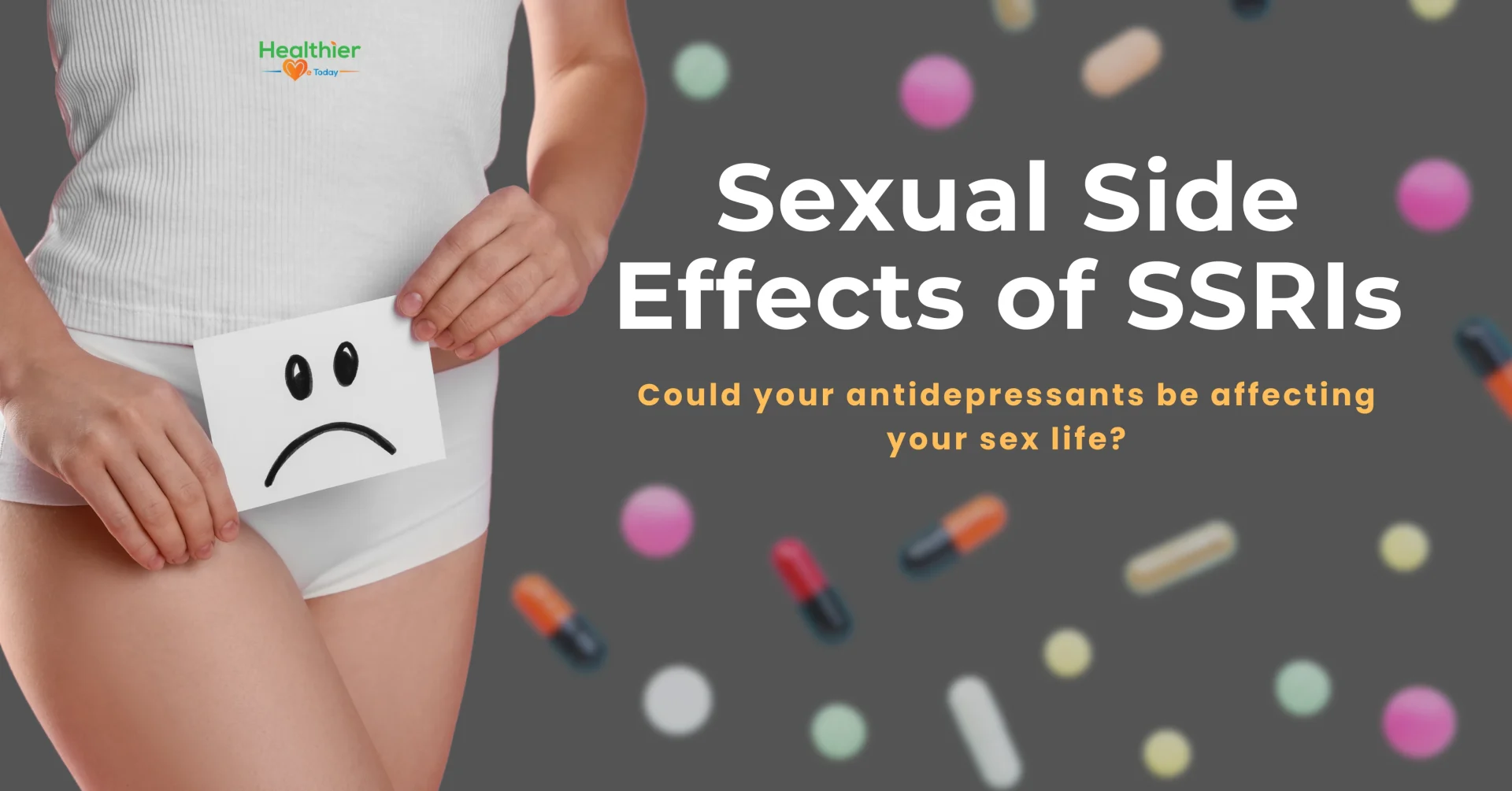
As more and more people are using antidepressants to fight mental health diseases, many don’t fully understand their SSRI side effects. One of these side effects has an impact on your sexual health. If you’re no longer having those steamy Netflix and chill nights with your partner, antidepressants could be the reason to blame. Antidepressants and sexual health issues, how on earth could something meant to help your mind affect what’s in your pants?

Actually, antidepressants, or SSRIs, rewire your entire body in one way or another.

Do Antidepressants Impact Sexual Health?

Before going down the drain on what those on antidepressants experience regarding sexual health, knowing the role of antidepressants is necessary; otherwise, how would you know what they’re really doing to your body? A common type of antidepressant is an SSRI, a selective serotonin reuptake inhibitor.

As the name suggests, the function of these medications is to boost serotonin supply in the body. Remember Alice in Wonderland’s red pill and blue pill that had magical properties? Serotonin is the hormone that acts as a natural mood booster and stress reliever for your body. Psychiatrists typically prescribe it for those suffering from depression and anxiety, and for cases more complex than only therapy measures.

SSRI side effects - Antidepressants and sexual side effects

When your body enters the full-on calm mode, it no longer gives an automatic green light to start stimulation when you’re preparing to strip down naked and do the deed. Research also shows that increased serotonin decreases dopamine levels, the hormone responsible for regulating your antidepressants and sex drive. Why do SSRIs cause sexual dysfunction? This imbalance leads to SSRI side effects like reduced libido or arousal issues.

The Downside of Antidepressants on Your Sexual Life

When it comes to the downhill journey that some individuals’ sex life takes after starting antidepressants, not everyone experiences SSRI side effects in the same way. There are common symptoms and gender-based symptoms, and even your personal experience may differ significantly from traditional cases.

They are:

Women’s Side of the Story

Women may experience a set of SSRI side effects exclusive to the female gender upon taking antidepressants.

Including:

  • Reduced lubrication.
  • Unusual lactation.
  • Numbness in breasts and/or vaginal area.
  • Lexapro sexual side effects, such as lower sexual desire.
  • Zoloft sexual side effects, such as delayed orgasm.
  • Prozac sexual side effects affect the ability to be aroused.

The Men’s Side

Men have their issues alongside the common SSRI side effects regarding their sex life on antidepressants.

These include the following:

  • Painful erection.
  • Delay or difficulty in getting and maintaining an erection.
  • Reduced semen volume.
  • Decreased sexual stamina.
  • Lowered penile sensitivity.
  • Reduced sexual confidence.

Other Symptoms
SSRIs and sexual dysfunction

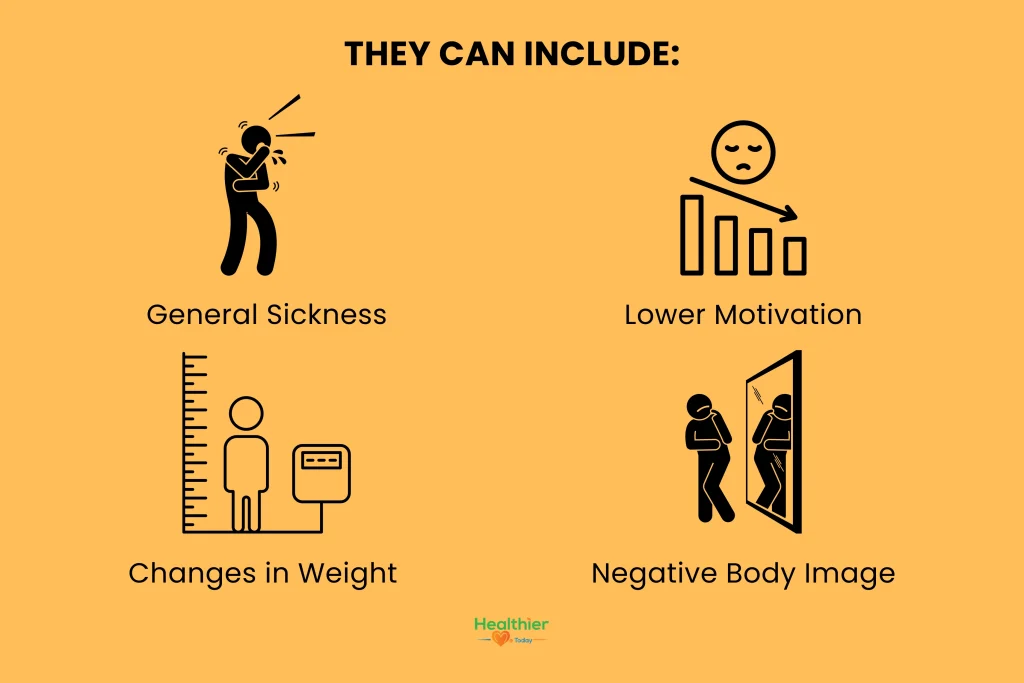
Besides hitting your sex life directly, antidepressants can also cause other SSRI side effects, indirectly leading to lower motivation to interact in sexual intercourse [mayoclinic.org]. Changes in weight and general sickness can trick your mind into thinking that you’re no longer the sexy person your partner chose to have mindblowing sex with. Where there are symptoms like these, they can become an obstacle to your sex life too.

There’s a Silver Lining

Not all hope is lost if you need antidepressants, but you wouldn’t want to throw away your sex life [verywellmind.com]. Depending on whether the medication is a temporary fix or a long-term plan, you’ll need to readjust a few life screws accordingly.

Here’s how to get started on it:

Have a Word with Your Partner

The first thing that happens in such cases is the utter disappointment of letting down your significant other. Instead of assuming these things, sit them down, go for a romantic candlelight dinner, and talk to them about this. Chances are, they’re going to understand and support you through your journey of battling your mental illness.

Make Your Way to Your Doctor’s Office

You must’ve come across the ‘take a drug break’ concept when you’re trying to come up with solutions to tackle the sexual side effects of antidepressants. However, readjusting your medications yourself without consulting your doctor is nowhere near a safe decision. Think of your doctor as your crime partner. Consult them, and they’ll surely understand and take one of two ways if possible.

Which are:

  1. Change your medication to see if antidepressants that increase libido, like bupropion, suit you (and your sex life) better.
  2. Reduce the existing dosage, which may lower the intensity of the symptoms and make them bearable.

Turn Around Your Sex Life
Antidepressants and sexual side effects

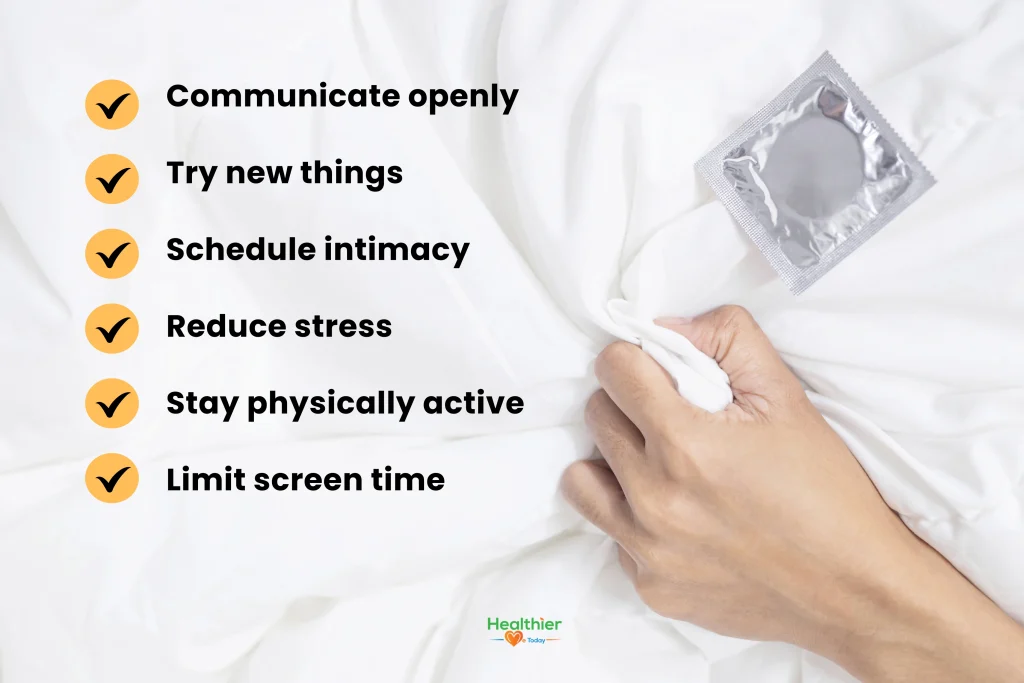
Instead of letting antidepressants control your sex life, you can change what happens under the blankets for you and your partner. Make good use of time by planning sex sessions before you take the pill that day [verywellmind.com]. Another tip is to come up with exciting techniques, foreplay, and positions to reignite your sexual arousal. How to increase libido while on antidepressants? These strategies, along with lifestyle changes, can make a big difference.

Conclusion: Balancing Antidepressants and Sexual Health

Managing antidepressant side effects on sexual health can feel overwhelming, but it is possible to support both your mental well-being and your intimate life. With 13 million U.S. adults taking SSRIs each year, many experience challenges related to antidepressants and sex drive. Options such as switching to antidepressants that increase libido, having open conversations with your partner, or trying creative intimacy strategies can make a meaningful difference. Explore these solutions to see what works best for you in 2025.

Which approach will you try?

Ready Rocker HMT - Back Pain Relief

FAQ’s:

Do all antidepressants cause sexual side effects?

Not all antidepressants cause antidepressants and sexual side effects. SSRIs like Lexapro often do, but bupropion has fewer sexual issues [goodrx.com].

Which antidepressants have the least sexual side effects?

Bupropion and vilazodone have fewer SSRI side effects related to sex. Bupropion may be among the antidepressants that increase libido.

Can sexual side effects from antidepressants be reversed?

Yes, antidepressants and sexual side effects can improve with dose adjustments, therapy, or switching medications, often within weeks.

How can I increase libido while on antidepressants?

How to increase libido while on antidepressants? Try timing intimacy before doses, exploring new techniques, or switching to bupropion.

Are there antidepressants that increase libido?

Bupropion and vilazodone are antidepressants that increase libido for some, unlike most SSRIs, which may reduce desire.

Why do SSRIs affect sex drive?

Why do SSRIs cause sexual dysfunction? Serotonin stabilizes mood but can lower sexual response, impacting libido or arousal [health.harvard.edu].

Is it safe to stop antidepressants to fix sex drive?

Stopping SSRIs suddenly risks withdrawal or worsening depression. Try antidepressants that increase libido or dose adjustments instead.
Can Pumpkin Seeds Really Change How Your Body Functions?

Pumpkin seeds benefits are gaining attention like never before. Once tossed on salads, hidden in granola, or scraped out of jack-o’-lanterns, these tiny seeds were long treated as an afterthought—more decoration than a daily essential.

But that’s starting to change.

Nutritionists are calling them one of the most underrated sources of plant-based power. And across food blogs, wellness guides, and even TikTok, pumpkin seeds are getting a second look, not as garnish, but as a genuine way to support sleep, digestion, energy, and more.

So what’s behind the sudden spotlight? Is the hype around pumpkin seeds nutrition actually worth paying attention to?

Here’s what the science says and how something so small might quietly reshape how the body feels and functions.

What Are Pumpkin Seeds?

Pumpkin seeds are small but packed with powerful nutrients. Just one ounce delivers magnesium (150mg), zinc (2mg), fiber (5g), vitamin E (2mg), and omega-3s. These nutrients support heart health, bone strength, and immune function. The nutritional value of these seeds also includes 10 grams of protein per serving, making them a smart, energy-boosting snack without the extra calories. This impressive pumpkin seeds nutrition profile has made them a staple in many global cuisines.

pumpkin seeds nutrition facts

The hull-less variety, known as pepitas, is often roasted or blended into everything from salads to smoothies. But do pumpkin seeds benefits for females differ from pumpkin seeds benefits for males? While the core nutrients remain the same, their effects can vary depending on the body’s needs. The following section examines these unique benefits in greater detail.

The Benefits of Pumpkin Seeds

Pumpkin seeds can boost your wellness, from immunity to blood sugar, with proven effects. They support energy, sleep, and digestion, making them suitable for any routine. The health benefits of pumpkin seeds can help you feel your best every day.

health benefits of pumpkin seeds

Here’s how they support you in detail:

Heart Health Support

Pumpkin seeds lower bad cholesterol by 7% with magnesium (150mg/oz), easing heart strain. They improve circulation and reduce blood pressure by 5-10%. Pumpkin seeds benefits cut heart disease risk by 15%. You can support your heart daily with just a small handful.

Prostate and Bladder Health

The zinc (2mg/oz) in these seeds reduces the risk of prostate enlargement by 20-25%. Pumpkin seeds benefits for males improve urination and sperm quality; pumpkin seeds benefits for females strengthen bladder control. You’ll feel more comfortable and confident throughout your day.

Sleep Quality Improvement

Tryptophan (50mg/oz) in pumpkin seeds boosts serotonin, improving sleep by 10–15%. The health benefits of pumpkin seeds ease stress-related insomnia and stabilize mood. You might feel sharper at work or more rested each morning with regular use.

Digestive Health Boost

Fiber (5g/oz) in pumpkin seeds promotes regular bowel movements, reducing the risk of constipation by 25%. Pumpkin seeds nutrition nurtures gut bacteria, reducing bloating by 20–30%. You can stay comfortable on hikes or busy days, free from digestive discomfort.

Immune System Boost

The zinc in pumpkin seeds strengthens immunity, shortening colds by 25% [pmc.ncbi.nlm.nih.gov]. Pumpkin seeds nutrition also helps white blood cells fight infections. You can stay energized during flu season, with a lower chance of getting infected.

Blood Sugar Control Benefits

Fiber and magnesium in pumpkin seeds stabilize blood sugar, reducing diabetes risk by 25%. Pumpkin seeds benefits can help regulate insulin, keeping energy steady. You may notice more consistent energy levels, which can support your overall health over time.

Pumpkin Seeds’ 4 Main Health Benefits

Pumpkin seeds benefits come from nutrients absorbed quickly, supporting long-term wellness. The nutritional value of pumpkin seeds fuels your daily vitality.

Here are four ways they enhance your health:

Nutrient Delivery

Pumpkin seeds provide magnesium, zinc, iron (2mg/oz), omega-3s, and vitamin E, nourishing cells. Pumpkin seeds are a nutritional powerhouse, offering 150 calories per ounce, which fuels energy without causing sugar crashes. Unlike snacks, they aid muscle repair and focus, keeping you steady all day.

Antioxidant Protection

Antioxidants in pumpkin seeds reduce inflammation, lowering cancer risk by 5–15%. The health benefits of pumpkin seeds protect cells from damage, slowing aging. Pumpkin seeds benefits for females, easing menstrual discomfort, helping you feel better each month.

Hormonal Support

Zinc and phytosterols in pumpkin seeds balance testosterone and estrogen naturally. Pumpkin seeds benefits for males include boosting fertility, and pumpkin seeds benefits for females reduce menopause symptoms like hot flashes. You can feel more balanced and emotionally steady after adding these to your diet.

Metabolic Support

The fiber (5g/oz) and protein (10g/oz) in these seeds support metabolism, aiding weight management. They help curb snacking by 20–25%, promoting a sense of fullness. You may feel energized for workouts and reach fitness goals with ease over time.

Ways to Enjoy Pumpkin Seeds

Pumpkin seeds add crunch and flavor, making healthy eating enjoyable and straightforward. A tasty pumpkin seed recipe or snack can help add these excellent nutrients to your day.

pumpkin seeds

Here’s how to savor them:

Creative Recipes

Having roasted pumpkin seeds or pepitas on hand can make it incredibly easy to add an extra layer of texture, taste, and nutrition to your food.

Here’s how:

  • Roasted: Toss with oil, chili, and bake at 350°F.
  • Pesto: Blend pumpkin seeds with cilantro, garlic, and lime.
  • Granola: Mix some of these seeds, nuts, oats, agave, and nutmeg.
  • Topping: Sprinkle pumpkin seeds on your favorite soups, salads, and even stews.
  • Bread: Add pumpkin seeds to a rye loaf or make pumpkin bread.
  • Cookies: Add pumpkin seeds to ginger snaps, oat cookies, shortbread, and so on.
  • Stir-fry: Toss some seeds with bok choy, carrots, and sesame oil.
  • Energy Bars: Combine pumpkin seeds with fruits and nuts to make homemade energy bars.
  • Hummus: Blend pumpkin seeds into chickpea dip.

Potential Risks and Considerations

Pumpkin seeds offer numerous benefits, but proper care ensures they meet your specific needs. If you have sensitivities, take care to avoid issues. Pumpkin seeds nutrition requires balance for safe enjoyment.

health benefits of pumpkin seeds

Here’s what to know:

Risks of Pumpkin Seeds

Overeating or allergies can cause discomfort, so moderation is key. These risks help you use pumpkin seeds wisely.

Risks to watch for:

  • Overeating: Pumpkin kernels calories (160/oz) can add up quickly.
  • Allergies: Pumpkin seeds may cause rashes in 1–2% of people.
  • Bloating: High fiber can lead to cramps or discomfort.
  • Choking: Whole pumpkin seeds pose risks for kids and the elderly.
  • Nutrient overload: Too many pumpkin seeds affect nutrient balance.
  • Dental damage: Hard pumpkin seeds may chip teeth.
  • Stomach irritation: Pumpkin seeds bother sensitive stomachs.
  • Drug interactions: Pumpkin seeds may interact with diuretics and antihypertensives.
  • Oxalate buildup: Consuming pumpkin seeds slightly increases the risk of kidney stones.

Conclusion: Should You Eat More Pumpkin Seeds?

Pumpkin seeds can nurture your heart, immunity, and energy with every bite. Pumpkin seeds benefits and health benefits of pumpkin seeds, making them a simple wellness boost. Add them to meals, snack wisely, or try capsules for lasting health. Start small, stay consistent, and check with your doctor.

With pumpkin seeds, you’re supporting a healthier, more vibrant you, ready to embrace each day.

FAQ’s:


How can pumpkin seeds support your health?

Pumpkin seeds nutrition boosts heart, immunity, sleep, and digestion with fiber (5g/oz), zinc (2mg/oz), magnesium (150mg/oz), and protein (10g/oz). They fuel energy and wellness for busy days.

What are pepitas, and how do they differ from pumpkin seeds?

Pepitas are hulled pumpkin seeds, smoother for snacks or baking. Their pumpkin seeds benefits match pumpkin seeds, ideal for quick recipes without shell removal.

Can you eat pumpkin seed shells, or should you remove them?

Pumpkin seed shells are edible, adding fiber to pumpkin seeds nutrition for digestion. Remove for a smoother texture, especially for children or those who prefer a less crunchy texture.

How do you roast pumpkin seeds at home?

Rinse the pumpkin seeds, toss them with oil, salt, or spices like cumin, and bake at 350°F for 20–25 minutes, or until crispy. Cool before eating.

What are the benefits of pumpkin seed oil capsules?

Pumpkin seed oil capsules (500mg) support prostate, heart, and hair health, offering pumpkin seeds benefits conveniently. Take one or two with meals for absorption.

What are the nutrition facts for pumpkin seeds per serving?

One ounce of pumpkin seeds has 150 calories, 10g of protein, 5g of fiber, 2mg of zinc, and 150mg of magnesium. Pumpkin seeds nutrition value supports immunity, digestion, and heart health daily.

Benefits of Giving Blood: How Donating Saves Lives & Boosts Health

While the idea of donating blood may scare you, the procedure is actually simple. The best part of it all? It can save someone’s life. Sources suggest that a single donation can save up to three lives, and in the United States, every 2 seconds, someone needs blood. This is why days like World Blood Donor Day and blood donation day are so important—they highlight the ongoing need for donations.

But here’s the thing: there are more benefits of giving blood than you think. It can improve your heart health, prevent cancer, help maintain weight, and more. Want to know more about this incredibly selfless act that can provide you with just as many benefits as the receiver? This article discusses it all in detail. Whether you’re considering donating for the first time or are already a participant in blood donor day, the benefits may surprise you.

Why is Donating Blood Important?

Importance of Donating Blood

Blood travels throughout the body to provide crucial nutrients and oxygen to the body’s cells, which are essential for survival. One of the benefits of giving blood is its role in supporting life-saving blood transfusions. These transfusions help restore blood lost during surgery or serious injuries, such as those sustained in car accidents. Similarly, donating blood can indirectly support cancer patients by providing the platelets they may not produce enough of on their own to form blood clots and stop bleeding.

Only 3% of those who meet blood donor day eligibility requirements donate blood annually, even though, as mentioned, someone in the United States needs blood every 2 seconds. Since blood and platelets can’t be produced or manufactured, there is no alternative source when a hospital’s supply runs out. This is why global initiatives like World Blood Donor Day serve as critical reminders of the importance of regular donations.

The Benefits of Giving Blood

Who knew that sitting for a blood donation and a cookie could mean actually increasing your own health? Let’s look at each of the benefits of donating blood below so you know what you can expect.

health benefits of donating blood

Better Heart Health

One of the most significant benefits of giving blood is improved cardiovascular health. Donating blood often can aid in maintaining the body’s proper iron levels. Although iron is essential for producing hemoglobin, an excess amount can cause oxidative damage to the cardiovascular system. Having too much iron causes blood to thicken, which raises the risk of strokes, clots, and heart attacks. 

Regular blood donation helps lower iron levels in the body, lessening oxidative stress and potential cell damage. Evidence has suggested that frequent blood donation will help maintain balanced iron levels, although more research is needed to understand the relationship between the two better. This is another key message during World Blood Donor Day observances worldwide.

Can Help Prevent Cancer

Another one of the many benefits of blood donation is that it may reduce the risk of certain cancers. High iron levels are associated with increased risks of cancers like those of the liver, lungs, and esophagus. Iron helps produce free radicals, which damage cells and accelerate cancer growth.

 benefits of blood donation

Frequent blood donations, as encouraged during World Blood Donor Day, reduce iron levels, lessen oxidative stress, and may contribute to lower cancer risk.

Assist with Managing Weight

Blood donation can assist with weight management, as a single blood donation burns around 650 calories. This may not seem like much regarding weight loss, but one of the benefits of giving blood is its potential to support weight management for those who donate regularly. Combining blood donation with a healthy lifestyle, including exercise and a balanced diet, can enhance overall weight management efforts. Educational campaigns on blood donor day often emphasize these lesser-known benefits.

Enhances the Production of Red Blood Cells

Donating blood can promote the production of red blood cells. To help compensate for the blood lost during blood donation, your body regenerates new red blood cells in the bone marrow. This process helps maintain the blood system’s strength and functionality. Among the benefits of giving blood is its use as a therapeutic intervention for individuals with certain health problems like polycythemia vera, a condition where the body generates too many red blood cells. Regular donations help maintain normal red blood cell counts and improve overall health.

A Free Health Checkup 

benefits of giving blood

Whenever you donate blood, you’ll have a quick physical checkup. This includes taking your blood pressure, hemoglobin levels, pulse, and body temperature. Among the benefits of giving blood is the opportunity to gain valuable insights into your current health. For example, you may find out that you have high blood pressure or low hemoglobin levels. This can encourage you to seek additional medical opinions and take precautionary measures to help manage these health issues. This free health check is another key point raised during blood donation day initiatives.

Aid in Regulating Blood Pressure 

Some studies [National Institutes of Health] have suggested that donating blood regularly can help regulate blood pressure. Giving blood can help the heart pump blood more efficiently throughout the body by reducing blood viscosity, potentially lowering blood pressure. Individuals who have hypertension may benefit the most from this because reducing blood pressure will lessen the risk of strokes and heart disease.

Promote a Healthier Lifestyle

Knowing you will donate blood can encourage you to adopt healthier habits. Blood donors are typically advised to follow a healthy diet, stay hydrated, and avoid unhealthy and risky habits to ensure that their blood is safe. This knowledge can lead to lifestyle choices that improve your overall health and well-being. Such healthy habit formation is promoted on World Blood Donor Day as a long-term benefit of regular giving.

What To Eat Before Donating Blood

Staying hydrated before and after donating blood is crucial. This is because water accounts for almost half of your blood. It is also strongly advised to increase your iron intake and other vitamin and minerals. 

What to eat before donating blood

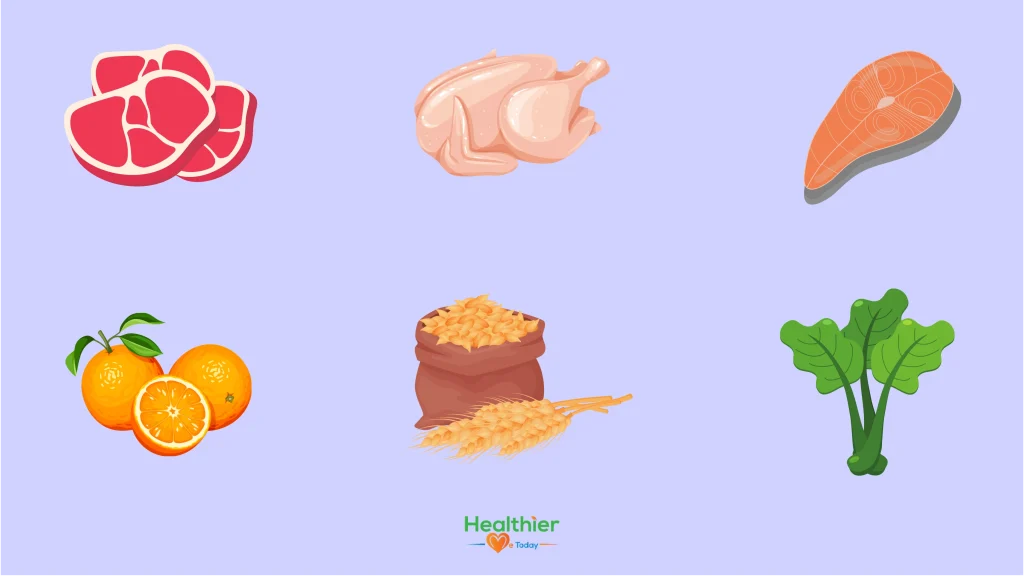
Here is a list of the best foods to eat before donating blood:

  • Meat: lamb, beef, pork, veal, ham, and dried beef (jerky)
  • Poultry: chicken and turkey
  • Fish: haddock, mackerel, and tuna
  • Shellfish: shrimp and clams
  • Animal organs: liver
  • Vegetables: spinach, broccoli, sweet potatoes, peas, beet greens, collard greens, kale, chard, and string beans
  • Fruits: watermelon, strawberries, raisins, figs, prunes, dates, dried apricots and peaches
  • Breads and cereals: enriched cereals, enriched white bread, enriched pasta, bran cereals, rye bread, enriched rice, and oats
  • Vitamin C: kiwi fruit, papaya, mango, strawberries, cantaloupe, citrus fruits, blueberries, tomatoes and citrus juices 

Conclusion: Everything Donating

The benefits of giving blood outweigh any fears you may have. It is a selfless act with long-term advantages for both the donor and the patient. By deciding to donate blood, you’re actively enhancing your own health while at the same time saving someone’s life. Before giving blood, it is important to know if you meet the requirements and, if so, that you keep your blood healthy and safe for yourself and recipients. You can do this by following a healthy diet and avoiding unhealthy habits. Participating in events like World Blood Donor Day or your local blood donation day can be the perfect time to start making a difference.

Keep these amazing benefits in mind next time you pass a blood drive!

FAQ’s: 

What are the health benefits of donating blood regularly?

Some health benefits of giving blood include lowering blood pressure, improving red blood cell production, lowering the risk of cancer, helping with weight management, saving lives, improving cardiovascular health, and promoting a healthier lifestyle.

How often can I donate plasma or blood? 

You can donate blood every 56 days and plasma every 28 days. However, it can vary depending on the facility.

Are there any risks or side effects of donating blood?

Some side side effects are dizziness, feeling faint, and bruising.

What should I eat or drink before donating blood or plasma?

You should drink plenty of water and citrus fruit juice. When it comes to food, make sure that you eat items rich in iron and vitamin C, such as red meat, poultry, eggs, spinach, tomatoes, collard greens, enriched bread and cereals, citrus fruits, etc.

What is National Blood Donor Month, and why is it significant?

National Blood Donor Month is held every January, and it’s about bringing awareness to such an incredibly important topic: donating blood. It helps remind people of how important it is, especially in the winter when the numbers typically begin to drop. This is due to busy schedules, illnesses, and bad weather. So, really, it’s about saving lives!

How does donating plasma help save lives compared to donating whole blood?

Plasma is a component of whole blood, and donating plasma alone can help treat conditions that negatively impact clotting antibodies and proteins. The benefits of donating plasma also include treating genetic bleeding disorders and rare and chronic illnesses.

What Really Causes Male Infertility? Doctors Break It Down

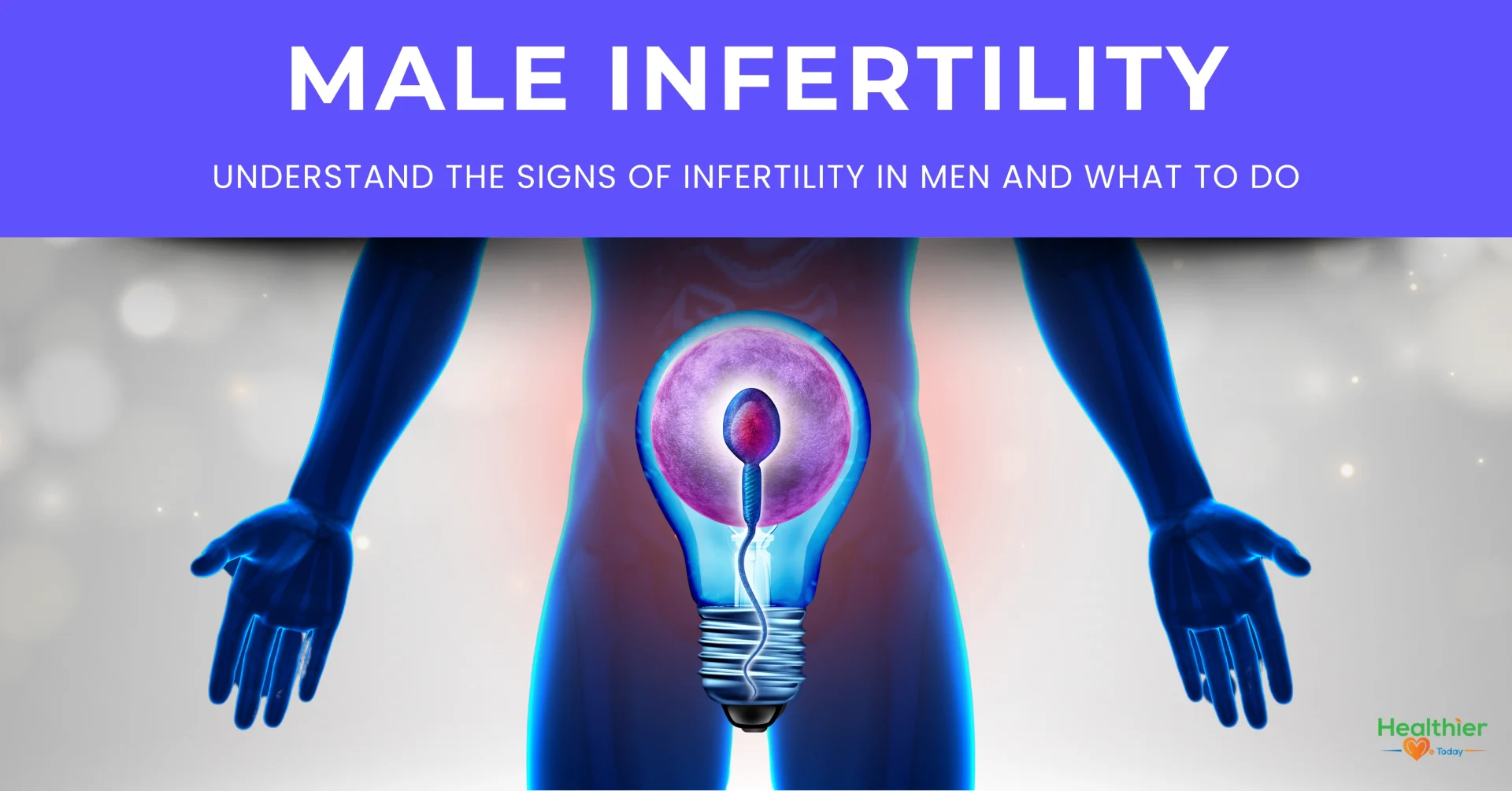
Starting a family can feel overwhelming when infertility enters the picture, and it’s more common than you might think, affecting up to one in six couples. In many cases, the underlying cause is silent. Low sperm count, hormonal shifts, or other subtle changes can go unnoticed until pregnancy doesn’t happen. That’s when you start asking: how to know if you’re infertile?

Doctors typically trace male infertility back to medical, lifestyle, or environmental factors, and the good news is, they offer real paths to diagnosis and treatment.

This guide explores the signs of infertility in men, backed by science, and offers actionable steps to move forward. Whether you’re newly married, actively trying for kids, or already facing roadblocks, understanding the root causes helps you navigate the journey with clarity and hope.

Ready to build your dream family with confidence?

Understanding Male Infertility

Male infertility means sperm or reproductive issues hinder conception, impacting 15% of couples. Can guys be infertile? Yes, due to low sperm count, poor motility, or blockages. A male fertility test, also known as a fertility test for men, checks the count, shape, or movement of sperm. Signs of infertility in men, like low libido, may be subtle.

signs of infertility in men

Sperm forms over 74 days, needing cool testes (95°F). Myths, like hand sanitizer harming sperm, are false, but heat from activities like mudding matters. Couples trying for two years or more often seek a male fertility test to help find answers. Infertility is like a locked gate, but testing unlocks solutions.

The Causes of Infertility in Men

Infertility in men can result from health problems, habits, or hidden triggers. What causes infertility in men often includes blockages, toxins, or stress, commonly showing up as low sperm count signs. Male infertility symptoms like fatigue, pain, or poor test results help doctors identify the root cause and guide treatment.

Male infertility stems from:

Medical Conditions

Several medical conditions can interfere with sperm production and quality. Varicocele, found in 40% of infertile men, causes swollen scrotal veins and overheats the testes. This can lead to signs of infertility in men, such as pain or visible swelling. Infections like epididymitis or STIs (such as chlamydia) may scar the reproductive ducts, reducing sperm output. Low sperm count signs often appear during testing, revealing poor motility. Other conditions, like undescended testicles (seen in about 1% of men), further impair sperm production. A male fertility test can help pinpoint these issues, which often act like clogged pipes, blocking sperm from completing their journey.

Lifestyle Factors

Every day habits can heavily influence male fertility. Smoking, for example, can reduce sperm count by 20-30% [pmc.ncbi.nlm.nih.gov], and substances like alcohol or cocaine can make things worse. Poor nutrition, low zinc, and obesity (BMI over 30) can also create unhealthy sperm and affect motility. What causes infertility in men may also include stress, vaping, and high cortisol levels (all of which lower sperm quality). Low sperm count signs are a wake-up call to change course. Sleep deprivation lowers testosterone, while healthier choices, like quitting smoking and reducing alcohol, can improve outcomes. Lifestyle, in this sense, is like fuel: it can either power up or stall your body’s reproductive engine.

Environmental Exposures

Toxins in the environment can also reduce fertility. Exposure to pesticides, BPA plastics, or radiation may lower sperm levels by 15-25% [sciencedirect.com]. Signs of infertility in men linked to environmental damage often include sluggish or misshapen sperm. Men who spend years working in toxic settings, like farms or factories, may see a drop in fertility. Even frequent sauna use or overheating from activities like mudding can impair sperm production. Protective measures like wearing gear or limiting chemical exposure can help. Over time, harmful environments act like rust, silently corroding fertility.

Genetic Issues

Sometimes, the cause lies in a man’s DNA. Conditions like Klinefelter’s syndrome or Y-chromosome deletions affect 5-10% of infertile men [unistelmedical.co.za], leading to infertility. Male infertility symptoms tied to genetics can include small testes, low testosterone, or unhealthy sperm that can’t fertilize an egg. Mutations associated with conditions like cystic fibrosis can block the ducts entirely. These are clear signs of infertility in men, often only revealed through genetic testing. For men with a family history of fertility issues, DNA testing offers answers. In essence, genetics are like a misprinted instruction manual, scrambling sperm production at the source.

How Infertility Impacts the Body

Infertility in men alters sperm, hormones, and mental health, lowering conception odds. How to know if you’re infertile means spotting shifts. What does unhealthy sperm look like? Odd colors, weak movement, or a low count signal trouble guiding male fertility tests.

male infertility

Infertility affects your body:

Sperm Quality Decline

Unhealthy sperm lack shape, speed, or volume, which can block fertilization. Yellowish sperm is good or bad? It may signal infection, dehydration, or diet (vitamins). Brown sperm is it dangerous? Blood (hematospermia) needs urgent checks, possibly from prostate issues. Low sperm count signs show in lab results. A man notices yellow semen, seeking a fertility test for men. Sperm issues are like weak seeds, failing to take root.

Hormonal Imbalances

Low testosterone or high estrogen disrupts sperm, affecting 20% of infertile men. Signs of infertility in men include fatigue, low libido, or gynecomastia. Infertility is tied to pituitary tumors or obesity, altering FSH. Blood tests detect imbalances, guiding therapy. A tired dad tests hormones, uncovering infertility clues. Hormones are like conductors, derailing sperm’s orchestra when off-key.

Emotional and Physical Stress

Infertility fuels anxiety, reducing sperm quality by 10-15% in cycles. Stress amplifies male infertility symptoms like insomnia or irritability. Obesity (BMI 30+) strains the testes, increasing the risk. Chronic stress raises cortisol levels, which can harm motility. Counseling helps a couple cope, easing the signs of infertility in men. Stress is like static, scrambling fertility signals in the long term.

Reproductive System Changes

Blockages in the vas deferens or prostate infections cause infertility in men in 10% of cases. Low sperm count signs stem from scarring (STIs) or injury. Male infertility symptoms include painful ejaculation or weak flow. Ultrasounds detect duct flaws, guiding surgery. A man with discomfort seeks a male fertility test, addressing low male fertility. Structural issues are like broken bridges, halting sperm’s path.

Testing and Diagnosis for Male Infertility

Tests uncover male infertility causes, from sperm health to structural flaws. Male fertility test options, like semen analysis, provide clarity. A fertility test for men includes lab or at-home kits, empowering individuals to take control of their reproductive health. Preparation (abstaining for 2-5 days) ensures accurate results.

The fertility benefits from testing are:

Medical Diagnostic Tests

Semen analysis checks sperm count (minimum of 15 million/mL), motility, and morphology to assess infertility. Male fertility tests include hormone tests (testosterone, FSH). A fertility test for men uses ultrasound to detect varicocele or blockages. Genetic tests or biopsies clarify issues.

Tests are like maps, charting fertility paths:

  • Semen analysis: Measures count, motility, and morphology.
  • Hormone testing: Checks testosterone, FSH, and LH.
  • Scrotal ultrasound: Detects varicocele, obstructions.
  • Genetic testing: Identifies Klinefelter’s, Y-deletions.
  • Testicular biopsy: Examines sperm production.
  • Post-ejaculation urinalysis: Spots retrograde ejaculation.
  • Anti-sperm antibody test: Detects immune issues.
  • MRI scan: Rules out pituitary tumors.

At-Home Testing Options

At-home fertility test for men kits measure sperm count or motility, costing $50-200. How to know if you’re infertile starts with these tools. Male fertility test kits are convenient but less precise than labs [pmc.ncbi.nlm.nih.gov]. Results can help guide doctors during visits.

At-home tests are like snapshots, capturing quick clues:

  • SpermCheck Fertility: Tests count at home.
  • Yo Sperm Test: Analyzes motility via app.
  • Trak Male Fertility: Measures concentration.
  • SwimCount: Assesses swimming ability.
  • Dadi Kit: Offers mail-in analysis.
  • MyLab Box: Test count, motility remotely.
  • Legacy Kit: Provides DNA fertility insights.
  • Fellow Kit: Tracks count with lab support.

Disclaimer: While at-home fertility tests can provide useful initial insights into sperm count, motility, and overall reproductive health, they are not a substitute for professional medical advice, diagnosis, or treatment. These tests should be viewed as a starting point, not a definitive answer. For accurate, personalized results and guidance, always consult a qualified healthcare provider or fertility specialist. Regular check-ups and lab-based assessments remain essential for a complete understanding of your fertility and overall health.

Improving Male Fertility in Daily Life

Male infertility often improves with targeted changes, boosting conception odds. How to know if you’re infertile leads to practical steps. Low sperm count signs fade with healthier habits, shaping a hopeful future.

male infertility

Here’s how it changes things:

Lifestyle Adjustments

Quit smoking, limit alcohol to one drink daily, and exercise (30 minutes, 5x/week) to fight infertility. Signs of infertility in men ease with 5-10% weight loss [pmc.ncbi.nlm.nih.gov]. Fertility test for men tracks progress. Sleep 7-8 hours to boost testosterone. A man jogs and rests, tackling infertility. Lifestyle tweaks are like oil changes, smoothing your engine.

Medical Treatments

Varicocele surgery improves sperm in 70% of cases within 6-12 months, easing male infertility. Male fertility test guides IVF (40% success) or clomiphene therapy. Hormone shots spark production. A couple explores a fertility test for men, hopeful for results. Treatments are like repairs, rebuilding fertility’s foundation.

Avoiding Risks

Avoid pesticides, hot tubs, or cocaine, which cut sperm by 20%. Low sperm count signs improve by skipping mudding’s heat. How to know if you’re infertile? Limit laptop heat or tight underwear. An office worker adjusts habits, guarding sperm.

Nutritional Support

Zinc (15mg daily), vitamin C (1,000mg), and omega-3 fatty acids boost sperm, helping to combat infertility in men. Signs of infertility in men lessen with antioxidants (berries, spinach). Fertility test for men shows diet’s impact. Eat salmon, walnuts, or kale. A man adds supplements, helping answer the question of how to know if you’re infertile. Nutrition is like fertilizer, growing more potent sperm.

Potential Risks and Considerations

Infertility carries health, emotional, and social risks if ignored. Signs of infertility in men need careful handling to avoid harm. Low sperm count signs signal broader issues, guiding you to make informed choices for your future.

Infertility risks need caution:

Risks of Male Infertility

Untreated infertility in men worsens health or relationships, impacting 1 in 10 men. Risks shape your path.

Infertility risks are:

  • Chronic illness: Infertility links to diabetes and heart disease.
  • Depression: Signs of infertility in men spark sadness, isolation.
  • Relationship strain: Infertility stresses the couple’s bond.
  • Cancer risk: Low sperm count signs may signal testicular tumors [my.clevelandclinic.org].
  • Treatment side effects: Medications for infertility cause fatigue and nausea.
  • Permanent infertility: Delaying fixes risks lasting infertility in men.
  • Social stigma: Signs of infertility in men lead to judgment.
  • Financial burden: Infertility treatments cost thousands.

Considerations for Infertility in Men

Managing infertility wisely builds hope and health. Precautions guide your journey.

male infertility symptoms

Considerations for infertility are:

  • Early testing: A Fertility test for men clarifies how to know if you’re infertile.
  • Specialist care: Urologists effectively treat male infertility symptoms.
  • Healthy habits: Diet reduces low sperm count signs and risks.
  • Emotional support: Counseling helps alleviate the signs of infertility in men.
  • Financial planning: Male fertility test, IVF cost $10,000+ [advancedfertility.com].
  • Partner communication: Open talks can strengthen coping with infertility.
  • Regular checkups: Monitor low sperm count signs yearly.
  • Education: Learn about infertility in men to reduce stigma and fear.

Conclusion: Can You Cure Male Infertility?

Infertility in men is like a hurdle, but doctors light the way forward. From low sperm count signs to lifestyle adjustments, there are solutions available. Start with a fertility test for men, embrace healthier habits, and seek expert help. Infertility doesn’t define you; it’s a challenge to conquer.

With proactive steps, you’re paving a hopeful path to the future!

FAQ’s:

What are the common signs of infertility in men?

Signs of infertility in men include low libido, testicular pain, swelling, or low sperm count signs such as weak ejaculation, and may require tests.

Can yellowish sperm be good or bad?

Yellowish sperm is good or bad? It may signal infection or diet issues, requiring a male fertility test to confirm.

Does hand sanitizer or cocaine affect sperm count?

Cocaine cuts sperm count significantly; hand sanitizer doesn’t. Low sperm count signs urge a fertility test for men for clarity.

What does it mean to be ‘shooting blanks’?

‘Shooting blanks’ means male infertility, with no viable sperm, confirmed via a male fertility test or semen analysis.

How do I know if I’m infertile without a test?

How to know if you’re infertile? Male infertility symptoms like low libido, pain, or weak ejaculation suggest issues that need confirmation.

At what age do men stop producing sperm?

Men produce sperm lifelong, but infertility risks rise after 40, requiring a fertility test for men to assess.

Can environmental activities like mudding reduce male fertility?

Mudding’s heat may trigger infertility, showing low sperm count signs, prompting a male fertility test for evaluation.

What does unhealthy sperm look like?

What does unhealthy sperm look like? Poor shape, slow movement, or colors like yellowish sperm is good or bad signal issues.

What causes infertility in men?

What causes infertility in men? Varicocele, toxins, stress, or genetics cause signs of infertility in men, requiring medical checks.

Does mudding affect male fertility?

Mudding’s heat reduces male fertility, causing low sperm count signs, requiring a male fertility test to assess the damage. So it’s best not to go or limit this activity.

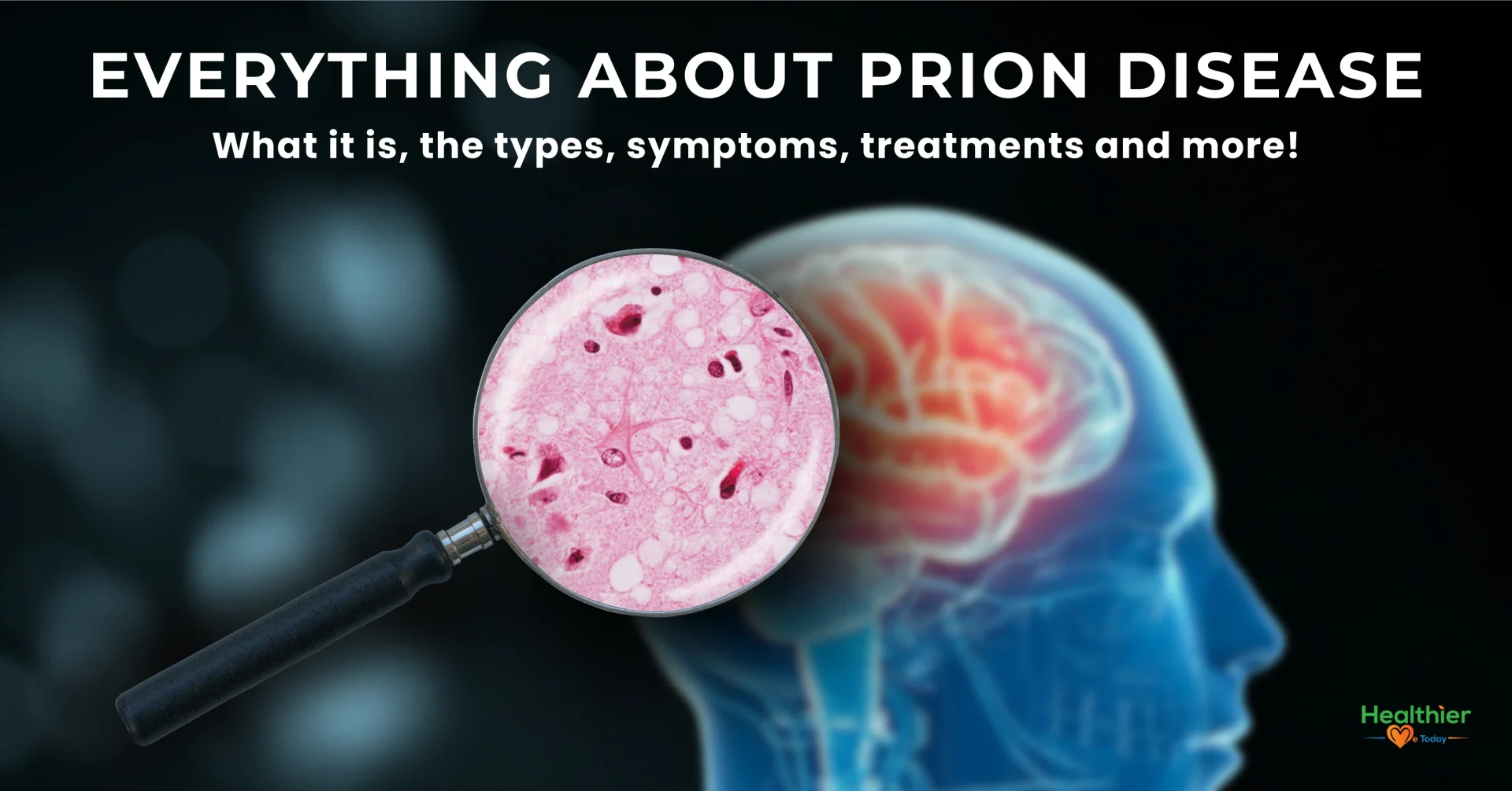
How Prion Diseases Attack the Brain & What Doctors Know

Have you ever stumbled across prion disease and felt both curious and uneasy? You’re not alone! These rare brain disorders, like mad cow disease, have sparked global intrigue since their discovery, blending fear and fascination with their unique protein-based attacks on the brain. This guide answers the question of what is a Brain-wasting disease, how it affects humans and animals, and what science has uncovered.

From spotting prion disease symptoms to practical steps for staying safe, these answers address concerns about Brain-wasting disease in humans.

Understanding Prion Diseases

So, what is a prion disease? It’s a rare group of brain disorders, known as transmissible spongiform encephalopathy, where proteins called prions misfold and cause healthy proteins to do the same, creating sponge-like holes in the brain. It can strike humans or animals, with mad cow disease as a notorious example. Brain-wasting disease in humans is sporadic, affecting approximately 1 in a million people each year.

Understanding Prion Diseases

Unlike viruses, prions lack DNA or RNA, making them nearly indestructible and hard to detect. How do prions cause disease? They form clumps in the brain, destroying neurons and disrupting memory, movement, and coordination. Identified in the 1980s by Stanley Prusiner, who won a Nobel Prize, prions reshaped science’s view of infectious agents. Global research, led by groups, now targets their resilience, though their unique biology poses ongoing challenges.

Types of Prion Diseases

The types of prion diseases vary in terms of cause, species, and progression. Each shares the misfolded prion problem but has distinct triggers, symptoms, and histories, shaped by biology and culture.

Here are the main ones you should know:

Creutzfeldt-Jakob Disease (CJD)

Creutzfeldt-Jakob disease (CJD) is the most common prion disease in humans, affecting ~350 Americans yearly, mostly over 60. Often spontaneous, it can be genetic or, rarely, spread via contaminated medical tools. Rapid dementia, ataxia, and myoclonus lead to death within a year, as seen in European cases.

Variant Creutzfeldt-Jakob Disease

Variant Creutzfeldt-Jakob disease arises from eating beef infected with mad cow disease. With ~230 global cases since the 1990s, mainly in the UK, it affects younger people, starting with mood changes and progressing to severe neurological decline, making it a rare but alarming prion disease.

Fatal Familial Insomnia (FFI)

Fatal familial insomnia (FFI), a genetic prion disease, affects fewer than 100 families worldwide, often in Italy and China. It causes relentless sleeplessness, exhaustion, and dementia, which can be fatal within months. Its unique sleep disruption [Healthier Me Today] makes it a devastating form of these conditions.

Gerstmann-Sträussler-Scheinker Syndrome (GSS)

Gerstmann-Sträussler-Scheinker syndrome (GSS), an inherited Brain-wasting disease, is ultra-rare, affecting 1 in 10 million. Starting with coordination issues, it evolves into dementia over the years. Myoclonus and speech loss are key prion disease symptoms, with cases in Germany and the U.S.

Kuru Disease

Kuru disease, once common in Papua New Guinea’s Fore tribe due to ritualistic cannibalism, peaked in the 1950s and is nearly extinct. It caused tremors, laughter fits, and immobility, illustrating how cultural practices contributed to prion disease transmission in a unique historical case.

Chronic Wasting Disease (CWD)

Chronic wasting disease (CWD) affects deer, elk, and moose, spreading across North America since the 1960s. It causes weight loss and neurological decline. While not confirmed in humans, hunters in Canada and the U.S. worry about infected meat, as it’s a transmissible spongiform encephalopathy.

How Prion Diseases Spread

Curious about Brain-wasting disease transmission? Is prion disease contagious? It’s not like catching a cold. Prion disease spreads through eating contaminated meat, inheriting faulty genes, or, rarely, medical errors like tainted surgical tools. Chronic wasting disease (CWD) in deer concerns many hunters, but human transmission hasn’t been proven. Only spontaneous cases [CIDRAP] have occurred, often in older adults.

How Prion Diseases Spread

Prions persist in soil, water, and tissues for years, resisting heat and disinfectants. High-risk tissues, such as the brain or spine, are particularly susceptible to increased exposure, and poor medical sanitation can further amplify these risks. Public health measures, such as the UK beef export bans in the 1990s, have reduced outbreaks. How do prions cause disease? Their resilience makes prion disease transmission a unique challenge, unlike typical infections.

Symptoms of Prion Diseases

Prion disease symptoms can be sneaky, often mistaken for Alzheimer’s or dementia, making early detection challenging. They start subtly but escalate, impacting thinking, movement, and mood, and have a profound effect on patients and their families.

Here’s what to watch for:

  • Memory lapses, like forgetting appointments or names, can cause early frustration.
  • Confusion, making tasks like shopping or organizing feel overwhelming for you.
  • Mood swings, such as irritability or depression, are common in variant Creutzfeldt-Jakob disease.
  • Ataxia: Unsteady walking or clumsiness, like spilling drinks, seen in gerstmann-Sträussler-Scheinker syndrome.
  • Myoclonus: Sudden muscle jerks, like a twitching arm, startling during rest.
  • Speech difficulties, starting with slurring and leading to complete speech loss.
  • Vision problems [Healthier Me Today], such as blurriness or double vision, can disrupt daily activities.
  • Insomnia, severe in fatal familial insomnia (FFI), drains energy and clarity.
  • Tremors or shaking, as seen in kuru disease, can affect balance and daily tasks.
  • Severe dementia, requiring constant care as the prion disease advances.

Impact on the Brain

Prion disease ravages the brain, leaving it spongy and dysfunctional. Misfolded prions clump, killing neurons and creating microscopic holes, disrupting signals for movement and thought. This drives prion disease symptoms, such as ataxia and myoclonus, as the motor and balance regions deteriorate. In Brain-wasting disease in humans, the cortex, which handles memory and reasoning, deteriorates, causing profound dementia.

Prion disease Impact on the Brain

Mad cow disease and chronic wasting disease (CWD) harm animal brains, threatening wildlife populations and ecosystems. Transmissible spongiform encephalopathy can cause seizures and halt vital functions like breathing, showing the relentless progression of prion disease across species.

Diagnosis and Treatment

Managing prion disease involves identifying it and alleviating discomfort, as there is currently no cure. Doctors use advanced tests and compassionate care to support patients and families.

Here’s how they approach it:

Diagnosis

Neurologists assess prion disease symptoms, such as memory loss or myoclonus, using MRI scans to detect brain changes and EEGs to identify abnormal brain waves. The 14-3-3 protein test in spinal fluid helps confirm Brain-wasting disease in humans, though it’s not always reliable. Genetic tests detect mutations for inherited types of prion diseases, and rare brain biopsies provide definitive proof. Misdiagnosis as dementia delays care, adding emotional strain.

Treatment

No cure exists for prion disease; however, treatments can help alleviate its symptoms. Anticonvulsants reduce myoclonus, sedatives ease anxiety, and physical therapy improves ataxia. Hospice care offers comfort, nutrition, and emotional support for individuals with late-stage Gerstmann-Sträussler-Scheinker syndrome (GSS) or variant Creutzfeldt-Jakob disease. Caregivers [ScienceDirect] get training on safe handling and emotional coping, ensuring dignity as symptoms worsen.

Prevention Strategies

Protecting yourself from prion disease requires careful steps. While not entirely preventable, you can lower risks with informed choices.

Here are the best ways to stay safe:

Choose Safe Meat Sources

Avoid beef from areas with mad cow disease to prevent variant Creutzfeldt-Jakob disease. EU bans on risky cattle parts ensure safer beef. Hunters should test venison for chronic wasting disease (CWD), using certified labs to reduce risks.

Follow Safe Food Practices

Cook meat thoroughly and skip organ meats like brain, which may carry prions from mad cow disease. Check government websites for food recalls to prevent prion disease transmission through contaminated products.

Support Strict Regulations

Push for laws banning risky animal byproducts in cattle feed, which spread mad cow disease. Policies like Canada’s feed bans reduce risks, ensuring safer food chains and fewer outbreaks worldwide.

Ensure Safe Medical Procedures

Hospitals use autoclaves to sterilize tools, thereby preventing prion diseases transmission. Blood and tissue donations are screened, minimizing iatrogenic risks during surgeries or transplants.

Consider Genetic Counseling

If fatal familial insomnia (FFI) or gerstmann-Sträussler-Scheinker syndrome (GSS) runs in your family, genetic counseling helps. Testing for prion gene mutations helps guide family planning, thereby reducing the risk of inherited diseases.

Stay Informed on Research

Consider studies on transmissible spongiform encephalopathy to be aware of the risks, such as chronic wasting disease (CWD), which can potentially be transmitted to humans. WHO [World Health Organization] or CDC [Centers for Disease Control] updates help you make wise choices to avoid exposure.

Conclusion: A Quick Summary

Prion disease, from mad cow disease to kuru disease, is a rare but devastating brain condition driven by misfolded prions. Understanding what is a prion disease, recognizing Brain-wasting disease symptoms, and knowing prion disease transmission risks empowers you to act. Though prion disease in humans lacks a cure, science is advancing. Make informed food choices, support research, and collaborate with doctors to address the challenges of prion diseases with hope, confidence, and proactive care.

FAQ’s:

What is a prion disease, and how does it affect humans?

What is a prion disease? It’s a rare brain disorder where misfolded prions damage tissue, causing prion disease symptoms, such as dementia. Prion disease in humans leads to memory loss and movement issues, progressing fatally.

Is prion disease contagious?

Is prion disease contagious? Unlike a cold, prion disease transmission can occur through contaminated meat (such as mad cow disease) or medical procedures. Most cases aren’t spread person-to-person.

What are the symptoms of prion disease?

Prion disease symptoms include memory loss, confusion, ataxia, and myoclonus. As prion disease worsens, dementia, speech loss, and immobility develop, varying by type, like variant Creutzfeldt-Jakob disease.

What causes prion diseases in humans and animals?

Prion disease stems from misfolded prions, triggered by genetics (fatal familial insomnia), contaminated food (mad cow disease), or spontaneous changes. Animals get chronic wasting disease (CWD) similarly.

Can you get prion disease from eating meat?

Yes, eating beef with mad cow disease can cause variant Creutzfeldt-Jakob disease. Chronic wasting disease (CWD) in deer is a concern, but human transmission hasn’t been confirmed. Choose safe meat sources.

How are prion diseases diagnosed?

Doctors use prion disease symptoms, MRI scans, EEGs, and the 14-3-3 protein test to diagnose prion disease. Genetic tests or biopsies confirm the types of prion diseases, such as Gerstmann-Sträussler-Scheinker syndrome (GSS).

What are the different types of prion diseases?

Types of prion diseases include Creutzfeldt-Jakob disease (CJD), variant Creutzfeldt-Jakob disease, fatal familial insomnia (FFI), Gerstmann-Sträussler-Scheinker syndrome (GSS), and kuru disease, each affecting the brain in distinct ways.

How is prion disease transmitted?

Prion disease transmission happens through contaminated food (mad cow disease), medical procedures, or inherited genes (fatal familial insomnia). Prion disease rarely spreads otherwise, unlike typical infections.

Are prion diseases treatable or curable?

No cure exists for prion disease. Treatments can alleviate symptoms of prion disease, such as myoclonus, through the use of medications or therapy. Supportive care enhances the quality of life for individuals with prion disease.

What’s the difference between CJD and mad cow disease?

Creutzfeldt-Jakob disease (CJD) is a spontaneous or genetic prion disease. In contrast, mad cow disease (bovine spongiform encephalopathy) primarily infects cattle, potentially causing variant Creutzfeldt-Jakob disease in humans through contaminated beef.

FDA Issues Urgent Eye Drop Recall – Is Yours on the List?

Have you used eye drops recently? The FDA eye drop recall 2025 has flagged recalled eye drops from brands like Systane for serious risks, such as fungal contamination. This eye drop recall impacts products you might have at home, making it vital to know which ones are unsafe. From the Systane Eye Drops recall to questions about the Lumify Eye Drops recall, this guide covers what’s been pulled, why, and what to do.

Stay safe, check your products against our eye drop recall list, and protect your vision today.

Understanding the FDA Eye Drop Recall 2025

The FDA eye drop recall 2025 is a primary alert for users of over-the-counter eye drops. It targets recalled eye drops with contamination risks, like the Systane Eye Drops recall linked to fungal issues. Understanding this eye drop recall helps you avoid unsafe products and safeguard your eyes. Knowing the recall’s scope is key, whether you’re concerned about the Ivizia Eye Drops recall or others.
Recalled eye drops

Here’s what you need to know about the recall:

What is the Recall?

The FDA eye drop recall 2025 involves voluntary recalls of products failing safety standards, like Systane Eye Drops recalled due to fungal contamination. Manufacturers, including Alcon, have pulled specific lots after FDA audits found issues. This eye drop recall affects products sold nationwide, urging you to check labels.

Why it Matters

Using unsafe drops can cause infections, vision loss, or, in rare cases, severe complications for immunocompromised users. The FDA eye drop recall 2025 addresses risks like those in the Pataday Eye Drops recall concerns, emphasizing sterility. Avoiding recalled eye drops protects your eye health.

Scope of the Issue

The eye drop recall spans multiple brands, with Ivizia Eye Drops recall and Blink Eye Drops recall under scrutiny for manufacturing flaws. Unlike 2023’s bacterial recalls, the FDA eye drop recall 2025 focuses on fungal and sterility risks. Use the eye drop recall list to confirm your drops.

Reasons for the Recalls

Why are eye drops being pulled? The FDA eye drop recall 2025 stems from contamination and manufacturing issues, like those driving the Systane Eye Drops recall. These problems make recalled eye drops unsafe, risking infections. Knowing the causes, from fungal to bacterial concerns, helps you navigate the eye drop recall.

Below are the main reasons for the recalls:

Fungal Contamination

Fungal contamination is a significant issue, as seen in Systane Eye Drops recalled due to fungal contamination. A consumer found foreign material in a Systane vial, identified as fungal, prompting the Systane Eye Drops recall. Such contamination can lead to serious eye infections.

Bacterial Risks

Bacterial contamination, while less prominent in 2025, remains a concern, similar to 2023 recalls involving Pseudomonas aeruginosa. Brands like Refresh Eye Drops recall are flagged for potential sterility issues. Bacteria in affected drops can bypass eye defenses, increasing infection risks.

Manufacturing Issues

Insanitary conditions and manufacturing deviations drive the FDA eye drop recall 2025. Audits found flaws in facilities producing Ivizia Eye Drops recall and Pataday Eye Drops recall products. These issues highlight the need for strict sterility in recalled eye drops.

Specific Brands Affected

Which brands are caught in the FDA eye drop recall 2025? The recall affects several brands, from the Systane Eye Drops recall to the Zaditor Eye Drops recall. Identifying recalled eye drops helps you check your supplies and avoid risks.
recalled eye drops

Here are the brands impacted by the recall:

Systane Recall Details

Due to fungal contamination in a vial, the Systane Eye Drops recall targets Lot 10101 (exp. 9/2025) of Systane Lubricant Eye Drops Ultra PF. Alcon’s FDA eye drop recall 2025 action affects 25-count single-use vials sold nationwide. Stop using these recalled eye drops immediately.

Other Major Brands

Beyond the Systane Eye Drops recall, other brands face issues. The Refresh Eye Drops recall and Ivizia Eye Drops recall stem from manufacturing concerns, though specific lots are unconfirmed. The Pataday Eye Drops recall and Blink Eye Drops recall are mentioned, but the 2025 recalls have not been verified.

Brands Not Affected

Some brands, like Visine Eye Drops recall, Lumify Eye Drops recall, and Zaditor Eye Drops recall, have no confirmed 2025 recalls. These appear safe, but verify with the eye drop recall list or FDA updates to ensure your drops are clear of risks.

Here are the brands impacted by the recall:

  • Systane Lubricant Eye Drops Ultra PF: Lot 10101, fungal contamination, part of Systane Eye Drops recall.
  • Refresh (potential): Manufacturing issues, linked to the Refresh Eye Drops recall, no specific lots confirmed.
  • Ivizia (potential): Sterility concerns, part of Ivizia Eye Drops recall, pending FDA details.
  • Pataday (potential): Unconfirmed, flagged in Pataday Eye Drops recall discussions.
  • Blink (potential): Limited concerns, per Blink Eye Drops recall, not verified.
  • Equate Hydration PF: Past 2023 recalls, relevant for eye drop recall 10 brands, not 2025.
  • Leader/Rugby: Previous sterility recalls, not confirmed for FDA eye drop recall 2025.

What to Do If You Have Recalled Drops

If you have affected products, quick action is vital. The FDA eye drop recall 2025, including the Systane Eye Drops recall, requires immediate steps to stay safe. From stopping use to monitoring symptoms, here’s how to handle recalled eye drops.

Below are steps to take with recalled drops:

Stop Using Immediately

If you own Systane Eye Drops recall products (Lot 10101) or other recalled eye drops on the eye drop recall list, stop using them now. The FDA eye drop recall 2025 warns of infection risks, like those in the Refresh Eye Drops recall. Discard or return these products.

Check for Symptoms

Have you used affected drops? Watch for infection signs, like redness, pain, or blurry vision, especially with Systane Eye Drops recalled due to fungal contamination. No adverse events are reported, but contact your doctor if symptoms appear after using Ivizia Eye Drops recall.

Return or Dispose

Return affected drops to retailers, like Publix, for the Systane Eye Drops recall, for refunds or replacements. Alternatively, use drug take-back programs or trash disposal, per eye drop recall check guidelines. This applies to the Pataday Eye Drops recall concerns as well.

How to Choose Safe Eye Drops

The FDA eye drop recall 2025 underscores the need to pick safe eye drops. Whether replacing affected products or buying new ones, focus on verified options. These tips help you avoid eye drop recall risks and ensure eye safety.

recalled eye drops

Here are tips for choosing safe eye drops:

Verify FDA Approval

Select drops from the list of FDA-approved eye drops, like Alcon or Bausch + Lomb products, avoiding unapproved brands like South Moon. The FDA eye drop recall 2025 highlights approved brands’ safety, unlike the Lumify Eye Drops recall, which involved counterfeits. Check the FDA’s website.

Check Retailers

Purchase from trusted retailers, like CVS or Walmart, to avoid fake products. The eye drop recall check is simpler and uses reputable sources, reducing risks in the Visine Eye Drops recall concerns. Be cautious with online purchases.

Consult Professionals

Ask your eye doctor for safe alternatives to affected drops, especially after the Systane Eye Drops recall. They may suggest preservative-free options, like Refresh, to avoid Zaditor Eye Drops recall risks. Expert advice aligns with the eye drop recall 10 brands’ standards.

Preventing Future Risks

The FDA eye drop recall 2025 is a reminder to stay vigilant. Preventing issues with eye drops involves monitoring updates and proper care. By staying proactive, you can avoid future eye drop recall problems and keep your eyes healthy.

recalled eye drops

Below are ways to prevent future risks:

Monitor FDA Updates

Regularly visit the FDA website for updates on recalls, including the Systane Eye Drops recall or the Refresh Eye Drops recall. The FDA eye drop recall 2025 may expand, so staying informed avoids surprises like the Blink Eye Drops recall.

Store Properly

Store eye drops in a cool, dry place to maintain sterility, preventing issues seen in Ivizia Eye Drops recall. Proper storage supports the list of FDA-approved eye drops, reducing contamination risks for Pataday Eye Drops recall products.

Report Issues

See foreign material in your drops? Report to FDA’s MedWatch, as in the Systane Eye Drops recalled due to fungal contamination case. Your input strengthens FDA eye drop recall 2025 efforts, protecting others from the risks of the eye drop recall 10 brands.

Conclusion: Should You Worry About The Recall?

The FDA eye drop recall 2025 is a critical alert, with recalled eye drops like those in the Systane Eye Drops recall posing risks such as fungal contamination. You protect your eyes by checking your products against the eye drop recall list, stopping use of unsafe drops, and choosing safe alternatives. Staying informed is crucial from the Refresh Eye Drops recall to the unconfirmed Lumify Eye Drops recall. Monitor FDA updates, consult professionals, and handle affected products wisely.

With these steps, you can navigate the eye drop recall, stay safe, and maintain healthy vision.

FAQ’s:

Which eye drops have been recalled by the FDA in 2025?

The FDA eye drop recall 2025 includes the Systane Eye Drops recall (Lot 10101, fungal contamination) and potential Refresh Eye Drops recall or Ivizia Eye Drops recall for manufacturing issues. Check the eye drop recall list on the FDA’s website.

Why were Systane Eye Drops recalled?

Systane Eye Drops recall targets Lot 10101 due to fungal contamination in a vial. Systane Eye Drops recalled due to fungal contamination. The FDA eye drop recall 2025 aims to prevent infections.

Is it safe to use Refresh or Ivizia Eye Drops now?

The Refresh Eye Drops recall and the Ivizia Eye Drops recall are unconfirmed for 2025, but manufacturing concerns exist. Before using these products, verify with your doctor or the eye drop recall list.

How do I check if my eye drops were recalled?

Search FDA’s recall database with brand names like Systane Eye Drops recall or lot numbers for an eye drop recall check. Contact retailers or doctors for FDA eye drop recall 2025 updates.

Are Visine, Lumify, or Zaditor drops part of the recall?

No confirmed Visine Eye Drops recall, Lumify Eye Drops recall, or Zaditor Eye Drops recall in 2025. These brands are likely safe, but check the eye drop recall list for updates.

What should I do if I used recalled eye drops?

Stop using recalled eye drops, like those in the Systane Eye Drops recall, and monitor for infection signs (pain, redness). Per the FDA eye drop recall 2025 guidance, contact your doctor and return the products.

Can recalled eye drops cause eye infections or long-term damage?

Yes, products from the FDA eye drop recall 2025, like Systane Eye Drops recalled due to fungal contamination, which can cause infections or vision loss. Seek medical care if symptoms appear.

Where can I find an updated list of FDA-approved eye drops?

Find a list of FDA-approved eye drops on the FDA’s website or consult your eye doctor. This avoids recalled products from the FDA eye drop recall 2025, like the Pataday Eye Drops recall.

What are the top 10 recalled eye drop brands in 2025?

The eye drop recall includes Systane, potential Refresh Eye Drops recall, Ivizia Eye Drops recall, Pataday Eye Drops recall, Blink Eye Drops recall, and past brands like Equate. Confirm with the eye drop recall list.

What caused the fungal contamination in some Systane products?

Fungal contamination in Systane Eye Drops recall (Lot 10101) was found in a vial, likely from manufacturing flaws. The FDA eye drop recall 2025 addresses this to prevent infections.

Is Fluoride in Water Doing More Harm Than Good?

Are you curious about fluoride in water and its role in daily life? This guide tackles a pressing question: Is fluoride bad for you? It explores concerns, practical solutions for those seeking fluoride free water, and the science behind this debated practice.

With some states rethinking fluoridation, readers will find clear, actionable insights to make informed health choices, from dental benefits to potential risks.

Why Fluoride in Water Matters

Why does fluoride in water ignite such fierce debate? Since the 1940s, it’s been added to tap water to combat cavities, reducing tooth decay by 25% in communities, a cornerstone of public health. Yet questions about the side effects of fluoride in water, like potential brain development risks, have sparked skepticism, with many asking if fluoride in water is safe.

fluoride on water

Grasping this balance helps readers decide if fluoridation fits their health priorities:

Historical Beginnings

The story of fluoride on water started in 1901 when a Colorado dentist linked natural fluoride in groundwater to fewer cavities. By 1945, Grand Rapids, Michigan, launched the first fluoridation trial, slashing cavity rates by 60% in kids. Today, 72% of U.S. tap water users drink fluoridated water, but globally, only 5.4% do, with Europe favoring alternatives to water fluoridation like fluoridated toothpaste. Early trials in Canada and Australia, where 90% of cities fluoridate, cemented its global spread.
Public Tensions

Opinions split sharply: 60% of Americans back fluoridation for dental health, while 30% raise questions, such as why is fluoride bad for you, citing risks like tooth discoloration. Social media fuels fears, with 25% of posts exaggerating unproven dangers like heart disease. Community fights, like Portland, Oregon’s 2013 vote to reject fluoridation, show distrust. In Australia, 95% fluoridation coverage contrasts with rural opt-outs, highlighting global divides over the health risks of fluoride in water.

Community and Equity Impacts

Fluoridation’s reach varies. Small towns, serving 20% of the U.S., often can’t afford fluoridation, leaving kids with 15% more cavities. Urban areas like Chicago see 30% fewer dental visits due to benefits of fluoride in drinking water. These gaps drive debates over equity, pushing 10% of rural readers toward fluoride free water solutions. Advocacy groups, with 5% of residents petitioning local councils, amplify calls for choice, shaping fluoridation’s future.

How Much Fluoride Is in Water?

How much fluoride in water flows from your tap? The U.S. targets 0.7 mg/L, optimized for tooth protection without harm. Natural fluoride in groundwater ranges from 0.1 to 5 mg/L, but public systems standardize it. Curious about is fluoride in water safe at this level?

is fluoride bad for you

Here’s a deeper look to guide decisions:

Understanding Safe Levels

At 0.7 mg/L, fluoride in water forms fluorapatite in enamel, cutting cavities by 25%. A 2025 report flagged levels above 1.5 mg/L for potential IQ drops in kids, but U.S. water stays below this. About 10% of private wells exceed safe limits, prompting 15% of rural households to ask how to remove fluoride from water. Free municipal reports or $20 testing kits, available at hardware stores, confirm levels.

Daily Fluoride Intake

An adult drinking 2 liters of fluoridated water consumes 1.4 mg of fluoride daily, safe for 95% of people. Kids take in 0.7 mg, but their growing teeth are sensitive, leading 15% of parents to choose fluoride free water, per NPR. Toothpaste, mouthwash, and processed foods like sodas (0.2 mg per can) add trace amounts. For 10% of heavy soda drinkers, fluoride free water filters help manage total exposure.

Occupational and Environmental Factors

Workers in aluminum or fertilizer industries face fluoride exposure up to 3 mg/L through air or water, affecting 5% with mild bone discomfort. While unrelated to tap water, this underscores the health risks of fluoride in water. Fluoride runoff from industrial sites, impacting 3% of nearby wells, raises environmental questions, pushing 8% of residents to explore how to remove fluoride from tap water. Regular well testing, advised yearly, mitigates these risks.

Cost-Benefit Perspective

Fluoridation costs $1.50 per person annually, compared to $300 per cavity treatment. Communities save $6 billion yearly, but 5% of municipalities debate costs versus side effects of fluoride in drinking water. For readers in non-fluoridated areas, understanding intake from natural sources, like tea (0.3 mg/cup), informs fluoride free water choices, balancing dental savings with safety.

Signs Fluoride Might Be Harmful

Could fluoride in water cause issues? Side effects of fluoride in drinking water range from cosmetic tooth spots to rare risks at high doses. Asking why is fluoride bad for you helps spot health risks of fluoride in water, guiding readers toward fluoride free water if needed.

side effects of fluoride in water

Here’s how to stay vigilant:

Dental Fluorosis

Excess fluoride before age 8 causes dental fluorosis, white spots on teeth, mildly affecting 23% of U.S. kids. Severe cases, at 2%, lead to pitting, a cosmetic but permanent concern. This drives 15% of parents to use fluoride free water filters to protect young teeth. Starting dental visits at age 1 catches early signs, reassuring 20% of families.
Brain Development Risks

A 2025 report tied fluoride above 1.5 mg/L to a 2-5 point IQ drop in kids, though U.S. levels are 0.7 mg/L. Prenatal exposure worries 20% of expectant mothers, who explore how to remove fluoride from water. Evidence at safe levels is inconclusive, but is fluoride in water safe for kids remains a concern, especially in 5% of rural areas with high-fluoride wells.

Bone and Thyroid Concerns

Chronic exposure above 4 mg/L may weaken bones or disrupt thyroid function, seen in 5% of high-fluoride regions. U.S. fluoridation poses minimal risk, but 10% of cautious households opt for fluoride free water to avoid side effects of fluoride in drinking water. Joint pain or fatigue, though rare, prompts monitoring in high-risk zones.

Other Health Signals

Subtle signs like headaches or dry skin affect 3% in high-fluoride areas, overlapping with other causes. For 2% with kidney disease, fluoride clearance is slower, raising toxicity risks at 2 mg/L. These cases, though uncommon, push 10% to ask how to remove fluoride from tap water, ensuring the health risks of fluoride in water stay minimal with doctor guidance.

Best Ways to Manage Fluoride Exposure

Managing fluoride in water is straightforward with innovative strategies. Readers can enjoy the benefits of fluoride in drinking water, like fewer cavities, while keeping the health risks of fluoride in water in check. Want to know how to balance fluoride on water exposure?

These tips simplify the process, whether tapering or seeking fluoride free water:

Verify Water Sources

Local water reports, free from municipalities, confirm fluoride at 0.7 mg/L in most public systems. Private wells, used by 10%, may reach 5 mg/L, so $20 testing kits help 15% of rural readers consider fluoride free water filters. Online portals or county health departments provide reports, ensuring is fluoride in water safe. Annual testing, advised for 5% of well users, catches fluctuations.

Brush Strategically

Fluoridated toothpaste strengthens enamel without systemic risks, ideal for 90% of adults. Kids under 3 need a rice-sized smear to avoid swallowing, cutting fluorosis risk for 20% of toddlers. Drinking fluoride free water, chosen by 10%, pairs with toothpaste, balancing benefits of fluoride in drinking water. Spitting without rinsing, practiced by 15%, maximizes fluoride’s effect.

Consult Dental Experts

Dentists customize fluoride plans, suggesting gels for 25% of cavity-prone kids over fluoride in water. Annual checkups spot fluorosis early, reassuring 30% of parents. Virtual consultations, used by 5%, offer convenience and minimize the side effects of fluoride in drinking water. For 10% of sensitive patients, dentists recommend fluoride free water alongside topical treatments.

Reduce Hidden Sources

Processed foods like canned soups add 0.1-0.3 mg of fluoride daily for 20% of Americans. Cutting these, a habit for 15%, lowers intake. Cooking with fluoride free water, adopted by 10%, further reduces exposure, complementing how to remove fluoride from tap water. Checking food labels, practiced by 8%, avoids fluoride-heavy additives.

Fluoride Removal Options

Want to know how to remove fluoride from tap water? Specialized fluoride free water filters deliver fluoride free water for 15% of households seeking clean water. Standard carbon filters fall short, but these systems work effectively.

how to remove fluoride from water

Here’s how to sip pure water, with a breakdown of options:

Reverse Osmosis Systems

Reverse osmosis removes 95% of fluoride, producing 10-20 gallons daily for $200-600. Installation takes 2 hours, fitting under sinks, but wastes 3 gallons per gallon filtered, a drawback for 10%. At $50, annual maintenance includes filter swaps, and 20% add remineralization drops for taste. It’s a reliable choice for knowing how to remove fluoride from water.

Activated Alumina Filters

Activated alumina cuts fluoride by 90%, costing $100-350. Filters last 6 months, with $30 yearly replacements, suiting small homes. Slow flow rates frustrate 5% of users, but pairing with carbon filters boosts flavor for 15%. Professional setup, needed by 3%, ensures fluoride free water with ease.

Distillation Units

Distillation eliminates 99% of fluoride, yielding 1 gallon every 4 hours for $150-450. Ideal for drinking, not whole-house use, it adds $20 monthly in energy costs for 10%. Weekly cleaning prevents scaling, benefiting 80% of users. This delivers pure fluoride free water, answering how to remove fluoride from tap water.

Emerging Technologies and Considerations

Bone char filters, an emerging option, remove 85% of fluoride and cost $150-400. Used by 2% of eco-conscious households, they’re sustainable but need 3-month replacements. At $80, portable units suit 10% of renters and offer flexibility. Monthly flushing, practiced by 20%, extends filter life, ensuring fluoride free water filters perform optimally.

Alternatives to Fluoridated Water

What are alternatives to water fluoridation? These options protect teeth without systemic exposure, appealing to 30% of people seeking fluoride free water. From toothpaste to community programs, readers can avoid the health risks of fluoride in water while keeping cavities at bay.

Here’s how to rethink fluoride on water:

Topical Fluoride Treatments

Fluoridated toothpaste, used by 90% of Americans, fortifies enamel without ingestion. Dentist-applied varnishes protect 25% of kids and reduce cavities by 20%. School rinse programs in non-fluoridated areas, serving 10% of students, dodge the side effects of fluoride in drinking water. These suit 15% of cautious families.

Fluoridated Products

Fluoridated salt or milk, used in Germany and Mexico, cuts cavities by 15%. Available in specialty stores, they attract 10% of shoppers. Over-the-counter rinses, at $5 monthly, help 20% of teens. These keep teeth strong, addressing is fluoride in water safe concerns without fluoride in water.

Dietary Support

Calcium-rich foods like yogurt or kale strengthen teeth, benefiting 30% of adults. Limiting sugary snacks, a habit for 25%, boosts fluoride’s effects. Cooking with fluoride free water, adopted by 10%, complements these choices, reducing reliance on benefits of fluoride in drinking water. Green tea, which is avoided by 5% due to natural fluoride, is further tailored for intake.

Community-Based Solutions

In non-fluoridated regions, 5% of schools offer fluoride tablets, cutting cavities by 10%. Community clinics provide free varnishes for 15% of low-income kids.

Strategies in places like Ireland, where 70% are fluoridated, include:

  • Free dental screenings for 20% of students.
  • Subsidized toothpaste for 10% of families.
  • Public education campaigns, reaching 30% of residents.

These reduce dependence on fluoride in water, offering alternatives to water fluoridation that balance safety and efficacy.

Myths About Fluoride in Water

Myths about fluoride in water cloud the debate, so let’s clear them up. Some claim fluoride on water causes serious diseases, but 20% of social media posts lack proof. Others assume is fluoride in water safe for all, ignoring side effects of fluoride in drinking water.

is fluoride in water safe

Here’s an overview of each:

Myth: Fluoride Is a Dangerous Toxin

At 0.7 mg/L, fluoride in water is safe for 95%, reducing cavities by 25%. High doses are risky, but 15% of online claims exaggerate, calling it poison. Knowing is fluoride in water safe at low levels reassures 30% of readers, per NPR, countering fear with facts.

Myth: Fluoridation Is Redundant

With modern toothpaste, some say fluoride in water is unnecessary, yet it helps 40% of low-income households, saving $6 billion yearly. It’s not obsolete, as 25% believe. Alternatives to water fluoridation exist, but fluoridation remains effective, balancing health risks of fluoride in water.

Myth: Fluoride Causes Major Diseases

Claims of fluoride causing cancer or infertility, pushed by 10% of blogs, lack credible data. Real risks, like fluorosis, are manageable with fluoride free water or dental care. For 15% of skeptics, understanding side effects of fluoride in drinking water versus myths clarifies why is fluoride bad for you concerns.

Conclusion: Take Charge of Fluoride Choices

Fluoride in water cuts cavities by 25%, helping 40% of underserved families. However side effects of fluoride in drinking water, like fluorosis or possible IQ risks, spark caution. At 0.7 mg/L, it’s safe for most, yet fluoride free water filters offer control for those asking is fluoride bad for you. Alternatives to water fluoridation, like toothpaste, provide flexibility.

With states banning fluoride in water, it’s essential to know how to balance the benefits of fluoride in drinking water with the health risks of fluoride in water!

FAQ’s:

Why is fluoride in water controversial?

Why is fluoride in water so divisive? It reduces cavities by 25%, but 35% oppose mandatory fluoridation, citing fluorosis or ethics. A 2025 report flagged potential IQ drops, amplifying why is fluoride bad for you. Misinformation, with 20% of posts hyping unproven risks, clouds is fluoride in water safe.

What are the side effects of fluoride in drinking water?

What are side effects of fluoride in drinking water? Fluorosis, white tooth spots, affects 23% of kids; 2% face severe pitting. Levels above 1.5 mg/L may lower IQ by 2-5 points, unlike U.S.’s 0.7 mg/L. High doses risk bone issues, pushing 15% toward fluoride free water.

Is fluoride in water safe for children and adults?

At 0.7 mg/L, is fluoride in water safe for most, cutting cavities by 25%. Kids risk mild fluorosis (23%), a cosmetic issue. Adults see 18% less decay with minimal risks. Prenatal exposure concerns 20% of moms, who seek ways how to remove fluoride from water, though safe levels hold.

How can I remove fluoride from tap water at home?

How to remove fluoride from tap water? Use reverse osmosis (95% removal, $200-600), activated alumina (90%, $100-350), or distillation (99%, $150-450). Carbon filters fail. Maintenance costs $30-50 yearly, delivering fluoride free water for 15%.

What are the alternatives to water fluoridation?

Alternatives to water fluoridation include toothpaste (90% of Americans) and varnishes, which protect 25% of kids. Fluoridated salt or milk cuts cavities by 15%. These avoid the side effects of fluoride in drinking water, suiting 30% of Americans seeking fluoride free water while keeping teeth strong.

Which states have banned fluoride in water?

States banning fluoride in water include Florida, with a 2025 proposal affecting 6 million, and Georgia, where 5% ban it. Oregon and New Jersey allow opt-outs, with 10% of towns rejecting fluoridation. Since 2010, 12% of communities have phased it out, reflecting the question of is fluoride bad for you.

Are there any benefits of fluoride in drinking water?

The benefits of fluoride in drinking water include 25% fewer cavities, saving $6 billion yearly. Kids have 30% fewer dental visits; seniors see 20% less root caries. It aids 40% of low-income households, though the health risks of fluoride in water drive 15% to fluoride free water filters.

The Ultimate Fitness Tests for Men

Ever wonder how fit you really are? A fitness test for men offers the answer, measuring strength, endurance, aerobic capacity, and flexibility to reveal your true physical potential. These tests go beyond numbers; they serve as tools to track progress over time, set achievable goals, and push yourself to improve. Whether you’re new to fitness, a weekend warrior, or a seasoned athlete, this guide is tailored for you. 

This article will walk you through each test step by step so you can assess your current position and your future goals. Are you ready to put yourself to the test? 

Why Should Men Take Fitness Tests?

How can you measure fitness? Understanding your current fitness level marks the first step toward owning your health. A fitness test for men isn’t just an opportunity to show off – it is a diagnostic tool highlighting imbalances. Perhaps your Deadlift impresses, but your mile run leaves you winded. Identifying these gaps allows you to customize your training, ensuring strength and balance go hand in hand. Fitness testing tests evaluate your body’s limits while establishing fitness benchmarks by age – because a 25-year-old’s idea of “fit” differs from a 50-year-old’s.

Fitness Test for Men

Why does this matter? First, it helps prevent injuries. Weak core muscles might lead to back pain during heavy lifts, while poor cardio could indicate a risk of overexertion. A fitness assessment pinpoints these vulnerabilities, enabling you to address them before they become issues. Beyond safety, fitness tests enhance performance. Want to excel in your next pickup game or hike without fatigue? Regular testing demonstrates improvement and reveals areas that need work. It provides concrete data to answer “How to measure fitness”, replacing guesswork with clarity. For any physically fit male, that’s a game-changer.

Consider this example: A man who can bench press his body weight but struggles with Pull-ups might have underdeveloped back muscles, risking posture problems or shoulder strain. A physical fitness test for men uncovers this imbalance, guiding him to prioritize back exercises. Similarly, someone who excels in short, intense workouts but fades during a 1.5-mile run can use a cardiovascular endurance test to target cardio as the next focus. These insights make fitness tests vital for building a well-rounded, injury-resistant body.

Essential Fitness Tests for Men (Step-by-Step Guide)

How do I know if I am fit? These exercises cover the core pillars of fitness – strength, endurance, cardio, core, and flexibility. You’ll need a notebook, a timer, and perhaps a spotter for safety. This section provides detailed instructions for each fitness test workout, designed to help you measure your fitness progress accurately.

Fitness assessment

Strength Test: Bench Press, Deadlift, Squat

A muscular strength test evaluates raw power, and the “big three” lifts – Bench Press, Deadlift, and Squat – are the gold standards for fitness testing among men. Here’s how to perform them safely and effectively.

  • Bench Press: Lie flat on a bench, feet planted firmly on the ground. Unrack a barbell, lower it to your chest (just above the sternum), and press it back up to full extension. Test your one-rep max – the heaviest weight you can lift once with perfect form. Start with a warm-up: 10-15 reps with the bar, then five reps at 50% of your estimated max, three reps at 70%, and 1- 2 reps at 90%. This prepares your muscles and lowers injury risk. During the lift, grip the bar slightly wider than shoulder-width, keep your back slightly arched, and have a spotter nearby.
    • Why It Matters: The Bench Press assesses upper-body pushing strength, a key indicator of overall power for physically fit men.
    • Common Mistakes: Bouncing the bar off your chest or lifting your hips distorts results and risks injury. Focus on controlled movement.
  • Deadlift: Stand with feet hip-width apart, the barbell over your mid-foot. Bend at the hips and knees, grip the bar (overhand or mixed), and lift by driving through your heels until you’re upright. Lower it back down with control. Find your max, but prioritize form – start light. Keep your back straight, chest up, and the bar close to your body. Drive through your heels, extending hips and knees together, and avoid leaning back at the top.
    • Why It Matters: This full-body lift measures posterior chain strength, which is essential for functional fitness.
    • Common Mistakes: Rounding your back or jerking the bar can strain your spine. Lift smoothly and deliberately.
  • Squat: Rest a barbell across your upper back (not your neck), your feet shoulder-width apart, and your toes slightly out. Squat down until your hips reach knee level, then stand back up. Test your max, keeping your chest up and knees tracking over your toes. Warm up progressively, brace your core, and descend by pushing your hips back. Drive through your heels to rise.
    • Why It Matters: The Squat evaluates lower-body strength and stability, which are foundational for athleticism.
    • Common Mistakes: Shallow squats or inward-collapsing knees reduce effectiveness. Go deep and maintain alignment.

Log your results and compare them to fitness level tests by age benchmarks later.

Muscular Endurance Test: Push-ups, Pull-ups, Plank Hold

A test for muscle endurance reveals how long your muscles can perform before fatigue sets in – crucial for real-world stamina and how to test your fitness level.

  • Push-ups: Place your hands shoulder-width apart, with your body in a straight line from your head to your heels. Lower yourself until your chest nearly touches the floor, then push back up. Count how many you can do in 60 seconds with a full range of motion. Beginners can start with knee push-ups; advanced individuals can try decline or plyometric variations.
    • Why It Matters: Push-ups test upper-body endurance and core stability.
    • Tips: Maintain a plank-like position – don’t let your hips sag or rise.
  • Pull-ups: Hang from a bar with an overhand grip, palms facing away. Pull up until your chin clears the bar, then lower fully. Count max reps in one set. If you’re new, use negatives (jump up, lower slowly) or resistance bands. For a challenge, add weight.
    • Why It Matters: Pull-ups assess back and arm endurance, which is vital for a physically fit male.
    • Tips: Avoid swinging – keep it strict and controlled.
  • Plank Hold: Position elbows under shoulders, forearms flat, body straight. Hold as long as possible without your hips dipping or rising. Time it – 60 seconds is a strong baseline. Progress to side planks or leg-lift planks for added difficulty.
    • Why It Matters: This tests core endurance, which is essential for overall stability.
    • Tips: Keep breathing steadily and with your core braced.

Cardiovascular Endurance Test: VO2 Max, 1.5-Mile Run

A cardiovascular endurance test measures how efficiently your heart and lungs deliver oxygen during exercise. The lab-based VO2 max is the gold standard aerobic capacity test, but the 1.5-mile run offers a practical DIY alternative.

  • 1.5-Mile Run: Find a flat track, road, or treadmill. Warm up with a 5-minute jog, then run 1.5 miles as fast as possible. Time yourself – under 12 minutes is solid, under 10 minutes is elite. Cool down with a walk. Pace yourself to avoid burning out early; interval training can help build speed.
    • Why It Matters: Aerobic capacity impacts heart health and endurance for daily activities.
    • Alternatives: Can’t run? Try a 12-minute swim or bike test, measuring the distance covered.

Core Strength Test: Hanging Leg Raises, Ab Wheel Rollouts

A core fitness test for men evaluates the foundation of your movement. A weak core undermines everything else.

  • Hanging Leg Raises: Hang from a pull-up bar, hands shoulder-width apart. Raise straight legs to a 90-degree angle with your torso, then lower slowly. Count reps until the form breaks – 10-15 is strong. Bend your knees if needed, or add a dumbbell between your feet for advanced work.
    • Why It Matters: Core strength enhances posture and lift performance.
    • Tips: Control the motion – no swinging allowed.
  • Ab Wheel Rollouts: Kneel with an ab wheel hands-on handles. Roll forward until nearly flat (without collapsing), then return to kneeling. Time how long you can maintain control – 30 seconds is a good start. Shorten the rollout if it’s too hard initially.
    • Why It Matters: This tests dynamic core strength and stability.
    • Tip: Keep your core tight to protect your lower back.

Flexibility Test: Sit and Reach

Flexibility ensures unrestricted movement and injury prevention. The Sit and Reach test provides a simple way to measure your fitness progress in this area.

  • Sit and Reach: Sit with legs straight and feet against a box or wall. Align a ruler so that zero matches your fingertips. Reach forward without bending your knees, measuring past your toes (+) or short of them (-). A positive score (e.g., +2 inches) is solid.
    • Why It Matters: Flexibility aids mobility and reduces strain.
    • Tips: Stretch daily – yoga or static holds – to improve.

Fitness Standards by Age: Are You Meeting Them?

How fit are you for your age? Fitness level tests by age account for natural declines in strength and endurance. 

Fitness level test by age

This table presents fitness benchmarks for men – use it for your “Are you fit for your age test?”:

Age Group Bench Press (1RM, lbs) Push-ups (1 min) 1.5-Mile Run (min) Plank Hold (sec)
20-29 1.2x body weight 35-45 <12:00 120-150
30-39 1x body weight 30-40 <13:00 90-120
40-49 0.9x body weight 25-35 <14:00 60-90
50+ 0.7x body weight 20-30 <15:30 45-60

These standards for fitness testing come from fitness studies and expert guidelines, reflecting age-related changes in muscle mass and cardio capacity. They offer a starting point: genetics, training, and lifestyle shape your results. Below the mark? It’s an opportunity to improve. Above it? Aim higher.

How to Measure & Track Your Fitness Progress

Fitness evolves, and tracking it is essential. To measure your fitness progress, retest every 8-12 weeks using the same fitness test workout. Consistency matters – the same weights, course, and time of day. Use apps like Strong or Fitbod or a notebook to log gains – say, adding 10 lbs to your Squat or shaving 30 seconds off your run.

How to measure physical fitness over time? Watch trends: more Pull-ups, a longer Plank, a faster mile. Pair testing with progressive training – lift heavier, run farther, stretch deeper. Small wins build into significant results, keeping you motivated as a physically fit male.

Common Mistakes & How to Avoid Them

Testing pushes your limits, but errors can skew results or cause injury. 

Here’s how to stay on track:

  • Incorrect Form: A rounded-back Deadlift or shallow Squat cheats your score. Film yourself or seek feedback.
  • Overestimating Abilities: Loading too much on the Bench Press too soon stalls progress. Start conservatively and build up.
  • Skipping Warm-ups: Cold muscles underperform. Do 5-10 minutes of dynamic moves, such as leg swings, arm circles, and light jogs.
  • No Rest Between Tests: Testing multiple areas? Rest 5-10 minutes between (e.g., Bench Press to Deadlift). Fatigue distorts results.
  • Inconsistent Conditions: Test under similar circumstances – same time, nutrition, sleep – for accuracy.

Avoid these pitfalls to ensure your fitness assessment remains reliable and safe.

Nutrition and Recovery: Fueling Your Fitness Tests

Your diet and rest directly impact your fitness test for men performance.

Fitness benchmarks - Nutrition and Recovery

Here’s how to optimize:

  • Nutrition: Aim for 1.2-1.6 grams of protein per kg of body weight, plus carbs and healthy fats. Think lean meats, whole grains, and veggies. Eat a balanced meal 2-3 hours before testing and a protein-carb combo after.
  • Hydration: Drink 8-10 glasses daily, especially around test time. Dehydration saps strength.
  • Recovery: Rest 48-72 hours between strength tests. Sleep 7-9 hours nightly, and use active recovery (walking, stretching) to stay loose.

Proper fueling and recovery boost your standards for fitness testing results.

Mental Preparation for Fitness Testing

Mindset matters. Enhance your how to test your fitness level performance with these strategies:

  • Set Goals: Aim for specifics – like 35 Push-ups in 12 weeks.
  • Visualize Success: Picture nailing each test to build confidence.
  • Stay Positive: Use affirmations like “I’ve got this” to push through.

A strong mental game elevates your physically fit men status.

Advanced Testing Options

Mastered the basics? Explore these advanced fitness tests for men:

  • Cooper Test: Run as far as possible in 12 minutes – a tough aerobic capacity test.
  • Beep Test: Shuttle runs with increasing speed, testing cardio limits.
  • One-Rep Max Variations: Test overhead press or power clean for new muscular strength test challenges.

These push your fitness benchmarks further.

 Fitness Test for Men

Conclusion: The Bottom Line?

Every man should embrace a fitness test for men. It’s not just about being a physically fit male – it’s about understanding your body, recognizing your limits, and exceeding them. These tests highlight strengths (a killer Deadlift) and weaknesses (a slow run). Start with the “Are You Fit for Your Age?” test today, track your progress, and aim for new fitness benchmarks. 

Your journey to peak fitness begins now – how fit are you ready to become?

FAQ’s:

What is a fitness test for men?

A series of exercises – like Squats, Push-ups, or a 1.5-mile run – assessing strength, endurance, and physical fitness.

How can I test my fitness level at home?

Use Push-ups, Plank Holds, or a backyard run with minimal gear – just a timer and space.

What are the best fitness tests for men?

Bench Press, Deadlift, 1.5-mile run, and Plank Hold cover strength, cardio, and core for a full fitness assessment.

How do I know if I am physically fit?

Compare your results to a fitness level test by age benchmarks. Above average? You’re fit. Below? It’s time to work.

What are the strength standards for men?

A 30-year-old might bench his body weight (e.g., 170 lbs), do 30-40 Push-ups, and run 1.5 miles under 13 minutes.

How often should I take a fitness test?

Every 8-12 weeks, balances progress tracking without overtesting.

What is the best way to measure fitness progress?

Retest consistently, log results, and track gains – like more reps or faster times.

How do you test muscular endurance?

Count Push-ups or Pull-ups in a minute, or hold a Plank till failure – stamina over max effort.

What is the best aerobic capacity test?

VO2 max (lab-based) is ideal, but the 1.5-mile run is a simple, practical cardiovascular endurance test.

How does age affect fitness test results?

Muscle mass and cardio decline with age, so standards for fitness testing adjust – e.g., 20 Push-ups at 50 is solid.

Superfoods That Deserve a Spot On The Type 2 Diabetes Food List

Living with Type 2 diabetes can feel like a constant guessing game. What’s safe to eat, what’s not? This article cuts through the confusion with an explicit type 2 diabetes food list, spotlighting superfoods that belong in your diet for type 2 diabetes food list. Type 2 diabetes, a condition where the body struggles to manage blood sugar due to insulin resistance, affects millions globally.

Diet plays a starring role in keeping those levels steady; a structured type 2 diabetes diet can make all the difference. Tired of second-guessing every bite? This guide highlights the best foods for type 2 diabetes, offers a practical type 2 diabetes meal plan, and even tosses in some tasty diabetic recipes for breakfast.

Ready to take control? Check out these powerhouse foods and discover how simple managing diabetes can be.

Best Foods for Type 2 Diabetes

What qualifies a food for the type 2 diabetes food list? Think low glycemic index (GI), high fiber, and nutrient richness, which keep blood sugar stable and energy consistent. This section expands on the best foods for type 2 diabetes, perfect as foods to eat with type 2 diabetes, with insights from the American Diabetes Association (ADA).

Best foods for type 2 diabetes

Here is a table for the best foods to support your type 2 diabetes diet:

Food Why It’s Great How to Enjoy Extra Tips
Leafy Greens Low GI, fiber-packed, and vitamin-rich, which keeps glucose steady, per the ADA. Spinach salads, kale smoothies. Steam lightly to retain nutrients.
Berries Antioxidants and fiber, minimal sugar impact, which is an ideal food for type 2 diabetes. Blueberries with yogurt, solo snack. Freeze for a cool treat.
Fatty Fish Omega-3s cut inflammation and are heart-healthy for a diet for diabetes type 2, says the CDC. Grilled salmon, sardines on toast. Aim for 2 servings weekly.
Nuts Healthy fats and protein slow sugar spikes, which is great for type 2 diabetes meals. Almonds as snacks, walnut topping. Stick to a handful to manage calories.
Whole Grains Fiber-rich, slow-digesting carbs fit a type 2 diabetes diabetic diet. Quinoa bowls, oatmeal breakfast. Swap white rice for barley or farro.
Beans High fiber, protein, and low GI are key in a type 2 diabetes diet meal plan. Black beans in soups, lentils in stew. Rinse canned beans to cut sodium.
Greek Yogurt Probiotics and protein, low carb. Perfect for a type 2 diabetes menu. Plain with berries, smoothie base. Choose unsweetened to avoid hidden sugar.
Avocado Monounsaturated fats stabilize blood sugar. A must for a type 2 diabetes diet, per WebMD. Sliced on toast, guacamole dip. Pair with eggs for a filling breakfast.

These picks shine in a diet for type 2 diabetes food list because they tackle insulin resistance head-on. Leafy greens like spinach deliver magnesium, which is linked to better glucose control, while berries’ antioxidants fight oxidative stress, a diabetes aggravator.

Fatty fish like salmon, endorsed by the Centers for Disease Control and Prevention (CDC), protect your heart, a common concern for diabetics. Nuts and beans offer sustained energy, preventing the crashes caused by processed carbs. This lineup proves foods to eat with type 2 diabetes can be both delicious and functional.

Foods to Avoid with Type 2 Diabetes

Some foods sabotage a type 2 diabetes diet, spiking blood sugar and risking long-term harm. This section details the top offenders with explanations and swaps to keep your type 2 diabetes food list solid.

Type 2 diabetes foods to avoid

Below is a list of the top type 2 diabetes foods to avoid:

  • Sugary drinks: Soda, sweetened tea, and sports drinks deliver rapid sugar jolts, about 40g carbs in one can. The American Diabetes Association (ADA) warns they’re diabetes kryptonite. Swap for water, herbal tea, or a splash of lemon in sparkling water.
  • White bread and pasta: Refined carbs (high GI, 70+) break down fast, flooding your system with glucose. Replace with whole-grain bread or pasta, GI around 50, for slower digestion.
  • Processed snacks: Chips, cookies, and crackers contain trans fats and sugars, which can inflame insulin resistance. Opt for raw veggies with hummus or a handful of pistachios.
  • Fried foods: French fries and fried chicken are high in unhealthy fats and carbs and burden your pancreas. Grill or bake instead; try air-fried zucchini fries for crunch.
  • Full-fat dairy: According to WebMD, whole milk and creamy cheeses contain saturated fats that worsen insulin sensitivity. Switch to skim milk, low-fat cottage cheese, or plant-based options.
  • Sweets: Candy, donuts, pastries. Pure sugar with no fiber spikes levels instantly. Satisfy cravings with dark chocolate (70%+) or a berry parfait.

Dodging these keeps your type 2 diabetes diabetic diet effective. Why? Processed carbs lack fiber, causing rollercoaster glucose swings, while trans fats, found in fried junk, raise bad cholesterol, a diabetes complication risk. Swapping them out isn’t just brilliant; it’s essential for a type 2 diabetes menu.

Type 2 Diabetes Meal Plan

Need structure? This section provides a 3-day type 2 diabetes meal plan, doubling as a type 2 diabetes diet meal plan and meal plan for diabetes 2. It balances carbs, proteins, and fats with detailed breakdowns to inspire your type 2 diabetes meals.

Day 1

Below is a list of meals for Day 1 of your type 2 diabetes meal plan:

  • Breakfast: Greek yogurt (¾ cup, plain) with ½ cup blueberries and 1 tbsp chia seeds (roughly 15g carbs, 20g protein). Creamy, fiber-rich start; mix ahead for grab-and-go ease.
  • Lunch: Grilled salmon (4 oz) with ½ cup quinoa, 1 cup steamed broccoli, and a drizzle of olive oil (around 30g carbs, 30g protein). Omega-3s and fiber galore; prep salmon in bulk.
  • Dinner: Baked chicken breast (5 oz) with 1 cup roasted Brussels sprouts and ½ cup brown rice (around 35g carbs, 35g protein). Hearty yet light, roast extra veggies for sides.
  • Snack: 15 almonds (around 5g carbs). They’re a crunchy, satisfying fat boost and portioned into bags for convenience.

Day 2

Here is a list of meals for Day 2 of your type 2 diabetes menu:

  • Breakfast: Steel-cut oatmeal (½ cup cooked) with 1 tsp cinnamon and 2 tbsp walnuts (around 25g carbs, 6g protein). Warm, blood-sugar-friendly, cooked overnight in a slow cooker.
  • Lunch: Turkey wrap, whole-grain tortilla (1), 3 oz turkey, ¼ avocado, handful spinach (around 30g carbs, 25g protein). It’s portable and balanced; wrap extras for tomorrow.
  • Dinner: Lentil soup (1 cup) with 2 cups kale salad (olive oil, lemon dressing) (around 35g carbs, 15g protein). Nutrient-packed comfort, freeze soup leftovers.
  • Snack: 1 cup carrot sticks with 2 tbsp hummus (around 10g carbs). These fresh and filling pre-cut carrots are perfect for quick snacks.

Day 3

Below is a list of meals for Day 3 of your type 2 diabetes diet meal plan:

  • Breakfast: Scrambled eggs (2) with 1 cup sautéed spinach, one slice of whole-grain toast (around 20g carbs, 15g protein). Protein powerhouse, add salsa for flavor.
  • Lunch: Black bean salad with ½ cup beans, ½ cup corn, diced tomatoes, and lime juice (around 30g carbs, 10g protein). It’s zesty and fiber-full; double it for meal prep.
  • Dinner: Baked cod (4 oz) with 1 cup asparagus ½ cup wild rice (around 35g carbs, 25g protein). Lean and flavorful, bake fish with herbs for variety.
  • Snack: Medium apple with 1 tbsp peanut butter (around 15g carbs). Sweet, creamy combo, slice apples ahead.

This type 2 diabetes menu targets 100-150g carbs daily, adjustable based on your needs, per the ADA’s guidelines, making type 2 diabetes meals practical and enjoyable. Prep tips: Cook grains in bulk, portion snacks ahead, and keep veggies pre-chopped for speed.

Diabetic-Friendly Recipes

If you want some tasty options, definitely check this section. It offers three type 2 diabetes diet recipes, two breakfasts, and a dinner, optimized for diabetic breakfast recipes and the best diabetic breakfast recipes, with detailed steps.

Recipe 1: Spinach & Egg Breakfast Scramble

Below is a list of steps for this best diabetic breakfast recipe:

Ingredients: 

  • 2 large eggs
  • 1 cup fresh spinach
  • 1 tbsp olive oil
  • One slice of whole-grain toast
  • Pinch salt, pepper

Instructions: 

  1. Heat oil in a skillet over medium
  2. Add spinach sauté until wilted (2 mins)
  3. Whisk eggs with salt and pepper
  4. Pour over spinach and scramble until set (3-4 mins)
  5. Serve with toast

Nutrition: around 20g carbs, 15g protein, 10g fat, ideal for type 2 diabetes.

Why It Works: Low-carb, fiber from spinach, protein from eggs. Perfect for a type 2 diabetes diet.

Recipe 2: Berry Oat Breakfast Bowl

Here is a list of steps for this diabetic breakfast recipe:

Ingredients: 

  • ½ cup rolled oats
  • 1 cup water
  • ½ cup mixed berries (strawberries, raspberries)
  • 1 tbsp flax seeds
  • Dash cinnamon

Instructions: 

  1. Boil water
  2. Add oats, cook 5-7 mins until thick
  3. Stir in berries, flaxseeds, and cinnamon
  4. Serve warm

Nutrition: It has 25 g carbohydrates, 6g protein, and 5g fat, making it the best diabetic breakfast recipe.

Why It Works: Fiber slows sugar absorption, and berries add antioxidants, which is great for type 2 diabetes meals.

Recipe 3: Lemon Garlic Salmon with Quinoa

Below is a list of steps for this type 2 diabetes diet recipe:

Ingredients: 

  • 4 oz salmon fillet
  • 1 tbsp lemon juice
  • One garlic clove (minced)
  • ½ cup cooked quinoa
  • 1 cup steamed broccoli
  • 1 tsp olive oil, salt, pepper

Instructions:

  1. Marinate salmon in lemon juice, garlic, salt, and pepper (10 mins).
  2. Heat oil in a pan, and cook salmon for 4-5 mins per side.
  3. Serve with quinoa and broccoli.

Nutrition: Around 30g carbs, 25g protein, 15g fat. Perfect fit for a type 2 diabetes meal plan.

Why It Works: Omega-3s, fiber, and lean protein make it the best food for type 2 diabetes.

These recipes prove a diet for type 2 diabetes food list can be flavorful and straightforward.

Understanding Carbs and Type 2 Diabetes

How many carbs suit a type 2 diabetes diet? This section dives into type 2 diabetes carbs per day, which is crucial for blood sugar control. The American Diabetes Association (ADA) recommends 45-60g per meal (135-180g daily) for most, but it’s personal; active folks might need 200g, and sedentary ones 100g. Per the CDC, test with a glucometer to find your sweet spot; post-meal readings under 180 mg/dL signal success.

Type 2 diabetes carbs per day

Foods to eat with type 2 diabetes, like berries (15g carbs/cup) or quinoa (20g/½ cup), digest slowly, unlike type 2 diabetes foods to avoid (e.g., white bread, 30g/slice). Pair carbs with protein (eggs) or fat (nuts) to blunt spikes, a hack for any type 2 diabetes diabetic diet. Apps like MyFitnessPal track intake, keeping your type 2 diabetes menu on point. Start with small servings, ¼ cup grains, and adjust based on how your body responds.

Why Superfoods Matter for Type 2 Diabetes

Superfoods elevate a type 2 diabetes diet, but why? This section answers, “What is the best diet for type 2 diabetes?” Per WebMD, low-GI champs like kale (GI 5) or lentils (GI 30) prevent sugar surges. Fiber in beans, 15g per cup, boosts insulin sensitivity and is vital for food for type 2 diabetes, while fatty fish’s omega-3s reduce inflammation, a diabetes driver the CDC flags.

Type 2 diabetes food list

Avocado’s fats curb hunger and support a type 2 diabetes meal plan, and nut protein steadies energy; think 1 oz almonds (5g carbs). These best foods for type 2 diabetes don’t just manage; they optimize, turning meals into medicine. Research [National Institutes of Health] backs this: a 2021 study in “Diabetes Care” found low-GI diets cut HbA1c by 0.5%, a big win for control.

Tips for Building Your Type 2 Diabetes Food List

Crafting a personal type 2 diabetes food list doesn’t have to feel like a chore. Simple strategies can turn it into a powerful tool for managing blood sugar. This section provides practical, actionable advice to help you stock your kitchen, plan meals, and dodge pitfalls, ensuring your diet for type 2 diabetes food list works for your lifestyle.

Below is a list of tips to build your type 2 diabetes diet with ease:

  • Stock staples: Keep essentials like spinach, salmon, and oats on hand; these are important for a diet for type 2 diabetes food list. These best foods for type 2 diabetes are versatile and nutrient-dense, ready for quick meals.
  • Batch-cook meals: Prepare type 2 diabetes meals like quinoa bowls or lentil soups in bulk; Sunday prep saves time all week. Freeze extras for a type 2 diabetes meal plan that’s always ready.
  • Swap smart: Replace type 2 diabetes foods to avoid; think soda (40g carbs) or fries with seltzer (0g carbs), or baked sweet potato wedges (20g carbs). Small changes keep your type 2 diabetes menu on track.
  • Test portions: Start with modest servings, ½ cups of grains, 1 oz of nuts, to find what fits your meal plan for diabetes 2. Use a food scale or cups to master this type 2 diabetes diabetic diet trick.
  • Shop savvy: According to the American Diabetes Association (ADA), buy frozen berries (same nutrients, lower cost) or bulk beans to stretch dollars. This keeps your type 2 diabetes diet affordable and stocked.
  • Season simply: Use garlic, herbs, or lemon instead of sugary sauces to flavor foods to eat with type 2 diabetes. This boosts taste without spiking your type 2 diabetes carbs per day.

These steps make a type 2 diabetes diet meal plan less daunting. Start small, build consistency, and watch your confidence grow with every meal.

Conclusion: Take Charge with a Diabetes-Friendly Diet

An innovative type 2 diabetes food list transforms managing Type 2 diabetes from a burden to a breeze. Superfoods like berries, nuts, and fatty fish are cornerstones of a type 2 diabetes diet. They keep blood sugar in check while tasting great.

This guide provides the best foods for type 2 diabetes, a type 2 diabetes meal plan, and recipes to kickstart your journey. Don’t guess; embrace these foods to eat with type 2 diabetes, ditch the type 2 diabetes foods to avoid, and chat with a doctor or dietitian to fine-tune your diet for diabetes type 2.

Your healthy eating for diabetes journey starts here!

FAQ’s:

What is the best diet for Type 2 diabetes?

A type 2 diabetes diet with low-GI, fiber-rich foods like greens and grains excels.

How many carbs should a Type 2 diabetic eat per day?

According to your needs, target 135-180g of type 2 diabetes carbs per day, 45-60g per meal.

Which foods should be avoided with Type 2 diabetes?

Avoid type 2 diabetes foods to avoid like soda, white bread, and fried foods.

Is fruit okay for Type 2 diabetes?

Yes, berries fit a type 2 diabetes food list as they’re low in sugar and high in fiber.

What is the best breakfast for a Type 2 diabetic?

Try the best diabetic breakfast recipes, like eggs with spinach and low-carb fillings.

What foods should I avoid with Type 2 diabetes?

Type 2 diabetes foods to avoid include processed carbs and sweets.

What meals to eat with Type 2 diabetes?

Enjoy type 2 diabetes meals like salmon with quinoa, balanced and tasty.

Which food reduces blood sugar?

Fiber-rich foods to eat with type 2 diabetes include beans and greens, which are lower in glucose naturally.

Use This Kidney Failure Urine Color Chart to Detect Health Issues

The color of urine can vary based on a person’s health, daily habits, and even what they eat. For example, if someone has very clear urine, it might mean they drink a lot of water. On the other hand, dark brown urine could be a sign of liver issues.

Urine color is a helpful way to check if someone is properly hydrated. Additionally, certain foods and medications can change the color of urine. Some changes in urine color suggest an infection or problems with the liver or kidneys.

If you’d like to learn more, this piece examines the kidney failure urine color chart, what the different urine colors indicate, and when it’s essential to consult a doctor. 

What are the Changes in Urine?

What color is urine when your kidneys are failing

Normal urine is usually a yellowish color, which can range from clear yellow to a light orange. The color of your urine mainly depends on how much water you drink. All urine has a slight smell that can change based on what you eat.

Urine changes can include:

  • Changes in color
  • Changes in smell
  • Changes in texture (like if it looks foamy or bubbly)

Sometimes, pee discoloration is just temporary and not a big deal. They can happen because of certain foods or medications. For instance, eating asparagus or beets can change the smell and color of your urine without any harm. However, in some cases, changes in urine can indicate a serious health issue.

Symptoms and Causes

Kidney failure Causes

You can quickly notice changes in your urine by looking at, smelling, or using the kidney failure urine color chart.

Common signs include:

  • A different color in your pee.
  • A strong smell coming from your pee.
  • Bubbles or foam in your pee.

Colors of Pee

The color of your urine and the kidney failure urine color chart can tell you how well-hydrated you are. Your pee should look clear or light yellow when you drink plenty of fluids. But if you’re not drinking enough, it might be a darker yellow or even a bit orange. Besides how much you drink, certain medications and foods can change the color of your urine, too. It could be a sign of a health issue if you notice red or dark brown pee, so paying attention to that is essential.

Odor Changes to Pee

Everyone’s pee has its unique smell. However, some foods can change how your pee smells. If your pee starts to smell like sulfur, it could be because you ate something like asparagus, or you might need to drink more water. Your pee will return to its typical smell in about a day. If your pee smells strong or fishy over a few days, it might mean something else is happening.

Changes to the Look of Pee

Pee is usually simple to understand. If you notice that your pee is cloudy or foamy, it might mean you have an infection or another health problem. Just like with other changes in urine, keep an eye on how your pee looks to see if it’s just a one-time thing. Sometimes, peeing fast can make it foamy, and certain foods can do that, too. But if this keeps happening, especially if your legs start swelling, it’s a good idea to talk to your doctor. It could mean too much protein in your urine, indicating kidney issues. 

Causes

Foods, medications, and certain medical conditions can change your pee. Here’s a breakdown of each to help you understand better: 

Foods

  • Certain foods can cause harmless changes in the color or smell of your urine.
  • For example, eating beets, fava beans, blackberries, or rhubarb can make your pee look reddish or even dark brown.
  • Carrots can make urine light orange, and taking Vitamin C supplements can also cause orange pee.
  • Some B vitamins give your urine a greenish hue and change its smell.
  • Foods with strong color dyes can temporarily alter the color of your urine.
  • Lastly, asparagus can make your pee smell more like ammonia.

Medications

Some medicines can change the color of your urine. Look at the label or ask your doctor if this could happen. 

For instance:

  • The stomach acid medicine Tagamet might make your urine look blue.
  • Certain chemotherapy drugs can turn your urine orange.
  • Phenazopyridine, which is used for pain in the urinary tract and bladder, can also make your urine orange.

Medical Conditions

Several health issues can change the color or appearance of your urine. 

Here are some examples:

  • If your pee looks red, it might mean there’s blood in it, possibly due to a urinary tract infection (UTI), kidney stones, or, in rare cases, cancer.
  • Urine that appears reddish-purple could indicate lead or mercury poisoning.
  • If your urine is the color of cola or tea and has a strong smell, it might be a sign of kidney disease.
  • Orange urine can suggest there are problems with your liver or bile duct.
  • If your pee is greenish or cloudy, you might have a UTI.
  • Dark brown urine or urine that smells like ammonia could be a sign of liver failure.
  • Sweet-smelling urine can be a sign of diabetes.
  • If your pee has a musty smell, it might indicate a metabolic disorder.

Noticing these changes doesn’t automatically mean you have these health issues. However, these symptoms last more than a few days, especially if you also have other symptoms like burning during urination, fever, chills, or unexplained tiredness or pain. In that case, you should talk to your doctor. Infections usually come with signs besides a strong smell in your urine. This why you should take note of urine color significance.

These signs might show up as:

  • Going to the bathroom more frequently.
  • Experiencing pain while urinating.
  • Feeling discomfort in your lower back (not only when you go to the toilet).

Understanding the Kidney Failure Urine Color Chart

Kidney failure urine color chart

There are all sorts of different colors, such as clear, pale, dark yellow, orange, dark brown, dark black, red, pink, blue, green, cloudy, and white. Quite a handful, right? But it’s not difficult to determine if you have healthy kidneys, especially with a chart.  

Urine Color Kidney Disease Chart 

The section explains more about what different urine colors might indicate:

Clear or Colorless Urine

If someone has clear urine, as indicated in the kidney failure urine color chart, it might mean they are drinking a lot of water, which can change the levels of electrolytes in their blood. Diuretics, also known as water pills, make people urinate more often, so their urine can also be clear. People with diabetes might need to go to the bathroom more and feel thirsty, which can make them drink more water, leading to clear urine as well.

Pale or Transparent Yellow Urine

Light yellow or clear urine means someone is well-hydrated and drinking plenty of water. Diabetes insipidus is a condition where the body makes too much urine. This can result in people urinating a lot of pale-colored urine each time they go. It can also make them feel very thirsty, which causes them to drink fluids often.

Dark Yellow Urine

Why is my pee so yellow? This usually suggests that you should drink more water. If someone’s urine is dark yellow, it could mean they are dehydrated. The Centers for Disease Control and Prevention (CDC) doesn’t give a specific amount of water everyone should consume daily. Still, it’s a good idea for people to drink 6 to 8 glasses of water daily if they can.

Orange Urine

If your urine is light orange, it could mean you’re dehydrated, so you should drink more fluids. Some vitamins, like riboflavin (vitamin B2), can also make your urine look bright yellow or orange.

Some medications can change urine to an orange color, as dipicated in the kidney failure urine color chart, including:

  • Sulfasalazine, which is used to reduce inflammation
  • Phenazopyridine
  • Certain laxatives that have senna in them
  • Some chemotherapy medications

Dark Orange or Brown Urine

The Urology Care Foundation explains that if someone isn’t making enough urine, it can turn dark orange or brown. This happens because the urine becomes more concentrated and darker. Reasons for this include not drinking enough water, not exercising, or being in a hot environment. Drinking more fluids and getting electrolytes back can lighten the urine. 

Does brown pee mean your kidneys are failing? Eating a lot of fava beans can also make urine appear dark brown. Brown urine indicates a potential liver issue. When the liver isn’t working right, it can release too much bilirubin, a pigment in bile. This can lead to jaundice and darker urine. High bilirubin levels might mean there’s inflammation in the liver or other liver-related health problems.

Dark Brown or Black Urine

What does dark urine mean? Dark urine can be a sign of a health problem:

  • Liver disease: If your urine is dark, it might mean there’s an issue with your liver.
  • Rhabdomyolysis: When urine appears dark brown, dark red, or like tea, it could be a sign of rhabdomyolysis. This serious condition happens when muscle tissue breaks down, requiring urgent medical attention.
  • Alkaptonuria: Known as black urine disease, this rare genetic condition stops the body from breaking down certain amino acids. Parents or caregivers might notice that a child’s urine turns black after exposure to air for a few hours, which can stain diapers.

Pink or Red Urine

Sometimes, a person’s urine can look pink or red after eating certain foods like beets, blackberries, or rhubarb. Blood in the urine, known as hematuria, can also make it appear pink or red. 

This can happen for several reasons, including:

  • Urinary tract infection (UTI)
  • Prostate infection
  • Kidney stones

In some situations, it might indicate kidney disease or cancer. Certain laxatives containing senna or phenazopyridine (a medicine for urinary discomfort) can also change urine to a reddish-orange color. If you notice blood in your urine, you must talk to a healthcare professional to determine what’s causing it.

Blue or Green Urine

The Urology Care Foundation points out that some medicines or foods with a lot of food coloring can turn your urine blue or green. 

Some of these medicines are:

  • Amitriptyline, which is used to treat depression
  • Indomethacin, a type of painkiller
  • Propofol, which is used during surgeries to keep you asleep

Cloudy Urine

Cloudy urine can happen for a few reasons. 

They are:

  • Health issues: Cloudy urine might indicate a urinary tract infection. It can also be linked to some long-term illnesses or kidney problems. Sometimes, cloudy urine can indicate that you’re not drinking enough water.
  • Pregnancy: If you’re pregnant and notice your urine is cloudy, it could be a sign of a serious condition called preeclampsia. It’s crucial to reach out to your doctor right away if you see cloudy or foamy urine while pregnant.
  • Foamy urine: Urine that bubbles or foams is known as pneumaturia. It can signify serious health problems, like Crohn’s disease or diverticulitis.

White or Milky Urine

Chyluria occurs when urine contains a substance called chyle. Parasites or other factors can cause this condition. A doctor can diagnose chyluria by performing a urinalysis and other tests. Sometimes, chyluria can clear up on its own, but treatment might include changing your diet, taking medications, or having minor or major medical procedures.

Lifestyle and Hygiene Factors

Water is the best drink for hydrating the body, and you must ensure you drink enough daily. But that doesn’t mean you can’t enjoy other beverages like juices, flavored drinks, and hot drinks, as long as you don’t overdo it. Drinks like tea, coffee, soda, and energy drinks have caffeine. Caffeine can make people urinate more often and can irritate the bladder, leading to a feeling of needing to go to the bathroom frequently. Alcohol can also dehydrate people, so it’s important to drink these types of beverages carefully and balance them with water.

Lifestyle and Hygiene Factors

When it comes to hygiene, keeping the genital area clean is essential. Make sure to wash this area daily while bathing or showering, and change your underwear daily. Some soaps and shower gels can be too harsh and might irritate sensitive skin, so if you notice any irritation, try using a gentle soap or just rinse with plenty of water. For women, urinating before and after sex and cleaning up soon after can help prevent bacteria from getting into the bladder.

Conclusion: The Color of Urine Kidney Failure?

Urine color can change based on how hydrated you are. If your urine is a light or clear yellow, it usually means you’re well-hydrated. On the other hand, if it’s a darker yellow or amber, it might mean you’re not drinking enough water. Some foods and medicines can also affect the color of your urine. You should talk to a doctor if you see any strange or lasting changes, like dark urine, blood in your urine, or cloudy urine.

FAQ’s:

What makes your urine dark yellow?

Dark yellow urine usually means you might be dehydrated, but it can also point to other problems like liver issues or the effects of some medications.

How does urine color indicate kidney health issues?

The color of your urine can tell you a lot about your kidney health. If your urine is an unusual color like pink, red, brown, or tea-colored, it might mean there’s blood in it (called hematuria) or you have kidney problems. Also, if your urine looks cloudy or foamy, it could be a sign of a urinary tract infection or other kidney issues.

What are the early warning signs of kidney disease related to urine?

Some early signs of kidney disease that you might notice in your urine are needing to go to the bathroom more often, especially at night; having urine that looks foamy or bubbly; and changes in the color of your urine. In kidney failure pee color is often darker or has a hint of blood.

Can certain foods or medications affect urine color?

Some foods and medicines can change the color of your urine. For example, eating beets or blackberries might make your urine look pink or red. On the other hand, certain medications can turn your urine orange, blue, or even green.

Is foamy or bubbly urine a sign of kidney failure?

What does kidney failure pee look like? Foamy or bubbly urine might sometimes suggest kidney issues, but it doesn’t always mean kidney failure. Other things, like peeing hard or dehydrating, can also cause this.

When should I see a doctor about an unusual urine color?

If you see that your urine has a strange color that doesn’t go away or if you have other symptoms, it’s essential to talk to a doctor. You should get medical help if your urine is pink, red, smoky-brown, or dark brown or if you think there might be blood in it.

Can dehydration cause dark urine, or is it always a kidney problem?

Dehydration and kidney problems urine color is often dark, but that doesn’t always mean a kidney issue. It’s usually just a sign that you need to drink more fluids

What are the differences between normal and urine in kidney failure?

The usual urine color is light yellow to soft amber, showing you’re well-hydrated. However, if your urine is red, dark brown, or orange, it could mean you’re dehydrated, have an infection, or might face other health problems, so seeing a doctor is essential.

Does urine color change gradually with kidney disease?

What color is urine when your kidneys are failing? Changes in urine color, like it getting darker or turning red or brown, can sometimes mean there’s an issue with your kidneys, or they might fail. However, not all dark urine means there’s a problem. It’s essential to see a doctor to get the proper diagnosis.

Are there home tests to check kidney function using urine?

Home tests like the Minuteful Kidney service from Healthy.io and smartphone-connected urinalysis devices can help you monitor how well your kidneys are working by analyzing your urine. These tests are beneficial for spotting albuminuria, when there’s protein in the urine, and can indicate kidney damage.

How can I improve my kidney health and maintain normal urine color?

To keep your kidneys healthy and ensure your urine stays a standard pale yellow or clear color, drink plenty of water, eat a well-rounded diet, control health issues like diabetes and high blood pressure, exercise regularly, and avoid smoking and alcohol.

Is the Mediterranean Diet Really That Healthy & How Does it Work?

The Mediterranean diet emphasizes a plant-based approach to eating, celebrating the Mediterranean area’s traditional tastes and cooking styles. If you’re looking for a heart-healthy way to eat, this could be an excellent fit for you. Rather than being a strict diet, it’s more of a lifestyle choice that combines the fundamentals of healthy eating with the rich flavors and culinary practices of the Mediterranean culture.

This article explains everything you need to know about the Mediterranean diet, including a complimentary 7-day meal plan. Let’s dig in!

What is the Mediterranean Diet?

mediterranean diet benefits

Diet plays a role in long-term health issues, particularly cardiovascular disease, which affects the heart and blood vessels. A study from the 1960s showed that countries like Greece and Italy had lower death rates from cardiovascular disease compared to the U.S. and northern Europe. More recent research has connected the Mediterranean diet to reduced risks for heart problems, such as high cholesterol and high blood pressure. 

Today, nutrition experts in America often recommend the Mediterranean diet, and the World Health Organization also endorses it as a healthy eating style. Other cultures, like Japan, have similar eating habits. Additionally, diets like the DASH diet and the Dietary Guidelines for Americans share some principles with the Mediterranean diet. Studies indicate that sticking to the Mediterranean diet over time is essential for heart health.

What Does the Mediterranean Diet Entail?

What is Mediterranean food? The Mediterranean diet comes from the traditional foods of countries around the Mediterranean Sea. 

It doesn’t have just one Mediterranean diet food list, but it usually includes a lot of:

  • Vegetables
  • Fruits
  • Whole grains
  • Beans
  • Nuts and seeds
  • Olive oil
  • Herbs and spices for flavor

To follow this diet, you should:

  • Eat vegetables, fruits, whole grains, and plant-based fats every day
  • Include fish, poultry, beans, legumes, and eggs in your meals each week
  • Have dairy products in moderate amounts
  • Cut back on red meat
  • Limit foods that have added sugars

Other essential parts of the Mediterranean diet are to:

  • Share meals with family and friends
  • Stay active with regular exercise
  • If you drink alcohol, enjoy wine in moderation

Plant-Based Instead of Meat-Based

Plant-Based Instead of Meat-Based - mediterranean diet

The Mediterranean diet is all about eating lots of plant-based foods. This means that meals focus on vegetables, fruits, herbs, nuts, beans, and whole grains. You can also have some dairy, chicken, and eggs in moderation, along with seafood. However, red meat is something you only eat occasionally. Mediterranean diet protein sources include fish, legumes, eggs, nuts, seeds, and poultry. 

Introducing Healthy Fats

The Mediterranean diet is all about those good unsaturated fats. Instead of consuming saturated and trans fats, which can mess with your heart health, this diet focuses on healthier options. Olive oil and nuts are the go-to fat sources, offering plenty of unsaturated goodness. Getting your unsaturated fats from plants can help reduce your total cholesterol and the “bad” LDL cholesterol. 

Swapping out saturated fats for polyunsaturated fats can lower your chances of heart disease and related deaths, as highlighted in the Dietary Guidelines for Americans. Plus, you’ll find healthy fats in seafood, seeds, nuts, legumes, and certain vegetable oils. Fish plays a vital role in the Mediterranean diet

Some healthy fish options include:

  • Mackerel
  • Herring
  • Sardines
  • Albacore tuna
  • Salmon
  • Anchovies

These are considered fatty fish, rich in omega-3 fatty acids. Omega-3s are healthy unsaturated fats that may help reduce inflammation in the body. They can also lower triglycerides and influence blood clotting, potentially decreasing the risk of stroke and heart failure. The Mediterranean diet also includes lean fish and shellfish, such as shrimp, crab, clams, and scallops. Lean fish options include cod, haddock, hake, and whitefish. It’s best to choose fish low in mercury, especially for children aged 1 to 11 and pregnant or breastfeeding women, as high mercury levels can harm the brain and nervous system over time. 

Can You Drink Wine?

Like others around the world, people in the Mediterranean region have different habits regarding alcohol. Many Mediterranean diets suggest having wine with meals, usually red wine rather than white. Experts often advise women to have no more than one glass of wine daily and men to limit it to two glasses. Some studies show that alcohol might lower the risk of heart disease, but it also carries risks. 

Therefore, don’t start drinking or increase your intake thinking it will improve your health. Recent research questions the idea that even small amounts of alcohol are beneficial for the heart. A significant study [National Institutes of Health] showed that people who drink alcohol regularly, even in small quantities, have a greater chance of developing high blood pressure and coronary artery disease. The more they drink, the greater the risk becomes. Another research found that having just a little more than one drink each day could increase the risk of atrial fibrillation, which is a type of irregular heartbeat. 

If you choose to drink alcohol, it’s a good idea to talk to your doctor or a dietitian to find out what amount, if any, is best for you. Things to consider include the extra calories that come with alcohol and any issues you might have with your kidneys or liver. Plus, if you simply don’t enjoy the taste of alcohol, that’s a perfectly good reason to avoid it, too.

Mediterranean Diet Snacks

The Mediterranean diet encourages snacking instead of discouraging it. Instead of sticking to specific times, pay attention to your body and grab a snack whenever you feel hungry. 

Snacks on a Mediterranean diet often include the following:

  • Hummus and vegetables
  • Fresh fruits and vegetables
  • Avocado with whole grain crackers
  • Berries 
  • Roasted chickpeas
  • Greek yogurt (you can add some fresh fruit and berries)
  • Apple slices with almond butter 
  • Kale chips (preferably homemade)
  • Seeds (raw or roasted) 

Mediterranean Diet Benefits

mediterranean diet benefits

There are many backed-up benefits of the Mediterranean diet; below are some of the most recognised:

1. Better Sleep

A 2022 review [National Institutes of Health] looked at previous research to understand the effects of a Mediterranean diet on sleep duration and quality. The findings suggest that following a Mediterranean diet can improve the length and quality of sleep. This diet emphasizes the importance of whole foods, like fruits, vegetables, whole grains, and lean proteins like fish, while reducing processed foods and refined carbs. It is also high in omega-3 fatty acids, which are known to improve overall sleep.

2. Reduce Inflammation

In November 2022, a review [National Institutes of Health] of earlier studies showed that following the Mediterranean diet might help reduce inflammation, which can protect against illnesses such as heart disease. This diet might have these anti-inflammatory effects because it includes antioxidants and other helpful compounds found in plant-based foods, supports a healthy gut microbiome, and cuts down on unhealthy fats and added sugars that can lead to inflammation.

3. Increase Lifespan

A study [National Geographic] conducted over 36 years involving over 75,000 women and more than 44,000 men, released in January 2023, identified the Mediterranean diet as one of four diets that can lower the risk of death from all causes or specific reasons. This diet emphasizes fruits, vegetables, legumes, whole grains, and nuts packed with antioxidants, vitamins, minerals, and fiber. These foods are associated with less inflammation, better immune health, and a decreased chance of chronic illnesses.

4. Lower Risk Of Heart Disease In Women

A review of 16 studies [National Institutes of Health] showed that women who stuck closely to a Mediterranean diet had a lower chance of getting heart disease. Those who followed the diet more carefully were less likely to die from heart problems or get coronary heart disease. While there were fewer strokes among these women, the researchers noted that this finding wasn’t strong enough to be considered significant.

5. Reduces Dementia Risk

A study [BMC Medicine] released in March 2023 tracked over 60,000 people for about 9.1 years to look into the connection between diet and the risk of dementia. The findings showed that those who adhered more closely to the Mediterranean diet had a reduced risk of developing dementia. Eating a diet packed with fruits, veggies, whole grains, and fish, while keeping red meat and saturated fats to a minimum, can help safeguard the brain against cognitive decline.

6. Lowering the Odds of Prostate Cancer 

A study [National Institutes of Health] from 2022 looked at 116 plasma samples from Caucasian men with late-onset prostate cancer and compared them to 132 matched controls. They focused on micronutrients in the samples. The results showed that the men with prostate cancer had notably lower levels of lycopene, lutein, α-carotene, and β-carotene in their blood compared to the control group. These nutrients are commonly found in foods associated with the Mediterranean diet. For instance, lycopene is present in watermelon and tomatoes, while selenium can be found in plant-based foods like nuts and grains.

7. Benefit Vision As You Age

A systematic review [National Institutes of Health] from 2022 that looked at 20 different studies showed that sticking to a Mediterranean diet can help reduce the chances of moving from early to late age-related macular degeneration. The research highlighted that individuals who consumed more b-carotene, lutein, zeaxanthin, copper, folate, magnesium, vitamin A, niacin, vitamin B6, vitamin C, and omega-3 fatty acids had a lower risk of this condition worsening.

8. Boost Mental Health

The Mediterranean diet might offer more than just health perks. In a 2022 study [Medical News Today] that lasted 12 weeks, researchers looked at 72 men aged 18 to 25 who were dealing with moderate to severe depression. They compared the effects of the Mediterranean diet with befriending therapy, which is all about connecting patients with others to boost their social support. Those who stuck to the Mediterranean diet reported a better quality of life than those who underwent befriending therapy.

There are several reasons why these results could happen:

  • Eating fresh fruits and vegetables provides essential vitamins, minerals, and fiber that can enhance brain performance.
  • Fiber helps control blood pressure, which might help lessen feelings of anxiety and depression.
  • Omega-3 fatty acids can improve mood and reduce inflammation.
  • Better gut health can also have a positive impact on overall mood.

Tips to Eat the Mediterranean Way

mediterranean diet

Looking to start the Mediterranean diet? Here are some helpful tips:

  • Increase your intake of fruits and vegetables: Try to have 2 to 3 servings of fruit and at least four servings of vegetables daily. A serving of fruit can be a medium whole fruit or one cup of chopped fruit. For vegetables, one serving is two cups of leafy greens, one cup of raw veggies, or half a cup of cooked vegetables.
  • Choose whole grains: Replace white bread, cereal, and pasta with whole-grain options. You can also explore other whole grains like bulgur, barley, and farro. If your daily intake is around 2,000 calories, aim for at least 3 ounces of whole grains. You can get 1 ounce from a slice of whole-grain bread, a cup of ready-to-eat cereal, or half a cup of cooked rice or pasta. Check the Nutrition Facts label to see the serving size for each product.
  • Choose plant-based unsaturated fats: Swapping out saturated fats for unsaturated fats can reduce heart disease risk. For instance, use olive, canola, safflower, or sunflower oil instead of butter when cooking or serving. Instead of butter or margarine on bread, try nut or seed spreads on toast or apples.
  • Up your seafood intake: Aim to eat fish or shellfish 2 to 3 times weekly. Pregnant or breastfeeding women and children should avoid certain fish due to their mercury content. A typical serving for adults is about 3 to 5 ounces, similar to a deck of cards. The U.S. Food and Drug Administration suggests smaller portions for children, about twice a week.
  • Opt for fresh fish: Choose fresh or water-packed tuna, salmon, trout, mackerel, and herring as healthy options. Avoid deep-fried fish
  • Go a little nuts: Try to eat four servings of raw, unsalted nuts each week, about a quarter of a cup.
  • Enjoy some dairy products: Good options include skim or 1% milk, cottage cheese, and plain or low-fat Greek yogurt. Limit your cheese intake; a serving is roughly the size of four dice. Also, reduce your intake of higher-fat dairy, such as whole milk, 2% milk, butter, margarine, and ice cream.
  • Cut back on red and processed meats: Instead, focus on eating more fish, chicken, or beans. If you do eat meat, choose lean cuts and keep portions small. Before cooking, try to trim off any visible fat.
  • Add flavor with spices: Using herbs and spices can enhance the taste of your food and help you use less salt.

7-Day Mediterranean Diet Meal Plan

Below is an example of a 7-day meal plan including Mediterranean diet breakfasts, lunches, and dinners:

Day 1 Breakfast Vegetable and egg frittata served with sliced avocado on top of whole-grain toast.

For extra calories, add another egg.

Lunch A large green salad with a baked salmon fillet, red onion, feta cheese, quinoa, and fresh tomatoes 

Whole-grain pita bread 

2 ounces (oz) of hummus

Dinner Spicy lentil soup with spinach
Day 2 Breakfast Greek yogurt parfait made with walnuts, fresh berries, and chia seeds 

For extra calories, add 1–2 ounces of almonds.

Lunch Greek chicken grain bowls with olives, cucumbers, and red onions 

To increase the calorie content, add hummus or avocado.

Dinner Baked cod served with garlic-roasted potatoes and asparagus
Day 3 Breakfast Steel-cut or rolled oats topped with fresh fruit, sliced almonds or almond butter, and a drizzle of honey.
Lunch Mediterranean chickpea and farro salad
Dinner Mediterranean shrimp served over whole-wheat pasta
Day 4 Breakfast Shakshuka is a dish of eggs poached in a sauce of tomatoes, olive oil, peppers, onion, and garlic, commonly spiced with cumin, paprika, and cayenne pepper.
Lunch Large green salad topped with fresh vegetables, lentils, sunflower seeds, and grilled shrimp
Dinner Roasted chicken with roasted root vegetables and Brussels sprouts
Day 5 Breakfast Sweet potato breakfast hash topped with a poached egg
Lunch Lentil and tuna salad
Dinner Mediterranean pasta
Day 6 Breakfast Chia pudding topped with fresh berries and almond butter
Lunch Mediterranean white bean soup and a Greek salad
Dinner Baked fish with garlic and basil served with a Caprese quinoa salad
Day 7 Breakfast Overnight oats made with nut butter and berries
Lunch Mediterranean Buddha Bowl
Dinner Balsamic roasted chicken and vegetables

Mediterranean diet desserts you can add include:

You can also add honey to these desserts for a sweeter quick as it is a popular healthy Mediterranean diet sweetener.

Conclusion: Is it Worth a Try? 

The Mediterranean diet isn’t just one specific way of eating; it includes some general ideas. It encourages eating many healthy plant-based foods and a moderate amount of dairy, fish, or seafood. Mediterranean diet foods to avoid include highly processed foods like candy and processed meats. Following this diet can be good for your health. For example, it helps you maintain a healthy weight, steady your blood sugar, support your heart, and boost your brain power. One of the great things about the Mediterranean diet is that it offers a good mix of nutrients and is flexible, making it easier to follow.

FAQ’s:

How to start a Mediterranean diet?

To start a Mediterranean diet, focus on whole, unprocessed foods, incorporating plenty of fruits, vegetables, whole grains, and healthy fats while limiting red meat and processed foods.

What is the Mediterranean diet, and why is it so popular?

The Mediterranean diet focuses on healthy fats, lean meats, and many plant-based foods. This includes olive oil, fish, fruits, vegetables, and whole grains. People love this diet because it has many proven health benefits, like lowering the chances of heart disease, cancer, and other long-term health issues.

How do I start a Mediterranean diet as a beginner?

If you’re new to the Mediterranean diet, add more fruits, veggies, whole grains, beans, and healthy fats like olive oil and nuts to your meals. Instead of changing everything at once, mix these foods into what you already eat. Also, cut back on processed foods, red meat, and sugary carbs.

What are the key foods included in a Mediterranean diet?

The main idea of a Mediterranean diet is to eat many plant-based foods, such as fruits, vegetables, whole grains, beans, nuts, and seeds. It also includes olive oil as the primary type of fat and allows for some fish and chicken, but it suggests eating less red meat and sweets.

Can you use the Mediterranean diet for weight loss?

Following a Mediterranean diet can help you lose weight and become healthier. This diet emphasizes eating whole foods and healthy fats while cutting back on processed foods and added sugars.

Is the Mediterranean diet suitable for diabetics?

The Mediterranean diet is suitable for people with diabetes. Research shows it can help manage blood sugar levels and support weight loss.

What are the best easy Mediterranean diet recipes for picky eaters?

Suppose you’re a picky eater but want to try the Mediterranean diet. You might like Mediterranean diet dinner recipes like mini pita pizzas, yogurt fruit skewers, roasted veggies, and whole-grain pasta salad. These foods can help you discover tasty and healthy flavors!

What are the benefits of the Mediterranean diet?

The Mediterranean diet offers numerous health benefits, including reducing the risk of cardiovascular disease, supporting healthy blood sugar levels and blood pressure, and potentially aiding in weight management.

What does a Mediterranean diet shopping list look like?

A Mediterranean diet grocery list will often include foods such as:

> Whole grains: Brown rice, quinoa, whole wheat bread, and barley
> Vegetables: A variety of fresh and frozen veggies, especially leafy greens and cruciferous types
> Fruits: A selection of fresh seasonal fruits
> Legumes: Beans, lentils, and chickpeas
> Nuts and Seeds: Almonds, walnuts, pistachios, sunflower seeds, and flaxseeds
> Olive Oil: Extra virgin olive oil is essential in the Mediterranean diet
> Herbs and Spices: Fresh herbs like basil, oregano, thyme, rosemary, dill, and mint
> Fish and Seafood: Fatty fish such as salmon, tuna, and sardines, along with other seafood
> Dairy: Natural cheese, yogurt, and milk
> Eggs: A great source of protein.

The Latest Updates on Bird Flu Virus in Dairy Milk

Since March 2024, a persistent bird flu outbreak has affected dairy cows, and with new updates, bird flu in milk has been causing a stir. The USDA, FDA, and CDC have reassured the public that there are no safety issues with the commercial milk supply. This is because bird flu in milk brands from affected cows is either redirected or destroyed to prevent it from reaching consumers. 

Before milk is sold across state lines for human consumption, it undergoes pasteurization, which the FDA has verified effectively eliminates the virus, making it safe to drink. However, it’s important to note that raw milk could still carry the bird flu.

This article examines whether bird flu can be passed on through milk, the latest California “bird flu virus milk” update, and more. So, stick around!

What is The Bird Flu Virus?

bird flu virus in cows milk

Bird flu, also known as avian influenza, is an infection caused by a virus that primarily affects birds and other animals. Occasionally, humans can contract bird flu from these infected animals. Like the flu strains people usually catch, bird flu can lead to serious illness. However, it rarely spreads from one person to another. You might hear about bird flu when a significant outbreak impacts many birds or other animals. It is alarming because it raises the chances of human infection, can harm wildlife, and might threaten the food supply. 

Since 2024, there have been ongoing reports of human cases in the U.S. There are various subtypes of avian flu, with the recent human cases in the U.S. being linked to influenza A(H5). Historically, the most common subtypes that have infected humans include influenza A(H5N1) and influenza A(H7N9). The names of these subtypes are based on the specific proteins found on the virus’s surface.

What is Highly Pathogenic Avian Influenza?

Highly pathogenic avian influenza, known as HPAI, is a serious form of bird flu that can lead to severe and often deadly illnesses in birds. Similar to other influenza A viruses, bird flu has two main proteins on its surface: hemagglutinin (HA) and neuraminidase (NA). The bird population has 16 different HA types and nine NA types. 

HPAI viruses specifically have either the H5 or H7 type of HA. While many H5 and H7 viruses are considered low pathogenic (LPAI) and result in less severe symptoms, certain strains like H5N1, H5N8, and H7N9 are classified as HPAI. Notably, H5N1 is the HPAI avian flu in cattle.

Can You Get Infected from “Bird Flu Virus Milk”?

It’s unlikely to get bird flu milk, mainly because of pasteurization. This process heats raw milk and other dairy products to a high temperature, usually around 161°F (72°C), for at least 15 seconds to eliminate harmful germs like viruses, bacteria, and any disease unpasteurized milk may contain. In a study [National Institutes of Health] from May 2024, researchers heated milk samples to 161°F for 15 seconds. They found that while the bird flu milk virus was significantly reduced, it wasn’t eliminated. Another study [Centers for Disease Control and Prevention] from June 2024 confirmed these results, showing a notable decrease in the virus after just 5 seconds at that temperature, but some active viruses remained even after 20 seconds. 

However, these lab conditions don’t perfectly mimic real-world pasteurization. To address this, a July 2024 study [National Institutes of Health] looked at 297 samples of grade A pasteurized milk from 132 processors across 38 states. They found the virus’s genetic material in 20.2% of the samples, but no infectious virus was detected. This indicates that pasteurization effectively kills the “bird flu virus milk”, making commercially available milk products safe to drink.

How is Bird Flu Passed From Cows To People?

In December 2024, the Centers for Disease Control and Prevention (CDC) reported 58 cases of bird flu in humans. Out of these cases, 31 were linked to contact with cows. So far, there haven’t been any reports of the virus spreading from one person to another. The individuals who caught bird flu from cows were mostly workers on dairy or cattle farms, and they got the virus by being in close contact with the animals, not from drinking milk.

“Bird Flu Virus Raw Milk” Found in California

bird flu in milk in 3 states

Bird flu has been found in a batch of raw milk from Raw Farm, LLC, which was sold in some grocery stores in California. The virus was identified during tests on a specific batch of cream-top, whole raw milk from the Fresno County farm, leading to a voluntary recall. The California Department of Public Health (CDPH) requested this recall on November 24, advising the public not to drink the raw “bird flu virus milk” from this lot, with a Best-by date of November 27. 

According to the CDPH, no reported illnesses have been linked to this raw milk bird flu batch. Officials stated in a news release that out of an abundance of caution and due to the ongoing spread of avian influenza in dairy cows, poultry, and sporadic human cases, consumers should not consume any of the affected raw milk. Interest in raw milk is rising, with many supporters claiming it has health benefits. 

Recently, Delaware, Iowa, and Louisiana have made moves to legalize the commercial sale of raw milk. Although raw milk is becoming more popular, federal officials have cautioned about bird flu, even after it has been refrigerated for five weeks. However, the likelihood of getting bird flu from raw milk remains low.

Raw Vs. Pasteurized Milk

Raw milk is milk that hasn’t been pasteurized. The push to relax restrictions on raw milk sales contradicts established public health recommendations that advocate for pasteurization to avoid foodborne illnesses. This practice began in the 1880s and is known for significantly reducing serious diseases like tuberculosis. Supporters of raw milk often claim that because it isn’t pasteurized or homogenized, it retains more nutrients, enzymes, and probiotics, and that even those lactose intolerant might be able to drink it. 

However, these assertions clash with well-supported scientific evidence and industry standards. Raw milk is often portrayed as fresh, natural, and unprocessed, giving the impression that it is ‘safe,’ even though it carries a higher risk of foodborne illness. It’s important to note that raw milk isn’t always organic and can come from various animals, including goats and sheep. Misleading information has unfairly tarnished the reputation of pasteurization. 

Pasteurized milk is simply raw milk that has been heated to eliminate harmful microbes. Established in the Standard Milk Ordinance of 1924, this method is a crucial food safety measure to prevent potentially life-threatening illnesses. The pasteurization process involves heating the milk to around 161 degrees Fahrenheit for at least 15 seconds before quickly cooling it to 39 degrees. Since raw milk hasn’t undergone this heat treatment, drinking it can expose people to dangerous pathogens, which can lead to serious health issues or even death.

How High Is The Risk?

bird flu virus milk

The Food and Drug Administration (FDA) assures that the milk available for sale is safe to drink. They report that 99% of the milk sold in the United States has been pasteurized before it reaches consumers. However, drinking raw, unpasteurized milk can still pose health risks. For instance, a study [The New York Times] from May 2024 showed that mice got sick after ingesting raw bird flu milk. The FDA notes that there isn’t much research [American Medical Association] on whether bird flu can spread to humans through raw milk. Still, the CDC advises against drinking raw milk altogether.

This caution is due to the potential exposure to other dangerous bacteria, including:

  • Listeria
  • Salmonella
  • Campylobacter
  • E. coli
  • Brucella
  • Cryptosporidium

While pasteurization effectively eliminates the “bird flu virus milk”, additional precautions are taken to prevent human illness. The CDC, FDA, and U.S. Department of Agriculture (USDA) actively monitor the impact of bird flu on cows. The USDA has stated that milk from cows infected with bird flu is removed from the commercial supply and destroyed.

Can You Prevent Getting Ill From Drinking Contaminated Dairy Milk?

Most milk sold in the United States is pasteurized to prevent illness from dairy products that might contain the bird flu virus. 

If you’re not sure, here are some tips to help you:

  • Check the label: Look for the word “pasteurized” on milk product labels. If it’s not there, the milk might be raw.
  • Ask a clerk: A store clerk can help determine if a product is pasteurized.
  • Be careful at farmers’ markets: Only buy milk products from farmers’ markets or roadside stands if you can confirm they are pasteurized.

Seasonal Flu Vaccine and H5n1 Bird Flu

Getting a seasonal flu vaccine helps protect against the regular flu, but it won’t stop H5N1 bird flu. However, people around sick birds or other animals should get the vaccine, and it’s best to do it about two weeks before exposure. This vaccine can lower the chances and seriousness of getting the seasonal flu. It lessens the rare opportunity of simultaneously getting both a human flu virus and a bird flu virus. If that happens, the two viruses could mix and create a new virus. Even though this is uncommon, it could lead to a new type of influenza A virus that might be a big problem for public health.

When To Seek Medical Assistance

raw milk bird flu

The risk of bird flu for most people is low. Those who get it usually have been around sick birds or cows. If you’ve been near an animal, whether alive or dead, that might have had bird flu, you should contact your doctor if you start feeling unwell. 

Symptoms to watch for include:

  • A fever of 100°F (38°C) or more
  • Chills
  • Coughing
  • A sore throat
  • Headaches
  • Body aches
  • A runny or stuffy nose
  • Trouble breathing
  • Diarrhea
  • Eye issues like redness or tearing

Tell your doctor you were close to an animal that could have been sick with bird flu. Also, eating raw milk products can make you sick, especially with food poisoning. 

Call your doctor if you’ve had raw milk and feel symptoms like:

  • Nausea or vomiting
  • Diarrhea
  • Stomach pain
  • Fever
  • Headaches
  • Body aches

Conclusion: Is Milk Safe? 

Officials from the government say that the chance of bird flu spreading to people is still low, but some experts think everyone should keep a close eye on it. Both government officials and experts believe that the milk we drink is safe since pasteurization eliminates the bird flu virus. They also mention that our beef is secure because of government inspections, but they still suggest cooking meat well and being extra careful with raw milk.

FAQ’s:

Can you get bird flu from milk?

There isn’t any solid proof that people can catch bird flu (H5N1) from drinking milk, even if it’s raw. Pasteurization kills the bird flu virus in cows milk, and although raw milk might have it, there’s no confirmed case of humans getting it just by drinking milk.

Does pasteurization kill bird flu?

Yes, studies [US Food and Drug Administration] by the FDA and real-life tests show that pasteurization successfully kills the H5N1 milk bird flu virus.

Is milk safe from bird flu?

Pasteurized milk is safe to drink. The milk you find in stores is secure because the pasteurization process kills harmful viruses, and any milk from sick cows is either thrown away or unused.

Can the virus spread through “bird flu cows milk”?

There is no proof that bird flu can be transmitted to humans via milk. However, if infected “bird flu virus milk” is consumed raw, it could spread the virus to animals like cows or cats.

How do cows get bird flu virus milk?

Cows will likely catch bird flu and produce avian flu milk by contacting sick birds through tainted feed or water or by spreading it from one cow to another, maybe through milking tools or milk droplets.

What are the symptoms of bird flu in cows?

Bird flu in cows symptoms include tiredness, lower milk output, and unusually thick or yellow milk. Most cows get better in a few weeks.

Is raw milk more likely to carry bird flu?

Raw milk is more likely to carry bird flu since it is not pasteurized. Research [PBS] has shown that raw milk from infected cows contains high levels of H5N1.

Has there been a bird flu milk recall in the USA?

In November 2024, California recalled raw milk from Raw Farm, LLC in Fresno due to the detection of H5N1. No illnesses were reported.

What precautions should consumers take regarding bird flu in dairy products?

Use pasteurized milk and dairy products. Avoid raw milk. Always check labels or ask about pasteurization when shopping at local farmers’ markets.

What is the connection between bird flu and avian influenza in dairy cows?

Bird flu and avian influenza refer to the same illness caused by the H5N1 virus. This disease mainly impacts birds but has recently been found in dairy cows, probably from wild birds. It can spread among cows, mainly through milk and milking tools.

“Bird flu in milk in 3 states” – what were the states?

The CDC reports that H5 bird flu cases have been found in California, Colorado, and Iowa. Some of these cases were linked to dairy herds.

Here’s How to Avoid Colon Cancer!

Colon cancer ranks as the third most prevalent cancer in the United States, with approximately 150,000 new diagnoses each year. Alarmingly, an increasing number of these cases are being identified in individuals under 50. 

This has led to updated screening guidelines, recommending that screenings begin at age 45. There’s a crucial aspect of colon cancer that many may not realize: It is largely preventable. About 75% of all cases could be avoided through proactive measures you can take starting today. 

This article discusses colon cancer and 10 incredible tips to help you avoid it. Let’s get started!

What is Colon Cancer?

Colon cancer prevention

Colon cancer, also known as colorectal cancer, begins in the colon, the large intestine that helps move digested food to the rectum and out of the body. This type of cancer can form from specific growths or polyps that develop in the inner lining of the colon. 

Doctors have special tests to find these precancerous polyps before they turn into cancer. If colon cancer isn’t found or treated in time, it can spread to other parts of the body. However, because of colorectal cancer screening tests, early treatment, learning how to avoid colon cancer naturally, and new therapies, fewer people are losing their lives to colon cancer.

How Does This Condition Affect People?

Your colon wall has layers of mucous membrane, tissue, and muscle. Colon cancer begins in the mucosa, which is the inner lining of your colon. This layer contains cells that produce mucus and other fluids. If these cells change or mutate, they can form a colon polyp. 

Over time, some polyps can turn into cancer. It usually takes about 10 years for cancer to develop in a colon polyp. If not found or treated, colon cancer can spread through the colon’s tissue, muscle, and outer layer. Colon cancer can also move to other body areas through lymph nodes or blood vessels.

Who Is Affected By Colon Cancer?

Colon cancer ranks as the third most frequently diagnosed cancer in the United States. The U.S. Centers for Disease Control and Prevention (CDC) reports that men have a slightly higher chance of developing colon cancer compared to women. This type of cancer is more prevalent among Black individuals than among those from other racial or ethnic backgrounds. 

While colon cancer usually affects individuals aged 50 and above, there has been a concerning rise in cases among people aged 20 to 49, increasing by approximately 1.5% annually over the last 15 years. 

Symptoms and Causes

Colorectal cancer symptoms

You can have colon cancer even if you don’t show any symptoms. If you do have symptoms, it might be hard to tell if they indicate colon cancer, as some colorectal cancer symptoms can be similar to those of less serious issues.

Common signs of colon cancer include:

  • Blood in your stool: If you see blood in the toilet after a bowel movement or notice your stool is dark or bright red, consult a healthcare provider. Blood in your stool doesn’t automatically mean you have colon cancer; other issues like hemorrhoids or eating beets can also cause changes. However, it’s essential to get checked if you notice blood.
  • Changes in bowel habits: If you experience ongoing constipation or diarrhea or feel like you still need to go after using the bathroom, talk to a healthcare provider.
  • Abdominal pain: If you have unexplained stomach pain that doesn’t go away or is severe, consult a healthcare provider. Many factors can cause stomach pain, but unusual or frequent pain should be evaluated.
  • Bloating: See a healthcare provider if you have felt bloated for more than a week, if the bloating worsens, or if it is accompanied by other symptoms like vomiting or blood in your stool.
  • Unexplained weight loss: This refers to losing weight without trying to.
  • Vomiting: If you vomit frequently for no apparent reason or if you have multiple episodes in a day, consult a healthcare provider.
  • Fatigue and shortness of breath: These can be signs of anemia, which may indicate colon cancer.

What Causes Colon Cancer?

To understand how to avoid colon cancer, you must first know what causes it. Like all cancers, colon cancer occurs when cells grow and divide without control. Typically, your body’s cells are constantly changing, splitting, and dying, which keeps you healthy. In colon cancer, the cells in your colon and rectum continue to grow even when they should stop. These cancer cells can start from polyps in the colon. Researchers [Cleveland Clinic] are still trying to understand why some people get these precancerous polyps that can turn into colon cancer. 

However, they know that certain risk factors can raise the chances of developing these polyps and colon cancer. These risk factors include medical issues, genetic conditions, and lifestyle habits. Having one or more of these risk factors doesn’t guarantee you will get colon cancer; it just means your risk is higher. Knowing these risk factors can help you decide if you should discuss your risk and colorectal cancer prevention with a healthcare professional.

How to avoid colon cancer with lifestyle changes such as:

  • Smoking: Using tobacco in any form, whether it’s cigarettes, chewing tobacco, or e-cigarettes, raises your risk of colon cancer.
  • Drinking too much alcohol: Generally, men should stick to two alcoholic drinks a day, while women should have no more than one. Even small amounts of alcohol can heighten your cancer risk.
  • Being overweight: Consuming a lot of high-fat and high-calorie foods can lead to obesity, which is linked to a higher risk of colon cancer.
  • Eating a lot of red and processed meats: Foods like bacon, sausage, and deli meats fall into this category. Doctors suggest keeping red and processed meat intake to two servings per week.
  • Lack of exercise: Engaging in any form of physical activity can help lower your chances of developing colon cancer.

Medical conditions that heighten the risk of colon cancer:

  • Inflammatory bowel disease: Individuals suffering from chronic conditions like ulcerative colitis and Crohn’s disease, which lead to inflammation in the colon, may face a higher risk of colon cancer. This risk becomes more significant if the inflammatory bowel disease persists for over seven years and impacts large areas of the colon.
  • Genetic conditions: Certain inherited disorders, such as Lynch syndrome and familial adenomatous polyposis, can elevate your chances of developing colon cancer. This can occur if you inherit a gene linked to cancer.
  • Family history of cancer: If a close relative has been diagnosed with colon cancer, your risk of developing it may increase. Close relatives include your biological parents, siblings, and children. The danger is particularly heightened if any family member was diagnosed with colon cancer before the age of 45.
  • Family history of polyps: If a parent, sibling, or child has an advanced polyp, your risk of colon cancer may also rise. An advanced polyp is typically larger, and medical experts may identify it as advanced based on specific changes observed under a microscope, indicating the potential presence of cancerous cells.
  • Multiple polyps: Individuals with many colon polyps, such as adenomas or serrated polyps, often have a greater risk of developing both polyps and colon cancer. Some people may inherit a predisposition to having numerous colon polyps.

How To Prevent Colorectal Cancer

How to prevent colorectal cancer

Living a healthy life and sticking to natural remedies for colon cancer and screening recommendations can help lower your risk of getting colorectal cancer. 

Here are actions for the prevention of colon cancer:

1. Reach a Healthy Weight and Maintain It

Being obese or very overweight can increase your chances of getting different kinds of cancer, like colorectal cancer. But what exactly is a healthy weight, and when do you cross into being overweight? This can be complicated. Everyone’s ideal weight is different, so there isn’t just one number that works for everyone. 

Doctors check if your weight might be a problem by using the body mass index (BMI), which looks at your height and weight. If your BMI is over 25, it could mean you’re overweight, and if it’s 30 or more, that suggests obesity. It’s a good idea to talk to your doctor about your weight and create a plan to lose some if needed. After you reach a healthy weight, eating nutritious colon healthy foods and exercising regularly can help you stay there.

2. Eat Vegetables And Fruits

What foods prevent colon cancer? Studies [National Institutes of Health] indicate that plant-based diets, such as vegetarian and pescovegetarian diets, are linked to a reduced risk of colorectal cancer. The exact reason for this connection isn’t apparent, but it makes sense. Fruits and vegetables are rich in nutrients like fiber, vitamins, minerals, antioxidants, and other beneficial compounds. However, the CDC reports that only 9% of adults consume enough fruits and vegetables. Make half of your plate fruits or vegetables for each meal.

3. Limit Your Alcohol Consumption

Alcohol consumption carries not only immediate risks but also significant long-term health implications. Regularly consuming moderate to heavy amounts of alcohol can elevate your chances of developing colorectal cancer, among other types of cancer. If you choose to drink, it’s advisable to limit yourself to one serving per day, with less being even more beneficial for your health.

According to the NIH, a single serving is defined as:

  • 12 ounces of beer with 5% alcohol by volume (ABV)
  • 5 ounces of wine with 12% ABV
  • 1.5 ounces of 80-proof spirits

Remember to check the ABV listed on the bottle, as some beverages may contain higher alcohol content than the examples provided. The lifestyle to avoid colon cancer includes managing alcohol consumption well.

4. Embrace a Fiber-Rich Diet

Incorporating fiber into your diet offers numerous health advantages, such as maintaining regular bowel movements, supporting a healthy gut, and assisting with weight management by keeping you satisfied for extended periods. Research [National Institutes of Health] indicates that a sufficient fiber intake can lower the risk of colorectal cancer. 

Unfortunately, just like our diets often fall short in fruits and vegetables, only about 5% of men and 9% of women consume the recommended fiber daily. To help mitigate your risk of colorectal cancer and various other chronic health issues, it’s crucial to ensure you’re meeting your daily fiber needs. Fiber foods to prevent colon cancer include whole grains, beans and legumes, nuts and seeds, and whole fruits and vegetables. 

5. Stay Away from Processed Meats

Colon cancer foods to avoid

Research [National Institutes of Health] has found that consuming a lot of processed meats can raise the chances of getting colorectal cancer. Because of this, the International Agency for Research on Cancer (IARC) classified processed meat as “carcinogenic,” which means it could potentially lead to cancer. Processed meats include deli meats, bacon, and sausages. Even if lunch meat is organic or doesn’t have nitrates, it’s still considered processed.

6. Limit Red Meat

Red meat, along with processed meat, can raise the chances of getting colorectal cancer. It’s important to know that red meat isn’t just beef but also pork, bison, and venison. Instead of red meat, pick leaner proteins like chicken, fish, or plant-based options like beans, lentils, tofu, quinoa, and chickpeas. If you eat red meat, pay attention to how much you have. When cooking it, it’s healthier to bake, broil, or poach rather than smoke, barbecue, or charbroil.

7. Exercise More or Improve Your Workout

Studies [Cancer Cell International] show that working out can reduce the chances of getting different kinds of cancer, like colorectal cancer. Aim to exercise for at least 30 minutes daily, five days a week. However, any mix of activities that adds up to 150 minutes a week is beneficial. Everything counts, whether cardio, weightlifting, chores around the house, or yard work. 

8. Be Aware Of The Colorectal Cancer Risk Factors

Below are several colorectal cancer risk factors:

  • Being 50 years old or older
  • Having a background of drinking alcohol and smoking
  • Carrying extra weight and not exercising enough
  • Following a diet that lacks fiber
  • Belonging to a racial group, as African Americans are at a greater risk
  • Having a personal history of digestive or inflammatory diseases
  • Having family members who have had colorectal cancer

If you are at a higher risk, it’s a good idea to start seeing a gastrointestinal specialist now. This way, you’ll have someone who knows your health history if you notice any worrying symptoms.

9. Get Screened Regularly For Colorectal Cancer Beginning At Age 45

One of the best ways to lower your chances of getting colorectal cancer is to stick to the screening guidelines. These tests can catch precancerous polyps before they turn into cancer or find early-stage cancer, which is easier to treat. Usually, people start getting colonoscopies at age 45, and they happen every 10 years. But if you have a higher risk, your doctor might suggest starting the colonoscopies sooner and having them done more often.

10. Understand the Importance of Early Screening

It’s essential to discuss with your doctor the possibility of starting colorectal cancer screening before the age of 45 if you have any of the following:

  • Inflammatory bowel disease (IBD), including conditions like Crohn’s disease or ulcerative colitis
  • A family history of colorectal cancer
  • A personal history of colorectal polyps
  • Certain genetic conditions, such as familial adenomatous polyposis (FAP) or hereditary non-polyposis colorectal cancer (Lynch syndrome)

Conclusion: Most Important

There is no foolproof method to prevent colon and rectal cancers completely. How to avoid colon cancer then? You can adopt lifestyle and dietary choices promoting colon and rectum health. The foods you consume daily and your exercise routines are crucial in your risk of developing these types of cancer. Also, make sure you go for any necessary screenings as soon as you experience any symptoms or at the recommended age. 

FAQ’s:

What are the early signs of colorectal cancer?

To know how to avoid colon cancer, it’s crucial to know the signs. One of the first signs that might indicate colorectal cancer is when you notice changes in how often you go to the bathroom. Other warning signs include seeing blood in your stool and losing weight for no reason. Some specific changes in bowel habits can be diarrhea, constipation, having stools that are thinner than usual, or feeling like you still need to go even after using the bathroom.

How To Avoid Colon Cancer?

You can lower your chances of getting colon cancer by choosing a healthy lifestyle. This means eating nutritious foods, exercising regularly, cutting back on alcohol and tobacco, and attending screenings when needed. 

What foods cause polyps in the colon?

Colon cancer foods to avoid include red meat, processed meats, and alcohol. Cut back on foods high in sugar and calories.

When is Colorectal Cancer Awareness Month 2025, and why is it important?

Colorectal Cancer Awareness Month happens every March, and in 2025, it will fall on Friday, March 7. This month is about spreading the word about colorectal cancer and why it’s super important to catch it early and take steps to prevent it.

Is colorectal cancer hereditary?

Yes, colorectal cancer can be hereditary, but most cases are not.

What are foods good for colon health?

Eating fiber-rich foods like fruits, vegetables, whole grains, and beans is best for your colon. These foods can make digestion more manageable and help you go to the bathroom regularly. Plus, they might lower the chances of getting colon cancer.

Can stress cause colon cancer?

Chronic stress can raise the chances of getting colorectal cancer (CRC). When someone is under a lot of stress, it can change how the immune system in the gut works and affect the bacteria living there, which might contribute to CRC.

What is the survival rate of untreated colon cancer?

How long can you live with untreated colon cancer? The chance of surviving colon cancer without treatment is about 38.9% after two years and drops to 11.3% after five years. However, these survival rates can change based on how advanced the cancer is, the age of the person, and other essential factors.

What are the colorectal cancer treatment options?

Colorectal cancer can be treated in several ways, such as surgery, chemotherapy, radiation therapy, targeted therapy, and immunotherapy. The choice of treatment depends on how advanced the cancer is, the patient’s health, and what the patient prefers.

How often should I get screened for colorectal cancer?

Screenings are crucial in knowing how to avoid colon cancer. Colorectal cancer screening begins at age 45, and the type of test you get can change how often you need it. For example, a colonoscopy is done every 10 years, while stool tests are done once a year. There are also other tests that you might need every 3 to 5 years. If someone is at a higher risk, they might have to start getting tested earlier and more often.

Can diet alone prevent colorectal cancer?

Diet and colon cancer prevention go hand in hand. Eating a healthy diet can lower the chances of getting colorectal cancer, but it’s not the only thing that matters, and there’s no sure way to completely stop it from happening.

TBI: Definition, Causes, Therapy, New Findings, & More

The human brain’s remarkable flexibility allows it to adjust to changes following an injury. It utilizes the healthy nerve cells that remain after a brain injury and forges new communication routes to help make up for those that have been damaged. 

However, this process, known as neuroplasticity, doesn’t always create the most efficient connections. It often benefits from additional support. Different kinds of TBI therapy, such as cognitive, physical, and vision therapy, can help stimulate the brain to regain lost functions through neuroplasticity. 

Thankfully, with the right therapeutic interventions, individuals can find relief from persistent symptoms resulting from a traumatic brain injury, so let’s take a closer look. 

What is a TBI (Traumatic Brain Injury)?

tbi therapy - traumatic brain injury therapy

A traumatic brain injury (TBI) is a critical health concern that impacts the functioning of your brain. It can occur due to a strong impact or jolt to the head or from an object penetrating the skull. TBIs are a leading cause of death and disability in the United States, resulting in both immediate and long-lasting health challenges that can influence various aspects of daily life. 

While effective treatment for TBI is crucial, prevention is even more vital. Each year, thousands of individuals in the U.S. experience TBIs, with over 214,000 requiring hospitalization in 2020 alone. Tragically, more than 69,000 lives were lost due to complications related to traumatic brain injuries.

Types Of Traumatic Brain Injuries

Traumatic brain injuries can be classified into two main types: 

  • Penetrating TBI: This type occurs when an object breaks through the skull and enters the brain, causing damage. Healthcare professionals often refer to these as open TBIs. Penetrating TBIs can happen if you get struck in the head by something sharp, like a bullet, knife, or shrapnel.
  • Blunt TBI: In contrast, a non-penetrating TBI happens when a strong force hits your head, causing your brain to move around or twist inside the skull. This type is sometimes called a closed head TBI or blunt TBI. Non-penetrating TBIs can occur in situations like car accidents, falls, head impacts, explosions, or during sports activities.
  • Healthcare professionals categorize traumatic brain injuries into three levels: mild, moderate, and severe. The term concussion rehabilitation is often used to treat mild TBIs.

Moderate and severe TBIs are usually considered together:

  • Mild TBI: Over 75% of all TBIs fall into the mild category. However, even mild TBIs can lead to serious and lasting problems. Individuals with a mild traumatic brain injury might struggle to get back to their normal activities, including work.
  • Moderate and severe TBI: Those who experience mild or severe traumatic brain injuries are likely to face significant and long-lasting health challenges.

Symptoms of TBI’s

Traumatic brain injuries, even those considered “mild,” can result in long-lasting effects on a person’s physical, mental, emotional, and behavioral health.

Some of the most common problems that arise include:

  • Headaches or migraines
  • Dizziness
  • Sensitivity to light
  • Sensitivity to sound
  • Seizures
  • Blurry or double vision
  • Hearing loss
  • Chronic pain
  • Trouble focusing or paying attention
  • Sleep disturbances
  • Emotional issues
  • Memory problems
  • Fatigue
  • Balance difficulties
  • Reduced language abilities
  • Slurred speech
  • Mood changes

While direct damage to the brain, like stretched or torn nerves and damaged brain tissue, clearly leads to these symptoms, there are also various other ways that brain injuries can cause issues. Healthcare providers must evaluate how an injury affects the patient’s symptoms and then offer appropriate treatment.

Types of TBI Therapy

Types of TBI Therapy - tbi therapy

Traumatic brain injuries can be managed with various types of care, including psychiatric help, physical therapy, occupational therapy, speech therapy, and social support, among others. As time passes, the kind of therapy needed may change based on what the patient requires and how their abilities develop. In the beginning, patients might need more physical and occupational therapy to help them handle everyday tasks. Later, they might need therapies like vision or vestibular treatment to address ongoing issues.

Recovery programs can involve one or more of these therapies provided by trained health professionals:

  • Physical therapy
  • Occupational therapy
  • Cognitive therapy
  • Speech and language therapy
  • Vision therapy
  • Vestibular therapy
  • Psychiatric and psychological care

Physical Therapy

Brain injuries can impact areas of the brain that control how we move, feel, and communicate through movement. During brain injury recovery, patients might find it hard to move, which can cause their muscles to become stiff and weak. Physical therapists help these patients by showing them exercises and techniques to help them learn to use their muscles again and improve their movement. 

They also work on improving heart health and guide patients through exercises that help with posture, balance, flexibility, and body awareness. If necessary, therapists can teach patients how to use special devices like prosthetics, wheelchairs, or walkers. Physical therapy plays a significant role in helping the brain heal from traumatic brain injuries.

Occupational Therapy

Occupational therapists play a vital role in helping patients regain the ability to carry out everyday activities and promote their independence. This support can include fundamental tasks like eating and dressing and more complex activities such as driving or managing finances. Occupational therapists often recommend modifications in the home environment to enhance the patient’s safety and overall well-being.

Here are some practical ways an occupational therapist can assist a patient:

  • Develop techniques to improve memory, including to-do lists and reminders.
  • Create a structured daily schedule for the patient.
  • Facilitate the patient’s reintegration into work or educational settings.
  • Encourage participation in social events, sports, and hobbies.
  • Aid the patient in establishing healthy sleep habits.
  • Recommend home adjustments or necessary equipment, like wheelchairs, specialized beds, or stair lifts, tailored to the patient’s requirements.
  • Provide education and support for caregivers and family members.

Cognitive Rehabilitation Therapy

The impact of a brain injury can vary significantly based on the specific area affected and the severity of the damage. Patients might face challenges such as memory loss, trouble focusing, or difficulty making decisions. These issues can significantly diminish their quality of life and increase social withdrawal. Cognitive rehabilitation TBI therapy ideally begins when a patient is admitted to the hospital to provide the best support. Therapists evaluate the patient’s alertness, awareness of their environment, and recent memory to determine the most effective treatment plan. 

For individuals with moderate cognitive impairments, engaging in group TBI therapy that encourages community involvement or returning to work or school can be beneficial. In cases of more severe impairment, personalized CRT traumatic brain injury treatment may be necessary to tackle specific cognitive challenges, such as short-term memory loss or trouble following instructions. As patients make progress, cognitive therapy can play a crucial role in enhancing their recovery from the injury.

Speech and Language Therapy

traumatic brain injury therapy

A speech and language therapist plays a vital role in assisting individuals to enhance their communication abilities. This support encompasses the comprehension and expression of spoken and written language and efforts to refine speech clarity. They evaluate various aspects of a patient’s language skills, including memory, attention, concentration, problem-solving, reasoning, and judgment. These professionals are also equipped to identify any swallowing challenges a patient may face and can suggest appropriate communication aids, particularly following a significant injury.

Vision Therapy

Research [Vision Development of WNY] indicates that vision therapy, sometimes called neuro-optometric rehabilitation, can assist individuals in enhancing their visual abilities following a traumatic brain injury. This type of therapy addresses various aspects, including visual tracking, depth perception, accommodation, and peripheral vision, to name a few. Each therapy program should be customized to meet the patient’s unique needs. Understanding that patients may require vision therapy for several months is crucial, as improvements can take time.

Vestibular Therapy

A therapist who focuses on vestibular issues can help assess problems with balance and dizziness and create a vestibular TBI treatment plan to tackle these challenges. The evaluation process involves having patients move their heads in various ways to identify what causes their symptoms, looking at their eye movements, checking how well they can focus on a target while in motion, and testing their balance. 

Successful therapy methods usually include repositioning techniques, stabilizing gaze exercises, and binocular vision training. Since dizziness and balance issues can raise the chances of falling and possibly lead to another brain injury, it’s crucial to implement strategies that reduce this risk.

Psychotherapy

Traumatic brain injuries can lead to a lot of emotional challenges, especially for people who have serious injuries or are dealing with long-lasting symptoms that make life more challenging. Many TBI patients experience feelings of sadness, worry, and even post-traumatic stress. They might also show changes in behavior, like being less interested in things, acting aggressively, or being impulsive. 

Psychotherapy, which is done by neuropsychologists or neuropsychiatrists, helps evaluate and treat emotional, behavioral, and thinking issues after a TBI. These therapists can also help family members learn how to support their loved ones emotionally and may suggest support groups for additional help.

The Latest Updates on TBI and Head Trauma Therapy

tbi therapy

The National Institute of Neurological Disorders and Stroke (NINDS), part of the National Institute of Health (NIH), is involved in various research [National Institute of Neurological Disorders and Stroke] related to traumatic brain injury (TBI), including essential, clinical, and translational studies. Other institutes within NIH also contribute to TBI research. The research funded by NINDS focuses on understanding TBI and its related conditions, enhancing diagnosis and outcomes, and exploring potential TBI treatments. 

In another development, the United States Food and Drug Administration (FDA) has given the green light to Medtronic’s innovative adaptive brain pacemaker designed for Parkinson’s patients. This represents a significant step forward in brain-computer interface technology. The combination of generative AI and advanced data analytics is anticipated to boost growth in healthcare services, especially in software platforms and specialty pharmacy revenues.

Projects are currently focused on:

  • Finding methods to enhance the brain’s natural ability to change and heal itself (neuroplasticity).
  • Improving the diagnostic standards for Chronic Traumatic Encephalopathy (CTE) and the related Traumatic Encephalopathy Syndrome (TES).
  • Helping to create and confirm important biomarkers (indicators that could show disease risk and assist in diagnosis) for traumatic brain injury (TBI) through the Translational Outcomes Project in Neurotrauma (-NT) group.
  • Searching for biomarkers that can help identify CTE and similar conditions in living individuals instead of only being able to do so after death through autopsy.

Conclusion: Essentials for Your Wellbeing

Traumatic brain injuries (TBIs) can vary significantly in severity, from mild cases to those that pose serious risks to life. It’s essential to seek medical attention even for mild TBIs. While many mild cases can be managed at home with adequate rest, more serious injuries might necessitate surgical intervention or medication to help manage symptoms. Sometimes, a healthcare provider may suggest TBI therapy options like physical or speech therapy to address complications. The necessity for rehabilitation largely hinges on the individual symptoms you experience.

FAQ’s:

What is TBI therapy, and how does it help recovery?

TBI therapy, which stands for traumatic brain injury therapy, encompasses a holistic rehabilitation approach aimed at assisting individuals in their head injury recovery. This program focuses on improving physical, cognitive, emotional, and social challenges through various therapeutic interventions, including physical therapy, occupational therapy, speech therapy, cognitive rehabilitation, and psychological support.

What are the best traumatic brain injury treatments?

There are various approaches to treating a traumatic brain injury (TBI), such as surgical procedures, medication management, and brain injury rehab therapies.

How long does it take to recover from a traumatic brain injury?

Recovery time from a traumatic brain injury (TBI) can differ a lot based on how severe the injury is. Usually, mild TBIs, such as concussions, may heal within a few weeks to a few months. In contrast, moderate to severe TBI might require months or even years for full recovery.

What is the difference between a TBI concussion and other TBIs?

A concussion is a kind of traumatic brain injury (TBI) that causes a temporary alteration in how the brain works. TBIs can vary in severity from mild to severe.

Can brain injuries heal completely?

Many studies [Johns Hopkins Medicine] indicate that brain cells do not grow back when harmed or lost. However, brain trauma recovery is possible, particularly in younger individuals, because sometimes other brain parts can compensate for the damaged areas.

What are the long-term effects of traumatic brain injury?

Traumatic brain injury (TBI) can lead to lasting problems that affect a person’s physical, mental, emotional, and social well-being. These issues can make it hard for someone to carry out everyday activities.

On the physical side, people might experience headaches, dizziness, trouble controlling their bathroom needs, tiredness, and changes in how they sleep or eat. For cognitive effects, individuals may struggle to concentrate, take more time to think things through, and have difficulties with memory, learning, reasoning, judgment, attention, or focus.

How can I support someone recovering from a brain injury?

Being patient and understanding is essential when helping someone improve after a brain injury. You can assist them with everyday tasks and be mindful of what they can and cannot do. Create a calm and steady environment for them. When talking to them, use clear language and simplify complicated instructions. Encourage them to join in therapy and TBI rehab activities, listen to their feelings and frustrations, and offer emotional support when needed.

What is Brain Injury Awareness Month, and why is it important?

Brain Injury Awareness Month happens every March and is all about helping people understand brain injuries and the difficulties that come with them. This month is crucial because brain injuries can change a person’s life forever.

Are there natural or home-based therapies for TBI recovery?

Many natural or home remedies can help with recovery from a traumatic brain injury (TBI). Some include acupuncture, meditation, light exercise, and nutritional supplements like omega-3 fatty acids and magnesium. You can also try cognitive training exercises and some herbal remedies. However, talking to a healthcare professional before starting these treatments is essential.

How can exercise help with brain injury rehabilitation?

Exercise plays a significant role in helping people recover from brain injuries. It can boost how well the brain works, improving memory and focus. It also helps lift your mood, gets more blood flowing to the brain, encourages the growth of new brain cells, and assists in regaining physical skills that might have been affected by the injury.

20 Superfoods for Energy, Immunity, & Overall Health

Superfoods are rich in nutrients and filled with vitamins, minerals, antioxidants, and compounds that reduce inflammation, helping your body stay strong and healthy. These foods help prevent sickness and promote general health and wellness. However, the quality and nutritional benefits of these foods depend on where they come from.

Don’t worry – this article goes through the superfoods list to help boost immunity and overall well-being. Let the count start!

The 20 Best Superfoods

list of superfoods

Many foods can help boost your immune system. Here is a superfoods list of 20 of the best options:

1. Garlic

Rightfully, garlic is first on the superfoods list. Garlic is famous for helping our immune system, mainly because of a compound called allicin that fights germs and viruses. Fresh garlic is way better than processed garlic since it has more allicin and a pungent taste.

  • Best Sources: Look for organic garlic from local farmers’ markets or reliable organic stores. Garlic from other countries might contain chemicals, so choosing local options is better.
  • How to Use: You can chop or crush raw garlic to add to salad dressings, sauces, or spreads. Another fun way is to infuse it in olive oil for dipping bread. Roasting garlic makes it taste sweeter and milder, perfect for mixing with roasted veggies.

2. Ginger

Ginger is well-known for its anti-inflammatory and antioxidant properties, which support the immune system. The fresh root of ginger is more potent than its powdered counterpart and is readily available.

  • Best Sources: Fresh ginger can be purchased at grocery stores; however, for superior quality, it is advisable to seek organic ginger at health food stores or markets prioritizing fresh produce. Organic ginger is cultivated without pesticides, enhancing its health benefits.
  • How to Use: Slice fresh ginger and steep it in hot water to create a soothing tea, or grate it into stir-fries, smoothies, and marinades for added flavor and nutrition.

3. Turmeric

This spice deserves a high position on the superfoods list. Turmeric contains curcumin, a potent anti-inflammatory substance that supports immune health. Fresh turmeric root has more curcumin than powdered turmeric, offering a richer flavor.

  • Best Sources: Organic turmeric root can be found at health food stores and international markets. Opt for organic, non-GMO brands to avoid additives when purchasing powdered turmeric.
  • How to Use: Incorporate fresh grated turmeric into curries, smoothies, or golden milk – combine turmeric with black pepper to improve curcumin absorption.

4. Citrus Fruits (Oranges, Lemons, and Grapefruits)

superfood fruits

Citrus fruits are considered superfood fruits as they are rich in vitamin C, which boosts immune function. Fresh, organic citrus is preferable to reduce pesticide exposure and enhance nutrient content.

  • Best Sources: Look for high-quality citrus fruits at farmers’ markets, organic sections in grocery stores, or citrus farms if available.
  • How to Use: Drizzle fresh lemon or orange juice over salads, mix it into dressings, or enjoy grapefruit slices as a tasty snack.

5. Rich Green Vegetables

Rich green vegetables such as spinach, kale, and Swiss chard contain vitamins C and E, beta-carotene, and antioxidants that bolster the immune system. Fresh greens offer superior nutritional benefits compared to their frozen or canned counterparts.

  • Best Sources: Opt for organic, locally grown greens from farmers’ markets or health food stores to reduce pesticide exposure and enhance nutrient intake.
  • How to Use: Add leafy greens to smoothies or salads or sauté them lightly as a side dish. Gentle cooking can enhance your body’s ability to absorb essential nutrients, particularly iron.

6. Nuts and Seeds

Nuts and seeds, including almonds, sunflower seeds, walnuts, and pumpkin seeds, are high in vitamin E, an essential antioxidant for immune health. Before adding them to your superfoods list, ensure you choose raw, organic options to avoid extra salt, sugars, or preservatives.

  • Best Sources: Look for organic nuts and seeds in bulk at health food stores or specialty shops. Buying in bulk from trusted online organic retailers can save money and ensure quality.
  • How to Use: Enjoy a handful as a snack, blend them into smoothies, or sprinkle them on oatmeal and salads for extra texture.

7. Probiotic Foods

Probiotic foods are abundant in beneficial bacteria that support gut health, which is crucial for a robust immune system. These helpful microorganisms aid in maintaining a balanced microbiome, enhancing nutrient absorption, and bolstering the body’s defenses. Foods such as yogurt, kefir, sauerkraut, kimchi, kombucha, and miso serve as excellent sources of probiotics that can seamlessly integrate into your meals to boost immunity.

  • Best Sources: Seek out organic, unsweetened yogurt and kefir that contain live cultures. For sauerkraut, kimchi, and miso, choose raw or unpasteurized varieties to preserve the live probiotics. Opt for raw and minimally processed kombucha to maximize health benefits.
  • How to Use: Incorporate yogurt or kefir into smoothies, add sauerkraut and kimchi to salads or bowls, dissolve miso in warm (not boiling) water for soup, and enjoy kombucha as a refreshing beverage. Including these probiotic foods in your diet can enhance immune health by improving gut function.

8. Green Tea

superfoods list

Green tea contains antioxidants, especially catechins, which help support immune health by combating free radicals. The quality of green tea can differ significantly, so it’s essential to choose wisely.

  • Best Sources: Opt for high-quality, organic loose-leaf green tea or matcha from specialty stores or online. Japanese and Chinese varieties are often praised for their superior quality and taste.
  • How to Use: Swap one of your daily cups of coffee for green tea or matcha to enjoy a mild caffeine boost and extra antioxidants.

9. Broccoli

Like other cruciferous veggies, broccoli, brussels sprouts, and cauliflower contain vitamins and antioxidants that help strengthen the immune system. Fresh, organic broccoli tends to have more nutrients than frozen or processed versions.

  • Best Sources: Look for organic broccoli at grocery stores or local farmers’ markets. Organic choices are free from harmful pesticides and generally offer more nutrients.
  • How to Use: Steam or roast broccoli to preserve its nutrients, or toss it into soups and salads for an extra health boost.

10. Red Bell Peppers

Red bell peppers are among the healthiest veggies. They are packed with vitamin C, an antioxidant that helps support immune health. Fresh peppers offer more nutrients than frozen or jarred ones.

  • Best Sources: To avoid pesticides, choose organic bell peppers from grocery stores or farmers’ markets. Look for bright and firm peppers for the best freshness.
  • How to Use: Cut raw bell peppers for snacks, toss them in salads, or roast them with other vegetables for a delicious, smoky taste.

11. Blueberries

Blueberries are packed with antioxidants, especially flavonoids, crucial in enhancing immune health by reducing oxidative stress. When in season, fresh blueberries provide the most nutrients.

  • Best Sources: For the freshest blueberries, visit local farmers’ markets or select organic varieties at your grocery store. Frozen organic blueberries are an excellent alternative if they’re out of season.
  • How to Use: Incorporate blueberries into your yogurt, oatmeal, or smoothies for a deliciously sweet boost to your immune system.

12. Sunflower Seeds

Sunflower seeds contain vitamin E, selenium, and essential minerals that boost your immune system. Choosing raw, unsalted seeds keeps all their natural goodness intact.

  • Best Sources: You can usually find organic, raw sunflower seeds at health food stores or in bulk bins, which is a great way to save some cash.
  • How to Use: Toss sunflower seeds into salads, blend them into your trail mixes, or sprinkle them on soups for a nice crunch.

13. Kiwi

super foods list

Kiwi contains vitamins C, K, and E, making it great for immune health. Fresh kiwi provides more nutrients than processed options.

  • Best Sources: Purchase organic kiwi from grocery stores or local markets. They are typically free from pesticides and richer in nutrients.
  • How to Use: Enjoy sliced kiwi as a snack, blend it into smoothies, or combine it with other fruits in a salad.

14. Salmon

Salmon is a fantastic food packed with vitamin D, omega-3 fatty acids, and protein, all of which are super important for keeping our immune systems strong. Wild-caught salmon is better than farmed salmon because it doesn’t have extra antibiotics or fake colors added to it.

  • Best Sources: Look for wild-caught Alaskan salmon at reliable fish markets, grocery stores, or online shops that care about sustainability. Avoid farm-raised salmon, which might have additives.
  • How to Use: You can cook salmon by grilling, baking, or poaching it for a healthy main dish. It also works great in salads and grain bowls, making your meal full of protein.

15. Dark Chocolate

Some people may be surprised to see chocolate on the superfoods list. However, dark chocolate with at least 70% cocoa contains antioxidants like flavonoids, which can help reduce inflammation and boost your immune system by combating free radicals. It’s also a great source of essential minerals, such as iron, magnesium, and zinc, necessary for immune health and stress relief.

  • Best Sources: Choose organic, fair-trade dark chocolate with 70% cocoa or higher for the most health benefits. Avoid varieties with added sugars or artificial ingredients.
  • How to Use: Enjoy a small piece of dark chocolate as a snack, melt it to drizzle over some fruit, or toss it into your homemade trail mix for a delicious, immune-boosting treat.

16. Eggs

Eggs are super nutritious! They provide a lot of high-quality protein, essential vitamins like D and B12, selenium, and choline, which are necessary for keeping our immune system strong. Vitamin D helps control how our immune system works, and choline is vital for our cells to stay healthy and function well.

  • Best Sources: It’s best to pick pasture-raised, organic eggs because they usually have better nutrition and taste than regular eggs. You can often find these high-quality eggs at farmers’ markets or reliable grocery stores.
  • How to Use: Eggs can be eaten in many ways, like scrambled, poached, or hard-boiled, for a quick protein boost. They’re great in salads and breakfast bowls or as the main ingredient in veggie-packed omelets.

17. Coconut Oil

superfoods list

Coconut oil is packed with medium-chain triglycerides (MCTs) and lauric acid, which are great for boosting your immune system. These elements help combat harmful bacteria and viruses, making coconut oil a fantastic addition to your diet for immunity support.

  • Best Sources: Stick with organic, unrefined, and cold-pressed coconut oil to preserve all its natural goodness. Avoid refined options, as they lack those beneficial properties.
  • How to Use: You can cook with coconut oil, toss it into smoothies, or mix a spoonful into your coffee or tea. It also works well as a dairy-free alternative in your baking recipes.

18. Lentils

Lentils are full of protein, fiber, iron, and folate, which gives you more energy and helps your immune system stay strong. Plus, they contain polyphenols, antioxidants that help reduce inflammation and keep your immune system healthy.

  • Best Sources: Look for the best quality organic dried lentils in bulk bins or grocery stores. They are budget-friendly, easy to store, and don’t need preservatives like canned lentils.
  • How to Use: You can toss lentils into soups, stews, or salads, or even blend them into dips for a tasty and healthy addition that boosts your immune system!

19. Bone Broth

Bone broth is one of the best superfoods for gut health. It is rich in collagen, amino acids, and essential minerals that support immune function and gut balance. Amino acids such as glycine and glutamine enhance gut integrity and bolster immune defenses.

  • Best Sources: The most nutritious option is typically homemade bone broth, but you can also find high-quality versions in stores. Opt for organic, grass-fed, or pasture-raised varieties for the best benefits.
  • How to Use: Savor bone broth as a comforting warm beverage, use it as a flavorful base for soups and stews, or incorporate it into grains during cooking to boost taste and nutrition.

20. Sweet Potatoes

super foods

No list of superfoods would be complete without sweet potatoes. Sweet potatoes are high in beta-carotene, which the body turns into vitamin A. Vitamin A is essential for immune function and skin health, your body’s first defense. Their fiber content also supports gut health, which is vital for immunity.

  • Best Sources: Opt for organic sweet potatoes for better nutrients and to avoid pesticide residues. Farmers’ markets often have fresh, seasonal options.
  • How to Use: Roast sweet potatoes as a side dish, mash them for a comforting meal, or add cubed sweet potatoes to salads, soups, and stews to enhance immune-supporting nutrients.

Conclusion: So, What Do You Need for a Strong Immune System?

Well, good health starts with your diet! Proper nutrition is essential for a strong immune system. Adding foods that support your immunity to your meals provides your body with the necessary nutrients to fight off sickness. Consider including some of these great options from the superfoods list and notice the positive effects for yourself. Each healthy decision you make strengthens your immune system and protects your body.

FAQ’s:

What are superfoods, and why are they important?

Superfoods are nutrient-rich foods that have few calories. They are essential for overall health, strengthening the immune system, and lowering the chances of chronic illnesses.

Which superfoods provide the most health benefits?

Particularly beneficial superfoods include garlic, ginger, turmeric, citrus fruits, leafy greens, nuts and seeds, broccoli, berries, and eggs.

What are the most beneficial vegetables?

Veggies with the most nutritional value include spinach, broccoli, and carrots. Mushrooms are also among the most nutrient-dense vegetables.

What are the best superfoods for weight loss?

Many superfoods can help with weight loss, like berries, leafy greens, fish, beans, and whole grains. But remember, eating just one type of food won’t make you lose weight by itself.

What are the top superfoods for brain health and energy?

Eating fatty fish, leafy greens, whole grains, nuts, and berries is good for your brain and can give you more energy. These foods are packed with nutrients that help your brain cells grow and heal, reduce inflammation, and improve focus and concentration.

Which superfoods are best for boosting the immune system?

Various foods on the superfoods list, including citrus fruits, leafy greens, nuts and seeds, and fermented foods, can help boost one’s immune system.

How can I add more superfoods to my diet?

Adding items from the super foods list to your meals is one of the easiest ways to enjoy super foods. You can toss them into salads, mix them into dressings, blend them in smoothies, or stir them into soups without altering the flavor too much. They make great additions to family dinners.

Can I grow my own superfoods at home?

You can grow your superfoods at home. Some great choices include berries, leafy greens like kale and spinach, broccoli, garlic, mushrooms, avocados, and chia seeds.

What is the #1 superfood in the world?

Berries, such as blackberries, blueberries, raspberries, cranberries, goji berries, and acai berries, are some of the highest antioxidant-packed foods you can eat.

Are superfoods better than regular healthy foods?

No, “superfoods” aren’t “better” than regular healthy foods; it’s mostly a marketing term. They can be very nutritious, but a balanced diet needs a mix of healthy foods, not just superfoods, to provide all the essential nutrients your body requires.