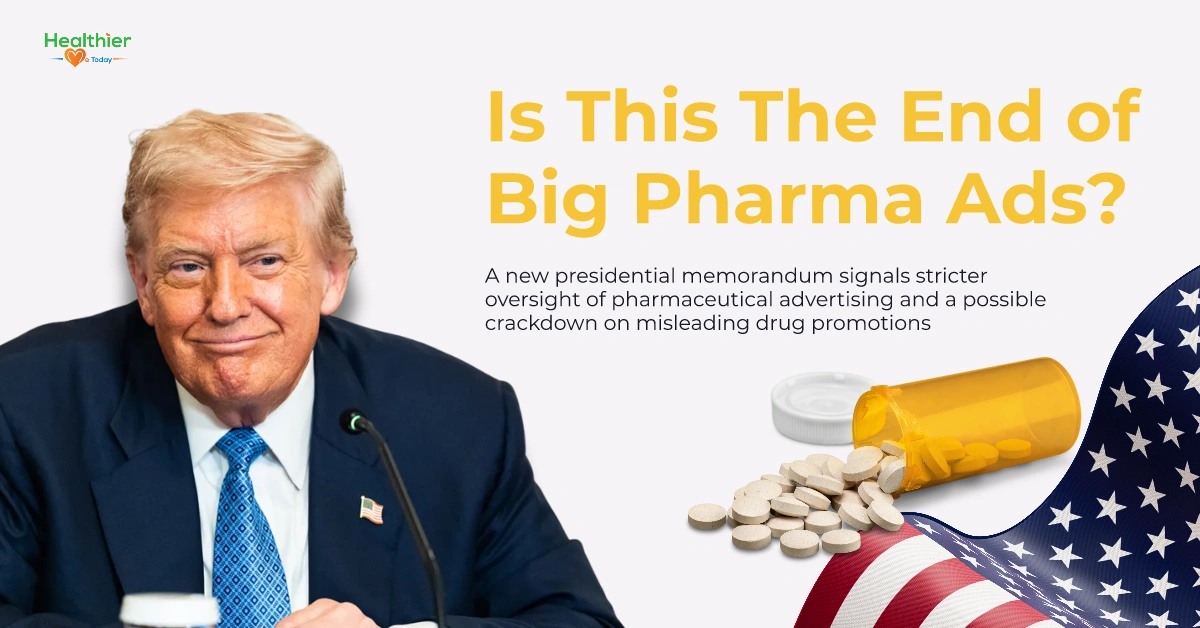
Trump’s War on Big Pharma Advertising: What You Need to Know

Artificial intelligence and healthcare may be stealing headlines lately, but another major shake-up is brewing in the United States… Trump is fighting against the pharma lobby! Prescription drug costs have long frustrated Americans, and for Donald Trump, taking on Big Pharma has remained a central part of trump healthcare campaign promises.

His latest move, a presidential memorandum signed on September 9, 2025, marks another step in his ongoing effort to reshape pharmaceutical advertising regulation and increase drug price transparency across the U.S. healthcare system.

The question now is whether this is merely a warning shot or the start of a broader crackdown on Big Pharma advertising. Find all the information about the Trump ban on pharma ads you need right here!

Trump vs Pharmaceutical Industry Throughout The Years

Few political fights have been as persistent, or as personal, as Donald Trump’s war with Big Pharma. For nearly a decade, he’s turned the spotlight on what he calls America’s biggest healthcare hypocrisy (drug companies charging U.S. patients far more than anyone else in the world, then spending billions to convince them it’s justified).

pharmaceutical industry under Trump
In 2018, his “Blueprint to Lower Drug Prices” promised to finally close that gap, a plan that earned applause from frustrated consumers and outrage from industry lobbyists. By 2020, he signed the Most Favored Nation Executive Order, an attempt to force drugmakers to sell medications in the U.S. at the same prices they offer in countries like Canada and Germany. Courts later blocked it, but the message was clear, Trump was willing to take on Big Pharma where others wouldn’t.

That same year, he pushed for another reform, requiring pharmaceutical ads on television to display the list price. Because if Americans could see what drugs really cost, the pressure for honesty would rise. Big Pharma fought back, arguing the rule oversimplified a complex system, and eventually got it overturned.

And the memorandum he signed on September 9, 2025, made it clear that he’s still not backing down. So what is it all about?

Trump Big Pharma Policies 2025

The 2025 memorandum doesn’t create a new law, it directs government agencies to enforce the ones already on the books but rarely used [whitehouse.gov].

Under current U.S. law, the Food, Drug, and Cosmetic Act (FDCA) already prohibits false or misleading drug advertising. The Food and Drug Administration (FDA), which enforces this law, can technically warn or penalize companies that break it. But in reality, that rarely happens. For years, enforcement has been inconsistent, with most violations ending in quiet corrections instead of public consequences.

Trump’s memorandum changes that by telling the FDA to actively use the authority it already has. Instead of waiting for new legislation, it pushes the agency to take immediate action against misleading pharmaceutical marketing. If a company exaggerates a drug’s success rate, hides side effects, or uses emotional advertising to downplay risks, it could now face real penalties and public accountability.

The Department of Health and Human Services (HHS), which oversees the FDA, confirmed that the agency will begin issuing warning letters and cease-and-desist orders to companies that violate advertising rules [fdalawblog.com].

The Future of FDA Drug Ad Rules

For years, drug ads have followed the same pattern, glossy storytelling, light disclaimers, and emotional persuasion. The new memorandum changes that. It doesn’t just ask for honesty, it demands it.

FDA drug ad rules

Here’s what’s different under the new enforcement plan:

Area Before the 2025 Memorandum After the 2025 Memorandum
FDA Oversight The FDA could warn companies about misleading ads, but enforcement was rare. The FDA is now required to actively review and penalize misleading or incomplete ads.
Ad Content Emotional stories often overshadowed medical facts, with fine print shown briefly. Ads must clearly display side effects, pricing details, and proven medical data.
Digital & Influencer Ads Online ads and influencer promotions often went unchecked. Digital marketing now falls under the same strict FDA advertising rules as TV and print.
Creative Freedom Companies had wide freedom in tone and presentation. Campaigns must prioritize accuracy and balance emotional appeal with verified information.
Impact on Viewers Patients saw persuasive ads but lacked full transparency. Patients will get clearer, fact-based messaging designed to inform, not manipulate.

Is There Really A Trump Ban On Pharma Ads?

It’s not a total ban [cnbc.com]. Trump’s memorandum doesn’t outlaw pharmaceutical advertising, but it does send a clear message (the era of unchecked marketing is ending).

Trump ban on pharma ads

The order doesn’t create new laws, instead, it empowers agencies like the FDA and HHS to enforce existing ones with far greater force. That means companies can’t rely on vague disclaimers or emotional storytelling to dodge accountability anymore.

If the industry resists or continues to blur the line between persuasion and information, Trump’s next step could be a full or partial advertising ban, particularly on high-risk or high-cost drugs [tucsonsentinel.com].

Conclusion: The Future of Drug Marketing Under Trump

By tightening oversight on pharmaceutical advertising, he’s sending a message that misleading marketing will no longer go unchallenged.

But beyond the policy, this fight is about public perception. Trump is reframing himself as the voice of accountability in an industry few Americans trust. Whether you see it as genuine reform or calculated politics, the impact is the same, the conversation around drug pricing and honesty in healthcare is changing.

One thing is very clear… this isn’t the end of Trump’s fight against Big Pharma, it’s the start of a rebrand with real political power! For more news updates, subscribe to our newsletter and follow us on social media.

Ready Rocker HMT - for back relief

Disclaimer:

Information in this article is based on publicly available reports and statements as of October 2025. Political and regulatory developments can change quickly, and new updates may alter or expand on the details discussed here. This piece is intended for informational purposes only and should not be taken as legal, political, or medical advice. Readers are encouraged to follow official government announcements and verified news sources for the most current information.

FAQ’s About Big Pharma Advertising Ban Debate:

What is Trump’s proposed ban on pharma ads?

Trump supports stricter enforcement of pharmaceutical advertising regulations to ensure accurate risk disclosures and transparency. His approach does not altogether ban ads, but aims to stop misleading marketing and hold drug companies accountable for the claims they make.

How could a Trump ban on pharmaceutical ads affect drug prices?

A possible Trump ban or tighter limits on pharmaceutical ads could lower drug companies’ marketing costs, potentially lowering prices for consumers. The idea behind this move is that spending less on advertising could shift the focus toward fair pricing and transparency rather than flashy promotions.

What are Trump’s Big Pharma policies for 2025?

Trump’s Big Pharma policies 2025 focus on more burdensome advertising regulations, clearer risk disclosures, and stronger drug price transparency measures. These Trump healthcare policies also aim to limit Big Pharma’s influence in politics and ensure that pharmaceutical companies operate with greater accountability under federal oversight.

How does Trump’s executive order impact drug pricing?

Trump’s executive order was designed to lower drug prices by allowing the government to compare what Americans pay with the lower prices charged in other countries. The goal was to pressure pharmaceutical companies to offer fairer rates at home, helping to make prescription medication more affordable for U.S. patients.

What is the connection between Trump and prescription drug costs?

Lowering prescription drug costs has been central to Trump’s agenda for years. His administration continues to challenge high prices through advertising reform, transparency policies, and pressure on companies that inflate costs through aggressive marketing and lobbying.

Will Trump’s healthcare policies reduce Big Pharma’s influence?

That’s the goal. Trump’s healthcare policies are designed to reduce Big Pharma’s influence in politics by limiting how much power pharmaceutical companies have over pricing and regulations. By enforcing stricter ad rules and transparency measures, Trump hopes to weaken corporate control and prioritize patients’ interests.

What does “direct-to-consumer drug advertising” mean?

Direct-to-consumer drug advertising refers to pharmaceutical marketing that targets the public rather than healthcare professionals, such as TV, radio, or social media ads. Trump’s reforms aim to ensure these ads present honest, complete information about risks and benefits, preventing misleading claims.

How might FDA drug ad rules change under Trump’s administration?

Under Trump’s leadership, the future of FDA drug ad rules could include more vigorous enforcement, mandatory risk disclaimers, and tighter controls over pharma- and influencer-sponsored political ads. The goal is to ensure accuracy and prevent deceptive marketing within the pharmaceutical industry under Trump.

What is Big Pharma lobbying, and how does it affect drug pricing?

Pharma lobbying involves large pharmaceutical companies spending billions to influence government policies, often to protect profits and maintain high drug prices. Trump’s stance on Big Pharma lobbying has been clear, he wants to reduce this influence, promote fair competition, and make pricing more transparent.

Could banning pharma ads lower prescription costs for Americans?

Potentially, yes. By reducing marketing and lobbying expenses, drug companies might have fewer excuses to keep prices inflated. Trump argues that stricter ad controls could shift the pharmaceutical industry under Trump toward fairness, where affordability and public trust outweigh profits and manipulation.
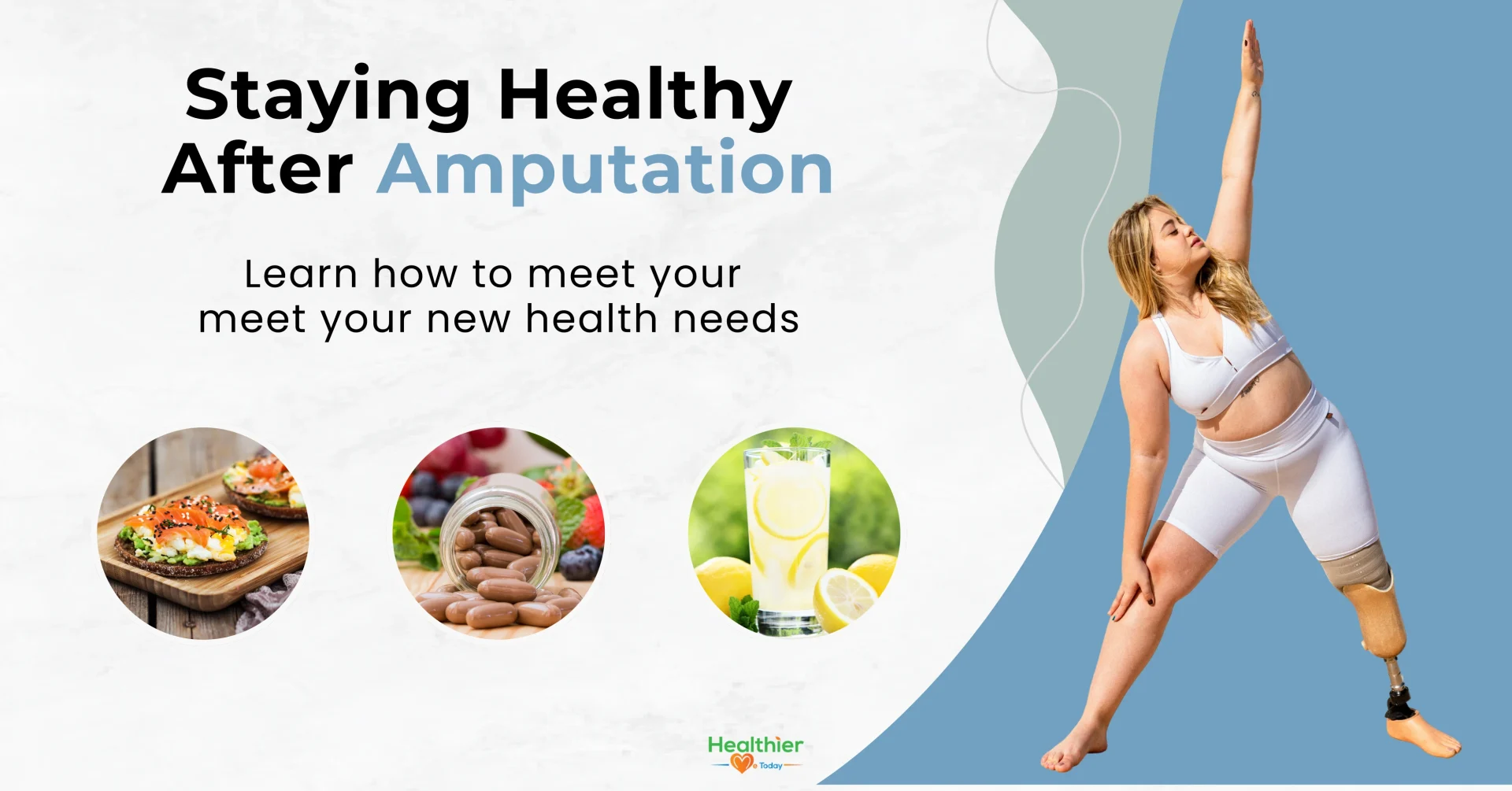
Nutrition and Fitness Tips for Amputees Managing Their Weight

Many people assume that once the surgical wounds heal, the body’s nutritional needs return to normal. This is not the case. Post-amputation, your metabolism, energy requirements, and even appetite can change. Adjusting your diet to meet these new requirements ensures your body can function optimally.

Alongside proper nutrition, tailored exercise routines help maintain circulation, improve balance, and increase strength, allowing you to stay active and confident. Prioritizing both amputee nutrition and safe physical activity lays the foundation for long-term health, resilience, and a higher quality of life.

So, let’s get started!

Why Nutrition Is Important in Post-Surgery Healing

Solid amputee nutrition fuels your recovery after surgery. Nutrients rebuild tissues, ease inflammation, boost your energy for daily tasks, and strengthen your immune system to fend off infections, which is critical post-amputation.

Nutrients for Recovery After Amputation

Here’s why nutrients are vital:

  • Tissue Repair: Protein from foods like chicken or beans rebuilds muscles and skin around your residual limb, speeding up healing and supporting strength.
  • Managing Inflammation: Anti-inflammatory foods like berries or salmon reduce swelling, making your residual limb more comfortable.
  • Increasing Energy Levels: Whole grains like oats provide steady energy for therapy or getting around, keeping you active and focused.
  • Immune System Boost: Vitamins like C and zinc, found in fruits and nuts, help your body fight infections during recovery, keeping you healthy.

Nutrients for Recovery After Amputation

Your amputee nutrition plan should focus on key nutrients to power healing and keep you strong. Protein, vitamins, minerals, healthy fats, and hydration are essential for recovery and energy as you adapt to life after amputation, ensuring you stay healthy and active.

Here’s what to focus on:

Protein

Protein is your body’s foundation for repairing muscles and tissues after amputation. Aim for 1.2-2.0 grams per kg of body weight daily, especially if you’re active or using a prosthetic. Lean meats like chicken, fish, or turkey deliver high-quality protein, while lentils, tofu, or chickpeas offer a plant-based variety. Eggs are an easy, nutrient-packed option for any meal, and a smoothie with Greek yogurt, berries, and a scoop of protein powder is a quick way to boost intake. These foods rebuild strength, aid healing, and prepare your muscles for daily movement or prosthetic use.

Here are some tasty choices:

  • Grilled chicken breast
  • Baked salmon
  • Lentil soup
  • Tofu stir-fry
  • Black bean tacos

Vitamins and Minerals

Vitamins and minerals keep your bones strong and your body ready for recovery [orthoinfo.aaos.org]. Calcium from dairy or fortified plant milk supports bone health, crucial for prosthetic users. Vitamin D from eggs, fortified cereals, or sunlight helps calcium absorption. Vitamin C in oranges, bell peppers, or strawberries speeds tissue repair, while zinc in nuts or seeds strengthens your immune system. Eating colorful fruits and veggies, like spinach, carrots, or berries, ensures you get these daily. A vitamin supplement, if your doctor recommends, can cover any gaps to keep you feeling energized.

You can find them in:

  • Milk or fortified almond milk
  • Orange juice
  • Unsweetened green tea
  • Water with sliced fruit
  • Low-sodium vegetable juice
  • Herbal tea

Healthy Fats

Healthy fats provide energy, reduce inflammation, and keep you full. Avocados are creamy and great for toast, salads, or smoothies. Nuts like almonds, walnuts, or pecans are easy snacks, while olive oil adds flavor to roasted veggies or dressings. Fatty fish like salmon or mackerel deliver omega-3s, easing swelling and supporting brain health. Including these fats in small portions balances your diet and supports heart health for an active lifestyle.

Some great choices are:

  • Sliced avocado
  • Handful of almonds
  • Olive oil
  • Salmon fillet

Hydration and Electrolytes

Staying hydrated boosts energy and aids recovery, especially if you’re moving a lot. Aim for 8-10 glasses of water daily, more if you’re exercising. Electrolytes like potassium in bananas, oranges, or coconut water, and sodium in low-sodium broth, maintain fluid balance, preventing cramps during physical therapy. Milk or fortified juices hydrate while adding nutrients, and herbal teas or infused water offer variety. Keep a water bottle handy to sip all day, making hydration simple as you stay strong.

Hydration and Electrolytes - boosts energy and aids recovery

Here are some refreshing tips:

  • Water with lemon or cucumber
  • Low-fat milk
  • Coconut water
  • Sparkling water with berries
  • Low-sodium broth
  • Unsweetened iced tea
  • Infused water with mint

Preventing Weight Gain and Muscle Loss

Physical activity is a game-changer after amputation, helping you avoid weight gain and keep muscles strong, supporting weight loss for amputees, and promoting fitness after limb loss [pmc.ncbi.nlm.nih.gov]. Less mobility can slow your metabolism, increasing weight gain risks, which might strain your residual limb or complicate prosthetics.

Regular exercise, even short bursts, burns calories, builds strength, and improves balance for more manageable daily tasks. Low-impact activities like swimming or resistance training, with your doctor’s approval, are safe and effective. A physical therapist can guide proper movement, especially with a prosthetic. Pairing these with amputee nutrition keeps you healthy and confident.

These are worth a try:

Seated Strength Training

Seated strength training builds muscle without stressing your residual limb, perfect for upper or lower limb amputees. Using resistance bands or light weights, you can target arms, shoulders, or core, boosting strength for tasks like pushing a wheelchair or walking with a prosthetic. Start with 10-15 minutes, two to three times a week, using slow, controlled movements to maximize benefits.

  1. Seated bicep curls with resistance bands
  2. Shoulder presses with light dumbbells
  3. Seated torso twists for core strength
  4. Arm extensions with bands
  5. Chest presses with bands

Swimming

Swimming is a low-impact cardio workout that burns calories and boosts heart health while being gentle on joints. The water supports your body, reducing strain on your residual limb and improving mobility. Aim for 20-30 minutes, three times a week, starting with freestyle or backstroke at a comfortable pace.

  1. Freestyle swim with gentle strokes
  2. Backstroke for upper body strength
  3. Water walking in shallow pools
  4. Flutter kicks with a kickboard

Stationary Cycling

Stationary cycling strengthens your legs and core without high impact, ideal for lower limb amputees. It burns calories, aiding weight loss for amputees, and improves endurance for prosthetic use. Start with 15-20 minutes, three to five days a week, adjusting resistance to your comfort level.

  1. Slow pedaling with low resistance
  2. Interval cycling (alternate fast and slow)

Balance Exercises

Balance exercises improve stability, crucial for safe movement with or without a prosthetic. Simple moves like standing on one leg with support reduce fall risks and build confidence. Practice 5-10 minutes daily, using a chair or wall for support if needed.

  1. Single-leg stand with chair support
  2. Side leg lifts for hip stability
  3. Heel-to-toe walking in a straight line
  4. Standing knee lifts

Yoga Poses

Yoga enhances flexibility, balance, and mental focus, supporting fitness after limb loss. Seated or standing poses, like chair yoga, are gentle and adaptable for amputees. Try 10-15 minutes daily, focusing on poses that feel comfortable and improve mobility.

Yoga Poses

  1. Seated cat-cow stretch for spine flexibility
  2. Chair warrior pose for leg strength
  3. Tree pose with wall support for balance
  4. Seated forward bend
  5. Modified downward dog with chair support

Conclusion: Regaining Strength After Loss

Your journey to managing weight and rebuilding strength after amputation is all about balancing amputee nutrition with fitness after limb loss. Eating nutrient-rich foods like protein, healthy fats, and veggies fuels your recovery and keeps weight in check, while tailored exercises boost strength and confidence.

Start with small steps, like choosing a healthy snack or trying a short workout, and check in with your doctor or physical therapist to stay on track.

Track your BMI accurately using our BMI Amputation Calculator!

Lose Weight the Easy Way: Why Walking Beats the Gym

Hey there! If you’ve ever thought walking for weight loss sounds too easy to actually work, you’re about to be amazed. Compared to running or hitting the gym, walking might seem too simple, but it’s a fantastic way to lose pounds, feel awesome, and stay healthy. It’s free, kind to your body, and you can do it almost anywhere. This guide will show you why walking is so effective, how much walking you need to see results, and super fun tips to keep you motivated.

Whether you’re just starting or ready to step things up, you’ll find everything you need to walk your way to a healthier you.

Why Walking Helps You Lose Weight

Walking burns calories, and when you burn more calories than you eat, you drop weight. For example, if you weigh about 150 pounds and walk at a normal pace (around 3.5 miles per hour), you can burn 200-300 calories in an hour. Do that regularly, and it adds up, especially if you eat healthy foods like fruits, veggies, or chicken.

Why Walking Helps You Lose Weight

Walking also keeps your muscles strong, which helps your body burn calories even when you’re relaxing. Walking is super gentle on your knees and hips, unlike running or jumping, so it’s perfect if you’re new to exercise or have sore joints. You don’t need fancy gear or a gym membership, just comfy shoes and a place to walk. The key is making it a regular part of your day to see real changes.

How Much Walking Do You Need?

One big question people have is how much do I have to walk to lose weight? A great place to start is walking 30-60 minutes most days, which adds up to about 150-300 minutes a week. Walk at a brisk pace, fast enough to breathe a little harder but still able to chat. The Centers for Disease Control (CDC) says 150 minutes of moderate exercise like walking each week, plus eating fewer calories, is a solid plan to shed pounds.

If you find yourself asking, how much should I walk to lose weight faster? Try walking 300 minutes a week or make it tougher by going uphill, swinging your arms, or carrying light weights. You can also use a phone app or fitness tracker to aim for 7,000-10,000 steps a day, a great goal for walking and weight loss.

So, does walking burn belly fat or can walking burn stomach fat effectively? Here’s the truth: walking burns fat from all over your body, not just one spot like your belly. Regular walking can shrink visceral fat, the deep belly fat that’s bad for your health. To make walking to lose weight even better, try longer walks or mix in intervals (like 3 minutes fast, 1 minute slow). Eating less sugary snacks or junk food helps your belly slim down faster.

Fun Ways to Make Walking Work for You

Fun Ways to Make Walking Work for You

Here are some easy and fun ways to make can walking help lose weight a reality:

  • Pick a Time That Works: Walk in the morning, during lunch, or after school, whatever fits your day. Doing it regularly is what counts.
  • Track Your Steps: Use your phone or a tracker to hit 7,000-10,000 steps a day, a great target for walking and weight loss.
  • Mix Things Up: Walk on hills, climb stairs, or try intervals (fast walking, then slow) to burn more calories.
  • Eat Healthy: Pair walking with foods like salads, lean meats, or whole grains to burn more calories than you eat.
  • Make It Fun: Play music, listen to a podcast, or walk with a friend to stay excited.
  • Start Easy: If you’re new, begin with 20-minute walks and add more time as you get stronger [nhs.uk].
  • Wear Comfy Shoes: Good sneakers prevent blisters and let you walk longer.
  • Drink Water: Sip water before and after walks to feel your best.
  • Find a Walking Buddy: A friend or family member makes walks more fun and keeps you on track.
  • Set Goals: Aim for a certain number of steps or minutes each week and celebrate when you hit them.
  • Add Strength: Try light arm exercises or bodyweight moves (like squats) once a week to build muscle and burn more calories.

These tips make walking feel like a breeze and help you keep going for walking to lose weight.

Benefits of Walking

Walking isn’t just about walking for weight loss. It comes with tons of other perks that make you feel great.

Here’s some more benefits:

  • Lifts Your Mood: Walking makes your brain release happy chemicals, so you feel less stressed and more cheerful.
  • Keeps Your Heart Strong: Walking lowers blood pressure and helps your heart stay healthy.
  • Gives You Energy: Regular walks make you feel less tired and help with tasks like carrying groceries or climbing stairs.
  • Gentle on Your Body: Walking is easy on your joints, so you can keep going without pain, no matter your age.
  • Improves Sleep: Walking can help you fall asleep faster and sleep better, leaving you refreshed.
  • Boosts Brain Power: Walking improves focus and memory, making schoolwork or daily tasks easier.
  • Strengthens Bones: Walking helps keep your bones strong, which is great for staying active as you get older.

These benefits make walking a win for your whole body and mind.

Clearing Up Walking Myths

Let’s bust some wrong ideas you might have heard:

  • Myth: Walking doesn’t burn enough calories.
  • Fact: You can lose weight by just walking. Yes, especially with regular walks and healthy eating.
  • Myth: You need to walk super fast to lose weight.
  • Fact: A brisk pace is enough, but hills or faster walking can help more [healthline.com].
  • Myth: Walking only burns belly fat.
  • Fact: It burns fat everywhere, it doesn’t just target your belly.

Your Easy Walking Plan

Easy Walking Plan

Here’s a simple plan to get you going, laid out in a table to keep it clear:


Weeks Minutes per Day Days per Week Steps per Day Tips
Weeks 1-2 20-30 minutes 4-5 days 5,000-7,000 steps Walk at an easy pace, find a fun route
Weeks 3-4 30-45 minutes 5-6 days 7,000-8,000 steps Go brisk, try a park or neighborhood
Weeks 5+ 45-60 minutes Most days 8,000-10,000 steps Add hills or intervals for extra burn


Conclusion: Step Up and Start Walking

Don’t let anyone say walking for weight loss is too simple. It’s an easy, powerful way to lose pounds and feel amazing. By figuring out how much walking to lose weight fits your life and making it a habit, you can reach your goals without stress.

Stick with it, eat healthy, and try fun ideas like interval walking or tracking steps to see even better results. Whether asking can walking burn stomach fat or just want to slim down, walking has you covered.

Grab your shoes, head outside, and start your journey to a healthier you today!

Ready Rocker HMT - For Back Pain

FAQ’s:

How long should I walk each day to lose weight fast?

Walk 45-60 minutes most days, aiming for 300 minutes a week of brisk walking to lose weight. Eating healthy helps you lose weight quicker.

Does walking burn belly fat or just overall fat?

It burns fat all over, but regular walking can shrink belly fat over time, especially the deep kind that is so difficult to lose.

How many steps per day help with weight loss?

Aim for 7,000-10,000 steps daily for walking and weight loss. More steps, like 12,000-15,000, can speed things up with a good diet [healthline.com].

Is walking better than running for weight loss?

Yes, and it’s gentler on your joints, making it easier to keep up over time compared to running.

How quickly can you lose weight by walking daily?

How much walking to lose weight varies, but 30-60 minutes daily with a healthy diet can help you lose 1-2 pounds a week.

Does walking help reduce stomach fat specifically?

Yes, it burns fat everywhere, including your belly, especially when you eat less sugar and junk food.

What’s the best time to walk for fat burning in the USA?

Any time works, but morning walks can boost your energy, and evening walks can help you relax. Pick what fits your day for consistent walking for weight loss [health.com].

3 Breakthrough Clinical Trial Case Studies That Changed Medicine

Clinical Trials · Guide Series

Understand, Join, and Trust Clinical Trials

Clinical trials are carefully designed studies that test medical approaches in people—under ethics review, informed consent, and continuous safety monitoring. This series covers how trials work, benefits & protections, myths vs facts, eligibility, and real stories.

Pain pills. Vaccinations. Cancer therapies. Insulin. Even the cholesterol drugs that help prevent heart attacks. Every one of them was once an experiment in a clinical trial. Treatments that feel routine today only exist because people volunteered to test them when the outcome was still unknown.

It’s easy to forget that behind every prescription bottle or vaccine card is a story, not just of science, but of patients and volunteers who said yes to something unproven. To understand how much it has shaped modern life, you have to look back at the moments when everything changed, the clinical trial case studies…

These are the real stories of medicine!

3 Amazing Clinical Trial Case Studies​

It’s one thing to say clinical trials change lives, it’s another to actually see how.

Here are three stories that you’ll want to tell anyone (especially those who are unsure of joining a trial):

From Fatal to Manageable [HIV Antiretroviral]

From Fatal to Manageable [HIV Antiretroviral]

Name: AZT (zidovudine) and subsequent combination antiretroviral therapy trials

Date: Mid-1980s (AZT), 1990s (combination therapy with protease inhibitors)

Focus: HIV/AIDS treatment

Participants: AZT trial roughly 300, later combination therapy trials thousands worldwide

In the early 1980s, an HIV diagnosis almost always led to severe illness and death. Doctors could treat infections that appeared along the way, but not the virus itself. The first breakthrough trial tested AZT (zidovudine) in people with advanced AIDS. It asked a simple question: if the virus is slowed, do people live longer? Participants were randomly assigned AZT or placebo, and doctors tracked survival and symptom relief. Results showed shorter hospital stays and improved short-term survival, proving that an antiviral drug could change the course of the disease.

The next step was not a single drug, but combination therapy. Trials compared two drugs vs. three, added protease inhibitors, and used a new lab measure, viral load, to see whether the amount of virus in the blood actually dropped and stayed low. By the mid-1990s, studies showed that a triple-drug regimen could suppress HIV to “undetectable” levels for long periods.

What changed for patients was profound. Deaths plummeted, life expectancy climbed, and further trials showed that treating pregnant patients prevented transmission to babies [viivhealthcare.com]. More recent studies confirmed another pivotal finding that undetectable = untransmittable (U=U), meaning people who keep the virus suppressed do not pass it to sexual partners. This is a clinical trial case study that turned a fatal diagnosis into a manageable chronic condition.

A Million Children, One Answer [Salk Polio]

Salk Polio

Name: 1954 Salk Polio Vaccine Field Trial

Date: 1954

Focus: Polio prevention

Participants: About 1.8 million children in the U.S.

In the early 1950s, polio outbreaks closed swimming pools and schools, and paralyzed tens of thousands of children each year [who.int]. Jonas Salk’s inactivated polio vaccine looked promising in lab and small human studies, but the country needed certainty. The 1954 field trial became one of the largest randomized, double-blind studies ever attempted. Roughly 1.8 million schoolchildren were enrolled as “Polio Pioneers.” Some received the vaccine, others got a placebo, or were observed in matched communities. Investigators tracked one clear outcome, paralytic polio.

The results, announced in 1955, were unmistakable, the vaccine was safe and highly effective at preventing paralysis [pmc.ncbi.nlm.nih.gov]. Within months, national immunization campaigns rolled out, later, oral polio vaccines expanded protection worldwide. Incidence collapsed, and polio is now close to eradication in most regions. As a clinical trial case study example of scale, rigor, and public trust, the Salk trial showed how a well-designed study can change a nation’s health trajectory in a single stroke.

Teaching the Body to Fight Back [Cancer Immunotherapy]

Teaching the Body to Fight Back [Cancer Immunotherapy]

Name: Checkpoint inhibitor trials (ipilimumab, nivolumab, pembrolizumab)

Date: Early 2000s (first melanoma trials), FDA approvals in 2011 and beyond

Focus: Advanced cancers, beginning with metastatic melanoma

Participants: Initial trials hundreds but expanded to thousands across multiple cancer types

For decades, advanced cancers were treated with surgery, radiation, and chemotherapy. Some patients improved, many did not, and benefits often faded. Immunotherapy trials asked a different question: what if the immune system could be unblocked so it recognizes and attacks tumors? Early studies of checkpoint inhibitors (such as anti-CTLA-4 and anti-PD-1 antibodies) enrolled patients with metastatic melanoma, a cancer with poor survival once it spreads.

Trial designs compared immunotherapy to the best available chemotherapy, tracking overall survival, response rate, and how long responses lasted. The surprise was not only more people responding, but the durability of those responses, survival curves developed a “tail,” showing a subset of patients living many years [researchgate.net]. Later trials extended these findings to lung, kidney, bladder, and other cancers, and combinations (e.g., PD-1 plus CTLA-4 blockade) improved outcomes further. New challenges emerged, immune-related side effects, and trials developed management protocols so patients could continue treatment safely.

What changed is the treatment conversation. For many cancers, oncologists now discuss immunotherapy alongside or ahead of chemotherapy. Some patients who once had months now have years with controlled disease [cancer.gov]. As clinical trial case studies go, immunotherapy demonstrates how asking a different question can create a new class of medicine.

Conclusion: So Many More Stories Waiting to Be Told

clinical trial case study examples

These are just 3 clinical trial case study examples, but they barely scratch the surface. Behind nearly every pill, vaccine, or treatment available today is a trial that tested it first, often quietly, long before the public knew its impact. From common pain relievers to life-saving cancer drugs, each advance exists because researchers designed a study and patients or volunteers agreed to join.

Progress in medicine isn’t built on chance. It’s built on evidence gathered through trials like these. And while the examples here are famous, there are thousands of other trials happening right now that could lead to the next major breakthrough. Clinical trials are not just history, they’re the foundation of the future of healthcare.

FAQ’s About Clinical Trial Case Studies:

Do participants in clinical trials get paid?

Sometimes [iapac.org]. Many trials offer compensation for time, travel, or inconvenience, but payments are not meant to “buy” participation. The amount depends on the type of trial and how demanding it is.

Did any clinical trial ever go wrong?

Yes. Not every trial leads to success, and some have even raised serious ethical questions, like the Tuskegee syphilis study in the U.S., which withheld treatment from Black men for decades. Situations like this are why today’s trials are governed by strict protections, ethical reviews, and participant rights.

Are there any recent clinical trial breakthroughs?

Absolutely. Recent trials in gene therapy have changed the outlook for children with rare genetic diseases that were once fatal. Other ongoing trials are testing personalized cancer vaccines, Alzheimer’s treatments, and new ways to manage autoimmune conditions. These show how clinical trials are still writing the next chapter in medicine.

Is joining a clinical trial safe?

Every trial goes through strict ethical and scientific review before starting. Participants are closely monitored, and safety is always the top priority. While no study is risk-free, protections are in place to minimize those risks.

Do participants always get the real treatment?

Not always. Some trials use placebos (inactive treatments) or compare new treatments with standard care. However, no one is left untreated, participants either get the standard best care or the new option being tested.

How do people find clinical trials to join?

Doctors often recommend trials, but there are also registries like ClinicalTrials.gov where patients can search by condition, location, or treatment type.

Who Can Join a Clinical Trial? Understanding Eligibility Rules & Barriers

Clinical Trials · Guide Series


Understand, Join, and Trust Clinical Trials

Clinical trials are carefully designed studies that test medical approaches in people—under ethics review, informed consent,
and continuous safety monitoring. This series covers how trials work, benefits & protections, myths vs facts, eligibility, and real stories.

Joining a clinical trial isn’t like volunteering for a charity event or signing up for a gym membership. Even if someone is eager and willing, they may not be eligible. Trials carefully select participants based on specific rules, because safety and accuracy always come before numbers.

These rules are known as eligibility for a clinical trial, and they exist to protect participants while also ensuring the research produces trustworthy results. Criteria might include age, gender, stage of illness, medical history, or past treatments. At first, this can sound restrictive, but without these boundaries, trials would put people at risk and weaken the answers doctors rely on.

So what exactly makes someone eligible, and what barriers might stand in the way? Let’s break it down.

Who Can Join a Clinical Trial

Who Can Join a Clinical Trial

Trials are not about filling a room with volunteers, they’re about answering a very specific medical question while keeping people safe. That means researchers have to carefully decide who can join and who cannot. This process is guided by what’s called eligibility criteria, and it can feel strict, but every rule is there for a reason.

If a trial is testing a new cancer drug, it wouldn’t make sense to include people who don’t have cancer. And if the study is looking at whether a treatment works in older adults, it wouldn’t answer the right question if most of the participants were in their twenties. By narrowing down exactly who should join, researchers make sure the results are meaningful and reliable.

Here’s a list of people who can join:

Patients with the condition being studied

Most trials involve people who already have the condition. This makes sense, if you’re testing a treatment for diabetes, you need participants who actually live with diabetes. Sometimes it’s narrowed down even further, such as only enrolling patients who were recently diagnosed, or those whose condition hasn’t responded to standard treatment. This helps researchers learn how the new approach works in very specific situations.

Healthy volunteers

Not all trials involve sick patients. Some studies actually need healthy volunteers, people without the condition, to test how a drug or vaccine works in the body. Think about vaccine research… Those early trials often rely on healthy participants to see if the vaccine can prevent illness in the first place. These volunteers are just as important as patients because they give researchers a baseline for comparison.

Stage and severity of illness

Diseases often look very different depending on their stage. For example, someone with early Alzheimer’s may have mild memory loss, while someone with advanced disease has severe cognitive decline. A trial usually focuses on one stage at a time. That way, the researchers know whether the treatment works for that specific group. If they mixed stages together, the results would be messy and hard to interpret

Previous treatments

Eligibility often depends on what treatments someone has already tried. Some trials are only open to people who have exhausted standard options, while others require that participants haven’t yet started any treatment. Both approaches matter. In one case, researchers are looking for hope where nothing else has worked. In the other, they want to see how a new therapy works on its own, without interference from other drugs.

Age and life stage

Age is another important factor. Some trials are open to children, some to adults, and others specifically target older populations [mayoclinicproceedings.org]. Why? Because the way a treatment works, or the risks it carries, can change depending on life stage. Testing a new drug in children requires different safeguards than testing in seniors, and eligibility rules make sure those safeguards are respected.

Other health conditions and medications

If someone has another health condition, or is taking a certain medication, they might not qualify. This isn’t about shutting people out. It’s about safety and clarity. If a person with severe heart disease joins a trial for a new cancer drug and then experiences complications, it would be hard to tell if the issue came from the drug or their preexisting heart condition. Clear criteria prevent confusion and protect participants.

Diversity and representation

In the past, clinical trials often lacked diversity, and the results didn’t always reflect how treatments worked in real-world populations. Today, researchers make a stronger effort to include people of different genders, races, ethnicities, and backgrounds whenever it’s safe and possible [ncbi.nlm.nih.gov]. This matters because medicines may not work the same for everyone. By broadening eligibility in certain ways, trials are becoming more inclusive and more accurate.

Inclusion vs. Exclusion Criteria

Every clinical trial sets two types of rules. Inclusion criteria describe the characteristics a person must have to join, for example, being within a certain age range, having a specific condition, or having tried certain treatments. Exclusion criteria list the factors that would prevent participation, such as another health problem, a medication that could interfere with the study, or risks that could put someone’s safety in danger.

Eligibility for a Clinical Trial​

Eligibility for a Clinical Trial

When someone expresses interest in a clinical trial, the next step is determining whether they actually qualify [mds-foundation.org].

Eligibility criteria for clinical trials include the following:

The Screening Process

Screening is where things get specific. It usually involves reviewing medical history, blood work, scans, or genetic markers. For example, a breast cancer trial may only include patients whose tumors show a particular protein, while a heart disease study might require evidence of reduced heart function. These requirements make sure the treatment is being tested on the people it was designed for.

Barriers to Access

Meeting the medical requirements isn’t always enough. Geography, finances, and awareness can still keep people from joining [eactproject.org]. A patient living hours from the nearest hospital might not be able to attend weekly visits, while another may never even hear about the trial in the first place. These barriers are one of the biggest reasons trials often don’t reflect the diversity of real-world patients.

Improving Access

This is where clinical trial eligibility criteria are evolving. To make participation more realistic, researchers are now offering travel assistance, setting up local clinics, and using technology like telehealth and wearable devices. During the COVID-19 vaccine trials, for example, study sites were expanded to pharmacies and community centers, which gave thousands more people a chance to join.

Why Eligibility Matters & Why Not Anyone Can Just Join

Why Eligibility Matters & Why Not Anyone Can Just Join

Trials are designed to answer one very specific question. If the question is whether a new drug helps patients with early-stage breast cancer, then enrolling people with late-stage disease would blur the results. The data would become messy, and researchers might not be able to tell whether the treatment actually works for the group it was meant for. Narrow eligibility for a clinical trial keeps the focus sharp.

Eligibility also helps avoid hidden variables. Think about someone joining a heart medication trial who also has severe kidney disease. If complications occur, was it the new drug or their kidney condition? Excluding certain participants isn’t about denying them care, it’s about avoiding results that can’t be trusted [nhlbi.nih.gov].

Another point most people don’t realize is that eligibility expands over time. Early trials often start with small, carefully chosen groups, usually adults with no complicating conditions. If results look promising, later trials gradually include more diverse participants (older adults, children, people with other illnesses, and individuals from different backgrounds). This step-by-step process is why medicines eventually reach the wider public with confidence.

And also, strict eligibility is what allows treatments to earn approval and insurance coverage. Regulators want proof that a drug works for the exact group it was tested on. Without that precision, a treatment might never make it to pharmacies or hospitals.

So eligibility isn’t about keeping people out. It’s about making sure each trial produces answers that are strong enough to carry new treatments from the lab, to the hospital, and eventually to everyday life.

Conclusion: The Truth

Clinical trial eligibility the Truth

Clinical trial eligibility may feel like a barrier, but it is what allows studies to move step by step toward reliable answers. Screening participants, addressing hidden variables, and slowly widening the pool of who can join ensures that new treatments aren’t just tested, but tested in a way that doctors and regulators can trust. Barriers like distance or cost still exist, yet new models such as decentralized trials are helping open the door to people who once had no chance to participate.

Curious about whether you might qualify for a trial? The best step is to talk with your doctor or explore official registries that list open studies. Opportunities exist, and understanding how eligibility works makes them easier to find.

Demystify and Debunk Myths & Misinformation About Clinical Trials

Clinical Trials · Guide Series


Understand, Join, and Trust Clinical Trials

Clinical trials are carefully designed studies that test medical approaches in people—under ethics review, informed consent,
and continuous safety monitoring. This series covers how trials work, benefits & protections, myths vs facts, eligibility, and real stories.

If someone asked you what a clinical trial really is, what would you say? For many people, the answer is shaped more by fear than fact. Movies, headlines, and word of mouth have painted trials as risky experiments where participants have little control.

The truth is very different. Clinical trials are carefully designed, tightly regulated, and built to protect participants while advancing medicine. Yet myths continue to spread, from the idea of being treated as a “guinea pig” to the belief that trials are unsafe or pointless.

Here are 6 clinical trial myths you should know about…

Myth 1: “Participants are just guinea pigs.”

Myth 1 - Participants are just guinea pigs

This is probably one of the most common clinical trial myths. The idea comes from old stereotypes of science experiments where people are used without choice or care. But in reality, participants in clinical trials are not “guinea pigs”, they are volunteers, and they are central to the entire process.

Every trial is designed with strict protections, including informed consent, ethical review boards, and constant monitoring. Participants know exactly what to expect before joining, and they always have the right to leave. Far from being treated as test subjects, they are partners in research whose health and safety come first.

Without their involvement, no new treatment could move forward. And thanks to those who do take part, the world now has the vaccines, cancer therapies, and everyday medicines people depend on from all over.

Myth 2: “Clinical trials are unsafe.”

Myth 3 - You won’t get real treatment, only a placebo

This stops many people from even considering a clinical trial. The word “trial” makes it sound like participants are stepping into the unknown without protection. But that’s not how it works. By the time a treatment reaches a clinical trial, it has already gone through years of research in laboratories and often animal testing. Only when there’s enough evidence that it could be safe and useful is it allowed to move forward and be studied in people.

Even then, safety is the number one priority. Every trial must be approved by independent ethics committees and reviewed by national health authorities. During the study, participants are monitored closely, and if unexpected side effects appear, the trial can be paused or stopped altogether. A good example is how some COVID-19 vaccine trials were temporarily halted when rare side effects needed further investigation. This wasn’t a failure, it was the safety system working exactly as intended.

Clinical trials are designed to answer important questions, but never at the expense of the people taking part. With constant oversight, strict regulations, and the ability for participants to withdraw at any time, they are far from unsafe experiments, they are controlled studies built on protecting human health.

Myth 3: “You won’t get real treatment, only a placebo.”

Many imagine joining a study and getting nothing more than a sugar pill while their illness goes untreated. But that’s not how clinical trials work [pmc.ncbi.nlm.nih.gov].

Most trials compare the new treatment to the best standard treatment available, not just a placebo. Placebos are only used when there’s no proven treatment for the condition, or when it’s ethically safe to do so. Even then, participants are never left without care, they still receive medical attention, monitoring, and support throughout the trial.

For example, in cancer trials, patients are typically given either the new therapy being studied or the current best treatment option. This ensures no one is left untreated. The goal is always to find out whether the new approach works better, not to deny patients proper care [mdanderson.org].

So while placebos do exist in some studies, participants always receive real medical attention, and in most cases, an active treatment. The idea that you’ll “get nothing” is a myth.

Myth 4: “Only seriously ill people join clinical trials.”

Did you know that clinical trials aren’t just for people who are very sick? While some trials do focus on advanced diseases, many involve participants who are healthy or only at risk for certain conditions. This makes the idea that only the seriously ill take part one of the most misleading clinical trial myths.

For example, vaccine studies often rely on healthy volunteers to test how well the vaccine works in preventing illness. Prevention trials may include people with risk factors, such as a family history of a disease, to see if new approaches can lower their chances of developing it. Screening and diagnostic trials also recruit participants who don’t have the condition, so researchers can compare results across different groups.

By including a wide range of people, researchers can better understand how treatments and prevention strategies work for different ages, backgrounds, and health conditions. Clinical trials are not limited to the sickest patients, they are designed to benefit everyone.

Myth 5: “Once you join, you can’t leave.”

Myth 5 - Once you join, you can’t leave

One of the most persistent clinical trial myths is the idea that signing up locks you in until the very end. But participation is completely voluntary from start to finish [uclahealth.org].

Every participant has the right to withdraw from a clinical trial at any time, for any reason. Choosing to leave does not affect their access to regular medical care or future treatment options. Researchers encourage people to stay so the study can gather enough data, but they also respect that circumstances and decisions may change.

This flexibility is part of the informed consent process. From the very beginning, participants are told that they are free to stop whenever they choose. Clinical trials depend on trust, and protecting the rights of volunteers is central to that trust.

Myth 6: “Clinical trials don’t benefit me, just future patients.”

It’s true that clinical trials move medicine forward for the future, but that doesn’t mean participants are left without benefits in the present. Believing otherwise is one of the most limiting clinical trial myths [nhlbi.nih.gov].

Many participants gain access to promising new treatments before they’re available to the public. Others benefit from closer medical care, frequent check-ups, and a deeper understanding of their condition. In some cases, trial treatments ease symptoms, slow disease progression, or improve quality of life [aidsmap.com].

And while not every participant will see direct improvements, the act of joining still carries meaning. Volunteers know they are helping doctors answer critical questions and paving the way for better care for families, communities, and even themselves in the future.

Clinical trials are not just about tomorrow, they can make a difference for patients today.

Conclusion: The Truth About Clinical Trial Myths

Truth About Clinical Trial Myths

Myths about clinical trials are well… just myths. They have created the impression that trials are unsafe, unfair, or meaningless when in fact they are carefully structured studies designed to protect participants while driving medical progress.

The most common clinical trials myths and facts show something important. Participants are not only helping shape the future of medicine, they often benefit directly through access to promising treatments, expert monitoring, and the chance to contribute to discoveries that matter. Dispelling misinformation is essential because the more people know the facts, the more lives can be changed.

So the next time a question about clinical trials comes up, ask yourself whether myths will continue to stand in the way or whether the facts will open the door to progress, options, and hope.

Clinical Trials: Powerful Benefits & Protections for Participants

Clinical Trials · Guide Series


Understand, Join, and Trust Clinical Trials

Clinical trials are carefully designed studies that test medical approaches in people—under ethics review, informed consent,
and continuous safety monitoring. This series covers how trials work, benefits & protections, myths vs facts, eligibility, and real stories.

Did you know that every medicine on your shelf, from a simple pain reliever to life-saving cancer treatments, only exists because of clinical trials? These studies are the bridge between discovery and real-world care, and they’ve shaped modern medicine in ways people often take for granted.

But clinical trials aren’t just about advancing science. They can also benefit the people who join them.. And behind it all are strict protections designed to keep participants safe, so progress in medicine never comes at the cost of individual well-being.

Keep reading if you want to know more about the benefits of clinical trials!

How Clinical Trials Benefit Medicine and Society

Imagine a world without aspirin to ease pain, insulin to manage diabetes, or antibiotics to fight infections. These everyday medicines only exist because they were tested in clinical trials, and there are so many more examples of how they have changed the way humans live today.

The benefits of clinical trials (real-world examples):

Statins for Heart Disease

In the 1990s, large-scale clinical trials proved that statins could significantly lower cholesterol and reduce deaths from heart disease by nearly a third. Before this, doctors had few effective options for prevention. Today, statins are among the most widely prescribed medicines in the world, protecting millions of people from heart attacks and strokes.

Polio Vaccine

Polio was once one of the most feared diseases, leaving thousands of children paralyzed each year. In 1954, the Salk vaccine was tested in one of the largest clinical trials ever conducted, involving over a million schoolchildren. The results showed the vaccine was both safe and effective, leading to mass immunization campaigns that nearly eradicated polio worldwide.

Cancer Immunotherapy

For decades, chemotherapy was the mainstay of cancer treatment, but it often came with harsh side effects and limited results. Clinical trials opened the door to immunotherapy treatments that train the immune system to fight cancer more directly. These trials have given patients longer survival times and better quality of life, especially in cancers like melanoma and lung cancer.

HIV Antiretroviral Therapy

In the early years of the HIV epidemic, a diagnosis was almost always fatal. Clinical trials of antiretroviral therapy changed that, showing these drugs could suppress the virus and stop it from replicating. Today, thanks to these trials, HIV is a manageable chronic condition, and life expectancy for people living with HIV has dramatically improved.

COVID-19 Vaccines

When COVID-19 swept across the world in 2020, clinical trials were launched at record speed. Tens of thousands of volunteers took part in studies that tested the safety and effectiveness of vaccines. These trials gave health authorities the confidence to approve vaccines quickly, helping save millions of lives and giving societies a path out of the pandemic.

Benefits of Participating in Clinical Trials​

Benefits of Clinical Trials

When people think about clinical trials, they often imagine how they help society [javararesearch.com]. What’s less talked about are the real, personal benefits for the people who take part.

  • Access to new treatments: Participants may receive therapies that aren’t yet available to the public. For patients who have exhausted standard options, this can provide hope and new possibilities.
  • Closer medical care: Trials involve frequent check-ups, lab tests, and monitoring from specialists. This level of attention often goes beyond what a patient would receive in regular care.
  • Better understanding of health: Because participants are monitored so closely, they gain more insight into their condition and how treatments affect them.
  • Sense of contribution: Many participants feel empowered knowing their involvement may help future patients, even if the treatment doesn’t directly benefit them.
  • Potential improvement in quality of life: In some cases, trial treatments reduce symptoms, slow disease progression, or improve daily living.

In recent years, a new approach called decentralized clinical trials has also begun to change the experience for participants [pmc.ncbi.nlm.nih.gov]. Instead of always traveling to a hospital or research site, parts of the trial can now be done from home through digital tools, local clinics, or even wearable devices. This makes participation more convenient and accessible.

Benefits of Decentralized Clinical Trials​

Benefits of Decentralized Clinical Trials​

Decentralized clinical trials, sometimes called “virtual” or “remote” trials, were developed to make participation easier and more accessible [pmc.ncbi.nlm.nih.gov]. Traditional trials often require patients to travel to hospitals or research centers regularly, which can be difficult for those living far away, working full-time, or managing health conditions. By shifting parts of the process into people’s homes and local clinics, researchers found a way to remove many of those barriers.

This approach began gaining traction in the early 2010s as digital tools like wearable devices, mobile apps, and telemedicine became more reliable. The COVID-19 pandemic accelerated their use, as travel restrictions and safety concerns pushed many studies to adapt quickly. Today, decentralized trials are seen as a powerful way to expand access and improve participation.

Here are some of the main benefits of decentralized clinical trials:

  • Convenience: Participants can take part from home, with medications delivered and virtual check-ins replacing many in-person visits.
  • Accessibility: People who live far from research centers or who have mobility challenges can still join.
  • Diversity: By removing geographic and time barriers, more participants from different backgrounds can be included.
  • Real-time data: Wearables and apps collect continuous health data, giving researchers more accurate insights.
  • Better retention: When participation is easier, people are more likely to stay enrolled until the trial is complete.

Decentralized trials don’t replace traditional studies but offer an important alternative, one that puts participants at the center by making trials fit into their lives more smoothly [pmc.ncbi.nlm.nih.gov].

The Protections That Keep Participants Safe

Protections That Keep Participants Safe

Most people who join clinical trials are patients already living with a condition. They may be searching for new treatment options after standard care has not worked, or they might be looking for additional ways to manage their illness. Some trials also include healthy volunteers, especially in early stages or prevention studies, but the majority of participants are individuals hoping to improve their health while contributing to medical progress [clinicaltrial.be].

But how are these individuals protected in the process?

Informed Consent

Before joining, every participant is given clear information about the trial, what will happen, what the risks are, and what benefits might be expected. They only take part if they agree and sign a consent form, and they can change their mind at any time.

Oversight by Ethics Committees

All trials must be reviewed and approved by independent ethics committees or Institutional Review Boards. These groups make sure the trial is ethical, the risks are reasonable, and the rights of participants are respected.

Regulatory Monitoring

Trials are also monitored by government health authorities such as the FDA in the United States or the EMA in Europe. These agencies enforce strict rules that ensure safety is prioritized.

Right to Withdraw

No one is locked into a trial. Participants can stop at any point without losing access to their regular medical care [pmc.ncbi.nlm.nih.gov].

Safety Reviews During the Trial

Independent data safety boards regularly check the results while a trial is running. If unexpected side effects appear or risks outweigh benefits, the trial can be paused or stopped completely.

Why You Can Trust Clinical Trials

Why You Can Trust Clinical Trials

Clinical trials are not random experiments, they are carefully designed studies built on science, ethics, and patient safety [sahpra.org.za]. Every step, from the first idea in the lab to the final phase of testing, is guided by strict rules to make sure participants are protected.

Trials are reviewed by ethics committees, monitored by government health agencies, and overseen by independent safety boards. These layers of oversight exist so participants are never left unprotected and so results can be trusted.

The goal of a clinical trial is not only to test a treatment but to do so responsibly. That means participants are treated as partners, not as test subjects. Their rights, safety, and well-being are at the center of every decision [pmc.ncbi.nlm.nih.gov].

This is why clinical trials are one of the most trusted tools in medicine. They ensure that when a new treatment reaches the public, it has been tested with care, transparency, and respect for the people who made it possible.

Conclusion: What It All Means

Clinical trials are at the heart of medical progress. They’ve given the world everything from vaccines that prevent disease to treatments that manage chronic conditions, and they continue to push healthcare forward every day. But their impact isn’t only for the future. Participants themselves often gain real, personal benefits like access to new treatments, closer medical care, and the reassurance of knowing they are part of something bigger than themselves.

At the same time, trials are built on a foundation of safety. Protections such as informed consent, ethical oversight, and constant monitoring are in place to ensure participants are respected and cared for. And with decentralized clinical trials making research more convenient and accessible than ever, the opportunity to take part is becoming possible for more people across the world.

If you ever had the chance to take part in a clinical trial, would you see it as an opportunity to not only help yourself, but also to help shape the future of medicine?

What is a Clinical Trial? Everything You Need to Know

Clinical Trials · Guide Series


Understand, Join, and Trust Clinical Trials

Clinical trials are carefully designed studies that test medical approaches in people—under ethics review, informed consent,
and continuous safety monitoring. This series covers how trials work, benefits & protections, myths vs facts, eligibility, and real stories.

Every medicine, vaccine, or treatment you’ve heard of today was once part of a clinical trial. These studies are the foundation of modern healthcare, helping doctors and researchers find out whether new approaches are safe and effective. But what is a clinical trial exactly, and why are they so important?

This piece breaks it down in simple terms so you can understand how clinical trials work and why they play such a vital role in advancing medicine. 

Defining Clinical Trials

Clinical Trials

A clinical trial is a research study that involves people and tests how well a medical approach works. This approach might be a new drug, vaccine, medical device, or even a new way of using an existing treatment.

What makes a clinical trial different from other kinds of research is its structure. Each trial follows a strict plan, called a protocol, that outlines who can take part, what treatments are given, how long the study lasts, and what information will be collected. This ensures that the trial is safe, consistent, and scientifically accurate.

Clinical trials are the step where medical discoveries leave the laboratory and are carefully tested in real people. Without them, doctors and scientists would never know if a new treatment actually works as intended. Even though many trials don’t succeed, fewer than 1 in 10 drug candidates make it all the way through to approval, those that do have changed medicine forever. For example, the 4S trial showed that treating people with statins cut heart disease deaths by about 30%. And while a trial can take around 10–11 years from Phase I to full approval, that investment has led to life-saving vaccines, better therapies, and huge gains in health worldwide.

The Purpose of Clinical Trials

The purpose of clinical trials is to answer important questions about new medical approaches before they are used in everyday healthcare. 

These questions often include:

  • Is the treatment safe for people?
  • Does it work better than the current standard of care?
  • What side effects might occur, and how serious are they?
  • Who benefits the most from this treatment?

Trials don’t just test “brand-new” medicines, they also explore whether existing treatments can be improved, combined, or adapted for different groups of people. Some focus on easing symptoms or improving quality of life for patients living with long-term conditions.

By collecting reliable evidence, clinical trials build the foundation for medical progress. They ensure that the treatments reaching patients are not only promising in theory, but proven to work in practice.

Phases of Clinical Trials

Phases of Clinical Trials

Clinical trials don’t happen all at once, they move through a series of phases, each designed to answer specific questions [nih.gov]. These phases build on each other, gradually moving from small groups of people to larger populations until researchers have enough information to decide whether a treatment should be approved for general use.

What is a phase 1 clinical trial?

A phase 1 trial is the very first step in testing a new treatment in people [cancer.gov]. It usually involves a small group of 20 to 100 participants. The main goal here is safety, researchers want to understand how the body reacts, what side effects might appear, and what the right dose should be.

What is a phase 2 clinical trial?

Phase 2 expands to several hundred participants. At this stage, researchers begin looking closely at whether the treatment actually works for the condition it’s meant to treat. Safety is still monitored carefully, but the focus shifts to measuring effectiveness [med.uc.edu].  

What is a phase 3 clinical trial?

Phase 3 trials are much larger, often including hundreds or even thousands of participants across multiple hospitals or research centers. These trials compare the new treatment to the current standard of care or a placebo, giving researchers stronger evidence about how well it works and what side effects occur.

What is a phase 4 clinical trial?

Phase 4 happens after a treatment has been approved for public use. Researchers continue to monitor how it performs in the wider population, paying attention to long-term safety and rare side effects that may not have shown up in earlier phases.

Who Conducts Clinical Trials?

Who Conducts Clinical Trials


Clinical trials are not the work of one person, they are large, collaborative efforts that bring together many different groups. Each has a specific role to play in making sure the research is accurate, ethical, and safe for participants [health.ucdavis.edu]. 

1. Sponsors

The sponsor is the organization that funds and oversees the trial.

Sponsors may include:

  • Pharmaceutical or biotech companies developing new drugs or treatments.
  • Government agencies like the U.S. National Institutes of Health (NIH) or the Food and Drug Administration (FDA).
  • Universities and hospitals leading independent medical research.
  • Non-profit organizations focused on specific diseases (like cancer or rare disorders).

Sponsors are responsible for designing the trial, securing approvals, and making sure the results are reported accurately.

2. Researchers and Investigators

The principal investigator (often a medical doctor or scientist) leads the trial at a particular site. They are supported by a team of sub-investigators, nurses, pharmacists, and some data managers. Their job is to follow the trial protocol, care for participants, and collect reliable data.

3. Ethics and Regulatory Committees

Before a clinical trial can begin, it must be reviewed by an Institutional Review Board (IRB) or Ethics Committee [pmc.ncbi.nlm.nih.gov]. These groups protect participants by checking that the trial is ethical, the risks are reasonable, and informed consent is clear. Regulatory agencies (like the FDA in the U.S. or EMA in Europe) also review data and give final approval for a treatment to be marketed.

4. Healthcare Staff and Support Teams

Nurses, lab technicians, psychologists, and other professionals provide day-to-day care during the trial. They make sure participants understand the process, handle lab work, and record health outcomes. Data analysts and statisticians also play a critical role in making sense of the results.

5. Participants

Volunteers are the heart of any clinical trial. Without them, no progress in medicine would be possible. Participants follow the study plan, provide feedback on side effects, and allow researchers to learn how treatments work in real life.

Clinical trials are successful only when all these groups work together. From the sponsors providing resources, to the researchers ensuring accuracy, to the volunteers contributing their time and trust, each part of the process is essential to advancing medicine.

The Process of a Clinical Trial

Process of a Clinical Trial

Before a clinical trial even begins, researchers spend years studying a treatment in the laboratory and often testing it in animals. These preclinical studies help them understand how it works and whether it looks safe enough to try in people. Only when the results are promising do they move on to designing a trial.

The first step of the trial itself is creating a protocol. This document explains the purpose of the study, who can take part, what treatment will be given, and how success will be measured. It’s reviewed by ethics committees and health authorities to make sure the trial is safe and ethical [rxcomms.com]. 

Once approved, volunteers who meet the eligibility criteria are invited to join. Each participant is given clear information and asked to provide informed consent, showing they understand what the trial involves. During the study, participants may receive the new treatment, a standard treatment, or sometimes a placebo, depending on the design.

Researchers and healthcare staff then monitor participants closely, recording results and watching for side effects. At the end of the trial, all the data is analyzed to see whether the treatment is safe and effective. These findings are shared with the medical community and regulators, adding to the knowledge that shapes future care.

Types of Clinical Trials

There are many different types of clinical trials, each designed to answer a specific question about health and medicine. Some look at new treatments, while others focus on prevention, diagnosis, or improving quality of life. 

Here’s a breakdown:

Type of Trial What It Studies Example
Treatment trials Test new drugs, therapies, or medical devices A new cancer drug compared to standard chemotherapy
Prevention trials Explore ways to stop illnesses from developing A vaccine trial to prevent flu
Screening trials Look for better methods to detect diseases early Testing a new blood test for early diabetes
Diagnostic trials Find more accurate ways to identify a disease Comparing two imaging scans for Alzheimer’s detection
Quality of life trials Study ways to reduce symptoms or side effects Testing a new pain relief method for arthritis
Observational studies Track health without giving treatment Following lifestyle and heart health over time


Conclusion: The Truth About Clinical Trials

The Truth About Clinical Trials

Clinical trials are how new medical ideas move from the lab into real life. They follow strict steps, involve many different professionals, and come in several forms, all with one goal: to make sure treatments are safe and effective. Without them, modern medicine wouldn’t have the evidence it needs to treat patients with confidence.

Now that you know what a clinical trial is, you can see how important they are in shaping the care so many rely on. If you ever get the chance to take part in one, consider saying yes. Your participation could help bring the next breakthrough into healthcare, changing the world, or at the very least, changing someone’s world!

Ozempic Alternatives for Weight Loss Without the Side Effects

Struggling to lose weight? Ozempic, a diabetes drug, is popular for dropping pounds, but its downsides are hard to ignore. Side effects like nausea, digestive problems, and even long-term risks have made headlines, alongside lawsuits and growing warnings. Add in the steep monthly costs (up to $1000), supply shortages, and insurance hurdles, and it’s no surprise that nearly half of users end up quitting.

In fact, about 1 in 8 adults now try GLP-1 drugs like Ozempic, yet many stop due to complications or access issues. That’s why more and more people are turning to Ozempic alternatives for weight loss. Whether you want to avoid injections, cut costs, or find a safer approach, this guide explores 8 natural alternatives to Ozempic as well as medical options to help you reach your goals without the stress of side effects or accessibility problems.

Why Look for Ozempic Alternatives?

Ozempic (semaglutide) is a GLP-1 receptor agonist, FDA-approved for type 2 diabetes but often used off-label for weight loss. It curbs appetite and slows digestion, helping you feel full. How effective is Ozempic for weight loss? Studies show 15–17% body weight loss over 68 weeks at 2.4 mg weekly.

Alternative to Ozempic for weight loss

But effectiveness comes with a cost. Beyond the common nausea, vomiting, diarrhea, and constipation, recent reports and lawsuits highlight more serious risks, from stomach paralysis (gastroparesis) and gallbladder disease to pancreatitis, kidney problems, vision changes, and even rare thyroid cancer warnings. With these growing concerns making headlines, plus steep monthly costs and access issues, it’s no wonder more people are exploring Ozempic alternatives for weight loss.

Natural and medical options may offer safer, more sustainable paths without the long list of potential side effects tied to Ozempic.

1. Protein

Protein is a powerhouse for weight loss, mimicking Ozempic’s appetite-suppressing effects. It boosts fullness, reduces cravings, and helps maintain muscle while losing fat. Studies show high-protein diets can lead to 5-8% weight loss over a year. Muscle burns more calories at rest, keeping your metabolism up. About 30% of your calories from protein (100 grams daily) is a solid target.

Try these protein-rich foods:

  • Lean chicken, turkey, or fish
  • Tofu, tempeh, or eggs
  • Greek yogurt or protein powder in smoothies

Use a protein calculator for personalized goals.

2. Fiber

Fiber is a natural alternative to Ozempic, helping you feel full and reducing the likelihood of overeating. It dilutes meal calories, supports gut health, and lowers cholesterol. Research shows high-fiber diets aid in 3-5% weight loss over months when paired with exercise. Approximately 25-35 grams daily is sufficient for most individuals [mayoclinic.org].

Add these fiber-packed foods:

  • Legumes like lentils or chickpeas
  • Nuts and seeds, such as chia or almonds
  • Fruits like raspberries, vegetables like broccoli
  • Whole grains like quinoa or brown rice

Start slowly to avoid bloating.

3. Water

Water is a simple and effective Ozempic natural alternative. Drinking 17 ounces of water before meals, known as preloading, can reduce calorie intake, aiding in 2-5% weight loss over three months. It may tweak hunger hormones and keep you hydrated, since thirst can mimic hunger. Aim for transparent or light yellow urine [forhers.com].

Boost water intake with:

  • A reusable water bottle for on-the-go
  • Flavoring with lemon, mint, or cucumber
  • Phone reminders or a glass with every meal

Swap sugary drinks for water to cut calories.

4. Sleep

Sleep might sound like an odd Ozempic alternative, but it’s key. Poor sleep spikes ghrelin (hunger hormone) and lowers leptin (fullness hormone), increasing appetite. Tiredness also makes you crave calorie-dense foods and skip workouts. Aim for 7-8 hours nightly [theconversation.com].

Improve sleep with:

  • A consistent bedtime schedule
  • A cool, dark, quiet bedroom
  • Avoiding screens or heavy meals before bed

Better sleep supports healthier food choices.

5. Stress Reduction

Stress can sabotage weight loss, much like Ozempic tackles appetite. It raises cortisol, boosting cravings for sugary or fatty foods and disrupting sleep. Lowering stress helps you stick to nutritious choices. About 40% of people report stress eating, so managing it is crucial [health.harvard.edu].

Stress reduction

Try these stress-busters:

  • Meditation or deep breathing exercises
  • Journaling or time in nature
  • Chatting with a friend or therapist

Keep healthy snacks, such as nuts or fruit, handy to avoid stress eating.

6. Berberine

Berberine, dubbed natural Ozempic online, is a plant compound in barberry or goldenseal, available as a supplement. It may lower blood sugar, reduce appetite, and support a 2-3% weight loss at a daily dose of 1 gram, costing $20-$50 per month. A 2022 study found it also cuts cholesterol and blood pressure [nbcnews.com].

Use berberine safely:

  • Consult a doctor, as it’s not FDA-regulated
  • Start with 500 mg daily, increasing to 1 gram
  • Watch for stomach upset

More research is needed, but it’s a promising semaglutide natural alternative.

7. Magnesium

Magnesium, found in foods or supplements, may reduce inflammation linked to weight gain. A 2023 study showed higher magnesium levels tied to lower fat mass, especially with good sleep. Supplements may cut BMI by 1-2%, costing $10-$30 monthly [health.harvard.edu].

Incorporate magnesium with:

  • Foods like spinach, almonds, or avocados
  • 300-400 mg daily supplements
  • Monitoring for digestive side effects

It’s no natural Mounjaro recipe, but it supports weight loss.

8. Green Tea

Green tea, packed with caffeine and catechins, may boost metabolism. A 2023 study showed green tea extract reduced body weight and BMI slightly (1-2% over months). It’s affordable ($10-$20 monthly) and has antioxidant benefits [health.clevelandclinic.org].

Add green tea with:

  • 1-2 cups daily, brewed fresh
  • Green tea extract supplements
  • Avoiding late-day caffeine to protect sleep

It’s a gentle alternative to Ozempic for weight loss.

Medical Alternatives to Ozempic

If natural alternatives to Ozempic aren’t enough, medication like Ozempic for weight loss offers options. Wegovy (semaglutide), for example, is FDA-approved for weight loss, yielding 15-20% loss in 68 weeks, slightly more than Ozempic’s 6-10% off-label. Both cost $900-$1300 monthly [medicalnewstoday.com].

Medication like Ozempic for weight loss

Other options include:

  • Zepbound (Mounjaro ingredients, tirzepatide): 21% weight loss, $1000 monthly, less nausea.
  • Saxenda (liraglutide): 5-10% loss, $1200 monthly, daily injection.
  • Contrave: 5-9% loss, $200-$600, oral pill.
  • Qsymia: 7-10% loss, $100-$300, oral, may cause dry mouth.

What is a cheaper alternative to Ozempic? Compounded semaglutide ($200-$400) or Qsymia is a budget-friendly option. Ozempic alternatives over the counter, such as Alli (orlistat, 3-5% weight loss, $40-$80), are available over the counter but are less potent weight loss medication options [goodrx.com].

Conclusion: There’s More Out There

Ozempic alternatives for weight loss are becoming more important as headlines highlight the growing list of side effects, rising costs, and ongoing lawsuits tied to drugs like Ozempic. For those who can’t or don’t want to continue with injections, there are safer, more flexible paths to explore. From natural Ozempic alternatives like berberine (linked to modest weight loss) to newer prescription options such as Zepbound (showing up to 21% weight loss), and even OTC weight loss pills like Alli, the choices are expanding.

With so many Americans seeking weight loss support, pairing these alternatives with lifestyle changes, diet, exercise, and sustainable habits often delivers the best results.

And if you want to know just how much you need to lose in order to be considered healthy, try our free reverse BMI. It’s so easy!

Ready Rocker HMT - For Back Pain

FAQ’s:

What is the most effective alternative to Ozempic for weight loss?

Zepbound (Mounjaro ingredients, tirzepatide) outperforms Ozempic with 21% weight loss in 72 weeks, compared to 15-17%. It targets GLP-1 and GIP hormones, enhancing appetite control. Studies show it’s effective for obesity, with 80% of users seeing significant results. Costs $1000 monthly, but insurance may help. Consult a doctor to ensure it fits your health needs [drugs.com].

Are there natural alternatives to Ozempic?

Natural alternatives to Ozempic include berberine, psyllium husk, and high-protein diets, which can yield 2-5% weight loss over the course of a year. These boost fullness and stabilize blood sugar but are less potent than Ozempic. Pair with exercise and healthy eating for the best results. Always check with a doctor before starting supplements.

How effective is Ozempic compared to Wegovy?

Wegovy achieves 15-20% weight loss in 68 weeks, slightly more than Ozempic’s 6-10% off-label use. Wegovy’s higher dose (2.4 mg) and FDA approval for weight loss make it more effective. Both cost $900-$1300 monthly, with similar side effects like nausea.

What are the side effects of Ozempic for weight loss?

Side effects of Ozempic for weight loss include nausea (20% of users), vomiting, diarrhea, constipation, and rare risks like pancreatitis or gallbladder issues. Most side effects fade after weeks. Starting with a low dose helps. Consult a doctor to manage risks and explore alternatives if side effects persist [webmd.com].

Can I buy Ozempic alternatives over the counter?

Ozempic alternatives over the counter, such as Alli (orlistat), block 25% of dietary fat, resulting in 3-5% weight loss per year. Glucomannan, a fiber supplement, adds 1-2% loss. Costing $40-$80 monthly, these are less effective than prescriptions but suit needle-averse folks. A low-fat diet maximizes Alli’s benefits [med.stanford.edu].

Is there a cheaper alternative to Ozempic?

Compounded semaglutide ($200-$400 monthly) or Qsymia ($100-$300) are budget-friendly. Manufacturer savings cards for Zepbound or Saxenda can lower costs to $500-$800. Non-FDA-approved compounded drugs carry risks, so consult a doctor to verify safety and insurance options.

What is the difference between Ozempic and Mounjaro?

Ozempic uses semaglutide (GLP-1 agonist) for diabetes and off-label weight loss (6-10% loss). Mounjaro (tirzepatide) targets GLP-1 and GIP, with Zepbound for weight loss (21% loss). Mounjaro may cause less nausea, but it costs $ 1,000 per month. Both require prescriptions and doctor monitoring for safety [jamanetwork.com].

Are there FDA-approved natural alternatives to weight-loss injections?

No FDA-approved semaglutide natural alternatives exist. Berberine or fiber supplements like psyllium husk support 2-3% weight loss but lack FDA approval. Natural Mounjaro recipe ideas (e.g., high-fiber diets) help slightly. Always consult a doctor before using supplements, especially with existing medications or conditions.

Do weight loss pills actually work better than Ozempic?

Weight loss pills that actually work, like Contrave or Qsymia, yield 5-10% weight loss, less than Ozempic’s 15-17%. Oral pills avoid injections, costing $100-$600 monthly. They suit needle-averse users but require diet and exercise for best results. A doctor can recommend the right option [mayoclinic.org].

Can Semaglutide be replaced with natural remedies?

Semaglutide natural alternatives like berberine, high-protein diets, or fiber yield 2-5% weight loss, far less than semaglutide’s 15-20%. They improve fullness and blood sugar, but can’t match prescription efficacy. Combining exercise with healthy eating boosts results. Check with a doctor before starting remedies.

What Is Sodium Bromide? Formula, Uses & Health Dangers

Ever wondered about the white powder used to keep pools clean or make medicines in the past? You might have heard of sodium bromide, but its role and risks can feel confusing. This compound, known as NaBr compound name, is fascinating… It’s found naturally in seawater at 0.008% and has been used for everything from calming nerves to drilling oil wells.

If you’re a pool owner, a student studying chemistry, or someone curious about chemicals in everyday life, you might wonder what sodium bromide does, if it’s safe, or how it compares to table salt. This article explains the sodium bromide formula, sodium bromide uses, and sodium bromide hazards in simple terms.

You’ll learn how to use it safely, whether for your hot tub or in a laboratory, and avoid health risks such as sodium bromide toxicity.

What Is Sodium Bromide?

Sodium bromide is a white, crystalline powder that resembles table salt but has distinct uses and effects. Its sodium bromide formula is NaBr, a simple sodium bromide formula of ionic compound, which is similar to sodium chloride (table salt). The sodium bromide powder has a sodium bromide density of 3.2 g/cm³, meaning it’s denser than many common salts.

 sodium bromide

Its sodium bromide melting point is 755°C, so it stays solid even at high temperatures. You can make it by mixing sodium hydroxide with hydrogen bromide, creating a compound that dissolves easily in water (943 g/L at 25°C). Unlike table salt, it releases bromine when mixed with chlorine, which is why it’s used in pools. Curious about how this compound fits into your life? Keep reading to find out.

Uses of Sodium Bromide

Sodium bromide oxide has numerous practical applications across various fields.

Here’s how it’s applied in everyday and industrial settings:

Medicine

In the past, sodium bromide was a go-to for calming nerves and treating seizures. Known as Sedoneural, it acted as a sedative and anticonvulsant in the late 19th and early 20th centuries. Its bromide ion helped soothe the nervous system, but it was phased out in the U.S. by 1975 due to sodium bromide side effects like bromism symptoms. Today, it’s rarely used in human medicine, but it can sometimes help treat seizures in dogs under veterinary care.

Water Treatment

Sodium bromide in hot tubs and pools plays a crucial role in maintaining water cleanliness. When mixed with chlorine, it forms bromine, a powerful disinfectant that kills bacteria and algae. Bromine is more effective than chlorine at higher temperatures, making it ideal for hot tubs. Sodium bromide in water treatment is effective because it remains active longer in warm water; however, it is essential to measure it carefully to avoid potential issues.

Chemical Synthesis

In labs, sodium bromide is used to form other bromine compounds. It’s used in the Finkelstein reaction to exchange chlorine for bromine in organic molecules, creating more reactive chemicals for use in medicines or materials [organic-chemistry.org]. Its role as a bromide source makes it valuable in industries like pharmaceuticals and photography, where it helps produce light-sensitive silver bromide for film.

Petroleum Industry

In oil drilling, sodium bromide is used to create dense fluids that control pressure in wells. Its high solubility in water makes it ideal for balancing underground pressures and preventing blowouts. This use is critical for safe and efficient drilling, especially in deep wells.

Health Dangers and Safety Precautions

While sodium bromide is beneficial, it also carries risks. The sodium bromide SDS (Safety Data Sheet) warns that it’s moderately toxic if swallowed and can cause serious health issues if mishandled [fishersci.com].

Here are the key sodium bromide hazards and how to stay safe:

sodium bromide Safety Precautions

Toxicity and Bromism

Sodium bromide toxicity can lead to sodium bromide poisoning, known as bromism. Bromism symptoms include skin rashes, nausea, confusion, and even psychosis in severe cases, as seen in a 2025 case where a man replaced table salt with sodium bromide after bad online advice [nbcnews.com].

High doses build up in your body, impairing nerve function. Bromism treatment involves stopping exposure, increasing salt (sodium chloride) intake to flush out bromide, and seeking medical help. Avoid ingesting it, as it’s not safe for dietary use.

Handling Precautions

The sodium bromide SDS advises avoiding dust inhalation and skin contact. If you handle sodium bromide powder in a lab or for pool maintenance, wear protective gloves and a mask. Store it in a dry, sealed container to prevent moisture absorption. Wet sodium bromide can corrode metals like steel or aluminum, so keep it dry. Dispose of it properly to avoid environmental harm, as bromide ions can form harmful byproducts in water.

Environmental Risks

In water treatment, sodium bromide can create brominated byproducts when mixed with chlorine [sciencedirect.com]. These byproducts may pose health risks, including potential carcinogenicity. Use it in controlled amounts and treat wastewater to minimize environmental impact.

Sodium Bromide vs. Sodium Chloride

Sodium bromide vs sodium chloride is a common point of confusion due to their similar appearance. Both are white, crystalline salts, but their uses and effects differ. Sodium chloride (table salt) is safe for eating and essential for your body. Sodium bromide is not food-safe and can cause serious health issues if consumed [pmc.ncbi.nlm.nih.gov].

sodium bromide vs sodium chloride

Sodium chloride has a lower density (2.2 g/cm³) and melting point (801°C) than sodium bromide. While sodium chloride is used to season food, sodium bromide is used to disinfect pools or as a component in certain chemicals. Never mix them up, as sodium bromide’s bromide ion can harm your nervous system.

Conclusion: Is Sodium Bromide Safe for You?

Sodium bromide, with the formula NaBr, is a versatile compound used in various applications, including pools, laboratories, and oil drilling. Its uses range from disinfecting hot tubs to creating bromine compounds, but it’s not without risks. Sodium bromide hazards, like sodium bromide toxicity and bromism symptoms, mean you need to handle it carefully.

Follow sodium bromide SDS guidelines, avoid ingestion, and use it sparingly in water treatment to prevent environmental issues. Unlike sodium bromide vs sodium chloride, it’s not a safe substitute for table salt.

With proper precautions, you can use sodium bromide safely in pools or labs, keeping your health and environment protected.

Ready Rocker HMT - For Back Pain

FAQ’s:

What is sodium bromide used for?

Sodium bromide disinfects pools and hot tubs, makes bromine compounds in labs, and creates dense drilling fluids for oil wells. It was once used as a sedative and anticonvulsant in medicine. Always handle it carefully to avoid health risks.

What is the formula of sodium bromide?

The sodium bromide formula is NaBr. This sodium bromide formula of ionic compound consists of one sodium ion and one bromide ion. It’s a simple, water-soluble salt used in various industries.

Is sodium bromide toxic to humans?

Yes, sodium bromide toxicity can harm humans if ingested. It causes bromism symptoms like rashes, nausea, and confusion. Never use it as a food substitute, and seek medical help if exposed.

What are the symptoms and treatment?

Bromism symptoms include skin rashes, nausea, fatigue, confusion, and psychosis. Bromism treatment involves stopping exposure, eating more sodium chloride to flush out bromide, and consulting a doctor. Severe cases may need hospital care.

Is sodium bromide safe in pools and hot tubs?

Sodium bromide in pools and hot tubs is safe when used correctly with chlorine to form bromine. Use small amounts and monitor water chemistry to prevent the formation of harmful byproducts. Follow manufacturer guidelines for best results.

What are sodium bromide side effects?

Sodium bromide side effects include nausea, rashes, and neurological issues like confusion or sedation. High doses can lead to sodium bromide poisoning or bromism. Avoid ingestion and handle with gloves to stay safe.

How does sodium bromide compare to sodium chloride (table salt)?

Sodium bromide vs sodium chloride highlights key differences. Sodium chloride is safe for consumption, while sodium bromide is toxic and used in pools or for chemical synthesis. Sodium bromide is denser (3.2 g/cm³) and has a higher melting point (755°C) than sodium chloride.

What are the sodium bromide hazards and safety precautions (SDS)?

Sodium bromide hazards include toxicity, skin irritation, and environmental risks from brominated byproducts. The sodium bromide SDS recommends wearing gloves, masks, and storing it in a dry location to prevent dust inhalation or corrosion. Dispose of it properly to protect water systems.

Confirmed Measles Outbreaks in 2025: Cases, Maps, and Safety Info

Worried about the 2025 measles outbreak? You’re not alone! This contagious virus is making headlines, but don’t stress. From the measles spread Texas to smaller clusters, this friendly guide covers confirmed cases, symptoms, and simple safety steps. Learn how to spot a measles rash, understand the measles vaccine’s role, and keep your loved ones safe with clear, science-backed tips.

Let’s navigate this health challenge together and protect your family with confidence!

What Is Measles and Why Is It a Concern in 2025?

Measles, caused by the morbillivirus, is a viral illness that spreads when an infected person coughs or sneezes. It’s super catchy but preventable, and we’ve beaten it before! Declared eliminated in the U.S. in 2000, measles bounced back due to vaccine hesitancy, with 2025 mirroring past outbreaks like 2019’s 1,282 cases. The measles outbreak worries experts because kindergarten MMR coverage dropped to 92.7% in the 2023-2024 school year, below the 95% needed for herd immunity.

Measles outbreak

This led to 1,046 cases across 31 states by May 22, 2025, with 14 outbreaks. Infants and measles are a big concern, as babies under 12 months can’t get vaccinated and face serious risks. Is measles deadly? Complications like pneumonia or encephalitis can lead to measles death, though rare. The measles outbreak vaccine, the MMR shot since 1963, is 97% effective, but it is not used enough, fueling the measles spread. Globally, unvaccinated travelers bring cases, with 10% of U.S. infections tied to international trips, spreading locally.

Key Symptoms of Measles

Spotting measles symptoms early helps you act quickly and keep your family safe and comfortable. Symptoms typically start 7-14 days after exposure, progressing from mild to intense, distinguishing measles from other illnesses. Childhood measles symptoms and adult cases share similar characteristics, with the measles rash serving as the primary indicator. Severity depends on age and immunity, hitting unvaccinated folks hardest. Ensure to track symptoms to catch complications and ease discomfort with home care.

Measles symptoms include:

  • High fever, often over 104°F, lasting 4-7 days; acetaminophen helps, but watch for seizures in kids.
  • A dry, hacking cough that worsens; warm fluids and humidifiers help keep throats moist and prevent infections.
  • Runny nose with clear discharge, like a cold; nasal saline clears stuffiness for easier breathing.
  • Red, watery eyes (conjunctivitis) are sensitive to light. Dim rooms and cool compresses can soothe the irritation.
  • Measles rash, starting as red spots on the face, spreading downward; avoid scratching to prevent scarring.
  • Koplik’s spots, tiny white patches in the mouth, appear 2-3 days before the rash; check early.
  • Extreme fatigue, zapping energy; plenty of rest boosts recovery and keeps you strong.
  • Sore throat, a bit scratchy; lozenges and warm tea make swallowing easier for kids and adults.
  • Loss of appetite, especially in kids; small, yummy meals keep energy up during recovery.
  • Muscle aches during fever spikes; warm baths and gentle stretches ease soreness for comfort.

How Measles Spreads

Wondering how is measles spread? It’s sneaky, traveling through tiny droplets when someone coughs or sneezes, hanging in the air for two hours. How do you get measles? Breathing these droplets or touching a contaminated surface, then your face, does it. How does measles spread in outbreaks? Unvaccinated communities [National Library of Medicine], like in the measles outbreak Texas, are like fuel for the fire, with one person infecting 12-18 others.

how does measles spread

The measles spike Michigan (9 cases) and the Ohio measles spread Ashtabula County (16 cases) show how travel, especially from abroad, sparks cases. Places like daycares, hospitals, buses, or even family gatherings with inadequate ventilation are hotspots for the spread of COVID-19. Humid air allows the virus to remain alive for longer periods. Stay isolated for four days before and after the measles rash appears. Measles in adults is on the rise, often from unvaccinated travelers. To stay safe, try wearing a mask, washing your hands, and avoiding crowded areas.

Impact of Measles Outbreaks

The 2025 measles outbreak is shaking things up. The measles spread Texas reported 729 cases, mainly in Gaines County, with two measles deaths in unvaccinated kids. New Mexico has 78 cases, including one measles death. Kansas (48 cases), Oklahoma (17), and the Ohio measles outbreak Ashtabula County show the virus hopping regions. Nationwide, there are 1,046 cases, including 94 hospitalizations (12%). Infants and measles face a 30% hospitalization rate.

Is measles deadly? Pneumonia hits 1 in 20 kids, encephalitis 1 in 1,000. Texas schools closed for weeks, resulting in millions of dollars in lost revenue. Healthcare and containment stretch budgets thin. Families like the Garcias in Texas faced stigma, with kids shunned at school. Fear of infection causes stress, while hearing loss and immune issues often persist for survivors. Work absences and supply chain hiccups hurt businesses. Communities are rallying, but the measles spread vaccine is key, and misinformation is slowing progress.

Prevention and Vaccination Strategies

Stopping the measles outbreak is achievable with innovative prevention measures. The measles vaccine, combined with simple habits, can help keep you and your loved ones safe.

measles outbreak vaccine

Let’s break down the best ways to stay protected:

Ensure MMR Vaccination

The measles vaccine, administered through the MMR shot, is 97% effective when given in two doses, at 12-15 months and 4-6 years. The measles and MMR vaccines are a game-changer. For the measles outbreak Texas, schedule doses fast, check records for boosters, and ask your doctor about catch-up shots for teens or adults.

Monitor MMR Vaccine Side Effects

MMR vaccine side effects like mild fever or rash happen in 5-15% of folks but fade quickly. These side effects are way safer than measles. The CDC tracks MMR vaccine side effects [Centers for Disease Control]; if something feels off, chat with your doctor for peace of mind.

Check Immunity Before Travel

Travel can be risky, as seen in the measles outbreak Michigan. Get your MMR shots before heading out, especially to areas with outbreaks. Can you get measles twice? No, vaccination or past infection provides lifelong protection, but unvaccinated travelers should first undergo a blood test to confirm immunity.

Limit Exposure in Crowded Places

Infants and measles don’t mix well. Keep unvaccinated children away from crowded areas, such as malls, airports, or birthday parties, during outbreaks. Put on a mask, open windows at home, and skip packed events to reduce risks, as the way measles is spread is a concern.

Educate About Vaccine Benefits

Misinformation can scare folks. In the measles outbreak Texas, doctors and teachers share facts about the measles spread vaccine’s safety, backed by science. Host a community talk, share trusted info online, or chat with neighbors to build confidence in vaccines.

Support Community Vaccination Drives

Free MMR shots, such as those administered during the measles outbreak in Texas, make a huge difference. Mobile clinics, school programs, and church drives bring vaccines to everyone. Volunteer or spread the word to help underserved families, shrinking the measles spread with teamwork.

Diagnosis and Treatment

Dealing with measles means spotting it early and staying comfortable. It’s about recognizing measles symptoms and easing them, since there’s no direct cure, and navigating diagnosis can feel tricky.

Here’s how it works:

Diagnosis

Doctors look for symptoms of measles, such as a rash, fever, and cough, and confirm the diagnosis with blood tests for IgM antibodies or throat swabs for viral RNA. Measles rash pictures help tell it apart from rashes like rubella or roseola. Adults with measles rash may experience other unusual symptoms, which may require PCR tests [Cleveland Clinic]. Early false negatives mean retesting, while new rapid kits in the measles outbreak Texas speed things up, giving families quicker answers.

Treatment

Measles treatments are all about comfort: rest, plenty of fluids, and fever reducers like acetaminophen. Measles treatments for pneumonia may include antibiotics, and severe cases may require hospital care with oxygen or intravenous (IV) therapy. Measles treatments that contain vitamin A help children recover faster. A post-exposure measles vaccine within 72 hours can stop infection. Concerning infants and measles, they require extra care, including the use of humidifiers, eye drops, and cozy routines to ease symptoms and boost their spirits.

Public Health Response

The measles outbreak has prompted everyone to take action. The CDC updates case maps weekly, while the measles spread Michigan uses contact tracing to stop the spread. Measles spread vaccine campaigns offer free MMR shots. Quarantine [Healthier Me Today] keeps cases isolated four days post-rash. Texas schools check vaccine records, keeping unvaccinated kids home. Measles rash pictures in flyers raise awareness.

measles outbreak

Misinformation about MMR vaccine side effects is tackled with clear facts. Local leaders host town halls, and hotlines are available to answer questions. WHO’s global work and state reporting rules boost efforts, while community groups deliver food to quarantined families, helping end the measles outbreak.

Conclusion: Should You Stress About the Outbreak?

The 2025 measles outbreak is a challenge, but you’ve got this! With 1,046 cases, including the measles spread Texas, low vaccination rates are a hurdle, but solutions are clear. Measles symptoms like measles rash need quick action, and the measles vaccine is your best shield. Is measles deadly? Rarely, but the measles death risks remind us to stay vigilant. Lean on measles treatments for comfort and push for measles spread vaccine efforts.

Use maps and these tips to keep your loved ones safe and help stop this preventable disease for good!

FAQ’s:

How can I tell if my child’s rash is measles or something else?

A measles rash starts on the face, spreading downward, unlike localized rashes. Measles rash pictures show blotchy patches. Call your doctor if a fever or cough shows up, too.

What should I do if someone in my household has measles?

Keep them isolated, call your doctor, and watch for measles symptoms. Get MMR shots for others. Measles treatments, such as fluids, help manage symptoms and prevent the disease from spreading.

How long is a person contagious with measles?

They’re contagious [Healthier Me Today] four days before and four days after the measles rash appears. Isolating them helps keep the measles spread from spreading further.

Can measles cause complications or long-term health issues?

Yes, measles can lead to pneumonia or encephalitis. Infants and measles are at higher risk. One in 1,000 cases ends in measles death, especially without vaccination.

Are there groups of people who are more at risk for severe measles?

Unvaccinated kids, infants and measles, and those with weak immune systems are at risk. The measles spread Texas shows worse cases in unvaccinated groups.

What are common myths about the measles vaccine?

Some think the measles vaccine causes autism, but science proves it’s safe. MMR vaccine side effects are mild, such as fever. The measles spread vaccine works!

Can traveling increase my risk of catching measles?

Yes, especially in places like the measles spread Michigan. Get your MMR shot, as measles can spread through travel-related transmission.

What precautions should pregnant women take during a measles outbreak?

Check MMR immunity, steer clear of outbreak zones, and see a doctor if exposed. Adults with measles rash can pose risks to pregnancies.

How do doctors diagnose measles?

Doctors identify measles symptoms, such as the measles rash, and confirm them with tests. Measles rash pictures help them identify it accurately.

What is the history of measles vaccination in the USA?

The measles vaccine was introduced in 1963, and by 2000, it had effectively eliminated measles. Low rates now drive the 2025 measles spread. Two MMR doses keep you safe.

New COVID Shots Are Here, But Not for Everyone – Do You Qualify?

The updated 2025-2026 COVID vaccines are rolling out this fall, but new restrictions from the U.S. Food and Drug Administration (FDA) mean not everyone can get them. With the virus continuing to evolve, these vaccines target the latest strains to reduce severe illness, hospitalization, and death.

However, eligibility for the fall 2025 Covid vaccine is now limited, creating confusion and concern among public health experts and the general public. This article breaks down who qualifies, what the new guidelines mean, and addresses crucial questions about the 2025-2026 COVID vaccines.

What is The New Updated Covid Vaccine 2025?

The FDA has approved three updated COVID-19 vaccines for the 2025-2026 season, designed to target the JN.1 lineage, specifically the LP.8.1 and KP.2 strains, which are currently circulating.

updated covid vaccine 2025

These vaccines include:

  • Moderna (Spikevax): Authorized for ages 6 months and older.
  • Pfizer-BioNTech (Comirnaty): Authorized for ages 5 years and older.
  • Novavax (Nuvaxovid): Authorized for ages 12 years and older.

Unlike previous years, when vaccines were recommended for everyone aged 6 months and older, the FDA has shifted to a risk-based approach. This change reflects declining booster uptake, widespread natural immunity from prior infections, and a focus on high-risk groups. The vaccines are monovalent (focusing on one specific germ, disease, or trigger in the immune system), targeting a single viral strain to maximize protection against current variants.

Who Is Eligible for the Updated COVID Booster 2025?

The Covid booster eligibility 2025 is now restricted to:

  • Adults aged 65 and older: Due to a higher risk of severe outcomes.
  • Individuals with high-risk medical conditions: This includes those aged 6 months and older (Moderna), 5 years and older (Pfizer), or 12 years and older (Novavax) with conditions like asthma, cancer, diabetes, heart disease, chronic kidney disease, or obesity.
  • Children under 18: Eligible only after consulting a healthcare provider, with restrictions on Pfizer for those under 5.

Healthy adults under 65 and children without high-risk conditions are no longer automatically eligible, marking a significant shift from prior universal recommendations. The Centers for Disease Control and Prevention’s (CDC) Advisory Committee on Immunization Practices (ACIP) is set to review these guidelines in late September or June 2025, which may further clarify or adjust eligibility [cdc.gov].

What Qualifies as High Risk for Severe COVID?

High-risk conditions that qualify for vaccination include, but are not limited to:

  • Chronic respiratory conditions (e.g., asthma, COPD)
  • Cardiovascular disease
  • Diabetes (Type 1 or 2)
  • Cancer
  • Chronic kidney or liver disease
  • Obesity (BMI ≥ 30)
  • Immunocompromising conditions (e.g., HIV, organ transplant recipients)

The American College of Cardiology emphasizes that individuals with cardiovascular disease should be prioritized for vaccination due to their elevated risk [pmc.ncbi.nlm.nih.gov]. Pregnant individuals, previously recommended for vaccination, are no longer explicitly included in the CDC Covid vaccine guidelines 2025. However, the American College of Obstetricians and Gynecologists still advises vaccination to reduce risks like stillbirth [acog.org].

How Effective Are the Updated Vaccines?

The updated vaccines are designed to target the JN.1 lineage, which has dominated global circulation in 2025. Data from the FDA’s Vaccines and Related Biological Products Advisory Committee (VRBPAC) on May 22, 2025, showed that vaccines targeting JN.1 sublineages, like LP.8.1, elicit strong immune responses against current variants [fda.gov].

While exact effectiveness rates vary, prior COVID vaccines have reduced severe outcomes by 70-90% in high-risk groups [pmc.ncbi.nlm.nih.gov]. Protection wanes over time, making annual updates critical, especially for older adults and those with chronic conditions. The vaccines are expected to reduce hospitalization and death rates significantly, though data on low-risk groups is limited due to the FDA’s new trial requirements.

Why Is the FDA Restricting Access?

The FDA’s decision to limit vaccine access stems from a new risk-based framework announced on May 20, 2025.

FDA COVID-19 vaccine guidance

Primary reasons include:

  • Declining booster uptake: Last season, only 23% of adults and 13% of children got their shots [pbs.org].
  • Widespread natural immunity: Many Americans have had COVID-19 multiple times, reducing perceived need for universal vaccination.
  • Demand for more substantial evidence: The FDA now requires clinical trials to prove benefits for low-risk groups, citing insufficient data on repeated boosters in healthy individuals.

This shift, led by FDA Commissioner Martin Makary and vaccine head Vinay Prasad, has sparked controversy. Critics argue it may increase cases among vulnerable populations and limit access for those who want the vaccine. The replacement of CDC’s ACIP members with vaccine skeptics under Health Secretary Robert F. Kennedy Jr. has further fueled concerns about anti-vaccination policies [primaryimmune.org].

Conclusion: Navigating the New Guidelines

The 2025-2026 COVID vaccines mark a shift toward targeted protection, prioritizing those most at risk. While the FDA’s restrictions aim to ensure evidence-based decision-making, they’ve raised concerns about access and potential increases in cases. If you’re unsure about eligibility, consult your healthcare provider to discuss your risk factors and options. Staying informed and proactive is key to navigating this evolving landscape.

For more details, visit the CDC’s COVID-19 vaccine page or the FDA’s vaccine updates.

Ready Rocker HMT - For Back Pain

FAQ’s:

Who is eligible for the updated COVID booster in 2025?

To answer who is eligible for Covid boosters, adults aged 65 and older, individuals with high-risk medical conditions such as asthma, diabetes, cancer, obesity, or heart disease, and children under 18 with provider consultation qualify. People who are immunocompromised, pregnant, or living in long-term care facilities are also included in high-risk categories. Healthy adults under 65 without high-risk conditions are not automatically eligible, although some states allow access with a prescription [cdc.gov].

What are the new CDC guidelines for the COVID vaccine in fall 2025?

The CDC currently restricts vaccines to individuals 65 and older and those with high-risk medical conditions. The Advisory Committee on Immunization Practices (ACIP) is set to review guidelines in late September and again in June 2025, which may expand or adjust recommendations depending on circulating variants. In some states, healthy individuals may require a prescription or approval from a healthcare provider to receive the booster.

How effective is the new Covid vaccine for 2025?

The updated vaccines target the JN.1 lineage, the dominant strain in 2025. Early data from FDA trials in May 2025 and real-world evidence suggest they reduce severe outcomes such as hospitalization and death by 70 to 90 percent in high-risk groups [pmc.ncbi.nlm.nih.gov]. Protection against infection may be shorter-lived, often waning after four to six months, which is why high-risk individuals are encouraged to get their shots before the peak winter season.

Can I get the COVID booster and flu shot at the same time?

Yes, it is safe to receive both vaccines at the same appointment, typically in different arms. The CDC recommends this approach to improve protection during the respiratory illness season and reduce the need for multiple visits. Some providers may also offer the RSV vaccine to eligible seniors aged 60 and older at the same time. Always consult your provider for personalized guidance.

What are the COVID vaccine side effects in 2025?

Common Covid vaccine side effects 2025 include pain, redness, or swelling at the injection site, fatigue, headache, muscle aches, fever, and nausea. These usually resolve within one to three days. Severe allergic reactions remain very rare, with only two to five cases per million doses. As with earlier vaccines, myocarditis and pericarditis have been observed in rare cases, particularly among young males, but the risk is lower than the risk of heart complications from COVID itself [pmc.ncbi.nlm.nih.gov].

Why is the FDA restricting COVID vaccine access this year?

The FDA cites several reasons:

  • Low uptake of previous boosters among low-risk adults.
  • High levels of natural immunity from past infections and vaccinations.
  • Limited clinical trial data show significant benefit in younger, healthy populations.

The agency has adopted a new risk-based framework, prioritizing those most likely to experience severe illness, hospitalization, or death.

Is there a special Covid vaccine for seniors 2025?

No separate vaccine has been developed for seniors. Adults 65 and older can receive Moderna, Pfizer, or Novavax. All three options offer strong protection against severe outcomes in older adults. Seniors are encouraged to get vaccinated in early fall for optimal protection during the winter surge.

How long should I wait to get the vaccine after having COVID?

The CDC recommends waiting at least three months after symptoms or a positive test before getting the booster, since natural immunity provides short-term protection. High-risk individuals, such as those who are immunocompromised or elderly, may choose to vaccinate sooner based on their doctor’s advice, especially if COVID activity is rising in their area.

Is the new booster an mRNA Covid vaccine?

Yes. Moderna and Pfizer vaccines are mRNA-based, while Novavax offers a protein-based alternative. This non-mRNA option is suitable for people who prefer or require an alternative due to allergies, previous reactions, or personal choice. Availability may vary depending on location and provider.

Where can I get the updated COVID vaccine in the USA this fall?

The updated booster will be available starting mid-September 2025 at most pharmacies, hospitals, local health departments, and primary care offices. Access may be limited in some states until ACIP releases its updated guidance. Insurance generally covers the vaccine, but uninsured individuals may pay up to $120 to $140 per dose unless they qualify for federal or state-funded programs.

Could You Have a Silent Heart Attack? What to Watch For

A silent heart attack can slip past without you even knowing it happened, but it’s just as serious as a regular one. You might feel okay, yet your heart could need help. This guide breaks down what these hidden attacks are, their sneaky signs, how they’re found, and steps to keep your heart healthy so that you can stay on top of your health.

What Is a Silent Heart Attack?

What is a silent heart attack? It’s a heart attack, also known as a silent myocardial infarction, that happens with mild or no symptoms, so that you might miss it entirely. Unlike typical heart attacks with intense chest pain, these show up with vague feelings like tiredness or slight discomfort. They can still damage your heart muscle, making them a risky option. People often learn about them later during a checkup, so knowing what to look for is crucial.

what is a silent heart attack

Symptoms to Watch For

Silent heart attack symptoms are tricky to spot because they’re so subtle. You might brush them off as stress or just feeling off, but they can signal a serious issue. Here’s what to watch for, especially since a silent heart attack in women can look different.

Common Subtle Signs

You might feel exhausted for no apparent reason, like you’re dragging even after a good night’s sleep. Mild stomach upset, such as nausea or indigestion, can occur. Some notice slight discomfort in their jaw, neck, or back, almost like a muscle ache. Shortness of breath or sweating can also happen without exercise. People say these signs feel so minor they’re easy to ignore, but they’re worth noticing.

Symptoms in Women

A silent heart attack in women often shows up as fatigue, nausea, or vague aches rather than the classic chest pain men might feel. You may feel queasy, overly tired, or experience a strange sense of unease in your upper body. These differences mean women are more likely to overlook a silent attack, so staying alert to unusual feelings is key.

Why Do Silent Heart Attacks Happen?

A silent myocardial infarction occurs when a clot blocks blood flow to part of your heart, damaging the muscle. Things like high blood pressure, high cholesterol, diabetes, smoking, or a family history of heart issues raise your risk. Stress, excessive weight, or insufficient physical activity can also contribute to the condition. Women and older adults are more prone to silent attacks because their symptoms are less noticeable. Individuals say keeping an eye on these risks helps them act before trouble starts.

Diagnosing a Silent Heart Attack

Understanding how to diagnose silent heart attacks relies on tests, as the signs aren’t always clear. An electrocardiogram (ECG) can detect irregular heart rhythms or past heart damage [mayoclinic.org]. An MRI heart scan gives detailed pictures of your heart, showing scars from a silent attack. Blood tests look for proteins, such as troponin, that signal heart damage. Echocardiograms, using sound waves, can also reveal issues. People often find that routine checkups can catch these hidden attacks before they cause bigger problems.

how to diagnose silent heart attack

Treating a Silent Heart Attack

Silent heart attack treatment aims to prevent further damage and maintain your heart’s strength.

Doctors may use a mix of approaches tailored to you:

  • Medications: Drugs like aspirin thin your blood to improve flow, while beta-blockers ease heart strain.
  • Procedures: Angioplasty, which involves using a small balloon to open a blocked artery, can restore blood flow. In severe cases, bypass surgery redirects blood around a blockage.
  • Lifestyle Changes: Eating a healthier diet, exercising regularly, and quitting smoking can help your heart recover and stay strong.

Individuals say that starting these treatments, even after a silent attack, makes a significant difference in how they feel and stay healthy.

Preventing Silent Heart Attacks

How to prevent silent heart attack comes down to your everyday choices. Eat a variety of fruits, vegetables, and whole grains to support your heart health. Get moving with 30 minutes of walking or light exercise most days. Quit smoking, cut back on alcohol, and try stress-busters like deep breathing or meditation. Regular checkups catch issues like high blood pressure early. People say simple swaps, like choosing water over soda, add up to keep their hearts in good shape.

Tips for Heart Health

To lower your risk of an asymptomatic heart attack, try these easy habits:

Tips for Heart Health

  • Choose heart-healthy foods like fish, nuts, or spinach for daily meals.
  • Stay active with fun activities like walking or dancing for 20-30 minutes a day [cdc.gov].
  • Monitor your blood pressure and cholesterol levels with regular check-ups to maintain optimal health.
  • Ease stress with quick stretches or a calm moment to breathe deeply.
  • Aim for 7-8 hours of sleep to give your heart a break.
  • Skip smoking and limit alcohol to one drink a day or less.

Individuals find these small steps fit into their routine and help them feel confident about their heart health.

Conclusion: What You Need to Know

A silent heart attack might go unnoticed, but it’s a big deal for your heart. Understanding the answers to ‘What is a silent heart attack?’ and recognizing the subtle symptoms of silent heart attacks can help you stay safe and healthy. With silent heart attack treatment and lifestyle tips, such as maintaining a healthy diet and staying physically active, you can help protect your heart. Listen to your body’s signals and follow these steps to keep your long-term health.

Ready Rocker HMT

FAQ’s:

Can a silent heart attack go completely unnoticed?

Yes, a silent heart attack can happen without any apparent signs. You might feel a bit off or tired, but not link it to your heart. Tests like an ECG or an MRI heart scan often spot these events later during routine visits.

How long can someone live after an untreated heart event?

An untreated silent myocardial infarction can cause heart damage that builds up, but many people live years without knowing. Catching it early and making lifestyle changes help you live longer and healthier.

What are the chances of surviving a heart event without knowing?

Surviving an asymptomatic heart attack is common since the damage is often minor. But untreated attacks raise the risk of future heart issues, so regular tests are essential to stay safe.

Are silent cardiac episodes more common at night?

Silent heart attacks can happen anytime, but some occur at night when subtle signs like discomfort are easier to miss. Stress or poor sleep may play a role, so staying aware can help.

What medical tests reveal hidden heart damage?

An ECG, MRI heart scan, or echocardiogram can find heart damage from a silent attack. Blood tests for troponin also indicate whether your heart muscle was damaged, even long after the event.

How do doctors find out if you’ve had a heart event in the past?

Doctors use an ECG or an MRI heart scan to check for heart muscle scars. Blood tests and stress tests can also reveal past damage, confirming a silent heart attack.

Is it possible to mistake heart-related fatigue for normal tiredness?

Yes, silent heart attack symptoms like fatigue can feel like everyday tiredness, especially in women. If you’re unusually exhausted without a reason, tests can check for heart issues.

Does anxiety mimic silent cardiovascular issues?

Anxiety can cause shortness of breath or chest discomfort, similar to silent heart attack in women signs. If these feelings persist or seem unusual, an ECG can help determine the cause.

Can wearable devices detect irregular heart activity?

Some smartwatches can detect irregular heart rhythms that may indicate a silent heart attack. They’re not perfect, but they can prompt you to get a proper test, such as an ECG.

Do silent cardiac episodes increase the risk of future heart failure?

Yes, a silent myocardial infarction damages your heart, which can increase the risk of heart failure later. Silent heart attack treatment and healthy habits, such as exercise, help lower this risk.

How to Increase Semen Volume Without Pills or Gimmicks

Wondering how to increase semen volume naturally? Changes in semen volume can spark concern or curiosity, whether you’re aiming for better fertility, confidence, or sexual satisfaction. You don’t need pills or gimmicks to make a difference (we promise).

Experts say that simple lifestyle tweaks can boost semen volume and support your reproductive health. This piece explores effective and safe ways to enhance semen volume, answer key questions about sperm health, and give you practical steps to take charge.

Let’s get started!

What Is Semen Volume and Why Does It Matter?

Semen is the fluid released during ejaculation, carrying sperm and nutrients like water, proteins, and minerals. Normal semen volume ranges from 2 to 5 milliliters per ejaculate, though this varies with age, health, and lifestyle.

how to make sperm stronger for pregnancy

Men often ask how to increase semen volume because higher volume is tied to male fertility, sexual pleasure, or confidence. What nutrients do male adults need for fertility? Zinc, selenium, and antioxidants are key. Low volume might raise fertility concerns, though it’s not always a sign of infertility.

Understanding Semen and Sperm Health

What does healthy semen look like, and how does your body produce it? Knowing these answers can guide your efforts to boost volume and fertility.

What Does Healthy Sperm Look Like?

There are a few clear signs that can help you identify healthy semen and understand what’s normal.

Healthy semen typically has:

  • Color: White or light gray, with a slightly opaque finish.
  • Consistency: Initially thick and gel-like, it turns watery after 10-30 minutes.
  • Volume: 2-5 milliliters per ejaculate.
  • Odor: Mild, slightly chlorine-like.

Yellowish semen may simply point to dehydration or diet changes. However, if you notice red or brown hues, it could indicate blood, so it’s best to consult a healthcare provider to rule out any serious concerns.

How Long Does It Take for Sperm to Regenerate?

If you’re trying to improve your fertility or just curious about how your body works, it helps to know that sperm production is a continuous process. While your body makes millions of new sperm every day, it takes about 74 days for a single sperm to fully mature. That means any healthy changes you make today, like eating better or managing stress, can start to show up in your semen quality in about two to three months.

Can Frequent Ejaculation Lower Sperm Count?

It’s a common question, especially for couples trying to conceive. Frequent ejaculation, like multiple times a day, might temporarily lower the amount of semen you produce each time. But it doesn’t actually harm your overall sperm count or fertility if you’re otherwise healthy. For the best chance of conception, many experts suggest spacing ejaculation every two to three days to help maximize semen volume.

How to Increase Semen Volume Naturally

Boosting semen volume without pills or gimmicks starts with making better choices and taking care of your health.

how to produce more semen

Here are 10 methods to enhance semen volume:

1. Stay Hydrated

Water makes up approximately 96-98%of seminal fluid, so dehydration significantly reduces its volume [thecooperclinic.co.nz]. So, how much water should men drink daily to support fertility? Experts recommend consuming 8-12 cups of water daily, with 10 cups being the ideal amount. Carry a water bottle and sip throughout the day to boost your hydration levels.

2. Eat a Nutrient-Rich Diet

What foods produce sperm fast? Foods rich in zinc (oysters, pumpkin seeds), selenium (Brazil nuts, tuna), and vitamin C (oranges, bell peppers) support semen production. What nutrients do male adults need for fertility? Men with higher zinc intake have 30% greater semen volume, according to studies. Add eggs and spinach for antioxidants.

3. Consider Male Fertility Vitamins

Male prenatal vitamins or vitamins for male conception, like zinc, selenium, and folate, boost sperm health. Natural sources are best, but supplements help if your diet lacks variety. A handful of pumpkin seeds provides 10 mg of zinc. Ensure your diet includes these nutrients before considering male fertility supplements.

4. Exercise Regularly

Are there specific exercises that improve reproductive health in men? Yes, moderate cardio (e.g., 30-minute walks, 5 times a week) and strength training (e.g., squats) can help boost testosterone levels. Just be sure to avoid excessive cycling because it may reduce sperm count.

5. Manage Stress

How does stress affect sperm health and count? Chronic stress raises cortisol levels, which can lower testosterone and volume by 15% [progressivemedicalcenter.com]. Practice 10-15 minutes of meditation or yoga daily. Hobbies or time spent with friends can also help, with improvements in fertility occurring as quickly as a few weeks.

6. Prioritize Sleep

Does sleep quality impact testosterone and sperm production? Poor sleep lowers testosterone levels, reducing volume by approximately 25%. Aim for 7-9 hours nightly. Dim lights and avoid screens before bed to see improvements in 1-2 months.

7. Avoid Overheating the Testicles

Testicles need to stay 2-4°C below body temperature. Avoid hot tubs, saunas, and tight underwear. Instead, opt for loose boxers. They say that consistent heat avoidance typically results in increased volume within 2 to 3 months.

8. Quit Smoking

Smoking damages sperm DNA and reduces volume by 20%. Quitting improves male fertility within months. Use cessation programs or support groups to stay on track.

9. Limit Alcohol

Excessive alcohol lowers testosterone and semen volume. Limit to 1-2 drinks daily or avoid alcohol for optimal fertility. Moderation shows results in just 1-2 months.

10. Maintain a Healthy Weight

What role does obesity play in sperm production? Obesity reduces testosterone levels, resulting in a 20% decrease in volume [health.harvard.edu]. Focus on a balanced diet and regular exercise to achieve effective weight management and boost fertility over time.

When to Check Your Fertility

Here’s when and why to consider checking your reproductive health:

how to increase semen volume

  • Timing for Testing: Consider a semen analysis if trying to conceive without success for a year, or 6 months if over 35. This test evaluates volume, sperm count, motility, and shape.
  • Signs of Poor Sperm Quality: What are the signs of poor sperm quality? Low volume (under 1.5 ml), watery or discolored semen (yellow, red, or brown), difficulty conceiving, low energy, reduced libido, or testicular discomfort may suggest issues.
  • Self-Monitoring Steps: Track semen volume, ejaculation frequency, and lifestyle factors such as sleep, stress, and diet in a journal. Persistent changes over weeks may indicate a need for further evaluation.
  • Additional Tests: If issues persist, hormone blood tests (for testosterone or FSH levels) or a scrotal ultrasound can assess testicular health and uncover underlying causes.
  • Proactive Monitoring: Consider a fertility check every 1-2 years, especially if over 30 or with risk factors like smoking or obesity, to catch potential problems early.
  • Reassurance: Research shows 1 in 6 couples face fertility challenges, so testing is common. It’s normal to feel concerned, but a semen analysis provides clarity and solutions.

Conclusion: Can You Increase Semen Volume by Yourself?

Many men wonder how to increase semen volume naturally. The good news? By understanding which foods support sperm production, taking male prenatal vitamins, and making simple lifestyle shifts like staying hydrated, eating a balanced diet, and managing stress, you can boost male fertility without much hassle.

Knowing what does healthy sperm look like and how long it takes for sperm to regenerate gives you the power to take action. Start small: drink more water, add zinc-rich foods to your meals, and seek professional testing if concerns continue.

With the right knowledge and habits, you can make meaningful changes, no gimmicks required!

FAQ’s:

Can lifestyle changes improve male fertility naturally?

Yes, hydration, diet, exercise, and stress management boost male fertility.

How does stress affect sperm health and count?

Chronic stress increases cortisol, which reduces testosterone and volume by 15%. Meditation or yoga can improve male fertility in as little as a few weeks.

Are there specific exercises that improve reproductive health in men?

Cardio and strength training can boost testosterone levels, supporting male fertility. Avoid excessive cycling to prevent pelvic pressure.

What are the signs of poor sperm quality?

Low volume (under 1.5 ml), watery semen, or conception issues may indicate problems. A semen analysis can help clarify a man’s fertility status

Can frequent ejaculation lower sperm count?

Frequent ejaculation reduces volume per ejaculate but doesn’t harm overall male fertility. Space ejaculation every 2-3 days.

How much water should men drink daily to support fertility?

Drink 8-12 cups of water daily to support male fertility, as dehydration can reduce sperm volume. Aim for 10 cups.

Does sleep quality impact testosterone and sperm production?

Poor sleep lowers testosterone levels, reducing volume by approximately 25%. Get 7-9 hours for better reproductive health.

Is caffeine consumption linked to male infertility?

Over 400 mg daily may harm male fertility. Limit to 1-2 cups for healthy sperm.

How often should men get fertility tests?

Consider a semen analysis if conception fails after a year (or 6 months if over 35). Test every 1-2 years for male fertility monitoring.

What role does obesity play in sperm production?

Obesity lowers testosterone levels, resulting in a volume reduction of approximately 20%. Weight loss can improve male fertility over time.

Unlock Strength After 40: Daily Habits for Middle-Aged Men

Entering your forties is when your habits start to matter the most. Your body doesn’t bounce back the way it used to, and that’s not a bad thing. It’s just a sign that it’s time to work smarter. Understanding the right middle aged men daily habits, can help you stay fit, energized, and focused without overcomplicating your day.

This guide breaks down simple routines so that you can feel better, move more easily, and stay strong for the long run.

What Happens After 40?

After the age of 40, men’s bodies undergo many changes that impact daily life.

staying fit after 40

Such as:

  • Men lose a small amount of muscle every decade, making tasks like lifting groceries feel more challenging.
  • Energy levels drop as testosterone levels decrease by 1% each year.
  • Daily stress and aging contribute to belly fat that’s difficult to lose.
  • Joints get stiffer, so twisting or bending might cause aches.
  • Bones weaken, with 20% of men at risk for breaks by age 60.
  • Heart issues rise, with 40% facing high blood pressure.
  • Blood sugar problems increase, with 25% at risk for diabetes.
  • Sleep can be challenging, with 30% of individuals finding it difficult to rest well, which can slow recovery.

Morning Habits for Middle Aged Men

A morning routine sets the day off to a great start. These daily habits are simple and perfect for men over 40, keeping them feeling strong.

Here are morning habits for middle aged men:

Drink Water First

Start each morning with a large 16-ounce glass of water to feel refreshed and maintain healthy joints. Place a glass by the bed for convenience. Add a squeeze of lemon for a zesty flavor. Take 5 minutes to sip slowly, helping the body wake up.

Do a 10-Minute Stretch

A quick stretch session helps avoid injuries during workouts for men over 40. Spend 30 seconds on five hamstring stretches, do five shoulder rolls, and twist the back twice on each side. Grab a yoga mat and try the StretchIt app for guidance. Move gently to feel looser. This exercise routine for men over 40 makes daily tasks easier. But there’s more!

Eat a Protein-Rich Breakfast

Enjoy a breakfast with two scrambled eggs, a cup of Greek yogurt, or a 25-gram protein shake to power workouts. Pair with half a cup of oatmeal and a handful of blueberries. Use a non-stick pan for eggs and eat within 2 hours of waking. This daily breakfast habit helps with strength training for men over 40.

Plan the Day’s Workout

Spend 2 minutes picking a workout, such as a 15-minute walk or gym session, to stay on track. Jot it down in your calendar for a suitable time. Review the plan after breakfast and choose something enjoyable, such as a bike ride.

Practice Gratitude

Take 2 minutes to write down three things for which you are thankful, which can help lift your mood for men’s fitness. Note small joys, such as a restful sleep or a friendly chat, in a notebook after breakfast. Celebrate these moments to feel happier. This daily habit reduces stress, helping men stay focused on their fit at 40 male goals.

Take a Multivitamin

Take a multivitamin containing 1,000 IU of vitamin D and 400 mg of magnesium to support older men. Choose a brand like Centrum Men and take it with breakfast for better absorption. Keep it in a kitchen cabinet. This daily habit strengthens bones and boosts energy, keeping men ready for active pursuits.

Midday Pick Ups for Men Over 40

Midday routines keep energy steady. These midday habits slide easily into lunch breaks, helping reach fitness and health goals without stress.

workouts for men over 40

Here are midday habits for middle aged men:

Take a 15-Minute Walk

Go for a 15-minute walk at a steady pace to maintain a healthy heart. Pick a nearby park or street loop and wear comfortable sneakers. Aim for a pace that feels lively, checking with a fitness tracker to ensure you’re on track. This quick exercise routine for men over 40 lifts mood and energy.

Do Bodyweight Exercises

Try a 10-minute workout with 10 push-ups (knees on the floor if easier), 10 squats, and a 30-second plank for three sets. Set a timer app and rest for 30 seconds between sets. Do it on a soft rug for comfort.

Eat a Balanced Lunch

Enjoy 4 oz of grilled chicken, a cup of quinoa, and half an avocado to fuel your workouts. Toss in 2 cups of spinach with a tablespoon of olive oil dressing. Sit down to eat slowly, grilling chicken to 165°F. This daily habit supports workouts and helps maintain a healthy weight.

Practice Deep Breathing

Take 5 minutes to breathe deeply, easing stress for men’s fitness. Inhale for 4 seconds, hold for 4, and exhale for 4, sitting at a desk or quiet spot. Complete 10 rounds with eyes closed, using the Calm app. This habit sharpens focus during hectic days.

Hydrate Hourly

Sip 8 ounces of water every hour to stay hydrated. Carry a 32-ounce reusable water bottle and refill it twice daily. Use a straw for convenience. This daily habit helps keep joints flexible and maintains high energy levels, supporting men’s health over 40 throughout the day.

Stand and Move

Get up and move for 2 minutes every hour to avoid feeling stiff. Try 10 arm circles or march in place near a desk, using a watch timer. Stand tall to engage muscles.

Evening Routine for Middle Aged Men

Evening routines support men’s fitness and recovery. These evening habits fit in after work, keeping men on track for staying fit after 40.

Here are evening habits for middle aged men:

Do Strength Training

Lift 10-pound dumbbells or use resistance bands 2–3 times weekly to stay strong. Complete three sets of 12 bicep curls, lunges, and deadlifts around 5 PM, resting 60 seconds. Check the form in a mirror. This strength training for men over 40 helps build and maintain muscle.

Eat a Light Dinner

Have 5 oz of salmon, a cup of steamed broccoli, and half a sweet potato to nourish men’s health over 40. Take a 500mg omega-3 supplement and eat by 7 PM at a table. Bake salmon at 400°F for 12 minutes.

Stretch or Foam Roll

Spend 10 minutes at 8 PM stretching calves, quads, and back for 30 seconds each or rolling with a foam roller on a yoga mat. Roll each muscle 10 times slowly, taking deep breaths as you do so. These help alleviate soreness during workouts for males over 40.

Get 7-8 Hours of Sleep

fitness for men over 40 - Get 7-8 Hours of Sleep

Aim for 7-8 hours of sleep to recharge muscles for men’s fitness. Hit the bed by 10 PM with blackout curtains and a quiet fan. Skip screens 60 minutes before and keep the room at 65°F.

Limit Alcohol

Limit alcohol to one 5-ounce glass of wine or 12-ounce beer per night. Too much disrupts sleep and workouts for men over 40. Sip chamomile tea at 9 PM in a small cup.

Practice Mindfulness

Set aside 5 minutes at 9 PM to focus on breathing or follow a guided meditation to relax for men’s fitness. Use the Headspace app, sitting on a cushion, and notice thoughts calmly. This daily habit lowers stress, aiding in the recovery of older men.  [pmc.ncbi.nlm.nih.gov].

Disclaimer: Before making any changes to your exercise routine, diet, or supplement use, it is important to consult with a qualified healthcare provider. This is especially recommended if you are over 40 or have any existing health conditions. Everyone’s health needs are unique, and professional guidance ensures that your choices are safe and tailored to your specific needs. This article is for informational purposes only and does not replace medical advice or personalized care.

Conclusion: Build a Fit Future After 40

Steady habits transform health, regardless of age. A healthy lifestyle for men over 40 involves a combination of regular workouts, nutritious meals, and adequate rest to address muscle loss, low energy, and cardiovascular risks. Start with one small habit, such as taking a morning walk or practicing yoga once a week, to establish a regular exercise routine.

Incorporating middle aged men daily habits—like consistent movement, mindful eating, and quality sleep—can help build strength, boost mood, and increase confidence for daily life. Aim for 12 workouts a month and regularly check your progress to stay motivated and encouraged.

Every small step builds a healthier, happier life in the years to come.

FAQ’s:

What is the best way for a man over 40 to start getting back in shape?

Try a 15-minute walk daily and three sets of 10 squats or five push-ups to ease into strength training for men over 40. Start with 5-pound weights twice a week after getting a doctor’s okay. Warm up for 5 minutes and wear comfy sneakers. These steps make workouts for men over 40 safe and fun.

How often should men over 40 work out to stay healthy?

Aim for 3-5 days a week, with 150 minutes of walking or biking, and two strength training days, doing three sets of 10 lunges. Rest days help recovery. Track men’s fitness with a fitness app and mix activities for workouts for males over 40. It’s okay to start small for steady progress.

What type of exercise is safest for men over 40 starting out?

Walking, swimming, or yoga for 10-15 minutes daily is gentle for men in their 40s. These exercise routines for men protect joints. Warm up for 5 minutes, stretch after, and pick supportive shoes.

Is it harder to build muscle after 40?

Yes, muscle growth slows as testosterone drops 1% yearly [hss.edu]. Strength training for men, combined with 25 grams of protein from chicken or eggs, helps keep men over 40 strong and healthy. Rest for 2 days between workouts, and eat protein after exercise for optimal results.

Can men over 40 still effectively lose belly fat?

Yes, try 30-minute bike rides three times a week and workouts, such as three sets of 30-second planks. Eat spinach, salmon, and fewer carbs, tracking with MyFitnessPal. Middle aged men daily habits burn fat over time for men’s fitness success.

Should men over 40 focus more on strength or cardio?

Balance both for the best workouts for men over 40. Lift 10-pound weights 2–3 times a week for muscle development and swim for 30 minutes for heart health, alternating days in a routine after a warm-up.

What are common fitness mistakes men over 40 should avoid?

Skipping 5-minute warm-ups, overtraining, or consuming sugary snacks can harm men’s fitness. Start workouts for men over 40 slowly, stretch, and choose salmon or spinach. Sleep 7-8 hours and avoid heavy weights early. Poor form slows strength training for men over 40.

How important is nutrition for fitness after 40?

Healthy eating fuels fitness for men over 40. Choose salmon, spinach, and avocado for strength and skip alcohol or sugar to aid in recovery. Prepare five meals per week and drink 64 ounces of water daily.

How long does it take to see fitness results after 40?

Expect results in 8-12 weeks with an exercise routine for men over 40. Strength improves within 4-6 weeks, but fat loss can take longer. Track reps or weight in Fitbit to stay excited for over 40 fitness plan wins.

Do men over 40 need different supplements for fitness?

Protein powder with 20 grams after workouts or 500mg omega-3 pills support men’s health over 40. Eat nuts and fish for nutrients. Add 1000 IU vitamin D for bones.