
Ever wondered how to stop staying up late? Many of us struggle to fall or stay asleep, and it’s common to wonder why we stay up late, even if we’re sleepy. However, getting little sleep and feeling tired in the morning are everyday realities for many people.
If you are a night owl wondering how to fix sleep schedule once and for all, then keep reading to discover the best tips for falling asleep earlier and getting a good night’s rest.
How to Stop Staying Up Late with Early Daylight

1. Get Some Early Daylight
According to studies, one of the best ways to shift your sleep cycle is to get light early in the day. The Centers for Disease Control and Prevention (CDC) says that getting bright early morning light can help shift the time that you start to feel tired to earlier in the evening than usual.
Weather varies every day, but being outside, even during a cloudy morning, can help; however, if you do not have access to good sunlight at this time, then you can consider an artificial light source such as a lightbox or a UV light.
2. Change Your Bed and Wake Time
A great way how to fix sleep schedule hanging the time that you go to bed and wake up can help you get a better night’s sleep. You can do this by setting your alarm to wake you up at the same time every day, not only when you need to be up at a certain time but also to keep it consistent. Try to wake up at the same time on weekends as you do during the week, and don’t stay up too late unnecessarily.
It is essential to do this in small increments, as it is not a good idea to make these changes suddenly. Do it gradually until you have reached the sleep schedule you want. This can take several days to accomplish, but it is crucial not to rush these adjustments.
3. No Caffeine in the Late Afternoon
Drinking caffeine in the late afternoon or consuming too much in a day can have a negative and disruptive effect on your bedtime. This is due to the fact that caffeine can have blocking effects on an important chemical that helps you fall asleep, adenosine. Caffeine can delay you feeling sleepy and keep you up later than it should.
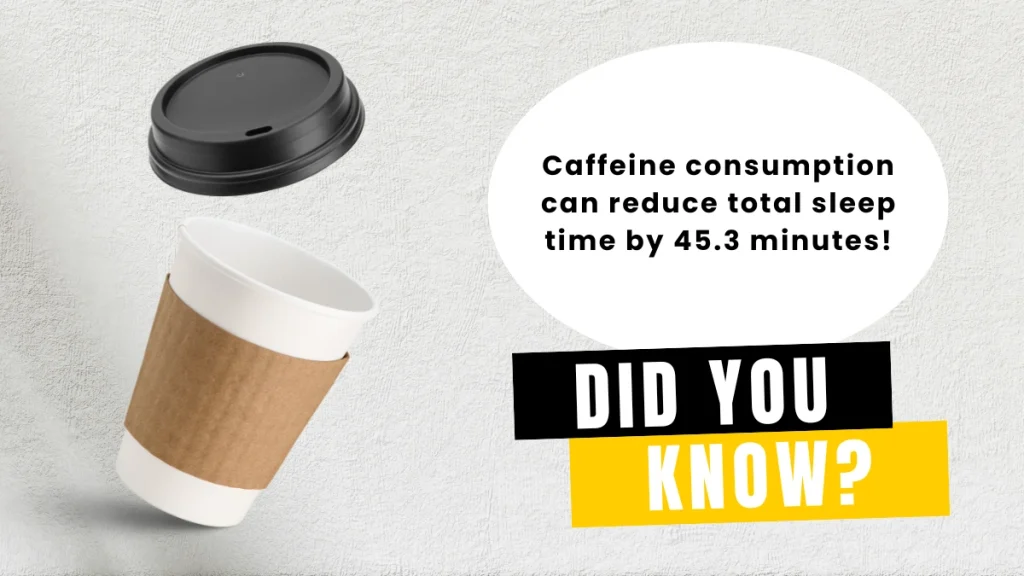
Caffeine is commonly found in:
- Coffee
- Soda
- Energy drinks
- Some teas
If you want a nice hot beverage in the evening, try caffeine-free tea; some can also help promote better sleep, such as chamomile tea.
4. No Screen Time Before Bedtime
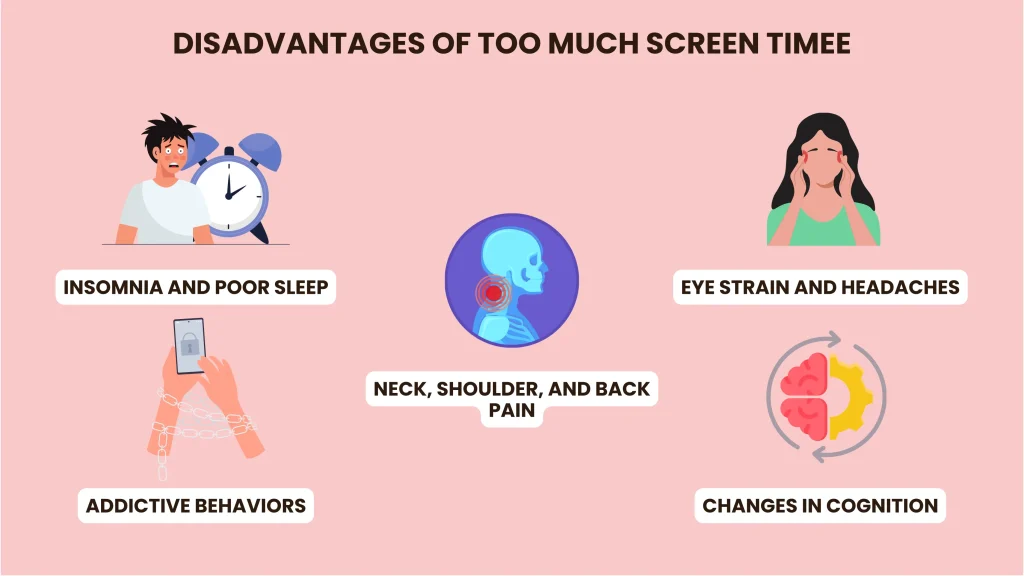
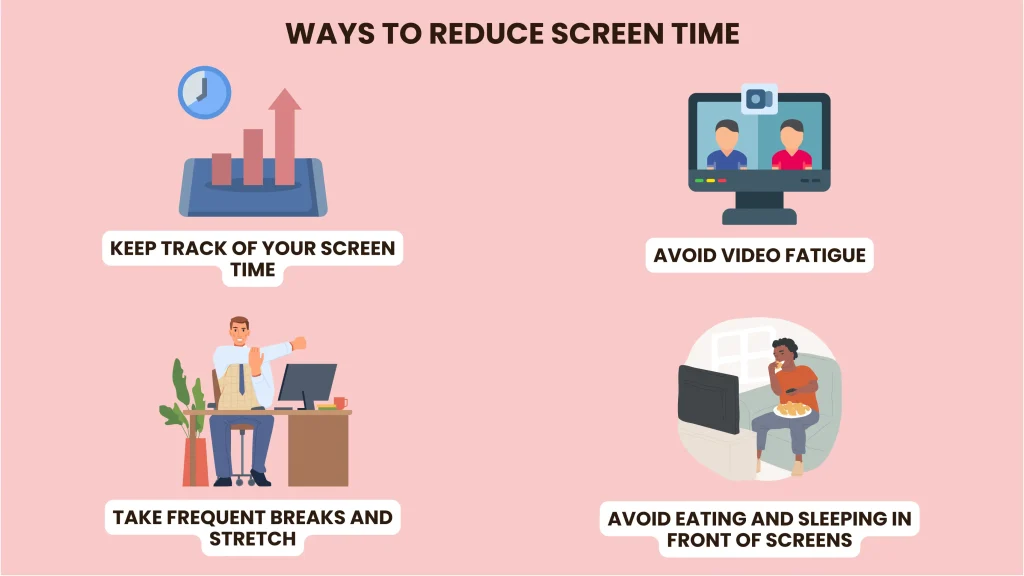
It is very tempting to lie in bed and scroll through your phone or watch TV, but when it comes to how to fix sleep schedule, these devices actually make it harder for you to fall asleep. The best is to turn off your devices at least 30 minutes before you head to bed. Because complete darkness is optimal for sleeping, it makes sense to eliminate light, especially blue light, right before bed.
5. Do Physical Exercises
Research has shown that exercising regularly can significantly help with sleep. A study [National Institutes of Health] showed that resistance exercises can improve all aspects of sleep, especially the quality of sleep. But don’t worry, you don’t need to do intense or extremely tiring exercises to achieve these benefits.
Even just taking a walk can provide these benefits; however, the timing of your workouts is also very important. Although it may make sense, it is recommended not to workout vigorously before bedtime. If you prefer exercising in the evening, make sure you finish at least an hour before you go to sleep.
6. Supplements for Better Sleep
| Product | Link |
|---|---|
| Nature Made Melatonin 10mg per serving Gummies | Buy on Amazon |
| DR. EMIL NUTRITION EZ Doze Plus Natural Sleep Aid with Melatonin, L-Theanine, GABA & 5HTP | Buy on Amazon |
| OLLY Sleep Gummy, Occasional Sleep Support, 3 mg Melatonin, L-Theanine, Chamomile, Lemon Balm, Sleep Aid, Blackberry | Buy on Amazon |
Your body naturally makes a hormone called melatonin when in darkness. This hormone helps us fall and stay asleep, but sometimes, our bodies do not produce an adequate amount of it. Which is why when looking at how to fix sleep schedule melatonin supplements are recommended.
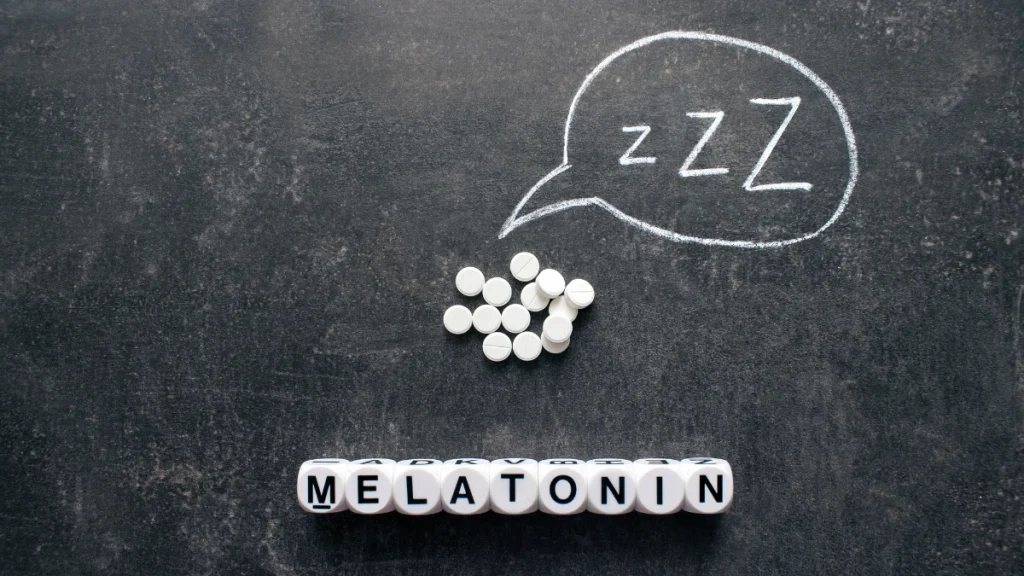
It is important to first consult your healthcare provider before trying them, as although they are safe for the majority, it is always wise to make sure a new medication is right for you. Pregnant and breastfeeding women should not take melatonin supplements, and some people may experience allergic reactions.
7. Lower Bedroom Temperature
Your circadian rhythm not only regulates your sleep cycle but also affects body temperature. Our core temperature rises during the day and drops at night before we go to sleep. Research says that a room’s temperature is linked to sleep regulation. When our body temperature is low, we tend to feel sleepy, which is why lowering your room temperature can help you fall asleep better.
A study conducted in 2019 [National Library of Medicine] showed that sleeping in a hot room of around 96.8°F to 100°F was associated with bad quality sleep. The study participants reported that they slept less and had a more shallow sleeping experience in the hot temperature. The preferred room temperature for better sleep is 60°F to 65°F.
8. Create a Bedtime Routine
Creating a good bedtime routine has many sleep health benefits, such as being a great opportunity to wind down from the day. It also establishes psychological cues that tell our body it’s nearing sleep time. Having a routine can also be a good way to get in some self-care; consider working on a skincare regimen, reading some chapters of a novel, or having a nice cup of tea.
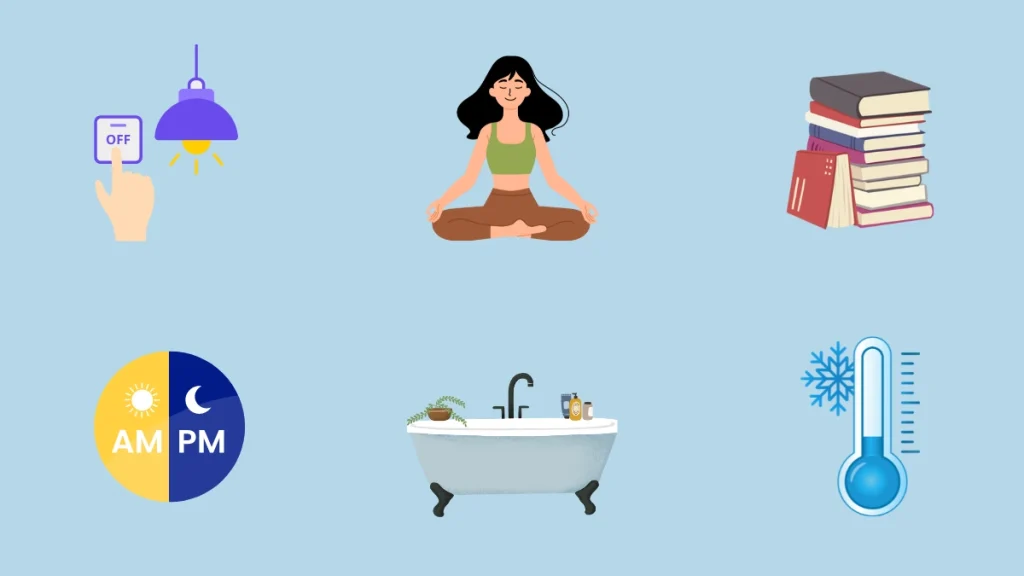
More tips for creating a soothing sleeping routine:
- Changing into your pajamas – This can help signal to your brain that it is rest time and can also help you feel in the mood to sleep.
- Dimming or turning off lights – As mentioned, sleeping in darkness can improve overall sleep quality and help your body regulate its sleep cycle.
- Try a fan – This can be beneficial for two main reasons: it creates white noise and keeps you cool at night, which is helpful for sleep regulation.
- Calming activities – Studies [Sleep Foundation] show that calming practices such as meditation or listening to calming music can help improve sleep.

Conclusion
Suppose you’re tired of the effects of staying up late. In that case, there are many different ways to help regulate your sleep cycle, such as light therapy, limiting screen time before bed, doing exercises, lowering bedroom temperature, and creating a calming bedtime routine. There are also melatonin supplements that can help improve falling asleep as well as sleep quality. However, it is important to consult a doctor beforehand.
By following these tips, you are sure to learn how to train your brain to sleep better!
FAQ’s:
Why is it so hard to fix my sleep schedule?
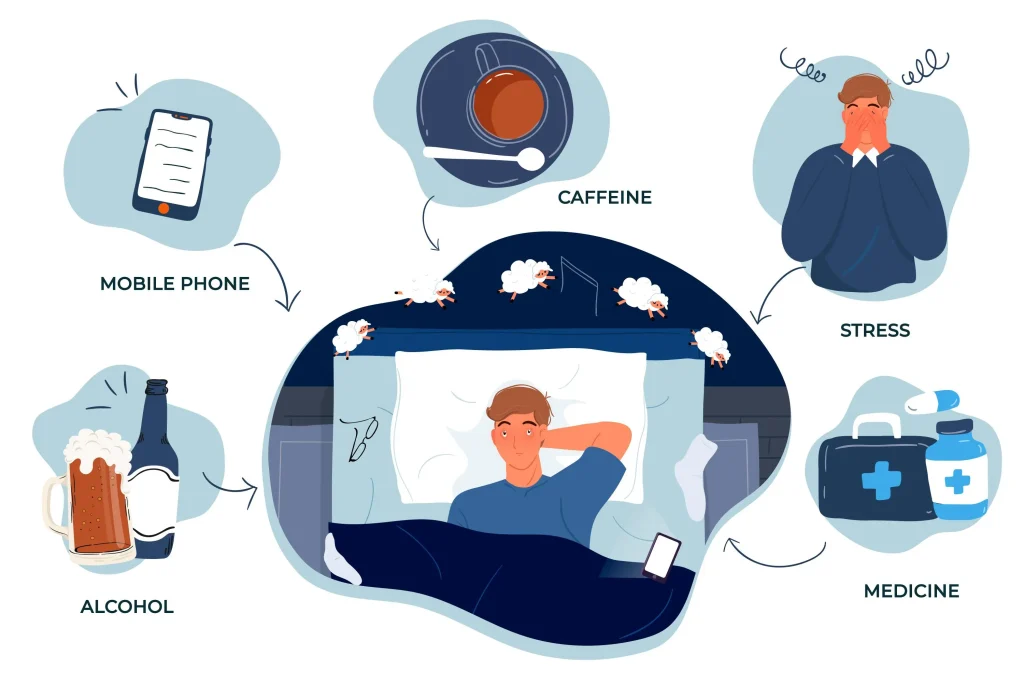
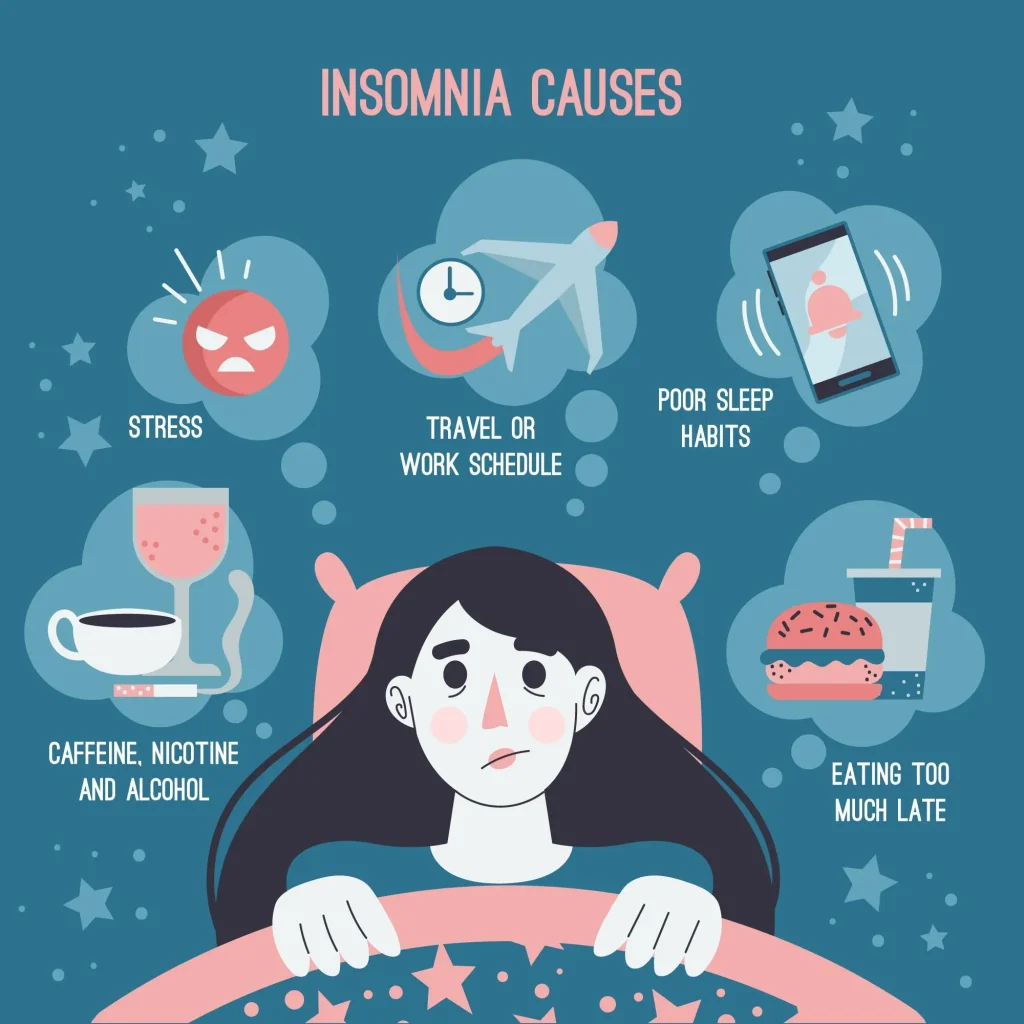
Many reasons can affect your sleep schedule, such as shift work, too much blue light at night, too much sunlight during the day, jet lag, stress, poor sleep environment, and exercising too close to bedtime.
How to fix sleep schedule naturally?
> Get Some Early Daylight
> Change Your Bed and Wake Time
> No Caffeine in the Late Afternoon
> No Screen Time Before Bedtime
> Do Physical Exercises
> Supplements for Better Sleep
> Lower Bedroom Temperature
> Create a Bedtime Routine
What are the long-term consequences of sleep deprivation?
Long-term effects of sleep deprivation are increased risk of chronic disease, weight gain, higher blood pressure, brain impairment, poor quality of life, depression, anxiety, and increased pain sensitivity.
How can I develop better sleep habits?
Some sleep hygiene tips include staying consistent, waking up at the same time every day, including weekends, avoiding blue light at night, not drinking caffeine before bedtime, creating a solid nighttime routine, and sticking to it every night.
Why do I stay up all night for no reason, even when I’m tired?
Here are some reasons you could be staying up late:
> Poor sleep hygiene/habits
> Irregular circadian rhythm
> Potential sleep disorder
> Struggling with mental health problems
> Inconsistent work or life schedule
> Consuming too much caffeine










 You’ve undoubtedly felt the impulse to dance or sing along when you hear music. It dramatically affects both the body and the mind regarding physiology and psychology. It also stimulates the immune system, causes the release of hormones, and modifies heart rate and breathing patterns. However, the fact that various rhythms, tempos, and melodies have distinct effects makes music such a potent tool.


 It would help if you chose a musical genre suitable for you to use
  What research has shown about the benefits of relaxing sleep music on sleep is as follows:
 The following section discusses the top genres that are said to promote harmony. Make sure to include them in your next music before bed!
 Wrapping up, music is great for our bodies and minds. It’s good for our nerves and hormone systems. It can make workouts fun or help us sleep. Music can boost energy, comfort us, and even help us chill out. It’s good at lowering stress, enhancing peace, and aiding sleep, making it a real health-boosting buddy. With music you enjoy, you can take advantage of its healing powers for better sleep, mental wellness, pain relief, and dropping stress.
 Over the years, the idea of masculinity has changed a lot, thanks to all sorts of factors like culture, society, money, and politics. It’s important to remember that there’s no one-size-fits-all definition of what it means to be masculine. But if we look back, we can see how ideas about masculinity have shifted and been held up as ideals at different times in history.
 The media has a significant impact on how guys see their bodies. It always shows off these perfect, unrealistic standards that most guys can’t live up to. And you know what? It can mess with their heads. Seeing all these chiseled abs and flawless
  Society puts a lot of pressure on guys, especially when it comes to being “manly.” They’re expected to be tough, keep their feelings to themselves, and always be successful. And you know what? These expectations come from everywhere: family, friends, the media, you name it. Guys feel like they have to live up to these standards, or else they’ll be seen as weak or not good enough. They’re trapped in this box of what a man should be.
 The pressure society puts on men can mess with their heads and take a toll on their mental health. They feel like they have to be these tough, emotionless guys who never ask for help. They’re constantly trying to live up to this idea of what a man should be: strong, dominant, and never showing any weakness. But trying to meet these impossible standards can leave them feeling inadequate, anxious, and depressed. And you know what’s worse? Because guys think they can’t talk about their feelings or ask for help, they suffer in silence. They’re less likely to seek therapy or talk about what’s going on inside, which means conditions like
  Building a body positive image involves adopting healthy attitudes and behaviors toward one’s body. Here are some strategies to promote body positive image:
 So, to wrap things up, building a body positive image means questioning what society says is “normal,” being kind to ourselves, prioritizing our health overlooks, and hanging out with people who lift us. When we do these things, we’re on the path to feeling better about ourselves and accepting who we are.
 Eating disorders such as Anorexia vs Bulimia are serious
  Anorexia nervosa, commonly referred to as anorexia, is a complex and potentially life-threatening eating disorder characterized by an intense fear of gaining weight, a distorted body image, and severe restrictions on food intake. This condition can lead to extreme weight loss and a variety of severe health problems. Understanding the psychological and physical effects of Anorexia vs Bulimia is crucial for recognizing the challenges individuals face and the pathways to recovery.
 Bulimia nervosa, commonly known as bulimia, is a severe eating disorder marked by a destructive pattern of binge eating followed by purging behaviors aimed at preventing weight gain. Individuals with bulimia may consume large amounts of food in a short period, often in secret, followed by feelings of guilt or shame that lead to purging activities. Understanding the basics of bulimia, including its symptoms, causes, effects, and treatment options, is crucial for recognizing it and seeking help.
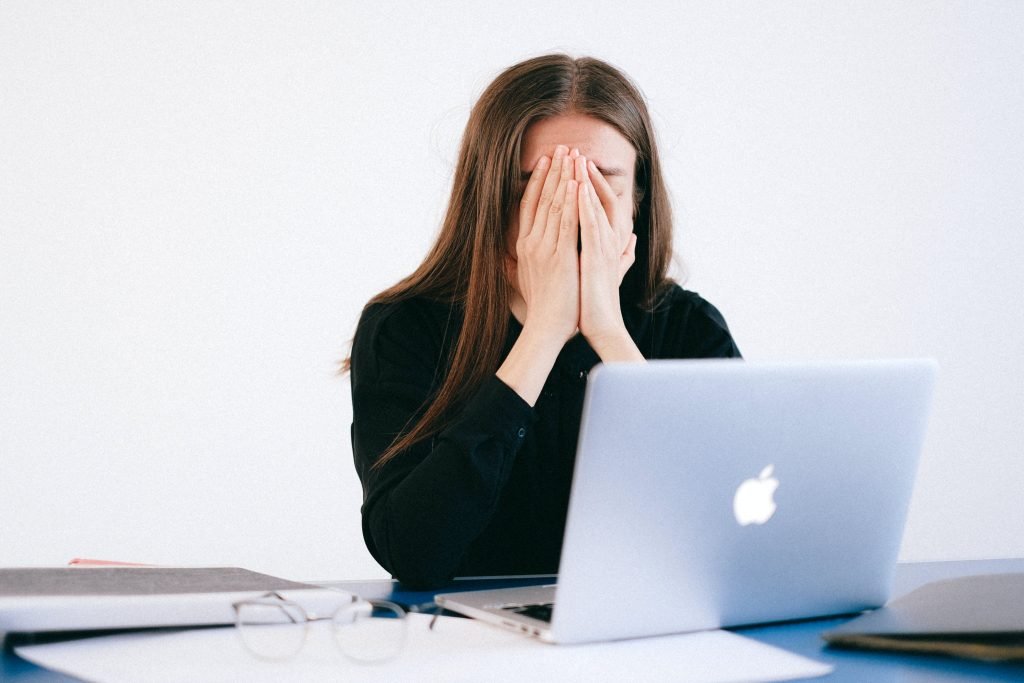 Anorexia nervosa and bulimia nervosa, while both are eating disorders, differ significantly in their psychological underpinnings, reflecting unique patterns of thought and behavior. Anorexia is often characterized by a profound need for control over one’s environment, body shape, and weight, manifesting as a relentless pursuit of thinness and perfectionism. Individuals with anorexia tend to display rigid thinking patterns, an intense fear of gaining weight, and a distorted body image, viewing themselves as overweight despite being significantly underweight. This need for control can stem from feelings of powerlessness in other areas of life, with the restriction of food intake as a means to exert control.
 Society’s fixation on thinness and specific beauty standards, heavily reinforced by media portrayals, plays a critical role in the prevalence and perpetuation of eating disorders. The omnipresent nature of idealized body images in television, magazines, social media, and advertising creates unrealistic and often unattainable standards of beauty and fitness. These images contribute to body dissatisfaction, distorted body image, and an unhealthy preoccupation with weight and appearance among individuals of all ages. Constantly exposing these ideals can trigger feelings of inadequacy, low self-esteem, and the belief that personal worth is tied to physical appearance. As a result, some individuals may turn to extreme dieting, binge eating, purging, and other
  Preventing eating disorders involves a comprehensive approach that includes early detection, education, and fostering a healthy relationship with food and body image. Key strategies encompass raising awareness about the signs and Symptoms of Anorexia and eating disorders among educators, healthcare providers, and families to facilitate early intervention. Promoting positive body image and challenging societal beauty standards are crucial to helping individuals develop self-esteem and body acceptance. Nutrition education that emphasizes healthy eating habits over dieting is vital. Additionally, teaching coping strategies for emotional resilience can prevent the use of disordered eating behaviors as a coping mechanism. Creating supportive environments that encourage open discussions about body image and


 What is obsessive compulsive disorder
 What is obsessive compulsive disorder – Recurring behaviors frequently carried out in accordance with a predetermined pattern or set of rules are referred to as compulsions. Compulsions can be emotional or physical (behavioral) (thoughts). Compulsions are frequently used to get rid of an obsessional fear, reduce the anxiety an obsessional thought causes, or because they “just feel right.”
 Obsessions and compulsions can interfere with social and familial interactions and take up a significant portion of a person’s day. They might also harm one’s ability to find work or pursue education.
 What is obsessive compulsive disorder: The underlying causes of OCD are not fully known. Regarding the causes of OCD, there are many theories, including: