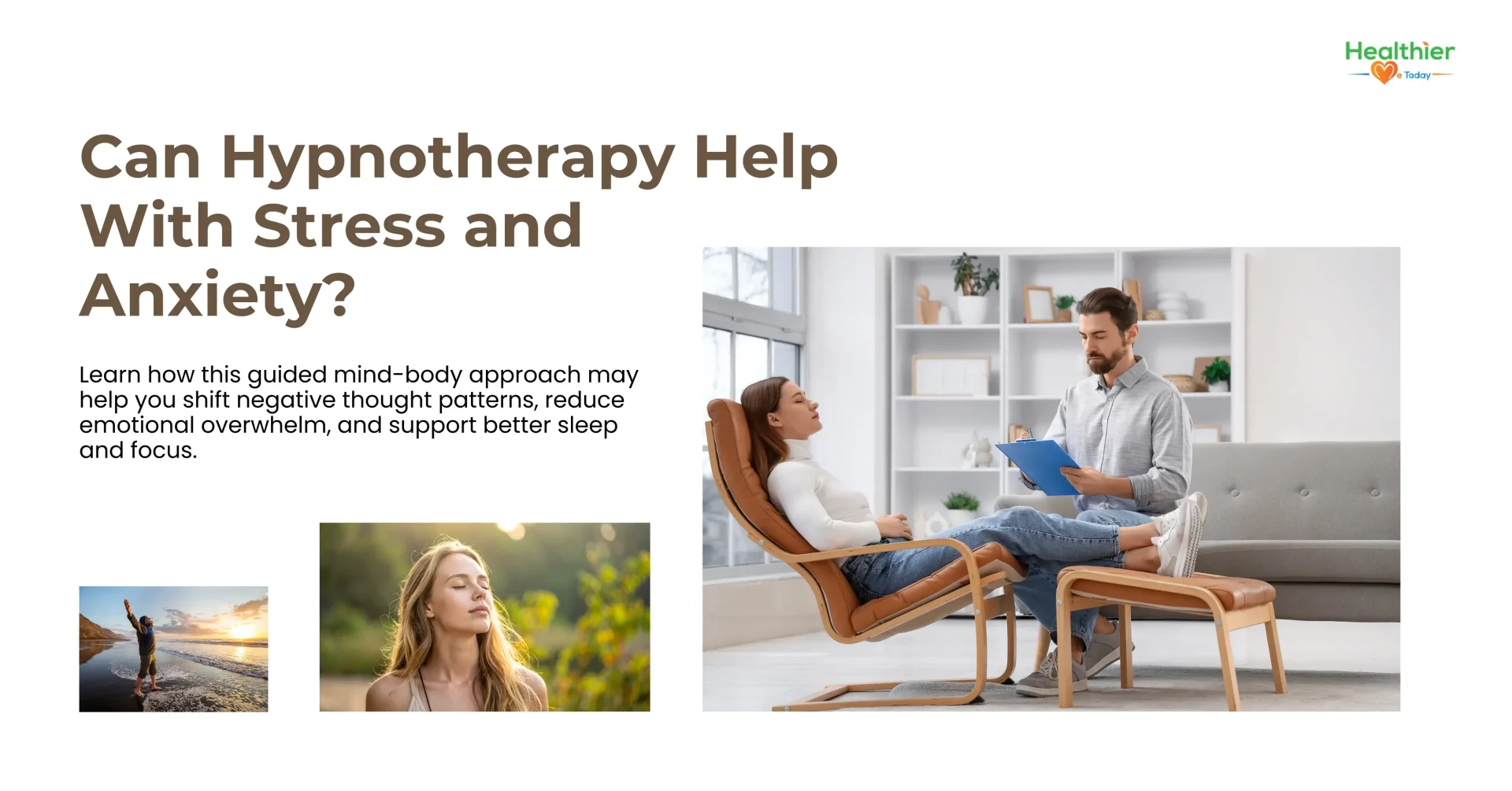
How Hypnotherapy May Help With Stress, Anxiety, and More

If you’ve been feeling overwhelmed, stuck in anxious thought loops, or mentally drained, no matter how much you rest, you’re not alone. Stress has a way of creeping into every part of your life, your sleep, your focus, and even your relationships. You may have tried breathing exercises, journaling, or even therapy, but still feel like something deeper needs attention. That’s where many people start exploring the benefits of hypnotherapy as a supportive mind-body approach.

In this guide, you’ll learn how hypnotherapy can help with stress, anxiety, and other emotional and physical challenges.

What Is Hypnotherapy?

Hypnotherapy is a guided technique that helps you enter a deeply relaxed, focused state so you can work through thoughts, emotions, or patterns that may be holding you back. You’re not asleep, and you’re not out of control. You’re calmer and more mentally open.

In that relaxed state, it becomes easier for you to shift negative thought patterns, reduce stress, and build healthier responses. Many people use it to support stress relief, anxiety management, better sleep, and confidence, making it a practical mind-body approach rather than something mysterious.

How Hypnotherapy Works

Understanding hypnotherapy treatment benefits starts with knowing how the process guides you into a relaxed, focused state. During a session, your hypnotherapist will use calming techniques, like soft guidance, breathing exercises, and focused visualization, to help you enter this state. You stay fully aware, but your mind becomes more open to suggestions that encourage positive changes in your thinking or behavior. Being in this relaxed state makes it easier to catch those negative thoughts and turn them around slowly. It helps you feel calmer, sleep a bit better, and handle life’s ups and downs without feeling so weighed down.

Benefits of Hypnotherapy

Benefits of Hypnotherapy

The hypnotherapy benefits go beyond just relaxation, helping you handle stress, sleep better, and feel more in control of your thoughts and emotions. Let’s take a look at how it can positively impact different areas of your life.

  • Emotional

Hypnotherapy can help you get a clearer sense of your emotions and how they affect you. It is easier to notice and process feelings like frustration or sadness without letting them take over. Over time, it can help you feel steadier, in control, and emotionally grounded in your day-to-day life.

  • Intellectual

Hypnotherapy can help your brain feel less cluttered, making it easier to think clearly and stay focused. Problem-solving, remembering details, or staying on top of tasks feels simpler. It can give your mind a bit of a “reset,” helping you feel sharper, more alert, and confident in handling everyday challenges.

  • Social

Hypnotherapy can improve your social life by helping you feel calmer and more confident around others. When anxiety and self-doubt decrease, it becomes easier to start conversations, express yourself naturally, and feel comfortable in group settings. This can lead to more genuine connections and stronger relationships.

  • Physical

Hypnotherapy isn’t just about your mind; it can have real effects on your body, too. When you’re calmer and more relaxed, your muscles loosen up, tension eases, and you may notice fewer headaches or aches. You might even feel more energized and comfortable in your body, making everyday activities feel a bit easier.

  • Stress and Anxiety

Hypnotherapy for stress and anxiety helps you hit the “pause button” on your mind and body. It teaches you to notice anxious thoughts early and respond in a calmer, more controlled way. Over time, you may find stressful situations feel less overwhelming, leaving you with more peace of mind and a greater sense of control in your daily life.

  • Depression

Hypnotherapy for depression can help you shift negative thinking patterns and bring a more positive perspective. It offers practical ways to feel lighter, more hopeful, and more motivated in your daily life. While it’s not a substitute for medical care, it can be a helpful tool to support your emotional well-being and give you a mental boost.

  • Sleep Problems

Hypnotherapy for sleep problems helps you calm your mind and release tension in your body, which can stop racing thoughts from keeping you awake. It makes falling asleep feel easier and helps you stay asleep longer. You’ll notice that you wake up feeling more refreshed and energized, and ready to tackle the day.

If you’d like to know if you should sleep naked, read this article!

  • Pain Management

Hypnotherapy for pain management helps you feel more in control when dealing with discomfort [med.stanford.edu]. Calming your mind and relaxing your body can make aches and tension feel less intense. You may find it easier to move around, focus on daily tasks, and feel less distracted by pain.

  • Habit Change

Hypnotherapy helps you gently change old habits and build healthier routines by training your mind to respond differently to triggers. Whether it’s eating better, exercising, or reducing hard-to-break negative behaviors, you start to notice patterns in your thinking and behavior. You can replace them with choices that support your goals, all without feeling forced or overwhelmed.

Risks of Hypnotherapy

Hypnotherapy is generally safe for most people, but it’s not completely without risks. Some people may notice mild hypnotherapy side effects that often go away on their own, and are generally nothing to be concerned about.

Here are a few side effects of hypnotherapy:

  • Feeling dizzy or lightheaded – You may feel a little dizzy after a session, especially if you stand up quickly [my.clevelandclinic.org]. 
  • Mild headaches – Some people get headaches as their minds and bodies adjust to a relaxed state.
  • Experiencing strong emotions – Sometimes hypnotherapy can stir up emotions you didn’t realize were there, like sadness or anxiety.
  • Vivid memories or thoughts – Sometimes, old memories come up during or after a session.

Now that you know what side effects might happen, you’ll know what to watch for, but there’s no need to be concerned; it’s all a normal part of the process.

How Effective is Hypnotherapy?

Research shows that hypnotherapy for mental health can be a helpful option for people dealing with stress, anxiety, and emotional pressure [pmc.ncbi.nlm.nih.gov]. During a session, the mind enters a calm, focused state, making it easier to reflect on thoughts and reactions that may otherwise feel automatic or overwhelming. In that relaxed state, people can begin to shift unhelpful thinking patterns and build healthier ways of responding to stress.

Some people notice changes after only a few sessions, while for others it takes a bit more time. Many say they start feeling calmer, sleep better, and handle everyday situations with less tension. Hypnotherapy can also support habit changes and confidence by helping people become more aware of the patterns that influence their behavior.

Hypnotherapy vs Psychotherapy

Hypnotherapy vs Psychotherapy

With psychotherapy (often called talk therapy), you sit down and talk through your thoughts, feelings, past experiences, and patterns [apa.org]. Over time, you begin to understand why you react the way you do, what triggers certain emotions, and how to manage them in a healthier way.

Hypnotherapy works a little differently. Instead of mainly talking things through, you’re guided into a calm, focused state where your mind becomes more open to positive suggestions and change. This can be especially helpful if you want to work on specific issues like habits, stress, fears, or confidence blocks.

Many people choose to combine hypnotherapy and psychotherapy to get the benefits of deeper understanding and faster change.

Can Hypnotherapy Help With Quitting Smoking?

If you’ve tried to quit smoking before, you know how difficult it can be. Hypnotherapy can be a helpful tool if you’re trying to quit smoking [webmd.com]. Hypnotherapy can help by guiding you into a relaxed, focused state, making it easier to rethink your relationship with cigarettes and manage cravings. You learn to replace old habits with healthier routines and reinforce positive choices, which can make quitting feel more achievable.

Which Hypnotherapy Apps Have the Highest User Ratings for Stress Reduction?

You don’t always need to see someone in person to benefit from hypnotherapy. You can use highly rated apps that offer guided relaxation and self-hypnosis on your phone [verywellmind.com]. Apps like Reveri, Harmony Self Hypnosis, Ultimate Hypnosis & Meditation, and HypnoBox use hypnotherapy techniques to reduce stress, calm anxiety, and improve focus. Each app has a different style, from AI-guided sessions to customizable modules.

Tools That May Support Relaxation During Hypnotherapy

Lifestyle Changes & Home Remedies

Using the right tools can make your hypnotherapy sessions feel even more relaxing and effective, helping you stay focused and get the most out of each session.

White Noise Machine

A white noise machine creates a calming background sound that helps to eliminate distractions. This helps you relax and maintain focus during hypnotherapy or meditation sessions.

Meditation Eye Mask

A meditation eye mask helps block out light and signals your brain that it’s time to relax. Using one can help you achieve a calm, focused state during hypnotherapy and remain fully present throughout your session.

End Your Suffering Guide

This guide helps you manage stress, anxiety, and emotional difficulties. It includes practical exercises, tips, and strategies for daily use. Using this guide with your hypnotherapy sessions can provide extra support and help you feel more in control of your mental well-being.

What to Expect During a Hypnotherapy Session

During a hypnotherapy session, you’ll usually start by chatting with your therapist about what you want to work on and any worries you might have. Then they’ll help you enter a calm, relaxed state using techniques such as deep breathing, gentle guidance, or visualizations.

Even though you’ll feel deeply relaxed, you’re fully aware and in control the whole time. It’s not about losing control; it’s about helping your mind focus so you can make positive changes more easily.

Conclusion: Supporting Your Mind and Emotional Balance

Exploring new ways to support your mental and emotional well-being can sometimes open the door to positive change. Hypnotherapy offers a calm, guided way to slow down, become more aware of your thoughts, and learn healthier ways to respond to everyday challenges.

While it may not replace professional medical or psychological care, many people use it as an additional tool to support personal growth and emotional balance. With the right guidance and a willingness to engage in the process, hypnotherapy can become part of a broader journey toward feeling calmer, more focused, and in control.

Frequently Asked Questions

What problems can hypnotherapy treat?

Hypnotherapy can help with a variety of issues, especially those linked to your mind and habits. It’s often used for stress and anxiety, sleep problems, managing pain, breaking bad habits, boosting confidence, and easing fears. By working with your subconscious mind, hypnotherapy helps you make lasting changes and tackle challenges in a way that feels natural.

Is hypnotherapy really effective?

When it comes to hypnotherapy effectiveness, many people notice real benefits, especially for managing stress, anxiety, and improving focus. How well it works depends on what you’re hoping to achieve and how your mind responds to hypnosis, but consistent sessions often help you feel calmer, more in control, and better able to handle daily-life challenges.

What is the success rate of hypnotherapy?

The success of hypnotherapy varies depending on the issue and your willingness to try it. Studies show success rates of 60% to 80%. It works best when paired with healthy habits or other treatments.

What happens to the brain during hypnotherapy?

During hypnotherapy, your brain relaxes and quiets down, helping you focus without feeling stressed or distracted. In this calm state, it’s easier for you to notice your thoughts and emotions, and even gently shift habits or reactions that might be holding you back.

Who is not suitable for hypnotherapy?

Hypnotherapy is generally safe, but it might not be right for everyone. People with certain mental health conditions, like severe psychosis or uncontrolled epilepsy, should avoid it unless cleared by a healthcare professional.
Simple Anxiety Relief Strategies That Work for Men

Anxiety has a way of creeping into daily life when you least expect it, turning even simple tasks into heavy mental challenges. Many men experience it as constant overthinking, lingering tension, or the pressure to keep pushing through without slowing down.

This guide helps men understand what is anxiety, how to recognize the signs, and what practical steps can be taken to manage stress and find real relief.

What Is Anxiety?

Anxiety is your body’s natural alarm system. It’s a way of telling you that something needs your attention, even if the threat isn’t real or immediate. You might notice it as racing thoughts, restlessness, tension, or a feeling of always being on edge.

When you think about it, anxiety explained simply, is just a mix of emotions, physical sensations, and mental chatter that’s meant to protect you. Most of the time, it helps you respond to challenges, but sometimes it can go into overdrive, making everyday life feel much more complicated than it needs to be.

While everyone experiences anxiety at times, it only becomes a concern when it starts interfering with your daily life. Understanding this is the first step to taking back control.

What Anxiety Feels Like for Men

What Anxiety Feels Like for Men

Anxiety can show up in different ways, but for many men, it often feels like a constant tension you can’t shake, racing thoughts, and a sense of being “stuck” in your own mind. You may find yourself overthinking even simple situations.

It’s also common to feel frustrated, irritated, or even embarrassed, especially since society often expects men to “tough it out” rather than show vulnerability. Experiencing these feelings isn’t a weakness. It’s your mind and body signaling that it’s time to pay attention and take care of your mental health.

Anxiety Symptoms in Men

Early Signs and Common Symptoms of Depression

Knowing the signs of anxiety disorder is crucial. Symptoms can be mental, emotional, or physical, and they can appear in subtle ways. Men often experience anxiety differently from women, with some signs being less obvious.

Mental Symptoms of Anxiety

Anxiety often begins in the mind, influencing your thoughts, feelings, and the decisions you make each day.

Mental symptoms of anxiety can include:

  • Worrying a lot about work, family, or personal life.
  • Racing thoughts and overthinking situations can lead to anxiety.
  • Having trouble focusing or concentrating.
  • Feeling restless, irritable, or “on edge.”
  • Having trouble sleeping or waking up tired.

Recognizing these mental patterns is the first step to managing anxiety before it starts affecting your body and daily life. Embrace the power to transform those thoughts into positive outcomes.

Physical Symptoms of Anxiety

Anxiety doesn’t just affect your mind. It can also show up in your body. Men often experience a range of physical sensations when anxiety is present, and noticing these early can make a big difference.

Physical symptoms of anxiety in men include:

  • Increased heart rate or palpitations.
  • Muscle tension, headaches, or jaw clenching.
  • Shortness of breath or tightness in the chest.
  • Digestive issues like nausea or frequent bathroom trips.
  • Sweating, trembling, or dizziness.

Being aware of these physical signs can help you take action sooner, manage your anxiety more effectively, and prevent it from interfering with your daily life.

Anxiety vs Stress – What’s the Difference?

Stress and anxiety can feel very similar, but they affect you in different ways. Stress usually shows up as a reaction to something specific in your life, like a tight deadline, a money issue, or a big change. Once the situation is over, the stress often eases.

Anxiety, on the other hand, can linger long after the event is gone. You might feel tense, restless, or on edge even when there isn’t an obvious problem. It can create a constant background of worry, overthinking, or imagining worst-case scenarios, making it hard to relax truly relax.

Another difference is in your body’s response. Stress triggers short-term reactions, such as a racing heartbeat or sweaty palms, which usually fade once the situation passes. Anxiety, however, tends to have a longer-lasting impact. You might notice how anxiety affects the body through ongoing muscle tension, headaches, fatigue, digestive issues, or trouble sleeping. These physical effects can linger and quietly interfere with your daily life, long after the stressful moment has passed.

High-Functioning Anxiety in Daily Life

High-functioning anxiety in daily life can be hard to spot because you may seem calm, capable, and put-together to everyone around you [whiterivermanor.com]. Many men cope by overachieving at work, keeping a tightly controlled schedule, or staying constantly busy to quiet the anxious thoughts running through their mind. One of the first signs is realizing that slowing down feels uncomfortable, even during moments meant for rest.

Even when no one notices, this type of anxiety can quietly affect your sleep, focus, and relationships, clearly showing how anxiety affects everyday life. You might lie awake despite feeling exhausted, feel tense for no clear reason, or struggle to fully switch off mentally. Over time, that steady, low-level pressure can wear you down, even when you appear fully in control on the outside.

Because high-functioning anxiety often looks like discipline or productivity, many men write it off as normal stress. Paying attention to how your body and mind respond when you try to rest is a useful starting point. Small changes, like building in short breaks, loosening rigid routines, or addressing stress earlier instead of pushing through it, can help reduce the mental load before it starts to affect your health.

What Triggers Anxiety in Adult Men?

Understanding how anxiety and overthinking begin can help you recognize the moments when your mind starts racing.

Common triggers include:

  • Stress from work or uncertainty about your career.
  • Facing problems in your relationships or dealing with family duties.
  • Financial concerns and bills.
  • Major life changes, like moving or becoming a parent.
  • Health worries or chronic illness.

Anxiety Coping Strategies That Actually Help

Anxiety Coping Strategies That Actually Help

There are numerous ways to cope with anxiety.

Here are some approaches that work:

  • Mindfulness and meditation help you calm your racing thoughts and lower your stress.
  • Exercise helps reduce stress and supports mental health. Regular movement is important for your well-being.
  • Breathing techniques, such as deep breathing, help calm your nervous system when you feel anxious.
  • Writing down your anxious thoughts can help you better understand your feelings [positivepsychology.com]. 
  • Having daily routines can help reduce uncertainty and anxiety.

These anxiety coping strategies give you practical ways to regain control, step by step.

Tools That Can Support Anxiety Relief

Managing anxiety isn’t just about mindset and coping strategies; using the right tools can make the process easier and more effective.

Here are some helpful options you might consider:

These tools can complement your daily coping strategies, giving you extra support and helping you feel more in control of your anxiety journey.

Self-Help Books and Workbooks for Anxiety

Self-help books and workbooks can provide practical guidance and real strategies that actually help manage anxiety over time. They teach coping skills, show you how to recognize triggers, and help you build healthier daily habits.

Some of the top-rated options available online include:

  • The Anxiety and Phobia Workbook by Edmund J. Bourne – Focuses on understanding anxiety and phobias while offering step-by-step techniques to manage symptoms. 
  • Feeling Good: The New Mood Therapy by Dr. David D. Burns – This book helps you understand why some thoughts seem to pull you into anxiety or low moods, and gently guides you to see how your thinking patterns affect your emotions.
  • Managing Depression and Anxiety with CBT in 7 Weeks Workbook – A structured guide with exercises designed to challenge negative thoughts and support long-term anxiety relief.

While no book or workbook is a quick fix, using these resources consistently can give you real insight and tools to manage anxiety in daily life, complementing other coping strategies or professional support.

Wearable Devices That Track Stress and Anxiety

Technology can be a valuable tool for understanding your anxiety patterns and taking action early. Wearable devices give you real-time feedback on how your body responds to stress, helping you notice patterns and make small adjustments before anxiety escalates.

Some popular options include:

  • Smartwatches that monitor heart rate changes.
  • Fitness trackers that check how well you sleep and how stressed you are.
  • Apps that help you with mindfulness exercises and relaxation techniques.

While these devices won’t eliminate anxiety on their own, they can provide real insight into your body’s responses and support your overall coping strategies. Using them alongside workbooks, therapy, or other techniques can make managing anxiety more practical and effective in daily life.

Do Men Need Therapy for Anxiety?

It’s common to wonder if changing your daily habits is enough to manage anxiety. While habits like regular exercise, mindful routines, and structured daily schedules can help, therapy provides focused support that addresses the root causes of anxious thoughts.

Cognitive-behavioral therapy (CBT), for example, helps you understand why anxiety shows up, notice patterns of overthinking, and use practical strategies that actually work in everyday life [ncbi.nlm.nih.gov]. Combining therapy with lifestyle changes can make managing anxiety more effective, helping you break cycles of tension, high-functioning anxiety, and constant mental stress.

When to Seek Extra Support for Anxiety

Sometimes, anxiety needs extra attention. 

Consider reaching out for professional help if you notice:

  • Anxiety interfering with work or relationships
  • Panic attacks or intense physical symptoms
  • Persistent sleep disturbances
  • Feeling unable to manage worry or overthinking on your own

Support can come from therapists, virtual support groups, or anxiety management programs.

Conclusion: Take Control of Your Anxiety

Managing anxiety as a man doesn’t mean you have to “tough it out” or push through alone. Pay attention to your mind and body. Notice what makes you feel anxious and find practical ways to cope that work for you.

Remember, taking control of your anxiety isn’t about perfection; it’s about making consistent choices that support your well-being and give you back a sense of balance in everyday life.

FAQs

What are common anxiety symptoms in men?

Common anxiety symptoms in men include racing thoughts, overthinking, irritability, restlessness, tension, difficulty sleeping, and physical symptoms like headaches or rapid heartbeat.

Can anxiety cause physical symptoms in men?

Yes, anxiety can cause physical symptoms such as chest tightness, sweating, trembling, stomach issues, and muscle tension.

Are there specific anxiety relief techniques that work better for men?

Some techniques work well for men, but everyone is unique. Exercise, deep breathing, mindfulness, routines, and cognitive-behavioral strategies can help calm your mind and reduce tension. The key is to find what feels natural for you and combine approaches that fit your lifestyle for effective anxiety management.

Do men need therapy for anxiety, or are lifestyle changes enough?

While lifestyle changes help, therapy, especially Cognitive Behavioral Therapy, provides targeted tools to manage anxiety long-term and prevent high-functioning anxiety from becoming overwhelming.

Where can I find virtual support groups for anxiety?

Virtual support groups can be found through online therapy platforms, mental health organizations, and social media communities focused on men’s mental health. 

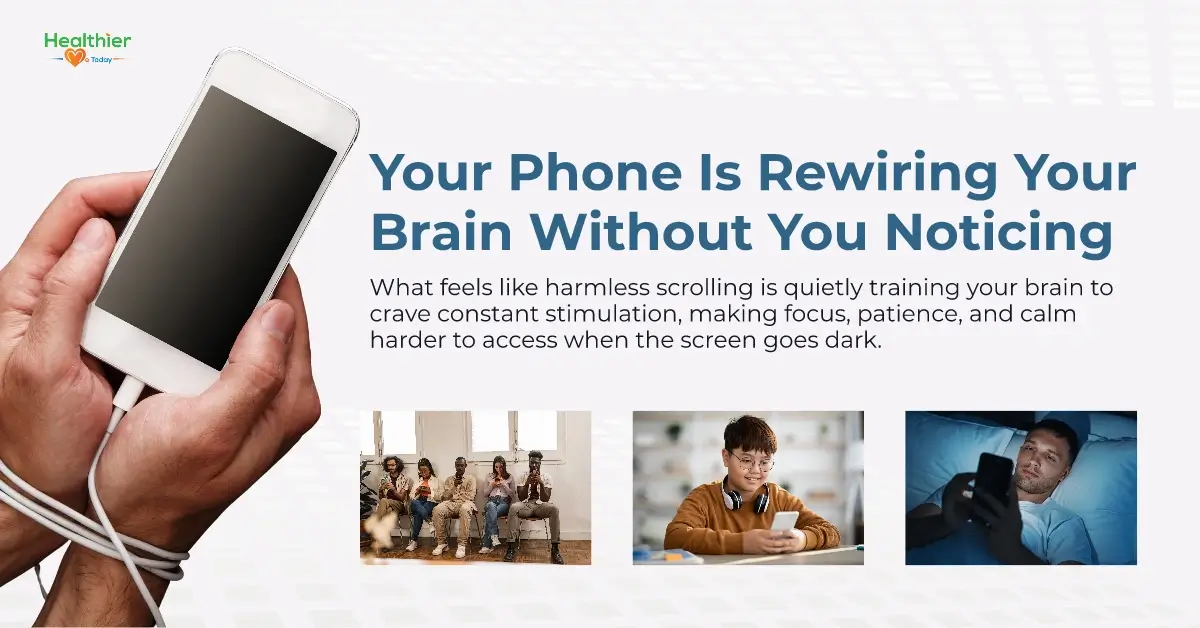
The Truth About Phone Addiction (And How It Hijacks Your Brain)

You probably didn’t plan to pick up your phone just now. It happened automatically, a quick check that turned into scrolling, tapping, and losing track of time. If that feels familiar, you’re not imagining it. Phone addiction changes how your brain reacts to boredom, stress, and even silence.

Researchers estimate that phone addiction affects millions of people worldwide, not just heavy social media users. It quietly reshapes how your brain releases dopamine, the chemical linked to motivation and reward. Over time, your brain starts craving fast digital stimulation and struggles with focus, patience, and calm when the phone isn’t nearby.

In this guide, you’ll learn why phones are so addictive, who is most at risk, and what’s actually happening inside your brain when phone use starts to feel uncontrollable. Most importantly, you’ll discover simple, realistic ways to take back control, without giving up your phone entirely.

Why Phones Are So Addictive

Your phone isn’t just a tool. It’s a constant stream of small rewards. Every message, notification, or like triggers a brief surge of dopamine, similar to the feeling of winning a small prize. These quick hits train your brain to keep checking, even when nothing important is happening.
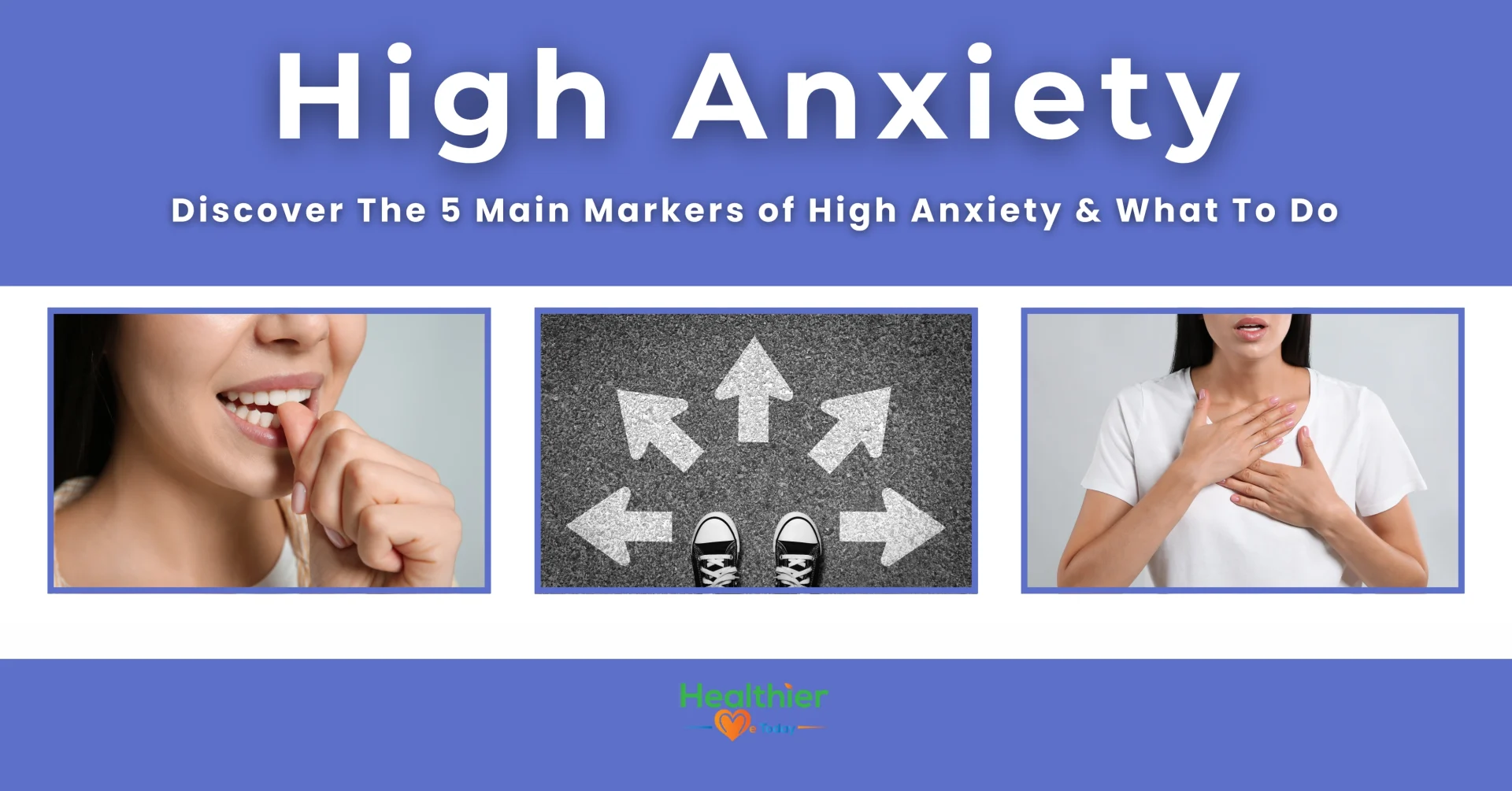
For many people, daily phone use now averages several hours a day. Over time, this constant stimulation can affect areas of the brain responsible for decision-making, emotional regulation, and attention. When those systems are overstimulated, being offline can feel uncomfortable, boring, or even stressful.

That’s not a personal failure. Social platforms and apps are designed to hold your attention for as long as possible. Endless feeds, autoplay videos, and unpredictable rewards keep your brain locked into a cycle of anticipation and reward. Understanding this design is the first step toward breaking the pattern and using your phone intentionally, instead of instinctively.

Who Is at Risk of Phone Addiction?

Who Is at Risk of Phone Addiction

Phone addiction doesn’t affect everyone in the same way. Some people can scroll for a few minutes and put their phone down without much thought, while others feel distracted, uneasy, or restless when their phone isn’t nearby. Certain habits, environments, and personal factors make it more likely for phone use to shift from casual to compulsive, which is why some people struggle more than others.

They are:

  • Young people: Teens and young adults under 20 often lack self-control. Many people keep their phones on all night, with 70% of them sleeping next to them.
  • Women: Social apps like Instagram draw women in, boosting dependence. They often spend more time connecting online than men.
  • Mental health struggles: If you’re anxious, depressed, or lonely, you might use your phone to feel better, but it can backfire.
  • Social pressure: Seeing everyone else glued to their phones makes it feel normal to overdo it. It’s hard to unplug when it’s all around you.
  • Boredom: Phones are an easy escape when you’re bored. Scrolling feels like instant fun, pulling you in.

Smartphone addiction can also look different depending on culture, lifestyle, and how phones are used day to day. In some countries, social media platforms drive the majority of screen time, encouraging constant checking and online interaction. In others, mobile gaming and entertainment apps are more likely to keep users hooked for long stretches. These differences matter because they shape how habits form and which groups are most affected, reinforcing that phone addiction isn’t just about individual behavior, but also the digital environments people are immersed in [statista.com]. 

How Does Phone Addiction Affect You?

How Does Phone Addiction Affect You

Phone addiction can mess with your life in ways you might not expect. 

Here are 10 ways it affects you, along with tips to manage each one:

1. Increases Anxiety

Too much phone time makes you feel nervous and on edge. Every notification buzzes your brain, pushing you to check right away. Seeing perfect lives on social media, especially for teenagers, can make you feel like you’re not enough. 

2. Depression Symptoms

Spending hours scrolling can leave you feeling sad, especially if you’re young. Comparing yourself to flawless online lives can make you feel like you’re missing out, hitting teen girls extra hard with unrealistic standards. 

3. Affects Sleep Quality

Your phone’s screen can keep you awake by blocking the chemical that helps you sleep. Approximately 60% of young adults take their phones to bed, checking apps late at night, which leaves them tired and grumpy [pmc.ncbi.nlm.nih.gov]. 

4. Distracts Your Focus

Alerts from your phone break your focus, making it hard to stick to tasks. Students often see their grades drop because they’re scrolling instead of studying, with 50% admitting that their phones distract them in class [panoramaed.com]. Silence alerts during work or study time to stay on track and get things done.

5. Feelings of Loneliness

Phones can make you feel lonely by cutting real-life connections. You spend less time with friends or family, and online chats don’t feel the same. Social media can leave you feeling left out. 

6. Creates Risky Behaviors

Screen addiction can lead to risky choices, like texting while driving, which boosts crash risks by 23% [pmc.ncbi.nlm.nih.gov]. You might overshare online or ignore safety to check your phone. 

7. Causes Eye Damage

Excessive phone use can cause eye strain or dryness. Staring at screens for hours can lead to discomfort for many users, especially after prolonged sessions. 

8. Strained Relationships

Your phone can stress your relationships by pulling you away from loved ones. Constant checking during conversations can make people feel ignored, straining relationships. 

9. Decreases Self-Esteem

Addiction to phones can lower your self-esteem. Seeing curated lives online can make you doubt yourself, especially when likes or comments seem to be a measure of your worth. 

10. Avoiding Tasks

Overusing your phone can make daily tasks feel harder. You might skip chores or work because you’re lost in apps, which adds to your stress. 

6 Tips to Build a Healthier Relationship with Your Phone

6 Tips to Build a Healthier Relationship with Your Phone

  1. Turn off non-essential notifications Not every app deserves your attention. Social media, shopping apps, and games are designed to pull you back in with alerts that feel urgent but usually aren’t. Turning off non-essential notifications reduces constant interruptions and helps your brain settle instead of staying on high alert all day.
  2. Create phone-free moments in your day – You don’t need to quit your phone completely to feel better. Start small by choosing specific times to put it away, like during meals, the first 30 minutes after waking up, or before bed. These breaks help your mind reset and make it easier to be present without feeling deprived.
  3. Move distracting apps off your home screen – Apps you see first are the ones you use most. Moving social media or entertainment apps off your home screen, or into folders, adds a small pause before opening them. That pause is often enough to break automatic scrolling and help you choose more intentionally.
  4. Use screen time tools as awareness, not punishment Built-in screen time reports can be useful when you treat them as information, not rules. Checking where your time goes helps you notice patterns, like scrolling more when you’re tired or stressed, so you can adjust habits without guilt or pressure.
  5. Replace scrolling with a simple alternative Phones often fill moments of boredom or discomfort. Having a few easy alternatives ready, like stretching, stepping outside, reading a few pages, or listening to music, makes it easier to reach for something healthier instead of defaulting to your phone.
  6. Set boundaries around sleep – Keeping your phone out of reach at night can improve sleep quality and reduce late-night scrolling. Charging it outside the bedroom or placing it across the room helps your brain wind down and makes mornings feel calmer and more focused.

If self-control feels hard, especially during work hours or before bed, a timed phone lock box can help. You place your phone inside, set a timer, and remove the option to check it impulsively. This works well for focused work sessions, family time, or winding down at night when scrolling becomes automatic.

Conclusion: Can You Kick Phone Addiction?

Phone addiction is a real issue, but it doesn’t mean your phone is the enemy. The problem starts when phone use becomes automatic and starts affecting your focus, sleep, mood, or relationships. As you’ve seen throughout this guide, phones are designed to keep your attention, which makes slipping into unhealthy patterns easier than most people realize.

The good news is that change doesn’t require extreme rules or giving up your phone entirely. Small, intentional choices, like setting boundaries around when and how you use your phone, creating phone-free moments, and paying attention to your habits, can make a meaningful difference over time. With consistency, your phone can become a helpful tool again, rather than something that controls your day.

Start where you are, take it one step at a time, and focus on progress, not perfection!

If you want to understand your phone use patterns more deeply and work through them step by step, a guided workbook can help. Resources like The Phone Addiction Workbook focus on identifying triggers, building awareness, and creating healthier routines around technology over time.

FAQs

Why do I feel anxious without my phone?

Feeling anxious without your phone, called nomophobia, comes from cell phone addiction and its reward loops. Your brain craves notification hits, and being offline feels like withdrawal. Try leaving your phone behind for short periods to ease this feeling.

How can I reduce my screen time without deleting apps?

Set time limits with apps like Screen Time and mute non-essential alerts. Create phone-free zones, such as during meals, to stay in control. Checking apps at set times helps you cut back without losing access to them.

What are the first signs of digital dependency?

Early signs include checking your phone constantly, feeling anxious when it’s not nearby, losing time scrolling through it, and prioritizing your phone over tasks or people. These show that your cellphone might be taking over. Track your usage to spot these habits early.

How long should a digital detox last to be effective?

A 24 to 72-hour detox resets habits, but a week works even better. Regular breaks, such as phone-free evenings, help maintain low dependence on technology. Start with a short break to see how it feels.

Is it unhealthy to check your phone first thing in the morning?

Yes, it messes with your mood and focus. Notifications make you tense, starting your day with stress. Wait an hour after waking to check your phone for a calmer start to the morning.

What are healthier ways to cope with boredom instead of scrolling?

Try reading, walking, or chatting with friends in person. Hobbies like drawing or cooking can keep your mind busy without relying on screens. These activities lift your mood and fill your time with joy.

Can too much screen time affect brain development in teens?

Yes, heavy screen addiction cuts gray matter, which helps with decisions, and hurts impulse control in teens. About 30% of addicted teens show these effects [pmc.ncbi.nlm.nih.gov]. Limiting phone time helps protect their growing brains.

How do I retrain my brain to stop needing constant notifications?

Mute alerts and try grayscale mode to make your phone less tempting. Practice mindfulness techniques, such as deep breathing, to reduce your reliance on quick fixes. Add phone-free time slowly to build new habits.

What are the psychological effects of being online 24/7?

Constant online time boosts anxiety, depression, and loneliness while hurting focus and sleep. It also weakens real-life connections. Take breaks from your phone to feel more balanced and connected.

How can I build better habits around tech use?

If you’re dealing with phone addiction, start with one small change you can stick to, like putting your phone away during meals or charging it outside the bedroom at night. Use screen time tools to notice when you scroll the most, then replace that habit with something simple offline. Small, steady changes are easier to maintain and work better than strict rules.

The Meditation Guide People Use to Reduce Christmas Stress at Home

Are you finding it harder than usual to stay calm during the Christmas season?

You’re not alone. The holidays may look magical from the outside, but behind the twinkling lights and festive music, many people quietly carry stress, pressure, and emotional overload. December has a way of stirring up emotions, memories, expectations, and responsibilities all at once, leaving you feeling more drained than festive.

In this article, you’ll find effective meditation guides for reducing Christmas stress at home, offering gentle, easy practices to help you pause, breathe, and feel more grounded during the busy festive season.

Why Christmas Stress Is So Common

Why Christmas Stress Is So Common

Christmas is meant to feel joyful, yet many people experience the opposite. The pressure to make everything feel special, from family gatherings to carefully prepared meals and Christmas desserts, can quietly turn into stress as the season unfolds.

Some of the most common holiday triggers include:

  • Overspending or financial pressure
  • Meeting everyone’s expectations.
  • Busy schedules and crowded stores.
  • Travel or hosting duties.
  • Grief or loneliness around the holidays
  • Fatigue from nonstop planning

Meditation works by giving your mind a moment to pause and breathe. Instead of pushing through December feeling drained, many families turn to effective meditation guides for reducing Christmas stress at home to create small pockets of calm.

Early Signs of Holiday Overwhelm You Shouldn’t Ignore

One day you’re coping fine, and the next you feel tired, stretched thin, and wondering why the festive season doesn’t feel as joyful as it should. Recognizing these signs early gives you a chance to take a break, reset, and care for your mental well-being.

Here are some standard signals your mind and body may send you:

1. A Short Fuse or Irritability

When small things suddenly feel like a lot to deal with, it’s usually a sign that your stress levels are higher than you realize. If you find yourself getting irritated quickly or feeling overwhelmed by small frustrations, your mind is telling you that you’re running low on emotional energy and need a moment to reset.

2. Tension Headaches or Jaw Clenching

Your body often shows signs of stress before you realize it emotionally. Tight shoulders, a clenched jaw, or pressure around your temples are common ways tension builds up during busy or emotionally demanding moments. These sensations are early signs that your body needs a pause, even a few slow breaths, a brief stretch, or a conscious release of tension can help prevent stress from building further.

3. Avoiding Simple Tasks

When even the easiest tasks start to feel heavy or draining, it’s a sign that your mind is under pressure [helpguide.org]. Things you usually do without effort can suddenly feel like too much to handle. This is your brain’s way of protecting you by conserving energy when it feels overloaded or overwhelmed.

4. Feeling Guilty for “Not Doing Enough.”

The holidays often come with high expectations, which can make you feel like you’re not doing enough, even when you’re giving your best. If you start to feel guilty, it usually means the stress of the season is getting to you, not that you’re really failing.

5. Difficulty Sleeping or Restless Nights

You may fall asleep without trouble, but then wake up in the middle of the night with your mind racing, replaying plans, worries, or “to-do” lists. Restless nights like this are often an early sign that stress is building and that your body is struggling to relax fully.

6. Wishing the Holidays Would Just Be Over

If you notice yourself counting the days until the holidays are done, it’s often because you’re feeling worn down. Instead of enjoying this time, the plans and constant busyness can feel heavy. This is your mind and body asking for a break and some real rest.

By turning to effective meditation guides for reducing Christmas stress at home, you give yourself the space to notice these early signs, gently settle your nervous system, and stop stress from building into something heavier.

Meditation Techniques That Make Christmas Feel Instantly Lighter

Meditation Techniques That Make Christmas Feel Instantly Lighter

Even a few minutes of focused breathing or mindful movement can transform a stressful day into a calmer one [mindful.health]. These meditation techniques are gentle, approachable, and ideal for anyone looking to reduce holiday tension.

Here are a few easy and effective meditation guides for reducing Christmas stress at home:

  • The 4-4-6 Breath (Stress Reset in 2 Minutes) – Breathe in for 4 seconds, retain that breath for 4, and then breathe out for 6. This straightforward breathing method helps to calm your nervous system swiftly, even if you only have a short amount of time.
  • Candle Flame Focus – Sit comfortably, light a candle, and gently watch the flickering flame. Each time your mind wanders, bring your focus back to the light to calm racing thoughts and emotional tension.
  • “Let It Drop” Shoulder Release – Lift your shoulders as high as possible, hold them for a momet, then let them drop entirely. Do this several times to relieve physical tension and help your mind feel more at ease [paradigmtreatment.com].
  • Gift Wrapping – Focus on the texture of the paper, the sound of the scissors, and the movement of your hands as you wrap. If you don’t have a gift for the holidays yet, grab a box or something simple to work with for now. Shifting your attention to the process can turn gift wrapping into a mindful ritual that feels surprisingly calming.
  • Sound Bath – By closing your eyes and focusing on the sounds, you let the music “wash over” you, helping to slow down your thoughts, ease tension, and bring a sense of calm and presence.

These techniques are often featured in effective meditation guides for reducing Christmas stress at home, giving you quick ways to relax and bring more joy to your holidays.

Small At-Home Habits That Reduce Holiday Stress

Meditation becomes even more effective when paired with micro-habits that lower stress throughout the day.

Simple at-home habits to ease holiday stress and stay calm:

  • Create a Slow Morning Ritual – Wake up 10 minutes earlier. This way, you can start your day calmly instead of rushing into tasks.
  • Limit Christmas Noise – Step back from constant holiday chatter, loud music, or flashing lights. Even a few quiet moments can help you recharge.
  • Simplify Your To-Do List – Focus on the few things that truly matter, and give yourself permission to skip or delay the rest.
  • Set Boundaries With Family – You can be kind and caring while still protecting your own energy. Remember, you don’t have to do it all.
  • Take a Daily “Stillness Break” – Just 3-5 minutes of breathing or silence can help reset your mind and body.

These small habits amplify the benefits of effective meditation guides for reducing Christmas stress at home, helping you feel calmer, more present, and able to enjoy the festive season with ease.

Tools & Products That Support a Calmer Christmas Season

Tools & Products That Support a Calmer Christmas Season

These tools and products are designed to support your at-home relaxation routines by helping your body and mind unwind more easily. While they don’t replace meditation, they can make it simpler to slow down, release tension, and stay consistent with calming rituals during the busy holiday season.

Products to use with meditation and rituals for a calmer holiday season:

  • Life Sutra Work-Life Balance Affirmation Cards These affirmation cards help guide your thoughts in a calmer direction, especially during stressful mornings or busy days. Reading one card at a time can support mindfulness by encouraging intentional pauses, positive reframing, and emotional grounding before the day begins.
  • Foot Spa Bath Massager with Heat Heat and gentle massage can help relax tight muscles and signal to your nervous system that it’s safe to rest. Using a foot spa in the evening can ease physical fatigue after long days of shopping, standing, or hosting, making it easier to transition into a relaxed state.
  • 7 Chakra Crystal Tree of Life This decorative piece acts as a visual anchor during meditation or quiet moments. Having a calming focal point can help steady your attention, reduce mental distractions, and create a more peaceful atmosphere in your meditation space.
  • GEM Chill-Out Calm Bite This natural calming option is designed to support stress relief during moments of overwhelm. It can be especially helpful on hectic days when you need quick emotional grounding alongside breathing or mindfulness exercises.
  • Plant Therapy Tension Relief Roll-On This ready-to-use essential oil blend can be applied to pulse points to help release built-up tension. Aromatherapy works by engaging the senses, which can make relaxation techniques more effective when stress feels physical or immediate.

Simple Ways to Make Christmas Day Itself Less Stressful

By using a few thoughtful strategies, you can experience the day more fully, remain engaged with those you care about, and carve out moments of tranquility and happiness amid the festive rush, making the holiday feel more significant and less overwhelming.

Here are ways to make it calmer:

  • Start the Morning With a 5-Minute Grounding Meditation – Begin your day calmly before greeting anyone or starting tasks. Take a few minutes to focus your breathing and center your mind.
  • Delegate Without Guilt – Let others help with food, preparation, or cleanup. You’re hosting, not doing everything yourself.
  • Keep Meals More Simple Than Perfect – Focus on being together rather than perfectly shaped dishes. Memories are made from laughter and connection, not perfection.
  • Take Micro-Breaks During the Day – Steal a few moments to breathe deeply, stretch, or just pause quietly.
  • Release the Idea of a “Perfect” Christmas – The magic comes from the people and the moments shared, not from pressure or flawless execution.

Using effective meditation guides for reducing Christmas stress at home on Christmas morning itself makes a noticeable difference in your mood and energy.

Conclusion: Ending the Season With Peace, Not Pressure

Christmas doesn’t have to be a race you barely survive. With a few mindful practices, small daily habits, and the support of effective meditation guides for reducing Christmas stress at home, you can reclaim the season and actually enjoy it. Simple actions like taking a few slow breaths before a busy morning, creating quiet moments for reflection, or using calming tools that help your body relax can make a real difference.

When you slow down, breathe deeply, and give yourself permission to pause, the season begins to feel more meaningful, more peaceful, and far more magical.

FAQs About Effective Meditation Guides for Reducing Christmas Stress at Home

What are the 3 C’s of mindfulness?

The 3 C’s are Curiosity, Compassion, and Consistency.
Be curious about your feelings, gentle with yourself, and consistent with small practices.

What relieves stress and anxiety at home?

You can calm your mind easily without leaving your home. Start with meditation and deep breathing to help your nervous system relax. Taking a warm bath or shower can also ease both your body and mind. Listening to calming music creates a peaceful mood, and journaling helps you think through your feelings. Taking quiet moments for yourself, whether sitting, stretching, or just pausing, can greatly reduce stress and anxiety at home.

What reduces holiday stress quickly?

A quick two-minute breathing exercise, a short walk outside, or tensing and releasing your muscles can calm your body and mind almost instantly, helping you feel more relaxed during busy holiday moments.

What helps with feeling overwhelmed?

When life feels overwhelming, try breaking tasks into smaller steps. This can make them seem less scary. It’s important to say no sometimes and to take time to rest to keep your energy. A short guided meditation or a few quiet moments can help calm your mind and restore your sense of peace.

What are the warning signs of stress?

Key warning signs include irritability, fatigue, tension or headaches, poor sleep, forgetfulness, feeling emotionally heavy, and being easily overwhelmed. By recognizing these signs early, you can take steps to manage stress before it worsens.

The Different Types of Mental Health Issues (& How to Test)

Ever feel like your mind’s all over the place, and you’re not sure if it’s just a bad day or something bigger? It’s tough to figure out what’s going on with so many types of mental health issues out there. About 1 in 4 people face a mental health challenge every year, often with minor signs you might miss.

Whether you’re a teen stressing over school, an adult juggling work and family, or noticing a friend acting off, knowing the types of mental illness can help. You might wonder what these issues feel like or how to check if they’re serious. This guide breaks down the primary mental health disorders, shows you how to spot them, and shares simple ways to take action.

You’ll understand the common mental health issues and how to start feeling better.

What Are Mental Health Issues?

A mental health issue, or mental illness, is a condition that changes how you think, feel, or act, making daily life harder. Unlike a bad mood that fades, these stick around for weeks, affecting 25% of people yearly. They’re caused by brain chemical imbalances (low serotonin hits 80% of cases), family history (if a relative had one, your risk doubles to 40%), tough events like a breakup, or health issues like diabetes.

common mental health issues

Stress, trauma, or substance use can also trigger them. Teens under school pressure, women with hormone shifts like pregnancy (50% more likely to struggle), or people with little support face higher risks. Knowing what sparks these different mental disorders helps you notice them early.

1. Anxiety Disorders

Anxiety disorders affect 30% of adults, making worry or fear take over. These include generalized anxiety disorder (stressing about grades or bills), panic disorder (sudden panic attacks with a racing heart), and social anxiety (dreading judgment at school or parties).

You might feel shaky or avoid places like crowds. Teens might obsess over homework, while women are twice as likely to face this due to hormones. Try slow breathing for five minutes or writing down what’s stressing you. If anxiety controls your days for weeks, therapy or meds can help.

2. Mood Disorders

Mood disorders mess with your emotions, hitting 20% of people with extreme lows or highs. Depression makes you feel sad or empty for weeks, while bipolar disorder swings you from high-energy bursts to deep lows. You might skip hobbies like gaming or feel too tired to get up. Teens might seem moody, while adults might struggle at work. These can be attributed to genetics, stress, or shifts in brain chemistry. A mood journal can show patterns. If emotions feel wild for weeks, counseling or meds can balance things.

3. Eating Disorders

Eating disorders disrupt eating and body image, affecting 9% of people, especially teens and young women [mayoclinic.org]. Anorexia is eating too little and fearing weight gain, bulimia involves binge eating then purging, and binge-eating disorder is eating lots without control. You might skip meals or feel guilty after eating.

They can cause weight changes or low energy and stem from stress or trauma. You might avoid family dinners; women might struggle during life changes. Try balanced meals and talking about body image stress. If eating’s chaotic for weeks, therapy can guide you.

4. Personality Disorders

Personality disorders make relationships and emotions hard, affecting 10% of adults. Borderline personality disorder brings intense feelings and rocky friendships, while narcissistic personality disorder means needing constant praise. You might overreact to criticism or struggle with friends [ncbi.nlm.nih.gov].

personality disorders

Teens might fight with family; adults might face work drama. These stem from difficult childhoods or genetic factors. Mindfulness or writing down feelings can help. If relationships have been chaotic for months, therapy can help build better connections.

5. Psychotic Disorders

Psychotic disorders blur what’s real, affecting 3% of people. Schizophrenia might make you hear voices or believe things that aren’t true, like someone’s out to get you. You might pull away from friends [medicarementalhealth.gov.au].

These typically begin in the late teens or early twenties, often due to genetic factors or stress. They’re less common but can disrupt school or work. Staying away from drugs and talking to a friend can keep you grounded. If thoughts feel off for weeks, meds or therapy can help.

Testing for Mental Health Issues

Checking for a mental health issue starts with spotting symptoms.

Here’s how to test:

Testing Method Description Benefits Considerations
Online Screening Quizzes, like a depression test, ask about mood or stress Fast, free, private; 5-10 minutes Not a diagnosis; needs follow-up
Doctor Visit Your doctor asks about symptoms and history Can diagnose; often insured Costs $50-$200 without insurance
Therapist Evaluation A counselor discusses your feelings Detailed; plans therapy Costs $50-$150; needs visits
Psychiatric Assessment A psychiatrist checks symptoms, may test medically Full diagnosis; can prescribe Costs $100-$300; may need referral
Self-Monitoring Track mood or sleep in a notebook Free; shows patterns Takes effort; not a diagnosis
Support Group Feedback Chat with others about shared struggles Free or cheap; builds community Not professional; group-dependent


These give a starting point, but a professional helps confirm and plan the next steps.

What to Do If You Spot These Issues

What to Do If You Spot These Issues

If you notice signs of these mental health disorders, you can act. Share how you feel with a friend, family member, or teacher to lighten the load. Therapy or meds help 70% of people improve [ncbi.nlm.nih.gov]. Try walking 30 minutes daily, eating healthy foods like vegetables, or breathing deeply to ease stress. Free resources, such as school counselors or community clinics, are great places to start. If helping a friend, listen without judging and suggest support. Small steps make a big difference.

Conclusion: Take Charge of Your Mental Health

You don’t have to miss the signs of mental health disorders. From anxiety disorders to psychotic disorders, these types of mental illness show up as worry, sadness, or odd thoughts. Anyone who is stressed might notice them more, but they can affect anyone.

Take tests like Healthier Me Today’s Free Online Mental Health Test, talk to a friend, or explore professional options. Steps like staying active or eating better can start a real change.

Ready Rocker HMT - For Back Pain

FAQ’s:

What are the different types of mental health issues?

The types of mental health issues include anxiety disorders, mood disorders, eating disorders, personality disorders, and psychotic disorders. They affect how you think, feel, or act, like worrying all the time or feeling sad for weeks. Keeping a notebook to track symptoms can help you figure out what’s happening.

What are the most common mental illnesses today?

The most common mental illnesses are anxiety disorders (30% of adults), depression (20%), and eating disorders (9%) [who.int]. They show up as constant stress, low moods, or unhealthy eating habits. A quick online test or a chat with someone can help you understand if these are affecting you.

How many types of mental disorders are there?

There are over 200 types of mental disorders listed in medical guides like the DSM-5, covering things like anxiety, depression, and schizophrenia. The number depends on how they’re grouped. Tracking your symptoms can help you narrow down what you might be dealing with.

What are the main categories of mental illness?

The main categories of mental illness are anxiety, mood, eating, personality, and psychotic disorders. They include things like panic attacks, mood swings, food struggles, relationship issues, or losing touch with reality. A counselor can help you figure out which category fits your symptoms.

What’s the difference between mood, anxiety, and psychotic disorders?

Mood disorders like depression cause long-lasting sadness or mood swings, anxiety disorders bring intense worry or fear, and psychotic disorders like schizophrenia lead to hallucinations or false beliefs. Each affects your emotions or sense of reality in different ways. Writing down symptoms can help you see which one might apply.

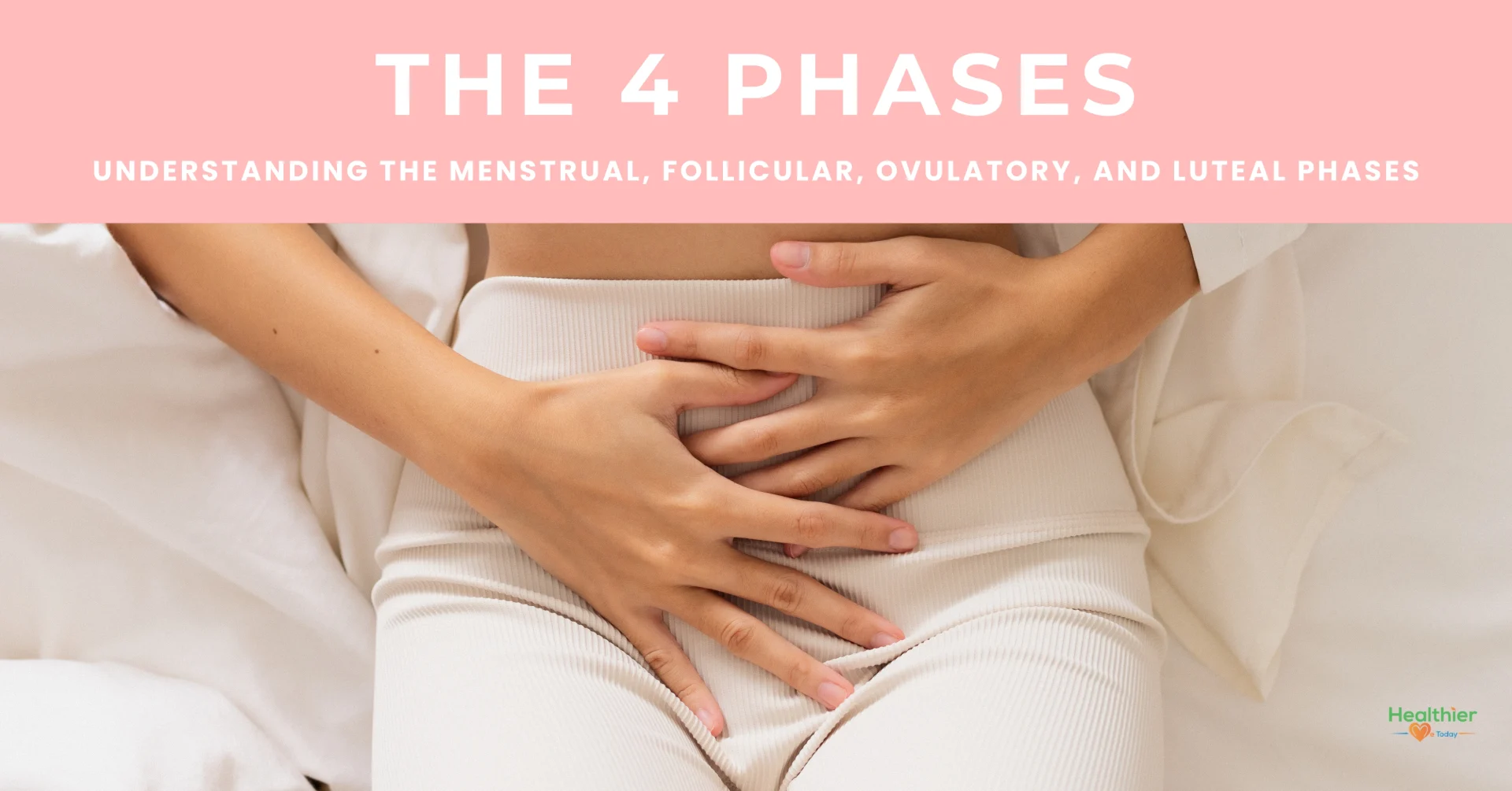
Unlock Your Cycle: The 4 Phases Every Woman Should Know

Feeling like your mood or energy is on a rollercoaster each month? The menstrual cycle phases might be the sneaky culprits, quietly shifting your vibe and hormones during menstrual cycles. These hormonal waves drive changes in about 80% of women, affecting everything from focus to fatigue.

Whether you’re curious about the menstrual cycle phases or wondering why you feel off, you’re in the right place. Here you’ll learn what they are, how they shape your mood, and practical ways to navigate them naturally.

So, let’s ride the hormonal wave and sort it out together!

What Is the Menstrual Cycle?

Your menstrual cycle is like your body’s monthly planner, prepping for pregnancy over 21 to 35 days, with 28 days as the average. It’s powered by menstrual cycle hormones, including estrogen, progesterone, follicle-stimulating hormone (FSH), and luteinizing hormone (LH), which fluctuate throughout the menstrual cycle phases.

Menstrual cycle phases

These hormones control ovulation and uterine changes, influencing your energy, emotions, and even productivity. Experts note that most women feel these shifts, from peppy highs to sluggish lows. Understanding the menstrual cycle phases helps you synchronize your routine with your body’s natural rhythm for a smoother experience.

4 Phases of the Menstrual Cycle and Moods

Each phase of the menstrual cycle affects your mood, energy, and focus in unique ways. Let’s break down the four phases, what’s happening, and how hormone levels throughout menstrual cycles shape your day-to-day vibe.

4 phases of menstrual cycle and moods

The four phases include:

Phase 1: Menstrual Phase (Days 1-5)

Your period kicks off this phase, shedding the uterine lining when pregnancy doesn’t happen. Low estrogen and progesterone can leave you feeling tired, crampy, or a bit down. You might crave cozy nights in. Try gentle yoga and iron-rich foods like spinach to boost energy and ease discomfort.

Phase 2: Follicular Phase (Days 1-13)

The follicular phase starts with your period and runs until ovulation. FSH sparks follicle growth in your ovaries, ramping up estrogen [my.clevelandclinic.org]. Follicular phase moods often feel upbeat, with a surge of energy and clear thinking, perfect for tackling projects or hitting the gym. Protein-packed foods like eggs keep you fueled for this lively phase.

Phase 3: Ovulatory Phase (Days 14-16)

Ovulation occurs mid-cycle, triggered by a surge in LH and estrogen, which releases an egg. You might feel bold, social, or ready to conquer your to-do list. This phase is your productivity peak. Munch on berries for antioxidants and drink plenty of water to support your body’s hormonal high.

Phase 4: Luteal Phase (Days 15-28)

The luteal phase, or “week before period phase,” follows ovulation. Progesterone rises to prepare your uterus, but drops if no pregnancy occurs. Luteal phase moods can swing toward irritability or fatigue, accompanied by luteal phase symptoms such as bloating or cravings. Nuts for magnesium and meditation can help smooth out the rough patches.

Why the Menstrual Cycle Phases Matter

Understanding the menstrual cycle phases enables you to predict and manage your body’s fluctuations. Follicular phase symptoms, such as increased energy, make it easier to tackle work or workouts, while luteal phase symptoms might require extra rest. Tracking with apps like Clue or Flo helps you spot patterns in hormone levels throughout menstrual cycles, with 50% of women reporting better mood control when they tune in [pmc.ncbi.nlm.nih.gov]. This knowledge enables you to plan more effectively, from scheduling major tasks to carving out time for self-care.

Tips to Support Your Body Through the Phases

Want to feel your best at every stage? Tailor your habits to work with your hormones during menstrual cycles.

menstrual cycle phases

Here’s how to shine in every stage:

  • Menstrual Phase: Take it easy with restful activities, eat iron-rich foods like red meat or kale, and try light stretching to soothe cramps.
  • Follicular Phase: Use your energy burst for cardio or creative tasks, and load up on protein from chicken or beans to support muscle repair.
  • Ovulatory Phase: Tackle big projects or social plans, and eat omega-3-rich salmon to keep hormones balanced during this peak.
  • Luteal Phase: Ease stress with deep breathing, snack on complex carbs like sweet potatoes, and prioritize 7 to 8 hours of sleep to combat fatigue [health.clevelandclinic.org].

These simple tweaks align with your body’s rhythm, easing discomfort and boosting your mood across the menstrual cycle phases.

Conclusion: Why Your Phases are Important

No need to let the menstrual cycle phases run the show! Understanding the menstrual, follicular, ovulatory, and luteal phase of the menstrual cycle puts you in the driver’s seat. With hormones during menstrual cycles influencing your mood and energy, you can utilize tracking apps and adopt smart habits, such as eating nutrient-rich foods or prioritizing rest, to stay balanced.

You’ve got the tools to navigate your cycle like a pro, so tune into your body and feel your best every day!

FAQ’s:

What emotional changes are common during a menstrual cycle?

Mood swings, from upbeat follicular phase moods to moody luteal phase moods, are common as menstrual cycle hormones shift across the menstrual cycle phases.

Why do energy levels fluctuate throughout the month?

Hormone levels throughout menstrual cycles, such as estrogen and progesterone, influence changes in energy levels. The follicular phase can be energizing, while the luteal phase may bring fatigue.

What stage of the cycle is associated with the most productivity?

The ovulatory phase, characterized by high estrogen levels, boosts focus and energy, making it the most productive of the menstrual cycle phases.

How do hormone changes impact mental clarity or mood?

Menstrual cycle hormones like estrogen lift clarity in the follicular phase, but progesterone in the luteal phase can spark mood swings or brain fog.

Can you track emotional patterns through cycle apps?

Yes, apps like Clue or Flo track hormone levels throughout menstrual cycles, helping you identify emotional repeats across the various phases.

How can you support your mood naturally during different phases?

Nutrient-rich foods, exercise, and stress-relief practices like meditation balance hormones during menstrual cycles and stabilize mood in each phase.

Which phase causes the most fatigue or irritability?

The luteal phase of the menstrual cycle often brings fatigue or irritability, especially in the week before period phase, due to dropping progesterone.

What is the science behind PMS and emotional shifts?

PMS in the luteal phase comes from falling estrogen and progesterone, causing luteal phase symptoms like irritability or sadness in 20-40% of women [womenshealth.gov].

Are mood changes during your cycle regular or a sign of imbalance?

Mood shifts across the menstrual cycle phases are regular, but extreme changes may signal a hormonal imbalance that requires further evaluation.

What foods or habits help regulate mood throughout the cycle?

Iron-rich foods (menstrual), protein (follicular), omega-3s (ovulatory), and magnesium-rich nuts (luteal) support mood across the menstrual cycle phases.

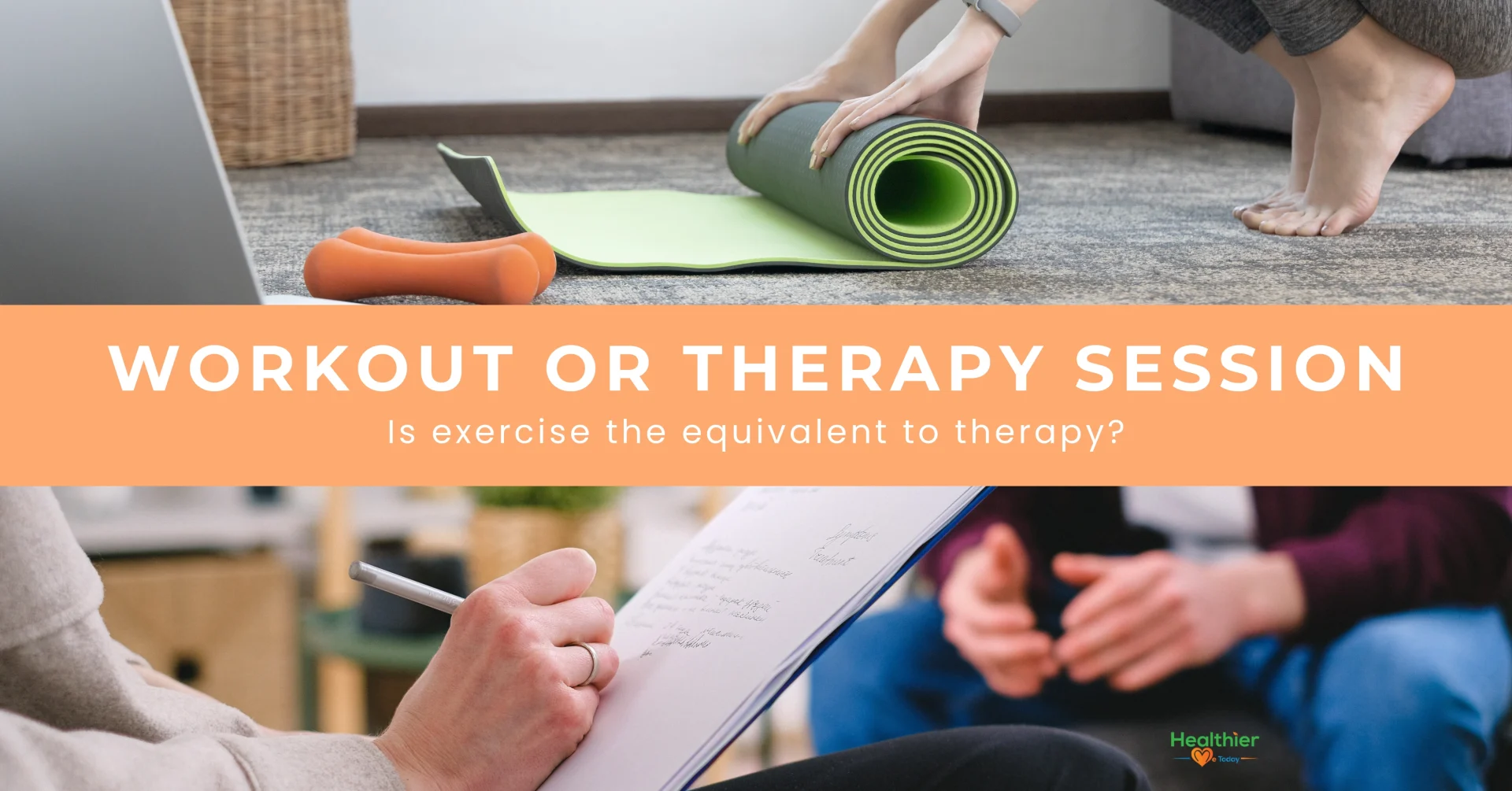
Therapy vs. Exercise: What’s Better for Mental Health Relief?

Feeling stressed or anxious can make you want relief fast. Exercise and mental health are closely linked, and many wonder if a workout can achieve the same benefits as therapy. If you’re thinking about using fitness to feel better or calm your mind, you’re not alone. This guide examines whether physical exercise can complement therapy for anxiety, stress, and improved focus. It covers the science, expert views, benefits, simple steps, and limits to help you choose what works.

So, let’s begin!

How Are Exercise and Mental Health Connected?

Workouts do more than keep you fit. They help your brain function more effectively by modifying its processes. People often ask, How does exercise improve mental health? Exercise releases chemicals that boost your mood and reduce stress. It also sharpens your thinking and helps you feel more balanced every day. This makes the mental benefits of exercise a great way to support your mind with minimal cost and time.

how does exercise improve mental health

The connection comes from how exercise affects your body and brain. Moving regularly boosts energy and clears your head, making tough days easier. It’s a natural way to feel calmer and more focused. Most people find that regular workouts help them manage stress more effectively, even with a busy schedule. This makes exercise a simple tool for anyone looking to feel better.

What Mental Health Professionals Have to Say

Doctors and therapists often recommend exercise to improve one’s well-being. Physical exercise and mental health are so connected that it’s a standard part of their advice. Workouts help lower stress and enhance focus during therapy sessions. Experts say activities like walking or yoga can help reduce anxiety quickly, making them a simple tool for daily life. Exercise isn’t a complete solution, but it effectively supports other treatments.

Years of research back this up. Exercise boosts brain chemicals that therapy often tries to balance. Most therapists include workouts in their plans because they help you feel stronger and clearer. This makes therapy work better, especially for anxiety or mild sadness. Exercise is a simple way to support your mental health, in addition to professional help.

How Does Exercise Impact Mental Well-Being?

How does exercise help anxiety and mental health? Exercise can significantly impact your overall well-being. It helps with stress, sadness, and focus, making it a powerful tool for adults.

Here is how exercise benefits mental health:

Easing Anxiety

Physical exercise for anxiety can help calm your nerves and alleviate symptoms. Workouts like running or yoga can help alleviate feelings of anxiety. Many people experience reduced anxiety after just a few weeks of regular exercise.

Lifting Your Mood

exercise lowers stress

Exercise makes you happier. A quick walk or bike ride boosts the release of happy chemicals in your brain. This natural lift helps you feel good without the need for pills.

Building Inner Strength

Regular workouts make you tougher against life’s pressures. Moving often helps your brain cope with stress more effectively. Most people feel stronger after a month of exercise.

Hepls Sadness

Exercise helps with mild sadness. Regular walking or swimming can help you feel less down. This simple habit supports your mental health over time.

Boosting Confidence

Finishing a workout makes you feel proud. Even short sessions, such as a 20-minute jog, can build your confidence. Regular exercisers often feel better about themselves.

Sharpening Focus

Exercise clears your mind. Activities like cycling improve your ability to think and focus. You can make better decisions with a sharper brain.

Improving Sleep

Workouts help you sleep better. A good night’s sleep keeps you less cranky and more stable. Most adults who exercise tend to fall asleep faster and wake up feeling refreshed.

Reducing Fatigue

Exercise boosts your energy. Regular activity, such as strength training, helps combat fatigue and keep you alert. This enables you to tackle daily tasks with more drive.

The Best Exercises for Mental Health

Not all workouts help your mind the same way. Some are better for calming stress, lifting spirits, and building strength. Anxiety and fitness work well together when you pick the right activities.

Here are the best ones for mental health:

  • Walking: A 20-minute walk helps lower stress and calm the mind [health.harvard.edu].
  • Yoga: Mixes movement and breathing to ease anxiety for many.
  • Running: Boosts happy chemicals, making you feel better fast.
  • Strength training: Builds inner strength and lowers stress over time.
  • Cycling: Gets your heart pumping and helps cut anxiety with regular rides.
  • Swimming: Relaxes your body and promotes better sleep.
  • Group classes: Dance or spin classes lift your mood with fun and friends.

Should Exercise Replace Therapy?

Exercise helps your mind, but it shouldn’t entirely replace therapy. Does physical activity help anxiety? Yes, it calms stress and lifts your mood, but therapy deals with deeper issues like past pain or ongoing sadness. Therapy provides you with tools, such as ways to change negative thoughts, that workouts can’t offer. Exercise is great for quick relief, but it’s not enough for significant mental health challenges [mayoclinic.org].

physical exercise and mental health

Mixing exercise with therapy often works best. Most experts recommend workouts to enhance the effectiveness of treatment. Exercise helps you feel less stressed, allowing you to focus better during sessions. For small worries, workouts might be enough, but for bigger issues, therapy is key. Using both builds a strong plan for feeling better.

Conclusion: Exercise, Therapy, or Both?

Workouts and therapy each play a powerful role in improving physical exercise and mental health. Exercise offers quick relief, boosting your mood and easing stress almost instantly. Meanwhile, therapy dives deeper, helping you tackle underlying issues and equipping you with tools for lasting change. Together, they’re a winning combination: exercise provides immediate calm and energy, while therapy builds long-term resilience. Many find that blending both approaches delivers the best results, cutting stress now and strengthening mental health for the future.

FAQ’s:

What changes in mood can be felt after regular workouts?

Workouts make you feel happier, less stressed, and more energized. Most people notice an improvement in their mood within one to two weeks of regular exercise.

How long does it take to notice mental improvements from exercise?

You can feel less anxious and happier within one to two weeks. Try 30-minute workouts five days a week for results.

Can physical activity reduce anxiety naturally?

Yes, does physical activity help anxiety? Activities like running or yoga cut anxiety by about a third for many people.

What types of workouts are best for emotional resilience?

Yoga, running, and strength training make you stronger inside. Yoga and running are great for handling stress.

Are there specific routines that help with burnout or work stress?

Short yoga sessions or 20-minute jogs can help alleviate burnout. Strength training once a week eases work stress.

How much daily movement is recommended for mental clarity?

About 30 minutes of activity, like a brisk walk, five days a week. It helps you think clearly.

Do cardio and strength training affect the brain differently?

Cardio lifts your mood fast with happy chemicals. Strength training builds long-term strength by lowering stress.

What role does exercise play in mental health therapy?

Exercise helps therapy by cutting stress and lifting mood. It makes sessions work better.

Can inactivity worsen mental health conditions?

Yes, sitting too much can make anxiety and sadness worse. It stops happy chemicals from flowing.

Is outdoor activity more beneficial than indoor exercise?

Outdoor activities, such as walking in nature, lift your mood more effectively than indoor workouts. Fresh air and scenery help.

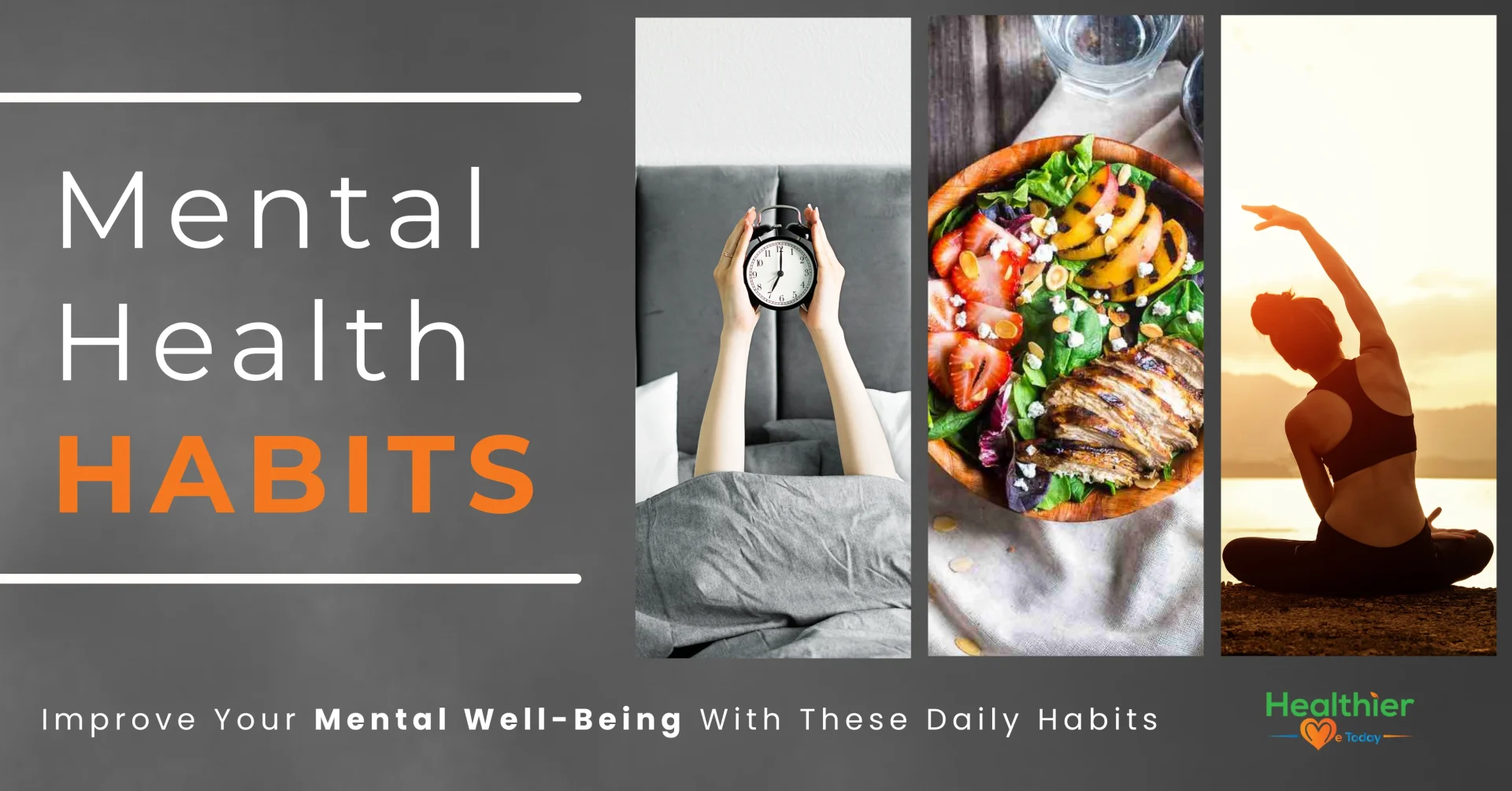
Habits That Boost Mental Health Daily (Backed by Experts)

Habits to improve mental health can be the anchor you need when life feels like it’s pulling you in a hundred directions. You’re not alone—and you’re not powerless either. While stress, burnout, and emotional overload have become part of modern life, there is a way to fight back. Mental health experts say it doesn’t take grand gestures or expensive therapy to feel better. It starts with small, consistent habits.

In this article, you’ll discover daily practices (backed by science) that support your mental well-being, from your first cup of coffee to how you wind down at night. These aren’t just feel-good tips… they’re proven tools to boost your mood, reduce anxiety, and help you feel more grounded every day.

Ready to feel more calm, clear, and in control? Let’s dive in.

Why Daily Habits Matter for Mental Health

Your daily routine has a powerful impact on how you feel. Practicing consistent best habits for mental health helps create emotional stability, ease stress, and sharpen focus. On the flip side, poor habits like staying up too late or doom-scrolling your phone — can fuel anxiety and drag down your mood. The truth is, building good mental health habits doesn’t happen overnight, but the rewards are worth it: better sleep, more energy, and greater emotional resilience.

daily habits for mental health

Even small actions, like taking a short walk or jotting down what you’re grateful for, can help your brain shift into a calmer state. Over time, these simple habits to improve mental health begin to reshape how you think and respond to stress. The best part? You don’t need a complete lifestyle overhaul. Just start with one or two mental health habits and let the results build from there.

Morning Habits to Improve Mental Health

Starting the day with intention sets a positive tone. Morning healthy habits for mental health reduce stress and boost energy. These expert-backed practices are quick and adaptable, fitting any schedule, and help build good habits for mental health from the moment you wake up.

Try these morning habits:

Make the Bed

Making the bed each morning creates order. This 2-minute task signals a fresh start and builds discipline. It’s a simple way to practice habits for mental health, giving a sense of control before the day begins. Tidy surroundings also calm the mind, reducing morning anxiety.

Drink Water First

Hydration wakes up the body and mind. Drinking a glass of water after waking supports brain function and mood. Dehydration can increase stress, making this mental health habit particularly important. Add lemon for flavor if plain water feels boring, and keep a bottle by the bed for consistency.

Try a 5-Minute Stretch

Gentle stretching loosens muscles and clears mental fog. A 5-minute routine, such as arm circles or neck rolls, helps boost blood flow and reduce tension. Apps like Yoga for Beginners guide quick sessions. This habit to improve mental health prepares the body for a focused and calm day.

Set a Daily Intention

Writing one goal, like “Stay patient” or “Finish one task,” focuses the mind. This 1-minute healthy habit for mental health builds clarity and purpose. Use a sticky note or phone app to jot it down. Intentions play a crucial role in maintaining daily habits that promote mental health and contribute to overall well-being.

Midday Mental Health Habits to Stay Balanced

Midday stress from work or errands can build up. Habits for mental health during the day can prevent burnout and keep emotions steady. These good mental health habits are easy to weave into lunch breaks or busy schedules, keeping the mind clear.

healthy habits for mental health

Take a 10-Minute Walk

Walking outside for 10 minutes boosts mood and energy [nhs.uk]. Fresh air and movement reduce stress hormones, making this a best habit for mental health. Listen to music or notice your surroundings to stay present. Even a stroll around the office or yard counts as a healthy mental health habit.

Practice Gratitude

Writing three things to be thankful for shifts the focus to the positive. Use a notebook or phone during lunch to note small wins, like a kind coworker or sunny weather. This mental health habit lowers anxiety and builds resilience, making it a top habit for good mental health.

Limit Screen Time

Constant phone or computer use strains the mind. Set a 5-minute break every hour to rest your eyes and thoughts. Look out a window or sip water instead of scrolling. This habit helps improve mental health by preventing overwhelm and supporting focus, a crucial beneficial mental habit.

Eat a Balanced Snack

A small snack, like nuts or fruit, stabilizes blood sugar and mood. Hunger can trigger irritability, so maintaining a healthy habit for mental health helps keep energy steady. Plan snacks ahead to avoid sugary treats, which can crash your mood. Pair this with daily habits that promote mental health, such as hydration.

Evening Healthy Habits for Mental Health

Winding down at night prepares the mind for rest. Evening habits to improve mental health, ease stress, and improve sleep quality. These best habits for mental health create a calm end to the day, setting up for better emotional health tomorrow.

Journal for 5 Minutes

Writing thoughts or worries clears the mind before bed. Use prompts like “What went well?” or “What can wait?” to reflect. This mental health habit reduces overthinking and promotes emotional clarity [mhanational.org]. Keep a notebook by your bed to maintain consistent good mental health habits.

Try a Bedtime Routine

A 15-minute routine, like reading or sipping tea, signals the body to relax. Dim lights and avoid screens an hour before bed to improve sleep. This healthy habit for mental health promotes emotional stability.

Practice Deep Breathing

Breathing slowly for 2 minutes calms the nervous system. Try 4-4-4 breathing: inhale for 4, hold for 4, exhale for 4. Do this in bed to ease tension. This habit to improve mental health reduces anxiety and is a simple daily habit for mental health.

Plan Tomorrow’s Tasks

Writing a short to-do list for tomorrow organizes thoughts. Spend 3 minutes noting priorities, like “Reply to emails” or “Buy groceries.” This mental health habit prevents late-night worry and boosts confidence. It’s a practical, good habit for mental health to end the day.

Weekly Habits for Mental Health to Build Resilience

Some habits to improve mental health work best when done weekly. These healthy habits for mental health strengthen emotional resilience and prevent burnout. Schedule them like appointments to ensure consistency, supporting long-term good mental health habits.

healthy mental health habits

Connect with Someone

Call a friend or family member for a 10-minute chat. Sharing light stories or laughs boosts mood and reduces loneliness [nhs.uk]. The best habit for mental health helps build connection, a key habit for good mental health. Plan a weekly catch-up to make it a routine.

Try Something New

Learning a small skill, like cooking a recipe or drawing, keeps the mind engaged. Spend 30 minutes weekly on a hobby to spark joy. This mental health habit boosts confidence and creativity, supporting daily habits to improve mental health.

Reflect on the Week

Spend 10 minutes reviewing the week’s highs and lows. Write what felt good, like finishing a project, and what was tough, like a bad day. This habit to improve mental health can also enhance self-awareness and resilience, a strong mental habit that supports long-term well-being.

Move for 30 Minutes

Engaging in a weekly workout, such as dancing or biking, can help lift your mood and boost your energy. Physical activity reduces stress and improves sleep, making it a healthy habit for mental health. Choose a fun activity to stick with that promotes good mental health over time.

When to Seek Professional Help

Habits to improve mental health work well for daily balance, but aren’t enough for serious issues. If low mood, anxiety, or exhaustion lasts for weeks, consult a doctor or therapist. Signs like trouble sleeping, lack of motivation, or feeling hopeless need attention [mhanational.org]. Professional support pairs well with mental health habits to rebuild well-being. Don’t wait to reach out if daily habits for mental health aren’t helping enough.

Conclusion: Start Small for Big Results

A calmer mind starts with small steps. Habits to improve mental health, such as stretching, journaling, or walking, can build emotional strength over time. Pick one or two healthy habits for mental health to try today. Consistency turns these best habits for mental health into lifelong tools for well-being.

Find practical essentials to help you on your mental wellness journey at ShopHMT!

FAQ’s:

What are the signs of poor mental health in daily life?

Low energy, trouble focusing, or constant worry signals poor mental health. Irritability, poor sleep, or avoiding friends are also signs. Habits to improve mental health, such as journaling or walking, can be beneficial, but persistent issues require a doctor’s advice.

How long does it take to build habits that boost mental well-being?

Building mental health habits takes anywhere from 21 to 66 days, depending on the level of consistency. Start with small, healthy habits for mental health, such as 5-minute breathing exercises, and stick to them daily. Regular practice makes good mental health habits feel natural over time.

Can your lifestyle really improve your mental state?

Yes, lifestyle shapes mood and focus. Habits for mental health, such as exercise or practicing gratitude, can reduce stress and boost energy. Consistent good habits for mental health, like balanced meals or sleep routines, improve emotional health significantly [nhs.uk].

What small changes can make a big difference in mental health?

Short walks, hydration, and gratitude journaling are simple habits to improve mental health. These daily habits for mental health take minutes but lower anxiety and lift mood. Start with one healthy mental health habit for noticeable results.

How does routine impact emotional stability?

Routines create predictability, reducing stress. Best habits for mental health, such as regular sleep and task planning, help stabilize emotions and maintain overall well-being. Consistent mental health habits foster confidence and calmness, making daily practices essential for enhancing mental well-being and achieving a sense of balance.

Is journaling effective for emotional clarity?

Journaling clears thoughts and reduces overthinking. Writing for 5 minutes nightly is a habit to improve mental health and boost clarity. Prompts like “What felt good today?” make this good mental habit effective.

Which morning rituals help reduce stress and anxiety?

Making the bed, stretching, or setting intentions are healthy habits for mental health. These mental health habits take 5–10 minutes and lower morning stress. Drinking water also supports good mental health habits to start the day calmly.

Can mental health habits help prevent burnout?

Yes, habits to improve mental health, such as taking breaks, exercising, or journaling, can help reduce stress buildup. Regular healthy habits for mental health maintain energy and focus. Weekly good mental health habits, such as connecting with friends, also help prevent burnout.

How do habits affect mood and motivation long-term?

Consistent mental health habits rewire the brain for positivity. Habits for mental health, such as gratitude or regular movement, can boost mood and drive over time. Daily habits to improve mental health create lasting motivation and emotional strength.

What’s the link between physical activity and emotional health?

Exercise releases feel-good chemicals, which lift your mood. A 10-minute walk or a weekly workout is a healthy habit for maintaining mental health and reducing stress. Regular movement, a key beneficial habit for mental health, enhances emotional well-being.

How to Calm a Racing Mind (Even When Everything Feels Too Much)

Racing thoughts can hit like a tidal wave… jumping from one worry to the next, making it nearly impossible to relax. Whether it’s a busy to-do list or late-night anxiety, these fast-moving thoughts can leave you restless and overwhelmed. When your racing brain refuses to slow down, even simple tasks start to feel like too much.

But there’s relief. Natural remedies for mind racing can help quiet the chaos and bring your focus back. In this guide, you’ll discover practical tips for how to stop racing thoughts, whether you’re lying in bed at 2 a.m. or trying to concentrate during the workday. You’ll also learn what causes this mental spiral and when it’s time to seek support.

Let’s explore the tools that can help you find calm, no matter how loud your mind gets.

What Are Racing Thoughts?

Mind racing happen when your mind jumps from one idea to another quickly. You might worry about work, a past mistake, or sleep, all in seconds. These thoughts are tough to stop, especially at night, and can worsen anxiety and racing thoughts. Stress, too much phone time, or late work can trigger them.

what are racing thoughts

Unlike everyday worries, mind racing move fast and feel out of control. They’re common in anxiety, ADHD, or OCD. They can make it hard to focus at work, enjoy time with friends, or feel rested. Noticing them early allows you to use natural remedies for racing thoughts to calm your mind, at home or anywhere.

Why Your Mind Gets Busy

Knowing what are racing thoughts makes them easier to handle. Many people face fast thoughts, which disrupt daily life, like work or sleep and anxiety. Stress, health issues, or poor habits can make an overactive brain busy. Learning the causes helps find ways to slow down and feel better. Different factors contribute, each affecting your racing brain in a unique way.

Here’s what might be behind it:

Stress and Anxiety

Daily problems, like work, bills, or family, can spark anxiety and mind racing. Anxiety, affecting 1 in 5 adults, often makes racing thoughts worse at night, when it’s quiet. You might think about a missed deadline, a fight with a friend, or upcoming plans, and be stuck in a loop. Long work hours, tight schedules, or parenting stress can add to this. Without ways to manage, it’s hard to relax when worries keep coming back.

ADHD

Attention deficit hyperactivity disorder (ADHD) makes racing thoughts ADHD common. Sorting ideas is hard, causing a busy mind. This can feel worse at night, when trying to rest, or during tedious tasks, like waiting in line. For kids, it may show as trouble focusing in school. Adults might struggle with work meetings or planning, feeling their minds jump too fast.

OCD

Obsessive-compulsive disorder (OCD) causes repeated mind racing OCD. These spiraling thoughts feel urgent, causing you to focus on fears, such as germs, or habits, like checking doors or washing your hands. Nighttime can make this harder, as quiet lets fears grow. It’s exhausting to keep thinking about the same worry, like something bad might happen.

Bipolar Disorder

During high-energy times, bipolar disorder speeds up thoughts. Racing thoughts might seem fun, but they become overwhelming, disrupting focus and sleep. Slowing them is tough, especially during busy days. You might feel full of ideas, like starting new projects, but lose track as thoughts pile up. This can make daily tasks feel too big.

Medication or Drinks

Some medicines, like energy pills or asthma drugs, or drinks, like coffee or soda, can cause mind racing. Medication to stop racing thoughts might be needed if side effects make your mind busy, so consult a doctor to check. Late coffee, energy drinks, or certain teas can keep thoughts flowing. Even over-the-counter cold medicines can speed up your mind if taken too late.

Not Enough Sleep

Lack of sleep makes racing thoughts worse. A tired mind can’t focus, letting worries grow, especially with sleep and anxiety issues at night. Staying up late, working, watching TV, or worrying can start this problem. Missing even a few hours of sleep can make your mind foggy, making it harder to stop fast thoughts day or night.

Too Much Screen Time

Spending hours on phones, computers, or TVs can speed up an overactive mind. Bright screens and fast information, like news or social media, can cause racing thoughts. This is common at night, when scrolling keeps you awake. Constant notifications or comparing yourself online can make your mind feel too full, especially before bed.

Natural Ways to Calm Racing Thoughts

You can’t always stop mind racing right away, but how to stop racing thoughts is possible with simple techniques. These natural remedies for rapid thoughts are easy, fit daily life, and work for rapid thoughts at night or on busy days. They use your body, mind, or habits to calm an overactive brain. Trying a few can help find what works best. They’re safe and make a big difference over time.

natural remedies for racing thoughts

Here’s how to stop a racing mind:

Breathe Slowly

Breathing calms racing thoughts at night. Slow breaths tell your brain to rest, easing a mind racing. [harvard.edu]. Try the 4-7-8 method: breathe in for 4 seconds, hold for 7, breathe out for 8. Or use square breathing: breathe in for 4 seconds, hold for 4 seconds, exhale for 4 seconds, and hold for 4 seconds. Do either for a minute while sitting.

Say a Calm Phrase

Repeating a phrase stops a busy mind and teaches how to stop thinking about something. Pick words like “I am calm,” “Worries can wait,” or “Breathe and rest.” Say them slowly, thinking about each word. Use this in bed to help calm a racing mind at night or before a talk to ease worries. This calms overactive thinking disorder symptoms.

Stay in the Moment

Focusing on now slows mind racing. Try a body scan: close your eyes, feel your feet, then move up to your head, noticing each part. Or listen to sounds, like cars, birds, or your breath. Apps like Calm or Insight Timer are helpful for beginners. This helps learn how to stop racing thoughts at night to sleep or at lunch to clear your mind.

Do Something Else

Read an easy book, do a puzzle, or listen to a fun talk. Avoid screens at bedtime, as light worsens overactive mind issues. Counting back from 100 by 7s or naming 10 animals helps for racing thoughts at night. Try fun things, like drawing or knitting, during a break.

Plan Worry Time

Save 10 minutes a day to write worries, like a bill or a mistake. List them, then put the notebook away for tomorrow. This helps stop the mind racing at night. Keep a notebook by your bed for late thoughts to avoid spiraling thoughts. This enables you to feel in charge.

Cut Coffee and Screens

Afternoon coffee or soda speeds up racing thoughts. Stop at around noon. Screens worsen a busy mind, so avoid phones or TVs an hour before bed [health.com]. Read a real book to calm mind racing at night. These changes help improve sleep and anxiety.

Talk to Someone

Talking slows a busy mind. Call a friend or coworker about something light, like a movie or a hobby. Keep it brief, around 5 minutes, to avoid introducing new worries. This helps you learn how to stop a racing mind during stress, such as after a bad day. Texting works if calling feels hard.

Herbal Tea

Herbal teas relax you before bed to ease your mind racing at night. Boil water, steep the tea for 5 minutes, and drink it 30 minutes before sleep to calm anxiety and racing thoughts. Use a cozy mug.

Here are calming teas to try:

  • Chamomile: Soothes nerves, great for bedtime.
  • Valerian: Helps sleep, calms busy thoughts.
  • Peppermint: Refreshes and eases stress.
  • Lemon Balm: Lifts mood, reduces anxiety.
  • Passionflower: Relaxes the mind, good for sleep.

Scents

Lavender or cedarwood smells calm an overactive mind. Use a diffuser or put a drop on your pillow. Breathe it in to learn how to stop a racing mind at night. It’s a simple addition to bedtime or focus time.

Here are calming scents to try:

  • Lavender: Relaxes and helps with sleep.
  • Cedarwood: Grounds and calms nerves.
  • Eucalyptus: Clears mind, eases stress.
  • Bergamot: Lifts mood, reduces worry.
  • Frankincense: Soothes and promotes focus.

Write Your Thoughts

Writing for 5 minutes clears a busy mind. Write worries or ideas, like “What if I fail?” or “Too much work,” without thinking hard. Do this before bed to cut racing thoughts at night. This improves focus and sleep.

Here are journal prompts:

  • What’s stressing me today?
  • What can I let go of now?
  • What went well this week?
  • What do I need to feel calm?
  • What’s one small step I can take tomorrow?

Bedtime Ritual

A regular bedtime calms mind racing. Sleep at the same time, use soft lights, and avoid work or big talks. Try a short routine: brush teeth, read, sip tea. This helps understand how to stop racing thoughts at night and improves sleep and anxiety [sleepfoundation.org].

Here are bedtime habits:

  • Dim the lights an hour before bed.
  • Read a short story or article.
  • Sip herbal tea, like chamomile.
  • Listen to soft music or sounds.
  • Stretch gently for 5–10 minutes.
  • Write a quick to-do list for tomorrow.
  • Turn off screens an hour before bed.

Light Exercise

Gentle movement, like a 10-minute walk or stretching, calms a busy mind. Do it in the evening, not too close to bed, to ease “racing thoughts ADHD”. Try walking or arm circles. This helps know how to stop racing thoughts and improves sleep.

Here are light exercises:

  • Walk around your home or yard.
  • Do neck rolls for 1 minute.
  • March with knees high, in place, for 5 minutes.
  • Do slow leg lifts while sitting.
  • Roll your shoulders backward.
  • Stand and balance on one foot, then swap.
  • Do short yoga poses, like child’s pose or tree pose.

When to Get Professional Help

Racing thoughts might be more than stress. If they occur daily, disrupt work, or cause sleep and anxiety issues for weeks, consult a doctor or therapist. Medication to stop mind racing, like SSRIs, can help with bad racing thoughts anxiety [nimh.nih.gov]. Get help if thoughts come with panic, high energy, or feel unstoppable.

racing thoughts anxiety

Don’t ignore these serious signs that need a doctor’s attention:

  • Thoughts about hurting yourself or others.
  • Feeling very scared or panicked often.
  • Hearing voices or seeing things that aren’t there.
  • High energy that won’t stop, like talking too fast.
  • Losing touch with what’s real, like feeling confused.

Conclusion: Take It Slow and Let Go

Racing thoughts can feel relentless, but they don’t have to run your life. With the right tools, like breathwork, journaling, or gentle movement, you can slow the mental rush and create space for calm. Exploring natural remedies for mind racing is a powerful first step toward that peace.

If the cycle of racing thoughts anxiety continues, know that help is available. You’re not alone in this. With time, support, and small consistent actions, your mind can feel lighter, and you can feel better every single day.

FAQ’s:

Why does my brain feel like it won’t stop at night?

Stress, anxiety, or coffee can start racing thoughts at night. Quiet time makes worries bigger. Avoid late caffeine, try 4-7-8 breathing, or write worries in a notebook to calm your mind racing at night. These natural remedies for racing thoughts help improve sleep and anxiety.

What health issues cause too many thoughts?

Anxiety, ADHD, OCD, bipolar disorder, and depression can cause racing thoughts. Each makes thoughts feel different, like “racing thoughts ADHD” or “racing thoughts OCD”. A therapist can identify the cause and suggest ways to manage spiraling thoughts or an overactive mind.

How can I calm my mind before bed without medicine?

Use 4-7-8 breathing, chamomile tea, or Ready Rocker rocking to ease racing thoughts at night. Try a bedtime routine, such as reading or listening to soft music, to relax and improve sleep quality and reduce anxiety with natural remedies for racing thoughts.

Does overthinking always mean a problem?

Not always. Stress or excitement can cause racing thoughts, but if they don’t stop, it might be an overactive thinking disorder, like anxiety or OCD. Notice if thoughts disrupt daily life. Journaling can help learn how to stop racing thoughts.

Can daily habits make a busy mind worse?

Yes. Coffee, late nights, or poor sleep can worsen anxiety and racing thoughts. Not moving or holding stress adds to overactive mind issues. Walking or cutting screens an hour before bed helps you learn how to stop racing thoughts at night and calm the mind.

When should I get help for racing thoughts?

If racing thoughts disrupt life or sleep for weeks, see a doctor. Panic, high energy, or unstoppable worries need medication to stop racing thoughts. Therapy can ease “racing thoughts OCD”. Try breathing to know how to stop racing thoughts while seeking support.

Do breathing tricks really work?

The 4-7-8 breathing calms racing thoughts fast. Square breathing helps too. Practice nightly in a quiet spot, such as your bed or a chair, to relax. These natural remedies for racing thoughts lower anxiety and racing thoughts and aid sleep and anxiety.

How are worry loops different from anxiety or bad thoughts?

Worry loops grow bigger, tied to “racing thoughts anxiety”. Bad thoughts (OCD) are unwanted, like fears of harm (racing thoughts OCD). Anxiety has physical signs, like restlessness. Therapy explains differences, and writing helps understand how to stop spiraling thoughts.

The Best Nap Length Revealed: Wake Up Refreshed, Not Groggy

Ever hit that 2 PM slump where your brain’s foggy and coffee just isn’t helping? Imagine taking a 20-minute power nap and waking up sharp, energized, and ready to crush the day. Napping isn’t just for kids or slow days; it’s a trick to boost energy, clear your mind, and lift your mood.

But how long should a nap be to get those benefits without feeling like a zombie? Whether you’re a parent running errands, a student hitting the books, or a pro buried in emails, a good nap length can change everything.

This guide dives into the best duration for a nap, the magic of power naps, and simple hacks to make napping your secret weapon for better days.

What is a Nap?

power nap

A nap’s a quick daytime snooze to recharge your body and mind. It’s not like a full 8-hour sleep. Think 10 to 90 minutes to perk you up. So, what is a power nap, then? It’s a short 15-20 minute nap that leaves you feeling fresh without that “slept too long” grogginess. You can nap anywhere: on the couch, in a quiet office corner, or during a lunch break. Kids, teens, adults; everyone can use a perfect nap time to stay sharp. Knowing how long a power nap should be helps fit this easy habit into a busy day, keeping you focused and happy no matter what’s on your plate.

What’s the Difference Between a Nap and Sleep?

Naps and nighttime sleep are different beasts. Nightly sleep, that 7-9 hour stretch, keeps your body healthy, helps you remember things, and lets you recover. Naps are short, 10-90 minute bursts to shake off tiredness. A power nap gives a quick energy boost without hitting deep sleep, unlike nighttime rest with its deep and dreamy stages.

Naps are flexible for a packed schedule. How long should a nap be compared to sleep? Keep naps brief to avoid feeling sluggish, unlike the long haul of nightly rest. Picking the best amount of time to nap ensures naps work with nighttime sleep, keeping you energized all day.

Benefits of Napping

Naps are like a hidden superpower for feeling great. A 15-20 minute power nap sharpens focus, boosts mood, and cuts stress; perfect for tough days. Longer naps, like 60-90 minutes, help you learn faster and remember more. Naps can lower blood pressure, spark creative ideas, and make decisions easier. Whether you’re studying for exams or juggling work tasks, a nap’s like a reset button. One of the benefits of napping is that it calms you down, making it easier to deal with kids or coworkers.

How long should a nap be

Here’s why napping’s amazing:

  • Stay Alert: A 15-20 minute power nap wakes you up fast, speeding up tasks like driving or emails, with the boost lasting hours.
  • Relax More: Naps dial down stress, helping you stay cool when life gets hectic, making tough moments more straightforward to handle.
  • Think Sharper: Short naps fire up memory, problem-solving, and creativity, making school or work less of a slog by clearing brain fog.
  • Feel Better: Napping lifts mood, cuts grumpiness, and makes you more fun to hang with, whether with family or friends.
  • Help the Heart: Regular naps ease blood pressure, keeping the heart happy, especially on nonstop days.

Ideal Nap Lengths

Choosing a good nap length depends on what you need and how much time is available. A 10-20 minute power nap time is great for a quick energy boost, staying in light sleep so you wake up ready to go. A 30-minute nap’s solid but might leave you a bit foggy.

A 60-90 minute nap hits a complete sleep cycle for studying or big thinking, but it takes more time. How long should a nap be for adults? Most do well with 20-30 minutes daily, while 90 minutes rocks for heavy brain work. Kids might need 30-60 minutes. How long should I nap to feel energized? Twenty minutes hits the sweet spot.

Here are the best nap lengths and what they do:

  • 10-20 Minute Power Nap: Gives a fast energy jolt, perfect for a midday slump, keeping you focused and productive without any “overslept” vibes, great for busy days.
  • 30-Minute Nap: Boosts mood and energy a bit more, but might cause slight grogginess, good if a half-hour’s free.
  • 60-Minute Nap: Helps remember stuff and learn better, awesome for students or creative work, though it might take a minute to shake off the fog.
  • 90-Minute Full Nap: Hits a whole sleep cycle, boosting memory, creativity, and calm, ideal for big study sessions but needs a longer break.
  • Kid-Friendly Nap (30-60 Minutes): Keeps kids happy and focused, matching their age, so they’re ready for school or play without getting cranky.

Power Nap Explained

how long is a power nap

A power nap is a quick snooze that’s all about waking you up feeling re-energized. How long is a power nap? Usually 15-20 minutes, just enough to touch light sleep without going deep. How long should a power nap be? Stick to 20 minutes, and you’ll feel refreshed for hours. It’s perfect for a lunch break or study session, giving the brain a fast recharge. What is a power nap? It’s like a mini-battery charge for the mind, helping you nail tasks at work or school. The best power nap length keeps you sharp and ready to jump back in.

Best Time to Nap

When you nap matters as much as how long, the best nap time is usually 1:00 to 3:00 PM, when the body naturally slows down after lunch. Napping after 4:00 PM can mess with nighttime sleep, so steer clear. Perfect nap time depends on your routine; morning naps work for early risers, but afternoons suit most. Night-shift workers can nap before shifts to stay alert. How long should I nap to feel energized? A 20-minute nap in the early afternoon is a winner. Timing naps right makes the benefits of napping pop, so you wake up ready without tossing and turning at night.

Napping for Adults vs. Kids

Adults and kids nap differently. Grown-ups love short power naps (10-30 minutes) to stay sharp and power through the day, with the answer to how long should a nap be for adults being around 20 minutes to avoid grogginess. Little kids under five need longer naps, 30-90 minutes, for growth, mood, and learning. Older kids, like 6-12, might nap 20-60 minutes before school. Adults nap to tackle work or stress, while kids need it to grow strong. The best duration for a nap matches age and goals, keeping everyone energized without messing up bedtime.

Are There Side Effects of Napping?

Naps are great, but can cause trouble if done wrong. Napping too long, over 30 minutes, or too late, past 4:00 PM, can make you feel like a zombie. How long should a nap be to avoid that? Keep it at 20 minutes. Long naps daily make nighttime sleep harder, especially for people who struggle to fall asleep.

Side Effects of Napping

Some feel guilty, thinking naps waste time, but that’s cultural noise. In rare cases, napping a ton could point to something like depression. Stick to the best amount of time to nap, and these issues stay away, says SleepScore.

Tips for Better Napping

Getting good at napping takes a little practice, but it’s worth it. Find a quiet, dark spot to doze off more easily. Set a 20-minute alarm to hit that good nap length. Aim for 1:00 to 3:00 PM when the body’s ready for a break. Skip coffee right before falling asleep. A cozy blanket keeps things comfy without getting too hot. Napping at the same perfect time for a nap daily makes it second nature. These tricks turn power naps into a breeze, boosting energy fast.

Here are easy tips for killer naps:

  • Make It Cozy: Pick a dark, quiet spot—maybe earplugs or a sleep mask—to block noise and light, so falling asleep is quick and rest feels deeper.
  • Set an Alarm: Use a 20-minute alarm to keep the power nap time short and sweet, waking you up refreshed without that “slept too long” haze.
  • Time It Right: Nap between 1:00 and 3:00 PM to catch the body’s natural low, boosting energy without messing up nighttime sleep.
  • Skip Coffee: Avoid caffeine an hour or two before napping, so drifting off is easy and waking up feels like a million bucks.
  • Get Comfy: Grab a light blanket or pillow, keep the room cool, and make the nap spot feel like a mini-oasis for quick rest.

Napping Myths

Lots of myths about napping scare people away. Some think naps are for slackers, but power naps make you better at work. Others say only kids need naps, but adults get a brain boost too. A big one is that naps wreck nighttime sleep, but that’s not accurate if the question is how long should a nap be. It is 20-30 minutes. Longer naps aren’t always better; short ones often just hit right. Napping doesn’t mean you’re sick; it’s just a smart move. The best nap time and length clear up these myths, so anyone can nap worry-free.

Here’s the truth behind common nap myths:

  • Naps Mean Laziness: Nope! Power naps help pros like CEOs and athletes kill it, boosting focus and getting stuff done.
  • Only Kids Nap: Adults gain from 20-minute naps, sharpening memory and mood, so the best duration for a nap works for all ages.
  • Naps Ruin Sleep: Short naps, like 20-30 minutes before 4:00 PM, won’t mess up the night, keeping good nap length safe for bedtime.
  • Long Naps Are Best: A quick 20-minute power nap beats longer ones, giving energy without grogginess, perfect for busy days.
  • Napping’s a Bad Sign: Napping’s a healthy move, not a red flag, making you feel great when timed right, so ignore the nonsense.

Conclusion: Are Naps Beneficial for Adults?

Napping’s like a quick brain vacation, giving a burst of energy, focus, and good vibes. How long should a nap be? A 20-minute power nap is perfect for waking up ready to roll, while 60-90 minute naps help with studying or big tasks. Nap between 1:00 and 3:00 PM to keep nighttime sleep solid. From chilling out to boosting smarts, the benefits of napping are unbeatable, whether you’re studying, parenting or working. Find a quiet spot, set a 20-minute alarm, and give it a try.

A power nap today can make the whole day brighter, turning sluggish afternoons into awesome ones. You should try it!

FAQ’s:

Why Do I Feel Worse After a Short Nap?

Sometimes a nap leaves you feeling rough; that’s sleep inertia. It hits if you nap too long, like over 30 minutes, dipping into deep sleep. How long should a nap be? Stick to 20 minutes to stay in light sleep and wake up fresh. Napping too late or in a noisy spot can also throw you off. Try a quiet room and early afternoon for a good nap length that leaves you energized.

Can Napping Every Day Affect Nighttime Sleep?

Daily napping’s fine, but prolonged or late naps, over 30 minutes or after 4:00 PM, might make bedtime tougher. The best nap time is 1:00-3:00 PM, sticking to 20-minute power naps. If sleep’s already hard, check with a doc. Short, early naps help, not hurt, nighttime rest.

Is Napping Better Than Drinking Coffee for a Quick Energy Boost?

Naps can beat coffee for a boost. A 20-minute power nap wakes you up without caffeine’s jitters or crash. How long is a power nap? About 15-20 minutes, keeping you going strong. Coffee’s quick but might keep you up later. Some try a “nappuccino” coffee, then a nap, for a double hit, but naps alone are smoother.

What Happens to Your Brain During a Nap?

A power nap gives the brain a quick refresh, clearing fog for better focus. A 60-90 minute nap locks in memories and helps learning, great for students. The benefits of napping include sharper thinking and creative sparks, says Healthline. Short naps clear the mind, while longer ones make the brain stronger.

How Does Napping Impact Productivity at Work?

Naps are a work game-changer. A 20-minute power nap on a lunch break cuts mistakes and speeds tasks. How long should a power nap be? Twenty minutes avoids grogginess. Companies like Google dig naps for sharper workers. The best amount of time to nap keeps you on top of emails or meetings.

Are There Any Health Risks of Frequent Napping?

Napping’s usually safe, but overdoing it, like 90-minute naps daily, can mess with nighttime sleep or hint at issues like depression. A good nap length, like 20-30 minutes, keeps risks low, says SleepScore. Late naps can throw off sleep schedules. Short, early naps bring the benefits of napping without trouble.

What’s the Difference Between a Nap and Meditation?

Naps mean a quick snooze to recharge, while meditation’s about staying awake to calm the mind. How long should a nap be? Around 10-20 minutes for a power nap. Meditation is 10-30 minutes of focusing on breath or thoughts. Naps boost energy; meditation cuts stress. Both rock, but the best nap time is for rest, meditation for mental peace.

Do Naps Help with Memory and Learning?

Yup, naps boost the brain. A 60-90 minute nap locks in what’s learned, perfect for test prep. A 20-minute power nap sharpens focus and short-term memory. The benefits of napping make studying or work easier by strengthening brain connections. How long should I nap to feel energized? Try 20 minutes for focus or 90 for deeper learning.

Can Napping Help with Stress Relief?

Naps are a stress-busting champ. A 20-minute power nap on a wild day calms nerves and cuts anxiety. The best duration for a nap is short, so waking up is refreshing, not foggy. Regular naps help handle pressure like a pro. Early afternoon (the perfect nap time) works wonders for staying chill.

How Can I Train My Body to Nap More Easily?

Getting good at napping’s about routine. Try a 20-minute power nap daily, same time, like 1:00-3:00 PM. Pick a quiet, dark spot, set an alarm, and take deep breaths to relax. Skip coffee beforehand. After a few weeks, napping gets easier. How long should a nap be? 20 minutes keeps it quick and effective.

Autism Awareness Day: Coloring Outside the Lines of Understanding

Did you know that Autism can be diagnosed at any age? It’s described as a “growth disorder” because symptoms usually appear in the first two years. Autism, known as spectrum disorder (ASD), is a developmental and neurological disorder that influences how people correspond with others, communicate, learn, and behave. World Autism Awareness Day, observed on April 2, allows us to raise awareness and support those affected.

Want to know more? This article discusses the characteristics, symptoms, different kinds, how it’s diagnosed, treatment options, and even famous people with this disorder. Let’s start!

What is Autism Spectrum Disorder?

Autism spectrum disorders (ASD) are a different group of conditions. They are characterized by difficulty with communication and social interaction. Other elements are atypical patterns of activities and behaviors, such as difficulty transitioning from one task to another, focus on details, and unusual reactions. The capabilities and needs of autistic people vary and can evolve.

autism spectrum disorder

While some people with Autism can live independently, others have serious disabilities and require lifetime support and care. Autism often affects education and employment opportunities. In addition, the demand on families to provide care and support can be significant. Social attitudes and the level of support offered by local and national authorities are essential for determining the quality of life of people with Autism. So, what are the characteristics? Let’s take a look at them next!

Characteristics of Autism Spectrum Disorder

Signs of autism could be detected in early childhood, but autism often does not get diagnosed until a much later stage. People with autism frequently have the same conditions, including anxiety, epilepsy, depression, and minimal brain dysfunction, as well as challenging behaviors such as self-injury and difficulty sleeping. The level of brain power among autistic people differs widely, extending from profound impairment to superior levels.

Autism Spectrum Disorder Symptoms

Social communication and interaction skills can be more challenging for people living with ASD. Let’s take a look at their habits!

Habits relating to ASD can include the following:

  • Avoids eye contact.
  • Doesn’t respond to their name by 9 months.
  • Lack facial expressions by 9 months.
  • Not playing communal games by 12 months.
  • Uses no or few gestures by 12 months, like not waving goodbye.
  • Has no interest in others by 15 months.
  • Fail to point to objects of interest by 18 months.
  • Not recognising when others are upset or hurt by 24 months (2 years).
  • Not playing with other children by 36 months (3 years).
  • Not engaging in pretend play, like being a teacher or superhero, at 48 months (4 years).

Different Kinds of Autism Spectrum Disorder

Autism spectrum disorder is diagnosed at three levels. The levels indicate how Autism affects an individual’s communication and self-care. They are: 

characteristics of autism spectrum disorder

Level 1: Requires Support

Level 1 is for individuals who can function independently with minimal support. They may have communication difficulties, such as understanding social cues and body language, but they can manage their daily activities.

Level 2: Requires Substantial Support

Individuals diagnosed struggle to mask their condition and may find it hard to communicate or socialize in ways that society accepts or understands. They also find it challenging to change focus or move from one activity to the next.

Level 3: Requires Very Substantial Support

Those with level 3 need the most support and are subsequently at very high risk for neglect, abuse, and discrimination. They have the same traits as those with levels 1 and 2 diagnoses but can’t mask the condition.

Autism Spectrum Disorder Diagnosis

There are many tools for diagnosing Autism in children, but no single tool should be used as the basis for diagnosis. Diagnostic tools usually rely on two primary sources of information: caregivers’ or parents’ descriptions of their child’s development and a professional’s description of the child’s behavior.

Treatment and Support for Autism Spectrum Disorder

autism spectrum

There is no cure for Autism. Treatment aims to extend a child’s ability to function by minimizing symptoms and supporting development and learning. Early identification in preschool years can help children learn critical social, communication, functional, and behavioral skills. Here is a breakdown!

  • Behavior and Communication Therapies: Numerous programs address the range of social, language, and behavioral difficulties associated with an autism spectrum disorder. Some programs focus on reducing problem behavior and teaching new skills. Other programs focus on teaching children how to act in social crowds and communicate better with others. Applied behavior analysis (ABA) can help children learn new skills and popularise these skills in multiple situations through a reward-based motivation system.
  • Educational Therapy: They often respond well to highly structured educational programs. Effective programs typically include a team of specialists and various activities to improve social skills, communication, and behavior. Preschool children who receive intensive, individualized behavioral interventions often show good progress, giving parents and caregivers reasons to be optimistic.
  • Family Therapies: Family members and parents can learn how to ‘link’ and play with their children in ways that promote social interaction skills, manage problem behaviors, and teach daily living skills and communication.
  • Other Therapies: Depending on your child’s needs. Speech therapy to improve communication skills, ‘rehabilitation’ to teach daily lifestyle activities, and physical therapy to improve mobility and balance can be highly beneficial. A psychologist can recommend ways to mark problem behavior, ensuring you, as a parent or caregiver, feel supported and understood in the journey.
  • Medications: Medication can improve the actual signs of autism disorder, but certain medications can help to control the symptoms. For example, certain medications may be prescribed if your child is hyperactive; antipsychotic drugs are sometimes used to treat severe behavioral problems, and antidepressants may be prescribed for anxiety. Keep all healthcare providers updated on your child’s medications or supplements. Most medicines and supplements can interact, causing dangerous side effects.

Famous People with Autism Spectrum Disorder

Many believe that this disorder is easy to spot, but it’s not that simple. At first glance, you might not notice that they have autism. Here is a list of famous people:

  • Dan Aykroyd – Film Writer and Actor  

Aykroyd is famous for his role in and writing the 1984 movie Ghostbusters. He has openly discussed his condition.

  • Albert Einstein – Mathematician and Scientist

There’s no way to be sure, but it’s believed that Albert Einstein had autism spectrum disorder because of his behavior and cognitive style.

  • Bill Gates – Co-founder of the Microsoft Corporation

Bill Gates is thought to have Autism. He displays a rocking motion and speech pattern and avoids eye contact with others, but Gates has not been diagnosed with autism.

  • Michelangelo – Sculptor, Painter, Architect, Poet

Michelangelo, born in 1475, is a famous artist thought to have been highly fixated on his work. He had difficulty with emotional regulation and social interactions and thrived on strict routines.

Elon Musk announced he has Asperger’s syndrome while on the Saturday Night Live show in May 2021. He stated he was “the first person with Asperger’s” to host the show. Musk is one of the world’s wealthiest people, with over $150 billion net worth.

Conclusion

World Autism Awareness Day on April 2 reminds us of the importance of understanding and supporting individuals with Autism Spectrum Disorder. While there is no cure, therapies and treatments can help improve quality of life. If you or a loved one displays signs of Autism, seeking professional guidance can make a significant difference.

There is no cure for this disorder, but it can be managed through different therapies and medication. See a healthcare professional if you or your loved one displays any signs or symptoms of this disorder. This can significantly improve your quality of life!

Join the movement, wear your autism awareness day shirts, and help spread awareness!

TBI: Definition, Causes, Therapy, New Findings, & More

The human brain’s remarkable flexibility allows it to adjust to changes following an injury. It utilizes the healthy nerve cells that remain after a brain injury and forges new communication routes to help make up for those that have been damaged. 

However, this process, known as neuroplasticity, doesn’t always create the most efficient connections. It often benefits from additional support. Different kinds of TBI therapy, such as cognitive, physical, and vision therapy, can help stimulate the brain to regain lost functions through neuroplasticity. 

Thankfully, with the right therapeutic interventions, individuals can find relief from persistent symptoms resulting from a traumatic brain injury, so let’s take a closer look. 

What is a TBI (Traumatic Brain Injury)?

tbi therapy - traumatic brain injury therapy

A traumatic brain injury (TBI) is a critical health concern that impacts the functioning of your brain. It can occur due to a strong impact or jolt to the head or from an object penetrating the skull. TBIs are a leading cause of death and disability in the United States, resulting in both immediate and long-lasting health challenges that can influence various aspects of daily life. 

While effective treatment for TBI is crucial, prevention is even more vital. Each year, thousands of individuals in the U.S. experience TBIs, with over 214,000 requiring hospitalization in 2020 alone. Tragically, more than 69,000 lives were lost due to complications related to traumatic brain injuries.

Types Of Traumatic Brain Injuries

Traumatic brain injuries can be classified into two main types: 

  • Penetrating TBI: This type occurs when an object breaks through the skull and enters the brain, causing damage. Healthcare professionals often refer to these as open TBIs. Penetrating TBIs can happen if you get struck in the head by something sharp, like a bullet, knife, or shrapnel.
  • Blunt TBI: In contrast, a non-penetrating TBI happens when a strong force hits your head, causing your brain to move around or twist inside the skull. This type is sometimes called a closed head TBI or blunt TBI. Non-penetrating TBIs can occur in situations like car accidents, falls, head impacts, explosions, or during sports activities.
  • Healthcare professionals categorize traumatic brain injuries into three levels: mild, moderate, and severe. The term concussion rehabilitation is often used to treat mild TBIs.

Moderate and severe TBIs are usually considered together:

  • Mild TBI: Over 75% of all TBIs fall into the mild category. However, even mild TBIs can lead to serious and lasting problems. Individuals with a mild traumatic brain injury might struggle to get back to their normal activities, including work.
  • Moderate and severe TBI: Those who experience mild or severe traumatic brain injuries are likely to face significant and long-lasting health challenges.

Symptoms of TBI’s

Traumatic brain injuries, even those considered “mild,” can result in long-lasting effects on a person’s physical, mental, emotional, and behavioral health.

Some of the most common problems that arise include:

  • Headaches or migraines
  • Dizziness
  • Sensitivity to light
  • Sensitivity to sound
  • Seizures
  • Blurry or double vision
  • Hearing loss
  • Chronic pain
  • Trouble focusing or paying attention
  • Sleep disturbances
  • Emotional issues
  • Memory problems
  • Fatigue
  • Balance difficulties
  • Reduced language abilities
  • Slurred speech
  • Mood changes

While direct damage to the brain, like stretched or torn nerves and damaged brain tissue, clearly leads to these symptoms, there are also various other ways that brain injuries can cause issues. Healthcare providers must evaluate how an injury affects the patient’s symptoms and then offer appropriate treatment.

Types of TBI Therapy

Types of TBI Therapy - tbi therapy

Traumatic brain injuries can be managed with various types of care, including psychiatric help, physical therapy, occupational therapy, speech therapy, and social support, among others. As time passes, the kind of therapy needed may change based on what the patient requires and how their abilities develop. In the beginning, patients might need more physical and occupational therapy to help them handle everyday tasks. Later, they might need therapies like vision or vestibular treatment to address ongoing issues.

Recovery programs can involve one or more of these therapies provided by trained health professionals:

  • Physical therapy
  • Occupational therapy
  • Cognitive therapy
  • Speech and language therapy
  • Vision therapy
  • Vestibular therapy
  • Psychiatric and psychological care

Physical Therapy

Brain injuries can impact areas of the brain that control how we move, feel, and communicate through movement. During brain injury recovery, patients might find it hard to move, which can cause their muscles to become stiff and weak. Physical therapists help these patients by showing them exercises and techniques to help them learn to use their muscles again and improve their movement. 

They also work on improving heart health and guide patients through exercises that help with posture, balance, flexibility, and body awareness. If necessary, therapists can teach patients how to use special devices like prosthetics, wheelchairs, or walkers. Physical therapy plays a significant role in helping the brain heal from traumatic brain injuries.

Occupational Therapy

Occupational therapists play a vital role in helping patients regain the ability to carry out everyday activities and promote their independence. This support can include fundamental tasks like eating and dressing and more complex activities such as driving or managing finances. Occupational therapists often recommend modifications in the home environment to enhance the patient’s safety and overall well-being.

Here are some practical ways an occupational therapist can assist a patient:

  • Develop techniques to improve memory, including to-do lists and reminders.
  • Create a structured daily schedule for the patient.
  • Facilitate the patient’s reintegration into work or educational settings.
  • Encourage participation in social events, sports, and hobbies.
  • Aid the patient in establishing healthy sleep habits.
  • Recommend home adjustments or necessary equipment, like wheelchairs, specialized beds, or stair lifts, tailored to the patient’s requirements.
  • Provide education and support for caregivers and family members.

Cognitive Rehabilitation Therapy

The impact of a brain injury can vary significantly based on the specific area affected and the severity of the damage. Patients might face challenges such as memory loss, trouble focusing, or difficulty making decisions. These issues can significantly diminish their quality of life and increase social withdrawal. Cognitive rehabilitation TBI therapy ideally begins when a patient is admitted to the hospital to provide the best support. Therapists evaluate the patient’s alertness, awareness of their environment, and recent memory to determine the most effective treatment plan. 

For individuals with moderate cognitive impairments, engaging in group TBI therapy that encourages community involvement or returning to work or school can be beneficial. In cases of more severe impairment, personalized CRT traumatic brain injury treatment may be necessary to tackle specific cognitive challenges, such as short-term memory loss or trouble following instructions. As patients make progress, cognitive therapy can play a crucial role in enhancing their recovery from the injury.

Speech and Language Therapy

traumatic brain injury therapy

A speech and language therapist plays a vital role in assisting individuals to enhance their communication abilities. This support encompasses the comprehension and expression of spoken and written language and efforts to refine speech clarity. They evaluate various aspects of a patient’s language skills, including memory, attention, concentration, problem-solving, reasoning, and judgment. These professionals are also equipped to identify any swallowing challenges a patient may face and can suggest appropriate communication aids, particularly following a significant injury.

Vision Therapy

Research [Vision Development of WNY] indicates that vision therapy, sometimes called neuro-optometric rehabilitation, can assist individuals in enhancing their visual abilities following a traumatic brain injury. This type of therapy addresses various aspects, including visual tracking, depth perception, accommodation, and peripheral vision, to name a few. Each therapy program should be customized to meet the patient’s unique needs. Understanding that patients may require vision therapy for several months is crucial, as improvements can take time.

Vestibular Therapy

A therapist who focuses on vestibular issues can help assess problems with balance and dizziness and create a vestibular TBI treatment plan to tackle these challenges. The evaluation process involves having patients move their heads in various ways to identify what causes their symptoms, looking at their eye movements, checking how well they can focus on a target while in motion, and testing their balance. 

Successful therapy methods usually include repositioning techniques, stabilizing gaze exercises, and binocular vision training. Since dizziness and balance issues can raise the chances of falling and possibly lead to another brain injury, it’s crucial to implement strategies that reduce this risk.

Psychotherapy

Traumatic brain injuries can lead to a lot of emotional challenges, especially for people who have serious injuries or are dealing with long-lasting symptoms that make life more challenging. Many TBI patients experience feelings of sadness, worry, and even post-traumatic stress. They might also show changes in behavior, like being less interested in things, acting aggressively, or being impulsive. 

Psychotherapy, which is done by neuropsychologists or neuropsychiatrists, helps evaluate and treat emotional, behavioral, and thinking issues after a TBI. These therapists can also help family members learn how to support their loved ones emotionally and may suggest support groups for additional help.

The Latest Updates on TBI and Head Trauma Therapy

tbi therapy

The National Institute of Neurological Disorders and Stroke (NINDS), part of the National Institute of Health (NIH), is involved in various research [National Institute of Neurological Disorders and Stroke] related to traumatic brain injury (TBI), including essential, clinical, and translational studies. Other institutes within NIH also contribute to TBI research. The research funded by NINDS focuses on understanding TBI and its related conditions, enhancing diagnosis and outcomes, and exploring potential TBI treatments. 

In another development, the United States Food and Drug Administration (FDA) has given the green light to Medtronic’s innovative adaptive brain pacemaker designed for Parkinson’s patients. This represents a significant step forward in brain-computer interface technology. The combination of generative AI and advanced data analytics is anticipated to boost growth in healthcare services, especially in software platforms and specialty pharmacy revenues.

Projects are currently focused on:

  • Finding methods to enhance the brain’s natural ability to change and heal itself (neuroplasticity).
  • Improving the diagnostic standards for Chronic Traumatic Encephalopathy (CTE) and the related Traumatic Encephalopathy Syndrome (TES).
  • Helping to create and confirm important biomarkers (indicators that could show disease risk and assist in diagnosis) for traumatic brain injury (TBI) through the Translational Outcomes Project in Neurotrauma (-NT) group.
  • Searching for biomarkers that can help identify CTE and similar conditions in living individuals instead of only being able to do so after death through autopsy.

Conclusion: Essentials for Your Wellbeing

Traumatic brain injuries (TBIs) can vary significantly in severity, from mild cases to those that pose serious risks to life. It’s essential to seek medical attention even for mild TBIs. While many mild cases can be managed at home with adequate rest, more serious injuries might necessitate surgical intervention or medication to help manage symptoms. Sometimes, a healthcare provider may suggest TBI therapy options like physical or speech therapy to address complications. The necessity for rehabilitation largely hinges on the individual symptoms you experience.

FAQ’s:

What is TBI therapy, and how does it help recovery?

TBI therapy, which stands for traumatic brain injury therapy, encompasses a holistic rehabilitation approach aimed at assisting individuals in their head injury recovery. This program focuses on improving physical, cognitive, emotional, and social challenges through various therapeutic interventions, including physical therapy, occupational therapy, speech therapy, cognitive rehabilitation, and psychological support.

What are the best traumatic brain injury treatments?

There are various approaches to treating a traumatic brain injury (TBI), such as surgical procedures, medication management, and brain injury rehab therapies.

How long does it take to recover from a traumatic brain injury?

Recovery time from a traumatic brain injury (TBI) can differ a lot based on how severe the injury is. Usually, mild TBIs, such as concussions, may heal within a few weeks to a few months. In contrast, moderate to severe TBI might require months or even years for full recovery.

What is the difference between a TBI concussion and other TBIs?

A concussion is a kind of traumatic brain injury (TBI) that causes a temporary alteration in how the brain works. TBIs can vary in severity from mild to severe.

Can brain injuries heal completely?

Many studies [Johns Hopkins Medicine] indicate that brain cells do not grow back when harmed or lost. However, brain trauma recovery is possible, particularly in younger individuals, because sometimes other brain parts can compensate for the damaged areas.

What are the long-term effects of traumatic brain injury?

Traumatic brain injury (TBI) can lead to lasting problems that affect a person’s physical, mental, emotional, and social well-being. These issues can make it hard for someone to carry out everyday activities.

On the physical side, people might experience headaches, dizziness, trouble controlling their bathroom needs, tiredness, and changes in how they sleep or eat. For cognitive effects, individuals may struggle to concentrate, take more time to think things through, and have difficulties with memory, learning, reasoning, judgment, attention, or focus.

How can I support someone recovering from a brain injury?

Being patient and understanding is essential when helping someone improve after a brain injury. You can assist them with everyday tasks and be mindful of what they can and cannot do. Create a calm and steady environment for them. When talking to them, use clear language and simplify complicated instructions. Encourage them to join in therapy and TBI rehab activities, listen to their feelings and frustrations, and offer emotional support when needed.

What is Brain Injury Awareness Month, and why is it important?

Brain Injury Awareness Month happens every March and is all about helping people understand brain injuries and the difficulties that come with them. This month is crucial because brain injuries can change a person’s life forever.

Are there natural or home-based therapies for TBI recovery?

Many natural or home remedies can help with recovery from a traumatic brain injury (TBI). Some include acupuncture, meditation, light exercise, and nutritional supplements like omega-3 fatty acids and magnesium. You can also try cognitive training exercises and some herbal remedies. However, talking to a healthcare professional before starting these treatments is essential.

How can exercise help with brain injury rehabilitation?

Exercise plays a significant role in helping people recover from brain injuries. It can boost how well the brain works, improving memory and focus. It also helps lift your mood, gets more blood flowing to the brain, encourages the growth of new brain cells, and assists in regaining physical skills that might have been affected by the injury.

The Link Between Vitamin D and Depression: What Science Says

It is no secret that you can get vitamin D when you’re out in the sun, but there are other ways to get it. Yet, there are still many people who suffer from vitamin D deficiencies. Can lack of vitamin D cause brain fog and other mental issues? Well, having a vitamin D deficiency can cause many symptoms but have recently been linked to depression. There is more research needed but let us take a look at what science has discovered so far.

This piece discusses the signs of vitamin D deficiency as well as the causes, risks, treatments, and the connection between vitamin D and depression

What is Vitamin D?

Vitamin D (calciferol) is an important nutrient that helps with immune function, bone health, and cell growth. Some people cannot get enough vitamin D due to not being able to access enough sunlight or do not consume vitamin D in their diets. There is still more research needed to be done to completely understand why vitamin D deficiency and mental health correlate, but experts have discovered that the majority of depression sufferers have a vitamin D deficiency

Vitamin D helps to improve resistance against certain illnesses, as well as typical growth and body development. However, a mental health and vitamin D study [National Institutes of Health] showed that a group of people who were experiencing negative moods and emotions took vitamin D supplements and reported feeling their mental health improve and negative symptoms become better. Low vitamin D can also put you at risk of even worse fibromyalgia symptoms and anxiety. 

The Connection Between Depression and Vitamin D

vitamin D deficiency and mental health

In 2020, 61 studies [National Institutes of Health] showed that there is a link between vitamin D deficiency and depression, however, it didn’t give answers as to why or the specific relationship between the two. Another study [National Institutes of Health] gathered 18,353 individuals aged 50 years old and older who have no depression or depressive symptoms. Half the group was given vitamin D3 supplements, and the others were given a placebo. After the study was completed, it was found that the supplements did not play any role in preventing depression. However, it is agreed there is still a conclusive link.

Some researchers suggest that it comes down to a more complicated relationship, such as a combination of co-occurring conditions and lifestyle factors. People with depression often have a hard time maintaining a nutritious diet, so they are not getting enough dietary vitamin D. They are also more likely to stay inside and not go outdoors, which means less sun exposure. 

Why is Vitamin Important?

Vitamin D is a fat-soluble vitamin that the body absorbs with fats and oils and stores in fatty tissue. As mentioned, this vitamin is crucial as it assists in bone growth and remodeling. Without vitamin D, our bones would become brittle and frail as it also greatly helps with calcium absorption, which is key to strong, healthy bones. 

mental health and vitamin D

Other benefits of vitamin include:

  • Preventing hypocalcemic tetany (involuntary contractions of muscles)
  • Reducing inflammation in the body
  • Improving immune function
  • Regulating glucose metabolism
  • Assists in cell growth

How Much Vitamin D Do We Need?

Product Link
365 Everyday Value, Vitamin D3 5000 IU, 120 ct Buy on Amazon
NatureWise Vitamin D3 5000iu (125 mcg) Buy on Amazon
Nature Made Extra Strength Vitamin D3 5000 IU (125 mcg) Buy on Amazon

The amount of vitamin D needed depends on what stage in life someone is in. For example, elderly individuals tend to have weaker, more brittle bones, so they need a larger intake. 

Here are the amounts recommended by the National Institutes of Health (NIH) of how much vitamin D to take in micrograms:

Age Recommended Amount
0-12 months 10 mcg
1-13 years 15 mcg
14-18 years 15 mcg
19-50 years 15 mcg
51-70 years 15 mcg
Over 70 years 20 mcg
Pregnant or breastfeeding 15 mcg

The Risk Factors of Vitamin D Deficiency

vitamin D and depression

Certain factors can contribute to a person’s vitamin D deficiency and depression. 

They are:

Limited Exposure to Sun

People who don’t get enough unprotected sunshine have a harder time synthesizing adequate vitamin D. Those especially at risk are individuals who live in places with little sunlight and in regions far away from the equator. 

Diet

Diet plays an important role in getting vitamin D, so those who have a limited diet and do not eat a variety of different foods have an increased possibility of vitamin D deficiency. Vitamin D is found in many animal products, so those who follow a plant-based diet are especially at a higher risk of low vitamin D. 

Skin Tone

Melanin in our skin helps us absorb vitamin D, meaning those with a darker complexion will absorb less vitamin D than individuals who have light skin. A study [National Institutes of Health] found that there was a small difference between the way dark skin and light skin synthesize vitamin D, and although it was small, it was enough to help explain the difference between the two skin types. 

Health Conditions

Studies [News-Medical] have found there is a strong link between vitamin D and depression in pregnant women as well as individuals with certain health conditions. 

These conditions include the following:

    • Pregnancy – Research has shown a connection between vitamin D deficiency and postpartum depression, noting that lack of sleep plays a huge role.
    • Stroke – A study [National Institutes of Health] found that people who had had a stroke and developed depression afterward had very low vitamin D levels compared to those who weren’t depressed. 
    • Multiple sclerosis (MS) – Studies [National Institutes of Health] discovered that there was a link between depression and low vitamin D levels in those with MS, especially males. 
    • Gout – A small study [National Institutes of Health] found there was a low level of vitamin D associated with depression in individuals with gout.

Vitamin D Deficiency and Depression Symptoms

vitamin D and depression

Low vitamin D and depression each have their own set of symptoms.

Here is a look at each: 

Depression Symptoms

  • Poor concentration
  • Changes in energy levels
  • Changes in sleep
  • Low mood
  • Suicidal thoughts
  • Changes in appetite
  • Little to no pleasure in activities 
  • Feeling hopeless and worthless

Symptoms of Low Vitamin D

  • Stiff joints
  • Muscle aches and pains
  • Muscle twitches
  • Feeling weak
  • Bone fractures
  • Bone pain 
  • Mental fog and confusion
  • Anxiety
  • Fatigue

How to Treat Vitamin D Deficiency and Depression

The two require different approaches, but if you are struggling with depression and find yourself in need of the sun vitamin, then combine these treatments for the best results. 

Vitamin D Deficiency Depression
  • Vitamin D supplements
  • Upping intake of foods containing vitamins
  • Get between at least 5 to 30 minutes of sun exposure every day
  • Vitamin D UV lamps
  • Psychotherapy
  • Support groups
  • Medications such as antidepressants
  • Exercise
  • Proper nutrition
  • Brain stimulation therapies

Conclusion: The Real Link

Although there is no definitive answer on why the connection between vitamin D and depression exists, evidence shows there is a link. Many conclude that it is because those with depression make certain lifestyle choices that result in lower levels of vitamin D. Luckily, there are ways to treat both conditions and feel healthier.

FAQ’s:

What are the signs of vitamin D deficiency?

The signs of vitamin D deficiency include stiff joints, muscle aches and pains, muscle twitches, feeling weak, bone fractures, and bone pain.

How does vitamin D affect mental health and depression?

Low levels of vitamin D have been linked to an increased risk of depression, ADHD, anxiety, and suicide.

Can low vitamin D levels cause anxiety or tiredness?

If you’re wondering, does low vitamin D make you tired? Yes, low vitamin D levels can cause anxiety and tiredness, and they are both common symptoms of vitamin D deficiency and depression.

What are the best natural sources of vitamin D?

The best sources of vitamin D are sunlight, oily fish, fish liver oils, egg yolks, mushrooms, bananas, red meat, yogurt, fortified cereals, and fat spreads.

How to get more vitamin D naturally?

You can increase your vitamin D levels naturally by:

> Eating vitamin D-rich foods
> Getting enough sunlight
> Taking vitamin D supplements
> Using a UV lamp

What are the side effects of taking too much vitamin D3?

If you’ve taken too much vitamin D3, you might experience side effects such as decreased appetite, dehydration, muscle weakness, nausea and vomiting, confusion, lethargy, constipation, frequent urination, and decreased thirst. 

Make sure to see a healthcare provider immediately if you notice any of the mentioned side effects, as the toxicity can progress into other issues like kidney problems and bone pain. 

Does vitamin D help with depression?

Yes, getting enough vitamin D can help lower your risk of developing depression and help relieve symptoms. Experts have also recommended vitamin D for seasonal depression as part of treatment. However, more research is needed to understand how does vitamin D affects mood and mental health.

How long does it take to correct vitamin D deficiency?

The time it takes to correct a vitamin D deficiency depends on the severity of the condition and the treatment plan, but it can take about 4 to 6 weeks or more.

Can vitamin D3 cause anxiety?

There’s nothing like vitamin D3 side effects anxiety directly linked in research. So, if you’re feeling like your insides are shaking or if you are feeling uneasy about something, it’s not because of too much vitamin D. Studies have actually shown that low levels of vitamin D are associated with anxiety [PubMed Central]

If these feelings persist or are interfering with your daily life, it’s a good idea to talk to a healthcare professional or someone you trust.