How to Increase Dopamine for Focus, Drive & a Better Mood

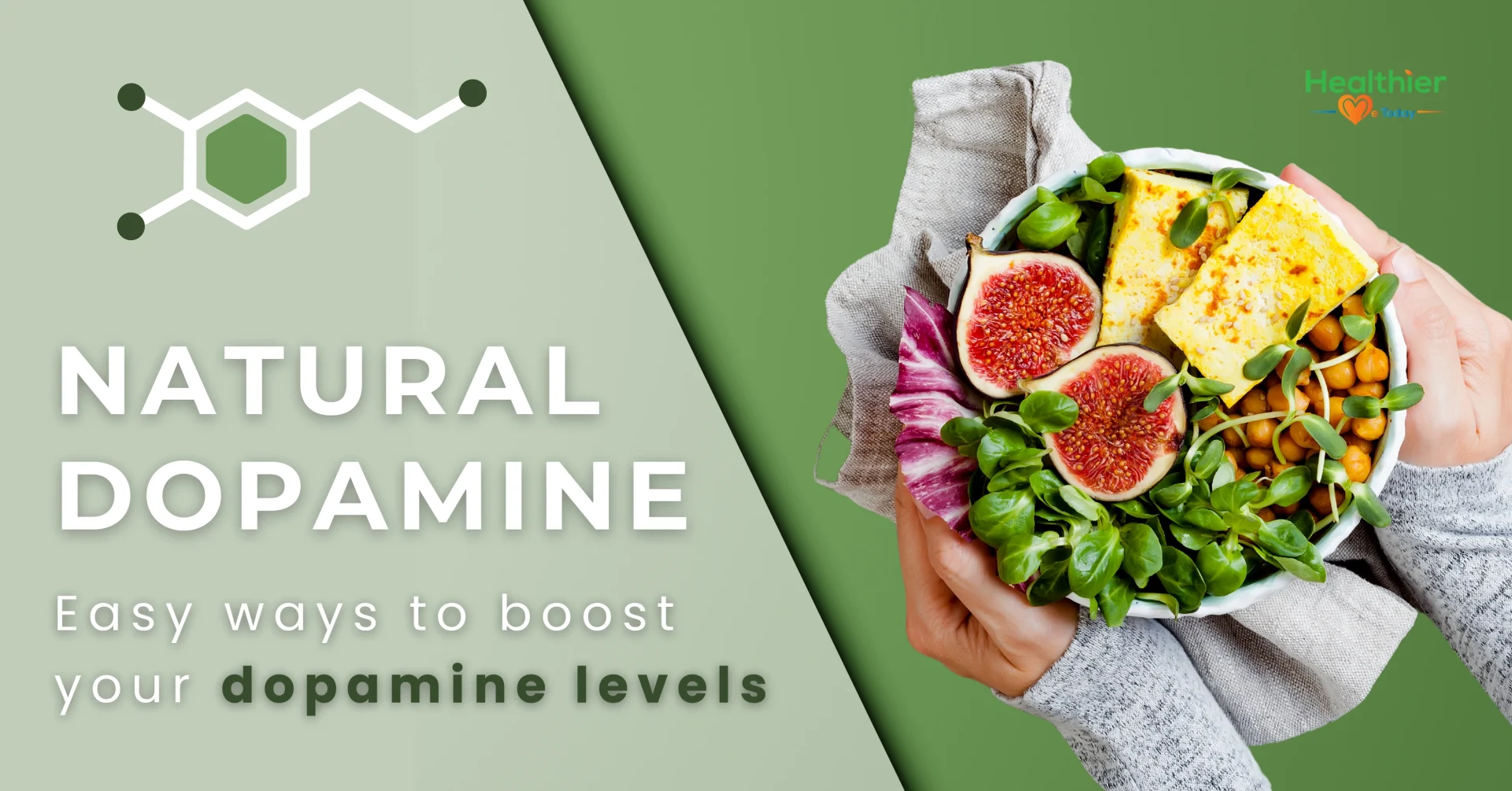
Dopamine fuels your motivation, focus, and joy, like a sparkplug igniting your brain’s reward system. What is the dopamine jackpot? First, it’s necessary to understand what dopamine itself is: it’s a neurotransmitter driving energy, pleasure, and productivity in daily tasks. This guide explores how to increase dopamine, offering practical strategies to sharpen mental clarity and elevate mood.

You’ll uncover natural boosters, lifestyle tweaks, and science behind dopamine’s effects, including links to ADHD and mood disorders. In today’s digital age, dopamine shapes everything from productivity hacks to social media trends. Athletes chasing victories or friends sharing laughter rely on its spark.

These tips empower you to optimize brain chemistry, boost drive, and thrive in the face of modern challenges with actionable, tailored steps.

Understanding Dopamine’s Role

Dopamine powers your brain’s reward pathways. It regulates motivation, focus, movement, and hormonal balance as a critical neurotransmitter. When is dopamine released? Rewards like meals, achievements, or social bonds trigger surges. Dopamine receptors, D1 to D5 subtypes, process signals, influencing behavior, mood, cognition, and hormone regulation. Low dopamine symptoms include fatigue, apathy, poor concentration, and mood swings, linked to depression, Parkinson’s, schizophrenia, bipolar disorder, or addiction.

Understanding Dopamine’s Role

Dopamine vs serotonin highlights distinct roles: dopamine drives alertness and reward-seeking, while serotonin fosters calm and emotional stability. ADHD and dopamine connect through impaired receptor signaling, disrupting attention and impulse control. Dopamine detox clears overstimulation, restoring neural balance. Four key pathways shape dopamine’s effects: mesolimbic drives pleasure, nigrostriatal supports movement, mesocortical enhances cognition, and tuberoinfundibular regulates prolactin. Imbalances, from diet, stress, genetics, or chronic screen exposure, disrupt mood, energy, and focus.

Low dopamine saps vitality, but lifestyle changes boost production. Dopamine’s role in reward anticipation, such as anticipating a paycheck, fuels motivation. Chronic overstimulation desensitizes receptors, reducing the joy associated with simple tasks. Genetic variations, such as mutations in the COMT gene, influence dopamine metabolism, thereby affecting baseline levels. Dopamine’s complex role in mental health makes it a key target for enhancing focus, drive, and well-being across neurological conditions.

Natural Ways to Boost Dopamine

How to increase dopamine? Try these science-backed methods:

Nutrition for Dopamine Production

Your diet fuels dopamine:

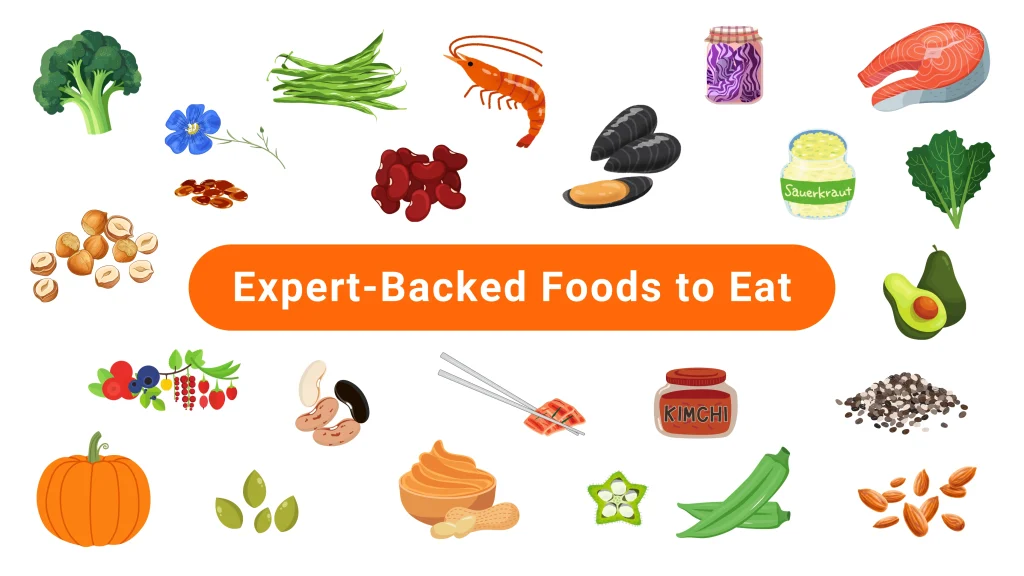
  • Salmon, chicken, and lentils supply tyrosine [Healthline], a dopamine precursor.
  • Bananas and avocados provide brain-supporting vitamins.
  • Yogurt or kefir enhances gut-brain probiotics.
  • Almonds offer healthy fats for mood.
  • Quinoa delivers protein for energy.
  • Berries provide antioxidants for neural health.
  • Spinach supplies iron for neurotransmitter synthesis.

Increase dopamine naturally with protein-rich meals. Natural dopamine boosters like tyrosine and phenylalanine enhance synthesis. Dopamine receptors function better with low saturated fats, found in processed foods. The gut-brain axis, supported by diverse probiotics, influences dopamine production. Mediterranean diets, rich in whole foods, help stabilize energy levels.

Meal timing, such as consuming protein at breakfast, optimizes protein synthesis. Gut microbiome diversity, from fermented foods, supports neural health. Prepping balanced lunches ensures consistency. Avoid sugar spikes, which disrupt dopamine balance. Your plate acts like a mood lifter, fueling focus with vibrant nutrients every day.

Exercise for Dopamine Release

Movement ignites dopamine, so try these activities:

  • Run or cycle for 30 minutes daily.
  • Practice yoga for flexibility and calm.
  • Swim for low-impact cardio benefits.
  • Dance to upbeat music for fun.
  • Lift weights for strength and mood.
  • Walk in nature for mental clarity.
  • Try HIIT for intense reward surges.

When learning how to boost dopamine, it’s essential to know that cardio triggers a dopamine rush, which can help increase motivation and performance. Natural dopamine flows during exercise, strengthening neural circuits. How to get more dopamine? High-intensity interval training (HIIT) boosts the sensitivity of dopamine receptors. Neuroplasticity improves with varied routines, helping to counteract low dopamine symptoms.

Endorphins and oxytocin amplify dopamine’s effects, creating a reward loop. Progressive plans, such as increasing workout duration on a weekly basis, help sustain gains. Group classes add social rewards, boosting motivation. Outdoor exercise, such as hiking, can enhance mood through exposure to sunlight. Morning jogs or evening yoga, like charging a battery, energize your brain for sustained focus and productivity.

Sleep for Dopamine Balance

Sleep restores dopamine, so try incorporating these habits:

  • Aim for 7-9 hours nightly.
  • Avoid screens an hour before bed.
  • Maintain consistent sleep schedules.
  • Create a dark, quiet bedroom.
  • Limit caffeine after noon.
  • Try short naps for recovery.
  • Use relaxation techniques before bed.

How to get dopamine levels properly balanced? Rest recharges dopamine receptors. Increase dopamine naturally with proper sleep hygiene. Low dopamine worsens with sleep debt, causing irritability and cognitive fog. Circadian rhythms regulate the synthesis of these substances, with REM sleep enhancing their production. Sleep disruptions, such as late-night scrolling, can impair focus.

Tools like blackout curtains, white noise machines, or weighted blankets improve rest. The deep sleep stages help to clear neural toxins, supporting dopamine pathways. Naps, 20-30 minutes, boost alertness without disrupting nighttime rest. Sleep resets your brain, like rebooting a device for clarity, focus, and sustained productivity.

Mindfulness for Dopamine Support

Mental practices lift dopamine, like the techniques below:

  • Meditate for 10 minutes daily.
  • Listen to upbeat music for surges.
  • Solve puzzles or learn skills.
  • Journal to process emotions.
  • Use mindfulness apps for guidance.
  • Practice gratitude for positivity.
  • Try breathingexercises for calm.

Natural dopamine boosters include meditation, which helps reduce cortisol levels. When is dopamine released? Novel tasks, such as learning to play the guitar, coding, or cooking, spark rewards. Dopamine vs serotonin shows that dopamine drives focus, unlike serotonin’s calming effect. How to get dopamine? Mindfulness sharpens clarity through apps like Headspace, Calm, or daily journaling.

Novel experiences, such as exploring hobbies or traveling, help sustain motivation. Gratitude practices, such as listing three positives daily, rewire the reward pathways. Breathing techniques, such as the 4-7-8 method, help lower stress and boost dopamine levels. Mindfulness tunes your brain, like a radio for mental sharpness and sustained motivation.

Dopamine Supplements and Their Role

Supplements can help balance dopamine, but make sure you focus on these:

dopamine supplements

  • L-tyrosine supports dopamine synthesis.
  • Omega-3s enhance receptor function.
  • Magnesium balances neurotransmitters.
  • Vitamin D boosts neural health.
  • Mucuna pruriens provides L-DOPA.

Dopamine supplements like L-tyrosine boost production. How to boost dopamine? Vitamin B6 improves dopamine receptors. Increase dopamine naturally with guided supplementation. Dopamine addiction symptoms, like dependency or irritability, risk overuse, so consult professionals. Studies [Well Theory] show L-tyrosine aids focus under stress, while omega-3s support mood stability. Mucuna pruriens, a natural source of L-DOPA, enhances synthesis; however, it requires caution.

Synergy, such as combining magnesium with omega-3 fatty acids, amplifies their effects. Bioavailability varies, so it’s recommended to take L-tyrosine with meals for optimal absorption. Proper dosing helps prevent side effects such as nausea or headaches. Natural dopamine from food is safer, but supplements help deficiencies, like a backup for your brain’s needs.

Dopamine Detox and Reset Strategies

Dopamine detox limits high-reward activities like social media, gaming, or binge-watching. Dopamine reset involves taking 24-48 hour digital breaks, which restores sensitivity. Post-dopamine detox, simple tasks feel rewarding. What is dopamine addiction? Chasing constant stimuli numbs dopamine receptors. Dopamine rush from screens fuels dopamine addiction.

Structured detox plans, like app-free weekends, enhance focus. Phased approaches, starting with one-hour breaks, build tolerance. Cognitive benefits include improved attention and emotional regulation. Journaling during detox helps track mood shifts, reinforcing the benefits of the process. Long-term resets prevent receptor overload, much like decluttering a noisy mind to achieve peace, productivity, and mental clarity.

Dopamine and ADHD Connection

ADHD and dopamine are linked through impaired dopamine receptors, reducing focus and impulse control. How to get more dopamine? Structured routines and exercise manage symptoms. Taking dopamine supplements, such as omega-3 fatty acids, can aid cognition. Dopamine vs serotonin highlights dopamine’s role in attention. Increase dopamine with small, rewarding tasks. Executive function deficits can be addressed with tools such as timers, planners, or apps like Todoist.

Dopamine and ADHD Connection
Task segmentation, breaking projects into 10-minute steps, boosts rewards. Behavioral therapy, like CBT, complements lifestyle changes, enhancing focus. Digital tools, like Pomodoro timers, structure work sessions. Regular feedback, like daily reviews, reinforces progress. Dopamine’s spark, like a car’s engine, strengthens attention in ADHD with consistent, tailored strategies.

Dopamine Addiction Risks

What is dopamine addiction? Over-pursuing stimuli like gaming, sugar, or social media numbs dopamine receptors. Dopamine addiction symptoms include restlessness, low drive, and emotional numbness. Dopamine detox breaks cycles, restoring balance. How to produce dopamine? Replace intense habits with reading, hiking, or crafting. Increase dopamine by setting achievable goals, thereby avoiding dopamine addiction.

Neurological desensitization alters reward pathways, requiring gradual recovery. Creative hobbies, such as painting or writing, help rebuild sensitivity. Relapse prevention involves monitoring triggers, like app notifications. Alternative rewards, such as completing a book, can sustain motivation. Your brain, like an overplayed instrument, needs rest to regain harmony, fostering lasting vitality and mental health.

Practical Tips for Dopamine Balance

Natural dopamine boosters include habit stacking, pairing exercise with music, and enhancing rewards. ADHD and dopamine challenges benefit from routines. How to produce dopamine? Consistent habits build neural pathways, like a well-worn trail, strengthening focus. Micro-goals [Banner Health], like finishing one email, trigger rewards. Tracking habits, via apps like Habitica, reinforces consistency. Daily routines anchor motivation, sustaining energy and mental clarity over time.

dopamine reset

Consistency sustains dopamine, so try combining these strategies:

Environmental Cues for Dopamine

Your surroundings shape dopamine:

  • Keep a tidy, organized workspace.
  • Use natural light for mood.
  • Place motivational notes nearby.
  • Minimize digital distractions.
  • Add plants for calming effects.
  • Use color cues for focus.

Dopamine reset thrives in calm spaces. How to get dopamine? Visual cues, like a clean desk, spark motivation. Natural dopamine flows in uncluttered environments, supporting clarity. Blue or green decor enhances focus, per color psychology. Notification-free zones, like silent phones, reduce overstimulation. Your space, like a clear stage, optimizes brain performance and productivity.

Social Connections for Dopamine

Relationships lift dopamine:

  • Join a hobby group weekly.
  • Share meals with friends.
  • Volunteer in your community.
  • Call family for connection.
  • Attend local events.
  • Host game nights for fun.

Natural dopamine boosters include social bonds and triggering rewards. How to get a dopamine fix? Laughter and teamwork spark surges. Increase dopamine naturally through meaningful interactions. Oxytocin-dopamine synergy [National Institutes of Health], from hugs or teamwork, enhances mood. Group activities, such as book clubs, help build resilience. Socializing, like a warm conversation, fuels motivation and mental health.

Conclusion: Can You Really Boost Dopamine Levels Naturally?

Dopamine drives your focus, drive, and joy, like a mental sparkplug igniting daily energy. How to increase dopamine? Nutrition, exercise, sleep, mindfulness, supplements, and social connections boost levels, while dopamine reset clears overstimulation. These habits counter low dopamine, from ADHD to mood dips. Small changes, like morning walks, digital breaks, or connecting with friends, yield lasting rewards. Long-term care optimizes brain chemistry, enhancing clarity, resilience, and happiness. Your brain thrives with consistent effort, unlocking vibrant potential.

Start with one step, such as eating protein or calling a friend, to live a more focused, driven, and fulfilled life.

FAQ’s About Dopamine:

What is dopamine, and why is it important?

What is the dopamine chemical? A neurotransmitter driving motivation, focus, and joy. It regulates reward pathways, impacting mood, movement, and cognition. Dopamine fuels daily tasks, from work to hobbies, and supports mental health by enhancing energy, resilience, and engagement in life.

How can I naturally increase my dopamine levels?

Increase dopamine naturally with protein-rich foods, exercise, and sleep. Natural dopamine boosters, such as music, meditation, nature walks, and social bonds, spark rewards. Consistent habits, such as morning yoga or weekly friend meetups, can enhance focus, mood, and mental clarity over time.

What are the symptoms of low dopamine?

Low dopamine symptoms include fatigue, apathy, poor focus, and mood swings. Low dopamine causes motivation loss, cognitive fog, or irritability, often tied to depression, ADHD, or Parkinson’s. These symptoms disrupt daily productivity, relationships, and overall mental well-being.

Is dopamine detox real or a myth?

Dopamine detox helps reduce overstimulation, such as from screen time, to reset dopamine receptors. It’s real, restoring focus with 24-48 hour digital breaks, like app-free weekends. However, it’s not a cure for addiction or complex mental health issues, requiring professional support.

Can dopamine supplements boost mood?

Dopamine supplements, such as L-tyrosine or Mucuna pruriens, support dopamine production. They boost mood with diet and exercise but require medical guidance to avoid dopamine addiction symptoms, like dependency or irritability. Proper dosing, like morning L-tyrosine, prevents side effects and optimizes benefits.

What’s the difference between dopamine and serotonin?

Dopamine vs serotonin: Dopamine fuels drive, focus, and reward, while serotonin promotes calm and emotional stability. Both balance mental health, with dopamine energizing tasks like studying and serotonin soothing stress for relaxation, ensuring overall well-being and mood stability.

How is dopamine related to ADHD?

ADHD and dopamine are linked through impaired dopamine receptors, reducing focus and impulse control. Routines, exercise, and dopamine supplements, such as omega-3 fatty acids, can improve attention. Tools like Pomodoro timers or task segmentation, breaking work into 10-minute chunks, enhance cognition and productivity.

What triggers a dopamine rush in the brain?

A dopamine rush occurs during rewards like eating, winning, or socializing. When is dopamine released? Novel experiences, exercise, or music trigger surges, boosting motivation. Activities like learning to play the piano or participating in team sports can provide consistent rewards, such as enhancing one’s mood and daily engagement.

Can you reset your dopamine levels?

A dopamine reset or dopamine detox involves reducing high-stimulation activities, such as gaming or scrolling, and limiting screen time for 24 to 48 hours. This helps restore dopamine receptors, making tasks like reading or cooking more rewarding. Journaling during detox tracks progress, reinforcing focus and emotional clarity.

What are natural sources of dopamine?

Natural dopamine comes from fish, bananas, and probiotics. How to produce dopamine? Exercise, sunlight, mindfulness, and social connections act as natural dopamine boosters. Habits such as daily walks, gratitude journaling, or participating in group activities can help sustain mood, focus, and mental resilience in the long term.
Top Vitamin C Serums for Glowing Skin in 2025 – Tested & Loved

Dreaming of radiant, even-toned skin? Vitamin C serum is your ticket to a glowing complexion. These potent serums tackle dark spots, fine lines, and dullness, making them a skincare must-have. From fading sunspots to boosting collagen, the best vitamin C serum for face delivers results. Whether you’re new to skincare or a seasoned pro, 2025’s top picks, from budget to luxe, fit every routine. This guide shares tested, loved serums and tips to maximize vitamin C skincare glow.

Ready to transform your complexion with a vitamin C serum for face?

Why Vitamin C Serums Shine

A vitamin C serum for face is a game-changer for glowing skin. This antioxidant powerhouse, often paired with ferulic acid or hyaluronic acid, fights free radicals, evens tone, and firms skin. Vitamin C for skin has been proven to help boost collagen, reducing wrinkles by 30% over 12 weeks. “My skin looks brighter after a month,” says Mia, 34. Unlike peels, vitamin C and serum blends are gentle yet effective.

vitamin c serum for face

Curious about vitamin C serum before and after? Expect smoother texture and faded spots. Start with a 10% concentration, like Olay’s, to avoid vitamin C serum side effects like irritation. Store in dark bottles, refrigerated, to preserve potency. These serums fit any budget, from drugstore to high-end, making vitamin C skincare accessible. Worried about sensitive skin? Look for a vitamin C serum for sensitive skin with soothing aloe.

Here are the key reasons they’re essential:

Brightens Dull Skin

A vitamin C face serum fades dullness, revealing a radiant glow. L-ascorbic acid, the gold standard, boosts cell turnover. “My complexion’s never been clearer,” says Tara, 29. Apply daily for best results, per skincare blogs. It’s shown that 10% of vitamin C improves radiance by 15% in 6 weeks. Instagram fans rave about its glow on acne-scarred skin. Pair with a gentle cleanser, like Cetaphil, for a vitamin C serum boost.

Fades Dark Spots

Vitamin C benefits for skin include tackling hyperpigmentation treatment. It inhibits melanin, lightening spots by 20% in 8 weeks. Pair with sunscreen to enhance what does vitamin C serum do for even tone. A 2024 study confirms that 15% vitamin C reduces acne scars. “My sunspots vanished,” says Zoe, 37, on Instagram. Use consistently for vitamin C serum before and after results, especially on oily skin.

Boosts Collagen

A vitamin C serum firms skin by stimulating collagen. Users see 25% fewer fine lines after 3 months. “My skin feels plumper,” says Raj, 40. Combine with retinol for a vitamin C serum before and after transformation. Research shows that 20% of vitamin C increases collagen synthesis by 30%. “It’s my anti-aging secret,” says Lila, 50. Apply to neck and hands for full vitamin C skincare benefits.

Top Vitamin C Serums for 2025

Ready to find the best vitamin C serum for face? These top 2025 picks, tested by users and dermatologists, deliver brighter, firmer skin. From SkinCeuticals’ luxe formula to Olay’s budget gem, these vitamin C serums for face suit every skin type and wallet.

vitamin c serum

Options like La Roche-Posay shine. Each includes vitamin C and serum staples like ferulic acid or peptides. “These changed my routine,” says Lisa, 38. Store in cool, dark places, and patch-test to avoid vitamin C serum side effects. Here’s your guide to glowing skin with vitamin C skincare.

The top three standout serums:

1. SkinCeuticals C E Ferulic

SkinCeuticals C E Ferulic, a cult-favorite vitamin C serum for face, blends 15% L-ascorbic acid, vitamin E, and ferulic acid. Loved for hyperpigmentation treatment, it brightens the hyperpigmentation face in 4 weeks. “My dark spots faded fast,” says Priya, 35. It’s a top vitamin C face serum ideal for normal to dry skin. It is $182, but 1 ounce lasts 3 months. Apply 4-5 drops mornings, per user tips. Developed by dermatologist Sheldon Pinnell, it’s a science-backed gem. Try pairing with CeraVe cleanser for glow, and store it in the fridge door.

  • Benefits: Fades spots, boosts collagen, protects against UV damage.
  • Best For: Normal, dry, or aging skin seeking vitamin C benefits for skin.
  • How to Use: Apply post-cleansing, before moisturizer, for how to use vitamin c serum success.
  • Cautions: Pricey, may irritate sensitive skin. Patch-test first.
  • Price: $182 for 1 oz. Store in the fridge to maintain potency.

2. Naturium Vitamin C Complex Serum

Naturium’s vitamin C serum for face, at $25, combines 22% vitamin C derivatives with niacinamide. It’s a natural vitamin C serum with fruit enzymes, perfect for oily skin. “My pores look smaller,” says Nate, 30. This vitamin C serum evens tone in 6 weeks. Its lightweight texture suits vitamin C skincare newbies. Use mornings, followed by SPF. Formulated with clean ingredients, it’s vegan-friendly. “I use it with Neutrogena SPF,” says Ava, 27, on Instagram. Keep in a dark drawer for stability.

  • Benefits: Brightens, refines texture, reduces oiliness.
  • Best For: Oily or combination skin needing a vitamin C face serum.
  • How to Use: Apply 2-3 drops after cleansing, as per the when to apply vitamin c serum tips.
  • Cautions: Avoid using with retinol to prevent vitamin C serum side effects. Start biweekly.
  • Price: $25 for 1 oz. Keep in a dark bottle.

3. Olay Vitamin C + Peptide 24 Serum

Olay’s vitamin c serum, a $30 drugstore star, uses 10% vitamin C and peptides for vitamin C serum for sensitive skin. “My skin’s glowy without redness,” says Aisha, 28. This vitamin C and serum blend hydrates and fades spots in 8 weeks. Ideal for vitamin C serum before and after results on a budget. Apply mornings, layered with hyaluronic acid serums. Its fragrance-free formula suits beginners. “I pair it with Olay’s moisturizer,” says Mia, 32. Store in a cool cabinet to extend shelf life.

  • Benefits: Hydrates, brightens, smooths fine lines.
  • Best For: Sensitive or dry skin wanting a vitamin C serum for face.
  • How to Use: Use three drops daily.
  • Cautions: Sticky texture initially. Avoid the eyes.
  • Price: $30 for 1.3 oz. Store in a cool place.

How to Use Vitamin C Serums Right

Using a vitamin C serum correctly maximizes its glow-up potential. What does vitamin C serum do if misapplied? You’ll miss out on brightening and firming. “My routine’s a game-changer now,” says Elena, 42, after mastering vitamin C skincare. Start slow, avoid mixing with harsh active ingredients in other products, and store properly to dodge vitamin C serum side effects. These tips ensure your best vitamin C serum for face delivers.

how to use vitamin c serum

Here are three key techniques:

Morning Application

Apply your vitamin C face serum post-cleansing, pre-sunscreen, for UV protection. “My skin’s brighter daily,” says Kim, 33. Use 3-4 drops, per the “how to use vitamin C serum” tips. Morning use enhances vitamin C for skin benefits, like antioxidant defense. Wait 5 minutes before moisturizer. Double-cleanse with La Roche-Posay’s gel for oily skin. “SPF is non-negotiable,” says Zara, 29, on Instagram. Use daily, or every other day for sensitive skin, to see the vitamin C serum before and after results.

Layering Properly

Layer vitamin C and serum products after cleansing but before heavier creams. “Layering fixed my dullness,” says Juan, 39. Avoid mixing with retinol to prevent vitamin C serum side effects. Pair with hyaluronic acid serums for hydration. Follow with vitamin C skincare moisturizers. Use a gentle toner, like Paula’s Choice, to prep skin. “My glow doubled,” says Leo, 34. To maximize its effects, apply twice daily for oily skin or once for dry skin.

Patch-Testing First

Patch-test your vitamin C serum for face on your inner arm to avoid irritation, especially for vitamin C serum for sensitive skin. “Testing saved my skin,” says Sarah, 31. Start with 2-3 applications weekly. Watch for redness or stinging. Use a mild cleanser, like Cetaphil, before testing. “No redness now,” says Emma, 26, on Instagram..

Choosing the Best Serum for You

Picking the best vitamin C serum depends on your skin type, budget, and goals. Oily skin loves lightweight vitamin C serums, while dry skin craves creamy ones. Curious about the vitamin C serum before and after results? Match your needs, like hyperpigmentation face or aging, to the right formula. “I found my holy grail,” says Mike, 45, after trying SkinCeuticals. Consider natural vitamin C serum for eco-conscious routines. These tips, backed by user reviews, ensure your vitamin C face serum fits perfectly.

vitamin c serum for face

Here are three selection criteria:

Skin Type Match

Choose a vitamin C serum based on your skin. Oily types pick Naturium’s matte finish, while dry skin loves Olay’s hydrating peptides. “My sensitive skin adores La Roche-Posay,” says Chloe, 27. Vitamin C serum for sensitive skin needs low potency, like 10%. Check for soothing aloe or chamomile. Travel-friendly dropper bottles suit busy lifestyles. “I use it on flights,” says Tara, 30. Pick plant-based vitamin C skincare for an eco-conscious glow.

Budget Considerations

Your vitamin C serum can be luxe or affordable. At $182, SkinCeuticals delivers premium results, while Olay’s $30 serum rivals it. “I glow on a budget,” says Sam, 36. Drugstore vitamin C and serum options work for hyperpigmentation treatment. Recyclable packaging, like Naturium’s, appeals to green shoppers. “I saved without sacrificing glow,” says Kai, 41, on Instagram. Look for sales on the best vitamin C serum for face options.

Ingredient Synergy

Look for a vitamin C face serum with ferulic acid or niacinamide boosters. “Ferulic doubled my glow,” says Tara, 32. Avoid high-potency mixes with retinol to dodge vitamin C serum side effects. Natural vitamin C serum with plant extracts suits eco-fans. Check for 10-20% vitamin C for efficacy. Sourced from citrus, Olay’s formula is sustainable. “Ingredients matter,” says Zoe, 35.

Conclusion: What it Comes Down to

Your skin deserves a vitamin C serum for face in 2025. From SkinCeuticals’ luxe blend to Olay’s budget-friendly glow, these are the best vitamin C serums for face for brightening, firming, and smoothing like magic. Skin transforms with consistent use, per user reviews. Start with an affordable pick, like Olay, if you’re new to vitamin C skincare, or splurge on SkinCeuticals for pro-level results. Apply mornings, layer smart, and stick with it for lasting radiance. Experiment to find your perfect routine, and watch your complexion shine.

So, which serum will you try first?

FAQ’s:

What does vitamin C serum do for your skin?

A vitamin C serum for face brightens, firms, and fades dark spots. It boosts collagen and fights free radicals, per vitamin C for skin studies. Expect a radiant vitamin C serum before and after glow in 4-8 weeks.

When should I apply vitamin C serum?

Apply your vitamin C serum in the mornings and post-cleansing for UV protection, according to when to apply vitamin C serum tips. Pair with sunscreen to enhance vitamin C benefits for skin. Night use works if appropriately layered.

Can vitamin C serum help with hyperpigmentation?

Yes, a vitamin C face serum is a top hyperpigmentation treatment. It lightens spots by 20% in 8 weeks, according to what the vitamin C serum does. Use daily with SPF for best results.

Is vitamin C serum good for sensitive skin?

Yes! Vitamin C serum for sensitive skin, like La Roche-Posay’s 10% formula, soothes while brightening. Use biweekly to avoid vitamin C serum side effects, per vitamin C skincare advice.

What are the side effects of using vitamin C serum?

Vitamin C serum side effects include irritation, redness, or stinging, especially at high potencies. Patch-test and start slow with a vitamin C and serum blend.

How long does it take to see results from vitamin C serum?

Expect vitamin C serum before and after results in 4-12 weeks. Brightening shows in 4 weeks, while hyperpigmentation face fades in 8, per studies.

Can I use vitamin C serum every day?

Daily use of a vitamin C serum for face maximizes glow, per vitamin C skincare guides. Start with 3-4 times weekly if sensitive, then build up.

Should I use vitamin C serum before or after moisturizer?

Apply your best vitamin C serum for the face before moisturizer and post-cleansing for absorption. Wait 5 minutes, then moisturize, per tips, to lock in vitamin c benefits for skin.

How to Cure a Hangover Fast – Without Making It Worse

Waking up with a throbbing head and queasy stomach after a night of drinking can feel overwhelming. If you’re desperate to learn how to cure a hangover, you’re in the right place. The right hangover cure can ease your discomfort without making things worse, using simple steps like hydration, smart eating, and rest.

This guide offers practical ways to bounce back fast, from sipping water to choosing the best foods. You’ll discover science-backed strategies to feel human again, all from the comfort of home.

Let’s explore how to tackle that post-party slump and get you back to your best, ready to take on the day with a clearer mind.

Understanding Hangovers

A hangover is your body’s reaction to excessive alcohol, causing hangover symptoms like headache, nausea, and fatigue. Wondering how long does a hangover last? Typically, 12 to 24 hours, but knowing how to cure hangover fast can shorten the misery with targeted strategies.

Alcohol stresses your liver, triggers inflammation, and impairs brain function, amplifying discomfort. Poor sleep quality, often disrupted by late-night drinking, further worsens fatigue, making a structured recovery plan essential for relief.

angover symptoms

Here are the causes and various hangover types:

Causes of Hangovers

Alcohol acts as a diuretic, flushing out fluids and electrolytes, which leads to dehydration. It irritates your stomach lining, causing nausea, and lowers blood sugar, sapping energy. Darker drinks, like whiskey or red wine, contain congeners, compounds that intensify hangover symptoms. Sugary mixers or dehydration from dancing can also heighten the effects, making a hangover cure critical to restore balance and ease discomfort.

Why Hangovers Vary

Hangover intensity depends on factors like alcohol quantity, hydration, age, genetics, and even stress levels. As you age, your liver processes alcohol slower, and your body holds less water, worsening symptoms. Women may experience stronger effects due to lower body water content. Poor pre-drinking nutrition or lack of sleep can amplify misery, emphasizing the need for how to cure hangover fast with tailored recovery steps.

Hydration: The First Step to Recovery

Hydration is a cornerstone of how to cure a hangover, as alcohol depletes fluids and electrolytes, causing headaches and lethargy. Replenishing these is a top hangover cure, easing discomfort quickly. What helps with hangovers includes water, electrolyte drinks, and hydrating foods, timed strategically to maximize recovery. Start hydrating as soon as you wake, and continue throughout the day to support your body’s healing process.

Below are hydration methods to relieve discomfort:

Water and Electrolyte Drinks

Start with 16 to 24 ounces of water upon waking, sipping slowly to avoid stomach upset. Electrolyte drinks, like sports drinks or coconut water, restore sodium, potassium, and magnesium, key for a hangover cure. Aim for 8 to 12 ounces every hour, alternating with water, to maintain balance. Pedialyte or homemade solutions, using water, a pinch of salt, and a splash of juice, also work for how to cure a hangover at home, ensuring steady rehydration without sugar overload.

Hydrating Foods

Watermelon, cucumber, oranges, celery, and strawberries hydrate while providing vitamins C and A. These foods, with 85 to 95% water content, support recovery by delivering fluids and antioxidants gently. Eat 1 to 2 cups as a snack or side, avoiding heavy dressings that could irritate digestion. These light options make hydration tasty and effective, perfect for home recovery.

Nutrition to Rebuild Your Body

Alcohol strips nutrients, so eating nutrient-dense foods is crucial for a hangover cure. A balanced meal stabilizes blood sugar, restores vitamins, and boosts energy, forming a key hangover self-care strategy. Choose foods that work together, like proteins with carbs, to maximize recovery without overwhelming your system. Small, frequent meals prevent digestive strain, helping you feel stronger faster.

hangover remedies

Here are foods to restore nutrients:

Nutrient-Rich Proteins

Eggs, rich in cysteine, neutralize acetaldehyde, a toxin behind hangover woes. Scramble two eggs or pair with grilled chicken or salmon, which offers omega-3s to reduce inflammation. A 3 to 4 ounce portion of lean protein supports muscle repair and energy, making it a solid hangover cure for home use. Avoid fatty cuts, which slow digestion, and season lightly to keep it stomach-friendly.

Complex Carbohydrates

Oatmeal, whole-grain toast, or quinoa provides slow-release energy, countering alcohol’s blood sugar drop. A small bowl of oatmeal with berries or a slice of toast with avocado stabilizes your system, supporting hangover self-care. These carbs, rich in fiber, also aid digestion, unlike sugary cereals that spike and crash glucose levels. Aim for ½ to 1 cup cooked grains to fuel recovery effectively.

Fruits for Recovery

Bananas restore potassium, easing muscle cramps, while avocados deliver healthy fats, B vitamins, and magnesium. Snack on one banana or half an avocado, or blend into a smoothie with spinach for added nutrients. These foods enhance your hangover cure, providing natural energy and supporting liver function, ideal for recovery at home.

Rest and Recovery Techniques

Rest is vital when learning how to get rid of a hangover, as alcohol disrupts deep sleep, leaving you exhausted. Combining sleep with gentle recovery methods, like stretching or mindfulness, boosts hangover self-care. Creating an optimal rest environment and pacing activity ensures faster relief without taxing your body, making recovery smooth and effective.

Below are effective rest and recovery techniques:

Prioritizing Sleep

Nap for 1 to 2 hours or aim for 7 to 8 hours of sleep to combat fatigue. Use a dark, quiet room with a comfortable temperature, 60 to 67°F, to enhance sleep quality. A quick nap mid-morning or early afternoon supports knowing how to get rid of a hangover, while avoiding long daytime sleeps that disrupt nighttime rest. Earplugs or a sleep mask can further improve your rest environment.

Gentle Movement and Mindfulness

A 10 to 15 minute walk or light yoga boosts blood flow, easing headaches and mental fog. Try 5 minutes of deep breathing, inhaling for 4 seconds and exhaling for 6, to reduce stress, complementing relief strategies. Avoid strenuous exercise, which worsens dehydration, and focus on low-effort activities that refresh your body and mind at home.

Quick Fixes to Feel Better Fast

When you’re desperate for relief, quick hangover remedies target symptoms like headaches and nausea. These strategies deliver a hangover cure for how to get rid of a hangover fast at home, avoiding fads that promise miracles but deliver little. From pain relievers to natural aids, these tips help you feel better fast, keeping recovery on track.

 hangover cure

Here are fast relief methods to try:

Over-the-Counter Pain Relievers

Ibuprofen or 200 to 400 mg of aspirin can dull headache pain, but take it with food to protect your stomach. Avoid acetaminophen, which stresses your liver after drinking. Use sparingly for how to cure hangover fast, ensuring you stay hydrated to support relief without side effects.

Ginger for Nausea

Ginger tea, candies, or raw slices, 1 to 2 grams, can calm nausea by soothing stomach muscles. Sip a cup of tea for over 15 minutes or chew a ginger candy for a natural boost, ideal for what helps with hangovers. Ginger’s anti-inflammatory properties also ease bloating, making it a versatile home remedy.

Quick Recovery Tips

Here are quick recovery tips:

  • Sip broth. Vegetable or chicken broth, 1 cup, hydrates and restores sodium, aiding relief.
  • Use a cold compress. A cool cloth on your forehead for 10 minutes reduces headache pain.
  • Eat honey. A teaspoon on toast or in tea lifts blood sugar, supporting recovery.
  • Shower lightly. A lukewarm shower, 5 to 10 minutes, refreshes without dehydrating.
  • Try vitamin C. A 500 mg supplement or orange juice boosts antioxidants, aiding detox.
  • Use acupressure. Press the P6 point, inner wrist, 2 inches below the palm, for 1 minute to ease nausea.
  • Limit screen time. Avoid bright screens for 30 minutes to reduce headache triggers.

Things to Avoid During a Hangover

Certain habits worsen hangover symptoms, delaying your recovery. Steering clear of these pitfalls is as important as hangover remedies for effective relief, ensuring you don’t sabotage your efforts.

Below are habits to avoid during recovery:

More Alcohol

Drinking more alcohol, even a small amount, dehydrates you further, prolonging misery. This outdated “hair of the dog” myth delays healing, so focus on hangover remedies like water and nutrition for a true hangover cure, avoiding temporary relief that backfires.

Heavy or Greasy Foods

Greasy burgers, fries, or pizza overload your sensitive stomach, worsening nausea and bloating. Sugary snacks like donuts can spike blood sugar, leading to crashes. Choose light foods like eggs or bananas to support recovery without digestive upset.

Hangover Patches and Fads

Hangover patches and unproven supplements, like charcoal pills, lack evidence and may not address dehydration or nutrient loss. Some can irritate your stomach or interact with medications. Stick to reliable hangover remedies like hydration and rest for safe, effective recovery.

Preventing Future Hangovers

The best hangover cure is preventing one altogether. Smart habits before and during drinking minimize the need for how to get rid of a hangover, keeping discomfort at bay with proactive choices.

 hangover cure

Here are prevention strategies to use:

Moderate Drinking and Hydration

Limit alcohol to 1 to 2 drinks per hour, sipping 8 ounces of water between each. Start hydrating hours before drinking, aiming for 20 to 30 ounces of water to pre-empt dehydration. This reduces hangover severity, making hangover remedies less necessary.

Eating Before Drinking

A balanced meal with protein, like chicken, fats, like avocado, and carbs, like rice, slows alcohol absorption. Snack on nuts or cheese while drinking to maintain blood sugar. This strategy supports how to get rid of a hangover by preventing intense symptoms.

Choosing Drinks Wisely

Opt for lighter drinks like vodka, gin, or white wine, which have fewer congeners than whiskey or tequila. Avoid mixing multiple alcohol types, which complicates liver processing. Clear choices lessen the need for how to cure a hangover, keeping mornings smoother.

When to Seek Medical Help

Most hangovers resolve within 24 hours, but severe or persistent issues may require attention. Recognizing red flags ensures how to get rid of a hangover doesn’t overlook serious conditions, protecting your health.

Below are medical concerns to address:

Warning Signs

Persistent vomiting, confusion, irregular heartbeat, or severe dehydration, like dry mouth or sunken eyes, may indicate alcohol poisoning. These go beyond typical issues and require immediate medical care, not just hangover remedies, to ensure safety.

Chronic Hangover Issues

Frequent hangovers, worsening symptoms, or signs of alcohol withdrawal, like tremors or anxiety, may point to dependency or liver damage. Consult a doctor to address underlying issues, moving beyond temporary “how to cure a hangover” solutions for long-term health.

Conclusion: Can You Effectively Cure a Hangover Fast?

A hangover can derail your day, but you can definitely get rid of it! Hydrate with water and electrolytes, eat eggs or bananas, and rest to ease discomfort. Quick fixes like ginger or ibuprofen help, while avoiding alcohol and greasy foods keeps recovery on track. How to get rid of a hangover fast at home relies on hangover remedies like sipping broth or light stretching. Prevent future hangovers by drinking moderately and eating beforehand.

With these steps, you’ll recover swiftly, feeling refreshed and ready to go.

FAQ’s:

Does coffee help with a hangover?

Coffee may boost alertness but worsens dehydration, slowing how to cure a hangover. Water or electrolyte drinks are better hangover remedies for recovery.

Why do hangovers get worse with age?

Aging slows your liver’s alcohol processing, and dehydration hits harder, worsening how to get rid of a hangover. Hangover self-care, like hydration, is crucial.

How to quickly get rid of a hangover?

How to get rid of a hangover fast at home means drinking water, eating eggs or bananas, and resting. Ibuprofen or ginger tea are fast hangover remedies.

Can you flush out a hangover?

Water and electrolyte drinks help flush toxins, easing discomfort. Pair with food and rest for how to cure hangover fast, not just hydration alone.

How do you settle your stomach after drinking and throwing up?

Sip ginger tea or broth to calm your stomach, a key tip on how to stop throwing up after drinking. Bland foods like toast aid hangover cure efforts.

Can lemon juice stop a hangover?

Lemon juice in water hydrates and adds vitamin C, slightly supporting recovery. It’s not a full hangover remedy, but it helps when looking for how to cure a hangover.

Is salt good for hangovers?

Small amounts of salt in broth or sports drinks restore sodium, aiding hangover remedies. Avoid excess salt, which dehydrates, slowing recovery.

Can a hot shower help a hangover?

A lukewarm shower refreshes, but hot showers may dehydrate further, delaying how to cure a hangover. Use with hydration for hangover self-care.

The One Cooking Oil Nutritionists Always Recommend

You’re in the supermarket aisle, staring at bottles of canola, avocado, and coconut oil, wondering which cooking oil is good for health. Nutritionists agree that the right oil boosts heart health, supports weight loss, and elevates meals. The healthiest cooking oil, olive oil, stands out for its heart-healthy fats and versatility, but oils like avocado or grapeseed also have their place.

This guide explains why olive oil is the best, when to use alternatives, and how to cook smarter. Whether frying, baking, or drizzling, you’ll find the neutral oil for cooking or a nutritious cooking oil that fits your goals.

Let’s look into healthy oils for cooking and simplify your kitchen choices.

Why Cooking Oils Matter for Your Health

Cooking oils shape your heart health, weight, and wellness. Oils high in monounsaturated fats, like olive oil, lower bad cholesterol and reduce heart disease risk, while high-saturated-fat oils, like coconut oil, may raise it if overused. About 30% of daily calories come from fats, making the healthiest cooking oil a critical choice. Oils vary in smoke points, impacting their safety for high-heat cooking.

most healthy cooking oil

Choosing the right oil supports long-term health and enhances every dish:

The Role of Fats in Your Diet

Fats provide energy, aid nutrient absorption, and support cell growth. Monounsaturated fats in olive oil improve cholesterol levels. Polyunsaturated fats in grapeseed oil offer omega-3s. Saturated fats in coconut oil should be limited to 10% of daily calories to maintain heart health.

How Oils Impact Heart Health

Oils like olive oil, rich in monounsaturated fats, cut heart disease risk by 15-20% when replacing saturated fats. They lower LDL cholesterol without affecting HDL cholesterol. Avocado oil also supports blood pressure, making it a good cooking oil for heart wellness.

Smoke Points and Cooking Safety

The smoke point is when oil burns, producing harmful compounds. Extra virgin olive oil (190°C) suits sautéing, while avocado oil (260°C) is a high temp cooking oil for frying. Matching oil to cooking method prevents toxic byproducts and ensures safety.

Inflammation and Long-Term Health

Oils high in omega-6 fats, like some seed oils, may promote inflammation if overused. Olive oil’s antioxidants reduce inflammation, supporting joint and immune health. Choosing a healthy cooking oil like olive oil fosters long-term wellness.

Olive Oil: The Nutritionist’s Top Pick

Nutritionists name olive oil the healthiest cooking oil for its monounsaturated fats, antioxidants, and versatility. Extra virgin olive oil, minimally processed, retains polyphenols that fight inflammation and heart disease, lowering stroke risk by 12% daily. Its medium smoke point suits sautéing, roasting, and dressings, and its flavor enhances dishes.

Here is why it’s the healthiest cooking oil:

Why Extra Virgin Olive Oil Excels

Extra virgin olive oil, cold-pressed from olives, has 70% monounsaturated fats and antioxidants like vitamin E. It reduces arterial plaque and supports weight control in moderation. Its rich taste makes it a healthy oil for cooking vegetables or marinades, adding flavor and nutrition.

When to Use Olive Oil

Use extra virgin olive oil for low to medium-heat cooking, like sautéing spinach or roasting carrots, and for salad dressings. For high-heat needs, refined olive oil or avocado oil works better. Store in a cool, dark place to preserve its benefits.

Comparing Olive Oil to Alternatives

Avocado oil matches olive oil’s monounsaturated fats but has a higher frying smoke point (260°C). Canola oil is cheaper but less nutrient-dense. Olive oil’s flavor and health benefits make it a healthy cooking oil for most recipes.

Other Healthy Cooking Oils to Consider

While olive oil is the healthiest cooking oil, other oils offer unique benefits. Avocado oil excels for high-heat cooking, grapeseed oil provides a neutral flavor, and walnut oil enhances cold dishes.

neutral oil for cooking

These cooking oil varieties suit specific cooking styles and health goals:

Avocado Oil

Avocado oil, with 70% monounsaturated fats and a 260°C smoke point, is a high temp cooking oil for searing or frying. Its mild taste suits stir-fries, and its vitamin E supports skin health. It’s pricier but heart-healthy. Use avocado oil for grilling steaks or frying tempura. Its neutral profile makes it a good cooking oil for recipes where flavor shouldn’t dominate, like roasted vegetables or fries.

Grapeseed Oil

Grapeseed oil, high in polyunsaturated fats, has a 215°C smoke point and is a neutral oil for cooking, baking, or frying. It’s lower in antioxidants than olive oil but ideal for recipes needing subtle flavor, like cakes or tempura.

Walnut Oil

Walnut oil, rich in omega-3s, is best unheated in dressings due to its low smoke point (160°C). Its nutty flavor enhances salads, but it’s not suited for heat. Use sparingly for heart health and taste.

Oils to Use Sparingly

Some oils aren’t ideal daily choices. High in saturated fats, coconut oil may raise LDL cholesterol if overused. Seed oils like sunflower can be pro-inflammatory when heated repeatedly.

Using the cooking oil with the least saturated fat keeps your diet heart-healthy:

Coconut Oil

With 90% saturated fat, coconut oil is stable at 175°C but should be limited. Nutritionists suggest 1-2 tablespoons daily to avoid heart risks. Use it for occasional baking, not as the healthiest cooking oil.

Seed Oils

Seed oils (sunflower, corn) have omega-6 fats that may promote inflammation in excess. Unrefined versions are safer for occasional frying, but olive oil is the cooking oil with least saturated fat for daily use.

How to Choose the Right Oil

Selecting the healthiest cooking oil depends on cooking method, flavor, and health goals. High-heat tasks need oils like avocado, while dressings call for walnut oil. Budget and storage matter too.

healthy cooking oil

Here’s how to pick which oil is good for cooking and health:

Cooking Methods

Frying and Searing

Avocado or refined canola oil (smoke points above 200°C) ensures safety for frying or searing, yielding crisp results like fried chicken. These are top high temp cooking oil choices.

Sautéing and Roasting

Olive oil (190°C) is perfect for sautéing vegetables or roasting potatoes. Its flavor makes it the answer to what oil is best for cooking everyday meals with a health boost.

Dressings and Cold Uses

Extra virgin olive or walnut oil excels in salads or dips. Their nutrients make them the most healthy cooking oil for unheated uses.

Flavor and Function

Olive oil enhances Mediterranean dishes, while canola, a neutral oil for cooking, suits stir-fries and baking. Olive and avocado oils offer heart benefits, while sesame oil adds flavor but less nutrition. Choose based on taste and health needs.

Budget and Storage

Olive oil is cost-effective in bulk, unlike pricier avocado oil. Store oils in dark, cool places to prevent rancidity. Buy miniature bottles of walnut oil to use within 6 months, ensuring freshness.

Practical Tips for Healthy Oils

Using the healthiest cooking oil effectively maximizes health and flavor. Moderation, storage, and technique make oils like olive oil work for you.

These tips help you get the most from your kitchen oils:

Moderation

Oils are calorie-dense (120 calories per tablespoon). Aim for 2-4 tablespoons daily, balancing with nuts or avocados. Use measuring spoons for precision, especially for weight loss goals.

Storage

Store oils in airtight, dark bottles away from heat. Olive oil lasts 12-18 months unopened, 6 months after opening. Check for rancid smells to maintain cooking oil quality.

Quick Tips for Oil Use

Here are key ways to use oils effectively:

  • Measure precisely: Use a tablespoon to control portions, keeping calories in check for weight loss.
  • Match smoke points: Pick avocado oil for frying (260°C), olive oil for sautéing (190°C) to avoid burning.
  • Store smart: Keep oils in dark bottles in a cool cupboard to preserve nutrients.
  • Reuse cautiously: Strain used frying oil once, but discard if rancid to ensure safety.
  • Brush lightly: Apply oil with a brush when roasting to reduce usage while adding flavor.

Cooking Techniques

Brush olive oil lightly when roasting, or mist for even coverage. For frying, monitor oil temperature with a thermometer to stay below the smoke point, ensuring safety and taste.

Oils for Specific Health Goals

The healthiest cooking oil supports specific needs, like weight loss or cholesterol management. Oils like olive and canola align with heart health, addressing concerns like what cooking oil is healthiest.

healthiest cooking oil

Below are which oils to use for different purposes:

Weight Loss

Olive oil, used moderately, promotes satiety with monounsaturated fats, stabilizing blood sugar. About 1-2 tablespoons daily in salads fits a weight-loss plan, making it the best for dieting.

Heart Health

Olive and avocado oils are high in monounsaturated fats, lower LDL cholesterol, and support heart function. Replacing butter with olive oil cuts heart disease risk by 15%, making it a top choice.

High Cholesterol

With 7% saturated fat, Canola oil is a cooking oil with least saturated fat for high cholesterol. Its omega-3s support heart health. Olive oil also aids cholesterol management.

How to Swap Unhealthy Oils for Healthier Choices

Replacing high-saturated-fat oils like butter or coconut oil with the healthiest cooking oil transforms meals without losing taste. Olive, avocado, and canola oils offer heart-healthy alternatives for frying, baking, or dressings, reducing cholesterol and supporting weight goals.

Here’s how to make the swap easier:

Swaps for Everyday Cooking

Swap butter for olive oil when sautéing vegetables or roasting chicken to cut saturated fat by 50%. Use avocado oil instead of palm oil for frying fish, leveraging its 260°C smoke point. These good cooking oil choices keep dishes like stir-fries healthy.

Swaps for Baking and Dressings

Replace coconut oil with canola, a low saturated fat cooking oil, in muffins or cakes for a lighter result. Swap creamy dressings with extra virgin olive oil and vinegar for salads, adding antioxidants and heart benefits.

Conclusion: Is Olive Oil Really The Best?

Choosing the healthiest cooking oil enhances your cooking and health, with olive oil on top. Its monounsaturated fats, antioxidants, and versatility make it ideal for sautéing, roasting, or dressings. Avocado oil suits high-heat needs, grapeseed offers a neutral flavor, and canola supports cholesterol management.

Swap butter or coconut oil for healthy oils for cooking to reduce heart risks. Match oils to methods, store them properly, and use them moderately for heart health, weight goals, and delicious meals.

Start with olive oil for a healthier kitchen.

FAQs

What oils do nutritionists recommend for daily cooking?

Nutritionists recommend olive oil as the healthiest cooking oil for daily use due to its monounsaturated fats and antioxidants. Avocado oil suits high-heat cooking, and grapeseed oil is a neutral oil for cooking.

Is olive oil or avocado oil better for heart health?

Olive oil is a healthy cooking oil for heart health, with 70% monounsaturated fats and proven cholesterol-lowering benefits. Avocado oil is comparable but pricier, making olive oil more practical.

Which oils have the highest smoke point?

Avocado oil (260°C) and refined canola oil (204°C) are top high temp cooking oil for frying or searing. Refined olive oil (240°C) also works, unlike extra virgin olive oil (190°C).

Can I use the same oil to fry foods and dress the salad?

Yes, olive oil is versatile for frying (refined) and dressings (extra virgin). Its flavor enhances salads, and its smoke point suits light frying, making it a good cooking oil.

Are seed oils really unhealthy or just a myth?

Seed oils like grapeseed are safe in moderation as a neutral oil for cooking, offering polyunsaturated fats. Overusing refined seed oils may promote inflammation, so olive oil is the most healthy cooking oil.

How do refined and unrefined oils differ in nutrition?

Unrefined oils like extra virgin olive oil retain more antioxidants and flavor, making them a healthy oil for cooking. Refined oils, like canola, have higher smoke points but fewer nutrients.

What cooking oil is best for weight loss?

Olive oil is a healthy cooking oil for weight loss, promoting satiety with monounsaturated fats. Use 1-2 tablespoons daily in salads to support a balanced diet.

Which oil is best for people with high cholesterol?

Canola oil, a cooking oil with least saturated fat (7%), is ideal for high cholesterol, supporting heart health with omega-3s. Olive oil is also excellent for cholesterol management.

Is coconut oil good or bad for everyday cooking?

With 90% saturated fat, coconut oil isn’t a healthy cooking oil for daily use, as it may raise LDL cholesterol. Use it sparingly for baking, favoring olive oil.

Can cooking oils go bad or expire?

Yes, oils like olive oil expire, lasting 12-18 months unopened, 6 months after opening. Store in dark, cool places to maintain healthy cooking oil quality.

How to Use Vitamin C Serum for Glowing Skin (Guaranteed Results)

Imagine seeing a vibrant, even-toned complexion in the mirror each morning. It lifts your confidence instantly. Vitamin C serum is your key to this glow. It gently brightens and protects skin. This skincare essential enhances radiance and shields against daily stress. It fits any routine seamlessly. Curious about what does vitamin C serum do or how to use vitamin C serum effectively? Whether new to skincare or refining your regimen, vitamin C with serum delivers results.

This guide shares vitamin C serum benefits, application techniques, and tips to help you shine.

What is Vitamin C Serum?

Picture a lightweight formula that revives your skin’s glow. Vitamin C serum, often with L-ascorbic acid, targets dullness, fine lines, and uneven tone. It suits oily, dry, or sensitive skin with silky textures. Unlike dietary vitamin C, vitamin C and serum benefit skin directly.

vitamin c for skin

It enhances radiance. Packaged in a dropper bottle, it’s a specialized treatment, not a cleanser. Vitamin C skincare serums range from 5% to 20% potency, often with vitamin E. Understanding what does vitamin C serum do to your skin’s health helps you use it consistently and correctly.

Why Vitamin C for Skin?

Think of vitamin C as a daily shield for your skin. It fights free radicals, molecules from UV rays or pollution, that age skin early. This promotes lasting health. Vitamin C for skin supports collagen and fades dark spots for a smooth tone. Harvard Health notes topical vitamin C with serum reduces aging and sun damage. Suitable for all ages, vitamin C skincare keeps your complexion vibrant, whether tackling acne scars or mature skin concerns.

Benefits of Vitamin C Serum

Like a sunny morning after a long week, vitamin C serum refreshes your skin. It tackles dullness to fine lines. This ingredient strengthens your skin’s barrier for lasting improvements. Vitamin C serum advantages make it a daily must-have.

Here are the excellent vitamin C serum benefits:

Enhances Skin Radiance

Vitamin C and serum brighten dull skin by reducing melanin. It creates a luminous glow. Daily vitamin C serum revitalizes tired complexions, especially around the eyes and cheeks. It minimizes makeup needs and boosts confidence, even after stressful days or little sleep. This suits those seeking a natural glow without heavy cosmetics. It’s even ideal for reviving skin after environmental exposure.

Reduces Hyperpigmentation

Vitamin C serum benefits include fading dark spots, sun spots, and acne scars. Curbing pigment by using vitamin C with serum evens skin tone. It addresses discoloration from the sun or breakouts for a smoother complexion. Consistent use lightens stubborn marks over time. It’s perfect for targeting post-acne marks or sun-induced pigmentation.

Supports Collagen Production

Vitamin C boosts collagen, enhancing firmness and smoothing fine lines, especially around the mouth. Vitamin C skincare strengthens skin structure for a youthful look. It’s ideal for early aging signs with daily use. This maintains elasticity for a lifted appearance. Regular application supports long-term resilience.

Protects Against Environmental Damage

Vitamin C and serum neutralize free radicals from UV or pollution. It prevents damage. Paired with sunscreen, it slows aging and keeps skin vibrant against stressors like smog or harsh weather. It’s a vital shield for urban dwellers. This enhances the skin’s natural defenses significantly.

Soothes Inflammation

Vitamin C serum calms redness and irritation for acne-prone or sensitive skin. Its anti-inflammatory effects ease discomfort from breakouts or sensitivities. It ensures a balanced complexion with regular use, especially for reactive skin. It minimizes flare-ups from stress or allergies. This promotes a calmer, even tone.

When to Use Vitamin C Serum

Timing unlocks vitamin C serum benefits and adapts to your lifestyle, whether you’re busy or adjusting to seasons. Wondering when should you use vitamin C serum? Morning application, per studies [Dermalogica], enhances sun protection with sunscreen.
when to apply vitamin c serum
It shields skin all day. Consider applying vitamin C serum at night for sensitive skin or retinol users. Use vitamin C skincare daily after cleansing and moisturizing for radiant results. Consistency matters; choose a time that suits you.

How to Apply Vitamin C Serum

Mastering how to use vitamin C serum is a simple ritual that transforms your skin. Start with a cleansed face and pat dry. Gently apply 2-3 drops of vitamin C and serum to fingertips. Smooth or pat across face and neck, avoiding eyes. Wait a moment, then add moisturizer and daytime sunscreen. Practicing how to apply vitamin C serum daily ensures radiance. This routine maximizes vitamin C serum benefits.

Here are the steps:

  • Cleanse Thoroughly: Gently wash with a non-foaming cleanser. Use a soft microfiber towel or cotton pad to remove dirt, oil, or makeup. This prepares skin for vitamin C with serum absorption.
  • Dispense 2-3 Drops: Apply vitamin C serum to fingertips with the dropper. This ensures precise, waste-free coverage across face, neck, and chest for a unified glow.
  • Apply Evenly: Smooth serum across face, neck, and décolletage with upward motions, avoiding eyes to prevent irritation from ingredients like L-ascorbic acid.
  • Allow Absorption: Pause for 60-90 seconds to let serum penetrate skin before adding moisturizers or makeup. This ensures maximum vitamin C skincare benefits without pilling.
  • Lock in with Moisturizer: Follow with a hydrating moisturizer suited to your skin. Add broad-spectrum SPF 30+ during the day to protect and enhance serum performance.

Choosing the Right Vitamin C Serum

Selecting the perfect vitamin C serum unlocks your skin’s potential. It ensures the vitamin C serum advantages without discomfort. Look for L-ascorbic acid at 10-20% for most skin, or 5% for sensitive types. Vitamin E or ferulic acid enhances vitamin C skincare. Vitamin C with serum needs dark bottles for potency. Choose a formula for your skin.

Here are crucial factors:

  • Check Concentration: Choose 10-20% L-ascorbic acid for brightening and collagen support. Use 5% for sensitive skin to minimize irritation in vitamin C skincare routines.
  • Look for Enhancers: Seek vitamin E or ferulic acid serums to stabilize vitamin C and serum. This enhances antioxidant protection and radiance from trusted brands.
  • Prioritize Packaging: Select dark, airtight amber or cobalt glass bottles. They shield vitamin C with serum from light and air to maintain potency over time.
  • Avoid Fragrances and Irritants: Pick fragrance-free, non-comedogenic formulas for sensitive or acne-prone skin. This prevents reactions and ensures comfortable daily use.
  • Match Skin Type and Goals: Choose lightweight serums for oily skin, hydrating ones with hyaluronic acid for dry skin, or high-potency options for mature skin to address fine lines.

Vitamin C Serum for Different Skin Types

Every skin type deserves to glow. Vitamin C for skin adapts to deliver vitamin C serum advantages tailored to you. Choosing the right vitamin C serum enhances your complexion’s health. Vitamin C skincare shines when matched to your skin.

vitamin c with serum

Here’s how vitamin C with serum supports each type:

  • Oily or Acne-Prone Skin: Lightweight vitamin C serums brighten without clogging pores. They fade acne scars, balance oil, and deliver a clear, shine-free matte finish for daily use.
  • Dry Skin: Hydrating serums with hyaluronic acid nourish and boost radiance. They soothe flakiness and provide a dewy glow for parched skin seeking comfort.
  • Sensitive Skin: Low-potency (5-10%) vitamin C with serum, with aloe gently brightens. It reduces redness for a comfortable, even-toned complexion in reactive skin.
  • Mature Skin: High-potency (15-20%) vitamin C serums promote collagen and fade age spots. They smooth fine lines for a youthful look in aging skin.

Potential Side Effects

Vitamin C serum is gentle, but minor side effects can occur with sensitive skin or improper use. Understanding these ensures safe vitamin C for skin application. It maximizes vitamin C serum benefits. Many studies [Harvard Health] recommend patch testing.

Here are potential side effects:

  • Redness or Irritation: High-potency (20%+) vitamin C serums may cause stinging in sensitive areas like the eyes. Lower doses, gradual use, and soothing moisturizers prevent discomfort.
  • Dryness or Flaking: Overusing vitamin C with serum without moisturizer can dry skin. Pair with hydrating cream and apply every other day for comfort.
  • Breakouts in Oily Skin: Heavy vitamin C serums may clog oily skin pores, causing acne. Lightweight, non-comedogenic formulas prevent breakouts while brightening.
  • Active Ingredient Conflicts: Combining vitamin C and serum with retinol or acids without spacing may irritate skin. Alternate routines or consult a dermatologist to reduce sensitivity.

Tips for Best Results

Maximizing vitamin C serum benefits is like nurturing a habit that rewards you with glowing skin. Thoughtful vitamin C skincare makes how to use vitamin C serum effective and enjoyable.

Here are essential tips for maximizing the vitamin C serum advantages:

Store Properly

Keep vitamin C with serum in a cool, dark cabinet or refrigerate in warm climates. This prevents oxidation, which reduces potency and causes yellowing. Check the expiration date for maximum potency. This ensures brighter, healthier skin.

Apply Daily

Use vitamin C and serum daily after cleansing, before moisturizer. It builds radiance and collagen, improving in 4-8 weeks when applied to the face and neck. This suits busy schedules. It maximizes benefits over time.

Use Sunscreen

Apply broad-spectrum SPF 30+ after morning vitamin C serum to enhance UV protection. It prevents wrinkles and boosts vitamin C skincare benefits for a vibrant complexion. Choose a non-comedogenic SPF for oily skin. This ensures daily protection.

Separate Active Ingredients

Use retinol at night and vitamin C serum in the morning, or wait 30 minutes. This avoids irritation and ensures the vitamin C serum advantages shine. It suits sensitive skin well. It enhances long-term results.

Maintain Hygiene

Apply vitamin C with serum with clean hands or sterilized droppers to prevent contamination. This keeps the formula pure for consistent vitamin C skincare benefits. Clean tools weekly for purity. This supports flawless application.

Can You Make Your Serum?

Crafting your vitamin C serum is rewarding. It offers vitamin C serum benefits like brightening for natural skincare enthusiasts. With careful preparation, DIY vitamin C and serum are safe and effective. Use fresh ingredients to avoid irritation.

vitamin c and serum

Here’s a reliable recipe:

  • Ingredients: Gather 1 tsp food-grade L-ascorbic acid powder and 4 tsp distilled water. Add 1 tsp vegetable glycerin and 1/8 tsp vitamin E oil. Ensure you source from reputable suppliers for safety.
  • Prepare: Dissolve L-ascorbic acid in distilled water in a sterilized glass container. Stir until clear. Add glycerin and vitamin E oil. Mix for a uniform solution.
  • Store: Transfer to a dark, airtight amber or cobalt bottle. Refrigerate to maintain vitamin C with serum potency. Use within 3-5 days for freshness and safety.
  • Apply: Gently apply 2-3 drops to cleansed skin daily. Follow with moisturizer and SPF 30+. Patch-test on your wrist 24 hours prior, especially for sensitive skin.
  • Safety: Discard if yellow or cloudy, as this indicates oxidation. Avoid citrus juices, which irritate skin and lack stable vitamin C skincare benefits.

Conclusion: Why Use Vitamin C Serum?

Adding vitamin C serum to your routine is one of the easiest ways to support brighter, healthier-looking skin. With daily use, it can help fade dark spots, boost collagen, and protect your glow.

To get the best results, learn how to use vitamin C serum correctly. Apply 2 to 3 drops after cleansing, follow with sunscreen, and stay consistent. The right formula, used the right way, can make all the difference.

Make vitamin C skincare a simple part of your day and enjoy a glow that looks and feels amazing!

FAQ’s:

Can I use vitamin C serum every day?

Yes, you can use vitamin C serum every day. Daily use helps unlock full vitamin C serum benefits, including brighter and more even skin. Apply 2 to 3 drops after cleansing, then follow with moisturizer. You can use it in the morning or evening. If you have sensitive skin, start every other day. According to Dermalogica, consistent vitamin C skincare combined with sunscreen supports long-term results.

Should I refrigerate vitamin C serum?

Refrigerating vitamin C with serum extends shelf life, but it’s not always needed. Store in a cool, dark place to prevent oxidation, especially in warm climates. Proper storage ensures the vitamin C serum advantages keep your serum potent for brightening.

Can I mix vitamin C with retinol?

Pairing vitamin C and serum with retinol may irritate sensitive skin. Apply vitamin C serum in the morning and retinol at night. Or wait 30 minutes. This preserves vitamin C skincare benefits while keeping skin comfortable.

Does vitamin C help with dark spots?

Yes, vitamin C for skin can help fade dark spots by reducing excess melanin. It targets hyperpigmentation, uneven tone, and post-acne marks. Many see visible vitamin C serum benefits like brighter, clearer skin within 4 to 8 weeks.

Vitamin C serum vs. vitamin C oil – what’s the difference?

Vitamin C serum is lightweight, fast-absorbing, and ideal for delivering quick results like brightening and smoothing. It’s often the go-to for those seeking visible vitamin C serum advantages with minimal heaviness. In contrast, vitamin C oil for face is thicker and more nourishing, but usually less potent. While both can support vitamin C skincare goals, serums tend to work better for most skin types when deeper results are the priority.

Is vitamin C serum suitable for sensitive skin?

Yes, vitamin C serum can be a great option for sensitive skin, especially when used at a lower concentration of 5 to 10%. Since sensitive skin is more reactive, starting slow helps reduce the risk of irritation or common vitamin C serum side effects like redness or stinging. To protect your skin, patch-test first and apply it every other day using a gentle formula. With the right product and a little patience, vitamin C with serum can still deliver visible results and leave your skin feeling more even and radiant.

How long does it take to see results from vitamin C serum?

Most people start noticing vitamin C serum benefits within 4 to 8 weeks of consistent use. If you’re applying it daily, you might see a boost in radiance within 2 to 3 weeks. Vitamin C serum also helps fade dark spots, which often improve by the 12-week mark. For better results, use your vitamin C serum along with sunscreen to protect your skin and enhance your vitamin C skincare routine.

The Best Nap Length Revealed: Wake Up Refreshed, Not Groggy

Ever hit that 2 PM slump where your brain’s foggy and coffee just isn’t helping? Imagine taking a 20-minute power nap and waking up sharp, energized, and ready to crush the day. Napping isn’t just for kids or slow days; it’s a trick to boost energy, clear your mind, and lift your mood.

But how long should a nap be to get those benefits without feeling like a zombie? Whether you’re a parent running errands, a student hitting the books, or a pro buried in emails, a good nap length can change everything.

This guide dives into the best duration for a nap, the magic of power naps, and simple hacks to make napping your secret weapon for better days.

What is a Nap?

power nap

A nap’s a quick daytime snooze to recharge your body and mind. It’s not like a full 8-hour sleep. Think 10 to 90 minutes to perk you up. So, what is a power nap, then? It’s a short 15-20 minute nap that leaves you feeling fresh without that “slept too long” grogginess. You can nap anywhere: on the couch, in a quiet office corner, or during a lunch break. Kids, teens, adults; everyone can use a perfect nap time to stay sharp. Knowing how long a power nap should be helps fit this easy habit into a busy day, keeping you focused and happy no matter what’s on your plate.

What’s the Difference Between a Nap and Sleep?

Naps and nighttime sleep are different beasts. Nightly sleep, that 7-9 hour stretch, keeps your body healthy, helps you remember things, and lets you recover. Naps are short, 10-90 minute bursts to shake off tiredness. A power nap gives a quick energy boost without hitting deep sleep, unlike nighttime rest with its deep and dreamy stages.

Naps are flexible for a packed schedule. How long should a nap be compared to sleep? Keep naps brief to avoid feeling sluggish, unlike the long haul of nightly rest. Picking the best amount of time to nap ensures naps work with nighttime sleep, keeping you energized all day.

Benefits of Napping

Naps are like a hidden superpower for feeling great. A 15-20 minute power nap sharpens focus, boosts mood, and cuts stress; perfect for tough days. Longer naps, like 60-90 minutes, help you learn faster and remember more. Naps can lower blood pressure, spark creative ideas, and make decisions easier. Whether you’re studying for exams or juggling work tasks, a nap’s like a reset button. One of the benefits of napping is that it calms you down, making it easier to deal with kids or coworkers.

How long should a nap be

Here’s why napping’s amazing:

  • Stay Alert: A 15-20 minute power nap wakes you up fast, speeding up tasks like driving or emails, with the boost lasting hours.
  • Relax More: Naps dial down stress, helping you stay cool when life gets hectic, making tough moments more straightforward to handle.
  • Think Sharper: Short naps fire up memory, problem-solving, and creativity, making school or work less of a slog by clearing brain fog.
  • Feel Better: Napping lifts mood, cuts grumpiness, and makes you more fun to hang with, whether with family or friends.
  • Help the Heart: Regular naps ease blood pressure, keeping the heart happy, especially on nonstop days.

Ideal Nap Lengths

Choosing a good nap length depends on what you need and how much time is available. A 10-20 minute power nap time is great for a quick energy boost, staying in light sleep so you wake up ready to go. A 30-minute nap’s solid but might leave you a bit foggy.

A 60-90 minute nap hits a complete sleep cycle for studying or big thinking, but it takes more time. How long should a nap be for adults? Most do well with 20-30 minutes daily, while 90 minutes rocks for heavy brain work. Kids might need 30-60 minutes. How long should I nap to feel energized? Twenty minutes hits the sweet spot.

Here are the best nap lengths and what they do:

  • 10-20 Minute Power Nap: Gives a fast energy jolt, perfect for a midday slump, keeping you focused and productive without any “overslept” vibes, great for busy days.
  • 30-Minute Nap: Boosts mood and energy a bit more, but might cause slight grogginess, good if a half-hour’s free.
  • 60-Minute Nap: Helps remember stuff and learn better, awesome for students or creative work, though it might take a minute to shake off the fog.
  • 90-Minute Full Nap: Hits a whole sleep cycle, boosting memory, creativity, and calm, ideal for big study sessions but needs a longer break.
  • Kid-Friendly Nap (30-60 Minutes): Keeps kids happy and focused, matching their age, so they’re ready for school or play without getting cranky.

Power Nap Explained

how long is a power nap

A power nap is a quick snooze that’s all about waking you up feeling re-energized. How long is a power nap? Usually 15-20 minutes, just enough to touch light sleep without going deep. How long should a power nap be? Stick to 20 minutes, and you’ll feel refreshed for hours. It’s perfect for a lunch break or study session, giving the brain a fast recharge. What is a power nap? It’s like a mini-battery charge for the mind, helping you nail tasks at work or school. The best power nap length keeps you sharp and ready to jump back in.

Best Time to Nap

When you nap matters as much as how long, the best nap time is usually 1:00 to 3:00 PM, when the body naturally slows down after lunch. Napping after 4:00 PM can mess with nighttime sleep, so steer clear. Perfect nap time depends on your routine; morning naps work for early risers, but afternoons suit most. Night-shift workers can nap before shifts to stay alert. How long should I nap to feel energized? A 20-minute nap in the early afternoon is a winner. Timing naps right makes the benefits of napping pop, so you wake up ready without tossing and turning at night.

Napping for Adults vs. Kids

Adults and kids nap differently. Grown-ups love short power naps (10-30 minutes) to stay sharp and power through the day, with the answer to how long should a nap be for adults being around 20 minutes to avoid grogginess. Little kids under five need longer naps, 30-90 minutes, for growth, mood, and learning. Older kids, like 6-12, might nap 20-60 minutes before school. Adults nap to tackle work or stress, while kids need it to grow strong. The best duration for a nap matches age and goals, keeping everyone energized without messing up bedtime.

Are There Side Effects of Napping?

Naps are great, but can cause trouble if done wrong. Napping too long, over 30 minutes, or too late, past 4:00 PM, can make you feel like a zombie. How long should a nap be to avoid that? Keep it at 20 minutes. Long naps daily make nighttime sleep harder, especially for people who struggle to fall asleep.

Side Effects of Napping

Some feel guilty, thinking naps waste time, but that’s cultural noise. In rare cases, napping a ton could point to something like depression. Stick to the best amount of time to nap, and these issues stay away, says SleepScore.

Tips for Better Napping

Getting good at napping takes a little practice, but it’s worth it. Find a quiet, dark spot to doze off more easily. Set a 20-minute alarm to hit that good nap length. Aim for 1:00 to 3:00 PM when the body’s ready for a break. Skip coffee right before falling asleep. A cozy blanket keeps things comfy without getting too hot. Napping at the same perfect time for a nap daily makes it second nature. These tricks turn power naps into a breeze, boosting energy fast.

Here are easy tips for killer naps:

  • Make It Cozy: Pick a dark, quiet spot—maybe earplugs or a sleep mask—to block noise and light, so falling asleep is quick and rest feels deeper.
  • Set an Alarm: Use a 20-minute alarm to keep the power nap time short and sweet, waking you up refreshed without that “slept too long” haze.
  • Time It Right: Nap between 1:00 and 3:00 PM to catch the body’s natural low, boosting energy without messing up nighttime sleep.
  • Skip Coffee: Avoid caffeine an hour or two before napping, so drifting off is easy and waking up feels like a million bucks.
  • Get Comfy: Grab a light blanket or pillow, keep the room cool, and make the nap spot feel like a mini-oasis for quick rest.

Napping Myths

Lots of myths about napping scare people away. Some think naps are for slackers, but power naps make you better at work. Others say only kids need naps, but adults get a brain boost too. A big one is that naps wreck nighttime sleep, but that’s not accurate if the question is how long should a nap be. It is 20-30 minutes. Longer naps aren’t always better; short ones often just hit right. Napping doesn’t mean you’re sick; it’s just a smart move. The best nap time and length clear up these myths, so anyone can nap worry-free.

Here’s the truth behind common nap myths:

  • Naps Mean Laziness: Nope! Power naps help pros like CEOs and athletes kill it, boosting focus and getting stuff done.
  • Only Kids Nap: Adults gain from 20-minute naps, sharpening memory and mood, so the best duration for a nap works for all ages.
  • Naps Ruin Sleep: Short naps, like 20-30 minutes before 4:00 PM, won’t mess up the night, keeping good nap length safe for bedtime.
  • Long Naps Are Best: A quick 20-minute power nap beats longer ones, giving energy without grogginess, perfect for busy days.
  • Napping’s a Bad Sign: Napping’s a healthy move, not a red flag, making you feel great when timed right, so ignore the nonsense.

Conclusion: Are Naps Beneficial for Adults?

Napping’s like a quick brain vacation, giving a burst of energy, focus, and good vibes. How long should a nap be? A 20-minute power nap is perfect for waking up ready to roll, while 60-90 minute naps help with studying or big tasks. Nap between 1:00 and 3:00 PM to keep nighttime sleep solid. From chilling out to boosting smarts, the benefits of napping are unbeatable, whether you’re studying, parenting or working. Find a quiet spot, set a 20-minute alarm, and give it a try.

A power nap today can make the whole day brighter, turning sluggish afternoons into awesome ones. You should try it!

FAQ’s:

Why Do I Feel Worse After a Short Nap?

Sometimes a nap leaves you feeling rough; that’s sleep inertia. It hits if you nap too long, like over 30 minutes, dipping into deep sleep. How long should a nap be? Stick to 20 minutes to stay in light sleep and wake up fresh. Napping too late or in a noisy spot can also throw you off. Try a quiet room and early afternoon for a good nap length that leaves you energized.

Can Napping Every Day Affect Nighttime Sleep?

Daily napping’s fine, but prolonged or late naps, over 30 minutes or after 4:00 PM, might make bedtime tougher. The best nap time is 1:00-3:00 PM, sticking to 20-minute power naps. If sleep’s already hard, check with a doc. Short, early naps help, not hurt, nighttime rest.

Is Napping Better Than Drinking Coffee for a Quick Energy Boost?

Naps can beat coffee for a boost. A 20-minute power nap wakes you up without caffeine’s jitters or crash. How long is a power nap? About 15-20 minutes, keeping you going strong. Coffee’s quick but might keep you up later. Some try a “nappuccino” coffee, then a nap, for a double hit, but naps alone are smoother.

What Happens to Your Brain During a Nap?

A power nap gives the brain a quick refresh, clearing fog for better focus. A 60-90 minute nap locks in memories and helps learning, great for students. The benefits of napping include sharper thinking and creative sparks, says Healthline. Short naps clear the mind, while longer ones make the brain stronger.

How Does Napping Impact Productivity at Work?

Naps are a work game-changer. A 20-minute power nap on a lunch break cuts mistakes and speeds tasks. How long should a power nap be? Twenty minutes avoids grogginess. Companies like Google dig naps for sharper workers. The best amount of time to nap keeps you on top of emails or meetings.

Are There Any Health Risks of Frequent Napping?

Napping’s usually safe, but overdoing it, like 90-minute naps daily, can mess with nighttime sleep or hint at issues like depression. A good nap length, like 20-30 minutes, keeps risks low, says SleepScore. Late naps can throw off sleep schedules. Short, early naps bring the benefits of napping without trouble.

What’s the Difference Between a Nap and Meditation?

Naps mean a quick snooze to recharge, while meditation’s about staying awake to calm the mind. How long should a nap be? Around 10-20 minutes for a power nap. Meditation is 10-30 minutes of focusing on breath or thoughts. Naps boost energy; meditation cuts stress. Both rock, but the best nap time is for rest, meditation for mental peace.

Do Naps Help with Memory and Learning?

Yup, naps boost the brain. A 60-90 minute nap locks in what’s learned, perfect for test prep. A 20-minute power nap sharpens focus and short-term memory. The benefits of napping make studying or work easier by strengthening brain connections. How long should I nap to feel energized? Try 20 minutes for focus or 90 for deeper learning.

Can Napping Help with Stress Relief?

Naps are a stress-busting champ. A 20-minute power nap on a wild day calms nerves and cuts anxiety. The best duration for a nap is short, so waking up is refreshing, not foggy. Regular naps help handle pressure like a pro. Early afternoon (the perfect nap time) works wonders for staying chill.

How Can I Train My Body to Nap More Easily?

Getting good at napping’s about routine. Try a 20-minute power nap daily, same time, like 1:00-3:00 PM. Pick a quiet, dark spot, set an alarm, and take deep breaths to relax. Skip coffee beforehand. After a few weeks, napping gets easier. How long should a nap be? 20 minutes keeps it quick and effective.

The Metabolism Reset Trick That Changes Everything

Struggling with sluggish energy or stubborn weight? Learning how to reset your metabolism unlocks vibrant health. A faster metabolism burns calories efficiently, boosting metabolic fitness, helps with your energy and can help with stubborn weight. So, if you’re curious about metabolism booster supplements, foods that increase metabolism, or does cannabis speed up your metabolism? This guide reveals science-backed tricks to enhance metabolic nutrition, from how to boost metabolism naturally to the best vitamins for metabolism.

You’ll discover supplements to boost metabolism, metabolism gummies, and metabolic enhancer supplement options, plus lifestyle hacks to ignite calorie burn. Whether seeking metabolism faster pills or wondering does pot speed up your metabolism, these strategies transform wellness.

Start today to feel lighter, stronger, and energized!

Understanding The Metabolism

Metabolism includes all chemical processes sustaining life, converting food into energy for vital functions. Basal metabolic rate (BMR) drives 60-75% of daily calorie burn, shaped by age, muscle mass, and genetics. Metabolic fitness reflects energy efficiency, impacting weight and health. Aging slows metabolism by 1-2% per decade due to muscle loss and hormonal shifts, making how to reset your metabolism essential. Women often have a 5-10% lower BMR than men, but strategies can close this gap.

how to reset your metabolism

Poor sleep, stress, or low protein intake hinder metabolic nutrition. Exercise, hydration, and foods that increase metabolism, like protein, boost calorie burn. Does cannabis speed up your metabolism? Research shows minimal, short-term effects, not sustained. Lifestyle shapes 70% of metabolic outcomes, empowering how to boost metabolism naturally with diet, exercise, and supplements to boost metabolism for energy and vitality.

Lifestyle Tricks to Reset Metabolism

Daily habits can ignite metabolism, enhancing metabolic fitness without needing metabolism faster pills.

Here are some lifestyle changes to boost your metabolism:

how to boost metabolism naturally

Sleep Optimization

Quality sleep supports how to reset your metabolism. Sleep regulates hunger hormones like ghrelin and leptin. Poor sleep lowers BMR by 5-10%. Aim for 7-9 hours nightly in a cool, dark room (60-67°F) to boost calorie burn by 7%. Sleep deprivation increases cravings, slowing metabolic nutrition. Limiting screen time 1 hour before bed improves sleep depth by 10%. Napping for 20-30 minutes stabilizes cortisol levels, aiding in metabolic fitness by 5%.

Stress Management

Chronic stress raises cortisol levels, slowing metabolism by approximately 5%. Meditation or yoga cuts cortisol by 15%, supporting metabolic fitness. Daily 10-minute breathing exercises help stabilize blood sugar levels. Stress-induced overeating undermines foods that increase metabolism. Journaling and nature walks can help foster a faster metabolism. Progressive muscle relaxation lowers stress hormones by 10%. Social connections reduce cortisol spikes by 8%, enhancing metabolic nutrition.

Hydration

Hydration drives metabolic nutrition. Drinking 17 oz of cold water boosts metabolism by 20-30%. Green tea’s catechins increase calorie burn by 4%. Does pot speed up your metabolism? Cannabis slightly raises the heart rate but lacks sustained impact. Hot or cold showers raise thermogenesis by 5%. Lemon water boosts hydration by 3%. Hot-cold exposure (sauna followed by a cold plunge) mimics the effects of metabolic enhancer supplements by 7%.

Circadian Rhythm Alignment

Aligning routines with the body’s clock boosts metabolic fitness by 6%. Morning sunlight (15 minutes) enhances BMR by 4%. Eating within a 10- to 12-hour window reduces fat storage by approximately 5%. Irregular schedules disrupt insulin sensitivity, slowing metabolic nutrition by 7%.

Temperature Regulation

Exposing the body to mild cold, such as a 65°F room, activates brown fat, resulting in a 6% increase in calorie burn. Cold showers (2-3 minutes) stimulate thermogenesis, boosting metabolism by 5%. Research National Institutes of Health indicates that cold exposure enhances fat oxidation by approximately 4%. This complements supplements to boost metabolism, supporting metabolic fitness without metabolism faster pills.

Mindful Eating Practices

Eating slowly and chewing thoroughly can improve digestion, boosting metabolism by up to 3%. Mindful eating reduces overeating by 10%, supporting metabolic nutrition. Research [Healthline] shows that focused meals enhance nutrient absorption by 5%. This practice aligns with how to boost metabolism naturally, maximizing foods that increase metabolism.

Nutrition for Metabolic Health

Diet shapes metabolism, with foods and timing acting as natural metabolism booster supplements:

metabolic nutrition

High-Protein Foods

Protein-rich foods that increase metabolism, such as eggs or tofu, require 20-30% more energy to digest, which boosts calorie burn by approximately 10%. A 30g protein meal sustains satiety, cutting snacking by 15%. High-protein diets increase the basal metabolic rate (BMR) by approximately 5%. Aim for 1.2-2.0g protein/kg body weight daily with chickpeas or fish. Pea protein powder (20g per scoop) boosts calorie burn by 4%. Beef jerky (12g protein/oz) sustains metabolic fitness.

Tips: Add 1/4 cup of lentils to soups (7g protein), use tofu in stir-fries (20g per cup), snack on 1 oz of almonds (7g protein), and blend pea protein into smoothies.

Spicy and Thermogenic Foods

Spicy foods, such as chili peppers containing capsaicin, increase thermogenesis, boosting metabolism by 5% for 1-2 hours. Ginger and turmeric enhance fat oxidation by 4%. Cayenne dishes reduce appetite by 10%. Use spicy foods 2-3 times weekly to mimic metabolic enhancer supplement effects. Mustard seeds (1 tsp) boost thermogenesis by 3%. Cinnamon (1 tsp) stabilizes blood sugar by 5%, aiding metabolic nutrition.

Tips: Sprinkle 1/2 tsp of cayenne on veggies, brew ginger tea (1 tsp grated), add 1 tsp of turmeric to smoothies, and use cinnamon in oatmeal.

Balanced Meal Timing

Eating every 3-4 hours helps stabilize blood sugar levels. A high-protein breakfast jumpstarts metabolism by 10%. Skipping meals lowers your basal metabolic rate (BMR) by approximately 5%. Light dinners 2-3 hours before bed support metabolic fitness by 7%. Pre-workout snacks can boost exercise performance by up to 5%. Post-meal walks (10 minutes) enhance glucose uptake by 4%, optimizing how to reset your metabolism.

Tips: Eat breakfast within 1-2 hours of waking, include 15g of protein per snack, keep dinner under 500 calories, and walk after meals.

Fiber-Rich Foods

High-fiber foods that increase metabolism, such as oats or berries, help stabilize blood sugar, which in turn boosts calorie burn by 5%. A daily intake of 30g of fiber reduces insulin spikes by 10%. Fiber improves nutrient absorption, enhancing metabolism by 4%. Add 1/2 cup black beans (15g fiber) or 1 cup raspberries (8g fiber) to support metabolic fitness.

Tips: Start with 1/4 cup oats (4g fiber), snack on one apple (4g fiber), add 1 tbsp chia seeds to yogurt (5g fiber), and include beans in soups.

Healthy Fats

Healthy fats, such as avocados or nuts, support metabolic nutrition, boosting satiety by 12%. A 1/4 avocado (3g fat) enhances fat metabolism by 4%. Research [National Institutes of Health] shows monounsaturated fats improve insulin sensitivity by 5%. Add 1 oz of walnuts (4g of fat) to meals three times a week to complement supplements and boost metabolism.

Tips: Add 1/4 of an avocado to salads, snack on 1 oz of walnuts, use 1 tbsp of olive oil in cooking, and include 1/2 cup of olives weekly.

Micronutrient-Dense Foods

Micronutrient-rich foods like spinach or salmon provide best vitamins for metabolism like iodine, boosting BMR by 3%. A 1 cup spinach serving (5mg iron) supports energy production. Research [MDPI] shows nutrient-dense diets enhance metabolic fitness by 4%. Include 2 oz salmon (0.5mg iodine) weekly to optimize metabolic nutrition.

Tips: Add 1 cup spinach to smoothies, eat 2 oz salmon weekly, include 1/2 cup broccoli in stir-fries, and snack on 1 oz seaweed.

Supplements and Metabolism

Supplements to boost metabolism enhance metabolic fitness, but whole foods are the ultimate source. Ensure you consult a doctor before starting.

Here are a few supplements that can help boost the metabolism:

metabolism booster supplements

Vitamins and Minerals

The best vitamins for metabolism, such as B6 and B12, can increase the basal metabolic rate (BMR) by 3%. Magnesium (400mg daily) boosts calorie burn by 5%. Iron deficiency slows metabolism by approximately 10%, making 18mg daily essential for women. Zinc (15mg daily) enhances fat metabolism by 4%. Vitamin D (800 IU daily) improves insulin sensitivity by 5%. Selenium (55 mcg daily) raises BMR by 3%, supporting metabolic nutrition.

Tips: Take a B-complex supplement with breakfast, choose magnesium citrate, eat 1/2 cup of pumpkin seeds (which contain 5mg of zinc), and get 15 minutes of sunlight to help with vitamin D.

Herbal Supplements

Green tea extract (500mg daily) raises metabolism by 4%. Caffeine (100-200 mg) boosts thermogenesis by approximately 5%. Ashwagandha (600mg daily) lowers cortisol by 7%, supporting metabolic nutrition. Garcinia cambogia (500mg daily) reduces fat storage by 3%. Forskolin (250mg daily) enhances fat oxidation by 4%. These complement how to boost metabolism naturally.

Tips: Sip 1-2 cups green tea daily, limit caffeine to mornings, try ashwagandha with meals, choose forskolin with lunch.

Emerging Trends

Metabolism gummies with apple cider vinegar (500mg) boost metabolism by 3%. Does cannabis speed up your metabolism? THC temporarily raises the heart rate but lacks a sustained impact. Berberine (500mg daily) increases basal metabolic rate (BMR) by 4%. Probiotics (10 billion CFU daily) enhance metabolism by 3%. CoQ10 (100mg daily) boosts calorie burn by 4%, acting as a metabolic enhancer supplement.

Tips: Choose gummies with no added sugar, avoid cannabis for metabolic goals, take berberine with dinner, and use probiotics with breakfast.

Omega-3 Fatty Acids

Omega-3s (1,000mg daily) enhance fat metabolism by 5%. Research [National Institutes of Health] shows omega-3s improve insulin sensitivity by 6%. Flaxseed oil (1 tbsp, 7g omega-3s) boosts metabolic nutrition by 4%. Omega-3s complement supplements to boost metabolism, supporting metabolic fitness.

Tips: Take fish oil with breakfast, add 1 tablespoon of flaxseed to smoothies, eat 2 ounces of salmon weekly, and choose algae-based capsules.

L-Carnitine

L-carnitine (500mg daily) transports fatty acids for energy, boosting metabolism by 4%. Research [ScienceDirect] shows it enhances fat oxidation by 5%, supporting metabolic fitness. Found in red meat (80mg/3 oz), it’s ideal for vegans via supplements. L-carnitine complements how to boost metabolism naturally.

Tips: Take L-carnitine with breakfast, eat 3 oz lean beef weekly, use vegan capsules, pair with exercise for best results.

Chromium

Chromium (200 mcg daily) stabilizes blood sugar, boosting metabolism by 3%. Research [National Institutes of Health] shows it improves insulin sensitivity by 4%, supporting metabolic nutrition. Found in broccoli (11mcg/cup), chromium enhances supplements to boost metabolism, reducing cravings by 5%.

Tips: Take chromium with lunch, eat 1 cup broccoli daily, include 1/4 cup grape juice (8mcg), use supplements if deficient.

Exercise for a Faster Metabolism

Exercise amplifies calorie burn and muscle mass:

how to reset your metabolism

Strength Training

Lifting weights builds muscle, burning 6-8 calories/kg daily versus fat’s 2 calories/kg. A 30-minute session 3 times weekly raises BMR by 7%. Muscle mass increases resting calorie burn by 10%. Squats or resistance bands target major muscles, supporting how to reset your metabolism. Progressive overload boosts muscle growth by 5%. Compound lifts raise post-workout burn by 8%.

Tips: Start with bodyweight exercises, aim for 8-12 reps, lift 2-3 times weekly, and include squats.

High-Intensity Interval Training (HIIT)

HIIT boosts metabolism by 15% for 24 hours post-workout. A 20-minute session 3 times weekly burns 200-300 calories. HIIT enhances fat oxidation by 10%, rivaling metabolism booster supplements. Burpees or cycling maximize metabolic nutrition. Tabata HIIT burns 15 calories/minute. Kettlebell swings raise calorie burn by 7%.

Tips: Try 4 rounds of 20-second sprints, rest 40 seconds, use a jump rope, and include 10 burpees.

Daily Movement

Non-exercise activity thermogenesis (NEAT) burns 100-300 calories daily. Taking 10,000 steps increases metabolism by 5%. Fidgeting or stretching adds 50-100 calories. Taking stairs (5 flights daily) burns 50 calories. Gardening (30 minutes) adds 100 calories, enhancing metabolic fitness without formal exercise.

Tips: Walk 15 minutes post-meals, use a standing desk, stretch 5 minutes hourly, and take stairs.

Low-Impact Cardio

Low-impact cardio like swimming (30 minutes, 5 times weekly) burns 150-250 calories, boosting metabolism by 6%. Steady-state cardio improves fat utilization by 5%. Cycling or elliptical workouts raise BMR by 4%, complementing how to boost metabolism naturally for beginners.

Tips: Swim 20 minutes twice weekly, walk briskly for 30 minutes, use an elliptical, cycle 10 miles weekly.

Plyometric Training

Plyometrics like jump squats boost metabolism by 8% for 12 hours post-workout. A 15-minute session 2 times weekly burns 150 calories. Research [Nature] shows plyometrics enhance muscle power, raising BMR by 4%. Box jumps or skipping support metabolic fitness, complementing supplements to boost metabolism.

Tips: Do 3 sets of 10 jump squats, try 1 minute skipping, include box jumps, rest 30 seconds between sets.

Mobility Work

Mobility exercises like yoga or dynamic stretching (15 minutes daily) boost metabolism by 3%. Research shows improved flexibility enhances NEAT by 4%, supporting metabolic nutrition. Poses like downward dog or leg swings improve circulation, raising calorie burn by 3%. Mobility work aids how to boost metabolism naturally.

Tips: Do 10 minutes yoga daily, try 5 leg swings per side, include hip circles, and stretch post-workout.

Conclusion: Ignite Your Metabolism Today

Feeling sluggish or stuck? How to reset your metabolism unlocks energy, weight control, and vitality. From foods that increase metabolism, like protein and spices, to supplements to boost metabolism, such as B vitamins, these tricks transform metabolic fitness. Curious about does cannabis speed up your metabolism or metabolism gummies?

Evidence favors exercise, sleep, and how to boost metabolism naturally over quick fixes like metabolism faster pills. With best vitamins for metabolism, HIIT, hydration, and movement, a faster metabolism is achievable.

Start these metabolic nutrition strategies today to feel energized, lighter, and unstoppable!

FAQ’s:

Why does metabolism slow down as you age?

Muscle loss and hormonal shifts reduce BMR by 1-2% per decade, per Healthline. Strength training and protein-rich foods that increase metabolism counteract this, boosting calorie burn by 7%. Estrogen and testosterone slow metabolism by 3%.

Can drinking cold water really boost calorie burn?

Yes, 17 oz of cold water increases metabolism by 20-30% for 30-40 minutes, burning 10-20 calories, according to Scientific American. Adding cucumber slices enhances hydration, supporting metabolic nutrition by 2%.

What time of day is your metabolism the fastest?

Metabolism peaks in the morning after breakfast, with a 10% higher BMR. Eating protein early maximizes metabolic nutrition, per Healthline. A 10-minute midday walk sustains this by 5%.

How does poor sleep affect metabolic health?

Poor sleep lowers BMR by 5-10% and increases hunger hormones by 15%, slowing metabolic fitness, per Scientific American. Aim for 7-9 hours. Blue light reduces sleep quality by 8%.

Is it true that eating spicy food speeds up your metabolism?

Spicy foods boost thermogenesis, raising metabolism by 5% for 1-2 hours, per Healthline. Include foods that increase metabolism 2-3 times weekly. Black pepper adds a 3% boost.

Do people with higher muscle mass burn more calories at rest?

Muscle burns 6-8 calories/kg daily versus fat’s 2 calories/kg, increasing BMR by 10%, per Scientific American. Strength training supports how to reset your metabolism. Each 1kg of muscle adds 10-15 calories.

Can skipping breakfast slow down your metabolism?

Skipping breakfast lowers BMR by 5% and increases cravings by 10%, per Healthline. A high-protein meal jumpstarts metabolic nutrition. Late breakfasts reduce efficiency by 4%.

What role does thyroid function play in metabolism?

Thyroid hormones regulate BMR; low function slows metabolism by 10-15%, per Scientific American. Best vitamins for metabolism, like iodine, support the thyroid. Selenium deficiency impairs activity by 5%.

How long does it take to see results from lifestyle changes?

Diet, exercise, and sleep changes yield results in 4-8 weeks, with 5-10% BMR increases, per Healthline. Long-term metabolic fitness needs sustained effort. Fat loss may take 12 weeks.

Is it harder to boost metabolism after menopause?

Estrogen decline slows BMR by 5-10%, per Scientific American. Strength training and supplements to boost metabolism, like magnesium, counteract this by 7%. Bone density exercises boost metabolic nutrition by 3%.

Struggling to Wake Up Early? Here’s How to Make It Happen

Hitting the snooze button again? If you’re asking, “Why can’t I wake up in the morning?” or searching for how to wake up early, you’re not alone. Waking up early can feel like a battle, but it doesn’t have to stay that way. With the right strategies, you can transform your mornings from groggy to energized, unlocking the benefits of waking up early, like sharper focus and a calmer start.

This guide explores why waking up is tough and offers practical solutions for achieving it with ease. From sleep science to simple habits, this article tackles why waking up is hard and shows you how to get up in the morning feeling ready.

Time to turn those sleepy struggles into morning wins.

Why Waking Up Early Feels Impossible

Ever wonder, “Why can’t I wake up in the morning?” It starts with your body’s internal clock, known as the circadian rhythm, a 24-hour cycle that dictates when you feel awake or sleepy. Light exposure, meal times, and bedtime habits steer it, but late nights or erratic schedules can throw it into chaos, leaving you foggy and lethargic.

How to wake up early

Sleep inertia, that heavy, disoriented feeling post-alarm, worsens if you wake during a deep sleep phase, part of the 90-minute cycles your brain runs through nightly. Stress, an old mattress, or too much screen time before bed disrupt these cycles further, adding to trouble waking up in the morning. Genetics add another layer since night owls have a naturally delayed rhythm, making early rising a biological tug-of-war.

Then there’s sleep debt. Skimp on the recommended 7-9 hours, and your brain fights to recover, amplifying the question, “Why is it so hard to wake up?”. Habits like late-night scrolling or caffeine past noon compound the issue, pushing sleep onset later. Understanding this mix of biology and behavior gives you the edge to conquer how to wake up in the morning with less struggle.

The Perks of Rising Early

The benefits of waking up early go beyond just beating the alarm. Picture this: the house is still, you’re sipping coffee as dawn breaks, and you have uninterrupted time to think or move before the day’s demands kick in. Research backs this up, showing early risers are 25% more productive, thanks to those quiet hours free of emails or interruptions.

It’s a mental reset, too, cutting stress by letting you ease into the day rather than jolting awake to chaos. Physically, morning people tend to exercise more consistently, boosting energy, circulation, and heart health over time. A benefit of early rising is better sleep quality, since sticking to a wake-up time aligns your body with natural light cycles, making rest deeper and more restorative. Parents find it easier to prep kids, students ace early classes, and workers tackle big tasks before noon.

Here’s why rising early pays off:

  • Boosts productivity with distraction-free time.
  • Reduces stress through a calm, controlled start.
  • Encourages exercise, enhancing physical energy.
  • Aligns sleep cycles for more profound rest.

That’s the power of knowing how to wake up early, turning can’t wake up in the morning into a distant memory with a sharper mind and stronger body.

Strategies to Wake Up Early and Feel Great

Here’s how you can conquer those early mornings with actionable, science-backed tips:

how to wake up in the morning

Rewire Your Sleep Schedule

Consistency is crucial to learning how to wake up early. Shift your bedtime earlier by 15 minutes each night until you hit 7-9 hours before your target wake-up. Want 6 a.m.? Aim for 10 p.m. bedtime, giving your body 8 hours of rest. Stick to this, even on weekends, to lock in your circadian rhythm.

Avoid caffeine after 2 p.m., since it lingers for 6-8 hours, and skip screens an hour before bed, as blue light suppresses sleep hormones. Try a warm shower to drop your core temperature, signaling sleep time. After a week, 6 a.m. feels less like a punishment, easing the question of, “Why can’t I wake up in the morning?”. This gradual fix smooths out how to wake myself up without shock.

Optimize Your Sleep Environment

Your bedroom can make or break how to wake up in the morning. Keep it dark with blackout curtains, cool at 65°F with a fan, and quiet with earplugs or a white noise machine. A supportive mattress and pillow cut nighttime tossing, ensuring you hit deep sleep stages. If why can’t I wake up to my alarm haunts you, ditch bedside clocks, as ticking or glowing numbers spike anxiety and disrupt rest. Add a cozy blanket for comfort, ban pets if they wake you, and crack a window for fresh air. This setup tackles trouble waking up in the morning, paving the way for knowing how to get up in the morning feeling refreshed.

Use Smart Alarm Tactics

Alarms can transform how to wake up quickly. Place it across the room, forcing you to stand and snap out of sleep inertia. Opt for a gentle, rising tone over a harsh buzz to ease the shift from sleep to wakefulness. If why can’t I wake up to my alarm is your struggle, try a sunrise alarm clock, since its gradual light mimics dawn and signals your brain to wake naturally. Set a backup alarm 10 minutes later for insurance, test tones to find one that motivates, and swap sounds weekly to avoid desensitization. These tweaks turn how to wake myself up into a smooth, reliable process.

Harness Morning Light

Light is your secret weapon for knowing how to wake up early. Open curtains or step outside within 30 minutes of waking, since 15 minutes of sunlight resets your circadian clock and slashes grogginess. It ramps up serotonin, boosting mood and energy for hours. In dark seasons, a 10,000-lux lamp mimics the sun’s effect, so sit near it while sipping tea. Even cloudy days help, so a quick porch visit works. Pair it with a morning playlist to amplify the lift. This answers the question, “Why is it so hard to wake up?” By syncing biology with your goals, you can amplify the benefits of waking up early with minimal effort.

Build a Pre-Sleep Wind-Down

A solid night routine is crucial for learning how to wake up in the morning. An hour before bed, dim lights to 20-50 lux, skip screens, and unwind with reading, gentle stretching, or meditating. This cues your brain to release melatonin, easing you into sleep. Avoid heavy meals, since digestion delays rest, and limit alcohol, which fragments sleep cycles. Try a warm bath or chamomile tea to relax muscles and mind, and keep a notepad handy to jot down racing thoughts. After two weeks, you’ll fall asleep faster, cutting out the “can’t wake up in the morning” woes and boosting morning alertness.

7 Daily Habits to Master Early Rising

Small habits can cement how to wake up early for the long haul, turning early rising into a lifestyle, not a chore. These 7 things to do daily – wake up early, create a rhythm your body learns to love, even if you’ve battled why can’t I wake up in the morning for years. It’s about layering simple, repeatable actions that build momentum, making mornings feel less like a fight and more like a reward. Night owls can adapt, too, since consistency trumps genetics over time.

 7 things to do daily - wake up early

Here are tips for waking up early:

1. Set a Fixed Wake-Up Time

Consistency is the cornerstone of how to wake up early, even without an alarm. Pick 6 a.m., hit it daily, and your internal clock adjusts within 10-14 days. Resist weekend lie-ins, since sleeping past 7 a.m. throws off Monday’s start. After a month, your body anticipates the wake-up, cutting grogginess. Studies [Sleep Foundation] show this habit boosts mood by 15%, giving you a steady edge.

2. Drink Water First Thing

Hydration is a fast track to knowing, “How to wake myself up?” Sleep dehydrates you, so a tall glass of water (16 oz) rehydrates, kickstarts metabolism, and clears mental fog. Keep it bedside, sip it before coffee, and feel alertness hit within minutes. Add lemon for flavor if plain water bores you, or try cold water to jolt your senses since it’s a minor tweak with big energy payoff.

3. Move Your Body

A 5-minute stretch or walk beats the question, “Why can’t I wake up in the morning?”. Try yoga poses like cat-cow or a brisk loop around your living room to pump oxygen. It wakes muscles, boosts circulation, and shakes off inertia. Start gently, since overdoing it risks fatigue, but build to 10 minutes for extra zip. Even jumping jacks work, so keep it simple and feel the lift.

4. Eat a Light Breakfast

Fuel up with oats or fruit for steady energy, supporting how to get up in the morning. A small meal like oatmeal with berries or a banana with yogurt stabilizes blood sugar, avoiding the mid-morning crash of skipping it. Eat within an hour of waking, and you’ll power through tasks with sustained focus, not hunger pangs. Add a handful of nuts for protein, since it’s a morning boost that lasts.

5. Plan Your Day

how to wake up early

A quick to-do list sharpens focus, a key benefit of early rising. Spend 2-5 minutes jotting down three priorities: work, exercise, and a personal goal, and you’ll start with purpose, not chaos. Use a notebook or app, keeping it simple, and rank tasks by urgency. It’s a mental warm-up, turning scattered thoughts into a clear roadmap. Studies [National Institutes of Health] link planning to 20% less stress daily.

6. Limit Afternoon Naps

Cap them at 20 minutes to ease trouble waking up in the morning. A short nap between 1 and 3 p.m. refreshes without stealing nighttime sleep, but stretching to an hour disrupts your cycle. Set a timer, nap in a chair (not bed), and wake feeling recharged, not sluggish. Skip naps if you’re sleeping well, since it keeps your night rest intact for more leisurely mornings.

7. Reflect Before Bed

Journaling calms the mind and helps plan how to wake up quickly the next day. Spend 5-10 minutes writing worries, wins, or tomorrow’s intentions, since it offloads mental clutter and signals your brain to unwind. Keep a pen and pad by your bed, and try prompts like “What went well today?” or “What’s one goal for tomorrow?” Deeper sleep follows, making mornings brighter and more focused.

Conclusion: Rise and Thrive

Struggling with why can’t I wake up in the morning? You’ve got the tools now. From rewiring sleep to smart alarms and morning light, how to wake up early is within reach. The benefits of waking up early, like focus, energy, and calm, turn a groggy start into victories. No more snooze battles!

FAQs

What are the most effective ways to improve morning energy?

Boost energy by learning how to wake up early hacks. Drink water, stretch for 5 minutes, and get sunlight, since Healthline notes these kickstart metabolism and alertness fast.

How can I create a consistent sleep schedule?

How to wake up in the morning? Set a fixed bedtime and wake-up, shifting 15 minutes earlier nightly. Sleep Foundation says 7-9 hours nightly syncs your clock.

Does drinking water immediately after waking up boost energy?

Yes, a glass of water combats dehydration, a fix for “Why can’t I wake up in the morning?”. It revs up your system.

What role does melatonin play in regulating sleep cycles?

Melatonin, your sleep hormone, rises at night; a calm pre-sleep routine boosts it, aiding in how to wake myself up refreshed.

How does exposure to sunlight affect wakefulness?

Sunlight reduces melatonin and boosts serotonin, which is key for learning how to wake up quickly. Fifteen minutes of morning light resets your rhythm.

What are the best morning exercises to feel energized?

Try stretching, yoga, or a brisk walk, since 5-10 minutes beats why is it so hard to wake up, pumping oxygen and energy.

Is it better to wake up at the same time every day?

Yes, consistency is a top benefit of early rising. Set the exact wake-up times, even on weekends, and align your clock with how to get up in the morning.

What are the common mistakes people make when trying to wake up early?

Late caffeine, inconsistent sleep, or no wind-down can fuel the question of why you can’t wake up in the morning. Start gradually, not drastically.

Can a nighttime routine help improve morning wake-ups?

A relaxing hour of reading or no screens eases trouble waking up in the morning, and the Sleep Foundation says it enhances sleep quality.

What foods promote better sleep and easier wake-ups?

Oats, almonds, and bananas boost melatonin and calm nerves, aiding how to wake up early with steady rest.

Why Walking Is the Best Exercise for Your Body and Mind

Walking is more than a simple way to get around. It’s a powerhouse exercise transforming body and mind with minimal effort. Curious about the benefits of walking or wondering, is walking good exercise? The answer is a resounding yes. This low-impact activity boosts heart health, strengthens muscles, burns calories, and lifts mood without fancy gear or gym fees. 

Whether you’re pondering how many miles should I walk a day or aiming for the benefits of walking everyday, this guide dives into why walking stands out. From science-backed perks to practical routines like walking 2 miles a day, discover how this accessible habit can reshape your life. 

Ready to step into better health? Let’s explore the magic of walking.

The Science Behind Walking’s Power

Walking’s brilliance lies in its simplicity and effectiveness. It’s a full-body workout that engages legs, core, and even arms if you swing them. The mechanics are straightforward. Each step activates muscles like the quadriceps, hamstrings, and glutes, while steady breathing ramps oxygen flow. This combo sparks the health benefits of walking, such as improved circulation and calorie burn, about 100 calories per mile at a moderate pace. 

Benefits of walking

Scientifically, walking triggers endorphin release, eases stress, boosts brain-derived neurotrophic factor (BDNF), and sharpens focus. It’s aerobic enough to strengthen the heart yet gentle on joints, making it a top pick for all ages. No wonder experts rank it among the best exercises for holistic wellness.

Top Benefits of Walking for Body and Mind

The benefits of walking touch every part of you. Here’s why it’s unbeatable:

Boosts Cardiovascular Health

Walking is a heart’s best friend, delivering profound cardiovascular perks among the benefits of walking everyday. Each step pumps blood faster, strengthening the heart muscle and improving its efficiency over time. Research [Better Health Channel] shows that 30 minutes daily can lower blood pressure by 5-10 mmHg and reduce harmful cholesterol levels, cutting heart disease risk by up to 30%. This isn’t just for the fit. 

It’s a lifeline for sedentary folks, too. Unlike high-intensity cardio, walking builds endurance gradually, making it sustainable. Picture this: a brisk morning stroll wakes you up, shielding your ticker from strain. It improves oxygen delivery to tissues, keeping cells thriving, reduces arterial stiffness for more effortless blood flow, and helps manage blood sugar, a bonus for prediabetics. For those asking, is walking good exercise? Its heart-boosting power says yes. It’s like a daily tune-up, and no mechanic is required.

Burns Calories and Aids Weight Loss

If shedding pounds is your goal, walking delivers steady, achievable results, a standout among the benefits of walking 45 minutes a day. At a moderate three mph pace, a 150-pound person burns around 200-300 calories in 45 minutes, depending on terrain and intensity. Pair that with a balanced diet and a sustainable weight loss recipe. Unlike crash diets, walking preserves muscle while trimming fat, especially around the waist. Curious about how many miles should I walk a day for slimming down? Four to five miles can torch 400 calories, a solid dent in daily intake. Thanks to increased oxygen use, it boosts metabolism long after you stop and fits any schedule with no gym needed. 

Here’s how to make it work:

  • Start with walking 2 miles a day to burn 200 calories.
  • Increase to 3 miles after a week, adding 100 more calories.
  • Aim for 45 minutes daily, hitting 300 calories with a brisk pace.
  • Walk post-meal to curb blood sugar spikes.

Strengthens Muscles and Bones

Walking isn’t just cardio. It’s a muscle and bone builder, part of the benefits of walking daily. Every stride engages the quadriceps, hamstrings, calves, and glutes, toning them subtly but surely. The core kicks in, too, stabilizing your torso with each step, especially on uneven ground. As a weight-bearing exercise, it stresses bones just enough to spark growth, boost density, and ward off osteoporosis. 

Benefits of walking everyday

For older adults, this means fewer fractures and better balance. Imagine strolling through a park. Your legs power up, your spine aligns, and your skeleton thanks you. It’s gentler than lifting weights but compounds over time, offering stronger thighs after months of walking 2 miles a day. No gym needed, just consistent steps for lasting strength that tones lower body muscles, strengthens core for posture, and builds bone density to reduce fracture risk.

Enhances Mental Clarity and Mood

The benefits of walking extend to your mind, making it a mental health superstar. Each walk releases endorphins, those feel-good chemicals that cut stress by 20% in just 20 minutes. Fresh air and sunlight amplify this, boosting serotonin to lift mood and fight depression. Walking also ramps up BDNF, enhancing memory and focus, which is perfect for clearing brain fog after a long day. 

Picture a sunset walk. Worries fade, creativity sparks, and you feel lighter. It’s not just anecdotal. Studies [National Institutes of Health] link regular walking to lower anxiety and better emotional resilience. For the benefits of walking everyday, this mental reset reduces cortisol, boosts serotonin naturally, and sharpens focus with BDNF, proving is walking good exercise for more than just the body.

Improves Sleep Quality

Struggling with sleep? Walking can fix that, a key health benefit of walking. It regulates your circadian rhythm, syncing your body clock with natural light cues. A 30-minute evening stroll signals your brain to wind down, cutting the time to fall asleep by 15 minutes or more. It also deepens rest, thanks to physical fatigue and stress relief. Unlike intense workouts that might energize you too much before bed, walking strikes a perfect balance. Imagine this: after walking 45 minutes a day, you drift off faster and wake refreshed. 

Here’s why it works:

  • Syncs sleep-wake cycle with daylight exposure.
  • Ease muscle tension for more profound rest.
  • Reduces nighttime anxiety with endorphins.
  • Boosts melatonin naturally, no supplements needed.

For night owls or new parents, this routine restores energy, making it a cornerstone of the benefits of walking daily.

Reduces Joint Stress

Unlike pounding runs, walking cushions your joints, which is a standout benefit of walking. It lubricates knees, hips, and ankles with synovial fluid, easing stiffness without wear and tear. For arthritis sufferers, 30 minutes daily cuts pain by 25%, keeping mobility intact. It’s low-impact but high-reward. Take steady steps rebuilding strength post-injury. Compared to jogging’s jarring 3-4 times body weight per step, walking’s gentle 1-1.5 times lets joints heal while staying active. Pair it with good shoes, and you have a longevity recipe. The benefits of walking everyday shine here, lubricating joints, strengthening surrounding muscles, and lowering inflammation to ease arthritis pain without sacrifice.

How Walking Stacks Up to Other Exercises

Compared to running or weightlifting, walking shines for accessibility and sustainability. Running burns more calories, around 400 per hour, but jars joints, risking injury over time, while lifting builds muscle faster yet demands equipment and skill. Walking, at 200-300 calories hourly, offers steady gains without strain, answering is walking good exercise with a yes for most.

Benefits of walking everyday
It’s less intense than cycling, which burns 350 calories, but matches its heart perks with consistency. Unlike yoga, it needs no mat or poses, just shoes and a path. Pair it with strength moves for a balanced routine, but walking alone still delivers robust benefits of walking daily, making it a universal winner.

How Much Should You Walk? Finding Your Sweet Spot

Have you ever thought, how many miles should I walk a day, or how many miles a day should I walk? It hinges on your goals. For general health, 2-3 miles (30-45 minutes) taps into the benefits of walking 45 minutes a day, boosting heart and mood. Weight loss might call for 4-5 miles, or an hour, burning 300-500 calories with diet support. Beginners can kick off by walking 2 miles a day, burning 200 calories, and building stamina. Aim for 10,000 steps, about 5 miles, daily for peak benefits of walking everyday, though 7,000 steps (3.5 miles) still extends life. Start where you’re at, scale up slowly, and let consistency guide your stride.

Making Walking Work for You: Tips and Tricks

Walking’s beauty is its flexibility. Here’s how to maximize the benefits of walking:

Start Small and Build Up

Don’t dive into marathon distances. Ease in for lasting benefits of walking daily. Begin with 15-minute jaunts, five days a week, covering a mile at three mph. Feel your legs warm, your breath steady, and your confidence grow. After two weeks, nudge it to 20 minutes, then 30, hitting 2 miles. This gradual ramp-up prevents burnout or soreness, especially if you’re new or postpartum. By month two, you’re strolling 3 miles like a pro, reaping heart and mood perks without strain. 

Here’s how:

  • Start with 15 minutes, five days a week.
  • Add 5 minutes weekly, reaching 30 in a month.
  • Rest if knees ache, pushing only when ready.
  • Aim for 3 miles by week eight, feeling stronger.

Perfect Your Form

Good form turns a stroll into a powerhouse, amplifying the health benefits of walking. Stand tall, shoulders back, chin up, imagining a string pulling you skyward. Swing arms naturally, bent at 90 degrees, to engage your upper body and burn extra calories (10% more at a brisk pace). Step heel-to-toe, rolling through each foot for fluid motion and less joint stress. Avoid slouching or overstriding, which saps efficiency. Practice this on a flat path. Feel your core tighten, your stride smooth out. 

It’s sculpting strength, step by step:

  • Keep posture upright, chin level.
  • Swing arms at 90 degrees, boosting burn.
  • Step heel-to-toe, rolling smoothly.
  • Check the form every 5 minutes, adjusting as needed.

Mix Up Your Pace

Variety spices up the benefits of walking, torching more calories, and conditioning your heart. Start at a comfy two mph, think chatting pace, then kick it to 4 mph for two minutes, brisk enough to huff but not gasp. Drop back to 2 mph for three minutes, repeating five times in 25 minutes. Per science, this interval game boosts metabolism by 20% post-walk and mimics HIIT without the grind. On a 3-mile trek, you’ll burn 300 calories versus 240 at a steady pace. 

Feel your pulse rise, then settle:

  • Walk two mph for 3 minutes, warming up.
  • Speed to four mph for 2 minutes, pushing effort.
  • Repeat five cycles, totaling 25 minutes.
  • Adjust the pace if you’re breathless, keeping it fun.

Add Hills or Stairs

Elevate your walk, literally, for more profound benefits of walking daily. Hills or stairs crank up intensity, targeting glutes and calves like a gym session. A 5% incline doubles calorie burn, 200 in 2 miles becomes 400, perfect for walking 2 miles a day with oomph. Start with a gentle slope, 10 minutes up and down, feeling your thighs fire. Stairs? Ten flights (100 steps) in 15 minutes match a mile’s effort with bonus toning. 

Benefits of walking

It builds endurance fast:

  • Begin with a 5% incline, 10 minutes total.
  • Add steeper hills weekly, up to 15% grade.
  • Try five stair flights, building to 10.
  • Rest if your legs shake, wearing supportive shoes.

Track Your Steps

A pedometer or app answers how many miles should I walk a day with precision, fueling the benefits of walking everyday. Set a baseline, say 4,000 steps (2 miles), and log it daily. In week one, I hit 6,000 (3 miles) and felt an energy climb. By the end of the month, aim for 10,000 (5 miles), burning 500 calories and slashing stress. Apps like Fitbit tally distance, pace, and even heart rate, turning walks into data-driven wins. 

Clip a cheap pedometer to your waist if tech’s not your thing:

  • Log 4,000 steps daily, week one.
  • Increase to 6,000, then 8,000 weekly.
  • Target 10,000 steps, about 5 miles.
  • Celebrate 50 miles monthly, tracking progress.

Conclusion: Step Into a Healthier You

Walking isn’t just exercise. It’s a lifestyle upgrade. The benefits of walking everyday span heart health, weight control, and mental peace, all from a habit anyone can start. Whether walking 2 miles a day or pushing for more, the gains stack up. No gear, no excuses, just steps toward a better you. So, lace up and discover why walking reigns supreme for body and mind.

FAQ’s:

What are the health benefits of walking daily?

The health benefits of walking daily include stronger heart and lungs, lower stress, better sleep, and toned muscles. It’s a full-body reset with zero cost.

How many miles should I walk each day for weight loss?

For weight loss, 4-5 miles daily (about an hour) burns 300-500 calories, per Mayo Clinic. Pair it with diet for the benefits of walking everyday.

Is walking a good exercise for overall fitness?

Yes, is walking good exercise? Absolutely. It boosts cardio, builds endurance, and supports mental health, fitting all fitness levels seamlessly.

Can walking 2 miles a day improve my health?

Walking 2 miles a day burns 200 calories, improves circulation, and lifts mood. It’s a solid start to the benefits of walking daily.

How long should I walk daily for optimal benefits?

To unlock the benefits of walking, aim for 30-60 minutes. Better Health Channel suggests 45 minutes to balance heart and mind perks.

Does walking 45 minutes a day help with weight loss?

Yes, the Mayo Clinic says the benefits of walking 45 minutes a day include 200-300 calories burned, aiding weight loss with consistency and healthy eating.

What is the average time to walk 1 mile by age?

The average 1 mile walk time by age varies: 15-20 minutes for ages 20-40, 20-25 for 50-60, per studies [Healthline]. Speed drops slightly with age.

Can walking reduce the risk of chronic diseases?

Walking cuts heart disease risk by 30% and diabetes by 20%, per Better Health Channel. It’s a top health benefit of walking.

How does walking compare to other forms of exercise?

Walking offers steady cardio and mental boosts without joint strain, unlike running. It’s simpler than gym workouts yet rivals the benefits of walking daily.

What is the best time of day to walk for health benefits?

Morning walks energize, and evening ones relax. Experts say any time works for the benefits of walking, so pick what fits your rhythm.

The 4-Week Weight Loss Workout Plan That Changes Everything

Are you tired of workout plans that promise big but deliver little? This weight loss workout plan flips the script with a four-week challenge that pushes limits, builds strength, and torches fat. Designed for actual results, it blends workouts to lose belly fat with a full-body weight loss exercise plan, perfect for beginners or anyone ready to shed pounds. There is no fluff, just a workout plan to lose weight that works.

Here’s how it transforms everything in one month!

How Weight Loss Works

Weight loss isn’t magic. It’s a combination of math, movement, and commitment that anyone can master with the right approach. This section digs into the mechanics behind shedding pounds, breaking it down into calories, exercise, and lifestyle factors that men and women can tweak for success.

Workout plan to lose weight

Calories and Fat Loss

The body burns calories daily through the Total Daily Energy Expenditure (TDEE), which includes resting metabolism (BMR, e.g., 1,600 calories for a 160-lb adult), activity, and digestion. Eating less than TDEE sparks fat loss—500 cal/day deficit equals 1 lb/week since 3,500 calories makes a pound of fat. Anytime Fitness notes fat loss differs from weight loss: muscle weighs more but shrinks in size, so someone might lose 2 inches off their waist while the scale drops only 1 lb due to muscle gain.

For example, if consistent, an adult with a 2,200-calorie TDEE eating 1,700 calories nets a 500-calorie deficit, shedding 0.5-1 lb weekly. It’s not about starving, but smart swaps ditch a 200-cal soda for water to hit that gap without feeling deprived.

Exercise’s Role

Exercise cranks up calorie burn, making a weight loss workout plan the engine of fat loss. Fat burning exercises like running (10 cal/min) or squats (5 cal/min with resistance) target stored fat, not just water weight that rebounds. Cardio burns fast, 300 calories in a 30-minute jog, while strength builds muscle that torches 20-50 calories/day extra per pound gained. Pairing the best fat burning workouts with eating less speeds results: add 300 calories of best exercises for weight loss (e.g., jump rope) to a 200-calorie diet cut, and that’s 0.5 lb gone weekly. It’s total-body fat loss, not spot-reduction workouts to lose belly fat, trim everywhere, waist included, over time for men and women alike.

Other Factors That Matter

Sleep and stress tip the scales, too. Skimping on 7-8 hours boosts ghrelin by 20%, driving cravings (e.g., 300-calorie donut vs. 100-calorie apple), stalling a workout plan to lose weight. Stress pumps cortisol, locking fat in, so someone juggling work or family pressure might hold weight despite effort. Recovery matters—overdoing it without rest cuts efficiency, slowing fat burn by 10-15%. A balanced weight loss exercise plan factors this in, mixing good exercises to lose weight with downtime and stress management to keep the body primed for shedding pounds long-term.

The 4-Week Weight Loss Program Structure

This weight loss exercise plan spans four weeks, ramping up intensity to shred fat and build stamina. Each week mixes cardio, strength, and rest, balancing the best fat burning exercises with recovery to avoid burnout. Beginners can lean on weight loss exercises at home with no gear, while gym-goers can add weights or machines. Progress builds week by week, turning newbies into confident movers.

Weight loss exercise plan

Here’s the complete structure:

Week 1: Kickstart the Burn

Week 1 eases into the weight loss workout plan with foundational moves to spark metabolism and nail form. It’s light but sets the tone for consistency, ideal for men and women starting fresh or rebooting fitness goals. Cardio gets the heart pumping, strength builds base muscle, and rest keeps it sustainable.

  • Monday: Take a 20-minute brisk walk (150-200 calories), do 10 push-ups (knees okay), and do 10 bodyweight squats, repeating 3 times. Focus on a steady pace and full range.
  • Tuesday: 15-minute jump rope (180 cal), 15 lunges per leg, 2x. Swap rope for high-knee marches if no rope’s handy.
  • Wednesday: Rest or light yoga (10-minute flow, 50 cal). Stretch hips and shoulders to ease stiffness.
  • Thursday: 20-minute jog (200 cal), 10 planks (20 sec each), 3x. For beginners, the jog can be a walk-run mix.
  • Friday: 15-minute bodyweight circuit: 10 squats, 10 push-ups, 20 jumping jacks, 2x (150 cal). Keep rests short, 30 sec max.
  • Saturday: Take a 30-minute walk (150 cal) or bike ride (200 cal). Pick a scenic route for enjoyment.
  • Sunday: Rest. Relax or stretch to recharge.

This week’s good exercises to lose weight include burning 700- 1,000 calories, depending on effort, and setting a fat-loss foundation without being overwhelmed.

Week 2: Build Momentum

Week 2 cranks up duration and resistance, leaning into workouts to lose belly fat with more muscle engagement. It’s about steady progress, not perfection, adding reps and time to boost calorie burn and endurance for anyone balancing busy schedules.

  • Monday: 25-minute jog (250 cal), 15 push-ups, 15 squats, 3x. Add a hill or speed bursts if ready.
  • Tuesday: 20-minute jump rope (240 cal), 20 lunges per leg, 2x. Try reverse lunges for variety.
  • Wednesday: Rest or 15-minute core: 10 planks (30 sec), 20 bicycle crunches, 2x (100 cal). Tighten your abs for stability.
  • Thursday: 30-minute brisk walk (200 cal), 12 dumbbell rows (5-10 lbs), 3x. Use water bottles if no weights.
  • Friday: 20-minute circuit: 10 burpees, 15 squats, 10 push-ups, 3x (200 cal). Burpees can be step-outs for beginners.
  • Saturday: 40-minute bike (300 cal) or swim (350 cal). Push pace on flat stretches.
  • Sunday: Rest. Stretch or foam roll legs to ease soreness.

These best exercises for weight loss hit 1,000- 1,200 calories weekly, sculpting muscle and trimming fat for a workout plan to lose weight.

Week 3: Push the Limits

Week 3 intensifies with best fat burning workouts, targeting stamina and power. It’s the shift where men and women feel stronger, see tighter abs, and handle more, whether prepping for daily tasks or fitness milestones. Cardio stretches longer, strength reps climb, and rest keeps it balanced.

  • Monday: 30-minute run (300 cal), 20 push-ups, 20 squats, 3x. Mix sprints (30 sec) if stamina’s up.
  • Tuesday: 25-minute jump rope (300 cal), 25 lunges per leg, 10 sit-ups, 3x. Add a twist to lunges for core work.
  • Wednesday: Rest or 20-minute yoga stretch (75 cal). Focus on the hamstrings and back for recovery.
  • Thursday: 35-minute jog (350 cal), 15 dumbbell presses (5-10 lbs), 3x. If no weights are available, swap presses for push-ups.
  • Friday: 25-minute circuit: 15 mountain climbers, 10 planks (40 sec), 10 burpees, 3x (250 cal). Speed up climbers for extra burn.
  • Saturday: 45-minute swim (400 cal) or bike (350 cal). Aim for steady effort, not stops.
  • Sunday: Rest. Walk lightly if antsy, but prioritize downtime.

This week’s fat burning exercises torch 1,200-1,500 calories, a turning point in the weight loss exercise plan that will result in noticeable change.

Week 4: Finish Strong

Week 4 peaks with high-energy best workouts to lose weight, locking in results with maximum effort. It’s tough, but men and women who finish strong see real gains in strength, stamina, and shape, perfect for sustaining an active lifestyle. Every session pushes limits.

  • Monday: 40-minute run (400 cal), 25 push-ups, 25 squats, 3x. Add a final sprint to test grit.
  • Tuesday: 30-minute jump rope (360 cal), 30 lunges per leg, 15 sit-ups, 3x. Mix side lunges for variety.
  • Wednesday: Rest or 25-minute core: 15 planks (45 sec), 20 Russian twists, 2x (150 cal). Twist with a book for resistance.
  • Thursday: 45-minute jog (450 cal), 20 dumbbell rows (10-15 lbs), 3x. Row slowly for muscle focus.
  • Friday: 30-minute circuit: 15 burpees, 20 mountain climbers, 15 push-ups, 3x (300 cal). Go all-out, short rests.
  • Saturday: Do a 60-minute bike ride (500 cal), swim (600 cal), or hike (400 cal). Pick a challenge, like a hill.
  • Sunday: Rest. Stretch full-body to celebrate the finish.

These best fat burning exercises burn 1,500-1,800 calories, cementing the weight loss workout plan with serious results.

Why This Plan Works

This workout plan to lose weight blends cardio and strength into a fat-torching machine, hitting the body from all angles for lasting results.

Here’s why it stands out and delivers for men and women:

Workouts to lose belly fat

Cardio and Strength Synergy

Cardio, like running (10-13 cal/min) or biking (8-10 cal/min), burns 300-400 calories in 30-40 minutes, tapping fat stores fast, think 400 calories from a Week 4 run. Strength moves, like squats or push-ups (5-7 cal/min with resistance), build muscle that hikes resting metabolism by 20-50 cal/day per pound gained, per Healthline. Mixing both in a weight loss exercise plan maximizes burn: cardio sheds fat now, strength keeps it off later. Workouts to lose belly fat don’t spot-reduce, but they melt 5-10% body fat in 4 weeks, trimming the waist as part of the deal. This combo pays off. Week 1’s jog builds stamina, Week 4’s squats sculpt legs, making it a powerhouse, the best fat burning workout for all adults.

Flexibility and Progression

Beginners stick to weight loss exercises at home, no gym needed, with bodyweight staples (planks burn 3-5 cal/min) or cheap dumbbells (5 lbs, $10). The ramp-up 20-minute walks to 60-minute bikes keeps it doable yet challenging, dodging plateaus by upping intensity weekly. Rest days cut injury risk by 30%, while variety in best fat burning workouts, jump rope one day, burpees the next, kills boredom. Men and women tweak it: swap runs for dance (300 cal/hour) for a fun twist, or add 10-lb weights for bigger fitness goals. Some might hit the treadmill over trails for convenience. This adaptability makes the weight loss workout plan a game-changer, fitting any life and delivering steady results.

Health Tips to Boost Weight Loss

A weight loss workout plan levels up with smart habits that turn fat burning exercises into faster, visible wins. These practical tweaks maximize effort for men and women balancing busy days.

Nutrition and Recovery

Here’s how to fuel the plan:

  • Eat Smart: Cut 300-500 calories daily, swap soda (150 cal) for water, chips (200 cal) for carrot sticks (50 cal), and fuel the best fat burning workouts with protein, like chicken (25g, 120 cal) or yogurt (20g, 100 cal), to rebuild muscle without fat creep.
  • Sleep Well: Get 7-9 hours nightly. Less sleep spikes ghrelin by 20%, driving cravings (300-calorie pizza slice vs. 80-calorie apple) and stalling the best exercises for weight loss. Skipping sleep for late nights loses fat slower. They say rest is clutch.
  • Mix Meals: Balance carbs, like oats (150 cal, 27g), protein, like eggs (70 cal, 6g), and fats, like avocado (120 cal, 10g). This steadies energy for a weight loss exercise plan, dodging crashes mid-week.

Pre and Post-Workout Boosts

Here’s how to prep and recover:

  • Hydrate: Drink 8-10 cups of water daily, 12 if you sweat during workouts. This will curb false hunger, save 100-200 calories, and boost endurance by 10% for weight loss exercises at home.
  • Warm Up: Spend 5-10 minutes stretching or walking before your workout. This preps your muscles for good exercises to lose weight, cuts injury risk by 30%, and increases your burn by 5-10 calories.
  • Cool Down: End with 5 minutes of light stretching, like hamstring reaches. This reduces soreness by 25% after the best fat burning exercises, speeding recovery for the next workout plan to lose weight.

Staying Motivated Long-Term

A weight loss workout plan needs staying power, which means keeping the fire lit for the past 4 weeks.

These strategies keep men and women locked in for the long haul:

Fresh Goals and Variety

After finishing, tweak the plan, swap jogging (400 cal/hour) for cycling (500 cal/hour) or bump dumbbells from 5 to 10-15 lbs, to keep the best fat burning workouts fresh. Set new goals: push-ups from 25 to 35, cut a 5K time by 2 minutes, or add a weekly yoga flow (200 cal). Plateaus hit at 6-8 weeks, metabolism dips 100-200 calories, so up intensity with 30-sec sprints or trim diet by 100-200 calories (skip a 150-calorie soda). Variety kills monotony: mix dance cardio (300 cal/hour) or kickboxing (350 cal/hour) for weight loss exercises at home. Adults can blast tunes and shadowbox after work, turning sweat into a stress-buster.

Social and Tracking Wins

Turn workouts to lose belly fat into a social vibe: challenge friends or family to plank contests (1-minute holds) or weekend hikes (400 cal), making it less grindy. Track beyond the scale, log waist inches (1-2 inch drop monthly), energy spikes (no mid-day crash), or jeans sliding on easier. Celebrate small wins, like nailing Week 4’s 30-minute circuit, with non-food rewards: new workout gear, a playlist, or a night out. A workout plan to lose weight thrives on consistency, so finding joy, whether in sweat or group goals, keeps it rolling long-term.

What to Expect After 4 Weeks

This workout plan to lose weight reshapes the body and mindset in 4 weeks, but results depend on effort and extras like diet.

Here’s the rundown of what happens:

Good exercises to lose weight

Physical Changes

Expect 1-2 lbs of fat loss, healthy per Healthline, burning 500-1,000 extra calories weekly via best fat burning exercises like running (400 cal) or burpees (300 calories in 30 min). Muscle gain, 0.5-1 lb from squats and push-ups, might offset scale drops, but clothes fit looser by Week 3, 1-2 inch waist drop if diet’s tight (500-calorie deficit/day). Energy jumps by Week 2, and climbing stairs or tackling daily tasks feels easier. By Week 4, endurance rocks 40-minute runs feel smooth, and 60-minute bikes are a flex. Weight loss exercises at home tighten the core, planks carve abs (45-sec holds), but belly fat shrinks overall since spot-reduction’s a myth.

Variables and Mindset Shift

Results vary: a 160-lb adult burning 300 cal/day might lose 0.5-1 lb, a 220-lb person might lose 1-2 lb with strict eating (1,800-calories vs. 2,300 TDEE). Diet’s half the game, slacking with 300-calorie snacks (chips) adds weeks. Skin firms as fat fades, sleep deepens (7-8 hours cuts cortisol 15%), mood lifts, endorphins from the best workouts to lose weight beat daily slumps. Progress isn’t linear – water weight (1-3 lbs) or muscle can mask fat loss, but this weight loss workout plan builds grit and sets up more significant wins.

Conclusion: Four Weeks for a Fitter You

This four-week weight loss workout plan transforms with the best workouts to lose weight, blending cardio and strength. Fat burning exercises like burpees and runs torch calories, while habits lock in gains. It’s not a quick fix… It’s a real weight loss exercise plan for lasting change. Start with good exercises to lose weight, stay consistent, and watch the shift happen.

FAQ’s:

What is the best weight loss workout plan for beginners?

The best weight loss workout plan for beginners starts simple, like this 4-week plan. Week 1’s 20-minute walks and basic squats build stamina without overwhelm. Healthline suggests low-intensity good exercises to lose weight, such as push-ups or lunges, to ease in, ramping up gradually for lasting fat loss.

How many days a week should I work out to lose weight?

Five to six days of a workout plan to lose weight works best: four cardio-strength days, one active recovery (e.g., yoga), and one rest day. Anytime Fitness notes that this balances burn and recovery, torching 300-500 calories daily with the best fat burning exercises while avoiding burnout.

What exercises burn the most fat quickly?

High-intensity fat burning exercises like burpees (10 cal/min), jump rope (12 cal/min), and running (10-13 cal/min) top the list. This plan’s Week 4 circuit blends them for maximum burn in a weight loss exercise plan, hitting multiple muscle groups fast.

Can yoga help you lose weight?

Yoga aids weight loss indirectly. Slow flows burn 200-300 calories/hour, while power yoga hits 400. It cuts stress, lowering cortisol that stores fat, making it a solid add-on to workouts to lose belly fat, though not the fastest burner.

Is Pilates suitable for weight loss?

Pilates tones more than it burns, 150-250 calories/hour, but builds core strength for better weight loss exercises at home. It’s good exercises to lose weight when paired with cardio, boosting posture and endurance in a weight loss workout plan.

Can swimming help you lose weight?

Swimming burns 400-600 calories/hour, depending on pace, making it the best workout to lose weight. Its full-body resistance fits any weight loss exercise plan, especially for teens or joint-sensitive folks, shredding fat with low impact.

Does Pilates help lose weight?

Yes, Pilates helps lose weight by strengthening muscles, burning 200-300 calories/hour, and aiding fat burning exercises. It’s not a calorie blaster alone, but enhances a workout plan to lose weight, tightening the core over time.

Is cycling good for weight loss?

Cycling burns 300-500 calories/hour at moderate speed, spiking to 600+ when intense. It’s a stellar fat burning workout, perfect for a weight loss workout plan, and builds leg strength and stamina with every ride.

Are weight loss workout plans different for men and women?

Not really, weight loss workout plans focus on calorie burn, equal for all. Men might lift heavier in best exercises for weight loss, while women might favor cardio, but the core (e.g., squats, running) fits both, says Anytime Fitness.

How can I stay motivated with a weight loss exercise plan?

Set small goals, like 5 lbs in 4 weeks, and track wins (e.g., faster runs). Mix up weight loss exercises at home, such as dance or planks, to dodge boredom. Reward effort, not just results, to stick with a workout plan to lose weight.

How to Have Safe Sex: Protection, Pleasure, and Health

Talking about sex can feel strange, especially for kids and teens, but it’s essential to understand how to stay safe. Knowing how to have safe sex means learning about protection, keeping the body healthy, and still having fun without worry. 

The guide thoroughly explains STI prevention, answering questions like can condoms prevent sexually transmitted diseases, and showing easy steps to avoid trouble.

It’s all about figuring out how to avoid STDs and feeling good while staying clever.

What Does Safe Sex Mean?

Safe sex is about keeping the body safe while being close to someone. It involves taking steps to lower the chances of catching or spreading infections, often called STIs (sexually transmitted infections) or STDs (sexually transmitted diseases). These infections can pass between people during any kind of sexual contact, like touching private areas, kissing, or more involved acts. 

how to have safe sex

Johns Hopkins Medicine points out that the only way to be completely safe is to avoid sex altogether, but for those who don’t, smart choices can make a huge difference. Understanding how to prevent STIs starts with knowing what’s at risk and how protection can help. For teens and kids, this might sound new, but it’s just about being careful and staying healthy, whether now or later in life.

Why Safe Sex Matters for Teens and Kids

Sex might not be on every kid’s mind yet, but learning about it early builds good habits for the future. Teenage years bring significant changes. Bodies grow fast, hormones kick in, and questions about relationships and feelings pop up. Alberta Health explains that STIs can happen to anyone, even young people, if they’re not careful. Some infections spread without any apparent signs, making “How to avoid sexually transmitted infections?” A bit tricky at first. 

Starting with safe ideas now helps teens feel ready when they’re older, whether thinking about dating or just exploring who they are. Knowing how can you avoid STDs is like practicing for a test; being prepared makes it less scary. Talking about how to prevent STDs with parents or a trusted adult can answer questions and cut through confusion.

Common STIs and STDs: What to Watch For

STIs and STDs are infections that spread through sexual contact, and they’re more common than many teens might think. Some hide without symptoms, while others show up with sores, itching, or strange feelings. Knowing what they are helps kids and teens understand how to avoid STDs and stay ahead of problems before they get big. The section below covers some major ones to recognize for prevention of sexually transmitted infections. 

how to prevent sti and std

Here are the most common STIs and STDs to know about:

Chlamydia

Chlamydia comes from bacteria and is sneaky because it often doesn’t show signs at first. Later, it might cause burning when peeing, weird discharge, or pain in the lower belly. It’s one of the most common STIs for teens, but doctors can fix it with antibiotics if caught early. Using protection like condoms helps stop it, which is a big part of how to prevent STIs.

HPV (Human Papillomavirus)

HPV is a virus that spreads through skin contact, and tons of people get it without knowing. It can cause warts on private areas or, years later, lead to cancers like cervical cancer. A vaccine can stop it before it starts, available for kids and teens, perfect for how to prevent STDs. Condoms help, but don’t entirely block it since it’s skin-to-skin.

Herpes

Herpes shows up as sores or blisters around the mouth or private parts, caused by a virus that stays forever. It spreads through touching sores, even tiny ones. Some get it without symptoms, but outbreaks can itch or hurt. Protection cuts the risk, making it key for how to have safe sex, though medicine only calms it, not cures it.

HIV

HIV attacks the immune system, making it hard to fight sickness. It spreads through fluids like blood or during sex without protection. Early on, it might feel like a cold, but later it turns into AIDS if untreated. Condoms and medicine like PrEP lower the chances, a must-know for how to avoid sexually transmitted infections. Treatment controls it but doesn’t cure it.

Trichomoniasis

Trichomoniasis, or “trich,” comes from a tiny parasite and can cause itching, burning, or smelly discharge, though some don’t notice anything. It’s less talked about but common, spreading through sexual contact. Medicine clears it up fast, and using protection stops it, tying into how to prevent STDs. Teens might think it’s minor, but it’s worth watching for.

Gonorrhea

Gonorrhea is another bacterial infection, often silent at first but later causing pain when peeing or odd discharge. If ignored, it can spread to the eyes or joints. Antibiotics fix it, but it’s getting harder to treat. Condoms are a solid defense, helping answer how to avoid STDs, especially since they’re shared among young people.

Symptoms of Common STIs

Spotting STIs early can keep them from worsening, but it’s tough because some don’t show up immediately. For teens and kids learning about how to avoid STDs, knowing what to look for helps them talk to an adult or doctor if something feels off. The body gives clues like pain, bumps, or changes that might mean an STI is hiding. The list below breaks down symptoms for the big ones from the last section, making prevention of sexually transmitted infections easier to handle.

sti prevention

Here are common symptoms of STIs and STDs:

  • Chlamydia: Burning or stinging when peeing, yellowish or watery discharge, pain in the belly or private areas, though lots of teens feel nothing at first.
  • HPV: Small, bumpy warts on private parts, itching, or no signs until years later when cancer risks pop up; most don’t notice it early.
  • Herpes: Red, painful sores or blisters near the mouth or private spots, itching, burning, or flu-like tiredness during outbreaks, sometimes silent.
  • HIV: Fever, sore throat, rash, or feeling wiped out early on, then nothing for years until the immune system weakens and sickness hits hard.
  • Trichomoniasis: Itching or burning down there, frothy or smelly discharge (yellow or green), and discomfort when peeing half the time, but no symptoms show.
  • Gonorrhea: Pain or burning when peeing, thick discharge (white, yellow, or green), sore throat if it spreads there – often sneaky with no clues.

Protection Tools: What Actually Works

Staying safe means using the right tools to cut STI risks, and there are many options for kids and teens to know about. Questions like “Do condoms prevent against STDs?” or “Can condoms prevent sexually transmitted diseases?” Come up often, and the answer is yes, mostly. Alberta Health says these tools aren’t perfect, but helpful for how to prevent STI and STDs. 

Below is a list of typical protectors and how they work:

Common Protectors

Here’s what’s out there for prevention of sexually transmitted infections:

  • Male condoms: These are stretchy covers for the penis, made of latex or plasticc, that block fluids and skin contact. They stop most STIs like HIV or chlamydia, a big win for how to avoid STDs. They’re cheap, easy to find at stores, and simple to use with practice – great for how to have safe sex.
  • Female condoms: These go inside the vagina, made of soft plaSTIc, catching fluids before they mix. They protect against STIs like gonorrhea, helping with how to prevent STDs. They’re less common but give teens another choice, though they take more effort to get right.
  • Dental dams: Thin latex sheets or plastic for mouth-to-private-area contact keep germs away. They block conditions like herpes, aiding in knowing how to prevent STIs. Teens might not hear about them much, but they’re perfect for keeping things safe during different kinds of closeness.
  • Latex gloves: Covering hands with these stops skin-to-skin risks when touching private areas. They also help with knowing how to avoid sexually transmitted infections, especially for herpes or HPV. They’re easy to grab at a drugstore and suitable for teens wanting extra safety.
  • Vaccines: Shots for HPV and hepatitis B cut the chances of those STIs early on. Kids can get them around 11 or 12, a smart move for how to prevent STDs. They don’t cover everything, but they’re a big boost for STI prevention before sex even starts.
  • PrEP (Pre-exposure prophylaxis): This is a daily pill for teens at higher risk, stopping HIV before it takes hold. It’s not for everyone – doctors decide – but it’s crucial for “How can you avoid STDs?” When paired with condoms. It needs a prescription and regular checkups.

How to Use Protection Correctly

Using protection wrong is like putting on a coat inside out – it won’t work well and leaves the body at risk. Condoms and other tools need care to do their job for how to prevent STD, and messing up can let STIs sneak through. Johns Hopkins stresses that practice makes it less awkward, especially for teens figuring out how to have safe sex. 

This might seem like a big deal for kids and teens, but it’s just about figuring out the steps and talking it out with a partner so everyone is comfortable. Knowing how to use these tools right can make all the difference, and it’s worth taking the time to learn before it’s needed.

Condom Steps

Messing up condoms raises STI chances, so doing it right is super important. 

Here’s the detailed way to use them for how to prevent STDs:

  • Check first: Look at the package for tears, holes, or an expired date – old condoms can break more quickly, which matters for do condoms prevent against STDs or not? Hold it up to light or feel it gently to be sure it’s good. Teens can practice this step with a spare one to get the hang of it.
  • Put it on: Open the packet carefully – no teeth or sharp nails – and roll it down the penis fully before any contact starts. Ensure it’s not inside out (the tip points up), and leave a little space at the end for fluids. This ensures how to avoid STDs, and practicing on a banana or asking a trusted adult can help teens feel ready.
  • After use: Take it off right after, holding the base so nothing spills, then toss it in the trash, not the toilet. Spills can still spread STIs, so this step supports STI prevention. If it’s tricky, teens can watch a video or talk to a nurse for tips – it’s expected to need practice.

Talking About Sex

Protection works better when everyone agrees, which means chatting about it, even if it initially feels weird. 

Here are ways to make those talks easier for how can you avoid STDs:

  • Be honest: Say protection matters – it’s not lame, it’s brilliant with tying into how to prevent STI and STDs. For teens, this might mean saying, “I want to use a condom because it keeps us safe,” even if it’s awkward. Starting with “I think” can make it less bossy and more like a team thing.
  • Plan ahead: Keep condoms nearby, like in a backpack or drawer, so it’s no big deal when the moment comes. This step helps with how to prevent STDs, and teens can stash a few where they won’t get squished or hot (not in a wallet). It shows they’re thinking ahead, not just guessing.
  • No rush: Waiting’s fine if it feels off – nobody has to say yes right away, reinforcing how to have safe sex. Teens can say, “Let’s hold off until we’ve got this figured out.” it’s okay to stick to hugging or hanging out instead. It’s about feeling good, not pushing it.

Health Habits for Safe Sex

Protection tools are great, but habits matter too. Staying healthy lowers STI risks and ties into how to avoid sexually transmitted infections. For teens and kids, this means building routines that keep the body safe, like washing up, getting checked, and knowing when something’s wrong. It’s not just about tools – it’s about smart choices every day that help with how to have safe sex. 

how to have safe sex

Below digs into what to do, when to get help, and how STIs get fixed:

Routine Checks

Doctors help spot STIs early, and little habits keep things under control. 

Here are health habits that protect:

  • Testing: Get checked yearly or after new partners – it’s quick, like a dentist visit, and helps how to prevent STI. Teens can go to a clinic or ask a parent to set it up; it’s private and no big deal.
  • Cleanliness: Wash before and after sex with plain soap and water, nothing fancy, supporting how to prevent STD. It’s like washing hands before eating – keeps germs down without overdoing it.
  • Openness: Tell partners about risks or past checkups – it’s honest and fair, a must for prevention of sexually transmitted infections. Teens can keep it simple, like, “I got tested last month, all good.”

When to See a Doctor

Sometimes the body gives hints that need a doctor’s look. 

Here’s when to go for how to avoid STDs:

  • Weird feelings: Burning, itching, or pain down there – or anywhere odd – means it’s time to check, tying into how can you avoid STDs. Teens can tell a parent or school nurse if it’s hard to say.
  • Bumps or sores: Seeing warts, blisters, or anything new is a sign, helping to prevent STIs and STDs. It’s not about panic – just getting it looked at fast.
  • After risk: If protection slips or isn’t used, a doctor visit soon after helps with STI prevention. Teens can call a clinic within a day or two for peace of mind.

Treatments for STDs and STIs 

STIs don’t all fix the same way, but most can improve. 

Here’s how they’re handled for how to prevent STDs:

  • Antibiotics: Chlamydia, gonorrhea, and trich clear up with pills or shots from a doctor – quick and done, aiding how to avoid sexually transmitted infections. Teens need to finish all the medicine, even if they feel okay.
  • Management: Herpes and HIV STIck around, but medicine keeps them quiet – daily pills for HIV, creams or pills for herpes outbreaks, supporting how to have safe sex. Doctors help teens figure out what works.
  • Vaccines After: HPV can’t be cured once it’s there, but vaccines stop new types, helping how to prevent STD. Teens with warts might get cream or a zap from a doctor to remove them.

Busting Myths About Safe Sex

Myths mess up safe sex info, especially for kids and teens who might hear wrong stuff from friends or online. Sorting fact from fiction helps with how to prevent STDs, because believing the wrong thing can lead to big mistakes. Alberta Health warns that bad info spreads fast like rumors at school, so clearing it up keeps everyone smarter and safer. 

sti prevention

The list below tackles common myths teens might run into:

  • Showers Stop STIs: Washing after sex doesn’t kill germs or flush them out – it’s not a fix for how to avoid sexually transmitted infections. Teens might hear this from a friend, but soap and water only clean the outside, not the inside where STIs live.
  • Condoms Are Perfect: They help a ton, but can fail if they tear or slip, impacting the question “Can condoms prevent sexually transmitted diseases?”. For teens, this means using them right every time, not assuming one try is enough.
  • Only “Bad” People Get STIs: Anyone can get them, even good kids or first-timers, so how to have safe sex matters for all. It’s not about being “dirty” – it’s about germs, like catching a cold from a handshake.
  • You Can Tell If Someone Has an STI: Lots of STIs hide with no signs – looking fine doesn’t mean safe, affecting how to prevent STI. Teens can’t guess; testing’s the only way to know.
  • Pulling out works: Stopping before finishing doesn’t stop STIs – germs spread through skin or fluids early on, a fail for how to prevent STDs. Teens might think it’s clever, but it’s risky every time.

Conclusion: Your Safe Sex Questions Answered

Learning how to have safe sex keeps teens safe and healthy. Condoms and vaccines cut STI risks for preventing STDs, while testing and honesty boost STI prevention. Knowing the symptoms can help with learning how to avoid STDs, and busting myths keeps how to prevent STIs simple. Smart choices like planning ensure prevention of sexually transmitted infections, making closeness worry-free.

FAQ’s:

What are the safest ways to protect against STIs?

Using condoms, dental dams, or gloves cuts STI risks a lot, answering how to have safe sex. Vaccines for HPV and hepatitis add safety, while fewer partners and yearly testing boost STI prevention. Waiting until ready is the safest – no sex, no risk.

Can natural remedies help prevent STIs?

No, herbs or oils don’t stop STIs, despite claims about how to prevent STI. Condoms, vaccines, and wise choices work; natural stuff can’t block germs – Stick to real protection for how to avoid STDs.

What is the difference between STDs and STIs?

STIs are infections that might not show symptoms, like HPV, while STDs are when they turn into diseases, like warts, according to Johns Hopkins. Both need prevention of sexually transmitted infections, but “STI” is earlier.

Are there vaccines available for sexually transmitted infections?

Yes, vaccines for HPV and hepatitis B work great for knowing how to prevent STDs. Kids can get them around 11 or 12 – ask a doctor. They don’t cover all STIs, but they help STI prevention.

Can you get an STI even if you use condoms?

Yes, condoms lower risk but aren’t perfect – tears or skin contact can let STIs like herpes through, going back to the question of “Do condoms prevent against STDs?”. They’re still the best for how to have safe sex.

How often should you get tested for STIs?

Test yearly or after new partners, even if nothing feels off, for how to prevent STI and STD. Teens can ask a doctor or clinic – it’s private and keeps how can you avoid STDs on track.

Can you have an STI without symptoms?

Yes, STIs like chlamydia or HPV hide with no signs, making how to avoid sexually transmitted infections. Testing finds them – don’t wait for symptoms with prevention of sexually transmitted infections.

Do birth control methods protect against STIs?

No, pills or shots stop pregnancy but not STIs – only condoms help with how to prevent STD. Teens need both if active, ensuring how to have safe sex covers everything.

What are the most common myths about STI prevention?

Myths say showers kill STIs (nope), condoms are 100% (not quite), or only “bad” kids get them (wrong) – all mess up how to prevent STDs. Truth keeps STI prevention simple.

Is it possible to fully cure all STIs?

No, herpes and HIV stay forever, managed with medicine, while chlamydia clears with antibiotics, per Alberta Health. Knowing this helps with how to avoid STDs and makes wise choices.

Home Remedies for Vaginal Odor: What Works & What Doesn’t

Wondering how to get rid of vaginal odor at home? Vaginal odor is a natural part of life, but when you catch yourself thinking, “I can smell myself through my pants,” it’s time to take notice. This guide dives deep into home remedies for vaginal odor, sorting what genuinely works, such as proper vaginal care, from what falls flat, like trendy vaginal detox gimmicks, from mastering how to wash vagina safely to tackling smelly discharge naturally.

This article lists evidence-based tips to maintain a healthy vaginal environment with confidence. Let’s begin!

Understanding Vaginal Odor: What’s Normal and What’s Not

Vaginal odor isn’t something to fear. It’s a sign your body is functioning as it should. Every woman has a unique scent shaped by biology and daily life. Cleveland Clinic explains that a healthy vaginal odor is typically mild, perhaps a bit musky, tangy, or slightly sweet, thanks to sweat glands, hormonal shifts, and the natural bacterial community. 

healthy vaginal

This scent can shift with your cycle, becoming more noticeable during menstruation with a metallic smell from period or lingering subtly as vaginal odour after period. The vagina’s acidic pH (3.8-4.5) keeps good bacteria like lactobacillus in charge, maintaining balance. However, when that scent turns fishy, foul, or strong enough to make you say, “I can smell myself through my pants,” it suggests something’s off, whether from hygiene, lifestyle, or a health issue.

  • Normal Odor Variations: A slight tang or musk is standard and shifts with your cycle, such as during the smell from period or post-ovulation. Hormones drive these changes, which are no cause for concern.
  • Abnormal Red Flags: Fishy, yeasty, or rotten smells are unusual. Bacterial vaginosis (BV) often brings a fishy whiff with gray discharge, while yeast infections smell yeasty with thick clumps, hinting at underlying issues.
  • Misconceptions: The myth that vaginas should be odorless fuels risky habits like douching. Cleveland Clinic warns that this disrupts pH and can worsen odor instead of improving it.

Recognizing your baseline helps you manage vaginal care effectively by supporting nature rather than fighting it.

Common Causes of Vaginal Odor

Vaginal odor doesn’t appear out of nowhere; it’s tied to a mix of daily habits, bodily processes, and sometimes medical conditions. Pinpointing the cause is key to deciding how to get rid of vaginal odor at home or knowing when to seek a doctor. The triggers range from sweaty workouts to serious infections, each offering clues about what’s happening in your body.

Everyday Triggers

Daily life can quietly amplify vaginal odor, especially if you overlook small details. 

Here are everyday odor triggers:

  • Sweat and clothing choices: Tight jeans, leggings, or synthetic underwear trap heat and moisture around the vulva, creating a perfect spot for odor-causing bacteria to thrive. Sweat glands in the groin work hard, particularly after exercise or on humid days, turning mild scents into something noticeable through layers. Switching to loose cotton can quickly improve vaginal smell.
  • Menstruation and its aftermath: Your period’s metallic or earthy smell from period comes from blood and tissue breaking down, a natural shift driven by hormones. If you don’t rinse gently afterward, leftover residue can lead to vaginal odour after period. Pads or tampons left too long encourage bacterial growth, making the scent sharper and more persistent.
  • Dietary influences: Foods like onions, garlic, asparagus, or excessive coffee filter into your sweat and urine, subtly altering vaginal scent. The effect isn’t drastic, but it’s enough to tweak your usual smell, complicating efforts for how to remove vaginal odor without dietary adjustments.

Medical Conditions Behind Odor

Sometimes, odor signals are more than lifestyle slip-ups; they are health issues demanding attention. 

Here are medical conditions that cause odor:

  • Bacterial vaginosis (BV): When harmful bacteria overtake the good, BV disrupts vaginal pH, making it the top odor culprit, according to Cleveland Clinic. About 50% of cases feature a fishy smell with gray, watery discharge. Antibiotics, stress, or multiple partners can trigger this imbalance, though it’s not an STI. The scent might make you think, “I can smell myself through my pants even after showering,” especially after sex or during periods.
  • Yeast infections: Candida overgrowth creates a yeasty, bread-like smell with thick, white, clumpy discharge, affecting 75% of women at some point. Antibiotics, diabetes, or damp conditions like wet swimsuits spark this fungal surge. It’s distinct from BV’s fishy odor yet noticeable enough to raise questions about how to get rid of smelly discharge naturally at home.
  • Trichomoniasis: This STI, caused by a parasite, delivers a foul, rotten odor with frothy, yellow-green discharge, though rarer, impacting millions yearly. Spread through unprotected sex, it’s often silent initially (70% of cases show no early signs), but when the smell kicks in, it’s far more potent than typical vaginal odour after period.
  • Pelvic inflammatory disease (PID): PID arises when bacteria from untreated STIs like chlamydia climb into the uterus or tubes, often after sex or douching, a risky thing you should not do to your private parts. Though less common, it’s serious, producing a heavy, foul odor with pain and fever, making “I can smell myself through my pants” one symptom among many.

Lifestyle and Hygiene Missteps

Beyond biology, your habits can fuel odor quietly. Skipping a proper how to wash vagina routine, or overdoing it with harsh soaps, throws off pH and invites bacteria to flourish. Lingering in sweaty gym gear or neglecting post-period cleanup turns a mild smell from period into a lingering problem, making daily vaginal care a must.

Home Remedies That Work for Vaginal Odor

You don’t need fancy tools or miracle potions; effective home remedies for vaginal odor rely on straightforward, science-backed habits that bolster your body’s natural rhythm. These approaches address how to get rid of vaginal odor at home by enhancing what’s already functioning well, offering practical steps anyone can follow.

how to get rid of vaginal Odor at home

Proper Washing Techniques

Hygiene doesn’t mean scrubbing everything in sight; it’s about carefully targeting the right spots. 

Below are the best ways to wash wisely:

  • How to wash: For how to clean vagina safely, use warm water or mild, unscented soap on the vulva, including the labia, clitoris, and outer folds. The inside manages itself with discharge, as the Cleveland Clinic notes.
  • Frequency matters: Once daily, it keeps things fresh; over-washing strips away the good bacteria that are essential for a healthy vaginal state. A gentle rinse post-period helps with vaginal odour after period.
  • Breathable fabrics: Cotton underwear and loose pants reduce moisture, a key factor in keeping your vagina healthy. Testers switching from synthetics noticed less “I can smell myself through my pants” quickly.

Dietary Adjustments

Your diet influences more than your waistline; it subtly shapes vaginal scent too. 

Here are dietary fixes that work:

  • Hydration boost: Drinking 8-10 glasses of water daily flushes toxins, diluting sweat and urine odors – a simple trick for how to get rid of vaginal odor at home.
  • Probiotics power: Yogurt, kefir, or lactobacillus supplements rebuild vaginal flora, cutting smelly discharge. Research [National Institutes of Health] suggests 60% of women see BV relief with this natural vaginal care boost.
  • Cut odor triggers: Reducing garlic, asparagus, or heavy coffee gradually eases scent, supporting efforts with consistent dietary tweaks.

Lifestyle Tweaks

Your daily choices can either lock in odor or let it dissipate.

These are clever lifestyle adjustments:

  • Clothing choices: Swap tight leggings for skirts or breathable pants; sweat decreases fast, aiding how to remove vaginal odor effortlessly.
  • Post-exercise rinse: Shower after sweating to clear buildup. This is crucial if “I can smell myself through my pants even after showering” persists.
  • Sleep naked: Letting your vulva breathe overnight minimizes moisture, a wise step for keeping your vagina smelling good.

Supporting Natural Balance

A couple of extras can gently enhance your body’s defenses.

Here are natural boosters to try:

  • Apple cider vinegar bath: A diluted soak (1 cup in a tub) may balance external pH, not a cure but a mild aid Cleveland Clinic deems safe if used carefully.
  • Tea tree oil: A drop in bathwater, heavily diluted, provides antibacterial benefits; use sparingly to avoid irritation, boosting vaginal care.

These methods reinforce your natural system, making them reliable for how to get rid of vaginal odor at home.

Home Remedies That Don’t Work (And Why)

Not every popular fix holds up; some home remedies for vaginal odor flop miserably, often worsening the problem. These missteps promise quick results but deliver setbacks instead, highlighting why sticking to proven vaginal care matters.

Internal Cleaning Myths

The vagina’s a self-cleaning wonder; messing with it inside is more harm than help. 

Here are things to steer clear of:

  • Douching debunked: Douching strips good bacteria, raising BV risk by 20%. Cleveland Clinic warns that it is a top thing you should not do to your private parts.
  • Vaginal detox fads: Pearls, steams, or herb inserts for vaginal cleanse lack proof; irritation risks make them useless for how to get rid of vaginal odor at home.

Risky Practices

Some ideas sound clever, but they throw your balance into chaos. 

These are practices to avoid:

  • Scented soaps and sprays: These briefly mask smells but disrupt pH, worsening odor; avoid perfumed vaginal detox products entirely.
  • Vinegar douches: No evidence backs this for how to get rid of smelly discharge naturally at home; it burns tissue, another thing you should not do to your private parts.

Misguided Food Fixes

Food tweaks can help slightly, but these viral hacks overpromise. 

Here are food fixes that fail:

  • Pineapple myth: Eating it won’t sweeten your vagina; diet shifts are subtle, not a solution for vaginal odour after period.
  • Sugar scrubs: DIY scrubs near the vulva feed yeast, boosting odor, an apparent vaginal care mistake to dodge.

These flops miss the mark by ignoring the vagina’s natural rhythm; opt for what’s tested and true.

How to Properly Clean Your Vagina: Dos and Don’ts

Cleaning your vagina doesn’t need to be complex; it’s about gentle, targeted care that respects your body’s system. Getting it right avoids amplifying odor, keeping things fresh with minimal effort.

things you should not do to your private parts

Dos for Effective Cleaning

Simplicity wins; proper cleaning supports healthy vaginal balance without throwing it off course. 

Here’s how to clean effectively:

  • External only: For how to clean vagina right, wash the vulva, including labia, clitoris, and outer folds, with warm water or mild soap. Inside self-manages with discharge, as the Cleveland Clinic confirms.
  • Pat dry thoroughly: A clean towel prevents moisture buildup, reducing bacterial risk and maintaining freshness.
  • Daily consistency: Once-a-day washing keeps balance; add a rinse post-sweat or period for solid vaginal care.
  • Unscented products: Use fragrance-free soap since scents disrupt pH, undermining how to properly clean vagina.

Don’ts to Avoid Harm

Going too hard or using the wrong stuff can turn cleaning into an odor booster. 

These are pitfalls to dodge:

  • No internal scrubbing: Among things you should not do to your private parts, inserting soap or tools tops the list; the vagina’s fine on its own.
  • Avoid harsh chemicals: Skip-scented wipes or gels, which upset pH and worsen “I can smell myself through my pants,” despite your efforts.

These steps keep odor in check without overcomplicating your routine.

When to Seek Professional Help

Home fixes have their limits; persistent odor, incredibly fishy, yeasty, or paired with odd discharge signals help beyond how to get rid of vaginal odor at home. 

Cleveland Clinic suggests seeing a doctor if:

  • The smell lingers despite good vaginal care.
  • Vaginal odour after period turns abnormal, like gray or frothy discharge.
  • Itching, burning, or “I can smell myself through my pants even after showering” stick around.

BV, trichomoniasis, or PID require antibiotics or specific treatments; don’t delay if symptoms escalate.

Conclusion: Addressing Your Vaginal Odor Concerns

Managing vaginal odor is straightforward with the right home remedies for vaginal odor, such as proper “how to clean vagina” habits, hydration, and probiotics for how to get rid of vaginal odor at home. Skip douching and vaginal detox are obvious things you should not do to your private parts, and embrace gentle vaginal care. If “I can smell myself through my pants” persists, consult a doctor. A healthy vaginal state is achievable with innovative, tailored steps that work with your body’s needs.

FAQ’s:

Why do I still smell bad even after showering?

If you’re asking, “I can smell myself through my pants even after showering,” it might be sweat trapped in tight clothes, a garlic-rich diet, or BV lurking beneath. Showering helps, but over-washing with harsh soaps disrupts healthy vaginal pH, letting odor linger. Try cotton underwear, loose pants, and a once-daily mild soap routine; persistent smells suggest a doctor’s visit.

What are the common causes of vaginal odor?

Odor stems from sweat, menstruation (smell from period), or diet, like onions. Medical causes include BV (fishy), yeast infections (yeasty), trichomoniasis (foul), or PID (heavy). Poor vaginal care, such as skipping how to wash vagina or overdoing it, worsens “I can smell myself through my pants”. Tight clothing adds to it.

How do I properly clean my vagina without disrupting pH balance?

For how to properly clean vagina, wash the vulva, not inside, with warm water or unscented soap once daily. The vagina’s pH (3.8-4.5) self-regulates; douching or vaginal detox throws it off. Pat dry, wear cotton, and avoid things you should not do to your private parts, like fragrances, for a healthy vaginal state.

What home remedies work best for reducing vaginal odor?

For how to get rid of vaginal odor at home, wash externally (how to clean vagina), drink water, and eat probiotics (yogurt) to curb smelly discharge. Loose clothing and cotton underwear aid in vagina health. These bolster balance, unlike vaginal cleanse fads, keeping odor in check.

How often should I wash my vagina, and what products should I use?

For how to wash vagina safely, once daily with warm water or mild, unscented soap on the vulva, not inside, is enough. Over-washing strips good bacteria, so keep it simple. Avoid fragrances since vaginal care thrives on minimalism to maintain balance.

What ingredients should I avoid in vaginal cleansers and detox products?

Steer clear of fragrances, dyes, alcohol, and parabens; they irritate and disrupt healthy vaginal pH, worsening odor. Vaginal detox with vinegar or herbs is unproven and risky, among things you should not do to your private parts, potentially sparking infections or burns instead of helping.

How to Lower Blood Sugar Naturally Backed Up By Experts

Struggling with high blood sugar can feel so frustrating, but natural solutions offer a powerful way to fight back. Whether managing diabetes, prediabetes, or occasional spikes, learning how to lower blood sugar naturally puts you in control. Experts say diet, exercise, and lifestyle tweaks have proven to drop glucose levels fast and sustainably. 

This guide explores natural ways to lower blood sugar, from foods that lower blood sugar to what to drink to lower blood sugar immediately. It is rooted in science and designed to help you feel your best.

Why Lowering Blood Sugar Naturally Matters

High blood sugar isn’t just an annoyance. If left unchecked, it’s a persistent health challenge with profound implications. Beyond short-term effects like fatigue, excessive thirst, and blurry vision, chronic elevation can lead to complications such as cardiovascular disease, kidney damage, or neuropathy that affects daily life with numbness or pain. 

How to lower blood sugar naturally

Lowering it naturally provides a proactive defense, boosting energy and reducing these risks without always needing medication. Experts note that small, consistent changes like cutting sugary drinks or adding a daily walk can lower glucose by 10-20% over weeks, improving how your body handles insulin. This approach also tackles insulin resistance, enhancing metabolic health and potentially staving off diabetes progression. 

For instance, swapping a morning pastry for a fiber-rich meal can prevent spikes that drain you by noon. Natural methods offer both immediate relief (think how to reduce blood sugar level immediately) and a foundation for long-term stability, empowering you to sidestep the cycle of dependency on pills alone.

Expert-Backed Methods on How to Lower Blood Sugar Naturally

Here’s a detailed look at natural ways to lower blood sugar, with practical steps, scientific insights, and foods:

How to Lower Blood Sugar Naturally with Foods

What you eat directly shapes your blood sugar, making it the most potent tool for prevention and management. Foods that lower blood sugar deliver nutrients that stabilize glucose, avoiding the rollercoaster of spikes and crashes. They’re versatile enough to fit any lifestyle, from busy mornings to relaxed dinners. 

Foods that lower blood sugar

Experts emphasize these options because they can naturally regulate levels and be a natural treatment for diabetes:

  • Broccoli and broccoli sprouts: These cruciferous veggies pack sulforaphane, a compound released when chopped or chewed. This compound boosts insulin sensitivity and cuts oxidative stress, which is crucial for type 2 diabetes. Studies [PubMed] suggest daily servings can lower fasting glucose by 10 mg/dL over a month. Steam broccoli with a dash of olive oil or toss raw sprouts into a salad with lemon vinaigrette for a zesty kick.
  • Seafood: Fatty fish like salmon, mackerel, and sardines provide protein, omega-3s, and antioxidants, slowing digestion and curbing post-meal surges. Research [PubMed] shows that 750g of fish weekly can reduce glucose spikes by 15%. Grill salmon with garlic and herbs or bake sardines with a tomato topping for a flavorful, heart-healthy meal.
  • Pumpkin and pumpkin seeds: Rich in fiber and polysaccharides, pumpkin steadies glucose naturally, while its seeds, packed with protein and fats, cut post-meal levels by 35%, per a 2018 study [National Institutes of Health]. Blend pumpkin into a creamy soup with ginger or roast seeds with a sprinkle of cinnamon for a crunchy snack that doubles as dessert.
  • Nuts and nut butter: Almonds and peanuts stabilize glucose with healthy fats and protein. Daily intake lowered fasting levels in a small trial of type 2 diabetics. Spread almond butter on apple slices for a sweet-savory combo, or grab 20 peanuts to fend off hunger and sugar swings mid-afternoon.
  • Okra: Loaded with rhamnogalacturonan and flavonoids like isoquercitrin, okra mimics insulin’s effects. Animal studies [National Institutes of Health] show it reduces glucose by slowing digestion. Stir-fry it with onions and spices or simmer it into a gumbo for a Southern twist that’s as nutritious as it is comforting.
  • Flaxseed: High in fiber and omega-3s, flaxseed supports long-term glucose control. An 8-week study [National Institutes of Health] found that 30g daily in yogurt improved HbA1c. Grind it fresh and stir it into oatmeal with a drizzle of honey, or blend it into a smoothie for a nutty, filling boost.
  • Beans and lentils: With fiber, protein, and magnesium, these legumes slow digestion and enhance post-meal responses. Pairing them with rice cut surges by 20% in one study [Medical Xpress]. Simmer lentils into a veggie-packed soup or toss chickpeas with olive oil and herbs for a hearty salad.
  • Kimchi and sauerkraut: Fermented foods offer probiotics and antioxidants, improving insulin sensitivity. A 2021 analysis tied them to control type 2 diabetes better, spoon kimchi over quinoa or layer sauerkraut onto a turkey sandwich for a tangy, gut-friendly addition.
  • Chia seeds: Fiber-rich chia seeds slow sugar absorption. A study [ScienceDirect.com] showed that 25g of sugar solution cut levels by 39%. Soak almond milk overnight for a pudding topped with berries or sprinkle over yogurt for a quick, satisfying breakfast.
  • Kale: This superfood’s fiber and flavonoids (quercetin, kaempferol) lower glucose by 7-14g, with carbs reduced spikes in research [National Institutes of Health]. Sauté with garlic and a splash of lemon or blend into a green smoothie with pineapple for a nutrient-packed drink.
  • Berries: Fruits that lower blood sugar, like blueberries, strawberries, and raspberries, provide fiber and antioxidants with minimal sugar (250g), and a high-carb meal cut insulin needs in studies [National Institutes of Health]. Blend into yogurt or eat fresh with a dollop of Greek yogurt for a naturally sweet treat.
  • Avocados: Avocados are high in fiber, healthy fats, and vitamins, and they prevent spikes and metabolic syndrome risks. Research [The Journal of Nutrition] links them to lower fasting glucose. Mash onto whole-grain toast with a sprinkle of chili flakes or dice into a salad with tomatoes and lime.

According to expert insights, these foods anchor a sugar detox meal plan, enhancing insulin response naturally.

How to Lower Blood Sugar Naturally with Beverages

Hydration is a fast, underrated ally in blood sugar control. It offers immediate relief when levels creep up, perfect for those urgent moments after a carb-heavy meal or a stressful day. Knowing what to drink to lower blood sugar immediately equips you with simple, science-backed options that fit your routine, with no fancy equipment needed.

What to drink to lower blood sugar immediately

The best drinks to consume for lowering sugar levels are:

  • Water: The answer to the question, “Does drinking water lower blood sugar?” is yes. It dilutes glucose in the blood and supports kidney filtration. Experts suggest 8-10 glasses daily, with an extra 16oz during spikes to flush sugar fast.
  • Green tea: Packed with catechins, green tea boosts insulin sensitivity and curbs post-meal surges. Sip a cup after dinner (unsweetened) to drop levels within 30 minutes, adding a calming ritual to your evening.
  • Apple cider vinegar (ACV): A tablespoon in 8 oz water before meals slows digestion, cutting peaks by 20%. Mix with a lemon twist for 15 minutes before eating to soften the tang and prep your system for carbs.
  • Cinnamon tea: Steeping a stick in hot water releases compounds that mimic insulin. Brew it fresh for a warm, soothing drink that stabilizes glucose post-meal and doubles as a cozy wind-down.

These align with how to reduce blood sugar level immediately, delivering quick, practical results.

Exercise for Immediate and Long-Term Impact

Physical activity is a blood sugar powerhouse, acting fast to clear glucose and building resilience over time, whether you’re a gym-goer or just starting. Exercise pulls sugar into muscles without insulin, dropping levels instantly, while regular movement reduces insulin resistance for lasting benefits. 

It’s flexible enough for any schedule, from a quick break to a full workout:

  • Brisk walking: Studies [National Institutes of Health] have shown that a 30-minute walk after meals cuts sugar by 20-30 mg/dL. Hit the pavement five days a week at a pace that quickens your breath but lets you talk, perfect for post-dinner strolls with a podcast.
  • Strength training: Lifting weights or doing bodyweight moves (squats, push-ups) twice weekly builds muscle mass, which soaks up glucose. Start with 10-15 minutes at home, scaling up with dumbbells or resistance bands as you gain strength.
  • Yoga: Poses like downward dog or child pose lower stress hormones (cortisol) that spike sugar. Practice 20-30 minutes daily, pairing slow breaths with stretches to unwind and stabilize levels.

A 10-minute stair climb tackles how to reduce blood sugar level immediately, offering a no-excuse option for busy days.

Manage Stress to Keep Levels Steady

Stress is a hidden glucose driver. It releases cortisol and adrenaline, which floods your blood with sugar, undoing even the best diet efforts. Calming yourself is a cornerstone of natural ways to lower blood sugar, and simple techniques can fit into any day, from a hectic office to a quiet evening.

Try these effective methods:

  • Meditation: A 10-minute daily session lowers cortisol by 20%. Sit in a quiet spot, focus on breathing (in for 4, out for 6), and let the stress fade, setting a peaceful tone for your morning or night.
  • Deep breathing: Inhale for 4 seconds, exhale for 8, repeating 5 times. This provides instant relief that drops sugar within minutes, which is ideal during a tense meeting or traffic jam.
  • Sleep: Sleeping 7-8 hours of sleep can reset hormone balance and establish a wind-down routine (dim lights, skip screens an hour before bed) to protect glucose stability and wake refreshed.

These home remedies to lower blood sugar levels target the mind-body connection, cutting sugar at its root.

Ramp Up Fiber Intake

Fiber acts like a brake on blood sugar, slowing digestion and absorption to keep levels even. This is crucial to how to lower blood sugar naturally, that’s easy to overlook. Experts recommend 25-30g daily; building it into meals is simpler than you’d think.

How to lower blood sugar naturally

Options that satisfy and stabilize are:

  • Legumes: Lentils (15g fiber/cup) or chickpeas steady glucose with protein and magnesium simmer into a stew with spinach and tomatoes or roast chickpeas with cumin for a crunchy snack.
  • Oats: A bowl (8g fiber) curbs morning spikes. Top with chia seeds and berries for a triple-threat breakfast that keeps you full and balanced until lunch.
  • Veggies: Broccoli or Brussels sprouts (5g per cup) are versatile. To add bulk without sugar, roast with olive oil and garlic, or steam with a sprinkle of sea salt.

Fiber supports a natural treatment for diabetes, easing insulin demand over time.

Use Home Remedies for Quick Wins

Your kitchen holds fast-acting fixes that rival any pill. Home remedies to lower blood sugar levels tap into everyday ingredients, offering natural relief with minimal fuss, which is ideal if you’re seeking answers on how to flush sugar out of your body.

Some home remedies on how to lower blood sugar naturally include:

  • Cinnamon: A half-teaspoon of cinnamon in tea or oatmeal boosts insulin sensitivity. Studies [WebMD] show it cuts fasting glucose by 10-15 mg/dL over weeks, adding warmth and flavor to your day.
  • Fenugreek seeds: Soak 1 tsp overnight, then drink the water. The fiber and compounds in the seeds lower sugar within hours, making them perfect for a morning ritual before breakfast.
  • Bitter melon: Juice or stir-fry this veggie to mimic insulin. Blend with ginger to mask bitterness, or cook with onions for a savory side that packs a punch.

These remedies are quick, affordable, and effective.

Lower A1C Naturally

How to lower A1C naturally: your 3-month glucose average takes a sustained, multi-faceted plan that pays off over time. Experts suggest a low-GI diet (kale, berries, oats) to keep daily levels steady. Swap white bread for oatmeal with fruit to start your day right. Pair this with 150 minutes of weekly exercise (brisk walks, yoga) and aim for 5-7% weight loss if overweight. Losing 10 pounds can drop A1C by 0.5%, per studies [National Institutes of Health]. Keep carbs at 45-60g per meal, aligning with how to lower A1C without meds, and use a glucose meter to track progress, turning small wins into lasting change.

How to Flush Sugar Out of Your Body

Are you wondering how to flush sugar out of your body? It’s about speeding up clearance with a trio of strategies that work together: hydration, movement, and fiber. This makes it a practical reset for any day. Start with water: Two liters daily push glucose out via urine. Sip a glass every hour to keep your kidneys active and flush excess sugar efficiently. 

How to flush sugar out of your body

Next, exercise: a 20-minute jog or fast walk burns sugar stores directly, pulling it from your blood into muscles. Try a morning run or an evening pace around the block to jumpstart the process. Finally, fiber: high-fiber meals like a lentil-chia bowl or avocado toast sweep sugar through digestion. Aim for 25-30g daily with options like a berry-oat smoothie or roasted Brussels sprouts. This combo clears glucose within hours while powering a sugar detox meal plan that resets your system over days, keeping you energized and balanced.

How Long Does It Take?

Timing depends on your goal. You may want immediate relief or long-term gains, and both are achievable with the right approach. For how to reduce blood sugar level immediately, expect results in 15-30 minutes with quick fixes like drinking water, sipping ACV, or a short walk. A 10-minute stair climb post-meal can drop levels by 20 mg/dL, offering a fast reset after a carb-heavy lunch. 

Long-term shifts, like lowering A1C, take 6-12 weeks with daily consistency. Studies [Archives of Public Health] show that low-GI eating and regular exercise can cut A1C by 1% in 3 months, a meaningful shift for diabetes management. The key is persistence: track glucose with a meter to spot daily dips (like after a berry snack) and build a routine that blends quick wins with steady progress tailored to your life.

Conclusion: So, All in All?

High blood sugar doesn’t have to rule your life; natural methods put you back in charge. Foods that lower blood sugar, like berries, and what to drink to lower blood sugar immediately, like ACV, paired with exercise and stress relief, deliver fast and lasting results backed by science. Start with one step, whether a walk or a handful of nuts and build a routine that fits you, reclaiming your health naturally.

FAQ’s:

What to drink to lower blood sugar immediately?

Green tea, ACV water, or plain water act fast. A tablespoon of ACV in water before meals effectively cuts peaks.

Does drinking water help lower blood sugar?

Yes, it dilutes blood glucose quickly. Aim for 8-10 glasses daily or 16oz during a spike.

How can I lower my A1C naturally?

Low-GI foods, 150 minutes of weekly exercise, and 5-7% weight loss work over 6-12 weeks. Consistency is key.

What are the best foods to lower blood sugar quickly?

Leafy greens, nuts, and berries act fast with fiber and low GI. Try spinach with almonds for rapid relief.

How can I flush sugar out of my body?

Hydrate with 2 liters, exercise for 20 minutes, and eat fiber like lentils. Combine for a full flush.

How long does it take to lower blood sugar naturally?

Immediate drops take 15-30 minutes, and A1C shifts take 6-12 weeks. Daily habits drive results.

Can exercise lower blood sugar levels immediately?

Yes, 10-20 minutes pulls glucose into muscles. A brisk walk post-meal is effective.

What are some home remedies to lower blood sugar levels?

Cinnamon, fenugreek water, and bitter melon work well. A half-teaspoon of cinnamon in tea helps fast.

What are the worst foods for blood sugar spikes?

White bread, soda, and candy spike glucose quickly. Avoid these high-GI traps.

Are there any herbal teas that help with blood sugar control?

Yes, cinnamon, chamomile, and hibiscus teas stabilize levels gently. Sip daily for ultimate support.

Superfoods That Deserve a Spot On The Type 2 Diabetes Food List

Living with Type 2 diabetes can feel like a constant guessing game. What’s safe to eat, what’s not? This article cuts through the confusion with an explicit type 2 diabetes food list, spotlighting superfoods that belong in your diet for type 2 diabetes food list. Type 2 diabetes, a condition where the body struggles to manage blood sugar due to insulin resistance, affects millions globally.

Diet plays a starring role in keeping those levels steady; a structured type 2 diabetes diet can make all the difference. Tired of second-guessing every bite? This guide highlights the best foods for type 2 diabetes, offers a practical type 2 diabetes meal plan, and even tosses in some tasty diabetic recipes for breakfast.

Ready to take control? Check out these powerhouse foods and discover how simple managing diabetes can be.

Best Foods for Type 2 Diabetes

What qualifies a food for the type 2 diabetes food list? Think low glycemic index (GI), high fiber, and nutrient richness, which keep blood sugar stable and energy consistent. This section expands on the best foods for type 2 diabetes, perfect as foods to eat with type 2 diabetes, with insights from the American Diabetes Association (ADA).

Best foods for type 2 diabetes

Here is a table for the best foods to support your type 2 diabetes diet:

Food Why It’s Great How to Enjoy Extra Tips
Leafy Greens Low GI, fiber-packed, and vitamin-rich, which keeps glucose steady, per the ADA. Spinach salads, kale smoothies. Steam lightly to retain nutrients.
Berries Antioxidants and fiber, minimal sugar impact, which is an ideal food for type 2 diabetes. Blueberries with yogurt, solo snack. Freeze for a cool treat.
Fatty Fish Omega-3s cut inflammation and are heart-healthy for a diet for diabetes type 2, says the CDC. Grilled salmon, sardines on toast. Aim for 2 servings weekly.
Nuts Healthy fats and protein slow sugar spikes, which is great for type 2 diabetes meals. Almonds as snacks, walnut topping. Stick to a handful to manage calories.
Whole Grains Fiber-rich, slow-digesting carbs fit a type 2 diabetes diabetic diet. Quinoa bowls, oatmeal breakfast. Swap white rice for barley or farro.
Beans High fiber, protein, and low GI are key in a type 2 diabetes diet meal plan. Black beans in soups, lentils in stew. Rinse canned beans to cut sodium.
Greek Yogurt Probiotics and protein, low carb. Perfect for a type 2 diabetes menu. Plain with berries, smoothie base. Choose unsweetened to avoid hidden sugar.
Avocado Monounsaturated fats stabilize blood sugar. A must for a type 2 diabetes diet, per WebMD. Sliced on toast, guacamole dip. Pair with eggs for a filling breakfast.

These picks shine in a diet for type 2 diabetes food list because they tackle insulin resistance head-on. Leafy greens like spinach deliver magnesium, which is linked to better glucose control, while berries’ antioxidants fight oxidative stress, a diabetes aggravator.

Fatty fish like salmon, endorsed by the Centers for Disease Control and Prevention (CDC), protect your heart, a common concern for diabetics. Nuts and beans offer sustained energy, preventing the crashes caused by processed carbs. This lineup proves foods to eat with type 2 diabetes can be both delicious and functional.

Foods to Avoid with Type 2 Diabetes

Some foods sabotage a type 2 diabetes diet, spiking blood sugar and risking long-term harm. This section details the top offenders with explanations and swaps to keep your type 2 diabetes food list solid.

Type 2 diabetes foods to avoid

Below is a list of the top type 2 diabetes foods to avoid:

  • Sugary drinks: Soda, sweetened tea, and sports drinks deliver rapid sugar jolts, about 40g carbs in one can. The American Diabetes Association (ADA) warns they’re diabetes kryptonite. Swap for water, herbal tea, or a splash of lemon in sparkling water.
  • White bread and pasta: Refined carbs (high GI, 70+) break down fast, flooding your system with glucose. Replace with whole-grain bread or pasta, GI around 50, for slower digestion.
  • Processed snacks: Chips, cookies, and crackers contain trans fats and sugars, which can inflame insulin resistance. Opt for raw veggies with hummus or a handful of pistachios.
  • Fried foods: French fries and fried chicken are high in unhealthy fats and carbs and burden your pancreas. Grill or bake instead; try air-fried zucchini fries for crunch.
  • Full-fat dairy: According to WebMD, whole milk and creamy cheeses contain saturated fats that worsen insulin sensitivity. Switch to skim milk, low-fat cottage cheese, or plant-based options.
  • Sweets: Candy, donuts, pastries. Pure sugar with no fiber spikes levels instantly. Satisfy cravings with dark chocolate (70%+) or a berry parfait.

Dodging these keeps your type 2 diabetes diabetic diet effective. Why? Processed carbs lack fiber, causing rollercoaster glucose swings, while trans fats, found in fried junk, raise bad cholesterol, a diabetes complication risk. Swapping them out isn’t just brilliant; it’s essential for a type 2 diabetes menu.

Type 2 Diabetes Meal Plan

Need structure? This section provides a 3-day type 2 diabetes meal plan, doubling as a type 2 diabetes diet meal plan and meal plan for diabetes 2. It balances carbs, proteins, and fats with detailed breakdowns to inspire your type 2 diabetes meals.

Day 1

Below is a list of meals for Day 1 of your type 2 diabetes meal plan:

  • Breakfast: Greek yogurt (¾ cup, plain) with ½ cup blueberries and 1 tbsp chia seeds (roughly 15g carbs, 20g protein). Creamy, fiber-rich start; mix ahead for grab-and-go ease.
  • Lunch: Grilled salmon (4 oz) with ½ cup quinoa, 1 cup steamed broccoli, and a drizzle of olive oil (around 30g carbs, 30g protein). Omega-3s and fiber galore; prep salmon in bulk.
  • Dinner: Baked chicken breast (5 oz) with 1 cup roasted Brussels sprouts and ½ cup brown rice (around 35g carbs, 35g protein). Hearty yet light, roast extra veggies for sides.
  • Snack: 15 almonds (around 5g carbs). They’re a crunchy, satisfying fat boost and portioned into bags for convenience.

Day 2

Here is a list of meals for Day 2 of your type 2 diabetes menu:

  • Breakfast: Steel-cut oatmeal (½ cup cooked) with 1 tsp cinnamon and 2 tbsp walnuts (around 25g carbs, 6g protein). Warm, blood-sugar-friendly, cooked overnight in a slow cooker.
  • Lunch: Turkey wrap, whole-grain tortilla (1), 3 oz turkey, ¼ avocado, handful spinach (around 30g carbs, 25g protein). It’s portable and balanced; wrap extras for tomorrow.
  • Dinner: Lentil soup (1 cup) with 2 cups kale salad (olive oil, lemon dressing) (around 35g carbs, 15g protein). Nutrient-packed comfort, freeze soup leftovers.
  • Snack: 1 cup carrot sticks with 2 tbsp hummus (around 10g carbs). These fresh and filling pre-cut carrots are perfect for quick snacks.

Day 3

Below is a list of meals for Day 3 of your type 2 diabetes diet meal plan:

  • Breakfast: Scrambled eggs (2) with 1 cup sautéed spinach, one slice of whole-grain toast (around 20g carbs, 15g protein). Protein powerhouse, add salsa for flavor.
  • Lunch: Black bean salad with ½ cup beans, ½ cup corn, diced tomatoes, and lime juice (around 30g carbs, 10g protein). It’s zesty and fiber-full; double it for meal prep.
  • Dinner: Baked cod (4 oz) with 1 cup asparagus ½ cup wild rice (around 35g carbs, 25g protein). Lean and flavorful, bake fish with herbs for variety.
  • Snack: Medium apple with 1 tbsp peanut butter (around 15g carbs). Sweet, creamy combo, slice apples ahead.

This type 2 diabetes menu targets 100-150g carbs daily, adjustable based on your needs, per the ADA’s guidelines, making type 2 diabetes meals practical and enjoyable. Prep tips: Cook grains in bulk, portion snacks ahead, and keep veggies pre-chopped for speed.

Diabetic-Friendly Recipes

If you want some tasty options, definitely check this section. It offers three type 2 diabetes diet recipes, two breakfasts, and a dinner, optimized for diabetic breakfast recipes and the best diabetic breakfast recipes, with detailed steps.

Recipe 1: Spinach & Egg Breakfast Scramble

Below is a list of steps for this best diabetic breakfast recipe:

Ingredients: 

  • 2 large eggs
  • 1 cup fresh spinach
  • 1 tbsp olive oil
  • One slice of whole-grain toast
  • Pinch salt, pepper

Instructions: 

  1. Heat oil in a skillet over medium
  2. Add spinach sauté until wilted (2 mins)
  3. Whisk eggs with salt and pepper
  4. Pour over spinach and scramble until set (3-4 mins)
  5. Serve with toast

Nutrition: around 20g carbs, 15g protein, 10g fat, ideal for type 2 diabetes.

Why It Works: Low-carb, fiber from spinach, protein from eggs. Perfect for a type 2 diabetes diet.

Recipe 2: Berry Oat Breakfast Bowl

Here is a list of steps for this diabetic breakfast recipe:

Ingredients: 

  • ½ cup rolled oats
  • 1 cup water
  • ½ cup mixed berries (strawberries, raspberries)
  • 1 tbsp flax seeds
  • Dash cinnamon

Instructions: 

  1. Boil water
  2. Add oats, cook 5-7 mins until thick
  3. Stir in berries, flaxseeds, and cinnamon
  4. Serve warm

Nutrition: It has 25 g carbohydrates, 6g protein, and 5g fat, making it the best diabetic breakfast recipe.

Why It Works: Fiber slows sugar absorption, and berries add antioxidants, which is great for type 2 diabetes meals.

Recipe 3: Lemon Garlic Salmon with Quinoa

Below is a list of steps for this type 2 diabetes diet recipe:

Ingredients: 

  • 4 oz salmon fillet
  • 1 tbsp lemon juice
  • One garlic clove (minced)
  • ½ cup cooked quinoa
  • 1 cup steamed broccoli
  • 1 tsp olive oil, salt, pepper

Instructions:

  1. Marinate salmon in lemon juice, garlic, salt, and pepper (10 mins).
  2. Heat oil in a pan, and cook salmon for 4-5 mins per side.
  3. Serve with quinoa and broccoli.

Nutrition: Around 30g carbs, 25g protein, 15g fat. Perfect fit for a type 2 diabetes meal plan.

Why It Works: Omega-3s, fiber, and lean protein make it the best food for type 2 diabetes.

These recipes prove a diet for type 2 diabetes food list can be flavorful and straightforward.

Understanding Carbs and Type 2 Diabetes

How many carbs suit a type 2 diabetes diet? This section dives into type 2 diabetes carbs per day, which is crucial for blood sugar control. The American Diabetes Association (ADA) recommends 45-60g per meal (135-180g daily) for most, but it’s personal; active folks might need 200g, and sedentary ones 100g. Per the CDC, test with a glucometer to find your sweet spot; post-meal readings under 180 mg/dL signal success.

Type 2 diabetes carbs per day

Foods to eat with type 2 diabetes, like berries (15g carbs/cup) or quinoa (20g/½ cup), digest slowly, unlike type 2 diabetes foods to avoid (e.g., white bread, 30g/slice). Pair carbs with protein (eggs) or fat (nuts) to blunt spikes, a hack for any type 2 diabetes diabetic diet. Apps like MyFitnessPal track intake, keeping your type 2 diabetes menu on point. Start with small servings, ¼ cup grains, and adjust based on how your body responds.

Why Superfoods Matter for Type 2 Diabetes

Superfoods elevate a type 2 diabetes diet, but why? This section answers, “What is the best diet for type 2 diabetes?” Per WebMD, low-GI champs like kale (GI 5) or lentils (GI 30) prevent sugar surges. Fiber in beans, 15g per cup, boosts insulin sensitivity and is vital for food for type 2 diabetes, while fatty fish’s omega-3s reduce inflammation, a diabetes driver the CDC flags.

Type 2 diabetes food list

Avocado’s fats curb hunger and support a type 2 diabetes meal plan, and nut protein steadies energy; think 1 oz almonds (5g carbs). These best foods for type 2 diabetes don’t just manage; they optimize, turning meals into medicine. Research [National Institutes of Health] backs this: a 2021 study in “Diabetes Care” found low-GI diets cut HbA1c by 0.5%, a big win for control.

Tips for Building Your Type 2 Diabetes Food List

Crafting a personal type 2 diabetes food list doesn’t have to feel like a chore. Simple strategies can turn it into a powerful tool for managing blood sugar. This section provides practical, actionable advice to help you stock your kitchen, plan meals, and dodge pitfalls, ensuring your diet for type 2 diabetes food list works for your lifestyle.

Below is a list of tips to build your type 2 diabetes diet with ease:

  • Stock staples: Keep essentials like spinach, salmon, and oats on hand; these are important for a diet for type 2 diabetes food list. These best foods for type 2 diabetes are versatile and nutrient-dense, ready for quick meals.
  • Batch-cook meals: Prepare type 2 diabetes meals like quinoa bowls or lentil soups in bulk; Sunday prep saves time all week. Freeze extras for a type 2 diabetes meal plan that’s always ready.
  • Swap smart: Replace type 2 diabetes foods to avoid; think soda (40g carbs) or fries with seltzer (0g carbs), or baked sweet potato wedges (20g carbs). Small changes keep your type 2 diabetes menu on track.
  • Test portions: Start with modest servings, ½ cups of grains, 1 oz of nuts, to find what fits your meal plan for diabetes 2. Use a food scale or cups to master this type 2 diabetes diabetic diet trick.
  • Shop savvy: According to the American Diabetes Association (ADA), buy frozen berries (same nutrients, lower cost) or bulk beans to stretch dollars. This keeps your type 2 diabetes diet affordable and stocked.
  • Season simply: Use garlic, herbs, or lemon instead of sugary sauces to flavor foods to eat with type 2 diabetes. This boosts taste without spiking your type 2 diabetes carbs per day.

These steps make a type 2 diabetes diet meal plan less daunting. Start small, build consistency, and watch your confidence grow with every meal.

Conclusion: Take Charge with a Diabetes-Friendly Diet

An innovative type 2 diabetes food list transforms managing Type 2 diabetes from a burden to a breeze. Superfoods like berries, nuts, and fatty fish are cornerstones of a type 2 diabetes diet. They keep blood sugar in check while tasting great.

This guide provides the best foods for type 2 diabetes, a type 2 diabetes meal plan, and recipes to kickstart your journey. Don’t guess; embrace these foods to eat with type 2 diabetes, ditch the type 2 diabetes foods to avoid, and chat with a doctor or dietitian to fine-tune your diet for diabetes type 2.

Your healthy eating for diabetes journey starts here!

FAQ’s:

What is the best diet for Type 2 diabetes?

A type 2 diabetes diet with low-GI, fiber-rich foods like greens and grains excels.

How many carbs should a Type 2 diabetic eat per day?

According to your needs, target 135-180g of type 2 diabetes carbs per day, 45-60g per meal.

Which foods should be avoided with Type 2 diabetes?

Avoid type 2 diabetes foods to avoid like soda, white bread, and fried foods.

Is fruit okay for Type 2 diabetes?

Yes, berries fit a type 2 diabetes food list as they’re low in sugar and high in fiber.

What is the best breakfast for a Type 2 diabetic?

Try the best diabetic breakfast recipes, like eggs with spinach and low-carb fillings.

What foods should I avoid with Type 2 diabetes?

Type 2 diabetes foods to avoid include processed carbs and sweets.

What meals to eat with Type 2 diabetes?

Enjoy type 2 diabetes meals like salmon with quinoa, balanced and tasty.

Which food reduces blood sugar?

Fiber-rich foods to eat with type 2 diabetes include beans and greens, which are lower in glucose naturally.

20 Superfoods for Energy, Immunity, & Overall Health

Superfoods are rich in nutrients and filled with vitamins, minerals, antioxidants, and compounds that reduce inflammation, helping your body stay strong and healthy. These foods help prevent sickness and promote general health and wellness. However, the quality and nutritional benefits of these foods depend on where they come from.

Don’t worry – this article goes through the superfoods list to help boost immunity and overall well-being. Let the count start!

The 20 Best Superfoods

list of superfoods

Many foods can help boost your immune system. Here is a superfoods list of 20 of the best options:

1. Garlic

Rightfully, garlic is first on the superfoods list. Garlic is famous for helping our immune system, mainly because of a compound called allicin that fights germs and viruses. Fresh garlic is way better than processed garlic since it has more allicin and a pungent taste.

  • Best Sources: Look for organic garlic from local farmers’ markets or reliable organic stores. Garlic from other countries might contain chemicals, so choosing local options is better.
  • How to Use: You can chop or crush raw garlic to add to salad dressings, sauces, or spreads. Another fun way is to infuse it in olive oil for dipping bread. Roasting garlic makes it taste sweeter and milder, perfect for mixing with roasted veggies.

2. Ginger

Ginger is well-known for its anti-inflammatory and antioxidant properties, which support the immune system. The fresh root of ginger is more potent than its powdered counterpart and is readily available.

  • Best Sources: Fresh ginger can be purchased at grocery stores; however, for superior quality, it is advisable to seek organic ginger at health food stores or markets prioritizing fresh produce. Organic ginger is cultivated without pesticides, enhancing its health benefits.
  • How to Use: Slice fresh ginger and steep it in hot water to create a soothing tea, or grate it into stir-fries, smoothies, and marinades for added flavor and nutrition.

3. Turmeric

This spice deserves a high position on the superfoods list. Turmeric contains curcumin, a potent anti-inflammatory substance that supports immune health. Fresh turmeric root has more curcumin than powdered turmeric, offering a richer flavor.

  • Best Sources: Organic turmeric root can be found at health food stores and international markets. Opt for organic, non-GMO brands to avoid additives when purchasing powdered turmeric.
  • How to Use: Incorporate fresh grated turmeric into curries, smoothies, or golden milk – combine turmeric with black pepper to improve curcumin absorption.

4. Citrus Fruits (Oranges, Lemons, and Grapefruits)

superfood fruits

Citrus fruits are considered superfood fruits as they are rich in vitamin C, which boosts immune function. Fresh, organic citrus is preferable to reduce pesticide exposure and enhance nutrient content.

  • Best Sources: Look for high-quality citrus fruits at farmers’ markets, organic sections in grocery stores, or citrus farms if available.
  • How to Use: Drizzle fresh lemon or orange juice over salads, mix it into dressings, or enjoy grapefruit slices as a tasty snack.

5. Rich Green Vegetables

Rich green vegetables such as spinach, kale, and Swiss chard contain vitamins C and E, beta-carotene, and antioxidants that bolster the immune system. Fresh greens offer superior nutritional benefits compared to their frozen or canned counterparts.

  • Best Sources: Opt for organic, locally grown greens from farmers’ markets or health food stores to reduce pesticide exposure and enhance nutrient intake.
  • How to Use: Add leafy greens to smoothies or salads or sauté them lightly as a side dish. Gentle cooking can enhance your body’s ability to absorb essential nutrients, particularly iron.

6. Nuts and Seeds

Nuts and seeds, including almonds, sunflower seeds, walnuts, and pumpkin seeds, are high in vitamin E, an essential antioxidant for immune health. Before adding them to your superfoods list, ensure you choose raw, organic options to avoid extra salt, sugars, or preservatives.

  • Best Sources: Look for organic nuts and seeds in bulk at health food stores or specialty shops. Buying in bulk from trusted online organic retailers can save money and ensure quality.
  • How to Use: Enjoy a handful as a snack, blend them into smoothies, or sprinkle them on oatmeal and salads for extra texture.

7. Probiotic Foods

Probiotic foods are abundant in beneficial bacteria that support gut health, which is crucial for a robust immune system. These helpful microorganisms aid in maintaining a balanced microbiome, enhancing nutrient absorption, and bolstering the body’s defenses. Foods such as yogurt, kefir, sauerkraut, kimchi, kombucha, and miso serve as excellent sources of probiotics that can seamlessly integrate into your meals to boost immunity.

  • Best Sources: Seek out organic, unsweetened yogurt and kefir that contain live cultures. For sauerkraut, kimchi, and miso, choose raw or unpasteurized varieties to preserve the live probiotics. Opt for raw and minimally processed kombucha to maximize health benefits.
  • How to Use: Incorporate yogurt or kefir into smoothies, add sauerkraut and kimchi to salads or bowls, dissolve miso in warm (not boiling) water for soup, and enjoy kombucha as a refreshing beverage. Including these probiotic foods in your diet can enhance immune health by improving gut function.

8. Green Tea

superfoods list

Green tea contains antioxidants, especially catechins, which help support immune health by combating free radicals. The quality of green tea can differ significantly, so it’s essential to choose wisely.

  • Best Sources: Opt for high-quality, organic loose-leaf green tea or matcha from specialty stores or online. Japanese and Chinese varieties are often praised for their superior quality and taste.
  • How to Use: Swap one of your daily cups of coffee for green tea or matcha to enjoy a mild caffeine boost and extra antioxidants.

9. Broccoli

Like other cruciferous veggies, broccoli, brussels sprouts, and cauliflower contain vitamins and antioxidants that help strengthen the immune system. Fresh, organic broccoli tends to have more nutrients than frozen or processed versions.

  • Best Sources: Look for organic broccoli at grocery stores or local farmers’ markets. Organic choices are free from harmful pesticides and generally offer more nutrients.
  • How to Use: Steam or roast broccoli to preserve its nutrients, or toss it into soups and salads for an extra health boost.

10. Red Bell Peppers

Red bell peppers are among the healthiest veggies. They are packed with vitamin C, an antioxidant that helps support immune health. Fresh peppers offer more nutrients than frozen or jarred ones.

  • Best Sources: To avoid pesticides, choose organic bell peppers from grocery stores or farmers’ markets. Look for bright and firm peppers for the best freshness.
  • How to Use: Cut raw bell peppers for snacks, toss them in salads, or roast them with other vegetables for a delicious, smoky taste.

11. Blueberries

Blueberries are packed with antioxidants, especially flavonoids, crucial in enhancing immune health by reducing oxidative stress. When in season, fresh blueberries provide the most nutrients.

  • Best Sources: For the freshest blueberries, visit local farmers’ markets or select organic varieties at your grocery store. Frozen organic blueberries are an excellent alternative if they’re out of season.
  • How to Use: Incorporate blueberries into your yogurt, oatmeal, or smoothies for a deliciously sweet boost to your immune system.

12. Sunflower Seeds

Sunflower seeds contain vitamin E, selenium, and essential minerals that boost your immune system. Choosing raw, unsalted seeds keeps all their natural goodness intact.

  • Best Sources: You can usually find organic, raw sunflower seeds at health food stores or in bulk bins, which is a great way to save some cash.
  • How to Use: Toss sunflower seeds into salads, blend them into your trail mixes, or sprinkle them on soups for a nice crunch.

13. Kiwi

super foods list

Kiwi contains vitamins C, K, and E, making it great for immune health. Fresh kiwi provides more nutrients than processed options.

  • Best Sources: Purchase organic kiwi from grocery stores or local markets. They are typically free from pesticides and richer in nutrients.
  • How to Use: Enjoy sliced kiwi as a snack, blend it into smoothies, or combine it with other fruits in a salad.

14. Salmon

Salmon is a fantastic food packed with vitamin D, omega-3 fatty acids, and protein, all of which are super important for keeping our immune systems strong. Wild-caught salmon is better than farmed salmon because it doesn’t have extra antibiotics or fake colors added to it.

  • Best Sources: Look for wild-caught Alaskan salmon at reliable fish markets, grocery stores, or online shops that care about sustainability. Avoid farm-raised salmon, which might have additives.
  • How to Use: You can cook salmon by grilling, baking, or poaching it for a healthy main dish. It also works great in salads and grain bowls, making your meal full of protein.

15. Dark Chocolate

Some people may be surprised to see chocolate on the superfoods list. However, dark chocolate with at least 70% cocoa contains antioxidants like flavonoids, which can help reduce inflammation and boost your immune system by combating free radicals. It’s also a great source of essential minerals, such as iron, magnesium, and zinc, necessary for immune health and stress relief.

  • Best Sources: Choose organic, fair-trade dark chocolate with 70% cocoa or higher for the most health benefits. Avoid varieties with added sugars or artificial ingredients.
  • How to Use: Enjoy a small piece of dark chocolate as a snack, melt it to drizzle over some fruit, or toss it into your homemade trail mix for a delicious, immune-boosting treat.

16. Eggs

Eggs are super nutritious! They provide a lot of high-quality protein, essential vitamins like D and B12, selenium, and choline, which are necessary for keeping our immune system strong. Vitamin D helps control how our immune system works, and choline is vital for our cells to stay healthy and function well.

  • Best Sources: It’s best to pick pasture-raised, organic eggs because they usually have better nutrition and taste than regular eggs. You can often find these high-quality eggs at farmers’ markets or reliable grocery stores.
  • How to Use: Eggs can be eaten in many ways, like scrambled, poached, or hard-boiled, for a quick protein boost. They’re great in salads and breakfast bowls or as the main ingredient in veggie-packed omelets.

17. Coconut Oil

superfoods list

Coconut oil is packed with medium-chain triglycerides (MCTs) and lauric acid, which are great for boosting your immune system. These elements help combat harmful bacteria and viruses, making coconut oil a fantastic addition to your diet for immunity support.

  • Best Sources: Stick with organic, unrefined, and cold-pressed coconut oil to preserve all its natural goodness. Avoid refined options, as they lack those beneficial properties.
  • How to Use: You can cook with coconut oil, toss it into smoothies, or mix a spoonful into your coffee or tea. It also works well as a dairy-free alternative in your baking recipes.

18. Lentils

Lentils are full of protein, fiber, iron, and folate, which gives you more energy and helps your immune system stay strong. Plus, they contain polyphenols, antioxidants that help reduce inflammation and keep your immune system healthy.

  • Best Sources: Look for the best quality organic dried lentils in bulk bins or grocery stores. They are budget-friendly, easy to store, and don’t need preservatives like canned lentils.
  • How to Use: You can toss lentils into soups, stews, or salads, or even blend them into dips for a tasty and healthy addition that boosts your immune system!

19. Bone Broth

Bone broth is one of the best superfoods for gut health. It is rich in collagen, amino acids, and essential minerals that support immune function and gut balance. Amino acids such as glycine and glutamine enhance gut integrity and bolster immune defenses.

  • Best Sources: The most nutritious option is typically homemade bone broth, but you can also find high-quality versions in stores. Opt for organic, grass-fed, or pasture-raised varieties for the best benefits.
  • How to Use: Savor bone broth as a comforting warm beverage, use it as a flavorful base for soups and stews, or incorporate it into grains during cooking to boost taste and nutrition.

20. Sweet Potatoes

super foods

No list of superfoods would be complete without sweet potatoes. Sweet potatoes are high in beta-carotene, which the body turns into vitamin A. Vitamin A is essential for immune function and skin health, your body’s first defense. Their fiber content also supports gut health, which is vital for immunity.

  • Best Sources: Opt for organic sweet potatoes for better nutrients and to avoid pesticide residues. Farmers’ markets often have fresh, seasonal options.
  • How to Use: Roast sweet potatoes as a side dish, mash them for a comforting meal, or add cubed sweet potatoes to salads, soups, and stews to enhance immune-supporting nutrients.

Conclusion: So, What Do You Need for a Strong Immune System?

Well, good health starts with your diet! Proper nutrition is essential for a strong immune system. Adding foods that support your immunity to your meals provides your body with the necessary nutrients to fight off sickness. Consider including some of these great options from the superfoods list and notice the positive effects for yourself. Each healthy decision you make strengthens your immune system and protects your body.

FAQ’s:

What are superfoods, and why are they important?

Superfoods are nutrient-rich foods that have few calories. They are essential for overall health, strengthening the immune system, and lowering the chances of chronic illnesses.

Which superfoods provide the most health benefits?

Particularly beneficial superfoods include garlic, ginger, turmeric, citrus fruits, leafy greens, nuts and seeds, broccoli, berries, and eggs.

What are the most beneficial vegetables?

Veggies with the most nutritional value include spinach, broccoli, and carrots. Mushrooms are also among the most nutrient-dense vegetables.

What are the best superfoods for weight loss?

Many superfoods can help with weight loss, like berries, leafy greens, fish, beans, and whole grains. But remember, eating just one type of food won’t make you lose weight by itself.

What are the top superfoods for brain health and energy?

Eating fatty fish, leafy greens, whole grains, nuts, and berries is good for your brain and can give you more energy. These foods are packed with nutrients that help your brain cells grow and heal, reduce inflammation, and improve focus and concentration.

Which superfoods are best for boosting the immune system?

Various foods on the superfoods list, including citrus fruits, leafy greens, nuts and seeds, and fermented foods, can help boost one’s immune system.

How can I add more superfoods to my diet?

Adding items from the super foods list to your meals is one of the easiest ways to enjoy super foods. You can toss them into salads, mix them into dressings, blend them in smoothies, or stir them into soups without altering the flavor too much. They make great additions to family dinners.

Can I grow my own superfoods at home?

You can grow your superfoods at home. Some great choices include berries, leafy greens like kale and spinach, broccoli, garlic, mushrooms, avocados, and chia seeds.

What is the #1 superfood in the world?

Berries, such as blackberries, blueberries, raspberries, cranberries, goji berries, and acai berries, are some of the highest antioxidant-packed foods you can eat.

Are superfoods better than regular healthy foods?

No, “superfoods” aren’t “better” than regular healthy foods; it’s mostly a marketing term. They can be very nutritious, but a balanced diet needs a mix of healthy foods, not just superfoods, to provide all the essential nutrients your body requires.