
Wellbutrin is among the most regularly prescribed antidepressants in the United States. The drug usually doesn’t cause side effects like less fatigue, sexual dysfunction, or immense and sudden weight gain – unlike other antidepressants. This makes it one of the top options!
But does taking Wellbutrin to treat depression lead to Wellbutrin weight loss? Can the medication be recommended for this reason?
Stay tuned as this article examines what Wellbutrin is, its benefits and disadvantages, how to take it properly, and its relationship with weight loss through Wellbutrin.

Wellbutrin and Weight Loss
After being prescribed Wellbutrin, there’s a chance you may experience weight loss after taking it. For individuals classified as obese or overweight, they’re more likely to lose weight. This means that if someone’s BMI is less than 24.9, you’re less likely to lose weight while on Wellbutrin. However, you’re unlikely to gain weight. Wellbutrin weight loss was reported as a side effect in some clinical trials.

Research on various Wellbutrin products found that:
- 28% of users experienced Wellbutrin weight loss of at least 5 pounds.
- More than 5 pounds were lost by 14% of users taking 300mg of Wellbutrin SR and 19% of those taking 400mg.
- 23% of patients who took 150 to 300mg daily doses of Wellbutrin XL lost more than 5 pounds.
Those who used Wellbutrin had at least twice the chance of losing weight in these studies [National Institutes of Health] compared to those who took a placebo (tablet containing no medication). These results are also supported by other research, such as nonsmokers with depression who took Wellbutrin for 2 years dropped an average of 7 pounds, according to long-term research. This study mainly examined patients who were classified as obese or overweight.
It’s crucial to remember that Wellbutrin by itself is not recommended for weight loss. The FDA has only approved it for depression. However, Wellbutrin SR is allowed to assist individuals in the process of quitting smoking, and Wellbutrin XL is commended as a treatment for those with seasonal affective disorder (SAD). However, there is ample evidence that those using Wellbutrin for depression lose weight. Bupropion, the active component of Wellbutrin, is one of two drugs in the weight loss combo tablet Contrave (bupropion/naltrexone).
What Causes Wellbutrin Weight Loss?
Wellbutrin is believed to function as an appetite suppressor. However, the exact cause of how Wellbutrin contributes to weight loss is still unclear.
Wellbutrin is known to work by raising the body’s levels of two important neurotransmitters, or brain chemicals:
- Dopamine is a neurotransmitter that is released during enjoyable activities. It is a component of the brain’s “reward center,” which influences behavior. A rise in dopamine may reduce your appetite.
- Norepinephrine is a chemical that boosts energy and concentration. Its energizing effects may also cause some anxiety, sleepiness, or agitation. Increased norepinephrine levels can reduce appetite.
Wellbutrin Side Effects and Advantages
When it comes to Wellbutrin, the medication has many advantages, and just like other antidepressants, it also carries some negative side effects.
Below are the advantages and disadvantages of Wellbutrin:
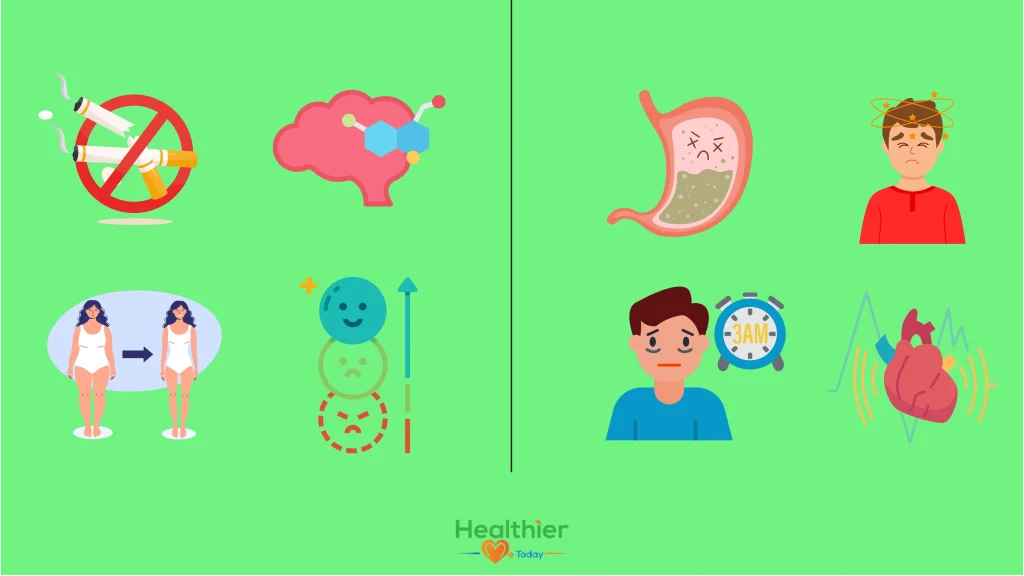
Wellbutrin Advantages
- Treats major depressive disorder and seasonal affective disorder
- It helps people stop smoking
- Less adverse side effects on sexual functionality
- No known problems that have developed from long-term use
- Boost serotonin, dopamine, and norepinephrine
- Cause weight loss for those who are overweight or obese
- Can treat ADHD, bipolar disorder, and neuropathic pain
Wellbutrin Side Effects
- Dry mouth
- Feeling dizzy
- Trouble sleeping
- Tremors
- Nausea
- Constipation
- Fast heartbeat
- Nervousness or agitation
- Headaches
Does Wellbutrin Cause Weight Gain?

It is unlikely, as most studies [Talkspace] show that Wellbutrin impacts weight by promoting weight loss instead of gain. In 2016, an assessment was done on numerous trials, including 8000 patients, and no links between Wellbutrin and weight increase were found. Although Wellbutrin is not likely to cause weight gain, depression can have an impact on appetite and body weight.
When someone is depressed, they may have a decreased appetite and begin to lose weight. Starting an antidepressant, such as Wellbutrin, can help treat depression symptoms and restore your appetite. This means that you can gain weight after starting it. However, this does not always imply that weight gain is due to Wellbutrin.
Is Wellbutrin Right for You?
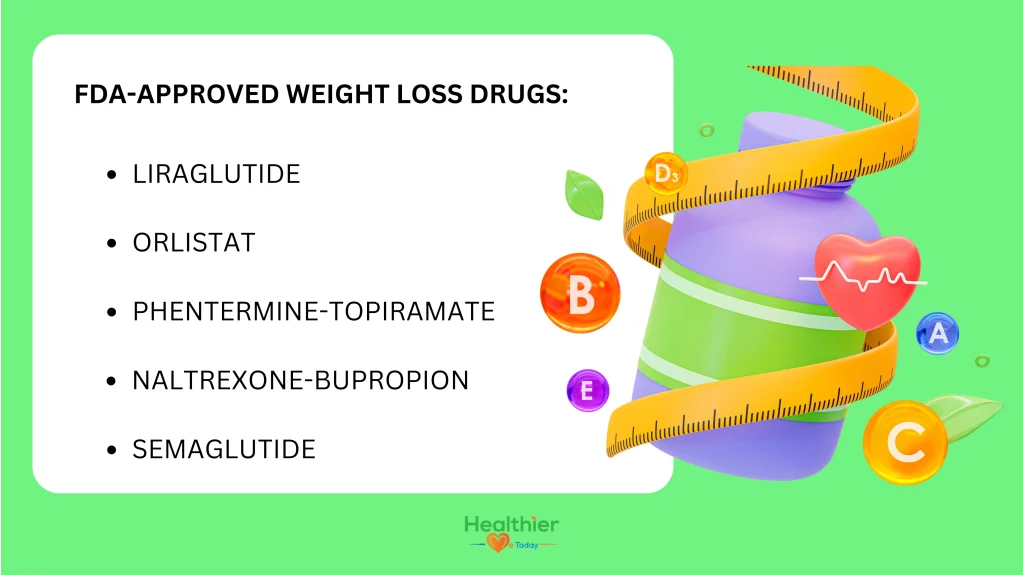
As mentioned, Wellbutrin is not FDA-approved for weight loss and is not the most effective medication for weight loss. If you are eligible for loss medications, most FDA-approved options will likely be more sustainable and work better than Wellbutrin. However, if you’re worried about gaining weight from antidepressants, Wellbutrin could be an excellent option for treating depression while avoiding gaining unwanted pounds. However, not everyone prefers to lose weight; you must speak to your doctor about how Wellbutrin’s potential weight-loss effects can affect you.
Wellbutrin may potentially cause various negative effects and medication interactions. Because of this, it is not ideal for everyone. If you have a history of eating disorders or seizures, then Wellbutrin may not be the right fit for you, and you and your doctor can find the right antidepressant to meet your requirements.
Conclusion: The Truth
Wellbutrin is one of the most widely prescribed antidepressants and is the least likely option to induce weight gain. It can help those who are obese or overweight lose weight. However, Wellbutrin is not FDA-approved for weight loss, and its possible weight-loss effects should be considered when choosing an antidepressant. If you meet the requirements for weight loss medications, there are better choices than Wellbutrin that will work and sustain weight loss better.
FAQ’s:
Does Wellbutrin cause weight gain or weight loss?
Wellbutrin has been known to cause both, but it is more common to lose weight on the medication.
What are the side effects of Wellbutrin during the first week?
Some side effects from Wellbutrin include dry mouth, constipation, headaches, fast heartbeat, dizziness, nausea, insomnia, agitation, and nervousness.
How fast is Wellbutrin weight loss on Wellbutrin XL?
Wellbutrin weight loss may start after 8 weeks while taking the XL dosage.
What is the difference between Wellbutrin SR vs XL?
Wellbutrin XL dosage for weight loss is an extended-release tablet, meaning it takes longer to kick in, and Wellbutrin SR is fast-releasing.
Can Wellbutrin cause anxiety?
Wellbutrin can potentially cause anxiety because of its stimulating effects.
Does Wellbutrin make you tired?
Wellbutrin can cause some individuals to feel less alert, drowsy, or dizzy.
What are the long-term effects of Wellbutrin?
Some long-term side effects are anxiety, dizziness, insomnia, heart arrhythmia, constipation, decreased appetite, and stomach pain.
How does increasing Wellbutrin dosage from 150 to 300 affect the body?
Potential side effects of increasing your dosage can make the risk of seizures higher, cause high blood pressure, and induce manic episodes.
Can Wellbutrin cause high blood pressure or seizures?
Yes, it can potentially cause both, so it is crucial to discuss the correct dosage and risks with your doctor.
What happens when you stop taking Wellbutrin?
By stopping Wellbutrin, you may experience sweating, nausea, diarrhea, rashes, loss of appetite, vomiting, sleep disturbances, depression, and anxiety.
How is Wellbutrin and naltrexone related?
The combination stimulates POMC neurons and blocks endogenous feedback that inhibits POMC activity. Together, they are effective in promoting weight loss amongst obese individuals.