
Revive Your Drive: Effective Solutions for Low Libido

Low libido (low sex drive) refers to a decrease in sexual desire. It is common and might last for a short or lengthy time. Libido varies from person to person and may fluctuate throughout one’s life. Depending on a person’s lifestyle, numerous factors might affect and repair low sex drive. If you are concerned about a decline in libido, you should visit a healthcare specialist.

What Is Low Sex Drive?

Libido is influenced by sex hormones (testosterone and estrogen), as well as neurotransmitters (dopamine and oxytocin). Libido naturally varies significantly from person to person. Your sexual desire can fluctuate throughout your life. There is no correct or inappropriate level of desire. Some people have or wish to have sex every day, whilst others may only have sex once or twice a year, if ever. Your individual preferences and life circumstances govern the “right” or “normal” libido.

What Are The Symptoms Of Low Libido?
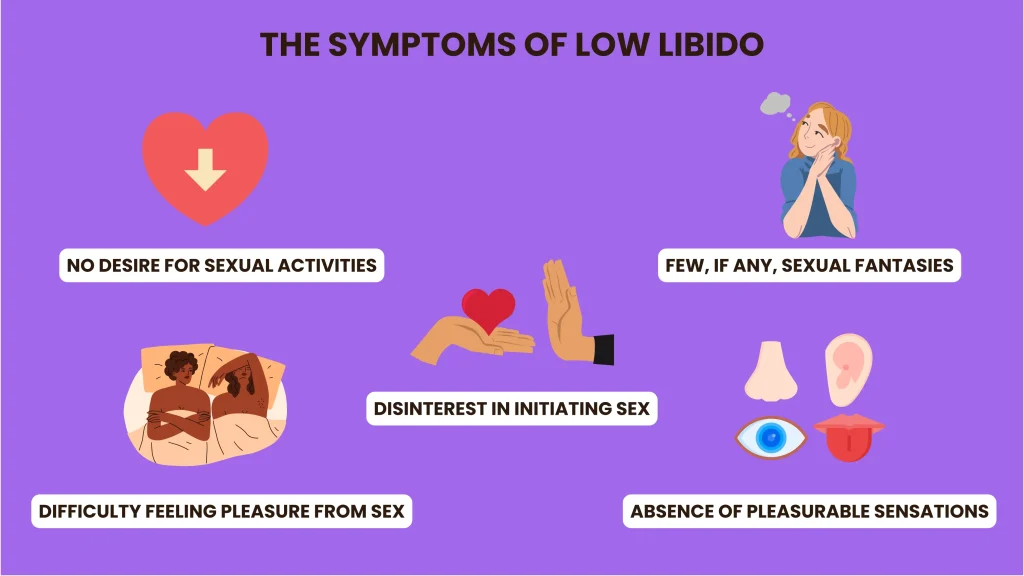
Symptoms of low libido

The main symptom of having a low libido is a decline in sexual desire as compared to your regular interest in sex. 

Other symptoms include:

  • Little or no desire for sexual activities
  • Few, if any, sexual ideas or fantasies
  • Disinterest in initiating sex
  • Difficulty feeling pleasure from sex
  • The absence of pleasurable sensations when sexually stimulated

What Can Cause a Low Libido?
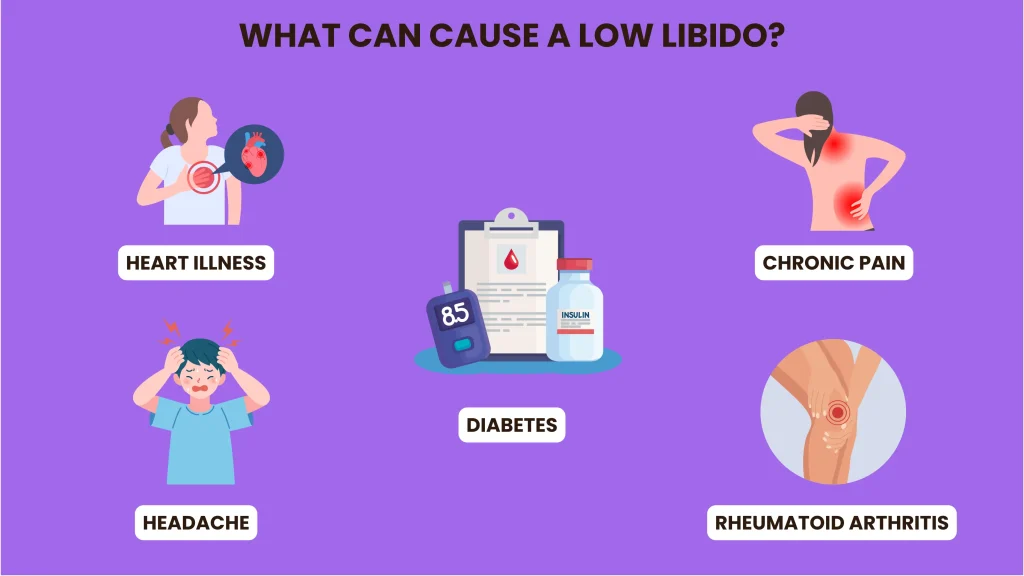
what causes low libido

Many biological, psychological, and social factors can play a hand in low libido. 

There are also health issues that include, but are not limited to:

  • Chronic kidney disease
  • Cancer
  • Chronic pain
  • Headaches
  • Diabetes
  • Heart illness
  • Hyperprolactinemia
  • High blood pressure
  • Hypothyroidism
  • Rheumatoid arthritis

Psychological And Social Factors

  • Relationship issues with your partner: Communication, trust, and intimacy concerns are some of the most common causes of sex drive reduction. A couple’s desire for sex often lessens during their relationship.
  • Stress and exhaustion: Stress, whether from work, family, or life in general, can reduce your sexual drive by shifting your focus away from sexual desire. Chronic stress can also cause hormonal imbalances, resulting in low libido.
  • Depression, low self-esteem, and physical tiredness: These can all lower your libido. Depression also causes an imbalance in the neurotransmitters that regulate desire.
  • History of sexual trauma: Sexual harassment, assault, or rape can all have an impact on one’s sexual desire.
  • Anxiety: Anxiety disorders can cause higher amounts of cortisol (the “stress hormone”). High cortisol levels can impair the sex hormones that regulate sexual urges.
  • Alcohol, smoking, or recreational drugs: Excessive alcohol intake and improper drug usage can also cause a loss of sexual desire. Smoking can lower testosterone levels, leading to a lower libido.
  • Medications: Certain medications can reduce your sex drive. These include antidepressants, antipsychotics, chemotherapy treatments, and blood pressure meds.

Diagnosing Low Sex Drive

A decrease in your sex drive has various probable causes. 

Your doctor will ask you the following:

  • Symptoms you’re experiencing
  • Your medical history
  • Medications
  • Sexual history
  • Relationships
  • Stress level
  • Ideas about sex

Suppose they feel a physical condition is causing a low libido. In that case, they may perform or prescribe the following tests to help discover the cause: 

  • Physical exam
  • Pelvic exam
  • Hormone levels can be measured in blood testing
  • Imaging tests

How Is Low Libido Treated?

  • Education and communication: Learning about sex, sexual behaviors, and sexual responses might help you overcome your concerns about sexual function. Open communication with your partner about your needs and worries can also help you overcome many of the hurdles to a good sex life.
  • Stress management: Stress management entails applying ways to improve your response to life challenges. These approaches can help avoid or alleviate stress-related symptoms like low libido. Stress management techniques may include journaling, exercise, meditation, and other forms of self-care.
  • Hormone therapy for menopause: Hormone therapy (HT) increases hormone levels and reduces some menopausal symptoms, such as low libido. The two primary kinds of HT are estrogen therapy and estrogen-progesterone/progestin hormone therapy (EPT).
  • Hormone therapy for low testosterone: Male hypogonadism is treated with testosterone replacement therapy. There are numerous types of testosterone replacement therapy, such as tablets, creams, injections, and patches.
  • Individual psychotherapy: Psychotherapy (talk therapy) refers to a wide range of treatment procedures aimed at assisting individuals in identifying and changing undesirable emotions, thoughts, and actions. Therapy with a mental health professional can help you address medical ailments, mental health issues, or situations that may be causing a reduction in libido.
  • Couples therapy: Couples therapy is a process in which you and your partner engage with a mental health professional to enhance the overall quality of your relationship, address underlying issues, and learn how to boost intimacy and physical affection. This can help with low libido concerns.
  • Sex therapy: Sex therapists are certified psychologists, doctors, or healthcare professionals who have received specialized training in assisting patients with sex-related issues, such as a loss of sexual desire.

Natural Tips to Increase Low Libido
natural ways to increase libido

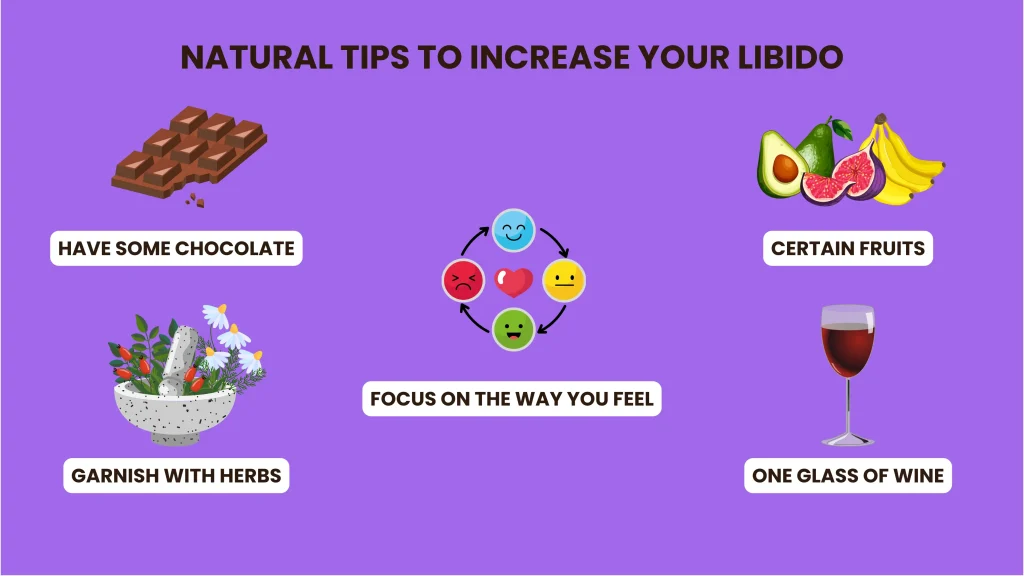
You can try various things, including eating specific foods and taking supplements, positive self-talk, and a renewed focus on pleasure.

Here are some great options:

1. Add More of These Fruits

There is little data to back up the effectiveness of certain foods, but there is no harm in experimenting. Figs, bananas, and avocados are libido-boosting foods, often called aphrodisiacs. These foods also contain crucial vitamins and minerals, which can boost blood flow to the genitals and promote a healthy sexual lifestyle.

2. Have Some Chocolate

Due to its fantastic taste and capacity to heighten erotic pleasure, chocolate has long been associated with desire. Increased release of neurotransmitters like serotonin, which has aphrodisiac and mood-boosting qualities, is brought on by chocolate. Moreover, serotonin may alter blood flow to vaginal tissues, which may explain part of its libido-enhancing properties.

3. Garnish With Herbs

Next time you have a romantic dinner, add basil or garlic to your dish. The smell of basil stimulates the senses, whereas garlic has high levels of allicin, a vasodilator that increases blood flow. Although additional research is needed, these results have the potential to benefit patients who have erectile dysfunction.

4. Focus On The Way You Feel

The way you feel about your body influences how you think about sex. Eating a healthy diet and regular exercise might help you feel more connected to your body and improve your self-image. You can also focus on the pleasure felt during sex.

5. Stick To One Glass Of Wine

Drinking a glass of wine can put you at ease and improve your desire to get intimate. However, excessive alcohol consumption can hamper your performance by lowering erectile function. Too much alcohol can also limit your capacity to orgasm. 

Conclusion

If your lack of desire for sex persists or returns and causes personal suffering, consult your healthcare provider. You may have a curable illness known as a sexual interest-arousal disorder. However, you do not need to fit this medical criterion to get help. If you’re experiencing low or diminished sex drive, you can make efforts to increase your low libido. Lifestyle adjustments and sexual approaches may put you in the mood more frequently. Some medications may also provide promise.

Take charge of your sexual health today! 
The Hidden Battle: Life with Rheumatoid Arthritis

Rheumatoid arthritis (RA) is an autoimmune disease that can cause joint discomfort, inflammation, and damage all throughout the body. RA typically causes joint degeneration on both sides of the body. As a result, if one of your arms or legs suffers from a joint problem, the other arm or leg is likely to suffer as well. This is one way doctors distinguish between RA and other types of arthritis, such as osteoarthritis (OA). Treatments work best when RA is detected early; therefore, it’s critical to understand the symptoms. 

Continue reading to learn everything you need to know about RA, from its various forms and symptoms to home cures, diets, and other treatment options.

Types Of Rheumatoid Arthritis

There are various forms of RA. Knowing which type you have can help your healthcare provider select the appropriate treatment for you. Types include:

  • Seropositive RA: This is the most frequent kind of RA. This kind of arthritis can run in families. Seropositive RA may cause more severe symptoms than seronegative RA.
  • Seronegative RA: It occurs when you test negative for both rheumatoid factor (RF) and a kind of antibody known as cyclic citrullinated peptides (CCP) yet nevertheless have RA symptoms.
  • Juvenile idiopathic arthritis (JIA): As the name implies, this is a kind of RA in children. The prevalence varies according to the research, with estimates ranging from 3.8 to 400 instances per 100,000 children.

Rheumatoid Arthritis Symptoms

Rheumatoid Arthritis Symptoms

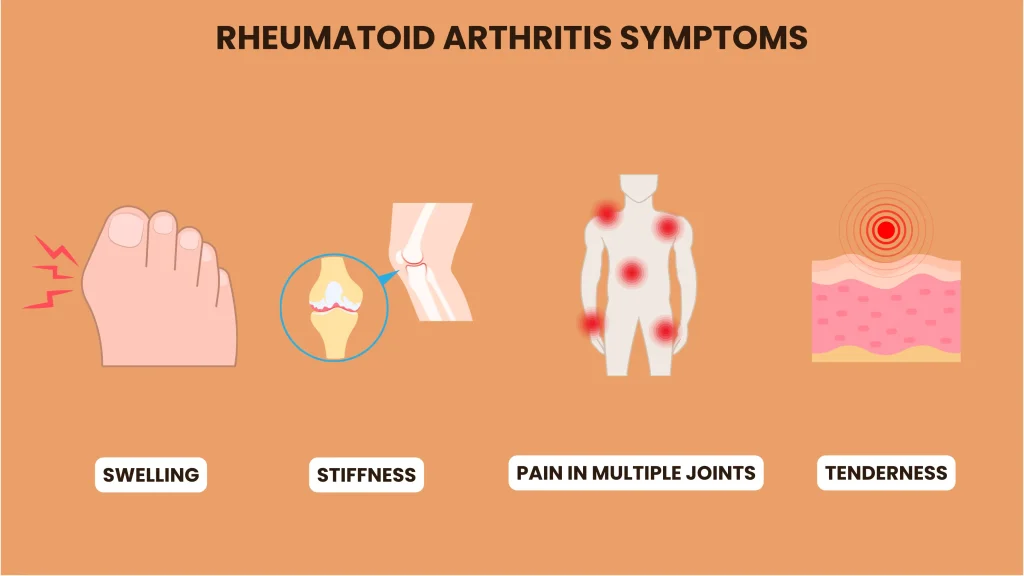
Rheumatoid arthritis is a chronic condition that causes joint inflammation and pain. These symptoms and indicators worsen during periods known as flares or exacerbations. Other times are known as remission periods, during which symptoms may entirely subside. RA symptoms most typically affect joints in the hands, wrists, and knees, but they can also affect tissues and organs throughout the body, such as the lungs, heart, and eyes. Symptoms may include:

  • Stiffness
  • Tenderness
  • Swelling
  • Pain in multiple joints
  • Other non-joint-related symptoms, which can range from moderate to severe

It’s critical not to dismiss your symptoms, even if they come and go. Knowing the early warning symptoms of RA will help you and your doctor treat and manage it more effectively.

Causes And Risk Factors For Rheumatoid Arthritis

RA is an autoimmune condition in which the immune system assaults healthy body tissues, resulting in inflammation and damage to the joints and, in some cases, other organ systems. There are various known triggers for rheumatoid arthritis. If left untreated, the joint can deteriorate, lose shape and alignment, and eventually be destroyed.

Several genetic and environmental factors may raise your risk of developing rheumatoid arthritis. It can afflict anyone at any age, but the risk of having it increases with age. Females assigned at birth are more likely to develop it than boys assigned at birth. Researchers believe that reproductive and hormonal variables may contribute to the development of this disease in women. Other risk factors include heredity, smoking, obesity, and food.

Rheumatoid Arthritis Diagnosis

Diagnosing RA can take time and may necessitate repeated lab tests to corroborate clinical examination results. Your healthcare provider will use a variety of tools to diagnose RA. First, they will inquire about your symptoms and medical history. They will also undertake a physical examination of your joints, looking for signs such as oedema, reflex difficulties, or joint function. If they feel you have RA, they will likely recommend you to a rheumatologist.

Because no one test can confirm an RA diagnosis, your doctor or rheumatologist may utilize a combination of tests. These include blood draws to check for antibodies or other chemicals that are increased during inflammatory diseases. They may also send you for imaging tests, such as an ultrasound, X-ray, or MRI, to determine whether joint damage has occurred and how severe it is. Some persons with RA may also benefit from a comprehensive evaluation and monitoring of their other organ systems.

Rheumatoid Arthritis Treatment

Rheumatoid Arthritis Treatment

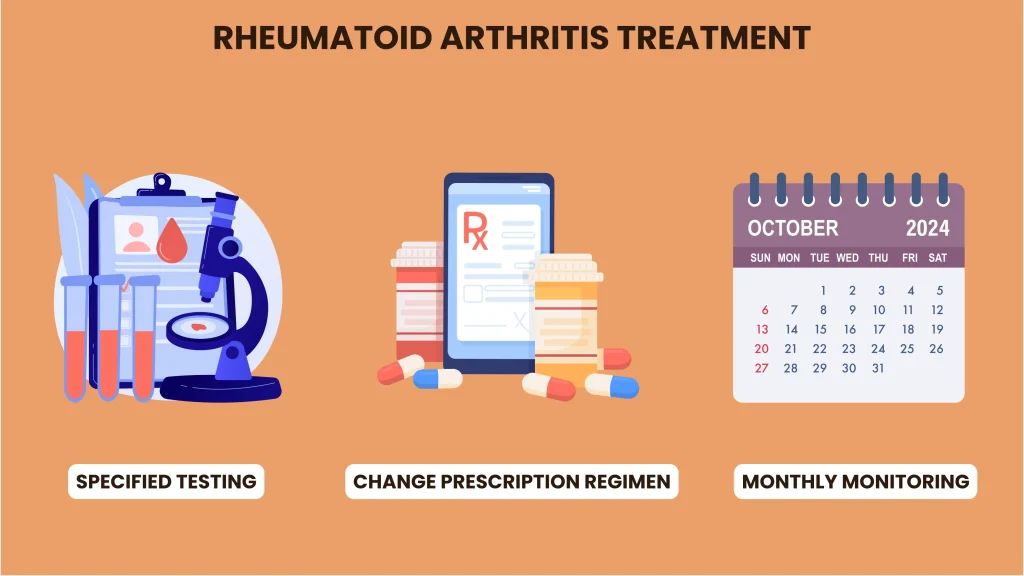
There is no cure for RA, although drugs can help alleviate symptoms by regulating the inflammatory response. Reducing inflammation can also assist in preventing more joint and organ damage. Treat to Target, a therapy strategy used by rheumatologists to effectively manage RA, has resulted in fewer symptoms and higher remission rates among RA patients. It includes:

  • Setting a specified testing aim that indicates either remission or low disease condition.
  • Test acute phase reactants and perform monthly monitoring to assess the progress of therapy and management plans.
  • If progress is not made, change the prescription regimen right away.

Your doctor or nutritionist may recommend an anti-inflammatory diet to alleviate your symptoms. This sort of diet contains foods high in omega-3 fatty acids. Avoiding trigger foods and eating the correct foods can help you manage your RA.

Many people use these medicines to live more active lives while lowering their risk of long-term problems. Your healthcare professional will consult with you to develop the optimal treatment strategy for your specific medical needs.

Rheumatoid Arthritis Complications

Rheumatoid Arthritis Complications

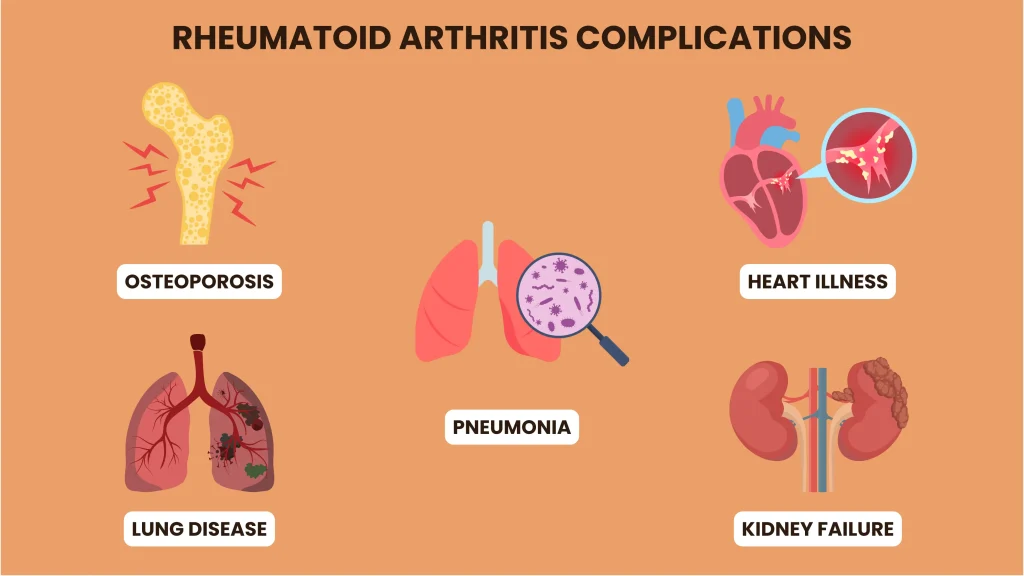
Having RA increases your risk of getting other health concerns. Some people may have problems with RA medicines. Other complications are:

  • Damage to joints
  • Bone density loss (osteoporosis)
  • Anemia
  • Carpal Tunnel Syndrome
  • Heart illness
  • Lung disease
  • Eye disorders such as scleritis
  • Other autoimmune disorders, such as Sjogren disease
  • Vasculitis
  • Pneumonia
  • Kidney failure
  • Lymphoma
  • Amyloidosis

Life with RA can be difficult. It can have a negative impact on your daily life, including mobility issues, sleeplessness, exhaustion, and, in some circumstances, mood disorders. The Healthline Resource Center for RA can assist you in living with this disease.

FAQs

Is rheumatoid arthritis hereditary?

Rheumatoid arthritis is not classified as an autosomal dominant or recessive genetic disease, but there are genes that may be associated to the condition. Hormones, stress, and infection are all regarded to be potential factors.

What is the life expectancy of someone with rheumatoid arthritis?

Though RA is not lethal, it can decrease your life by three to ten years. Remission is possible, but symptoms may reappear, or other health problems may emerge. According to the Arthritis Foundation, heart disease accounts for more than half of all early fatalities among people with RA. However, disease development varies by individual, with those testing positive for RF and anti-CCPs advancing more quickly.

Does rheumatoid arthritis always hurt?

Rheumatoid arthritis symptoms might vary in intensity. These periods of heightened disease activity, or flare, are frequently followed by periods of respite or remission, in which swelling and discomfort reduce or disappear completely.

What is the distinction between rheumatoid arthritis and osteoarthritis?

Osteoarthritis (OA), like rheumatoid arthritis, can cause painful and stiff joints that make it difficult to move around. People with OA may experience joint swelling after prolonged activity, but OA is not considered an autoimmune disease. It is caused by the natural wear and tear of the joints as you age, but it can also develop as a result of trauma.

Conclusion

Rheumatoid arthritis is a chronic condition for which there is presently no cure. However, most persons with RA do not experience persistent symptoms. Instead, people experience flare-ups followed by generally symptom-free intervals known as remissions. The condition progresses differently for each individual, and symptoms can range from minor to severe. Though symptoms may go away for a while, RA-related joint problems typically worsen over time. That is why early therapy is critical to preventing major joint damage.

Erectile Dysfunction No More: Solutions for a Healthier Love Life

Having occasional erection troubles is rarely cause for alarm. If erectile dysfunction continues, it can cause stress, reduced self-esteem, and lead to marital problems. Having difficulty attaining or keeping an erection may signal an underlying health condition that requires treatment, as well as a risk factor for heart disease.

Understanding Erectile Dysfunction (ED)

Erectile dysfunction or ED is defined as the inability to aquire or maintain a penile erection that is adequate for sexual performance. A study examined 1,709 men aged 40 to 70 years old and identified a 52 percent overall prevalence of erectile dysfunction. It was estimated that more than 152 million men worldwide had erectile dysfunction in 1995. 

The global prevalence of eating disorders is estimated to reach 322 million by 2025. Traditionally, erectile dysfunction was assumed to be caused by psychological issues. It is now established that the majority of men’s erectile dysfunction is caused by physical abnormalities, the most prevalent of which are related to the penis blood supply. There have been considerable advances in both the diagnosis and treatment of ED.

Common Risk Factors for ED

erectile dysfunction risks factors

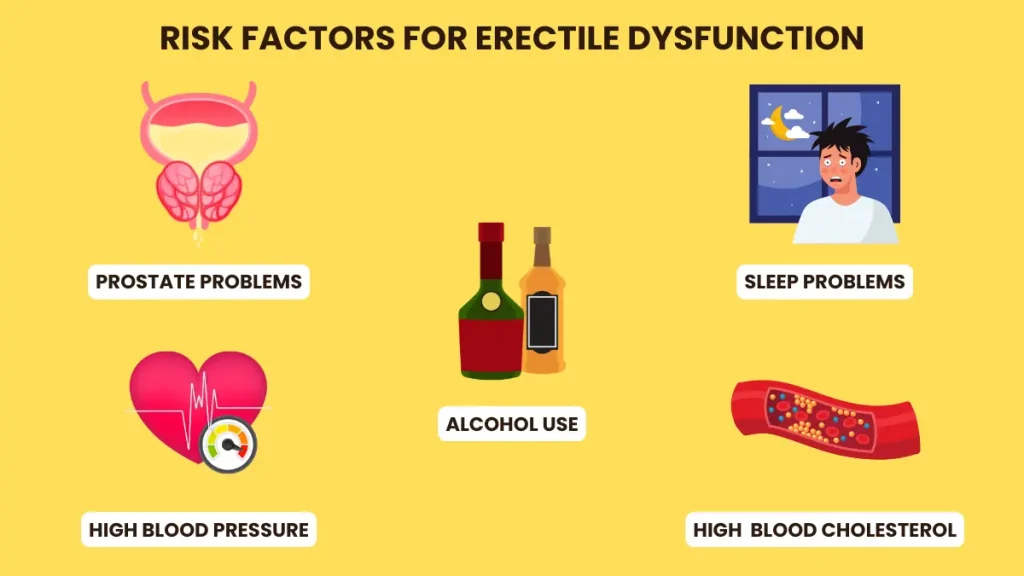
According to the National Institutes of Health (NIH), erectile dysfunction is a sign of numerous ailments and diseases. Here are several direct risk factors for erectile dysfunction:

  • Prostate problems
  • Type 2 diabetes
  • Hypogonadism in connection with a variety of endocrinological disorders
  • High blood pressure (hypertension)
  • Vascular illness and surgery
  • High amounts of blood cholesterol
  • Low amounts of HDL
  • Chronic sleep problems (obstructive sleep apnea and insomnia)
  • Drugs
  • Neurogenetic diseases
  • Peyronie’s disease (distortion or curvature of the penis)
  • Priapism (inflammation of the penis)
  • Depression
  • Alcohol use
  • Lack of sexual knowledge
  • Poor sexual methods
  • Inadequate personal relationships
  • Many chronic diseases, including renal failure and dialysis
  • Smoking worsens the consequences of other risk factors, such as vascular disease or hypertension

Age appears to be a substantial indirect risk factor because it correlates with an increased incidence of direct risk variables, some of which are described above. Accurate risk factor identification and characterization is critical for preventing or treating erectile dysfunction.

Organic Erectile Dysfunction

Organic ED, which involves abnormalities of the penile arteries, veins, or both, is the most common cause of ED, particularly in older men. When the condition is arterial, it is usually caused by arteriosclerosis or artery hardening, but trauma to the arteries can also be the cause. Controllable risk factors for arteriosclerosis, such as obesity, a lack of exercise, high cholesterol, high blood pressure, and cigarette smoking, can cause erectile dysfunction before affecting the heart. 

Many specialists feel that atrophy, which is the partial or complete wasting away of tissue, and fibrosis, the growth of excess tissue of the smooth muscle tissue in the body of the penis (cavernous smooth muscle), cause problems with maintaining a hard erection. Poor ability to maintain an erection is a common early indication of erectile dysfunction.

Although the issue is referred to as a venous leak, the root cause is a failure of the smooth muscle that surrounds the veins. The ultimate result is difficulties maintaining a firm erection (loss of an erection too rapidly), which is now thought to be an early sign of atherosclerosis and vascular disease.

Premature Ejaculation (PE) Overview

Premature ejaculation is a male sexual disorder defined as:

  • Ejaculation happens before or shortly after vaginal penetration, usually within one minute.
  • Inability to postpone ejaculation during all or virtually all vaginal penetrations; and negative personal effects such as distress, trouble, frustration, and/or avoidance of sexual intimacy.

Premature ejaculation is classified into lifelong and acquired categories:

  • Lifelong premature ejaculation – The patient has had premature ejaculation his entire life, ever since he first began coitus.
  • Acquired premature ejaculation – With acquired premature ejaculation, the patient previously had successful coital relationships and is now experiencing premature ejaculation.
  • Performance anxiety- Performance anxiety is a type of psychogenic ED that is generally triggered by stress.

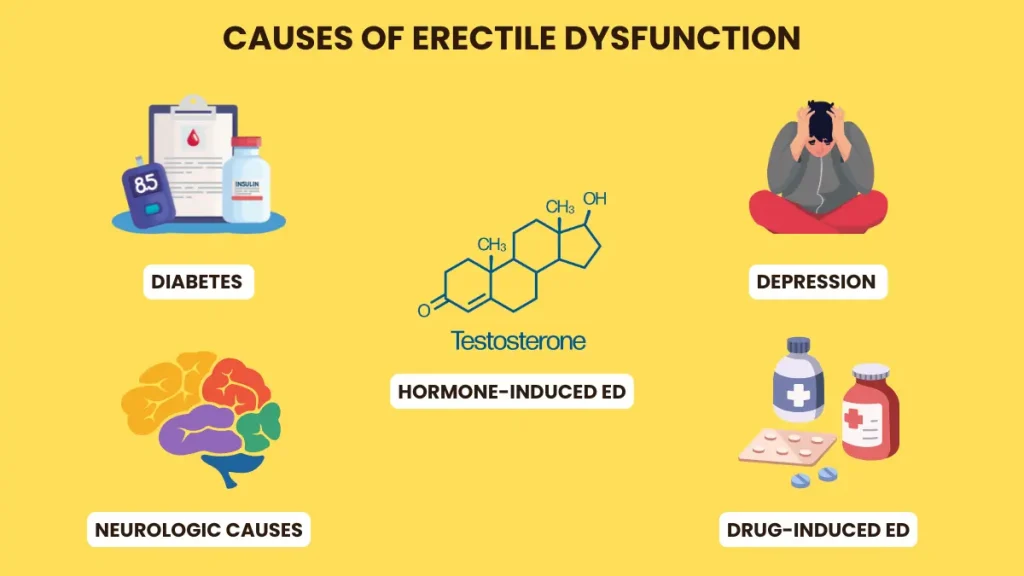
Key Causes of Erectile Dysfunction

what causes erectile dysfunction

  • Diabetes – Erectile dysfunction is frequent in diabetics. Diabetes affects an estimated 10.9 million adult men in the United States, with 35 to 50 percent of them impotent. The process involves artery hardening that occurs prematurely and with extraordinary severity. People with diabetes frequently develop peripheral neuropathy, which involves nerves that govern erections.
  • Depression – Depression is another cause of ED that is directly linked to erectile dysfunction. Because there is a tripartite association between depression, ED, and cardiovascular disease, men suffering from depression should be thoroughly assessed for both physical and psychological issues. Some antidepressants induce erectile dysfunction.
  • Neurologic causes – There are numerous neurological (nerve-related) causes of ED. Diabetes, persistent alcoholism, multiple sclerosis, heavy metal toxicity, spinal cord and nerve trauma, and nerve damage after pelvic surgery can all result in erectile dysfunction.
  • Drug-induced ED – Erectile dysfunction is related to a wide range of prescription pharmaceuticals, including blood pressure meds, antianxiety and antidepressant medications, glaucoma eye drops, and cancer chemotherapeutic agents.
  • Hormone-induced ED – Hormonal problems such as excessive prolactin (a hormone produced by the anterior pituitary gland), anabolic steroid usage, too much or too little thyroid hormone, and hormones used to treat prostate cancer can all cause erectile dysfunction. Low testosterone levels can contribute to ED, but they are rarely the primary cause.

How Is Ed Diagnosed?

The diagnostic techniques for ED may include the following:

  • Patient’s medical or sexual history. This can show disorders or diseases that cause impotence and assist in distinguishing between problems with erection, ejaculation, orgasm, or sexual desire.

Physical exam to seek for signs of systemic issues, such as the following:

  • If the penis does not respond as expected to specific touches, there could be an issue with the nerve system
  • Secondary sex features, such as hair pattern, can indicate hormonal disorders affecting the endocrine system
  • An aneurysm could suggest an issue with the circulation
  • Unusual traits of the penis itself may indicate the source of the impotence

Lab testing helps to see blood counts, urinalysis, lipid profiles, and creatinine and liver enzyme levels are all possible tests. Testosterone levels in the blood are frequently measured in men with ED, particularly those who have a history of diminished libido or diabetes. Psychosocial examination. This is done to help identify any psychological issues that may be influencing performance. The sexual partner may also be interviewed to determine the expectations and perceptions that arise during sexual intercourse.

Available ED Treatments

treatment for erectile dysfunction

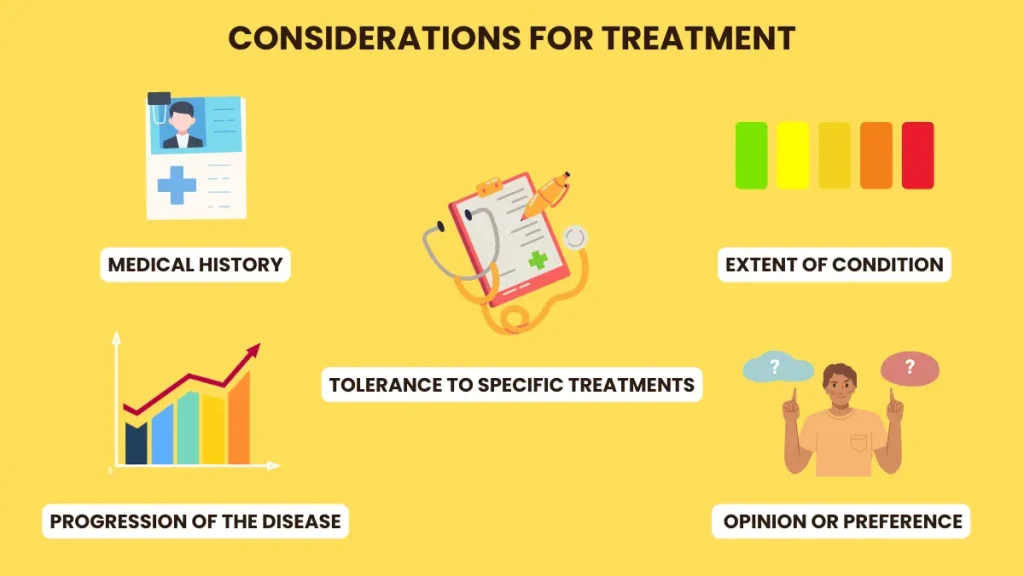
Your doctor will choose a specific treatment for erectile dysfunction based on the following:

  • Your age, general health, and medical history
  • The extent of the condition
  • Your tolerance to specific drugs, procedures, or therapies
  • Expectations regarding the progression of the disease
  • Your opinion or preference

Medical Treatments

  • Sildenafil – A prescription medicine given orally to treat erectile dysfunction. This prescription works best when taken on an empty stomach, and many men experience an erection 30 to 60 minutes after taking it. Sildenafil citrate’s efficacy is best achieved through sexual stimulation.
  • Vardenafil – This medication has a similar chemical structure to sildenafil citrate and acts in the same way.
  • Tadalafil – Tadalafil citrate has been shown in studies to persist in the body for longer periods of time than other drugs in this class. Most men who take this drug experience an erection within 4 to 5 hours of taking the tablet (slow absorption), and the effects can persist up to 24 to 36 hours.

Men should inform their doctor about all prescriptions they take, including over-the-counter treatments. Men with medical illnesses that may produce a prolonged erection, such as sickle cell anemia, leukemia, or multiple myeloma, or those with an irregularly shaped penis, may not benefit from these drugs. 

Men with liver or retina problems, such as macular degeneration or retinitis pigmentosa, may be unable to take these drugs or may require the lowest dosage. Women and children should not utilize these medical therapies. Elderly men are especially vulnerable to the impacts of various medical procedures, which increases their risk of experiencing side effects.

Managing ED in Relationships – How Can Couples Cope With Erectile Dysfunction?

Erectile dysfunction can put a strain on a relationship. Men often avoid sexual situations because of the emotional suffering associated with ED, making their partner or partners feel rejected or inadequate. It is essential to communicate openly with your partner. 

Some couples contemplate pursuing ED therapy together, while others prefer to seek treatment without informing their partner. A lack of communication is the primary obstacle to obtaining care, which can prolong suffering. A man’s erectile capacity can be significantly reduced. The good news is that most ED cases can be treated safely and efficiently. Many men may avoid seeking medical assistance for sexual health issues due to embarrassment, which can delay the detection and treatment of more severe underlying illnesses. 

Erectile dysfunction is frequently linked to an underlying issue, such as heart disease, diabetes, liver illness, or other medical issues. Because ED can be a warning sign of worsening cardiac disease, clinicians should be more forthright when asking patients about their health. Doctors may be able to spot more significant health concerns earlier if they ask patients directly about their sexual function during a visit, either through discussion or a questionnaire.

Conclusion

Although erectile dysfunction (ED) becomes more common as people age, it does not have to be accepted as a natural part of the process. Rather, because older men are more prone to have blood vessel disorders, they are also more likely to develop erectile dysfunction. Many elderly couples have happy sexual experiences without erections or intercourse and may opt not to seek treatment. Nonetheless, ED treatment is occasionally necessary.

Erectile Dysfunction FAQ’s:

What is the main cause of erectile dysfunction?

ED can arise from various health issues like heart disease, diabetes, or high blood pressure, but stress, anxiety, or relationship troubles can also be triggers. It’s not always just physical.

How do I deal with erectile dysfunction?

Start by speaking to a healthcare professional. ED is often treatable through lifestyle adjustments, medications, or therapy. It’s important to be open about it and not face it alone.

Can a man with erectile dysfunction satisfy a woman?

Absolutely. Satisfying your partner isn’t just about erections—it’s about communication, emotional connection, and intimacy. Exploring different ways to be close can help couples maintain satisfaction.

How can a wife help her husband with ED?

It’s crucial to approach the situation with understanding, without placing blame. Encourage him to see a doctor, but also talk about the issue openly and compassionately. Supporting him through emotional and physical challenges can help.

Can ED go away with lifestyle changes?

Yes, in many cases. Exercising regularly, eating healthier, reducing alcohol, quitting smoking, and managing stress can all positively impact ED. Small changes can make a big difference.

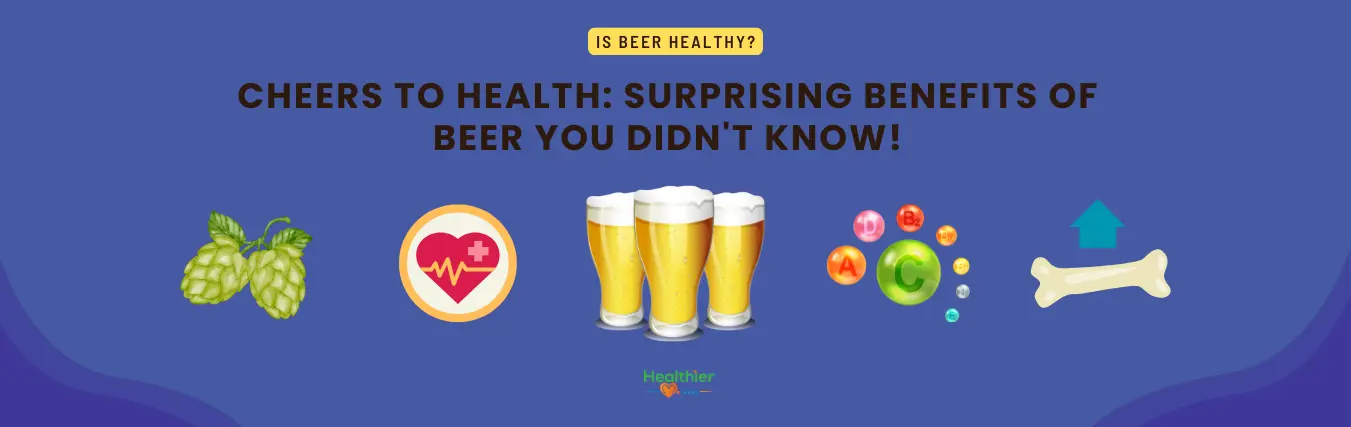
Cheers to Health: Surprising Benefits of Beer You Didn’t Know

Beer has been consumed by people for thousands of years all across the world. A common alcoholic beverage, beer is produced by fermenting cereal grains with yeast, hops, and other flavorings. Beer has 4-6% alcohol by volume, while it can have as much as 0.5–40%. Many people are curious in the potential health benefits of beer because recent studies have suggested that moderate consumption of wine can have benefits.

This article examines the nutritional value of beer as well as any possible drawbacks or benefits.

Beer Nutrition Facts

Despite the common belief that beer is empty calories, it does contain certain vitamins and minerals, highlighting the benefits of beer. Furthermore, both varieties have trace levels of calcium, potassium, thiamine, iron, and zinc. Because cereal grains and yeast are used to make beer, it has a high concentration of B vitamins and minerals, further emphasizing the nutritional benefits of beer.

Notably, light beer contains somewhat less alcohol and around two-thirds of the calories of regular beer. Beer isn’t a good source of micronutrients compared to whole foods like fruits and vegetables, even if it does contain trace levels of them. If you wanted to consume all the beer in the world, you could never meet your daily nutritional needs.

Nutrition information:

One can of beer (about 12 ounces) contains:

  • Calories: 153
  • Protein: 2 grams
  • Fat: Less than 1 gram
  • Carbohydrates: 13 grams
  • Fiber: Less than 1 gram
  • Sugar: Less than 1 gram

Beer is an excellent source of:

  • Potassium
  • Magnesium
  • Calcium
  • Phosphorus
  • Niacin
  • Folate

Certain beers may also be excellent providers of antioxidants based on their color. Antioxidants are generally found in higher concentrations in darker beers. By combating free radicals in the body, antioxidants lower your chance of developing long-term illnesses and some types of cancer.

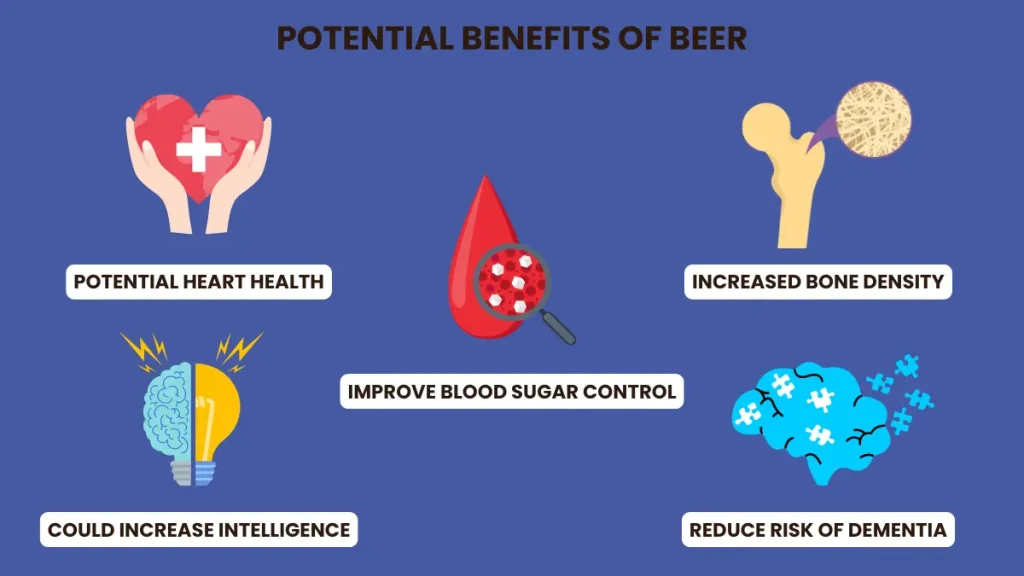
Potential Benefits of Beer

health benefits of beer

Some health benefits of beer may be associated with light to moderate consumption.

Could Be Good for Your Heart

The most common cause of death in the US is heart disease. Light to moderate alcohol and beer consumption may be linked to a lower risk of heart disease, according to several studies. A 12-week study involving thirty-six overweight adults discovered that moderate beer consumption—one drink for women and two for men per day—improved both the body’s capacity to eliminate cholesterol and the antioxidant qualities of HDL (good) cholesterol, which highlights the benefits of beer for heart health.

According to a study, drinking beer in moderation (up to one drink for women and two for men per day) can reduce the risk of heart disease in a way that is comparable to wine consumption. It’s crucial to remember that these possible benefits of beer only apply to light to moderate intake. However, excessive alcohol use can raise your risk of stroke and heart disease.

May Aid in Increasing Bone Density

According to preliminary studies, men and postmenopausal women may benefit from moderate beer consumption in terms of stronger bones. This could be due to the benefits of beer, as moderate alcohol consumption generally benefits bone health. However, the advantage quickly diminishes beyond two glasses per day, so moderation is essential.

May Improve Blood Sugar Control

Drinking alcohol in moderation can help with blood sugar regulation, which is a problem for many diabetics. Light to moderate alcohol use appears to lower insulin resistance, a risk factor for diabetes, as well as the overall risk of type 2 diabetes, according to several studies, demonstrating another potential benefit of beer.

A major study including over 70,500 people linked moderate alcohol consumption to a 43% and 58% decreased risk of diabetes for men and women, respectively, with 14 drinks per week for males and nine drinks per week for women. Heavy and binge drinking, however, can negate these benefits of beer and dramatically raise the chance of developing diabetes. It’s also crucial to remember that beers and other alcoholic beverages with high sugar content are not eligible for this possible advantage.

It Could Increase Intelligence

Is there another benefit of beer? Silicon, an ingredient in beer, helps protect your brain from substances that may lead to cognitive disorders. This may be the reason why moderate beer drinkers have a 23% lower risk of Alzheimer’s and dementia than non-drinkers, according to a study from Loyola University in Chicago.

Other Possible Advantages

The following benefits of beer may be linked to light to moderate consumption:

  • It may improve bone density in men, and postmenopausal women who drink beer in moderation tend to have stronger bones.
  • Drinking small to moderate amounts of alcohol may reduce the risk of dementia. Excessive alcohol consumption can actually raise the danger.

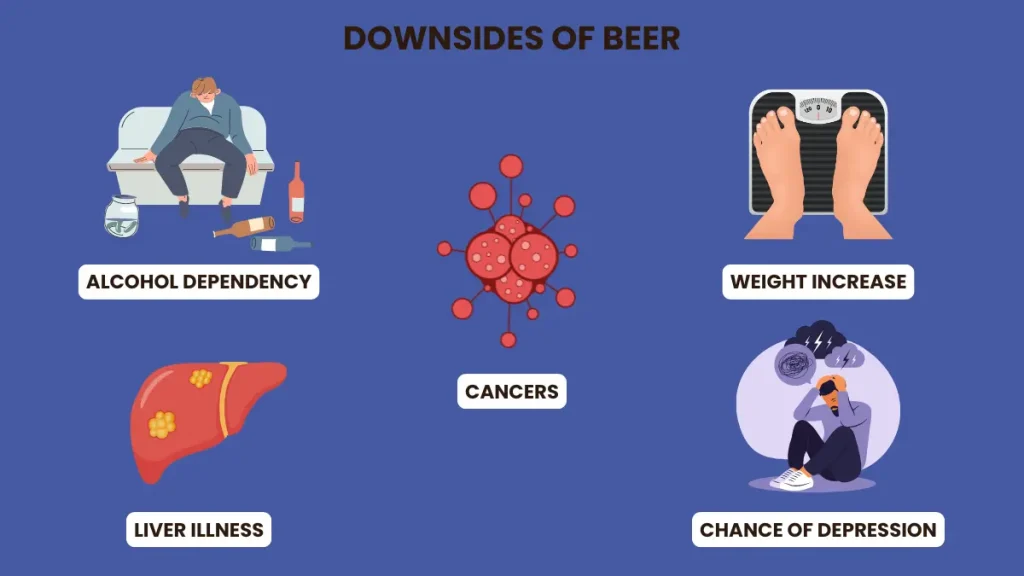
Downsides of Beer

downside of beer

While there may be health benefits to consuming beer in moderation, excessive consumption and binge drinking might have detrimental effects.

The following are some harmful consequences of excessive alcohol consumption:

  • Increased risk of mortality: Heavy and binge drinkers are more likely to die early than moderate drinkers and non-drinkers.
  • Alcohol dependency: Frequent alcohol intake can result in dependence and alcohol use disorder.
  • Increased chance of depression: Research reveals that heavy and binge drinkers have a much higher risk of depression than moderate drinkers and non-drinkers.
  • Liver illness: Research suggests that drinking more than 30 grams of alcohol — found in two to three 12-ounce or 355-mL bottles of beer — daily can enhance your risk of liver illnesses, including cirrhosis, a condition characterized by scarring.
  • Weight increase: A regular 12-ounce (355-mL) beer contains approximately 153 calories; therefore, consuming many drinks may contribute to weight gain.
  • Cancers: Research linked any alcohol usage with an increased risk of malignancies, particularly throat and mouth cancers.

To lessen the risk of unfavorable health repercussions, women should restrict their intake to one standard drink per day and males to two. In the United States, a standard drink includes about 14 grams of pure alcohol, which is equivalent to 12 ounces (355 mL) of ordinary beer, 5 ounces (150 mL) of wine, or 1.5 ounces (45 mL) of spirits.

Is Beer Good For You?

The health benefits of drinking beer are mixed. While little quantities may be beneficial, large or binge drinking has been linked to severe health impacts. These include an increased risk of alcoholism, depression, liver disease, obesity, cancer, and death. Remember that while consuming alcohol may provide some benefits, you can attain the same results by eating a diverse, nutrient-rich diet of whole foods such as fruits and vegetables.

Light beer contains a similar quantity of vitamins and minerals as ordinary beer but with fewer calories and alcohol. This makes light beer the superior choice if you have to choose between the two. Finally, some people ask if drinking beer after a workout can help them recover. While some research suggests that consuming a low-alcohol beer with electrolytes can aid rehydration, others have found that alcohol can impair muscle growth and recovery.

Conclusion

Beer is a popular alcoholic beverage that has existed for thousands of years. In the United States, a standard beer is 12 ounces (355 milliliters). Drinking one or two regular beers per day may provide certain advantages, including heart health benefits, improved blood sugar control, stronger bones, and a lower risk of dementia. 

Heavy and binge drinking, on the other hand, has been linked to an increased risk of premature death, alcohol dependence or alcohol use disorder, depression, liver illness, weight gain, and cancer. Though low to moderate doses of alcohol may provide some benefits, you can attain the same favorable effects by eating a diverse, nutrient-rich diet of whole foods such as fruits and vegetables.

Say Goodbye to Indigestion: Easy Remedies for a Happier Stomach!

Your favorite dishes can satisfy your taste buds. However, if you eat these meals too quickly or in excess, you may get indigestion, commonly known as dyspepsia. Many people will have indigestion at some point. Instead of taking over-the-counter antacids to settle your stomach, consider regulating symptoms with foods and herbs from your home.

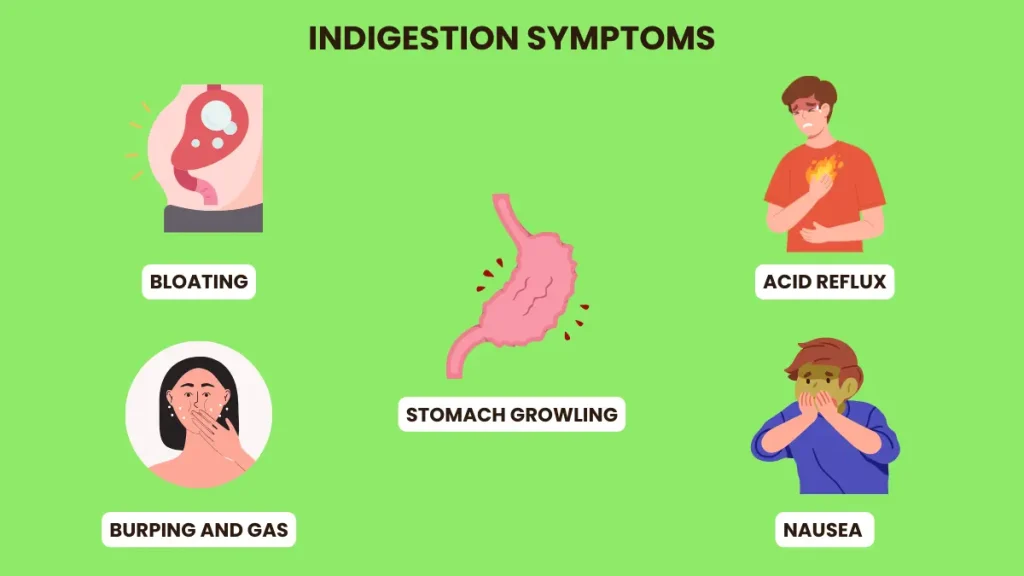
Indigestion Symptoms

Indigestion Symptoms

Indigestion is nearly often accompanied by burning or pain in your upper belly, as well as the sensation of being full too soon or for too long after eating. Additional symptoms may include:

  • Bloating
  • Burping and Gas
  • Nausea and regurgitation (when the food you swallow comes back up your esophagus)
  • Acid reflux and heartburn
  • Loud gurgling or growling in your stomach

Causes of Indigestion

Causes of Indigestion

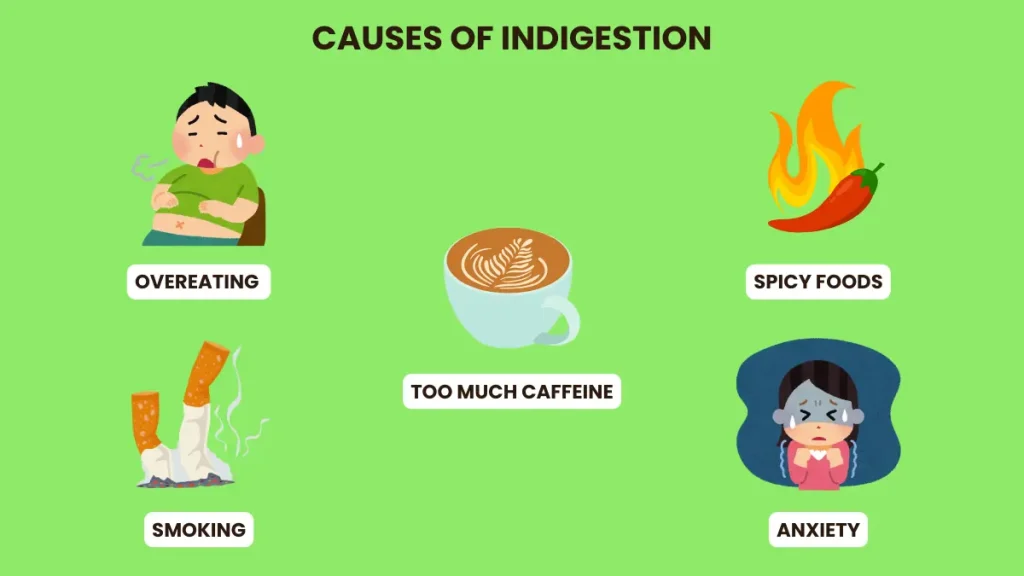
Indigestion can be caused by a variety of factors. Indigestion is frequently associated with a certain lifestyle and can be provoked by food, drink, or medication. Common causes of indigestion are:

  • Overeating or eating too fast
  • Fatty, greasy, or spicy foods
  • Too much caffeine, alcohol, chocolate, or carbonated drinks
  • Smoking
  • Anxiety
  • Some antibiotics, pain medications, and iron supplements

Home Remedies for Indigestion – What Helps Indigestion At Home?

home remedies for indigestion

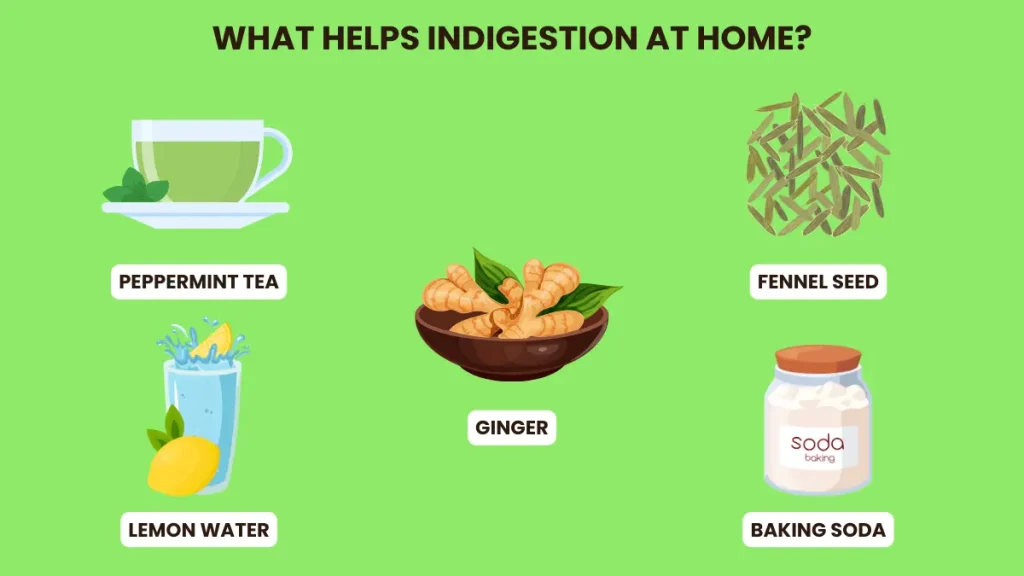
Here’s a look at home remedies that can provide you with quick natural indigestion relief.

Peppermint Tea

Peppermint is more than just a breath refresher. It also possesses antispasmodic properties, making it an excellent choice for treating stomach issues such as nausea and indigestion. Drink a cup of peppermint tea after meals to relieve stomach pain, or put a couple pieces of peppermint candy in your pocket and suck on them after eating. While peppermint can help with indigestion, it should not be consumed when acid reflux is the root of the problem.

Because peppermint relaxes the lower esophageal  — the muscle that connects the stomach and the esophagus — drinking or eating might allow stomach acid to flow back into the esophagus, exacerbating acid reflux. People who suffer from GERD or ulcers should avoid drinking peppermint tea.

Chamomile Tea

Chamomile tea is proven to promote sleep and reduce anxiety. This herb can also help with gut discomfort and indigestion by lowering stomach acid in the gastrointestinal tract. Chamomile also has anti-inflammatory properties, which help to relieve pain. To make chamomile tea, steep one or two teabags in boiling water for ten minutes.

Pour into a cup and add honey if desired. Drink the tea as needed to relieve indigestion. If you are on a blood thinner, consult your doctor before drinking chamomile tea. Chamomile contains an anticoagulant; therefore, combining it with a blood thinner may result in bleeding.

Apple Cider Vinegar

Apple cider vinegar is reported to provide a variety of health benefits, including improving skin condition and promoting weight loss. It may also aid with indigestion, though research findings on this have been inconsistent. Because too little stomach acid might cause indigestion, drink apple cider vinegar to stimulate your body’s production of stomach acid.

For quick relief, mix one to two tablespoons of raw, unpasteurized apple cider vinegar into a cup of water and consume. To prevent indigestion, drink the mixture 30 minutes before eating. Even while apple cider vinegar is generally harmless, excessive or undiluted use can result in tooth erosion, nausea, throat burn, and low blood sugar.

Ginger

Ginger is another natural cure for indigestion since it lowers stomach acid. In the same manner that insufficient stomach acid produces indigestion, excess stomach acid has the same effect. Drink a cup of ginger tea as needed to relax your stomach and relieve indigestion.

Other possibilities include eating ginger candies, drinking ginger ale, or preparing your own ginger water. Cook one or two pieces of ginger root in four glasses of water. Before you drink, add some lemon or honey for flavor. Limit your ginger usage to 3-4 grams (g) each day. Consuming too much ginger might result in flatulence, throat burn, and heartburn.

Fennel Seed

This antispasmodic herb may also aid with post-meal indigestion and other gastrointestinal issues such as stomach cramps, nausea, and bloating. However, because much of the research on fennel and digestion has been conducted on rats, additional human studies are required to confirm its effects.

However, if you want to try it, place 1/2 teaspoon of crushed fennel seed in water and let it boil for 10 minutes before drinking. Drink fennel tea whenever you have indigestion. If some foods create indigestion, chew fennel seeds after each meal. Fennel side effects may include nausea, vomiting, and sun sensitivity.

Baking Soda (Sodium Bicarbonate)

Baking soda can quickly neutralize stomach acid, reducing indigestion, bloating, and gas after eating. For this cure, combine 1/2 teaspoon (tsp) baking soda with 4 ounces (oz) of warm water and drink. Sodium bicarbonate is typically considered safe and harmless.

However, excessive consumption of baking soda might result in unpleasant side effects such as constipation, diarrhea, irritability, vomiting, and muscle spasms. If you consume a solution containing 1/2 tsp of baking soda for indigestion, don’t do so for at least two hours. Adults should not consume more than seven and a half teaspoons in a 24-hour period or three and a half teaspoons if they are above the age of 60.

Lemon Water

Lemon water’s alkaline properties help to neutralize stomach acid and promote digestion. Mix a spoonful of lemon juice with hot or tepid water and drink for a few minutes before eating. Lemon water is high in vitamin C and also helps with digestion. However, drinking too much lemon water might wear down tooth enamel and produce excessive urination. To safeguard your teeth, rinse with water after consuming lemon water.

Licorice Root

Licorice root has been shown in studies to reduce muscle spasms and inflammation in the gastrointestinal tract, both of which can cause indigestion. Chew licorice root for relief, or mix it with boiling water and drink it. Although licorice root is useful for dyspepsia, large amounts can create salt and potassium imbalances, as well as high blood pressure.

Researchers recommend taking approximately 100 milligrams (mg) of glycyrrhizin, the principal active ingredient in licorice root. You can achieve this amount by eating 60-70 grams of licorice. Other studies suggest 0.015-0.229 milligrams per kilogram (mg/kg) of body weight every day.

When To See A Doctor

Researchers recommend taking approximately 100 milligrams (mg) of glycyrrhizin, the principal active ingredient in licorice root. You can achieve this amount by eating 60-70 grams of licorice. Other studies suggest 0.015-0.229 milligrams per kilogram (mg/kg) of body weight every day.

  • Weight loss
  • Fatigue
  • Loss of appetite
  • Vomiting
  • Black stools
  • Trouble swallowing

Conclusion

You do not have to suffer from regular indigestion. Stomach pain can disturb your life, but it does not have to. Check to see if these home cures work, but if you have any concerns, see a doctor. The FDA does not oversee the quality of herbs and medicines, so do your homework before you decide to purchase.

Breaking the Pain: Your Ultimate Guide to Kidney Stones

Just the thought of kidney stones can make anyone wince. The sharp, stabbing pain of kidney stones is no joke. These hard, small clumps of minerals can cause discomfort like no other, but understanding how they form how to prevent it and treat them is important. This article breaks down the symptoms, causes, effective treatments, and even dietary advice so that you can tackle these kidney stones also know as renal calculi or urolithiasis head-on and reclaim your health. 

Understanding Kidney Stones

Kidney stones are clumps of minerals and salts in the kidneys. Excess body weight, diet, medical conditions, and specific supplements and medications are among the most common causes of renal calculi.

Definition and Formation of Kidney Stones

A kidney stone is a solid mass made from tiny crystals. One or more stones can be in the kidney or ureter simultaneously. Kidney stones occur when urine becomes too strong, and the mass in the urine crystallizes to form stones. Symptoms arise when the stones move down the ureter, causing intense pain. But what are the different types?

Here is a breakdown:

  • Calcium Oxalate Stones: The most typical kidney stone is calcium oxalate stone, which is caused by abnormalities in the urinary system’s function.
  • Struvite Stones: Typically form due to an infection in the urinary system.
  • Uric Acid Stones: These stones are more common in people who lose too much fluid, such as those with chronic diarrhea.
  • Cystine Stones: Rare and usually due to a hereditary disorder.

Kidney Stone Symptoms

kidney stone symptoms

This section delves into the most common symptoms of kidney stones and how to tell the difference between them and a UTI. 

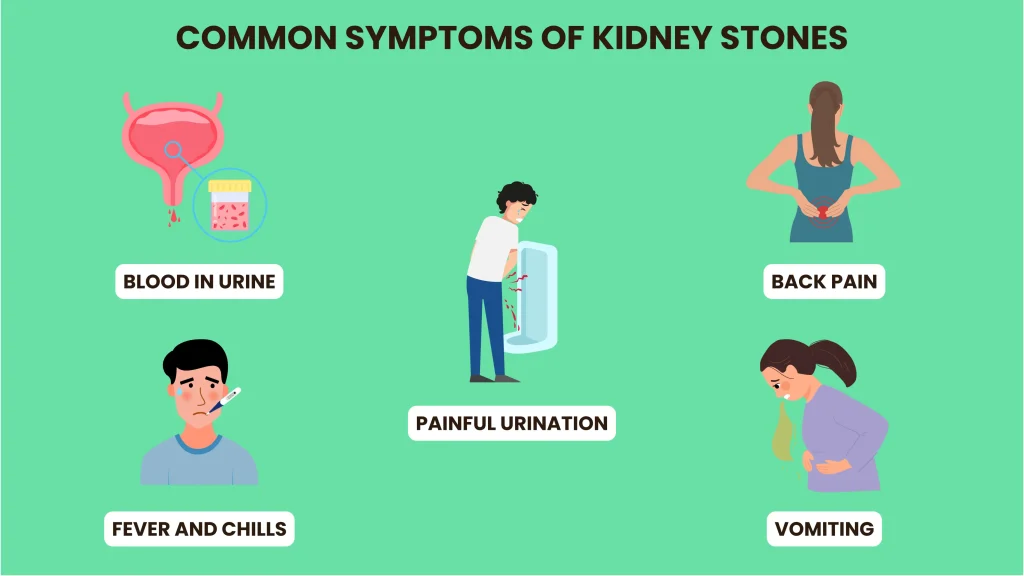
Common Symptoms of Kidney Stones

  • Severe pain in your back or side that will not go away
  • Blood in your urine
  • Fever and chills
  • Vomiting
  • Urine that smells bad or looks cloudy
  • A burning feeling when you urinate

If you experience the following symptoms, consult your healthcare provider immediately!

How to Differentiate UTI vs. Kidney Stones

UTI pain in women commonly starts in the lower abdomen around the pubic bone. Kidney stone pain tends to be more in the back or side of your lower torso. UTIs tend to cause a burning sensation when urinating. A kidney stone’s pain is sharp and stabbing. 

Foods That Cause Kidney Stones

foods that cause kidney stones

Some foods are best kept at a distance or, in this case, to avoid. Let’s take a look at the most common foods that you should avoid and the effects of coffee. 

Common Foods to Avoid

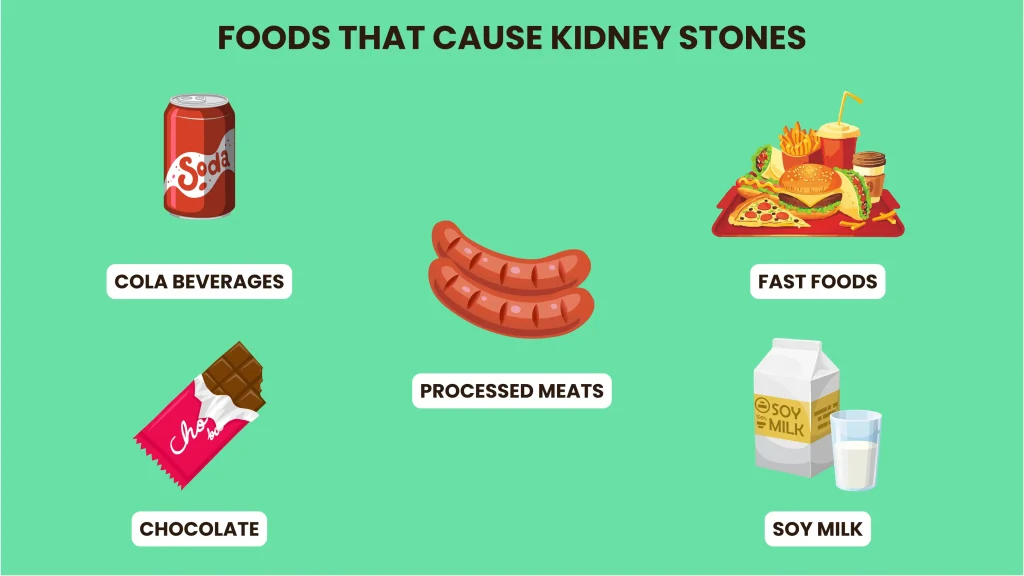
Cola beverages, fast foods, processed meats, black tea, chocolate, spinach, soy milk, almonds, cashews, and soybeans are among foods high in sodium. They should be avoided because excess sodium increases calcium levels in the urine which makes existing ones worse. 

Does Coffee Cause Kidney Stones?

Actually, no. Studies suggest that the more coffee, tea, or alcohol you drink, the lower your chances of kidney stones. For every additional 200 ml drink a participant consumed, the risk of kidney stone development declined by 13%.

Foods to Prevent Kidney Stones

foods to prevent kidney stones

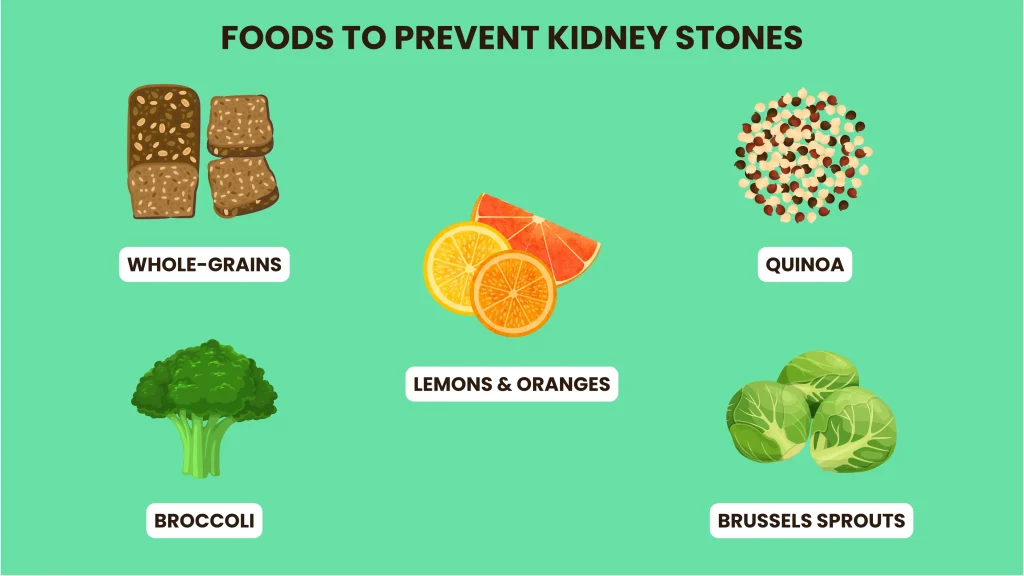
Vegetables rich in potassium, such as Brussels sprouts, broccoli, and kale, decrease calcium loss and prevent kidney stones from forming. When you have renal calculi, look for unsalted or low-salt products. Eat only 2 or 3 servings a day of foods with calcium, such as milk, cheese, yoghurt, oysters, and tofu. Eat lemons or oranges or drink fresh lemonade. Citrate in these foods prevents stones from forming.

7 Day Kidney Stone Diet Chart

A well-planned diet can help maintain hydration, reduce the concentration of stone-forming substances and promote kidney health. The kidney stone diet chart provides a balanced selection of foods that support kidney function and can also reduce the risk of stone development. 

Day 1

  • Breakfast: Oatmeal with low-fat milk, a handful of berries and herbal tea
  • Snack: Apple slices with almond butter
  • Lunch: Quinoa salad with mixed greens, cucumber, tomatoes and grilled chicken breast
  • Snack: Low-fat yoghurt with honey
  • Dinner: Baked salmon, steamed broccoli and brown rice

Day 2

  • Breakfast: Smoothie with kale, banana, low-fat yoghurt, and almond milk
  • Snack: Carrot sticks with hummus
  • Lunch: Lentil soup and whole-grain bread
  • Snack: Sliced pears
  • Dinner: Turkey stir-fry with bell peppers and onions along with Quinoa

Day 3

  • Breakfast: Scrambled eggs with spinach, whole-wheat toast and orange juice
  • Snack: Cottage cheese with pineapple
  • Lunch: Grilled chicken wrap with lettuce and avocado
  • Snack: Mixed nuts (unsalted)
  • Dinner: Baked cod, steamed green beans and sweet potato

Day 4

  • Breakfast: Greek yoghurt with granola and fresh strawberries
  • Snack: Sliced cucumber with tzatziki
  • Lunch: Chickpea salad with cherry tomatoes, cucumber and feta cheese 
  • Snack: Grapes
  • Dinner: Beef and vegetable stew and whole-grain bread

Day 5

  • Breakfast: Smoothie with spinach, mango, low-fat yoghurt, and coconut water
  • Snack: Handful of almonds
  • Lunch: Tuna salad with mixed greens, cherry tomatoes and vinaigrette land
  • Snack: Banana
  • Dinner: Chicken and vegetable kebab with couscous

Day 6

  • Breakfast: Whole-grain cereal with low-fat milk and sliced banana
  • Snack: Hard-boiled egg
  • Lunch: Veggie wrap with hummus, lettuce, and bell peppers
  • Snack: Orange slices
  • Dinner: Shrimp stir-fry with broccoli and carrots with brown rice

Day 7

  • Breakfast: Avocado toast on whole-grain bread and scrambled eggs
  • Snack: Fresh berries
  • Lunch: Minestrone and whole-grain rolls
  • Snack: Sliced apple with peanut butter
  • Dinner: Grilled tofu with mixed vegetables and quinoa

Medical vs. Home Treatment: When to Use Each Approach

When to Use Home Remedies

Home treatments work best for small kidney stones (less than 5 mm). If your symptoms are mild, you may try these remedies, but it’s important to stay hydrated, avoid high-sodium foods, and use lemon or apple cider vinegar to help break down the stones.

When to Seek Medical Treatment

If your kidney stones are larger or if you’re experiencing intense pain, fever, or vomiting, it’s time to seek medical care. Medical treatments like shockwave lithotripsy, which breaks stones into smaller pieces using sound waves, or ureteroscopy, which involves removing stones through a scope, are more appropriate for larger stones or if complications arise.

Hydration and Lifestyle Tips

Staying hydrated is crucial to preventing and managing kidney stones. Stay hydrated by drinking 8-12 cups of water daily, especially when active. Avoid too much tea, coffee, soda, and alcohol, as they can dehydrate you when trying to pass a stone. Eating a low-sodium diet and limiting protein intake can also reduce your risk of developing new stones.

Stages of Passing a Kidney Stone

Passing a kidney stone can be a painful process, but it’s manageable for many. Here’s what happens:

  1. Kidney stone formation: The stone forms in the kidney.
  2. Movement to the ureter: The stone travels into the ureter, causing pain and discomfort.
  3. Bladder pressure: You may feel a constant urge to urinate as the stone moves toward your bladder.
  4. Passing the stone: Eventually, the stone leaves your body through urination.

Medical Treatment for Kidney Stones

In some cases, medical intervention is necessary to remove kidney stones. Common treatments include:

  • Shockwave lithotripsy: High-frequency sound waves break larger stones into smaller pieces.
  • Ureteroscopy: A scope is used to find and remove the stone.
  • Percutaneous nephrolithotomy: A more invasive procedure to remove very large stones.
  • Nephrolithotripsy: Similar to shockwave lithotripsy, it is used for stones located deep in the kidney.

Can Kidney Stones Cause Constipation?

Kidney stones don’t directly cause constipation, but the pain and discomfort, along with medications, can lead to constipation. 

Kidney Stones vs. Gallstones

A kidney stone is a solid mass of tiny crystals from the minerals calcium, oxalate and uric acid. Gallstones are hard, pebble-like cholesterol or pigment deposits inside the gallbladder.

Conclusion

Kidney stones can be distressing and uncomfortable. It’s essential to recognise kidney stone symptoms, such as severe pain in the side, back, or lower abdomen and blood in the urine, and seek medical attention promptly. By understanding symptoms, causes, and treatments for kidney stones, individuals can work with their healthcare providers to develop an effective plan for managing this condition. 

If you or someone you know is struggling with renal calculi or urolithiasis, don’t wait to seek help. Find relief today!
Sexually Transmitted Diseases (STD): Navigating the Risks in the Game of Love

Sexual contact can spread a wide range of infectious organisms, including small viruses, germs, and parasites, as well as visible insects like lice. Some illnesses can be transmitted through sexual contact but are usually spread in other ways, which is why they are not always classified as Sexually Transmitted Diseases (STDs). However, STDs and Sexually Transmitted Infections (STIs) are quite common. In the United States, around 25 million new cases of STDs arise each year, with over half of the new cases occurring in young adults aged 15 to 24.

What are the types, and what are the symptoms? This article discusses everything you need to know. Let’s start

What are Sexually Transmitted Diseases?

Sexually transmitted infections (STIs) are what cause sexually transmitted diseases (STDs). They are distributed primarily through sexual contact. STIs are caused by bacteria, viruses, or parasites. A sexually transmitted infection can spread from person to person by blood, sperm, vaginal, and other bodily fluids. Sexually transmitted infections can spread through methods other than sexual contact. For example, STIs can be transmitted to infants during pregnancy or childbirth. STIs can also be transmitted through blood transfusions or sharing needles.

Types of STDs (Sexually Transmitted Diseases):

types of STDs

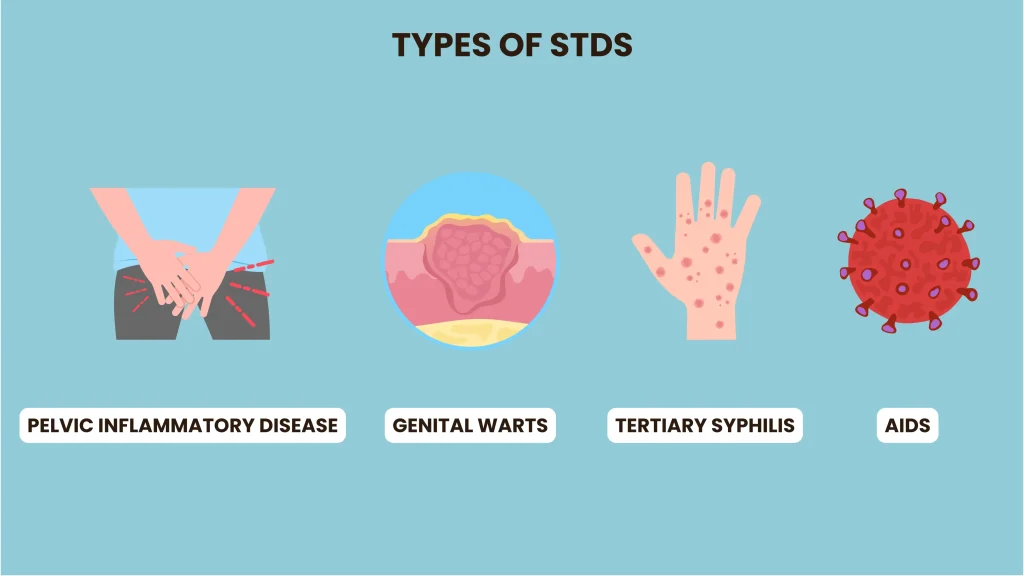
While the list of STIs is somewhat long, there are fewer STDs. They range from pelvic inflammatory disease (PID), which is caused by STIs such as chlamydia and gonorrhea, to certain types of cancer caused by human papillomavirus (HPV).

Pelvic Inflammatory Disease

Common Sexually Transmitted Diseases (STDs) like gonorrhea, chlamydia, and trichomoniasis can cause Pelvic Inflammatory Disease (PID) if left untreated. However, not every incidence of PID is caused by an STD; other bacterial infections can also be responsible. A reported lifetime diagnosis of PID affects over 2.5 million women in the United States.

Even though infections of the female reproductive system, including those caused by STDs, are diseases, some people never show any symptoms. If PID is identified early enough, antibiotics can successfully treat it. However, they will not address any potential fallopian tube scarring caused by the infection.

Tertiary Syphilis

STIs are the initial stages of syphilis, a very rare infection. One or more small, round sores on the mouth, anus, or genitalia are the initial signs of the illness. Syphilis will progress to the latent stage, which has no symptoms if treatment is not received. But from this site, about 25% of cases of tertiary syphilis will arise; this condition develops 10–30 years after the initial infection.

Penicillin injections can cure tertiary syphilis and remove germs from the body, but they cannot reverse the damage that has already been done. Of course, additional drugs and therapies can be required if the illness causes problems with vital organs like the heart.

Genital Warts

Some low-risk HPV strains can produce genital warts. These skin-colored or white blemishes appear on the genitals or anus, and over 350,000 people get them annually. They are treatable but not curable because the virus that causes them may persist. (In certain circumstances, HPV resolves on its own.) Genital warts might go away on their own, but they can also resurface. If you want them eliminated, you have several alternatives, including freezing or burning them, as well as administering a chemical cream or liquid.

AIDS

HIV, a severe Sexually Transmitted Disease (STD), can weaken the immune system, increasing the risk of other infections or cancers. With modern medications, many HIV patients can live long, healthy lives. However, if left untreated, HIV can progress to AIDS, severely compromising the immune system and making the body vulnerable to serious illnesses. There is currently no cure for AIDS, and due to the variety of diseases that can develop from a weakened immune system, life expectancy without therapy is roughly three years.

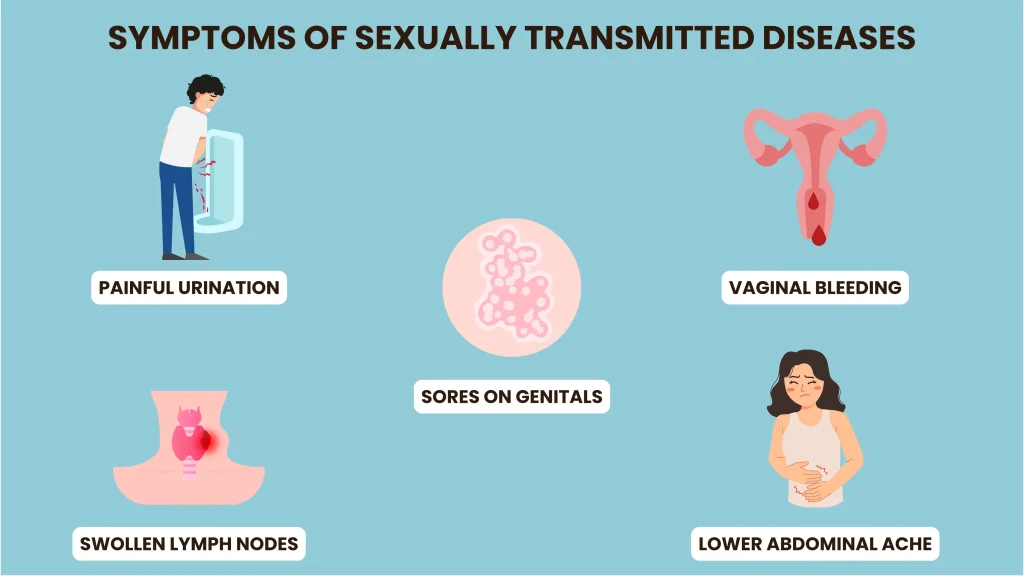
Symptoms of Sexually Transmitted Diseases

sexual disease symptoms

STDs can cause a lot of symptoms, including none. That is why sexually transmitted diseases may go undetected until a person develops symptoms or a partner is diagnosed.

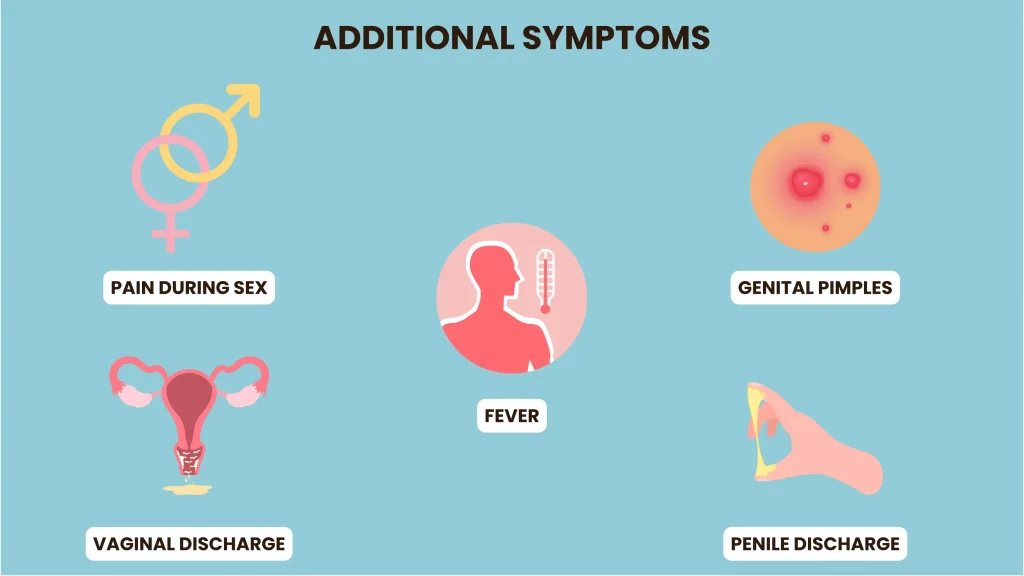
STI symptoms might include:

other std symptoms

  • Sores or pimples in the genitals, oral cavity, or rectal area.
  • Urination can be painful or scorching.
  • Discharge from the penis.
  • Unusual or pungent vaginal discharge.
  • Unusual vaginal bleeding.
  • Pain during sex.
  • Sore, swollen lymph nodes, mainly in the groin, but occasionally more widespread.
  • Lower abdominal ache.
  • Fever.

Sexually transmitted infection symptoms can occur several days after exposure. However, depending on what’s causing the STI, it could take years before you see any symptoms.

Conclusion

Many sexually transmitted diseases are treatable, but not all are curable. Some are life-threatening, while others have less significant consequences. However, they are all caused by a sexually transmitted infection. So, the best way to avoid them is to have frequent screenings and practice safer sex. If you test positive for any STI, get treatment as soon as possible.

Tonsillitis: Unpacking the Aches in Your Throat’s Suitcase

The two little lymphoid tissue organs on either side of the back of your throat are called tonsils. They serve as a line of defense and keep infections out of your body. Tonsillitis can be caused by ordinary viruses and bacteria, as well as germs that can spread to other people. Streptococcal bacteria are among the germs that cause Strep throat. Without treatment, strep throat-related Strep throat can have major side effects. This article discusses all the information you need to know about tonsils, including helpful remedies and symptoms. Let’s start!

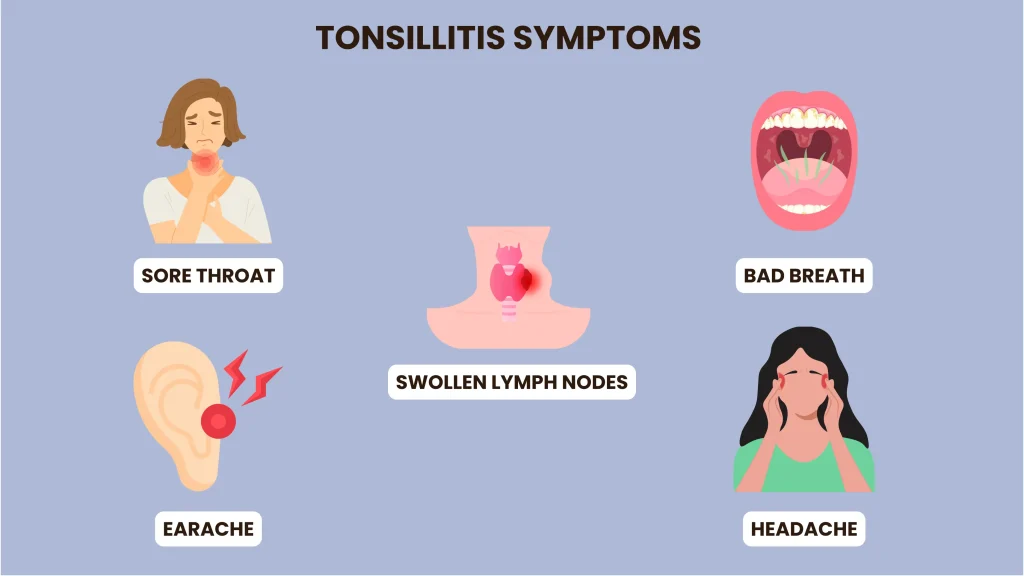
Tonsillitis Symptoms 

tonsillitis symptoms

It can be incredibly uncomfortable for both adults and children. Let’s take a look at the different symptoms down below. 

Symptoms of tonsillitis include:

  • A really sore throat
  • difficulty or pain during swallowing
  • A scratchy-sounding voice
  • Bad breath
  • Fever and chills
  • Earache
  • Abdominal pain
  • Headache
  • A stiff neck
  • Swollen lymph nodes cause discomfort in the jaw and neck
  • Tonsils appear red and swollen
  • Tonsils with white or yellow dots

In small children, you may also notice:

  • Increased irritability
  • Poor appetite
  • Excessive drooling

How to Treat Tonsillitis

A minor case of tonsillitis may not require treatment, especially if a virus, such as a cold, causes it. More severe forms of Strep throat may require antibiotics or, less commonly, a tonsillectomy. 

Tonsillectomy

This is the surgical removal of the tonsils. Usually, a tonsillectomy is only advised by medical professionals in cases of chronic or recurrent tonsillitis, Strep throat-related problems, or symptoms that don’t go better. Recurrences of tonsils or strep throat may be prevented with a tonsillectomy if they have occurred five to seven times in the previous year. The breathing or swallowing issues that Strep throat might cause can also be resolved by surgery.

Tonsillitis Antibiotics

If your tonsillitis was brought on by a bacterial infection, your doctor may recommend medications to treat the illness. Antibiotics could make your symptoms go away a little bit quicker. They may cause various side effects, such as upset stomach and raise the risk of antibiotic resistance. Those who are more likely to experience complications from Strep throat should take antibiotics. It’s crucial that you finish the entire antibiotic treatment. If you don’t take the entire prescribed amount of medication, the infection may worsen even though your symptoms seem to be entirely healed.

Diagnosing Tonsillitis

To make a diagnosis, a doctor will check your throat. By carefully swabbing the back of your throat, they might also take a throat culture. The cause of your throat infection is determined by sending the culture to a lab. For a full blood count, a doctor can additionally request a sample of your blood. This test may determine if your illness is bacterial or viral, which may have an impact on your available treatment options.

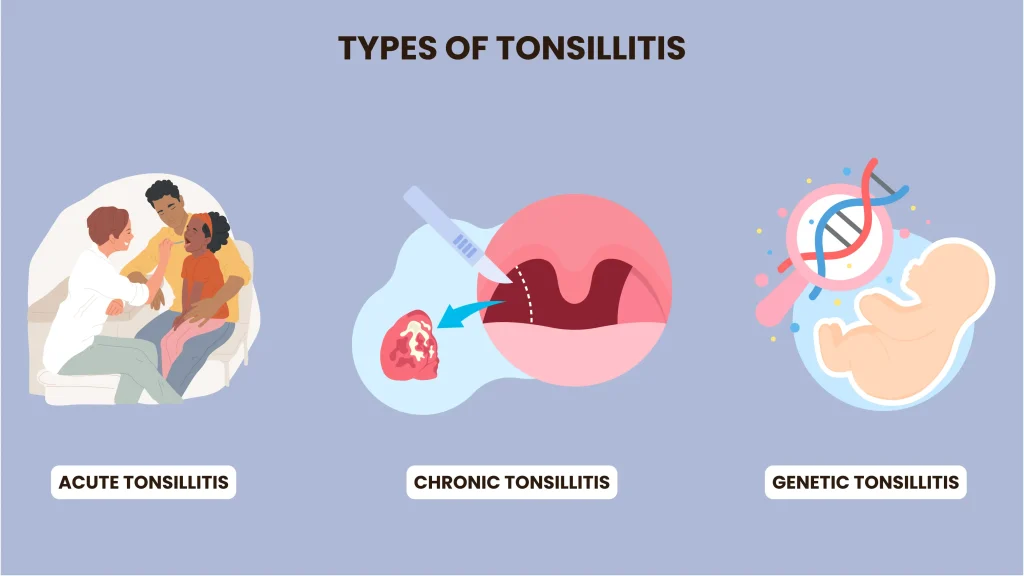
Types of Tonsillitis

types of tonsillitis

Did you know that there are different types of tonsillitis or strep throat? Yes, that is right! This section discusses each of them so that you can identify them. 

Acute Sore Throat

In children, Strep throat is extremely common. Actually, Strep throat is a condition that almost all kids will likely develop at some point. A doctor will diagnose acute tonsillitis if symptoms persist for ten days or less. It can be chronic or recurrent Strep throat if symptoms last longer or if the illness recurs frequently throughout the year. With at-home therapies, acute sore throat symptoms typically get better. However, in certain situations, you might need to take antibiotics or other medications.

Chronic Tonsillitis

Chronic tonsillitis symptoms last longer than acute sore throat. You may have the following symptoms on an ongoing basis:

  • Sore throat
  • Halitosis (bad breath)
  • Tender nodes in the neck

Chronic tonsillitis can also result in tonsil stones, which occur when dead cells, saliva, and food accumulate in the crevices of your tonsils. Eventually, the material may solidify into little stones. These may break free on their own or require a doctor to remove them. If you have persistent tonsils, your doctor may propose a tonsillectomy, which involves surgically removing your tonsils. Tonsillectomy is the conventional treatment for recurrent Strep throat, just as it is for chronic tonsillitis. 

Genetic Tonsillitis

A 2019 study looked at children with recurrent Strep throat and their tonsils. Researchers discovered that the group A streptococcus bacteria, which cause strep throat, may induce an inadequate immune response due to genetics.

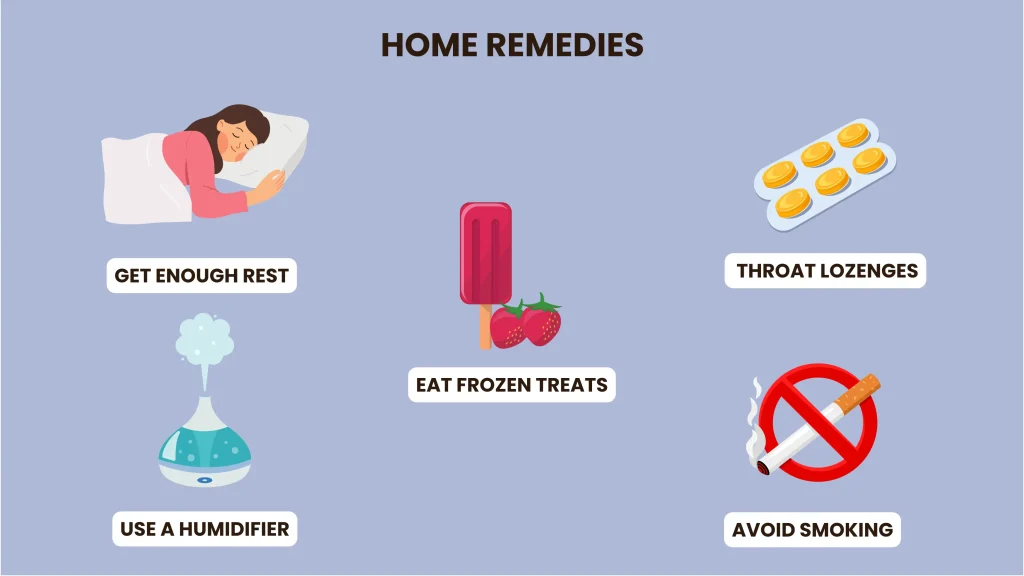
Home Remedies for Tonsillitis

home remedies for tonsillitis

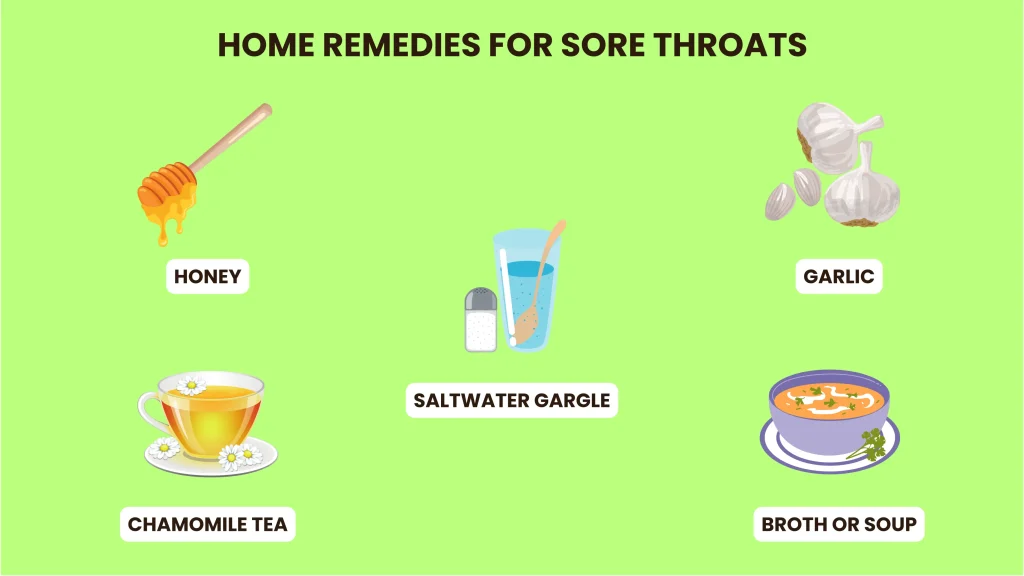
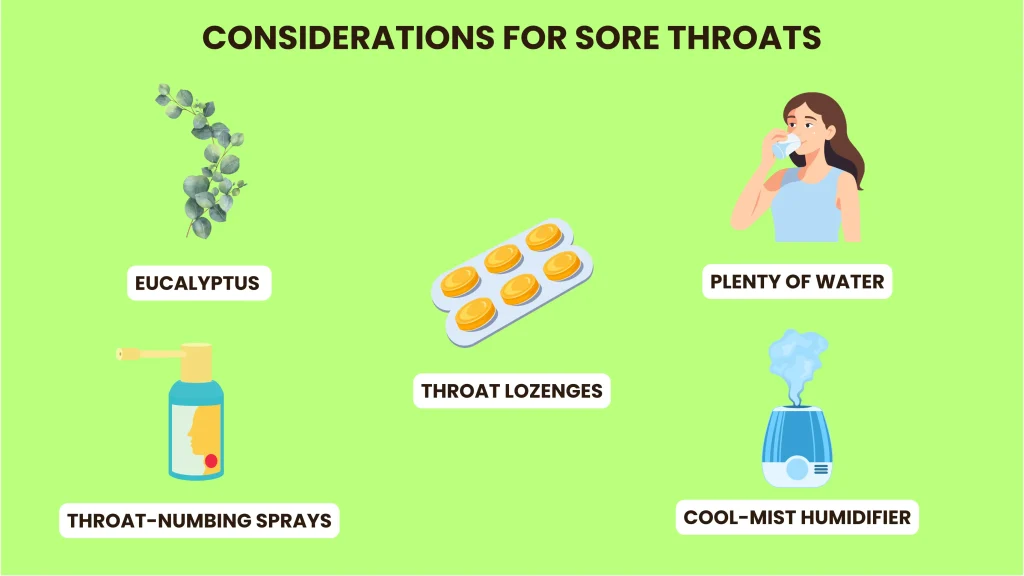
To relieve tonsillitis-related throat pain at home, you can attempt the following:

  • Drink plenty of liquids
  • Get enough rest
  • Gargle with warm salt water multiple times per day
  • Use throat lozenges
  • Eat popsicles or other frozen treats
  • Use a humidifier
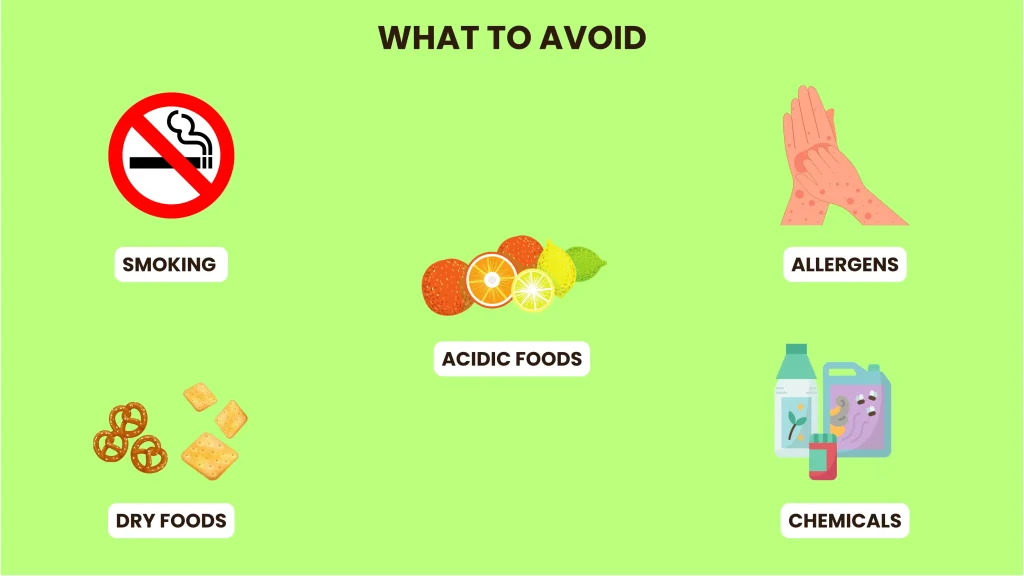
  • Avoid smoking
  • Take acetaminophen or ibuprofen

Use throat sprays rather than lozenges for small children, and consult with a pediatrician before administering drugs.

Potential Complications

Tonsillitis problems are possible if you don’t complete the course of antibiotics or if the drugs don’t eliminate the bacterium. 

  • Tonsillar cellulitis: The infection may become worse. This condition is known as tonsillar cellulitis.
  • Peritonsillar abscess: A peritonsillar abscess is an accumulation of pus near the tonsils caused by an infection. This could necessitate drainage and surgery.
  • Obstructive sleep apnea (OSA): People with chronic tonsillitis may develop obstructive sleep apnea. This occurs when the airways enlarge and hinder a person from sleeping properly, resulting in additional medical problems if not treated.

Conclusion

Although tonsillitis can be bothersome and unpleasant, it is rarely a serious health issue. Most people recover from Strep throat in a few days, regardless of whether they take medicine. Most symptoms will disappear within 7-10 days. However, you should visit your doctor if symptoms persist, worsen, or if have difficulty breathing or swallowing.

Benefits of Watermelon: Refreshing, Nutritious & Perfect for Your Plate

Watermelon arose in Africa over 4,000 years ago, but did you know that the juicy, sweet summer fruit has many health benefits and can even improve your sex life? One of the key benefits of watermelon is its high water content, which keeps you hydrated while also providing essential vitamins. You might be sitting at the edge of your seat wondering HOW? Don’t worry – this article covers it all, including what each slice contains. Let’s start!

Nutritional Profile of Watermelon

Watermelon is filled with citrulline and lycopene, two potent plant mixtures that are related to lowering blood pressure, improving metabolic health, and decreasing muscle soreness after exercise. One of the key benefits of watermelon is its ability to provide these nutrients while being refreshing and hydrating.

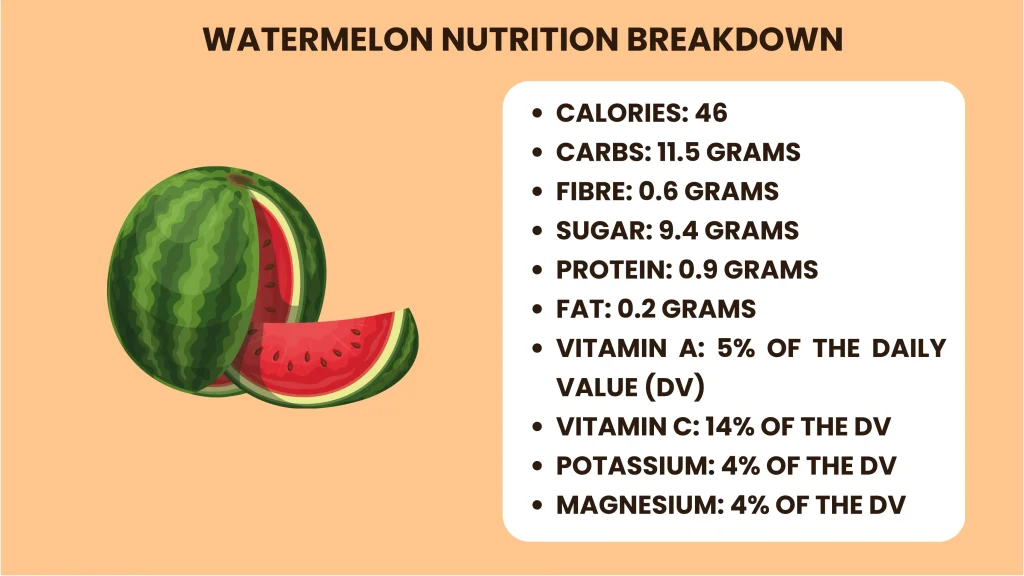
Watermelon Nutrition Breakdown

Watermelon is a rich source of a variety of nutrients, including potassium, magnesium, and vitamins A and C. It’s also relatively low in calories.

watermelon nutrition

Here are the nutrients in 1 cup (152 grams) of raw, diced watermelon:

  • Calories: 46
  • Carbs: 11.5 grams
  • Fibre: 0.6 grams
  • Sugar: 9.4 grams
  • Protein: 0.9 grams
  • Fat: 0.2 grams
  • Vitamin A: 5% of the Daily Value (DV)
  • Vitamin C: 14% of the DV
  • Potassium: 4% of the DV
  • Magnesium: 4% of the DV

Fibre Content in Watermelon

Although watermelon doesn’t contain much fibre, it still contributes to gut health. One of the lesser-known benefits of watermelon is its ability to promote healthy digestion, which prevents constipation and supports regular bowel movements. Fruits like apples and bananas are much higher in fibre than watermelons, yet they have the same effect. The secret to fruit like watermelon is the combination of water and fibre. A study published in a Gastroenterology journal found that water intake is extremely important for bowel function and reduced constipation. 

Health Benefits of Watermelon

health benefits of watermelon

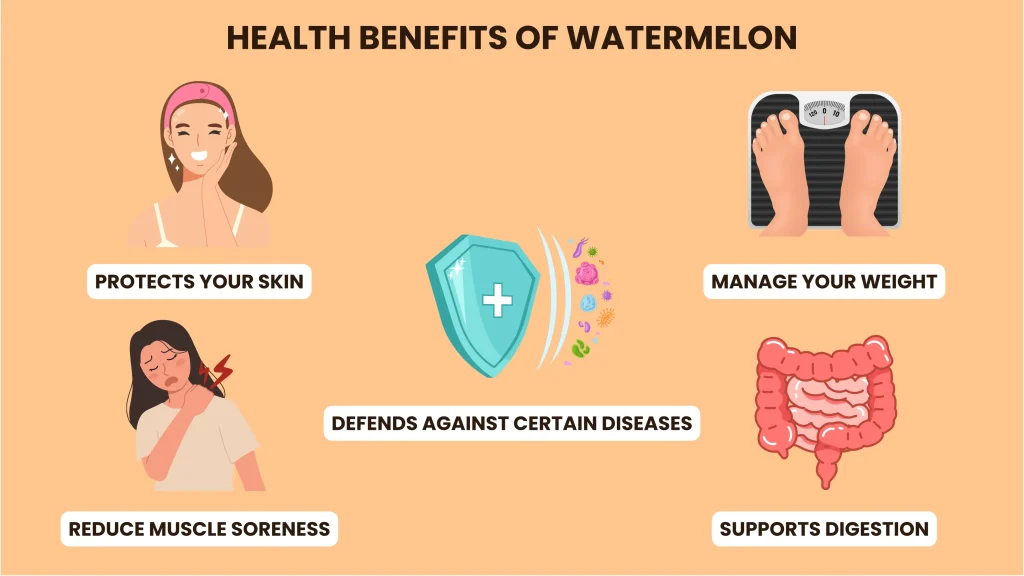
  • Keeps you hydrated: Water isn’t in the fruit’s name by chance. Watermelon is about 95% water by weight and helps to avoid dehydration and other issues. 
  • Defends against certain diseases: Watermelon is one of the best sources of lycopene, an antioxidant known to combat oxidative stress caused by cell-damaging free radicals.
  • Improves artery function: L-citrulline is an amino acid found in watermelon, particularly in the white part of the rind. It may improve artery function and lower blood pressure by helping blood vessels relax and improving circulation.
  • Protects your skin: Watermelon may help keep your skin healthy. Its vitamins C and A support healthy skin.
  • Manage your weight: Consuming watermelon instead of a processed sweet snack may help you manage your weight.
  • Reduce muscle soreness: Those who drank the watermelon juice experienced less muscle soreness for up to 72 hours.
  • Supports digestion: Although watermelon is not very high in fibre, the fibre in it helps support a healthy gut. 

Watermelon Benefits for Men

A few studies have been done on erectile dysfunction, fertility, prostate health and even testosterone health, which indicates that one of the key benefits of watermelon is its amazing power, especially for men. The antioxidant lycopene in watermelon can help protect the prostate gland and improve fertility, while citrulline and amino acids increase blood flow that aid in erectile function. Isn’t that great?

Unique Aspects of Watermelon

unique aspects of watermelon

Watermelon is a good source of antioxidants and nutrients. In addition to supporting hydration, one of the key benefits of watermelon is its ability to promote various aspects of health. But what are they?

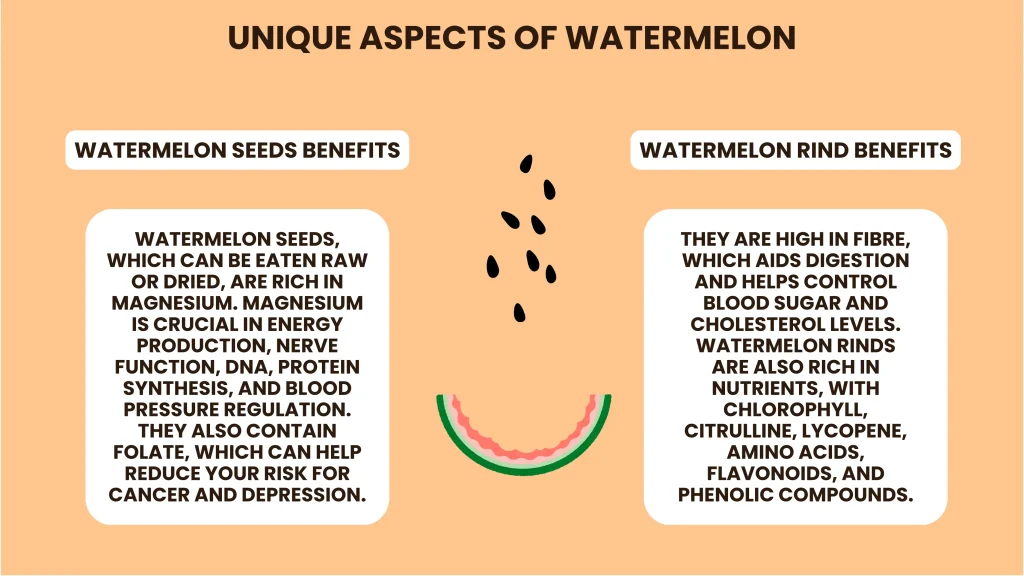
Watermelon Seeds Benefits

Watermelon seeds, which can be eaten raw or dried, are rich in magnesium. Magnesium is crucial in energy production, nerve function, DNA, protein synthesis, and blood pressure regulation. They also contain folate, which can help reduce your risk for cancer and depression. Another benefit of watermelon is that even the seeds are packed with nutrients that support overall health.

Watermelon Rind Benefits

They are high in fibre, which aids digestion and helps control blood sugar and cholesterol levels. Watermelon rinds are also rich in nutrients, with chlorophyll, citrulline, lycopene, amino acids, flavonoids, and phenolic compounds.

Watermelon and Digestive Health

Watermelon contains a small amount of fibre, key to keeping your digestion moving smoothly. One of the benefits of watermelon is that fibre adds bulk to your stool and keeps you regular, while water helps move waste through your digestive system.

Does watermelon make you poop?

Watermelon is considered a high FODMAP food because of its high amount of fructose. Anyone with GI issues may experience urgent bowel movements after consuming it, especially in large amounts. Another benefit of watermelon is its ability to support digestion, although some individuals may need to consume it in moderation.

Can watermelon cause diarrhea?

Watermelon doesn’t directly lead to diarrhea, but large quantities can cause digestive issues for some individuals. One of the lesser-known benefits of watermelon is its natural laxative effect due to its high water content, which makes up 90% of the fruit. However, for those with fructose absorption issues or sensitivity, the fruit’s high fructose levels can cause bloating and even loose stools, as it overwhelms their digestive system.

Additionally, because it makes up 90% of the fruit, it can be a natural laxative and, when consumed in excess, cause diarrhoea. But this is only in some cases. Individuals who have gastrointestinal issues like irritable bowel syndrome (IBS) experience discomfort after eating large portions due to its classification as a high-FODMAP food. Another benefit of watermelon is that moderate consumption is generally safe and won’t cause issues for most people, making it a healthy treat when enjoyed in appropriate servings.

Moderate consumption of watermelon isn’t likely to cause issues for most people. This fruit is best to enjoy inappropriate serving to avoid potential digestive disturbances.

Conclusion

Watermelon is not just a refreshing treat like we thought. It is also a powerhouse of nutrition that offers individuals various health benefits. The high water content keeps you hydrated, and nutrients such as lycopene and citrulline improve your heart health, enhance your digestion, and even offer sexual benefits. 

This treat is definitely worth eating, not to mention saving space on your plate. The unique combination of both vitamins and antioxidants supports your overall well-being. Understanding their wonderful health advantages, you can appreciate them for more than just the taste; they promote health all year round. Just ensure that you eat it in moderation. 

Here is to a healthier YOU!

Stay Connected: The Future of Health with Remote Patient Monitoring

The delivery of healthcare via electronic communication, or telehealth, has evolved significantly since its inception. Telehealth has changed fast over the years as technology has advanced, and the healthcare community has innovated to uncover new uses and applications for the technology, including remote patient monitoring.

The use of electronic health records (EHRs) and increased access to the internet and medical gadgets has allowed healthcare to move out of traditional clinical settings and into patients’ homes.

What is Remote Patient Monitoring?

Remote patient monitoring (RPM) is a sort of telemedicine in which healthcare personnel monitor patients using digital medical devices such as weight scales, blood pressure monitors, pulse oximeters, and blood glucose meters. The data obtained by these devices is then electronically transmitted to providers for care management.

Data collecting can include automated feedback and procedures, as well as the ability to indicate out-of-range or problematic readings. Historically, RPM has been used to assess symptoms of chronic disorders such as heart disease, diabetes, and asthma.

Patients may have encountered this through wearable technologies such as Holter monitors, which may assess heart rhythms and remotely detect and monitor cardiovascular illnesses. Given the data and several research studies demonstrating the benefits of RPM, the American Heart Association advises remote monitoring of vital signs for hypertensive patients.

These advantages include patient involvement in their medical care, patient adherence to their treatment plan, and the capacity to extend physician reach and easily give care to patients without requiring patients to travel for in-person visits.

What Are The Benefits of Remote Patient Monitoring?

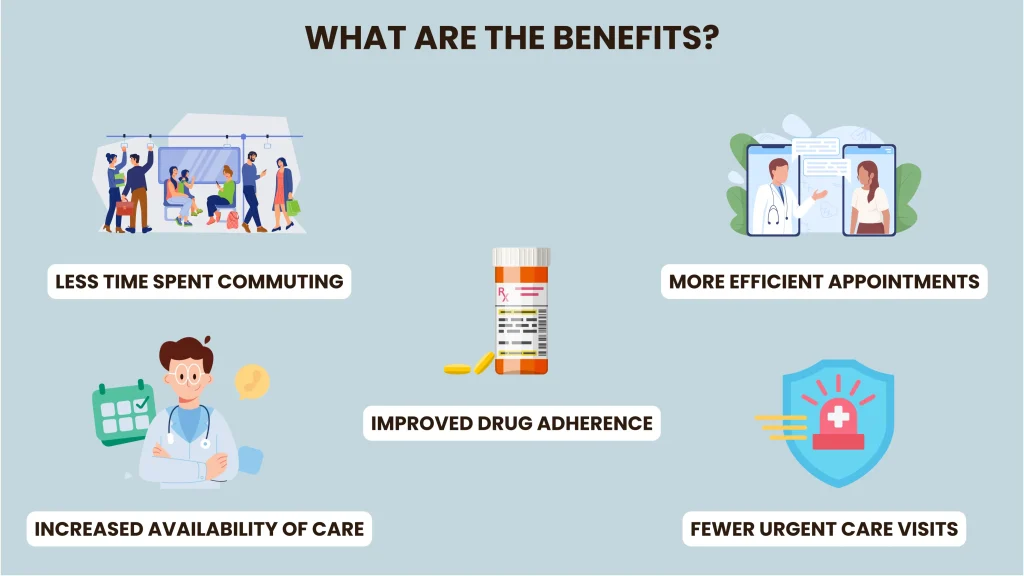
Benefits of remote patient monitoring

Better health outcomes are the ultimate goal of telemedicine, which offers numerous benefits that are also the reason so many people choose this kind of care. 

Some of the advantages of telemedicine include:

  • Less time spent commuting and waiting
  • More efficient appointments
  • Save money on transit, parking, and lost work.
  • A capacity to attend appointments at times that may not be convenient for in-person visits
  • Increased availability of care
  • Access to specialists beyond your local area
  • Improved drug adherence
  • Fewer urgent care visits and hospital readmissions
  • Shorter hospital stays and at-home monitoring capabilities

Types of Telehealth

Below are a few instances of telehealth services that could be beneficial to your health care. Let’s take a look!

Virtual visits

Some clinics may use telemedicine to provide distant care, including remote patient monitoring. For example, clinics may provide virtual visits. These can connect you to a health care physician, mental health counselor, or nurse via online video or phone chats. Virtual visits can treat a variety of diseases, including migraines, skin disorders, diabetes, depression, anxiety, colds, coughing, and COVID-19.

These visits allow you to receive care from a clinician when an in-person visit is not necessary or possible. Before your appointment, your healthcare team may email you information or paperwork to complete online and return to them. They may also ensure that you have the required technology. They will also check to see if you need to update or install any software or applications.

They can also advise you how to sign in and join the video chat during your visit. Additionally, the healthcare team can demonstrate how to use the microphone, camera, and text chat. This is especially helpful for patients using remote patient monitoring devices like blood pressure monitors or glucose meters, ensuring proper setup and connection.

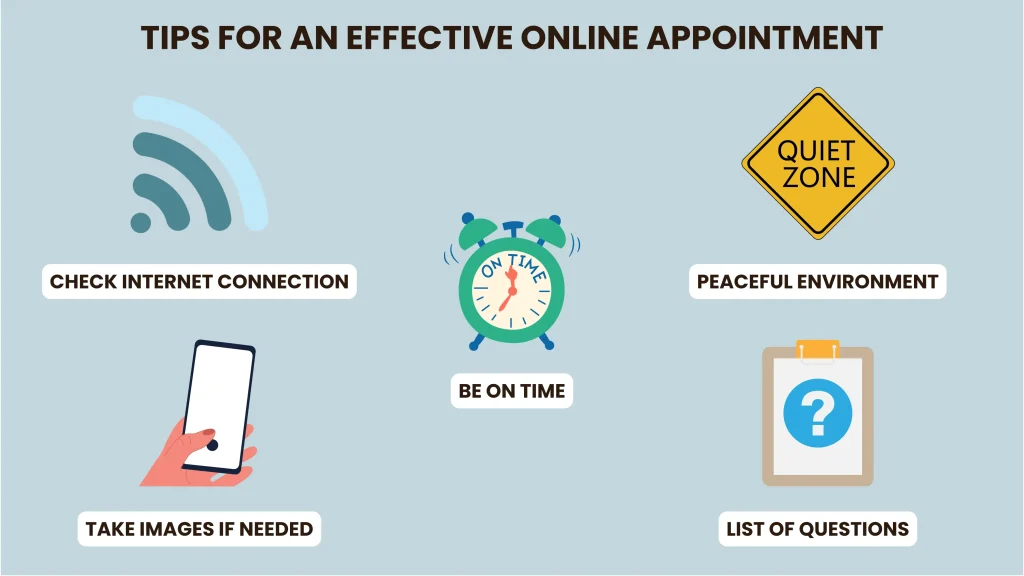
If necessary, request assistance from a family member in setting up the required technologies. To join the virtual visit, all you need is a smartphone, tablet, or computer with internet access. You can locate a nice, quiet, and private place to sit throughout your visit. Your provider also meets in a private setting.

Other options

Some people may seek medical care or guidance online or over the phone. When you connect to a web-based service or phone service that provides primary or urgent care, you are prompted with a series of questions. Drugs can be prescribed by either the provider or the nurse practitioner. They may also advise home care tips, additional medical care, or suggest remote patient monitoring for ongoing observation of your condition.

While these services are convenient, they do have drawbacks:

  • Treatment may not be coordinated with your usual provider.
  • Important data about your medical history may be overlooked.
  • If you have a complex medical history, the computer-driven decision-making approach may not be appropriate for you.
  • The service does not make it easy for you to make treatment decisions with your clinician.

Remote monitoring

Many technologies enable a physician or healthcare team to monitor your condition remotely through remote patient monitoring systems.

These technologies include the following:

  • Web-based or mobile apps for sending data to your provider or healthcare team. For example, if you have diabetes, you can upload meal diaries, blood sugar levels, and medications that a nurse can review.
  • Devices that measure and wirelessly transmit data, including blood pressure, blood sugar, and oxygen levels.
  • Wearable gadgets that automatically collect and transmit data. For example, the gadgets may monitor your heart rate, blood sugar levels, walking style, posture, tremors, physical activity, and sleep.
  • Home monitoring systems for the elderly or those with dementia can detect changes in daily activity, such as falls.
  • Devices that provide reminders reminding you to exercise or take medication.

Patient Portals

Your primary care practice may offer an online patient portal. Rather than using email, these portals provide a safer alternative to contacting your provider. 

A portal offers a secure online tool for doing the following:

  • Contact your provider or a nurse.
  • Request prescription refills.
  • Examine test results and summaries from previous visits.
  • Schedule appointments or request appointment reminders for preventive care.

If your provider is part of a larger healthcare system, the portal may also serve as a single point of contact for any specialists you may need.

Personal Health Apps and Records

Many apps have been developed to assist consumers in better organizing their medical information in one secure location. 

These digital tools could help you:

  • Save personal health information
  • Maintain a record of vital signs
  • Calculate and track your calories
  • Set reminders to take medications
  • Keep track of your physical activity, such as how many steps you take every day

An electronic personal health record system (PHR system) is a collection of health-related information that you control and manage. A PHR app is accessible from any web-enabled device, such as a computer, laptop, tablet, or smartphone. In some cases, these apps can support remote patient monitoring, allowing you to share health data with your provider easily.

A personal health record also allows you to see your lab results, X-rays, and clinician notes. With your permission, your provider may share this information with other providers. In an emergency, a personal health record can instantly provide critical information to emergency personnel. For example, it can display your current medical problems, medications, drug allergies, and your provider’s contact information.

Tips For An Effective Virtual Healthcare Appointment

Tips for Effective Online Appointment

Remember these suggestions for your next virtual healthcare appointment:

  • Check the internet connection: Your appointment may be disrupted due to insufficient bandwidth. Try to improve your signal or go to a location with better internet connectivity.
  • Get to know the software: You may need to download new software in order to connect safely to the virtual appointment. Make sure you perform this prior to the appointment and test it to confirm it works.
  • Pick a peaceful environment with good lighting: Try to pick an area in your house or virtual location with minimal background noise and no disturbances. Good lighting is especially crucial when your doctor examines your skin for a rash, swelling, lumps, or bruises.
  • Take images of a skin condition: If you have a skin problem, such as a rash, acne, sore, or strange mark, sharing a high-resolution photograph with your doctor will be quite beneficial. Before your appointment, take a clear and detailed photo of your skin concern and upload it to your doctor’s internet site.
  • Have a list of questions: Make appointment notes in the same way as you would for an in-person visit. This can include details regarding what you’ve been through. It may also include inquiries regarding your symptoms, therapy, or test results.
  • Acknowledge limitations: Virtual appointments can be useful, but don’t expect the same results as an in-person visit. During one of these visits, a healthcare expert is unable to touch or feel your body, which limits the scope of diagnosis.
  • Be on time: It is both a customary courtesy and a need. If you arrive late, you may miss your appointment entirely and need to reschedule
  • Put safety first: Make sure you can communicate comfortably with your doctor throughout your appointment. Avoid driving, operating machinery, or multitasking during your virtual session with your doctor.

When to Get In-Person Care

Know when to get in -person care

Many illnesses, symptoms, and follow-up appointments can be addressed with telemedicine visits. However, certain symptoms and medical issues necessitate prompt, in-person care. 

If you have symptoms like these, go to the nearest emergency room or call 911 right away:

  • Chest discomfort
  • Difficulties breathing
  • Weakness or numbness on one side
  • Slurred speech
  • Seizures
  • Concussion
  • Fever and rash
  • Severe bleeding
  • Serious burns
  • Fractured bones or dislocated joints

Furthermore, if you have stomach pain, telemedicine is not the ideal solution because you will need an abdominal exam, which doctors cannot conduct remotely. If you are experiencing abdominal pain, schedule an in-person visit with your doctor.

Conclusion

Telemedicine can be a valuable resource for both healthcare providers and patients. You can get medical care on your own time without the inconveniences of commuting, transportation costs, waiting, or missing work. Remote patient monitoring also enhances this experience by allowing healthcare professionals to track your condition from home. However, telehealth has limitations and is not appropriate for every person, condition, or scenario.

Discuss the advantages and disadvantages of this type of care with your doctor or healthcare practitioner. Together, you may decide whether or not this service is beneficial to your health and well-being.

Substance Use Disorder: Understanding and Overcoming Addiction

Substance use disorder (SUD) is a harmful pattern of substance use that impairs your health and well-being. Some of the most prevalent substances are alcohol and painkillers. It can vary from minor to severe (addiction). SUD is a curable mental health issue. Help is accessible when you are ready!
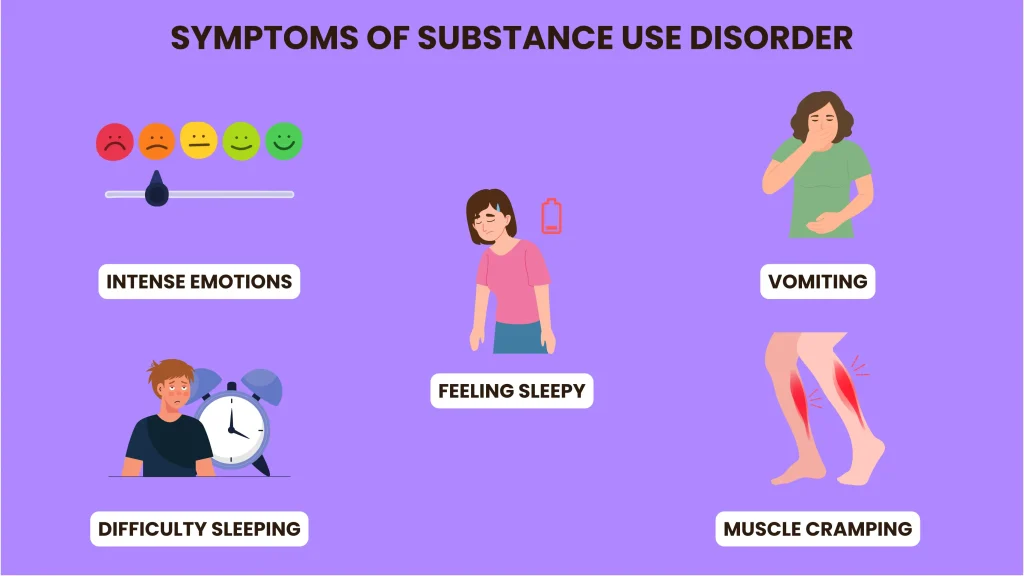
What Is Substance Use Disorder?

Substance use disorder (SUD), also known as drug addiction, is a mental health disease in which you have a problematic pattern of substance use that impairs your health and quality of life. Substances affect how your brain functions over time. They cause the production of dopamine, a neurotransmitter in your brain that makes you feel good – until it wears off.

Your brain and body want to maintain this pleasant feeling, even if it is unhealthy. It can have a big impact on your emotional health, relationships, education, and career. It is often life-threatening. SUD exists on a spectrum and can be mild, moderate, or severe. No matter where you are, know that this condition is treatable, and assistance is accessible when you are ready.

Some of the most common types of substance use include:

Common types of substance use

  • Alcohol use disorder
  • Opioid use disorder
  • Methamphetamine use disorder
  • Cocaine use disorder
  • Tobacco use disorder

It is typical to have multiple SUDs at once, such as alcohol use disorder and tobacco use disorder. This is referred to as a polysubstance use disorder.

Symptoms Of Substance Use Disorder

Symptoms of substance Abuse

The symptoms and effects of drug use disorder differ depending on the type of substance used. There are two types of symptoms, depending on when or if the chemical is in your body. 

Intoxication

This is the instant and temporary action of a drug in your body. Symptoms include:

  • Feeling sleepy
  • Calm
  • Excited
  • Intense emotions
  • Slowed speech

Withdrawal

These are the symptoms that appear after a substance’s short-term effects wear off and begin to depart your body. 

Symptoms are unpleasant and may include:

  • Nausea
  • Vomiting
  • Diarrhea
  • Sweating
  • Difficulty sleeping
  • Muscle cramping
  • Mood changes

Signs of A Substance Use Disorder

According to the American Psychiatric Association, the indications of substance use disorder are:

  • If you have a prescription, you should not take the item in bigger amounts or for longer periods of time than recommended.
  • Having an intense desire or want to use the substance.
  • Having ineffective attempts to reduce or manage substance usage.
  • Spending a significant amount of time obtaining or using the material or recovering from its effects.
  • Having difficulty performing tasks at work, school, or family due to substance abuse.
  • Continuing to use the substance, even if it disrupts relationships.
  • Abandoning social, occupational, or recreational pursuits due to substance abuse.
  • Using substances repeatedly, even when they endanger you.
  • Continuing substance usage despite a continuing bodily or psychological condition that is most likely caused or exacerbated by the substance.
  • Developing tolerance (the requirement for higher doses to achieve the same effect).
  • Withdrawal symptoms might be alleviated by consuming more of the substance.

What Causes Substance Use Disorder?

Substance Abuse Causes

The specific cause of a substance use disorder is unclear. However, research indicates that alterations to your brain’s reward system as a result of a substance’s addictive potential may induce the illness. According to studies, numerous factors may contribute to the development of an SUD. 

This could include:

  • Social pressure
  • Curiosity about substance effects
  • Cognitive performance enhancement
  • Emotional escape (such as release from stress, worry, fear, or depression)
  • Experimental usage (sometimes known as prescription use) refers to trying a substance for the first time or following instructions.
  • Occasional use is defined as taking a substance socially or not following the directions on a prescription.
  • Heavy use is defined as taking a substance on a regular basis with few or no days off.
  • Substance use disorder occurs when you consume the substance on a daily or several times each day. There are rare occasions when you do not use a substance.

These are only examples; this disorder can look very different and vary in intensity from person to person.

Risk Factors For A Substance Use Disorder

Substance use disorders impact people of all ages, races, genders, and socioeconomic backgrounds. 

You may have a higher risk of having it if:

  • Have an underlying mental health issue
  • Have a biological relative with an SUD
  • Have a history of negative childhood events
  • Have a genetic predisposition (a genetic variant increases the likelihood of developing SUDs)
  • Have exposure or easy access to drugs

What Are The Complications Of Substance Use Disorder?

Overdose is a common and dangerous complication of substance use disorder. An overdose occurs when you consume too much of a chemical. This is a medical emergency. Different drugs have varying effects on your body. 

For example, if you overdose on opioids, it affects the region of your brain that controls your breathing. If not treated soon, your breathing will slow or stop completely, resulting in death. SUD complications are many and vary according to degree and kind. 

Common complications can include:

  • Cancer
  • Depression
  • Infections (hepatitis B, hepatitis C, HIV)
  • Memory loss
  • Academic or professional challenges
  • Interpersonal relationship difficulties
  • Unsafe, illegal, or risky practices

How is Substance Use Disorder Diagnosed?

There is no one test available for diagnosing substance use disorder. Instead, healthcare experts rely on a detailed assessment of your medical history and substance-related behaviours. They may request drug tests to determine how much and what types of chemicals are present in your body at the moment. They may also assess prescription drug monitoring program records (a database including dispensed controlled medications).

A provider will also inquire about your mental health history, as it is typical to have both an SUD and a mental health disorder. A study found that to be diagnosed with substance use disorder, a person must exhibit at least two symptoms in the symptoms area over a 12-month period. 

It’s vital to note that this illness occurs on a scale of severity:

  • Two to three indications suggest a minor substance use disorder
  • Four or five indications suggest a moderate substance use disorder
  • Having six or more signs indicates a significant substance use disorder

Treatment for Substance Use Disorder

The first step in treating substance use disorders is to manage withdrawal symptoms. This is when you stop taking the chemical and let it exit your body. Depending on the intensity, a healthcare provider may prescribe drugs to alleviate the impact of withdrawal symptoms, which can be physically and emotionally taxing.

Sud Therapy

A variety of therapies can be used to treat SUD and other co-occurring mental health disorders. 

Examples of effective therapies for adults with substance use disorders include:

  • Assertive community treatment (ACT): ACT offers mental health services in the community rather than in residential or hospital settings. ACT is quite personalized. Your treatment approach will be tailored to your individual strengths, requirements, and future goals.
  • Cognitive behavioural therapy (CBT): CBT can assist you in identifying harmful patterns of behaviour and think. You’ll develop goals for healthy methods to cope.
  • Contingency management: This sort of therapy pushes you to establish personal goals. When you achieve a goal, you receive a reward.
  • Dialectical behavior therapy (DBT): DBT is a sort of talk therapy similar to CBT. It’s intended to help you handle strong emotions and understand how your ideas influence your actions.
  • Family therapy: Family therapy can help you improve relationships and behaviors in a family or group context.
  • Motivational enhancement therapy: This sort of therapy pushes you to set realistic goals. A mental health professional will inspire you to take action toward your goals.
  • Therapeutic Communities (TCs): A TC is a long-term residential treatment program that aims to help you create new, healthier beliefs and behaviours connected to substance abuse and other co-occurring mental health issues.

Sud Medications

Medications can help change your brain chemistry and treat certain SUDs. They can also help to reduce cravings and withdrawal symptoms. 

Medication-assisted treatments approved by the US Food and Drug Administration (FDA) include the following:

  • Opioids: Opioids include methadone, buprenorphine, and naltrexone.
  • Alcohol: Naltrexone, acamprosate, and disulfiram.
  • Tobacco: A nicotine patch, nasal spray, gum, or lozenge; and bupropion or varenicline.

Conclusion

Substance use disorder (SUD) is a complicated mental health issue. Substances alter the way your brain functions, making it difficult to stop consuming them, even if you want to. It is okay to seek assistance when necessary, even if it is one of the most difficult tasks. Treatment is difficult. Detoxifying is uncomfortable. Therapy is emotionally taxing. But rehabilitation is rewarding.

Take the first step towards seeking help and remember that you don’t have to face it alone – help is always within reach. Here is to a healthier YOU!
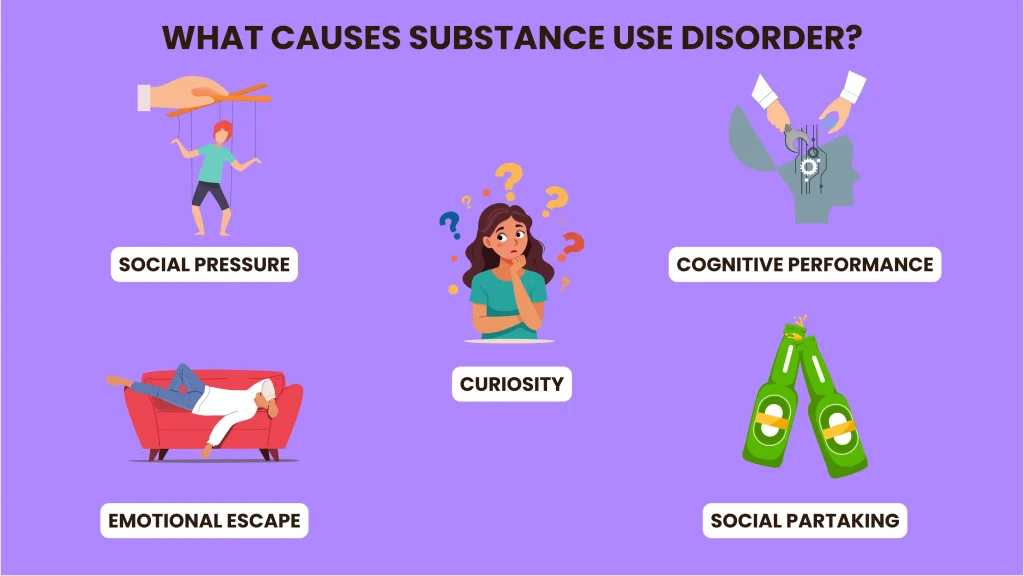
Foods to Avoid with High Cholesterol for a Heart-Healthy Life

The best way to reduce harmful cholesterol levels naturally is by limiting your dietary cholesterol intake. While cholesterol is required for various body functions, the good news is that your liver and intestines produce most of the cholesterol needed for optimal health. Therefore, if you have high cholesterol, it’s important to avoid specific foods to avoid with high cholesterol and maintain a healthy diet.

To learn more about the worst foods that raise cholesterol, keep reading!

What Is Cholesterol, And Is It Unhealthy?

Our bodies contain cholesterol, which is a waxy molecule found in meat, eggs, and dairy products. It is necessary for the creation of bile, vitamin D absorption, and hormones, as well as for the breakdown of lipids. Cholesterol is produced by your liver and is also found in meals that come from animals. 

While LDL (“bad”) cholesterol is linked to the accumulation of plaque in arteries, HDL (“good”) cholesterol aids in the body’s excretion of extra cholesterol. Your body reduces the amount of cholesterol it normally produces to make up for the more you eat. On the other hand, if you eat foods to avoid with high cholesterol, your body will have a harder time maintaining healthy cholesterol levels. If you eat small amounts of cholesterol, your body will produce more of this essential molecule to keep levels of cholesterol constant.

Causes Of High Cholesterol

Causes of high cholesterol

Genetics and lifestyle choices can contribute to elevated cholesterol.

Factors related to lifestyle include:

  • Smoking: Smoking increases your bad cholesterol and lowers your good cholesterol.
  • Excessive stress: Stress sets off hormonal reactions in your body that lead to the production of cholesterol.
  • Alcohol consumption: Consuming too much alcohol might cause an increase in total cholesterol.
  • Diet: Certain foods to avoid with high cholesterol may raise cholesterol levels, while others can help lower it. Healthcare professionals may occasionally advise dietary modifications or a consultation with a nutritionist to discuss your diet.

Healthy Foods That Are High In Cholesterol

high cholesterol healthy foods

These are seven very nutritious foods that have a high cholesterol content:

Eggs

One of the healthiest things you can eat is an egg, especially when it comes to adding more protein to your diet. A large egg (50 grams) has 207 milligrams (mg) of cholesterol, hence they are also high in cholesterol. According to research, eating whole eggs may increase heart-protective high-density lipoprotein (HDL), or “good” cholesterol, which is not elevated by cholesterol. However, it’s important to balance egg consumption with foods to avoid with high cholesterol, as too much LDL or “bad” cholesterol can contribute to heart issues.

Cheese

Swiss cheese has about 20 mg of cholesterol in every 22 g slice, but it also has a lot of calcium and other minerals. When compared to the same quantity of low-fat cheese or a similar number of calories from bread and jam, consuming 3 ounces (oz), or 80 g, of full-fat cheese per day – which is considered a high intake – did not raise LDL cholesterol, according to a 12-week trial including 139 participants. While cheese can be part of a healthy diet, it’s essential to avoid pairing it with foods to avoid with high cholesterol to maintain balanced cholesterol levels.

Shellfish

Shellfish, such as clams, crab, and shrimp, are great providers of iron, selenium, B vitamins, and protein. Shrimp that is canned contains 214 mg of cholesterol per 3-oz (85-g) serving. On the other hand, studies suggest that increasing seafood consumption may benefit cardiovascular, visual, and cognitive health.

Pasture-Raised Steak

Steak reared in pasture is high in protein and has all the necessary vitamins and minerals. It has substantially higher omega-3 fatty acids, which have anti-inflammatory qualities, and less cholesterol than feedlot beef. The approximate amount of cholesterol in a 4-oz (113-g) portion of pasture-raised beef is 62 mg.

Sardines

Sardines are packed with minerals and make a convenient source of protein. These little fish have 3.75 oz (92 g) per serving, or 131 mg of cholesterol. It also supplies 137% of the Daily Value (DV) for vitamin B12, 35% for calcium, and 63% of the DV for vitamin D.

Full-Fat Yogurt

Full-fat yogurt is a nutrient-dense, high-cholesterol meal. 31.8 milligrams of cholesterol are found in one cup (245 grams) of full-fat yogurt. A higher consumption of full-fat fermented dairy products has been linked in studies to lowered blood pressure, LDL cholesterol, and the risk of diabetes, heart disease, and stroke.

High-Cholesterol Foods To Limit: Foods to Avoid with High Cholesterol

top worst foods for high cholesterol

There are foods high in cholesterol that are very nutritious but can also be hazardous to your health. 

The following 10 foods to avoid with high cholesterol should be limited or avoided:

Coffee

Your morning cup of coffee may cause an unexpected spike in your cholesterol levels. French press or Turkish coffee allows cafestol to pass through, increasing LDL or “bad” cholesterol levels. Espresso does, too, but the serving quantities are modest, so there’s little to be concerned about. If you drink drip coffee, you’re all set. The filter collects cafestol, making it a better option when considering foods to avoid with high cholesterol.

Thai Takeout

Thai food is spicy and fragrant, but it might elevate your cholesterol if not prepared properly. What’s the secret ingredient? Coconut milk. It makes curries smooth and is heavy in saturated fat, making it one of the foods to avoid with high cholesterol. Instead, scan the menu for stir-fries or noodle dishes and request that your dinner be steamed or prepared in vegetable oil. Choose chicken instead of beef, add some additional vegetables, and enjoy your takeout guilt-free while reducing your intake of foods to avoid with high cholesterol.

Granola

Do you associate the word “granola” with the concept of “health food”? That chewy, crunchy delicacy frequently comes with a large portion of saturated fat, making it one of the foods to avoid with high cholesterol. Even “low-fat” granola can have more saturated fat than other cereals. Eat granola that is only sweetened with dried fruit, honey, or maple syrup and contains at least 20% of the recommended daily fiber intake. 

Flour Tortillas

To make a superior taco, you must start with the basics. Flour tortillas, even whole wheat ones, may seem like the ideal option, but they are not. They contain more saturated fat than maize tortillas. (Assuming you do not fry your corn tortillas in oil.) Begin with a corn tortilla (check the label to ensure it is not lard-based) and top with grilled chicken, juicy tomatoes, and chopped lettuce to avoid foods to avoid with high cholesterol.

Organ meats

“Nose-to-tail” eating may be trendy in restaurants, but it could raise your cholesterol. Organ meats such as liver, kidneys, and sweetbreads have more cholesterol than other kinds of meat. Beef liver has a lot of iron, but other foods that aren’t organs do as well. A 3-ounce serving once a month is fine. Be mindful of foods to avoid with high cholesterol like organ meats if you’re looking to manage your cholesterol levels.

Stick Margarine

Butter versus margarine might be a difficult choice. Both contain saturated fat and should be used sparingly. Margarine is manufactured from vegetable oils, which means it contains unsaturated “good” fats like polyunsaturated and monounsaturated fats. These fats help lower “bad” cholesterol (LDL). If you use margarine, pick soft tub margarine over stick margarine. Tub variants are low in trans fats. Avoid foods to avoid with high cholesterol such as stick margarine, which can contribute to higher cholesterol levels. 

Pasta

The Mediterranean diet is meant to decrease cholesterol, right? And it is, as long as you make the appropriate decisions. Consider marinara or marsala instead of meatballs and linguine with clams rather than lasagna. However, cholesterol isn’t the only factor to consider while designing a healthy diet. Pasta remains heavy in calories and carbohydrates. So, even if you don’t have to do without, remember to restrict your consumption and avoid foods to avoid with high cholesterol where possible.

Energy Bars

They’re sold to individuals who work out, so energy bars must be a healthy option, right? Maybe. Check the nutrition label. You may be shocked by the amount of saturated fat in some. Look for those that use tropical oils such as palm oil and palm kernel oil, which include saturated fat. Be cautious with foods to avoid with high cholesterol like certain energy bars that may contribute to higher cholesterol levels.

How Can I Lower My Cholesterol?

Discuss the most effective strategy for lowering your cholesterol with your healthcare professional. Some people just require minor adjustments to their lifestyle, such as cutting back on saturated fat and avoiding foods high in cholesterol. Some require both medicine and lifestyle modifications. Individuals with health issues that impact their cholesterol levels might require a more intricate strategy. Share your medical history, family history, and lifestyle choices with your healthcare professional. You’ll work together to create a strategy for reducing your cholesterol levels, including avoiding foods high in cholesterol.

Conclusion

High cholesterol is silent and sneaky. You could have too many lipids in your blood and not realize it for years. A simple blood test is the only way to find out. High cholesterol affects people of all ages, even those who are physically active and healthy. Some medical problems increase a person’s risk for high cholesterol and heart disease, highlighting the importance of being aware of foods high in cholesterol and making necessary adjustments.

Exercises for Seniors: Fun Ways to Stay Fit and Fabulous

As we get older, it becomes increasingly necessary to maintain an active lifestyle. Exercises for seniors aren’t just about staying fit but are also key to a happier, more vibrant life, with numerous health benefits. The benefits are numerous and profound, ranging from improved heart health to increased mental well-being. 

This article will guide you through some of the best exercises for seniors, focusing on enhancing balance, strength, and flexibility while highlighting activities to avoid in order to prevent injury.

The Health Benefits of Exercises for Seniors

exercises for older adults

Our biology changes as we age, which means exercises for seniors come with distinct advantages compared to younger generations. While physical fitness benefits people of all ages, the health benefits that physically active seniors enjoy are particularly remarkable.

According to physicians and experts, exercises for seniors should be balanced to ensure they stay as active as possible without overexertion. Engaging in regular physical activity allows elderly individuals to enjoy longer, healthier, and happier lives.

Some of the advantages of senior fitness workouts later in life are::

Creates Independence

Seniors who engage in senior fitness workouts regularly are less inclined to rely on others. According to Harvard Medical School, regular exercise improves an elderly person’s capacity to walk, wash, cook, eat, dress, and use the lavatory. If self-reliance is important, exercise is one of the most effective strategies for older persons to keep their independence.

Improves Balance

Falling down is a far greater concern for older people than for younger ones. According to the National Council on Aging, one in every four older people falls each year. Falls are also the main cause of fatal and nonfatal injuries among adults aged 65 and older. Though no two falls are unique, and avoiding falls is difficult, regular senior fitness workouts reduce the risk of falling by 23%.

More Energy

Endorphins, which counteract pain and provide a sense of well-being, are released by any amount of exercises for seniors. Endorphins also combat stress hormones, promote healthy sleep, and make you feel more lively and energetic in general.

Helps Prevent And Manage Disease

Cardiovascular disease, osteoporosis, depressive disorders, and diabetes are all frequent and often fatal disorders in the elderly population. Thankfully, adopting senior workout routines can help prevent certain diseases or alleviate their unpleasant symptoms if they already exist. If you are at risk of disease, exercise may be the key to avoiding an unpleasant condition.

Improves Brain Function

One of the most astounding discoveries in health science is the finding that the mind and body are considerably more tightly linked. A healthy body most certainly equals a good mind, and seniors who engage in senior workout routines regularly have better cognitive health, according to NCBI research. A study conducted by the Alzheimer’s Research & Prevention Foundation discovered that regular exercise can cut your risk of acquiring Alzheimer’s disease or dementia by nearly half.

The Best Exercises for Older Adults

exercises for older adults

Exercise is essential for older individuals, but it can be challenging to know where to start. Starting back up after a long absence from exercise can also be difficult. There’s also a chance that the exercises for older adults you were used to aren’t appropriate anymore due to changes that come with age.

Before you start an exercise plan, consult a doctor to confirm you’re healthy enough to exercise and choose which exercises are best for your current fitness level. 

Here are seven exercises ideal for seniors to try:

Chair Yoga

Chair yoga is a low-impact activity that boosts muscle strength, mobility, balance, and flexibility, all of which are important health benefits for seniors. Chair yoga puts less strain on the muscles, joints, and bones than more traditional types of yoga.

As an added benefit, chair yoga has been demonstrated to boost mental wellness in older persons. Regular chair yoga participants report higher quality sleep, fewer occurrences of depression, and a general sense of well-being. 

Great chair yoga movements for seniors include:

  • Seated mountain pose
  • Overhead stretch
  • Seated cow stretch
  • Seated twist
  • Seated cat stretch

Cycling

Cycling is a wonderful type of exercise for seniors, providing numerous health benefits. It provides a low-impact aerobic workout that is gentle on the joints, which makes it an excellent choice for older persons with arthritis or other joint difficulties. Regular cycling improves cardiovascular health, muscle strength, flexibility, and balance, lowering the chance of falling. Cycling can also be tailored to meet specific fitness levels and health needs. Cycling can also benefit mental health by lowering stress, anxiety, and sadness, as well as instilling a sense of independence and well-being. 

Some ways for seniors to benefit from cycling are:Some ways for seniors to benefit from cycling exercises for seniors are:

  • Use an electric bike
  • Join a social cycling group
  • Start with short, flat rides
  • Increase duration and intensity over time
  • For extra back support, use a stationary or recumbent bike

Pilates

Pilates is a well-liked, low-impact workout that dates back a century. Its activities are designed to help build strength without the stress of higher-impact workouts. They emphasize breathing, alignment, focus, and core strength. Mats, pilates balls, and other inflatable accessories are frequently used in Pilates exercises for seniors. Pilates has been shown to help older people with their flexibility, core strength, and balance.

The following are some excellent Pilates exercises for seniors:

  • Step-ups
  • Foot slides
  • Mermaid movement
  • Leg circle
  • Side circle

Strength Training

Strength training is extremely useful for exercises for seniors since it helps maintain muscle mass, increases bone density, and improves general physical functionality. As people age, they gradually lose muscular mass, which can cause weakness and an increased risk of falls and fractures. Strength training exercises for seniors combat this by increasing muscle growth and strengthening bones, therefore lowering the risk of osteoporosis. It also improves joint health, flexibility, and balance, which leads to more mobility and freedom.

Good Strength Training Equipment for Seniors includes:

  • Hand grips
  • Ankle weights
  • Exercise balls
  • Wrist weights
  • Resistance bands
  • Dumbbells

Swimming and Water Aerobics

Swimming and water-based exercises for seniors offer numerous health benefits. Swimming is a total-body workout that enhances cardiovascular health and is gentle on the joints. The warm water of a pool helps relax muscles and joints. Water aerobics is also a very popular workout among seniors. Additionally, water provides natural resistance, eliminating the need for weights in strength training. Water aerobics activities help you gain strength, flexibility, and balance while putting less stress on your body. 

Here are some great water aerobics exercises for seniors:

  • Flutter kicking
  • Aqua jogging
  • Leg lifts
  • Standing water push-ups
  • Arm curls

Tai Chi

Tai chi, an ancient Chinese martial art, is known for its soft and flowing movements, making it an excellent choice for exercises for seniors. It mixes physical activity and mindfulness to enhance both physical and emotional well-being. Slow, deliberate movements improve balance, flexibility, and muscle strength, lowering the risk of falls, a prevalent concern among older persons. 

Tai chi improves posture and joint health, reducing arthritis symptoms and increasing overall mobility. Tai chi’s meditative aspect also decreases stress, anxiety, and depression, promoting mental wellness and inner serenity. 

Here are some good Tai Chi exercises for seniors:

  • Golden Rooster Stands on One Leg
  • Commencement
  • Grasp the Bird’s Tail
  • Cloud Hands
  • Parting the Horse’s Mane

Walking

An accessible and low-stress form of exercise is walking. Some seniors find walking more challenging than others. Therefore, each person has different goals for steps and distance. For a healthy lifestyle, it is advised that people in general take 10,000 steps a day; however, individuals who experience joint pain or difficulty walking may choose to aim lower. Walking helps you live a healthier lifestyle by building muscle and lowering your risk of diabetes, colon cancer, heart disease, and stroke. 

Suggestions for senior walking exercise:

  • Find an audiobook or a playlist for stimulation while walking.
  • Find a walk-friendly race to prepare for.
  • Walk around the perimeter of a familiar structure.

Exercises Seniors Should Avoid

exercises to avoid for seniors

A large majority of popular mainstream workouts aren’t suitable for older individuals. These popular routines are ideal for younger adults wanting to bulk up or lose weight quickly, but they may place an undue burden on older adults with joint discomfort, atrophied muscles, posture problems, or balance issues. 

If you’re older than 65, you should generally avoid the following exercises:

  • Abdominal crunches
  • Upright row
  • High-intensity interval training
  • Bench press
  • Deadlift
  • Leg press
  • Rock climbing
  • Long-distance running
  • Power clean
  • Squats with dumbbells or weights

Conclusion

Always consult with a healthcare physician before starting a new fitness program to confirm that the activities are safe and appropriate for your specific health condition. With the correct workouts, elders can stay active and healthy for many years. 

Adopting an active lifestyle is one of the most effective methods to keep our freedom as we age. It is critical to prioritize our physical and emotional health, especially as we age. 

Another approach is to think about not only today’s needs but also tomorrow’s!

Sore Throat: Sip Away the Pain – Find Relief Fast!

A sore throat typically produces discomfort, itchiness, or irritability. It could become more painful to swallow, which would make it challenging to eat and drink.Your sore throat may still be painful and keep you from getting a good night’s sleep even if it isn’t severe enough to require a trip to the doctor.

Pain and irritation can be reduced with at-home treatments. Generally speaking, a common or mild sore throat may be relieved by the treatments mentioned below. See your doctor to talk about your symptoms if your sore throat becomes unbearable, especially if it is getting worse or has lasted for several days.

Home Remedies for Sore Throats

home remedies for sore throat

Honey

Adding honey to tea or taking it on its own is a popular treatment for sore throats. A 2021 research review found that when it comes to treating children’s coughs, honey works just as well as the cough suppressant dextromethorphan. Dextromethorphan is one of the active ingredients in Robitussin and Delsym. A review of the literature examined the impact of honey on acute upper respiratory tract infections. The researchers concluded that honey worked better than antibiotics and the antihistamine diphenhydramine to relieve symptoms.

Saltwater Gargle

Warm salt water gargling can help break down secretions and ease sore throats. It might also aid in lessening throat bacteria. Mix a full glass of warm water with half a teaspoon of salt to create a saltwater solution. Use it as a gargle to reduce swelling and maintain a clear throat. Gargling with salt water at least once an hour is advised for those suffering from sore throats, according to the American Osteopathic Association.

Baking Soda Gargle

While saltwater gargling is more common, gargling with a baking soda-saltwater solution can also help relieve a sore throat. This oral solution can help to reduce bacteria and fungi growth. 

The NCI suggests gargling and gently swishing around a mixture of:

  • 1 cup of warm water
  • 1/4 tsp baking soda
  • 1/8 tsp salt

Chamomile Tea

Chamomile tea, which is naturally soothing, has long been used medicinally, including for sore throats. It contains anti-inflammatory, antioxidant, and astringent properties. According to a 2023 review of studies, chamomile powder can help soothe inflammation in the eyes, nose, and throat. Drinking chamomile tea may provide the same benefits. It may also stimulate the immune system, assisting your body in treating the infection that caused your sore throat.

Peppermint

It’s common knowledge that peppermint can help with breath freshness. It has antiviral, antibacterial, and anti-inflammatory qualities, according to a 2019 literature review. Menthol, found in peppermint, can thin the mucus and soothe coughs and sore throats. There are a lot of peppermint teas on the market, but you can also make your own.

After bringing some water to a boil, add some dried peppermint leaves and let steep for a few minutes. Strain the tea after a few minutes and allow it to cool slightly. Sprays with diluted peppermint oil can also be helpful for a sore throat. 

Try mixing a few drops of food-grade peppermint oil with one ounce of plant-based oil, like this, to make a spray:

  • Olive oil
  • Almond oil
  • Soft coconut oil

Fenugreek

Fenugreek is available in many different forms. Fenugreek seeds can be eaten, applied to the skin, or brewed into tea. Fenugreek tea is a popular remedy for sore throats. A 2018 literature review demonstrates the healing properties of fenugreek. 

Among other advantages, it could help:

  • Alleviate pain, including menstrual cramps
  • Reduce the bacteria that cause irritation or inflammation
  • Serve as an effective antifungal
  • Promote lactation

The NCCIH recommends that pregnant women avoid taking large doses of fenugreek. Children should also avoid taking it as a supplement.

Marshmallow Root

Marshmallow root is a herb that contains mucilage, which is a mucus-like substance that coats and soothes a sore throat. According to a literature review, marshmallow root can help with respiratory tract irritations such as sore throats. 

Marshmallow root is available in:

  • Herbal teas
  • Tinctures
  • Dried and in capsule form

Licorice Root

This root has been used to treat sore throats for generations. According to a 2019 study, licorice root tea was the most effective of several herbal infusions at inhibiting Streptococcus pyogenes growth. This bacterium causes strep throat. According to the NCCIH, using licorice root lozenges or gargles before surgery may help reduce sore throats afterwards. However, the organization warns that licorice root remedies may be harmful to pregnant or nursing women.

Slippery Elm

Similar to marshmallow root, mucilage is present in slippery elm. Slippery elm leaves a slick gel that coats and soothes the throat when combined with water. Pour boiling water over powdered bark to make slippery elm, stir, and sip. Lozenges made from slippery elm may also be helpful. A traditional remedy for sore throats is slippery elm, but further research is needed to determine how effective it is. Some oral medications may take longer to absorb when taken with slippery elm. Use slippery elm at least an hour after ingesting oral medication to prevent potential drug interactions.

Garlic

Additionally, garlic has inherent antibacterial qualities. According to a literature review on garlic’s antiviral properties, it contains allicin, a compound known for its ability to fight viral infections. According to a 2018 article, taking supplements containing garlic on a daily basis may help both prevent and treat upper respiratory tract infections. A sore throat could be brought on by these same respiratory tract infections. One way to take advantage of fresh garlic’s antimicrobial qualities is to incorporate it into your diet. Try biting or sucking a clove of garlic. To protect your teeth from enzymes and to freshen your breath, you might want to brush your teeth afterwards.

Broth Or Soup

Chicken soup is said to be a tried-and-true treatment for respiratory and throat ailments. You’ve probably heard many anecdotes about this remedy, but an older study backs up its use. The activity of various immune cells can cause inflammation, including a sore throat. A 2000 study investigated the ability of chicken soup to reduce the migration of specific immune cells known as neutrophils in a laboratory setting.

In a dose-dependent manner, the researchers found that chicken soup inhibited these cells’ migration. Additionally, the researchers found that the inhibitory activity of various brands of chicken soup varied. Researchers noted in a 2020 update that chicken soup might also have psychosocial benefits, meaning it could enhance mental well-being and facilitate recovery.

Steam Or Humidity

A sore throat may get worse in dry air. More moisture may be added to aid. For instance, breathing in steam helps ease sore throats. Transfer recently heated water into a bowl. Put a towel over your head and inhale normally, allowing your nose and mouth to let in steam. Spend ten to fifteen minutes doing this.

You might need to add a little more freshly boiled water to keep the bowl steaming. Closing the bathroom door and turning on the hot shower is an additional option. You can breathe in the humid air once the bathroom has heated up. A humidifier can also help to improve the air’s moisture content. However, according to a 2017 review, there were neither advantages nor disadvantages to using heated, humidified air from a humidifier to treat the common cold.

Rest

Resting may be exactly what you need. If you feel a sore throat coming on, try to relax and get enough sleep. According to the CDC, lack of sleep can increase your risk of developing an infection. Severe sleep deprivation, even for a single night, can boost inflammatory proteins called cytokines. It may also be beneficial to rest your voice. Talking loudly, singing, or shouting may irritate your already sensitive throat.

Sore Throat Remedies For Babies And Children

Sore throats in infants and young children are not pleasant, but they rarely indicate a medical emergency on their own. However, infants and children may need different treatments than adults. 

Consider the following tips:

  • Install a cool-mist humidifier in your child’s room. Moisture in the air can help ease a sore throat.
  • Encourage your children to drink plenty of water to stay hydrated. Avoid citrus-based juices or ice pops because they are acidic and may cause irritation.
  • Children under the age of five shouldn’t be given hard lozenges or anything else that could cause choking. Use caution when giving lozenges to elementary school-aged children.
  • Don’t give honey to children younger than one, as it can cause infant botulism.

Traditional Over The Counter Treatments

sore throat remedies

If natural remedies aren’t working, a variety of over-the-counter treatments may be helpful. 

They include:

  • Acetaminophen (Tylenol) is safe to give to young children
  • Ibuprofen (Advil, Motrin) is also available in formulations for children
  • Throat lozenges and sore throat pops are alternatives to throat lozenges for younger children
  • Theraflu makes powders that you stir into warm water
  • Throat-numbing sprays may contain the compound phenol
  • Eucalyptus is commonly found in natural cough syrups and throat lozenges

What To Avoid

What to avoid for sore throat

Certain foods or environmental factors may aggravate your symptoms if you have a sore throat. 

During your recovery, try to avoid the following:

  • Dry air
  • Smoking and secondhand smoke
  • Air pollution
  • Potential allergens, such as pollen, mold, or pet dander
  • Chemical fumes, including those from household cleaners and alcohol
  • Citrus, tomatoes, carbonated drinks and other acidic foods and beverages
  • Pretzels, chips, popcorn and other dry, rough foods

Conclusion 

Most doctors recommend calling only if you have severe symptoms. This usually includes a very sore throat, fever, and rash (or when swollen tonsils block the throat). Try some of these natural remedies to feel better and avoid a trip to the doctor. To help the healing, make sure you drink plenty of fluids and get enough sleep. Consult a doctor if your sore throat doesn’t improve or worsen even after using home or over-the-counter remedies.

Dehydration: Don’t Let Your Health Dry Up – Stay Hydrated and Thrive!

When your body does not have enough water, you get dehydrated. Drinking before you become too thirsty is the most effective way to combat it. Thirst is a sign of mild dehydration, which can cause various symptoms such as headache, weariness, dizziness, and more. Heatstroke and other deadly disorders can be intensified by lack of water in body. So, let’s look at the causes, symptoms, and effective treatment options for dehydration.

What Is Dehydration?

You can sense the symptoms of dehydration right away. Your body experiences dehydration when it loses so much fluid that it becomes dysfunctional. It happens when you lose more fluid than you take in. On a particularly hot day, lack of water in body may result from profuse sweating or from being sick with a fever, diarrhea, or vomiting. Poor water intake and prescription medications that increase urination are further risk factors.

Thirst is your body’s natural reaction when you are dehydrated. When you feel thirsty, you should drink something- ideally water. Usually, drinking more water will take care of mild dehydration. Lack of water in body is not always easy to recognize, though. It can be seen in a fussy newborn who can’t express their thirst or an elderly parent who forgets to drink water. Ensure the hydration of those you care about. You or a loved one may need to go to the hospital to receive IV fluids if you or they are suffering from moderate to severe dehydration. Severe lack of water in body can be fatal if untreated.

What Does Water Do For Your Body?

The water content of your body can reach up to 78%. Both your heart and brain are composed of 73% water. 31% of your bones, 79% of your muscles and kidneys, and 64% of your skin are made of water. Water makes up 83% of your lungs. 

Water helps to:

  • Aid digestion and eliminate waste
  • Your joints work. Water lubricates them
  • Make saliva (which you will need to swallow)
  • Balance your body’s chemistry. Your brain uses water to produce hormones and neurotransmitters
  • Deliver oxygen throughout your body
  • Cushion your bones
  • Control your body temperature
  • It functions as a shock absorber for your brain, spinal cord, and, if pregnant, the fetus

Your body needs water, especially when it’s hot outside. It keeps the body from becoming too hot. Heat is produced by your muscles during exercise. Your body has to release heat in order to prevent burning. In warm weather, the main way your body loses heat is by sweating. As sweat evaporates, the tissues below get cooled. Your body’s water balance is lowered by sweating, which affects normal biological processes.

What Are The Symptoms Of Dehydration?

dehydration symptoms

If you feel that you or your kid is dangerously dehydrated, get medical attention immediately. 

Signs of dehydration in children include:

  • Dry tongue and lips
  • There are no tears when they cry
  • Sunken soft place on your baby’s head
  • Sunken eyes
  • Dry and wrinkled skin
  • Deep, fast respiration
  • Cool, blotchy fingers and toes

Adults with dehydration may experience the following symptoms:

  • Headaches, delirium, and confusion
  • Tiredness (fatigue)
  • Dizziness, weakness, and lightheadedness
  • Dry mouth and/or cough
  • High heart rate, yet low blood pressure
  • Appetite loss, but perhaps a craving for sweetness
  • Flushed (red) skin
  • Swollen feet
  • Muscle cramping
  • Heat intolerance and chills
  • Constipation
  • Dark-colored urine

What Causes Dehydration?

When you don’t drink enough water or lose water quickly from activities like perspiration, vomiting, or diarrhea, you risk becoming dehydrated. Dehydration and excessive urination are possible side effects of some drugs, such as diuretics (water pills). If anyone doesn’t drink enough water, they could become dehydrated. However, because they might not be able to express that they are thirsty, babies and young children are much more vulnerable. 

This is particularly crucial when kids are ill. So, keep track of your child’s fluid intake. Adults 65 and older are also at an increased risk. They don’t carry as much water in their bodies and are less able to detect thirst. If you’re a caregiver, especially for someone with memory problems, make sure to bring them drinks frequently. Even if they have a painful infection, such as a UTI (urinary tract infection), they must drink liquids.

Complications Of Dehydration

dehydration complication

If you or your kid shows symptoms of severe dehydration, get medical attention immediately. 

Severe dehydration can cause major complications, such as:

  • Electrolyte imbalances
  • Heat-related ailments include heatstroke
  • Kidney complications include kidney stones and renal failure
  • Shock, coma, even death

How Is Dehydration Diagnosed?

If you feel thirsty, you are already dehydrated. That’s the simplest way to detect if you need additional fluids. If you consult your doctor about probable dehydration, they may diagnose the condition based on your symptoms and a physical exam. Dehydration can also be diagnosed using laboratory studies. 

These tests can include:

  • Blood tests to monitor electrolyte levels and renal function
  • Urine testing to determine possible causes of dehydration

What Are The Levels Of Dehydration?

Healthcare providers categorize dehydration as:

  • Mild – Simply take in more fluids orally. Drink plenty of water, but if you sweat excessively or lose fluids due to vomiting or diarrhea, replace them with an electrolyte-containing drink. You should feel better within five to ten minutes.
  • Moderate – An IV is required to treat moderate dehydration. This will be administered in an urgent care, emergency room, or hospital setting.
  • Severe – If your dehydration symptoms are severe, consult a healthcare provider. Call 911, your local emergency services number, or visit an emergency room.

How Can I Help My Dehydrated Child Get Better At Home?

Treat Dehydrated in Children

  • Feed your youngster according to the guidelines provided by his or her caregiver.
  • Children under the age of two should not be given over-the-counter (OTC) diarrhea medication unless instructed by their provider.
  • Encourage your youngster to drink unsweetened fluids (sweetened sodas, juices, and flavored gelatin can cause diarrhea).
  • Continue to nurse (breastfeed) newborns normally.
  • Electrolyte solutions may be beneficial when administered as prescribed by their provider.
  • Gradually increase the amount of liquid and food you offer your youngster.
  • To treat a fever, give your child acetaminophen (Tylenol®). Don’t give your child aspirin.
  • Allow your child plenty of rest.
  • Watch for indicators of dehydration that worsen or return.

Hospital Treatment Of Dehydration

Dehydration can normally be treated at home, but in severe situations, hospitalization may be required. 

Hospital treatment may involve:

  • Fluids administered intravenously (IV) or through your vein
  • Monitoring the electrolyte imbalance
  • Acetaminophen for a fever
  • Rest

Can Dehydration Be Prevented?

Yes, you can avoid dehydration by tracking how much fluid you consume. Drink water all day, including at meals. Avoid soda, alcohol, and caffeinated beverages. Checking your urine is one approach to ensure that you are sufficiently hydrated. It’s okay if it’s clear, light, or straw-colored. If it is darker than that, continue drinking.

To avoid dehydration, active people, such as those who play sports or exercise, should consume at least 16 to 20 ounces (oz.) of fluids one to two hours before engaging in an outside activity. After that, you should drink six to twelve ounces of fluid every ten to fifteen minutes while outside. When you’ve completed the task, you should drink more. Drink at least another 16 to 24 ounces to replenish your lost fluids.

How to Encourage Yourself and Loved Ones to Drink More Water

  • Bring a water bottle with you. Keep it full!
  • Choose water over sugary drinks, even at meals.
  • Add taste. A wedge of lime or lemon could enhance the flavor. You can also experiment with flavored drink mixes, but watch out for the sugar.
  • Eat foods with a high water content. Many soups, fruits, and vegetables fit this criteria.
  • If you dislike drinking a large amount of water at once, try smaller doses scattered throughout the day.

Conclusion

When your body doesn’t contain enough water, you become dehydrated. It can occur for many reasons and, if left untreated, can be dangerous. Keep in mind that you are already dehydrated if you feel thirsty. If you’re thirsty, get some water right away.  The dehydration symptoms could improve in five to ten minutes, but more severe cases can lead to hospitalization. 

Make hydration a habit today and keep your body thriving!