How Much Sugar Per Day Is Safe?

How much sugar per day should we really be eating? Simply put, sugar consumption should be kept to a minimum for your overall health. Eating an excessive amount of added sugar raises your risk of obesity, heart disease, and Type 2 diabetes. However, where does one draw the line between foods that are safe to eat and those that could harm your health? And what are the best ways to stay inside that line?

So, let’s find out how much sugar we should be eating per day and its effects on the body!
sugar is it bad for you

Symptoms Of Too Much Sugar In Your Body

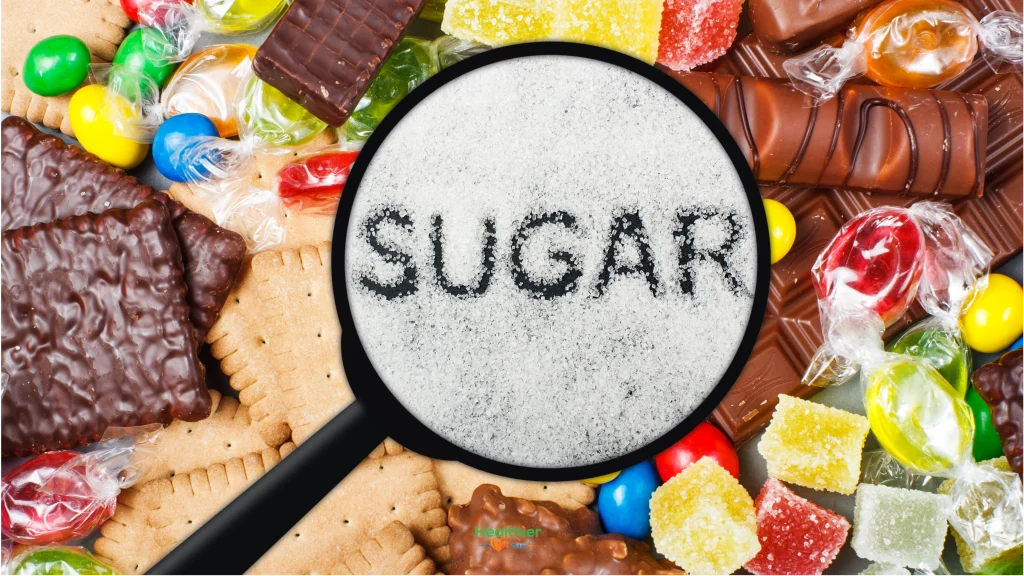
There are at least 61 distinct names for sugar on food labels, making it difficult to determine how much additional sugar you’re eating. So, despite your best attempts to make healthy food choices, you may be eating more sugar than you know. So, how much sugar per day are you putting into your body, and how do you tell if it is too much?

Look for the following signs you may be consuming too much sugar:
symptoms of too much sugar in your body

  • Cavities – Bacteria in our mouths like feeding on simple sugars, so if your dentist discovers more cavities or you’ve been diagnosed with gum disease, it might be due in part to consuming more sugar than recommended. Understanding how much sugar per day is safe can help you reduce these risks.
  • Brain Fog – Excessive consumption of added sugars may cause problems with mental clarity, attention, concentration, and memory. Knowing how much sugar per day your body can handle without spiking blood glucose levels can also positively impact your mood.
  • Digestive issues – Too much sugar, a known gut irritant, is one of the potential causes. Sugar can increase gastrointestinal symptoms in people with underlying health disorders such as irritable bowel syndrome, Crohn’s disease, or ulcerative colitis. Staying mindful of how much sugar per day you consume is essential to avoid aggravating these conditions.
  • Sleep Issues – Why does sugar make me tired? If you’re having trouble sleeping or staying asleep, you should consider your diet. Consuming more than the recommended amount of sugar per day appears to be associated with lower sleep quality.
  • Joint Pain – If you are experiencing joint pain, it is possible that it is not caused by age. Consuming too much sugar can cause systemic inflammation, which can result in joint pain.
  • Acne and wrinkles – High sugar consumption can make your skin more prone to wrinkles as you age. When you consume too much sugar, your body produces advanced glycation end products, which are the byproducts of excess sugar.
  • High Blood Pressure – If you have been diagnosed with hypertension (high blood pressure), eating too much added sugar may be a contributing factor.

Does Sugar Cause Inflammation?

Many of us wonder why does sugar cause inflammation? To understand its relationship with sugar, we need to consider the effects that inflammation has on the body. There isn’t a solid number that indicates how much sugar per day causes inflammation but here is what we do know. First, you should understand that not all inflammation is unhealthy. Your body uses this natural healing reaction to combat viruses and germs. 

When your immune system starts the repair process, you will sense redness, warmth, and swelling at the location of the injury or infection. These inflammatory responses, which come from short-term injury, usually subside after two or three days. There are several reasons to answer the question: why does sugar cause inflammation? For starters, excessive sugar consumption is associated with weight growth. Having too much bodily fat causes edema. 

Once sugar enters the system, it interacts with protein or fat to form toxic chemicals. This end product is associated with oxidative damage and inflammation. High blood sugar levels lead the body to become insulin-resistant and deposit fat in the abdomen. This form of body fat is frequently related to inflammation in obese people. Not only does sugar cause inflammation in parts of the body, but elevated blood sugar levels lead the body to create inflammatory chemicals in the central nervous system.

Where Does Sugar Get Added to Protein?

So, where does sugar get added to protein inside the body? Well, sugar is added to proteins via the Golgi apparatus. The initial sugars are transferred to glycoproteins or glycolipids in the ER or on the ER membrane, after which the Golgi apparatus adds the remaining sugars to form a mature glycan.

Glycoproteins are proteins with glycans covalently attached to them. The two most frequent forms of sugar chains found in glycoproteins are N-linked and O-linked. Some hormones and hormone receptors are glycoproteins.

How Much Sugar Per Day is Okay?

How much sugar should I eat a day? There is no straightforward answer to how much sugar per day you should be eating because it is determined by a variety of factors. According to the Food and Drug Administration (FDA), experts in the United States have yet to establish how much sugar per day is the right amount.

The reference intake (RI) for total sugars is 90 grams in the United Kingdom. Health organizations and researchers worldwide believe it is critical to restrict the use of “free sugars.” These include both added sugars and those found naturally in honey, syrups, and unsweetened fruit and vegetable juices.

The American Heart Association (AHA) recommends how much sugar per day is acceptable:

  • Men: 37.5 grams per day (150 calories, 9 teaspoons)
  • Women: 25 grams per day (100 calories, 6 teaspoons)

To put that in perspective, a 12-ounce (355-mL) can of Coke includes 140 calories from sugar, and a regular-sized Snickers bar contains 120 calories from sugar. According to the Dietary Guidelines for Americans, added sugars should account for no more than 10% of daily calories. If you eat an average of 2,000 calories per day, this equates to 50 grams of sugar (200 calories, 12.5 teaspoons).

However, several other healthcare groups and scholars consider these targets excessively high:

  • The United Kingdom’s NHS recommends adults consume less than 30g (120 calories) of free sugars daily, or 5% of total calories.
  • The World Health Organization (WHO) strongly recommends that added sugars make up less than 5% of total calories.
  • A review of 8,601 research articles recommends consuming less than 25 g (100 calories) of free sugars daily.

What Happens When You Stop Eating Sugar?

Sugar, is it bad for you to stop? Although cutting sugar from your diet is challenging, lessening your daily sugar intake is possible and has many benefits.

Let’s examine a few outcomes that happen when you cut down on how much sugar you consume per day:

what happens when you stop eating sugar

Makes Your Mind Sharper

Do you want to improve your cognitive abilities and mental productivity? Giving up sweets and understanding how much sugar per day is safe can make a huge difference. Whole foods contain natural sugars that can give you the energy you need to be productive. You’ll notice that your thinking becomes considerably clearer and more concentrated after you do this.

Decreased Risk of Diabetes 

Consuming too much added sugar is one of the leading contributing factors to type 2 diabetes.

By staying within the recommended sugar per day limit, you can significantly reduce your risk of developing this condition. The majority of us can avoid this serious health issue if we make the conscious decision to limit our sugar consumption.

Noticeable Weight Loss 

It’s obvious that you’re eating more empty calories every time you eat sugar-laden food, and of course, this contributes to weight gain. Monitoring how much sugar per day you consume and cutting out excess can help kickstart weight loss by eliminating these unnecessary calories.

Your Skin Will Glow

A high-sugar diet has been related to skin issues such as acne, pimples, rashes, and blemishes. Reducing your daily sugar intake and sticking to the safe sugar per day limit will allow your skin to rejuvenate. A diet rich in whole, nutrient-dense foods and plenty of water can enhance your skin’s natural glow.

Won’t Get Sick As Often

High intake of sugar has a negative impact on your immune system. A sugar detox can assist in boosting immune function by lowering chronic inflammation. After you quit eating sugar, your immune system can work properly. 

Your Sex Life Will Get A Boost

Eating too much sugar is bad for your sex life. Consuming added sugars can harm sexual health by disturbing hormonal balance, resulting in problems including erectile dysfunction and poor libido. When you cut back on sugar, your libido improves, as does your body’s ability to prepare for sexual activity. 

How To Reduce Sugar Cravings?

There are no quick fixes for breaking a sugar addiction. You’re making a major lifestyle adjustment, which will require time and work.

how to reduce sugar cravings

Eating A Balanced Diet

Sometimes, the most helpful advice is the most obvious. You can help stabilize your blood sugar by eating the recommended five servings of fruits and vegetables per day, as well as protein and high-fiber meals. Keeping track of how much sugar per day you consume is easier when you opt for natural sugar alternatives and wholesome foods.

Do Not Skip Meals

Skipping meals, whether due to a hectic lifestyle or intentional fasting, often leads to sugar cravings. Consistently eating nutritious meals throughout the day prevents excessive hunger, making it easier to stick to a healthy diet and stay within the safe sugar per day limit.

Plan and Prepare

Improvising does not work well for those of us with a sugar craving, whether we’re at the grocery store or standing in front of the fridge. It’s critical to set aside time to make a grocery list, purchase meal prep-friendly items and healthy snacks, and ensures you’re better equipped to manage how much sugar per day you consume.

Make Time for Activities

Does sugar help you cope with stress? Indulging in a sweet treat may make you momentarily feel better, but stress hormones have an important influence on your daily sugar intake. Exercise is a known stress reliever and a fantastic method to satisfy sweet cravings. Exercise will assist in reducing your ghrelin levels. It can also help you feel more tired, fall asleep faster, and remain asleep longer, all of which lower cravings. 

Conclusion: How Much is Too Much?

There are quite a few things to consider when learning how much sugar we should consume per day. However, consuming too much added sugar can have a number of harmful effects on your health. A daily intake of sweetened foods and beverages can result in weight gain, blood sugar issues, and an increased risk of heart disease, among other serious consequences. For these reasons, added sugar should be avoided wherever feasible, which is simple when eating a nutrient-dense diet rich in natural foods.

If you need to reduce your daily sugar intake, then consider making some of the doable changes suggested above! 

FAQ’s:

How much sugar should I eat a day with diabetes?

People with diabetes should generally stick to the same sugar intake guidelines as those without diabetes. However, the exact amount of sugar that is safe to consume varies depending on your personal situation. 

How much sugar per day is safe for adults and children?

The following suggestions are for various age groups:

> Children under 2: Children under two shouldn’t eat or drink anything that contains added sugar.
> Children aged 4-6: No more than 19 grams of free sugars should be consumed daily.
> Children aged 7 to 10: No more than 24 grams of free sugars should be consumed daily.
> Adults: No more than 30 grams of free sugars should be consumed daily.

What happens when you eat too much sugar?

Consuming excessive amounts of added sugar over time can have negative side effects. Blood sugar crashes, premature aging, and an increased chance of obesity, heart disease, diabetes, or cognitive decline are all potential risks.

How long does sugar stay in your system?

Your pancreas produces insulin to assist in the transfer of these sugars from the bloodstream into muscle and other tissue cells, where they are used as fuel. Within two hours of eating, your insulin and blood glucose levels should return to normal. If you are wondering how long sugar stays in your system as a diabetic the answer is, more or less the same but it can take slightly longer. 

Does sugar cause diabetes?

No, sugar does not directly cause type 1 diabetes. However, eating too much sugar can increase your risk of developing type 2 diabetes.

What happens when I eat sugar every night?

When we eat sugar before bed, we don’t properly metabolize the sugar, which can cause inflammation, fat storage, and weight gain.

Is sugar bad for your skin?

Our skin is made up of collagen and elastin, which keep it soft and supple. Sugar induces collagen crosslinking, which causes stiffness and loss of elasticity. The more sugar we consume, the more damaged our skin becomes.

Does sugar cause inflammation in our hearts?

High amounts of added sugar can result in chronic inflammation in the heart and blood vessels. This can boost blood pressure and increase heart disease risk.

Is sugar a carbohydrate?

In short, yes. But is sugar a carbohydrate that provides adequate energy? No, it is a simple carb that gives us a short burst of energy before causing our body to “crash.” 
10 Skincare Secrets for Healthy Skin and a Radiant Glow

Flawless, glowing skin is a dream for many. Whether you aim for a clear complexion or want to boost your natural beauty, the path to radiant skin is totally within reach. With the proper diet, lifestyle tweaks, and skincare routine, your skin can go from dull to dazzling.

This article explains the essentials of healthy skin, the factors that affect it, and 10 skincare secrets. Let’s get started!

how to get clear skin

How Lack Of Nutrition Makes Your Skin Dry

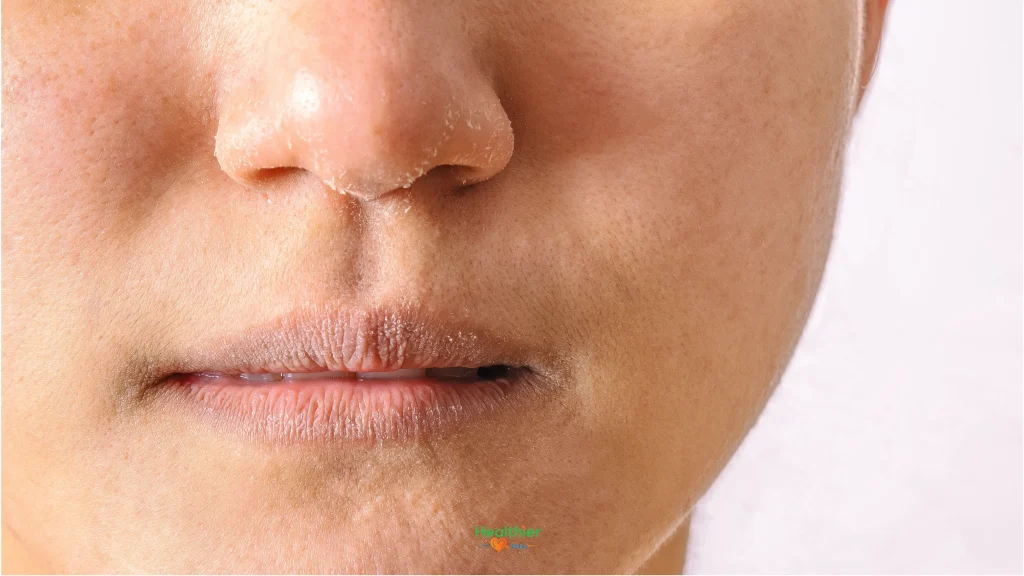
If you’re like most people, you spend a lot of time thinking about how to have clearer skin. However, many don’t understand how lack of nutrition makes your skin dry and lackluster. Eating nutritious foods that support healthy skin is the greatest method to achieve this, but there are other options as well. What you consume is the key to having perfect skin! Your skin is the largest organ in your body. 

It can be challenging to shield it from external contaminants and toxins, but eating habits have a more significant impact. A diet heavy in processed foods and sugar can result in inflammation, acne, and early skin aging. Eating nutritious foods positively impacts your body from the inside out. You maintain not only good health and energy but also smooth and glowing skin. People who eat oily foods on a regular basis are more likely to develop fine lines, acne breakouts, and other skin issues.

how lack of nutrition makes your skin dry

How To Get Clear Skin

Try these tips for getting clear and healthy skin without an extensive waiting period:

1. Avoid Squeezing Your Pimples

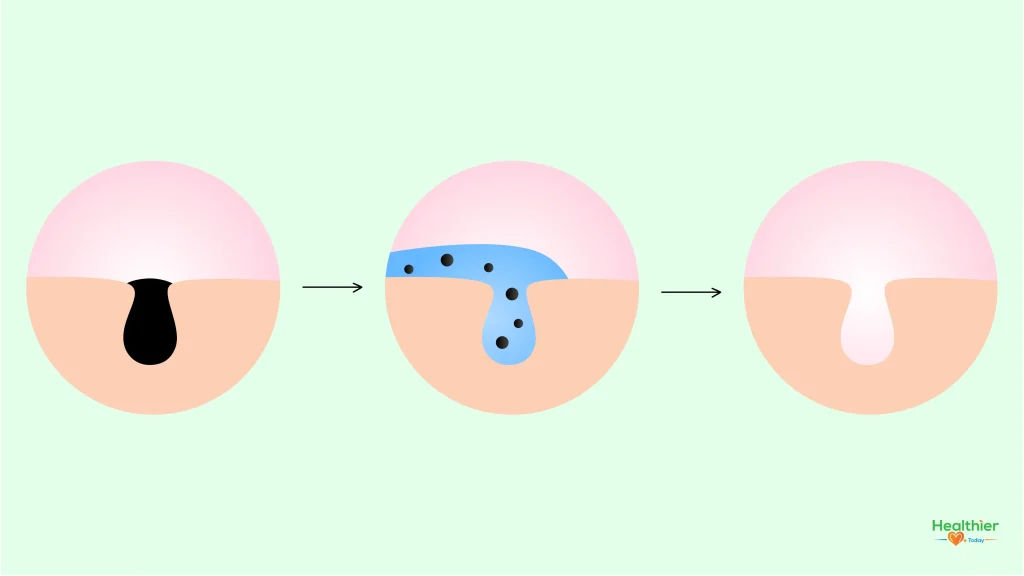
A pimple represents trapped oil, sebum, and bacteria and indicates that the body’s natural healing system is in action. Popping the pimple disturbs the healing process. The discharged liquids expose the surrounding skin to comparable germs, increasing the likelihood of new pimples developing. The exposed pimple may also cause lasting scarring. Whenever possible, avoid popping pimples. If they drain, leave the area clean to obtain perfect skin.

2. Wash Twice Each Day And Again After Sweating

The American Academy of Dermatology suggests that patients shower twice a day and again after sweating. Leaving sweat on the skin and allowing it to dry can aggravate acne, so cleanse your skin as soon as possible after sweating.

3. Moisturize

Moisturizing after a daily face wash is beneficial for all skin types. Moisturizing the face can help regulate sebum production and protect it from environmental damage. The most effective moisturizer will differ depending on the individual’s skin type. Anyone still determining which moisturizers will work for them should consult a dermatologist. They may recommend oil-free, noncomedogenic moisturizers that do not clog pores and help you achieve perfect skin. 

4. Always Use Sunscreen

The sun’s ultraviolet (UV) rays harm the skin. Wearing sunscreen when going outside can help protect your skin from these dangerous rays. The Skin Cancer Foundation recommends wearing sunscreen with an SPF of at least 30 when spending time outside. Wearing sunscreen with at least SPF 15 on a daily basis can also help prevent skin damage. When spending time outside, apply sunscreen about 30 minutes before heading outside and reapply it every 2 hours.

5. Focus On Gentle Products

Gentle products might be easier on the skin, especially if it is sensitive.

The following products may irritate delicate skin:

  • Alcohol-based products
  • Fragrant items
  • Strong toners
  • Harsh exfoliants
  • Astringents

There are gentle, hypoallergenic versions of these goods. However, before applying any product to a larger area of skin, test it on a tiny area to see how it reacts. Washcloths, rough sponges, and loofahs may be too rough for the skin, resulting in damage and inflammation. 

There are more mild choices available, such as soft washing brushes. Alternatively, using clean fingers to massage a cleaner into the face may help to reduce inflammation. Keeping brushes and sponges clean is critical, as germs can cause additional irritation or outbreaks.

good skin care

6. Topical Medications

Topical medicines may help people with all skin types manage acne.

A variety of medicinal products are available, including:

  • Benzoyl peroxide, with or without other substances, such as antibiotics
  • Salicylic acid
  • Topical retinoids, including tretinoin
  • Dapsone is a combination of anti-inflammatory and antibiotic.
  • Azelaic acid kills germs and reduces the synthesis of keratin, a natural material that can cause acne.

7. Keep Yourself Hydrated

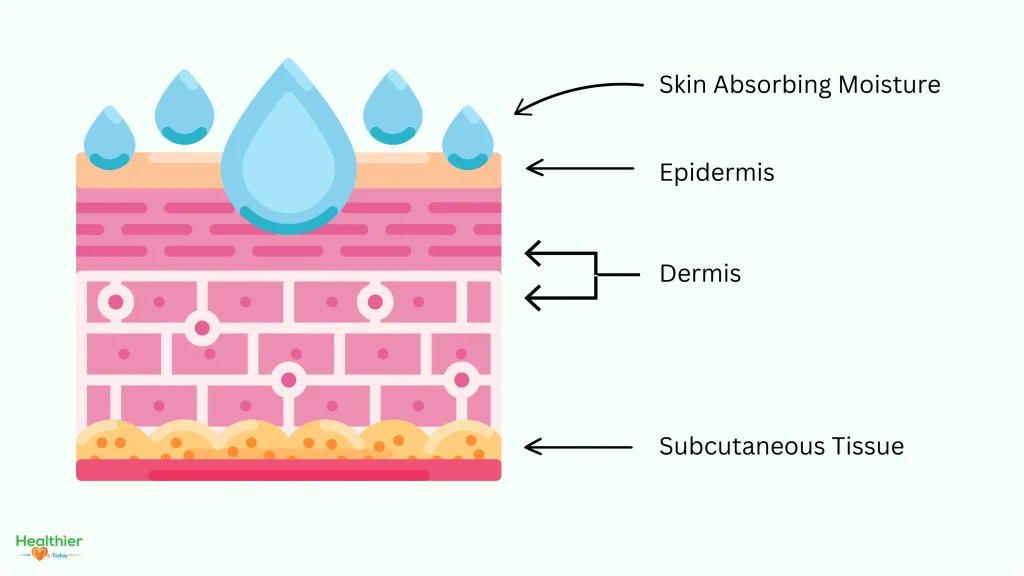
All cells in the body require water. Skin cells are the most exposed to the environment and may be more vulnerable to moisture loss. Drinking water throughout the day may help maintain healthy skin cells.

how to have clearer skin

8. Eat A Healthy Diet

Eating a diet high in plant foods and lean protein sources may give the skin the nutrients it requires to be healthy. People trying to learn how to get clear skin may wish to avoid certain foods, such as dairy milk. According to one review, milk and acne have a beneficial link. Some believe the association is due to the growth chemicals and hormones in milk.

9. Use Natural Cosmetic Products

Sometimes, cosmetics might worsen breakouts. If you want to know how to look pretty while caring for your skin, try switching to natural makeup or products that allow the pores to breathe, which may help decrease makeup outbreaks. Removing makeup every night and cleaning makeup brushes or instruments regularly is also critical.

10. Reduce Stress

It is critical to reduce stress wherever feasible. Many studies discuss the link between stress and acne, claiming that stress might increase inflammatory substances in the body. Strong emotions, such as anger or worry, can cause acne breakouts or worsen symptoms.

Stress management strategies include:

  • Frequent physical activity
  • Massages/acupuncture
  • Soothing practices like meditation or breathing exercises
  • Yoga and Tai Chi

Benefits of Skin Care After Shower

In the hustle and bustle of daily life, it is critical to look and feel your best. One frequently forgotten part of maintaining a professional image is your skin care after a shower.

skin care after shower

After a pleasant shower, you may be unaware that your skin experiences unique modifications. The warm water and body wash you use might upset your skin’s natural pH balance, making it prone to dryness and irritation. This is when skincare after shower comes to the rescue.

Following a proper skin care routine after your shower can provide numerous benefits:

  • The skin care after-shower routine helps to regulate your skin, keeping it healthy and hydrated.
  • The practice protects your skin from the drying and irritating effects of hot water and harsh cleaners.
  • When you follow skin care after shower routine, your skin becomes more receptive to the products you use, increasing their effectiveness.
  • Protecting your skin with the appropriate solutions can help it resist environmental toxins and other external hazards.
  • Finally, taking care of skin care after shower strives to provide a radiant, youthful appearance that matches your fashion-forward choices.

Conclusion

Many of us wonder why my skin will not get better even after using expensive products. However, it is important to know that certain lifestyle habits and a consistent good skin care regime can help achieve radiant and overall better skin health. First and foremost, get adequate sleep. Lack of sleep can result in dull and tired-looking skin. Aim for 7-8 hours of quality sleep per night. Also, manage stress levels through activities such as yoga, meditation, or engaging hobbies, as stress can negatively impact your skin.

A well-balanced diet rich in fruits, vegetables, and whole grains can also help you have healthy skin. Avoid eating too many sugary and processed foods, as they can cause inflammation and skin breakouts. And, of course, protect your skin from environmental pollutants by wearing a hat and sunglasses and using an umbrella as needed.

FAQ’s:


What’s a perfect skin care routine for glowing skin

A basic skincare routine typically includes cleansing, moisturizing, and using sun protection.

Can you do gentle skincare 3 times a day?

You can wash your face with a gentle cleanser twice a day, but washing it more than that can lead to skin issues. If your face is all sweaty or oily after working out or on a hot day, it is okay to wash your face more than once, but it’s better not to do this when it isn’t necessary. 

How often should I exfoliate my skin?

You may be asking, do I exfoliate before or after skincare? However, different skin types require different exfoliation frequencies:

> Normal skin: Exfoliate 2–3 times a week 
> Dry skin: Exfoliate once or every other week, and avoid harsh exfoliants 
> Oily skin: Exfoliate 3–4 times a week if your skin can handle it 
> Combination skin: Exfoliate 2–3 times a week, but pay attention to how your skin looks and feels. 
> Sensitive skin: Start with once a week and see how your skin reacts

What are some home remedies for clear skin?

Some natural remedies that may help with clear and healthy skin:

> Washing your face
> Moisturizing
> Eating well
> Drinking water
> Reducing stress

Why is hydration important for healthy skin?

Hydration is an important protector and regulator of the skin. As you age, your skin requires hydration because the barrier function, which helps the skin retain moisture, can break down due to environmental damage or a lack of water intake.

How can I make my skin look younger?

Here are a few ways on how to look more younger:

> Establish a good routine
> Stay out of the sun
> Eat a diet rich in plants
> Get moving
> Limit alcohol and caffeine

How many hours should I wait in between skincare routines?

It usually depends on whether it’s oil or gel-based, but most serums absorb quickly. Some skincare solutions can take up to 30 minutes to fully absorb, but this does not mean you have to wait that long between steps. Most skincare products are designed to be absorbed immediately away.

What foods should I eat for healthy skin?

A variety of plant-based foods, hydrating beverages, and some fatty fish can help promote healthy skin: 

> Avocado
> Tomatoes
> Green tea
> Leafy green vegetables
> Oily fish
> Nuts
> Dark chocolate

How can I prevent my skin from drying out?

Here are some ways to prevent dry skin:

> Moisturize
> Limit hot water
> Use a humidifier
> Use allergen-free moisturizers
> Choose fabrics that are kind to your skin.

What counts as clear skin?

What counts as clear skin is skin that is free of blemishes, breakouts, and redness, and has an even tone and texture.

How to remove spots from face in 2 days naturally?

Two to three times a day, apply aloe vera gel, baking soda paste, or fresh lemon juice to the affected areas. Spots can be rapidly lightened with the use of the natural bleaching qualities. Maintain consistency and do the patch test first for safety.

What to Eat When You Have Diarrhea: Best Foods for Quick Relief

Ever find yourself desperate for a quick solution to an upset stomach? Knowing what to eat when you have diarrhea can help it clear up faster and reduce stomach distress and irritation. Avoiding the worst foods to eat with diarrhea, such as milk and citrus fruits, is critical to preventing worsening symptoms. Diet and diarrhea are inextricably related. This stays relevant whether you have diarrhea due to allergies, food poisoning, or a chronic condition such as irritable bowel syndrome.

So, let’s define what it is, explain why it happens, describe its symptoms, and, most importantly, provide solutions such as the best and worst foods to eat when you have diarrhea!

What is Diarrhea?

What is Diarrhea?

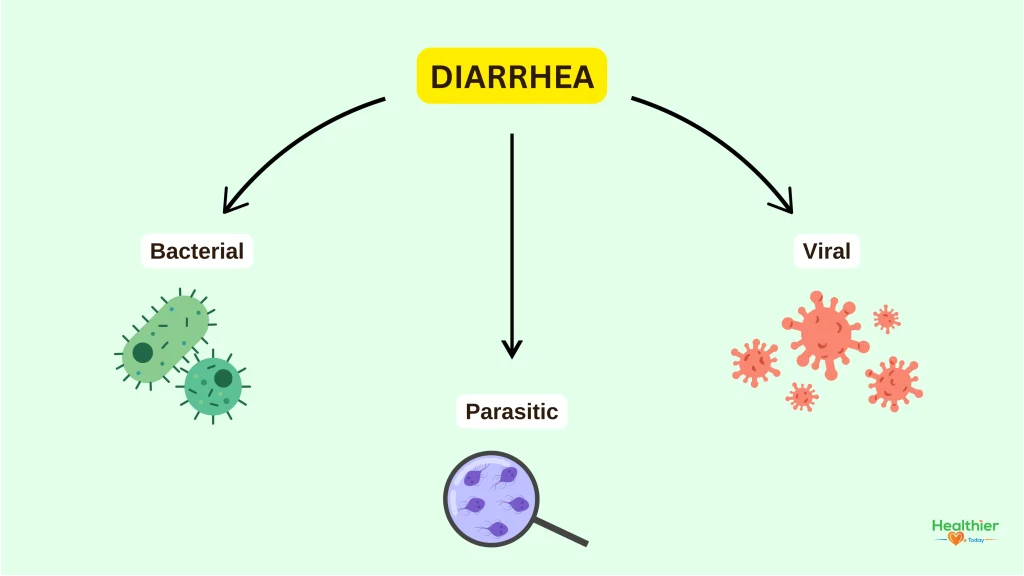
In short, diarrhea is a loose or liquid-like bowel movement. Individuals can struggle with this a few times every year. Diarrhea normally resolves in a week or less. If a person is struggling with diarrhea, their diet is an important aspect to look at. Some meals can help to alleviate diarrhea symptoms, while others can aggravate them. 

Although occasional bouts of diarrhea can usually be treated at home, anyone suffering from regular diarrhea should see a doctor since they may get dehydrated over time. Understanding what to eat when you have diarrhea can alleviate symptoms, whether allergies, food poisoning, or a chronic condition like IBS cause it.

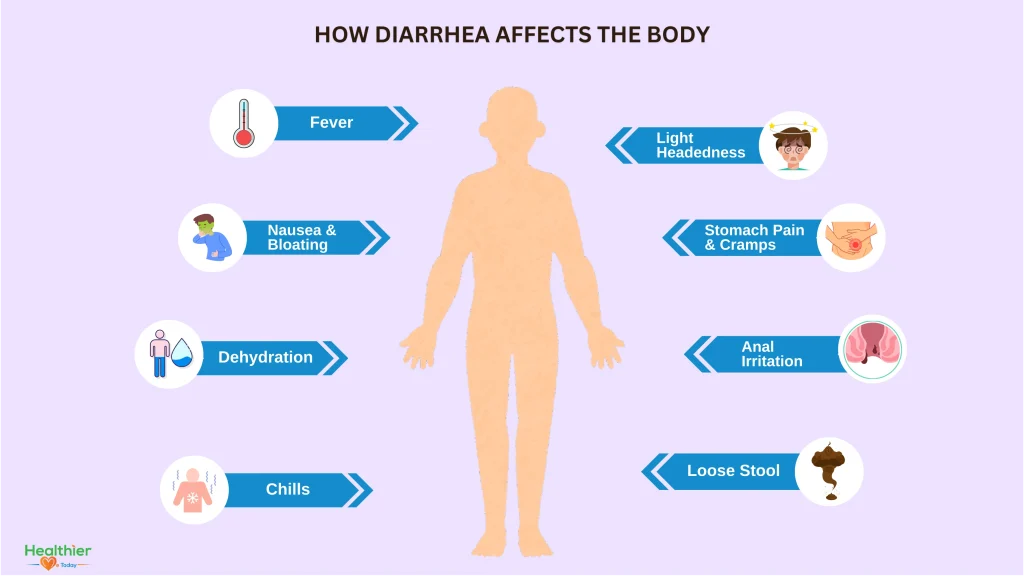
Effect of diarrhea to body

What To Eat When You Have Diarrhea

Knowing what to eat when you have diarrhea can ensure a faster recovery. While recuperating from diarrhea, a person can consume bland, basic food for diarrhea that are easy to digest and help absorb some of the water. Spicy or complicated foods may irritate the bowels.

what to eat with diarrhea

Bland Food for Diarrhea

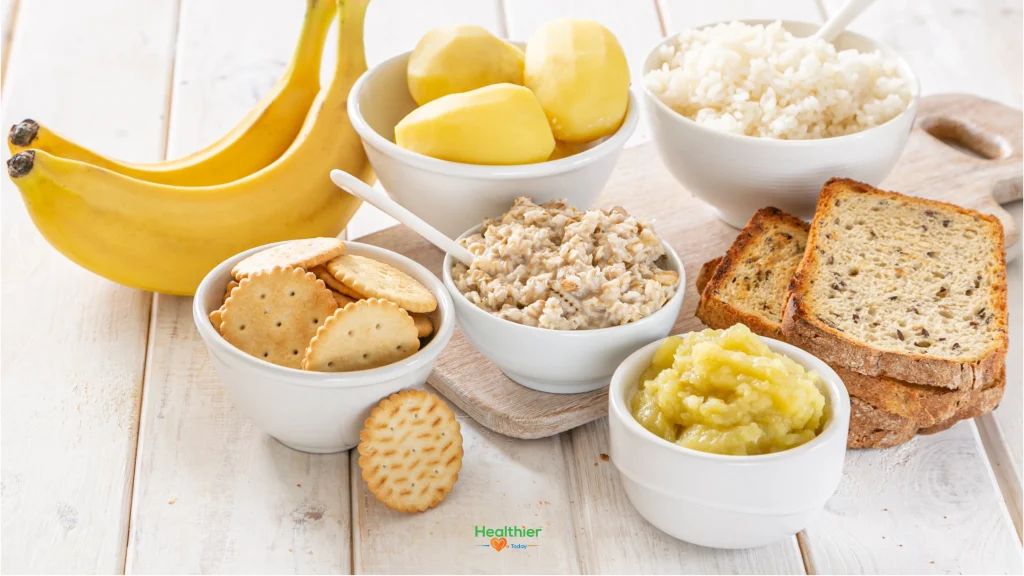
The BRAT diet is often the first answer to the question of what to eat when you have diarrhea. When a person develops digestive difficulties like diarrhea, doctors often recommend the BRAT diet food for upset stomach.

This diet includes:

  • Bananas
  • Plain white rice
  • Applesauce
  • Bread or toast

Other appropriate foods for diarrhea include:

  • Cooked potatoes
  • Unseasoned crackers
  • Oatmeal, cream of wheat, and rice porridge

Simple and bland food for diarrhea may be especially beneficial during the first few days. Eating a variety of modest meals throughout the day, rather than a few large ones, can help keep the digestive system from overworking.

Probiotics

Non-dairy probiotics are another great option when deciding what to eat with diarrhea. Probiotic food for diarrhea, such as yogurt and kefir, may be beneficial in certain cases. Probiotics improve digestion by balancing the gut’s healthy and harmful bacteria. However, dairy products might irritate the digestive tract since lactose is tough to digest. As a result, a person may explore non-dairy probiotics such as fermented soy milk, fruits, and vegetables. Before taking probiotics, a person should consult with their doctor.

What To Drink

Along with knowing what to eat when you have diarrhea, choosing the right fluids is equally important. Liquids are essential for healing. People with diarrhea should drink plenty of water throughout the day and an additional cup after each loose bowel movement.

Amongst knowing what to eat with diarrhea, drinking plenty of water keeps you hydrated, while diarrhea causes the body to lose minerals and electrolytes. People should take mineral and electrolyte-rich liquids to restore what they have lost.

Sources of electrolytes and minerals include:

  • Soup or Broth
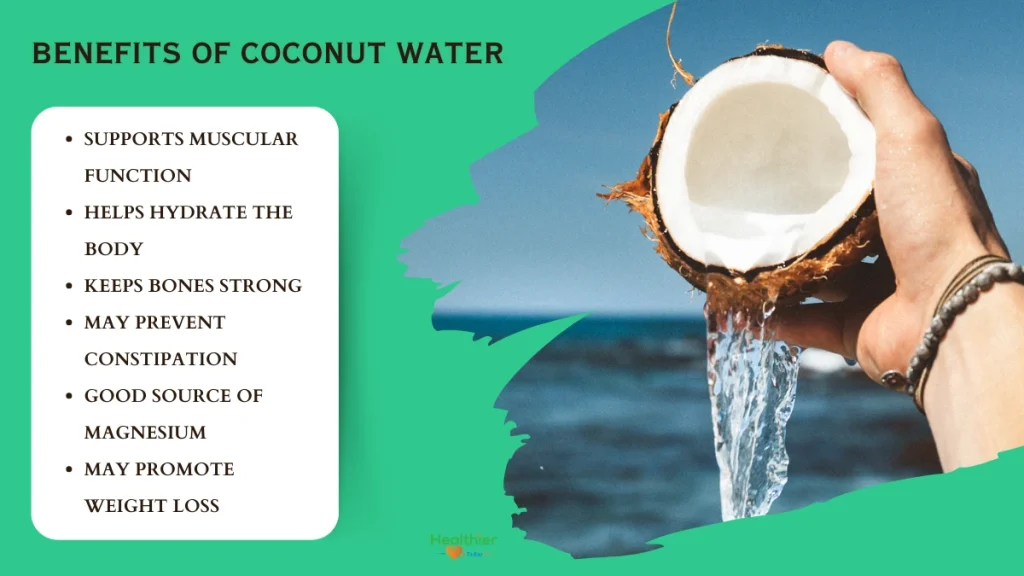
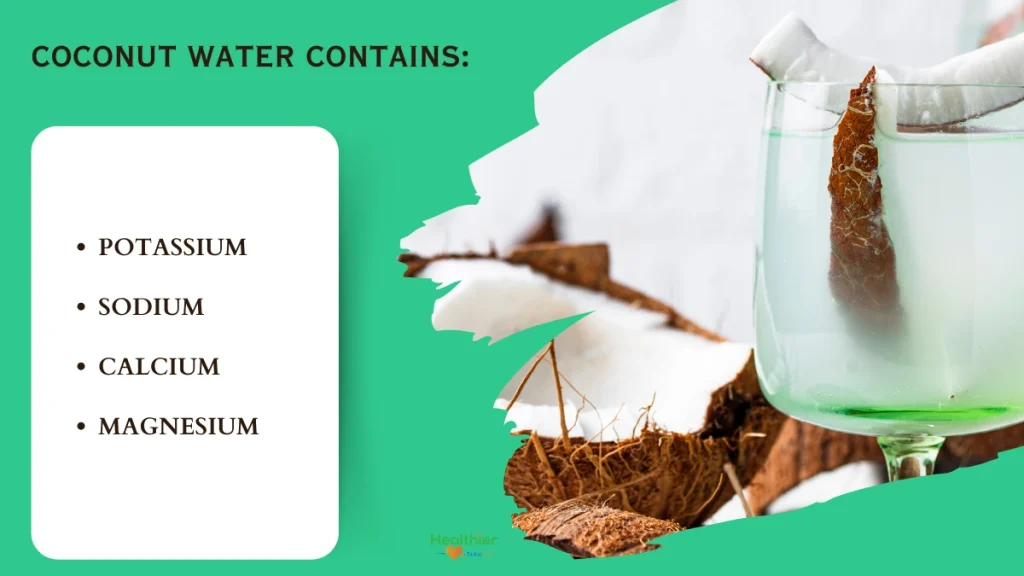
  • Coconut water
  • Electrolyte water
  • Sports beverages

Worst Foods To Eat With Diarrhea

Sometimes, knowing what to eat when you have diarrhea is as crucial as knowing what the worst foods to eat with diarrhea are. 

worst foods to eat with diarrhea

Many foods may trigger the digestive system and worsen diarrhea, including:

  • Spicy foods: Spicy substances can irritate the digestive tract. People with diarrhea should stick to bland foods with the lowest risk of disturbing the digestive tract.
  • Fried foods: Eating foods high in fat or oil while recuperating from diarrhea is not recommended. Added fats and oils from frying might be challenging for the delicate digestive system to assimilate and will most likely exacerbate symptoms. Instead, try eating boiled or steamed veggies and lean proteins.
  • Foods high in sugar and artificial sweeteners: Diarrhea may worsen if sugars enter the colon and disturb the delicate microorganisms there. Fruit juices, high-sugar fruits, candies, and sweet baked goods can all contain these sugars. Additionally, since some artificial sweeteners can have a laxative impact, people with diarrhea should avoid them.
  • Foods high in fiber: It might help people avoid consuming too much fiber. Fiber keeps the digestive tract functioning, which is generally good, but it might make diarrhea worse while the body is trying to heal. The primary kind of fiber for an active digestive tract is insoluble fiber.

These can be found in many foods, such as:

  • Whole grains, including wheat, brown rice, and barley
  • Whole grain bread or baked products
  • Grain cereals
  • Nuts and seeds

Soluble fibers, such as pectin in apples and bananas, can help people recover from diarrhea. However, a person should try to minimize their consumption, at least during the first day of symptoms.

Other Foods To Limit

Limiting gassy and processed foods is critical to understanding what to eat when you have diarrhea. 

Other items that can upset the bowels during diarrhea include:

  • Most processed and boxed foods
  • Legumes like chickpeas, beans, peas, and lentils
  • Foods that cause gas in the intestines, such as cabbage, broccoli, and cauliflower
  • Fatty meats such as sardines, bacon, and veal
  • Dairy products

What Not to Drink

Pairing the right beverages with what to eat when you have diarrhea can significantly improve symptoms. Coffee, tea, and soda are examples of caffeinated drinks that might overstimulate the digestive tract and enhance symptoms. Carbonated beverages might worsen or increase other symptoms, including cramping and bloating.

Alcohol should also be avoided by people who have diarrhea. Many sports beverages have additional sugars or artificial sweeteners, even though they contain electrolytes that can aid in dehydration. Good substitutes are electrolyte-enhanced water and coconut water.

How to Treat Diarrhea

Incorporating over-the-counter medications with the right choices for what to eat when you have diarrhea can speed up recovery. A person can try a number of alternative treatments to speed up their recovery and follow a diet that will aid with diarrhea. Other remedies for diarrhea include loperamide (Imodium) and bismuth subsalicylate (Pepto Bismol). These medications may be useful to keep in a medicine cabinet and can help treat sporadic episodes of diarrhea. 

how to treat diarrhea

Imodium and Pepto Bismol can be purchased online or over the counter (OTC). Before utilizing these therapies, it is best to speak with a healthcare provider. This is especially true if the patient has additional symptoms, such as fever, blood in the stool, or persistent diarrhea.

In-Home Care

Resting and staying hydrated complement the right decisions on what to eat with diarrhea. Those who have diarrhea should make sure they receive enough sleep because stressing the body while they have diarrhea can make recovery take longer. They should minimize their physical activity as part of this since intense exercise can make dehydration more likely. In order to manage diarrhea, people should make it a point to stay hydrated throughout the day.

When to Call a Professional

If you’re still unsure about what to eat with diarrhea and symptoms persist, consult a doctor. In more severe bouts of diarrhea, the stool may contain blood or mucus, which might sometimes include fever. Anyone experiencing these symptoms should consult a physician as soon as possible. Dehydration is one of the major consequences of untreated diarrhea. Severe diarrhea may necessitate hospitalization and IV electrolyte administration.

Anyone experiencing a fever higher than 102°F (38.89°C) or severe abdominal pains should speak with a doctor. Parents or caregivers should carefully monitor any children with diarrhea. If the symptoms do not improve within 24 hours, they should call a doctor for guidance.

Conclusion

Knowing what to eat when you have diarrhea – like bland, low-fiber foods – can help you recover faster. Foods can both cause and soothe diarrhea. When you have diarrhea, get plenty of rest and gradually introduce BRAT foods after a few hours. Always remember to rehydrate to replace lost fluids.

After a day or two of soft foods, you can introduce lean ground chicken and scrambled eggs. Sticking to this diet will help you heal quicker and feel better sooner, allowing you to resume eating your favorite foods as soon as possible.

FAQ’s:

What to eat with diarrhea?

What to eat when you have diarrhea:

> Bananas
> White rice
> Toast
> Applesauce
> Boiled potatoes
> Unseasoned crackers

What are the worst foods to eat with diarrhea?

Below are some of the worst foods to eat with diarrhea: 

> High-fiber foods
> Dairy
> Fried, greasy, or spicy foods
> Sugary foods
> Caffeine
> Alcohol
> Carbonated drinks

Which foods help stop diarrhea quickly?

> BRAT diet
> Probiotics
> Eggs
> Chicken soup
> Ginger

Is it okay to eat bananas when you have diarrhea?

Yes, it’s okay to eat bananas when you have diarrhea. Diarrhea can cause you to lose potassium, and bananas are a good source of this mineral.

Can scrambled eggs help with diarrhea?

Yes, scrambled eggs can help with diarrhea in some cases. Eggs can help slow down frequent bowel movements and can help bind up loose bowel movements.

What foods are good for an upset stomach with diarrhea?

When a person has diarrhea, it is advisable to choose bland foods such as bananas, plain white rice, and boiled potatoes.

What should you eat if you have both diarrhea and vomiting?

If you have diarrhea and vomiting, you can try the BRAT diet (bananas, rice, applesauce, and toast) for 24 – 48 hours. These foods are easy to digest and can help with nausea, vomiting, and diarrhea.

Lung Cancer Awareness: Facts, Symptoms, Causes, Treatment & More!

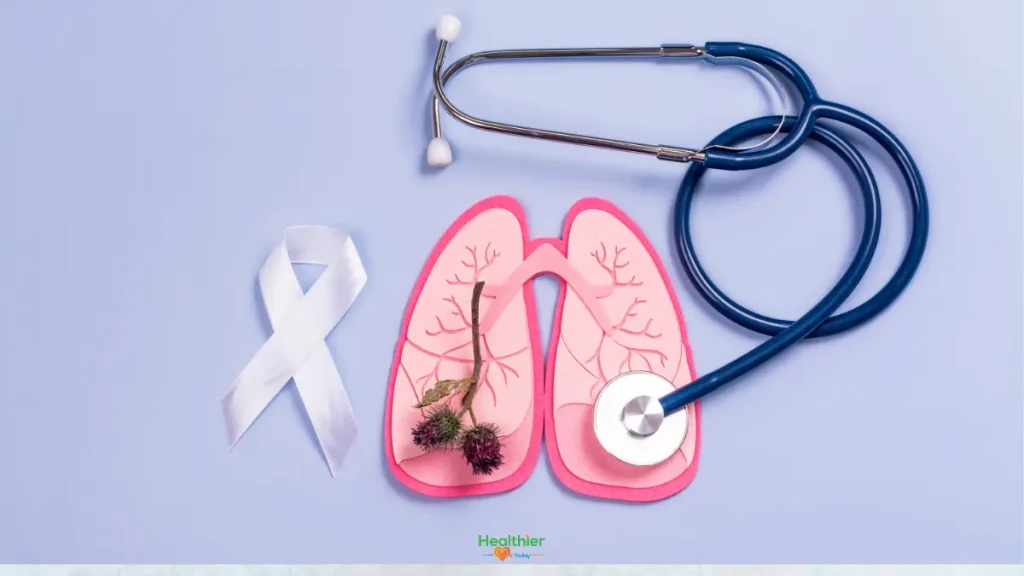
In the United States, lung cancer is the third most frequent type of cancer. As it is Lung Cancer Awareness Month 2025, it’s important that we acknowledge the detriment of this and understand more about this serious topic. Lung cancer develops when cells in the lungs grow uncontrollably, which can be caused by genetic mutations or environmental factors like smoking

Thankfully, in recent years, the number of lung cancer mortality has significantly decreased due to advancements in therapy. So, let’s take a look at what all lung cancer entails and how you can keep yourself healthy.

Lung Cancer Awareness Month 2024

What Is Lung Cancer?

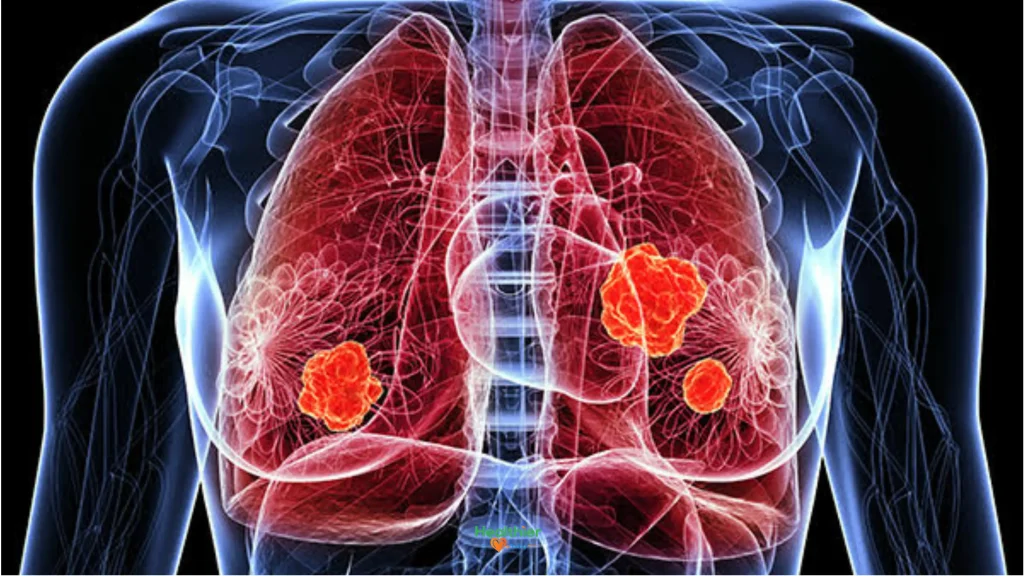
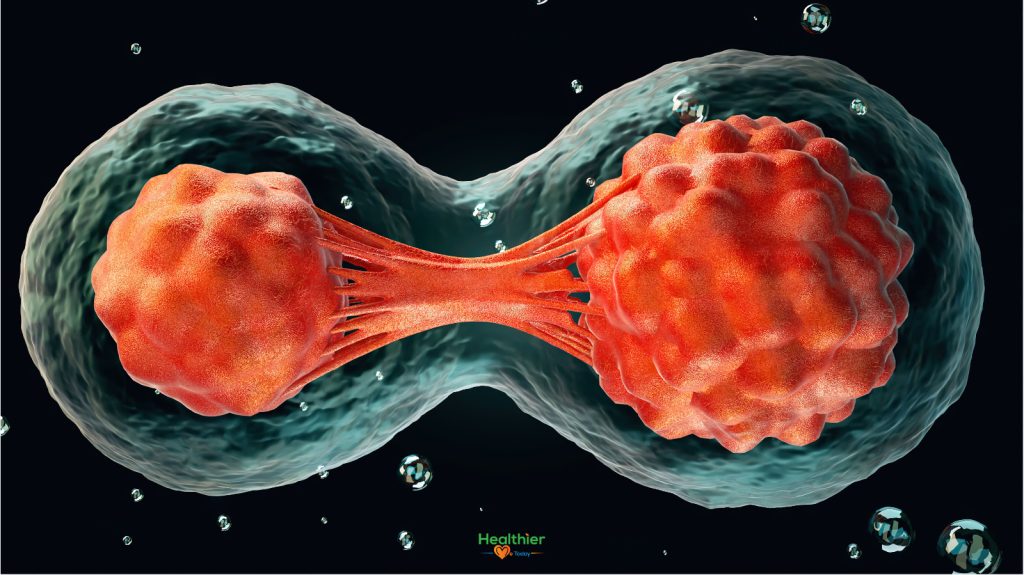
Despite there being two types of lung cancer, both are caused by uncontrolled cell division in the lungs. Your cells naturally divide and replicate themselves. However, they may experience alterations (mutations) that cause them to continue producing more of themselves when they should not. Damaged cells divide uncontrolled, forming lumps, or tumors, of tissue that eventually prevents your organs from functioning normally.

Understanding lung cancer awareness also involves knowing that lung cancer refers to tumors that originate in the lungs, typically in the airways (bronchi or bronchioles) or small air sacs (alveoli). Cancers that begin in other areas and spread to your lungs are typically termed after their origin and referred to as lung cancer pain areas.

Lung Cancer Staging

  • Stage 0 (in-situ): Cancer is found in the upper lining of the lung or bronchus at Stage 0 (in-situ). It has not spread to other areas of the lung or outside of the lung.
  • Stage I: Cancer has not progressed beyond the lung.
  • Stage II: Cancer is larger than Stage I, has spread to lymph nodes within the lung, or there are many tumors in the same lobe of the lung.
  • Stage III: Cancer is larger than stage II, has spread to neighboring lymph nodes or structures, or has many tumors in separate lobes of the same lung.
  • Stage IV: Cancer has spread to the other lung, the fluid around the lung, the fluid surrounding the heart, or distant organs.

Participating in lung cancer awareness campaigns can help individuals understand these stages better and take proactive measures for early detection and treatment.

Lung Cancer High Risk Occupation

What is Adenocarcinoma of the Lung?

Adenocarcinoma of the lung is a subtype of non-small cell lung cancer (NSCLC). The appearance of the cancer cells under a microscope determines whether they are lung adenocarcinoma. Lung adenocarcinoma begins in glandular cells that secrete mucus and spreads to smaller airways, such as alveoli. It is generally found on the outer borders of the lungs and grows more slowly than other lung cancers.

Adenocarcinoma of the lung represents 40% of all lung cancers. It is more prevalent in women. Younger persons (aged 20-46) who have lung cancer are more likely to have lung adenocarcinoma than other types. Adenocarcinoma of the lung makes up the majority of lung cancer in non-smokers

The Signs and Symptoms Of Lung Cancer 

The majority of signs and symptoms of lung cancer resemble other, less serious ailments. Many people do not experience early symptoms of lung cancer until the disease has progressed, while some experience them early on. Stage 1 lung cancer symptoms will have mild symptoms but may gradually get worse. 

Those who have signs and symptoms of lung cancer may just have one or a few of the following: 

  • A cough that persists or worsens over time
  • Dyspnea is a condition characterized by difficulty breathing
  • Chest pain or discomfort
  • Wheezing
  • Hemoptysis, or coughing up blood
  • Hoarseness
  • Loss of appetite
  • Unexplained weight loss
  • Fatigue without a known cause
  • Shoulder ache
  • Swelling in the face, neck, arms, and upper chest (superior vena cava syndrome)

Horner’s syndrome is characterized by a small pupil and drooping eyelid in one eye, as well as little or no sweating on that side of the face.

Recognizing these symptoms through lung cancer awareness programs can encourage individuals to seek medical advice sooner.

What Causes Lung Cancer?

Lung cancer is caused by cells that continue to divide when they shouldn’t. While cell division is a normal process, all cells have an on/off switch that prevents them from dividing into more cells (senescence) or causes them to die (apoptosis) when needed. When a cell divides too many times or undergoes too many mutations, the off switch is triggered.

Cause Lung Cancer

Cancer cells are normal cells in your body that have developed mutations that disable the off switch. They continue to expand unregulated, interfering with your regular cells. Cancer cells can enter your circulation or lymph nodes and spread throughout your body, causing damage.

We don’t know what causes these changes that lead to cancer in some people but not others, but some variables, such as smoking tobacco products, can increase your chance of cell damage, which can lead to lung cancer. It is crucial for smokers to understand the smoking and lung cancer connection.

Promoting lung cancer awareness can help educate people about the risks, such as smoking tobacco products, and the importance of preventive measures.

How Is Lung Cancer Diagnosed?

A lung cancer diagnosis might involve several steps. During your first visit to a healthcare provider, they will normally listen to your symptoms, ask about your medical history, and perform a physical exam. Because the signs and symptoms of lung cancer are similar to those of many other, more prevalent conditions, your doctor may begin by ordering blood tests and a chest X-ray.

lung cancer diagnoses

If your provider suspects you have lung cancer, your following steps in diagnosis will usually include more imaging tests, such as a CT scan, followed by a biopsy. Other tests include a PET/CT scan to assess whether cancer has spread, as well as testing of malignant tissue obtained from a biopsy to help select the best course of treatment.

Educational efforts during lung cancer awareness campaigns often highlight the importance of early diagnosis through tests like CT scans and biopsies.

How Is Lung Cancer Treated?

Treatments for lung cancer aim to eliminate or slow the spread of cancer in your body. They can eliminate malignant cells, help destroy or prevent them from proliferating, and train your immune system to fight them. Some treatments are also used to alleviate symptoms and pain areas in the body. Your therapy will be determined by the types of lung cancer, its location, the extent of its spread, and a variety of other factors. 

Surgery

Surgery is often considered for NSCLC that has not spread or for SCLC limited to a single tumor, as it offers the chance to remove the cancer. Surgeons may extract the tumor along with a small margin of healthy tissue around it. More extensive cases, however, require removing part or the whole lung. This reduces the risk of recurrence. 

Radiofrequency ablation

Radiofrequency ablation (RFA) is sometimes used to treat NSCLC cancers on the lungs’ outer borders. Radiofrequency ablation (RFA) heats and destroys cancer cells.

Radiation Therapy

Radiation kills cancer cells by using high-energy beams. It can be taken alone or in conjunction with surgery to improve its efficacy. Radiation can also be used for palliative care, shrinking tumors and alleviating discomfort. It’s utilized for both NSCLC and SCLC.

Chemotherapy

Chemotherapy is frequently a mixture of several medications used to prevent cancer cells from proliferating. It can be administered before or after surgery, or in combination with other medications such as immunotherapy. Chemotherapy for lung cancer is commonly administered via an IV.

Targeted Medication Therapy

In certain individuals with NSCLC, lung cancer cells have unique modifications (mutations) that promote cancer growth. Special medications target these alterations in an attempt to delay or eliminate cancer cells. Other medications, known as angiogenesis inhibitors, can prevent the tumor from developing new blood arteries, which cancer cells require to thrive.

Immunotherapy

Our bodies normally recognize damaged or dangerous cells and kill them. Cancer has ways of hiding from the immune system in order to avoid being killed. Immunotherapy exposes cancer cells to your immune system, allowing your own body to fight cancer.

Treatments to Relieve Symptoms (Palliative Care)

Some lung cancer treatments aim to alleviate symptoms such as pain and trouble breathing. These include treatments to decrease or eliminate tumors that are obstructing your airways, as well as procedures to remove and prevent fluid in the lungs due to cancer.

percentage of people survive lung cancer

How Can I Prevent Lung Cancer?

Since we don’t know for certain what causes most malignancies, the only preventative actions are aimed at lowering your lung cancer risk factors.

Here are some strategies to lower your risk:

  • Do not smoke, or quit if you already do. Within five years of stopping, your risk of developing lung cancer decreases.
  • Avoid secondhand smoke and other lung-damaging chemicals.
  • Maintain a healthy diet and weight. According to several research, eating fruits and vegetables (two to six and a half cups per day) may help reduce your lung cancer risk factors.
  • If you have a high chance of developing lung cancer, get screened.

Lung Cancer Screening

Screening tests can help you detect cancer in its early stages. If you meet the following criteria, you are eligible for lung cancer screening:

  • You are aged between 50 and 80.
  • You either smoke or have stopped smoking during the last 15 years.
  • You have a 20-pack-year smoking history (the amount of packs per day multiplied by the number of years smoked).

Increasing lung cancer awareness about these preventive measures can empower individuals to reduce their risks effectively.

How Do I Take Care Of Myself?

Self-care is an essential component of cancer care. Here are some ways you can care for yourself while undergoing or recuperating from treatment:

Lung Cancer Awareness Ribbon Color

  • Bring a friend or family member with you to appointments whenever possible. They can assist you in staying organized with the information and options provided by your provider.
  • Prepare in advance for how you will feel in the days following therapy. This could involve asking for extra help, preparing meals ahead of time, or keeping a light schedule.
  • Even if you are not feeling well, ask your provider about getting sufficient nutrition. Drink plenty of fluids to remain hydrated. Exercise as much as possible and as directed by your healthcare physician.
  • Keeping crucial phone numbers handy. You may encounter multiple suppliers, and it is useful to know who to contact if problems arise.
  • Consider joining a support group, whether local or online. Being with people who have been where you are might help you gain perspective and understand what to expect.

Conclusion

A lung cancer diagnosis can trigger a wide range of emotions. Sometimes the amount of new information about lung cancer awareness might be overwhelming. It’s crucial to note that statistics cannot predict how your treatment will go or what recommendations are best for your individual case.

Enlisting the assistance of trusted family members or a support group can help you weigh your options and provide support through this difficult time. While cancer treatment is an ongoing process, understanding lung cancer awareness, knowing your options, reaching out, and caring for yourself can make this journey much more manageable.

FAQ’s on Lung Cancer

What are the early warning signs and symptoms of lung cancer?

  • Coughing
  • Shortness of breath
  • Weight loss
  • Chest pain
  • Weight loss
  • Wheezing
  • Infections
  • Bone pain

How is lung cancer diagnosed?

The types of lung cancer are caused by cells that continue to divide when they shouldn’t. While cell division is a normal process, all cells have an on/off switch that prevents them from dividing into more cells (senescence) or causes them to die (apoptosis) when needed. 

What are the most common types of lung cancer?

The two main types of lung cancer are non-small cell lung cancer (NSCLC) and small cell lung cancer (SCLC).

Can non-smokers get lung cancer, and why?

Yes, non-smokers can get lung cancer.

How can I reduce my risk of lung cancer?

  • Avoid smoking
  • Test your home for radon
  • Protect yourself from carcinogens
  • Eat a healthy diet
  • Be physically active
  • Talk to your doctor

What is the lung cancer survival rate by stage?

Here is a rundown of non-small cell lung cancer vs. small cell lung cancer survival rate:

Non-small cell lung cancer

The 5-year net survival rates for non-small cell lung cancer are: 

  • Stage 1 Lung Cancer Survival Rate: 62% 
  • Stage 2 Lung Cancer Survival Rate: 39% 
  • Stage 3 Lung Cancer Survival Rate: 16% 
  • Stage 4 Lung Cancer Survival Rate: 3% 

Small cell lung cancer

The 5-year survival rates for small cell lung cancer are: 

  • Regionalized: 19.0% 
  • Distant: 3.9% 
  • Unstaged/Unknown: 11.1%

What treatments are available for advanced-stage lung cancer?

  • Surgery
  • Chemotherapy
  • Radiation therapy
  • Targeted therapy
  • Immunotherapy
  • Photodynamic therapy (PDT)

Can Vaping Cause Lung Cancer?

Ingredients used in vapes can cause lung disease, as well as cardiovascular (heart) disease. E-cigarettes also contain acrolein, a herbicide primarily used to kill weeds. It can cause acute lung injury and COPD and may cause asthma and lung cancer.

Benefits of Quitting Smoking: Join the Great American Smokeout 2025

Giving up smoking is difficult. It requires time and a plan of action. You don’t have to quit overnight. Focus on each day and take it as it comes. Start your path to experiencing the benefits of quitting smoking by participating in the Great American Smokeout 2025 event and learning how to quit smoking effectively!

Benefits of Quitting Smoking - The Great American Smokeout 2024

What is The Great American Smokeout?

The Great American Smokeout in 2025, its a national stop smoking campaign and initiative to encourage smokers to give up and increase public awareness of the benefits of quitting smoking. It highlights smoking and health risks as well as the advantages of stopping, including better health, longer life expectancy, and a lower chance of cancer and other illnesses. It also serves as a platform to educate people on how to quit smoking with the right tools and adequate quit smoking resources.

Every year, on the third Thursday in November, people celebrate the Great American Smokeout held by the American Cancer Society. This year, the event will be held on November 21st, 2025, continuing the Great American Smokeout history. It will give people, groups, and communities a chance to unite in the fight against tobacco addiction.

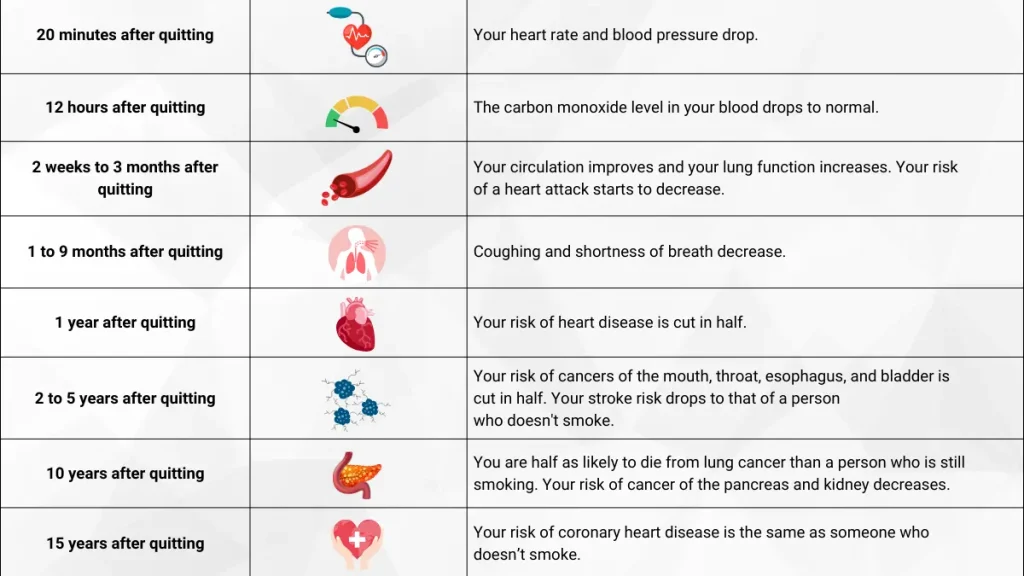
Smoking Cessation Timeline

Each person will have a unique experience with nicotine withdrawal, which can be better understood by examining the smoking cessation timeline. Some people have slight symptoms for a few days, while others have severe cravings and symptoms that last several weeks.

smoking cessation timeline

Withdrawal symptoms develop 4-24 hours after someone’s final cigarette. As part of the smoking cessation timeline, symptoms peak about 3 days after stopping and gradually lessen over the next 3-4 weeks. About two hours after smoking a cigarette, the body will have eliminated almost half of the nicotine.

Over the next few days, the level progressively drops until it no longer has any effect on the body. This stage is critical since it represents considerable physiological changes. People begin to observe beneficial changes along the smoking cessation timeline, in addition to signs of withdrawal. 

This may include:

  • A better sense of smell and taste
  • Less coughing
  • Better breathing, particularly during exercise

Individuals who understand the smoking cessation timeline can better prepare for hurdles and enjoy accomplishments on their path to better health.

The Benefits of Quitting Smoking

For those still deciding whether to participate in the Great American Smokeout 2025, the American Cancer Society says that your body will start healing almost immediately after your last cigarette. So, let’s look at more reasons to learn how to quit smoking. 

benefits of quitting smoking

Worthwhile benefits of quitting smoking:

Improved Circulation

One of the most notable benefits of quitting smoking is that your blood circulation improves in two to twelve weeks. This reduces your risk of having a heart attack and makes physical activity much easier.

Strengthening Your Immune System

Giving up smoking boosts your immune system, making it simpler to fend off colds and other ailments. It also improves circulation, raises oxygen levels, and reduces inflammation.

Better Smell and Taste

Smoking dulls your perceptions of taste and smell by harming the nerve endings in your mouth and nose. One of the best benefits of quitting smoking is your senses of taste and smell improve within 48 hours of stopping, and the nerve endings grow.

Broken Cycle of Addiction

Your brain’s many nicotine receptors will return to normal within a month after stopping, ending the addiction cycle. This is one of the best benefits of quitting smoking, as it lessens your chances of smoking again. 

More Vitality

The increased oxygen in your body will give you more energy, which will help improve your breathing and physical activities.

Better Sexual Experience

Your sexual life may suffer if you smoke. By decreasing vaginal lubrication and orgasm frequency, it contributes to female sexual dysfunction and raises the risk of erectile dysfunction in men.

Reduced Cancer Risk

After stopping, it can take a few years, but you’ll reduce your risk of developing some malignancies, such as:

  • Lung cancer
  • Esophageal cancer
  • Renal cancer
  • Bladder cancer
  • Cancer of the pancreas

Teeth and mouth cleaner

Oral health effects of smoking include infections, yellows your teeth, and produces unpleasant breath. You’ll start to notice and feel a change in your mouth a week after you stop.

Understanding how to quit smoking is a key step in reaping these benefits and embracing a healthier lifestyle.

Medications That Can Help with Quitting

Prescription medications are among some of the choices that can help you stop smoking and help you experience the benefits of quitting smoking. This will reduce your risk of lung illness, heart disease, stroke, and malignancies linked to tobacco use. However, be aware that some nicotine replacements require a prescription from a healthcare professional.

Medications That Help with Quitting Smoking

Varenicline

Nicotine addiction treatment recommended by your doctor are extremely excellent quitting tools. Varenicline, a pill formerly known as Chantix, is the most effective single product for helping you quit smoking. It reduces cravings by stimulating the brain in the same way as nicotine does. Varenicline functions in two ways. First, it binds to and inhibits the brain’s nicotine receptors. This makes smoking a cigarette less enjoyable and the benefits of quitting smoking more noticible. Second, it partially activates nicotine receptors in the brain.

Possible side effects are:

  • Nausea 
  • Vivid or lucid dreams
  • Constipation
  • Gas

Bupropion

Bupropion, widely known as Wellbutrin or Zyban, is an oral medicine. It is also nicotine-free, and acts by inhibiting nicotine receptors in the brain.

Side effects could include:

  • Insomnia
  • Dry mouth
  • Mild hand tremors

Nicotine Nasal Spray

Nicotine nasal spray has a similar size and shape to allergy or congestion nasal sprays, but it is administered entirely differently. Instead of inhaling the spray into the sinus cavities, users let it sit in their nostrils, allowing nicotine to be absorbed into the nasal lining and bloodstream.

Potential side effects include:

  • Nasal irritation 
  • Runny nose
  • Watery eyes

Over-the-Counter Options

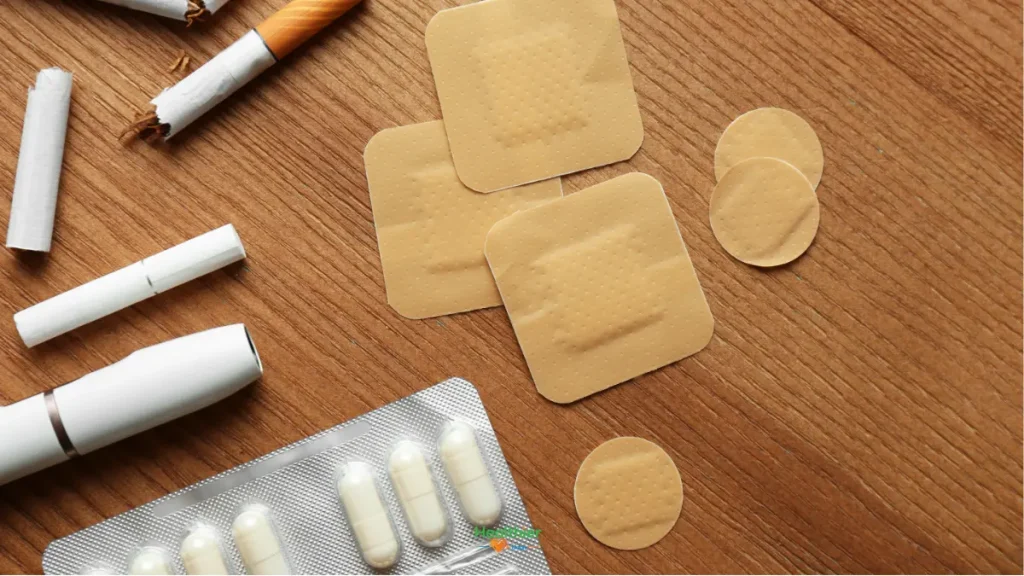
Nicotine replacement therapy delivers nicotine without the toxic components found in cigarettes. This can help you control your urges and wean off tobacco with less withdrawal symptoms. 

The nicotine replacement medications listed below are available over the counter in most pharmacies:

Nicotine patches

Nicotine patches are usually 3 to 4 inches wide and constructed of rubber. These patches deliver a continuous amount of nicotine. They are applied to the upper body, such as the arm, shoulder, or back, and replaced once every day. For persons allergic to latex, there is a hypoallergenic, latex-free brand name version of the patch available.

Potential side effects are:

  • Skin redness beneath the patch
  • Allergy or rash
  • Sleep disturbances or strange dreams
  • Racing heartbeat

Lozenges

Candy-like lozenges melt and deliver a nicotine dose. They also keep your tongue active, which may minimize the desire to smoke. Lozenges are available in two dose sizes: 2 mg and 4 mg, as well as small and regular. Mini lozenges may take 10 to 15 minutes to take action. Regular-sized lozenges may take 15 to 20 minutes to take action.

Possible side effects include:

  • Nausea
  • Hiccups

Gum Nicotine

Use the “chew and park” method when using nicotine gum. Chew the gum for five to ten seconds, or until you experience the tingling feeling that is the result of nicotine. After that, shift the gum and keep it “parked” for five to ten seconds between your teeth or between your teeth and cheek. Chew the gum again and place it in various areas of your mouth for a total of 20 to 30 minutes.

Possible negative effects are:

  • Hiccups
  • Feeling queasy
  • Might stick to dentures

How to Participate in The Great American Smokeout 2025?

Participate in The Great American Smokeout 2024

Participating in The Great American Smokeout includes taking steps to quit smoking and encouraging others who are trying to quit.

Here’s how to quit smoking and get involved:

  • Quit smoking: If you smoke, try The Great American Smokeout to quit. Seek help from friends, family, or stop-smoking programs.
  • Support quitters: Support and motivate your friends and family members who wish to stop smoking. Provide support, understanding, and encouragement.
  • Spread the word: Share information about the dangers of smoking and the advantages of quitting on social media and in your community.
  • Organize activities: Communities, companies, and schools can all hold events, workshops, or instructional sessions to promote awareness about smoking cessation.
  • Quit smoking resources: Use the American Cancer Society’s quit-smoking materials and other helplines.
  • Share achievements: Celebrate the accomplishments of those who have quit smoking and are living a smoke-free lifestyle.

Conclusion

There are many ways to quit smoking, and some work better than others. By taking the initial step and deciding to quit, your body can begin to heal in minutes, and participating in events like the Great American Smokeout will provide you with the support and bravery you need to quit. The benefits of quitting smoking can significantly improve your quality of living and life expectancy!

FAQ’s:

What is the Great American Smokeout?

The Great American Smokeout is an annual event held by the American Cancer Society on the third Thursday of November to encourage people to quit smoking.

When is the Great American Smokeout 2024?

The Great American Smokeout 2024 is Thursday, November 21

How can I participate in the Great American Smokeout?

Participating in The Great American Smokeout involves taking steps to quit smoking and supporting others in their efforts to quit. 

What quit smoking resources are available to help me quit smoking?

There are plenty of different quit smoking resources to help people quit smoking. Some of these include: 

> Medications
> Therapy
> Online quit smoking resources
> Nicotine replacement therapy
> Counselling 
> Support groups 
> Organizations such as the American Cancer Society, The American Lung Association and more.

Does quitting smoking reduce cancer risk?

Yes, one of the benefits of quitting smoking is that it can significantly reduce your risk of developing cancer.

What strategies work best for quitting smoking?

> Avoid triggers
> Find safe substitutes
> Reach out and find smoking cessation support groups
> Use medication or nicotine replacements
> Cut down gradually
> Make a plan and stick to it as best you can

Ease Frozen Shoulder Pain with These 10 Proven Exercises

Shoulder pain is a very common focal point for most people, with our daily lives we find ourselves with many aches and pains, especially the upperback section. Most people with frozen shoulder can benefit from regular shoulder stretches and exercise to reduce discomfort and increase range of motion. Improvement usually requires time and consistent application of practices.

Tips Before You Start Exercises for Sore Shoulder

Shoulder Pain Solutions by Healthier Me Today

Before beginning shoulder stretches and exercises, it’s important to know that there are three stages of a frozen shoulder.

Each has its own set of frozen shoulder exercises and recommendations:

  1. Freezing: Shoulder pain begins gradually at rest and becomes severe during extremes of motion. It normally lasts between 2 and 9 months.
  2. Frozen: Pain is lessened at rest, but there is a significant loss of shoulder mobility, with pain at the extremes of motion. It might last anywhere between 4 and 12 months. Thankfully, there are reliable exercises for shoulder mobility.
  3. Thawing: This stage allows for a gradual recovery of the range of motion. It might extend from 5 to 26 months.

Taking pain medicines prior to shoulder pain exercises may help. You can also use heat or ice to relieve pain before beginning these frozen shoulder exercises. Also, take note that frozen shoulder exercises for seniors may be slightly different depending on their health needs and abilities. 

Gentle Exercises for Sore Shoulder

When starting exercises for a sore shoulder make sure to slow down in the first and most painful stage. Increase the number of repetitions of shoulder stretches for pain gradually, without hurting yourself.

One study discovered that when patients did shoulder pain exercises within their pain tolerance, they achieved near-normal, painless shoulder motion at 12 months (64 percent) and 24 months (89 percent).

In comparison, 63 percent of those who had more extensive frozen shoulder exercises achieved near-normal, painless shoulder motion after 24 months of consistent exercises.

exercises for shoulder pain

Below are 10 effective exercises and stretches:

1.  Behind-The-Back Stretch

This is one of the simplest and most effective stretches for a sore shoulder:

  1. Stand with your legs shoulder-width apart.
  2. Put the affected arm behind your back.
  3. With your other hand, gently push the palm of your affected arm up towards the opposite shoulder.
  4. Hold the stretch for 1–5 seconds and stop when you feel pain.
  5. Repeat the stretch two or three times per day.

2. Abduction Shoulder Stretch

Abduction refers to moving your arm away from your body’s midline. These exercises for shoulder pain include doing the following:

  1. Sit next to a table, placing your affected forearm and elbow on its surface.
  2. Slide your forearm slowly away from your body, stopping when you feel pain.
  3. Your body will tilt as you move, but avoid leaning on the table.
  4. Repeat two or three times per day.

3. External Rotation Door Stretch

Be careful when doing these shoulder stretches for pain, as these movements can sometimes be painful if overdone:

  1. Stand in a door frame with your affected arm’s elbow bent 90 degrees.
  2. Rest your palm and wrist on the doorframe.
  3. Keep your forearm in place and slowly shift your torso away from the doorframe.
  4. Stop stretching when you feel pain.
  5. Repeat these shoulder mobility stretches 2-3 times per day.

4. Pendulum Exercises for Shoulder Pain

These kinds of Pendulum frozen shoulder exercises ask you to manipulate your arm and shoulder using a passive range of motion rather than engaging the muscles in your affected shoulder.

Here is how to properly execute Pendulum exercises for a sore shoulder:

  1. Sit or stand next to a table, the affected arm dangling at your side and the other arm resting on the table.
  2. Lean forward from the waist.
  3. Use your body to move your affected arm in short circles while keeping your shoulder relaxed.
  4. Repeat two to three times per day, for one to two minutes each.

Strengthening And Stretching Shoulder Pain Exercises

shoulder pain relief exercises

As you get through the second phase of shoulder ache stretches and experience less pain, you can increase frozen shoulder exercises and repetitions, as well as incorporate some strengthening exercises for sore shoulders. These strengthening exercises for shoulder pain must be performed carefully and mindfully to avoid further injury and pain. 

In exercise 4 of these shoulder rehab exercises, consider adding a tiny weight to your problematic arm, such as a soup can. Alternatively, in exercise 1, move your injured arm higher up your back. These shoulder strengthening exercises focus on regaining your full movement and muscle strength. 

5. Wall Climb Stretch

This is amongst the best stretches for pain as it relieves the surrounding muscles as well. 

  1. Stand facing a wall, your affected arm’s hand flat against it.
  2. Slide your hand and arm up the wall as far as possible without pain.
  3. Bring your body closer to the wall so you may extend higher up the wall.
  4. Hold the stretch for 15–20 seconds.
  5. Repeat the stretch ten times.

6. Adduction Exercise

These types of frozen shoulder exercises include adduction, which refers to moving your arm toward your body. Initially, it is the opposite of abduction, but it still works as a shoulder stability exercise. 

  1. Tie a workout band, also known as a resistance band, to a doorknob or something heavy.
  2. Hold the opposite end of the band in the palm of your affected arm.
  3. Stand far enough away from the band’s anchor point to ensure that it is taut when your arm is extended.
  4. In a smooth back-and-forth motion, move your arm toward and away from your body ten times.
  5. Do not perform these shoulder pain exercises if they cause you pain. As you gain strength, increase your repetitions.

7. Forward Flexion

These specific stretches and exercises for sore shoulders rely on a passive range of motion, in which you or another person gently pulls on your affected arm to stretch it.

To perform these shoulder ache stretches, you should:

  1. Lie on your back with your legs resting comfortably.
  2. Bend your “good” arm across your body, lifting the affected arm to the ceiling until you feel a slight stretch.
  3. Hold this stance for 15 seconds before carefully lowering your affected arm.
  4. Repeat these shoulder workout exercises as your strength improves and the hold time increases.

8. Shoulder Shrugs

  1. Bring both shoulders up to your ears and hold for 5 seconds, whether seated or standing.
  2. Repeat ten times.

Shoulder Shrugs: Forward and Backward

  1. Shrug your shoulders up toward your ears, then roll them forward in as large a circle motion as you can without hurting.
  2. Repeat the exercise with your shoulders backward. Perform each direction ten times.
  3. You may hear some popping noises, but these exercises for shoulder pain shouldn’t cause you further u.

9. Seated Or Standing External Rotation Exercises for Sore Shoulder

  1. Hold a cane, broomstick, or length of PVC pipe in both hands; elbows bent at a 90-degree angle. Your thumbs should be pointed upward.
  2. Keep the affected arm bent and near to your side.
  3. Move your “good” arm and the stick towards the injured arm until you feel a stretch.
  4. Hold the stretch for five seconds.
  5. Repeat these shoulder mobility exercises ten times. As your strength improves, increase the number of repetitions to 20 or 25.

10. Other Pain Relief Measures

If conservative treatment, such as physical therapy exercises for shoulder, shoulder ache stretches, and nonsteroidal anti-inflammatory medicines (NSAIDs), is ineffective in treating your frozen shoulder pain, you should consult your doctor about other options.

  • Some people experience relief from acupuncture, although there have been few randomized trials on the effectiveness of this therapy for frozen shoulder.
  • TENS, or transcutaneous electrical nerve stimulation, is another potential treatment, but its efficacy has yet to be proven.
  • A 2019 study on yoga asana for frozen shoulder reported “no added advantage” over normal treatment after one month.

shoulder strengthening exercises

Steroid, Hydrodilatation, And Hyaluronan Injections

Apart from exercises for sore shoulders, some research suggests that steroid injections are most beneficial for pain relief in the early stages of frozen shoulder treatment. Corticosteroid injections, along with hydro dilatation, may be most effective in relieving pain during the first three months of treatment.

Hyaluronan injections have also been shown to reduce pain, particularly at night. A study compared steroid and hyaluronan injections (also known as hyaluronic acid) with physical therapy to no treatment. The study discovered that all three therapies significantly reduced pain and mobility after three months when compared to the no-treatment group.

Low-Level Laser Treatment

A 2008 study found that low-power laser treatment effectively reduced pain after 8 weeks of treatment for a frozen shoulder when compared to a placebo group. However, there was no substantial improvement in the range of motion throughout the same time span.

Electrotherapy

The evidence for the effectiveness of electrotherapy treatment is limited. A 2014 study on several types of electrotherapy found that electrotherapy paired with physical therapy may be more beneficial than physical therapy alone. Electrotherapy treatments included laser, TENS, ultrasound, and pulsed electromagnetic field therapy.

Surgery

When conservative treatment fails, anesthesia-assisted manipulation and arthroscopic release may be utilized.

exercises for a sore shoulder

Conclusion

Physical therapy, weekly shoulder ache stretches, and frozen shoulder exercises can help reduce pain and increase the range of motion in a frozen shoulder. Your doctor may recommend exercises for shoulder pain fitness regimen in conjunction with NSAIDs, corticosteroids, hydrosilation, or hyaluronan injections.

It’s a good idea to get professional advice before beginning your shoulder exercises for a hurt shoulder, as well as a shoulder ache stretches routine at home. There are numerous frozen shoulder exercises for pain to do, and a physical therapist can assist you in identifying other shoulder recovery exercises and therapies that are appropriate for the stage of your frozen shoulder and feasible for you.

FAQ’s:

What are the best shoulder pain exercises?

The best shoulder pain exercises are:

> Behind-The-Back Stretch
> Abduction Stretch
> External Rotation Door Stretch
> Pendulum Exercise
> Wall Climb Stretch

How can I relieve shoulder pain at home?

You can always treat some shoulder injuries with rest and ice. Be careful not to lay on your shoulder or with your arms overhead. Begin performing frozen shoulder exercises to increase the circulation of vulnerable tissue and decrease your pain. However, make sure with your healthcare provider that shoulder pain relief exercises will be beneficial to your situation. 

What stretches for shoulder pain help the most?

> Pendulum stretch
> Child’s pose
> Rhomboid stretch
> Triceps stretch
> Neck release

Is it safe to exercise with shoulder pain?

Exercise should not make your existing shoulder pain worse overall. However, practising new frozen shoulder exercises.

 It can sometimes cause short-term muscle pain as the body gets used to moving in new ways.

What causes shoulder pain?

Shoulder pain can stem from:

> Rotator cuff tendonitis
> Bursitis
> Frozen shoulder
> Impingement syndrome
> Nerve injury
> Arthritis

How can I strengthen my shoulders to prevent future pain?

Frozen shoulder exercises, including certain yoga poses and gentle stretches for shoulder blade pain, can help lengthen and strengthen the shoulder muscles and relieve pain. 

When should I see a doctor for shoulder pain?

You should see an orthopedic doctor if your elbow or shoulder pain lasts more than four weeks, does not start feeling better within two to four weeks, gets progressively worse day to day or week to week. During this time avoid shoulder workouts for shoulder pain until your doctor as advised otherwise.

Fatty Liver Diet: Top Foods to Include for Better Liver Health

A well-balanced, nutritious diet high in fiber, lean or plant-based protein, and healthy fats is the most effective method to improve liver health, reduce disease risk, and support healthy weight loss. Non-alcoholic fatty liver disease (NAFLD) is among the leading causes of liver disease in the United States. It is a condition in which excess fat accumulates in the liver.

Let’s take a closer look at which foods to include and avoid in your healthy fatty liver diet!

diet for fatty liver

Different Types of Non-alcoholic Fatty Liver Disease (NAFLD)

The two types of NAFLD are:

  • Non-alcoholic fatty liver (NAFL) occurs when fat accumulates in the liver without causing inflammation, yet liver enlargement may cause pain.
  • Non-alcoholic steatohepatitis (NASH) is characterized by inflammation and can progress to cirrhosis and liver failure if not addressed.

 fatty liver disease

In a healthy body, the liver eliminates toxins and produces bile, a greenish-yellow fluid that converts fat into fatty acids that can be digested. Fatty liver blood tests can help detect elevated liver enzymes, which can be a sign of the disease. Fatty liver disease affects the liver and stops it from functioning properly, but learning how to lower liver enzymes can help prevent it from worsening.

The primary line of treatment for overweight or obese people with NAFLD is progressive weight loss through a fatty liver diet, which includes calorie restriction, exercise, and healthy nutrition. Following a well-structured diet for a fatty liver helps reduce excess fat in the liver, improve enzyme levels, and support long-term liver function. However, a doctor may prescribe a fatty liver disease drug to manage liver health and reduce inflammation.

fatty liver blood test

In general, a diet for fatty liver includes:

  • Fruits and veggies.
  • Plants with high fiber content, such as legumes and whole grains.
  • Significantly limiting your intake of specific meals and beverages, especially those high in added sugar, salt, refined carbs, and saturated fat. 
  • Limiting alcohol.

People with NAFLD are often advised to eat a nutrient-dense, whole-food diet high in fiber, protein, and unsaturated fats.

Foods for Fatty Liver

 foods for fatty liver

Here are a few foods to include in your healthy fatty liver disease diet:

Coffee Can Help Lower Abnormal Liver Enzymes

Including coffee in your fatty liver diet plan may help protect your liver from NAFLD. A review discovered that regular coffee drinking is linked to a lower chance of getting NAFLD, as well as a lower risk of liver fibrosis progression among people who have already been diagnosed with NAFLD. Coffee also appears to reduce the amount of aberrant liver enzymes in persons at risk for liver disease.

Greens Help Prevent Fat Buildup

Compounds present in spinach and other leafy greens may help prevent fatty liver disease. A 2021 observational study discovered that eating spinach specifically reduced the incidence of NAFLD, presumably due to the nitrate and unique polyphenols in the leafy green. Interestingly, the study concentrated on raw spinach because cooked spinach did not yield the same dramatic findings. This could be because boiling spinach (and other leafy greens) reduces polyphenol levels and antioxidant activity.

Soy and Beans Can Lower the Risk of NAFLD

There is potential for both soy and beans to lower the risk of NAFLD. Legumes like lentils, chickpeas, soybeans, and peas are not only nutrient-dense foods but also include resistant starches that support gut health, according to a research review of diet and liver disease. Legumes may even assist obese persons lower their blood lipids and blood sugar levels. Furthermore, a 2019 study discovered that a fatty liver diet high in legumes specifically reduced the risk of NAFLD.

foods for fatty liver

Although the evidence is conflicting, some studies have also suggested that eating soy – whether it be in the form of miso soup, which contains fermented soy, or as a substitute for a portion of meat or fish – may help protect the liver. This is probably due to soy’s high β-conglycinin concentration, a protein known to help decrease triglyceride levels and maybe prevent visceral fat accumulation.

Fish Can Lower Fat And Inflammation Levels

Omega-3 fatty acids are abundant in fatty fish, including trout, sardines, salmon, and tuna. By lowering triglyceride levels, increasing beneficial HDL cholesterol, and decreasing liver fat, omega-3 supplements may help people with NAFLD.

Fiber-Rich Whole Grains

Oatmeal and other whole-grain, high-fiber diets are linked to a lower risk of disorders linked to non-alcoholic fatty liver disease. According to studies, people with NAFLD may benefit from a healthy fatty liver diet that includes foods high in fiber, such as oats, which may also lower their triglyceride levels. Complement your meals with some pomelo fruit fatty liver, as they’ll offer additional liver-supporting nutrients. 

Nuts Can Help Reduce Inflammation

Diets rich in nuts are related to decreased levels of inflammation, insulin resistance, oxidative stress, and NAFLD. A major Chinese study discovered that higher nut consumption was strongly connected with a lower risk of NAFLD – and research has shown that persons with fatty liver disease who eat walnuts have better liver function tests. Adding nuts to a fatty liver diet can be an excellent way to support liver health naturally.

Dates and Liver Health

Dates have a high fiber content which is excellent for the liver. The natural sweetness of dates provides individuals with a healthier alternative to processed sugars which can exacerbate liver damage. Even more amazingly, its rich in antioxidants which combats stress, a factor that contributes to liver disease. Including dates in a diet for fatty liver helps satisfy sugar cravings while supporting liver repair.

Turmeric To Reduce Markers Of Liver Damage

High doses of curcumin – the active ingredient in turmeric – might reduce markers of liver damage in people with NAFLD.

Studies focusing on turmeric supplementation show the bright orange root may decrease levels of serum alanine aminotransferase (ALT) and aspartate aminotransferase (AST) – two enzymes that are abnormally high in people with fatty liver disease. This makes turmeric a beneficial addition to a fatty liver diet plan.

Sunflower Seeds as Antioxidants

Sunflower seeds are abundant in vitamin E, an antioxidant that is commonly utilized (via supplementation) to treat NAFLD. While most studies on NAFLD and vitamin E focus on supplements, a 100-gram dose of sunflower seeds contains approximately 20 milligrams of vitamin E, which is more than 100% of the Daily Recommended Value. Sunflower seeds are an excellent place to start if you want to organically improve your vitamin E intake as part of your fatty liver diet.

Increase Unsaturated Fat Intake

Those with NAFLD may benefit by replacing saturated fat sources, such as butter, fatty cuts of meat, sausages, and cured meats, with unsaturated fat sources, such as avocados, olive oil, nut butter, and fatty fish. This is why the Mediterranean diet is occasionally recommended for people with NAFLD. It focuses on minimally processed raw foods high in unsaturated fats. It is also high in vegetables, fruits, and legumes, which all contribute to its capacity to lower total cholesterol.

Garlic Can Improve Overall Health

This vegetable not only enhances the flavor of meals, but modest experimental research indicate that garlic powder supplements may assist persons with fatty liver disease lose weight and fat. In a recent study, patients with NAFLD who took 800 mg of garlic powder daily for 15 weeks reported a reduction in liver fat and an improvement in enzyme levels. A study on whole food intake discovered that frequent eating of raw garlic was inversely linked with NAFLD in Chinese men (but not women).

Foods to Avoid with Fatty Liver

TOP 3 Products to Detox Your Liver by Healthier Me Today

If you have fatty liver disease, your doctor may advise you to avoid or limit your use of specific foods, particularly foods bad for liver. These foods typically contribute to weight gain, raise blood sugar and jeopardize a healthy fatty liver diet.

Avoid or minimize the following meals wherever possible:

  • Alcohol: Alcohol consumption can contribute significantly to fatty liver disease and other liver illnesses.
  • Sugar: One of the most critical foods to avoid on fatty liver diets are sugary foods such as sweets, cookies, soda, and fruit juice. High blood sugar levels lead to more fat deposition in the liver.
  • Fried food: Fried foods are heavy in fat and calories.
  • Added salt: Consuming too much salt raises the risk of NAFLD. It is recommended that you consume no more than 2,300 mg of sodium per day. People with high blood pressure should limit their salt intake to no more than 1,500 mg/day.
  • White bread, rice, and pasta: White flour is often highly processed, and things produced with it can spike your blood sugar more than whole grains because they lack fiber.
  • Red meat: Beef and pork are high in saturated fat. Highly processed meats, in general, should be limited because they are heavy in sodium and saturated fat.

Conclusion

If you have NAFLD or are concerned that you may be at risk, consult with a trusted healthcare provider to develop a treatment strategy. This may include dietary and lifestyle adjustments such as increasing physical exercise, enhancing sleep, and lowering stress.

Life with Fatty liver

FAQ’s:

What are the leading causes of fatty liver disease?

Fatty liver disease can be caused by:

> Excess calories
> Obesity
> Type 2 diabetes or prediabetes 
> High blood pressure 
> High cholesterol or triglycerides 
> Metabolic syndrome
> Certain medications
> Infections, such as hepatitis C

What symptoms should I look for if I suspect fatty liver?

Some symptoms include:

> Nausea
> Loss of appetite
> Unexplained weight loss
> Yellowish skin and whites of the eyes (jaundice)
> Swelling in your abdomen (ascites)
> Swelling in your legs, feet, or hands (edema)
> Bleeding (that your provider finds in your esophagus, stomach, or rectum)

Can fatty liver disease be reversed with diet?

Yes, keeping to a balanced fatty liver diet can help reverse the disease, especially in the early stages.

What foods should I include in my fatty liver diet?

Aim for non-starchy vegetables and whole fruits. Choose leaner proteins like fish, poultry, beans, and nuts. Limit red meat, cold cuts, bacon, and other processed meats. Choose whole grains like brown rice, oatmeal, or whole wheat pasta.

How much weight do I need to lose to improve my fatty liver?

To improve fatty liver disease, you should aim to lose 7–10% of your body weight.

 Are there specific fruits and vegetables that are good for fatty liver?

> Non-starchy vegetables: These are low in simple carbohydrates and include broccoli, spinach, kale, asparagus, artichokes, peppers, onions, mushrooms, carrots, tomatoes, and cauliflower. 

> Fruits: These include berries, kiwi, apple, orange, lemon, grapefruit, avocado, blueberries, cranberries, and grapes.

Is it safe to consume alcohol if I have fatty liver?

No, it’s generally not safe to consume alcohol if you have fatty liver.

Why do high carbs affect liver function?

High carbs can lead to excess fat storage in the liver which can interfere with the liver’s ability to function properly. This can lead to conditions like fatty liver disease, affecting the overall health and efficiency of the organ.

Flu Shot: When’s the Best Time to Get Vaccinated This Season?

The flu vaccine, commonly known as the flu shot, is a crucial tool for preventing seasonal influenza. But because it’s seasonal, understanding the optimal timing for getting your flu shot can maximize its effectiveness. 

flu shot

Here, we’ll cover key information to help you choose the best time for your flu shot to protect your health throughout flu season.

Understanding the Best Time for a Flu Shot

The duration of protection from a flu shot depends largely on when it’s administered. Flu shots are typically recommended before the flu season begins, as this ensures you’re protected when the virus is most active.

flu shot season

When to Get Your Flu Shot for Maximum Protection

A common question is, “When should I get my flu shot?” The CDC recommends getting vaccinated by the end of October, before flu season peaks. Early vaccination can be highly protective – research indicates that when the vaccine aligns well with circulating strains, doctor visits related to flu can decrease by 40-60%. Getting vaccinated as soon as possible is ideal, but receiving it later in the season can still provide significant benefits.

Does the Flu Shot Fully Protect Against the Flu?

 best time to get a flu shot

While the flu shot is effective at reducing your risk, it doesn’t eliminate the chance of getting the flu. During the 2019-2020 season, flu vaccination prevented approximately 7 million flu cases, 3 million medical visits, 100,000 hospitalizations, and 7,000 deaths. By training your immune system to recognize specific strains, the vaccine significantly lowers the severity of symptoms if you do contract the flu.

How Long Does Flu Shot Immunity Last?

The immunity from a flu shot typically lasts about six months, covering the peak of flu season. However, immunity duration can vary among individuals based on their health status. Consulting your healthcare provider about how long the flu shot will last for you can provide personalized guidance on timing your vaccinations.

Flu Shot Season and Availability

Flu shot season generally starts in late summer or early fall, with vaccines available at clinics and drugstores. Knowing when flu shots will be available in your area can help you plan ahead. Starting in the 2024-2025 season, all U.S. flu vaccines will be trivalent, with special recommendations for stronger vaccines for adults 65 and older. Don’t delay, as vaccine supplies may be limited later in the season.

Factors That Influence Flu Shot Timing

Design by Healthier Me Today

Several factors should be considered when deciding on the timing of your flu shot.

Seasonal Patterns and Flu Shot Effectiveness

Flu seasons vary, with flu activity peaking in late fall and winter. Getting vaccinated early is helpful, but note that early vaccination can lead to reduced immunity if the flu season is prolonged. Monitoring flu trends and choosing the most suitable time based on local data can enhance the vaccine’s effectiveness.

Personal Health and Immune System Needs

Individuals with weaker immune systems or those at high risk, such as older adults, may benefit from getting vaccinated early (Mayo Clinic). If you have questions about how the flu shot might affect your immune system, ask your healthcare provider to evaluate the benefits based on your health status.

Location and Vaccine Availability

Flu season and vaccine availability can differ by location. Some areas receive vaccines earlier, allowing for timely protection. Check with local health departments for updates on flu shot availability to ensure you’re prepared.

Side Effects and Aftercare for Flu Shots

Flu shots are generally safe, though mild side effects can occur. Some people may experience minor soreness, low-grade fever, or mild fatigue. These reactions typically resolve within a day or two and are manageable with rest and hydration.

Common Reactions and Management

After the flu shot, it’s normal to feel slight discomfort at the injection site or mild flu-like symptoms such as body aches and fatigue. These side effects are temporary and usually mild. Avoiding strenuous activity, staying hydrated, and limiting alcohol intake can help ease any discomfort post-vaccination.

Does the Flu Shot Affect Your Immune System?

The flu vaccine strengthens your immunity against flu-specific viruses but doesn’t weaken overall immunity. Any mild reactions are temporary and indicate your immune system is responding to the vaccine.

Valid Reasons to Decline the Flu Vaccine

While flu vaccines are widely recommended, there are valid reasons for some individuals to opt-out. Those with a history of severe allergic reactions to flu vaccine components or past adverse reactions should consult their doctor. Certain medical treatments may also interfere with vaccination, so discussing your health status with a healthcare provider is essential (CDC).

flu shot benefits

Advantages and Disadvantages

Flu shots offer many benefits but also have limitations.

Advantages

  • Reduces Flu Severity: The flu shot can significantly decrease the severity of flu symptoms.
  • Lowers Risk of Complications: It offers an added layer of protection, particularly for those with weakened immune systems.
  • Protects Vulnerable Populations: Vaccination helps shield society’s most vulnerable, including young children and the elderly.
  • Convenience and Accessibility: Flu shots are widely available, making it easier for people to get vaccinated on time.

Disadvantages:

  • Mild Side Effects: Minor side effects, such as soreness and low-grade fever, can occur, especially in children.
  • Limited Strain Coverage: Flu vaccines may not cover all flu strains, so full protection isn’t guaranteed.
  • Temporary Immunity: Immunity generally lasts for about six months, so timing is crucial to cover the flu season effectively.

How Long Should You Wait Before Your Next Flu Shot?

Since flu viruses change each year, an annual flu shot is recommended. For those in high-risk groups or with specific health conditions, a healthcare provider may advise additional doses or boosters.

Conclusion

Getting a flu shot is an effective way to protect yourself from seasonal flu and its complications. With the right timing, vaccination enhances your defense against the flu, helping to reduce its spread and impact on public health. Seek advice from healthcare providers to ensure your vaccination strategy fits your health needs.

Flu Shot FAQs:

When is the best time to get a flu shot for maximum effectiveness?

The optimal time is before flu season, ideally by October. However, vaccination is still helpful if received later.

How long does the flu shot protect you from the flu?

Flu shot protection typically lasts around five to six months, although this may vary.

Can you still get the flu after getting vaccinated?

Yes, but symptoms are generally milder, and the flu vaccine provides substantial protection.

What are the common side effects of the flu shot, and how long do they last?

Side effects are usually mild, lasting up to two days. They may include soreness, fatigue, headache, muscle aches, and low-grade fever.

How often should I get a flu shot, and do I need one every year?

It’s best to get the flu shot annually, as flu strains change each season.

Is it safe to get the flu shot if I have other health conditions?

Yes, but consult your doctor if you have specific concerns.

What should I avoid after getting a flu shot to minimize side effects?

Avoid strenuous activity, stay hydrated, and limit alcohol intake for the best recovery.

Iron Rich Foods: Boost Your Energy with These 25 Nutrient-Packed Picks

Have you ever considered incorporating iron rich foods into your diet to enhance or maintain your hemoglobin levels? Consuming these foods not only boosts iron levels but also benefits you in a variety of ways. 

Iron, a key component of iron rich foods, is essential for our bodies’ functions. It aids in oxygen transport, boosting overall health and preventing fatigue. Low hemoglobin, often caused by insufficient iron intake, can lead to anemia, a condition that impacts millions worldwide and often requires dietary changes for proper management. Curious about which iron rich foods can naturally boost hemoglobin?

Low hemoglobin levels

Read on to discover an extensive list of iron rich foods and why hemoglobin is so important to your health!

The Importance of Iron in Our Bodies

Iron, copper, vitamins B12, B9 (folate), and C are crucial for iron rich foods to aid hemoglobin synthesis. A healthy diet is essential for maintaining an optimal amount of hemoglobin. To accomplish this, increase your consumption of foods that aid in the synthesis of hemoglobin. But why does hemoglobin matter? Red blood cells contain the protein hemoglobin. Its primary purpose is to deliver oxygen from the lungs to all other cells, which helps them survive.

benefits iron rich meals

Anemia comes from a low hemoglobin level, which is influenced by a variety of causes. Poor eating habits, inadequate absorption of the nutrients required for hemoglobin production, an increase in the required amount due to pregnancy, blood loss, or even certain drugs can all contribute to low hemoglobin levels. Fatigue, shortness of breath, dizziness, headaches, and chest pain.. These symptoms can significantly impact cardiovascular health. Including iron rich foods in your diet can help improve hemoglobin levels and support heart health by addressing these symptoms effectively.

The Best 25 Iron Rich Foods

iron source

Let’s get to the juicy part – the food! Now for the tasty part—iron rich foods that can naturally increase hemoglobin levels! If you’re wondering what foods help with anemia, here’s a list of top options to include in your diet to boost hemoglobin and support overall health: 

1. Liver

The liver contains the largest concentrations of iron, vitamin B12, and folate. Lamb’s liver has the highest vitamin B12 content, with 85.7 mcg per 100 g. It also contains a large amount of folate, iron, and vitamin C (400 mcg, 10.2 mg, and 13 mg).

2. Ground Beef

Ground beef (without fat) is an excellent source of iron. Every 85 gram (3 ounce) of ground beef has 2.1 milligrams of iron.

3. Chicken Breast

Chicken breast is also rich in iron. Every 100 grams (3.5 ounces) of chicken breast contains around 0.7 milligrams of iron.

4. Clams

The highest natural iron content is found in clams, which have 28 mg of iron, 22.1 mg of vitamin C, and 98.9 mcg of vitamin B12.

5. Soybeans

Every 100 g of soybeans contains 15.7 mg of iron, 375 mcg of folate, and 6 mg of vitamin C, making them an excellent source of iron rich foods. Soybeans are processed into both unfermented and fermented food products for consumption. Unfermented varieties include sprouts, soymilk, tofu, and so forth. Fermented foods include soy sauce, natto, miso, tempeh, and so on.

6. Brown Rice

Brown rice is a fantastic choice because it is high in iron, with 100 grams containing approximately 0.4 milligrams.

7. Whole Grains

Whole grains, like barley, quinoa, and oats are excellent iron rich foods. Each 100 grams of any whole grain provides approximately 2.5 milligrams of iron. They can also be consumed in the form of whole-grain fortified cereals for breakfast.

8. Dried Fruits

Dried apricots, raisins, and dates are good sources of iron. In reality, 100 grams of dried fruit contain 0.8 milligrams of iron. Aside from iron, these dry fruits include vital fibers and vitamins.

9. Strawberries

These amazing berries help patients with low hemoglobin levels in two ways: by delivering iron and improving iron absorption in the body.

10. Prunes

Prune juice is another efficient technique to boost hemoglobin levels. This fruit contains iron, fiber, and vitamin C, all of which help with the synthesis of red blood cells.

11. Apples

Apples are high in iron (among other nutrients), making them ideal for raising hemoglobin levels. So, eat an apple today!

12. Pomegranate

Pomegranates are high in iron, calcium, protein, carbs, fiber, and a variety of other vitamins and minerals. As a result, they are frequently suggested to people with low hemoglobin levels.

13. Sun-dried Tomatoes

Sun-dried tomatoes are beneficial for people with low hemoglobin counts since they provide up to 9.1 milligrams of iron per 100 grams.

14. Persimmons

These orange fruits are good sources of iron, vitamin C, antioxidants, and other minerals.

15. Mulberries

Mulberries are not only a nutritious and pleasant dietary option for diabetics, but they also benefit those with low hemoglobin levels. In fact, 100 grams of this unusual fruit contains approximately 1.8 milligrams of iron.

16. Currants

Blackcurrants can also help you improve your red blood cell count. They are reported to contain between 1 and 3 milligrams of iron per 100 grams, depending on the kind.

17. Watermelon

Watermelon, a hydrating fruit, is also an excellent choice for boosting hemoglobin levels. Its high iron content, combined with abundant vitamin C, enhances and accelerates iron absorption, making it a perfect addition to an iron-rich diet..

18. Seaweed

Seaweed, which has 28.5 mg of iron and 93 mcg of folate per 100 g, is one of the best options if you want to increase your hemoglobin levels.

19. Beetroot

Beetroot is frequently recommended to raise hemoglobin levels due to its high folate content. It is also rich in vitamin C and iron. Beet greens, like the root, are highly nutritious and good for hemoglobin levels.

20. Potatoes

Potatoes are high in iron and vitamin C, making them a great hemoglobin-friendly food.

21. Broccoli

This distant and slightly more favorable cousin of cauliflower has approximately 2.7 milligrams of iron per 100 grams. Aside from that, broccoli provides other necessary minerals such as magnesium vitamins A and C.

22. Spinach

Spinach is by far one of the best vegetable choices for boosting hemoglobin levels. In fact, 100 grams of this green delicacy might contain up to 4 milligrams of iron. Salads with various green vegetables, such as kale, asparagus, artichokes, and collard greens, are also known to be beneficial to hemoglobin.

23. Pumpkin Seeds

Hands down, the best source of iron. You’ll be shocked to learn that 100 grams of pumpkin or chia seeds contain approximately 15 milligrams of iron or 83 percent of the daily required intake. And guess what? They also include vital fatty acids, which can help your skin glow.

24. Dark Chocolate

Good news for chocolate fans! Having dark chocolate can help improve your hemoglobin levels due to 100 grams of 80% dark chocolate containing 17 milligrams of iron, which accounts for almost 90% of your daily iron requirement.

25. Nuts

Almonds, peanuts, cashews, pine nuts, hazelnuts, and walnuts are all excellent sources of iron. They are tasty and contain approximately 3 milligrams of iron per 30 grams.

Conclusion

Hemoglobin is essentially an iron-containing molecule. In order to increase your hemoglobin levels, it makes sense to eat more iron. However, other minerals are also involved, especially vitamins C, B12, and B9. Red blood cells are produced with the help of vitamins B12 and B9. The formation of heme, the iron-containing portion of hemoglobin, actually depends on vitamin B9. Vitamin C is significant because it has a reducing effect that improves the absorption of iron. To increase hemoglobin levels, foods high in each of the elements must be consumed.

FAQs:

What are the best vegetarian sources of iron?

> Wholegrains

> Legumes

> Nuts

> Seeds

> Dried fruits

> Iron-fortified cereals

> Green leafy vegetables

How can I naturally increase my iron levels?

You can naturally increase it by eating iron-rich foods and foods that help your body absorb iron.

What foods should I eat to improve iron absorption?

When you eat heme iron alongside meals strong in non-heme iron, your body absorbs it more fully. Vitamin C-rich foods, such as tomatoes, citrus fruits, and red, yellow, and orange peppers, can also help with non-heme iron absorption.

How much iron do I need daily?

> Prior to menopause, women require 15 milligrams (mg) of iron per day. After menopause, women require 10 mg daily. Women who are pregnant require at least 30 mg per day, while those who are lactating require approximately 20 mg. Women who have heavy periods may require iron supplements. 

> Men require 10mg of iron every day. Children up to the age of ten require 8-10 mg of iron each day. 

> Teenagers require similar quantities as adults. 

> Vegetarians require 1.8 times the required quantity of iron.

What are the symptoms of low ferritin levels?

It can have no symptoms, but people may experience:

> Dizziness

> Fatigue

> Light-headedness

> Fast heart rate or palpitations

> Brittle nails

> Shortness of breath

Which fruits and vegetables are high in iron?

> Citrus fruits

> Tomatoes

> Berries

> Kiwi fruit

> Melons

> Green leafy vegetables

> Capsicum

Can cooking in cast iron pans help increase iron intake?

Yes, cooking in cast iron pans can increase your iron intake.

Benefits of Pranayama: Breathe Better, Live Better with This Life-Changing Practice

Pranayama is the practice of regulating one’s breath, offering numerous benefits of pranayama for the body and mind. You consciously inhale, expel, and hold your breath in a precise order. The idea is to connect the body and mind. Pranayama is used in conjunction with other yoga activities, such as physical postures (asanas) and meditation. These practices work together to provide yoga’s numerous advantages. In Sanskrit, “prana” signifies “life energy,” while “yama” represents control.

Learn more about the benefits of pranayama, how to practice it, and the potential impact on your well-being.

What Exactly Are the Benefits of Pranayama?

benefits of pranayama

Pranayama is an Ayurvedic technique focused on controlling one’s breath to achieve various benefits of pranayama for body and mind connection. Through pranayama, you gain control over the timing, duration, and frequency of each breath and hold, helping you connect deeply with your inner self.

Pranayama can entail a variety of breathing practices, including:

  • Alternating nostril breathing (Nadishodhana).
  • Victorious breath (ujjayi)
  • Female honeybee humming breath (bhramari).
  • Bellows breath (Bastrika)

These pranayama exercises can be done in various ways—during yoga positions, while meditating, or on their own—to experience the holistic benefits of pranayama in daily life.

what is pranayama

What Are The Potential Benefits Of Pranayama?

The benefits of pranayama have been thoroughly studied. Pranayama has been proved in scientific research to provide a variety of health benefits. Let’s look at six of these potential benefits in greater detail.

Reduces Stress

When practiced on a regular basis, pranayama can assist in reducing stress. Research looked into the benefits of pranayama for front-line workers during the COVID-19 pandemic. Researchers discovered that practicing pranayama for four weeks reduced feelings of stress and improved psychological quality of life.

Improves Sleep 

Deep breathing activities, such as pranayama, may aid in sleep regulation by requiring you to concentrate on your breath and fostering deep relaxation. This may be especially effective for insomniacs. According to a study, one of the benefits of pranayama is its potential to enhance sleep quality in adults with obstructive sleep apnea. Furthermore, the study discovered that pranayama practice reduced snoring and daytime tiredness, implying better overall sleep quality.

Increases Mindfulness

Many of us breathe on autopilot without much thought. However, pranayama requires you to pay attention to your breathing and its sensation, helping you concentrate on the present moment instead of the past or future. This practice, known as mindfulness, was shown to be enhanced in students who engaged in pranayama.

Additionally, these students demonstrated improved emotional control due to the calming benefits of pranayama, which enhance mindfulness.

Reduces High Blood Pressure

High blood pressure, often known as hypertension, occurs when your blood pressure rises to an abnormally high level. It raises the risk of some potentially significant health issues, including heart disease and stroke. Stress is a primary contributor to high blood pressure. The benefits of pranayama may reduce this risk by encouraging calm.

A study discovered that pranayama can dramatically lower systolic blood pressure. Concentrating on your breathing can help calm your nervous system, perhaps lowering your stress response and risk of hypertension. These are among the key benefits of pranayama that can help improve overall heart health.

Improves Lung Function

The deliberate, slow breathing of pranayama can help strengthen your lungs. By improving lung function, the benefits of pranayama may increase the efficiency of both healthy individuals and athletes, particularly those who participate in aerobic-based sports, according to a study.

Reduces Cigarette Cravings

Yogic breathing, or pranayama, has been shown to lessen cravings in smokers who are attempting to stop. oga breathing techniques focused on mindfulness reduced the unpleasant symptoms of smoking discontinuation.

Types of Pranayama Exercises

pranayama practice

The following are some of the most popular breathwork techniques you could see in a yoga class.

Ujjayi Pranayama (Victorious Breath)

Ujjayi pranayama, one of the most common breathwork techniques taught in asana practice, involves slightly narrowing the neck to create resistance to the passage of air. Gently pulling the breath in on inhale and gently pushing it out on exhalation against this resistance produces a well-modulated and pleasant sound, similar to the sound of ocean waves rolling in and out. 

This is why it is sometimes referred to as “ocean breath.” Ujjayi can be incorporated into any physical activity by inhaling and exhaling. It can also be included in your meditation practice by sitting quietly and focusing on your breath. The benefits of pranayama from this exercise include increased focus and relaxation.
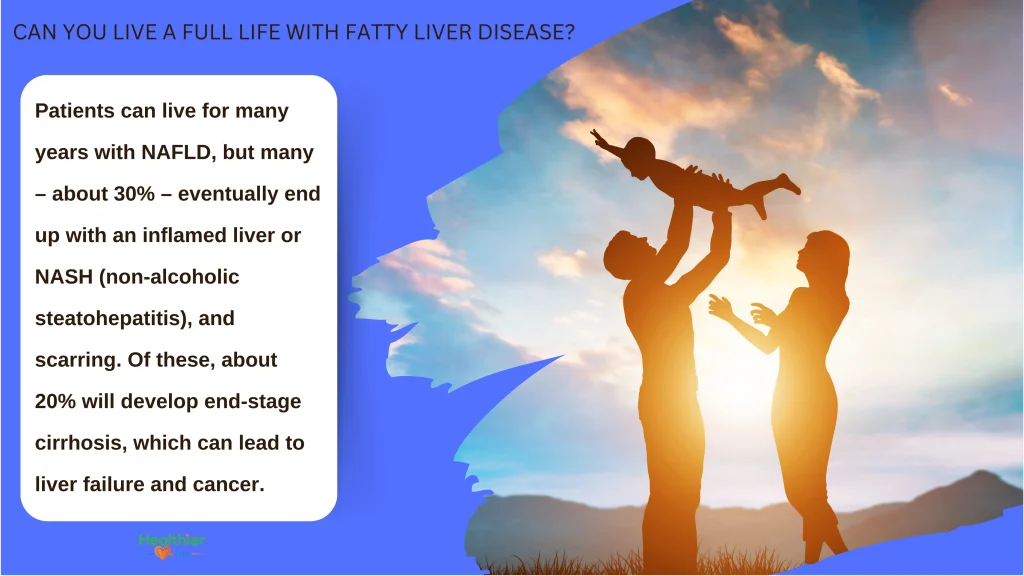
  1. Exhale with your mouth slightly open as if you’re attempting to fog up the mirror.
  2. Feel the breath go through your throat and hear the “ocean” sound.
  3. Once you’re used to the sensation in your throat, try inhaling and exhaling with a closed mouth.
  4. Repeat the pattern for at least ten breaths.

Sama Vritti Pranayama (Box Breathing)

Sama vritti pranayama is another effective breathwork technique for clearing your mind. It relaxes your body and allows you to focus.

  1. Sit in a comfortable position with your back supported and your feet on the floor.
  2. Close your eyes. Breathe in slowly through your nose, counting to four. Concentrate on feeling the air enter your lungs.
  3. Hold your breath while gently counting to four again. Try not to close your mouth as you avoid breathing and exhaling for four counts.
  4. Slowly exhale to the count of four.
  5. Pause for an additional four counts at the end of your exhalation.
  6. Repeat this cycle for 10 breaths or until you feel relaxed and focused. The benefits of pranayama with this exercise include improved concentration and calmness.

pranayama yoga

Dirgha Pranayama (Three-Part Breath)

This technique entails pausing your inhalations and/or exhalations with pauses. Dirgha pranayama makes you more conscious of your lung capacity and the structure of your body.

  1. Lie in a reclining position, either flat on your back or supported by bolsters, blocks, blankets, or a combination of the above.
  2. Inhale to one-third of your lungs’ capacity, then hold for two to three seconds.
  3. Inhale another third, pause, and inhale until your lungs are full.
  4. Pause, then repeat the rhythm of exhaling in thirds.

Repeat 5 rounds of inhalations and 5 rounds of exhalations or until you are comfortable. The benefits of pranayama in this practice include enhanced lung capacity and relaxation.

Nadi Shodhana Pranayama (Alternate Nostril Breath)

Nadi shodhana pranayama, also known as channel-cleaning breath, is a practice that helps to calm the body and mind.

  1. Sit in a comfortable position and perform Vishnu Mudra by folding your right index and middle finger in to meet the base of your thumb, leaving the remaining fingers outstretched. Your left hand may rest on your left thigh or in your lap. It can also be utilized to brace the right elbow.
  2. Gently seal your right nostril with your thumb. Inhale through the left nostril and close it with your ring finger and pinky. After a brief pause, slowly open and exhale via your right nostril.
  3. Keep the right nostril open, inhale, then close it before slowly opening and exhaling via the left. This represents one cycle. Repeat three to five times, then release the hand mudra and resume normal breathing. The benefits of pranayama with this technique include improved breathing efficiency and stress reduction.

pranayama yoga

Kapalabhati Pranayama (Skull Brightener or Skull-Shining Breath)

This technique involves alternating quick, powerful exhalations and slightly prolonged, quiet inhalations. Exhalations are caused by forceful contractions of the lower abdominal muscles (between the pubis and navel), which force air out of the lungs. Inhalations occur in response to the release of this contraction, which draws air back into the lungs. Begin practicing kapalabhati in a seated or reclining position, with your fingertips lightly on your belly.

  1. Concentrate on your lower abdomen. If necessary, cup one hand lightly in the other and softly press it against your lower tummy. (With practice, you will gain more abdominal control and may not need to use your hands.)
  2. Now, quickly contract your lower belly, forcing a burst of air from your lungs. Then, swiftly relax the contraction (or your hands) so that the belly “rebounds” and draws air into your lungs. Pace yourself slowly at first.
  3. Repeat 8 to 10 times, with approximately one exhale-inhale cycle per second or two. As you improve your ability to compress and release your lower belly, you can raise your pace to around two exhale-inhale cycles each second. Consider the exhale sweeping out or “brightening” the inner lining of your cranium.
  4. Do 25-30 cycles at first. Gradually increase the number of cycles per practice to 100 or more. The benefits of pranayama in this practice include increased energy and mental clarity.

Conclusion

Pranayama, or breath control, is a fundamental aspect of yoga. It is usually combined with yoga poses and meditation. Pranayama aims to strengthen the link between the body and mind. Pranayama, according to research, might help you relax and be aware. It may also benefit several elements of physical health, such as lung function, blood pressure, and cognitive function. 

If you have never practiced pranayama before, try taking a yoga class or finding a teacher who can teach you the right technique for these breathing exercises!

FAQs:

What are the 5 basic pranayama?

> Ujjayi Pranayama (Victorious Breath)
> Sama Vritti Pranayama (Box Breathing)
> Dirgha Pranayama (Three-Part Breath)
> Nadi Shodhana Pranayama (Alternate Nostril Breath)
> Kapalabhati Pranayama (Skull Brightener or Skull-Shining Breath)

What is the best time of day to practice pranayama?

The best time to practice pranayama is typically early in the morning, before sunrise, or in the evening before sunset. 

How does pranayama help relieve stress and anxiety?

Pranayama can assist in regulating the autonomic nervous system by increasing parasympathetic output while decreasing sympathetic tone. This can assist to alleviate unpleasant feelings such as anxiety, depression, and tension.

What are the different types of pranayama, and what are they used for?

> Bhastrika pranayama – Also known as bellows breath, this technique is used to increase energy levels. 

> Kapalbhati pranayama – Also known as skull-shining breath, this technique is used to clear energy and detoxify the body. 

> Nadi Shodhan pranayama – Also known as the alternate nostril technique, this technique is used to center the mind by connecting the right and left sides of the brain.
 
> Bhramari pranayama – Also known as bee breath, this technique is used to calm the mind and racing thoughts. 

> Ujjayi breathing – Also known as ocean breath or victorious breath, this technique is used to create heat and stability. 

> Nauli Kriya – This advanced technique is used to massage and tone the abdominal area. 
Sheetkari Pranayama – This technique is used to create a feeling of coolness. 

> Surya Bhedana Pranayama – This technique involves breathing in through the right nostril, stopping the breath, and releasing the left nostril. 

> Chandra Bhedana Pranayama – This technique involves inhaling through the left nostril and exhaling through the right nostril. It is used to reduce body heat, heart burning, high blood pressure, and fever. 

Is pranayama safe for everyone, including people with health conditions?

People who have stents placed in their blood vessels should avoid doing Kapalbhati pranayama. People suffering from respiratory problems like asthma, wheezing or bronchitis should be careful while doing the breathing exercises.

How does pranayama improve lung capacity and respiratory health?

Pranayama breathing techniques tone the respiratory muscles, improving overall strength. The Diaphragm, the largest muscle involved in respiration, gets stronger and functions better.

Can pranayama improve mental clarity and focus?

Yes, pranayama can improve mental clarity and focus.

Medicare Changes 2025: How the New Updates Will Affect You

Medicare will undergo significant changes in 2025, which may have a significant impact on the cost of your prescription medications. Under the Inflation Reduction Act, these are set to be the most impactful updates to Medicare changes 2025 prescription coverage since the program’s start in 2006. These changes aim to help Medicare enrollees better manage their medication costs, especially those who rely on high-cost prescriptions.

Medicare Advantage plans

Many beneficiaries, particularly those who use expensive prescriptions, view these revisions as a huge win; nonetheless, there are some crucial facts and possible expenses to consider.

The 4 Big Medicare Changes For 2025

Medicare open enrollment lasts from October 15 to December 7. During this yearly event, Medicare beneficiaries can assess plans and make changes to their Medicare coverage, which will take effect on January 1.

If you’re one of the more than 66 million Medicare beneficiaries, you should be aware of forthcoming program changes, especially with Medicare changes 2025, so you can make informed decisions.

With Medicare open enrollment started, here’s everything you need to know:

$2,000 Annual Out-Of-Pocket Drug Limit

The Inflation Reduction Act, signed into law in 2022, authorized major modifications to the Medicare program. These provisions will be implemented gradually, with the most recent provision taking effect next year.

Beginning in 2025, out-of-pocket drug spending will be limited to $2,000 per year, and the prescription drug “doughnut hole” will be abolished.

medicare annual enrollment

Here’s how the new system will work with Medicare changes 2025:

  • Your deductible will be $590 (increased from $545 in 2024). Once you’ve met the deductible, you’ll pay 25% of your prescription prices during the initial coverage phase until your out-of-pocket expenses reach $2,000.
  • Once you hit this limit, you will be eligible for catastrophic coverage, which means you will not have to pay any extra out-of-pocket expenditures for prescription drugs.
  • The Centers for Medicare & Medicaid Services (CMS) estimates that this measure will save Medicare participants $7.4 billion per year. This equates to an average savings of over $400 per person for over 18.7 million beneficiaries in 2025, or approximately 36% of total Part D enrollment.

Some Part D Plan Premiums May Increase, But The Average Cost Decreases

While the new $2,000 cap introduced under Medicare changes 2025 will save some Medicare beneficiaries money on healthcare costs, particularly those who take pricey brand-name prescriptions, others’ premiums may climb. Before we get into the details, let’s take a quick look at how Medicare members get prescription medication coverage. The Part D market consists of two types of plans, both of which are managed by commercial health insurance companies that contract with the federal government and receive CMS financing. 

One is a stand-alone plan that just provides drug coverage, while the other is a Medicare Advantage plan that includes drug coverage along with other health services. KFF, a nonpartisan health policy research organization, warns that certain plans may modify their premiums, formularies, copays, or deductibles in response to the Medicare changes 2025 and the new $2,000 out-of-pocket spending limit. This is mainly due to higher insurance costs and limited increases in government subsidies.

medicare advantage enrollment

A new program, the Part D premium stabilization demonstration, is part of the Medicare changes 2025 and aims to restrict premium increases for Part D users. The program limits monthly premium increases to $35 in 2024 and 2025. So, at most, stand-alone prescription plan premiums may rise by $35 per month over 2024 levels. However, other plans may see more modest increases or even cuts. With that said, the average Part D premium is decreasing, according to CMS. 

The average Part D beneficiary premium is predicted to fall by $7.45 in 2025 to $46.50 from $53.95 in 2024. While understanding typical medication plan costs is useful, you must also consider the impact of Medicare changes 2025 on the premium of your specific plan — or any plans you are considering switching to during open enrollment — to determine the total cost.

You Can Choose To Pay For Your Medication Costs Over Time

Thanks to Medicare changes 2025, beginning in 2025, Medicare prescription drug plans must allow members to divide their out-of-pocket prescription drug costs into monthly payments throughout the year rather than paying them all at once at the pharmacy.

If you choose to participate in the Medicare Prescription Payment Plan, your Medicare Advantage or stand-alone Part D plan will bill you for your drug costs rather than collecting them at the pharmacy. There is no additional cost to participate in the program.

To enroll or learn more about these Medicare changes 2025, contact your Medicare prescription plan provider.

Potentially Higher Medicare Part B Premiums and Deductible

Your Medicare Part B premium and deductible adjust each year, and Medicare changes 2025 are projected to increase these costs, though no specific changes have been announced yet. Medicare Part B covers a wide variety of outpatient services, such as doctor visits, procedures, and medical devices.

Understanding the potential impact of Medicare changes 2025 on Part B premiums and deductibles is critical for enrollees. All Medicare enrollees, whether in a Medicare Advantage plan or Original Medicare, are responsible for these expenditures.

Most registrants have their Part B premium withdrawn automatically from their monthly Social Security check. It should be emphasized, however, that state cost-saving initiatives, as well as programs offered through Medicare Advantage plans, can help lower-income patients reduce or eliminate their Part B premium.

What To Do During Medicare Open Enrollment 

Compare Medicare Advantage plans

Medicare open enrollment is conducted annually from October 15 to December 7. During this time, you can transition from Original Medicare to a Medicare Advantage plan (or vice versa), as well as between Medicare Advantage plans and Medicare Part D prescription drug coverage. The Medicare Plan Finder tool allows you to review options and enroll in a new plan online or over the phone. 

When assessing Medicare changes 2025 and your overall Medicare expenditures, it’s important to consider factors beyond just monthly premiums. Deductibles, copays, and access to services all contribute to the total cost. Opting for the lowest premium plan may not always be the best choice, as lower premiums could lead to higher out-of-pocket costs or limited prescription coverage.

If you’re struggling with Medicare premiums, you may qualify for the Extra Help program, which offers significant savings on medications. This program allows eligible patients to pay as little as $4.50 for a generic drug and $11.20 for a brand-name drug.

Additionally, if you’re enrolled in a Medicare plan, you should have received an Annual Notice of Change letter in September. Be sure to read this letter carefully as it will outline any pricing adjustments, formulary updates, and changes in your medication coverage. Check to see if your current drugs are still covered and whether their tier levels or out-of-pocket fees have changed under the new Medicare changes 2025.

Get Help From Ship 

Navigating Medicare can be complicated, but you don’t have to do it alone. If you need assistance researching your options, there is a network of free, federally sponsored services available. The State Health Insurance Assistance Program (SHIP), part of Medicare changes 2025, offers personalized counseling, education, and assistance to Medicare recipients and their families.

Each state has its own SHIP program, which may be known by a somewhat different name, such as SHINE (Serving Health Insurance Needs of Everyone) in Florida or SHIBA (Senior Health Insurance Benefits Advisors) in Idaho. A SHIP counselor can assist you with a variety of tasks, including evaluating medication plans, discovering potential savings, and answering open enrollment inquiries – all at no cost. 

If you’re unsure about Medicare changes 2025 or need assistance navigating your coverage options, a SHIP counselor can provide valuable, no-cost support.

Conclusion

Changes to Medicare in 2025 may have a significant impact on your prescription expenses and payment management. Take advantage of open enrollment to compare plans, ensure your drugs are covered, and look into cost-cutting strategies such as the Extra Help program. Whether you’re a current Medicare enrollee or nearing eligibility, now is the time to learn how these Medicare changes 2025 will affect your budget — and how you can make them work for you.

FAQ’s:

What is the blue cross blue shield medicare advantage?

Blue Cross and Blue Shield (BCBS) Medicare Advantage plans are private health insurance plans that provide Medicare coverage.

What do the Medicare changes 2025 for seniors entail?

If you have Medicare drug coverage (Part D) and your drug costs are high enough to reach this cap, you don’t have to pay a copayment or coinsurance for Part D drugs for the rest of the calendar year. Starting in 2025, you’ll also have the option of spreading your drug costs across monthly payments throughout the year.

Why do people say not to get a Medicare Advantage plan?

In some cases, you’ll have a higher share of costs when you see an out-of-network doctor. In other cases, you’re not covered at all if you go out of network. This is particularly important if you travel a lot because Medicare Advantage plans generally don’t provide out-of-state coverage.

Will Medicare Part B premiums increase in 2025?

Yes, Medicare Part B premiums are expected to increase in 2025.

How much will Medicare Part B cost in 2025?

The standard monthly premium for Medicare Part B in 2025 is projected to be $185, but this amount may vary depending on your income.

The Amazing Health Benefits of Turmeric: What Science Says

Numerous high-quality studies have shown that turmeric provides significant health advantages for your body and brain. Curcumin, the key active component, provides many of these benefits. Turmeric, a popular spice, may be one of the most powerful nutritional supplements available.

anti inflammatory supplements

Keep reading to learn more about the science and advantages of turmeric and curcumin!

What Is Turmeric?

Turmeric (curcuma longa), which gives curry its distinctive yellow hue, affects the flavor, color, and composition of the dish it is mixed with. The tropical spice turmeric has long been known for its health advantages, particularly its ability to reduce inflammation. It is the root of a flowering plant and a member of the ginger family.

Some potential health benefits of turmeric include:

health benefits of turmeric

  • It contains curcumin and other protective chemicals.
  • Possesses antioxidant qualities that could aid the body in reducing inflammation.
  • Has the ability to alleviate arthritis.
  • Has turmerone, which Alzheimer’s patients may find helpful.
  • Could offer protection from heart disease.
  • Can aid in the prevention of allergies and the fight against infections.
  • Could aid in preventing the spread of malignant cells.
  • May improve mood and cause feel-good hormones to be released.
  • Could be a significant factor in improving memory.
  • May lessen aging symptoms and shield cells from harm.
  • Could ease indigestion.

Nutritional Profile Of Turmeric

turmeric anti inflammatory

About one tablespoon of powdered turmeric powder includes:

  • 29 kcals/123 KJ
  • 0.9g protein
  • 4g carbohydrates
  • 2.1g fibre
  • 0.3g fat
  • 196mg potassium
  • 5.17mg iron

Closer Look at The Top Health Benefits Of Turmeric

Contains Protective Compounds

Colorful plants, including turmeric, are beneficial to human health due to the pigments that give them their vibrant colors. The major components in turmeric are known as curcuminoids, and curcumin is the most active component, accounting for approximately 3% of the root’s weight. Although curcumin is an amazing component, it is only one of hundreds of bioactive chemicals found in this spice.

Antioxidant Properties

Plant chemicals, such as curcumin, are beneficial because they help the body battle the harmful effects of oxidation. This process may eventually create chronic inflammation, which can contribute to age-related illnesses such as heart disease, type 2 diabetes, and cancer. Including antioxidant foods in our diet improves our bodies’ ability to cope with aging and the inflammation that comes with it. It may also reduce exercise-induced inflammation and provide some relief from muscle discomfort. 

May Help Ease Arthritis

Studies comparing turmeric’s anti-inflammatory qualities to those of nonsteroidal anti-inflammatory medications (NSAIDs) have yielded promising results. Animal studies on curcumin’s therapeutic potential as a therapy for arthritis have also proved positive. In fact, the most persuasive evidence for curcumin is its ability to relieve joint discomfort. Nonetheless, further well-designed clinical trials are needed to determine curcumin’s usefulness in arthritic patients, particularly those who rely on NSAIDS to control their illness.

Promising Effects on Alzheimer’s Disease

Turmeric contains another active component called turmerone. Although little is known about turmerone, research suggests that it may be effective in the treatment of illnesses such as strokes and Alzheimer’s disease since it stimulates cell repair and may potentially aid in brain function restoration. However, these studies often employ animal and cell models, and because the active elements of turmeric are often poorly absorbed in people, additional research is required before we can determine how useful turmerone is.

Could Lower The Risk Of Cardiovascular Disease

According to studies, curcumin’s antioxidant and anti-inflammatory properties may protect against some of the risk factors for heart disease, such as balancing cholesterol levels and blood pressure.

turmeric benefits

Potentially Support The Immune System

Curcumin may serve as an immunological modulator, impacting T cells, B cells, and ‘natural killer’ cells. Curcumin appears to decrease pro-inflammatory chemicals known as cytokines, which are responsible for inflammation-related damage over time. When ingested in small doses, curcumin may boost our antibody responses, assisting in fighting illness. 

May Help Prevent Cancer

Curcumin appears to be beneficial in the battle against cancer. Curcumin, which is active at various phases of cancer formation, has been shown in studies to prevent the establishment of new blood vessels in tumours, reduce cancer metastasis, and contribute to cancer cell death. However, it is crucial to highlight that research in this area is still in its early stages, and more proof is required before curcumin can be suggested to cancer patients.

Could Improve Your Mood

Once again, curcumin may be responsible for the spice’s ability to elevate our mood and treat some of the symptoms of sadness. Curcumin was shown to be as effective as the drug Prozac in one study looking into its antidepressant properties. Curcumin may also increase feel-good brain chemicals such as serotonin and dopamine, according to research.

May Help with Memory

Curcumin has been shown in animal tests to boost levels of a brain hormone known as brain-derived neurotrophic factor (BDNF). This promotes the longevity of nerve cells and is vital for memory and learning. More human research is needed to thoroughly evaluate these benefits, but the preliminary results appear encouraging.

Could Lessen The Signs Of Aging

Curcumin may slow down the aging process by activating specific proteins and protecting cells from harm. In this approach, it may slow the progression of age-related diseases and ameliorate their symptoms.

Could Help Treat Indigestion

A recent study looked at the effectiveness of curcumin compared to omeprazole, a drug used to reduce excess stomach acid and treat indigestion. The small trial found that patients had similar improvements in their digestive symptoms, whether they were taking tablets containing curcumin or omeprazole – or a combination of both. Further studies are needed to confirm these results and assess longer-term data.

Best turmeric supplements

Can I Get These Benefits From Adding Turmeric To My Food?

When we add turmeric to our food, it is often used in dishes that we intend to cook, such as curry. Heating the spice does slightly lower its antioxidant potential, although boiling or roasting appear to be better options than frying. Ideally, keep cooking times short. It’s worth remembering that many of the studies assessing the health benefits of turmeric have mostly looked at curcumin only and at relatively high doses. 

This means that despite downing turmeric shots and adding extra spice to our meals we’re unlikely to achieve a therapeutic dose. One of the reasons for this is that curcumin is very difficult to absorb and what we do absorb we metabolise and clear from the body very quickly. This is partly because curcumin has low solubility in water so combining it with an oil or fat-rich food, like full fat dairy or coconut milk, may help boost your uptake.

Conclusion

This golden spice is believed to protect our cells from inflammation and damage, potentially slow down the ageing process, ease symptoms of arthritis and may even reduce the spread of cancerous cells. However, while these benefits appear possible, they are limited by curcumin’s poor absorbability and more research is needed to determine how this might be improved. 

However, regularly including turmeric in your routine can offer some amazing benefits!

FAQ’s: 

Can I take turmeric on blood thinners like warfarin?

No, you should not take turmeric supplements while taking blood thinners like warfarin.

Is turmeric and ginger good for liver cancer

Some studies suggest that curcumin in turmeric has a variety of health benefits, including fighting cancer cells.

Does turmeric lower blood pressure?

Yes, turmeric may lower blood pressure, particularly systolic blood pressure (SBP).

Can turmeric help with weight loss?

Yes, turmeric may help with weight loss, but more research is needed.

Is it good to take turmeric every day?

Turmeric can be safe to take every day in small amounts as a spice in food, but it’s generally not recommended to take large amounts of turmeric supplements long-term.

Dairy Free Milk: The Best Alternatives to Traditional Dairy

Whether you’re lactose intolerant or simply curious, the last few years have seen a renaissance of sorts for anyone eager to explore the fast-developing subject of dairy free milk. The once-rare oat milk is now nearly a barista standard, and almond milk is widely available, even at larger chains. With more plant-based, dairy free milk options than ever before, deciding which one is best for you might be difficult. But don’t worry – this article discusses these options in detail. Follow along! milk alternatives

Rice Milk

Rice milk has been around longer than most milk replacements, and its ability to remain popular is most likely due to its mild taste. Its flavor isn’t as strong or “rice-y” as brown rice milk, and its aftertaste is more similar to wheatier milk. However, there is nothing negative about it, making it an easy pick for people seeking neutrality. However, translating those attributes to coffee creates a unique experience: even after pouring a large amount, it has no effect on the flavor of the coffee.

Pea Milk

Pea milk, made from the unique pea protein “Ripptien,” sunflower oil, organic cane sugar, and algal oil, has a skim-like consistency that isn’t overbearing and has the “bound” taste of some other fake-tasting dairy free milk. In coffee, the neutral taste of pea milk is not overpowering and does not add as much flavor as most nut milks. However, if you want a healthy shake-like aspect with eight grams of protein per 8 ounces, as well as vitamins and minerals, this could be an excellent addition.

Plant Protein Milk

Plant protein milk is slightly sweeter than pea milk, but it’s a surprisingly decent alternative that could be an improvement over what you generally use in a protein shake. If you’re not sure which pea-based choice to choose, consider how sweet you want it to be or which nutritionally enhanced list you prefer. best milk alternative

Cashew Milk

In terms of taste and texture, cashew milk is most similar to almond milk. However, the cashew twist provides an almost sour aspect that breaks through, making it far more controversial. Half of the respondents believe it is “kind of odd but maybe in a good way,” while the other half are unsure.

Soy Milk

Soy milk, maybe the most iconic dairy-free milk of all, is one of the greatest all-around options for drinking both alone and with coffee. We’ve tested a lot more soy milk than just the Silk depicted, and as you’ve probably seen, its distinctive soy flavor makes it a little more controversial. Many people like the flavor of dairy free milk, and you probably already know which one is right for you.

Coconut Milk

Coconut milk vs almond milk This is another of the oldest dairy free milk options. The extremely sweet flavor is like its own cocktail or dessert , and it makes you want to use the word “tropical.” It’s one of the only non-dairy milks with a strong flavor that you’re unlikely to drink on a daily basis, but when you do, it’s a very enjoyable experience. Because coconut milk is so unique, it tends to conflict with the bitter flavors of coffee, but that doesn’t stop it from being one of the most adaptable non-dairy milks available.
Walnut Milk

Walnut milk may not be your everyday milk, but it is one of the greatest nut milks available. It’s thick, with a bold flavor characterized as close to toasted walnuts. Interestingly, coffee appears to enhance the flavor of walnut milk, bringing up woody overtones. It’s ideal for sipping in a snug lodge or cabin, but it’s definitely too powerful to consume every morning. However, with so many kinds of milk competing for the title of ” the next almond milk,” it’s important to have a variety of options.

Almond Milk

 best almond milk Almond milk is smooth on its own, with a subtle gummy texture and nutty flavor. In coffee, the texture and just-light-enough flavor are wonderfully harmonized. Whatever the brand, it’s no surprise that almond milk took off so quickly and has remained the milk of choice for everyday drinking up until now.

Flax Milk

Flax milk is one of three non-dairy milk that could properly replace almond milk as the norm. It’s well-balanced, just thick enough, and, expected, has a hint of flaxseed taste that’s noticeable but not overpowering. Flax Milk is light, and when combined with coffee, it appears to reduce the bitterness and heat rather than providing much taste of its own. If you like your coffee with a little milk but not too sweet, flax is an excellent milk replacement option. best plant based milk

Oat Milk

Oat milk is one of the few products that has received universal and enthusiastic acceptance from a large number of people. Buttery, rich, and very similar to genuine milk, its flavor is reminiscent of how milk tastes after having shredded wheat cereal soaked in it for a while. This is a positive thing.

Macadamia Milk

best non dairy milk Macadamia Milk is pleasantly creamy, with a distinct flavor that isn’t too sugary. The trick here, like with almond milk, is “balance,” but the richer, almost fruity flavor is enough to make it worth trying on its own. What’s most impressive is that, unlike some of the other distinct-tasting options, macadamia milk is mild enough to be consumed on a daily basis. And yes, macadamia milk in coffee is equally delicious. The coffee itself tones down the more powerful macadamia ingredients, but the creamy texture remains, making it a great coffee accompaniment.

Conclusion

The expanding non-dairy milk options can be roughly split into two groups: more noticeable milk and milk that blends in. Hazelnut milk, coconut milk, and walnut milk are all interesting substitutes for almond (or real) milk that deliver a distinct kick that you or the person you’re serving will notice and enjoy!

FAQ:

Is lactose-free the same as dairy-free?

Lactose-free does not mean dairy-free. Dairy-free products contain no dairy, milk, or milk-derived components. Lactose-free items have had the lactose eliminated. Lactose is a sugar that appears in dairy products such as milk, cheese, and yogurt.

What is the best milk for gut health?

If you can’t drink cow’s milk, soy milk and rice milk are the healthiest milk for gut health – especially for persons with celiac disease, an autoimmune illness that can cause inflammation.

Is Vegan Milk healthier than cow’s milk?

Many plant-based milks contain nutrients similar to cow’s milk, such as salt and potassium. However, the American Society of Nutrition reports that most milk replacements are lower in fat and calories.

Which vegan milk alternative is the closest to full-fat milk?

Coconut milk contains more fat than other plant-based milk replacements and is said to be the most comparable to full-fat milk.

What non-dairy milk is the least inflammatory?

Soy milk is a plant-based, protein-rich alternative to dairy milk. It also includes phytoestrogens, which may have an anti-inflammatory effect.

The best milk for lactose-intolerant diabetics

Unsweetened soy milk is another dairy free milk that’s suitable for people with diabetes.

Vitamin B12 Deficiency: Is Your Child Getting Enough? Essential Facts for Parents

Lack of vitamin B12, commonly known as cobalamin, can slow a child’s growth and development and cause them to feel weak and exhausted. If left untreated, this B12 shortage can cause uncommon but dangerous problems like brain damage, nerve damage, and other health problems. However, most kids recover and flourish when vitamin deficiencies are identified and treated early.

vitamin b12 benefits

Learn about vitamin B12 and the signs that your child is not getting enough below.

Vitamin B12 Deficiency In Children

Vitamin B12 deficiency in children frequently exhibits non-specific symptoms such as developmental delays, irritability, loss of appetite, anemia, and weakness. A doctor can use a blood test to determine a person’s vitamin B12 levels. Vitamin B12 deficiencies can result from a lack of the diet’s vitamins or improper absorption.

The average recommended amount, measured in micrograms (mcg), varies with age:

  • Babies up to 6 months old: 0.4 mcg.
  • Babies aged 7 to 12 months: 0.5 mcg
  • Children aged 1 to 3 years: 0.9 mcg
  • Children aged 4 to 8 years: 1.2 mcg.
  • Children aged 9 to 13 years: 1.8 mcg
  • Teenagers aged 14 to 18: 2.4 mcg

Symptoms of B12 Deficiency in Children

vitamin b12 deficiency symptoms

Vitamin B12 deficiency in children can be challenging to diagnose because the symptoms are vague and can be caused by various factors.

Signs of vitamin B12 deficiency in children and babies may include:

  • Fatigue, chronic tiredness
  • Lack of movement
  • Muscle weakness
  • Irritability
  • Diarrhea, vomiting, or constipation
  • Weight loss
  • Delays in achieving developmental milestones, including sitting, crawling, walking, and talking
  • A swollen or inflamed tongue (often called glossitis of the tongue)

Children can also develop megaloblastic anemia, characterized by unusually big red blood cells or low levels of red, white, and platelets, which can be detected through medical tests.

How Is B12 Deficiency Treated? 

Vitamin B12 deficiency in children can be solved by eating more B12-containing foods or taking a B12 supplement. Different brands of B12 pills are in various doses, so consult your child’s doctor to see which is best for their age and needs. 

foods high in vitamin b12

Doctors can also inject vitamin B12 into your child’s muscles if they are young, have a severe shortage, or have difficulty absorbing it. Most problems caused by low B12 disappear after a child begins medication and their vitamin levels increase. While it is uncommon, if not treated, certain children with vitamin B12 deficiency might suffer lifelong brain and nerve system damage, as well as other health issues.

Where Do We Get B12 From?

vitamin b12 foods

Vitamin B12 is found primarily in animal diets. It is also included in some fortified meals, such as cereals. Children following vegan or vegetarian diets may be at risk of vitamin B12 deficiency due to limited sources in their food.

Here are excellent sources of Vitamin B12:

Animal Liver And Kidneys

Organ meats are some of the most nutritionally dense foods. The liver and kidneys, particularly from lamb, are high in vitamin B12. A 3.5-ounce (100-gram) meal of lamb liver contains an astonishing 3,571% of the Daily Value (DV) for vitamin B12. While lamb liver has a higher vitamin B12 content than beef or veal, the latter may still contain approximately 3,000% DV per 3.5 ounces (100 grams). Lamb’s liver is rich in copper, selenium, and vitamins A and B2.

Clams

Clams are tiny, chewy shellfish full of nutrients. This mollusk is a low-fat protein source with high vitamin B12 levels. Twenty small clams (190 grams) contain more than 7,000% of the daily value. Clams, particularly entire baby clams, are high in iron, providing about 200% of the daily value in a 100-gram (3.5-ounce) dose.

Sardines

Sardines are tiny, soft-boned sea fish. They’re typically available canned in water, oil, or sauces, but you may also get them fresh. Sardines are particularly healthy since they contain adequate amounts of nearly every nutrient. A one-cup (150-gram) portion of drained sardines includes 554% of the DV for vitamin B12.

Beef

Beef is an excellent source of vitamin B12 deficiency prevention. One grilled flat iron steak (approximately 190 g) contains 467% of the DV for vitamin B12. The exact amount of steak contains adequate amounts of vitamins B2, B3, and B6 and more than 100% of the daily values for selenium and zinc.

Fortified Cereal

This vitamin B12 supplement may suit vegetarians and vegans as it contains synthetic B12, not sourced from animal products, making it a great option for preventing vitamin B12 deficiency. While not always recommended as a primary dietary option, fortified cereals can be valuable for obtaining B vitamins, particularly vitamin B12. Fortification involves adding nutrients that were not initially present in the food.

vitamin b12 rich foods

Tuna

Tuna is a popular fish that contains many nutrients, such as protein, vitamins, and minerals. It also includes significant levels of vitamin B12, particularly in the muscles close beneath the skin, known as dark muscles. 

Fortified Nutritional Yeast

Nutritional yeast is rich in protein, vitamins, and minerals, making it a nutritious choice. While it doesn’t naturally contain vitamin B12, it is often fortified, making it a potent source for preventing vitamin B12 deficiency. Just two tablespoons (15 grams) of fortified nutritional yeast can supply up to 733% of the Daily Value for vitamin B12, ideal for maintaining sufficient levels in the diet.

Trout and Salmon

Rainbow trout is an excellent source of protein, healthy fats, and B vitamins. A 3.5-ounce (100-gram) portion of trout fillet contains approximately 312% of the DV for vitamin B12 and 1,171 mg of omega-3 fatty acids. Salmon is well-known for having some of the highest levels of omega-3 fatty acids. It is also a great source of B vitamins. A half fillet (178 grams) of cooked salmon provides 208% of the daily value for vitamin B12. The same serving may alternatively include 4,123 mg of omega-3 fatty acids.

Fortified Nondairy Milk

Nondairy milk is popular among people looking for a nutritious vegan alternative to dairy milk. Though these milks are not naturally high in vitamin B12, they become effective sources when fortified, helping those who seek to prevent vitamin B12 deficiency on vegan diets. A single cup (240 mL) of fortified soy milk, for instance, can offer up to 86% of the DV for vitamin B12.

Cow’s Milk And Other Dairy Products

Milk and other dairy products, such as yogurt and cheese, are high in protein and contain several vitamins and minerals, including vitamin B12. A cup (240 mL) of whole milk contains 46% of the daily value of vitamin B12. Cheese is also a great source of vitamin B12. One large slice (22 grams) of Swiss cheese contains about 28% of the daily value.

Eggs

Eggs are an excellent protein and B vitamins source, particularly B2 and B12. Two large eggs (100 grams) provide approximately 46% of the DV for vitamin B12 and 39% for vitamin B2. Research has found that egg yolks contain more vitamin B12 than egg whites. The B12 in egg yolks is also more easily absorbed. As a result, it is recommended that people eat complete eggs rather than only whites. 

vitamin b12 benefits

Conclusion

Lack of vitamin B12 can cause adolescents to feel weak and fatigued, slowing their growth and development. If left untreated, this B12 shortage can result in severe but rare complications such as brain damage, nerve damage, and other health problems. Most children recover and thrive when a vitamin deficit is identified and treated early.

FAQ’s: 

Can vitamin B12 deficiency be a sign of cancer?

Although a deficiency or absence of these markers alone cannot be used to diagnose cancer, it should not be discounted if it occurs coupled with other concerning symptoms.

Can taking too much vitamin B12 cause allergic reactions?

Large amounts of vitamin B12 may cause a cobalt allergy, which can result in a red, painful rash known as contact dermatitis. 

What is the difference between vitamin B12 deficiency and tongue cancer?

Tongue cancer causes a sore or lump on the tongue that doesn’t heal, pain when swallowing, or persistent pain in the mouth or jaw. Meanwhile, vitamin B12 deficiency can cause a swollen or inflamed tongue, mouth ulcers, or sore and red tongue, called glossitis.

How long does it take to recover from vitamin B12 deficiency?

> Mild – You can see improvements in energy and symptoms within a few days to a couple of weeks.
> Moderate – Recovery can take a few weeks to a few months.
> Severe – Symptoms can take six months to a year to fully resolve.

What are the warning signs of vitamin B12 deficiency in children?

> Fatigue, chronic tiredness
> Lack of movement
> Muscle weakness
> Irritability
> Diarrhea, vomiting, or constipation
> Weight loss
> Delays in achieving developmental milestones, including sitting, crawling, walking, and talking
> A swollen or inflamed tongue (often called glossitis of the tongue)

Coconut Water Benefits: What Makes It So Good for You?

Coconut water can be a nutrient-dense option for hydration. It may improve your health, particularly your heart and kidneys. In recent years, coconut water has become a popular beverage. In addition to being naturally sweet and hydrating, coconut water contains a variety of essential nutrients, including minerals that many people do not consume enough.

Organic coconut water

Here are some incredible coconut water benefits!

Is Coconut Water Good for You?

The majority of coconut water benefits stem from its high electrolyte content, including essential minerals like potassium, calcium, and magnesium. Electrolytes are important minerals that have a natural positive or negative charge when dissolved in water. 

They assist the body in controlling chemical reactions and maintaining bodily fluid equilibrium, among other things. If you’re electrolyte deficient, coconut water can be a good option. If not, coconut water is no healthier than plain water. Some people say that coconut water, due to its electrolytes, helps them with acid reflux. 

Here are a few coconut water benefits:

benefits of coconut water

Supports Muscular Function

One of the key coconut water benefits is its high potassium content, an essential electrolyte that supports muscle function. Drinking electrolyte-containing water has been demonstrated to help prevent and reduce muscle cramps while exercising. One popular type of coconut water contains 509 milligrams of potassium in every 1-cup (240-milliliter or 8-ounce) drink. That is 15% of your daily value (DV), or the recommended daily allowance for this nutrient.

Helps Hydrate The Body

Another important coconut water benefit is hydration support. Staying hydrated helps to keep joints lubricated, regulates body temperature, delivers nutrients to cells, and improves sleep quality and mood. Experts recommend that you drink 11 cups of liquid per day if you are a woman and 16 cups if you are a man.

It doesn’t just have to be water. Coffee, tea, and juice all count. With only 60 calories per 1-cup serving, coconut water is a great way to rehydrate without adding too much sugar to your diet.

Keeps Bones Strong

One of the notable coconut water benefits is its contribution to bone health. Low calcium levels can lead to issues like decreased bone density, bone loss, and more fragile bones.

Many people fall short of their daily calcium intake, but a cup of coconut water contains 40.8 mg of calcium, which accounts for nearly 4% of your daily value. While coconut water may not be exceptionally high in calcium, it still offers valuable coconut water benefits for supporting strong bones.

Organic coconut water

May Prevent Constipation

Coconut water benefits include acting as a mild laxative due to its high potassium content. While excessive potassium can lead to diarrhea in some people, drinking coconut water regularly may help prevent constipation.

Good Source Of Magnesium

One of the valuable coconut water benefits is its magnesium content. A single cup of coconut water contains 16 milligrams of magnesium, or 4% of your daily value. Magnesium serves a variety of activities in the body, including the production of protein, blood sugar and blood pressure regulation, and muscle and neuron function.

If you do not consume enough magnesium for an extended period of time, you may have magnesium deficiency symptoms such as nausea, weakness, and exhaustion. Excess magnesium is eliminated through the urine; thus, too much magnesium is not a problem.

May Promote Weight Loss

Coconut water contains a high concentration of bioactive enzymes, one of the many coconut water benefits that can enhance the body’s metabolic rate and enable muscles to burn more calories. Drinking coconut water multiple times a day will keep the body refreshed and help you lose weight.

Improves Skin Health

Because coconut water is naturally packed with electrolytes such as sodium and potassium. It is also enriched with Vitamin A, Protein, Iron, Calcium, and, most importantly, Vitamin C. We all know how much your skin enjoys Vitamin C. As a result, you can confidently state that coconut water benefits the skin.

Coconut Water Nutrition

nutrients in coconut juice

Coconut water includes electrolytes that your body needs to function properly.

Coconut water contains the following electrolytes:

  • Potassium
  • Sodium
  • Calcium
  • Magnesium

A one-cup (240 milliliter) serving of a popular brand of organic unsweetened coconut water contains:

  • Calories: 60
  • Protein: 0 grams
  • Fat: 0 grams
  • Carbohydrates: 15 grams (5% DV)
  • Fiber: 0 grams
  • Sugar: 8 grams
  • Calcium: 40.8 milligrams (4%)
  • Potassium: 509 milligrams (15%)
  • Magnesium: 16.8 milligrams (4%)
  • Sodium: 45.6 milligrams (2%)
  • Phosphorus: 19.2 milligrams (2%)

Other brands’ coconut water may include more or less of these nutrients in the same serving size.

Coconut Water Vs. Coconut Milk

Coconut water is frequently confused with coconut milk; however, they are not the same. Coconut milk is a creamy, white milk created by shredding the inner flesh of a mature brown coconut, combining it with boiling water, and filtering. Coconut water is already liquid within a young green coconut. Unlike coconut water, coconut milk has a lot of fat and calories.

Coconut Water Risks

Drinking coconut water is considered low-risk, but if you have health concerns that require potassium, salt, or calorie restriction, it may not be the best beverage for you. While coconut water is often low in sodium, some brands have rather high levels, one supermarket brand contains 130 milligrams per 8-ounce drink. A diet high in salt can raise blood pressure. Long-term high blood pressure can damage the kidneys and cause heart disease. 

coconut water electrolyte drink

Sodium may potentially interfere with blood pressure medicines. Coconut water contains a lot of short-term carbohydrates known as FODMAPS (fermentable oligosaccharides, disaccharides, monosaccharides, and polyols), which might induce diarrhea if you have IBS.

This is especially true if you consume a lot of juice. When used in moderation, coconut water has almost no negative side effects. If you consume a lot of it and have chronic kidney disease (CKD), it could be a problem. 

CKD impairs the kidneys’ ability to remove potassium, which coconut water provides in plenty. Too much potassium in the kidneys can result in hyperkalemia, a potentially dangerous condition marked by an unusually high potassium level in the blood. A case report recounts a man who drank eight 11-ounce bottles of coconut water while playing tennis and developed acute hyperkalemia.

Coconut Water Benefits for Diabetics

Some kinds of coconut water are low in sugar, while others are high, although they are usually lower in sugar than other fruit juices and beverages. If you have diabetes, you’ve probably been ordered to reduce your sugar intake, so opt for a low-sugar type of coconut water. 

Also, don’t drink too much of it. A man with diabetes was reported to drink a liter (approximately 33 ounces) of coconut water every day while taking diabetes medication. His potassium levels rose dramatically, but he stopped before becoming hyperkalemic.

Methods for Using Coconut Water

There are no specific standards for how much coconut water you should consume. Those that drink it on a regular basis typically consume 1-2 cups per day, but others reach for a glass/bottle after a run instead of a traditional sports drink.

Here are several ways you can harness coconut water benefits:

  • Make a smoothie by blending coconut water and fruit.
  • Incorporate a dash of pineapple juice into cooled coconut water.
  • Make a coconut water lemonade.
  • Use coconut water instead of milk or cream in your favorite curry.

Conclusion

Coconut water is a low-calorie way to rehydrate. It’s high in electrolytes and minerals, which helps boost bone health and reduce muscle cramping after exercise. Some people use it as an alternative to sports beverages after strenuous exercise, however the juice is typically deficient in sodium, a necessary electrolyte. Coconut water has no side effects unless you consume it in large quantities and have a health condition like chronic kidney disease or diabetes.

Coconut Water Benefits FAQ’s:

What are the benefits of drinking coconut water daily?

Drinking coconut water benefits you by:

> Hydrating your body
> Supporting electrolyte balance
> Providing necessary nourishment
> Promoting digestive health
> Enhancing skin hydration
> Managing weight

Is coconut water safe during pregnancy?

Coconut water is a safe hydration option for pregnant women.

Does coconut water help with weight loss?

Coconut water contains potassium and high bioactive enzymes, which improve the body’s metabolic rate and help the muscles burn more calories.

Is coconut water good for hydration?

Coconut water is an excellent way to rehydrate without adding much sugar to your diet.

What are the benefits of coconut water for the skin?

> Improves skin elasticity
> Enhances skin tone
> Soothes sunburned skin
> Reduces dark circles and puffiness
> Protects against free radical damage
> Anti-aging properties

Do coconut water benefits include natural electrolytes?

Yes, it is high in electrolytes and minerals, which help boost bone health and reduce muscle cramping after exercise. 

Is coconut water better than sports drinks?

Depending on the brand, coconut water contains fewer calories, less sodium, and more potassium than the average sports drink.