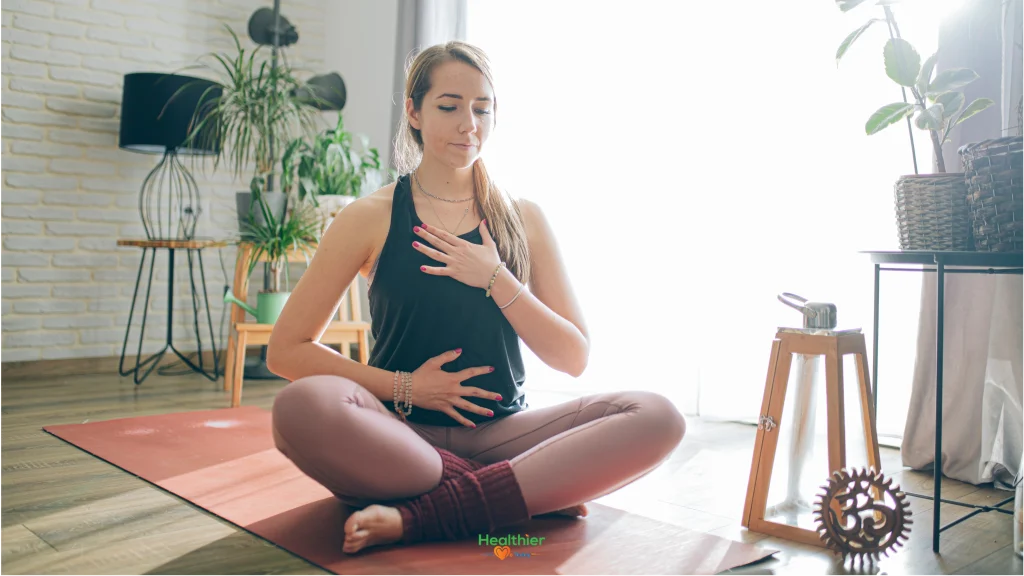
The 478 breathing technique may help you better control your breathing. Inhale for 4 seconds, then hold your breath for 7 seconds before exhaling for 8 seconds. This is often done in a cycle, where you repeat the breathing sequence for a set period. The 478 technique, based on an ancient yogic approach known as pranayama, may benefit your general health with constant practice.
When practiced on a regular basis, it may also help some people fall asleep more quickly.
Benefits of the 478 Breathing Technique
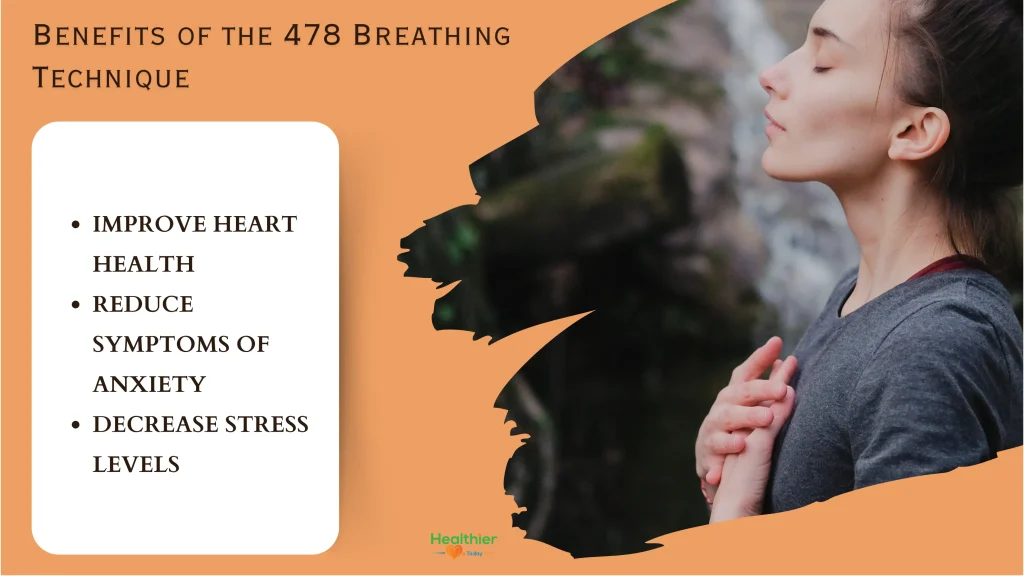
The 478 breathing technique can be helpful in various ways. Many folks may utilize it to help them relax. It can also help you deal with mental health issues that arise in your daily life. This technique can promote relaxation while improving your body’s response to stress. In these respects, you might see this practice as a strategy to encourage positive change in your mental and physical health.
You can use the 478 breathing technique in your routine to help achieve the following benefits:
Improve Heart Health
Breathing techniques are intended to put your body in a state of deep relaxation. Specific breathing patterns that entail holding your breath for an extended time allow your body to replenish oxygen. Techniques like 478 can provide your organs and tissues with much-needed oxygen from your lungs.
According to one study, exercising 478 breathing can enhance heart rate variability and blood pressure in young adults, particularly those who do not have sleep deprivation. The researchers also propose that the 478 breathing technique may be suitable for patients suffering from cardiovascular or pulmonary diseases. It could potentially lessen your heart’s workload while increasing blood oxygen levels.
Reduce Symptoms Of Anxiety
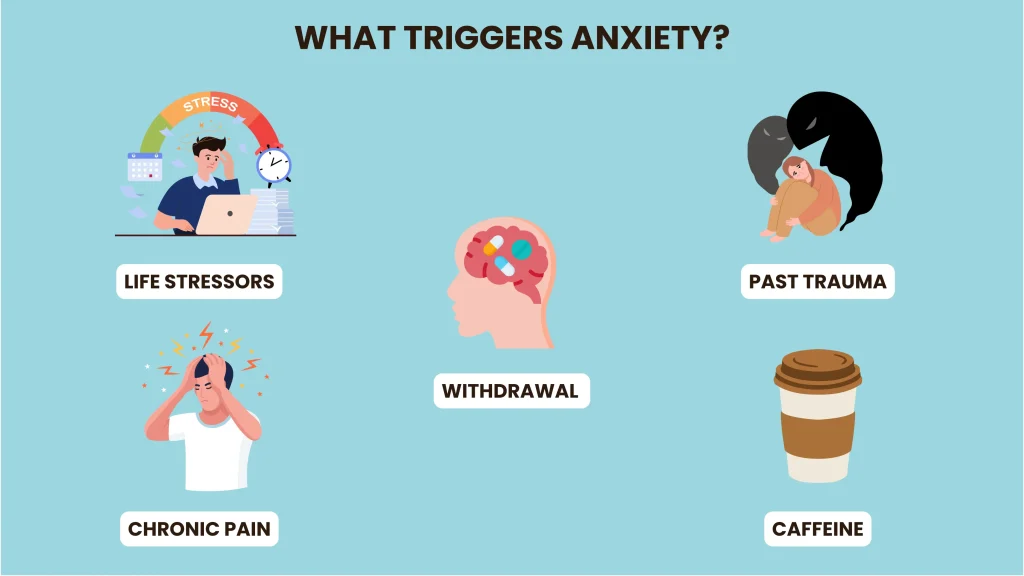
Relaxation techniques also assist in rebalancing your body and controlling your stress-induced fight-or-flight reaction. This is especially beneficial if you’re having trouble sleeping because of anxiety or concerns about what happened today or what might occur tomorrow. You may find getting a good night’s sleep difficult due to racing thoughts and worries.
The 478 breathing technique has been shown to help lessen anxiety symptoms. Studies have also shown that deep breathing exercises may enhance one’s quality of life. Instead of repeating your problems, the 478 technique has your body and mind concentrate on controlling your breathing. This can be extremely useful when you lie down to sleep at night. The technique’s proponents assert that it can calm frazzled nerves or slow a speeding heart.
Decrease Stress Levels
The research found that even five minutes of deliberate, slow breathing can dramatically lower anxiety and tension. According to a study, using controlled breathing exercises might improve your awareness and control of your emotions. By incorporating breathwork techniques, like 478 breathing, into your daily routine, you may feel more in control and have less anxiety and activity in the brain’s anterior insula. The processing and expression of our emotions are based on how we perceive different experiences handled by the anterior insula.
How To Do The 478 Breathing Technique
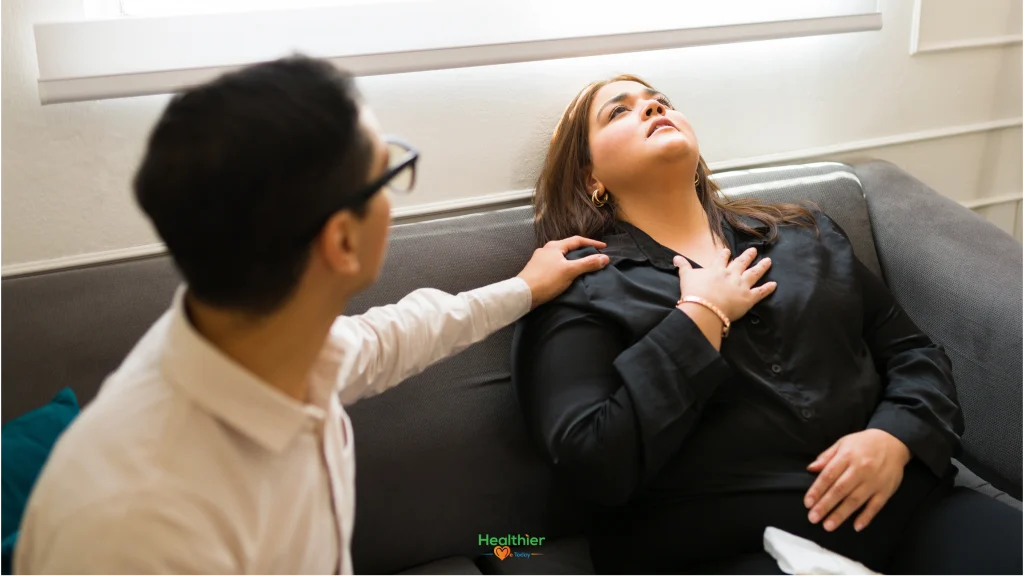
To practice 478 breathing:
- Choose a comfortable spot to sit or lie down.
- Maintain proper posture, especially while starting. If you want to fall asleep using this technique, you need to lie down.
- Prepare for the practice by placing the tip of your tongue against the roof of your mouth, directly behind your top front teeth. You will need to maintain your tongue in place during the workout.
It takes practice to avoid moving your tongue when you exhale. Pursuing one’s lips can make it easier for certain people to exhale when breathing.
The following steps should all be carried out in the cycle of one breath:
- First, let your lips separate. Make a whooshing sound and exhale entirely through your mouth.
- Next, seal your lips and inhale discreetly via your nose while counting to four seconds in your thoughts.
- Then, for seven seconds, hold your breath.
- Make another whooshing exhalation from your mouth for 8 seconds.
When you inhale again, a new breathing cycle begins. Try to repeat this sequence for four full breaths. At first, you may not see any results from this strategy. Proponents of the technique, however, believe that with time and repeated practice, 478 breathing can become more accessible to apply.
Consider progressively increasing the amount of full breaths you take while performing this breathing exercise. However, remember that it has to be a pace that you’re comfortable with. You may feel a little lightheaded the first time you try it – it’s normal. But if you become uncomfortable throughout your practice, take a break and drink some water.
Other Techniques To Help You Sleep
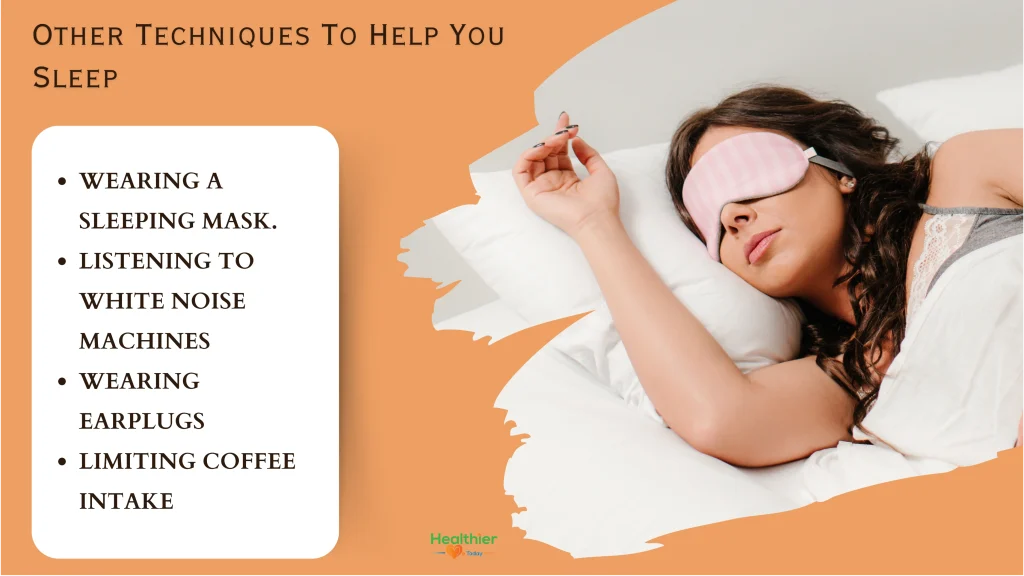
If you’re having mild sleeplessness due to anxiety or stress, 478 breathing may help you get the slumber you need.
If the approach isn’t practical enough on its own, you can try combining it with other treatments, such as:
- Wearing a sleeping mask
- Listening to white noise machines
- Wearing earplugs
- Relaxation techniques include listening to music
- Diffusing lavender essential oils
- Limiting coffee intake
- Practicing bedtime yoga
If the 478 breathing does not work for you, another approach may be more suitable, such as mindfulness meditation or guided imagery.
Conclusion
The 478 breathing technique is thought to help produce a sensation of relaxation. If you have difficulty sleeping or resting, try performing this technique for at least four breath cycles. Establishing a consistent practice may take some time, so take it slowly and gradually increase the duration and cycles.
FAQs:
Is 478 breathing harmful?
The 478 technique is relatively safe, but beginners may experience lightheadedness at the start.
Does 478 breathing lower blood pressure?
Practicing 478 breathing control can enhance HRV and BP, especially for individuals without sleep deficits. Sleep deprivation can impair heart rate variability, blood pressure, blood glucose levels, and endothelial function in healthy young individuals.
Does 478 breathing help with anxiety?
The 478 breathing technique can help you relax when upset or anxious. The activity helps to balance a hormone called cortisol, which governs your blood pressure fight or flight response.
How does breathing affect anxiety and stress?
Controlled breathing can create physiological changes, such as lower and heart rate. This reduces stress hormone levels in the blood and lactic acid buildup in muscular tissue.
How do you do the 478 sleep technique?
The 478 breathing technique consists of inhaling for 4 seconds, holding the breath for 7 seconds, and expelling for 8 seconds. It is intended to decrease anxiety or assist individuals in falling asleep.
What is the best breathing exercise for anxiety relief?
Because of their effectiveness, the 478 and 333 breathing techniques are the most commonly used for alleviating stress and anxiety.